Journal Description
Digital
Digital
is an international, peer-reviewed, open access journal on digital technologies and digital application, particularly with how such technologies affect our health, education and economy, published quarterly online by MDPI.
- Open Access— free for readers, with article processing charges (APC) paid by authors or their institutions.
- High Visibility: indexed within Scopus, Ei Compendex, EBSCO, and other databases.
- Rapid Publication: manuscripts are peer-reviewed and a first decision is provided to authors approximately 27.7 days after submission; acceptance to publication is undertaken in 4.9 days (median values for papers published in this journal in the second half of 2025).
- Journal Rank: CiteScore - Q2 (Computer Science (miscellaneous))
- Recognition of Reviewers: APC discount vouchers, optional signed peer review, and reviewer names published annually in the journal.
- Journal Cluster of Information Systems and Technology: Analytics, Applied System Innovation, Cryptography, Data, Digital, Informatics, Information, Journal of Cybersecurity and Privacy and Multimedia.
Latest Articles
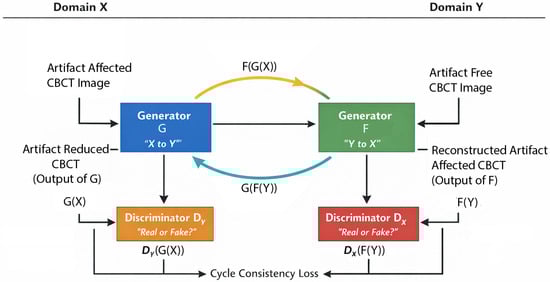
Unsupervised Metal Artifact Reduction in Dental CBCT Using Fine-Tuned Cycle-Consistent Adversarial Networks
Digital 2026, 6(2), 31; https://doi.org/10.3390/digital6020031 - 17 Apr 2026
Abstract
►
Show Figures
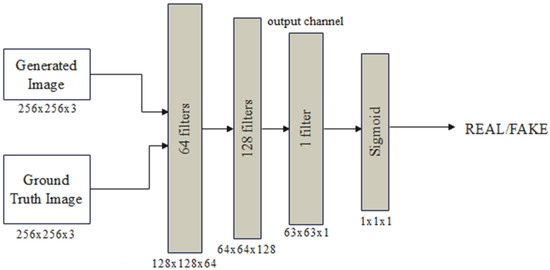
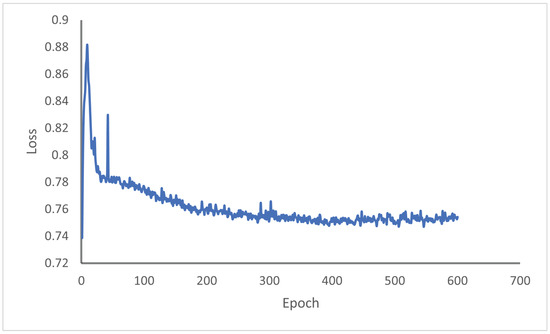
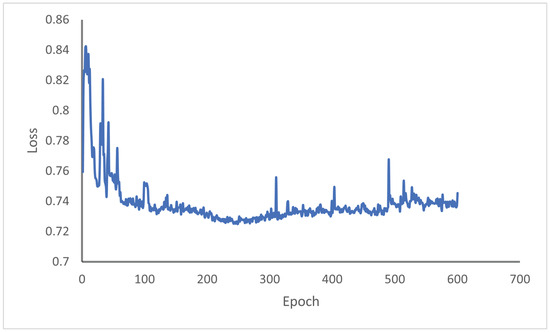
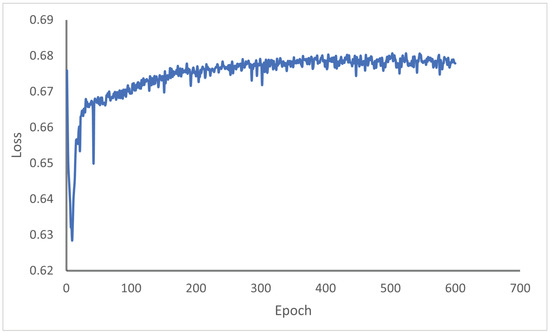
Metal artifacts generated by dental implants significantly degrade cone-beam computed tomography (CBCT) volumes, obscuring critical anatomical structures and compromising diagnostic precision. To address this, an unsupervised deep learning framework has been proposed for Metal Artifact Reduction (MAR) utilizing a Cycle-Consistent Adversarial Network (CycleGAN)
[...] Read more.
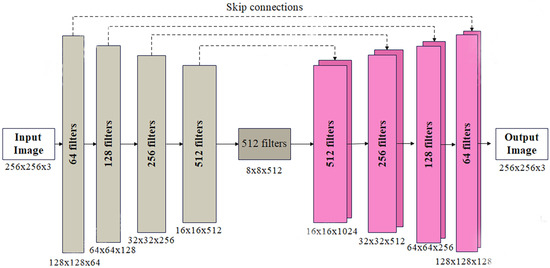
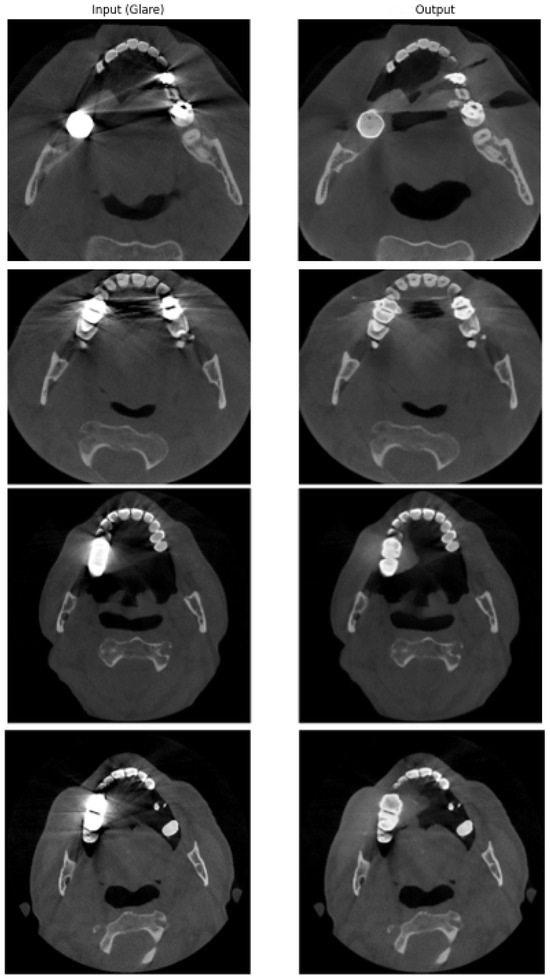
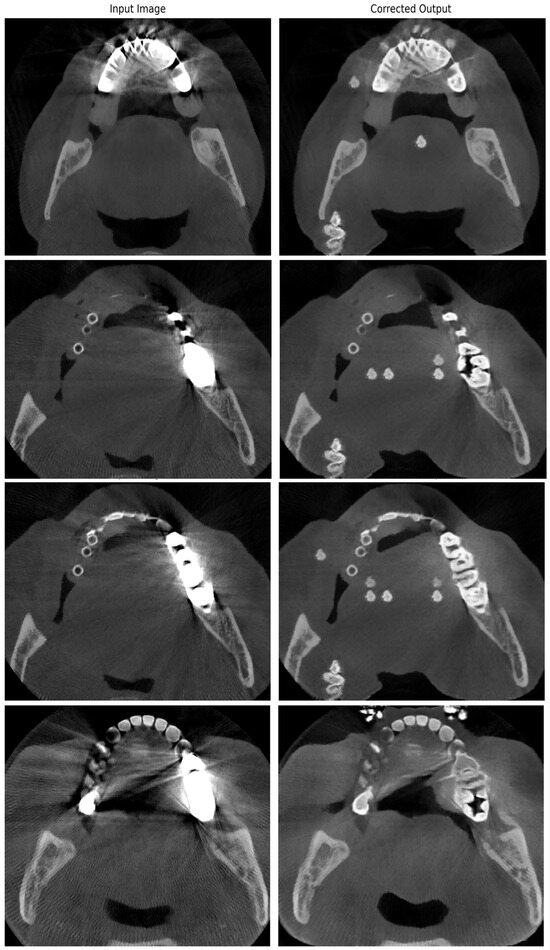
Metal artifacts generated by dental implants significantly degrade cone-beam computed tomography (CBCT) volumes, obscuring critical anatomical structures and compromising diagnostic precision. To address this, an unsupervised deep learning framework has been proposed for Metal Artifact Reduction (MAR) utilizing a Cycle-Consistent Adversarial Network (CycleGAN) optimized for high-fidelity restoration. Unlike supervised methods that rely on unattainable voxel-aligned paired datasets, the proposed approach leverages an unpaired dataset of approximately 4000 images, curated from the public ToothFairy dataset. The architecture integrates U-Net-based generators and PatchGAN discriminators, specifically tuned to mitigate generative hallucinations and preserve morphological integrity. Quantitative benchmarking on a held-out test set demonstrates a 34.6% improvement in the Blind/Referenceless Image Spatial Quality Evaluator (BRISQUE) score, a substantial reduction in Fréchet Inception Distance (FID) from 207.03 to 157.04, and a superior Structural Similarity Index Measure (SSIM) of 0.9105. The framework achieves real-time efficiency with a 3.03 ms inference time per slice, effectively suppressing artifacts while preserving anatomical detail. Expert validation confirms high fidelity; however, to ensure reliability in extreme cases, the architecture is recommended as a clinical decision-support tool under human-in-the-loop oversight. By enhancing diagnostic clarity via a scalable software pipeline, this study provides a robust solution for high-fidelity dental implant imaging.
Full article
Open AccessArticle
A Novel Classification Model for Suspicious Human Activities in Diverse Environments Using Fused Feature Block and Machine Vision Techniques
by
Bushra Mughal, Fernando B. Duarte, Tiago Cunha Reis and Carlos Jorge Dos Santos Limão Sebastiã
Digital 2026, 6(2), 30; https://doi.org/10.3390/digital6020030 - 13 Apr 2026
Abstract
►▼
Show Figures
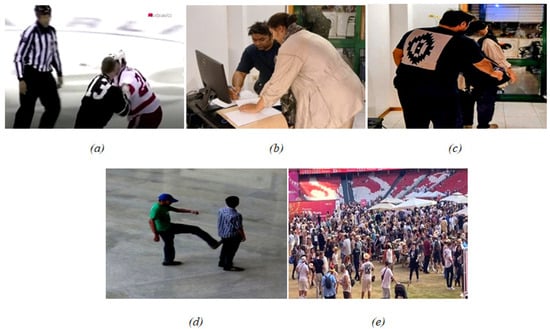
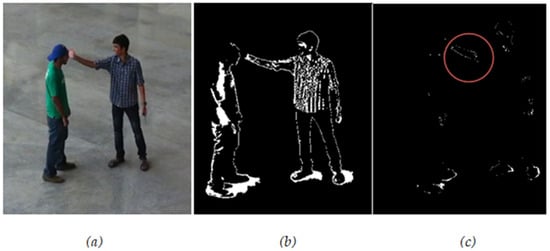
Automated detection of suspicious human activities in complex and crowded environments remains a critical challenge in modern surveillance systems due to high false-positive rates, poor contrast and generalization across diverse scenes. We propose a GM_CNN3D Model for the classification of suspicious activity based
[...] Read more.
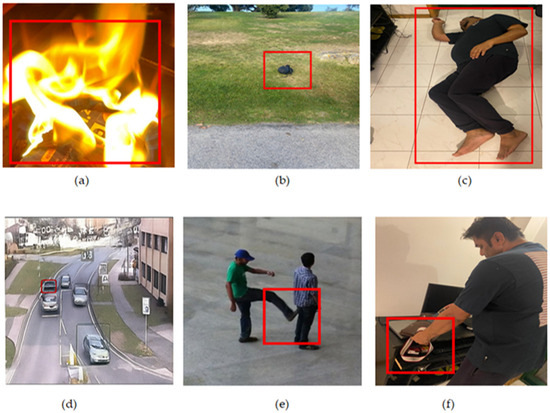
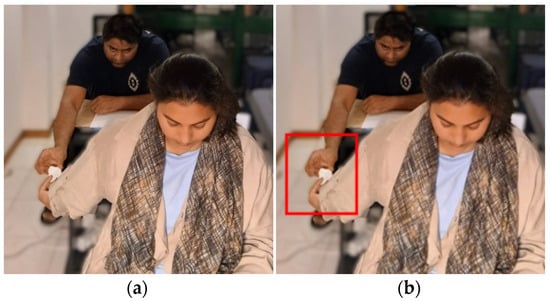
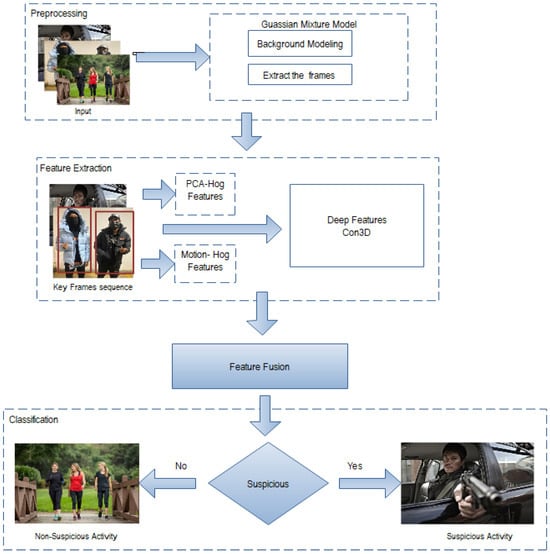
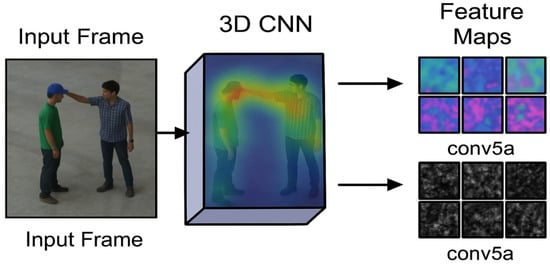
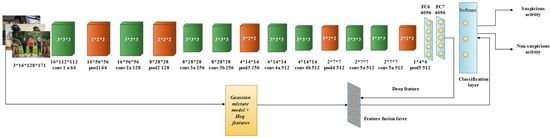
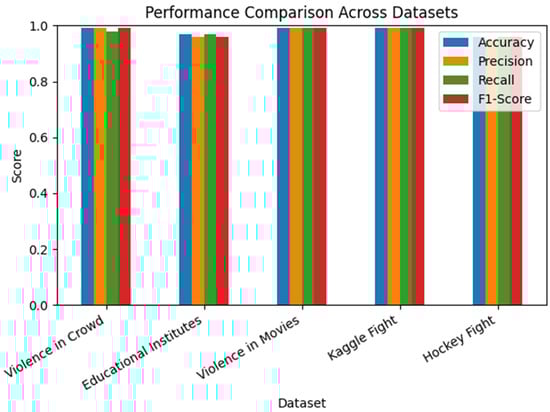
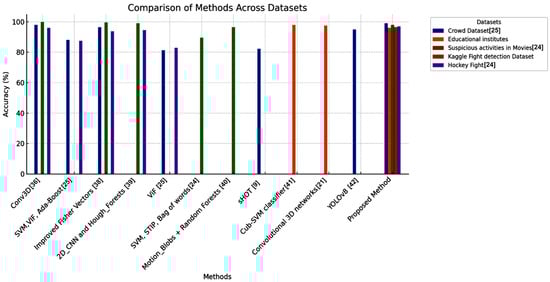
Automated detection of suspicious human activities in complex and crowded environments remains a critical challenge in modern surveillance systems due to high false-positive rates, poor contrast and generalization across diverse scenes. We propose a GM_CNN3D Model for the classification of suspicious activity based on a Deep Fused Feature Block (DFFB) framework that integrates handcrafted spatial descriptors (PCA-HOG and Motion-HOG) with deep spatiotemporal features extracted from 3D Convolution Neural Network (3D-CNN). Motion regions are first localized using a Gaussian Mixture Model (GMM), after which handcrafted and deep features are concatenated in a dimensionality-normalized fusion stage, followed by a fully connected layer and softmax classification. The system is evaluated on five diverse and publicly available datasets: Violent Crowd, Hockey Fight, Kaggle Fight, Movies Fight, and Custom Annotated YouTube Clips, achieving up to 99.12% accuracy, 98.7% F1-score, and a ROC-AUC of 0.992, outperforming state-of-the-art CNN, LSTM, and SlowFast models. All datasets include real world scenarios with varying lighting, crowd density, and camera viewpoints, with annotations created manually where unavailable. The proposed method demonstrates robust cross-scene performance, enabling automated alarming and reduced false positives in real-time security operations.
Full article

Figure 1
Open AccessArticle
Designing and Validating a Forensic Evaluation Model for Selective Seizure Capabilities in Windows Forensic Tools
by
Sun-Ho Kim and Cheolhee Yoon
Digital 2026, 6(2), 29; https://doi.org/10.3390/digital6020029 - 7 Apr 2026
Abstract
►▼
Show Figures
The increasing volume and complexity of digital evidence pose significant challenges to its lawful collection and admissibility, particularly in on-site investigative contexts. Selective seizure has emerged as a critical approach for minimizing unnecessary data acquisition while ensuring procedural legality, privacy protection, and investigative
[...] Read more.
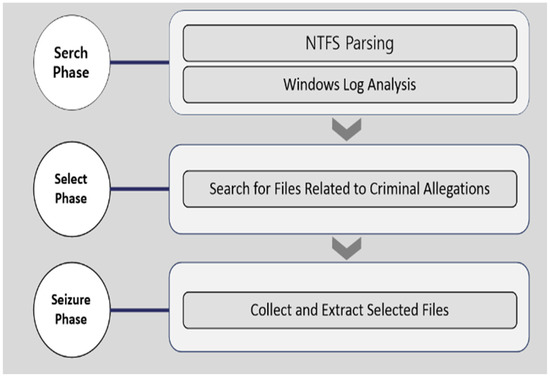
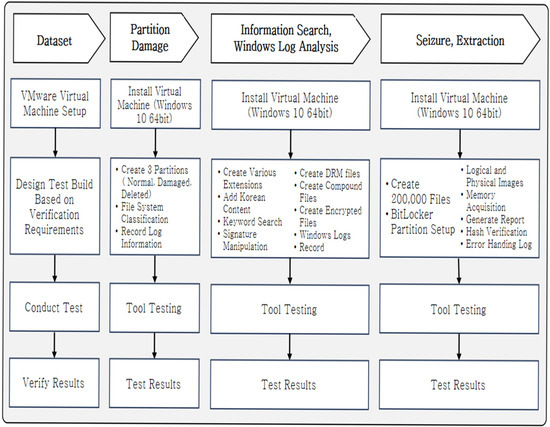
The increasing volume and complexity of digital evidence pose significant challenges to its lawful collection and admissibility, particularly in on-site investigative contexts. Selective seizure has emerged as a critical approach for minimizing unnecessary data acquisition while ensuring procedural legality, privacy protection, and investigative efficiency. However, despite its growing importance, systematic evaluation criteria for selective seizure capabilities in digital forensic tools remain underdeveloped. This study proposes a structured evaluation framework for assessing selective seizure functions in Windows-based forensic tools, with a focus on live-response environments. Essential selective seizure functions were identified and organized into three investigative phases—search, selection, and seizure—reflecting practical field procedures. Based on this framework, a dedicated evaluation dataset was constructed, and six representative portable forensic tools were empirically evaluated under a controlled Windows 10 (NTFS) environment simulating active system conditions. The experimental results demonstrate notable differences in tool capabilities across investigative phases. In the search phase, variations were observed in NTFS parsing and Windows artifact analysis, while the selection phase revealed disparities in file filtering, keyword search, encrypted file handling, and preview functions. In the seizure phase, only a subset of tools sufficiently supported evidence collection, integrity verification, and reporting requirements necessary for selective seizure. These findings highlight that no single tool uniformly satisfies all functional requirements, underscoring the need for context-dependent tool selection. The proposed framework and evaluation results provide practical guidance for digital forensic practitioners in selecting appropriate tools for selective seizure in field investigations. Moreover, this study contributes a reproducible methodological foundation for future research on selective seizure evaluation, supporting the development of more precise, proportionate, and legally robust digital evidence collection practices in Windows-based forensic investigations.
Full article

Figure 1
Open AccessArticle
Dynamic Anthropomorphism and Artificial Empathy in Conversational Agents: A Wizard-of-Oz Experimental Evaluation
by
Dimos Nanos and Georgios Lappas
Digital 2026, 6(2), 28; https://doi.org/10.3390/digital6020028 - 2 Apr 2026
Abstract
►▼
Show Figures
Conversational agents increasingly incorporate socio-emotional cues to support more natural and socially engaging digital interactions. Prior research has shown that anthropomorphism and artificial empathy influence user evaluations; however, these dimensions are typically examined as static design features and often in isolation, leaving limited
[...] Read more.
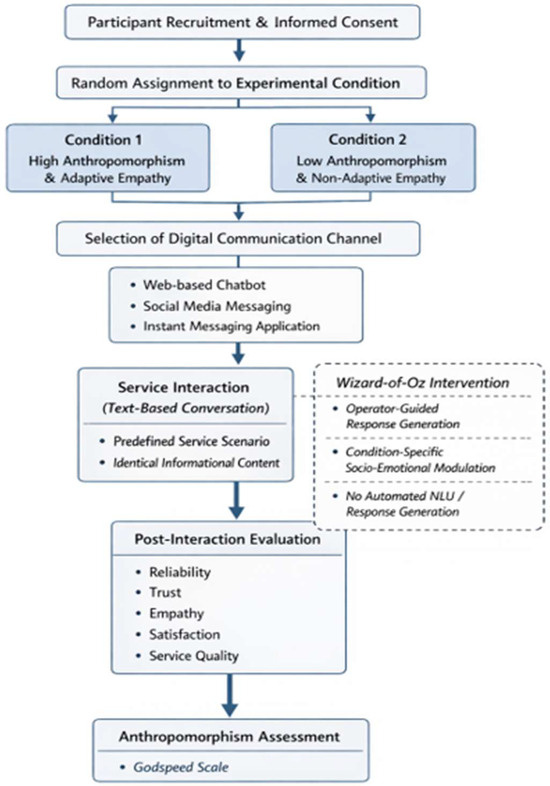
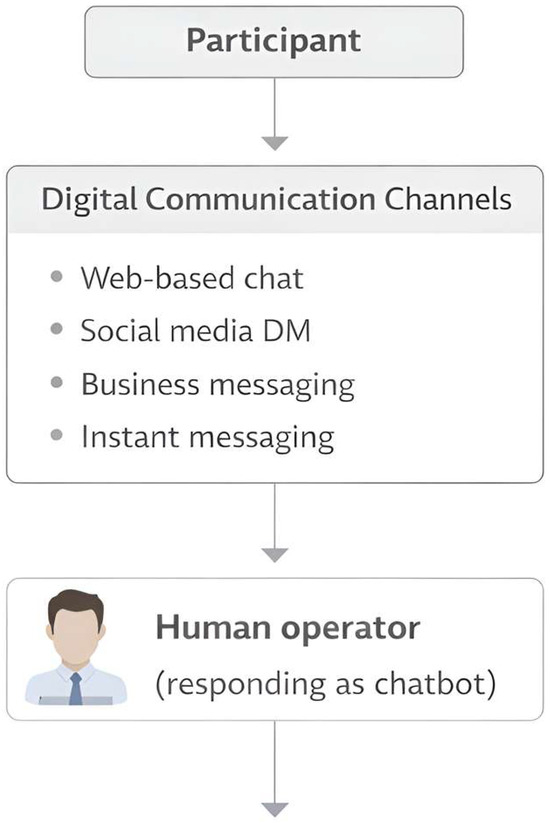
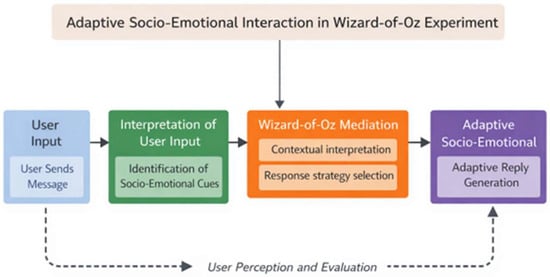
Conversational agents increasingly incorporate socio-emotional cues to support more natural and socially engaging digital interactions. Prior research has shown that anthropomorphism and artificial empathy influence user evaluations; however, these dimensions are typically examined as static design features and often in isolation, leaving limited evidence on how users perceive socio-emotional behavior that adapts dynamically during real-time interaction. This study investigates the perception-based evaluation of adaptive socio-emotional behavior in conversational agents using a controlled Wizard-of-Oz design. In total, 72 participants (N = 72) interacted with a simulated agent across four digital communication channels under conditions of high versus low anthropomorphism and artificial empathy, enabling systematic variation in socio-emotional expression while preserving participants’ perception of autonomous system operation. User evaluations were assessed using established perceptual constructs, including trust, perceived reliability, satisfaction, service quality, perceived empathy, and anthropomorphism. The findings demonstrate that conversational agents exhibiting dynamically adaptive anthropomorphic and empathic behavior elicit consistently more positive user evaluations across all measured constructs compared to non-adaptive interaction. Validation analysis using the Godspeed scale confirmed clear differentiation between experimental conditions, highlighting the role of interaction-contingent adaptation relative to static socio-emotional cues in perceived human likeness and positive user responses. These results indicate that user perception can function as a human-centered evaluation layer for assessing adaptive conversational systems, enabling systematic measurement of socio-emotional performance under controlled conditions. More broadly, this study supports the design of adaptive AI systems that leverage real-time socio-emotional feedback to enhance trust, perceived service quality, and behavioral acceptance in digital service environments within a controlled Wizard-of-Oz evaluation context.
Full article

Figure 1

Open AccessArticle
Early Anomaly Detection in Shrimp Pond Water Quality Using Supervised and Unsupervised Machine Learning Models
by
Hamilton Villamar-Barros, Julián Coronel-Reyes and Alexander Haro-Sarango
Digital 2026, 6(2), 27; https://doi.org/10.3390/digital6020027 - 1 Apr 2026
Abstract
Shrimp aquaculture increasingly depends on precise water quality management, yet most farms still rely on fragmented measurements and qualitative assessments. This study aimed to evaluate whether routine physicochemical data from commercial ponds can reliably discriminate between operational categories of acceptable and residual water
[...] Read more.
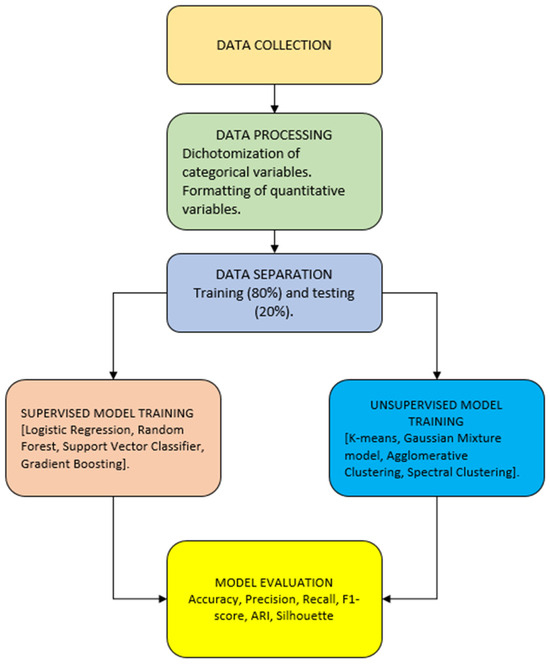
Shrimp aquaculture increasingly depends on precise water quality management, yet most farms still rely on fragmented measurements and qualitative assessments. This study aimed to evaluate whether routine physicochemical data from commercial ponds can reliably discriminate between operational categories of acceptable and residual water and thus support early warning systems. We compiled water quality records from shrimp ponds in several coastal provinces, focusing on a reduced set of variables related to salinity, alkalinity, hardness and inorganic nitrogen. Supervised and unsupervised machine learning models were trained and compared using standard classification metrics. Tree-based ensembles and margin-based models achieved high accuracy and F1 scores when predicting water status from routine variables, while clustering methods only reproduced similar patterns after an ex post mapping of clusters to classes. These results indicate that latent nitrogen loads and subtle shifts in water chemistry are systematically captured by basic monitoring data and can be translated into operational signals of risk. The study demonstrates the feasibility of integrating data-driven classification into shrimp farm monitoring and outlines a pathway toward low-cost, scalable decision support tools for aquaculture 4.0 in data-limited settings.
Full article
(This article belongs to the Special Issue Applications of Artificial Intelligence and Data Management in Data Analysis)
►▼
Show Figures

Figure 1
Open AccessArticle
Security Risks in Responsive Web Design Frameworks
by
Fernando Almeida and Carlos Sousa
Digital 2026, 6(1), 26; https://doi.org/10.3390/digital6010026 - 21 Mar 2026
Abstract
This study addresses a gap in the literature by explicitly linking responsive web design frameworks to concrete cybersecurity vulnerabilities, moving beyond traditional discussions of usability and device compatibility to incorporate security-by-design principles in contemporary frontend development. The research adopts a qualitative comparative approach
[...] Read more.
This study addresses a gap in the literature by explicitly linking responsive web design frameworks to concrete cybersecurity vulnerabilities, moving beyond traditional discussions of usability and device compatibility to incorporate security-by-design principles in contemporary frontend development. The research adopts a qualitative comparative approach and considers five widely used responsive design frameworks: Bootstrap, Tailwind CSS, Foundation, Pure CSS, and Skeleton. These frameworks were selected based on criteria such as maturity, adoption, and architectural diversity. Three research questions guide the analysis: the identification of cybersecurity risks associated with responsive design frameworks, the extent to which these risks vary across frameworks, and the mitigation strategies required to address them. The findings confirm that most critical vulnerabilities originate outside the frontend layer, reinforcing the separation between presentation and backend logic. However, the results demonstrate that frameworks significantly influence the security risk profile, particularly regarding cross-site scripting, dependency management, and configuration practices. Modern utility-first frameworks shift security concerns toward the build pipeline and toolchain, while minimalistic and abandoned frameworks introduce risks related to obsolescence and unpatched “forever-day” vulnerabilities. The study concludes that frontend security depends less on framework choice alone and more on governance, continuous maintenance, and the systematic adoption of secure development and DevSecOps practices.
Full article
Open AccessArticle
Enhancing Innovation and Resilience in Entrepreneurial Ecosystems Using Digital Twins and Fuzzy Optimization
by
Zornitsa Yordanova and Hamed Nozari
Digital 2026, 6(1), 25; https://doi.org/10.3390/digital6010025 - 19 Mar 2026
Abstract
►▼
Show Figures
Entrepreneurial ecosystems are multi-actor, uncertain, and dynamic environments in which policymakers and investors must balance innovation, resilience, and cost. Despite the growing literature on entrepreneurial ecosystems, much of the existing research has focused on identifying the components and relationships among actors and has
[...] Read more.
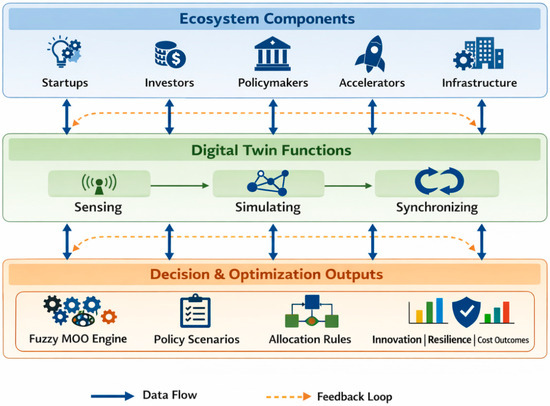
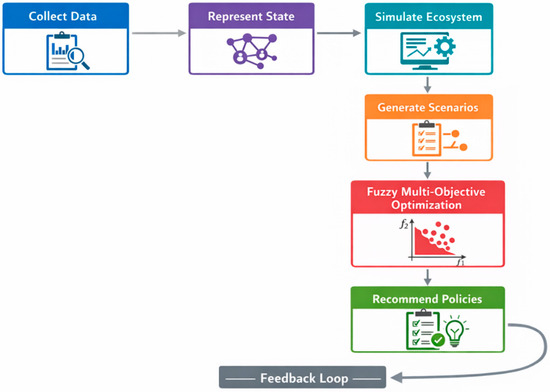
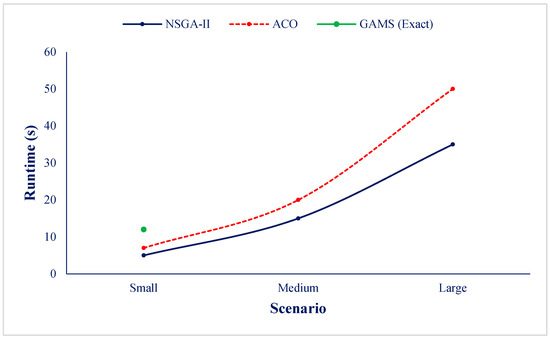
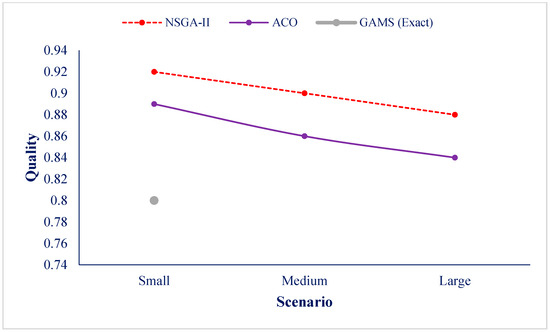
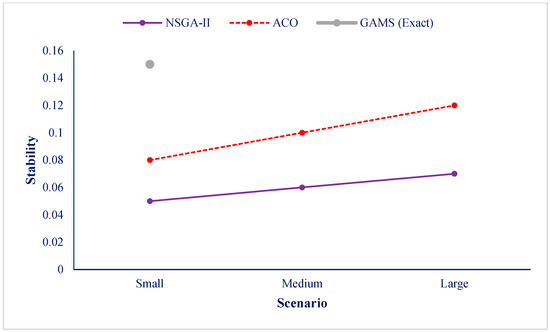
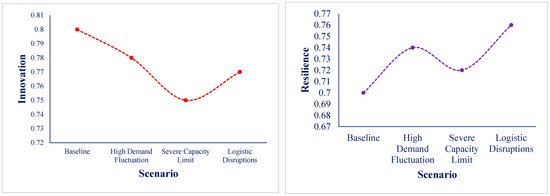
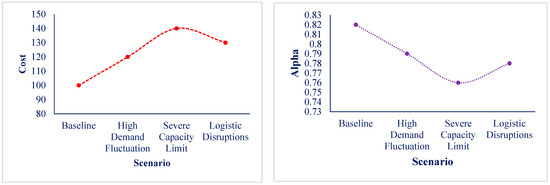
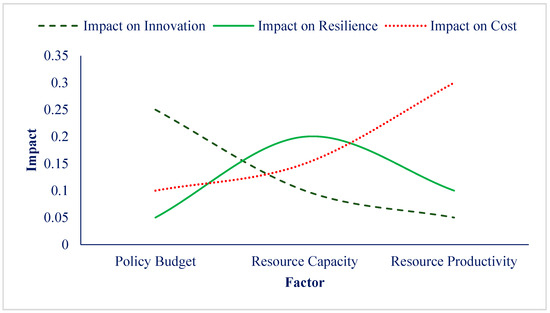
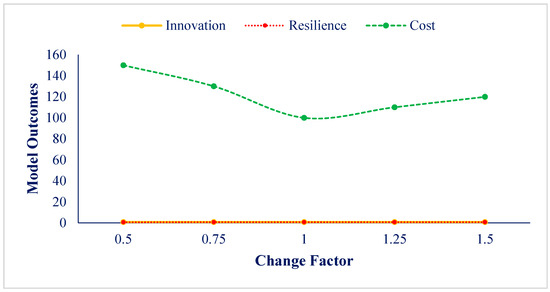
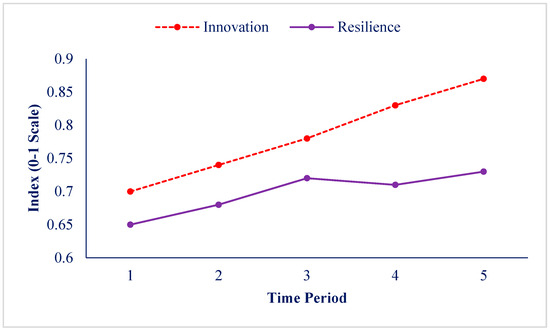
Entrepreneurial ecosystems are multi-actor, uncertain, and dynamic environments in which policymakers and investors must balance innovation, resilience, and cost. Despite the growing literature on entrepreneurial ecosystems, much of the existing research has focused on identifying the components and relationships among actors and has provided less prescriptive frameworks for evaluating resource allocation policies before implementation. To address this gap, this study presents a digital twin-based and fuzzy multiobjective optimization framework for resource orchestration in entrepreneurial ecosystems. The proposed framework combines dynamic ecosystem representation with multiobjective decision-making under uncertainty and allows for the testing of different resource allocation and policy scenarios before actual intervention. To solve the model, exact optimization in GAMS was used for small- and medium-sized samples, and NSGA-II and ACO algorithms were used for large-scale problems. The advantage of the proposed method is that, unlike purely descriptive approaches or deterministic models, it simultaneously considers uncertainty, time dynamics, and trade-offs between innovation, resilience, and cost in an integrated decision-making framework. Experimental evaluation was conducted based on simulated data calibrated with reliable public sources, and the performance of the algorithms was compared with reference methods in terms of computational time, solution quality, and stability. The results showed that metaheuristics, especially NSGA-II, significantly reduced the solution time in large-scale problems and at the same time produced solutions closer to the Pareto frontier and with greater stability. Sensitivity analysis also showed that in the designed scenarios, policy budgets have a more prominent effect on innovation, while resource capacity and structural diversification play a more important role in enhancing resilience. Also, improving resource efficiency has had the greatest effect on reducing the total system cost. From a theoretical perspective, the present study operationally models the logic of resource orchestration in entrepreneurial ecosystems through the integration of digital twins and fuzzy multi-objective optimization. From a managerial perspective, this framework acts as a decision-making engine that allows for ex ante testing of policies, clarification of trade-offs, and extraction of resource allocation rules under uncertainty.
Full article

Figure 1
Open AccessArticle
A Hybrid Optimization Model for Transformer Fault Diagnosis Based on Gas Classification
by
Junju Lai, Dongpeng Weng, Feng Xian, Yuandong Xie, Yujie Chen, Qian Zhou and Chao Yuan
Digital 2026, 6(1), 24; https://doi.org/10.3390/digital6010024 - 10 Mar 2026
Abstract
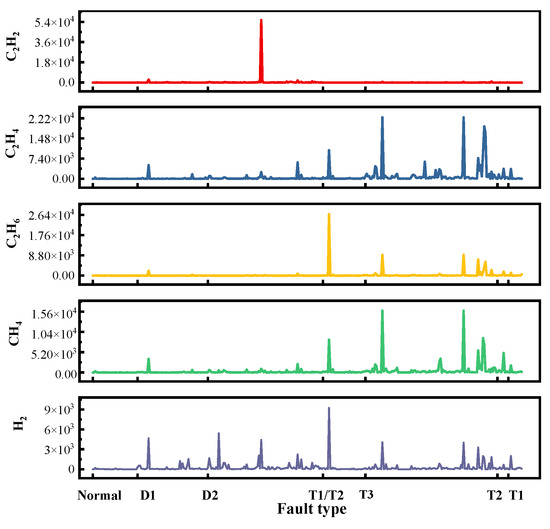
Dissolved gas analysis (DGA) provides valuable information for transformer condition monitoring, yet accurate multi-class fault identification remains challenging due to overlapping gas patterns and the sensitivity of classifier hyperparameters. This study proposes a hybrid optimization framework that combines Particle Swarm Optimization and Grey
[...] Read more.
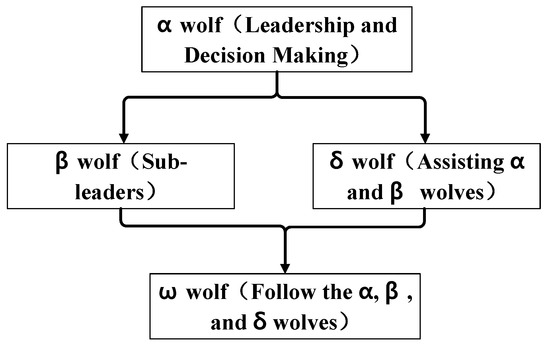
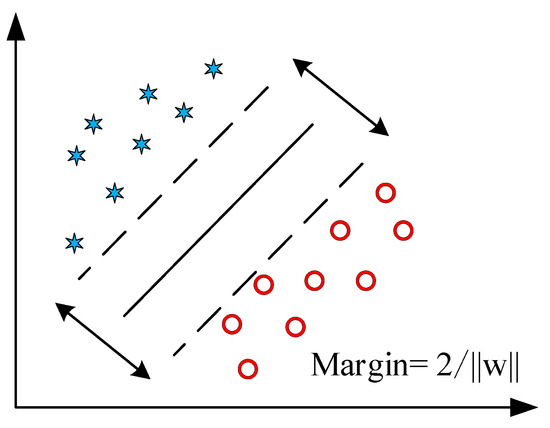
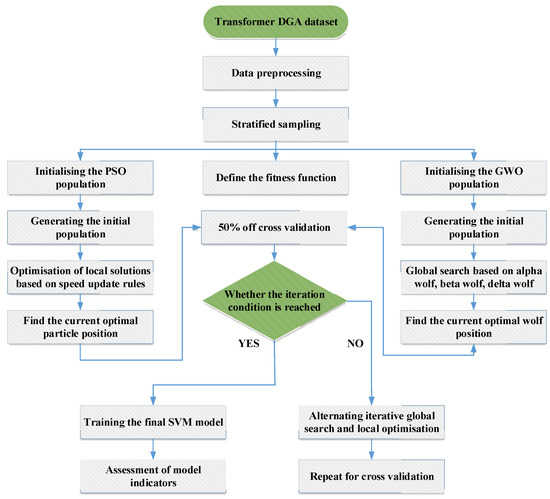
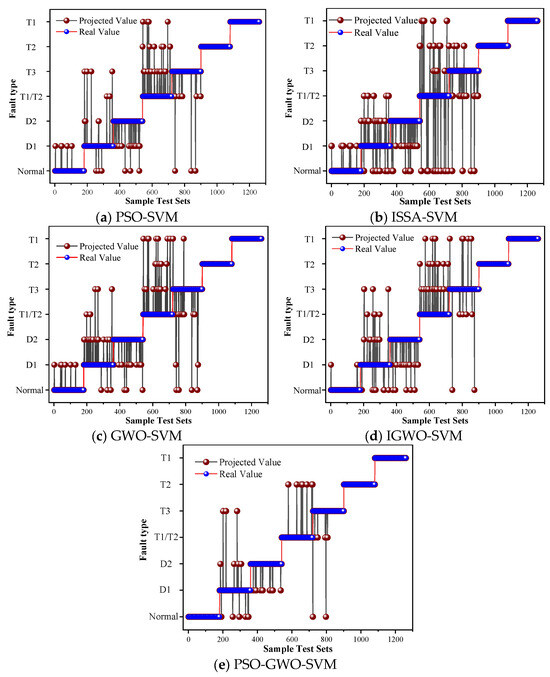
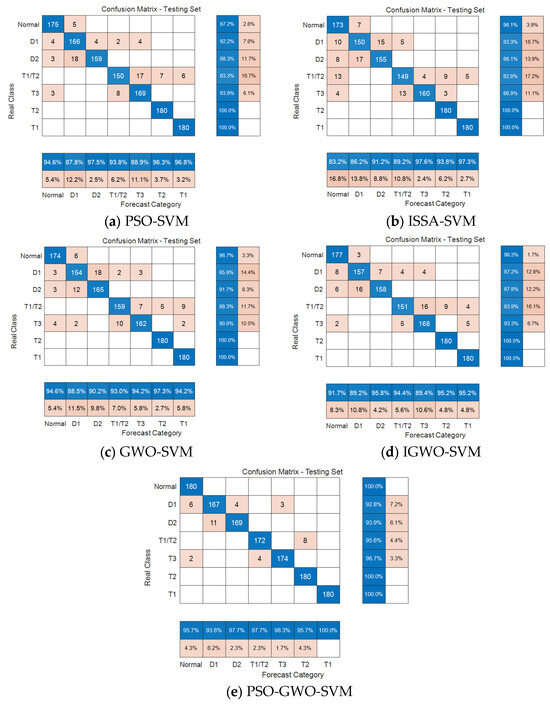
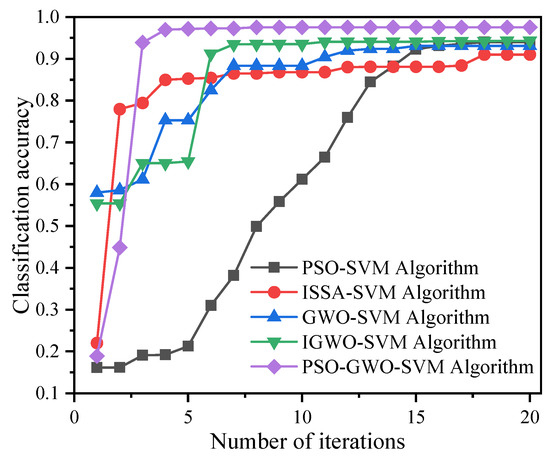
Dissolved gas analysis (DGA) provides valuable information for transformer condition monitoring, yet accurate multi-class fault identification remains challenging due to overlapping gas patterns and the sensitivity of classifier hyperparameters. This study proposes a hybrid optimization framework that combines Particle Swarm Optimization and Grey Wolf Optimization to tune the hyperparameters of a Support Vector Machine (SVM) for transformer fault diagnosis based on gas classification. The model is evaluated on a DGA dataset using a strict protocol that separates cross-validation–based tuning from held-out test assessment. Experimental results show that the proposed hybrid PSO-GWO-SVM achieves superior diagnostic performance and more stable convergence compared with representative single-optimizer baselines, demonstrating its potential for practical transformer fault identification.
Full article
(This article belongs to the Topic Artificial Intelligence Models, Tools and Applications: 2nd Edition)
►▼
Show Figures

Figure 1
Open AccessSystematic Review
Generative AI for Text-to-Video Generation: Recent Advances and Future Directions
by
Kadhim Hayawi and Sakib Shahriar
Digital 2026, 6(1), 23; https://doi.org/10.3390/digital6010023 - 9 Mar 2026
Abstract
►▼
Show Figures
Text-to-video (T2V) generation has recently emerged as a transformative technology within the field of generative AI, enabling the creation of realistic, temporally coherent videos based on natural language descriptions. This paradigm provides significant added value in many domains such as creative media, human-computer
[...] Read more.
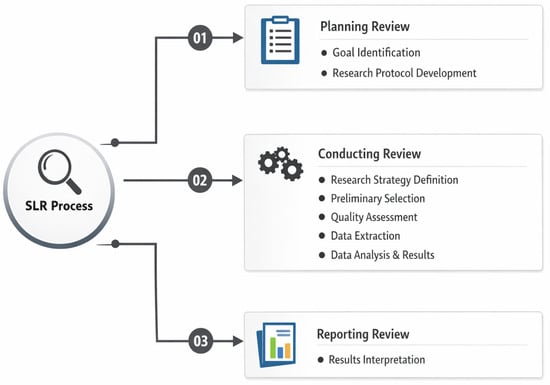
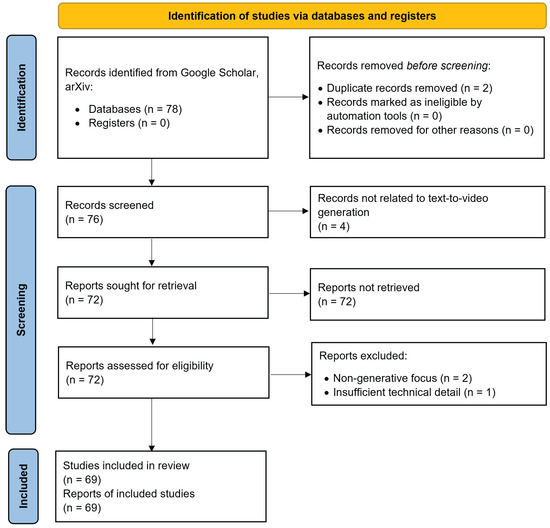
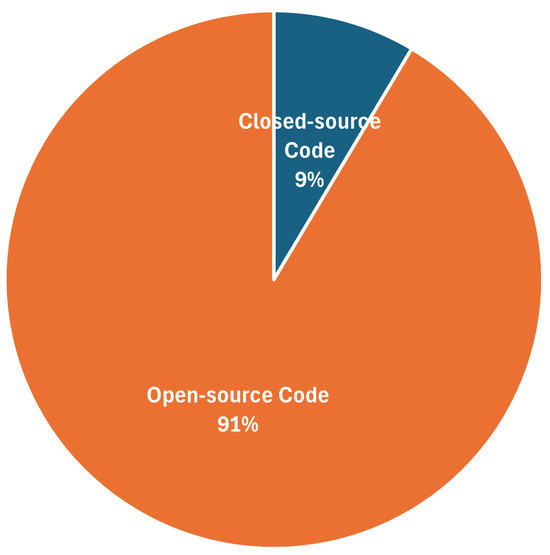
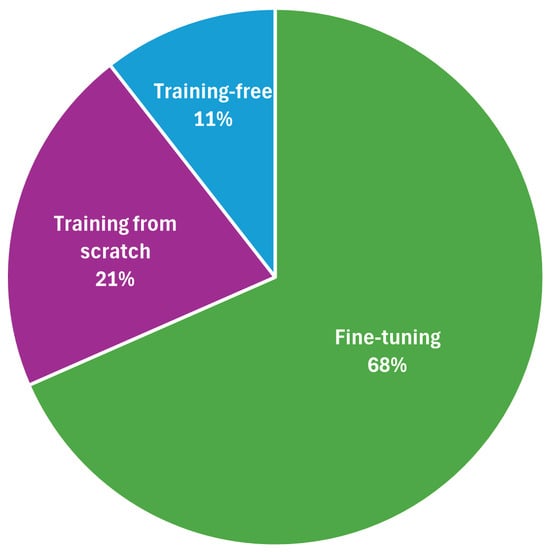
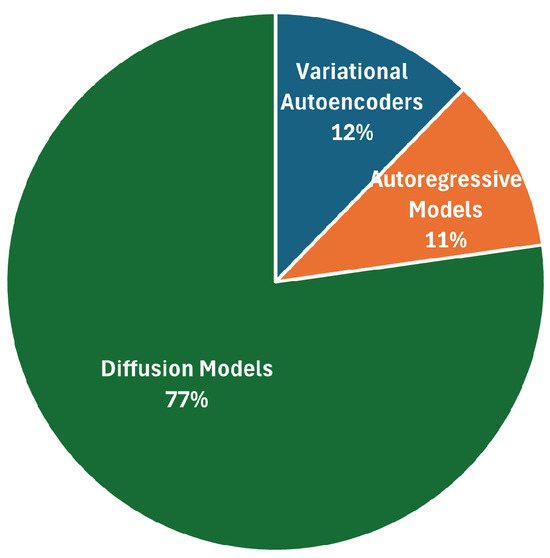
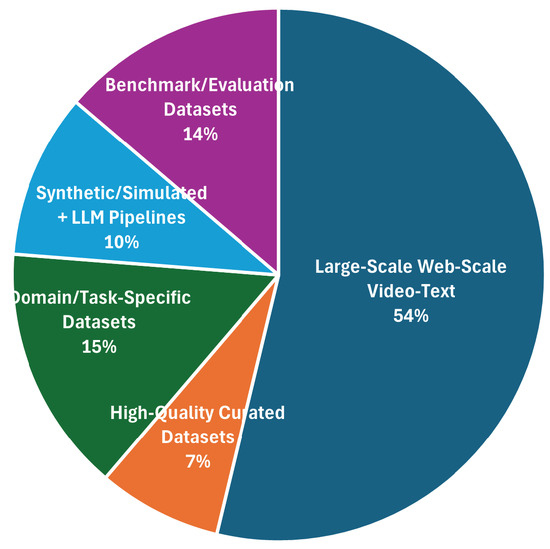
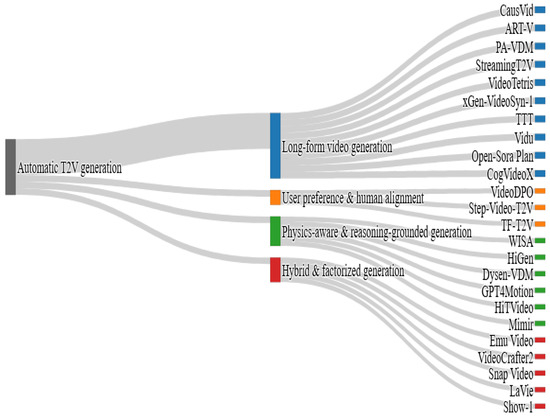
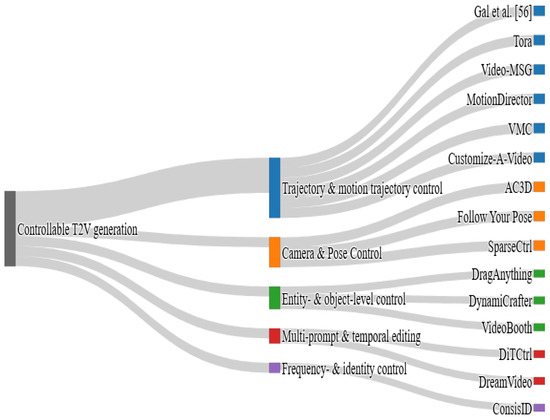
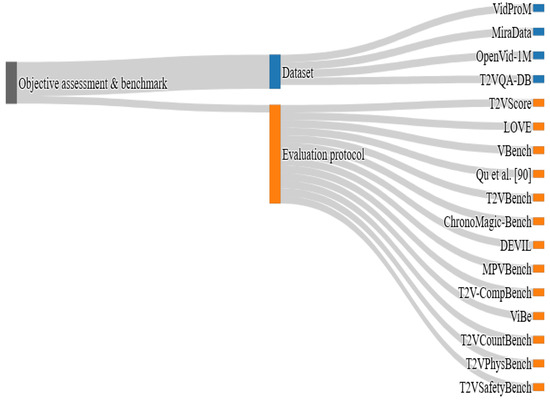
Text-to-video (T2V) generation has recently emerged as a transformative technology within the field of generative AI, enabling the creation of realistic, temporally coherent videos based on natural language descriptions. This paradigm provides significant added value in many domains such as creative media, human-computer interaction, immersive learning, and simulation. Despite its growing importance, systematic discussion of T2V is still limited compared with adjacent modalities such as text-to-image and image-to-video. To alleviate the scarcity of discussions in the T2V field, this paper provides a systematic review of works published from 2024 onward, consolidating fragmented contributions across the field. We survey and categorize the selected literature into three principal areas—namely, T2V methods, datasets, and evaluation practices—and further subdivide each area into subcategories that reflect recurring themes and methodological patterns in the literature. Emphasis is then placed on identifying key research opportunities and open challenges that need further investigation.
Full article

Figure 1

Open AccessArticle
A Blockchain-Augmented CPS Framework to Mitigate FDI Attacks and Improve Resiliency
by
Mordecai Opoku Ohemeng and Frederick T. Sheldon
Digital 2026, 6(1), 22; https://doi.org/10.3390/digital6010022 - 8 Mar 2026
Cited by 1
Abstract
►▼
Show Figures
The integration of blockchain technology into Cyber–Physical Systems (CPS) offers decentralized resilience against data manipulation. This also introduces stochastic consensus latencies that threaten real-time control stability. We present a Stochastic-Aware Blockchain Predictive Control (SAB-PC) framework, which models blockchain-induced jitter as a state-dependent Markovian
[...] Read more.
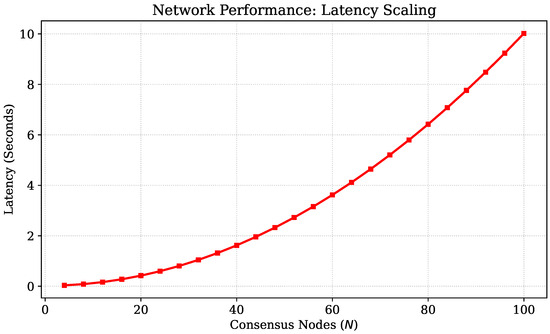
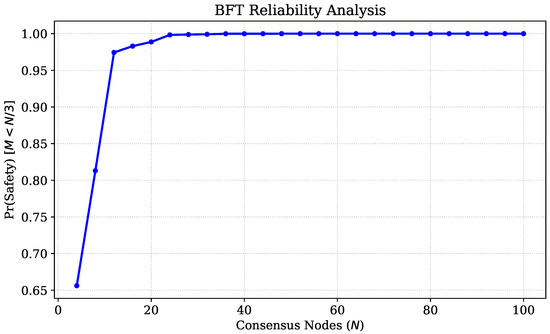
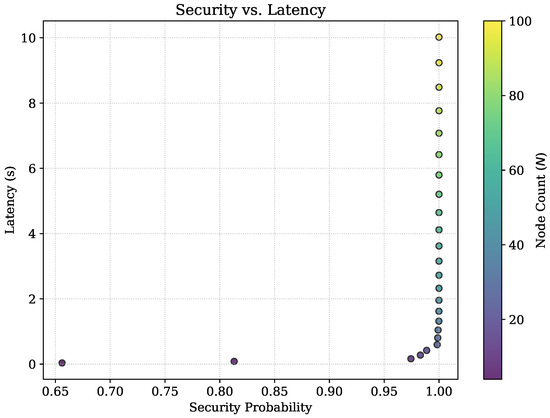
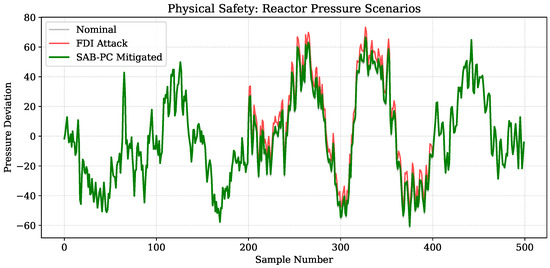
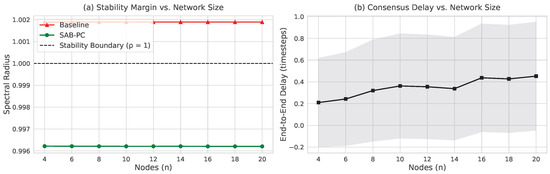
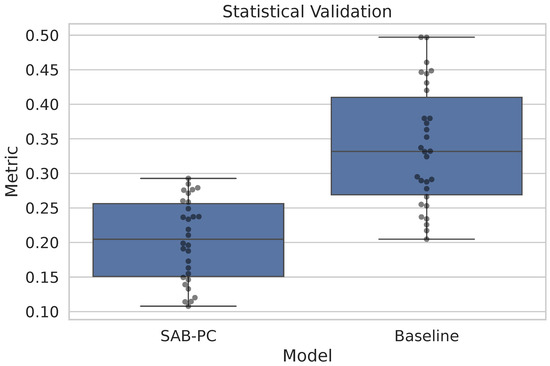
The integration of blockchain technology into Cyber–Physical Systems (CPS) offers decentralized resilience against data manipulation. This also introduces stochastic consensus latencies that threaten real-time control stability. We present a Stochastic-Aware Blockchain Predictive Control (SAB-PC) framework, which models blockchain-induced jitter as a state-dependent Markovian process, and embeds it within a Markovian Jump Linear System (MJLS) formulation. Using mode-dependent Linear Matrix Inequalities (LMIs), we derive Mean Square Stability (MSS) conditions, which capture the interaction between decentralized consensus dynamics and closed-loop control behavior. The framework is validated on the Tennessee Eastman Process (TEP) benchmark, using a calibrated stochastic delay model that reflects realistic blockchain congestion patterns. Our results show that standard blockchain-mediated control architectures become unstable under Practical Byzantine Fault Tolerance (PBFT)-induced quadratic latency growth, whereas SAB-PC maintains stable operation across decentralized networks up to 60 validator nodes. The predictive Safety Runway effectively masks long-tail delay distributions, ensuring real-time feasibility and preserving safe Reactor Pressure trajectories. Under coordinated False Data Injection (FDI) attacks, SAB-PC limits pressure deviations to only 1.2 kPa despite an 8.0 kPa adversarial bias, demonstrating cryptographic and control-theoretic resilience.
Full article

Figure 1

Open AccessSystematic Review
A Comprehensive Study of Artificial Intelligence in Preserving and Advancing Asia Minor’s Heritage
by
Nikos Koutsoupias, Aristidis Bitzenis and Marios Nosios
Digital 2026, 6(1), 21; https://doi.org/10.3390/digital6010021 - 3 Mar 2026
Abstract
This study presents a systematic bibliometric evaluation of artificial intelligence methodologies applied to the preservation and interpretation of Asia Minor’s cultural heritage. Publication trends demonstrate notable continuity, with foundational works sustaining their citation impact over a span of twenty-five years, thereby underscoring enduring
[...] Read more.
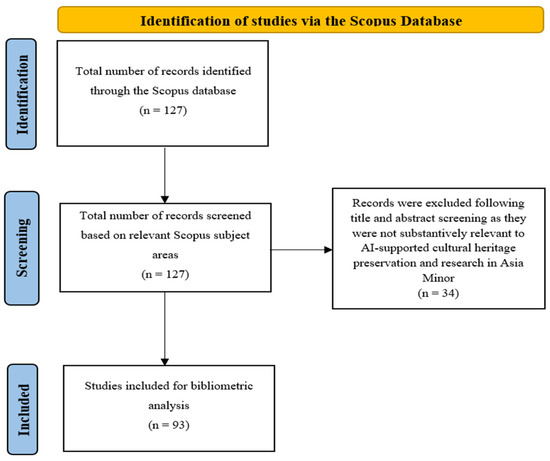
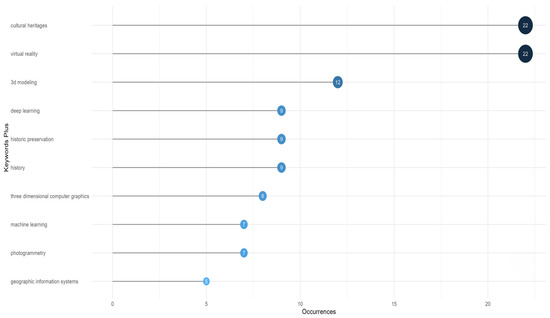
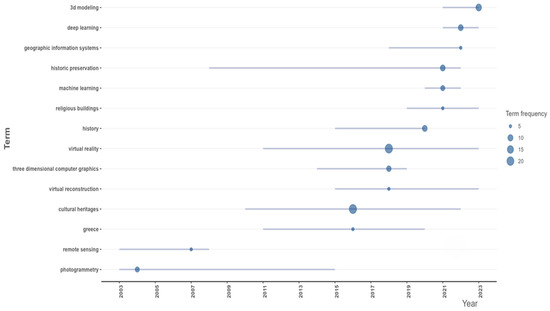
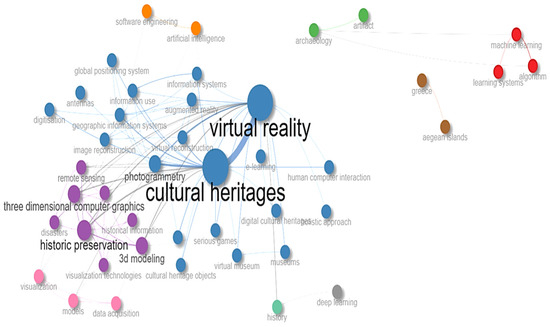
This study presents a systematic bibliometric evaluation of artificial intelligence methodologies applied to the preservation and interpretation of Asia Minor’s cultural heritage. Publication trends demonstrate notable continuity, with foundational works sustaining their citation impact over a span of twenty-five years, thereby underscoring enduring scholarly engagement. Network analyses of keyword co-occurrence delineate a conceptual core organized around immersive visualization, exemplified by terms such as cultural heritages, virtual reality, and photogrammetry, while temporal mappings reveal the recent integration of machine learning and deep learning paradigms. Collectively, these findings chart an intellectual landscape in which three-dimensional reconstruction constitutes the foundational axis of research, now progressively enriched by data-driven algorithmic approaches. This synthesis offers a concise yet comprehensive portrait of evolving methodological trajectories and emerging computational frontiers in AI-driven heritage scholarship.
Full article
(This article belongs to the Collection Digital Systems for Tourism)
►▼
Show Figures

Figure 1
Open AccessArticle
Obstacle Avoidance in Mobile Robotics: A CNN-Based Approach Using CMYD Fusion of RGB and Depth Images
by
Chaymae El Mechal, Mostefa Mesbah and Najiba El Amrani El Idrissi
Digital 2026, 6(1), 20; https://doi.org/10.3390/digital6010020 - 2 Mar 2026
Abstract
Over the last few years, deep neural networks have achieved outstanding results in computer vision, and have been widely integrated into mobile robot obstacle avoidance systems, where perception-driven classification supports navigation decisions. Most existing approaches rely on either color images (RGB) or depth
[...] Read more.
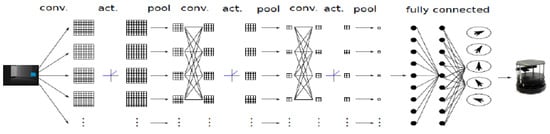
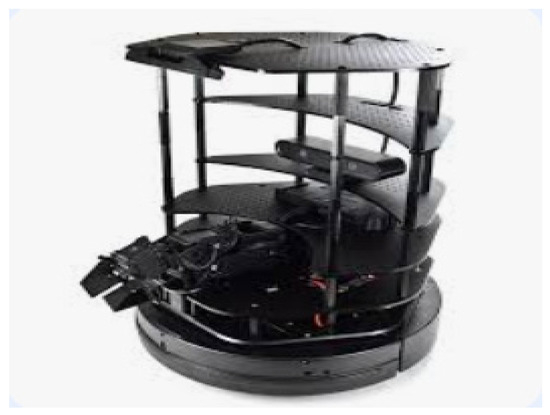
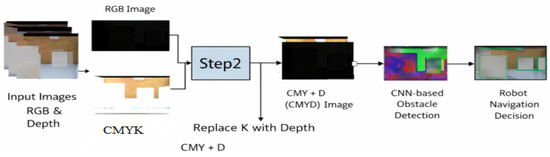
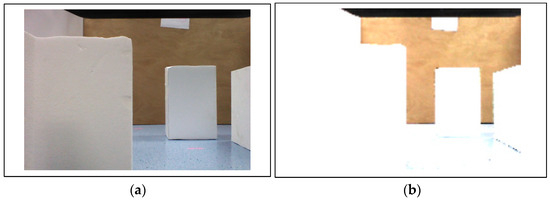
Over the last few years, deep neural networks have achieved outstanding results in computer vision, and have been widely integrated into mobile robot obstacle avoidance systems, where perception-driven classification supports navigation decisions. Most existing approaches rely on either color images (RGB) or depth images (D) as the primary source of information, which limits their ability to jointly exploit appearance and geometric cues. This paper proposes a deep learning-based classification approach that simultaneously exploits RGB and depth information for mobile robot obstacle avoidance. The method adopts an early-stage fusion strategy in which RGB images are first converted into the CMYK color space, after which the K (black) channel is replaced by a normalized depth map to form a four-channel CMYD representation. This representation preserves chromatic information while embedding geometric structure in an intensity-consistent channel and is used as input to a convolutional neural network (CNN). The proposed method is evaluated using locally acquired data under different training options and hyperparameter settings. Experimental results show that, when using the baseline CNN architecture, the proposed fusion strategy achieves an overall classification accuracy of 93.3%, outperforming depth-only inputs (86.5%) and RGB-only images (92.9%). When the refined CNN architecture is employed, classification accuracy is further improved across all tested input representations, reaching approximately 93.9% for RGB images, 91.0% for depth-only inputs, 94.6% for the CMYK color space, and 96.2% for the proposed CMYD fusion. These results demonstrate that combining appearance and depth information through CMYD fusion is beneficial regardless of the network variant, while the refined CNN architecture further enhances the effectiveness of the fused representation for robust obstacle avoidance.
Full article
(This article belongs to the Topic Artificial Intelligence Models, Tools and Applications: 2nd Edition)
►▼
Show Figures

Figure 1
Open AccessArticle
Exploring AI Literacy: Voice Recognition Project in Vocational Education
by
Nikolaos G. Alexis and Evangelia A. Pavlatou
Digital 2026, 6(1), 19; https://doi.org/10.3390/digital6010019 - 1 Mar 2026
Abstract
►▼
Show Figures
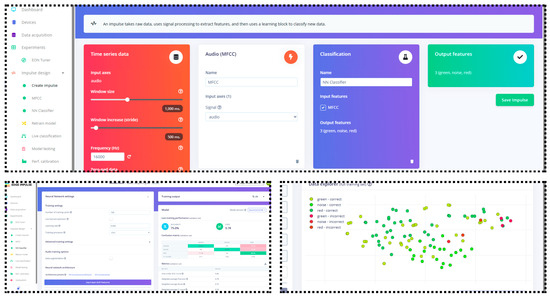
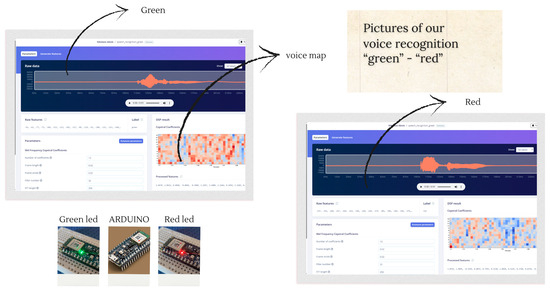
This study examines how a voice-recognition project may support vocational secondary students’ AI literacy. In this applied scenario, students used Arduino hardware and an AI tools platform to collect data, train models, and deploy a basic voice-recognition device, linking introductory AI concepts with
[...] Read more.
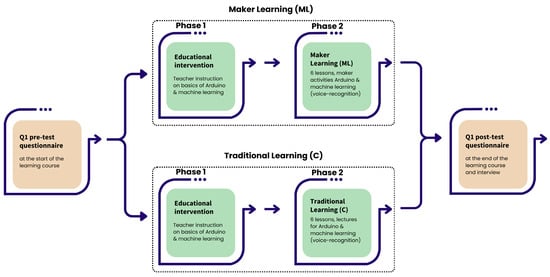
This study examines how a voice-recognition project may support vocational secondary students’ AI literacy. In this applied scenario, students used Arduino hardware and an AI tools platform to collect data, train models, and deploy a basic voice-recognition device, linking introductory AI concepts with practical engineering applications. A mixed-methods design combined pre–post self-report assessment using the AI Literacy Questionnaire (AILQ) with post semi-structured interviews. Emerging gains were associated with the maker-learning pathway, particularly in the affective, behavioral, and cognitive AI literacy domains, whereas ethical outcomes were limited within this intervention window. Qualitative insights provided complementary interpretive context, suggesting that learning through making was experienced as more engaging and personally relevant, while hands-on linked with emerging understanding of AI model behavior and limitations. Overall, the study extends AI-literacy research to a vocational classroom setting, where evidence remains limited. It also highlights a domain-level AI literacy analysis for identifying which components strengthen through making and which may require more explicit instructional scaffolding in this specific vocational context. The exploratory nature of the study offers evidence that maker activities can provide a feasible approach for engaging vocational learners with multidimensional AI literacy.
Full article

Figure 1

Open AccessArticle
Leveraging Virtual Reality and Haptics to Teach Surgical Skills: A Usability Study on Retropubic Midurethral Slings
by
Lauren Siff, Ginger S. Watson, Jerome Dixon, Moshe Feldman, Franklin Bost and Philippe J. Giabbanelli
Digital 2026, 6(1), 18; https://doi.org/10.3390/digital6010018 - 28 Feb 2026
Abstract
►▼
Show Figures
Traditional methods to learn soft-tissue surgical procedures rely on cadaver labs or patient-based learning, which are costly and geographically limited, and raise ethical questions. Virtual reality (VR) with haptic feedback offers a scalable alternative, but most current platforms emphasize bone-based rather than soft-tissue
[...] Read more.
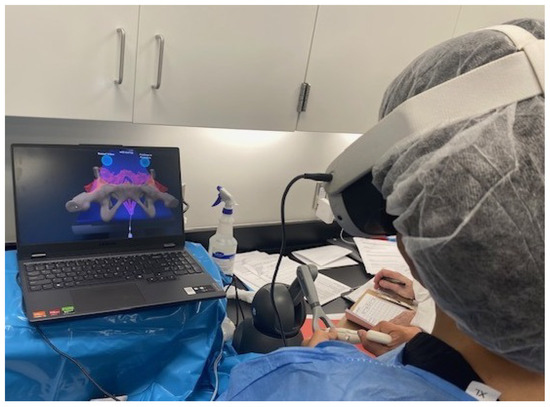
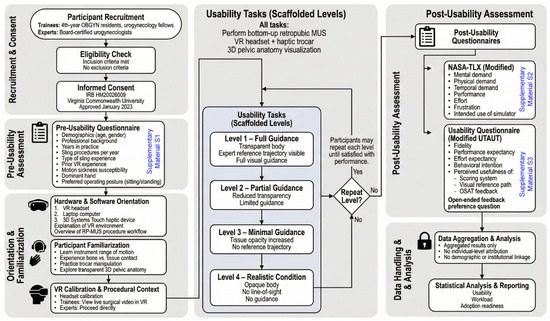
Traditional methods to learn soft-tissue surgical procedures rely on cadaver labs or patient-based learning, which are costly and geographically limited, and raise ethical questions. Virtual reality (VR) with haptic feedback offers a scalable alternative, but most current platforms emphasize bone-based rather than soft-tissue procedures learned by feel. We developed a VR+haptic simulation for preoperative training of retropubic midurethral sling (MUS) surgery. This study examines the usability of this platform with thirteen expert urogynecologic surgeons and subsequently makes improvements (e.g., in haptics) to evaluate the platform with twelve trainees based on the NASA Task Load Index for workload and a UTAUT-informed usability survey. Objective performance scores were recorded as participants completed up to four levels of increasing realism and difficulty, starting with a transparent body and a reference surgical trajectory. Trainees reported high usability, immersion, and engagement. Experts rated the platform as valuable for sling training and skill assessment. NASA-TLX results indicated low physical and temporal demand, low mental demand and frustration, and moderate effort. These findings suggest that SurgicalEd VR is acceptable and has appropriate workload characteristics for surgical education. Future studies could examine how using VR+ haptic training improves intraoperative performance.
Full article

Figure 1
Open AccessArticle
A Survey on the Use of Online Health Videos in Medical Education: Insights from Mozambican Students
by
Pinto Francisco Impito, José Azevedo and Vasco Cumbe
Digital 2026, 6(1), 17; https://doi.org/10.3390/digital6010017 - 28 Feb 2026
Abstract
The proliferation of digital health education content (DHEC) offers a transformative opportunity for medical training worldwide. While students in high-income countries routinely integrate these tools, their use and impact in low-resource settings such as Mozambique remain poorly understood. Exploring this topic offers interesting
[...] Read more.
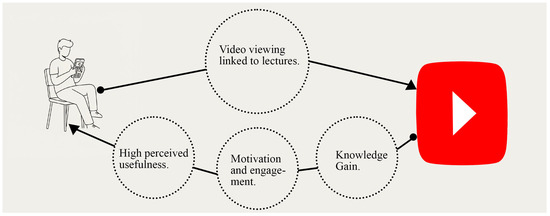
The proliferation of digital health education content (DHEC) offers a transformative opportunity for medical training worldwide. While students in high-income countries routinely integrate these tools, their use and impact in low-resource settings such as Mozambique remain poorly understood. Exploring this topic offers interesting possibilities at the intersection of global health equity, digital literacy, and pedagogical innovation. This study assessed how Mozambican medical students engage with online health videos, examining the types of content they search for, preferred platforms, perceived benefits, and attitudes toward integrating these materials into medical training. A quantitative cross-sectional survey was administered to 151 second-year medical students at the Catholic University of Mozambique and Alberto Chipande University. A structured online questionnaire, comprising multiple-choice, Likert-scale, and open-ended questions, was used. Data were analyzed using descriptive statistics, cross-tabulation, chi-square test, and Cramer’s V effect size. All students (100%) reported searching for online health videos. They primarily do so via YouTube (92.1%) and use mobile phones (98.7%). Students mainly searched topics related to basic biomedical sciences (60%). They reported that video enhances their learning (86.8%), academic work (11.3%), and other skills (1.9%). Mean scores for utility (4.06), self-reported knowledge gain (4.05), and interest in continuing use (4.30) reflected positive perceptions. Furthermore, an overwhelming majority (91.4%) supported the institutional production of educational videos, whereas 8.6% disagreed, citing videos as a tool that diverts students’ focus from reading and a preference for traditional classes. No statistically significant gender-based differences were observed in usefulness, learning levels, or core interest in continuing to search for online videos (p > 0.05). Online health videos are widely used and positively perceived by Mozambican medical students as a supplementary learning tool. The findings highlight the need for institutions to create curriculum-aligned video libraries and strengthen students’ digital literacy, an affordable strategy for enhancing medical education in low-resource contexts.
Full article
(This article belongs to the Collection Multimedia-Based Digital Learning)
►▼
Show Figures

Figure 1
Open AccessArticle
Leveraging Microsoft Copilot (GPT-5) for Calculations and Interactive Data Visualization
by
Natan Cristian Pedroso Pereira, Marcelle Beltrão Bedouch and Endler Marcel Borges
Digital 2026, 6(1), 16; https://doi.org/10.3390/digital6010016 - 27 Feb 2026
Abstract
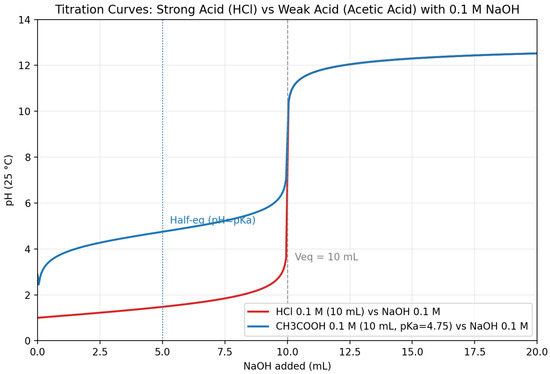
Large Language Models (LLMs) have successfully performed calculation-based tasks, generated diverse data visualizations, and executed chemometric analyses. This study systematically evaluated the performance of Microsoft M365 Copilot (GPT-5) across 35 representative questions spanning five domains: (1) chemical equilibrium, pH, titration, and buffer calculations;
[...] Read more.
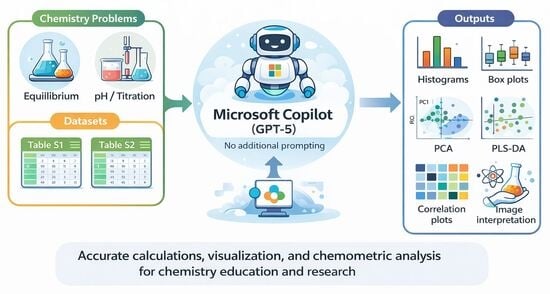
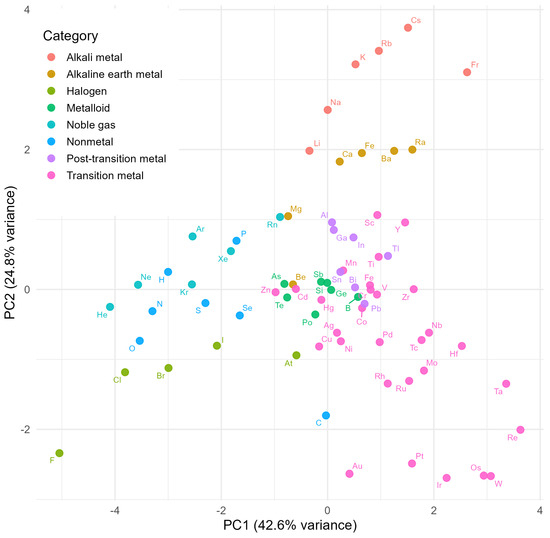
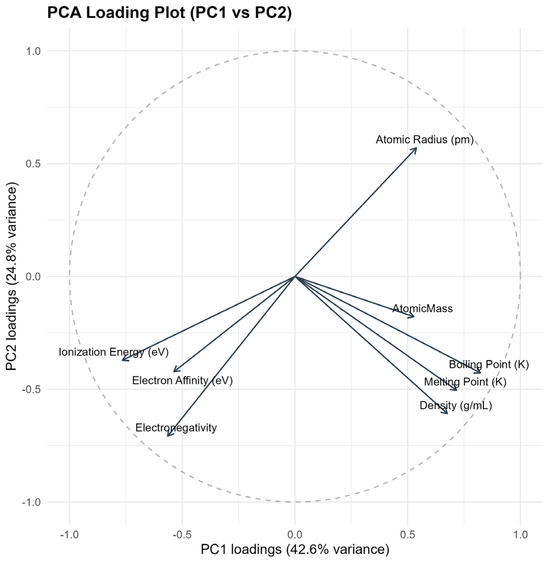
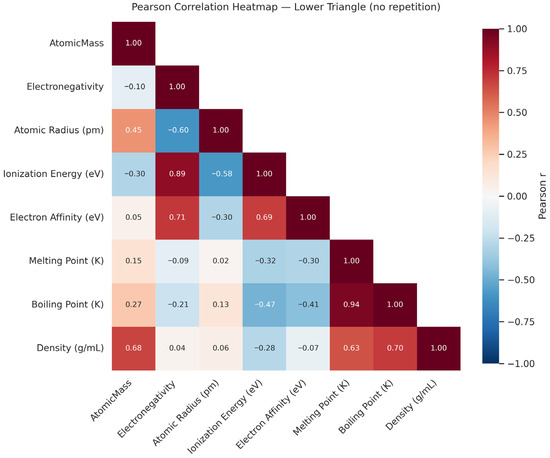
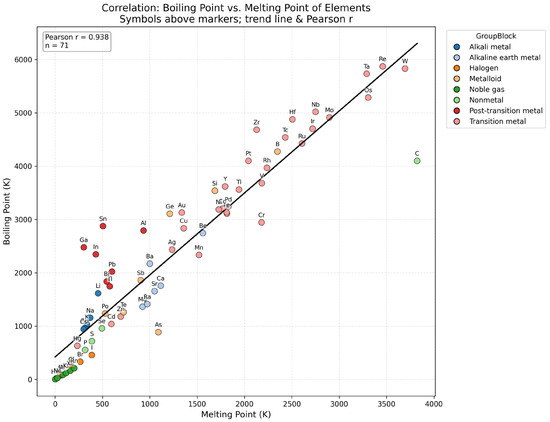
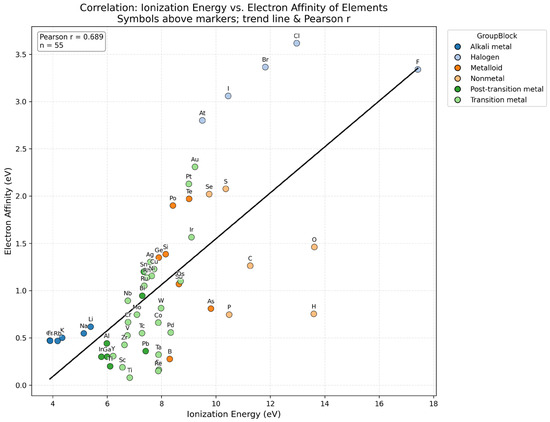
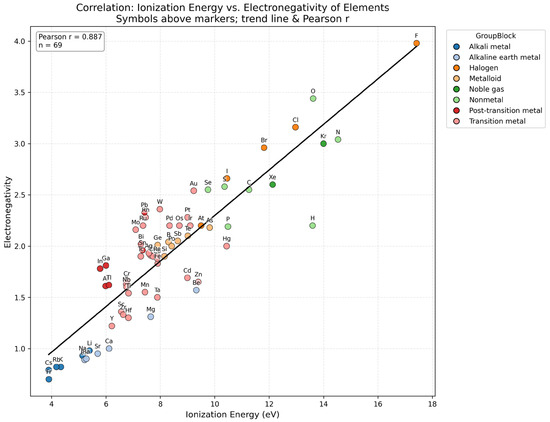
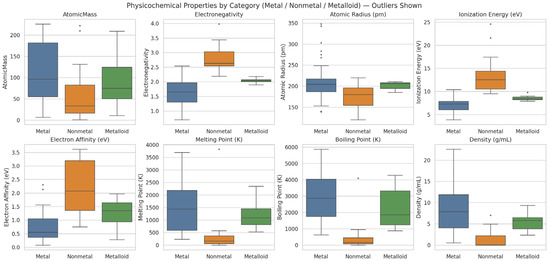
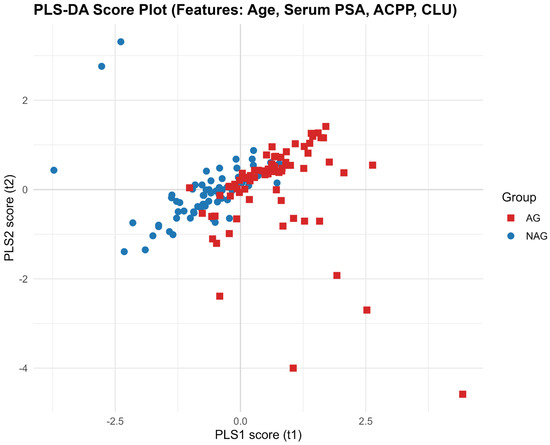
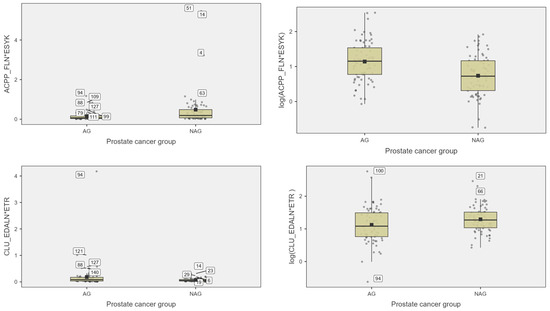
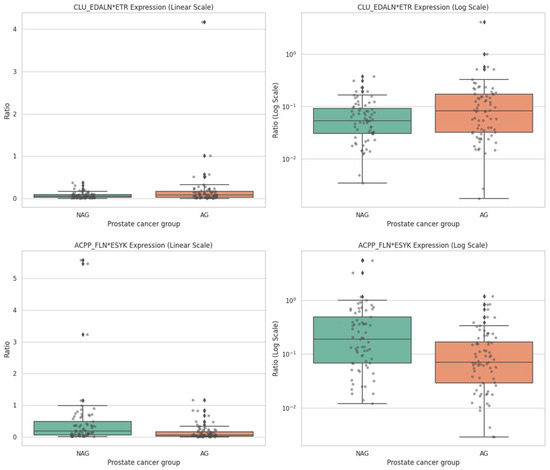
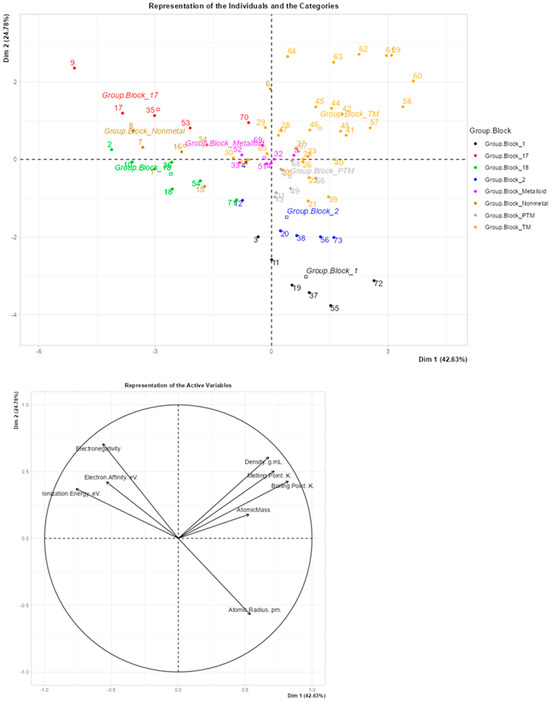
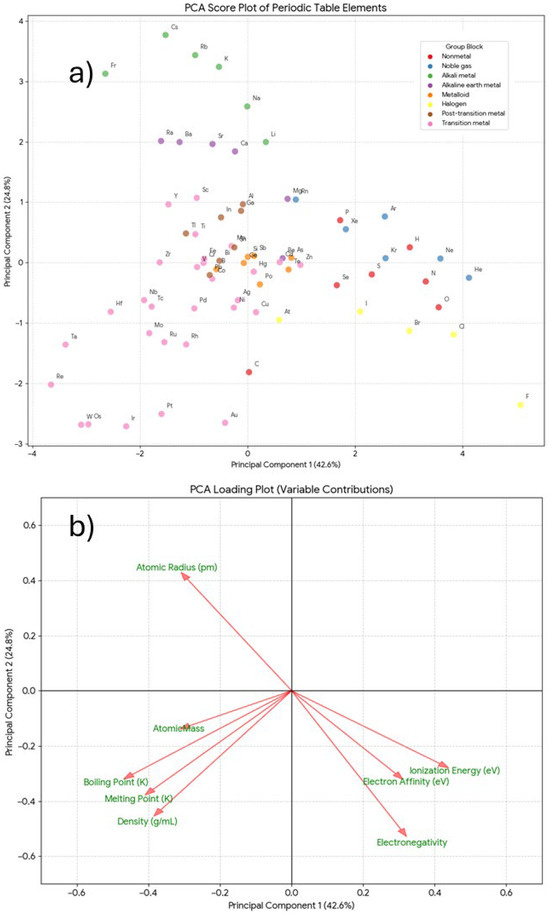
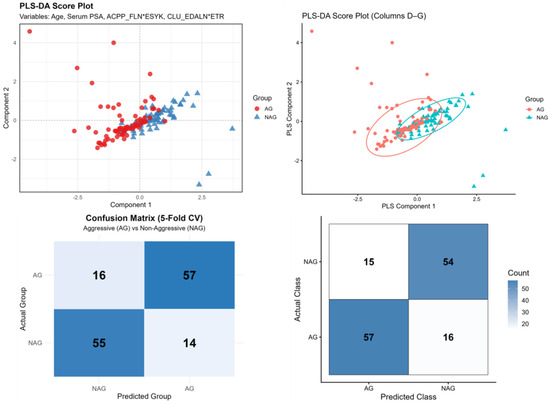
Large Language Models (LLMs) have successfully performed calculation-based tasks, generated diverse data visualizations, and executed chemometric analyses. This study systematically evaluated the performance of Microsoft M365 Copilot (GPT-5) across 35 representative questions spanning five domains: (1) chemical equilibrium, pH, titration, and buffer calculations; (2) data visualization, including histograms, box plots, correlation plots, and heatmaps; (3) analysis of periodic table properties using principal component analysis (PCA); (4) image interpretation and generation in classroom contexts; and (5) machine learning applications using Partial Least Squares Discriminant Analysis (PLS-DA). All questions were assessed without the use of additional prompting. Across two independent user accounts, identical question sets were administered twice per month between October and December 2025. Copilot consistently produced accurate, step-by-step solutions for equilibrium and acid–base problems, generated high-quality visualizations directly from uploaded datasets, and correctly constructed PCA score and loading plots with appropriate data standardization. Collectively, these findings demonstrate that Copilot offers substantial value for both research-oriented tasks and chemistry education.
Full article
(This article belongs to the Special Issue AI-Driven Innovations in Ubiquitous Computing and Smart Environments)
►▼
Show Figures

Graphical abstract
Open AccessArticle
AI-Assisted Screening of Oral Reading in Primary School: Using Short Recordings to Flag Reading Difficulty in Greek Pupils
by
Maria Tsolia, Nikolaos C. Zygouris, Spyros Kamnis, Stefanos K. Styliaras, Eleftheria Beazidou and Vasiliki Stamouli
Digital 2026, 6(1), 15; https://doi.org/10.3390/digital6010015 - 27 Feb 2026
Abstract
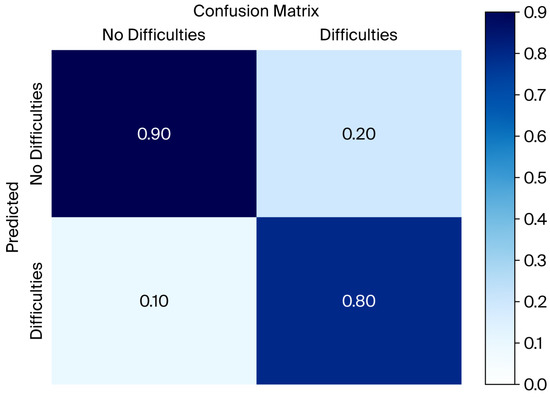
Early identification of reading difficulties enables timely classroom intervention; however, teachers often have limited time and restricted access to specialist assessment. This study explores a brief, teacher-friendly screening approach based on short oral reading recordings to support classroom decision-making. Oral reading samples were
[...] Read more.
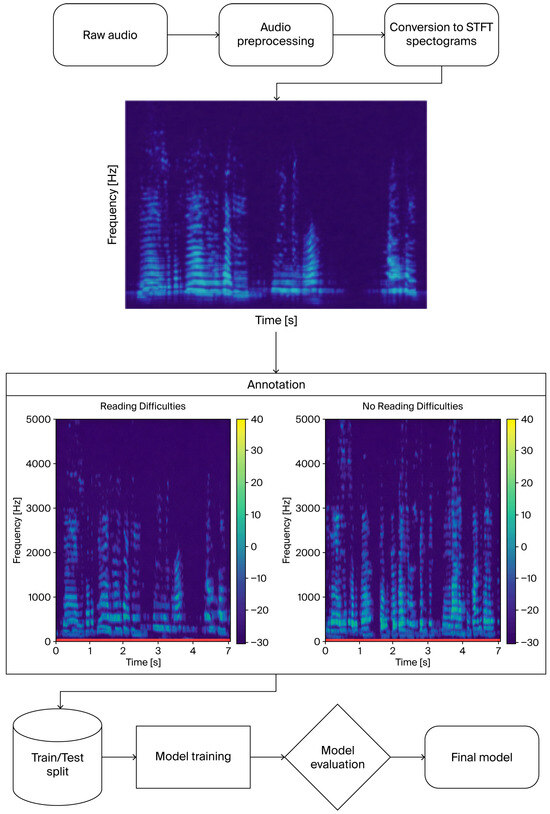
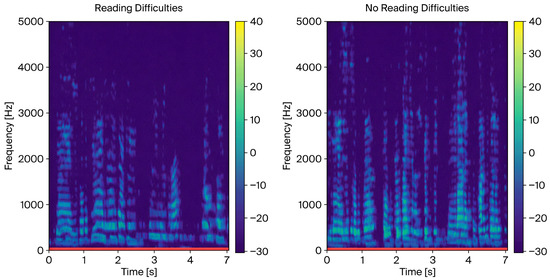
Early identification of reading difficulties enables timely classroom intervention; however, teachers often have limited time and restricted access to specialist assessment. This study explores a brief, teacher-friendly screening approach based on short oral reading recordings to support classroom decision-making. Oral reading samples were collected from 77 Greek primary school pupils (Grades 3–6) during a standardized reading task. Recordings were segmented into 7 s excerpts, converted into spectrogram images, and analyzed using a deep learning model to classify each excerpt as indicative of reading difficulties or not. To reflect realistic school implementation, model development followed an 80/20 participant-level split, with validation conducted on pupils not included in the training set. At the selected operating threshold, the model achieved approximately 84% overall accuracy and a balanced accuracy of 0.85. For practical applicability, a pupil-level indicator—representing the proportion of excerpts flagged as difficult—showed a strong association with expert judgments (r ≈ 0.74). These findings suggest that brief oral reading recordings can provide teachers with an interpretable screening signal to inform monitoring, prioritization, and early classroom support while underscoring the need for further validation under routine school conditions.
Full article
(This article belongs to the Collection Multimedia-Based Digital Learning)
►▼
Show Figures

Figure 1
Open AccessCorrection
Correction: Basdekidou, V.; Papapanagos, H. Blockchain Technology Adoption for Disrupting FinTech Functionalities: A Systematic Literature Review for Corporate Management, Supply Chain, Banking Industry, and Stock Markets. Digital 2024, 4, 762–803
by
Vasiliki Basdekidou and Harry Papapanagos
Digital 2026, 6(1), 14; https://doi.org/10.3390/digital6010014 - 26 Feb 2026
Abstract
With this correction, the Editorial Office, together with the authors, are making the following amendments to the published article [...]
Full article
Open AccessArticle
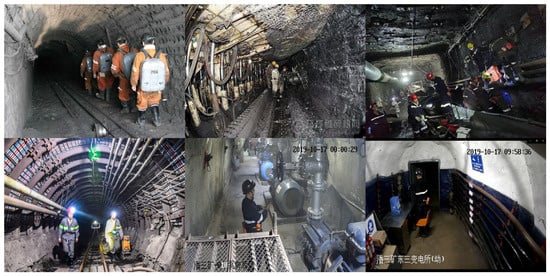
Target Detection in Underground Mines Based on Low-Light Image Enhancement
by
Haodong Guo, Kaibo Lu, Shanning Zhan, Jiangtao Li and Zhifei Wu
Digital 2026, 6(1), 13; https://doi.org/10.3390/digital6010013 - 25 Feb 2026
Abstract
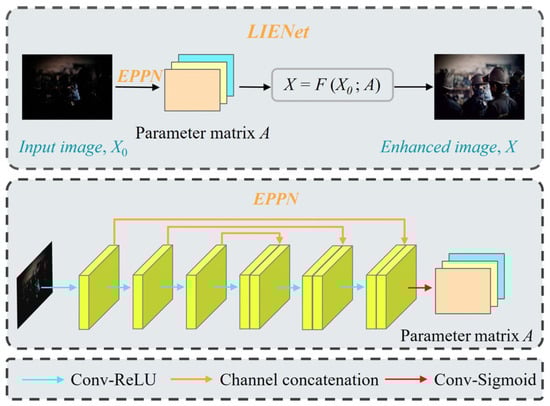
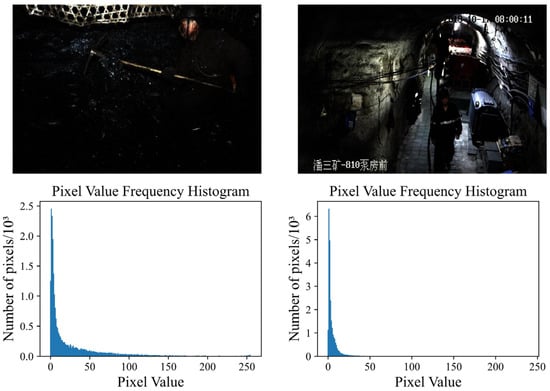
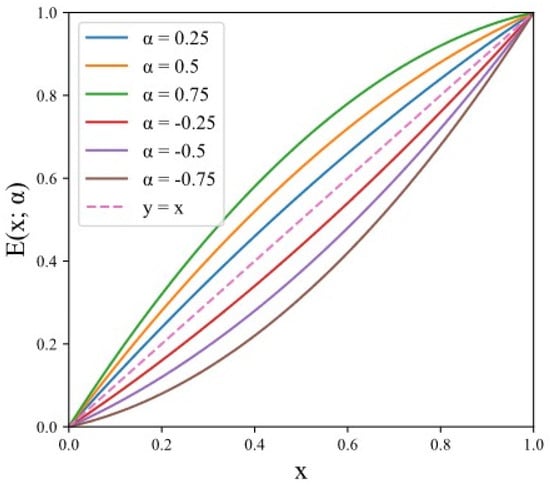
Underground mines’ complex environments with dim lighting and high dust and humidity hamper feature extraction and reduce detection accuracy. To address this, we propose a low-light image enhancement-based target detection algorithm. Firstly, LIENet enhances low-light image quality and brightness via a dual-gamma curve
[...] Read more.
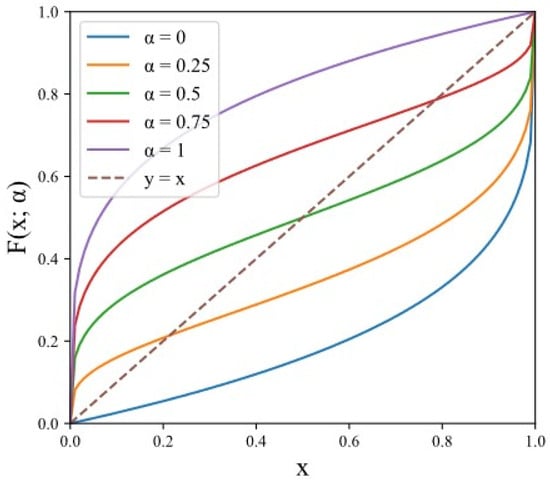
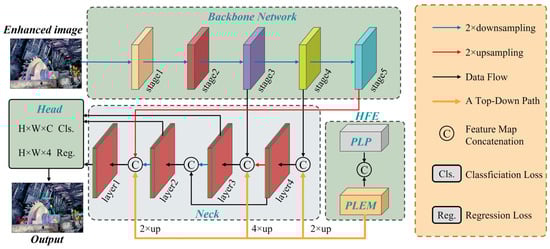
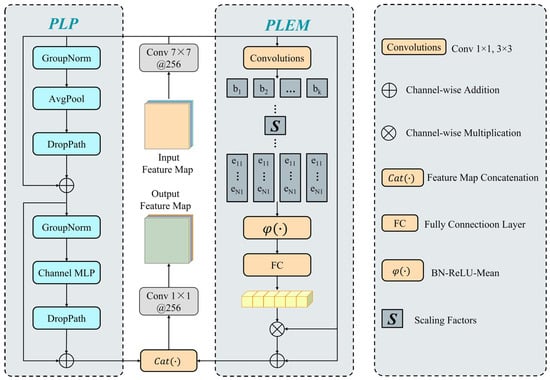
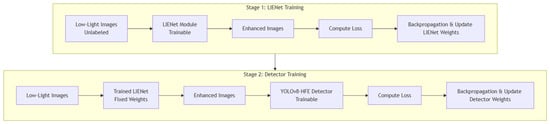
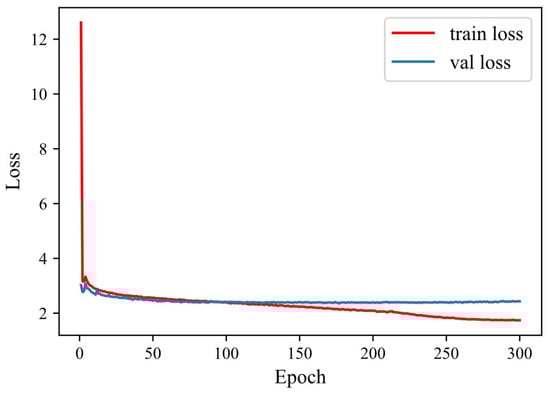
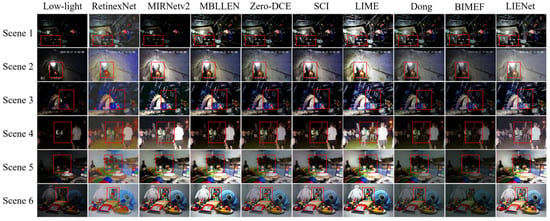
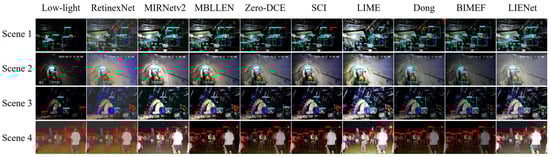
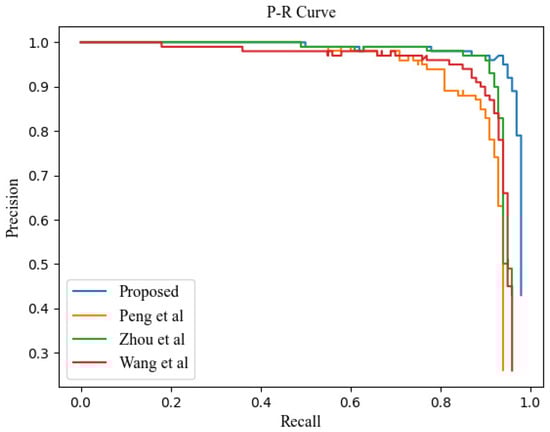
Underground mines’ complex environments with dim lighting and high dust and humidity hamper feature extraction and reduce detection accuracy. To address this, we propose a low-light image enhancement-based target detection algorithm. Firstly, LIENet enhances low-light image quality and brightness via a dual-gamma curve and non-reference loss function-guided iterations. Secondly, the hierarchical feature extraction (HFE) method with a dual-branch structure captures long-term and local correlations, focusing on critical corner regions. Finally, HFE is combined with a feature pyramid structure for comprehensive feature representation through a top-down global adjustment. Our method, validated on a self-built dataset, outperforms other algorithms with an mAP@0.5 of 96.96% and mAP@0.5:0.95 of 71.1%, proving excellent low-light detection performance in mines.
Full article
(This article belongs to the Topic Artificial Intelligence Models, Tools and Applications: 2nd Edition)
►▼
Show Figures

Figure 1
Open AccessArticle
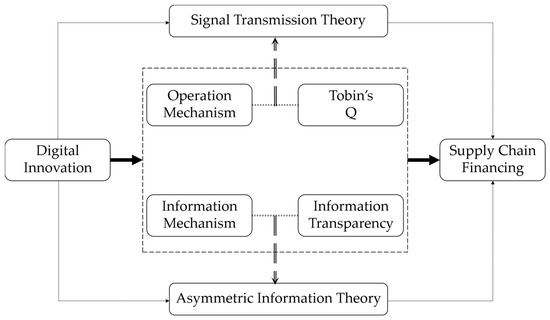
Digital Innovation and Supply Chain Financing in China
by
Guangfan Sun, Daosheng Xu and Xueqin Hu
Digital 2026, 6(1), 12; https://doi.org/10.3390/digital6010012 - 11 Feb 2026
Abstract
►▼
Show Figures
Compared with conventional financing approaches, supply chain financing demonstrates superior adaptability in risk management, greater cost-effectiveness in financial control, and enhanced efficiency in approval processes, owing to its deep integration with industrial chains. This investigation explores the intrinsic relationship between digital innovation and
[...] Read more.
Compared with conventional financing approaches, supply chain financing demonstrates superior adaptability in risk management, greater cost-effectiveness in financial control, and enhanced efficiency in approval processes, owing to its deep integration with industrial chains. This investigation explores the intrinsic relationship between digital innovation and corporate supply chain financing. To ensure the rigor and reliability of the research conclusions, we adopt an empirical research method based on the OLS econometric regression model to systematically examine the relationship between digital innovation and supply chain financing. Our findings reveal that digital innovation positively influences corporate operations and information disclosure quality, thereby facilitating supply chain financing acquisition. Specifically, digital innovation enhances both Tobin’s Q and information transparency, which consequently improves firms’ access to supply chain financing. Furthermore, we observe pronounced heterogeneity in digital innovation’s impact on supply chain financing accessibility, with more pronounced effects observed in state-owned enterprises, mature firms, and regions with less developed legal frameworks. From the perspective of theoretical contributions, this study enriches the application scenario of signal transmission theory. We verify that operational improvement driven by digital innovation can serve as an effective signal to alleviate information asymmetry in supply chain financing. Meanwhile, we supplement the research on information asymmetry theory by providing a digital solution to mitigate information frictions between supply chain partners. In terms of practical contributions, we provide actionable insights for firms. Specifically, our findings guide firms to leverage digital innovation to improve supply chain financing accessibility. Additionally, these findings offer references for supply chain stakeholders and relevant authorities to optimize financing support mechanisms.
Full article

Figure 1

Highly Accessed Articles
Latest Books
E-Mail Alert
News
Topics
Topic in
Economies, Sustainability, World, Digital, Logistics
Sustainable Supply Chain Practices in A Digital Age
Topic Editors: Atour Taghipour, Youssef Tliche, Jomana Leroux, Hamdi RadhouiDeadline: 30 June 2026
Topic in
Applied Sciences, Electronics, Computers, Digital, Smart Cities
Artificial Intelligence Models, Tools and Applications: 2nd Edition
Topic Editors: Phivos Mylonas, Katia Lida Kermanidis, Manolis MaragoudakisDeadline: 30 November 2026
Topic in
AI, ASI, BDCC, Digital, Systems
Integrating Human Factors and AI: Driving the Transition to Industry 5.0 and Society 5.0
Topic Editors: Ching-Hung Lee, Yee Mey Goh, Yu-Chi LeeDeadline: 20 December 2026
Topic in
MCA, Digital, Healthcare, Information, Clinics and Practice, Sci
Health Monitoring in the Context of Medical Big Data
Topic Editors: Javad Razjouyan, Julianna B. D. HoganDeadline: 5 March 2027
Special Issues
Special Issue in
Digital
AI-Driven Innovations in Ubiquitous Computing and Smart Environments
Guest Editors: Phivos Mylonas, Akrivi Krouska, Christos Troussas, Dimitrios Kardaras, Cleo SgouropoulouDeadline: 30 June 2026
Special Issue in
Digital
Intelligence, Security, Trust and Privacy Advances in IoT, Bigdata and 5G Networks (3rd Edition)
Guest Editors: Shaoen Wu, Jinbo Xiong, Periklis Chatzimisios, Mahmoud DaneshmandDeadline: 20 September 2026
Special Issue in
Digital
Applications of Artificial Intelligence and Data Management in Data Analysis
Guest Editors: Jorge Bernardino, Le Gruenwald, Elio Masciari, Laurent D'OrazioDeadline: 30 September 2026
Special Issue in
Digital
Intelligent and Autonomous Cyber Defense Systems
Guest Editor: Saman Shojae ChaeikarDeadline: 31 December 2026
Topical Collections
Topical Collection in
Digital
Digital Systems for Tourism
Collection Editors: Costas Vassilakis, George Lepouras, Manolis Wallace