Journal Description
DNA
DNA
is an international, peer-reviewed, open access journal on DNA and DNA-related technologies published quarterly online by MDPI.
- Open Access— free for readers, with article processing charges (APC) paid by authors or their institutions.
- High Visibility: indexed within ESCI (Web of Science) and other databases.
- Rapid Publication: manuscripts are peer-reviewed and a first decision is provided to authors approximately 36 days after submission; acceptance to publication is undertaken in 14.7 days (median values for papers published in this journal in the second half of 2025).
- Recognition of Reviewers: APC discount vouchers, optional signed peer review, and reviewer names published annually in the journal.
Latest Articles
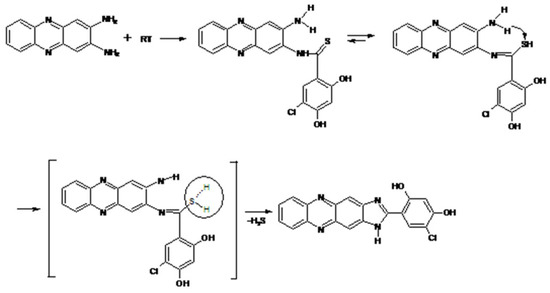
Interactions of Potential Anticancer Drug 4-chloro-6-(1H-imidazo[4,5-b]phenazine-2-yl)benzene-1,3-diol with Supercoiled and Linear Plasmid DNAs
DNA 2026, 6(2), 29; https://doi.org/10.3390/dna6020029 - 3 Jun 2026
Abstract
►
Show Figures
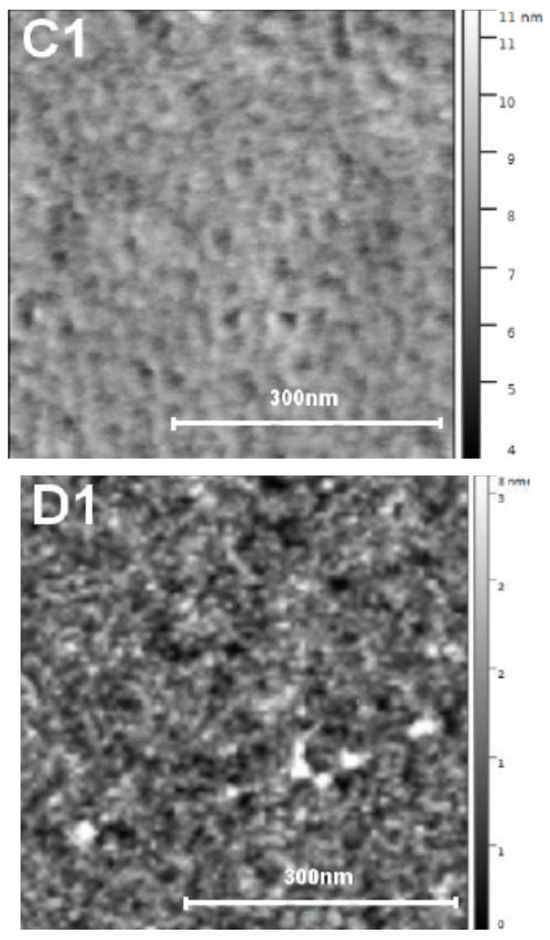
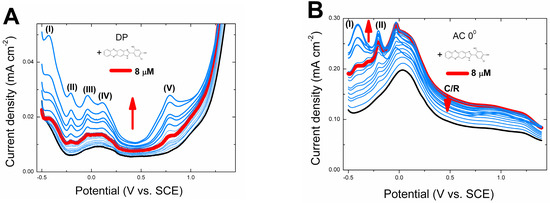
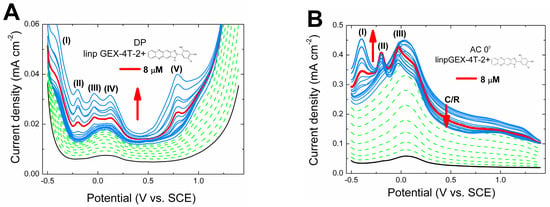
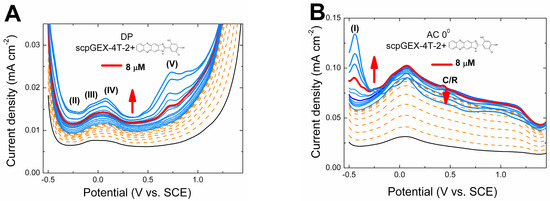
Introduction: Does DNA superhelicity effect nucleic acid interactions with drugs? To test such a possibility, the interactions of the linear and superhelical forms of the pGEX-4T-2 plasmid have been investigated with a newly synthesized compound, 4-chloro-6-(1H-imidazo [4,5-b]phenazine-2-yl)benzene-1,3-diol, positively tested for the
[...] Read more.
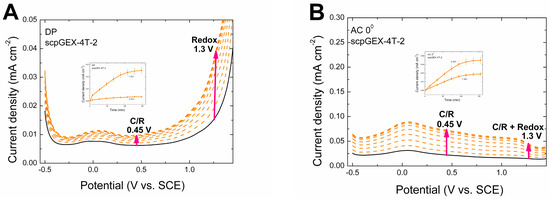
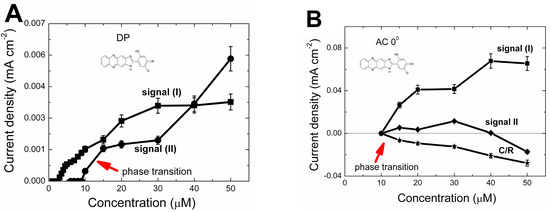
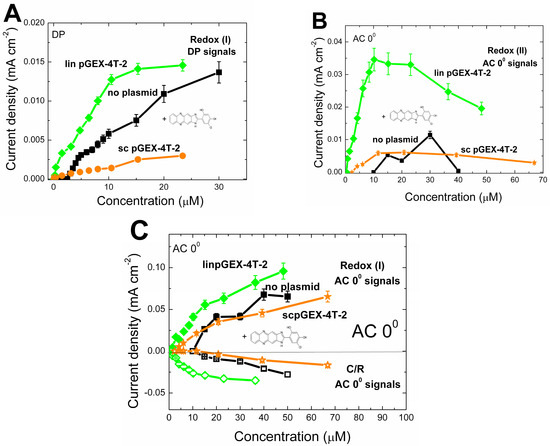
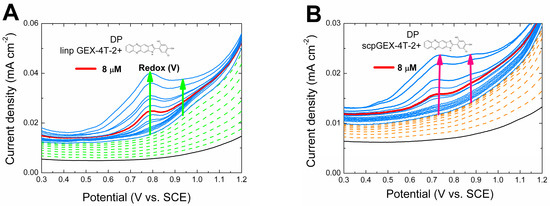
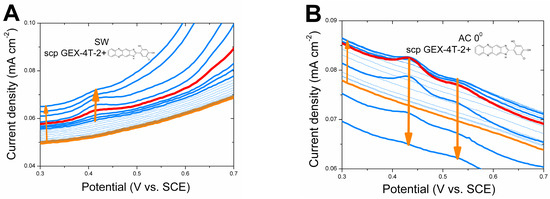
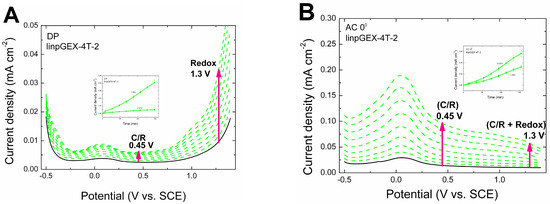
Introduction: Does DNA superhelicity effect nucleic acid interactions with drugs? To test such a possibility, the interactions of the linear and superhelical forms of the pGEX-4T-2 plasmid have been investigated with a newly synthesized compound, 4-chloro-6-(1H-imidazo [4,5-b]phenazine-2-yl)benzene-1,3-diol, positively tested for the antiproliferative (cell growth-limiting) properties, important for the development of anticancer drugs. Methods: The accumulation of the compound, and its possible reorientation (phase transition) within the plasmid layer adsorbed on a Glassy Carbon (GC) electrode has been monitored in 5 min. intervals using alternatively two voltammetric methods—Differential Pulse (DP), showing redox properties and—Alternating Current (AC), reflecting both redox and structural properties (capacity/resistance change related to DNA condensation) of the DNA-drug layers. Results and Discussion: The accumulation plots of the compound in plasmid layers are different for superhelical and linear pGEX-4T-2 and also depend on the DNA coverage by the compound. The reorientation (phase transition) occurs at a compound concentration 2 µM for the superhelical plasmid and 1.5 µM for the linear one, as compared to 8 µM for the compound layer formed on bare GC, thus proving the existence of the DNA–compound interactions. Interestingly, the phase transition is redox-sensitive, e.g., AC redox signal II is visible for the linear, but not for the superhelical plasmid, thus reflecting different orientation of the compound in these two types of pGEX-4T-2 plasmid, related to the condensation in the DNA–compound layer and seen as a decrease in the C/R signal. Conclusions: The results suggest that the reorientation of the compound leading to plasmid condensation occurs differently in supercoiled and linear pGEX-4T-2 (redox specific accumulation and condensation).
Full article
Open AccessReview
Beyond Mutation Detection: Cell-Free DNA for Functional Inference and Adaptive Oncology
by
Tetiana Zaichuk
DNA 2026, 6(2), 28; https://doi.org/10.3390/dna6020028 - 2 Jun 2026
Abstract
►▼
Show Figures
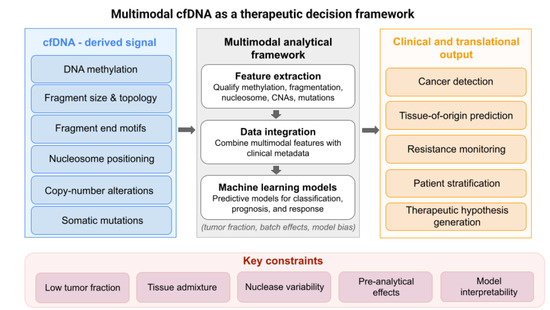
Liquid biopsy has evolved beyond its original role as a minimally invasive approach for mutation detection and is now being developed as a broader analytical framework for cancer detection, stratification, and longitudinal monitoring. Improvements in next-generation sequencing, assay chemistry, and computational analysis have
[...] Read more.
Liquid biopsy has evolved beyond its original role as a minimally invasive approach for mutation detection and is now being developed as a broader analytical framework for cancer detection, stratification, and longitudinal monitoring. Improvements in next-generation sequencing, assay chemistry, and computational analysis have increased analytical sensitivity, including in settings with low tumor fraction and very low variant allele abundance. These advances have expanded the utility of cfDNA analysis in measurable residual disease assessment and in the detection of low-abundance tumor-derived signals across multiple clinical contexts. At the same time, the field has shifted toward interpreting cfDNA as a carrier of higher-order biological information rather than solely a substrate for mutation calling. Fragmentation profiles, nucleosome positioning, and chromatin accessibility patterns derived from plasma DNA have been used to infer transcriptional and regulatory states, raising the possibility that cfDNA may capture functional tumor states not readily accessible through genotype-focused assays alone. These developments have prompted growing interest in chromatin-informed cfDNA analysis as a means of identifying pathway activity, enhancer usage, transcription factor occupancy, and potentially actionable biological dependencies. However, the translational relevance of many such inferences remains incompletely established, and preanalytical variability, limited cross-cohort generalizability, and the gap between analytical performance and clinical utility continue to constrain clinical translation. This review examines the role of cfDNA in adaptive oncology, highlighting recent analytical advances, assessing the current evidence supporting their biological and clinical utility, and considering the extent to which cfDNA-derived regulatory inference may contribute to adaptive oncology and therapeutic decision-making.
Full article

Graphical abstract
Open AccessArticle
Effective Complementary Islands (ECIs) for Multiplex Room-Temperature DNA Probe Design—A Practical Topology Heuristic and 39-Target HPV Specificity Benchmark
by
Ivan Brukner and Maja Krajinovic
DNA 2026, 6(2), 27; https://doi.org/10.3390/dna6020027 - 2 Jun 2026
Abstract
►▼
Show Figures
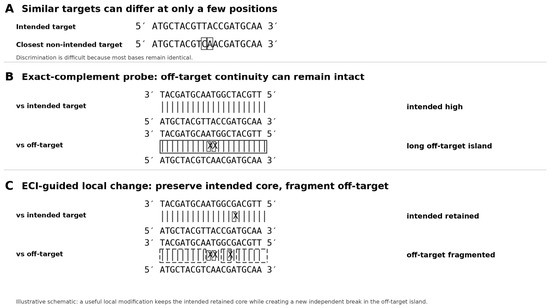
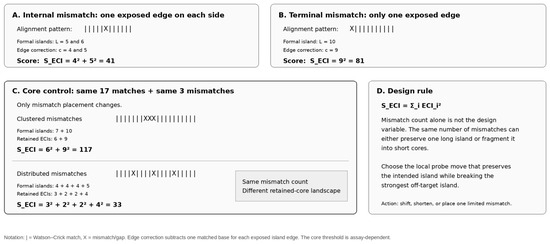
Background/Objectives: Multiplex and point-of-care (POC) diagnostics require each probe to detect one intended target while rejecting many closely related sequences under shared room-temperature conditions. The conventional focus on mismatch count is incomplete: two alignments with the same number of matches and mismatches can
[...] Read more.
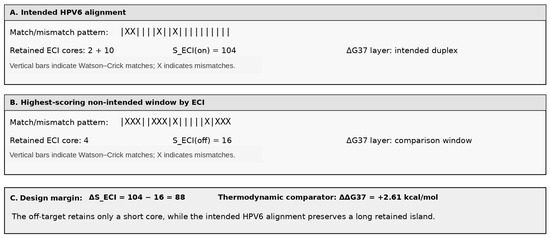
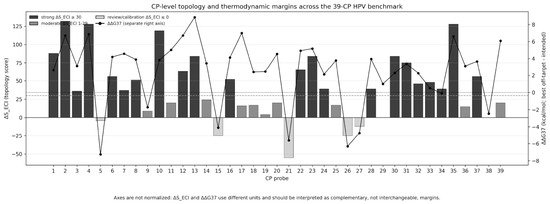
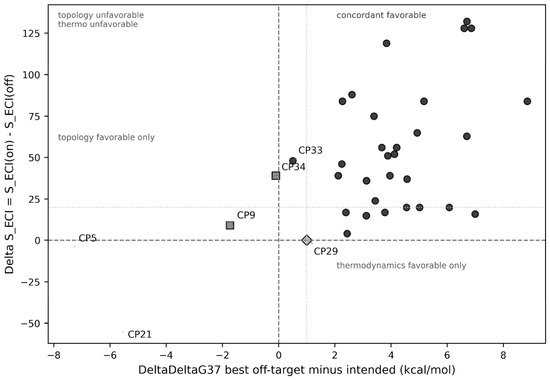
Background/Objectives: Multiplex and point-of-care (POC) diagnostics require each probe to detect one intended target while rejecting many closely related sequences under shared room-temperature conditions. The conventional focus on mismatch count is incomplete: two alignments with the same number of matches and mismatches can have very different off-target risks depending on whether mismatches are clustered or distributed. We introduce a simple visual heuristic that scores mismatch placement rather than mismatch count alone. Methods: Effective complementary island (ECI) score retained matched continuity after subtracting one base for each mismatch- or gap-exposed edge. The score is S_ECI = Σ_i ECI_i^2, and the design margin is ΔS_ECI = S_ECI (intended) − S_ECI (highest-scoring non-intended alignment by ECI). ECI is not a thermodynamic model; thermodynamics (ΔG37) is used separately to verify an adequate sensitivity floor. We retrospectively applied ECI to a fixed 39-target HPV capture-probe benchmark and to a public Affymetrix dataset contrasting clustered versus distributed mismatches at identical or near-identical mismatch counts. Results: In the HPV benchmark, ECI separated intended from off-target in 32/39 panels; ΔG37 favored the intended duplex in 31/39 panels; both layers were concordant in 36/39 panels. In the Affymetrix dataset (n = 8 probes, 2–4 mismatches), S_ECI correlated with reported log2 hybridization intensity (Pearson r = 0.92, p = 0.0014). Within the strict three-mismatch subset (n = 5), S_ECI remained correlated with intensity (r = 0.96; p = 0.010), while ΔG37 was uncorrelated (r = −0.04; p = 0.95), supporting the narrower claim that mismatch placement can affect signal even when mismatch count is fixed. Conclusions: ECI is not a replacement for thermodynamics, BLAST, target-accessibility analysis, empirical optimization, or machine-learning prediction. It adds one actionable readout: where to shift, shorten, or place a limited intentional mismatch so that intended retained continuity stays above the assay floor while the highest-scoring off-target island by ECI is fragmented. We provide a bench-ready workflow for multiplex, room-temperature, and POC probe design.
Full article

Figure 1
Open AccessArticle
The Use of FLIM for Characterising Chromosomes and Their Structure in Response to Low-Dose X-Ray Irradiation
by
Mohammed Yusuf, Sarah L. Berger, Rosie Sanders, Archana Bhartiya, Rinyaporn Phengchat, Stephen Barnard, Benji Bateman, Ian K. Robinson and Stanley W. Botchway
DNA 2026, 6(2), 26; https://doi.org/10.3390/dna6020026 - 25 May 2026
Abstract
►▼
Show Figures
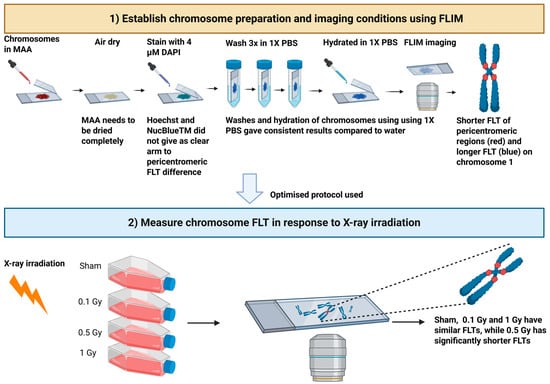
Background/Objectives: Chromosome research is essential for advancing our understanding of cytogenetics, gene regulation and numerous aspects of organismal health. Staining chromosomes with 4′,6-diamidino-2-phenylindole (DAPI) and applying Fluorescence Lifetime Imaging Microscopy (FLIM) enables the assessment of structural changes in pericentromeric and heterochromatin-rich region of
[...] Read more.
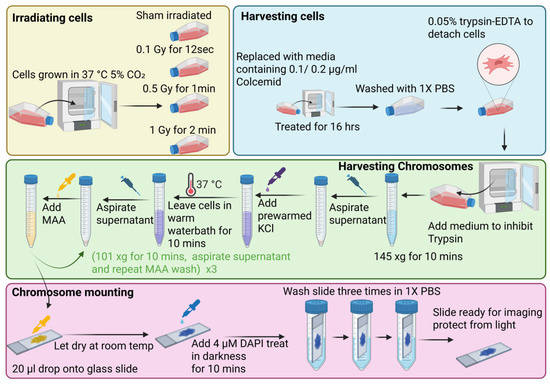
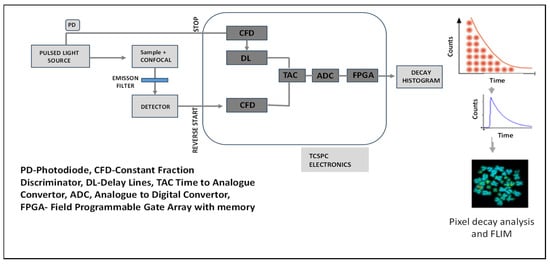
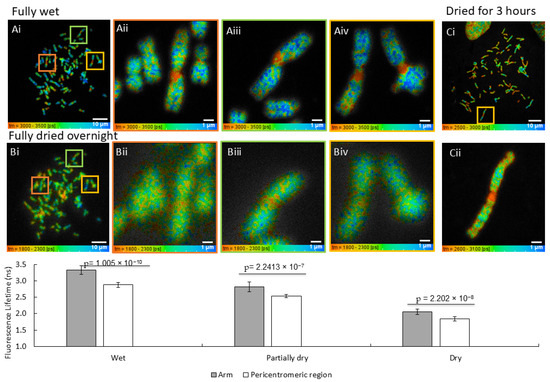
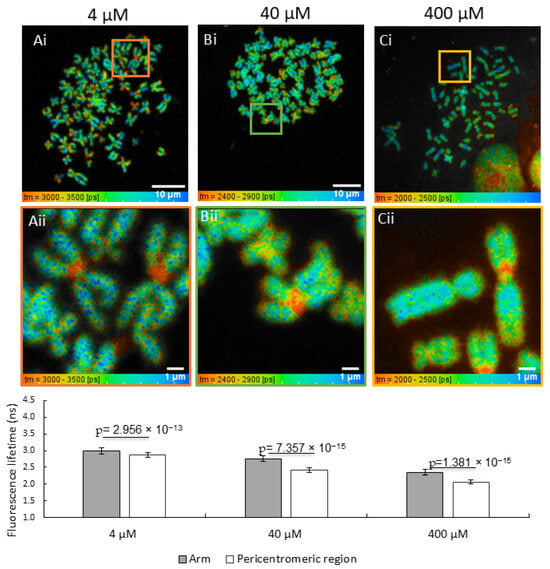
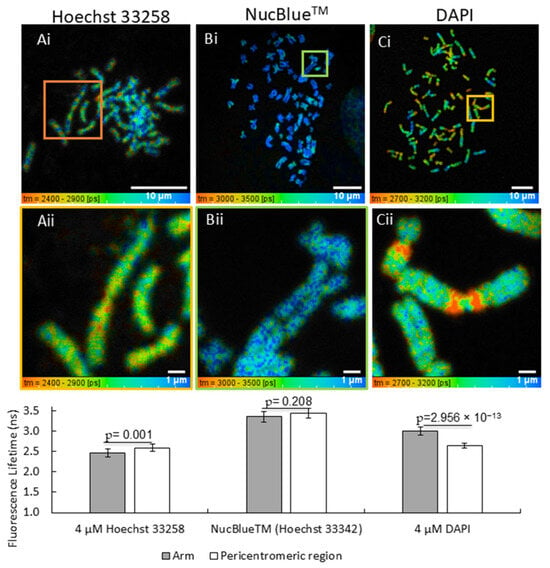
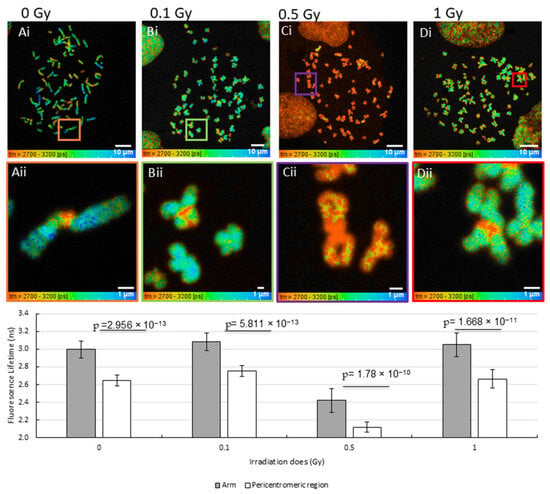
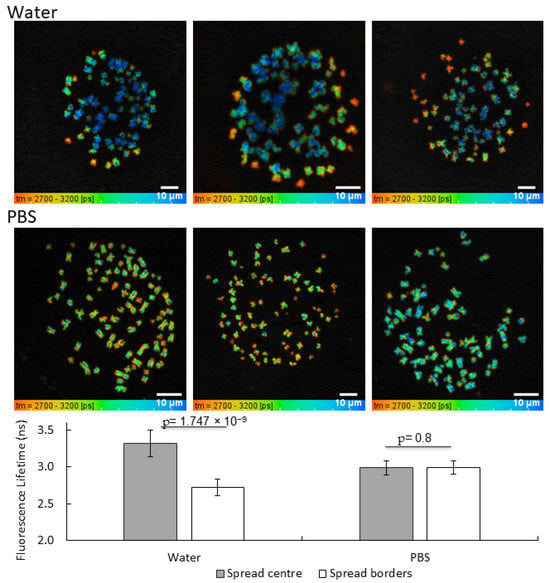
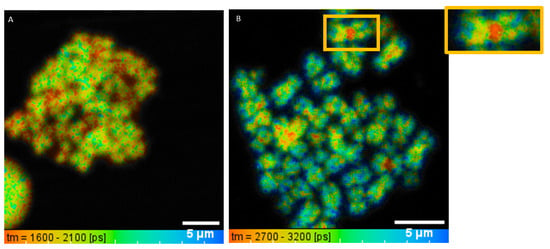
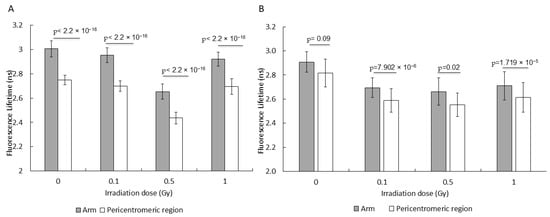
Background/Objectives: Chromosome research is essential for advancing our understanding of cytogenetics, gene regulation and numerous aspects of organismal health. Staining chromosomes with 4′,6-diamidino-2-phenylindole (DAPI) and applying Fluorescence Lifetime Imaging Microscopy (FLIM) enables the assessment of structural changes in pericentromeric and heterochromatin-rich region of chromosomes 1, with a shorter fluorescence lifetime (FLT) in the pericentromeric regions compared to the arms. Methods: We used FLIM to optimise sample preparation conditions for more robust imaging and furthermore to measure the impact of low-dose X-ray ionising radiation on chromosome structure when labelled with DAPI. Results: We applied this method to different DNA stains bound to chromosomes where only DAPI led to a clear FLT difference between the chromosome arms (p,q) with 2.98 ± 0.12 ns and 2.65 ± 0.07 ns at the pericentromeric region, while similar stains, such as Hoechst 33258 and NucBlueTM did not highlight these regions as clearly following FLIM analysis. Our data showed that chromosomes of cells irradiated with 0.1 Gy and 1 Gy did not show a significant change in FLTs (2.94 ± 0.09 ns on the arms and 2.60 ± 0.06 ns on the pericentromeric region) of chromosome 1. Whilst irradiation with 0.5 Gy led to a noticeable and significant reduction in FLT with 2.42 ± 0.13 ns on the arms and 2.12 ± 0.06 ns on the pericentromeric region of HeLa chromosomes. The same pattern could also be seen on X-ray-irradiated T-cell chromosomes. Conclusions: These findings indicate that DAPI FLT may be a useful tool to measure chromosomal structural changes and further suggests that chromosomes undergo distinct structural changes at the pericentromeric region following low-dose irradiation.
Full article

Graphical abstract
Open AccessReview
Nucleotide Metabolism and DNA Repair: Implications in Cancer Treatments
by
Nitesh Priyadarshi, Fatima Elhag Abbas, Deepali Thakur, Shagun Thakur and Rahul Dilawari
DNA 2026, 6(2), 25; https://doi.org/10.3390/dna6020025 - 15 May 2026
Abstract
►▼
Show Figures
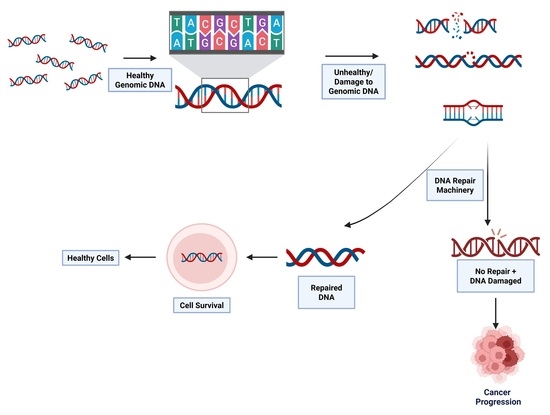
Cancer cells have many derailed processes due to which they have a higher proliferative capacity. The rewiring is continuously taking place to meet their metabolic demands. The demands depend on the stage of cancer, and these differences create challenges in curing them. Nucleotide
[...] Read more.
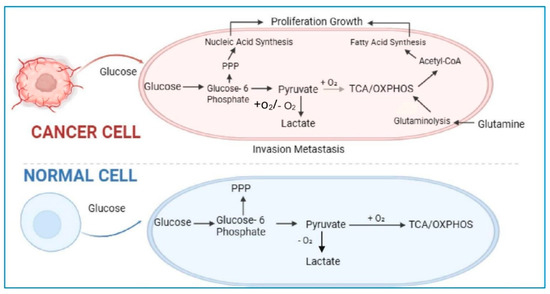
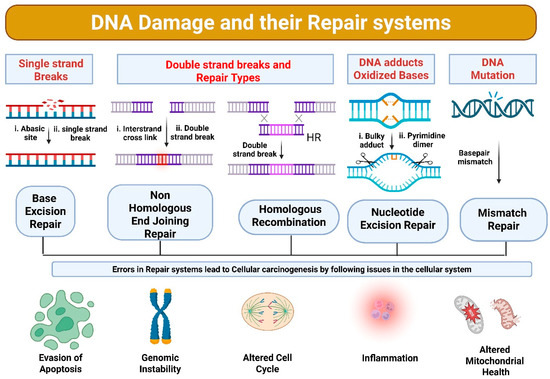
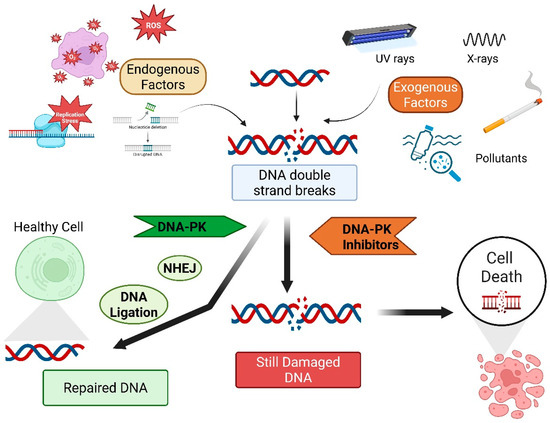
Cancer cells have many derailed processes due to which they have a higher proliferative capacity. The rewiring is continuously taking place to meet their metabolic demands. The demands depend on the stage of cancer, and these differences create challenges in curing them. Nucleotide metabolism plays a pivotal role in shaping cancer fate. DNA repair and other damage pathways also play a key role in cancer progression, genomic instability, errors in genetic material etc. These are discussed in this mini review so that researchers can take the lead to make an effort to combat cancer and design new therapeutics.
Full article

Graphical abstract
Open AccessArticle
Computational Prediction of DNA-RNA Triplex Formation Sites Reveals Novel Regulatory Links Between lncRNAs and Key Fertility Genes in Retinta Cattle
by
María Ángeles Vargas-Pérez, Chiraz Ziadi, Rosa María Morales, Sebastián Demyda-Peyrás, Gabriel Anaya Calvo-Rubio and Antonio Molina
DNA 2026, 6(2), 24; https://doi.org/10.3390/dna6020024 - 12 May 2026
Abstract
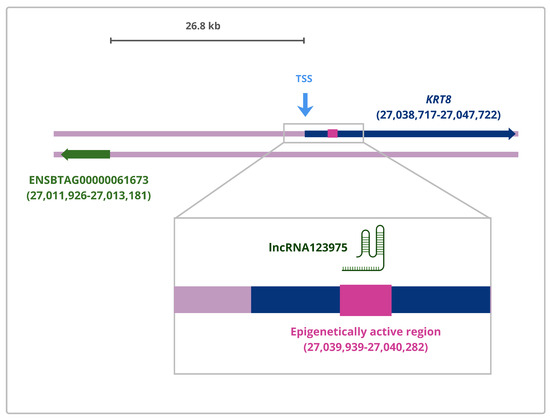
Background: Long non-coding RNAs (lncRNAs) are increasingly recognized as key regulators of gene expression, playing pivotal roles in diverse biological processes, including reproduction. This study identified and characterized lncRNAs located near fertility-associated genes in Retinta beef cattle, exploring their potential regulatory roles via
[...] Read more.
Background: Long non-coding RNAs (lncRNAs) are increasingly recognized as key regulators of gene expression, playing pivotal roles in diverse biological processes, including reproduction. This study identified and characterized lncRNAs located near fertility-associated genes in Retinta beef cattle, exploring their potential regulatory roles via DNA–RNA triplex formation using in silico approaches. Methods: We applied an integrative bioinformatics pipeline to identify potential triplex interactions, predicting structurally accessible regions within the lncRNAs and demonstrating the statistical enrichment of binding sites across known regulatory genomic elements. Results: Twelve protein-coding genes previously linked to female fertility or male scrotal circumference were analyzed, revealing 16 unique lncRNAs within ±50 kb windows, predominantly on BTA5. We predicted high-confidence triplex-forming oligonucleotides (TFOs) for most gene-lncRNA pairs. Our results suggest robustness and sequence specificity, as interactions were disrupted by sequence permutation or when a control background sequence was used. RNA secondary-structure analysis revealed that TFOs generally lie in exposed regions, supporting their accessibility for triplex formation. Furthermore, promoter and regulatory regions of fertility-associated genes were enriched in predicted triplex target sites (TTSs), with some overlapping CpG islands and enhancer regions, leading to the hypothesis that these lncRNAs might play a role in epigenetic regulation. Conclusions: Overall, these findings establish computationally derived hypotheses regarding the potential molecular mechanisms by which lncRNAs may modulate reproductive efficiency in cattle and highlight specific lncRNAs as promising targets for functional studies and marker-assisted breeding.
Full article
(This article belongs to the Special Issue Molecular Structure and Dynamics of DNA/RNA Helices)
►▼
Show Figures

Figure 1
Open AccessReview
Expectations and Realities of Adaptive Sampling in Nanopore Sequencing
by
Amin Savari and Sebastian Magierowski
DNA 2026, 6(2), 23; https://doi.org/10.3390/dna6020023 - 11 May 2026
Abstract
►▼
Show Figures
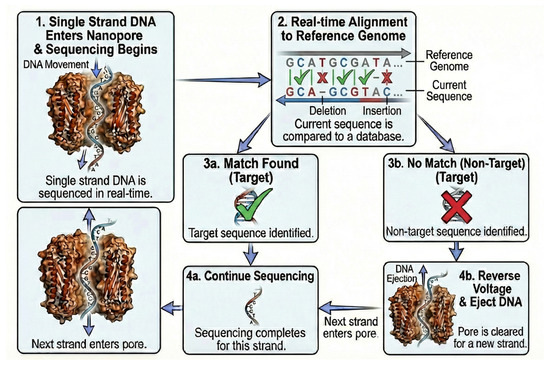
Real-time selective sequencing on nanopore platforms offers a programmable way to enrich target molecules and deplete background DNA during a run. This approach, widely known as adaptive sampling (AS), has been applied across host depletion, metagenomics, targeted loci, plasmid/AMR workflows, and RNA/transcriptomic protocols,
[...] Read more.
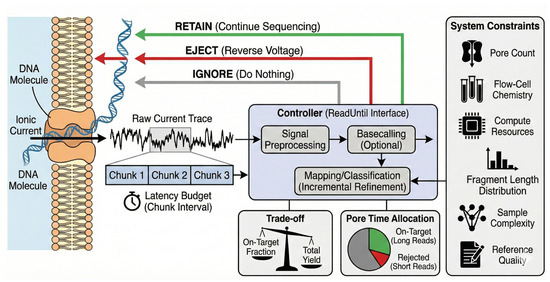
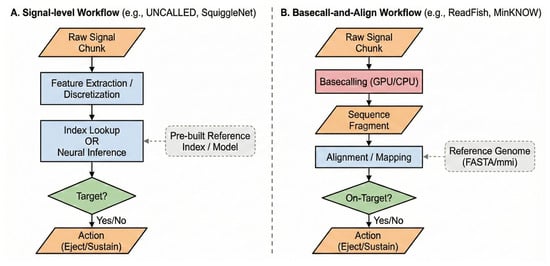
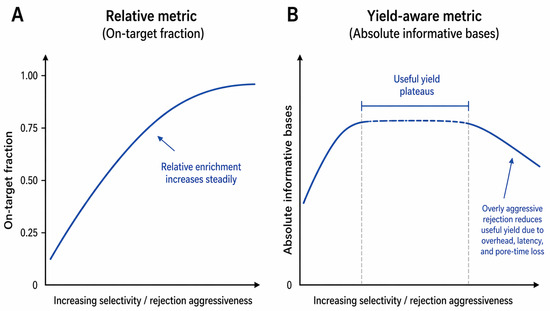
Real-time selective sequencing on nanopore platforms offers a programmable way to enrich target molecules and deplete background DNA during a run. This approach, widely known as adaptive sampling (AS), has been applied across host depletion, metagenomics, targeted loci, plasmid/AMR workflows, and RNA/transcriptomic protocols, but reported performance varies substantially across studies. This review synthesizes current algorithmic and empirical evidence with emphasis on sequencing-relevant outcomes, including absolute informative yield, target-coverage behavior, throughput effects, and run-to-run stability. Across use cases, relative enrichment is frequently observed, but gains in usable genomic output are strongly conditioned by fragment-length distributions, reference quality, decision-loop latency, and rejection-associated penalties in total yield and pore longevity. Evidence from targeted-panel and complex-locus studies further indicates that improved depth concentration can coexist with coverage non-uniformity and context-specific trade-offs relative to wet-lab enrichment. Overall, the literature supports AS as a valuable but condition-dependent strategy whose benefit is greatest when assay design, reference selection, and computational constraints are jointly optimized.
Full article

Figure 1
Open AccessReview
Regulatory Landscapes of Bacterial DNA Methylation: Mechanism, Dynamics, and Detection
by
Jasleen Kaur Lamba, Tejinder Kaur, Roshani Jha, Rama Kadamb and Rajni Garg
DNA 2026, 6(2), 22; https://doi.org/10.3390/dna6020022 - 4 May 2026
Abstract
►▼
Show Figures
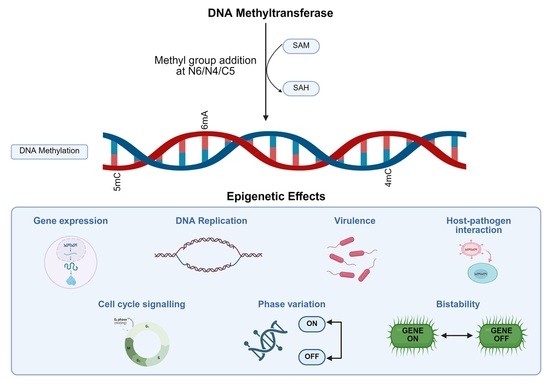
Epigenetics is a widely present mechanism for the modulation of gene expression without alterations in the underlying genetic sequence. Epigenetic signatures are significantly present in bacteria, with DNA methylation playing a key role in the modulation of bacterial physiology and pathogenesis. DNA methyltransferases
[...] Read more.
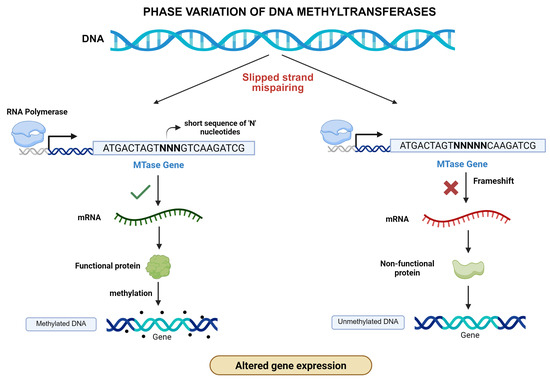
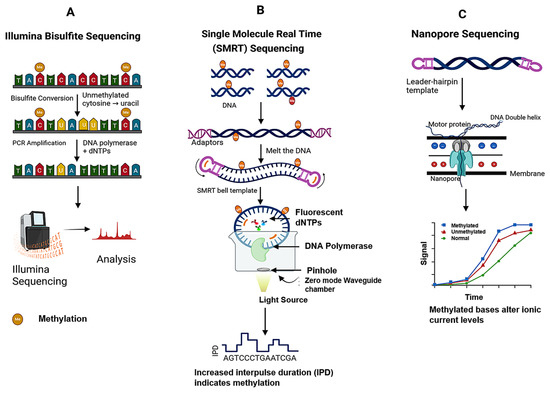
Epigenetics is a widely present mechanism for the modulation of gene expression without alterations in the underlying genetic sequence. Epigenetic signatures are significantly present in bacteria, with DNA methylation playing a key role in the modulation of bacterial physiology and pathogenesis. DNA methyltransferases (MTases) are the enzymes catalyzing the transfer of methyl groups to adenine or cytosine residues in the DNA using the methyl donor S-adenosyl-L-methionine (SAM). This process generates modified bases, N6-methyladenine (m6A), 5-methylcytosine (5mC), or N4-methyl cytosine (4mC) in the DNA, which influence fundamental cellular processes such as DNA transactions, DNA replication, transcription, and DNA repair. These MTases, earlier thought to be a part of primitive bacterial immune system, are now considered to be active players in gene regulation. They regulate bacterial adaptability to stress by virtue of phase variation and bistability. In pathogenic species such as Mycobacterium tuberculosis (Mtb), DNA methylation driven epigenetic reprogramming influences the expression of virulence factors, antibiotic tolerance, and persistence genes. This review gives a detailed account of role of DNA methyltransferases in bacterial epigenomics influencing various cellular processes. With the development of long-read high-throughput sequencing technologies, single-base mapping of bacterial methylomes has become possible. In the latter part of the review, we talk about these advances and the integration of synthetic biology to expand the potential of methylation systems for developing biosensors and switchable gene expression platforms. These strategies can be translated into future vaccine design and precision drugs for disease control. Deciphering bacterial DNA methylation can help gain insights into microbial evolution and design innovative therapeutics for various diseases.
Full article

Graphical abstract
Open AccessArticle
Molecular Identification of Kava-Kava (Piper methysticum G. Forst.) Using the Internal Transcribed Spacer (ITS2) Region
by
Iffat Parveen, Natascha Techen, Sara M. Handy, Jing Li, Charles Wu, Amar G. Chittiboyina and Ikhlas A. Khan
DNA 2026, 6(2), 21; https://doi.org/10.3390/dna6020021 - 28 Apr 2026
Abstract
►▼
Show Figures
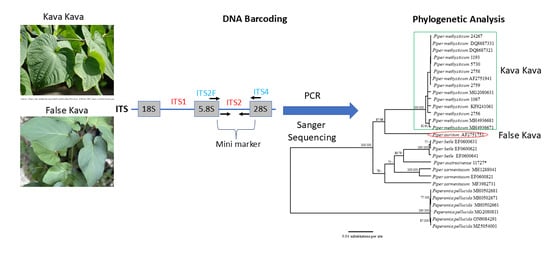
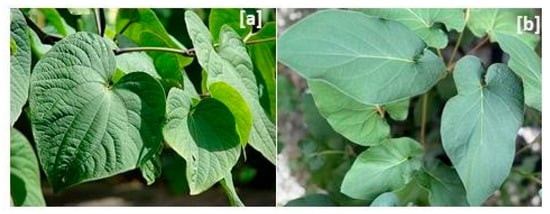
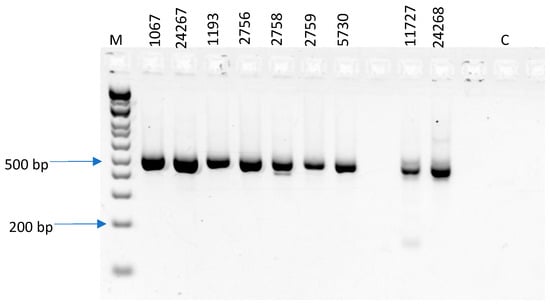
Background: Piper is one of the largest genera in the family Piperaceae, with approximately 2100 species. Most Piper species are used as spices or as medicinal plants. Piper methysticum G. Forst., popularly known as kava-kava (or kava), is widely used to treat
[...] Read more.
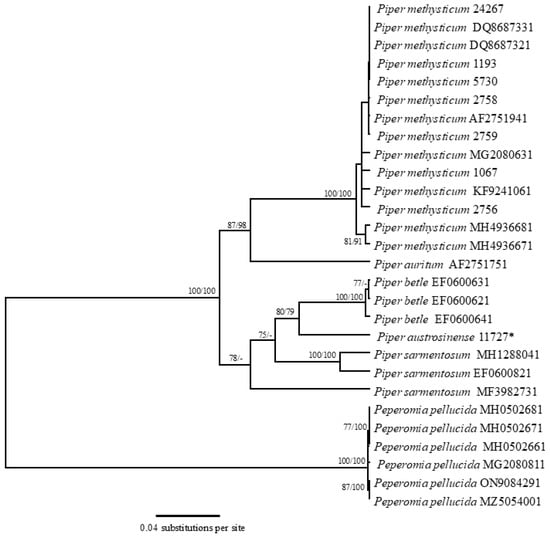
Background: Piper is one of the largest genera in the family Piperaceae, with approximately 2100 species. Most Piper species are used as spices or as medicinal plants. Piper methysticum G. Forst., popularly known as kava-kava (or kava), is widely used to treat anxiety disorders. Due to similar morphological features, P. auritum Kunth (known as “false kava”) is sometimes mistakenly or intentionally used as an alternative botanical source for “kava” extracts. The false kava extracts do not contain active kavalactones but contain safrole, which is hepatotoxic. It is important to verify the component botanical materials in order to evaluate the quality and safety attributes of a potential botanical drug. Some studies have evaluated genetic variation in Piper sp. using the chloroplast regions matK, rbcL, rpoC1 and trnH-psbA and the nuclear ITS2 markers. However, none has focused on the identification of P. methysticum using DNA barcodes. In the present investigation, the ITS2 DNA barcode region from the nuclear genome was tested to confirm the identification and authentication of kava-kava samples. Methods: Seven P. methysticum samples were collected from three different geographic lo-cations and two P. auritum samples were collected and the ITS2 region from the nuclear genome, was amplified, sequenced and aligned to determine their genetic distances. Results: The ITS2 locus showed high amplification and sequence output with a discriminating barcode gap. A distance-based phylogenetic tree and BLAST confirmation (using blastn) revealed the ITS2 locus as a diagnostic DNA barcode for the accurate identification of kava-kava species. Discussion: In conclusion, the ITS2 region proves to be an effective and reliable DNA barcode for distinguishing P. methysticum from closely related species such as P. auritum. Its application can significantly improve the safety, quality, and traceability of kava-containing products, addressing a critical need in the standardization of botanical drugs.
Full article

Graphical abstract
Open AccessArticle
Phylogeographic Analysis of Lodgepole Pine (Pinus contorta) Reveals Limited Subspecies Differentiation and Evidence for Glacial Refugia
by
Aron J. Fazekas and Francis C. Yeh
DNA 2026, 6(2), 20; https://doi.org/10.3390/dna6020020 - 16 Apr 2026
Abstract
►▼
Show Figures
Lodgepole pine (Pinus contorta Dougl.) exhibits pronounced morphological variation across its range, historically attributed to allopatric differentiation during the Wisconsin glaciation. However, whether genetic divergence aligns with morphological differentiation—a fundamental prediction of allopatric speciation theory—remains untested. We conducted a comprehensive phylogeographic analysis
[...] Read more.
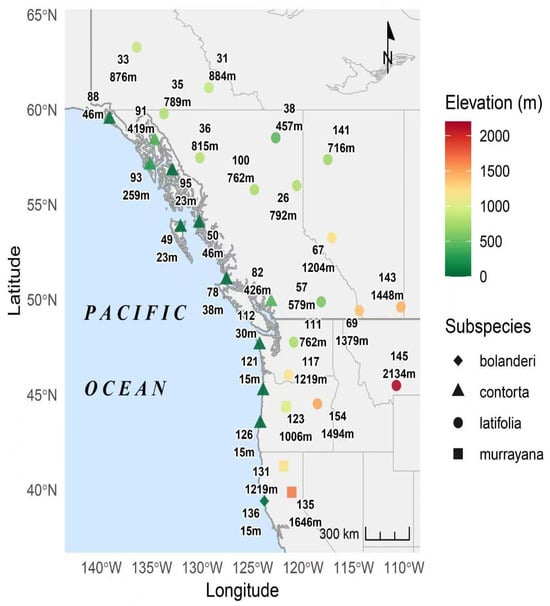
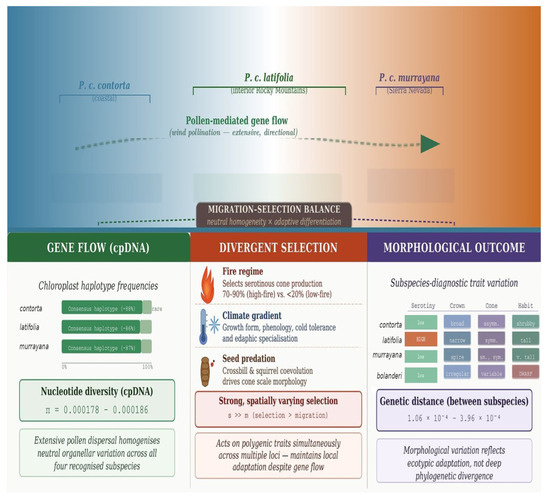
Lodgepole pine (Pinus contorta Dougl.) exhibits pronounced morphological variation across its range, historically attributed to allopatric differentiation during the Wisconsin glaciation. However, whether genetic divergence aligns with morphological differentiation—a fundamental prediction of allopatric speciation theory—remains untested. We conducted a comprehensive phylogeographic analysis of chloroplast DNA (trnL intron and trnL/trnF spacer) and mitochondrial DNA (nad1 b/c intron) across 31 populations representing all four recognized subspecies to test hypotheses of refugial isolation and to evaluate the genetic basis of current taxonomic classification. Contrary to predictions of allopatric divergence, both organellar genomes showed striking genetic uniformity (π = 0.000178–0.000186; intersubspecific genetic distances: 1.06 × 10⁻⁴ to 3.96 × 10⁻⁴) with no phylogenetic structure corresponding to morphological boundaries. Significant negative neutrality test values (Tajima’s D = −2.26, p < 0.02; Fu and Li’s D* = −4.52, p < 0.02) suggest recent demographic expansion rather than equilibrium divergence. A distinctive 5 bp indel in coastal populations provides molecular evidence for a northern Pacific refugium, and its occurrence in interior populations is consistent with post-glacial pollen-mediated gene flow, though this directionality remains inferential pending nuclear genomic confirmation. These findings suggest that morphological divergence reflects rapid adaptive evolution in heterogeneous environments rather than deep phylogenetic divisions. This pattern exemplifies gene flow-selection balance, in which divergent selection maintains local adaptation despite extensive gene flow—supporting an ecotypic rather than a phylogenetic interpretation of intraspecific diversity. The persistence of morphological variation despite genetic homogeneity indicates strong selection on ecologically important traits, likely driven by variation in fire regimes, differential seed predation, and climate gradients. These results have critical implications for understanding adaptive evolution rates in widespread conifers and for developing conservation strategies that emphasize adaptive processes over taxonomic categories.
Full article

Figure 1

Open AccessReview
The Two Faces of Saccharomyces cerevisiae RAD9 Function in Homologous Recombination: Suppressor and Promoter of Genome Instability
by
Michael Fasullo
DNA 2026, 6(2), 19; https://doi.org/10.3390/dna6020019 - 9 Apr 2026
Abstract
►▼
Show Figures
Recombinogenic DNA damage can initiate chromosomal rearrangements that can alter gene expression or accelerate cancer progression in higher eukaryotes. Thus, there is a critical need to identify genes that suppress chromosomal rearrangements and environmental exposures that promote genetic instability. Cell cycle checkpoints modulate
[...] Read more.
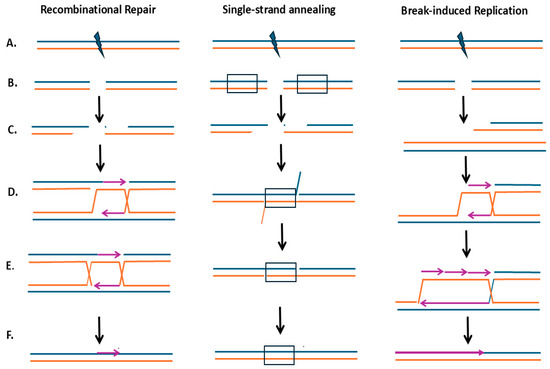
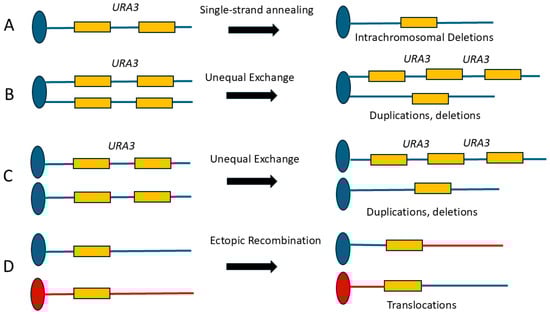
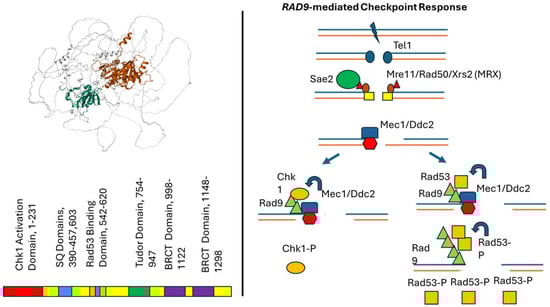
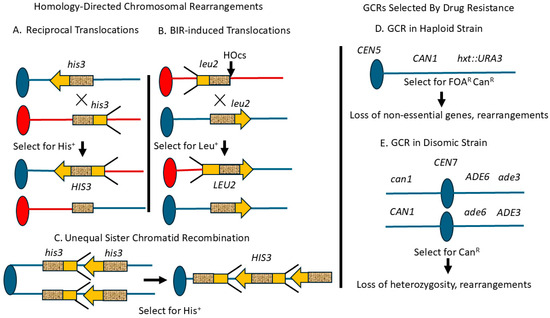
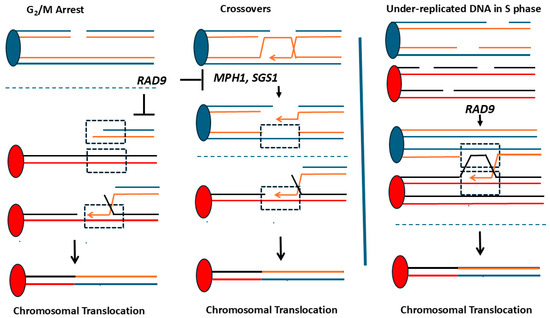
Recombinogenic DNA damage can initiate chromosomal rearrangements that can alter gene expression or accelerate cancer progression in higher eukaryotes. Thus, there is a critical need to identify genes that suppress chromosomal rearrangements and environmental exposures that promote genetic instability. Cell cycle checkpoints modulate the cell cycle so that DNA repair occurs before the replication or segregation of damaged chromosomes. Saccharomyces cerevisiae (budding yeast) RAD9 was the first cell cycle checkpoint gene identified, which initiated intensive research studies into the mechanisms of checkpoint activation and the phenotypes of checkpoint mutants. The budding yeast Rad9 protein serves as both an adaptor and scaffold that facilitates downstream effector activation to orchestrate a DNA damage response at multiple stages of the cell cycle, which facilitates double-strand break (DSB) repair by sister chromatid recombination. However, the role of RAD9 in homologous recombination and in suppressing gross chromosomal rearrangements (GCRs) is not completely understood. In this review we discuss how RAD9 can promote genome instability resulting from aberrant DNA replication intermediates, while suppressing DSB-associated rearrangements. We also discuss possible mechanisms accounting for the synergistic increase in genomic instability in double mutants defective in both RAD9 and recombinational repair. We emphasize that while there is an overlap between checkpoint and recombinational repair pathways, RAD9 and checkpoint pathways can function independently to suppress chromosomal instability. These studies thus elucidate checkpoint mechanisms that control homologous recombination between repeated sequences.
Full article

Figure 1
Open AccessReview
DNA-Based Therapeutic Innovations Targeting Microbial Imbalance and Immune Dysfunction in the Gut Ecosystem
by
Hector M. Espiritu and Arman M. Parayao
DNA 2026, 6(2), 18; https://doi.org/10.3390/dna6020018 - 2 Apr 2026
Abstract
►▼
Show Figures
Gut dysbiosis, defined as a disruption in the structure or function of the intestinal microbiota, is increasingly recognized as a key contributor to inflammatory, metabolic, and neuropsychiatric diseases. Conventional interventions such as broad-spectrum antibiotics, generic probiotics, and fecal microbiota transplantation (FMT) often show
[...] Read more.
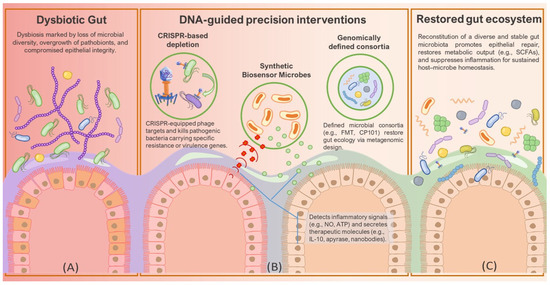
Gut dysbiosis, defined as a disruption in the structure or function of the intestinal microbiota, is increasingly recognized as a key contributor to inflammatory, metabolic, and neuropsychiatric diseases. Conventional interventions such as broad-spectrum antibiotics, generic probiotics, and fecal microbiota transplantation (FMT) often show limited and inconsistent efficacy because they lack specificity, durability, and robust safety controls. In contrast, recent advances in DNA-based technologies are reshaping the therapeutic landscape by enabling targeted, programmable, and mechanistically informed modulation of the gut ecosystem. This review presents an integrated overview of three major domains driving this shift: CRISPR-based systems that selectively delete, silence, or reprogram microbial genes; synthetic biology-driven live therapeutics engineered to sense disease-associated cues and execute controlled responses; and metagenomics-informed strategies that tailor interventions to patient-specific microbial gene profiles and functional deficits. Additionally, we examine the continued evolution of FMT toward DNA-optimized workflows and defined microbial consortia that offer safer, more standardized alternatives to crude donor material. Across these domains, we discuss delivery platforms (including bacteriophages, conjugative plasmids, extracellular vesicles, and synthetic nanoparticles), and compare their efficiency, specificity, and scalability. We further highlight how DNA-guided interventions interface with host immunity—shaping Treg/Th17 balance, mucosal barrier function, and inflammatory signaling—while also analyzing ecological and evolutionary risks, biocontainment strategies, and regulatory classification gaps that will govern clinical translation. Together, these developments signal a transition from empirical microbiome manipulation to rational ecosystem engineering. DNA-guided therapies hold strong promise for precise and personalized management of gut-related diseases, but their success will depend on rigorous ecological risk assessment, long-term monitoring, and adaptive regulatory frameworks alongside continued technological innovation.
Full article

Figure 1

Open AccessArticle
Time-Resolved Repair of Clustered DNA Damage in γ-Irradiated Yeast Cells
by
Ana G. Sánchez and Deborah J. Keszenman
DNA 2026, 6(2), 17; https://doi.org/10.3390/dna6020017 - 1 Apr 2026
Abstract
►▼
Show Figures
Background/Objectives: Exposure of cells to ionizing radiation induces isolated DNA lesions, including single-strand breaks, apurinic/apyrimidinic sites, and oxidized bases, as well as clustered damages of different complexity. The latter types of damage are difficult to repair, and the failure to process them accurately
[...] Read more.
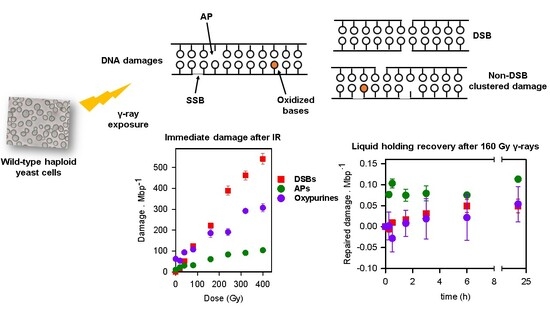
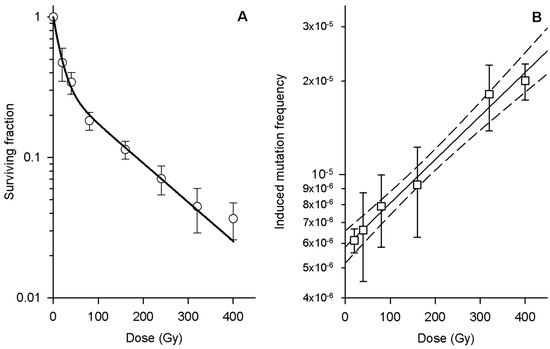
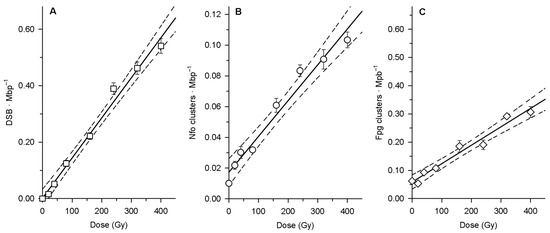
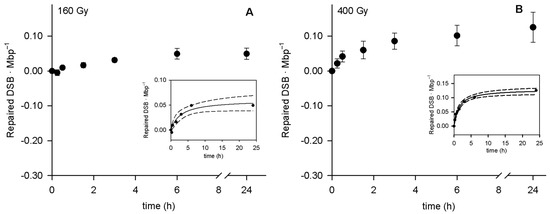
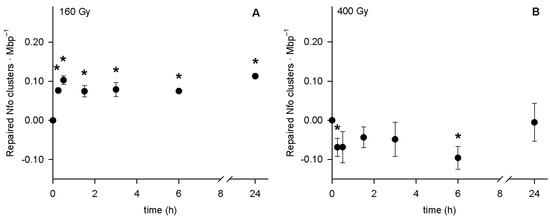
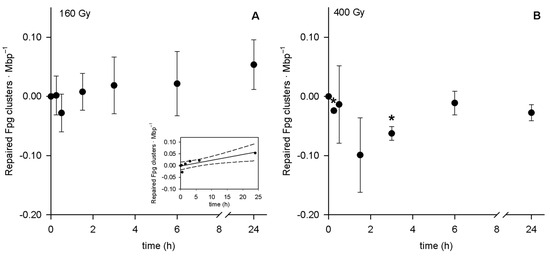
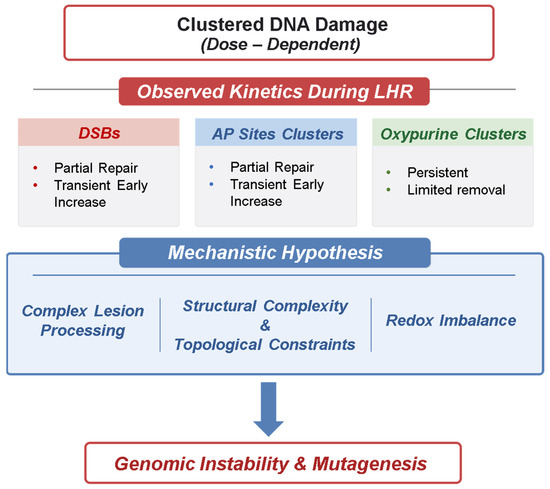
Background/Objectives: Exposure of cells to ionizing radiation induces isolated DNA lesions, including single-strand breaks, apurinic/apyrimidinic sites, and oxidized bases, as well as clustered damages of different complexity. The latter types of damage are difficult to repair, and the failure to process them accurately and efficiently is related to the induction of mutagenesis, genomic instability, cancer, and aging. Since various types of clustered lesions may occur simultaneously after radiation exposure, leading to a complex architecture of DNA damage, the study of the concomitant formation and the removal kinetics of clustered DNA damage is important to determine the mutagenic and, consequently, the carcinogenic potential of ionizing radiation. Methods: With the aim of capturing real-time coexisting lesion types and assessing the repair kinetics of clustered damages, the simultaneous determination of double-strand breaks, apurinic/apyrimidinic site clusters, and oxypurine clusters induced by γ-irradiation of Saccharomyces cerevisiae yeast cells was performed immediately after exposure and at time intervals during incubation in Liquid Holding Recovery conditions. Results: Ionizing radiation induced lethal and mutagenic events, leading to a dose-dependent linear increase in double-strand breaks, apurinic/apyrimidinic site clusters, and oxypurine clusters. The kinetic study showed that double-strand break frequencies declined during Liquid Holding Recovery, although a transient increase was detected at early time points. At 160 Gy, apurinic/apyrimidinic site clusters repair was evident, whereas at 400 Gy the frequency of damage increased before returning to the initial value at 24 h. In contrast, oxypurine clusters showed no net increase in repaired lesions over 24 h. Conclusions: The complex nature and topological characteristics of ionizing radiation-induced clustered DNA damage may influence lesion processing. Also, ionizing radiation may disrupt redox cellular homeostasis, leading to DNA damage and delayed effects.
Full article

Graphical abstract
Open AccessReview
The Improvements and Applications of Prime Editing
by
Yaoyao Lu, Camille Bouchard, Nicolas Soucy, Ayesha Siddika, Gabriel Lamothe, Kelly Godbout and Jacques P. Tremblay
DNA 2026, 6(1), 16; https://doi.org/10.3390/dna6010016 - 20 Mar 2026
Cited by 3
Abstract
►▼
Show Figures
Clustered Regularly Interspaced Short Palindromic Repeats (CRISPR)/Cas9, a genome-editing technology pioneered in 2012, enables the precise correction of deleterious mutations or disruption of disease-causing genes through targeted double-strand breaks (DSBs), offering potential for treating genetic diseases. However, CRISPR/Cas9 can cause off-target cleavage at
[...] Read more.
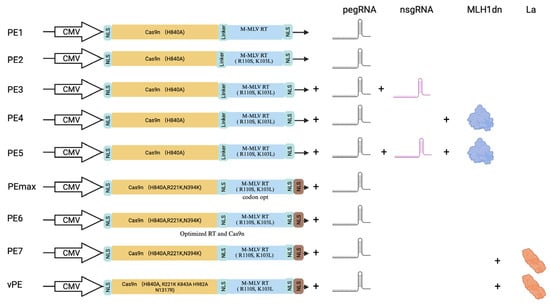
Clustered Regularly Interspaced Short Palindromic Repeats (CRISPR)/Cas9, a genome-editing technology pioneered in 2012, enables the precise correction of deleterious mutations or disruption of disease-causing genes through targeted double-strand breaks (DSBs), offering potential for treating genetic diseases. However, CRISPR/Cas9 can cause off-target cleavage at non-specific DNA sites, leading to unintended insertions or deletions (indels), which limit its safety and applicability despite ongoing improvements in specificity. Recently, prime editing (PE), an advanced CRISPR-derived technology, has been employed with a Cas9 nickase (Cas9n) fused with a reverse transcriptase and a prime editing guide RNA (pegRNA) to enable precise insertions, deletions, and transversions without inducing DSBs, thus reducing risks of indels and chromosomal aberrations. Furthermore, ongoing optimizations, such as improved pegRNA design and enhanced editing efficiency, have expanded the applications of PE in medical therapeutics, agriculture, and fundamental research. This review summarizes recent advancements in the PE system, including optimized pegRNA designs and enzyme engineering for enhanced efficiency and specificity, alongside novel delivery methods. It also evaluates cutting-edge delivery strategies, such as adeno-associated virus (AAV) vectors, lipid nanoparticles (LNPs) and novel extracellular vesicle (EV)-based systems, and explores PE applications in vitro and in vivo, including disease modeling and therapeutic gene correction.
Full article

Figure 1

Open AccessArticle
An Integrative Evolutionary–Genomic Analysis Reveals the Factors That Shape the Sexual Diversity and Molecular Specificity of Gametophytic Self-Incompatibility in Prunus Species
by
Shashi N. Goonetilleke and Michelle G. Wirthensohn
DNA 2026, 6(1), 15; https://doi.org/10.3390/dna6010015 - 13 Mar 2026
Cited by 1
Abstract
►▼
Show Figures
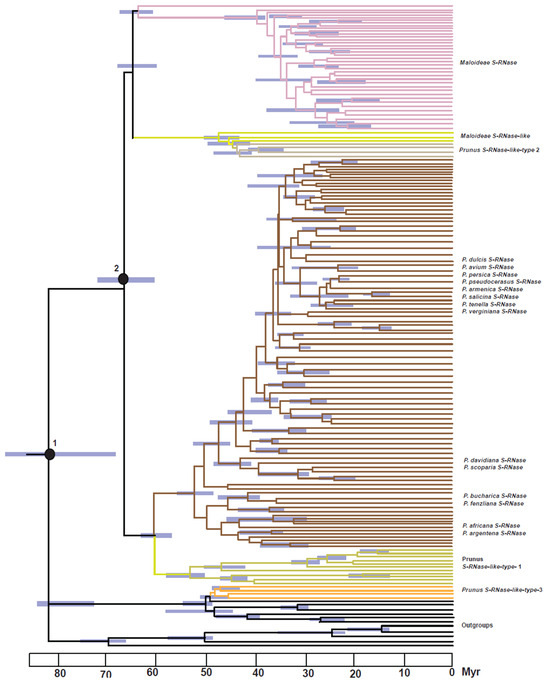
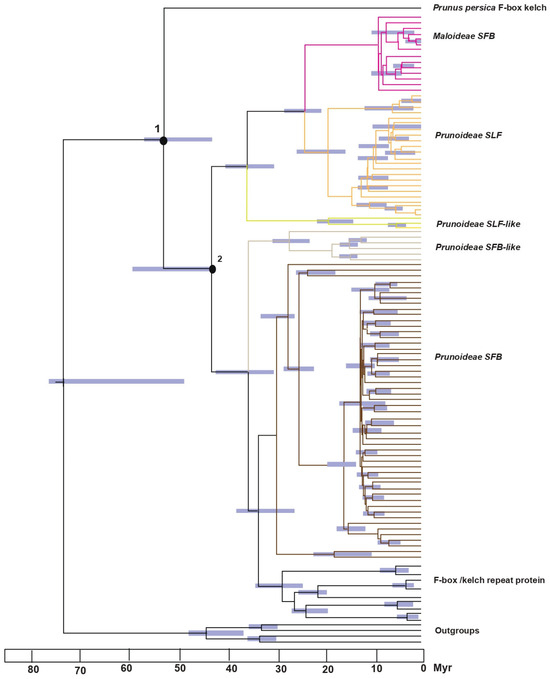
Background: Gametophytic self-incompatibility (GSI) controlled by a multi-allelic S-locus, is inferred to have evolved before the spilt of the Rosidae and Asteridae. In Rosaceae, molecular characterisation of the genera Prunus and Malus reveals that different numbers of genes determine GSI specificity. In
[...] Read more.
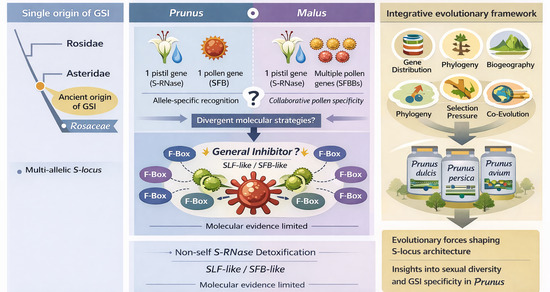
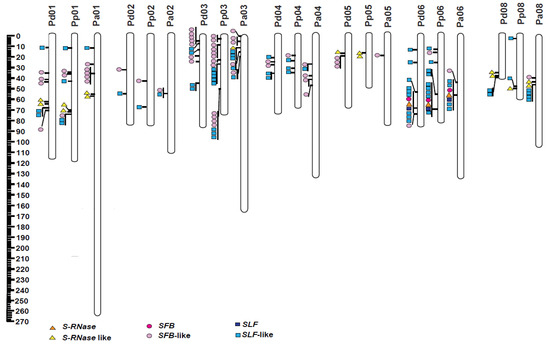
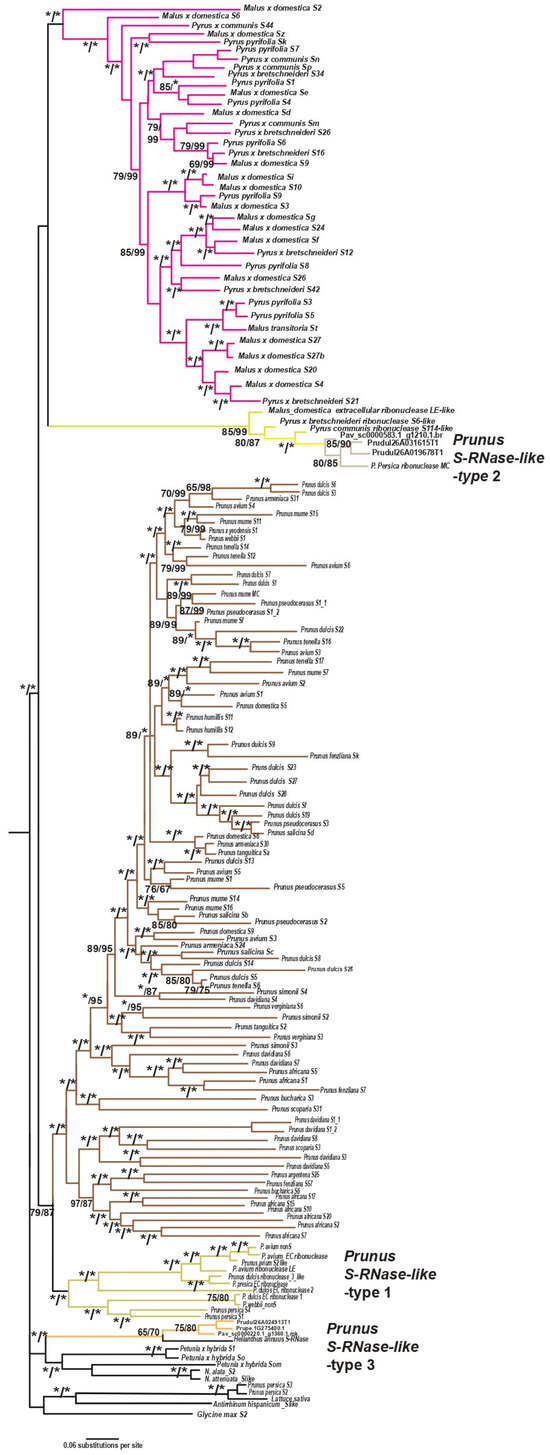
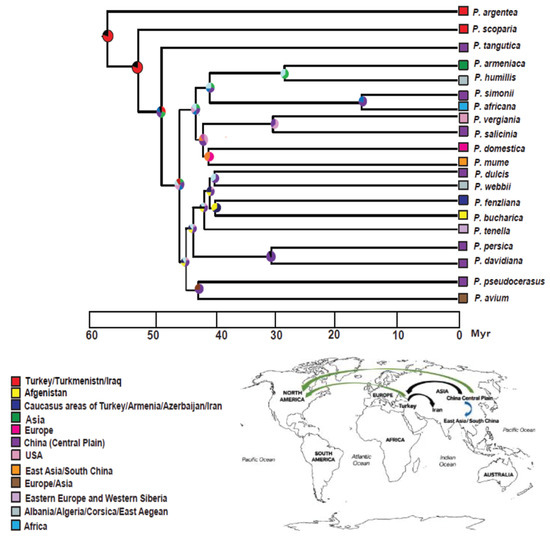
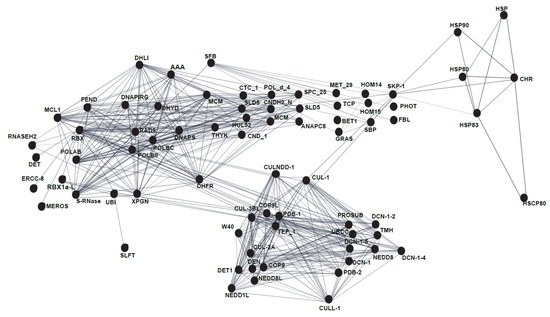
Background: Gametophytic self-incompatibility (GSI) controlled by a multi-allelic S-locus, is inferred to have evolved before the spilt of the Rosidae and Asteridae. In Rosaceae, molecular characterisation of the genera Prunus and Malus reveals that different numbers of genes determine GSI specificity. In Prunus, one pistil-expressed (female) gene and one pollen (male) gene encode a series of stylar RNase (S-RNase) alleles and series of S-haplotype-specific F-box (SFB) alleles, respectively, thereby determining the female and male specificity. In contrast, in Malus, GSI specificity is controlled by one pistil gene and multiple pollen genes, known as SFB-brothers (SFBBs), which encode a series of S-RNase and SFBB alleles, respectively, within the S-locus, to determine female and male specificity. Despite these advances, the molecular mechanisms of these two genera remain largely unknown, and it is still uncertain how GSI originated or which factors shape the orientation, evolution, and function of the S-locus. Methods: Therefore, in this study, we applied a holistic integrative approach combining analyses of gene distribution, phylogenetic inference, biogeographic history, selective pressures, co-evolution, and protein interaction networks across three Prunus genomes (P. dulcis, P. persica, and P. avium) to elucidate the evolutionary forces driving sexual diversity and molecular specificity of GSI within the Rosaceae. Results: Our results indicated that rapid diversification of the Prunus S-locus was due to the repeated duplication events in the SFB, SLF, and S-RNase genes producing both functional and non-functional duplicates. Conclusions: In Rosaceae, diversity of S-locus mechanisms is shaped by lineage-specific selection, functional divergence, co-evolution of pistil- and pollen-expressed components, dynamic protein-interaction networks, geological history and climatic change.
Full article

Graphical abstract
Open AccessReview
Genetic Susceptibility in Sudden Infant Death Syndrome (SIDS): A Narrative Review of Emerging Evidence
by
Eteesha Rao and Srinivas Annavarapu
DNA 2026, 6(1), 14; https://doi.org/10.3390/dna6010014 - 5 Mar 2026
Abstract
Sudden Infant Death Syndrome (SIDS) continues to be one of the most challenging and tragic causes of infant mortality in developed countries. While public health interventions have reduced its prevalence, the underlying mechanisms contributing to SIDS remain largely unclear. The biological basis of
[...] Read more.
Sudden Infant Death Syndrome (SIDS) continues to be one of the most challenging and tragic causes of infant mortality in developed countries. While public health interventions have reduced its prevalence, the underlying mechanisms contributing to SIDS remain largely unclear. The biological basis of SIDS is widely believed to be multifactorial in nature, involving inherited genetic vulnerabilities, including mutations in cardiac ion channels and genes associated with brainstem serotonin function, metabolic enzymes, and inflammatory mediators. This review presents a comprehensive analysis of genetic studies relating to SIDS, incorporating recent findings from molecular autopsies, genome-wide association studies and functional assays. It also explores how gene–environment interactions, polygenic risk scores, and multi-omic strategies are reshaping our understanding of this complex condition. The review aims to integrate recent insights from molecular autopsy, genomic profiling, and gene–environment interactions to offer a framework for better risk assessment and the stratification of vulnerable infants who could benefit from targeted clinical and public health interventions.
Full article
Open AccessReview
Recognition Mechanism of Complementary Nucleobases and Sequences in DNA and RNA: Interplay of Watson–Crick Hydrogen Bond Formation and Base Stacking Interactions
by
Masayuki Takahashi and Bengt Nordén
DNA 2026, 6(1), 13; https://doi.org/10.3390/dna6010013 - 4 Mar 2026
Abstract
►▼
Show Figures
A/T(U) and G/C nucleobase pair formation in DNA and RNA is crucial to numerous fundamental biological processes, including replication, transcription, and translation. The specificity of A/T(U) and G/C base pairing is used for the recognition of complementary sequences in medical and biotechnological applications,
[...] Read more.
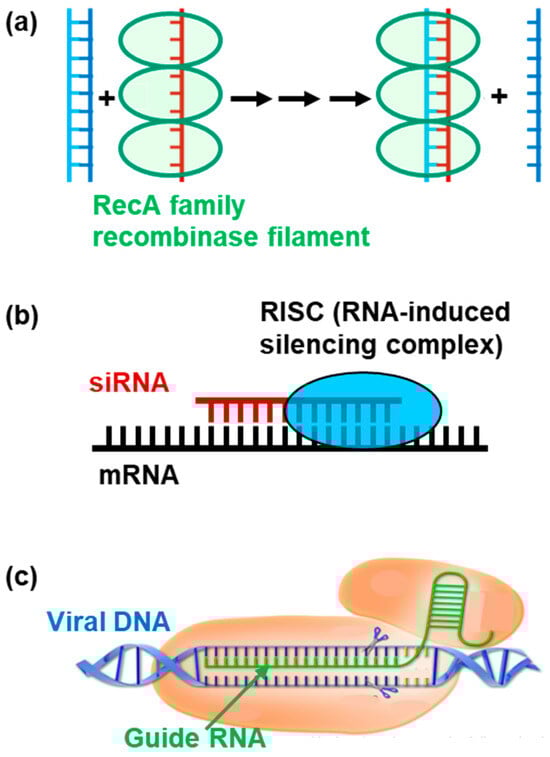
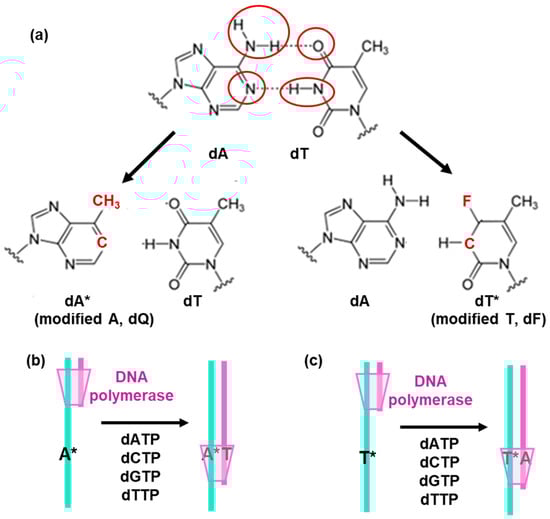
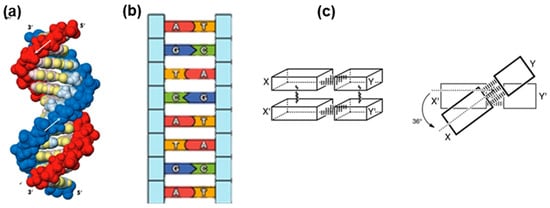
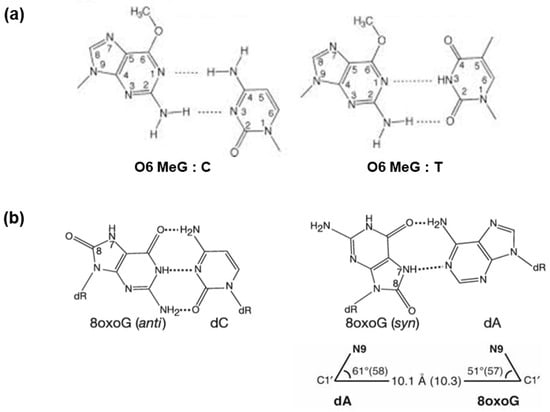
A/T(U) and G/C nucleobase pair formation in DNA and RNA is crucial to numerous fundamental biological processes, including replication, transcription, and translation. The specificity of A/T(U) and G/C base pairing is used for the recognition of complementary sequences in medical and biotechnological applications, such as PCR, nucleic acid drugs, and CRISPR–Cas9-based gene editing. It is essential to understand and predict fidelity of biological reactions, avoiding off-target binding, in order to improve the accuracy and efficacy of applications. In particular, recognition mechanisms of complementary bases or whole sequences must be understood in detail. Despite the prevailing view that Watson–Crick hydrogen bonding is a primary mechanism for complementary base recognition, several experiments have shown that DNA polymerase does not require hydrogen bonding to select complementary bases. Other factors, such as the shape and geometric fitting of the bases and the base stacking, also appear to be crucially involved in the selection. E.g., artificial bases lacking the ability to form hydrogen bonds can still be recognized by DNA polymerase solely based on base-pair geometry. However, hydrogen bonding also contributes importantly to recognition. The accuracy of selecting a complementary nucleobase or sequence varies depending on reactions, suggesting the co-existence of multiple selection mechanisms. This review provides an overview of biological processes and applications involving base pairing and discusses the molecular mechanism underlying complementary base recognition.
Full article

Figure 1

Open AccessReview
Genetic Architecture, Developmental Mechanisms and Genomic Applications in Left Ventricular Non-Compaction Cardiomyopathy (LVNC)
by
Luis Elias Martínez-Tittonel, Florin Radu Ciorba, Xavier Bayona-Huguet and Edgardo Kaplinsky
DNA 2026, 6(1), 12; https://doi.org/10.3390/dna6010012 - 2 Mar 2026
Abstract
Left ventricular noncompaction cardiomyopathy (LVNC) is characterised by a two-layered ventricular wall with prominent trabeculations and deep recesses adjacent to a thinned compact layer. The phenotype spans from incidental findings to severe heart failure and malignant arrhythmias. More than 190 genes belonging to
[...] Read more.
Left ventricular noncompaction cardiomyopathy (LVNC) is characterised by a two-layered ventricular wall with prominent trabeculations and deep recesses adjacent to a thinned compact layer. The phenotype spans from incidental findings to severe heart failure and malignant arrhythmias. More than 190 genes belonging to sarcomeric, cytoskeletal, mitochondrial, transcriptional and signalling pathways have been implicated, although only a subset reaches high gene disease validity in contemporary frameworks. Objectives: (i) Delineate the validated genetic landscape of LVNC; (ii) integrate developmental biology with cardiac genomics; (iii) translate genotype knowledge into diagnostic, prognostic and therapeutic guidance; (iv) outline a research agenda for precision cardiology. Methods: A narrative, pathway-oriented review of human and experimental studies (2000–July 2024). Results: Thirty-two genes meet definitive/strong validity thresholds and cluster in five biological networks. Oligogenic constellations account for ~4% of probands in recent cohorts. Imaging correlates (especially quantitative trabecular complexity and diffuse fibrosis metrics) provide complementary risk information. Conclusions: LVNC represents a convergence phenotype triggered by perturbations across developmental and structural networks; clinical management benefits from integrated genomics–imaging workflows and mechanism-informed trial design.
Full article
Open AccessArticle
Erimin: A Pipeline to Identify Bacterial Strain Specific Primers
by
Margaritis Tsifintaris, Paraskevi Koutra, Pavlos Tsiartas, Panagiotis Repanas, Sotirios Touliopoulos, Grigorios Nelios, Anastasia Anastasiadou, Georgia Tamouridou, Anastasios Nikolaou and Ilias Tsochantaridis
DNA 2026, 6(1), 11; https://doi.org/10.3390/dna6010011 - 25 Feb 2026
Abstract
►▼
Show Figures
Background/Objectives: Strain-level detection of bacteria is essential for applications such as diagnostics, food safety, and microbial monitoring. While 16S rRNA gene sequencing provides genus- or species-level resolution, it cannot reliably discriminate closely related strains. Whole-genome sequencing (WGS) offers high-resolution strain differentiation but remains
[...] Read more.
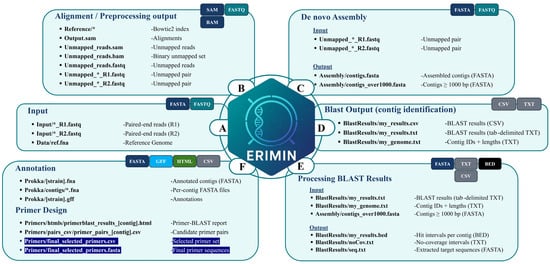
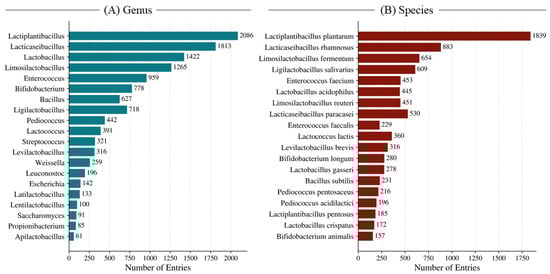
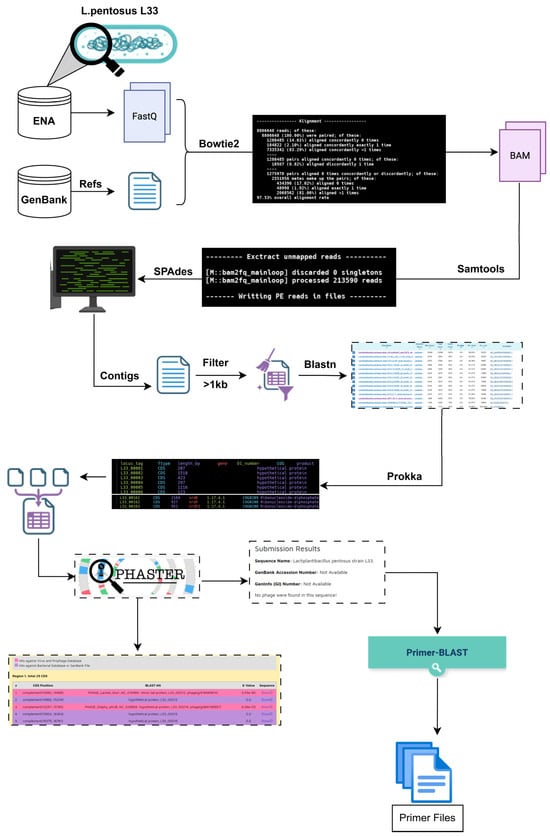
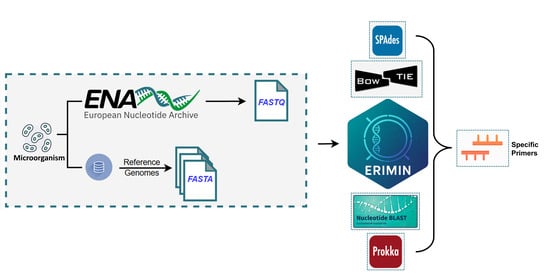
Background/Objectives: Strain-level detection of bacteria is essential for applications such as diagnostics, food safety, and microbial monitoring. While 16S rRNA gene sequencing provides genus- or species-level resolution, it cannot reliably discriminate closely related strains. Whole-genome sequencing (WGS) offers high-resolution strain differentiation but remains impractical for routine detection due to cost and analytical complexity. This study aims to enable the translation of WGS data into accurate and cost-effective strain-specific PCR assays. Methods: We developed Erimin, a modular, shell-based bioinformatics pipeline for the automated identification of strain-specific genomic regions from short-read WGS data. Erimin systematically analyzes all available reference genomes for a given bacterial species in combination with sequencing data from a target strain. The workflow integrates reference-based read alignment, extraction of unmapped reads, de novo assembly, contig filtering and validation, genome annotation, and in silico PCR primer design and specificity evaluation. Results: Erimin was applied to Lactiplantibacillus pentosus whole-genome sequencing data to identify genomic regions specific to strain L33 through comparative analysis against a comprehensive set of reference genome assemblies representing multiple Lactiplantibacillus species. These regions were used for in silico PCR primer design and computational specificity assessment against non-target bacterial genomes, supporting discrimination of closely related strains. Conclusions: Erimin provides a structured computational approach for identifying strain-specific genomic regions from WGS data and for supporting the in silico design of PCR primers. This framework facilitates strain-level discrimination using targeted molecular assays.
Full article

Graphical abstract
Open AccessArticle
Assessment of Human DNA and Y-DNA Quantity in Blow Fly Larvae Cultured on Human Blood: Evaluation of Utility for Identification and Forensic Reporting in Sexual Offense Cases
by
Dagmara Lisman, Ilona Savochka, Ewelina Tarnawska and Andrzej Ossowski
DNA 2026, 6(1), 10; https://doi.org/10.3390/dna6010010 - 13 Feb 2026
Abstract
►▼
Show Figures
Background/Objectives: Forensic entomology remains an underutilized discipline within forensic medicine, particularly in Poland, where it is primarily applied to post-mortem interval (PMI) estimation. Recent studies indicate that insect-derived material may also hold value in the identification of human remains. Methods: In this pilot
[...] Read more.
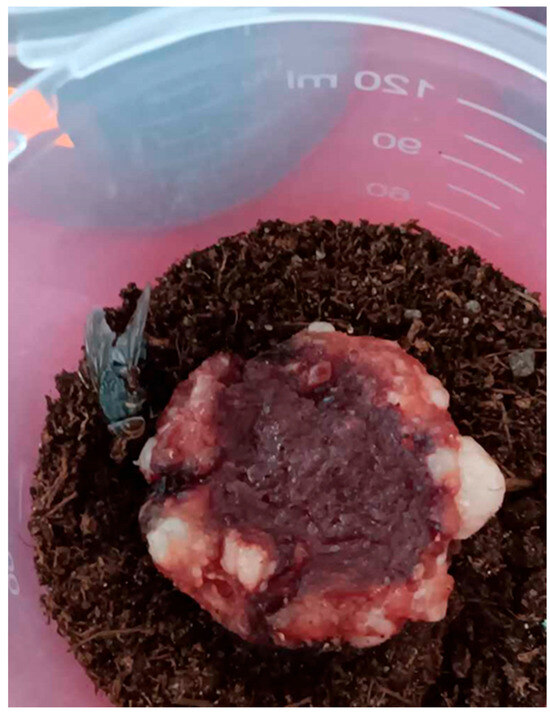
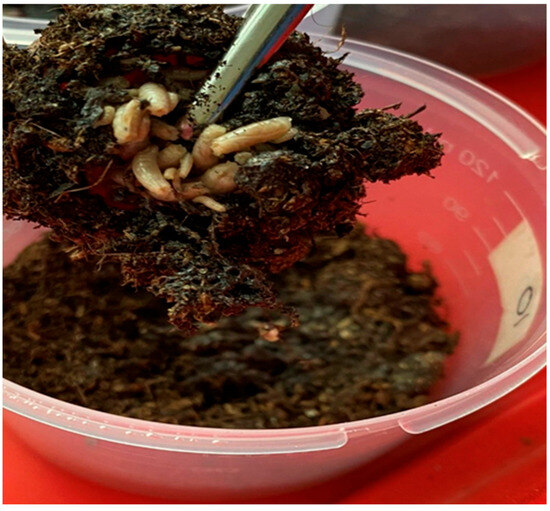
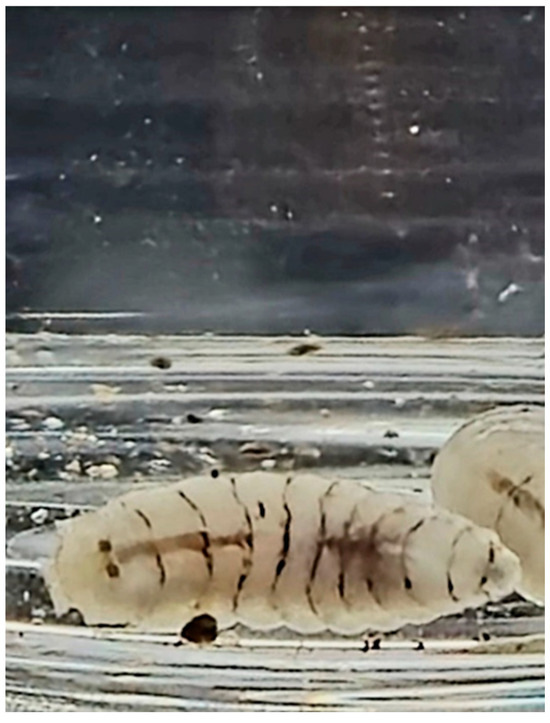
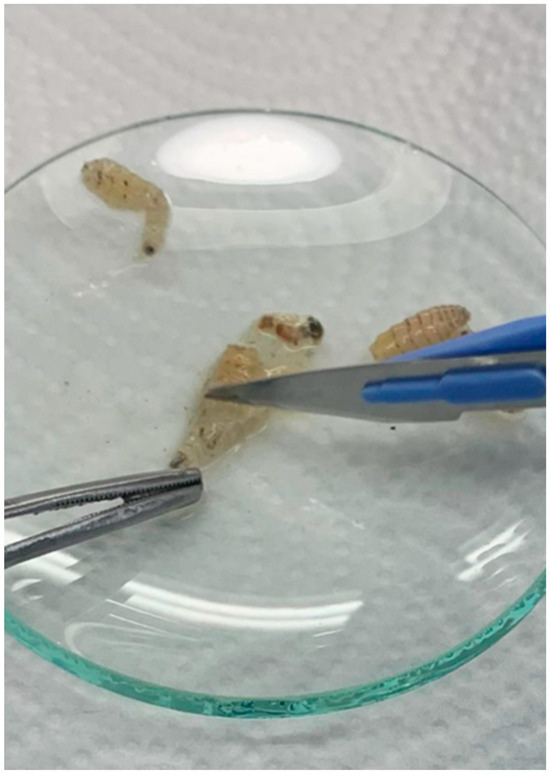
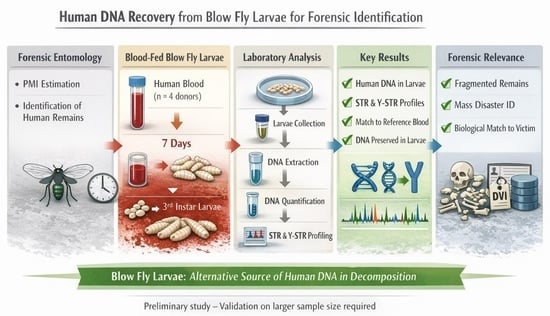
Background/Objectives: Forensic entomology remains an underutilized discipline within forensic medicine, particularly in Poland, where it is primarily applied to post-mortem interval (PMI) estimation. Recent studies indicate that insect-derived material may also hold value in the identification of human remains. Methods: In this pilot study, we assess whether blow fly larvae fed on human blood retain amplifiable human DNA, including Y-DNA. Larvae were reared on blood obtained from four volunteers and collected at the third instar stage seven days after oviposition. Human DNA quantification, degradation assessment, and STR/Y-STR profiling were performed. Results: Despite the deliberately small, exploratory sample size, all larval samples yielded complete and concordant STR and, where applicable, Y-STR profiles matching the respective reference donors. Conclusions: These preliminary findings indicate the potential utility of larvae as an alternative biological substrate in forensic contexts, particularly when conventional tissues are unavailable or degraded. However, the results should be interpreted cautiously and require validation in larger, systematically controlled studies before any routine forensic application can be recommended.
Full article

Graphical abstract
Highly Accessed Articles
Latest Books
E-Mail Alert
News
Topics
Topic in
Animals, CIMB, DNA, Genes, IJMS, Biology
Advances in Molecular Genetics and Breeding of Cattle, Sheep, and Goats, 2nd Edition
Topic Editors: Xiukai Cao, Hui Li, Huitong ZhouDeadline: 31 December 2026
Topic in
Agriculture, Agronomy, Crops, Genes, Plants, DNA
Vegetable Breeding, Genetics and Genomics, 2nd Volume
Topic Editors: Padma Nimmakayala, Georgia Ntatsi, Umesh K. Reddy, Yan R. TomasonDeadline: 5 February 2027
Topic in
Brain Sciences, CIMB, Epigenomes, Genes, IJMS, DNA
Genetics and Epigenetics of Substance Use Disorders
Topic Editors: Aleksandra Suchanecka, Anna Maria Grzywacz, Kszysztof ChmielowiecDeadline: 14 April 2027
Conferences
Special Issues
Special Issue in
DNA
Molecular Structure and Dynamics of DNA/RNA Helices
Guest Editor: Mauricio Alcolea PalafoxDeadline: 15 July 2026
Special Issue in
DNA
Mechanisms of DNA Lesion Formation: Applications in Radiotherapy, Space Exploration, and Nuclear Triage
Guest Editor: Amitava AdhikaryDeadline: 25 May 2027