
Journal Description
Endocrines
Endocrines
is an international, peer-reviewed, open access journal on endocrinology published quarterly online by MDPI.
- Open Access— free for readers, with article processing charges (APC) paid by authors or their institutions.
- High Visibility: indexed within ESCI (Web of Science), Scopus, CAPlus / SciFinder, and other databases.
- Journal Rank: CiteScore - Q2 (Medicine (miscellaneous))
- Rapid Publication: manuscripts are peer-reviewed and a first decision is provided to authors approximately 39.9 days after submission; acceptance to publication is undertaken in 5.8 days (median values for papers published in this journal in the second half of 2025).
- Recognition of Reviewers: APC discount vouchers, optional signed peer review, and reviewer names published annually in the journal.
Latest Articles
Effects of Puberty on Human Mesenchymal Stem Cells
Endocrines 2026, 7(2), 17; https://doi.org/10.3390/endocrines7020017 - 23 Apr 2026
Abstract
Background/Objectives It is known that failure to gain sufficient bone during skeletal growth and maturation phases predisposes to the development of senile osteoporosis as age-related bone loss ensues. There is limited knowledge about factors that are necessary for the pubertal growth spurt and
[...] Read more.
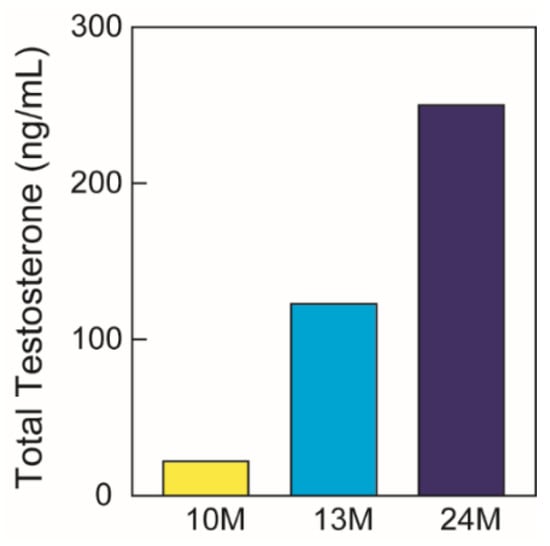
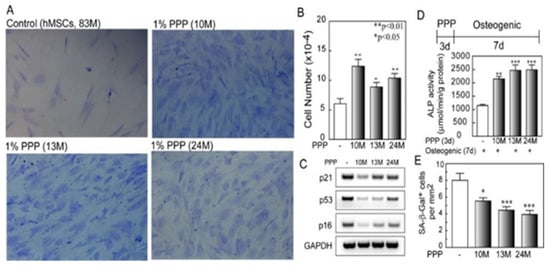
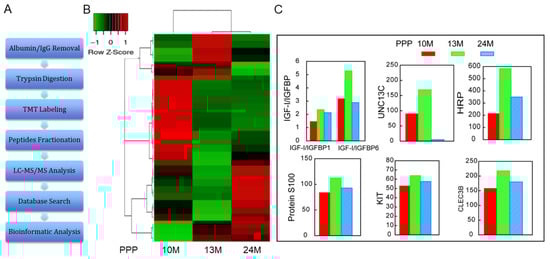
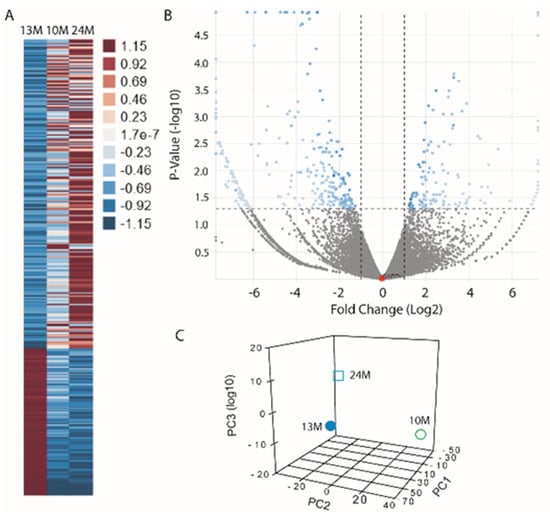
Background/Objectives It is known that failure to gain sufficient bone during skeletal growth and maturation phases predisposes to the development of senile osteoporosis as age-related bone loss ensues. There is limited knowledge about factors that are necessary for the pubertal growth spurt and achievement of peak bone mass. Diminution or disappearance of Juvenile Protective Factors (JPFs) after a given maturational stage could contribute to the onset of age-related declines in a variety of physiological functions, including bone physiology. Methods With available pediatric platelet-poor plasma (PPP) and mesenchymal/skeletal stem cells (MSCs), we tested whether proteomics and RNA-seq methodology have potential for the discovery of novel regulators of pubertal skeletal growth. Results Our data demonstrate that pediatric PPP rejuvenates age-related compromised MSC functions; that Mass Spectrometry (MS)-based proteomics identified known and novel circulating tissue growth/trophic factors in human PPP of pubertal, as compared with pre-pubertal, and post-pubertal subjects; and that the unbiased RNA-Seq approach revealed new genes and networks of genes that are dramatically elevated or diminished in pubertal MSCs. Conclusions The findings support the hypothesis that the characterization of pro-osteogenic JPFs could lead to the identification of novel therapeutic approaches to promote bone health in the elderly and of potential treatment regimens for senile osteoporosis.
Full article
(This article belongs to the Section Pediatric Endocrinology and Growth Disorders)
►
Show Figures
Open AccessArticle
Associations Between Adrenal Insufficiency and Cardiovascular Outcomes in Patients Hospitalized with Takotsubo Cardiomyopathy: Insights from the Nationwide Readmissions Database (2019)
by
Nadhem Abdallah, Nihar Kanta Jena, Gisha Mohan and Sreekant Avula
Endocrines 2026, 7(2), 16; https://doi.org/10.3390/endocrines7020016 - 20 Apr 2026
Abstract
Background/Objectives: Patients with adrenal insufficiency (AI) are at an increased risk of adverse events (AEs) during cardiovascular hospitalization. However, the association between AI and takotsubo cardiomyopathy (TCM) remains unclear. We investigated the association between AI and cardiovascular outcomes in patients with TCM. Methods:
[...] Read more.
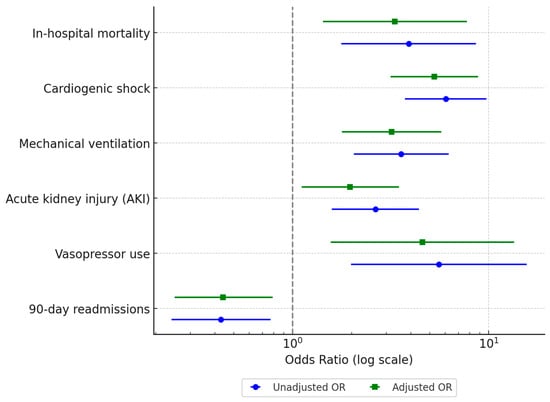
Background/Objectives: Patients with adrenal insufficiency (AI) are at an increased risk of adverse events (AEs) during cardiovascular hospitalization. However, the association between AI and takotsubo cardiomyopathy (TCM) remains unclear. We investigated the association between AI and cardiovascular outcomes in patients with TCM. Methods: We analyzed data on patients with TCM included in the 2019 Nationwide Readmissions Database to compare in-hospital outcomes between patients with and without AI. The primary outcome measure was inpatient mortality. Secondary outcomes included the odds of all-cause 90-day readmission, acute kidney injury (AKI), mechanical ventilation use, vasopressor use, cardiogenic shock, length of stay (LOS), and total hospitalization charges (THC). Multivariate regression models were used to adjust for confounding variables. Results: Among 30,987 cases, 0.59% (n = 183) had concomitant AI. AI was associated with higher odds of in-hospital mortality (adjusted odds ratio [aOR] 3.32, 95% confidence interval [CI] 1.43–7.74, p = 0.005), cardiogenic shock (aOR 5.28, 95% CI 3.16–8.82, p < 0.001), mechanical ventilation use (aOR 3.20, 95% CI 1.78–5.74, p < 0.001), AKI (aOR 1.96, 95% CI 1.11–3.48, p = 0.021), vasopressor use (aOR 4.59, 95% CI 1.56–13.47, p = 0.006), longer LOS (6.84 vs. 3.67 days, p < 0.001), and higher THC ($97,419 vs. $54,574, p < 0.001). Additionally, AI was associated with lower odds of all-cause 90-day readmissions (aOR 0.44, 95% CI 0.25–0.79, p = 0.006). Conclusions: Among patients with TCM, AI was associated with higher odds of fatal and non-fatal adverse events. Further studies are required to confirm these findings and better understand how to improve outcomes in this high-risk population.
Full article
(This article belongs to the Special Issue Feature Papers in Endocrines 2025)
►▼
Show Figures

Figure 1

Open AccessArticle
Real-World Outcomes of Cabergoline Treatment in Non-Functioning Pituitary Adenomas: An Insight into Dose Responsiveness and Radiological Follow-Up at a UK Tertiary Centre
by
Trevor Tam, Elaine Soong, Louis Saada, Anouk Borg, Neil Dorward, Francesca Swords, Ketan Dhatariya, Hani J. Marcus and Rupa Ahluwalia
Endocrines 2026, 7(2), 15; https://doi.org/10.3390/endocrines7020015 - 8 Apr 2026
Abstract
Introduction: Evidence on the use of dopamine agonists (DAs) for managing residual or recurrent non-functioning pituitary adenomas (NFPAs) is limited. We aim to evaluate the use of cabergoline (CAB) for NFPAs. Methods: A retrospective cohort study was conducted at a single UK centre,
[...] Read more.
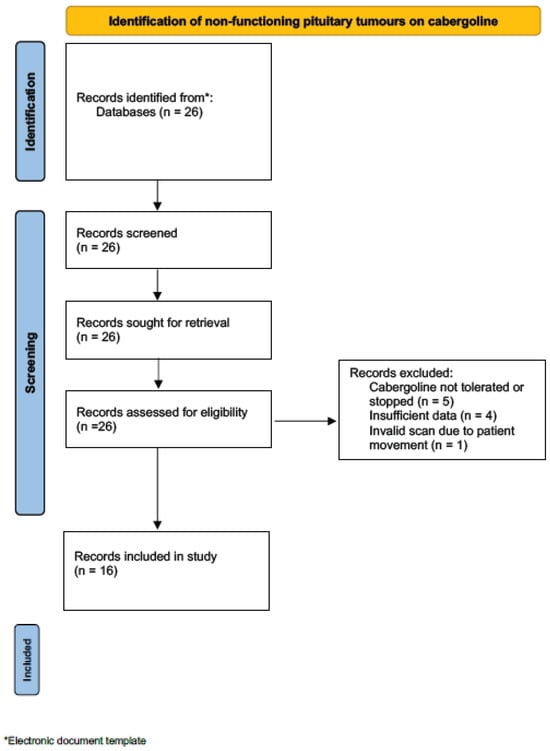
Introduction: Evidence on the use of dopamine agonists (DAs) for managing residual or recurrent non-functioning pituitary adenomas (NFPAs) is limited. We aim to evaluate the use of cabergoline (CAB) for NFPAs. Methods: A retrospective cohort study was conducted at a single UK centre, between November 2011 and December 2025. Twenty-six patients were identified. Ten patients were excluded due to CAB intolerance or discontinuation (n = 5), insufficient data (n = 4), or invalid scan due to patient movement (n = 1). The remaining 16 patients (mean age 68.9 ± 4 years (range 42–89 years old), 7/16 females) were included. CAB was initiated in cases where surgery or radiotherapy were not appropriate (e.g., due to age and/or comorbidities, or patient choice). Radiological response was assessed using at least two scans separated by a minimum interval of six months. Tumour shrinkage was defined as a reduction in volume of 20% or more, growth as an increase of 20% or more, and stabilisation as interval change of less than 20%. Results: Overall, tumour shrinkage was observed in 7/16 (43.8%) patients, stabilisation in the remaining 9/16 (56.3%) patients, over 503 ± 51 days (range of 117–934 days) (from the date of CAB initiation to latest MRI scan). There was a statistically significant reduction in tumour volume (p = 0.0335). In five patients with documented tumour growth prior to CAB initiation, growth rates retarded or reversed post-CAB initiation. Conclusions: Our findings in this small cohort potentially suggests that cabergoline can retard, arrest, or even reverse tumour growth in selected patients with NFPAs. Our review also highlights ongoing uncertainty regarding optimal dosing, approaches to dose up-titration, follow-up imaging intervals, and objective criteria for defining radiological response. Our results may provide a proof of concept for future, larger-scale prospective studies and controlled trials to validate the conclusions drawn.
Full article
(This article belongs to the Section Neuroendocrinology and Pituitary Disorders)
►▼
Show Figures

Figure 1
Open AccessArticle
Diabetes Distress and Advanced Diabetes Technology Use in Adults with Type 1 Diabetes
by
Natasa Grulović, Velimir Altabas and Maja Baretić
Endocrines 2026, 7(2), 14; https://doi.org/10.3390/endocrines7020014 - 8 Apr 2026
Abstract
Background: Although technology has improved the quality of diabetes management, it may also introduce subjective burdens and reveal barriers to its use. The primary aim of this research was to investigate the association between the use of advanced diabetes technology, such as continuous
[...] Read more.
Background: Although technology has improved the quality of diabetes management, it may also introduce subjective burdens and reveal barriers to its use. The primary aim of this research was to investigate the association between the use of advanced diabetes technology, such as continuous glucose monitoring, insulin pumps, mobile applications, and diabetes distress in adults with type 1 diabetes mellitus (T1DM). Methods: This multicenter, cross-sectional study conducted across Southeastern European countries included 499 adults with T1DM. All participants signed informed consent and completed the 20-item Problem Areas in Diabetes (PAID) Questionnaire. A total score of 40 or above was classified as high diabetes distress. Statistical analyses were performed using ANOVA, χ2 test, and logistic regression. Results: The mean age of participants was 49.11 ± 13.99 years, with a mean HbA1c value of 7.9 ± 1.46%. The mean PAID total score was 29.19 ± 19.51. High levels of diabetes distress were found in 28.86% of the participants. About 20% of participants used advanced diabetes technologies. Significant predictors of diabetes distress were gender, BMI, and HbA1c. After accounting for these predictors, advanced technology use was associated with a 42% lower likelihood of experiencing high levels of diabetes distress compared to those who used blood glucose meters. Conclusions: Diabetes distress remains a frequent issue among individuals with T1DM. However, patients using advanced diabetes technologies exhibited less distress. Our findings highlight the importance of a comprehensive approach to T1DM management that integrates technological advancements and psychosocial support.
Full article
(This article belongs to the Special Issue Recent Advances in Type 1 Diabetes)
Open AccessReview
Mental Disorders in Patients with Multiple Endocrine Neoplasia Type 1
by
Cinzia Aurilia, Simone Donati and Maria Luisa Brandi
Endocrines 2026, 7(2), 13; https://doi.org/10.3390/endocrines7020013 - 1 Apr 2026
Abstract
Menin, the product of the Multiple Endocrine Neoplasia type 1 (MEN1) gene, is a scaffold protein, the lack of which leads to the development of a tumor syndrome primarily affecting endocrine organs. Although it is classified as an oncosuppressor, menin is
[...] Read more.
Menin, the product of the Multiple Endocrine Neoplasia type 1 (MEN1) gene, is a scaffold protein, the lack of which leads to the development of a tumor syndrome primarily affecting endocrine organs. Although it is classified as an oncosuppressor, menin is a ubiquitous protein whose expression is also abundant in non-endocrine tissues such as the central nervous system, where knowledge of menin’s role still remains limited. In this article, we aim to draw attention to an underestimated clinical aspect of MEN1 syndrome, i.e., the psychological/psychiatric manifestations, in which menin deficiency could have an important function. Our aim is to highlight that a multidisciplinary team caring for patients with MEN1 throughout their lives should include professionals such as psychologists and psychiatrists in order to better manage any mental illness associated with the syndrome and to further improve the patient’s quality of life.
Full article
(This article belongs to the Section Neuroendocrinology and Pituitary Disorders)
Open AccessArticle
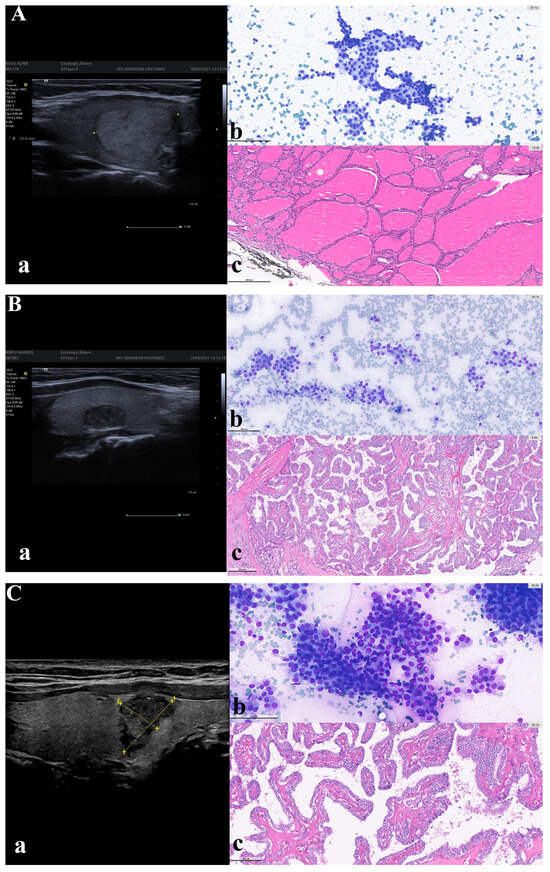
Prospective Optimization of Malignancy Risk Prediction in Indeterminate Thyroid Nodules: Diagnostic Synergy of ACR TI-RADS and the 2023 Bethesda System
by
Ozlem Aydin, Bulent Colakoglu, Cavit Kerem Kayhan, Mehmet Güven Günver, Mariana Simplício, Joana Pinto Schmitt and Sule Canberk
Endocrines 2026, 7(1), 12; https://doi.org/10.3390/endocrines7010012 - 19 Mar 2026
Cited by 1
Abstract
Background: Risk stratification of indeterminate thyroid nodules (Bethesda III–IV) remains difficult and often triggers unnecessary procedures. Ultrasound-based ACR TI-RADS and the 2023 Bethesda System are widely used, but the incremental value of combining them and the role of size thresholds needs prospective validation.
[...] Read more.
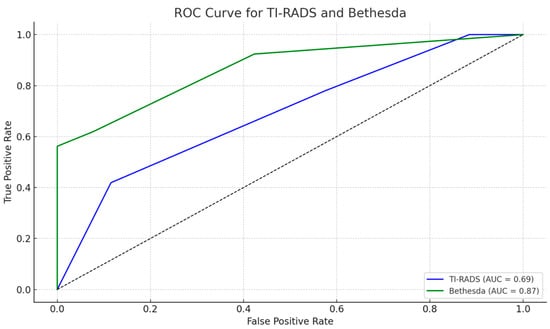
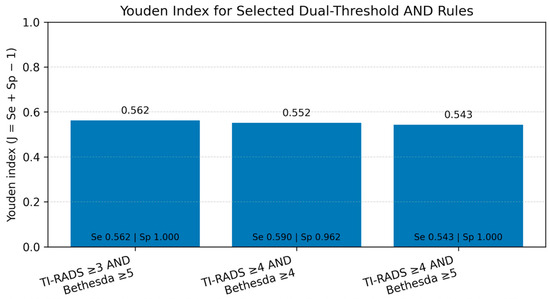
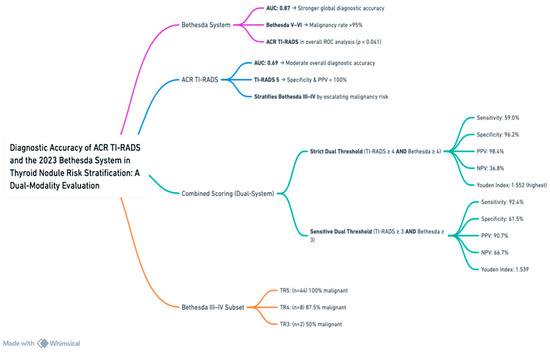
Background: Risk stratification of indeterminate thyroid nodules (Bethesda III–IV) remains difficult and often triggers unnecessary procedures. Ultrasound-based ACR TI-RADS and the 2023 Bethesda System are widely used, but the incremental value of combining them and the role of size thresholds needs prospective validation. Objective: The objective of this study was to prospectively compare the diagnostic performance of ACR TI-RADS and the 2023 Bethesda System, alone and in combination, for predicting malignancy in thyroid nodules, with dedicated analyses of indeterminate lesions (Bethesda categories III–IV), including subtypes of Bethesda III (nuclear atypia vs. other atypia), and the impact of nodule size. Methods: Histopathology was available for 131 nodules. Diagnostic metrics (sensitivity, specificity, PPV, NPV), ROC curves (DeLong comparison), and Youden indices were calculated for individual and combined thresholds; a 16 mm size cut-off was explored. Results: Malignancy was confirmed in 105/131 nodules (80.2%). Bethesda outperformed TI-RADS (AUC 0.87 vs. 0.69; DeLong p = 0.041). Malignancy rates rose with higher categories (e.g., TI-RADS 5: 93.6%; Bethesda category V: 100%; Bethesda category VI: 100%) and were markedly elevated in the histologically confirmed subset for Bethesda category III (32/41; 78.0%) and IV (6/8; 75.0%). The combined requirement of TI-RADS ≥ 4 and Bethesda ≥ 4 maximized specificity (96.2%) and PPV (98.4%) with a high Youden J (0.552), supporting a rule-in strategy in category IV of Bethesda. Size alone was a weak discriminator (AUC 0.66); within Bethesda III–IV nodules, malignancy did not differ significantly by the 16 mm threshold (p = 1.00). ROC using continuous tumor size yielded AUC = 0.66; the ROC-derived optimal cut-off was 16 mm. Applying this split produced sensitivity 0.80 and specificity 0.50. Conclusions: Integrating ACR TI-RADS with Bethesda cytology significantly improves specificity and PPV for indeterminate thyroid nodules, supporting a morphology-driven approach over traditional size-based thresholds. Incorporation of combined sonographic–cytologic criteria into management algorithms may reduce unnecessary interventions and optimize patient care.
Full article
(This article belongs to the Section Thyroid Endocrinology)
►▼
Show Figures

Figure 1

Open AccessArticle
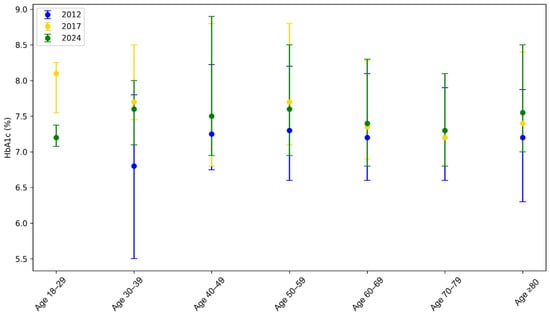
HbA1c Across Sex and Age Categories in Type 2 Diabetes: Results from Three Independent Temporal Cohorts Spanning 2012–2024
by
Stefano Iuliano, Roberta Misiti, Marta Greco, Francesco S. Brunetti, Vincenzo Aiello, Antonio Brunetti, Maria Mirabelli and Daniela P. Foti
Endocrines 2026, 7(1), 11; https://doi.org/10.3390/endocrines7010011 - 9 Mar 2026
Abstract
Background/Objectives: The aim of this study is to describe sex- and age-specific patterns of HbA1c in adults with type 2 diabetes (T2D) mellitus across three temporal cohorts from Southern Italy (2012, 2017, and 2024), and to assess whether glycemic differences between men and
[...] Read more.
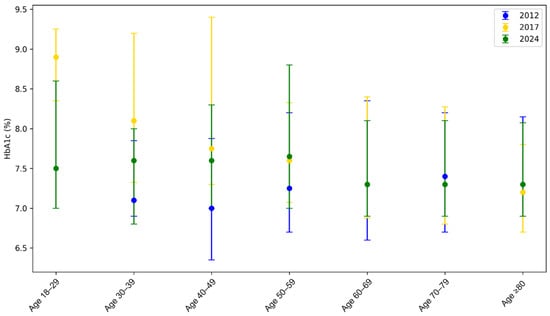
Background/Objectives: The aim of this study is to describe sex- and age-specific patterns of HbA1c in adults with type 2 diabetes (T2D) mellitus across three temporal cohorts from Southern Italy (2012, 2017, and 2024), and to assess whether glycemic differences between men and women persist, narrow, or evolve over time. Methods: We analyzed three independent cohorts of adults with T2D, including 1249 patients in 2012 and 1125 patients in both 2017 and 2024. HbA1c values were summarized as medians and interquartile ranges within sex- and age-stratified groups. Temporal variation in cohort-specific median HbA1c was examined across timepoints within each sex and age category, and sex differences were assessed within each cohort year. Results: At the population level, median HbA1c values remained within a narrow range across all three cohorts, indicating overall temporal stability of glycemic control. No significant sex differences were observed in 2012 or 2024, and only one age stratum (≥80 years) showed a significant sex difference in 2017, with men exhibiting slightly higher median HbA1c. Age-stratified analyses revealed heterogeneous temporal patterns. In older adults (≥70 years), HbA1c medians were remarkably stable in both sexes (approximately 7.2–7.4% in women and 7.2–7.6% in men). In midlife (40–59 years), women tended to show modest increases or partial reversals in HbA1c, whereas men displayed worsening between 2012 and 2017 followed by stabilization thereafter. The youngest adults (18–29 and 30–39 years) showed the highest HbA1c levels in 2017 and the largest subsequent improvements between 2017 and 2024 in both sexes, with median values decreasing toward approximately 7.1–7.6%. Conclusions: Despite well-described biological and social sex differences in T2D, median HbA1c values in this real-world setting were broadly comparable between men and women and largely stable over a 12-year period. Sex differences were small, inconsistent, and age-dependent, with age, and not sex, emerging as the primary determinant of HbA1c over time. These findings suggest that sex-related disparities in glycemic control may be better understood through a dynamic, life-course perspective rather than static cross-sectional comparisons.
Full article
(This article belongs to the Section Obesity, Diabetes Mellitus and Metabolic Syndrome)
►▼
Show Figures

Figure 1
Open AccessReview
Migraine Throughout Women’s Reproductive Life: Unravelling the Cardiovascular and Metabolic Implications
by
Christian Battipaglia, Alessandro D. Genazzani, Valeria Vescovi, Peter Chedraui and Rossella E. Nappi
Endocrines 2026, 7(1), 10; https://doi.org/10.3390/endocrines7010010 - 9 Mar 2026
Abstract
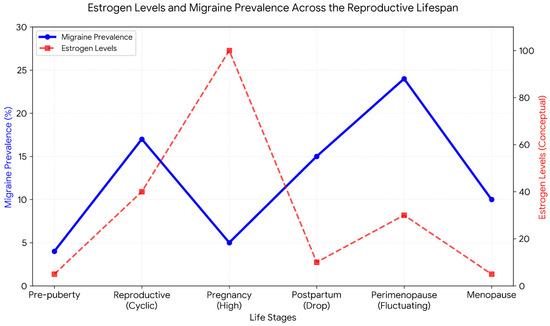
Background/Objectives: Migraine is a leading cause of disability in women and is intricately linked to hormonal fluctuations and systemic health. This review aims to unravel the complex relationship between migraine, cardiovascular disease, and metabolic syndrome throughout the female reproductive lifespan. Methods:
[...] Read more.
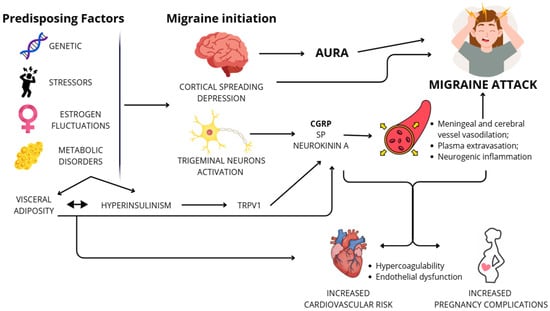
Background/Objectives: Migraine is a leading cause of disability in women and is intricately linked to hormonal fluctuations and systemic health. This review aims to unravel the complex relationship between migraine, cardiovascular disease, and metabolic syndrome throughout the female reproductive lifespan. Methods: A comprehensive narrative review was conducted using the PubMed database for studies published between January 1988 and December 2025. Keywords included “migraine”, “cardiovascular risk”, “metabolic syndrome”, “pregnancy”, and “hormonal therapy”. Articles were selected to synthesize the latest pathophysiological evidence and clinical guidelines. Results: Migraine prevalence in women is two to threefold higher than in men, peaking during fertile age. Hormonal milestones, particularly estrogen withdrawal, trigger menstrual migraine. Metabolic syndrome is significantly more common in migraineurs than the general population. Obesity and insulin resistance have been associated with higher migraine attack frequency and severity. Experimental evidence suggests that hyperinsulinemia may sensitize TRPV1 receptors on trigeminal neurons and enhance CGRP release, potentially lowering the activation threshold for migraine attacks; however, direct confirmation of this pathway in humans remains limited. Furthermore, migraine with aura is linked to a doubled risk of ischemic stroke and increased risk of cardiovascular events. In pregnancy, migraine is an independent risk factor for stroke, myocardial infarction, and spontaneous coronary artery dissection. Conclusions: Migraine is a critical marker for cardiovascular and metabolic risk, necessitating routine screening and multidisciplinary management. Clinicians must prioritize cardiovascular counselling, metabolic evaluations, and careful monitoring in these patients, especially during pregnancy. Hormonal therapy choices should be individualized, preferring progestin-only contraceptives for those with aura and transdermal routes for hormone replacement therapy to minimize cardiometabolic impact.
Full article
(This article belongs to the Section Reproductive Endocrinology)
►▼
Show Figures

Figure 1
Open AccessSystematic Review
Cardiovascular Outcomes Associated with Semaglutide in Type 2 Diabetes: A Systematic Review and Meta-Analysis
by
Gianmarco Adinolfi, Valeria Milia, Boris Dinkov and Galya Stavreva
Endocrines 2026, 7(1), 9; https://doi.org/10.3390/endocrines7010009 - 4 Mar 2026
Abstract
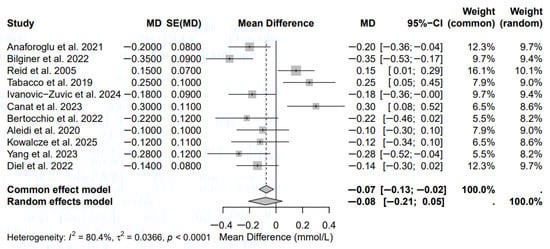
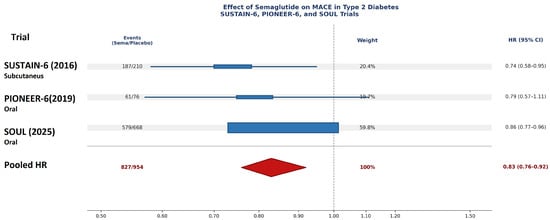
Background: Cardiovascular complications are a leading cause of death in patients with type 2 diabetes (T2D). The GLP-1 receptor agonist (GLP-1RA) semaglutide has shown cardiometabolic benefits in individual studies, but a comprehensive analysis of its effects in both oral and subcutaneous formulations
[...] Read more.
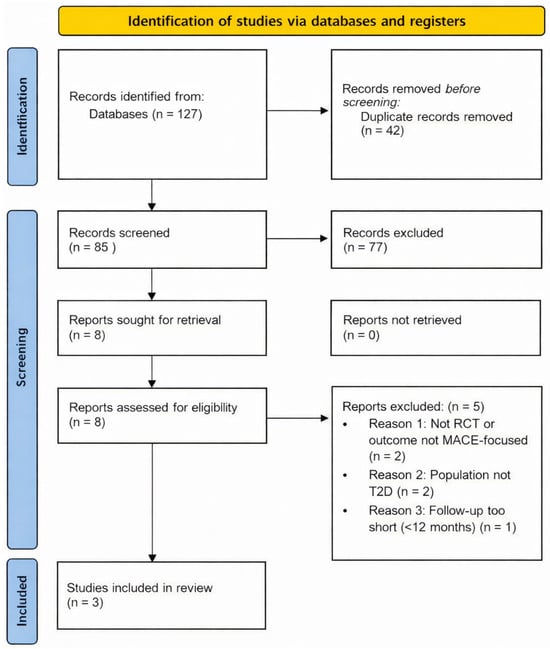
Background: Cardiovascular complications are a leading cause of death in patients with type 2 diabetes (T2D). The GLP-1 receptor agonist (GLP-1RA) semaglutide has shown cardiometabolic benefits in individual studies, but a comprehensive analysis of its effects in both oral and subcutaneous formulations is lacking. Objective: This study aimed to systematically evaluate the impact of semaglutide, in oral and subcutaneous formulations, on major adverse cardiovascular events (MACE) in patients with T2D. Methods: This review adhered to the PRISMA guidelines and included a comprehensive search of PubMed, MEDLINE, and Google Scholar from November 2016 to June 2025. High-quality randomized controlled trials (RCTs) comparing semaglutide with placebo in patients with T2D were included. The primary endpoint was MACE, defined as cardiovascular death, nonfatal myocardial infarction, and nonfatal stroke. Hazard ratio (HR) and 95% confidence intervals (CIs) were pooled using a random-effects model. Results: Of the 127 articles screened, 3 trials involving 16,130 participants met the inclusion criteria. The pooled HR for MACE across the SOUL, SUSTAIN-6, and PIONEER-6 trials was 0.83 (95% CI: 0.76–0.92; I2 = 25%), indicating a 17% relative risk reduction with low heterogeneity. Adverse event profiles were comparable between the semaglutide and placebo groups. Conclusions: Semaglutide use was associated with a significant and consistent reduction in MACE in patients with T2D, supporting its role as a valuable therapeutic option for combined glycemic control and cardiovascular risk reduction.
Full article
(This article belongs to the Section Obesity, Diabetes Mellitus and Metabolic Syndrome)
►▼
Show Figures

Figure 1
Open AccessArticle
Glycaemic and Cardiometabolic Effects of Oral Semaglutide in Patients Aged ≥65 Years with Type 2 Diabetes
by
Antonio Maria Labate, Lorenzo Moretti and Provvidenza Villari
Endocrines 2026, 7(1), 8; https://doi.org/10.3390/endocrines7010008 - 3 Mar 2026
Abstract
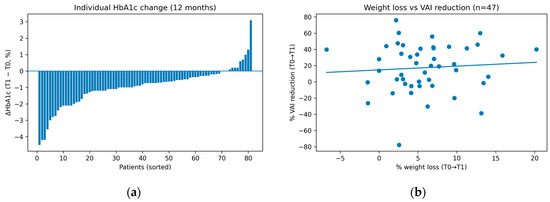
Background: Older patients with type 2 diabetes mellitus (T2DM) are often undertreated because of concerns regarding hypoglycaemia and clinical heterogeneity. Although the evidence base for oral semaglutide is growing, data specifically in older adults remain relatively limited, particularly regarding long-term effectiveness and tolerability
[...] Read more.
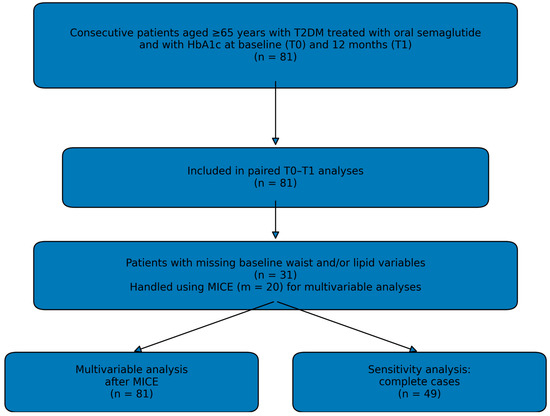
Background: Older patients with type 2 diabetes mellitus (T2DM) are often undertreated because of concerns regarding hypoglycaemia and clinical heterogeneity. Although the evidence base for oral semaglutide is growing, data specifically in older adults remain relatively limited, particularly regarding long-term effectiveness and tolerability in routine practice. Methods: This observational study included 81 patients aged ≥65 years with T2DM treated with oral semaglutide for 12 months. Changes in glycaemic, anthropometric and cardiometabolic parameters were evaluated. The primary endpoint was the achievement of HbA1c < 7% at 12 months. Multivariable logistic regression was performed to identify baseline predictors of response. Results: HbA1c decreased from 7.75 ± 1.01% to 6.80 ± 0.88% after 12 months (p < 0.00001). Significant reductions were observed in body weight (−4.09 ± 4.42 kg, p < 0.00001), BMI (−1.50 ± 1.55 kg/m2, p < 0.00001) and waist circumference (−5.83 ± 4.71 cm, p < 0.00001). Improvements were also detected in lipid profile, blood pressure and visceral adiposity indices. No hypoglycaemic events were reported during follow-up. In multivariable analysis, baseline age, diabetes duration, baseline HbA1c and baseline VAI were not independently associated with the achievement of HbA1c < 7%; therefore, these baseline factors did not discriminate responders within our cohort (hypothesis-generating). Greater absolute HbA1c reductions were observed in patients with higher baseline HbA1c. Conclusions: In older patients with T2DM, oral semaglutide is associated with effective glycaemic control without hypoglycaemia and with a response largely independent of baseline clinical characteristics, supporting its use in elderly and clinically heterogeneous populations.
Full article
(This article belongs to the Section Lipid Metabolism and Cardiovascular Endocrinology)
►▼
Show Figures

Figure 1
Open AccessArticle
A Comparative Analysis of Diabetes Self-Care and Treatment Adherence Among Patients with Type 2 Diabetes Mellitus With and Without Cancer
by
Maria Savvidou, Ioanna Tsatsou, Polixeni Liamopoulou, Paraskevi-Maria Prapa and Maria Lavdaniti
Endocrines 2026, 7(1), 7; https://doi.org/10.3390/endocrines7010007 - 13 Feb 2026
Abstract
Background/Objectives: The co-existence of Type 2 Diabetes Mellitus (T2DM) and cancer presents complex self-management challenges due to competing health demands. This study aimed to evaluate and compare self-care activities and adherence to medical recommendations between T2DM patients with cancer and a non-cancer
[...] Read more.
Background/Objectives: The co-existence of Type 2 Diabetes Mellitus (T2DM) and cancer presents complex self-management challenges due to competing health demands. This study aimed to evaluate and compare self-care activities and adherence to medical recommendations between T2DM patients with cancer and a non-cancer T2DM control group. Additionally, it investigated the impact of sociodemographic and clinical characteristics on treatment adherence. Methods: A cross-sectional study was conducted in a general hospital in Thessaloniki, Greece, using convenience sampling. The sample consisted of 62 participants: 29 patients with T2DM and cancer and 33 controls with T2DM only. Data were collected using the “Diabetes Self-Care Activities Questionnaire”, analyzing subscales for self-care activities and adherence to medical orders. Results: The cancer group was notably older, with a mean age of 69.8 years compared to 60.3 years in the control group (p < 0.001). While overall adherence scores were comparable between groups, significant disparities existed in specific domains. The cancer group demonstrated a critical neglect of foot care recommendations compared to controls (p < 0.001), with a very large effect size (d = 1.60). Conversely, cancer patients reported significantly stricter adherence to dietary recommendations (p = 0.001, d = 0.96). Within the cancer group, older age and lower education were unexpectedly associated with better foot care adherence (p < 0.05). Conclusions: The results suggest a distinct prioritization among cancer patients, whereby they reported maintaining strict dietary adherence while potentially deprioritizing preventative foot care. Clinical practice should consider transitioning to an integrated model where oncology healthcare professionals actively reinforce diabetic foot surveillance to prevent complications.
Full article
(This article belongs to the Section Obesity, Diabetes Mellitus and Metabolic Syndrome)
Open AccessReview
Metabolic Surgery as a Modulator of the Thyroid–Gut Axis: A Narrative Review on Autoimmunity, Function, and Levothyroxine Pharmacokinetics
by
Nicolas Zucchini, Francesca Lo Celso, Alice Gabrieli, Clemente Junior Nappi, Nicolò Bortolussi, Silvia Palmisano, Chiara Dobrinja and Giovanni Fantola
Endocrines 2026, 7(1), 6; https://doi.org/10.3390/endocrines7010006 - 6 Feb 2026
Abstract
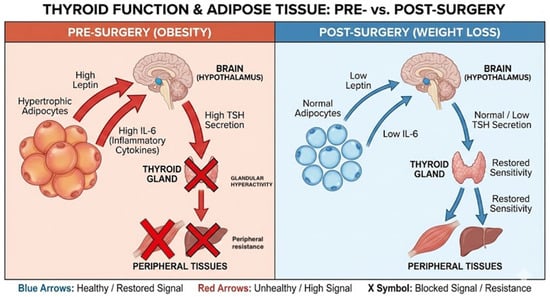
Background: The interplay between obesity and thyroid dysfunction is complex, characterized by adaptive hyperthyrotropinemia and peripheral hormone resistance. Metabolic and Bariatric surgery (MBS) has emerged not only as a weight-loss (WL) intervention but also as a potent modulator of the thyroid–gut axis.
[...] Read more.
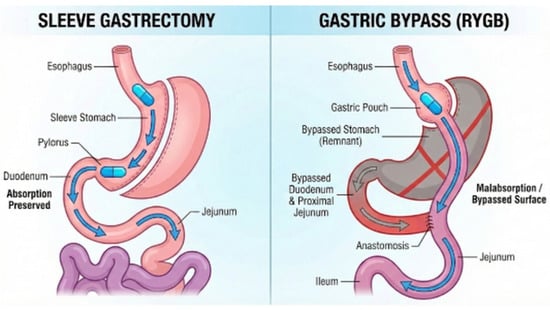
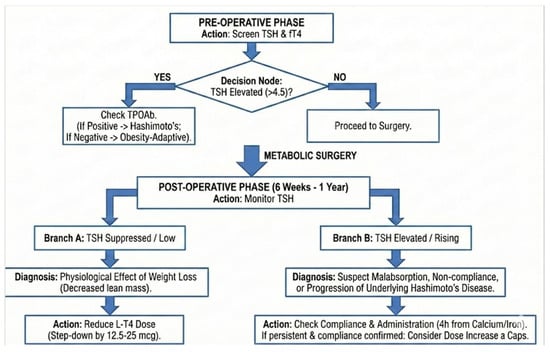
Background: The interplay between obesity and thyroid dysfunction is complex, characterized by adaptive hyperthyrotropinemia and peripheral hormone resistance. Metabolic and Bariatric surgery (MBS) has emerged not only as a weight-loss (WL) intervention but also as a potent modulator of the thyroid–gut axis. Methods: We conducted a narrative review of the literature (2015–2025), synthesizing data from prospective cohorts, meta-analyses, and mechanistic studies to evaluate the impact of MBS on thyroid function, autoimmune dynamics, and drug pharmacokinetics. Discussion: Current evidence suggests that MBS promotes a recalibration of the thyroid axis. Post-operative WL is independently associated with a significant reduction in serum thyroid-stimulating hormone (TSH) and free triiodothyronine (fT3) levels, reversing obesity-induced peripheral resistance. Concurrently, the reduction in systemic inflammation (NOD-like receptor protein 3 (NLRP3) inflammasome deactivation) may dampen lymphocytic infiltration, while the amelioration of gut dysbiosis and intestinal permeability is hypothesized to reduce cross-reactivity mechanisms (molecular mimicry), leading to decreased antibody titers in Hashimoto’s thyroiditis. However, these benefits are counterbalanced by altered drug absorption mechanisms. While most hypothyroid patients benefit from reduced Levothyroxine (L-T4) requirements due to decreased lean mass, malabsorptive procedures (Roux-en-Y Gastric Bypass, One Anastomosis Gastric Bypass) can precipitate refractory hypothyroidism due to bypassed absorptive surfaces and altered gastric pH. Conclusions: MBS offers a dual benefit of functional restoration and modulation of autoimmune markers. However, post-surgical management requires a tailored approach. Clinicians must distinguish between the physiological decline in TSH (adaptive) and iatrogenic malabsorption, advocating for liquid L-T4 formulations in complex malabsorptive phenotypes.
Full article
(This article belongs to the Section Obesity, Diabetes Mellitus and Metabolic Syndrome)
►▼
Show Figures

Figure 1
Open AccessSystematic Review
Medication Adherence and Its Impact on Biochemical Outcomes and Quality of Life in Hypoparathyroidism and Related Endocrine–Metabolic Disorders: A Systematic Review and Meta-Analysis
by
Mariam S. Alharbi
Endocrines 2026, 7(1), 5; https://doi.org/10.3390/endocrines7010005 - 26 Jan 2026
Abstract
►▼
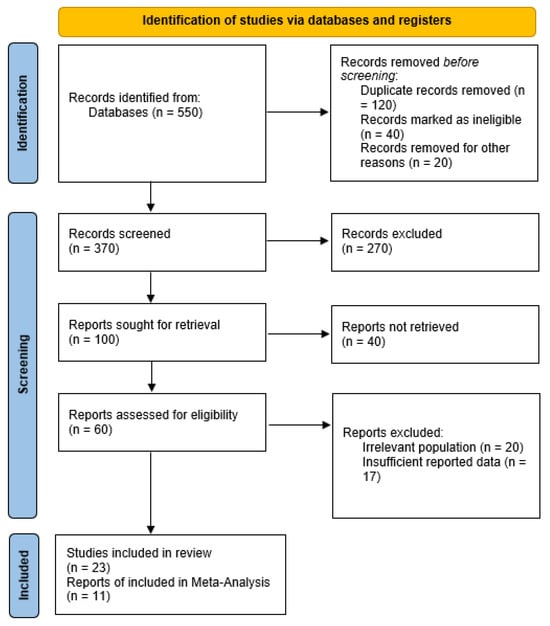
Show Figures
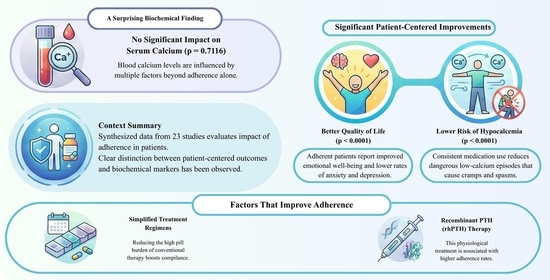
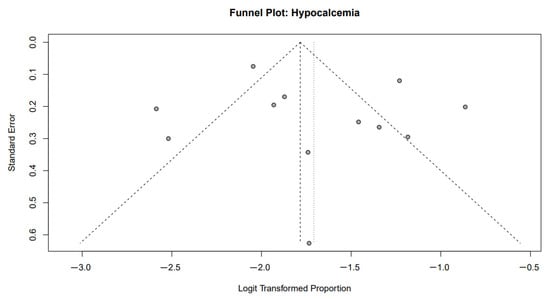
Objectives: This study aimed to evaluate adherence to therapy in hypoparathyroidism and related endocrine–metabolic disorders and to assess its association with biochemical outcomes, hypocalcemia episodes, and health-related quality of life (HRQoL). Methods: In accordance with PRISMA 2020 guidelines, PubMed, Scopus, Google Scholar, and
[...] Read more.
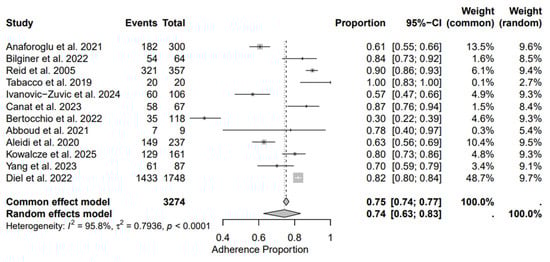
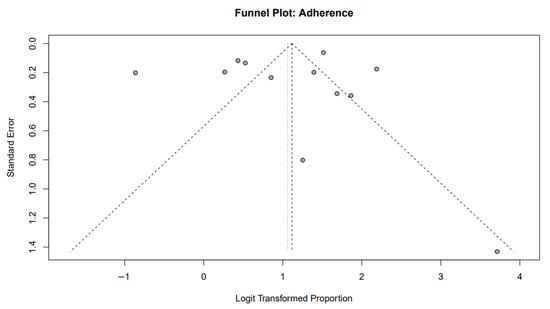
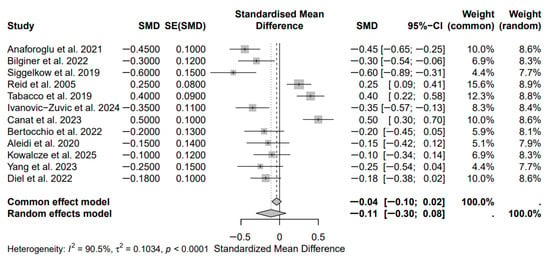
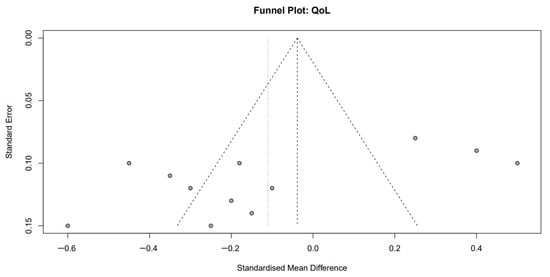
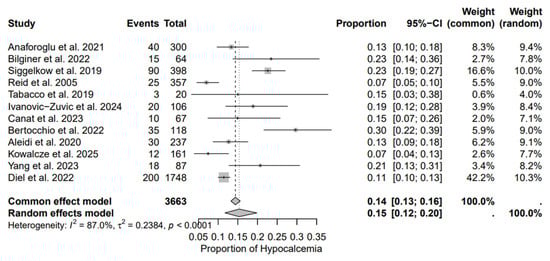
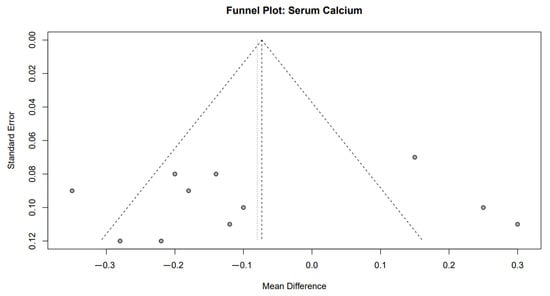
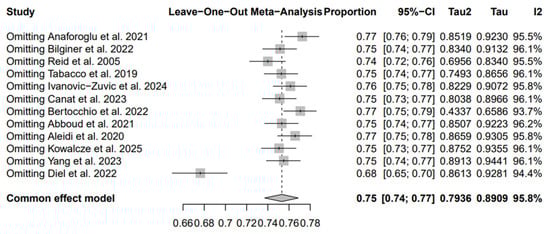
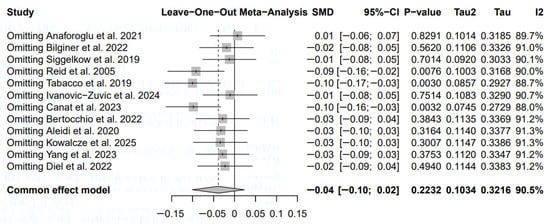
Objectives: This study aimed to evaluate adherence to therapy in hypoparathyroidism and related endocrine–metabolic disorders and to assess its association with biochemical outcomes, hypocalcemia episodes, and health-related quality of life (HRQoL). Methods: In accordance with PRISMA 2020 guidelines, PubMed, Scopus, Google Scholar, and the Cochrane Library were searched until September 2025. The eligible studies were randomized controlled trials, cohort, case–control studies, cross-sectional, and observational studies that reported adherence to calcium/vitamin D or recombinant parathyroid hormone therapy. Results: twenty-three studies were included in the qualitative synthesis, and 11 studies were included in the quantitative meta-analysis. Pooled medication adherence compliance was 70–82% and improved with simplified regimens and the use of recombinant PTH. Additionally, this was also associated with an improvement in HRQoL (p < 0.0001) and a lower risk of hypocalcemia (p < 0.0001). Conversely, multifactorial regulation was observed as the level of adherence had no significant effect on serum calcium levels (p = 0.7116). Sensitivity analyses demonstrate the strength of findings and indicate no significant publication bias. Conclusions: Medication adherence is a key factor in determining patient-centered outcomes in hypoparathyroidism. Better adherence is linked to a higher quality of life and fewer episodes of hypocalcemia, while its effect on biochemical parameters seems minimal. Educational programs, simple treatment regimens, and wider access to rhPTH therapy can be used to improve patient management of the disease over time.
Full article

Graphical abstract
Open AccessReview
Endocrine and Metabolic Modulation of Vascular Dysfunction in the Diabetic Foot: A Narrative Review
by
Luca Galassi, Erica Altamura, Elena Goldoni, Gabriele Carioti, Beatrice Faitelli, Matteo Lino Ravini, Niccolò Le Donne and Kristi Nika
Endocrines 2026, 7(1), 4; https://doi.org/10.3390/endocrines7010004 - 25 Jan 2026
Abstract
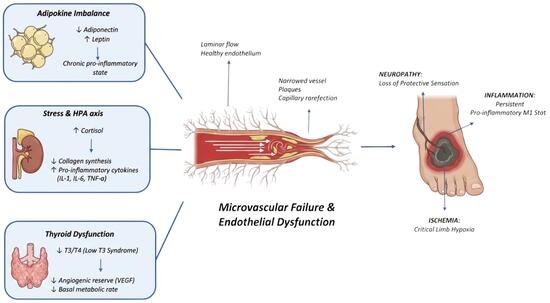
Diabetic foot complications represent a major global health burden and arise from a multifactorial interaction between neuropathy, ischemia, infection, and impaired wound repair. Increasing evidence suggests that, beyond traditional vascular and metabolic risk factors, endocrine dysregulation plays a central role in shaping vascular
[...] Read more.
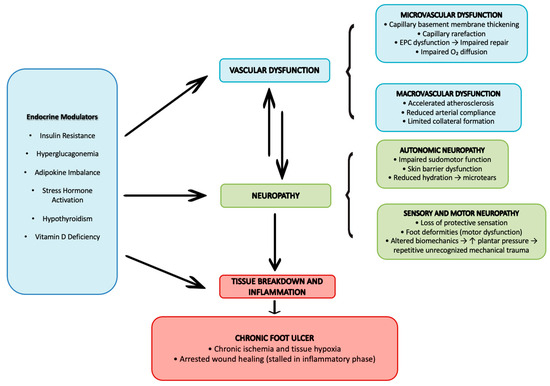
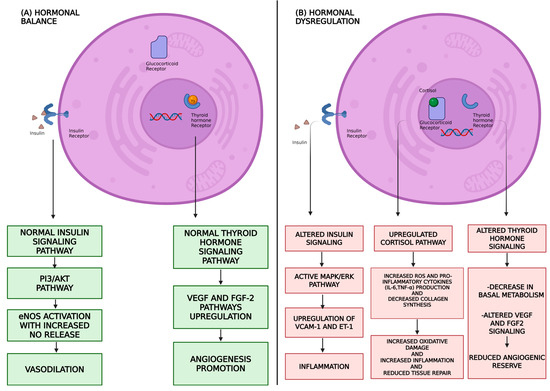
Diabetic foot complications represent a major global health burden and arise from a multifactorial interaction between neuropathy, ischemia, infection, and impaired wound repair. Increasing evidence suggests that, beyond traditional vascular and metabolic risk factors, endocrine dysregulation plays a central role in shaping vascular dysfunction and tissue vulnerability in patients with diabetes. This narrative review provides an updated overview of the endocrine–vascular axis in the development, progression, and healing of diabetic foot ulcers (DFUs), integrating evidence from experimental and clinical studies identified through targeted searches of PubMed, Embase, and Scopus. We examine how alterations in insulin signaling, relative glucagon excess, adipokine imbalance, dysregulation of stress hormones, and thyroid dysfunction interact with chronic hyperglycemia, dyslipidemia, mitochondrial dysfunction, and low-grade inflammation to impair endothelial homeostasis. These disturbances promote oxidative stress, reduce nitric oxide bioavailability, and compromise microvascular perfusion, thereby creating a pro-ischemic and pro-inflammatory tissue environment that limits angiogenesis, extracellular matrix (ECM) remodeling, immune coordination, and effective wound repair. By linking pathophysiological mechanisms to clinical relevance, this review highlights potential biomarkers of endocrine–vascular dysfunction, implications for risk stratification, and emerging therapeutic perspectives targeting metabolic optimization, endothelial protection, and hormonal modulation. Finally, key knowledge gaps and priority areas for future translational and clinical research are discussed, supporting the development of integrated endocrine-based strategies aimed at improving DFU prevention, healing outcomes, and long-term limb preservation in patients with diabetes.
Full article
(This article belongs to the Section Obesity, Diabetes Mellitus and Metabolic Syndrome)
►▼
Show Figures

Graphical abstract
Open AccessEditorial
Endocrines: A Passion for Endocrinology, Five Years on
by
Antonio Brunetti
Endocrines 2026, 7(1), 3; https://doi.org/10.3390/endocrines7010003 - 19 Jan 2026
Abstract
Endocrines was launched five years ago with a clear goal: to offer an open, rigorous, and inclusive forum for research spanning basic, translational, and clinical endocrinology and metabolism [...]
Full article
Open AccessArticle
General Characteristics of Papillary Thyroid Cancer Among Adolescents and Young Adults: A Single Large Center Experience
by
Elabbass A. Abdelmahmuod, Mohamad Abufaied, Shehab F. Mohamed, Nada Elharabi, Ahmed Elmudathir Osman, Rafal Al-Shibly, Raghad Bataineh, Maab F. Elhaj, Dabia Al-Mohanadi, Mohammed Bashir and Tania Jaber
Endocrines 2026, 7(1), 2; https://doi.org/10.3390/endocrines7010002 - 19 Jan 2026
Abstract
Background: Papillary thyroid cancer (PTC) incidence is rising, particularly among Adolescents and Young Adults (AYA, 15–39 years). However, data on PTC characteristics in the AYA population, especially from the Middle East, remain limited. This study aims to describe the clinicopathological features of
[...] Read more.
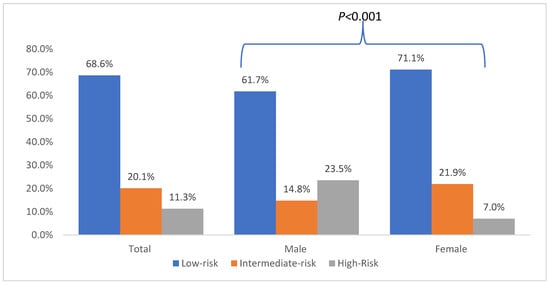
Background: Papillary thyroid cancer (PTC) incidence is rising, particularly among Adolescents and Young Adults (AYA, 15–39 years). However, data on PTC characteristics in the AYA population, especially from the Middle East, remain limited. This study aims to describe the clinicopathological features of PTC in AYA patients treated at a large tertiary center in Qatar. Methods: A retrospective chart review was conducted for AYA patients diagnosed with PTC between May 2015 and December 2020 at Hamad General Hospital, Qatar. Data on demographics, tumor characteristics, histopathology, staging, risk stratification, and treatment were extracted and analyzed. We stratified the cohort based on sex. Results: We studied 326 AYA patients (mean age 33.0 ± 5.2 years); the majority were females (72.7%) and were mostly of Asian origin (51.5%). Most patients underwent total thyroidectomy (77.6%), while 22.4% underwent partial thyroidectomy. Histologically, classic PTC was most common (83.38%), followed by the follicular variant (16.00%). Capsule invasion occurred in 21.04%, vascular invasion in 11.76%, and lymphatic invasion in 14.38%. Most patients were at low ATA risk (68.61%), with intermediate (20.06%) and high risk (11.33%) less common. Distant metastases were rare (0.3%), and 59.1% received Radioactive iodine (RAI). Compared to females, males had larger tumors (mean 2.65 cm vs. 2.01 cm, p = 0.0009), higher rates of vascular invasion (22.4% vs. 7.7%, p < 0.001), affected lymph nodes (mean 4.2 vs. 2.4, p = 0.0223), and ATA high-risk proportions (23.5% vs. 7.0%, p < 0.001). Conclusions: This study provides the first detailed characterization of PTC in AYA patients from Qatar. While confirming female predominance, males exhibited more aggressive features (larger tumors, higher LN involvement, and ATA risk). These findings emphasize the need to consider gender-specific differences in managing PTC within the AYA population.
Full article
(This article belongs to the Section Thyroid Endocrinology)
►▼
Show Figures

Figure 1
Open AccessArticle
Skeletal Muscle Myofiber Development in Non-Human Primate Offspring Deprived of Estrogen in Utero
by
Phillip J. Gauronskas, Terrie J. Lynch, Eugene D. Albrecht and Gerald J. Pepe
Endocrines 2026, 7(1), 1; https://doi.org/10.3390/endocrines7010001 - 22 Dec 2025
Abstract
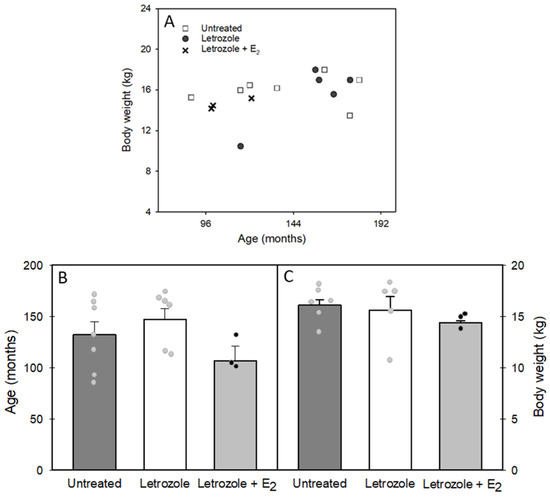
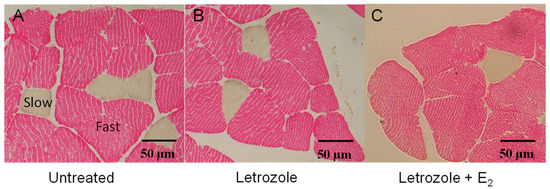
Introduction: We previously showed that baboon offspring born to mothers deprived of estrogen during the second half of gestation exhibited insulin resistance prior to and after the onset of puberty. Moreover, the size of skeletal muscle myofibers and the number of microvessels important
[...] Read more.
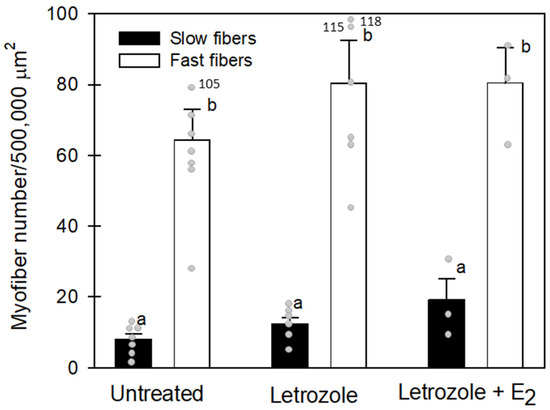
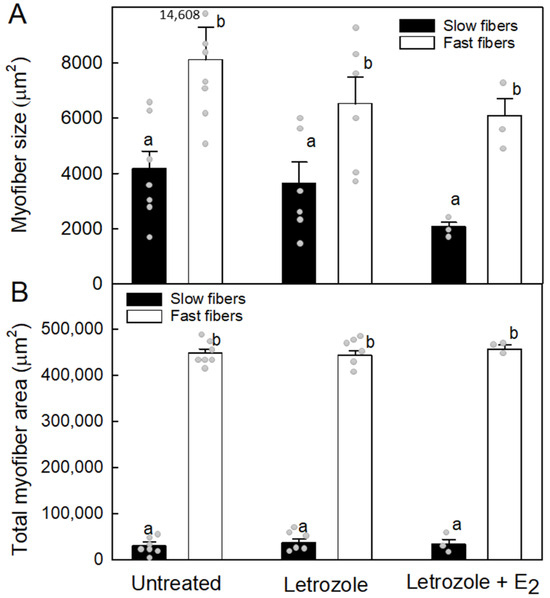
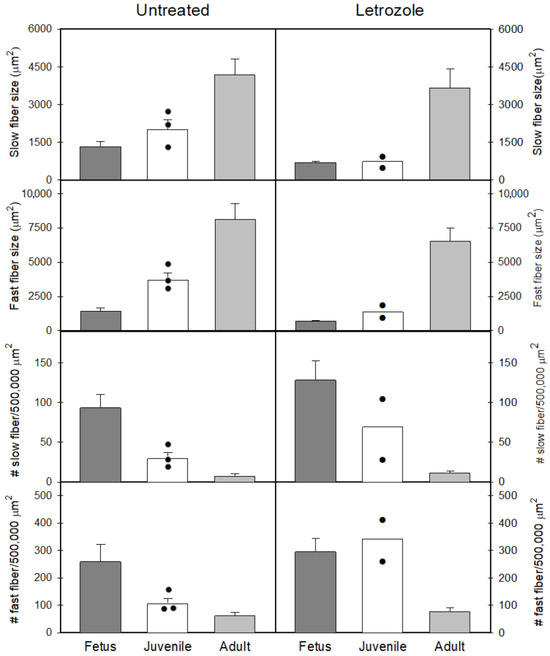
Introduction: We previously showed that baboon offspring born to mothers deprived of estrogen during the second half of gestation exhibited insulin resistance prior to and after the onset of puberty. Moreover, the size of skeletal muscle myofibers and the number of microvessels important for delivery of insulin/glucose to myofibers were lower in near-term fetuses deprived of estrogen during pregnancy, and myofiber capillarization remained reduced in post-pubertal offspring deprived of estrogen in utero. However, it remains to be determined whether skeletal muscle size is restored to normal in animals deprived of estrogen in utero after the onset of puberty/gonadal estrogen production. Methods: To answer this question, the current study quantified the size and number of slow and fast fibers in biopsies of vastus lateralis skeletal muscle obtained from post-pubertal female baboon offspring 9–12 years old, born to mothers who were untreated (n = 7) or treated during the second half of gestation with letrozole (n = 6; suppressed maternal and fetal estrogen by >90%) or letrozole plus estradiol benzoate (n = 3). Results: Results indicated that skeletal muscle slow and fast fiber growth in female offspring appeared to occur by hypertrophy and that respective size of fibers after the onset of puberty was similar in offspring born to mothers who were untreated or deprived of estrogen in utero. Conclusions: Postnatal myofiber hypertrophy likely reflects the impact of the pubertal surge in and continued exposure of offspring myofibers to ovarian estrogen and is restored to normal in post-pubertal female offspring deprived of estrogen in utero.
Full article
(This article belongs to the Section Reproductive Endocrinology)
►▼
Show Figures

Figure 1
Open AccessArticle
The Impact of Chronic Autoimmune Thyroiditis During Pregnancy on Maternal and Fetal Outcomes
by
Olesea Scrinic, Eduard Circo and Seila Musledin
Endocrines 2025, 6(4), 56; https://doi.org/10.3390/endocrines6040056 - 20 Nov 2025
Abstract
Background/Objectives: Thyroid dysfunction during pregnancy is associated with a range of adverse perinatal outcomes. This study aims to evaluate the effect of maternal thyroid autoimmunity on selected gestational and perinatal outcomes of the newborn in a region with adequate iodine intake. Methods
[...] Read more.
Background/Objectives: Thyroid dysfunction during pregnancy is associated with a range of adverse perinatal outcomes. This study aims to evaluate the effect of maternal thyroid autoimmunity on selected gestational and perinatal outcomes of the newborn in a region with adequate iodine intake. Methods: This retrospective study included 74 full-term singleton pregnancies from women living in the coastal region of Romania. Participants were divided into two groups: group 1—women with chronic autoimmune thyroiditis and euthyroidism; group 2—women without thyroid disorders, serving as the control group. Maternal variables assessed included serum thyroid hormone levels and antithyroid autoantibodies. For newborns, parameters such as birth weight, neonatal TSH levels, and the incidence of gestational and perinatal events were evaluated. Results: The incidence of chronic autoimmune thyroiditis in the study population was 36.4%. Maternal thyroid autoimmunity was associated with an increased incidence of low birth weight, observed in 11% of the autoimmune group compared with 2.1% in the control group (p = 0.099). The incidence of preterm birth was significantly higher in the autoimmune group (18.5% vs. 4.2% in controls, p = 0.043), corresponding to a 4.3-fold increase in relative risk. The most frequent perinatal complication observed in pregnant women with thyroid autoimmunity was spontaneous abortion (11.1%). The median urinary iodine concentrations were within the adequate range in both study groups. Conclusions: Thyroid autoimmunity during pregnancy presents significant clinical challenges, even in areas with adequate iodine intake. Maternal autoimmune thyroiditis constitutes an established risk factor for impaired fetal development and adverse perinatal outcomes. Early assessment of thyroid function prior to conception or during the first trimester is recommended for both diagnostic and preventive purposes.
Full article
(This article belongs to the Section Reproductive Endocrinology)
Open AccessReview
Diagnosis of Congenital and Acquired Generalized Lipodystrophies—Similarities and Differences
by
Josivan Gomes Lima, Lucas Nobrega Lima, Vitor Yan Bezerra Araujo, Lucia Helena Coelho Nobrega and Julliane Tamara Araújo de Melo Campos
Endocrines 2025, 6(4), 55; https://doi.org/10.3390/endocrines6040055 - 17 Nov 2025
Abstract
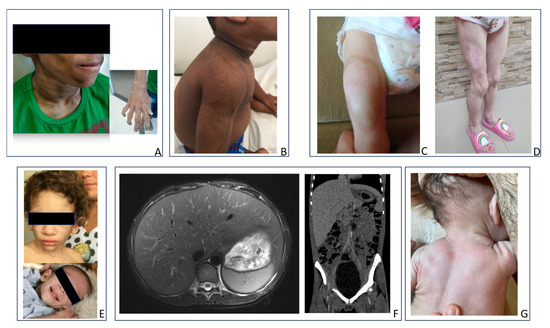
Generalized lipodystrophies (GLs) are rare diseases characterized by a lack of body fat. When patients with a GL phenotype are referred with a presumptive diagnosis of congenital generalized lipodystrophy (CGL) but genetic testing for known pathogenic variants is negative, the diagnosis of acquired
[...] Read more.
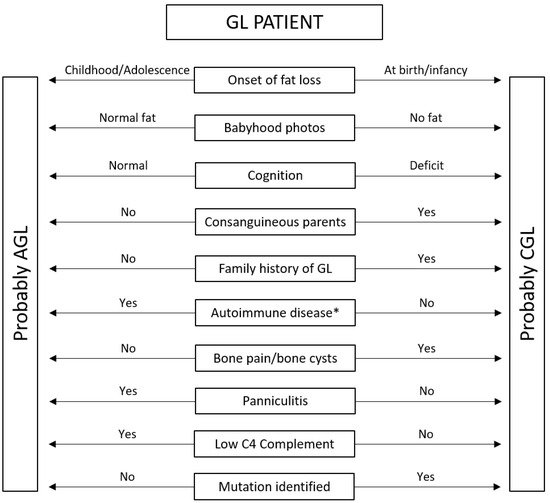
Generalized lipodystrophies (GLs) are rare diseases characterized by a lack of body fat. When patients with a GL phenotype are referred with a presumptive diagnosis of congenital generalized lipodystrophy (CGL) but genetic testing for known pathogenic variants is negative, the diagnosis of acquired generalized lipodystrophy (AGL) becomes a more likely diagnosis. No single test confirms such a diagnosis, and it is crucial to recognize the similarities and differences between these diseases. We review the literature and report four GL cases from our lipodystrophy outpatient clinic, highlighting the main points for an accurate diagnosis. Similarities: phlebomegaly, umbilical scar protrusion, loss of Bichat’s fat pad, muscle hypertrophy, and hepatomegaly can occur in both. Cirrhosis can also arise, but in AGL, it occurs as a consequence of hepatic steatosis and also due to autoimmune hepatitis. Insulin resistance is frequent, and patients present acanthosis nigricans and acrochordons and may develop difficult-to-control diabetes and its complications, despite very high daily doses of insulin. Low HDL and hypertriglyceridemia are frequent and may progress to acute pancreatitis. Serum leptin levels are typically low and contribute to hyperphagia. Differences: AGL patients’ body fat loss occurs gradually in childhood or adolescence, whereas CGL patients are born with the characteristic phenotype. Evaluating photographs of AGL patients in the first years of life can provide evidence of this selective and gradual fat loss. Some AGL patients may have panniculitis (inflamed and painful subcutaneous nodules), with or without autoimmune diseases. In conclusion, recognizing both similarities and differences is crucial for making an accurate diagnosis and ensuring the most appropriate treatment.
Full article
(This article belongs to the Section Obesity, Diabetes Mellitus and Metabolic Syndrome)
►▼
Show Figures

Figure 1
Open AccessReview
The Role of Follicle-Stimulating Hormone in Bone Loss During Menopause Transition: A Narrative Review
by
Nida Jugulytė and Daiva Bartkevičienė
Endocrines 2025, 6(4), 54; https://doi.org/10.3390/endocrines6040054 - 5 Nov 2025
Cited by 1
Abstract
For many years, menopause-related bone loss has been attributed solely to declining estrogen levels. Recently it has been suggested that bone loss accelerates during perimenopause, often preceding declines in estradiol (E2), proposing that follicle-stimulating hormone (FSH), the levels of which are
[...] Read more.
For many years, menopause-related bone loss has been attributed solely to declining estrogen levels. Recently it has been suggested that bone loss accelerates during perimenopause, often preceding declines in estradiol (E2), proposing that follicle-stimulating hormone (FSH), the levels of which are high during late perimenopause, may play a role in skeletal deterioration independently of E2. The aim of this narrative review was to present aspects of bone health throughout the menopause transition with a focus on the relationship between FSH and bone-related outcomes. Epidemiological studies evaluating bone mineral density (BMD) and bone turnover markers (BTMs) were analyzed. Higher FSH levels were associated with reduced BMD, particularly at the spine and hip, as well as enhanced bone remodeling activity. In several longitudinal studies, FSH was found to be a more reliable predictor of bone loss than estrogen. In conclusion, FSH may serve as an early marker of perimenopausal bone health deterioration by identifying women at risk for bone loss and allowing for more personalized prevention strategies; however, further research is needed before its clinical use.
Full article
(This article belongs to the Section Reproductive Endocrinology)
Highly Accessed Articles
Latest Books
E-Mail Alert
News
Topics
Topic in
Biomedicines, Diagnostics, Endocrines, JCM, JPM, IJMS
Development of Diagnosis and Treatment Modalities in Obstetrics and Gynecology
Topic Editors: Osamu Hiraike, Fuminori TaniguchiDeadline: 20 March 2027
Conferences
Special Issues
Special Issue in
Endocrines
Metabolic and Endocrine Crosstalk in Diabetes: Mechanisms, Biomarkers, and Therapeutic Advances
Guest Editors: Anastasia Ntikoudi, Daniela FotiDeadline: 10 October 2026
Special Issue in
Endocrines
Feature Papers in Endocrines 2026
Guest Editors: Maria Mirabelli, Antonio BrunettiDeadline: 31 December 2026