

-
A Prototypical Fuzzy Similarity-Based Classification Framework for Ultrasonic Defect Detection in Concrete -
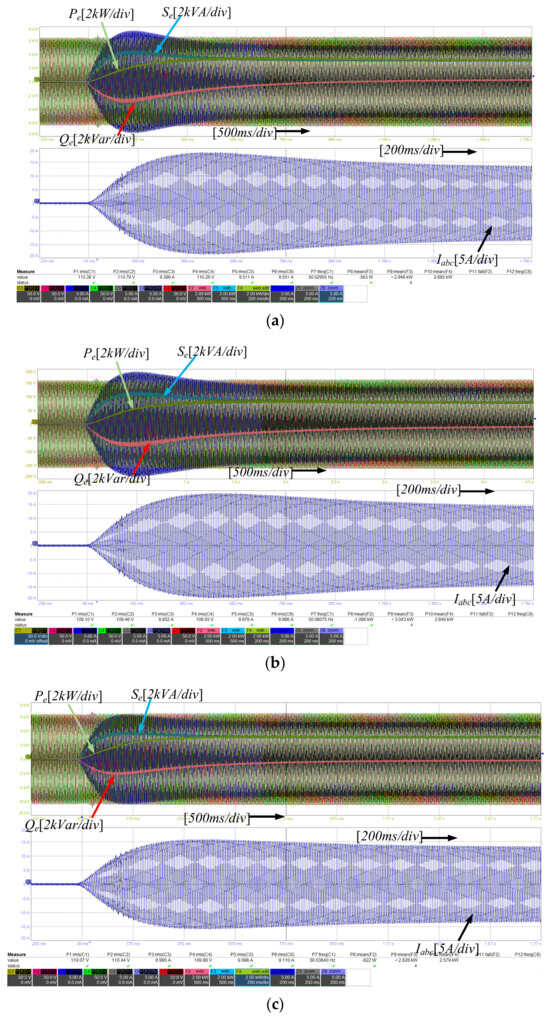
Hybrid Smart Energy Community and Machine Learning Approaches for the AI Era in Energy Transition -
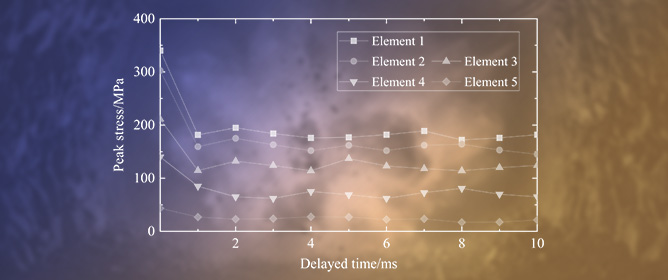
Study on the Characteristics and Parameter Optimization of Wedge Cut Delayed Blasting in a Tunnel -
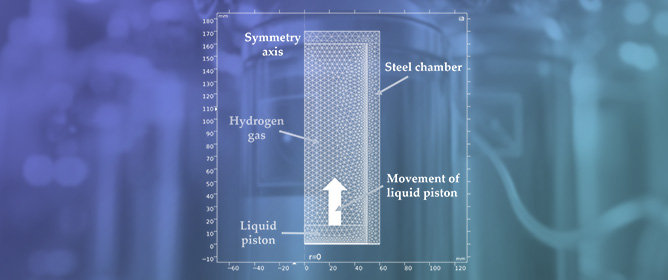
Analysis of Chamber Wall Thickness Influence on Liquid Piston Compressor Efficiency
Journal Description
Eng
Eng
is an international, peer-reviewed, open access journal on all areas of engineering, published monthly online by MDPI.
- Open Access— free for readers, with article processing charges (APC) paid by authors or their institutions.
- High Visibility: indexed within ESCI (Web of Science), Scopus, Ei Compendex, EBSCO and other databases.
- Journal Rank: JCR - Q2 (Engineering, Multidisciplinary) / CiteScore - Q2 (Engineering (miscellaneous))
- Rapid Publication: manuscripts are peer-reviewed and a first decision is provided to authors approximately 18 days after submission; acceptance to publication is undertaken in 4.5 days (median values for papers published in this journal in the second half of 2025).
- Recognition of Reviewers: APC discount vouchers, optional signed peer review, and reviewer names published annually in the journal.
Impact Factor:
2.4 (2024);
5-Year Impact Factor:
2.4 (2024)
Latest Articles
A Novel Adaptive Multiple-Image-Feature Fusion Method for Transformer Winding Fault Diagnosis
Eng 2026, 7(5), 193; https://doi.org/10.3390/eng7050193 - 24 Apr 2026
Abstract
Frequency response analysis (FRA) is recognized as an effective method in power transformer winding fault diagnosis. However, the traditional numerical index methods focus on the overall features of FRA curves, making it difficult to capture subtle deformations in transformer windings. Similarly, existing digital
[...] Read more.
Frequency response analysis (FRA) is recognized as an effective method in power transformer winding fault diagnosis. However, the traditional numerical index methods focus on the overall features of FRA curves, making it difficult to capture subtle deformations in transformer windings. Similarly, existing digital image processing methods rely on a single feature or a simple feature combination without adaptive fusion. These methods ignore differences in the data distributions of features, leading to feature mismatch, the loss of sensitive fault information, and lower diagnostic accuracy. To solve this problem, a novel adaptive multiple-image-feature fusion method for transformer winding fault diagnosis is proposed. First, a multi-dimensional feature space combining image pixel matrix similarity, morphological features, and image texture features is built to decode the difference in fault of FRA images. Second, the multiple kernel learning (MKL) framework is used to dynamically adjust the fusion weights of different kernels to make features compatible and remove redundant information. Finally, comparative and ablation experiments show that the proposed method outperforms the traditional methods in identifying different types and levels of faults. The method achieves over 99% accuracy in fault type identification across SVM, KNN, and RF classifiers. For radial deformation (RD) severity prediction, the accuracy of the proposed model is 93.37% with SVM and 94.85% with KNN, outperforming the full-feature concatenation method. These results confirm the method’s robustness and diagnostic precision.
Full article
(This article belongs to the Topic Advanced Strategies for Smart Grid Reliability and Energy Optimization)
Open AccessArticle
Exploring Variable Influences on the Compressive Strength of Alkali-Activated Concrete Using Ensemble Tree, Deep Learning Methods and SHAP-Based Interpretation
by
Musa Adamu, Mahmud M. Jibril, Abdurra’uf M. Gora, Yasser E. Ibrahim and Hani Alanazi
Eng 2026, 7(5), 192; https://doi.org/10.3390/eng7050192 - 24 Apr 2026
Abstract
Growing concerns about global climate change and its negative consequences for communities have put immense pressure on the building industry, which is one of the primary sources of greenhouse gas emissions. Due to the environmental issues associated with the manufacture of sustainable construction
[...] Read more.
Growing concerns about global climate change and its negative consequences for communities have put immense pressure on the building industry, which is one of the primary sources of greenhouse gas emissions. Due to the environmental issues associated with the manufacture of sustainable construction materials, alkali-activated concrete (AAC) has emerged as a competitive alternative to cement. To predict the compressive strength (CS) of AAC, four machine learning (ML) models, namely, Convolutional Neural Network (CNN), Long Short-Term Memory (LSTM), Random Forest (RF), and Extreme Gradient Boosting (XGBoost), were employed in this study using 193 data points. The input variables include Precursor “P” (kg/m3), Blast Furnace Slag “BFS ratio”, Sodium hydroxide “Na” (kg/m3), silicate modulus “Ms”, water content “W” (kg/m3), fine aggregate “FA” (kg/m3), coarse aggregate “A” (kg/m3), and curing time “CT” (day), with CS (MPa) as the output variable. The dataset was checked for stationarity and then normalized to decrease data redundancy and increase integrity. Furthermore, three model combinations were developed based on the relationship between the input and target variables. The XGB-M3 model outperformed all other models with a high degree of accuracy, according to the study’s findings. Specifically, the Pearson correlation coefficient (PCC) was 0.9577, and the mean absolute percentage error (MAPE) was 14.95% during the calibration phase. SHAP, an explainable AI approach that provides interpretable insights into complex AI systems by assigning feature importance to model predictions, was employed. Results suggest the higher predictions from the XGB-M3 and RF-M3 models were largely driven by curing time (CT).
Full article
(This article belongs to the Special Issue Artificial Intelligence for Engineering Applications, 2nd Edition)
Open AccessArticle
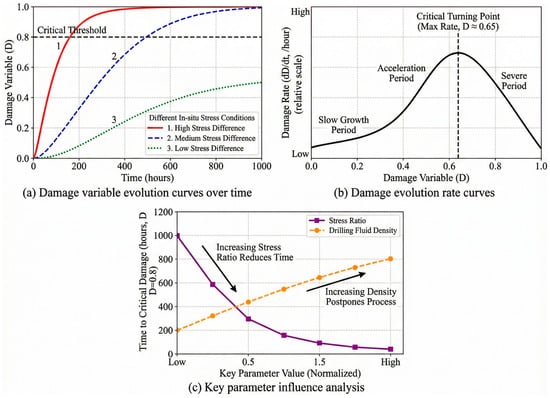
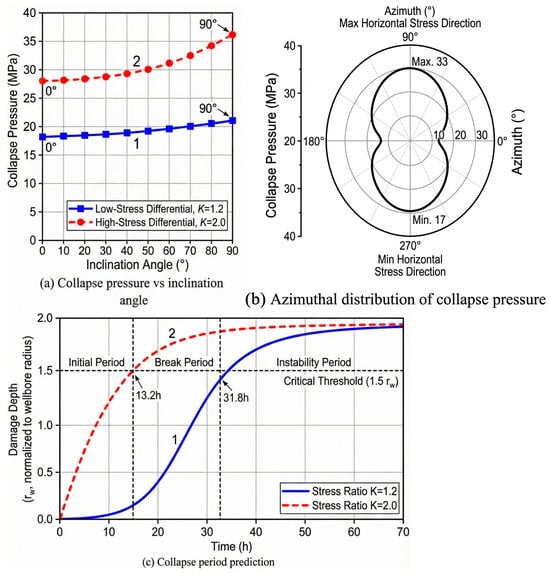
Progressive Damage Failure Criterion Establishment and Collapse Period Prediction for Coalbed Methane Wellbore: A Numerical Simulation Study
by
Jinxia Chen, Lei Luo, Zaiming Wang, Baohua Yu, Yuanyuan Shen and Hui Dang
Eng 2026, 7(5), 191; https://doi.org/10.3390/eng7050191 - 24 Apr 2026
Abstract
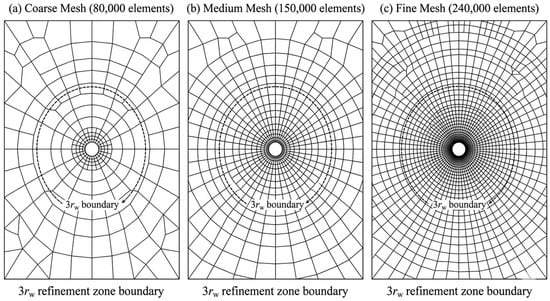
This study develops a progressive damage failure criterion to address limitations of traditional instantaneous strength criteria that cannot capture damage evolution or quantify accumulation mechanisms in coalbed methane (CBM) wellbore collapse analysis. A damage variable D defines four evolutionary stages—initiation, propagation, acceleration, and
[...] Read more.
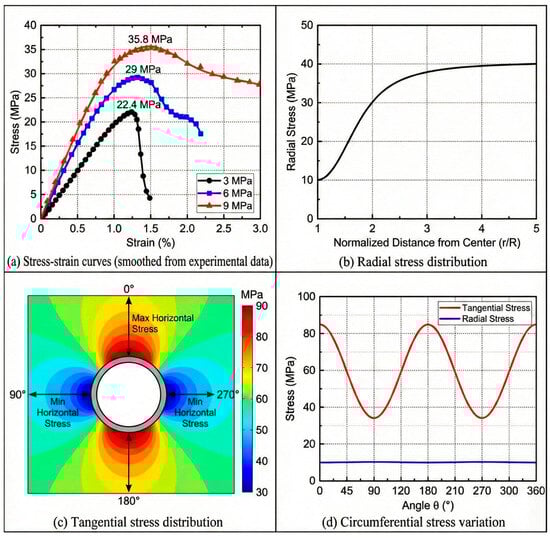
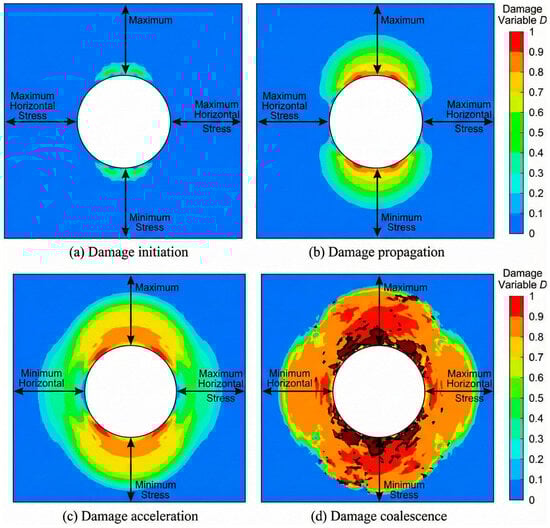
This study develops a progressive damage failure criterion to address limitations of traditional instantaneous strength criteria that cannot capture damage evolution or quantify accumulation mechanisms in coalbed methane (CBM) wellbore collapse analysis. A damage variable D defines four evolutionary stages—initiation, propagation, acceleration, and coalescence—coupled with stress redistribution and drilling fluid invasion effects to enable quantitative collapse period prediction. Three-dimensional numerical simulations using FLAC3D 7.0 (Itasca Consulting Group, Minneapolis, MN, USA) reveal that stress anisotropy controls directional damage initiation, while increasing the horizontal stress ratio K substantially reduces the safe collapse period and narrows the safe drilling fluid density window. Horizontal wells exhibit significantly higher collapse pressure requirements than vertical wells, providing a quantitative basis for trajectory optimization. Model predictions show good agreement with published experimental results, with maximum deviations of ≤10% for the collapse period and ≤9% for damage depth. Field applications demonstrated notably fewer wellbore stability incidents and improved drilling efficiency compared to conventional design approaches, validating the practical effectiveness of the proposed methodology for unconventional resource development.
Full article
(This article belongs to the Special Issue Advances in GeoEnergy Engineering: Innovations in Sustainable Energy Resources and Unconventional Reservoirs)
►▼
Show Figures

Figure 1
Open AccessArticle
Synthesis of Decision Logic for Predictive Maintenance of a Marine Diesel Engine Based on Unconditional Control-Reliability Indicators
by
Dmitry Tukeev, Olga Afanaseva and Aleksandr Khatrusov
Eng 2026, 7(5), 190; https://doi.org/10.3390/eng7050190 - 23 Apr 2026
Abstract
This paper proposes a formal framework for synthesizing multi-stage condition-based maintenance (CBM) decision logic for marine diesel monitoring systems. The design object is treated not as a single threshold or classifier output, but as an implementable decision logic with explicit stages of data-quality
[...] Read more.
This paper proposes a formal framework for synthesizing multi-stage condition-based maintenance (CBM) decision logic for marine diesel monitoring systems. The design object is treated not as a single threshold or classifier output, but as an implementable decision logic with explicit stages of data-quality gating, thresholding, confirmation, fusion, and temporal filtering. Decision quality is evaluated using unconditional control-reliability indicators (CRIs) under a prescribed prior probability of rare abnormal events within a unified Monte Carlo verification protocol. Within a simplified Gaussian surrogate model, we compare baseline thresholding, repeated-measurement averaging, within-path confirmation, and measurement-level fusion. For the reported reference configuration, averaging five repeated measurements yields the largest reduction in the raw error criterion, “2 out of 3” confirmation provides a smaller but consistent improvement, and two-path multi-fidelity fusion is beneficial only after calibration toward the more informative path. The results show that, under rare abnormal events and limited measurement accuracy, decision quality is determined primarily by calibration of the multi-stage channel-level logic rather than by thresholding alone.
Full article
(This article belongs to the Special Issue Interdisciplinary Insights in Engineering Research 2026)
Open AccessArticle
Modular Artificial Neural Network to Classify Materials and Determine Water Content in Soil Samples
by
Hector Molina-Garrido, Rosario Aldana-Franco, Jesús Antonio Camarillo-Montero and Fernando Aldana-Franco
Eng 2026, 7(5), 189; https://doi.org/10.3390/eng7050189 - 23 Apr 2026
Abstract
In the construction industry, it is necessary to know the soil type and its water content to ensure compliance with required specifications. Existing solutions involve expensive equipment and require significant time to deliver reliable results. This article focuses on the application of modular
[...] Read more.
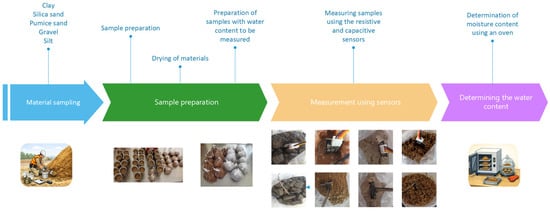
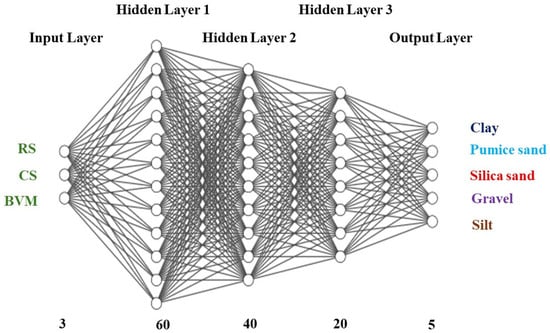
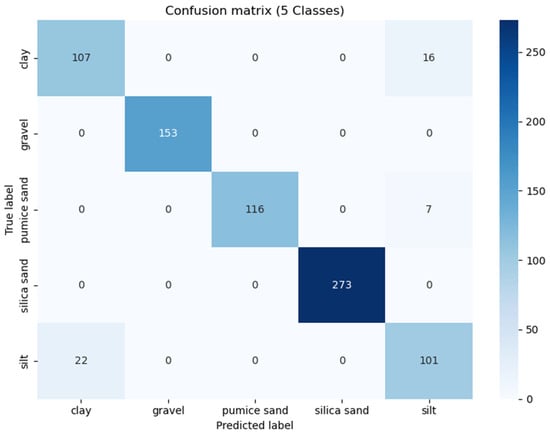
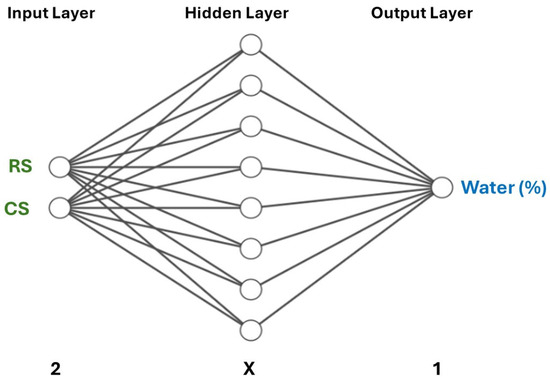
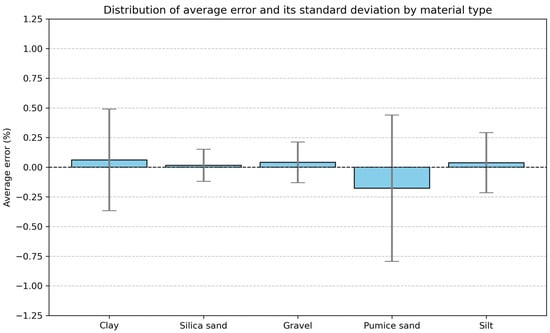
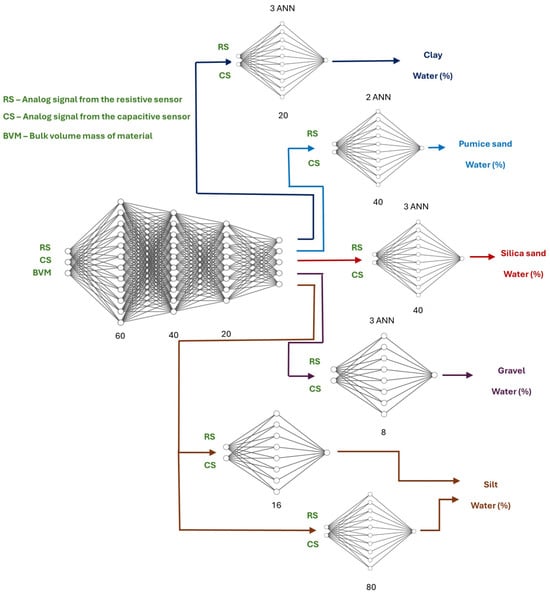
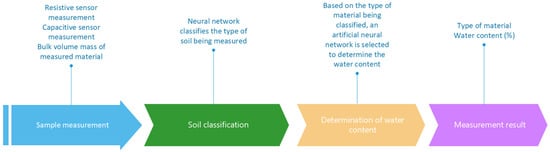
In the construction industry, it is necessary to know the soil type and its water content to ensure compliance with required specifications. Existing solutions involve expensive equipment and require significant time to deliver reliable results. This article focuses on the application of modular neural networks to automate the analysis of measurement data for five soil types. The data analyzed were obtained using resistive and capacitive sensors, as well as the bulk volume mass of materials. A modular architecture consisting of 14 neural networks was designed. One sequential network specialized in material classification with an Adam optimizer. The other 13 neural networks were trained using evolutionary strategies by material type and water content range. The results show that modular architecture improves response time and reliability for individual network models, achieving an accuracy of 94.69%. The modular system was validated using 20% of the database and 10-fold cross-validation. For water content determination, the accuracy in the material with the highest variability was −0.1770% with a standard deviation of 0.6239%. The use of this modular system reduces operating and analysis times in material classification and water content determination through its real-time application. It validates its use in soil analysis processes for construction and can be used in educational settings.
Full article
(This article belongs to the Special Issue Artificial Intelligence for Engineering Applications, 2nd Edition)
►▼
Show Figures

Figure 1
Open AccessArticle
Material Properties of Historic Stone Masonry Components from the Kvarner Littoral of Croatia: A Case Study with Earth Mortar
by
Paulo Šćulac, Ivana Štimac Grandić, Josipa Mihaljević and Davor Grandić
Eng 2026, 7(5), 188; https://doi.org/10.3390/eng7050188 - 22 Apr 2026
Abstract
The mechanical properties of stone masonry and its behavior under monotonic and cyclic loading depend significantly on the local properties of the masonry and the wall typology. This paper presents preliminary results from in situ inspection of stone masonry typologies at several locations
[...] Read more.
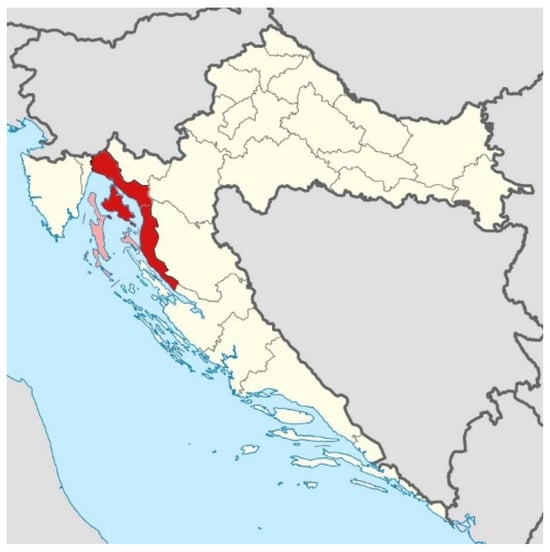
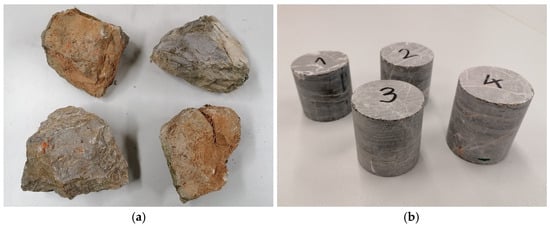
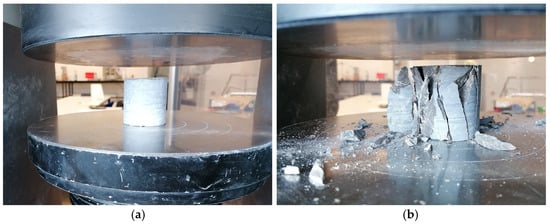
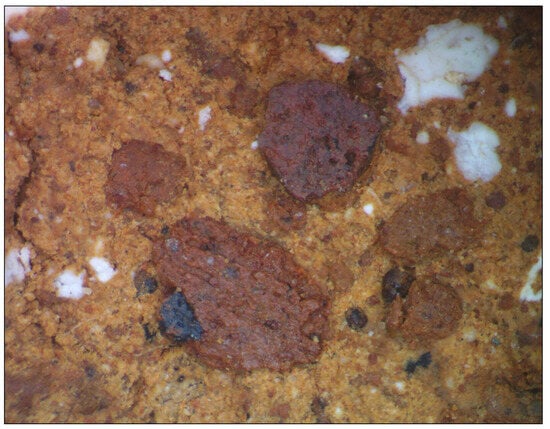
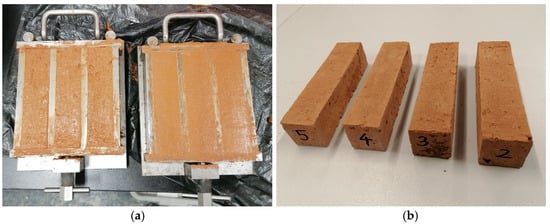
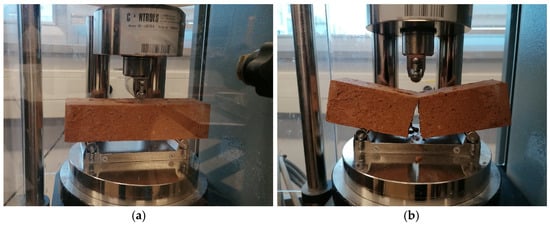
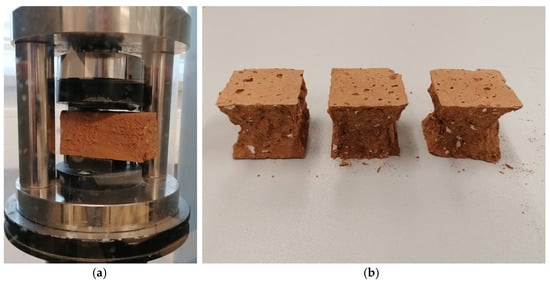
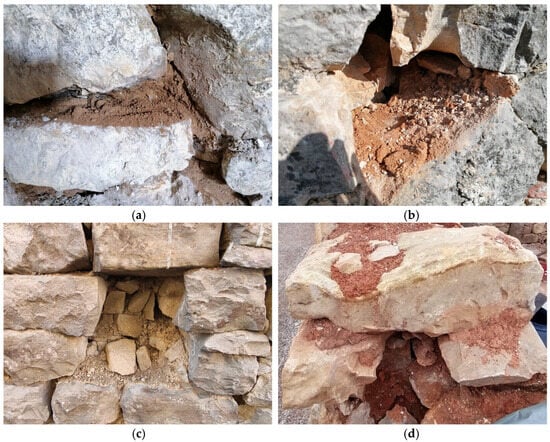
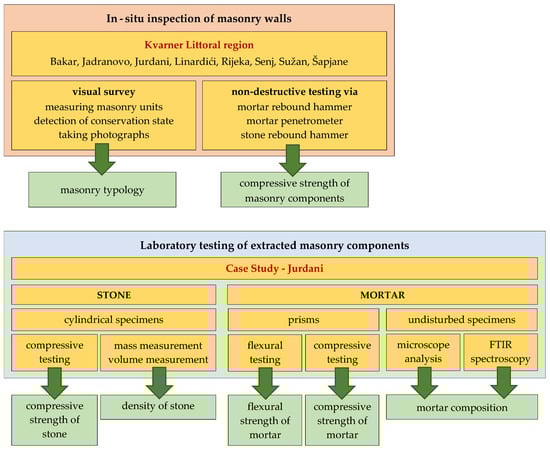
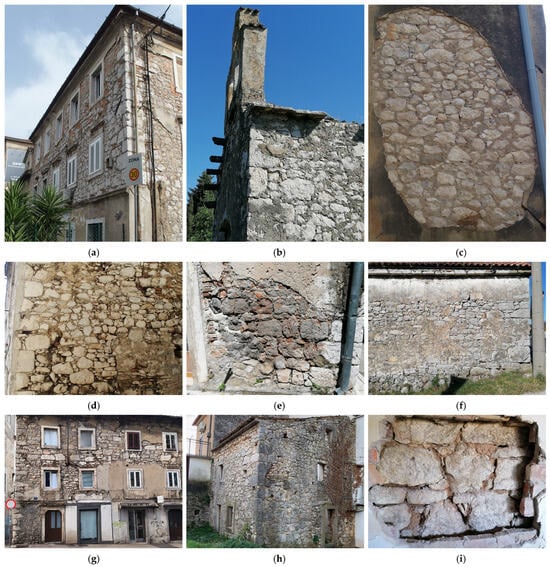
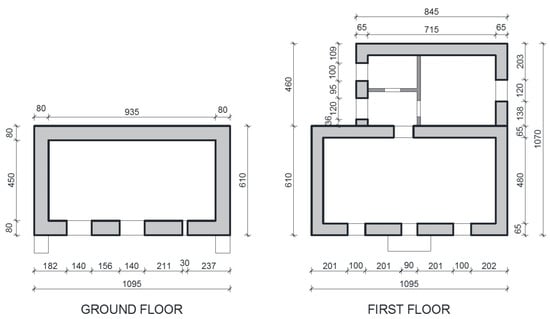
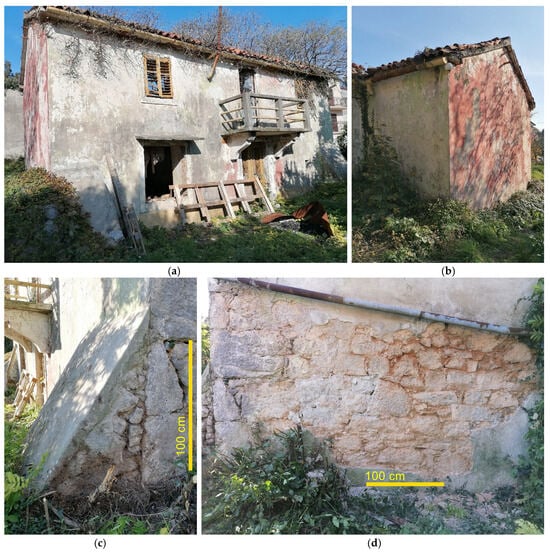
The mechanical properties of stone masonry and its behavior under monotonic and cyclic loading depend significantly on the local properties of the masonry and the wall typology. This paper presents preliminary results from in situ inspection of stone masonry typologies at several locations in the Kvarner Littoral of Croatia, which revealed the use of earth mortar in a building over 200 years old instead of the commonly used lime mortar. This finding prompted the selection of this building as a case study, for which a detailed visual survey was conducted and laboratory testing employed to characterize the masonry components. The visual inspection showed that the walls of the case study building are constructed from non-degraded stones, with wedges between the blocks and larger corner blocks. The earth mortar is degraded on the wall surface, so non-destructive testing was unsuccessful. Laboratory tests on stone specimens confirmed high compressive strength (over 135 MPa), while laboratory tests on earth mortar specimens indicated compressive strength between 2.22 and 2.65 MPa. The stone compressive strength is comparable to that of high-quality Croatian limestones, while the compressive strength of the earth mortar is comparable to that of historic lime mortars. Microscopic analysis and FTIR spectroscopy of the earth mortar revealed that it does not contain sand or gravel, what distinguishes it from commonly used historic earth mortars, where clay minerals serve as a binder for sand and silt particles. This study presents the first comprehensive research on the material properties of an earth mortar in Croatia.
Full article
(This article belongs to the Section Chemical, Civil and Environmental Engineering)
►▼
Show Figures

Figure 1
Open AccessArticle
A Feedforward Compensation Decoupling Control Strategy for VSG Converters Integrated into Terminal Weak Grids
by
Zhenyu Zhao, Bingqi Liu, Xiaziru Xu, Xiaomin Zhao, Feng Jiang, Min Chen, Hongda Cai and Wei Wei
Eng 2026, 7(4), 187; https://doi.org/10.3390/eng7040187 - 21 Apr 2026
Abstract
The increasing penetration of renewable energy has led to the large-scale integration of power electronic devices into the power grid. In weakly connected grids, such devices are connected to the grid via voltage source converters (VSCs) using grid-forming (GFM) control strategies. Ideally, the
[...] Read more.
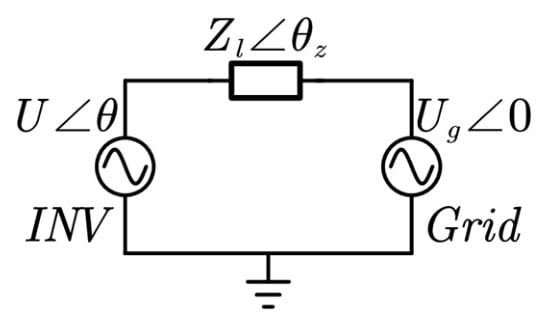
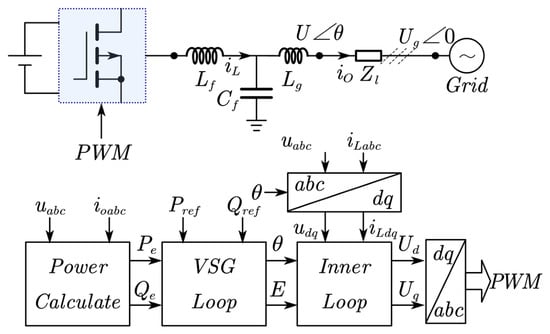
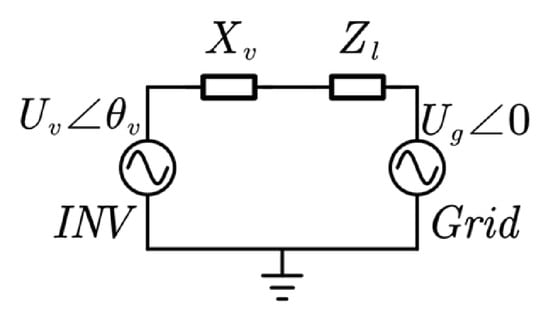
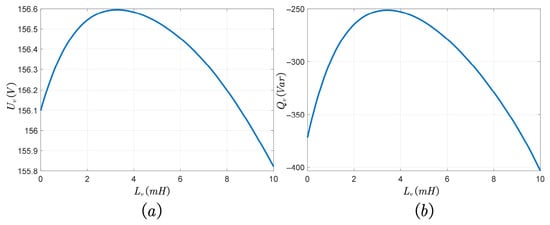
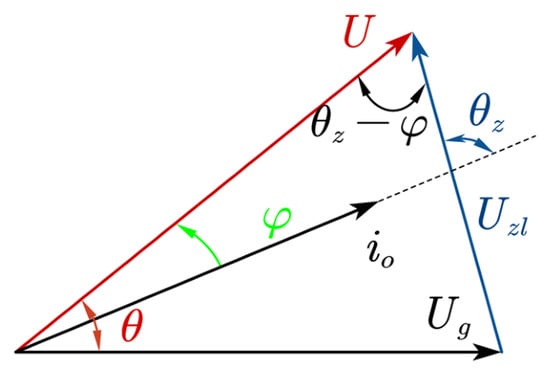
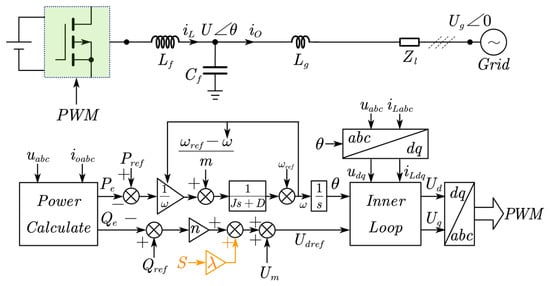
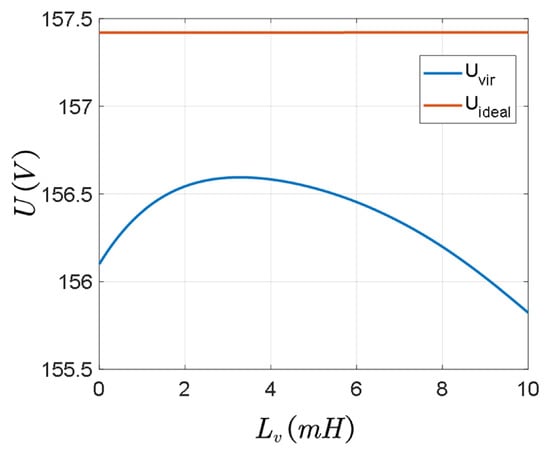
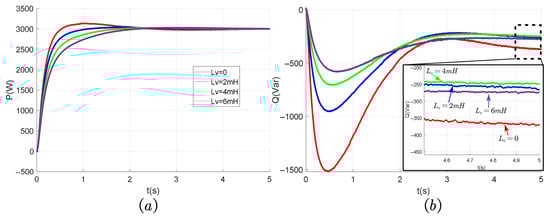
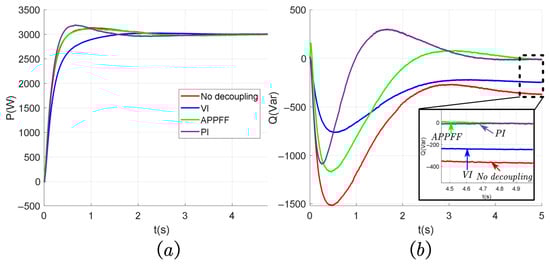
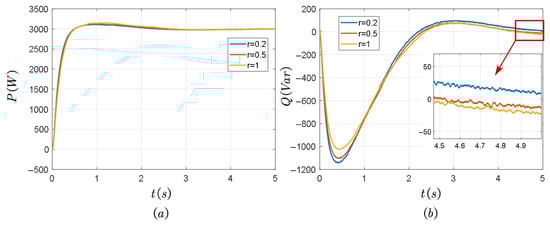
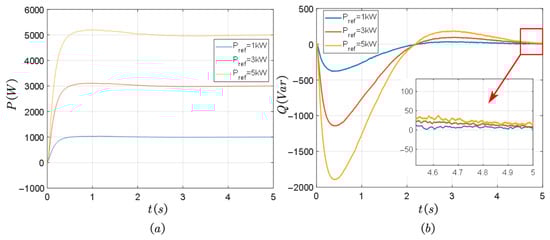
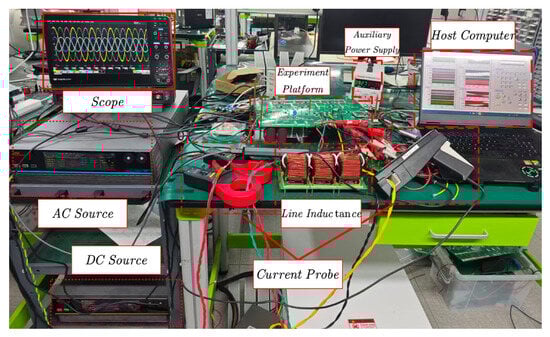
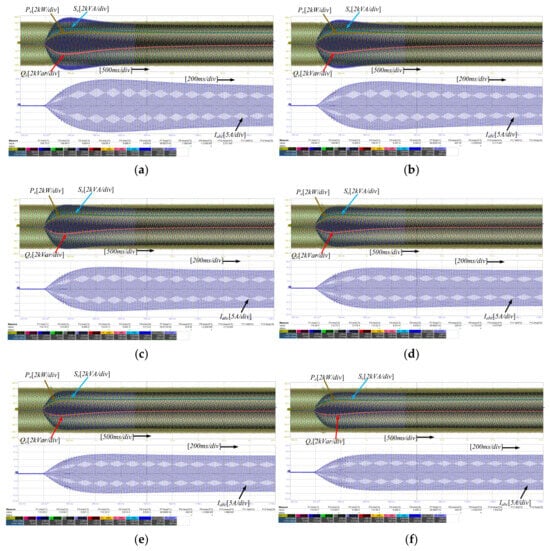
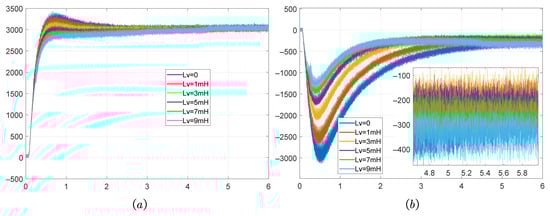
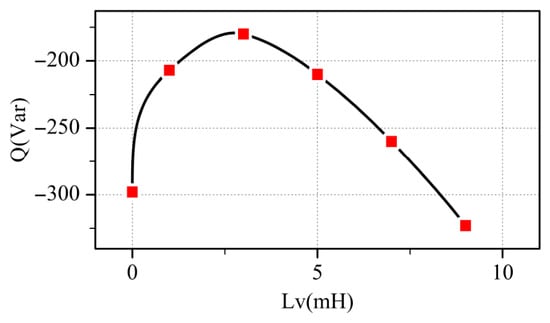
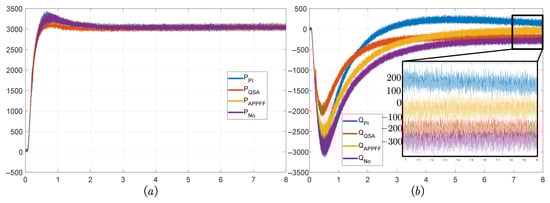
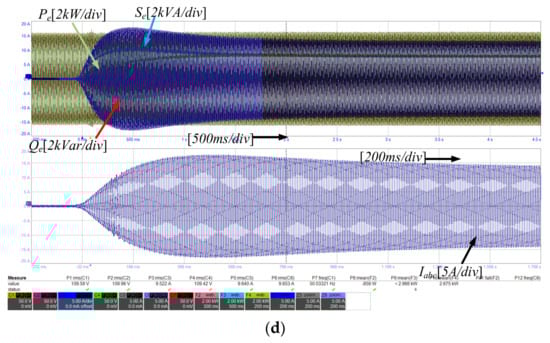
The increasing penetration of renewable energy has led to the large-scale integration of power electronic devices into the power grid. In weakly connected grids, such devices are connected to the grid via voltage source converters (VSCs) using grid-forming (GFM) control strategies. Ideally, the point of common coupling (PCC) with the grid is treated as a purely inductive circuit. However, in weak grids, the resistance-to-inductance ratio (R/X) cannot be ignored, which leads to the power coupling problem between active power (P) and reactive power (Q). This phenomenon impedes the precise control of P and Q, potentially resulting in steady-state power deviations and even system instability. Traditional power-decoupling methods based on virtual inductance (VI) have inherent limitations and fail to achieve complete decoupling between P and Q. To address this issue, this paper first analyzes the influencing factors of power coupling through an established power coupling model. Comparisons between the output voltage and the degree of power coupling demonstrate that power decoupling can be achieved by compensating the output voltage. Consequently, an improved power-decoupling strategy based on apparent power feedforward (APPFF) is proposed. The proposed APPFF method realizes complete P-Q decoupling, with a steady-state reactive power error of less than 1% of the rated value. Compared with the PI-decoupling method, the reactive power overshoot is reduced by about 24%, and no additional active power overshoot is introduced. Compared with the conventional virtual inductance method that only reduces coupling by up to 35%, APPFF eliminates the power coupling fundamentally while retaining the reactive power–voltage droop characteristics and fast dynamic response. By directly compensating the reference voltage to the ideal value using apparent power as the feedforward variable, the proposed method is essentially different from the existing voltage/angle compensation schemes. The feasibility and effectiveness of the proposed decoupling method are verified under various working conditions, such as different R/X ratios, line resistances and power references, through both Simulink simulations and experimental results.
Full article
(This article belongs to the Topic Power System Dynamics and Stability, 2nd Edition)
►▼
Show Figures

Figure 1
Open AccessArticle
Long-Term Creep Performance of UHPC Precast Assembled Beams Under Different Curing Conditions
by
Yishun Liu, Mingfu Ou, Hao Zuo, Hong Qiu and Hui Zheng
Eng 2026, 7(4), 186; https://doi.org/10.3390/eng7040186 - 19 Apr 2026
Abstract
Ultra-high-performance concrete (UHPC) is widely used due to its strength, toughness, and durability. Shrinkage issues are the primary cause of concrete cracking and one of the main factors limiting the widespread application of UHPC in structural engineering. The shrinkage properties of UHPC vary
[...] Read more.
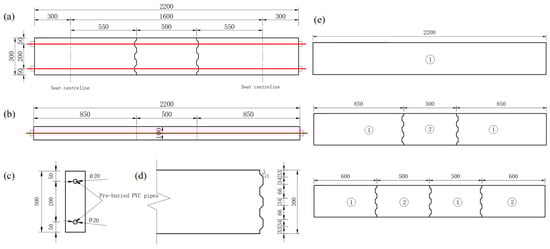
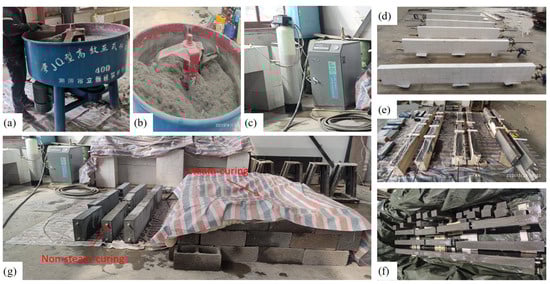
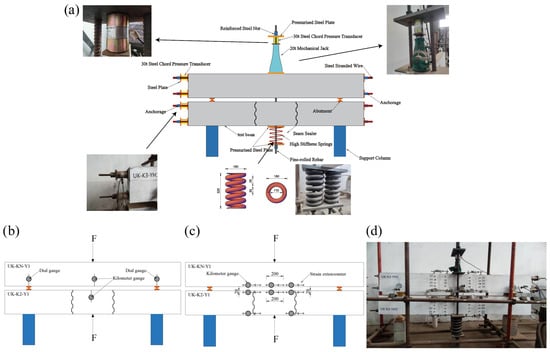
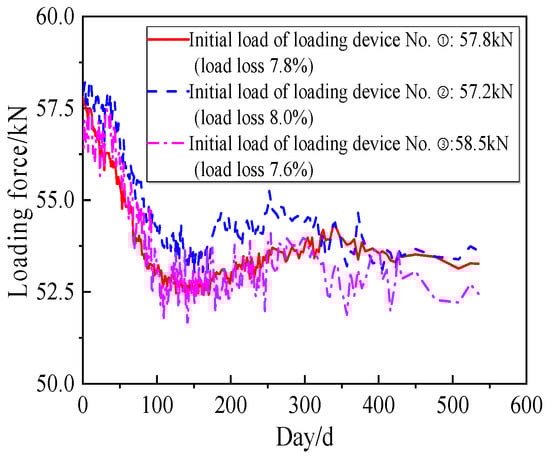
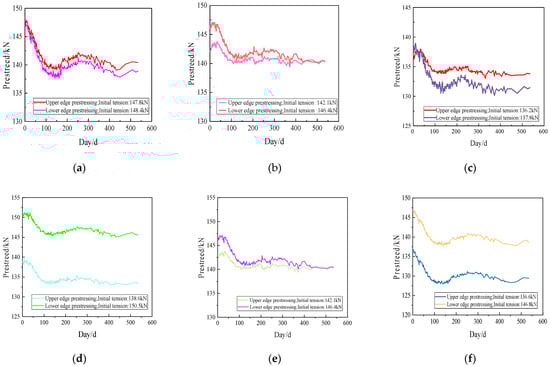
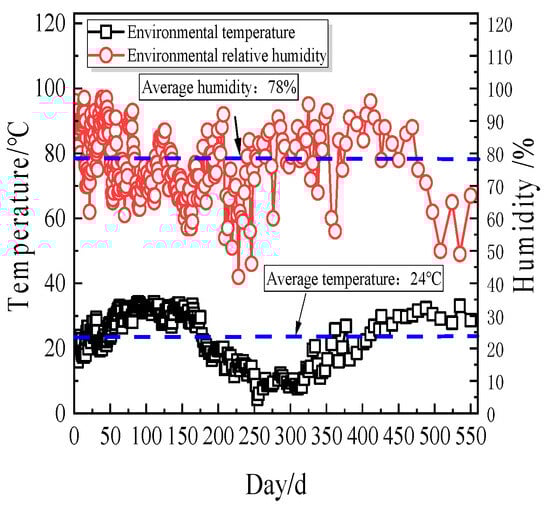
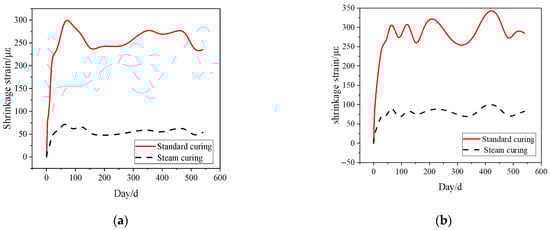
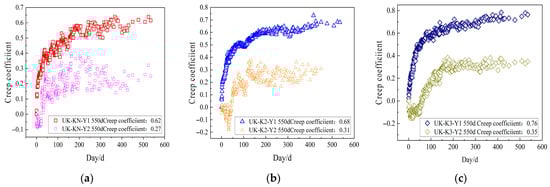
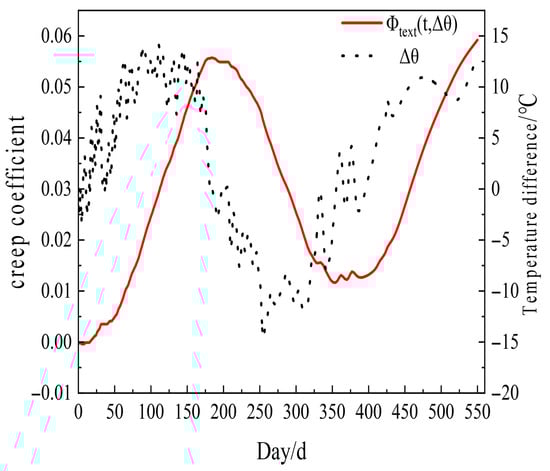
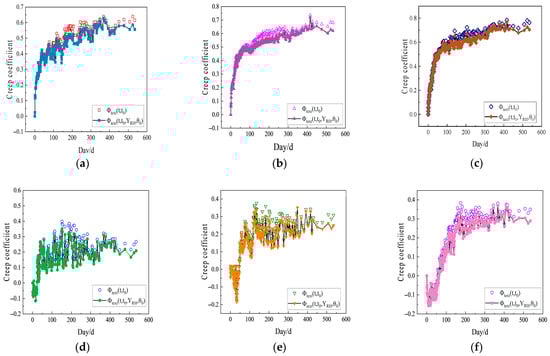
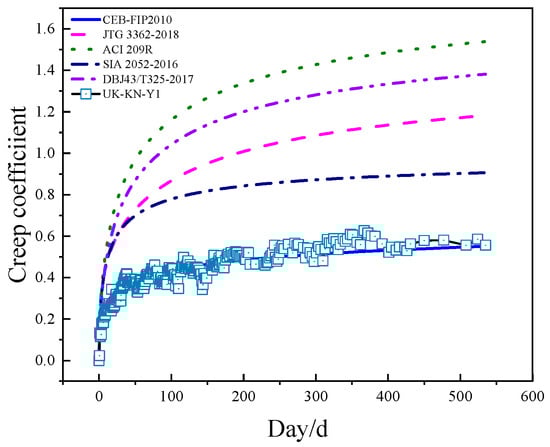
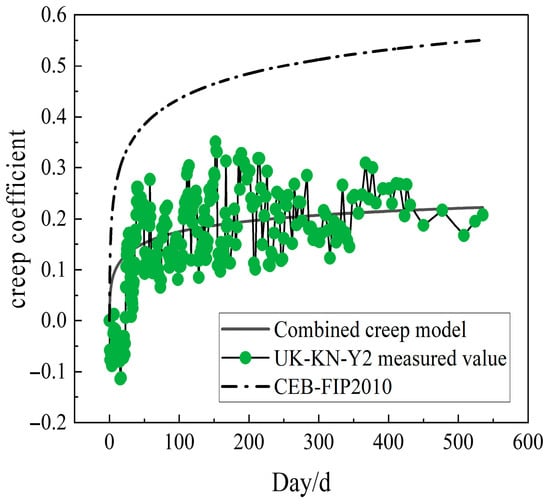
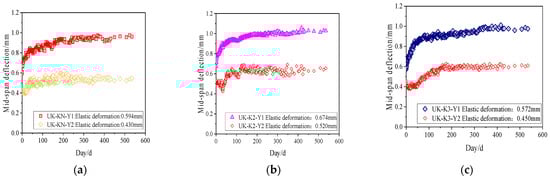
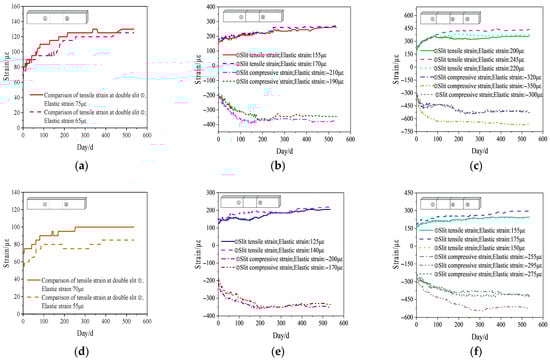
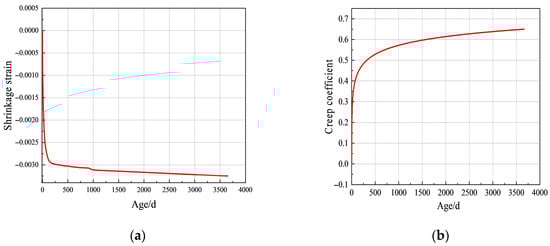
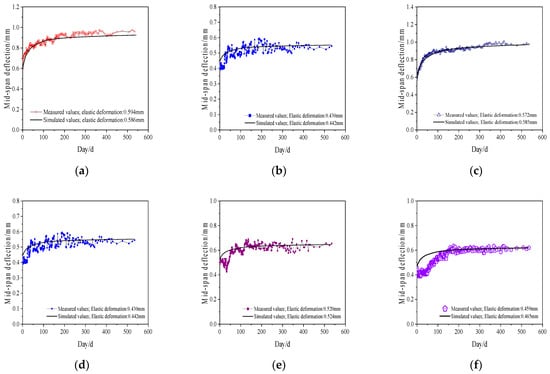
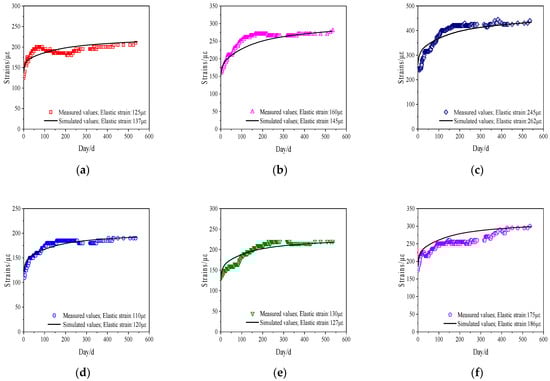
Ultra-high-performance concrete (UHPC) is widely used due to its strength, toughness, and durability. Shrinkage issues are the primary cause of concrete cracking and one of the main factors limiting the widespread application of UHPC in structural engineering. The shrinkage properties of UHPC vary depending on curing conditions. Research indicates that after thermal curing, the pore structure of UHPC is optimized, resulting in a significant reduction in shrinkage values. Based on the superposition principle, temperature creep coefficients and humidity creep coefficients are introduced to correct the temperature and humidity in the test environment to a constant temperature (20 °C) and humidity (75% relative humidity). The B3 coefficient of variation method was used to compare five different creep prediction models. The CEB-FIP2010 model was selected as the benchmark creep model, and curing condition coefficients were incorporated into the model to establish a comprehensive creep calculation model considering curing conditions. After 550 days of steam curing, the shrinkage strain of the UHPC specimens was approximately 28.9% of that of the uncured specimens. The additional creep deformation caused by temperature and humidity in the uncured and steam-cured specimens accounted for approximately 10% and 20% of the total creep deformation over 550 days, respectively. The strain development rates for both tensile and compressive strains in steam-cured specimens were lower than those in uncured specimens. A ten-year long-term creep simulation of UHPC precast joint beams was conducted using the finite element software Midas-Fea, and the comparison results validated the reliability of the comprehensive creep model.
Full article
(This article belongs to the Section Chemical, Civil and Environmental Engineering)
►▼
Show Figures

Figure 1
Open AccessSystematic Review
A Systematic Review of Conventional to Adaptive Modulation Strategies and Reconfigurable Topologies in High-Density Power Conversion Systems for Renewable Energy and Electric Vehicles
by
Yesenia Reyes-Severiano, Mario Ponce-Silva, Luis Mauricio Carrillo-Santos, Susana Estefany De León-Aldaco, Jesús Aguayo-Alquicira and Bertha Castillo-Pineda
Eng 2026, 7(4), 185; https://doi.org/10.3390/eng7040185 - 19 Apr 2026
Abstract
The demand for reliable, compact, and highly dependable energy conversion systems has grown significantly due to their application in renewable energy systems and electric vehicles for transportation. One of the main converters used in this type of conversion system is the DC–AC converter, known
[...] Read more.
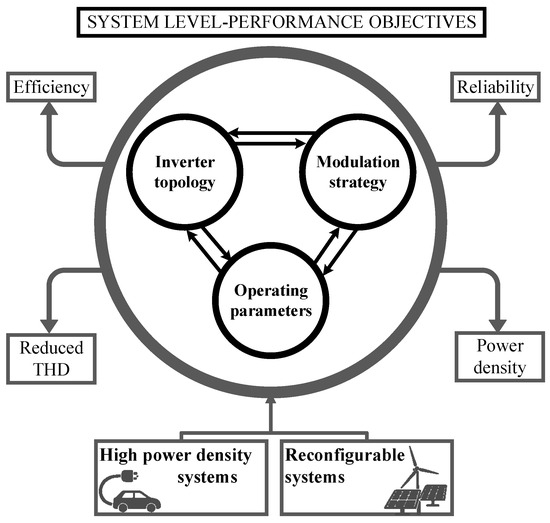
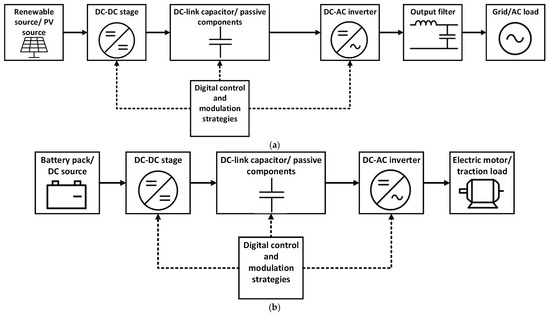
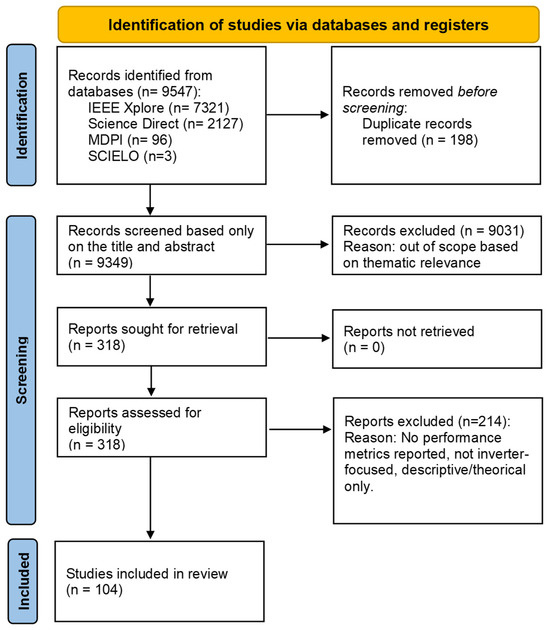
The demand for reliable, compact, and highly dependable energy conversion systems has grown significantly due to their application in renewable energy systems and electric vehicles for transportation. One of the main converters used in this type of conversion system is the DC–AC converter, known as an inverter. The common study of inverter behavior has focused on addressing, in isolation, the topologies and modulation strategies that activate/deactivate the converter switches, whose main objectives are to improve power quality, increase power density under different operating conditions, and reduce losses. Some of the above objectives were addressed by oversized passive filters, which resulted in increased system volume, high cost, and reduced adaptability. This systematic review analyzes and organizes the state of the art regarding the relationship between the selection of inverter topology, modulation strategy (ranging from conventional modulation approaches to more advanced adaptive strategies), and optimization in conjunction with passive components to observe DC bus voltage management. The review was conducted following the PRISMA 2020 guidelines. A structured search was performed in IEEE Xplore, ScienceDirect, MDPI, and Scielo databases up to 2025, retrieving 9547 records. After duplicate removal and multi-stage screening of titles, abstracts, and full-text, 104 studies met the predefined technical inclusion criteria. Eligible studies were required to report quantitative performance metrics, validated modulation techniques, and explicit focus on inverter architectures or DC bus optimization. The selected studies were examined through comparative technical analysis of topology–modulation interaction, harmonic distortion performance, efficiency, and system-level integration. The study highlights the importance of taking a comprehensive approach at the complete system level by designing the elements addressed together, rather than being optimized in isolation for renewable energy and electric vehicle applications.
Full article
(This article belongs to the Special Issue Engineering Applications of Power Electronics in Renewable Energy Systems)
►▼
Show Figures

Figure 1
Open AccessArticle
Risk Assessment of Asphaltene–Resin–Paraffin Deposition During Reservoir Cooling in the XIII Horizon of the Uzen Oil Field
by
Aliya Togasheva, Ryskol Bayamirova, Danabek Saduakassov, Akshyryn Zholbasarova, Nurzhaina Nurlybai and Yeldos Nugumarov
Eng 2026, 7(4), 184; https://doi.org/10.3390/eng7040184 - 17 Apr 2026
Abstract
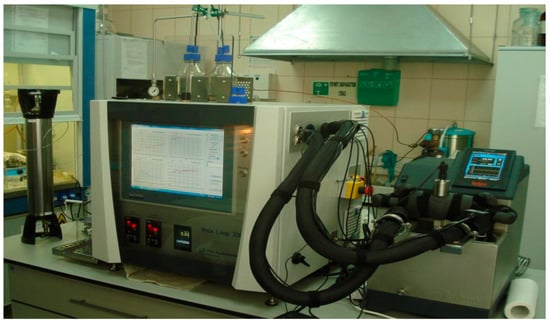
This study presents a risk assessment of asphaltene–resin–paraffin deposition (ARPD) in the producing formations of the XIII reservoir unit of the Uzen oil field at a late stage of development. The crude oil is characterized by an extremely high paraffin (wax) content of
[...] Read more.
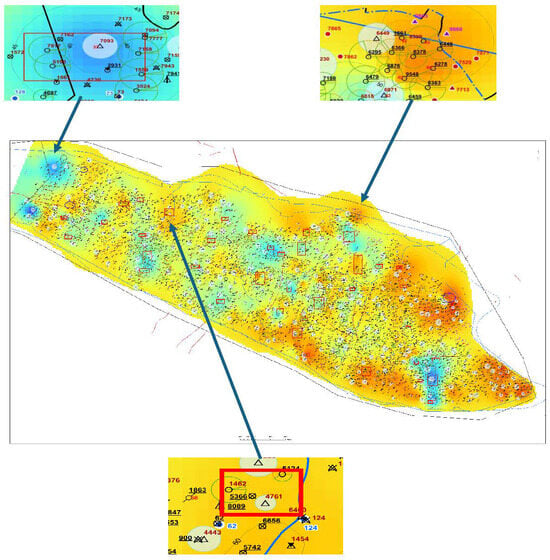
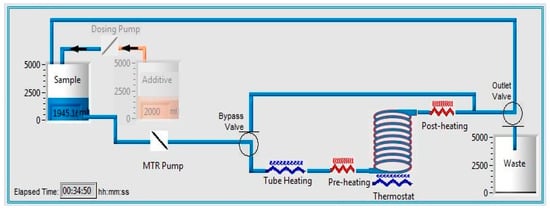
This study presents a risk assessment of asphaltene–resin–paraffin deposition (ARPD) in the producing formations of the XIII reservoir unit of the Uzen oil field at a late stage of development. The crude oil is characterized by an extremely high paraffin (wax) content of up to 29 wt.%. Long-term operation of the reservoir pressure maintenance (RPM) system with cold water injection has resulted in significant reservoir cooling, with temperatures declining from the initial 60–65 °C to 20–30 °C in zones of intensive waterflooding. To refine the critical phase transition temperatures of paraffin components, a dynamic laboratory approach was applied using a Wax Flow Loop system, which simulates wax deposition processes under flowing conditions. The results indicate that the wax appearance temperature (WAT) ranges from 41.0 to 44.0 °C, significantly exceeding the current bottomhole temperatures in the cooled zones of the reservoir. Intensive bulk crystallization of paraffins occurs within the temperature interval of 33.5–35.0 °C, while loss of oil flowability is observed at 25–34 °C, corresponding to the gelation and structural network formation of wax crystals under reduced thermal conditions. The obtained results confirm the inevitability of bulk oil structuring and solid wax phase precipitation directly within the reservoir porous medium. This process leads to blockage of low-permeability interlayers, deterioration of filtration properties, and a reduction in the displacement efficiency factor by 20–35%. Under the current thermal regime, ARPD should therefore be considered not merely as an operational flow assurance issue, but as a systemic factor limiting reservoir development efficiency. The research results substantiate the need to transition from reactive ARPD removal methods to proactive management of the thermal regime of the reservoir and wells, as well as to the differentiated application of thermal and chemical treatment methods.
Full article
(This article belongs to the Section Chemical, Civil and Environmental Engineering)
►▼
Show Figures

Figure 1
Open AccessReview
Thermal Desalination Technologies and Electromagnetic-Field-Assisted Approaches for Seawater Treatment: A Comprehensive Review
by
Noura Azzi, Hicham Labrim, Rachid El Bouayadi and Redouane Mghaiouini
Eng 2026, 7(4), 183; https://doi.org/10.3390/eng7040183 - 16 Apr 2026
Abstract
►▼
Show Figures
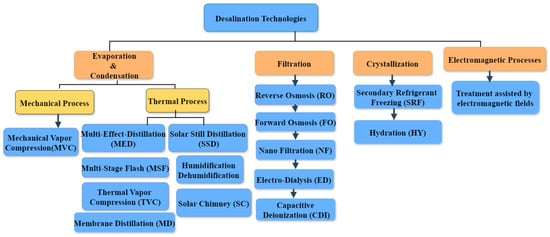
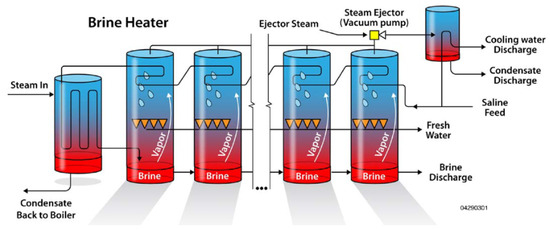
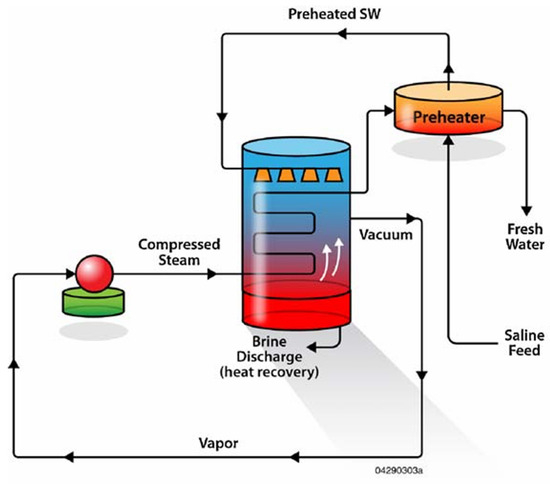
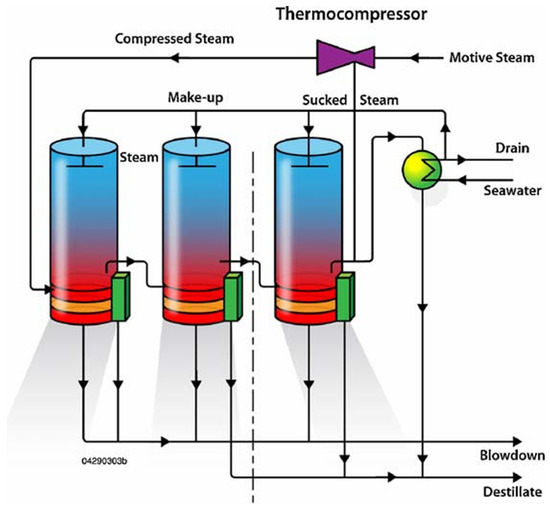
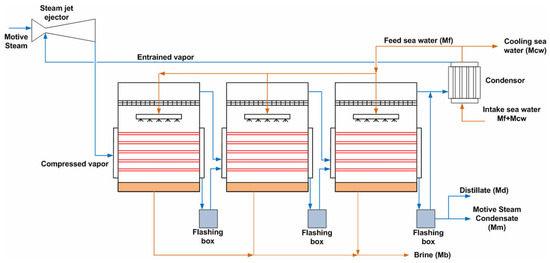
Seawater desalination has become a critical approach to mitigating the global scarcity of freshwater resources. This study aims to comprehensively review desalination methods based on thermal and electromagnetic methods, examining their processes, benefits, and limitations. Thermal methods include multi-stage flash distillation, multi-effect distillation,
[...] Read more.
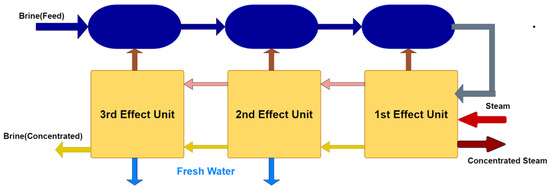
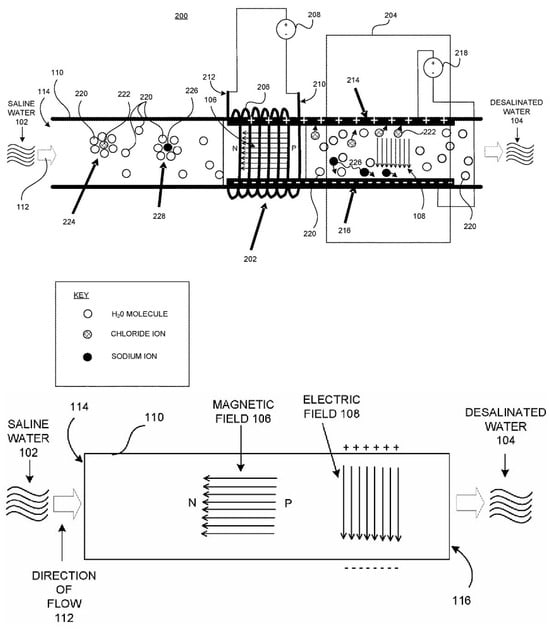
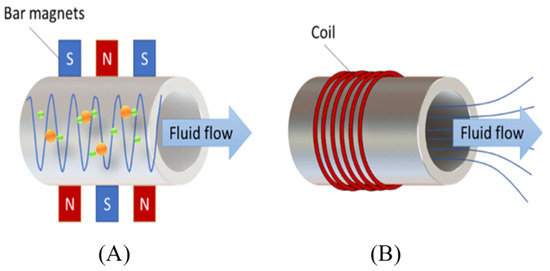
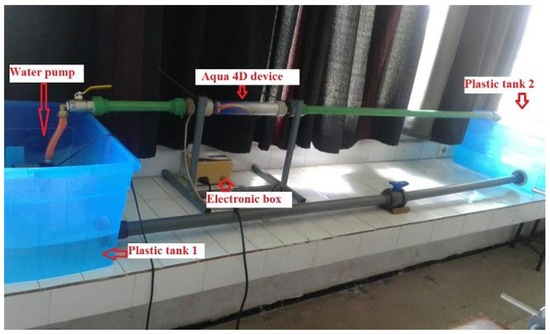
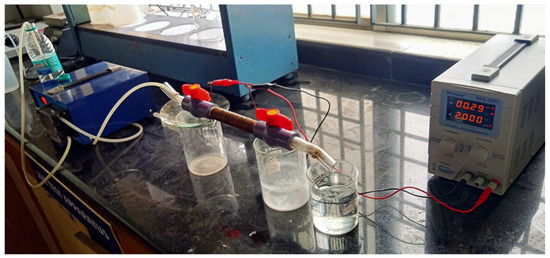
Seawater desalination has become a critical approach to mitigating the global scarcity of freshwater resources. This study aims to comprehensively review desalination methods based on thermal and electromagnetic methods, examining their processes, benefits, and limitations. Thermal methods include multi-stage flash distillation, multi-effect distillation, thermal vapor compression, and mechanical vapor compression. These techniques rely on evaporation and distillation to remove salts and are effective in treating highly saline water. However, they consume large amounts of energy and are prone to problems such as limescale and corrosion. In contrast, electromagnetic-based technologies represent a novel, promising approach for enhancing desalination performance. Electromagnetic fields contribute to improved membrane performance and equipment longevity by modulating ionic behavior and mitigating surface fouling. Empirical studies suggest that such interventions can lead to reduced energy usage and lower rates of mineral deposition. The findings reviewed here suggest that integrating thermal and electromagnetic techniques may offer a viable pathway toward more sustainable, efficient, and reduced environmental impacts.
Full article

Figure 1
Open AccessReview
Photocatalytic and Photoelectrocatalytic Water Remediation: Heterogeneous Catalysts, Atomistic Modeling, and Data-Driven Approaches
by
Maria M. Savanović, Sanja J. Armaković and Stevan Armaković
Eng 2026, 7(4), 182; https://doi.org/10.3390/eng7040182 - 16 Apr 2026
Abstract
Nowadays, organic, inorganic, and microbial pollutants are listed as a substantial threat to the environment as well as public health, leading to water contamination. Green technologies such as photocatalytic and photoelectrocatalytic processes have appeared as favorable tools for water remediation, leading to effective
[...] Read more.
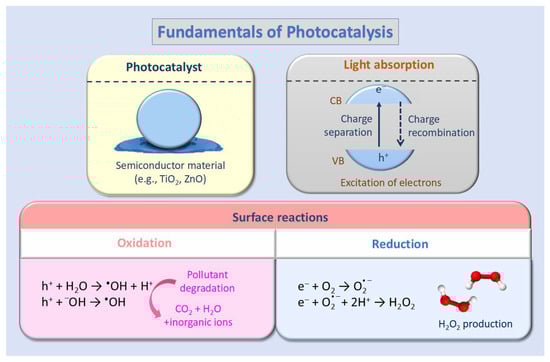
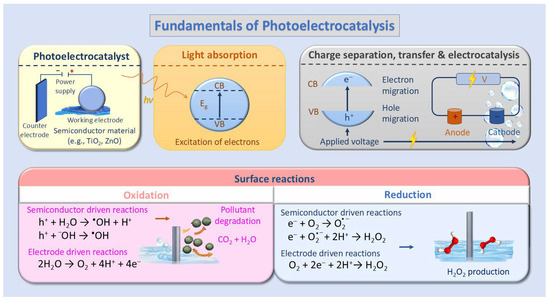
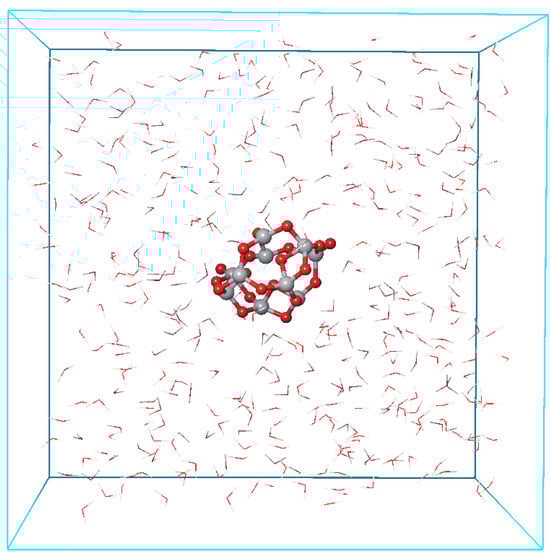
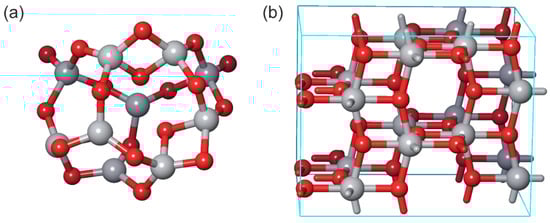
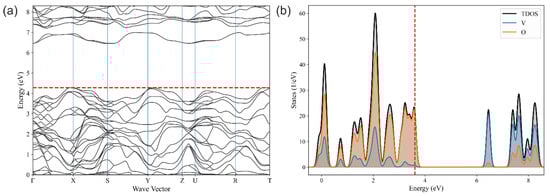
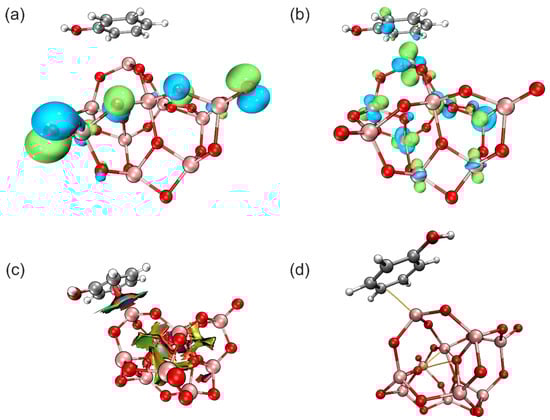
Nowadays, organic, inorganic, and microbial pollutants are listed as a substantial threat to the environment as well as public health, leading to water contamination. Green technologies such as photocatalytic and photoelectrocatalytic processes have appeared as favorable tools for water remediation, leading to effective degradation of pollutants under environmentally relevant operating conditions. With the rapid development of photocatalysis in the 21st century, heterogeneous catalysts have been extensively engineered to improve light utilization and promote surface redox reactions. This review presents an overview of recent advances in the synthesis, design, and application of heterogeneous catalysts for water purification. Key reaction mechanisms, material modifications, and hybrid processes are discussed. Also, the growing need for environmentally friendly, sustainable, and cost-effective catalytic materials is underlined. Attention was given to the role of molecular modeling in understanding catalytic mechanisms and guiding the design of efficient and sustainable catalytic materials. By critically analyzing contemporary progress, limitations, and emerging trends, this review directs future research activities towards increasingly efficient and scalable water purification methods.
Full article
(This article belongs to the Section Chemical, Civil and Environmental Engineering)
►▼
Show Figures

Figure 1
Open AccessArticle
Multi-Equipment Coordinated Scheduling Considering Dynamic Changes in Truck Handover Points Under Hybrid Traffic in Automated Container Terminals
by
Suosuo Huang, Fang Yu, Qiang Zhang and Yongsheng Yang
Eng 2026, 7(4), 181; https://doi.org/10.3390/eng7040181 - 15 Apr 2026
Abstract
With the rapid maturation of autonomous driving technology, the hybrid traffic of Internal Container Trucks (ICTs) and External Container Trucks (ECTs) has become a major trend in Automated Container Terminals (ACTs), imposing higher demands on the interaction efficiency between trucks and Yard Cranes
[...] Read more.
With the rapid maturation of autonomous driving technology, the hybrid traffic of Internal Container Trucks (ICTs) and External Container Trucks (ECTs) has become a major trend in Automated Container Terminals (ACTs), imposing higher demands on the interaction efficiency between trucks and Yard Cranes (YCs). This paper proposes a comprehensive optimization strategy for the coordinated scheduling of ICTs, ECTs and YCs under hybrid traffic. First, a task combination strategy for ICTs is designed to improve ICT utilization by pairing delivery and retrieval tasks across yard blocks. Second, a Chebyshev-motion-based coordination strategy for YC gantry and trolley movements is developed to reduce travel time and optimize handover points. Third, a mixed-integer programming model is formulated to minimize total energy consumption. An Improved Hybrid Genetic Algorithm (IHGA) is then developed, incorporating chaotic initialization, simulated annealing-based mutation, and dual local search to enhance convergence and solution quality. Simulation results confirm that the proposed model and strategy effectively reduce the total energy consumption of task execution, and the designed algorithm outperforms comparative algorithms in both optimization capability and convergence speed. Overall, the research provides theoretical support for future automated terminal development and practical guidance for achieving efficient and sustainable port operations.
Full article
Open AccessReview
Bridge Structural Health Monitoring: Sensor Placement Optimization, Data Integration, and Emerging Challenges in Measurement Accuracy
by
Olly Harouni, Alan Forghani, Maria Rashidi and Payam Rahnamayiezekavat
Eng 2026, 7(4), 180; https://doi.org/10.3390/eng7040180 - 15 Apr 2026
Abstract
►▼
Show Figures
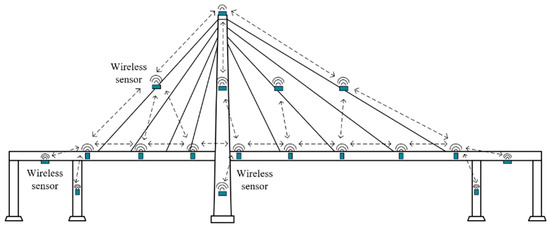
The importance of Structural Health Monitoring (SHM) in maintaining safety, reliability of bridges in service, and in their lifespan, cannot be overstated. Available studies show there is still much to be gleaned in addressing challenges in optimization of sensors in their placement to
[...] Read more.
The importance of Structural Health Monitoring (SHM) in maintaining safety, reliability of bridges in service, and in their lifespan, cannot be overstated. Available studies show there is still much to be gleaned in addressing challenges in optimization of sensors in their placement to achieve efficiency in integration as well as in making determinations concerning precision in measurements. The current study aimed to provide a narrative review of the research conducted between 2010 and 2025 on the application of sensor techniques for the detection of different forms of degradation in bridge structures. The main results, in terms of KPIs on precision, spatial, and temporal information, are reviewed and compared, and the results are provided in the form of a framework that highlights the achievements and the challenges in the field.
Full article

Figure 1
Open AccessArticle
Sensitivity Analysis of UH Model Parameters for Granite Residual Soils in the Fujian–Guangdong Region
by
Yongning Xie, Kun Li and Zhibo Chen
Eng 2026, 7(4), 179; https://doi.org/10.3390/eng7040179 - 14 Apr 2026
Abstract
This study collected 155 sets of test data for granite residual soils from the Fujian–Guangdong region and applied the chi-square test to analyze the distributions of eight common physical and mechanical parameters. Drained triaxial tests were then simulated using the Unified Hardening (UH)
[...] Read more.
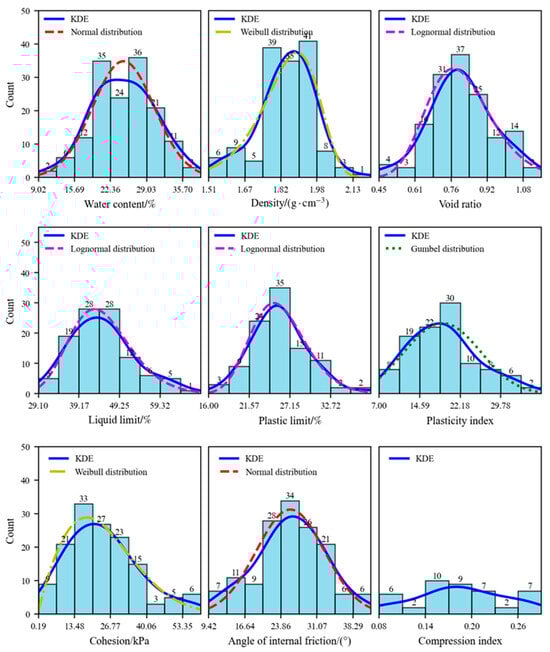
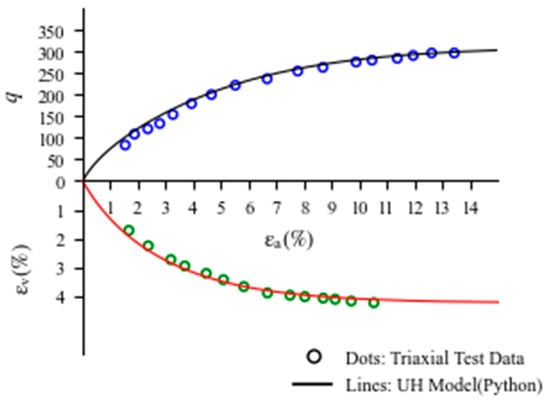
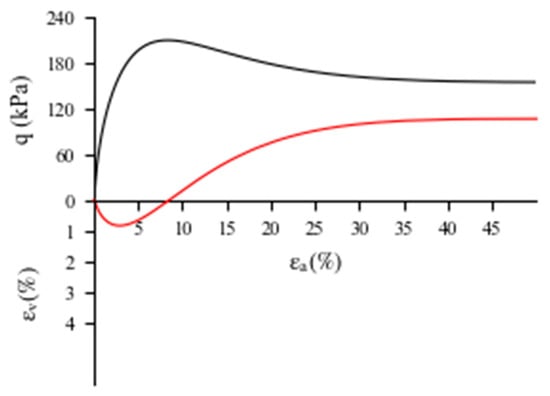
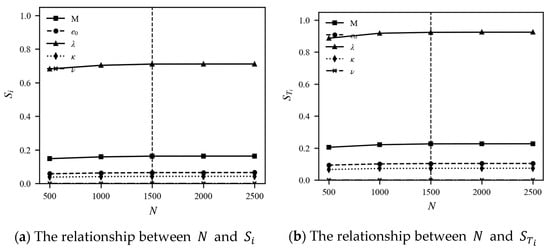
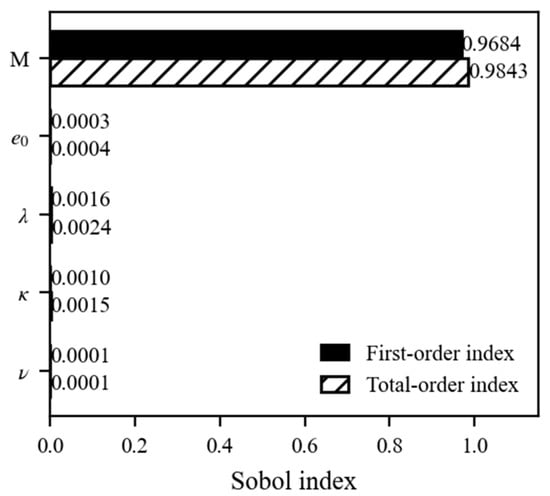
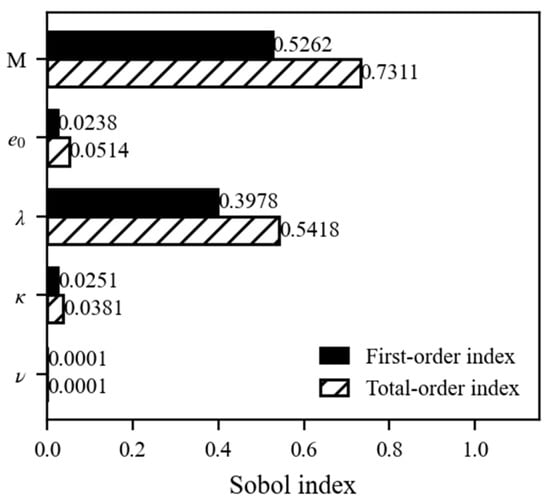
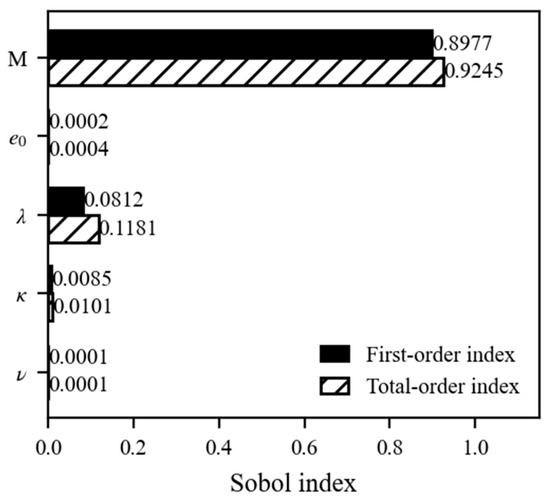
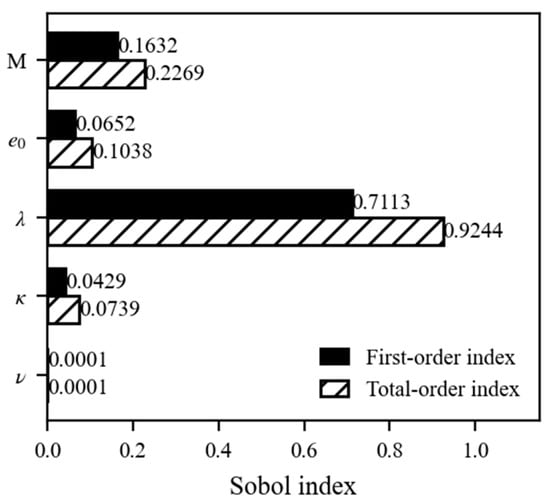
This study collected 155 sets of test data for granite residual soils from the Fujian–Guangdong region and applied the chi-square test to analyze the distributions of eight common physical and mechanical parameters. Drained triaxial tests were then simulated using the Unified Hardening (UH) model, and a Sobol global sensitivity analysis of model parameters was conducted based on the distributions of soil properties. The results show that natural density and cohesion approximately follow Weibull distributions; void ratio, liquid limit and plastic limit follow lognormal distributions; water content and internal friction angle follow normal distributions; and plasticity index follows a Gumbel distribution. The Sobol analysis indicates that the critical state deviatoric stress mainly depends on the critical state stress ratio (M), the critical state volumetric strain is jointly controlled by M and the slope of the normal compression line (λ). The overall evolution of deviatoric stress mainly depends on M, and the overall evolution of volumetric strain mainly depends on λ, whereas Poisson’s ratio (ν) has little influence on the soil stress–strain response. These findings provide references for parameter selection and numerical simulation of granite residual soils in the Fujian–Guangdong region.
Full article
(This article belongs to the Special Issue Advanced Numerical Simulation Techniques for Geotechnical Engineering)
►▼
Show Figures

Figure 1
Open AccessEditorial
Special Issue: Interdisciplinary Insights in Engineering Research
by
Antonio Gil Bravo
Eng 2026, 7(4), 178; https://doi.org/10.3390/eng7040178 - 14 Apr 2026
Abstract
As with previous Special Issues in the Feature Papers in Engineering series, this new Special Issue, Interdisciplinary Insights in Engineering Research, compiles works related to engineering science and technology, including both experimental and theoretical research [...]
Full article
(This article belongs to the Special Issue Interdisciplinary Insights in Engineering Research)
Open AccessArticle
Modification of the Tribomechanical Cutting Regime in Longitudinal-Torsional Ultrasonic Milling: From Adhesion to Controlled Fragmentation
by
Oussama Beldi, Tarik Zarrouk, Ahmed Abbadi, Mohammed Nouari, Wenfeng Ding, Mohammed Abbadi, Jamal-Eddine Salhi and Mohammed Barboucha
Eng 2026, 7(4), 177; https://doi.org/10.3390/eng7040177 - 13 Apr 2026
Abstract
Machining Nomex honeycomb structures presents a major challenge due to their thin-walled architecture, orthotropic behavior, and sensitivity to adhesion and delamination. This study develops a three-dimensional numerical model using Abaqus/Explicit to analyze ultrasonic vibration-assisted milling in longitudinal and longitudinal-torsional modes. The model incorporates
[...] Read more.
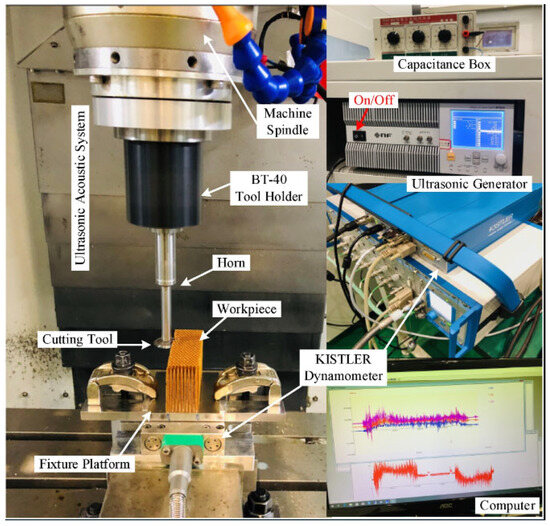
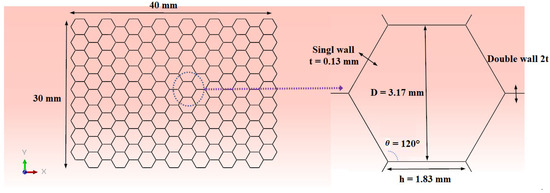
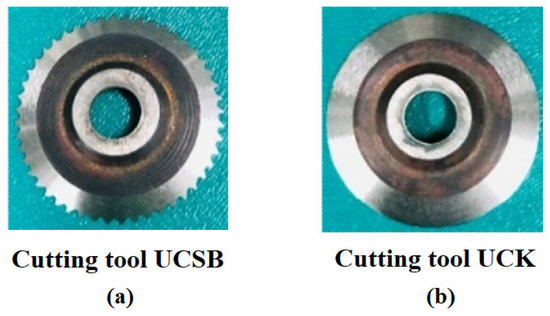
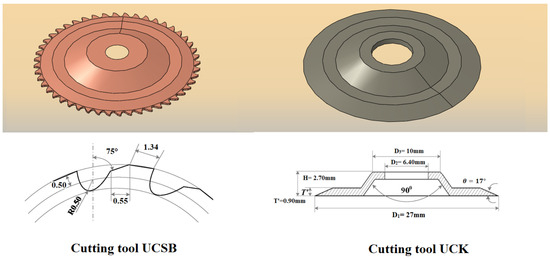
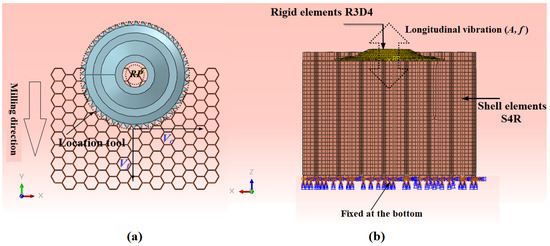
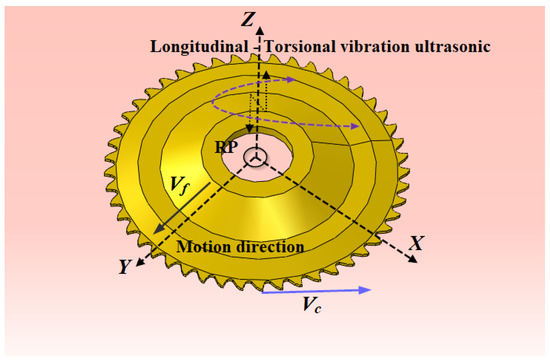
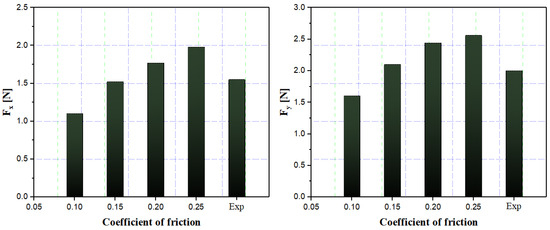
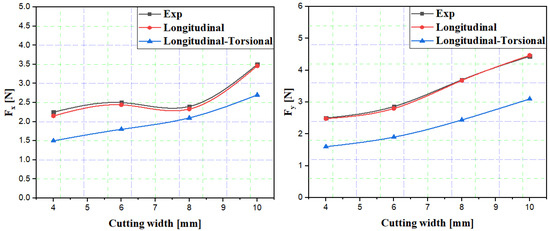
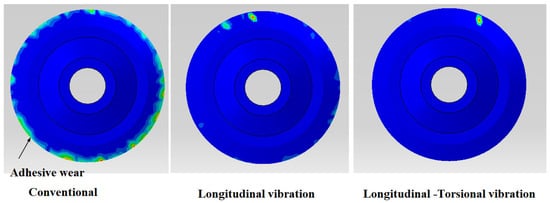
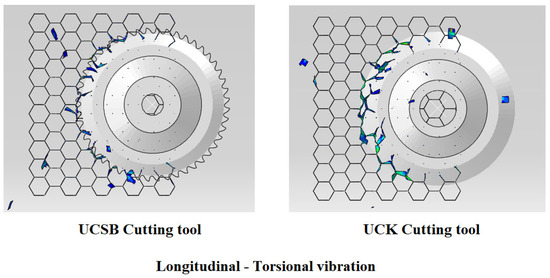
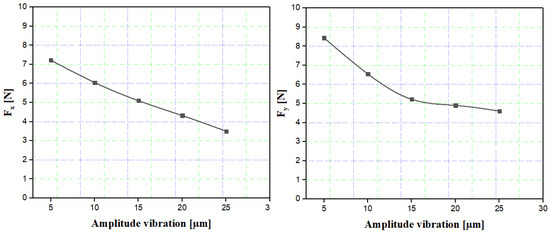
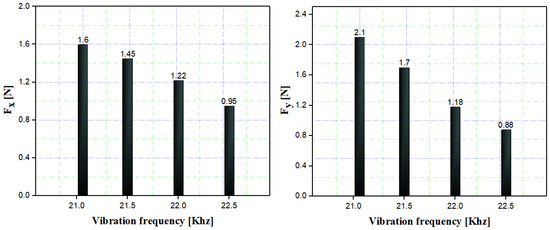
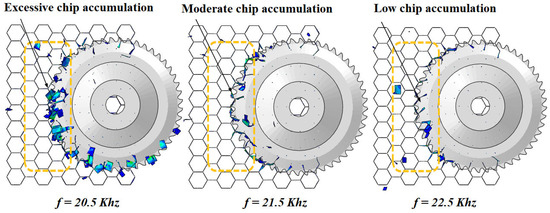
Machining Nomex honeycomb structures presents a major challenge due to their thin-walled architecture, orthotropic behavior, and sensitivity to adhesion and delamination. This study develops a three-dimensional numerical model using Abaqus/Explicit to analyze ultrasonic vibration-assisted milling in longitudinal and longitudinal-torsional modes. The model incorporates orthotropic behavior with progressive damage based on Tsai-Wu and experimental friction calibration to accurately reproduce tribological conditions. A parametric analysis examines the effect of vibration mode, amplitude (5–25 µm), frequency (21–22.5 kHz), cutting width, and tool geometry on stresses, bond wear, and material buildup. An optimal coefficient of friction ensures excellent simulation–experiment agreement. Compared to conventional milling, the longitudinal-torsional configuration reduces cutting forces by up to 50%, while frequency optimization allows for gains of 40 to 60%. Hybrid vibration coupling establishes intermittent contact and oscillatory micro-shearing, limiting adhesion and build-up. Thus, longitudinal-torsional assistance improves tribological stability, tool life and wall integrity, offering a validated digital strategy to optimize ultrasonic milling of composite honeycomb structures.
Full article
(This article belongs to the Special Issue Emerging Trends and Technologies in Manufacturing Engineering)
►▼
Show Figures

Figure 1
Open AccessArticle
SCSANet: Split Convolution Selective Attention Network of Drivable Area Detection for Mobile Robots
by
Maozhang Ye, Xiaoli Li, Jidong Dai, Hongyi Li, Zhouyi Xu and Chentao Zhang
Eng 2026, 7(4), 176; https://doi.org/10.3390/eng7040176 - 11 Apr 2026
Abstract
Detecting drivable areas is a fundamental task in autonomous driving systems. Although semantic segmentation networks have demonstrated strong performance in segmenting drivable regions, two key challenges persist. First, acquiring sufficient contextual information in complex road scenarios remains difficult, often leading to segmentation errors.
[...] Read more.
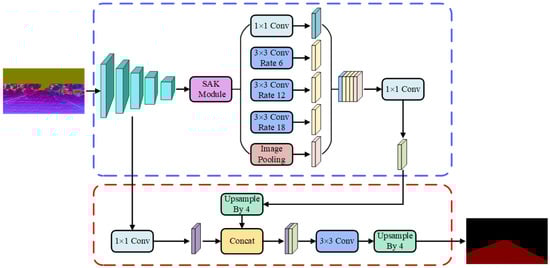
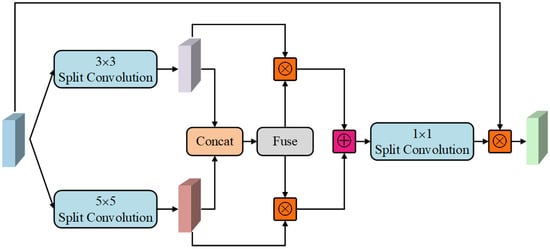
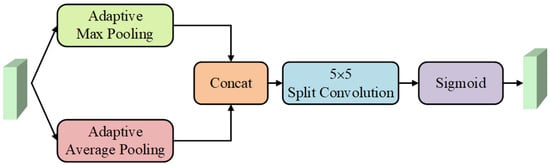
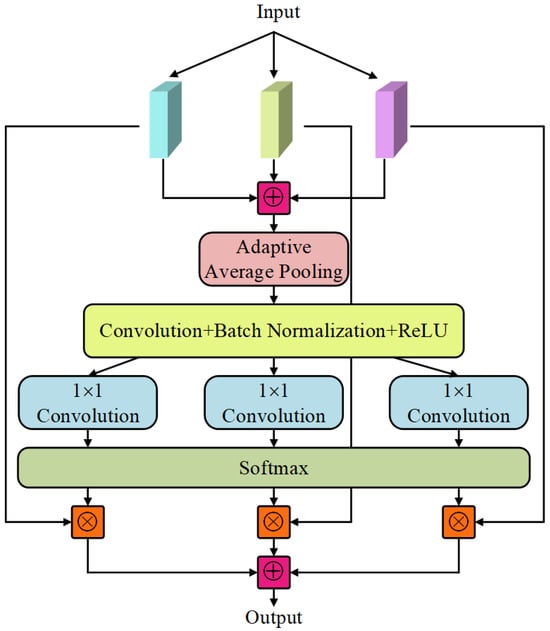
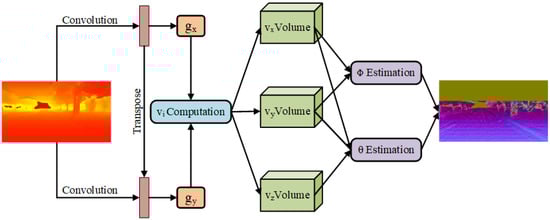
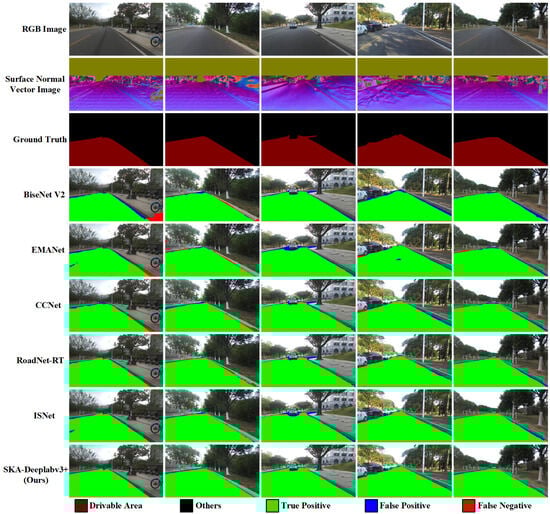
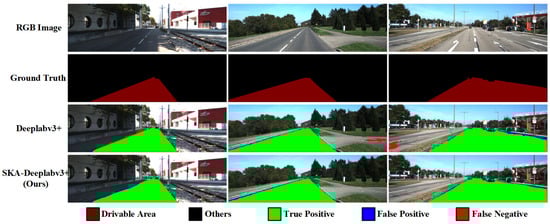
Detecting drivable areas is a fundamental task in autonomous driving systems. Although semantic segmentation networks have demonstrated strong performance in segmenting drivable regions, two key challenges persist. First, acquiring sufficient contextual information in complex road scenarios remains difficult, often leading to segmentation errors. Second, the coarseness of extracted features may degrade accuracy even when texture information is available in RGB images. To address these issues, we propose an enhanced DeepLabv3+ algorithm called Split Convolution Selective Attention Network (SCSANet), which incorporates the Adaptive Kernel (AK) and Split Convolution Attention (SCA) modules. AK adaptively adjusts the receptive field to accommodate varying road scenarios, while SCA improves boundary clarity by enhancing channel interaction. In addition, we employ surface normals to provide complementary geometric information, thereby strengthening the ability of the network to recognize drivable areas. To compensate for the lack of publicly available datasets for closed or semi-closed scenarios, we introduce XMUROAD, a new dataset of binocular disparity images. Experiments on the XMUROAD dataset demonstrate that the proposed architectural improvements yield an mIoU gain of 1.63% under the same RGB input, and the full pipeline with surface normal input achieves improvements of 1.55% to 2.59% in mF1 and 2.94% to 4.83% in mIoU over state-of-the-art methods. Experiments on the KITTI dataset further verify the generalization capability of SCSANet, with improvements of 1.58% in mF1 and 2.88% in mIoU over state-of-the-art methods. The proposed method provides a practical approach for accurate drivable area detection in closed and semi-closed mobile-robot scenarios.
Full article
(This article belongs to the Special Issue Artificial Intelligence for Engineering Applications, 2nd Edition)
►▼
Show Figures

Figure 1
Open AccessArticle
Multi-Objective Optimization of FDM Infill Patterns Using Design of Experiments Considering Load-Path Alignment
by
Waqar Shehbaz and Qingjin Peng
Eng 2026, 7(4), 175; https://doi.org/10.3390/eng7040175 - 11 Apr 2026
Abstract
The roles of layer height, build orientation, and infill density in determining mechanical properties are well recognized in Fused Deposition Modelling (FDM). However, the combined influence of infill topology, density, and skin layer configuration on structural performance and resource efficiency has not been
[...] Read more.
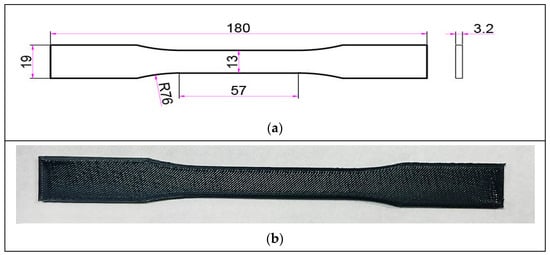
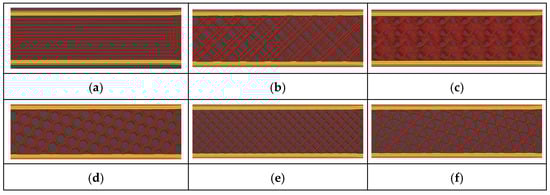
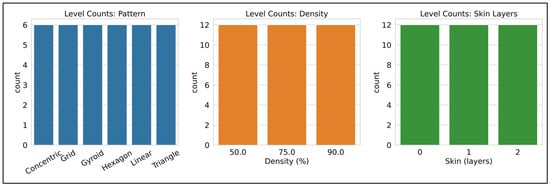
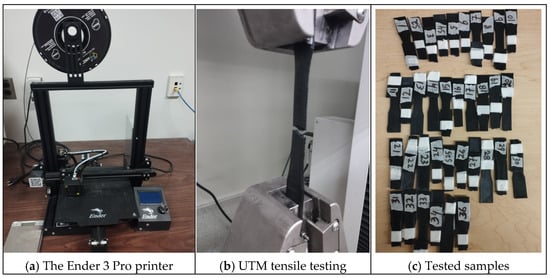
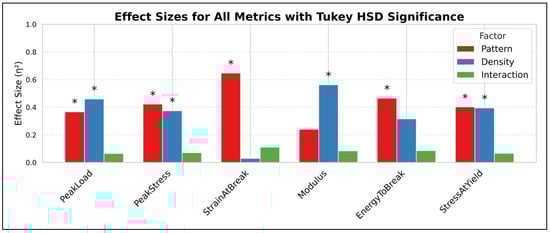
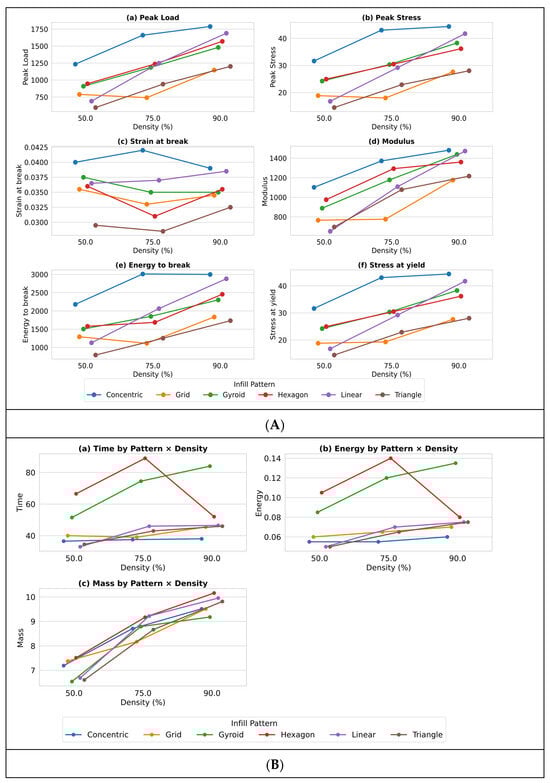
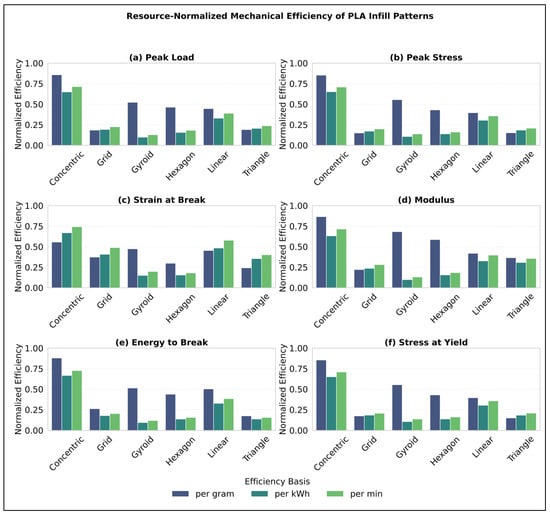
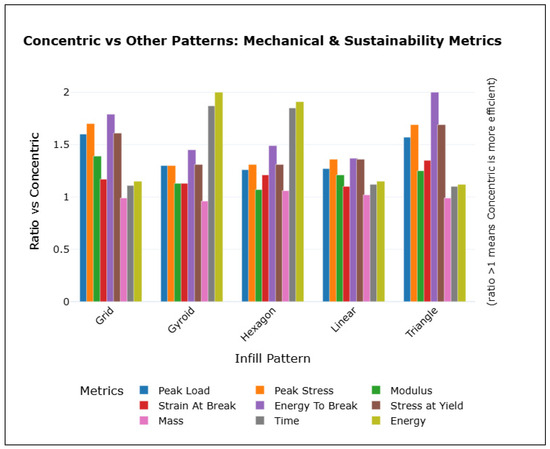
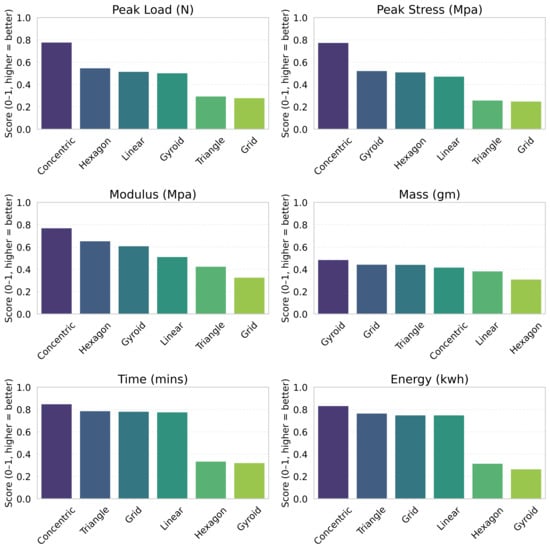
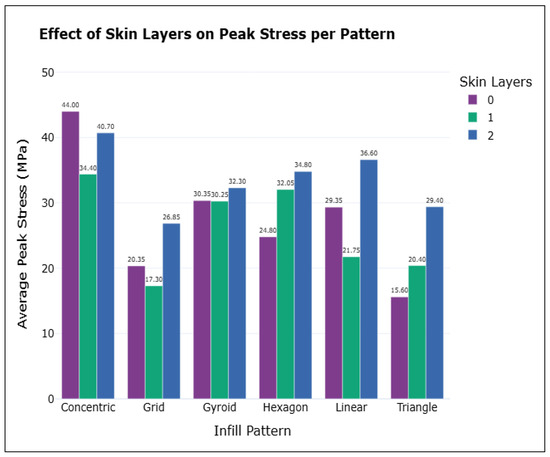
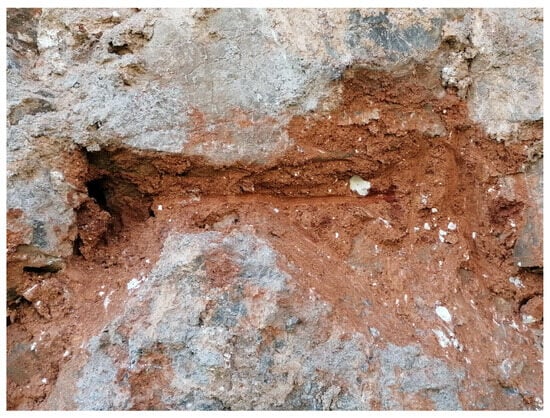
The roles of layer height, build orientation, and infill density in determining mechanical properties are well recognized in Fused Deposition Modelling (FDM). However, the combined influence of infill topology, density, and skin layer configuration on structural performance and resource efficiency has not been thoroughly investigated. This research presents a systematic multi-objective investigation of infill architectures, aiming to simultaneously maximize tensile strength and minimize printing time, material consumption, and energy usage. Six infill patterns (concentric, line, triangle, honeycomb, grid, and gyroid) were evaluated at three density levels (50%, 75%, and 90%) across multiple skin layer configurations using an L36 orthogonal experimental design. Analysis of variance (ANOVA) quantified the relative significance of process parameters on tensile performance. The results reveal that the infill topology strongly influences tensile strength, with continuous, load-aligned filament paths (concentric, linear, and gyroid) outperforming segmented lattice geometries. Notably, the concentric infill pattern achieved the highest tensile performance while simultaneously reducing printing time, material usage, and energy consumption. This performance is attributed to enhanced load transfer along continuous filament trajectories, which mitigates stress concentrations at filament junctions and interlayer interfaces. These findings provide a novel, design-oriented framework for optimizing FDM infill architectures and demonstrate that strategic topology selection can improve both mechanical efficiency and sustainability without relying solely on high-density infill.
Full article
(This article belongs to the Special Issue Emerging Trends and Technologies in Manufacturing Engineering)
►▼
Show Figures

Figure 1
Open AccessReview
Imaging Engineering and Artificial Intelligence in Urinary Stone Disease: Low-Dose Computed Tomography, Spectral Technologies, and Predictive Models
by
Shota Iijima, Takanobu Utsumi, Rino Ikeda, Naoki Ishitsuka, Takahide Noro, Yuta Suzuki, Yuka Sugizaki, Takatoshi Somoto, Ryo Oka, Takumi Endo, Naoto Kamiya and Hiroyoshi Suzuki
Eng 2026, 7(4), 174; https://doi.org/10.3390/eng7040174 - 11 Apr 2026
Abstract
Urinary stone disease is common, recurrent, and increasingly managed through imaging-driven pathways, yet standard-dose CT of the kidneys, ureters, and bladder (CT KUB) raises concerns about cumulative radiation exposure and the limited use of quantitative imaging information for risk stratification. This review synthesizes
[...] Read more.
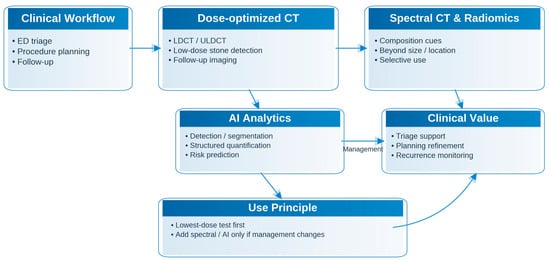
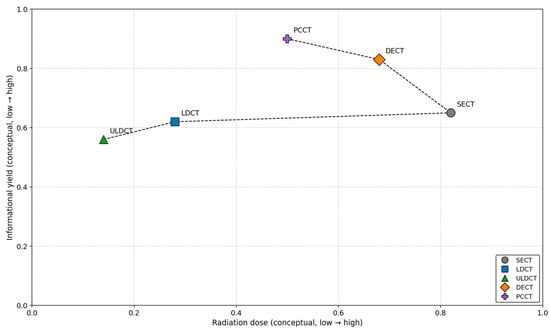
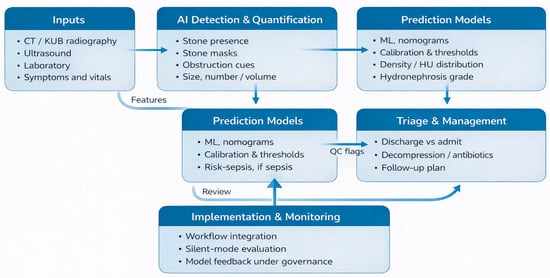
Urinary stone disease is common, recurrent, and increasingly managed through imaging-driven pathways, yet standard-dose CT of the kidneys, ureters, and bladder (CT KUB) raises concerns about cumulative radiation exposure and the limited use of quantitative imaging information for risk stratification. This review synthesizes contemporary evidence on dose-optimized CT, advanced spectral technologies, and artificial intelligence (AI)-enabled analytics that are reshaping diagnosis, treatment selection, and triage. This review summarizes data supporting low-dose and ultra-low-dose CT protocols that preserve diagnostic accuracy while substantially reducing dose, and discusses how dual-energy CT, photon-counting CT, and radiomics facilitate noninvasive stone characterization and extraction of imaging biomarkers beyond size and location. It also reviews AI approaches for automated detection, segmentation, and volumetric quantification across CT, KUB, and ultrasounds, highlighting their potential to standardize stone-burden metrics. It further examines predictive models, including logistic regression, nomograms, and machine learning, for perioperative infectious complications, emergency department admission or intervention, procedure success, and long-term recurrence, and outlines reporting and validation frameworks and implementation considerations, including software as a medical device regulation and human oversight. In contrast to prior reviews that consider imaging and AI separately, this review integrates dose reduction, spectral characterization, and AI-driven analytics within real-world clinical pathways to distinguish established clinical applications from those that remain investigational. Integrating advanced CT and AI outputs into well-validated prediction models embedded in real-world workflows may enable safer imaging, more consistent triage, and more personalized follow-up for urinary stone disease.
Full article
(This article belongs to the Special Issue Advanced Artificial Intelligence Techniques for Disease Prediction, Diagnosis and Management)
►▼
Show Figures

Figure 1
Highly Accessed Articles
Latest Books
E-Mail Alert
News
Topics
Topic in
Electricity, Electronics, Energies, Processes, Eng
Power System Dynamics and Stability, 2nd Edition
Topic Editors: Da Xie, Yanchi Zhang, Dongdong Li, Chenghong Gu, Ignacio Hernando-Gil, Nan ZhaoDeadline: 30 April 2026
Topic in
Batteries, Electronics, Energies, Eng, Smart Cities, Vehicles, Solar
Electric Vehicles Smart Charging: Strategies, Technologies, and Challenges
Topic Editors: Tao Chen, Hongxun Hui, Qianzhi Zhang, Zhao YuanDeadline: 31 May 2026
Topic in
Diagnostics, Electronics, Eng, Micro, Micromachines
Micro-Nanoelectronic Systems for Diagnosis and Therapies
Topic Editors: Wubin Bai, Jiho ShinDeadline: 30 June 2026
Topic in
Drones, Electronics, Eng, JMSE, Robotics, Sensors, Vehicles
Advanced Technologies and Applications for Unmanned Systems
Topic Editors: Jinchao Chen, Chao Chen, Yingjie ZhangDeadline: 31 July 2026
Conferences
Special Issues
Special Issue in
Eng
Advanced Numerical Simulation Techniques for Geotechnical Engineering
Guest Editors: Haoyu Han, Huimin Wang, Kai TaoDeadline: 30 April 2026
Special Issue in
Eng
Advances in GeoEnergy Engineering: Innovations in Sustainable Energy Resources and Unconventional Reservoirs
Guest Editor: Reza RezaeeDeadline: 30 April 2026
Special Issue in
Eng
Hybrid and Scalable Nanofabrication Methods for Low-Dimensional Materials
Guest Editors: Dongxue Chen, Kai XuDeadline: 31 May 2026
Special Issue in
Eng
Emerging Technologies for the Treatment and Reduction of Pollutants in Industrial Processes
Guest Editor: Antonio Gil BravoDeadline: 30 June 2026