Journal Description
Epigenomes
Epigenomes
is an international, peer-reviewed, open access journal on epigenetics and epigenomics, published quarterly online by MDPI. The Epigenetics Society is affiliated with Epigenomes and its members receive discounts on the article processing charges.
- Open Access— free for readers, with article processing charges (APC) paid by authors or their institutions.
- High Visibility: indexed within Scopus, ESCI (Web of Science), PMC, PubMed, Embase, PubAg, CAPlus / SciFinder, and other databases.
- Journal Rank: JCR - Q2 (Genetics and Heredity) / CiteScore - Q2 (Biochemistry, Genetics and Molecular Biology (miscellaneous))
- Rapid Publication: manuscripts are peer-reviewed and a first decision is provided to authors approximately 25.5 days after submission; acceptance to publication is undertaken in 3.8 days (median values for papers published in this journal in the second half of 2025).
- Recognition of Reviewers: reviewers who provide timely, thorough peer-review reports receive vouchers entitling them to a discount on the APC of their next publication in any MDPI journal, in appreciation of the work done.
Impact Factor:
3.5 (2024);
5-Year Impact Factor:
3.1 (2024)
Latest Articles
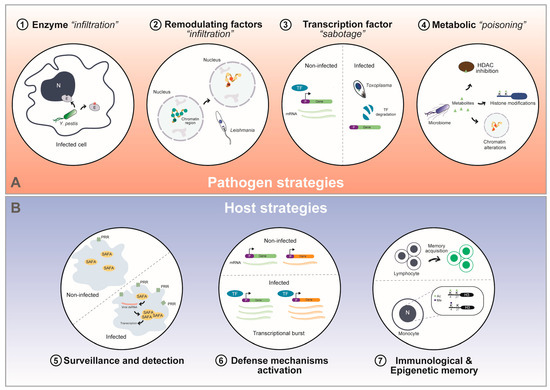
Sperm Imprinted Gene Methylation and DNA Fragmentation in ICSI Outcomes: A Pilot Study
Epigenomes 2026, 10(2), 32; https://doi.org/10.3390/epigenomes10020032 - 10 May 2026
Abstract
►
Show Figures
Background/Objectives: Aberrant DNA methylation of imprinted genes and increased sperm DNA fragmentation (SDF) have been implicated in male infertility. However, their impact on assisted reproductive technology (ART) outcomes remains unclear. This pilot study aimed to investigate SDF and methylation status of H19, IGF2,
[...] Read more.
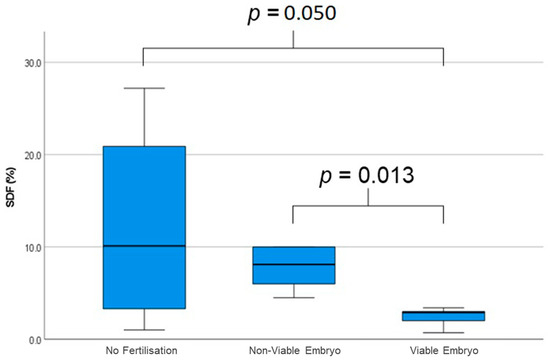
Background/Objectives: Aberrant DNA methylation of imprinted genes and increased sperm DNA fragmentation (SDF) have been implicated in male infertility. However, their impact on assisted reproductive technology (ART) outcomes remains unclear. This pilot study aimed to investigate SDF and methylation status of H19, IGF2, and PEG1/MEST in relation to fertilisation and embryo development following intracytoplasmic sperm injection (ICSI). Methods: Twenty male partners of women undergoing ICSI were recruited and classified according to ART outcome into viable embryos (VEs, n = 7), non-viable embryos (NVEs, n = 7), and no fertilisation (NF, n = 6). Before sperm selection, an aliquot of each seminal sample was used for semen analysis according to WHO, 2021, SDF assessment (TUNEL assay), and sperm DNA methylation analysis of H19, IGF2, and PEG1/MEST (pyrosequencing). Results: Semen parameters were above the fifth percentile. SDF was significantly lower in the VE group compared with the other groups. H19 CpG1 methylation correlated positively with viable embryos (p = 0.016), while H19 CpG2 island showed a positive correlation with sperm concentration (p = 0.028). In male/couple infertility cases, total H19 methylation correlated negatively with SDF (p = 0.050). IGF2 CpG3 island methylation correlated positively with viable embryos (p = 0.027). Total PEG1/MEST methylation was positively correlated with fertilisation events (p = 0.002) and viable embryos (p = 0.011). PEG1/MEST CpG2 island also positively correlated with sperm motility (p = 0.034), while CpG3 and CpG4 showed significant correlations with fertilisation (p < 0.001; p = 0.004). Conclusions: This pilot study shows that SDF and sperm methylation levels of H19, IGF2, and PEG1/MEST are related to ICSI outcomes, supporting that sperm molecular and epigenetic features may influence fertilisation and embryo development.
Full article
Open AccessReview
UTY (KDM6C) in Cancer: Epigenetic Regulation, Tumour Suppressor Functions, and Clinical Implications
by
Chitrakshi Chopra, Chandra Prakash Prasad and Manish Kumar
Epigenomes 2026, 10(2), 31; https://doi.org/10.3390/epigenomes10020031 - 9 May 2026
Abstract
The ubiquitously transcribed tetratricopeptide repeat Y-linked gene (UTY/KDM6C), a catalytically impaired histone demethylase encoded on the Y chromosome, has garnered increasing attention for its emerging roles in tumorigenesis and cancer progression. Despite high sequence homology with its X-linked paralog UTX/KDM6A, UTY exhibits markedly
[...] Read more.
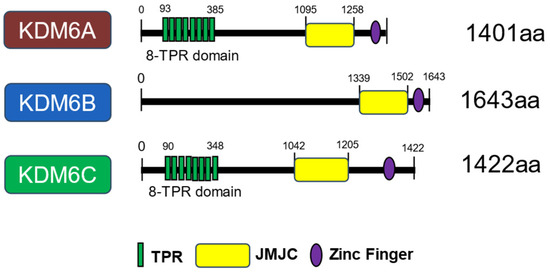
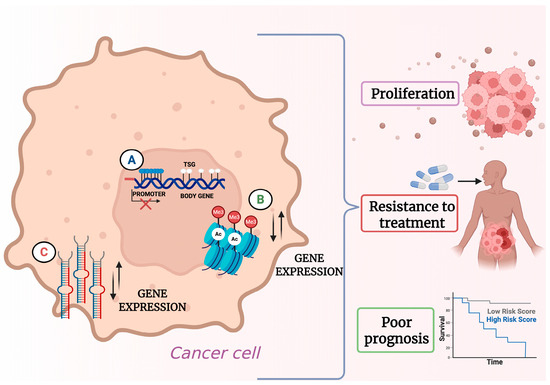
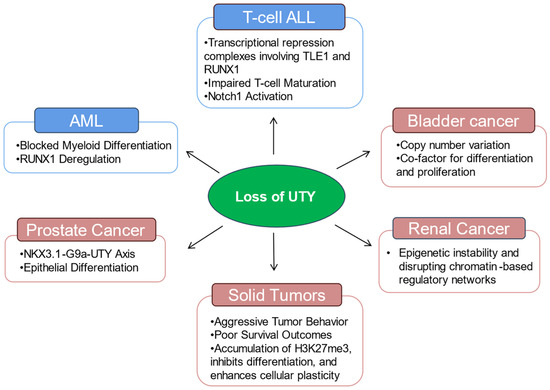
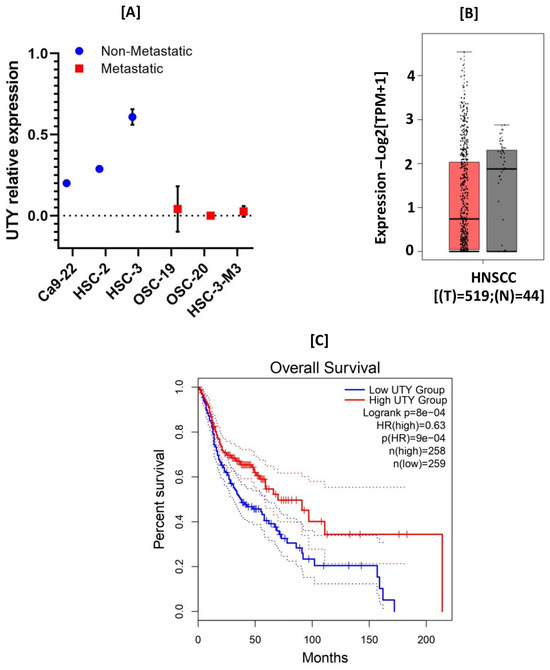
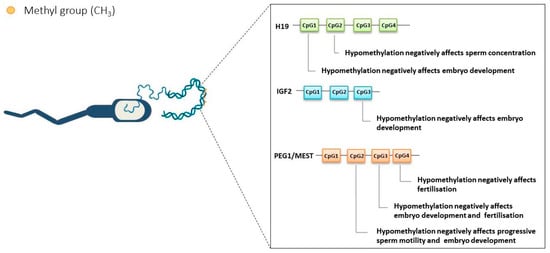
The ubiquitously transcribed tetratricopeptide repeat Y-linked gene (UTY/KDM6C), a catalytically impaired histone demethylase encoded on the Y chromosome, has garnered increasing attention for its emerging roles in tumorigenesis and cancer progression. Despite high sequence homology with its X-linked paralog UTX/KDM6A, UTY exhibits markedly reduced or absent H3K27me3 demethylase activity due to critical amino acid substitutions in its Jumonji C domain. Consequently, UTY primarily functions through non-enzymatic mechanisms, acting as a scaffold in chromatin-remodelling complexes like COMPASS and SWI/SNF, or mediating protein–protein interactions that regulate transcriptional programs independent of demethylation. This aligns with epigenetic dysregulation in cancers, where imbalances in repressive H3K27me3 and active H3K4me either drive tumour suppressor silencing or oncogene activation. Unlike frequently mutated UTX in cancers such as breast, renal cell carcinoma, and acute myeloid leukaemia, UTY’s contributions in cancer are less defined, constrained by male-specific expression. Emerging evidence suggests UTY as a context-dependent tumour suppressor in AML and squamous-like pancreatic ductal adenocarcinoma. While direct functional validation remains limited in several cancer types, UTY is increasingly implicated as a potential tumour suppressor in haematological malignancies and prostate cancer. Therapeutically targeting UTY’s scaffold functions shows promise for male-specific cancers and merits future investigation.
Full article
(This article belongs to the Special Issue Epigenetic Signatures in Metabolic Health and Cancer)
►▼
Show Figures

Figure 1
Open AccessArticle
Epigenome-Wide DNA Methylation Levels During Pregnancy: Associations with Parity Across Diverse Populations
by
Su Chen, Yunsung Lee, Siri E. Håberg, Per Magnus, Christian Magnus Page, Emese H. C. Kovács, Anne L. Dunlop, Alicia K. Smith, John W. Holloway, Syed Hasan Arshad, Wilfried Karmaus and Susan L. Ewart
Epigenomes 2026, 10(2), 30; https://doi.org/10.3390/epigenomes10020030 - 5 May 2026
Abstract
Background/Objectives: Parity, the number of times a woman carries a pregnancy to viability, has been linked to long-term maternal health outcomes. The mechanisms linking parity to health outcomes are poorly understood but may reflect influences of pregnancy on the maternal epigenome. Methods: This
[...] Read more.
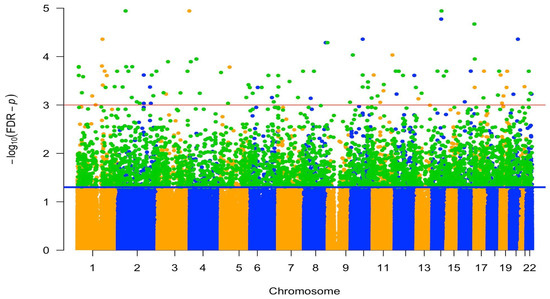
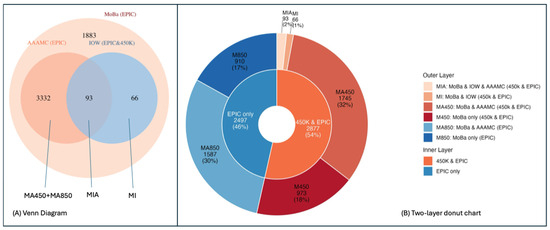
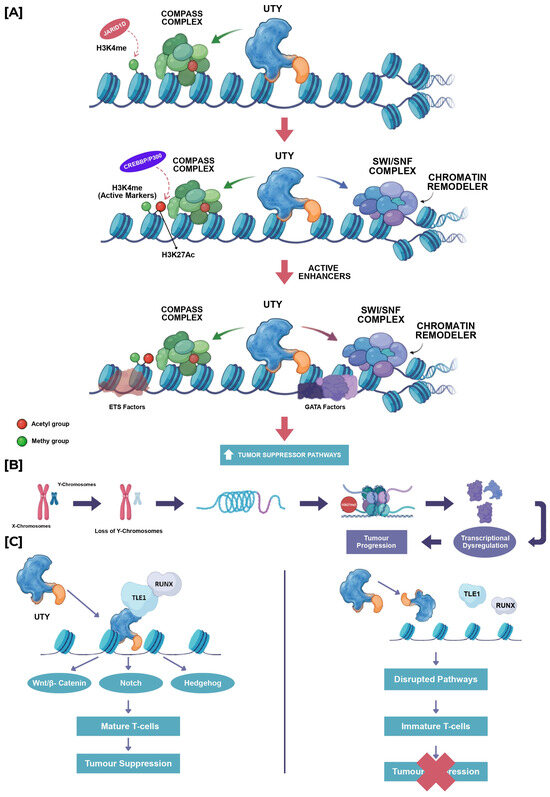
Background/Objectives: Parity, the number of times a woman carries a pregnancy to viability, has been linked to long-term maternal health outcomes. The mechanisms linking parity to health outcomes are poorly understood but may reflect influences of pregnancy on the maternal epigenome. Methods: This study examines the relationship between parity and DNA methylation (DNAm) during pregnancy using data from three cohorts: the Norwegian Mother, Father and Child Cohort Study (MoBa), the Atlanta African American Maternal-Child (AAAMC) cohort, and the Isle of Wight (IOW) Birth Cohort. Results: An epigenome-wide association study (EWAS) in MoBa identified 5374 cytosine–phosphate–guanine sites (CpGs) that were statistically significantly associated with parity, of which 69% were positively and 31% negatively correlated. Replication analyses confirmed 3491 CpGs in at least one cohort, and 93 CpGs in both AAAMC and IOW. Gene enrichment analysis revealed significant involvement of developmental and signaling pathways, including calcium signaling and neuroactive ligand–receptor interaction. Additionally, 584 differentially methylated regions (DMRs) were detected, with 90% overlapping individual parity-related CpGs. Conclusions: These findings suggest that parity influences epigenetic patterns, potentially affecting biological processes and molecular functions relevant to maternal health later in life.
Full article
(This article belongs to the Collection Feature Papers in Epigenomes)
►▼
Show Figures

Figure 1
Open AccessArticle
Methadone Maintenance Treatment vs. Long-Term Abstinence Without Opioid Agonist: Epigenome-Wide Study of DNA Methylation
by
Orna Levran, Justin Li, Anat Sason, Miriam Adelson and Einat Peles
Epigenomes 2026, 10(2), 29; https://doi.org/10.3390/epigenomes10020029 - 5 May 2026
Abstract
►▼
Show Figures
Background/Objectives: Opioid use disorder (OUD) is caused by a complex interplay between genetic and non-genetic factors. DNA methylation is an epigenetic mechanism that modulates gene expression. Data on DNA methylation and opioid addiction and treatment are limited. This association study was designed to
[...] Read more.
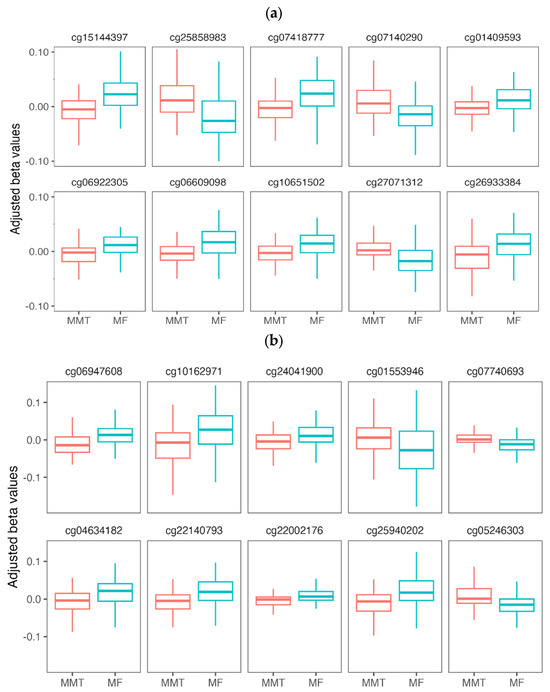
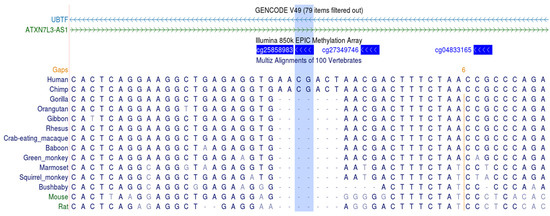
Background/Objectives: Opioid use disorder (OUD) is caused by a complex interplay between genetic and non-genetic factors. DNA methylation is an epigenetic mechanism that modulates gene expression. Data on DNA methylation and opioid addiction and treatment are limited. This association study was designed to assess the difference in genome-wide methylation patterns between individuals with OUD in methadone maintenance treatment (MMT) (n = 114) and those with OUD who achieved long-term abstinence (>10 years) without mu opioid receptor agonist treatment (n = 136). Methods: Differential DNA methylation analysis was performed in whole blood using the Illumina EPIC array. Results: A total of 135 differentially methylated probes (DMPs) reached epigenome-wide significance (p < 1 × 10⁻⁷), controlling for sex, age, estimates of blood cell proportions, and the first two principal components based on genome-wide SNP genotypes. The methylation sites were annotated to 157 genes, including 32% long non-coding RNAs. These genes are related to several systems, including cell adhesion (e.g., SAXO4), immune system and inflammation (e.g., UBTF, USP39, C10orf90, PRKCA), stress response (e.g., CRHR1, GPR19), and spermatogenesis (e.g., SPATA16, COX7B2). DMP cg11641410 is located in lncRNA ENSG00000254687, an antisense to OPRK1. Six of the DMPs were also identified in a related longitudinal study of MMT. Conclusions: At this point, it is not possible to determine whether the minor methylation differences observed in this study cause clinically relevant changes in gene expression. However, these findings have the potential to identify biomarkers and to provide new targets for treatment optimization.
Full article

Figure 1
Open AccessReview
Epigenetic Regulation of Hyaluronan-Associated Genes in the Brain: Identifying Key Regulatory Sites
by
Rosalyn E. Acevedo, Esther Walton and Karen R. Mifsud
Epigenomes 2026, 10(2), 28; https://doi.org/10.3390/epigenomes10020028 - 1 May 2026
Abstract
►▼
Show Figures
Hyaluronan (HA) is a ubiquitous extracellular matrix (ECM) component that is gaining significant attention for its diverse roles in cell signalling and disease. The biological functions of HA are dependent on its molecular weight (Mw): low Mw polysaccharide chains drive
[...] Read more.
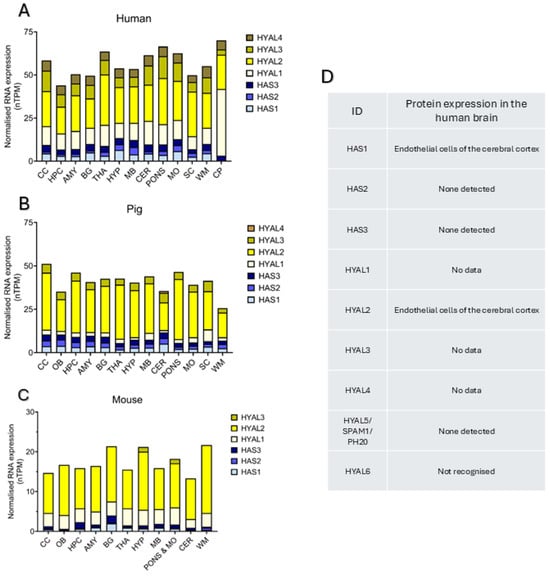
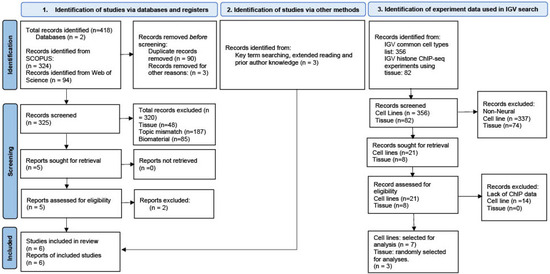
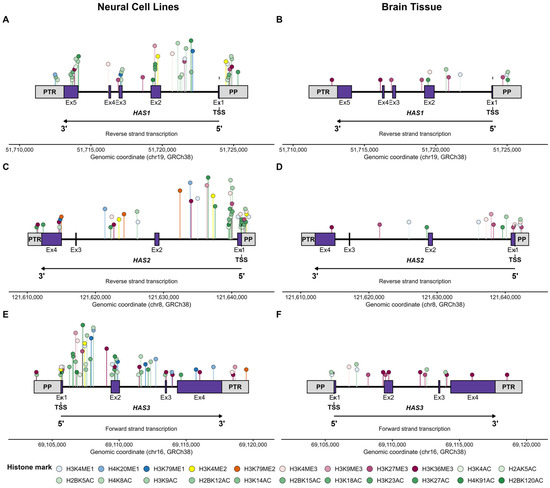
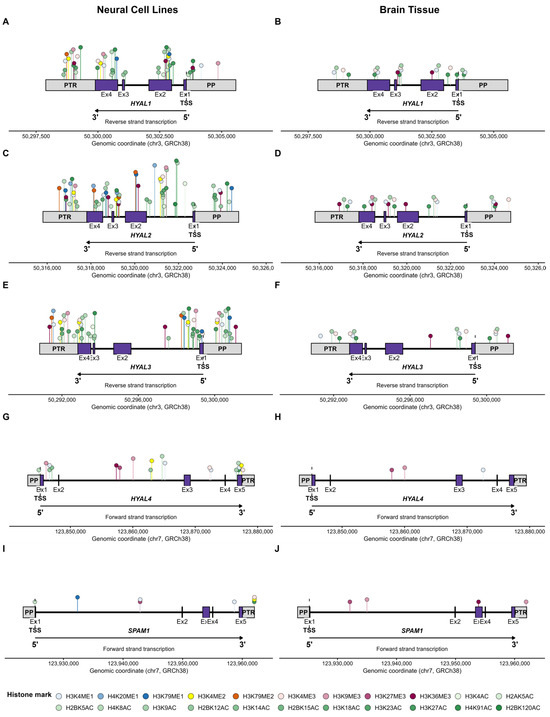
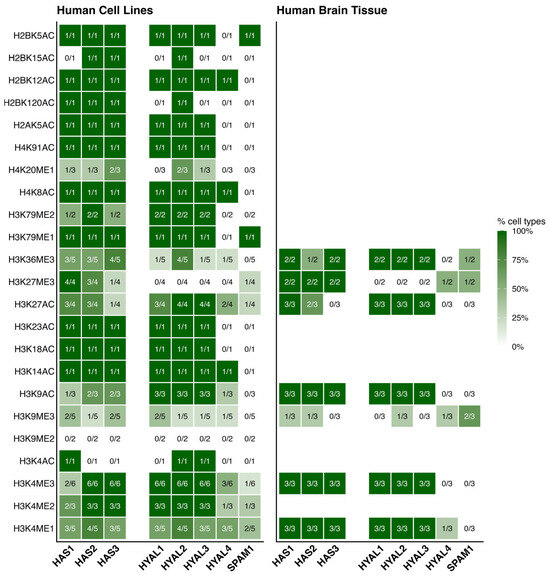
Hyaluronan (HA) is a ubiquitous extracellular matrix (ECM) component that is gaining significant attention for its diverse roles in cell signalling and disease. The biological functions of HA are dependent on its molecular weight (Mw): low Mw polysaccharide chains drive stimulatory processes such as inflammation and angiogenesis, whereas high Mw HA is stabilising and anti-inflammatory. Growing evidence indicates that HA is integral to brain function. The composition of HA in the brain is regulated by the balance of enzymatic synthesis and degradation, mediated by different isoforms of hyaluronan synthase (HAS) and hyaluronidase (HYAL) respectively. Fluctuating expression of the genes encoding the HAS and HYAL enzymes has been implicated in neuropathology and ageing, with some studies providing evidence towards epigenetic regulation of these genes. The regulatory environment of the brain confers a unique balance of enhanced protection alongside the requirement for maximum flexibility. This scoping review focuses on summarising current knowledge regarding epigenetic regulation of HAS and HYAL genes in neural contexts, as well as identifying gaps in knowledge against which future research can be directed. Understanding how these genes are regulated, particularly through epigenetic mechanisms, provides insight into how HA is regulated in the brain, facilitating understanding regarding its function in brain health and disease.
Full article

Figure 1
Open AccessArticle
Age-Related Epigenetic Drift Shapes Coordinated microRNA Promoter Methylation and Expression in Prostate Cancer
by
Fernando Bergez-Hernández, Martín Irigoyen-Arredondo, Lizeth Carolina Flores-Méndez and Alejandra Paola Martínez-Camberos
Epigenomes 2026, 10(2), 27; https://doi.org/10.3390/epigenomes10020027 - 9 Apr 2026
Abstract
Background: Aging is the strongest risk factor for prostate cancer (PCa). It is accompanied by progressive epigenomic divergence, known as epigenetic drift, particularly affecting DNA methylation at regulatory regions. However, the extent to which age-associated promoter methylation contributes to coordinated microRNA (miRNA) expression
[...] Read more.
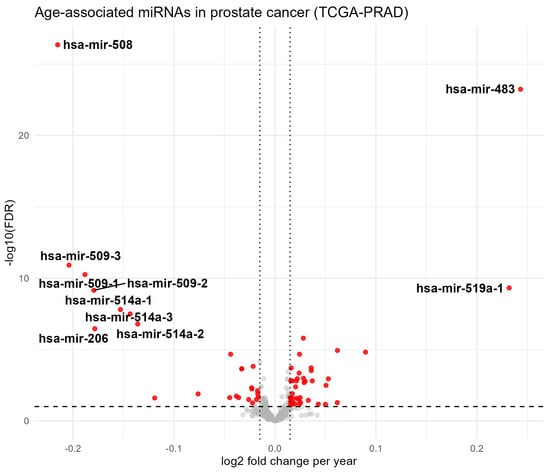
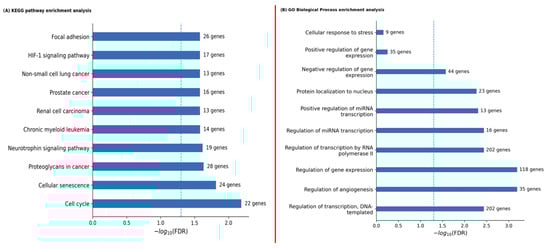
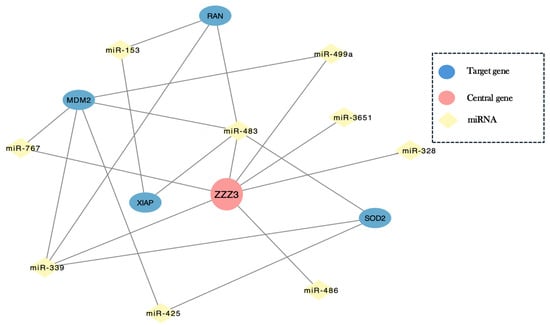
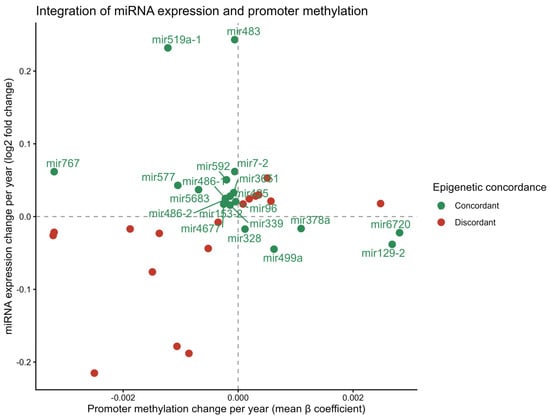
Background: Aging is the strongest risk factor for prostate cancer (PCa). It is accompanied by progressive epigenomic divergence, known as epigenetic drift, particularly affecting DNA methylation at regulatory regions. However, the extent to which age-associated promoter methylation contributes to coordinated microRNA (miRNA) expression changes in PCa remains incompletely characterized. Methods: We conducted an integrative in silico analysis of 449 primary tumors from the TCGA-PRAD cohort. Age was modeled as a continuous variable. Age-related miRNA expression changes were estimated from miRNA-seq data using DESeq2. Promoter DNA methylation changes (±2 kb from transcription start sites) were assessed using Illumina 450K arrays and linear regression. MiRNAs showing significant age-associated alterations at both expression and methylation levels were classified as concordant or discordant based on directionality and prioritized using an effect size-based concordance score. We analyzed experimentally validated targets of prioritized miRNAs through functional enrichment and network-based approaches to identify convergent regulatory pathways. Results: Initially, we identified 105 age-associated miRNAs. After filtering, 65 candidates remained. Of these, we found 37 miRNAs with significant age-associated changes at both layers, including 20 concordant and 17 discordant miRNAs. These comprised well-characterized cancer-associated miRNAs and lesser-studied candidates enriched in CpG-rich regulatory regions. Network analyses revealed a limited set of genes under convergent regulation by multiple age-associated miRNAs. These implicated pathways are related to cell cycle control, apoptosis, stress response, and epigenetic regulation. Conclusions: Our findings support a model in which age-dependent promoter methylation drift contributes to coordinated miRNA deregulation in PCa. This convergence highlights biologically plausible miRNA biomarkers and age-sensitive epigenetic circuits relevant to prostate carcinogenesis.
Full article
(This article belongs to the Collection Feature Papers in Epigenomes)
►▼
Show Figures

Figure 1
Open AccessArticle
Novel Perspectives on ATP8A2 Regulation: Evidence for Parental Imprinting and Chimeric Transcript Formation
by
Abdelhamid Bouramtane, Badreddine Elmakhzen, Amal Ouskri, Mohamed Ahakoud, Laila Bouguenouch, Karim Ouldim and Omar Askander
Epigenomes 2026, 10(2), 26; https://doi.org/10.3390/epigenomes10020026 - 6 Apr 2026
Abstract
►▼
Show Figures
Background: Parental imprinting plays a crucial role in epigenetic regulation and is increasingly recognized for its involvement in neurodevelopmental disorders. Although ATP8A2 is considered a non-imprinted gene; However, the marked phenotypic variability observed across related disorders suggests that additional regulatory layers may
[...] Read more.
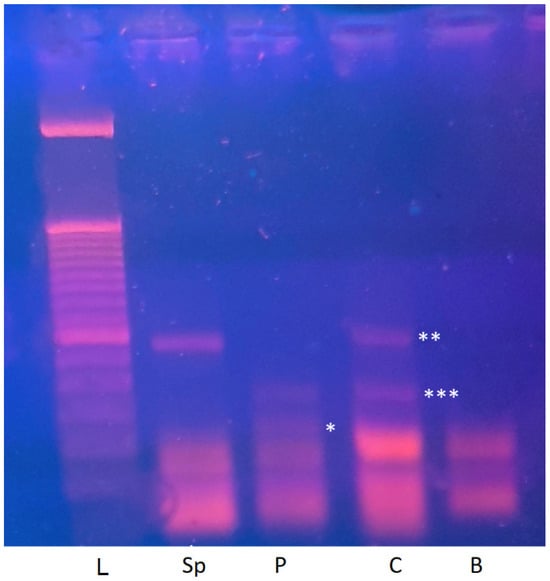
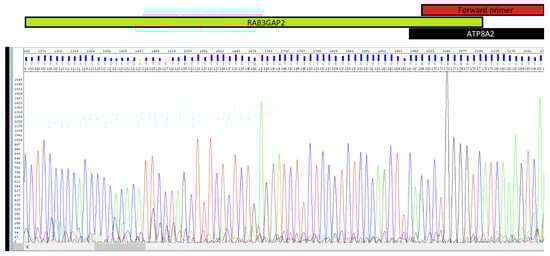
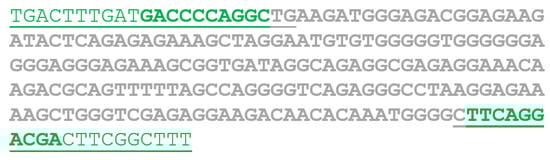
Background: Parental imprinting plays a crucial role in epigenetic regulation and is increasingly recognized for its involvement in neurodevelopmental disorders. Although ATP8A2 is considered a non-imprinted gene; However, the marked phenotypic variability observed across related disorders suggests that additional regulatory layers may influence its expression. Methods: We investigated the imprinting-like status of ATP8A2 through functional analyses of a splicing variant (c.1580-3C>G) identified in a patient diagnosed with Cerebellar Ataxia, Mental Retardation, and Disequilibrium syndrome type 4 (CAMRQ4). Sanger sequencing was used to assess allelic expression and identify aberrant transcripts. Results: Our analyses revealed an allelic expression imbalance suggestive of parental imprinting of ATP8A2. Moreover, Sanger sequencing led to the identification of a novel ATP8A2–RAB3GAP2 chimeric transcript, pointing to a previously unreported transcriptional event, the functional relevance of which remains to be determined. Conclusions: These findings indicate that ATP8A2 may be subject to imprinting-like regulation and involved in atypical splicing events with unknown significance. This highlights the need for further investigation into the epigenetic and transcriptional complexity of ATP8A2-related neurodevelopmental disorders.
Full article

Figure 1
Open AccessArticle
Mitochondrial D-Loop Region Methylation Is Not Altered in Children with Autism Spectrum Disorder
by
Andrea Stoccoro, Carmela Serpe, Antonia Parmeggiani, Vincenzo Davide Catania, Mario Lima, Alessandro Ghezzo, Cristina Panisi, Marida Angotti, Beatrice Pranzetti, Provvidenza Maria Abruzzo, Cinzia Zucchini, Lucia Migliore, Marina Marini and Fabio Coppedè
Epigenomes 2026, 10(2), 25; https://doi.org/10.3390/epigenomes10020025 - 4 Apr 2026
Abstract
Background/Objectives: Although the etiopathogenesis of autism spectrum disorder (ASD) remains incompletely elucidated, current evidence supports a multifactorial model involving genetic and environmental factors that interact to induce a heterogeneous range of symptoms. In recent years, epigenetic mechanisms, particularly DNA methylation, have been
[...] Read more.
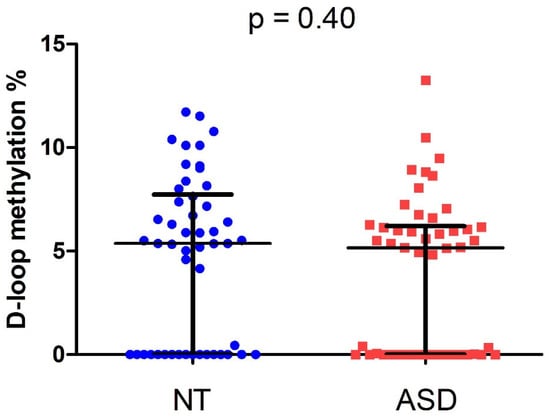
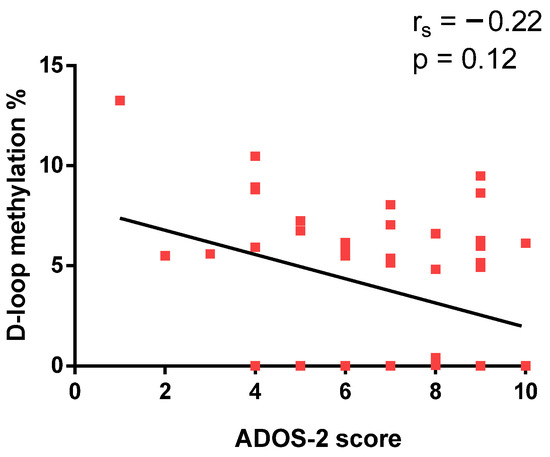
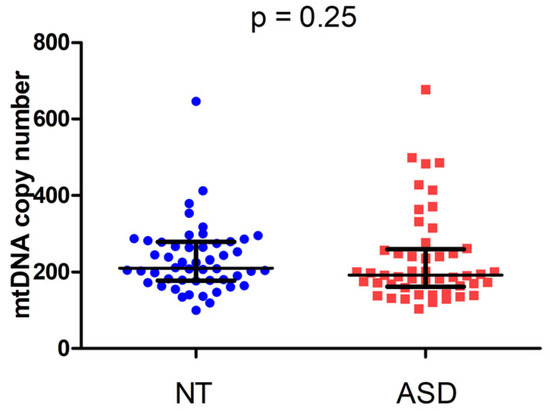
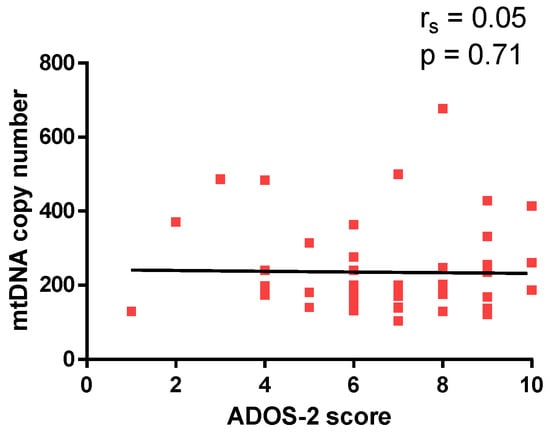
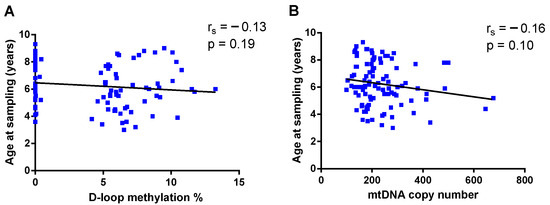
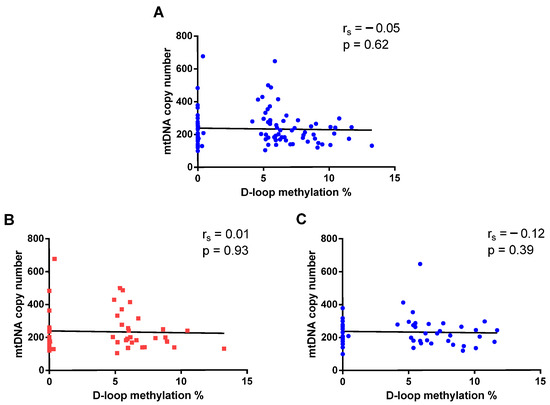
Background/Objectives: Although the etiopathogenesis of autism spectrum disorder (ASD) remains incompletely elucidated, current evidence supports a multifactorial model involving genetic and environmental factors that interact to induce a heterogeneous range of symptoms. In recent years, epigenetic mechanisms, particularly DNA methylation, have been recognized as key contributors to ASD pathophysiology. Alterations in mitochondrial DNA (mtDNA) methylation are also emerging as relevant contributors in several human conditions. The mitochondrial D-loop, a non-coding control region essential for mtDNA replication and transcription, is considered a hotspot for epigenetic regulation and its methylation levels have been found altered in various diseases, such as cancer, metabolic disorders, and neurological illness. However, to date, no studies have investigated mtDNA methylation changes in ASD. Methods: We analyzed the average methylation levels of a fragment containing ten CpG sites within the D-loop region and the mtDNA copy number in peripheral blood samples from 49 children with ASD and 50 neurotypically developing (NT) controls using Methylation-Sensitive High-Resolution Melting and quantitative PCR. Results: No significant differences in D-loop methylation levels were observed between ASD and NT children. Similarly, the mtDNA copy number did not differ between the two groups. No significant correlations were found between D-loop methylation or mtDNA copy number and either ASD severity or age. Conclusions: This is the first study investigating mtDNA methylation in ASD. Our results indicate that methylation of the D-loop region and the mtDNA copy number are not altered in ASD children. Further studies including larger cohorts and extended mtDNA regions are warranted to confirm and expand these findings.
Full article
(This article belongs to the Collection Feature Papers in Epigenomes)
►▼
Show Figures

Figure 1
Open AccessReview
The Many Faces of SetDB1
by
Stanislav E. Romanov and Dmitry E. Koryakov
Epigenomes 2026, 10(2), 24; https://doi.org/10.3390/epigenomes10020024 - 1 Apr 2026
Abstract
►▼
Show Figures
The conserved protein SetDB1 has been identified in various vertebrate and invertebrate groups. It plays key roles in vital processes such as germline and nervous system development, immune response, tumorigenesis, cell cycle progression, and others. SetDB1 is initially characterized as an enzyme that
[...] Read more.
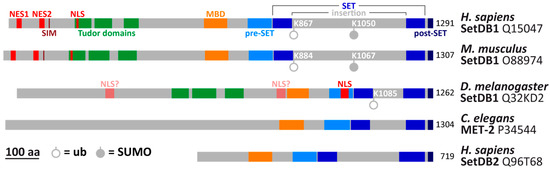
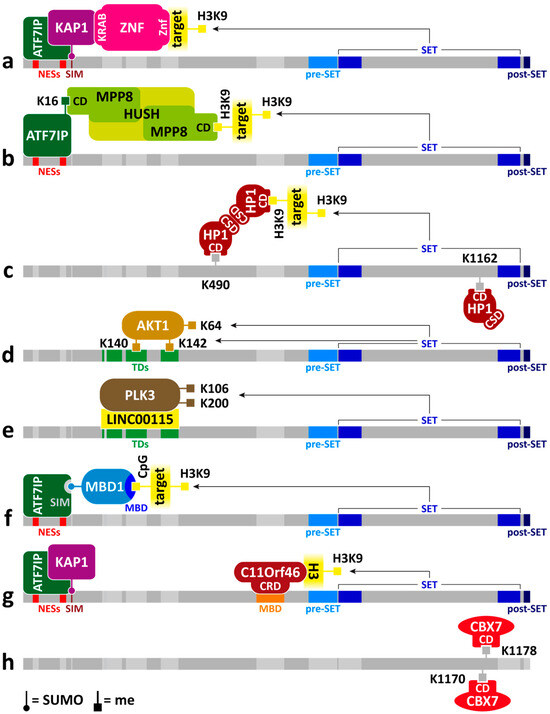
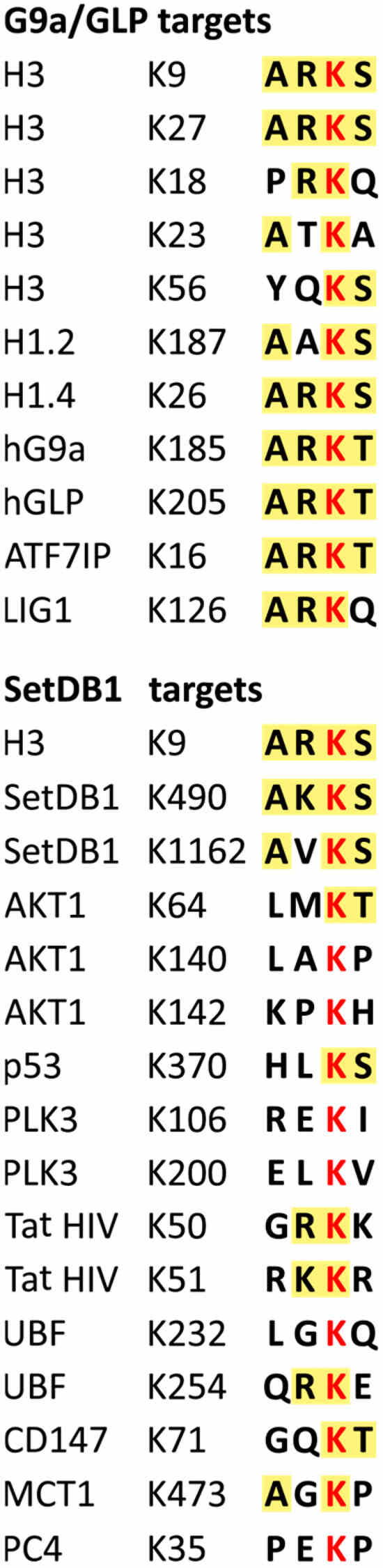
The conserved protein SetDB1 has been identified in various vertebrate and invertebrate groups. It plays key roles in vital processes such as germline and nervous system development, immune response, tumorigenesis, cell cycle progression, and others. SetDB1 is initially characterized as an enzyme that methylates lysine 9 on histone H3, leading to gene silencing, which is traditionally considered its primary function. However, SetDB1 also targets about a dozen nuclear, cytoplasmic, and membrane proteins as substrates. Moreover, some functions of SetDB1 do not require methyltransferase activity. Due to its SUMO-interacting motif, Tudor domain, and methyl-binding domains, SetDB1 interacts with a wide range of complexes that regulate protein stability and activity, signal transduction pathways, and chromatin spatial organization. In this review, we aim to expand the classical view of SetDB1 as solely a histone methyltransferase and to highlight the broader diversity of its functions.
Full article

Figure 1
Open AccessReview
Natural Compounds as Epimodulators in Epithelial Ovarian Cancer
by
Mélida del Rosario Lizarazo-Taborda, Julio César Villegas-Pineda, Holver Parada, Fabian Galvis and Javier Soto
Epigenomes 2026, 10(2), 23; https://doi.org/10.3390/epigenomes10020023 - 1 Apr 2026
Abstract
►▼
Show Figures
Epithelial ovarian carcinoma (EOC) is the most common type of ovarian cancer and represents the most lethal gynecologic neoplasm. EOC is usually diagnosed at late stages due to its nonspecific signs and symptoms. Although significant clinical advances have been made in other types
[...] Read more.
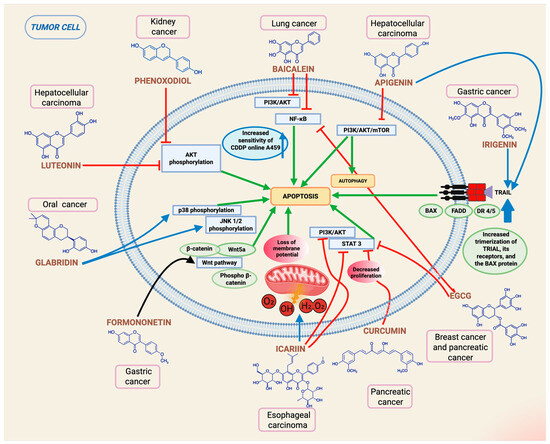
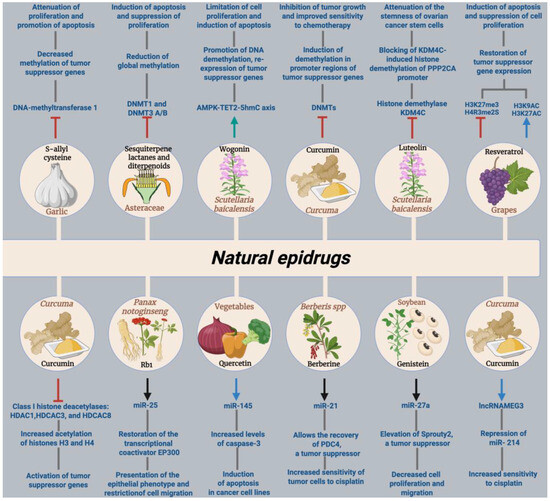
Epithelial ovarian carcinoma (EOC) is the most common type of ovarian cancer and represents the most lethal gynecologic neoplasm. EOC is usually diagnosed at late stages due to its nonspecific signs and symptoms. Although significant clinical advances have been made in other types of malignancies, EOC remains a disease that requires further biological research to identify new therapeutic targets or new treatment alternatives, as conventional approaches are often ineffective or lead to the development of resistance and unwanted side effects. There are a significant number of natural products from which commercially available drugs have been derived, largely for the treatment of cancer, but none of them focus on epigenetic changes in specific targets in EOC. Based on the above, this work focuses on describing the in vitro and in vivo findings from the last twelve years derived from the action of important phytochemicals on epigenetic targets in ovarian cancer, among other mechanisms of action, revealing that there is a significant gap to be bridged in terms of the transition from basic to applied research regarding the potential of plant-derived molecules as possible epidrugs in EOC.
Full article

Figure 1

Open AccessArticle
Epigenetic Age Feedback as a Catalyst for Sustained Lifestyle Change: One-Year Results from the EU iHelp Study
by
Nien-yu Yang, Yicong Huang, Chaewon Park, Te-Min Ke, Graham Tilston, George Manias, Dimosthenis Kyriazis, Jon Young, Susan Hart, Graham Fulford, Artitaya Lophatananon and Kenneth R. Muir
Epigenomes 2026, 10(2), 22; https://doi.org/10.3390/epigenomes10020022 - 1 Apr 2026
Abstract
►▼
Show Figures
Background: Sustaining long-term lifestyle change remains a major challenge in preventive health. Epigenetic clocks offer a dynamic, modifiable measure of biological ageing that may enhance motivation when returned to individuals. Objectives: This study had two aims: (1) to evaluate whether personalised health reports
[...] Read more.
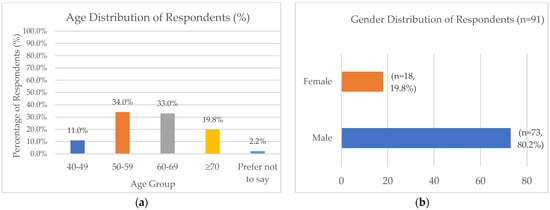
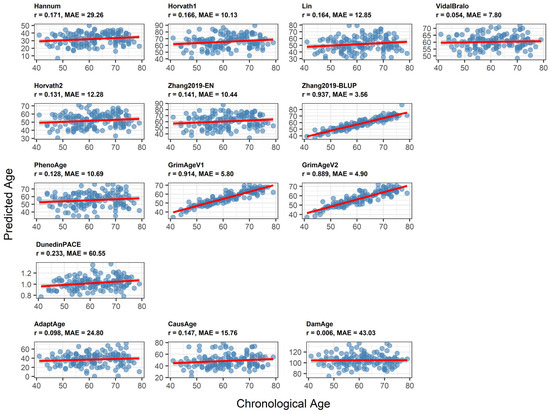
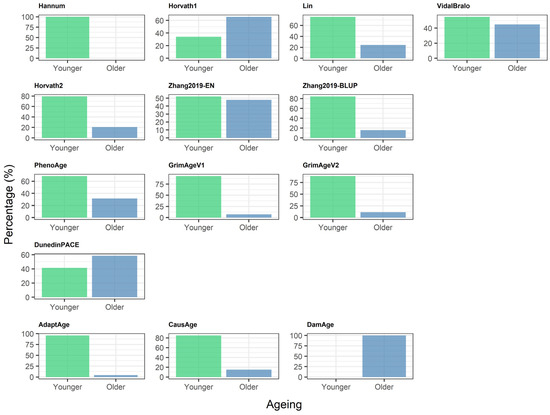
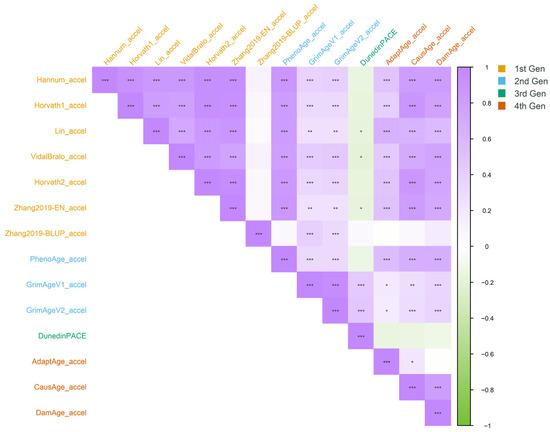
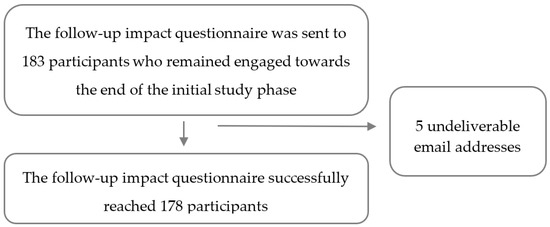
Background: Sustaining long-term lifestyle change remains a major challenge in preventive health. Epigenetic clocks offer a dynamic, modifiable measure of biological ageing that may enhance motivation when returned to individuals. Objectives: This study had two aims: (1) to evaluate whether personalised health reports integrating epigenetic age, polygenic cancer risk scores, and lifestyle metrics could motivate sustained behavioural change; and (2) to examine variability across epigenetic clock generations to inform the selection of a suitable model for participant feedback. Methods: A total of 178 adults were recruited via the Graham Fulford Charitable Trust community testing programme, and 91 completed a one-year follow-up survey assessing behavioural, psychological, and knowledge-related outcomes. DNA methylation data from 140 samples were used to compare 14 epigenetic clocks across four generations. Results: Most participants reported positive lifestyle changes, including feeling healthier (72.5%), increased physical activity (60.4%), and improved diet (47.3%). Gains were also observed in health knowledge (63.7%) and psychological well-being (31.9%). Epigenetic clock comparisons revealed substantial heterogeneity across models. Zhang2019-BLUP was selected as a stable and interpretable measure of biological age that can be readily communicated to participants, supporting empowerment and improved health literacy, rather than serving only as a risk prediction metric. Conclusions: Personalised biomarker feedback including epigenetic age combined with lifestyle and wearable data can support self-reported improvements in health-related behaviours. Community-based delivery through trusted local networks proved effective. The marked variation between epigenetic clocks highlights the importance of selecting models designed for clear communication when used in public-facing health interventions.
Full article

Figure 1
Open AccessReview
MicroRNA Regulation in Kidney Interstitial Fibrosis
by
Hirofumi Sakuma, Satoshi Kawaguchi, Yuya Kobayashi, Akiko Koizumi and Naoki Nakagawa
Epigenomes 2026, 10(1), 21; https://doi.org/10.3390/epigenomes10010021 - 16 Mar 2026
Abstract
►▼
Show Figures
MicroRNAs (miRNAs) are small non-coding RNAs that play central roles in post-transcriptional gene regulation and cellular homeostasis maintenance. Dysregulation of miRNA expression is increasingly recognized as a key contributor to tissue injury during the acute phase and to disease progression in the chronic
[...] Read more.
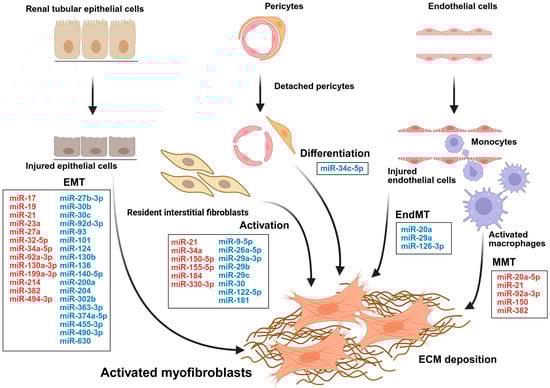
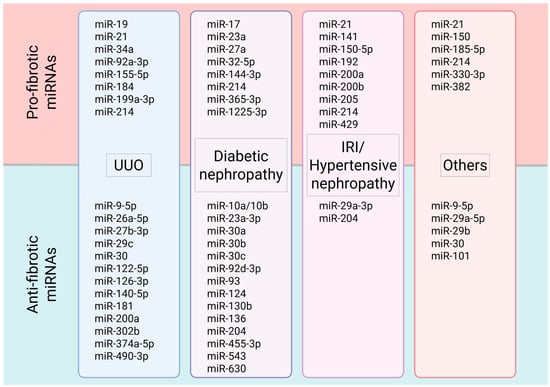
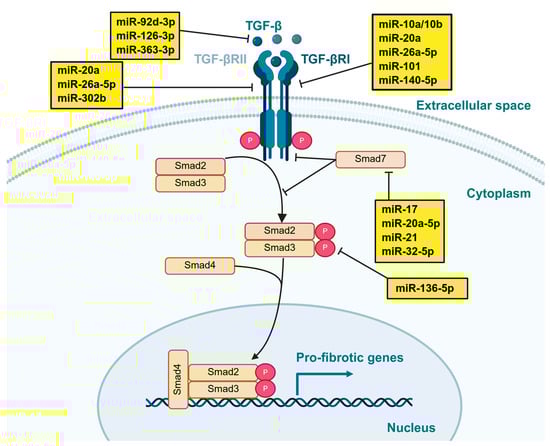
MicroRNAs (miRNAs) are small non-coding RNAs that play central roles in post-transcriptional gene regulation and cellular homeostasis maintenance. Dysregulation of miRNA expression is increasingly recognized as a key contributor to tissue injury during the acute phase and to disease progression in the chronic phase. Chronic kidney disease (CKD) commonly progresses and ultimately leads to kidney failure through interstitial fibrosis, which is the final common pathway of CKD progression. Interstitial fibrosis is driven not only by fibroblast activation but also by phenotypic transitions in injured tubular epithelial cells, infiltrating macrophages, and peritubular capillary cells. These multifaceted cellular pathways induce and exacerbate interstitial fibrosis, and several miRNAs have been identified as important regulators of these pathways. In addition to fibrotic pathophysiological features, disease-specific dysregulation of miRNAs has been increasingly detected in various causes of CKD, including diabetic kidney disease, chronic glomerulonephritis, and nephrosclerosis. In this review, we provide an integrated overview of miRNA-mediated regulation in CKD, with particular emphasis on cell lineage functions within fibrotic pathways and disease-specific roles. Finally, we discuss the emerging potential of miRNAs as biomarkers and therapeutic targets for CKD and highlight future research directions.
Full article

Figure 1

Open AccessArticle
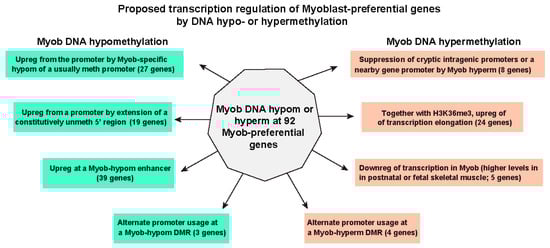
Epigenetics of Genes Displaying High and Preferential Expression in Myoblasts
by
Kenneth C. Ehrlich, Michelle Lacey, Sriharsa Pradhan and Melanie Ehrlich
Epigenomes 2026, 10(1), 20; https://doi.org/10.3390/epigenomes10010020 - 13 Mar 2026
Abstract
►▼
Show Figures
Background/Objectives: Genome-wide studies of differential DNA methylation often focus on its role in turning transcription on or off. Here we report some atypical epigenetic/transcription relationships for 92 genes that are highly and preferentially expressed in primary human myoblasts relative to heterologous cell cultures.
[...] Read more.
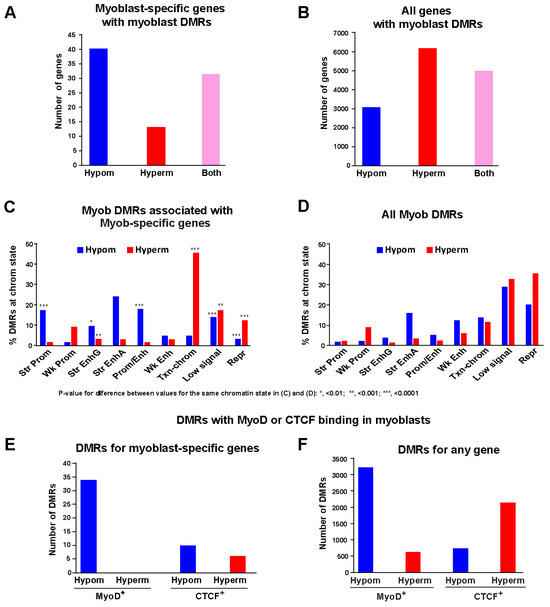
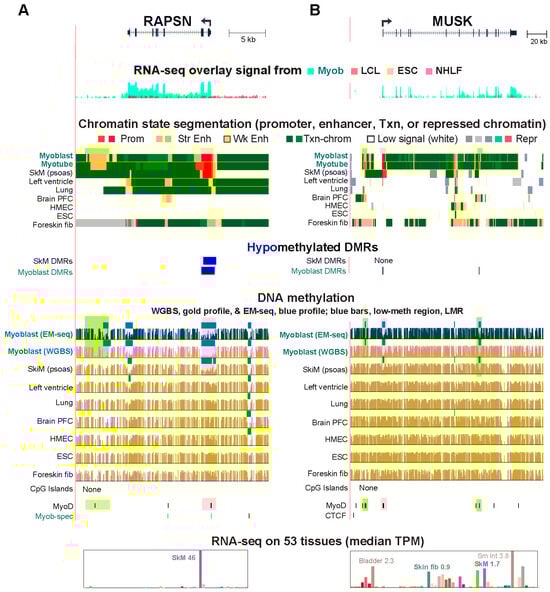
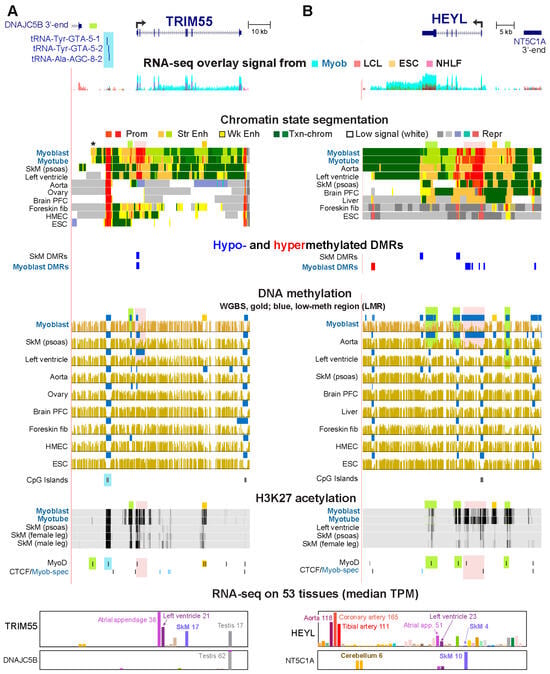
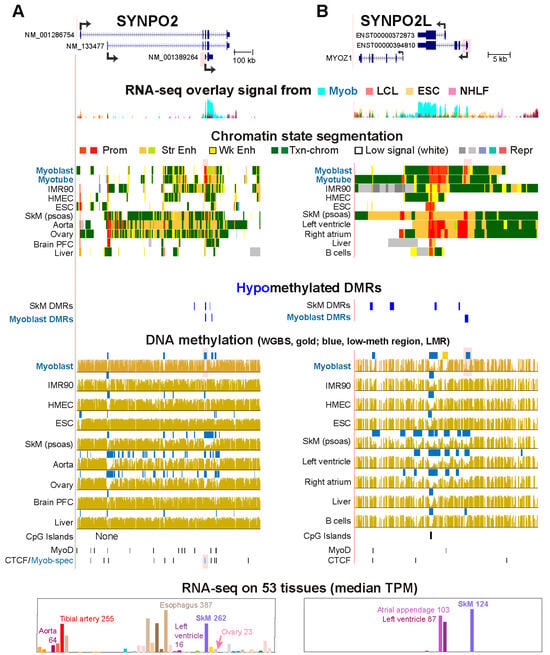
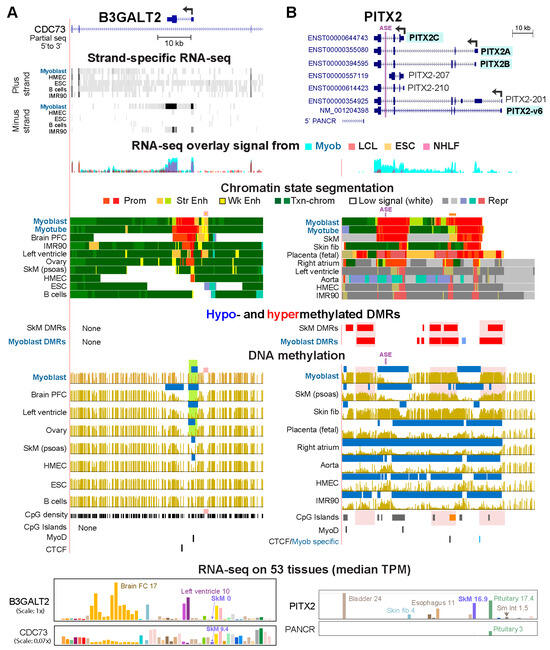
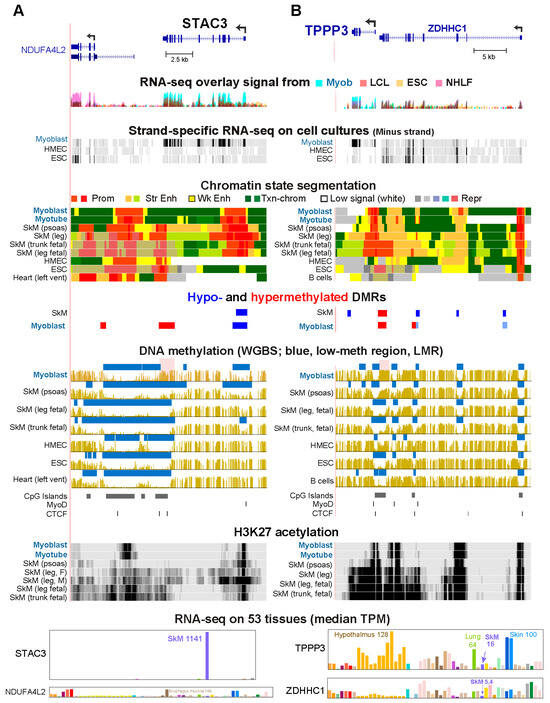
Background/Objectives: Genome-wide studies of differential DNA methylation often focus on its role in turning transcription on or off. Here we report some atypical epigenetic/transcription relationships for 92 genes that are highly and preferentially expressed in primary human myoblasts relative to heterologous cell cultures. Methods: We compared methylomes and myoblast-specific differentially methylated regions (DMRs) with methylomes, chromatin profiles, and transcriptomes for many different cell populations. Results: We found that myoblast-associated promoter hypomethylation was unusually prevalent among the 92 myoblast-preferential genes. Sometimes this promoter hypomethylation was seen as a myoblast-associated extension of their constitutively unmethylated region at a CpG island. All 92 genes showed some myoblast-specific hypomethylation, including 32 genes at tissue-specific super-enhancers or broad H3K4-trimethylated promoters. Myoblast hypermethylated DMRs were also associated with almost half of the myoblast-preferential genes. These hypermethylated DMRs were often in intragenic locations embedded in H3K36-trimethylated chromatin in myoblasts. Conclusions: Our analysis suggests that some of the hypermethylated DMRs repress cryptic, alternative, or adjacent promoters. Myoblast hypermethylated DMRs may also downmodulate expression in myoblasts to avoid yet higher RNA levels found in adult or fetal skeletal muscle tissue. The epigenetic insights that were obtained can help elucidate the transcription regulation of some of these genes (e.g., MUSK, RAPSN, HEYL, SYNPO2, SYNPO2L, STAC3, PITX2, and TPPP3) that are implicated in congenital myasthenic syndromes, myasthenia gravis, muscle repair, heart dysfunction, or cancer. This study supports cell type-specific roles for DNA hypo- and hypermethylation as a modulator of transcription levels, in addition to being an on–off switch during differentiation.
Full article

Figure 1

Open AccessArticle
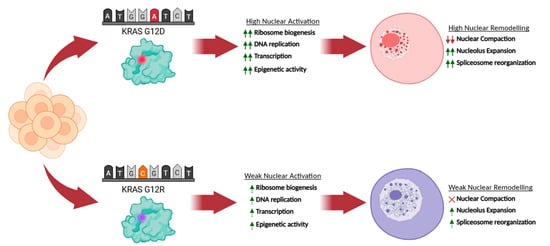
Mutant KRAS Heterogeneity Shapes Nuclear Architecture During Pancreatic Cancer Initiation
by
Gareth Pollin, Angela J. Mathison, Elise N. Leverence, Thiago Milech De Assuncao, Juan Iovanna, Johnny C. Hong, Michael T. Zimmermann, Raul Urrutia and Gwen Lomberk
Epigenomes 2026, 10(1), 19; https://doi.org/10.3390/epigenomes10010019 - 10 Mar 2026
Abstract
Background/Objectives: Pancreatic ductal adenocarcinoma (PDAC) arises predominantly from activating KRAS mutations, yet individual genetic variants differ markedly in signaling output and clinical impact. G12D, the most prevalent variant, strongly drives oncogenic programs, whereas G12R signals less efficiently through the AKT and ERK pathways
[...] Read more.
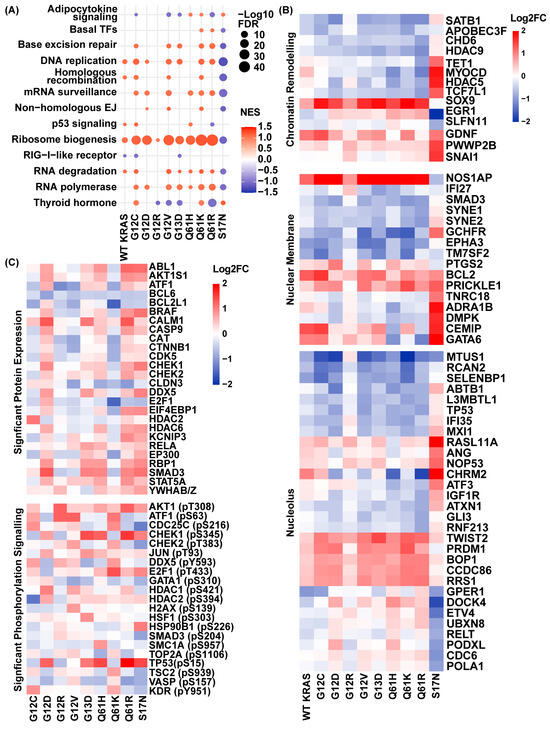
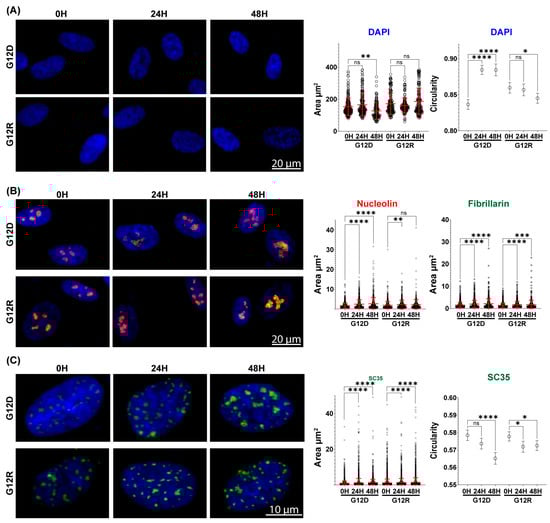
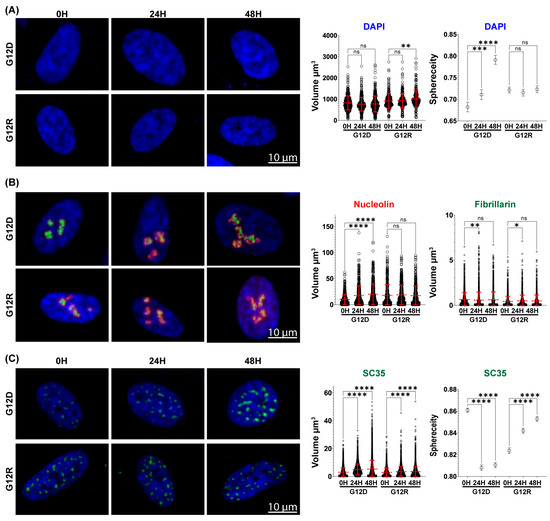
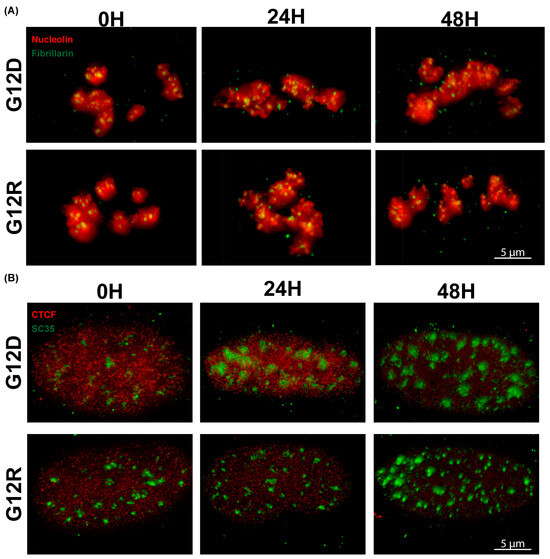
Background/Objectives: Pancreatic ductal adenocarcinoma (PDAC) arises predominantly from activating KRAS mutations, yet individual genetic variants differ markedly in signaling output and clinical impact. G12D, the most prevalent variant, strongly drives oncogenic programs, whereas G12R signals less efficiently through the AKT and ERK pathways and is associated with longer patient survival than G12D-driven PDAC. Methods: To elucidate how these differences influence early cellular transformation, we expressed a panel of KRAS mutants in non-cancerous pancreatic ductal epithelial cells as a model of early PDAC initiation and profiled transcriptional and phospho-proteomic responses. We next examined whether epigenetic differences translate into mutation-specific changes in nuclear organization using quantitative imaging of G12D- and G12R-expressing nuclei at 24 and 48 h. Results: Each variant established a unique regulatory program enriched for chromatin remodelers, histone modifiers, and nuclear structural factors, indicating that variant-specific KRAS signaling rapidly develops divergent epigenetic states. Integrated transcriptomic and phospho-proteomic analyses identified G12D and G12R as the most divergent variants. G12D induced pronounced nuclear remodeling, including increased nuclear size, irregular morphology, and reorganization of the nucleolus and spliceosome, consistent with extensive chromatin and transcriptional reprogramming. In contrast, G12R elicited a weaker response, with minimal or delayed structural changes. Conclusions: Together, these findings demonstrate that KRAS mutational context in pancreatic ductal epithelial cells shapes early transcriptional reprogramming that actively remodels nuclear architecture and nuclear sub-compartments. This work establishes nuclear structural remodeling as a structural state of KRAS-driven epigenetic dysregulation during PDAC initiation.
Full article
(This article belongs to the Special Issue Epigenetic Signatures in Metabolic Health and Cancer)
►▼
Show Figures

Graphical abstract
Open AccessArticle
Changes in Blood DNA CpG Methylation Levels in Response to Methadone Maintenance Treatment: Epigenome-Wide Longitudinal Study
by
Orna Levran, Yuli Kim, Justin Li, Anat Sason, Miriam Adelson and Einat Peles
Epigenomes 2026, 10(1), 18; https://doi.org/10.3390/epigenomes10010018 - 5 Mar 2026
Cited by 1
Abstract
►▼
Show Figures
Background/Objectives: Methadone maintenance treatment (MMT) is one of the major pharmacotherapies for opioid use disorder. The underlying mechanisms of addiction and the treatment response are only partially understood. The study’s main goal was to identify differential DNA CpG methylation that occurred in response
[...] Read more.
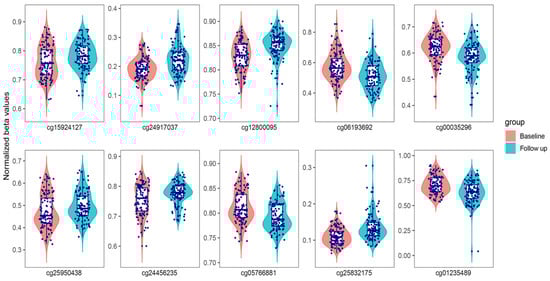
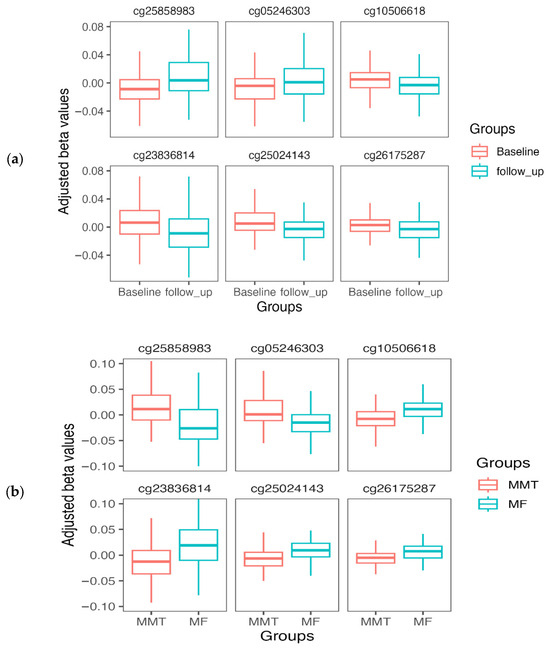
Background/Objectives: Methadone maintenance treatment (MMT) is one of the major pharmacotherapies for opioid use disorder. The underlying mechanisms of addiction and the treatment response are only partially understood. The study’s main goal was to identify differential DNA CpG methylation that occurred in response to MMT. Methods: Toward this goal, we have conducted a longitudinal epigenome-wide study of blood samples from 64 patients at the beginning and after 1–3 years of MMT, using a linear mixed model. Results: A total of 1881 differentially methylated probes (DMPs) were identified (FDR < 0.05), controlling for sex, age, estimates of blood cell proportions, and the first two principal components based on genome-wide SNP genotypes. Among the genes annotated to the top DMPs are DGLUCY, NXNL2, SOX10, and NPAS3. Several genes associated with substance use disorder were annotated by the identified DMPs, including ADORA2A, BDNF, CACNA1D, CREB1, CRHR1, CRY1, DNMT3B, GABRD, GNAS, GRIP1, OXR1, PRKACB, SCN2A, and SCN3A. The most overrepresented pathway is the small GTPase-mediated signal transduction pathway, and the most overrepresented process is the actin cytoskeleton organization. Conclusions: The study provides preliminary insight into the epigenetic effect of MMT. Future studies will have to confirm the DMPs, assess their impact on gene expression, and determine their clinical relevance.
Full article

Figure 1

Open AccessBrief Report
CpG Methylation of Protein Prenyltransferase Genes FNTA, FNTB, PGGT1B and RABGGTA in Cancer Cell Lines
by
Dominik Jung, Daniel Diehl, Anna Hagemann and Hagen Sjard Bachmann
Epigenomes 2026, 10(1), 17; https://doi.org/10.3390/epigenomes10010017 - 4 Mar 2026
Abstract
►▼
Show Figures
Background: Protein prenylation is crucial for the function of hundreds of proteins. Aberrant protein prenylation can be caused by the aberrant expression of prenyltransferases (PTases), which has been reported for multiple cancer entities. The reasons for aberrant PTase expression in cancer have not
[...] Read more.
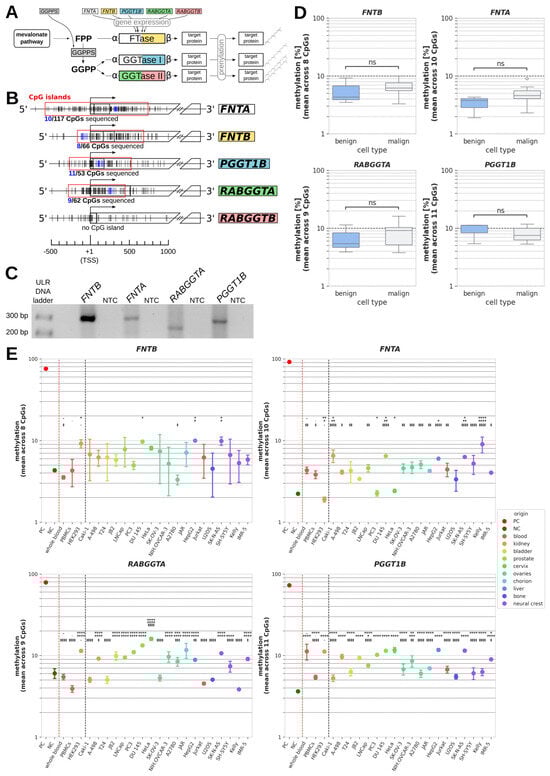
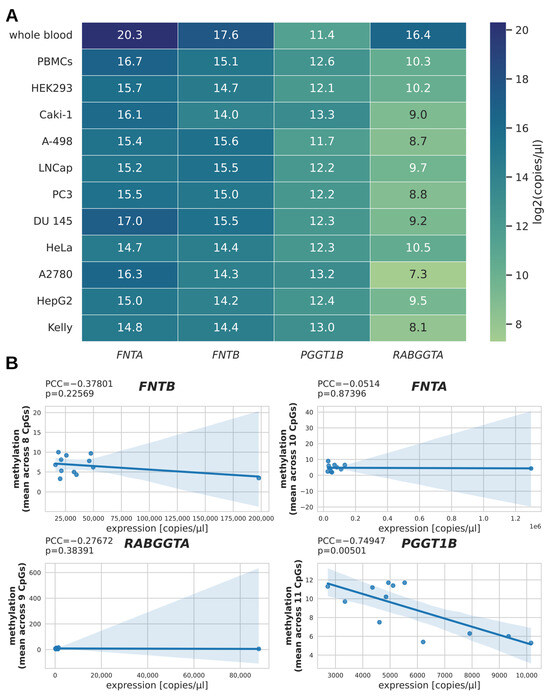
Background: Protein prenylation is crucial for the function of hundreds of proteins. Aberrant protein prenylation can be caused by the aberrant expression of prenyltransferases (PTases), which has been reported for multiple cancer entities. The reasons for aberrant PTase expression in cancer have not yet been investigated. Methods: We analyzed CpG methylation within promoter-associated CpG islands of the PTase genes FNTA, FNTB, PGGT1B, and RABGGTA via bisulfite conversion and pyrosequencing to assess its role in PTase expression and gain deeper insight into the regulation of protein prenylation in cancer. We used DNA from three benign controls (whole blood samples, peripheral blood mononuclear cells, and HEK293) and 19 human cancer cell lines from various origins to assess DNA methylation within PTase gene promoter-associated CpG islands. For a subset of these cell lines, we measured mRNA expression via qPCR and correlated it with DNA methylation. Results: Methylation across all PTase genes ranged from 1.9 ± 0.9% to 11.4 ± 4.0% (mean methylation ± standard deviation) in benign cells, and 2.3 ± 1.0% to 16.0 ± 5.4% in cancer cells. DNA methylation and mRNA expression of PGGT1B correlated inversely (PCC = −0.75; p = 0.005). Conclusions: We saw no general differences between benign and malignant cells, but observed significant differences between non-malignant controls and multiple individual cancer cell lines regarding the methylation of PTase genes. This was prominently seen in PGGT1B in Caki-1 cells, raising the possibility that DNA methylation is involved in the dysregulation of PTase expression in cancer.
Full article

Figure 1
Open AccessArticle
Integrative Analysis Reveals Conserved R-Loop Features in Mouse Embryonic Stem Cells
by
Ohbeom Kwon, Hyeonwoo La, Seonho Yoo, Hyeonji Lee, Heeji Lee, Hoseong Lim, Chanhyeok Park, Dong Wook Han, Jeong-Tae Do, Hyuk Song, Youngsok Choi and Kwonho Hong
Epigenomes 2026, 10(1), 16; https://doi.org/10.3390/epigenomes10010016 - 2 Mar 2026
Abstract
►▼
Show Figures
R-loops, three-stranded nucleic acid structures formed by an RNA-DNA hybrid, have emerged as important regulators of transcription and genome stability. Although advances in high-throughput sequencing have revealed widespread R-loop landscapes, platform-specific biases hinder the identification of conserved R-loops in specific cell types. Mouse
[...] Read more.
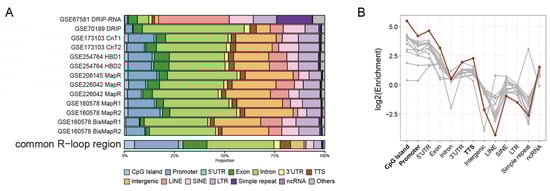
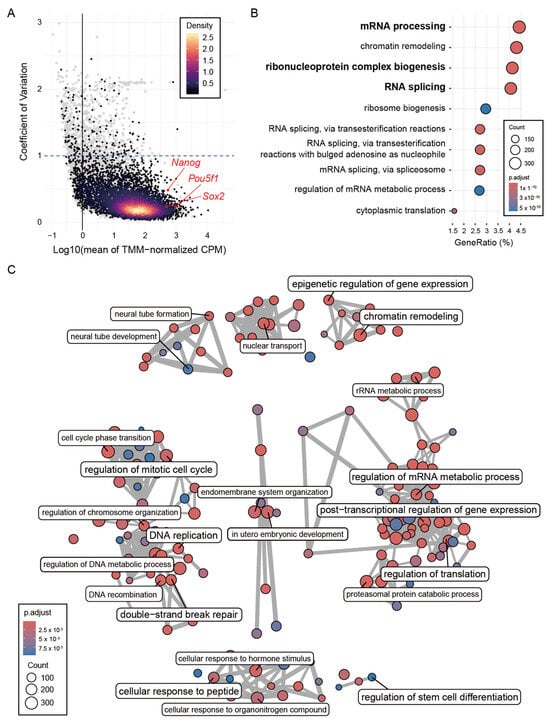
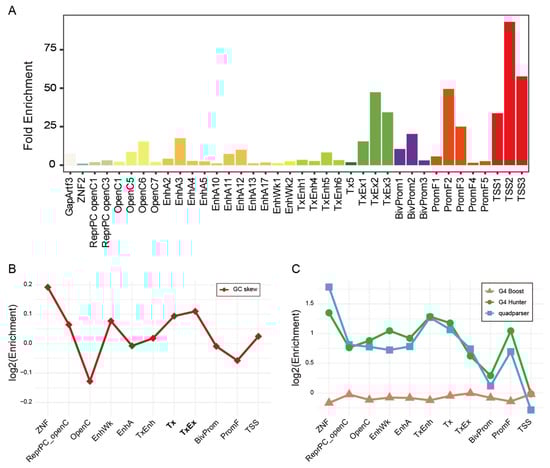
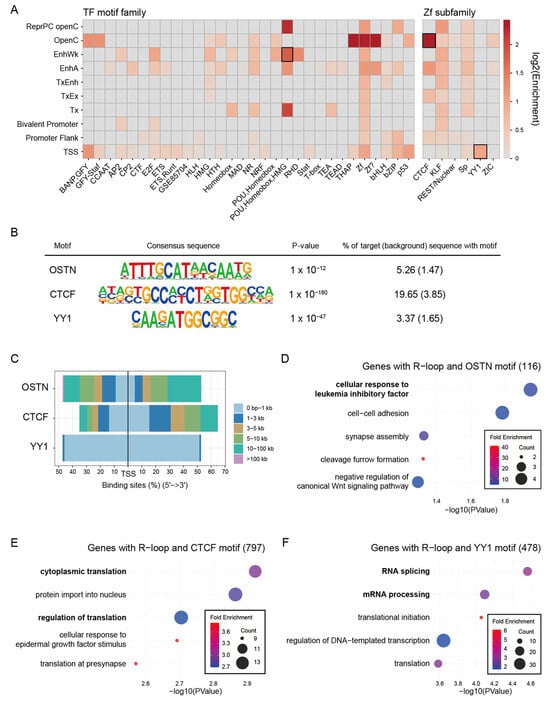
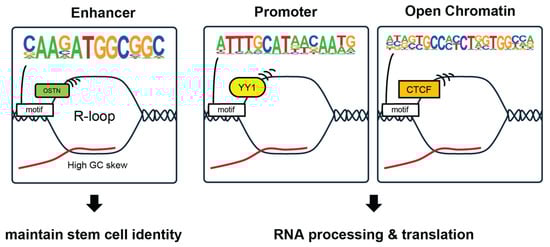
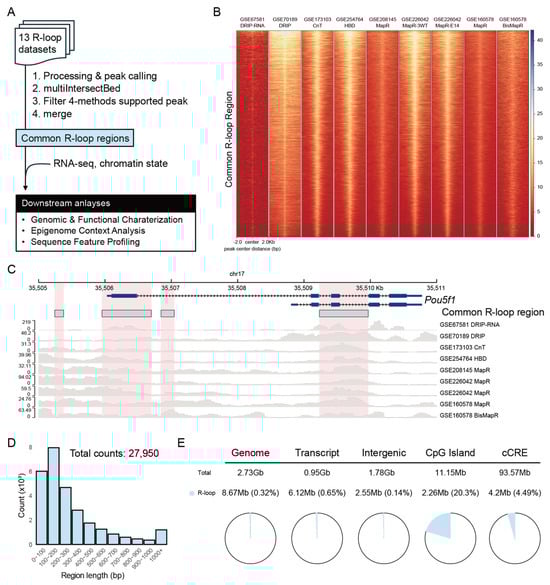
R-loops, three-stranded nucleic acid structures formed by an RNA-DNA hybrid, have emerged as important regulators of transcription and genome stability. Although advances in high-throughput sequencing have revealed widespread R-loop landscapes, platform-specific biases hinder the identification of conserved R-loops in specific cell types. Mouse embryonic stem cells, which are transcriptionally active, provide an ideal system for investigating the potential roles of stable R-loops in RNA biology. Here, we integrated 13 independent R-loop profiling datasets from four experimental platforms to define 27,950 Common R-loop regions in mouse embryonic stem cells and characterized their chromatin environment and associated biological functions. Common R-loop regions were reproducibly detected across methods and were preferentially localized to promoter-proximal and genic regions enriched in CpG islands. Genes associated with Common R-loops were highly and stably expressed, showing strong functional enrichment in RNA metabolic processes such as mRNA processing, RNA splicing, and ribonucleoprotein complex biogenesis. Chromatin state analysis revealed that Common R-loops are enriched in transcriptionally active and regulatory contexts. Sequence feature analysis further identified GC skew as a prominent signature of Common R-loops, particularly within transcribed chromatin states. Transcription factor motif analyses have identified distinct regulatory environments in Common R-loop regions, including pluripotency-associated OCT4-SOX2-TCF-NANOG motifs in enhancers, CTCF motifs in open chromatin, and YY1 motifs in promoters. Together, this study provides the first integrated analysis of conserved R-loop regions in mouse embryonic stem cells, revealing their preferential localization at regulatory loci linked to RNA metabolism and highlighting R-loops as structural and functional nodes in RNA biology.
Full article

Figure 1

Open AccessReview
Histone Modifications in the Cell Cycle of C. elegans Embryogenesis: A Comparative Review
by
Anati Alyaa Azhar and Hector Mendoza
Epigenomes 2026, 10(1), 15; https://doi.org/10.3390/epigenomes10010015 - 27 Feb 2026
Abstract
►▼
Show Figures
Cell division is a highly regulated process that actively involves dynamic changes to the genetic material within the nucleus. DNA is faithfully replicated in the S-Phase of the cell cycle, being converted from loose, relaxed chromatin into tight, condensed chromosomes to be segregated
[...] Read more.
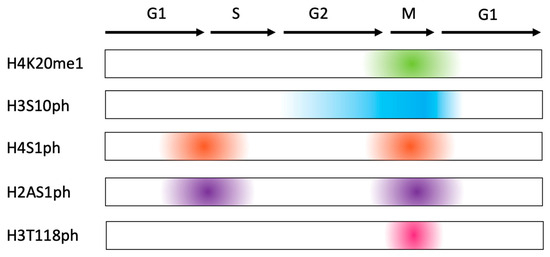
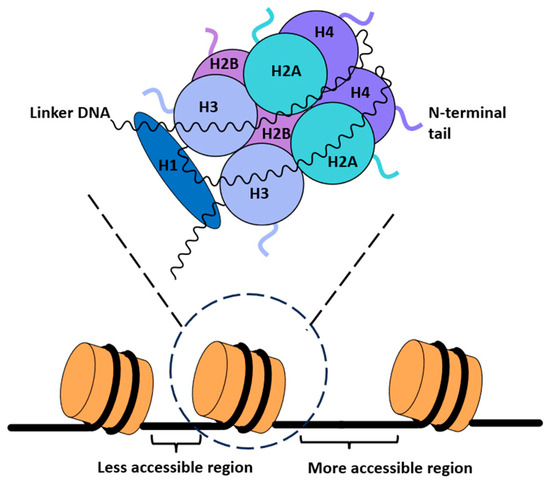
Cell division is a highly regulated process that actively involves dynamic changes to the genetic material within the nucleus. DNA is faithfully replicated in the S-Phase of the cell cycle, being converted from loose, relaxed chromatin into tight, condensed chromosomes to be segregated in mitosis. In addition to scaffolding proteins that shape these mitotic chromosomes, post-translational modifications of histones within nucleosomes modulate chromosome dynamics throughout the cell cycle. In this review, we use a comparative approach to highlight some of the major epigenetic marks affected by the cell cycle during embryogenesis of Caenorhabditis elegans: H4K20me1, H3S10ph, H4S1ph, H2AS1ph, and H3T118ph. These five histone post-translational modifications will be specifically highlighted in the context of the mitotic cell cycle, as they are well documented in the C. elegans literature.
Full article

Figure 1
Open AccessArticle
Epigenetic Activity of Cancer Therapy Drugs Revealed by HeLa TI Cell-Based Assay
by
Varvara Maksimova, Valeriia Popova, Alyona Kholodova, Julia Makus, Olga Usalka, Eugenia Lylova, Aleksandr Kudriashov, Gennady Belitsky, Marianna Yakubovskaya and Kirill Kirsanov
Epigenomes 2026, 10(1), 14; https://doi.org/10.3390/epigenomes10010014 - 23 Feb 2026
Abstract
Background/Objectives: The aberrant epigenetic landscape of cancer cells has attracted wide attention, motivating the search for new epigenetically active drugs both for anticancer therapy and for overcoming the drug resistance promoted by epigenetic changes. The use of epi-drugs in cancer therapy requires consideration
[...] Read more.
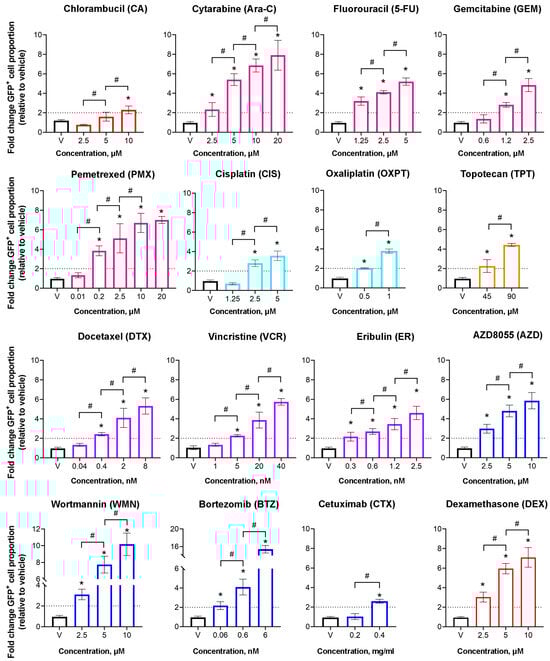
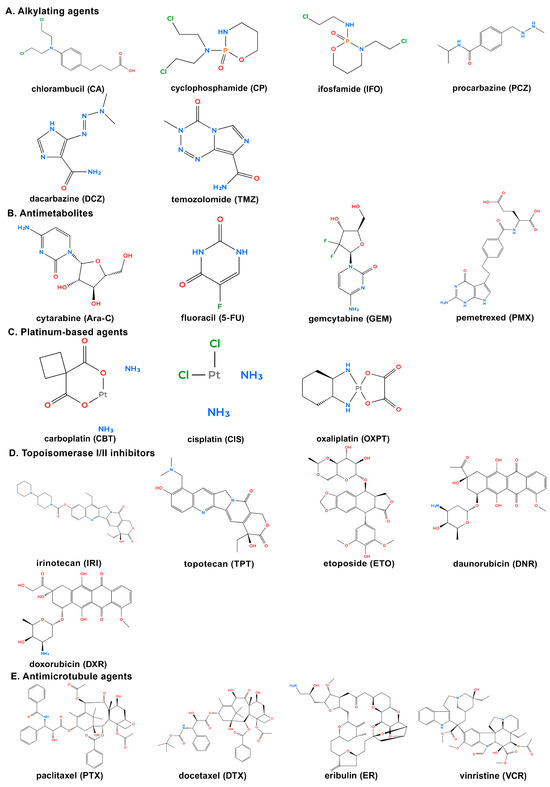
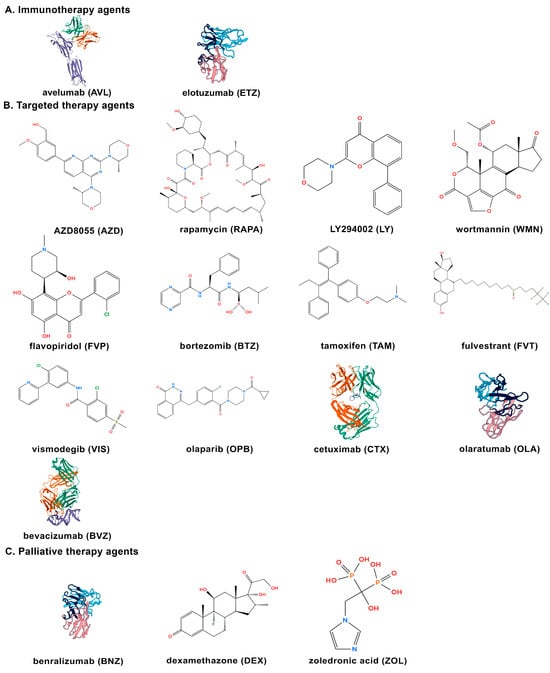
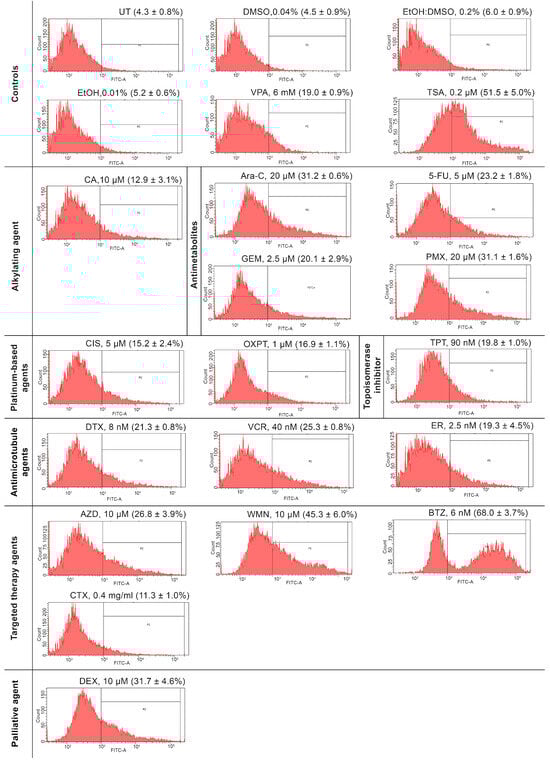
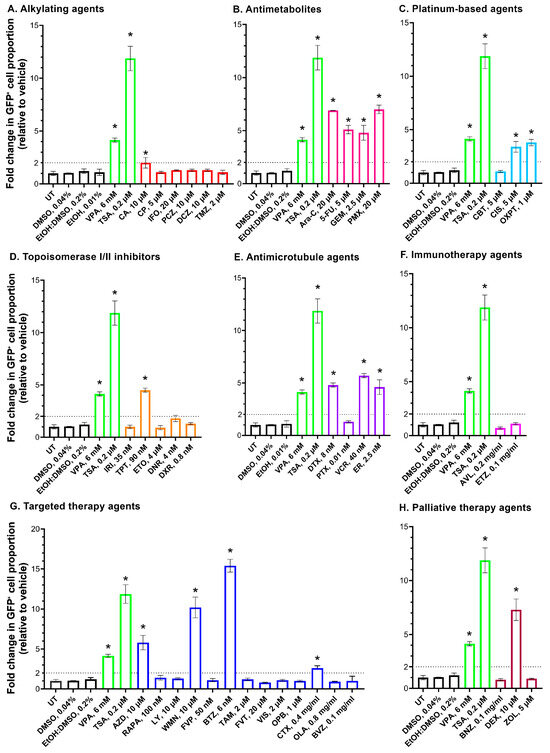
Background/Objectives: The aberrant epigenetic landscape of cancer cells has attracted wide attention, motivating the search for new epigenetically active drugs both for anticancer therapy and for overcoming the drug resistance promoted by epigenetic changes. The use of epi-drugs in cancer therapy requires consideration of the influence of applied treatment on epigenetic regulation of gene expression. Therefore, it is reasonable to screen epigenetically active compounds among the drugs widely used in clinical oncology. Methods: We applied the HeLa TI cell-based assay to analyze the epigenetic activity of 40 drugs including 22 chemotherapeutic, 2 immunotherapeutic, 13 targeted, and 3 palliative agents. Reactivation of the epigenetically silenced GFP reporter gene integrated into the genome of HeLa TI cells was assessed using flow cytometry. Results: Statistically significant increases in the proportions of GFP-positive cells were demonstrated for the alkylating agent chlorambucil; the antimetabolites cytarabine, fluorouracil, gemcitabine, and pemetrexed; the platinum-based compounds cisplatin, and oxaliplatin; the topoisomerase inhibitor topotecan; and the antimicrotubule agents docetaxel, vincristine, and eribulin. Epigenetic activity was also detected for the targeted-therapy agents AZD8055, wortmannin, and cetuximab, as well as for the corticosteroid dexamethasone. Thus, epigenetic activity was revealed for 15 drugs widely used in cancer therapy, which possess different modes of action. Conclusions: Our findings show that many anticancer therapy agents modulate the epigenetic landscape of cancer cells, providing a rationale for expanding their therapeutic applications and enhancing the efficacy of combination strategies by overcoming epigenetically driven chemoresistance.
Full article
(This article belongs to the Special Issue Features Papers in Epigenomes 2025)
►▼
Show Figures

Figure 1
Open AccessReview
The Epigenetic Battleground: Host Chromatin at the Core of Infection
by
Fabrício Castro Machado and Nilmar Silvio Moretti
Epigenomes 2026, 10(1), 13; https://doi.org/10.3390/epigenomes10010013 - 15 Feb 2026
Cited by 1
Abstract
Chromatin dynamics are usually modulated by histone epigenetic post-translational modifications, which rapidly and reversibly govern accessibility and transcriptional responsiveness. During microbial infection, this regulatory layer becomes a highly contested interface where host defense mechanisms and pathogen-driven subversion strategies converge and compete. Many infectious
[...] Read more.
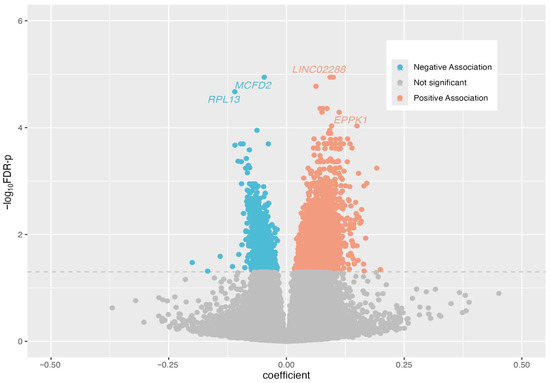
Chromatin dynamics are usually modulated by histone epigenetic post-translational modifications, which rapidly and reversibly govern accessibility and transcriptional responsiveness. During microbial infection, this regulatory layer becomes a highly contested interface where host defense mechanisms and pathogen-driven subversion strategies converge and compete. Many infectious agents exploit chromatin to reprogram gene expression, creating cellular environments that are conducive to infection, proliferation, and persistence. Diverse strategies have been described for viruses, bacteria, fungi, protozoa and nematodes, including the direct secretion of acetyltransferases and methyltransferases, interference with host chromatin-binding proteins, subcellular localization of transcriptional factors or epigenetic regulators, and metabolic availability manipulation. Concurrently, host cells activate immune and stress-response genes to mount rapid, adaptable antimicrobial responses. Recent advances in genome-wide, single-cell, and spatial omics profiling have begun to reveal the temporal and cell-type-specific dynamics of the host genome at the core of infection. This review synthesizes current insights into how chromatin is rewired by the major categories of pathogens during infection, highlighting representative case studies across infective agents and the functional consequences for immunity and cell fate. In addition, we discuss emerging techniques for epigenomic and transcriptomic data collection, and the potential of targeted host-directed therapeutic strategies. Chromatin regulation is thus a promising field of study and a possible target for next-generation interventions.
Full article
(This article belongs to the Special Issue Epigenetics Meets Immunology: Mechanisms, Crosstalk, and Therapeutic Implications)
►▼
Show Figures

Figure 1
Journal Menu
► ▼ Journal Menu-
- Epigenomes Home
- Aims & Scope
- Editorial Board
- Topical Advisory Panel
- Instructions for Authors
- Special Issues
- Topics
- Topical Collections
- Article Processing Charge
- Indexing & Archiving
- Editor’s Choice Articles
- Most Cited & Viewed
- Journal Statistics
- Journal History
- Journal Awards
- Society Collaborations
- Editorial Office
Journal Browser
► ▼ Journal BrowserHighly Accessed Articles
Latest Books
E-Mail Alert
News
Topics
Topic in
Brain Sciences, CIMB, Epigenomes, Genes, IJMS, DNA
Genetics and Epigenetics of Substance Use Disorders
Topic Editors: Aleksandra Suchanecka, Anna Maria Grzywacz, Kszysztof ChmielowiecDeadline: 14 April 2027
Special Issues
Special Issue in
Epigenomes
DNA Methylation Markers in Health and Disease
Guest Editor: Osman El‐MaarriDeadline: 31 May 2026
Special Issue in
Epigenomes
Single-Cell and Spatial Epigenomics: Methods and Applications
Guest Editor: Sankarasubramanian JagadesanDeadline: 20 June 2026
Special Issue in
Epigenomes
Epigenetics Meets Immunology: Mechanisms, Crosstalk, and Therapeutic Implications
Guest Editor: Yalong WangDeadline: 31 July 2026
Special Issue in
Epigenomes
RNA Methylation and Mental Health: Emerging Molecular Insights
Guest Editor: Huiping ZhangDeadline: 31 October 2026
Topical Collections
Topical Collection in
Epigenomes
Epigenetic Regulation of Cellular Differentiation
Collection Editor: Wiesława Leśniak
Topical Collection in
Epigenomes
Epigenetic Mechanisms in Diabetes Research
Collection Editor: Assam El-Osta