
Journal Description
Fermentation
Fermentation
is an international, peer-reviewed, open access journal on fermentation process and technology, published monthly online by MDPI.
- Open Access— free for readers, with article processing charges (APC) paid by authors or their institutions.
- High Visibility: indexed within Scopus, SCIE (Web of Science), PubAg, FSTA, Inspec, CAPlus / SciFinder, and other databases.
- Journal Rank: JCR - Q2 (Biotechnology and Applied Microbiology) / CiteScore - Q1 (Plant Science)
- Rapid Publication: manuscripts are peer-reviewed and a first decision is provided to authors approximately 19.5 days after submission; acceptance to publication is undertaken in 2.9 days (median values for papers published in this journal in the second half of 2025).
- Recognition of Reviewers: reviewers who provide timely, thorough peer-review reports receive vouchers entitling them to a discount on the APC of their next publication in any MDPI journal, in appreciation of the work done.
Impact Factor:
3.3 (2024);
5-Year Impact Factor:
3.5 (2024)
Latest Articles
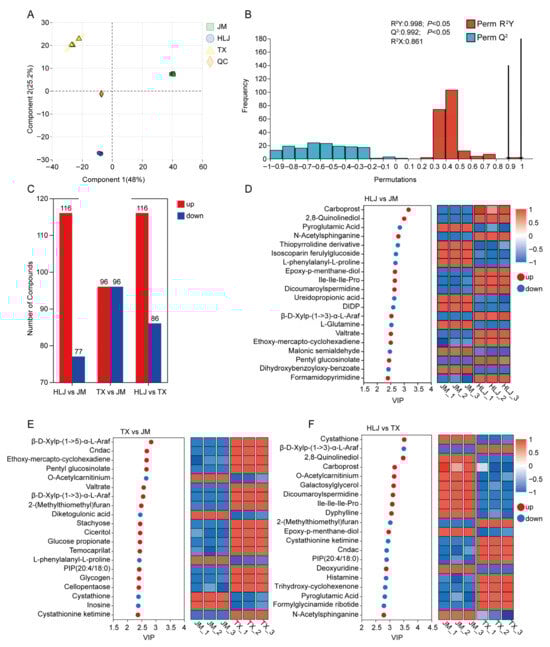
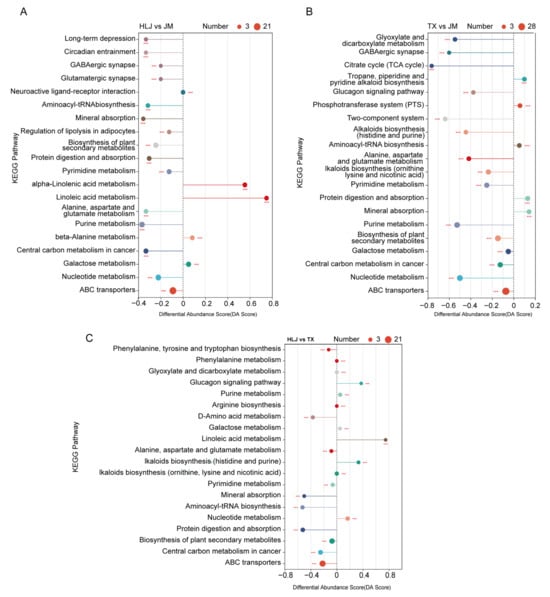
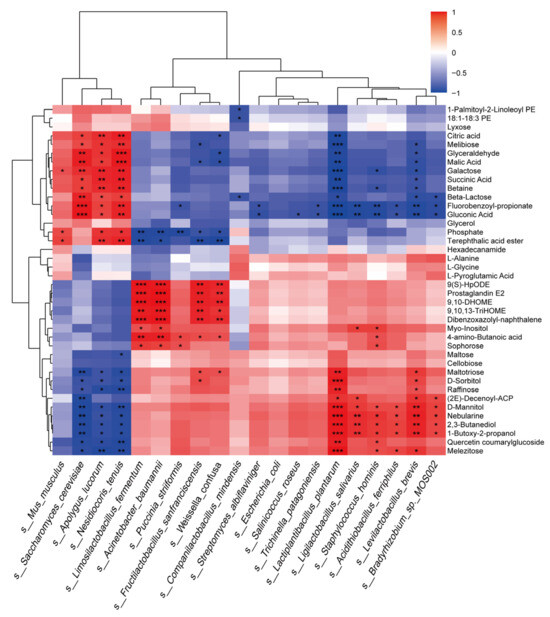
Deciphering Northeast–Northwest Differences in Steamed Bread Microbiota and Flavor via Metagenomics and Untargeted Metabolomics
Fermentation 2026, 12(3), 153; https://doi.org/10.3390/fermentation12030153 (registering DOI) - 14 Mar 2026
Abstract
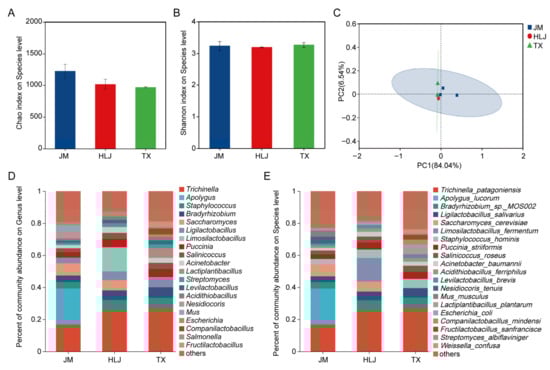
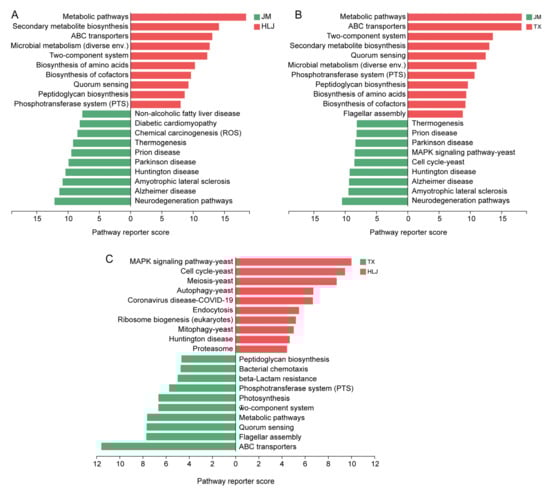
The current understanding of microbiota–flavor correlations in Chinese sourdough steamed bread is predominantly derived from the central provinces, with comparatively limited investigation in northeastern and northwestern regions. This study bridges this gap by analyzing traditional starters from Heilongjiang (HLJ) and Ningxia (TX) versus
[...] Read more.
The current understanding of microbiota–flavor correlations in Chinese sourdough steamed bread is predominantly derived from the central provinces, with comparatively limited investigation in northeastern and northwestern regions. This study bridges this gap by analyzing traditional starters from Heilongjiang (HLJ) and Ningxia (TX) versus an industrial starter (JM) through integrated metagenomics and untargeted metabolomics. HLJ was dominated by Limosilactobacillus fermentum (14.75%), while TX featured a synergistic Lactiplantibacillus plantarum–Fructilactobacillus sanfranciscensis consortium. Metabolic pathway analysis revealed enhanced glycolysis, amino acid metabolism, and glycerophospholipid transformation driving flavor biosynthesis and dough rheology improvement, supported by nitrogen-metabolizing Bradyrhizobium spp. (6.00–6.61%). Core pathway enrichment established molecular foundations for region-specific flavors: HLJ generated sulfury/pungent notes via the enzymatic conversion of pentyl glucosinolate to isothiocyanates, whereas TX developed caramel–roasted aromas through stachyose/xylose-derived Maillard reactions forming 2-(methylthiomethyl)furan. Both consortia exhibited higher bitterness and lower umami than JM, with HLJ showing marginally higher umami and lower bitterness than TX. These findings elucidate the microbial mechanisms underlying regional flavor differentiation.
Full article
(This article belongs to the Section Fermentation for Food and Beverages)
►
Show Figures
Open AccessArticle
Enhancing Biogas Production and Methane Yields Through Microbial Electrolysis Cell-Assisted Anaerobic Digestion in a Fed Batch Reactor
by
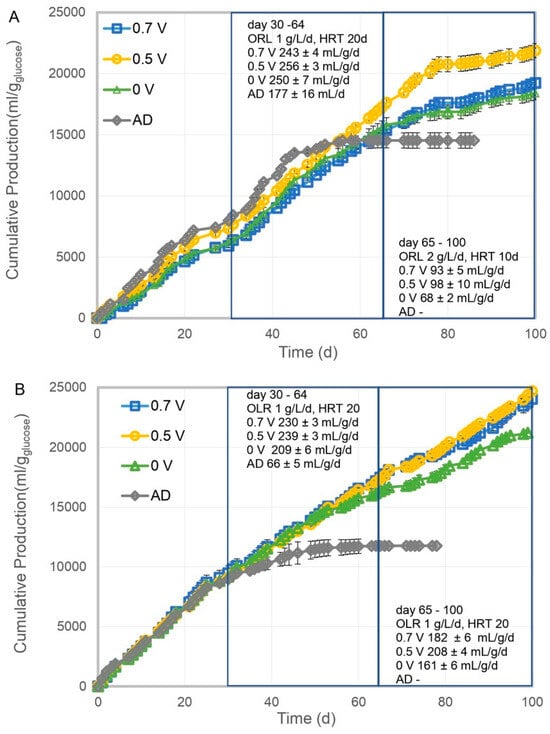
Rudolphus Antonius Timmers, Enrique Pérez Zapatero, Fernán Berride García, Miriam Barrazón Peña, Miguel Ángel Sánchez-Gatón and Dolores Hidalgo
Fermentation 2026, 12(3), 152; https://doi.org/10.3390/fermentation12030152 (registering DOI) - 14 Mar 2026
Abstract
To address the limitations of conventional anaerobic digestion (AD), this study explored the integration of microbial electrolysis cells (MECs) with AD to improve biogas production and process stability. While AD is a proven technology for renewable energy recovery from waste, it can suffer
[...] Read more.
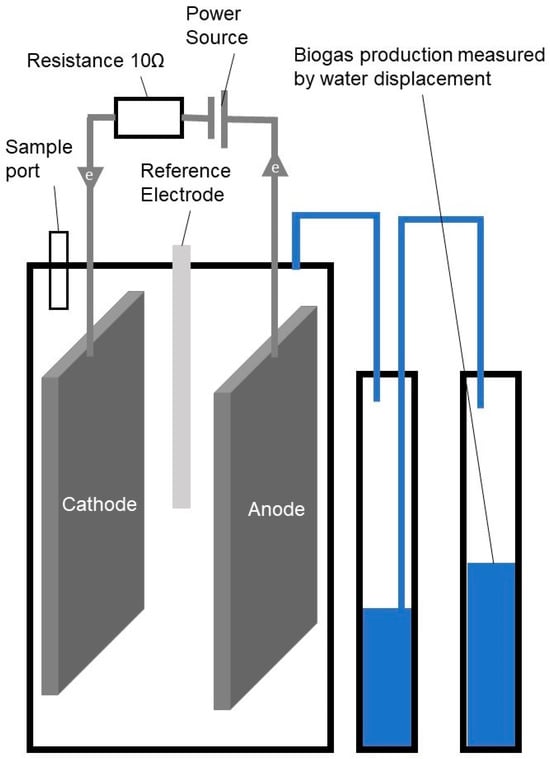
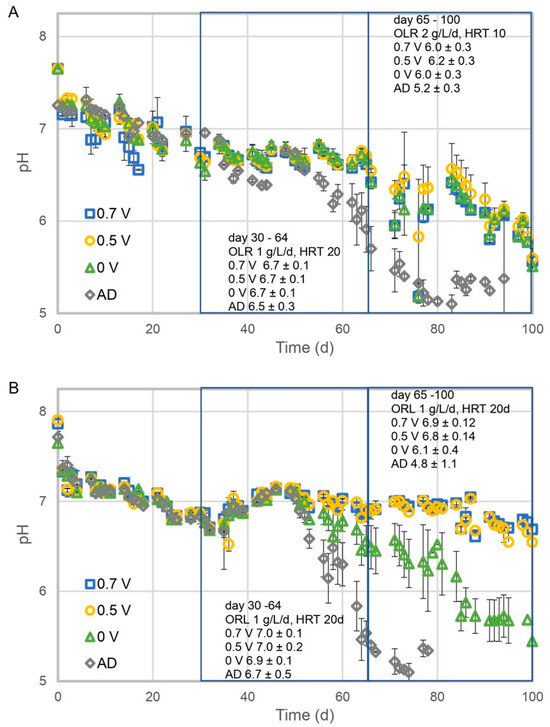
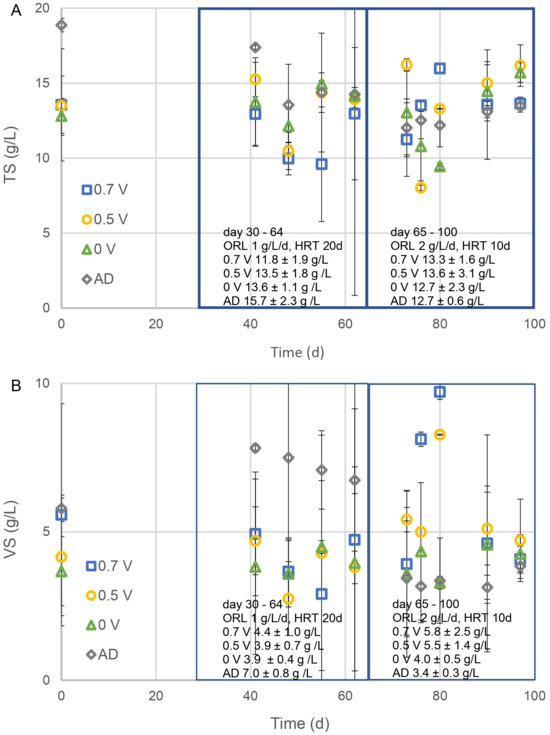
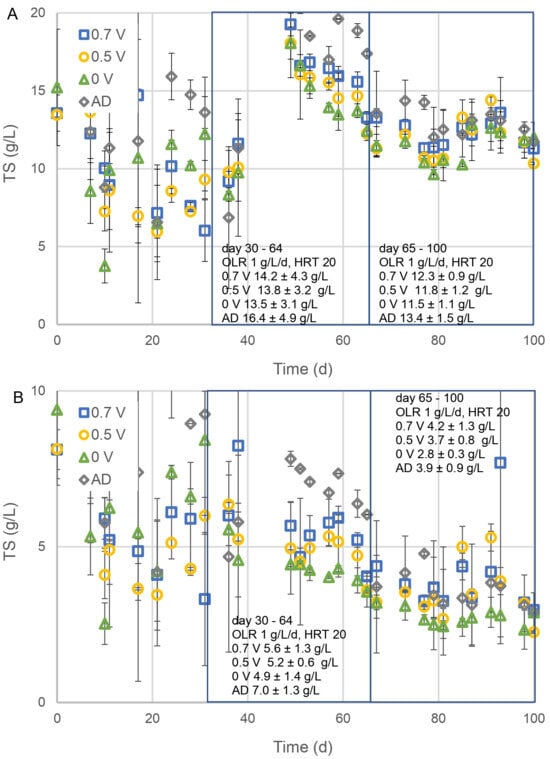
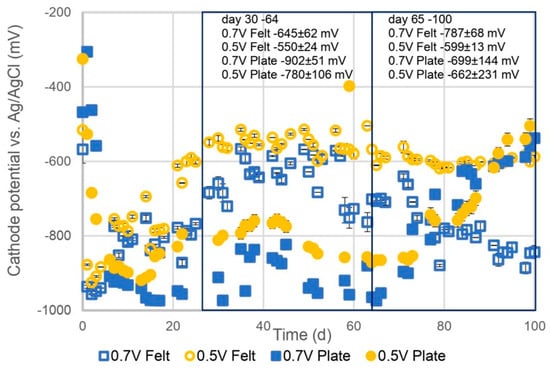
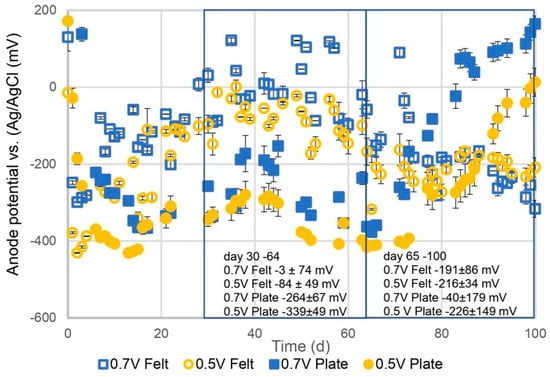
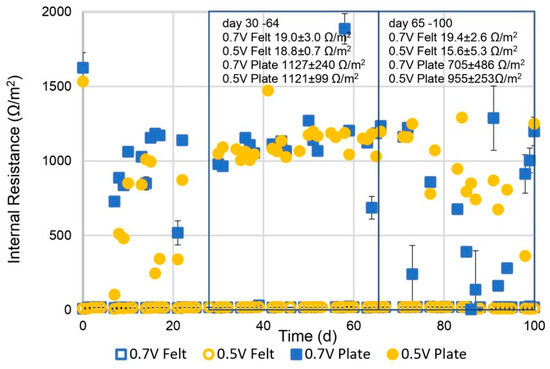
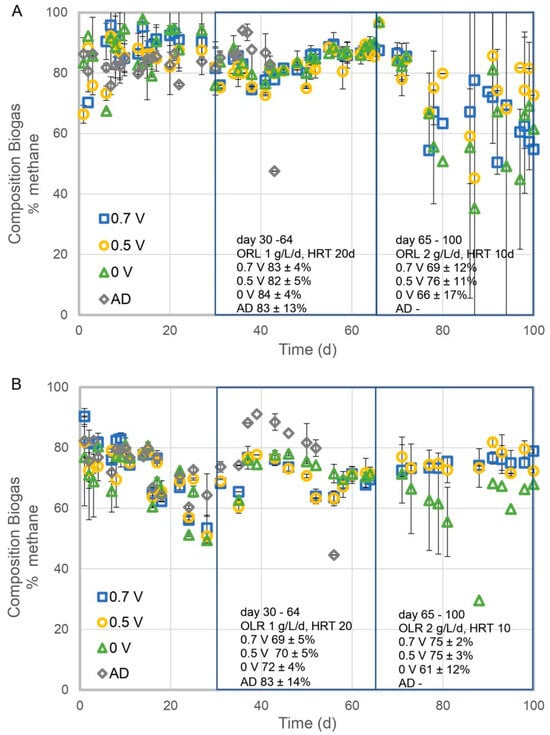
To address the limitations of conventional anaerobic digestion (AD), this study explored the integration of microbial electrolysis cells (MECs) with AD to improve biogas production and process stability. While AD is a proven technology for renewable energy recovery from waste, it can suffer from volatile fatty acid accumulation and reduced efficiency. The hybrid MEC–AD system leverages electro-methanogenesis to enhance methane yields and overall system performance. This research evaluated the effects of different electrode materials (graphite plate vs. graphite felt) and applied voltages (0.5 V and 0.7 V) on biogas output, methane content, and operational stability. Results showed that MEC–AD systems significantly outperformed conventional AD, with the highest biogas production reaching 239 ± 3 mL/gVS·d—an increase of up to 162% using graphite felt electrodes at 0.5 V. Internal resistance was also markedly lower with graphite felt (19 Ω/m2) compared to graphite plates (1120 Ω/m2). Furthermore, the pH of the MEC–AD system with graphite felt electrodes was maintained within the optimal range (6.8–7.0), avoiding the acidification seen in control systems. These findings underscore the promise of MEC–AD systems for advancing circular bio-economy initiatives and carbon neutrality. Further work is needed to refine electrode materials and reactor design for improved scalability and efficiency.
Full article
(This article belongs to the Special Issue Recent Advancements in Fermentation Technology: Biofuels Production)
►▼
Show Figures

Figure 1
Open AccessReview
Augmenting Kombucha’s Health Benefits with Plant and Honey Bioactive Molecules Enrichment
by
Laura-Dorina Dinu, Rely-Andreea Tudor, Teodora-Otilia Alexiu and Emanuel Vamanu
Fermentation 2026, 12(3), 151; https://doi.org/10.3390/fermentation12030151 (registering DOI) - 14 Mar 2026
Abstract
Kombucha, a traditionally fermented tea, has gained increasing scientific and commercial interest due to its sensory quality and bioactive metabolites profile associated with different health-related activities. Recent research highlights the value of enriching traditional and honey kombucha with plant-based biomolecules to create new
[...] Read more.
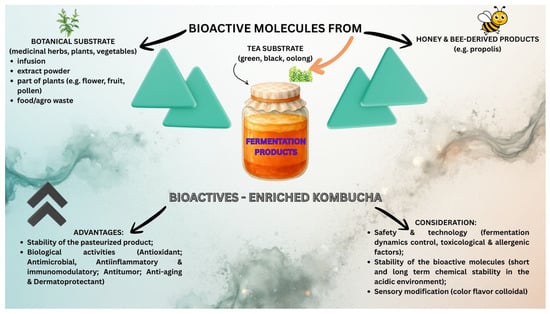
Kombucha, a traditionally fermented tea, has gained increasing scientific and commercial interest due to its sensory quality and bioactive metabolites profile associated with different health-related activities. Recent research highlights the value of enriching traditional and honey kombucha with plant-based biomolecules to create new functional beverages with enhanced functional and nutraceutical properties, improved flavor, and chemical stability. Therefore, this study aimed to review and update the research on the enrichment of kombucha with these natural biomolecules that have been shown to expand the spectrum of health-promoting activities (e.g., antioxidant, antimicrobial, anticancer, and anti-aging), while also enhancing the physicochemical stability of raw kombucha. Yet this innovation must be navigated with a thoughtful understanding of safety, biochemical stability, and sensory evaluation. Thus, this review strongly advocates that the integrative enrichment approach presents a promising strategy for developing next-generation functional beverages with synergistic nutritional and therapeutic benefits. Further controlled studies are needed to elucidate the mechanistic interactions between the kombucha’s microbiome and these added bioactive substrates, as well as to optimize formulations for targeted health applications.
Full article
(This article belongs to the Special Issue Nutrition and Health of Fermented Foods—4th Edition)
►▼
Show Figures

Figure 1
Open AccessArticle
Functional Characterization of ccpA in Heyndrickxia coagulans Reveals Coordinated Regulation of Carbon Catabolite Repression and L-Lactic Fermentation
by
Ji Yin, Pingping Liu, Shiwei Wang, Changtao Wang, Dongdong Wang, Jiachan Zhang, Dan Zhao and Meng Li
Fermentation 2026, 12(3), 150; https://doi.org/10.3390/fermentation12030150 - 13 Mar 2026
Abstract
Heyndrickxia coagulans is widely used for industrial L-lactic acid production, but carbon catabolite repression (CCR) and its link to fermentative metabolism remain poorly understood. A ccpA deletion mutant (ΔccpA) and a complementation strain (C-ccpA) were constructed to investigated the
[...] Read more.
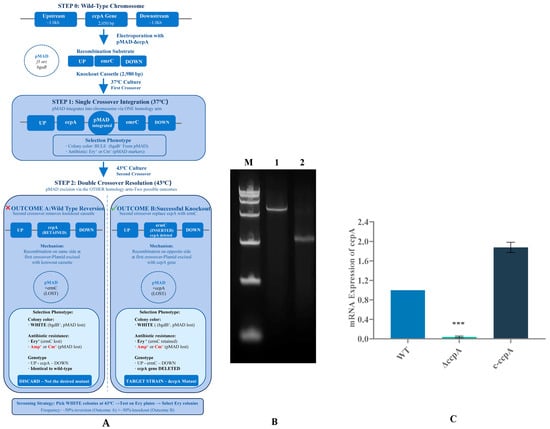
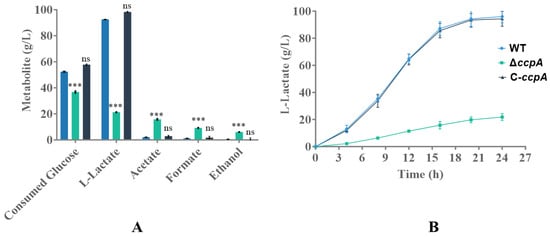
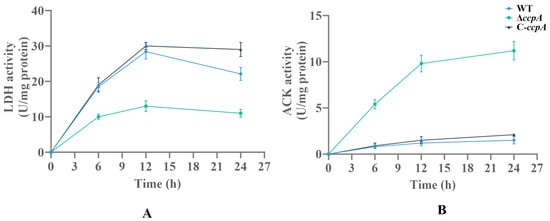
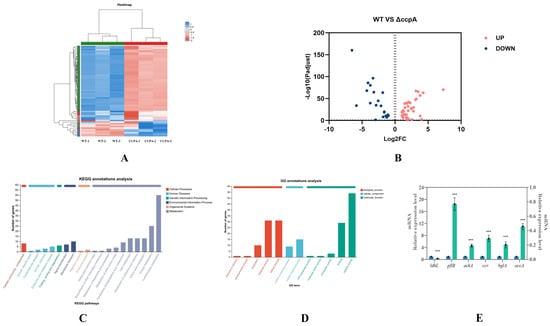
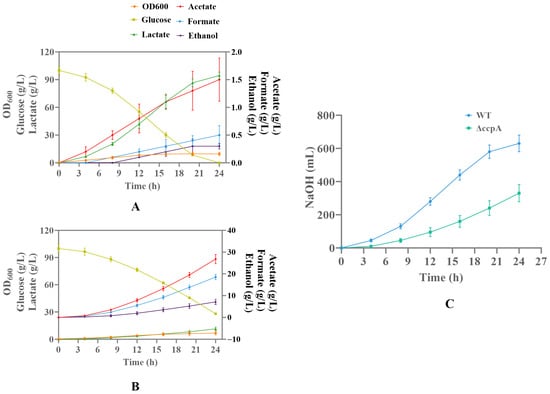
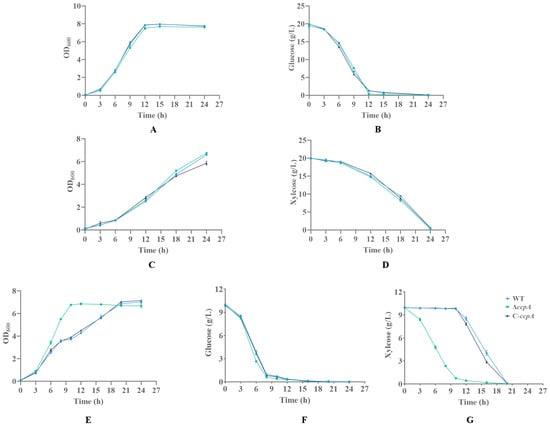
Heyndrickxia coagulans is widely used for industrial L-lactic acid production, but carbon catabolite repression (CCR) and its link to fermentative metabolism remain poorly understood. A ccpA deletion mutant (ΔccpA) and a complementation strain (C-ccpA) were constructed to investigated the physiological, enzymatic, and transcriptomic consequences of CcpA loss. Deletion of ccpA completely abolished glucose-mediated CCR, enabling simultaneous glucose–xylose co-utilization, and triggered a marked shift from L-lactic to mixed-acid fermentation, with an 82.5% reduction in lactate titer accompanied by 24.1-fold and 51.6-fold increases in acetate and formate, respectively. Enzyme activity assays showed that L-lactate dehydrogenase activity was reduced by half, whereas acetate kinase activity increased nearly six-fold. Transcriptomic analysis revealed downregulation of ldhL and upregulation of pflB and ackA. Scale-up fermentation in a 5 L bioreactor confirmed that the wild type directed 90.2% of carbon flux to lactate (yield, 0.95 g/g glucose), compared with only 24.5% in the mutant. All phenotypes were fully restored upon complementation. These results demonstrate that CcpA is as an indispensable dual regulator of both CCR and L-lactic fermentation, providing a foundation for rational metabolic engineering of H. coagulans.
Full article
(This article belongs to the Section Microbial Metabolism, Physiology & Genetics)
►▼
Show Figures

Figure 1
Open AccessArticle
In Situ Enclosure Experiments Evaluating Clay–Bacillus Ba3 Broth for Dinoflagellate Control in Coastal Aquaculture Waters
by
Balaji Prasath Barathan, Yuping Su and Ying Wang
Fermentation 2026, 12(3), 149; https://doi.org/10.3390/fermentation12030149 - 13 Mar 2026
Abstract
We evaluated the algicidal properties of Bacillus Ba3 fermentation broth combined with clay for harmful algae bloom (HAB) control through in situ enclosure experiments in Suao Bay, China. It was indicated by the results that the combination significantly reduced HAB abundance, turbidity and
[...] Read more.
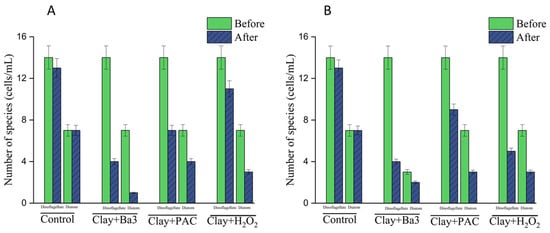
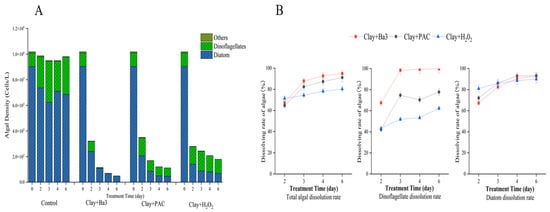
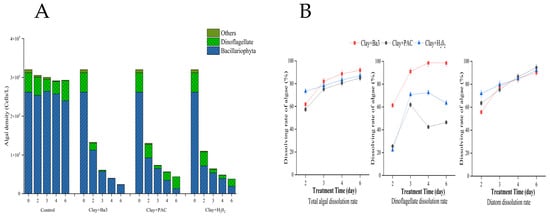
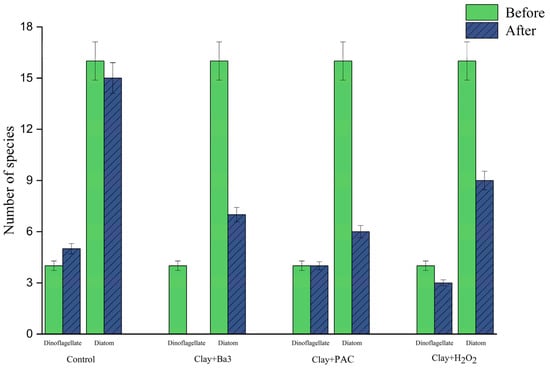
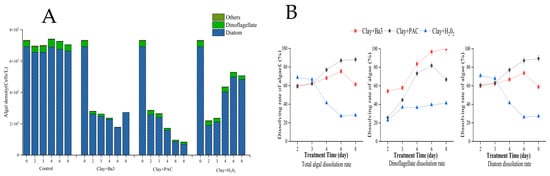
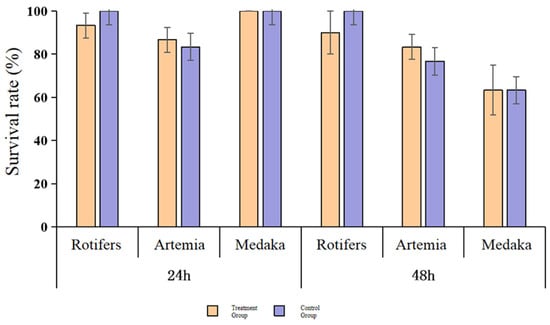
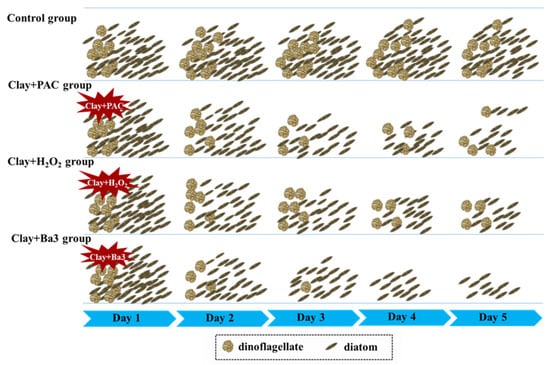
We evaluated the algicidal properties of Bacillus Ba3 fermentation broth combined with clay for harmful algae bloom (HAB) control through in situ enclosure experiments in Suao Bay, China. It was indicated by the results that the combination significantly reduced HAB abundance, turbidity and phosphorous in water without affecting zooplankton and small fish. The treatment achieved 99.8% (Phase 1) and 100% (Phase 2, with sediment) removal rates for harmful dinoflagellates, primarily Prorocentrum donghaiense and Karenia mikimotoi, while demonstrating high taxonomic selectivity, allowing beneficial diatom populations such as Chaetoceros spp. to remain resilient. This synergy is attributed to clay acting as a physical carrier that brings adsorbed algicidal metabolites into direct, prolonged contact with algal membranes. This method shows promise for prolonged dinoflagellate control and may offer an economical and environmentally sound approach to HABs. More research is needed to establish its action on a wider scale in marine environments.
Full article
(This article belongs to the Section Industrial Fermentation)
►▼
Show Figures

Figure 1

Open AccessArticle
Antioxidant and Cytoprotective Effects of Fermented Panax ginseng Berry and Root Extracts
by
Mihye Park and Sun Mee Lee
Fermentation 2026, 12(3), 148; https://doi.org/10.3390/fermentation12030148 - 12 Mar 2026
Abstract
The roots of Panax ginseng are well known for their bioactive properties, while its berries have recently attracted attention for their pharmacological potential. This study investigated whether fermentation with Lactiplantibacillus plantarum enhances the antioxidant properties of ginseng roots and berries and their protective
[...] Read more.
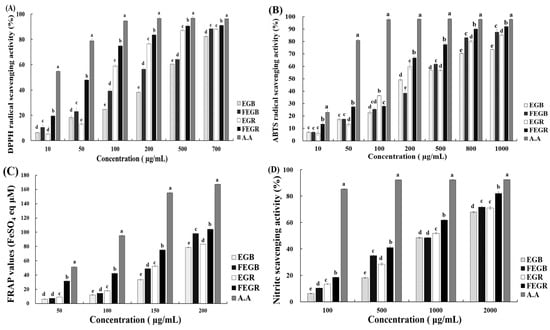
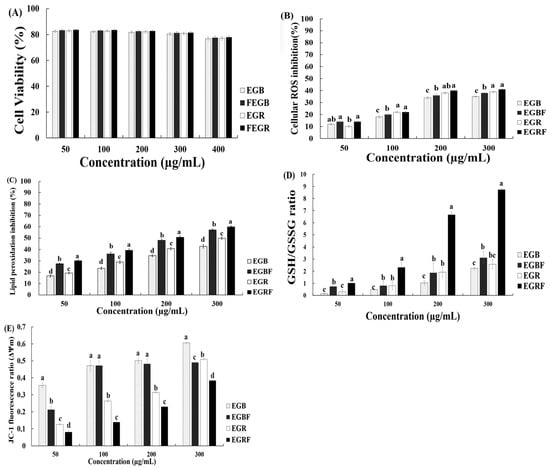
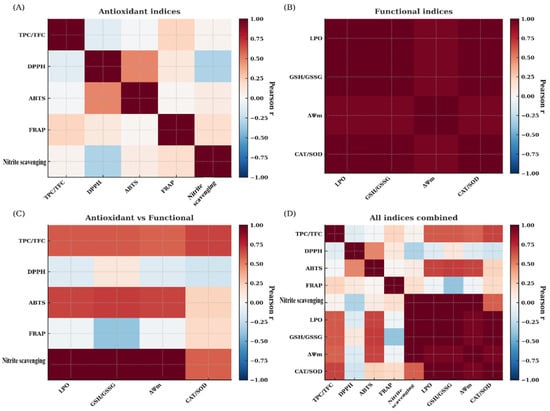
The roots of Panax ginseng are well known for their bioactive properties, while its berries have recently attracted attention for their pharmacological potential. This study investigated whether fermentation with Lactiplantibacillus plantarum enhances the antioxidant properties of ginseng roots and berries and their protective effects against oxidative stress in vitro. Fermentation significantly increased total polyphenol, flavonoid, and saponin contents and promoted the conversion of major ginsenosides (ginsenoside Rg1, ginsenoside Rb1, and ginsenoside Rb2), which are relatively less bioavailable, into minor ginsenosides (ginsenoside Rh1, ginsenoside Rg2, and ginsenoside Rg3) with enhanced biological activity and bioavailability. Fermented extracts exhibited higher radical-scavenging activities in 2,2-diphenyl-1-picrylhydrazyl (DPPH), 2,2′-azino-bis(3-ethylbenzothiazoline-6-sulfonic acid) (ABTS), and ferric reducing antioxidant power (FRAP) assays than non-fermented extracts. In tert-butyl hydroperoxide (t-BHP)-stimulated Chang liver cells, fermented extracts reduced intracellular reactive oxygen species (ROS) generation, inhibited lipid peroxidation, restored the reduced glutathione/oxidized glutathione (GSH/GSSG) ratio, and enhanced antioxidant enzyme activities, including superoxide dismutase (SOD) and catalase (CAT). These results demonstrate that L. plantarum-mediated fermentation effectively enhances the antioxidant and cytoprotective potential of ginseng roots and berries, supporting their application as functional food ingredients.
Full article
(This article belongs to the Section Probiotic Strains and Fermentation)
►▼
Show Figures

Figure 1
Open AccessReview
Recent Advances in Microalgae Cultivation Systems: Toward Autonomous Architecture
by
Viyils Sangregorio-Soto, Edgar Yesid Mayorga Lancheros and Renata De La Hoz
Fermentation 2026, 12(3), 147; https://doi.org/10.3390/fermentation12030147 - 12 Mar 2026
Abstract
Scaling up microalgae cultivation is key to commercial viability. Over the past two decades, the market value of microalgae has expanded exponentially, driven by their applications in the pharmaceutical, nutraceutical, cosmetic, and animal feed industries. High-value compounds such as omega-3 fatty acids, proteins,
[...] Read more.
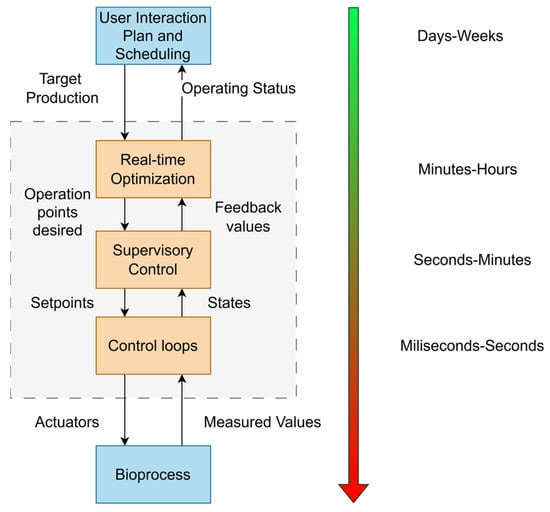
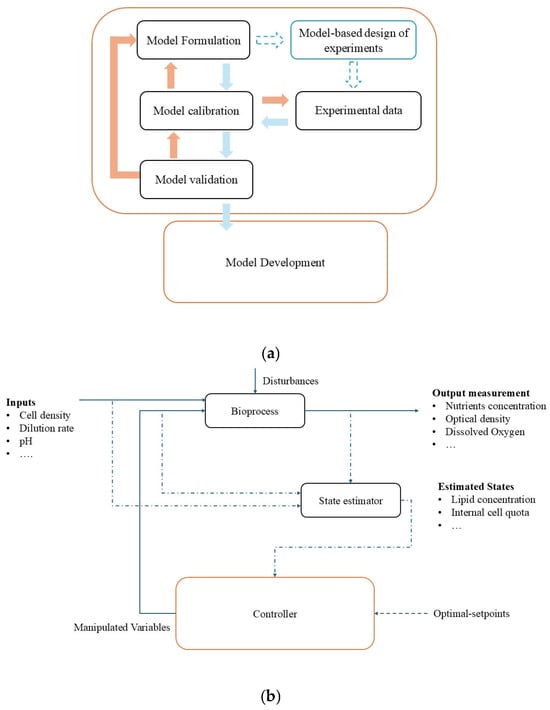
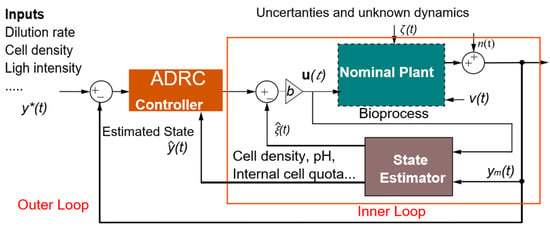
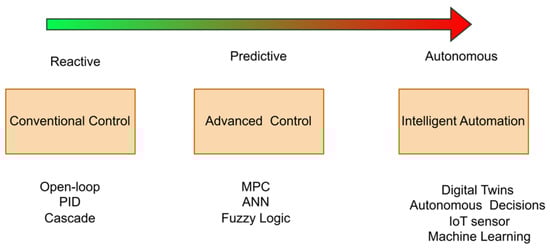
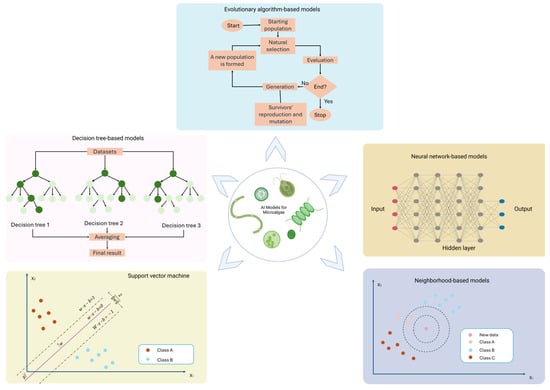
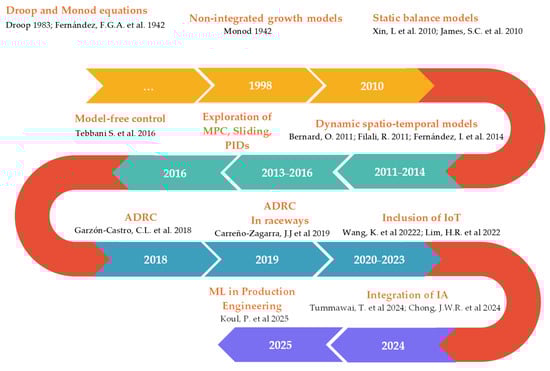
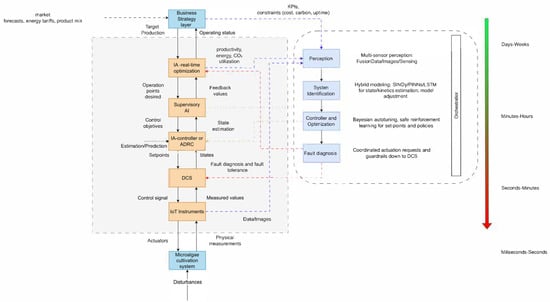
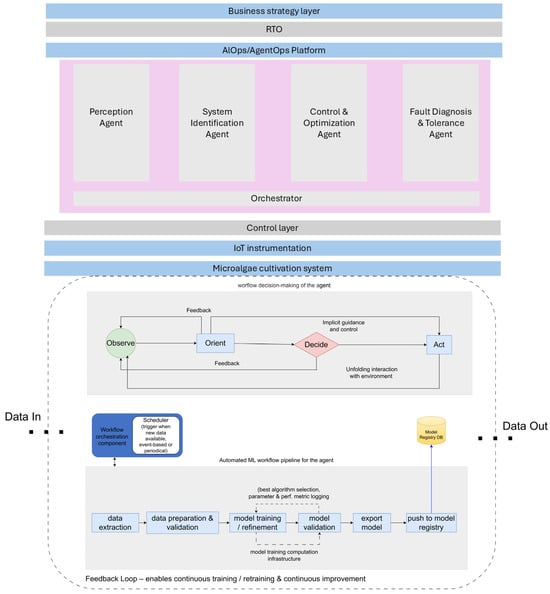
Scaling up microalgae cultivation is key to commercial viability. Over the past two decades, the market value of microalgae has expanded exponentially, driven by their applications in the pharmaceutical, nutraceutical, cosmetic, and animal feed industries. High-value compounds such as omega-3 fatty acids, proteins, and pigments are in strong demand. However, supply remains constrained by suboptimal cultivation practices and high harvesting costs. Despite decades of progress in process modeling, control, and optimization, industrial adoption is still limited by dynamic cultivation conditions influenced by weather variability, biological adaptation, and integration challenges. Technical barriers, including limited data accuracy, modest control performance, and the fragility of low-cost devices, further restrict optimization efforts. In response, we examined recent advances in control, optimization, and automated machine learning applied to microalgae cultivation. We propose an automated architecture built on a closed-loop supervisory layer that embeds machine learning within the control loop, enabling real-time monitoring, prediction, and adaptive actuation. This approach aligns with real-time optimization and distributed control system practices, integrating system identification, controller optimization, fault diagnosis and tolerance, and perception to achieve autonomous, uncertainty-aware operation.
Full article
(This article belongs to the Special Issue Cyanobacteria and Eukaryotic Microalgae (2nd Edition))
►▼
Show Figures

Figure 1

Open AccessArticle
Optimization of pH and Temperature in a Simplified Peptone-Based Medium for Enhanced Recombinant Brazzein Expression in Pichia pastoris
by
Mariana Muñoz-Santacruz, Silvia Luna-Suárez, Nelly Ramírez-Corona, Aurelio López-Malo and Jocksan I. Morales-Camacho
Fermentation 2026, 12(3), 146; https://doi.org/10.3390/fermentation12030146 - 11 Mar 2026
Abstract
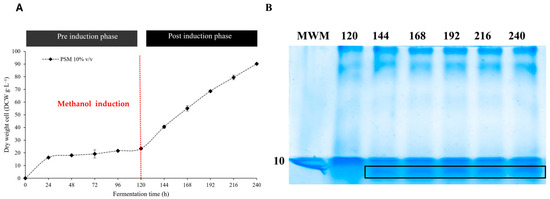
Brazzein is a sweet-tasting protein with high stability across a wide range of pH and temperature conditions. This study aimed to develop a simplified peptone-based medium (PSM) for the recombinant expression of brazzein in Pichia pastoris X-33 and to evaluate the effect of
[...] Read more.
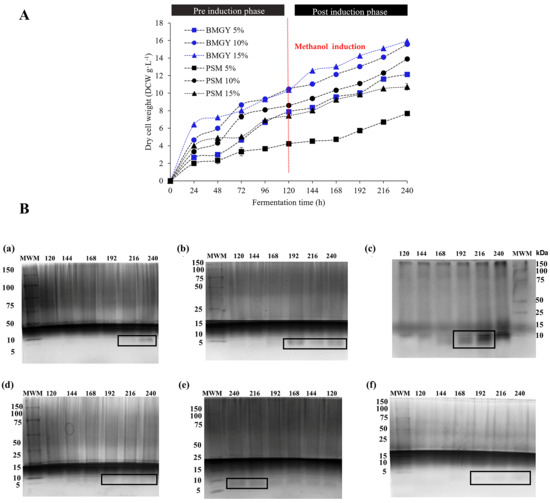
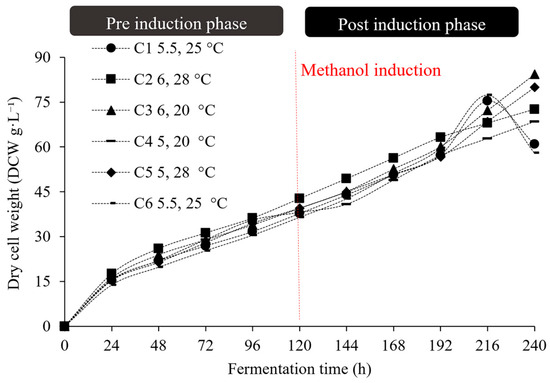
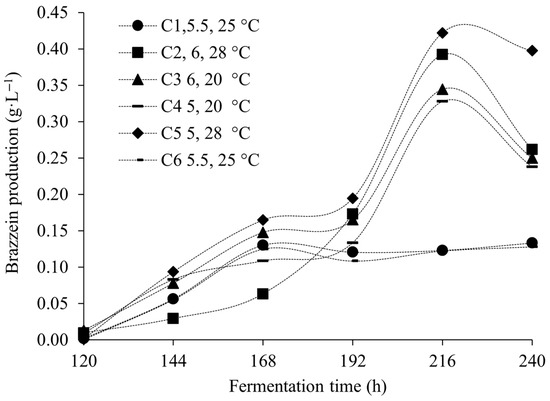
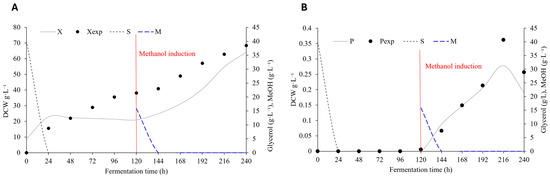
Brazzein is a sweet-tasting protein with high stability across a wide range of pH and temperature conditions. This study aimed to develop a simplified peptone-based medium (PSM) for the recombinant expression of brazzein in Pichia pastoris X-33 and to evaluate the effect of two inoculum concentrations (5%, 10%, and 15%) on cell growth and protein production in flask fermentations. Subsequently, fermentation was scaled up to a 2 L bioreactor using PSM and a 10% inoculum, achieving a yield of 0.196 g·L−1 after 216 h of induction. These results demonstrate that the PSM medium promotes robust biomass growth and efficient brazzein expression, representing a cost-effective alternative to conventional complex media. Additionally, the effect of pH (5.0, 5.5, and 6.0) and temperature (20, 25, and 28 °C) on brazzein production was evaluated, revealing that fermentation at pH 5.0 and 28 °C resulted in the highest protein concentration (0.422 g·L−1, unpurified). Finally, kinetic models based on the Monod and Luedeking–Piret equations were developed to describe the relationship between biomass formation, substrate consumption, and recombinant protein production.
Full article
(This article belongs to the Special Issue Fermentation: 10th Anniversary)
►▼
Show Figures

Figure 1

Open AccessArticle
Development of Probiotic Dark Chocolate Enriched with Encapsulated Saccharomyces boulardii: Storage Stability and In Vitro Gastrointestinal Survival
by
Eda Kılıç Kanak and Suzan Öztürk Yılmaz
Fermentation 2026, 12(3), 145; https://doi.org/10.3390/fermentation12030145 - 11 Mar 2026
Abstract
This study investigated the development of a sugar-free prebiotic and probiotic dark chocolate formulated with 39.76% cocoa mass, 41.856% cocoa butter, 14.8% inulin, and 1.6% stevioside. To enhance the stability of the probiotic yeast Saccharomyces boulardii, a microencapsulation technique using a cocoa
[...] Read more.
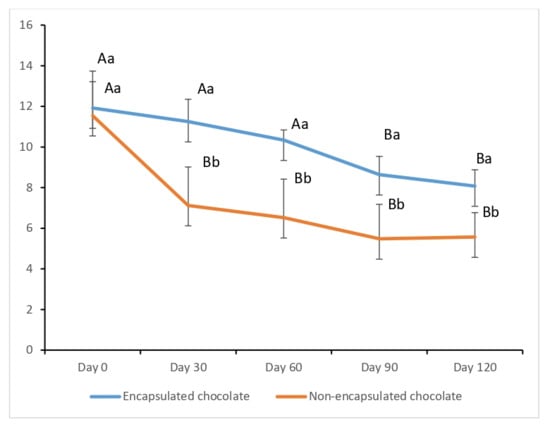
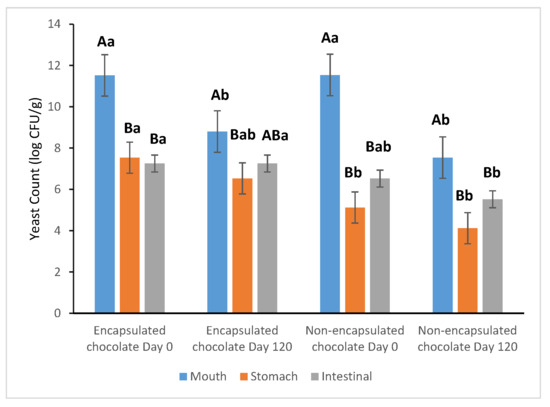
This study investigated the development of a sugar-free prebiotic and probiotic dark chocolate formulated with 39.76% cocoa mass, 41.856% cocoa butter, 14.8% inulin, and 1.6% stevioside. To enhance the stability of the probiotic yeast Saccharomyces boulardii, a microencapsulation technique using a cocoa powder, Na-alginate, and fructooligosaccharides (10:1:1 ratio) matrix was employed. The physicochemical properties and probiotic viability were monitored over a 120-day storage period at 25 °C. A significant increase in pH values was observed during storage (p < 0.05), while water activity (aw) values significantly decreased (p < 0.05). Encapsulation provided superior protection, with encapsulated samples retaining 2.51 log CFU/g more probiotics than unencapsulated samples after 120 days. Furthermore, in vitro gastrointestinal digestion assays conducted after one day of storage demonstrated the protective efficacy of the matrix; while unencapsulated probiotics suffered a drastic reduction of 6.42 log CFU/g under gastric conditions (pH 3, 2 h), the encapsulated probiotics showed a significantly lower reduction of only 3.99 log CFU/g. These results confirm that the Na-alginate/FOS-based encapsulation significantly improves the resilience of S. boulardii against both storage conditions and gastrointestinal stress, making this sugar-free prebiotic chocolate an effective delivery vehicle for probiotic yeasts.
Full article
(This article belongs to the Special Issue Yeasts as Microbial Cell Factories: Diversity, Biotechnology Potential and Applications)
►▼
Show Figures

Figure 1
Open AccessArticle
Exploiting Sexual Reproduction and Mass-Mating to Expand Phenotypic Diversity in Saccharomyces cerevisiae for Bioethanol Fermentation
by
Ignacio Guarda, Catalina Ardiles, Sebastián Dehnhardt-Amengual, Isidora Achiardi-Letelier and Wladimir Mardones
Fermentation 2026, 12(3), 144; https://doi.org/10.3390/fermentation12030144 - 10 Mar 2026
Abstract
Sexual reproduction in yeasts is a fundamental biological process that promotes genetic recombination and phenotypic diversification, enabling adaptation to fluctuating and stressful environments. Sporulation and subsequent mating generate novel allele combinations that enhance evolutionary potential; however, many domesticated industrial strains exhibit reduced sporulation
[...] Read more.
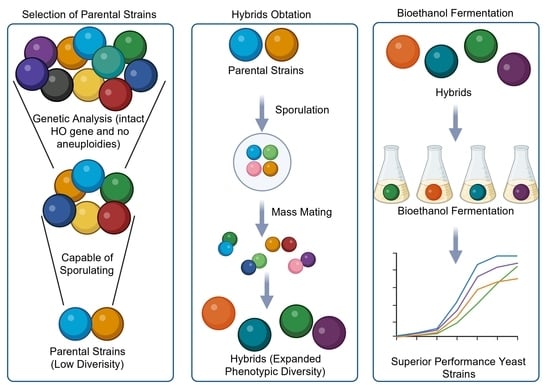
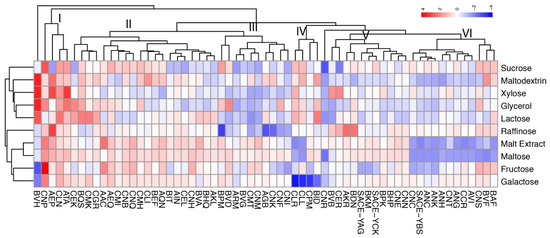
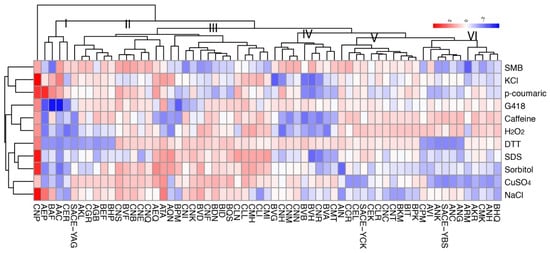
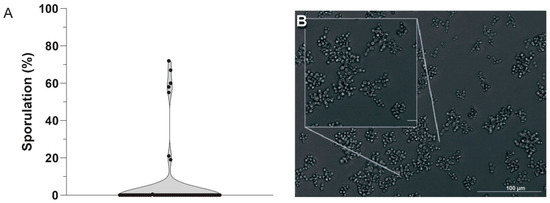
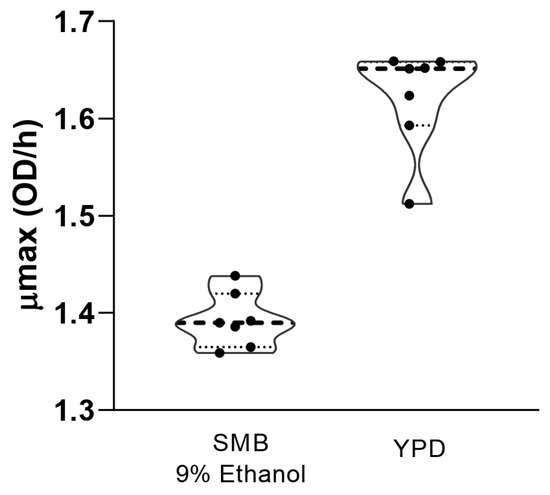
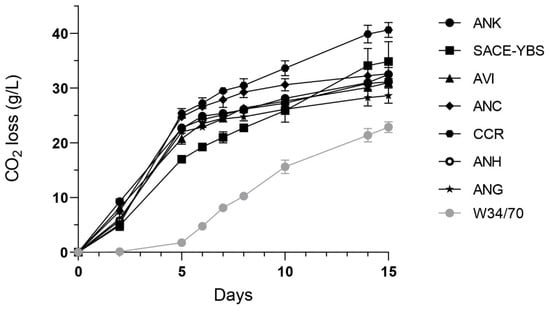
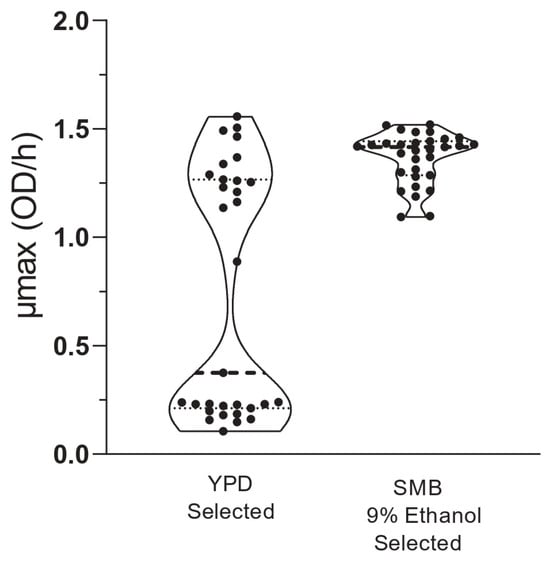
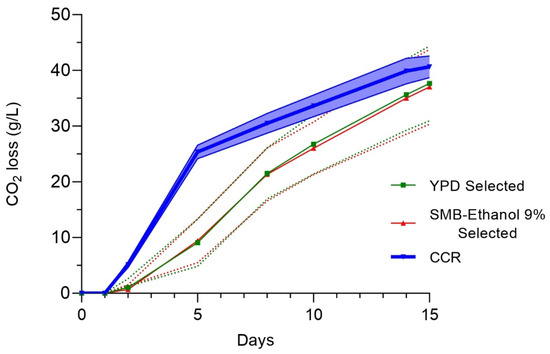
Sexual reproduction in yeasts is a fundamental biological process that promotes genetic recombination and phenotypic diversification, enabling adaptation to fluctuating and stressful environments. Sporulation and subsequent mating generate novel allele combinations that enhance evolutionary potential; however, many domesticated industrial strains exhibit reduced sporulation capacity, limiting their use in breeding programs and constraining the generation of new diversity. This represents one of the major bottlenecks for improving yeast performance in industrial fermentations, particularly under the harsh conditions characteristic of bioethanol production. In this study, we exploited meiotic recombination and mass-mating strategies to expand genetic and phenotypic diversity in S. cerevisiae. By mass-mating haploid spores derived from genetically distinct parental strains, we generated highly heterogeneous hybrid populations in a single step, overcoming the limitations imposed by conventional breeding approaches, such as micromanipulation. These populations were subsequently screened to identify strains with enhanced fermentative performance and increased tolerance to industrial stressor media associated with bioethanol production. Our results demonstrate that sexual reproduction combined with mass-mating represents an efficient strategy to unlock hidden genetic potential and generate superior industrial yeast phenotypes. This work highlights the value of utilizing the natural reproductive biology of S. cerevisiae to accelerate strain improvement and develop robust yeasts adapted to challenging fermentation environments.
Full article
(This article belongs to the Special Issue 10th Anniversary of Fermentation: Feature Papers in Section “Microbial Metabolism, Physiology & Genetics”)
►▼
Show Figures

Graphical abstract
Open AccessArticle
Heterologous Expression of gadA and speA from Alicyclobacillus acidoterrestris Enhances the Acid Resistance and Fermentative Activity of Lactiplantibacillus plantarum
by
Xiya Cao, Linan Duan, Yurou Ren, Hao Liang, Kexin Li, Xinyao Guo, Jiali Wang, Junmei Ma and Junnan Xu
Fermentation 2026, 12(3), 143; https://doi.org/10.3390/fermentation12030143 - 8 Mar 2026
Abstract
Enhancing the acid tolerance of Lactiplantibacillus plantarum is essential for improving its fermentation performance and metabolic activity under acidic conditions, thereby strengthening its probiotic functionality. In this study, the glutamate decarboxylase gene (gadA) and the arginine decarboxylase gene (speA)
[...] Read more.
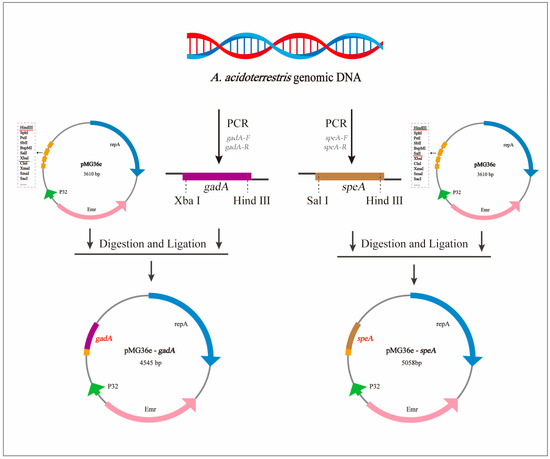
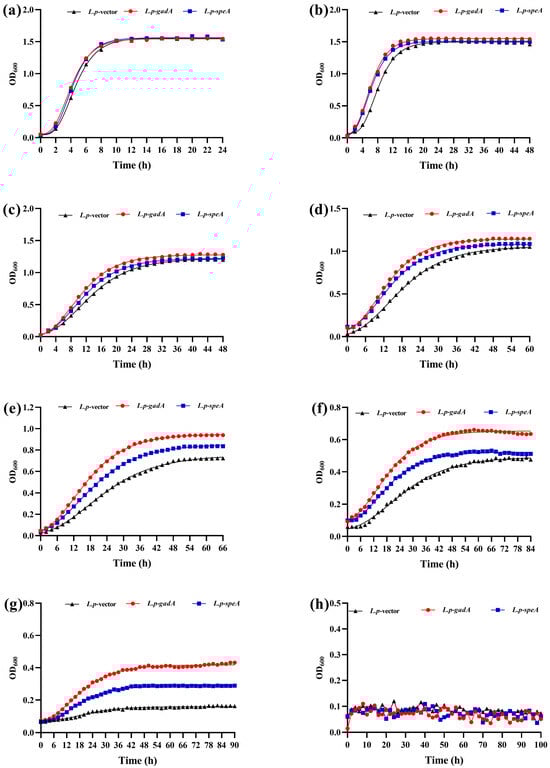
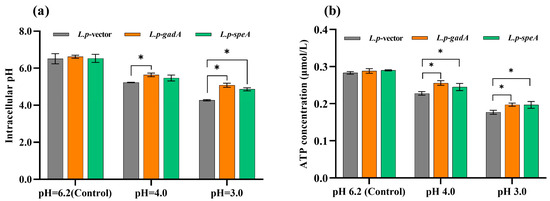
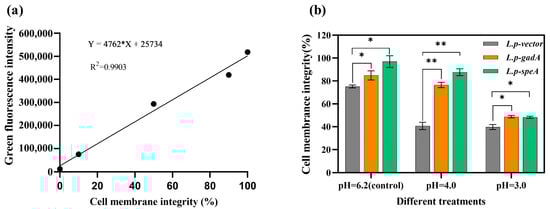
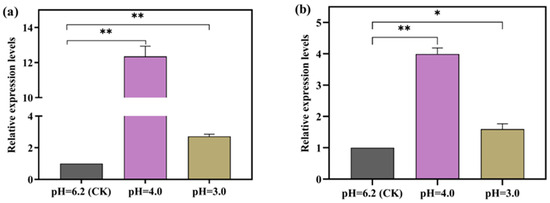
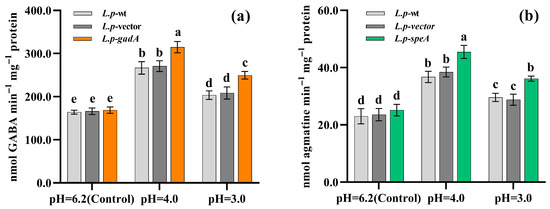
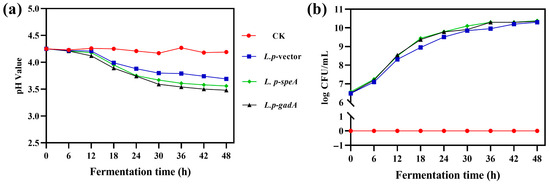
Enhancing the acid tolerance of Lactiplantibacillus plantarum is essential for improving its fermentation performance and metabolic activity under acidic conditions, thereby strengthening its probiotic functionality. In this study, the glutamate decarboxylase gene (gadA) and the arginine decarboxylase gene (speA) from Alicyclobacillus acidoterrestris DSM 3922T were heterologously expressed in L. plantarum WCFS1 to enhance its acid resistance. Recombinant expression vectors pMG36e-gadA and pMG36e-speA were constructed and introduced into L. plantarum WCFS1 via electroporation. The acid tolerance, cell membrane integrity, intracellular pH, ATP content, gene expression profiles, and enzyme activities of the recombinant L. plantarum WCFS1-gadA and WCFS1-speA were systematically evaluated. The results demonstrate that both recombinant strains exhibited significantly higher acid tolerance than the control strains. Under acid stress, the expression of gadA and speA was up-regulated, accompanied by enhanced activities of glutamate and arginine decarboxylases. In addition, the recombinant strains maintained higher intracellular pH and ATP levels compared with the control strain. Furthermore, the fermentative activity results support their potential applicability in fruit juice fermentation. Collectively, the heterologous expression of gadA and speA effectively improved the acid tolerance of L. plantarum, providing both mechanistic insights into acid stress adaptation and a theoretical basis for developing industrially robust, acid-resistant probiotic strains.
Full article
(This article belongs to the Special Issue Perspectives on Microbiota of Fermented Foods, 2nd Edition)
►▼
Show Figures

Figure 1
Open AccessReview
Microbial Ecology and Fermentation Dynamics of Moroccan Lben
by
Sergi Maicas and Ismail Moukadiri
Fermentation 2026, 12(3), 142; https://doi.org/10.3390/fermentation12030142 - 6 Mar 2026
Abstract
Moroccan lben is a traditional spontaneously fermented milk widely consumed across the Maghreb. In this review, we synthesize data on spontaneously fermented milks from Morocco and the wider Maghreb–Middle Eastern region to infer the likely microbiota of Moroccan lben, with particular emphasis on
[...] Read more.
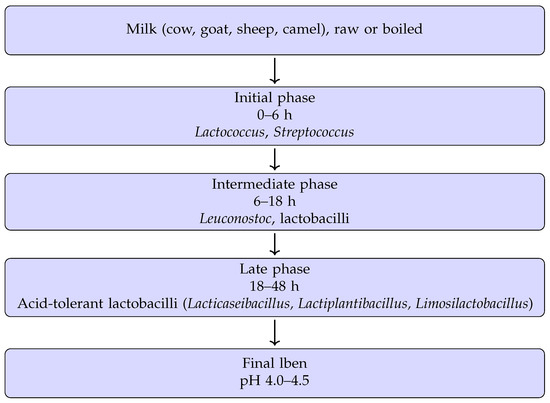
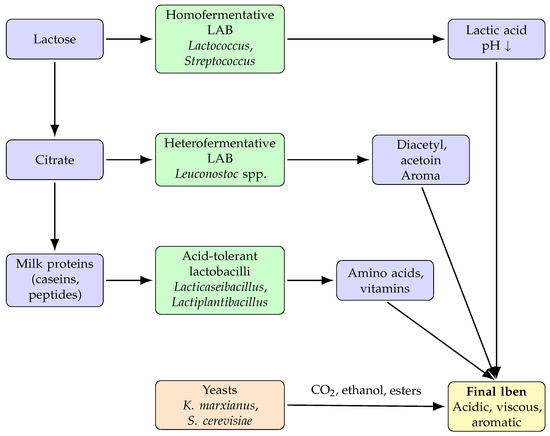
Moroccan lben is a traditional spontaneously fermented milk widely consumed across the Maghreb. In this review, we synthesize data on spontaneously fermented milks from Morocco and the wider Maghreb–Middle Eastern region to infer the likely microbiota of Moroccan lben, with particular emphasis on dominant lactic acid bacteria such as Lactococcus lactis, Streptococcus thermophilus, Leuconostoc mesenteroides and lactobacilli sensu lato, alongside yeasts including Kluyveromyces marxianus and Saccharomyces cerevisiae. These communities drive a staged fermentation in which early mesophilic lactic acid bacteria (LAB) rapidly acidify the milk and initiate coagulation, intermediate heterofermentative LAB and yeasts generate key aroma compounds and mild effervescence, and late acid-tolerant lactobacilli contribute to flavor refinement and microbiological stability. We summarize how these bacteria and fungi collectively shape physicochemical, sensory and safety attributes through pH reduction, organic acid and bacteriocin production, proteolysis, and volatile formation, and discuss potential nutritional and health-related effects associated with bioactive peptides and putative probiotic strains. Finally, we identify major research gaps, including the need for high-resolution, culture-dependent and culture-independent studies, systematic safety assessments, and rational design of starter and adjunct cultures that reproduce traditional sensory profiles while improving process control.
Full article
(This article belongs to the Special Issue Microbial Ecosystems in Fermented Foods)
►▼
Show Figures

Figure 1

Open AccessArticle
Effects of Different Inocula Fermentation on Physicochemical, Nutritional and Antioxidant Activities of Non-Alcoholic Finger Millet (Eleusine coracana L.) Beverages
by
Mmaphuti Abashone Ratau, Oluwaseun Peter Bamidele, Victoria Adaora Jideani, Victor Ntuli and Shonisani Eugenia Ramashia
Fermentation 2026, 12(3), 141; https://doi.org/10.3390/fermentation12030141 - 6 Mar 2026
Abstract
The rising demand for plant-based, lactose-free functional beverages amid gut health concerns positions finger millet (FM, Eleusine coracana) as a promising substrate. This study assessed sprouting and fermentation inoculum effect: dairy starters (Streptococcus thermophilus and Lactobacillus bulgaricus) or backslopping with
[...] Read more.
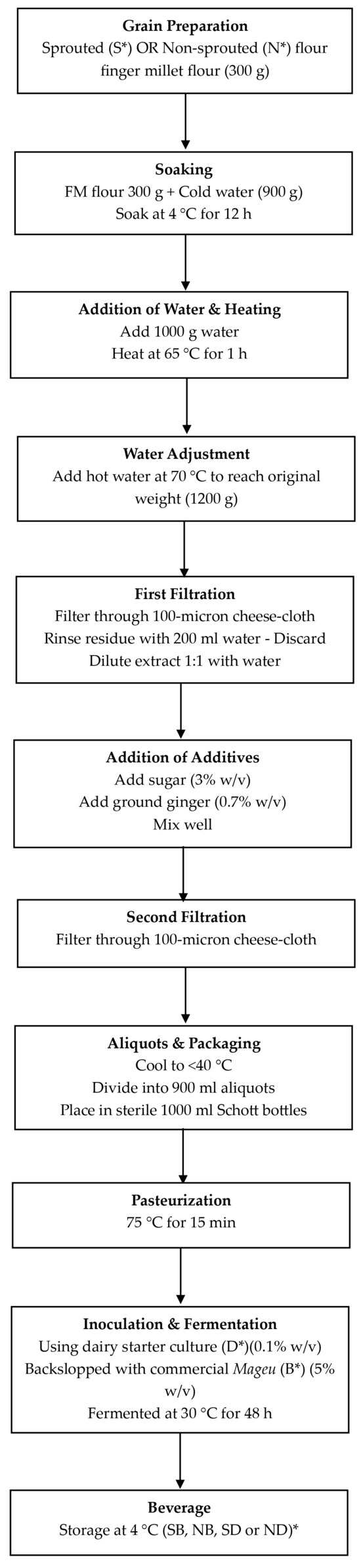
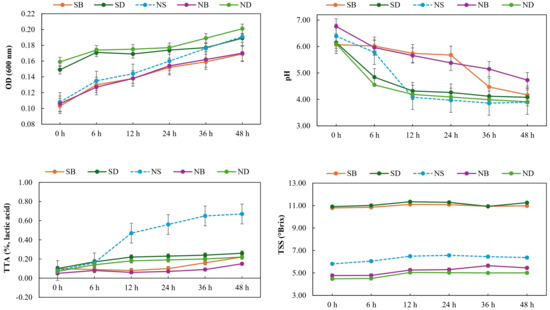
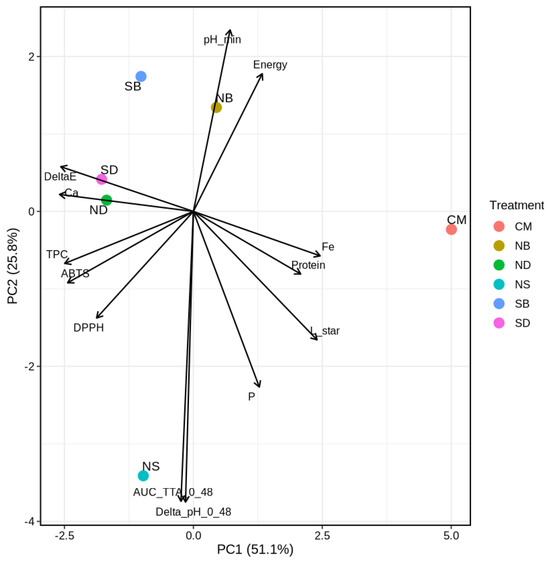
The rising demand for plant-based, lactose-free functional beverages amid gut health concerns positions finger millet (FM, Eleusine coracana) as a promising substrate. This study assessed sprouting and fermentation inoculum effect: dairy starters (Streptococcus thermophilus and Lactobacillus bulgaricus) or backslopping with commercial Mageu on microbial growth, fermentation dynamics, nutrition, antioxidants, color, and texture of FM beverages. Microbial growth increased modestly over 48 h OD600 = 0.169–0.201, peaking in non-sprouted FM with dairy starters (ND) at OD600 = 0.201). ND showed the fastest pH decline (ΔpH = 2.19), while sprouted FM with dairy starters (SD) or backslopping (SB) had controlled acidification. Total titratable acidity increased from 0.14 to 0.66%, with the highest total soluble solids in sprouted substrates (SD = 11.26 °Brix; SB = 10.97 °Brix). Proximate analysis revealed SB had high crude fiber (2.86%) and SD highest protein (4.02%). Sprouted beverages excelled in minerals (SB Ca = 27.00 mg/100 g; SD Ca = 25.75 mg/100 g), while ND or non-sprouted FM fermented spontaneously (NS) had high Fe (4.31%, 2.65%) and K (48.08%, 38.32%). ND showed peak antioxidants: phenolics 10.54 µg/mL, DPPH 87.80%, FRAP 21.24 µM Fe2+/g, ABTS 79.09%. Sprouted beverages displayed distinct color (L* = 37.67–39.65, C* = 25.94–27.03) versus commercial Mageu (L* = 57.89, C* = 14.50) and favorable texture (firmness 12.78–13.40 g, secondary peak force ~−7.2 g). Controlled fermentation of sprouted FM yields nutrient-dense, antioxidant-rich, vegetarian beverages with superior attributes, affirming its functional potential.
Full article
(This article belongs to the Section Fermentation for Food and Beverages)
►▼
Show Figures

Figure 1
Open AccessReview
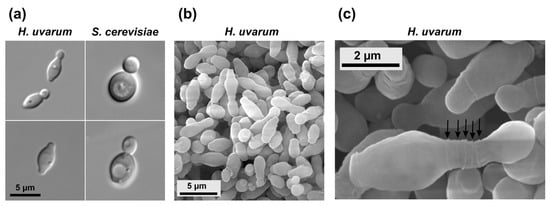
Genetic Modification of the Wine Yeast Hanseniaspora uvarum—We Have Only Just Begun
by
Jürgen J. Heinisch and Hans-Peter Schmitz
Fermentation 2026, 12(3), 140; https://doi.org/10.3390/fermentation12030140 - 6 Mar 2026
Abstract
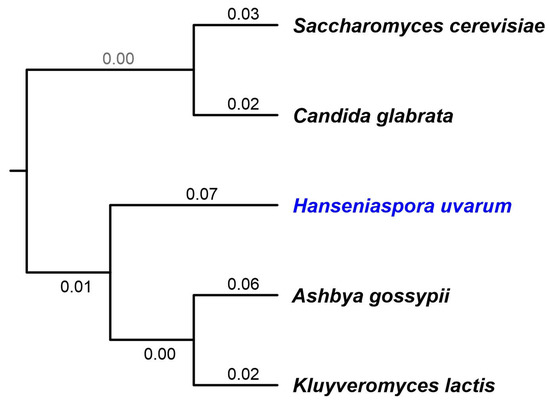
Hanseniaspora uvarum, formerly known as Kloeckera apiculata, is the predominant yeast species in grape musts for most wine fermentations worldwide. Despite its important impact on wine quality, its genetics has only been studied in some detail within the past decade, and
[...] Read more.
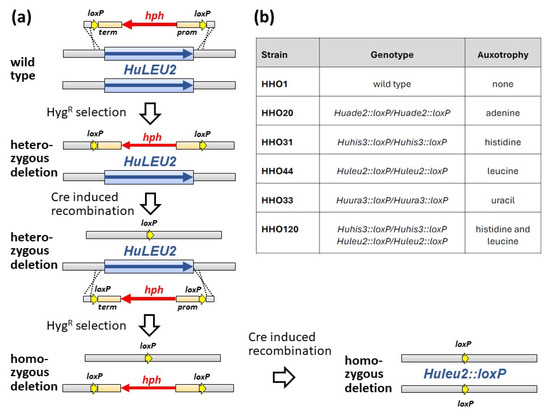
Hanseniaspora uvarum, formerly known as Kloeckera apiculata, is the predominant yeast species in grape musts for most wine fermentations worldwide. Despite its important impact on wine quality, its genetics has only been studied in some detail within the past decade, and methods for targeted manipulations first emerged in 2021. Since then, they have been improved and extended not only with respect to the wide applications of H. uvarum in beverage industries and as an environmental control agent, but also as tools in basic genetic research. In this review, the latest developments and future perspectives are summarized.
Full article
(This article belongs to the Special Issue The Role of Non-Saccharomyces Yeasts in Crafting Alcoholic Drinks)
►▼
Show Figures

Figure 1
Open AccessArticle
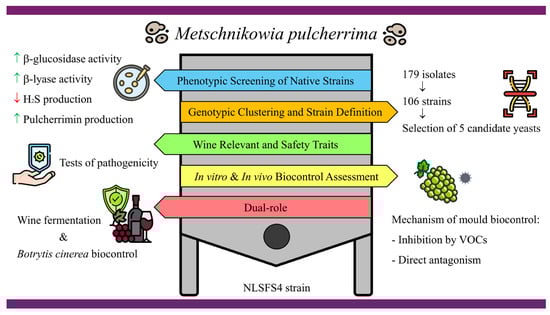
Functional Screening of Native Metschnikowia pulcherrima Strains for Wine Fermentation and Biocontrol of Botrytis cinerea in a Sustainable Production Framework
by
Emma Pelizza, Giulia Bertazzoli, Eleonora Troiano, Renato Leal Binati, Veronica Gatto, Agata Czyżowska, Sandra Torriani and Giovanna E. Felis
Fermentation 2026, 12(3), 139; https://doi.org/10.3390/fermentation12030139 - 6 Mar 2026
Abstract
Metschnikowia pulcherrima is increasingly valued in sustainable vitiviniculture for its dual role as a biocontrol agent and as a contributor to wine quality. However, a coordinated dual-purpose selection strategy has not yet been systematically implemented for this species. This study aimed to identify
[...] Read more.
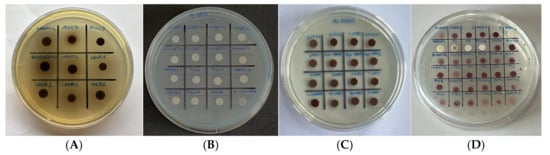
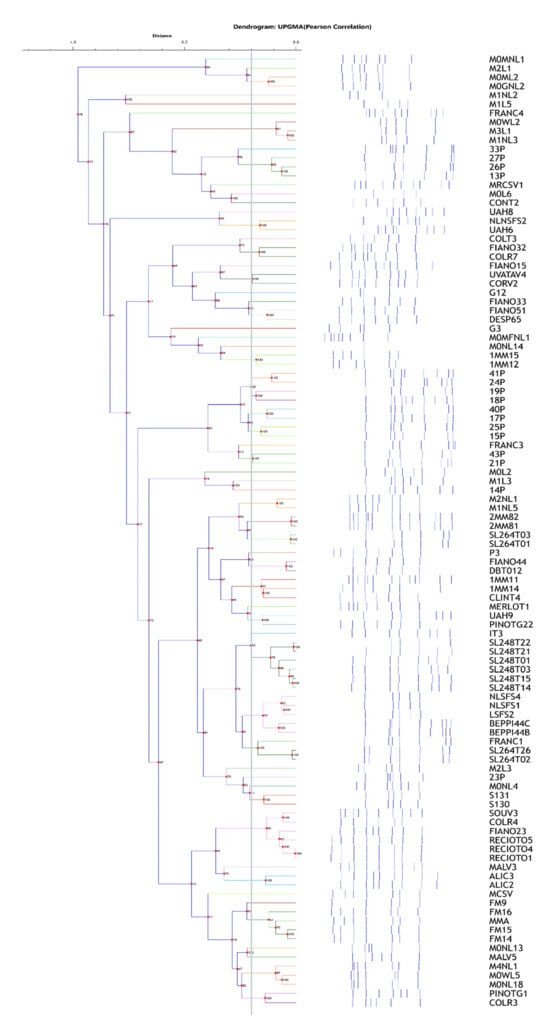
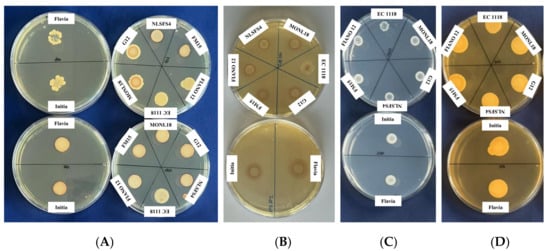
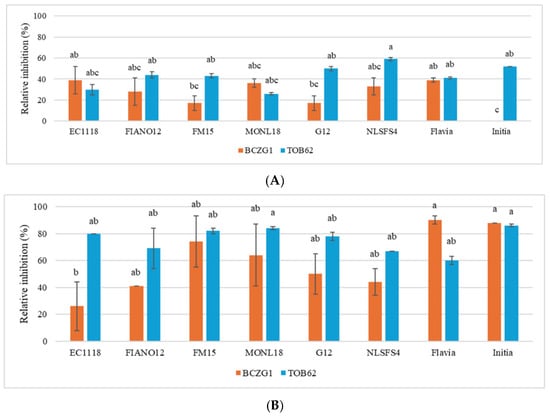
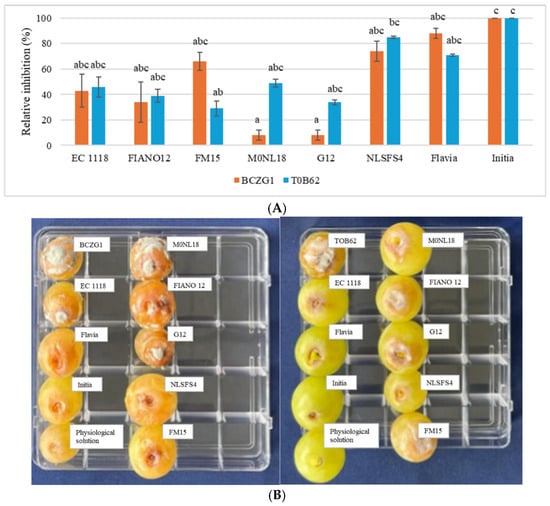
Metschnikowia pulcherrima is increasingly valued in sustainable vitiviniculture for its dual role as a biocontrol agent and as a contributor to wine quality. However, a coordinated dual-purpose selection strategy has not yet been systematically implemented for this species. This study aimed to identify native strains with combined wine-related traits and biocontrol potential by screening a collection of 179 isolates for key phenotypic traits—β-glucosidase and β-lyase activities, hydrogen sulfide (H2S) production, and pulcherrimin biosynthesis—and assessing their genotypic diversity. Dereplication yielded 106 unique strains, from which five with the most favorable wine-related traits and distinct genotypic profiles were selected for subsequent evaluation of antagonistic potential. Safety-related traits, including growth at 37 °C, invasive growth, pseudohyphal formation, and proteolytic activity, were assessed to exclude virulence-associated behaviors. Antagonistic activity against Botrytis cinerea was evaluated through in vitro dual-culture assays and in vivo grape-berry inoculations, revealing strain- and pathogen-dependent inhibition, with volatile-mediated effects generally exceeding direct-contact interactions. Among the tested strains, NLSFS4 showed strong and consistent biocontrol potential. Microvinification trials further confirmed its oenological relevance, demonstrating the ability to modulate wine aroma composition while preserving fermentation performance. Overall, this study highlights the substantial functional diversity within M. pulcherrima and identifies a promising native strain for integrated use in wine fermentation and biological control in sustainable production systems.
Full article
(This article belongs to the Special Issue Wine and Beer Fermentation, 2nd Edition)
►▼
Show Figures

Graphical abstract
Open AccessArticle
Sustainable Co-Production of Carotenoids and Lipids by Rhodotorula toruloides Metabolizing Acetate Derived from Carbon Dioxide Fermentation
by
Cecilia Naveira-Pazos, María C. Veiga and Christian Kennes
Fermentation 2026, 12(3), 138; https://doi.org/10.3390/fermentation12030138 - 5 Mar 2026
Abstract
The ability of Rhodotorula toruloides DSM 4444 to metabolize low-cost carbon sources such as fatty acids was comprehensively studied. This organism is shown, for the first time, to simultaneously accumulate microbial oils (biofuel precursors) and carotenoids from acetic acid obtained from CO2
[...] Read more.
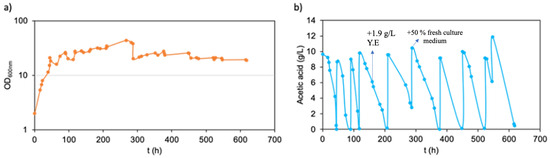
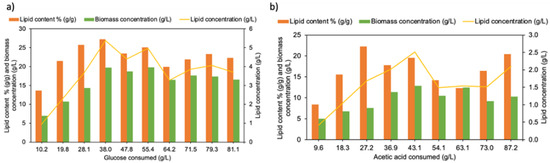
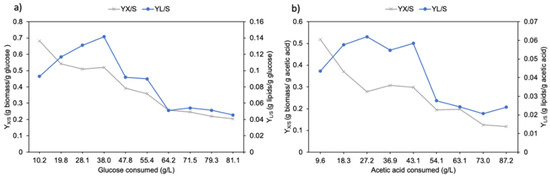
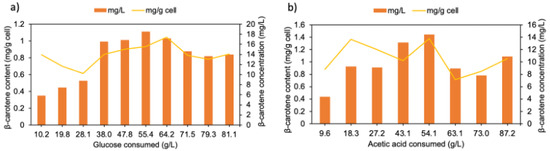
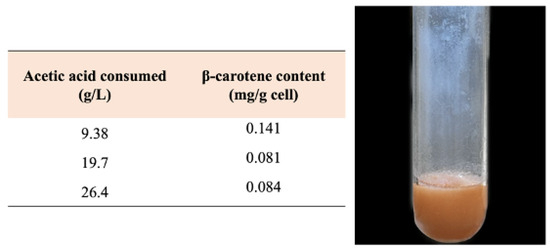
The ability of Rhodotorula toruloides DSM 4444 to metabolize low-cost carbon sources such as fatty acids was comprehensively studied. This organism is shown, for the first time, to simultaneously accumulate microbial oils (biofuel precursors) and carotenoids from acetic acid obtained from CO2 fermentation. This fatty acid is typically the single end product of acetogenic bioconversion of one-carbon gas pollutants (e.g., CO2 and CO). In the first set of experiments, different aerobic fermentations were carried out in automated bioreactors, with acetic acid in one case and with glucose, a more conventional carbon source, as a control, in another bioreactor. R. toruloides consumed around 80 g/L substrate under both conditions. Maximum lipid content (27.2% g/g dry weight) was reached from 38 g/L glucose, while carotenoid content was higher with acetic acid (1.4 mg/g cell after 54.1 g/L acetic acid consumed), representing a 40% increase compared to glucose (1.0 mg/g cell after 64.2 g/L glucose consumed). Additionally, in the second set of assays, a fermented broth produced by Acetobacterium woodii from CO2 fermentation, containing residual nutrients and metabolites, was tested. Despite its complex composition, R. toruloides grew and produced carotenoids (up to 0.141 mg/g), showing potential adaptability. To the best of our knowledge, this is the first report on a greenhouse gas-based biotechnological process as a promising sustainable alternative for the valorization of pollutants, e.g., gas emissions, their bioconversion to VFAs, such as acetic acid, and subsequent fermentation of the carboxylic acid into microbial oils, as a source of renewable energy, as well as carotenoids as a high-value nutraceutical product.
Full article
(This article belongs to the Special Issue YBC2025: Yeast in Bioeconomy)
►▼
Show Figures

Figure 1
Open AccessArticle
Succession of Molecular Ecological Network During Fermentation Drying of Food Waste
by
Bin Zhang, Xichun Wang, Zhuzhong Yin, Sheng Li, Song Xie, Xing Peng, Huaqun Yin and Delong Meng
Fermentation 2026, 12(3), 137; https://doi.org/10.3390/fermentation12030137 - 5 Mar 2026
Abstract
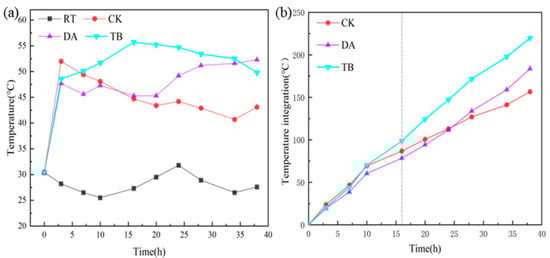
Biological fermentation drying is an eco-friendly method for food waste treatment. It reduces waste mass and volume effectively. Microbial interactions drive drying efficiency. Yet these interactions remain unclear. Here we show that the inoculation of thermophilic strain and enrichment improved drying efficiency by
[...] Read more.
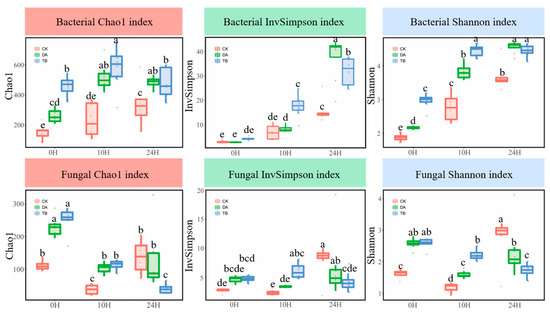
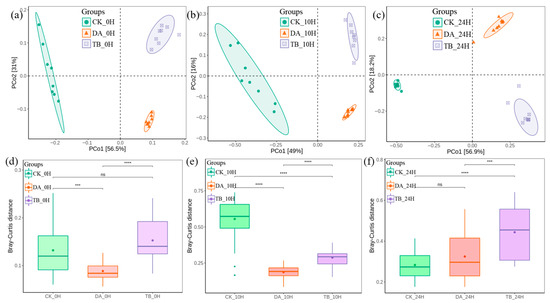
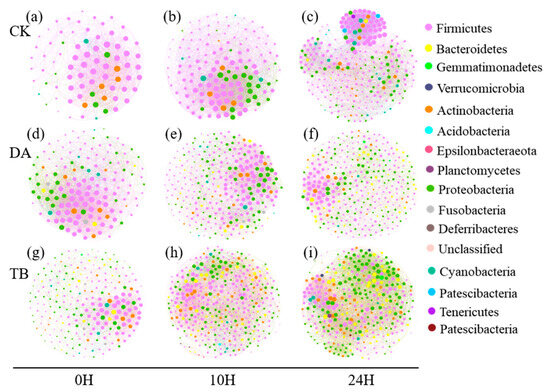
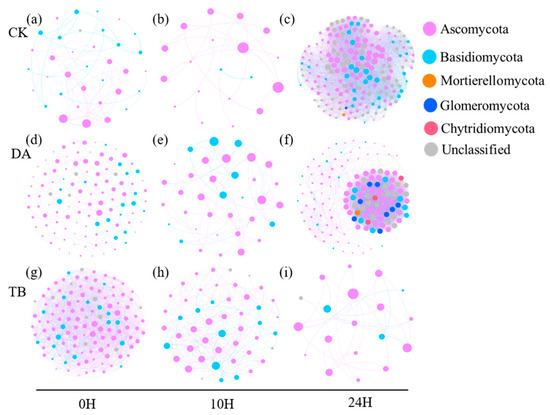
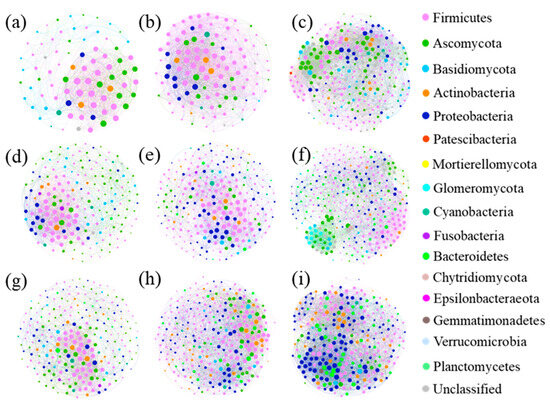
Biological fermentation drying is an eco-friendly method for food waste treatment. It reduces waste mass and volume effectively. Microbial interactions drive drying efficiency. Yet these interactions remain unclear. Here we show that the inoculation of thermophilic strain and enrichment improved drying efficiency by 24.58% to 30.09%. The temperature comprehensive index and crude fat degradation rate in food waste were increased. The total nitrogen content was reduced by inoculation of thermophiles. The bacterial community was primarily composed of Proteobacteria, Bacteroidetes, and Firmicutes, with increased abundances of Proteobacteria, Actinobacteria, and Cyanobacteria. The fungal community included Ascomycota, Basidiomycota, Glomeromycota, and Chytridiomycota. Thermophilic Bacillus inoculation enhanced bacterial diversity, stabilized the fungal network, and influenced the dominant species in the bacterial-fungal cross-domain network at different stages of bio-drying. Environmental factors such as moisture content and conductivity significantly affected the size and complexity of the network. The study highlights the potential benefits of microbial inoculation and underscores the importance of understanding microbial dynamics and environmental factors in this process.
Full article
(This article belongs to the Topic Advanced Anaerobic Digestion and Integrated Technologies for High-Strength Waste Valorization)
►▼
Show Figures

Figure 1
Open AccessArticle
Effects of Kuding Tea on the Succession and Assembly of the Fungal Community During Fermentation of Daqu
by
Liang Zhao, Jialin Liu, Liang Zhang, Zhenbiao Luo, Qulai Tang, Jingjing Zhao, Qing Ji and Xinye Wang
Fermentation 2026, 12(3), 136; https://doi.org/10.3390/fermentation12030136 - 5 Mar 2026
Abstract
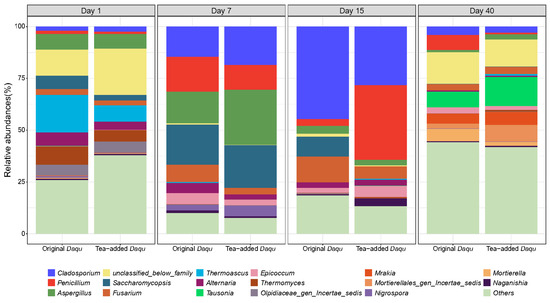
Incorporating plant-based additives was a promising approach for modulating the microbial ecosystems of fermentation starters. This study investigated how adding Kuding tea (20% wt/wt) influenced the assembly and succession of fungal communities during Jiang-flavored Daqu production, compared to traditional wheat-based Daqu. Using
[...] Read more.
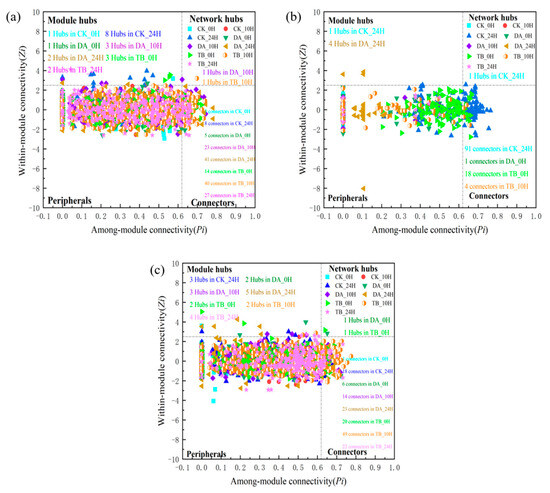
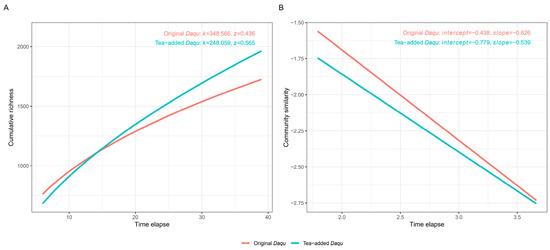
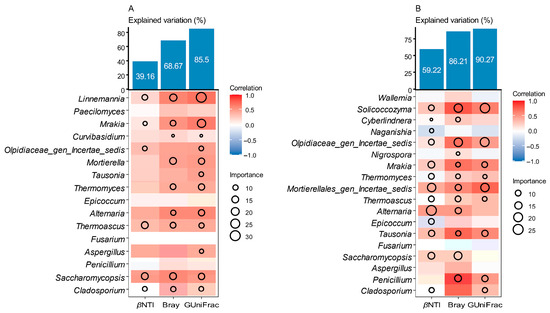
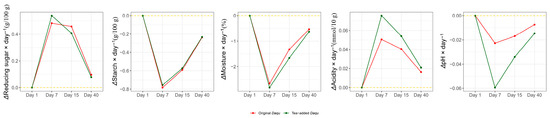
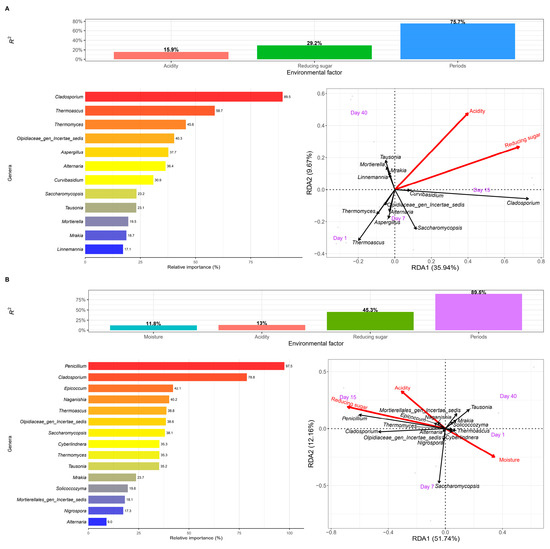
Incorporating plant-based additives was a promising approach for modulating the microbial ecosystems of fermentation starters. This study investigated how adding Kuding tea (20% wt/wt) influenced the assembly and succession of fungal communities during Jiang-flavored Daqu production, compared to traditional wheat-based Daqu. Using amplicon sequencing of the ITS1 region and integrated measurements of endogenous factors, we analyzed community dynamics across a 40-day fermentation period. Results showed that tea addition significantly increased fungal diversity and altered succession trajectories. Community assembly shifted from stochastic towards deterministic processes, with homogeneous selection increasing from 0.47 in wheat-based Daqu to 0.62 in tea-added Daqu. Temporal species accumulation was stronger (STR exponent z: 0.565 vs. 0.436), while compositional turnover slowed (TDR slope w: −0.539 vs. −0.626). Random forest models revealed tea-specific fungal drivers and stronger correlations with endogenous factors (e.g., reducing sugar and moisture). We concluded that Kuding tea appears to function predominantly as an environmental filter that enhanced deterministic selection, stabilized community succession, and restructured the key microbial–physicochemical relationships, providing a potential strategy for steering Daqu fermentation.
Full article
(This article belongs to the Special Issue Development and Application of Starter Cultures, 2nd Edition)
►▼
Show Figures

Figure 1
Open AccessArticle
Optimising Biogas Production from Parthenium hysterophorus Biomass Through Thermal Pretreatment and Batch Anaerobic Digestion
by
Biswanath Saha, Visva Bharati Barua, Meena Khwairakpam, Ajay Kalamdhad, Pallavi Sharma, Habib Ullah and Malinee Sriariyanun
Fermentation 2026, 12(3), 135; https://doi.org/10.3390/fermentation12030135 - 4 Mar 2026
Abstract
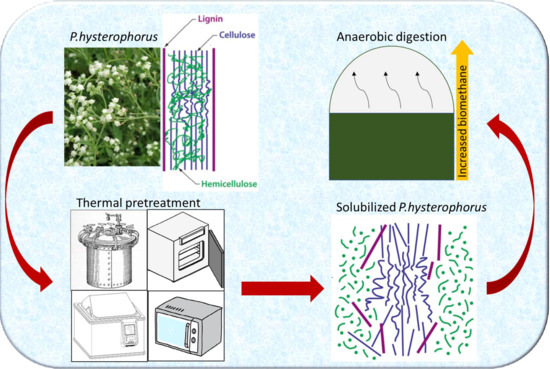
This study evaluated the influence of four thermal pretreatment techniques—autoclaving, hot-air oven treatment, hot-water immersion, and microwave irradiation—on Parthenium hysterophorus biomass to improve its biodegradability and biogas generation potential under batch anaerobic digestion. Among the investigated methods, hot-air oven pretreatment at 110 °C
[...] Read more.
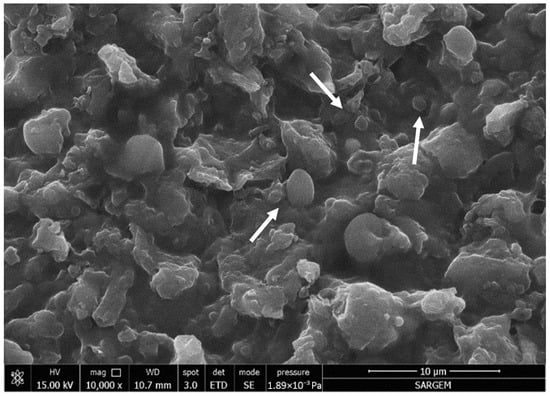
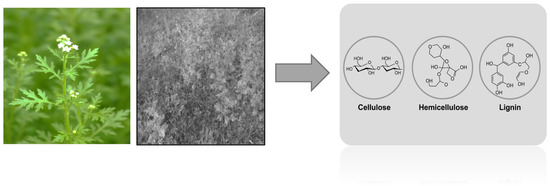
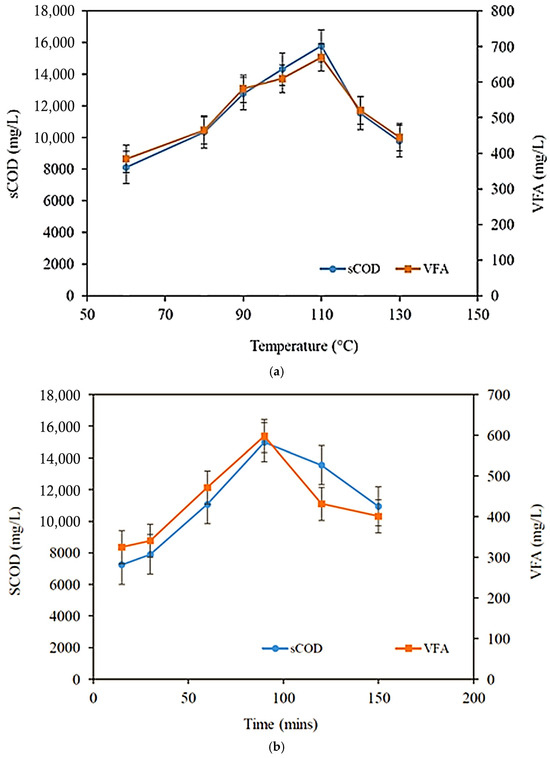
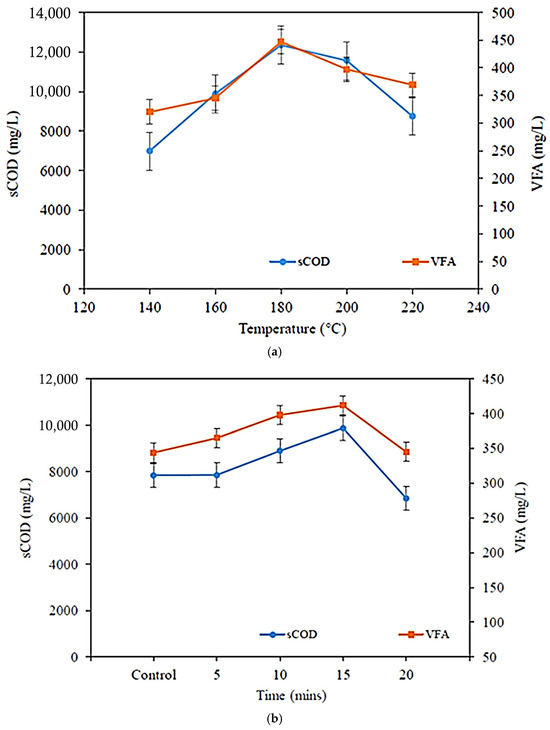
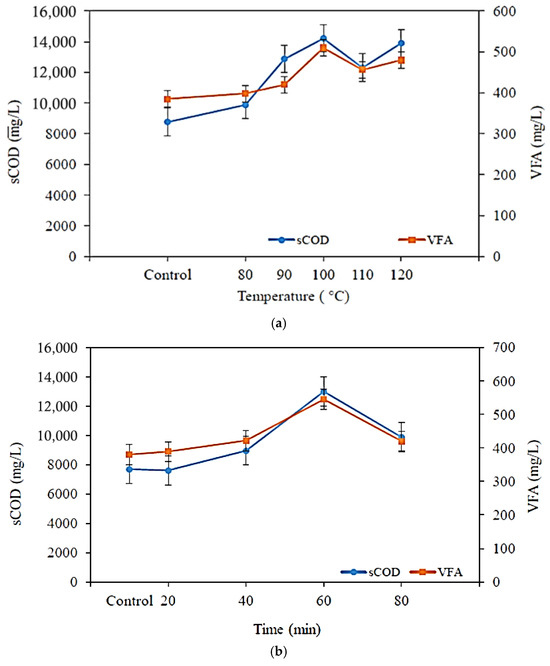
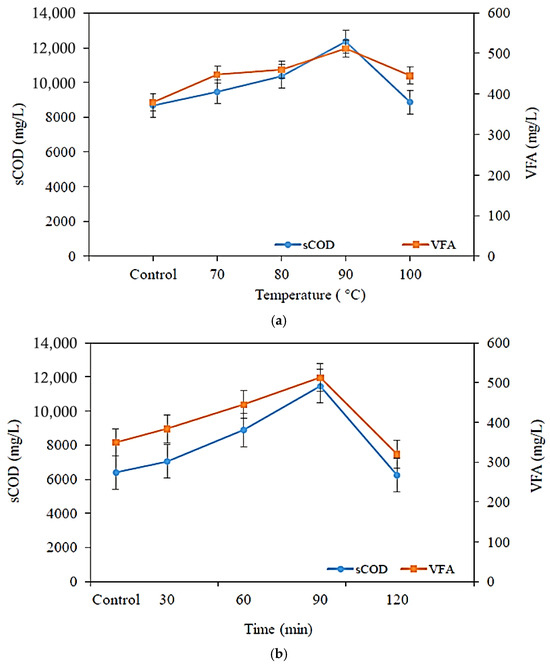
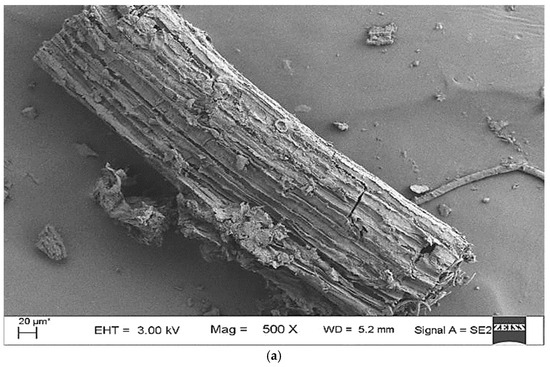
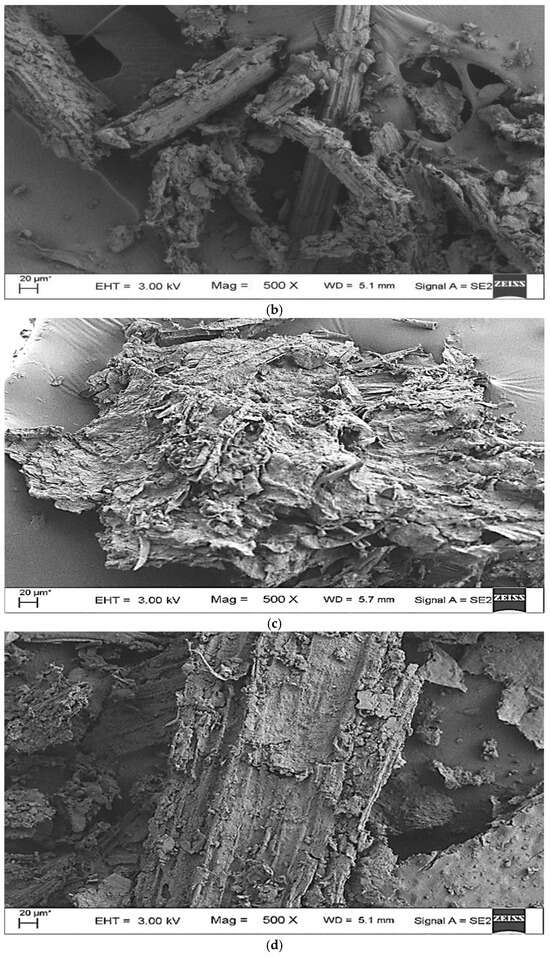
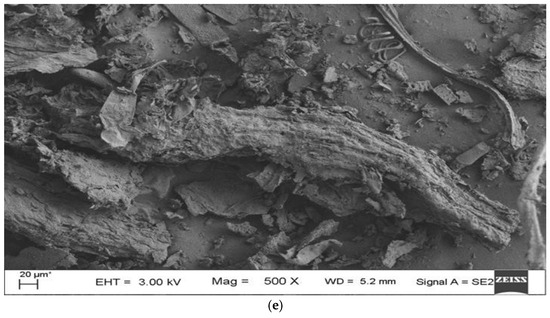
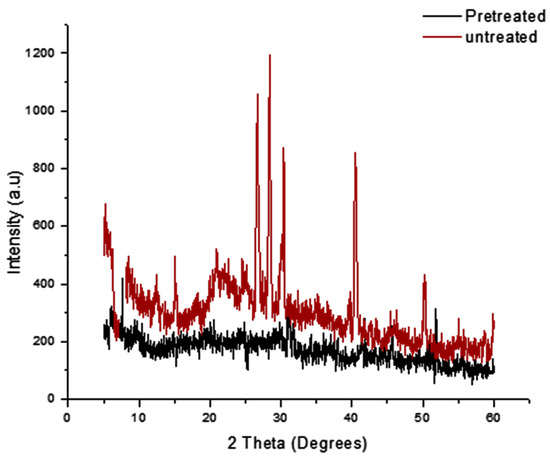
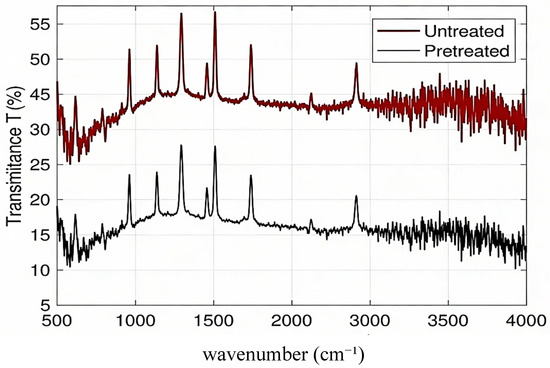
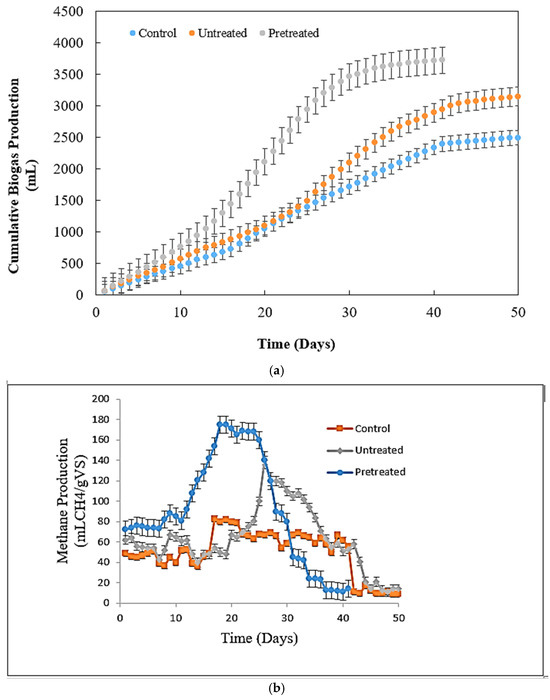
This study evaluated the influence of four thermal pretreatment techniques—autoclaving, hot-air oven treatment, hot-water immersion, and microwave irradiation—on Parthenium hysterophorus biomass to improve its biodegradability and biogas generation potential under batch anaerobic digestion. Among the investigated methods, hot-air oven pretreatment at 110 °C for 90 min exhibited the most significant enhancement in biomass solubilization, as indicated by a 51.5% rise in soluble chemical oxygen demand (sCOD) and an increase in volatile fatty acids (VFAs) compared with the untreated control. These compositional improvements facilitated faster hydrolysis and led to a 25.73% higher cumulative methane yield in biochemical methane potential (BMP) assays. Structural analysis revealed pronounced alterations in the lignocellulosic matrix, with reductions in hemicellulose and partial delignification improving substrate accessibility. Complementary characterisation using field emission scanning electron microscopy (FESEM), X-ray diffraction (XRD), and Fourier transform infrared spectroscopy (FTIR) confirmed the disruption of crystalline cellulose regions and modification of functional groups, supporting the observed biochemical improvements. Collectively, the results demonstrate that hot-air oven pretreatment is a practical and energy-efficient approach for enhancing the digestibility of P. hysterophorus biomass, promoting its utilisation as a sustainable feedstock for renewable biogas production and environmental management of this invasive weed.
Full article
(This article belongs to the Special Issue Anaerobic Digestion to High-Value Organic Fertilizer and Biogas)
►▼
Show Figures

Graphical abstract
Open AccessArticle
Metabolic Flux Analysis of Escherichia coli Based on Kinetic Model and Genome-Scale Metabolic Network Model
by
Zhiren Gan, Jingyan Jiang, Mengxuan Zhou, Qihang Tao, Jinpeng Yang, Renquan Guo, Xueliang Li, Jian Ding and Zhenggang Xie
Fermentation 2026, 12(3), 134; https://doi.org/10.3390/fermentation12030134 - 4 Mar 2026
Abstract
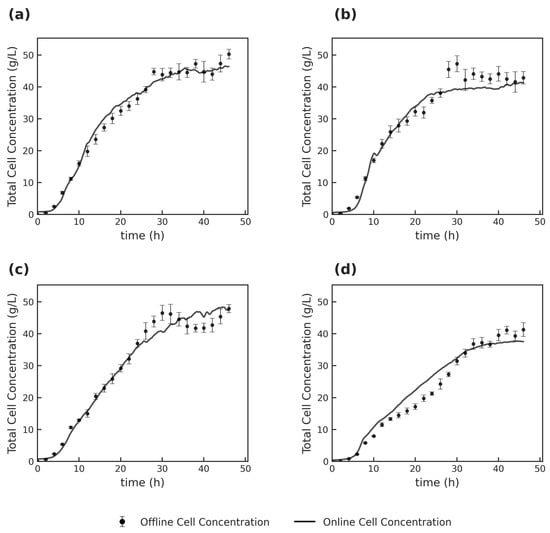
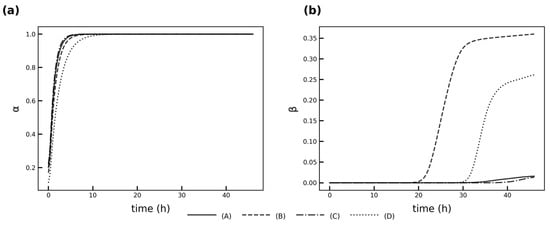
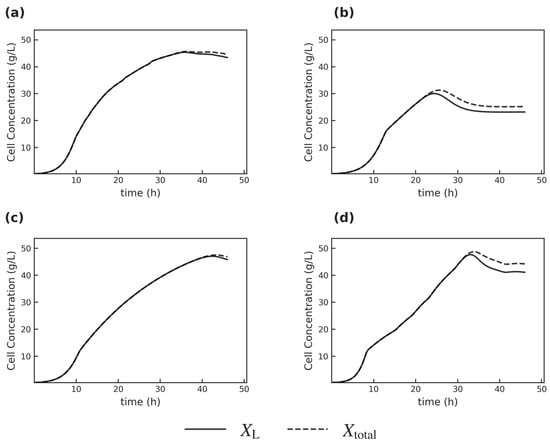
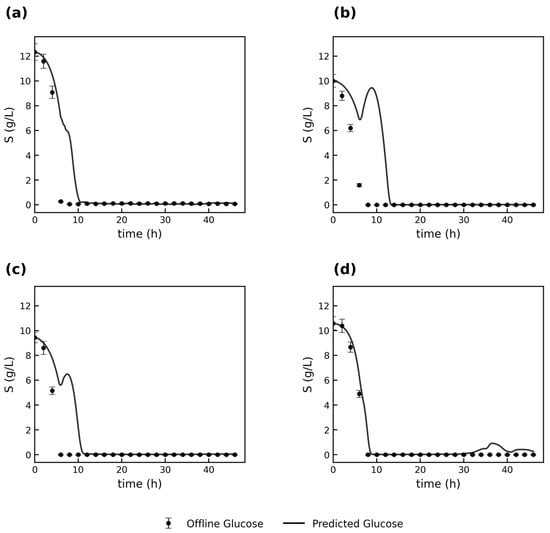
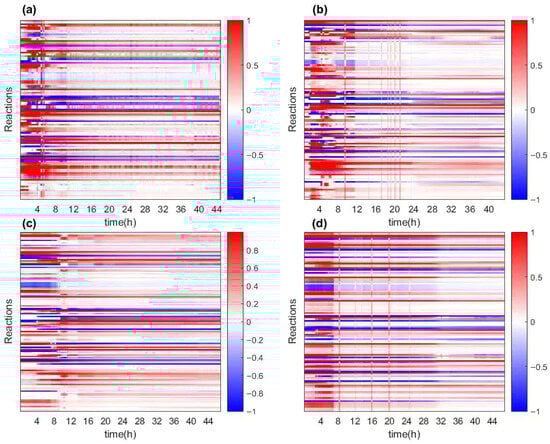
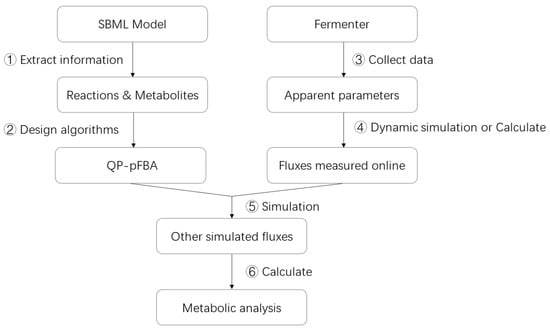
The application of Genome-Scale Metabolic Network Models (GSMM) in fermentation optimization is hampered by challenges in differentiating viable from dead cells and parameter distortion induced by conventional detection methods. Using E. coli BL21(DE3) as the model organism, this study developed a flux analysis
[...] Read more.
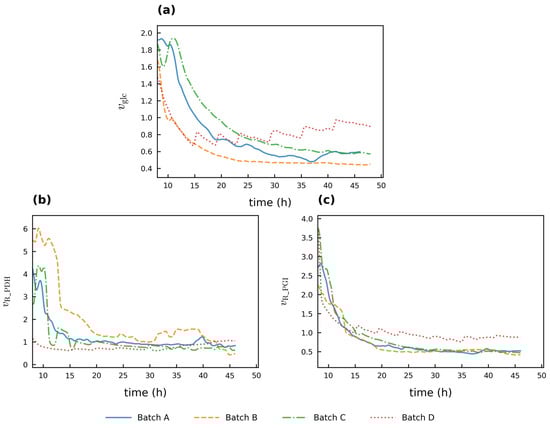
The application of Genome-Scale Metabolic Network Models (GSMM) in fermentation optimization is hampered by challenges in differentiating viable from dead cells and parameter distortion induced by conventional detection methods. Using E. coli BL21(DE3) as the model organism, this study developed a flux analysis strategy that couples cell kinetics with GSMM. Key parameters were estimated using the gradient descent algorithm, thereby enabling precise prediction of viable cell concentration and glucose consumption dynamics. Integrating this with the Quadratic Programming-based parsimonious Flux Balance Analysis (QP-pFBA) algorithm, intracellular metabolic reaction fluxes were quantified. Results demonstrated that the model can effectively differentiate viable from dead cells; Batch D, adopting the gradient-increasing feeding strategy, achieved the maximum specific growth rate (μmax) of 0.6457, the highest among the four batches. Moreover, key metabolic reaction fluxes were highly correlated with the feeding strategy. This framework forgoes specialized, high-cost equipment and offers robust cross-strain/process adaptability, thereby greatly advancing GSMM utility. It provides a powerful tool for precise fermentation control and accelerates the shift toward data-driven biomanufacturing.
Full article
(This article belongs to the Special Issue Applied Microorganisms and Industrial/Food Enzymes, 3rd Edition)
►▼
Show Figures

Figure 1
Highly Accessed Articles
Latest Books
E-Mail Alert
News
Topics
Topic in
Applied Biosciences, Applied Sciences, Fermentation, Marine Drugs, Microorganisms, Phycology
Microalgae: Current Trends in Basic Research and Applications
Topic Editors: Nhuan Nghiem, Tae Hyun KimDeadline: 31 March 2026
Topic in
Applied Biosciences, Applied Microbiology, Fermentation, Marine Drugs, Microorganisms
Microbial Cell Factories for Natural Products
Topic Editors: Carlos Barreiro, Ana Ibáñez, José L. BarredoDeadline: 31 May 2026
Topic in
Fermentation, Membranes, Recycling, Sustainability, Separations, ChemEngineering
Separation Techniques and Circular Economy
Topic Editors: Da-Qi Cao, Qunhui Wang, Yuanyuan Ren, Yangmo ZhuDeadline: 30 June 2026
Topic in
Applied Microbiology, Fermentation, Foods, Microbiology Research, Microorganisms, Nutrients
News and Updates on Probiotics
Topic Editors: Alessandra Pino, Mutamed AyyashDeadline: 30 September 2026
Special Issues
Special Issue in
Fermentation
Yeasts as Microbial Cell Factories: Diversity, Biotechnology Potential and Applications
Guest Editor: Anna Maria KotDeadline: 15 March 2026
Special Issue in
Fermentation
Probiotics, Prebiotics and Their Use as Innovative Ingredients in Food Technology, 2nd Edition
Guest Editor: Katarzyna PobiegaDeadline: 15 March 2026
Special Issue in
Fermentation
Scale-Up Challenges in Microbial Fermentation
Guest Editor: Tajalli KeshavarzDeadline: 15 March 2026
Special Issue in
Fermentation
Towards the Sustainable Treatment of Organic Wastes via Various Novel Biotechnologies, 2nd Edition
Guest Editors: Xuedong Zhang, Xuefeng ZhuDeadline: 25 March 2026
Topical Collections
Topical Collection in
Fermentation
Bioconversion of Lignocellulosic Materials to Value-Added Products
Collection Editors: Alexander Rapoport, Pietro Buzzini