





-
Hydrochemical Resilience of Mountain Forest Catchments to Bark Beetle Disturbance: A Central European Study -
Omorika Spruce as a Potential Substitute for Norway Spruce and Blue Spruce in Post-Pollution Reforestation for Industrial Use -
Impervious Surfaces Do Not Impact Urban Tree Crown Growth -
A Multi-Scale Anatomical Wood Identification Approach Applied to Traditional Japanese Chord Instruments -
Reproductive Investment Across Native and Invasive Regions in Pittosporum undulatum Vent., a Range Expanding Gynodioecious Tree
Journal Description
Forests
Forests
is an international, peer-reviewed, open access journal on forestry and forest ecology published monthly online by MDPI.
- Open Access— free for readers, with article processing charges (APC) paid by authors or their institutions.
- High Visibility: indexed within Scopus, SCIE (Web of Science), Ei Compendex, GEOBASE, PubAg, AGRIS, PaperChem, and other databases.
- Journal Rank: JCR - Q2 (Forestry) / CiteScore - Q1 (Forestry)
- Rapid Publication: manuscripts are peer-reviewed and a first decision is provided to authors approximately 16.8 days after submission; acceptance to publication is undertaken in 2.5 days (median values for papers published in this journal in the second half of 2025).
- Recognition of Reviewers: reviewers who provide timely, thorough peer-review reports receive vouchers entitling them to a discount on the APC of their next publication in any MDPI journal, in appreciation of the work done.
- Testimonials: See what our editors and authors say about Forests.
- Journal Cluster of Ecosystem and Resource Management: Forests, Diversity, Fire, Conservation, Ecologies, Biosphere and Wild.
Impact Factor:
2.5 (2024);
5-Year Impact Factor:
2.7 (2024)
Latest Articles
The bZIP Transcription Factor LkbZIP4 Enhances Drought Tolerance in Hybrid Larch (Larix kaempferi × L. gmelinii)
Forests 2026, 17(4), 507; https://doi.org/10.3390/f17040507 (registering DOI) - 19 Apr 2026
Abstract
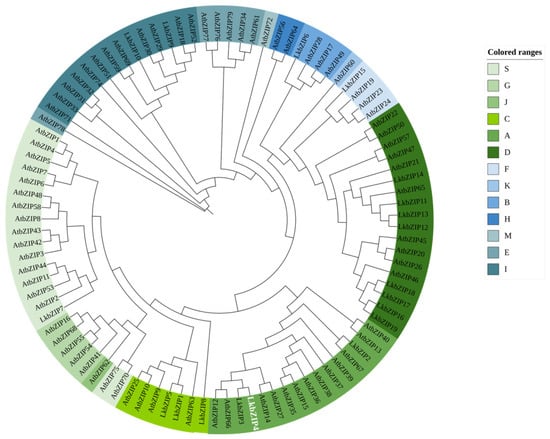
Drought stress critically impacts plant growth and productivity. The bZIP transcription factor family is crucial for abiotic stress responses, yet its role in larch drought tolerance remains unclear. This study identified 19 bZIP genes in Larix kaempferi (Lamb.) Carr. and characterized LkbZIP4.
[...] Read more.
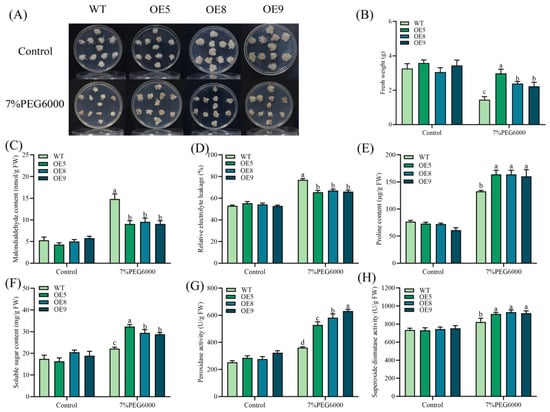
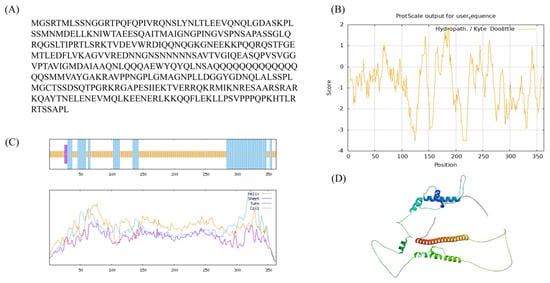
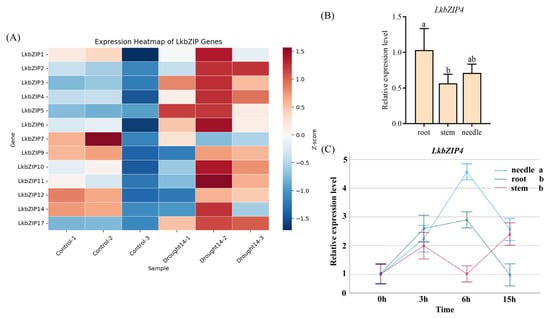
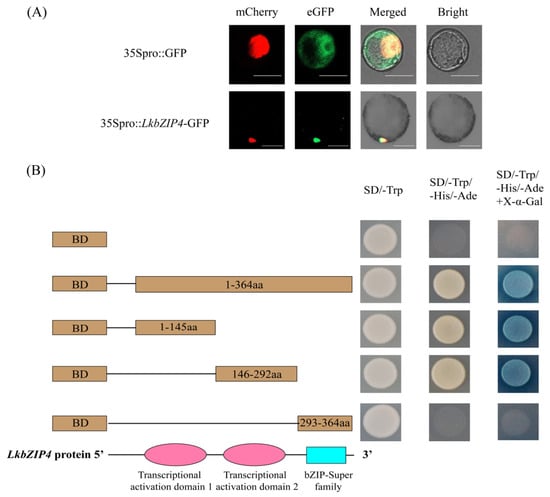
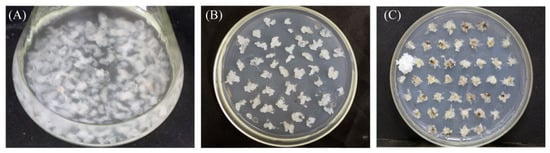
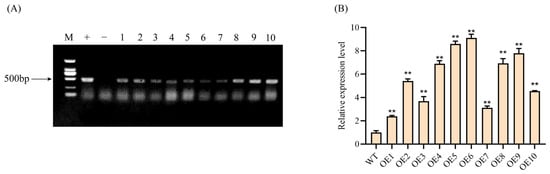
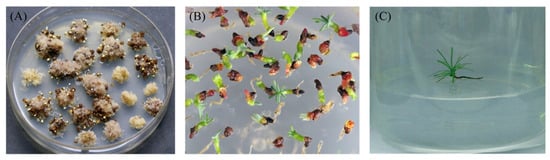
Drought stress critically impacts plant growth and productivity. The bZIP transcription factor family is crucial for abiotic stress responses, yet its role in larch drought tolerance remains unclear. This study identified 19 bZIP genes in Larix kaempferi (Lamb.) Carr. and characterized LkbZIP4. Bioinformatics analysis classified it into the A subgroup. Subcellular localization and yeast two-hybrid assays confirmed that it is a nucleus-localized transactivator. Expression pattern analysis revealed that LkbZIP4 was highly specifically expressed in roots and was significantly induced by drought stress. A series of transgenic overexpression lines was successfully established through Agrobacterium tumefaciens-mediated method, using embryogenic callus of hybrid larch (L. kaempferi × L. gmelinii). Under 7% PEG-induced drought stress, LkbZIP4-overexpressing transgenic calli displayed enhanced drought tolerance relative to wild-type. This was evidenced by better growth, higher biomass, and reduced membrane damage, indicated by lower malondialdehyde content and relative electrolyte leakage. Meanwhile, these transgenic calli accumulated higher levels of osmoregulatory substances, including proline and soluble sugars, along with enhanced activities of antioxidant enzymes including superoxide dismutase and peroxidase. Our results indicate that LkbZIP4 functions to promote drought tolerance in larch, likely through the enhancement of osmotic adjustment and oxidative defense mechanisms.
Full article
(This article belongs to the Special Issue Abiotic and Biotic Stress Responses in Trees Species—2nd Edition)
►
Show Figures
Open AccessArticle
Forest Type and Environmental Gradients Shape Bryophyte Functional Diversity: Evidence from Epigeic Bryophytes in Beech Forests and Pine Plantations
by
Miloš Ilić, Mirjana Ćuk and Dragana Vukov
Forests 2026, 17(4), 506; https://doi.org/10.3390/f17040506 (registering DOI) - 19 Apr 2026
Abstract
We investigated bryophyte communities in mature beech forests (Fagus sylvatica L.) and Austrian pine plantations (Pinus nigra J.F. Arnold) on Fruška Gora Mountain (northern Serbia) to examine how stand structure and edaphic conditions influence trait composition and functional diversity. Environmental predictors
[...] Read more.
We investigated bryophyte communities in mature beech forests (Fagus sylvatica L.) and Austrian pine plantations (Pinus nigra J.F. Arnold) on Fruška Gora Mountain (northern Serbia) to examine how stand structure and edaphic conditions influence trait composition and functional diversity. Environmental predictors included soil pH, soil temperature, herbaceous cover, and shrub density, while collinear structural variables were summarized using principal component analysis into a composite structural–moisture gradient. Community–environment relationships were analyzed using redundancy analysis (RDA) with restricted permutations, trait–environment coupling using RLQ and fourth-corner analysis, and functional diversity using Rao’s quadratic entropy (RaoQ). The RDA indicated significant effects of all predictors. RLQ revealed a structured multivariate coupling between bryophyte traits and environmental gradients. Functional diversity was higher in beech forests than in pine plantations, increasing with shrub density and decreasing along the structural–moisture gradient. Overall, plantation stands supported functionally more homogeneous bryophyte assemblages, highlighting the importance of stand structural complexity for maintaining forest-floor bryophytes’ functional diversity.
Full article
(This article belongs to the Special Issue The Role of Bryophytes and Lichens in Forest Ecosystem Dynamics)
Open AccessArticle
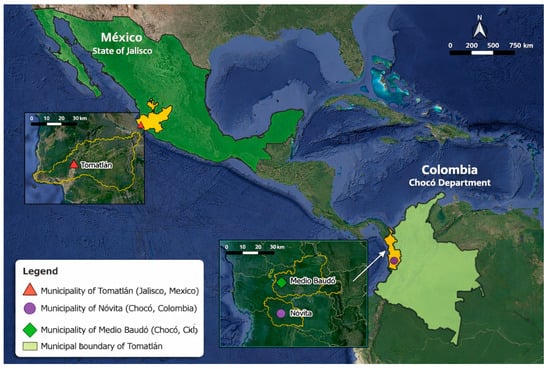
Ecological Drivers of Standing Volume and Carbon Stocks in Contrasting Tropical Forests of Mexico and Colombia
by
Efrén Hernández-Alvarez, Bayron Alexander Ruiz-Blandon, José Antonio Hernández-Moreno, Rosario Marilu Bernaola-Paucar, Julian Leonardo Mantari Mallqui, Carlos Emérico Nieto Ramos, Luis Armando Nieto Ramos and Eduardo Salcedo-Pérez
Forests 2026, 17(4), 505; https://doi.org/10.3390/f17040505 (registering DOI) - 19 Apr 2026
Abstract
Tropical forests differ widely in floristic composition, stand structure, standing volume, and carbon storage, yet comparative evidence across contrasting tropical forest types remains limited. This study examined whether variation in standing volume and carbon stocks among contrasting tropical forests was more closely associated
[...] Read more.
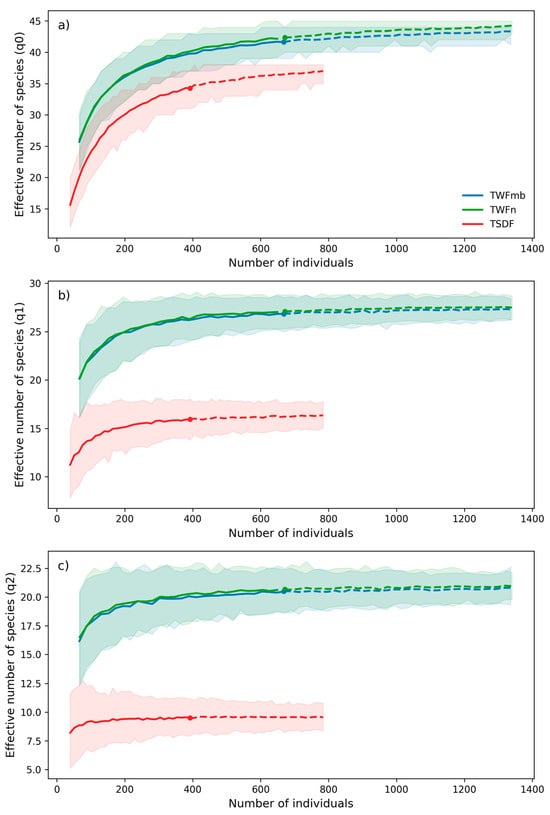
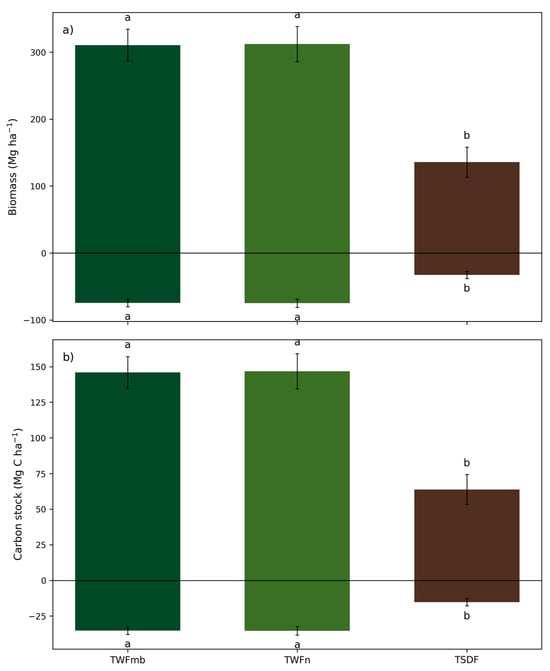
Tropical forests differ widely in floristic composition, stand structure, standing volume, and carbon storage, yet comparative evidence across contrasting tropical forest types remains limited. This study examined whether variation in standing volume and carbon stocks among contrasting tropical forests was more closely associated with structural attributes or with diversity-related patterns. Two tropical wet forests in Colombia and one tropical semi-deciduous forest in Mexico were evaluated using 40 circular plots of 500 m2 established within a 100 ha reference area in each forest, where all trees with DBH > 10 cm were measured. Floristic composition, ecological dominance, diversity, dendrometric attributes, standing volume, biomass, and carbon stocks were estimated using a common analytical framework. The two wet forests showed higher effective diversity, broader taxonomic dominance, greater basal area, mean height, standing volume, biomass, and carbon stocks than the tropical semi-deciduous forest. In contrast, the semi-deciduous forest showed stronger dominance concentrated in fewer taxa, especially Euphorbiaceae, a pattern that may reflect the ecological suitability of this family under more seasonal and water-limited conditions. At the family level, standing volume, biomass, and carbon were distributed more evenly among dominant families in the wet forests, whereas they were more concentrated in fewer lineages in the semi-deciduous forest. Basal area showed the strongest association with standing volume, total biomass, and total carbon, followed by mean height and mean DBH. Overall, the results indicate that, under the conditions evaluated, structural organization was more closely associated with standing volume and carbon storage than diversity alone, while diversity acted as a complementary correlate.
Full article
(This article belongs to the Section Forest Biodiversity)
►▼
Show Figures

Figure 1
Open AccessArticle
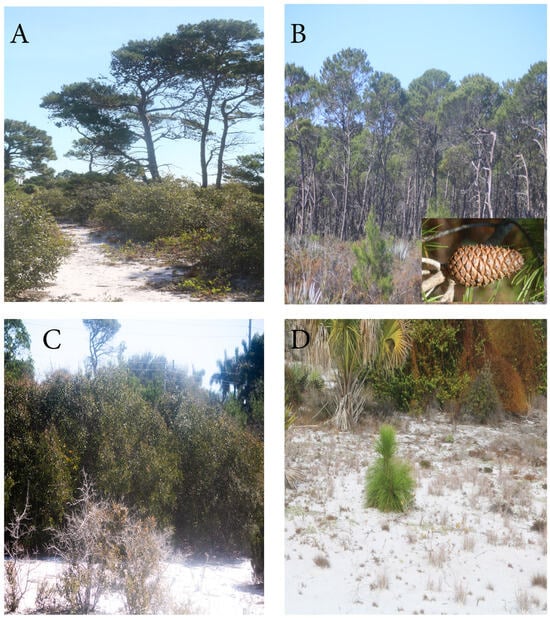
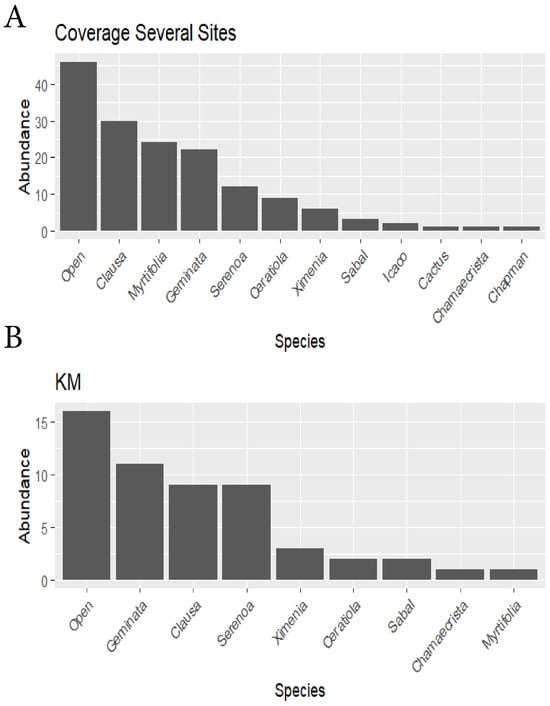
Regeneration of Pyrophilic Sand Pine (Pinus clausa (Chapm. ex Engelm.) Vasey ex Sarg.) in Fragmented Fire-Suppressed Scrub, South Florida, USA
by
George Rogers
Forests 2026, 17(4), 504; https://doi.org/10.3390/f17040504 (registering DOI) - 19 Apr 2026
Abstract
Pinus clausa var. clausa (Chapm. ex Engelm.) Vasey ex Sarg., sand pine, is the dominant tree of biorich but ecologically compromised Southeast Florida scrub. Scrub habitats and P. clausa have dwindled due to habitat reduction and fragmentation, regional development, and fire suppression. The
[...] Read more.
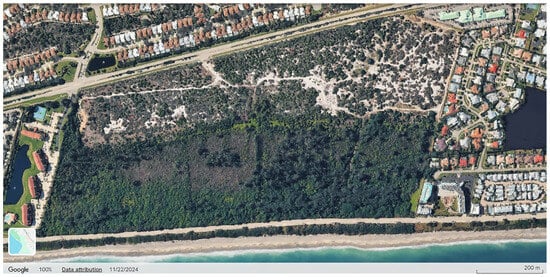
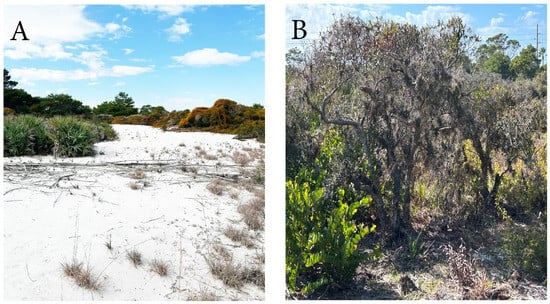
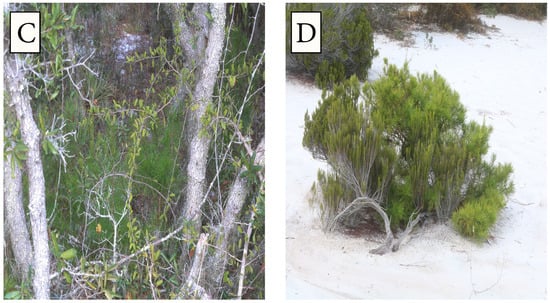
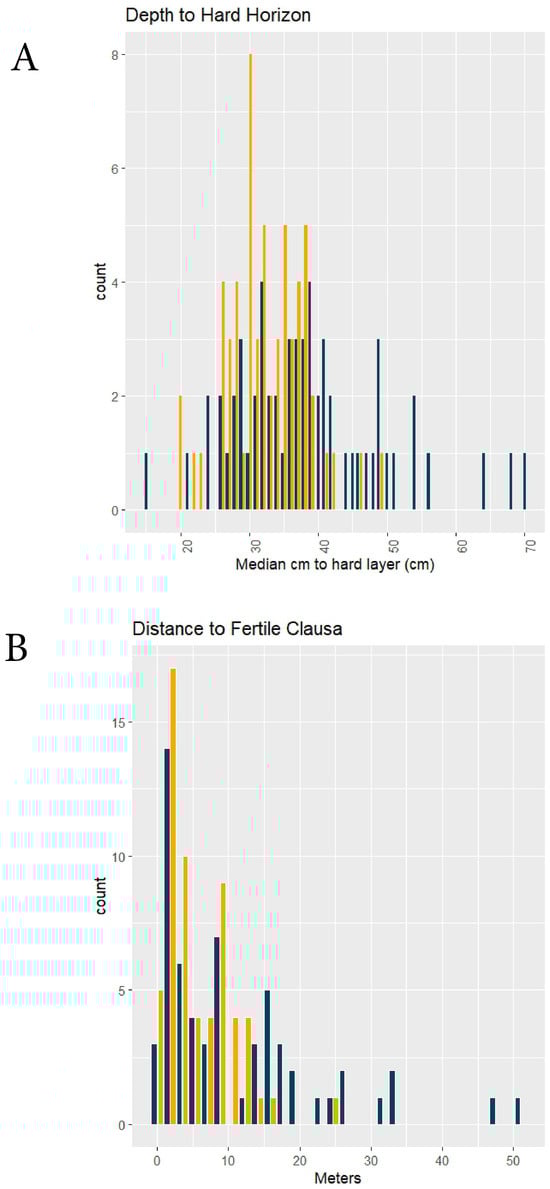
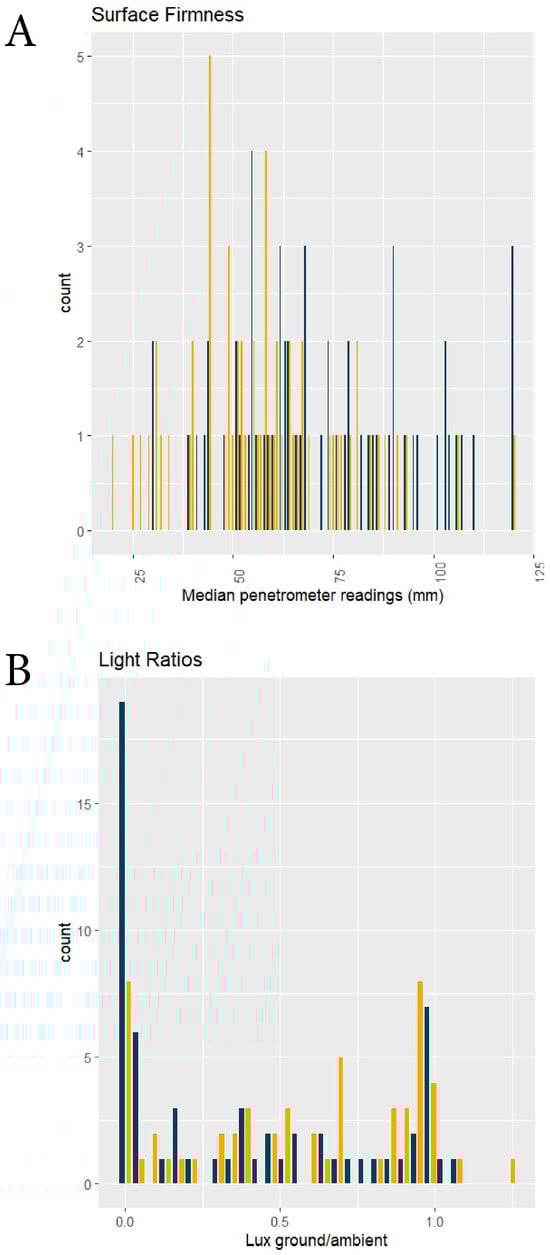
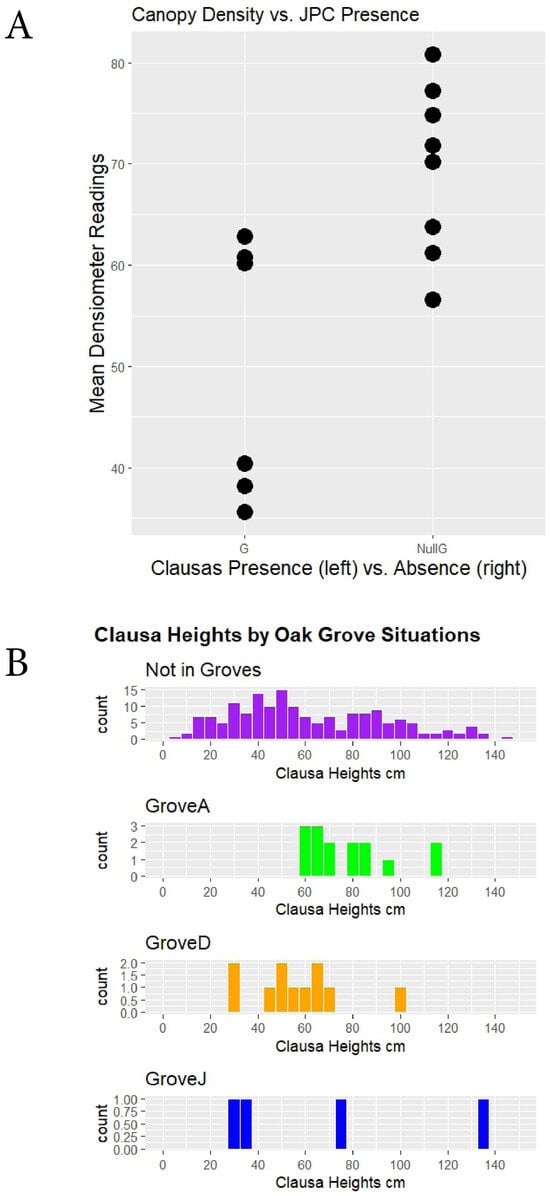
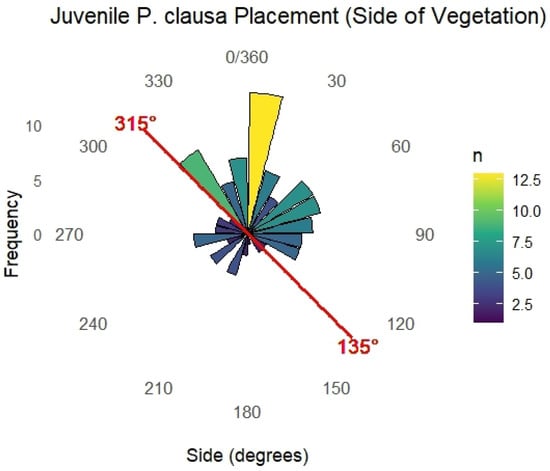
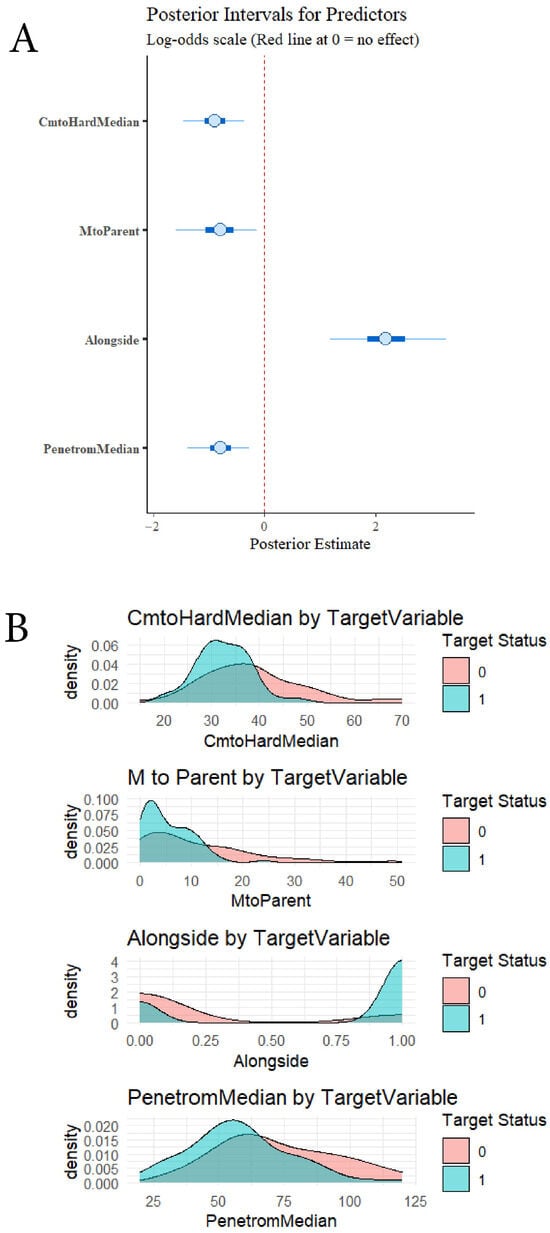
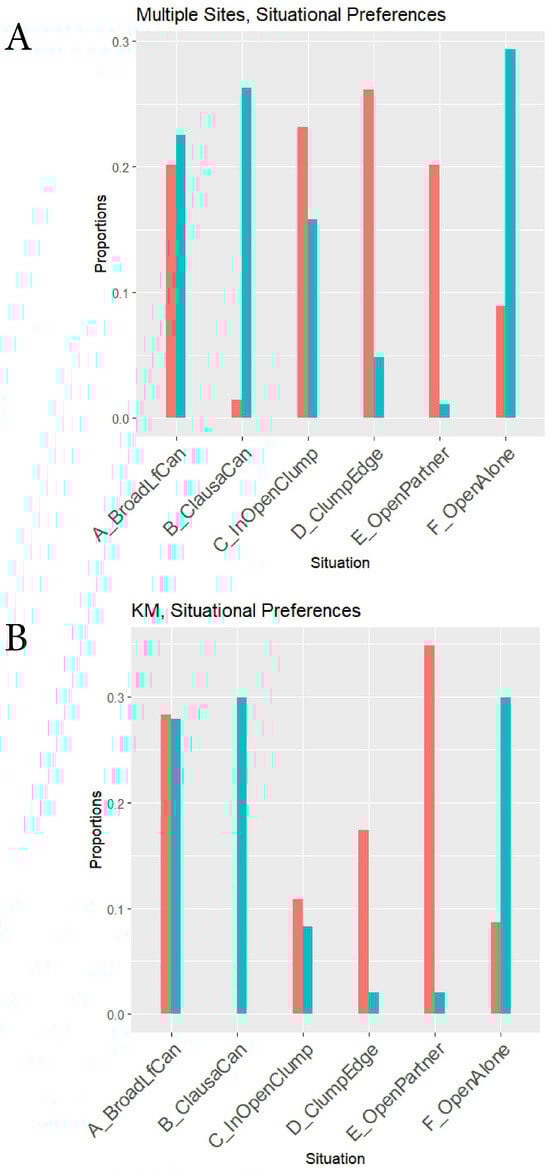
Pinus clausa var. clausa (Chapm. ex Engelm.) Vasey ex Sarg., sand pine, is the dominant tree of biorich but ecologically compromised Southeast Florida scrub. Scrub habitats and P. clausa have dwindled due to habitat reduction and fragmentation, regional development, and fire suppression. The purpose of the present article was to seek correlates of P. clausa establishment under present unnatural development-impacted conditions using 428 field measurements at four sites to determine spatial positioning preferences relative to vegetation edges, then adding 120 measurements at a single site aimed at evaluating several potential predictors of P. clausa establishment. Potential establishment predictors were adjacency to other woody plants, depth to hard sand horizon, seed tree distance and direction, light-intensity, soil-core color, soil pH and soil surface firmness. Comparing frequency distributions of juvenile P. clausa locations with frequency distributions of random spots within the same perimeters, juvenile pines tended toward adjacency to other woody plants (chi2 p < 0.0001), toward shallow hard horizons (Kolmogorov–Smirnov p = 0.0006), toward soft soil surfaces (K–S p = 0.007), and toward proximity to seed trees (K–S p = 0.004). Additionally, juvenile P. clausa were often clustered under groves of Quercus geminata Small with comparatively thin canopies. Bayesian logistic regression showed adjacency to woody plants as a strong predictor of P. clausa establishment. When alongside other plants, P. clausa establishment was mostly on the north or east side of neighboring plant edges. Overall conclusions were that juvenile Pinus clausa in SE Florida scrub fragments is sensitive to positioning relative to other woody plants, and is associated with soil surface softness, soil depth to hard horizon, and light levels, except as seedlings.
Full article
(This article belongs to the Special Issue Production in Forest Nurseries, Field Performance of Seedlings and Natural Regeneration in the Context of Climate Change: 2nd Edition)
►▼
Show Figures

Figure 1

Open AccessSystematic Review
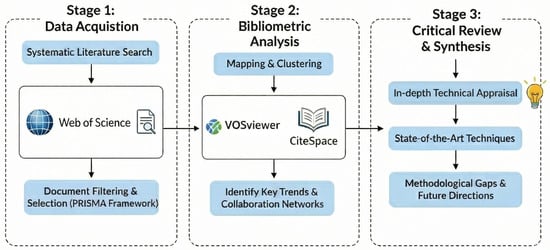
Vegetation Carbon Stock Estimation Using Remote Sensing: A Bibliometric and Critical Review
by
Xiaoxiao Min, Mohd Johari Mohd Yusof, Luxin Fan and Sreetheran Maruthaveeran
Forests 2026, 17(4), 503; https://doi.org/10.3390/f17040503 (registering DOI) - 18 Apr 2026
Abstract
Vegetation carbon stock is a key component of the terrestrial carbon cycle and supports climate-change mitigation and carbon-neutrality strategies. While field inventories provide accurate references, they are constrained by cost and limited scalability, motivating the rapid adoption of remote sensing for large-scale spatial
[...] Read more.
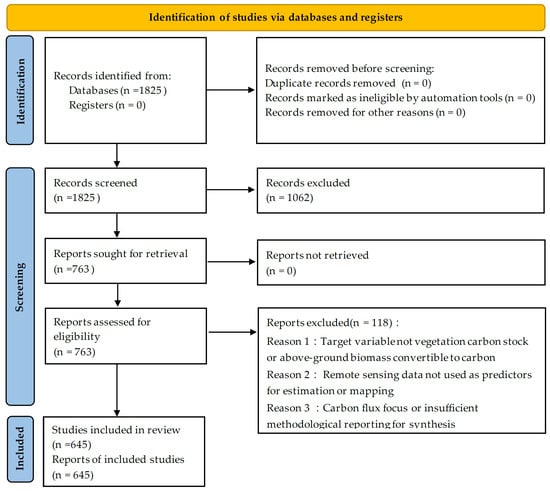
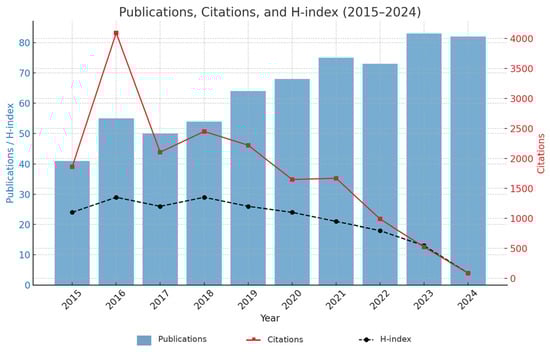
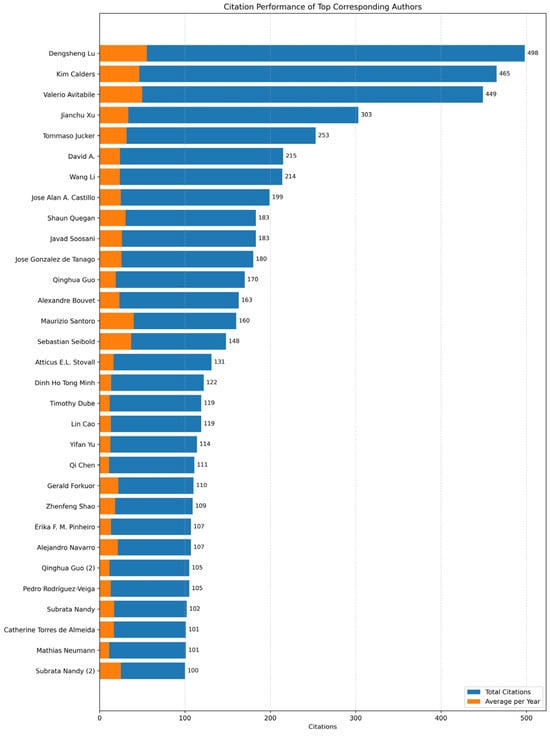
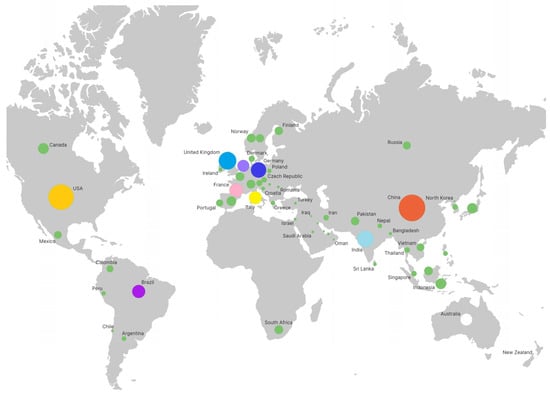
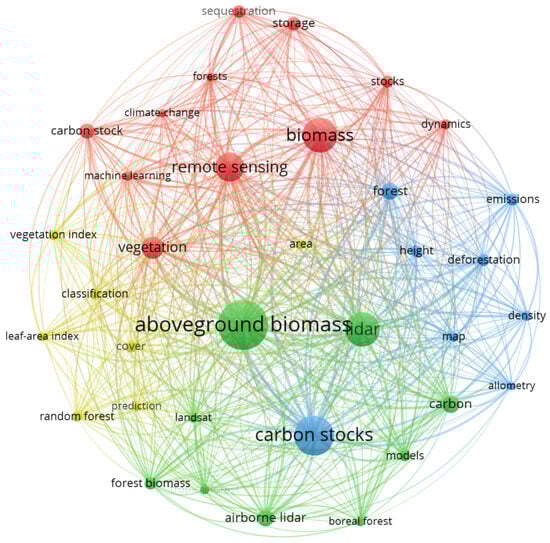
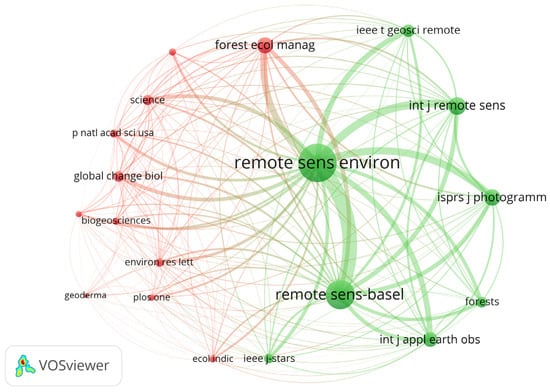
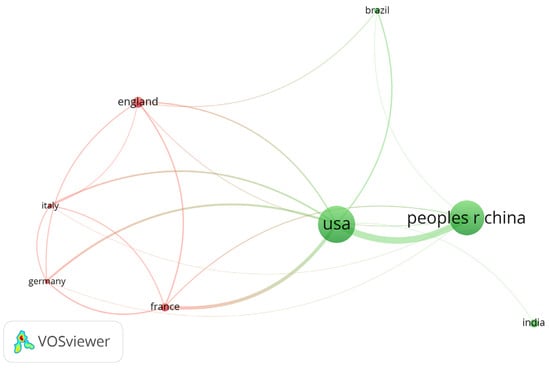
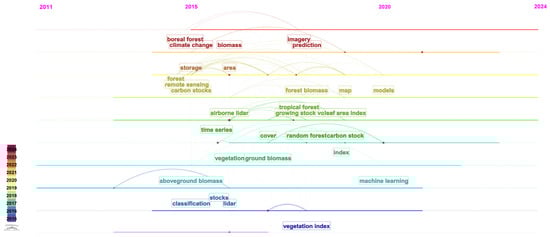
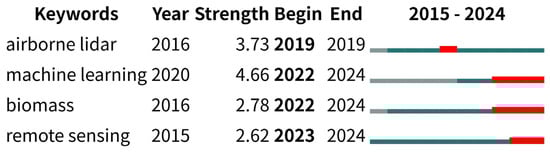
Vegetation carbon stock is a key component of the terrestrial carbon cycle and supports climate-change mitigation and carbon-neutrality strategies. While field inventories provide accurate references, they are constrained by cost and limited scalability, motivating the rapid adoption of remote sensing for large-scale spatial estimation and mapping. However, the literature lacks a consolidated bibliometric and critical synthesis focused on above-ground vegetation carbon stock estimation. Therefore, this review aims to provide a quantitative overview of publication trends, synthesise methodological developments, and identify key research gaps in remote-sensing-based above-ground vegetation carbon stock estimation. A total of 1825 Web of Science records (2015–2024) were retrieved, of which 763 were included for bibliometric mapping using VOSviewer version 1.6.20 and CiteSpace version 6.3.R2, complemented by a critical review of 32 high-quality studies. Results indicate a shift from passive optical and single-index approaches toward active sensing and multi-sensor, multi-platform integration, alongside broad uptake of machine learning and an emerging dominance of deep learning for nonlinear modelling and feature learning. Research attention is expanding beyond forests to non-forest ecosystems, yet challenges persist in spatial resolution, validation data availability, and cross-biome generalizability. This review summarizes methodological trajectories and identifies priorities for robust, transferable above-ground carbon estimation.
Full article
(This article belongs to the Section Forest Inventory, Modeling and Remote Sensing)
►▼
Show Figures

Figure 1

Open AccessArticle
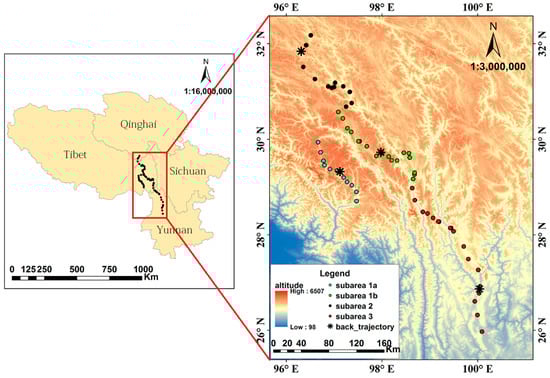
The Transport and Distribution of Polycyclic Aromatic Hydrocarbons (PAHs) Across the Hengduan Mountains, Southwest China
by
Dongxia Luo, Kun Cheng, Yanbin Wang, Ting Xie and Ruiqiang Yang
Forests 2026, 17(4), 502; https://doi.org/10.3390/f17040502 (registering DOI) - 18 Apr 2026
Abstract
Despite recent advances in polycyclic aromatic hydrocarbon (PAH) research on the Tibetan Plateau (TP), studies investigating the transport potential and accumulation dynamics of these contaminants in the Hengduan Mountains, especially in forest soils which are important sinks for atmospheric PAHs, remain scarce. In
[...] Read more.
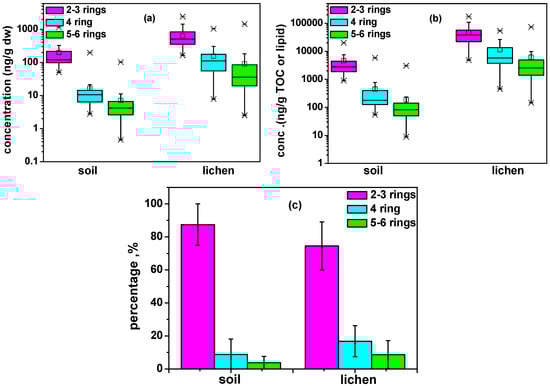
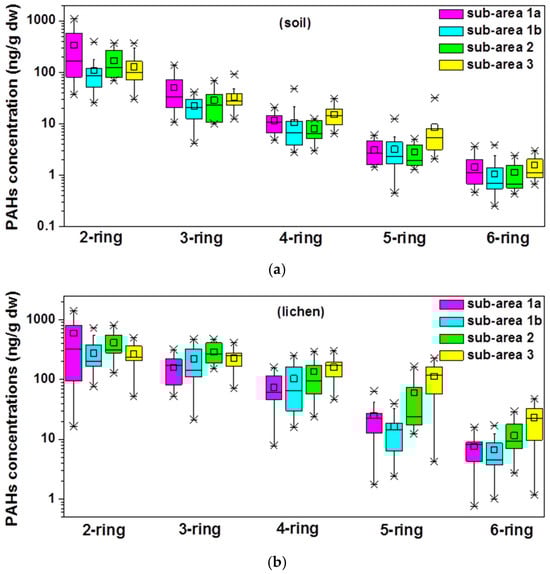
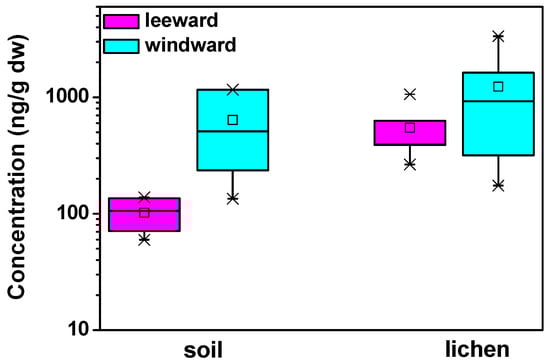
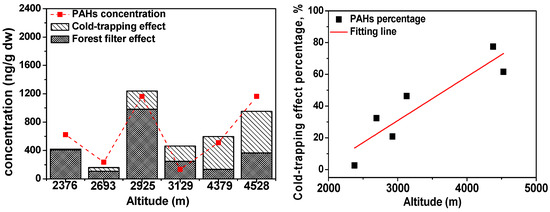
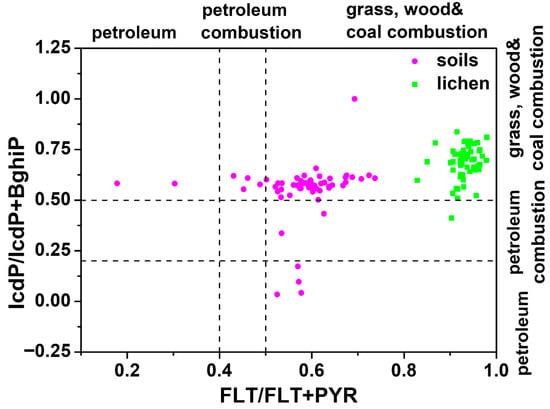
Despite recent advances in polycyclic aromatic hydrocarbon (PAH) research on the Tibetan Plateau (TP), studies investigating the transport potential and accumulation dynamics of these contaminants in the Hengduan Mountains, especially in forest soils which are important sinks for atmospheric PAHs, remain scarce. In the present study, soil and lichen samples (partially located under the forest canopy) were concurrently collected from 62 sampling sites across the Hengduan Mountains to characterize the occurrence, spatial distribution patterns, and underlying controlling factors of PAHs. The total concentrations of the 16 US EPA priority PAHs (∑16PAHs) in soils and lichens ranged from 59.8 to 1163 ng/g and 174 to 3362 ng/g, respectively—values consistently higher than those reported in corresponding matrices from the northern and northwestern TP. Further, concentrations of PAHs in both soil and lichen under the forest canopy are significantly higher than those on the leeward slope without forest. Compositional fractionation of PAHs along the longitudinal and latitudinal gradients of sampling locations indicates significant modulation of PAH distribution by both the Indian monsoon and East Asian monsoon, a pattern further corroborated by air mass backward trajectory analysis. Our results confirm that PAHs can be transported to the southeastern TP slope via long-range atmospheric transport (LRAT). Notably, the combined effects of mountain cold-trapping and forest filtering jointly govern the deposition and spatial distribution of PAHs in this region.
Full article
(This article belongs to the Special Issue Elemental Cycling in Forest Soils)
►▼
Show Figures

Figure 1

Open AccessArticle
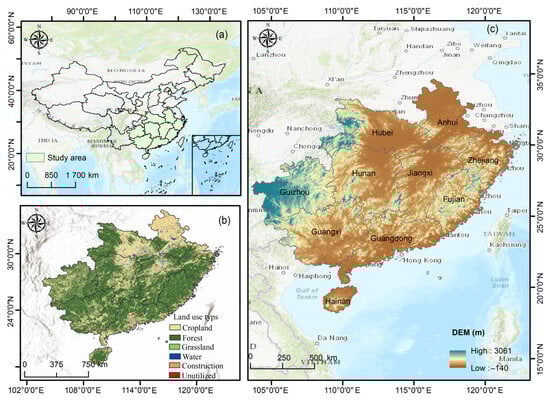
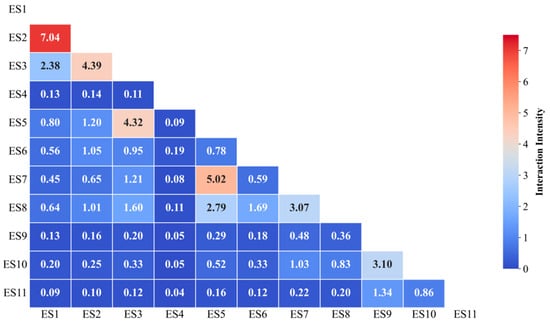
Spatiotemporal Dynamics and Driving Mechanisms of Ecosystem Service Values in China’s Southern Collective Forest Region
by
Mei Zhang, Li Ma, Yiru Wang, Ji Luo, Minghong Peng, Dingdi Jize, Cuicui Jiao, Ping Huang and Yuanjie Deng
Forests 2026, 17(4), 501; https://doi.org/10.3390/f17040501 (registering DOI) - 18 Apr 2026
Abstract
As a crucial national ecological barrier, China’s Southern Collective Forest Region (SCFR) plays an essential role in maintaining regional ecological security and promoting sustainable development. Understanding the mechanisms driving the evolution of its ecosystem service value (ESV) is of great significance. Based on
[...] Read more.
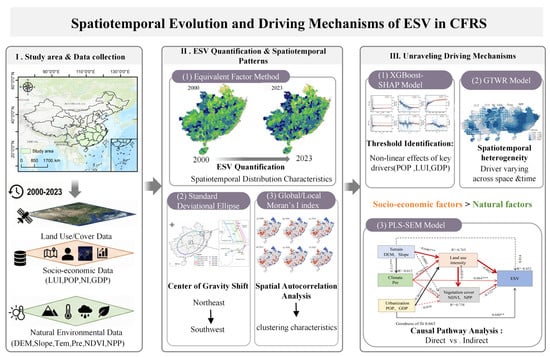
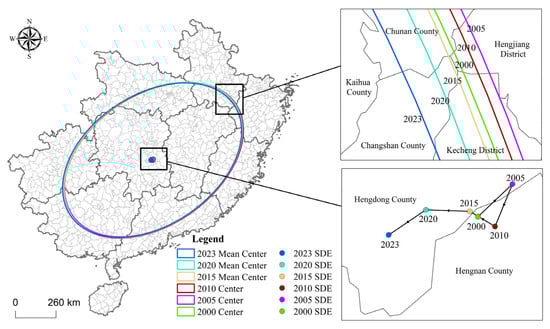
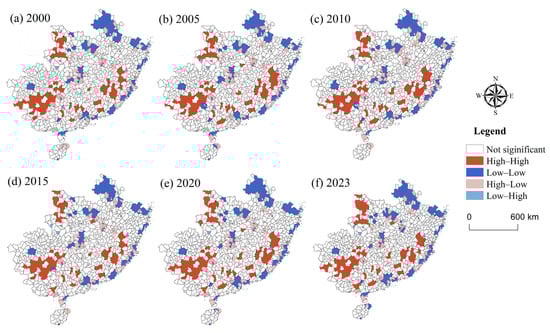
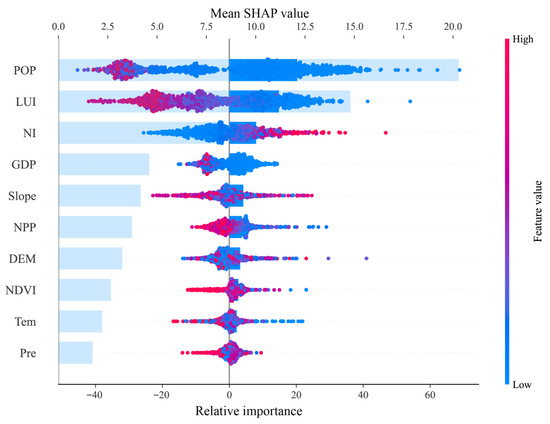
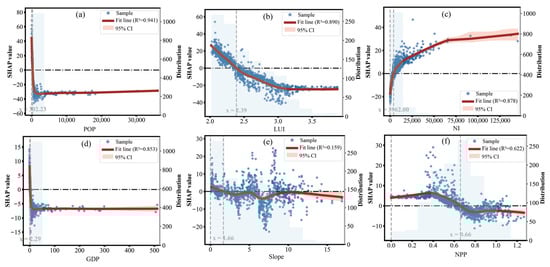
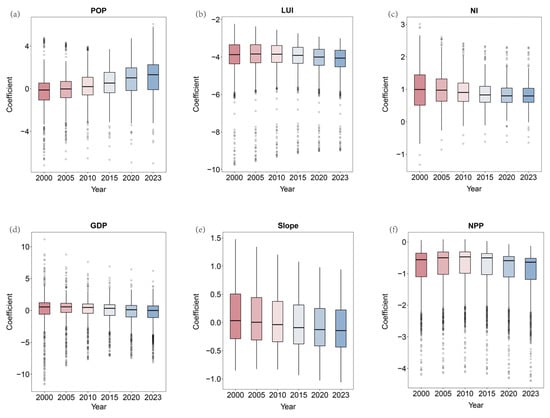
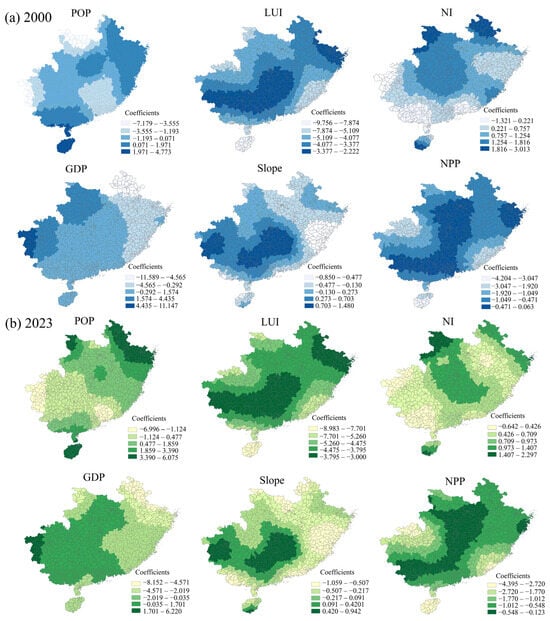
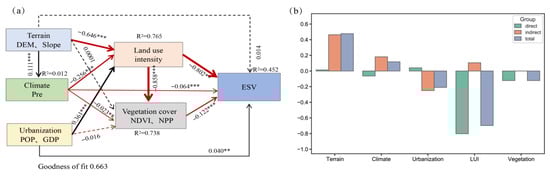
As a crucial national ecological barrier, China’s Southern Collective Forest Region (SCFR) plays an essential role in maintaining regional ecological security and promoting sustainable development. Understanding the mechanisms driving the evolution of its ecosystem service value (ESV) is of great significance. Based on county-level data from 2000 to 2023, this study integrated the equivalent factor method, spatial autocorrelation analysis, the XGBoost-SHAP model, geographically and temporally weighted regression (GTWR), and partial least squares structural equation modeling (PLS-SEM) to examine the spatio-temporal evolution patterns and driving mechanisms of ESV in the SCFR. The results showed that ESV in the SCFR exhibited an overall downward trend, with a cumulative loss of 1973.77 × 108 CNY. This was primarily due to marked reductions in hydrological and climate regulation services. The spatial distribution of ESV exhibited a significant heterogeneity—higher in the southwestern and southeastern mountainous regions, and lower in the northern plains and coastal zones, with the center of gravity shifting first to the northeast and then to the southwest. Local spatial autocorrelation revealed relatively stable “High–High” and “Low–Low” clustering characteristics, where high-value clusters were consistently distributed in core forest zones, while low-value clusters overlapped highly with urban agglomerations. Socio-economic factors exerted a significantly stronger influence on ESV than natural factors. Population density (POP), land use intensity (LUI), and gross domestic product (GDP) were identified as the dominant drivers, exhibiting distinct non-linear threshold effects and significant spatio-temporal heterogeneity. PLS-SEM analysis further quantified LUI as the dominant direct inhibitory pathway on ESV, highlighting urbanization’s indirect negative effect mediated through intensified LUI. Meanwhile, terrain effects were confirmed to positively influence ESV indirectly by constraining LUI and modulating local climate. The analytical framework of “threshold identification–spatio-temporal heterogeneity–causal pathway analysis” proposed in this study elucidated the complex driving mechanisms of ESV evolution, providing valuable guidance for ecological restoration evaluation and differentiated environmental governance.
Full article
(This article belongs to the Section Forest Ecology and Management)
►▼
Show Figures

Figure 1
Open AccessArticle
Analysis of Wage Structures and Occupational Disparities Among Forest Workers in the Republic of Korea: A 2025 Survey
by
Sung-Min Choi
Forests 2026, 17(4), 500; https://doi.org/10.3390/f17040500 - 17 Apr 2026
Abstract
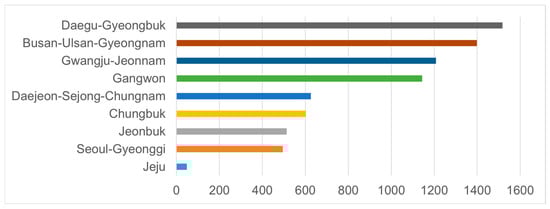
This study investigates the structural misalignment between official wage benchmarks and actual market wages in the Republic of Korea to establish an independent, forestry-specific wage system essential for labor sustainability. Historically, the Republic of Korea forestry project costs have relied on construction industry
[...] Read more.
This study investigates the structural misalignment between official wage benchmarks and actual market wages in the Republic of Korea to establish an independent, forestry-specific wage system essential for labor sustainability. Historically, the Republic of Korea forestry project costs have relied on construction industry benchmarks, leading to a “diverging hypothesis” where official rates fail to reflect the specialized risks and technical skills required in forest operations. To address this, a comprehensive wage survey was conducted in 2025 across 13 specialized forestry occupations. Utilizing a sampling frame of 7555 sites, 1044 units were selected via stratified sampling with square-root proportional allocation, ensuring a relative standard error (RSE) of 2.5%. The findings reveal that market wages consistently exceed construction benchmarks by 4.5% to 41.0%. The most significant disparities were observed in leadership and mechanized roles, reflecting substantial “risk–responsibility” and “skill premiums”. Furthermore, the study identifies a structural shift toward risk-transfer strategies, such as stumpage sales, in response to the Serious Accidents Punishment Act (SAPA). These results underscore the urgent need for a specialized wage framework to ensure safety and long-term resilience. Ultimately, such institutional refinement is a prerequisite for securing the high-quality human capital necessary for a sustainable circular bioeconomy.
Full article
(This article belongs to the Section Forest Operations and Engineering)
►▼
Show Figures

Figure 1
Open AccessReview
Silvicultural Measures for the Protection of Early-Stage Forest Regeneration from Deer Browsing: A European Perspective
by
Klaudia Strękowska and Jakub Borkowski
Forests 2026, 17(4), 499; https://doi.org/10.3390/f17040499 - 17 Apr 2026
Abstract
Forests worldwide are increasingly affected by climate-driven stressors and large-scale disturbances that impair tree physiology, disrupt water and carbon balance, and increase mortality risk. In this context, successful natural and artificial regeneration is essential for maintaining forest continuity, carbon storage, and biodiversity. However,
[...] Read more.
Forests worldwide are increasingly affected by climate-driven stressors and large-scale disturbances that impair tree physiology, disrupt water and carbon balance, and increase mortality risk. In this context, successful natural and artificial regeneration is essential for maintaining forest continuity, carbon storage, and biodiversity. However, regeneration outcomes depend not only on site conditions but also on biotic pressures, especially browsing by cervids in temperate and boreal forests. The aim of this review was to identify and synthesize evidence on how silvicultural methods can reduce browsing damage in forest regeneration and to assess how these methods influence the underlying drivers of cervid pressure through stand structure and forage availability. We examine mechanisms operating at two spatial scales: at the microscale, regeneration type, planting density, structural heterogeneity, planting stock, and how species mixture influences browsing probability and intensity; at the macroscale, how cutting systems and the spatial and temporal arrangement of harvests shape foraging landscapes by concentrating or dispersing browse resources and edge habitats. The reviewed evidence shows that dense, structurally diverse natural regeneration can dilute browsing pressure, whereas uniform artificial regeneration may increase repeated damage, and that species composition and mixture patterns can either protect or expose palatable species. We conclude that integrating microscale regeneration design with landscape-level harvest planning can strengthen stand resilience, reduce dependence on fencing, and support climate-adaptive forest development. To the best of our knowledge, no previous review has synthesized this evidence across both micro- and macroscale silvicultural contexts. Although most of the studies included in this review originate from Europe, we believe that the knowledge presented here is relevant to the majority of boreal and temperate forests worldwide.
Full article
(This article belongs to the Special Issue Wildlife Management and Conservation in Forests Ecosystems)
Open AccessArticle
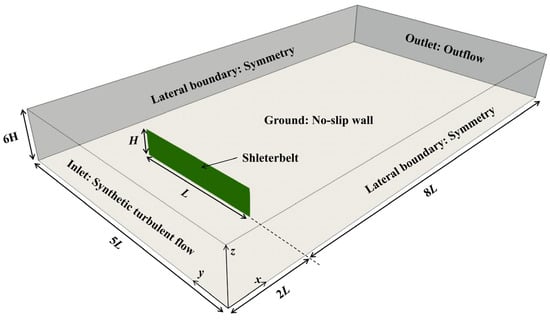
Impacts of Vertical Variation in Canopy Structures on Shelterbelt Windbreak Effectiveness: A Large-Eddy Simulation Study
by
Yanqun Liu, Jingxue Wang, Wenchao Chen, Mao Xu, Yu Zhang, Luca Patruno and Weilin Li
Forests 2026, 17(4), 498; https://doi.org/10.3390/f17040498 - 17 Apr 2026
Abstract
Shelterbelts are increasingly used to mitigate strong wind damage, but the complex canopy structures create challenges for numerical studies of windbreak effectiveness, such as the trade-off between computational cost and accuracy of results. To address these challenges and accurately investigate the downstream wind
[...] Read more.
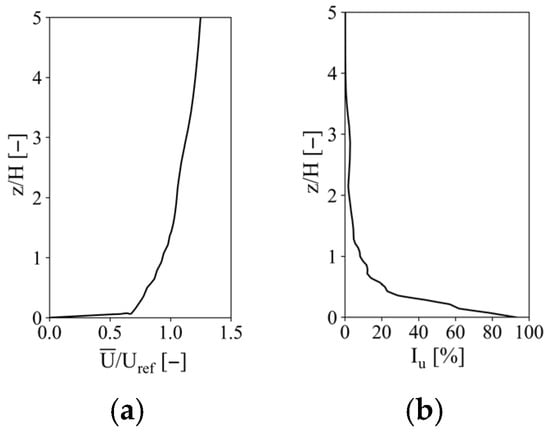
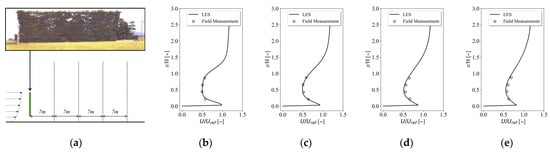
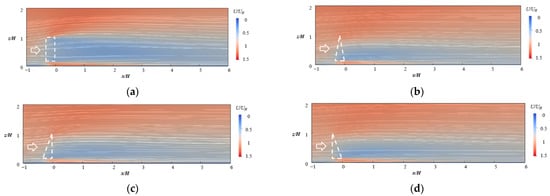
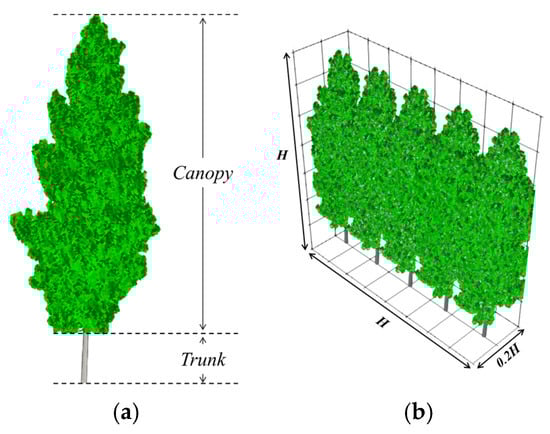
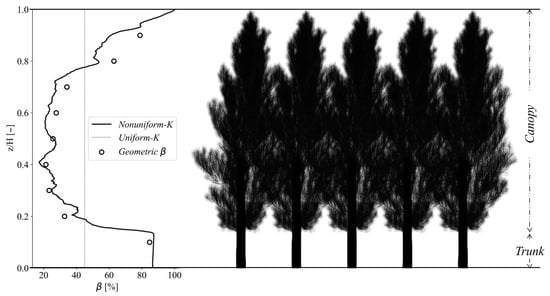
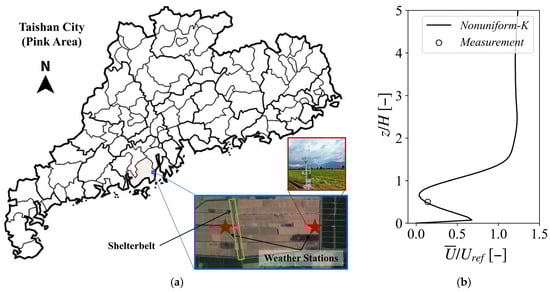
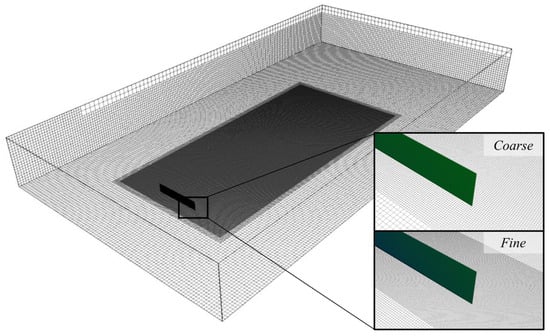
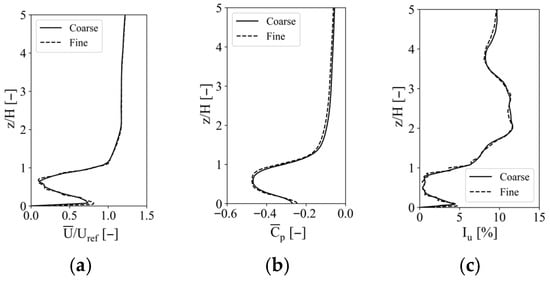
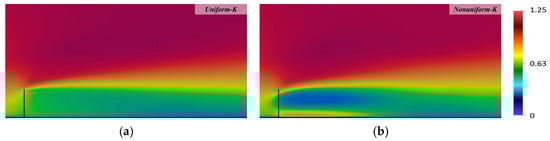
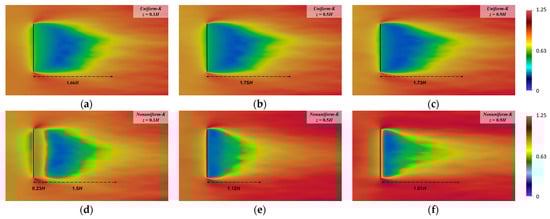
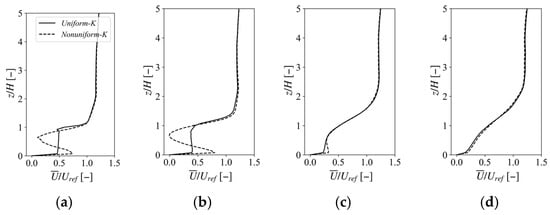
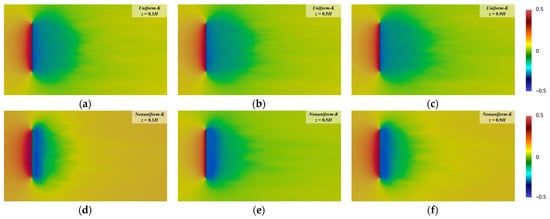
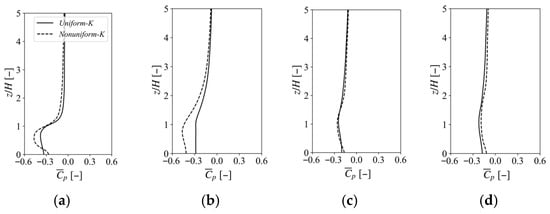
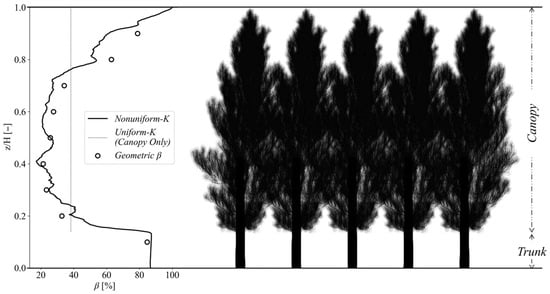
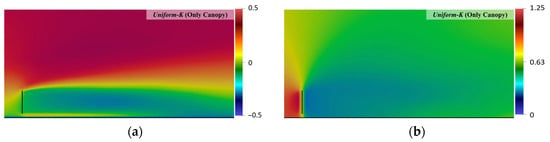
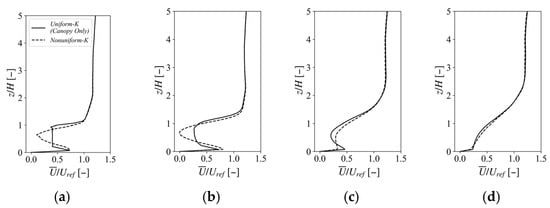
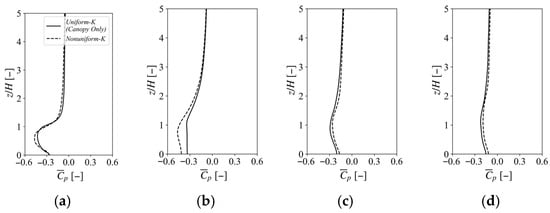
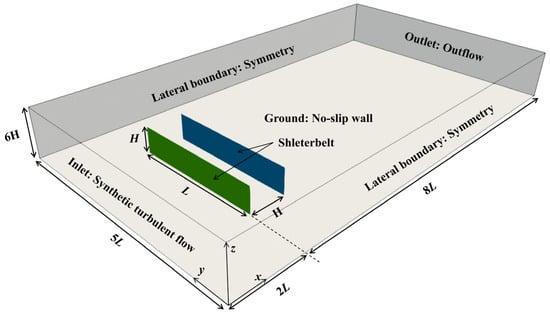
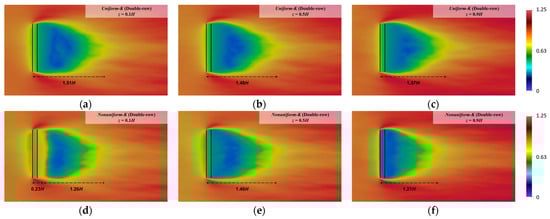
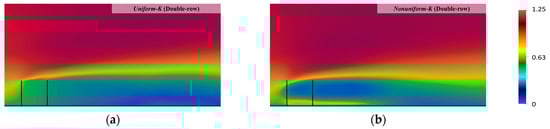
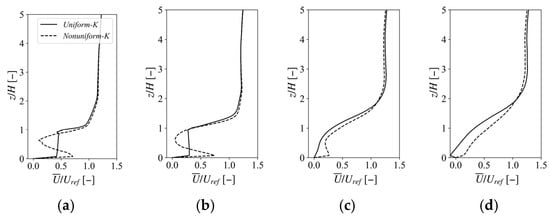
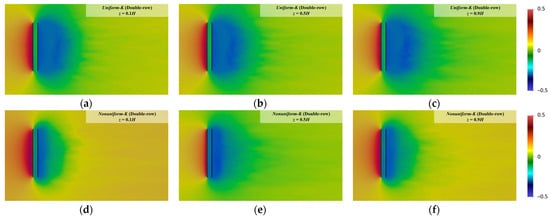
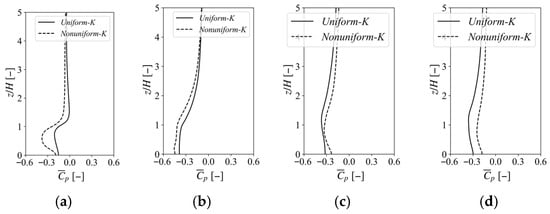
Shelterbelts are increasingly used to mitigate strong wind damage, but the complex canopy structures create challenges for numerical studies of windbreak effectiveness, such as the trade-off between computational cost and accuracy of results. To address these challenges and accurately investigate the downstream wind fields, most conventional studies represent shelterbelts as rectangular porous media with a uniformly distributed aerodynamic resistance coefficient. However, due to the vertical variation in canopy diameter and the irregular distribution of leaf density, the aerodynamic resistance of natural shelterbelts becomes nonuniform accordingly. To quantify the discrepancies arising from this simplification, this study first proposes a non-destructive approach to calculate canopy porosity profiles, which are further used to derive aerodynamic resistance at different heights. Then, by comparing the results obtained from the conventional and proposed approaches in Large-Eddy Simulations, the discrepancies caused by ignoring the vertical variation in canopy structures are analyzed. Finally, these discrepancies are further investigated for double-row shelterbelts. The results show that ignoring the vertical variation in canopy diameter leads to significant differences in windbreak effectiveness, especially for the downstream velocity and pressure fields at the top and middle heights of the canopy. The proposed approach provides a computationally efficient and more accurate representation of near-surface wind fields downstream of shelterbelts, thereby contributing to the accurate prediction of local wind fields for meteorological services.
Full article
(This article belongs to the Section Forest Ecology and Management)
►▼
Show Figures

Figure 1

Open AccessReview
Genome Architecture and Regulatory Control of Specialized Metabolism in Medicinal Forest Trees: Chemotype Stability and Sustainable Utilization
by
Adnan Amin and Mozaniel Santana de Oliveira
Forests 2026, 17(4), 497; https://doi.org/10.3390/f17040497 - 17 Apr 2026
Abstract
Generally, forest trees with medicinal value present diverse chemotypes considered key determinants of efficacy, safety, and commercial valuation. Such heterogeneity varies among tissues, genotypes, and seasons, and stress exposure. This review summarizes how regulatory controls and genome architecture affect the stability and synthesis
[...] Read more.
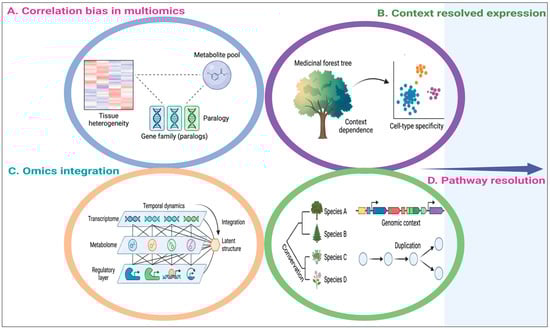
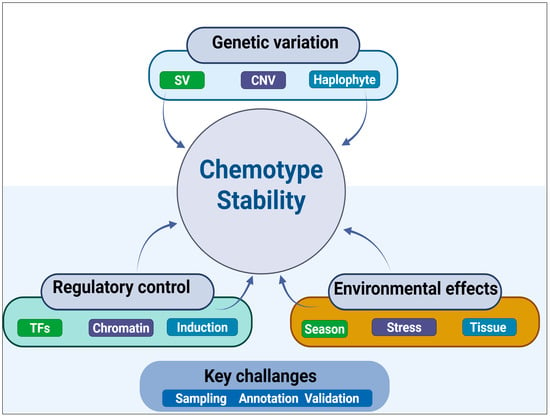
Generally, forest trees with medicinal value present diverse chemotypes considered key determinants of efficacy, safety, and commercial valuation. Such heterogeneity varies among tissues, genotypes, and seasons, and stress exposure. This review summarizes how regulatory controls and genome architecture affect the stability and synthesis of secondary metabolites in woody medicinally important taxa. Detailed haplotypic and chromosomal analyses have recently identified diverse and repeatable architectural drivers. Among these, LTR/transposon-mediated revamping, neofunctionalization, biosynthetic gene clusters, and tandem duplication play a special role in reshaping pathway capacity. The enzymatic regulation of these drivers translates this “capacity” into harvest-pertinent chemistry by employing conserved TF modules, hormone crosstalk, and emergent chromatin/epigenetic layers. Nevertheless, major parameters pertaining to the tissue-specific storage, transport, and compartmentalization of these chemotypes are contextualized with certain limitations. In this review, the integration of GWAS/eQTL/TWAS with multi-tissue is explained in addition to the replacement of a single reference with pangenome/haplotype frameworks, and explicit modeling of G × E further strengthen genotype-to-chemotype mapping. Therefore, in this review we summarize practical workflows for chemotype discovery utilizing staged validation models of heterologous reconstitution, isotope/spatial evidence, and chemistry. These findings were supported by data on saponins, alkaloids, iridoids, and defense response. Such an integration links mechanistic understanding to authentication, standardization, and sustainable utilization strategies in woody medicinal trees.
Full article
(This article belongs to the Special Issue Forests That Heal: Importance of Medicinal Trees and Forest Understory Plants Conservation and Use)
►▼
Show Figures

Figure 1

Open AccessArticle
Flood Gradient and Biotic Interactions Shape Seedling Performance and Spatial Distribution of Amazonian várzea Tree Species
by
Naara Ferreira da Silva, Pia Parolin, Layon Oreste Demarchi, Lilian Cristine Camillo, Aline Lopes and Maria Teresa Fernandez Piedade
Forests 2026, 17(4), 496; https://doi.org/10.3390/f17040496 - 17 Apr 2026
Abstract
Floodplain forests in central Amazonia are structured along a marked flooding gradient that influences species distribution, performance, and survival. This study evaluated the demographic structure, survival, and growth responses of two co-occurring tree species across contrasting várzea environments differing in inundation regimes. Field
[...] Read more.
Floodplain forests in central Amazonia are structured along a marked flooding gradient that influences species distribution, performance, and survival. This study evaluated the demographic structure, survival, and growth responses of two co-occurring tree species across contrasting várzea environments differing in inundation regimes. Field surveys quantified seedlings, juveniles, and adults in low- and high-floodplain forests, while a field experiment assessed survival and growth under conditions with and without interspecific interaction. Repeated-measures ANOVA revealed that temporal variation and forest type significantly affected growth parameters, with species-specific responses to flooding intensity. In the field experiment, mortality of Crateva tapia L. differed significantly among treatments (χ2 = 24.96, p < 0.001), with the highest mortality observed in high-várzea (up to 75% under interspecific interaction), while Hura crepitans L. showed 100% survival across all treatments. Non-parametric analyses detected no significant treatment effects on selected morphological traits. The results support the stress-gradient hypothesis, suggesting that plant–plant interactions may shift along the flooding gradient, with facilitative processes becoming more relevant under higher stress conditions. Overall, differential flood tolerance appears to be a key driver of habitat preference and population structure in these Amazonian wetlands.
Full article
(This article belongs to the Special Issue From Forests to Wetlands: Ecosystem Processes Shaping Aquatic Environments)
►▼
Show Figures

Figure 1

Open AccessArticle
Ecological Security Pattern Construction in the Yellow River Water Replenishment Area of Gannan, China
by
Wenqi Gao, Shengting Wang, Shouxia Wu, Shangke Yuan, Yujia Zhang, Leping He and Tuo Han
Forests 2026, 17(4), 495; https://doi.org/10.3390/f17040495 - 16 Apr 2026
Abstract
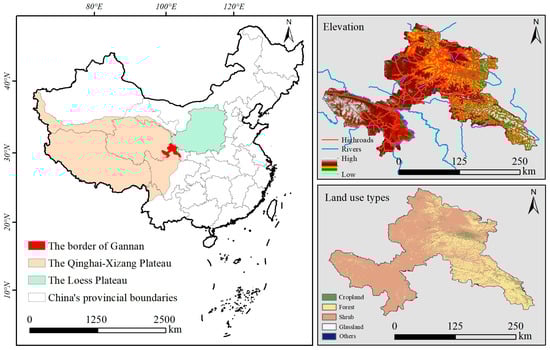
The northeastern margin of the Qinghai–Tibet Plateau is an ecologically fragile region that faces severe habitat fragmentation, which directly threatens regional biodiversity conservation and ecological security. To address this challenge, this study constructed a hierarchical “source-corridor-node” ecological network for the Gannan Tibetan Autonomous
[...] Read more.
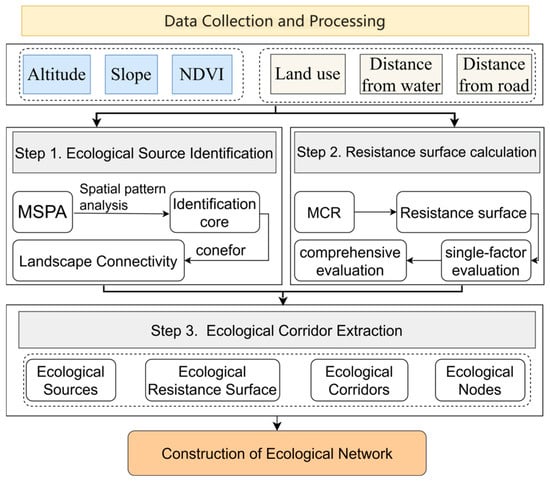
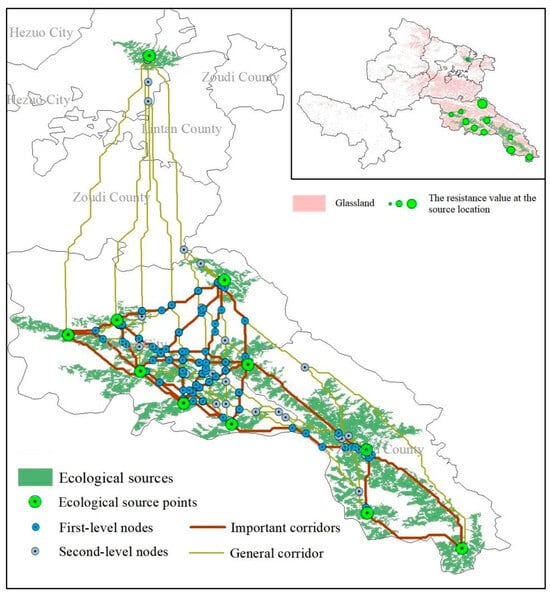
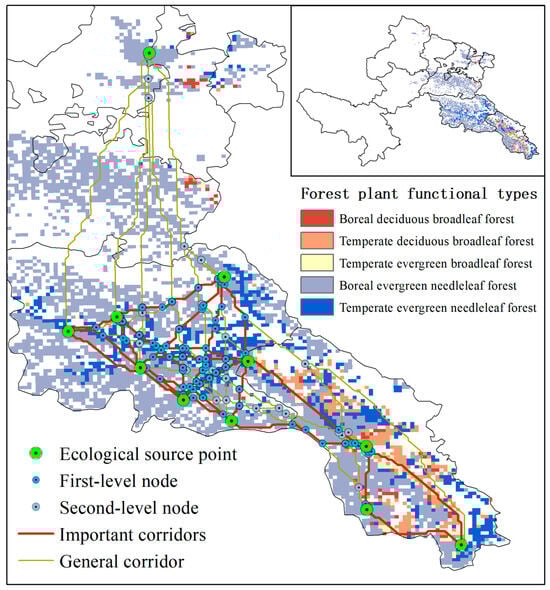
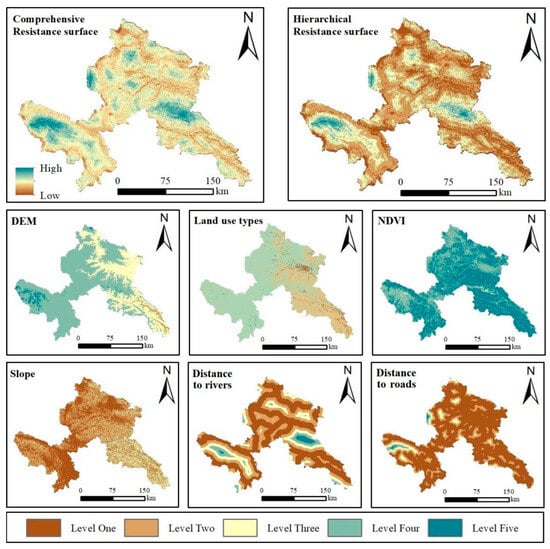
The northeastern margin of the Qinghai–Tibet Plateau is an ecologically fragile region that faces severe habitat fragmentation, which directly threatens regional biodiversity conservation and ecological security. To address this challenge, this study constructed a hierarchical “source-corridor-node” ecological network for the Gannan Tibetan Autonomous Prefecture by integrating Morphological Spatial Pattern Analysis (MSPA), the Minimum Cumulative Resistance (MCR) model, landscape connectivity assessment, and gravity modeling. The key results are as follows: (1) The Gannan Yellow River Water Source Replenishment Area contains 11 core ecological source regions, which are predominantly located in the southeastern regions of Diebu County and Zhouqu County, covering a total area of 4237.81 km2; (2) Ecological resistance analysis identifies high-resistance zones concentrated in anthropogenically active river valleys and urban belts (e.g., Hezuo urban area, Awanzang Town, and the G213 corridor). Low-resistance zones are predominantly situated in protected ecological enclaves (e.g., Zhagana Geopark and Gahai Wetland Reserve); (3) A total of 55 ecological corridors were identified, with a total length of 4355.77 km. Among these, 26 were classified as key ecological corridors, primarily distributed in Diebu and Zhouqu counties in the eastern part of Gannan Prefecture. These areas feature relatively concentrated ecological sources, and the key corridors play a critical role in connecting isolated ecological patches and maintaining regional ecological connectivity. (4) Across the entire territory of Gannan Prefecture, a total of 81 first-level ecological nodes and 53 second-level ecological nodes were delineated. As the core hub of the regional ecological network in Gannan Prefecture, Diebu County encompasses 60 First-level and 41 Second-level ecological nodes, respectively. The hierarchical “source-corridor-node” ecological network constructed in this study effectively enhances the overall landscape connectivity of the area. This progressive analytical framework—integrating source identification, corridor extraction, and node diagnosis—provides a scientific basis for biodiversity conservation, territorial ecological restoration, and sustainable development in high-altitude ecologically fragile zones.
Full article
(This article belongs to the Section Forest Ecology and Management)
►▼
Show Figures

Figure 1
Open AccessArticle
Economic Viability and Carbon Sequestration of Mixed Native Forests in Southern Chile: An Integrated Faustmann Approach
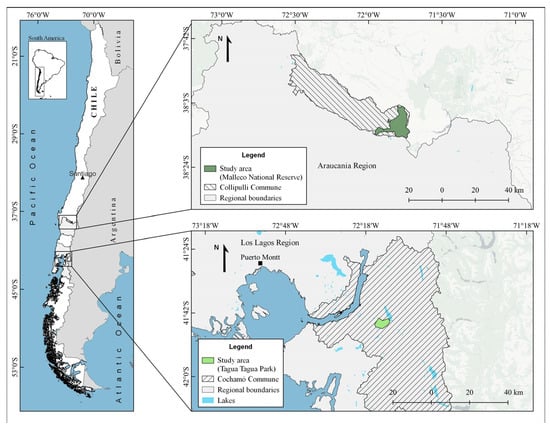
by
Norman Moreno-García, Roberto Moreno, Juan Ramón Molina, Beatriz López Bermúdez and Leonardo Durán-Garate
Forests 2026, 17(4), 494; https://doi.org/10.3390/f17040494 - 16 Apr 2026
Abstract
This study evaluates the financial profitability and carbon sequestration in mixed native forests of the Roble-Raulí-Coigüe and evergreen types in the southern macrozone of Chile, integrating both ecosystem services into forest management decision-making. The Faustmann model and dynamic programming were applied to determine
[...] Read more.
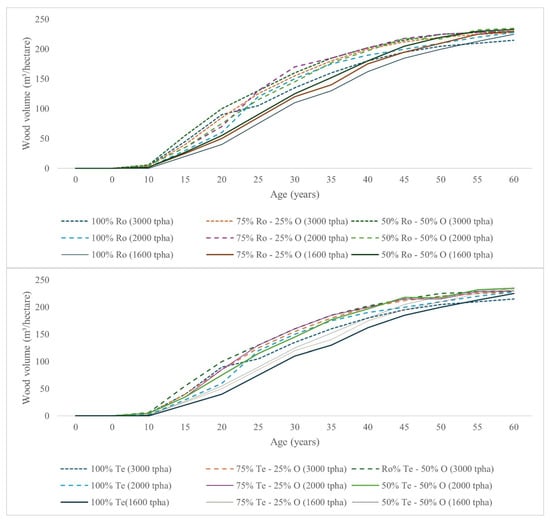
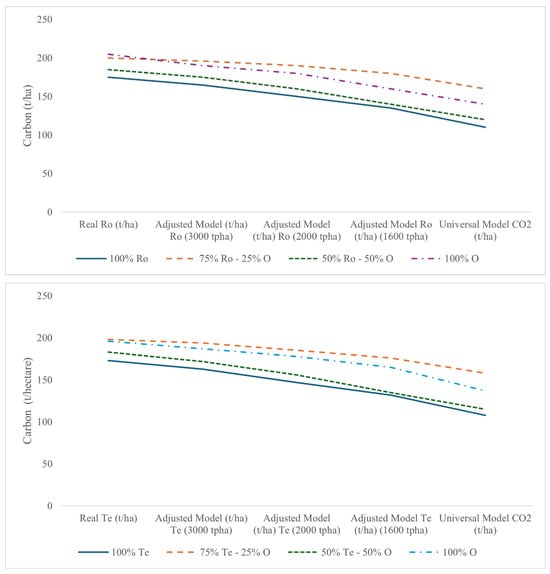
This study evaluates the financial profitability and carbon sequestration in mixed native forests of the Roble-Raulí-Coigüe and evergreen types in the southern macrozone of Chile, integrating both ecosystem services into forest management decision-making. The Faustmann model and dynamic programming were applied to determine the optimal rotation periods and Land Expectation Value (LEV) under two scenarios: exclusive timber production and combined timber and carbon production. The results indicate that mixed forests consistently outperform monocultures in terms of profitability, especially in 25%–75% mix configurations and moderate densities (2000 trees/ha). The observed range of 25%–75% across different tree species is determined by the interplay of two critical factors: the average annual growth rate (AAGR) of biomass and the opportunity cost of the forest rotation. In fast-growing species, the upper limit (75%) reflects an optimisation towards early carbon sequestration, whilst in slow-growing species, the ratio shifts towards the lower limit (25%) to compensate for longer rotation periods and associated biotic risks. This range acts as an efficiency frontier that balances biological productivity with the stability of the accumulated carbon stock. The inclusion of the economic value of carbon increased the LEV and extended the optimal rotation periods, confirming the relevance of integrating ecosystem services into forest planning. These findings suggest that mixed native forests represent a competitive and sustainable alternative to monocultures, contributing to climate change mitigation and income diversification for forest owners.
Full article
(This article belongs to the Special Issue Forest Ecosystem Services and Sustainable Management)
►▼
Show Figures

Figure 1
Open AccessArticle
Multilocus Molecular Characterization of ‘Candidatus Phytoplasma rubi’-Related Strains in Wild Rubus nessensis Hall and Rubus idaeus L. in Lithuania
by
Martynas Dėlkus, Algirdas Ivanauskas, Marija Žižytė-Eidetienė and Deividas Valiūnas
Forests 2026, 17(4), 493; https://doi.org/10.3390/f17040493 - 16 Apr 2026
Abstract
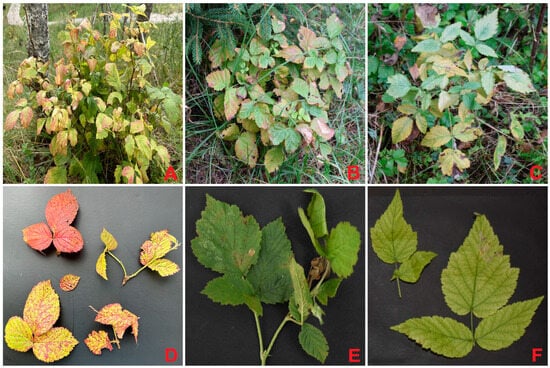
‘Candidatus Phytoplasma rubi’ (elm yellows group, 16SrV-E phytoplasma subgroup) is the causal agent of rubus stunt disease, a disorder affecting economically important plants—raspberries and blackberries. Although this phytoplasma has been extensively studied in cultivated Rubus crops, its occurrence and molecular identity in
[...] Read more.
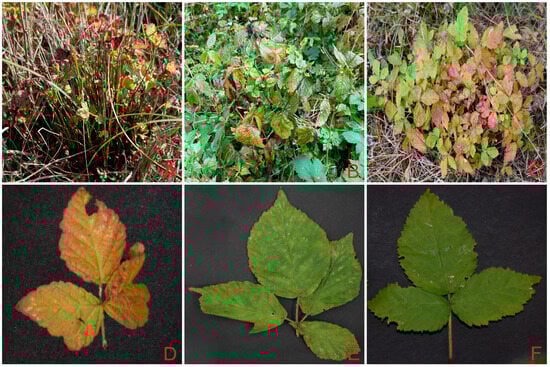
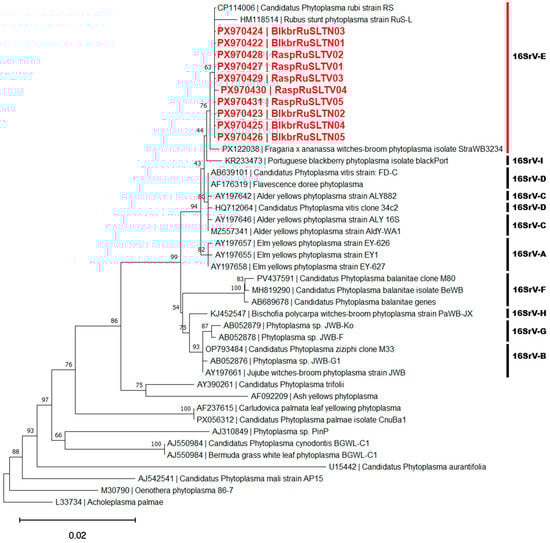
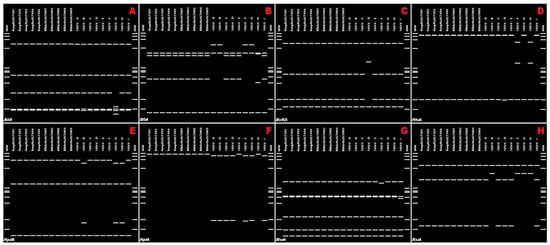
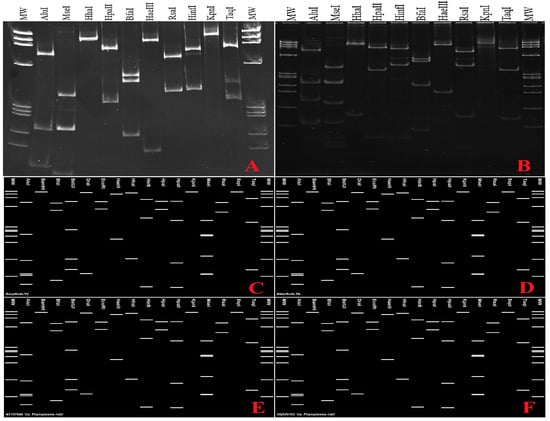
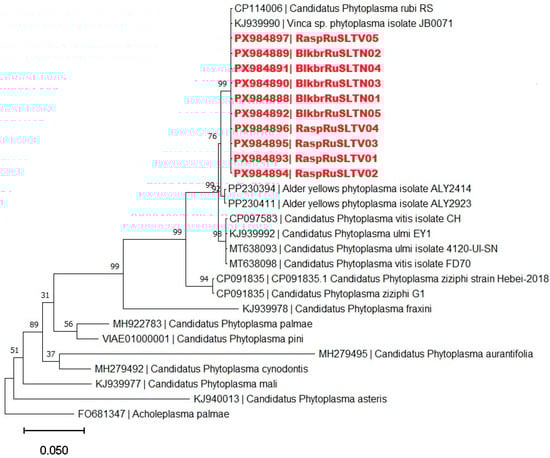
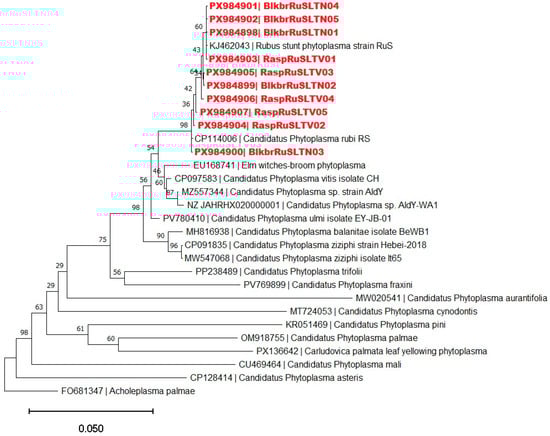
‘Candidatus Phytoplasma rubi’ (elm yellows group, 16SrV-E phytoplasma subgroup) is the causal agent of rubus stunt disease, a disorder affecting economically important plants—raspberries and blackberries. Although this phytoplasma has been extensively studied in cultivated Rubus crops, its occurrence and molecular identity in wild Rubus species populations in North-Eastern Europe remain poorly documented. In this study, phytoplasmas associated with symptomatic wild Rubus idaeus L. and Rubus nessensis Hall plants were investigated in natural forest ecosystems of the Curonian Spit, Lithuania. A total of 65 symptomatic plants were surveyed, and phytoplasma infection was detected in 30 samples by nested PCR targeting the 16S rRNA gene. Positive samples were characterized using a multilocus molecular approach based on sequence analysis of the additional cpn60 and secA genes. All strains showed high nucleotide sequence similarity across the analysed loci and consistently clustered with reference strains of ‘Candidatus Phytoplasma rubi’. Virtual RFLP profiles derived from the 16S rRNA and cpn60 genes were nearly identical to those of established 16SrV-E phytoplasma subgroup reference strains and clearly distinct from other 16SrV phytoplasma subgroups. These results provide not only the first detailed multilocus molecular characterization of ‘Candidatus Phytoplasma rubi’-related strains infecting wild Rubus species in Lithuania but also represent the first report of this phytoplasma in naturally occurring R. idaeus and R. nessensis plants in the country, thereby extending the known geographical occurrence of this pathogen and documenting its presence in wild Rubus hosts from unmanaged forest habitats in the Eastern Baltic region of Northern Europe.
Full article
(This article belongs to the Special Issue Forest Plant Disease Diagnostics and Management Innovation)
►▼
Show Figures

Figure 1
Open AccessArticle
LFNMR-Informed Multi-Phase Moisture Modelling of Wood Biodegradation by Coniophora puteana
by
Royson Donate Dsouza, Tiina Belt and Stefania Fortino
Forests 2026, 17(4), 492; https://doi.org/10.3390/f17040492 - 16 Apr 2026
Abstract
Fungal decay fundamentally alters moisture transport in wood through complex bio-physical coupling mechanisms that remain poorly understood. Brown-rot fungi such as Coniophora puteana (Schumach.: Fr.) P. Karst. degrade wood through chelator-mediated Fenton (CMF) chemistry, producing hydroxyl radicals that depolymerise cellulose and hemicellulose before
[...] Read more.
Fungal decay fundamentally alters moisture transport in wood through complex bio-physical coupling mechanisms that remain poorly understood. Brown-rot fungi such as Coniophora puteana (Schumach.: Fr.) P. Karst. degrade wood through chelator-mediated Fenton (CMF) chemistry, producing hydroxyl radicals that depolymerise cellulose and hemicellulose before significant mass loss. This diffusion-dependent process requires elevated moisture content and leads to structural degradation. However, existing models fail to capture the interaction between boundary-driven fungal colonization, decay-induced property changes, and multi-phase multi-Fickian moisture redistribution, particularly the separate evolution of bound- and free-water phases during decay. Here, we present a transport-response bio-hygrothermal finite element model that couples boundary-driven Monod-type fungal colonization kinetics with multi-phase moisture transport (free water, bound water, vapor) in decaying wood. Although fungal biomass evolution is simulated via a reaction–diffusion equation, decay progression is not derived from biomass–substrate interaction but prescribed independently as an experimentally informed input. The model incorporates decay-modified sorption isotherms, permeability evolution, and boundary-driven biomass influx, along with associated moisture transport, into the governing equations. The model is validated against low-field nuclear magnetic resonance (LF-NMR) measurements of C. puteana decay in Scots pine over 35 days. The model successfully reproduces the experimentally observed moisture evolution: a peak free-water content of 50%–70% during weeks 1–2, followed by a progressive decline, while bound water remains remarkably constant despite advancing decay. Monte Carlo uncertainty quantification demonstrates hierarchical parameter control: bound water is governed solely by thermodynamic factors, while free water responds to interacting biological and physical processes. Time-resolved correlation analysis shows a fundamental transition from colonization-dominated (weeks 1–2) to transport-dominated (weeks 3–5) moisture control, quantitatively explaining the experimentally observed shift from accumulation to depletion. This transport-response framework for analyzing moisture behavior under externally defined decay progression establishes quantitative parameter hierarchies that may inform the development of future substrate-coupled bio-hygrothermal models.
Full article
(This article belongs to the Special Issue Advanced Numerical and Experimental Methods for Timber Structures)
Open AccessArticle
Genome-Wide Identification and Expression Analysis of the C3H Gene Family in Betula platyphylla
by
Haoju Fan and Jiajie Yu
Forests 2026, 17(4), 491; https://doi.org/10.3390/f17040491 - 16 Apr 2026
Abstract
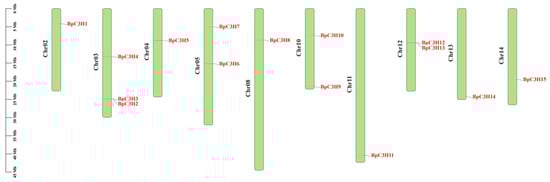
C3H-type zinc finger proteins play essential roles in plant responses to abiotic stresses, as well as in the regulation of growth, development, and signal transduction. Birch (Betula platyphylla Suk.), an ecologically adaptable tree species widely distributed in northern regions, has not
[...] Read more.
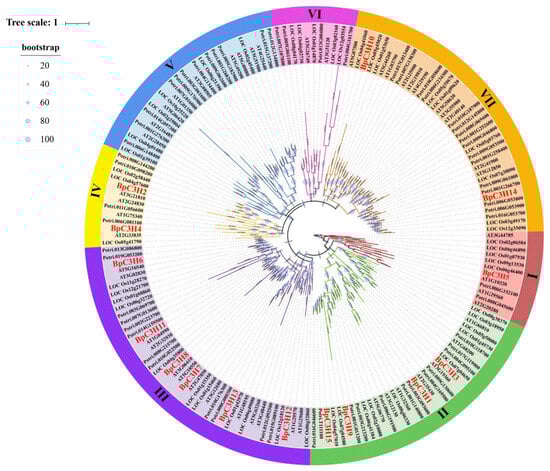
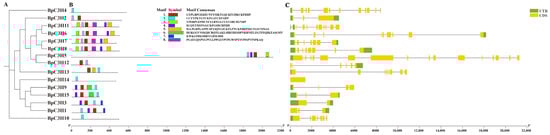
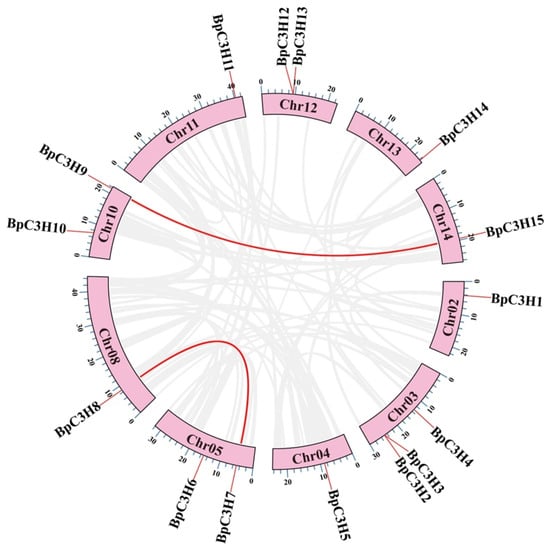
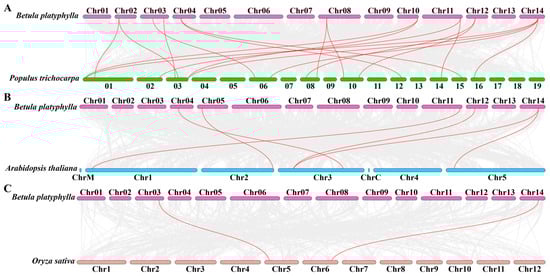
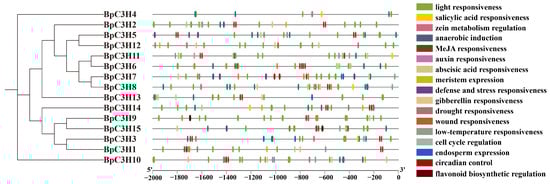
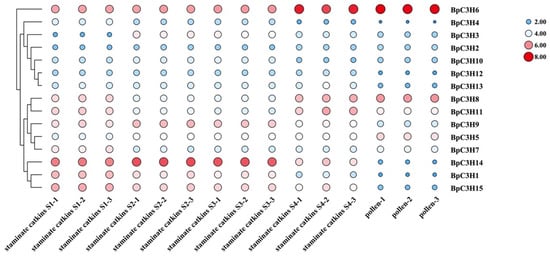
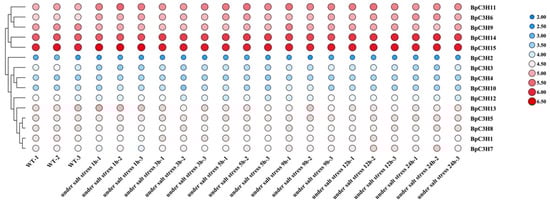
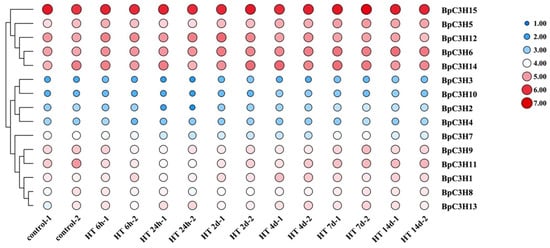
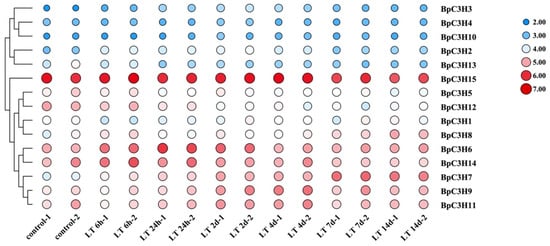
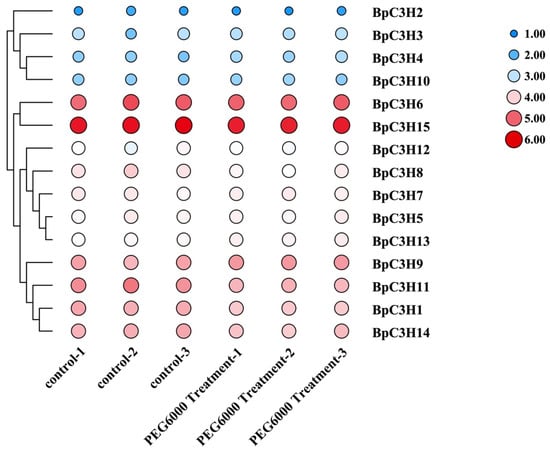
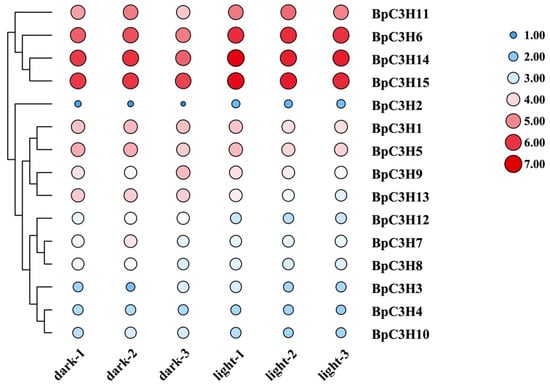
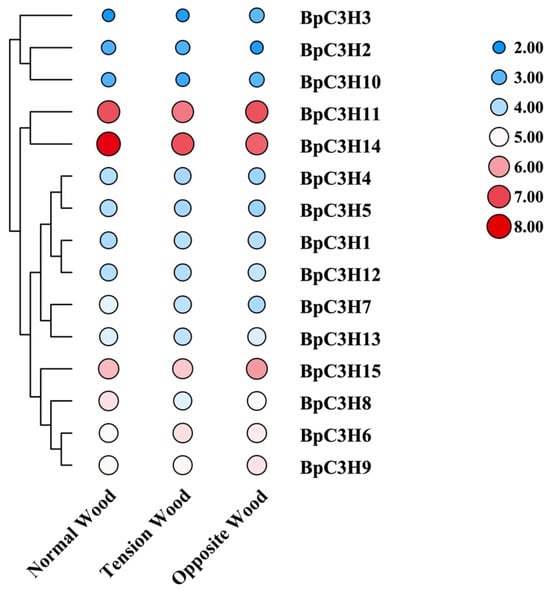
C3H-type zinc finger proteins play essential roles in plant responses to abiotic stresses, as well as in the regulation of growth, development, and signal transduction. Birch (Betula platyphylla Suk.), an ecologically adaptable tree species widely distributed in northern regions, has not yet been systematically characterized for its C3H gene family. In this study, a total of 15 BpC3Hs were identified from a genome-wide analysis of birch. Their physiochemical properties, gene structures, conserved motifs and domains were systematically analyzed. Promoter analysis identified cis-acting elements associated with stress responses, hormone signaling, and developmental regulation. Transcriptome data further showed that most BpC3Hs were responsive to salt, drought, high/low-temperature stresses, and light/dark treatment, and showed differential expression patterns in tension wood and opposite wood. Additionally, they displayed stage-specific expression patterns during male inflorescence development. This study lays a foundation for future functional characterization of the C3H gene family in birch and its application in molecular breeding for stress resistance.
Full article
(This article belongs to the Section Genetics and Molecular Biology)
►▼
Show Figures

Figure 1
Open AccessArticle
Improving Genetic Selection in Sitka Spruce (Picea sitchensis (Bong.) Carr.) Using Models Incorporating Both Competition and Environmental Effects
by
Shuyi Yang, Haiqian Yu, Niall Farrelly and Brian Tobin
Forests 2026, 17(4), 490; https://doi.org/10.3390/f17040490 - 16 Apr 2026
Abstract
Sitka spruce (Picea sitchensis (Bong.) Carr.) is among the most commercially important tree species in European and North American forestry, and genetic improvement programmes are therefore essential for promoting its productivity and sustainability. This research emphasises the significance of the breeding programmes.
[...] Read more.
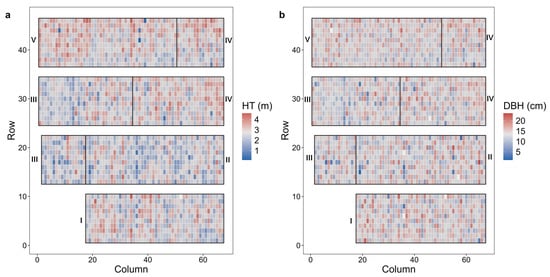
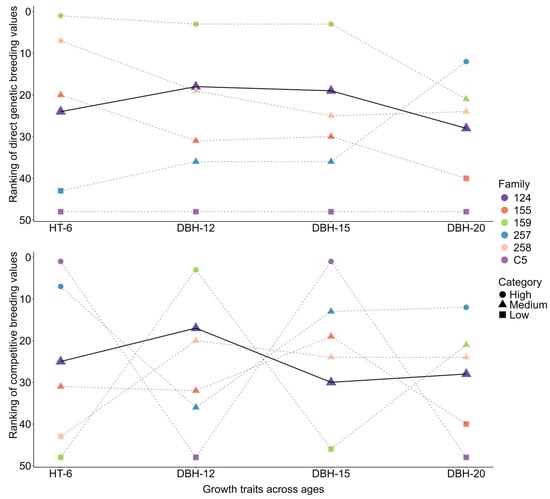
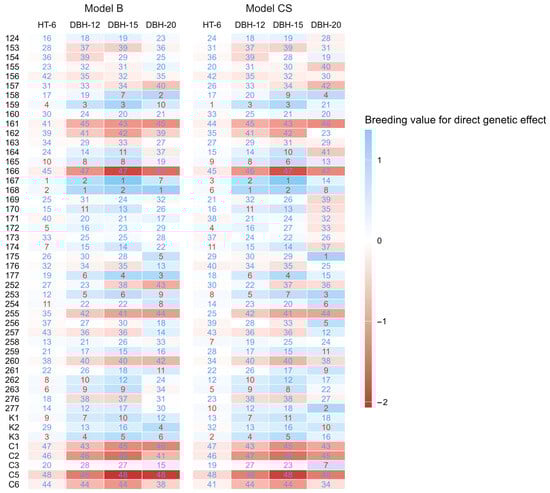
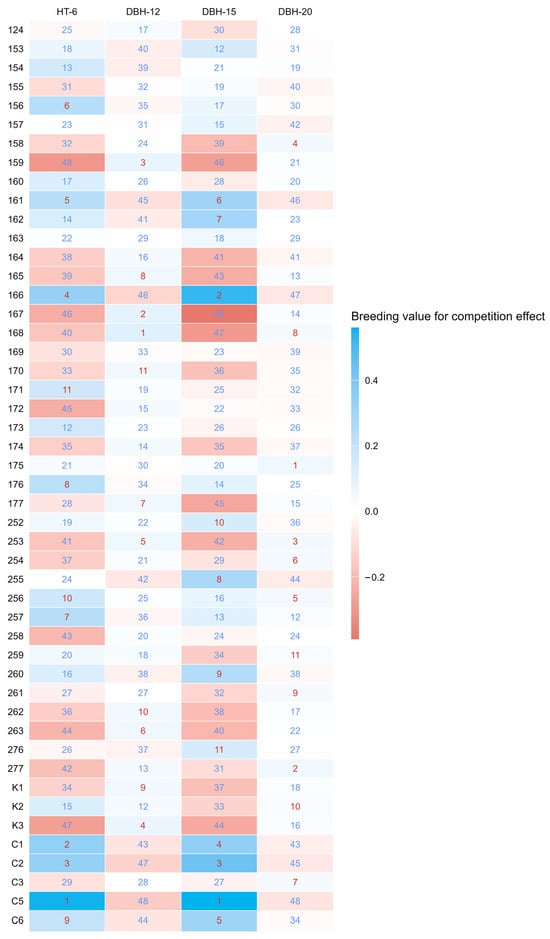
Sitka spruce (Picea sitchensis (Bong.) Carr.) is among the most commercially important tree species in European and North American forestry, and genetic improvement programmes are therefore essential for promoting its productivity and sustainability. This research emphasises the significance of the breeding programmes. The primary objective of this study was to provide more reliable information on family selection for the improvement programme of Sitka spruce by accounting for competition and environmental heterogeneity effects. Analyses in the present study were carried out on historical inventory data of height (HT) and diameter at breast height (DBH) from a half-sib progeny trial of Sitka spruce in Ireland. Tree measurement data were collected at ages 6, 12, 15 and 20 years. A mixed linear model incorporating spatial and competition terms was applied to estimate genetic parameters of the Sitka spruce population. The direct genetic effects of each family on its own phenotypes and the competition effect on its neighbour’s phenotype were examined over time. The study demonstrated an analytical approach for assessing both genetic as well as environmental aspects of competition in a Sitka spruce progeny trial. The combined model integrating competition and spatial terms (model CS) improved model fit compared with the basic model, which only included the random effects of genetic and experimental design factors (model B), with an AIC difference of up to 3609 between them. Residual error obtained from model CS was usually smaller than from model B, with the greatest reduction of 85%. Furthermore, model CS generally improved the estimation of heritability for growth traits, by up to 241, when compared with model B. In addition, genetic differences in competitive ability among families were also observed. Families with favourable combinations of direct genetic and competitive breeding values were suggested for selection in subsequent cycles of the breeding programme, i.e., families with relatively high direct genetic breeding value but low and consistent competitive breeding value over time. This work develops a practical framework to inform future family selection for Sitka spruce improvement programmes.
Full article
(This article belongs to the Section Genetics and Molecular Biology)
►▼
Show Figures

Figure 1
Open AccessArticle
Microtopographic and Hydrological Response to Repeated Seismic Line Disturbance in a Boreal Fen of Northern Alberta, Canada
by
Xue Yan Chan, Anna Dabros and Gregory J. McDermid
Forests 2026, 17(4), 489; https://doi.org/10.3390/f17040489 - 15 Apr 2026
Abstract
Seismic lines are among the most widespread anthropogenic disturbances in Alberta’s boreal peatlands, where repeated petroleum-exploration surveys can alter surface morphology, hydrology, and recovery potential. Although low-impact seismic (LIS) techniques are designed to minimize ground disturbance, the long-term consequences of re-using existing lines
[...] Read more.
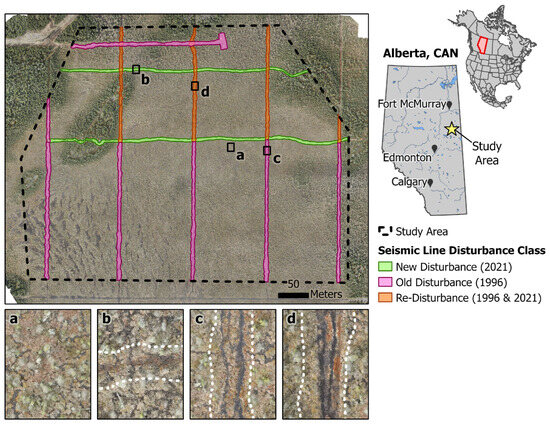
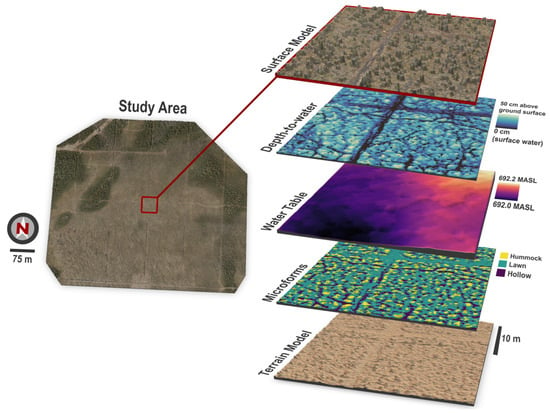
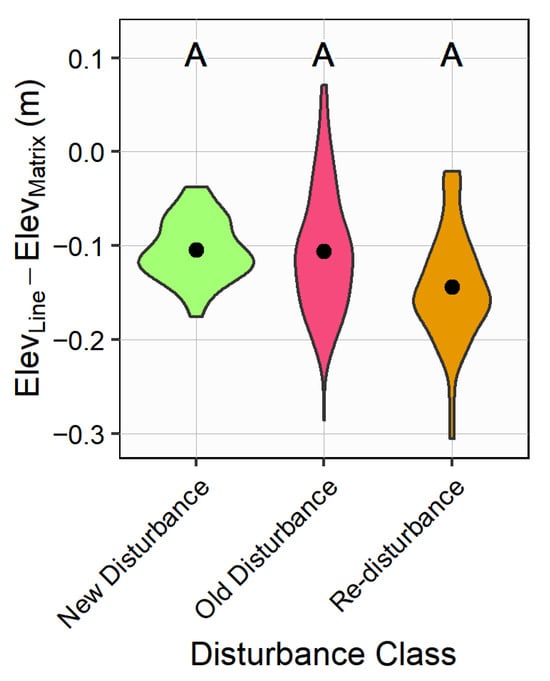
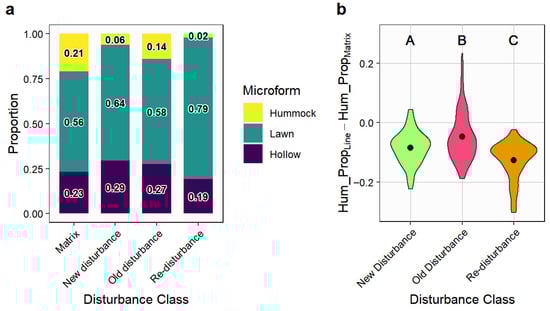
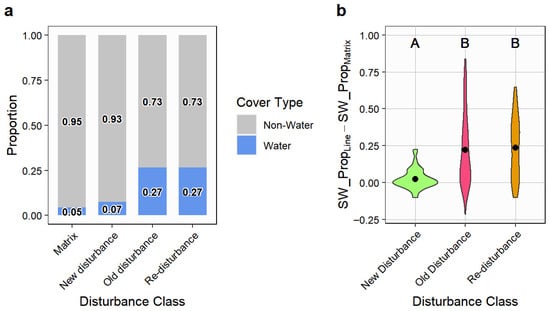
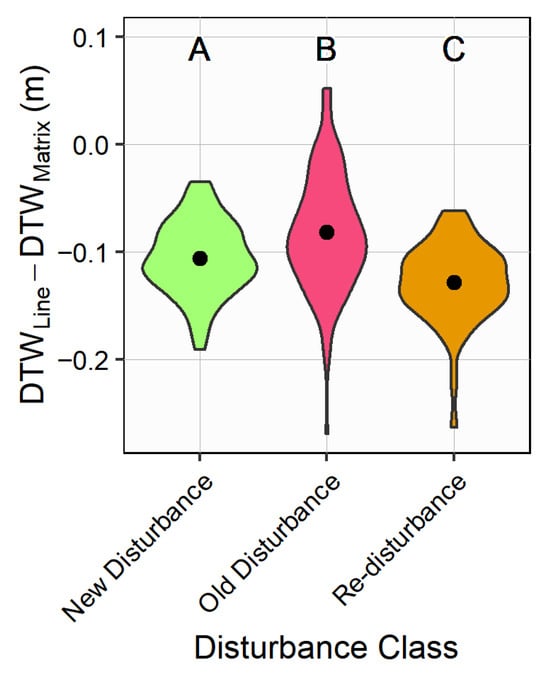
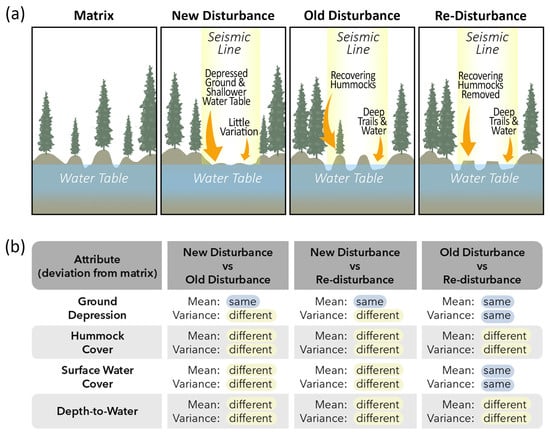
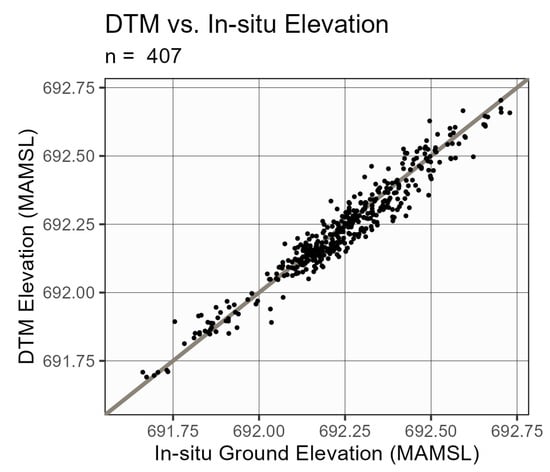
Seismic lines are among the most widespread anthropogenic disturbances in Alberta’s boreal peatlands, where repeated petroleum-exploration surveys can alter surface morphology, hydrology, and recovery potential. Although low-impact seismic (LIS) techniques are designed to minimize ground disturbance, the long-term consequences of re-using existing lines remain poorly understood. This study used remotely piloted aircraft system (RPAS)-based LiDAR and optical imagery to examine how peatland microtopography and hydrology evolve following repeated seismic surveys. We quantified four attributes—ground depression, hummock cover, depth to water, and surface water cover—across new seismic lines (cut in 2021), old seismic lines (cut in 1996), and re-disturbance (cut in 1996, re-cut in 2021) LIS lines, as well as adjacent undisturbed peatland, in a boreal fen of northern Alberta. New disturbances were depressed by approximately 10 cm relative to the surrounding peatland and exhibited reduced microtopographic variability. Hummock cover decreased from 21% in the matrix to 6% on new disturbances. Old disturbances showed greater heterogeneity than new disturbances, with hummock cover partially recovering to 14% and surface water increasing from 7% to 27%, reflecting greater spatial heterogeneity in surface conditions. Re-disturbances exhibited microtopographic conditions similar to or more degraded than old disturbances, with hummock cover reduced to 2% and persistently high surface water cover (27%). These patterns suggest that repeated seismic surveys may limit recovery and maintain altered hydrological and microtopographic conditions. Within the context of this case study, even narrow LIS corridors were associated with persistent alterations when re-used, highlighting the importance of considering re-use effects when developing management strategies for peatland ecosystems. RPAS data provide an effective means to quantify these fine-scale changes and inform peatland restoration and seismic line management.
Full article
(This article belongs to the Special Issue The Impact of Disturbances on Forest Restoration and Regeneration)
►▼
Show Figures

Figure 1
Open AccessArticle
Assessment on Ecological Health Effects of Plant Communities in Typical Urban Green Spaces: A Multi-Scale Comparative Study
by
Jiyuan Zhang, Nan Li, Chang Yang, Jingwen Bi, Yawen Shen and Enlong Xia
Forests 2026, 17(4), 488; https://doi.org/10.3390/f17040488 - 15 Apr 2026
Abstract
The eco-health effects of urban green spaces are playing a vital role in mitigating urban environmental stress and promoting residents’ well-being. However, the specific differences and dominant factors influencing these effects across different green space types and plant community structures have not been
[...] Read more.
The eco-health effects of urban green spaces are playing a vital role in mitigating urban environmental stress and promoting residents’ well-being. However, the specific differences and dominant factors influencing these effects across different green space types and plant community structures have not been fully elucidated. This study selected three typical green spaces in Tianfu New District of Chengdu—regional green space, comprehensive park, and specialized park—and focused on four community structures: tree–shrub–herb, tree–herb, tree-only, and herb-only. Multi-scale in situ monitoring was conducted during summer, and a comprehensive index method was employed for evaluation. The results demonstrated that (1) the tree–shrub–herb multi-layered structure exhibited the optimal eco-health function at the community scale, with a PM2.5 reduction rate of 73.86%, a noise reduction rate of 25.13%, and a negative air ion supply rate of up to 396%, significantly outperforming other structures. (2) The overall effect of regional green space (composite index 10.41) at the site scale was significantly higher than that of comprehensive parks (6.42) and specialized parks (5.87), respectively. (3) The eco-health effect increased with the complexity of the community structure, ranking as: tree–shrub–herb > tree-only > tree–herb > herb-only, highlighting the prominent contribution of the tree layer. Plant diversity showed a positive but non-significant trend. In conclusion, this multi-scale comparative study clarifies the differential impacts of green space types and community structures on the eco-health effect. It is recommended that urban planning prioritizes the layout of regional green spaces and adopts the tree–shrub–herb multi-layered structure as the dominant configuration in design in order to enhance the eco-health effect.
Full article
(This article belongs to the Special Issue Urban Forests and Ecosystem Services)
Journal Menu
► ▼ Journal Menu-
- Forests Home
- Aims & Scope
- Editorial Board
- Reviewer Board
- Topical Advisory Panel
- Instructions for Authors
- Special Issues
- Topics
- Sections & Collections
- Article Processing Charge
- Indexing & Archiving
- Editor’s Choice Articles
- Most Cited & Viewed
- Journal Statistics
- Journal History
- Journal Awards
- Conferences
- Editorial Office
Journal Browser
► ▼ Journal BrowserHighly Accessed Articles
Latest Books
E-Mail Alert
News
Topics
Topic in
Atmosphere, Drones, Forests, Grasses, Land, Sustainability
Big Data Analytics for Climate and Human Impacts on Terrestrial Ecosystems
Topic Editors: Qing Zhang, Qingfu LiuDeadline: 31 May 2026
Topic in
Atmosphere, Forests, Geosciences, Hydrology, Land, Remote Sensing, Sustainability
Karst Environment and Global Change—Second Edition
Topic Editors: Xiaoyong Bai, Yongjun Jiang, Jian Ni, Xubo Gao, Yuemin Yue, Jiangbo Gao, Junbing Pu, Hu Ding, Qiong Xiao, Zhicai ZhangDeadline: 16 June 2026
Topic in
Agronomy, Applied Sciences, Climate, Forests, IJGI, Sustainability, Plants
Climate Change Impacts and Adaptation: Interdisciplinary Perspectives, 2nd Edition
Topic Editors: Cheng Li, Fei Zhang, Mou Leong Tan, Kwok Pan ChunDeadline: 30 June 2026
Topic in
Forests, Land, Remote Sensing, Urban Science
Remote Sensing of Urban Forests and Their Ecological Functions
Topic Editors: Zhibin Ren, Sheng Xu, Mingming Jia, Chunlin LiDeadline: 31 July 2026
Conferences
19–21 October 2026
The 6th International Electronic Conference on Remote Sensing—Global Perspectives for the Next Generation in Earth Observation

Special Issues
Special Issue in
Forests
Advances in Forest Tree Seedling Cultivation Technology—2nd Edition
Guest Editor: Yong LiuDeadline: 20 April 2026
Special Issue in
Forests
Harvesting, Processing and Management of Specialty Forest Products and Biomass
Guest Editors: Xiaopeng Bai, Wenbin Li, Ruifang DongDeadline: 20 April 2026
Special Issue in
Forests
Forest Management Planning and Decision Support
Guest Editor: Aureliu-Florin HălălișanDeadline: 20 April 2026
Special Issue in
Forests
Research on Forest Circular Economy: Bioeconomy, Bioenergy and Bioproducts
Guest Editors: Natālija Cudečka-Puriņa, Baiba Rivza, Dzintra AtstājaDeadline: 20 April 2026
Topical Collections
Topical Collection in
Forests
Forests Carbon Fluxes and Sequestration
Collection Editor: Mark Harmon
Topical Collection in
Forests
Forest Sustainable Management in Europe
Collection Editor: Ignacio Diaz-Maroto
Topical Collection in
Forests
Historical Wood: Structure, Properties and Conservation
Collection Editor: Magdalena Broda
Topical Collection in
Forests
Reviews and Meta-Analyses in Forest Meteorology and Climate Change
Collection Editors: Giacomo Alessandro Gerosa, Riccardo Marzuoli