Journal Description
Future Pharmacology
Future Pharmacology
is an international, peer-reviewed, open access journal on pharmacology, drug discovery, and therapeutics published quarterly online by MDPI.
- Open Access— free for readers, with article processing charges (APC) paid by authors or their institutions.
- High Visibility: indexed within ESCI (Web of Science), EBSCO, and other databases.
- Journal Rank: JCR - Q2 (Pharmacology and Pharmacy)
- Rapid Publication: manuscripts are peer-reviewed and a first decision is provided to authors approximately 25.6 days after submission; acceptance to publication is undertaken in 3.5 days (median values for papers published in this journal in the second half of 2025).
- Recognition of Reviewers: APC discount vouchers, optional signed peer review, and reviewer names published annually in the journal.
- Future Pharmacology is a companion journal of Pharmaceutics.
- Journal Clusters-Pharmaceutical Science: Scientia Pharmaceutica, Marine Drugs, Pharmaceuticals, Pharmaceutics, Pharmacy, Future Pharmacology, Pharmacoepidemiology, Drugs and Drug Candidates and Journal of Pharmaceutical and BioTech Industry.
Impact Factor:
2.7 (2024);
5-Year Impact Factor:
2.7 (2024)
Latest Articles
In Silico Discovery and Preliminary In Vitro Evaluation of a SETDB1-Related Candidate Compound Associated with Early Osteogenic Effects
Future Pharmacol. 2026, 6(2), 31; https://doi.org/10.3390/futurepharmacol6020031 - 1 Jun 2026
Abstract
Background/Objectives: Osteoporosis remains a clinically important metabolic bone disorder with limited bone-forming therapeutic options. SET domain bifurcated protein 1 (SETDB1) is involved in osteogenic epigenetic regulation, but small-molecule discovery guided by SETDB1-associated structural regions remains limited. This study aimed to identify a candidate
[...] Read more.
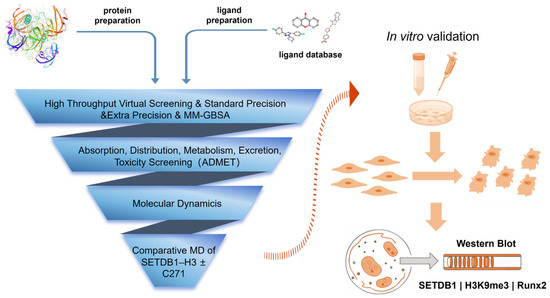
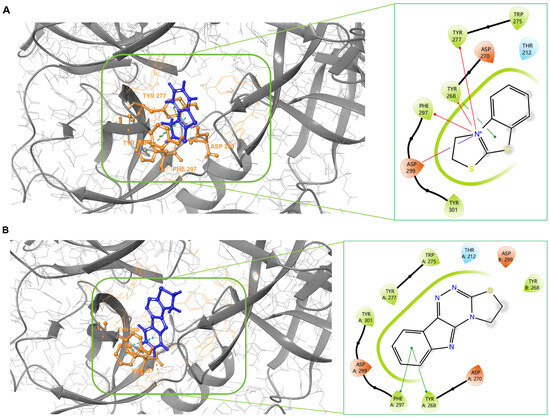
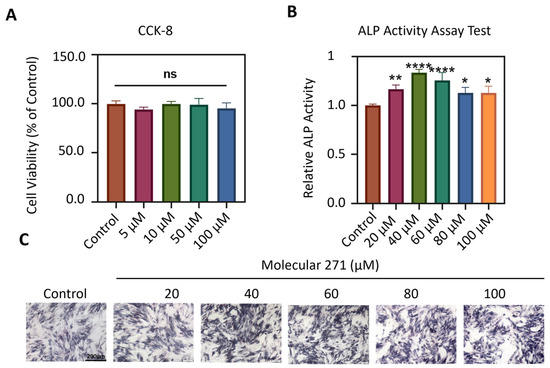
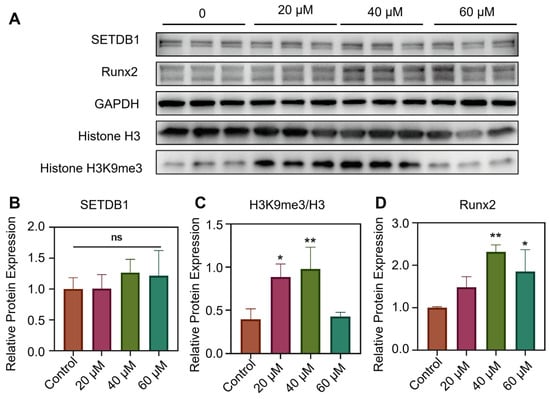
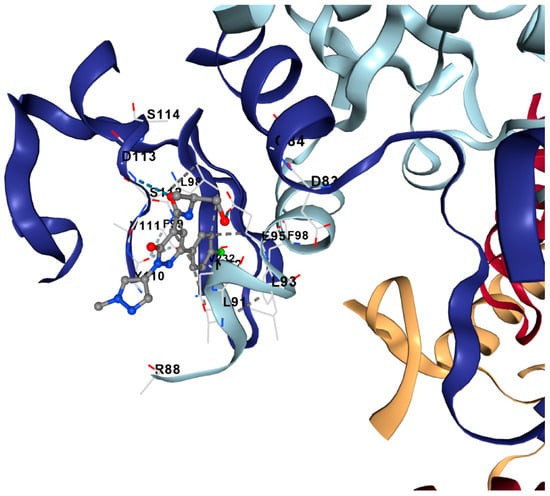
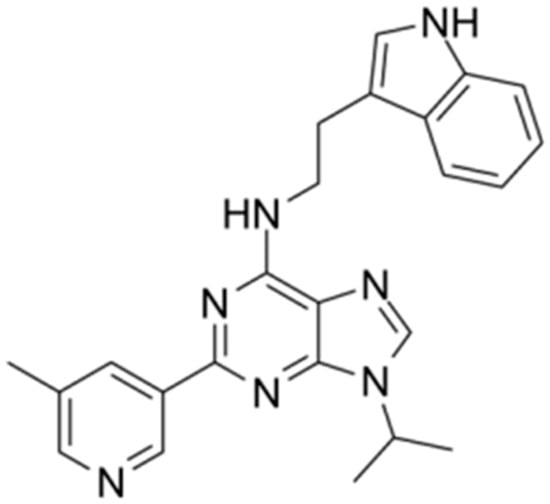
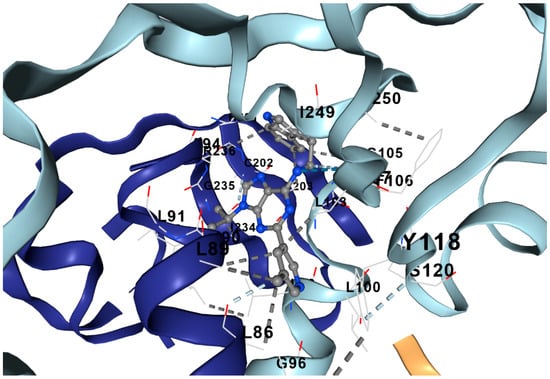
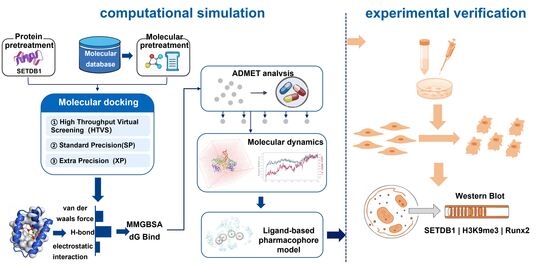
Background/Objectives: Osteoporosis remains a clinically important metabolic bone disorder with limited bone-forming therapeutic options. SET domain bifurcated protein 1 (SETDB1) is involved in osteogenic epigenetic regulation, but small-molecule discovery guided by SETDB1-associated structural regions remains limited. This study aimed to identify a candidate compound with in silico relevance to a SETDB1-associated ligand-bound pocket and assess its association with early osteogenic readouts. Methods: A computational–experimental workflow was used, including hierarchical molecular docking, MM-GBSA rescoring, ADMET-based prioritization, redocking validation, molecular dynamics simulations, and preliminary in vitro evaluation in MC3T3-E1 cells. Compound 271 (C271) was selected based on structure-based screening results and predicted developability-related properties. Cytocompatibility, alkaline phosphatase (ALP) activity and staining, selected molecular markers, and SETDB1–H3 molecular dynamics behavior were evaluated. Results: Redocking reproduced the reference binding mode, and molecular dynamics simulations indicated that C271 maintained a relatively persistent conformation around the predicted SETDB1-associated pocket. Comparative SETDB1–H3 simulations showed altered H3 dynamics and SETDB1–H3 contact patterns in the C271-containing system. In cell-based assays, C271 showed no appreciable cytotoxicity within the tested concentration range and was associated with increased ALP activity and staining. C271 treatment was accompanied by higher global H3K9me3 and Runx2 levels, whereas SETDB1 protein abundance remained largely unchanged. Conclusions: C271 was identified as a computationally prioritized SETDB1-related candidate compound associated with early osteogenic-associated cellular responses. The evidence supports computational plausibility and cell-level association, but does not establish direct SETDB1 engagement, SETDB1 enzymatic modulation, SETDB1-dependent causality, or late-stage osteogenic maturation/mineralization. Given the single-compound evaluation, further target-engagement, enzymatic, and functional studies are needed.
Full article
(This article belongs to the Section Drug Discovery, Development and Preclinical Research)
►
Show Figures
Open AccessReview
Exploring Microbiota-Based Interventions for Different System Diseases: Adjuncts to Targeted Pharmaceutical Therapies
by
Desiree Virginia Fermin Olivares, Tyler Halverson and Kannayiram Alagiakrishnan
Future Pharmacol. 2026, 6(2), 30; https://doi.org/10.3390/futurepharmacol6020030 - 21 May 2026
Abstract
Pharmacomicrobiomics is the study of drug–microbiome interactions. It examines the dynamic relationship between the drug, the host, and the microbiome, and has become a rapidly evolving area in the realm of pharmacology and personalized medicine. Emerging evidence demonstrates that the gut microbiome can
[...] Read more.
Pharmacomicrobiomics is the study of drug–microbiome interactions. It examines the dynamic relationship between the drug, the host, and the microbiome, and has become a rapidly evolving area in the realm of pharmacology and personalized medicine. Emerging evidence demonstrates that the gut microbiome can influence the pharmacodynamics and pharmacokinetics of drugs through various mechanisms, while drugs can simultaneously alter microbial composition. Treatment approaches include regular targeted pharmaceutical therapies (e.g., antibiotics, antidepressants) and alternative treatment approaches (e.g., CAM treatments such as supplements and herbs). Microbiome-based medication treatment is an alternative treatment approach that has been studied extensively in the last decade. This article reviews the current knowledge on drug–microbiome interactions across multiple therapeutic systems, including cardiovascular, central nervous system, gastrointestinal, respiratory, endocrine, oncologic, musculoskeletal, anti-infective therapies, and supplements (such as melatonin). We also highlight the various pathways by which microbes can alter the mechanisms (such as drug absorption), bioavailability, efficacy, and incidence of adverse effects, along with highlighting the clinical implications of drug-induced dysbiosis.
Full article
(This article belongs to the Special Issue Feature Papers in Future Pharmacology 2026)
Open AccessArticle
Wound Care with Grape Skin Extract and Sustainable Materials: Evidence from an In Vivo Rat Model
by
Marko Simic, Aleksandar Kocovic, Anica Petrovic, Jovana Joksimovic Jovic, Tijana Markovic, Sandra Jovičić Milić, Vladimir Jakovljevic and Jovana Bradic
Future Pharmacol. 2026, 6(2), 29; https://doi.org/10.3390/futurepharmacol6020029 - 6 May 2026
Abstract
Background: This study investigates a novel alginate–gelatin hydrogel incorporating polyphenol-rich grape skin extract as a multifunctional therapeutic system for diabetic wound healing. The extract was obtained by ultrasound-assisted extraction and formulated into a biopolymer hydrogel designed to combine optimal moisture retention with the
[...] Read more.
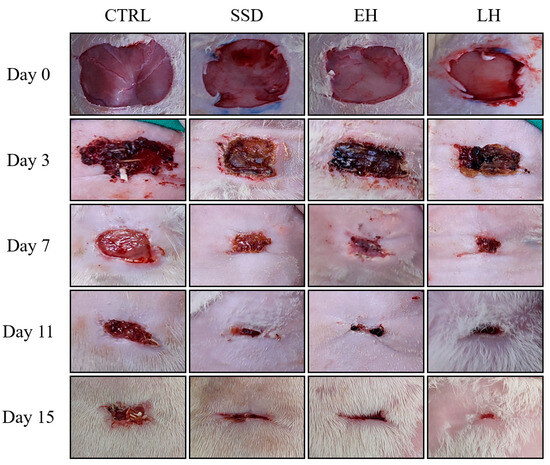
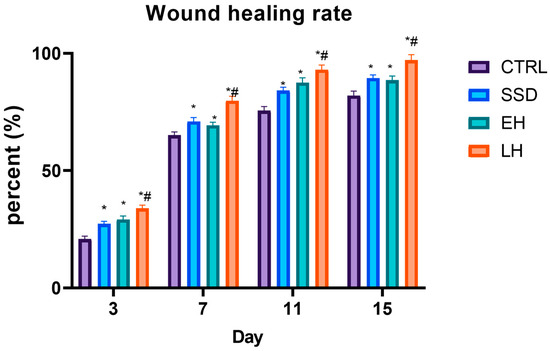
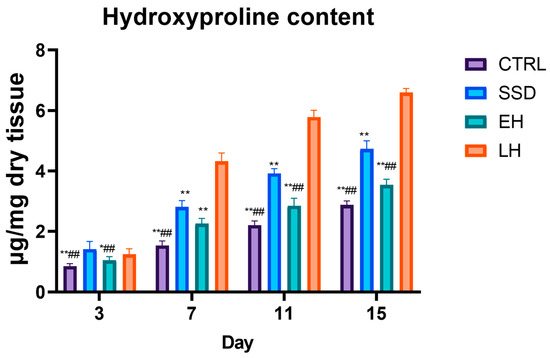
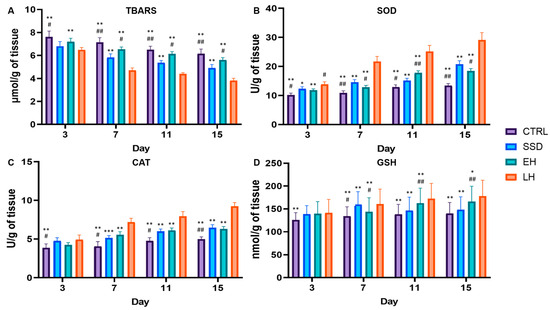
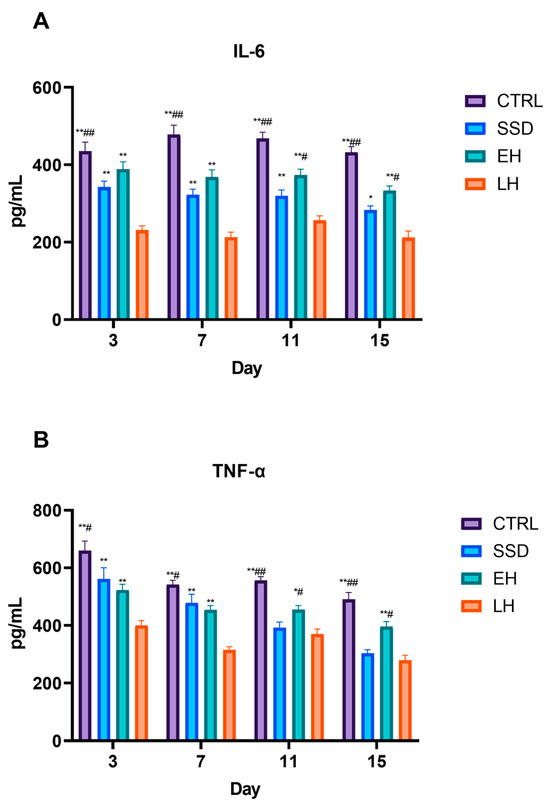
Background: This study investigates a novel alginate–gelatin hydrogel incorporating polyphenol-rich grape skin extract as a multifunctional therapeutic system for diabetic wound healing. The extract was obtained by ultrasound-assisted extraction and formulated into a biopolymer hydrogel designed to combine optimal moisture retention with the controlled release of bioactive compounds. Methods: A streptozotocin-induced diabetic rat model was used to evaluate wound contraction, collagen deposition, oxidative stress parameters, and systemic inflammatory markers over a 15-day period. Animals were assigned to four groups: untreated control, silver sulfadiazine (SSD), empty hydrogel (EH), and extract-loaded hydrogel (LH). Results: The LH formulation demonstrated superior wound closure, reaching 97.1% by day 15, significantly outperforming SSD and other groups. Hydroxyproline levels were markedly elevated in LH-treated tissues, indicating enhanced collagen synthesis and extracellular matrix formation. Redox analyses revealed substantial reductions in TBARS and significant increases in SOD, CAT, and GSH, confirming the strong antioxidative activity of the incorporated extract. Moreover, LH treatment produced pronounced decreases in IL-6 and TNF-α, restoring inflammatory balance and facilitating timely progression from the inflammatory to proliferative phase. Conclusions: These effects are attributed to the synergistic actions of grape skin polyphenols which exerted broad biochemical and structural benefits essential for diabetic wound repair. Overall, this sustainable, bioactive hydrogel represents a promising alternative for advanced wound care.
Full article
(This article belongs to the Special Issue Recent Advances in the Discovery of Anti-Inflammatory Compounds)
►▼
Show Figures

Figure 1
Open AccessArticle
Postoperative Pain in Patients Receiving Ketoprofen After Total Hip Arthroplasty: The Role of Pharmacogenetics
by
Natalia P. Denisenko, Anastasia A. Anderzhanova, Dmitriy A. Lysov, Dmitriy I. Gordienko, Yulia A. Meleshkina, Mikhail I. Tsarev, Maria V. Lukina, Svetlana N. Tuchkova, Ivan V. Sychev, Anna S. Zhiryakova, Sergey I. Markov, Karin B. Mirzaev and Dmitry A. Sychev
Future Pharmacol. 2026, 6(2), 28; https://doi.org/10.3390/futurepharmacol6020028 - 3 May 2026
Abstract
Background: Ketoprofen is one of the most commonly prescribed NSAIDs; however, its pharmacogenetics remains poorly understood. The objective was to evaluate the influence of patients’ pharmacogenetic profiles on the effectiveness of ketoprofen for postoperative pain management after total hip arthroplasty, including postoperative
[...] Read more.
Background: Ketoprofen is one of the most commonly prescribed NSAIDs; however, its pharmacogenetics remains poorly understood. The objective was to evaluate the influence of patients’ pharmacogenetic profiles on the effectiveness of ketoprofen for postoperative pain management after total hip arthroplasty, including postoperative analgesia (pain levels, opioid consumption) and the incidence of adverse reactions during hospitalization and up to 12 months post-surgery. Methods: The study included 53 patients (31 (58.49%) women, median age 66.0 [60.0–74.0] years) undergoing total hip arthroplasty. Genotyping was performed using real-time PCR to analyze 18 single-nucleotide polymorphisms (SNPs) across the following genes: CYP2C9 (rs1799853, rs1057910), CYP2C8 (rs10509681, rs11572080), CYP3A4 (rs35599367), CYP3A5 (rs776746), UGT2B7 (rs73823859, rs7439366, rs7668282), ABCB1 (rs1045642, rs4148738, rs2032582, rs1128503), PTGS1 (rs10306135, rs12353214), PTGS2 (rs20417), C3orf20 (rs12496846), and ZNF493-ZNF429 (rs2562456). Results: We did not find significant associations between patients’ genotypes and pain levels or postoperative opioid analgesic consumption or adverse reactions when ketoprofen was used for pain management in patients undergoing total hip arthroplasty. Conclusions: Routine pharmacogenetic testing for ketoprofen is not supported by our findings.
Full article
Open AccessReview
Mesenchymal Stem Cells as Potential Therapeutics for Organ Fibrosis
by
Marina Gazdic Jankovic, Dragica Pavlovic, Zeljko Ivosevic and Biljana Ljujic
Future Pharmacol. 2026, 6(2), 27; https://doi.org/10.3390/futurepharmacol6020027 - 2 May 2026
Abstract
►▼
Show Figures
Deposition of fibrous connective tissue within the extracellular matrix is initially an adaptive and reversible wound-healing process. However, persistent dysregulation of fibrotic signaling pathways induces irreversible cellular dysfunction, tissue degeneration and organ failure. Despite the high mortality rate associated with fibrotic diseases, there
[...] Read more.
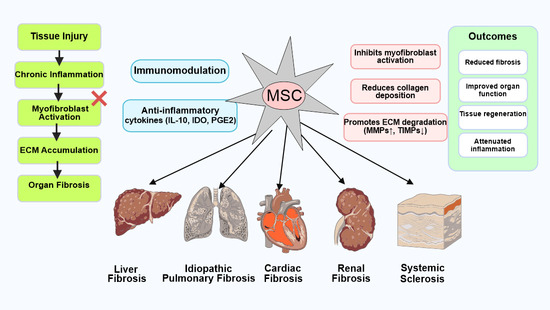
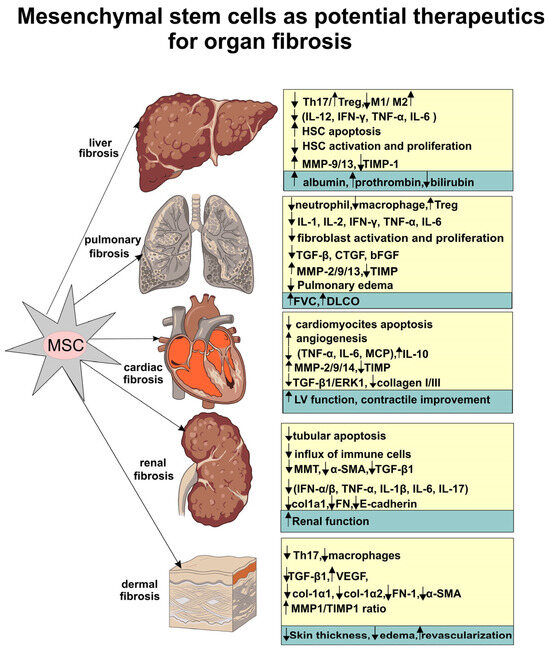
Deposition of fibrous connective tissue within the extracellular matrix is initially an adaptive and reversible wound-healing process. However, persistent dysregulation of fibrotic signaling pathways induces irreversible cellular dysfunction, tissue degeneration and organ failure. Despite the high mortality rate associated with fibrotic diseases, there are very limited approved anti-fibrotic treatments and there is no therapeutic drug effective enough to completely invert the fibrotic process. Accordingly, new therapeutic agents that will attenuate ongoing fibrosis and, at the same time, promote regeneration of injured tissue are urgently needed. The search for new therapies has been revolutionized by recent advances in stem cell biology. Mesenchymal stem cells (MSCs) are promising candidates for the therapy of organ fibrosis because of their differentiation capabilities and immunomodulatory properties. The capacity of MSCs to suppress chronic inflammation and promote tissue repair and regeneration underlies their therapeutic effects in diseases such as liver cirrhosis, idiopathic pulmonary fibrosis, cardiac fibrosis, systemic sclerosis, and renal fibrosis. In this review, we summarize the present understanding of fibrotic disease, highlight promising research avenues, including MSC-based treatment options, and discuss the challenges involved with the clinical application of MSCs.
Full article

Graphical abstract
Open AccessReview
Opioid Antagonists for Hedonic Liberation—Not All Is Over
by
Farid Shagiakhmetov, Inna Shamakina, Viktor Kokhan and Evgeny Krupitsky
Future Pharmacol. 2026, 6(2), 26; https://doi.org/10.3390/futurepharmacol6020026 - 2 May 2026
Abstract
Recent Phase 3 clinical trials of selective kappa-opioid (KOP) receptor antagonists aticaprant and navacaprant failed to demonstrate sufficient clinical efficacy in treatment-resistant depression (TRD). This highlights a critical gap in current strategies that target opioid-mediated hedonic suppression. We propose two hypotheses to explain
[...] Read more.
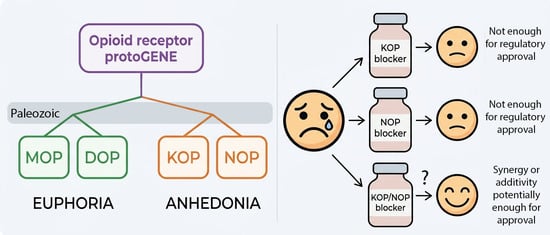
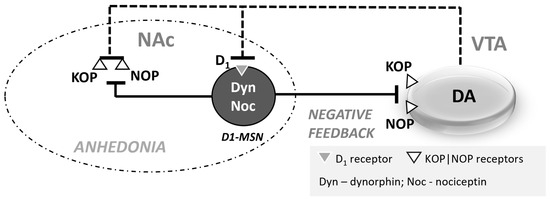
Recent Phase 3 clinical trials of selective kappa-opioid (KOP) receptor antagonists aticaprant and navacaprant failed to demonstrate sufficient clinical efficacy in treatment-resistant depression (TRD). This highlights a critical gap in current strategies that target opioid-mediated hedonic suppression. We propose two hypotheses to explain these setbacks: (1) neutral antagonists are inherently ineffective in blocking constitutively active KOP receptor hyperactivation and (2) the nociceptin opioid (NOP) receptor provides functional redundancy that compensates for KOP receptor blockade. Gaining insights from paralogous compensation in drug-resistant tumors, we argue for shifting from selective opioid antagonists to dual KOP/NOP receptor blockers to meaningfully improve reward function. This concept provides a theoretical framework for overcoming clinical resistance where selective KOP targeting with neutral antagonists has failed. Thus, we advocate for the development of opioid inverse agonists (such as nor-BNI, CAS: 105618-26-6), pan-antagonists (such as AT-076, CAS: 1657028-64-2), and combinations of selective blockers.
Full article
(This article belongs to the Special Issue Transdiagnostic Psychopharmacology: Bridging Mechanisms Across Mental Disorders)
►▼
Show Figures

Graphical abstract
Open AccessReview
SARMs vs. Classic Anabolic Androgenic Steroids: Molecular, Pharmacokinetic and Safety Differences: A Narrative Review
by
Veselin Vasilev
Future Pharmacol. 2026, 6(2), 25; https://doi.org/10.3390/futurepharmacol6020025 - 15 Apr 2026
Abstract
Androgens regulate skeletal muscle, bone, erythropoiesis, and male reproductive function via the androgen receptor (AR), a ligand-dependent transcription factor. Pharmacologic modulation of AR has been pursued for clinical and non-medical purposes. Anabolic androgenic steroids (AAS), synthetic testosterone derivatives, act as full AR agonists,
[...] Read more.
Androgens regulate skeletal muscle, bone, erythropoiesis, and male reproductive function via the androgen receptor (AR), a ligand-dependent transcription factor. Pharmacologic modulation of AR has been pursued for clinical and non-medical purposes. Anabolic androgenic steroids (AAS), synthetic testosterone derivatives, act as full AR agonists, broadly activating multiple tissues. While effective in promoting muscle growth and strength, AAS cause well-known adverse effects, including hypothalamic–pituitary–gonadal (HPG) axis suppression, dyslipidemia, hepatotoxicity, cardiovascular disease, tendon injury, and neuropsychiatric disturbances. Selective androgen receptor modulators (SARMs) aim to stimulate AR in muscle and bone while minimizing androgenic effects in prostate and skin. They induce ligand-specific AR conformations, altering coactivator and corepressor recruitment, and avoiding metabolism by 5α-reductase or aromatase. Preclinical studies show favorable anabolic-to-androgenic ratios, but clinical translation is limited. Early human trials report modest lean mass gains, variable functional outcomes, and dose-dependent testosterone suppression. Emerging evidence also suggests cardiotoxicity, tendon injury, and liver toxicity, though long-term effects are unclear. Pharmacokinetically, SARMs have predictable oral absorption and moderate half-lives, enabling once-daily dosing, unlike AAS. This review compares AAS and SARMs in molecular mechanisms, pharmacokinetics, and safety. While SARMs offer partial tissue selectivity and reduced adverse effects, risks remain, and long-term safety is uncertain. Regulatory oversight is limited, and non-medical use is rising. Preclinical and clinical studies are needed to clarify whether SARMs can separate anabolic benefits from androgenic toxicity and inform safe clinical application.
Full article
Open AccessArticle
Endoxifen Resistance in ER+ Breast Cancer Involves Translational Adaptation and Potential Contribution of ABCC Transporters
by
Gerson Ney Hernández-Acevedo, Angel Pulido-Capiz, Brenda Chimal-Vega and Victor García-González
Future Pharmacol. 2026, 6(2), 24; https://doi.org/10.3390/futurepharmacol6020024 - 13 Apr 2026
Abstract
►▼
Show Figures
Background: Endocrine therapy with tamoxifen remains a cornerstone in the treatment of estrogen receptor-positive (ER+) breast cancer; however, the emergence of resistance to its active metabolites, 4-hydroxytamoxifen (4-OHTAM) and Endoxifen, represents a major clinical limitation. Increasing evidence suggests that drug efflux transporters,
[...] Read more.
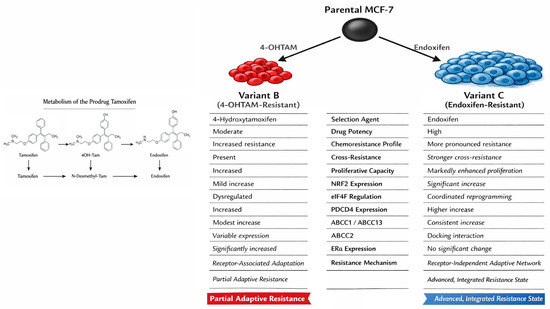
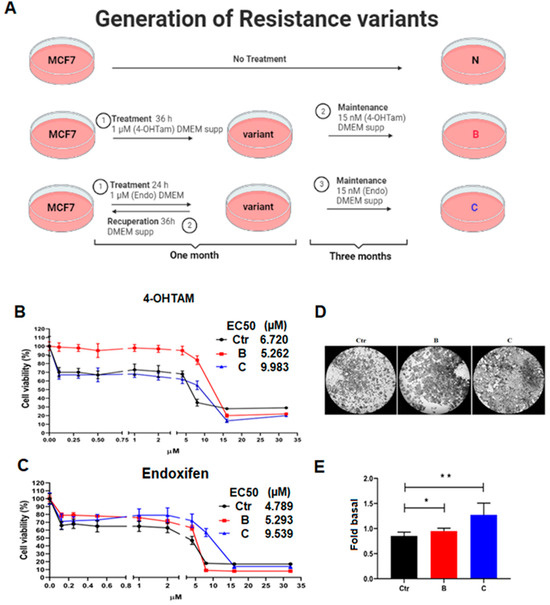
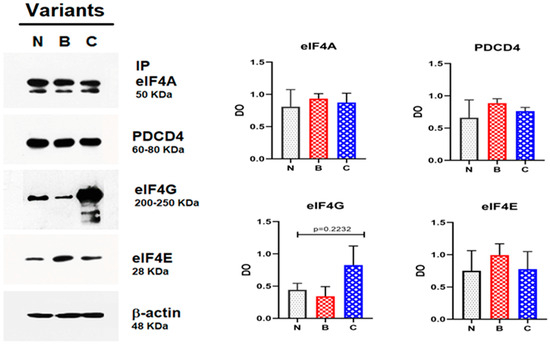
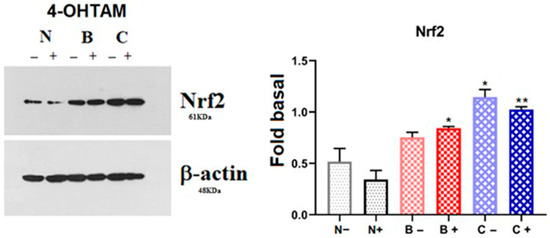
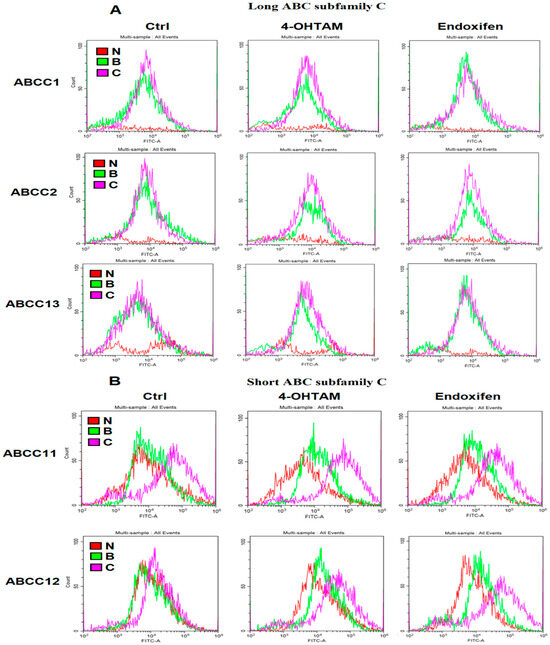
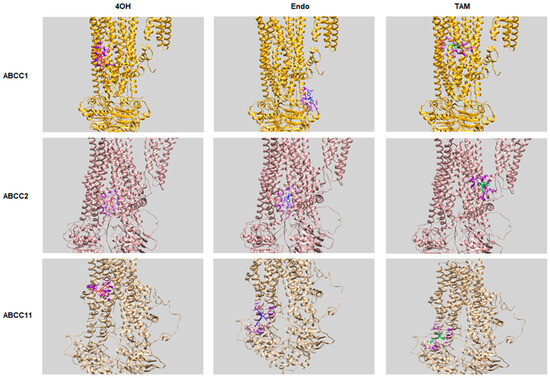
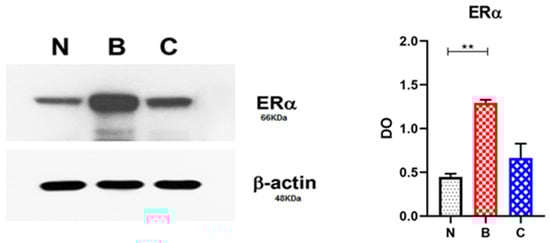
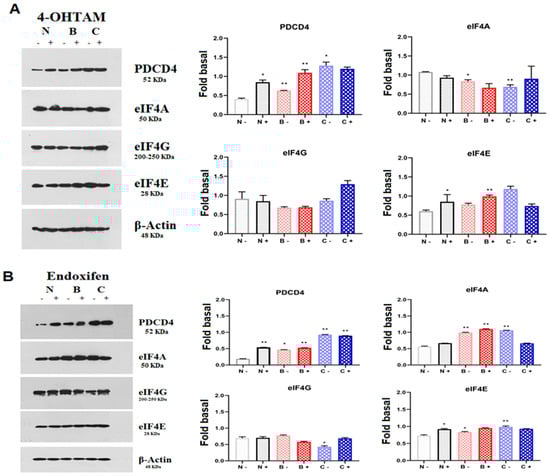
Background: Endocrine therapy with tamoxifen remains a cornerstone in the treatment of estrogen receptor-positive (ER+) breast cancer; however, the emergence of resistance to its active metabolites, 4-hydroxytamoxifen (4-OHTAM) and Endoxifen, represents a major clinical limitation. Increasing evidence suggests that drug efflux transporters, redox-adaptive signaling, and translational control mechanisms may converge to promote chemoresistance. This study aimed to investigate the coordinated expression patterns of ABCC transporters, the eukaryotic initiation factor 4F (eIF4F) complex, and NRF2 signaling in tamoxifen-metabolite-resistant MCF-7 breast cancer cells. Methods: MCF-7 cell variants resistant to 4-OHTAM (Variant B) or Endoxifen (Variant C) were established through prolonged drug exposure. Cytotoxicity assays assessed cellular viability and chemoresistance. Protein expression and molecular interactions were analyzed using Western blotting and co-immunoprecipitation. Flow cytometry was employed to evaluate transporter-associated fluorescence intensity. In silico molecular docking was performed to estimate the binding affinity of tamoxifen metabolites to ABCC transporters. Results: Endoxifen-resistant cells exhibited the most pronounced chemoresistant phenotype. Analysis of ABCC transporters revealed modest but consistent increases in fluorescence intensity across resistant variants; however, these differences did not reach statistical significance. Dysregulation of the eIF4F complex was observed, with increased eIF4E and reduced eIF4A levels, suggesting altered translational control associated with resistant phenotypes. Increased NRF2 protein expression was detected in resistant variants, consistent with enhanced redox-adaptive capacity. Analysis of ABCC transporters revealed modest but consistent increases in fluorescence intensity across resistant variants; however, these differences did not reach statistical significance. Molecular docking demonstrated strong binding affinity between Endoxifen and ABCC2, supporting a potential role for transporter-mediated efflux. Conclusions: Tamoxifen-metabolite resistance in ER+ breast cancer is associated with coordinated trends in ABCC transporter-associated signals, altered eIF4F complex expression, and sustained NRF2 signaling. These findings suggest the presence of a multifactorial adaptive network that may contribute to endocrine resistance. Targeting components of this network warrants further mechanistic investigation.
Full article

Graphical abstract
Open AccessReview
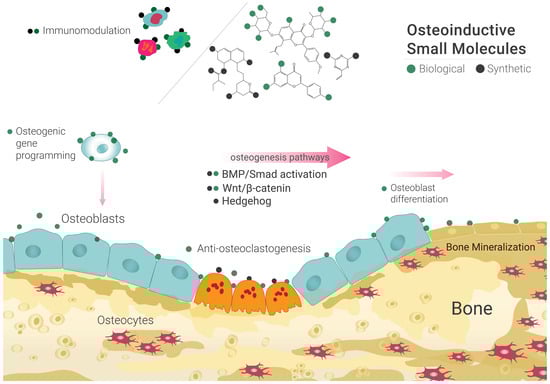
A Narrative Review on Preclinical Small Molecules for Bone Regeneration: Mechanisms, Delivery Strategies, and Translational Gaps
by
Abdurahman A. Niazy
Future Pharmacol. 2026, 6(2), 23; https://doi.org/10.3390/futurepharmacol6020023 - 10 Apr 2026
Abstract
Treatment for large critical-sized bone defects and impaired fracture healing remain challenging. Clinically used protein-based osteoinductive factors, such as recombinant bone morphogenetic proteins (BMPs), can be effective; however, they are costly and limited by stability, dose-delivery issues, and safety concerns. Preclinical small molecules
[...] Read more.
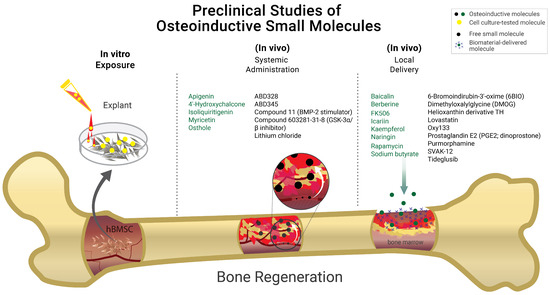
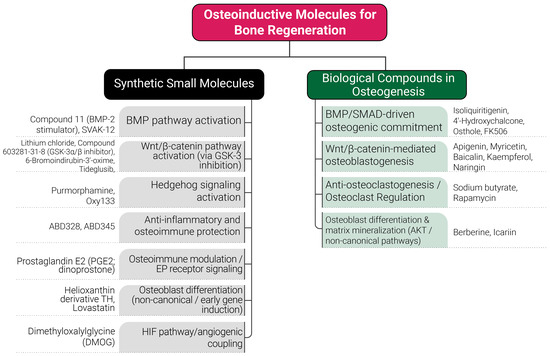
Treatment for large critical-sized bone defects and impaired fracture healing remain challenging. Clinically used protein-based osteoinductive factors, such as recombinant bone morphogenetic proteins (BMPs), can be effective; however, they are costly and limited by stability, dose-delivery issues, and safety concerns. Preclinical small molecules offer an alternative because they are chemically stable, scalable to manufacture, and readily integrated for systemic administration or localized release from scaffolds, hydrogels, cements, and implant coatings. With an emphasis on delivery formats and mechanistic themes, this review examines small molecules that have been shown to improve bone regeneration in preclinical models, contrasting those of biological origin with synthetic and repurposed compounds. Across studies, these selected compounds promote osteoblast commitment, differentiation, and matrix mineralization via BMP/Smad signaling and Wnt/beta-catenin (β-catenin) activation, often through glycogen synthase kinase-3 beta (GSK-3β) inhibition or relief of pathway antagonism or Hedgehog (Hh) pathway stimulation. Beyond osteoinduction, several candidates address issues that commonly limit repair, including angiogenesis, oxidative stress, inflammatory tone, osteoimmune regulation, and suppression of osteoclast-mediated resorption. Direct head-to-head comparisons are rare across both classes and reporting heterogeneity complicates interpretation. Key translational gaps include limited cytotoxicity and immunologic profiling, dose and release optimization, durability of benefit, and insufficient evaluation of rational combinations. More rigorous in vivo studies, including larger animal models and standardized outcome metrics, are needed to prioritize promising candidates and guide clinical development.
Full article
(This article belongs to the Special Issue Drugs, Growth Factors and Active Molecules for Tissue Engineering and Regenerative Medicine)
►▼
Show Figures

Figure 1
Open AccessSystematic Review
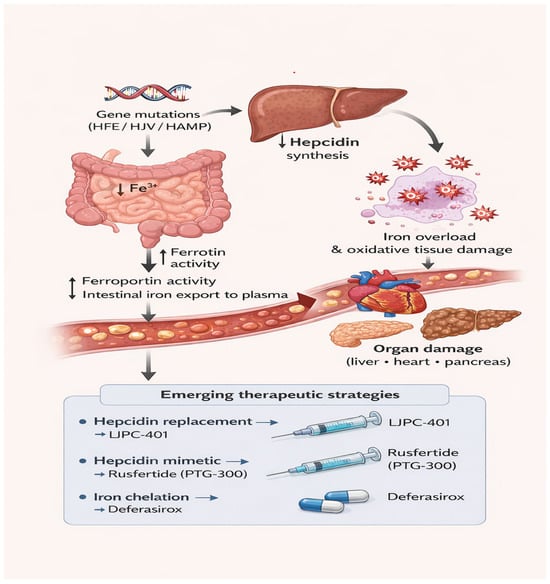
Hereditary Hemochromatosis: Pathophysiological Basis and Emerging Therapeutic Approaches—A Systematic Review of Clinical Evidence
by
Victor Cardoso Jacinto da Silva, Janaina Pereira Dina Toreli, Edimar Cristiano Pereira, Araceli Aparecida Hastreiter, Beatriz Alves, Thais Gascon, Glaucia Raquel Luciano da Veiga, Samantha Sanchez de Carvalho and Fernando Luiz Affonso Fonseca
Future Pharmacol. 2026, 6(2), 22; https://doi.org/10.3390/futurepharmacol6020022 - 1 Apr 2026
Abstract
►▼
Show Figures
Introduction: Hereditary hemochromatosis is a genetic disorder characterized by dysregulation of iron homeostasis, resulting in excessive intestinal iron absorption and progressive iron deposition in vital organs. The hepcidin–ferroportin axis plays a central role in the pathophysiology of the disease, particularly in cases associated
[...] Read more.
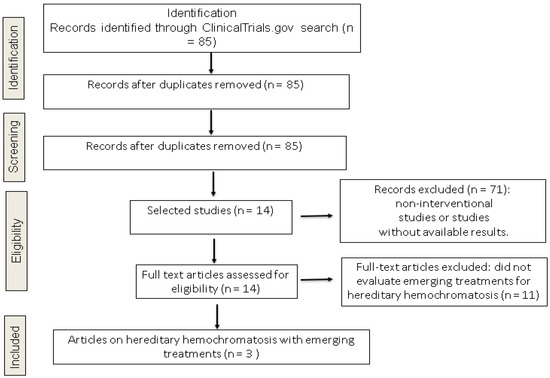
Introduction: Hereditary hemochromatosis is a genetic disorder characterized by dysregulation of iron homeostasis, resulting in excessive intestinal iron absorption and progressive iron deposition in vital organs. The hepcidin–ferroportin axis plays a central role in the pathophysiology of the disease, particularly in cases associated with mutations in the HFE gene. Persistent iron overload may lead to progressive injury in target organs and functional impairment. Methods: A brief description of the pathological basis of hereditary hemochromatosis was conducted together with a systematic review of interventional clinical trials registered on ClinicalTrials.gov. Studies with available results were included regardless of clinical phase or recruitment status. Relevant data regarding therapeutic interventions and iron metabolism parameters were extracted and descriptively analyzed. Results: Three studies met the inclusion criteria: one evaluating the hepcidin mimetic Rusfertide (PTG-300), another assessing synthetic hepcidin LJPC-401, and a third investigating the iron chelator Deferasirox. Discussion: These therapies demonstrated biological activity in modulating iron metabolism parameters; however, none proved superior to therapeutic phlebotomy, which remains the standard treatment, in terms of efficacy. Conclusions: Although emerging pharmacological therapies targeting iron metabolism show promising biological effects, current clinical evidence remains limited. Therapeutic phlebotomy continues to represent the first-line treatment for hereditary hemochromatosis, and further clinical trials are necessary to determine the potential role of these novel therapeutic approaches.
Full article

Figure 1
Open AccessReview
Metal and Metal-Containing Nanoparticles Applied to Photodynamic Therapy for Wound Healing
by
Genuína Stephanie Guimarães Carvalho, Luiziana Cavalcante Costa Fernandes Crisóstomo, Alice Vitoria Frota Reis, Alex Bruno Matos de França, Josimar O. Eloy and Raquel Petrilli
Future Pharmacol. 2026, 6(2), 21; https://doi.org/10.3390/futurepharmacol6020021 - 1 Apr 2026
Abstract
►▼
Show Figures
Wounds, particularly chronic wounds, represent an increasing challenge for global health systems, affecting millions of people worldwide, and are often associated with persistent infections, biofilms, and multidrug-resistant microorganisms (MDRMs). In this context, the search for effective therapeutic alternatives has driven interest in photodynamic
[...] Read more.
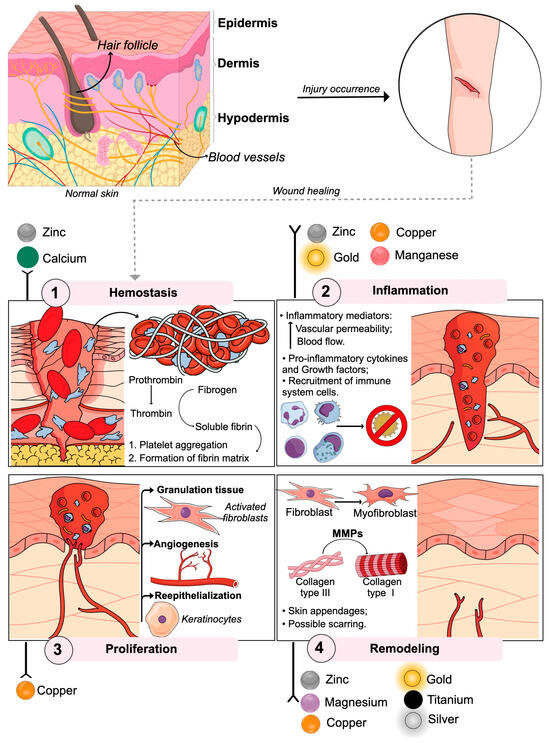
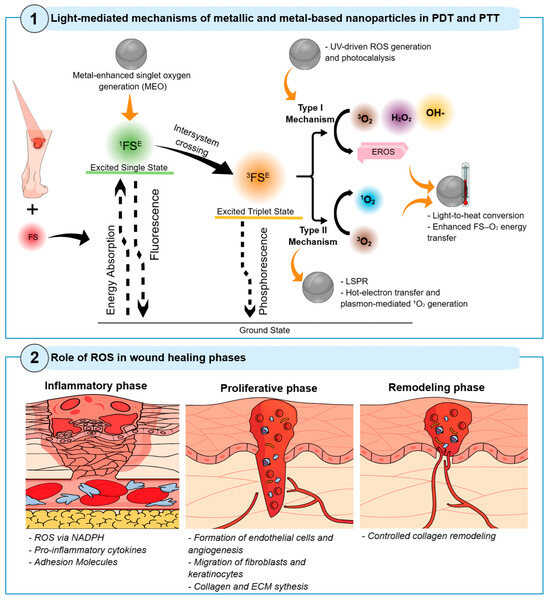
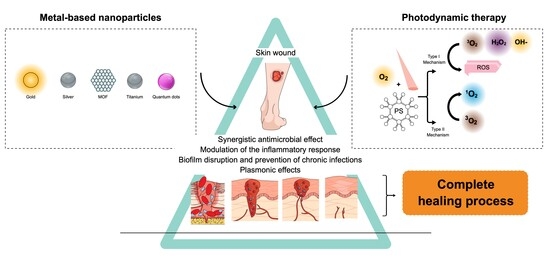
Wounds, particularly chronic wounds, represent an increasing challenge for global health systems, affecting millions of people worldwide, and are often associated with persistent infections, biofilms, and multidrug-resistant microorganisms (MDRMs). In this context, the search for effective therapeutic alternatives has driven interest in photodynamic therapy (PDT), an approach in which light-excited photosensitizers promote the generation of reactive oxygen species (ROS) with antimicrobial and wound healing properties. Although first- and second-generation organic photosensitizers are widely used, they have significant limitations, including low aqueous solubility, self-aggregation, reduced photostability, and unsatisfactory ROS quantum yields. To overcome these drawbacks, various nanotechnology-based strategies have been explored. Among them, metallic nanoparticles stand out because they serve as carriers and exhibit intrinsic photosensitizing activity, high resistance to photobleaching, and remarkable extinction coefficients, which favor efficient singlet oxygen generation. Furthermore, metals such as gold and silver can enhance the performance of organic photosensitizers through a process known as metal-enhanced singlet oxygen generation, whereas others, such as copper, zinc, manganese, and magnesium, actively participate in biochemical events associated with the inflammatory and regenerative phases of wound healing. Considering these advances, this review compiles evidence published over the past five years regarding the use of metallic or metal-containing nanoparticles in PDT for acute and chronic wounds, with an emphasis on in vivo studies. In addition, we discuss the epidemiological and pathophysiological aspects of wounds and the intrinsic wound healing and antimicrobial properties of metallic compounds, thereby providing an integrated and up-to-date perspective.
Full article

Graphical abstract
Open AccessArticle
Interaction of Albacarcin V and Related Polyketides with the Actin-Binding Protein EPLIN: A Molecular Docking Study
by
Gérard Vergoten and Christian Bailly
Future Pharmacol. 2026, 6(2), 20; https://doi.org/10.3390/futurepharmacol6020020 - 1 Apr 2026
Abstract
►▼
Show Figures
Background/Objectives. The actin-binding protein EPLIN (epithelial protein lost in neoplasm), also known as LIMA1, contributes to the maintenance of cytoskeleton structure and dynamic. This protein, which interacts with multiple partners to regulate cell adhesion and migration, has been implicated in the progression
[...] Read more.
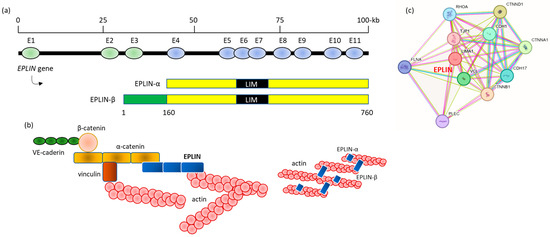
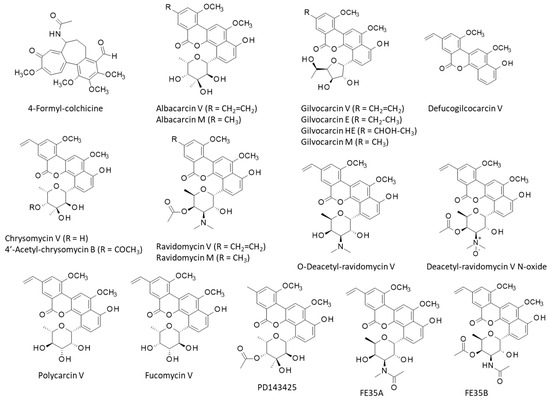
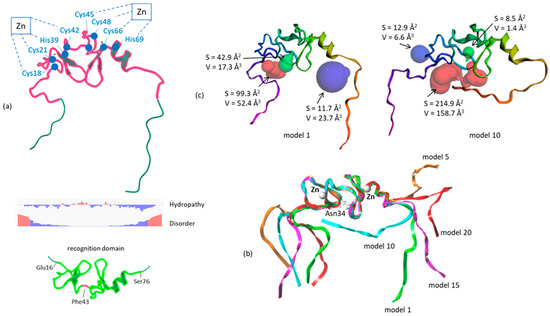
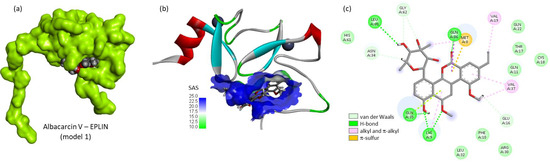
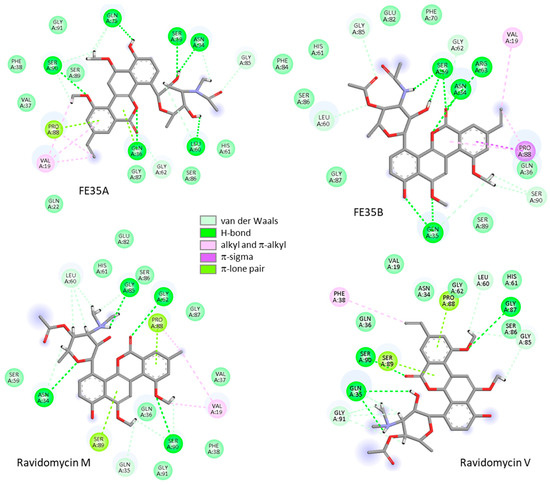
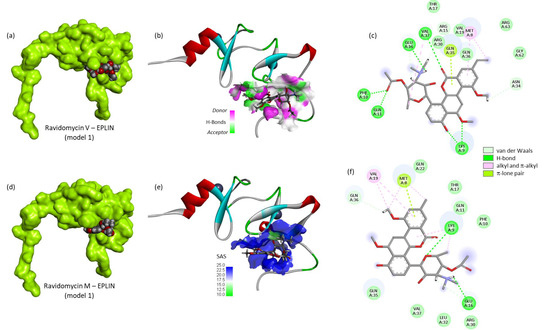
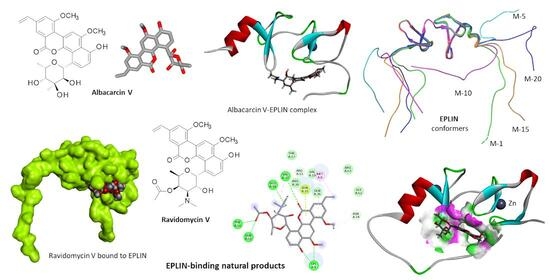
Background/Objectives. The actin-binding protein EPLIN (epithelial protein lost in neoplasm), also known as LIMA1, contributes to the maintenance of cytoskeleton structure and dynamic. This protein, which interacts with multiple partners to regulate cell adhesion and migration, has been implicated in the progression of solid tumors and in tumor metastasis. Consequently, small molecules binding to EPLIN are actively searched. EPLIN has been characterized as a molecular target for the antitumor antibiotic albacarcin V which affects the cytoskeletal structure and induces cell growth arrest. Methods. We have modeled the binding of albacarcin and naturally occurring derivatives to EPLIN conformers, in order to locate the drug-binding site and to identify additional EPLIN binders. Nineteen compounds were studied, including albacarcins V (vinyl) and M (methyl), five gilvocarcins, four ravidomycins, two chrysomycins, and six related products (including polycarcin and fucomycin). Results. The modeling analysis confirmed the capacity of albacarcin V to bind to EPLIN and identified a few better binders. In particular, ravidomycin V bearing a dimethylamino sugar unit were identified as the best binders in the series, along with the two related anticancer natural products FE35A-B. Structure-binding relationships are discussed. The drug-binding site has been localized near the central residue Asn34 in the conformationally constrained domain between the two zinc-binding regions. Conclusions. This study provides guidance to the design of EPLIN inhibitors based on the ravidomycin core structure.
Full article

Graphical abstract
Open AccessReview
Transdiagnostic Pharmacology of Addictions: Current Evidence and Future Perspectives
by
Sofia Perez Lopes da Silveira, Bruna Barros Aguiar, Andressa Goldman Ruwel, Patrícia Furtado Martins, Douglas G. Lewis, Helena Moura, Maurício Timm Peglow, Lisia Von Diemen, Alexei Gil and Félix Henrique Paim Kessler
Future Pharmacol. 2026, 6(2), 19; https://doi.org/10.3390/futurepharmacol6020019 - 30 Mar 2026
Abstract
Background: Addictive disorders are highly heterogeneous and frequently comorbid, limiting the clinical utility of categorical diagnoses. Transdiagnostic pharmacology seeks to address these limitations by targeting symptom dimensions and shared neurobiological processes across addictions. Methods: We conducted a theory-driven narrative review of studies indexed
[...] Read more.
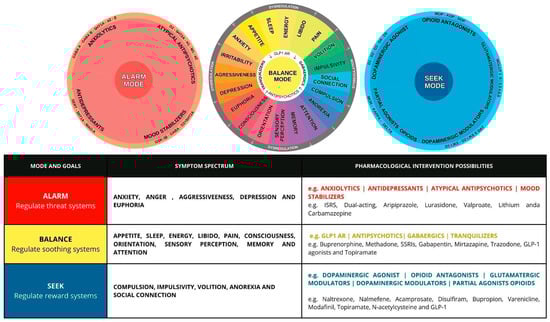
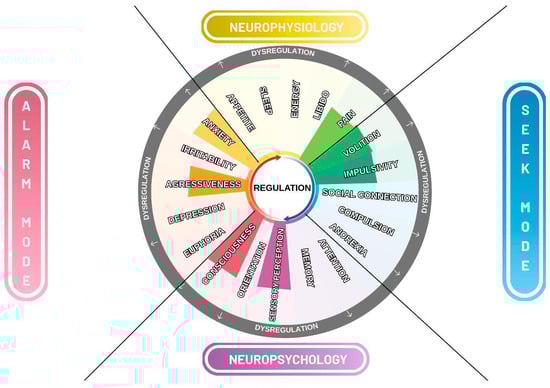
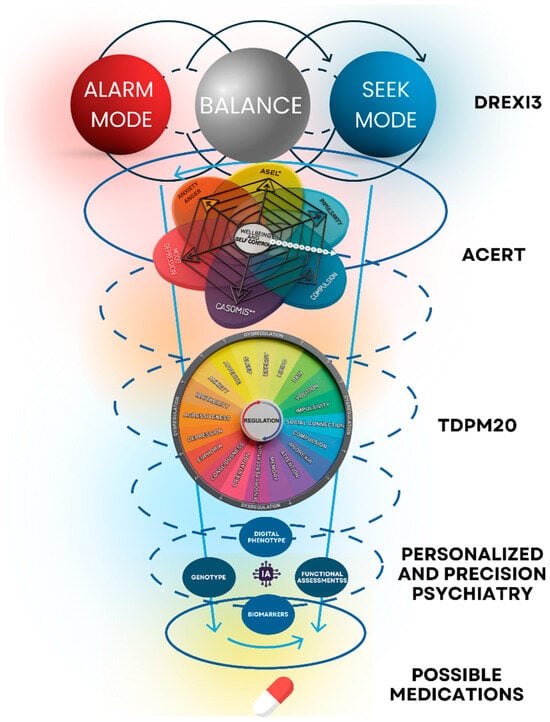
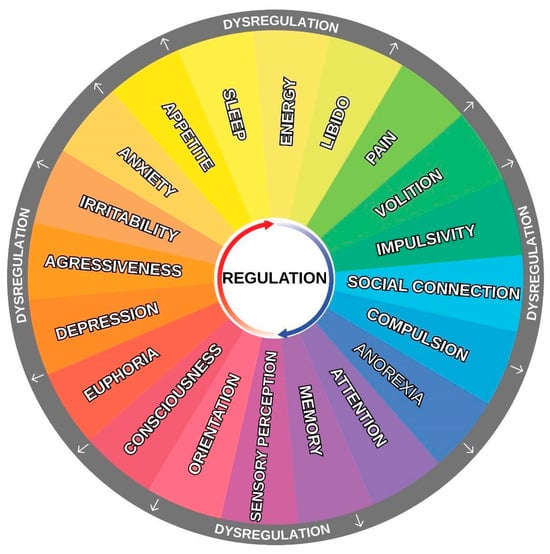
Background: Addictive disorders are highly heterogeneous and frequently comorbid, limiting the clinical utility of categorical diagnoses. Transdiagnostic pharmacology seeks to address these limitations by targeting symptom dimensions and shared neurobiological processes across addictions. Methods: We conducted a theory-driven narrative review of studies indexed in MEDLINE, PubMed, LILACS, and Web of Science (October–November 2025), integrating clinical, mechanistic, and dimensional evidence. Findings were organized using the Dysregulation Phenomena of the Three Main Modes of the Predostatic Mind and the Advanced Cognitive Emotional Regulation Therapy (DREXI3/ACERT) framework, which conceptualizes addiction as dysregulation across three interacting systems—Alarm, Seeking, and Balance—and six transdiagnostic symptom dimensions, with a proposed expansion into twenty clinically observable domains (TDPM-20). Results: Pharmacological interventions consistently target neurobiological systems related to stress, reward, impulsivity, and compulsivity. Across studies, the most clinically relevant outcomes remain abstinence, reduction in substance use, and treatment retention. While these outcomes are essential, expanding outcome frameworks to incorporate dimensional and mechanistically informed measures may enhance the identification of clinically meaningful subgroups. Across studies, multiple pharmacological classes show transdiagnostic potential, but their clinical application remains variably aligned with dimensional clinical profiles. Conclusions: A dimensionally oriented approach grounded in neurobiological principles may improve alignment between clinical processes and therapeutic strategies. The DREXI3/ACERT model provides a structured framework for individualized treatment planning and research integration. This approach should be understood as complementary to, rather than a replacement for, established evidence-based treatments for specific substance use disorders, particularly in contexts where therapeutic options remain limited or insufficient. Advancing transdiagnostic pharmacology will require broader dimensional stratification, expanded outcome frameworks capable of capturing patient heterogeneity, and integrative trial designs to strengthen precision psychiatry in addictive disorders.
Full article
(This article belongs to the Special Issue Transdiagnostic Psychopharmacology: Bridging Mechanisms Across Mental Disorders)
►▼
Show Figures

Figure 1
Open AccessReview
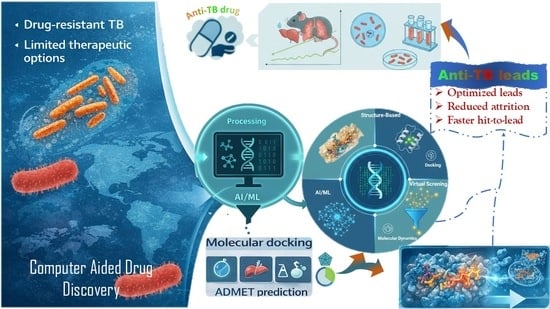
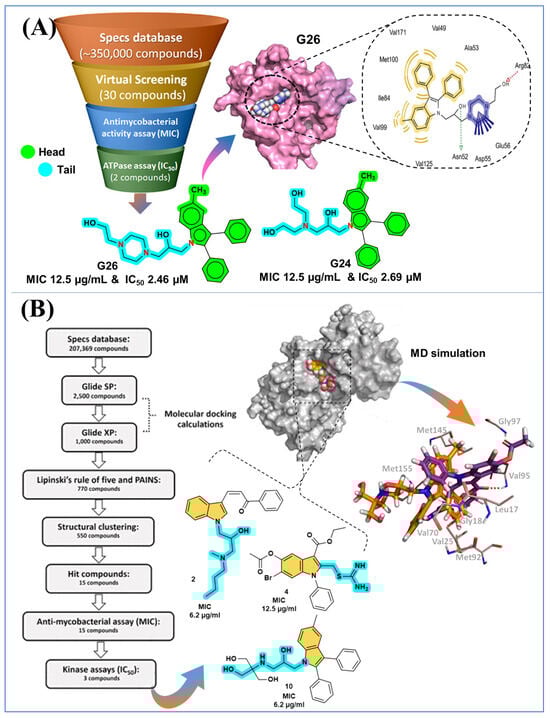
Structure-Based Virtual Screening in Tuberculosis Drug Discovery Pharmacological Constraints Failure Modes and Translational Lessons
by
Subham Kumar Vishwakarma, Cesar Augusto Roque-Borda, Oswaldo Julio Ramirez Delgado, Aditya Mishra, Zidane Qriouet, Achal Mishra, Andréia Bagliotti Meneguin and Fernando Rogério Pavan
Future Pharmacol. 2026, 6(2), 18; https://doi.org/10.3390/futurepharmacol6020018 - 24 Mar 2026
Abstract
►▼
Show Figures
Structure-based strategies are widely used in tuberculosis drug discovery; however, their translational impact remains limited. This review examines how structure-based virtual screening (SBVS) is applied in practice to Mycobacterium tuberculosis targets and explores why docking-derived predictions frequently fail to translate into measurable biological
[...] Read more.
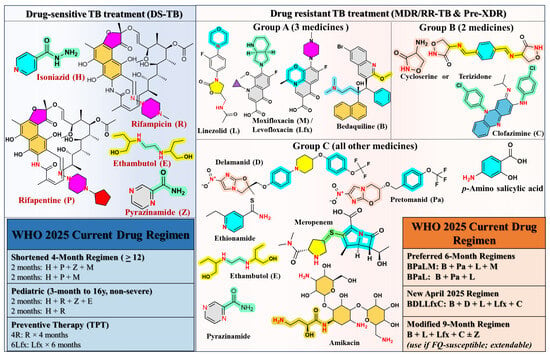
Structure-based strategies are widely used in tuberculosis drug discovery; however, their translational impact remains limited. This review examines how structure-based virtual screening (SBVS) is applied in practice to Mycobacterium tuberculosis targets and explores why docking-derived predictions frequently fail to translate into measurable biological activity. Rather than treating docking scores as quantitative predictors of potency, representative case studies are analyzed to demonstrate that SBVS is most effective when employed as a prioritization framework integrated with appropriate target preparation, physicochemical filtering, and early experimental validation. Across diverse targets, molecular dynamics simulations emerge as a critical discriminator, enabling the identification of binding instability and false-positive hits that persist after static docking. Tuberculosis-specific constraints—including cofactor-dependent catalysis, resistance-associated mutations, membrane-rich environments, and permeability barriers—are discussed as key factors decoupling in silico affinity from whole-cell efficacy. Collectively, these observations support a workflow-oriented view of computational drug discovery in tuberculosis, in which iterative integration of structural modeling and experimental validation is required for meaningful lead identification.
Full article

Graphical abstract
Open AccessArticle
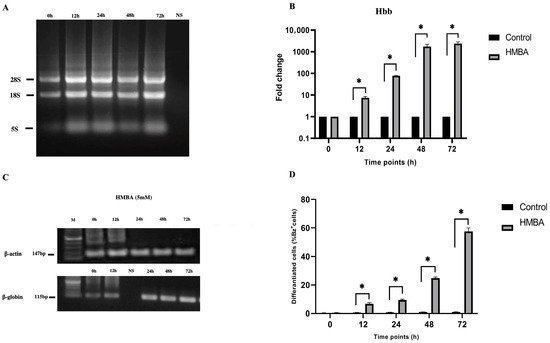
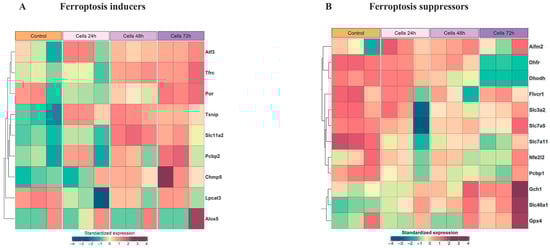
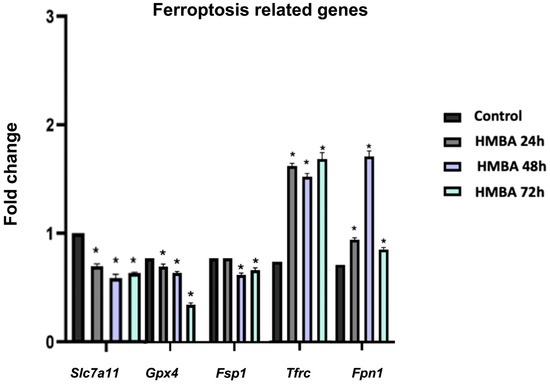
Assessing the Effects of Erastin in Exploring the Role of Ferroptosis in the Erythroid Maturation Program of Murine Erythroleukemia Cells
by
Aliki Papadimitriou-Tsantarliotou, Chrysostomos Avgeros and Ioannis S. Vizirianakis
Future Pharmacol. 2026, 6(2), 17; https://doi.org/10.3390/futurepharmacol6020017 - 24 Mar 2026
Abstract
►▼
Show Figures
Background/Objectives: Ferroptosis, an iron-dependent form of regulated cell death defined by lipid peroxidation, has been extensively studied in cancer and neurodegeneration, but its contribution to erythropoiesis remains poorly understood. Methods: In this study, we investigated the expression of ferroptosis-related genes during
[...] Read more.
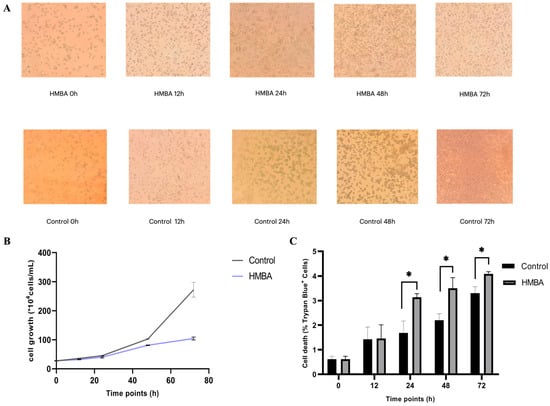
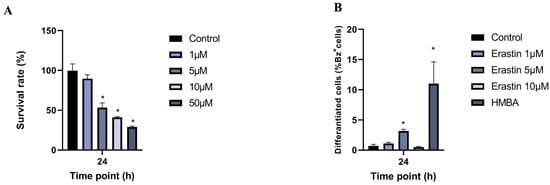
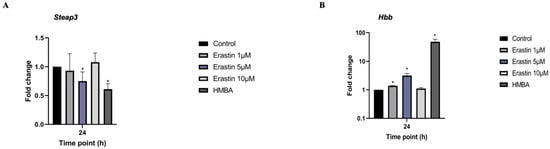
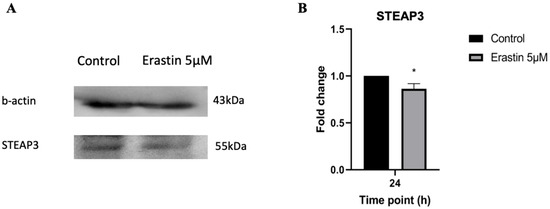
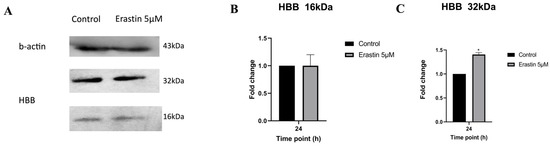
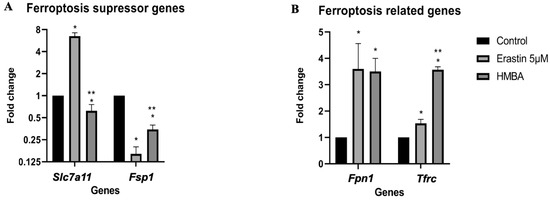
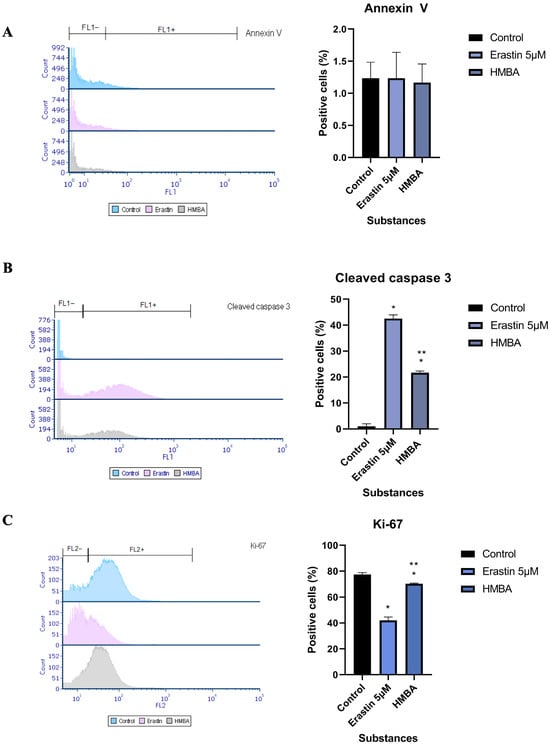
Background/Objectives: Ferroptosis, an iron-dependent form of regulated cell death defined by lipid peroxidation, has been extensively studied in cancer and neurodegeneration, but its contribution to erythropoiesis remains poorly understood. Methods: In this study, we investigated the expression of ferroptosis-related genes during HMBA-induced differentiation of murine erythroleukemia (MEL) cells and further assessed the effects of the ferroptosis inducer erastin in this model system. Results: HMBA treatment was accompanied by upregulation of ferroptosis-inducing genes (Atf3, Por, Tfrc, Slc11a2) and downregulation of inhibitory genes (Dhfr, Aifm2, Flvcr1, Nfe2l2, Slc3a2, Slc7a11), while Gpx4 levels increased. Erastin exposure identified 5 μM as the optimal concentration, which resulted in a significant reduction of Steap3 transcripts, an increase in Hbb expression, and an increased accumulation of differentiated cells in culture, along with mild cytotoxicity. To be noted that at the protein level, erastin induced a ~10% decrease in STEAP3 and a 1.5-fold increase in β-globin homo- or hetero-dimers. Ferroptosis markers confirmed erastin activity, with Fsp1 to be downregulated and Slc7a11, ferroportin, and the transferrin receptor upregulated. Importantly, erastin also enhanced apoptotic responses, as indicated by increased levels of active caspase-3 (~40%) and reduced cellular proliferation rate (Ki-67, ~35%), suggesting overlap between ferroptotic and apoptotic pathways. Conclusions: Collectively, these findings indicate that erastin modulates erythroid maturation by repressing Steap3 (Six-transmembrane epithelial antigen of prostate 3) and enhancing Hbb expression, yet its differentiation inducing potential is counterbalanced by concurrent apoptosis activation. Overall, our results support a role of ferroptosis in erythroid maturation by linking iron metabolism, regulated cell death, and erythropoiesis, a fact of pharmacological and therapeutic relevance too.
Full article

Figure 1
Open AccessArticle
Chemical Profile of Bacopa procumbens and Its Antinociceptive Effect
by
Viena M. Cuevas-Mancilla, Pedro A. López, Higinio López-Sánchez, Ada M. Ríos-Cortés, Abel Gil-Muñoz, Rosa M. Montiel-Ruiz and Manasés González-Cortazar
Future Pharmacol. 2026, 6(1), 16; https://doi.org/10.3390/futurepharmacol6010016 - 17 Mar 2026
Cited by 1
Abstract
Background: Bacopa procumbens is a plant species with medicinal properties. Although several of these properties have already been validated, its use for treating pain remains untested. Objective: the objective was therefore to test the antinociceptive effect of two extracts (n-hexane and hydroalcoholic) and
[...] Read more.
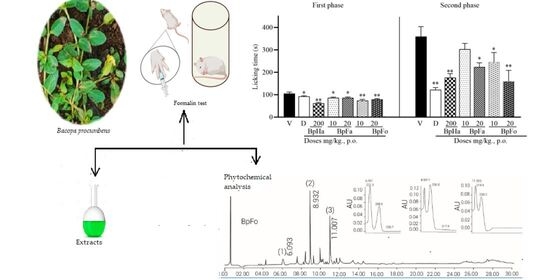
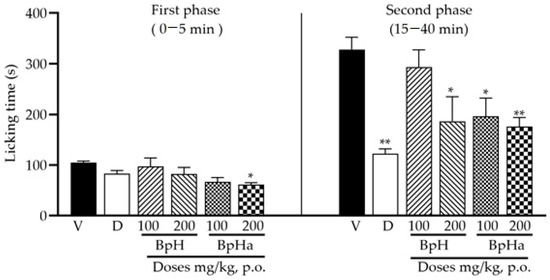
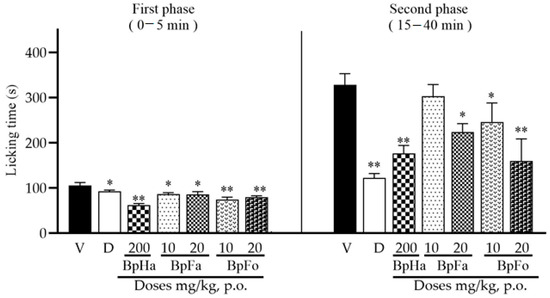
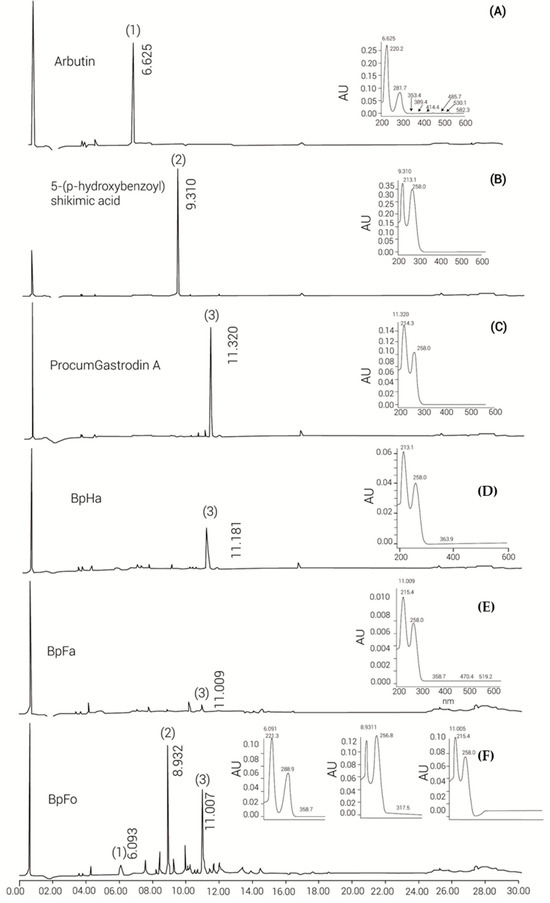
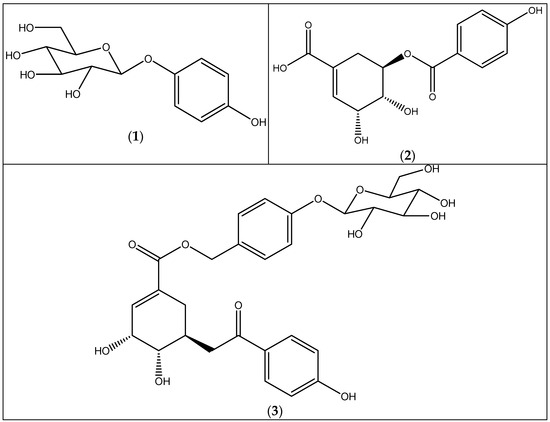
Background: Bacopa procumbens is a plant species with medicinal properties. Although several of these properties have already been validated, its use for treating pain remains untested. Objective: the objective was therefore to test the antinociceptive effect of two extracts (n-hexane and hydroalcoholic) and two fractions (aqueous and organic) from the most active extract, as well as to determine the chemical profile of Bacopa procumbens. Methods: analgesic activity was determined by antinociceptive activity using the formalin model in mice. Compounds were identified by high-performance liquid chromatography and gas chromatography coupled with mass spectrometry. Compared to the vehicle treatment (3% Tween 20), licking time was 22.8 s and 141.6 s lower when treated with the hexane extract (200 mg/kg); 43.4 s and 152.5 s with the hydroalcoholic extract (200 mg/kg); 27.2 s and 169 s with the organic fraction; and 5.4 s and 32 s difference with the positive control, in phases 1 and 2, respectively. Phytochemical analysis of the hexane extract allowed us to identify 2-pentadecanone, 6,10,14-trimetil- (11.70%), 6,10,14-trimethyl-, dibutyl phthalate (34.71%), and hexane-dioic acid bis(2-ethylhexyl) ester (45.15%). Conclusions: We identified arbutin (1), 5-(p-hydroxybenzoyl) shikimic acid (2), and procumgastrodin A (3) in the BpFo fraction. In conclusion, we demonstrated that the BpH extract and the BpFo fraction have anti-nociceptive properties that may be associated with compounds 2 and 3.
Full article
(This article belongs to the Special Issue Recent Advances in the Discovery of Anti-Inflammatory Compounds)
►▼
Show Figures

Graphical abstract
Open AccessArticle
Toxicity Mechanism of 2,3,7,8-Tetrachlorodibenzo-p-dioxin (TCDD) as Opportunity for Development of New Targeted Therapies Targeting Aryl Hydrocarbon Receptors (AhR)—Molecular Docking Simulation Study
by
Andrej Vuckovski and Darinka Gjorgieva Ackova
Future Pharmacol. 2026, 6(1), 15; https://doi.org/10.3390/futurepharmacol6010015 - 17 Mar 2026
Abstract
►▼
Show Figures
Background/Objectives: 2,3,7,8-Tetrachlorodibenzo-p-dioxin (TCDD) is a highly toxic environmental contaminant whose adverse biological effects are primarily mediated through activation of the aryl hydrocarbon receptor (AhR). Upon ligand binding, AhR undergoes conformational changes that initiate nuclear translocation and transcriptional activation of xenobiotic-responsive
[...] Read more.
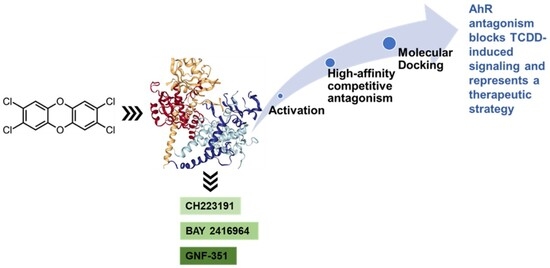
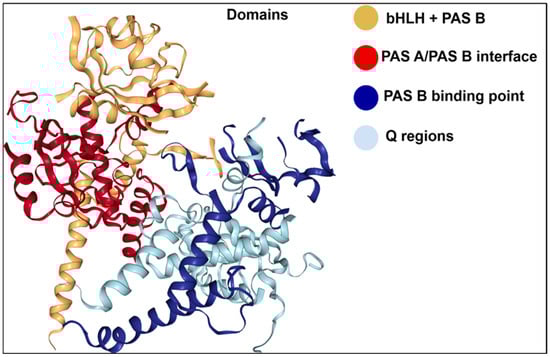
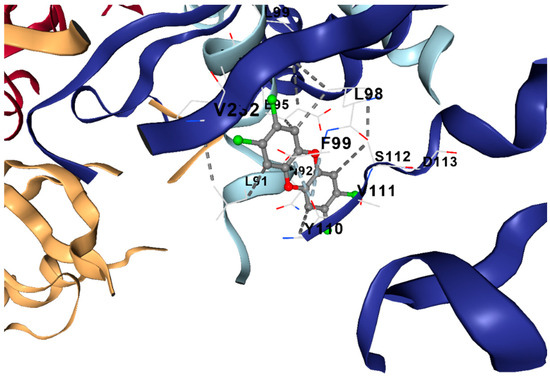
Background/Objectives: 2,3,7,8-Tetrachlorodibenzo-p-dioxin (TCDD) is a highly toxic environmental contaminant whose adverse biological effects are primarily mediated through activation of the aryl hydrocarbon receptor (AhR). Upon ligand binding, AhR undergoes conformational changes that initiate nuclear translocation and transcriptional activation of xenobiotic-responsive genes, contributing to toxicity, carcinogenesis, and dysregulated immune and metabolic responses. Understanding the molecular basis of AhR activation by TCDD is therefore critical for the rational development of targeted therapeutic strategies. Methods: In this study, molecular docking simulations were employed to characterize the interaction of TCDD and selected AhR antagonists (CH223191, BAY 2416964, GNF-351) with the ligand-binding domain of AhR, with particular emphasis on the canonical PAS-B domain. Results: Docking analyses identified the PAS-B cavity (pocket C1) as the most biologically relevant binding site for high-affinity ligands, consistent with experimental evidence. Comparative docking of known AhR antagonists revealed stable binding poses characterized by hydrophobic packing, π–π interactions, and hydrogen-bonding networks that competitively block agonist access and prevent receptor activation. These findings support a competitive antagonism mechanism as a viable approach to counteract TCDD-induced AhR signaling. Conclusions: Collectively, this in silico study provides mechanistic insight into TCDD toxicity at the molecular level and highlights AhR antagonism as a promising strategy for the development of targeted therapies against dioxin-related pathologies.
Full article

Graphical abstract
Open AccessReview
Advances of the “Miracle Protein” Against Viral Diseases: Lactoferrin in Clinical Trials
by
Gerardo Ramírez-Rico, Lucero Ruiz Mazón, Magda Reyes-López, Jesús Serrano Lúna, Christian Avalos Gómez, Rosa Isabel Higuera Piedrahita, Cristal Dafne Lonngi Sosa, Mireya de la Garza and Cynthia González Ruíz
Future Pharmacol. 2026, 6(1), 14; https://doi.org/10.3390/futurepharmacol6010014 - 13 Mar 2026
Abstract
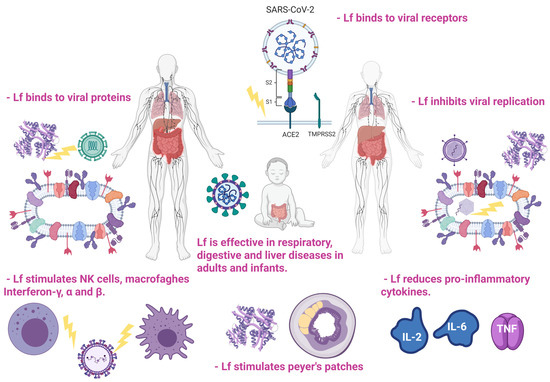
Antimicrobial resistance is a significant problem that has been studied in recent years. Viral diseases have generated high levels of morbidity and mortality, and recently, the world population faced a highly contagious viral disease (SARS-CoV-2), which caused millions of deaths without an effective
[...] Read more.
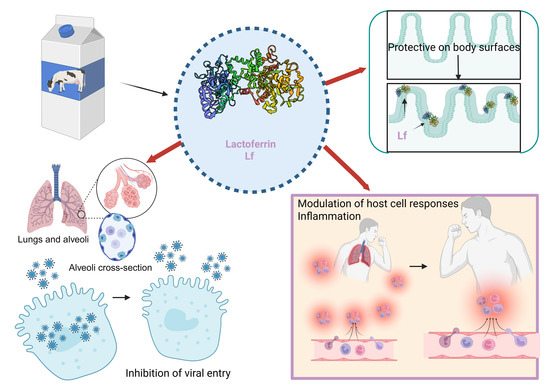
Antimicrobial resistance is a significant problem that has been studied in recent years. Viral diseases have generated high levels of morbidity and mortality, and recently, the world population faced a highly contagious viral disease (SARS-CoV-2), which caused millions of deaths without an effective drug capable of controlling the infectious process. As a result, various therapeutic alternatives to antimicrobials have emerged that target microorganisms, support the immune system, and reduce inflammation. Lactoferrin is a ultifunctional glycoprotein of the mammalian innate immune system that has shown various benefits, notably its antimicrobial and, primarily, its antiviral effects. No resistance or toxicity to this protein has been reported, which is why it is called a “miracle protein”. This is the first review to focus on the antiviral effects of lactoferrin in clinical trials. In addition, in vitro and in vivo studies evaluating lactoferrin against various viral etiologies are also discussed.
Full article
(This article belongs to the Special Issue Proteins or Peptides as Effective Weapons in Antimicrobial and Cancer Therapy)
►▼
Show Figures

Graphical abstract
Open AccessBrief Report
Bevonescein—A Peptide Dye Conjugate for Visualization of Peripheral Nerves in Patients During Surgery
by
Michael A. Whitney and Jessica L. Crisp
Future Pharmacol. 2026, 6(1), 13; https://doi.org/10.3390/futurepharmacol6010013 - 24 Feb 2026
Abstract
►▼
Show Figures
Background/Objectives: The identification of peripheral nerves is critical for their preservation during surgery, as accidental transection or injury can lead to significant patient morbidity. Current methods for identifying nerves typically rely on qualitative white-light visualization of anatomy, texture, and color. To improve nerve
[...] Read more.
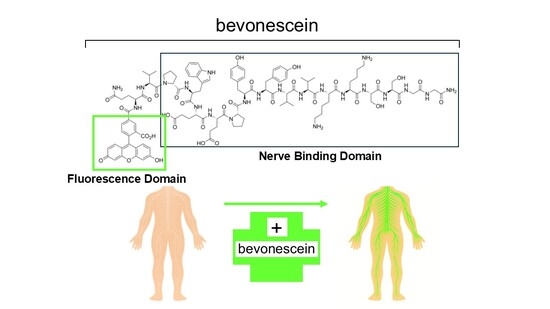
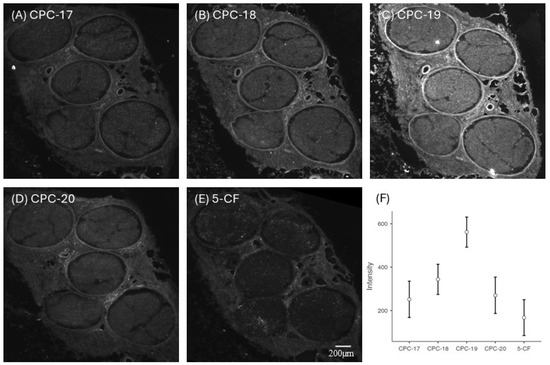
Background/Objectives: The identification of peripheral nerves is critical for their preservation during surgery, as accidental transection or injury can lead to significant patient morbidity. Current methods for identifying nerves typically rely on qualitative white-light visualization of anatomy, texture, and color. To improve nerve identification during surgical procedures, we developed a novel nerve imaging agent, “bevonescein,” a derivative of the peptide–dye conjugate FAM-HNP401. Methods: Variants of FAM-HNP401 were designed to be synthesized completely on solid phase to enable the efficient generation of GMP (Good Manufacturing Practice)-qualified bevonescein. We determined the nerve binding affinity for each variant, CPC-17, CPC-18, CPC-19 (bevonescein), and CPC-20, using mean fluorescent intensity measurements after binding the agents to human sural nerve sections. Results: Bevonescein (CPC-19) demonstrated significantly superior nerve binding compared to other variants and controls. Bevonescein-labeled nerves exhibited a mean fluorescent intensity of 562 ± 34.7, compared to 252 ± 41.7 for CPC-17, 344 ± 34.7 for CPC-18, and 270 ± 41.7 for CPC-20. The dye-alone control, 5-carboxyfluorescein, showed a fluorescent intensity of 168 ± 41.4. Conclusions: Bevonescein represents a first-in-class molecule that can improve the visualization of peripheral nerves during surgery, potentially reducing nerve injury and associated morbidity. It has been successfully tested in a Phase 1/2 clinical trial demonstrating safety and efficacy at a 500 mg dose and is currently in Phase 3 clinical testing.
Full article

Graphical abstract

Open AccessReview
Targeting the Tumour Microenvironment in Pancreatic Cancer: From Stromal Reprogramming to Emerging Therapeutics
by
Kartik Mittal, Neha Rathi, Devika Tripathi, Paruvathanahalli Siddalingam Rajinikanth and Prashant Pandey
Future Pharmacol. 2026, 6(1), 12; https://doi.org/10.3390/futurepharmacol6010012 - 22 Feb 2026
Abstract
►▼
Show Figures
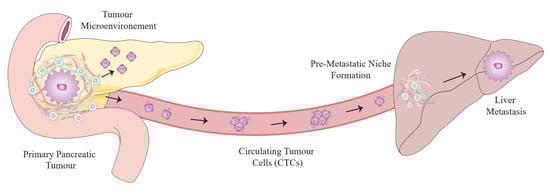
Pancreatic ductal adenocarcinoma (PDAC) remains one of the deadliest solid tumours, driven by late diagnosis, early metastatic dissemination, and profound resistance to systemic therapies. Increasing evidence indicates that these hallmarks are not solely tumour cell intrinsic but are critically orchestrated by a complex
[...] Read more.
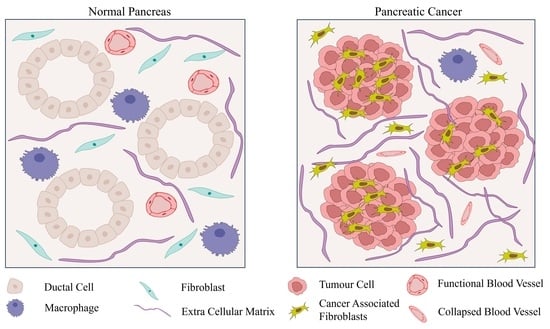
Pancreatic ductal adenocarcinoma (PDAC) remains one of the deadliest solid tumours, driven by late diagnosis, early metastatic dissemination, and profound resistance to systemic therapies. Increasing evidence indicates that these hallmarks are not solely tumour cell intrinsic but are critically orchestrated by a complex and highly dynamic tumour microenvironment (TME) composed of pancreatic stellate cells (PSCs), cancer-associated fibroblast (CAF) subtypes, immune cells, endothelial and neuronal elements, and a dense extracellular matrix (ECM). This review provides an integrated overview of the cellular and acellular components of the PDAC TME and delineates how their reciprocal crosstalk drives desmoplasia, immune suppression, metabolic reprogramming, epithelial–mesenchymal transition (EMT), pre-metastatic niche formation, and metastatic outgrowth. Particular emphasis is placed on the context-dependent roles of stromal and immune niches in modulating drug delivery, chemoresistance, and failure of immunotherapy, highlighting why indiscriminate stromal depletion has yielded paradoxical outcomes. Building on these mechanistic insights, the review critically examines emerging therapeutic strategies targeting PSCs, CAF subsets, ECM components, myeloid and lymphoid populations, and key signalling pathways, including approaches that normalize stroma, reprogram immunity, or exploit nanocarrier-based delivery systems. Finally, a structured framework is proposed for rational TME-targeted combination regimens that integrate cytotoxic, targeted, and immunotherapeutic agents to overcome current therapeutic barriers in PDAC.
Full article

Graphical abstract

Highly Accessed Articles
Latest Books
E-Mail Alert
News
Topics
Topic in
Biomedicines, IJMS, Sci. Pharm., Molecules, Future Pharmacology, Biomolecules
Natural Products and Drug Discovery—2nd Edition
Topic Editors: Sonia Piacente, Marta MenegazziDeadline: 30 September 2026
Topic in
Biomedicines, Future Pharmacology, Pharmacy, IJMS, Biomolecules, Genes
Prospects of Multi-Target Agonists in Metabolic and Epigenetic Medicine
Topic Editors: Riham Abouleisa, Yanming LiDeadline: 30 November 2026
Topic in
BioTech, IJMS, Molecules, Pharmaceutics, Biophysica, Future Pharmacology, Sci
Advancing Nanomedicine Through Genetics: In Honor of Professor Maria Gazouli for Her Longstanding Scientific Impact
Topic Editors: Leonardo A. Sechi, Natassa PippaDeadline: 31 May 2027
Topic in
Future Pharmacology, Pharmaceuticals, Pharmaceutics, IJMS
New Approaches to Machine Learning Parameters in Pharmacology and Pharmacotherapy for Drug Targeting and Precision Medicine
Topic Editors: George J. Kontoghiorghes, Malamati KourtiDeadline: 31 January 2028
Special Issues
Special Issue in
Future Pharmacology
Dual-Action Metal Complexes: Emerging Approaches in Pharmacology and Pharmaceutics
Guest Editors: Juan José Martínez Medina, Ana Laura Di VirgilioDeadline: 30 June 2026
Special Issue in
Future Pharmacology
Transdiagnostic Psychopharmacology: Bridging Mechanisms Across Mental Disorders
Guest Editor: Felix KesslerDeadline: 31 August 2026
Special Issue in
Future Pharmacology
Recent Advances in the Discovery of Anti-Inflammatory Compounds
Guest Editors: Ivan M. Srejović, Nikola Nedeljkovic, Miloš NikolićDeadline: 31 October 2026
Special Issue in
Future Pharmacology
New Era in Antimicrobial Strategies
Guest Editor: Sandra N. PintoDeadline: 31 October 2026