
Journal Description
International Journal of Plant Biology
is an international, peer-reviewed, open access journal on all different subdisciplines of plant biology, published monthly online by MDPI (from Volume 13, Issue 1 - 2022).
- Open Access— free for readers, with article processing charges (APC) paid by authors or their institutions.
- High Visibility: indexed within Scopus, Biological Abstracts and BIOSIS Previews (Web of Science), and other databases.
- Rapid Publication: manuscripts are peer-reviewed and a first decision is provided to authors approximately 17 days after submission; acceptance to publication is undertaken in 4.9 days (median values for papers published in this journal in the second half of 2025).
- Recognition of Reviewers: APC discount vouchers, optional signed peer review, and reviewer names published annually in the journal.
Latest Articles
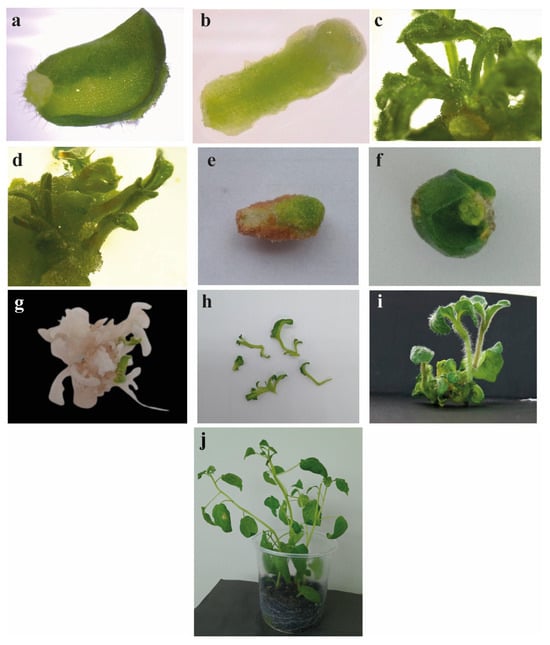
Shoot Regeneration Response in the ‘Colombiano’ Ecotype of Physalis peruviana L. Is Influenced by the Interaction of TDZ, NAA, and Explant Type
Int. J. Plant Biol. 2026, 17(6), 41; https://doi.org/10.3390/ijpb17060041 - 22 May 2026
Abstract
Physalis peruviana exhibits highly variable and poorly reproducible morphogenic responses under in vitro conditions, limiting the development of reliable regeneration systems. This study evaluated how the interaction between thidiazuron (TDZ), naphthaleneacetic acid (NAA), and explant type influences shoot regeneration in the Colombiano ecotype
[...] Read more.
Physalis peruviana exhibits highly variable and poorly reproducible morphogenic responses under in vitro conditions, limiting the development of reliable regeneration systems. This study evaluated how the interaction between thidiazuron (TDZ), naphthaleneacetic acid (NAA), and explant type influences shoot regeneration in the Colombiano ecotype of Physalis peruviana. A factorial design (2 × 3 × 2) revealed that morphogenic responses were primarily driven by interaction effects rather than by individual plant growth regulators. Hypocotyl explants cultured in 4.54 µM TDZ combined with 0.6 µM NAA showed the highest shoot production, shoot formation capacity, and elongation. In contrast, TDZ alone induced limited shoot production, did not support efficient and organized shoot development, and was associated with abnormal morphologies. The response to NAA was non-linear, with intermediate concentrations maximizing shoot regeneration response, indicating that morphogenic competence operates within a narrow hormonal range. Overall, regeneration in the Colombiano ecotype of P. peruviana evaluated here was governed by the interaction between hormonal balance and explant type, identifying favorable conditions for shoot regeneration under the conditions tested.
Full article
(This article belongs to the Section Plant Physiology)
►
Show Figures
Open AccessReview
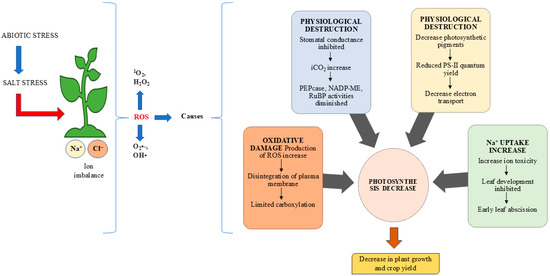
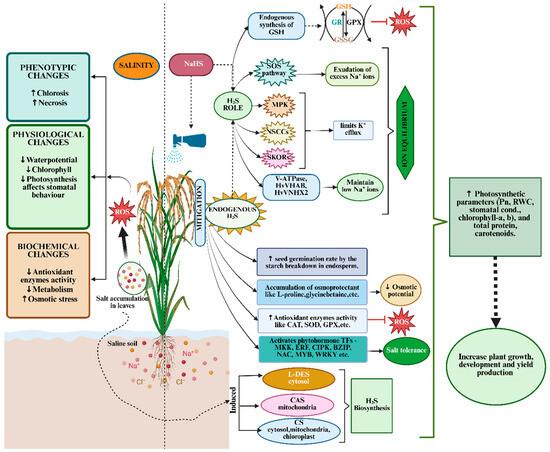
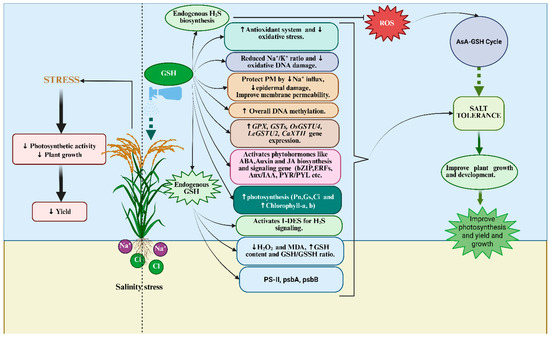
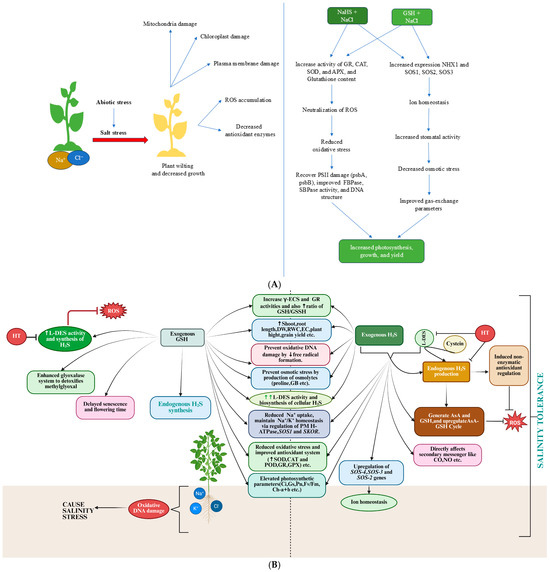
Possible Interaction of Hydrogen Sulfide and Glutathione and Role in the Alleviation of Salinity Stress Impacts in Plants
by
Vijay Rupa, Naser A. Anjum, Asim Masood and Nafees A. Khan
Int. J. Plant Biol. 2026, 17(5), 40; https://doi.org/10.3390/ijpb17050040 - 7 May 2026
Abstract
Soil salinity as a major abiotic stressor has significantly affected crop production worldwide. However, plants have developed complex signaling networks that enable them to adapt and cope with such environmental shifts. Recent research has demonstrated the involvement of hydrogen sulfide (H2S)
[...] Read more.
Soil salinity as a major abiotic stressor has significantly affected crop production worldwide. However, plants have developed complex signaling networks that enable them to adapt and cope with such environmental shifts. Recent research has demonstrated the involvement of hydrogen sulfide (H2S) in signaling cascades that link plant development with stress tolerance management. Similarly, glutathione (GSH), a non-enzyme antioxidant, and a vital tripeptide, has been found to protect plants from oxidative damage and regulate metabolic functions under abiotic stress. As a potential scavenger of ROS, GSH maintains cellular redox homeostasis through the ascorbate-GSH cycle and acts as a signaling molecule for the sulfur-status of plants. This review focusses on: (i) revisiting the concept and current status of soil salinity; (ii) highlighting its impact at cellular and whole-plant levels; (iii) elucidating the role of a H2S and GSH in plant salt stress tolerance; and (iv) exploring the potential interactive roles of H2S and GSH in mitigating salinity impacts. This review will provide valuable insights into the complex network involving H2S and GSH, suggesting pathways for developing climate-resilient crops.
Full article
(This article belongs to the Topic Plant Responses and Tolerance to Salinity Stress, 2nd Edition)
►▼
Show Figures

Figure 1
Open AccessArticle
Exogenous Application of Sodium Nitroprusside on the Morphophysiology of Passiflora edulis Sims Under Water Deficit
by
Anna Paula Marques Cardoso, Walter Esfrain Pereira, Juliane Maciel Henschel, Diego Silva Batista, Francisco Thiago Coelho Bezerra, Maria Alaíne da Cunha Lima, Gleyse Lopes Fernandes de Souza, Patricia da Assunção Macedo, Thayná Kelly Formiga de Medeiros, Adailson Túlio dos Santos Silva, Edmilson Gomes das Neves, Magaly Morgana Lopes da Costa, Aline Daniele da Cunha Lima, Ewerton da Silva Barbosa and Francisca Iris da Silva Souza
Int. J. Plant Biol. 2026, 17(5), 39; https://doi.org/10.3390/ijpb17050039 - 2 May 2026
Abstract
The availability of water is a limiting factor for the growth and productivity of yellow passion fruit (Passiflora edulis Sims). The use of bioregulators has been investigated as a strategy to mitigate the effects of abiotic stress. Different concentrations of SNP were
[...] Read more.
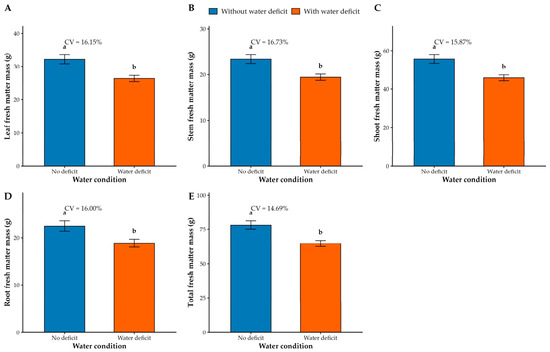
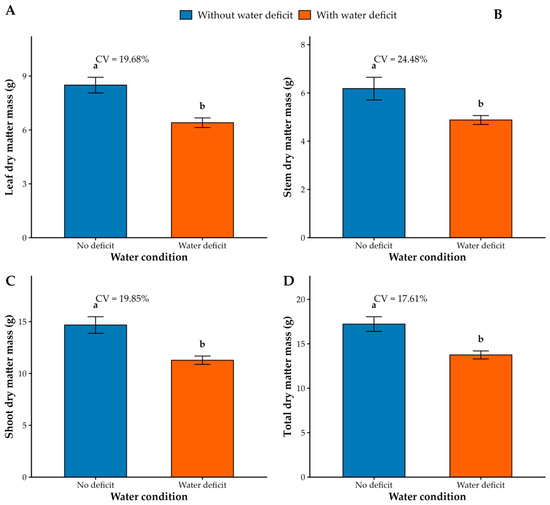
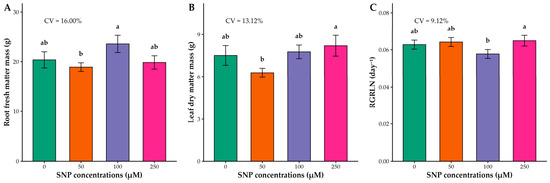
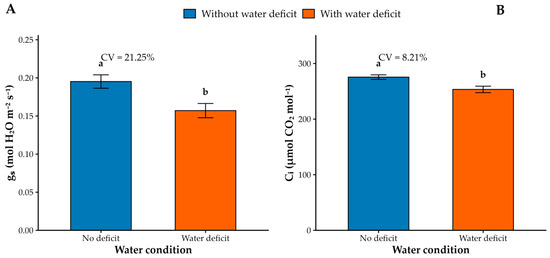
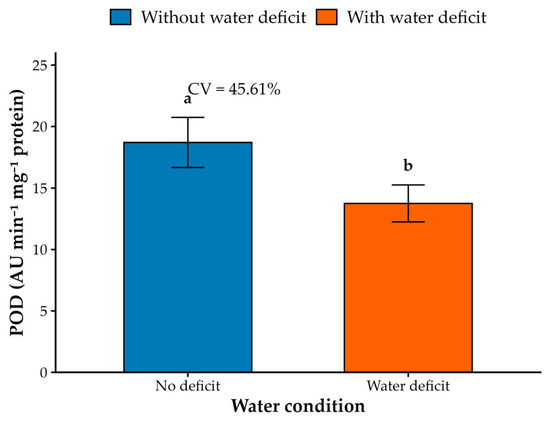
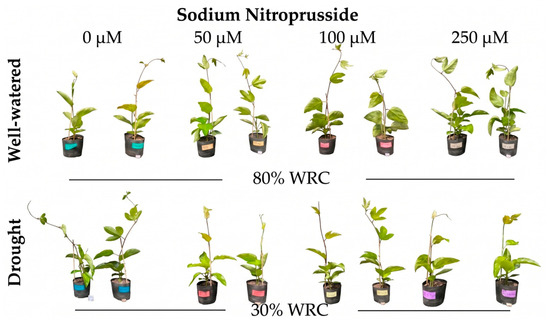
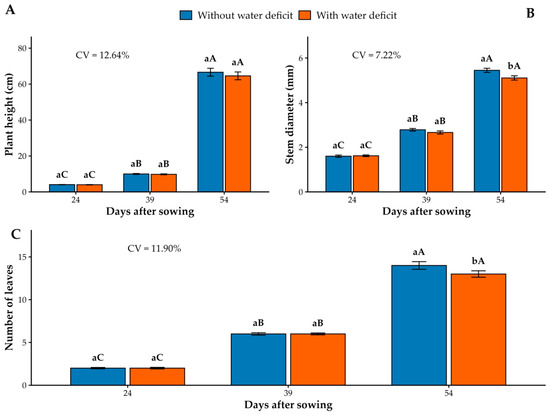
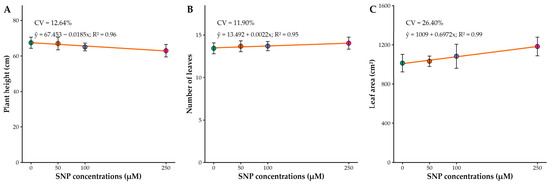
The availability of water is a limiting factor for the growth and productivity of yellow passion fruit (Passiflora edulis Sims). The use of bioregulators has been investigated as a strategy to mitigate the effects of abiotic stress. Different concentrations of SNP were evaluated on growth, gas exchange, photosynthetic pigments, chlorophyll fluorescence, and enzymatic activity in Passiflora edulis seedlings under different water conditions. The experiment was conducted in a randomized block design, in a 2 × 4 factorial scheme, with two irrigation conditions (80 and 30% of field capacity), combined with three concentrations of SNP (50, 100 and 250 µM) and water (control), with five replications. Water deficit reduced morphological, physiological, and enzymatic parameters. The application of SNP increased root fresh mass (23.56 g at the 100 µM dose) and leaf dry mass (8.21 g at 250 µM SNP), with increases of 24.52% and 30.52% compared to the values obtained under the 50 µM dose, respectively. The highest number of leaves (14) and leaf area (1183.3 cm2) was observed at 250 µM SNP, corresponding to increases of 7.70% and 17.27%, respectively, compared to plants without SNP application. Water deficit reduced growth, gas exchange, chlorophyll fluorescence, and enzymatic activity. SNP promotes improvements in growth; however, it does not mitigate water deficit effects in Passiflora edulis seedlings.
Full article
(This article belongs to the Section Plant Response to Stresses)
►▼
Show Figures

Figure 1
Open AccessReview
Systematic Review on the Propagation, Cultivation, and Development of Champereia manillana Bl. var. longistaminea, a Forest Woody Vegetable in China
by
Lin Gou, Shang Shi, Chenghao Zhu, Ling Liu, Jianmin Tang, Rong Zou and Xiao Wei
Int. J. Plant Biol. 2026, 17(5), 38; https://doi.org/10.3390/ijpb17050038 - 1 May 2026
Abstract
Champereia manillana (Bl.) Merr. var. longistaminea is an evergreen small tree. It belongs to the genus Champereia Griff. (Opiliaceae), and its tender leaves or flower buds can be eaten. It also has important medicinal and nutritional values. Wild populations of C. manillana are
[...] Read more.
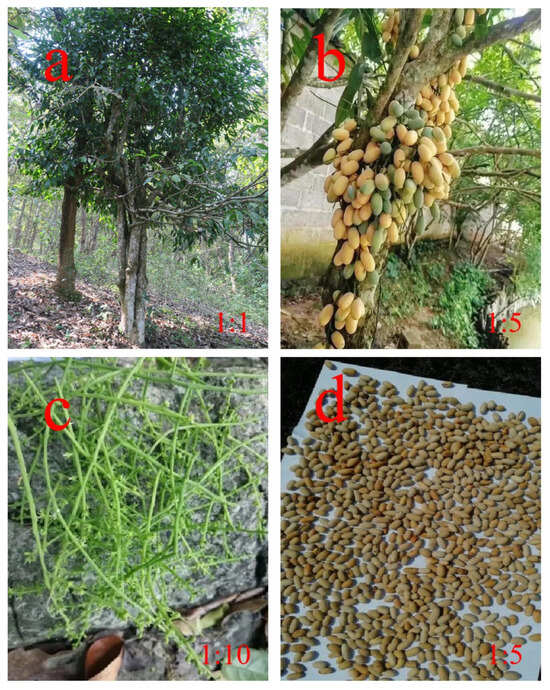
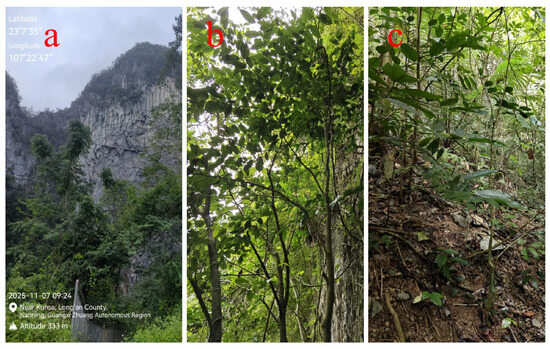
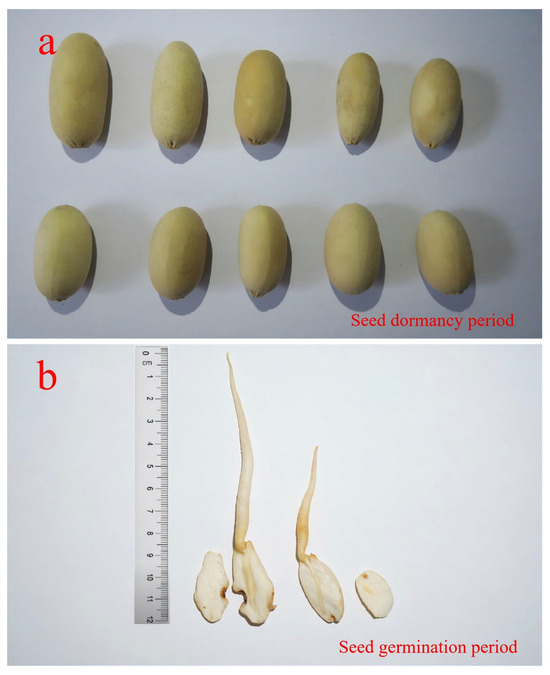
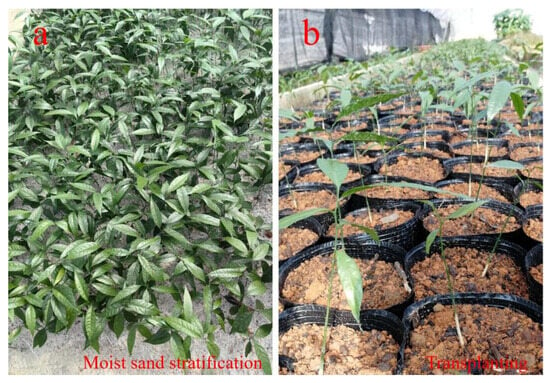
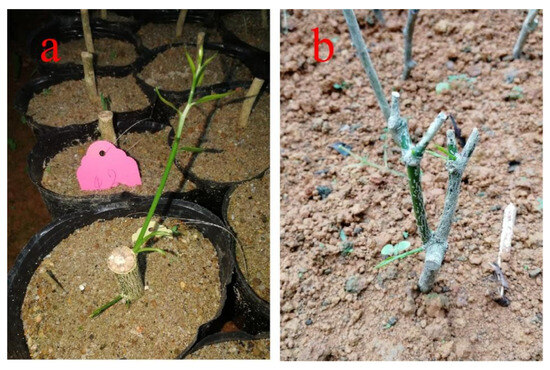
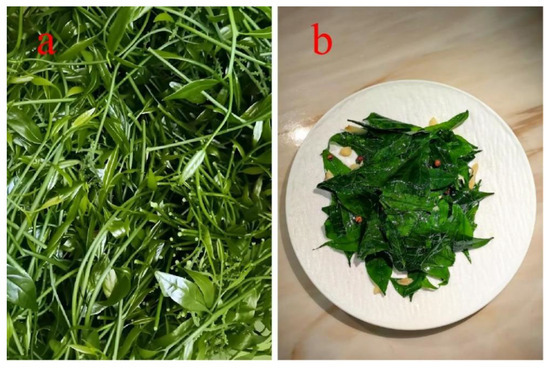
Champereia manillana (Bl.) Merr. var. longistaminea is an evergreen small tree. It belongs to the genus Champereia Griff. (Opiliaceae), and its tender leaves or flower buds can be eaten. It also has important medicinal and nutritional values. Wild populations of C. manillana are small and has a phenomenon of deforestation. Market development is hindered by propagation constraints, including low seed germination rates and poor rooting of cuttings. Standardized cultivation protocols are currently lacking. This paper systematically reviews the current status of propagation and cultivation research on C. manillana and analyzed the primary challenges. Recent research indicated that seed germination obstacles had been preliminarily overcome, and 50% shading was identified as the optimal cultivation condition. However, challenges remain, including slow growth, lack of standardized water and fertilizer management, and unclear molecular mechanisms regulating development. Future research should focus on improving vegetative propagation efficiency, elucidating growth mechanisms via multi-omics, and establishing standardized cultivation protocols from breeding to harvest. These strategies are essential for the sustainable utilization of C. manillana resources.
Full article
(This article belongs to the Section Plant Reproduction)
►▼
Show Figures

Figure 1
Open AccessArticle
Foliar Application of a Methanolic Extract of Ricinus communis L. Modulates Growth, Yield, Photosynthetic Pigments, and Antioxidant Capacity of Jalapeño Pepper (Capsicum annuum L.) Under Open Field Conditions
by
Ma Isabel Reyes-Santamaria, David Chávez-Trejo, Aracely Hernández-Pérez, René Velázquez-Jiménez, Eliazar Aquino-Torres, Amanulla Khan, Antonio de Jesus Cenobio-Galindo, Macario Vicente-Flores and Iridiam Hernández-Soto
Int. J. Plant Biol. 2026, 17(5), 37; https://doi.org/10.3390/ijpb17050037 - 1 May 2026
Abstract
The jalapeño pepper (Capsicum annuum L.) is a crop of great economic and nutritional importance worldwide; however, increasing yield and quality under conditions of reduced synthetic inputs remains a significant challenge, mainly due to restrictions in plant nutrition and stress response capacity;
[...] Read more.
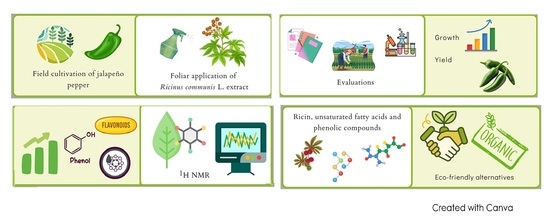
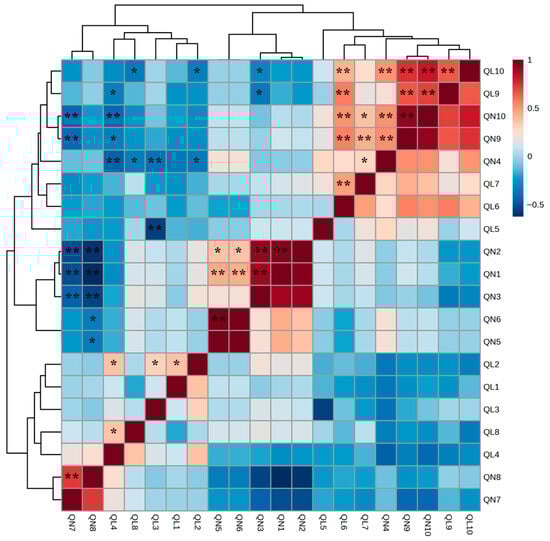
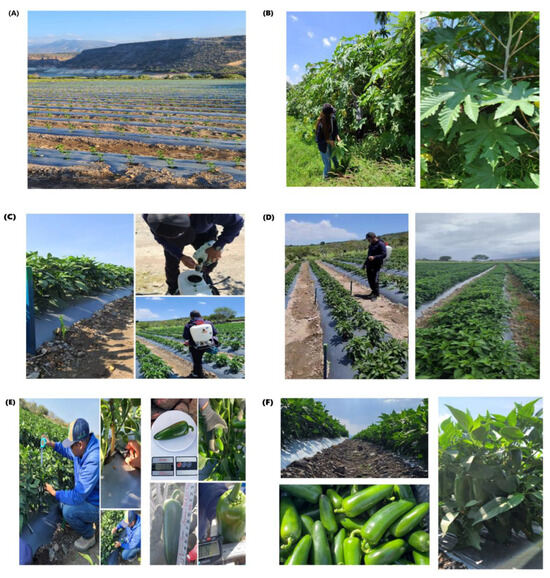
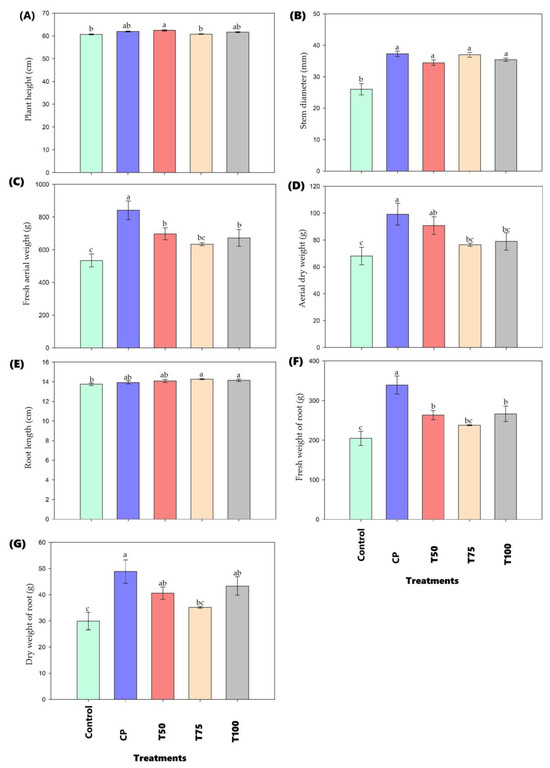
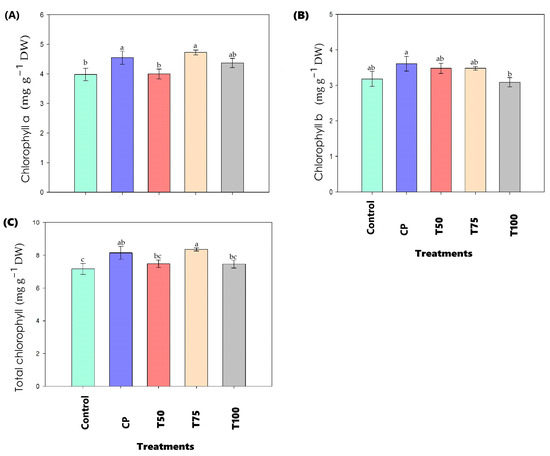
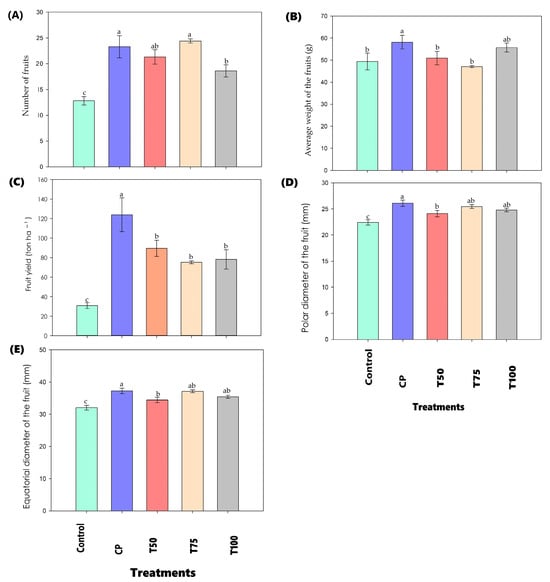
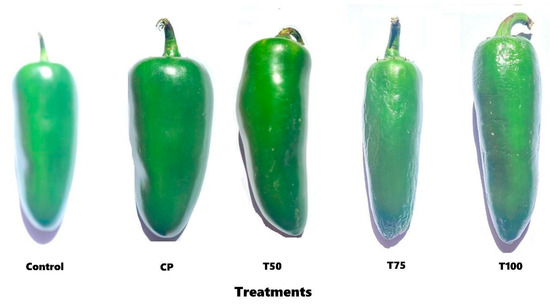
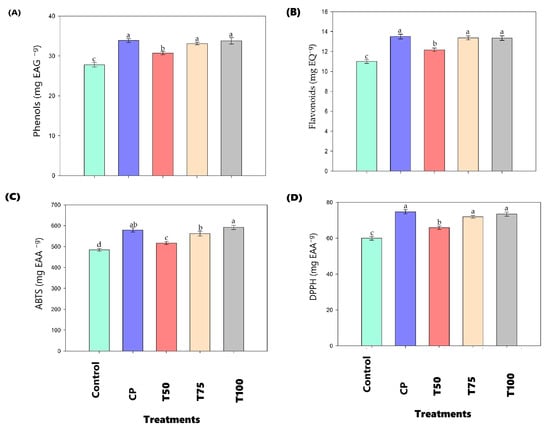
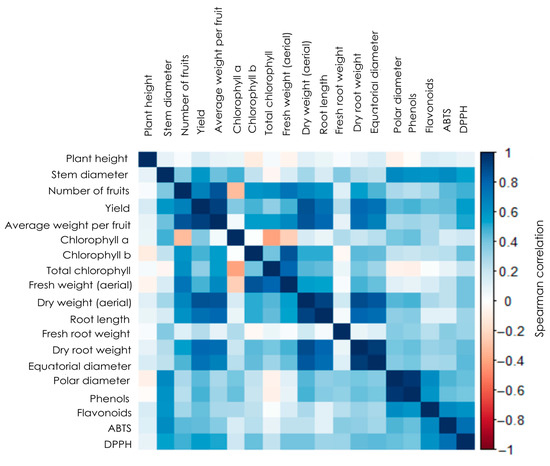
The jalapeño pepper (Capsicum annuum L.) is a crop of great economic and nutritional importance worldwide; however, increasing yield and quality under conditions of reduced synthetic inputs remains a significant challenge, mainly due to restrictions in plant nutrition and stress response capacity; in this context, plant-based biostimulants, such as Ricinus communis extracts, are of particular interest due to their potential to modulate plant metabolism, promote growth, and favor the accumulation of bioactive compounds. In this study, the effect of a foliar-applied biostimulant derived from a methanolic extract of Ricinus communis L. on the physiological, agronomic, and biochemical parameters of jalapeño peppers was evaluated under open field conditions. A randomized complete design with five treatments was established: three extract concentrations (T50: 50 mg L−1, T75: 75 mg L−1, and T100: 100 mg L−1), a commercial biostimulant (Pepton 85/16 ®), and an absolute control. Significant differences (α ≤ 0.05) were observed between treatments T50, T75, and T100 with the application of castor bean and the absolute control in stem diameter, fruit number, yield, and polar and equatorial fruit diameter, as well as phenols, flavonoids, and antioxidant capacity (ABTS and DPPH). The application of R. communis extract (T50, T75, and T100) significantly improved plant performance compared to the control, particularly in yield (up to 270%), fruit number (73%), shoot biomass (up to 38%), and root development (up to 32%). Furthermore, increases in chlorophyll content and in antioxidant-related compounds were observed, including phenols, flavonoids, ABTS, and DPPH (up to 17%). Spearman correlation analysis revealed strong associations between structural and metabolic variables, highlighting the relationship between stem diameter, fruit traits, and bioactive compound accumulation, as well as the link between chlorophyll content and reproductive performance. The 1H NMR analysis indicated the presence of secondary metabolites such as ricin, unsaturated fatty acids, and phenolic compounds; however, their isolation and relationship with the biostimulant activity of the extract require further specific studies. Overall, foliar application of R. communis extract improved the growth, productivity, and biochemical attributes of jalapeño pepper, highlighting its potential as a sustainable alternative for crop management.
Full article
(This article belongs to the Section Plant Physiology)
►▼
Show Figures

Graphical abstract
Open AccessArticle
Phototrophic Microbial Communities and Root Anatomical Adaptations of the Leafless Epiphytic Orchid Chiloschista lunifera (Rchb.f.) J.J.Sm
by
Anawat Padpaiboon, Nuttha Sanevas and Pornsawan Sutthinon
Int. J. Plant Biol. 2026, 17(5), 36; https://doi.org/10.3390/ijpb17050036 - 26 Apr 2026
Abstract
Epiphytic and leafless orchids possess specialized root structures and host diverse associated microorganisms, which may contribute to their adaptation to limited access to water, nutrients, and photosynthetic tissues. Microscopic, anatomical, and molecular analyses of aerial and substrate roots of Chiloschista lunifera (Rchb.f.) J.J.Sm.
[...] Read more.
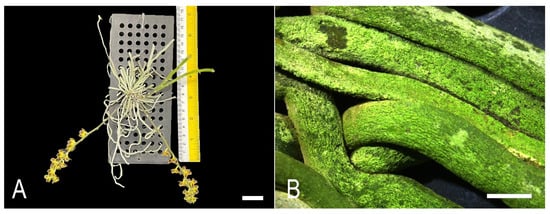
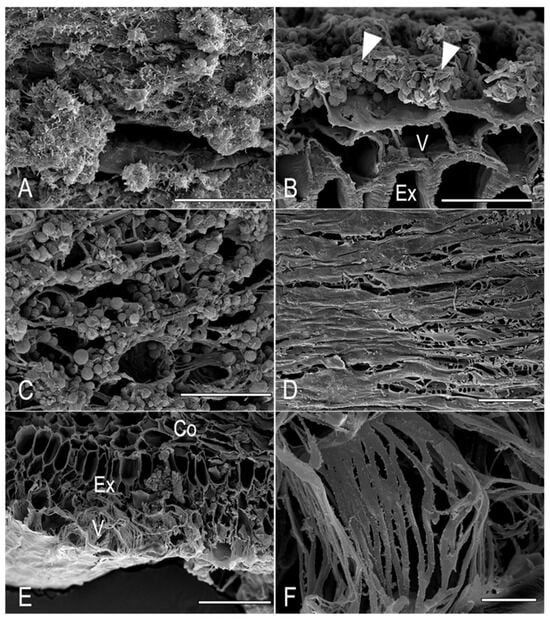
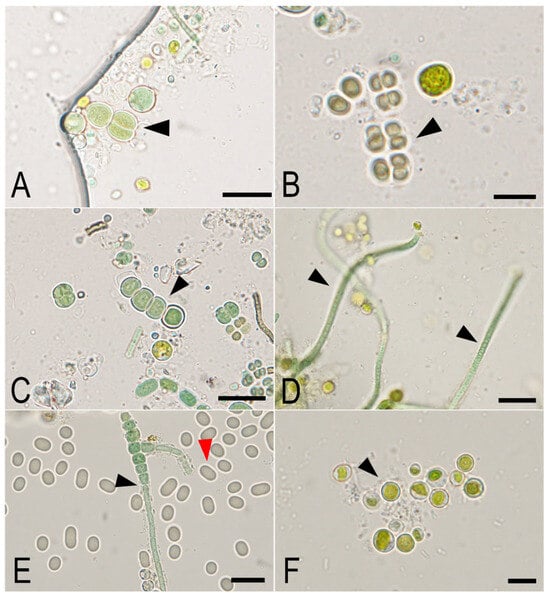
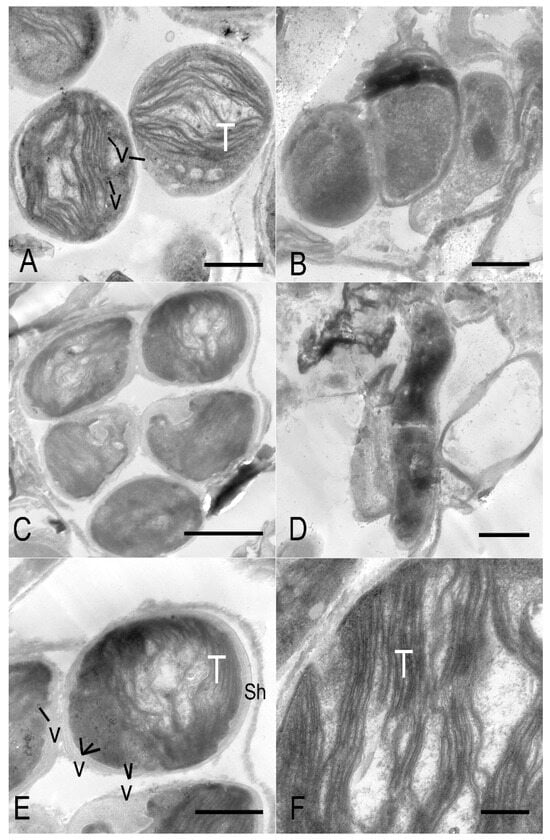
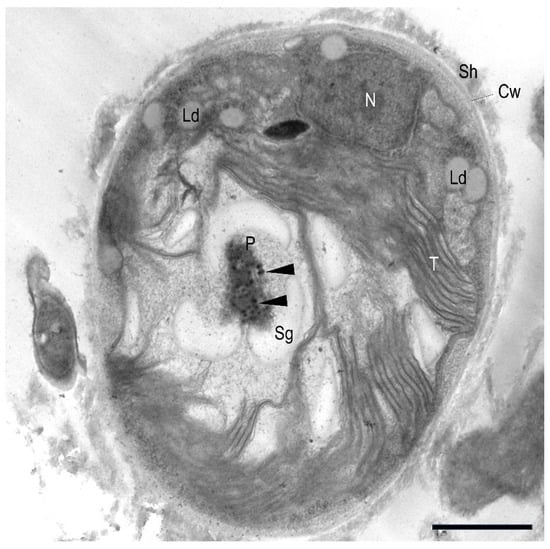
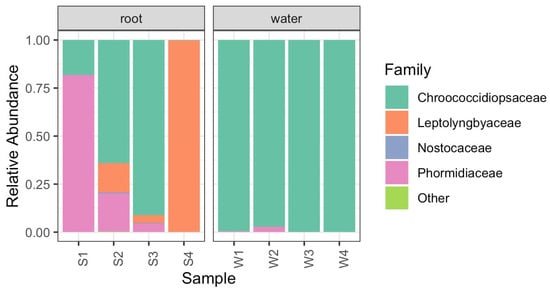
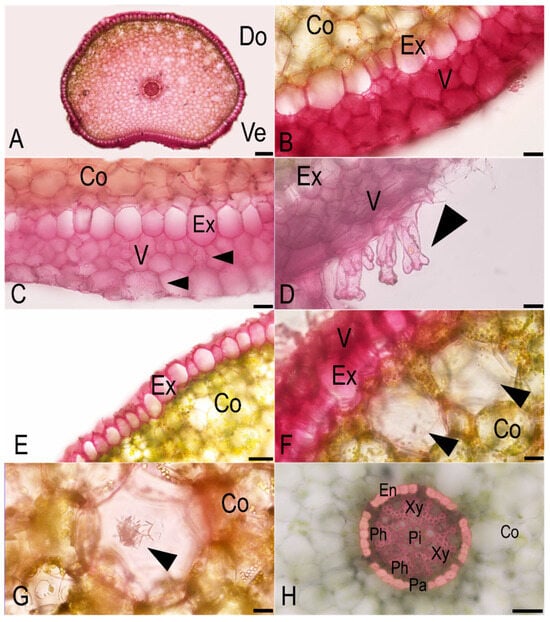
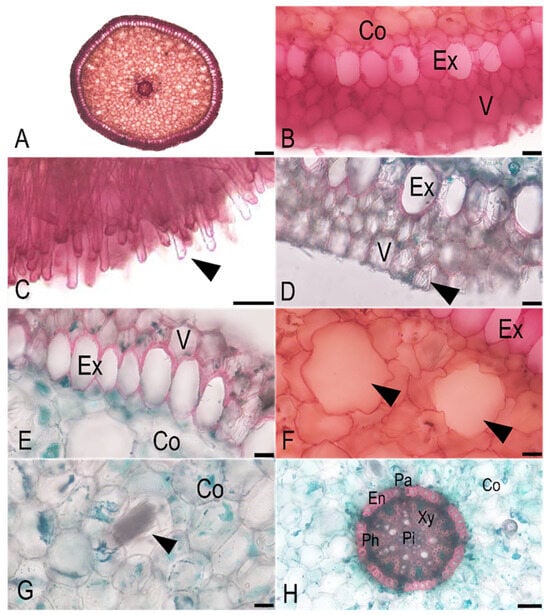
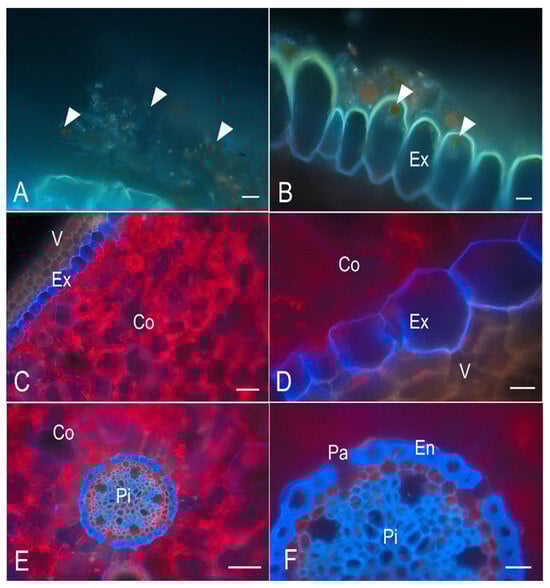
Epiphytic and leafless orchids possess specialized root structures and host diverse associated microorganisms, which may contribute to their adaptation to limited access to water, nutrients, and photosynthetic tissues. Microscopic, anatomical, and molecular analyses of aerial and substrate roots of Chiloschista lunifera (Rchb.f.) J.J.Sm. revealed consistent phototrophic microbial biofilms on the velamen surface. These biofilms comprised filamentous and unicellular cyanobacteria, singular bacterial cells, and green algae. Morphological characterisation identified cyanobacteria belonging to five taxonomic orders, which are Chroococcales, Chroococcidiopsidales, Nostocales, Leptolyngbyales, and Synechococcales. 16S rRNA amplicon sequencing confirmed cyanobacterial dominance, with Chroococcidiopsis thermalis PCC 7203 strongly prevalent in root wash samples (up to 99.99% relative abundance), while root homogenate samples harboured a more diverse assemblage including Phormidiaceae, Leptolyngbya, Scytonema, and Calothrix. In addition, a green alga from Watanabeales (Jaagichlorella sp.) was identified based on morphological characteristics. TEM showed diverse cyanobacterial forms and unicellular green algae with well-developed photosynthetic structures. Root anatomy differed between root types. Substrate roots exhibited an inverted kidney-shaped transverse profile, whereas aerial roots were circular, with differences in velamen distribution reflecting adaptation for water retention and substrate attachment. Branched root hairs occurred on substrate roots, while aerial roots possessed unbranched root hairs, indicating functional specialization. Autofluorescence analysis revealed lignified tissues and abundant cortical chloroplasts, suggesting a photosynthetic role of the roots that may compensate for leaflessness. These findings enhance our understanding of the anatomical and ultrastructural features of epiphytic leafless orchid roots and may support future conservation and propagation efforts.
Full article
(This article belongs to the Section Plant Physiology)
►▼
Show Figures

Figure 1

Open AccessArticle
Genetic Variability and Trait Associations in Ethiopian and Exotic Lentil (Lens culinaris) Germplasm
by
Nigussie Kefelegn, Solomon Benor, Gizachew Haile Gidamo, Asnake Fikre, Ming Pei You and Martin J. Barbetti
Int. J. Plant Biol. 2026, 17(4), 35; https://doi.org/10.3390/ijpb17040035 - 21 Apr 2026
Abstract
Yield is a complex trait influenced by multiple components and their genetic behavior. Therefore, this study was designed to understand the complex nature of yield by uncovering relationships among traits and estimating the genetic parameters of lentil germplasm. One hundred and ninety-two lentil
[...] Read more.
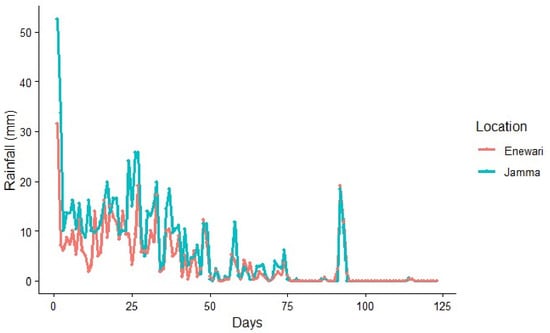
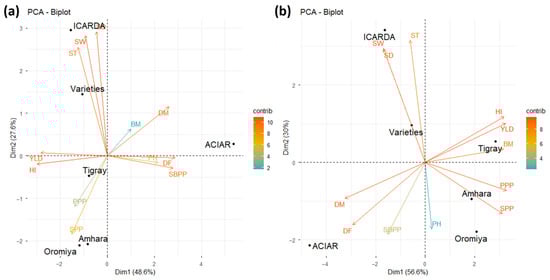
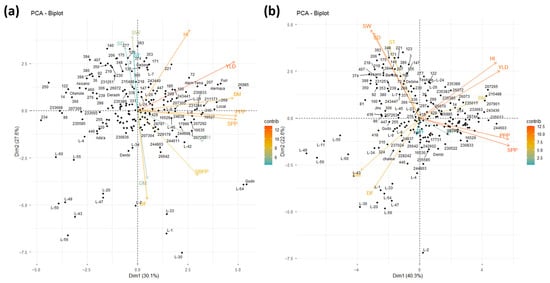
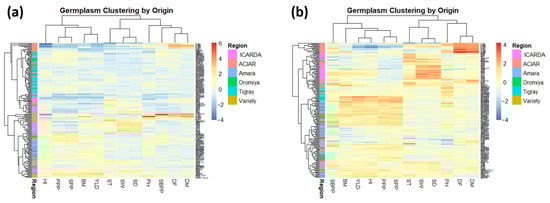
Yield is a complex trait influenced by multiple components and their genetic behavior. Therefore, this study was designed to understand the complex nature of yield by uncovering relationships among traits and estimating the genetic parameters of lentil germplasm. One hundred and ninety-two lentil (Lens culinaris) germplasm samples were evaluated at Jamma and Enewari (field experiment) and at Debre Birehan agricultural research center (pot experiment) in Amhara Region, Ethiopia, in 2024 and 2025. An alpha lattice design was used for both set of experiment, and data on 12 agronomic traits were collected. Genetic parameter estimations, correlation, path, principal component and cluster analyses were performed in R. The results revealed substantial phenotypic and genetic variation among the evaluated germplasm, with high broad-sense heritability for flowering, maturity, and seed size traits, and moderate heritability for seeds per plant, plant height, harvest index, and yield. Yield exhibited a strong phenotypic correlation with harvest index (r = 0.78 in field and r = 0.95 in pots), biomass (r = 0.77 in the field and r = 0.78 in pots), seeds per plant (r = 0.42 in the field and r = 0.60 in pots), and podding (r = 0.45 in the field and r = 0.69 in pots). Similarly, genotypic correlations were high with harvest index (r = 0.83 in the field and r = 0.96 in pots), biomass (r = 0.75 in the field and r = 0.80 in pots), seeds per plant (r = 0.0.59 in the field and r = 0.58 in pots), and podding (r = 0.39 in the field and r = 0.68 in pot), and both their direct and indirect effects on yield were significantly high. Therefore, indirect selection through traits such as pods per plant, harvest index, biomass, and seeds per plant would be more effective and reliable for improving seed yield than direct selection for yield itself as this is highly affected by environmental variations.
Full article
(This article belongs to the Section Plant Biochemistry and Genetics)
►▼
Show Figures

Figure 1
Open AccessArticle
Diversity of Coffea canephora Genotypes from the Robusta and Conilon Botanical Groups at the Seedling Stage
by
Pablo Santana Vial, Niquisse José Alberto, Emanoel Chequetto, Wellington Castrillon Grélla, Laís da Silva Magevski, Militino Paiva Carrafa, Edilson Romais Schmildt, Deurimar Herênio Gonçalves Júnior and Fábio Luiz Partelli
Int. J. Plant Biol. 2026, 17(4), 34; https://doi.org/10.3390/ijpb17040034 - 21 Apr 2026
Abstract
This study evaluated the morphological development of 23 Coffea canephora clones in Espírito Santo to identify materials with superior vigor and quality for commercial and breeding purposes. Seedlings from cuttings were arranged in a completely randomized design with ten replicates and assessed at
[...] Read more.
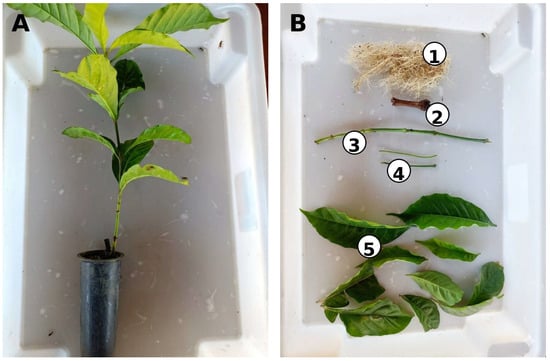
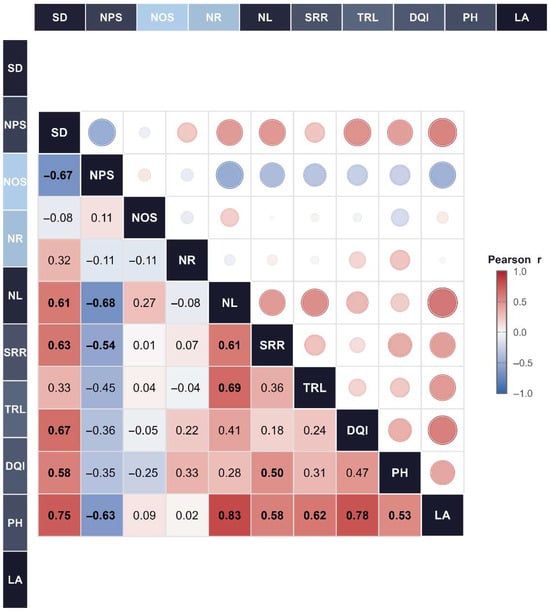
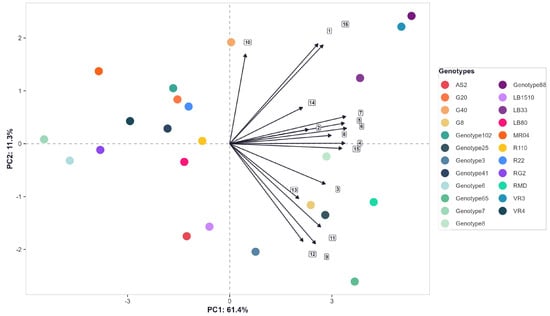
This study evaluated the morphological development of 23 Coffea canephora clones in Espírito Santo to identify materials with superior vigor and quality for commercial and breeding purposes. Seedlings from cuttings were arranged in a completely randomized design with ten replicates and assessed at the commercial dispatch stage. Shoot and root growth, biomass, leaf area (LA), Dickson Quality Index (DQI), structural ratios (shoot/root ratio, SRR; height/diameter ratio, HDR), and anatomical traits were measured. Data were analyzed using analysis of variance with Scott–Knott clustering, Pearson correlation, and Principal Component Analysis (PCA). Significant variability was observed among clones. Clones 88, VR3, 8, and LB33 showed the highest stem diameter (SD), total dry mass (TDM), LA, and DQI, with balanced shoot and root development. Leaf area correlated strongly with SD, number of leaves (NL), biomass, and DQI, confirming its role as a seedling quality indicator. PCA identified two groups: a high-performance group with greater vigor and biomass, and a lower-performance group including clones 7, MR04, and VR4. The convergence of methods confirms the robustness of the results. Overall, clones 88, VR3, 8, and LB33 demonstrate superior agronomic potential at the seedling stage, offering promising options for nurseries, growers, and clonal selection programs.
Full article
(This article belongs to the Section Plant Reproduction)
►▼
Show Figures

Figure 1

Open AccessArticle
Bifurcaria bifurcata Aqueous Extract as Bio-Elicitors for Enhanced Resistance and Growth Promotion in Potato Plants Against Dickeya dadantii-Induced Soft Rot Disease
by
Fatima Lakhdar, Bouchra Benhniya, Jamal Bouhraoua, Selma Mabrouki, Nazha Samri, Badr-ddine El Mouns, Taoufik Hachimi, Nabila Boujaber, Omar Assobhei and Samira Etahiri
Int. J. Plant Biol. 2026, 17(4), 33; https://doi.org/10.3390/ijpb17040033 - 21 Apr 2026
Abstract
Phytopathogenic diseases are a major limiting factor in agricultural production. Therefore, scientific research continues to focus on developing effective techniques to mitigate their impact on crop productivity. Seaweed extracts, used as nutritional supplements, organic fertilizers, or bio-pesticides, have demonstrated their ability to enhance
[...] Read more.
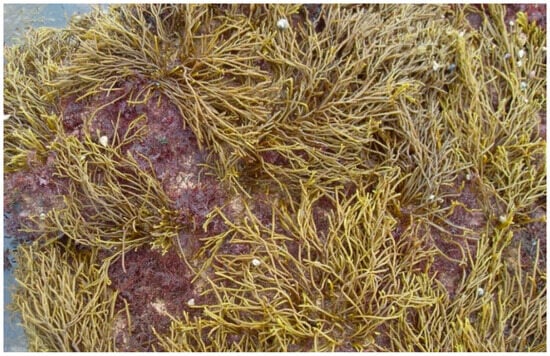
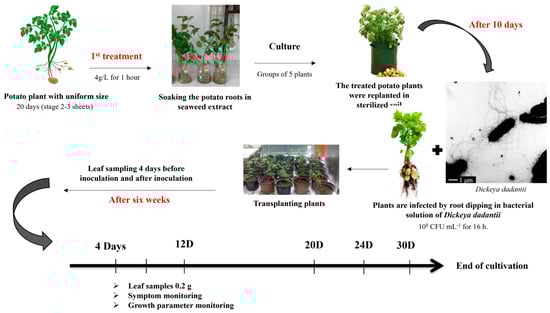
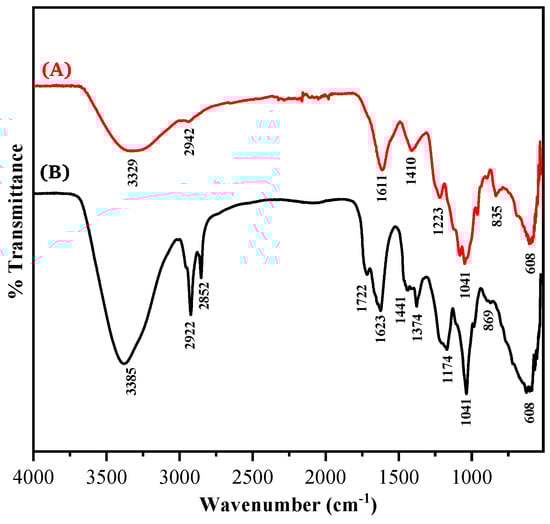
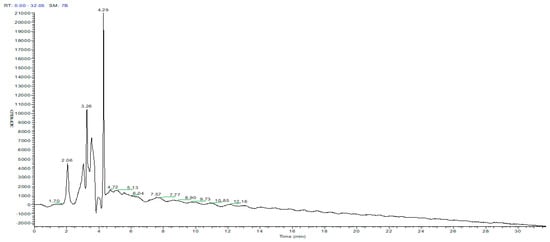
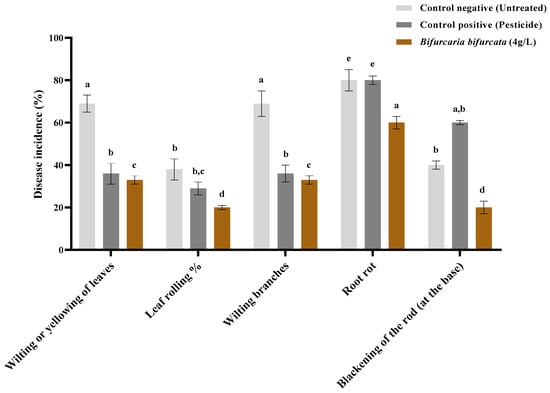
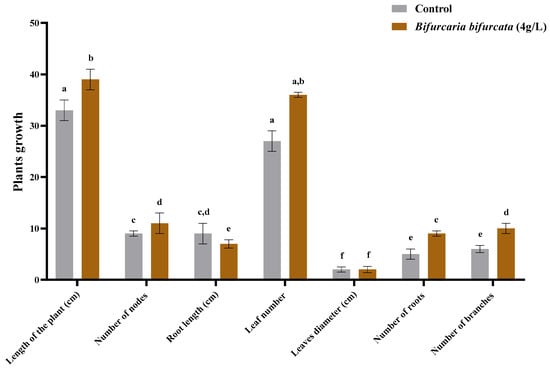
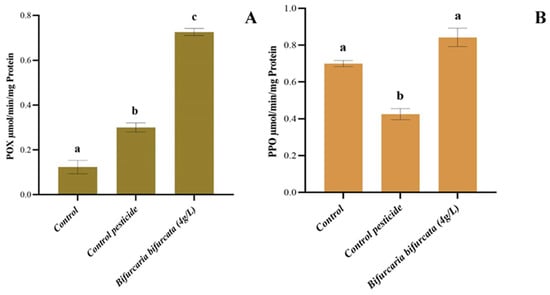
Phytopathogenic diseases are a major limiting factor in agricultural production. Therefore, scientific research continues to focus on developing effective techniques to mitigate their impact on crop productivity. Seaweed extracts, used as nutritional supplements, organic fertilizers, or bio-pesticides, have demonstrated their ability to enhance plant growth, increase yield, and alleviate the effects of abiotic stress. This study aimed to evaluate the effect of the aqueous extract of Bifurcaria bifurcata, collected from the Atlantic coast of Sidi Bouzid (El Jadida, Morocco), on the growth of Solanum tuberosum L., as well as its bactericidal activity against soft rot caused by Dickeya dadantii. The chemical Characterization revealed that Bifurcaria bifurcata aqueous extract is rich in polar and hydrophilic functional groups. In addition, this extract is particularly rich in phenolic metabolites, particularly phenolic acids, such as p-coumaric acid, ferulic acid, vanillic acid, and caffeic acid, which are known for their potential antimicrobial mechanisms. However, the treatment with 4 g/L extract resulted in a significant reduction in disease symptoms (>60%) and enhanced plant growth parameters, including 21% increase in plant height and 33% increase in leaf number. POX activity increased 6-fold (from 0.12 to 0.7 µmol/min/mg protein), indicating successful elicitation of plant defense mechanisms. The Bifurcaria bifurcata extract could act as novel activators of plant defense mechanisms and serve as potential alternatives to chemical pesticides.
Full article
(This article belongs to the Section Plant–Microorganisms Interactions)
►▼
Show Figures

Figure 1
Open AccessArticle
Contrasting Physiological, Photosynthetic, and Growth Adaptations of Plants to a Wide Range of Nitrogen, Phosphorus, and Potassium Availability
by
Mingcan Fu, Xianbin Liu, Chengyu Zhang, Jian Ding, Bin Liu, Xiangqian Wu and Zhiyang Wang
Int. J. Plant Biol. 2026, 17(4), 32; https://doi.org/10.3390/ijpb17040032 - 16 Apr 2026
Abstract
Systematic comparisons of how plants with contrasting ecological strategies respond to extremely wide nutrient availability gradients remain limited. We investigated the physiological, photosynthetic, and growth adaptations of four plant species representing distinct ecological strategies: Triticum aestivum L. (C3 annual crop), Zea mays L.
[...] Read more.
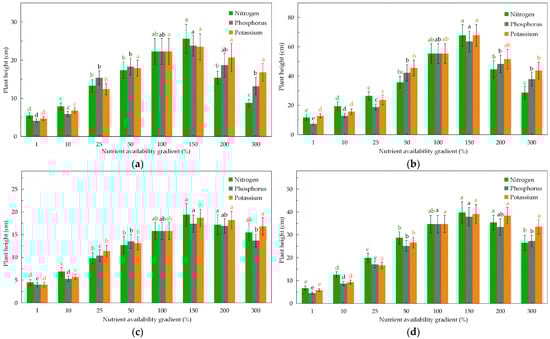
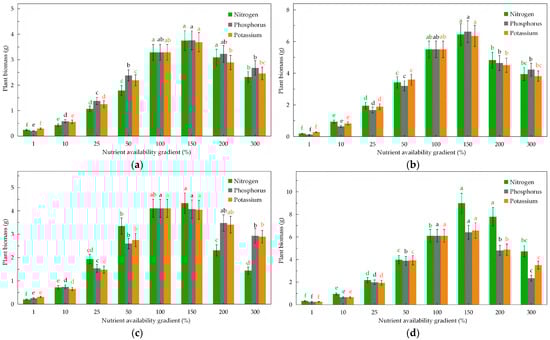
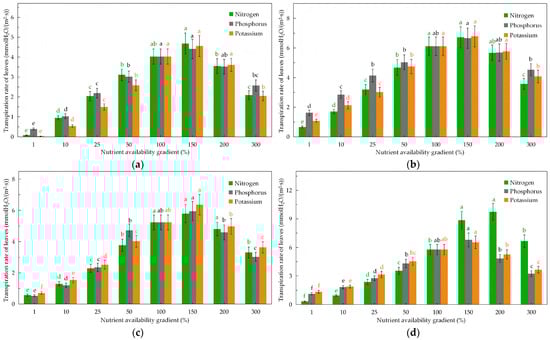
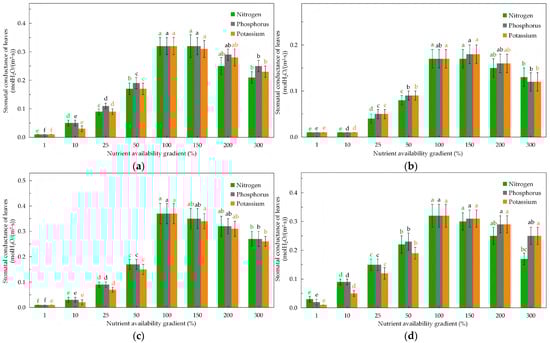
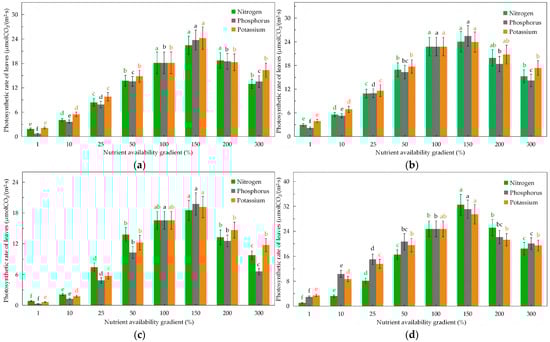
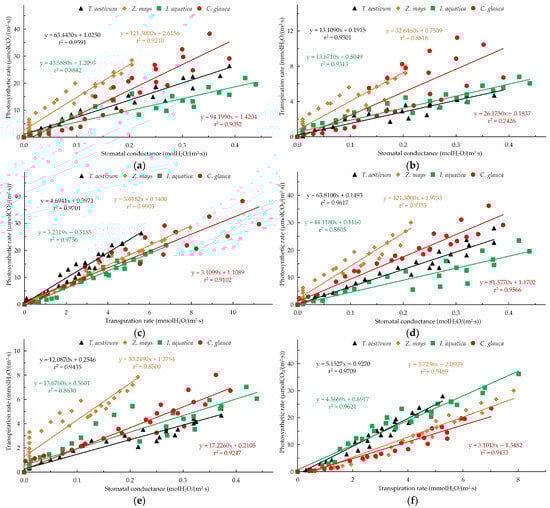
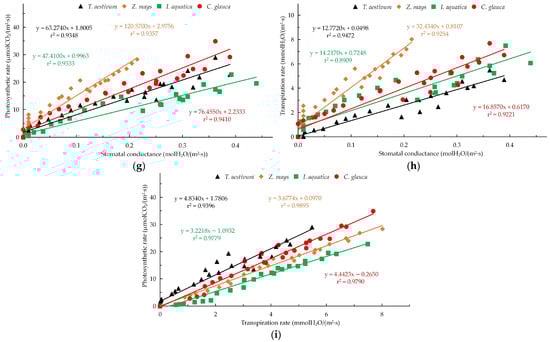
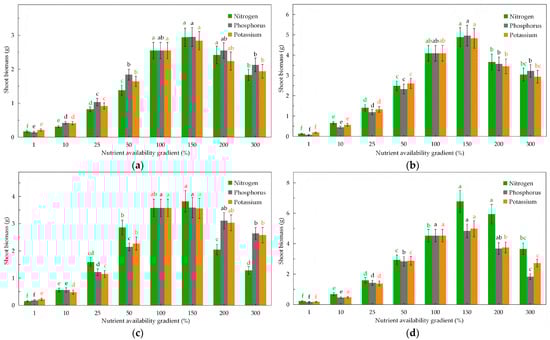
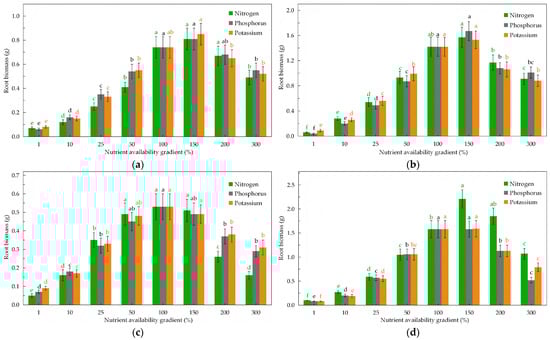
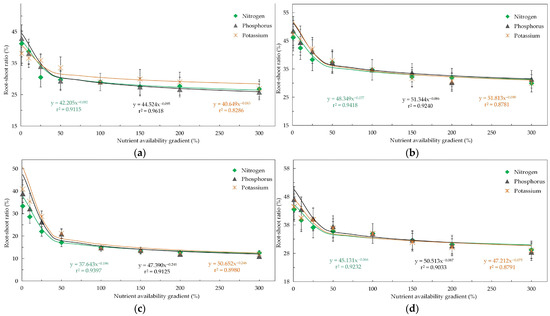
Systematic comparisons of how plants with contrasting ecological strategies respond to extremely wide nutrient availability gradients remain limited. We investigated the physiological, photosynthetic, and growth adaptations of four plant species representing distinct ecological strategies: Triticum aestivum L. (C3 annual crop), Zea mays L. (C4 annual crop), Ipomoea aquatica Forssk. (C3 annual/perennial aquatic vegetable), and Canna glauca L. (C3 perennial wetland ornamental). Plants were grown hydroponically under nitrogen (N), phosphorus (P), and potassium (K) gradients ranging from 0% to 500% of standard Hoagland nutrient solution. The study results showed that all measured plant traits exhibited characteristic unimodal dose–response patterns. Optimal performance mostly occurred at 100–150% nutrient availability gradients. Severe inhibition or mortality occurred at extreme gradients. Simultaneously, different plant species displayed markedly varying response amplitudes and nutrient-specific sensitivities. Z. mays showed the highest nutrient use efficiency and broadest optimal ranges, particularly for N and K. C. glauca exhibited extraordinary N responsiveness (32-fold increase in photosynthetic rate) but narrow optimal ranges (e.g., 1.01 ± 0.15 μmol CO2/(m2·s) at the 1% N treatment vs. 32.52 ± 3.33 μmol CO2/(m2·s) at the 150% N treatment). I. aquatica showed pronounced P limitation with broad tolerance to supra-optimal N and K. T. aestivum displayed moderate responses with clear sensitivity to N limitation. Root–shoot ratios declined systematically with increasing nutrient availability across all plant species, following negative exponential functions. The results of data analyses revealed significant effects of N, P, and K availability on all the determined plant traits. Correlation analyses demonstrated tight coupling effects among physiological, photosynthetic, and growth traits, indicating integrated whole-plant responses to nutrient variations. These findings reveal that plant ecological strategy systematically modulates nutrient response patterns and provide a quantitative framework for species-specific nutrient management. This study provides a theoretical basis for precision fertilization of aquatic vegetables and wetland plants, and more broadly support species-specific nutrient management in controlled-environment agriculture.
Full article
(This article belongs to the Section Plant Physiology)
►▼
Show Figures

Figure 1

Open AccessArticle
Genome-Wide Identification, Expression and Localization Analysis of the Glycinin Family in Soybean
by
Shitong Chang, Wanlong Li, Zhou Liu, Xiaomei Zhou and Xiaoxi Shen
Int. J. Plant Biol. 2026, 17(4), 31; https://doi.org/10.3390/ijpb17040031 - 14 Apr 2026
Abstract
Soybean (Glycine max L. Merr.) is one of the most important legume crops globally, providing high-quality plant protein and oil for humans and livestock, and playing a crucial role in nitrogen fixation within agricultural ecosystems. The seeds contain about 35–40% protein by
[...] Read more.
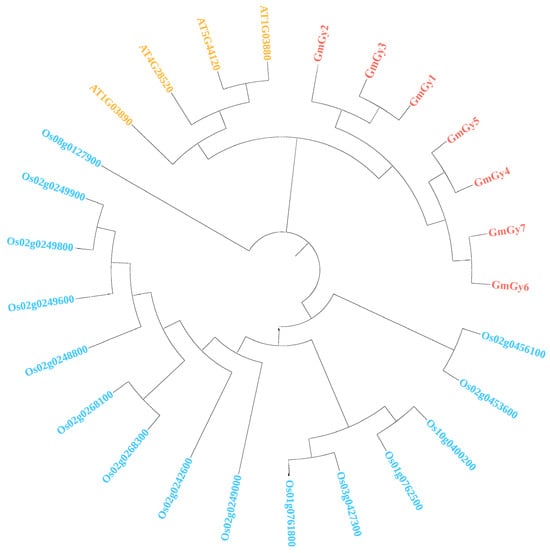
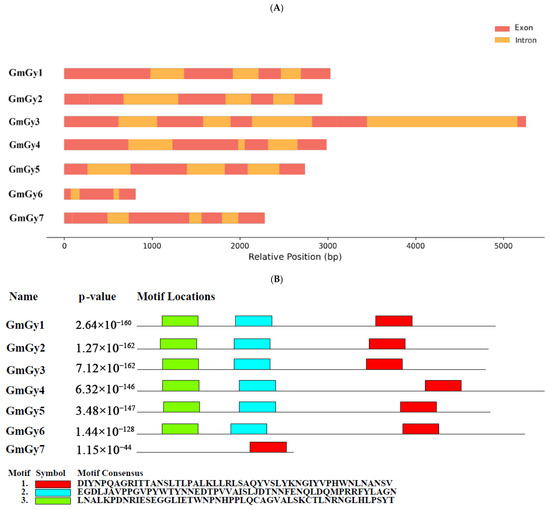
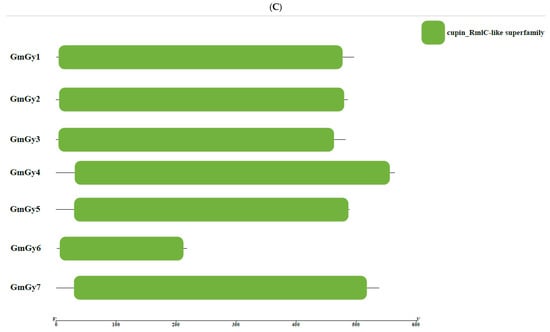
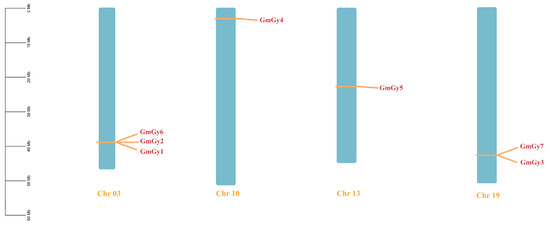
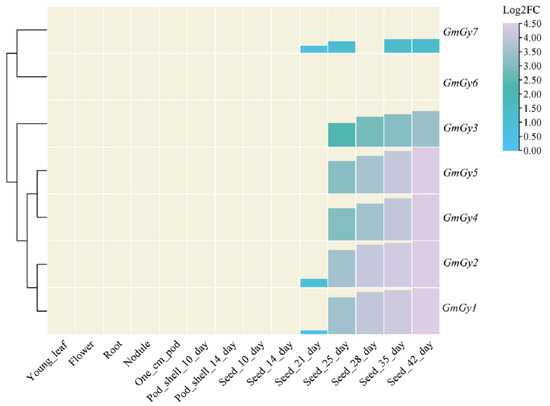
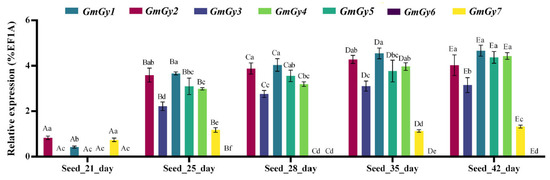
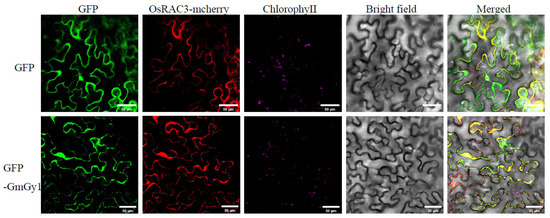
Soybean (Glycine max L. Merr.) is one of the most important legume crops globally, providing high-quality plant protein and oil for humans and livestock, and playing a crucial role in nitrogen fixation within agricultural ecosystems. The seeds contain about 35–40% protein by dry weight, with 65–80% of this being seed storage proteins (SSPs). These proteins mainly consist of 11S globulin (glycinin) and 7S β-conglycinin, which accumulate significantly in protein bodies during seed development, providing essential nitrogen and amino acids for seed germination and early seedling growth. Additionally, the composition and structure of SSPs directly determine the nutritional value, processing functionalities (such as emulsification, gelation, and solubility), and potential allergenicity of soybean products. In this study, we conducted a detailed analysis of the structural characteristics, chromosomal localization, phylogenetic relationships, and tissue expression patterns of members of the soybean Gy gene family, laying a theoretical foundation for further exploration of the biological functions of Gy genes in soybeans. We performed comprehensive genomic identification, expression analysis, and subcellular localization of the soybean Gy gene family. The results showed that the seven soybean Gy genes are unevenly distributed across different chromosomes and exhibit distinct expression patterns in soybean seeds, suggesting they may have different roles during seed development. Subcellular localization experiments indicated that the GmGy1 gene might play an important role during seed development. These findings provide significant insights into the functions of the Gy gene family in soybean growth and development and offer potential candidate gene targets for soybean molecular breeding.
Full article
(This article belongs to the Section Plant Biochemistry and Genetics)
►▼
Show Figures

Figure 1
Open AccessArticle
Enhancing the Growth and the Yield of Greenhouse Zucchini (Cucurbita pepo L.) Cultivars Using Desalinated Seawater in Semi-Arid Regions
by
Khadija Khouya, Houda Taimourya, Soumia El Malahi, Jamaâ Zim, Ibtissam Lahrach, Aya Elatrassi, Bahija Zakri, Abdellah Benbya, Khadija Basaid, Ouiam Lahlou, Yasmina Imani and Mounia Ennami
Int. J. Plant Biol. 2026, 17(4), 30; https://doi.org/10.3390/ijpb17040030 - 13 Apr 2026
Abstract
Climate change exacerbates water scarcity in semi-arid and arid regions, particularly across the Mediterranean Basin, posing severe challenges to food security and freshwater availability. Non-conventional water resources, such as desalinated seawater, are increasingly considered for supplementing irrigation; however, their exclusive use can induce
[...] Read more.
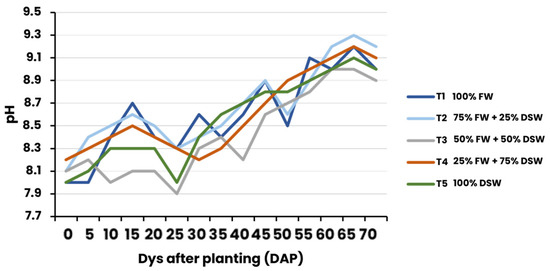
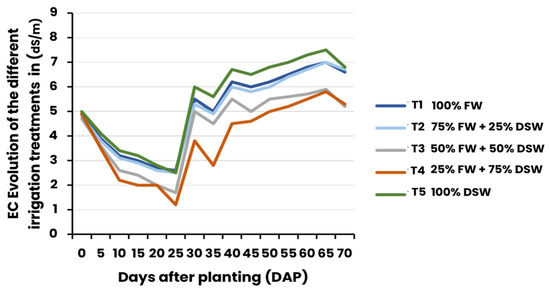
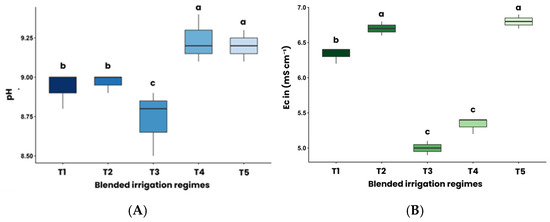
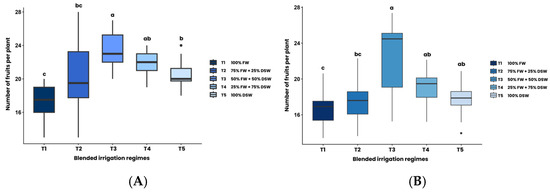
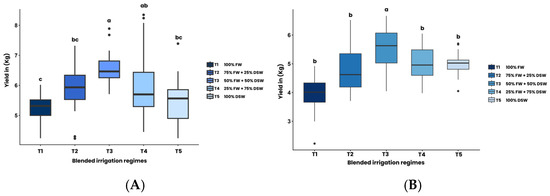
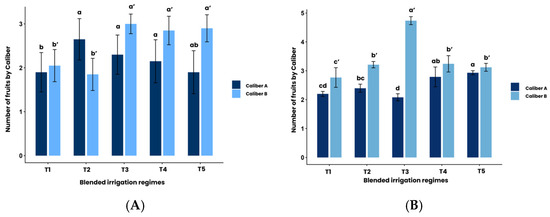
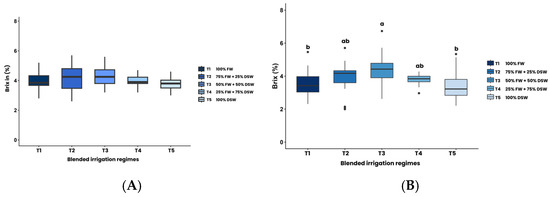
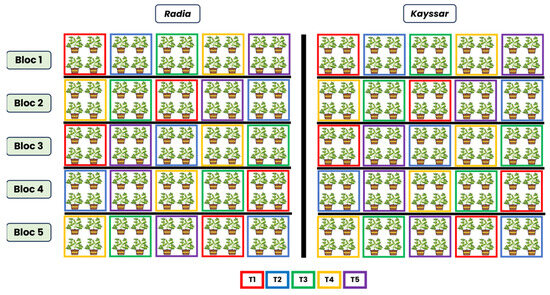
Climate change exacerbates water scarcity in semi-arid and arid regions, particularly across the Mediterranean Basin, posing severe challenges to food security and freshwater availability. Non-conventional water resources, such as desalinated seawater, are increasingly considered for supplementing irrigation; however, their exclusive use can induce osmotic stress, nutrient imbalances, and soil alkalinity, thereby limiting crop performance. This study evaluated the agronomic, and physiological impacts of blending freshwater (FW) and desalinated seawater (DSW) for two zucchini (Cucurbita pepo L.) cultivars, Radia and Kayssar, under greenhouse conditions. Five irrigation regimes were tested: T1 (FW100%), T2 (FW75%-DSW25%), T3 (FW50%-DSW50%), T4 (FW25%-DSW75%), and T5 (DSW100%). Moderate blending, particularly T2 and T3, optimized vegetative growth, biomass accumulation, and reproductive performance, maximum yields were obtained under T3, reaching 6.65 kg/plant for Radia and 5.49 kg/plant for Kayssar, while fruit quality, including caliber and soluble solids content (°Brix), was also highest under this regime. These findings support the suggestion that implementing such combined/blended irrigation regimes can enhance vegetative growth, yield, and fruit quality in the face of increasing water scarcity and energy constraints.
Full article
(This article belongs to the Section Plant Response to Stresses)
►▼
Show Figures

Figure 1

Open AccessArticle
Hydrogen Sulfide-Mediated Physiological, Biochemical, and Ultrastructural Modifications Enhance Drought Tolerance in Common Bean (Phaseolus vulgaris L.)
by
Abdul Rehaman, Syed Nazar ul Islam, Arif Tasleem Jan, Sajid Khan, Mohd Asgher and Nafees A. Khan
Int. J. Plant Biol. 2026, 17(4), 29; https://doi.org/10.3390/ijpb17040029 - 13 Apr 2026
Abstract
The common bean (Phaseolus vulgaris L.cv. BR-104) is the most widely cultivated legume crop and serves as a major dietary protein source worldwide. However, climate change-induced drought poses a severe threat to its productivity by disrupting key physiological and biochemical processes. Therefore,
[...] Read more.
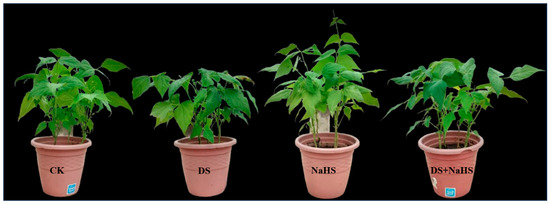
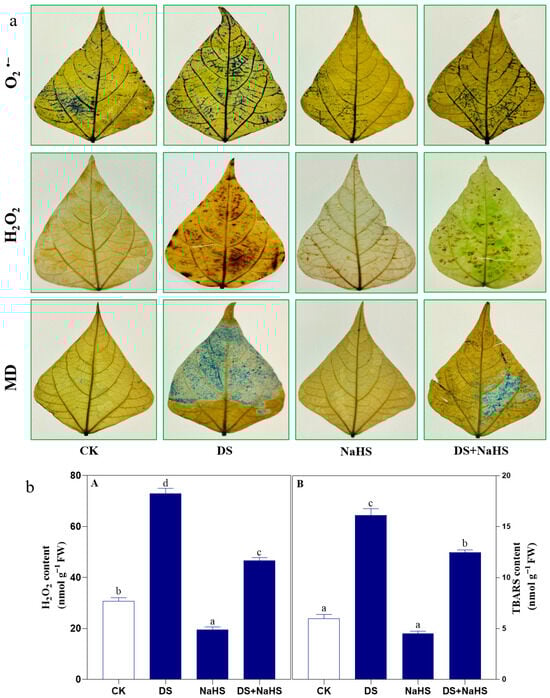
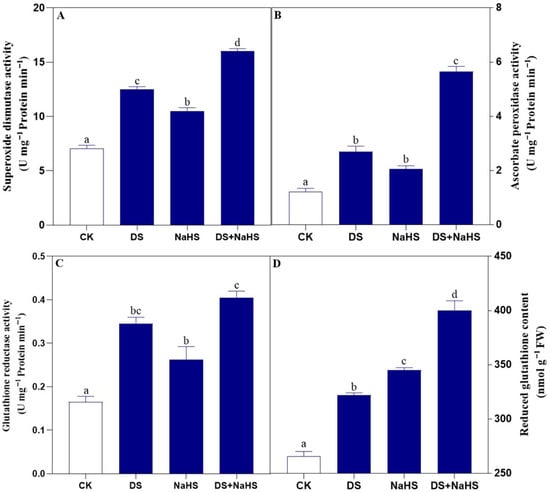
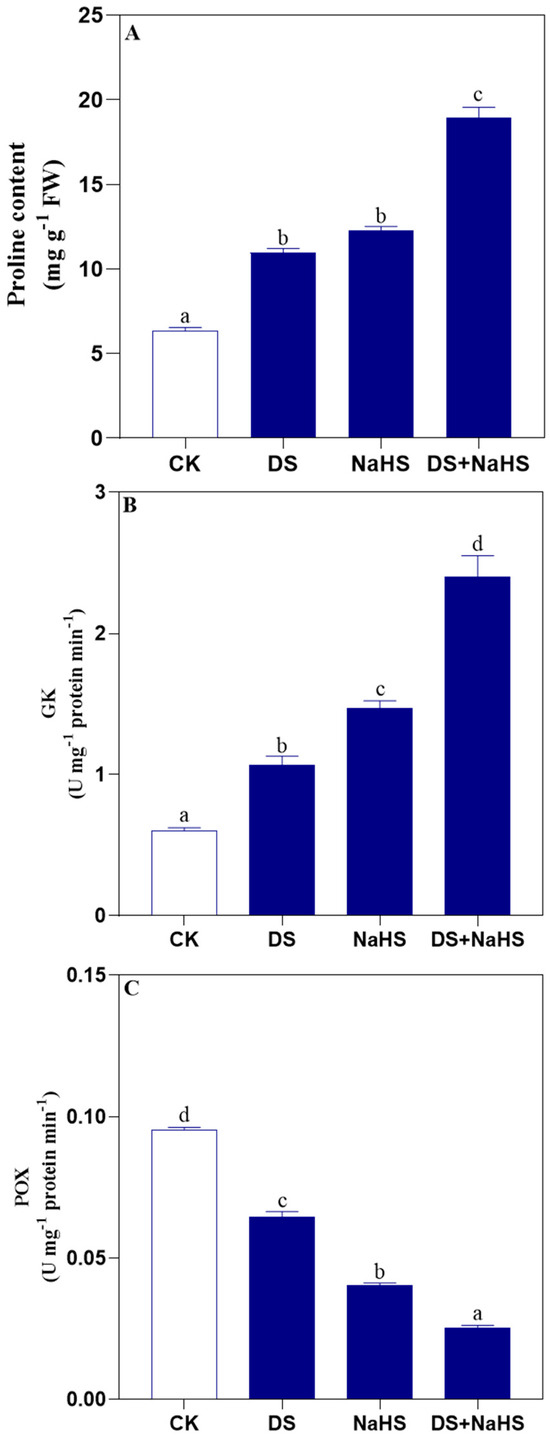
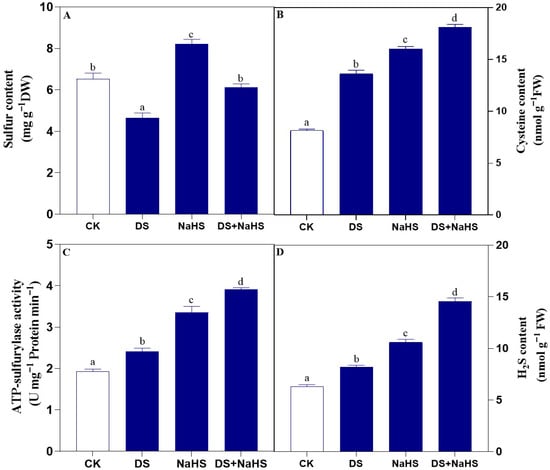
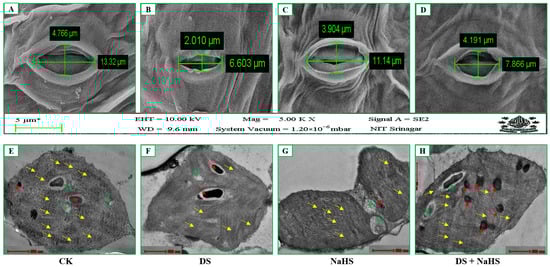
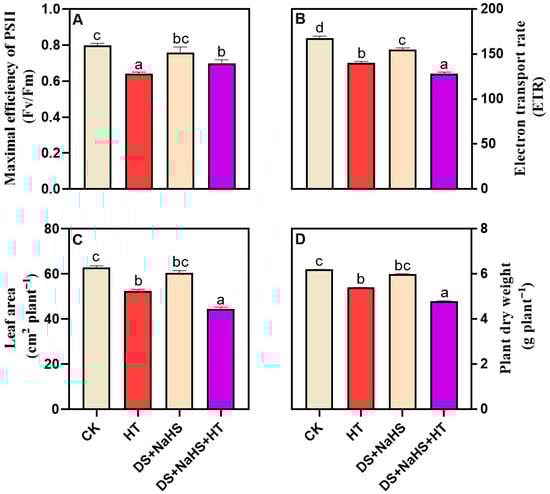
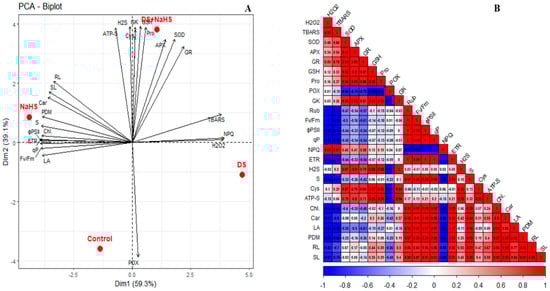
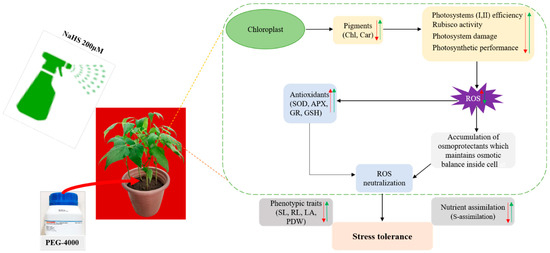
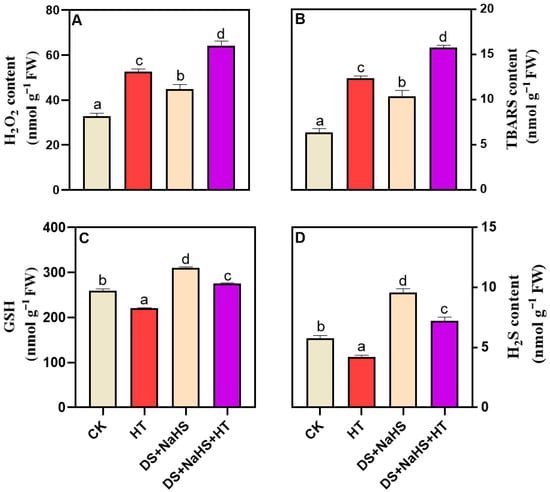
The common bean (Phaseolus vulgaris L.cv. BR-104) is the most widely cultivated legume crop and serves as a major dietary protein source worldwide. However, climate change-induced drought poses a severe threat to its productivity by disrupting key physiological and biochemical processes. Therefore, identifying effective strategies to enhance drought resilience in the common bean is of considerable importance. The present study investigates the regulatory role of hydrogen sulfide (H2S) in improving drought tolerance. Polyethylene glycol (15% PEG) induced drought stress markedly reduced phenotypic changes (leaf area (LA), plant dry weight (PDW), root length (RL), and shoot length (SL) by 18.6, 20.5, 30.3 and 17.5% respectively), photosynthetic efficiency (Fv/Fm by 28.4%), and photosynthetic pigment concentrations (chlorophyll and carotenoids by 25.6 and 36%, respectively), while significantly elevating oxidative stress markers (H2O2 and TBARS by 137.1% and 169.8%, respectively), leading to impaired stomatal movement and damaged chloroplast structure. Exogenous H2S application as sodium hydrogen sulfide (200 µM NaHS; H2S donor) effectively alleviated drought-induced oxidative damage by boosting endogenous H2S and GSH levels, upregulating activity of antioxidative enzymes, SOD, APX, and GR, thereby promoting reactive oxygen species (ROS) scavenging, and minimizing lipid peroxidation. Moreover, H2S maintained photosynthetic efficiency via improved stomatal openings and chloroplast structure, thus sustaining chlorophyll levels and stabilizing photosystem-II functionality. Enhanced proline accumulation following NaHS application led to improved osmotic adjustment, thereby contributing to overall stress tolerance. The use of a H2S scavenger at 100 µM HT (Hypotaurine) suppressed the mitigating effects of H2S, confirming the role of H2S in enhancing drought tolerance in the common bean. Collectively, these findings highlight the potential effect of H2S as a regulatory signaling molecule to enhance drought resilience in the common bean under drought stress conditions. Further research should explore integrating H2S-based treatments with breeding programs and agronomic practices to develop sustainable strategies to improve drought resilience in legumes and other staple crops under changing climatic conditions.
Full article
(This article belongs to the Section Plant Response to Stresses)
►▼
Show Figures

Figure 1

Open AccessArticle
Comparative Analysis of In Vitro vs. In Vivo dsRNA Production for CHS Silencing and Downstream Flavonoid Pathway Suppression in Arabidopsis thaliana
by
Andrey R. Suprun, Stanislava A. Vinogradova, Konstantin V. Kiselev, Nikolay N. Nityagovsky and Alexandra S. Dubrovina
Int. J. Plant Biol. 2026, 17(4), 28; https://doi.org/10.3390/ijpb17040028 - 13 Apr 2026
Abstract
Exogenously induced RNA interference (exoRNAi) is a powerful biotechnology tool for precise gene regulation. The plant chalcone synthase (CHS) gene serves as a valuable model for molecular biology due to its central role in flavonoid biosynthesis. However, there are currently very
[...] Read more.
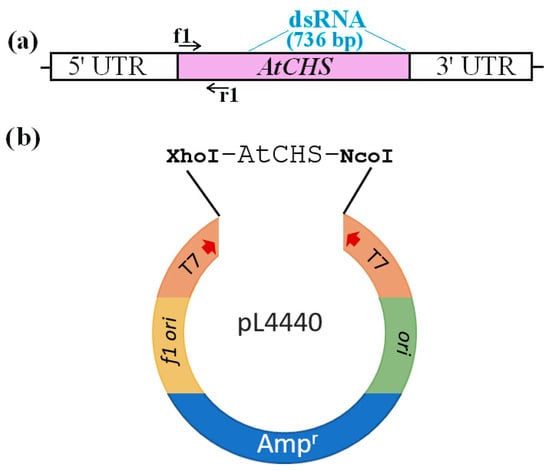
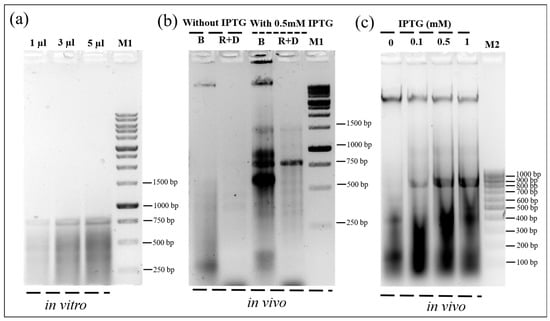
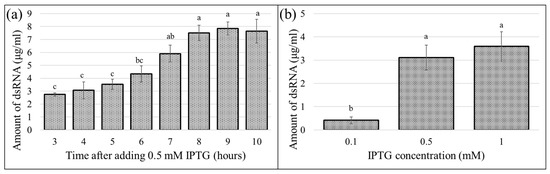
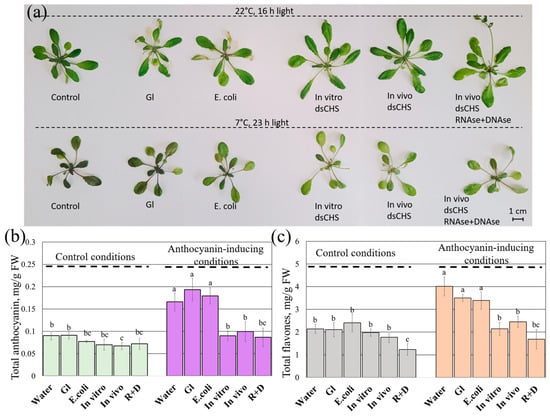
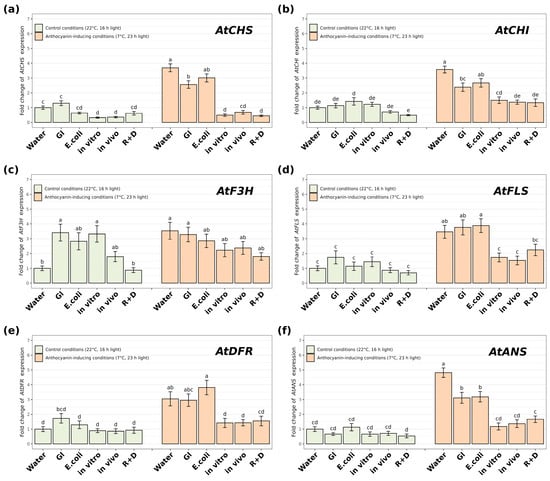
Exogenously induced RNA interference (exoRNAi) is a powerful biotechnology tool for precise gene regulation. The plant chalcone synthase (CHS) gene serves as a valuable model for molecular biology due to its central role in flavonoid biosynthesis. However, there are currently very few studies addressing the advantages and disadvantages of in vitro (enzymatic) or in vivo (bacterial) methods for producing double-stranded RNA (dsRNA) for exogenous application. This study aims to optimize and compare the two methods for producing dsRNAs targeting the Arabidopsis thaliana CHS gene: enzymatic synthesis in vitro using a commercial kit and bacterial synthesis in vivo using an engineered E. coli HT115 (DE3) system. Bacterial synthesis conditions were optimized with respect to IPTG concentration and cultivation time, and the resulting dsRNA preparations were purified and quality-controlled. Their biological activities were assessed by treating A. thaliana plants and analyzing the effects on AtCHS gene expression and flavonoid production using qRT-PCR and HPLC-MS. The results demonstrated that purified AtCHS-dsRNA from both methods effectively suppressed AtCHS expression and downstream flavonoid biosynthetic gene expression, leading to significant reductions in anthocyanins and flavanols. This study confirmed the efficacy of exogenous dsRNAs in regulating plant metabolic pathways and provided a comparative analysis of dsRNA synthesis methods, highlighting their benefits and limitations for practical applications in plant biology and protection.
Full article
(This article belongs to the Topic New Trends in Crop Breeding and Sustainable Production)
►▼
Show Figures

Figure 1
Open AccessArticle
Phytotoxicity of Green-Synthesized Ag-Zn Nanoparticles in Maize Seedlings Using Response Surface Method
by
Eugenia León-Jiménez, Federico A. Gutiérrez-Miceli, Esaú Ruíz-Sánchez, Daniel González-Mendoza, Benjamín Valdez-Salas, María C. Luján-Hidalgo, Joaquín A. Montes-Molina and Angel M. Herrera-Gorocica
Int. J. Plant Biol. 2026, 17(4), 27; https://doi.org/10.3390/ijpb17040027 - 8 Apr 2026
Abstract
The use of nanoparticles (NPs) synthesized from plant extracts is an alternative to conventional pesticides for the control of agricultural pests. This study aimed to optimize the conditions of synthesis of silver–zinc nanoparticles (Ag-ZnNPs) using extracts of Ocimum basilicum L. and Crotalaria longirostrata
[...] Read more.
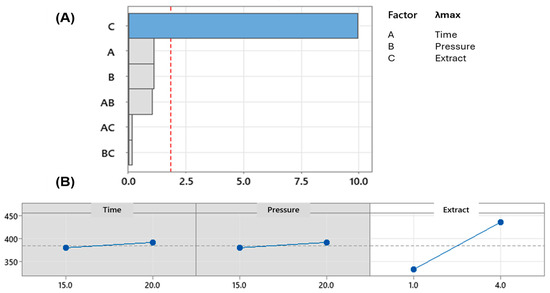
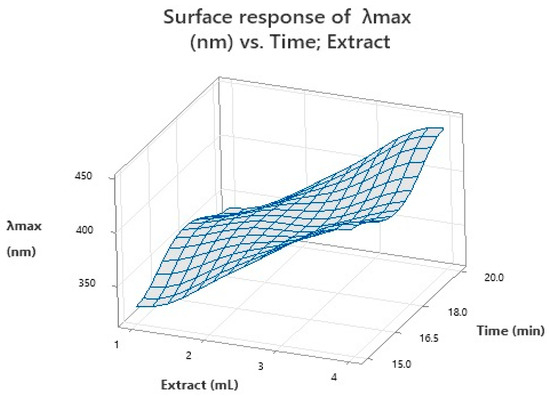
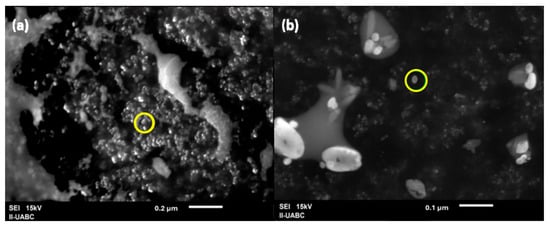
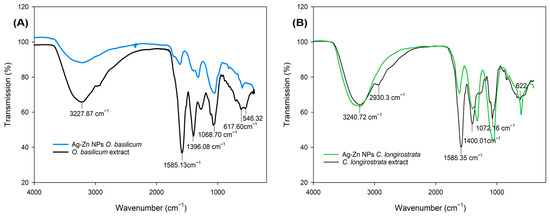
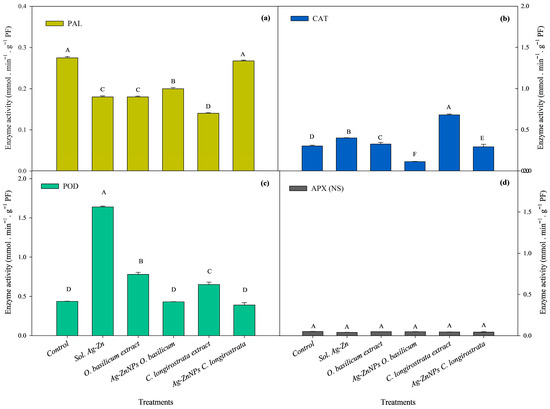
The use of nanoparticles (NPs) synthesized from plant extracts is an alternative to conventional pesticides for the control of agricultural pests. This study aimed to optimize the conditions of synthesis of silver–zinc nanoparticles (Ag-ZnNPs) using extracts of Ocimum basilicum L. and Crotalaria longirostrata Hook. & Arn. and to evaluate their phytotoxic impact on maize seedlings. The Ag-ZnNPs (Ag-Zn nanoparticles) were synthesized by redox reaction between metal ions and reducing metabolites present in the extracts. A response surface methodology (RSM) with three factors (extract concentration, heating time and pressure) was applied to determine the optimal synthesis conditions. The phytotoxicity of nanoparticles (NPs) on maize seedlings was subsequently evaluated on root growth, oxidative stress enzymes (CAT, POD, and APX), and physiology of seedlings. Nanoparticles synthesized from C. longirostrata extract demonstrated superior properties, with an optimization of synthesis (R2 = 95.3%) where the extract concentration (1:4 v/v; p < 0.01) was the critical factor influencing the reduction of metallic ions to nanoparticles. These NPs exhibited superior stability, smaller size (<100 nm), and zeta potential greater than 30 mV compared with O. basilicum extracts. Their NPs exhibited poorer optimization of synthesis (R2 = 43.8%) without the effect of any of the variables evaluated. Essentially, C. longirostrata NPs showed no phytotoxic effects on maize seedlings’ physiological parameters and enhanced root growth (117.2 mm) without negatively affecting photosynthesis (PSII 70-81 FvFm). Ag-ZnNPs synthesized with C. longirostrata exhibited optimal stability and size, along with no observed possible phytotoxicity effects, unlike O. basilicum NPs, which cause stress on maize seedlings. Therefore, Crotalaria longirostrata NPs could represent a promising material for agricultural pest control, with no apparent adverse effect on maize crops.
Full article
(This article belongs to the Section Plant Response to Stresses)
►▼
Show Figures

Figure 1
Open AccessArticle
Morphological Variation Among Commercial Cultivars and Weed-Like Accessions of Perilla frutescens Collected in South Korea and Japan
by
Da Hyeon Lee, Jungeun Cho, Hyeon Park, Tae Hyeon Heo and Ju Kyong Lee
Int. J. Plant Biol. 2026, 17(4), 26; https://doi.org/10.3390/ijpb17040026 - 7 Apr 2026
Cited by 1
Abstract
This study evaluated morphological variation in 45 accessions of cultivated Perilla frutescens var. frutescens (PFF) and var. crispa (PFC) collected from South Korea and Japan, together with their weedy counterparts, var. frutescens (WPFF) and var. crispa (WPFC) from South Korea, using ten quantitative
[...] Read more.
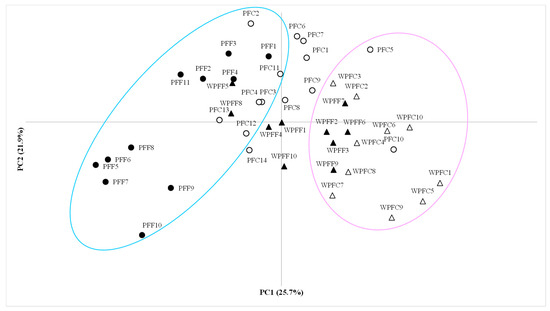
This study evaluated morphological variation in 45 accessions of cultivated Perilla frutescens var. frutescens (PFF) and var. crispa (PFC) collected from South Korea and Japan, together with their weedy counterparts, var. frutescens (WPFF) and var. crispa (WPFC) from South Korea, using ten quantitative and ten qualitative traits. Clear morphological differentiation was observed between cultivated and weedy forms in both varieties, particularly in pigmentation, plant fragrance, and seed-related traits. PFF cultivars were characterized by predominantly green pigmentation, a typical frutescens aroma, and significantly larger and heavier seeds, suggesting stronger phenotypic differentiation in leaf and seed utilization. In contrast, PFC cultivars showed substantial morphological overlap with WPFC and WPFF accessions, indicating comparatively weaker phenotypic differentiation. Principal component analysis showed that the first principal component (PC1) explained 25.7% of the total phenotypic variance and was strongly associated with five quantitative traits (plant height, inflorescence length, floret number, seed size, and 100-seed weight) and five qualitative traits (adaxial and abaxial leaf color, flower color, seed color, and seed hardness). Along PC1, PFF cultivars formed a well-defined cluster, whereas PFC cultivars and the weedy WPFF and WPFC accessions exhibited broader dispersion, reflecting greater morphological variability. These results provide morphological insights into the differentiation between cultivated and weedy Perilla accessions and indicate potential domestication-related patterns. However, these interpretations are based primarily on morphological observations, and further genetic and evolutionary studies will be necessary to clarify the domestication history of these taxa. The identified trait complexes provide a useful phenotypic foundation for marker-assisted breeding, informed cultivar selection, and effective germplasm conservation and management.
Full article
(This article belongs to the Section Plant Ecology and Biodiversity)
►▼
Show Figures

Figure 1
Open AccessArticle
In Vitro Plantlet Regeneration and Accumulation of Phenolic Compounds in Microshoots of Astragalus glycyphyllos L.
by
Ulyana Panova, Olga Kotsupiy, Evgeniya Karpova and Elena Ambros
Int. J. Plant Biol. 2026, 17(4), 25; https://doi.org/10.3390/ijpb17040025 - 30 Mar 2026
Abstract
Astragalus glycyphyllos (Fabaceae) is known to be a source of flavones, flavonols, and isoflavones, and its in vitro culture may promote the efficiency and sustainability of obtaining pharmacologically valuable fractions. The aim of this study was to develop an effective plantlet regeneration protocol
[...] Read more.
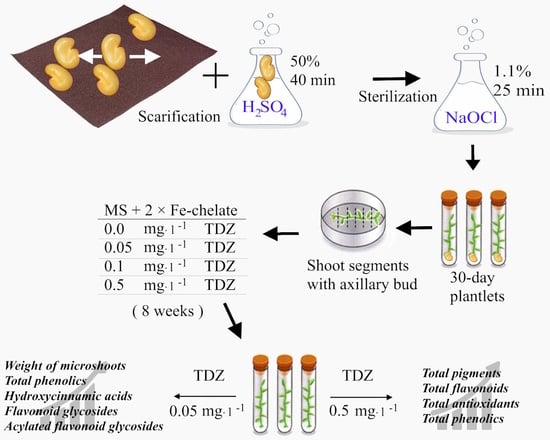
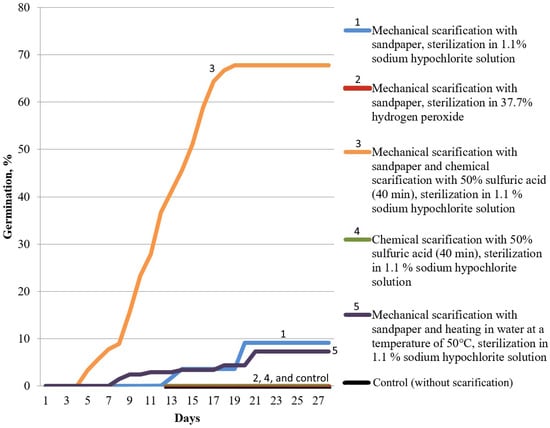
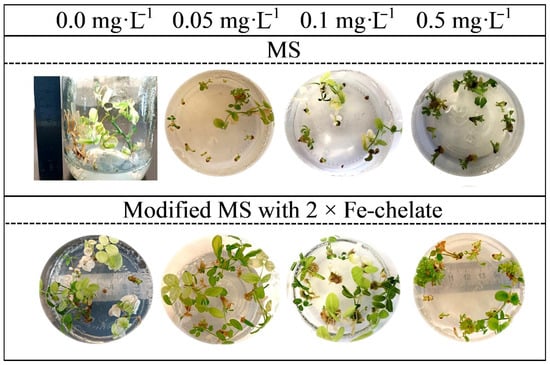
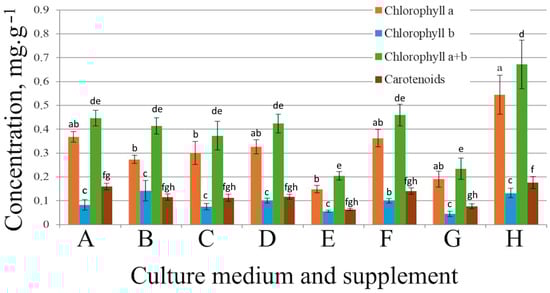
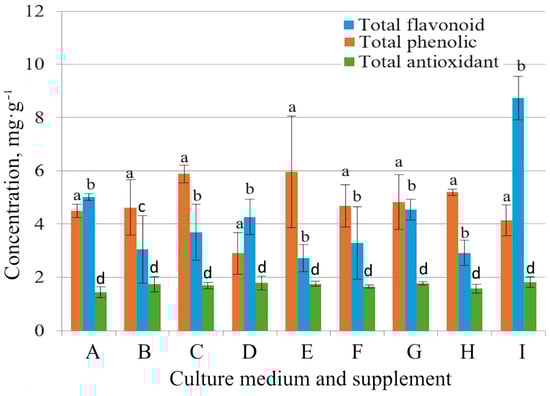
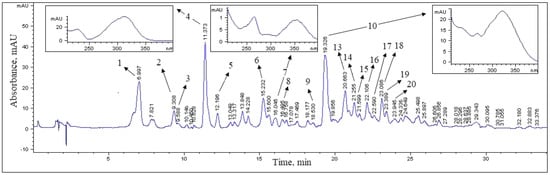
Astragalus glycyphyllos (Fabaceae) is known to be a source of flavones, flavonols, and isoflavones, and its in vitro culture may promote the efficiency and sustainability of obtaining pharmacologically valuable fractions. The aim of this study was to develop an effective plantlet regeneration protocol for A. glycyphyllos, providing the accumulation of phenolic compounds and antioxidants in cultured tissues. The results show a maximum seed germination rate (67.8%) after scarification (mechanical with sandpaper followed by treatment with 50% sulfuric acid) and subsequent sterilization with 1.1% sodium hypochlorite solution. The maximum regeneration rate (95%) was achieved on Murashige and Skoog medium supplemented with 0.5 mg·L−1 thidiazuron. A thidiazuron concentration of 0.05 mg·L−1, combined with a twofold increase in iron chelate content, induced the maximum yield of total flavonoids (8.74 mg·g−1 DW), and significant levels of total phenolics (4.15 mg·g−1) and antioxidants (1.83 mg AAE·g−1) in the microshoot tissues. HPLC analysis showed kaempferol glycosides (1.51 mg·g−1) and acylated kaempferol glycosides (2.76 mg·g−1) as major components. Formononetin in a modest amount (0.09 mg·g−1) was detected in hydrolyzed extracts. The phenolic profiles of the microshoots and native plants coincided in hydroxycinnamic acid composition; meanwhile, quercetin glycosides were present only in in situ plants, and formononetin was found only in the plantlets. The results confirm the prospects of biotechnological methods for the industrial production of standardized medicinal raw materials.
Full article
(This article belongs to the Section Plant Reproduction)
►▼
Show Figures

Graphical abstract
Open AccessReview
Wheat Blast: A Threat to Wheat Production in Zambia Under Climate Change
by
Patrick Chiza Chikoti, Batiseba Tembo, Xinyao He, David Paul Hodson, Aakash Chawade and Pawan K. Singh
Int. J. Plant Biol. 2026, 17(4), 24; https://doi.org/10.3390/ijpb17040024 - 24 Mar 2026
Abstract
Wheat blast, caused by Magnaporthe oryzae pathotype Triticum (MoT), is an emerging fungal disease that poses a serious threat to global wheat production. In Zambia, where wheat is increasingly becoming a vital component for food and nutritional security, the emergence and spread of
[...] Read more.
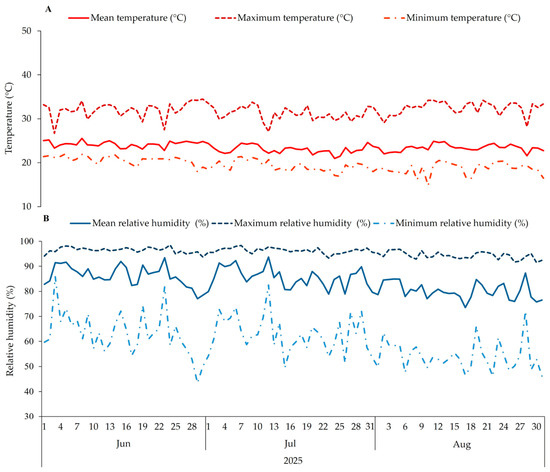
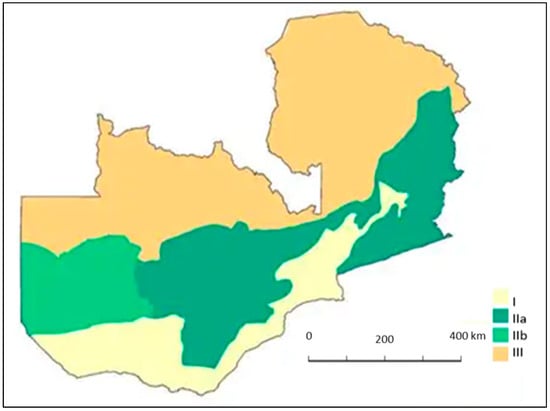
Wheat blast, caused by Magnaporthe oryzae pathotype Triticum (MoT), is an emerging fungal disease that poses a serious threat to global wheat production. In Zambia, where wheat is increasingly becoming a vital component for food and nutritional security, the emergence and spread of wheat blast is a growing concern under the influence of climate and agricultural practices changes. This review assesses the risk of wheat blast expansion in Zambia by examining regional climatic trends, future climate projections, crop suitability, and the ecological requirements of MoT. Potential disease hotspots are identified, and integrated management strategies, including chemical, cultural, and biotechnological approaches are evaluated. The review highlights the urgent need for coordinated disease surveillance, the development and deployment of resistant cultivars, and climate-resilient farming practices. By consolidating current knowledge and outlining sustainable management strategies, this paper aims to support effective disease mitigation and safeguard wheat production in Zambia in the face of climate change.
Full article
(This article belongs to the Section Plant–Microorganisms Interactions)
►▼
Show Figures

Figure 1
Open AccessReview
Hero or Villain: The Importance and Impacts of the Genus Juniperus on Ecosystems
by
Cayetano Navarrete-Molina, María A. Sariñana-Navarrete, Cesar A. Meza-Herrera, Ángeles De Santiago-Miramontes, José L. Rodriguez-Alvarez, Raúl A. Cuevas-Jacquez, Luis M. Valenzuela-Núñez, Ricardo I. Ramírez-Gottfried, Edir Torres-Rodriguez and Rubén I. Marín-Tinoco
Int. J. Plant Biol. 2026, 17(3), 23; https://doi.org/10.3390/ijpb17030023 - 23 Mar 2026
Abstract
The genus Juniperus species is widely distributed in the Northern Hemisphere of the planet Earth. These species are notable for their ability to adapt to extreme environmental conditions, playing a crucial role in ecosystem structure and function. Currently, their expansion is being driven
[...] Read more.
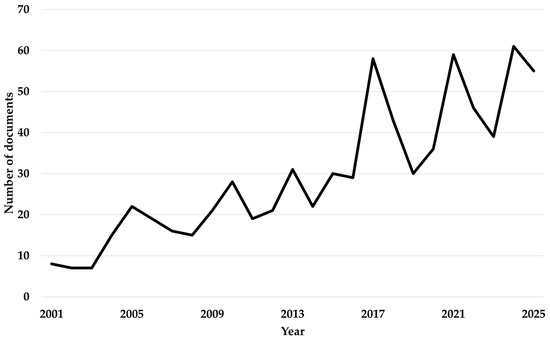
The genus Juniperus species is widely distributed in the Northern Hemisphere of the planet Earth. These species are notable for their ability to adapt to extreme environmental conditions, playing a crucial role in ecosystem structure and function. Currently, their expansion is being driven by anthropogenic activities and climate change, posing significant challenges for both control and conservation. The objective of this review was to synthesize the available evidence regarding the ecological importance and impacts of Juniperus on ecosystems, promoting a holistic perspective that contributes to the achievement of the United Nations 2030 Agenda for Sustainable Development. A systematic literature search was conducted using the Scopus database, and only the documents published between 2001 and 2025 were considered for the investigation. The results showed that these species possess a high ecological versatility, favoring their invasive success in disturbed ecosystems, particularly under the influence of climate change and land-use changes. Conversely, Juniperus species facilitate positive ecological outcomes by providing essential ecosystem services that benefit both the human population and the flora and fauna present in these ecosystems. Nevertheless, their expansion also causes negative effects, such as the suppression of herbaceous shrubs and understory cover, alteration of the hydrological function, and accelerated soil erosion, among others. Consequently, the genus Juniperus exhibits a dual ecological role, acting as a hero to many species within these ecosystems, yet a villain to others. In this sense, given its remarkable adaptive dynamism under scenarios of climate change and continuous anthropogenic alterations, it is imperative to promote comprehensive conservation and restoration strategies. These should include ecological monitoring, invasive species control, genetic management, and habitat restoration. Such efforts must be supported by long-term interdisciplinary research to understand and mitigate the ecological, genetic, and social impacts resulting from its expansion. Furthermore, these investigations and strategies must be flexible and locally contextualized to promote genuine ecosystem resilience in the face of the ongoing environmental transformations.
Full article
(This article belongs to the Section Plant Ecology and Biodiversity)
►▼
Show Figures

Figure 1
Open AccessArticle
Influence of Vineyard Location on Physicochemical Properties, Phenolic Content, and Antioxidant Capacity of ‘Touriga Nacional’ Grapes Cultivated in Brazil and Portugal
by
Tatiane Otto de França, Bárbara Martins, Bruno Gonçalves de Oliveira, Luiz Antonio Biasi, Renato Vasconcelos Botelho and António M. Jordão
Int. J. Plant Biol. 2026, 17(3), 22; https://doi.org/10.3390/ijpb17030022 - 12 Mar 2026
Abstract
The use of new grape cultivars is essential for the continued development of Brazilian viticulture. Thus, this study aimed to determine the general physicochemical parameters, global phenolic composition, and antioxidant capacity of grape musts from the Portuguese red variety ‘Touriga Nacional’ during ripening
[...] Read more.
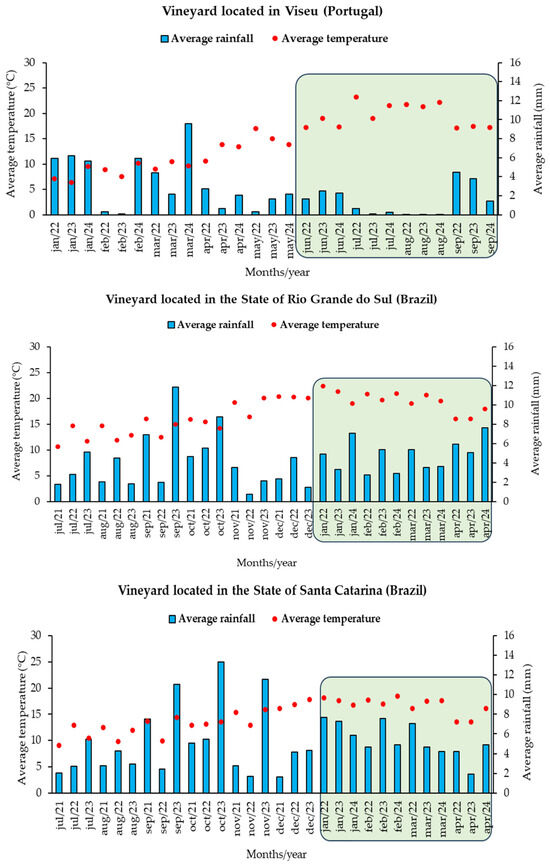
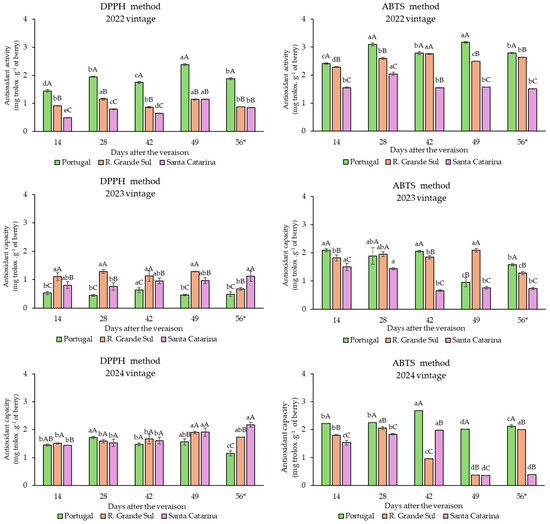
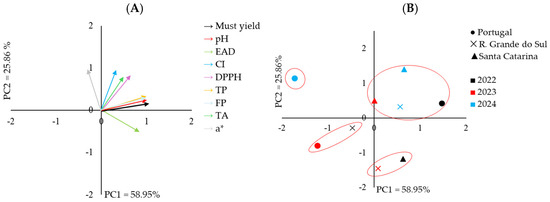
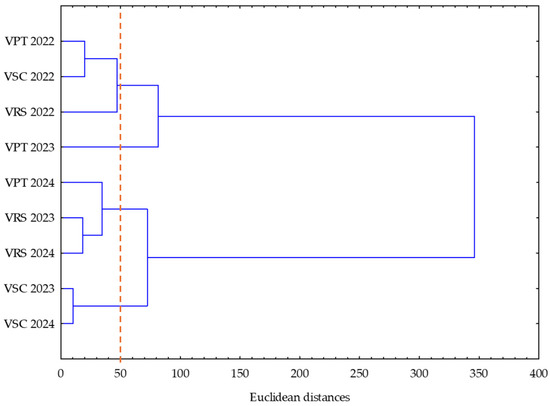
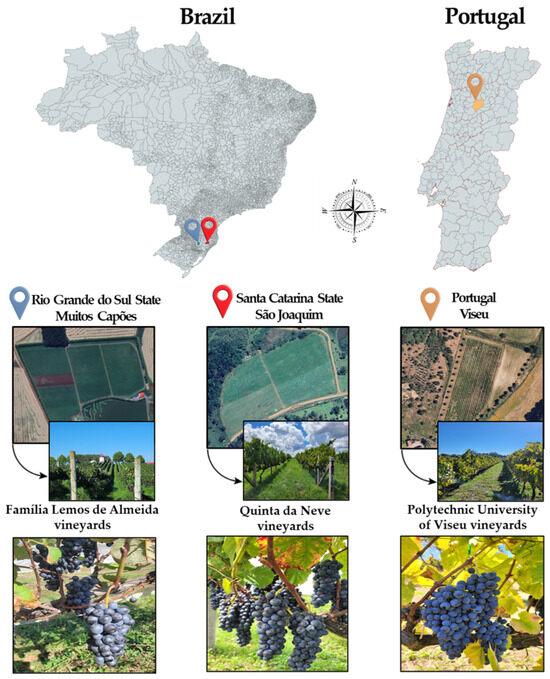
The use of new grape cultivars is essential for the continued development of Brazilian viticulture. Thus, this study aimed to determine the general physicochemical parameters, global phenolic composition, and antioxidant capacity of grape musts from the Portuguese red variety ‘Touriga Nacional’ during ripening in two Brazilian vineyards (states of Rio Grande do Sul and Santa Catarina). The results were compared with data obtained from the same variety cultivated in a vineyard located in northern Portugal, which is the region of origin of this variety. This research was conducted over three consecutive vintages (2022–2024). Overall, the results indicated that soil and climate conditions at each location were associated with differences in the composition of ‘Touriga Nacional’ grape musts. Grapes from both Brazilian vineyards showed significantly higher berry weight, must volume, and yield compared with grapes collected from the Portuguese vineyard. On the other hand, grapes collected from the vineyard located in the state of Santa Catarina exhibited the highest values of total titratable acidity, malic acid, total phenols, flavonoids, total anthocyanins, and chromatic characteristics. Nevertheless, grapes collected from the Portuguese vineyard showed higher values of total tannins. The results suggest that the ‘Touriga Nacional’ variety shows better adaptation to the conditions of the Santa Catarina vineyard than to those of the Rio Grande do Sul vineyard. These findings help winegrowers, particularly in southern Brazil, to have more options for introducing different grape varieties, thereby contributing to the production of wines with distinctive characteristics, while consumers will have access to a greater diversity of wines available on the market.
Full article
(This article belongs to the Section Plant Biochemistry and Genetics)
►▼
Show Figures

Figure 1
Highly Accessed Articles
Latest Books
E-Mail Alert
News
Topics
Topic in
Crops, IJMS, Stresses, IJPB
New Insights into Plant Biotic and Abiotic Stress
Topic Editors: Salme Timmusk, Erick ZagalDeadline: 30 June 2026
Topic in
Agriculture, Agronomy, Ecologies, IJPB, Plants, Soil Systems
The Role of Plant-Soil Interactions on Crop Yields and Carbon Sequestration
Topic Editors: Jifu Ma, Meng Zhou, Caiqing QinDeadline: 31 July 2026
Topic in
Agronomy, Agriculture, Plants, Horticulturae, Crops, IJPB
Bridging Plant Biochemistry and Food Innovation: From Metabolic Stress to Functional Food
Topic Editors: Tomasz Piechowiak, Dagmara MigutDeadline: 15 September 2026
Topic in
Plants, Horticulturae, IJPB, Agronomy, Crops
Recent Progress in Plant Nutrition Research and Plant Physiology: 2nd Edition
Topic Editors: Cid Naudi Silva Campos, Renato De Mello PradoDeadline: 31 December 2026
Conferences
Special Issues
Special Issue in
IJPB
Plant Resistance to Insects
Guest Editor: Horacio Salomón Ballina-GómezDeadline: 30 May 2026
Special Issue in
IJPB
Challenges in Cannabis sativa: Breeding and Secondary Metabolite Synthesis
Guest Editor: Mariana QuirogaDeadline: 30 May 2026
Special Issue in
IJPB
Wetland Ecology: Plant Adaptations to Changing Wetland Environments
Guest Editors: Hongyu Guo, Yinhua Wang, Petre BrețcanDeadline: 31 October 2026
Special Issue in
IJPB
Plant Health in the Context of Fungal and Other Microbial Threats: Systematics, Pathogenesis and Integrated Management
Guest Editors: Yi Zhou, Jinglong Zhou, Jianwei JiangDeadline: 31 October 2026