Topical Advisory Panel applications are now closed. Please contact the Editorial Office with any queries.
Journal Description
Informatics
Informatics
is an international, peer-reviewed, open access journal on information and communication technologies, human–computer interaction, and social informatics, and is published monthly online by MDPI.
- Open Access— free for readers, with article processing charges (APC) paid by authors or their institutions.
- High Visibility: indexed within Scopus, ESCI (Web of Science), dblp, and other databases.
- Journal Rank: CiteScore - Q1 (Communication)
- Rapid Publication: manuscripts are peer-reviewed and a first decision is provided to authors approximately 32.1 days after submission; acceptance to publication is undertaken in 4.2 days (median values for papers published in this journal in the second half of 2025).
- Recognition of Reviewers: reviewers who provide timely, thorough peer-review reports receive vouchers entitling them to a discount on the APC of their next publication in any MDPI journal, in appreciation of the work done.
- Journal Cluster of Information Systems and Technology: Analytics, Applied System Innovation, Cryptography, Data, Digital, Informatics, Information, Journal of Cybersecurity and Privacy and Multimedia.
Impact Factor:
2.8 (2024);
5-Year Impact Factor:
3.1 (2024)
Latest Articles
Framework for Evaluating LLM Performance in Undergraduate Calculus
Informatics 2026, 13(6), 82; https://doi.org/10.3390/informatics13060082 - 3 Jun 2026
Abstract
Large language models (LLMs) are increasingly being used in education, yet their correctness alone does not capture the quality, reliability, or pedagogical validity of their problem-solving behavior, especially in mathematics, where multi-step logic, symbolic reasoning, and conceptual clarity are critical. Conventional evaluation methods
[...] Read more.
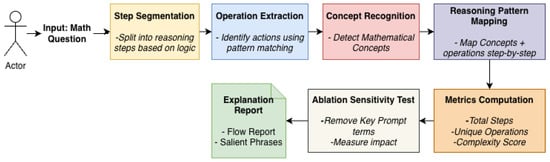
Large language models (LLMs) are increasingly being used in education, yet their correctness alone does not capture the quality, reliability, or pedagogical validity of their problem-solving behavior, especially in mathematics, where multi-step logic, symbolic reasoning, and conceptual clarity are critical. Conventional evaluation methods largely focus on final answer accuracy and overlook the reasoning process. To address this gap, we introduce a novel interpretability framework for analyzing LLM-generated solutions using undergraduate calculus problems as a representative domain. Our approach combines reasoning flow extraction and decomposing solutions into semantically labeled operations and concepts with prompt ablation analysis to assess input salience and output stability. Using structured metrics such as reasoning complexity, phrase sensitivity, and robustness, we evaluated the model behavior on real Calculus I–III university exams and compared it with the performances of students enrolled in the courses. Our findings revealed that LLMs often produce syntactically fluent yet conceptually flawed solutions with reasoning patterns sensitive to prompt phrasing and input variation. This framework enables a fine-grained diagnosis of reasoning failures, supports curriculum alignment, and informs the design of interpretable AI-assisted feedback tools. The framework was evaluated on Gemma 3, an open-access large language model, across zero-shot, retrieval-augmented generation, and contextual retrieval configurations, using nine real undergraduate calculus examinations from three course levels. To our knowledge, this is the first paper to apply a combined reasoning flow decomposition and prompt ablation framework to real undergraduate calculus examinations, benchmarked against actual student cohort performance, laying the foundation for the transparent and responsible deployment of AI in STEM learning environments.
Full article
(This article belongs to the Section Generative AI)
►
Show Figures
Open AccessArticle
Optimizing Academic Trajectories: A Multi-Dimensional Psychometric Recommender System for Student Career Guidance
by
Shakhmar Sarsenbay, Iraklis Varlamis, Cemil Turan, Bobir Razhametov and Yermek Kazym
Informatics 2026, 13(6), 81; https://doi.org/10.3390/informatics13060081 - 3 Jun 2026
Abstract
Selecting the appropriate academic track is a critical decision for students, as misalignment between program requirements and individual cognitive, personality, and competency profiles can significantly impact academic performance, persistence, and overall educational outcomes. Traditional educational recommender systems often rely solely on skill matching
[...] Read more.
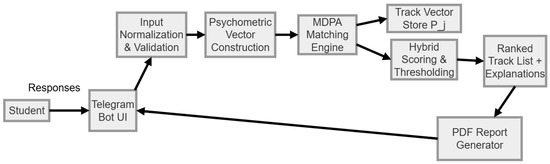
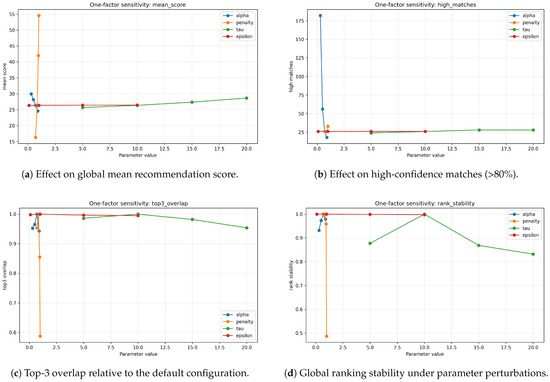
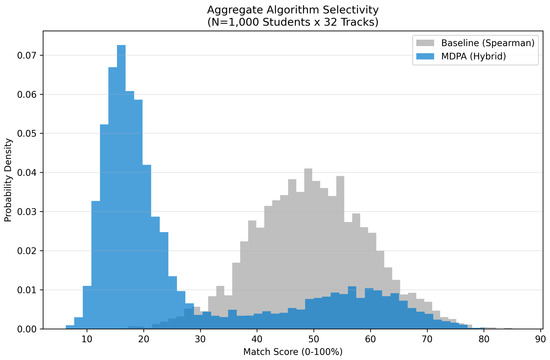
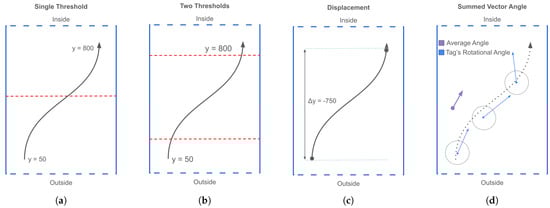
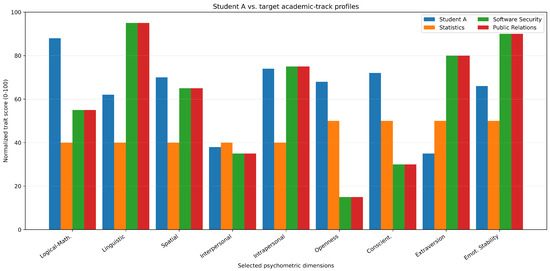
Selecting the appropriate academic track is a critical decision for students, as misalignment between program requirements and individual cognitive, personality, and competency profiles can significantly impact academic performance, persistence, and overall educational outcomes. Traditional educational recommender systems often rely solely on skill matching or on the correlation of interests, failing to account for the dimension of competency that is required for success in specific academic tracks. This paper introduces a novel Multi-Dimensional Psychometric Alignment (MDPA) algorithm that moves beyond simple rank-order correlation between skills and programs by jointly integrating multiple psychometric perspectives and evaluating both preference similarity and competency sufficiency. Based on a structured synthesis of Cognitive Preferences (MBTI), Cognitive Modalities (Gardner’s Multiple Intelligences), and Personality Stability (Big Five), the proposed profile captures complementary dimensions of student readiness that are usually examined separately in prior educational recommender systems. Then applies an alignment algorithm-which is based on a hybrid similarity metric that fuses Spearman’s Rank Correlation (Interest Shape) with Weighted Euclidean Distance (Competency Magnitude), enforced by non-linear threshold penalties for critical traits- in order to find the best options for students. This approach constitutes a deterministic, explainable recommender system whose novelty lies in combining heterogeneous psychometric evidence with an explicit magnitude–shape matching mechanism and threshold-based academic viability constraints. Our approach is validated through a case study of university students in Kazakhstan, and the results demonstrate how “academic fit” is better modeled as a function of both interest pattern and trait sufficiency, offering a robust alternative to “black-box” skill-based recommenders.
Full article
(This article belongs to the Section Human-Computer Interaction)
►▼
Show Figures

Figure 1
Open AccessArticle
Benchmarking of Ensembles and Meta-Ensembles in the Multiclass Classification of Obesity-Status Classification: Predictive Performance, Calibration and Interpretability
by
Daniel Andrade-Girón, William Marin-Rodriguez, Americo Peña, Elsa Oscuvilca-Tapia and Fredy Bermejo-Sanchez
Informatics 2026, 13(6), 80; https://doi.org/10.3390/informatics13060080 - 3 Jun 2026
Abstract
►▼
Show Figures
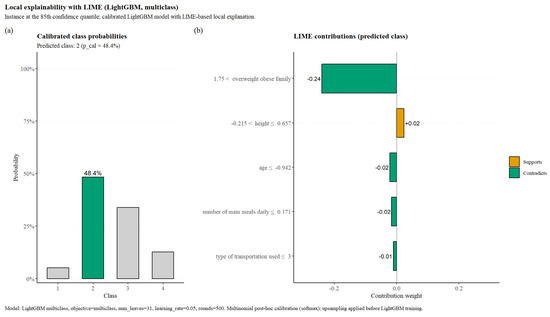
Obesity is a major public health concern because of its high prevalence and association with cardiometabolic comorbidities. This study compared nine ensemble and meta-ensemble learning models for multiclass obesity-status classification using the Obesity Dataset, comprising 1610 records, 14 predictors, and four body-weight status
[...] Read more.
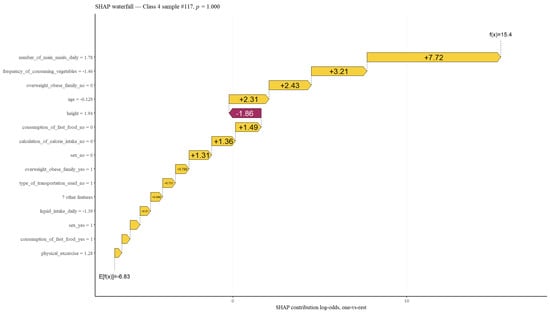
Obesity is a major public health concern because of its high prevalence and association with cardiometabolic comorbidities. This study compared nine ensemble and meta-ensemble learning models for multiclass obesity-status classification using the Obesity Dataset, comprising 1610 records, 14 predictors, and four body-weight status classes. To ensure a leakage-aware evaluation, all preprocessing and resampling steps were embedded within the validation workflow. Standardization, one-hot encoding, and RandomOverSampler were applied only within the training folds; SMOTE and no-resampling configurations were retained as configurable alternatives but were not used to generate the reported results. Model performance was assessed using complementary classification, discrimination, agreement, and calibration metrics, including accuracy, balanced accuracy, weighted F1-score, macro F1-score, weighted ROC-AUC, Matthews correlation coefficient, Brier score, and multiclass expected calibration error. Overall, the ensemble models achieved strong discriminative performance, with eight of nine classifiers exceeding 82% accuracy and obtaining weighted ROC-AUC values close to or above 94%. LightGBM showed the strongest mean metric-based profile, with an accuracy of 85.41 ± 2.85%, weighted F1-score of 85.25 ± 2.88%, weighted ROC-AUC of 95.58 ± 1.52%, and MCC of 0.779 ± 0.042. Random Forest and Stacking achieved comparable classification performance, although Stacking presented poorer calibration. The Friedman test detected significant global differences among classifiers, χ2 = 38.7733, p = 0.000005. However, the Nemenyi post hoc test indicated that Stacking, Random Forest, LightGBM, Voting, Gradient Boosting, and Extra Trees belonged to the same high-performance statistical group. Therefore, LightGBM was selected as the final model based on its practical balance of predictive performance, calibration behavior, stability, and implementation feasibility, rather than on unequivocal statistical superiority. On the independent holdout set, LightGBM maintained strong generalization, achieving accuracy = 0.8447, weighted F1-score = 0.8435, MCC = 0.7653, and weighted ROC-AUC = 0.9464. Calibration was moderate, with Brier score = 0.2575 and multiclass ECE = 0.1070, indicating that predicted probabilities should be interpreted cautiously when used to support threshold-based decisions.
Full article

Figure 1
Open AccessArticle
Adaptive Semi-Personalized Email Classification Model (ASPEC) with Incremental Learning
by
Worawit Kitikusoun and Nawaporn Wisitpongphan
Informatics 2026, 13(6), 79; https://doi.org/10.3390/informatics13060079 - 29 May 2026
Abstract
The volume of daily email traffic continues to grow rapidly, creating challenges in efficiently distinguishing important from irrelevant messages. Beyond spam detection, modern email systems classify messages into categories such as promotions, social, updates, and forums, many of which are ignored or deleted
[...] Read more.
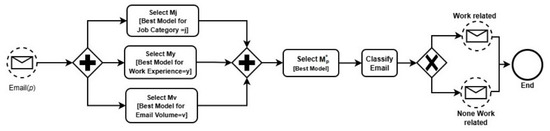
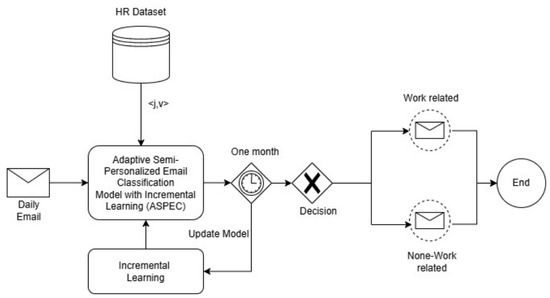
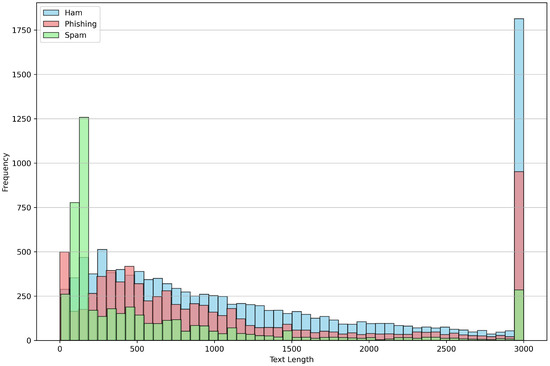
The volume of daily email traffic continues to grow rapidly, creating challenges in efficiently distinguishing important from irrelevant messages. Beyond spam detection, modern email systems classify messages into categories such as promotions, social, updates, and forums, many of which are ignored or deleted without review. To address this issue, researchers have explored intelligent classification systems to predict the importance of emails, enhance user productivity, and improve organizational communication efficiency. This study proposes an email classification model that adapts to different users’ work functions and communication patterns within an organizational context. Using three-month historical real corporate anonymized email data from 9788 individuals across 12 work functions, the proposed Adaptive Semi-Personalized Email Classification Model (ASPEC) automatically retrieves each employee’s occupational profile—including job category and years of work experience—from the organization’s Human Resources (HR) system, enabling seamless personalization without manual configuration. ASPEC significantly improves email classification accuracy over the best-performing baseline of 73.50%, with incremental learning further enabling continuous adaptation to evolving data streams and achieving accuracy up to 92.57% in stable user segments. Unlike most existing email classification frameworks, which rely on static batch-learning models and lack memory-based or incremental update mechanisms, ASPEC addresses this gap by continuously adapting to evolving communication patterns without requiring full model retraining. The adoption of this incremental learning framework offers tangible benefits for organizations, including reduced manual email filtering workload, improved communication efficiency, and decreased operational burden on IT departments in managing email-related tasks and issues.
Full article
(This article belongs to the Section Machine Learning)
►▼
Show Figures

Figure 1
Open AccessArticle
A Multi-Scale Fusion Model with Text-Guided Reduced Attention for Multimodal Sentiment Analysis
by
Shenwei Kang, Jing Zhou, Patricia Anthony and Wen Liu
Informatics 2026, 13(6), 78; https://doi.org/10.3390/informatics13060078 - 29 May 2026
Abstract
►▼
Show Figures
Multimodal sentiment analysis (MSA) utilizes complementary information from different modalities to achieve a more thorough and fine-grained understanding of human sentiment. To address the issues of high modality redundancy and insufficient refined cross-modal alignment, this article introduces MSF-TGRA (Multi-Scale Fusion with Text-Guided Redundancy-Aware
[...] Read more.
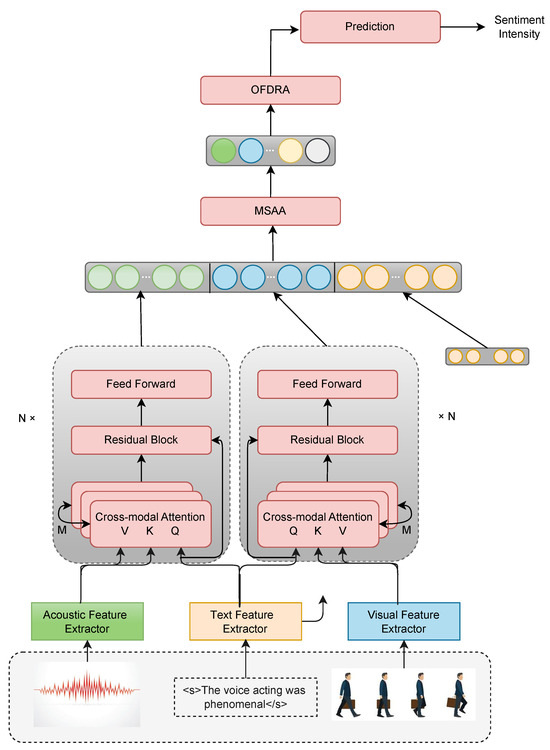
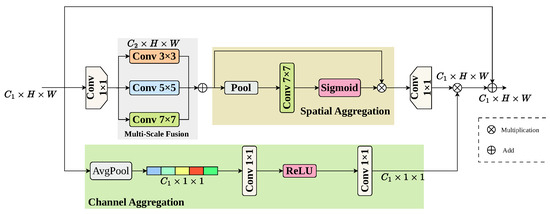
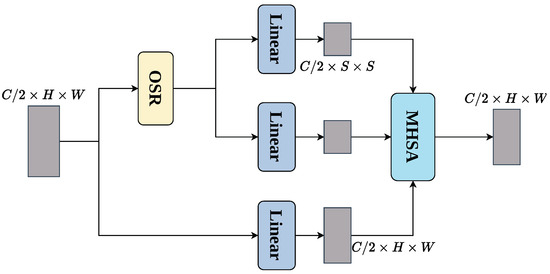
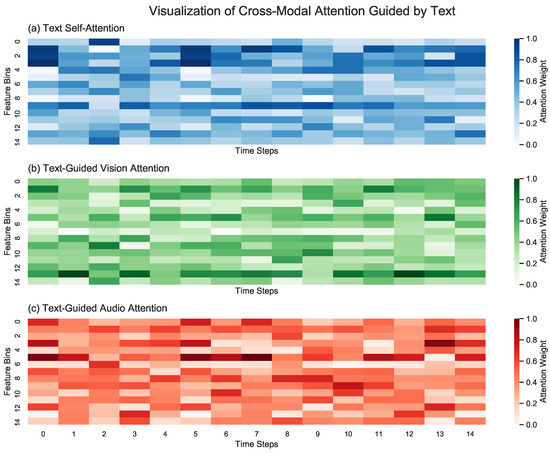
Multimodal sentiment analysis (MSA) utilizes complementary information from different modalities to achieve a more thorough and fine-grained understanding of human sentiment. To address the issues of high modality redundancy and insufficient refined cross-modal alignment, this article introduces MSF-TGRA (Multi-Scale Fusion with Text-Guided Redundancy-Aware Attention), a text-guided dual-path interaction model, which draws on the hybrid architecture of CM-UNet and the global–local feature learning approach of TransXNet. The proposed model consists of two main components. The Overlapping Feature Dimensionality Reduction Attention (OFDRA) module reduces intra-modal redundancy while enhancing the capture of behavioral cues such as micro-expressions, intonation pauses, and emotionally salient textual signals. The Text-Guided Multi-Scale Hybrid Attention (TGMHA) module uses textual semantics to guide cross-modal attention, enabling local feature fusion, global dependency modeling, and fine-grained cross-modal alignment. Overall, the model highlights the value of using text as the primary modality to steer multimodal interactions and offers a new methodological perspective for pushing forward MSA research.
Full article

Figure 1
Open AccessArticle
Which Model Feels Better? A Comparison of Computational Approaches to Emotion Detection in Social Media with Imbalanced Data
by
Anastasia Vishnevskaya, Vasileios Pavlopoulos, Jerry Stott and Porismita Borah
Informatics 2026, 13(6), 77; https://doi.org/10.3390/informatics13060077 - 22 May 2026
Abstract
Emotion detection in social media remains challenging, particularly in polarized public debates where emotional expression is often imbalanced across categories. Addressing this challenge, this study compares the performance of multiple computational approaches using a gold-standard dataset of tweets about an ongoing geopolitical conflict.
[...] Read more.
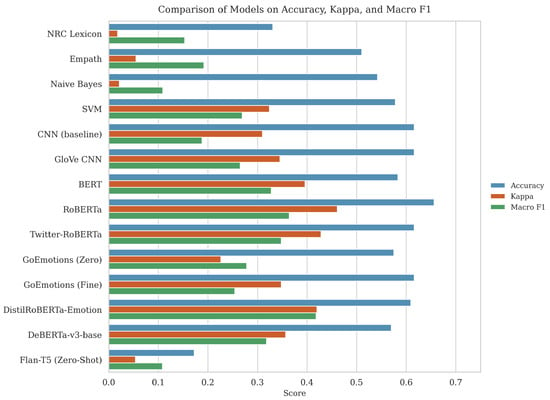
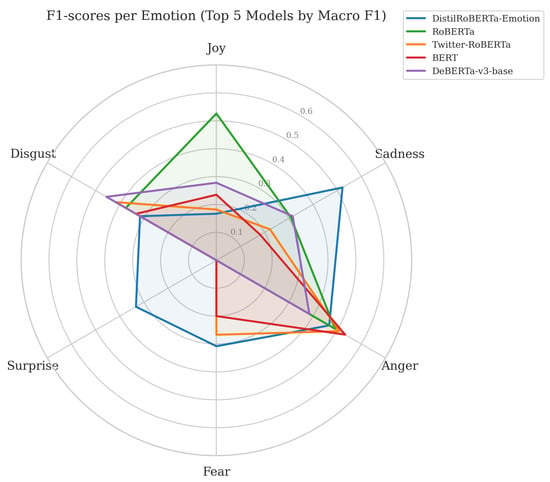
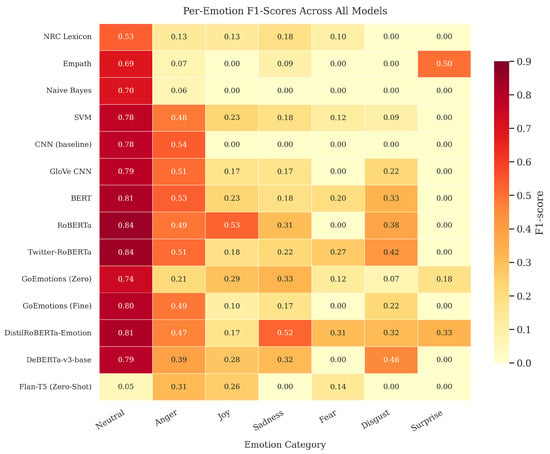
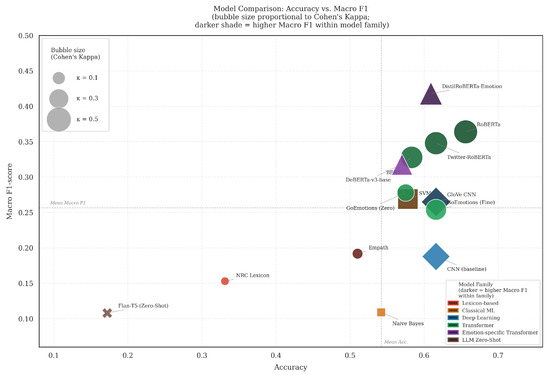
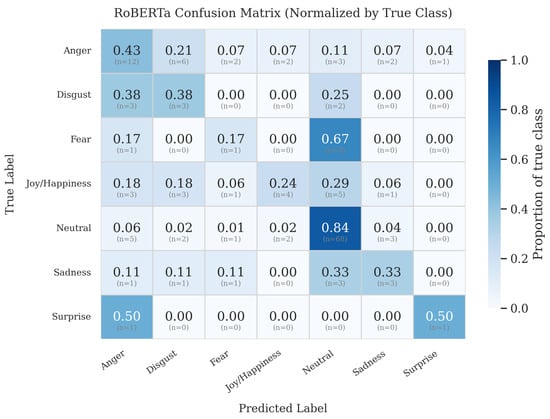
Emotion detection in social media remains challenging, particularly in polarized public debates where emotional expression is often imbalanced across categories. Addressing this challenge, this study compares the performance of multiple computational approaches using a gold-standard dataset of tweets about an ongoing geopolitical conflict. The dataset reflects the authentic, skewed distribution of emotions observed in real-world online discourse. We evaluated lexicon-based methods, classical machine-learning classifiers, deep-learning architectures, transformer models in both fine-tuned and zero-shot configurations, and a zero-shot large language model to assess their effectiveness in capturing both frequent and less frequently expressed emotions. Across approaches, transformer models, especially those fine-tuned for contextual emotion recognition, demonstrated the strongest overall performance, with emotion-specific fine-tuning offering a particular advantage for detecting rare emotion categories. These findings emphasize the importance of evaluating emotion detection methods under realistic class imbalance and highlight both the comparative strengths and limitations of widely used modeling strategies in applied social media research. This study advances emotion analysis and computational social science by offering practical guidance for selecting appropriate emotion detection methods in complex, imbalanced social media contexts.
Full article
(This article belongs to the Special Issue Practical Applications of Sentiment Analysis)
►▼
Show Figures

Figure 1
Open AccessArticle
System Quality, Perceived Compulsion, and Tax Literacy as Determinants of Continuous Usage Intention: Evidence from Indonesia’s Mandatory Coretax Platform
by
Adi Prasetyo Tedjakusuma, Waiphot Kulachai, Phakawanaporn Phisuthisuwan and Andri Dayarana K. Silalahi
Informatics 2026, 13(5), 76; https://doi.org/10.3390/informatics13050076 - 21 May 2026
Abstract
►▼
Show Figures
Governments worldwide are mandating digital tax platforms, yet little is understood about what sustains taxpayer engagement beyond legally compelled minimum use. This study extends the Technology Acceptance Model (TAM) with perceived compulsion and tax literacy to examine continuous usage intention toward Coretax, Indonesia’s
[...] Read more.
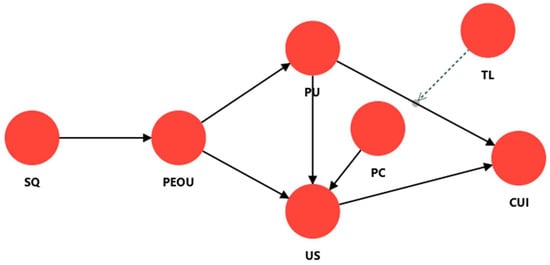
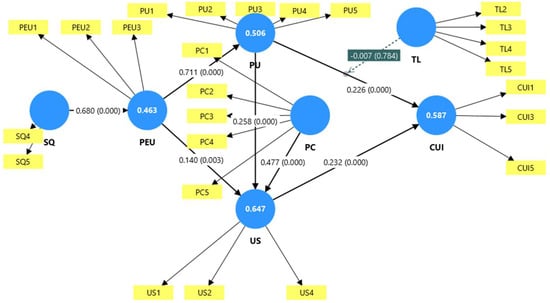
Governments worldwide are mandating digital tax platforms, yet little is understood about what sustains taxpayer engagement beyond legally compelled minimum use. This study extends the Technology Acceptance Model (TAM) with perceived compulsion and tax literacy to examine continuous usage intention toward Coretax, Indonesia’s mandatory Core Tax Administration System. Using survey data from 535 active users analysed with PLS-SEM, six of eight hypotheses are supported: system quality drives perceived ease of use, which amplifies perceived usefulness, and both usefulness and user satisfaction independently predict continuous usage intention. Contrary to predictions derived from self-determination theory, perceived compulsion positively influences satisfaction, suggesting institutional acceptance of a mandate redirects evaluative attention toward system performance rather than generating resistance. Tax literacy does not moderate the usefulness–continuance pathway but independently increases engagement intentions, pointing to literacy programmes as direct engagement levers rather than amplifiers. These findings extend TAM into mandatory post-adoption contexts and propose institutional acceptance as a boundary condition for coercion theory in IS research.
Full article

Figure 1
Open AccessArticle
Robust Multi-View Ensemble Broad Learning for Semi-Supervised Classification
by
Ziyang Dong, Mianfen Lin and Zhiwen Yu
Informatics 2026, 13(5), 75; https://doi.org/10.3390/informatics13050075 - 21 May 2026
Abstract
►▼
Show Figures
In semi-supervised learning scenarios, the presence of limited labeled data and abundant unlabeled samples poses significant challenges to model robustness and generalization. Although the semi-supervised broad learning system (SSBLS) effectively exploits manifold structure through graph Laplacian regularization, its optimization is typically formulated under
[...] Read more.
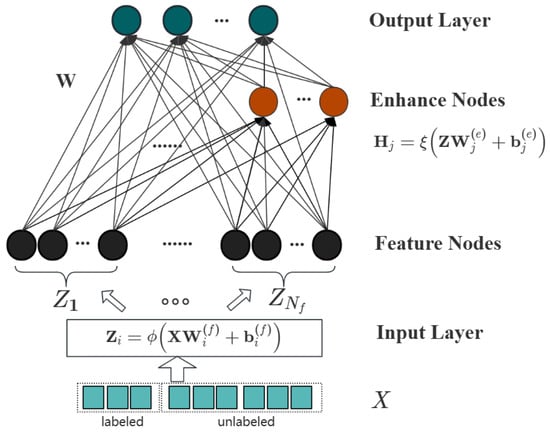
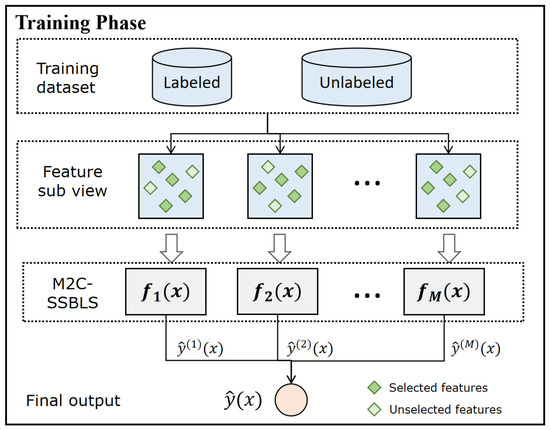
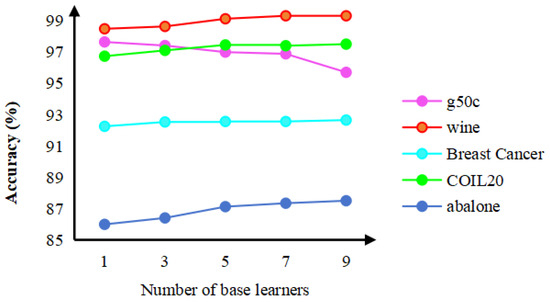
In semi-supervised learning scenarios, the presence of limited labeled data and abundant unlabeled samples poses significant challenges to model robustness and generalization. Although the semi-supervised broad learning system (SSBLS) effectively exploits manifold structure through graph Laplacian regularization, its optimization is typically formulated under the mean square error (MSE) criterion, which is sensitive to noise and outliers. To address this limitation, this paper introduces the maximum mixture correntropy criterion (MMC) into the SSBLS framework and proposes a model termed M2C-SSBLS. By replacing the conventional MSE loss with a mixture correntropy-based objective, the proposed method enhances robustness against non-Gaussian noise and abnormal samples while preserving the computational efficiency and analytical solution property of the BLS. Furthermore, to improve representation diversity and reduce model variance, a multi-view ensemble extension, named EC-SSBLS, is proposed. This method constructs multiple feature views through a random feature subspace strategy, and independently trains an M2C-SSBLS base learner on each subspace. Finally, the predicted results of each view are fused through a voting mechanism. Experiments on benchmark UCI datasets under noise-free, 10% and 20% label noise settings demonstrate that the proposed M2C-SSBLS consistently outperforms conventional SSBLS and other advanced semi-supervised learning approaches. The ensemble extension EC-SSBLS further enhances performance, particularly in noisy environments, validating the effectiveness of combining MMC-based optimization with multi-view ensemble learning.
Full article

Figure 1
Open AccessArticle
Exploring Shifts in User Behavior Through Longitudinal Data from a Digital Platform for Art and Culture
by
Minas Pergantis
Informatics 2026, 13(5), 74; https://doi.org/10.3390/informatics13050074 - 18 May 2026
Abstract
Digital repositories have been an important gateway for the dissemination of information regarding objects of art and cultural heritage throughout the World Wide Web, but the vast number of available artifacts, both historical and modern, makes their discovery by interested users an arduous
[...] Read more.
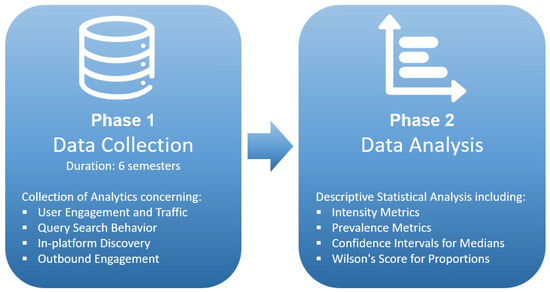
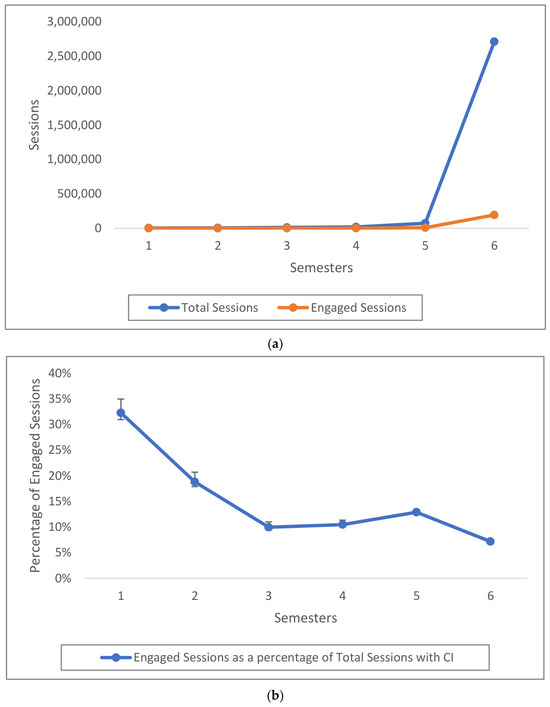
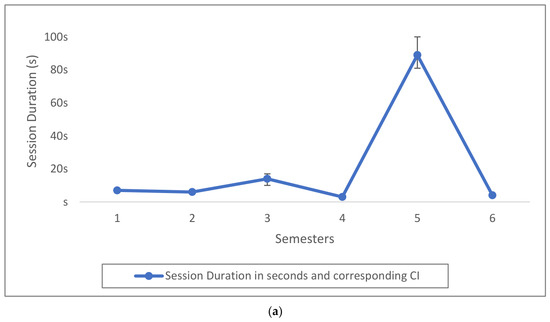
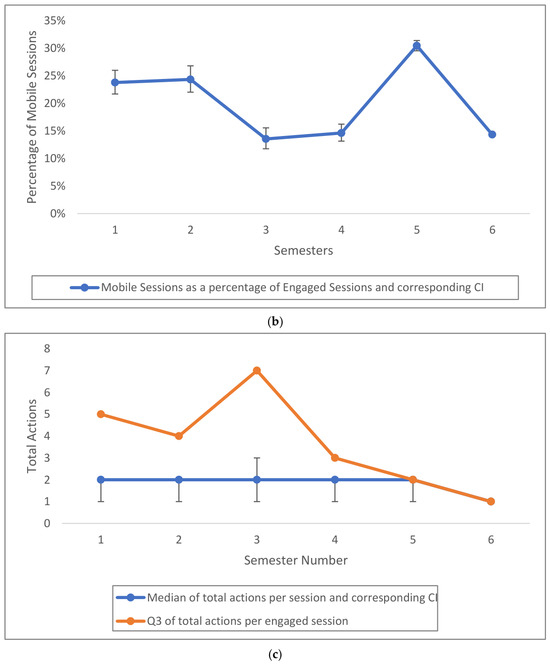
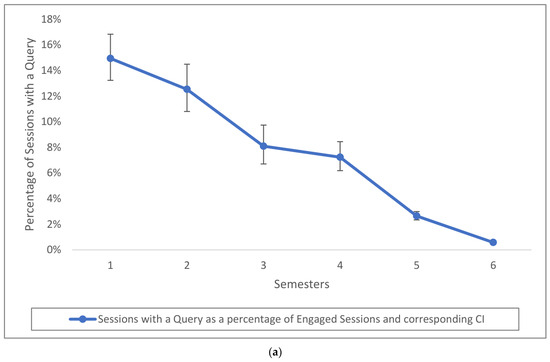
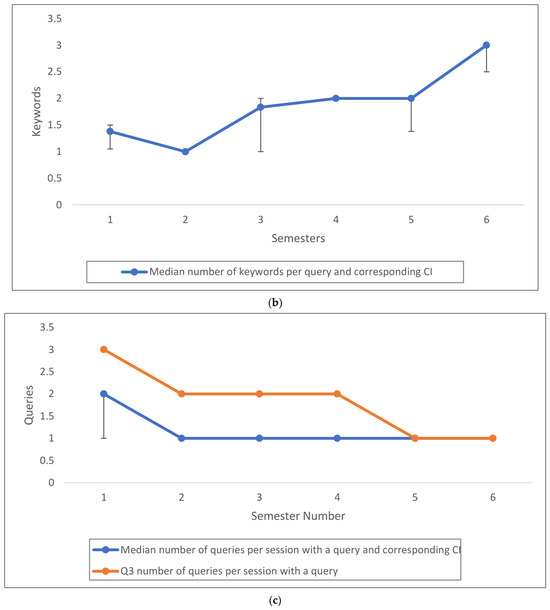
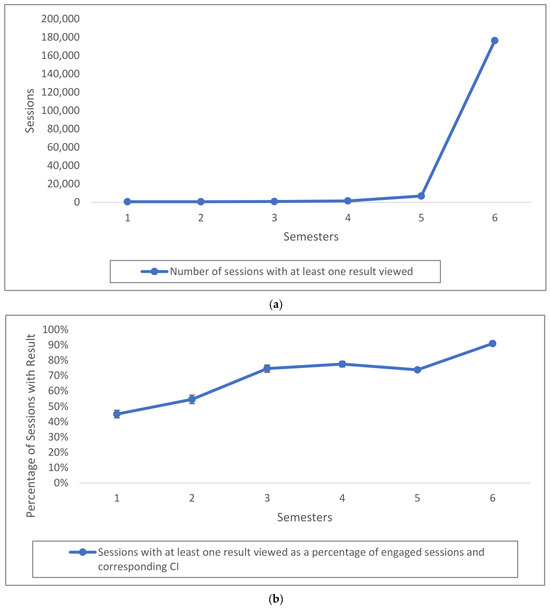
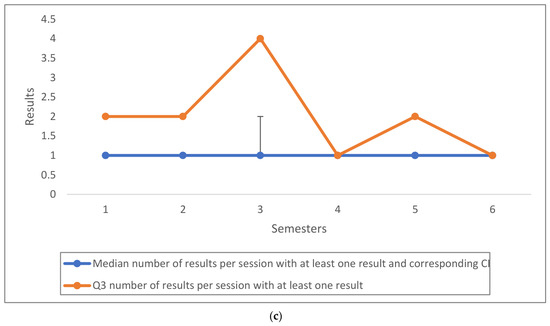
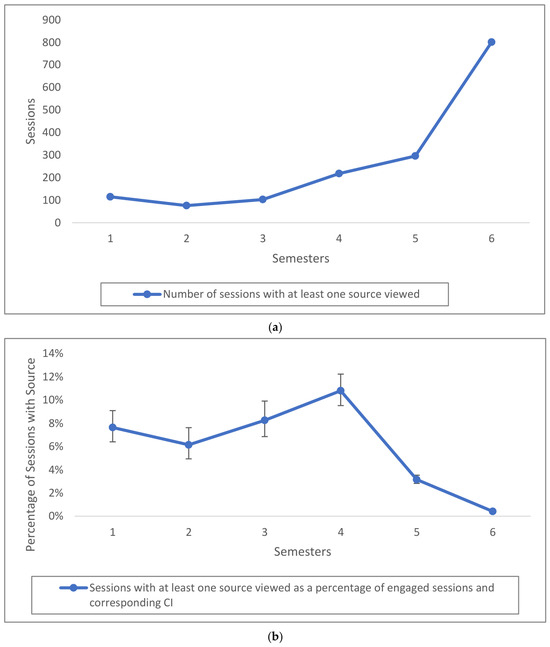
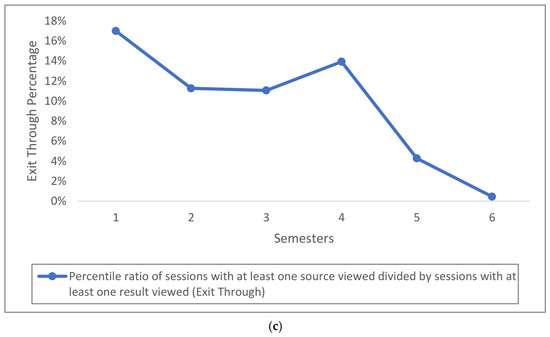
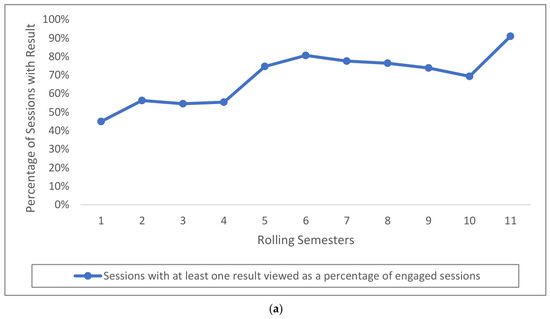
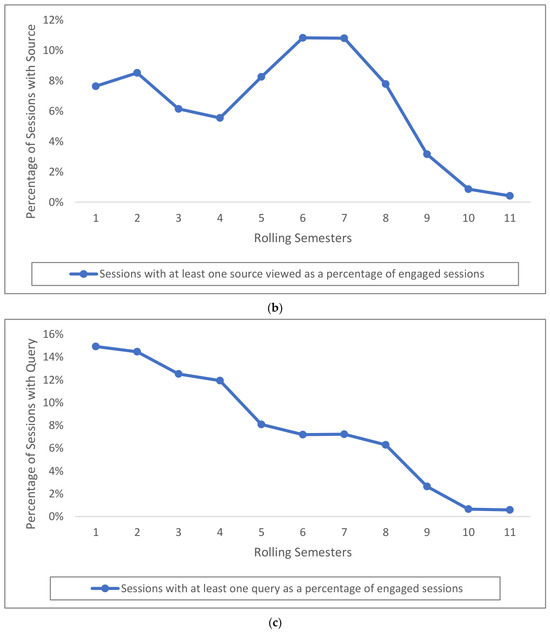
Digital repositories have been an important gateway for the dissemination of information regarding objects of art and cultural heritage throughout the World Wide Web, but the vast number of available artifacts, both historical and modern, makes their discovery by interested users an arduous task. Often deviating from general-purpose search behavior, people searching online for art and culture adjust their habits to address this challenge. In this study, real-world data from the federated search engine and online art and culture repository ArtBoulevard are used to explore this evolution throughout a period of three years. By collecting and analyzing a large amount of user session data, this research aims to investigate user engagement, query formulation, search behavior, and in-platform and outbound engagement in order to outline the longitudinal behavioral patterns of the platform’s user base. Over the period of the analysis, shifts and trends are identified and discussed within the ever-evolving context of behavioral analysis in the field. This process leads to useful insights that are not only indicative of the platform’s limited but global user base, but which can be useful to all stakeholders active in content dissemination and may also be relevant to broader discussions about the changes in the discovery pathways in art and cultural heritage.
Full article
(This article belongs to the Section Social Informatics and Digital Humanities)
►▼
Show Figures

Figure 1

Open AccessArticle
An Empirical Study of Federated BERT for Decentralized Twitter Sentiment Analysis
by
Oumaima Louzar, Abdelaziz Elbaghdadi, Ahmed El Oualkadi, Ouafae Baida and Abdelouahid Lyhyaoui
Informatics 2026, 13(5), 73; https://doi.org/10.3390/informatics13050073 - 18 May 2026
Abstract
Twitter/x has become a key platform for analyzing public opinion on a large scale; however, traditional centralized approaches raise significant concerns regarding privacy and data governance. To address these challenges, this paper presents an empirical study of a federated learning approach based on
[...] Read more.
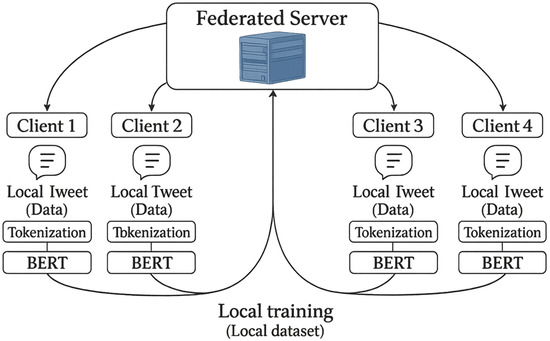
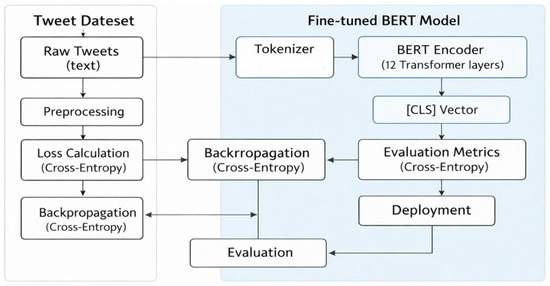
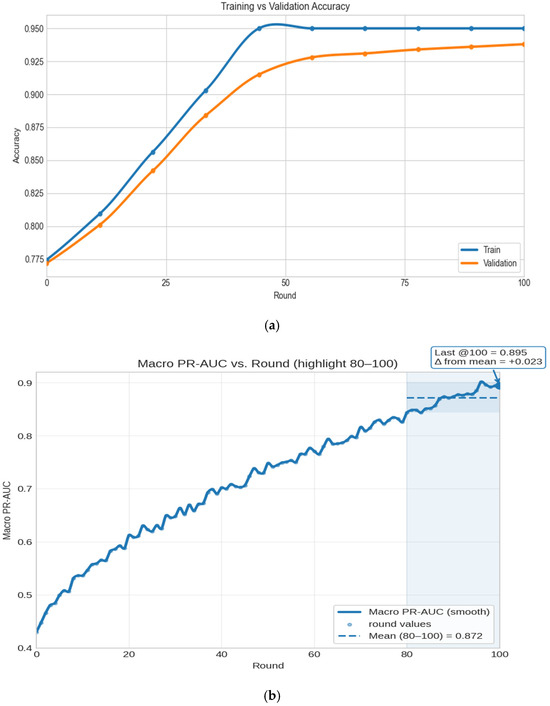
Twitter/x has become a key platform for analyzing public opinion on a large scale; however, traditional centralized approaches raise significant concerns regarding privacy and data governance. To address these challenges, this paper presents an empirical study of a federated learning approach based on a BERT model for decentralized sentiment analysis at the tweet level. This study focuses on evaluating the effectiveness of transformer-based models under realistic non-independent and identically distributed (non-IID) data distributions across distributed clients. The proposed approach enables collaborative model training without sharing raw tweet data, thereby preserving user privacy while leveraging knowledge from multiple sources. The model is evaluated over 100 communication rounds using the Sentiment140 dataset, distributed among four clients with heterogeneous data distributions. Experimental results demonstrate stable convergence and robust performance, with an accuracy of 95.00%, an F1 score of 95.00%, and a PR-AUC of 96.76%. It should be noted that the federated model performs within 1.2% of a centralized baseline, indicating minimal performance degradation despite data sharing constraints.
Full article
(This article belongs to the Topic Recent Advances in Artificial Intelligence for Security and Security for Artificial Intelligence)
►▼
Show Figures

Figure 1
Open AccessArticle
TERA: A Trade-Off Evaluation and Resource-Aware Framework for Spam and Phishing Email Detection
by
Chanankorn Jandaeng, Peeravit Koad, Mohamad Fadli Zolkipli and Jurairat Phuttharak
Informatics 2026, 13(5), 72; https://doi.org/10.3390/informatics13050072 - 12 May 2026
Abstract
►▼
Show Figures
Email spam and phishing detection is typically evaluated using accuracy-centric metrics under implicitly unconstrained computational settings. However, in practical deployment scenarios—particularly in real-time and resource-constrained environments—models with comparable predictive performance may differ substantially in inference latency and resource usage, directly affecting their operational
[...] Read more.
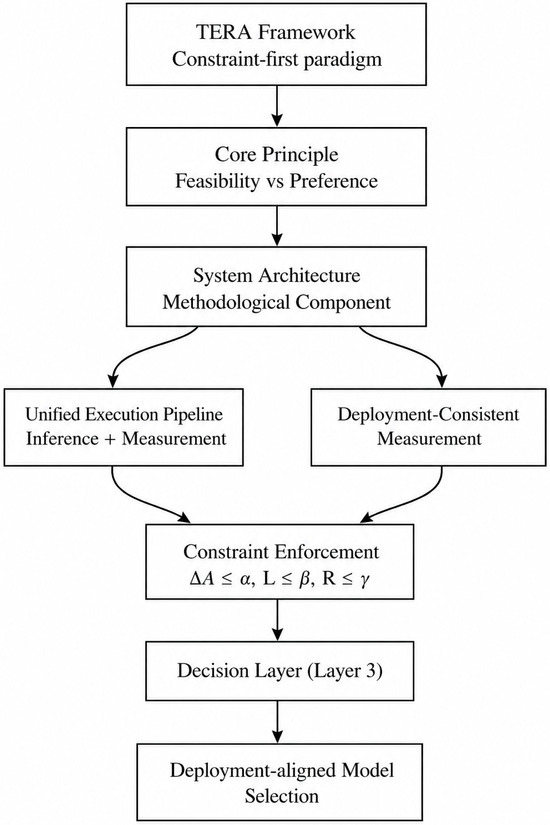
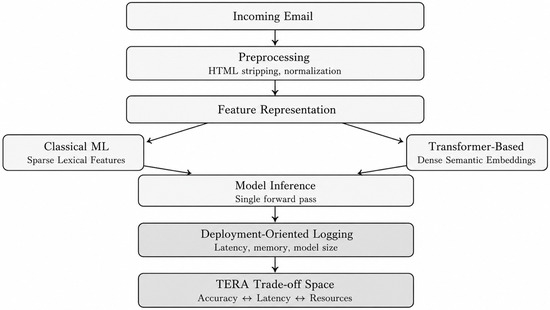
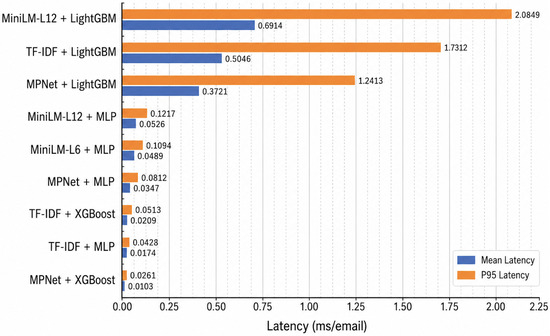
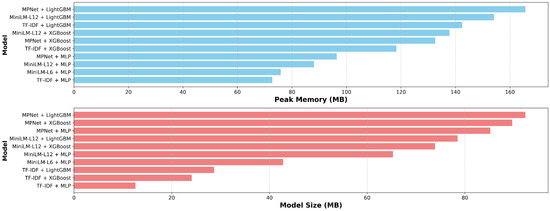
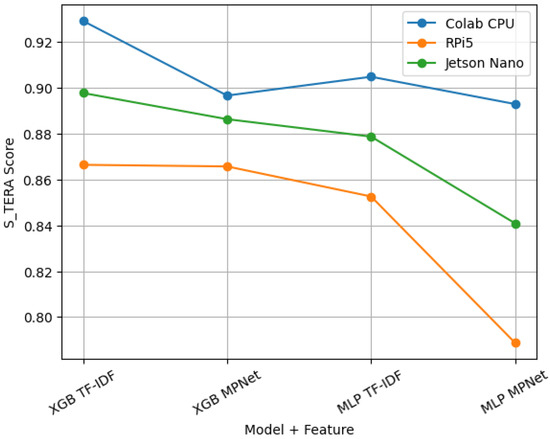
Email spam and phishing detection is typically evaluated using accuracy-centric metrics under implicitly unconstrained computational settings. However, in practical deployment scenarios—particularly in real-time and resource-constrained environments—models with comparable predictive performance may differ substantially in inference latency and resource usage, directly affecting their operational feasibility. This paper introduces TERA, a deployment-aware evaluation framework that formulates model assessment as a constraint-aware decision problem. Instead of aggregating performance and efficiency into a single objective, TERA treats predictive performance as a feasibility requirement that defines an admissible set of models. Within this feasible region, operational factors such as latency and resource usage are used to differentiate among candidates through structured, multi-dimensional analysis. Experiments on benchmark email datasets show that multiple models achieve comparable detection performance, forming a region of predictive equivalence. Within this region, significant variations in latency and resource consumption are observed, indicating that predictive equivalence does not imply deployment equivalence. These findings demonstrate that accuracy-based evaluation alone may provide limited guidance for deployment-oriented model selection. By explicitly separating feasibility constraints from preference-based trade-offs, TERA enables transparent and deployment-aligned model evaluation. The framework supports consistent comparison and selection among accuracy-comparable models without altering the role of detection effectiveness as a primary requirement, thereby complementing existing evaluation practices with a structured decision-oriented perspective.
Full article

Figure 1
Open AccessArticle
Enhancing the Efficiency of Blockchain Verification Through Resource-Weighted Node Selection
by
Vedika Jorika and Nagaratna Medishetty
Informatics 2026, 13(5), 71; https://doi.org/10.3390/informatics13050071 - 8 May 2026
Abstract
Blockchain technology has emerged as a foundational paradigm for building decentralized, transparent, and secure systems, particularly in environments that operate without centralized authority. At the core of these systems are consensus mechanisms that ensure transaction validity and maintain trust among distributed participants. However,
[...] Read more.
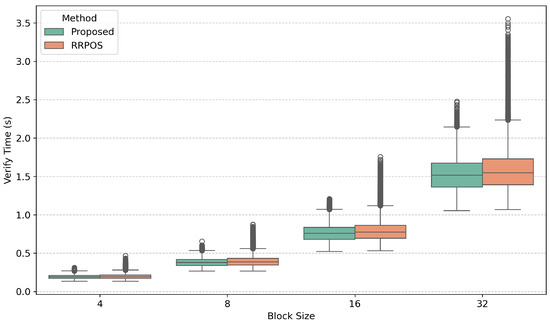
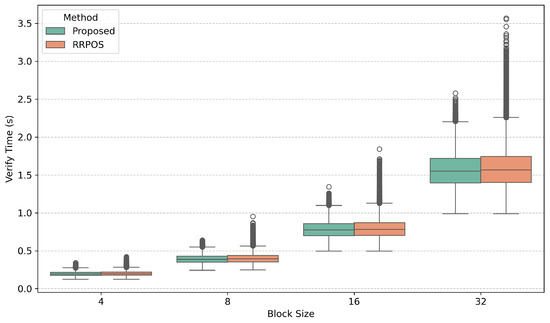
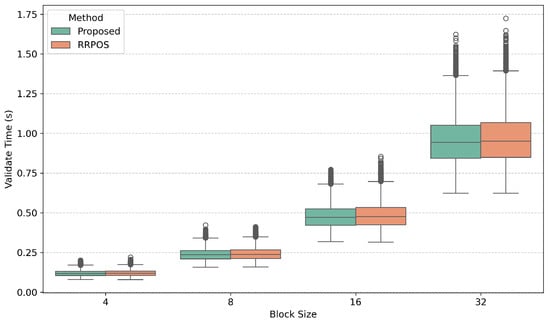
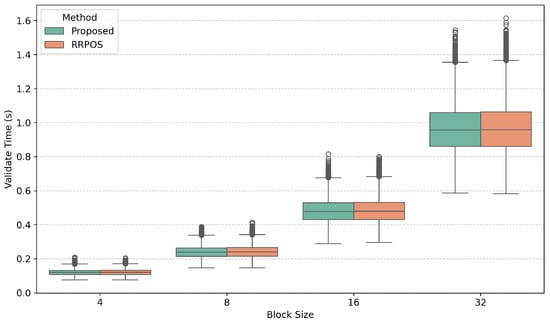
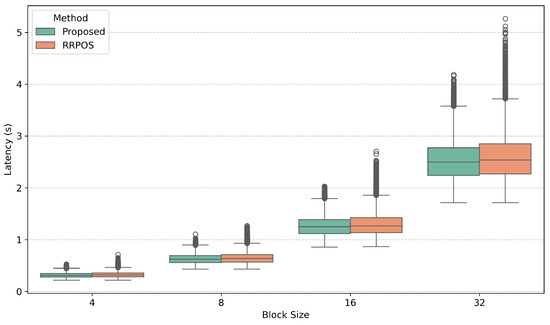
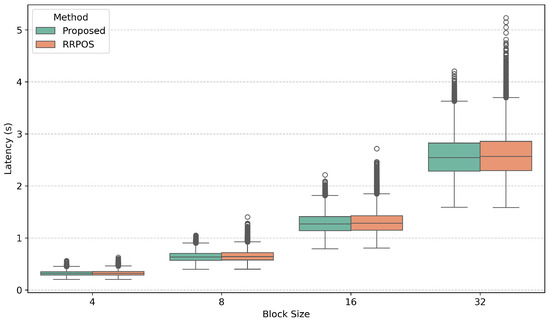
Blockchain technology has emerged as a foundational paradigm for building decentralized, transparent, and secure systems, particularly in environments that operate without centralized authority. At the core of these systems are consensus mechanisms that ensure transaction validity and maintain trust among distributed participants. However, the efficiency of a blockchain network is strongly influenced by how verifier (or validator) nodes are selected, particularly in sharded architectures where transaction processing is distributed across multiple shards. A critical challenge in blockchain design is selecting appropriate nodes for transaction verification in a manner that is efficient, fair, and resilient to adversarial behavior, while also minimizing communication overhead. Existing approaches often rely primarily on resource availability or on the ability to create blocks, particularly in sharded blockchain architectures. Building on these ideas, this paper proposes a Resource Weighted–Block Score selection algorithm, which integrates a node’s block score with its computational resource availability to guide verifier node selection. Simulation-based evaluation demonstrates that the proposed approach significantly reduces transaction verification latency and improves overall node utilization, thereby enhancing network performance and scalability in sharded blockchain systems.
Full article
(This article belongs to the Topic Recent Advances in Artificial Intelligence for Security and Security for Artificial Intelligence)
►▼
Show Figures

Figure 1

Open AccessArticle
Cross-Lingual Transfer of Named Entity Markup with Large Language Models
by
Vladimir Barakhnin, Rustam Mussabayev, Davlatyor Mengliev, Alexander Krassovitskiy, Alymzhan Toleu, Daniil Lyutaev, Iskander Akhmetov and Bahodir Ibragimov
Informatics 2026, 13(5), 70; https://doi.org/10.3390/informatics13050070 - 7 May 2026
Abstract
►▼
Show Figures
This paper investigates the problem of cross-lingual named entity recognition (NER), which involves automatically identifying entities such as persons, organizations, locations, and other structured elements in text. High-quality NER typically requires manually annotated corpora; however, for many low-resource languages, such data are scarce
[...] Read more.
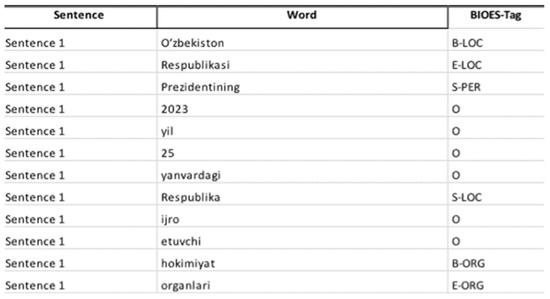
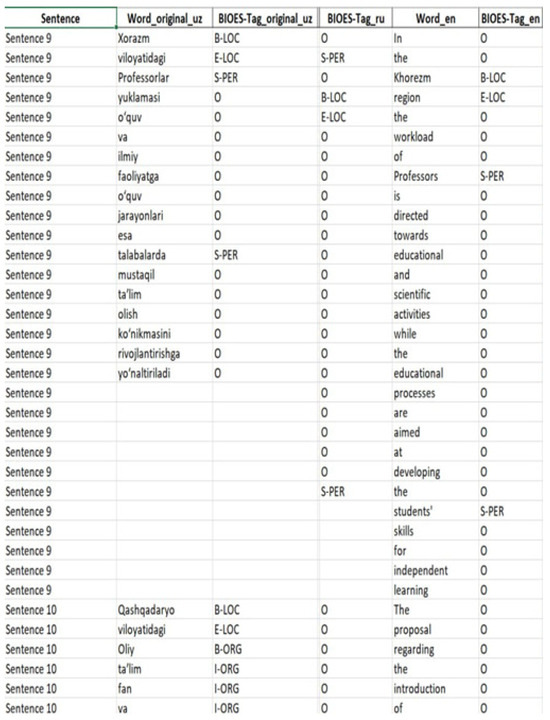
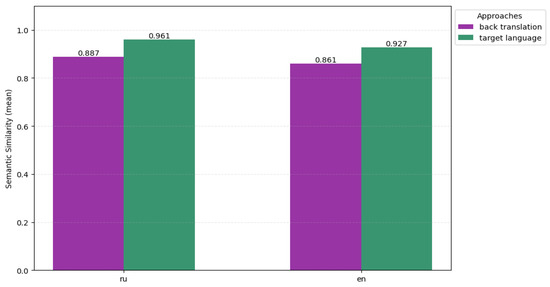
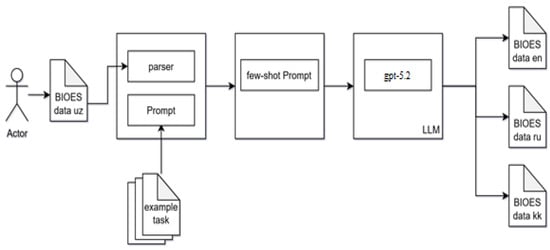
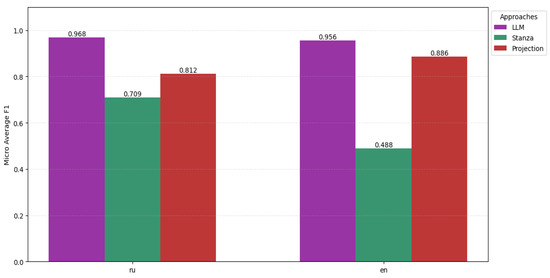
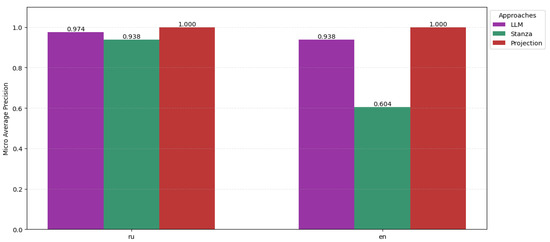
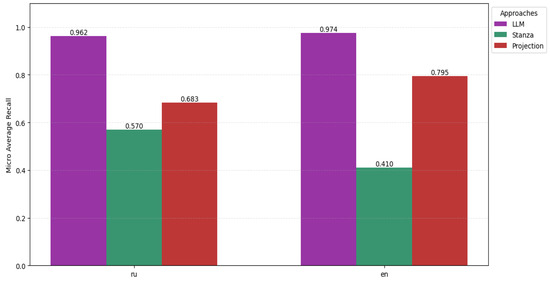
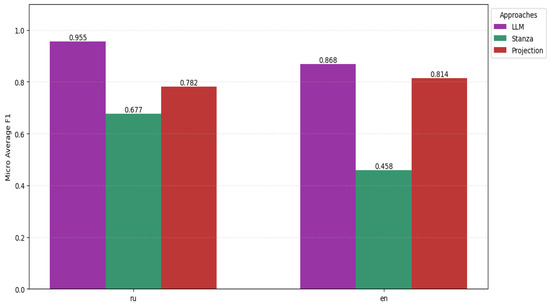
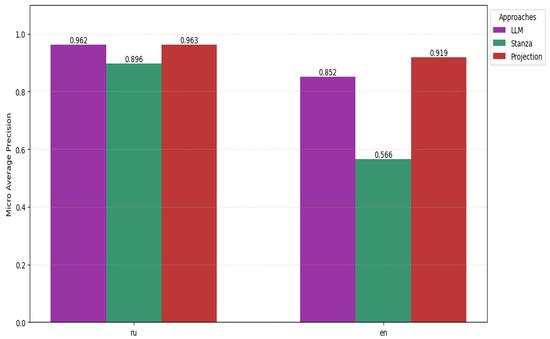
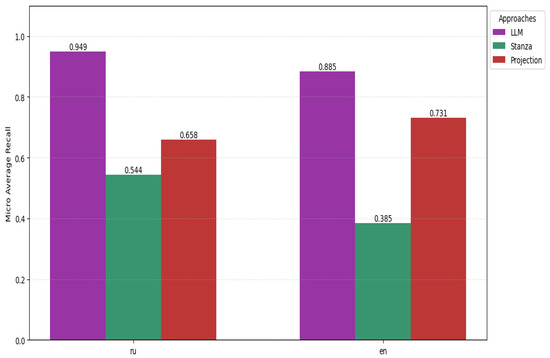
This paper investigates the problem of cross-lingual named entity recognition (NER), which involves automatically identifying entities such as persons, organizations, locations, and other structured elements in text. High-quality NER typically requires manually annotated corpora; however, for many low-resource languages, such data are scarce and costly to produce. The study addresses the following question: can annotated sentences in one language be used to transfer NER markup to their machine-translated counterparts in other languages? To explore this, we propose an approach based on a large language model (LLM) that performs two tasks simultaneously: translating a source sentence and generating BIOES-formatted entity tags for the translated output. To improve robustness and reduce semantic drift, a back-translation step is incorporated to verify meaning preservation by comparing the reconstructed source sentence with the original. The proposed method is compared with two baseline approaches: (1) annotation projection via machine translation and (2) automatic tagging using pre-existing NER tools. Performance is evaluated using standard metrics, including precision, recall, and F1-score. Experimental results demonstrate that the LLM-based approach provides a practical and efficient mechanism for transferring NER annotations across languages. While the method achieves strong and balanced performance, its quality remains influenced by translation accuracy and adherence to annotation constraints. Methodologically, the approach can be considered relatively language-independent, as it relies on general LLM capabilities, a universal tagging scheme, and multilingual semantic representations rather than language-specific model training.
Full article

Figure 1
Open AccessArticle
A Lightweight Hybrid CNN–CBAM Model for Multistage Acute Lymphoblastic Leukemia Classification from Peripheral Blood Smear Images
by
Kittipol Wisaeng
Informatics 2026, 13(5), 69; https://doi.org/10.3390/informatics13050069 - 30 Apr 2026
Abstract
Accurate and efficient classification of hematological malignancies from peripheral blood smear (PBS) images remains challenging due to the scarcity of annotated datasets, staining variability, and subtle morphological differences among blood cancer subtypes. To address these limitations, this study proposes an Advanced Lightweight Deep
[...] Read more.
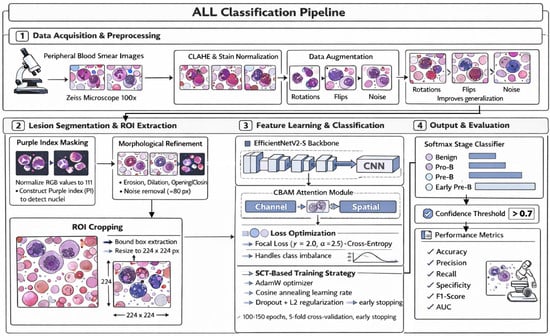
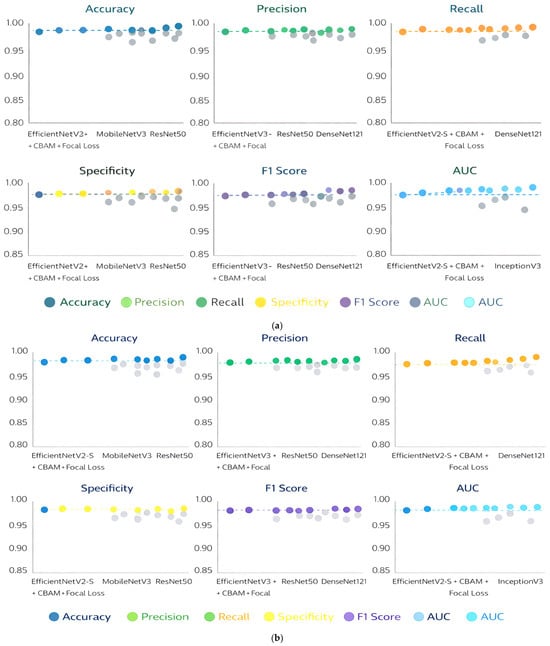
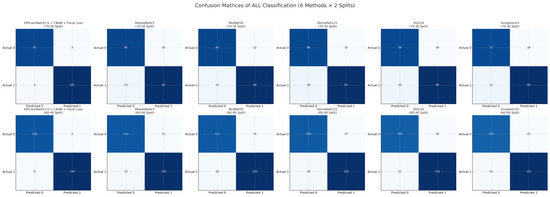
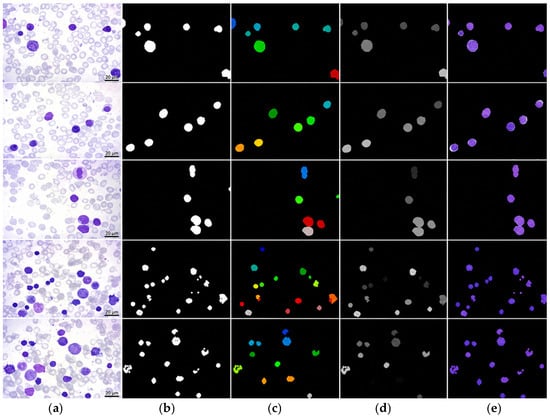
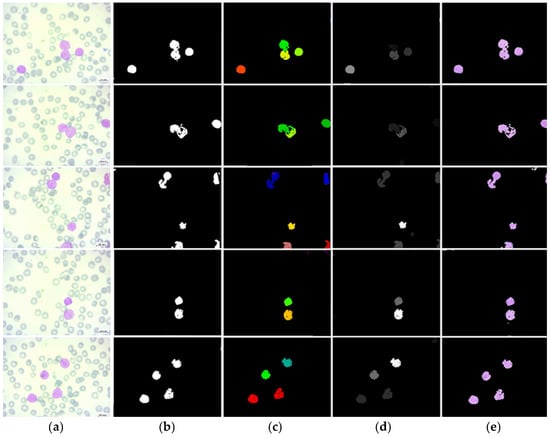
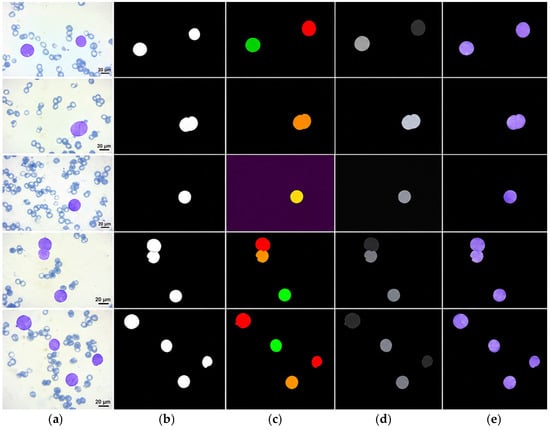
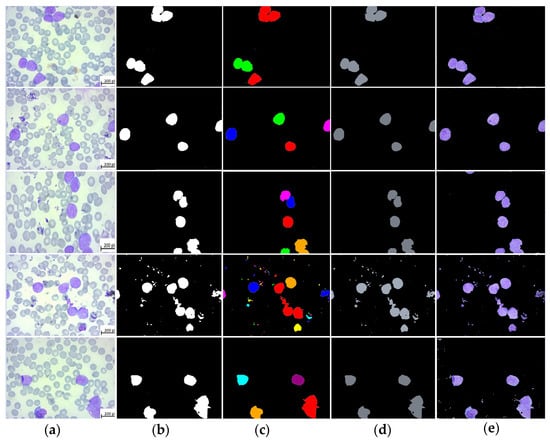
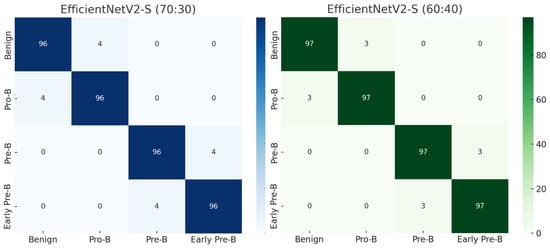
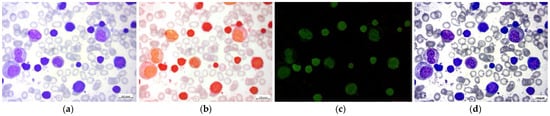
Accurate and efficient classification of hematological malignancies from peripheral blood smear (PBS) images remains challenging due to the scarcity of annotated datasets, staining variability, and subtle morphological differences among blood cancer subtypes. To address these limitations, this study proposes an Advanced Lightweight Deep Learning (ALDL) framework for the multi-class classification of Acute Lymphoblastic Leukemia (ALL) across four clinically significant stages: Benign, Pro-B, Pre-B, and Early Pre-B. The framework integrates EfficientNetV2-S with Convolutional Block Attention Modules (CBAM) to enhance spatial and channel-wise feature refinement. At the same time, Focal Loss is employed to mitigate class imbalance by prioritizing hard-to-classify samples. A robust preprocessing pipeline, including CLAHE contrast enhancement, Reinhard stain normalization, and data augmentation, improves feature visibility and dataset generalization. Lesion segmentation is performed using RGB-based thresholding and watershed overlay, followed by lesion-level cropping to ensure consistency across inputs. Experimental evaluations on the ALL-DB dataset demonstrate the superior performance of the proposed method, achieving an average accuracy of 96.11%, an F1-score of 95.99%, and an AUC of 0.9875. Comparative analyses against MobileNetV3, ResNet50, DenseNet121, VGG16, and InceptionV3 confirm that the proposed segmentation-guided EfficientNetV2-S + CBAM + Focal Loss framework consistently outperforms conventional CNN architectures across both 70:30 and 60:40 train–test splits. Furthermore, a detailed investigation of color spaces (RGB, HSV, LAB, and HED) indicates that RGB yields the most reliable segmentation and classification results. At the same time, HED enhances lesion visualization at the expense of higher computational cost. The proposed ALDL framework demonstrates strong potential for real-world application as a computer-aided diagnostic (CAD) system for early leukemia detection, offering improved diagnostic reliability, reduced error rates, and practical scalability for clinical environments.
Full article
(This article belongs to the Section Health Informatics)
►▼
Show Figures

Figure 1

Open AccessArticle
Beverage Stain Classification Using Hyperspectral Imaging with an L-BFGS-B-Optimized Autoencoder and a Channel-Attention 1D CNN
by
Jitendra Shit, Muzaffar Ahmad Dar, Manikandan V M and Partha Pratim Roy
Informatics 2026, 13(5), 68; https://doi.org/10.3390/informatics13050068 - 28 Apr 2026
Abstract
Hyperspectral imaging (HSI) provides rich spectral information and serves as a non-destructive technique for forensic stain analysis. Conventional approaches often exhibit degraded performance due to the high dimensionality and spectral redundancy inherent in hyperspectral data. To address this challenge, a hyperspectral dataset comprising
[...] Read more.
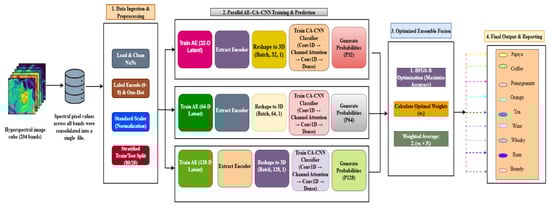
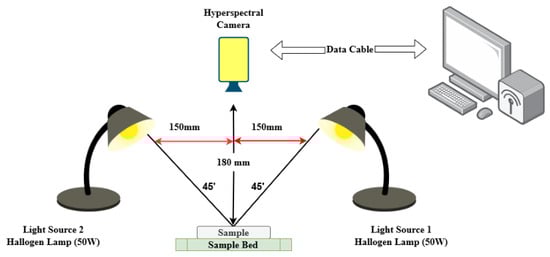
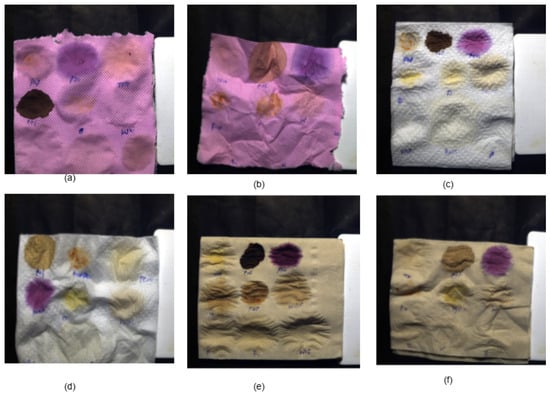
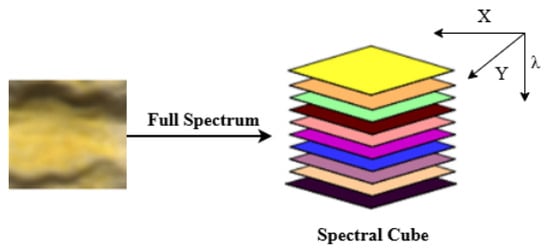
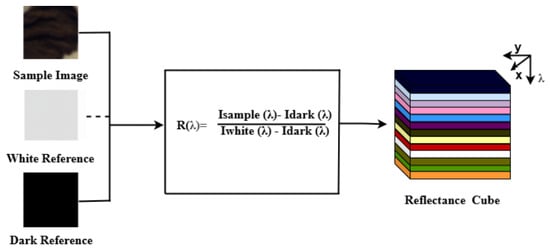
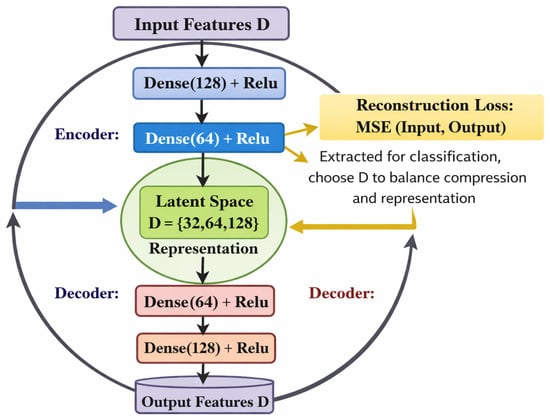
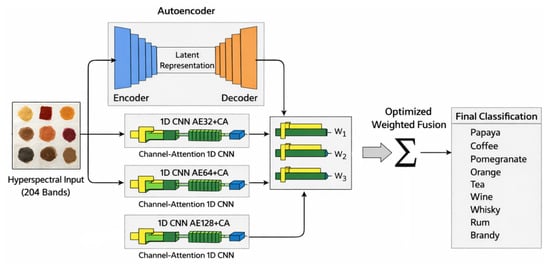
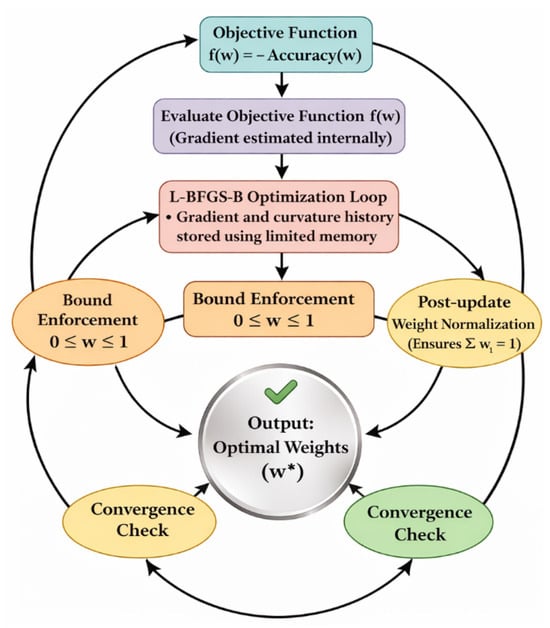
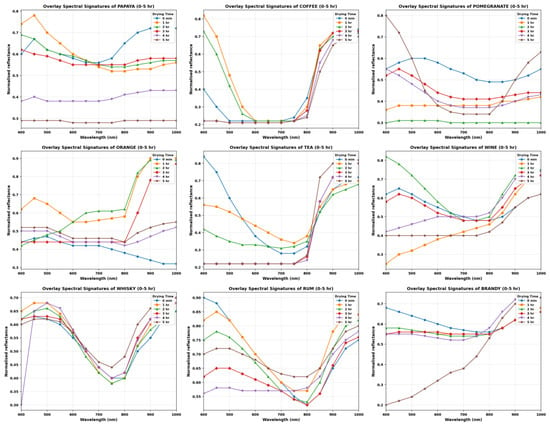
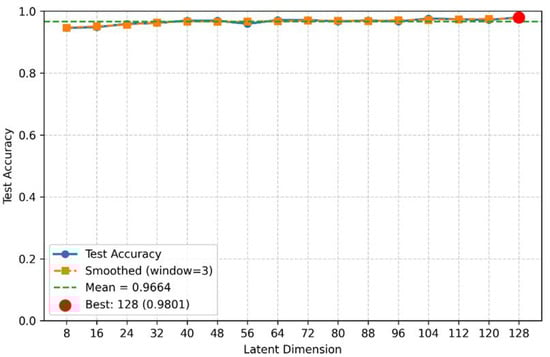
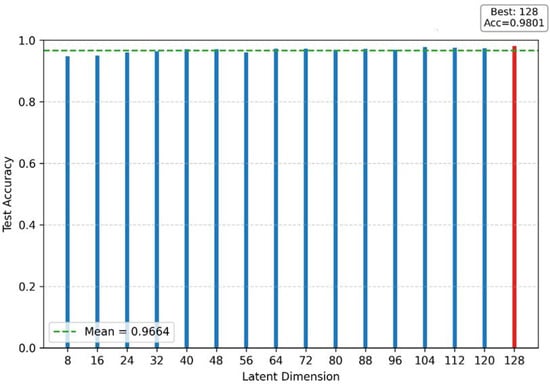
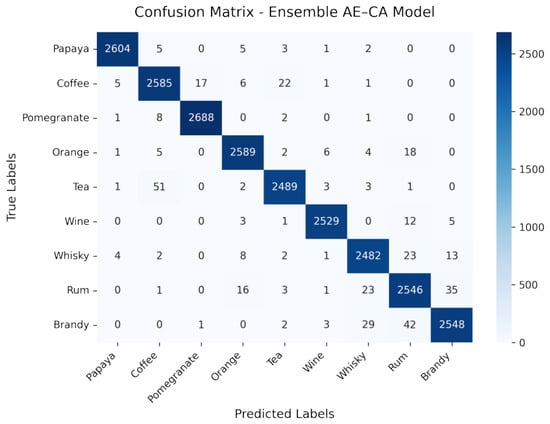
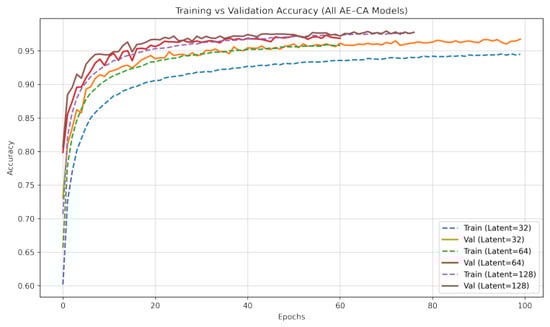
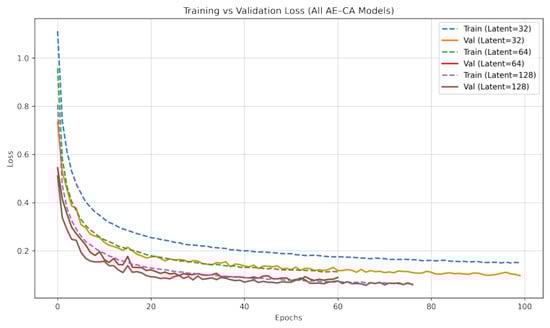
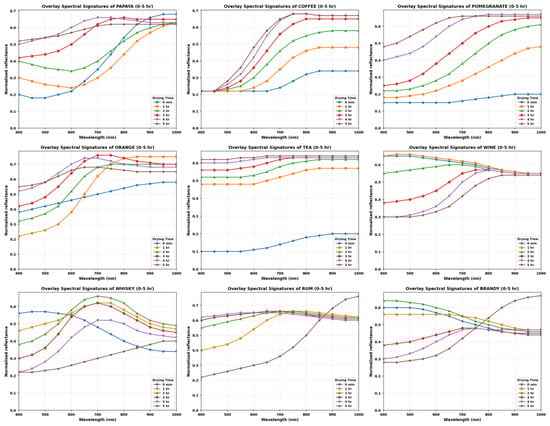
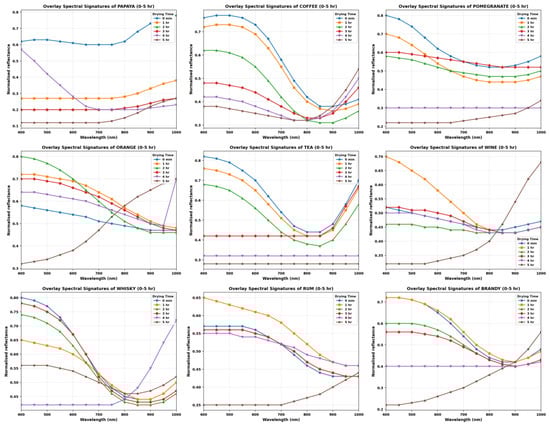
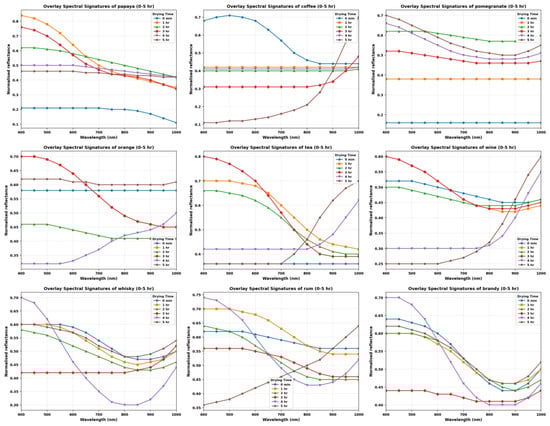
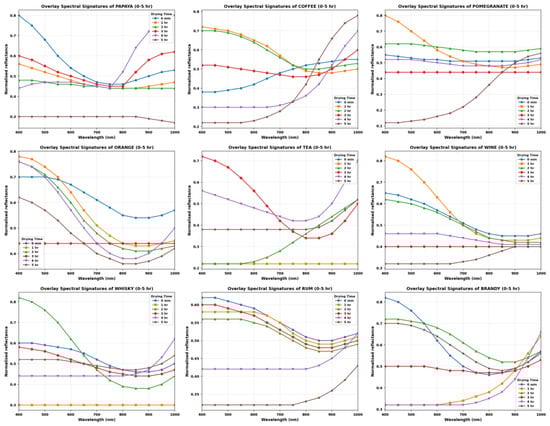
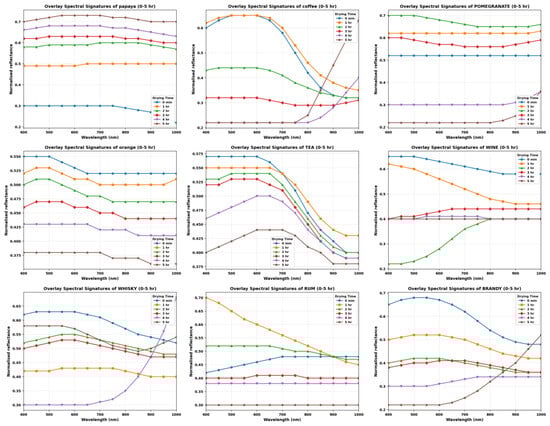
Hyperspectral imaging (HSI) provides rich spectral information and serves as a non-destructive technique for forensic stain analysis. Conventional approaches often exhibit degraded performance due to the high dimensionality and spectral redundancy inherent in hyperspectral data. To address this challenge, a hyperspectral dataset comprising nine beverage stains—papaya, coffee, pomegranate, orange, tea, wine, whisky, rum, and brandy—is developed. Building on this dataset, an ensemble framework that combines an optimized autoencoder (AE), channel-attention (CA)-enhanced one-dimensional convolutional neural networks (1D CNNs), and a Limited Memory Broyden–Fletcher–Goldfarb–Shanno (L-BFGS-B)-based weighted fusion strategy is proposed. The autoencoder learns compact latent representations from the 204-band hyperspectral vectors, reducing redundancy while preserving discriminative spectral features. CA emphasizes informative spectral bands and improves stain separability. Multiple 1D CNN models are trained using different latent dimensionalities, and their class probability outputs are fused through an optimized L-BFGS-B weighting scheme, where higher-performing models contribute more strongly to the final decision. Experimental results demonstrate classification accuracies of 96.54%, 97.19%, and 97.86% for the AE32 CA, AE64 CA, and AE128 CA models, respectively, with the optimized ensemble achieving an accuracy of 98.28%. Additionally, the time-dependent evolution of beverage stain reflectance is systematically analyzed using overlapped, normalized reflectance signatures acquired at time intervals of 0 min, 1 h, 2 h, 3 h, 4 h, and 5 h. The results confirm that AE-based latent compression, CA, and L-BFGS-B optimized ensemble fusion enhance hyperspectral beverage stain classification, providing an effective and extensible framework for forensic trace evidence analysis.
Full article
(This article belongs to the Section Machine Learning)
►▼
Show Figures

Figure 1

Open AccessArticle
The Evolution of Artificial Intelligence in Marketing: A Bibliometric Analysis of Three Decades (1992–2025)
by
Weiming Wang and Zijia Li
Informatics 2026, 13(5), 67; https://doi.org/10.3390/informatics13050067 - 27 Apr 2026
Abstract
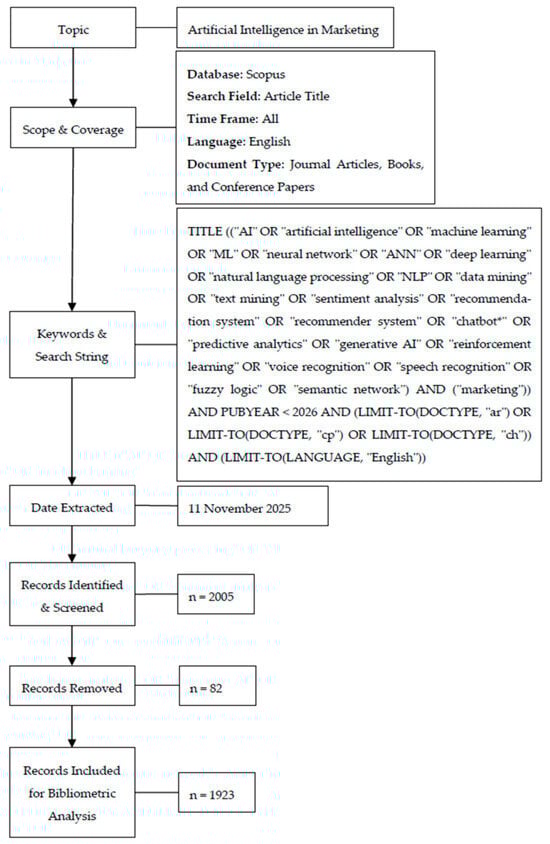
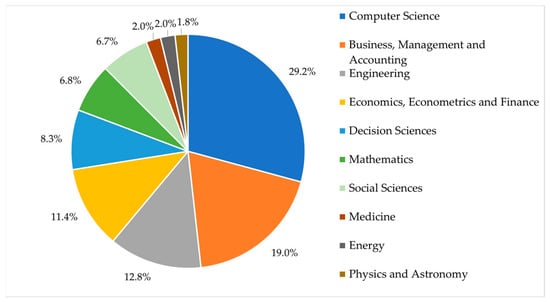
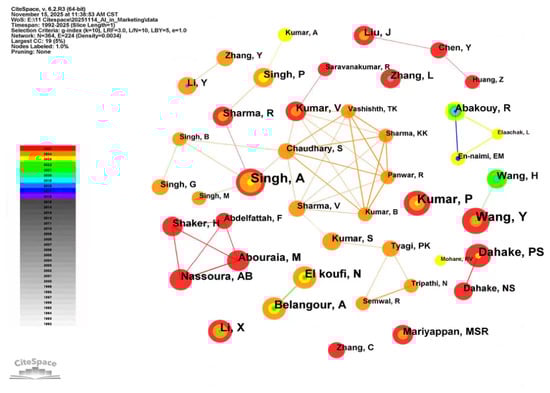
Over the past three decades, artificial intelligence (AI) has substantially reshaped marketing research and practice, yet the discipline has not established a systematic understanding of its evolutionary trajectory and intellectual structure. A bibliometric analysis of 1923 Scopus publications (1992–2025) was conducted using CiteSpace
[...] Read more.
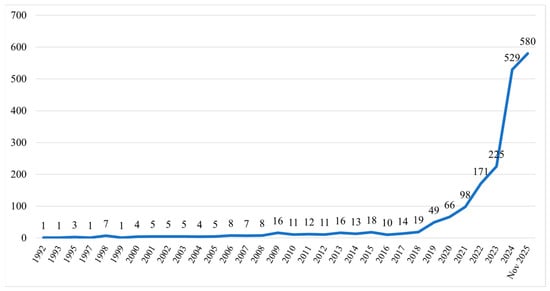
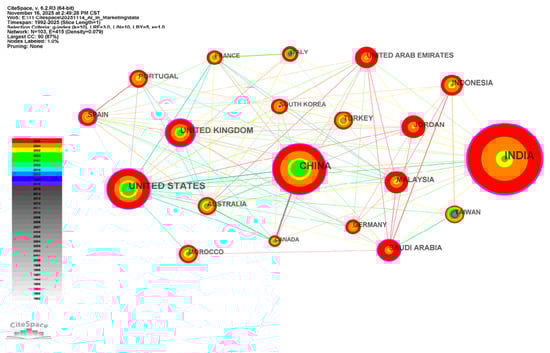
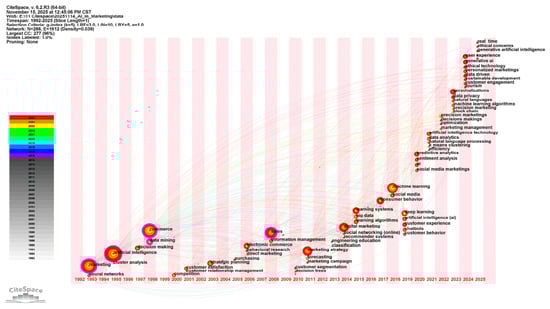
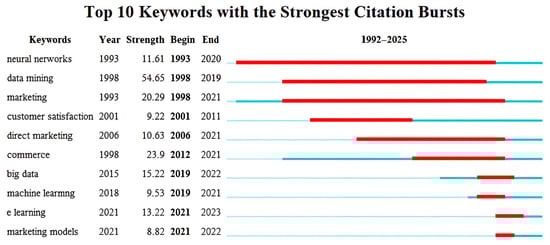
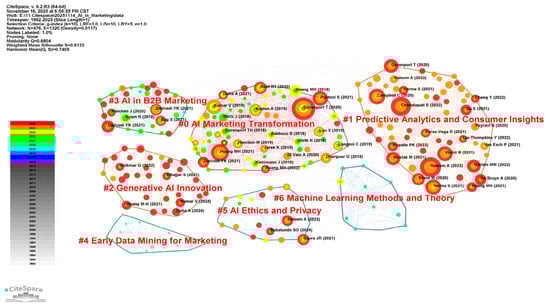
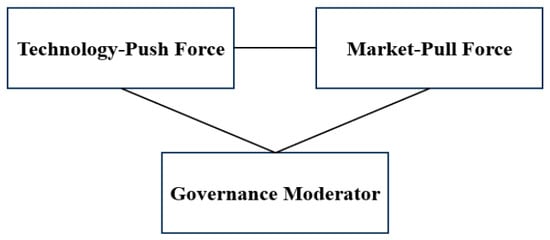
Over the past three decades, artificial intelligence (AI) has substantially reshaped marketing research and practice, yet the discipline has not established a systematic understanding of its evolutionary trajectory and intellectual structure. A bibliometric analysis of 1923 Scopus publications (1992–2025) was conducted using CiteSpace to explore collaboration patterns, conceptual development, and thematic organization. It identified six evolutionary stages with accelerating innovation cycles, starting with neural networks (1992–2000) and ending with generative AI (2024–2025), with research attention per stage compressing from approximately 9 years to just 2 years. The analysis of the collaboration network shows that the key contributors are India, China, the USA, and the UK. Co-citation analysis indicates that there are three thematic dimensions with seven clusters, namely: (i) AI technological foundations and capabilities, (ii) AI marketing applications and transformation, and (iii) responsible AI governance and ethics. It suggests a Three-Force Evolutionary Framework, which combines technology-push, market-pull, and governance-moderator forces to describe the dynamics of the field. This framework shows that the Regulatory Awakening of 2018 (e.g., GDPR and the Cambridge Analytica incident) guided, not limited, innovation, and highlighted the critical personalization–privacy paradox on which modern developments are based. It identifies three priority research directions: generative AI in creative marketing, consumer trust in the personalization–privacy paradox, and organizational adaptation to fast innovation cycles. This study provides scholars with a comprehensive knowledge map, practitioners with strategic imperatives for responsible AI adoption, and policymakers with evidence that well-designed regulation accelerates innovation by balancing commercial value with societal concerns.
Full article
(This article belongs to the Topic Consumer Behavior, Sustainable Marketing and Consumption Upgrading)
►▼
Show Figures

Figure 1
Open AccessArticle
Intelligent Question-Answering System for New Energy Vehicles Integrating Deep Semantic Parsing and Knowledge Graphs
by
Yaqi Wu, Pengcheng Li, Tong Geng, Yi Wang, Haiyu Zhang and Shixiong Li
Informatics 2026, 13(5), 66; https://doi.org/10.3390/informatics13050066 - 24 Apr 2026
Abstract
The new energy vehicle (NEV) industry generates massive multi-source heterogeneous data. To overcome traditional database limitations in terminology disambiguation and multi-hop reasoning, this paper proposes a knowledge graph (KG)-based question-answering (QA) architecture. Three primary domain challenges are addressed: First, to tackle the poor
[...] Read more.
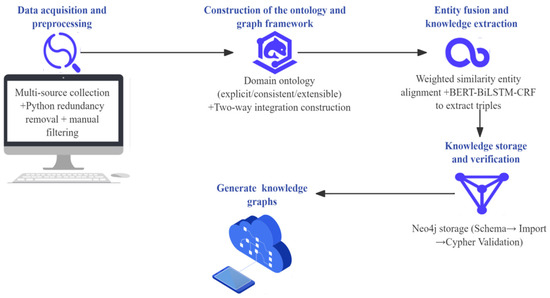
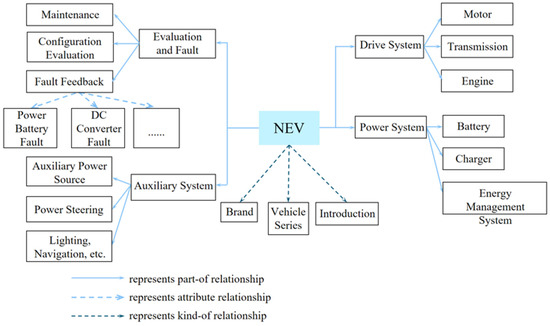
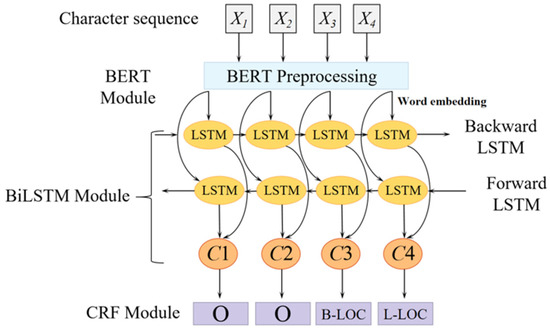
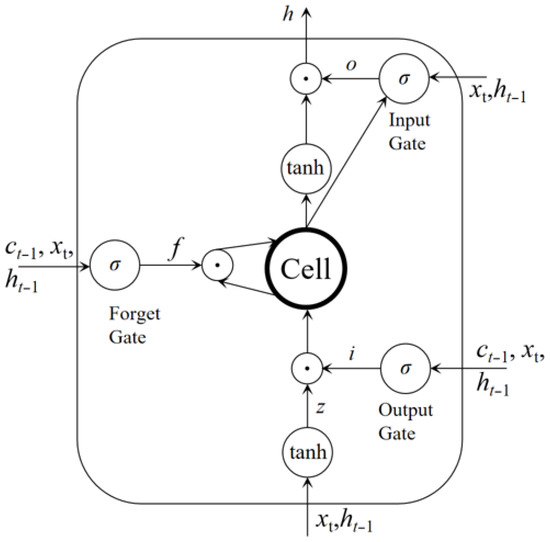
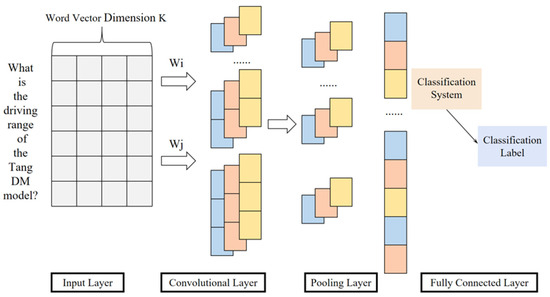
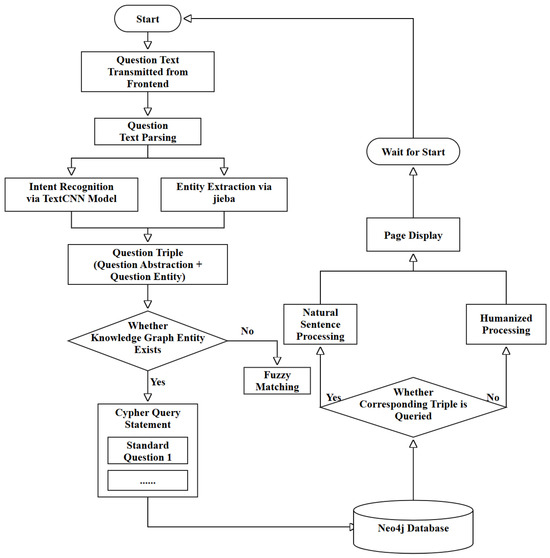
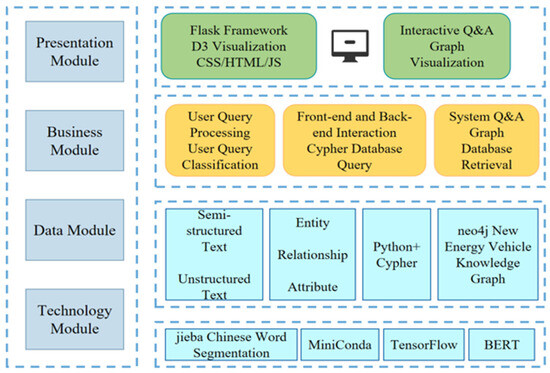
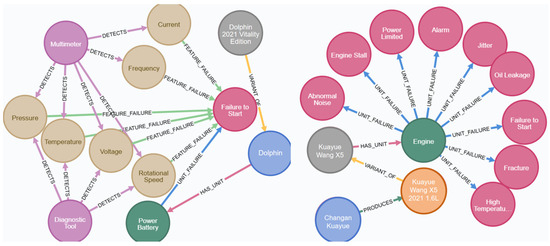
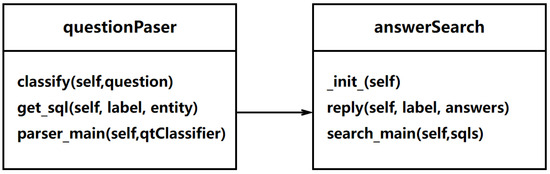
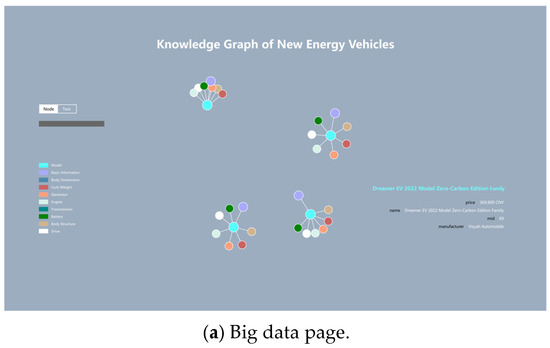
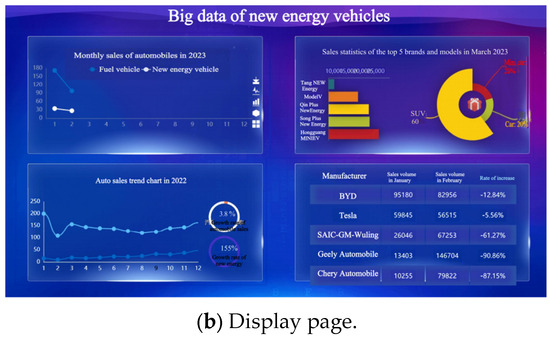
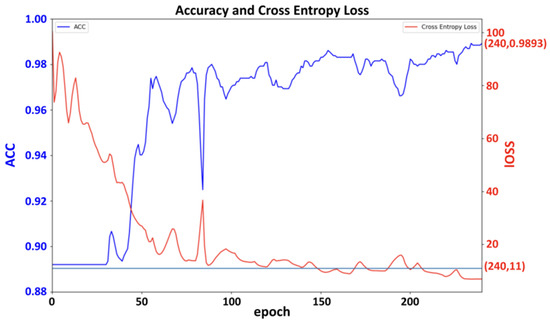
The new energy vehicle (NEV) industry generates massive multi-source heterogeneous data. To overcome traditional database limitations in terminology disambiguation and multi-hop reasoning, this paper proposes a knowledge graph (KG)-based question-answering (QA) architecture. Three primary domain challenges are addressed: First, to tackle the poor semantic extraction of informal diagnostic texts, a deep semantic parsing network (BERT-BiLSTM-CRF) is integrated to extract high-precision knowledge from 150,000 real-world maintenance records. Second, to solve topological redundancy, the Labeled Property Graph (LPG) specification is employed to encapsulate parameters of 2157 vehicle models as internal attributes, significantly streamlining complex multi-hop reasoning. Finally, to enhance limited reasoning capabilities, an intent classification module (TextCNN) automatically translates natural language into graph queries, enabling deep fault tracing across up to five semantic levels. Experimental results demonstrate 98% and 93% accuracy in entity-relation recognition and intent classification, respectively. The resulting KG (8274 nodes, 14,488 edges) establishes a scalable paradigm for intelligent diagnostic reasoning in complex vertical domains.
Full article
(This article belongs to the Section Machine Learning)
►▼
Show Figures

Figure 1

Open AccessArticle
The Relevance of Compound Events in Bee Traffic Monitoring
by
Andrea Nieves-Rivera, Marie Lluberes-Contreras and Rémi Mégret
Informatics 2026, 13(5), 65; https://doi.org/10.3390/informatics13050065 - 23 Apr 2026
Abstract
Bees are essential pollinators for agricultural systems, making accurate, automated monitoring of their behavior critical for assessing colony health and ecosystem stability. Recent advances in computer vision and artificial intelligence have enabled large-scale bee traffic monitoring at hive entrances; however, most existing event
[...] Read more.
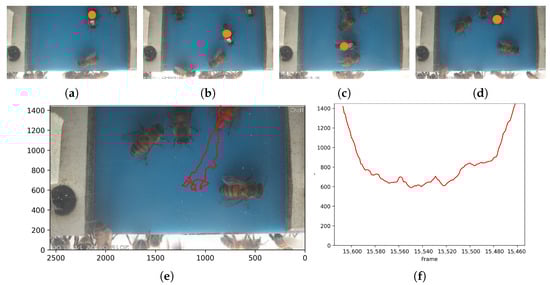
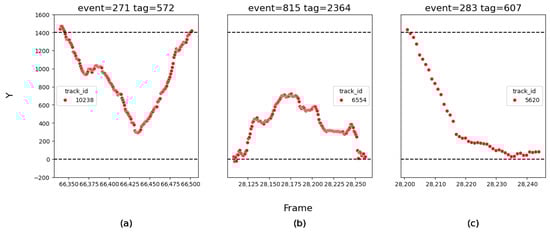
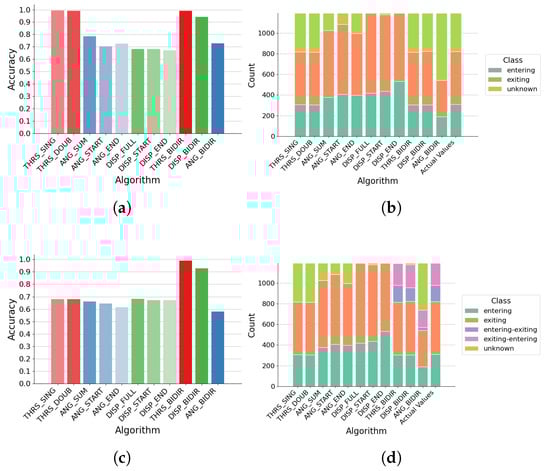
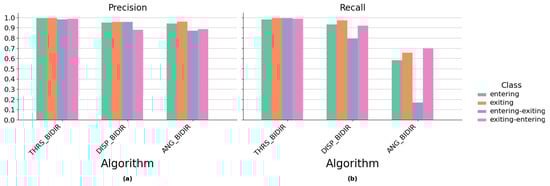
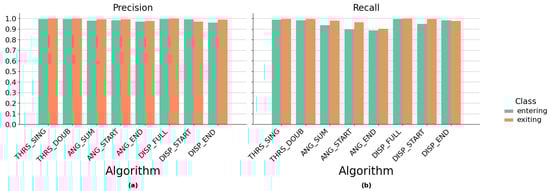
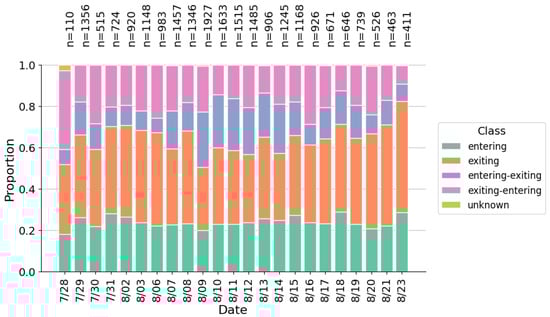
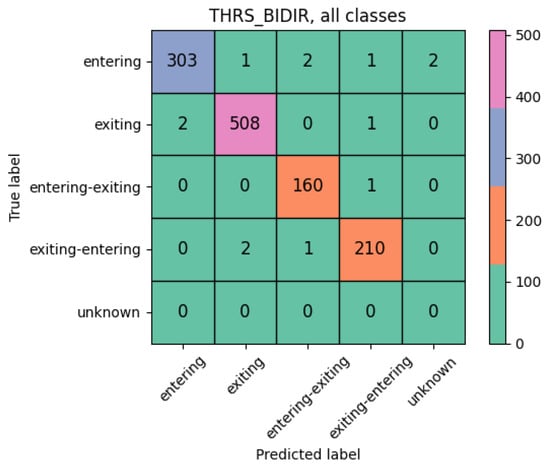
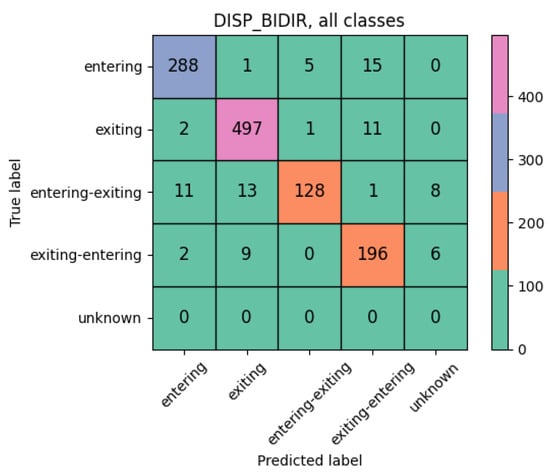
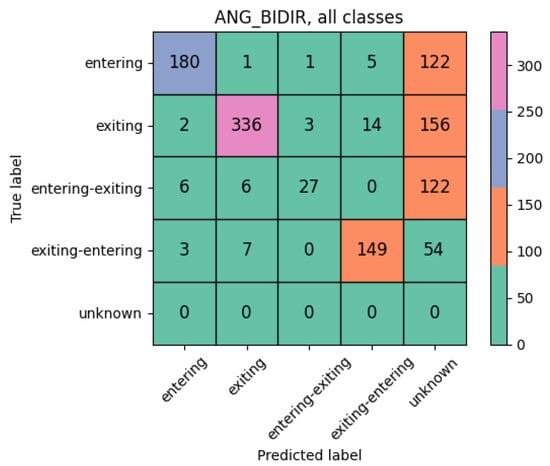
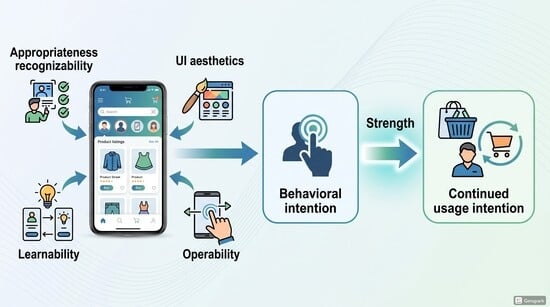
Bees are essential pollinators for agricultural systems, making accurate, automated monitoring of their behavior critical for assessing colony health and ecosystem stability. Recent advances in computer vision and artificial intelligence have enabled large-scale bee traffic monitoring at hive entrances; however, most existing event classification methods focus exclusively on simple entrance and exit events. This simplification overlooks compound movements—such as U-turns and guarding behaviors—that represent a substantial portion of bee activity and can lead to inaccurate trajectory reconstruction and misleading behavioral interpretations. In this work, we systematically analyze existing event classification strategies used in automatic bee traffic monitoring, evaluating their performance on both simple and compound movements. We then propose extended classification methods that explicitly model compound events by incorporating bidirectional movement patterns derived from positional and angular cues. Using a manually annotated dataset of computer-vision-based hive entrance recordings, we compare threshold-based, displacement-based, and angle-based approaches under simple and mixed-event conditions. Our results demonstrate that compound events account for over one-third of all detected movements and that classification methods explicitly designed to handle bidirectional behavior substantially outperform traditional approaches in both accuracy and robustness. In particular, threshold-based bidirectional classification achieves near-perfect performance when full trajectories are available, while displacement-based methods provide a reliable alternative under partial observations. These findings highlight the importance of modeling compound behaviors in automated bee monitoring systems and contribute to more accurate flight reconstruction, behavioral analysis, and AI-driven decision support for precision agriculture and pollinator management.
Full article
(This article belongs to the Special Issue Revolutionizing Agriculture and Natural Resource Management with Artificial Intelligence Approaches)
►▼
Show Figures

Figure 1
Open AccessArticle
The Role of Human–Computer Interaction in Shaping User Engagement with E-Commerce Applications
by
Hasan Razzaqi, Mahmood Akbar, Jayendira P. Sankar and T. Ramayah
Informatics 2026, 13(4), 64; https://doi.org/10.3390/informatics13040064 - 20 Apr 2026
Abstract
►▼
Show Figures
This research aimed to determine the influence of human–computer interaction usability on the behavioral intention and self-reported continued usage intentions of e-commerce applications. Moreover, it investigated the moderating role of trust in the relationship between behavioral intention and self-reported continued usage intentions of
[...] Read more.
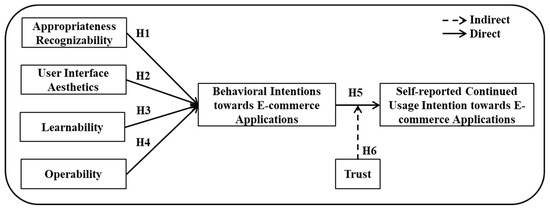
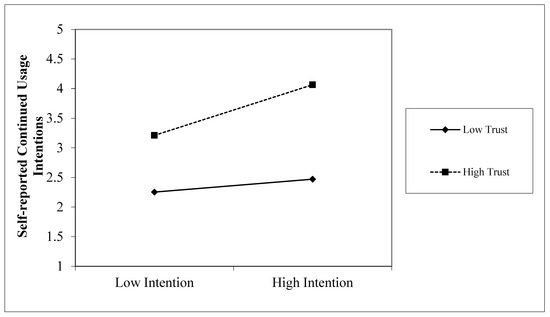
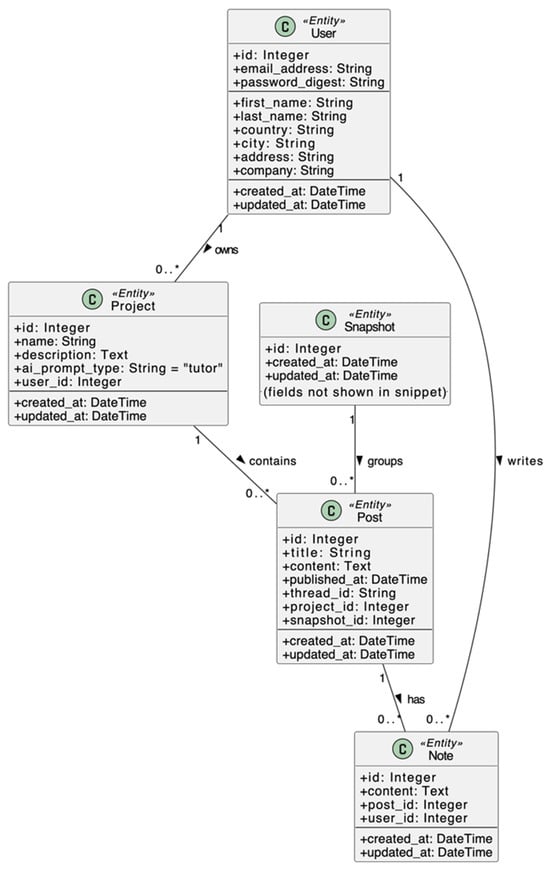
This research aimed to determine the influence of human–computer interaction usability on the behavioral intention and self-reported continued usage intentions of e-commerce applications. Moreover, it investigated the moderating role of trust in the relationship between behavioral intention and self-reported continued usage intentions of e-commerce applications. The data were gathered from 398 Bahraini individuals using a convenience sampling approach and analyzed using SmartPLS 4. The results highlighted that human–computer interaction usability sub-characteristics, including appropriateness, recognizability, user interface esthetics, learnability, and operability, are significantly associated with behavioral intention toward e-commerce applications within this sample. Furthermore, the results reported that trust strengthens the influence of behavioral intention on self-reported continued usage intentions toward e-commerce applications. The research provides context-specific exploratory insights from a segment of the Bahraini e-commerce sector. Due to the study’s non-probabilistic convenience sampling design, the cross-sectional nature of the data, and a sample predominantly composed of young, male, English-proficient respondents, the findings should be interpreted as exploratory rather than representative of the entire Bahraini population. In addition, the research findings helped e-commerce application developers and marketing experts within e-commerce companies develop efficient, operable, attractive, and learnable applications.
Full article

Graphical abstract
Open AccessArticle
SPARK_AI: A Prompt-Orchestrated Architecture for Stateful, Process-Oriented Reasoning with Large Language Models
by
Marija Kaplar, Sebastijan Kaplar, Miloš Vučić, Lidija Ivanović, Aleksandra Stevanović, Aleksandar Milenković and Nemanja Vučićević
Informatics 2026, 13(4), 63; https://doi.org/10.3390/informatics13040063 - 17 Apr 2026
Abstract
►▼
Show Figures
This paper presents SPARK_AI, a prompt-orchestrated system architecture for governing how large language models (LLMs) conduct structured and adaptive reasoning in human–AI interaction. The framework mitigates ad hoc LLM use by replacing direct answer generation with a process-oriented, step-by-step reasoning workflow. We focus
[...] Read more.
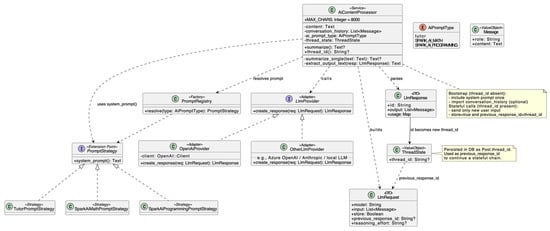
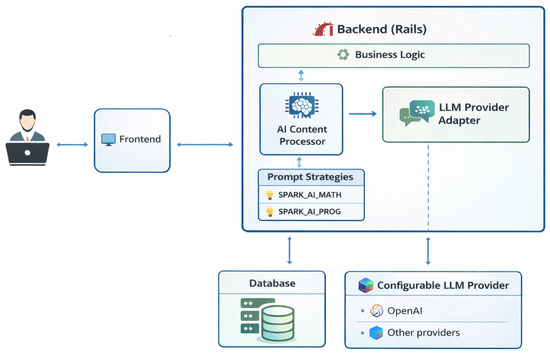
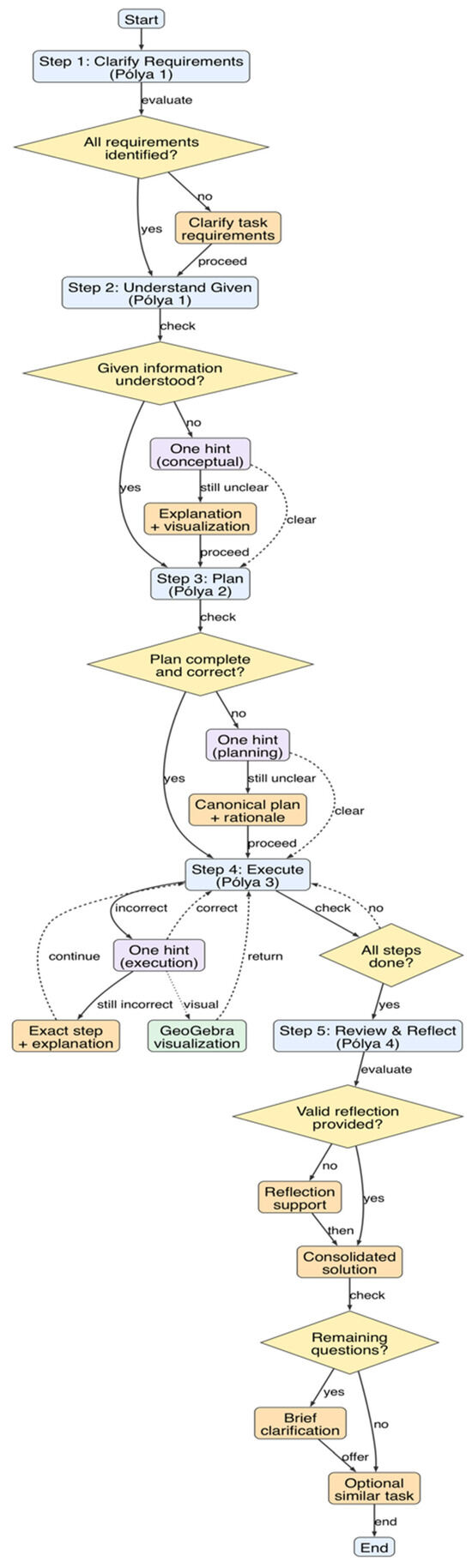
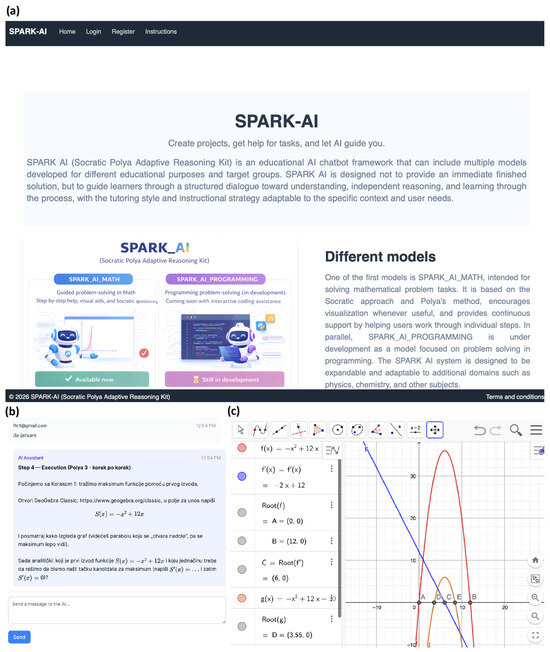
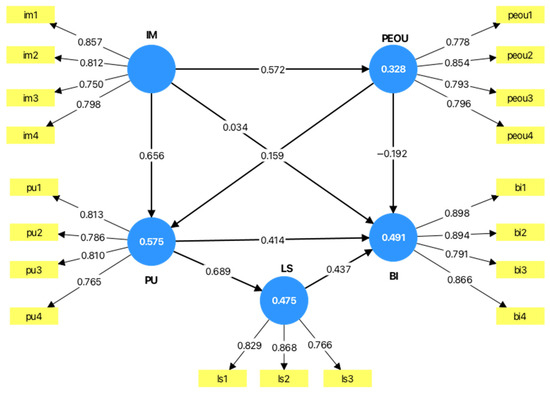
This paper presents SPARK_AI, a prompt-orchestrated system architecture for governing how large language models (LLMs) conduct structured and adaptive reasoning in human–AI interaction. The framework mitigates ad hoc LLM use by replacing direct answer generation with a process-oriented, step-by-step reasoning workflow. We focus on SPARK_AI_MATH, a domain module that supports learners in solving non-routine problem-solving tasks by operationalizing well-established problem-solving phases and guided questioning dialog strategies (Socratic-style prompts), with an optional tool-mediated visualization layer (e.g., GeoGebra). The module implements a five-phase conversational protocol consisting of problem interpretation, analysis of givens, planning, execution, and reflection, together with a controlled hint policy. This design is realized through a stateful system architecture in which each problem instance is maintained as an independent interaction track with a persistent reasoning state. User acceptance was evaluated by first-year mechanical engineering students (N = 108) using an expanded Technology Acceptance Model instrument, and the results were analyzed via PLS-SEM. The findings indicate overall favorable perceptions, with perceived usefulness and learning support emerging as key predictors of intention for continued use. Beyond this specific domain, the SPARK_AI framework enables efficient domain adaptation through localized prompt strategies while preserving a shared cognitive control layer for reasoning-centered human–LLM interaction.
Full article

Figure 1
Highly Accessed Articles
Latest Books
E-Mail Alert
News
Topics
Topic in
Computers, Informatics, Information, Logistics, Mathematics, Algorithms
Decision Science Applications and Models (DSAM)
Topic Editors: Daniel Riera Terrén, Angel A. Juan, Majsa Ammuriova, Laura CalvetDeadline: 30 June 2026
Topic in
AI, Algorithms, BDCC, Computers, Data, Future Internet, Informatics, Information, MAKE, Publications, Smart Cities
Learning to Live with Gen-AI
Topic Editors: Antony Bryant, Paolo Bellavista, Kenji Suzuki, Horacio Saggion, Roberto Montemanni, Andreas Holzinger, Min ChenDeadline: 31 August 2026
Topic in
World, Informatics, Information
The Applications of Artificial Intelligence in Tourism
Topic Editors: Angelica Lo Duca, Jose BerengueresDeadline: 30 September 2026
Topic in
Applied Sciences, Electronics, Informatics, JCP, Future Internet, Mathematics, Sensors, Remote Sensing
Recent Advances in Artificial Intelligence for Security and Security for Artificial Intelligence
Topic Editors: Tao Zhang, Xiangyun Tang, Jiacheng Wang, Chuan Zhang, Jiqiang LiuDeadline: 28 February 2027
Special Issues
Special Issue in
Informatics
Machine Learning in Social Media Analysis
Guest Editors: Kellyton Brito, Vinícius Vieira, Pablo SampaioDeadline: 30 June 2026
Special Issue in
Informatics
Revolutionizing Agriculture and Natural Resource Management with Artificial Intelligence Approaches
Guest Editors: Sarawut Ninsawat, Jaturong Som-ardDeadline: 31 July 2026
Special Issue in
Informatics
Real-World Applications and Prototyping of Information Systems for Extended Reality (VR, AR, and MR)
Guest Editors: Kitti Puritat, Kannikar Intawong, Wirapong ChansanamDeadline: 30 September 2026
Special Issue in
Informatics
Machine Learning-Based Human Activity Recognition
Guest Editors: Anuchit Jitpattanakul, Sakorn MekruksavanichDeadline: 30 September 2026