
-
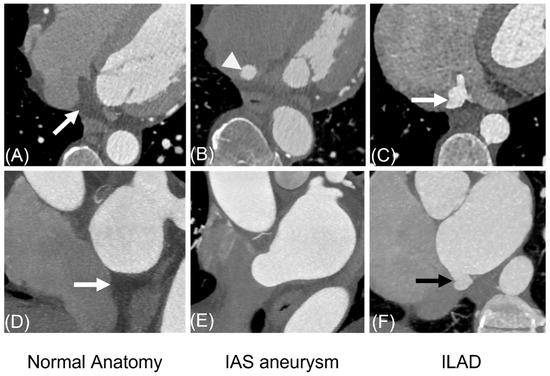
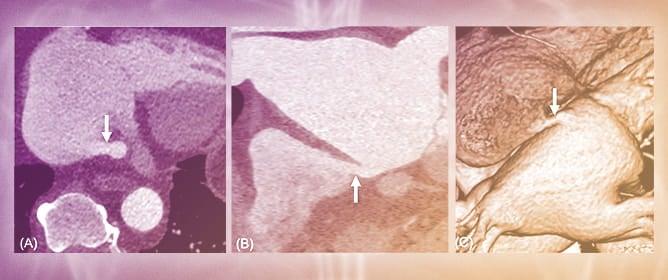
Inferior Left Atrial Diverticulum Communicating with the Right Atrium or Inferior Vena Cava: Prevalence and CT Features -
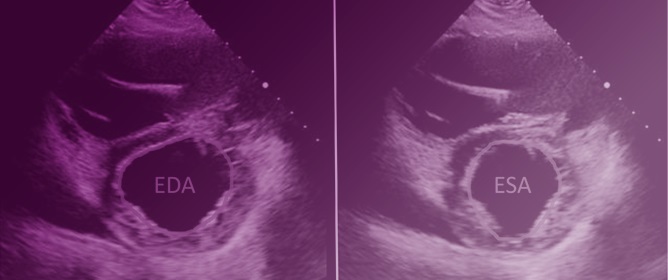
Routine Echocardiographic Assessment in LVAD Patients—A Structured Approach to Acquisition and Interpretation -
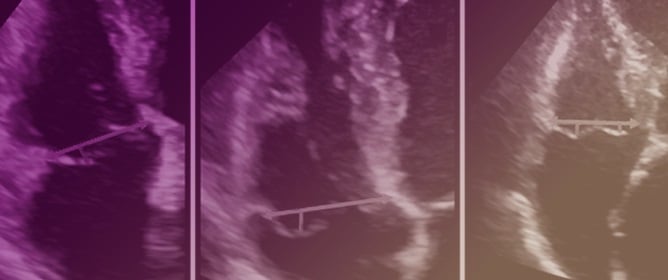
Prevalence and Importance of Tricuspid Valve Prolapse in Patients with Primary Mitral Regurgitation
Journal Description
Journal of Cardiovascular Development and Disease
(JCDD) is an international, peer-reviewed, open access journal on cardiovascular medicine, published monthly online by MDPI.
- Open Access— free for readers, with article processing charges (APC) paid by authors or their institutions.
- High Visibility: indexed within Scopus, SCIE (Web of Science), PubMed, PMC, Embase, CAPlus / SciFinder, and other databases.
- Journal Rank: JCR - Q2 (Cardiac and Cardiovascular Systems) / CiteScore - Q2 (General Pharmacology, Toxicology and Pharmaceutics )
- Rapid Publication: manuscripts are peer-reviewed and a first decision is provided to authors approximately 24.7 days after submission; acceptance to publication is undertaken in 3.6 days (median values for papers published in this journal in the second half of 2025).
- Recognition of Reviewers: reviewers who provide timely, thorough peer-review reports receive vouchers entitling them to a discount on the APC of their next publication in any MDPI journal, in appreciation of the work done.
Impact Factor:
2.3 (2024);
5-Year Impact Factor:
2.7 (2024)
Latest Articles
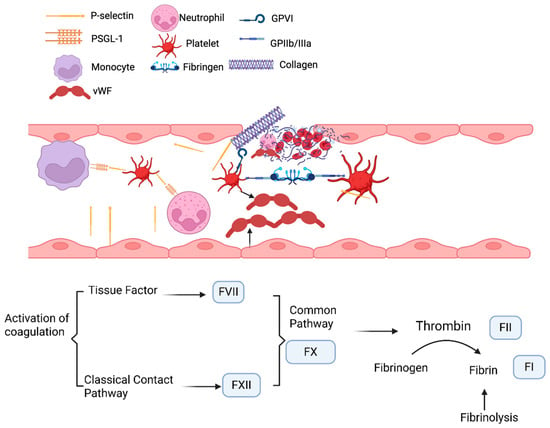
Potential Role of Polyphenols in Platelet Aggregation and Blood Coagulation
J. Cardiovasc. Dev. Dis. 2026, 13(5), 219; https://doi.org/10.3390/jcdd13050219 - 20 May 2026
Abstract
Cardiovascular diseases (CVDs) are a significant health burden worldwide. One of the key pathological processes underlying CVD is thrombosis–the formation of a blood clot (thrombus) within the blood vessel. Thrombus composition typically includes fibrin, platelets, red blood cells, leukocytes, and neutrophil extracellular traps
[...] Read more.
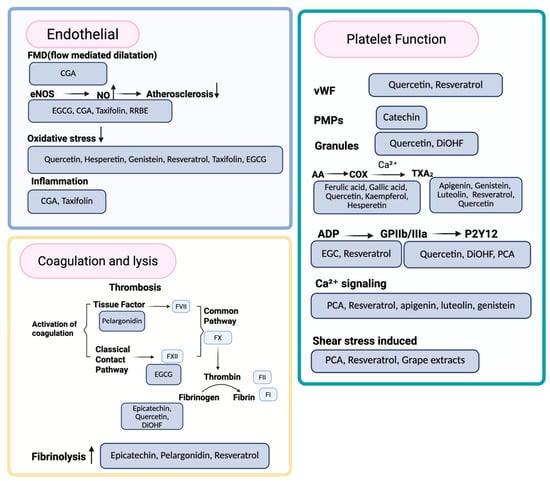
Cardiovascular diseases (CVDs) are a significant health burden worldwide. One of the key pathological processes underlying CVD is thrombosis–the formation of a blood clot (thrombus) within the blood vessel. Thrombus composition typically includes fibrin, platelets, red blood cells, leukocytes, and neutrophil extracellular traps (NETs). Polyphenols, a diverse group of naturally occurring compounds abundant in plant-based foods, have shown potential cardiovascular protective properties. This review discusses and summarizes the effects of polyphenols on the endothelium, platelet function and activity, and blood coagulation, and how this may potentially contribute to attenuated thrombus formation. The available evidence discussed in this review suggests that polyphenols may confer cardiovascular benefits not only through antioxidant and anti-inflammatory actions, but also by directly modulating thrombosis-related mechanisms. Nevertheless, in vivo studies remain limited, and the lack of standardized procedures contributes to discrepancies among reported results. Moreover, differences in compound structure, absorption and bioavailability should be considered when interpreting findings and their potential application as part of preventative strategies. The evidence presented in this review suggests that polyphenols may offer benefits towards lowering thrombosis risk and reducing recurrence among patients with thrombosis, although additional studies are required to further explore their mechanistic effects.
Full article
(This article belongs to the Section Epidemiology, Lifestyle, and Cardiovascular Health)
►
Show Figures
Open AccessCase Report
Recurrent Pericarditis in a Middle-Aged Female with MEFV Mutation
by
Xiaohang Liu, Tongxin Xiao, Lihua Zhang, Zhongjie Fan, Xinglin Yang and Zhuang Tian
J. Cardiovasc. Dev. Dis. 2026, 13(5), 218; https://doi.org/10.3390/jcdd13050218 - 19 May 2026
Abstract
►▼
Show Figures
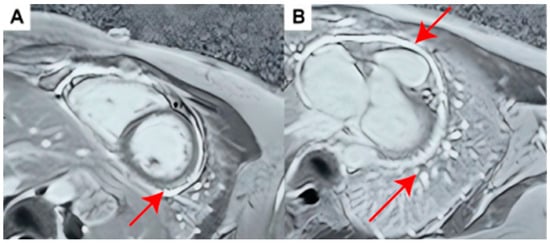
Recurrent pericarditis (RP) remains challenging, especially in tuberculosis (TB)-endemic regions where empirical anti-TB therapy is often unnecessarily prolonged. We report a 35-year-old woman with three RP episodes over six months, presenting with pleuritic chest pain, elevated inflammatory markers, and moderate-to-large pericardial effusion. Extensive
[...] Read more.
Recurrent pericarditis (RP) remains challenging, especially in tuberculosis (TB)-endemic regions where empirical anti-TB therapy is often unnecessarily prolonged. We report a 35-year-old woman with three RP episodes over six months, presenting with pleuritic chest pain, elevated inflammatory markers, and moderate-to-large pericardial effusion. Extensive infectious (including TB), autoimmune, and malignancy workups were negative. Cardiac magnetic resonance revealed persistent pericardial late gadolinium enhancement despite clinical remission. Whole-exome sequencing identified a heterozygous MEFV c.442G>C (p.Glu148Gln) variant, suggesting an autoinflammatory predisposition. Although the patient finally achieved sustained symptom-free status for six months on a standardized low-dose colchicine regimen, still over 10% of patients have recurrent symptoms receiving colchicine in addition to conventional anti-inflammatory therapy with aspirin or ibuprofen. This case highlights the shifting paradigm from an infection-centered to an autoinflammatory framework for RP in TB-endemic countries, underscores the role of MEFV variants in idiopathic recurrent pericarditis, and illustrates the real-world gap between genetic insights and therapeutic accessibility to IL-1 inhibitors in resource-limited settings.
Full article

Figure 1
Open AccessArticle
Incidence and Predictive Factors for Surgical Interventions Following Simple Congenital Heart Disease Interventional Transcatheter/Interventional Procedure
by
Yao Deng, Minzhang Zhao, Xiaoyu Zhang, Chunjie Mu and Runwei Ma
J. Cardiovasc. Dev. Dis. 2026, 13(5), 217; https://doi.org/10.3390/jcdd13050217 - 18 May 2026
Abstract
Background: Interventional occlusion procedures for congenital heart disease (CHD) carry the risk of complications requiring reintervention, yet predictive factors remain unclear. Methods: This retrospective case–control study included patients (n = 4190) with simple CHD who underwent transcatheter/interventional procedure (2017–2022). Perioperative and postoperative
[...] Read more.
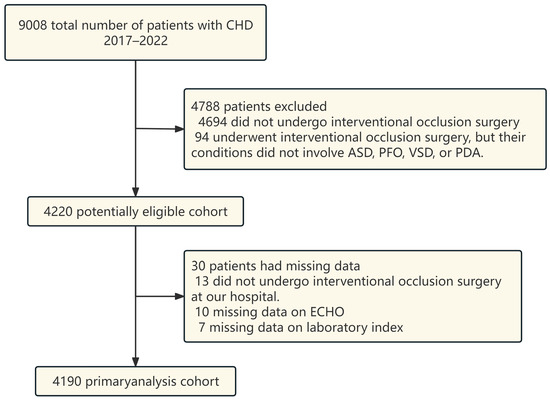
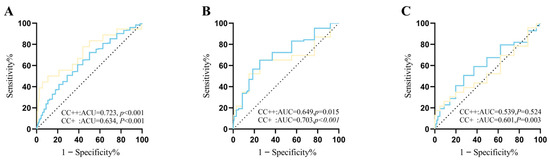
Background: Interventional occlusion procedures for congenital heart disease (CHD) carry the risk of complications requiring reintervention, yet predictive factors remain unclear. Methods: This retrospective case–control study included patients (n = 4190) with simple CHD who underwent transcatheter/interventional procedure (2017–2022). Perioperative and postoperative complications were monitored at 1, 3, and 6 months after occlusion. Among them, 44 patients required reintervention for complications. Statistical analysis was performed on clinical data, ultrasound findings from various locations, and laboratory examination results. Results: For atrial septal defects (ASD), independent predictors were defect size and age grading, while those for ventricular septal defects (VSD) were occluder device size, aortic annulus inner diameter, body surface area class, and whether the defect was isolated. The areas under the curve (AUC) of the receiver operating characteristic (ROC) curve for patients who experienced severe complications requiring surgical repair according to ASD were 0.723, whereas for VSD, the AUCs for occluder device size and aortic valve annulus diameter among patients who experienced severe complications requiring surgical repair were 0.649 and 0.539, respectively. Conclusions: This study provides an inaugural comprehensive analysis of occurrence rates and predictive factors for severe post-interventional occlusion procedure complications requiring reintervention. These findings offer new insights as a reference for the treatment of CHD.
Full article
(This article belongs to the Special Issue Congenital Heart Disease: Technological Innovations in Cardiac Surgery and Interventional Therapy)
►▼
Show Figures

Figure 1
Open AccessArticle
Comprehensive Analysis of Atrial Fibrillation/Atrial Flutter Burden in the United States and the European Union: A Comparison and Assessment of Trends and Risk Factors
by
Predrag Jancic, Stefan Milutinovic and Dragana Stanojevic
J. Cardiovasc. Dev. Dis. 2026, 13(5), 216; https://doi.org/10.3390/jcdd13050216 - 17 May 2026
Abstract
Background: Atrial fibrillation (AF) contributes significantly to global mortality. Its burden is rising, but regional differences remain. We assessed AF prevalence, incidence, mortality, disability-adjusted life years (DALYs), and risk factors in the USA and EU from 1991 to 2021. Methods: AF data from
[...] Read more.
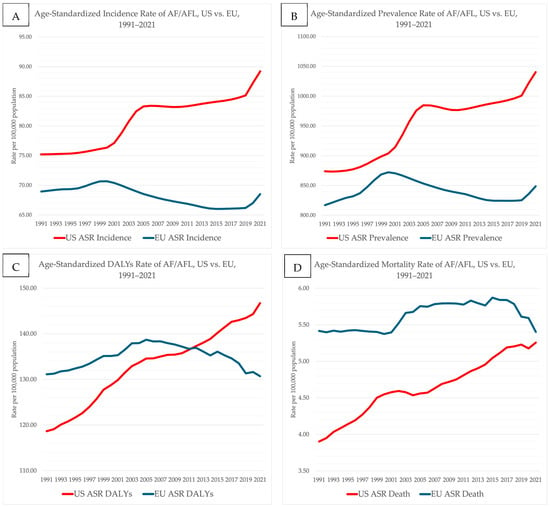
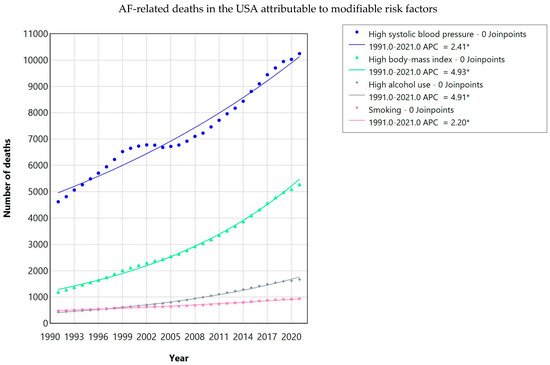
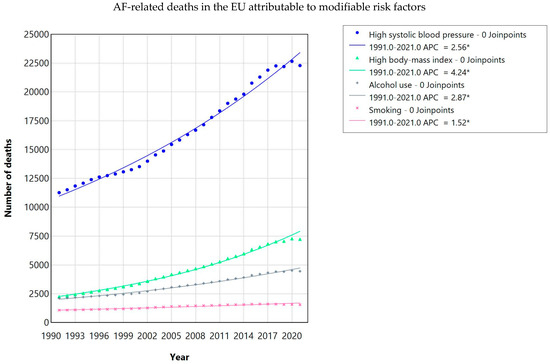
Background: Atrial fibrillation (AF) contributes significantly to global mortality. Its burden is rising, but regional differences remain. We assessed AF prevalence, incidence, mortality, disability-adjusted life years (DALYs), and risk factors in the USA and EU from 1991 to 2021. Methods: AF data from GBD 2021 were extracted, stratified by sex and age. Absolute numbers, age-standardized rates (ASR), and estimated annual percentage change (EAPC) were calculated. DALYs and deaths attributable to common risk factors were also analyzed. Results: From 1991 to 2021, AF incidence increased by 111.6% in the USA (EAPC 2.48) and 47.0% in the EU (EAPC 1.14), with faster growth in males. ASR prevalence and incidence increased in the USA (EAPC 0.57 and 0.55) but were stable in the EU (EAPC −0.05 and −0.21). Mortality rose 161% in the USA (EAPC 3.19) and 124% in the EU (EAPC 3.04), with the sharpest increases in older EU adults and midlife USA adults. Systolic blood pressure (SBP) was the largest contributor to DALYs and deaths, while high body-mass index (BMI) and alcohol grew fastest. Conclusions: AF burden rose markedly in both regions, with steeper increases in the USA and greater impact on males and midlife adults. Hypertension remains the dominant contributor, but obesity and alcohol consumption are emerging challenges.
Full article
(This article belongs to the Special Issue Atrial Fibrillation: Risk Stratification, Epidemiology, Treatment Advances and Prognostic Interventions)
►▼
Show Figures

Figure 1
Open AccessArticle
Inferior Left Atrial Diverticulum Communicating with the Right Atrium or Inferior Vena Cava: Prevalence and CT Features
by
Hae Jin Kim, Sung Goo Park, Sung-A Chang, Jinyoung Song, Ji Hyuk Yang, Sung Mok Kim and Yeon Hyeon Choe
J. Cardiovasc. Dev. Dis. 2026, 13(5), 215; https://doi.org/10.3390/jcdd13050215 - 17 May 2026
Abstract
Purpose: To evaluate the prevalence and cardiac CT features of inferior left atrial diverticula (ILAD) communicating with the right atrium (RA) or inferior vena cava (IVC), a novel type of interatrial communication. Materials and Methods: This retrospective study included 11,512 consecutive patients who
[...] Read more.
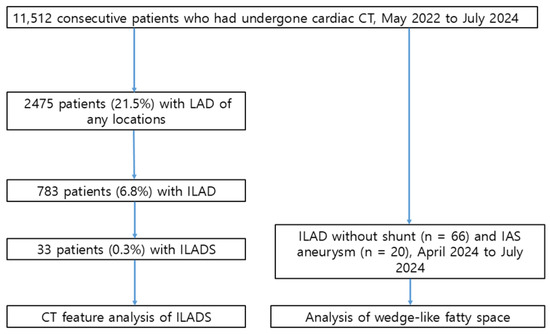
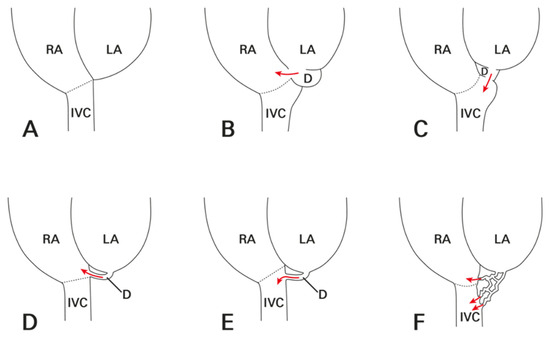
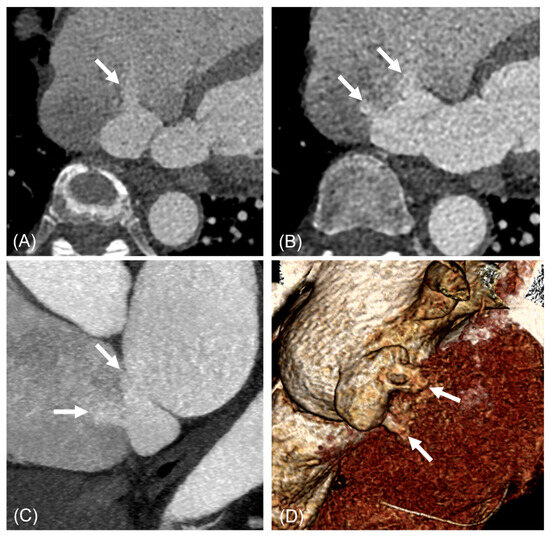
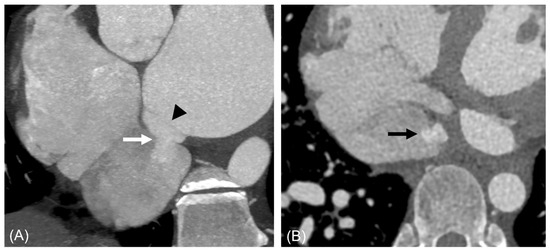
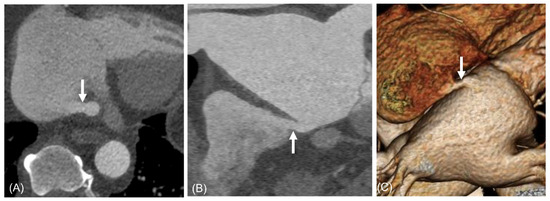
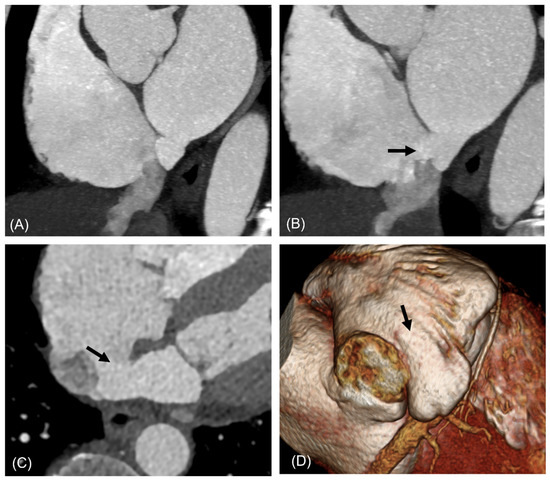
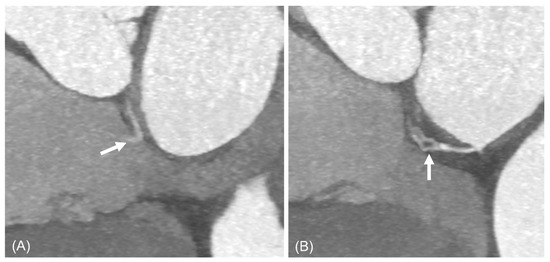
Purpose: To evaluate the prevalence and cardiac CT features of inferior left atrial diverticula (ILAD) communicating with the right atrium (RA) or inferior vena cava (IVC), a novel type of interatrial communication. Materials and Methods: This retrospective study included 11,512 consecutive patients who underwent cardiac CT. CT features and prevalence of ILAD communicating with the RA or IVC were analyzed. Shunts were defined as anatomical defects between the two structures with or without visible contrast flow. In a subset of the patients we compared interatrial septal aneurysm (n = 20) and ILAD without shunt (n = 66), assessing the involvement of a wedge-like fatty space bordered by both atria, IVC and coronary sinus. Results: There were 33 patients (19 males and 14 females; aged 59.8 ± 11.2 years; age range, 18–87 years) with ILAD with shunts (ILADSs). The prevalence of ILADSs was 4.2% (33/783) among ILAD and 0.3% (33/11,512) among all patients. Maximal dimensions of ILAD were 17.6 ± 9.9 mm (range, 5.3–41.0 mm). Mean ostial diameters of ILAD and mean sizes of shunts were 6.2 ± 5.6 mm and 3.2 ± 2.9 mm, respectively. Shunts were larger than 5 mm in 6 patients (15.2%) and larger than 3 mm in 10 patients (30.3%). In 30 patients who underwent transthoracic echocardiography, ILADSs were not identified at echocardiography. CT showed involvement of the wedge-like fatty space for all ILAD and for no cases with interatrial septal aneurysm. Conclusions: Cardiac CT enables detection of incidental ILADSs unrecognized at echocardiography.
Full article
(This article belongs to the Special Issue Cutting-Edge Advances in Cardiac Development, Anatomy, and Regeneration)
►▼
Show Figures

Figure 1
Open AccessArticle
The Correlation Between Plasma CACNA2D1 Protein Concentration and the Severity of Coronary Heart Disease
by
Le An, Yanhui Ren, Jin Yang and Zuowei Pei
J. Cardiovasc. Dev. Dis. 2026, 13(5), 214; https://doi.org/10.3390/jcdd13050214 - 15 May 2026
Abstract
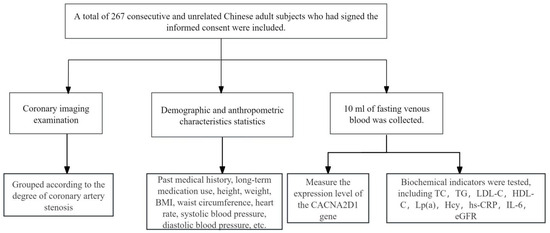
Objective: The prevalence of coronary heart disease (CHD) continues to rise, and there is a lack of methods for early detection. To identify biomarkers for CHD, we analyzed the CACNA2D1 protein concentration in patients with different degrees of coronary artery stenosis to explore
[...] Read more.
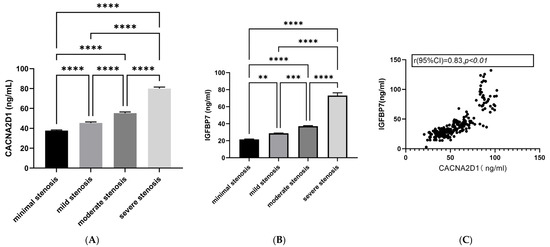
Objective: The prevalence of coronary heart disease (CHD) continues to rise, and there is a lack of methods for early detection. To identify biomarkers for CHD, we analyzed the CACNA2D1 protein concentration in patients with different degrees of coronary artery stenosis to explore the correlation between plasma CACNA2D1 protein concentration and the severity of coronary artery stenosis. Methods: A total of 267 inpatients from the Department of Cardiology at Dalian Central Hospital who underwent coronary angiography were consecutively enrolled. According to the degree of stenosis, they were divided into four groups: minimal stenosis (70 cases), mild stenosis (68 cases), moderate stenosis (66 cases), and severe stenosis (63 cases). The baseline characteristics, clinical laboratory indicators, and CACNA2D1 protein concentration in blood samples of patients in each group were compared, and the correlations were analyzed. Results: As the degree of coronary artery stenosis worsened, plasma CACNA2D1 protein concentration in patients showed a gradual upward trend. The protein concentration was lowest in the mild stenosis group, at 37.68 ng/mL; it was 45.46 ng/mL in the mild-to-moderate stenosis group; it reached 55.22 ng/mL in the moderate stenosis group; and it was highest in the severe stenosis group, at 79.95 ng/mL. Conclusion: There is a correlation between plasma CACNA2D1 protein concentration and the degree of coronary artery stenosis, demonstrating that it has the potential to serve as a biomarker.
Full article
(This article belongs to the Section Acquired Cardiovascular Disease)
►▼
Show Figures

Figure 1

Open AccessArticle
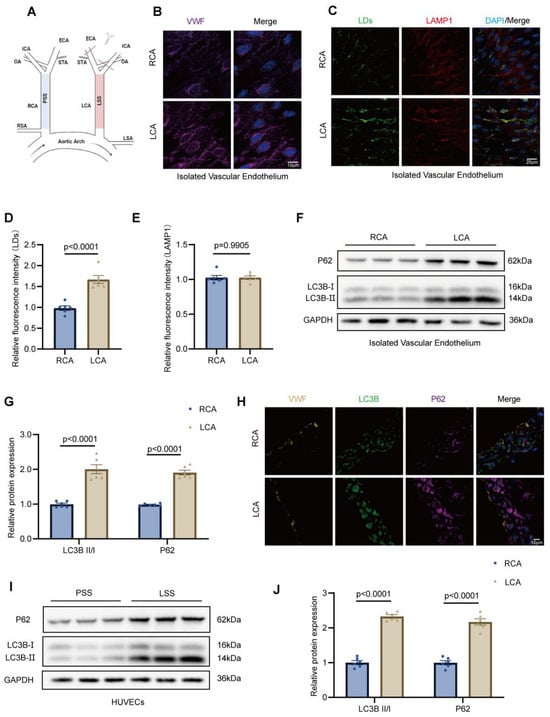
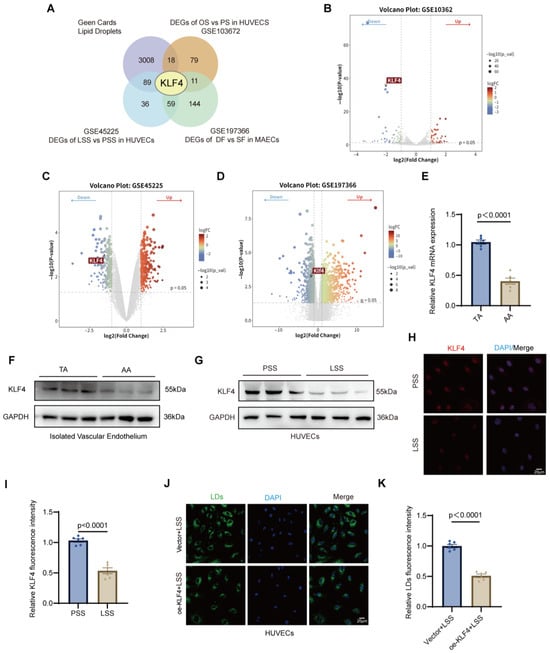
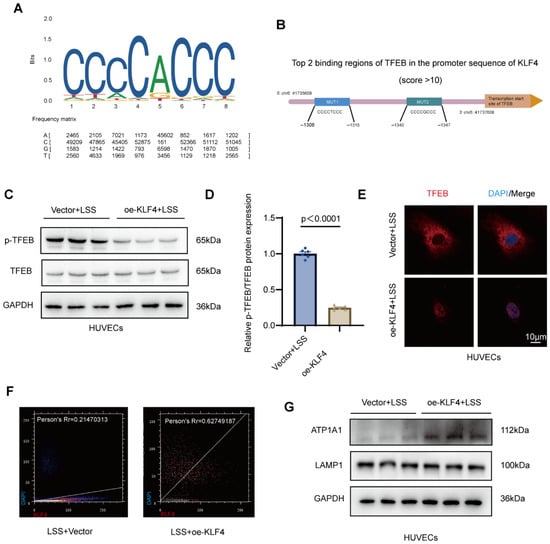
Low Shear Stress Promotes Atherosclerosis by Mediating Pathological Accumulation of Endothelial Lipid Droplets via the KLF4/TFEB/ATP1A1 Axis
by
Yi Shi, Ya-Nan Tan, Li-Da Wu, Li-Guo Wang, Yue Gu, Wen-Ying Zhou, Meng-Qian Shao and Jun-Xia Zhang
J. Cardiovasc. Dev. Dis. 2026, 13(5), 213; https://doi.org/10.3390/jcdd13050213 - 15 May 2026
Abstract
►▼
Show Figures
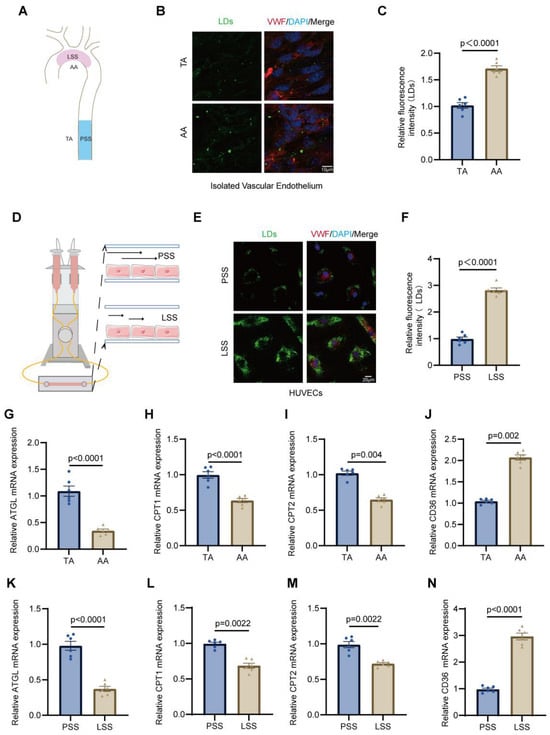
Background: Atherosclerosis preferentially develops at arterial regions exposed to low shear stress (LSS), highlighting the critical role of local hemodynamic forces in disease initiation and progression. Emerging evidence indicates that endothelial lipid metabolism is a key determinant of vascular homeostasis; however, whether LSS
[...] Read more.
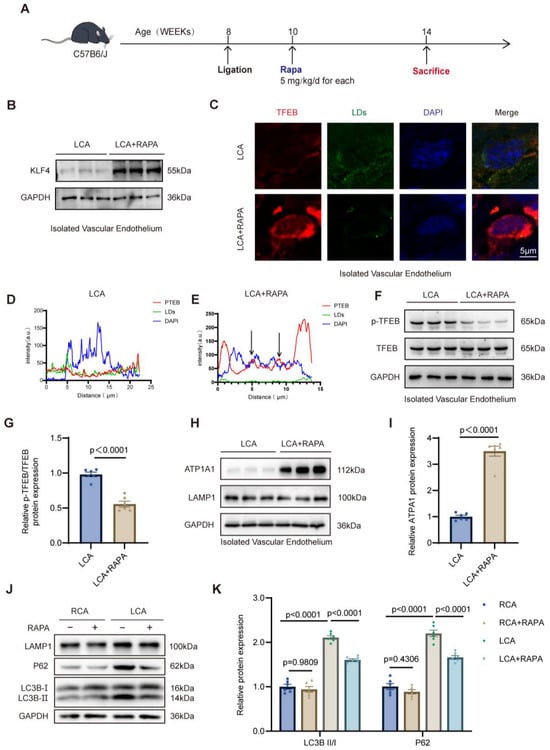
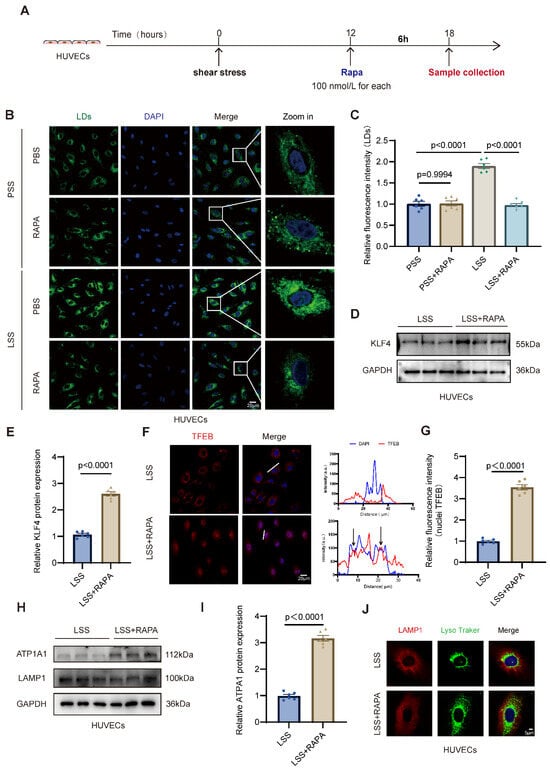
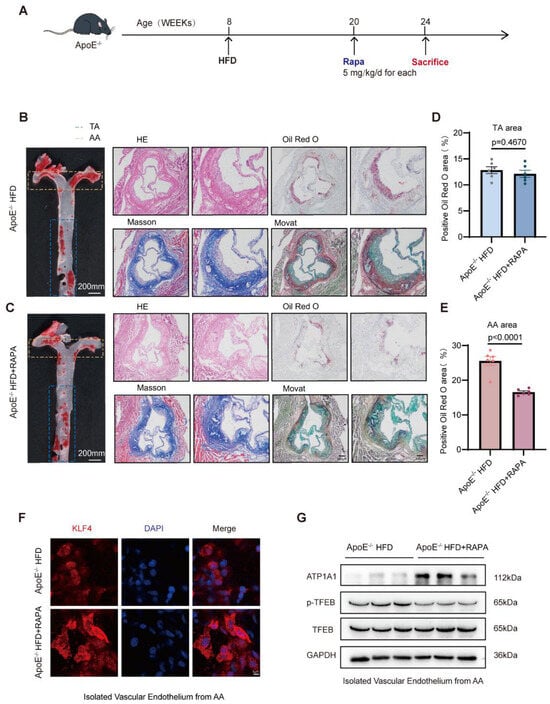
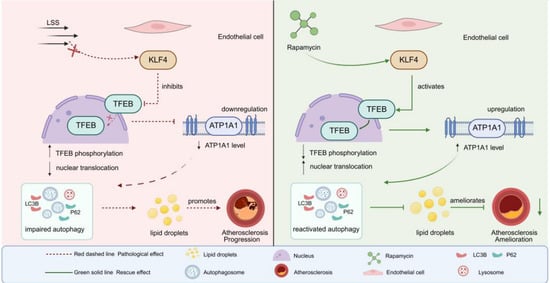
Background: Atherosclerosis preferentially develops at arterial regions exposed to low shear stress (LSS), highlighting the critical role of local hemodynamic forces in disease initiation and progression. Emerging evidence indicates that endothelial lipid metabolism is a key determinant of vascular homeostasis; however, whether LSS directly regulates endothelial lipid droplets’ (LDs) dynamics remains unclear. In particular, the mechano-transduction pathways linking shear stress to lysosome-mediated lipid processing within the endothelium have yet to be defined. Methods: Complementary in vitro flow systems and in vivo atheroprone models were employed to examine the effects of LSS on endothelial lipid metabolism. Endothelial LDs accumulation, lysosome-dependent lipophagy, and atherosclerotic lesion development were systematically assessed under LSS conditions. Mechanistically, molecular profiling and rapamycin-mediated functional rescue were conducted to delineate the role of the KLF4/TFEB/ATP1A1 signaling axis in LSS-induced impairment of lysosome-dependent lipophagy. Results: We found that LSS induced pathological accumulation of LDs in vascular endothelial cells, accompanied by a marked suppression of lysosome-dependent lipophagy. Elucidation of the mechanism showed that LSS downregulated the shear-responsive transcription factor KLF4, resulting in aberrant phosphorylation of transcription factor EB (TFEB) and impaired TFEB nuclear translocation. Consequently, the TFEB transcriptional program governing lysosomal function was disrupted, including reduced expression of the TFEB target ATP1A1, leading to defective lysosomal acidification and blockade of lipid autophagic flux. Restoration of the KLF4/TFEB/ATP1A1 axis reactivated lipophagy, alleviated endothelial lipid burden, and significantly attenuated atherosclerotic lesion development. Conclusions: Our findings demonstrate that disruption of the KLF4/TFEB/ATP1A1 signaling pathway mediates LSS-induced impairment of endothelial lipophagy, thereby driving pathological LDs accumulation. This highlights the potential of restoring this axis as a therapeutic strategy to attenuate atherosclerotic progression.
Full article

Figure 1
Open AccessArticle
Association Between ABO Blood Group, COVID-19 Status, and Early Respiratory Outcomes in Acute Pulmonary Embolism: An Interaction Analysis
by
Abdulkader Jamal Eddin, Stefan-Iulian Stanciugelu, Arnaldo Dario Damian, Diana Nitusca, Oana Elena Tunea and Ioana Monica Mozos
J. Cardiovasc. Dev. Dis. 2026, 13(5), 212; https://doi.org/10.3390/jcdd13050212 - 14 May 2026
Abstract
The influence of COVID-19 infection on the association between ABO blood groups and early outcomes in patients with acute pulmonary embolism (PE) remains uncertain. We conducted a retrospective, single-center cohort study including adult patients admitted with a first episode of acute pulmonary embolism
[...] Read more.
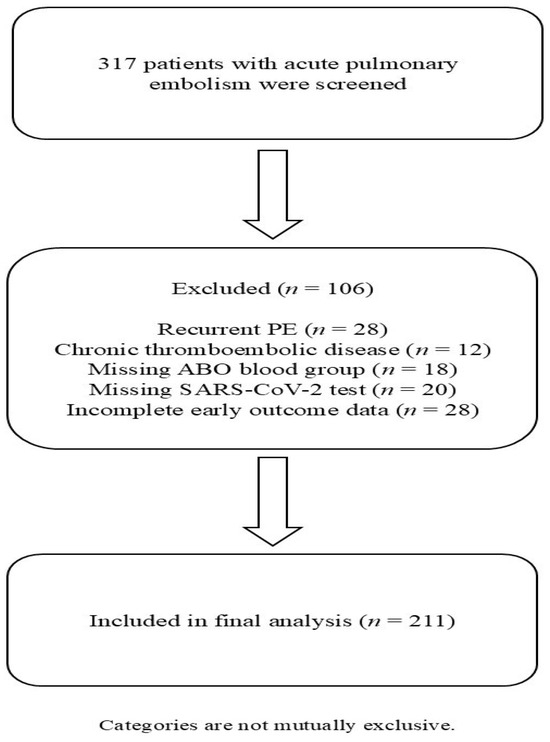
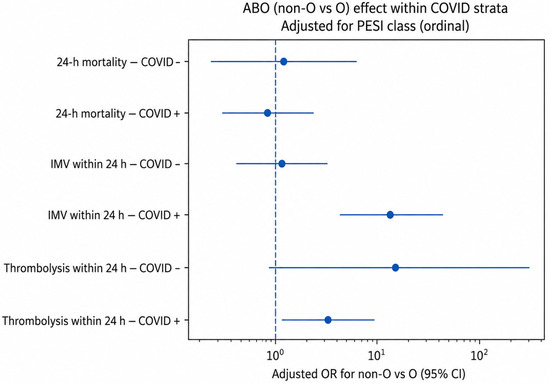
The influence of COVID-19 infection on the association between ABO blood groups and early outcomes in patients with acute pulmonary embolism (PE) remains uncertain. We conducted a retrospective, single-center cohort study including adult patients admitted with a first episode of acute pulmonary embolism (PE). The interaction between ABO blood group (non-O vs. O) and COVID-19 status was evaluated using multivariable logistic regression models adjusted for PE severity assessed by the Pulmonary Embolism Severity Index (PESI). A total of 211 patients were included, of whom 95 (45.0%) were COVID-19-positive. Among COVID-19-positive patients, non-O blood groups were associated with significantly higher odds of invasive mechanical ventilation (IMV) compared with group O (adjusted odds ratio [aOR] 12.87, 95% CI 4.17–39.75), whereas no association was observed among COVID-19–negative patients (aOR 1.20, 95% CI 0.45–3.23). No interaction was identified for 24 h mortality (p = 0.721) or systemic thrombolysis (p = 0.306). Higher PESI class was independently associated with an increased risk of adverse outcomes. ABO blood group modified the association between COVID-19 infection and early respiratory outcomes in acute PE. These findings suggest a potential role of ABO-related differences in coagulation and endothelial biology in the clinical expression of COVID-associated PE and should be interpreted as hypothesis-generating.
Full article
(This article belongs to the Special Issue Acute Pulmonary Embolism: A Cardiovascular Emergency)
►▼
Show Figures

Figure 1
Open AccessReview
Well-Known and Novel Behavioural Risk Factors for Heart Failure
by
Natalia Kusyn, Natalia Zdebik, Wojciech Hajdusianek, Rafał Poręba and Paweł Gać
J. Cardiovasc. Dev. Dis. 2026, 13(5), 211; https://doi.org/10.3390/jcdd13050211 - 14 May 2026
Abstract
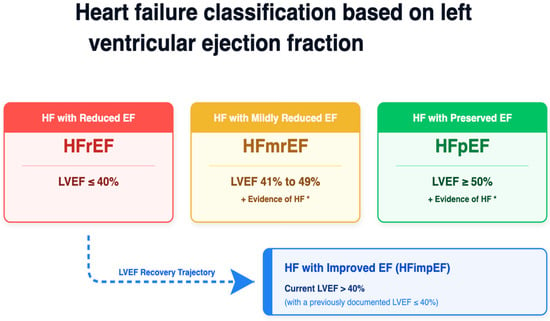
Heart failure (HF) is a clinical syndrome characterized by structural or functional cardiac abnormalities that impair ventricular filling or ejection, leading to inadequate systemic perfusion and elevated intracardiac pressures. Current epidemiological estimations declare approximately 26 million patients affected worldwide are living with HF.
[...] Read more.
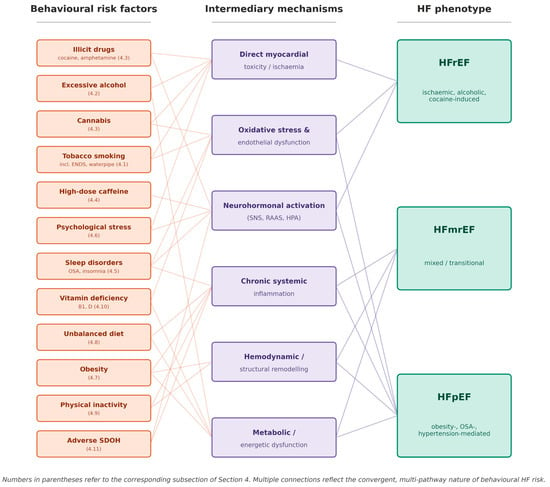
Heart failure (HF) is a clinical syndrome characterized by structural or functional cardiac abnormalities that impair ventricular filling or ejection, leading to inadequate systemic perfusion and elevated intracardiac pressures. Current epidemiological estimations declare approximately 26 million patients affected worldwide are living with HF. While ischemic heart disease remains the primary etiology, there is a wide range of behavioural factors that significantly influence disease onset and progression. This review focuses on the evidence for established risk factors, including smoking, excessive alcohol consumption, obesity, physical inactivity, poor diet, sleep disorders, and psychological stress. Furthermore, we discuss other novel determinants such as electronic nicotine delivery systems (ENDS), cannabis, high-dose caffeine, and psychostimulants. The basic mechanistic pathways, including endothelial dysfunction, oxidative stress, neurohormonal activation, and direct myocardial toxicity, are also pointed out and reviewed in this paper. The aim of this study is to integrate epidemiological data with pathophysiological insights to identify priority targets for primary prevention and highlight areas for future research.
Full article
(This article belongs to the Special Issue Epidemiological, Basic Science and Clinical Research Studies in Heart Failure)
►▼
Show Figures

Figure 1
Open AccessCase Report
Major Aortopulmonary Collateral Artery as a Rare Cause of Heart Failure in a Neonate with Transposition of the Great Arteries: An Unexpected Turn in an Otherwise Routine Case
by
Vojislav Parezanovic, Dusan Andric, Vladimir Chadikovski, Vedran Stojanovikj, Jordanka Madzoska, Vesna Trpkovska and Igor Stefanovic
J. Cardiovasc. Dev. Dis. 2026, 13(5), 210; https://doi.org/10.3390/jcdd13050210 - 14 May 2026
Abstract
The association of a major aortopulmonary collateral artery (MAPCA) with simple transposition of the great arteries (TGA) is uncommon. Such high-flow lesions in the postoperative period following arterial switch operation (ASO) may lead to pulmonary hypertension, pulmonary hemorrhage, heart failure (HF), failure to
[...] Read more.
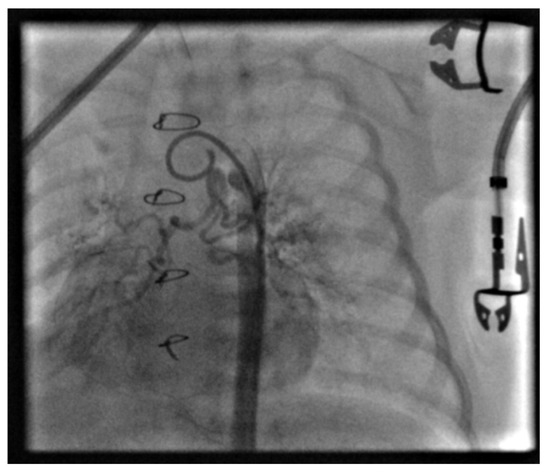
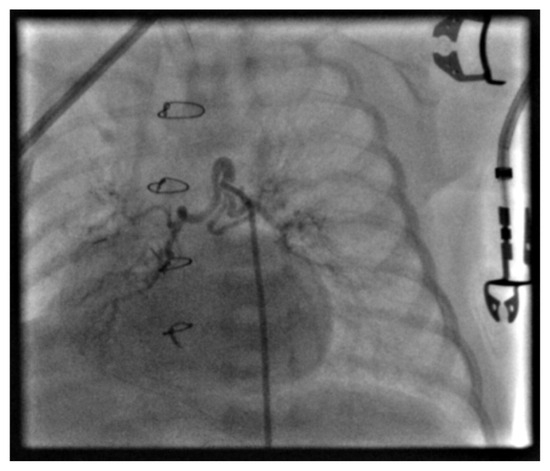
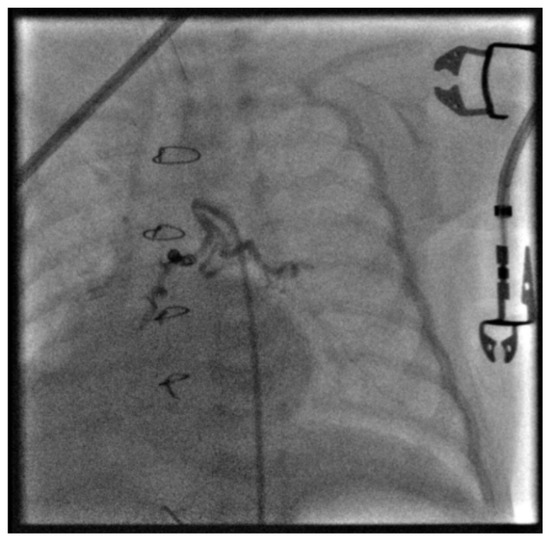
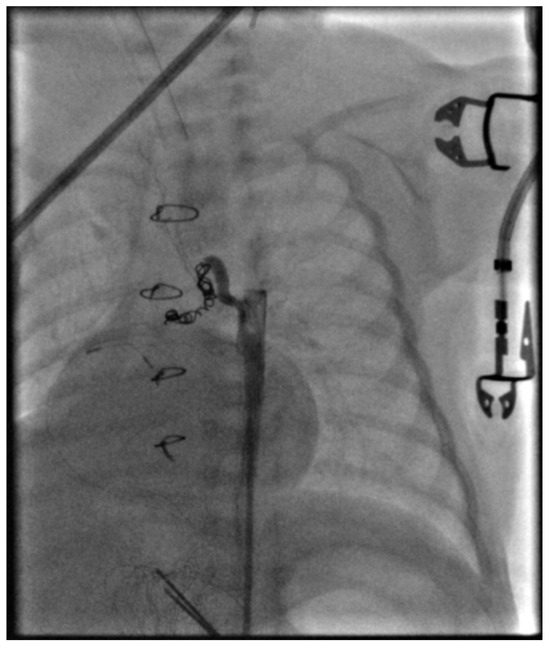
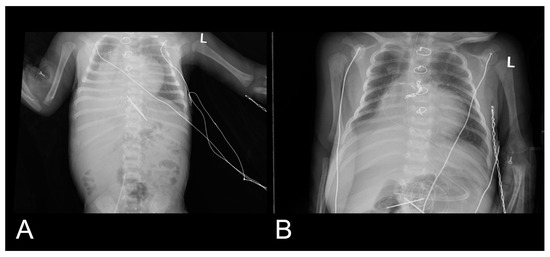
The association of a major aortopulmonary collateral artery (MAPCA) with simple transposition of the great arteries (TGA) is uncommon. Such high-flow lesions in the postoperative period following arterial switch operation (ASO) may lead to pulmonary hypertension, pulmonary hemorrhage, heart failure (HF), failure to thrive and prolonged mechanical ventilation. We report a neonate who developed pulmonary overcirculation and HF in the early postoperative period due to a hemodynamically significant MAPCA. Although the association of MAPCA with simple TGA is infrequent, such lesions should be considered in cases of unexplained cardiovascular compromise following ASO. Following transcatheter occlusion of the MAPCA with a vascular coil, rapid hemodynamic stabilization and subsequent extubation of the patient were achieved.
Full article
(This article belongs to the Section Pediatric Cardiology and Congenital Heart Disease)
►▼
Show Figures

Figure 1
Open AccessArticle
Effect of Perfluorooctanesulfonic Acid on Fibrin Clot Properties and Thrombin Generation: Linking Environmental Pollution with Cardiovascular Diseases
by
Jakub Kuciński, Krzysztof Krawczyk, Konrad Kieca, Aleksander Siniarski, Michał Ząbczyk and Ewa Konduracka
J. Cardiovasc. Dev. Dis. 2026, 13(5), 209; https://doi.org/10.3390/jcdd13050209 - 13 May 2026
Abstract
Perfluorooctanesulfonic acid (PFOS) is a persistent organic pollutant linked in epidemiological studies to increased coronary artery disease (CAD) risk, higher LDL-cholesterol, hypertension, and other adverse outcomes. However, the mechanisms by which PFOS affects cardiovascular physiology, particularly coagulation, remain insufficiently understood. We evaluated the
[...] Read more.
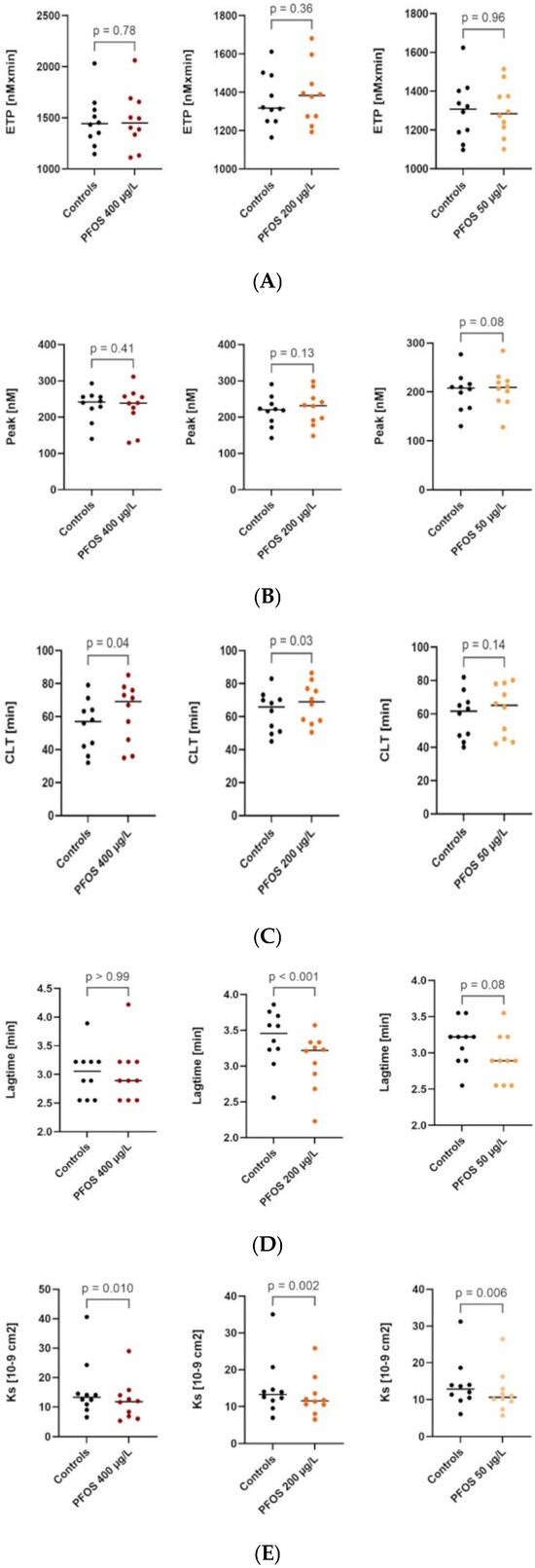
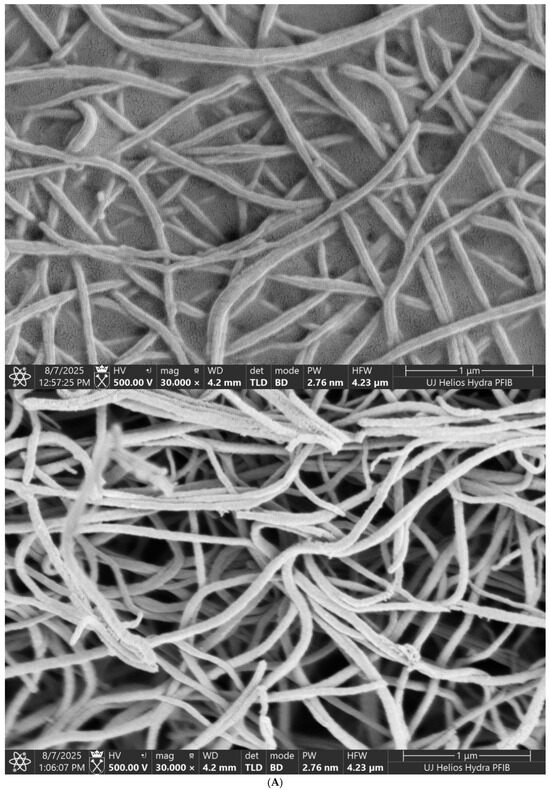
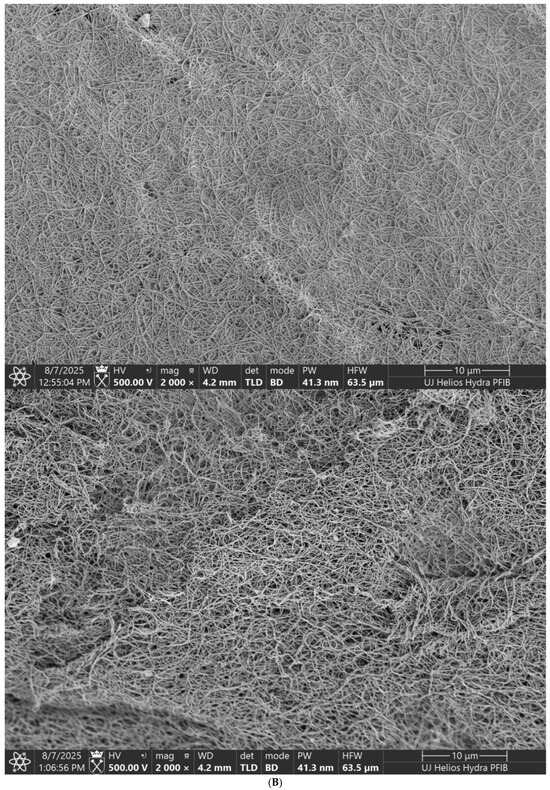
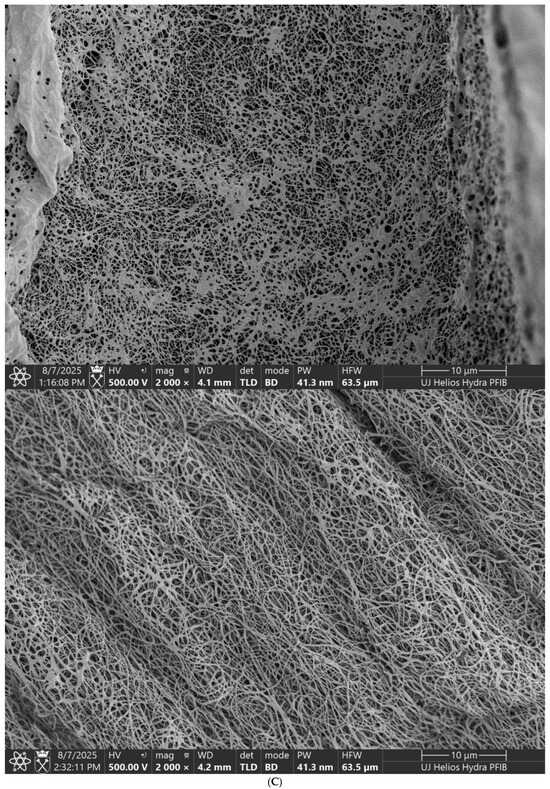
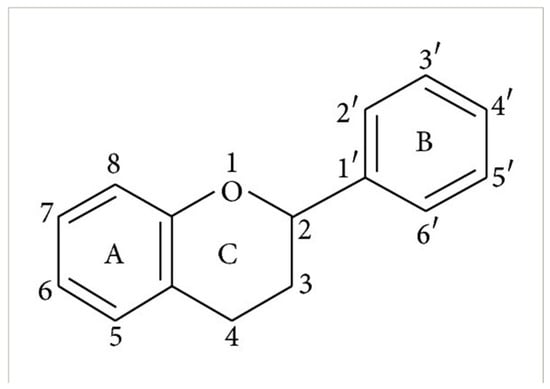
Perfluorooctanesulfonic acid (PFOS) is a persistent organic pollutant linked in epidemiological studies to increased coronary artery disease (CAD) risk, higher LDL-cholesterol, hypertension, and other adverse outcomes. However, the mechanisms by which PFOS affects cardiovascular physiology, particularly coagulation, remain insufficiently understood. We evaluated the ex vivo effects of PFOS on fibrin clot structure and thrombin generation in platelet-poor plasma (PPP) and citrated whole blood from ten healthy volunteers (five women, aged 27–32 years; mean serum PFOS: 2.63 ± 0.85 μg/L). PPP samples were incubated with PFOS at 50, 200, and 400 μg/L. Assays included calibrated automated thrombogram, clot permeability (Ks), clot lysis time (CLT), thromboelastography (400 μg/L), and scanning electron microscopy (SEM). PFOS did not significantly modify endogenous thrombin potential or peak thrombin. In contrast, it reduced Ks and prolonged CLT at 200 and 400 μg/L, indicating impaired fibrinolysis. SEM images confirmed the formation of thinner, tightly packed fibrin fibers with reduced pore size at higher PFOS concentrations. These findings were consistent across dilution models, with only minimal changes observed in low-dilution protocols. Overall, PFOS appears to disrupt fibrin polymerization, generating denser and more fibrinolysis-resistant clots without major effects on thrombin generation. Such alterations may promote a prothrombotic state and predispose exposed individuals to clinically relevant thrombotic events, including myocardial infarction and stroke. Further studies are required to define the clinical consequences of PFOS-related coagulation abnormalities in exposed populations.
Full article
(This article belongs to the Special Issue Risk Factors in Cardiovascular Health: Focusing on Environmental Contaminants)
►▼
Show Figures

Figure 1
Open AccessArticle
Machine Learning Model for Predicting Postoperative Complications in Pediatric Simple Congenital Heart Disease with Right Vertical Infra-Axillary Incision
by
Chuli Shi, Yuehang Yang, Xinyi Liu, Hanshen Luo, Yongfeng Sun, Zhiwen Wang and Jiawei Shi
J. Cardiovasc. Dev. Dis. 2026, 13(5), 208; https://doi.org/10.3390/jcdd13050208 - 13 May 2026
Abstract
Background: This study aimed to develop and validate a machine learning model to predict postoperative complications in pediatric simple congenital heart disease (CHD) patients undergoing right vertical infra-axillary incision (RVIAI). Methods: A retrospective dataset of 638 patients who underwent treatment for ventricular septal
[...] Read more.
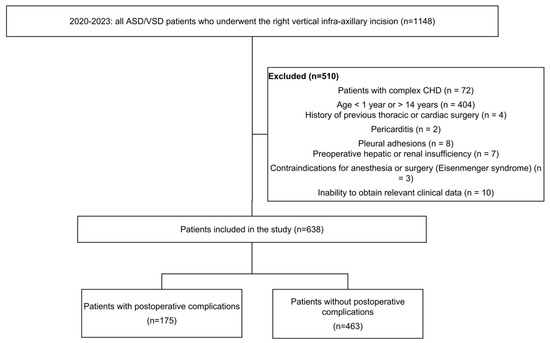
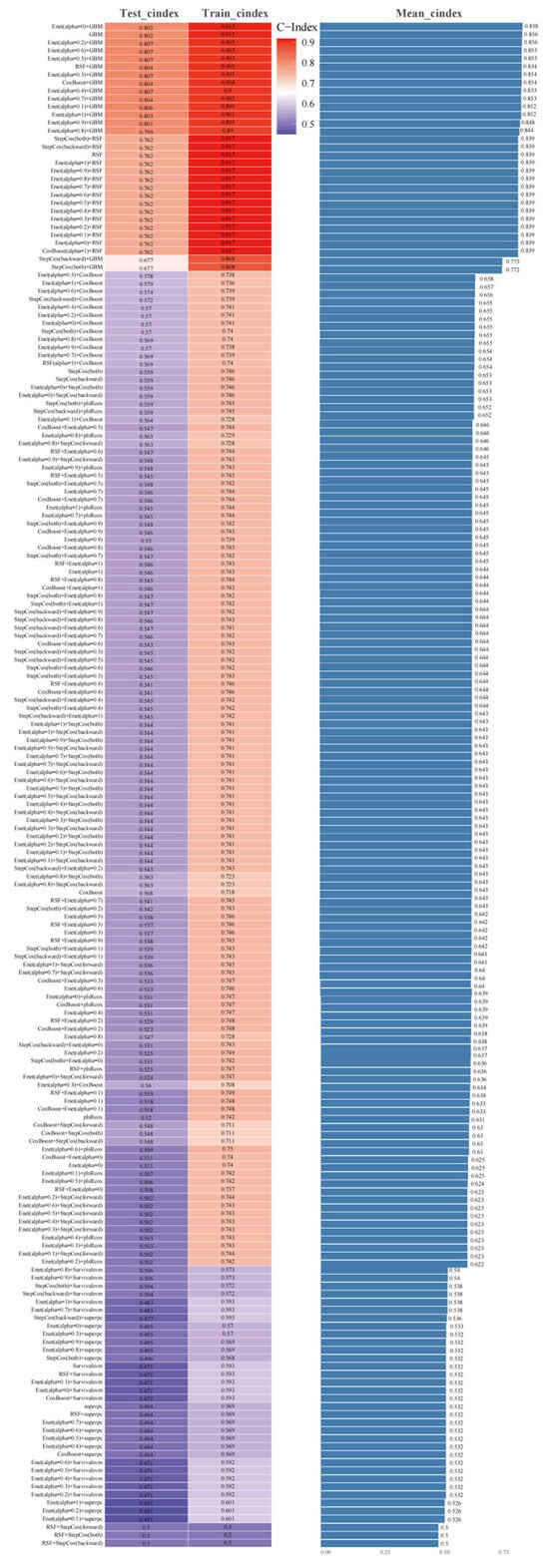
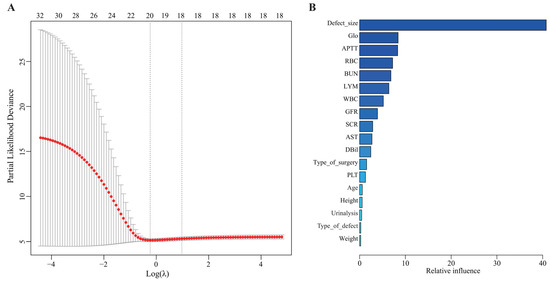
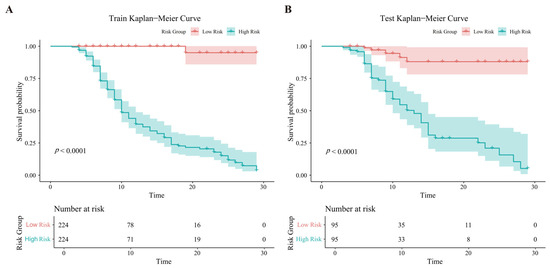
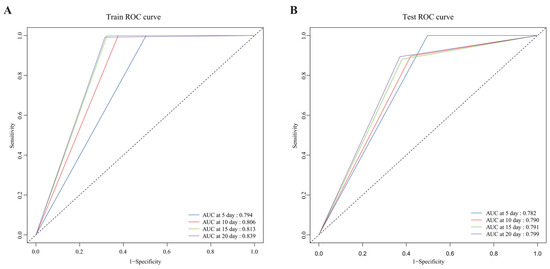
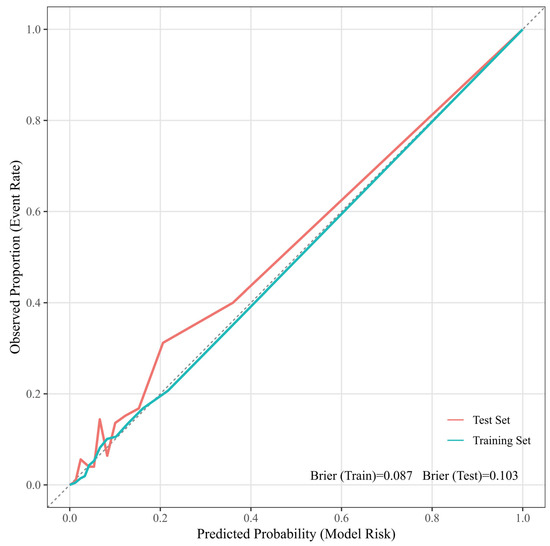
Background: This study aimed to develop and validate a machine learning model to predict postoperative complications in pediatric simple congenital heart disease (CHD) patients undergoing right vertical infra-axillary incision (RVIAI). Methods: A retrospective dataset of 638 patients who underwent treatment for ventricular septal defect and/or atrial septal defect via RVIAI at our hospital between August 2020 and August 2023 was collected. A total of 35 preoperative and intraoperative variables were used to construct 190 machine learning models. The optimal model was selected based on the highest mean C-index. Independent risk factors identified by the optimal model were ranked according to their importance. Kaplan–Meier analysis was used to compare the incidence of postoperative complications between different risk groups. Model performance was evaluated using the area under the receiver operating characteristic curve (ROC). Results: The optimal model, which combined Elastic Net (alpha = 0) and Gradient Boosting Machine, identified 18 baseline variables associated with postoperative complications. The top five predictors were defect size, globulin, activated partial thromboplastin time, red blood cell count, and blood urea nitrogen. Kaplan–Meier curves showed that postoperative complication rates were significantly higher in the high-risk group than in the low-risk group (p < 0.0001). The model demonstrated good discrimination, with area under the curve (AUC) values on postoperative days 5, 10, 15, and 20 remaining above 0.78 in both the training and test sets. Conclusions: This machine learning model provides a potential predictive tool for assessing postoperative risk in simple CHD patients undergoing RVIAI and may support more targeted perioperative management.
Full article
(This article belongs to the Section Cardiac Surgery)
►▼
Show Figures

Figure 1

Open AccessArticle
An Assessment of the Paediatric Cardiovascular Risk Profile in San Nicola da Crissa, a Village in the Calabria Region (Southern Italy): A Cross-Sectional Study
by
Francesco Martino, Angela Sciacqua, Tarcisio Niglio, Francesco Barillà, Eliana Martino, Marco Alfonso Perrone and Pier Paolo Bassareo
J. Cardiovasc. Dev. Dis. 2026, 13(5), 207; https://doi.org/10.3390/jcdd13050207 - 13 May 2026
Abstract
Background. Atherosclerosis is a long-standing process that starts in childhood and leads to a number of major adverse cardiovascular events in adulthood. It is therefore crucial that children at potential risk of atherosclerosis-related harmful consequences are identified. Nevertheless, relatively few studies have focused
[...] Read more.
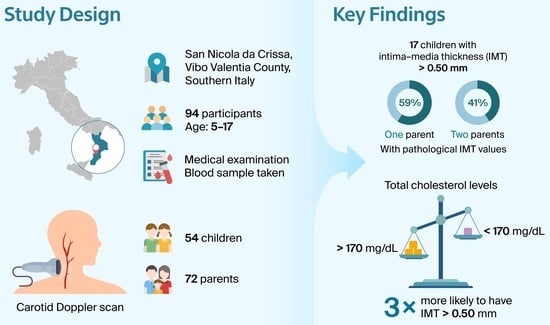
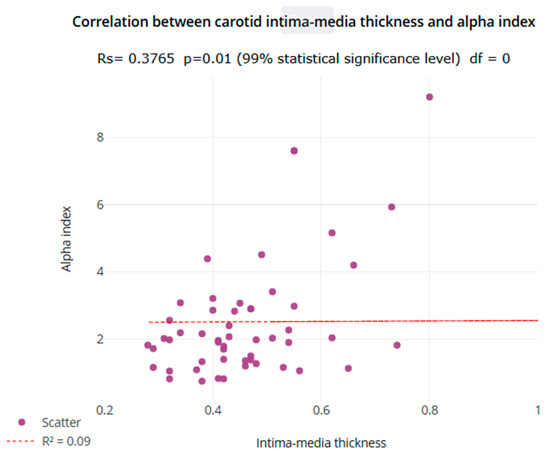
Background. Atherosclerosis is a long-standing process that starts in childhood and leads to a number of major adverse cardiovascular events in adulthood. It is therefore crucial that children at potential risk of atherosclerosis-related harmful consequences are identified. Nevertheless, relatively few studies have focused on primary prevention in paediatric patients. Methods. Fifty-four children (mean age 9.0 ± 2.8 years) and 72 parents (mean age 44.0 ± 8.2 years) were recruited. Blood pressure (BP) was measured and lipid panel was checked, together with carotid intima–media thickness (IMT) and several indexes of carotid stiffness. Results. No statistically significant differences in IMT and indexes of carotid stiffness were detected between children and parents, with the exception of the alpha index (p < 0.05). In children, IMT was correlated with the alpha index (p = 0.01). Seventeen children (31%) had a pathological IMT. The diastolic BP difference between children with normal and pathological IMT was statistically significant (p < 0.05). Parents’ total, LDL and HDL cholesterol, as well as triglyceride levels, differed statistically from those of children with both physiological and pathological IMT: p < 0.05 for all differences. Children with hypercholesterolemia had a three-fold higher likelihood of having a pathological IMT than children with normal cholesterol (p < 0.01). Among children with pathological IMT, 59 percent had one and 41 percent had two parents who were affected by pathological IMT. Conclusions. Carotid stiffness was similar in children and their parents, suggesting early familial influences on vascular properties. Many children had a pathological carotid IMT, highlighting how subclinical atherosclerosis is diffuse even at a young age. IMT in children was associated with cholesterol levels, underscoring the importance of early lipid screening and management. The strong association between pathological IMT in both children and their parents supports the hypothesis of a shared genetic or environmental predisposition to early vascular alterations.
Full article
(This article belongs to the Section Pediatric Cardiology and Congenital Heart Disease)
►▼
Show Figures

Graphical abstract
Open AccessReview
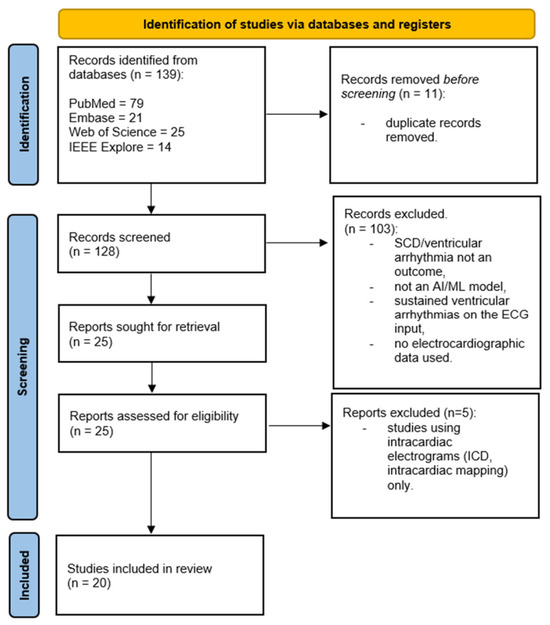
Artificial Intelligence-Enabled Electrocardiography for Prediction of Sudden Cardiac Death and Malignant Ventricular Arrhythmias: A Scoping Review
by
Ziga Mrak, Franjo Husam Naji and Dejan Dinevski
J. Cardiovasc. Dev. Dis. 2026, 13(5), 206; https://doi.org/10.3390/jcdd13050206 - 12 May 2026
Abstract
(1) Background and Objectives: Current risk stratification strategies for primary prevention of sudden cardiac death (SCD) have limited sensitivity and specificity. Artificial intelligence (AI) applied to electrocardiograms (ECGs) has emerged as a promising tool to predict the risk of future cardiac arrhythmias. This
[...] Read more.
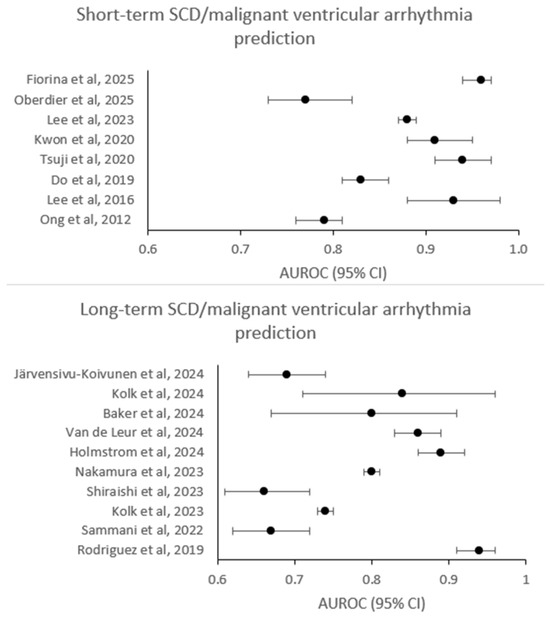
(1) Background and Objectives: Current risk stratification strategies for primary prevention of sudden cardiac death (SCD) have limited sensitivity and specificity. Artificial intelligence (AI) applied to electrocardiograms (ECGs) has emerged as a promising tool to predict the risk of future cardiac arrhythmias. This scoping review synthesizes evidence from original studies evaluating AI models trained on ECGs for risk stratification of SCD/malignant ventricular arrhythmias. (2) Materials and Methods: A comprehensive search of MEDLINE, Embase, Web of Science, Scopus and IEEE Xplore was conducted to identify peer-reviewed studies from inception to February 2026. Eligible studies included original investigations in which the model input was an ECG, recorded at baseline or during monitoring, and the outcome was either short-term or long-term SCD/malignant ventricular arrhythmia risk prediction. Extracted variables included study characteristics, ECG data, AI model data, model performance metrics, and the validation strategy. Risk of bias was assessed using PROBAST. (3) Results: Twenty studies met the inclusion criteria. High-risk cardiovascular subgroups (e.g., heart failure cohort, ICD cohort, etc.) or datasets from admitted patients, and conventional machine learning models or deep learning models were used in most studies. AI-ECG algorithms achieved moderate-to-high discriminative performance for identifying patients at an increased risk for imminent SCD/malignant ventricular arrhythmias (nine studies, AUROC ≈ 0.77–0.96) or future SCD/malignant ventricular arrhythmias (eleven studies, AUROC ≈ 0.66–0.94). However, multiple methodological limitations were identified, including limited sample sizes, susceptibility to overfitting, data imbalance-related bias, heterogeneity in dataset and endpoint definitions, inadequate external validation, and incomplete assessment and reporting of model calibration. (4) Conclusions: AI-ECG models demonstrate potential for risk stratification of SCD and malignant ventricular arrhythmias. However, the current evidence base is constrained by several methodological limitations, and further research is required to determine the clinical utility of AI-ECG for predicting SCD.
Full article
(This article belongs to the Special Issue Arrhythmic Risk Stratification, 2nd Edition)
►▼
Show Figures

Figure 1

Open AccessReview
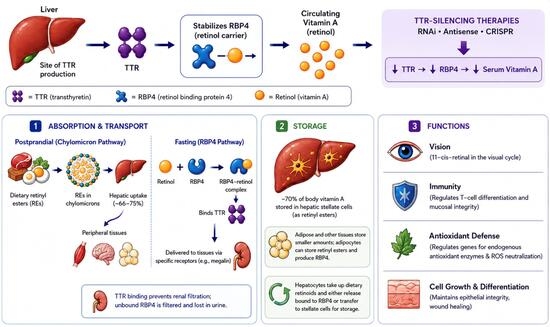
Transthyretin and Vitamin A Metabolism: A Review for the Cardiac Amyloidosis Specialist
by
Donclair Brown, Vishakha Modak, Aladin Altic, Ali Al Zuwayny and James Tauras
J. Cardiovasc. Dev. Dis. 2026, 13(5), 205; https://doi.org/10.3390/jcdd13050205 - 12 May 2026
Abstract
Transthyretin (TTR) amyloidosis is a systemic, progressive, and fatal disease. TTR is integral in vitamin A (retinol) transport via its binding to retinol binding protein 4 (RBP4). Current and emerging therapies for TTR amyloid cardiomyopathy (ATTR-CM), including RNAi therapies and potentially CRISPR-based therapies,
[...] Read more.
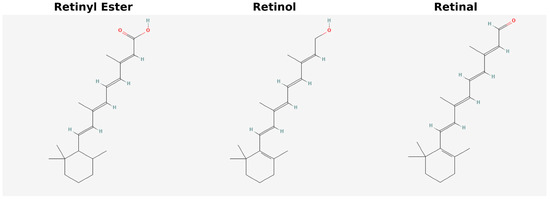
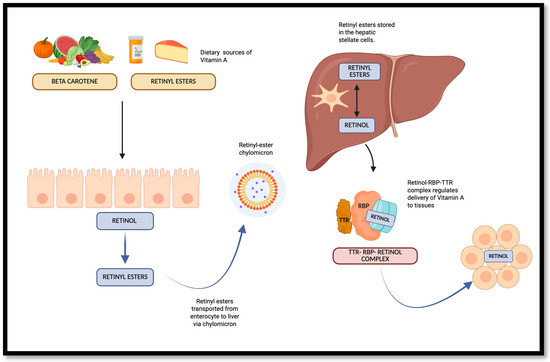
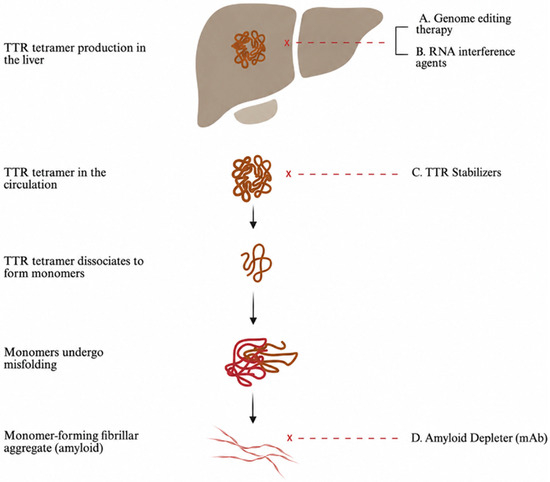
Transthyretin (TTR) amyloidosis is a systemic, progressive, and fatal disease. TTR is integral in vitamin A (retinol) transport via its binding to retinol binding protein 4 (RBP4). Current and emerging therapies for TTR amyloid cardiomyopathy (ATTR-CM), including RNAi therapies and potentially CRISPR-based therapies, reduce hepatic transthyretin production and hence decrease serum RBP4, which decreases circulating vitamin A levels. However, despite these reductions in circulating vitamin A, hepatic reserves and alternative delivery mechanisms may prevent clinical manifestations of vitamin A deficiency. Vitamin A functions as a key regulator of immunity, antioxidant function, cell growth and differentiation and vision. This paper aims to serve as a comprehensive review of vitamin A and its metabolites, their transport, and their function in human health and disease. Additionally, we seek to synthesize the relevant outcomes and safety data of TTR silencing therapies and how they relate to circulating vitamin A levels and vitamin A-related clinical outcomes in a manner that is relevant to the cardiac amyloidosis specialist.
Full article
(This article belongs to the Section Acquired Cardiovascular Disease)
►▼
Show Figures

Graphical abstract
Open AccessCase Report
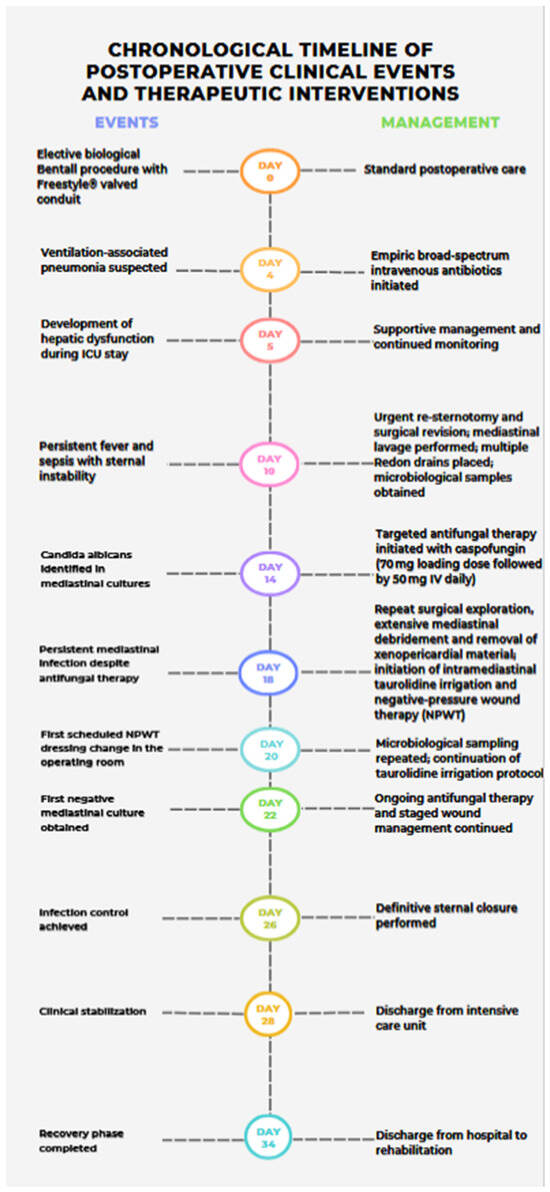
First-in-Human Intramediastinal Taurolidine Irrigation for Candida albicans Mediastinitis After Biological Bentall Procedure
by
Ziyad Gunga, Augustin Rigollot, Agnès Godat, Lars Niclauss and Matthias Kirsch
J. Cardiovasc. Dev. Dis. 2026, 13(5), 204; https://doi.org/10.3390/jcdd13050204 - 12 May 2026
Abstract
Background: Post-sternotomy mediastinitis remains a devastating complication of cardiac surgery. Although most cases are bacterial, fungal mediastinitis due to Candida albicans is rare, aggressive, and particularly difficult to treat because of biofilm formation, prosthetic involvement, and limited penetration of systemic antifungal agents into
[...] Read more.
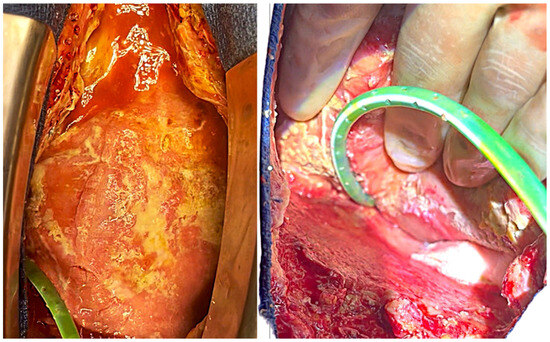
Background: Post-sternotomy mediastinitis remains a devastating complication of cardiac surgery. Although most cases are bacterial, fungal mediastinitis due to Candida albicans is rare, aggressive, and particularly difficult to treat because of biofilm formation, prosthetic involvement, and limited penetration of systemic antifungal agents into infected tissues. Taurolidine is a taurine-derived antimicrobial compound with broad antibacterial, antifungal, and anti-biofilm properties that has shown promising results in catheter-related infection prevention and cardiac implantable electronic device surgery. Case summary: We report, to our knowledge, the first intramediastinal use of taurolidine for Candida albicans mediastinitis after biological Bentall surgery. Following urgent resternotomy and extensive debridement, 200 mL of taurolidine solution was instilled into the mediastinum for 60 min, then aspirated. Postoperatively, taurolidine irrigation via mediastinal drainage was combined with negative-pressure wound therapy and systemic antifungal treatment. Results: Rapid microbiological sterilization was achieved, inflammatory markers normalized, and follow-up computed tomography demonstrated complete resolution of mediastinal infection. Delayed sternal closure was then performed successfully without recurrence at 6-month follow up. Conclusion: To our knowledge, this represents the first reported use of intramediastinal taurolidine irrigation for fungal mediastinitis following cardiac surgery. Intramediastinal taurolidine irrigation may represent a promising adjunctive strategy for mediastinitis after cardiac surgery in high-risk patients. Further clinical evaluation is warranted.
Full article
(This article belongs to the Section Cardiac Surgery)
►▼
Show Figures

Figure 1
Open AccessCase Report
One-Stage Surgical Management of Adult Native Coarctation and Severe Aortic Stenosis: A Case Report
by
Dejan M. Lazovic, Milica Karadzic Kocica, Stefan Juricic, Dragan Ivanisevic, Vojkan Aleksic, Mladen J. Kocica, Danko Grujic, Jovana Klac, Jovana M. Mihajlovic, Vladimir Jovicic and Dragan Cvetkovic
J. Cardiovasc. Dev. Dis. 2026, 13(5), 203; https://doi.org/10.3390/jcdd13050203 - 9 May 2026
Abstract
The coarctation of the aorta is a congenital anomaly characterized by a local narrowing of the aortic lumen localized near the ductus arteriosus. Typically diagnosed in childhood, but it can remain until symptoms become evident. This aortic anomaly can also coexist with aortic
[...] Read more.
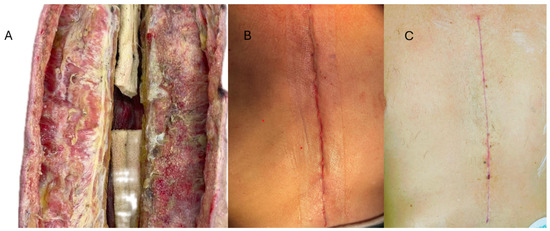
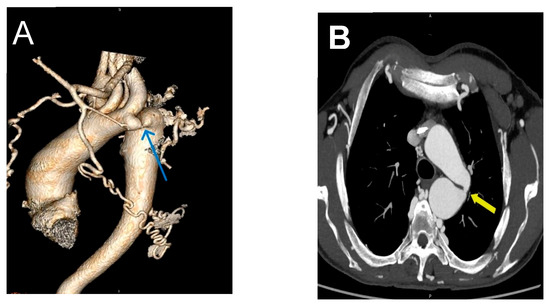
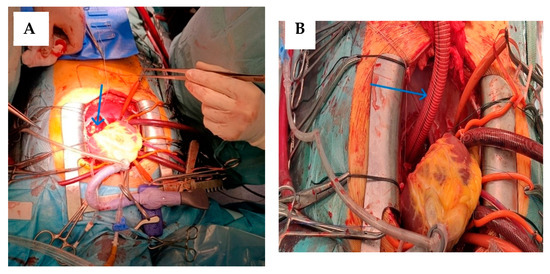
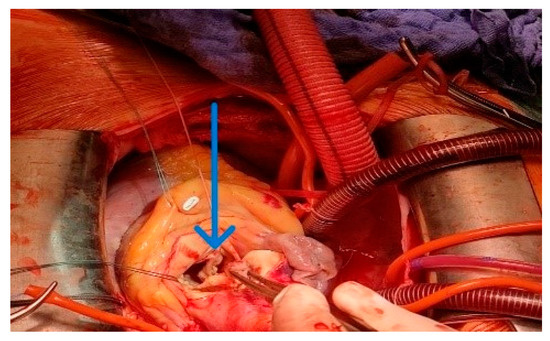
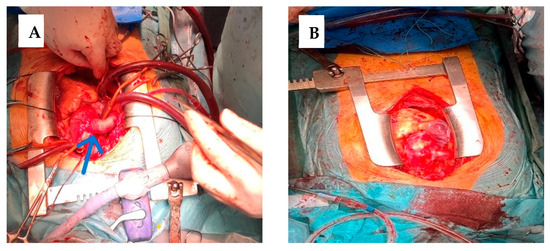
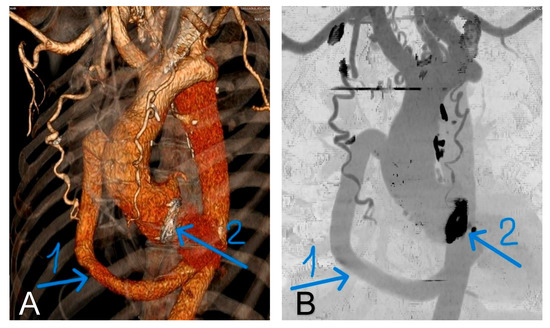
The coarctation of the aorta is a congenital anomaly characterized by a local narrowing of the aortic lumen localized near the ductus arteriosus. Typically diagnosed in childhood, but it can remain until symptoms become evident. This aortic anomaly can also coexist with aortic valve stenosis. In our case report, we present a 46-year-old male with chest pain, dyspnea, and a significant blood pressure gradient between upper and lower extremities. Diagnostic examination included transthoracic echocardiography and computerized tomography. This diagnostic imaging showed narrowing of the aortic lumen with a residual lumen dimension of 3 mm and severe aortic stenosis. The patient underwent a complex surgical procedure, replacement of the aortic valve and reconstruction of the aorta. An extra-anatomic ascending-to-descending aortic bypass was constructed using a 20 mm Dacron graft, combined with mechanical aortic valve replacement. The operation was performed through median sternotomy with two arterial canula in the femoral artery and in the aorta, and one venous canula in the right atrium. Two canulae are placed for the safe performance of cardiopulmonary bypass. The patient was discharged at home without complication. This case highlights that a single surgical procedure may represent a definitive treatment of a complex problem with good short-term results.
Full article
(This article belongs to the Topic Adult Congenital Heart Disease: Advances in Diagnosis, Surgery, and Lifelong Care)
►▼
Show Figures

Figure 1
Open AccessArticle
Diagnostic Performance of Carotid Contrast-Enhanced Ultrasound for Identifying Functionally Significant Coronary Artery Stenosis Assessed by Quantitative Flow Ratio: A Preliminary Prospective Study
by
Yuehao Song, Jili Long and Hao Wang
J. Cardiovasc. Dev. Dis. 2026, 13(5), 202; https://doi.org/10.3390/jcdd13050202 - 9 May 2026
Abstract
Background: Carotid contrast-enhanced ultrasound (CEUS) provides a noninvasive means of assessing plaque vulnerability and may reflect the systemic burden of atherosclerosis. This study aimed to evaluate the diagnostic performance of carotid CEUS characteristics for identifying functionally significant coronary artery stenosis (CAS) defined by
[...] Read more.
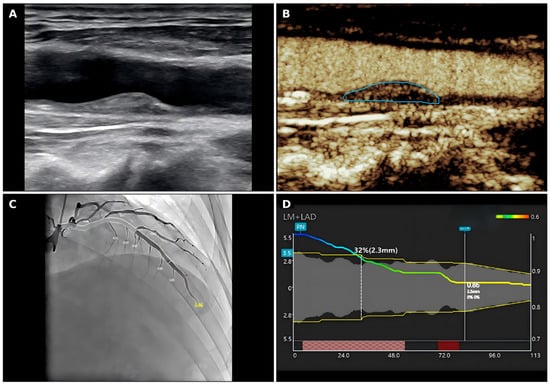
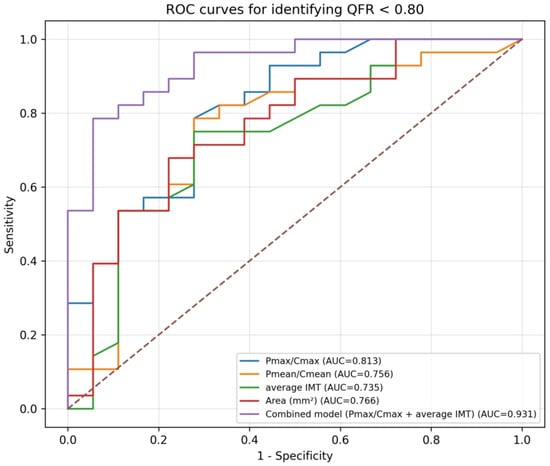
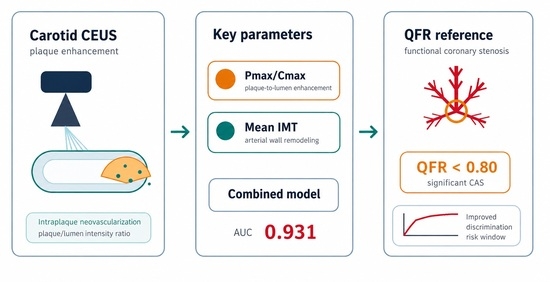
Background: Carotid contrast-enhanced ultrasound (CEUS) provides a noninvasive means of assessing plaque vulnerability and may reflect the systemic burden of atherosclerosis. This study aimed to evaluate the diagnostic performance of carotid CEUS characteristics for identifying functionally significant coronary artery stenosis (CAS) defined by quantitative flow ratio (QFR). Methods: In this preliminary prospective study, 46 patients with suspected stable coronary artery disease who underwent carotid CEUS and coronary angiography with QFR assessment between September 2022 and November 2023 were enrolled. Patients were categorized into a QFR ≥ 0.80 group (n = 18) and a QFR < 0.80 group (n = 28). Carotid plaque burden, morphology, and CEUS-derived quantitative parameters were compared between groups. Univariate and multivariable logistic regression analyses were performed to identify independent factors associated with QFR < 0.80, and receiver operating characteristic (ROC) analysis was used to assess discriminatory performance. Results: Compared with patients with QFR ≥ 0.80, those with QFR < 0.80 had significantly higher mean intima-media thickness (IMT), larger plaque area, higher plaque-to-lumen enhancement ratios (Pmax/Cmax and Pmean/Cmean), and more vulnerable plaque features, including irregular margins and thin fibrous caps. In multivariable analysis, Pmax/Cmax (adjusted OR: 14.394, 95% CI: 2.718–76.220; p = 0.002) and mean IMT (adjusted OR: 7.740, 95% CI: 2.040–29.363; p = 0.003) remained independently associated with QFR < 0.80. ROC analysis showed that the combined model incorporating Pmax/Cmax and mean IMT achieved the best discrimination for QFR < 0.80 (AUC: 0.931, 95% CI: 0.845–0.989), with 78.6% sensitivity and 94.4% specificity. Conclusions: Carotid CEUS-derived plaque enhancement characteristics, particularly Pmax/Cmax, together with mean IMT, were independently associated with functionally significant CAS. These findings suggest that carotid CEUS may provide complementary, noninvasive information for vascular risk stratification, but it should not be considered a substitute for coronary angiography-based physiological assessment.
Full article
(This article belongs to the Special Issue Advances in Diagnosis and Interventional Therapy of Coronary Artery Disease)
►▼
Show Figures

Graphical abstract
Open AccessReview
Is Aspirin Still Indispensable After PCI—Rethinking Dual Antiplatelet Therapy in Contemporary Practice
by
Kartik Yadav, Sama Ehab Salah Ahmed, Mohamed Abdelgader, Roann Khalid, Murugapathy Veerasamy, Arka Das and Heerajnarain Bulluck
J. Cardiovasc. Dev. Dis. 2026, 13(5), 201; https://doi.org/10.3390/jcdd13050201 - 9 May 2026
Abstract
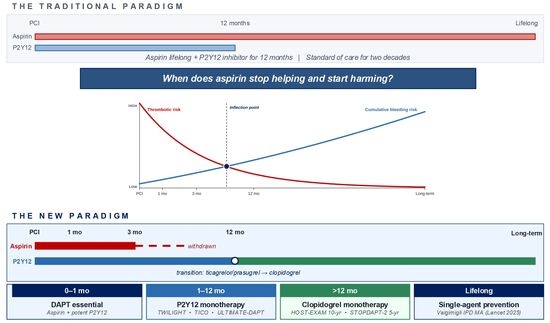
Aspirin has been the default backbone of antiplatelet therapy after percutaneous coronary intervention (PCI) for over two decades, anchored by landmark trials that established 12-month dual antiplatelet therapy (DAPT) as the standard of care. Three developments have prompted reassessment of this paradigm: the
[...] Read more.
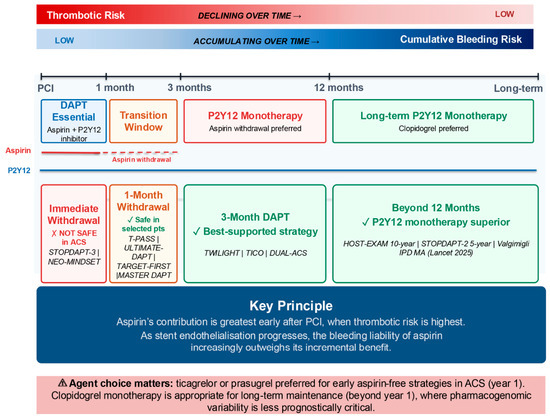
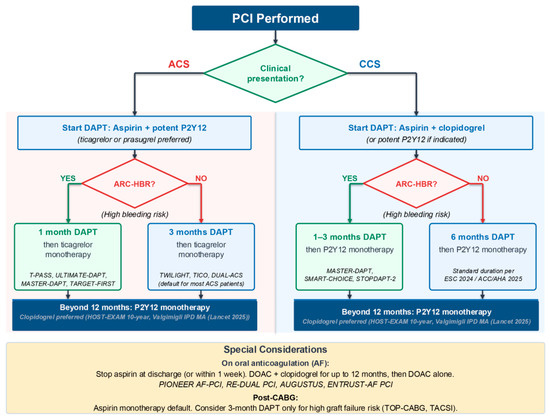
Aspirin has been the default backbone of antiplatelet therapy after percutaneous coronary intervention (PCI) for over two decades, anchored by landmark trials that established 12-month dual antiplatelet therapy (DAPT) as the standard of care. Three developments have prompted reassessment of this paradigm: the markedly lower thrombotic risk of contemporary drug-eluting stents, the greater potency and consistency of potent P2Y12 inhibitors (ticagrelor, prasugrel), and increasing recognition that major bleeding independently worsens outcomes after PCI. Recent randomised trials have systematically tested aspirin withdrawal at varying time points. Immediate aspirin-free strategies (NEO-MINDSET, STOPDAPT-3) demonstrated an early signal of excess ischaemic events in the ACS component of enrolled populations, suggesting that aspirin remains important during the earliest post-PCI period in ACS. One-month strategies (T-PASS, ULTIMATE-DAPT, TARGET-FIRST) and three-month strategies (TWILIGHT, TICO, DUAL-ACS) showed that transition to P2Y12 monotherapy after an initial DAPT period significantly reduces bleeding without increasing ischaemic events in selected populations. Beyond one year, long-term randomised trials including the HOST-EXAM 10-year follow-up (Lancet 2026) and the STOPDAPT-2 5-year landmark analysis (Circ Cardiovasc Interv 2026), together with study-level meta-analyses (PANTHER) and recent individual patient data meta-analyses, provide converging evidence that clopidogrel monotherapy outperforms aspirin for chronic secondary prevention without excess bleeding. The choice of P2Y12 agent is critical: clopidogrel monotherapy in ACS during the first post-procedural year carries excess thrombotic risk owing to CYP2C19 pharmacogenomic variability, whereas ticagrelor and prasugrel provide more reliable protection. This review synthesises the mechanistic rationale, trial evidence across all time points, special clinical contexts (oral anticoagulation, coronary artery bypass grafting, high bleeding risk), guideline evolution, and methodological considerations, providing a practical framework for individualising post-PCI antiplatelet therapy.
Full article
(This article belongs to the Special Issue Interventional Diagnostics and Treatment of Coronary Artery Disease)
►▼
Show Figures

Graphical abstract
Open AccessArticle
Limited Utility of Lymphocyte-Based Inflammatory Indices in Troponin-Negative Unstable Angina Pectoris
by
Şükriye Uslu, Gülsüm Meral Yılmaz Öztekin, Ahmet Genç, Ekin Can Çelik and Şakir Arslan
J. Cardiovasc. Dev. Dis. 2026, 13(5), 200; https://doi.org/10.3390/jcdd13050200 - 8 May 2026
Abstract
Background: This study investigated the role of lymphocyte-based inflammatory indices (LBIIs) in predicting severe coronary artery disease (CAD) in patients undergoing coronary angiography (CAG) for unstable angina pectoris (USAP). Methods: Records of patients who underwent CAG between January 2023 and December 2024 were
[...] Read more.
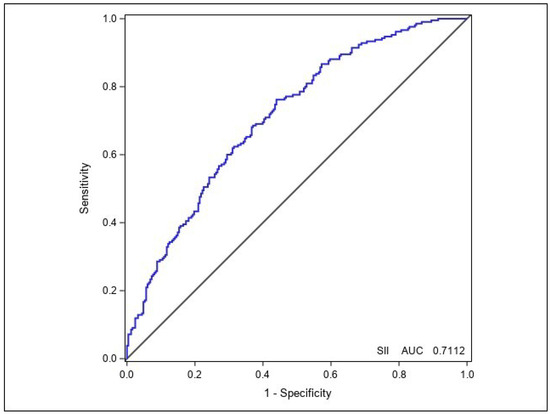
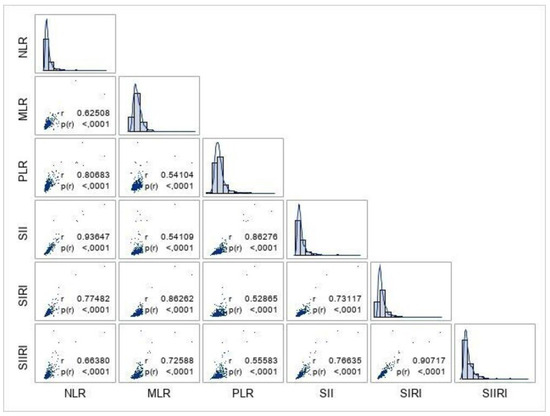
Background: This study investigated the role of lymphocyte-based inflammatory indices (LBIIs) in predicting severe coronary artery disease (CAD) in patients undergoing coronary angiography (CAG) for unstable angina pectoris (USAP). Methods: Records of patients who underwent CAG between January 2023 and December 2024 were retrospectively reviewed. The patients were divided into two groups based on coronary artery stenosis severity: non-severe CAD (<70% stenosis) and severe CAD (≥70% stenosis). Demographic data, risk factors, and complete blood count parameters were recorded. Six LBIIs were calculated: the neutrophil-to-lymphocyte ratio (NLR), monocyte-to-lymphocyte ratio (MLR), platelet-to-lymphocyte ratio (PLR), Systemic Immune–Inflammation Index (SII), Systemic Inflammatory Response Index (SIRI), and Systemic Immune–Inflammatory Response Index (SIIRI). Diagnostic performance was evaluated using logistic regression and ROC curve analyses. Results: Out of 505 patients, 234 (46.3%) had severe CAD. Among the six LBIIs, only the SII differed significantly between groups in univariate analysis and showed moderate discrimination in the ROC analysis (AUC 0.71; 95% CI 0.661–0.762; p < 0.001; sensitivity 76.2%; specificity 56.1%). However, the SII was not an independent predictor in the multivariate analysis. Conclusions: LBIIs (NLR, MLR, PLR, SII, SIRI, and SIIRI) do not provide a clinically significant and independent contribution to predicting severe CAD in USAP patients undergoing CAG. Although the SII performed moderately well in the univariate analysis, it lost independence in the multivariate analysis and is thus not suitable for use as a standalone marker in clinical decision-making.
Full article
(This article belongs to the Topic Advanced Imaging, Physiology, and Biomarkers in Ischemic Heart Disease)
►▼
Show Figures

Figure 1
Journal Menu
► ▼ Journal Menu-
- JCDD Home
- Aims & Scope
- Editorial Board
- Reviewer Board
- Topical Advisory Panel
- Instructions for Authors
- Special Issues
- Topics
- Sections & Collections
- Article Processing Charge
- Indexing & Archiving
- Editor’s Choice Articles
- Most Cited & Viewed
- Journal Statistics
- Journal History
- Journal Awards
- Conferences
- Editorial Office
Journal Browser
► ▼ Journal BrowserHighly Accessed Articles
Latest Books
E-Mail Alert
News
Topics
Topic in
Cardiogenetics, Hearts, JCDD, JCM
Adult Congenital Heart Disease: Advances in Diagnosis, Surgery, and Lifelong Care
Topic Editors: Satoshi Akagi, Jin Young SongDeadline: 30 June 2026
Topic in
CIMB, IJMS, JCDD, Organoids, Biomedicines
Molecular and Cellular Mechanisms of Heart Disease
Topic Editors: Pasi Tavi, Ebru Arioglu-InanDeadline: 31 December 2026
Topic in
Antioxidants, Biomedicines, Disabilities, JCDD, Hearts, JCRM
Cardiovascular Disease in Special Populations: From Basic Science to Clinical Practice
Topic Editors: Song-Young Park, Gwenael LayecDeadline: 31 January 2027
Topic in
Biomedicines, CIMB, IJMS, IJTM, JCDD
Future Directions in Cardiology: How the Clinic Will Change in the Coming Years, the Laboratory Always Standing
Topic Editors: Cristina Vassalle, Melania GagginiDeadline: 28 February 2027
Conferences
Special Issues
Special Issue in
JCDD
Risk Assessment and Treatment of Atrial Fibrillation: Focus on Catheter Ablation
Guest Editor: Yves De GreefDeadline: 25 May 2026
Special Issue in
JCDD
Coronary Artery Bypasses: Techniques, Outcomes, and Complications
Guest Editor: Shahzad G. RajaDeadline: 30 May 2026
Special Issue in
JCDD
Minimal Access Cardiac Surgery: State of the Art and Future Perspectives, 2nd Edition
Guest Editor: Jason M. AliDeadline: 31 May 2026
Special Issue in
JCDD
Hybrid Ablation of the Atrial Fibrillation
Guest Editor: Massimiliano MariniDeadline: 31 May 2026
Topical Collections
Topical Collection in
JCDD
Current Challenges in Heart Failure and Cardiac Transplantation
Collection Editors: Rasmus Rivinius, Daniel Oehler, Andreas J. Rieth, Andreas Doesch