


-
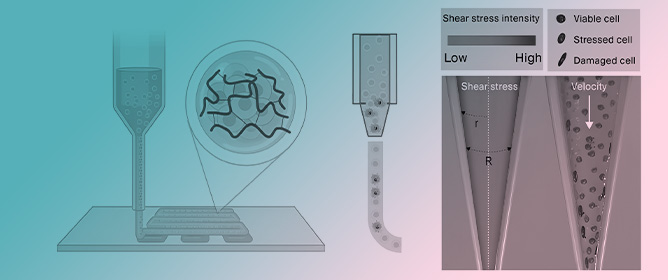
An Overview of 3D Bioprinting Impact on Cell Viability: From Damage Assessment to Protection Solutions -
Physicochemical and Antioxidant Alterations of Modified and Free Epigallocatechin Gallate Under Thermal Treatment in Air and Vacuum -
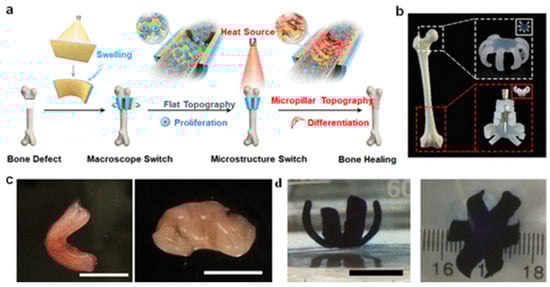
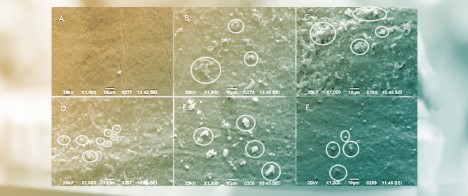
Comparative Assessment of the Remineralization Potential of Five Modern Oral Health Products on Bovine Enamel -
Recent Advances in Silk Fibroin Derived from Bombyx mori for Regenerative Medicine
Journal Description
Journal of Functional Biomaterials
is an international, interdisciplinary, peer-reviewed, open access journal on materials for biomedical use, published monthly online by MDPI.
- Open Access— free for readers, with article processing charges (APC) paid by authors or their institutions.
- High Visibility: indexed within Scopus, SCIE (Web of Science), PubMed, PMC, Embase, Ei Compendex, Inspec, CAPlus / SciFinder, and other databases.
- Journal Rank: JCR - Q1 (Engineering, Biomedical) / CiteScore - Q2 (Biomedical Engineering)
- Rapid Publication: manuscripts are peer-reviewed and a first decision is provided to authors approximately 16.8 days after submission; acceptance to publication is undertaken in 3.5 days (median values for papers published in this journal in the second half of 2025).
- Recognition of Reviewers: reviewers who provide timely, thorough peer-review reports receive vouchers entitling them to a discount on the APC of their next publication in any MDPI journal, in appreciation of the work done.
- Companion journal: Healthcare Materials
Impact Factor:
5.2 (2024);
5-Year Impact Factor:
5.2 (2024)
Latest Articles
Influence of Reduced Cortical Bone Compression by Implant Macrogeometry on Peri-Implant Bone Healing: An In Vitro and In Vivo Experimental Study
J. Funct. Biomater. 2026, 17(5), 217; https://doi.org/10.3390/jfb17050217 - 1 May 2026
Abstract
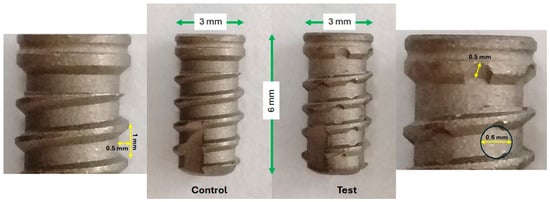
Background: Primary stability and long-term osseointegration depend on bone healing surrounding dental implants. Implant macrogeometry is crucial for controlling insertion torque and the biological reaction of peri-implant bone. This study assessed the impact of an implant design meant to lessen cortical bone compression
[...] Read more.
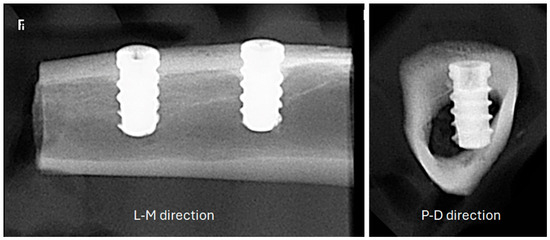
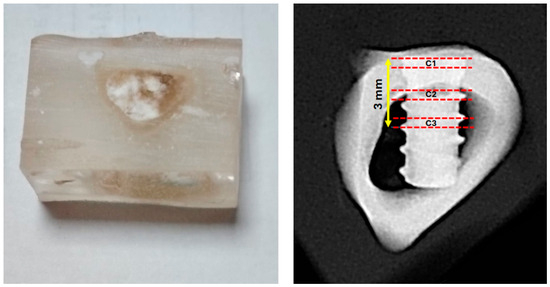
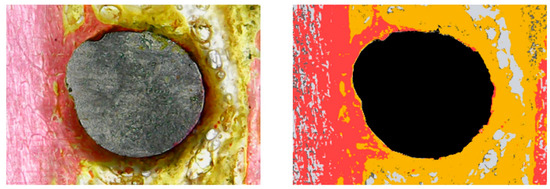
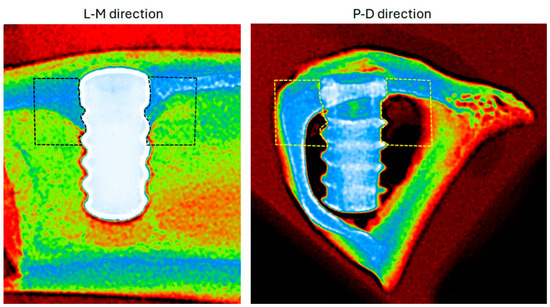
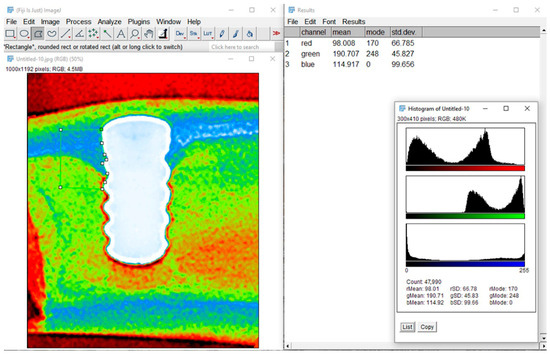
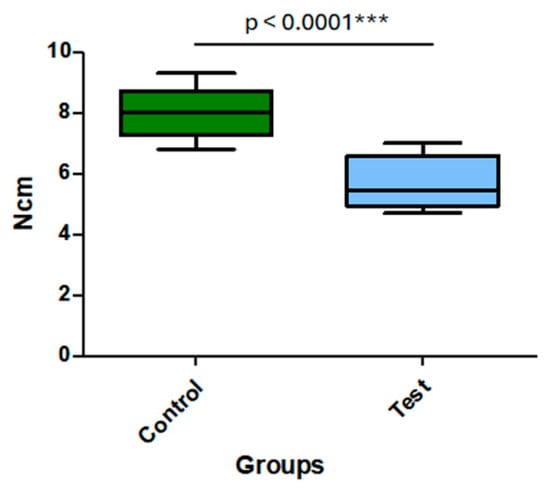
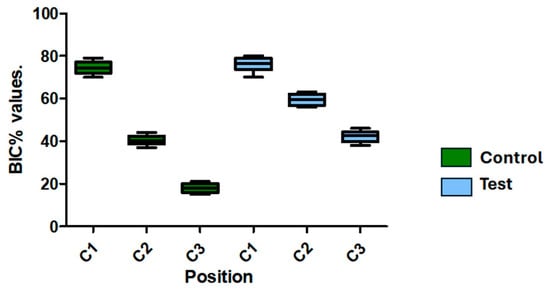
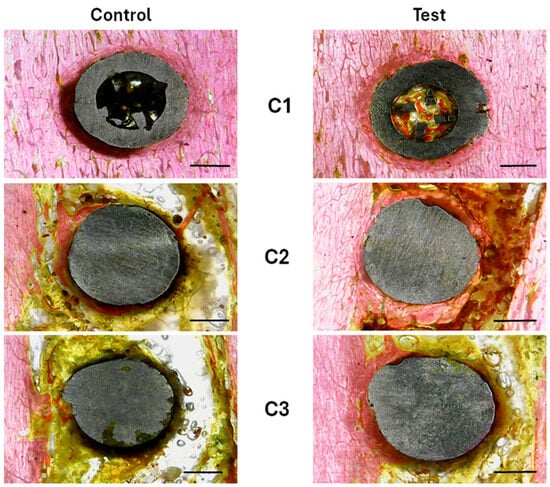
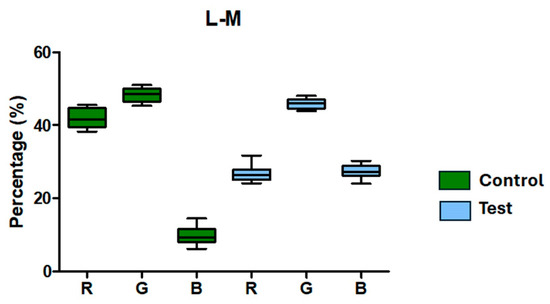
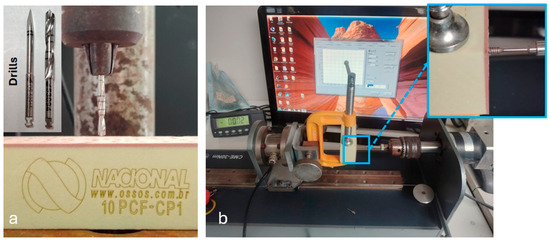
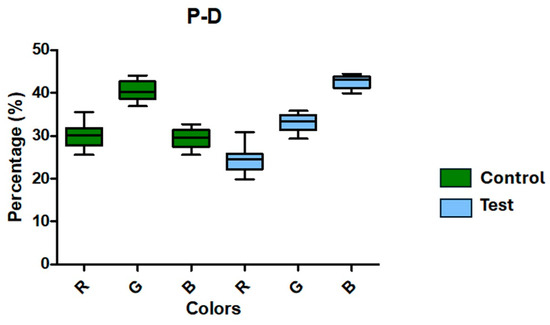
Background: Primary stability and long-term osseointegration depend on bone healing surrounding dental implants. Implant macrogeometry is crucial for controlling insertion torque and the biological reaction of peri-implant bone. This study assessed the impact of an implant design meant to lessen cortical bone compression on early bone healing. Methods: Forty titanium prototype implants (3 × 6 mm) were equally divided into Control (standard macrogeometry) and Test (macrogeometry with healing chambers) groups. Initial insertion torque was measured in vitro using synthetic bone blocks. Subsequently, an in vivo rabbit tibia model was used (n = 10 implants per group) to assess early healing. At 21 days, histological sections were analyzed for bone-to-implant contact (BIC%) at three cervical positions (C1, C2, and C3). Additionally, digital radiographs of the cervical region were evaluated using RGB color mapping, where distinct color channels quantified varying degrees of bone density. Results: The in vitro insertion torque for the Control group was significantly greater than the Test group (8.01 vs. 5.70 Ncm). The in vivo histomorphometric analysis indicated improved integration for the Test design, showing substantially higher BIC% at the C2 (59.30% vs. 40.30%) and C3 (42.10% vs. 17.90%) positions. Furthermore, radiographic RGB analysis revealed that the Test group possessed a higher blue channel contribution, indicating greater mineralized tissue density. Conclusions: These results imply that modifying implant macrogeometry to lower insertion torque and minimize cortical bone compression favorably enhances early cervical bone healing and osseointegration.
Full article
(This article belongs to the Special Issue Biomaterials Applied in Dental Sciences)
►
Show Figures
Open AccessSystematic Review
Biogenic Selenium Nanoparticles Functionalized with Natural Polymers or Phytochemicals for Targeted Disruption of Candida spp. Biofilms on Denture Materials: A Systematic Review
by
Zofia Stefanik, Paweł Ścierski, Maciej Dobrzyński, Natalia Stefanik, Magdalena Antonowicz-Hüpsch and Rafał Wiench
J. Funct. Biomater. 2026, 17(5), 216; https://doi.org/10.3390/jfb17050216 - 1 May 2026
Abstract
Background: Denture stomatitis is strongly associated with Candida biofilms on prosthetic surfaces and remains difficult to manage due to biofilm persistence and antifungal resistance. Selenium-based nanomaterials, particularly biogenic selenium nanoparticles (SeNPs) functionalized with natural polymers or phytochemicals, have emerged as potential material-centered strategies
[...] Read more.
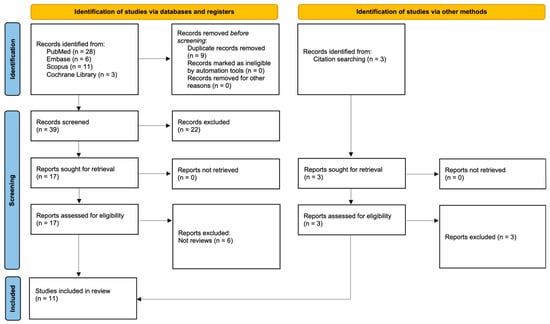
Background: Denture stomatitis is strongly associated with Candida biofilms on prosthetic surfaces and remains difficult to manage due to biofilm persistence and antifungal resistance. Selenium-based nanomaterials, particularly biogenic selenium nanoparticles (SeNPs) functionalized with natural polymers or phytochemicals, have emerged as potential material-centered strategies for biofilm control. Objective: To systematically evaluate the antifungal and antibiofilm effects of selenium-based nanomaterials on Candida biofilms in the context of denture materials. Methods: A systematic review was conducted in accordance with the PRISMA guidelines and registered in PROSPERO. Multiple databases were searched from inception without language restrictions. Eligible studies included experimental investigations of biogenic or functionalized SeNPs or organoselenium compounds targeting Candida biofilms on denture materials or in relevant in vitro models. A qualitative synthesis was performed due to anticipated heterogeneity. Results: Eleven studies met the inclusion criteria. Of these, four studies directly evaluated selenium-based interventions on denture materials, while seven provided supporting mechanistic evidence using in vitro models on non-denture substrates. Across denture-related studies, selenium-based modifications reduced fungal adhesion, biofilm biomass, and colony-forming units, without detrimental effects on material properties. Functionalization with polymers or phytochemicals was associated with enhanced antifungal activity and nanoparticle stability. Mechanistic studies suggested multimodal antifungal effects, including membrane disruption, inhibition of virulence factors, and modulation of biofilm-related pathways. Methodological quality was moderate, with common limitations in reporting and experimental standardization. Conclusions: Functionalized biogenic SeNPs show promising antifungal and antibiofilm activity against Candida in preclinical denture-related models. However, all available evidence is in vitro, with no in vivo or clinical studies identified. Substantial heterogeneity and limited long-term safety data preclude clinical recommendations. Further research should focus on standardized methodologies, clinically relevant in vivo models, and controlled clinical trials to assess translational potential.
Full article
(This article belongs to the Section Dental Biomaterials)
►▼
Show Figures

Figure 1
Open AccessArticle
Biological Effects of Bioactive Glass-Containing Self-Adhesive Resin Cements on Dental Pulp Stem Cells
by
Jiyoung Kwon, Seung Woo Chae and Hyun-Jung Kim
J. Funct. Biomater. 2026, 17(5), 215; https://doi.org/10.3390/jfb17050215 - 1 May 2026
Abstract
The aim of this study was to evaluate the biological effects of bioactive glass-containing self-adhesive resin cements (SARCs) on human dental pulp stem cells (DPSCs), focusing on cytocompatibility, odontogenic differentiation, and mineralization. Experimental SARCs containing 0–5 wt% BAG (BG0–BG5) were compared with two
[...] Read more.
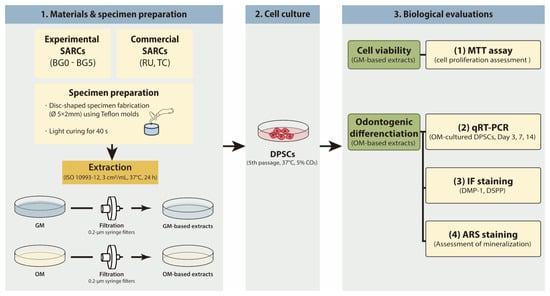
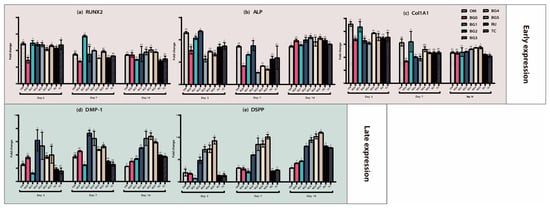
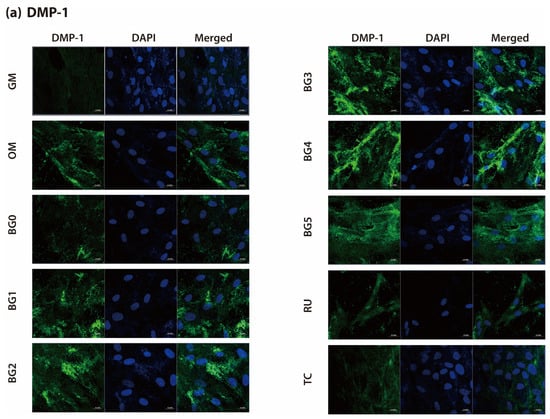
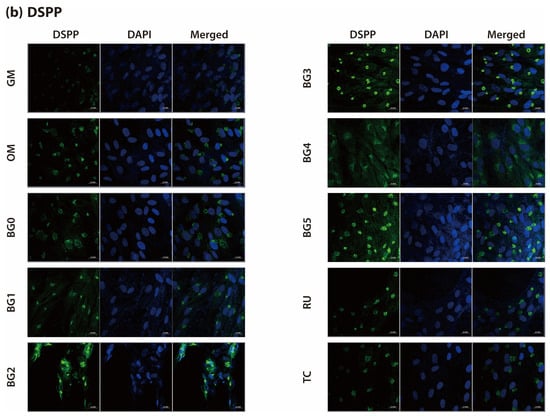
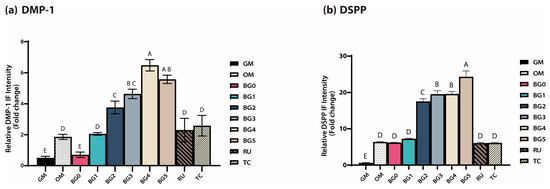
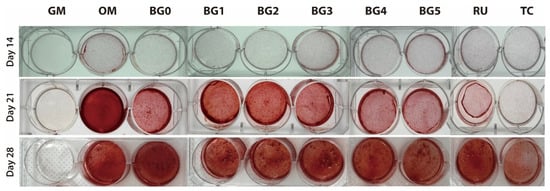
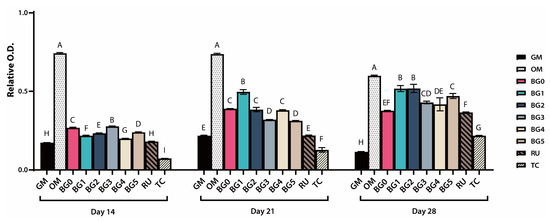
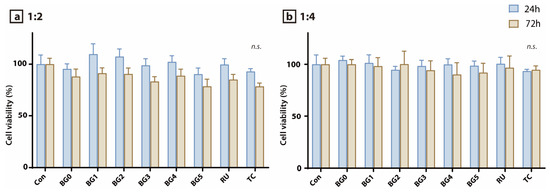
The aim of this study was to evaluate the biological effects of bioactive glass-containing self-adhesive resin cements (SARCs) on human dental pulp stem cells (DPSCs), focusing on cytocompatibility, odontogenic differentiation, and mineralization. Experimental SARCs containing 0–5 wt% BAG (BG0–BG5) were compared with two commercially available SARCs, RelyX U200 and TheraCem. Eluates were prepared and applied to DPSCs for the methylthiazol tetrazolium (MTT) assay, quantitative real-time polymerase chain reaction (qRT-PCR), immunofluorescence (IF) staining, and Alizarin Red S (ARS) staining. The result showed there were no significant differences in cell viability across all groups (p > 0.05), indicating that the addition of BAG did not affect cell viability, while the early odontogenic differentiation markers, such as RUNX2, ALP, and COL1A1, showed no clear trend among the groups. However, late-stage markers (DMP-1 and DSPP) were significantly higher in the BG2–BG5 groups relative to the OM group (p < 0.05). IF staining revealed intense signals in the BG2–BG5 groups (p < 0.05) and also ARS staining showed a time-dependent increase in mineral deposition. Within the limitations of this study, BAG-containing SARCs do not negatively impact cytocompatibility and promote late-stage odontogenic differentiation and mineral deposition.
Full article
(This article belongs to the Special Issue Biomechanical Studies and Biomaterials in Dentistry (2nd Edition))
►▼
Show Figures

Figure 1
Open AccessReview
Biomaterials’ Role in Improving Patient Care from Drug Testing and Delivery to Theragnostics and Regenerative Medicine
by
Sabina Cristiana Badulescu, Emma Adriana Ozon, Adina Magdalena Musuc, Manuela Diana Ene and Rica Boscencu
J. Funct. Biomater. 2026, 17(5), 214; https://doi.org/10.3390/jfb17050214 - 1 May 2026
Abstract
Over the past 200 years (1820–2020), global life expectancy has nearly tripled, increasing from 26 to 72.91 years, due to factors such as poverty reduction and public health initiatives. Today, society faces different challenges than it did centuries ago. In patient care and
[...] Read more.
Over the past 200 years (1820–2020), global life expectancy has nearly tripled, increasing from 26 to 72.91 years, due to factors such as poverty reduction and public health initiatives. Today, society faces different challenges than it did centuries ago. In patient care and healthcare system priorities, the goal is to develop smart, feasible, long-lasting, cost-effective, readily available, adverse-reaction-free, adaptable, and personalized solutions that minimize patient discomfort, reduce caregiver effort, and decrease hospitalization duration and costs. In this context, biomaterials serve as versatile tools capable of performing a wide range of diagnostic, therapeutic, and theragnostic functions. Thanks to their biocompatibility, biodegradability, surface chemistry, and responsiveness, biomaterials are currently addressing issues such as patient compliance (through controlled drug-delivery systems and smart wound dressings), long transplant waiting lists, transplant rejection, non-adaptable prosthetics (artificial organs), oncology treatment efficacy (nano-formulations for theragnostics and multiple tumor targeting), and inconsistent in vitro drug-testing models (organs-on-a-chip). In this review, we focus on biomaterials’ smartness, then explore databases for efficient product design, and finally highlight their applications in the biomedical field, especially in drug delivery, tissue engineering, and regenerative medicine.
Full article
(This article belongs to the Section Biomaterials for Tissue Engineering and Regenerative Medicine)
Open AccessArticle
A 3-Year Split-Mouth Randomized Controlled Clinical Trial of Zirconia and Titanium Implant-Supported Overdentures
by
Kristian Kniha, Lothar Rink, Mark Ooms, Katharina Schaffrath, Stephan Christian Möhlhenrich, Frank Hölzle, Ali Modabber and Marius Heitzer
J. Funct. Biomater. 2026, 17(5), 213; https://doi.org/10.3390/jfb17050213 - 1 May 2026
Abstract
Aim: This study aimed to compare two-piece zirconia and two-piece titanium implants inserted into the anterior mandible for removable overdentures in a 3-year randomized split-mouth clinical trial. Methods: Twenty fully edentulous mandibular patients received two zirconia and two titanium implants allocated by computer-generated
[...] Read more.
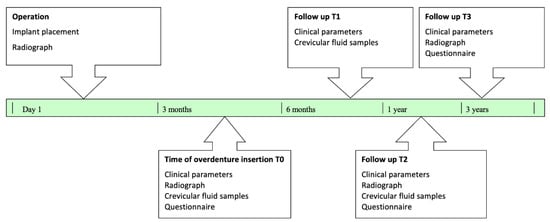
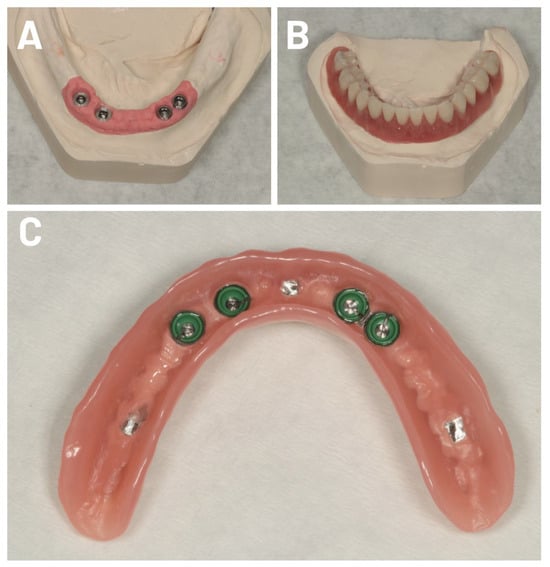
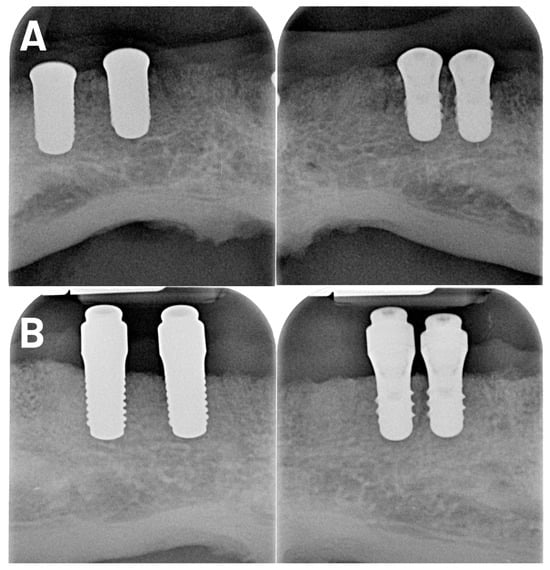
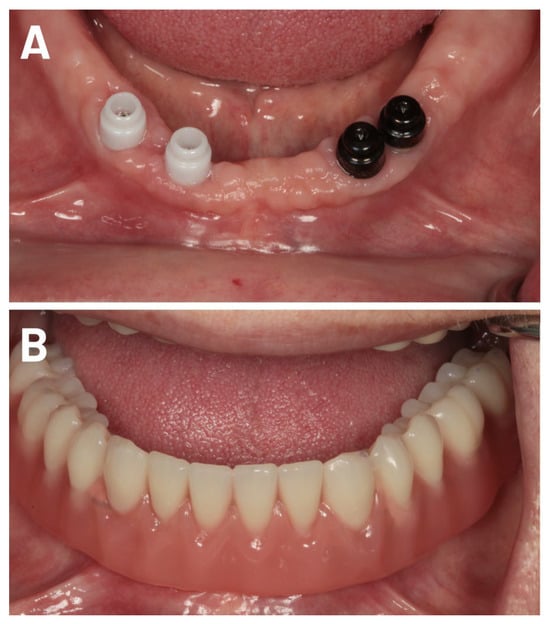
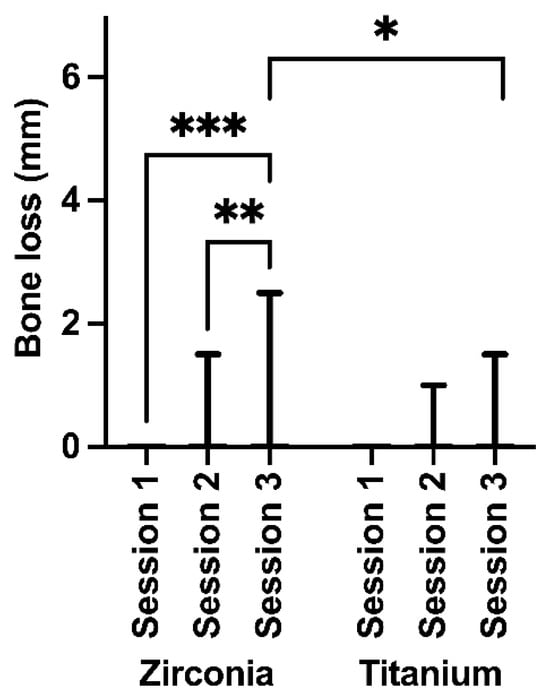
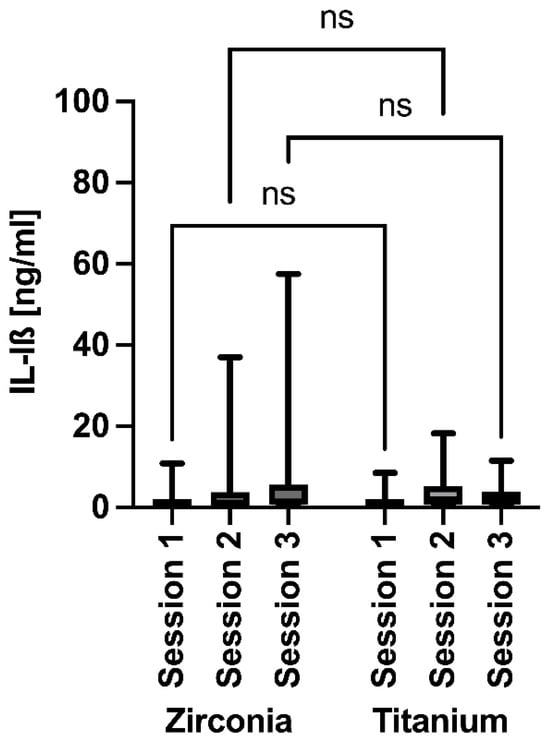
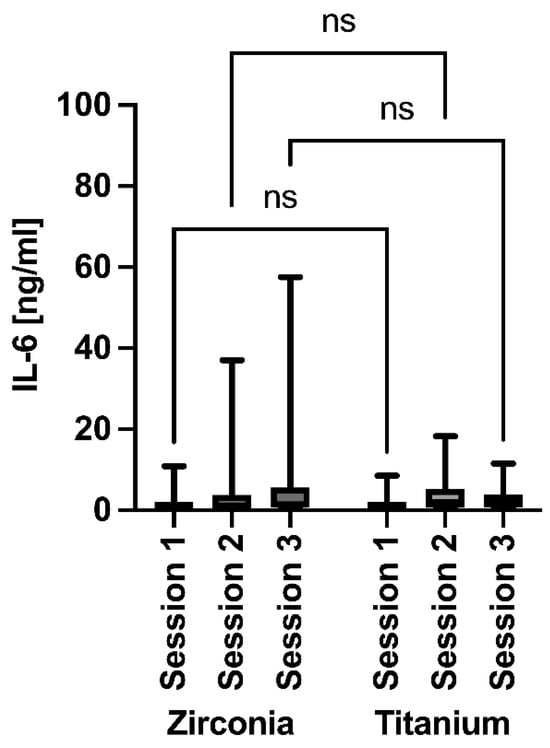
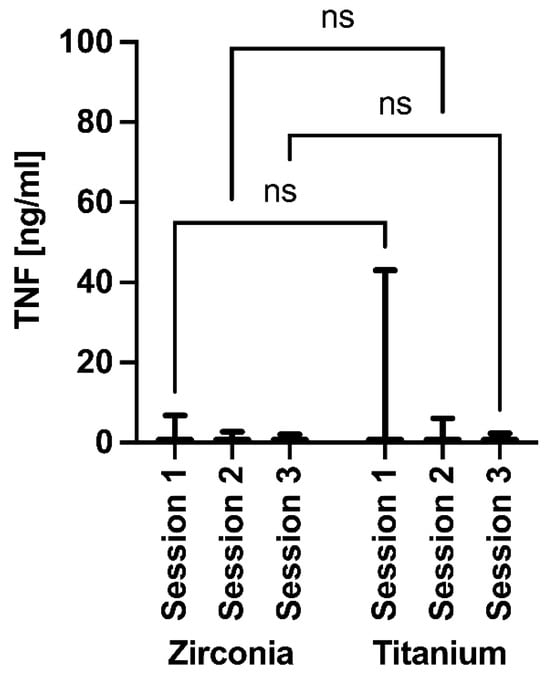
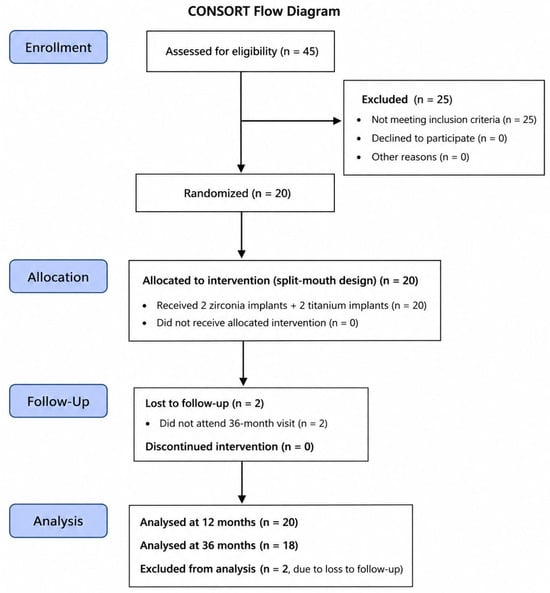
Aim: This study aimed to compare two-piece zirconia and two-piece titanium implants inserted into the anterior mandible for removable overdentures in a 3-year randomized split-mouth clinical trial. Methods: Twenty fully edentulous mandibular patients received two zirconia and two titanium implants allocated by computer-generated randomization. The primary endpoint was bleeding-on-probing (BOP) at 12 months. Secondary outcomes included implant survival and success (Albrektsson criteria), marginal bone level changes, peri-implant cytokines (IL-1β, IL-6, and TNFα), prosthetic complications, and patient-reported outcomes (PROMs). Results: After 3 years, overall survival was 98.61% and overall success was 84.72%. Titanium implants showed higher success compared with zirconia implants (91.70% vs. 77.78%), while survival was 100% and 97.22%, respectively. Marginal bone loss was significantly greater around zirconia implants at 36 months (p < 0.01). No significant differences were observed in IL-1β, IL-6, or TNFα levels up to 12 months. PROMs revealed a trade-off, with zirconia favored for esthetics and cleaning perception, while titanium was rated superior for stability. Conclusions: Within the limitations of this split-mouth RCT, zirconia implants demonstrated reduced success and inferior marginal bone stability compared with titanium implants in overdenture therapy. Careful case selection and close follow-up appear essential when zirconia implants are used in this indication.
Full article
(This article belongs to the Special Issue Advanced Biomaterials for Oral Rehabilitation)
►▼
Show Figures

Figure 1

Open AccessSystematic Review
Universal Adhesive Brands Functional Performance in Non-Carious Cervical Lesions: 18- to 48-Months Systematic Clinical Report
by
Leonardo D’Elia, Lígia Pereira da Silva and Patrícia Manarte-Monteiro
J. Funct. Biomater. 2026, 17(5), 212; https://doi.org/10.3390/jfb17050212 - 1 May 2026
Abstract
Universal adhesives (UAs) exhibit considerable versatility; however, no single commercial product has attained recognition as a clinical gold standard. This study evaluated the functional performance, retention, and marginal integrity of various UA brands in non-carious cervical lesion (NCCL) restorations and examined the effects
[...] Read more.
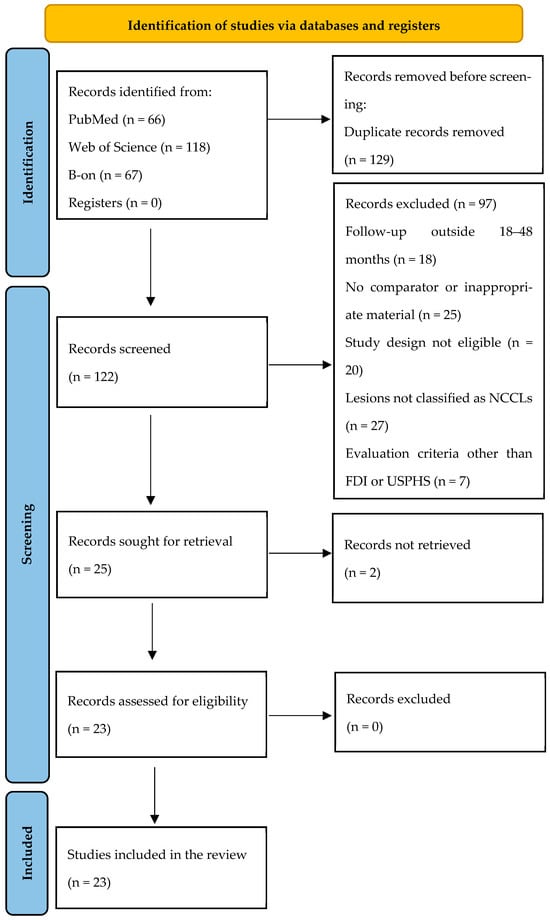
Universal adhesives (UAs) exhibit considerable versatility; however, no single commercial product has attained recognition as a clinical gold standard. This study evaluated the functional performance, retention, and marginal integrity of various UA brands in non-carious cervical lesion (NCCL) restorations and examined the effects of different adhesion strategies. A search of electronic databases was conducted for randomized clinical trials (RCTs) published between 2015 and 2025. Only RCTs that assessed the retention and marginal integrity of UAs with follow-ups of 18–48 months, using the USPHS/FDI criteria, were included. This review was registered with PROSPERO (CRD420251026490) and adhered to PRISMA 2020 and PICOS guidelines. Risk of bias was evaluated using the RoB 2 tool; statistical significance was defined as p < 0.05. Of 251 records screened, 23 met the eligibility criteria, resulting in the inclusion of 21 RCTs. Sixteen UA brands exhibited no clear differences in performance outcomes. Etch-and-rinse (ER) and selective enamel-etching (SEE) strategies achieved higher retention rates (median up to 100%; USPHS, p < 0.001), while the self-etch (SE) approach demonstrated lower and more variable retention (median 87.0%). Marginal integrity remained consistently high across all strategies (median 100%; p > 0.05). Although ER and SEE strategies significantly enhance long-term retention, no UA brand showed consistent superiority to be considered a gold standard.
Full article
(This article belongs to the Section Dental Biomaterials)
►▼
Show Figures

Figure 1
Open AccessArticle
Atmospheric Cold Microwave Argon Plasma for Decontamination of Dental Implant Surfaces: An In Vitro Experimental Study
by
Todor Bogdanov, Nadja Radchenkova, Raya Grozdanova, Dimitar Kosturkov and Todor Uzunov
J. Funct. Biomater. 2026, 17(5), 211; https://doi.org/10.3390/jfb17050211 - 1 May 2026
Abstract
Dental implants are widely used to replace missing teeth, but peri-implantitis remains a major biological complication associated with bacterial biofilm formation on implant surfaces. The increasing incidence of peri-implant infections underscores the need for alternative antimicrobial strategies that effectively decontaminate complex titanium implant
[...] Read more.
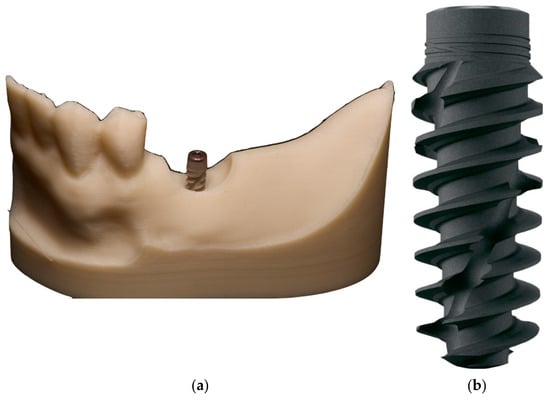
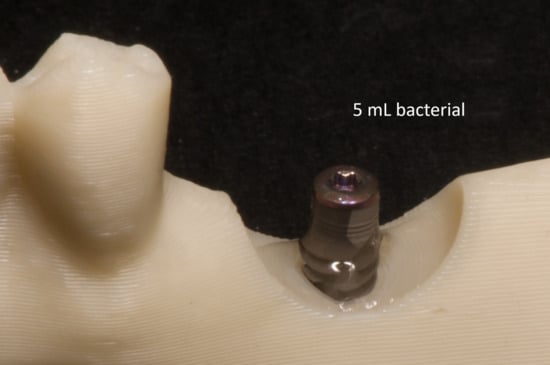
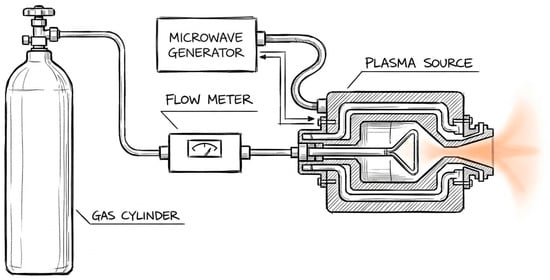
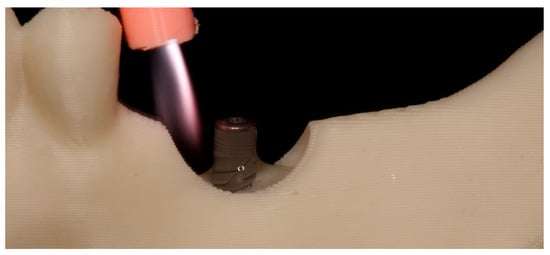
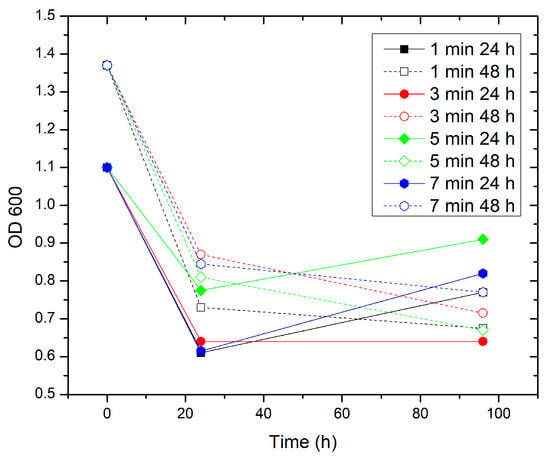
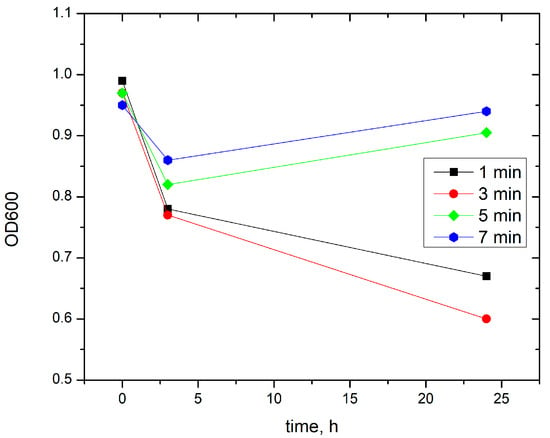
Dental implants are widely used to replace missing teeth, but peri-implantitis remains a major biological complication associated with bacterial biofilm formation on implant surfaces. The increasing incidence of peri-implant infections underscores the need for alternative antimicrobial strategies that effectively decontaminate complex titanium implant surfaces. This study evaluated the inhibitory effect of low-temperature microwave argon plasma on bacteria in an experimental model simulating peri-implant conditions and compared the responses of microorganisms with different biological characteristics. A 3D-printed mandibular bone segment model with an inserted Straumann BLX Roxolid® dental implant was used to reproduce the peri-implant environment. Bacterial suspensions of Streptococcus mutans NBIMCC 1786 and the extremophilic bacterium Chromohalobacter canadensis NBIMCC 9077 have been exposed to a microwave non-equilibrium argon plasma jet (2.45 GHz, atmospheric pressure) for 1–7 min. Optical density measurements and colony growth analysis were used to assess antimicrobial effects. Plasma treatment induced a pronounced reduction in bacterial growth during the early post-treatment period. In C. canadensis, growth inhibition reached a plateau (~47–55% at 24 h) regardless of exposure time. In contrast, S. mutans showed a nonlinear response, with stable inhibition after short exposures (1–3 min) and partial recovery after longer treatments (5–7 min). These findings indicate that microwave argon plasma exhibits significant antimicrobial activity under controlled in vitro conditions, although its effectiveness depends on microorganism-specific biological characteristics. Because the present model was based on simplified single-species systems, direct clinical extrapolation remains limited and should be addressed in future studies using polymicrobial peri-implant biofilm models.
Full article
(This article belongs to the Special Issue Advances in Oral and Maxillofacial Implants)
►▼
Show Figures

Figure 1

Open AccessArticle
Interface-Enhanced Mg/PLA Composite with Superior Mechanical, Biodegradable and Biocompatible Properties for Orthopedic Implants
by
Wencheng Teng, Zhuoyi Wang, Ziyue Xu, Jie Xin, Chao Sun, Yi Shao, Cheng Wang, Chenglin Chu, Feng Xue and Jing Bai
J. Funct. Biomater. 2026, 17(5), 210; https://doi.org/10.3390/jfb17050210 - 1 May 2026
Abstract
Magnesium (Mg) reinforced polylactic acid (PLA) composites have attracted increasing interest for orthopedic implants to solve the insufficient strength of PLA and to utilize the bioactive advantages of Mg ions in promoting bone formation. However, the weak interfacial adhesion between the Mg and
[...] Read more.
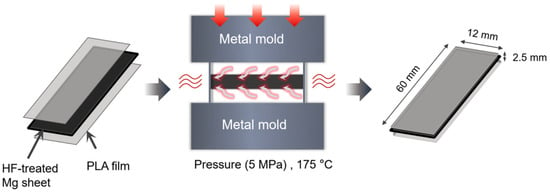
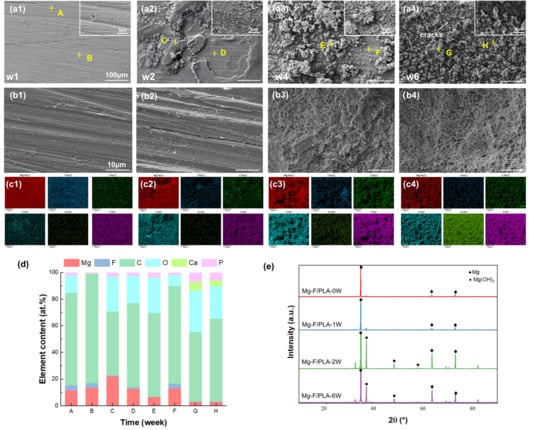
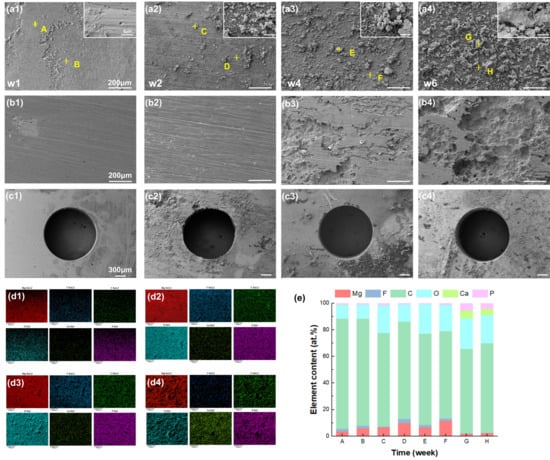
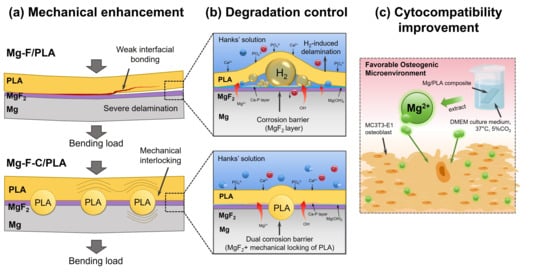
Magnesium (Mg) reinforced polylactic acid (PLA) composites have attracted increasing interest for orthopedic implants to solve the insufficient strength of PLA and to utilize the bioactive advantages of Mg ions in promoting bone formation. However, the weak interfacial adhesion between the Mg and PLA limits the applications of the composite. In this study, a dual interfacial enhancement approach was designed to combine surface fluorination with perforation. During hot pressing, molten PLA infiltrates the pores to form a ‘rivet-like’ mechanical interlocking. This structure significantly alters the load transfer and degradation behaviors of the composite. Compared to pure PLA, the dual treatment significantly elevated the bending strength by 49%, alongside an increase in the bending strain from 15% to 25%. Moreover, in vitro degradation tests revealed that this strategy suppresses H2-induced delamination, and stabilizes both pH and Mg2+ release. Consequently, the bending strength remained at 86% after six weeks of in vitro degradation. In addition, the composite exhibits excellent biocompatibility, with MC3T3-E1 cell viability exceeding 90% in 100% extract. These results demonstrate that the reinforced Mg/PLA composite exhibits excellent mechanical properties, degradation stability, and biocompatibility, showing high potential for load-bearing orthopedic fixation applications.
Full article
(This article belongs to the Special Issue Metals and Alloys for Biomedical Applications (2nd Edition))
►▼
Show Figures

Figure 1
Open AccessArticle
Do Different Durations of Hyperbaric Oxygen Therapy Affect the Microleakage of Bulk-Fill Composites?
by
Cemile Kedici Alp, Sena Sumra Kaçmaz, Ayşenur Yazım, Zeynep Aydin and Recep Özkan
J. Funct. Biomater. 2026, 17(5), 209; https://doi.org/10.3390/jfb17050209 - 1 May 2026
Abstract
This in vitro study evaluated the effect of exposure duration (5, 20, and 40 days) to constant increased ambient pressure (2.4 atmospheres absolute; ATA) on microleakage at the dentin–composite interface of teeth restored with two bulk-fill composites. Specimens stored in distilled water at
[...] Read more.
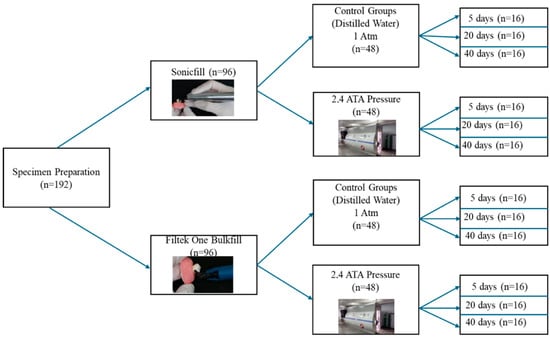
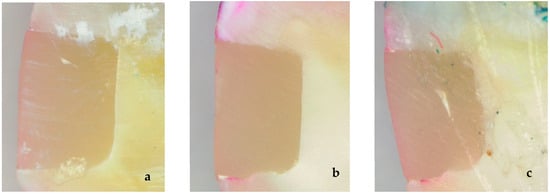
This in vitro study evaluated the effect of exposure duration (5, 20, and 40 days) to constant increased ambient pressure (2.4 atmospheres absolute; ATA) on microleakage at the dentin–composite interface of teeth restored with two bulk-fill composites. Specimens stored in distilled water at atmospheric pressure (1 atm) served as controls. A total of 192 extracted human molars with standardized Class V cavities were randomly assigned to two groups: sonic-activated bulk-fill composite (SonicFill) or conventional bulk-fill composite (Filtek One Bulk Fill). Each group was subdivided into controls maintained under atmospheric pressure (1 atm) and specimens under hyperbaric pressure (2.4 ATA), and exposed for 5, 20, or 40 days (total of 12 groups, n = 16 per group). Microleakage was assessed using the dye penetration method and scored under a stereomicroscope according to ISO criteria. Statistical analyses were performed using Fisher’s Exact chi-squared and Fisher–Freeman–Halton Exact tests (α = 0.05). No significant differences were found between materials or pressure conditions at 5 and 20 days (p > 0.05). After 40 days, both composites showed significantly higher microleakage at increased pressure than atmospheric controls (p < 0.05). Microleakage increased over time in the hyperbaric groups, while no time-dependent changes occurred at atmospheric pressure. After 40 days, prolonged exposure to elevated pressure increased microleakage, whereas shorter exposure produced no significant changes. Both materials demonstrated similar susceptibility to pressure-related deterioration.
Full article
(This article belongs to the Section Dental Biomaterials)
►▼
Show Figures

Figure 1
Open AccessArticle
Mechanobiological Response of Peri-Implant Bone to Variations in Inter-Implant Distance: A Finite Element Analysis of Conometric Implants at Crestal and Subcrestal Positions
by
Mario Ceddia, Tea Romasco, Natalia Di Pietro, Luciano Lamberti and Bartolomeo Trentadue
J. Funct. Biomater. 2026, 17(5), 208; https://doi.org/10.3390/jfb17050208 - 28 Apr 2026
Abstract
Inter-implant distance (IID) is crucial for peri-implant bone preservation and long-term implant success. Traditionally, a minimum IID of 3 mm is recommended to limit marginal bone loss, although the biomechanical effect of smaller distances remains debated and may depend on multiple biological, prosthetic,
[...] Read more.
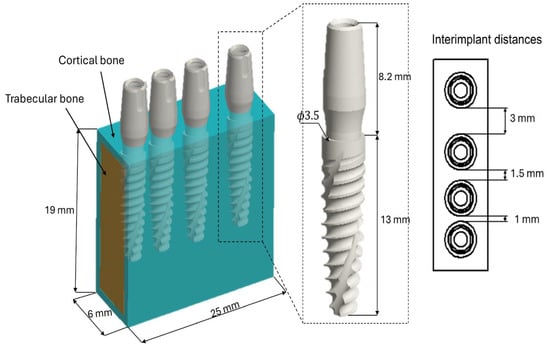
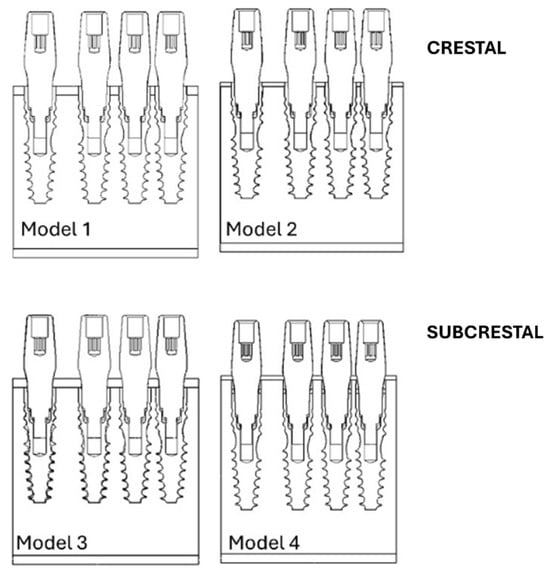
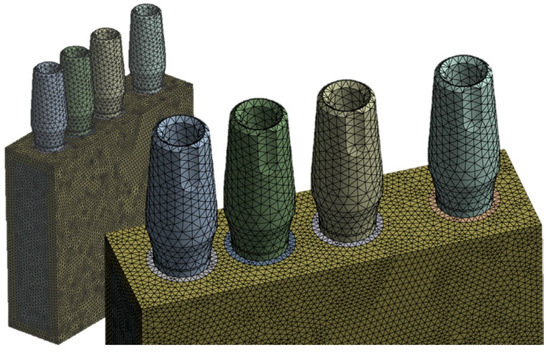
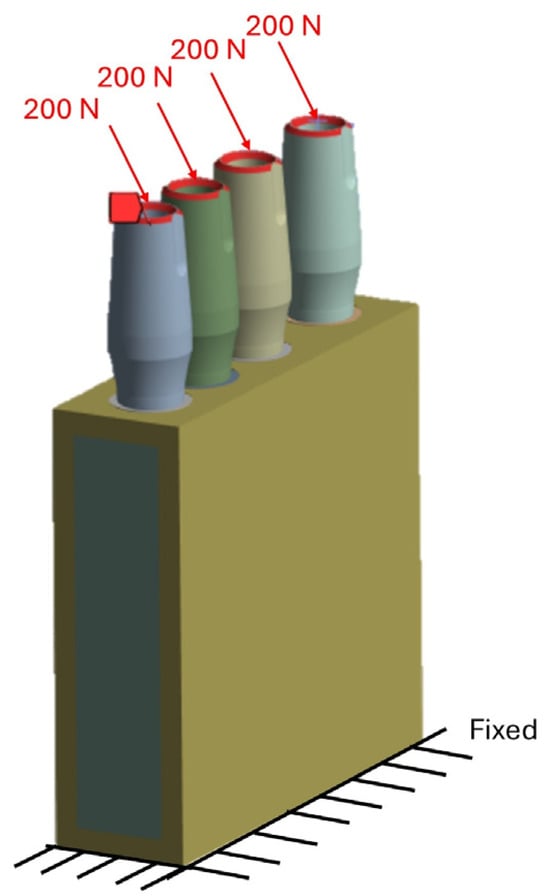
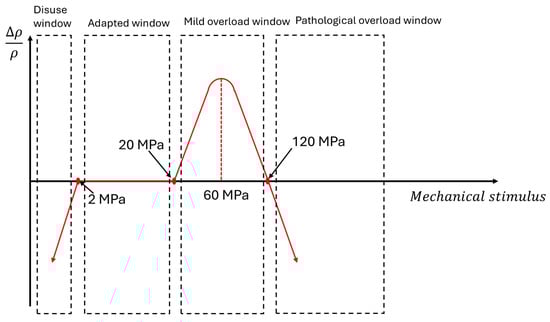
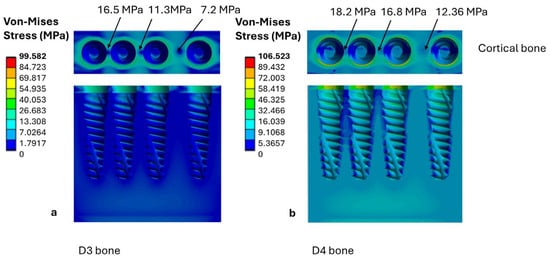
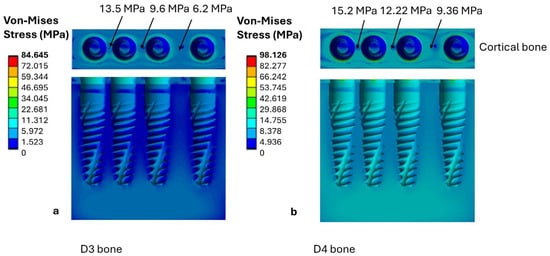
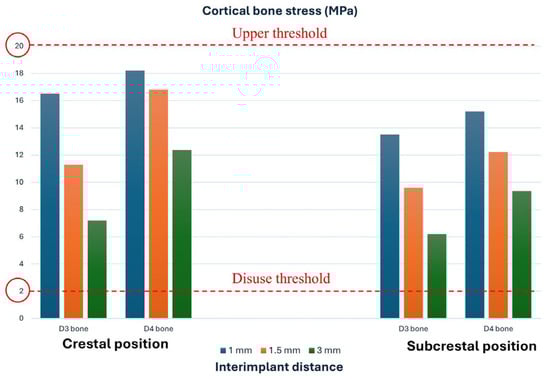
Inter-implant distance (IID) is crucial for peri-implant bone preservation and long-term implant success. Traditionally, a minimum IID of 3 mm is recommended to limit marginal bone loss, although the biomechanical effect of smaller distances remains debated and may depend on multiple biological, prosthetic, and surgical factors. This study uses finite element analysis (FEA) to evaluate the effect of IID on stress distribution in peri-implant bones of D3 and D4 quality, considering crestal versus subcrestal implant placement, and interpreting results within Frost’s mechanostat theory. Implants with an internal conometric connection were modeled within simulated D3 and D4 mandibular bone blocks. IID values of 3 mm, 1.5 mm, and 1 mm were analyzed under masticatory load. Von Mises stresses in cortical and trabecular bone were compared against biomechanical thresholds (2 MPa disuse and 20 MPa remodeling limit). Results: Cortical stress increased with decreasing IID, more pronounced in crestal placement. In D3 bone, maximum cortical stress rose from 7.2 MPa (3 mm IID) to 16.5 MPa (1 mm IID) under crestal placement, while remaining within the mechanostat-based thresholds adopted in the present stress-interpretation framework. In D4 bone, cortical stress approached 20 MPa at 1 mm IID under crestal placement, indicating a less favorable mechanical condition within the interpretive framework adopted. Subcrestal placement reduced cortical stresses in both bone qualities. Trabecular stress remained stable in D3 (~1.7–8 MPa) and increased moderately in D4 (~up to 13 MPa). Conclusions: Within the limitations of this preclinical finite element study, decreasing inter-implant distance was associated with increased cortical stress, while subcrestal placement was associated with lower cortical stress than crestal placement. These findings should be interpreted only as comparative computational results, and no direct clinical conclusion can be drawn regarding the acceptability of a 1 mm inter-implant distance.
Full article
(This article belongs to the Special Issue State of the Art: Biomaterials and Oral Implantology)
►▼
Show Figures

Figure 1

Open AccessReview
Tumor-Targeted Delivery Therapy Based on PLGA Nanoparticles
by
Fang Wu, Yuan Gao, Yongjie Chi, Danyang Wang, Siqi Zhang, Ocean Cheung, Kai Zhao, Hongsheng Lu, Qi Chen, Yu Chen, Lianyan Wang and Yanhua Zhu
J. Funct. Biomater. 2026, 17(5), 207; https://doi.org/10.3390/jfb17050207 - 22 Apr 2026
Abstract
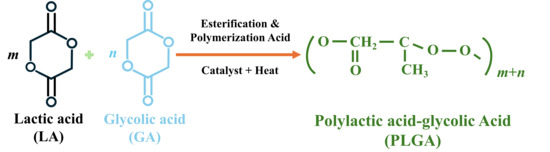
Poly(lactic acid-lactic acid) (PLGA) has demonstrated significant application potential in tumor-targeted drug delivery systems due to its excellent biocompatibility, degradability, and multifunctionality for loading various therapeutic agents. PLGA nanoparticles (NPs) can achieve targeted delivery to tumor cells through specific surface modifications and stimulus-responsive
[...] Read more.
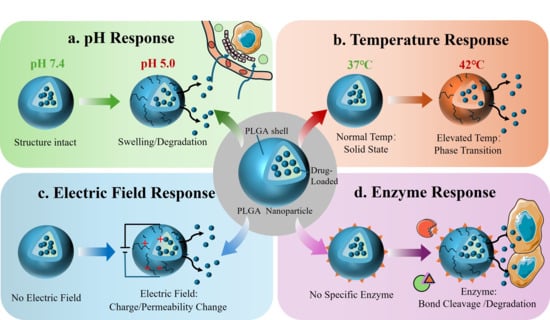
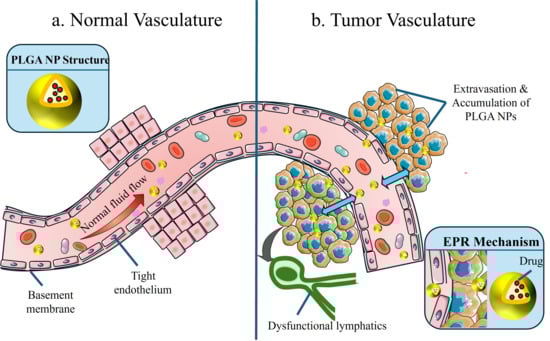
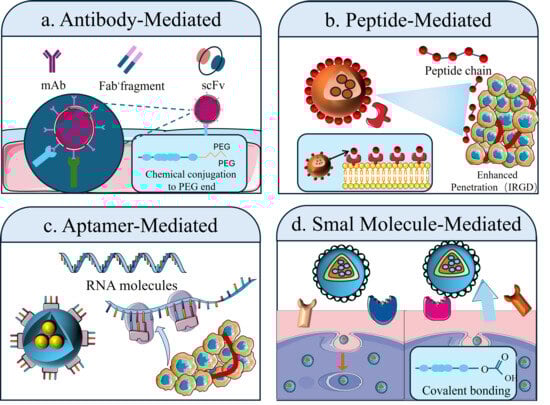
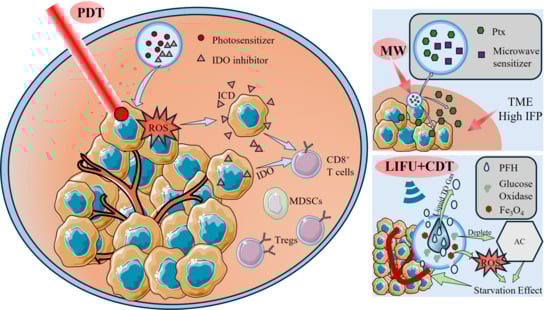
Poly(lactic acid-lactic acid) (PLGA) has demonstrated significant application potential in tumor-targeted drug delivery systems due to its excellent biocompatibility, degradability, and multifunctionality for loading various therapeutic agents. PLGA nanoparticles (NPs) can achieve targeted delivery to tumor cells through specific surface modifications and stimulus-responsive release mechanisms, significantly enhancing drug accumulation efficiency at tumor sites while reducing toxic side effects on normal tissues. This review systematically summarizes the fundamental physicochemical properties of PLGA materials and recent advances in tumor-targeting strategies for PLGA NPs. It comprehensively elucidates research breakthroughs in PLGA-based delivery systems regarding stimulus-response mechanisms, passive targeting, active targeting, and tumor combination immunotherapy, while revealing the intrinsic logic of synergistic strategies for enhancing targeting efficiency. Finally, from the perspective of clinical translation and individualized oncology, this review conducts an in-depth assessment of the current challenges and looks forward to future research directions, aiming to provide forward-looking guidance for the development of precision nanomedicine.
Full article
(This article belongs to the Special Issue Advanced Biomaterials for Drug Delivery (2nd Edition))
►▼
Show Figures

Figure 1
Open AccessArticle
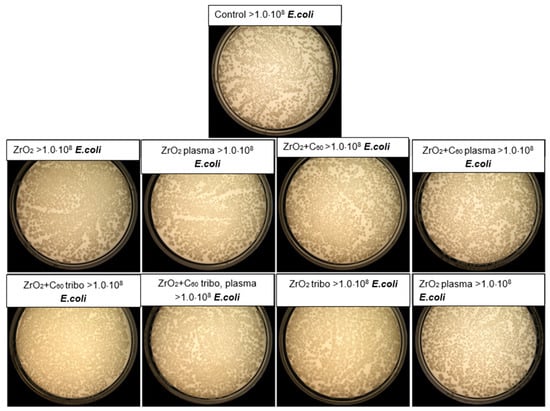
ZrO2 Ceramic without and with Fullerene C60 Films: In Vitro Direct-Contact Model Using E. coli and S. aureus Bacteria
by
Annett Dorner-Reisel, Jialin Li, Marta Trzaskowska, Vladyslav Vivcharenko, Jiacheng Chu, Emma Freiberger, Uwe Ritter, Agata Przekora, Aneta Zima, Tao Wang and Jens Moje
J. Funct. Biomater. 2026, 17(4), 206; https://doi.org/10.3390/jfb17040206 - 21 Apr 2026
Abstract
Zirconia is known as a strong and bioinert load-bearing material for dental implants. It typically exhibits no antibacterial activity. Inflammation is a crucial problem for dental implant surgery: about 3–5% of all dental implants experience inflammation. This study demonstrates that either fullerene C
[...] Read more.
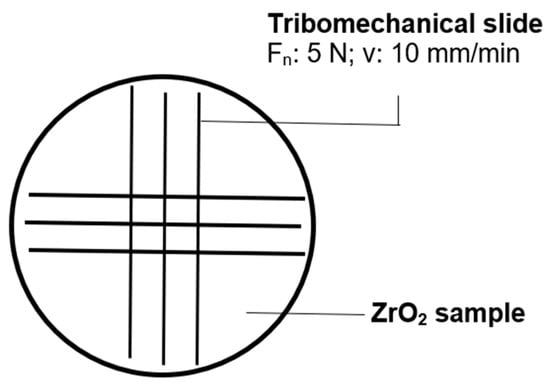
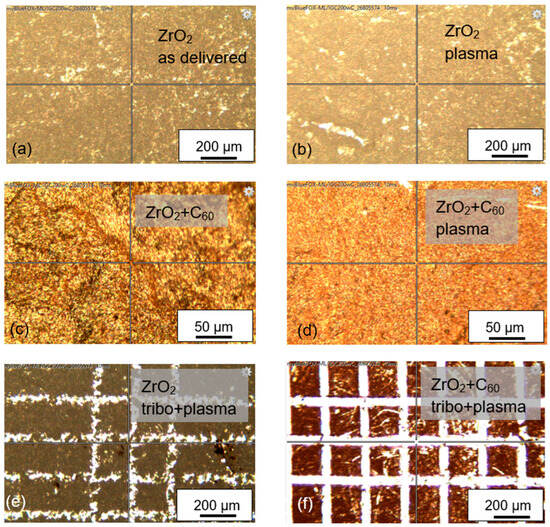
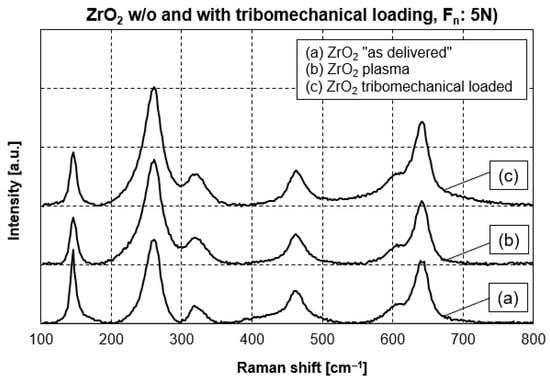
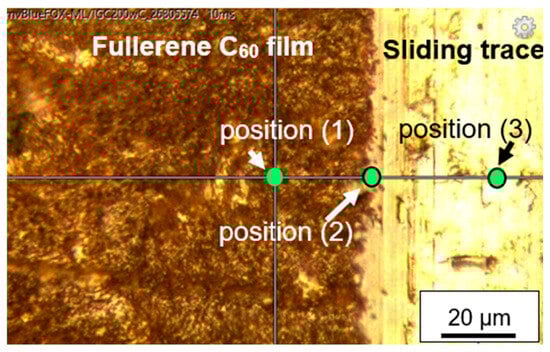
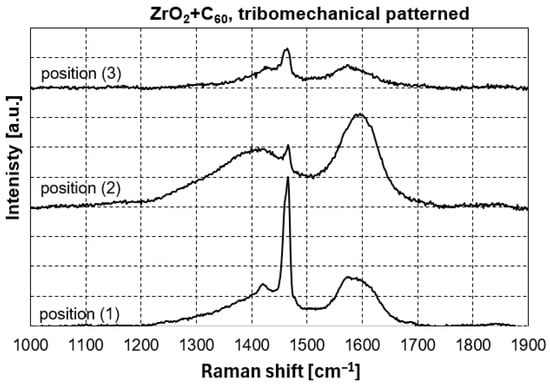
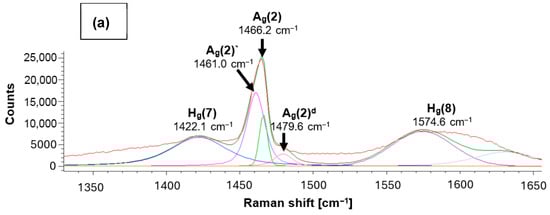
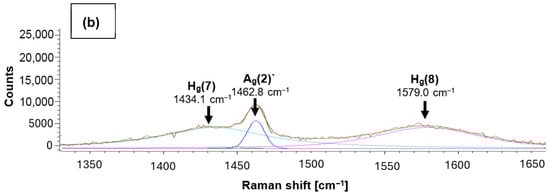
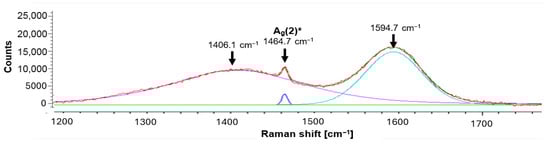
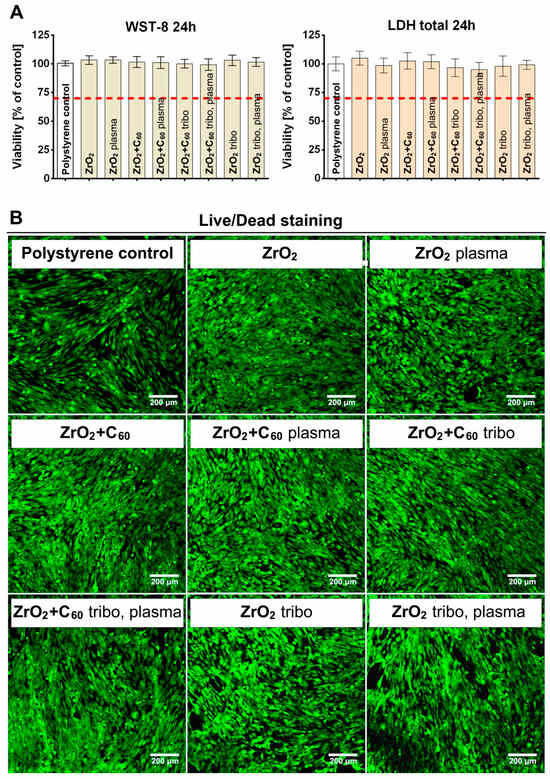
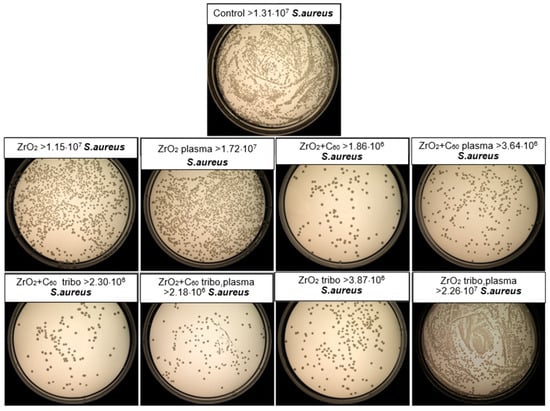
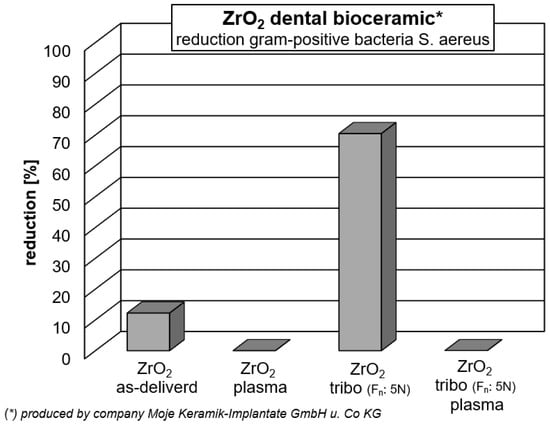
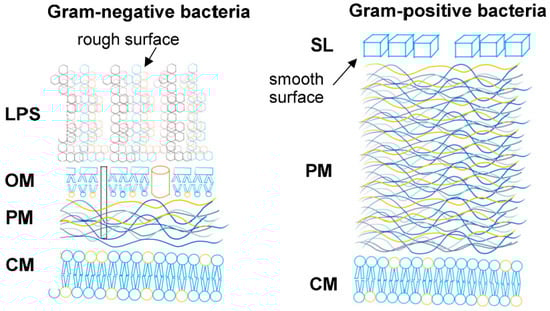
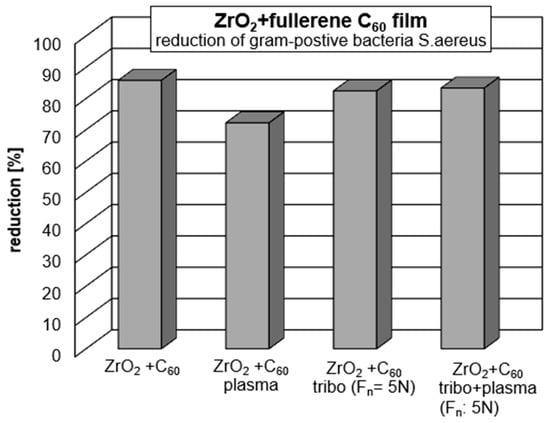
Zirconia is known as a strong and bioinert load-bearing material for dental implants. It typically exhibits no antibacterial activity. Inflammation is a crucial problem for dental implant surgery: about 3–5% of all dental implants experience inflammation. This study demonstrates that either fullerene C60 films or a tribomechanical loading of zirconia without the fullerene C60 coating can cause an improvement in antibacterial activity against Gram-positive Staphylococcus aureus. This moderate antibacterial activity is especially important, because a strong antibacterial effect could disturb the sensitive and beneficial oral bacterial biota. In the present study, different fullerene C60 films were examined. In addition to fullerene C60 film in an “as deposited” condition, treatment with nitrogen plasma as well as tribomechanical produced surface patterns with and without plasma post-treatment were tested. An 85.8% (log reduction 0.85) reduction in Gram-positive Staphylococcus aureus bacterial formation was observed on the zirconia with fullerene C60 film. Plasma treatment of the C60 film increases the antibacterial impact to 72.2% (log reduction 0.56) in comparison to zirconia without fullerene C60 film. Also, tribomechanical loaded fullerene C60 films suppress the growth of Gram-positive Staphylococcus aureus. The tribomechanical loading seems to compensate for the effect of the plasma treatment. ZrO2 samples with fullerene C60 film and tribomechanical loading achieve an increase in antibacterial impact of 83.36% (log reduction 0.78). Furthermore, surprisingly yttria-stabilized zirconia bioceramic without fullerene C60 film also shows an improved antibacterial efficacy after a tribomechanical patterning procedure. The addition of surface patterning on the ZrO2 by scratching microgroove arrangements with a diamond tip, increased the antibacterial effect against Gram-positive Staphylococcus aureus by 70.46% (log reduction 0.53).
Full article
(This article belongs to the Special Issue Antibacterial Biomaterials for Medical Applications)
►▼
Show Figures

Figure 1
Open AccessArticle
Recombinant Human SLPI Surface Functionalization Enhances Early Osseointegration and Biomechanical Stability of Titanium Implants in Rat Model
by
Wannapat Chouyratchakarn, Burin Boonsri, Surasak Tangkamonsri, Watchara Thepsupa, Chayarop Supanchart and Sarawut Kumphune
J. Funct. Biomater. 2026, 17(4), 205; https://doi.org/10.3390/jfb17040205 - 20 Apr 2026
Abstract
Titanium and its alloys are used in dental and orthopedic implants. However, long-term stability remains a clinical challenge. To overcome this limitation, surface modification has been investigated to improve surface properties. Our previous study demonstrated that the immobilization of secretory leukocyte protease inhibitor
[...] Read more.
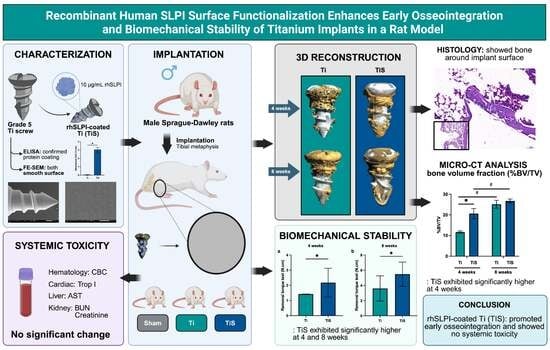
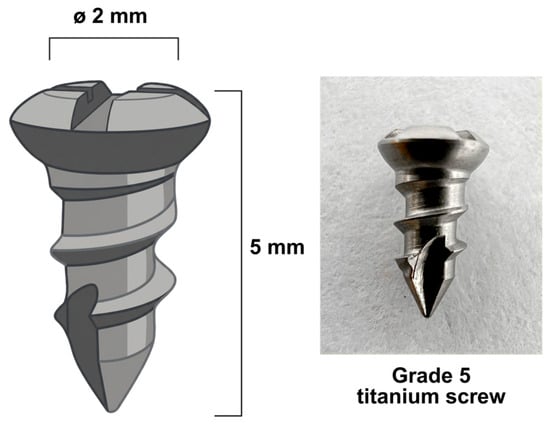
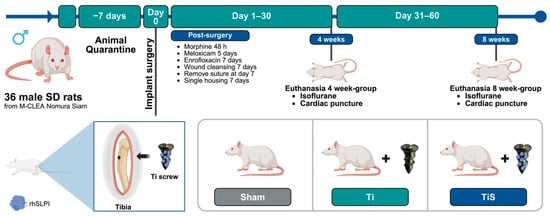
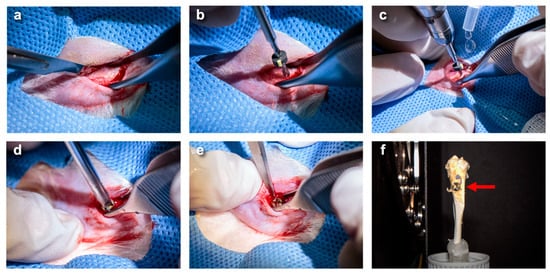
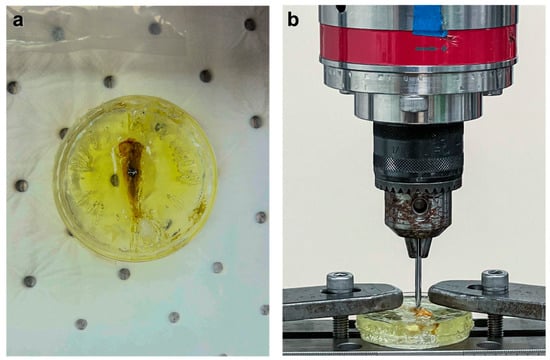
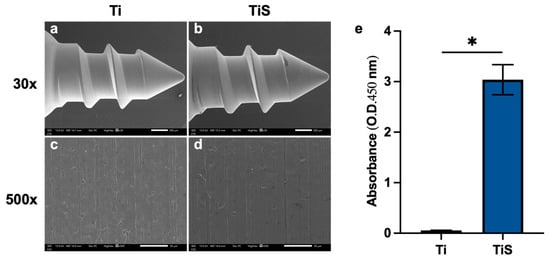
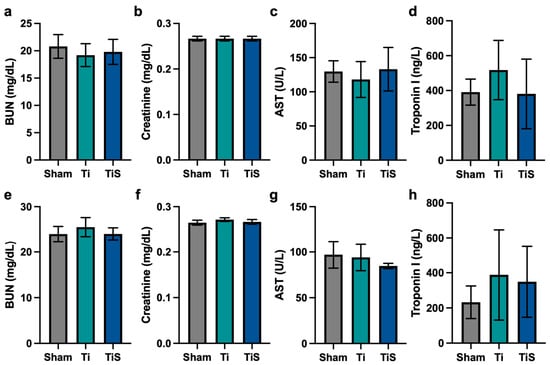
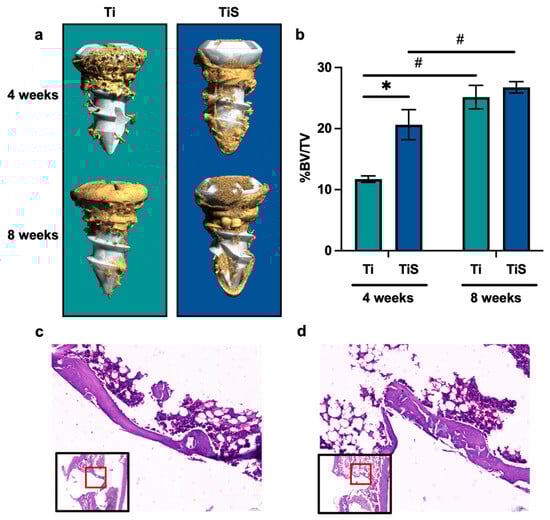
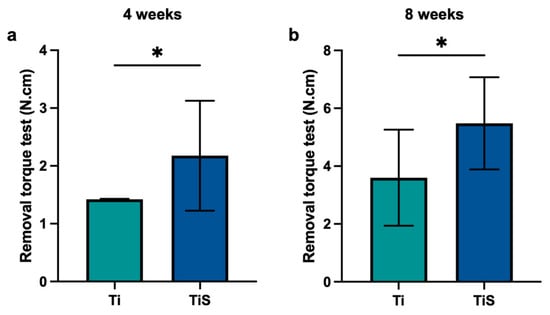
Titanium and its alloys are used in dental and orthopedic implants. However, long-term stability remains a clinical challenge. To overcome this limitation, surface modification has been investigated to improve surface properties. Our previous study demonstrated that the immobilization of secretory leukocyte protease inhibitor (SLPI) on the titanium surface promotes osteoblast adhesion, proliferation, and differentiation in vitro. The current study demonstrated the first in vivo evaluation of SLPI as a bioactive coating for medical implants. Grade 5 titanium screws were coated with 10 µg/mL of recombinant human SLPI (rhSLPI) for 24 h via simple physical adsorption, and the results were preliminarily validated via FE-SEM and ELISA. These SLPI-coated titanium screws (TiSs) were then placed in the tibia of Sprague–Dawley rats for 4 and 8 weeks. The hematological and biochemical parameters (BUN, Creatinine, AST, and Troponin I) demonstrated no acute systemic alterations within the 8-week period across all groups. Moreover, micro-computed tomography (micro-CT) and histological analysis revealed significantly higher bone volume fraction (%BV/TV) at 4 weeks compared to uncoated controls (20.64% ± 2.452% vs. 11.73% ± 0.524%). Finally, the biomechanical stability of implants, assessed using the removal torque test, showed that TiSs showed higher strength compared to Ti at both 4 and 8 weeks. In conclusion, this study represents a novel approach to transitioning rhSLPI-coated titanium evaluation from in vitro models to an in vivo rat model. rhSLPI surface functionalization enhances early-stage osseointegration and improves implant mechanical stability without acute hematological and biochemical alterations. These proof-of-concept findings suggest the potential of SLPI as a bioactive coating strategy.
Full article
(This article belongs to the Section Bone Biomaterials)
►▼
Show Figures

Graphical abstract
Open AccessArticle
Microstructure-Dependent Rotational Wear of Dental Glass-Ceramics Under Low Humidity
by
Estíbaliz Sánchez-González, Fernando Rodríguez-Rojas and Oscar Borrero-López
J. Funct. Biomater. 2026, 17(4), 204; https://doi.org/10.3390/jfb17040204 - 20 Apr 2026
Abstract
Background: The wear resistance of modern commercial glass-ceramic materials used in dental prostheses was investigated under cyclic contact conditions that included a rotational component. This loading mode has been largely overlooked in conventional in vitro wear testing, yet may be clinically relevant
[...] Read more.
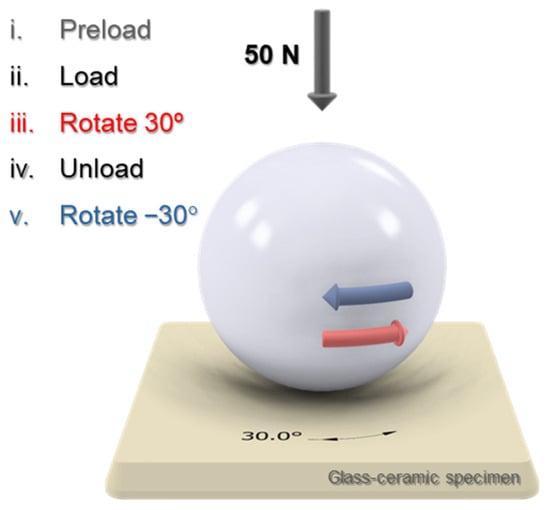
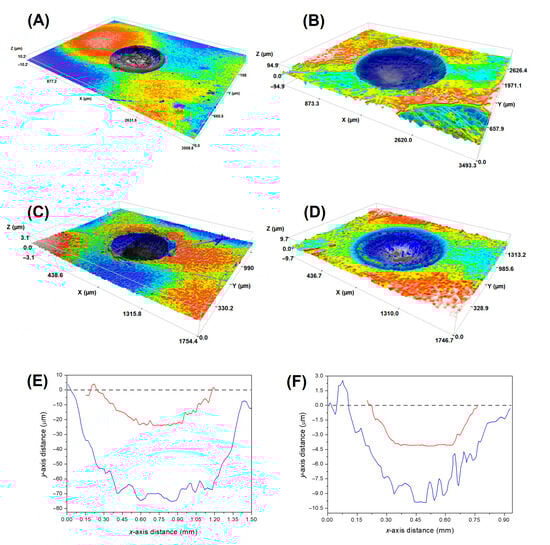
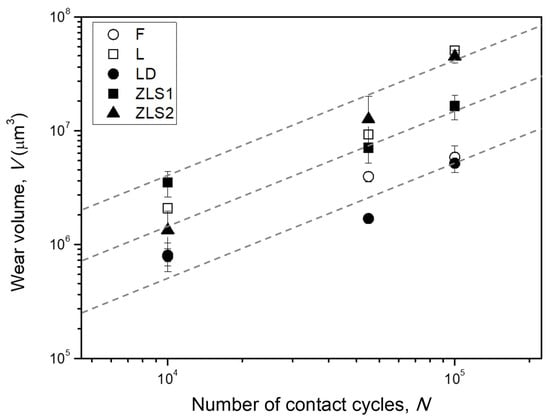
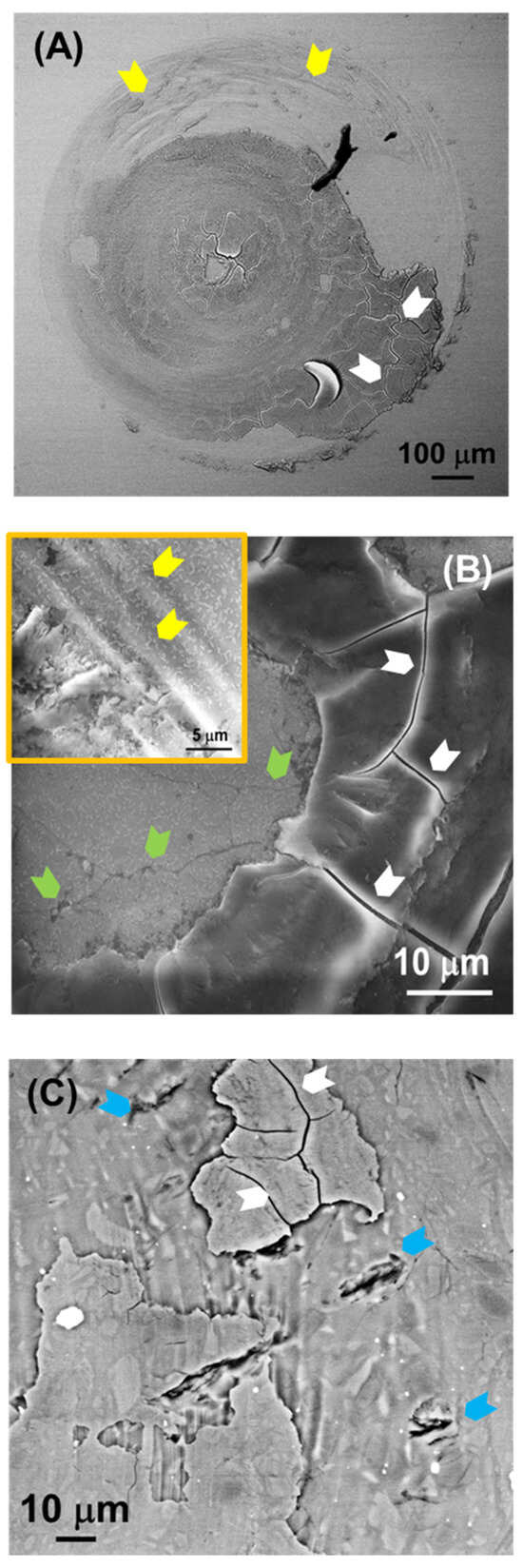
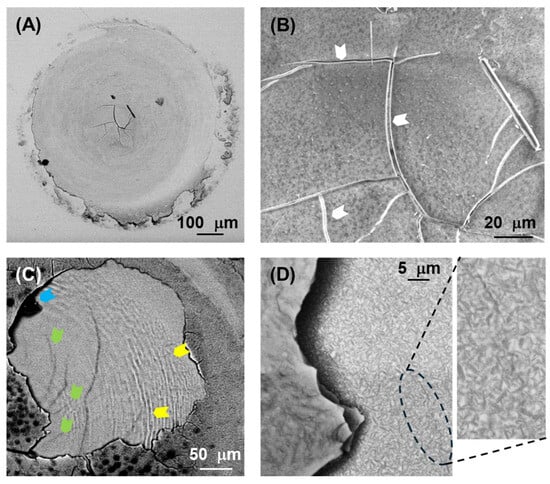
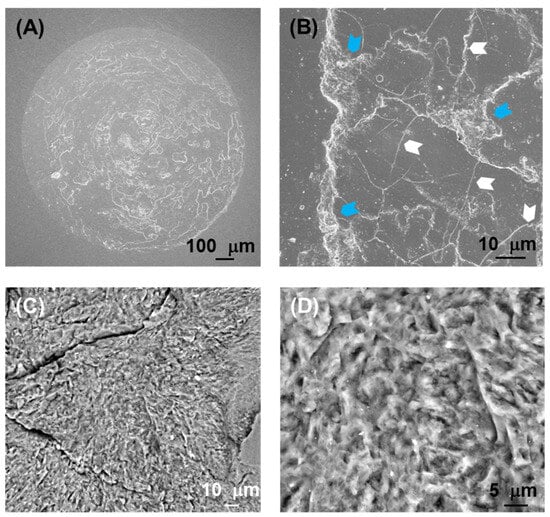
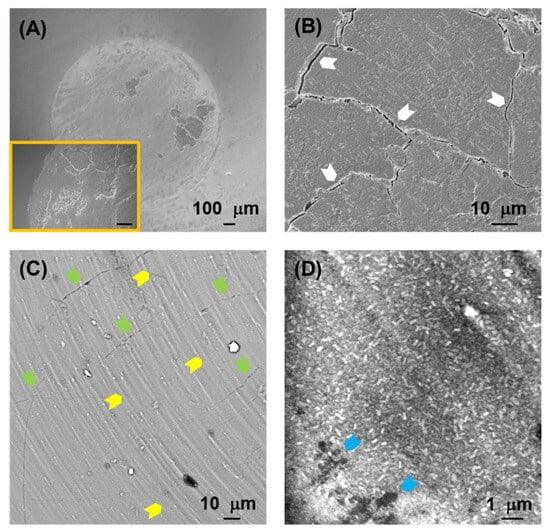
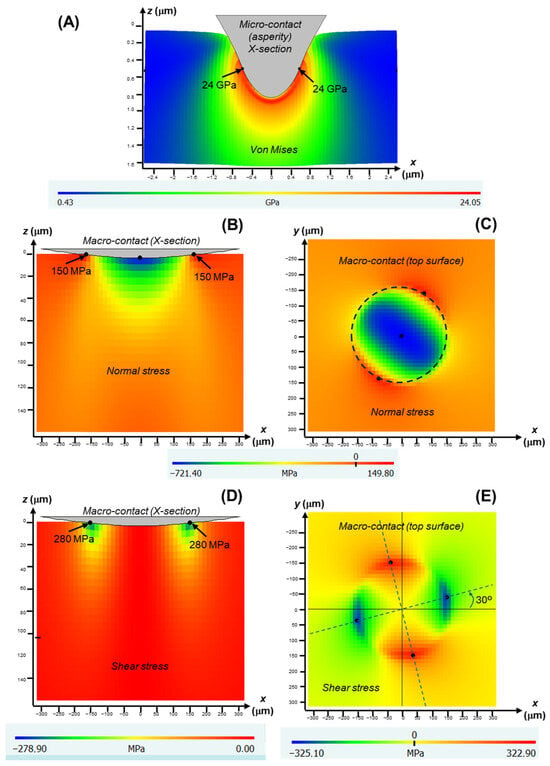
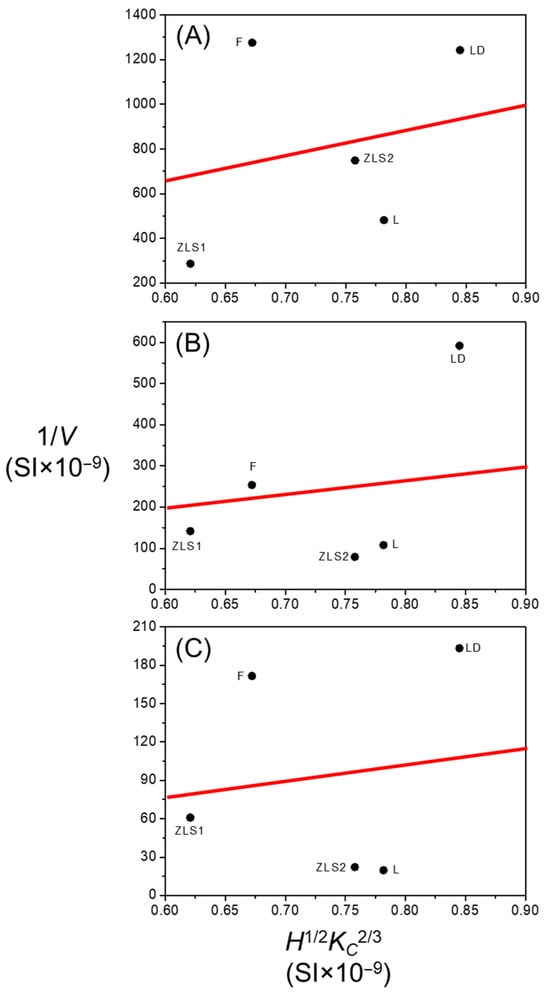
Background: The wear resistance of modern commercial glass-ceramic materials used in dental prostheses was investigated under cyclic contact conditions that included a rotational component. This loading mode has been largely overlooked in conventional in vitro wear testing, yet may be clinically relevant in patients with parafunctional conditions such as bruxism. Methods: Rotational loading was applied using an all-electric testing machine equipped with a biaxial actuator. Loading cycles combined a normal load (50 N) and a rotation (30°), at a frequency of 1 Hz. Microstructure and damage were characterized using advanced microscopy. Results: Rotational loading induced substantial damage across this class of materials, including the formation of glassy tribolayers with limited protective capability under the low-humidity conditions examined. Significant microstructure-dependent variations in wear volume were observed, with specific wear rates indicating severe wear (SWR above 10−6 mm3/N·m threshold) in three of the five materials tested. Lithium disilicate glass-ceramics, characterized by a high fraction of elongated reinforcement crystals, exhibited the greatest resistance to damage, whereas leucite-based glass-ceramics showed the lowest. The dominant wear mechanisms were plastic-deformation-induced grooving and fracture-driven chipping. The findings are interpreted within established wear models for brittle materials (Archard and fracture-based) and supported by numerical simulations of stress fields across multiple length scales. Implications: The results provide mechanistic insight into rotational wear damage in glass-ceramic systems, a material class particularly susceptible to such loading, and inform strategies for material selection and microstructural design aimed at improving prosthetic durability.
Full article
(This article belongs to the Section Dental Biomaterials)
►▼
Show Figures

Figure 1

Open AccessReview
4D Printing in Biomedical Implants and Functional Healthcare Devices
by
Muhammad Shafiq and Liaqat Zeb
J. Funct. Biomater. 2026, 17(4), 203; https://doi.org/10.3390/jfb17040203 - 20 Apr 2026
Abstract
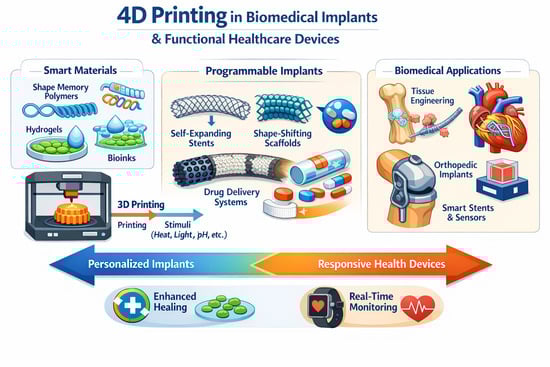
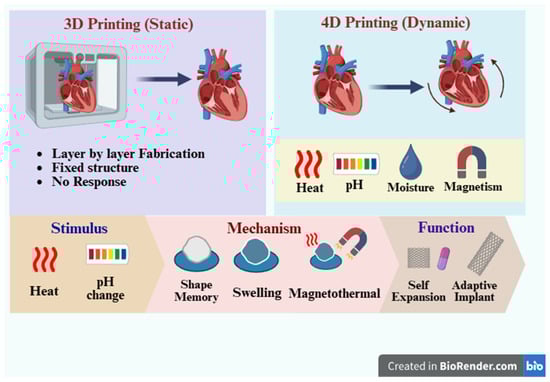
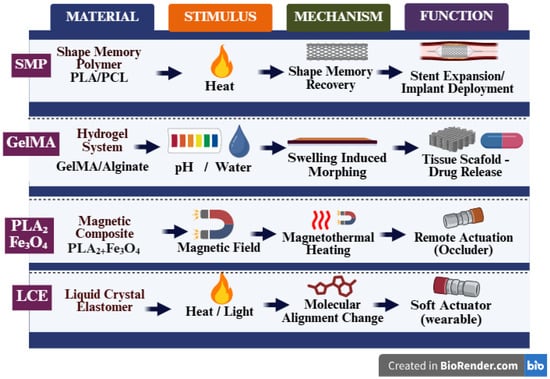
Four-dimensional (4D) printing integrates additive manufacturing with stimuli-responsive materials to fabricate biomedical implants and functional healthcare devices that undergo programmed, time-dependent changes in shape or function. Unlike static 3D-printed constructs, 4D-printed systems can respond to clinically relevant stimuli such as temperature, hydration, pH,
[...] Read more.
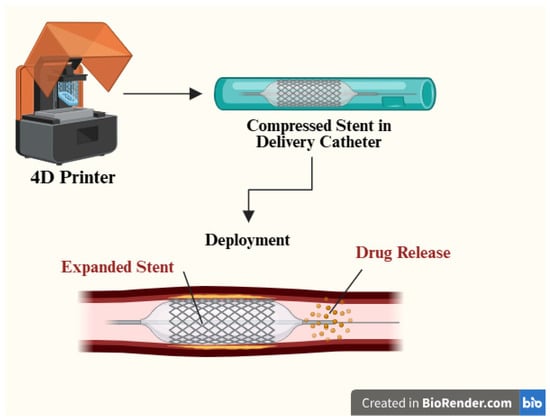
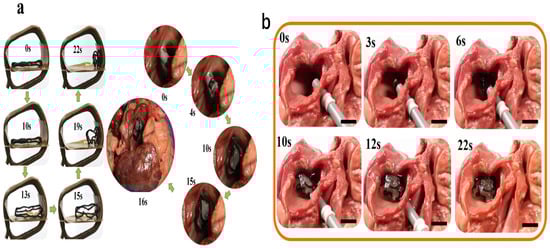
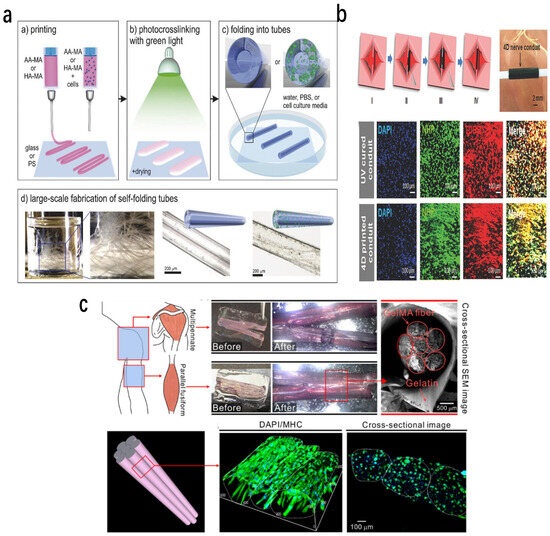
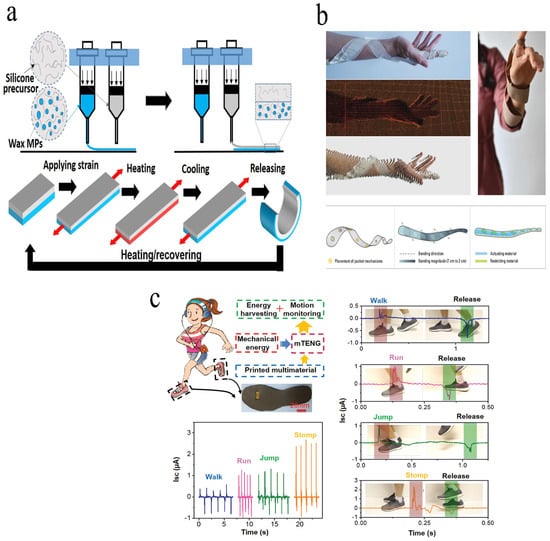
Four-dimensional (4D) printing integrates additive manufacturing with stimuli-responsive materials to fabricate biomedical implants and functional healthcare devices that undergo programmed, time-dependent changes in shape or function. Unlike static 3D-printed constructs, 4D-printed systems can respond to clinically relevant stimuli such as temperature, hydration, pH, light (including near-infrared), magnetic fields, or electrical inputs. These triggers drive defined actuation mechanisms, most commonly thermomechanical shape-memory recovery, swelling-induced morphing, and magnetothermal activation. This review synthesizes the principal material platforms used for biomedical 4D printing, including shape-memory polymers and alloys, hydrogels, liquid-crystal elastomers, and responsive composites, and links material choice to device behavior and translational feasibility. Applications are discussed across self-expanding stents, cardiac occluders, tissue-engineered constructs, implantable drug delivery systems, and adaptive wearables. Key translational challenges include sterilization compatibility, manufacturing reproducibility and quality control, safe stimulus delivery, predictable biodegradation and long-term biocompatibility, and regulatory pathway definition.
Full article
(This article belongs to the Section Biomaterials and Devices for Healthcare Applications)
►▼
Show Figures

Graphical abstract
Open AccessArticle
Cotton-Type Nanofiber Guided Pathway Engineering Enables Rapid Tissue Integration and Accelerated Bone Regeneration in Mineral Powder-Based Bone Grafts
by
Subin Park, Siphesihle Cassandra Nonjola, Jeong In Kim and Soonchul Lee
J. Funct. Biomater. 2026, 17(4), 202; https://doi.org/10.3390/jfb17040202 - 20 Apr 2026
Abstract
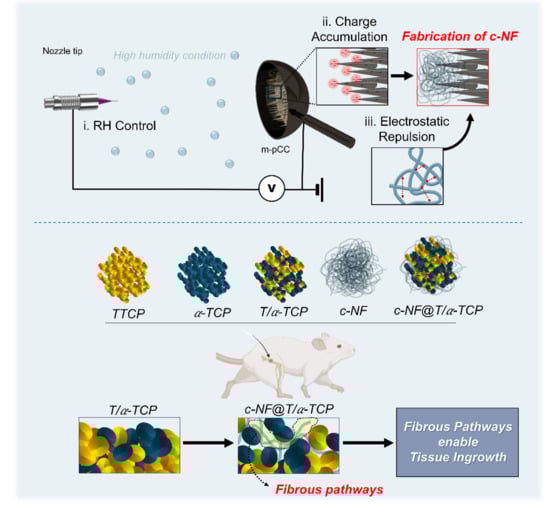
Mineral powder–based bone grafts exhibit excellent osteoconductivity; however, their clinical efficacy is often compromised by insufficient early-stage tissue ingrowth, leading to particle aggregation and pocket formation within the defect site during the initial healing phase. Here, we report a cotton-type nanofiber-guided mineral graft
[...] Read more.
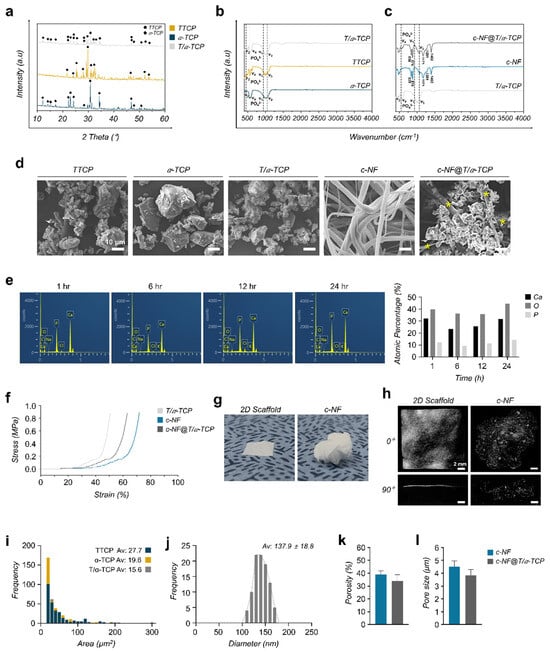
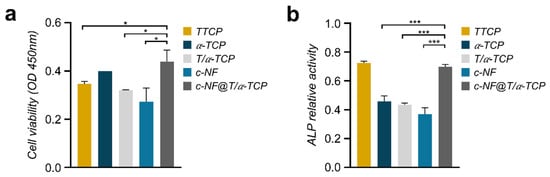
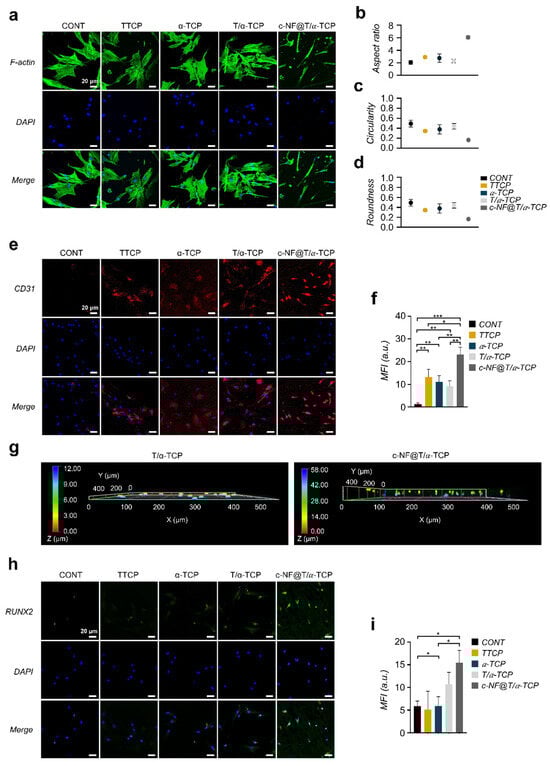
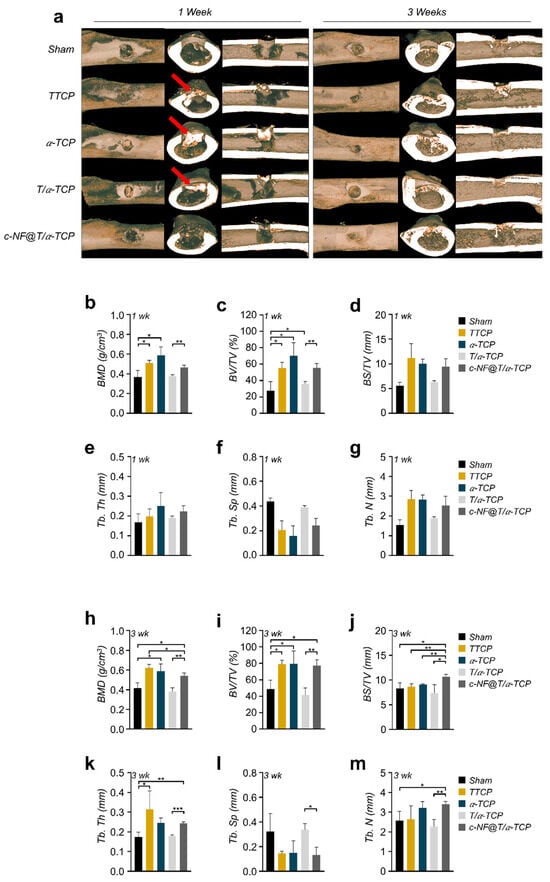
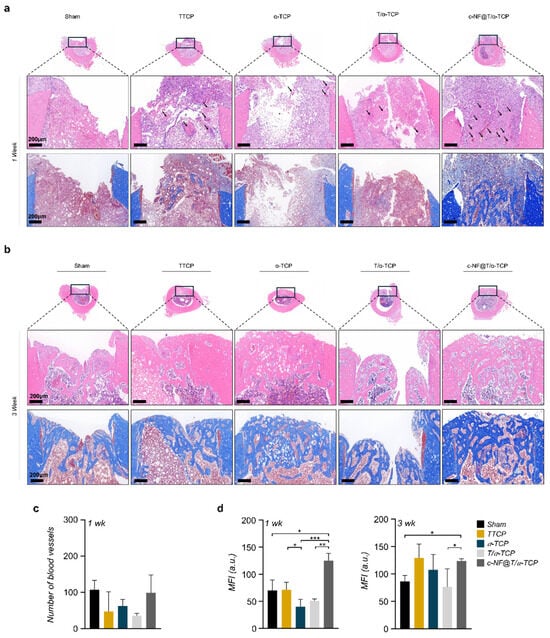
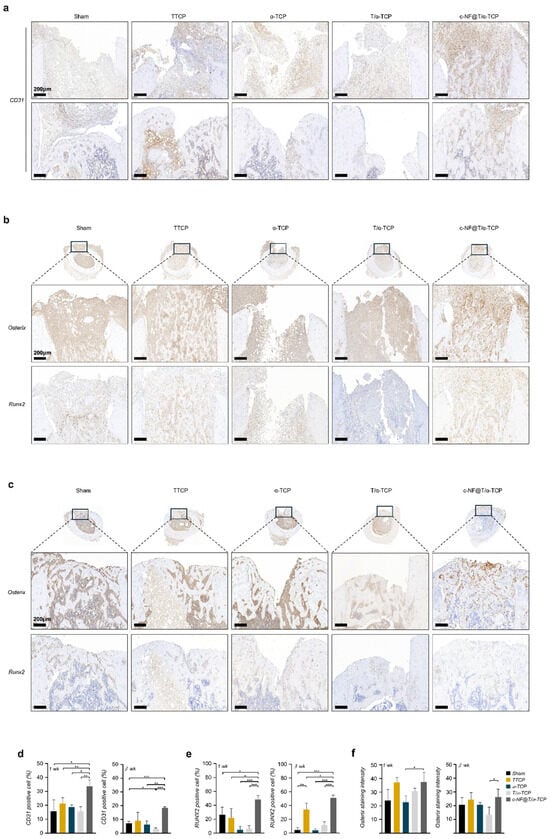
Mineral powder–based bone grafts exhibit excellent osteoconductivity; however, their clinical efficacy is often compromised by insufficient early-stage tissue ingrowth, leading to particle aggregation and pocket formation within the defect site during the initial healing phase. Here, we report a cotton-type nanofiber-guided mineral graft designed to overcome this early integration failure by creating fibrous pathways for tissue ingress. Cotton-type polycaprolactone (PCL) nanofibers were fabricated via electrospinning using a pin-based collector engineered to induce strong inter-fiber repulsion, resulting in a highly expanded, three-dimensional cottony architecture. Tetracalcium phosphate (TTCP) and α-tricalcium phosphate (α-TCP) mineral particles were subsequently deposited onto the surface of the cottony nanofibers, forming a fibrous–mineral hybrid graft (c-NF@T/α-TCP) in which the nanofibers act as a transient, functionally defined tissue-guiding framework during the early healing phase. The cottony nanofiber network effectively prevented mineral particle aggregation and generated continuous pathways within the graft, facilitating early tissue infiltration and vascular ingress during the first week after implantation. In vivo evaluation in a bone defect model demonstrated that c-NF@T/α-TCP significantly reduced tissue pocket formation at early time points and promoted subsequent bone regeneration compared to mineral powder-only grafts. This study highlights the critical importance of early-stage structural guidance in mineral-based bone grafts and introduces cotton-type nanofiber–guided pathway engineering as a simple yet effective strategy to unlock the regenerative potential of conventional inorganic bone substitutes.
Full article
(This article belongs to the Special Issue Functional Scaffolds for Hard Tissue Engineering and Surgery)
►▼
Show Figures

Figure 1
Open AccessArticle
How Bioactive Glass S53P4 Kills Bacteria
by
Deeksha Rajkumar, Adrian Stiller, Jurian Wijnheijmer, Ireen M. Schimmel, Leendert W. Hamoen, Leena Hupa, Nicole N. van der Wel, Payal P. S. Balraadjsing and Sebastian A. J. Zaat
J. Funct. Biomater. 2026, 17(4), 201; https://doi.org/10.3390/jfb17040201 - 19 Apr 2026
Abstract
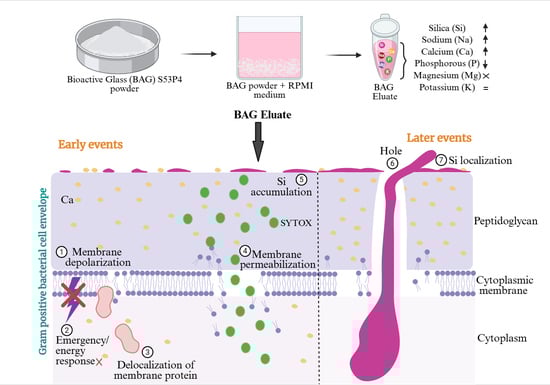
Bioactive glass (BAG) S53P4 is a clinically approved bone substitute with antibacterial, osteoconductive and osteostimulatory properties. Its antibacterial effect is associated with ion release, local pH elevation and osmolality, but the precise biochemical and biophysical mode-of-action is unclear. This study investigates the antibacterial
[...] Read more.
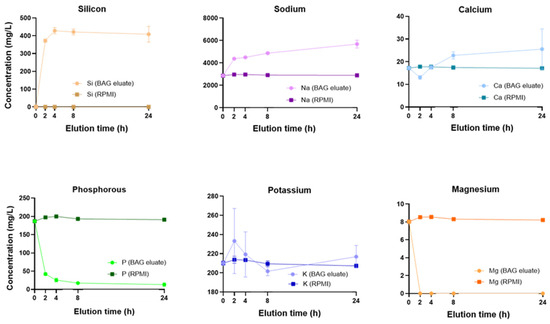
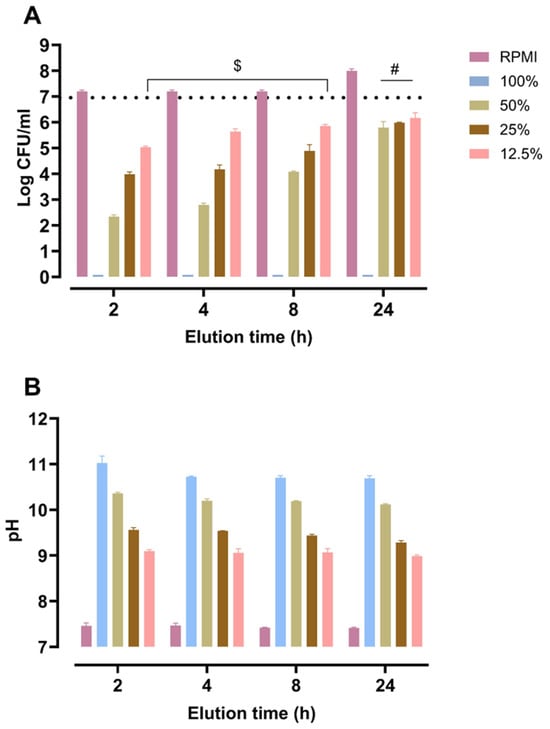
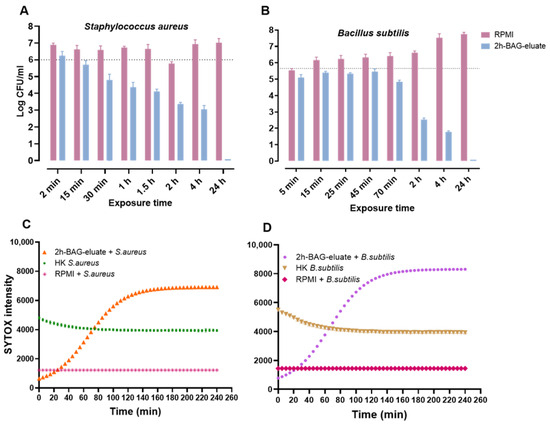
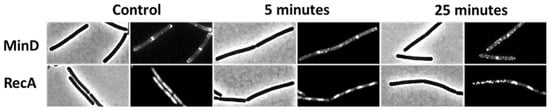
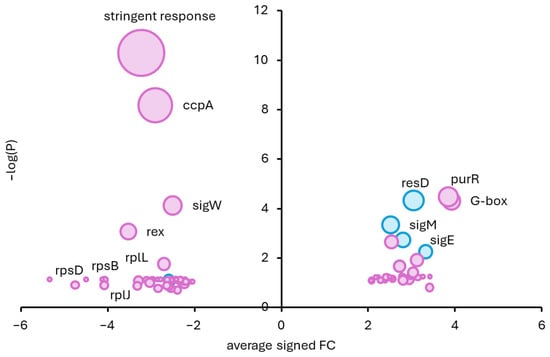
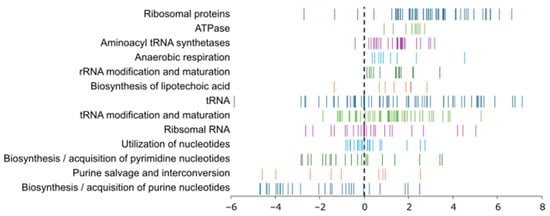
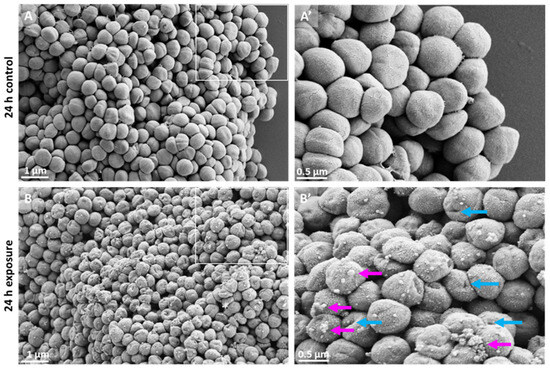
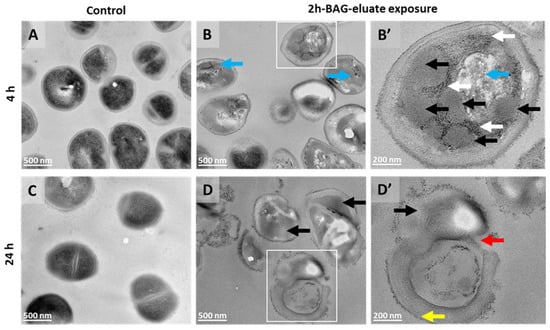
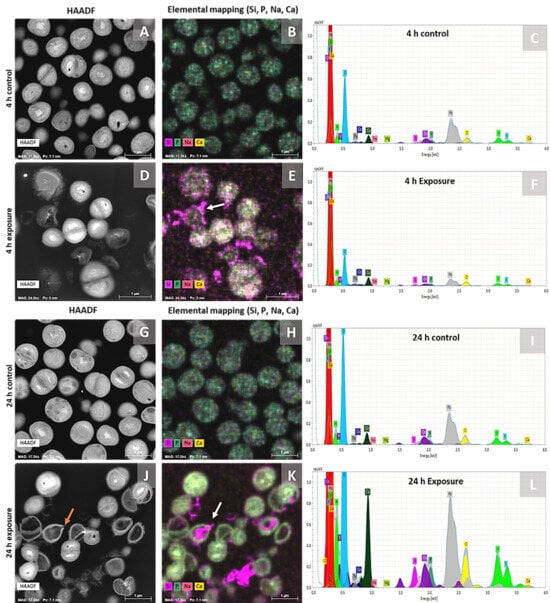
Bioactive glass (BAG) S53P4 is a clinically approved bone substitute with antibacterial, osteoconductive and osteostimulatory properties. Its antibacterial effect is associated with ion release, local pH elevation and osmolality, but the precise biochemical and biophysical mode-of-action is unclear. This study investigates the antibacterial mechanism of BAG S53P4 eluates. BAG eluates, collected at 2, 4, 8, and 24 h, eradicated Staphylococcus aureus. Elemental analysis revealed an early increase in concentrations of Si and Na, a later rise in Ca, depletion of P over time and rapid loss of Mg. Membrane disturbances occurred within 5 min, evident by permeability for SYTOX, aligning with time-kill kinetics for S. aureus and Bacillus subtilis. In B. subtilis, 2h-BAG-eluate induced rapid delocalization of marker proteins for cell division and DNA repair, signaling membrane potential collapse and nucleoid condensation. Transcriptomics revealed early transcription remodeling reflecting ionic and energetic imbalance, including disruption of central metabolism, redox homeostasis, and translational stability. Scanning electron microscopy revealed severe cell surface damage and particulate deposits on S. aureus. Transmission electron microscopy showed cell envelop disruptions and cytoplasmic leakage. Energy dispersive X-ray analysis identified Si on bacterial cell surface at 4 h and intracellular accumulation in punctured, empty cells at 24 h. Overall, BAG ionic dissolution products kill bacteria through a stepwise mechanism involving membrane damage, protein delocalization and metabolic impairment, accompanied by Si deposition on bacterial surfaces and loss of Mg. This finally leads to cell wall degradation, cytoplasmic content leakage and further Si deposition on the cells and inside cell ghosts.
Full article
(This article belongs to the Special Issue Antibacterial Biomaterials for Medical Applications)
►▼
Show Figures

Graphical abstract
Open AccessArticle
Nanotopography-Mediated Mechanotransduction Enhances hBMSCs Adhesion on TiO2 Nanotubes
by
Chenao Xiong, Hui Feng, Liyang Lu, Zehao Jing, Youhao Wang, Yiyuan Yang, Dexuan Meng, Yichen Zhang, Weishi Li and Hong Cai
J. Funct. Biomater. 2026, 17(4), 200; https://doi.org/10.3390/jfb17040200 - 19 Apr 2026
Abstract
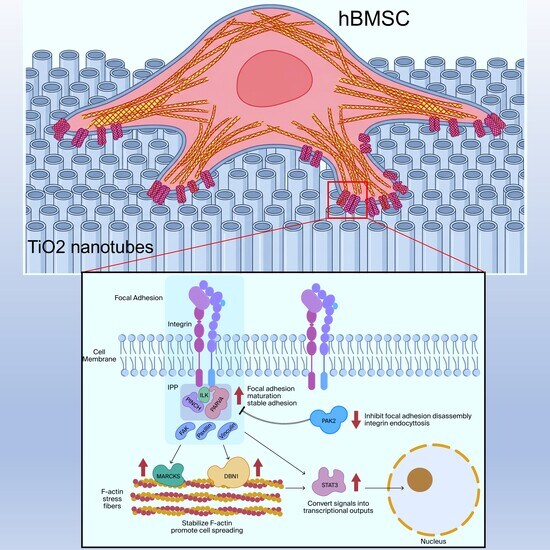
Titanium and its alloys are widely used for orthopedic implants, but their intrinsic bioinertness may hinder osseointegration. In this study, titanium dioxide nanotube (TNT) arrays were fabricated on Ti-6Al-4V scaffolds via anodization, and their effects on the adhesion behavior of human bone marrow
[...] Read more.
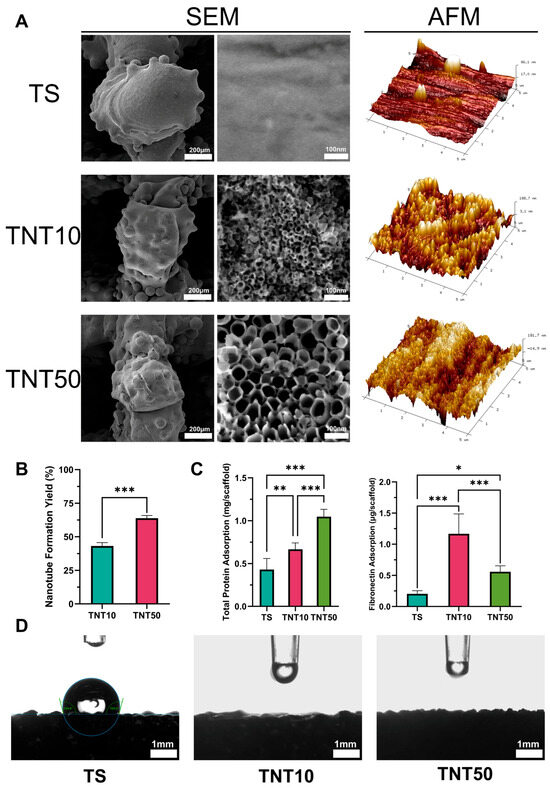
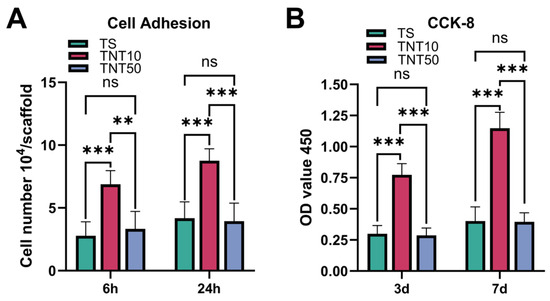
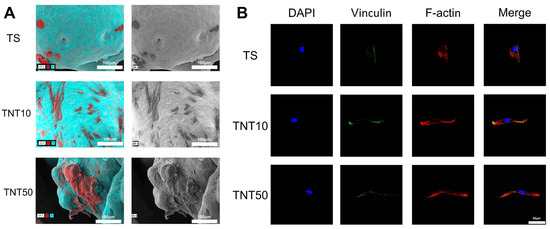
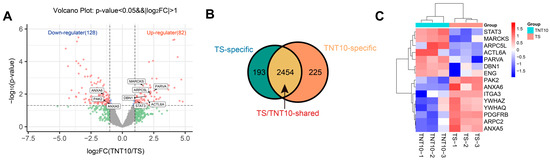
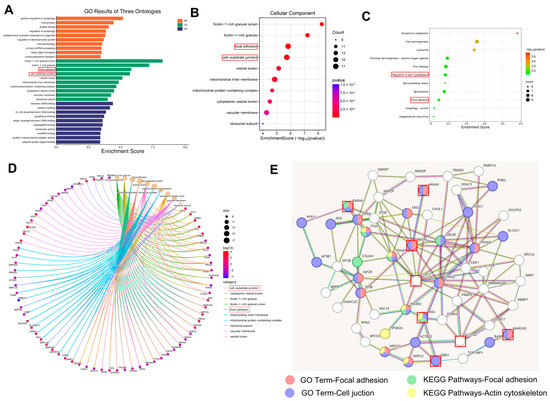
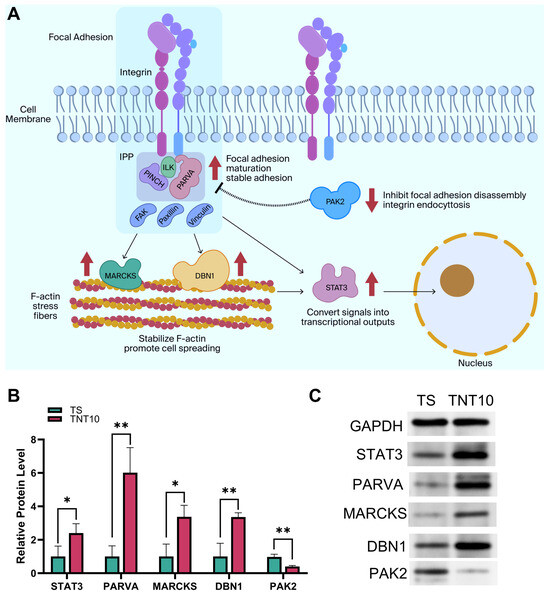
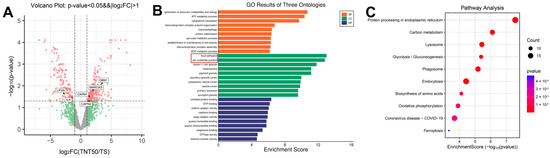
Titanium and its alloys are widely used for orthopedic implants, but their intrinsic bioinertness may hinder osseointegration. In this study, titanium dioxide nanotube (TNT) arrays were fabricated on Ti-6Al-4V scaffolds via anodization, and their effects on the adhesion behavior of human bone marrow mesenchymal stem cells (hBMSCs) were investigated. Surface characterization showed that anodization successfully generated ordered TNT layers, increased surface roughness, enhanced protein adsorption, and induced an apparent superhydrophilic wetting response. Compared to the untreated scaffold and TNT50, the small-diameter TNT10 surface significantly promoted hBMSC adhesion and proliferation. Microscope imaging further revealed enhanced cell spreading, F-actin organization, and vinculin expression on TNT surfaces, with the most prominent focal adhesion-related staining observed in TNT10. Quantitative proteomic analysis showed that TNT10 was associated with coordinated remodeling of adhesion- and cytoskeleton-related molecular programs, including focal adhesion, cell–substrate junction, and regulation of the actin cytoskeleton. In contrast, TNT50, despite supporting obvious cytoskeletal remodeling, was more compatible with a dynamic, higher-turnover adhesion state. Overall, these findings suggest that small-diameter TNTs provide a more favorable interfacial microenvironment for stable early hBMSC adhesion on porous titanium scaffolds.
Full article
(This article belongs to the Special Issue Metals and Alloys for Biomedical Applications (2nd Edition))
►▼
Show Figures

Graphical abstract
Open AccessArticle
ATP-Responsive Bimetallic Metal–Organic Frameworks Amplify Oxidative Stress in the Tumor Microenvironment for Synergistic Chemo-Immunotherapy
by
You Li, Wenxin Zhang, Zitao Xu, Shixin Ma, Yufei Xiong, Li Yu, Huiling Gao, Yang Shu and Teng Fei
J. Funct. Biomater. 2026, 17(4), 199; https://doi.org/10.3390/jfb17040199 - 19 Apr 2026
Abstract
Metal ion-based chemo-immunotherapy is often limited by rigid intracellular metal homeostasis, insufficient reactive oxygen species (ROS) accumulation, and an immunosuppressive tumor microenvironment (TME). To overcome these limitations, we engineered an ATP-responsive, core–shell bimetallic nanoreactor (Cu/ZIF@PDA, termed CZP) featuring a precisely controlled ~25 nm
[...] Read more.
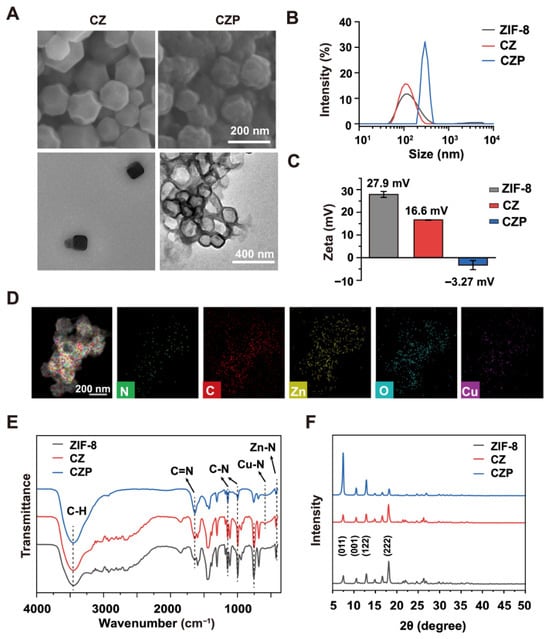
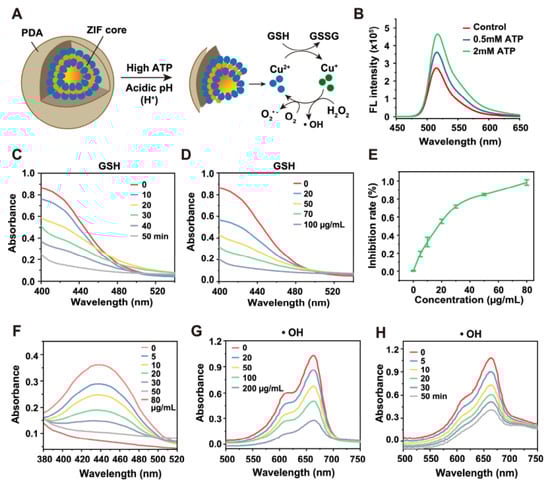
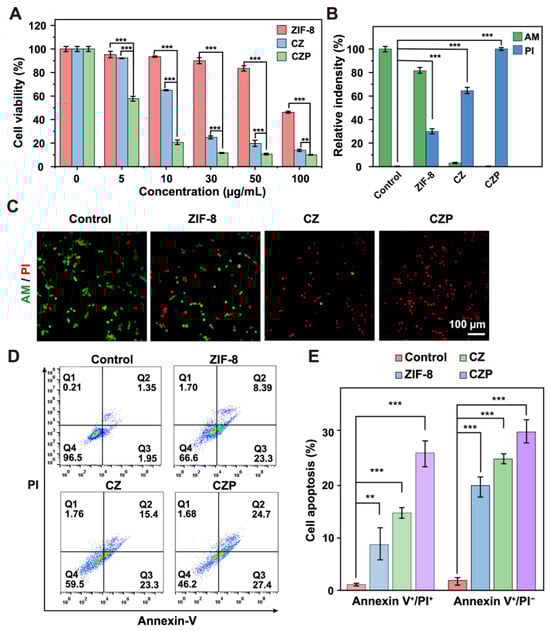
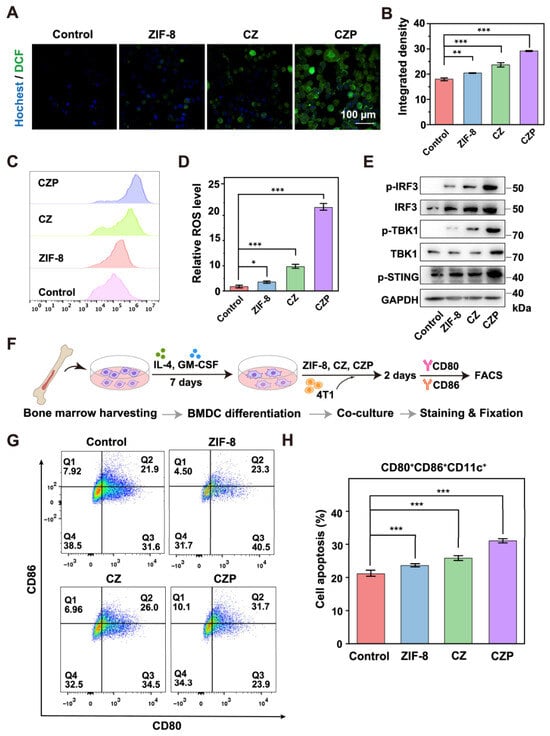
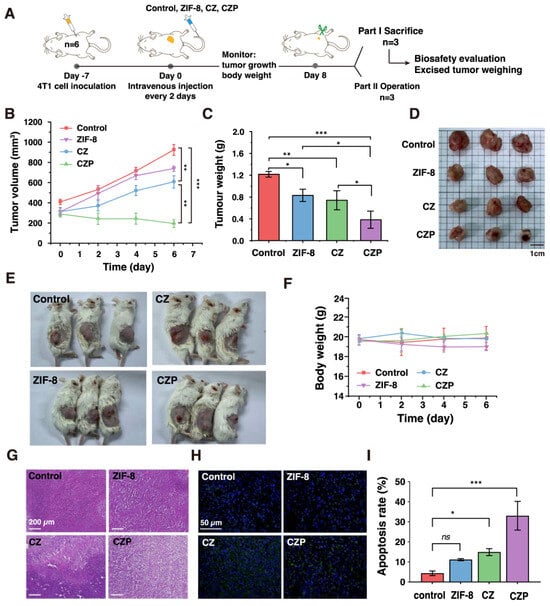
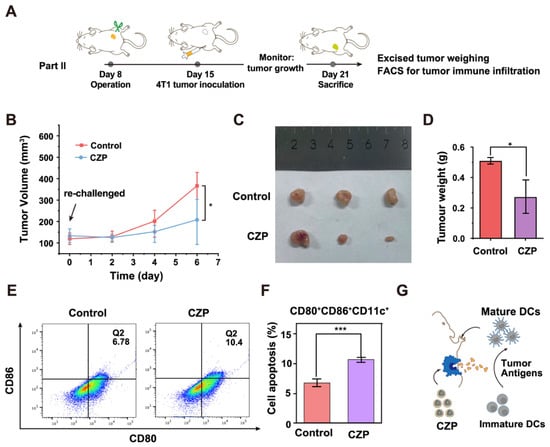
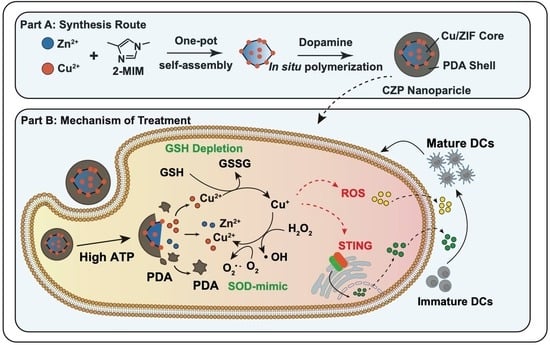
Metal ion-based chemo-immunotherapy is often limited by rigid intracellular metal homeostasis, insufficient reactive oxygen species (ROS) accumulation, and an immunosuppressive tumor microenvironment (TME). To overcome these limitations, we engineered an ATP-responsive, core–shell bimetallic nanoreactor (Cu/ZIF@PDA, termed CZP) featuring a precisely controlled ~25 nm biomimetic polydopamine (PDA) coating. Triggered by elevated tumoral ATP levels, CZP undergoes coordination-induced disassembly and promotes oxidative stress amplification. Specifically, the PDA shell acts as a superoxide dismutase (SOD) mimetic to continuously supply H2O2, fueling Cu2+-mediated Fenton-like reactions to unleash highly toxic hydroxyl radicals (•OH) while aggressively depleting the intracellular glutathione (GSH) pool. This irreversible oxidative damage, coupled with Zn2+-induced mitochondrial dysfunction, triggers profound mitochondrial DNA (mtDNA) leakage. Crucially, this cytosolic DNA robustly activates the cGAS-STING signaling axis, driving a massive surge in immunogenic cell death (ICD) and significantly promoting dendritic cell (DC) maturation. Furthermore, CZP markedly inhibited primary tumor growth in vivo and showed protection in a tumor re-challenge model, accompanied by enhanced dendritic cell maturation. These findings support the potential of this ATP-responsive bimetallic nanoplatform to promote antitumor immune activation.
Full article
(This article belongs to the Section Biomaterials for Cancer Therapies)
►▼
Show Figures

Graphical abstract
Open AccessArticle
Bone Compatibility of Experimental Ti–Ag and Ti–Cu Alloy Dental Implants in a Beagle Dog Model
by
Yasumitsu Ohtsuka, Taichi Tenkumo, Masatoshi Takahashi, Yasuhiro Nakanishi, Hiroaki Takebe and Takashi Nezu
J. Funct. Biomater. 2026, 17(4), 198; https://doi.org/10.3390/jfb17040198 - 18 Apr 2026
Abstract
Titanium–silver (Ti–Ag) and titanium–copper (Ti–Cu) alloys have been developed to improve the mechanical properties and machinability of titanium (Ti) for dental applications while maintaining corrosion resistance comparable to that of pure Ti. Herein, cylindrical dental implants composed of experimental Ti–20Ag, Ti–30Ag, Ti–5Cu, and
[...] Read more.
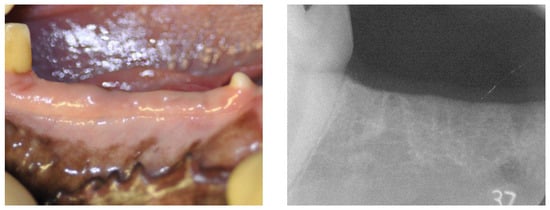
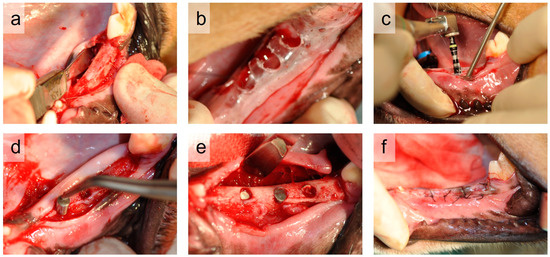
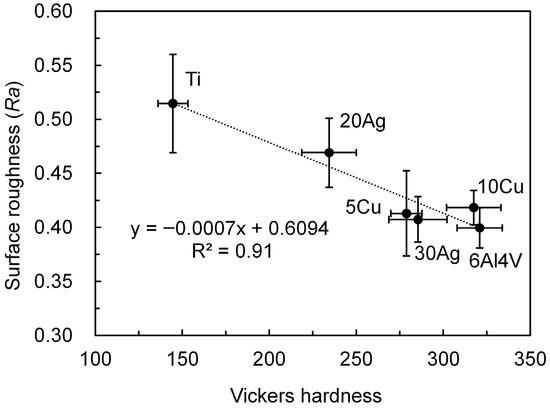
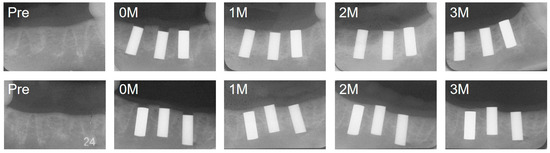
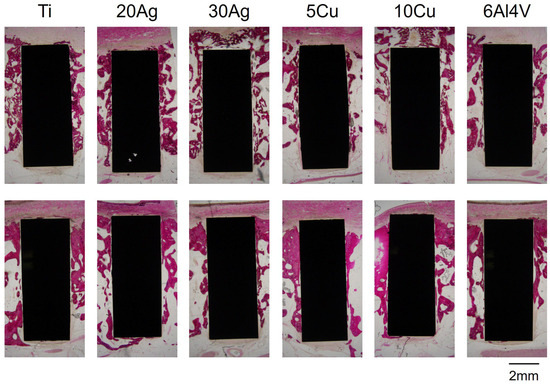
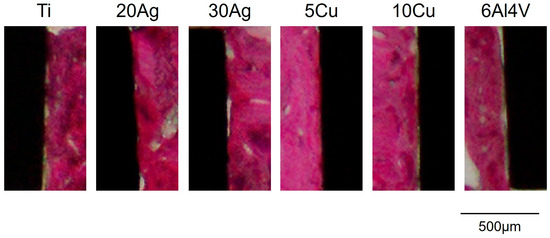
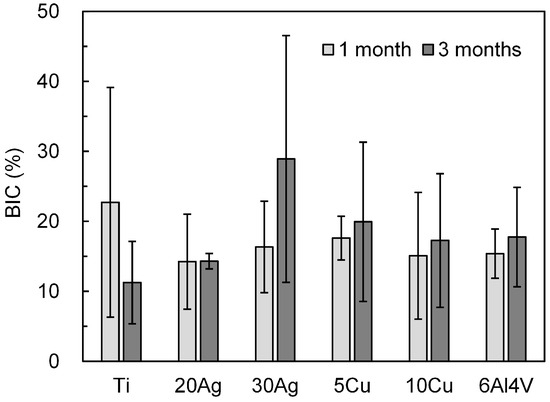
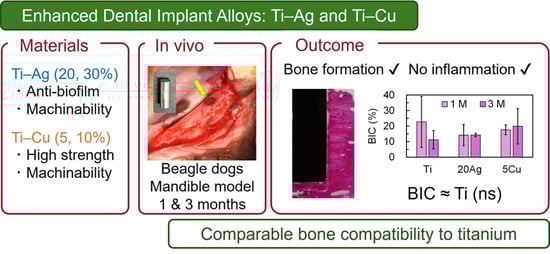
Titanium–silver (Ti–Ag) and titanium–copper (Ti–Cu) alloys have been developed to improve the mechanical properties and machinability of titanium (Ti) for dental applications while maintaining corrosion resistance comparable to that of pure Ti. Herein, cylindrical dental implants composed of experimental Ti–20Ag, Ti–30Ag, Ti–5Cu, and Ti–10Cu (mass%) alloys were fabricated and implanted into the jawbones of beagle dogs to evaluate bone compatibility. Pure Ti and Ti–6Al–4V alloy implants were used as controls. Because the implant surfaces were mechanically polished, the experimental alloys, which exhibited higher hardness than Ti, showed lower surface roughness than Ti. Radiographic observations revealed no remarkable bone resorption around any implants during the experimental period. Histological evaluation demonstrated new bone formation and partial bone contact around implants at 1 and 3 months post-implantation. Although the bone–implant contact ratio was relatively low owing to the cylindrical implant design and limited initial stability, no significant differences were observed between the experimental alloys and Ti. These results indicate that Ti–Ag and Ti–Cu alloys improve mechanical properties while maintaining bone compatibility comparable to that of Ti, suggesting their potential as candidate materials for dental implant applications, particularly for narrow dental implants.
Full article
(This article belongs to the Special Issue Functional Dental Materials for Orthodontics and Implants)
►▼
Show Figures

Graphical abstract
Journal Menu
► ▼ Journal Menu-
- JFB Home
- Aims & Scope
- Editorial Board
- Topical Advisory Panel
- Instructions for Authors
- Special Issues
- Topics
- Sections & Collections
- Article Processing Charge
- Indexing & Archiving
- Editor’s Choice Articles
- Most Cited & Viewed
- Journal Statistics
- Journal History
- Journal Awards
- Conferences
- Editorial Office
Journal Browser
► ▼ Journal BrowserHighly Accessed Articles
Latest Books
E-Mail Alert
News
Topics
Topic in
Coatings, Lubricants, Materials, Surfaces, JFB
Engineered Surfaces and Tribological Performance
Topic Editors: Andrew Naylor, Min LiDeadline: 31 May 2026
Topic in
Applied Nano, Bioengineering, Coatings, JFB, Materials, Surfaces
Functional and Antiseptic Biomedical Surfaces and Interfaces
Topic Editors: Annett Dorner-Reisel, Aneta Zima, Nick Tucker, Tao WangDeadline: 31 August 2026
Topic in
IJMS, JFB, Macromol, Materials, J. Compos. Sci., Polymers
Recent Advances in Composite Biomaterials
Topic Editors: Diego Romano Perinelli, Florentina LupascuDeadline: 30 November 2026
Topic in
JFB, Materials, Prosthesis, IJMS, Oral, JCM
New Technological and Clinical Advances for Controlling Peri-Implantitis
Topic Editors: Javier Gil, Eugenio Velasco-Ortega, Aritza Brizuela-Velasco, Conrado AparicioDeadline: 31 December 2026
Conferences
Special Issues
Special Issue in
JFB
Antibacterial Biomaterials for Medical Applications
Guest Editors: Min Zhou, Yueming WuDeadline: 10 May 2026
Special Issue in
JFB
Biomaterials in Bone Reconstruction
Guest Editor: Liya ZhuDeadline: 10 May 2026
Special Issue in
JFB
Surface Coating, Functionalization, and Characterization of Cell- and Tissue-Based Biomaterials
Guest Editor: Jason K. LeeDeadline: 10 May 2026
Special Issue in
JFB
Biomaterials for Wound Healing and Tissue Repair
Guest Editor: Bouke BoekemaDeadline: 20 May 2026
Topical Collections
Topical Collection in
JFB
Biocements for Medical/Dental Purposes
Collection Editor: James Kit-Hon Tsoi
Topical Collection in
JFB
Feature Papers in Biomaterials for Healthcare Applications
Collection Editor: Dimitrios Karamichos
Topical Collection in
JFB
Feature Papers in Biomaterials for Drug Delivery
Collection Editor: Junjie Li
Topical Collection in
JFB
Feature Papers in Dental Biomaterials
Collection Editor: Gianrico Spagnuolo