



Topical Advisory Panel applications are now closed. Please contact the Editorial Office with any queries.
Journal Description
Journal of Personalized Medicine
is an international, peer-reviewed, open access journal on personalized medicine, published monthly online by MDPI. The Inter-American Society for Minimally Invasive Spine Surgery (SICCMI), Korean Society of Brain Neuromodulation Therapy (KBNT), American Board of Precision Medicine (ABOPM) and Brazilian Society of Personalized Medicine (SBMP) are affiliated with JPM and their members receive a discount on article processing charges.
- Open Access— free for readers, with article processing charges (APC) paid by authors or their institutions.
- High Visibility: indexed within Scopus, PubMed, PMC, Embase, and other databases.
- Journal Rank: CiteScore - Q1 (Medicine (miscellaneous))
- Rapid Publication: manuscripts are peer-reviewed and a first decision is provided to authors approximately 23 days after submission; acceptance to publication is undertaken in 4.6 days (median values for papers published in this journal in the first half of 2026).
- Recognition of Reviewers: reviewers who provide timely, thorough peer-review reports receive vouchers entitling them to a discount on the APC of their next publication in any MDPI journal, in appreciation of the work done.
Latest Articles
Perioperative Arrhythmias: Pathophysiology, Risk Stratification, Management, and Emerging Technologies—A Narrative Review Toward Personalised Care
J. Pers. Med. 2026, 16(7), 367; https://doi.org/10.3390/jpm16070367 - 4 Jul 2026
Abstract
Cardiac arrhythmias complicate 20–50% of surgical procedures and contribute substantially to perioperative morbidity, mortality, and healthcare costs, with postoperative atrial fibrillation (POAF) being the most frequent form. Their genesis reflects the convergence of surgical stress, anaesthetic agents, autonomic imbalance, systemic inflammation, and electrolyte
[...] Read more.
Cardiac arrhythmias complicate 20–50% of surgical procedures and contribute substantially to perioperative morbidity, mortality, and healthcare costs, with postoperative atrial fibrillation (POAF) being the most frequent form. Their genesis reflects the convergence of surgical stress, anaesthetic agents, autonomic imbalance, systemic inflammation, and electrolyte disturbances, explaining the limited efficacy of single-mechanism interventions. This narrative review synthesises contemporary evidence on pathophysiology, risk stratification, prevention, acute management, and emerging technologies, emphasising individualised, patient-tailored approaches. MEDLINE, Embase, and Cochrane CENTRAL were searched (January 2010–January 2026), prioritising randomised trials, meta-analyses, and guidelines. Contemporary risk stratification integrates clinical scores, biomarkers, and electrocardiographic parameters; machine-learning models show moderate discrimination (pooled AUC 0.84) and may enable more personalised prediction pending external validation. Evidence-based prophylaxis—beta-blockade, magnesium, selective amiodarone, and emerging anti-inflammatory strategies such as colchicine—reduces POAF in high-risk populations, while acute management is guided by haemodynamic status and individual risk. Anticoagulation follows CHA2DS2-VASc stratification, although optimal timing and duration remain undefined. Wearable monitoring, AI-based detection, and atrial-selective agents show clinical promise. Systematic, personalised integration of risk assessment, prophylaxis, monitoring, and management offers the clearest path to reducing arrhythmia-associated morbidity.
Full article
(This article belongs to the Special Issue Advances in Atrial Fibrillation and Cardiac Arrhythmias: Mechanisms, Diagnosis, and Therapy)
Open AccessReview
Integration of Precision Medicine into ERAS Pathways: A Conceptual Framework, Current Feasibility and Challenges
by
Berkan Aliev and Boyko Atanasov
J. Pers. Med. 2026, 16(7), 366; https://doi.org/10.3390/jpm16070366 - 4 Jul 2026
Abstract
Enhanced Recovery After Surgery (ERAS) pathways have improved perioperative outcomes by standardizing evidence-based interventions across the surgical continuum. However, substantial variability in postoperative recovery persists, even within well-implemented ERAS programs. This heterogeneity reflects differences in clinical risk, functional reserve, biological response to surgical
[...] Read more.
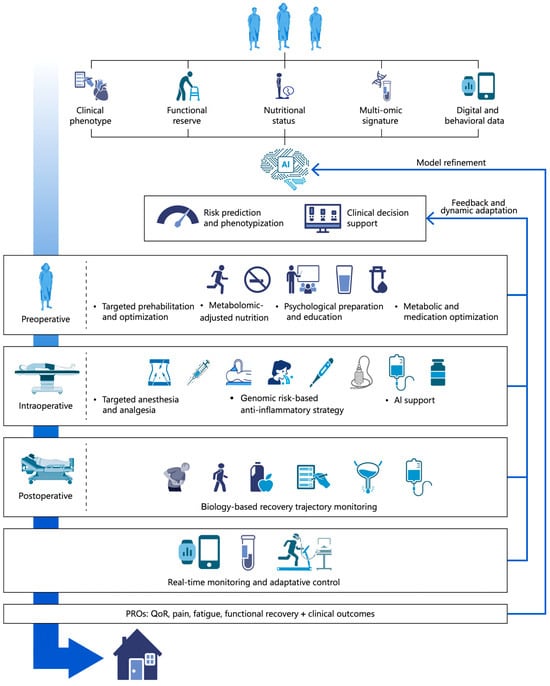
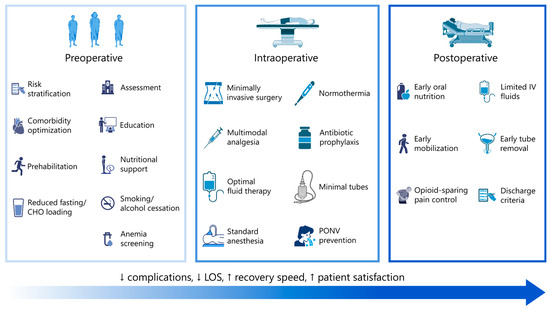
Enhanced Recovery After Surgery (ERAS) pathways have improved perioperative outcomes by standardizing evidence-based interventions across the surgical continuum. However, substantial variability in postoperative recovery persists, even within well-implemented ERAS programs. This heterogeneity reflects differences in clinical risk, functional reserve, biological response to surgical stress, treatment responsiveness, and contextual factors that are not fully captured by uniform protocols. Precision medicine provides a potential framework for refining ERAS by integrating patient-specific data into perioperative risk assessment, intervention selection, patient monitoring, and recovery planning. Nevertheless, most precision medicine tools remain insufficiently validated for routine ERAS implementation, and their clinical utility is limited by heterogeneous evidence, data integration challenges, costs, workflow complexity, and equity concerns. Future progress will require prospective validation, pragmatic implementation studies, interoperable data systems, and evaluation of patient-centered outcomes. This narrative review examines the emerging role of precision medicine tools in perioperative practice and proposes an idealized conceptual model of “precision ERAS” in which standardized evidence-based care is preserved as the foundation, while selected interventions are adapted according to individual risk, biological phenotype, and recovery trajectory.
Full article
(This article belongs to the Section Personalized Medical Care)
►▼
Show Figures

Figure 1
Open AccessReview
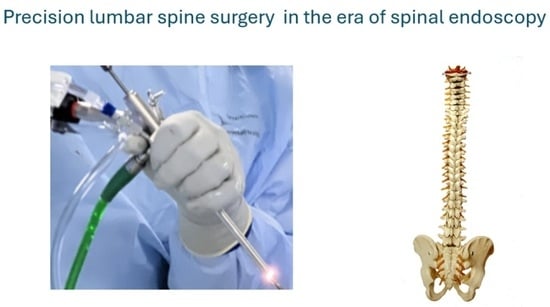
Enhancing Precision in Lumbar Spine Surgery Through Spinal Endoscopy: A Narrative Review with Expert Opinion
by
Bradley C. Nelson and Mark J. Lambrechts
J. Pers. Med. 2026, 16(7), 365; https://doi.org/10.3390/jpm16070365 - 4 Jul 2026
Abstract
Technological advances in spine surgery have allowed for significantly improved precision. Perhaps no technology has allowed for more personalized and precise surgery than endoscopic spine surgery. Although this technology has been around for decades, advancements in camera resolution have led to enhanced magnification
[...] Read more.
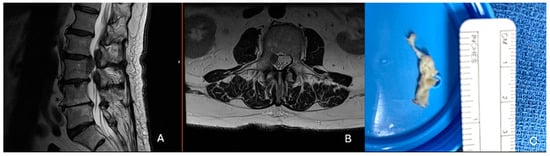
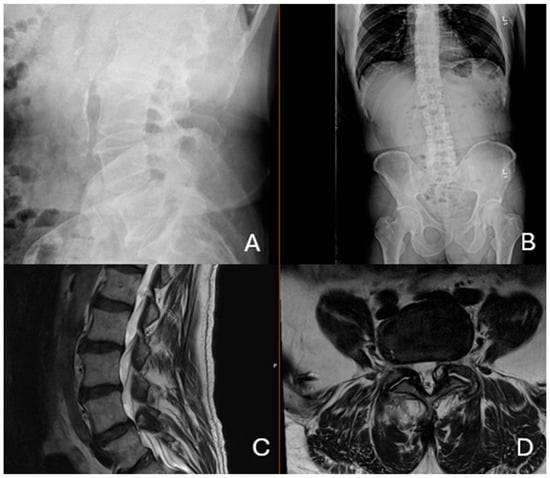
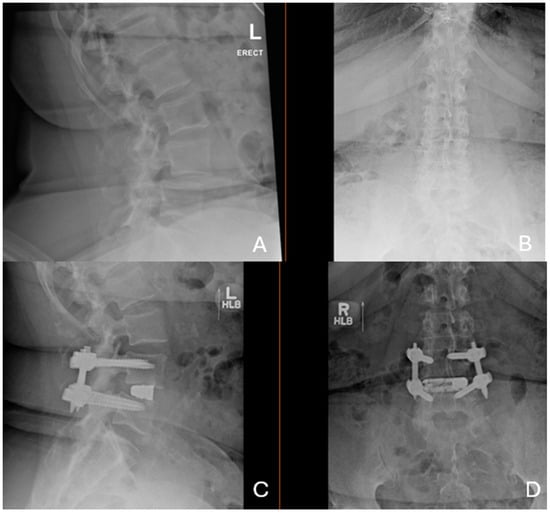
Technological advances in spine surgery have allowed for significantly improved precision. Perhaps no technology has allowed for more personalized and precise surgery than endoscopic spine surgery. Although this technology has been around for decades, advancements in camera resolution have led to enhanced magnification and visualization of nerve root compression. Given our improved understanding of the interplay between spinal stability, spine pain, and muscle health, minimizing muscle disruption and bone resection has now become a key principle in spinal care. This narrative review will talk about common lumbar spine pathologies and how spinal endoscopy can be implemented to potentially improve patient care and outcomes.
Full article
(This article belongs to the Special Issue Precision Medicine in Spine Surgery: Updates and Challenges)
►▼
Show Figures

Graphical abstract
Open AccessArticle
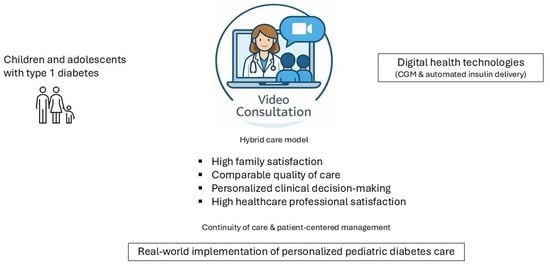
Implementation of Video Consultations Within a Personalized Hybrid Care Model for Children and Adolescents with Type 1 Diabetes Using Automated Insulin Delivery Systems: A Real-World Descriptive Study
by
Isolina Riaño-Galan, Corsino Rey, María Bogaerts Marquez, Laura Muñoz, Rebeca García, César Bazó and Julián Rodríguez
J. Pers. Med. 2026, 16(7), 364; https://doi.org/10.3390/jpm16070364 - 4 Jul 2026
Abstract
Background: Telemedicine complements traditional healthcare delivery and may improve access, continuity of care, and patient engagement, particularly in chronic conditions requiring regular follow-up. Video consultation is a widely adopted telemedicine modality and is increasingly integrated into hybrid care models. Methods: This real-world implementation
[...] Read more.
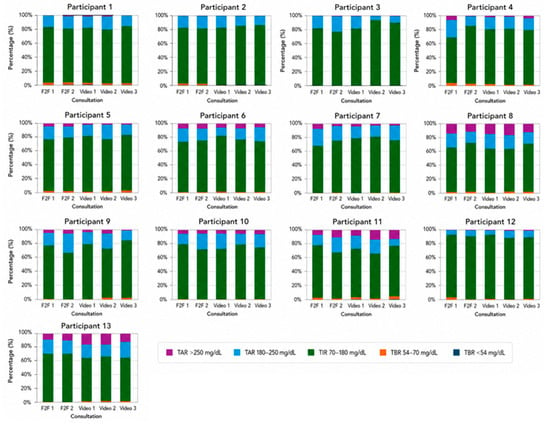
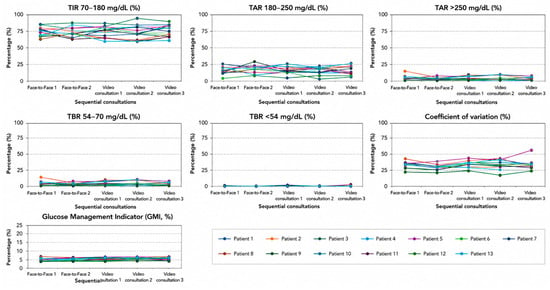
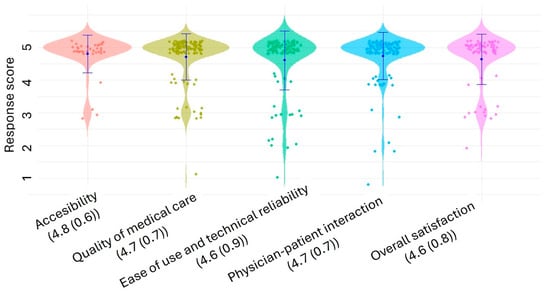
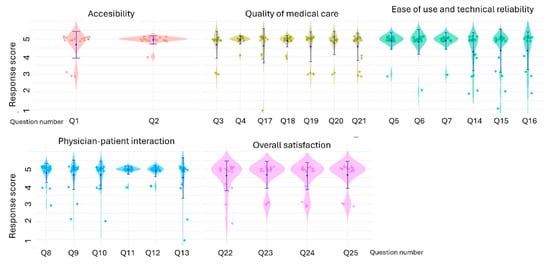
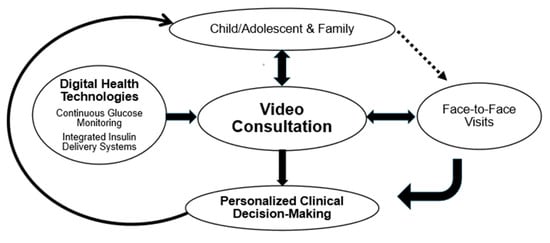
Background: Telemedicine complements traditional healthcare delivery and may improve access, continuity of care, and patient engagement, particularly in chronic conditions requiring regular follow-up. Video consultation is a widely adopted telemedicine modality and is increasingly integrated into hybrid care models. Methods: This real-world implementation project describes scheduled video consultations embedded in a hybrid care model for children and adolescents with type 1 diabetes using continuous glucose monitoring (CGM) and integrated insulin delivery technologies as part of routine clinical care. A total of 38 families were offered video consultations as part of routine care; 18 adopted the hybrid model. Video consultations were used for routine follow-up, shared review of device data, treatment adjustment, and diabetes education. Family experience was assessed using a voluntary 5-point Likert-scale satisfaction questionnaire. Complete longitudinal CGM data were available for 13 participants, all of whom were established users of the same automated insulin delivery (AID) platform (MiniMed™ 780G (Medtronic MiniMed, Inc. Minneapolis, MN, USA) integrated with Guardian™ 4 (Medtronic MiniMed, Inc. Minneapolis, MN, USA) continuous glucose monitoring). Results: Between 2022 and 2024, 162 video consultations were conducted. Acceptability was high, with 95% (17/18) of respondents reporting high satisfaction (score ≥ 4 on the 5-point Likert scale). 89% (16/18) of families perceived the quality of care as comparable to face-to-face visits for routine follow-up. Families highlighted convenience, reduced travel burden, and flexibility, as well as the value of shared review of CGM and AID system data. Group-level CGM-derived metrics appeared descriptively similar across sequential face-to-face visits and video consultations. Individual patient trajectories showed expected variability but no consistent pattern of deterioration during periods of remote follow-up. Conclusions: Video consultation is a feasible and well-accepted complementary modality within hybrid care models for pediatric type 1 diabetes. When integrated with CGM and automated insulin delivery systems, it supports personalized, data-driven clinical decision-making and continuity of care. Structured implementation and systematic evaluation are essential for sustainable integration into routine practice.
Full article
(This article belongs to the Section Personalized Medical Care)
►▼
Show Figures

Graphical abstract
Open AccessReview
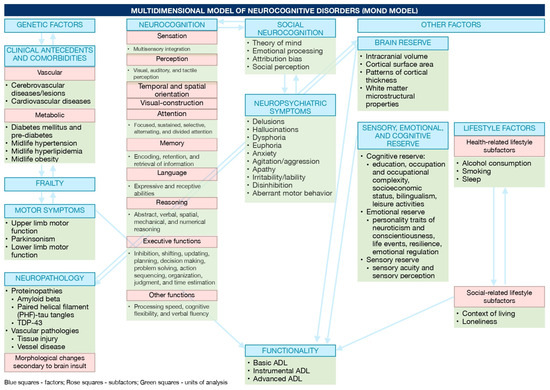
Towards a Multidimensional Model of Neurocognitive Disorders (MOND Model): Integrating Evidence from a Critical Review into a Model for Future Research
by
Joana O. Pinto, Bruno Peixoto, Artemisa R. Dores and Fernando Barbosa
J. Pers. Med. 2026, 16(7), 363; https://doi.org/10.3390/jpm16070363 - 3 Jul 2026
Abstract
The main purpose of this work is to critically review the literature on neurocognitive disorders (ND) diagnosis. A critical review was conducted in PubMed, Scopus, and EBSCO. Systematic reviews and meta-analyses focusing on ND diagnosis were included. The selected studies were critically analyzed
[...] Read more.
The main purpose of this work is to critically review the literature on neurocognitive disorders (ND) diagnosis. A critical review was conducted in PubMed, Scopus, and EBSCO. Systematic reviews and meta-analyses focusing on ND diagnosis were included. The selected studies were critically analyzed and conceptually integrated to identify relevant dimensions for the diagnosis of ND. The review included 88 studies. Most studies focused on Alzheimer’s disease and mild cognitive impairment. The literature remained predominantly centred on isolated diagnostic domains, and important limitations were consistently identified, including methodological heterogeneity, lack of standardized thresholds, and reduced clinical applicability. Based on the identified conceptual and methodological limitations, a Multidimensional Model of Neurocognitive Disorders (MOND model) for ND diagnosis was proposed. The MOND model was developed as a multidimensional, multilevel, transdiagnostic model integrating biological, neurocognitive, neuropsychiatric, motor, functional, frailty, reserve-related, and socio-environmental dimensions. The model may contribute to research, symptom classification, severity characterization, prognosis, and personalized intervention planning across different ND trajectories. Future studies using the MOND model should focus on refining algorithms to estimate the risk of ND.
Full article
(This article belongs to the Special Issue Personalized Medicine in Neuropsychology)
►▼
Show Figures

Figure 1
Open AccessArticle
Real-World Phenotypic Profiles and Longitudinal Lung Function Outcomes in Severe Asthma Treated with Biologic Therapies
by
Ourania S. Kotsiou, Georgios I. Barkas, Konstantinos I. Gourgoulianis and Zoe Daniil
J. Pers. Med. 2026, 16(7), 362; https://doi.org/10.3390/jpm16070362 - 3 Jul 2026
Abstract
►▼
Show Figures
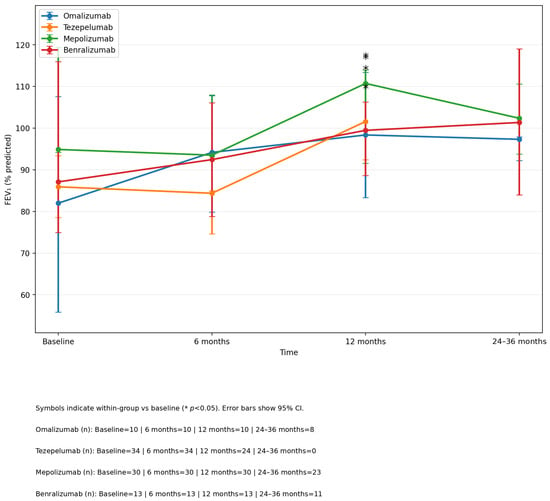
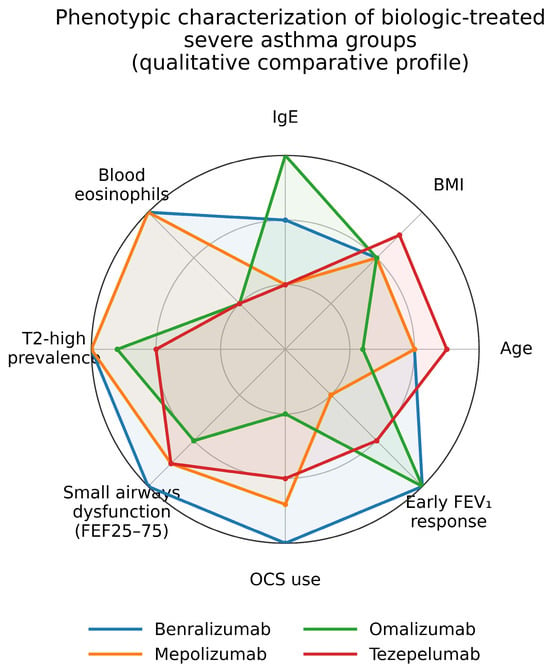
Background: Biologic therapies have transformed severe asthma management, but real-world evidence comparing phenotypes, lung function trajectories, and persistence across biologic classes remains limited. Objective: To characterize a real-world cohort of biologic-treated severe asthma patients, focusing on baseline phenotypes, longitudinal post-bronchodilator spirometry (including a
[...] Read more.
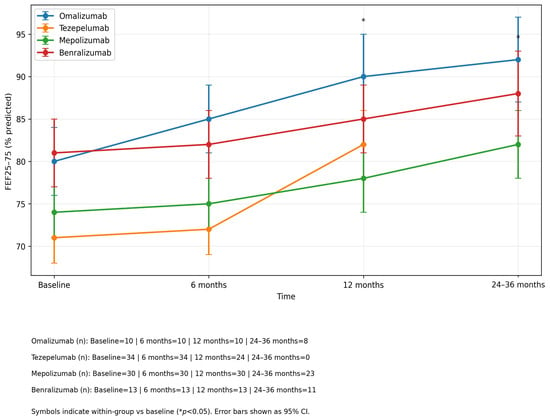
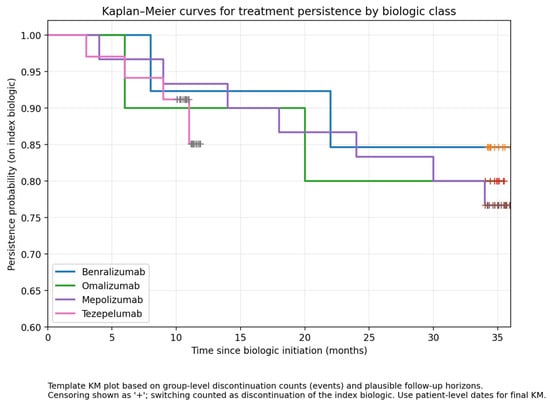
Background: Biologic therapies have transformed severe asthma management, but real-world evidence comparing phenotypes, lung function trajectories, and persistence across biologic classes remains limited. Objective: To characterize a real-world cohort of biologic-treated severe asthma patients, focusing on baseline phenotypes, longitudinal post-bronchodilator spirometry (including a spirometric surrogate suggestive of small airways involvement), and discontinuation/switching patterns. Methods: In this retrospective observational study at a tertiary referral center, adults with severe asthma treated with benralizumab, mepolizumab, omalizumab, or tezepelumab were included. Demographic, clinical, biomarker, and functional data were collected at baseline and follow-up. Post-bronchodilator FEV1 and FEF25–75 (% predicted) were assessed at baseline, 6 months, 12 months, and 24–36 months when available. Longitudinal outcomes were analyzed using multivariable linear mixed-effects models; discontinuation and switching were recorded. Results: Eighty-seven patients were included (benralizumab n = 13, omalizumab n = 10, mepolizumab n = 30, tezepelumab n = 34), representing 10.9% of the clinic’s population. Most had long-standing disease, elevated body mass index, and a T2-high profile. Baseline characteristics were generally similar across groups, with expected differences in total IgE (p = 0.007) and blood eosinophils (p < 0.001). The primary endpoint (FEV1 % predicted change from baseline to 12 months) showed adjusted mean changes of +12.46 (95% CI +1.63 to +19.29; p = 0.020) with benralizumab, +15.82 (+8.35 to +23.64; p < 0.001) with mepolizumab, +16.65 (+1.58 to +31.71; p < 0.001) with omalizumab, and +15.69 (+6.52 to +24.87; p = 0.030) with tezepelumab; trajectories differed by biologic class (time × biologic p = 0.019). Although the interaction term indicated heterogeneous temporal patterns, these adjusted findings should be interpreted as associative in the context of biomarker-driven treatment selection and not as evidence of comparative superiority of any biologic class. Discontinuation occurred in 15/87 (17.2%), with switching most commonly due to inadequate control. Conclusions: Real-world severe asthma patients demonstrate heterogeneous phenotypes and spirometric trajectories on biologics. Integrating biomarkers with longitudinal lung function monitoring, including small-airway spirometric surrogates, supports individualized management.
Full article

Figure 1
Open AccessArticle
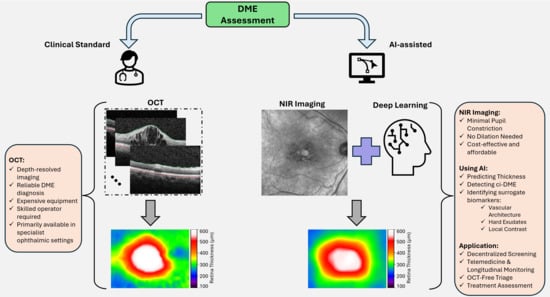
Deep Learning Prediction of Retinal Thickness from Near-Infrared Fundus Photography: Toward Decentralized Quantitative Assessment of Diabetic Macular Edema
by
Behrouz Ebrahimi, Albert K. Dadzie, Mansour Abtahi, Masrur A. Sadhin, Daniel Kim, Srishti Kolla, Baoxin Li, R. V. Paul Chan, Michael J. Heiferman and Xincheng Yao
J. Pers. Med. 2026, 16(7), 361; https://doi.org/10.3390/jpm16070361 (registering DOI) - 2 Jul 2026
Abstract
►▼
Show Figures
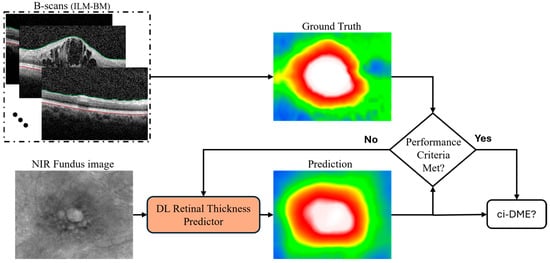
Objective: To predict pixel-wise retinal thickness maps from near-infrared (NIR) fundus images using deep learning (DL), and to identify image features in NIR fundus photographs serving as surrogate markers of retinal thickness, with implications for decentralized diabetic macular edema (DME) screening, progression monitoring,
[...] Read more.
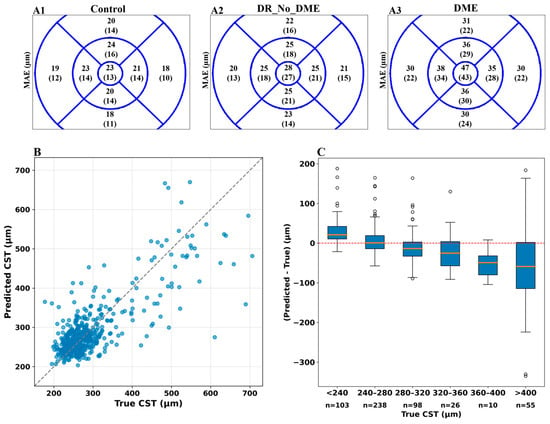
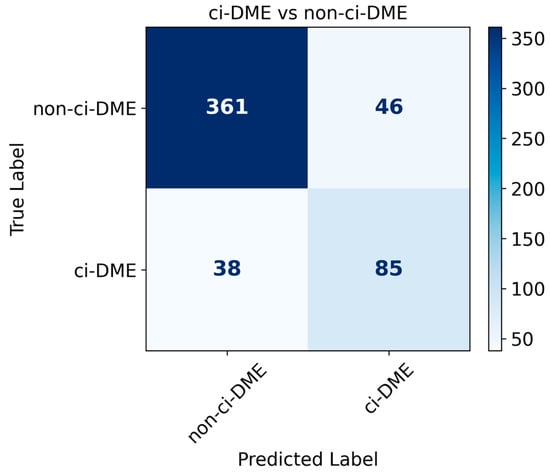
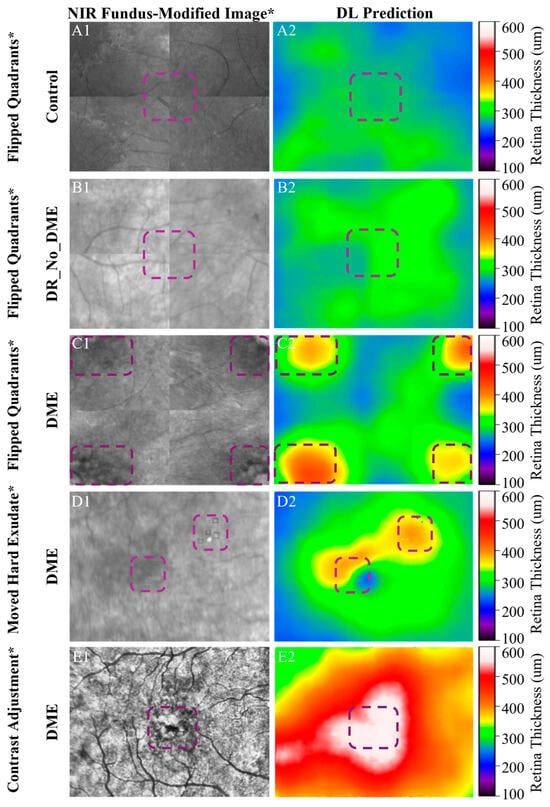
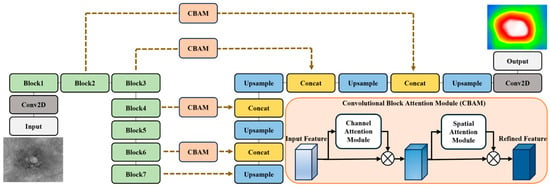
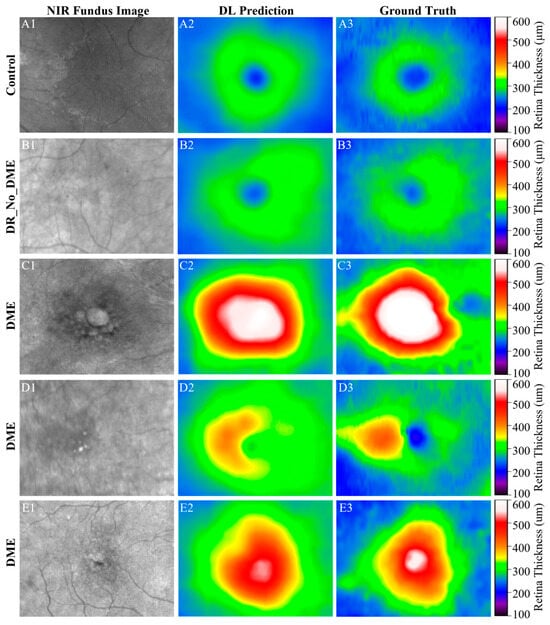
Objective: To predict pixel-wise retinal thickness maps from near-infrared (NIR) fundus images using deep learning (DL), and to identify image features in NIR fundus photographs serving as surrogate markers of retinal thickness, with implications for decentralized diabetic macular edema (DME) screening, progression monitoring, and treatment assessment. Methods: A DL model based on a U-Net architecture was trained on paired NIR fundus and OCT images from 531 eyes across three groups: healthy controls, diabetic retinopathy (DR) without DME, and DME. Model performance was evaluated using mean absolute error (MAE), root mean squared error (RMSE), structural similarity index (SSIM), and center-involved DME (ci-DME) classification at a central subfield thickness threshold of 300 µm. Controlled image manipulation experiments, including spatial disruption of vascular patterns, relocation of hard exudates, and contrast enhancement, were performed to identify image-level features serving as surrogate markers of retinal thickness. Results: The model achieved an MAE of 30.41 ± 18.68 µm, RMSE of 36.14 ± 21.05 µm, and SSIM of 0.87 ± 0.04 across the macula, with consistent performance across ETDRS subfields. For ci-DME classification, it achieved an accuracy of 84.1%, sensitivity of 69.1%, and specificity of 88.7%. Interpretability analyses were performed as qualitative assessments to visualize image regions contributing to model predictions. These analyses highlighted retinal vascular structures, hard exudates, and local contrast variations as visual features observed in relation to model outputs. Conclusions: NIR fundus images contain sufficient structural information to support pixel-wise retinal thickness estimation, with vascular architecture, hard exudates, and local contrast variations identified as image features potentially associated with model predictions. These findings suggest that NIR-based deep learning approaches may have potential applications in the assessment of diabetic macular edema and warrant further prospective and external validation to determine their role in screening, triage support, longitudinal monitoring, and treatment-related assessment, particularly in decentralized and re-source-limited care environments.
Full article

Graphical abstract
Open AccessReview
Facial Discoid Dermatosis Imaging with Line-Field Confocal Optical Coherence Tomography and Reflectance Confocal Microscopy—A Case Report and Literature Review
by
Joanna Zygadło, Leszek Blicharz, Joanna Czuwara, Joanna Nowaczyk, Karolina Makowska, Małgorzata Olszewska and Lidia Rudnicka
J. Pers. Med. 2026, 16(7), 360; https://doi.org/10.3390/jpm16070360 - 1 Jul 2026
Abstract
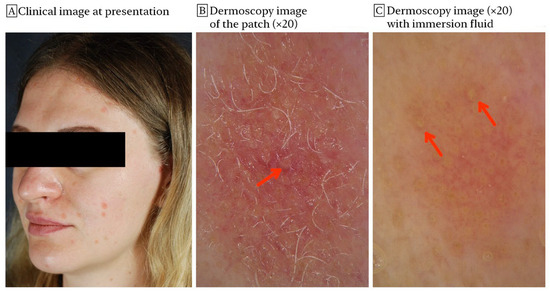
Background/Objectives: Facial discoid dermatosis is a rare inflammatory dermatosis presenting with round, superficial erythematous lesions located on the face. Diagnosis may be challenging and often requires careful clinicopathological correlation due to overlapping clinical and histopathological features. Skin lesions are typically resistant to
[...] Read more.
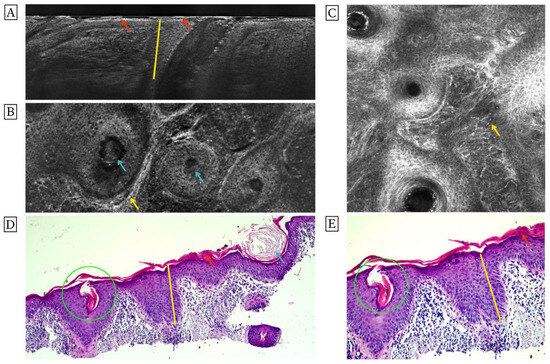
Background/Objectives: Facial discoid dermatosis is a rare inflammatory dermatosis presenting with round, superficial erythematous lesions located on the face. Diagnosis may be challenging and often requires careful clinicopathological correlation due to overlapping clinical and histopathological features. Skin lesions are typically resistant to a wide range of topical and systemic treatments. From the perspective of personalized medicine, improved phenotyping of rare inflammatory dermatoses may support more precise diagnosis, individualized therapeutic decisions, and non-invasive disease monitoring. This study aimed to characterize facial discoid dermatosis using line-field confocal optical coherence tomography and reflectance confocal microscopy and to discuss its differential diagnosis and therapeutic implications. Methods: We report a case of facial discoid dermatosis in a 35-year-old patient examined with line-field confocal optical coherence tomography and reflectance confocal microscopy. The imaging findings were interpreted in correlation with clinical and histopathological features. A literature review was performed to summarize differential diagnoses, therapeutic perspectives, and the proposed relationship between facial discoid dermatosis and pityriasis rubra pilaris. Results: Non-invasive imaging revealed morphological features consistent with a psoriasiform inflammatory dermatosis and provided additional in vivo information supporting the diagnosis. The literature review showed limited evidence for a direct association between facial discoid dermatosis and pityriasis rubra pilaris, with only isolated reports suggesting possible overlap or progression. Conclusions: Facial discoid dermatosis appears to represent a distinct psoriasiform dermatosis. Line-field confocal optical coherence tomography and reflectance confocal microscopy may contribute to a personalized diagnostic approach by supporting differential diagnosis and potentially guiding individualized monitoring in rare inflammatory facial dermatoses.
Full article
(This article belongs to the Special Issue Novel Studies and Therapeutic Options for Skin Disease)
►▼
Show Figures

Figure 1
Open AccessArticle
Inverse Association of p63 Expression with Hormone Receptor Status in Invasive Breast Cancer
by
Panagis Lykoudis, Maria Papadoliopoulou, Alexios Kozonis, Georgios Kirkilesis, Marios-Konstantinos Tasoulis, Mahrokh Nohadani and Mihir A. Gudi
J. Pers. Med. 2026, 16(7), 359; https://doi.org/10.3390/jpm16070359 - 1 Jul 2026
Abstract
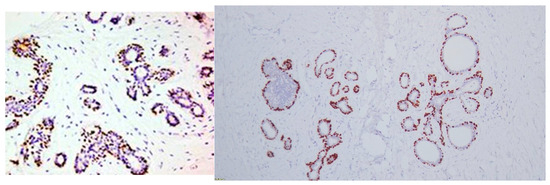
Background/Objectives: Immunohistochemistry is an integral component of the diagnostic approach in breast cancer and remains essential for tumor characterization and therapeutic decision-making. p63 gene expression may have potential diagnostic and prognostic roles in breast cancer patients. Methods: In this study, 127
[...] Read more.
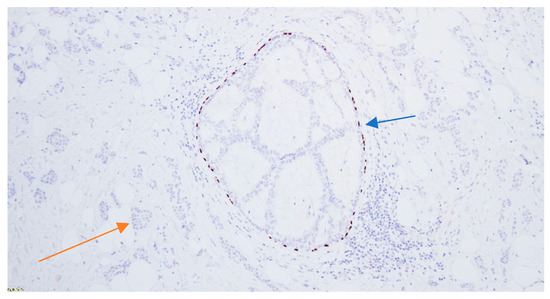
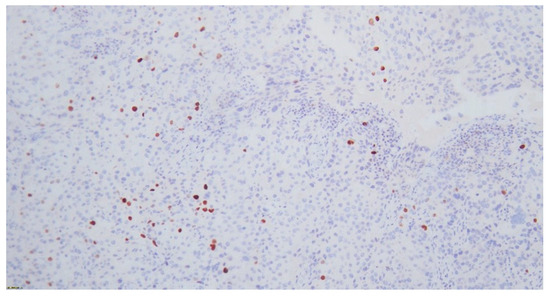
Background/Objectives: Immunohistochemistry is an integral component of the diagnostic approach in breast cancer and remains essential for tumor characterization and therapeutic decision-making. p63 gene expression may have potential diagnostic and prognostic roles in breast cancer patients. Methods: In this study, 127 specimens of invasive breast carcinoma and 50 control cases were evaluated for p63 gene expression and compared to other pathology factors. Results: None of the 50 control cases was assessed as positive for p63 expression. Progesterone and estrogen receptor status were the only factors that demonstrated a statistically significant negative correlation with p63 expression (p = 0.005 and p = 0.017, respectively). Tumor size demonstrated a marginally non-significant correlation with p63 expression (p = 0.051). None of the remaining factors was significantly correlated with p63 expression. Conclusions: In conclusion, p63 expression is inversely correlated with estrogen and progesterone receptor status, and type, size and grade of the tumors are not correlated with the gene’s expression, nor is HER2 status. This conclusion might impact genotype-based stratification pertinent to diagnosis and tailored treatment.
Full article
(This article belongs to the Special Issue Breast Cancer: Molecular Highlights, Emerging Therapies, and Promising Strategies)
►▼
Show Figures

Figure 1
Open AccessReview
First- and Second-Trimester Cardiovascular Anomalies in Trisomy 21 Fetuses: Anatomy, Embryology, Genetics and Imaging
by
Mariangela Pati, Immacolata Blasi, Giovanna Botticelli, Andrea Musarò, Flavio Vanacore, Giulia Galeati, Lorenzo Aguzzoli and Maria Paola Bonasoni
J. Pers. Med. 2026, 16(7), 358; https://doi.org/10.3390/jpm16070358 - 30 Jun 2026
Abstract
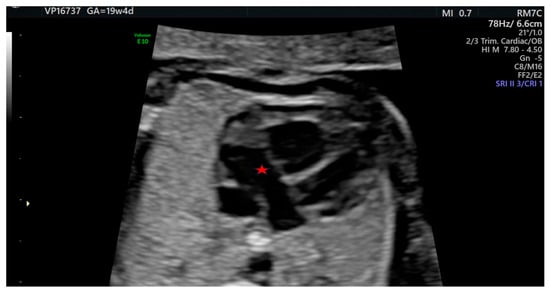
Background: Trisomy 21 (T21) is strongly associated with congenital heart disease, particularly atrioventricular septal defect (AVSD), ventricular septal defect (VSD), atrial septal defect (ASD) and selected conotruncal and arch anomalies. First- and second-trimester ultrasound, Doppler and fetal cardiac MRI enable increasingly early
[...] Read more.
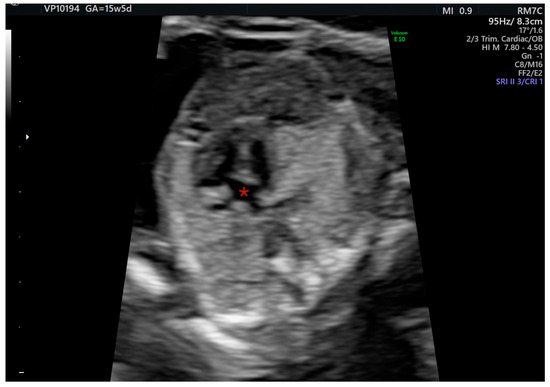
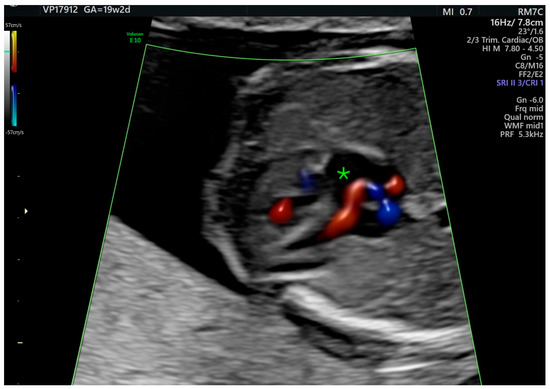
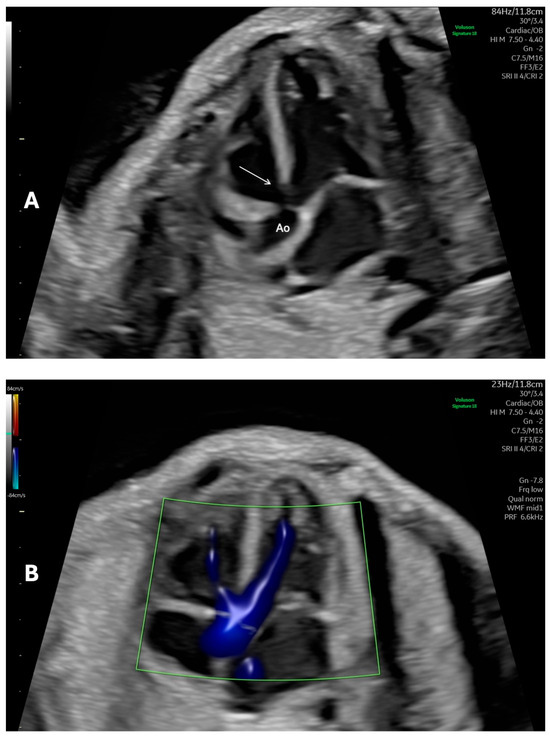
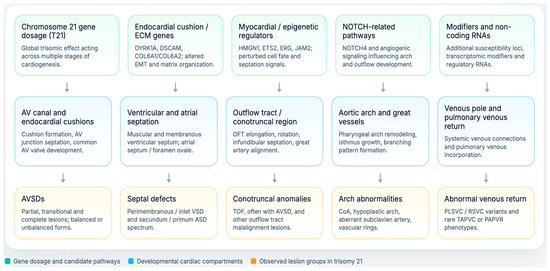
Background: Trisomy 21 (T21) is strongly associated with congenital heart disease, particularly atrioventricular septal defect (AVSD), ventricular septal defect (VSD), atrial septal defect (ASD) and selected conotruncal and arch anomalies. First- and second-trimester ultrasound, Doppler and fetal cardiac MRI enable increasingly early and detailed characterization of these lesions, while advances in molecular cardiogenesis have linked specific phenotypes to dosage-sensitive genes on chromosome 21. Methods: This narrative review synthesizes contemporary evidence on structural and functional cardiovascular anomalies in T21 fetuses in the first and second trimester, integrating fetal echocardiography, Doppler assessment and fetal cardiac MRI with embryologic and molecular insights, and summarizing trimester-specific detectability and pathophysiologic links to candidate genes in the Down syndrome-critical region. Approximately one quarter to one third of T21 fetuses have major congenital heart disease on high-quality prenatal echocardiography, with AVSD representing about half of all lesions and VSD, tetralogy of Fallot (TOF), arch anomalies, venous return abnormalities and functional markers (increased nuchal translucency, tricuspid regurgitation, ductus venosus abnormalities) comprising the remainder. Results: First-trimester detection relies on functional markers and early four-chamber and outflow-tract views, whereas second-trimester studies refine anatomic definition and hemodynamics, with MRI reserved for complex cases. Overexpression of genes such as DSCAM, COL6A1/COL6A2, DYRK1A and RCAN1 perturbs endocardial cushion, conotruncal and vascular development. Conclusions: Early, protocol-driven cardiac imaging in T21 supports timely diagnosis, risk stratification and multidisciplinary counselling, and links fetal imaging phenotypes with chromosome 21 gene dosage to advance personalized management and future genotype–phenotype research.
Full article
(This article belongs to the Special Issue Advances in Prenatal Diagnosis and Maternal Fetal Medicine)
►▼
Show Figures

Figure 1
Open AccessSystematic Review
Salivary Oxidative Stress Biomarkers in Temporomandibular Disorders: A Systematic Review and Meta-Analysis
by
Luis Chauca Bajaña, Tatiana Cruz Moreno, Diego Quiguango Farias, Sandra Vélez Cevallos, Eliana Pazmiño Troncoso, Alisson Juiña Jaime, Mauricio Rosales Pavón and Byron Velásquez Ron
J. Pers. Med. 2026, 16(7), 357; https://doi.org/10.3390/jpm16070357 - 30 Jun 2026
Abstract
Background: Temporomandibular disorders (TMD) are multifactorial musculoskeletal conditions frequently associated with chronic pain, inflammation, and functional impairment. Increasing evidence suggests that oxidative stress may contribute to the pathophysiology of TMD, and salivary biomarkers have emerged as a promising non-invasive approach for evaluating these
[...] Read more.
Background: Temporomandibular disorders (TMD) are multifactorial musculoskeletal conditions frequently associated with chronic pain, inflammation, and functional impairment. Increasing evidence suggests that oxidative stress may contribute to the pathophysiology of TMD, and salivary biomarkers have emerged as a promising non-invasive approach for evaluating these biological alterations. Objective: This systematic review and meta-analysis aimed to systematically evaluate and quantitatively synthesize the available evidence regarding salivary oxidative stress biomarkers in patients with temporomandibular disorders compared with healthy controls. Materials and Methods: A systematic review and meta-analysis were conducted according to PRISMA 2020 guidelines and prospectively registered in PROSPERO. Electronic searches were performed in PubMed/MEDLINE, Embase, Scopus, and Web of Science databases. Observational studies and clinical trials evaluating salivary oxidative stress biomarkers in patients with TMD were included. The primary biomarkers assessed were malondialdehyde (MDA), total antioxidant capacity (TAC), and catalase activity (CAT). Data extraction and risk of bias assessment were independently performed by two reviewers using the Newcastle–Ottawa Scale and RoB 2 tool when applicable. Random-effects meta-analyses were conducted using weighted or standardized mean differences with 95% confidence intervals. Included studies demonstrated substantial methodological variability regarding TMD diagnostic criteria, saliva collection protocols, biomarker assays, and sampling conditions. Results: Pooled analyses showed significantly elevated salivary malondialdehyde levels in patients with TMD compared with healthy controls, suggesting increased lipid peroxidation and oxidative stress activity. In contrast, total antioxidant capacity and catalase activity demonstrated inconsistent and non-significant findings across studies. Considerable heterogeneity was identified among studies, limiting the comparability and interpretability of pooled estimates. Salivary oxidative stress biomarkers, particularly malondialdehyde, appear to be associated with temporomandibular disorders and may reflect underlying oxidative and inflammatory mechanisms. Conclusions: However, substantial methodological heterogeneity and lack of standardized protocols currently limit their clinical applicability. Future well-designed longitudinal studies using harmonized diagnostic and analytical methodologies are required to clarify their translational value in TMD assessment.
Full article
(This article belongs to the Section Disease Biomarkers)
Open AccessRetraction
RETRACTED: Zito Marino et al. AXL and MET Tyrosine Kinase Receptors Co-Expression as a Potential Therapeutic Target in Malignant Pleural Mesothelioma. J. Pers. Med. 2022, 12, 1993
by
Federica Zito Marino, Carminia Maria Della Corte, Vincenza Ciaramella, Stefania Erra, Andrea Ronchi, Alfonso Fiorelli, Giovanni Vicidomini, Mario Santini, Giosuè Scognamiglio, Floriana Morgillo, Fortunato Ciardiello, Renato Franco and Marina Accardo
J. Pers. Med. 2026, 16(7), 356; https://doi.org/10.3390/jpm16070356 - 30 Jun 2026
Abstract
The journal retracts the article titled “AXL and MET Tyrosine Kinase Receptors Co-Expression as a Potential Therapeutic Target in Malignant Pleural Mesothelioma” [...]
Full article
(This article belongs to the Special Issue The Present and Future of Personalized Medicine in Oncology)
Open AccessReview
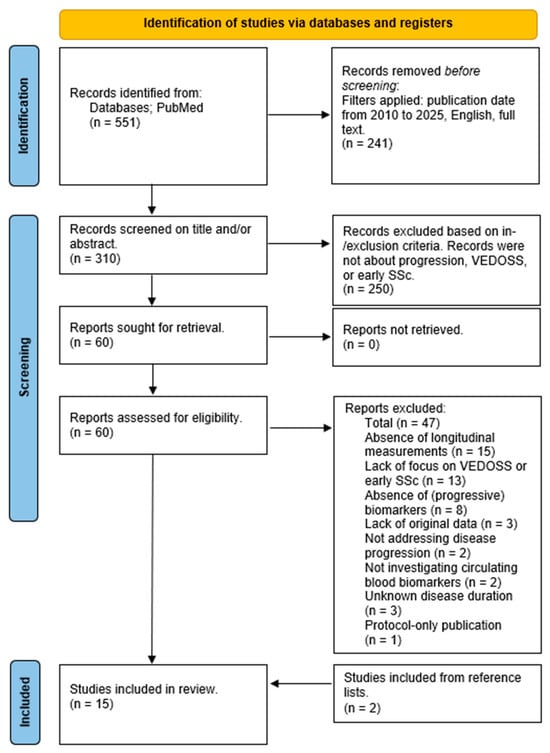
Available Biomarkers for Personalized Prognostication in Early and Very Early Systemic Sclerosis: A Narrative Review of the Current Literature
by
Isabel Dirven, Marre W. Kamminga, Lise M. Verhoef, Rogier M. Thurlings, Ruben L. Smeets, Arjan van Caam and Madelon C. Vonk
J. Pers. Med. 2026, 16(7), 355; https://doi.org/10.3390/jpm16070355 - 30 Jun 2026
Abstract
►▼
Show Figures
Background: Systemic sclerosis (SSc) is a heterogeneous autoimmune disease characterized by inflammation, vasculopathy, and fibrosis. It is associated with the highest mortality among rheumatic diseases. Very early SSc may represent a critical phase with risk of developing progressive disease. Although timely treatment may
[...] Read more.
Background: Systemic sclerosis (SSc) is a heterogeneous autoimmune disease characterized by inflammation, vasculopathy, and fibrosis. It is associated with the highest mortality among rheumatic diseases. Very early SSc may represent a critical phase with risk of developing progressive disease. Although timely treatment may be effective in patients with progressive disease, it carries risks of adverse events, underscoring the need for early identification of individuals at risk. Biomarkers for progression in the early stage offer opportunities for timely intervention and improved long-term outcomes. Therefore, validating biomarkers that predict progression is an important research priority. In this narrative literature review, we summarize and evaluate blood circulating biomarkers associated with different progression endpoints in (very) early SSc. Methods: The literature search was conducted using PubMed. Eligible studies assessed biomarkers in very early SSc or early SSc cohorts with longitudinal follow-up and progression-related outcomes. Results: The identified studies investigated biomarkers associated with interstitial lung disease (ILD), skin progression, overall disease progression, and mortality. Anti-topoisomerase I was associated with ILD development. A high interferon score was linked to reduced lung function and mortality. KL-6 was associated with progression in early SSc-ILD. PRO-C3 and PRO-C6 showed the strongest associations with skin involvement. Finally, IgG anti-centromere antibody was associated with organ involvement and progression to definite SSc. CXCL10 and TNFRII were linked to progression and significant survival differences in the discovery and replication cohorts. However, effect sizes were often modest, and findings were inconsistent across cohorts. Substantial heterogeneity in study design, populations, endpoints, and biomarker assessment methods limited comparability. Moreover, most biomarkers demonstrated associations at the group level but lacked sufficient discriminatory power for individual risk prediction. Only a minority of studies included validation cohorts, and replication of findings was limited. Conclusions: Multiple biomarkers show promising associations with progression in very early and early SSc, but a single biomarker is unlikely to reliably predict disease progression.
Full article

Figure 1
Open AccessReview
Extending the Indications of Cochlear Implantation in Adults with Single-Sided Deafness. A Comprehensive Review
by
Christos Tsilivigkos, Eleftherios Ferekidis and Marios Stavrakas
J. Pers. Med. 2026, 16(7), 354; https://doi.org/10.3390/jpm16070354 - 30 Jun 2026
Abstract
Introduction: Cochlear implantation is a well-established treatment for adults with bilateral postlingual deafness. In recent years, increasing research attention has focused on its use in patients with single-sided deafness (SSD) with or without tinnitus. Restoration of binaural auditory input through cochlear implantation
[...] Read more.
Introduction: Cochlear implantation is a well-established treatment for adults with bilateral postlingual deafness. In recent years, increasing research attention has focused on its use in patients with single-sided deafness (SSD) with or without tinnitus. Restoration of binaural auditory input through cochlear implantation may partially reestablish binaural processing. Methods: We conducted a narrative review of the literature focusing on studies examining the basic mechanisms associated with hearing impairment in SSD, as well as cochlear implantation outcomes in this population, including hearing performance, tinnitus suppression, and quality of life (QoL). We also reviewed comparative studies between cochlear implants (CIs) and alternative hearing devices, along with current candidacy criteria and the challenges associated with cochlear implantation in this patient group. Results: Current evidence suggests that CIs can provide significant benefits in this population, including tinnitus reduction or suppression, improved speech perception in both quiet and noise, enhanced sound localization, and better disease-specific and overall QoL. Furthermore, numerous studies—despite some variability in outcomes—indicate that CIs may offer superior performance compared with alternative options, such as contralateral routing of signals hearing aids (CROS-HAs) and bone-conduction devices, particularly in terms of speech perception, localization, tinnitus control, and aspects of QoL. Nevertheless, appropriate candidacy criteria and key challenges—most notably device non-use—should be carefully considered when evaluating cochlear implantation in this patient population. Conclusions: Further research is required to address these challenges and to advance a more personalized approach to cochlear implantation in individuals with SSD, with the aim of optimizing outcomes and reducing cochlear implant non-use.
Full article
(This article belongs to the Special Issue Personalized Medicine in Otolaryngology: New Challenges and Future Perspectives)
Open AccessReview
Models of Perinatal Palliative Care for Pregnant Women and Their Fetuses with Life-Limiting Conditions: A Literature Review
by
Daniela Valle Almeida Figueredo, Silvia de Lourdes Loreto Faquini, Edward Araujo Júnior, Tammy Caram Sabatine, Gustavo Yano Callado, Antonio Braga, Roberta Granese and Alex Sandro Rolland Souza
J. Pers. Med. 2026, 16(7), 353; https://doi.org/10.3390/jpm16070353 - 30 Jun 2026
Abstract
Objective: To review the literature on palliative care protocols and models of care for pregnant women and their fetuses with life-limiting conditions. Methods: A narrative literature review was conducted in the PubMed/MEDLINE and Virtual Health Library (VHL)—BIREME/SciELO/LILACS, using the descriptors “palliative
[...] Read more.
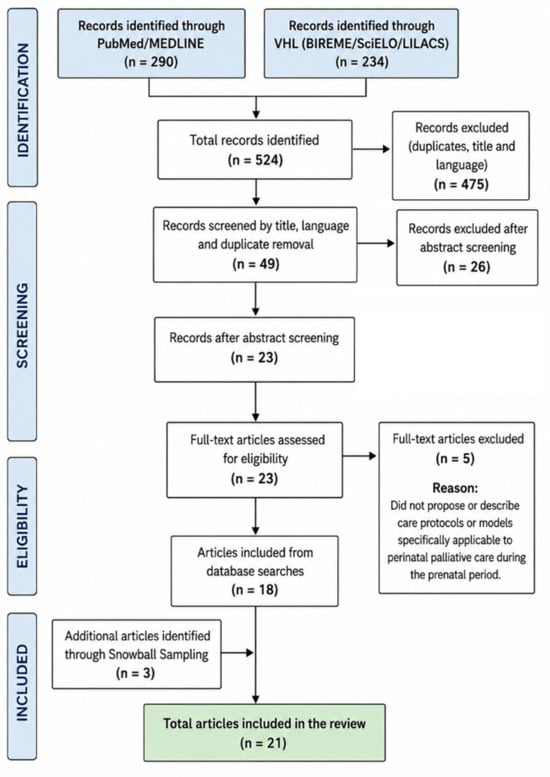
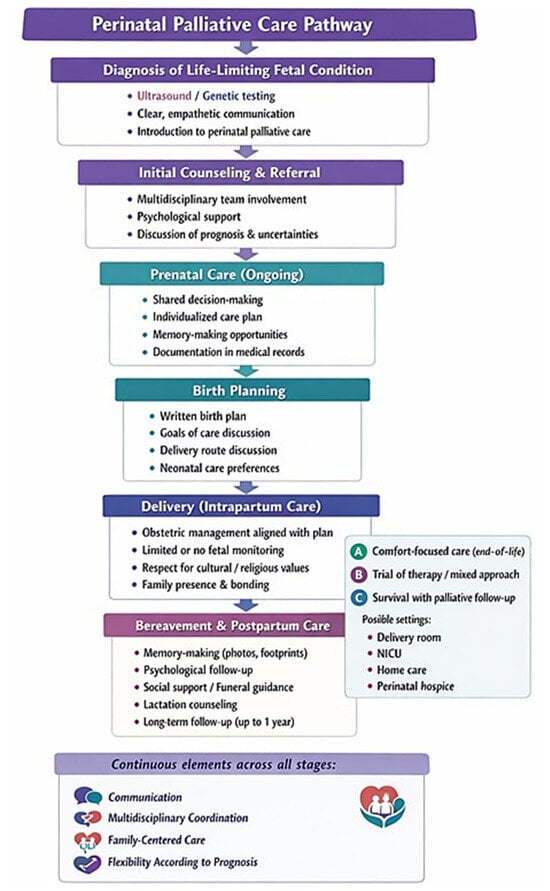
Objective: To review the literature on palliative care protocols and models of care for pregnant women and their fetuses with life-limiting conditions. Methods: A narrative literature review was conducted in the PubMed/MEDLINE and Virtual Health Library (VHL)—BIREME/SciELO/LILACS, using the descriptors “palliative care” and “prenatal care”. Studies of all designs published between February 2015 and May 2025 were considered for inclusion. Articles in languages other than Portuguese, English, and Spanish, duplicates, and those that did not discuss care protocols or experiences in perinatal palliative care for life-limiting fetal conditions starting from prenatal care were excluded. Articles were selected through title, abstract, and full-text screening. Results: Twenty-one studies focused on prenatal care were selected, presenting protocols and experiences of care in palliative fetal medicine. Most addressed the diagnosis of life-limiting fetal malformations, prenatal care, birth and delivery plan, perinatal grief and the puerperium. Across the included studies, a recurring emphasis on individualized, patient and family-centered approaches was identified, reflecting core principles of personalized medicine. Tailoring communication, care planning, and bereavement support to the specific clinical, genetic, cultural, and psychosocial profile of each dyad emerged as a structural characteristic of effective perinatal palliative care models. Conclusions: There is a scarcity of specific palliative care protocols for pregnancy, indicating a need to expand studies. The reviewed literature can contribute to the creation and adaptation of palliative care protocols and models for pregnant women and their fetuses with life-limiting conditions, may support more consistent care planning, improved communication, and better alignment with parental values.
Full article
(This article belongs to the Special Issue Personalized Medicine for Maternal–Fetal Medicine)
►▼
Show Figures

Figure 1
Open AccessArticle
Consistency of Subcortical Osseous Structures in Femoral Cruciate Ligament Attachment Sites: A Combined 3D-CT and Histological Anatomical Study
by
Johannes Moritz Mittendorfer, Zehra Duezguen, Lukas Horak, Andreas Gahleitner, Elisabeth Marlene Mandler and Lena Hirtler
J. Pers. Med. 2026, 16(7), 352; https://doi.org/10.3390/jpm16070352 - 29 Jun 2026
Abstract
Background/Objectives: Accurate identification of the functional femoral attachment of the anterior (ACL) and posterior cruciate ligament (PCL) is essential for anatomic reconstruction and for patient-specific femoral tunnel planning, yet correct intraoperative localization remains inconsistent. This anatomical study investigated whether subcortical bone features
[...] Read more.
Background/Objectives: Accurate identification of the functional femoral attachment of the anterior (ACL) and posterior cruciate ligament (PCL) is essential for anatomic reconstruction and for patient-specific femoral tunnel planning, yet correct intraoperative localization remains inconsistent. This anatomical study investigated whether subcortical bone features provide evidence of functional cruciate ligament attachment and whether surrounding osseous ridges are reliable landmarks. Methods: Computed tomography (CT) scans of 20 paired, fresh-frozen distal femora (10 body donors) were processed using 3D volume rendering to visualize the intercondylar fossa walls and to assess the presence of four characteristic ridges: lateral intercondylar ridge (LIR), lateral bifurcate ridge (LBR), medial intercondylar ridge (MIR) and medial bifurcate ridge (MBR). In addition, thin-ground section histology of the femoral insertion sites was performed to characterize insertion morphology. Results: Histology demonstrated distinct direct and indirect insertions for both ligaments; the direct insertion exhibited a characteristic four-layer transition (ligament, non-calcified fibrocartilage, calcified fibrocartilage, bone), whereas the indirect insertion showed collagen fibers attaching directly to bone. The LIR and MIR were present in 85% and 80% of specimens, respectively, while the LBR and MBR were less frequent (LBR 25%, MBR 10%). No significant associations were found between ridge presence and age, sex or laterality. Conclusions: These findings support the direct insertion as the functional cruciate attachment and suggest that the LIR and MIR—due to their consistent occurrence and location at the rim of the direct insertion—are the most useful bony landmarks for individualized femoral tunnel orientation, whereas bifurcate ridges should be considered adjunctive when present. The observed variability provides a rationale to stratify cases requiring adjunct imaging or navigation.
Full article
(This article belongs to the Special Issue Knee Injuries: Personalized Diagnosis, Treatment and Management)
Open AccessArticle
Tuberculosis and Post-Tuberculosis Lung Changes Are Associated with Exacerbations and Mortality in Chronic Obstructive Pulmonary Disease: A Population-Based Retrospective Cohort Study
by
Dmitry Oskin and Stanislav Kotlyarov
J. Pers. Med. 2026, 16(7), 351; https://doi.org/10.3390/jpm16070351 - 29 Jun 2026
Abstract
Background: Chronic obstructive pulmonary disease (COPD) and tuberculosis (TB) are among the most prevalent respiratory disorders worldwide and frequently coexist in the same patient. However, the contribution of active TB and post-tuberculosis lung disease to COPD exacerbations and long-term prognosis remains incompletely
[...] Read more.
Background: Chronic obstructive pulmonary disease (COPD) and tuberculosis (TB) are among the most prevalent respiratory disorders worldwide and frequently coexist in the same patient. However, the contribution of active TB and post-tuberculosis lung disease to COPD exacerbations and long-term prognosis remains incompletely defined. Objective: To evaluate the prevalence, clinical correlates, and prognostic significance of tuberculosis and its sequelae in patients with COPD. Materials and methods: We conducted a population-based retrospective cohort study using de-identified data from the regional healthcare information system. The cohort included all adults aged 18 years or older with a recorded diagnosis of COPD (ICD-10 code J44). Tuberculosis was identified by codes A15–A19 and B90. The primary outcomes were COPD exacerbations and all-cause mortality. Group comparisons, cluster analysis, Kaplan–Meier survival analysis, Cox proportional hazards modeling, and multivariable logistic regression were performed. Results: Tuberculosis and/or its sequelae were identified in 267 of 16,714 patients (1.60%): post-TB sequelae (B90) in 197 (73.8%), active TB (A15–A19) in 22 (8.2%), and both in 48 (18.0%). Compared with patients without TB, those with COPD-TB were younger (63.5 ± 14.2 vs. 65.7 ± 14.7 years; p = 0.018), more often male (75.3% vs. 52.0%; p < 0.001), and had higher mortality (16.5% vs. 10.6%; p = 0.003). COPD-TB was associated with bronchiectasis (OR = 6.07; 95% CI, 3.03–12.16), pulmonary fibrosis (OR = 5.67; 95% CI, 3.40–9.45), and pneumonia (OR = 2.01; 95% CI, 1.50–2.71), but with lower prevalences of obesity, diabetes mellitus, and hypertension. Patients with TB experienced more COPD exacerbations, including recurrent exacerbations. In multivariable models, tuberculosis was associated with COPD exacerbations after adjustment for age and sex (adjusted OR = 1.43; 95% CI, 1.05–1.96); this association was attenuated and lost significance after further adjustment for post-tuberculosis structural lung disease, indicating that it is largely mediated by post-TB sequelae. Tuberculosis remained associated with mortality after adjustment for available covariates, both in logistic regression (adjusted OR = 1.61; 95% CI, 1.14–2.28) and in Cox analysis (hazard ratio = 1.37; 95% CI, 1.01–1.85). Conclusions: Tuberculosis and post-tuberculosis lung disease are clinically accessible risk markers associated with COPD exacerbations and mortality. These findings support recognizing patients with COPD and a history of TB as a high-risk subgroup requiring intensified follow-up, proactive exacerbation prevention, and prioritized vaccination counseling. In the context of personalized medicine, a documented history of tuberculosis and post-tuberculosis lung changes represents a clinically accessible marker that can be used to stratify individual risk and to tailor monitoring and prevention in patients with COPD.
Full article
(This article belongs to the Special Issue Personalized Management in Chronic Obstructive Pulmonary Disease (COPD))
Open AccessSystematic Review
Minimally Invasive Surgery for Mitral Valve Endocarditis: A Systematic Review and Meta-Analysis of Reconstructed Time-to-Event Data
by
Thomas Karagkounis, Angeliki Alifragki, Ioannis Zoupas, Sofia Sarantou, Nikolaos Schizas, Konstantinos S. Mylonas and Dimitrios C. Iliopoulos
J. Pers. Med. 2026, 16(7), 350; https://doi.org/10.3390/jpm16070350 - 29 Jun 2026
Abstract
Background/Objectives: Minimally invasive (MIS) mitral valve surgery has been proven to be a safe and effective alternative to median sternotomy (ST), with advantages in postoperative recovery and morbidity. However, its role in the setting of infective endocarditis (IE) remains uncertain. This meta-analysis
[...] Read more.
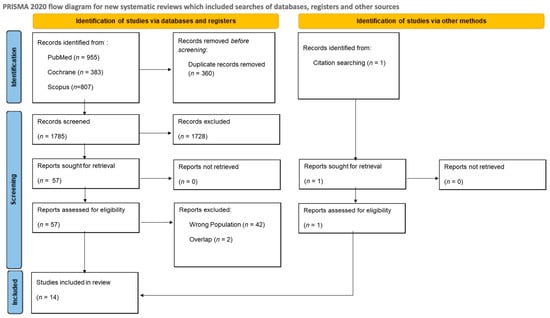
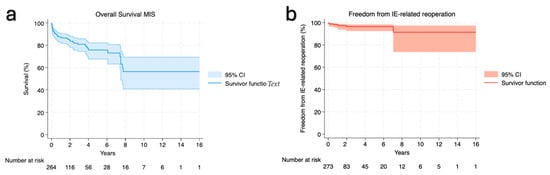
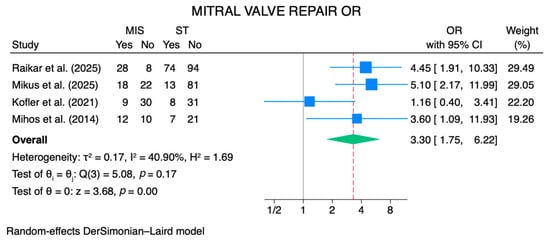
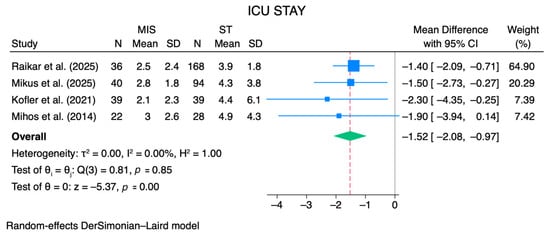
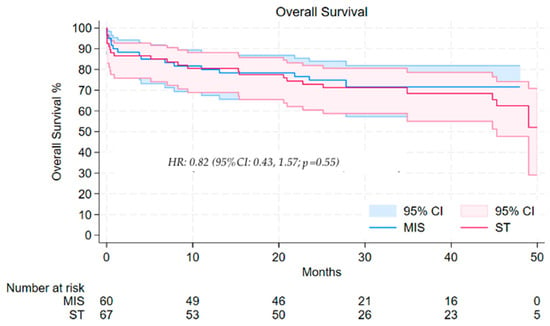
Background/Objectives: Minimally invasive (MIS) mitral valve surgery has been proven to be a safe and effective alternative to median sternotomy (ST), with advantages in postoperative recovery and morbidity. However, its role in the setting of infective endocarditis (IE) remains uncertain. This meta-analysis aims to evaluate the outcomes of MIS in mitral valve surgery for infective endocarditis. Methods: A PRISMA-compliant search for studies including patients undergoing MIS for mitral valve IE was performed through 14 January 2026, in PubMed, Scopus and Cochrane. Time-to-event data were reconstructed from published Kaplan–Meier curves. A secondary comparative analysis focusing on MIS versus ST techniques was conducted. Results: Fourteen retrospective studies comprising 949 patients were analyzed. In the MIS cohort, early mortality was 4.2% (95%CI: 1.8%, 7.4%). Overall survival was 86.7% at 1 year, 75.2% at 5 years and 56.2% at 10 years. Freedom from IE-related reoperation remained high at 97.5%, 95.9%, and 90.7% at 1, 5, and 10 years, respectively. Mitral valve repair was performed in 52.5% of patients. In secondary comparative analyses, overall survival at 4-year follow-up was not different between MIS and ST [HR: 0.82 (95%CI: 0.43, 1.57), p = 0.55]. MIS was associated with a significantly shorter intensive care unit (ICU) stay [MD: −1.52 days (95%CI: −2.08, −0.97), p < 0.01]. Conclusions: MIS for mitral valve IE is associated with favorable early and long-term outcomes, comparable survival with sternotomy, and reduced ICU stay. These findings suggest that MIS may be considered as a feasible and potentially effective alternative for the management of mitral valve IE in carefully selected patients. Further prospective comparative studies are warranted.
Full article
(This article belongs to the Special Issue Minimally Invasive Surgery for Cardiovascular Disease: Updates and Challenges in the Era of Precision Medicine)
►▼
Show Figures

Figure 1
Open AccessReview
Neuromodulation in Neuro-Oncology: A Scoping Review
by
Ahmad I. Kamaludin, Ashwin Kumaria and Keyoumars Ashkan
J. Pers. Med. 2026, 16(7), 349; https://doi.org/10.3390/jpm16070349 - 28 Jun 2026
Abstract
Background: Neuromodulation is a rapidly developing field with growing interest in its application in neuro-oncology, particularly since the publication of the EF-14 trial which demonstrated a survival benefit conferred by tumour treating fields (TTF) in patients with glioblastoma. In addition, the emerging field
[...] Read more.
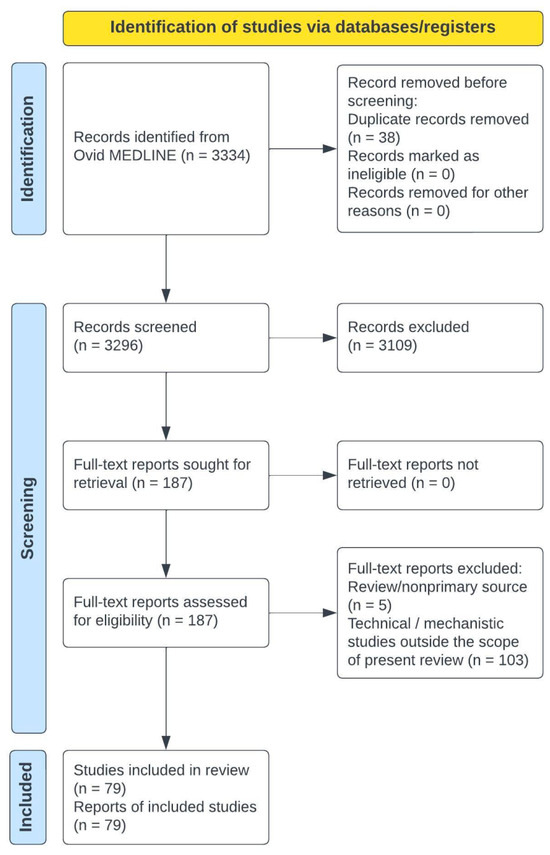
Background: Neuromodulation is a rapidly developing field with growing interest in its application in neuro-oncology, particularly since the publication of the EF-14 trial which demonstrated a survival benefit conferred by tumour treating fields (TTF) in patients with glioblastoma. In addition, the emerging field of cancer neuroscience has postulated the role of neural–tumour communication in tumour aetiology, which is theoretically targetable by neuromodulation strategies. This scoping review therefore aims to comprehensively evaluate current or future applications of neuromodulation in managing patients with brain tumours, encompassing preclinical and clinical studies. Methods: The MEDLINE database was queried for all relevant articles from inception to 1 December 2024. A synthesis of findings was performed, broadly categorised to preclinical and clinical research. Findings: The database search returned 3296 results, from which 187 full-text articles were further assessed. A total of 79 studies met the inclusion and exclusion criteria and were included. The results from preclinical studies (n = 18) were stratified according to modality which included electrical therapy, electroporation, electromagnetic field (EMF) and deep brain stimulation (DBS). Similarly, clinical studies (n = 61) were classified to preoperative modalities such as transcranial magnetic stimulation (TMS) and transcranial direct stimulation (tDCS), and postoperative modalities such as TMS, TTF, EMF and spinal cord stimulation (SCS). Interpretation: The application of neuromodulation as adjunctive therapy in the context of neuro-oncology is an emerging field, with encouraging results in various modalities across a wide range of applications from surgical planning and functional rehabilitation, to its therapeutic potential. Further research is urgently needed to harness the potential of neuromodulation in improving patient outcomes.
Full article
(This article belongs to the Special Issue Novel Challenges and Advances in Neuro-Oncology)
►▼
Show Figures

Figure 1
Open AccessArticle
Anterior Versus Posterior Stabilization of Subaxial Cervical Spine Fracture-Dislocations, Dislocations and Subluxations: A Retrospective Cohort Study of Neurological and Radiological Outcomes
by
Gorazd Kovac, Ernst Josef Müller, Martin Liebhauser, Jochen Jung, Haro Stettner and Martin Halbherr
J. Pers. Med. 2026, 16(7), 348; https://doi.org/10.3390/jpm16070348 - 26 Jun 2026
Abstract
Background: Dislocations and fracture-dislocations of the lower cervical spine represent complex injuries with a high risk of neurological damage. Especially in the presence of a confirmed traumatic disc lesion, an anterior surgical approach is described as favoured in the literature. However, studies
[...] Read more.
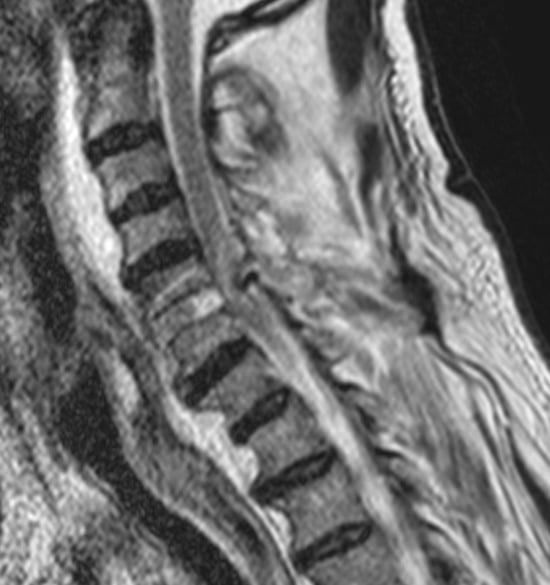
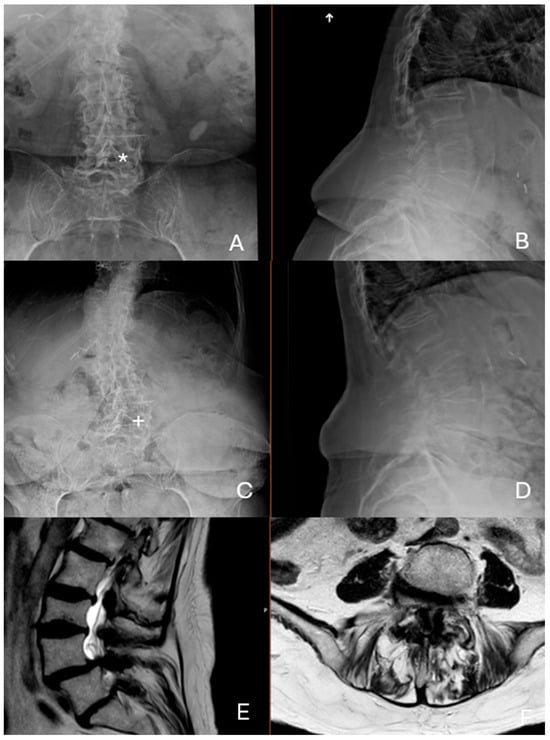
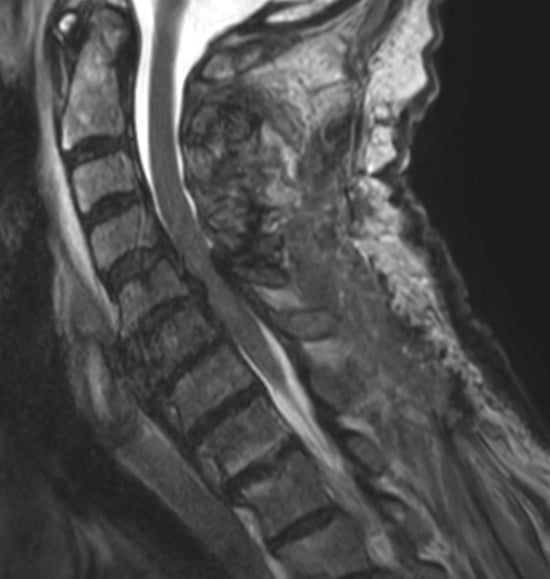
Background: Dislocations and fracture-dislocations of the lower cervical spine represent complex injuries with a high risk of neurological damage. Especially in the presence of a confirmed traumatic disc lesion, an anterior surgical approach is described as favoured in the literature. However, studies show that with sufficient reduction technique, even in the presence of a confirmed disc protrusion, posterior stabilization can be considered a safe therapeutic option. The aim of this study is to analyze anterior and posterior treatment of dislocations and fracture-dislocations of the subaxial cervical spine with regard to neurological and radiological outcomes. Methods: In our monocentric cohort study, we investigated the immediate postoperative radiological and neurological outcome depending on the chosen surgical approach and the presence of a disc protrusion. Patients treated at our centre between January 2005 and June 2025 were included. Patients with preoperative complete spinal cord injury were excluded. Neurological status was assessed using the ASIA score preoperatively at admission and postoperatively at discharge or prior to staged surgery. Results: A total of 92 patients were included in the study. Most patients showed an ASIA score C (33.7%). A total of 49 patients (53.3%) were operated anteriorly and 42 patients (45.6%) posteriorly. One patient was primarily stabilized bilaterally. Nine patients initially treated anteriorly had to be secondarily stabilized additionally from posterior. In both groups, neurological deterioration occurred in one case. All other patients remained stable on the ASIA score or improved by at least one point on the scale. Conclusions: The findings provide evidence in favour of a personalized, pathology-oriented approach to lower cervical spine fracture-dislocations rather than selecting the surgical approach based solely on the presence of traumatic disc protrusion. Further prospective studies are needed to validate these observations.
Full article
(This article belongs to the Special Issue Personalized Medicine in Orthopedics and Traumatology: Updates and Challenges)
►▼
Show Figures

Figure 1
Journal Menu
► ▼ Journal Menu-
- JPM Home
- Aims & Scope
- Editorial Board
- Reviewer Board
- Topical Advisory Panel
- Instructions for Authors
- Special Issues
- Topics
- Sections
- Article Processing Charge
- Indexing & Archiving
- Editor’s Choice Articles
- Most Cited & Viewed
- Journal Statistics
- Journal History
- Journal Awards
- Society Collaborations
- Conferences
- Editorial Office
Journal Browser
► ▼ Journal BrowserHighly Accessed Articles
Latest Books
E-Mail Alert
News
Topics
Topic in
Healthcare, JCM, JPM, Oral
Advances in Dental Health, 2nd Edition
Topic Editors: Sabina Saccomanno, Gianni GallusiDeadline: 25 July 2026
Topic in
JPM, Mathematics, Applied Sciences, Stats, Healthcare
Application of Biostatistics in Medical Sciences and Global Health
Topic Editors: Bogdan Oancea, Adrian Pană, Cǎtǎlina Liliana AndreiDeadline: 31 October 2026
Topic in
Cancers, Diagnostics, Diseases, IJMS, JPM
Advances in Genetics and Precision Medicine in Human Diseases: 2nd Edition
Topic Editors: Shun-Fa Yang, Shih-Chi SuDeadline: 14 November 2026
Topic in
JCM, JPM, Medicina, Healthcare
New Advances in Physical Therapy and Occupational Therapy, 2nd Edition
Topic Editors: Hye-Rim Suh, Suk-Chan Hahm, Hwi-Young Cho, Ki-Hun ChoDeadline: 15 December 2026
Conferences
Special Issues
Special Issue in
JPM
New Insight into Aging and Geriatric Syndromes: Clinical Updates and Perspectives
Guest Editors: Vittorio Dibello, Francesco Panza, Vincenzo SolfrizziDeadline: 10 July 2026
Special Issue in
JPM
Advances in Precision Medicine for Gastrointestinal Cancers
Guest Editor: Yasuo ImaiDeadline: 10 July 2026
Special Issue in
JPM
Personalized Technologies in Plastic, Reconstructive and Aesthetic Surgery: From Imaging to Regeneration
Guest Editor: Dominik WalczakDeadline: 10 July 2026
Special Issue in
JPM
Combating Antimicrobial Resistance: Translational Science to Clinical Practice
Guest Editors: Giovanni Gherardi, Roberta CretiDeadline: 15 July 2026