

-
Proximal Aorta Flow as a Proxy for Ventricular–Arterial Interaction -
Front Load Carriage Has Sex-Specific and Perhaps Occupational Risk Implications for Cardiovascular Health -
Collagen in Cerebral Aneurysms -
Non-Invasive Detection of Coronary Artery Disease Using Wearable Vest with Integrated Phonocardiogram Sensors
Journal Description
Journal of Vascular Diseases
is an international, peer-reviewed, open access journal on all aspects of cardiovascular, cerebrovascular, and peripheral vascular diseases, published bimonthly online by MDPI.
- Open Access— free for readers, with article processing charges (APC) paid by authors or their institutions.
- High Visibility: indexed within ESCI (Web of Science), Scopus, EBSCO, and other databases.
- Rapid Publication: manuscripts are peer-reviewed and a first decision is provided to authors approximately 23.7 days after submission; acceptance to publication is undertaken in 2.6 days (median values for papers published in this journal in the second half of 2025).
- Recognition of Reviewers: APC discount vouchers, optional signed peer review, and reviewer names published annually in the journal.
- JVD is a companion journal of Journal of Clinical Medicine.
Latest Articles
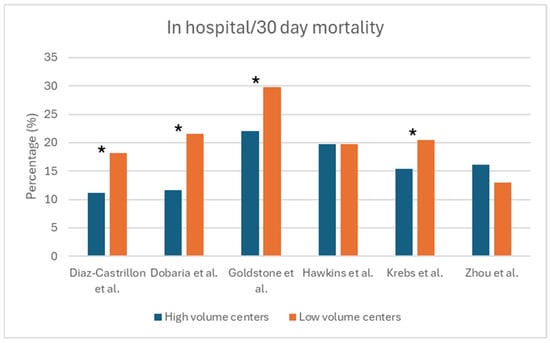
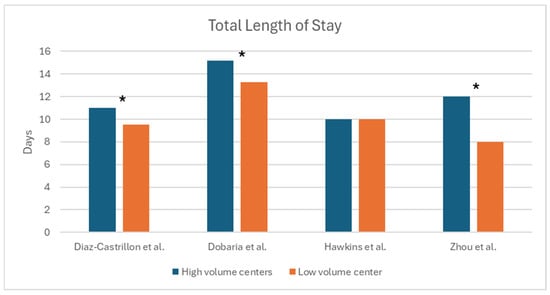
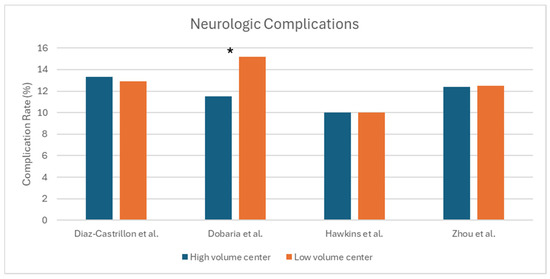
Conceptualizing Aortic Center Potential in Acute Aortic Dissections: A Systematic Review of Volume Thresholds and Outcomes in U.S. Studies
J. Vasc. Dis. 2026, 5(3), 22; https://doi.org/10.3390/jvd5030022 - 15 May 2026
Abstract
►
Show Figures
Background: Acute aortic dissection compresses diagnosis, transfer, and operative readiness into a narrow time window in which hospital capability may influence survival. Yet U.S. studies define specialized or high-volume care inconsistently, limiting translation of the literature into actionable regionalization criteria. We reviewed U.S.
[...] Read more.
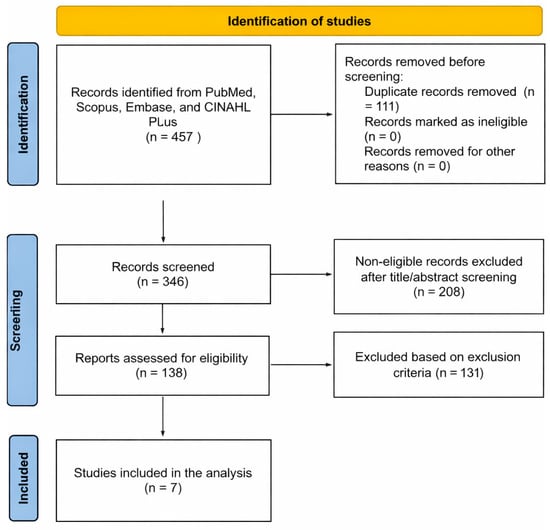
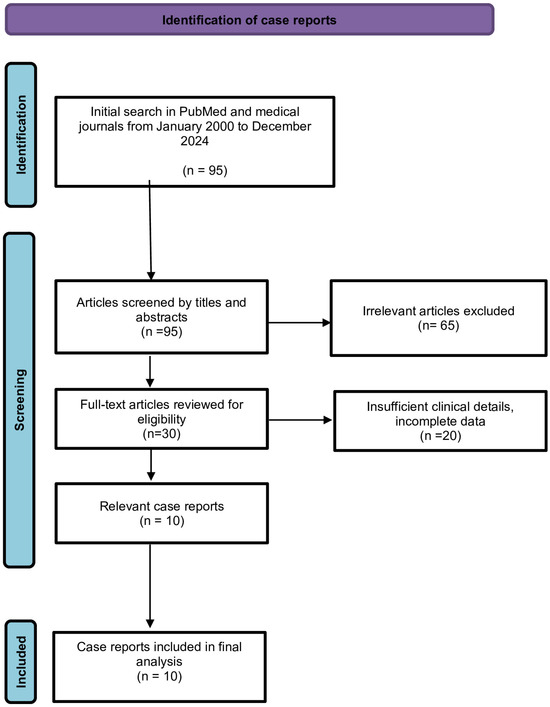
Background: Acute aortic dissection compresses diagnosis, transfer, and operative readiness into a narrow time window in which hospital capability may influence survival. Yet U.S. studies define specialized or high-volume care inconsistently, limiting translation of the literature into actionable regionalization criteria. We reviewed U.S. evidence comparing outcomes for acute aortic dissection across hospitals categorized by procedural volume or center specialization. Methods: We performed a PRISMA-aligned systematic review with narrative synthesis. We searched PubMed, Embase, Scopus, Web of Science, and CINAHL for English-language, peer-reviewed studies published from January 2000 through July 2025. Eligible studies included adult U.S. cohorts with acute aortic dissection and reported outcomes stratified by hospital volume tier or center designation. Two reviewers independently screened studies and extracted study characteristics, exposure definitions, analytic approach, and outcomes. We assessed quality to inform interpretation. Results: Searches identified 457 records, and 7 observational U.S. studies met eligibility criteria. Across most studies, higher-volume or specialized-center care was associated with lower in-hospital or 30-day mortality. Two studies showed no meaningful difference. Hospital length of stay was often longer in higher-volume strata. Neurologic complications were inconsistently associated with the center category. Definitions and thresholds used to denote “high volume” or “aortic center” varied substantially across studies. Conclusions: In U.S. observational data, higher-volume or specialized-center care for acute aortic dissection is most consistently associated with improved short-term survival, whereas secondary outcomes are heterogeneous. A major barrier to implementation is definitional inconsistency. Future work should pair transparent volume thresholds with explicit, measurable system capabilities.
Full article
Open AccessArticle
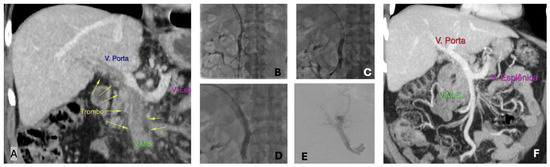
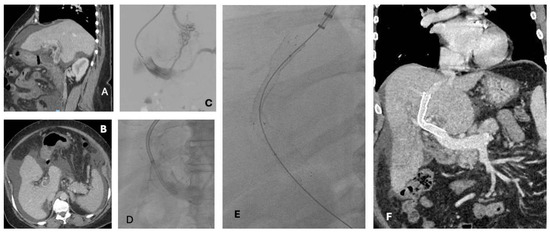
Acute Portal Vein Thrombosis: Endovascular Management in Three Different Scenarios
by
Gustavo Paludetto, Natália de Carvalho Trevizoli, Alexandre Augusto Giovanini, Lethícia Mesquita Valadão, Hícaro do Carmo Moreira, Matheus Santos Cordón and Gustavo Testoni Paludetto
J. Vasc. Dis. 2026, 5(3), 21; https://doi.org/10.3390/jvd5030021 - 6 May 2026
Abstract
Background: Acute portal vein thrombosis (aPVT) is a severe complication of the splanchnic venous system, often associated with portal hypertension, intestinal ischemia, and hepatic dysfunction. Anticoagulation is the first-line therapy but is frequently insufficient in advanced Yerdel grade III–IV cases, where recanalization rates
[...] Read more.
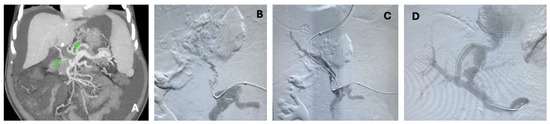
Background: Acute portal vein thrombosis (aPVT) is a severe complication of the splanchnic venous system, often associated with portal hypertension, intestinal ischemia, and hepatic dysfunction. Anticoagulation is the first-line therapy but is frequently insufficient in advanced Yerdel grade III–IV cases, where recanalization rates remain low. Endovascular interventions have emerged as alternative therapeutic strategies in selected patients. Methods: We present three cases of patients with Yerdel grade III–IV aPVT who underwent endovascular management. The techniques included: (1) transhepatic aspiration thrombectomy combined with intra-thrombus thrombolysis using alteplase (Actilyse); (2) combined aspiration thrombectomy, intra-thrombus thrombolysis with alteplase, portal vein stenting, and transjugular intrahepatic portosystemic shunt (TIPS) creation; and (3) transsplenic aspiration thrombectomy followed by angioplasty, stent placement, and TIPS creation in a post-liver transplant patient. Results: All procedures were technically successful, achieving complete or near-complete recanalization of the portal venous system. Restoration of patency in the extrahepatic portal circulation was confirmed, and portal pressures were reduced in the TIPS-assisted case. No major periprocedural complications occurred. Clinical outcomes included preservation of transplant candidacy and graft salvage. Conclusions: Endovascular therapy may be an option in selected patients with acute portal vein thrombosis. Careful patient selection and an individualized technical approach are essential.
Full article
(This article belongs to the Section Peripheral Vascular Diseases)
►▼
Show Figures

Figure 1
Open AccessArticle
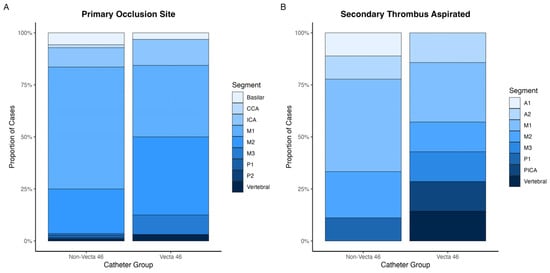
Mechanical Thrombectomy with the Vecta 46 Catheter: A Safety and Outcome Analysis
by
Hunter Hutchinson, Chloe DeYoung, Danyas Sarathy, Grace Hey, Wiley Gillam, Shawna Amini, Muhammad Abdul Baker Chowdhury, Brandon Lucke-Wold, Zachary Sorrentino and Matthew Koch
J. Vasc. Dis. 2026, 5(3), 20; https://doi.org/10.3390/jvd5030020 - 27 Apr 2026
Abstract
►▼
Show Figures
Objective: The AXS Vecta 46 intermediate catheter (Stryker) features a large inner diameter, enabling effective aspiration, combined with a small outer diameter and soft distal-tip flexibility, which allows for safe tracking through more tortuous and smaller arterial segments to target medium vessel
[...] Read more.
Objective: The AXS Vecta 46 intermediate catheter (Stryker) features a large inner diameter, enabling effective aspiration, combined with a small outer diameter and soft distal-tip flexibility, which allows for safe tracking through more tortuous and smaller arterial segments to target medium vessel occlusions non-traumatically. The efficacy of the Vecta 46 in the spectrum of large and medium vessel occlusions has not been well elucidated in the literature. Methods: This retrospective cohort study included patients who underwent MT for acute ischemic stroke at our institution between July 2022 and June 2024. The outcomes of patients treated with Vecta 46 were compared to those of all other catheters used at the institution. Results: The distribution of aspiration and stent retriever attempts in Vecta 46 procedures versus non-Vecta 46 procedures was significantly different (p = 0.00325). Aspiration was attempted 1.66 ± 0.936 times in the Vecta 46 group and 1.12 ± 0.650 times in the non-Vecta 46 group (p = 0.00135). More mechanical thrombectomies with the Vecta 46 included aspiration of a secondary thrombus (p = 0.0314), despite no difference in the distribution of the primary or secondary occlusion location. There were no statistically significant differences in recanalization success (p = 0.800), recanalization time (p = 0.245), procedure duration (p = 0.580), discharge modified Rankin Score (p = 0.875), or intracranial hemorrhage rate (p = 0.720) between non-Vecta 46 and Vecta 46 procedures. Conclusions: Vecta 46 has similar safety and functional outcomes compared to other endovascular treatment options despite procedural differences.
Full article

Figure 1
Open AccessReview
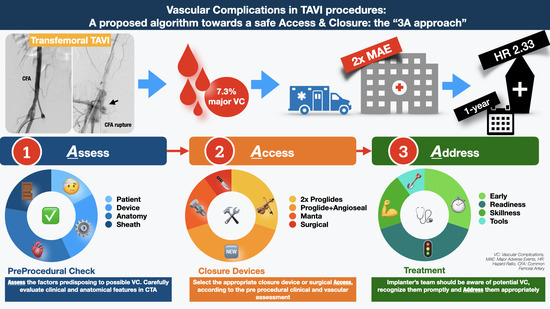
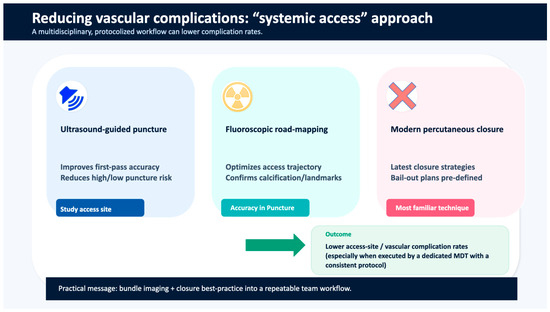
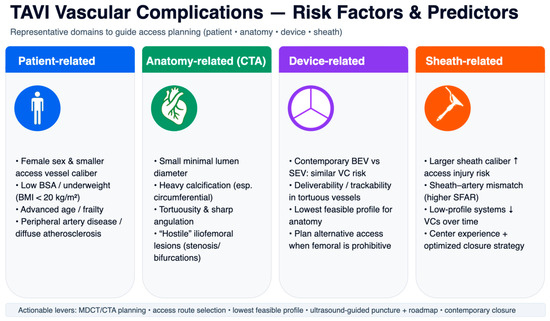
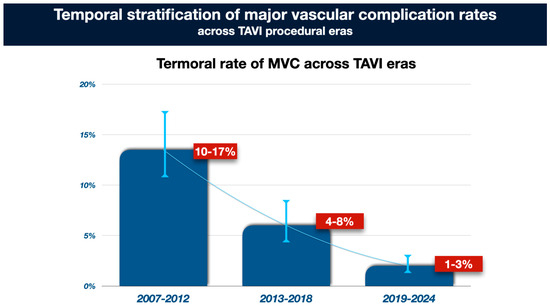
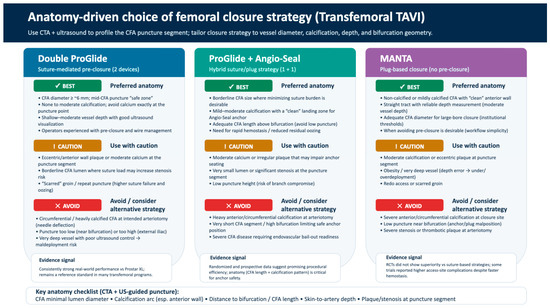
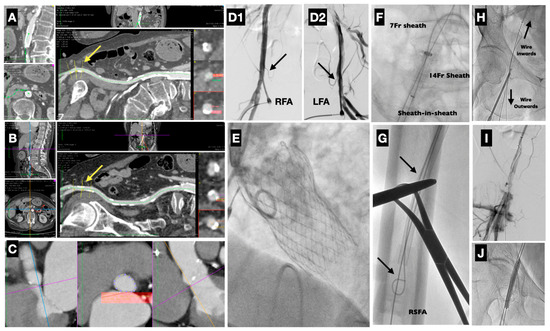
Vascular Complications in Transcatheter Aortic Valve Implantation (TAVI): Incidence, Predictors, Prevention, and Management
by
Dimitrios Nikas, Antonios Halapas, Lampros Lakkas, George Karaolanis, Vaggelis Alexiou, Dimitrios Chatzis, Petros Kalogeras, Christos Floros, Xenofon Sakellariou, Vasileios Bouratzis, Michail Peroulis, Katerina K. Naka and Lampros Michalis
J. Vasc. Dis. 2026, 5(2), 19; https://doi.org/10.3390/jvd5020019 - 21 Apr 2026
Abstract
Transcatheter aortic valve implantation (TAVI) has become the standard of care for patients with severe aortic stenosis. Despite significant procedural refinement, vascular complications (VCs) remain among the most frequent and clinically relevant adverse events associated with TAVI. These complications are closely associated with
[...] Read more.
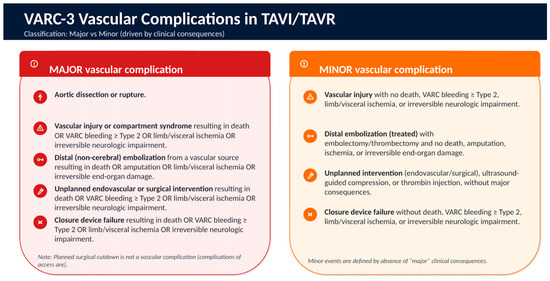
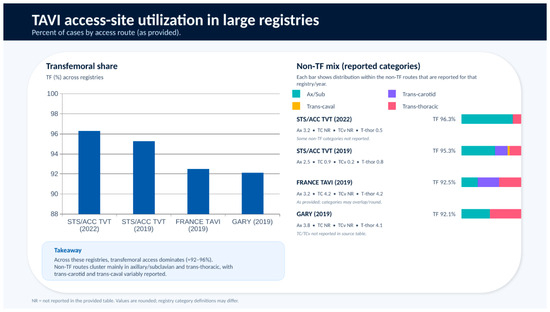
Transcatheter aortic valve implantation (TAVI) has become the standard of care for patients with severe aortic stenosis. Despite significant procedural refinement, vascular complications (VCs) remain among the most frequent and clinically relevant adverse events associated with TAVI. These complications are closely associated with adverse clinical outcomes and continue to represent one of the most significant limiting factors for the broader expansion of TAVI indications to larger patient populations. Over the past decade, their incidence has declined substantially, largely due to device evolution, improved closure techniques, and the widespread adoption of meticulous pre-procedural imaging and planning. This narrative review provides a comprehensive overview of VCs in TAVI, focusing on contemporary incidence rates, underlying mechanisms, and patient as well as procedural-related risk factors. Additionally, the role of alternative access routes is discussed, alongside emerging technologies and future perspectives aimed at further reducing complication rates.
Full article
(This article belongs to the Section Peripheral Vascular Diseases)
►▼
Show Figures

Graphical abstract
Open AccessPerspective
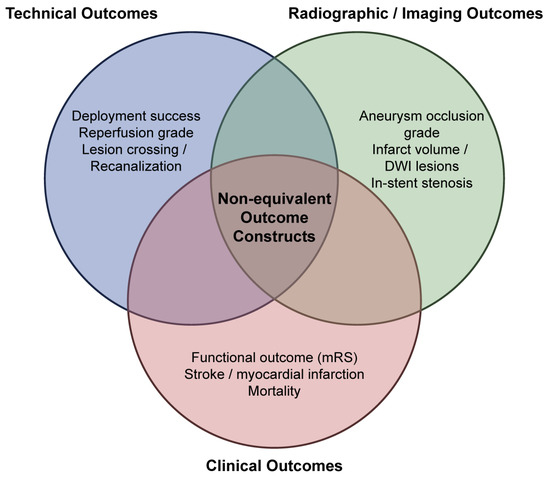
Complication and Endpoint Heterogeneity in Vascular Intervention Research: Lessons from Neurovascular Practice
by
Pablo Albiña-Palmarola, Ali Khanafer and Hans Henkes
J. Vasc. Dis. 2026, 5(2), 18; https://doi.org/10.3390/jvd5020018 - 13 Apr 2026
Abstract
Vascular intervention has advanced technically faster than it has matured methodologically. Across neurovascular, carotid, peripheral, and aortic practice, complications and outcomes are often reported using different definitions, thresholds, surveillance strategies, adjudication methods, follow-up schedules, and units of analysis. As a result, studies that
[...] Read more.
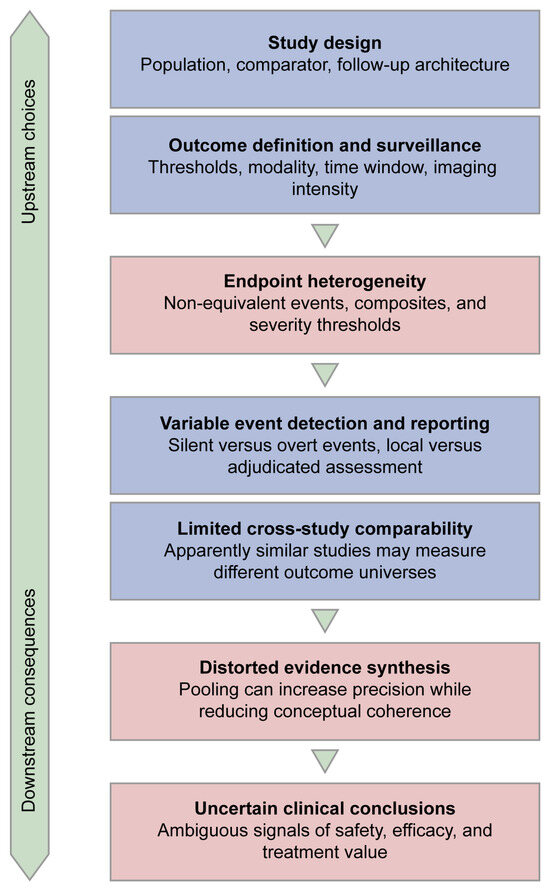
Vascular intervention has advanced technically faster than it has matured methodologically. Across neurovascular, carotid, peripheral, and aortic practice, complications and outcomes are often reported using different definitions, thresholds, surveillance strategies, adjudication methods, follow-up schedules, and units of analysis. As a result, studies that appear to assess the same treatment may in fact be measuring different outcome constructs. This problem is particularly visible in neurovascular intervention, where technical, radiographic, and clinical outcomes are often combined within the same evaluative framework. In acute ischemic stroke thrombectomy, changes in reperfusion thresholds can alter the meaning of procedural success. In intracranial aneurysm treatment, angiographic occlusion, retreatment, delayed stenosis, and neurological morbidity are often reported together despite representing different dimensions of efficacy and safety, while the interpretation of surrogate angiographic outcomes may vary across device classes. Similar issues arise in carotid intervention, peripheral endovascular therapy, and endovascular aneurysm repair, where composite outcomes, imaging-detected complications, and inconsistent surveillance protocols further complicate interpretation. These variations limit cross-study comparability, weaken meta-analytic synthesis, and may distort judgments about treatment effectiveness and safety. Endpoint heterogeneity persists partly through disciplinary silos, device-driven evaluation frameworks, and regulatory pathways that favor surrogate over clinical endpoints; addressing it will require not only better reporting but standardized outcome constructs, coordinated international registries, and broader adoption of core outcome set methodology. Greater discipline in endpoint definition and reporting, together with broader adoption of standardized outcome frameworks and core outcome set methodology, is needed if evidence in vascular intervention is to accumulate coherently.
Full article
(This article belongs to the Section Neurovascular Diseases)
►▼
Show Figures

Figure 1
Open AccessSystematic Review
Anti-TNF-α Signaling and Therapeutic Modulation in Intracranial Fusiform Aneurysms: A Systematic Review of Clinical and Translational Evidence
by
Jacob Alejandro Strouse, Sebastian Verrier Paz, Alexander Gonzalez and Brandon Lucke-Wold
J. Vasc. Dis. 2026, 5(2), 17; https://doi.org/10.3390/jvd5020017 - 1 Apr 2026
Abstract
Background: Intracranial fusiform aneurysms represent a rare but clinically aggressive subtype of cerebrovascular disease, characterized by circumferential arterial dilation and a high risk of growth, ischemic complications, and rupture. Unlike saccular aneurysms, fusiform lesions lack well-established medical therapies to prevent progression or
[...] Read more.
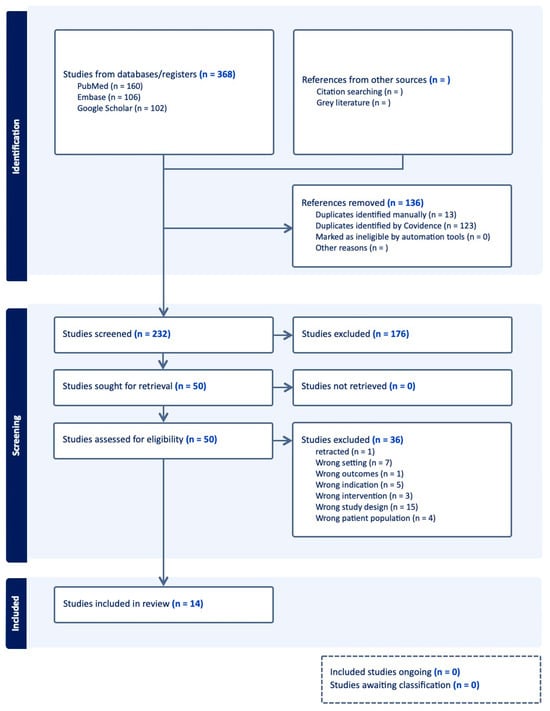
Background: Intracranial fusiform aneurysms represent a rare but clinically aggressive subtype of cerebrovascular disease, characterized by circumferential arterial dilation and a high risk of growth, ischemic complications, and rupture. Unlike saccular aneurysms, fusiform lesions lack well-established medical therapies to prevent progression or stabilize the aneurysm wall. Tumor necrosis factor-alpha (TNF-α) has emerged as a central mediator of aneurysm-associated inflammation and vascular remodeling, raising interest in TNF-α modulation as a potential therapeutic strategy. This study aimed to systematically review and synthesize the available clinical and translational evidence evaluating TNF-α signaling and anti-TNF-α therapies in the context of intracranial fusiform aneurysms. Methods: A systematic literature search was conducted in PubMed/MEDLINE, Embase, and Google Scholar from database inception through February 2026 in accordance with PRISMA guidelines. Eligible studies included human, animal, and translational investigations examining TNF-α biology or anti-TNF-α interventions in relation to intracranial fusiform aneurysms, intracranial dolichoectasia, or vertebrobasilar dolichoectatic aneurysms. Study selection, deduplication, and screening were performed using Covidence systematic review software. Extracted outcomes included aneurysm growth, rupture, ischemic events, imaging characteristics, inflammatory signaling, and vascular remodeling. Given substantial heterogeneity in study design and outcome reporting, findings were synthesized narratively using structured evidence mapping. Results: From the 368 records identified, 14 studies met inclusion criteria following full-text review. Included studies encompassed preclinical models, translational mechanistic investigations, and limited clinical observational data. Across experimental models, TNF-α signaling was consistently associated with macrophage infiltration, matrix metalloproteinase activation, vascular smooth muscle cell phenotypic modulation, and aneurysm wall degeneration. TNF-α inhibition was associated with reduced aneurysm progression and rupture in preclinical settings, including when initiated after aneurysm formation. Clinical evidence remains limited but suggests a potential association between TNF-α modulation and aneurysm stability, although direct therapeutic data in intracranial fusiform aneurysm populations are sparse. Conclusions: The existing translational and preclinical evidence supports a contributory role for TNF-α-mediated inflammation in the progression of intracranial fusiform aneurysms and suggests that TNF-α inhibition may represent a promising disease-modifying strategy. However, clinical data remain insufficient to support routine therapeutic use. Prospective observational studies and early-phase clinical trials are needed to define the safety, timing, and efficacy of anti-TNF-α therapies in patients with intracranial fusiform aneurysms.
Full article
(This article belongs to the Special Issue Current Advances in Intracranial Aneurysms: From Basic to Clinical Research)
►▼
Show Figures

Figure 1
Open AccessReview
Vulvar Vascular Malformations: Diagnosis, Imaging, and Management—A Review with an Illustrative Case
by
Marija Batkoska, Kristina Drusany Starič, Jernej Mlakar and Marina Jakimovska
J. Vasc. Dis. 2026, 5(2), 16; https://doi.org/10.3390/jvd5020016 - 30 Mar 2026
Abstract
Background: Vascular malformations are congenital structural abnormalities of the blood vessels that may present at any age. In the vulvovaginal region, these lesions are uncommon and frequently misdiagnosed because their clinical appearance overlaps with common gynecologic conditions, particularly Bartholin’s gland cyst or abscess.
[...] Read more.
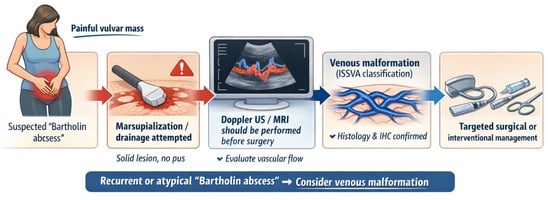
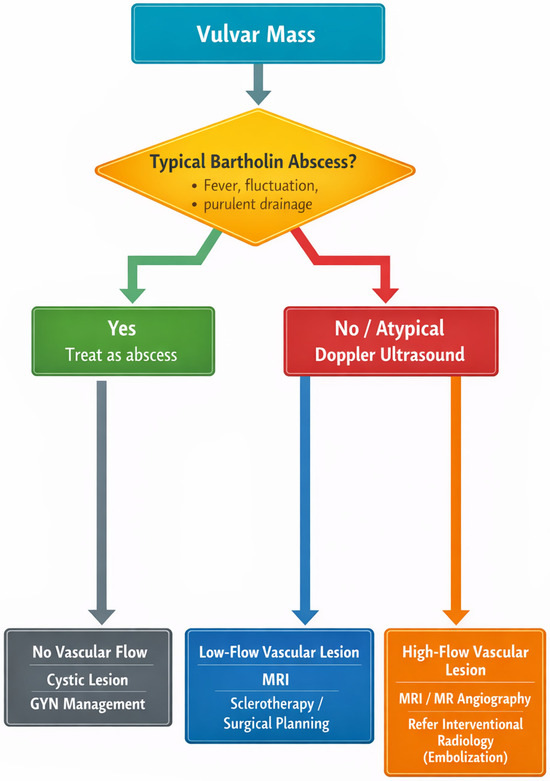
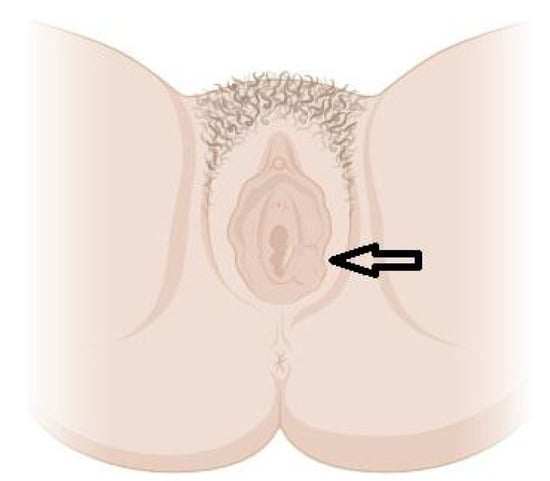
Background: Vascular malformations are congenital structural abnormalities of the blood vessels that may present at any age. In the vulvovaginal region, these lesions are uncommon and frequently misdiagnosed because their clinical appearance overlaps with common gynecologic conditions, particularly Bartholin’s gland cyst or abscess. Inappropriate surgical intervention without prior vascular evaluation may result in hemorrhage, incomplete treatment, and recurrence. Methods: A structured narrative review of the literature was performed using PubMed/MEDLINE and EMBASE databases (January 2000–April 2024) to summarize the classification, pathophysiology, clinical presentation, imaging characteristics, differential diagnosis, and management of vulvovaginal vascular malformations. Publications addressing vascular anomalies in other anatomical locations were also included when clinically relevant. A representative clinical case confirmed by histopathologic and molecular analysis is presented to illustrate the diagnostic pitfalls. Results: Vulvovaginal vascular malformations are predominantly low-flow venous lesions but may include high-flow arteriovenous malformations. A clinical examination alone is insufficient for diagnosis. Doppler ultrasonography is the recommended initial imaging modality, followed by magnetic resonance imaging to define the lesion extent and flow characteristics. Misdiagnosis most commonly occurs when lesions are treated as Bartholin’s gland pathology without prior imaging. Low-flow lesions are generally managed with sclerotherapy or planned surgical excision, whereas high-flow lesions require embolization and multidisciplinary care. Hormonal and hemodynamic changes, including pregnancy, may precipitate enlargement or thrombosis. Conclusions: Vascular malformations should be considered in the differential diagnosis of atypical vulvar masses. Preoperative imaging is essential in order to avoid inappropriate surgical procedures. A structured diagnostic approach combining clinical assessment and imaging enables correct classification and guides treatment. The presented case demonstrates a typical diagnostic pitfall and emphasizes the importance of recognizing vascular lesions in gynecologic practice.
Full article
(This article belongs to the Section Peripheral Vascular Diseases)
►▼
Show Figures

Graphical abstract
Open AccessReview
Basic Molecular and Genetic Pathways Underlying Intracranial Aneurysm Formation in the Era of Molecular and Targeted Therapies: A 10-Year Review
by
Denise Baloi, Henry Freeman, Moneebah Ashraf, Michael Karsy, Brandon Lucke-Wold and Mehrdad Pahlevani
J. Vasc. Dis. 2026, 5(2), 15; https://doi.org/10.3390/jvd5020015 - 24 Mar 2026
Abstract
Introduction: Intracranial aneurysms (IAs) are focal dilatations of cerebral arteries that carry a significant risk of rupture and subarachnoid hemorrhage (aSAH). Advances in basic science have improved understanding of vascular wall biology, hemodynamic stress, inflammation, and genetic contribution to aneurysm rupture. Rapid progress
[...] Read more.
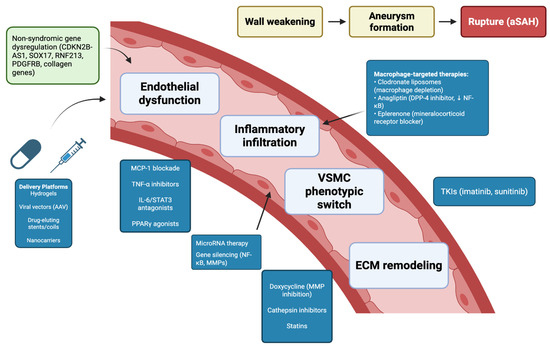
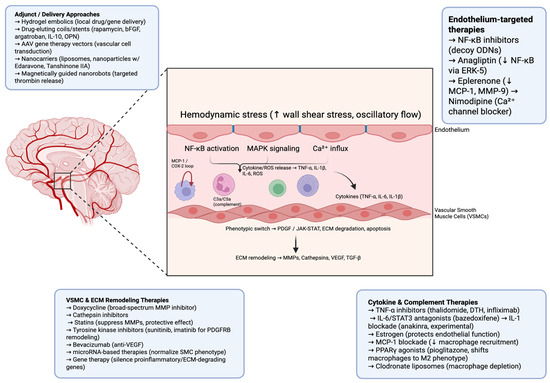
Introduction: Intracranial aneurysms (IAs) are focal dilatations of cerebral arteries that carry a significant risk of rupture and subarachnoid hemorrhage (aSAH). Advances in basic science have improved understanding of vascular wall biology, hemodynamic stress, inflammation, and genetic contribution to aneurysm rupture. Rapid progress in neurovascular therapeutics highlights the need to evaluate emerging molecular and pharmacologic strategies targeting IAs. Methodology: This narrative review synthesizes evidence from 2015 to 2025 on the cellular, molecular, and biomechanical mechanisms underlying IA pathophysiology. A structured search of PubMed, Scopus, and Embase identified studies examining molecular pathways, genetic determinants, and therapeutic approaches. Discussion: Aneurysm initiation involves endothelial responses to abnormal shear stress, activating NF-κB, MAPK, and calcium-dependent pathways that promote inflammation, smooth-muscle cell apoptosis, and extracellular matrix degradation. Pharmacologic candidates including MCP-1 antagonists, PPARγ agonists, and IL-6/STAT3 inhibitors reduce inflammatory remodeling, while doxycycline and cathepsin inhibitors preserve matrix integrity. Emerging strategies like microRNA modulation, tyrosine-kinase inhibition, and gene-based delivery offer potential for localized, durable stabilization with minimal systemic toxicity. Conclusions: Integrating surgical and biologic therapies may shift IA management from reactive repair to rupture prevention.
Full article
(This article belongs to the Special Issue Current Advances in Intracranial Aneurysms: From Basic to Clinical Research)
►▼
Show Figures

Figure 1
Open AccessArticle
Front Load Carriage Has Sex-Specific and Perhaps Occupational Risk Implications for Cardiovascular Health
by
Brianna Wheelock, Kaylyn Ly, Sierra Slepicka, Natalya Tasevski, Amanda Perkins-Ball, Deanna J. Schmidt and Deborah L. Feairheller
J. Vasc. Dis. 2026, 5(2), 14; https://doi.org/10.3390/jvd5020014 - 12 Mar 2026
Abstract
Background: Load carriage is an essential part of the occupational work of many jobs, yet there is little research on the hemodynamic responses to load carriage. It is known that front load carriage elicits larger increases in arterial stiffness than load carried on
[...] Read more.
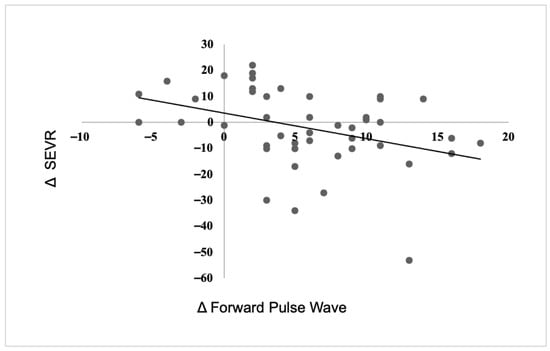
Background: Load carriage is an essential part of the occupational work of many jobs, yet there is little research on the hemodynamic responses to load carriage. It is known that front load carriage elicits larger increases in arterial stiffness than load carried on the side of the body. However, the hemodynamic forward and reflected pulse wave responses to load carriage are unknown and could relate to cardiac risk. Methods: We compared responses to 30 s front load carriage between 45 females and 23 males, with pre- and post-carry hemodynamics assessed using pulse wave analysis. Results: We found increases (p < 0.001) in arterial stiffness (24.8% females; 32.4% males), forward pulse wave (5.8 mmHg females; 5.7 mmHg males), and reflected pulse wave (6.8 mmHg females; 9.9 mmHg males). Pre- and post-carriage forward and reflected pulse waves were lower in females (p < 0.05). Compared to males, females overall had more relationships between the change in vascular measurements and other variables. We found an inverse relationship between changes in myocardial supply–demand (SEVR) and changes in forward pulse wave in females (r = −0.37, p < 0.001) but not males. Also, a direct relationship between changes in SEVR and changes in aortic DBP (r = 0.30, p = 0.04) and changes in resting DBP (r = 0.35, p = 0.02) existed in females. Conclusions: The data suggest that sex-related differences in hemodynamic responses exist. Females may experience a larger drop in estimated myocardial supply–demand balance accompanied by lower diastolic filling. Employers should be aware of these inherent cardiac risks with load carriage in their female employees.
Full article
(This article belongs to the Section Cardiovascular Diseases)
►▼
Show Figures

Figure 1
Open AccessReview
Structural Weakness: Collagen Alterations in Cerebral Aneurysm Development
by
Brenda Hranec, Luke Hudson, Sophia Kermet, Meghana Bomma, Madison Patrick, Matthew Lawson and Narlin Beaty
J. Vasc. Dis. 2026, 5(2), 13; https://doi.org/10.3390/jvd5020013 - 9 Mar 2026
Abstract
Background/Objectives: Aneurysms develop secondary to progressive weakening of arterial walls and remain a major cause of morbidity and mortality worldwide. Collagen, particularly fibrillar types I and III, is the primary tensile load-bearing component of arteries, yet its specific role in aneurysm formation,
[...] Read more.
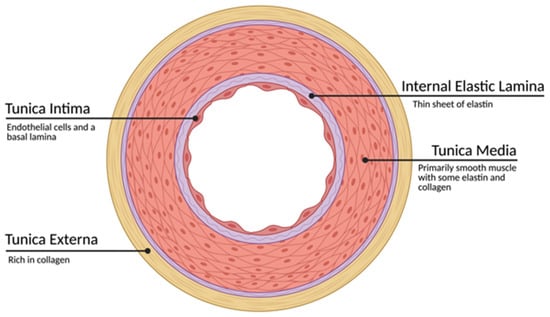
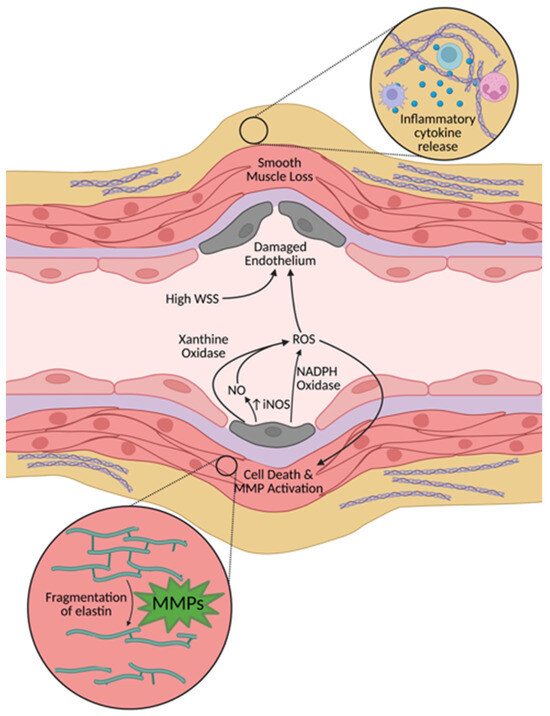
Background/Objectives: Aneurysms develop secondary to progressive weakening of arterial walls and remain a major cause of morbidity and mortality worldwide. Collagen, particularly fibrillar types I and III, is the primary tensile load-bearing component of arteries, yet its specific role in aneurysm formation, progression, and rupture is incompletely defined. This narrative review synthesizes current evidence on collagen structure, regulation, and degradation in aneurysm pathophysiology, highlighting cerebral aneurysms within the broader context of aneurysms as a whole. Methods: Searches of PubMed, MEDLINE, Embase, and Google Scholar were performed to identify all English-language studies published prior to January 2026. Search terms included “cerebral aneurysm”, “collagen”, “extracellular matrix”, “vascular remodeling”, and “aneurysm rupture”. Included studies evaluated collagen structure or content, extracellular matrix remodeling, matrix metalloproteinases, or biomechanical properties of the aneurysm wall in experimental or human models. Results: The literature search identified 348 records, of which 87 studies published between 1999 and 2025 met the inclusion criteria and were synthesized in this review. Collagen types I and III form the primary tensile scaffold of intracranial arteries, while basement membrane and regulatory collagens (e.g., types IV, V, and VI) modulate fibril organization, endothelial stability, and mechanical homeostasis. Research demonstrates that endothelial dysfunction, nitric oxide dysregulation, oxidative stress, and matrix metalloproteinase activation are key pathways driving collagen fragmentation and degradation. Genetic and epigenetic disturbances in collagen and related extracellular matrix pathways further increase aneurysm susceptibility. Conclusions: Collagen dysregulation appears to be a final common pathway through which hemodynamic, inflammatory, hormonal, and genetic insults converge to weaken intracranial arterial walls. However, existing evidence is dominated by animal and aortic models, and in vivo tools, such as Magnetic Resonance Imaging with collagen-sensitive sequences and Positron Emission Tomography Tracers, to quantify collagen integrity in cerebral aneurysms are lacking. Future efforts should prioritize human-focused studies, advanced collagen-sensitive imaging, biomarker development, and targeted strategies to preserve or restore collagen structure as potential means to improve aneurysm risk stratification, prevention, and treatment.
Full article
(This article belongs to the Special Issue Current Advances in Intracranial Aneurysms: From Basic to Clinical Research)
►▼
Show Figures

Figure 1
Open AccessArticle
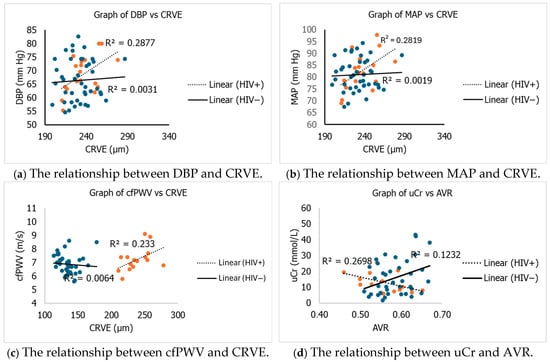
An Assessment of the Effect of HIV and ART on Cardiovascular Risk Factors to Predict Retinal Microvascular Impairment in Pregnant Women: A Pilot Study in a South African Population
by
Edna N. Matjuda, Benedicta N. Nkeh-Chungag, Godwill A. Engwa, Constance R. Sewani-Rusike, Nontsikelelo C. Gubu-Ntaba, Charles B. Businge, Adam Saloň, Patrick De Boever and Nandu Goswami
J. Vasc. Dis. 2026, 5(2), 12; https://doi.org/10.3390/jvd5020012 - 28 Feb 2026
Abstract
►▼
Show Figures
Background: Human immunodeficiency virus (HIV) and antiretroviral therapy (ART) are known to be involved in cardiovascular disease development. They act alongside systemic risk factors, which interact with both macrovascular and microvascular vessels to accelerate vascular damage. Therefore, the aim of this study was
[...] Read more.
Background: Human immunodeficiency virus (HIV) and antiretroviral therapy (ART) are known to be involved in cardiovascular disease development. They act alongside systemic risk factors, which interact with both macrovascular and microvascular vessels to accelerate vascular damage. Therefore, the aim of this study was to investigate the cardiovascular risk factors and their relationship with retinal microvascular function in HIV-positive pregnant women on ART in Mthatha, South Africa. Methods: A cross-sectional study was carried out among 78 pregnant women (25 HIV-positive and 53 HIV-negative) in Mthatha, South Africa. Blood pressure (BP) parameters, including systolic BP (SBP), diastolic BP (DBP), and heart rate (HR), were measured, and mean arterial pressure (MAP) was calculated. Lipid profile parameters and fasting blood glucose were assessed. Markers for kidney function, such as albuminuria, were determined. Vascular biomarkers including asymmetric dimethyl arginine (ADMA) and human endothelial specific molecule-1 were quantified. Non-invasive vascular function parameters such as flow-mediated slowing (FMS), carotid-femoral pulse wave velocity (cfPWV), ankle-brachial index, central retinal arteriolar equivalent (CRAE), central retinal venular equivalent (CRVE), arteriolar venular ratio (AVR), uterine artery pulsatile index (UtA PI) were determined. Results: Diastolic BP, MAP, cfPWV, ADMA, low density lipoprotein (LDL-c) and UtA PI were higher in the HIV-positive group (p ≤ 0.05) compared to the HIV-negative group. The prevalence of prehypertension/hypertension was higher in the HIV-positive group (p ≤ 0.05). DBP, MAP, and cfPWV correlated positively with CRVE in the HIV-positive group (p ≤ 0.05), while AVR negatively correlated with the urinary creatinine (uCr) in the same group (p ≤ 0.05). Linear regression results demonstrated that DBP, cfPWV, ABI, and LDL-c were predictors of reduced AVR in the HIV-positive group. Conclusions: Increased cardiovascular risk was observed in HIV-positive pregnant women on ART. Further, increased cardiovascular risk such as hypertension and endothelial dysfunction due to ART predicted retinal microvascular dysfunction in the HIV-positive population. This implies a potential mechanistic link between macrovascular dysfunction due to cardiovascular risk factors and retinal microvascular impairment, highlighting the importance of assessing cardiovascular risk early and preserving overall vascular health in HIV-positive population.
Full article

Figure 1
Open AccessArticle
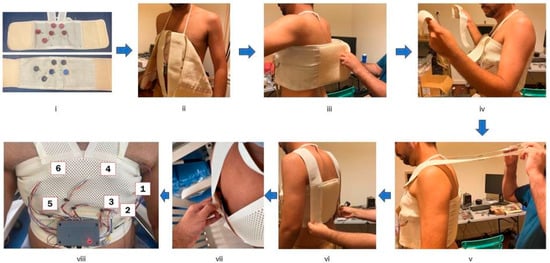
Non-Invasive Detection of Coronary Artery Disease Using Wearable Vest with Integrated Phonocardiogram Sensors
by
Matthew Fynn, Milan Marocchi, Javed Rashid, Yue Rong, Goutam Saha and Kayapanda Mandana
J. Vasc. Dis. 2026, 5(2), 11; https://doi.org/10.3390/jvd5020011 - 26 Feb 2026
Abstract
Background: Cardiovascular disease (CVD) remains the leading cause of death and disability worldwide. Among its subtypes, coronary artery disease (CAD) is the most common and often develops silently, without noticeable symptoms. CAD-related murmurs typically fall below the human hearing threshold, limiting the effectiveness
[...] Read more.
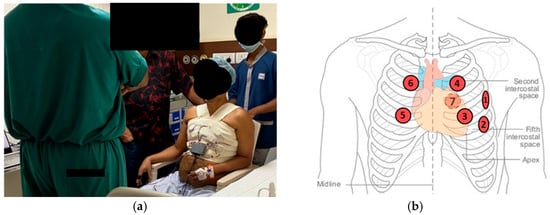
Background: Cardiovascular disease (CVD) remains the leading cause of death and disability worldwide. Among its subtypes, coronary artery disease (CAD) is the most common and often develops silently, without noticeable symptoms. CAD-related murmurs typically fall below the human hearing threshold, limiting the effectiveness of traditional stethoscope-based auscultation. Currently, the gold standard for CAD diagnosis is coronary angiography, an invasive and expensive procedure usually reserved for symptomatic patients. This highlights the global need for a non-invasive, cost-effective pre-screening tool for asymptomatic CAD detection. Objectives: This study investigates the effectiveness of a wearable vest equipped with multiple digital stethoscopes to detect CAD. By applying signal processing and machine learning to multichannel phonocardiogram (PCG) data, we aim to evaluate the accuracy of CAD detection. We further assess the impact of incorporating patient metadata to enhance model performance. Methods: Data were collected from 40 CAD patients and 40 non-CAD individuals using a wearable vest with seven embedded PCG sensors. Subjects performed 10 s breath-hold recordings in a clinical setting. Linear-frequency cepstral coefficients were extracted from the PCG signals and classified using a support vector machine. Metadata, including body mass index, blood pressure, type 2 diabetes, and hypertension, were integrated to assess performance gains. Results: A combination of four channels achieved an accuracy of 80.44%, a 7% improvement over the best single-channel result. Incorporating metadata increased accuracy to 82.08%. Conclusions: The wearable vest demonstrated promising clinical potential, exceeding a 75% sensitivity-specificity average, and may support accessible, automated CAD screening in future validated settings.
Full article
(This article belongs to the Section Cardiovascular Diseases)
►▼
Show Figures

Figure 1
Open AccessArticle
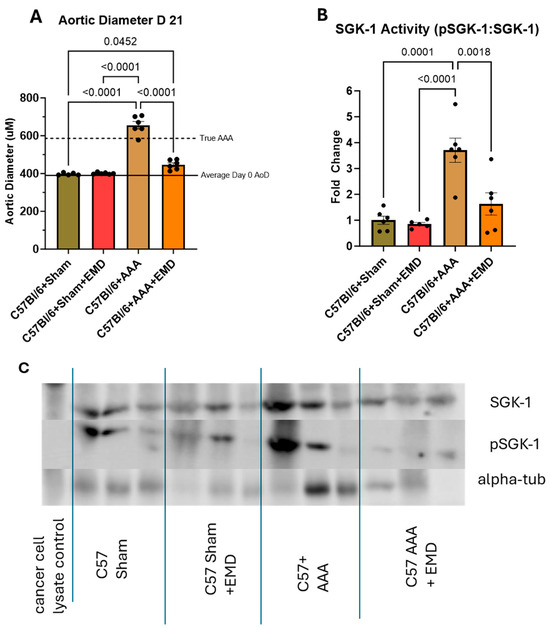
Smooth Muscle Cell Specific Activity of SGK-1 Alters Aortic Stiffness and Abdominal Aortic Aneurysm Growth
by
Matthew Anderson, Leilei Zhang, Mario Figueroa, Victoria Mattia, Alexander Rovner, Vinitha Uppalapati, Ying Xiong, Rupak Mukherjee, Jeffrey A. Jones and Jean Marie Ruddy
J. Vasc. Dis. 2026, 5(1), 10; https://doi.org/10.3390/jvd5010010 - 16 Feb 2026
Abstract
Background/Objective: Activity of SGK-1 has been associated with mechanical aspects of vascular remodeling and matrix stiffening has been a known characteristic of AAA. We hypothesis that VSMC-specific SGK-1 activity is vital to growth of AAA and contributes to progressive aortic stiffness. Methods: C57Bl/6
[...] Read more.
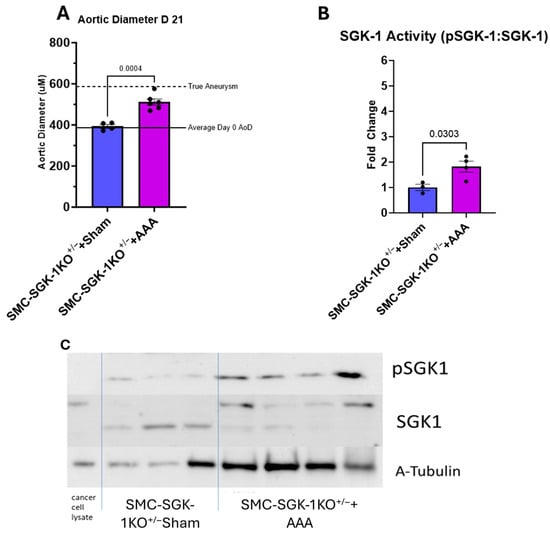
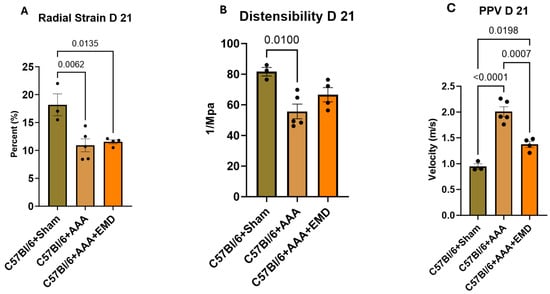
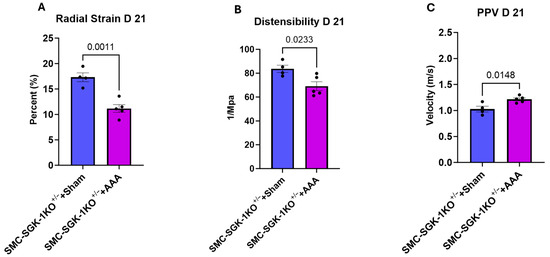
Background/Objective: Activity of SGK-1 has been associated with mechanical aspects of vascular remodeling and matrix stiffening has been a known characteristic of AAA. We hypothesis that VSMC-specific SGK-1 activity is vital to growth of AAA and contributes to progressive aortic stiffness. Methods: C57Bl/6 and SMC-SGK-1KO+/− mice underwent AAA induction vs Sham on day 0. A subset of C57Bl/6 mice had pump implantation to treat with EMD638683. Aortic ultrasound images were obtained on Day 0 and Day 21 and analyzed for mechanical parameters. At terminal procedure the infrarenal aorta was harvested for immunoblot analysis. Results: At Day 21, C57Bl/6+AAA mice showed growth of 72.27% ± 2.2% versus the C57Bl/6+Sham (p < 0.0001) with associated 3.71 ± 1.15-fold increase in SGK-1 activity (p = 0.001). C57Bl/6+AAA+EMD mice demonstrated growth of 23.68% ± 2.82% (p = 0.0452) with no significant change in SGK-1 activity. SMC-SGK1-KO+/−+AAA mice had growth of 28.20% ± 3.74% compared to SMC-SGK1-KO+/−+Sham (p = 0.004) with increased SGK-1 activity (p = 0.0303). Radial strain was significantly reduced in the C57Bl/6+AAA (p = 0.0062) and C57Bl/6+AAA+EMD (p = 0.0135) when compared to C57Bl/6+Sham. Distensibility was significantly reduced in C57Bl/6+AAA (p = 0.01). Pulse propagation velocity (PPV) was significantly elevated in C57Bl/6+AAA mice (p < 0.0001) but inhibited by EMD therapy (p = 0.0007 vs. C57Bl/6+AAA). SMC-SGK1-KO+/− +AAA mice showed significant reductions in radial strain (p = 0.0011) and distensibility (p = 0.0233) with a modest, but significant, increase in PPV (p = 0.0148). Conclusions: SGK-1 inhibition attenuated AAA growth and preserved vascular function. Targeting this pathway may provide a directed medical therapy for AAA and warrants further investigation.
Full article
(This article belongs to the Section Peripheral Vascular Diseases)
►▼
Show Figures

Figure 1
Open AccessReview
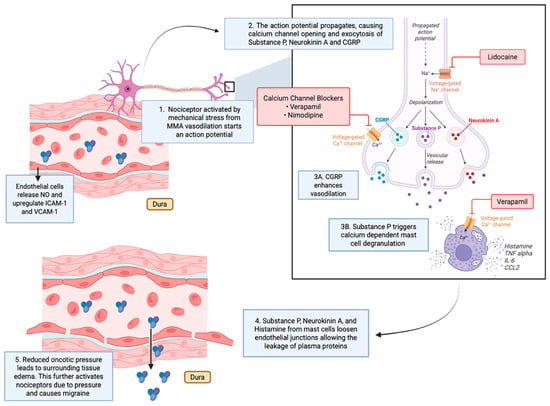
Targeting the Middle Meningeal Artery: A Narrative Review of Intra-Arterial Pharmacologic Strategies for Migraine Management
by
Jacob Alejandro Strouse, Carlota Gimenez Lynch, Danyas Sarathy and Brandon Lucke-Wold
J. Vasc. Dis. 2026, 5(1), 9; https://doi.org/10.3390/jvd5010009 - 5 Feb 2026
Abstract
The Middle Meningeal Artery (MMA) occupies a pivotal role in the pathophysiology of migraine, functioning as a vascular and neuroimmune interface that precipitates the characteristic pulsatile pain. The inhibition of this pathophysiological cascade has been investigated as a therapeutic strategy. However, fewer than
[...] Read more.
The Middle Meningeal Artery (MMA) occupies a pivotal role in the pathophysiology of migraine, functioning as a vascular and neuroimmune interface that precipitates the characteristic pulsatile pain. The inhibition of this pathophysiological cascade has been investigated as a therapeutic strategy. However, fewer than a dozen centers globally have disseminated procedural or mechanistic data. Given the nascency of this field and the imperative for standardization, the present review synthesizes mechanistic and clinical evidence underpinning intra-arterial pharmacological modulation of the MMA for migraine management. Methods: A focused narrative review was undertaken, drawing upon select but influential studies from pioneering research groups investigating intra-arterial interventions targeting the MMA. The extant literature was thematically categorized and organized according to the loci of cascade interruption and their corresponding clinical outcomes. Results: Since 2009, intra-arterial therapies for severe headache syndromes have evolved, initially utilizing nimodipine for vasospasm-related headaches, progressing to verapamil for reversible cerebral vasoconstriction, and more recently, lidocaine for refractory or status migrainosus, occasionally in conjunction with MMA embolization. Contemporary research uses language that conceptualizes migraine as an immunologically mediated neurovascular disorder, as opposed to a purely vascular or neuronal entity. Recent investigations have identified interleukins such as Interleukin-1β, Tumor Necrosis Factor-α, and Interleukin-6 as critical amplifiers of trigeminovascular activation. Purinergic signaling through the P2X3 receptor and the P2Y13 receptor, in conjunction with pituitary adenylate cyclase-activating polypeptide and vasoactive intestinal peptide pathways, has been implicated in the modulation of MMA excitability and neuropeptide release. The development of novel calcitonin gene-related peptide receptor antagonists, such as zavegepant, further substantiates the artery’s significance as a pharmacological target. Conclusions: These findings support a shift toward immune-modulating intra-arterial therapeutic strategies, with migraine interventions targeting cytokine and neuroimmune signaling within the MMA, rather than relying exclusively on vasodilatory mechanisms.
Full article
(This article belongs to the Section Neurovascular Diseases)
►▼
Show Figures

Figure 1
Open AccessPerspective
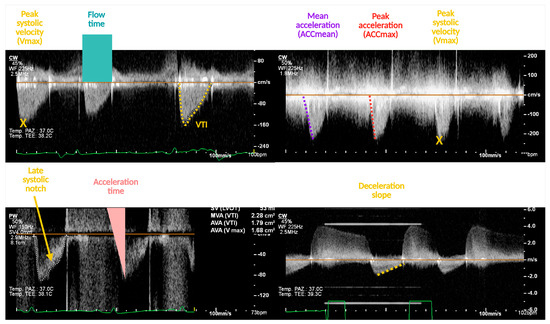
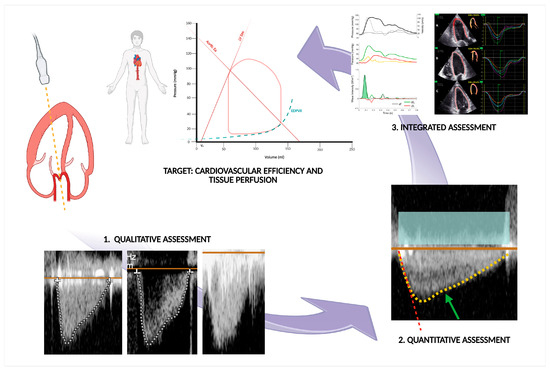
Proximal Aorta Flow as a Proxy for Ventricular–Arterial Interaction
by
Marco Pasetto, Alessandro Russo, Lorenzo Peluso, Marcello Ceola Graziadei and Leonardo Gottin
J. Vasc. Dis. 2026, 5(1), 8; https://doi.org/10.3390/jvd5010008 - 3 Feb 2026
Abstract
Ventricular–arterial coupling (VAC) describes the dynamic interaction between left ventricular (LV) systolic elastance and the time-varying elastance/impedance of the arterial tree, a relationship that governs the instantaneous generation of aortic flow and ultimately cardiac output. VAC, typically expressed as the ratio of effective
[...] Read more.
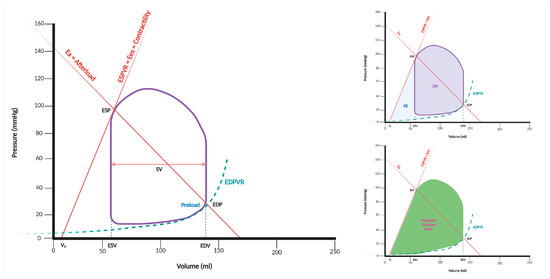
Ventricular–arterial coupling (VAC) describes the dynamic interaction between left ventricular (LV) systolic elastance and the time-varying elastance/impedance of the arterial tree, a relationship that governs the instantaneous generation of aortic flow and ultimately cardiac output. VAC, typically expressed as the ratio of effective arterial elastance (Ea) to LV end-systolic elastance (Ees), has provided valuable mechanistic and prognostic insights, but is limited by its lumped, largely steady-state nature and by the need for pressure–volume modeling or complex surrogate formulas. Contemporary time-domain and wave-intensity approaches have underscored that the shape of proximal aortic pressure–flow waveforms encodes rich beat-by-beat information about ventricular–arterial interaction and energy transfer. Doppler echocardiography of the ascending aorta provides a readily available, high-temporal resolution measure of proximal aortic flow that is already used to quantify stroke volume, cardiac output and valvular lesions. We propose that proximal aortic flow, as recorded by Doppler echocardiography, may serve as a clinically practical proxy for beat-by-beat VAC, reflecting the instantaneous matching of ventricular and aortic elastances, which regulates the ejected flow towards peripheral tissues according to metabolic needs.
Full article
(This article belongs to the Section Cardiovascular Diseases)
►▼
Show Figures

Figure 1
Open AccessReview
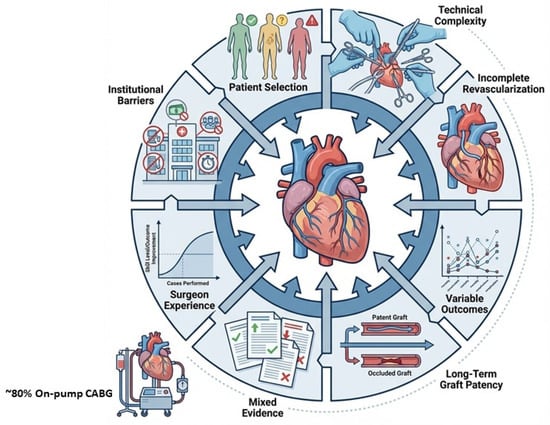
Off-Pump Coronary Artery Bypass Grafting: Technical Evolution, Current Evidence, and Barriers to Universal Adoption
by
Shahzad G. Raja
J. Vasc. Dis. 2026, 5(1), 7; https://doi.org/10.3390/jvd5010007 - 3 Feb 2026
Abstract
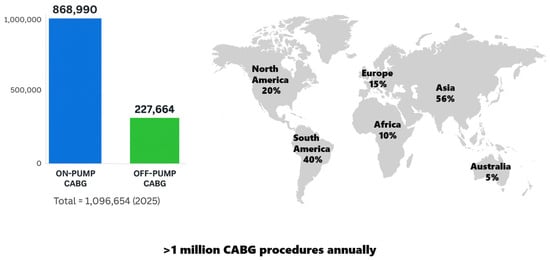
Off-pump coronary artery bypass grafting (OPCAB) represents one of the most significant technical innovations in contemporary cardiac surgery. Developed as an alternative to conventional on-pump coronary artery bypass grafting (ONCAB), OPCAB avoids cardiopulmonary bypass and its associated systemic inflammatory response, aiming to reduce
[...] Read more.
Off-pump coronary artery bypass grafting (OPCAB) represents one of the most significant technical innovations in contemporary cardiac surgery. Developed as an alternative to conventional on-pump coronary artery bypass grafting (ONCAB), OPCAB avoids cardiopulmonary bypass and its associated systemic inflammatory response, aiming to reduce perioperative morbidity and improve recovery. Over the past three decades, advances in stabilization devices, intracoronary shunts, anesthetic management, and surgical training have refined the procedure, making it safer and more reproducible. Despite these developments, OPCAB adoption remains inconsistent worldwide, reflecting ongoing debate about its relative benefits and limitations. Evidence from randomized controlled trials, meta-analyses, and large registries suggests that OPCAB achieves comparable early mortality to ONCAB, with potential advantages in reducing renal dysfunction, neurocognitive decline, and perioperative bleeding. These benefits appear most pronounced in high-risk subgroups, including elderly patients and those with significant comorbidities. However, concerns persist regarding long-term graft patency, completeness of revascularization, and variability in outcomes depending on surgeon experience and institutional expertise. Cost-effectiveness analyses have suggested potential resource savings, but these are offset by training requirements and the technical complexity of the procedure. Global practice variation highlights the influence of surgical culture, guideline ambiguity, and institutional resources. Barriers to universal adoption include technical challenges, inconsistent long-term outcomes, and limited exposure in training programs. In the future, robotic and minimally invasive OPCAB, as well as hybrid revascularization strategies, may expand its role. This review synthesizes current evidence, explores barriers to widespread implementation, and outlines future directions for integrating OPCAB into balanced, evidence-based clinical practice.
Full article
(This article belongs to the Section Cardiovascular Diseases)
►▼
Show Figures

Figure 1
Open AccessReview
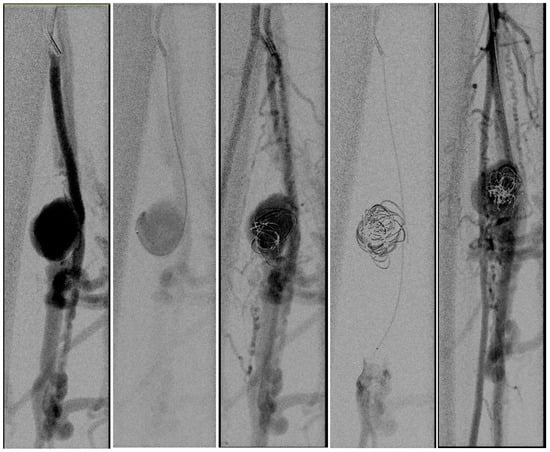
Endovascular Treatment of Crural Aneurysms: Case Report and Systematic Review Regarding Indications, Stent Characteristics, and Patency
by
Abhay Setia, Roberto Scaratti, Maher Fattoum, Samir Khan and Farzin Adili
J. Vasc. Dis. 2026, 5(1), 6; https://doi.org/10.3390/jvd5010006 - 30 Jan 2026
Abstract
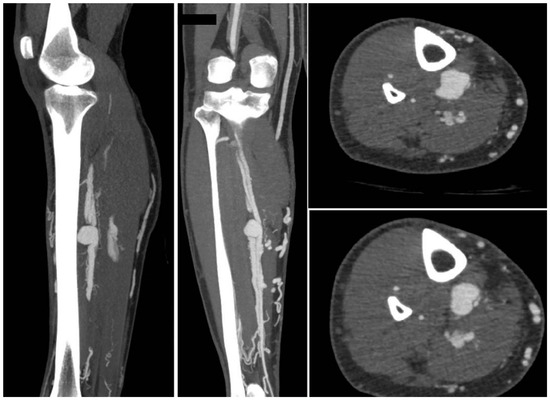
Background: We present our experience of carrying out endovascular therapy (EVT) of a pseudo-aneurysm of the posterior tibial artery (PTA) with an associated arteriovenous fistula (AVF). We also present results of a systematic review which was carried out to cast light on endovascular
[...] Read more.
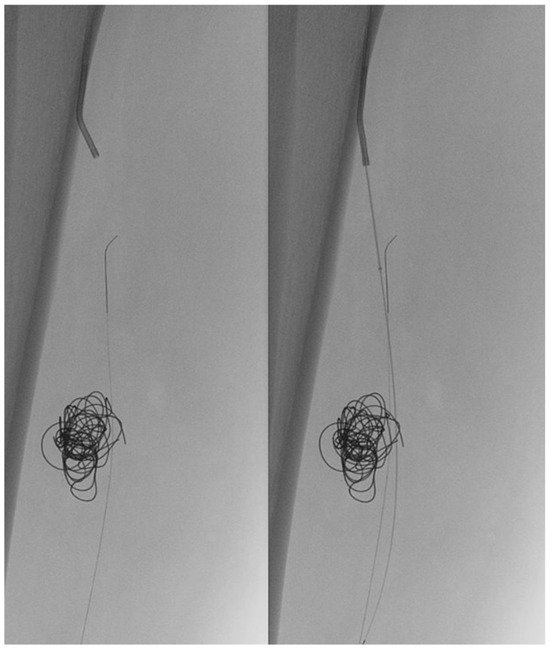
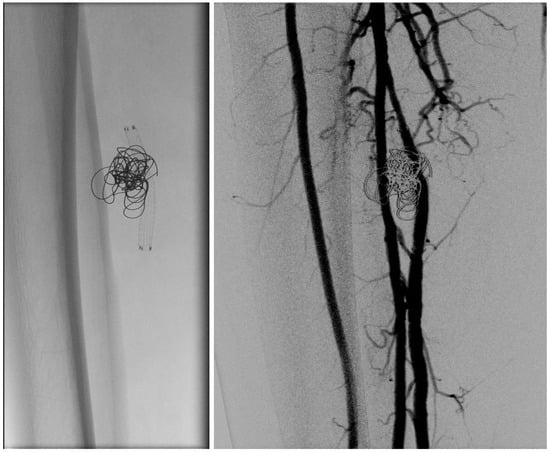
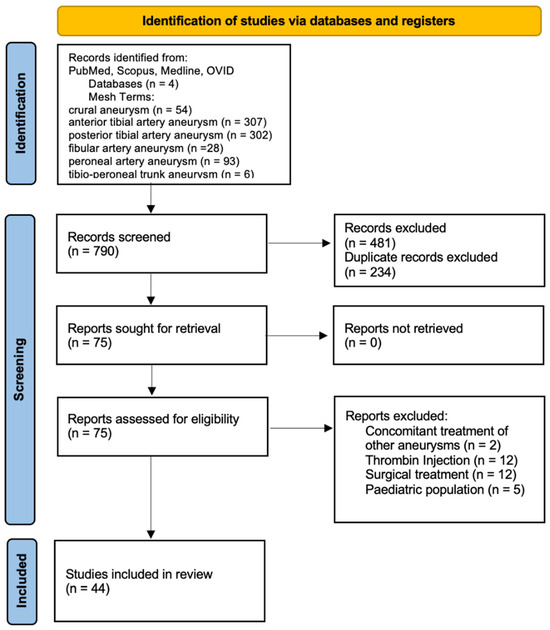
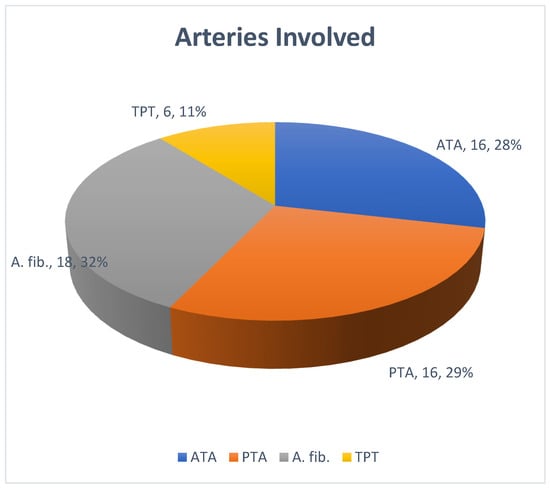
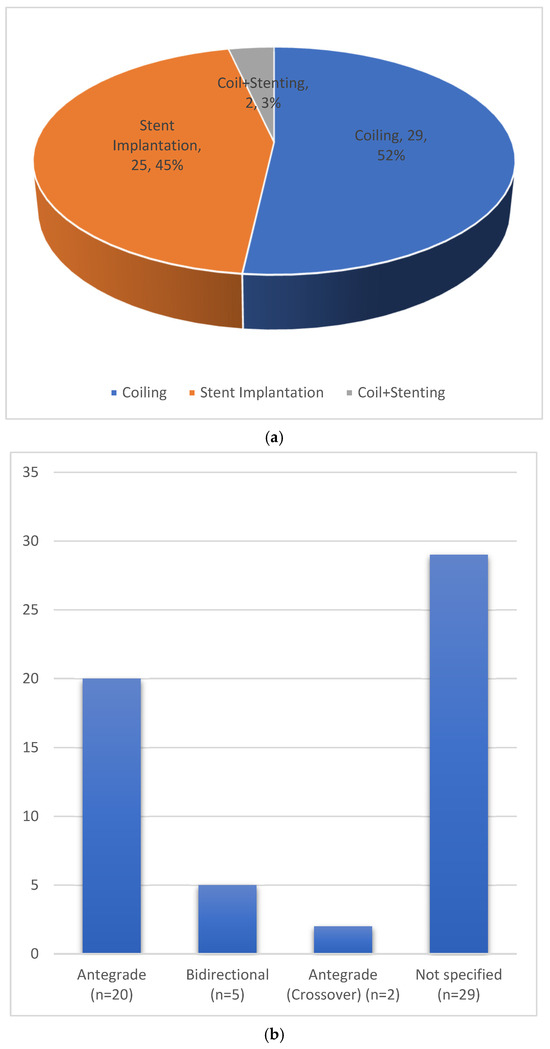
Background: We present our experience of carrying out endovascular therapy (EVT) of a pseudo-aneurysm of the posterior tibial artery (PTA) with an associated arteriovenous fistula (AVF). We also present results of a systematic review which was carried out to cast light on endovascular treatment modalities. Methods: A 31-year-old patient with a history of war trauma presented with pain of increasing severity in the lower leg. A CT angiogram confirmed an aneurysm of the PTA with an AVF. With a bidirectional endovascular approach, the aneurysm was occluded with coils and excluded with a Viabahn endoprosthesis. Aspirin and clopidogrel were recommended postoperatively. After 18 months of follow-up, the patient was free of symptoms, with patent endoprosthesis. Multiple databases (Scopus, Pubmed, Medline, OVID) were systematically searched using MeSH terms. The studies were scrutinized, and data on demographics, procedural details, and follow-up were collected and aggregated. Results: A total of 44 studies (56 patients) were eligible and were included. Average age was 50 (15–87 years). The most common etiology was trauma (iatrogenic 29/56 (51.7%); non-iatrogenic 15/56 (26.7%)). EVT strategies included coil embolization (n = 29), stent implantation (n = 25), and a combination of both (n = 2). Median stent diameter was 3 mm (2.5–6). The follow-up period ranged from 1 week to 60 months. Aggregated reported primary patency was 18/27 (66.6%) with no documented complications—an observation that likely reflects reporting and publication bias, rather than a true absence of adverse events. Conclusions: EVT offers a feasible and safe alternative to simple ligation or occlusion of crural aneurysms, to preserve distal flow to the foot. Dedicated stents for crural arteries are not available. Studies with long-term follow-up are lacking.
Full article
(This article belongs to the Special Issue Peripheral Arterial Disease (PAD) and Innovative Treatments)
►▼
Show Figures

Figure 1
Open AccessReview
Vascular Sociology: Integrating Vascular Surgery and Medical Sociology for a Comprehensive Understanding of Vascular Health
by
Davide Costa and Raffaele Serra
J. Vasc. Dis. 2026, 5(1), 5; https://doi.org/10.3390/jvd5010005 - 26 Jan 2026
Abstract
Vascular diseases remain a major global health burden despite remarkable technological advances in vascular surgery and endovascular therapies. Conditions such as peripheral arterial disease, abdominal aortic aneurysm, carotid stenosis, chronic venous disease, diabetic vasculopathies, and vascular chronic ulcers are not only biological entities
[...] Read more.
Vascular diseases remain a major global health burden despite remarkable technological advances in vascular surgery and endovascular therapies. Conditions such as peripheral arterial disease, abdominal aortic aneurysm, carotid stenosis, chronic venous disease, diabetic vasculopathies, and vascular chronic ulcers are not only biological entities but are deeply shaped by social structures, cultural norms, and economic inequalities. This article introduces Vascular Sociology as an interdisciplinary field that integrates vascular surgery with medical sociology to provide a more comprehensive understanding of vascular health and disease. Drawing on classical and contemporary sociological theory, including concepts such as social determinants of health, embodiment, illness narratives, and the disease–illness–sickness triad, the article argues that vascular pathology reflects cumulative social exposures across the life course. Socially patterned behaviors, work conditions, food environments, healthcare access, gender norms, and geographic inequalities profoundly influence disease onset, progression, treatment decisions, and outcomes. The paper highlights how surgical success is contingent not only on technical excellence but also on patients’ social contexts, including health literacy, trust in institutions, caregiving resources, and the capacity to adhere to long-term follow-up and rehabilitation. By outlining conceptual foundations, epidemiological evidence, and mixed-methods research strategies, the article positions Vascular Sociology as a framework capable of bridging biomedical knowledge with lived experience. This approach expands the definition of vascular outcomes to include social reintegration, identity transformation, and equity of care, ultimately aiming to improve patient-centered practice, reduce disparities, and inform more socially responsive vascular health policies.
Full article
(This article belongs to the Section Peripheral Vascular Diseases)
►▼
Show Figures

Figure 1
Open AccessArticle
The Superior Trajectory of the Lingual Artery over the Hypoglossal Nerve: A Morphological Case Report and Focused Review of Neurovascular Inversion in the Carotid Triangle
by
Niccolò Fagni, Ludovica Livi, Federico Bucciarelli, Francesco Ruben Giardino, Roberto Cuomo, Ferdinando Paternostro, Immacolata Belviso and Jacopo Junio Valerio Branca
J. Vasc. Dis. 2026, 5(1), 4; https://doi.org/10.3390/jvd5010004 - 23 Jan 2026
Cited by 1
Abstract
Introduction: Accurate knowledge of the external carotid artery (ECA) anatomy is essential for head and neck surgery, interventional procedures, and imaging interpretation. Although its branching pattern is classically described as relatively constant, clinically relevant anatomical variations are frequently encountered. Cadaveric dissection remains
[...] Read more.
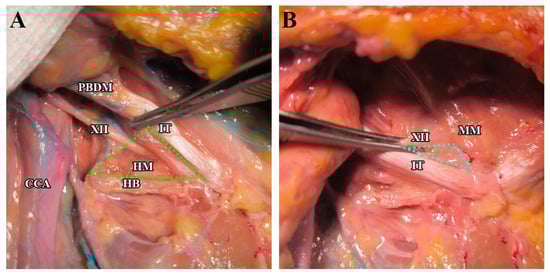
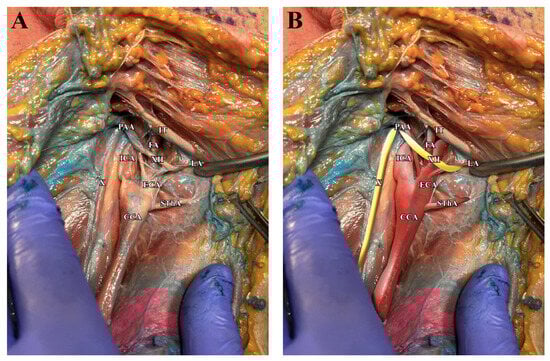
Introduction: Accurate knowledge of the external carotid artery (ECA) anatomy is essential for head and neck surgery, interventional procedures, and imaging interpretation. Although its branching pattern is classically described as relatively constant, clinically relevant anatomical variations are frequently encountered. Cadaveric dissection remains fundamental for identifying rare vascular configurations. Materials and Methods: During an anatomical teaching dissection of a 72-year-old male cadaver, a right-sided lateral cervicotomy was performed to expose the carotid sheath. After mobilisation of the sternocleidomastoid muscle, the ECA and its proximal branches were skeletonised, allowing detailed three-dimensional assessment of their origin, calibre, and neurovascular relationships. Results: The superior thyroid artery originated from the proximal segment of the external carotid artery, in close proximity to the carotid bifurcation. The main anatomical finding was a lingual artery of relatively small initial calibre exhibiting an atypical superior trajectory: after its origin, it crossed superior to the hypoglossal nerve before continuing toward the tongue. This configuration differs from classical descriptions and modified the anatomical arrangement of Beclard’s and Pirogoff’s triangles, creating a potential site of close neurovascular contact. Conclusions: This cadaveric study describes a rare trajectory-based variant of the external carotid artery characterised by a lingual artery crossing superior to the hypoglossal nerve. Awareness of such rare patterns is essential for improving anatomical interpretation and enhancing surgical safety in the head and neck region.
Full article
(This article belongs to the Section Neurovascular Diseases)
►▼
Show Figures

Figure 1
Open AccessArticle
Vasoprotection by Dietary Nitrate in Rats with Vitamin D3-Induced Vascular Calcification
by
Masashi Tawa, Keisuke Nakagawa and Mamoru Ohkita
J. Vasc. Dis. 2026, 5(1), 3; https://doi.org/10.3390/jvd5010003 - 20 Jan 2026
Abstract
Background/Objectives: Vascular calcification is a major contributor to cardiovascular mortality and disability. Here, we investigated whether dietary nitrate, an exogenous source of nitric oxide (NO), could inhibit vascular calcification in a rat model induced by excess vitamin D3. Methods: The rats
[...] Read more.
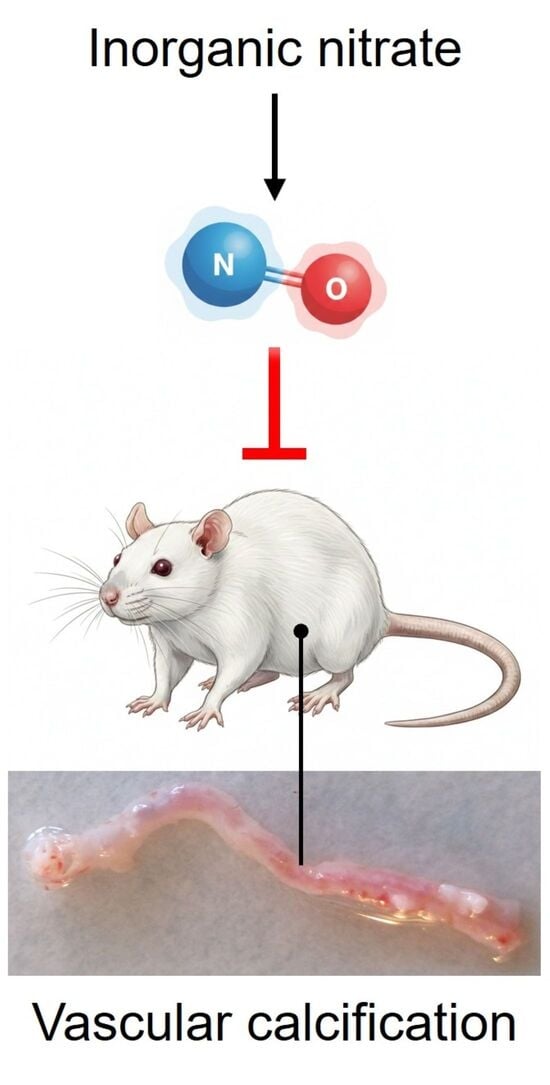
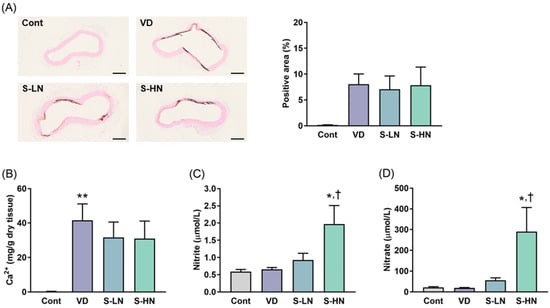
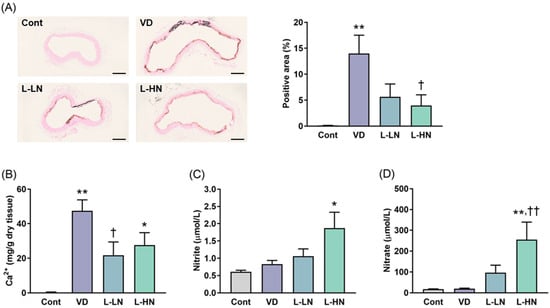
Background/Objectives: Vascular calcification is a major contributor to cardiovascular mortality and disability. Here, we investigated whether dietary nitrate, an exogenous source of nitric oxide (NO), could inhibit vascular calcification in a rat model induced by excess vitamin D3. Methods: The rats were injected subcutaneously with phosphate-buffered saline or 200,000 IU/kg cholecalciferol and the abdominal aorta was isolated 7 and 14 d after injection. Results: Von Kossa staining revealed mild vascular calcification 7 d after injection, with the positive area expanding by 14 d. Vasorelaxation induced by the NO donor sodium nitroprusside was normal 7 d after injection but weakened 14 d after injection. In a separate experiment, sodium nitrate (3 or 10 mM in drinking water) was administered for the last 7 and 13 d, prior to sacrifice, 14 d after cholecalciferol injection. Von Kossa staining-positive areas and calcium content in the abdominal aortas did not decrease with short-term administration of sodium nitrate but decreased with long-term administration; no difference in effect based on dosage was observed in either short-term or long-term administration. Low-dose sodium nitrate tended to increase plasma nitrite and nitrate levels, which are indicators of NO bioavailability, similar to both short- and long-term administration, which increased significantly at higher doses. Conclusions: These findings suggest that NO homeostasis in blood vessels deteriorates with the progression of vascular calcification, and that dietary nitrate may be a useful therapeutic approach.
Full article
(This article belongs to the Section Cardiovascular Diseases)
►▼
Show Figures

Graphical abstract
Highly Accessed Articles
Latest Books
E-Mail Alert
News
Topics
Topic in
Diagnostics, JCM, JCDD, Hearts, JVD
Mechanical Circulatory Support in Heart Failure—Second Edition
Topic Editors: Anton Sabashnikov, Fernando Riesgo Gil, Aron-Frederik Popov, Evgenij V. Potapov, Ihor KrasivskyiDeadline: 31 December 2026
Conferences
Special Issues
Special Issue in
JVD
Current Advances in Intracranial Aneurysms: From Basic to Clinical Research
Guest Editor: Yanning RuiDeadline: 10 June 2026
Special Issue in
JVD
Neurovascular Canvas: From Basic Science to Clinical Breakthroughs
Guest Editors: Ciro De Luca, Nicola Giannini, Alessandro ViganòDeadline: 15 August 2026
Special Issue in
JVD
Emerging Mechanisms and Translational Advances in Atherosclerotic Vascular Diseases
Guest Editor: Tomoaki IshigamiDeadline: 11 September 2026
Special Issue in
JVD
Immunologic Aspects of Subarachnoid Hemorrhage: Insights for Improving Treatment
Guest Editor: Brandon Lucke-WoldDeadline: 30 November 2026