
Journal Description
Life
Life
is an international, peer-reviewed, open access journal related to fundamental themes in life sciences from basic to applied research, published monthly online by MDPI. The Spanish Association for Cancer Research (ASEICA) is affiliated with Life and its members receive a discount on the article processing charges.
- Open Access— free for readers, with article processing charges (APC) paid by authors or their institutions.
- High Visibility: indexed within Scopus, SCIE (Web of Science), PubMed, PMC, CAPlus / SciFinder, and other databases.
- Journal Rank: JCR - Q1 (Biology) / CiteScore - Q1 (Paleontology)
- Rapid Publication: manuscripts are peer-reviewed and a first decision is provided to authors approximately 15.3 days after submission; acceptance to publication is undertaken in 2.9 days (median values for papers published in this journal in the first half of 2026).
- Recognition of Reviewers: reviewers who provide timely, thorough peer-review reports receive vouchers entitling them to a discount on the APC of their next publication in any MDPI journal, in appreciation of the work done.
- Testimonials: See what our editors and authors say about Life.
Impact Factor:
3.9 (2025);
5-Year Impact Factor:
3.9 (2025)
Latest Articles
Ketone Supplementation in Trained and Physically Active Individuals: Effects on Athletic Performance and Metabolic Variables—A Systematic Review
Life 2026, 16(7), 1147; https://doi.org/10.3390/life16071147 - 10 Jul 2026
Abstract
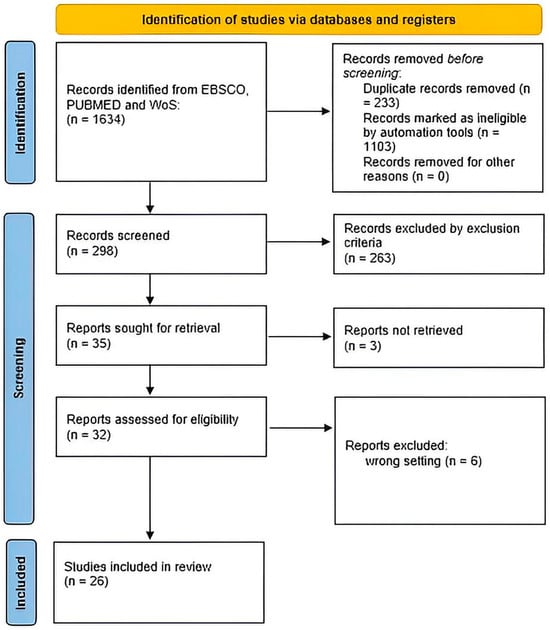
Exogenous ketone supplementation has emerged as a potential ergogenic strategy for trained and physically active individuals, prompting increasing research into its effects on exercise performance and metabolism. This systematic review evaluated the effects of ketone supplementation on athletic performance, metabolic variables, and physiological
[...] Read more.
Exogenous ketone supplementation has emerged as a potential ergogenic strategy for trained and physically active individuals, prompting increasing research into its effects on exercise performance and metabolism. This systematic review evaluated the effects of ketone supplementation on athletic performance, metabolic variables, and physiological responses in trained and physically active populations. Searches were conducted in EBSCOhost, PubMed, and Web of Science following PRISMA 2020 guidelines. Peer-reviewed controlled studies published between 2018 and December 2025 were included. Twenty-six studies met the eligibility criteria. Ketone supplementation consistently increased circulating β-hydroxybutyrate concentrations and modified glucose, lactate, and acid–base balance. Effects on exercise performance were heterogeneous, with some studies reporting improvements in time-trial performance and cognitive function, whereas others found no benefit or even impaired performance. Co-ingestion with sodium bicarbonate attenuated metabolic acidosis and occasionally enhanced performance outcomes. Ketone supplementation also influenced cardiorespiratory responses and fluid regulation, and may promote muscular angiogenesis during periods of training overload. Overall, current evidence remains heterogeneous and does not support definitive conclusions regarding ergogenic efficacy, which appears to depend on exercise intensity, participant characteristics, supplementation protocols, and co-ingestion strategies.
Full article
(This article belongs to the Special Issue Nutritional Supplements and Cardiovascular Function in Athletes and Sedentary People: 2nd Edition)
►
Show Figures
Open AccessArticle
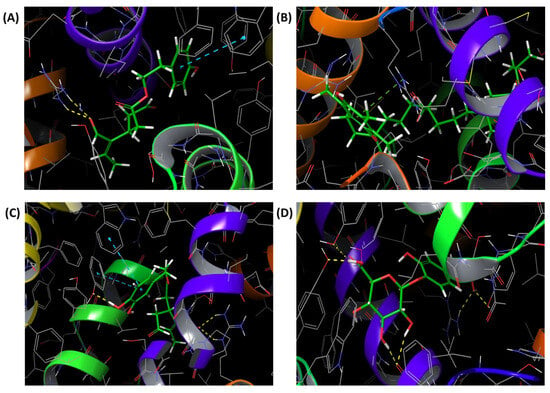
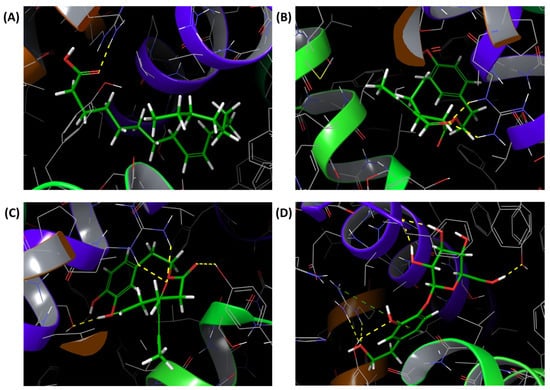
Preliminary In Silico Evaluation of Extra Virgin Olive Oil-Derived Bioactive Compounds as Multi-Target-Directed Ligands in Metabolic Dysfunction-Associated Steatotic Liver Disease
by
Ludovico Abenavoli, Maja Milanović, Giuseppe Guido Maria Scarlata, Nataša Milošević, Maria Luisa Gambardella and Nataša Milić
Life 2026, 16(7), 1146; https://doi.org/10.3390/life16071146 - 10 Jul 2026
Abstract
Background: Metabolic dysfunction-associated steatotic liver disease (MASLD) is the most prevalent chronic liver disease worldwide and is driven by complex metabolic and inflammatory disturbances. Extra virgin olive oil (EVOO), a hallmark of the Mediterranean diet, contains numerous bioactive compounds that may exert beneficial
[...] Read more.
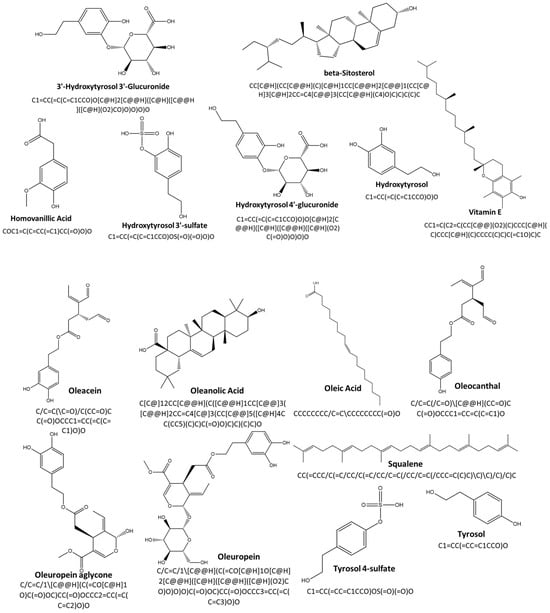
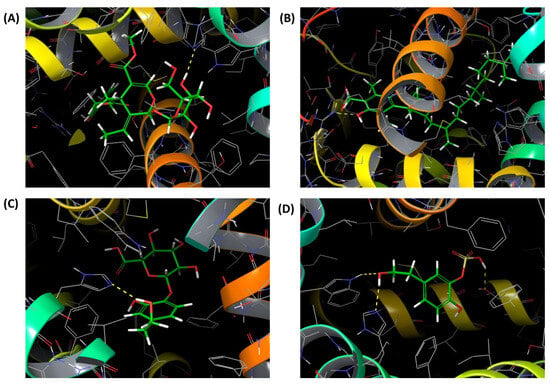
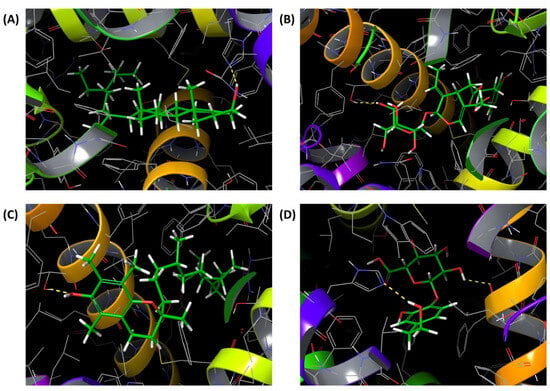
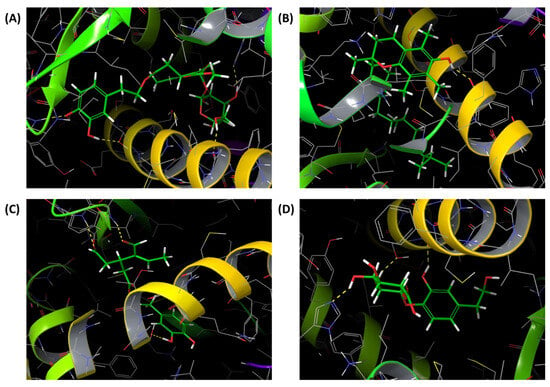
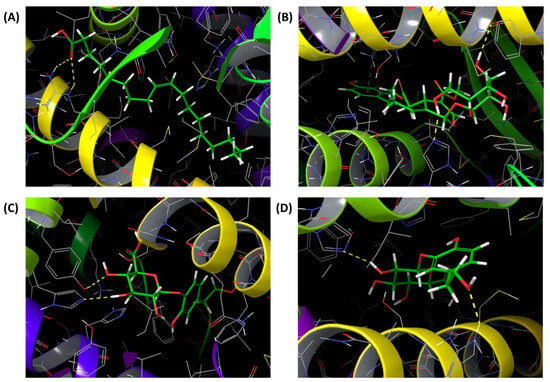
Background: Metabolic dysfunction-associated steatotic liver disease (MASLD) is the most prevalent chronic liver disease worldwide and is driven by complex metabolic and inflammatory disturbances. Extra virgin olive oil (EVOO), a hallmark of the Mediterranean diet, contains numerous bioactive compounds that may exert beneficial effects on liver and cardiometabolic health. This preliminary study investigated the interactions of selected EVOO-derived compounds, with molecular targets implicated in MASLD using an integrated in silico approach. Methods: Phenolic compounds, secoiridoids, fatty acids, sterols, squalene, and vitamin E were evaluated. Physicochemical properties, drug-likeness, and pharmacokinetic profiles were predicted using ADMETlab 3.0. Molecular docking analyses were performed against liver X receptors (LXRα and LXRβ), peroxisome proliferator-activated receptors (PPARα and PPARγ), hydroxymethylglutaryl-CoA reductase, cyclooxygenase-1, and cyclooxygenase-2. Binding modes were further examined by three-dimensional interaction analyses. Results: The investigated compounds displayed heterogeneous physicochemical and pharmacokinetic profiles. Oleuropein, oleacein, and oleocanthal demonstrated the most consistent binding patterns across targets involved in lipid metabolism, inflammation, and cardiometabolic regulation. In contrast, highly lipophilic compounds, including squalene, β-sitosterol, and vitamin E, frequently achieved high docking scores but formed fewer biologically relevant interactions. Conclusions: EVOO phenolics, particularly oleuropein, oleacein, and oleocanthal, emerged as promising multi-target modulators of MASLD-related pathways, supporting the potential role of EVOO in MASLD prevention and management.
Full article
(This article belongs to the Special Issue Gastrointestinal Health: Clinical Research and Therapeutic Innovations—2nd Edition)
►▼
Show Figures

Figure 1
Open AccessArticle
Camellia japonica Seed Oil Fermented by Sporidiobolus pararoseus Prevents Skin Cellular Photoaging by Inducing Autophagy
by
Bai Lv, Jiale Meng, Xichao Zhang, Guangtao Li, Hongqi Gao, Yi Jiang, Zhanwei Zhou and Gang Chen
Life 2026, 16(7), 1145; https://doi.org/10.3390/life16071145 - 10 Jul 2026
Abstract
Camellia japonica L. (Theaceae) seed oil is an essential component for skin protection, attributed to its antioxidant properties and anti-aging effects. In this study, Camellia japonica seed oil underwent fermentation with Sporidiobolus pararoseus (Fell & Tallman, CGMCC No. 39106, commercial name: Longevity yeast
[...] Read more.
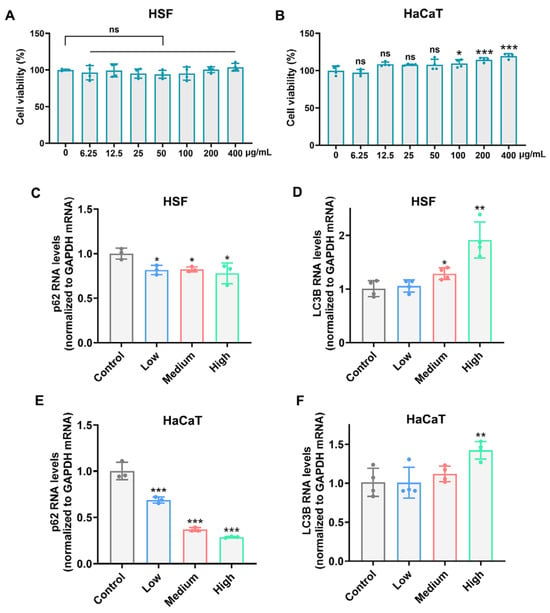
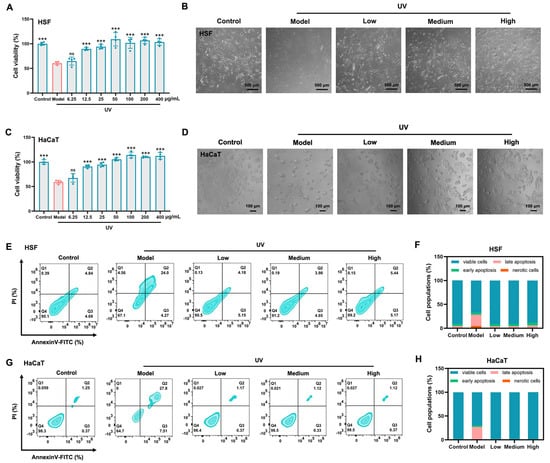
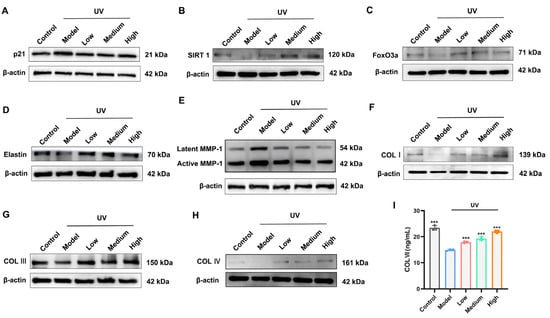
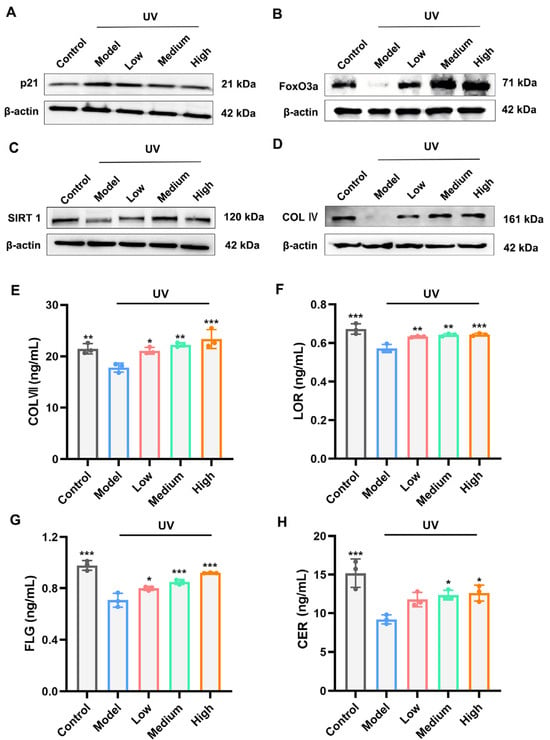
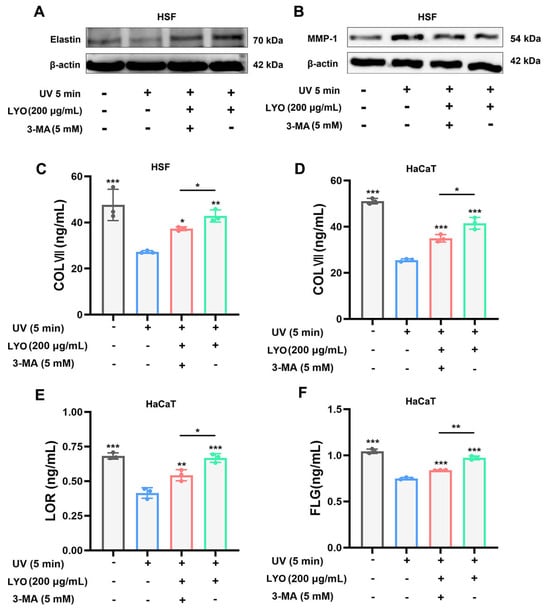
Camellia japonica L. (Theaceae) seed oil is an essential component for skin protection, attributed to its antioxidant properties and anti-aging effects. In this study, Camellia japonica seed oil underwent fermentation with Sporidiobolus pararoseus (Fell & Tallman, CGMCC No. 39106, commercial name: Longevity yeast of 1021-year-Camellia japonica). The post-fermented oil, designated Longevity Yeast Oil (LYO), was used in the present research. Gas chromatography–mass spectrometry analysis demonstrated that methyl esterification of LYO afforded twelve fatty acid methyl esters. We used an aging model in human epidermal keratinocytes and human skin fibroblasts exposed to ultraviolet B (UVB) to explore the anti-skin aging effects and mechanisms of LYO. The results of the CCK-8 assay demonstrated that LYO exhibited no cytotoxicity but instead displayed potential proliferative activity, indicating its excellent safety profile. Quantitative real-time polymerase chain reaction analyses confirmed that LYO downregulated the expression of autophagy marker p62 and upregulated LC3B, thereby activating the autophagic pathway. Further investigation revealed that LYO protected against UVB-induced apoptosis, promoted the synthesis of collagen and elastin, and upregulated the expression of loricrin, filaggrin, and ceramides, effectively reversing UVB-induced skin cellular aging. Notably, we further revealed that LYO alleviated UVB-induced cutaneous photoaging via activating cellular autophagy pathway. In conclusion, LYO demonstrated biocompatibility and conferred protection to skin cells against photoaging, thereby establishing a theoretical basis for the development of innovative autophagy-targeted anti-aging therapies.
Full article
(This article belongs to the Special Issue Herbal Extracts in Skin Health and Disease)
►▼
Show Figures

Figure 1

Open AccessArticle
Comparison of Midazolam Plasma Concentrations in ARDS Patients with and Without ECMO Support—Prospective Observational Pilot Study
by
Marek Grochla, Marcin Basiak, Bogusław Okopień, Ewa Trejnowska and Piotr Knapik
Life 2026, 16(7), 1144; https://doi.org/10.3390/life16071144 - 10 Jul 2026
Abstract
Introduction: Patients undergoing ECMO therapy have a much higher need for drug therapy due to the increased volume of distribution and deeper levels of sedation. The influence of ECMO support on the achieved midazolam concentrations is unknown. Materials and Methods: This prospective, single-center
[...] Read more.
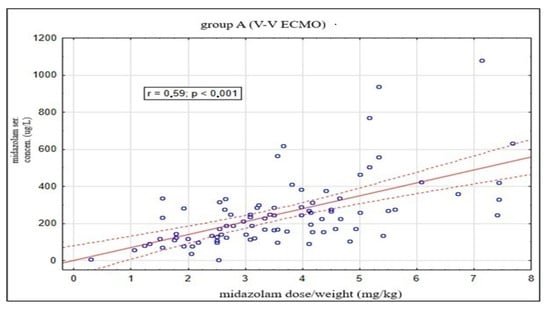
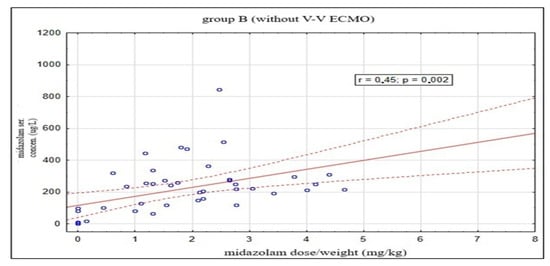
Introduction: Patients undergoing ECMO therapy have a much higher need for drug therapy due to the increased volume of distribution and deeper levels of sedation. The influence of ECMO support on the achieved midazolam concentrations is unknown. Materials and Methods: This prospective, single-center study was conducted between October 2022 and December 2024. All mechanically ventilated patients with an FiO2 over 0.6 or requiring VV ECMO for respiratory support were included. Patients younger than 18 years, patients without midazolam infusion, and patients with a do-not-resuscitate protocol were excluded. Patients were divided into a group requiring ECMO therapy (group A, n = 14, 88 measurements) and a group receiving conventional respiratory support (group B, n = 11, 44 measurements). Mean daily doses of midazolam and achieved midazolam concentrations were compared. Chi-squared tests, Mann–Whitney U tests, Pearson’s r correlation, and Spearman’s rank correlation were used to assess statistical significance between groups, where appropriate. Results: In terms of demographic data, patients in group A were comparable to group B, except that patients in group A had a lower BMI (25.7 ± 5.1 kg/m2 vs. 34.0 ± 10.1 kg/m2, p = 0.014). Midazolam requirements in the ECMO group were higher (3.6 ± 1.6 mg/kg vs. 1.8 ± 1.3 mg/kg, p < 0.001). Despite this, midazolam plasma concentrations in both groups were comparable, and only midazolam metabolites were found to be higher in group A (60 ± 72 ug/L vs. 22 ± 19 ug/L; p < 0.001). Conclusions: The use of probably higher doses of midazolam does not translate into higher plasma midazolam concentrations in ECMO patients.
Full article
(This article belongs to the Special Issue Advances in Anesthesia and Critical Care)
►▼
Show Figures

Figure 1
Open AccessArticle
Clinical Safety and Performance of Ultra-High Dk Tisilfocon A Orthokeratology Lenses: A Prospective Multicenter Study
by
Shang-Yen Wu, Jen-Hung Wang, Ti-Yen Cheng and Cheng-Jen Chiu
Life 2026, 16(7), 1143; https://doi.org/10.3390/life16071143 - 9 Jul 2026
Abstract
This prospective multicenter study evaluated the safety and clinical performance of ultra-high Dk (180 ISO/Fatt) Tisilfocon A orthokeratology (Ortho-K) lenses to treat myopia. We enrolled 67 participants aged 8–49 years with myopia up to 8.00 D. Participants were followed for 36 weeks to
[...] Read more.
This prospective multicenter study evaluated the safety and clinical performance of ultra-high Dk (180 ISO/Fatt) Tisilfocon A orthokeratology (Ortho-K) lenses to treat myopia. We enrolled 67 participants aged 8–49 years with myopia up to 8.00 D. Participants were followed for 36 weeks to assess uncorrected visual acuity (UCVA), axial length (AL), and corneal endothelial cell density (ECD). From the first week, UCVA significantly improved and remained stable through week 36. AL elongation was statistically significant overall, driven primarily by age-appropriate physiological growth in younger participants; adults and individuals with high myopia showed no significant axial elongation. Safety evaluations showed high biocompatibility with no adverse events exceeding Grade 2 corneal staining. ECD remained stable after 36 weeks of lens wear, demonstrating that the ultra-high oxygen permeability of Tisilfocon A supports corneal health and prevents hypoxic stress during overnight wear. Overall, these findings suggest that ultra-high Dk Tisilfocon A Ortho-K lenses are a safe and effective clinical solution for myopia management across diverse patients, providing long-term corneal integrity and stable visual outcomes. ECD remained stable over the 36-week observation period, providing reassuring short- to mid-term evidence that the ultra-high oxygen permeability of Tisilfocon A may help limit hypoxic stress during overnight wear. Overall, these findings suggest that ultra-high Dk Tisilfocon A Ortho-K lenses are well tolerated and clinically effective across diverse patients during this period; however, in the absence of a concurrent control group and given the relatively short follow-up, these results should be regarded as preliminary, and longer-term controlled studies are needed to confirm the durability of axial length control and corneal endothelial safety.
Full article
(This article belongs to the Special Issue Dive into Myopia)
Open AccessArticle
Transition from Direct-View to Totally Endoscopic Mitral Valve Surgery in an Experienced Minimally Invasive Center: A Propensity-Matched Analysis
by
Andrzej Klapkowski, Aleksandra Stańska, Igor Tomczyk, Radosław Targoński and Wojciech Karolak
Life 2026, 16(7), 1142; https://doi.org/10.3390/life16071142 - 9 Jul 2026
Abstract
Background: Totally endoscopic mitral valve surgery has gained increasing interest as an evolution of minimally invasive cardiac surgery. However, concerns remain regarding the implementation of endoscopic techniques and their potential impact on procedural safety and operative efficiency. The present study aimed to evaluate
[...] Read more.
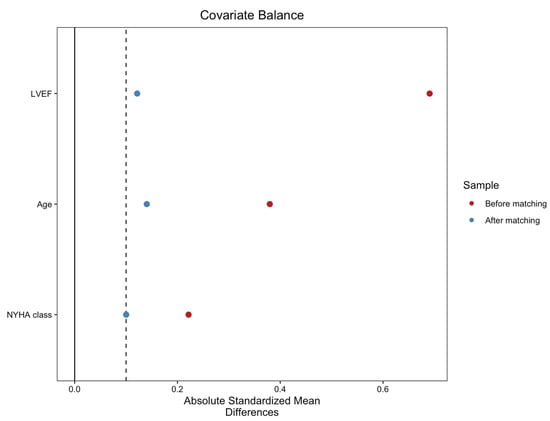
Background: Totally endoscopic mitral valve surgery has gained increasing interest as an evolution of minimally invasive cardiac surgery. However, concerns remain regarding the implementation of endoscopic techniques and their potential impact on procedural safety and operative efficiency. The present study aimed to evaluate the early experience of transitioning from direct-view minimally invasive mitral surgery to a totally endoscopic approach in an experienced minimally invasive center. Methods: A retrospective analysis of consecutive patients undergoing minimally invasive mitral valve surgery was performed. The study included 209 patients, comprising 36 totally endoscopic and 173 direct-view minimally invasive procedures. Propensity score matching was performed using age, left ventricular ejection fraction, and New York Heart Association functional class, resulting in 36 matched pairs. Continuous variables were compared using Student’s t-test and categorical variables using Fisher’s exact test. Results: After propensity score matching, baseline characteristics were well balanced between groups. The endoscopic cohort demonstrated significantly shorter cardiopulmonary bypass time compared with the direct-view group (120.4 ± 44.3 vs. 153.1 ± 40.1 min; p = 0.001). Aortic cross-clamp time was also significantly shorter in the endoscopic cohort (77.1 ± 23.9 vs. 97.8 ± 32.0 min; p = 0.002). Postoperative outcomes remained comparable between groups. The incidence of de novo atrial fibrillation was similar (11.1% vs. 13.9%; p = 1.0), as were blood transfusion requirements (47.2% vs. 50.0%; p = 1.0). Major postoperative complications occurred infrequently in both cohorts. Procedural success was achieved in 94.4% of direct-view procedures and 100% of endoscopic procedures (p = 0.493). Conclusions: Transition from direct-view minimally invasive mitral surgery to a totally endoscopic approach was associated with significantly shorter cardiopulmonary bypass and aortic cross-clamp times while maintaining comparable early postoperative outcomes. These findings suggest that implementation of totally endoscopic mitral surgery can be achieved safely in experienced minimally invasive centers and may be associated with shorter operative times while maintaining comparable early postoperative outcomes. Further multicenter studies are warranted to better define the impact of endoscopic techniques on operative performance and clinical outcomes.
Full article
(This article belongs to the Special Issue Minimally Invasive and Transcatheter Interventions in Valvular Heart Disease)
►▼
Show Figures

Figure 1

Open AccessArticle
Performance and Safety of Hyaluronic Acid-Based Gynaecological Filler for Labia Majora Augmentation: A Randomised Controlled Study
by
Elena Fasola, Dhouha Dridi, Rebecca Susanna Degliuomini, Giovanni Buzzaccarini, Vittoria Benini and Stefano Salvatore
Life 2026, 16(7), 1141; https://doi.org/10.3390/life16071141 - 9 Jul 2026
Abstract
Background: Labia majora atrophy is a common consequence of aging, hormonal changes, and medical conditions, leading to anatomical changes that affect both aesthetic appearance and sexual function. Hyaluronic acid (HA)-based fillers represent a promising, minimally invasive approach to restoring volume and improving the
[...] Read more.
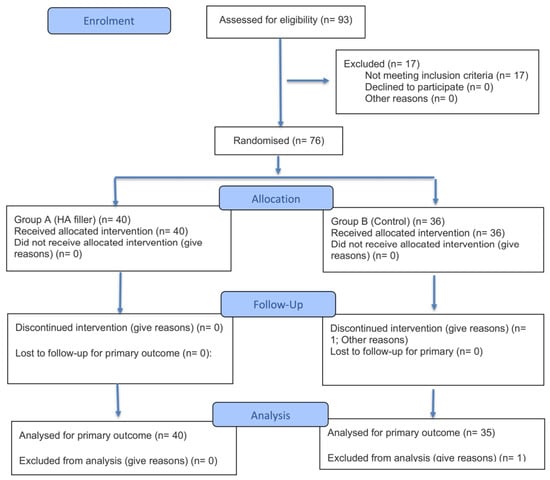
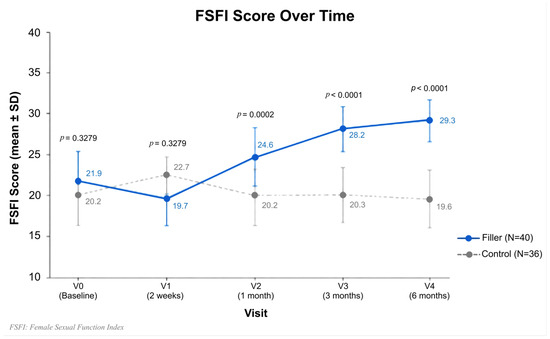
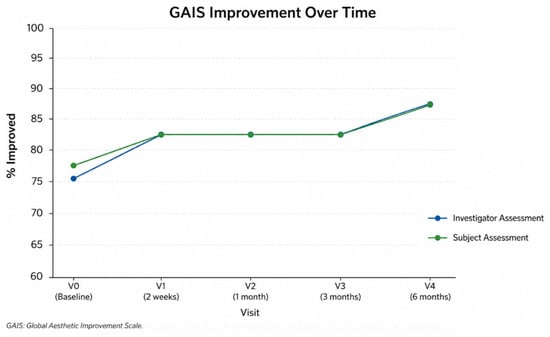
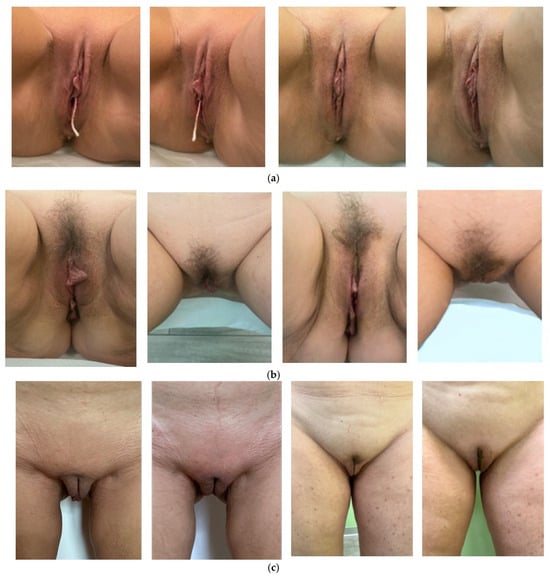
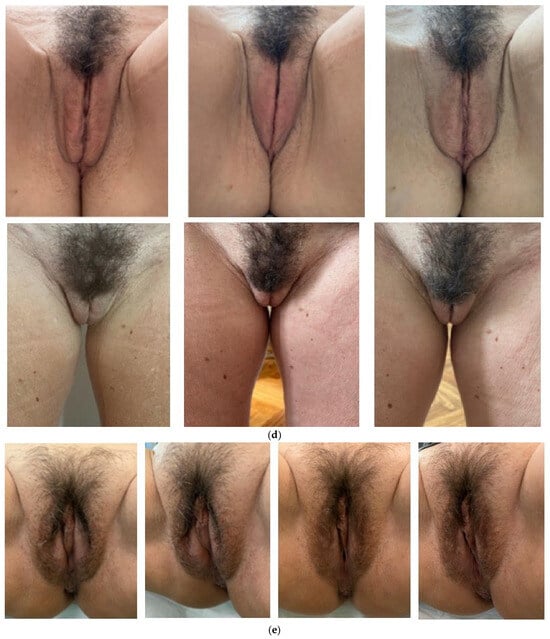
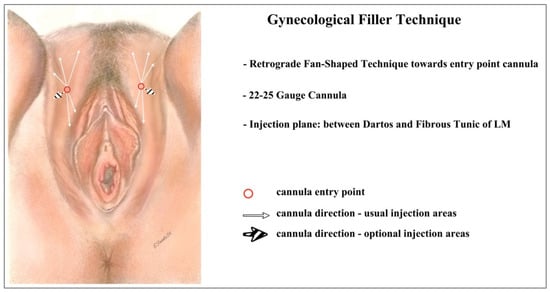
Background: Labia majora atrophy is a common consequence of aging, hormonal changes, and medical conditions, leading to anatomical changes that affect both aesthetic appearance and sexual function. Hyaluronic acid (HA)-based fillers represent a promising, minimally invasive approach to restoring volume and improving the structural integrity of the labia majora. However, clinical data on their efficacy and safety remain limited. Objective: To evaluate the efficacy and safety of a cross-linked hyaluronic acid filler for the treatment of labia majora hypotrophy. Methods: This randomised, single-centre, double-arm study included 76 women aged 40–65 years with labia majora hypotrophy, allocated to either a treatment group receiving HA filler injections (n = 40) or a control group with no intervention (n = 36). Primary endpoints included changes in sexual function, assessed using the Female Sexual Function Index (FSFI) at six months, and anatomical assessment using the Motakef classification as an indirect measure of the labia majora proportion. Secondary endpoints included aesthetic improvement (Global Aesthetic Improvement Scale, GAIS), perceived stress (Perceived Stress Scale, PSS), and patient satisfaction. Safety was assessed through the systematic monitoring of adverse events. Results: At six months, FSFI scores significantly improved in the treatment group compared to the control group (p < 0.0001), indicating improved sexual function. GAIS scores demonstrated significantly higher aesthetic improvement in the treated group (p < 0.0001). No serious adverse events occurred, and procedure-related pain was minimal (mean NRS: 1.4 ± 1.2). The treatment was well tolerated, with only transient and mild local reactions reported. Conclusions: The findings suggest that HA-based gynaecological fillers may represent a safe and potentially effective minimally invasive option for labia majora augmentation, with improvements in sexual function, aesthetic appearance, and patient satisfaction. These results should be considered preliminary and warrant further long-term investigation.
Full article
(This article belongs to the Section Medical Research)
►▼
Show Figures

Figure 1

Open AccessTechnical Note
Optimized Open-Source Setting for Subjecting Rodents to Chronic Normobaric Hypoxia in Facilities with Minimal Nitrogen Supply
by
Jorge Otero, Miguel A. Rodríguez-Lázaro, Raffaella Salama, Daniel Mbanze, Gorka Solana, Vicent Muñoz-Vaño, Yolanda Cámara, Isaac Almendros and Ramon Farré
Life 2026, 16(7), 1140; https://doi.org/10.3390/life16071140 - 9 Jul 2026
Abstract
Very prevalent respiratory and cardiovascular diseases result in chronic hypoxia, promoting metabolic, kidney, heart, and other malignant diseases. Hypoxia research employs animal models based on chronically breathing hypoxic air (O2 < 21%), usually by injecting N2 into the animal’s chamber. However,
[...] Read more.
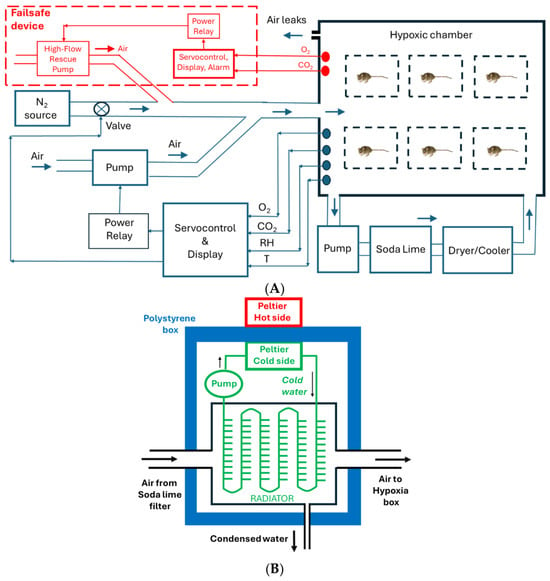
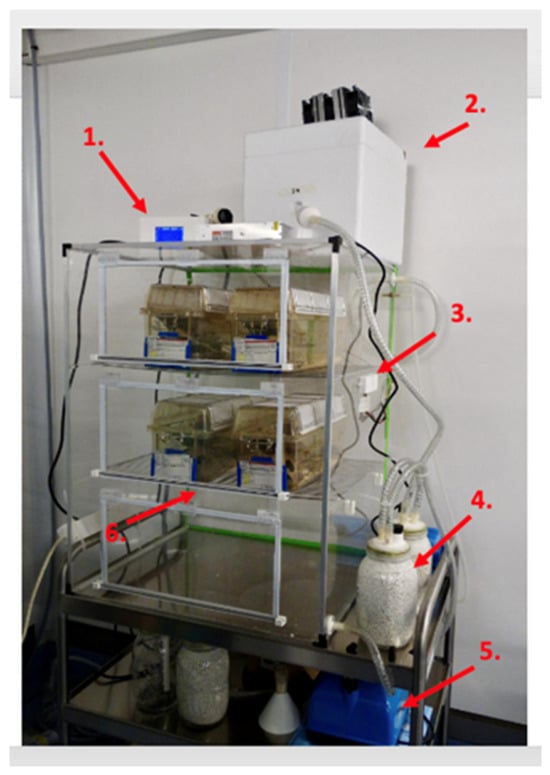
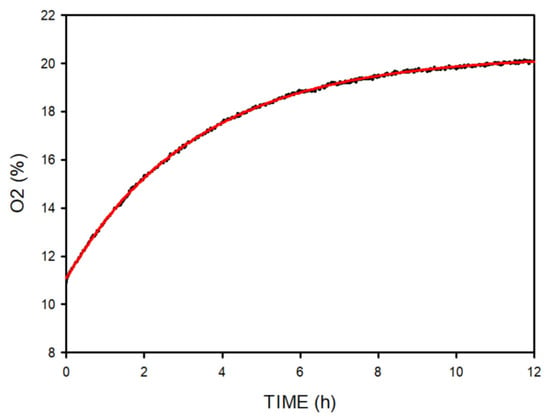
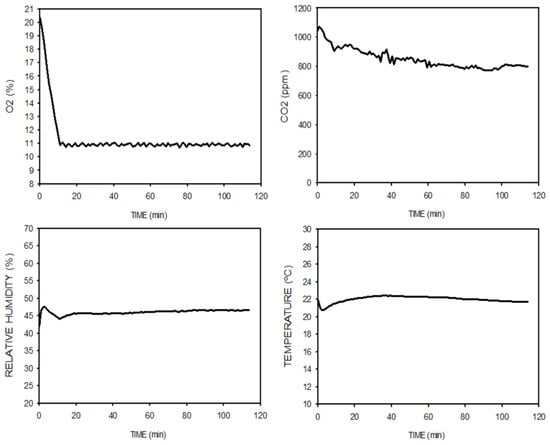
Very prevalent respiratory and cardiovascular diseases result in chronic hypoxia, promoting metabolic, kidney, heart, and other malignant diseases. Hypoxia research employs animal models based on chronically breathing hypoxic air (O2 < 21%), usually by injecting N2 into the animal’s chamber. However, continuous high-flow N2 supply is available only in limited facilities, reducing the capability for hypoxia research to be widely conducted. Here, we describe an optimized setting for subjecting rodents to chronic normobaric hypoxia by requiring minimal N2 supply. The primary aim of this study was the technical development and optimization of a system for chronic normobaric hypoxia exposure rather than testing a specific biological hypothesis The setting is based on providing the O2 consumed by the animals and eliminating the exhaled CO2 and water vapor. O2, CO2, temperature, and humidity in the hypoxic chamber are controlled by an Arduino-based unit activating a pump that introduces room air to restore the metabolized O2. Another pump continuously recirculates the chamber air through a Peltier-based dryer and CO2-absorbing soda lime. To correct any deviation in the actual value of hypoxia within the chamber, the control unit allows the injection of N2 into the chamber from a gas source. The setting performance was successfully tested in vivo when subjecting mice to 11%–O2 chronic hypoxia. This device, requiring a low N2 supply, may facilitate in vivo experimental research on hypoxia-related diseases.
Full article
(This article belongs to the Section Cell Biology and Tissue Engineering)
►▼
Show Figures

Figure 1

Open AccessArticle
Phytochemical Characterization and Evaluation of the Anticholinesterase and Anti-Trypanosoma cruzi Potential of Andean Amaryllidaceae from Bolivia: (Pyrolirion boliviense and Stenomesson miniatum)
by
María Lenny Rodríguez-Escobar, Vineet Singh Raj, Nieves Martínez-Peinado, Alfredo F. Fuentes, Carla Maldonado, Juan Carlos Gabaldón-Figueira, Julio Alonso-Padilla, Jaume Bastida, Luciana R. Tallini and Laura Torras-Claveria
Life 2026, 16(7), 1139; https://doi.org/10.3390/life16071139 - 9 Jul 2026
Abstract
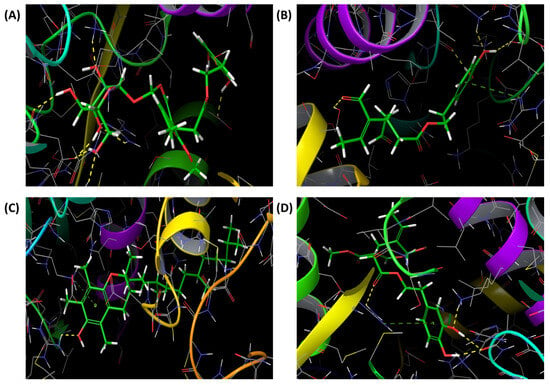
The Amaryllidaceae family is a rich source of structurally diverse alkaloids with recognized neuroactive and antiparasitic properties. This study provides the first phytochemical and biological characterization of Pyrolirion boliviense and wild Stenomesson miniatum from Bolivia. Alkaloid extracts from bulbs and leaves were analysed
[...] Read more.
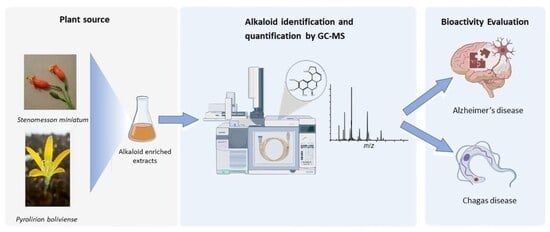
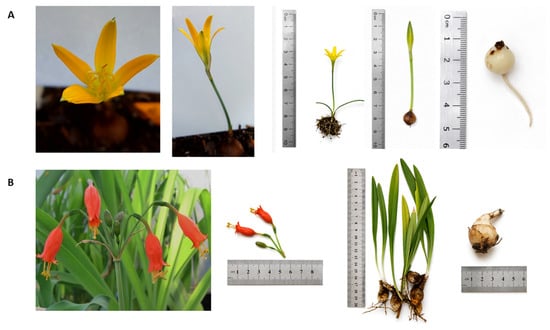
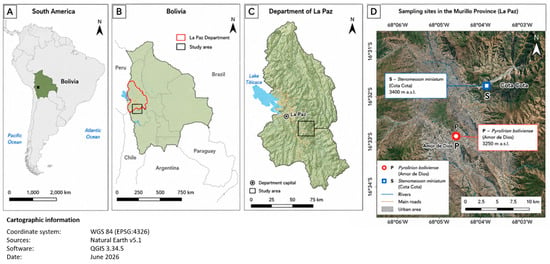
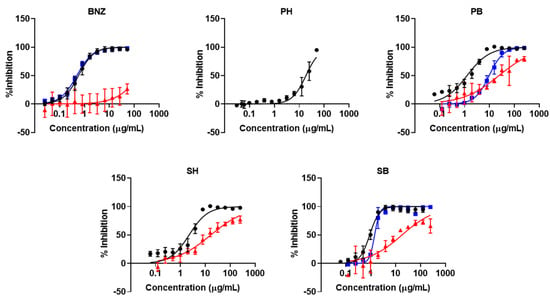
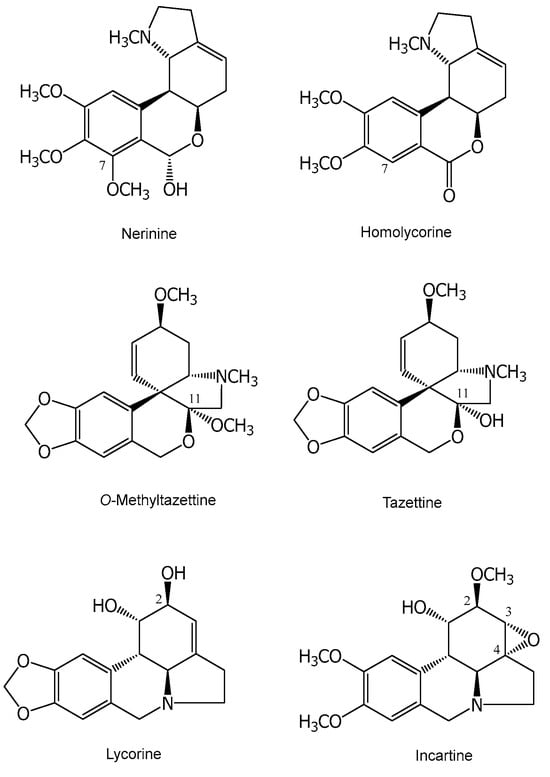
The Amaryllidaceae family is a rich source of structurally diverse alkaloids with recognized neuroactive and antiparasitic properties. This study provides the first phytochemical and biological characterization of Pyrolirion boliviense and wild Stenomesson miniatum from Bolivia. Alkaloid extracts from bulbs and leaves were analysed by GC–MS and evaluated for acetylcholinesterase (AChE), butyrylcholinesterase (BuChE), and Trypanosoma cruzi inhibitory activities. Thirty-two Amaryllidaceae alkaloids were identified, with P. boliviense exhibiting greater alkaloid diversity (25 compounds) and S. miniatum a higher total alkaloid content (227.86 vs. 138.92 μg Gal/100 mg DW). P. boliviense bulb extracts showed the strongest cholinesterase inhibition (AChE IC50 = 6.07 ± 0.47 μg·mL−1; BuChE IC50 = 30.93 ± 1.17 μg·mL−1), whereas S. miniatum extracts displayed weaker AChE inhibition and no detectable BuChE activity. In anti-T. cruzi assays, bulb extracts were the most active, with S. miniatum showing an IC50 of 0.90 ± 0.15 μg·mL−1 (SI = 20.12) and selective anti-amastigote activity (IC50 = 1.42 ± 0.66 μg·mL−1; SI = 12.77). These findings identify Bolivian Andean Amaryllidaceae as promising sources of bioactive alkaloids with potential applications for Alzheimer’s disease and Chagas disease drug discovery.
Full article
(This article belongs to the Special Issue New Advances in Natural Product Research for Drug Discovery and Therapeutics)
►▼
Show Figures

Graphical abstract
Open AccessCommunication
Comparative Genomic Analysis of Two Phyllanthus emblica Genomes with Endemic and Widespread Cultivar Backgrounds
by
Yongqin Zheng, Qinghan Wu, Yuzhong Zheng, Jianjian Huang and Fengnian Wu
Life 2026, 16(7), 1138; https://doi.org/10.3390/life16071138 - 9 Jul 2026
Abstract
Phyllanthus emblica is valued for its nutritional and medicinal properties, yet the genomic divergence between localized and widespread cultivars remains poorly understood. We investigated the genomes of two individuals from the endemic cultivar ‘Hongguang’ (HG), propagated via regional grafting, and the commercially widespread
[...] Read more.
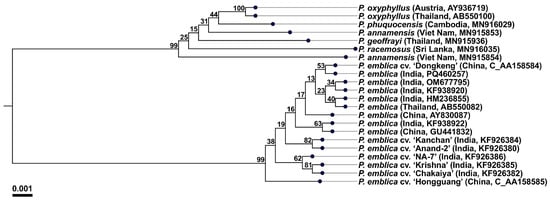
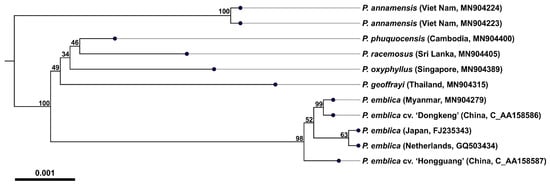
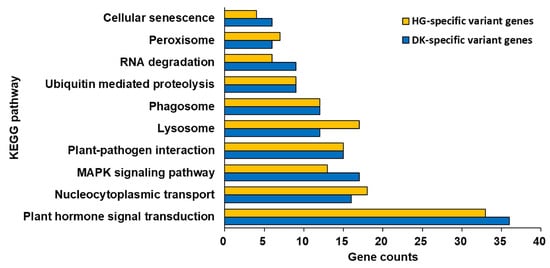
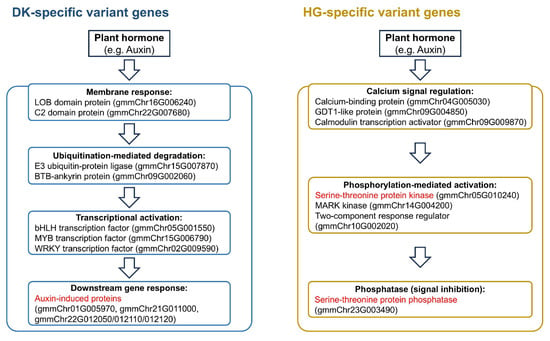
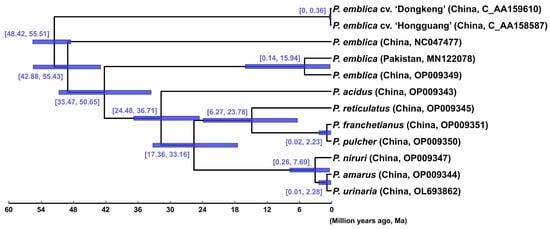
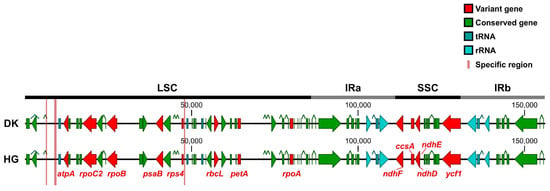
Phyllanthus emblica is valued for its nutritional and medicinal properties, yet the genomic divergence between localized and widespread cultivars remains poorly understood. We investigated the genomes of two individuals from the endemic cultivar ‘Hongguang’ (HG), propagated via regional grafting, and the commercially widespread ‘Dongkeng’ (DK), known for its superior protein content. Using whole-genome sequencing, we reconstructed phylogenies from two nuclear markers, profiled genome-wide variations, assembled chloroplast genomes, and verified relative plastid copy numbers via real-time quantitative PCRs (qPCRs). Nuclear internal transcribed spacer (ITS) and phytochrome C (PHYC) phylogenies confirmed both samples belonged to the P. emblica lineage, while revealing a distinct genetic identity for the HG individual. Genome-wide variant profiling of the two individuals identified KEGG enrichment in plant hormone signaling pathways; DK variants mapped to the canonical auxin axis, while HG variants were annotated to reversible protein phosphorylation. Comparative chloroplast genomics demonstrated shared maternal inheritance and shared mutations in key photosynthetic genes (psaB, petA, and the ndh cluster) between the two genomes, though qPCR validation revealed a higher relative chloroplast DNA copy number in the DK sample. Despite the two-individual limitation, these findings revealed preliminary genomic variations, offering candidate molecular markers for future population studies and marker-assisted breeding.
Full article
(This article belongs to the Section Plant Science)
►▼
Show Figures

Figure 1
Open AccessArticle
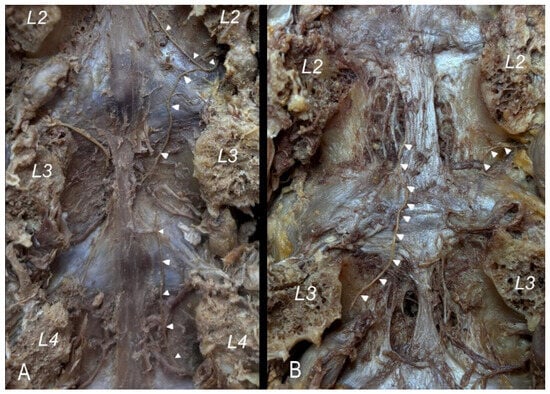
The Sinuvertebral Nerve Revisited: A Morphological and Immunohistochemical Study
by
Lluis Aguilar, Sara Quiñones, Paloma Aragonés, Ruth Esteban-Marín, Francisco Valderrama, Marko Konschake, Maria Luque-Calvo, Clara Simón de Blas, Jose Francisco Rodríguez-Vázquez and Teresa Vázquez-Osorio
Life 2026, 16(7), 1137; https://doi.org/10.3390/life16071137 - 9 Jul 2026
Abstract
The proven involvement of the sinuvertebral nerve (SVN) in discogenic low-back pain and the demonstration that its blockade has been effective in reducing the intensity and frequency of diffuse low back pain have led to an increase in publications related to the characterization
[...] Read more.
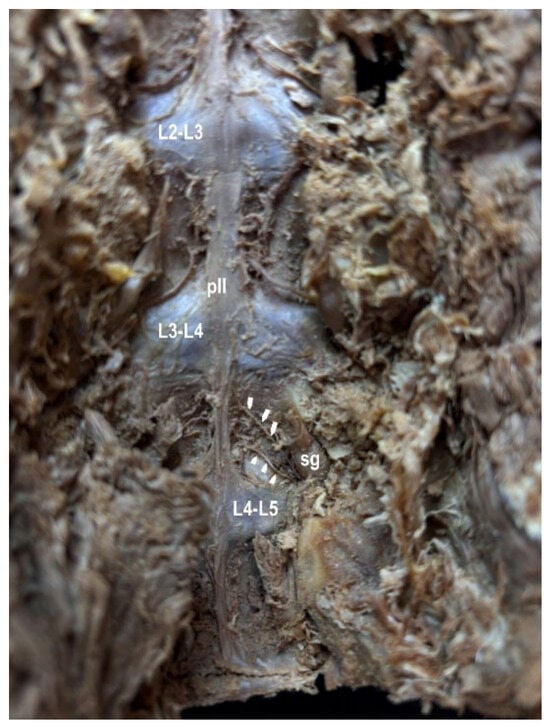
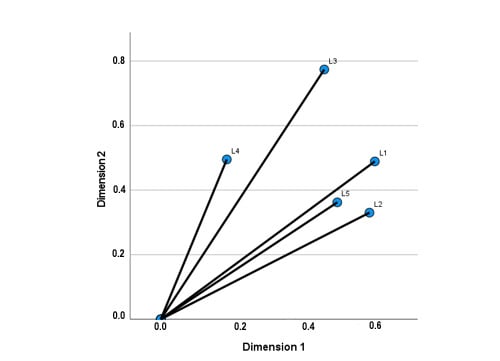
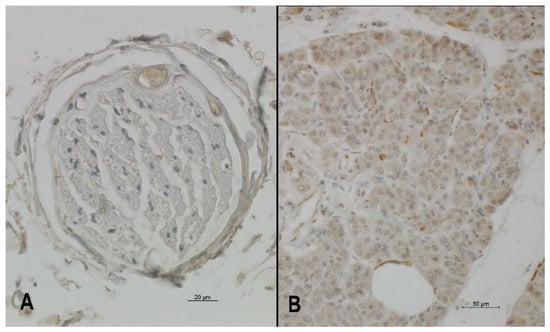
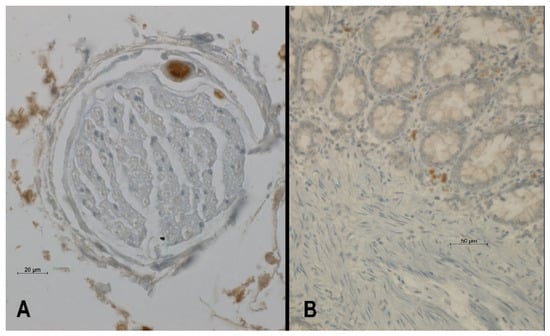
The proven involvement of the sinuvertebral nerve (SVN) in discogenic low-back pain and the demonstration that its blockade has been effective in reducing the intensity and frequency of diffuse low back pain have led to an increase in publications related to the characterization of this nerve. However, there is a huge disparity in the observations resulting from the studies carried out, probably due to the technical difficulty of accessing this structure. In recent years, the number of studies in large samples has increased but some important data in relation to the nature of the sinuvertebral nerve remain unpublished. We studied 100 vertebral column segments between L1 and L5, corresponding to both sides of 10 adult cadavers donated to the Body Donation Centre and Dissection Rooms of the Complutense University of Madrid. All levels were carefully dissected to study sinuvertebral nerve origins and some samples of SVN were selected to be routinely paraffin-embedded and serially sectioned with a Minot-type microtome at a 7 µm thickness. Immediately after dewaxing following the standard histology lab protocols, sections from the selected SVN (well-preserved morphology and histologic condition) were subjected to an immunohistochemical protocol to detect CGRP-IH and VIP-IH. Data analysis was performed using IBM SPSS Statistics version 27 and RStudio. The SVN was observed with a single branch (pattern I) in 82 cases (85.4%) and with two branches (pattern II) at the same level in 14 cases (14.6%). Statistical differences were not found in relation to vertebral levels, side or sex. All sinuvertebral nerve samples that underwent immunohistochemical study were positive for CGRP and VIP, suggesting a mixed autonomic (VIP+) and sensory (CGRP+) fibre composition along the nerve trunk. This study confirms the neurochemistry profile of the SVN due to the realization of the immunochemistry characterization directly in the SVN, not in its innervated structures. This information supports the usage of SVN blocking from a pathophysiological point of view for diagnostic and treatment techniques (e.g., Percutaneous Transforaminal Endoscopic Radiofrequency Ablation of the SVN) in discogenic lumbar pain.
Full article
(This article belongs to the Section Physiology and Pathology)
►▼
Show Figures

Figure 1

Open AccessFeature PaperArticle
Unraveling Polycyclic Aromatic Hydrocarbon-Triggered Reactive Oxygen Species’ Generation in Maize Rhizosphere: Coupled Biotic–Abiotic Mechanism
by
Xiaoling Xu, Chuanxiang Li, Jinbo Liu, Jian He, Yongxiu Sun and Jian Wang
Life 2026, 16(7), 1136; https://doi.org/10.3390/life16071136 - 8 Jul 2026
Abstract
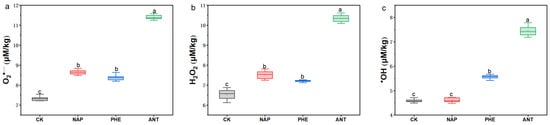
Reactive oxygen species (ROS) are critical drivers of redox-associated biogeochemical processes within the rhizosphere, yet the mechanisms of their generation under contaminant stress remain poorly understood. A 24-day pot cultivation experiment with four treatments (control, naphthalene, phenanthrene, and anthracene) was conducted to investigate
[...] Read more.
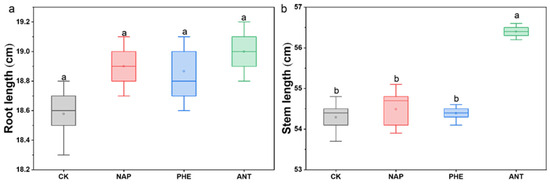
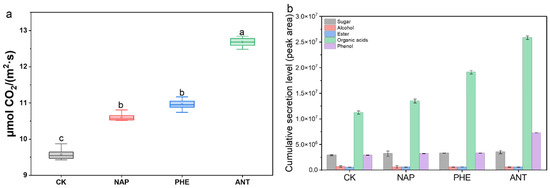
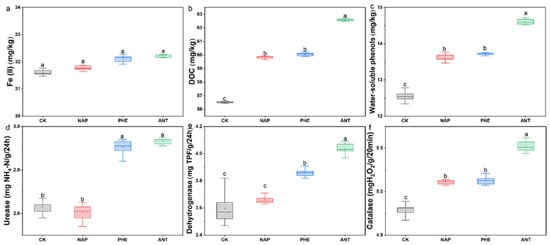
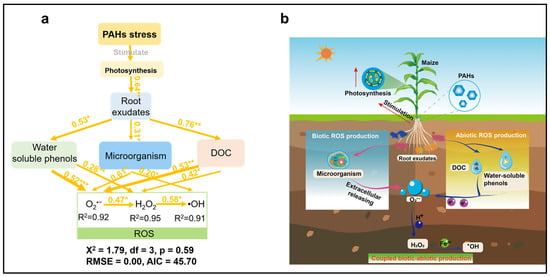
Reactive oxygen species (ROS) are critical drivers of redox-associated biogeochemical processes within the rhizosphere, yet the mechanisms of their generation under contaminant stress remain poorly understood. A 24-day pot cultivation experiment with four treatments (control, naphthalene, phenanthrene, and anthracene) was conducted to investigate how polycyclic aromatic hydrocarbons (PAHs) alter the production of three kinds of ROS (e.g., O2•−, H2O2, and •OH) in the maize rhizosphere. PAHs promoted the production of rhizosphere ROS, and the promotion effects were compound-dependent, following the order of anthracene > phenanthrene ~ naphthalene. The increases in O2•− content were 55.6%, 14.3%, and 17.9% under anthracene, phenanthrene, and naphthalene treatments. The H2O2 content was enhanced by 58.6% under anthracene treatment, 10.4% under phenanthrene treatment, and 15.4% under naphthalene treatment. The •OH concentrations increased by 62.5%, 21.1%, and 0.5% under anthracene, phenanthrene, and naphthalene exposure, respectively. Importantly, the variations in rhizosphere ROS’ content simultaneously fluctuated with stem length, photosynthetic rates, root exudates, dissolved organic carbon (DOC), water-soluble phenols, and enzymes activities induced by PAHs stress. Statistical analysis suggested PAH stress enhanced maize biomass (particularly stem growth), thereby improving photosynthetic efficiency and thus stimulating root exudate release. Root exudates could promote water-soluble phenol and DOC release and enhance microorganism reproduction, thereby mediating abiotic ROS’ production via electron transfer and biotic ROS’ production via extracellular release. These findings clarify the response of rhizosphere ROS to PAHs stress, providing valuable insights for rhizosphere-ROS-mediated remediation of soil pollutants.
Full article
(This article belongs to the Special Issue Root–Soil–Microbe Interactions: Mechanisms and Management for Plant Performance and Ecosystem Function)
►▼
Show Figures

Figure 1

Open AccessReview
The Potential Roles of Oral Hypoglycemic Agents to Modulate Mitochondrial Function in Type 1 Diabetes Mellitus: A Scoping Review
by
Su-Ann Cheng and Jeong Hoon Lim
Life 2026, 16(7), 1135; https://doi.org/10.3390/life16071135 - 8 Jul 2026
Abstract
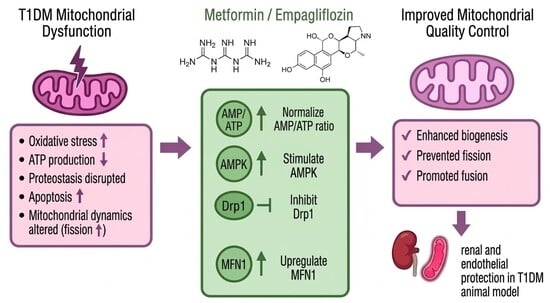
Type 1 diabetes mellitus (T1DM) is characterized by autoimmune β-cell destruction and absolute insulin deficiency. While insulin remains the cornerstone of treatment, the adjunctive use of oral hypoglycemic agents (OHAs) has been explored, though clinical evidence in T1DM remains sparse. Mitochondrial dysfunction is
[...] Read more.
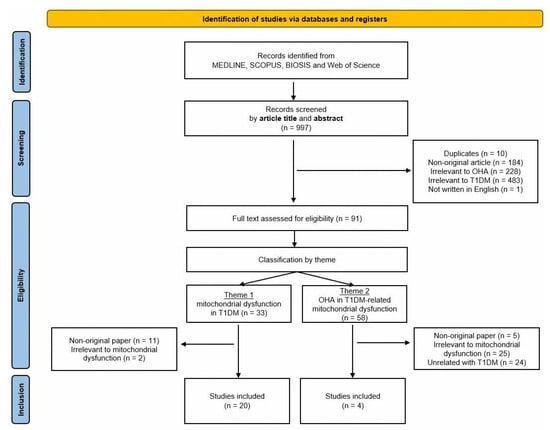
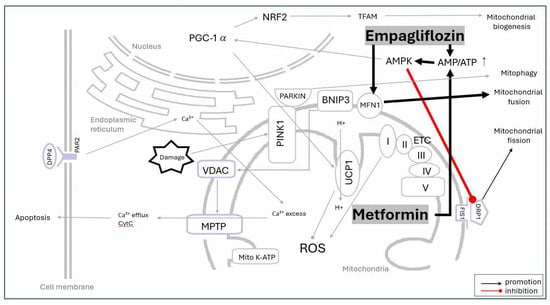
Type 1 diabetes mellitus (T1DM) is characterized by autoimmune β-cell destruction and absolute insulin deficiency. While insulin remains the cornerstone of treatment, the adjunctive use of oral hypoglycemic agents (OHAs) has been explored, though clinical evidence in T1DM remains sparse. Mitochondrial dysfunction is increasingly recognized in the pathogenesis and complications of T1DM, and some OHAs are known to modulate mitochondrial pathways, primarily studied in type 2 diabetes mellitus. This review aimed to synthesize existing evidence regarding the roles of OHAs in T1DM, with a specific focus on their potential impact on mitochondrial function. Following PRISMA guidelines, eligible studies investigating mitochondrial dysfunction in T1DM or the effects of OHAs on mitochondrial function in T1DM were included. Of 997 articles screened, 24 studies met inclusion criteria. Twenty studies described the mechanisms of mitochondrial dysfunction in T1DM, highlighting oxidative stress, impaired ATP production, disrupted proteostasis, apoptosis, and altered mitochondrial dynamics. Four preclinical studies suggested that metformin and empagliflozin may improve mitochondrial quality control in an adenosine monophosphate-activated protein kinase (AMPK)-dependent manner by enhancing biogenesis and preventing mitochondrial fission in T1DM. Certain OHAs may modulate mitochondrial dysfunction in T1DM, but clinical translation remains speculative and requires further investigation regarding their potential as adjunctive therapy.
Full article
(This article belongs to the Special Issue The Role of Mitochondrial Function in Cancer and Diseases and Therapeutic Explorations)
►▼
Show Figures

Graphical abstract
Open AccessCase Report
To Be or Not to Be: Amiodarone as Both Savior and Foe—A Therapeutic Paradox in Atrial Fibrillation Management and Ventricular Arrhythmia Associated with Amiodarone-Induced Thyrotoxicosis
by
Monika Amielan, Małgorzata Zalewska-Adamiec, Hanna Bachórzewska-Gajewska and Sławomir Dobrzycki
Life 2026, 16(7), 1134; https://doi.org/10.3390/life16071134 - 8 Jul 2026
Abstract
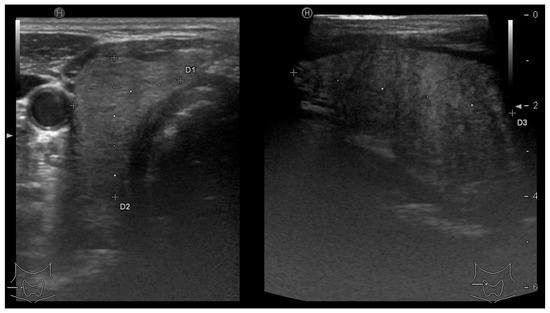
Amiodarone-induced thyrotoxicosis (AIT) is a serious thyroid dysfunction that represents a significant complication of pharmacological therapy in cardiology patients. The development of AIT can substantially complicate the management of cardiac arrhythmias, posing a major clinical challenge. We present the case of a patient
[...] Read more.
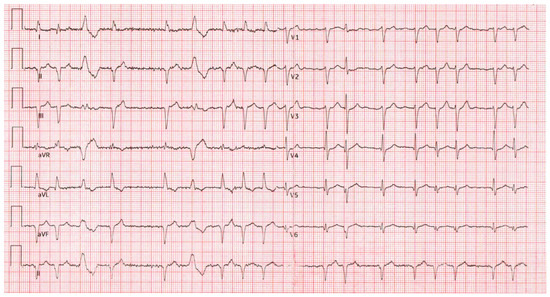
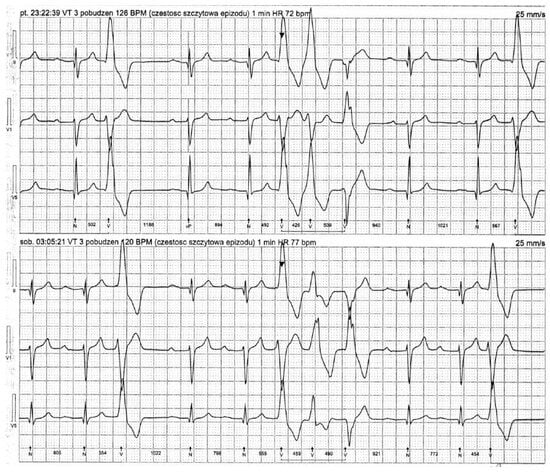
Amiodarone-induced thyrotoxicosis (AIT) is a serious thyroid dysfunction that represents a significant complication of pharmacological therapy in cardiology patients. The development of AIT can substantially complicate the management of cardiac arrhythmias, posing a major clinical challenge. We present the case of a patient in whom amiodarone was initially effective in the treatment of atrial fibrillation but subsequently led to type II amiodarone-induced thyrotoxicosis and exacerbation of the atrial arrhythmia. This case highlights the need for regular monitoring of patients treated with amiodarone, the challenges of managing arrhythmias in the setting of AIT, and the importance of close collaboration between cardiologists and endocrinologists in the diagnosis and treatment of AIT.
Full article
(This article belongs to the Special Issue Interdisciplinarity in Cardiovascular Diseases: From Pathophysiology to Diagnosis and Treatment—4th Edition)
►▼
Show Figures

Figure 1

Open AccessReview
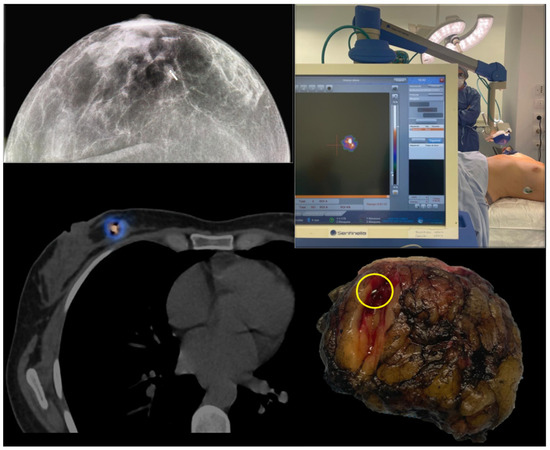
Radioguided Surgery and Axillary Management in Breast Cancer: From Molecular Imaging to 3D Navigation Toward Personalized Treatment
by
John Orozco Cortés, Marta Tapia, Jorge Sabater Sancho, Carolina Castillo Arias, Elvira Buch Villa, Ernesto Muñoz Sornosa, Vicente Lopez Flor, Rafael Diaz Exposito, Luisa Fernanda Leon, Catalina Sampol Bas, David Carrera Salazar, Begoña Bermejo, Sergi Vidal Sicart and Juan Miguel Cejalvo Andujar
Life 2026, 16(7), 1133; https://doi.org/10.3390/life16071133 - 8 Jul 2026
Abstract
Radioguided surgery has become a key component of contemporary breast cancer care, supporting less invasive approaches while maintaining oncologic safety. This narrative review summarizes current practice and recent developments in radioguided breast and axillary surgery, from established molecular imaging workflows to emerging three-dimensional
[...] Read more.
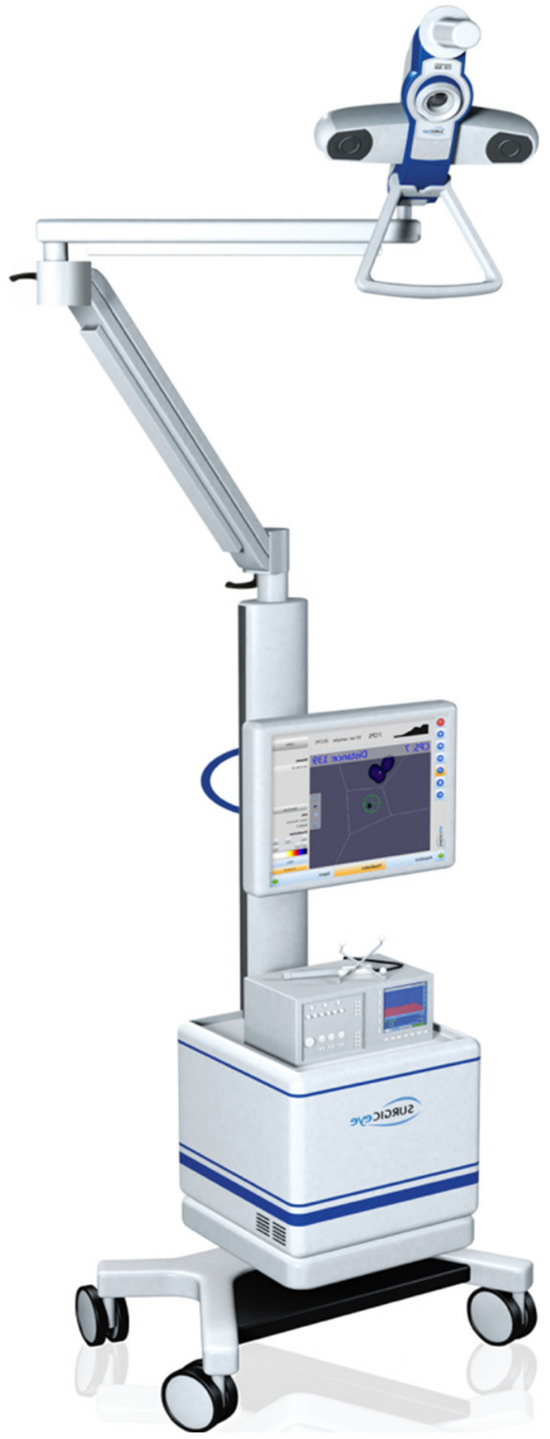
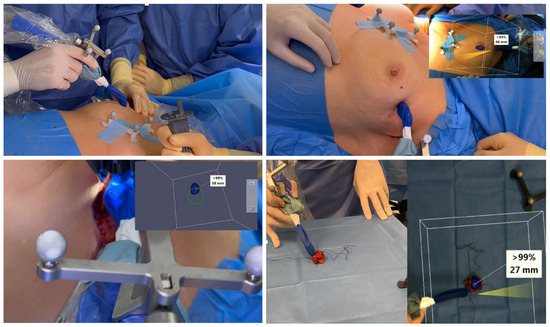
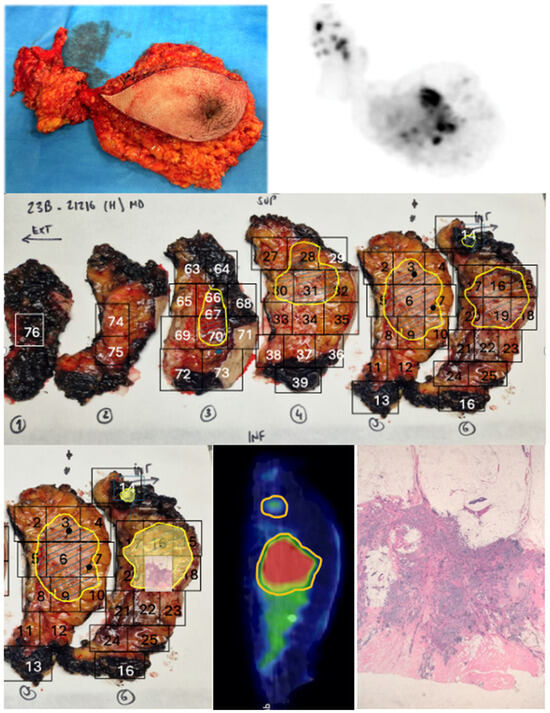
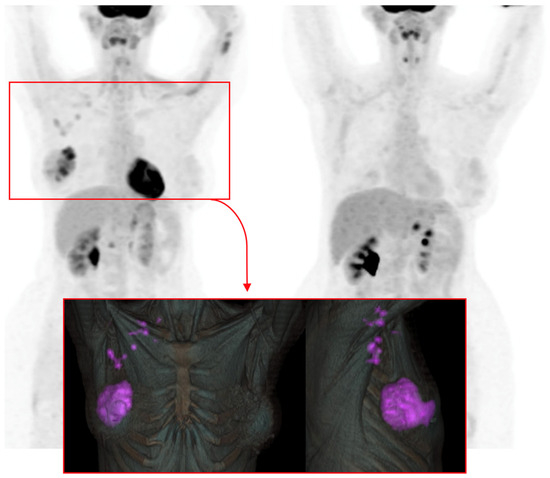
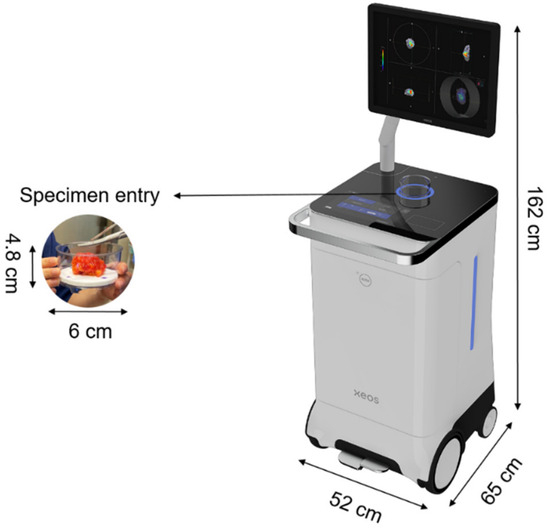
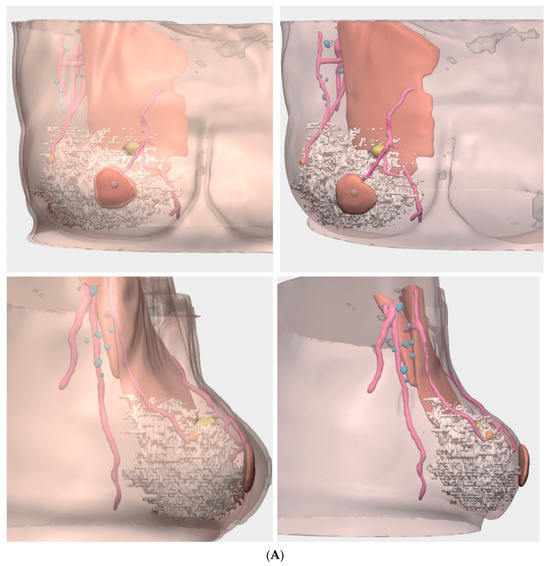
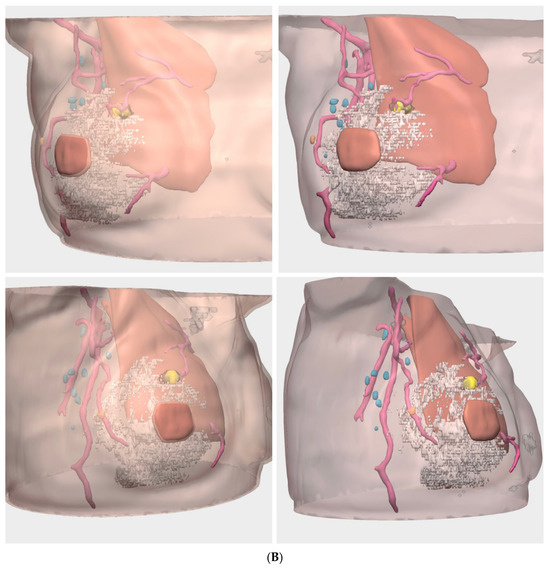
Radioguided surgery has become a key component of contemporary breast cancer care, supporting less invasive approaches while maintaining oncologic safety. This narrative review summarizes current practice and recent developments in radioguided breast and axillary surgery, from established molecular imaging workflows to emerging three-dimensional and intraoperative technologies. Modern breast cancer management is increasingly shaped by tumor biology and the widespread use of neoadjuvant systemic therapy, which is transforming surgical decision-making and driving a shift toward personalized, patient-tailored pathways. In this context, radioguided techniques help maintain procedural accuracy despite therapy-induced changes in breast and nodal anatomy, enabling reliable lesion localization and targeted management of the axilla. We discuss sentinel lymph node strategies and de-escalation concepts, including targeted axillary dissection (TAD) after neoadjuvant therapy using marked nodes and selective removal approaches. We also review localization methods, including radioactive seed–based techniques, and the expanding role of molecular imaging–guided surgery to support intraoperative decision-making. Particular attention is paid to technologies aimed at improving surgical precision and margin assessment, including portable/freehand SPECT concepts and intraoperative PET/CT-based specimen imaging for immediate evaluation of excised tissue. Finally, we highlight how artificial intelligence and digital tools may enable workflow optimization, navigation, image interpretation, and decision support, accelerating the transition toward individualized treatment. Overall, integrating molecular information with real-time 3D guidance can help tailor breast and axillary management to each patient while reducing morbidity.
Full article
(This article belongs to the Special Issue Gynecological Cancer: Etiologic, Diagnostic, Prognostic, and Therapeutic Research)
►▼
Show Figures

Figure 1
Open AccessArticle
Green Synthesis of Silver Nanoparticles from Aloe vera: Antibacterial Potential Against Cyanobacteria from an Andean Lagoon
by
Arnold Solano, Antonio Vega, José Davalos-Monteiro, Daniel Cabrera-Valle, Carlos Loyo-Dávila, Lenin Ramírez-Cando, Fernando Villalba-Meneses, Diego Almeida-Galárraga, Vladimir Bonilla, Maria Baldeon-Calisto, Raúl Dávalos Monteiro and Patricia Acosta-Vargas
Life 2026, 16(7), 1132; https://doi.org/10.3390/life16071132 - 7 Jul 2026
Abstract
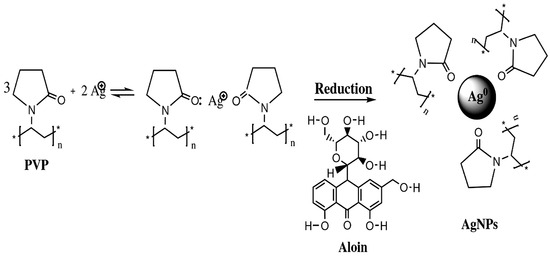
This work describes an efficient and environmentally friendly method for the synthesis of silver-based nanostructures through a green route using Aloe vera extract as a reducing agent, silver nitrate (AgNO3) as a precursor, and polyvinylpyrrolidone (PVP, 10 kDa molecular weight) as
[...] Read more.
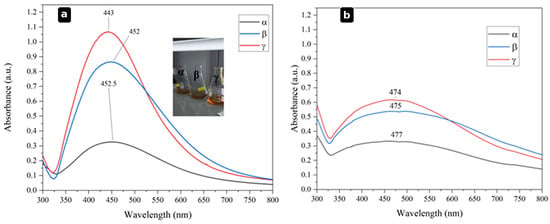
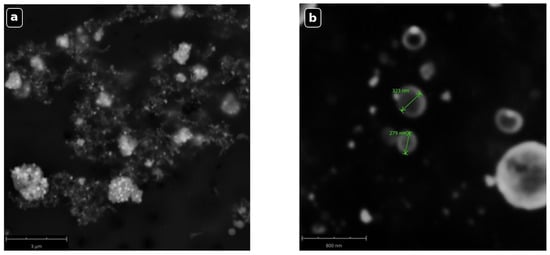
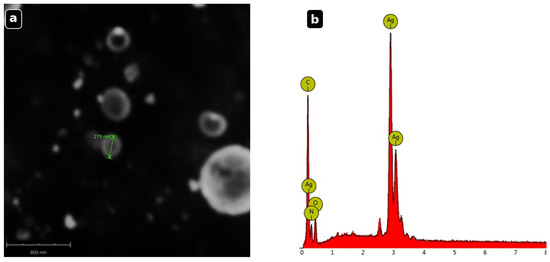
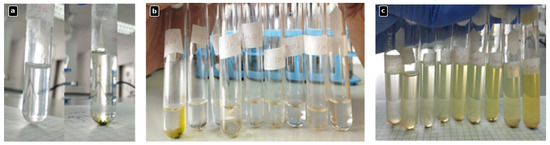
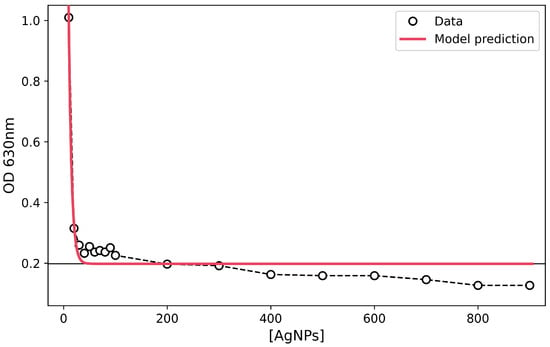
This work describes an efficient and environmentally friendly method for the synthesis of silver-based nanostructures through a green route using Aloe vera extract as a reducing agent, silver nitrate (AgNO3) as a precursor, and polyvinylpyrrolidone (PVP, 10 kDa molecular weight) as a stabilizing agent. The formation of these structures was supported by UV–Vis spectroscopy, where a surface plasmon resonance (SPR) band was observed between 425 and 460 nm. Scanning electron microscopy revealed predominantly spherical features in the 300–500 nm range; however, the distinction between primary nanoparticles and aggregates cannot be conclusively established from SEM alone. EDX analysis indicated a silver content of 59.96 wt%. Antibacterial assays performed in Z8 medium demonstrated a reduction in cyanobacterial growth with increasing dosage, with complete inhibition observed at ≥20 L (nominal MIC = 1.77 mg mL−1, based on precursor estimation). Total dissolved solids and absorbance measurements exhibited a decreasing trend with increasing concentration (effect size = 0.87, ), supporting an inhibitory effect under the tested conditions. These findings suggest potential antibacterial activity. However, this study should be considered exploratory, and further work is required to elucidate the underlying mechanisms.
Full article
(This article belongs to the Special Issue Artificial Intelligence and Machine Learning for Biomedical Diagnostics and Prognostics)
►▼
Show Figures

Figure 1
Open AccessArticle
Prognostic Significance of Echocardiography-Visualized Thrombus in Right Heart in Early Stages of Acute PE: 100 Patients from Regional Pulmonary Embolism Registry
by
Bojan Mitrovic, M. Radovic, L. Kos, Tamara Kovacevic-Preradovic, B. Dzudovic, S. Salinger, E. Jevtic, V. Miloradovic, I. Mitevska, B. Bozovic, S. Pekovic, J. Matijasevic, A. Biskupovic, Z. Gluvic, S. Kafedzic, A. Neskovic and Slobodan Obradovic
Life 2026, 16(7), 1131; https://doi.org/10.3390/life16071131 - 7 Jul 2026
Abstract
Background: The significance of imaging right-heart thrombus via echocardiography in acute pulmonary embolism (PE) patients, as well as its management, remains uncertain. Methods: In this retrospective, observational, multicenter, and multinational registry of consecutive acute PE patients, we compared 100 patients in whom thrombus
[...] Read more.
Background: The significance of imaging right-heart thrombus via echocardiography in acute pulmonary embolism (PE) patients, as well as its management, remains uncertain. Methods: In this retrospective, observational, multicenter, and multinational registry of consecutive acute PE patients, we compared 100 patients in whom thrombus was visualized in the right heart during echocardiographic evaluation with 2635 patients without visualization of thrombus. The co-primary endpoints were all-cause in-hospital mortality and PE-related mortality. Secondary endpoints included the prevalence of severe PE at admission (intermediate–high and high-risk PE), the frequency of thrombolytic therapy administration, and mortality among patients who received thrombolysis. Results: All-cause and PE-related mortality were higher in patients with thrombus in the right heart (31.0% vs. 9.6%, and 25.8% vs. 5.6%, p < 0.001, respectively). Patients with right-heart thrombi had a more severe PE presentation than those without (74.0% vs. 45.3%, p < 0.001). In patients treated with thrombolysis, all-cause mortality was higher in patients with right-heart thrombi (35.5% vs. 12.7%, p < 0.001). In the multivariable Cox regression analysis adjusted for ESC mortality risk, age, presence of syncope, atrial fibrillation, and hypoxemia, patients with thrombus in the right heart had a significantly higher risk of all-cause and PE-related death compared to patients without thrombus (HR 2.60, 95% CI 1.753–3.859, p < 0.001, and HR 3.287, 95% CI 2.056–5.253, p < 0.001, respectively). Conclusions: Visualization of thrombus in transit through the right heart is associated with higher all-cause and PE-related mortality, independent of PE severity and the use of thrombolytic therapy.
Full article
(This article belongs to the Section Medical Research)
Open AccessSystematic Review
Diagnostic and Prognostic Roles of Blood-Based Immune Biomarkers in Non-Small Cell Lung Cancer: An Umbrella Review of Systematic Reviews and Meta-Analyses
by
Panpinhan Zhao, Rui Ling, Ruitong Li and Yiu-Wing Kam
Life 2026, 16(7), 1130; https://doi.org/10.3390/life16071130 - 7 Jul 2026
Abstract
Blood-based biomarkers have emerged as promising, minimally invasive tools for the diagnosis, prognostic stratification, and treatment monitoring of non-small cell lung cancer (NSCLC), including markers of tumor burden, tumor dissemination, immune signaling, and post-transcriptional regulation. However, evidence across biomarker classes remains fragmented. This
[...] Read more.
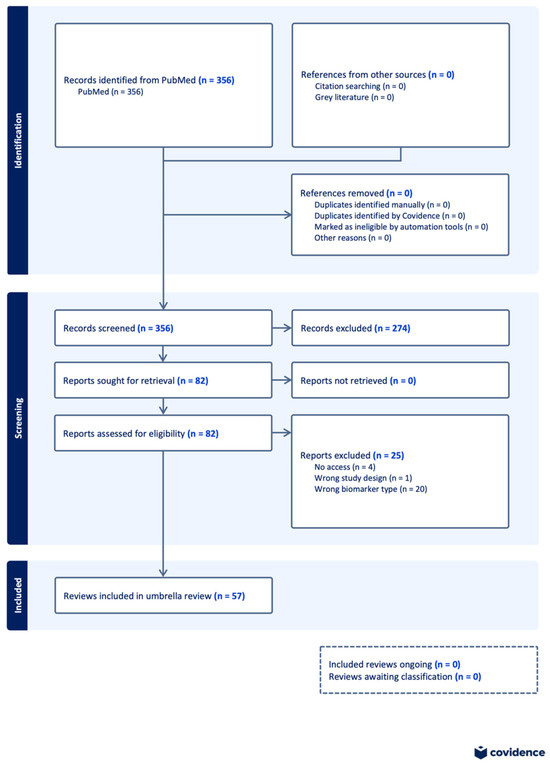
Blood-based biomarkers have emerged as promising, minimally invasive tools for the diagnosis, prognostic stratification, and treatment monitoring of non-small cell lung cancer (NSCLC), including markers of tumor burden, tumor dissemination, immune signaling, and post-transcriptional regulation. However, evidence across biomarker classes remains fragmented. This study aimed to synthesize published evidence on major blood-based biomarkers relevant to diagnosis, prognosis, treatment stratification, and monitoring in NSCLC. PubMed was searched for systematic reviews and meta-analyses of blood-based biomarkers in NSCLC. Of 356 screened records, 82 underwent full-text review, and 57 systematic reviews/meta-analyses were included. Biomarkers were grouped into four categories: circulating tumor DNA (ctDNA), circulating tumor cells (CTCs), cytokines/soluble immune proteins, and non-coding RNAs (ncRNAs). Reported pooled effect estimates were extracted by biomarker class and evidence domain, and the methodological quality of included reviews was assessed using AMSTAR 2. Evidence was unevenly distributed across biomarker classes and evidence domains. Circulating ncRNAs were mainly represented in diagnostic and prognostic evidence; selected diagnostic ncRNAs, including miR-145, miR-25, and circRNAs, showed reported AUCs ranging from 0.83 to 0.85. ctDNA was represented across diagnostic, prognostic, treatment-stratification, and dynamic monitoring evidence, with ctDNA positivity associated with poorer survival or recurrence outcomes and ctDNA clearance or decline associated with improved outcomes. CTC evidence was primarily prognostic, with CTC positivity associated with worse overall survival and disease-free survival. Soluble immune biomarker evidence was also primarily prognostic, with elevated soluble PD-L1 and IL-6 associated with adverse survival outcomes and limited exploratory monitoring evidence for exosomal PD-L1. Overall, the evidence suggested distinct but complementary roles across biomarker classes, although direct head-to-head comparisons were lacking. Blood-based biomarkers show potential to support diagnosis, prognosis, and longitudinal monitoring in NSCLC, but their reported utility differs by biomarker class and clinical context. In the available review-level evidence, ncRNAs were mainly represented in diagnostic and prognostic evidence, while ctDNA was represented across diagnostic, prognostic, treatment-stratification, and dynamic monitoring evidence. CTCs were mainly represented in prognostic evidence, and soluble immune biomarkers were primarily represented in prognostic evidence, with limited exploratory evidence for dynamic monitoring. Further assay standardization, prospective validation, and direct comparative studies are needed before these biomarkers can be routinely integrated into clinical practice.
Full article
(This article belongs to the Section Medical Research)
►▼
Show Figures

Figure 1
Open AccessCase Report
Conservative Treatment Including Focused Extracorporeal Shockwave Therapy as a First-Line Treatment for Isolated Peroneus Longus Tendon Tear in a Professional Football Player Shows Excellent Clinical and Radiological Outcomes: A Case Report
by
L. Alejandro Culebras Almeida and Adrien J.-P. Schwitzguebel
Life 2026, 16(7), 1129; https://doi.org/10.3390/life16071129 - 7 Jul 2026
Abstract
Introduction: Isolated peroneus longus (PL) tendon tears are rare injuries and an often-overlooked cause of chronic lateral ankle pain. Evidence regarding optimal conservative management, especially in elite athletes, remains limited. Focused extracorporeal shockwave therapy (F-ESWT) has shown promising results in tendinopathies, yet its
[...] Read more.
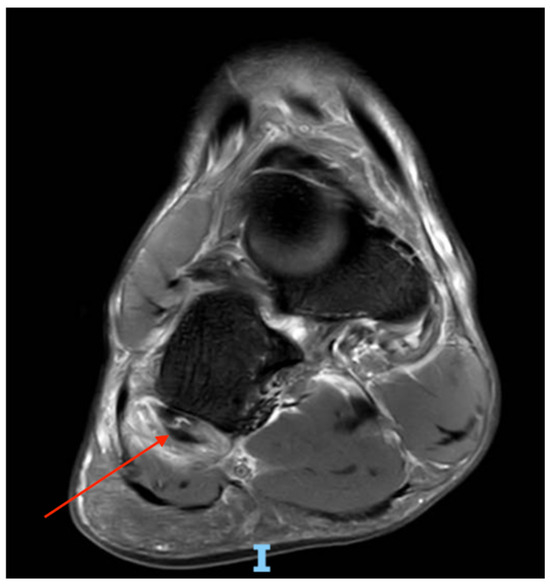
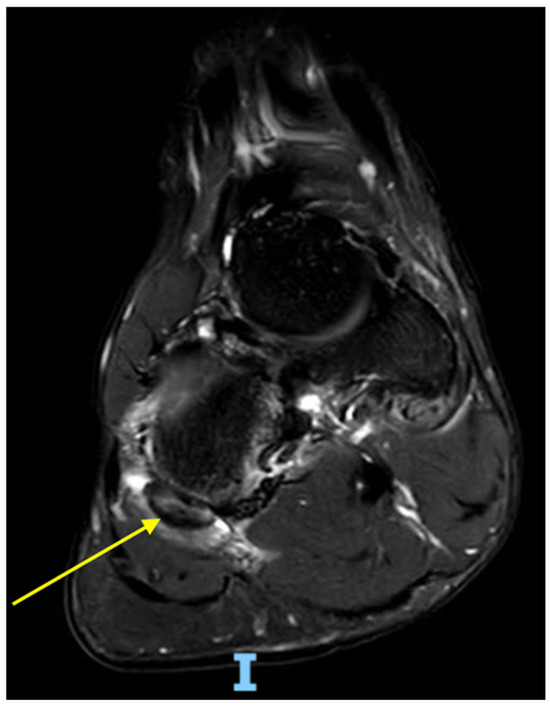
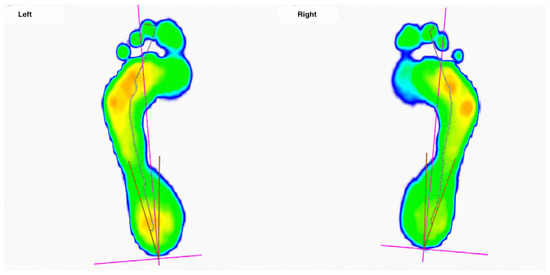
Introduction: Isolated peroneus longus (PL) tendon tears are rare injuries and an often-overlooked cause of chronic lateral ankle pain. Evidence regarding optimal conservative management, especially in elite athletes, remains limited. Focused extracorporeal shockwave therapy (F-ESWT) has shown promising results in tendinopathies, yet its application in acute tendon tears is poorly documented. Methods: We present the case of a professional football player in his late twenties who sustained an isolated longitudinal PL tear. The player underwent a combined conservative protocol including F-ESWT, physiotherapy, and custom orthotics. Pain (Visual Analog Scale, VAS) and function (AOFAS Ankle–Hindfoot Score) were assessed at baseline, three months, and in an 18-month follow-up. MRI scans were obtained at diagnosis and after six weeks to evaluate tendon healing. Results: The conservative treatment protocol, including eight sessions of ultrasound-guided F-ESWT (2500–4000 impulses per session, 50–550 µJ/mm2) led to marked pain relief and functional improvement. VAS decreased from 7/10 to 1/10, while AOFAS improved from 57 to 95 points, maintained at 18 months. MRI after six weeks of treatment demonstrated decreased intratendinous hyperintensity, reduced lesion length, and re-establishment of normal tendon architecture. The player returned to training after eight weeks and full competition after 12 weeks, remaining asymptomatic thereafter. Conclusions: A multimodal treatment consisting of F-ESWT, physiotherapy with progressive loading and orthotic correction resulted in rapid and durable healing of an isolated PL tear in a professional athlete. This case supports the potential role of a multimodal conservative treatment strategy including F-ESWT as a first-line, non-invasive option for acute peroneal tendon tears.
Full article
(This article belongs to the Section Medical Research)
►▼
Show Figures

Figure 1
Open AccessArticle
Evaluation of Stress Distribution in “All-on-Four” Prostheses: A Three-Dimensional Finite Element Analysis
by
Eduardo Francisco de Souza Faco, Andressa Paschoal Amoroso, Flávia Priscila Pereira, Luana Ferreira Oliveira, Leandro Lécio de Lima Sousa, André Luis da Silva Fabris, Idelmo Rangel Garcia Junior, José Vitor Quinelli Mazaro and Osvaldo Magro Filho
Life 2026, 16(7), 1128; https://doi.org/10.3390/life16071128 - 7 Jul 2026
Abstract
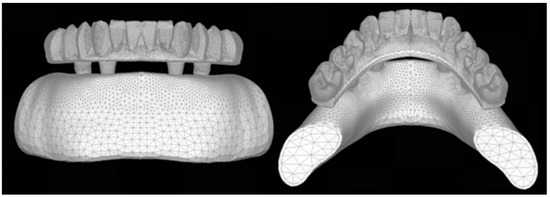
The growing demand for implant-supported rehabilitative prosthetic treatments has reinforced the need to optimize biomechanical performance, particularly regarding force distribution. This study aimed to evaluate the stress distribution generated by different configurations of full-arch implant-supported prostheses using three-dimensional finite element analysis. Two mandibular
[...] Read more.
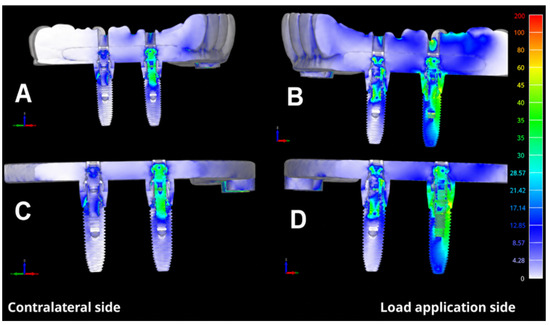
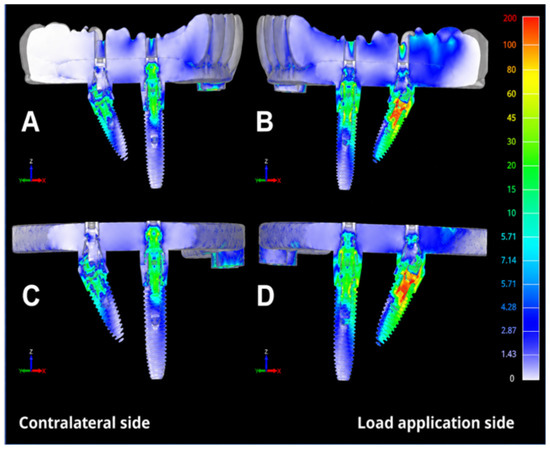
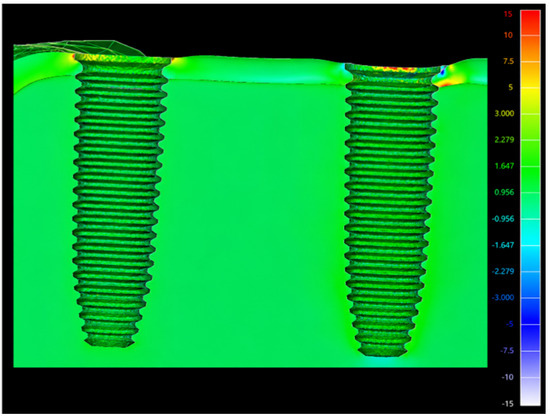
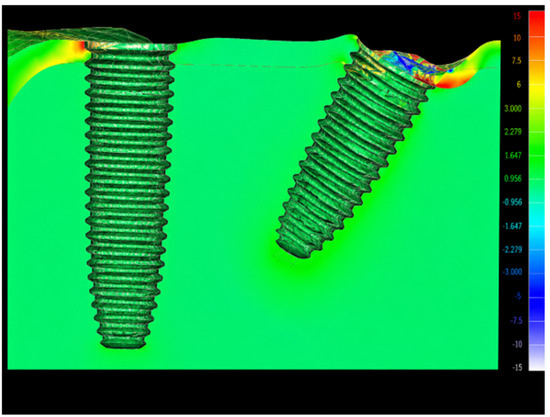
The growing demand for implant-supported rehabilitative prosthetic treatments has reinforced the need to optimize biomechanical performance, particularly regarding force distribution. This study aimed to evaluate the stress distribution generated by different configurations of full-arch implant-supported prostheses using three-dimensional finite element analysis. Two mandibular models were created using SolidWorks 2010 (SolidWorks Corp., Waltham, MA, USA) and Rhinoceros® 3D 4.0 (NURBS Modeling for Windows, USA). Each model represented a mandible restored with a full-arch fixed prosthesis supported by external hex implants (4.0 × 13.0 mm; Master, Conexão Sistemas de Prótese, São Paulo, Brazil) placed in the interforaminal region, differing only in implant angulation. Model 1 included four implants positioned perpendicular to the alveolar ridge, whereas Model 2 represented the All-on-Four configuration with distal implants tilted at 30°. The prosthesis was modeled in acrylic resin with a NiCr metal framework. The geometries were exported to FEMAP 11.0 for mesh generation. Axial loading of 300 N was applied bilaterally (75 N per tooth), and oblique loading of 150 N was applied unilaterally (75 N per tooth) on the first premolars and first molars. Obtained using NEiNastran® 9.2 showed that the tilted-implant model exhibited higher stress concentrations under both loading conditions. The All-on-Four configuration generated the highest stress levels, particularly around the distal implants. The null hypothesis of this study was that there would be no difference in stress distribution among full-arch implant-supported prostheses supported by straight implants and those rehabilitated according to the All-on-Four concept with tilted distal implants.
Full article
(This article belongs to the Special Issue 3D Imaging and Facial Reconstruction)
►▼
Show Figures

Figure 1
Journal Menu
► ▼ Journal Menu-
- Life Home
- Aims & Scope
- Editorial Board
- Reviewer Board
- Topical Advisory Panel
- Instructions for Authors
- Special Issues
- Topics
- Sections & Collections
- Article Processing Charge
- Indexing & Archiving
- Editor’s Choice Articles
- Most Cited & Viewed
- Journal Statistics
- Journal History
- Journal Awards
- Society Collaborations
- Conferences
- Editorial Office
Journal Browser
► ▼ Journal BrowserHighly Accessed Articles
Latest Books
E-Mail Alert
News
Topics
Topic in
Antioxidants, Biomedicines, IJMS, Life, Oxygen, Cosmetics, Nutraceuticals
Oxidative Stress and Inflammation, 3rd Edition
Topic Editors: Maria Letizia Manca, Amparo Nacher, Matteo Perra, Ines Castangia, Mohamad AllawDeadline: 31 July 2026
Topic in
Geriatrics, IJMS, Life, Sports, Neurology International, Obesities
Exercise and Human Aging: Physiological and Psychological Functions
Topic Editors: Samuel Da Silva Aguiar, Ismael Perez-SuarezDeadline: 20 September 2026
Topic in
Nutrients, Metabolites, Healthcare, Children, Obesities, Life
Non-Communicable Diseases Silent Killer: Metabolic and Obesity Risks of Sedentary Behaviors
Topic Editors: Kotsedi Daniel Monyeki, Machoene Derrick SekgalaDeadline: 30 September 2026
Topic in
Molecules, Biomimetics, Chemosensors, Life, AI, Sci
Recent Advances in Chemical Artificial Intelligence
Topic Editors: Pier Luigi Gentili, Jerzy Górecki, David C Magri, Pasquale StanoDeadline: 15 October 2026
Conferences
Special Issues
Special Issue in
Life
Cancer Genomics and Transcriptomics: Uncovering New Frontiers in Tumor Biology
Guest Editors: Panagiotis Adamopoulos, Panagiotis TsiakanikasDeadline: 14 July 2026
Special Issue in
Life
Aspects of the Biology of Populations in Northern Africa and the Middle East
Guest Editors: Kanya Godde, Shomarka KeitaDeadline: 15 July 2026
Special Issue in
Life
Antimicrobial Innovations
Guest Editors: Pere Puigbò, Miho NakamuraDeadline: 15 July 2026
Special Issue in
Life
Regulation of Cerebrovascular Resistance in Health and Disease: From Molecules to Humans
Guest Editor: Akos KollerDeadline: 17 July 2026
Topical Collections
Topical Collection in
Life
Heart Failure and Heart Transplantation
Collection Editors: Rasmus Rivinius, Andreas Doesch, Daniel Oehler
Topical Collection in
Life
Clinical Trials
Collection Editors: Pabulo Rampelotto, Anca Oana Docea, Katalin Prokai-Tatrai
Topical Collection in
Life
Biodiversity and Ecology of Fungi in Terrestrial and Marine Ecosystems
Collection Editors: Armin Mešić, Ivana Kušan