


Journal Description
Logistics
Logistics
is an international, scientific, peer-reviewed, open access journal of logistics and supply chain management published monthly online by MDPI.
- Open Access— free for readers, with article processing charges (APC) paid by authors or their institutions.
- High Visibility: indexed within Scopus, ESCI (Web of Science), RePEc, and other databases.
- Rapid Publication: manuscripts are peer-reviewed and a first decision is provided to authors approximately 19.6 days after submission; acceptance to publication is undertaken in 4.6 days (median values for papers published in this journal in the second half of 2025).
- Journal Rank: JCR - Q2 (Operations Research and Management Science) / CiteScore - Q1 (Information Systems and Management)
- Recognition of Reviewers: reviewers who provide timely, thorough peer-review reports receive vouchers entitling them to a discount on the APC of their next publication in any MDPI journal, in appreciation of the work done.
Impact Factor:
3.6 (2024);
5-Year Impact Factor:
3.8 (2024)
Latest Articles
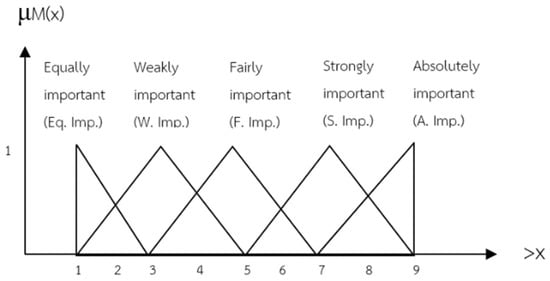
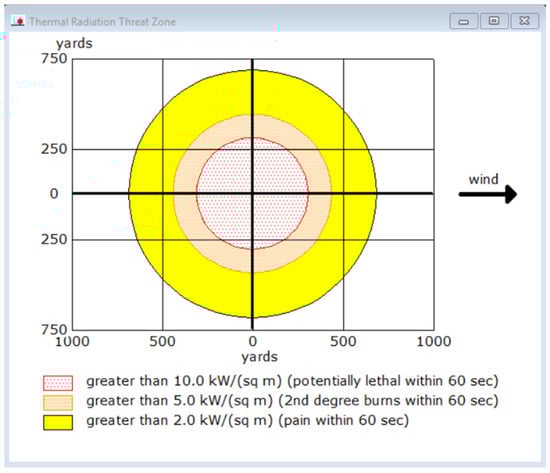
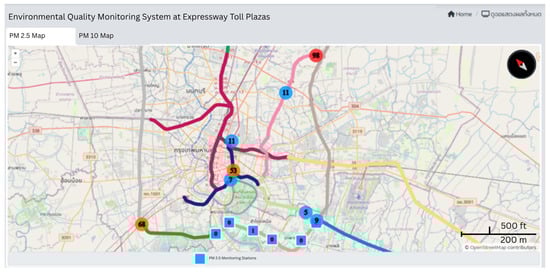
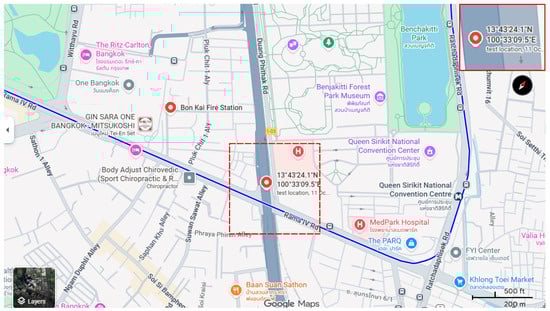
Benchmarking Multi-Platform APIs and Fuzzy-AHP for Enhanced HAZMAT Emergency Logistics: A Case Study of Bangkok’s Expressway Network
Logistics 2026, 10(5), 95; https://doi.org/10.3390/logistics10050095 - 24 Apr 2026
Abstract
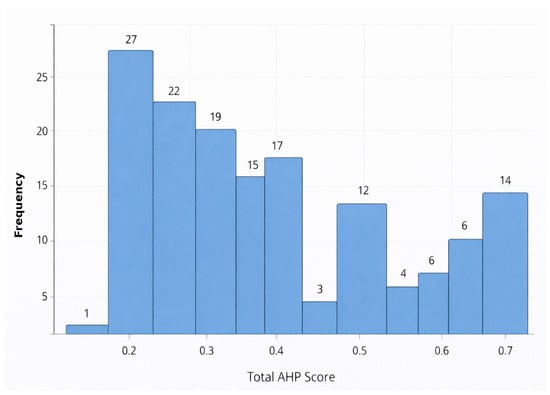
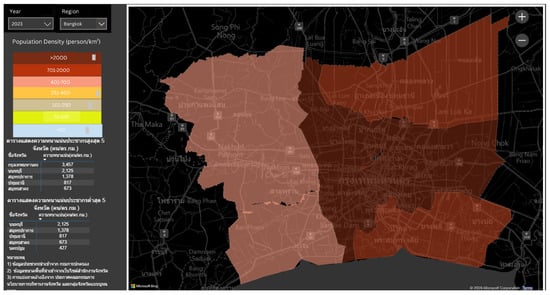
Background: To address the critical challenges of hazardous material (HAZMAT) incidents in dense urban areas, this study develops a hybrid framework for spatial emergency response optimization tailored for Intelligent Transport Systems (ITSs). Methods: Our approach integrates the Fuzzy Analytic Hierarchy Process
[...] Read more.
Background: To address the critical challenges of hazardous material (HAZMAT) incidents in dense urban areas, this study develops a hybrid framework for spatial emergency response optimization tailored for Intelligent Transport Systems (ITSs). Methods: Our approach integrates the Fuzzy Analytic Hierarchy Process (FAHP) with a rigorous technical benchmarking of multiple navigation APIs to improve routing decisions under volatile Bangkok traffic. By employing a normalized cost function (scale 0–1), we evaluated the performance of localized (Longdo Map) versus global (Google Maps and OpenStreetMap) platforms across day and night scenarios. Results: Experimental results, yielding normalized costs between 0.464 and 0.748, identified Bon Kai as the optimal response node, whereas Chan Road showed the lowest efficiency. Interestingly, OpenStreetMap provided the highest temporal consistency for emergency logistics. Conclusions: These findings offer a practical decision-support tool for authorities, proving that integrated API assessment is essential for building resilient and responsive urban mobility infrastructures.
Full article
(This article belongs to the Topic New Technological Solutions, Research Methods, Simulation and Analytical Models That Support the Development of Modern Transport Systems, 2nd Edition)
►
Show Figures

Open AccessArticle
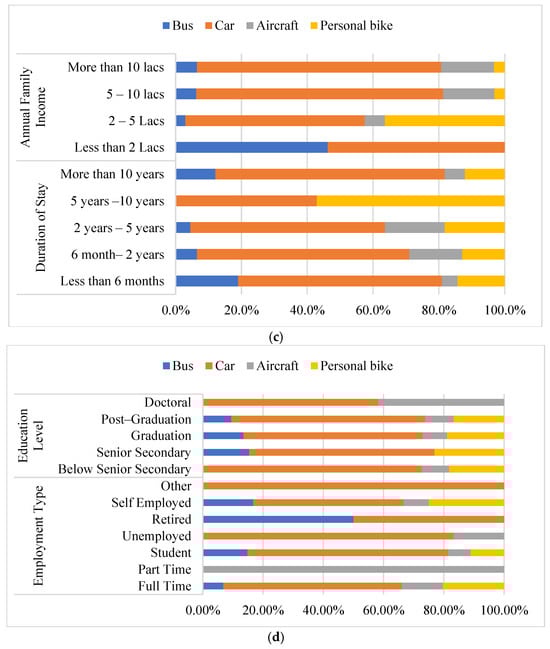
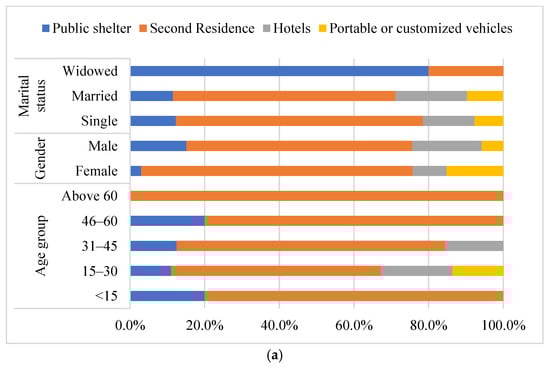
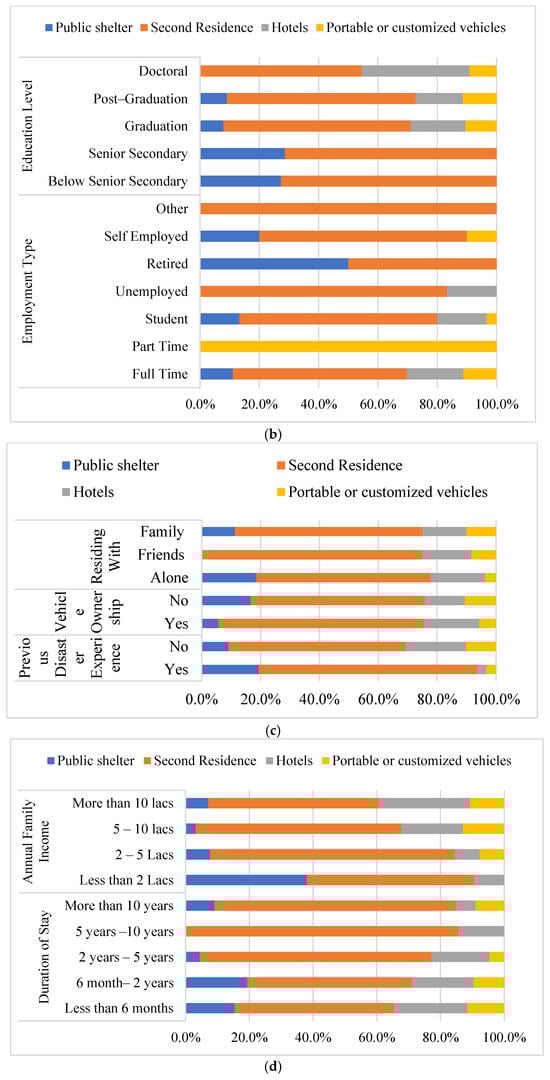
Mode and Shelter Choice Planning During Evacuation: A Multinomial Logistic Regression Analysis of COVID-19-Induced Migration in India
by
Vipulesh Shardeo and Anchal Patil
Logistics 2026, 10(4), 94; https://doi.org/10.3390/logistics10040094 - 21 Apr 2026
Abstract
►▼
Show Figures
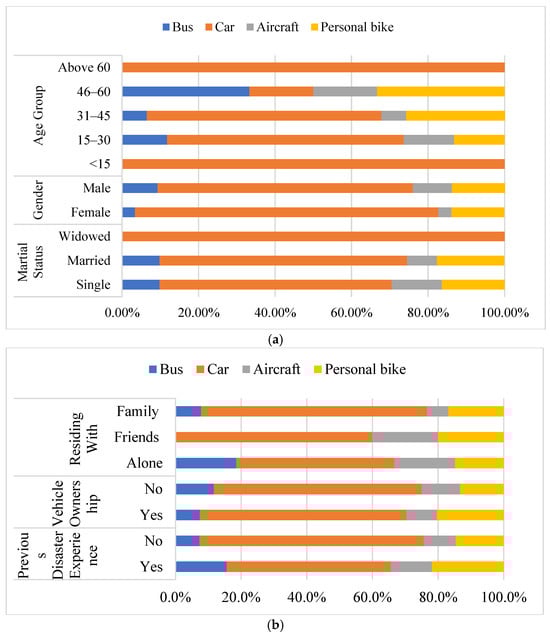
Background: The COVID-19 pandemic triggered unprecedented mobility disruptions worldwide as governments imposed strict lockdowns to contain the spread of the virus. In India, prolonged restrictions severely affected economic activity, particularly for migrant workers, leading to a large-scale and unplanned exodus from urban
[...] Read more.
Background: The COVID-19 pandemic triggered unprecedented mobility disruptions worldwide as governments imposed strict lockdowns to contain the spread of the virus. In India, prolonged restrictions severely affected economic activity, particularly for migrant workers, leading to a large-scale and unplanned exodus from urban employment centres to native places. This sudden population movement undermined containment efforts and contributed to the spatial diffusion of infections. Understanding evacuees’ behavioural responses during such crises is therefore critical for effective emergency logistics and evacuation planning. Methods: This study examines the determinants of transport mode and shelter choice decisions made by migrants during the COVID-19-induced evacuation in India. Using primary survey data, a multinomial logistic regression model is developed to analyze how socio-economic characteristics influence evacuees’ choices of travel mode and shelter type. Results: The results reveal significant heterogeneity in decision-making, highlighting the role of economic vulnerability and accessibility constraints in shaping evacuation behaviour. Conclusions: The findings offer actionable insights for policymakers and emergency planners to design inclusive evacuation strategies, improve crisis-responsive transportation planning, and enhance shelter provisioning in future pandemics or large-scale disruptions. The study contributes to the logistics and humanitarian operations literature by providing empirical evidence on evacuation behaviour under public health emergencies.
Full article

Figure 1
Open AccessArticle
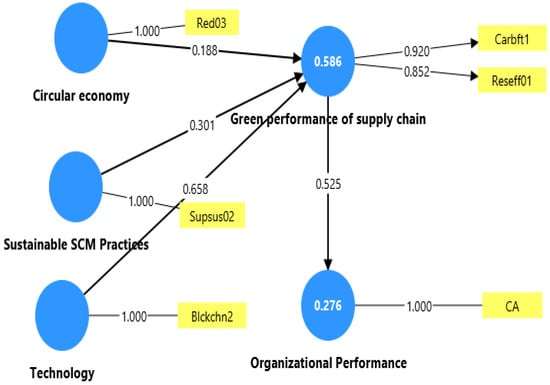
Effects of Circular Economy Principles, Technological Integration, and Sustainable Supply Chain Management Practices on Green Supply Chain and Organizational Performance
by
Vida Davidaviciene, Bassel Diab and Mohamad Al Majzoub
Logistics 2026, 10(4), 93; https://doi.org/10.3390/logistics10040093 - 17 Apr 2026
Abstract
►▼
Show Figures
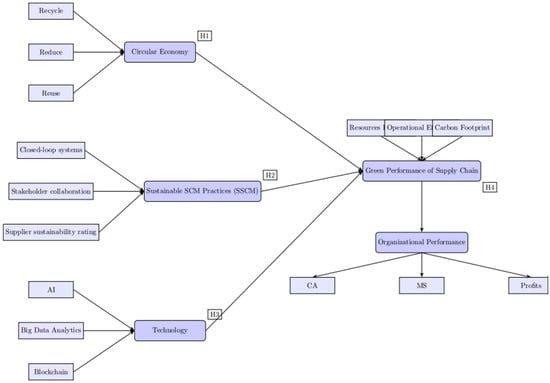
Background: The growing emphasis on sustainability has increased interest in understanding how environmentally oriented supply chain practices translate into organizational outcomes. However, empirical research examining how circular economy principles, technological integration, and sustainable supply chain management (SSCM) practices jointly influence green supply chain
[...] Read more.
Background: The growing emphasis on sustainability has increased interest in understanding how environmentally oriented supply chain practices translate into organizational outcomes. However, empirical research examining how circular economy principles, technological integration, and sustainable supply chain management (SSCM) practices jointly influence green supply chain performance remains limited, particularly in developing economies. Methods: A quantitative research design was employed using survey data collected from 333 professionals in the Lebanese consumer goods industry through structured Likert-scale questionnaires. The proposed conceptual model was analyzed using Partial Least Squares Structural Equation Modeling (PLS-SEM) to evaluate the measurement model and test the relationships among circular economy practices, technological integration, SSCM practices, green supply chain performance, and organizational performance. Results: The findings indicate that technological integration, circular economy practices, and SSCM practices collectively enhance green supply chain performance. The results further show that improved green supply chain performance supports stronger organizational outcomes. Conclusions: This study contributes to sustainable supply chain literature by integrating circular economy principles, technological capabilities, and SSCM practices within a unified framework. It highlights the strategic role of green supply chain performance in linking sustainability initiatives to organizational outcomes and provides insights for managers seeking to implement integrated sustainability strategies.
Full article

Figure 1
Open AccessArticle
Omnichannel Supply Chains Amid Demand Shocks: A Centralized Hierarchical Reinforcement Learning Framework
by
Panagiotis G. Giannopoulos and Thomas K. Dasaklis
Logistics 2026, 10(4), 92; https://doi.org/10.3390/logistics10040092 - 14 Apr 2026
Abstract
Background: The rapid evolution of omnichannel retailing has reshaped retail supply chains (SCs) by coupling replenishment, fulfillment, and service decisions across multiple demand channels under inventory, lead-time, and capacity constraints. These interdependencies create coordination challenges, particularly when demand shocks interact with limited
[...] Read more.
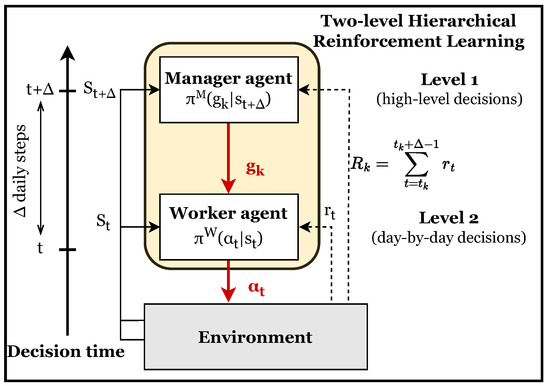
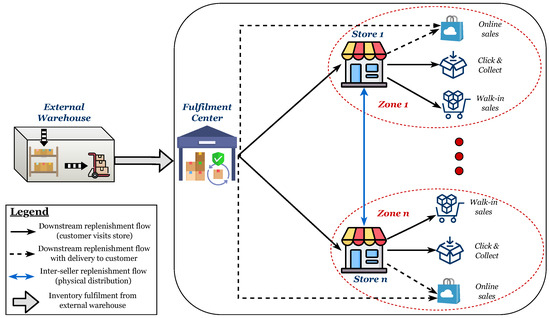
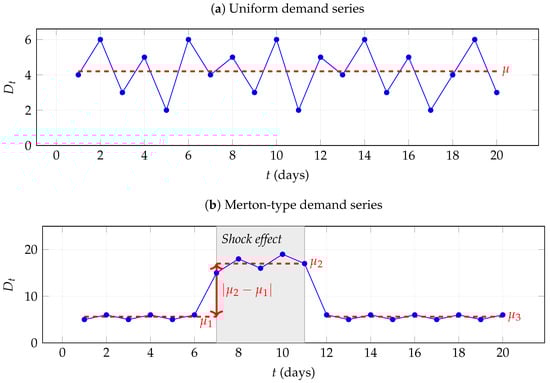
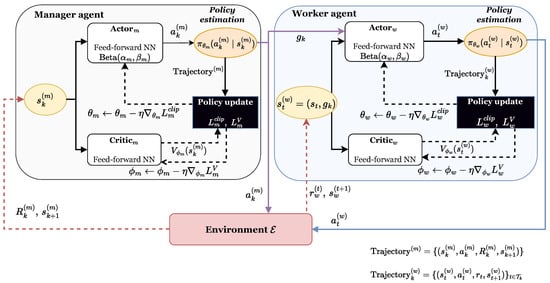
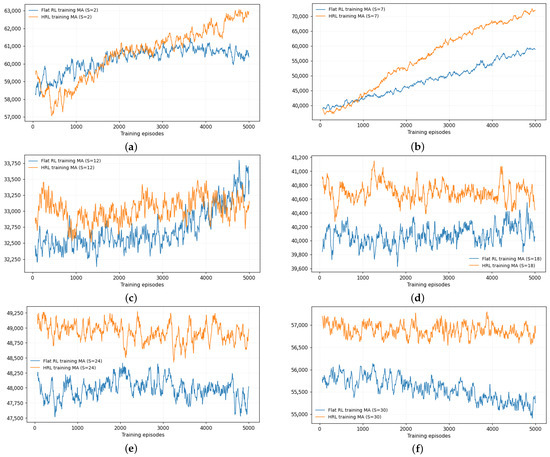
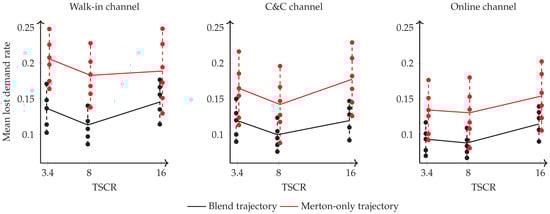
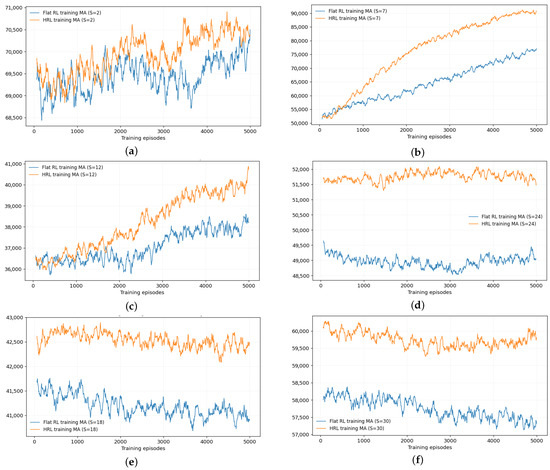
Background: The rapid evolution of omnichannel retailing has reshaped retail supply chains (SCs) by coupling replenishment, fulfillment, and service decisions across multiple demand channels under inventory, lead-time, and capacity constraints. These interdependencies create coordination challenges, particularly when demand shocks interact with limited operational capacity. Methods: To address these challenges, this study develops a centralized Hierarchical Reinforcement Learning (HRL) control framework that makes decision timing explicit: replenishment and allocation are optimized weekly, while fulfillment and lateral inventory rebalancing are controlled daily. Policies are learned using Proximal Policy Optimization (PPO) in an actor–critic architecture, with bounded stochastic policies for constrained action spaces. To mitigate the curse of dimensionality in HRL, we introduce a capacity-aware state–action encoding mechanism that compresses the control interface into structured summary signals. Demand shocks are modeled using two specifications: a mixed profile, where half the products follow a uniform demand process and the rest a Merton-type jump-diffusion process, and a fully shock-driven profile. Results: The framework is evaluated against forecast-driven base-stock and greedy fulfillment heuristics, and a perfect-information oracle, with pairwise differences examined through Wilcoxon signed-rank tests. Conclusions: Overall, the proposed framework improves learning efficiency and scalability, outperforming heuristic baselines while remaining below the oracle bound.
Full article
(This article belongs to the Special Issue Tackling Disruptions in Supply Chain Networks Through Resilient, Sustainable and Innovative Methods and Practices)
►▼
Show Figures

Figure 1
Open AccessArticle
Quantifying Transparency in Production Logistics: An Improved Process Modelling Technique for Supporting Digital Transformation
by
Krisztián Bóna and Petra Molnár-Major
Logistics 2026, 10(4), 91; https://doi.org/10.3390/logistics10040091 - 14 Apr 2026
Abstract
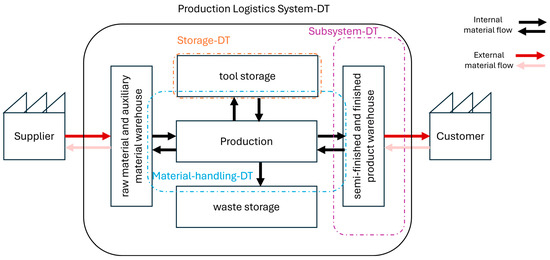
Background: Production systems are complex environments where logistics processes play a crucial role alongside manufacturing. Although the digitalisation of value-creating processes is increasingly important, production-supporting logistics activities are often missing from digital models. Their absence reduces the accuracy of digital representations and
[...] Read more.
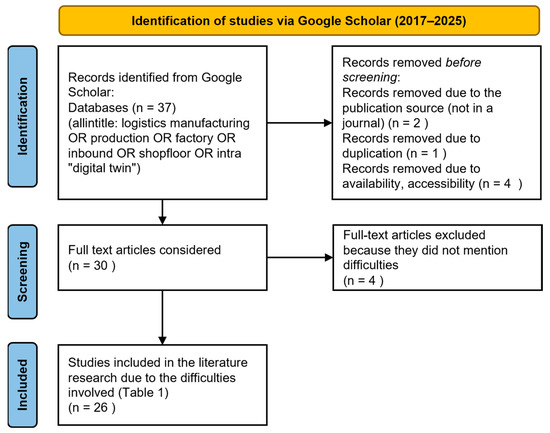
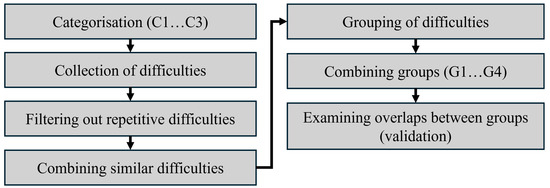
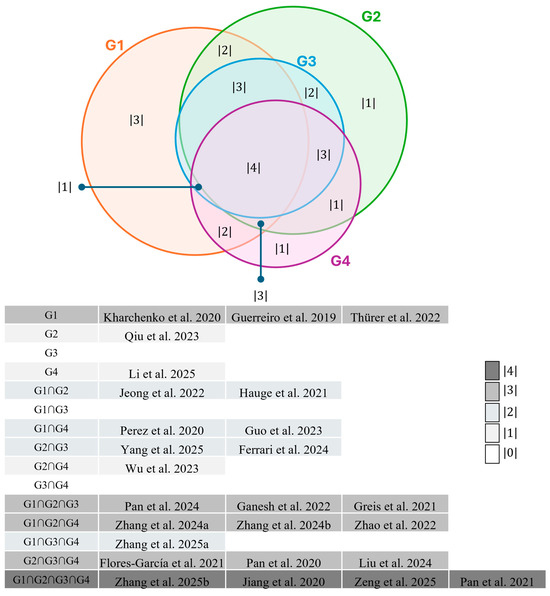
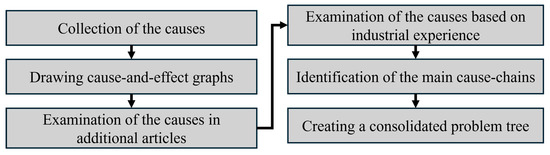
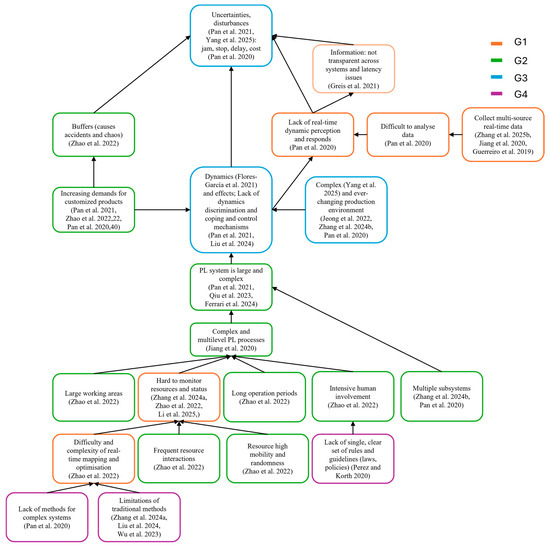
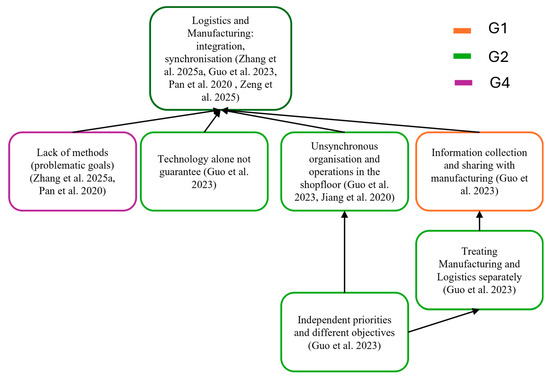
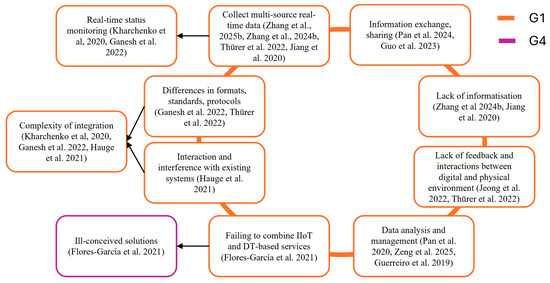
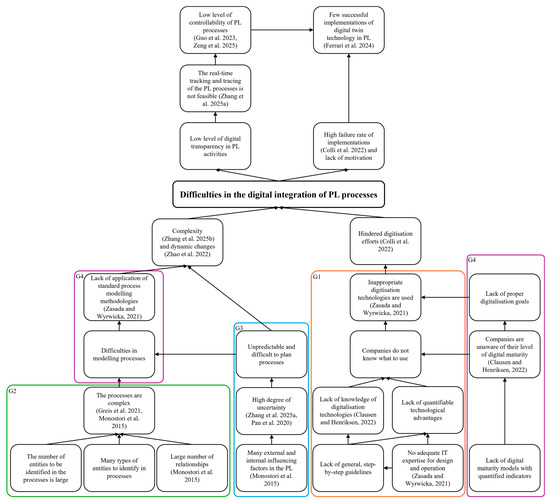
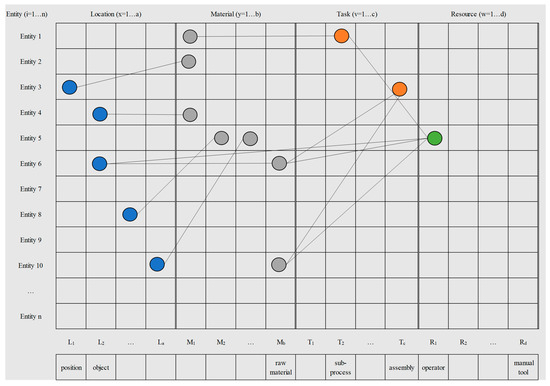
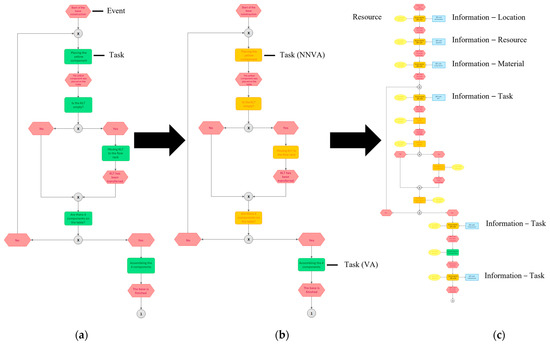
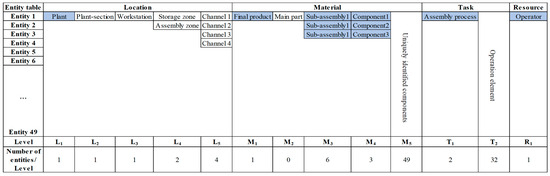
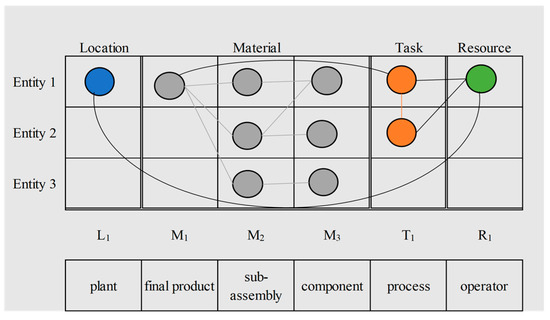
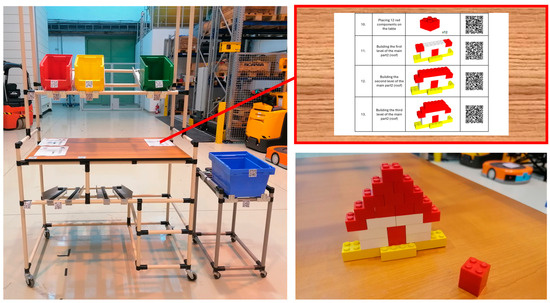
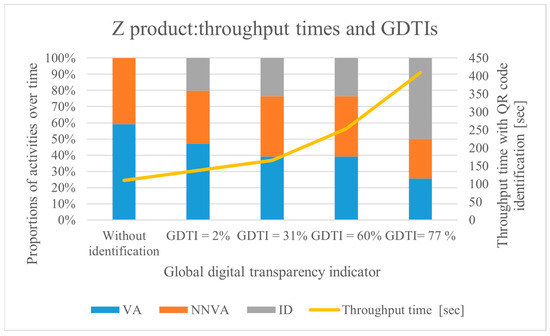
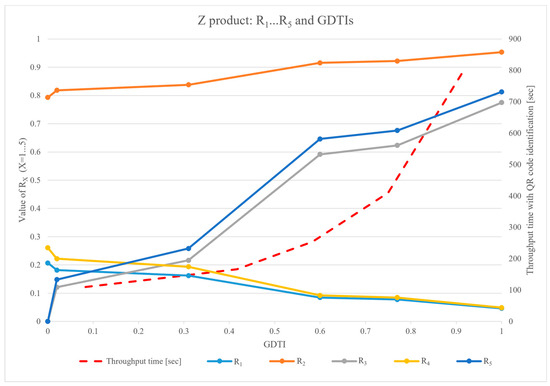
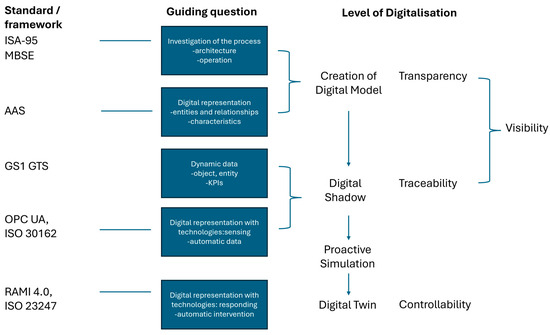
Background: Production systems are complex environments where logistics processes play a crucial role alongside manufacturing. Although the digitalisation of value-creating processes is increasingly important, production-supporting logistics activities are often missing from digital models. Their absence reduces the accuracy of digital representations and may lead to suboptimal operational decisions. Methods: This study reviews digitalisation solutions in manufacturing systems with a focus on integrating production logistics activities. Relevant research articles are analysed, and integration problems are organised into a problem tree supported by practical experience. Based on these findings, an extended process modelling methodology and related indicators are applied to quantify digital transparency. The methodology is demonstrated through tests on a physical laboratory model. Results: The literature review and practical observations highlight several issues that hinder the integration and quantification of production logistics activities in digital models. The proposed modelling approach addresses these challenges by defining appropriate modelling depth and placement of logistics processes, enabling a clearer evaluation of digital transparency. Conclusions: Experiments conducted on the physical model confirm the feasibility of the methodology. The approach provides an important initial step toward the digital integration of production logistics and supports the development of more effective digital twin models for industrial applications in future research.
Full article
(This article belongs to the Special Issue Logistics and Supply Chain Challenges and Solutions in the Turbulent World)
►▼
Show Figures

Figure 1
Open AccessArticle
Analysis of User Attitudes and Behavior in the Context of Traditional Delivery and the Use of Parcel Lockers
by
Sreten Simović, Tijana Ivanišević and Aleksandar Trifunović
Logistics 2026, 10(4), 90; https://doi.org/10.3390/logistics10040090 - 14 Apr 2026
Abstract
►▼
Show Figures
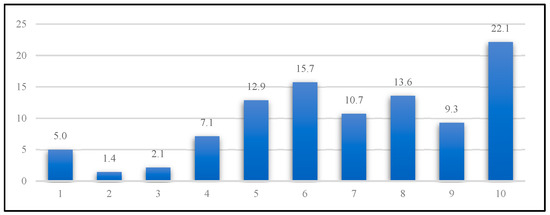
Background: The rapid development of e-commerce has led to significant changes in last-mile logistics, where innovative delivery solutions such as parcel lockers are increasingly considered to improve efficiency and flexibility. Methods: This study analyzes user attitudes and behavior toward traditional delivery and parcel
[...] Read more.
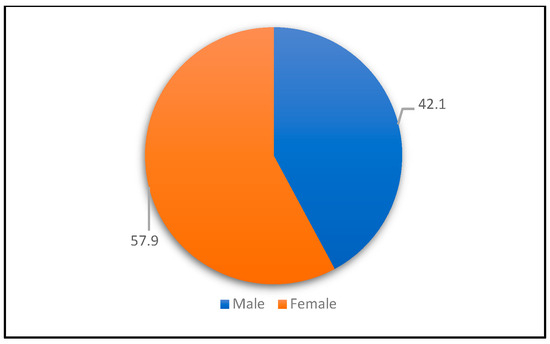
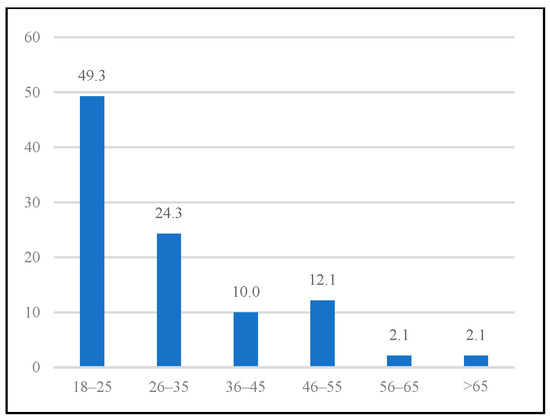
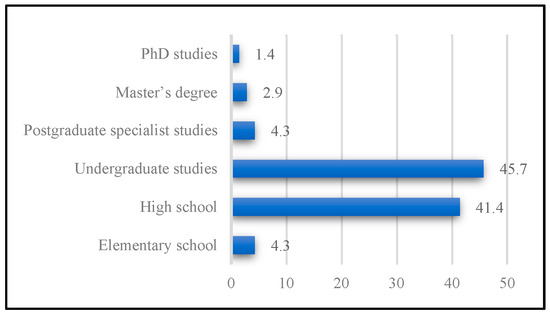
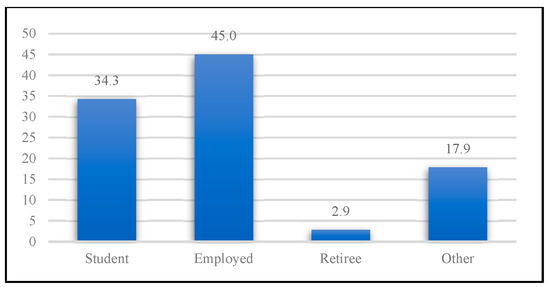
Background: The rapid development of e-commerce has led to significant changes in last-mile logistics, where innovative delivery solutions such as parcel lockers are increasingly considered to improve efficiency and flexibility. Methods: This study analyzes user attitudes and behavior toward traditional delivery and parcel locker usage through a quantitative survey conducted in November 2024 in Serbia, on a sample of 420 respondents with diverse demographic characteristics. Results: The findings indicate that, despite recognized advantages such as flexibility, accessibility, and reduced risk of missed deliveries, parcel lockers remain underutilized. This is mainly due to limited user awareness, insufficient infrastructure, and a strong preference for traditional home delivery. Statistically significant differences were identified across demographic groups, including gender, age, education level, occupation, and place of residence. Conclusions: The results suggest that improving infrastructure, increasing user awareness, and implementing targeted communication strategies could significantly enhance the adoption of parcel lockers. The study contributes to a better understanding of user behavior and supports the development of more efficient and user-oriented last-mile delivery solutions.
Full article

Figure 1
Open AccessArticle
Unpacking the Protective Role of Supply Chain Resilience and Robustness: The Mediating Influence of Absorptive Capacity Within a Resource Orchestration Framework
by
Mohammad Asif Salam, Mohammed Abu Jahed, Mahmoud Abdulhadi Alabdali and Safinaz H. Abourokbah
Logistics 2026, 10(4), 89; https://doi.org/10.3390/logistics10040089 - 13 Apr 2026
Abstract
►▼
Show Figures
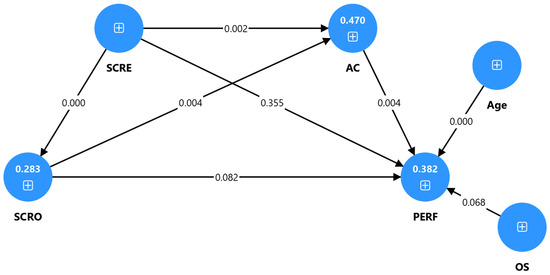
Background: The COVID-19 pandemic created an urgent need to understand how supply chains can withstand and adapt to severe disruptions. While prior research has highlighted the importance of supply chain resilience and robustness in managing disruptions, less attention has been given to
[...] Read more.
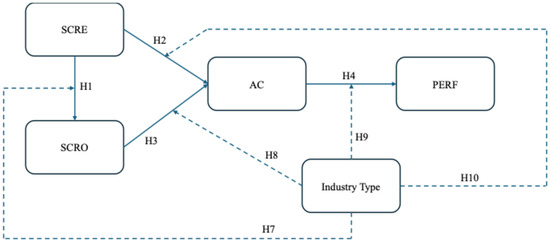
Background: The COVID-19 pandemic created an urgent need to understand how supply chains can withstand and adapt to severe disruptions. While prior research has highlighted the importance of supply chain resilience and robustness in managing disruptions, less attention has been given to the mechanisms through which firms transform these capabilities into financial outcomes. Drawing on the Resource Orchestration Perspective (ROP), this study proposed that absorptive capacity acts as a cognitive orchestration mechanism that enables firms to more effectively translate resilience and robustness capabilities into financial performance during periods of major disruption. Methods: Using a quantitative approach, this research employed partial least squares structural equation modeling to analyze data from 66 supply chain managers who experienced varying levels of supply chain disruption following the COVID-19 pandemic. Results: Both supply chain resilience and robustness affect organizational absorptive capacity, which, in turn, enhances performance. Conclusions: This study extends ROP and provides new insights into how firms can strategically leverage disruption-related knowledge to enhance performance in turbulent environments by identifying absorptive capacity as a key mechanism linking resilience capabilities to financial outcomes. In practice, it provides managers with valuable insights to prioritize AC development and reduce financial risks associated with disruptions.
Full article

Figure 1
Open AccessSystematic Review
Sourcing Risk in Supply Chains: A Systematic Literature Review
by
Hameem Bin Hameed, Fernanda Strozzi, Gloria Puliga, Giulia Verdoliva, Andrea Fronzetti Colladon and Syed Muhammad Abbas
Logistics 2026, 10(4), 88; https://doi.org/10.3390/logistics10040088 - 13 Apr 2026
Abstract
►▼
Show Figures
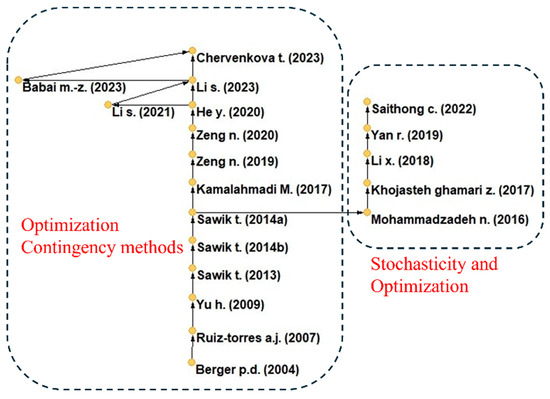
Background: This study explores sourcing risk in supply chains by identifying key risk categories, trends, and management strategies. It responds to increased vulnerabilities exposed by recent global disruptions such as the COVID-19 pandemic and geopolitical conflicts. Methods: The research applies a
[...] Read more.
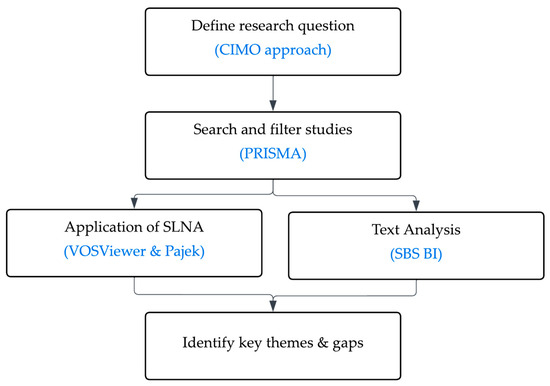
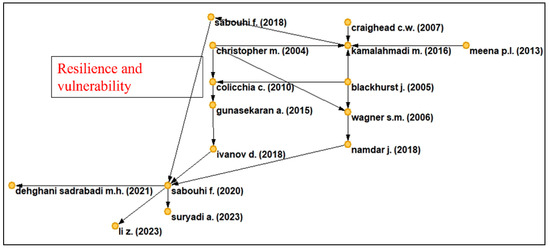
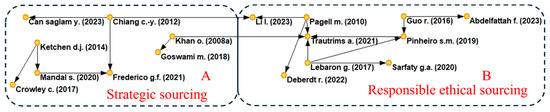
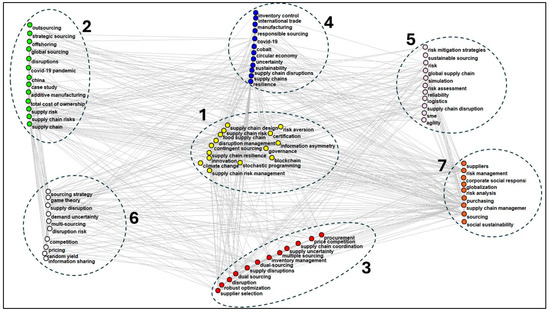
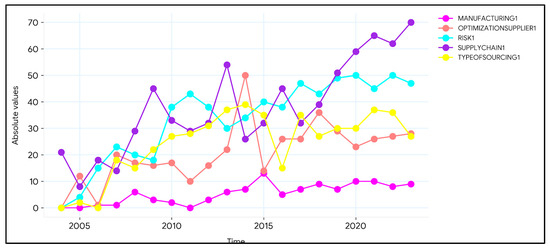
Background: This study explores sourcing risk in supply chains by identifying key risk categories, trends, and management strategies. It responds to increased vulnerabilities exposed by recent global disruptions such as the COVID-19 pandemic and geopolitical conflicts. Methods: The research applies a Systematic Literature Network Analyses (SLNA) combined with textual analysis to examine 687 peer-reviewed publications over the past three decades using the PRISMA protocol. Citation network analysis, keyword co-occurrence mapping, and main path analysis were conducted to map intellectual developments. Additionally, textual analysis using the Semantic Brand Score (SBS) approach revealed thematic relevance, novelty, and impact. Results: A shift exists from foundational supplier optimization models to resilience-building/strengthening, ethical sourcing, and technology-enabled strategies. Responsible sourcing and modern slavery were found to be the most innovative and underexplored areas. Research on sector-specific challenges, particularly for small and medium-sized enterprises, remains limited. Conclusions: Sourcing risk has become a systemic challenge requiring resilience, ethics, and data-driven coordination across supply networks.
Full article

Figure 1
Open AccessArticle
Design and Simulation of Automated Pod Handling for Modular Rail-Based Transport Systems
by
Karel Ráž, Martin Stejskal and Weldu Subagadis Redakum
Logistics 2026, 10(4), 87; https://doi.org/10.3390/logistics10040087 - 13 Apr 2026
Abstract
►▼
Show Figures
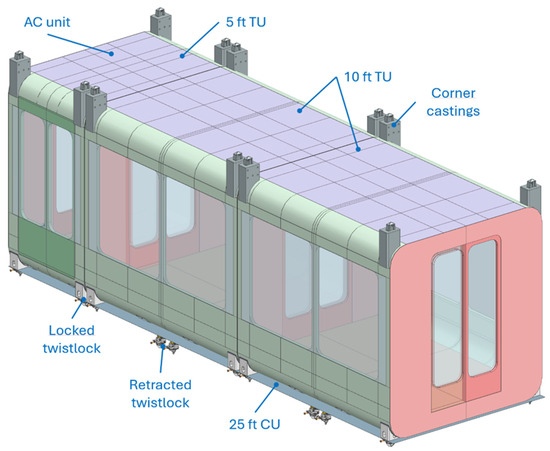
Background: Modular and autonomous rail-based transport concepts promise increased flexibility and efficiency, but their feasibility strongly depends on reliable and scalable terminal handling operations. In such systems, transport units must be safely and rapidly coupled to carrier units without manual intervention. Methods
[...] Read more.
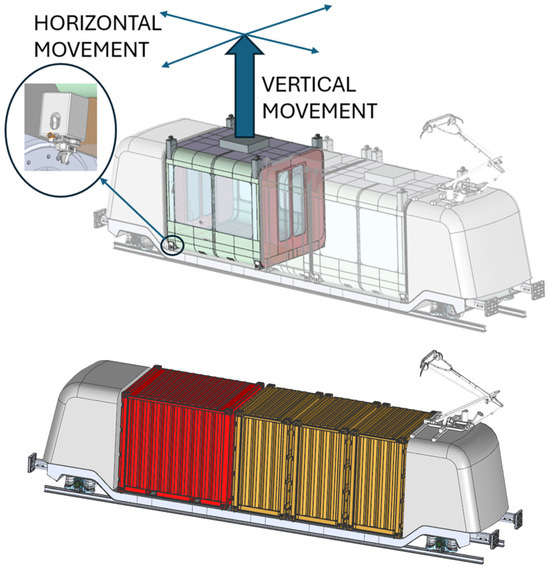
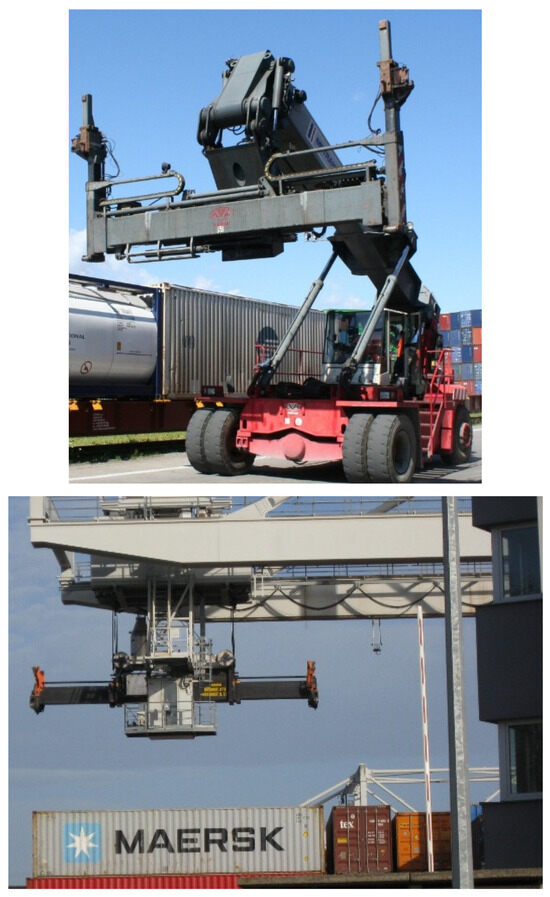
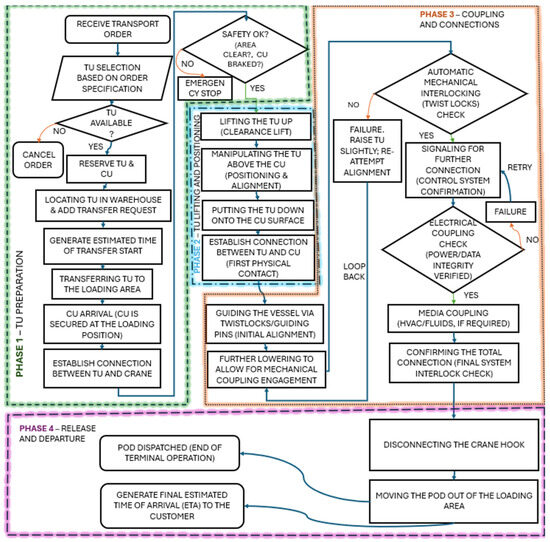
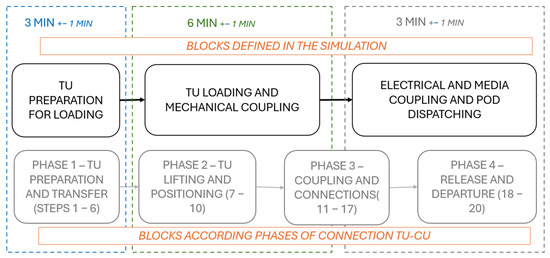
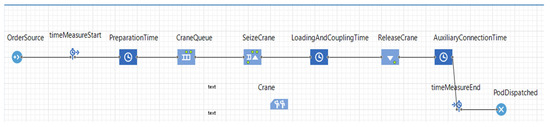
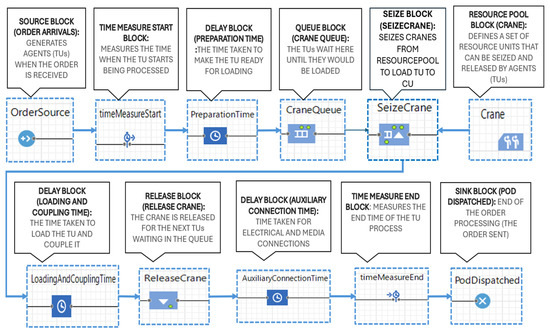
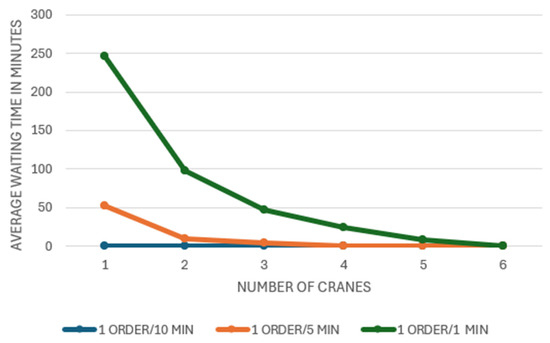
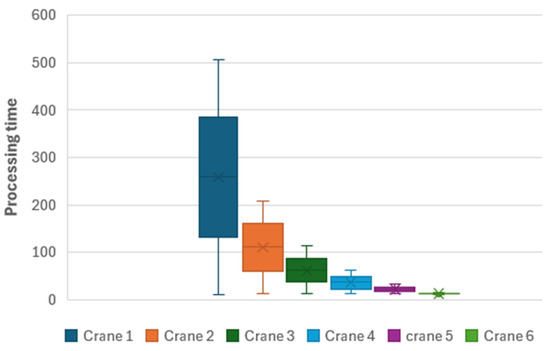
Background: Modular and autonomous rail-based transport concepts promise increased flexibility and efficiency, but their feasibility strongly depends on reliable and scalable terminal handling operations. In such systems, transport units must be safely and rapidly coupled to carrier units without manual intervention. Methods: This study presents a structured pod-handling concept for a modular rail transport system, covering transport unit preparation, crane-based lifting and positioning, mechanical coupling via twist-lock interfaces, and automated electrical and media connections. To evaluate operational performance, a discrete-event simulation model was developed in AnyLogic that represents the complete loading process from order reception to pod dispatch. Results: Simulation results show that a single crane is sufficient under low-demand conditions, maintaining an average processing time of approximately 12 min per order. As demand increases, system performance becomes highly sensitive to crane availability; insufficient resources lead to excessive waiting times. For high-frequency demand, scalable crane allocation is required to preserve stable throughput. Conclusions: The results confirm that automated pod-handling mechanisms, combined with demand-adaptive terminal resources, are essential for the viability of modular rail pod systems. The proposed process model and simulation framework guide terminal design and support the integration of decentralised rail pods into future multimodal mobility and logistics networks.
Full article

Figure 1
Open AccessArticle
A Refined Kano Model Approach to Sustainable Last-Mile Convenience Services and Customer Satisfaction
by
Balázs Gyenge, Viktor Póka and Kornélia Mészáros
Logistics 2026, 10(4), 86; https://doi.org/10.3390/logistics10040086 - 13 Apr 2026
Abstract
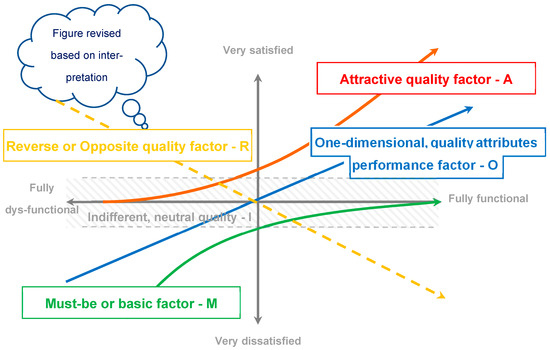
Background: Last-mile logistics is one of the most complex and cost-intensive segments of supply chains, particularly in densely populated urban environments where rising customer expectations, sustainability requirements, and operational constraints increasingly intersect. Despite growing academic interest, empirical evidence remains limited regarding how
[...] Read more.
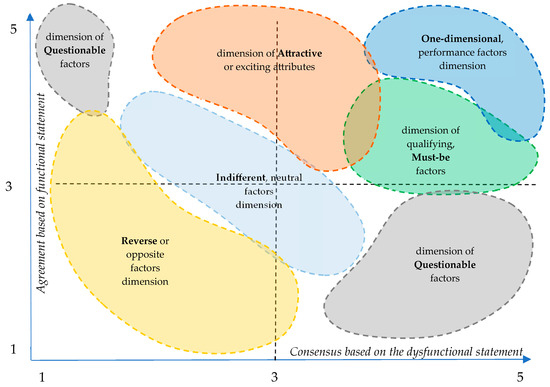
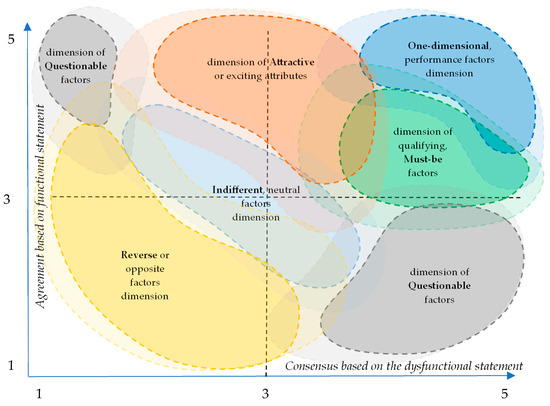
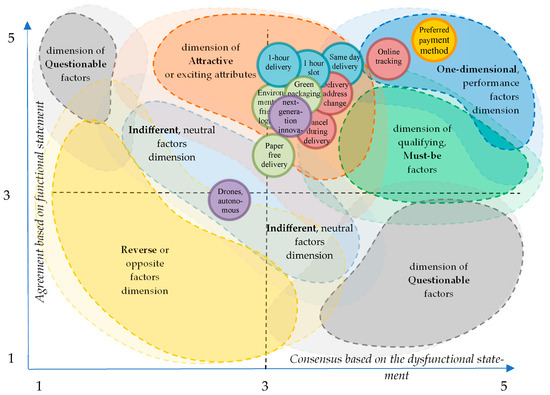
Background: Last-mile logistics is one of the most complex and cost-intensive segments of supply chains, particularly in densely populated urban environments where rising customer expectations, sustainability requirements, and operational constraints increasingly intersect. Despite growing academic interest, empirical evidence remains limited regarding how convenience-related last-mile service attributes influence customer satisfaction, while the sector is undergoing a revolutionary transformation. Methods: This study applies a refined Kano model to classify last-mile convenience services according to their differentiated effects on customer satisfaction. Data were collected through a structured questionnaire administered to active e-commerce users in a metropolitan area. The methodological approach modifies and extends the traditional Kano framework. Results: The findings reveal clear patterns among last-mile service attributes. Online tracking and preferred payment options function as One-dimensional attributes, proportionally influencing customer satisfaction. Time-based delivery, flexible pickup options, and sustainability-oriented service features appear as Attractive attributes, generating additional increases in service value. In contrast, advanced technological solutions such as drone or autonomous vehicle delivery were perceived as Indifferent attributes. These interpretations are further nuanced by the fuzzy approach. Conclusions: The results provide important insights and validation for consumer-centered service design and support the prioritization of investments aimed at developing sustainable and customer-oriented last-mile logistics systems.
Full article
(This article belongs to the Special Issue Logistics and Supply Chain Challenges and Solutions in the Turbulent World)
►▼
Show Figures

Figure 1
Open AccessReview
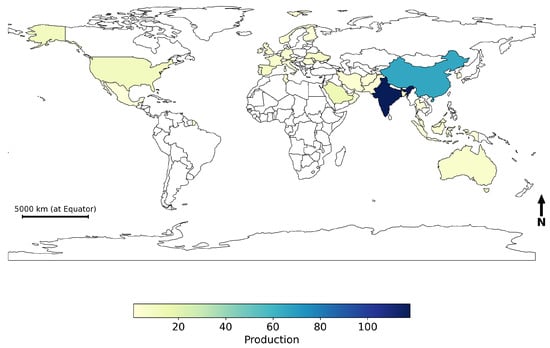
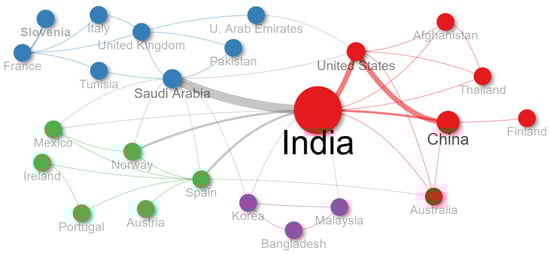
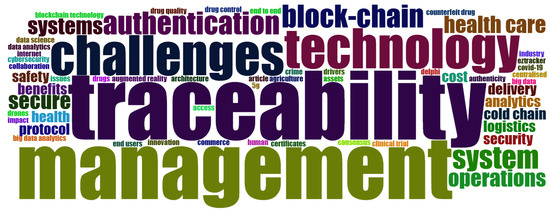
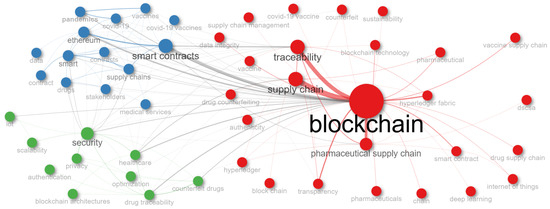
Blockchain-Enabled Traceability in Pharmaceutical Supply Chains: A Mapping Review of Evidence for Visibility, Anti-Counterfeiting, and Chain-of-Custody Control
by
Félix Díaz, Nhell Cerna, Rafael Liza, Bryan Motta and Segundo Rojas-Flores
Logistics 2026, 10(4), 85; https://doi.org/10.3390/logistics10040085 - 10 Apr 2026
Abstract
►▼
Show Figures
Background: Blockchain is increasingly proposed to strengthen pharmaceutical traceability, anti-counterfeiting, and chain of custody in multi-actor supply chains, but the evidence base remains heterogeneous in technical rigor and operational clarity. Methods: We conducted a mapping review of Scopus and Web of Science to
[...] Read more.
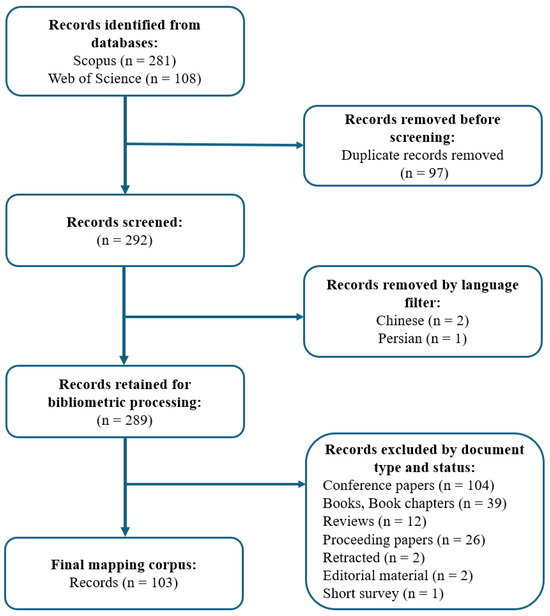
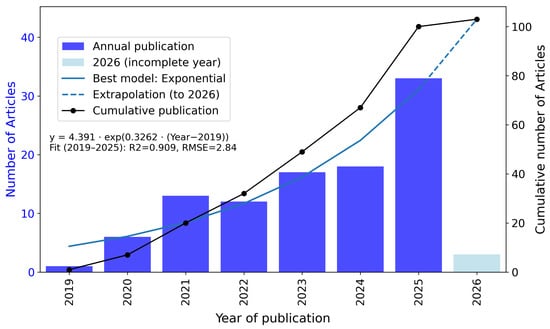
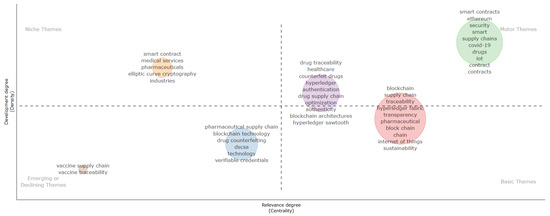
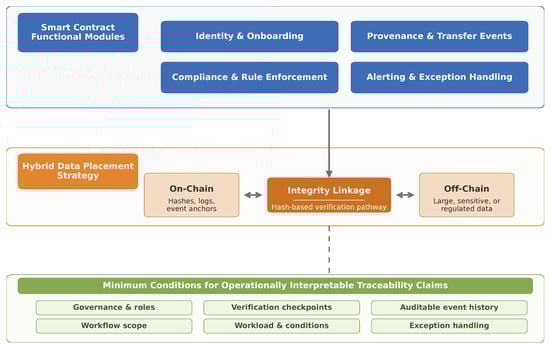
Background: Blockchain is increasingly proposed to strengthen pharmaceutical traceability, anti-counterfeiting, and chain of custody in multi-actor supply chains, but the evidence base remains heterogeneous in technical rigor and operational clarity. Methods: We conducted a mapping review of Scopus and Web of Science to map publication patterns, identify dominant thematic configurations, and compare citation-salient studies across recurring solution profiles and operational design dimensions. The final corpus comprised 103 records. Results: The literature expanded rapidly from 2019 to 2025, with notable geographic concentration and dissemination mainly through technically focused outlets. Keyword analysis identified a core traceability theme, an implementation stream centered on smart contracts, Ethereum, and security, and additional streams involving vaccines and regulatory or credentialing concerns. Citation-salient studies clustered into implemented systems and prototypes, architecture or framework proposals, and contextual maturity or decision-layer evidence. Across these profiles, transferability depended less on platform choice than on governance and access-control assumptions, modular smart contract roles, and verifiable on-chain/off-chain data placement. Conclusions: Chain-of-custody semantics and evaluation methods remain inconsistently formalized, limiting cross-study comparability and the interpretability of operational claims. Benchmark-oriented assessments and minimal reporting standards specifying governance parameters, logistics scope and checkpoints, workload, measurement conditions, and concrete evidence artifacts are needed.
Full article

Figure 1
Open AccessArticle
An Integrated Vision–Mobile Fusion Framework for Real-Time Smart Parking Navigation
by
Oleksandr Laptiev, Ananthakrishnan Thuruthel Murali, Nathalie Saab, Nihad Soltanov and Agnė Paulauskaitė-Tarasevičienė
Logistics 2026, 10(4), 84; https://doi.org/10.3390/logistics10040084 - 9 Apr 2026
Abstract
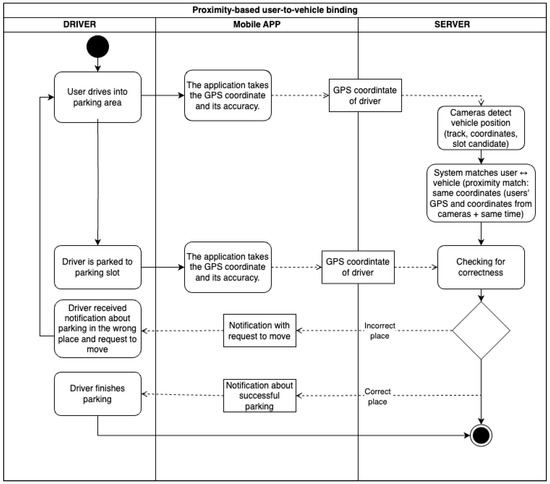
Background: Efficient parking navigation in large and dynamic parking areas requires systems that can adapt to real-time conditions and provide precise vehicle localization. Methods: This paper presents a smart car parking navigation module that integrates camera-based vehicle perception, homography-based ground-plane localization,
[...] Read more.
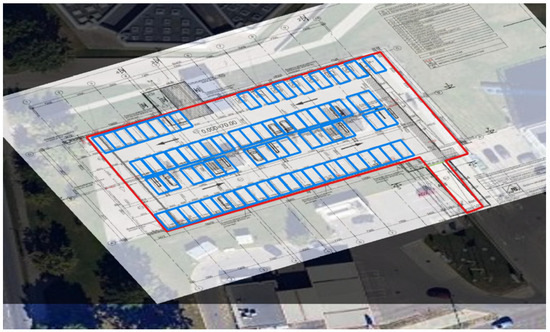
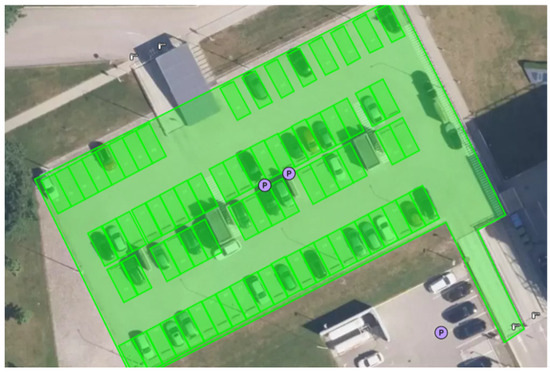
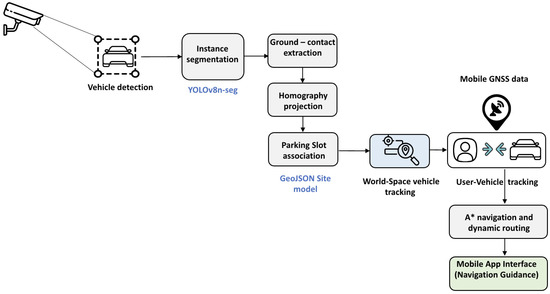
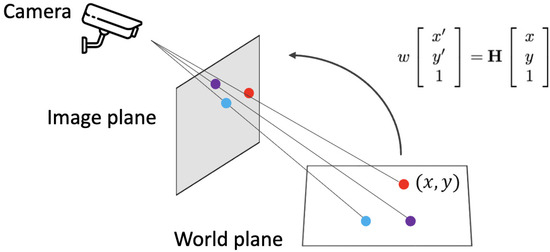
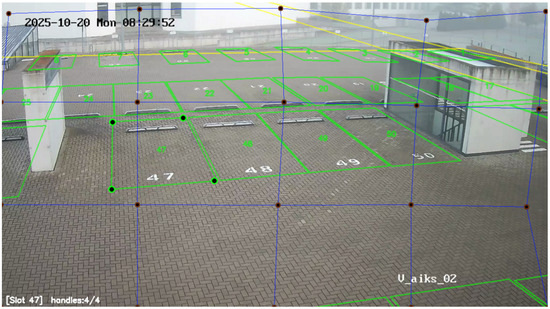
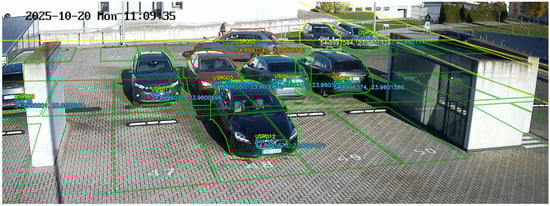
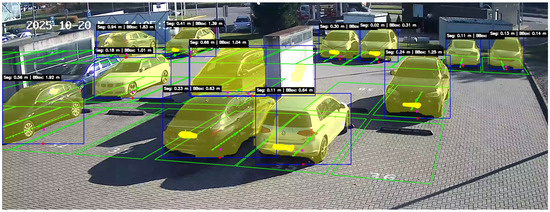
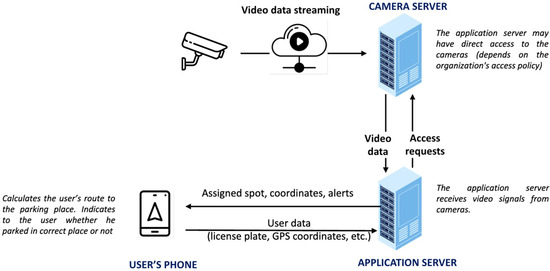
Background: Efficient parking navigation in large and dynamic parking areas requires systems that can adapt to real-time conditions and provide precise vehicle localization. Methods: This paper presents a smart car parking navigation module that integrates camera-based vehicle perception, homography-based ground-plane localization, mobile GNSS positioning, and dynamic route planning into a unified framework. Instance segmentation (YOLOv8n-seg) is used to detect vehicles and extract ground-contact regions, which are associated with parking slots defined in a GeoJSON-based site model. Mobile GNSS data are fused with visual observations via spatio-temporal proximity scoring to enable robust user–vehicle matching without optical identification. An A* routing algorithm dynamically computes and updates navigation paths, adapting to lane obstructions and slot availability in real time. Results: Experimental evaluation on a real six-camera parking facility shows that the proposed segmentation-based localization reduces mean error from 0.732 m to 0.283 m (61.3% improvement), with the 95th-percentile error dropping from 1.892 m to 0.908 m, and outperforming the bounding-box baseline in 85.3% of detections. Conclusions: These results demonstrate that sub-meter vehicle localization and reliable user–vehicle association are achievable using standard surveillance cameras without specialized infrastructure, offering a scalable and cost-effective solution for intelligent parking navigation.
Full article
(This article belongs to the Special Issue Multi-Criteria Decision-Making and Its Application in Sustainable Smart Logistics—2nd Edition)
►▼
Show Figures

Figure 1

Open AccessArticle
Enabling Reuse and Recycling in Circular Supply Chains: A Game-Theoretic Analysis of Glass Bottle Refilling
by
Ehsan Dehghan, Behzad Maleki Vishkaei and Pietro De Giovanni
Logistics 2026, 10(4), 83; https://doi.org/10.3390/logistics10040083 - 7 Apr 2026
Abstract
►▼
Show Figures
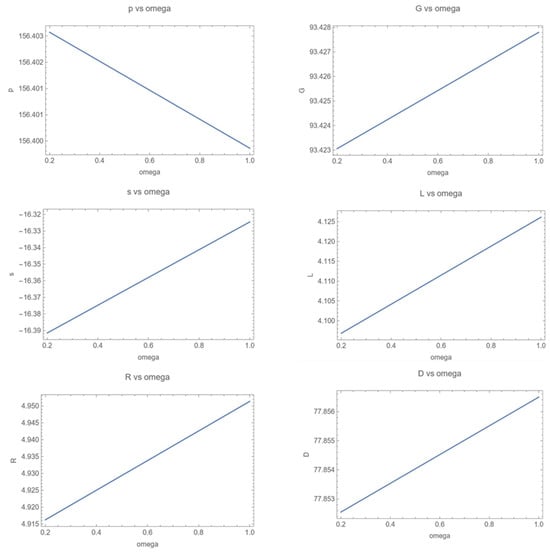
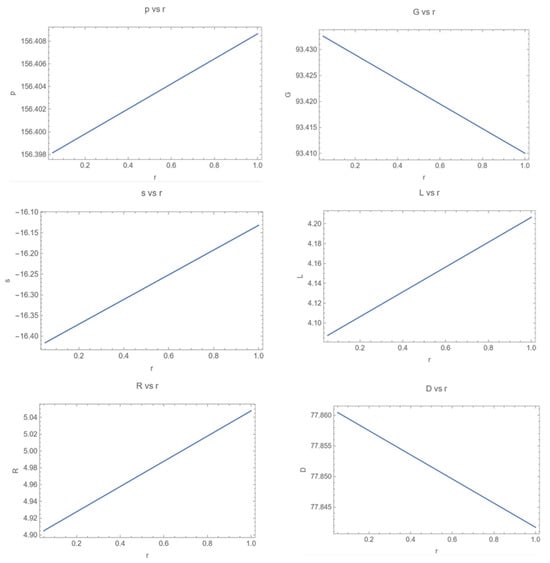
Background: Circular economy (CE) practices, such as glass bottle refilling, are critical to the beverage industry’s sustainability. However, coordinating manufacturer marketing efforts with collector reverse logistics investment remains a strategic challenge. Methods: This study develops a Stackelberg game-theoretic model featuring a
[...] Read more.
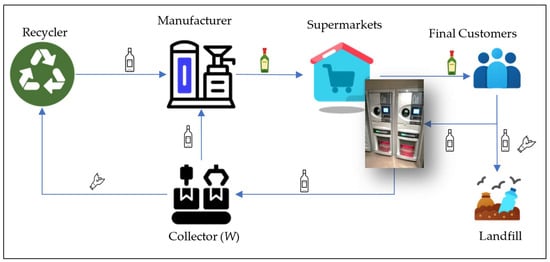
Background: Circular economy (CE) practices, such as glass bottle refilling, are critical to the beverage industry’s sustainability. However, coordinating manufacturer marketing efforts with collector reverse logistics investment remains a strategic challenge. Methods: This study develops a Stackelberg game-theoretic model featuring a manufacturer and a collector. The model incorporates communication effort as a demand driver and analyzes the role of bottle quality (damage rates) and the reusable bottle unit cost on the optimal decisions of the players and the collection rate. Results: Equilibrium analysis shows that the quality of the reusable bottle and the rate of bottle damage are crucial in reducing the operational costs of the refilling program. Additionally, these factors significantly influence the decisions made by manufacturers and collectors regarding their investments in communication and collection systems. Conclusions: The study demonstrates that successful refilling requires strategic coordination between manufacturers and collectors, particularly in terms of communication and investment in reverse logistics. Managerial insights indicate that investing in the quality of bottles is the key factor for achieving joint profitability.
Full article

Figure 1
Open AccessSystematic Review
Inbound Logistics Optimization Under Uncertainty: Systematic Literature Review
by
Celeste Gaxiola-Goray, Luis Alberto Rodríguez-Picón and Víctor Hugo Flores-Ochoa
Logistics 2026, 10(4), 82; https://doi.org/10.3390/logistics10040082 - 3 Apr 2026
Abstract
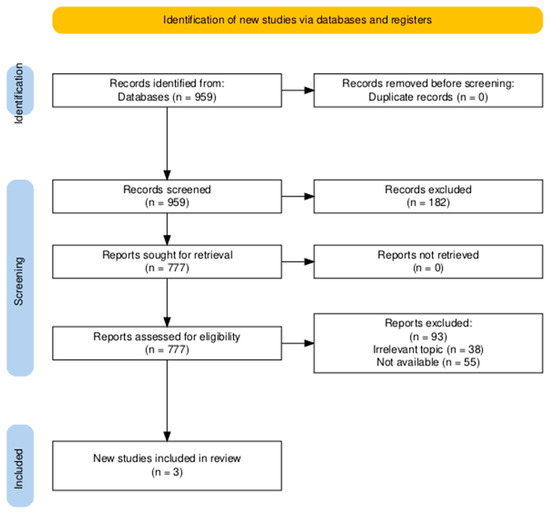
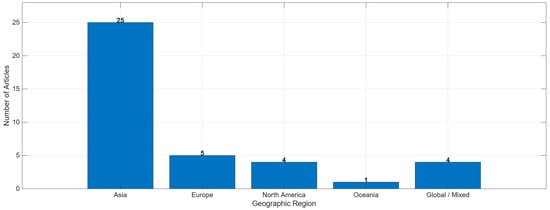
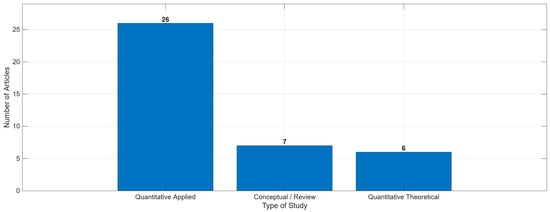
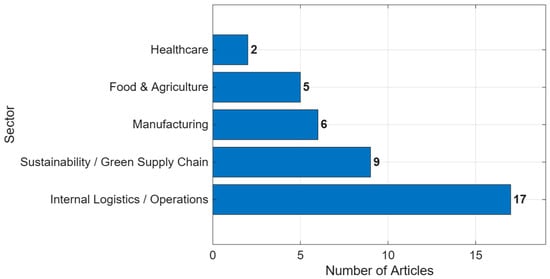
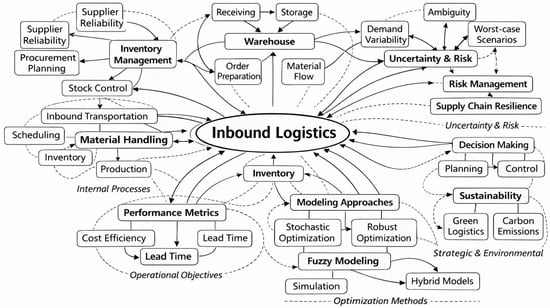
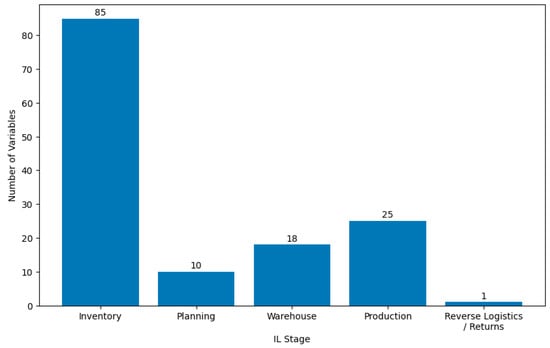
Background: Inbound logistics (IL) is a critical subsystem of the supply chain (SC) that supports production destined for the end consumer. Its effectiveness is reduced by uncertainty, which generates inaccuracies in production planning, disruptions, bottlenecks, and waste. Methods: This article presents
[...] Read more.
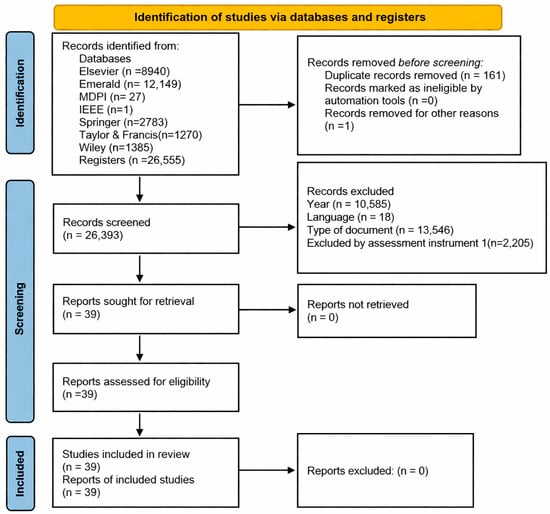
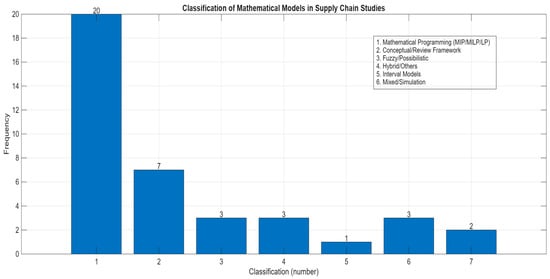
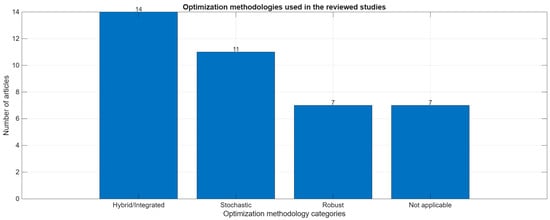
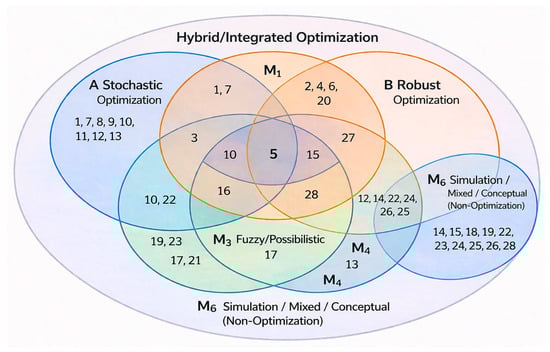
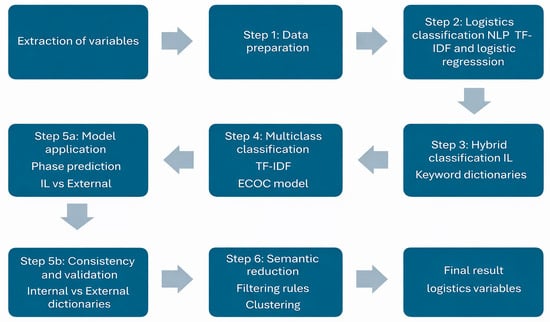
Background: Inbound logistics (IL) is a critical subsystem of the supply chain (SC) that supports production destined for the end consumer. Its effectiveness is reduced by uncertainty, which generates inaccuracies in production planning, disruptions, bottlenecks, and waste. Methods: This article presents a systematic review to identify key concepts, variables, and optimization methodologies for IL under conditions of uncertainty. The PRISMA methodology and two article evaluation tools were applied. These methodologies allowed for the identification of 26,555 documents before applying inclusion and exclusion filters. After applying the selection criteria, the analysis concludes with the analysis of 39 articles that stood out for their empirical relevance and methodological soundness. Results: This study makes a theoretical contribution by integrating IL variables, optimization methods, and uncertainty within a structured framework. Conclusions: In practice, it facilitates decision-making by identifying key variables and approaches for designing more robust logistics systems in uncertain environments. Furthermore, the possibility of generating new research focused on optimization under conditions of uncertainty is recognized through the proposal of hybrid optimization models that integrate input variables from IL and formal methods to address uncertainty.
Full article
(This article belongs to the Special Issue Logistics and Supply Chain Challenges and Solutions in the Turbulent World)
►▼
Show Figures

Figure 1
Open AccessArticle
Modal and Territorial Concentration in Import Logistics: Assessing Disruption Exposure Using Customs Revenue Data
by
Pablo Emilio Basantes-Garcés, Carlos David Lizano-Arauz, Alexander Sánchez-Rodríguez, Gelmar García-Vidal, Rodobaldo Martínez-Vivar and Reyner Pérez-Campdesuñer
Logistics 2026, 10(4), 81; https://doi.org/10.3390/logistics10040081 - 3 Apr 2026
Abstract
Background: Understanding how logistics structure affects fiscal performance and exposure to disruption is critical in import-dependent economies. This study examines the concentration of Ecuador’s import logistics system using customs revenue as an operational–fiscal proxy. Methods: The analysis uses 2023–2024 customs revenue
[...] Read more.
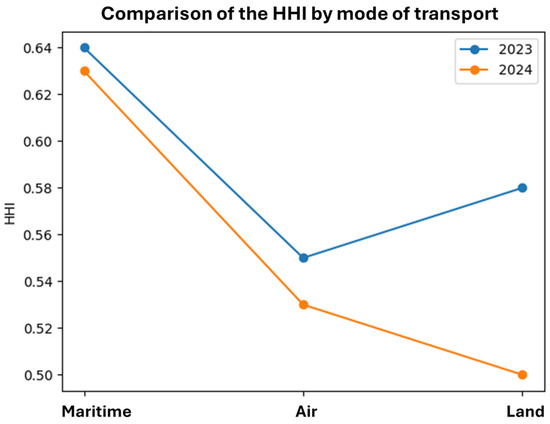
Background: Understanding how logistics structure affects fiscal performance and exposure to disruption is critical in import-dependent economies. This study examines the concentration of Ecuador’s import logistics system using customs revenue as an operational–fiscal proxy. Methods: The analysis uses 2023–2024 customs revenue data to evaluate modal and territorial concentration through the Herfindahl–Hirschman Index (HHI). Scenario-based stress tests are applied to assess sensitivity to redistribution and disruption shocks. Results: Results reveal a high dependence on maritime transport and a dominant customs district, with the Guayaquil–Maritime node accounting for most revenue. HHI values confirm strong concentration patterns. Scenario analysis shows that even moderate disruptions in dominant nodes generate disproportionate fiscal impacts, while limited modal diversification slightly reduces vulnerability. Conclusions: The findings indicate that logistics concentration constitutes a structural source of fiscal exposure. The study contributes by framing customs revenue as an integrated proxy linking logistics structure and vulnerability. However, results should be interpreted cautiously due to the short-term dataset, static analysis, and absence of behavioral responses.
Full article
(This article belongs to the Special Issue Tackling Disruptions in Supply Chain Networks Through Resilient, Sustainable and Innovative Methods and Practices)
►▼
Show Figures

Figure 1

Open AccessArticle
Identifying Barriers to Shipbuilding in India: A Delphi–DEMATEL Approach
by
Rupesh Kumar and Saroj Koul
Logistics 2026, 10(4), 80; https://doi.org/10.3390/logistics10040080 - 3 Apr 2026
Abstract
Background: This study examines the systemic barriers constraining the development of India’s shipbuilding industry and identifies leverage points for effective policy intervention. Methods: A mixed-methods design was adopted, combining the Delphi technique with fuzzy DEMATEL to capture expert consensus and causal
[...] Read more.
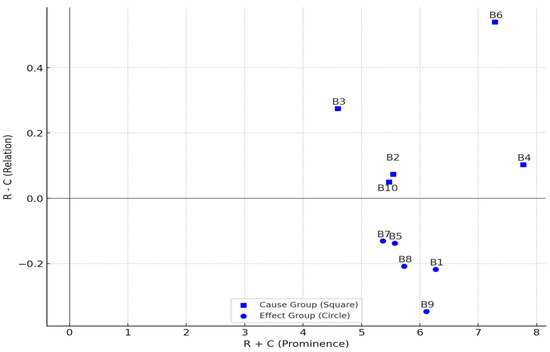
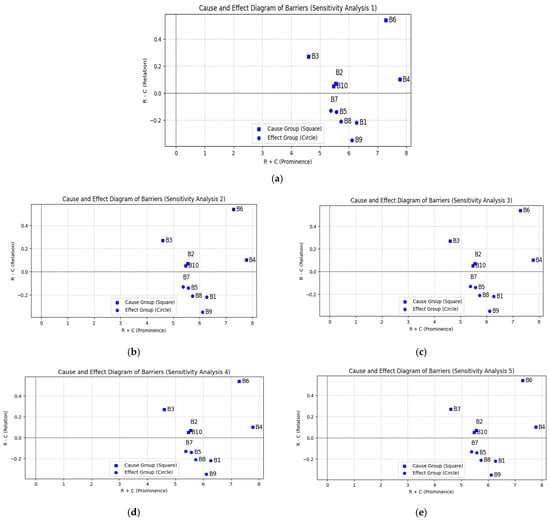
Background: This study examines the systemic barriers constraining the development of India’s shipbuilding industry and identifies leverage points for effective policy intervention. Methods: A mixed-methods design was adopted, combining the Delphi technique with fuzzy DEMATEL to capture expert consensus and causal interdependencies among barriers. A panel of 20 experts, drawn from academia, the government, shipbuilding and ship repair, ports, logistics, and maritime consultancy, participated in two iterative Delphi rounds. An initial list of 21 barriers was refined to 10 based on convergence thresholds. These barriers were then analysed using a seven-step fuzzy DEMATEL procedure to distinguish causal drivers from dependent factors. Results: High raw material costs emerged as the most dominant causal barrier, with the highest net influence (R−C = 0.540), followed by high working capital requirements (R−C = 0.103) and complex regulatory frameworks (R−C = 0.275). Shortages of skilled labour, inefficiencies in ship design, and delays in clearances were largely effect-type barriers shaped by upstream structural conditions. Sensitivity analysis confirmed the stability of barrier rankings under alternative expert weighting scenarios. Conclusions: Policy efforts should prioritise reducing input cost disadvantages, strengthening long-term policy support, and rationalising regulatory processes, rather than focusing solely on downstream operational symptoms. The study is limited to expert judgement in the Indian shipbuilding sector. Future research could extend this framework to comparative country settings or integrate causal analysis with econometric evidence to further strengthen policy design. Contribution: Unlike prior thematic studies, this research provides an integrated causal mapping of structural, financial, and institutional barriers specific to Indian shipbuilding, enabling policy sequencing rather than simple ranking.
Full article
(This article belongs to the Special Issue Multi-Criteria Decision-Making and Its Application in Sustainable Smart Logistics—2nd Edition)
►▼
Show Figures

Figure 1

Open AccessArticle
Performance Impact of Digitalization in the Food Supply Chain: Evidence from the Food Processing Complex in Ethiopia
by
Tadesse Kenea Amentae, Amanuel Fufa Uka and Girma Gebrsenbet
Logistics 2026, 10(4), 79; https://doi.org/10.3390/logistics10040079 - 2 Apr 2026
Abstract
►▼
Show Figures
Background: Although digitalization is recognized to improve the food supply chain, its effect pathways have not been thoroughly researched, especially in the context of developing countries. This study examines the association of three digitalization practices: digital internal practice (DIP), digital integration with
[...] Read more.
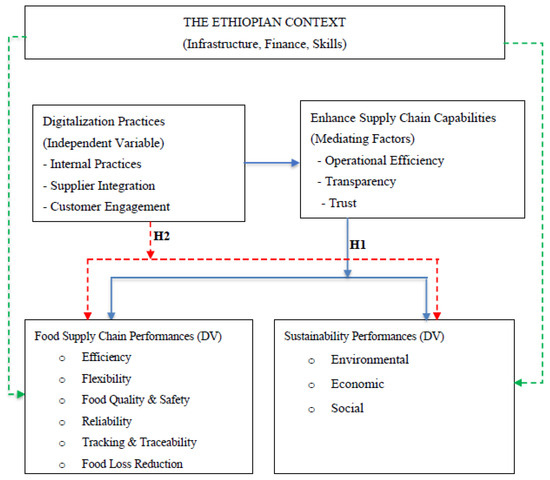
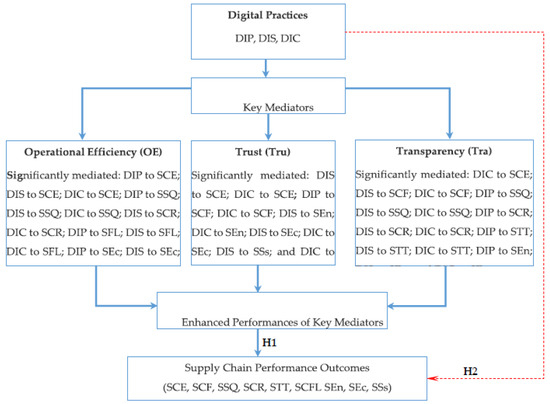
Background: Although digitalization is recognized to improve the food supply chain, its effect pathways have not been thoroughly researched, especially in the context of developing countries. This study examines the association of three digitalization practices: digital internal practice (DIP), digital integration with suppliers (DIS), and digital integration with customers (DIC) with nine supply chain performance metrics: efficiency, flexibility, food safety/quality, reliability, traceability, food loss, and sustainability, mediated by operational efficiency, trust, and transparency, using food processing company case in Ethiopia. Methods: Using an explanatory approach, data from 153 respondents were analyzed through mediation-based structural equation modeling (SEM) in JASP (v.0.95.4.0). The analysis involved 27 direct and 81 indirect effect paths. Results: The results demonstrated a fundamental comprehension that while digital practices manifest direct positive (improvement) effects, a purely direct-impact assessment is insufficient. Statistically, more than half of the suggested direct paths were not significant. The total effects, on the other hand, were significant for all 27 paths tested with much stronger positive associations. Conclusions: The mediation-based examination of the relationship of digitalization practices on food supply chain performance offers essential insight, indicating that the impact of digitalization on supply chain performance is primarily indirect, functioning through the enhanced capabilities it fosters.
Full article

Figure 1
Open AccessArticle
Developing a Decision Support System to Improve the Waste Transportation Process
by
Vadim Mavrin and Irina Makarova
Logistics 2026, 10(4), 78; https://doi.org/10.3390/logistics10040078 - 2 Apr 2026
Abstract
►▼
Show Figures
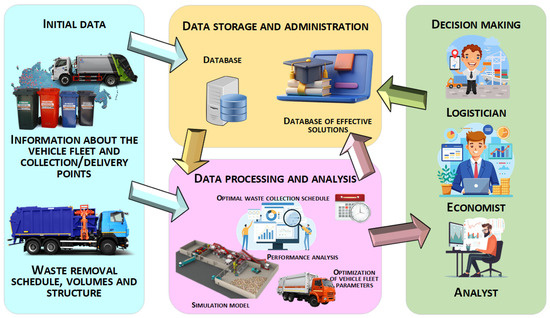
Background: The increasing volume of waste and stricter environmental regulations necessitate efficient waste transportation. Optimizing the specialized vehicle fleet remains a challenge due to fragmented decision-making approaches. Methods: This study develops a Decision Support System (DSS) integrating a simulation model (developed
[...] Read more.
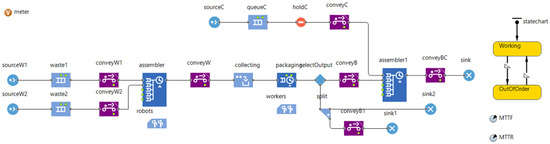
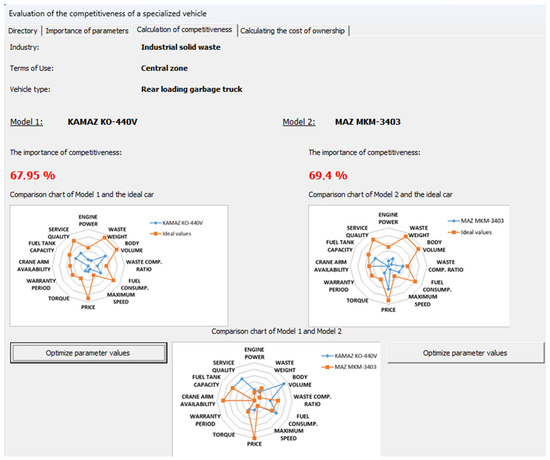
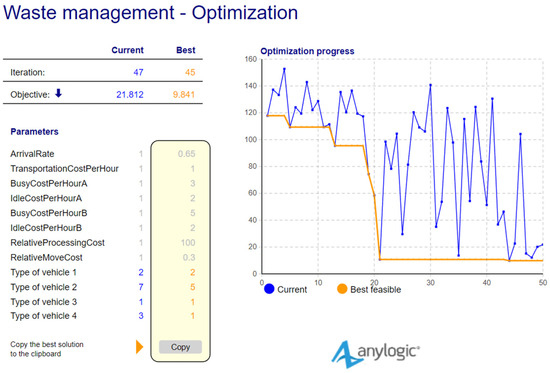
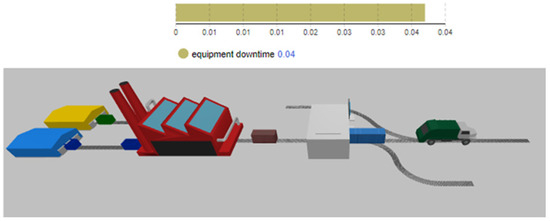
Background: The increasing volume of waste and stricter environmental regulations necessitate efficient waste transportation. Optimizing the specialized vehicle fleet remains a challenge due to fragmented decision-making approaches. Methods: This study develops a Decision Support System (DSS) integrating a simulation model (developed in AnyLogic) with a vehicle competitiveness assessment module (developed in Python). The simulation reproduces waste generation, collection (schedule-based and event-based), and transport logistics. An optimization experiment was conducted to minimize total logistics costs by varying fleet composition. Results: The findings indicate that the optimal fleet configuration reduced total logistics costs by 40.64% compared to the baseline; this reduction was statistically significant. Conclusions: The proposed DSS enables integrated optimization of fleet composition, demonstrating substantial potential for improving both economic and environmental performance of waste transportation systems. The modular architecture supports adaptation to diverse operational contexts.
Full article

Figure 1
Open AccessArticle
Bridging Accuracy and Interpretability: A Decision Support System for Stock Deployment and Additive Manufacturing Decisions in Spare Parts Distribution Networks
by
Alessandra Cantini, Antonio Maria Coruzzolo, Francesco Lolli, Filippo De Carlo and Alberto Portioli-Staudacher
Logistics 2026, 10(4), 77; https://doi.org/10.3390/logistics10040077 - 2 Apr 2026
Abstract
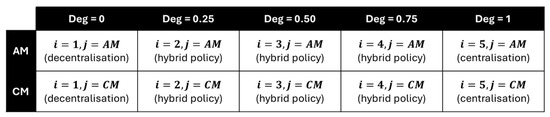
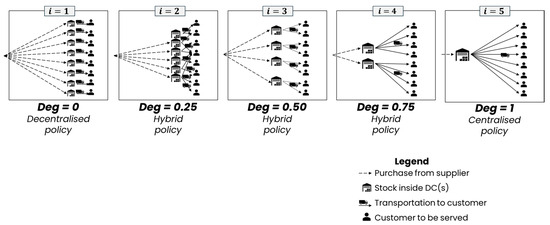
Background: Spare parts distribution networks (DNs) play a strategic role in retailers’ profitability. Among DN configuration decisions, selecting the optimal stock deployment policy—centralised, decentralised, or hybrid inventory allocation across distribution centres (DCs)—critically affects service levels and logistics costs. This decision becomes more complex
[...] Read more.
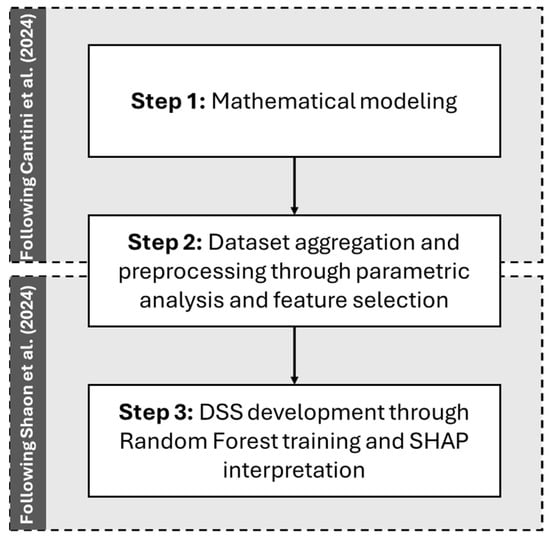
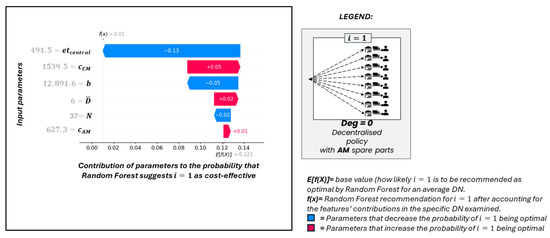
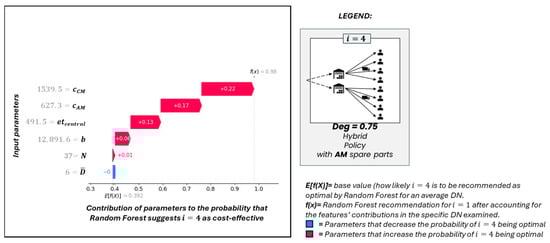
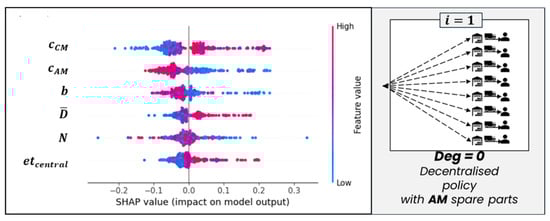
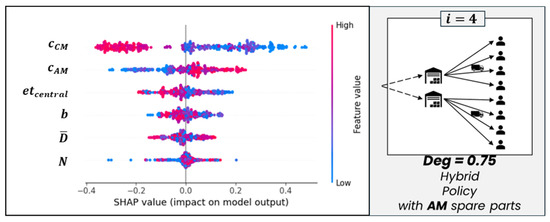
Background: Spare parts distribution networks (DNs) play a strategic role in retailers’ profitability. Among DN configuration decisions, selecting the optimal stock deployment policy—centralised, decentralised, or hybrid inventory allocation across distribution centres (DCs)—critically affects service levels and logistics costs. This decision becomes more complex with additive manufacturing (AM) as an alternative to conventional manufacturing (CM). While AM enables production with shorter lead times, its higher costs alter stock deployment cost-effectiveness. Given the complexity of joint stock deployment and manufacturing decisions, retailers require decision support systems (DSSs). Methods: To address this need, we develop a DSS through a three-step methodology: (i) a mathematical model evaluates logistics costs across different stock deployment policies and manufacturing technologies; (ii) parametric analysis tests the model across 2000 realistic scenarios; (iii) Random Forest trained on this dataset predicts optimal solutions, with SHapley Additive exPlanations (SHAP) interpreting post hoc recommendations. Results: The DSS achieves 93.4% prediction accuracy—outperforming (+16.4%) the only comparable literature DSS (77%)—while explaining recommendations. SHAP reveals that AM and CM unit costs dominate decision-making, followed by backorder costs. Conclusions: Beyond individual spare parts recommendations, the DSS provides guidelines enabling retailers to maintain cost-effective DNs aligned with evolving customer needs and to plan valuable investments in AM.
Full article
(This article belongs to the Special Issue New Progresses and Main Implications in Additive Manufacturing for Operations and Supply Chain Management)
►▼
Show Figures

Figure 1
Open AccessArticle
Analyzing Barriers and Strategies for Rail Freight Digital Transformation in Thailand
by
Photsawi Sirisaranlak and Duangpun Kritchanchai
Logistics 2026, 10(4), 76; https://doi.org/10.3390/logistics10040076 - 2 Apr 2026
Abstract
►▼
Show Figures
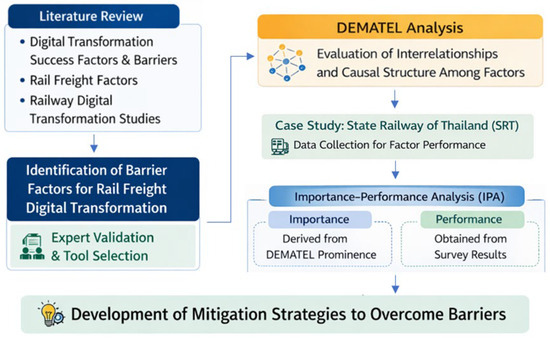
Background: Railways worldwide are increasingly adopting digital technologies to improve operational performance and reliability. However, digital transformation in rail freight remains challenging, particularly in developing countries where organizational, technological, and institutional barriers persist. This study aims to identify key barriers to rail
[...] Read more.
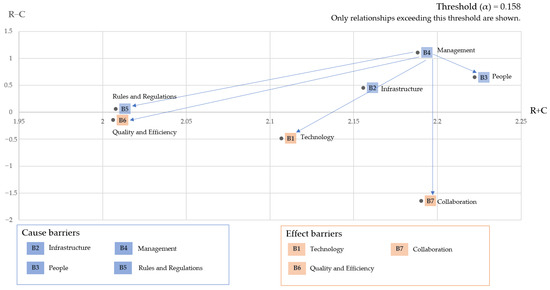
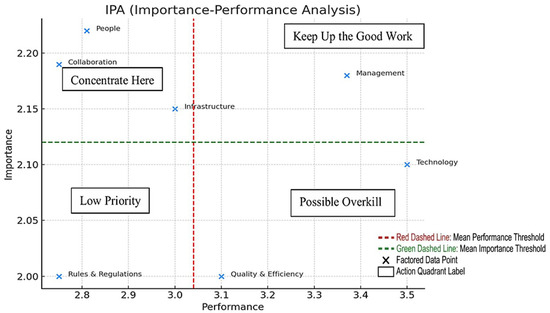
Background: Railways worldwide are increasingly adopting digital technologies to improve operational performance and reliability. However, digital transformation in rail freight remains challenging, particularly in developing countries where organizational, technological, and institutional barriers persist. This study aims to identify key barriers to rail freight digital transformation and propose strategies to address these challenges in Thailand’s rail freight sector. Methods: An integrated analytical approach combining Decision-Making Trial and Evaluation Laboratory (DEMATEL) and Importance–Performance Analysis (IPA) was applied. DEMATEL was used to analyze causal relationships among seven factors influencing digital transformation barriers, while IPA evaluated their importance and performance based on a case study of the State Railway of Thailand. Results: The findings show that management has the highest causal prominence, while quality and efficiency emerge as the primary effect factor. IPA results indicate that people, collaboration, and infrastructure require priority improvement. Conclusions: The study proposes four strategic directions to support rail freight digital transformation and provides a structured framework for identifying and prioritizing digital transformation barriers in rail freight systems. The study contributes by providing a structured framework for identifying, prioritizing, and addressing digital transformation barriers in rail freight systems.
Full article

Figure 1
Highly Accessed Articles
Latest Books
E-Mail Alert
News
Topics
Topic in
Computers, Informatics, Information, Logistics, Mathematics, Algorithms
Decision Science Applications and Models (DSAM)
Topic Editors: Daniel Riera Terrén, Angel A. Juan, Majsa Ammuriova, Laura CalvetDeadline: 30 June 2026
Topic in
Applied Sciences, Drones, Infrastructures, Logistics, Modelling, Energies, Technologies, Future Transportation
New Technological Solutions, Research Methods, Simulation and Analytical Models That Support the Development of Modern Transport Systems, 2nd Edition
Topic Editors: Artur Kierzkowski, Tomasz Nowakowski, Agnieszka A. Tubis, Franciszek Restel, Tomasz Kisiel, Anna Jodejko-Pietruczuk, Mateusz Zaja̧c, Viktoria Ivannikova, Michał Stosiak, Andrija VidovićDeadline: 31 August 2026
Topic in
Logistics, Sustainability, Systems, JMSE, Platforms
Digital Technologies in Supply Chain Risk Management
Topic Editors: Zongsheng Huang, Decui LiangDeadline: 31 December 2026
Topic in
Logistics, Sustainability, World
Research on Public Procurement for Sustainability
Topic Editors: Paul Davis, David McKevittDeadline: 31 March 2027
Special Issues
Special Issue in
Logistics
Harvesting the Future: Advanced Strategies and Innovations in Agroforestry Residual Biomass Logistics
Guest Editor: Leonel NunesDeadline: 2 May 2026
Special Issue in
Logistics
New Progresses and Main Implications in Additive Manufacturing for Operations and Supply Chain Management
Guest Editors: Antonio Maria Coruzzolo, Alessandra Cantini, Francesco Lolli, Filippo De CarloDeadline: 31 July 2026
Special Issue in
Logistics
Artificial Intelligence and Business Analytics Applications in Supply Chain Operations
Guest Editors: Hokey Min, Seong-Jong JooDeadline: 16 October 2026
Special Issue in
Logistics
Decarbonization of Maritime Logistics and Global Supply Chains
Guest Editors: Amir Alizadeh-Masoodian, Jay GoldenDeadline: 30 November 2026