

Skip to Content

Micro

Micro is an international, peer-reviewed, open access journal on microscale and nanoscale research and applications in physics, chemistry, materials, biology, medicine, food, environment technology, engineering, etc., published quarterly online by MDPI.

All Articles (257)

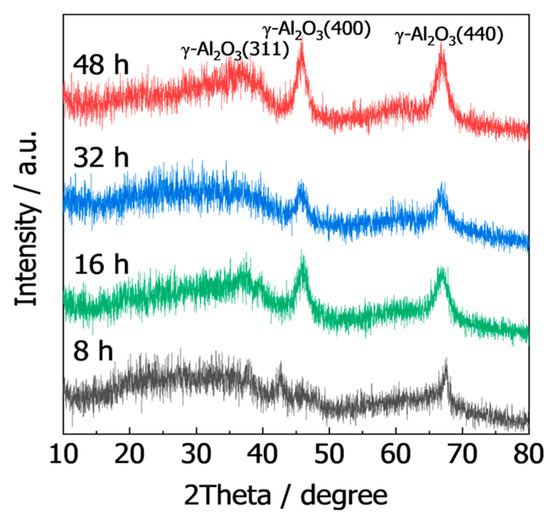
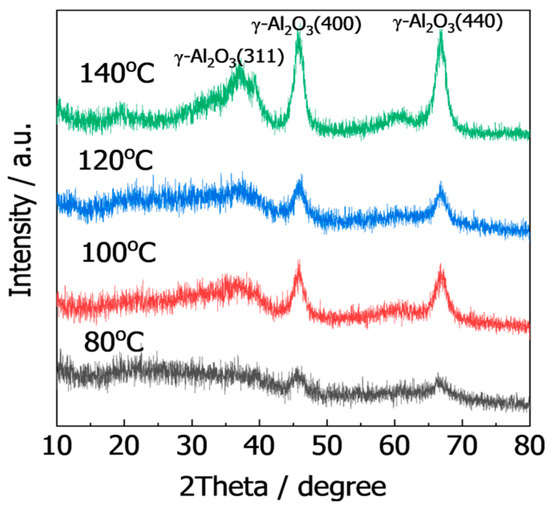
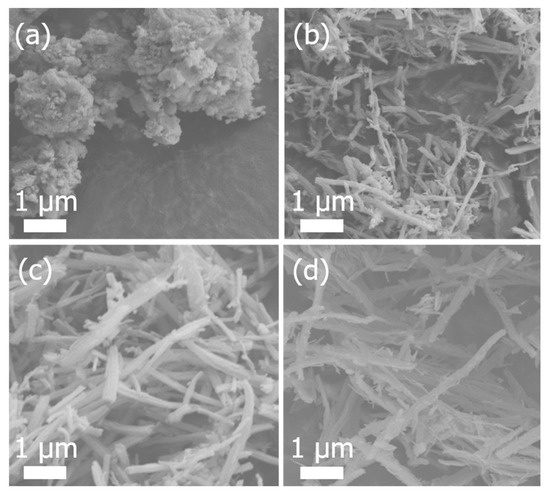
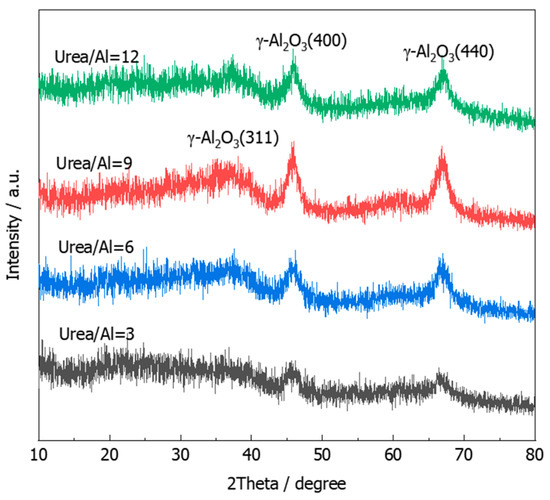
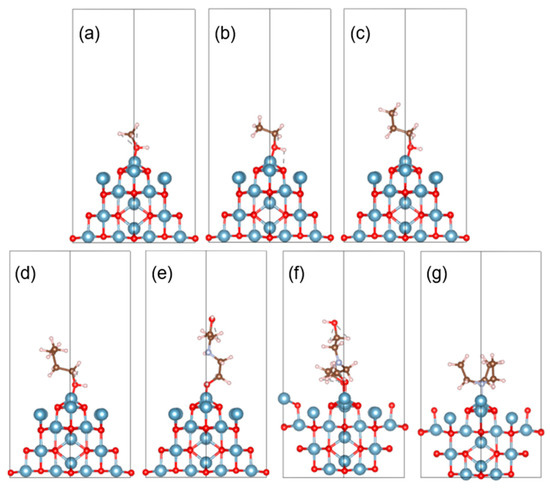
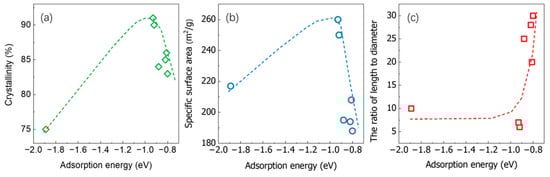
One-dimensional alumina nanorods have garnered significant attention due to their unique physical and chemical properties, which hold great promise for applications in catalysis, sensing, and other fields. However, the precise control over the morphology and properties of these nanorods remains a challenge, particularly in achieving a high specific surface area and desirable crystallinity. In this work, we explored the hydrothermal synthesis of alumina nanorods, focusing on the effects of structure-directing agents. It was observed that extending the hydrothermal time and optimizing the temperature led to the formation of nanorods with enhanced crystallinity and specific surface area. The addition of urea and different structure-directing agents significantly influenced the morphology and properties of the nanorods. Furthermore, density functional theory (DFT) calculations revealed the underlying mechanisms of how these structure-directing agents affect the adsorption and growth of alumina nanorods on different crystal planes. Our findings suggest that by carefully tuning these parameters, it is possible to achieve alumina nanorods with optimized properties. This work not only provides a systematic approach to the synthesis of alumina nanorods but also opens up new possibilities for the development of advanced materials with tailored properties for a wide range of applications.

28 February 2026

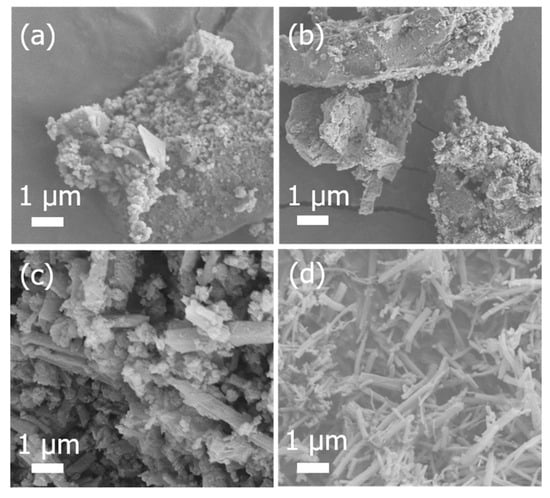
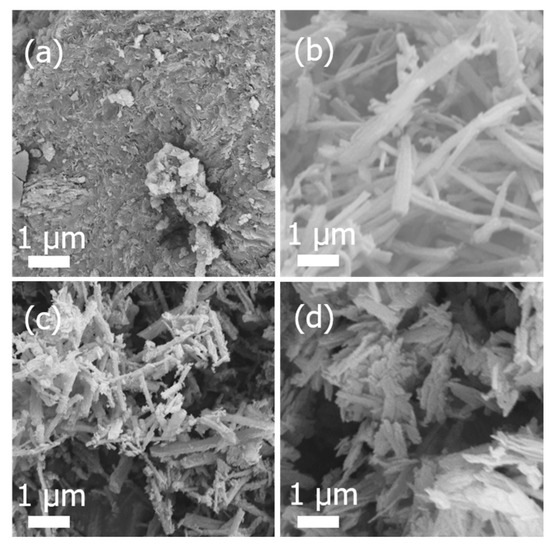
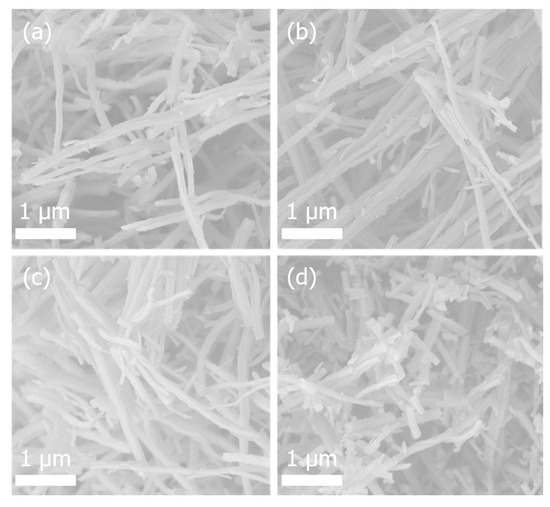
SEM images of samples prepared at different hydrothermal times: (a) 8 h; (b) 16 h; (c) 32 h; (d) 48 h.

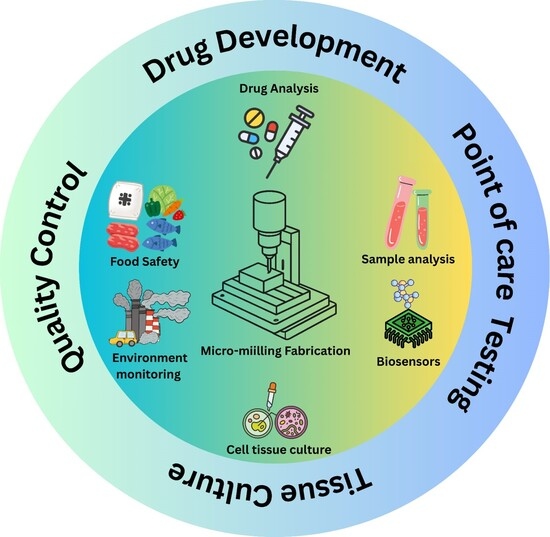
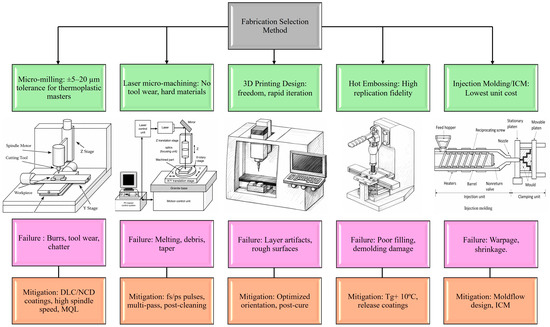
Microfluidics provides precise control of microscale fluid transport and has become central to biomedical, pharmaceutical, and industrial technologies. However, conventional fabrication methods such as photolithography and soft lithography require cleanroom facilities, use costly materials, and offer limited capability for constructing complex or multi-material architectures. This review highlights emerging manufacturing strategies, focusing on polymer-based micro-milling as an accessible and cost-effective alternative for microfluidic device production. Advances in micro-milling now enable the fabrication of microchannels and functional features with improved dimensional accuracy and surface quality, while additive manufacturing offers complementary rapid prototyping and design flexibility. Micro-milling is particularly promising for rapid prototyping of polymeric biosensor chips designed for point-of-care diagnostics. The technique supports diverse materials and eliminates reliance on cleanroom processing. Critical parameters, including tool geometry, spindle speed, and feeding rate, strongly influence fidelity and surface roughness, which directly affect biosensor sensitivity. Despite its advantages, challenges such as tool wear, burr formation, and limits on minimum feature size continue to hinder reproducibility. Recent progress in toolpath optimization, hybrid additive–subtractive methods, and real-time process monitoring shows the potential to overcome these barriers. Overall, micro-milling offers a scalable and economical route for fabricating accessible microfluidic and biosensing platforms, with future work needed to standardize processes and improve integration with surface functionalization methods.

15 February 2026

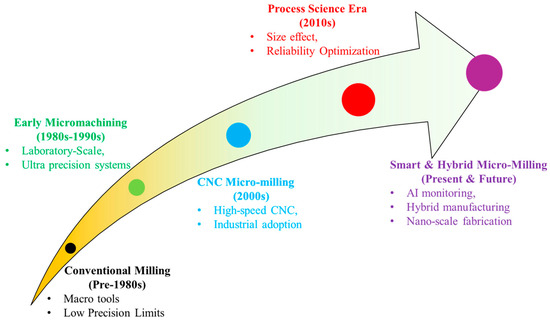
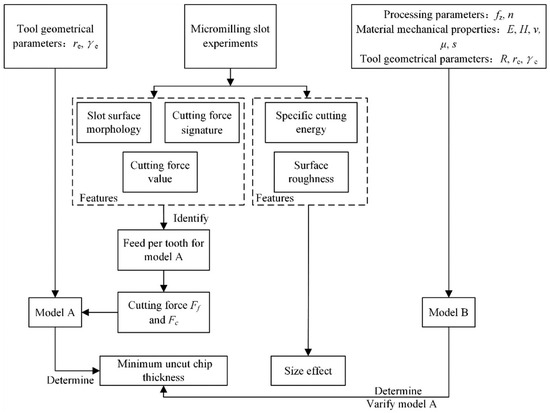
Evolution and development trajectory of micro-milling technologies from conventional machining to smart and hybrid micro-milling, highlighting key milestones, process understanding, and future research directions.

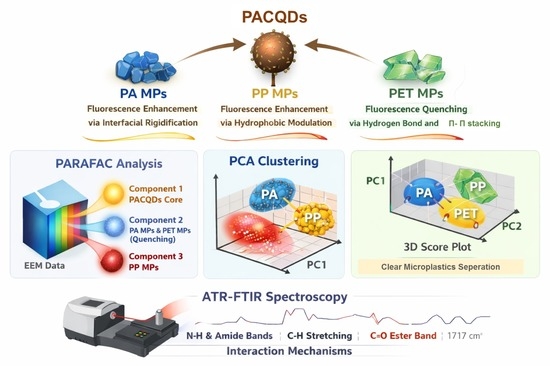
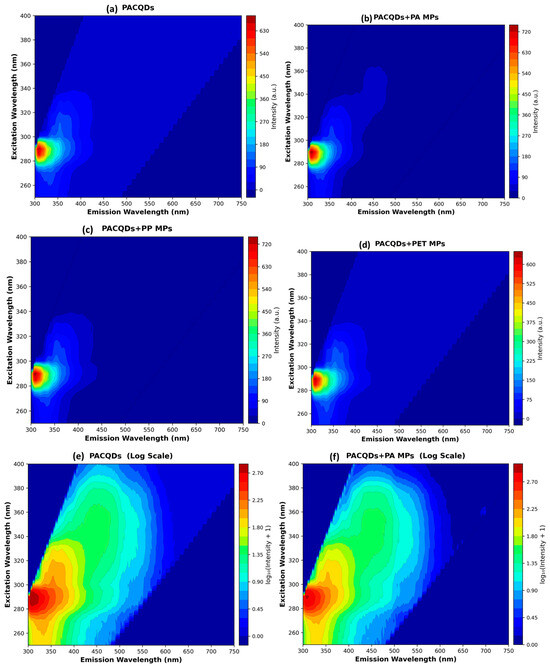
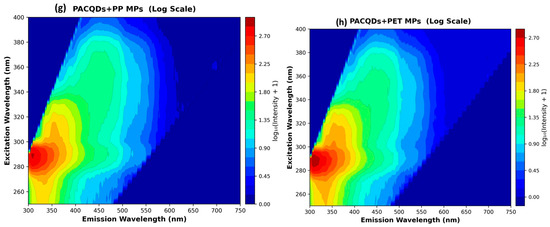
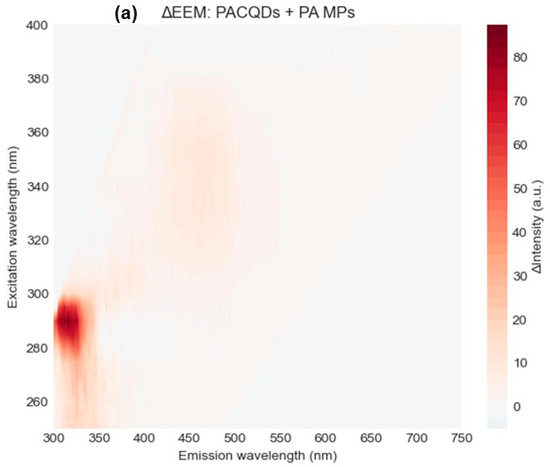
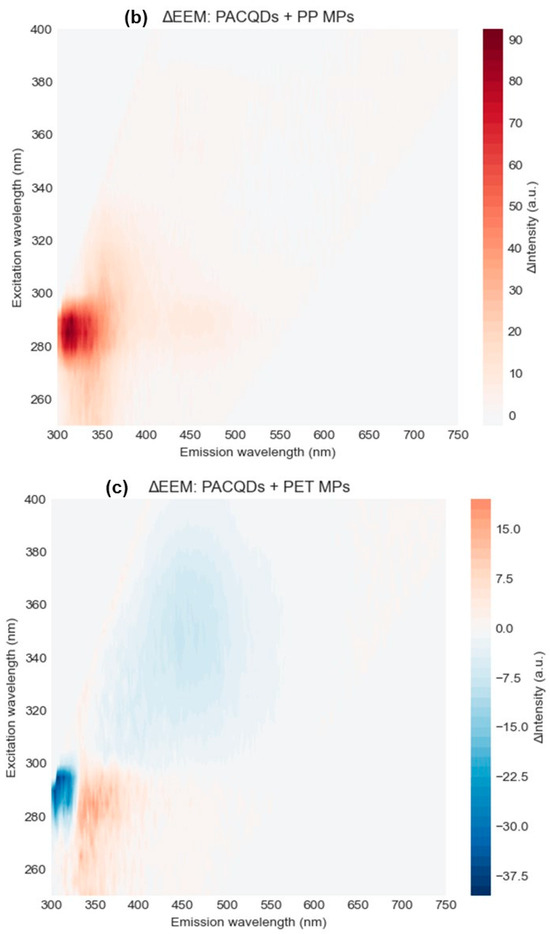
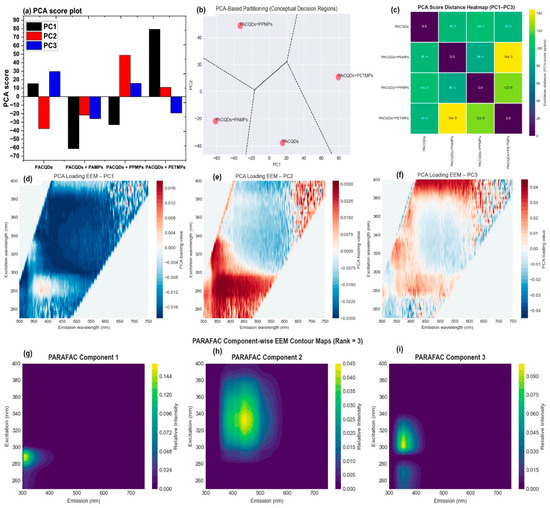
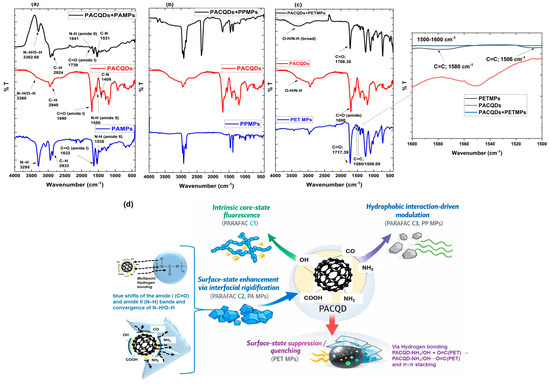
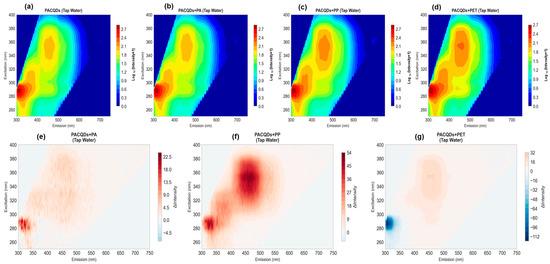
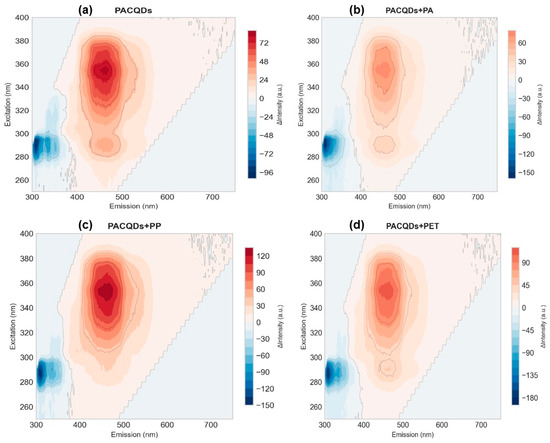
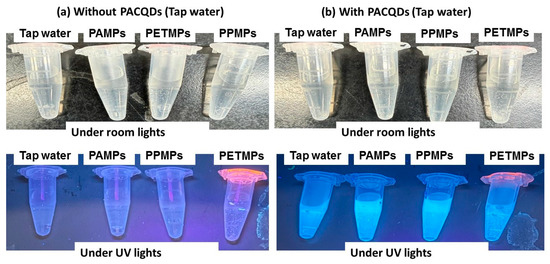
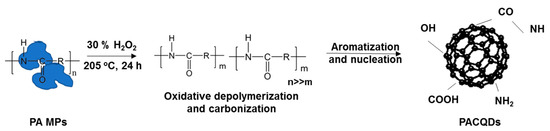
The rapid and selective discrimination of microplastics (MPs) is a critical analytical challenge, particularly as current carbon quantum dot (CQD)-based sensors often rely on single-wavelength “turn-on/off” or staining mechanisms that lack polymer-specific resolution. This work addresses these limitations by presenting a mechanism-driven fluorescence sensing platform using ultra-fine polyamide-derived carbon quantum dots (PACQDs; ~1.4 nm) to identify three prevalent MPs: polyamide (PA), polypropylene (PP), and polyethylene terephthalate (PET). Excitation–emission matrix (EEM) spectroscopy reveals polymer-specific photophysical responses: PAMPs and PPMPs induce fluorescence enhancement of 11.66% and 11.43%, respectively, whereas PETMPs cause net quenching (−4.61%) alongside a distinct, red-shifted emission band. Despite a common scatter-dominated peak at 290/308 nm, quantitative discrimination is achieved via integrated intensity and red/blue emission ratios (0.0137 for PAMPs, 0.0098 for PPMPs, and 0.0072 for PETMPs). Multivariate analysis reinforces this discrimination. Parallel factor analysis (PARAFAC) resolves the EEM data into three fluorescent components representing the intrinsic CQDs core and two interaction-induced surface states with a rank 3 model reducing the relative reconstruction error from 0.1625 to 0.1285. Principal component analysis (PCA) yields clear separation of the polymer classes, with the first two principal components capturing ~88% of the total spectral variance. ATR–FTIR spectroscopy provides direct molecular evidence for the underlying mechanisms: amide–amide coupling and interfacial rigidification for PAMPs; hydrophobic interaction without spectral shifts for PPMPs; and a synergistic interaction involving hydrogen bonding and π–π stacking for PETMPs. In particular, these polymer-specific fluorescence fingerprints are largely preserved in tap water, despite elevated background intensity and partial contrast attenuation, demonstrating the resilience of the EEM–chemometric approach under realistic matrix conditions. Collectively, the strong agreement between fluorescence metrics, multivariate signatures, and interfacial chemistry establishes a robust structure–property framework and positions PACQDs as a rapid, label-free, and matrix-tolerant platform for reliable microplastic discrimination in environmental analysis.

12 February 2026

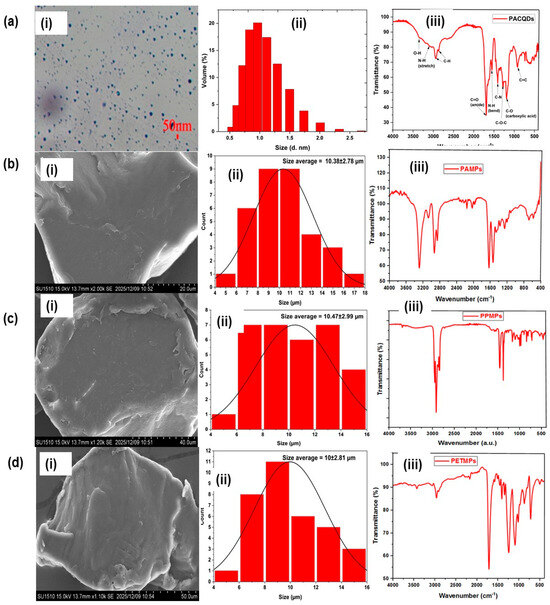
Morphological and structural characterization of PACQDs and microplastics. (a) PACQDs: (i) fluorescent micrograph image showing spherical morphology and high dispersion; (ii) particle size distribution histogram indicating a mean diameter of ~1.0 nm; (iii) FTIR spectrum highlighting amide and carboxylic surface functional groups. (b) PAMPs: (i) SEM image showing irregular fragment morphology; (ii) size distribution histogram (mean: 10.38 ± 2.78 μm); (iii) FTIR spectrum confirming characteristic amide I and II bands. (c) PPMPs: (i) SEM image of polypropylene fragments; (ii) size distribution histogram (mean: 10.47 ± 2.99 μm); (iii) FTIR spectrum showing dominant aliphatic C–H vibrations. (d) PETMPs: (i) SEM image of polyethylene terephthalate fragments; (ii) size distribution histogram (mean: 10 ± 2.81 μm); (iii) FTIR spectrum identifying ester carbonyl and aromatic C=C stretching modes.
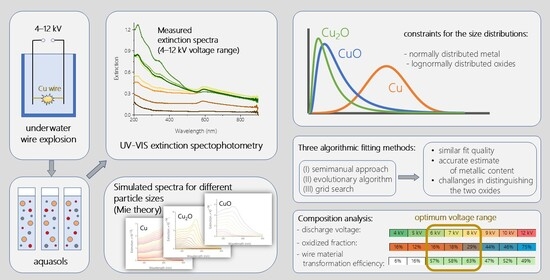
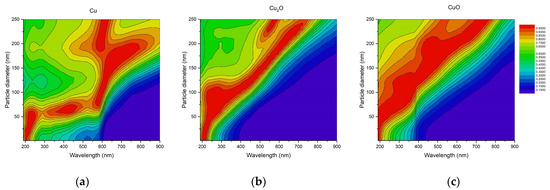
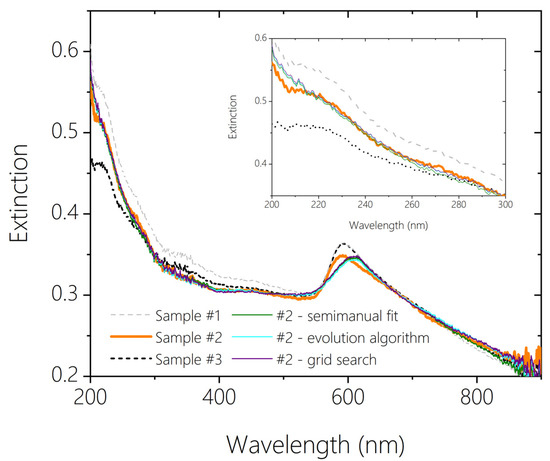
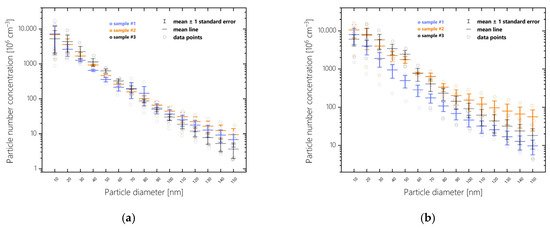
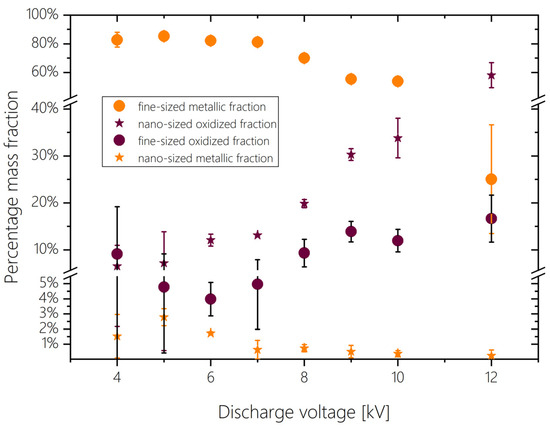
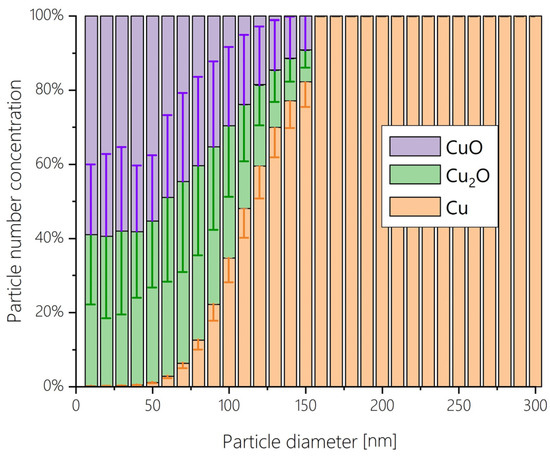
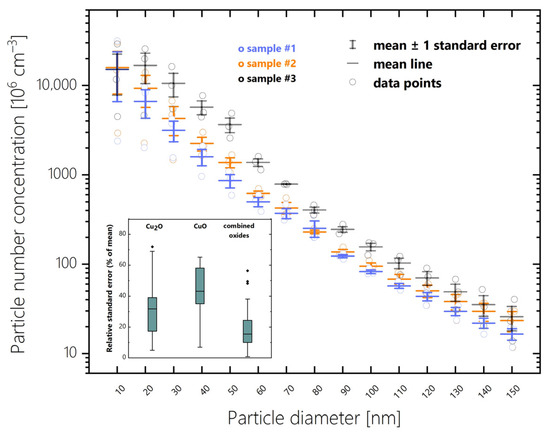
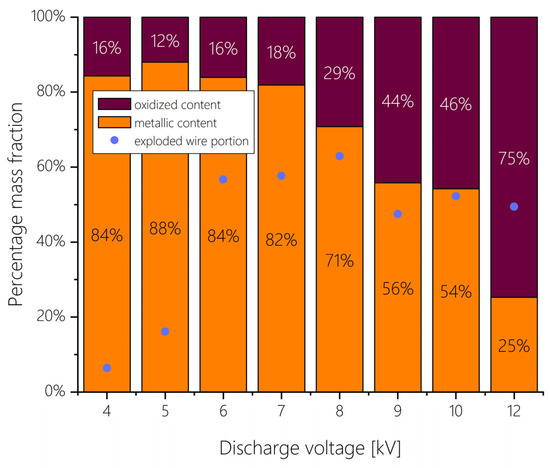
Wire explosion (WE) inherently generates particle ensembles spanning the nano- to microscale, posing challenges for conventional characterization methods in terms of capturing the full particle population. To address this issue, spectrophotometric analysis combined with algorithmic spectrum reconstruction based on Mie theory and constrained distribution models were employed to characterize copper WE products formed in aqueous surroundings within the 4–12 kV discharge voltage range. Three independent fitting strategies, specifically a semimanual fitting, an evolutionary algorithm, and a grid search, were applied to retrieve the size distributions and relative shares of copper and copper oxide particles as a function of discharge voltage. Based on experimental and theoretical findings, lognormal and normal distributions across the 10–300 nm diameter range were assumed as constraints for oxide and metallic fractions, respectively. The reconstructed metallic copper population exhibited mean diameters ranging from 123 to 181 nm, while oxidized fractions followed lognormal distributions centred near 10 nm mode diameters. Voltage-dependent trends revealed an optimal discharge regime between 6 kV and 8 kV, where the exploded fraction reached approximately 63% and the metallic mass share exceeded 80%. These results confirmed that spectrophotometry represents an essential tool for the quantitative characterization of such complex, wide-range systems.
6 February 2026

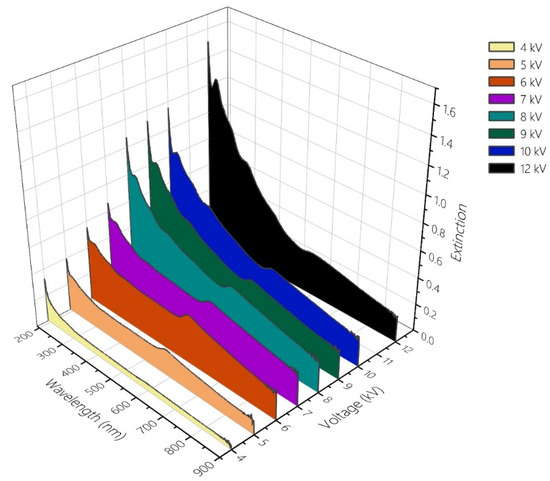
Spectrophotometric extinction spectra of aquasols, produced by underwater wire explosion of copper at capacitor charging voltages between 4 kV and 12 kV [41,42].

News & Conferences

Issues

Open for Submission

Editor's Choice

Get Alerted

Add your email address to receive forthcoming issues of this journal.

XFacebookLinkedIn
Micro - ISSN 2673-8023