

Journal Description
Methods and Protocols
is an international, peer-reviewed, open access journal aiming to establish and describe new experimental techniques in the fields of Life Sciences, Chemistry, and Biomedical Sciences, published bimonthly online by MDPI.
- Open Access— free for readers, with article processing charges (APC) paid by authors or their institutions.
- High Visibility: indexed within Scopus, ESCI (Web of Science), PubMed, PMC, CAPlus / SciFinder, and other databases.
- Journal Rank: CiteScore - Q2 (Biochemistry, Genetics and Molecular Biology (miscellaneous))
- Rapid Publication: manuscripts are peer-reviewed and a first decision is provided to authors approximately 22.6 days after submission; acceptance to publication is undertaken in 4.9 days (median values for papers published in this journal in the second half of 2025).
- Recognition of Reviewers: reviewers who provide timely, thorough peer-review reports receive vouchers entitling them to a discount on the APC of their next publication in any MDPI journal, in appreciation of the work done.
Impact Factor:
2.0 (2024);
5-Year Impact Factor:
2.2 (2024)
Latest Articles
Comparative Analysis of Streptozotocin, Streptozotocin–Nicotinamide and Alloxan-Based Diabetes Models in Female Wistar Rats
Methods Protoc. 2026, 9(3), 72; https://doi.org/10.3390/mps9030072 (registering DOI) - 2 May 2026
Abstract
Experimental diabetes models induced by streptozotocin (STZ) and alloxan are widely used in preclinical research; however, direct standardized comparisons in female rodents remain limited. The present study evaluated multiple chemical induction protocols in female Wistar rats, including STZ (40 and 65 mg/kg), STZ
[...] Read more.
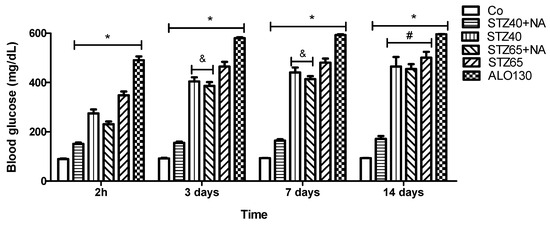
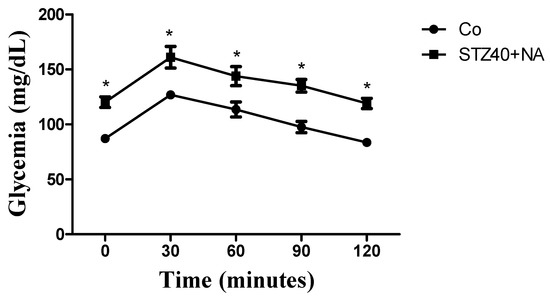
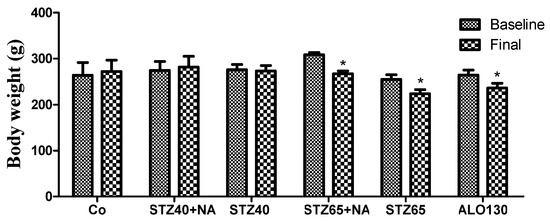
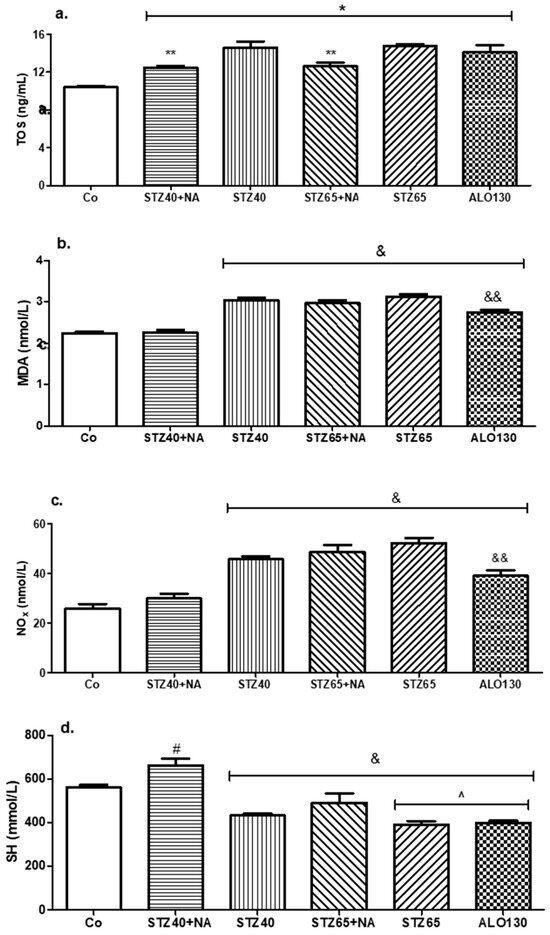
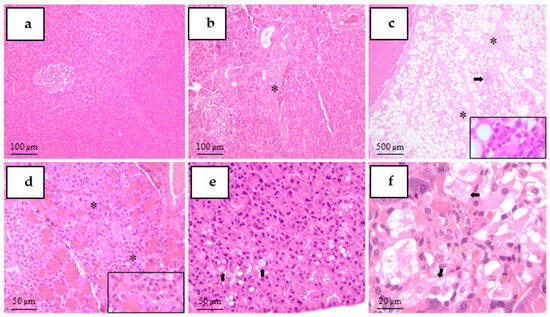
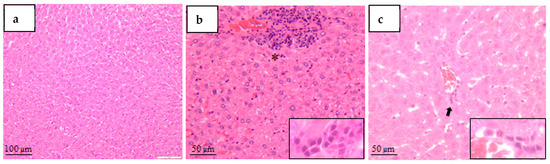
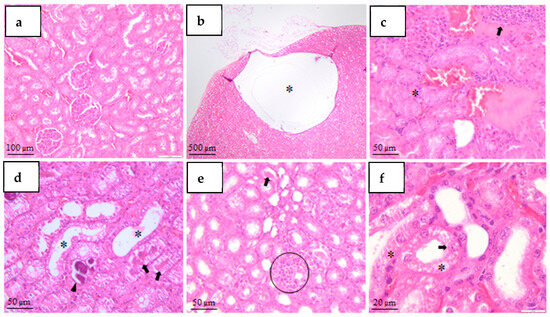
Experimental diabetes models induced by streptozotocin (STZ) and alloxan are widely used in preclinical research; however, direct standardized comparisons in female rodents remain limited. The present study evaluated multiple chemical induction protocols in female Wistar rats, including STZ (40 and 65 mg/kg), STZ at the same doses combined with nicotinamide (110 mg/kg), and alloxan (130 mg/kg). Glycemic progression, oral glucose tolerance test, body weight evolution, oxidative stress markers, and multi-organ histopathology were assessed over a 14-day period. High-dose STZ (65 mg/kg) and alloxan produced rapid, sustained hyperglycemia (p < 0.0001), significant body weight reduction, increased lipid peroxidation (elevated MDA), nitric oxide overproduction, thiol depletion, and pronounced pancreatic and renal structural damage. In contrast, STZ–nicotinamide protocols generated moderate but stable hyperglycemia with partial preservation of islet architecture, attenuated oxidative imbalance, and improved systemic tolerability. Oral glucose tolerance test confirmed impaired glucose handling in the STZ–nicotinamide group, consistent with a type 2 diabetes-like phenotype rather than complete insulin deficiency. These results demonstrate that induction strategy critically determines metabolic stability, oxidative stress burden, and tissue remodeling patterns, supporting model selection according to specific experimental objectives.
Full article
(This article belongs to the Section Biomedical Sciences and Physiology)
►
Show Figures
Open AccessArticle
Morphological Assessment of Stage HH38 of the Japanese Quail (Coturnix japonica) Heart by Micro-Sonogram
by
Jaden Roe, Ashlyn Benavides, Michael B. Filla, Douglas C. Bittel, Whitney Shae, Geetha Haligheri, James E. O’Brien, Jr. and Nataliya Kibiryeva
Methods Protoc. 2026, 9(3), 71; https://doi.org/10.3390/mps9030071 (registering DOI) - 2 May 2026
Abstract
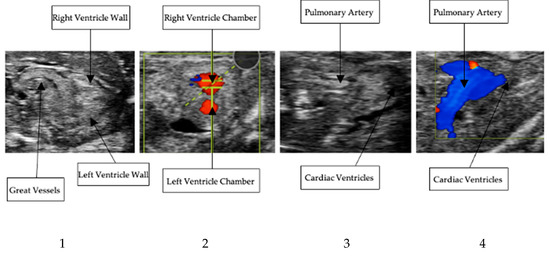
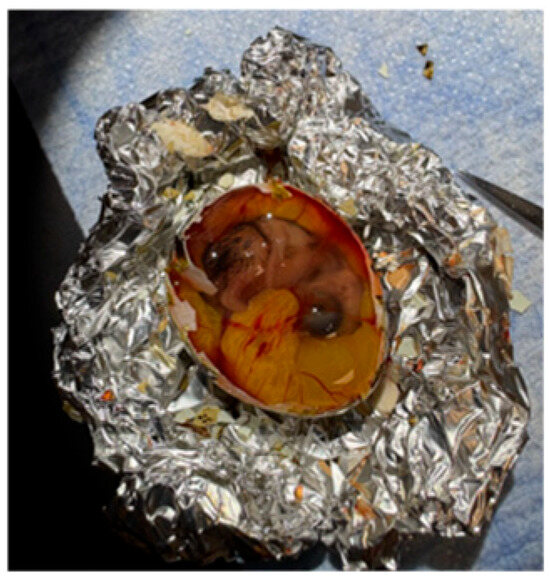
A challenge of studying mammalian cardiac embryogenesis is the limited ability to perform experimental manipulations in animal models. The avian embryo is widely accepted as a model for mammalian heart developmental studies. In this study, we establish the methodology and protocols for studying
[...] Read more.
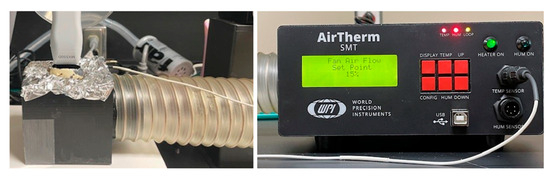
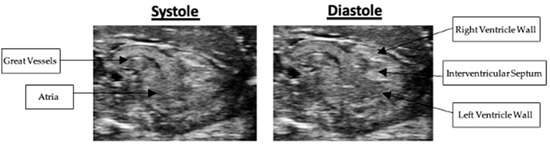
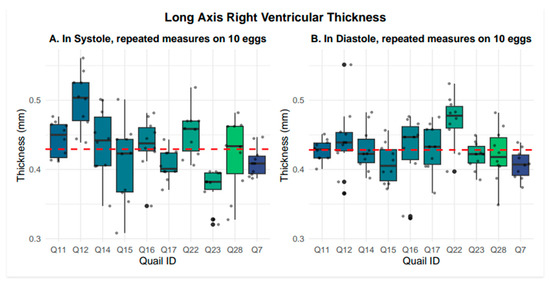
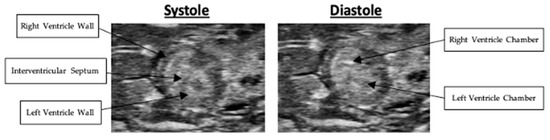
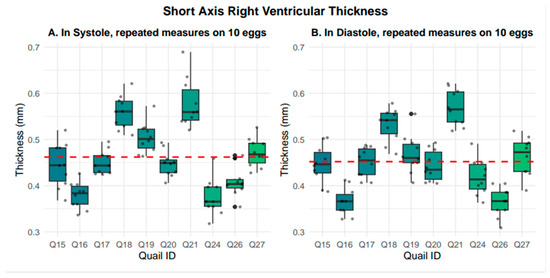
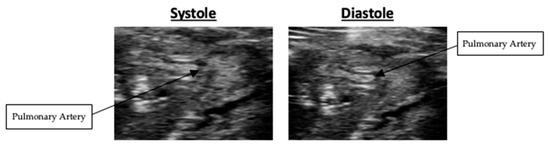
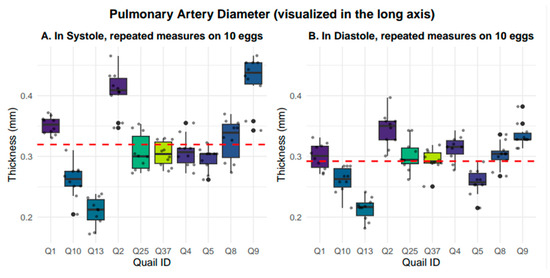
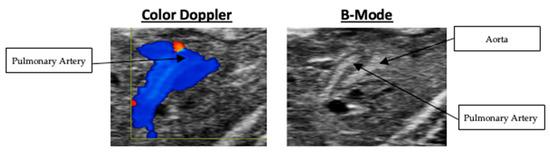
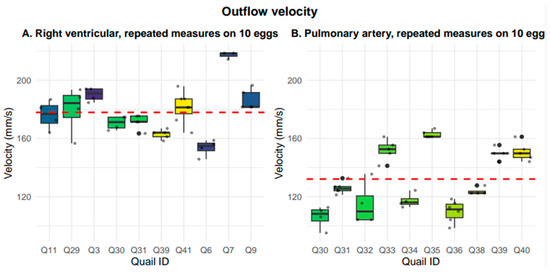
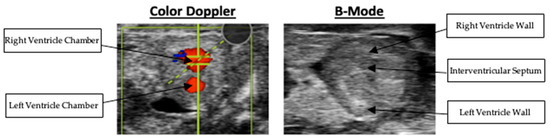
A challenge of studying mammalian cardiac embryogenesis is the limited ability to perform experimental manipulations in animal models. The avian embryo is widely accepted as a model for mammalian heart developmental studies. In this study, we establish the methodology and protocols for studying the Japanese quail (Coturnix japonica) heart at embryonic day 10 (HH38) using the FUJIFILM VisualSonics Vevo 3100 ultrasound system equipped with a MX550D small animal cardiology transducer. These protocols were designed to measure right ventricular wall thickness, pulmonary artery diameter, and the outflow velocities of the right ventricular outflow tract (RVOT) and the pulmonary artery (PA), thereby establishing baseline parameters of the normally developing quail morphology. Quail embryos are an ideal model for cardiovascular research due to their short incubation period (16–17 days), experimental accessibility, and strong similarities to mammalian heart development. These developmental similarities include, but are not limited to, looping, chamber septation, and the development of a true four-chamber heart. High-resolution imaging modalities, including ultrasound and optical coherence tomography, enable noninvasive, real-time visualization of cardiac morphology and function throughout development. Echocardiography allows for quantitative and qualitative assessments of myocardial structure and cardiac hemodynamics. The similarity to the mammalian heart, combined with rapid embryogenesis, makes quail embryos a valuable model for investigating congenital heart defects, genetic modifications, and fundamental cardiac developmental processes. In this study, we describe reproducible incubation protocols and baseline echocardiographic parameters used to evaluate morphological and physiological changes in the developing embryonic quail heart on embryonic day 10.
Full article
(This article belongs to the Section Biomedical Sciences and Physiology)
►▼
Show Figures

Figure 1
Open AccessProtocol
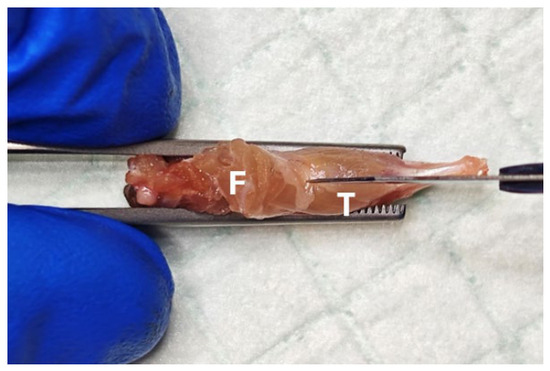
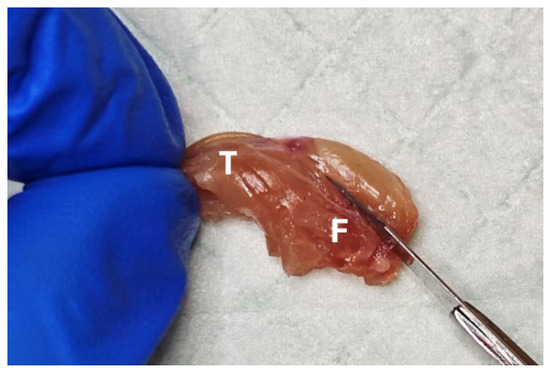
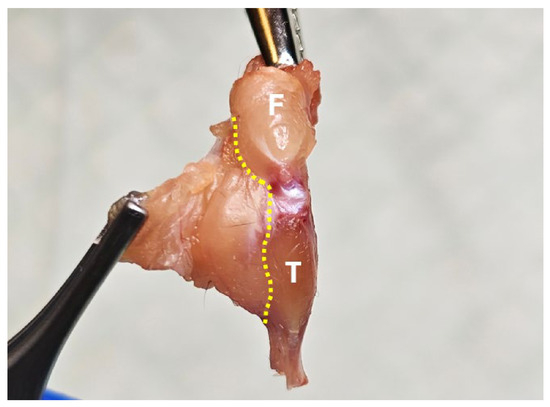
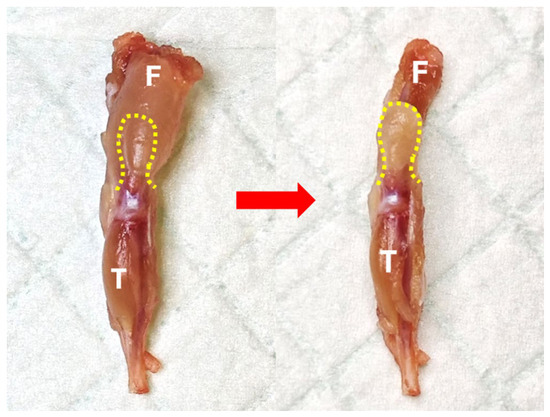
Collection and Lipidomic Analysis of Murine Knee Synovium and Infrapatellar Fat Pad
by
Tong Yang, Luke Stasikelis and Alexander J. Knights
Methods Protoc. 2026, 9(3), 70; https://doi.org/10.3390/mps9030070 (registering DOI) - 2 May 2026
Abstract
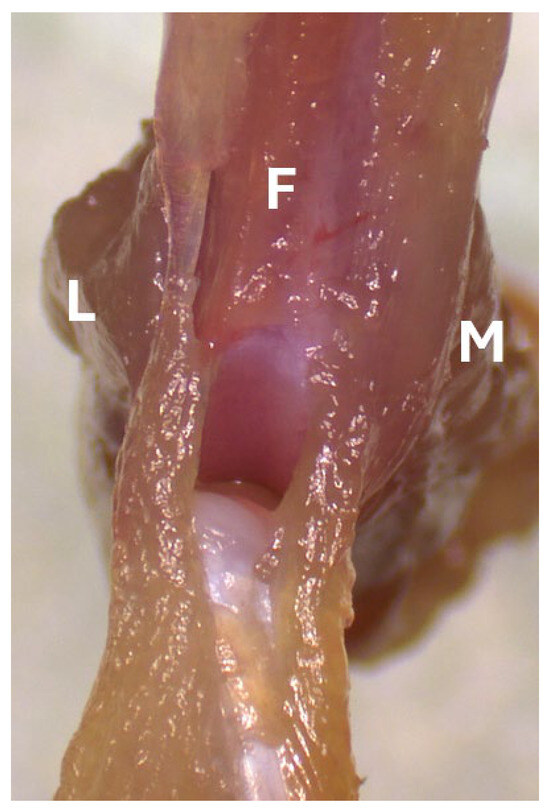
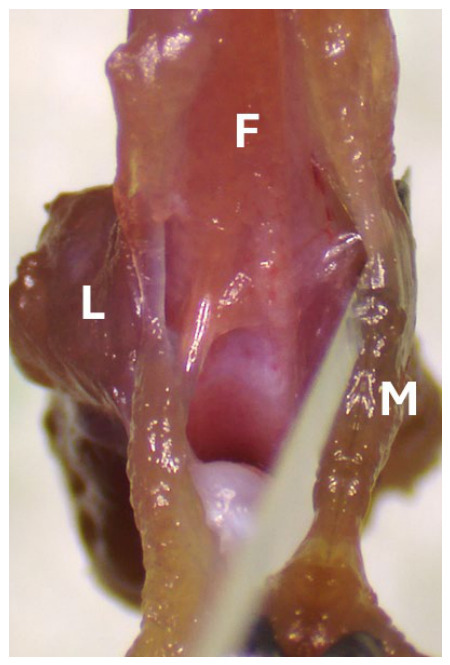
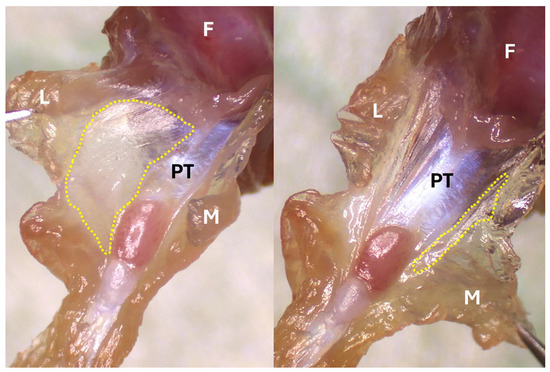
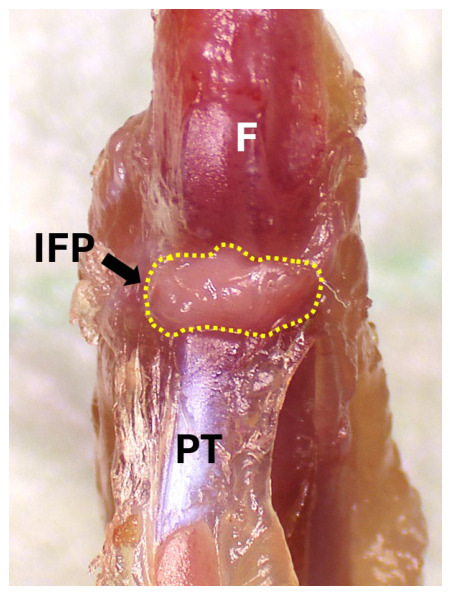
Intra-articular soft connective tissues such as synovium and adipose tissue play a crucial role in governing joint homeostasis and disease progression in various forms of arthritis. In the knee, like many synovial joints, adipose tissue forms an integrated anatomic and functional unit with
[...] Read more.
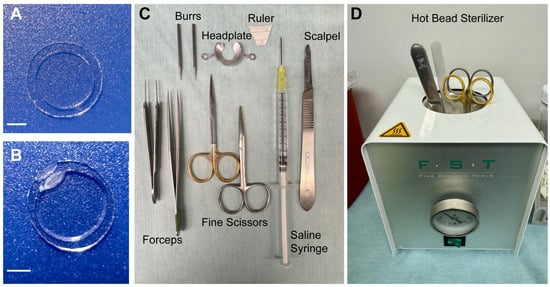
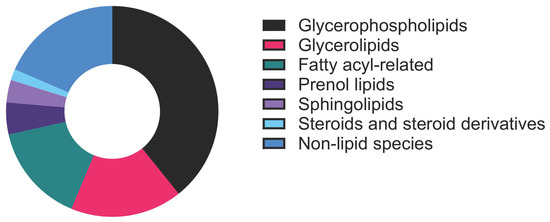
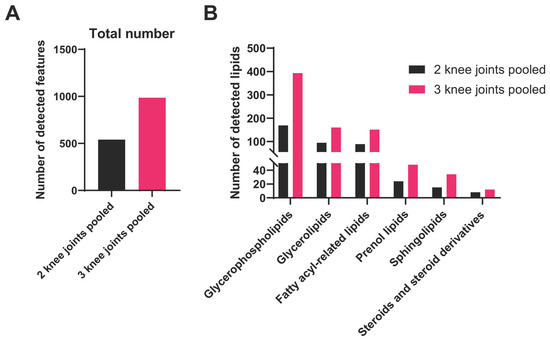
Intra-articular soft connective tissues such as synovium and adipose tissue play a crucial role in governing joint homeostasis and disease progression in various forms of arthritis. In the knee, like many synovial joints, adipose tissue forms an integrated anatomic and functional unit with the joint-lining synovium, and the most prominent adipose depot is the infrapatellar fat pad (IFP). With growing evidence that lipid profiles in the synovium–IFP unit shift during progression of joint diseases like osteoarthritis (OA), there is strong impetus for consistent tissue collection approaches and reproducible subsequent lipid characterization. Here, we present a standardized dissection and low-input untargeted lipidomics workflow optimized for mouse knee synovium and IFP, to enable comprehensive lipid profiling. Synovium/IFP from multiple joints are pooled to increase input mass and guarantee robust lipid yield, followed by lipid extraction and high-resolution liquid chromatography-mass spectrometry (LC–MS) acquisition for global, untargeted lipidomic profiling. The analysis workflow encompasses robust feature detection, accurate lipid annotation, data transformation and normalization. These steps enhance comparability across samples, particularly those with low input amounts, while minimizing technical variance and batch effects. Using this approach, we detect a broad spectrum of lipid species spanning the major lipid categories. As expected for untargeted discovery, a subset of non-lipid species is also observed. This protocol provides a practical framework for robust, reproducible lipidomics in murine intra-articular soft tissues to support future disease-specific biomarker and drug target discovery in OA and other joint diseases.
Full article
(This article belongs to the Special Issue Feature Papers in Methods and Protocols 2026)
►▼
Show Figures

Figure 1
Open AccessTechnical Note
Large Language Models for Clinical Narrative Processing: Methods, Applications, and Challenges
by
Achilleas Livieratos, Junjing Lin, Paraskevi Chasani, Mina Gaga, Fotios S. Fousekis, Charalambos Gogos, Karolina Akinosoglou, Konstantinos H. Katsanos and Margaret Gamalo
Methods Protoc. 2026, 9(3), 69; https://doi.org/10.3390/mps9030069 - 1 May 2026
Abstract
Large language models (LLMs) have rapidly advanced natural language processing and are increasingly used to analyze clinical narratives. Their ability to extract information, summarize records, and support clinical workflows makes them potential tools for enhancing documentation efficiency and the secondary application in the
[...] Read more.
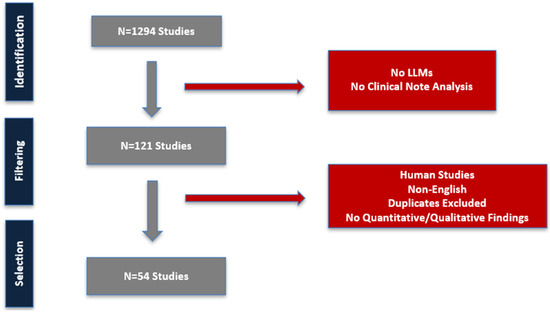
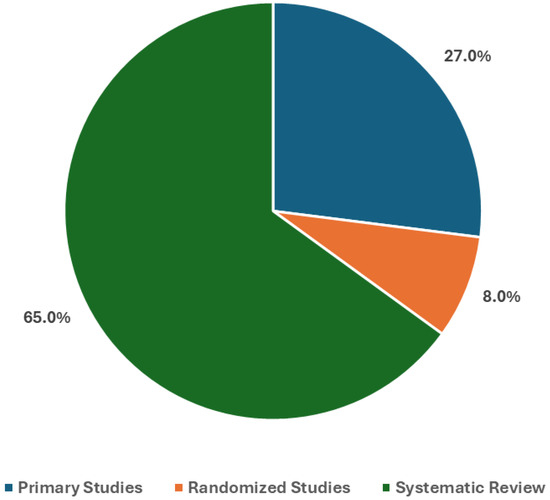
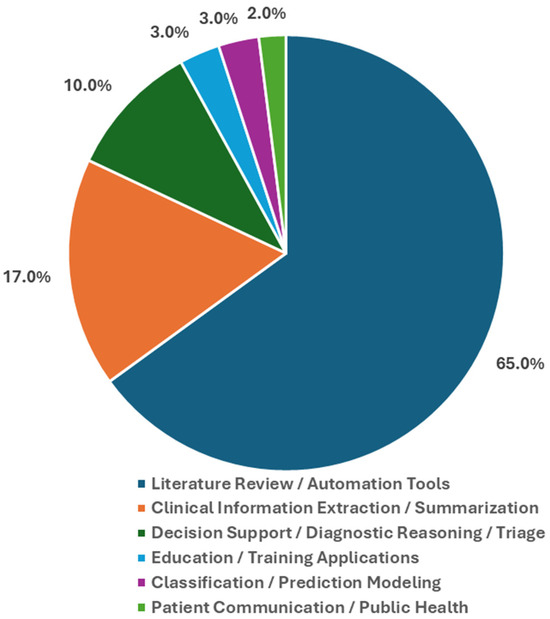
Large language models (LLMs) have rapidly advanced natural language processing and are increasingly used to analyze clinical narratives. Their ability to extract information, summarize records, and support clinical workflows makes them potential tools for enhancing documentation efficiency and the secondary application in the analysis of electronic health record (EHR) data. The aim of this work is to synthesize recent evidence on methodological approaches and applications of LLMs for clinical narrative processing, and to assess their performance, benefits, limitations, and implications for clinical practice. Across 2022–2026 studies, LLMs demonstrated strong performance in information extraction, summarization, triage prediction, section classification, and synthetic text generation, often surpassing traditional machine-learning models. Overall, LLMs improved the conversion of unstructured notes into actionable clinical insights, reduced documentation burden, and supported decision-making tasks. Key challenges included hallucinations, variable reproducibility, sensitivity to prompting, domain adaptation gaps, and limited transparency. Our findings indicate that LLMs show substantial promise for transforming clinical narrative processing, but safe adoption requires rigorous evaluation and continuous model auditing. This work provides a structured, non-systematic synthesis of representative studies and is intended as a high-level overview of emerging applications rather than a comprehensive systematic review.
Full article
(This article belongs to the Section Public Health Research)
►▼
Show Figures

Figure 1

Open AccessProtocol
Simultaneous In Vivo Electrophysiology, Two-Photon Imaging, and Optogenetics for Probing Neurovascular Coupling
by
Dalchand Ahirwar, Kun Xie and Philip O’Herron
Methods Protoc. 2026, 9(3), 68; https://doi.org/10.3390/mps9030068 - 25 Apr 2026
Abstract
Neuronal activity and cerebral blood flow are tightly coupled to support the high metabolic demands of the brain. Disruption of neurovascular coupling is a defining feature of many neurodegenerative disorders such as Alzheimer’s disease, stroke, small vessel disease, Parkinson’s disease, and aging. Progress
[...] Read more.
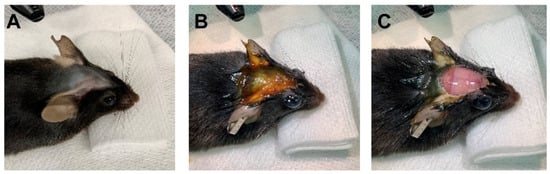
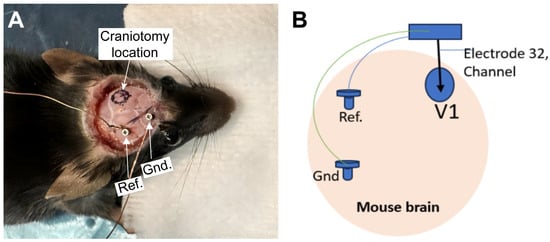
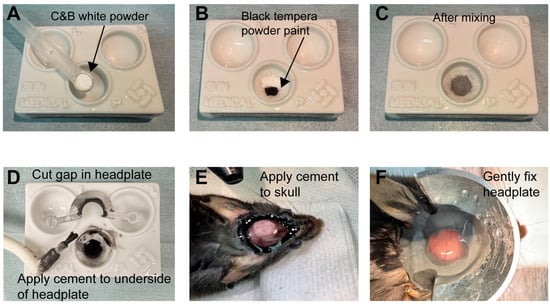
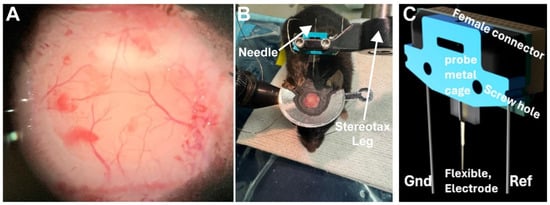
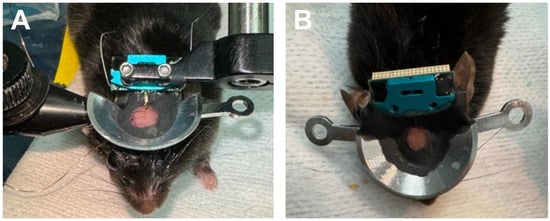
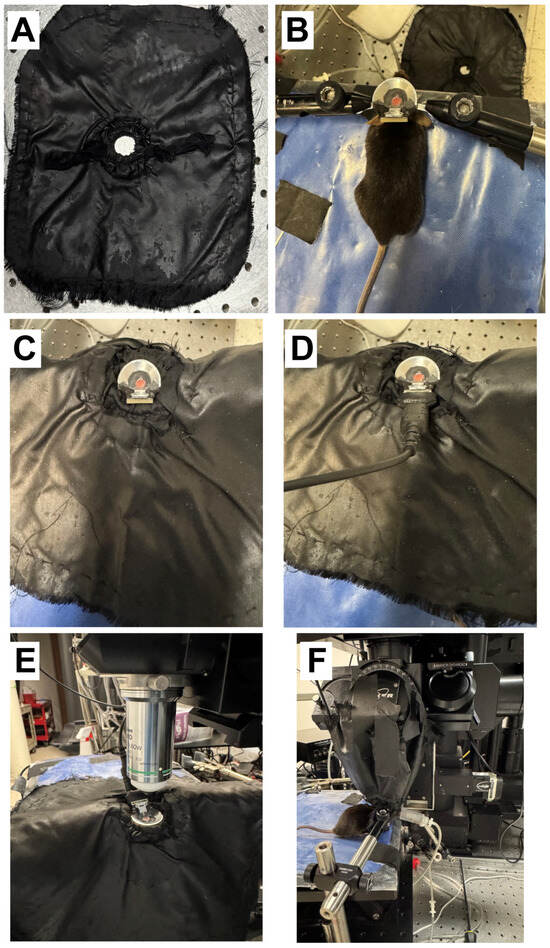
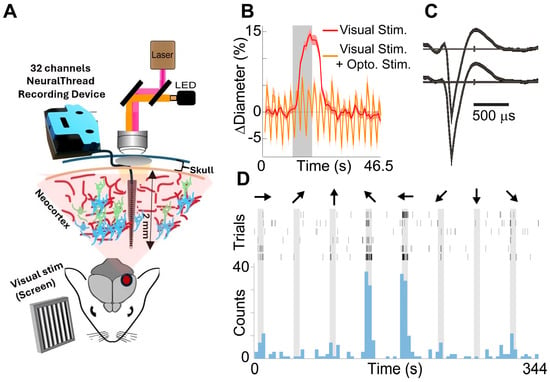
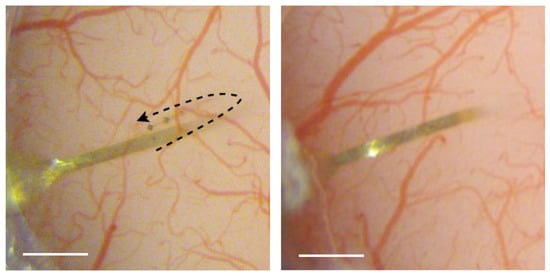
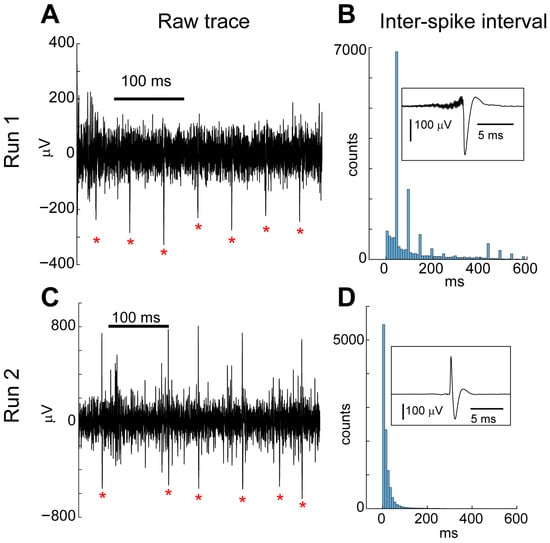
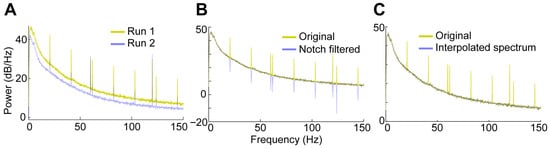
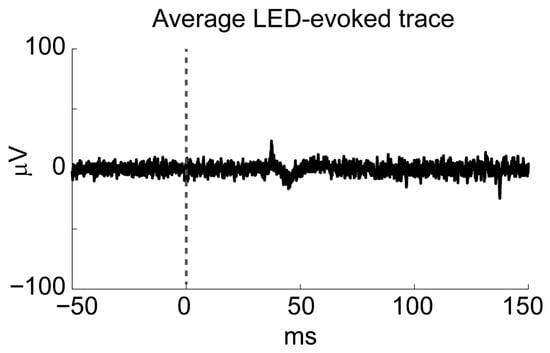
Neuronal activity and cerebral blood flow are tightly coupled to support the high metabolic demands of the brain. Disruption of neurovascular coupling is a defining feature of many neurodegenerative disorders such as Alzheimer’s disease, stroke, small vessel disease, Parkinson’s disease, and aging. Progress in understanding the mechanisms underlying neurovascular coupling requires experimental approaches that can simultaneously measure neuronal activity and vascular dynamics with high spatial and temporal resolution, while also enabling targeted perturbations of the system. Here, we present a methodological framework that combines chronic electrophysiological recordings with two-photon imaging of cerebral blood flow and optogenetic manipulation of the vasculature in vivo. Using a chronically implanted flexible electrode array, we obtain measurements of the single- and multi-unit spiking activity, as well as local field potentials. Concurrently, two-photon microscopy enables high-resolution measurements of vessel diameter and blood flow within individual vascular segments. In addition, optogenetic control of vascular smooth muscle cells allows for rapid and reversible manipulation of the vessel diameter through the same cranial window while simultaneously recording the neural and vascular activity. We provide detailed protocols for surgical implantation, data acquisition, and analysis, and discuss experimental considerations and limitations. This combined platform offers a powerful tool for mechanistic studies of neurovascular coupling and its dysfunction in disease models.
Full article
(This article belongs to the Section Biomedical Sciences and Physiology)
►▼
Show Figures

Figure 1
Open AccessBrief Report
Evaluation of Cryopreserved Primary Swine Macrophages as a Substrate for African Swine Fever Virus Replication
by
Vivian K. O’Donnell, Andrew Schoepke, Heather Petrowski, Leslie Blakemore, Douglas P. Gladue, Bonto Faburay and Manuel V. Borca
Methods Protoc. 2026, 9(3), 67; https://doi.org/10.3390/mps9030067 - 24 Apr 2026
Abstract
African swine fever (ASF) is a highly contagious and often fatal viral disease of pigs that poses serious economic consequences to the swine industry due to its high mortality rate and rapid spread. Currently, the identification of infectious ASF virus (ASFV) is the
[...] Read more.
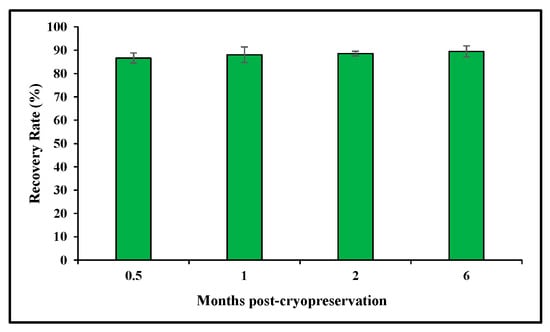
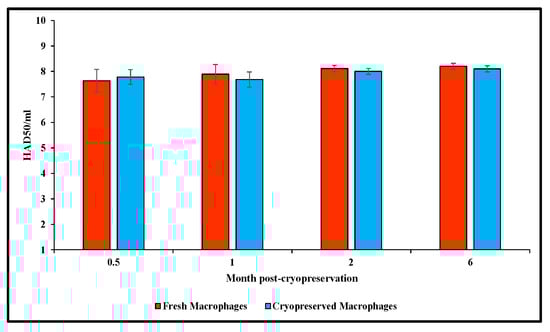
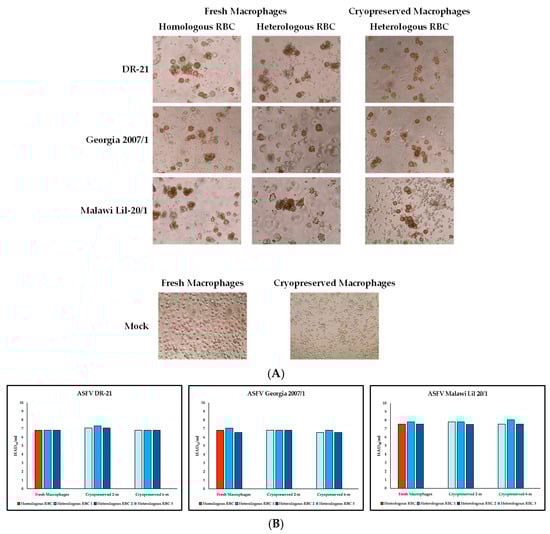
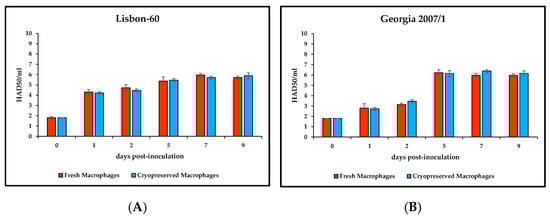
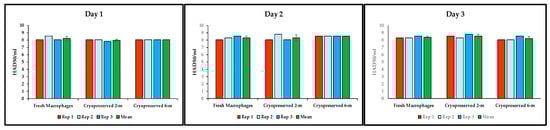
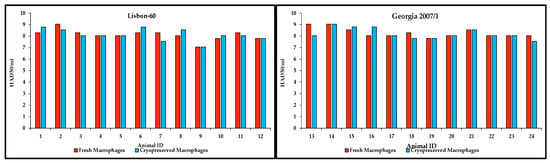
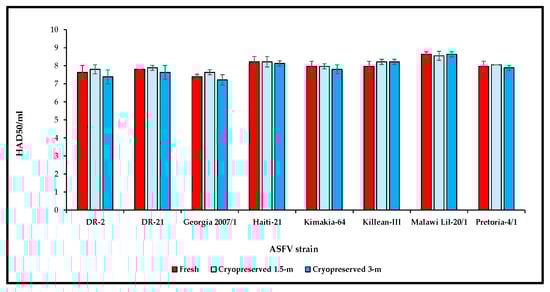
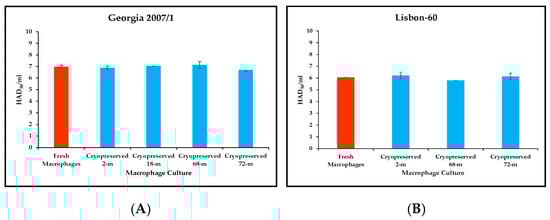
African swine fever (ASF) is a highly contagious and often fatal viral disease of pigs that poses serious economic consequences to the swine industry due to its high mortality rate and rapid spread. Currently, the identification of infectious ASF virus (ASFV) is the confirmatory test when clinical samples are positive for ASFV by any other diagnostic methods. Detection of infectious ASFV requires the availability of primary swine macrophage cultures as a cell substrate. We demonstrate here that cryopreserved swine primary macrophages are a suitable cell substrate for the detection, isolation and propagation of ASFV, showing similar results as when fresh swine macrophages are utilized. The possibility of using cryopreserved macrophages for detecting infectious ASFV would improve the efficacy of diagnostics in ensuring the availability of macrophage cell cultures during an emergency response.
Full article
(This article belongs to the Section Molecular and Cellular Biology)
►▼
Show Figures

Figure 1

Open AccessArticle
Proposal for a Protocol and a Handmade Arduino-Based and Open Source Device for Measuring the Residual Charge of Alkaline Batteries in View of an Attempt to Recharge Them
by
Giovanni Visco, Maria Pia Sammartino, Angela Marchetti, Mauro Castrucci and Mauro Tomassetti
Methods Protoc. 2026, 9(2), 66; https://doi.org/10.3390/mps9020066 - 19 Apr 2026
Abstract
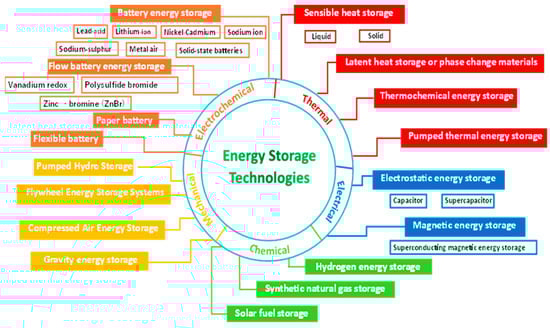
Portable devices are powered in direct current (DC) or by batteries (primary battery), accumulators (secondary battery), and now supercapacitors, which can also be used for energy storage. The European Portable Battery Association states that approximately 239,000 tons of batteries were placed on the
[...] Read more.
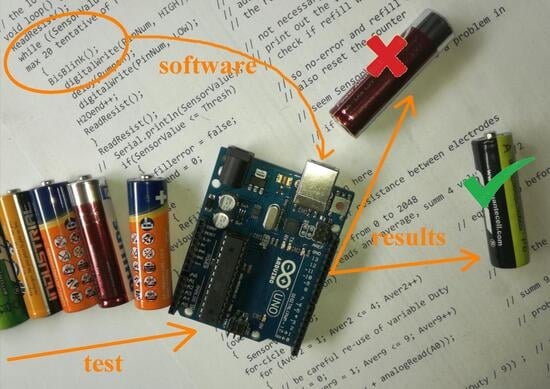
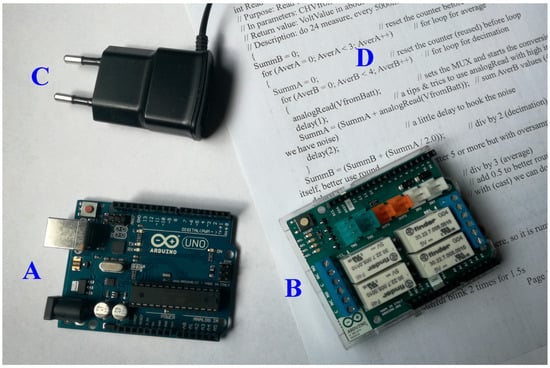
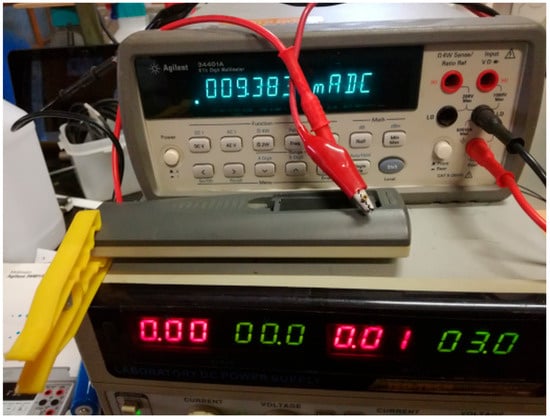
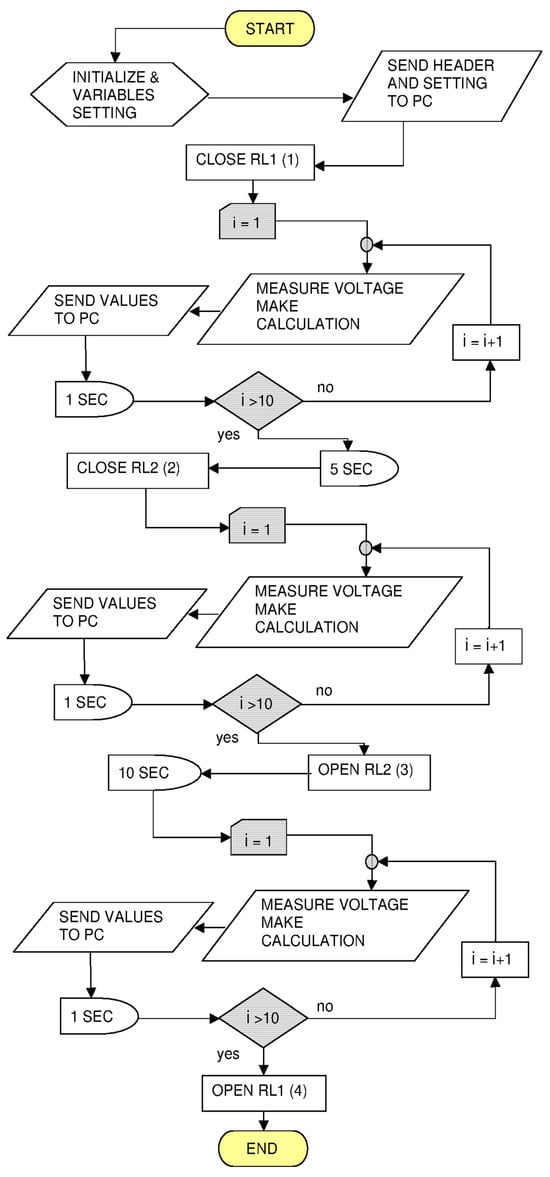
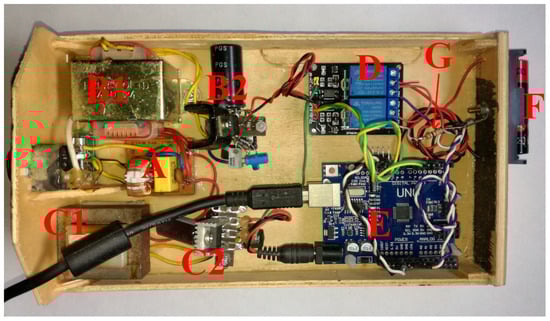
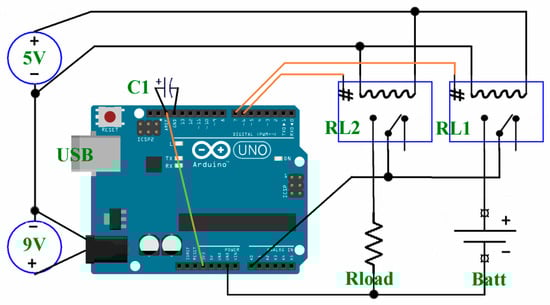
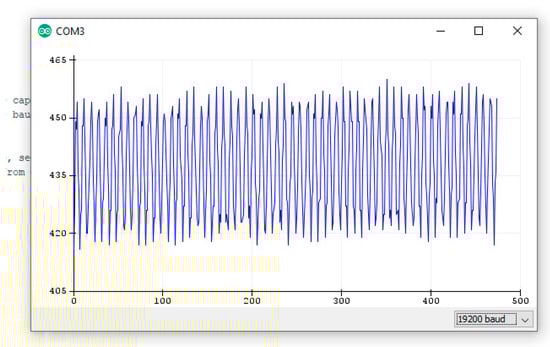
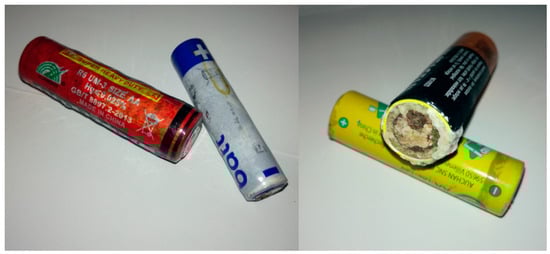
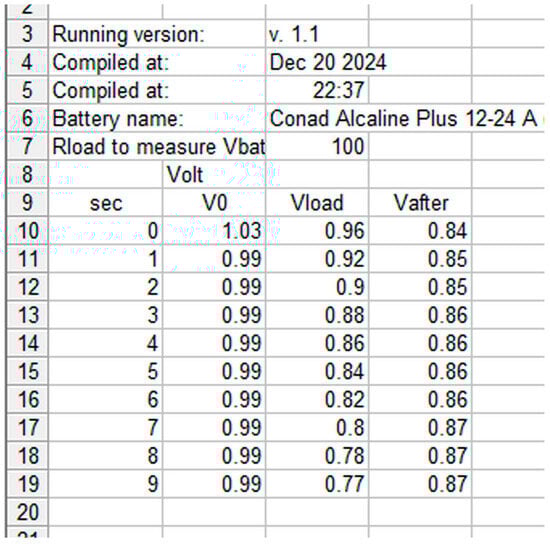
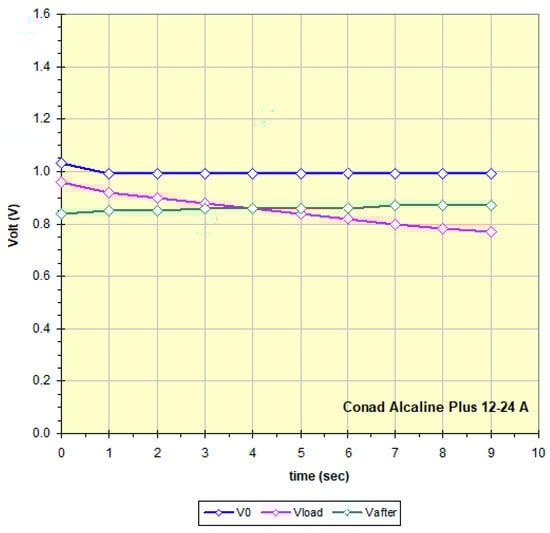
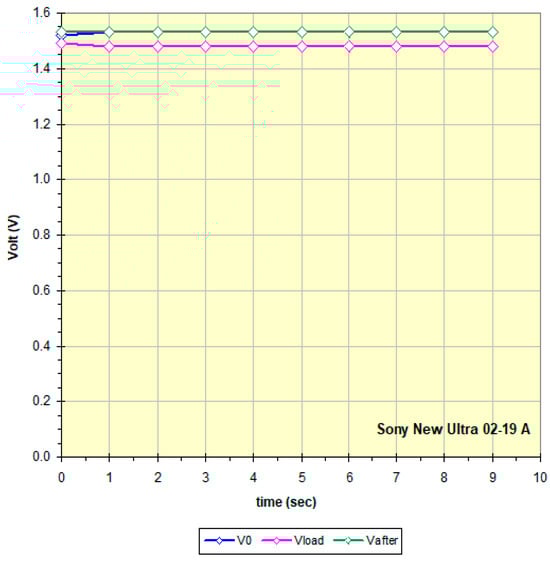
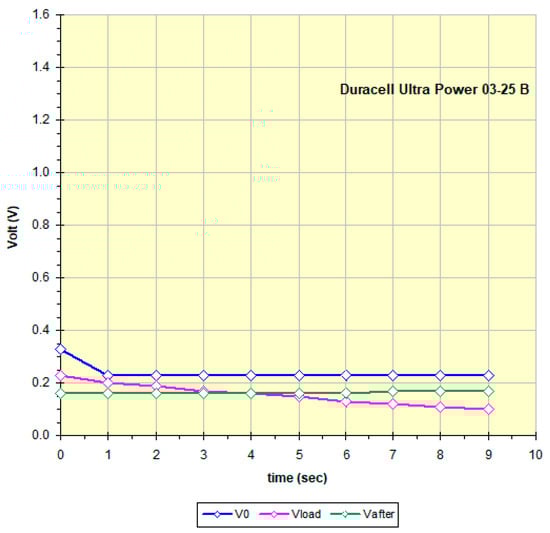
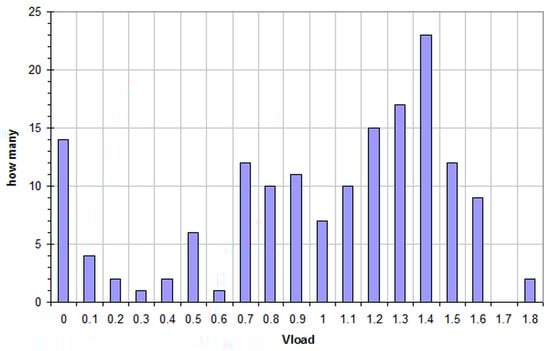
Portable devices are powered in direct current (DC) or by batteries (primary battery), accumulators (secondary battery), and now supercapacitors, which can also be used for energy storage. The European Portable Battery Association states that approximately 239,000 tons of batteries were placed on the market in the European Economic Area (EEA) plus Switzerland in 2022. Even if they were all disposed of correctly respecting the 3R paradigm (Reduce, Reuse and Recycle), non-rechargeable batteries create an environmental problem because they do not discharge completely with an obvious waste of energy. Secondary batteries and supercapacitors can be recharged because they use reversible chemical/physical processes while primary batteries cannot be recharged because they are based on irreversible redox reactions; nevertheless, it is possible to try to recover their residual charge if this is higher than a threshold beyond which the reactions can be reversible. The most used batteries are alkaline zinc/manganese dioxide and they are non-rechargeable; an inappropriate recharge attempt can lead to serious harm to the operator and the environment. This paper describes a simple Arduino-based circuit and the protocol to measure and graph the residual charge of an alkaline battery in order to establish if it can be recharged. The circuit, design, the Arduino Uno R3 sketch (i.e., microprocessor software) and the full protocol are here presented under the open source license (Copyright Creative Commons Public license, CC BY-NC-ND 4.0 EN) so that they could become a pilot system and then a commercial product. The residual charge of 158 batteries, obtained after discharging those that, by eye, appeared damaged, was measured. Results evidenced that 49% of batteries had a residual voltage, under low load, between 1.2 and 1.6 V, making them good candidates for a recharge attempt.
Full article
(This article belongs to the Section Biochemical and Chemical Analysis & Synthesis)
►▼
Show Figures

Graphical abstract
Open AccessProtocol
Optimized Protocols to Extract Total Transcripts and Proteins from Lipid-Rich Tissues
by
Nicolas De Azevedo, Anthony Lozano, Ramon E. Parsons and Tiphaine C. Martin
Methods Protoc. 2026, 9(2), 65; https://doi.org/10.3390/mps9020065 - 10 Apr 2026
Abstract
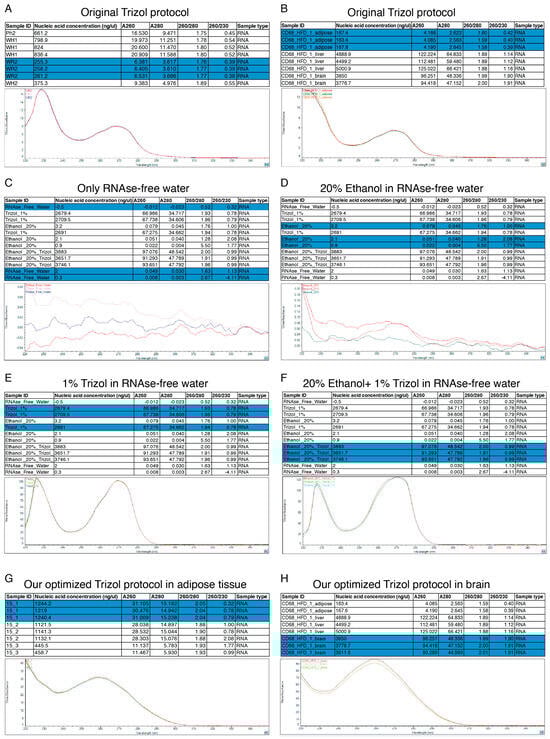
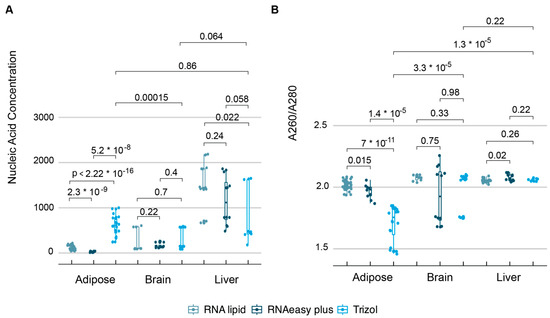
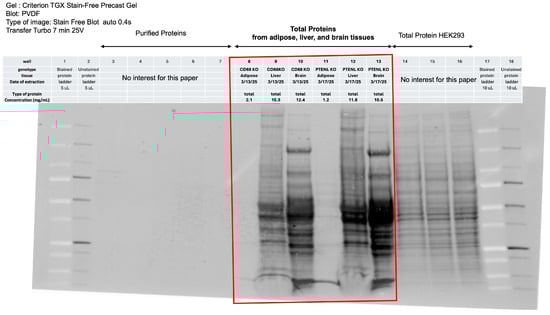
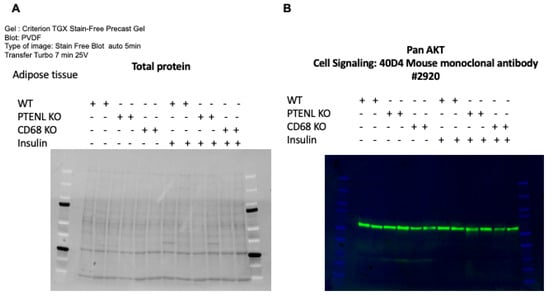
Background: Highly lipidic tissues (e.g., adipose tissue, brain, and liver) are challenging for transcript and protein extraction and for next-generation sequencing. Lipids can clog filters, columns, and pipettes; cause autofluorescence and quenching in imaging; and interfere with centrifugation-based separation. Aim: To identify the
[...] Read more.
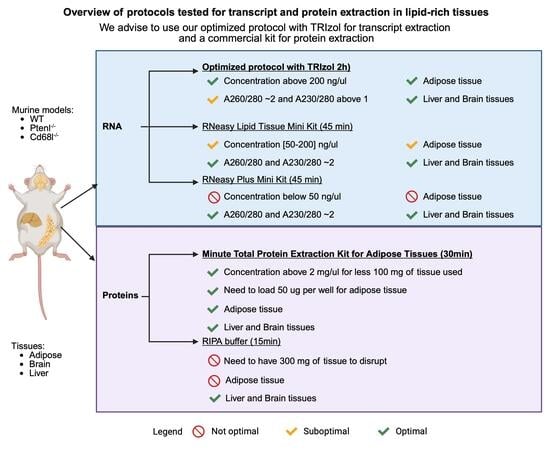
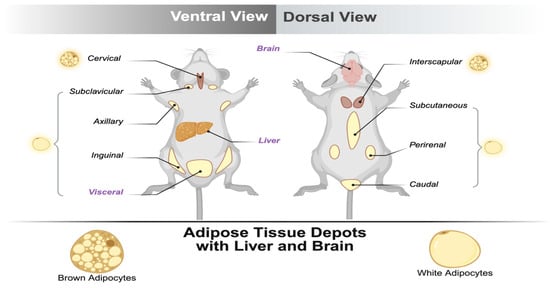
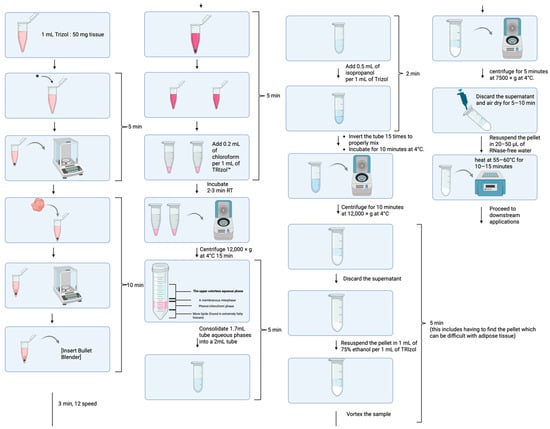
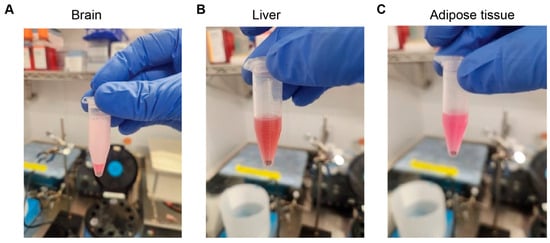
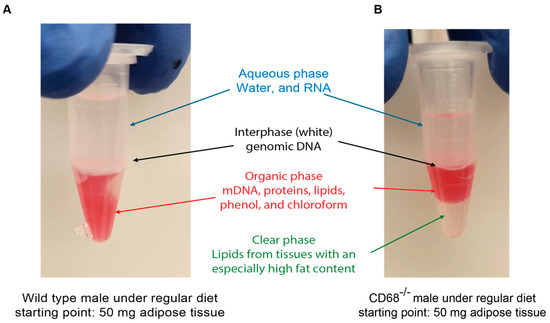
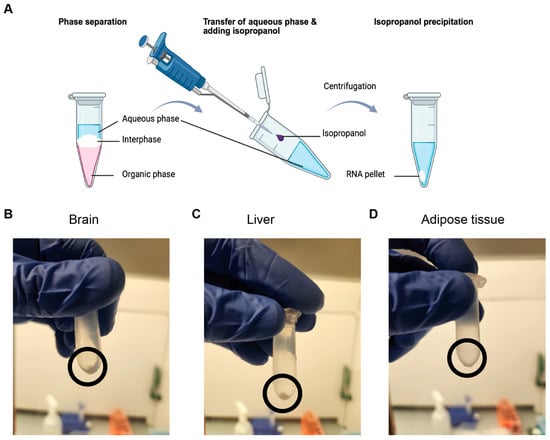
Background: Highly lipidic tissues (e.g., adipose tissue, brain, and liver) are challenging for transcript and protein extraction and for next-generation sequencing. Lipids can clog filters, columns, and pipettes; cause autofluorescence and quenching in imaging; and interfere with centrifugation-based separation. Aim: To identify the most suitable method for extracting total RNA for RT-qPCR and an alternative method for extracting total protein for quantification in mice fed a regular or high-fat diet. Methods: We compared three total RNA extraction methods and two total protein extraction methods. Results: The highest total RNA yield and purity were obtained with TRIzol and chloroform, with optimized steps added to the original protocol to address the challenges posed by highly lipid-rich tissues. For total protein extraction, an adipose tissue-specific kit from Invent Biotechnologies yielded higher protein levels than the classical RIPA-based method. Among lipid-rich tissues, we observed that adipose tissue was more challenging to process than the brain and the liver. Conclusions: Adipose tissue, particularly under a high-fat diet, is the most challenging lipid-rich tissue, followed by the brain and then the liver. We highlight protocols that improve total RNA and protein yields and purity, which may benefit other researchers working with these tissues.
Full article
(This article belongs to the Special Issue Feature Papers in Methods and Protocols 2025)
►▼
Show Figures

Graphical abstract
Open AccessProtocol
Stereological Assessment of Locus Coeruleus in the Mouse: A Methodological Study in Pups and Adult Animals
by
Marco Scotto, Alessandro Galgani, Marina Boido, Nooria Mohammady, Alessandro Vercelli and Filippo S. Giorgi
Methods Protoc. 2026, 9(2), 64; https://doi.org/10.3390/mps9020064 - 9 Apr 2026
Abstract
Unbiased stereology represents the most accurate approach for estimating the total number of neurons of specific brain regions; however, its reliability critically depends on the use of rigorously defined and anatomically appropriate sampling parameters. The brain nucleus Locus Coeruleus (LC) plays a key
[...] Read more.
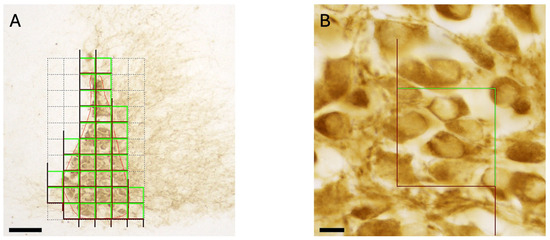
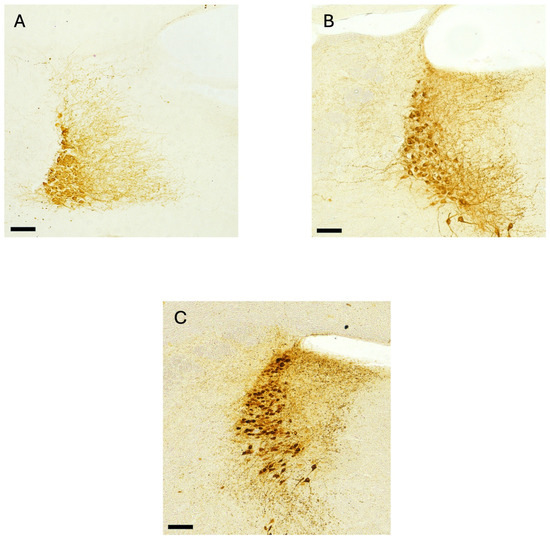
Unbiased stereology represents the most accurate approach for estimating the total number of neurons of specific brain regions; however, its reliability critically depends on the use of rigorously defined and anatomically appropriate sampling parameters. The brain nucleus Locus Coeruleus (LC) plays a key role in several brain functions. LC impairment has been associated with a range of disorders affecting individuals across the lifespan, from infancy to adulthood. In animal models of these conditions, precise estimation of LC neuronal number is essential. The LC analysis poses specific methodological challenges due to its small size, indistinct anatomical boundaries, and age-dependent changes in neuronal density. In this study, we present a detailed and reproducible stereological workflow for the quantification of LC neurons in the mouse brain across the lifespan. Using C57BL/6J mice at postnatal, adult, and aged stages, we optimized all key components of the Optical Fractionator method, LC neurons were identified by immunoperoxidase staining for tyrosine hydroxylase (TH) and quantified using systematic-random sampling implemented in Stereo Investigator® software. We show that age-specific adjustment of stereological parameters is necessary to obtain reliable estimates, particularly at early postnatal stages characterized by high neuronal packing density. With the optimized protocols described here, TH+ LC neuron counts consistently met accepted precision criteria, as assessed by the Gundersen coefficient of error.
Full article
(This article belongs to the Section Biomedical Sciences and Physiology)
►▼
Show Figures

Figure 1

Open AccessArticle
Analytical Characterization of Pneumococcal Vaccine Conjugates Using SEC-MALS Technique
by
Chloe Wright, Gowri Chellappan, Abigail Mydland, Gowthami Jagruthi Penumaka, Geetha Karengil, Harshita Seth, Anup Datta and Subhash V. Kapre
Methods Protoc. 2026, 9(2), 63; https://doi.org/10.3390/mps9020063 - 7 Apr 2026
Abstract
Background/Objectives: Infection from Streptococcus pneumoniae can lead to serious complications, such as meningitis and pneumonia, in children under 2 years of age, older adults, and immunocompromised populations. Conjugate vaccines against the pathogen have been licensed for the prevention of invasive pneumococcal disease. Conjugate
[...] Read more.
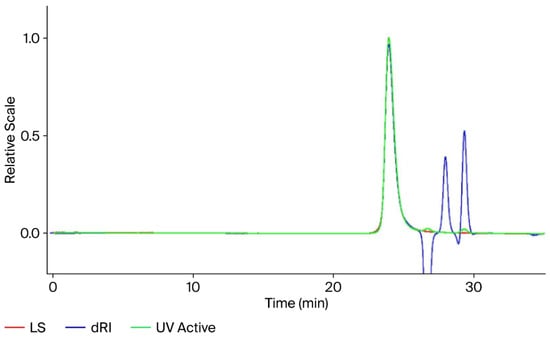
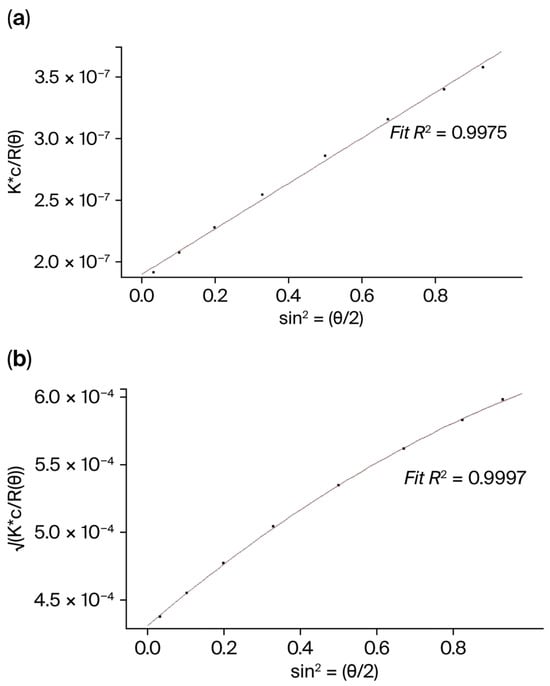
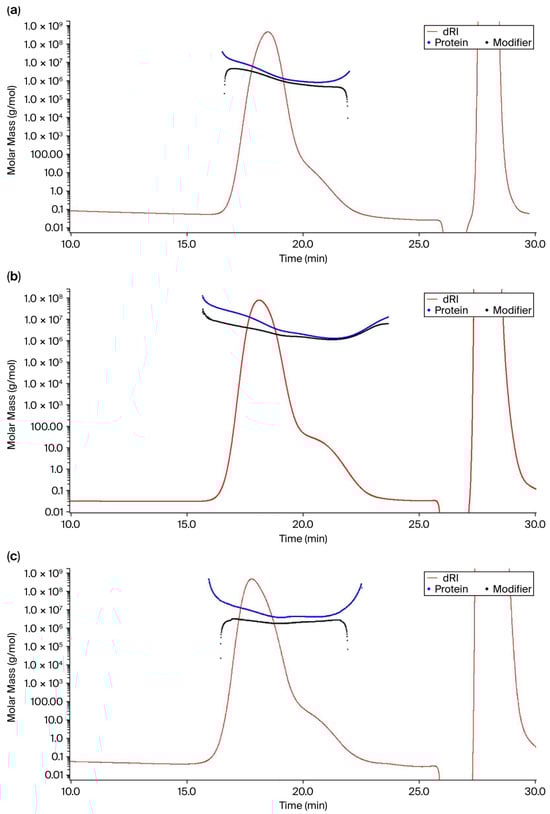
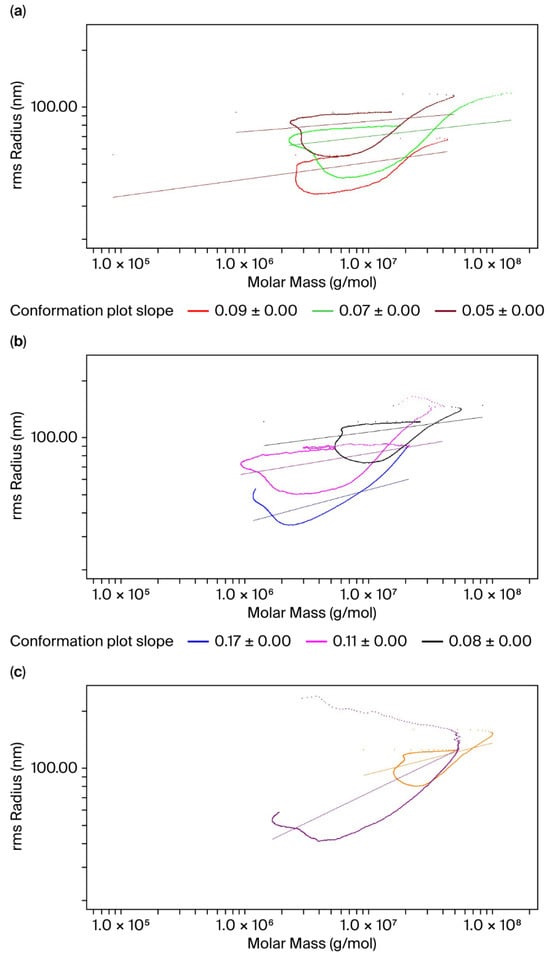
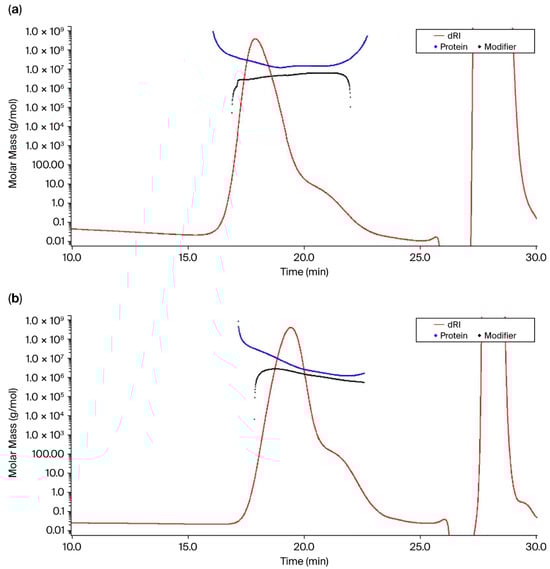
Background/Objectives: Infection from Streptococcus pneumoniae can lead to serious complications, such as meningitis and pneumonia, in children under 2 years of age, older adults, and immunocompromised populations. Conjugate vaccines against the pathogen have been licensed for the prevention of invasive pneumococcal disease. Conjugate vaccine development is an involved process demanding extensive characterization of both the polysaccharide (PS) and protein (Pr) moieties in complex structures. One powerful tool in our analytical tool kit that can shed light on various analytical attributes of conjugate vaccines, such as molecular weight and composition and conjugation efficiency, is the size-exclusion chromatography-multi-angle light scattering detector (SEC-MALS) technique. Herein, we demonstrate the applicability of the SEC-MALS approach for pneumococcal conjugate vaccine product characterization. Methods: Capsular polysaccharides for serotypes (STs) 1, 3, 5, 10 A, 18 C, 24 F, and 33 F conjugated to rCRM197 carrier protein were chosen for this study. Results: The technique was very straightforward, with a high degree of accuracy (>90% based on standards) and repeatability (<2% RSD) for conjugate molar mass measurements. In addition, leveraging the capability of SEC-MALS for compositional analysis, we were able to get detailed information on the molecular assembly and conformation of the conjugates and further tweak the conjugation process to yield conjugates of a desired molar mass. Conclusions: Thus, this study highlights the usefulness of the SEC-MALS technique for in-depth conjugate vaccine biophysical characterization, which is critical for achieving optimal product attributes, driving manufacturing consistency and vaccine potency.
Full article
(This article belongs to the Collection Analytical Chemistry Methods and Protocols: From Standard Practices to New Sustainable Approaches)
►▼
Show Figures

Figure 1
Open AccessArticle
Secondary Analysis to Evaluate Performance Expression Stability of Alternative Complex–Contrast Training Set Strategies
by
Liam J. Houlton, Jeremy A. Moody, Theodoros M. Bampouras and Joseph I. Esformes
Methods Protoc. 2026, 9(2), 62; https://doi.org/10.3390/mps9020062 - 3 Apr 2026
Abstract
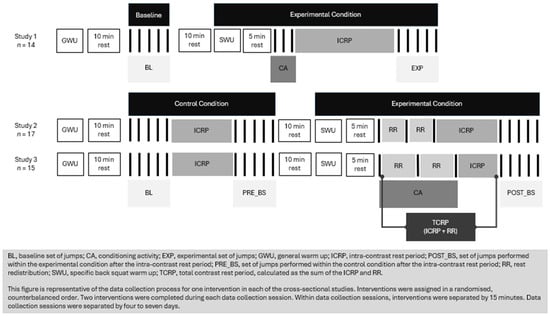
This study aimed to evaluate the performance expression stability (PES) of sixteen alternative complex–contrast training (CCT) set strategies. Three separate cross-sectional studies (n = 14–17) evaluated the effects of different intra-contrast rest periods (ICRP; ≤300 s) and rest redistribution (RR) strategies (≤60
[...] Read more.
This study aimed to evaluate the performance expression stability (PES) of sixteen alternative complex–contrast training (CCT) set strategies. Three separate cross-sectional studies (n = 14–17) evaluated the effects of different intra-contrast rest periods (ICRP; ≤300 s) and rest redistribution (RR) strategies (≤60 s) within CCT sets on the application of vertical jump propulsive force were examined using dual force platforms. To establish PES for propulsive force–time variables, repetitions one and two of the baseline set were analyzed using within-participant (coefficient of variation, CV; standard error of measurement; smallest worthwhile change; relative mean bias) and between-participant (intra-class correlation coefficient, ICC3,1; Pearson’s correlation coefficient, r) stability metrics. Results showed that all CCT set strategies facilitate stable performance expression between participants and facilitated the detection of practically meaningful changes for propulsive impulse, peak force, mean force, and propulsion time (ICC3,1 = 0.64–0.99, r = 0.80–0.99, CV = 1.12–9.98%), while rate of force development metrics demonstrated less consistent between- and within-participant stability (ICC3,1 = 0.55–0.97, r = 0.46–0.96, CV = 7.52–27.66%). The findings indicate that alternative CCT set strategies facilitate the stable expression of propulsive force–time performance in vertical jumps, although individualized prescriptions are essential for optimizing rate of force development outcomes. Performance expression stability insights provide a practical tool for balancing the effectiveness and potential for performance enhancement of vertical jump propulsion across alternative CCT set strategies. Practitioners may use these results to improve the prescription and monitoring of CCT-based strength and power mesocycles.
Full article
(This article belongs to the Special Issue Methods on Sport Biomechanics—2nd Edition)
►▼
Show Figures

Figure 1

Open AccessProtocol
Standardized Workflow for the Generation of Patient-Derived Glioblastoma Spheroids
by
Giuseppa D’Amico, Alessandra Maria Vitale, Martina Di Marco, Alessandro Lo Giudice, Francesca Chiara Cecala, Francesco Cappello and Celeste Caruso Bavisotto
Methods Protoc. 2026, 9(2), 61; https://doi.org/10.3390/mps9020061 - 3 Apr 2026
Abstract
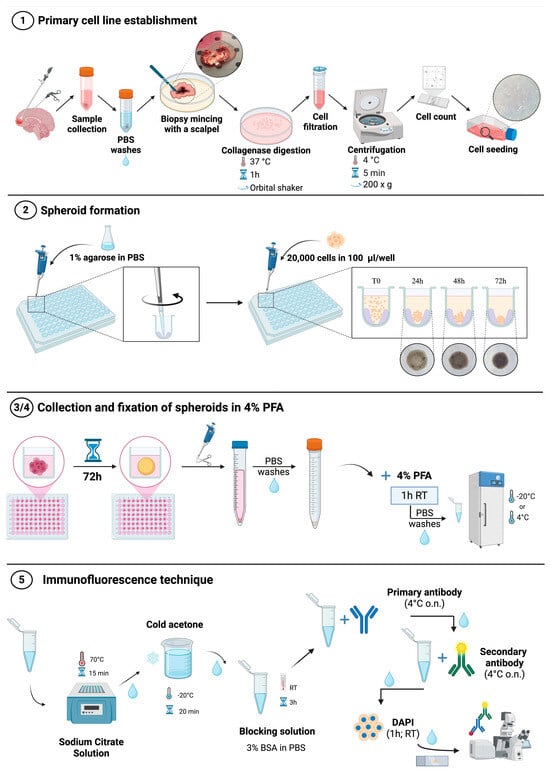
Glioblastoma (GBM) is one of the most aggressive and therapy-resistant primary brain tumors, mainly due to its pronounced intratumoral heterogeneity and highly invasive phenotype. Patient-derived three-dimensional (3D) culture models, including tumor spheroids, represent valuable tools to preserve the cellular complexity, phenotypic plasticity, and
[...] Read more.
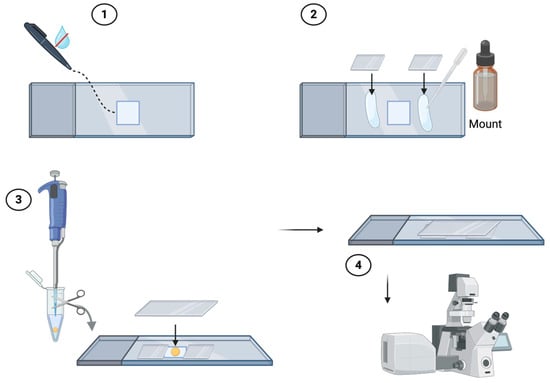
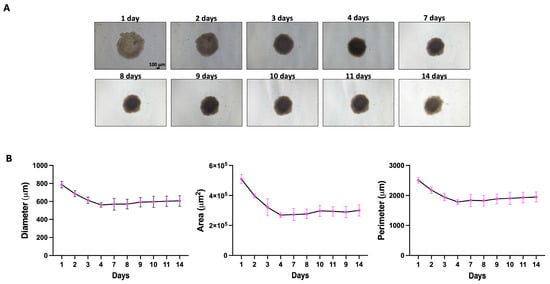
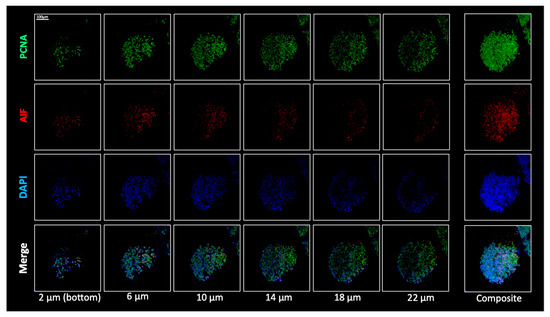
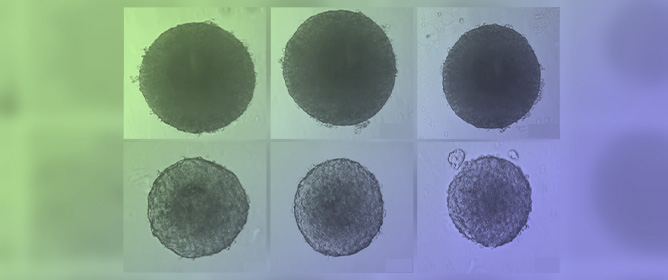
Glioblastoma (GBM) is one of the most aggressive and therapy-resistant primary brain tumors, mainly due to its pronounced intratumoral heterogeneity and highly invasive phenotype. Patient-derived three-dimensional (3D) culture models, including tumor spheroids, represent valuable tools to preserve the cellular complexity, phenotypic plasticity, and microenvironmental features of GBM ex vivo. However, standardized and reproducible protocols for the generation and maintenance of GBM spheroids from surgical specimens are still limited. Here, we describe a detailed and robust protocol for the isolation, 3D cultures, and expansion of primary GBM cells obtained from patient biopsies, leading to the formation of stable and morphologically consistent spheroids. The protocol provides step-by-step instructions for tissue dissociation, cell seeding under low-adhesion conditions, optimization of culture density, and long-term spheroid maintenance. In addition, we include guidelines for the morpho-phenotypical characterization of the resulting 3D structures. This methodological workflow offers a reproducible platform for modeling GBM in vitro, enabling the study of tumor biology and supporting translational applications such as drug screening, biomarker validation, and patient-specific therapeutic testing in a 3D context.
Full article
(This article belongs to the Section Molecular and Cellular Biology)
►▼
Show Figures

Figure 1
Open AccessReview
Phenolic Compounds and Antioxidant Activity: Analytical Methods and Current Knowledge—A Review
by
Miroslav Lisjak, Marija Špoljarević, Jelena Ravlić, Zdenko Lončarić and Lucija Galić
Methods Protoc. 2026, 9(2), 60; https://doi.org/10.3390/mps9020060 - 3 Apr 2026
Abstract
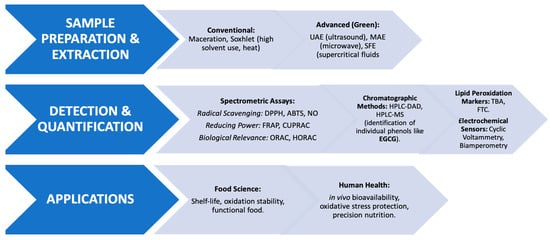
Phenolic compounds are plant-derived antioxidants crucial for human health and food preservation. Their bioactive potential including anti-inflammatory, antimicrobial, and anti-carcinogenic properties makes them a vital focus in nutritional, pharmaceutical, and agricultural research. This review critically evaluates the methodologies for their extraction, detection, and
[...] Read more.
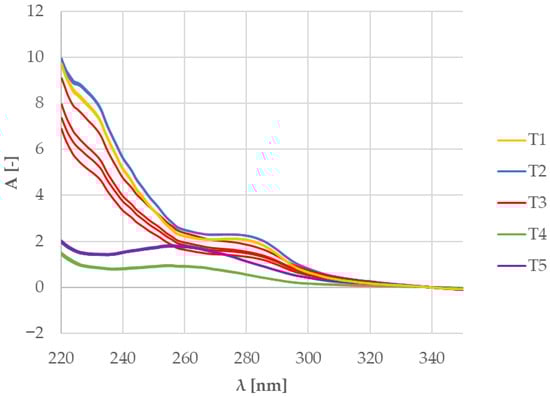
Phenolic compounds are plant-derived antioxidants crucial for human health and food preservation. Their bioactive potential including anti-inflammatory, antimicrobial, and anti-carcinogenic properties makes them a vital focus in nutritional, pharmaceutical, and agricultural research. This review critically evaluates the methodologies for their extraction, detection, and quantification to accurately assess antioxidant activity. Oxidative stress in biological systems and food matrices necessitates accurate analytical methodologies for assessing antioxidant behavior, which include both in vitro, in vivo and ex vivo approaches. Sample pretreatment and extraction techniques are critical for reliable analysis and vary depending on the matrix, compound polarity, and target phenolic subclass. We compare conventional extraction techniques (Soxhlet, maceration) with advanced methods like ultrasound-assisted, microwave-assisted, and supercritical fluid extraction. Detection methods reviewed include spectrophotometric assays (e.g., DPPH, FRAP, ORAC), electrochemical sensors, and chromatographic techniques (e.g., HPLC, HPLC−MS). While each method has distinct advantages, a lack of standardization remains the primary challenge, driven by variations in protocols and the vast chemical diversity of phenolics. This review underscores the critical need for integrated, standardized approaches to ensure the accurate and comparable evaluation of antioxidant activity in research and industry.
Full article
(This article belongs to the Section Biochemical and Chemical Analysis & Synthesis)
►▼
Show Figures

Figure 1
Open AccessProtocol
A Simple and Fast Protocol to Detect Nucleophosmin 1 (NPM1) Mutation and Fms-like Tyrosine Kinase 3 Internal Tandem Duplication (FLT3/ITD): Optimizing Laboratory Routine
by
Alessandra Helena da Silva Hellwig, Gisele Menezes Ewald, Grazielle Motta Rodrigues, William Latosinski Matos, Juliana Bergmann, Viviane Horn de Melo, Rodrigo Minuto Paiva, Dariane Castro Pereira and Eduardo Wandame Gomez
Methods Protoc. 2026, 9(2), 59; https://doi.org/10.3390/mps9020059 - 3 Apr 2026
Abstract
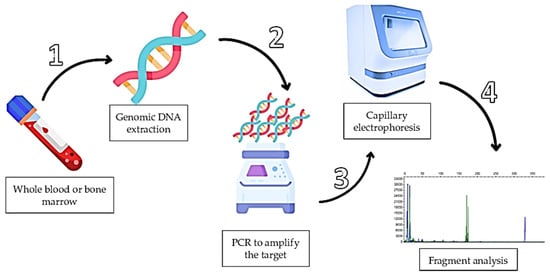
Acute myeloid leukemia (AML) is a heterogeneous hematologic malignancy. AML classification is currently based on cytogenetic and molecular alterations as well as immunophenotyping, although risk stratification still relies primarily on cytogenetic findings. However, approximately 45% of AML patients present with a normal karyotype,
[...] Read more.
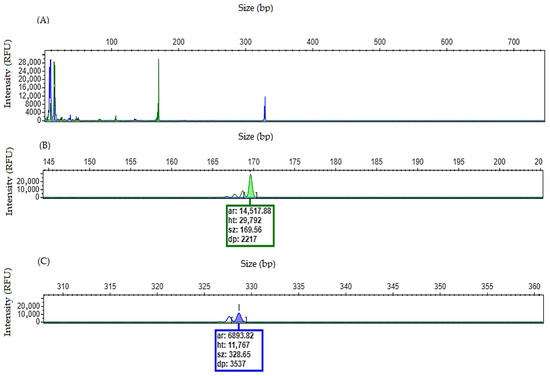
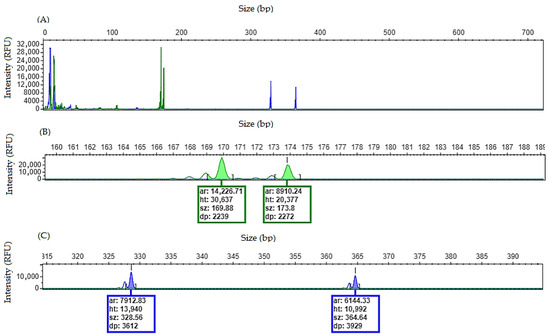
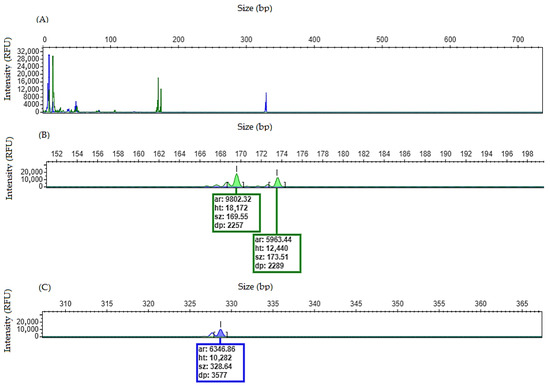
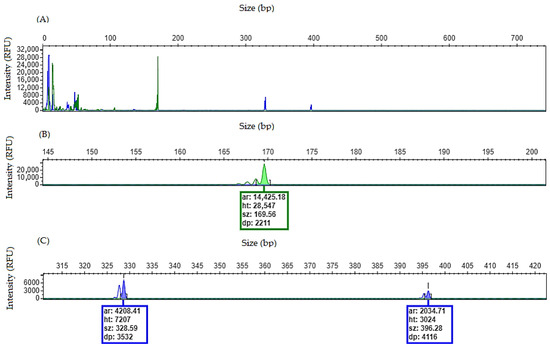
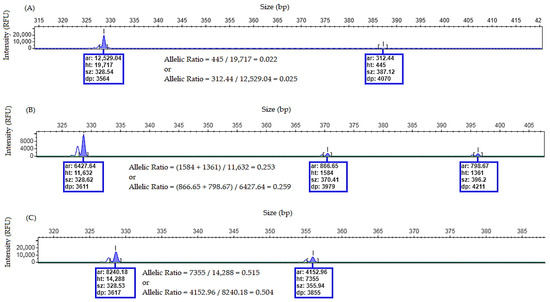
Acute myeloid leukemia (AML) is a heterogeneous hematologic malignancy. AML classification is currently based on cytogenetic and molecular alterations as well as immunophenotyping, although risk stratification still relies primarily on cytogenetic findings. However, approximately 45% of AML patients present with a normal karyotype, which makes accurate risk classification and treatment stratification more challenging. Therefore, the identification of molecular prognostic markers described in the literature has become essential in routine diagnostic laboratories, enabling the more precise categorization of patients into risk groups. In this study, we present a simple, rapid, step-by-step multiplex PCR protocol combined with capillary electrophoresis for the detection of two of the most prevalent molecular alterations in AML: nucleophosmin 1 (NPM1) mutations and Fms-like tyrosine kinase 3 internal tandem duplications (FLT3/ITD). This protocol provides a practical workflow that can assist diagnostic laboratories in implementing and optimizing multiplex mutation detection in routine practice.
Full article
(This article belongs to the Section Molecular and Cellular Biology)
►▼
Show Figures

Figure 1
Open AccessReview
The Ability of Vibrational Spectroscopy to Analyze Holistically the Food Matrix-Moving Away from the Concept of Individual Compounds
by
Daniel Cozzolino
Methods Protoc. 2026, 9(2), 58; https://doi.org/10.3390/mps9020058 - 2 Apr 2026
Abstract
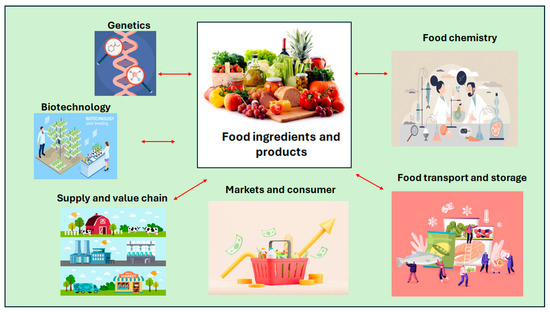
The concepts of food matrix and holistic analysis have been used in a wide range of scientific disciplines to describe the sum of the parts of a whole that provide a specific property or functionality to the sample. Traditional chemical and physical analysis
[...] Read more.
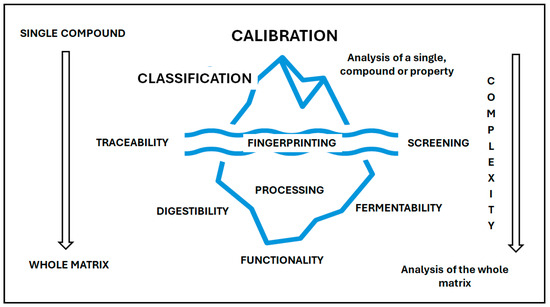
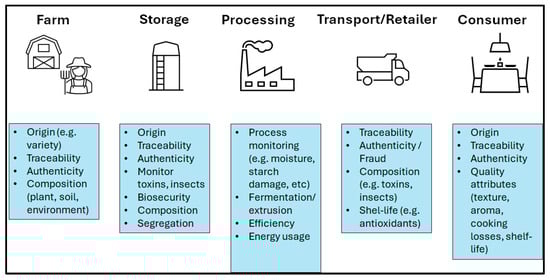
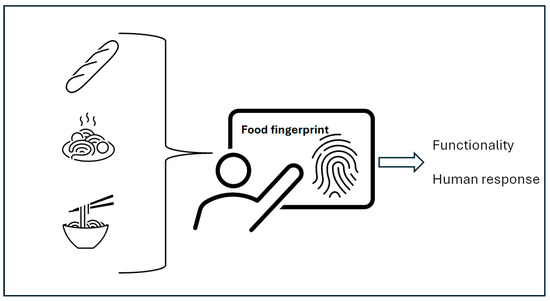
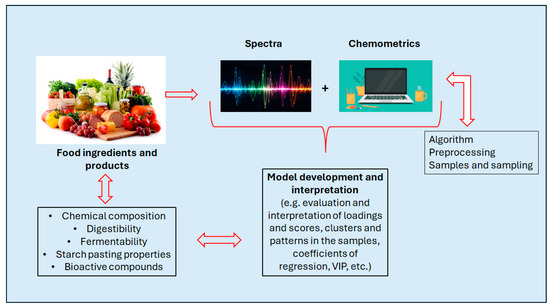
The concepts of food matrix and holistic analysis have been used in a wide range of scientific disciplines to describe the sum of the parts of a whole that provide a specific property or functionality to the sample. Traditional chemical and physical analysis needs to destroy the sample (e.g., dilution, extraction, drying) before analysis. The utilization of vibrational spectroscopy techniques, like near (NIR), mid infrared (MIR) and Raman spectroscopy, allows for the non-destructive analysis of food ingredients and products. The resulting output of this analysis is based on the information provided by the vibrational modes of atoms present in the different molecules, allowing the measurement of different chemical and physical characteristics of the food. The objective of this paper is to discuss the ability of vibrational spectroscopy methods to provide robust tools to analyze the food matrix holistically, moving away from the traditional analysis of individual compounds or chemical parameters. Studies discussed and presented in this review demonstrated the ability of vibrational spectroscopy (e.g., NIR, MIR and Raman spectroscopy, hyperspectral imaging) to assess the whole food matrix beyond the traditional notion of developing a calibration model.
Full article
(This article belongs to the Special Issue Spectroscopic Methods of Analysis)
►▼
Show Figures

Figure 1
Open AccessArticle
Effect of Loading Strategy on Methylene Blue Encapsulation in Ethosomes: A Comparative Study of Aqueous and Ethanol Phases
by
Dmitry Yakovlev, Kanamat Efendiev, Polina Alekseeva, Vladimir Makarov, Kirill Linkov, Anna Lukianova, Vladimir Oleinikov and Victor Loschenov
Methods Protoc. 2026, 9(2), 57; https://doi.org/10.3390/mps9020057 - 2 Apr 2026
Abstract
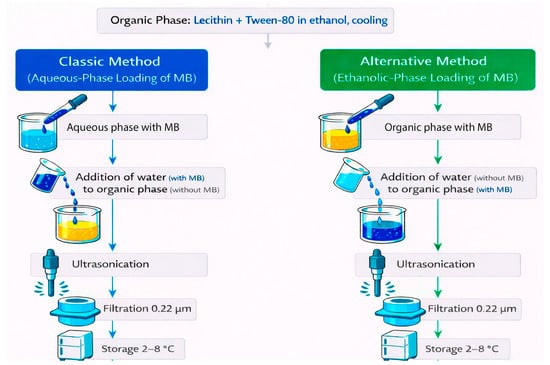
This study presents a comparative analysis of the effect of methylene blue (MB) loading strategy on the physicochemical and colloidal properties of ethosomes prepared by the cold method. Two synthesis protocols differing in the phase of introduction of the cationic hydrophilic dye were
[...] Read more.
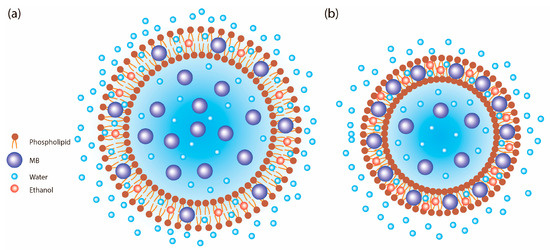
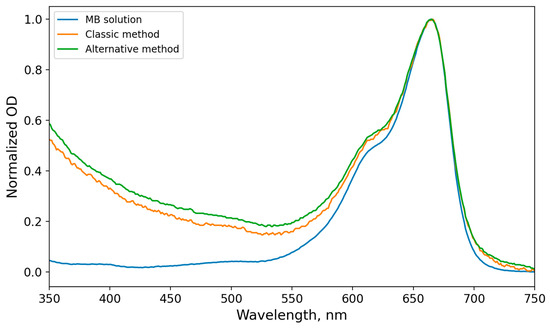
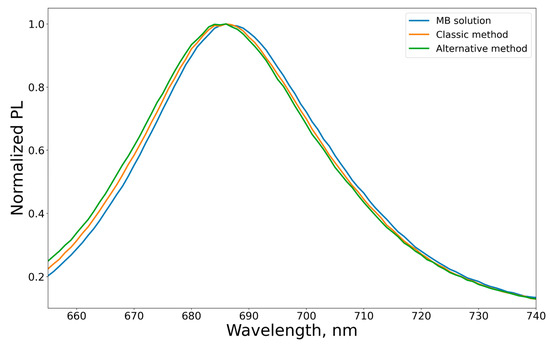
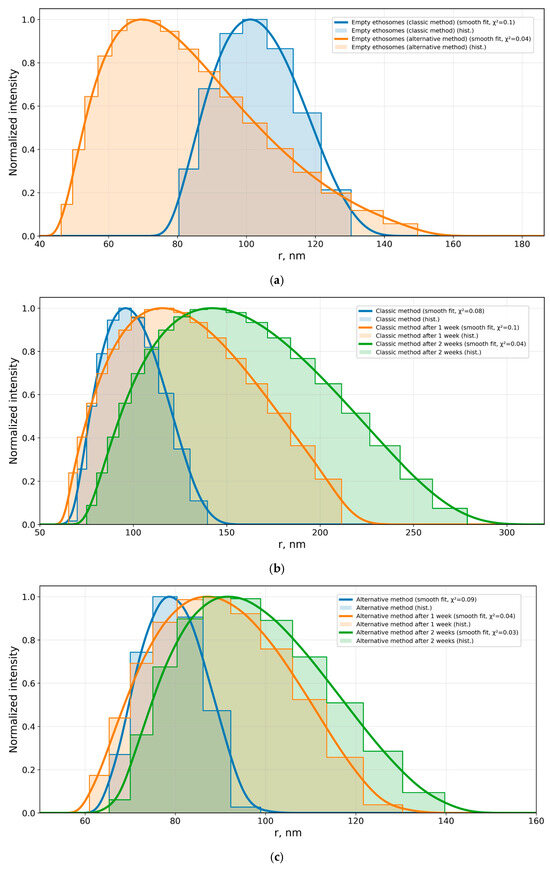
This study presents a comparative analysis of the effect of methylene blue (MB) loading strategy on the physicochemical and colloidal properties of ethosomes prepared by the cold method. Two synthesis protocols differing in the phase of introduction of the cationic hydrophilic dye were investigated: a classical approach with MB loading into the aqueous phase and an alternative approach involving MB incorporation into the ethanolic lipid phase. It is shown that the loading strategy is a critical technological factor determining vesicle size, encapsulation efficiency, loading capacity, and electrokinetic properties of the systems. The alternative method results in the formation of smaller ethosomes (Rh ≈ 78 nm) compared to the classical protocol (Rh ≈ 96 nm), but is accompanied by a lower encapsulation efficiency (EE ≈ 36% versus 48%). The results indicate that a reduction in vesicle size does not necessarily lead to higher encapsulation of hydrophilic cationic MB and may be associated with a decrease in the total internal aqueous volume as well as an increased contribution of a weakly bound surface-associated dye fraction. Spectral analysis indicates the preservation of a predominantly monomeric form of MB within ethosomes, while differences in ζ-potential suggest distinct localization of the dye within the vesicular systems. Overall, the results highlight the importance of optimizing the loading protocol in the development of ethosomal drug delivery systems for photodynamic therapy and topical applications.
Full article
(This article belongs to the Special Issue Advanced Methods and Technologies in Drug Discovery)
►▼
Show Figures

Figure 1
Open AccessArticle
Management of Patients with Suspected Hypersensitivity to Chemotherapy Drugs: A Practical Approach in a Tertiary Care Setting
by
Maria Bernadette Cilona, Serena Nannipieri, Arianna Ferlito, Giulia Orsi, Monica Ronzoni, Giorgia Mangili, Emanuela Rabaiotti, Fabio Ciceri, Michele Reni and Mona-Rita Yacoub
Methods Protoc. 2026, 9(2), 56; https://doi.org/10.3390/mps9020056 - 2 Apr 2026
Abstract
Background: Hypersensitivity reactions to antineoplastic agents are an increasing clinical challenge due to their rising incidence and potential severity. Early allergological assessment and tailored drug re-exposure strategies may allow continuation of essential therapies, although real-world data remain limited. Methods: We conducted a monocentric
[...] Read more.
Background: Hypersensitivity reactions to antineoplastic agents are an increasing clinical challenge due to their rising incidence and potential severity. Early allergological assessment and tailored drug re-exposure strategies may allow continuation of essential therapies, although real-world data remain limited. Methods: We conducted a monocentric retrospective observational study including adult oncologic patients with suspected chemotherapy-induced hypersensitivity reactions. Clinical features, allergological work-up, and management strategies were analyzed. The primary outcome was the success rate of drug reintroduction using desensitization or enhanced premedication. Secondary outcomes included skin test positivity rates and the association between cumulative chemotherapy exposure and anaphylaxis. Results: Forty-two patients were included (95% female; median age 57.5 years). Re-exposure was required in 18 patients, and was successful in all patients undergoing desensitization and in 92% of those managed with enhanced premedication. Skin testing was positive in 71% of suspected platinum reactions, 30% of taxanes, and 40% of biologic agent reactions. Anaphylaxis occurred in 26.2% of patients, and a trend toward an association with cumulative chemotherapy exposure was observed; each additional cycle was associated with a 28% increase in the odds of anaphylaxis (adjusted OR 1.28; 95% CI, 1.00–1.63). Conclusions: Desensitization and enhanced premedication allow safe reintroduction of antineoplastic agents. Cumulative chemotherapy exposure is associated with an increased risk of anaphylaxis.
Full article
(This article belongs to the Section Public Health Research)
Open AccessStudy Protocol
Work at Heights Training: Conventional Approach with and Without Immersive Virtual Reality Study Protocol
by
Diana Guerrero-Jaramillo, Ricardo de la Caridad Montero and Oscar Campo
Methods Protoc. 2026, 9(2), 55; https://doi.org/10.3390/mps9020055 - 1 Apr 2026
Abstract
Background: Work at heights is a high-risk occupational activity, with falls being a leading cause of fatal accidents in construction and industrial maintenance. Conventional safety training often does not fully prepare workers for real-world hazards. Immersive virtual reality (IVR) has emerged as a
[...] Read more.
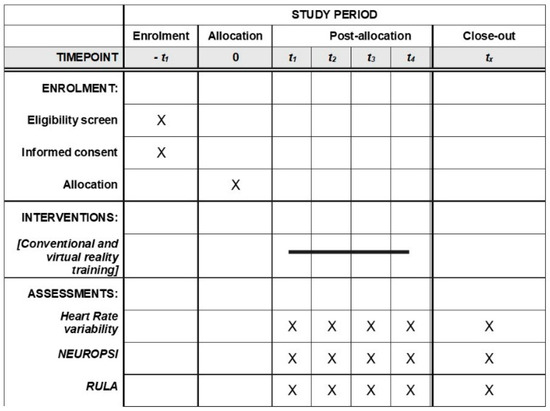
Background: Work at heights is a high-risk occupational activity, with falls being a leading cause of fatal accidents in construction and industrial maintenance. Conventional safety training often does not fully prepare workers for real-world hazards. Immersive virtual reality (IVR) has emerged as a promising training tool, providing controlled and realistic simulations of hazardous scenarios. This hypothesis-generating pilot study evaluates the feasibility and effectiveness of IVR in enhancing practical skills, safety perception, and physiological responses during work-at-height training. Methods: This controlled trial will recruit first-time trainees from the National Learning Service (SENA) of Colombia. Participants will be assigned to an intervention group, receiving IVR training before field-based practical sessions, or a control group, receiving standard theoretical instruction. Outcomes include practical skill acquisition, ergonomic risk, cognitive performance, and physiological responses, including heart rate variability measured with validated devices. Assessments will be performed using standardized tools, and data will be analyzed with repeated-measures ANOVA and regression models to compare groups. Conclusions: By integrating practical, cognitive, ergonomic, and physiological measures, this study will provide evidence on whether IVR improves the effectiveness of work-at-height training beyond conventional methods. Findings may inform future strategies to enhance occupational safety training in high-risk work environments.
Full article
(This article belongs to the Section Public Health Research)
►▼
Show Figures

Figure 1
Open AccessReview
Click Reactions in Kinetic Target-Guided Synthesis: Progress in the Discovery of Inhibitors for Biological Targets
by
Prakash T. Parvatkar and Nishikant Satam
Methods Protoc. 2026, 9(2), 54; https://doi.org/10.3390/mps9020054 - 1 Apr 2026
Abstract
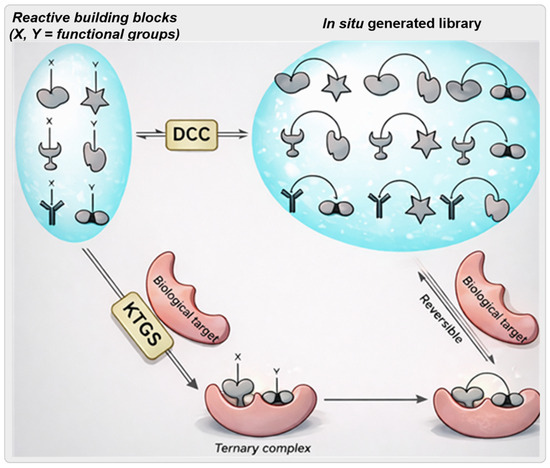
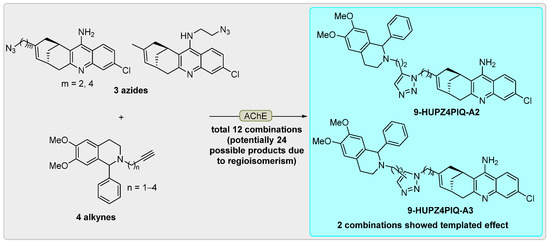
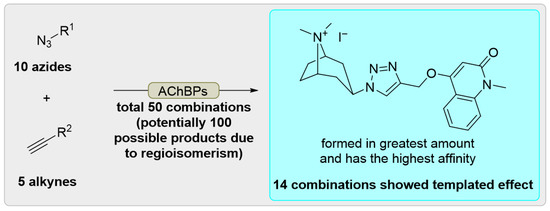
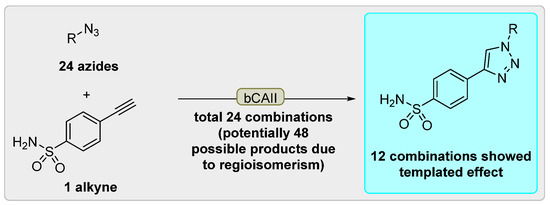
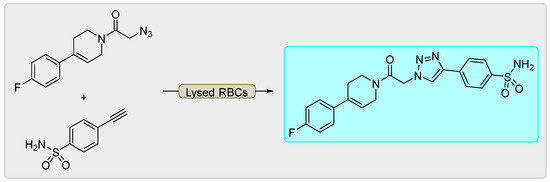
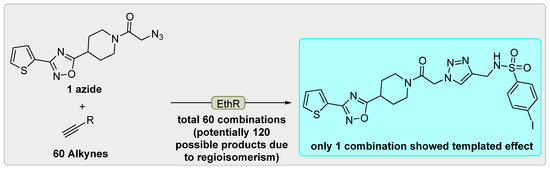
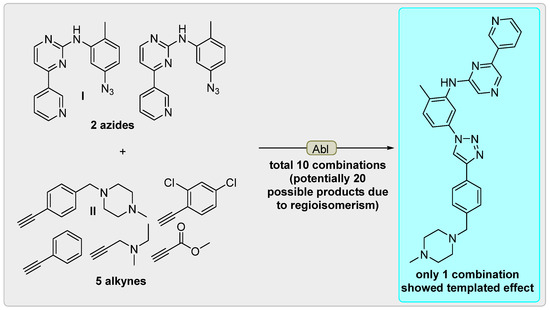
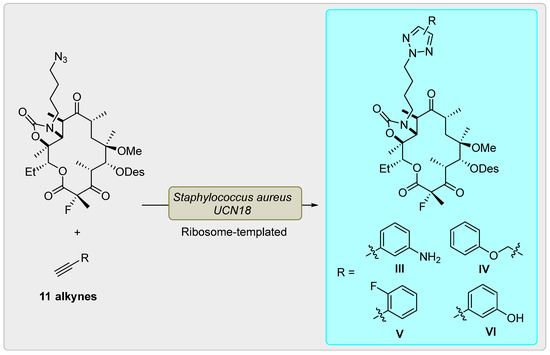
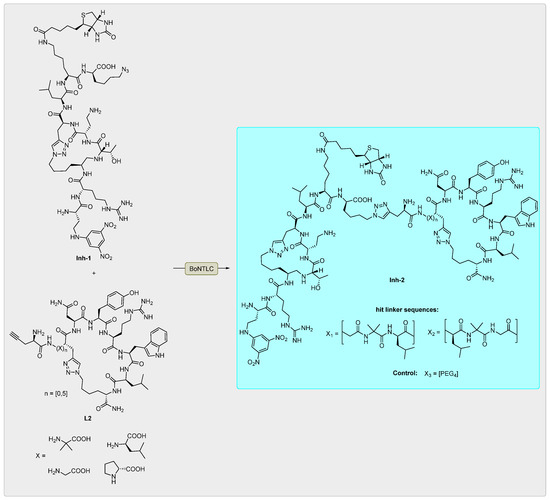
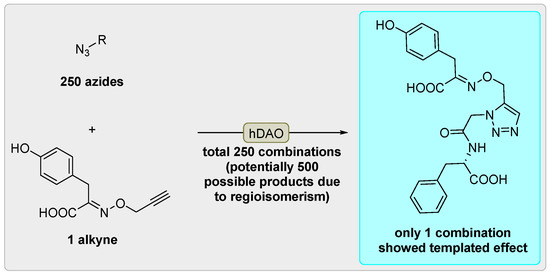
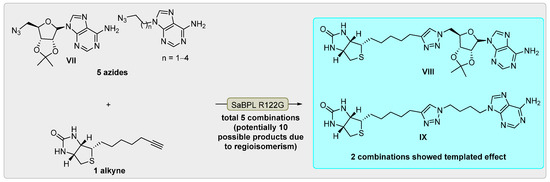
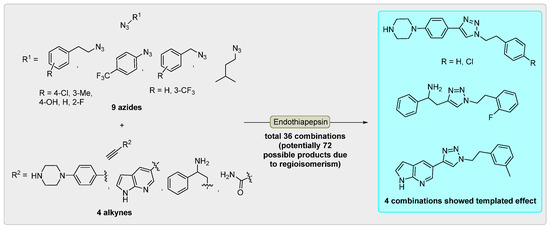
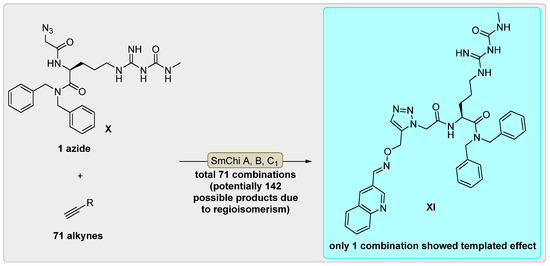
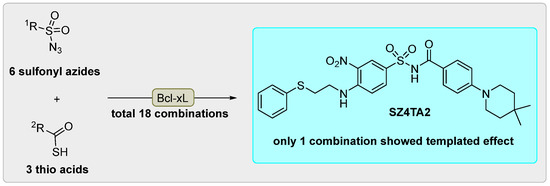
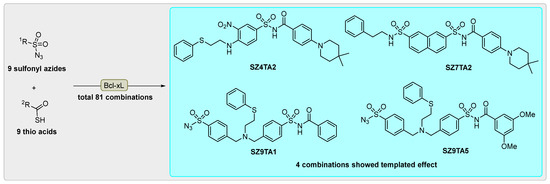
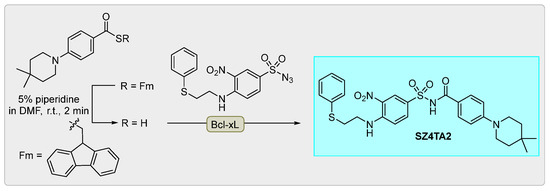
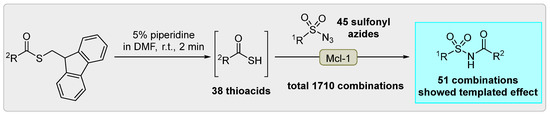
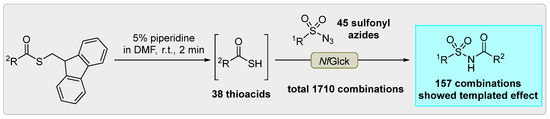
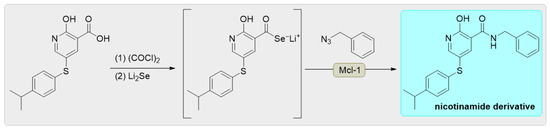
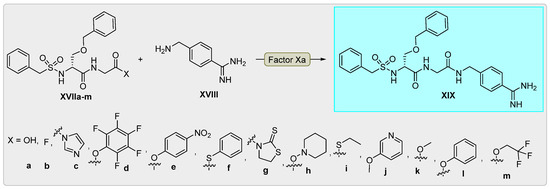
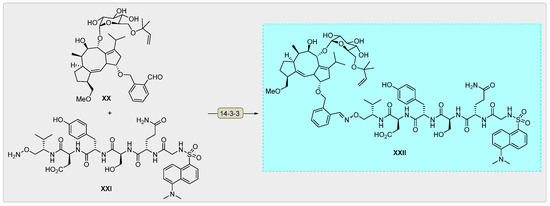
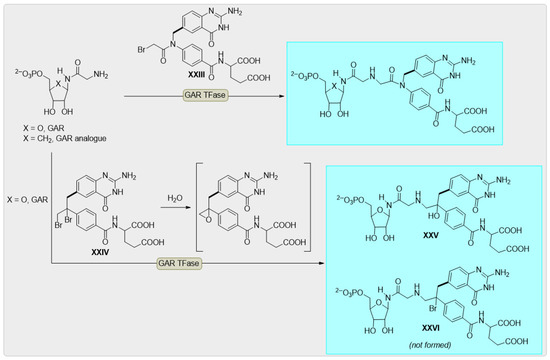
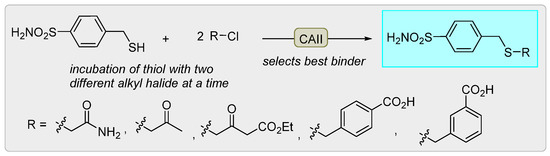
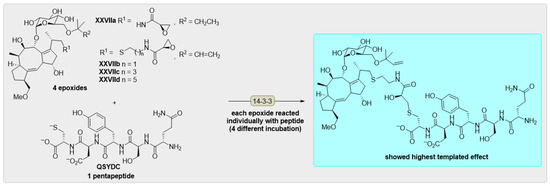
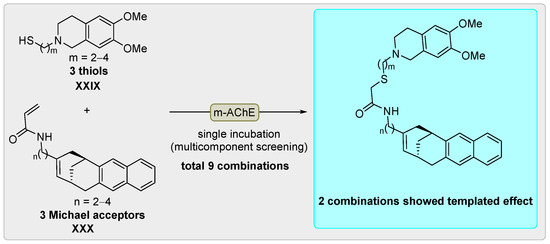
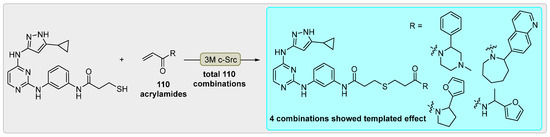
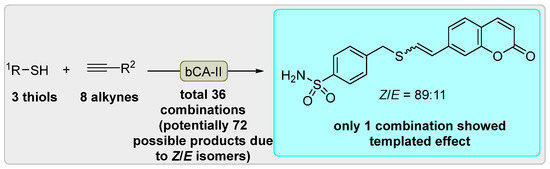
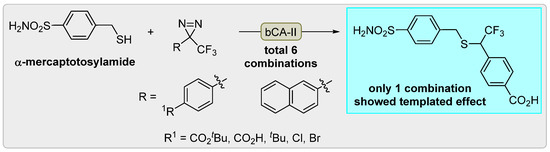
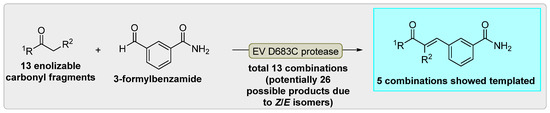
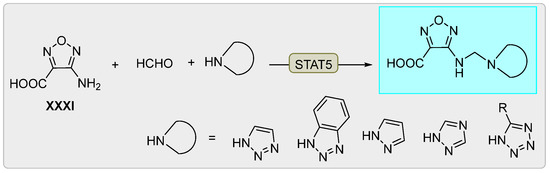
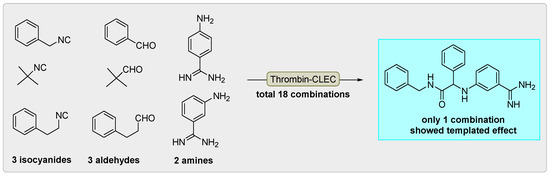
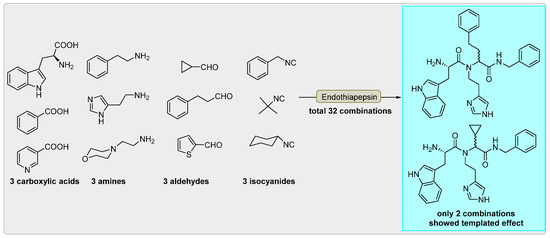
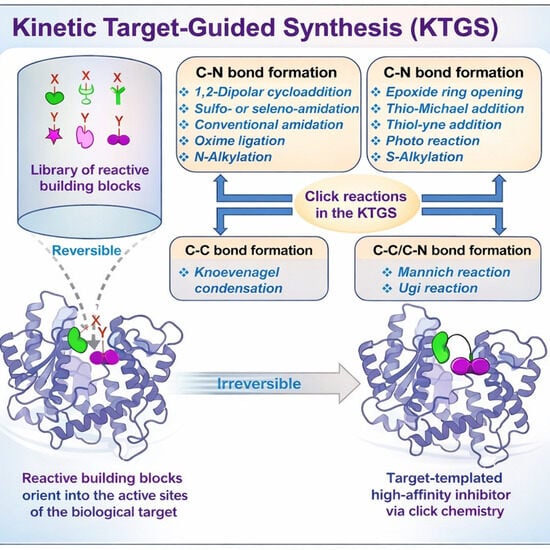
The rapid expansion of click chemistry reflects its transformative influence on contemporary drug discovery. This review highlights major advances in the application of click reactions within the kinetic target-guided synthesis (KTGS) paradigm for identifying potent inhibitors across a broad range of biological targets.
[...] Read more.
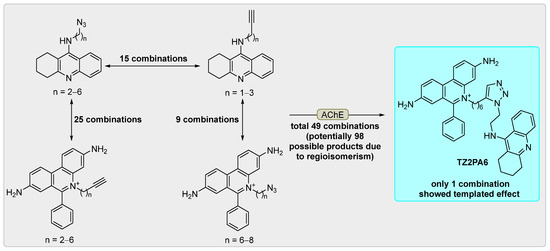
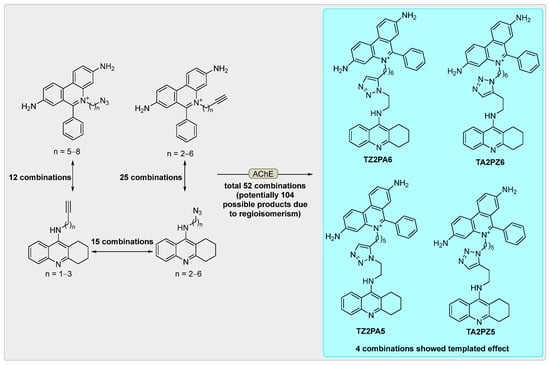
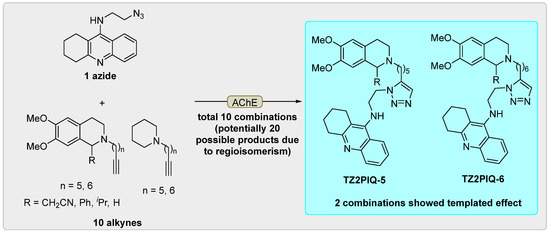
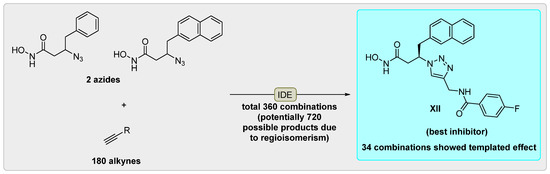
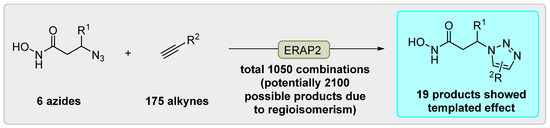
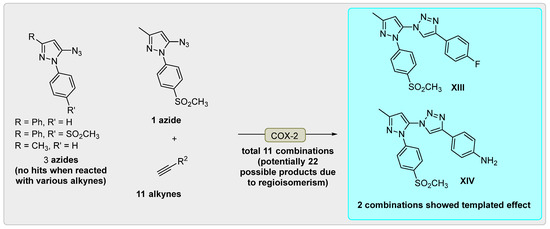
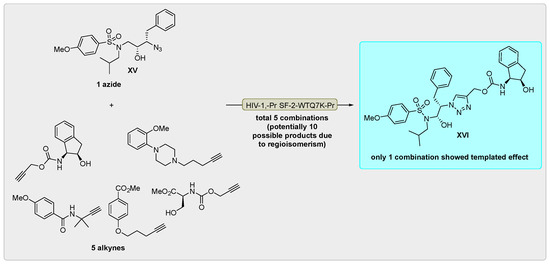
The rapid expansion of click chemistry reflects its transformative influence on contemporary drug discovery. This review highlights major advances in the application of click reactions within the kinetic target-guided synthesis (KTGS) paradigm for identifying potent inhibitors across a broad range of biological targets. KTGS constitutes a methodological shift that leverages the inherent dynamics of biomolecular systems, enabling biological targets to direct the in situ assembly of high-affinity bidentate ligands from a diverse repertoire of reactive building blocks. The review systematically classifies the principal bond-forming reactions that underpin effective inhibitor generation via KTGS. Collectively, it provides a comprehensive and scholarly analysis of how click-chemistry-enabled KTGS is redefining drug discovery and expediting the development of next-generation therapeutics.
Full article
(This article belongs to the Special Issue Advanced Methods and Technologies in Drug Discovery)
►▼
Show Figures

Graphical abstract
Open AccessArticle
Detection of Certain Berries in Difficult Samples by Singleplex and Multiplex Real-Time PCR-HRM: A Case Study of Pitfalls
by
Lenka Fialova and Ivana Marova
Methods Protoc. 2026, 9(2), 53; https://doi.org/10.3390/mps9020053 - 1 Apr 2026
Abstract
Singleplex and multiplex real-time PCR-HRM (polymerase chain reaction with high resolution melting), both with specific and non-specific amplicon detection, are used for a wide range of applications, from clinical diagnostics to food authentication. However, their results can be influenced by the quality of
[...] Read more.
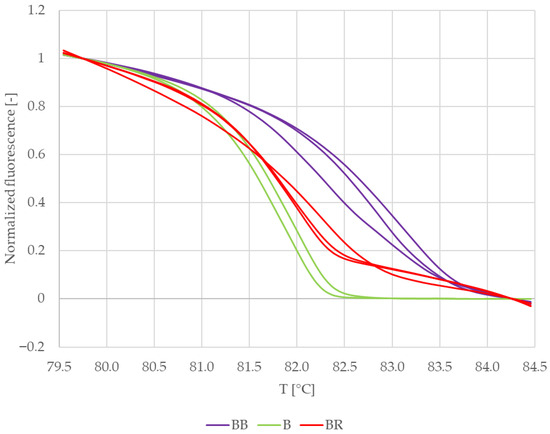
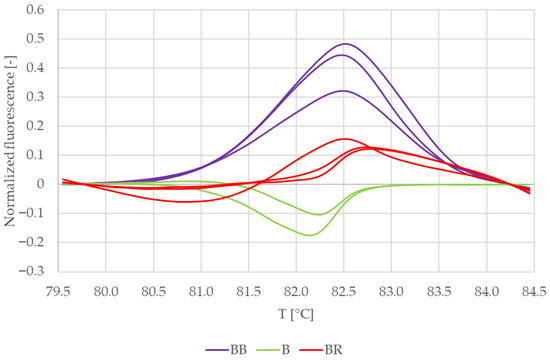
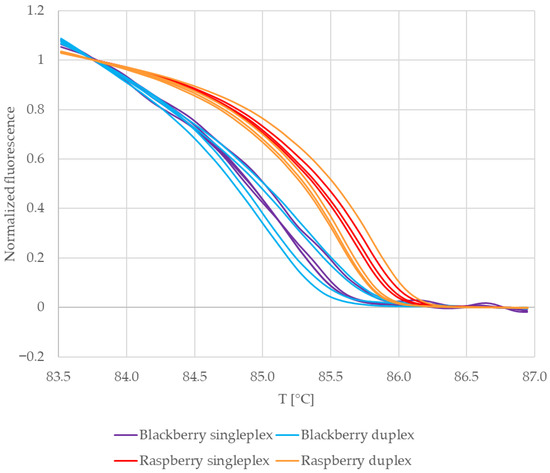
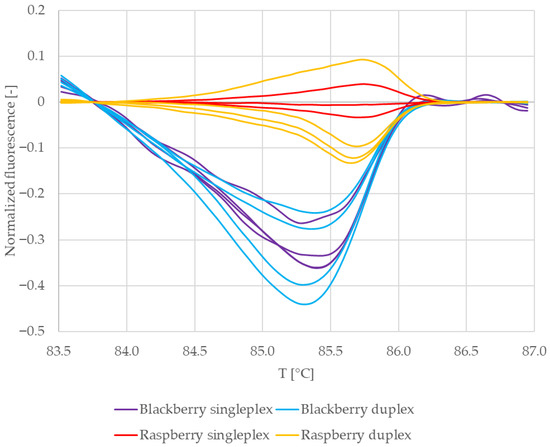
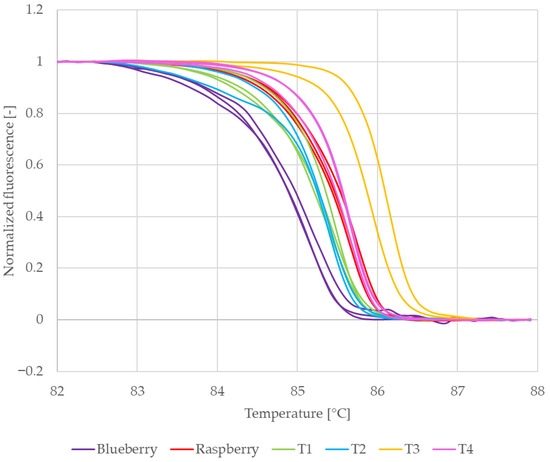
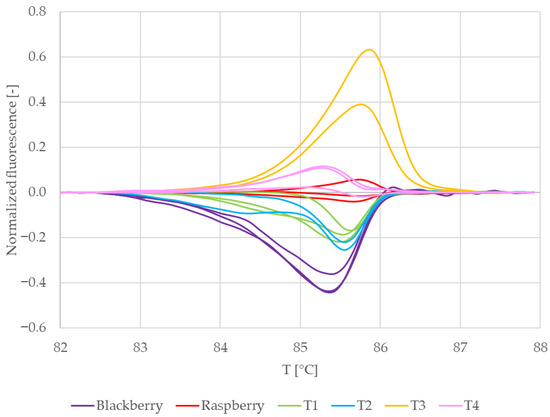
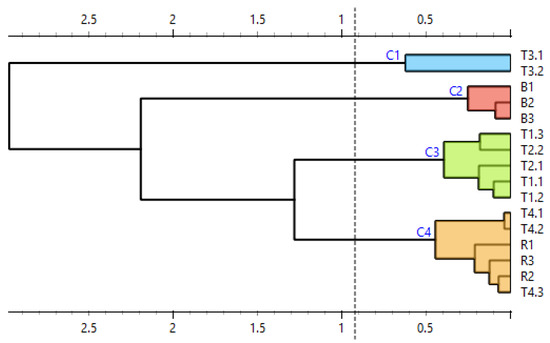
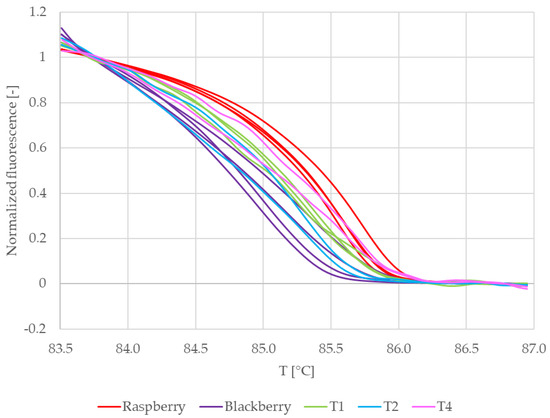
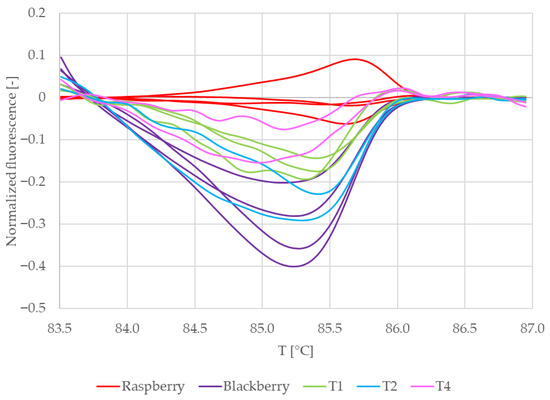
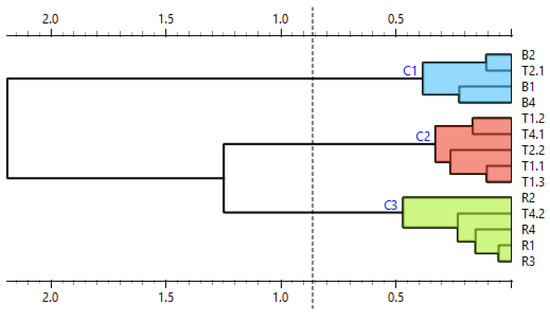
Singleplex and multiplex real-time PCR-HRM (polymerase chain reaction with high resolution melting), both with specific and non-specific amplicon detection, are used for a wide range of applications, from clinical diagnostics to food authentication. However, their results can be influenced by the quality of the template DNA and composition of the reaction mixture. The methods used for the analysis of these results then influence the conclusions drawn. In this work we present an example from our laboratory practice, where the results of singleplex and multiplex real-time PCR differed, despite using the same reaction conditions, primers and analyzed plant material. We show the influence of a singleplex and multiplex PCR setup on the results, as well as the influence of template contamination on the melting behaviour of amplicons. We also discuss the usefulness of cluster analysis for the clarification of real-time PCR-HRM results which appear unclear when only melting and difference curves or similarity scores are used for the analysis of these results. We provide a discussion of problems which we encountered during an analysis of commercial teas and which should be considered by researchers new to PCR-based analysis of plant material, especially if the studied material is rich in various contaminants.
Full article
(This article belongs to the Section Biochemical and Chemical Analysis & Synthesis)
►▼
Show Figures

Figure 1
Highly Accessed Articles
Latest Books
E-Mail Alert
News
Topics
Topic in
Applied Microbiology, Fermentation, Hydrogen, Microorganisms, MPs, Resources, Water
Microbial Advances in a Sustainable Environment: Biological Waste Treatment and Bioconversion Technology
Topic Editors: Guangli Cao, Lili DongDeadline: 31 March 2027
Topic in
Molecules, Sustainability, Foods, MPs, Sci, Nutrients, Toxins, Biosensors
Ensuring Food Safety and Sustainability Under Climate Change and Globalization
Topic Editors: Daniela Araújo, Joana Castro, José Pinela, Ricardo OliveiraDeadline: 31 December 2027
Special Issues
Special Issue in
MPs
Methods, Protocols, and Analytical Approaches for the Assessment of Human Movement
Guest Editors: Elissavet Rousanoglou, Elias N. ZoisDeadline: 15 May 2026
Special Issue in
MPs
Methods on Sport Biomechanics—2nd Edition
Guest Editors: Didier Pradon, Jean Slawinski, Arnaud FaupinDeadline: 31 July 2026
Special Issue in
MPs
Spectroscopic Methods of Analysis
Guest Editors: Daniel Cozzolino, James Chapman, Aoife PowerDeadline: 20 August 2026
Special Issue in
MPs
Advanced Methods and Technologies in Drug Discovery
Guest Editors: Fernando Albericio, Philip Hublitz, Ivana ŠagudDeadline: 31 August 2026
Topical Collections
Topical Collection in
MPs
Current Advances and Methodologies in Gene Editing
Collection Editors: Philip Hublitz, Antónia Monteiro
Topical Collection in
MPs
Green Chemistry
Collection Editors: Artur M. S. Silva, Diana Cláudia Gouveia Alves Pinto
Topical Collection in
MPs
Analytical Chemistry Methods and Protocols: From Standard Practices to New Sustainable Approaches
Collection Editors: Victoria Samanidou, Verónica Pino, Natasa Kalogiouri