
Journal Description
NeuroSci
NeuroSci
is an international, peer-reviewed, open access journal on neurology and neuroscience published bimonthly online by MDPI. The Panhellenic Federation of Alzheimer's Disease and Related Disorders (PFADRD) is affiliated with NeuroSci, and its members receive discounts on the article processing charges.
- Open Access— free for readers, with article processing charges (APC) paid by authors or their institutions.
- High Visibility: indexed within ESCI (Web of Science), PMC, PubMed, EBSCO, and other databases.
- Rapid Publication: manuscripts are peer-reviewed and a first decision is provided to authors approximately 23.3 days after submission; acceptance to publication is undertaken in 4.7 days (median values for papers published in this journal in the second half of 2025).
- Recognition of Reviewers: APC discount vouchers, optional signed peer review and reviewer names are published annually in the journal.
- Journal Cluster of Neurosciences: Brain Sciences, Neurology International, NeuroSci, Clinical and Translational Neuroscience, Neuroimaging, Neuroglia, Psychiatry International, Clocks & Sleep and Journal of Dementia and Alzheimer's Disease.
Impact Factor:
2.0 (2024);
5-Year Impact Factor:
1.7 (2024)
Latest Articles
ARFGEF2-Related Periventricular Nodular Heterotopia: A Case Report and Literature Review
NeuroSci 2026, 7(3), 63; https://doi.org/10.3390/neurosci7030063 - 21 May 2026
Abstract
►
Show Figures
Periventricular nodular heterotopia (PVNH) is a genetically heterogeneous malformation of cortical development with variable neurological outcomes. Among recessive forms, ARFGEF2-related disorder is uniquely characterised by the association of diffuse PVNH and progressive microcephaly. We describe a two-year-old boy born to consanguineous parents
[...] Read more.
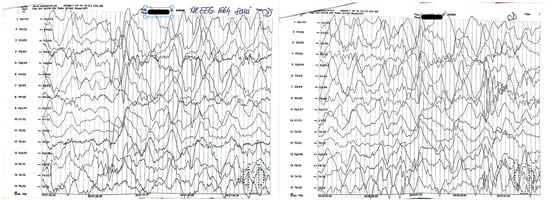
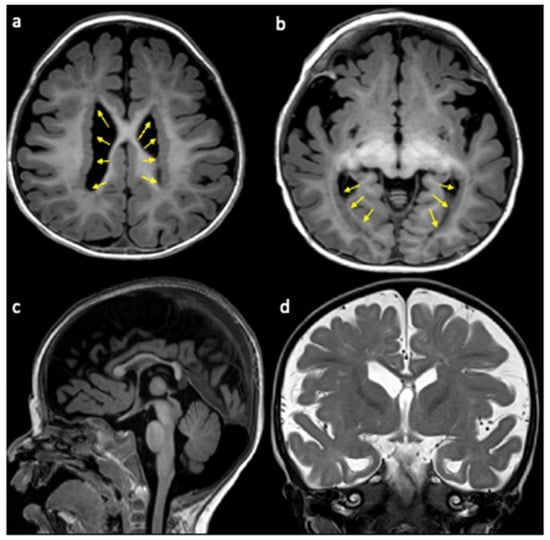
Periventricular nodular heterotopia (PVNH) is a genetically heterogeneous malformation of cortical development with variable neurological outcomes. Among recessive forms, ARFGEF2-related disorder is uniquely characterised by the association of diffuse PVNH and progressive microcephaly. We describe a two-year-old boy born to consanguineous parents who presented with severe developmental delay, hypotonia, progressive microcephaly, and infantile-onset epileptic spasms with developmental regression. Brain MRI showed extensive bilateral PVNH associated with callosal hypoplasia and ventriculomegaly. EEG revealed dysmature background activity with multifocal epileptiform discharges and runs of asynchronous fast activity during sleep. Genetic testing identified a novel homozygous nonsense variant in ARFGEF2. The clinical course was characterised by drug-resistant epilepsy and multisystemic involvement, including feeding difficulties and recurrent respiratory infections. To contextualise this case, we performed a comprehensive review of previously reported patients, further delineating the clinical, neuroradiological, and electroclinical spectrum of ARFGEF2-related disorder. This case highlights progressive microcephaly as a key distinguishing feature of ARFGEF2-related PVNH and underscores the importance of early genetic diagnosis to guide targeted surveillance for extra-CNS complications and multidisciplinary care.
Full article
Open AccessArticle
Are Sellar Xanthogranulomas the Climax of a Spectrum of Secondary Inflammatory Reactions to Various Sellar Lesions?
by
Lennart W. Sannwald, Andrej Pala, Dag Moskopp and Mats L. Moskopp
NeuroSci 2026, 7(3), 62; https://doi.org/10.3390/neurosci7030062 - 21 May 2026
Abstract
►▼
Show Figures
Since 1999, sellar xanthogranulomas (XGs) have been recognized as a distinct pathological entity characterized by cholesterol clefts, macrophages, chronic inflammatory infiltrates with multinucleated giant cells, necrotic debris, and hemosiderin, suggesting a chronic inflammatory process with repetitive intralesional bleeding. This study aims to characterize
[...] Read more.
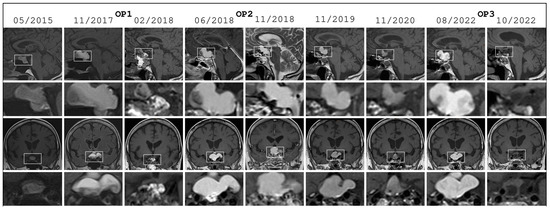
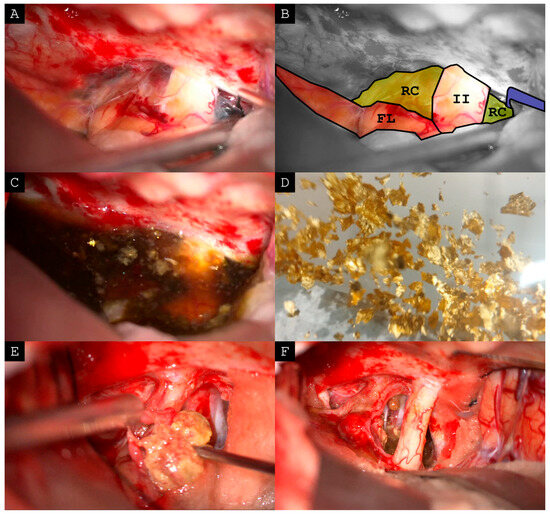
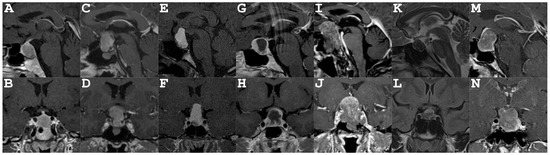
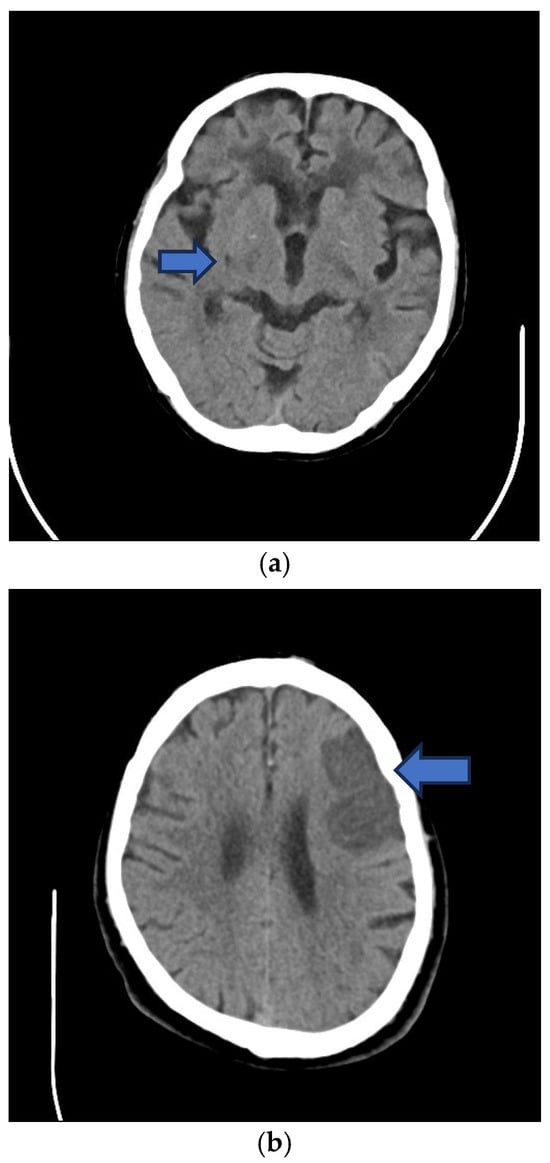
Since 1999, sellar xanthogranulomas (XGs) have been recognized as a distinct pathological entity characterized by cholesterol clefts, macrophages, chronic inflammatory infiltrates with multinucleated giant cells, necrotic debris, and hemosiderin, suggesting a chronic inflammatory process with repetitive intralesional bleeding. This study aims to characterize the clinical phenomenology of the rare XG entity and to explore its correlation with other lesions. A retrospective screening was conducted of 628 sellar surgeries performed during the 2007–2024 period at a major communal hospital in Berlin and 529 surgeries between 2015 and 2024 at Ulm University. Eight XGs were analyzed. Eight XGs (0.6% of 1157 surgeries) showed mixed intra- and suprasellar localization. Visual deficits and endocrinological insufficiencies were the most common symptoms (four out of eight each). Visual recovery was favorable (three out of four complete, one out of four marked improvement), whereas endocrinological recovery was limited (one out of four). One patient experienced recurrence. Intraoperatively, seven out of eight lesions contained characteristic fluid described as ‘golden water of Gdansk.’ Postoperatively, transient arginine vasopressin deficiency occurred in four out of eight patients. The illustrative case demonstrated transformation of a Rathke’s cleft cyst, while two cases were associated with pituitary adenomas. Sellar XGs are benign, chronic inflammatory and hemorrhagic lesions with low recurrence risk. Their frequent association with other sellar pathologies supports a secondary reactive origin.
Full article

Figure 1
Open AccessArticle
Intensive Care Unit Room Characteristics and Association with the Development of Delirium
by
Sharon Nguyen, Bilal Khoncarly, Timothy N. Holbrook, Simran Demla, Xuan Wang, Leslie Rodriguez, Lavanya Srinivasan, Alexander Bastidas and Jennifer A. Walker
NeuroSci 2026, 7(3), 61; https://doi.org/10.3390/neurosci7030061 - 20 May 2026
Abstract
►▼
Show Figures
Introduction: Delirium is associated with worse outcomes in critically ill patients. Factors that could reduce delirium are patients’ environment and maintaining circadian cycles, but whether certain room characteristics improve the incidence of delirium is unclear. Our objective was to investigate whether the presence
[...] Read more.
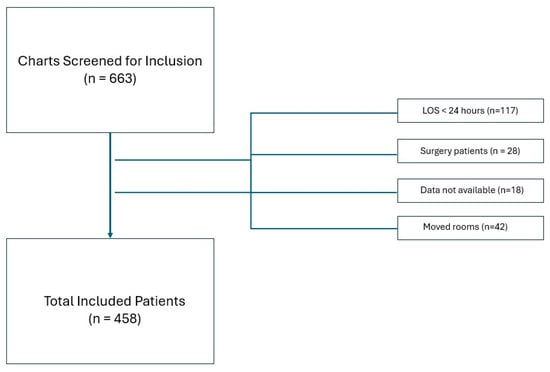
Introduction: Delirium is associated with worse outcomes in critically ill patients. Factors that could reduce delirium are patients’ environment and maintaining circadian cycles, but whether certain room characteristics improve the incidence of delirium is unclear. Our objective was to investigate whether the presence of windows or doors in patients’ rooms is associated with lower rates of delirium. Methods: In this retrospective, cohort study, adult, medical patients admitted to the Intensive Care Unit (ICU) between 1 January 2024 and 1 July 2024 were identified. Clinical and room characteristics were collected. The primary outcome was the development of Confusion Assessment Method for the Intensive Care Unit (CAM-ICU) positive status. Secondary outcomes included ICU and hospital length of stay (LOS) and mortality. Results: Four hundred fifty-eight (458) patients met inclusion criteria (mean age 61.7 +/− 16.4 years; 51.3% male). In the adjusted multivariate analysis, neither the presence of windows (aOR 2.2; 95% CI 0.7–6.2; p = 0.155) nor closed-format rooms (aOR 0.1; 95% CI 0.0–1.2; p = 0.077) were significantly associated with CAM-ICU positivity. Although an initial association was observed between the presence of windows and increased hospital LOS (aMR 1.4; 95% CI 1.1–1.8; p = 0.008), this did not maintain statistical significance after False Discovery Rate (FDR) correction (q > 0.05). No significant associations were found for other secondary outcomes, including ICU mortality or ICU LOS. Conclusion: Room characteristics were not significantly associated with delirium or secondary outcomes after FDR correction. However, given the study’s limited power to detect moderate differences, these findings do not definitively rule out an architectural influence on delirium and warrant further investigation in larger cohorts. Studies with more discrete measurement of room characteristics are needed to investigate these associations further.
Full article

Figure 1
Open AccessReview
Conceptual Rationale for Combining Galantamine, Iontophoresis, and Black Sea Brine in Peripheral Neuropathy: A Narrative Review
by
Mariya Ivanova, Liliya Panayotova-Ovcharova, Detelina Nedyalkova-Petkova, Petar Petkov, Georgi Boshev and Evgeniya Vladeva
NeuroSci 2026, 7(3), 60; https://doi.org/10.3390/neurosci7030060 - 19 May 2026
Abstract
►▼
Show Figures
Background: Peripheral neuropathy is a common and clinically heterogeneous neurological condition caused by metabolic, inflammatory, toxic, or traumatic factors and is associated with sensory deficits, neuropathic pain, motor impairment, and reduced functional capacity. Management remains challenging and often requires multimodal therapeutic approaches, as
[...] Read more.
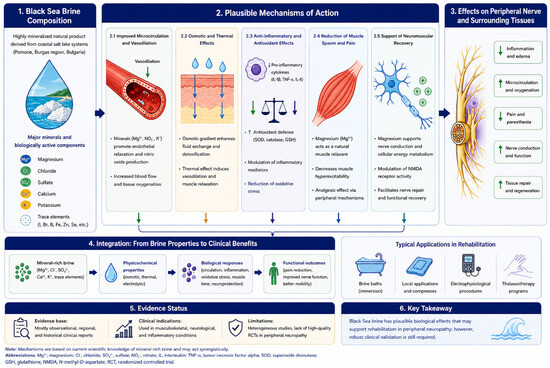
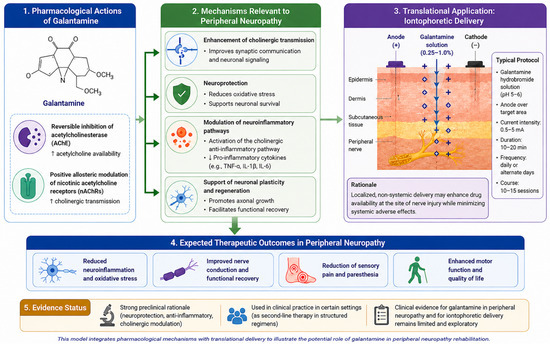
Background: Peripheral neuropathy is a common and clinically heterogeneous neurological condition caused by metabolic, inflammatory, toxic, or traumatic factors and is associated with sensory deficits, neuropathic pain, motor impairment, and reduced functional capacity. Management remains challenging and often requires multimodal therapeutic approaches, as pharmacological monotherapy frequently provides incomplete symptom control. Objective: This narrative review explores the conceptual rationale for combining galantamine with iontophoresis and Black Sea brine-based therapy as a potential multimodal strategy for peripheral neuropathy management. Main Findings: Galantamine, a reversible acetylcholinesterase inhibitor and positive allosteric modulator of nicotinic acetylcholine receptors, has demonstrated neuroprotective, neuromodulatory, and anti-inflammatory properties in experimental settings. Iontophoresis may provide a non-invasive method for targeted local drug delivery while reducing systemic exposure. Black Sea brine, widely used in Bulgarian balneological and rehabilitation practice, has been associated with improved circulation, pain reduction, and neuromuscular support. The reviewed evidence suggests biologically plausible complementary mechanisms; however, no direct clinical studies evaluating the combined intervention were identified. Limitations: Current evidence is indirect and derived from separate investigations of galantamine, iontophoresis, and brine-based therapy, as well as heterogeneous historical and regional sources. Therefore, the proposed combination should be considered hypothesis-generating rather than evidence-established. Conclusions: The combination of galantamine, iontophoresis, and Black Sea brine represents a potentially interesting multimodal concept for peripheral neuropathy rehabilitation. Well-designed preclinical and clinical studies are required to determine safety, feasibility, optimal treatment parameters, and therapeutic efficacy.
Full article

Figure 1
Open AccessArticle
Peripheral Artery Disease in Asian Ischaemic Stroke Patients—A Cross-Sectional Study
by
Narayanaswamy Venketasubramanian
NeuroSci 2026, 7(3), 59; https://doi.org/10.3390/neurosci7030059 - 15 May 2026
Abstract
►▼
Show Figures
Peripheral artery disease (PAD) is found in 10.9% of patients with ischaemic stroke (IS). This cross-sectional study was performed to investigate the prevalence of PAD and its risk factors among acute IS patients in Singapore. Patients admitted for IS were recruited. Data was
[...] Read more.
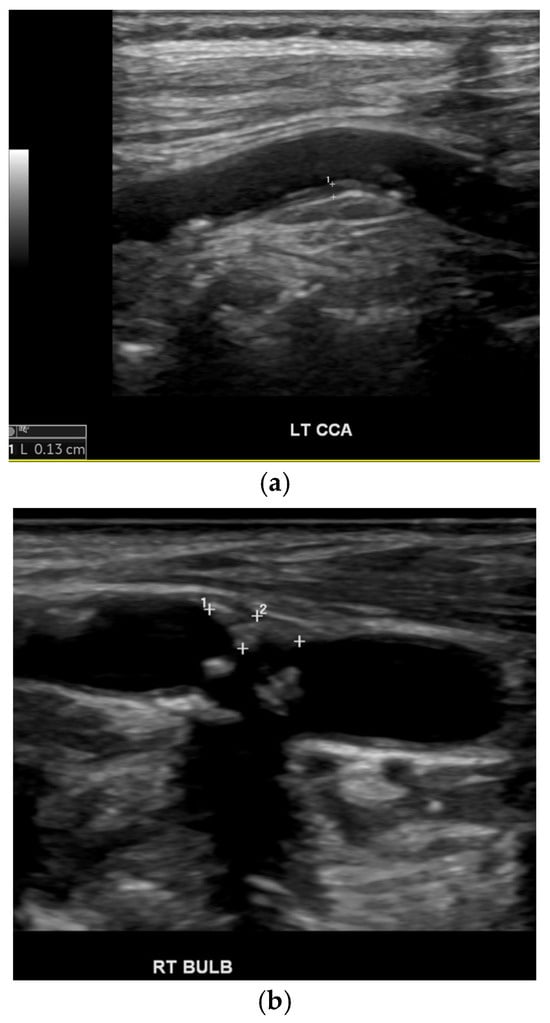
Peripheral artery disease (PAD) is found in 10.9% of patients with ischaemic stroke (IS). This cross-sectional study was performed to investigate the prevalence of PAD and its risk factors among acute IS patients in Singapore. Patients admitted for IS were recruited. Data was collected on sex, age, body mass index (BMI), history of hypertension, diabetes mellitus (DM), hypercholesterolaemia, cigarette smoking, prior stroke (PS) and ischaemic heart disease (IHD). IS was classified as a lacunar infarct (LI) or non-lacunar infarct (NLI) based on neuroimaging. Carotid intima–medial thickening (IMT) and carotid plaques (CP) were determined by ultrasonography. The ankle–brachial Index (ABI) was calculated in both lower limbs; PAD was diagnosed if the ABI was ≤0.9 in any limb. The estimated sample size was 150 subjects. In total, 150 subjects were recruited; the mean age was 62.7 ± 10.2 years, 44.7% were female, and the mean BMI was 24.1 ± 4.1. A total of 63.3% reported hypertension, 42.7% DM, 30.0% hypercholesterolaemia, 38.0% smoking, 18.7% PS, and 6.0% IHD. A total of 30.7% had IMT, 77.3% had CP, and 8.0% had carotid stenosis ≥50%. LI occurred in 64.7%. PAD was diagnosed in 22.0% (95% CI 16.1–29.3). On univariate analysis, based on vascular risk factors alone, PAD was associated with age (p = 0.03), hypercholesterolaemia (p = 0.03), and IHD (p = 0.004). On logistic regression, PAD was only associated with IHD (aOR 6.42, 95% CI 1.25–32.84; p = 0.03). When IMT and CP were added to the model, the association with IHD remained (aOR 5.45, 95% CI 1.03–28.71; p = 0.045). When the results of neuroimaging were added, the association was only with NLI (aOR 2.78, 95% CI 1.09–7.14; p = 0.03). This study found a high prevalence of PAD among Asian patients with IS. It was associated with a non-lacunar infarction.
Full article

Figure 1
Open AccessReview
From Axonal Growth to Neurodegeneration: The Dual Role of Neurofilament Dynamics in Health and Disease
by
Yikang An, Hongying Lan, Jialong Xiong, Ruoyan Jing, Dongjin Gu, Haoyang Zhang, Xinping Liu, Qi Zhao and Feng Wang
NeuroSci 2026, 7(3), 58; https://doi.org/10.3390/neurosci7030058 - 9 May 2026
Abstract
►▼
Show Figures
Neurofilaments (NFs) are the predominant type IV intermediate filaments in differentiated neurons, functioning not just as static scaffolds, but as active drivers of radial axonal growth and nerve conduction velocity. While their physical properties are well characterized, a critical gap remains in synthesizing
[...] Read more.
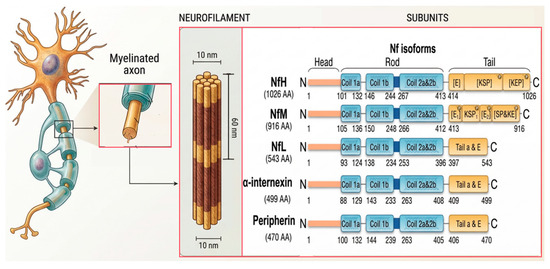
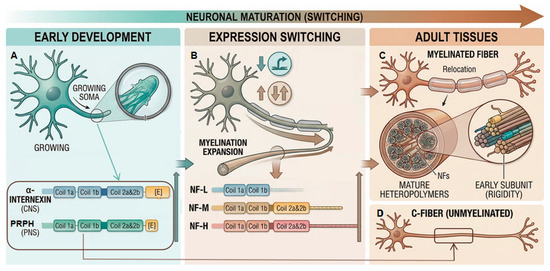
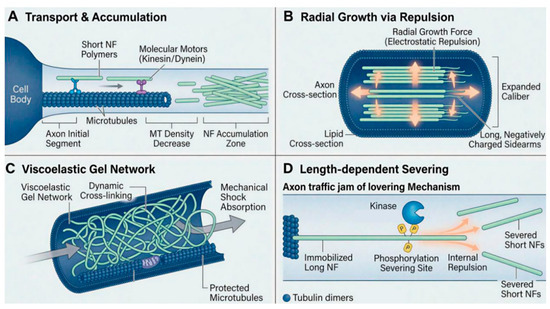
Neurofilaments (NFs) are the predominant type IV intermediate filaments in differentiated neurons, functioning not just as static scaffolds, but as active drivers of radial axonal growth and nerve conduction velocity. While their physical properties are well characterized, a critical gap remains in synthesizing how their dynamic assembly and developmental subunit switching directly dictate neurodegenerative outcomes. This review breaks down the molecular architecture and stepwise kinetic assembly of NFs, detailing their role in polarized transport and the formation of a protective viscoelastic gel network within axons. We specifically highlight the physiological expression switching of early subunits, such as alpha-internexin and peripherin, during neuronal maturation, a process often overlooked in traditional structural reviews. By examining how specific gene mutations and aberrant hyperphosphorylation trigger axonal transport jams and protein aggregation, we map the direct pathways leading to amyotrophic lateral sclerosis (ALS) and Charcot–Marie–Tooth (CMT) disease. Finally, we emphasize that a precise mechanistic decoding of NF structural dynamics and their pathological disruption is essential for understanding the fundamental etiology of these neurodegenerative conditions.
Full article

Figure 1
Open AccessReview
Brain-First vs. Body-First Models in Neurodegenerative Disease: A Perspective Review
by
Giuseppe Forte and Maria Casagrande
NeuroSci 2026, 7(3), 57; https://doi.org/10.3390/neurosci7030057 - 8 May 2026
Abstract
►▼
Show Figures
Recent advances in neurodegenerative disease research increasingly support the existence of multiple trajectory signatures underlying the heterogeneity of cognitive decline syndromes. Originally proposed in Parkinson’s disease, the brain-first and body-first models have emerged as conceptual frameworks to explain variability in disease onset, prodromal
[...] Read more.
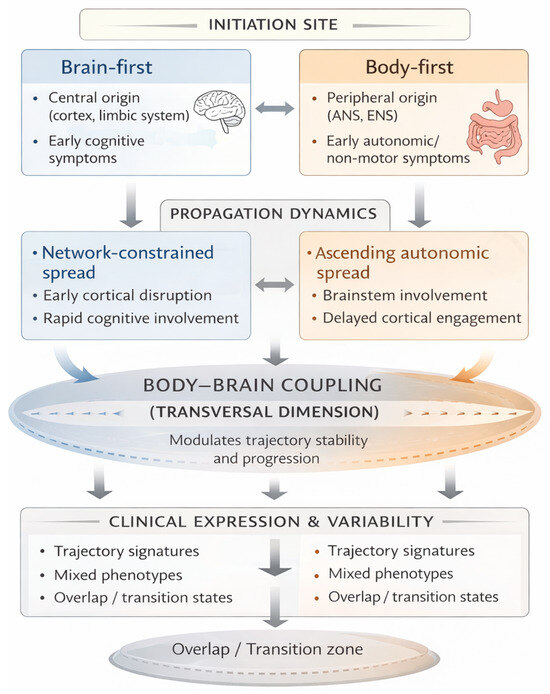
Recent advances in neurodegenerative disease research increasingly support the existence of multiple trajectory signatures underlying the heterogeneity of cognitive decline syndromes. Originally proposed in Parkinson’s disease, the brain-first and body-first models have emerged as conceptual frameworks to explain variability in disease onset, prodromal features, and progression across dementia-related disorders. Brain-first phenotypes are defined by the early emergence of central nervous system pathology and cognitive symptoms, whereas body-first phenotypes are characterized by prominent peripheral or autonomic dysfunctions that precede central involvement. Within this perspective, neurodegeneration is not viewed as a uniform, brain-restricted process, but a dynamic interaction between central, peripheral, and network-level mechanisms. Integrating central and peripheral biomarkers, autonomic physiology, and alterations in functional connectivity provides a coherent framework for interpreting phenotypic heterogeneity and prodromal dysregulation across dementia syndromes. Current evidence supporting brain-first and body-first trajectories is largely associative, and their clinical translation requires rigorous validation. Accordingly, this narrative perspective review aims to provide a critical and integrative conceptual framework that synthesizes existing evidence, identifies unresolved questions, and outlines research priorities for trajectory-based stratification, rather than offering a definitive diagnostic classification or pharmacological evaluation. The present work adopts a conceptual and mechanistic perspective rather than a clinically prescriptive or trial-oriented one. Its aim is to articulate a generative framework capable of producing testable hypotheses about disease trajectories and biomarker constellations across neurodegenerative syndromes.
Full article

Figure 1
Open AccessArticle
HLA Class II Immunogenetic Profiles Shape Psychosis Outcomes in Cannabis Users: DRB5/DRB1*16 Vulnerability and DRB4/DRB3-Linked Protection, Particularly Against Schizophrenia
by
Andrei Buciuta, Horia George Coman, Bogdan Nemeș, Mihaela Elvira Cimpianu, Radu Oroian, Mihaela Laura Vică Matei and Horea-Vladi Matei
NeuroSci 2026, 7(3), 56; https://doi.org/10.3390/neurosci7030056 - 7 May 2026
Abstract
Background: Only a subset of cannabis users develop persistent psychosis, implying that genetic vulnerability modulates risk. HLA-DR/DQ variation is a strong non-dopaminergic risk locus for schizophrenia, but its role in cannabis-related psychosis is unclear. Methods: We studied 296 cannabis users from Romanian psychiatric
[...] Read more.
Background: Only a subset of cannabis users develop persistent psychosis, implying that genetic vulnerability modulates risk. HLA-DR/DQ variation is a strong non-dopaminergic risk locus for schizophrenia, but its role in cannabis-related psychosis is unclear. Methods: We studied 296 cannabis users from Romanian psychiatric services, grouped as non-psychosis (0), non-schizophrenia psychosis (1) and schizophrenia (2). High-resolution HLA-DRB1, DRB3/4/5 and inferred DRB1-DQB1 haplotypes were tested using Fisher’s exact tests with FDR correction in a universal contrast (0 vs. 1+2) and 0-1-2 pairwise comparisons, with Firth logistic regression and resampling as supportive analyses. Results: In the universal analysis, DRB1*16, DRB5 and the DRB1*16-DQB1*05 haplotype were associated with roughly two- to threefold higher odds of psychosis, whereas DRB1*07 and DRB4/DRB3 paralogs showed protective effects or trends. In the 0-1-2 contrasts, DRB1*16 was enriched in non-schizophrenia psychosis. DRB4/DRB3 paralogs were under-represented in schizophrenia relative to both cannabis users without psychosis and those with non-schizophrenia psychosis, suggesting a schizophrenia-specific protective association. Firth models supported effect directions but were underpowered. Conclusions: HLA class II immunogenetic background may modify psychosis risk among cannabis users: DRB5/DRB1*16-containing backgrounds were associated with increased vulnerability, whereas DRB4/DRB3 paralogs were associated with reduced schizophrenia risk in this cohort. These findings are hypothesis-generating, do not establish causality, and warrant replication in larger cohorts.
Full article
(This article belongs to the Topic The Interplay of the Brain, Behavior, and Immunity: Insights and Innovations)
Open AccessArticle
Rapamycin and Minocycline Treatment Does Not Rescue Behavioral and Molecular Changes Induced by Early-Life Seizures in Female Mice
by
Sydney F. Pell, Katherine J. Blandin, Taylor R. Bradish, Chloe V. Lau, Danielle Santana-Coelho, Madison Wallis, Colton W. Kelley, Josh J. Thayil, Ashley Smelley, Gautham Cheliah, David A. Narvaiz, Kendall N. Lally, Leighton Douglas and Joaquin N. Lugo
NeuroSci 2026, 7(3), 55; https://doi.org/10.3390/neurosci7030055 - 5 May 2026
Abstract
Early-life seizures lead to long-term behavioral deficits, stimulate cytokine release, and disrupt the intracellular PI3K/AKT/mTOR signaling pathway. This study examined whether inhibiting the mTOR pathway, neuroinflammatory signaling, or both reduces behavioral comorbidities in adulthood. Female C57BL/6J mice received kainic acid on postnatal day
[...] Read more.
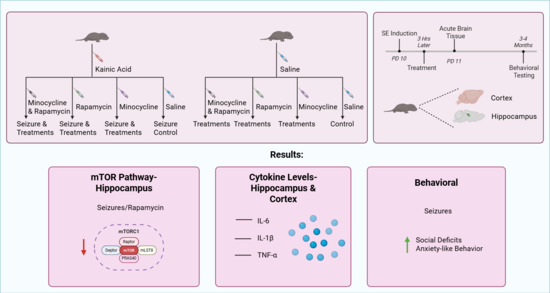
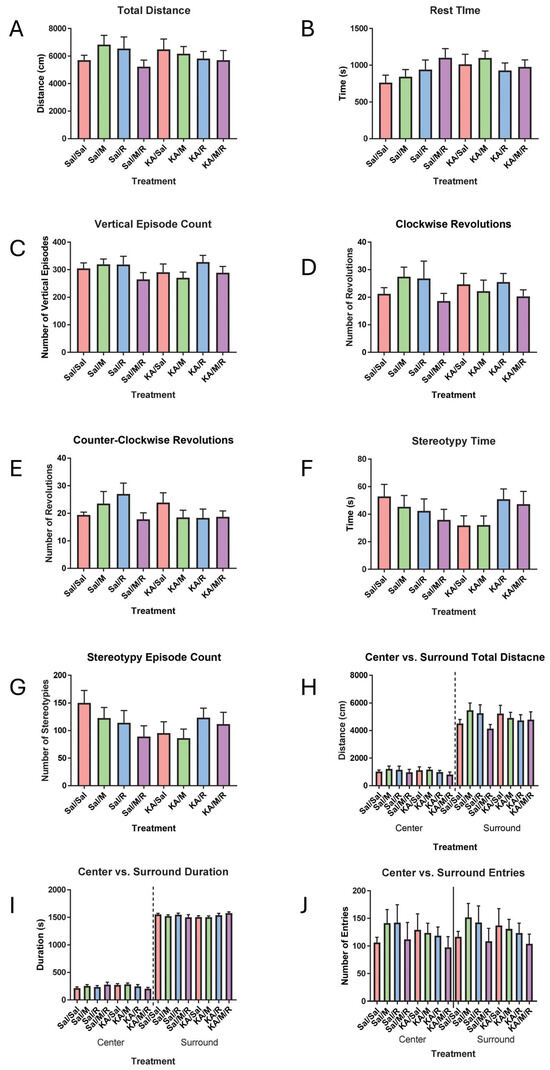
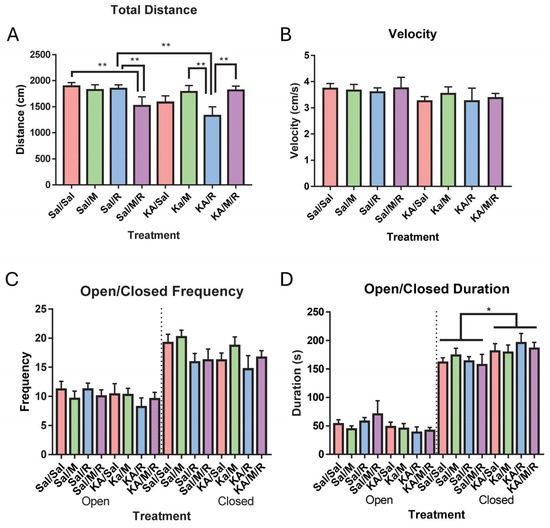
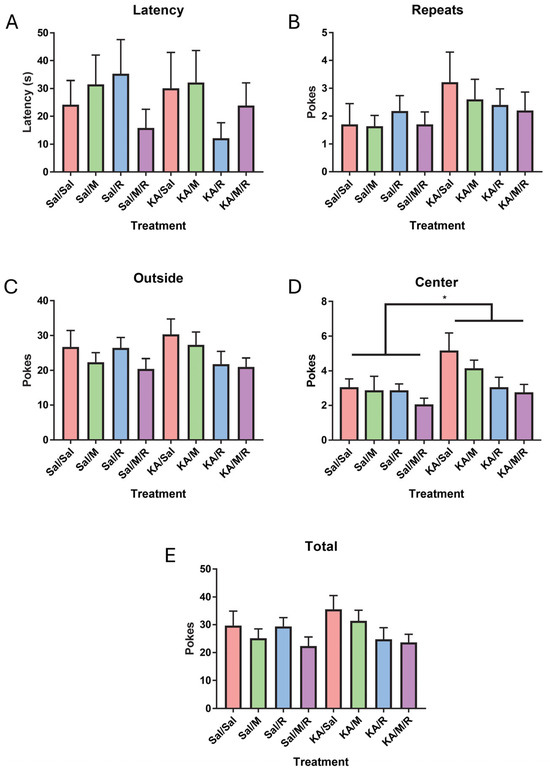
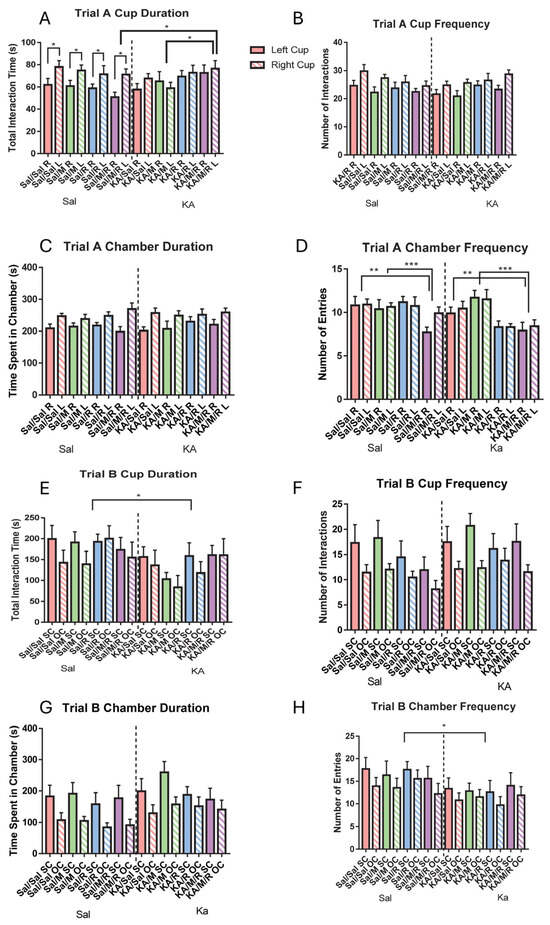
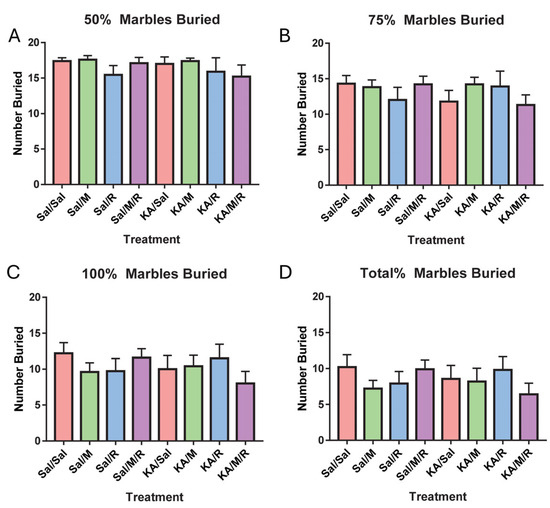
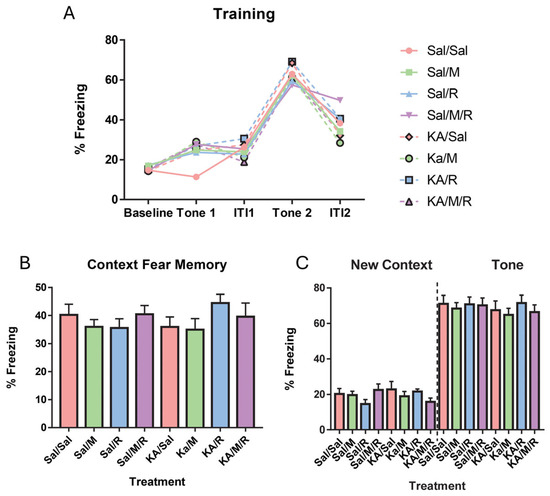
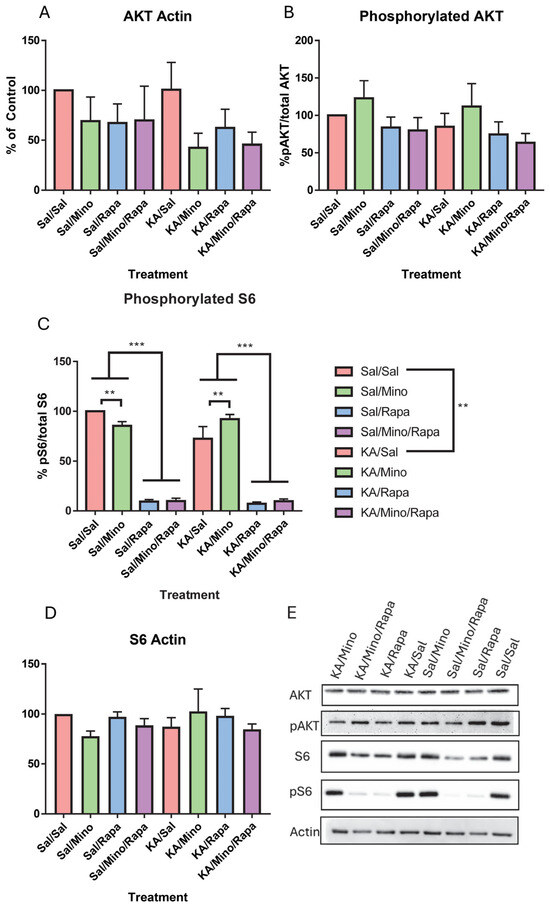
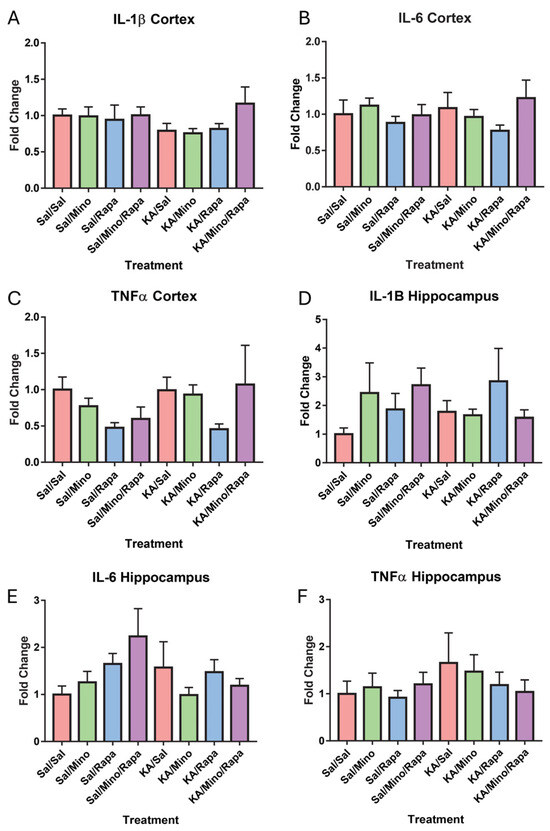
Early-life seizures lead to long-term behavioral deficits, stimulate cytokine release, and disrupt the intracellular PI3K/AKT/mTOR signaling pathway. This study examined whether inhibiting the mTOR pathway, neuroinflammatory signaling, or both reduces behavioral comorbidities in adulthood. Female C57BL/6J mice received kainic acid on postnatal day 10 to induce status epilepticus. Three hours later, the mice were treated with saline, minocycline, rapamycin, or both. Three months later, behavioral assessments were conducted that measured activity, anxiety, social behavior, repetitive behavior, and learning. Early-life seizures resulted in social behavior deficits in the social chamber test, altered anxiety in the elevated plus maze, and an increase in repetitive behavior in the nose poke assay. Rapamycin and minocycline/rapamycin groups showed reduced distance traveled in the saline groups. We did not find any changes in cytokines IL6, IL-1β, and TNFα in the hippocampus or cortex using RT-qPCR. Through Western blotting, we found that rapamycin reduced the phosphorylated S6 levels. Minocycline decreased phosphorylated S6 in controls, but restored phosphorylated S6 levels in the seizure group. Early-life seizures had long-term impacts on behavioral comorbidities. Rapamycin and minocycline, alone or combined, did not restore the behavioral or molecular changes after early-life seizures. These findings clarify the behavioral outcomes after early-life seizures and therapeutic modulation.
Full article
(This article belongs to the Special Issue New Therapeutic Approaches in Neurological Conditions)
►▼
Show Figures

Graphical abstract
Open AccessArticle
Reliability of Behavioral and fNIRS Neural Responses: Assessments During Posture–Inhibitory Control Dual Tasking
by
Wan-Chun Su, Tony George, Marc H. Bornstein, Thien Nguyen and Amir Gandjbakhche
NeuroSci 2026, 7(3), 54; https://doi.org/10.3390/neurosci7030054 - 2 May 2026
Abstract
►▼
Show Figures
Background: Posture–inhibitory control dual-tasking is critical for safe daily functioning. Although functional near-infrared spectroscopy (fNIRS), a non-invasive neuroimaging tool, is increasingly used to examine neural mechanisms of dual-tasking, its reliability across posture transitions remains unclear. This study examined the reliability of behavioral and
[...] Read more.
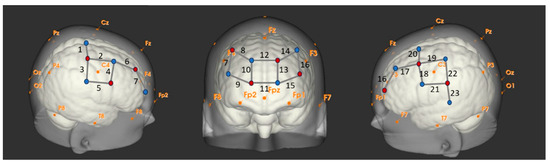
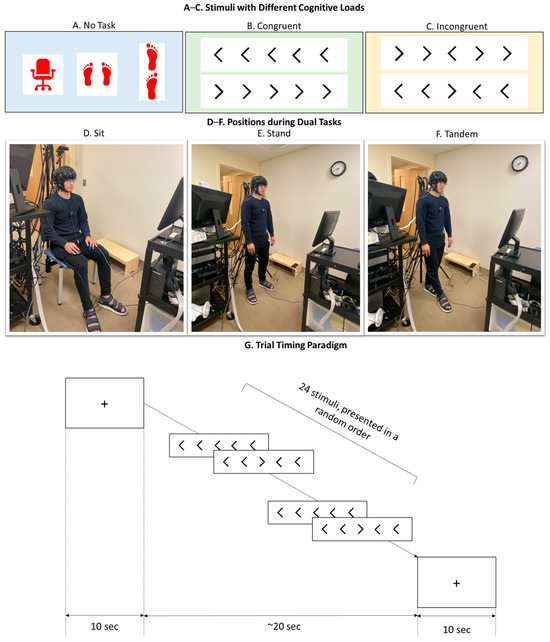
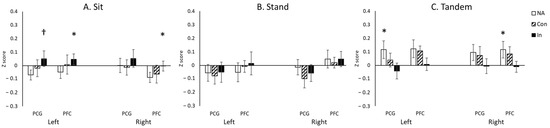
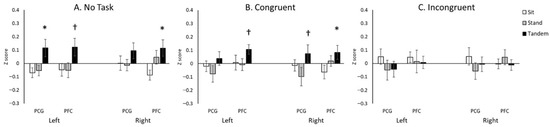
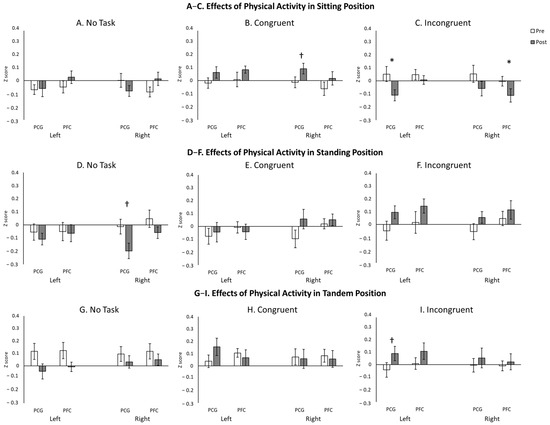
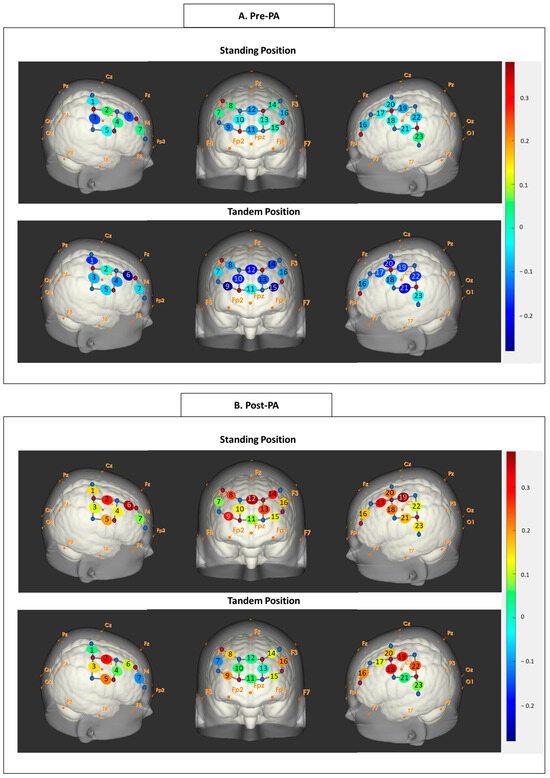
Background: Posture–inhibitory control dual-tasking is critical for safe daily functioning. Although functional near-infrared spectroscopy (fNIRS), a non-invasive neuroimaging tool, is increasingly used to examine neural mechanisms of dual-tasking, its reliability across posture transitions remains unclear. This study examined the reliability of behavioral and neural measures during sit-to-stand transitions and explored the neural mechanisms underlying posture–inhibitory control dual-tasking. Methods: Eighteen healthy adults (M age 42.8, SE = 3.3) completed tasks with varying posture challenges (sitting, standing, and tandem stance) and inhibitory demands (no task, congruent, and incongruent). Cortical activation was measured using fNIRS and reassessed after a 1 min sit-to-stand task. Results: Under lower task demands, activation in prefrontal and pre/postcentral regions increased with greater postural and inhibitory load, whereas this pattern reversed under higher demands. Behavioral performance demonstrated poor-to-excellent reliability (ICC range: 0.24 to 0.95; |r| = 0.33–0.97), whereas fNIRS measures showed poor-to-good reliability following sit-to-stand transitions (ICC range: <0 to 0.72; |r| = 0.02–0.79). Exploratory analyses suggested a shift from under- to over-additive cortical activation after posture transitions. Conclusions: Findings support the Capacity Sharing Theory, suggesting that postural and cognitive tasks compete for shared resources. Additionally, our findings reveal variable reliability of behavioral and neural measures across posture transitions. Future studies should account for postural changes when interpreting behavioral and neural findings.
Full article

Figure 1
Open AccessCase Report
PART as a Negative Outcome Modifier of Glioblastoma Treatment, Case Report
by
Ross Terada, Jennifer Dailey, Sherry Yan, Michael Punsoni and Eric T. Wong
NeuroSci 2026, 7(3), 53; https://doi.org/10.3390/neurosci7030053 - 29 Apr 2026
Abstract
►▼
Show Figures
Background: Severe neurocognitive decline is often seen in elderly glioblastoma patients after treatment with radiation and chemotherapy. But the mechanism behind their deterioration is unclear. We describe one such patient with concomitant primary age-related tauopathy (PART) in bilateral hippocampi. Case presentation: An 88-year-old
[...] Read more.
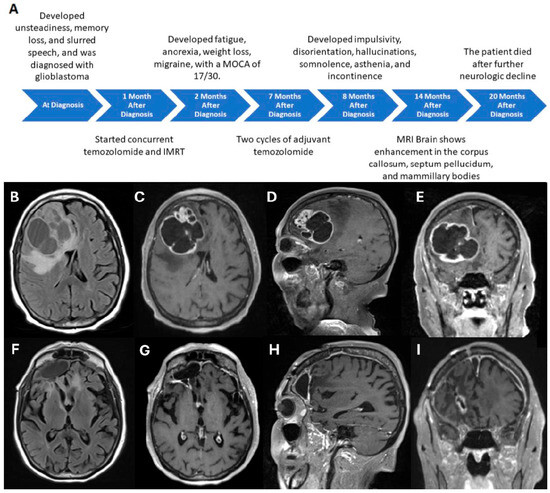
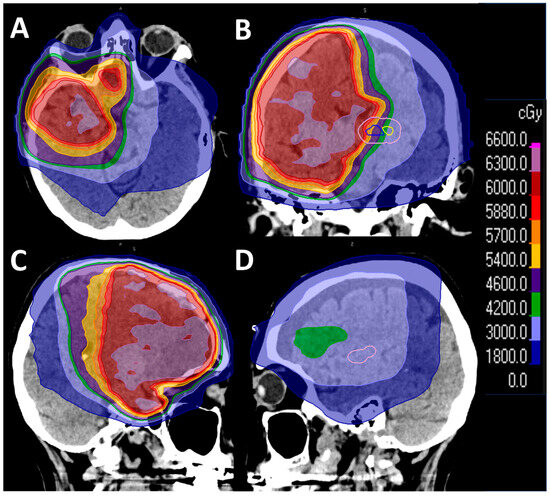
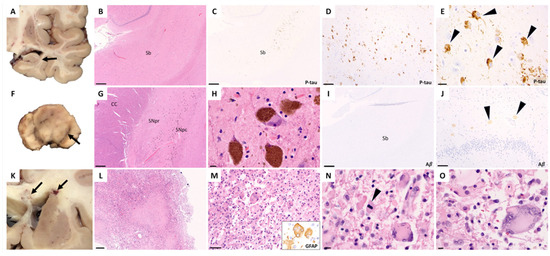
Background: Severe neurocognitive decline is often seen in elderly glioblastoma patients after treatment with radiation and chemotherapy. But the mechanism behind their deterioration is unclear. We describe one such patient with concomitant primary age-related tauopathy (PART) in bilateral hippocampi. Case presentation: An 88-year-old woman experienced unsteadiness, memory loss, and slurred speech that was caused by an epithelioid glioblastoma with wild-type isocitrate dehydrogenase-1 and methylated promoter of O6-methylguanine-DNA methyltransferase. She was treated with gross total resection, followed by intensity-modulated radiotherapy and daily temozolomide. Shortly after starting treatment, she developed fatigue, anorexia, and neurocognitive impairment, which were refractory to corticosteroids. After two cycles of adjuvant temozolomide, she experienced impulsivity, disorientation, hallucinations, somnolence, and incontinence despite stable neuroimaging findings. Treatment was subsequently discontinued, and she died 20 months from the time of her glioblastoma diagnosis. Autopsy revealed tau-positive neurofibrillary tangles, but rare Aβ plaques, in the trans-entorhinal and entorhinal cortices of both hippocampi. These findings are consistent with a diagnosis of PART. Conclusions: Undiagnosed tauopathy could be a negative modifier of glioblastoma treatment. The identification of PART and other tauopathies as risk factors in the elderly population may be important to guide treatment decision.
Full article

Figure 1
Open AccessReview
Vagus Nerve Stimulation in Alzheimer’s Disease and Mild Cognitive Impairment: Current Evidence and Future Directions
by
Ruth Narramore, Mudasar Aziz, Sheharyar Baig, Joyce S. Balami, Arshad Majid and Ali N. Ali
NeuroSci 2026, 7(3), 52; https://doi.org/10.3390/neurosci7030052 - 27 Apr 2026
Abstract
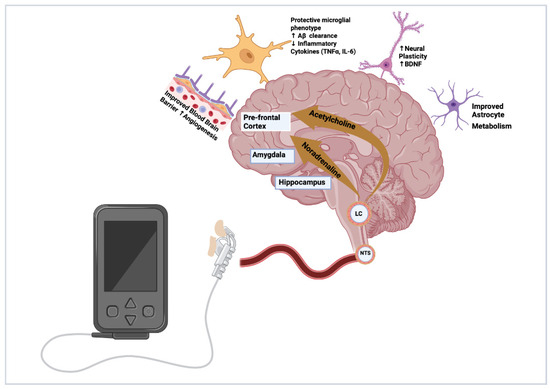
Vagus nerve stimulation (VNS) may improve cognition and promote underlying brain health through various mechanisms including the noradrenaline and cholinergic pathways. Whilst early human studies used invasive devices (iVNS), recent decades have seen the emergence of non-invasive devices that stimulate the vagus nerve
[...] Read more.
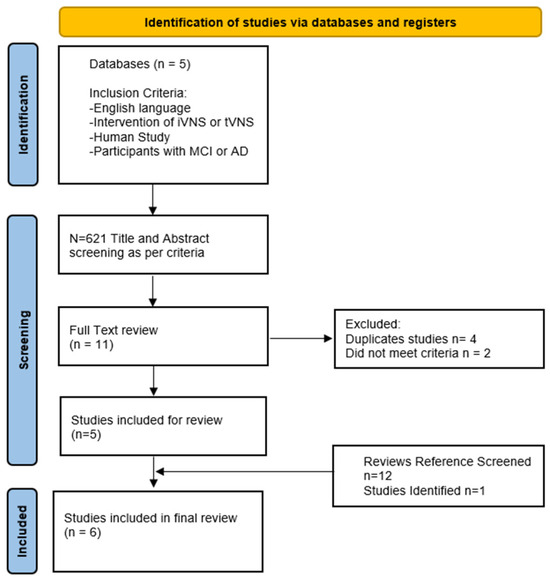
Vagus nerve stimulation (VNS) may improve cognition and promote underlying brain health through various mechanisms including the noradrenaline and cholinergic pathways. Whilst early human studies used invasive devices (iVNS), recent decades have seen the emergence of non-invasive devices that stimulate the vagus nerve transcutaneously (tVNS) via either the cervical branches in the neck (tcVNS) or the auricular branch in the ear (taVNS). With this increase in more accessible devices, tVNS is gaining interest as a novel therapy in mild cognitive impairment (MCI) and Alzheimer’s disease (AD). This targeted review aims to understand the current evidence in human trials in this specific population. PubMed, Cochrane, EMBASE, MEDLINE, and Google Scholar were searched. Six human interventional studies were found (one iVNS; five taVNS). VNS is well tolerated and study designs demonstrate feasibility within this population for future blinded and appropriately powered long-term studies with participants applying tVNS at home. However, protocols and tVNS settings remain variable. Working memory domains such as verbal fluency and 3D processing show the most promise but global cognitive scores were also sensitive in some cases. The role of biomarkers of tVNS activity and its effect on AD markers and neuroinflammation should be considered in the design of future studies.
Full article
(This article belongs to the Special Issue New Therapeutic Approaches in Neurological Conditions)
►▼
Show Figures

Figure 1
Open AccessReview
A Scoping Review on Bioethics Challenges of Conducting Clinical Research in Patients with Traumatic Brain Injury: Revisiting the Informed Consent Process
by
Ayman El-Menyar, Naushad Ahmad Khan and Hassan Al-Thani
NeuroSci 2026, 7(3), 51; https://doi.org/10.3390/neurosci7030051 - 27 Apr 2026
Abstract
►▼
Show Figures
Background: Conducting research in emergency departments and critical care units is crucial for improving patient management through evidence-based practices. Healthcare professionals and researchers in the field of traumatic brain injury (TBI) have a moral and legal obligation to inform patients before conducting
[...] Read more.
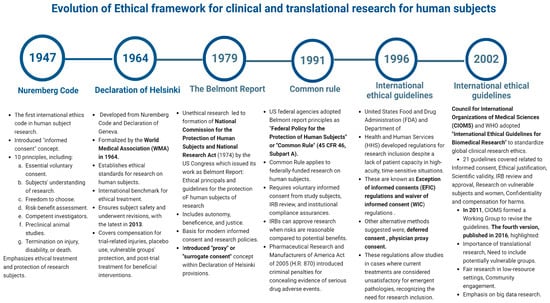
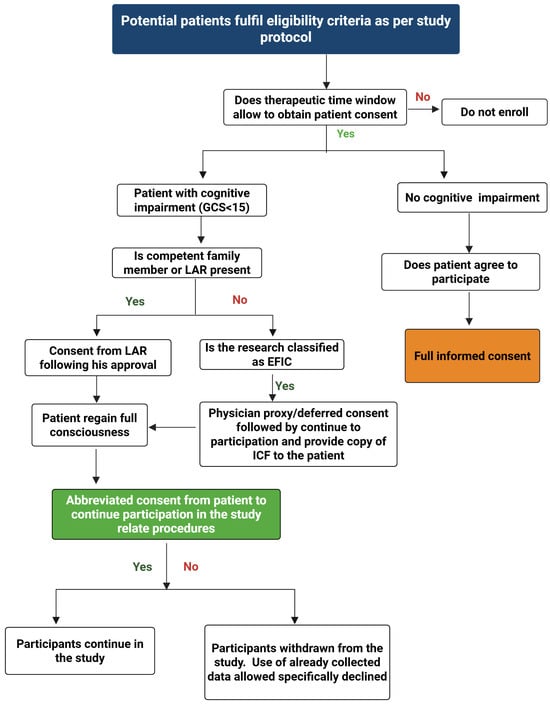
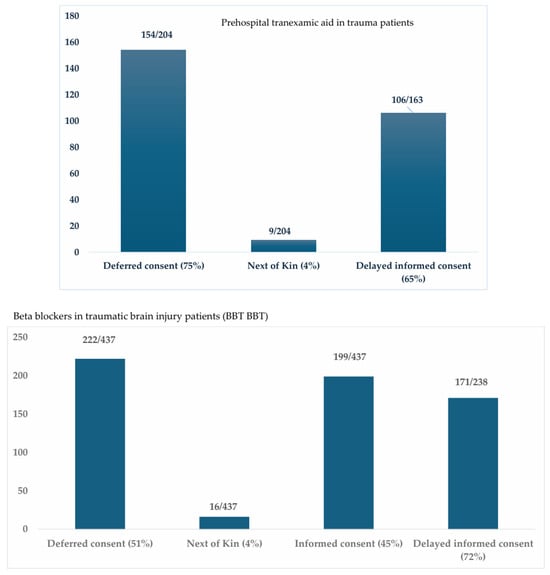
Background: Conducting research in emergency departments and critical care units is crucial for improving patient management through evidence-based practices. Healthcare professionals and researchers in the field of traumatic brain injury (TBI) have a moral and legal obligation to inform patients before conducting any diagnostic test or therapy as part of a clinical study. However, challenges and barriers to conducting research in these high-pressure environments must be acknowledged. Shall the pathway to obtain informed consent in TBI-related research be revisited? We sought to map literature, identify gaps, and clarify the bioethics that should be followed in TBI-related research. Methods: A Scoping review was conducted to identify the obstacles and challenges investigators encounter in clinical and translational TBI research, with a specific emphasis on informed consent and regulatory impediments that often serve as bottlenecks or rate-limiting steps for participant enrollment and overall study success. This review used google scholar and Midline from inception to 2025. Results: Patients with TBI or their surrogates may be unable to provide informed consent within limited therapeutic windows. Despite international regulations and national laws, restrictions on obtaining consent are often criticized as ambiguous in certain situations. Furthermore, the fast-paced, emotionally charged atmosphere in emergency settings poses a risk of delaying crucial research interventions. There are accepted alternatives to informed consent, such as proxy consent, deferred consent, exceptions from consent, and waivers of consent, which are ethically and socially acceptable and compliant with regulations. However, these alternatives are underutilized or may be abused in some cases. Conclusions: This review calls for clarifying and modifying arbitrary regulatory restrictions on research and streamlining the Common Rule. Scientists should also share their innovative solutions to strike a balance between ethical considerations and the minimization of research barriers.
Full article

Figure 1
Open AccessSystematic Review
Neurofeedback in Football: A Systematic Review of Cognitive, Technical, Physical and Psychological Outcomes
by
Sílvio A. Carvalho, Pedro Bezerra, José E. Teixeira, Pedro Forte, Rui M. Silva and José M. Cancela-Carral
NeuroSci 2026, 7(3), 50; https://doi.org/10.3390/neurosci7030050 - 23 Apr 2026
Abstract
►▼
Show Figures
This systematic review synthesized the existing evidence on neurofeedback interventions applied to football players, aiming to clarify their effects on cognitive, technical–tactical, physical and psychological performance. Following Preferred Reporting Items for Systematic Reviews and Meta-Analyses (PRISMA) guidelines, four databases (PubMed, Web of Science,
[...] Read more.
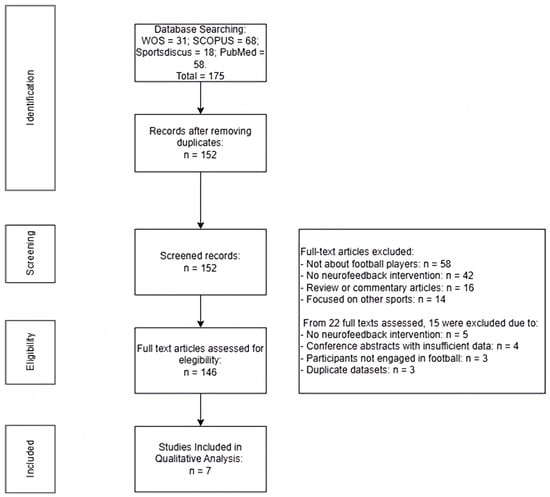
This systematic review synthesized the existing evidence on neurofeedback interventions applied to football players, aiming to clarify their effects on cognitive, technical–tactical, physical and psychological performance. Following Preferred Reporting Items for Systematic Reviews and Meta-Analyses (PRISMA) guidelines, four databases (PubMed, Web of Science, SCOPUS and SportsDiscus) were searched up to November 2025. Seven studies met the inclusion criteria, involving 133 players across youth, amateur, national and elite levels. Neurofeedback protocols primarily targeted alpha or sensorimotor rhythm (SMR) activity, and some were combined with heart rate variability (HRV) biofeedback. Across studies, neurofeedback may be associated with improvements in several cognitive outcomes, including improvements in working memory, visuospatial memory, task switching, mental rotation and decision-making. Limited evidence suggests potential improvements in technical skills (particularly shooting accuracy) and tactical decision-making. Some studies reported changes in physiological markers and stress-recovery capacity, although their interpretation remains uncertain. However, the evidence base remains constrained by small samples, heterogeneous protocols and limited use of randomized controlled designs. Overall, neurofeedback appears to be a potentially promising but still experimental tool to support cognitive and psychophysiological readiness in football, warranting more rigorous and standardized research to establish efficacy and optimal training parameters.
Full article

Figure 1
Open AccessPerspective
A Flawed Conjecture Keeps Haunting Brain Energy Metabolism Research
by
Avital Schurr
NeuroSci 2026, 7(3), 49; https://doi.org/10.3390/neurosci7030049 - 22 Apr 2026
Abstract
►▼
Show Figures
In 1988, two seminal studies were published almost simultaneously in the same scientific journal. Both spurred the field of brain energy metabolism research in new directions, culminating in a long-lasting debate that appeared to split its practitioners into two factions that seem unwilling
[...] Read more.
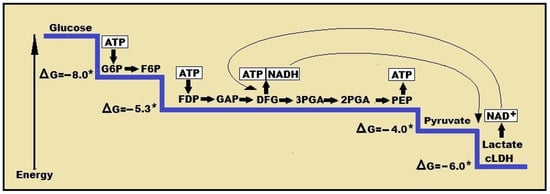
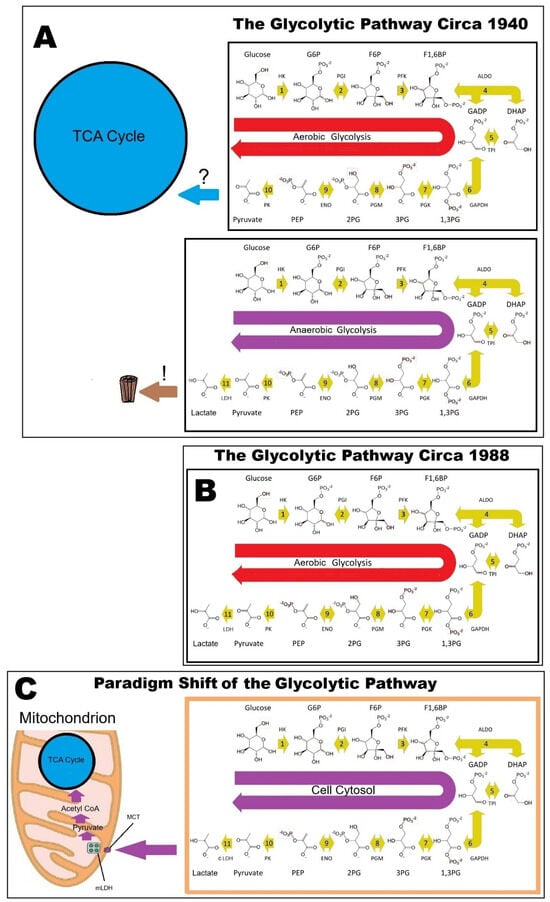
In 1988, two seminal studies were published almost simultaneously in the same scientific journal. Both spurred the field of brain energy metabolism research in new directions, culminating in a long-lasting debate that appeared to split its practitioners into two factions that seem unwilling to agree on what metabolic processes are fueling the active brain with adenosine triphosphate (ATP). The first study used rat hippocampal slices to demonstrate the ability of lactate to support neuronal function as the sole oxidative mitochondrial substrate. The second study demonstrated that upon brain stimulation, glucose consumption is not accompanied by respective oxygen consumption, but a non-oxidative glucose utilization or what has become known as “aerobic glycolysis”. Consequently, for almost four decades, researchers in this field have been divided between those who profess that brain activity is supported by oxidative lactate metabolism and those who insist that non-oxidative glucose metabolism supports it. Hypotheses for both concepts were offered, “The Astrocyte Neuron Lactate Shuttle Hypothesis” and “The Efficiency Tradeoff Hypothesis,” respectively. To bridge the gap between the two groups, a recent editorial, authored by over twenty leading investigators, was published. The editorial received two separate responses from investigators who supported the non-oxidative glucose consumption as the main process supporting neural activity, signaling that the gap between the two groups remained. The present perspective highlights the principal disagreements that divide this utmost important field of research. It argues that the main reason for these disagreements is rooted in the assumption that pyruvate is the end-product of aerobic glycolysis, even when many among those who adhere to this assumption accept that in the active brain glycolysis is the main provider of the necessary ATP and the end-product is lactate under aerobic conditions. The consideration of a paradigm shift, according to which lactate is the real end-product of glycolysis, independent of the presence or absence of oxygen, could bridge the great divide between those who separate glycolysis into two outcomes and those who profess that there is only one, prefix-less glycolytic pathway that always ends with the production of lactate.
Full article

Figure 1
Open AccessArticle
The Role of Background Activity Monitoring by Amplitude-Integrated EEG to Predict Short-Term Neurological Outcome in Neonates with Congenital Heart Disease: Insights from a Real-Life Retrospective Cohort
by
Massimo Mastrangelo, Salvatore Mazzeo, Eleonora Ferrante, Giulia Bruschi, Gianni Cutillo, Elisa Bortolin, Alessandro Bombaci, Irene Borzillo, Giuseppe Isgrò, Massimo Chessa, Alessandro Giamberti, Marco Ranucci, Massimo Filippi and Maria Salsone
NeuroSci 2026, 7(2), 48; https://doi.org/10.3390/neurosci7020048 - 20 Apr 2026
Abstract
►▼
Show Figures
Neonates undergoing surgery for congenital heart disease (CHD) are at high risk for brain function impairment. Reliable early predictors of postoperative neurological complications are lacking. We examined a retrospective cohort of 55 surgically treated CHD neonates systematically monitored by concomitant conventional electroencephalography (cEEG)
[...] Read more.
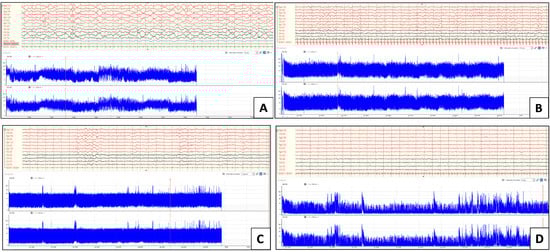
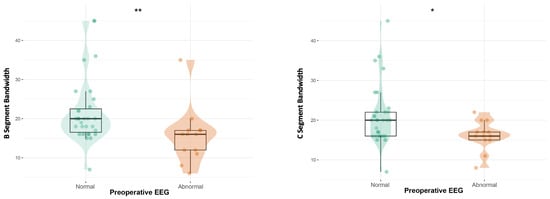
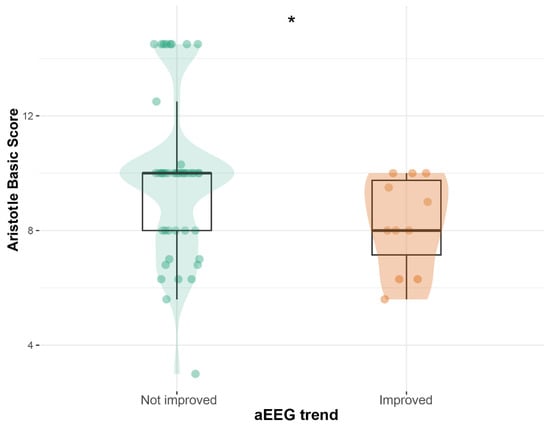
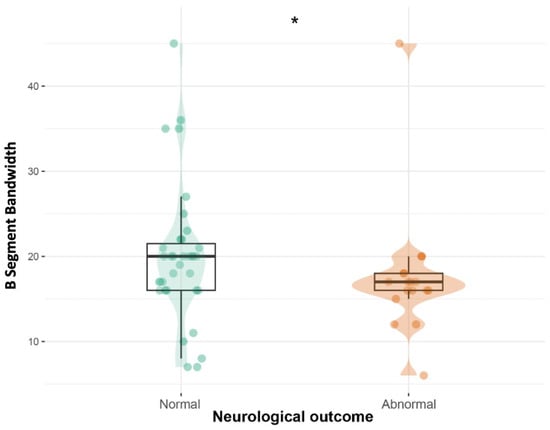
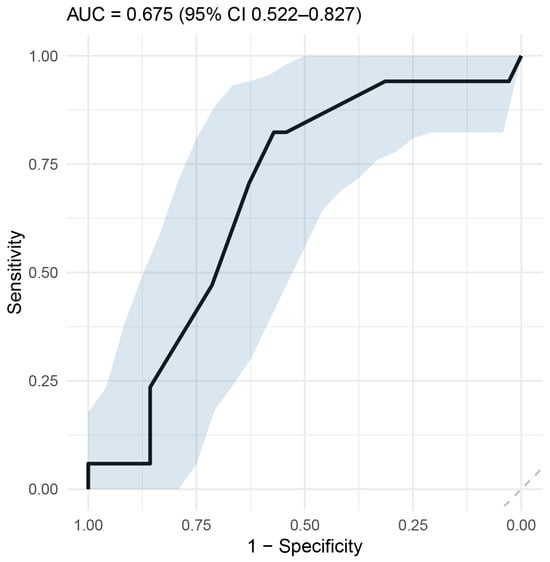
Neonates undergoing surgery for congenital heart disease (CHD) are at high risk for brain function impairment. Reliable early predictors of postoperative neurological complications are lacking. We examined a retrospective cohort of 55 surgically treated CHD neonates systematically monitored by concomitant conventional electroencephalography (cEEG) and amplitude-integrated EEG (aEEG). Neonates underwent cEEG/aEEG at three time points: T0 (preoperative, duration: 90–120 min); T1 (24–48 h after cardiac surgery, duration: ≥11 h); and T2 (7–10 days post-surgery, duration: 90–120 min). For each patient, aEEG background activity was evaluated and scored, and clinical and surgical data were retrieved to establish short-term post-surgical outcomes. Patients with normal T0 monitoring had significantly higher aEEG bandwidths in T1. A lower Aristotle basic score was associated with an improvement in aEEG at T1. Inversely, a narrower aEEG bandwidth in T1 was associated with post-surgical neurological deterioration. The aEEG bandwidth accurately predicted short-term neurological outcome; in particular, a minimal aEEG amplitude above 17.5 µV excluded poor neurological outcome with a negative predictive value of 81.48%. Our results demonstrated that aEEG bandwidth and trend dynamics may be associated with surgical complexity and neurological outcomes. aEEG background trend monitoring may provide relevant prognostic information on neurological outcomes in surgically treated CHD neonates.
Full article

Figure 1
Open AccessArticle
The Knockout of Protocadherin Gamma C3 (PCDHGC3) in Breast Cancer and Melanoma Cell Lines Leads to Increased Adhesion of Knockout Cells to Brain Microvascular Endothelial Cells
by
Paul Glogau, Junqiao Mi, Patrick Meybohm and Malgorzata Burek
NeuroSci 2026, 7(2), 47; https://doi.org/10.3390/neurosci7020047 - 18 Apr 2026
Abstract
►▼
Show Figures
Brain metastases remain a major problem for cancer patients, impacting their treatment and survival. The pathogenesis of brain metastases is largely unknown. Recent reports indicate that the adhesion molecule protocadherin γ C3 (PCDHGC3) is differentially expressed in various cancer cells and endothelial cells
[...] Read more.
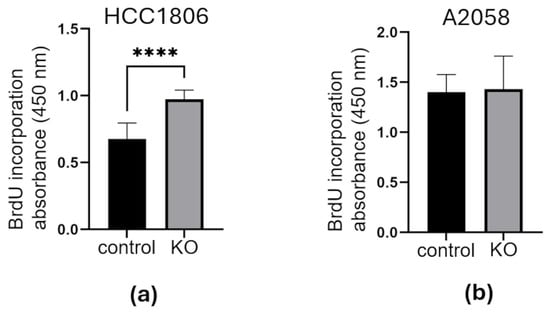
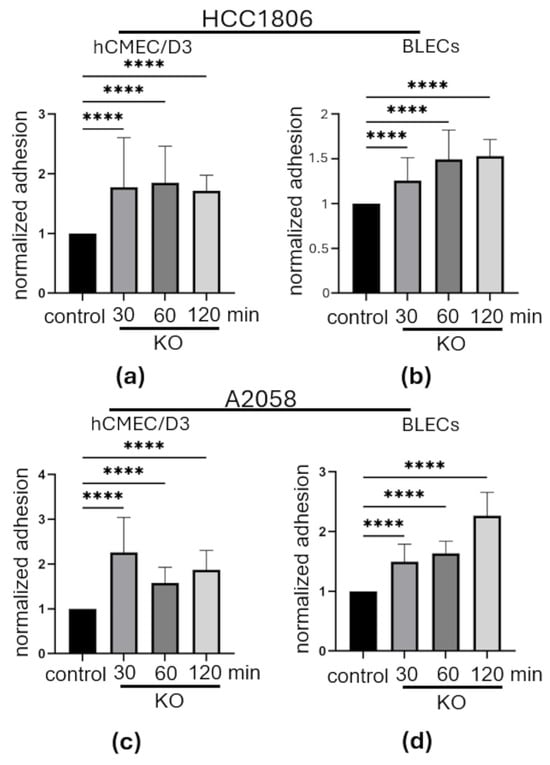
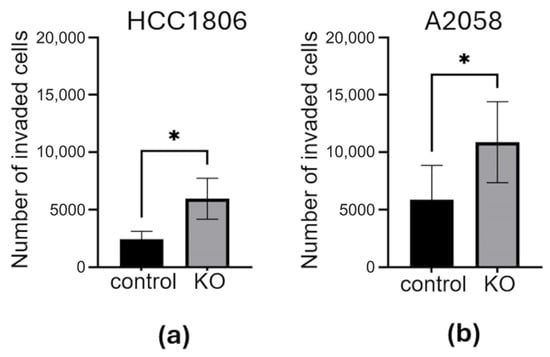
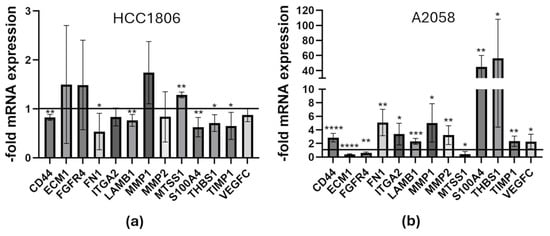
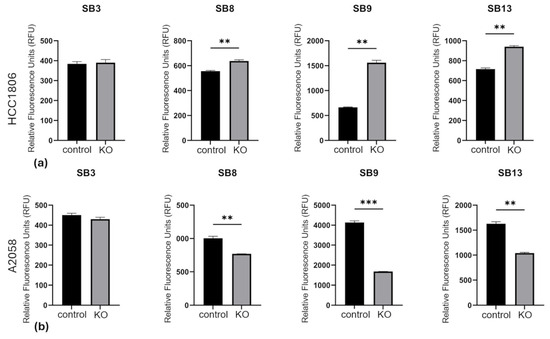
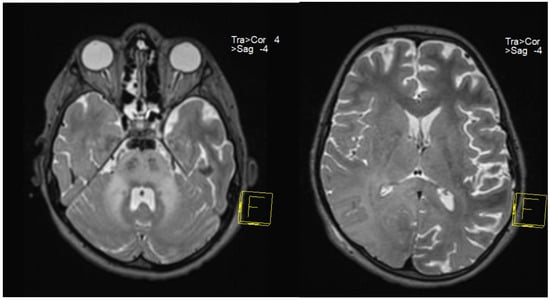
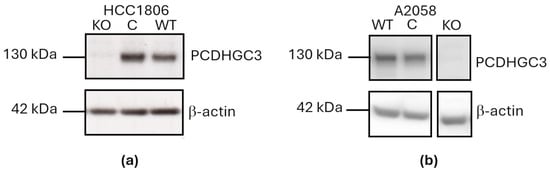
Brain metastases remain a major problem for cancer patients, impacting their treatment and survival. The pathogenesis of brain metastases is largely unknown. Recent reports indicate that the adhesion molecule protocadherin γ C3 (PCDHGC3) is differentially expressed in various cancer cells and endothelial cells of the blood–brain barrier (BBB), suggesting its involvement in the development of brain metastases. Therefore, we generated a PCDHGC3 knockout (KO) in the triple-negative breast cancer cell line HCC1806 and the malignant melanoma cell line A2058. Control and KO cells were compared using cell proliferation, adhesion and invasion assays, gene expression analyses and matrix metalloproteinase (MMP) activity assays. While the PCDHGC3 KO mutation led to increased proliferation in HCC1806 cells, with no difference observed in A2058, it significantly increased adhesion to in vitro BBB models as well as invasion in both HCC1806 and A2058 KO cell lines. Although changes in mRNA expression of genes involved in metastasis, angiogenesis and cell adhesion were found in PCDHGC3 KO breast cancer and melanoma cells, the number of genes with significantly increased mRNA expression was higher in A2058 KO cells than in HCC1806 KO cells. While the mRNA expression of MMP1 and 2 was increased in A2058 KO cells, no significant changes were found in HCC1806 KO cells. However, increased MMP activity in the cell culture medium was detected in HCC1806 KO cells, while A2058 KO cells showed lower MMP-activity compared to control. These findings provide insights into the role of PCDHGC3 in cancer cell extravasation during metastatic process and identify potential therapeutic targets for further investigation.
Full article

Figure 1
Open AccessReview
Neurology-Related Research Using the German Disease Analyzer Database: A Narrative Review of Studies Published Between 2020 and 2025
by
Karel Kostev, Henning Sievert, Marcel Konrad, Christian Tanislav and Jens Bohlken
NeuroSci 2026, 7(2), 46; https://doi.org/10.3390/neurosci7020046 - 18 Apr 2026
Abstract
Background: The IQVIA Disease Analyzer (DA) database is a major outpatient electronic health record dataset in Germany. Over recent years, it has been increasingly used to study neurological diseases, comorbidities, treatment patterns, and long-term sequelae. We narratively summarized neurology-related studies using the German
[...] Read more.
Background: The IQVIA Disease Analyzer (DA) database is a major outpatient electronic health record dataset in Germany. Over recent years, it has been increasingly used to study neurological diseases, comorbidities, treatment patterns, and long-term sequelae. We narratively summarized neurology-related studies using the German IQVIA Disease Analyzer (DA) database published since 2020 and to highlight methodological considerations relevant for interpreting DA-based neurological research. Methods: We conducted a narrative review of DA-based studies published between January 2020 and December 2025. PubMed was searched using DA-related keywords and major neurological disease terms. Eligible articles included peer-reviewed cohort, case–control, or descriptive studies using DA outpatient data. Results: The review identified studies covering epilepsy, cerebrovascular outcomes, Parkinson’s disease, dementia, multiple sclerosis, migraine, and sensory disorders. Most used retrospective cohort or nested case–control designs with regression or propensity score methods. Follow-up durations ranged from 3 to 10 years. Results consistently reflected routine care outpatient diagnostic and prescribing patterns. Discussion: Strengths of DA studies include large patient populations, long follow-up, and detailed prescription information. Limitations include reliance on outpatient ICD-10 coding, lack of detailed neurological phenotyping, and potential residual confounding and bias. Conclusions: DA-based analyses generate clinically relevant routine care evidence on neurological conditions in the German outpatient setting. Proper methodological safeguards and complementary data sources are required to contextualize findings for clinical and epidemiological use.
Full article
Open AccessReview
Polysialic Acid Modulation of Glutamate Receptors and Synaptic Mechanisms Underlying Neuronal Plasticity
by
Kawsar Ullah Chowdhury, Subhrajit Bhattacharya, Md Reaz Uddin, Miranda N. Reed, Soon Goo Lee and Vishnu Suppiramaniam
NeuroSci 2026, 7(2), 45; https://doi.org/10.3390/neurosci7020045 - 15 Apr 2026
Abstract
►▼
Show Figures
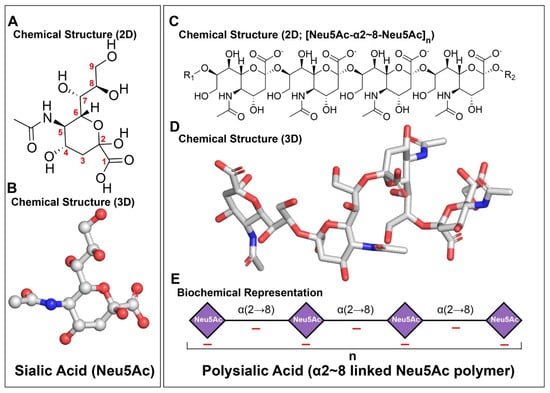
Polysialic acid (PSA), a highly negatively charged glycan attached mainly to the neural cell adhesion molecule (NCAM), is emerging as a critical but underrecognized extracellular regulator of glutamatergic neurotransmission. While previous literature has focused on PSA’s developmental roles, increasing evidence indicates that PSA–NCAM
[...] Read more.
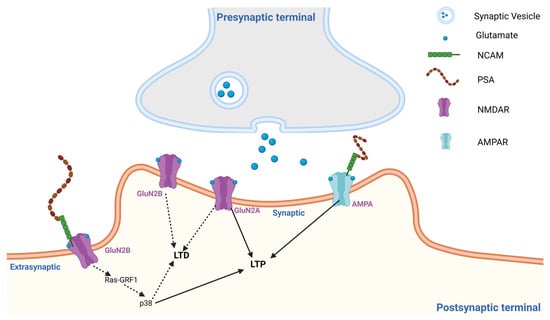
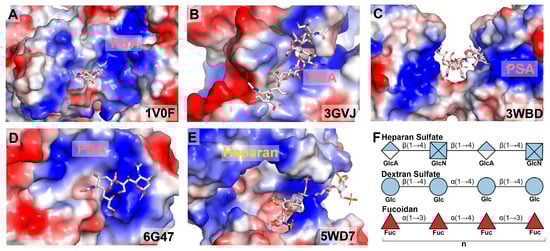
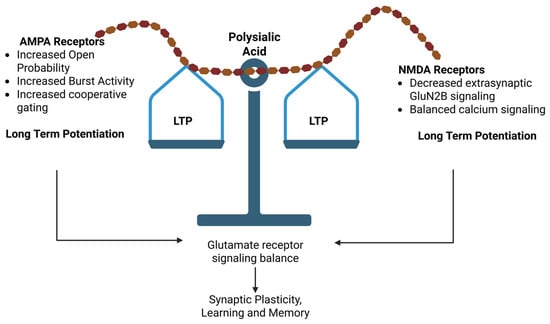
Polysialic acid (PSA), a highly negatively charged glycan attached mainly to the neural cell adhesion molecule (NCAM), is emerging as a critical but underrecognized extracellular regulator of glutamatergic neurotransmission. While previous literature has focused on PSA’s developmental roles, increasing evidence indicates that PSA–NCAM also contributes to synaptic plasticity mechanisms in the mature brain. This review integrates evidence from structural biophysics, single-channel electrophysiology, and disease models to explain how PSA modulates glutamate receptor gating to control learning and memory. We synthesize findings from biochemical reconstitution, electrophysiological recordings, and in vivo studies to show that PSA can modulate α-amino-3-hydroxy-5-methyl-4-isoxazolepropionic acid (AMPA) receptor open probability, burst duration, and cooperative gating without affecting conductance, thereby promoting long-term potentiation. Conversely, PSA selectively suppresses GluN2B-containing extrasynaptic N-methyl D-Aspartate (NMDA) receptor activity by lowering open probability and calcium influx, maintaining an optimal balance between potentiation and depression while providing neuroprotection. Disruption of PSA–NCAM signaling in developmental and disease models, including prenatal cannabinoid exposure and neurodegeneration, produces cognitive deficits reversible by PSA restoration. Notably, much of the current evidence derives from in vitro systems, with relatively few studies conducted in vivo, and studies employing PSA mimetics mostly, which should be considered when interpreting physiological relevance. Collectively, the available evidence suggests that PSA functions as an extracellular modulator linking synaptic glycans to glutamate receptor regulation and plasticity related signaling pathways, highlighting the potential importance of extracellular glycan mechanisms in the control of synaptic function.
Full article

Figure 1

Open AccessArticle
The Anti-Vaccine Legacy: Re-Emergence of Subacute Sclerosing Panencephalitis in Children
by
Maria-Delia Mihailov, Mirela Simona Manea, Ioana-Cristina Olariu and Gabriela Simona Doros
NeuroSci 2026, 7(2), 44; https://doi.org/10.3390/neurosci7020044 - 10 Apr 2026
Abstract
►▼
Show Figures
Background: Subacute sclerosing panencephalitis (SSPE) is a chronic, progressive disease of the central nervous system (CNS) caused by persistent infection at this level with the wild measles virus. Its incidence is negatively correlated with measles vaccination coverage. The pathogenesis isn’t fully understood, but
[...] Read more.
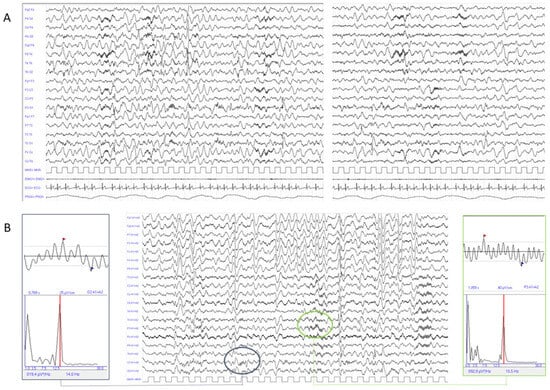
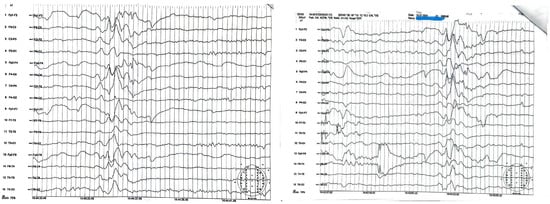
Background: Subacute sclerosing panencephalitis (SSPE) is a chronic, progressive disease of the central nervous system (CNS) caused by persistent infection at this level with the wild measles virus. Its incidence is negatively correlated with measles vaccination coverage. The pathogenesis isn’t fully understood, but infection before the age of 2 is an important risk factor. Methods: This is a retrospective observational study conducted at the Louis Turcanu Emergency Children’s Hospital in Timisoara, Romania, based on the analysis of the medical records of patients diagnosed with SSPE between January 2021 and December 2025. We analyzed demographic and epidemiological factors, clinical and paraclinical findings, management, and outcomes. Results: Seven children were diagnosed during the study period, with a mean age of 8.4 years (range 7–11 years). Six of them had contracted measles during their first year of life, and one at the age of four. The mean latency period was 7.1 years (range 4–9 years). On admission, all patients presented symptoms consistent with clinical stage II, with periodic slow wave discharges on electroencephalogram (EEG). The initial brain Magnetic Resonance Imaging (MRI) was normal in two cases, while revealing varied abnormalities in all others. Despite complex treatment with isoprinosine and anticonvulsants, progressive cognitive and neurological deterioration continued in all patients. Conclusions: SSPE is a rare but serious, debilitating disease despite its complex, multidisciplinary care. Following a 10-year SSPE-free period, the reappearance of these pediatric cases constitutes a public health alert, unequivocally demonstrating the importance of measles vaccination.
Full article

Figure 1
Journal Menu
► ▼ Journal Menu-
- NeuroSci Home
- Aims & Scope
- Editorial Board
- Reviewer Board
- Topical Advisory Panel
- Instructions for Authors
- Special Issues
- Topics
- Topical Collections
- Article Processing Charge
- Indexing & Archiving
- Editor’s Choice Articles
- Most Cited & Viewed
- Journal Statistics
- Journal History
- Journal Awards
- Society Collaborations
- Conferences
- Editorial Office
Journal Browser
► ▼ Journal BrowserHighly Accessed Articles
Latest Books
E-Mail Alert
News
Topics
Topic in
Brain Sciences, Neurology International, NeuroSci, JDAD
Impacts of Sex Hormones on Memory and Aging
Topic Editors: Carolina Villada, Vanesa Hidalgo, Caroline GurvichDeadline: 25 May 2026
Topic in
Brain Sciences, NeuroSci, Applied Sciences, Mathematics, Computation
The Computational Brain
Topic Editors: William Winlow, Andrew JohnsonDeadline: 31 July 2026
Topic in
Green Health, Healthcare, Sports, NeuroSci, JEMR
Perspectives in Motor Learning and Control: The Role of Neuroscience
Topic Editors: Gonçalo Dias, Mário José Martins da Silva PereiraDeadline: 31 August 2026
Topic in
Brain Sciences, Clocks & Sleep, Neurology International, NeuroSci
Translational Advances in Neurodegenerative Dementias, Second Edition
Topic Editors: Francesco Di Lorenzo, Annibale AntonioniDeadline: 30 September 2026
Conferences
Special Issues
Special Issue in
NeuroSci
Parkinson's Disease Research: Current Insights and Future Directions
Guest Editor: Ikuko MiyazakiDeadline: 31 May 2026
Special Issue in
NeuroSci
Invasive and Non-Invasive Neuromodulation in Drug-Resistant Epilepsy
Guest Editor: Andrea LandiDeadline: 15 July 2026
Special Issue in
NeuroSci
The Future of Neurorehabilitation: Novel Approaches and Personalized Medicine
Guest Editor: Naoki YamadaDeadline: 30 September 2026
Special Issue in
NeuroSci
Neuromodulation for Brain Disorders: Mechanisms, Biomarkers and Precision Interventions
Guest Editors: Andreina Giustiniani, Ricardo RodriguesDeadline: 31 October 2026