Journal Description
Nitrogen
Nitrogen
is an international, peer-reviewed, open access journal on the whole field of nitrogen research published quarterly online by MDPI.
- Open Access—free for readers, with article processing charges (APC) paid by authors or their institutions.
- High Visibility: indexed within ESCI (Web of Science), Scopus, CAPlus / SciFinder, and other databases.
- Rapid Publication: manuscripts are peer-reviewed and a first decision is provided to authors approximately 16.7 days after submission; acceptance to publication is undertaken in 3.6 days (median values for papers published in this journal in the second half of 2025).
- Journal Rank: CiteScore - Q2 (Agricultural and Biological Sciences (miscellaneous))
- Recognition of Reviewers: APC discount vouchers, optional signed peer-review and reviewer names published annually in the journal.
- Journal Cluster of Environmental Science: Sustainability, Land, Clean Technologies, Environments, Nitrogen, Recycling, Urban Science, Safety, Air, Waste, Aerobiology and Toxics.
Impact Factor:
2.3 (2024);
5-Year Impact Factor:
2.1 (2024)
Latest Articles
Algae Valorization Pathways and Their Potential Relevance to Nutrient Recovery in Eutrophic Waters
Nitrogen 2026, 7(2), 49; https://doi.org/10.3390/nitrogen7020049 - 1 May 2026
Abstract
Eutrophication driven by excess nitrogen (N) and phosphorus (P) remains a pervasive global water-quality challenge, necessitating scalable nutrient recovery strategies that extend beyond conventional treatment approaches. This review synthesizes the emerging literature on algae-based systems as dual-purpose platforms for nutrient mitigation and biomass
[...] Read more.
Eutrophication driven by excess nitrogen (N) and phosphorus (P) remains a pervasive global water-quality challenge, necessitating scalable nutrient recovery strategies that extend beyond conventional treatment approaches. This review synthesizes the emerging literature on algae-based systems as dual-purpose platforms for nutrient mitigation and biomass valorization. We examine systems including seaweed bioextraction, integrated multi-trophic aquaculture, algal turf scrubbers, and wastewater phycoremediation, while highlighting reported nutrient removal efficiencies and operational constraints. Beyond remediation, the spectrum of valorization pathways considered ranges from biofertilizers, feed, bioenergy, and materials to nutraceuticals, cosmetics, biomedical materials, biomanufacturing, and methane-mitigating livestock additives. The review emphasizes the economic and logistical challenges linking remediation-scale biomass production to commercial markets, including the contamination risk, processing intensity, regulatory classification, and scale mismatch. We propose an integrated remediation–valorization framework to guide research, policy, and industry toward nutrient-circular, economically viable restoration strategies.
Full article
Open AccessArticle
Enhancing Soil Fertility, Improving Yield of Dai Thom 8 Rice, and Reducing Nitrogen Fertilizer Input Through Herbaspirillum seropedicae Inoculation
by
Trinh Van Tuan Em and Nguyen Van Chuong
Nitrogen 2026, 7(2), 48; https://doi.org/10.3390/nitrogen7020048 - 30 Apr 2026
Abstract
The excessive use of inorganic nitrogen (N) fertilizers in rice production poses significant environmental and economic challenges, particularly in intensive farming systems such as those in the Mekong Delta, Vietnam. This study aimed to evaluate the potential of Herbaspirillum seropedicae (H. seropedicae),
[...] Read more.
The excessive use of inorganic nitrogen (N) fertilizers in rice production poses significant environmental and economic challenges, particularly in intensive farming systems such as those in the Mekong Delta, Vietnam. This study aimed to evaluate the potential of Herbaspirillum seropedicae (H. seropedicae), an endophytic N-fixing bacterium, to enhance soil fertility, improve rice growth, and maintain yield while reducing N fertilizer inputs in Dai Thom 8 rice under field conditions. A randomized complete block design with five treatments, including different nitrogen reduction levels combined with bacterial inoculation, was employed. The results showed that treatments integrating H. seropedicae significantly improved soil properties, including soil organic matter, total nitrogen, and available nutrients, compared to the control. Growth parameters such as plant height, tiller density, and chlorophyll content were also enhanced, particularly in treatments with bacterial inoculation. Yield components, including grain number and filled grains per panicle, were significantly increased, leading to higher grain yield. The highest yield was observed in T5 (5.72 t ha−1), while T3 and T4 achieved comparable yields with reduced N inputs. Additionally, grain quality analysis revealed increased protein content without negatively affecting starch composition. These findings highlight the potential of H. seropedicae as a biofertilizer to improve N use efficiency and reduce dependency on chemical fertilizers. The study provides strong evidence for integrating microbial inoculants into sustainable rice production systems. Among the treatments, T3 (50% N reduction combined with bacterial inoculation) is recommended as the optimal strategy due to its balance between high yield and reduced input costs, contributing to environmentally friendly and economically viable agriculture.
Full article
(This article belongs to the Special Issue Soil Nitrogen Cycling—a Keystone in Ecological Sustainability, 2nd Edition)
Open AccessArticle
Determination of Optimal Nitrogen Application Rates to Enhance Heat Stress Tolerance in Autumn Radish (Raphanus sativus L.) Using OJIP Transient Analysis
by
Tae Seon Eom, Tae Wan Kim and Sung Yung Yoo
Nitrogen 2026, 7(2), 47; https://doi.org/10.3390/nitrogen7020047 - 23 Apr 2026
Abstract
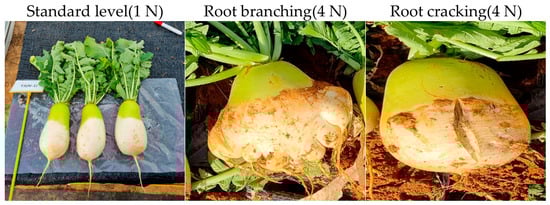
High-temperature stress severely reduces the photosynthetic efficiency of radish (Raphanus sativus L.), a cool-season crop. This study evaluated five nitrogen (N) levels {0 N, 0.5 N, 1 N (234 kg urea ha−1, based on RDA), 2 N, and 4 N}
[...] Read more.
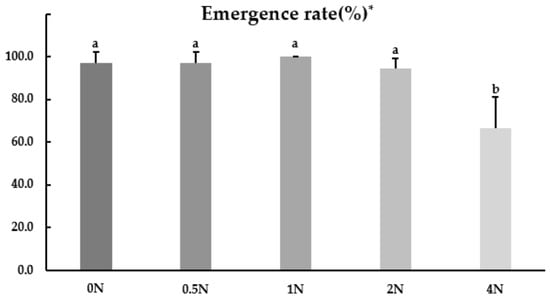
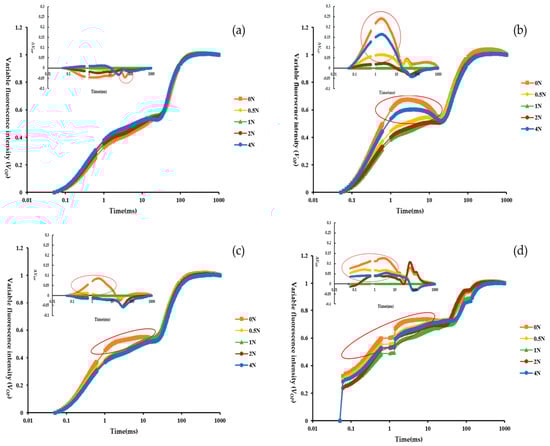
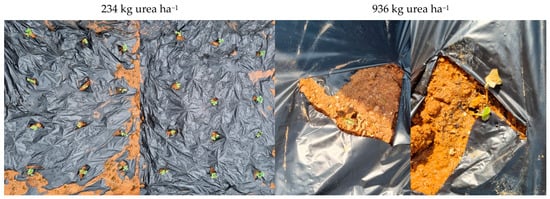
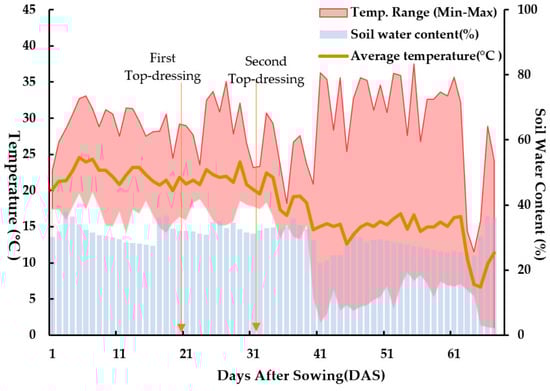
High-temperature stress severely reduces the photosynthetic efficiency of radish (Raphanus sativus L.), a cool-season crop. This study evaluated five nitrogen (N) levels {0 N, 0.5 N, 1 N (234 kg urea ha−1, based on RDA), 2 N, and 4 N} through an open-field experiment under high-temperature stress conditions. Analysis of OJIP transients revealed that high temperatures severely inhibited photosynthetic capacity in the 0 N, 0.5 N, and 4 N treatment groups. These groups exhibited a simultaneous increase in K and J-steps, signifying electron transport bottlenecks and structural damage to the oxygen-evolving complex (OEC). Consequently, energy absorption and trapping decreased, while heat dissipation increased. In contrast, the 2 N treatment maintained superior Fm(maximum fluorescence) and energy flux, demonstrating enhanced photosynthetic resilience. However, despite improved photosynthetic stability, the 2 N group did not show a significant increase in yield compared to the 0.5 N or 1 N treatment groups. These results suggest that photosynthetic protection under heat stress does not necessarily guarantee higher yields, highlighting the need to identify optimal fertilization points for sustainable production. Overall, the findings of this study provide fundamental data for strategic nitrogen management in open-field radish cultivation to mitigate the impacts of increasing climatic instability.
Full article
(This article belongs to the Special Issue Nitrogen Management in Plant Cultivation)
►▼
Show Figures

Figure 1
Open AccessArticle
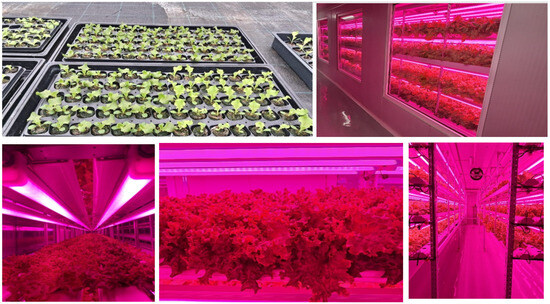
Evaluating LED Light Intensity as a Low-Cost Strategy to Minimize Nitrate Accumulation and Improve Biomass in NFT-Grown Lettuce Cultivars
by
Emanuela Cojocaru Jerca, Adnan Arshad, Ionuț Ovidiu Jerca, Yuxin Tong, Gina Fîntîneru, Fatjon Cela and Elena Maria Drăghici
Nitrogen 2026, 7(2), 46; https://doi.org/10.3390/nitrogen7020046 - 21 Apr 2026
Abstract
►▼
Show Figures
Excessive nitrate accumulation in leafy vegetables presents significant health risks, requiring sustainable strategies to optimize yield while minimizing nitrogen-related anti-nutritional factors in controlled environments. This study investigated the effects of varying LED light intensities 236.9 µmol·m−2·s−1 (high), 189.8 µmol·m−2
[...] Read more.
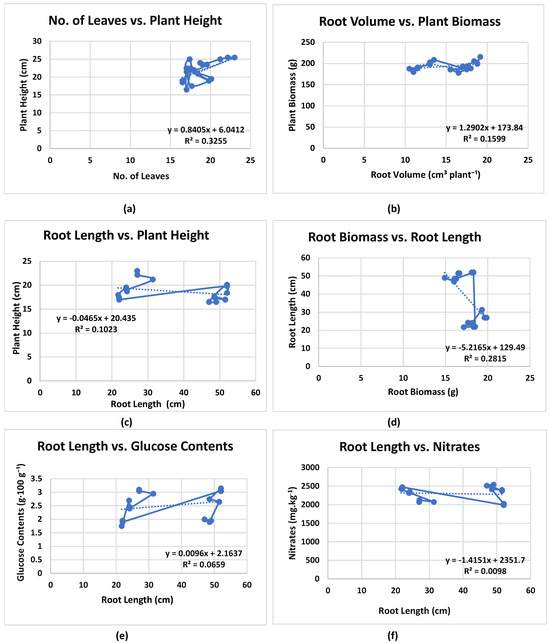
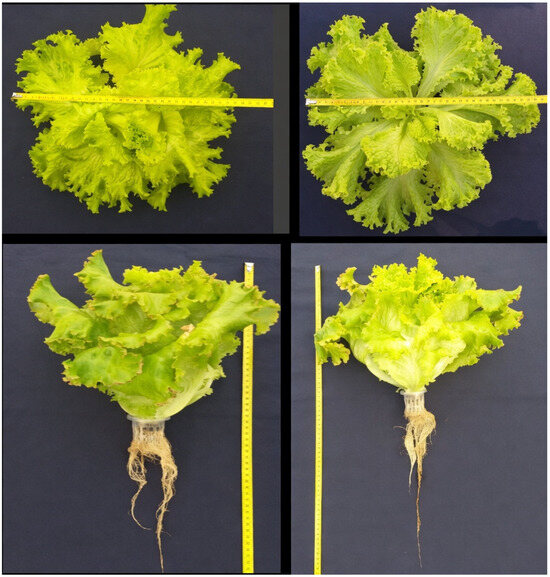
Excessive nitrate accumulation in leafy vegetables presents significant health risks, requiring sustainable strategies to optimize yield while minimizing nitrogen-related anti-nutritional factors in controlled environments. This study investigated the effects of varying LED light intensities 236.9 µmol·m−2·s−1 (high), 189.8 µmol·m−2·s−1 (medium), and 117.6 µmol·m−2·s−1 (low) on nitrates (NO3−) dynamics, growth, and biochemical composition in two Lollo Rossa lettuce cultivars, Carmesi and Carnelian, grown in NFT hydroponic systems. Conducted under constant temperature (20/18 °C day/night) and CO2 (625 µmol·mol−1) to isolate light’s influence, the experiment used a replicated design with three replicates per treatment, each including two cultivars. Morphological traits (plant height, rosette diameter, leaf number, biomass, root development) and biochemical parameters (nitrate and sugar contents) were assessed via mean comparisons, trends, and correlations. Results demonstrated that higher light intensity significantly suppressed nitrate accumulation in lettuce through enhanced assimilation and dilution effects linked to increased growth. Nitrate levels dropped to 2091.67 mg kg−1 from 2443.33 mg kg−1 in Carmesi and 2013.33 mg kg−1 from 2515.00 mg kg−1 in Carnelian. Negative correlations were observed between nitrate content and growth parameters: nitrates vs. fresh biomass (r = −0.89); nitrates vs. plant height (r = −0.79). Concurrently, it boosted carbohydrate content (Carmesi: 3.03 °Brix; Carnelian: 3.08 °Brix) and promoted vigorous growth, with Carmesi achieving superior metrics under high light (height: 22.12 cm, rosette diameter: 29.87 cm, fresh biomass: 206.88 g, root biomass: 19.58 g) compared to low light (17.45 cm height, 183.42 g biomass). Carnelian exhibited similar trends but prioritized root elongation. These findings underscore light’s role in regulating nitrate transporters and assimilation enzymes (e.g., nitrate reductase), offering a low-cost approach to reduce nitrate risks, enhance nutritional quality, and improve yield in controlled horticultural systems (CHS).
Full article

Figure 1
Open AccessArticle
Yield and Physiological Responses of Two Durum Wheat Cultivars at Different Sowing Periods and Under Different Nitrogen Regimes in a Mediterranean Environment
by
Sofia Vitsa, Panagiotis Sparangis, Nikolaos Katsenios, Christoforos-Nikitas Kasimatis, Christos Kyriakou, Ioannis Zafeiriou, George Papadopoulos, Aspasia Efthimiadou and Dionisios Gasparatos
Nitrogen 2026, 7(2), 45; https://doi.org/10.3390/nitrogen7020045 - 20 Apr 2026
Abstract
►▼
Show Figures
Nitrogen (N) fertilisation, as well as selection of the best cultivar and sowing date, have a significant impact on growth, plant physiology, and yield of wheat. In this study, three parameters (application of N fertilisation, early/late sowing time, and cultivars) and their interaction
[...] Read more.
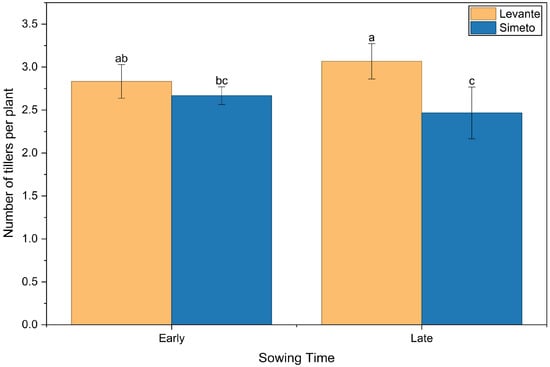
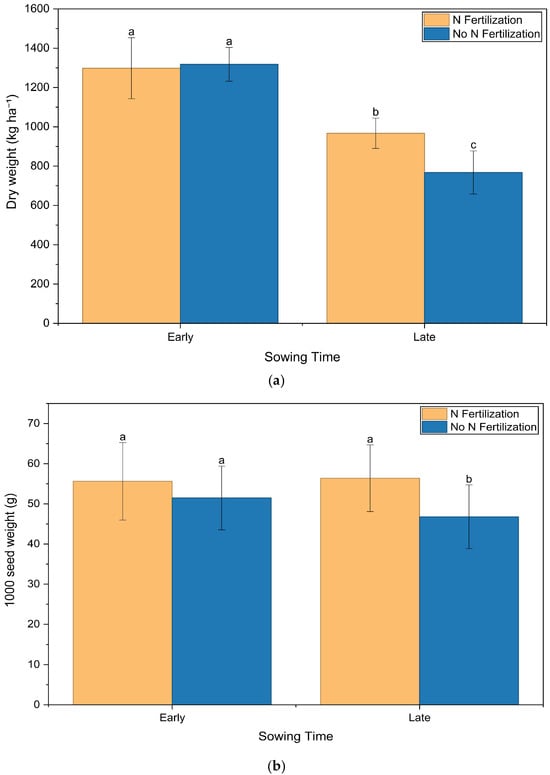
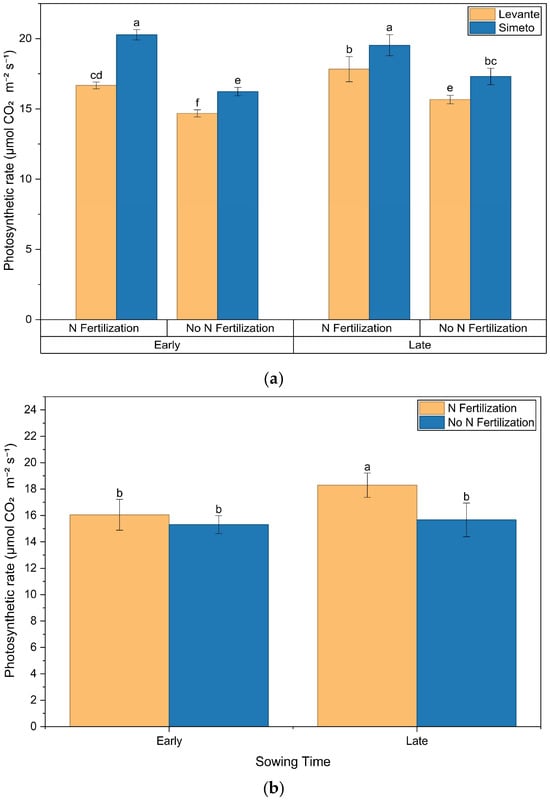
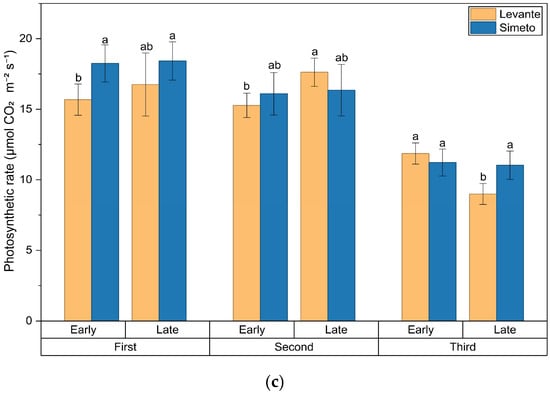
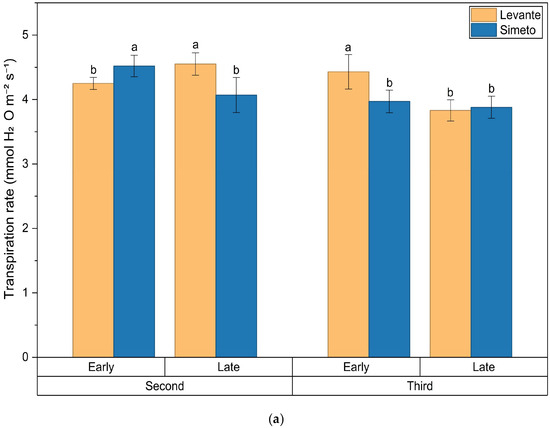
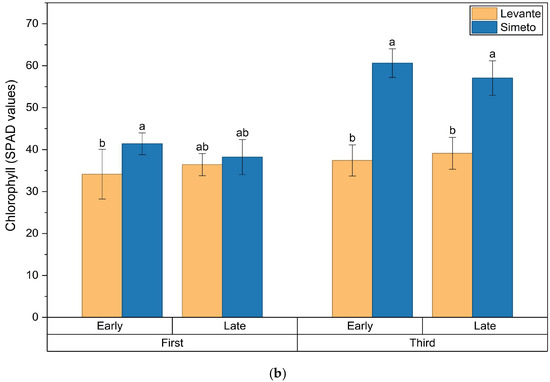
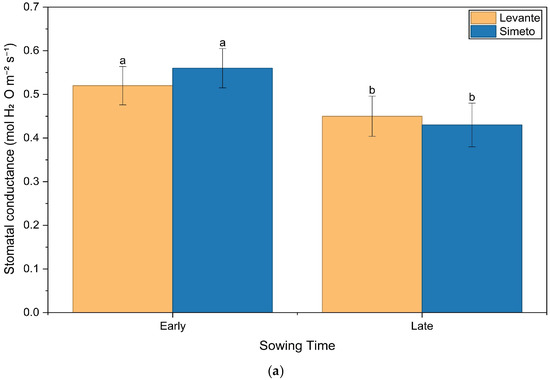
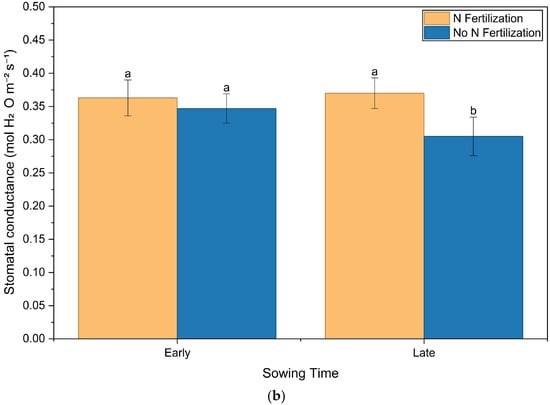
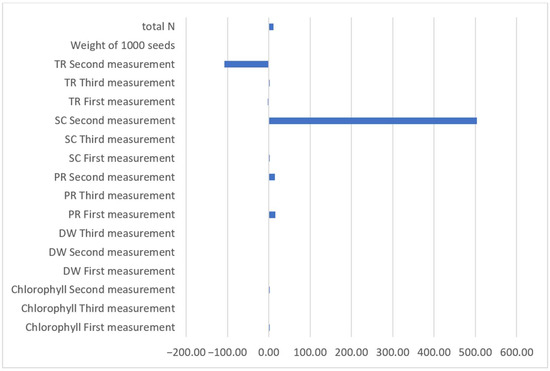
Nitrogen (N) fertilisation, as well as selection of the best cultivar and sowing date, have a significant impact on growth, plant physiology, and yield of wheat. In this study, three parameters (application of N fertilisation, early/late sowing time, and cultivars) and their interaction were examined to investigate their impact on agronomic characteristics of durum wheat and N soil content. Fertilised plants had the highest values of dry weight (15,265 kg/ha) and yield (5530 kg/ha) compared to the control. N fertilisation contributed to the increase in chlorophyll and stomatal conductance values in all measurements, while photosynthetic and transpiration rates were not affected by N application at the final measurement. Late-sown plants presented higher seed yield, even though a positive impact in dry weight (14,747 kg/ha) and 1000-seed weight (53 g) was observed in early-sown plants. The Levante cultivar reported the highest values of number of tillers (3), while yield (5399 kg/ha) and 1000-seed weight (60 g) were higher in the Simeto cultivar. The soil N content remained stable and was not significantly affected by the cultivar and sowing time. The results of this study indicate that the combination of fertilisation regime, cultivar, and sowing time influences growth and yield of durum wheat under the specific conditions of this Mediterranean environment.
Full article

Figure 1
Open AccessArticle
Synergistic Effects of Varying Levels of Nitrogen and Potassium Application on Wheat (Triticum aestivum L.) Crop Morphology, Nutrients Assimilation and Grain Quality Under Different Irrigation Regimes
by
Saira Sulaman and Sule Orman
Nitrogen 2026, 7(2), 44; https://doi.org/10.3390/nitrogen7020044 - 17 Apr 2026
Abstract
Wheat productivity and grain quality are strongly influenced by nutrient management and soil moisture availability. Nitrogen (N) and potassium (K) regulate biomass production, physiological stability and grain protein development. However, their efficiency varies under water-limited conditions. This study aimed to evaluate how soil
[...] Read more.
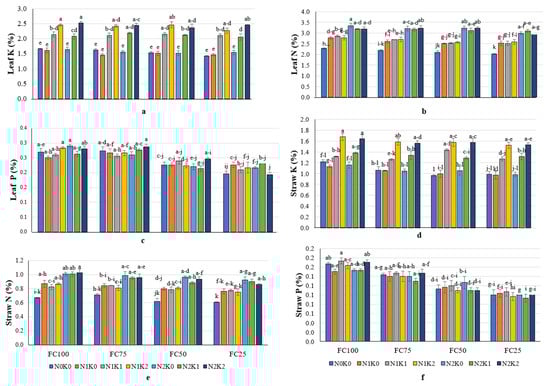
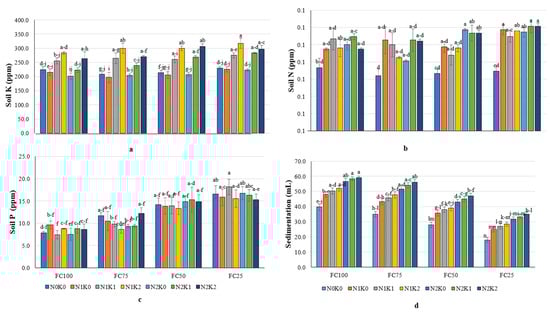
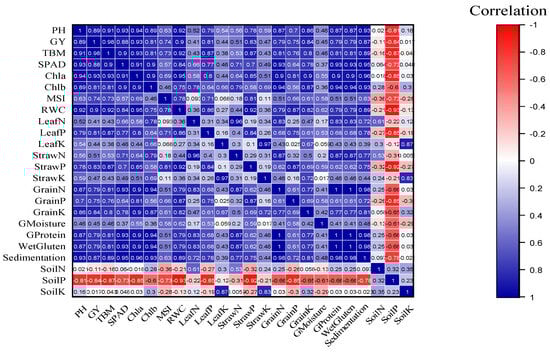
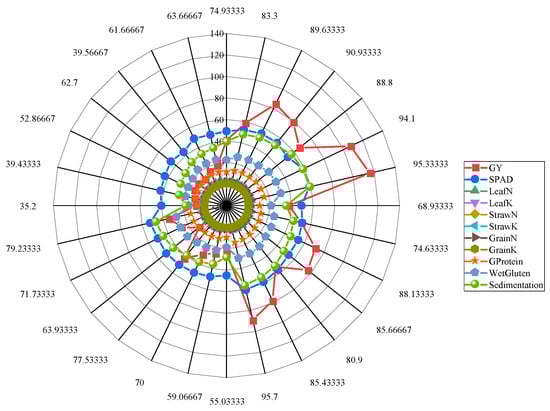
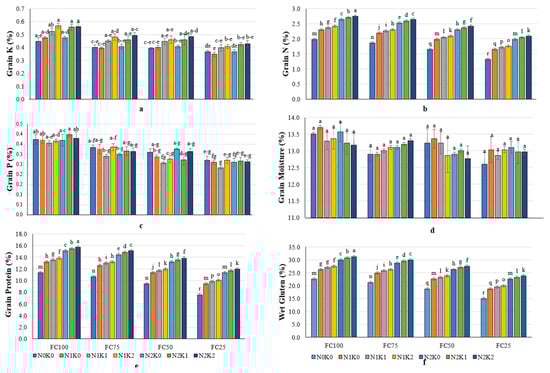
Wheat productivity and grain quality are strongly influenced by nutrient management and soil moisture availability. Nitrogen (N) and potassium (K) regulate biomass production, physiological stability and grain protein development. However, their efficiency varies under water-limited conditions. This study aimed to evaluate how soil moisture modulates nitrogen–potassium efficiency, nutrient partitioning, physiological responses and grain quality development in wheat. The current experiment was planned to assess the impact of varying but combined levels of N and K fertilizers on wheat crop growth and yield components as well as nutrient uptake and grain quality under different irrigation levels (i.e., normal irrigation Field Capacity (FC) 100%, partial water deficit FC75%, moderate water deficit FC50%, severe water deficit FC25%). The results of the study showed that increasing N-K supply enhanced biomass, chlorophyll contents, nutrient accumulation and grain quality under full irrigation, with N2K2 showing the highest growth, yield and quality traits. Under moderate deficit, N2K1 maintained a relatively stable yield and physiological performance, whereas severe moisture limitation markedly reduced nutrient uptake, grain development and fertilizer efficiency despite a higher NK application. Progressive reductions in irrigation also altered nutrient distribution among leaves, straw and grain, indicating moisture-regulated remobilization during grain filling. Maximum increments in values for plant height (27%), total biomass (108%), grain yield (183%), grain NPK content (38%, 6.3%, 26%), grain protein (38%) and wet gluten (38%) were noted in the N2K2 treatment at FC100%, but these parameters showed up to 80% reduction under the same treatment of N-K at FC25%. It is concluded that wheat response to N–K fertilization was moisture dependent and fertilizer rate alone did not ensure productivity under severe water deficit. Therefore, integrating nutrient supply with irrigation management is essential to sustain productivity and grain quality.
Full article
(This article belongs to the Special Issue Nitrogen: Advances in Plant Stress Research)
►▼
Show Figures

Figure 1
Open AccessArticle
Massive Expansion and Diversified Expression Pattern of the Ammonium Transporters in the Living Fossil Lingula anatina
by
Xuequn Yan, Xinwei Xiong, Jingfen Pan, Lu Yin, Xiao Liu and Yanglei Jia
Nitrogen 2026, 7(2), 43; https://doi.org/10.3390/nitrogen7020043 - 14 Apr 2026
Abstract
Nitrogen metabolism is fundamental to all organisms, with ammonium transporters (Amt) playing a pivotal role in transmembrane ammonium transport. Brachiopods, as “living fossils”, offer unique insights into the evolutionary adaptation of marine invertebrates. This study systematically identified and characterized the Amt gene family
[...] Read more.
Nitrogen metabolism is fundamental to all organisms, with ammonium transporters (Amt) playing a pivotal role in transmembrane ammonium transport. Brachiopods, as “living fossils”, offer unique insights into the evolutionary adaptation of marine invertebrates. This study systematically identified and characterized the Amt gene family in the brachiopod Lingula anatina. Five canonical Amt genes were identified, with nonrandom chromosomal distribution and evidence of lineage-specific duplication events. Phylogenetic analysis revealed that these Amt proteins cluster into three well-supported clades, showing closer affinity to Caenorhabditis elegans, reflecting conserved ancestral features predating protostome radiation. Structural predictions showed that LanAmtA and LanAmtB retain the canonical 11-transmembrane helix (TMH) topology with an extracellular N-terminus, while LanAmtC features a unique 12-TMH architecture with an intracellular N-terminus, resembling certain vertebrate Amt-related proteins. Critical functional residues involved in ammonium selectivity and transport were preserved across all paralogs. Expression profiling revealed non-redundant spatiotemporal patterns: LanAmtA1 and LanAmtB2 dominate early embryogenesis, with LanAmtB2 becoming the major isoform in late developmental stages; LanAmtC exhibits constitutive high expression across adult tissues. Collectively, our findings demonstrate that the L. anatina Amt family expanded via local duplications, evolving structural stability, regulatory diversity, and functional specificity. This study provides a comprehensive molecular framework for understanding the evolutionary adaptation of nitrogen-handling mechanisms in basal lophotrochozoans and sheds light on how intertidal organisms cope with dynamic environmental conditions.
Full article
(This article belongs to the Special Issue Nitrogen Metabolism and Degradation)
Open AccessArticle
Assessing Nitrogen Use Efficiency Among Seasons, Rice Varieties and Soils of Bangladesh
by
Md. Mosaraf Hossain, Md. Abdul Kader, M. Jahiruddin, Shamim Mia, Ahmed Khairul Hasan and Abu Zofar Md. Moslehuddin
Nitrogen 2026, 7(2), 42; https://doi.org/10.3390/nitrogen7020042 - 9 Apr 2026
Abstract
Understanding the factors controlling nitrogen use efficiency (NUE) in paddy soil is essential for optimizing the application of relatively costly nitrogen (N) fertilizer for rice cultivation. Therefore, an experiment was conducted to assess the seasonal variation in NUE among three Aus, five Aman,
[...] Read more.
Understanding the factors controlling nitrogen use efficiency (NUE) in paddy soil is essential for optimizing the application of relatively costly nitrogen (N) fertilizer for rice cultivation. Therefore, an experiment was conducted to assess the seasonal variation in NUE among three Aus, five Aman, and three Boro rice varieties at the Bangladesh Agricultural University (BAU) farm during the Aus, Aman, and Boro cropping seasons. In addition, the variation in the NUE of rice was assessed among eight soil series throughout Bangladesh during the Boro season. The experiment included N control and N application at the recommended rates. The results showed that BRRI dhan48 outperformed the other varieties in the Aus season, with the maximum agronomic efficiency (AE). In contrast, BRRI dhan65 was better in terms of physiological efficiency (PE), whereas BRRI dhan42 showed the lowest AE. Throughout the Aman period, BR11 exhibited the best AE and PE. During the Boro season, BRRI dhan29 and BINA dhan-6 demonstrated the maximum AE, PE, and apparent recovery efficiency (ARE). Grain yield, nitrogen response, AE, and ARE were markedly higher in the Boro season than in the Aus and Aman seasons. Among the eight locations, the highest grain yield of BINA dhan-7 in the Aman season was recorded in the Noadda soil series, followed by Barisal and Sara, with an AE extended from 11 to 19 kg grain kg/N applied, PE from 31 to 61 kg grain kg/N uptake, and ARE from 21% to 41%. These findings highlight the significant variability in NUE among rice varieties, seasons and soil series, suggesting the importance of variety, location and season-specific N management.
Full article
(This article belongs to the Special Issue Nitrogen Management in Plant Cultivation)
Open AccessArticle
Assessment of Composted Pig Slurry Pellets as a Sustainable Nitrogen Supply: Soil Properties and Wheat Performance in Mediterranean Farming
by
Juan Aviñó-Calero, Silvia Sánchez-Méndez, Luciano Orden, Ernesto Santateresa, Francisco Javier Andreu-Rodríguez, José Antonio Sáez-Tovar, Encarnación Martínez-Sabater, Cristina Álvarez Alonso, María Ángeles Bustamante and Raúl Moral
Nitrogen 2026, 7(2), 41; https://doi.org/10.3390/nitrogen7020041 - 8 Apr 2026
Abstract
►▼
Show Figures
The large-scale use of compost in arable cropping systems is often limited by the large quantities required to meet the crop’s nutritional needs. Palletization can increase the nutrient density of organic fertilizers and improve their logistical feasibility by reducing storage, transport and application
[...] Read more.
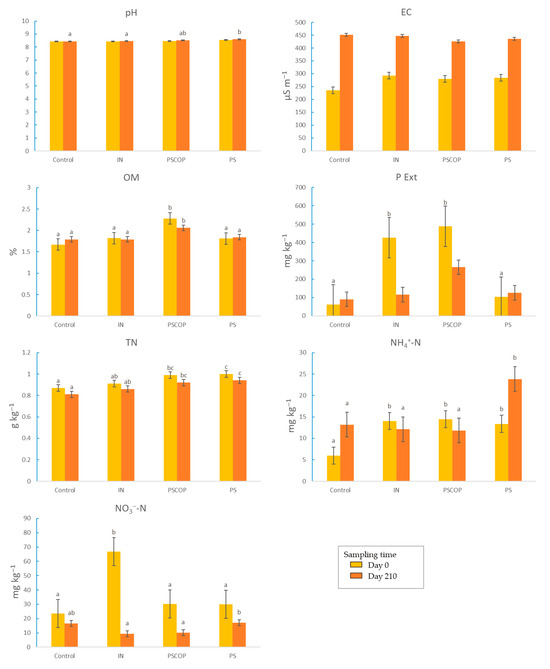
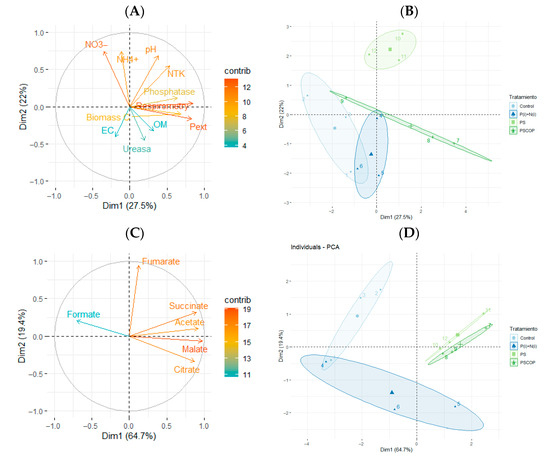
The large-scale use of compost in arable cropping systems is often limited by the large quantities required to meet the crop’s nutritional needs. Palletization can increase the nutrient density of organic fertilizers and improve their logistical feasibility by reducing storage, transport and application costs. This study evaluated the agronomic and environmental performance of compost pellets derived from pig slurry solids and olive pomace, using them as an alternative nitrogen source for wheat (Triticum aestivum L.) cultivated under Mediterranean conditions. A field experiment was conducted during the 2022–2023 growing season, with four treatments arranged in 24 m2 replicated plots: an unfertilized control (C); pelletized compost (PSCOP); fresh pig slurry (PS); and mineral fertilization based on monoammonium phosphate and urea (IN). Excluding the control treatment, all fertilized plots received a uniform nitrogen rate of 150 kg N ha−1. Soil chemical properties and nutrient availability (Pext, NH4+-N and NO3−-N) were evaluated at the beginning and end of the experiment, while wheat yield and grain quality were assessed at harvest. Greenhouse gas (GHG) emissions were monitored throughout the cropping season to evaluate environmental impacts. The results showed that the wheat yields achieved with PSCOP were comparable to those obtained with PS, although they remained lower than those achieved with mineral fertilization. Grain quality was not adversely affected by the application of PSCOP. Furthermore, PSCOP resulted in lower GHG emissions than mineral fertilization, with values closer to those observed in the unfertilized control. These findings suggest that pelletized organic fertilizers such as PSCOP may be a promising way to enhance nutrient circularity and reduce reliance on synthetic fertilizers and maintain crop productivity and limit environmental impact in Mediterranean agricultural systems.
Full article

Figure 1
Open AccessArticle
A Limited Effect of Cover Crops on Nitrogen Retention in Dry Continental Climates Due to Short Vegetation Window and N-Lockup
by
Katalin Juhos, Szilvia Zsuzsanna Huszárszky, Andrea Veres, Mădălin Radu, Ciprian Bolohan, Costel Mihalașcu, Andrei Măruțescu, Max John Newbert and Vasileios P. Vasileiadis
Nitrogen 2026, 7(2), 40; https://doi.org/10.3390/nitrogen7020040 - 3 Apr 2026
Abstract
►▼
Show Figures
Cover crops (CCs) provide key ecosystem services, including nitrogen (N) retention and increased soil organic carbon (SOC), although their short-term benefits may be limited in dry continental climates. This study assessed a conservation system combining CC and non-inversion tillage (MT+CC) over a full
[...] Read more.
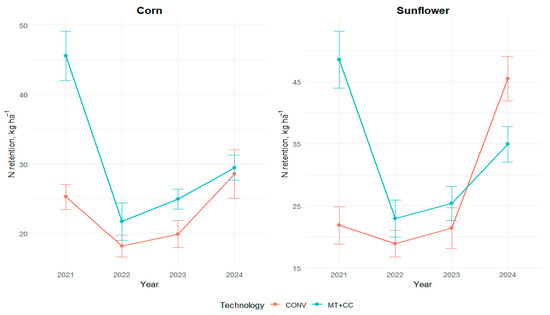
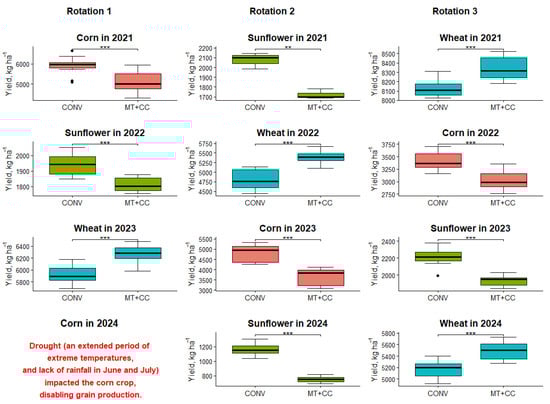
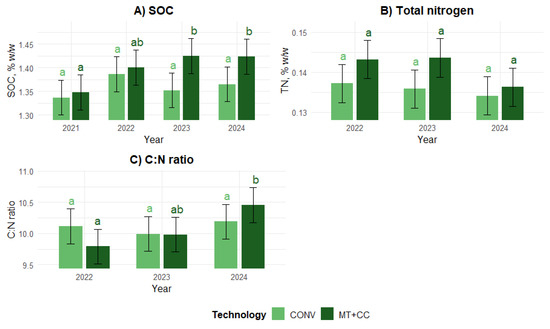
Cover crops (CCs) provide key ecosystem services, including nitrogen (N) retention and increased soil organic carbon (SOC), although their short-term benefits may be limited in dry continental climates. This study assessed a conservation system combining CC and non-inversion tillage (MT+CC) over a full crop rotation (sunflower–winter wheat–corn–sunflower) in south-eastern Romania, compared with plough-based tillage (PT). A randomized block design was conducted on a clay loam Luvisol, and N retention was estimated annually from soil mineral N and the biomass and N content of CC and weeds. MT+CC increased N retention during the first three years (+20.30 kg ha−1 before corn; +26.67 kg ha−1 before sunflower), but this advantage declined, and in year four PT showed higher N retention due to intensive weed growth. MT+CC reduced corn and sunflower yields, likely because of water competition and temporary N immobilization, but increased winter wheat yields. After four years, SOC was significantly higher under MT+CC (1.42%) than PT (1.37%), while total N remained unchanged, resulting in a higher C:N ratio. Consequently, in continental climates, CC use has a limited N retention potential, and excessively late CC sowing and termination is risky in crop rotations dominated by high-N-demand spring crops.
Full article

Figure 1
Open AccessArticle
Effect of Nitrification Inhibitors on the Soil Microbiome During Strawberry Cultivation
by
Jana Maková, Renata Artimová, Soňa Javoreková, Samuel Adamec, Oleg Paulen, Alena Andrejiová, Ladislav Ducsay and Juraj Medo
Nitrogen 2026, 7(2), 39; https://doi.org/10.3390/nitrogen7020039 - 30 Mar 2026
Abstract
►▼
Show Figures
The application of nitrification inhibitors (Nis) with nitrogen fertilizers is increasingly used as a management strategy to improve nitrogen use efficiency in crop production systems. To evaluate the effects of Ni dicyandiamide (DCD) and 1,2,4-triazole (TZ) on the rhizosphere microbiome and strawberry yield
[...] Read more.
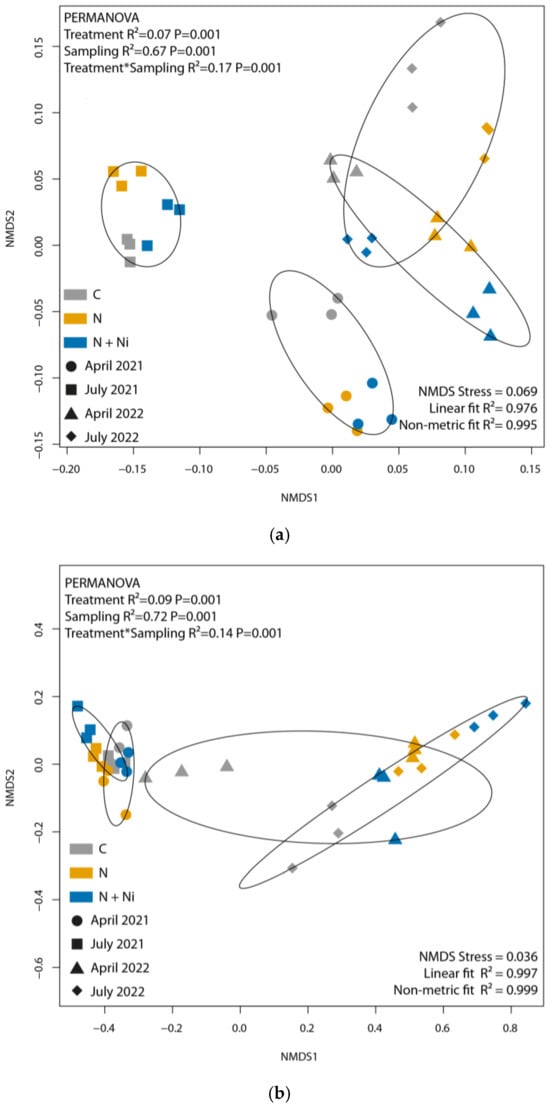
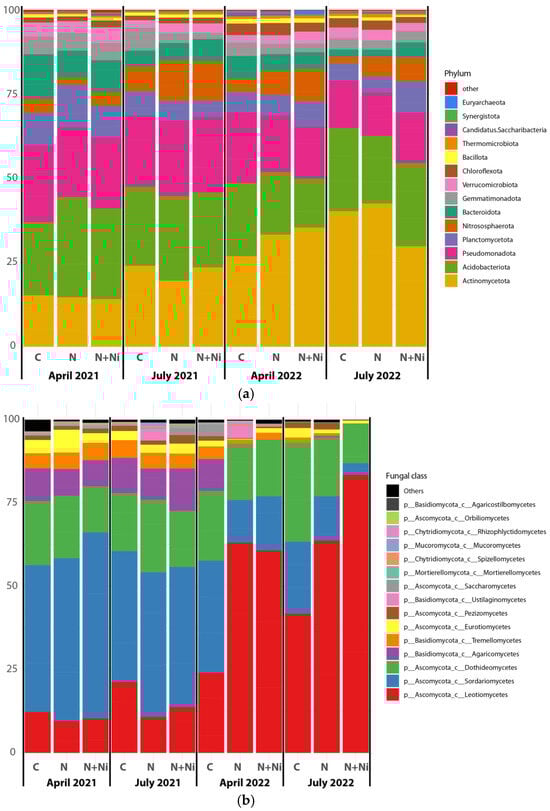
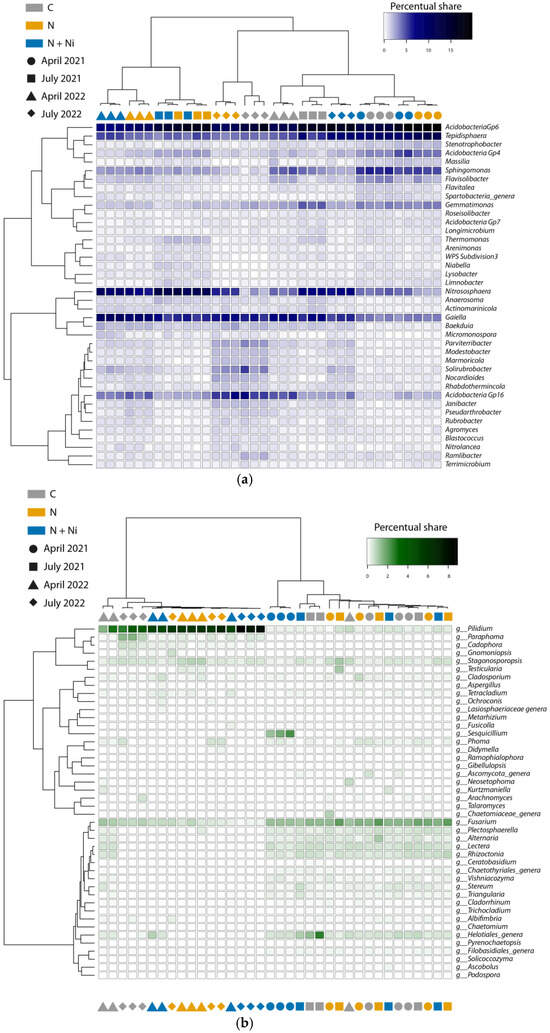
The application of nitrification inhibitors (Nis) with nitrogen fertilizers is increasingly used as a management strategy to improve nitrogen use efficiency in crop production systems. To evaluate the effects of Ni dicyandiamide (DCD) and 1,2,4-triazole (TZ) on the rhizosphere microbiome and strawberry yield (Fragaria × ananassa Duch.), a two-year field experiment was conducted with three treatments: unfertilized control (C), mineral nitrogen fertilizer (N) applied in two doses (40 + 40 kg N ha−1 year−1), and a single nitrogen application (80 kg N ha−1 year−1) combined with nitrification inhibitors (N + Ni). Soil microbiota were assessed using cultivation-based methods and metabarcoding of 16S rRNA and ITS2 regions. Total bacterial counts on complex media increased from 5.85 to 6.15 log CFU g−1 in the N treatment, while remaining 5.89 in N + Ni. Microscopic fungi increased in fertilized treatments during spring but decreased in July of the second year. Microbial community composition differed among treatments, although sampling time explained a larger proportion of variability than fertilization. Relative abundance of Gemmatimonas decreased under N + Ni, whereas Nitrososphaera increased. Fungal Shannon diversity decreased in N + Ni, while prokaryotic diversity did not differ significantly. Despite similar levels of mineral nitrogen measured before harvest, strawberry yield increased significantly in the N + Ni treatment in the second year, reaching 109% higher values than the control and 80% higher than the N treatment. This may indicate that the fertilization regime including nitrification inhibitors influenced nitrogen availability earlier in the growing season.
Full article

Figure 1
Open AccessArticle
Nitrogen-Fixing and Phosphate-Solubilizing Bacillus stercoris CMB2 from Baby Maize Roots
by
Liem Thanh Tran and Chuong Van Nguyen
Nitrogen 2026, 7(2), 38; https://doi.org/10.3390/nitrogen7020038 - 30 Mar 2026
Abstract
►▼
Show Figures
Baby maize (Zea mays L.) is widely cultivated across Asia due to its short growth cycle and adaptability to diverse agroecological conditions. However, its production is frequently constrained by low soil fertility, leading to the excessive use of chemical fertilizers, which in
[...] Read more.
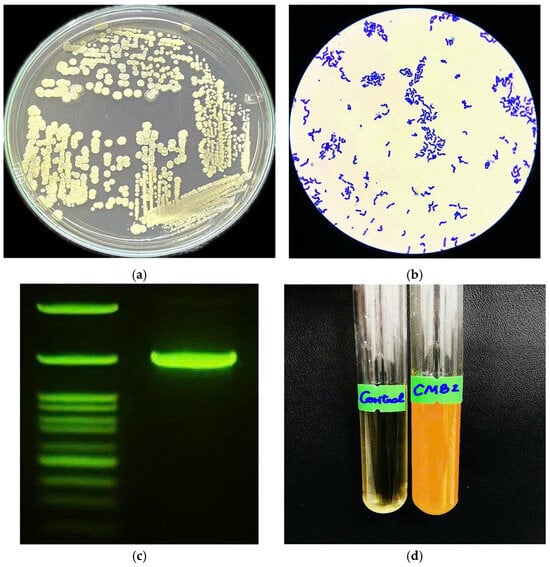
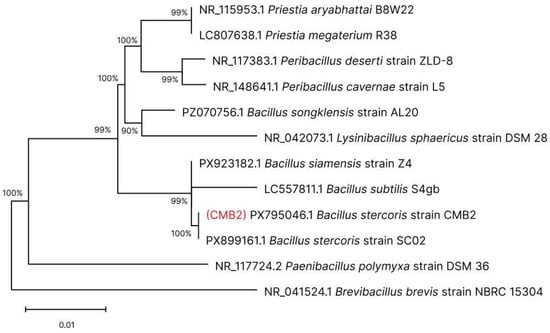
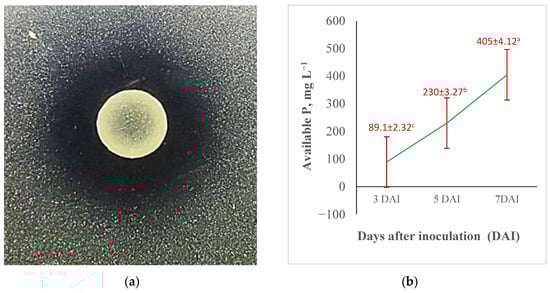
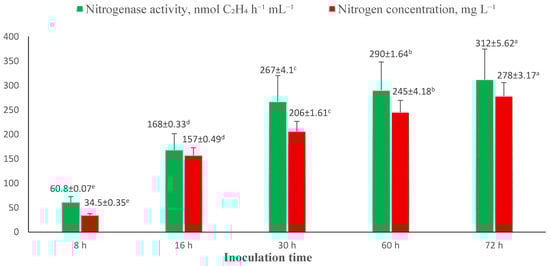
Baby maize (Zea mays L.) is widely cultivated across Asia due to its short growth cycle and adaptability to diverse agroecological conditions. However, its production is frequently constrained by low soil fertility, leading to the excessive use of chemical fertilizers, which in turn contributes to environmental degradation. Endophytic bacteria with the ability to fix atmospheric nitrogen and solubilize inorganic phosphate represent a sustainable alternative for improving nutrient availability. This study aimed to isolate and characterize endophytic bacteria exhibiting dual nitrogen-fixing and phosphate-solubilizing capabilities from baby maize roots. A total of ten bacterial isolates were obtained and screened using nitrogen-free Burk medium and NBRIP medium. Among these, strain CMB2 demonstrated superior functional traits. Molecular identification based on 16S rRNA gene sequencing confirmed that the isolate belongs to Bacillus stercoris. In vitro assays revealed that B. stercoris CMB2 exhibited significant nitrogenase activity, as determined by the acetylene reduction assay, and strong phosphate-solubilizing ability, indicated by a clear halo zone and a high solubilization index. These findings suggest that B. stercoris CMB2 is a promising multifunctional endophytic bacterium for enhancing nutrient availability under controlled conditions. Further validation under greenhouse and field conditions is required to assess its potential for improving plant growth and nutrient uptake in baby maize.
Full article

Figure 1
Open AccessSystematic Review
The Impacts of Palm Kernel Cake on Nitrogen Dynamics in Confined Ruminants: A Systematic Review and Meta-Analysis
by
Julián Andrés Castillo Vargas and Anaiane Pereira Souza
Nitrogen 2026, 7(2), 37; https://doi.org/10.3390/nitrogen7020037 - 25 Mar 2026
Abstract
►▼
Show Figures
Nitrogen (N) utilization by ruminants affects production efficiency, feeding costs, and environmental N losses in confined production systems. Palm kernel cake (PKC), an abundant agro-industrial by-product in tropical regions, has been increasingly used in ruminant diets, although its effects on nitrogen dynamics remain
[...] Read more.
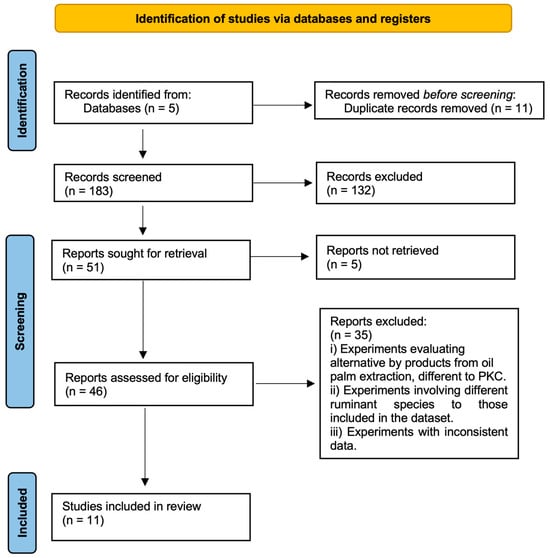
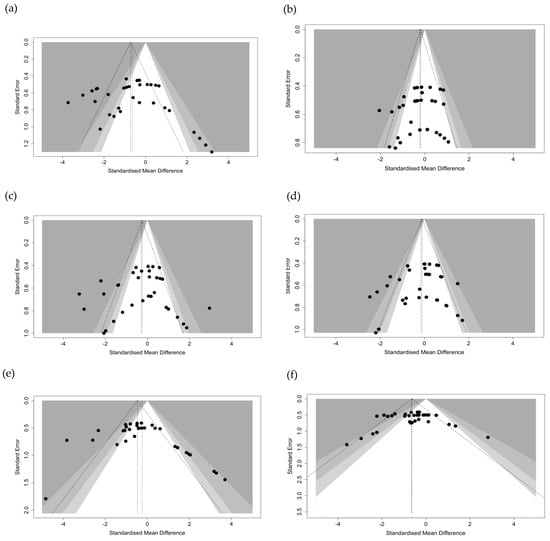
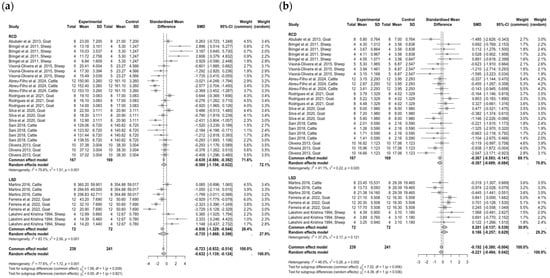
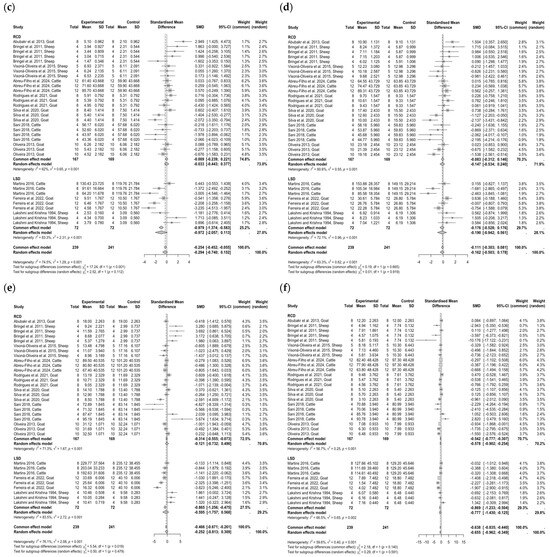
Nitrogen (N) utilization by ruminants affects production efficiency, feeding costs, and environmental N losses in confined production systems. Palm kernel cake (PKC), an abundant agro-industrial by-product in tropical regions, has been increasingly used in ruminant diets, although its effects on nitrogen dynamics remain inconsistent. In this study, we systematically reviewed and meta-analyzed the effects of dietary PKC inclusion on N intake, excretion, absorption, and retention in confined cattle, goats, and sheep. Eleven studies published between 1995 and 2025, comprising 44 treatment means and 322 experimental units, were included in the meta-analysis. A random-effects model was applied, and the ruminant species was used as a moderator, defining a significant level at 0.05. Overall, the pooled effects indicated that species significantly influenced N intake (p < 0.01) and N absorption (p < 0.01). Species also showed a tendency to influence N in feces (p = 0.062) and manure N (p = 0.073), whereas N in urine (p = 0.194) and N retention (p = 0.170) were not affected. In subgroup analysis, PKC inclusion reduced N intake in goats (Standardized Mean Difference (SMD)) = −0.792; 95% CI (Confidence Interval) = −1.428 to −0.155; I2 (Heterogeneity) = 76.7%) and cattle (SMD = −1.576; 95% CI = −2.250 to −0.902; I2 = 65.7%), N in urine in cattle (SMD = −0.478; 95% CI = −0.806 to −0.150; I2 = 0%), N absorption (SMD = −0.873; 95% CI = −1.517 to −0.229; I2 = 77.1%), and N retention (SMD = −0.875; 95% CI = −1.338 to −0.412; I2 = 64.1%) in goats. Conversely, PKC had a positive effect on N absorption in sheep (SMD = 1.137; 95% CI = 0.016 to 2.258; I2 = 72.4%). Overall, this study highlights the species-dependent responses of N dynamics to PKC inclusion, emphasizing the importance of species-specific dietary strategies when using agro-industrial by-products to improve nitrogen utilization efficiency and potentially mitigate N losses in confined ruminant systems.
Full article

Figure 1
Open AccessArticle
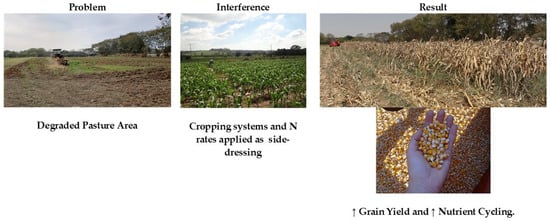
Maize Yield and Nutrient Cycling in Degraded Pasture via Intercropping and Nitrogen Management During the Dry Season
by
Karina Batista, Mayne Barboza Sarti, Laíze Aparecida Ferreira Vilela, Luciana Gerdes, Cristina Maria Pacheco Barbosa and Gabriela Aferri
Nitrogen 2026, 7(2), 36; https://doi.org/10.3390/nitrogen7020036 - 24 Mar 2026
Abstract
Maize–tropical grass intercropping has been adopted during the dry season as a strategy for soil cover; however, a knowledge gap remains regarding adequate nitrogen (N) supply and the efficiency of this system in degraded pasture areas. The objective of this study was to
[...] Read more.
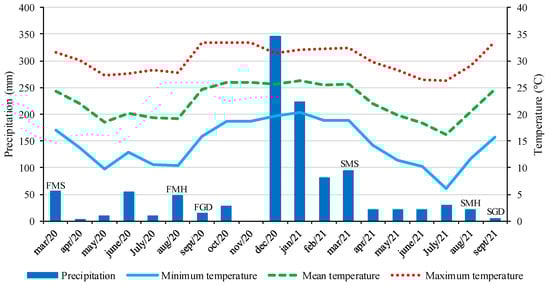
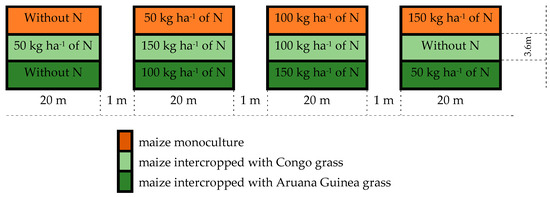
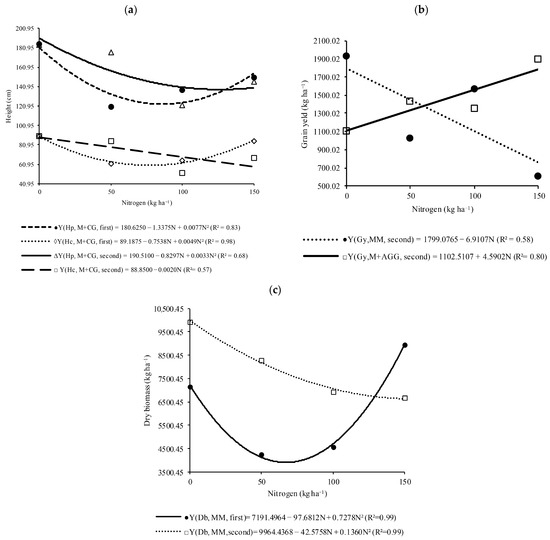
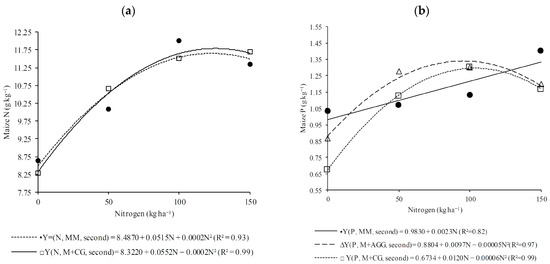
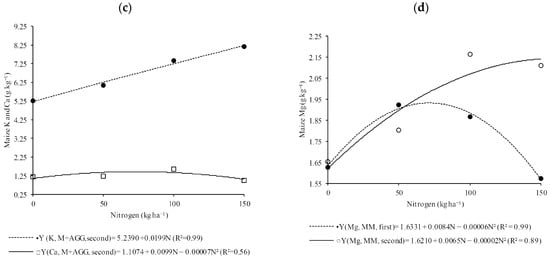
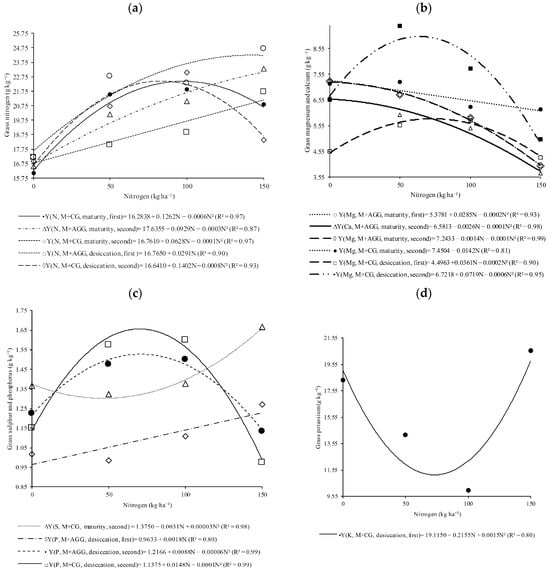
Maize–tropical grass intercropping has been adopted during the dry season as a strategy for soil cover; however, a knowledge gap remains regarding adequate nitrogen (N) supply and the efficiency of this system in degraded pasture areas. The objective of this study was to evaluate dry biomass, grain yield, and macronutrient concentrations in maize–tropical grass intercropping as a function of N rates applied as side-dressing in the dry season. The experimental design consisted of a randomized complete block design in a split-plot arrangement with four replications. Main plots comprised maize monoculture, maize intercropped with Urochloa ruziziensis (Congo grass), and maize intercropped with Megathyrsus maximus cv. Aruana (Aruana Guinea grass). Subplots consisted of N rates (0, 50, 100, and 150 kg ha−1). Maize–Aruana intercropping showed a positive linear response to N rates for grain yield; specifically, the nitrogen rate of 150 kg ha−1 resulted in a 71.71% increase in grain yield compared to the lack of nitrogen supply. Conversely, maize monoculture showed a negative linear response, where the highest N rate (150 kg ha−1) resulted in a 68.83% reduction in grain yield compared to the lack of nitrogen supply. Despite yield potential being capped by seasonal water deficits and frost events, the intercropping systems maintained essential growth dynamics. Aruana grass provided a protective effect for maize development under stress. The findings demonstrate that N side-dressing in the maize–Aruana intercropping system in a minimum of 71.83 kg ha−1 is an adequate strategy to enhance grain yield and biomass production.
Full article
(This article belongs to the Special Issue Nitrogen Management in Plant Cultivation)
►▼
Show Figures

Graphical abstract
Open AccessArticle
Olive Tree (Olea europaea) Biochar Differentially Affects N2O and CO2 Emissions in Neutral and Alkaline Olive Orchard Soils
by
Georgios Giannopoulos, Ioannis Anastopoulos, Vasileios A. Tzanakakis, Eduardo Vázquez, Pantelis E. Barouchas, Anne Boos, Dimitrios Kalderis, Fotis Sgouridis, Vassilis Aschonitis and George Arampatzis
Nitrogen 2026, 7(2), 35; https://doi.org/10.3390/nitrogen7020035 - 24 Mar 2026
Abstract
►▼
Show Figures
Despite a growing interest in biochar for olive orchard fertility management, little is known about its effects on nitrogen (N) dynamics and greenhouse gas (GHG) emissions in Mediterranean soils, particularly when comparing neutral (pH 6.7) and alkaline (pH 8.2) soils using farmer-accessible flame-curtain
[...] Read more.
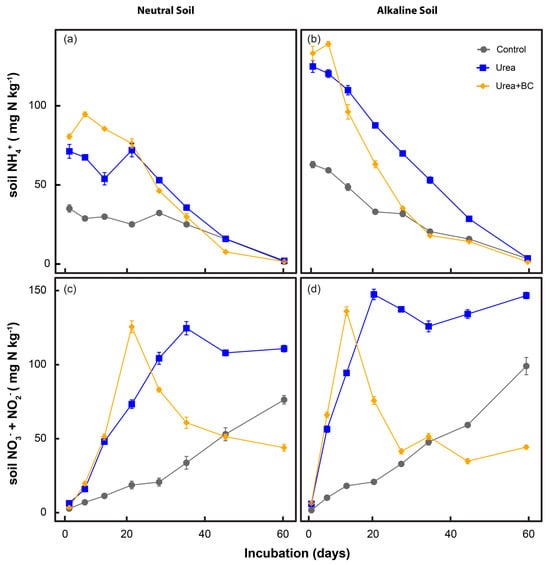
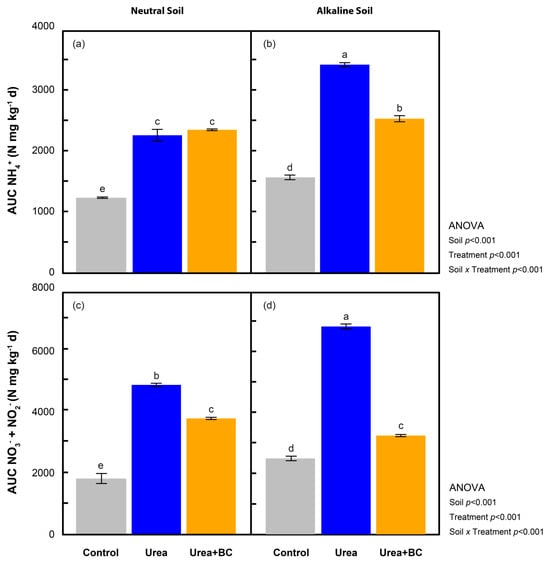
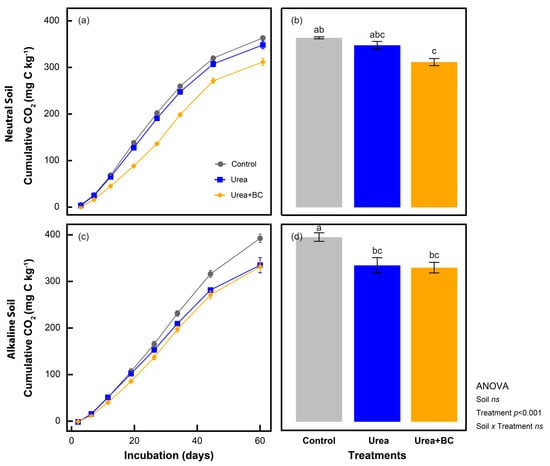
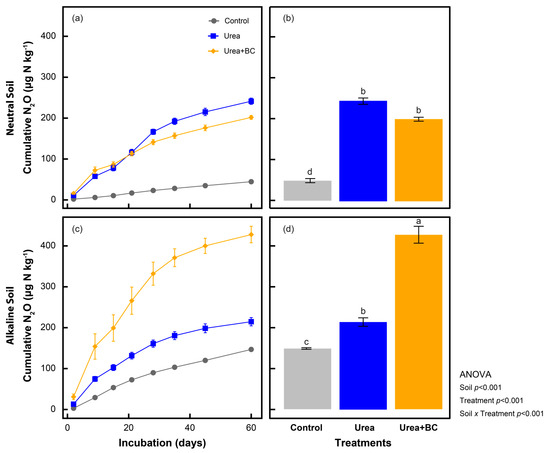
Despite a growing interest in biochar for olive orchard fertility management, little is known about its effects on nitrogen (N) dynamics and greenhouse gas (GHG) emissions in Mediterranean soils, particularly when comparing neutral (pH 6.7) and alkaline (pH 8.2) soils using farmer-accessible flame-curtain pyrolysis biochar. In this 60-day soil mesocosm study, we hypothesized that biochar amendments in fertilized soils would enhance soil N availability and potentially reduce N2O emissions, with effects modulated by soil pH. Treatments included: control, urea fertilizer, and urea plus biochar (5% w/w). Urea fertilization significantly increased soil ammonium (NH4+) and total oxidized nitrogen (NO3− + NO2−) in both soils, and co-application of biochar further increased these pools, particularly in the neutral soil (NH4+: + 91% and + 62% in neutral and alkaline soil, respectively). Biochar addition consistently reduced cumulative carbon dioxide (CO2) emissions in both soils, supporting its role in stabilizing soil organic carbon. However, impacts on nitrous oxide (N2O) emissions were soil-pH-dependent: biochar slightly reduced N2O emissions in neutral soil, though nearly doubled N2O emissions in alkaline soil, highlighting that biochar’s efficacy for GHG mitigation is context-specific. These findings underscore biochar’s potential to improve soil N availability and reduce carbon losses but reveal clear limitations for N2O mitigation in alkaline soils, necessitating site-specific application strategies that explicitly consider soil pH when targeting climate benefits in Mediterranean olive production.
Full article

Figure 1
Open AccessArticle
Does Drought Regulate DMPP Effectiveness in Alleviating Maize Manganese and Phosphorus Deficiencies in High-pH Soils?
by
Mathew Edung Etabo, Pablo Lacerda Ribeiro, Britta Pitann and Karl Hermann Mühling
Nitrogen 2026, 7(2), 34; https://doi.org/10.3390/nitrogen7020034 - 24 Mar 2026
Abstract
►▼
Show Figures
Drought will likely become more frequent and intense in Europe due to climate change, which may worsen Mn2+ and P deficiencies found in high pH soils. In this context, research investigating the effectiveness of ammonium-based nitrogen fertilizers treated with nitrification inhibitors (NIs)
[...] Read more.
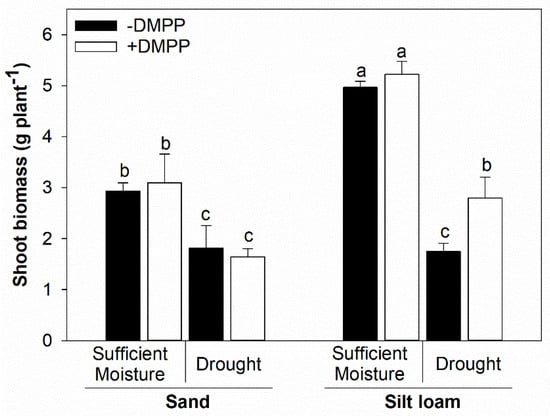
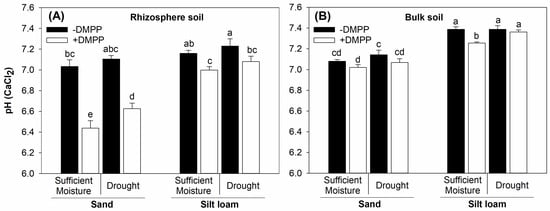
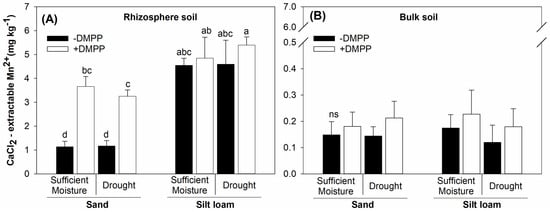
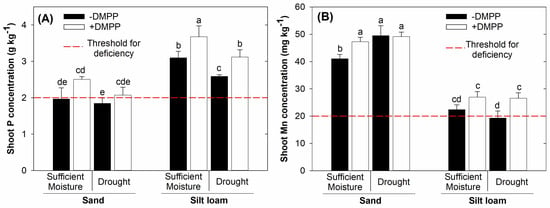
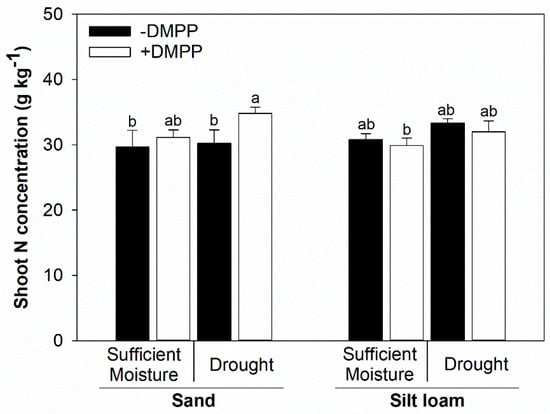
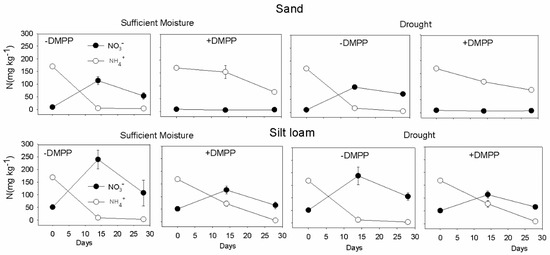
Drought will likely become more frequent and intense in Europe due to climate change, which may worsen Mn2+ and P deficiencies found in high pH soils. In this context, research investigating the effectiveness of ammonium-based nitrogen fertilizers treated with nitrification inhibitors (NIs) in alleviating Mn2+ and P deficiencies in such soils has been done. However, studies considering the impact of drought periods and soil texture on this topic are lacking. Therefore, we carried out a study addressing this research gap. Maize plants were grown in a greenhouse experiment, and the experimental setup comprised three factors consisting of soil texture (sand and silt loam), soil moisture (sufficient and drought), and DMPP application (with and without DMPP). The measured variables were bulk and rhizosphere soil pH, Mn2+ availability, maize biomass yield, and shoot concentration of selected macro- and micronutrients. DMPP increased shoot biomass production by 60% in silt loam under drought but not in sand soil texture. In addition, DMPP increased Mn2+ and P shoot concentrations by 38% and 21%, respectively, in the silt loam soil texture under drought. In contrast, DMPP did not alleviate the negative impact of drought on plant biomass production, Mn2+ and P shoot concentration in the sand soil texture. In conclusion, DMPP application is effective in alleviating Mn2+ and P deprivation in high pH soil subjected to drought. However, this effect was soil texture-dependent and observed in the silt loam rather than in the sand soil texture.
Full article

Figure 1
Open AccessReview
Advances in Nitrogen Uptake Preference and Physiological and Ecological Mechanisms in Mulberry
by
Fang Zhang, Shiqing Peng, Biao Chen, Yanjin Shi, Xiaohong Wang and Dan Xing
Nitrogen 2026, 7(1), 33; https://doi.org/10.3390/nitrogen7010033 - 23 Mar 2026
Abstract
Mulberry (Morus alba L.) is a woody plant primarily cultivated for silkworm breeding, with significant economic and ecological functions. Its nitrogen use efficiency directly affects leaf yield, quality, and environmental adaptability. The main inorganic nitrogen forms available for plant uptake in soil
[...] Read more.
Mulberry (Morus alba L.) is a woody plant primarily cultivated for silkworm breeding, with significant economic and ecological functions. Its nitrogen use efficiency directly affects leaf yield, quality, and environmental adaptability. The main inorganic nitrogen forms available for plant uptake in soil are ammonium nitrogen and nitrate nitrogen, and plant uptake and assimilation of these two nitrogen sources often exhibit species-specific preferences. This review systematically summarizes the research progress on nitrogen uptake preferences in mulberry, confirming that this species generally shows a preferential uptake of nitrate. Specifically, when supplied with nitrate or a mixed nitrogen source dominated by nitrate, mulberry exhibits better performance in growth and development, photosynthetic efficiency, and accumulation of secondary metabolites. This review further discusses the physiological characteristics and underlying regulatory mechanisms responsible for this preference, and analyzes key factors affecting nitrogen uptake preferences, including soil properties, environmental stresses, and microbial interactions. It should be noted that while controlled experiments have yielded important insights, the applicability of these findings under complex field conditions still requires further validation through field trials. Finally, future research directions are prospected, including in-depth dissection of molecular mechanisms, field validation, plant-microbe interactions, and nutritional strategies for stress resistance, aiming to provide a theoretical basis for efficient cultivation and precise nitrogen management of mulberry.
Full article
(This article belongs to the Special Issue Nitrogen Metabolism and Degradation)
Open AccessArticle
Priestia megaterium Thr45 Reduces Nitrogen and Potassium Fertilizer Inputs While Enhancing Soil Fertility and Baby Maize Yield
by
Phan Tran Hai Dang and Nguyen Van Chuong
Nitrogen 2026, 7(1), 32; https://doi.org/10.3390/nitrogen7010032 - 20 Mar 2026
Cited by 1
Abstract
Baby maize (Zea mays L.) is a high-value horticultural crop widely cultivated due to its short growth cycle and strong market demand. However, intensive production systems often rely heavily on chemical fertilizers, leading to reduced nutrient use efficiency and potential soil degradation.
[...] Read more.
Baby maize (Zea mays L.) is a high-value horticultural crop widely cultivated due to its short growth cycle and strong market demand. However, intensive production systems often rely heavily on chemical fertilizers, leading to reduced nutrient use efficiency and potential soil degradation. The present study investigated the potential of the Priestia megaterium Thr45 to enhance soil fertility, improve crop performance, and optimize fertilizer management in baby maize cultivation. A field experiment was conducted using a three-factor factorial design consisting of bacterial inoculation, different urea application rates, and different KCl rates. Soil chemical properties, plant growth parameters, yield components, and nutrient composition of edible cobs were evaluated. The results showed that inoculation with P. megaterium Thr45 significantly increased available phosphorus and exchangeable potassium in soil compared with the non-inoculated control. Inoculated plants exhibited higher chlorophyll content, greater leaf development, and increased plant height during early growth stages. Bacterial inoculation also significantly improved yield components, including ear number, ear yield, edible cob yield, and plant biomass. Furthermore, the nutritional quality of baby corn was enhanced, as reflected by increased protein and mineral (N, P, and K) concentrations in edible cobs. Significant interactions between bacterial inoculation and fertilizer treatments indicated that the beneficial effects of P. megaterium Thr45 were closely associated with nutrient management practices. Notably, comparable yield and nutritional quality were achieved under reduced nitrogen and potassium fertilizer inputs when combined with bacterial inoculation. These findings highlight the novel potential of P. megaterium Thr45 as an effective biofertilizer for improving nutrient availability, maintaining high productivity, and supporting sustainable baby maize production with reduced chemical fertilizer inputs
Full article
(This article belongs to the Special Issue Optimizing Nitrogen Fertilizer Use in Crop Production)
Open AccessArticle
Evaluating the Drainage Capacity and Nitrate Loading of Modified Blind Inlets in Row Crop Catchments
by
Matthew T. Streeter and Elliot S. Anderson
Nitrogen 2026, 7(1), 31; https://doi.org/10.3390/nitrogen7010031 - 20 Mar 2026
Abstract
►▼
Show Figures
Standing tile inlets are commonly used to drain unwanted surface water from croplands but can exacerbate pollution by facilitating the transport of nutrients to waterways. Blind inlets have increasingly been viewed as a beneficial alternative to standing inlets since they control erosion and
[...] Read more.
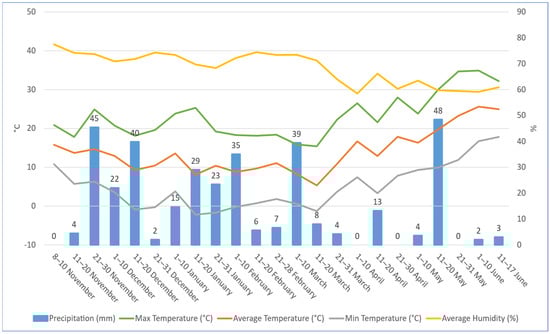
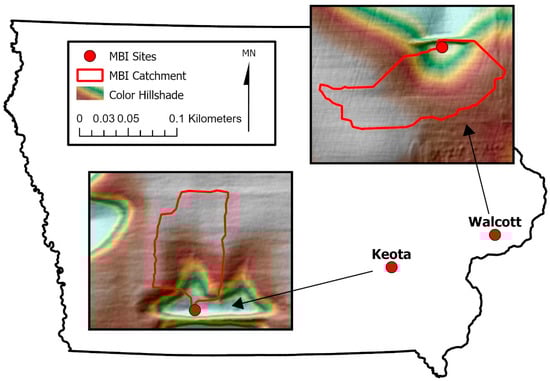
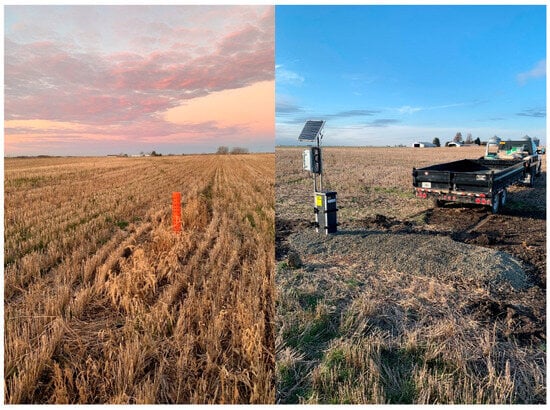
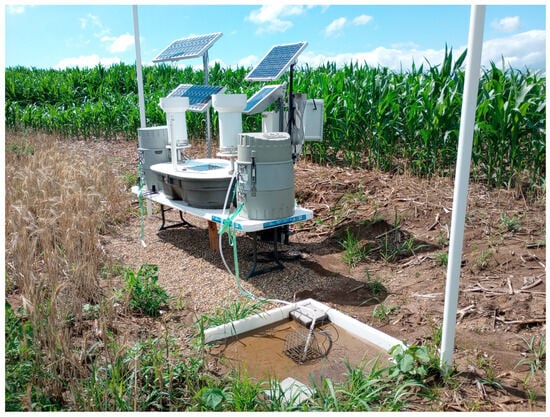
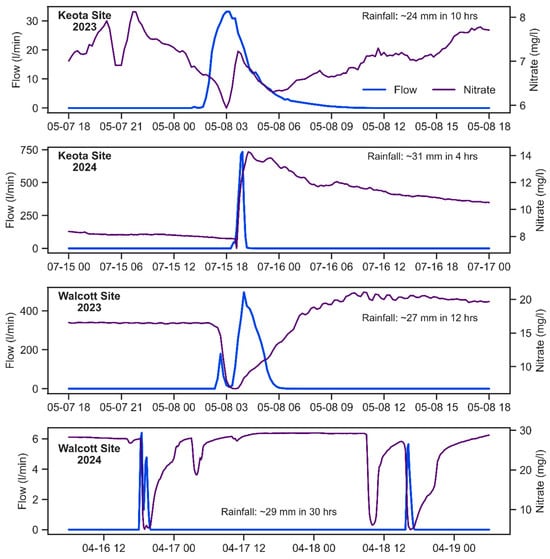
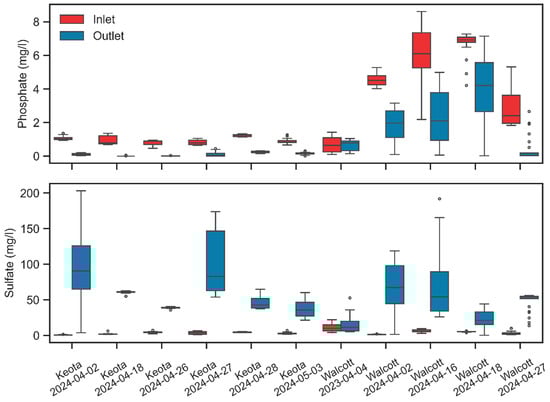
Standing tile inlets are commonly used to drain unwanted surface water from croplands but can exacerbate pollution by facilitating the transport of nutrients to waterways. Blind inlets have increasingly been viewed as a beneficial alternative to standing inlets since they control erosion and capture particulate nutrients. However, conventional blind inlets do little to limit dissolved nutrient transport, and modified blind inlet (MBI) designs have been proposed that incorporate woodchips—a medium that facilitates denitrification. While initial investigations have highlighted MBIs’ remediation potential, their ability to meet prescribed drainage standards has not been well-documented. In this study, we designed and installed MBIs composed of pea gravel and woodchips in two eastern Iowa fields under row crop cultivation. Flow and nitrate were continuously monitored using in situ equipment directly downstream of the MBIs (February 2023–June 2025). Observed flows were very ephemeral, consisting of ~25 distinct events at both sites, with no flow recorded in between. During several wet weather events, flow rates exceeded the MBIs’ design requirements, confirming their sufficient drainage capacity to prevent in-field ponding. Nitrate concentrations varied considerably, with long-term averages of 11.6 and 19.1 mg/L and overall loadings of 4.94 and 7.10 kg during our 28-month study. We also measured phosphate and sulfate during select wet weather events, and discrepancies in concentrations between inlets and outlets suggested that groundwater was often present alongside surficial drainage in our monitoring setup. We believe our results argue for increased adoption of MBIs in conservation and further quantification of their remediation capabilities.
Full article
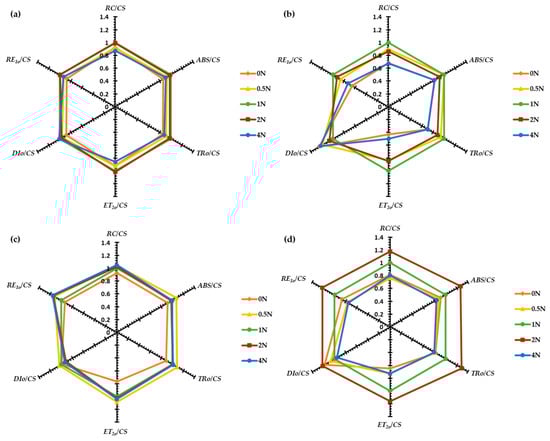
Figure 1
Open AccessReview
A Review on Compost-Based Biostimulants: Production, Functional Mechanisms, and Current Challenges
by
Aayushi Rambia and Malinda S. Thilakarathna
Nitrogen 2026, 7(1), 30; https://doi.org/10.3390/nitrogen7010030 - 18 Mar 2026
Abstract
►▼
Show Figures
Compost-based biostimulants (CBB) have emerged as a promising tool in sustainable agriculture, offering an eco-friendly approach to improving soil health, crop productivity, and environmental resilience. Derived from the controlled biodegradation of organic waste, CBB contains a diverse array of beneficial microorganisms, humic substances,
[...] Read more.
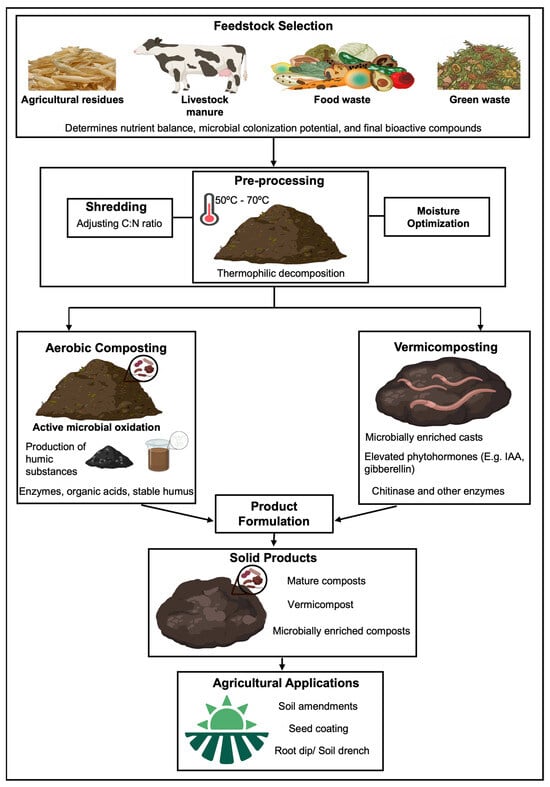
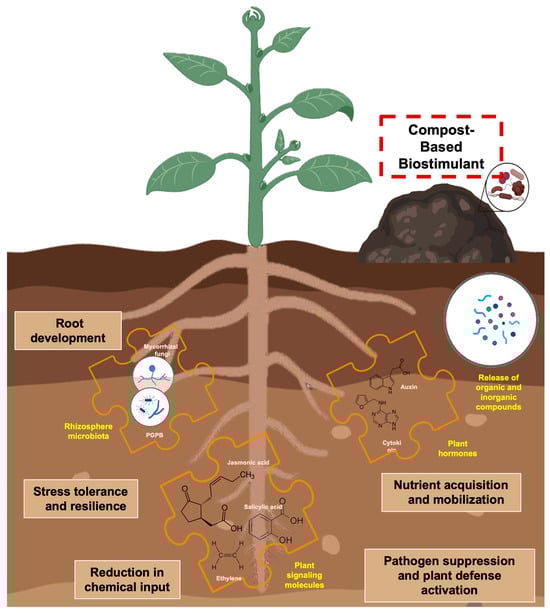
Compost-based biostimulants (CBB) have emerged as a promising tool in sustainable agriculture, offering an eco-friendly approach to improving soil health, crop productivity, and environmental resilience. Derived from the controlled biodegradation of organic waste, CBB contains a diverse array of beneficial microorganisms, humic substances, and bioactive compounds that act synergistically to stimulate plant growth and soil biological activity. Mechanistically, CBB enhances nutrient acquisition by increasing plant-available nitrogen and phosphate solubility, promoting root development through phytohormone synthesis, and improving stress tolerance by modulating plant defense pathways and antioxidant activity. Additionally, their application enhances soil structure, microbial diversity, and carbon sequestration, making them integral to climate-smart agriculture. Despite their growing relevance, several challenges impede the widespread adoption of CBB. Variability in compost quality, lack of standardized production protocols, limited field-scale validation, and inconsistent regulatory frameworks hinder reproducibility and commercialization. Addressing these gaps requires interdisciplinary research that integrates microbiology, biochemistry, agronomy, and data science to better understand how microbial metabolites interact and optimize formulation strategies. Future research should prioritize the standardization of composting methods, long-term multi-crop field evaluations, and integration with precision agriculture tools for real-time soil monitoring. Policy harmonization, quality assurance frameworks, and farmer education are also vital for ensuring safe and effective use of CBB.
Full article
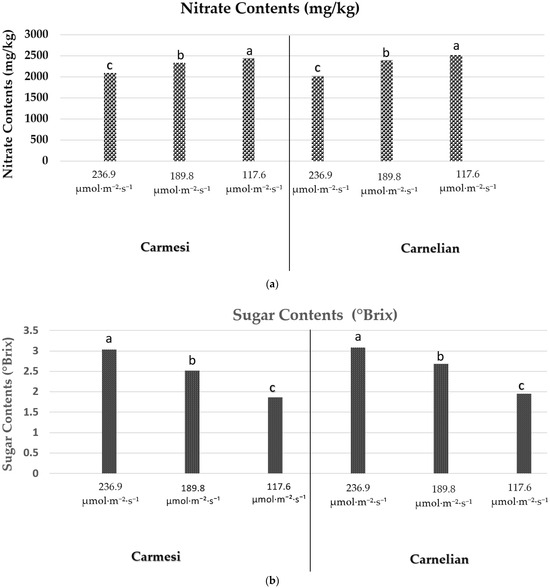
Figure 1
Highly Accessed Articles
Latest Books
E-Mail Alert
News
Topics
Topic in
Agronomy, Crops, Land, Plants, Atmosphere, Nitrogen, Agriculture, Methane
Multi-Objective Optimization of Staple Crop Production for Yield, Carbon Sequestration, and Greenhouse Gas Mitigation
Topic Editors: Qiang Xu, Wei Yang, Ziyin Shang, Peng ZhangDeadline: 31 October 2026
Topic in
Agriculture, Agronomy, Environments, IJMS, Nitrogen, Plants
Ammonium Biology: From Molecular Response to Fertilization
Topic Editors: Dongwei Di, Soichi Kojima, Byoung Ryong Jeong, Monika SkowrońskaDeadline: 31 December 2026
Topic in
Agriculture, Agronomy, Horticulturae, Nitrogen, Plants, Biology
Precision Water and Fertilizer Management Technologies and Equipment for Sustainable Agriculture
Topic Editors: Jiandong Wang, Jian Zheng, Wenyi Dong, Haitao WangDeadline: 31 May 2027
Topic in
Agriculture, Crops, Nitrogen, Plants, Agronomy
High-Efficiency Utilization of Water-Fertilizer Resources and Green Production of Crops, 2nd Edition
Topic Editors: Peng Zhang, Xianqing Hou, Wenyi Dong, Peng WuDeadline: 30 June 2027
Special Issues
Special Issue in
Nitrogen
Nitrogen Uptake and Loss in Agroecosystems
Guest Editors: Arbindra Timilsina, Bikram PandeyDeadline: 31 May 2026
Special Issue in
Nitrogen
Innovative Nitrogen Management Strategies in Aquaponics, Hydroponics, Soilless, and Soil-Based Crop Systems for Sustainable Agriculture
Guest Editors: Abdel Razzaq Altawaha, Abdulkadir BayirDeadline: 15 June 2026
Special Issue in
Nitrogen
Nitrogen: Advances in Plant Stress Research
Guest Editor: Deyvid Novaes MarquesDeadline: 30 June 2026
Special Issue in
Nitrogen
Nitrogen Metabolism and Degradation
Guest Editors: Sergii Krysenko, Xolani MakhobaDeadline: 30 June 2026