


Journal Description
Nursing Reports
Nursing Reports
is an international, peer-reviewed, open access journal on nursing sciences published monthly online by MDPI (since Volume 10, Issue 1 - 2020).
- Open Access— free for readers, with article processing charges (APC) paid by authors or their institutions.
- High Visibility: indexed within Scopus, ESCI (Web of Science), PMC, PubMed, and other databases.
- Rapid Publication: manuscripts are peer-reviewed and a first decision is provided to authors approximately 22.6 days after submission; acceptance to publication is undertaken in 2.9 days (median values for papers published in this journal in the second half of 2025).
- Journal Rank: JCR - Q2 (Nursing) / CiteScore - Q2 (General Nursing)
- Recognition of Reviewers: APC discount vouchers, optional signed peer review, and reviewer names published annually in the journal.
- Journal Cluster of Healthcare Sciences and Services: Geriatrics, Journal of Ageing and Longevity, Healthcare, Hospitals, Hygiene, International Journal of Environmental Research and Public Health and Nursing Reports.
Impact Factor:
2.0 (2024);
5-Year Impact Factor:
2.5 (2024)
Latest Articles
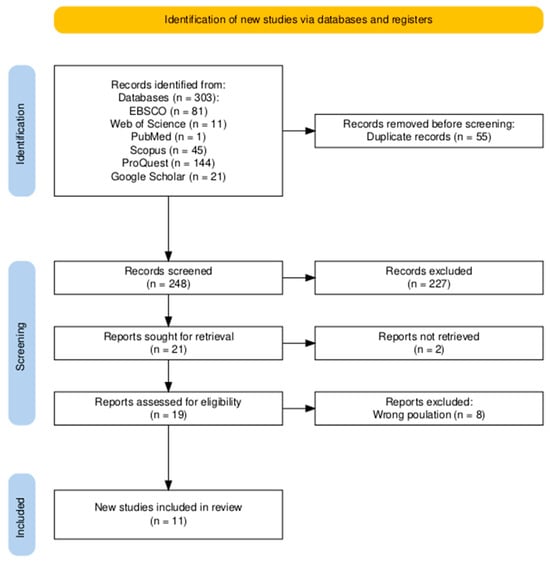
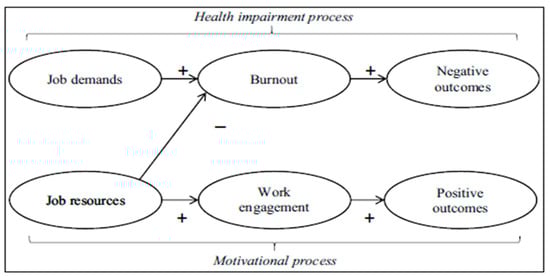
Organisational and Team-Level Strategies to Enhance Work Engagement and Mitigate Burnout Among Nurse Case Managers: A Global Scoping Review with Implications for the Gulf Region
Nurs. Rep. 2026, 16(4), 145; https://doi.org/10.3390/nursrep16040145 - 17 Apr 2026
Abstract
Introduction: Work engagement among nurse case managers is central to safe, efficient, person-centred care, yet organisational and team-level factors that support engagement or mitigate burnout remain poorly synthesised. Aim: To map organisational and team-level strategies that enhance work engagement or reduce burnout among
[...] Read more.
Introduction: Work engagement among nurse case managers is central to safe, efficient, person-centred care, yet organisational and team-level factors that support engagement or mitigate burnout remain poorly synthesised. Aim: To map organisational and team-level strategies that enhance work engagement or reduce burnout among nurse case managers and aligned roles, as well as to consider their applicability to Gulf health systems. Method: We conducted a scoping review in accordance with the Arksey and O’Malley framework as refined by Levac et al. and reported it in line with PRISMA-ScR and PRISMA-S guidance. Six databases and targeted sources were searched for English-language records published between 2015 and 2025. Two reviewers independently screened titles/abstracts and full texts against predefined eligibility criteria, charted data using a piloted form, and synthesised findings thematically against Job Demands–Resources (JD-R) domains. Results: Of 303 records identified, 248 were screened after deduplication, and 11 studies were included. Across nine health systems, findings were mapped to three JD-R domains: job resources, job demands, and personal resources. The most recurrent resource-related strategies involved structural supports, staffing stability, coordination infrastructure, and supportive leadership or team practices. Key demands included role complexity, high caseloads, coordination workload, discharge pressures, and staffing instability. Personal-resource approaches were fewer and mainly involved stress management, communication, and reflective practice interventions. Engagement was infrequently measured directly, and only one empirical intervention study originated from a Gulf health system. Conclusions: This JD-R-informed scoping review suggests that strengthening structural, staffing, and coordination resources, alongside supportive leadership and team climates, may be important for sustaining engagement and limiting burnout among nurse case managers. However, these findings should be interpreted as exploratory signals that map the current evidence landscape rather than definitive evidence of effectiveness. Multi-component JD-R-informed bundles in Gulf region health systems should therefore be prioritised for context-sensitive co-design, piloting, and evaluation.
Full article
(This article belongs to the Special Issue Nursing Leadership: Contemporary Challenges)
►
Show Figures
Open AccessArticle
Spirituality, Religious Diversity and Holistic Nursing Care in Nursing Education: An Exploratory Study Among Nursing Students in Italy
by
Elisa Porcelli, Carla Murgia, Serena Caponetti, Gennaro Rocco, Alessandro Stievano and Ippolito Notarnicola
Nurs. Rep. 2026, 16(4), 144; https://doi.org/10.3390/nursrep16040144 - 17 Apr 2026
Abstract
Background: Spirituality and religious diversity are increasingly recognized as essential components of holistic nursing care in global healthcare systems. However, their integration into undergraduate nursing education remains heterogeneous and often insufficiently structured, creating a gap between professional values and students’ preparedness to address
[...] Read more.
Background: Spirituality and religious diversity are increasingly recognized as essential components of holistic nursing care in global healthcare systems. However, their integration into undergraduate nursing education remains heterogeneous and often insufficiently structured, creating a gap between professional values and students’ preparedness to address spiritual needs in culturally diverse clinical environments. This study aimed to explore nursing students’ perceptions, attitudes, and perceived competencies regarding spirituality, religion, and spiritual care. Methods: A descriptive exploratory survey was conducted on a sample of 69 third-year nursing students (69.6% female; majority aged ≤24 years) enrolled in two universities in Rome, Italy. Data were collected between May and July 2025 using the Nursing Care and Religious Diversity Scale (NCRDS), consisting of 31 items. Statistical analyses included descriptive statistics, internal reliability analyses, group comparisons, and multivariate regression models. Results: Students showed moderate levels of attention to patients’ spiritual needs (mean = 3.11, SD = 0.88) and integration of spirituality into care practice, while high importance was attributed to spiritual care skills. University education was perceived as only partially adequate. Multivariate analyses showed that students’ personal spirituality is positively associated with the assessment of spiritual needs and the perception of competence, while exposure to contexts characterized by greater religious diversity is associated with a lower perception of preparedness. Conclusions: The results highlight a discrepancy between professional values and perceived operational skills, suggesting the need to systematically integrate spirituality and religious diversity into nursing curricula. These findings highlight the need for a structured integration of spirituality and religious diversity into nursing curricula through targeted educational strategies in order to strengthen students’ competencies and promote truly holistic and person-centered care.
Full article
(This article belongs to the Section Nursing Education and Leadership)
Open AccessArticle
Person-First or Disease-First? Language Choices in Cancer Communication
by
Anna Tsiakiri, Konstantinos Tzanas, Despoina Chrisostomidou, Spyridon Plakias, Foteini Christidi, Christos Frantzidis, Nikolaos Aggelousis, Maria Lavdaniti and Evangeli Bista
Nurs. Rep. 2026, 16(4), 143; https://doi.org/10.3390/nursrep16040143 - 16 Apr 2026
Abstract
Background/Objectives: Cancer-related terminology is not merely descriptive and plays a critical role in shaping emotional responses, personal identity, and communication across clinical, social, and public spheres. Despite growing interest in the psychosocial dimensions of illness language, few studies have centered the lived
[...] Read more.
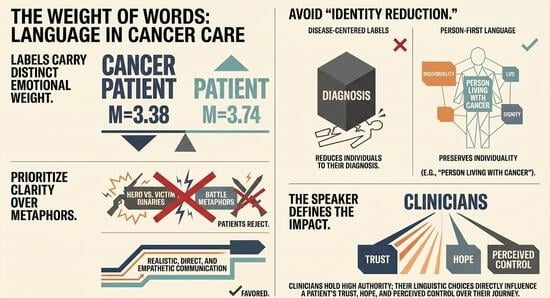
Background/Objectives: Cancer-related terminology is not merely descriptive and plays a critical role in shaping emotional responses, personal identity, and communication across clinical, social, and public spheres. Despite growing interest in the psychosocial dimensions of illness language, few studies have centered the lived experiences of individuals navigating cancer through the lens of terminology. This study explores how people living with and beyond cancer perceive, interpret, and emotionally respond to cancer-related language, focusing on the way terminology influences identity, stigma, and communicative interaction. Methods: A sequential mixed-methods design was employed. The quantitative phase involved 146 participants with a cancer diagnosis completing a structured questionnaire on preferred terminology and emotional impact. The qualitative phase followed, using open-ended questionnaires with 11 participants to deepen understanding of linguistic experiences. Thematic content analysis was used to identify patterns across narratives. Results: These findings reveal that labels such as “cancer patient” evoke strong negative emotional reactions, associated with stigma, fear, and identity reduction. Person-first and context-sensitive language was perceived as more respectful and empowering. Emotional responses to language varied widely, from fear to neutrality, shaped by speaker role, context, and time since diagnosis. Media representations were often seen as dramatizing or moralizing, reinforcing the need for communicative clarity, empathy, and education in both clinical and public discourse. Conclusions: Cancer-related language is a powerful psychosocial force. It shapes how individuals are seen and see themselves and can either reinforce stigma or foster dignity and resilience. This study highlights the urgent need for person-centered, context-aware communication practices across healthcare, media, and society.
Full article
(This article belongs to the Special Issue Advances in Nursing Care for Cancer Patients)
►▼
Show Figures

Graphical abstract
Open AccessArticle
Shared Decision-Making in the Choice of Renal Replacement Therapy: A Comparative Text Mining Analysis of Physicians and Nurses
by
Misa Iida, Sumiyo Nabeshima, Sayuri Kaneko, Yuji Kamijo, Toshio Kobayashi and Yukako Ando
Nurs. Rep. 2026, 16(4), 142; https://doi.org/10.3390/nursrep16040142 - 16 Apr 2026
Abstract
►▼
Show Figures
Objective: This study aimed to compare factors facilitating shared decision-making (SDM) in renal replacement therapy decision support between physicians and nurses using text mining analysis. Methods: A web-based survey was conducted among 250 physicians and 299 nurses between December 2024 and March 2025.
[...] Read more.
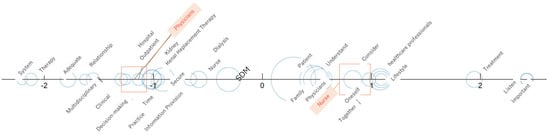
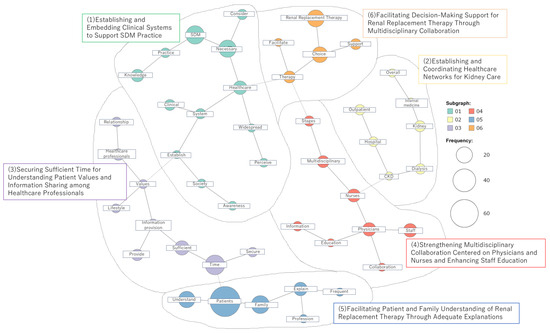
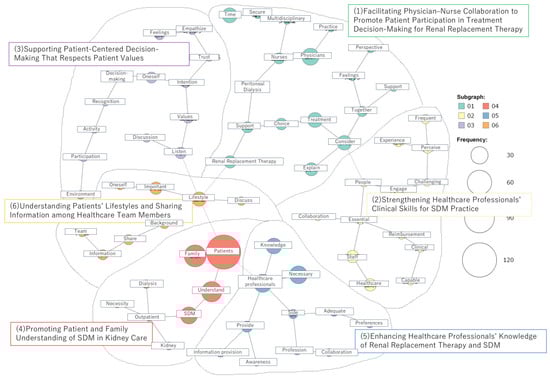
Objective: This study aimed to compare factors facilitating shared decision-making (SDM) in renal replacement therapy decision support between physicians and nurses using text mining analysis. Methods: A web-based survey was conducted among 250 physicians and 299 nurses between December 2024 and March 2025. Free-text responses regarding factors facilitating SDM were collected and analyzed using quantitative text analysis. Results: Valid responses were obtained from 103 physicians and 122 nurses. Both groups identified six factors, with three shared conceptual domains across physicians and nurses, reflected in three physician factors and four nurse factors. Common domains included “promoting patient and family understanding”, “enhancing staff education”, and “strengthening multidisciplinary collaboration”. Physicians emphasized structural and environmental factors, such as “establishing clinical systems”, “inter-institutional collaboration”, and “securing sufficient time”. In contrast, nurses highlighted practical and interpersonal aspects, including “understanding patients’ values and lifestyles”, “supporting patient-centered decision-making”, and “promoting team-based information sharing”. Conclusions: Factors that facilitate SDM in renal replacement therapy include perspectives common to both physicians and nurses, as well as profession-specific perspectives. These findings suggest that integrating organizational support and clinical skills development is crucial for promoting SDM in clinical settings.
Full article

Figure 1
Open AccessArticle
Leadership Styles Among Nurses: A Cross-Sectional Analysis Within the Full Range Leadership Framework
by
Cátia Moreira, Pedro Moutinho, Paulo Alves and Liliana Mota
Nurs. Rep. 2026, 16(4), 141; https://doi.org/10.3390/nursrep16040141 - 15 Apr 2026
Abstract
Background/Objective: Leadership in nursing has been conceptualized as a multidimensional construct influencing organisational functioning and professional practice. Within the Full Range Leadership Model, leadership comprises transformational, transactional, and passive–avoidant dimensions that may coexist within individuals. This study aimed to examine how leadership
[...] Read more.
Background/Objective: Leadership in nursing has been conceptualized as a multidimensional construct influencing organisational functioning and professional practice. Within the Full Range Leadership Model, leadership comprises transformational, transactional, and passive–avoidant dimensions that may coexist within individuals. This study aimed to examine how leadership dimensions coexist and interact among nurses and to explore their associations with professional characteristics within the FRLM framework. Methods: A cross-sectional quantitative study was conducted between November and December 2024 among 141 Portuguese nurses affiliated with a professional association dedicated to nursing leadership. Leadership behaviours were assessed using the Multifactor Leadership Questionnaire. A non-probability convenience sampling strategy was used. Descriptive and inferential analyses were performed using SPSS. Results: Transformational leadership emerged as the predominant behavioural pattern (M = 3.17, SD = 0.38), followed by transactional leadership (M = 2.51, SD = 0.46), with minimal laissez-faire behaviours (M = 0.83, SD = 0.50). Managers demonstrated significantly higher transformational scores (mean difference = 0.16, p = 0.018) and lower laissez-faire scores (mean difference = −0.27, p = 0.01) than specialists. Transformational leadership was positively correlated with transactional leadership (r = 0.309, p < 0.01) and negatively correlated with laissez-faire behaviours (r = −0.339, p < 0.01). Conclusions: The findings indicate a predominant transformational leadership profile among nurses, accompanied by complementary transactional behaviours and low passive–avoidant tendencies. The observed correlations support a dimensional interpretation of leadership consistent with the Full Range Leadership Model. These findings provide descriptive insight into leadership patterns within this nursing sample and may inform leadership development initiatives in comparable healthcare contexts.
Full article
Open AccessArticle
Quiet Quitting and Professional Burnout: Contemporary Challenges for Nursing Leadership
by
João Miguel Almeida Ventura-Silva, Olga Maria Pimenta Lopes Ribeiro, Elaine Cristina Novatzki Forte, Letícia de Lima Trindade, Susana Filipa Mendes Castro, Marlene Patrícia Ribeiro, Diana Moreira Sanches, Sónia Cristina Costa Barros, Irina Alexandra Lopes Almeida, David Rigor Lage and Samuel Spiegelberg Züge
Nurs. Rep. 2026, 16(4), 140; https://doi.org/10.3390/nursrep16040140 - 15 Apr 2026
Abstract
Objectives: This study aimed to evaluate the relationship between quiet quitting and burnout among nurses, considering the influence of sociodemographic and occupational factors in healthcare settings. Methods: This cross-sectional, observational, and quantitative study was conducted from April to July 2025 in
[...] Read more.
Objectives: This study aimed to evaluate the relationship between quiet quitting and burnout among nurses, considering the influence of sociodemographic and occupational factors in healthcare settings. Methods: This cross-sectional, observational, and quantitative study was conducted from April to July 2025 in health services in northern Portugal, involving 1097 nurses who completed a questionnaire, the Silent Employment Abandonment Scale, and the Shirom–Melamed Burnout Scale. Descriptive and inferential analyses examined associations between sociodemographic variables, work context, and outcomes. Results: The 1097 participating nurses showed a positive correlation between overall quiet quitting and total burnout across all domains. Burnout remained significantly associated with overall quiet quitting after adjustment, and physical and cognitive fatigue showed the most consistent independent associations across models. The strongest coefficients were observed for the ‘lack of motivation’ dimension. Conclusions: Quiet quitting was consistently associated with burnout among nurses after adjustment for sociodemographic and occupational factors. The pattern of results was stronger for physical and cognitive fatigue and for lack of motivation, supporting the interpretation of quiet quitting as an important correlation of occupational strain in nursing and reinforcing the need for organizational and leadership strategies that reduce fatigue and sustain professional engagement.
Full article
(This article belongs to the Special Issue Nursing Leadership: Contemporary Challenges)
Open AccessArticle
Cultural Adaptation, Translation and Psychometric Validation of a Technology and eHealth Literacy Questionnaire Among Albanian Undergraduate Nursing Students
by
Chrysi A. Fragkioudaki, Enkeleint A. Mechili, Petros Galanis, Evridiki Patelarou, Konstantinos Giakoumidakis and Athina E. Patelarou
Nurs. Rep. 2026, 16(4), 139; https://doi.org/10.3390/nursrep16040139 - 15 Apr 2026
Abstract
Background: Rapid technological progress has transformed healthcare systems through integrating electronic health (eHealth) into clinical practice. Consequently, nursing students, upcoming healthcare professionals, face new challenges arising from this digital transition. Adequate technological skills and eHealth literacy are essential to meet the requirements
[...] Read more.
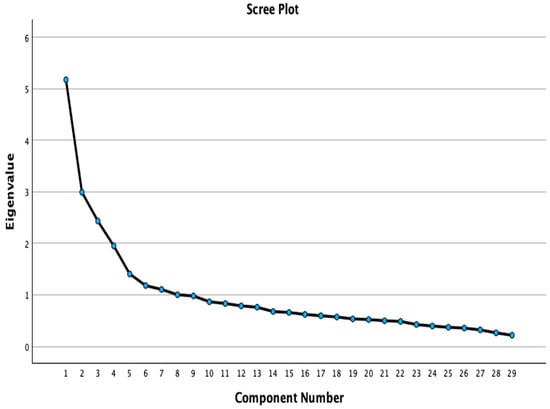
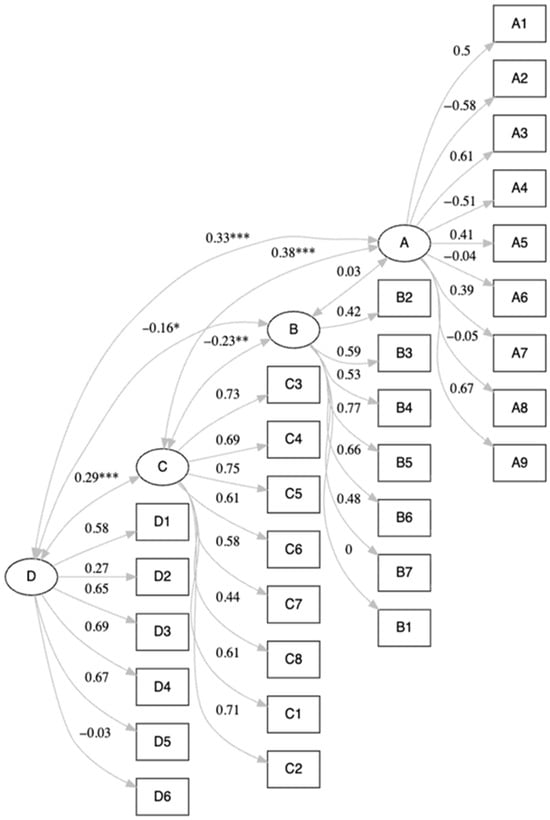
Background: Rapid technological progress has transformed healthcare systems through integrating electronic health (eHealth) into clinical practice. Consequently, nursing students, upcoming healthcare professionals, face new challenges arising from this digital transition. Adequate technological skills and eHealth literacy are essential to meet the requirements of contemporary healthcare environments. The aim of this study was to translate, culturally adapt, and validate a questionnaire measuring technophilia, Internet use, eHealth literacy, and nursing students’ attitudes toward technology and eHealth. Methods: A cross-sectional validation study was conducted using a convenience sample of Albanian undergraduate nursing students. After forward and backward translation, the instrument’s construct validity was examined using exploratory factor analysis (EFA). Cronbach’s alpha assessed internal consistency, and the relationships among the four constructs were explored using structural equation modeling (SEM). Results: A total of 357 undergraduate nursing students participated in the survey. EFA identified a clear four-factor structure corresponding to Technophilia, Internet Use, eHealth Literacy, and Technology and Electronic Health in Nursing Education, with all items demonstrating satisfactory factor loadings. Internal consistency of the four scales ranged from 0.692 to 0.852, indicating generally satisfactory reliability. Although the SEM model fit was below the recommended thresholds, the results provide some evidence for relationships among the constructs. Conclusions: The findings provide preliminary evidence for the reliability and validity of the adapted instrument and set a baseline for assessing Albanian nursing students’ knowledge, skills, and attitudes regarding technology and eHealth literacy. Several strategies can be developed based on this evidence to prepare nursing students for technologically advanced healthcare systems.
Full article
(This article belongs to the Special Issue Health Questionnaires in Nursing)
►▼
Show Figures

Figure 1
Open AccessArticle
Evaluation of Changes Associated with an Educational Intervention on Basic Life Support and Airway Obstruction Among Schoolchildren Aged from 11 to 18 Years Old in the Island of La Palma (Canary Islands)
by
Sofía Martínez-León, Alba Francisco-Sánchez, Beatriz Rescalvo-Arjona, Pedro Ruymán Brito-Brito and Martín Rodríguez-Álvaro
Nurs. Rep. 2026, 16(4), 138; https://doi.org/10.3390/nursrep16040138 - 15 Apr 2026
Abstract
►▼
Show Figures
Cardiopulmonary arrests are time-dependent emergencies where survival rates are quickly reduced without early intervention. BLS training programmes for teachers and schoolchildren must be mandatory, as they not only improve efficacy when performing the manoeuvres but also enhance willingness to do so. Background/Objectives:
[...] Read more.
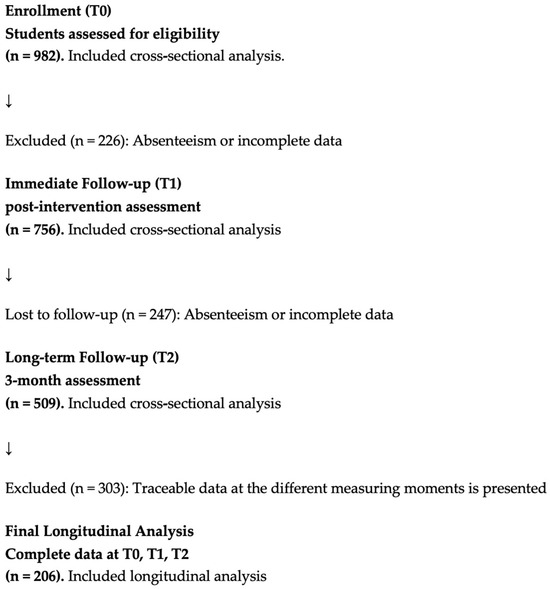
Cardiopulmonary arrests are time-dependent emergencies where survival rates are quickly reduced without early intervention. BLS training programmes for teachers and schoolchildren must be mandatory, as they not only improve efficacy when performing the manoeuvres but also enhance willingness to do so. Background/Objectives: To analyse changes in knowledge and whether they are sustained in time after a theoretical–practical intervention led by nurses. To objectively analyse the quality of chest compressions according to the students’ group and age. Methods: A quasi-experimental study without a Control Group and with three measuring instances: Baseline (T0), Immediate post-intervention (T1) and at three months (T2). Knowledge was assessed by means of an ad hoc questionnaire; in turn, the chest compressions were evaluated using a mannequin with feedback. The longitudinal changes were analysed based on paired discordant answers. Descriptive analyses according to age and schooling level were performed. Results: There were 982, 756 and 509 students at T0, T1 and T2, respectively. A total of 206 records were paired at all three measuring moments. The intervention was associated with an increase in knowledge test scores, which is preserved at three months. Most of the questionnaire items presented positive changes or remained unchanged. The significant difference was maintained in 8 of the 10 questions. As for the compressions, a significant and positive correlation was found between age and overall score, depth and rate. The comparative analysis between the Lower Secondary Education and Higher Secondary Education groups found significant differences in those same variables, as well as a difference in release. Conclusions: Altogether, the results of this study contribute evidence about the effectiveness of BLS training among adolescents in a real-world context, underscoring the need for ongoing and age-adapted interventions.
Full article

Figure 1
Open AccessArticle
Preparing Nursing Students for Obstetric Emergencies: Effects of High-Fidelity Simulation on Knowledge, Confidence and Learning
by
Marta Fernández Idiago, Juan Francisco Velarde-García, Oscar Arrogante, Ignacio Zaragoza-García, Beatriz Álvarez-Embarba, Victor Fernández-Alonso and Leticia López-Pedraza
Nurs. Rep. 2026, 16(4), 137; https://doi.org/10.3390/nursrep16040137 - 14 Apr 2026
Abstract
Background: Emergency obstetric situations require rapid clinical decision-making, technical competence, and emotional preparedness to ensure safe and compassionate care for both mother and newborn. However, nursing students often have limited opportunities to experience such high-risk, low-frequency events during clinical placements. Simulation-based education has
[...] Read more.
Background: Emergency obstetric situations require rapid clinical decision-making, technical competence, and emotional preparedness to ensure safe and compassionate care for both mother and newborn. However, nursing students often have limited opportunities to experience such high-risk, low-frequency events during clinical placements. Simulation-based education has emerged as an effective strategy to prepare future nurses for caring in emergency contexts, allowing them to develop both technical and non-technical skills in a safe learning environment. This study aimed to evaluate the effects of a high-fidelity obstetric emergency simulation program on nursing students’ knowledge, perceived safety, and learning experience. Methods: A mixed-methods design was employed, combining a quasi-experimental pretest–posttest assessment without a control group and qualitative analysis of open-ended reflections. Eighty-two third-year nursing students participated in two simulation sessions addressing obstetric emergencies such as breech birth, shoulder dystocia, out-of-hospital delivery, eclampsia, postpartum hemorrhage, and maternal cardiac arrest. Data were collected using validated instruments measuring knowledge, perceived safety, and satisfaction and self-confidence in learning, and were analyzed using Wilcoxon signed-rank tests and thematic analysis. Results: Significant improvements were observed in specific knowledge areas related to complex obstetric maneuvers and in their perceived safety when managing emergency situations (p < 0.001, r > 0.40). Participants reported high levels of satisfaction and confidence in learning. Qualitative findings highlighted increased emotional preparedness, improved clinical reasoning, and recognition of the importance of teamwork and reflective debriefing in emergency care contexts. Conclusions: High-fidelity simulation appears to be an effective educational strategy for preparing nursing students to provide safe and confident care in obstetric emergencies. Integrating simulation into nursing curricula can strengthen both technical competence and the emotional readiness required for caring in urgent and high-pressure clinical situations.
Full article
Open AccessArticle
Beyond Triage: The Critical Role of Emergency Nurses in COPD Assessment and Management—Insights from Patients and Staff
by
Clint Moloney, Gavin Beccaria and Amy B. Mullens
Nurs. Rep. 2026, 16(4), 136; https://doi.org/10.3390/nursrep16040136 - 14 Apr 2026
Abstract
Background: Chronic Obstructive Pulmonary Disease (COPD) remains a leading cause of emergency department (ED) presentation, hospitalisation, and preventable healthcare utilisation worldwide. Although guidelines advocate coordinated, preventative, and community-based management, care within ED settings often remains reactive and crisis-driven. Nurses occupy a central
[...] Read more.
Background: Chronic Obstructive Pulmonary Disease (COPD) remains a leading cause of emergency department (ED) presentation, hospitalisation, and preventable healthcare utilisation worldwide. Although guidelines advocate coordinated, preventative, and community-based management, care within ED settings often remains reactive and crisis-driven. Nurses occupy a central role in COPD management; however, the experiential dimensions of nursing practice and its contribution to improving patient outcomes are insufficiently understood. Objectives: To explore the lived experiences of patients, nurses and medical officers regarding COPD presentations to the ED, with particular focus on the nursing role in assessment, coordination, education, and identification of unmet and comorbid care needs. Methods: A qualitative phenomenological approach was undertaken across three regional Australian EDs. Purposive sampling recruited patients presenting with acute exacerbations of COPD and nursing and medical officers involved in their care. Semi-structured interviews were conducted and transcribed verbatim. Data were analysed using Braun and Clarke’s thematic analysis framework, supported by reflexive discussion and audit trails to enhance rigour. Results: Six interrelated themes were identified: (1) nursing within a “crisis first” model of care; (2) holistic assessment and translation of complexity; (3) education and care coordination as preventative nursing work; (4) relational care and therapeutic connection; (5) nurses as sentinels for undiagnosed comorbidities, particularly obstructive sleep apnoea; and (6) system pressures constraining optimal nursing practice. Participants consistently described nurses as the clinicians who stabilised acute episodes, interpreted contextual risks, coordinated services, and provided relational and educational support, yet whose preventative contributions were limited by time and organisational demands. Conclusions: ED nurses function as critical integrators between acute stabilisation and chronic disease management for patients with COPD. Formalising nurse-led assessment, education, coordination, and sleep-disordered breathing screening may reduce avoidable ED presentations and enhance patient-centred outcomes. Investment in structured nursing models represents a key opportunity for improving COPD care delivery.
Full article
(This article belongs to the Special Issue The Future of COPD Management: Advancing Nursing’s Pivotal Role)
Open AccessReview
Educational Interventions on Chronic Kidney Disease for Care Home Staff: An Empty Scoping Review
by
Grace Crolly-Burton, Gary Mitchell, Clare McKeaveney and Stephanie Craig
Nurs. Rep. 2026, 16(4), 135; https://doi.org/10.3390/nursrep16040135 - 13 Apr 2026
Abstract
Background: Chronic kidney disease (CKD) is highly prevalent among older adults, particularly those living in care homes, where early identification and effective management are essential to improving outcomes. Aim: This scoping review aimed to explore and map educational interventions designed to support care
[...] Read more.
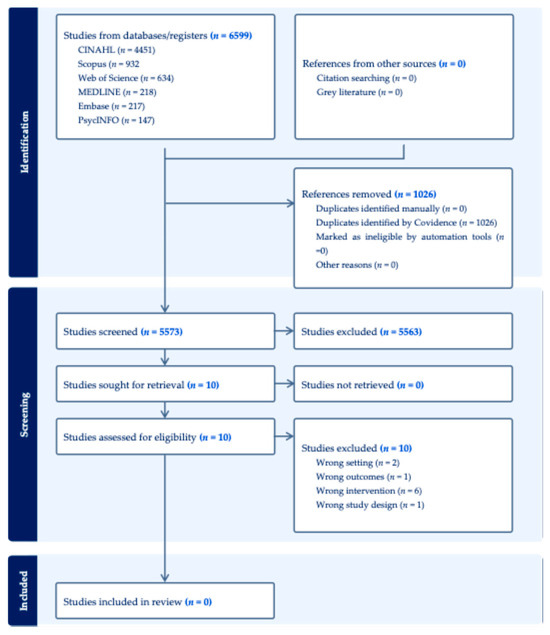
Background: Chronic kidney disease (CKD) is highly prevalent among older adults, particularly those living in care homes, where early identification and effective management are essential to improving outcomes. Aim: This scoping review aimed to explore and map educational interventions designed to support care home staff in the prevention, assessment, and management of CKD. Methods: A scoping review (ScR) was conducted and guided by the Preferred Reporting Items for Systematic Reviews and Meta-analysis extension for ScR (PRISMA-ScR) checklist. A systematic search of six major databases was conducted following the Joanna Briggs Institute methodology. Results: A total of 6599 records were identified and 5573 titles and abstracts were screened; 10 full texts were assessed, but no studies met the inclusion criteria. Conclusions: This empty review highlights a significant gap in the literature and reinforces the need for targeted research to develop and evaluate training interventions for care home staff managing residents with CKD.
Full article
(This article belongs to the Section Nursing Care for Older People)
►▼
Show Figures

Figure 1
Open AccessArticle
Breastfeeding Outcomes After Scheduled Cesarean Section Under an ERAS Pathway: An Analytical Observational Study
by
Salomé Moreno-Vega, José C. Vilches, Francisco García-Pedrajas, Isabel María Morales-Gil and Cristóbal Rengel-Díaz
Nurs. Rep. 2026, 16(4), 134; https://doi.org/10.3390/nursrep16040134 - 13 Apr 2026
Abstract
Background/Objectives: Breastfeeding initiation after cesarean section is frequently delayed due to postoperative routines and early mother–infant separation. Enhanced Recovery After Surgery (ERAS) protocols have been introduced in obstetrics to improve maternal recovery and may facilitate practices aligned with a family-centered model of care.
[...] Read more.
Background/Objectives: Breastfeeding initiation after cesarean section is frequently delayed due to postoperative routines and early mother–infant separation. Enhanced Recovery After Surgery (ERAS) protocols have been introduced in obstetrics to improve maternal recovery and may facilitate practices aligned with a family-centered model of care. The aim of this study was to evaluate the association between ERAS implementation and breastfeeding outcomes, including early feeding patterns and effective breastfeeding at discharge. Methods: An analytical longitudinal study was conducted including women undergoing scheduled cesarean section between January 2025 and November 2025 at Quirón Salud Málaga Hospital (Spain). A total of 131 women were enrolled in this study. Two groups were compared: an exposed group that received an ERAS protocol (n = 65) for scheduled cesarean section and a control group (n = 66) managed with conventional in-hospital care. An intrasubject analysis was conducted, and associations were assessed using odds ratios (ORs) with 95% confidence intervals (CIs). Multivariable logistic regression was performed to identify factors independently associated with effective breastfeeding. Results: The ERAS group showed a stable feeding pattern over time, with a high persistence of exclusive breastfeeding (Stuart–Maxwell χ2(2) = 1.14; p = 0.565). In multivariable analysis, ERAS implementation remained an independent factor (adjusted OR 3.79; 95% CI 1.50–9.55; p = 0.005), together with early skin-to-skin (adjusted OR 2.68; 95% CI 1.13–6.36; p = 0.026), as was breastfeeding support (adjusted OR 2.72; 95% CI 1.02–7.22; p = 0.045). LATCH scores were also higher in the ERAS group (p = 0.0005; r = 0.34). Conclusions: Women managed under ERAS presented a higher prevalence of exclusive breastfeeding at hospital discharge and better breastfeeding performance. ERAS implementation was associated with improved breastfeeding outcomes, possibly through clinical conditions that facilitate early contact and structured breastfeeding support.
Full article
Open AccessArticle
Exploring Nurses’ Perspectives on the Use of Artificial Intelligence Chatbots for Mental Health Support: A Cross-Sectional Study in Greece
by
Paschalina Lialiou, Aglaia Katsiroumpa, Parisis Gallos, Olympia Konstantakopoulou, Ioannis Moisoglou, Olga Galani, Maria Tsiachri and Petros Galanis
Nurs. Rep. 2026, 16(4), 133; https://doi.org/10.3390/nursrep16040133 - 13 Apr 2026
Abstract
Background/Objectives: Artificial intelligence (AI) has transformed healthcare delivery by revolutionizing the offering opportunities in prognosis, diagnosis, personalized treatment, and improving patient outcomes. However, little is known about the nurses’ attitudes toward the integration of AI-driven conversational technology and AI chatbots into clinical
[...] Read more.
Background/Objectives: Artificial intelligence (AI) has transformed healthcare delivery by revolutionizing the offering opportunities in prognosis, diagnosis, personalized treatment, and improving patient outcomes. However, little is known about the nurses’ attitudes toward the integration of AI-driven conversational technology and AI chatbots into clinical practice. The aim of our study was to investigate nurses’ attitudes regarding the use of AI chatbots as a tool for mental health support. Additionally, the study aimed to evaluate their levels of acceptance and fear toward AI, while examining the influence of demographic variables on these attitudes. Methods: A cross-sectional study was conducted. We employed the Artificial Intelligence in Mental Health Scale (AIMHS) to measure attitudes toward the use of AI-powered chatbots for mental health support. Additionally, we utilized the Attitudes Towards Artificial Intelligence Scale (ATAI) to assess nurses’ levels of acceptance and fear regarding artificial intelligence. Results: Technical advantages score in the AIMHS reflected low positive attitudes toward the technical aspect of AI chatbots for mental health support, while personal advantages score showed moderate positive attitudes toward the personal aspect of chatbots. ATAI scores indicated a moderate level of acceptance and fear toward AI. Results from multivariable analysis showed that increased age (b = 0.011, p-value = 0.018) and increased daily engagement with social media and websites (b = 0.058, p-value = 0.002) were significantly associated with more favorable technical attitudes towards AI-based mental health chatbots. Also, male nurses exhibited significantly more favorable attitudes toward AI-based mental health chatbots in terms of perceived personal benefits (b = 0.548, p-value < 0.001). Higher levels of digital technology competence were significantly associated with greater acceptance of artificial intelligence (b = 0.164, p = 0.032). Additionally, male nurses reported significantly higher acceptance of AI compared to their female counterparts (b = 1.587, p < 0.001). We found that lower financial status was significantly associated with heightened fear of AI (b = −0.329, p < 0.001). Conclusions: Nurses generally held moderately positive attitudes toward both AI-based mental health chatbots and AI more broadly. Several demographic factors were found to significantly influence these attitudes.
Full article
(This article belongs to the Special Issue AI-Driven Conversational Technologies and Digital Assistants in Nursing and Healthcare: Adoption, Impact, and Future Directions)
Open AccessArticle
Evaluation of Nursing Students’ Experience of Clinical Placement in a Rural Setting Using CLES+T Scale
by
Yangama Jokwiro, Qiumian Wang, Jennifer Bassett, Sandra Connor and Edward Zimbudzi
Nurs. Rep. 2026, 16(4), 132; https://doi.org/10.3390/nursrep16040132 - 13 Apr 2026
Abstract
►▼
Show Figures
Background: Nursing student experiences in the clinical learning environment have been described in many countries but less is known about student nurses in rural settings. Aim: To explore undergraduate nursing students’ experience of clinical placement in a rural setting and identify factors that
[...] Read more.
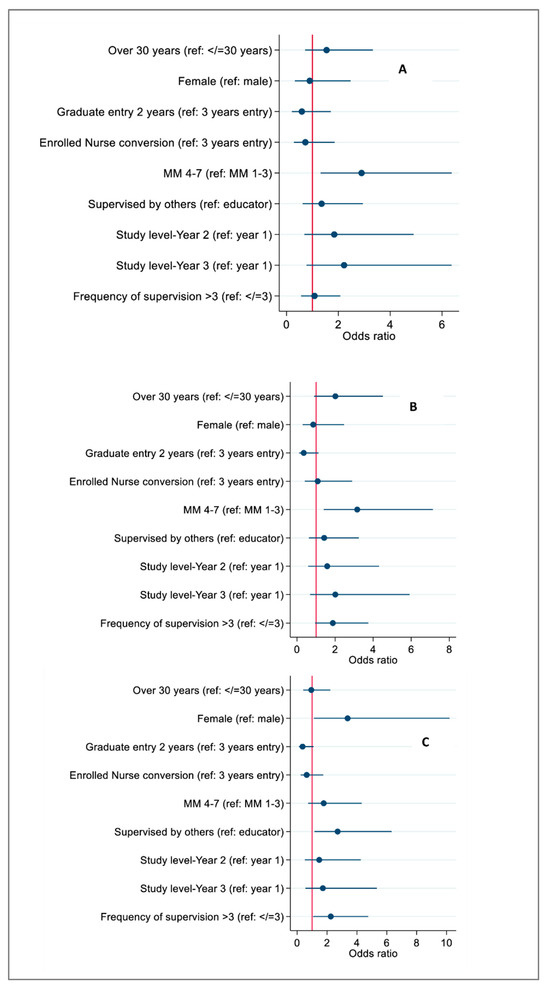
Background: Nursing student experiences in the clinical learning environment have been described in many countries but less is known about student nurses in rural settings. Aim: To explore undergraduate nursing students’ experience of clinical placement in a rural setting and identify factors that influence their experience. Methods: A cross-sectional observational study was conducted with a convenience sample of 170 undergraduate nursing students in regional Victoria, Australia, who completed professional experience placements between January and June 2020. Following their placements, participants completed the Clinical Learning Environment, Supervision and Nurse Teacher (CLES+T) scale. Data were analysed using logistic regression models. Results: Completing clinical placements in medium to small rural towns or remote and very remote communities were associated with increased odds of high scores in the learning environment [odds ratio (OR) 2.90, 95% CI, 1.32 to 6.37; P = 0.01] and the supervisory relationship domains (OR 3.16, 95% CI, 1.40 to 7.14; P = 0.01). Female gender (OR 3.38, 95% CI, 1.12 to 10.19; P = 0.03), supervision by staff other than an educator (OR 2.71, 95% CI, 1.16 to 6.33; P = 0.02) and increased frequency of ad hoc (extra) supervision with a buddy nurse without the nurse educator (OR 2.55, 95% CI, 1.07 to 4.75; P = 0.03) were associated with increased odds of high scores in the role of nurse educator domain. Conclusions: In this study, nursing students reported valuing their exposure to smaller and more remote communities, the learning environments within rural and remote healthcare facilities, and the relationships they developed with supervising nurses. The findings also suggest that some students perceived greater value in supervision provided by clinical staff who were not in formal nurse educator or nurse facilitator roles. Given the limitations of the study, these observations should be interpreted cautiously and may warrant further investigation in broader contexts.
Full article

Figure 1
Open AccessArticle
The Weight of the First Year: The Impact of Negative Experiences for Early-Career Nurses and Midwives—A Long-Term Risk for Trauma, Burnout and Professional Attrition
by
Helen Donovan
Nurs. Rep. 2026, 16(4), 131; https://doi.org/10.3390/nursrep16040131 - 13 Apr 2026
Abstract
Background: Early-career registered nurses and midwives often encounter intense stressors that affect their physical, mental, emotional, and social well-being. While some challenges serve as valuable learning opportunities, others are traumatic and burdensome. These negative experiences can profoundly influence ongoing professional development and,
[...] Read more.
Background: Early-career registered nurses and midwives often encounter intense stressors that affect their physical, mental, emotional, and social well-being. While some challenges serve as valuable learning opportunities, others are traumatic and burdensome. These negative experiences can profoundly influence ongoing professional development and, for some, act as a catalyst for burnout and premature departure from the profession. Methods: This qualitative phenomenological study involved 51 registered nurses and midwives within their first three years of practice at an Australian hospital. The research aimed to identify the challenges faced by participants during their initial years and to explore how these experiences shaped their perceptions of ongoing practice. Results: Many participants in their second and third years of practice, who had difficult first-year experiences, described in detail the impact of their initial encounters on their formative nursing practice during the interviews. The challenges faced in the second and third years were often considered insignificant in comparison to the traumatic events of the first year. Some participants reported requiring long-term psychological support as a result of first year experiences and expressed uncertainty about continuing in the nursing profession. Conclusion: Ensuring that first-year experiences are positive, supportive, and rewarding is crucial for new nurses and midwives. When this period is marked by trauma, emotional distress can escalate, leading to burnout and an increased likelihood of professional attrition. Supporting graduates’ well-being and addressing their individual needs during these formative years is essential for workforce sustainability.
Full article
(This article belongs to the Special Issue Supporting New Graduate and Early Career Nurses)
Open AccessArticle
Influence of Perceived Behavioural Control and Knowledge on Nursing Students’ Intention to Prevent Nosocomial Infections: A Cross-Sectional Study
by
Erwin, Dedi Afandi, Usman M. Tang and Aria Gusti
Nurs. Rep. 2026, 16(4), 130; https://doi.org/10.3390/nursrep16040130 - 13 Apr 2026
Abstract
Background: Hospital-acquired infections (HAIs) pose significant safety risks, making nursing students’ behavioural intention during clinical rotations vital for prevention. Objective: To analyze the influence of Perceived Behavioural Control (PBC) and knowledge on students’ intention to maintain a safe clinical environment. Methods: A cross-sectional
[...] Read more.
Background: Hospital-acquired infections (HAIs) pose significant safety risks, making nursing students’ behavioural intention during clinical rotations vital for prevention. Objective: To analyze the influence of Perceived Behavioural Control (PBC) and knowledge on students’ intention to maintain a safe clinical environment. Methods: A cross-sectional design was conducted with 242 nursing students at a Type A referral hospital in Pekanbaru, Indonesia. Participants were selected via simple random sampling. Data were collected using validated questionnaires measuring PBC (six indicators), knowledge (three subscales), and behavioural intention. Statistical analysis involved Chi-square tests for unadjusted Odds Ratios (OR) and binary logistic regression to calculate adjusted Odds Ratios (AOR) by entering all variables into the model simultaneously. Results: The majority of participants demonstrated high intention (66.5%) and high PBC (83.9%). In the univariate analysis, all six PBC indicators and general nosocomial knowledge were significantly associated with high intention (p < 0.05), with staff direction (OR = 5.96) and specific training (OR = 4.94) showing the strongest independent effects. However, when all environmental and cognitive variables were entered into the regression model simultaneously, only knowledge of personal protective equipment (PPE) use remained a significant independent factor (AOR = 2.66; 95% CI: 1.40–5.06, p = 0.003). The unadjusted OR emphasized the isolated influence of each factor, whereas the adjusted OR showed that technical knowledge was the only variable to retain significance after controlling for other factors. Conclusions: Technical knowledge regarding PPE use is the primary independent driver of nursing students’ intention to maintain a safe clinical environment. While environmental support and general knowledge are important foundational elements, clinical education should prioritize practical, technical training in protective measures to translate knowledge into behavioural intention effectively.
Full article
(This article belongs to the Section Nursing Education and Leadership)
Open AccessArticle
Digital Skills and Readiness of Greek Nurses for Artificial Intelligence Adoption in Clinical Nursing Practice
by
Nikolaos Kontodimopoulos, Ioanna Anagnostaki, Kejsi Ramollari, Alexandra Anna Gasparinatou and Michael A. Talias
Nurs. Rep. 2026, 16(4), 129; https://doi.org/10.3390/nursrep16040129 - 11 Apr 2026
Abstract
Background: Artificial intelligence (AI) is increasingly integrated into healthcare systems, with important implications for nursing practice and clinical workflows. However, evidence regarding nurses’ digital skills, perceptions, and readiness to adopt AI-enabled technologies remains limited, particularly in national healthcare contexts such as Greece. Objectives:
[...] Read more.
Background: Artificial intelligence (AI) is increasingly integrated into healthcare systems, with important implications for nursing practice and clinical workflows. However, evidence regarding nurses’ digital skills, perceptions, and readiness to adopt AI-enabled technologies remains limited, particularly in national healthcare contexts such as Greece. Objectives: This study examined nurses’ digital skills, perceptions of AI, and readiness for AI adoption in clinical practice, and explored demographic and professional factors associated with these outcomes. Methods: A cross-sectional survey was conducted among 166 nurses working in two public hospitals in Greece. Results: Nurses reported moderate digital skills, with 59.1% indicating competence in email/video communication and 27.2% reporting adequate use of digital security tools, while exposure to AI remained limited (18.0% reported using AI products/services in daily life). Perceived professional impact of AI was moderate, whereas readiness for AI adoption was comparatively lower, with only 7.8% considering health professionals adequately prepared and 7.2% reporting adequate AI training. Statistical analyses indicated that educational level and computer literacy certification were positively associated with digital skills, whereas longer professional experience was negatively associated with readiness for AI adoption. Conclusions: These findings highlight a gap between general digital competence and preparedness for AI-driven healthcare applications and underline the need for targeted education and implementation strategies to support effective and ethical integration of AI in nursing practice. From a nursing workforce perspective, the results underscore the importance of integrating AI literacy into continuing professional education and aligning digital health implementation strategies with clinical nursing practice.
Full article
Open AccessReview
Lifestyle Medicine Perspectives from Nursing in Community Care Setting: A Narrative Review
by
Francesco Sacchini, Francesco Scerbo, Karolina Kowalcze, Paola Pantanetti, Sophia Russotto, Otilia Enache, Stefano Mancin, Cuc Thi Thu Nguyen, Diego Lopane, Francesca Marfella, Gabriele Caggianelli, Robert Krysiak, Fabio Petrelli and Giovanni Cangelosi
Nurs. Rep. 2026, 16(4), 128; https://doi.org/10.3390/nursrep16040128 - 10 Apr 2026
Abstract
Background/Objectives: Chronic diseases pose a major challenge for healthcare systems, requiring integrated, patient-centered approaches that combine clinical management, prevention, and self-care. Lifestyle Medicine (LM) and lifestyle in general offers complementary frameworks to address these needs. However, the potential integration of LM within
[...] Read more.
Background/Objectives: Chronic diseases pose a major challenge for healthcare systems, requiring integrated, patient-centered approaches that combine clinical management, prevention, and self-care. Lifestyle Medicine (LM) and lifestyle in general offers complementary frameworks to address these needs. However, the potential integration of LM within community nursing—particularly through the role of Family and Community Nurse (FCN)—has not been comprehensively synthesized. This narrative review aimed to synthesize international evidence on the role of community nursing—particularly FCN—in integrating chronic care management and LM view. Methods: For quality assessment, a narrative review was conducted in accordance with the SANRA criteria to enable the integration of heterogeneous evidence and a comprehensive synthesis of this complex topic. Literature searches were performed in the PubMed–Medline database, and the final screening of references from included studies was used to identify relevant manuscripts. Primary studies published in English over the past ten years were screened and analyzed using the PICOS framework. Sixteen eligible studies were included in the final synthesis. Results: The included studies indicated that nurse-led community interventions in LM view were associated with improvements in self-management, treatment adherence, and selected clinical outcomes, such as blood pressure, glycated hemoglobin, and physical activity levels. Empowerment-based approaches and the use of digital or telehealth tools supported patient engagement and health literacy. At the organizational level, multidisciplinary collaboration, shared protocols, and professional leadership emerged as key factors in sustaining continuity and quality of care, while organizational fragmentation and limited training in behavioral counseling were commonly reported barriers. Conclusions: Community nursing, particularly through FCNs, plays a relevant role in integrating chronic care management and LM approaches, contributing to improved self-management, treatment adherence, and selected clinical outcomes. The evidence highlights the importance of empowerment-based interventions, digital support tools, and multidisciplinary collaboration in enhancing care continuity and patient engagement. Addressing organizational barriers and strengthening behavioral counseling training remain essential to support effective implementation in community settings.
Full article
Open AccessArticle
Promoting Critical Thinking and Digital Literacy in Nursing Students Through AI-Powered Podcasting: A Mixed-Methods Study
by
Piyanut Xuto, Piyaporn Prasitwattanaseree, Tareewan Chaiboonruang, Lawitra Khiaokham, Nittha Panjaruang, Pattarada Chalermliamthong and Piyawan Sritawan
Nurs. Rep. 2026, 16(4), 127; https://doi.org/10.3390/nursrep16040127 - 10 Apr 2026
Abstract
Background: Nursing education faces challenges in developing critical thinking and digital literacy among Generation Z students, particularly in maternal–newborn care contexts where evidence-based practice is essential. Objectives: To evaluate the effectiveness of an AI-assisted podcasting intervention on critical thinking and digital literacy among
[...] Read more.
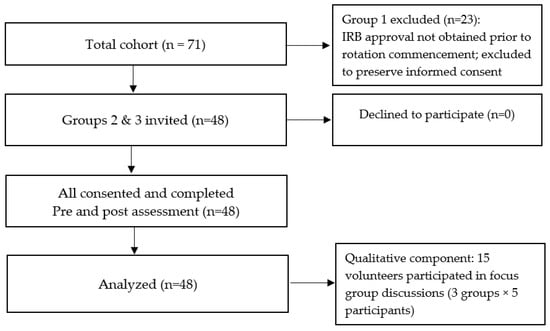
Background: Nursing education faces challenges in developing critical thinking and digital literacy among Generation Z students, particularly in maternal–newborn care contexts where evidence-based practice is essential. Objectives: To evaluate the effectiveness of an AI-assisted podcasting intervention on critical thinking and digital literacy among nursing students and explore their experiences. Methods: A convergent mixed-methods design included 48 third-year nursing students who created educational podcasts using AI tools (Sci Space for literature search, Notebook LM for synthesis). Quantitative data were analyzed using paired t-tests; qualitative data from three focus groups (n = 15) underwent thematic analysis. Results: Critical thinking scores increased significantly from 89.71 (SD = 13.43) to 117.29 (SD = 9.94), (t = −13.332, p < 0.001). Digital literacy scores improved from 37.98 (SD = 5.84) to 46.94 (SD = 4.11), (t = −9.407, p < 0.001). Four themes emerged: transformation from anxiety to empowerment, AI as scaffold, distinct tool utility, and future clinical application. Conclusions: These findings suggest that AI-assisted podcasting has the potential to significantly enhance critical thinking and digital literacy among nursing students; however, results should be interpreted with caution given the pre–post design, single-institution sample, and use of researcher-developed instruments.
Full article
(This article belongs to the Special Issue Advancing Nursing Practice Through Innovative Education)
►▼
Show Figures

Figure 1
Open AccessArticle
Assessment of Public Stigma Towards People with Mental Health Problems
by
Lorena Liñán-Díaz, María Desamparados Bernat-Adell, Núria Vives-Díaz and Vicente Bernalte-Martí
Nurs. Rep. 2026, 16(4), 126; https://doi.org/10.3390/nursrep16040126 - 9 Apr 2026
Abstract
Background/Objectives: This study aimed to assess public stigma toward people with mental health problems and to examine the association between stigma and socioeconomic characteristics, personal mental health history, and contact with individuals with mental health problems. Methods: This observational, descriptive, and
[...] Read more.
Background/Objectives: This study aimed to assess public stigma toward people with mental health problems and to examine the association between stigma and socioeconomic characteristics, personal mental health history, and contact with individuals with mental health problems. Methods: This observational, descriptive, and cross-sectional study was conducted among the general population in Spain using a sample of 404 participants, the majority of whom were women (71%), with a median age of 38 years (IQR = 26–49); most participants (86.4%) lived in urban areas. The participants completed a self-administered online questionnaire that explored socioeconomic variables and the Community Attitudes towards Mental Illness Scale (CAMI-S, Spanish version). Non-parametric tests (Mann–Whitney U, Kruskal–Wallis, and Spearman correlation), multiple linear regression, and statistical power analyses were performed. Results: The mean CAMI-S total score was 84.89 (SD = 11.122) out of 100, indicating relatively favourable attitudes toward people with mental health problems. Statistically significant associations (p-value ≤ 0.05) were found between CAMI-S scores and variables such as gender, age, place of residence, educational level, mental health disorder, and close contact with someone with mental health disorders. The regression model revealed four significant predictors of lower stigma: identifying as female (β = 2.523; p = 0.037), having a medium or higher educational level (β = 5.061; p = 0.002), experiencing a mental health diagnosis (β = 4.535; p = 0.014), and close contact (β = 4.183; p < 0.001). Conclusions: Social stigma toward people with mental health problems in Spain appears to be generally low, reflecting positive attitudes toward community integration. Being female, having higher education, and personal or close contact with mental health problems are associated with lower stigma.
Full article
(This article belongs to the Special Issue Culturally Safe and Responsive Mental Health Nursing)
Highly Accessed Articles
Latest Books
E-Mail Alert
News
Topics
Topic in
Hospitals, IJERPH, Nursing Reports, Healthcare
Health Services Optimization, Improvement, and Management: Worldwide Experiences
Topic Editors: Alexandre Morais Nunes, Diogo Filipe da Cunha FerreiraDeadline: 30 April 2026
Topic in
Healthcare, IJERPH, JAL, Societies, Sustainability, Social Sciences, Nursing Reports
Environmental and Social Transformations, Population Ageing, and Sustainable Health Equity
Topic Editors: Xiaoting Liu, Chenkai Wu, Zhixin FengDeadline: 30 April 2027
Topic in
Brain Sciences, Geriatrics, Healthcare, IJERPH, JAL, Nursing Reports, JGG, Nutrients
Healthy, Safe and Active Aging, 3rd Edition
Topic Editors: Antonella Lopez, Andrea Bosco, Alessandro Oronzo Caffò, Elisabetta Ricciardi, Luigi Tinella, Giuseppina SpanoDeadline: 31 August 2027
Topic in
EJIHPE, IJERPH, Nursing Reports, Sci
Health Literacy and eHealth: New Challenges and Developments
Topic Editors: Nikki Shaw, Alan GilliesDeadline: 31 December 2027
Special Issues
Special Issue in
Nursing Reports
Transforming Healthcare Delivery: Advances in Organizational Models of Nursing Care
Guest Editor: Alessio ContiDeadline: 30 April 2026
Special Issue in
Nursing Reports
Advances in Critical Care Nursing
Guest Editors: Gian Domenico Giusti, Stefano BambiDeadline: 30 May 2026
Special Issue in
Nursing Reports
Quiet Quitting: An Alarming Issue for Healthcare Professionals and Services
Guest Editor: Petros GalanisDeadline: 30 May 2026
Special Issue in
Nursing Reports
Breakthroughs in Nursing: Clinical Reasoning and Decision-Making
Guest Editors: Márcia Pestana-Santos, Lara Daniela Matos CunhaDeadline: 30 May 2026
Topical Collections
Topical Collection in
Nursing Reports
Feature Review Papers in Mental Health Nursing Section
Collection Editors: Daniel Bressington, Martin Jones, Allison Wang, Daisy Dexing Zhang, Worku Animaw Temesgen
Topical Collection in
Nursing Reports
Feature Review Papers in “Artificial Intelligence and Digital Innovations in Nursing Care” Section
Collection Editors: Niall Higgins, Xujuan Zhou