


Skip to Content

Pathogens

Pathogens is an international, peer-reviewed, open access journal on pathogens and pathogen-host interactions published monthly online by MDPI.

Indexed in PubMed | Quartile Ranking JCR - Q2 (Microbiology)

Get Alerted

Add your email address to receive forthcoming issues of this journal.

All Articles (9,156)

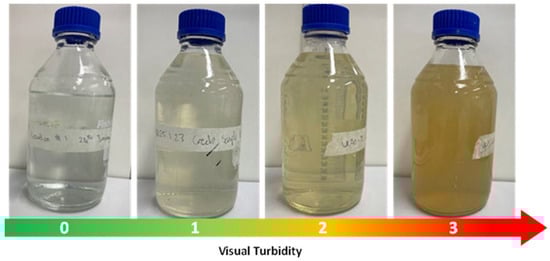
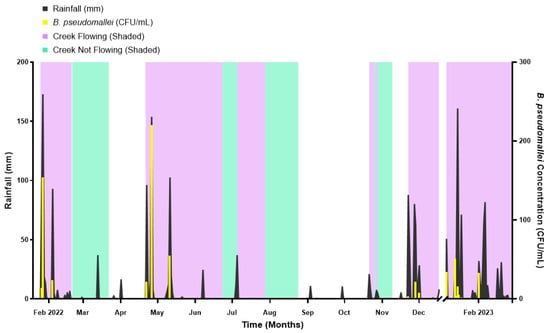
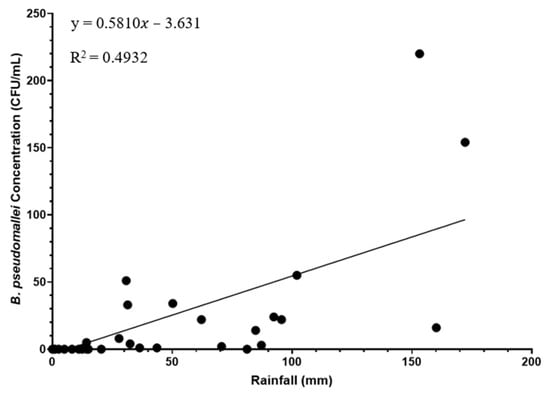
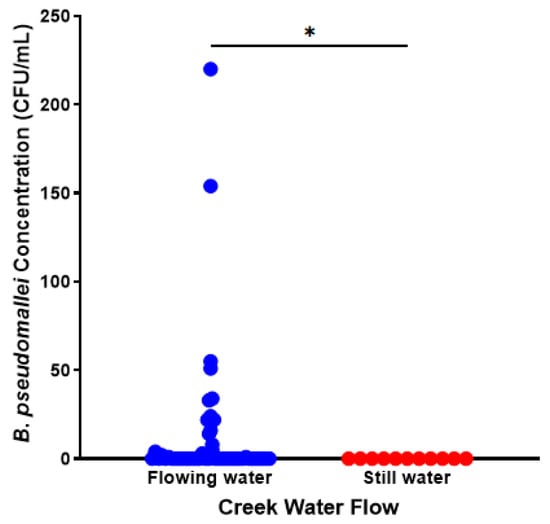
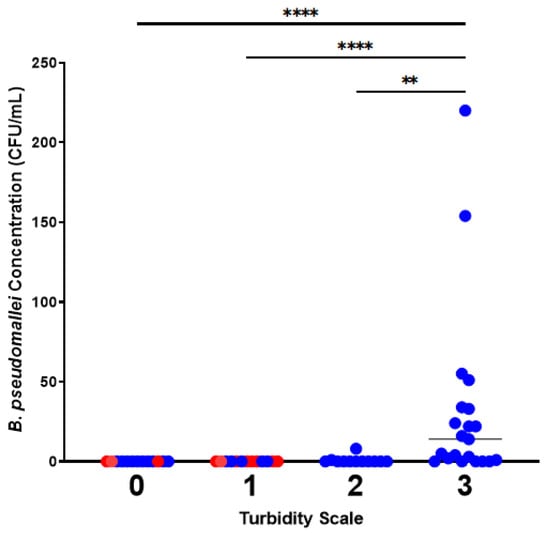
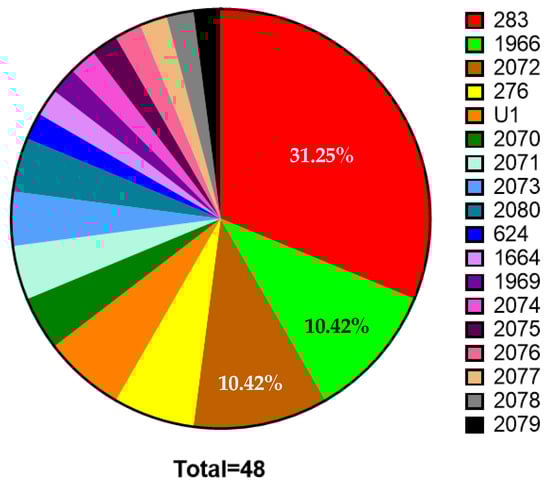
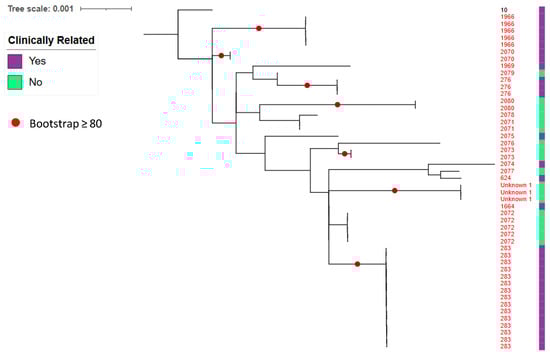
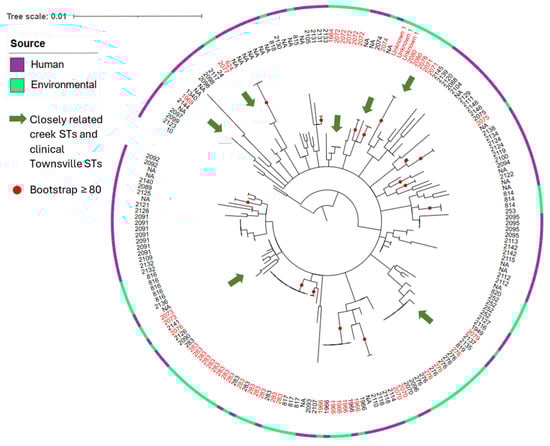
Burkholderia pseudomallei is a saprophytic environmental bacterium and the causative agent of melioidosis, a serious opportunistic infection in tropical regions, including northern Australia. Infection occurs following environmental exposure via percutaneous inoculation, ingestion, or inhalation; however, the environmental reservoirs and transmission pathways responsible for human disease remain poorly defined. Groundwater has been implicated as a potential source of infection, but the factors influencing the persistence and mobility of B. pseudomallei in surface waters in North Queensland are not well understood. Water samples were collected from a groundwater-connected seasonal creek in Townsville, North Queensland, over a 12-month period encompassing wet and dry seasons. Samples were cultured on Ashdown agar and confirmed as B. pseudomallei by qPCR. Multi-locus sequence typing (MLST) was performed using targeted allele sequencing on the Oxford Nanopore MinION platform. Eighteen of 59 water samples were culture-positive for B. pseudomallei. Detection occurred exclusively in turbid, flowing water following ≥30 mm of rainfall and was observed in both wet and dry seasons. MLST of 48 isolates identified 18 sequence types, including 12 novel types. Six sequence types matched previously reported Townsville clinical isolates. These findings indicate that groundwater from a connected urban creek may function as a mobile reservoir for clinically relevant B. pseudomallei strains under specific hydrological and climatic conditions, highlighting rainfall-driven processes as key drivers of environmental exposure risk.

3 March 2026

Waterways flowing off Mt Stuart that converge into Goondaloo Creek drain catchment sampling site (◎). Waterways are indicated in blue. Map shows elevation using traditional hillshade. Map created in Queensland Globe [27]. Map copyright © The State of Queensland (Department of Natural Resources and Mines, Manufacturing and Regional and Rural Development) 2025. Map licensing © CNES reproduced under license from Airbus DS, all rights reserved © 21AT © Earth-i, all rights reserved, © Planet Labs PBC, 2025.

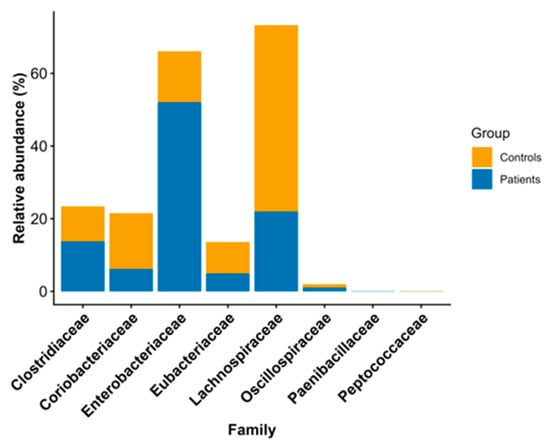
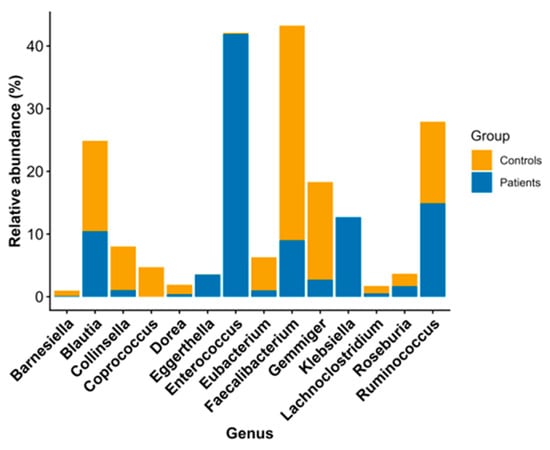
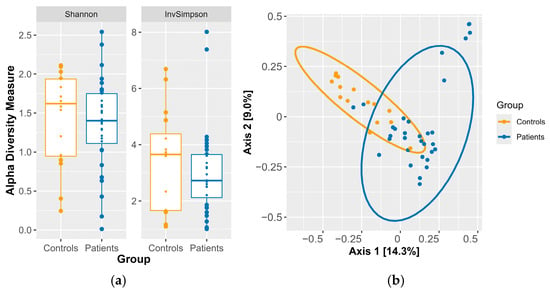
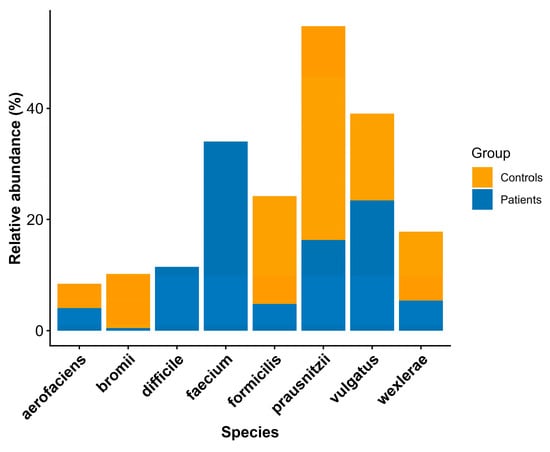
Background/Objectives: The gut microbiome plays an important role in the colonization of an individual by Clostridioides difficile and in the development of Clostridioides difficile infection (CDI). The main purpose of this study was to compare the gut microbiomes of patients with CDI and healthy individuals. Methods: We prospectively included 48 individuals: 32 patients with CDI and 16 healthy individuals. Microbiomes were analyzed by sequencing the hypervariable regions of the 16S rRNA gene using an Ion GeneStudio™ S5 System. Further statistical analysis of microbiome data was performed with the open-source programming language R version 3.5.2. Results: Among the CDI patients, Firmicutes and Proteobacteria were the most abundant phyla, while Enterobacteriaceae and Enterococcaceae were the most abundant families. Genus-level analysis showed that Enterococcus was the dominant genus in CDI patients; in contrast, in healthy individuals, Faecalibacterium was the most abundant. The MaAsLin2 tool revealed that members of the family Enterococcaceae and the genus Enterococcus were more abundant in patients with CDI than in healthy individuals. Alpha and beta diversity did not reveal differences between the two study groups. Conclusions: We observed differences in microbiome patterns between healthy individuals and CDI patients that were consistent with the literature. Further studies are needed.

3 March 2026

Stacked bar plot showing the relative abundances of statistically significant families among the controls and patients.

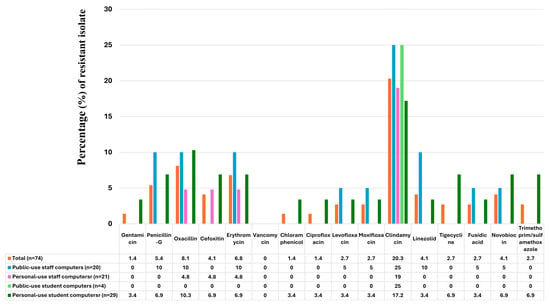
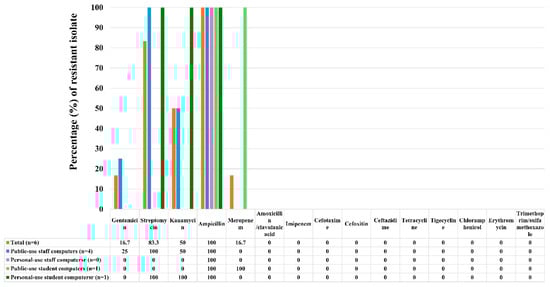
Computer devices in university settings are frequently shared and repeatedly handled, making them potential reservoirs for pathogenic bacteria. This study aimed to investigate the prevalence, virulence determinants, and antimicrobial resistance profiles of Staphylococcus aureus and Escherichia coli isolated from computer devices used by staff and students at a university in Northern Thailand. A total of 400 computer devices were sampled, with each device defined as a single sampling unit comprising both the keyboard and computer mouse. Bacterial identification was performed using PCR, while staphylococcal enterotoxin (se) genes and diarrheagenic E. coli (DEC)-associated virulence genes were detected by PCR. Antimicrobial susceptibility was assessed using the disk diffusion method. Overall, 74 (18.5%) S. aureus isolates and 6 (1.5%) E. coli isolates were recovered. The highest prevalence of S. aureus was observed among personal-use student computer devices (29%; p < 0.001), whereas E. coli was most frequently detected on public-use staff computer devices (4%). Among S. aureus isolates, 24.3% (18/74) carried at least one se gene, with sec being the most prevalent (13.5%). Half of the E. coli isolates harbored the astA gene. Low resistance rates (<10%) were observed among S. aureus; however, four isolates (5.4%) were classified as MRSA, three of which exhibited multidrug resistance. All E. coli isolates were resistant to ampicillin, and 50% displayed multidrug-resistant phenotypes. These findings suggest that computer devices can act as occasional reservoirs of potentially pathogenic and antimicrobial-resistant bacteria in university environments.

3 March 2026

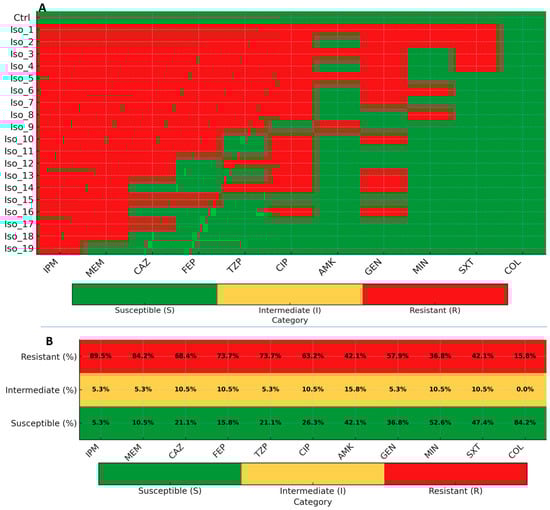
Antibiotic resistance profiles of Staphylococcus aureus isolates obtained from public- and personal-use staff and student computer groups.

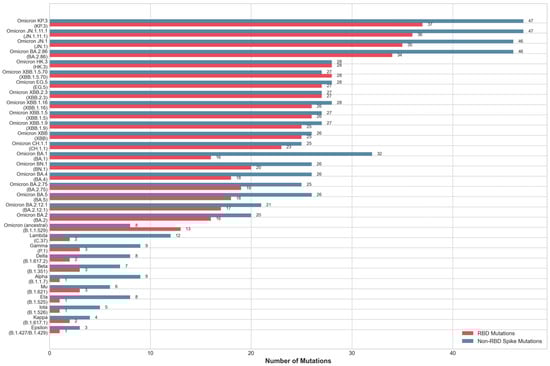
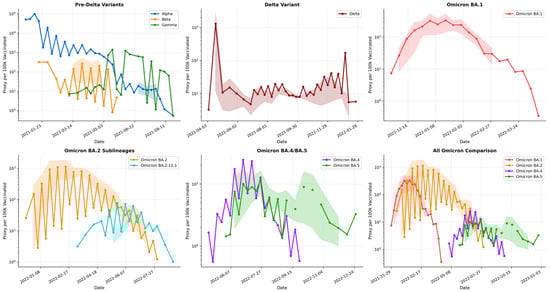
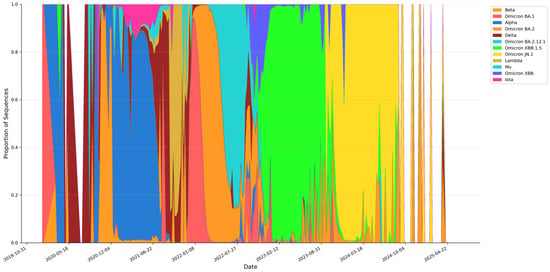
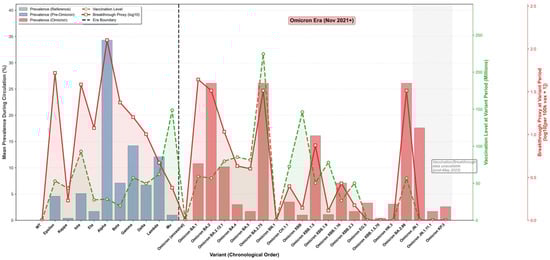
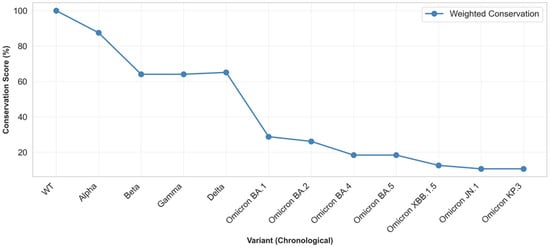
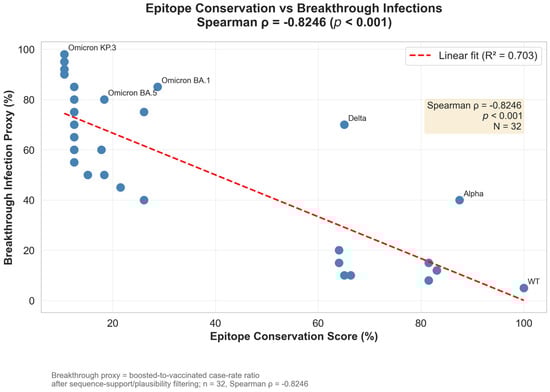
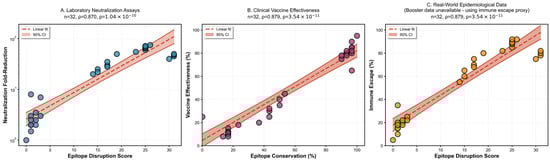
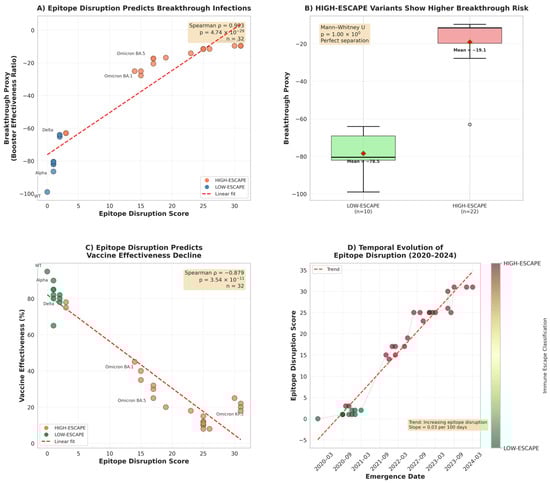
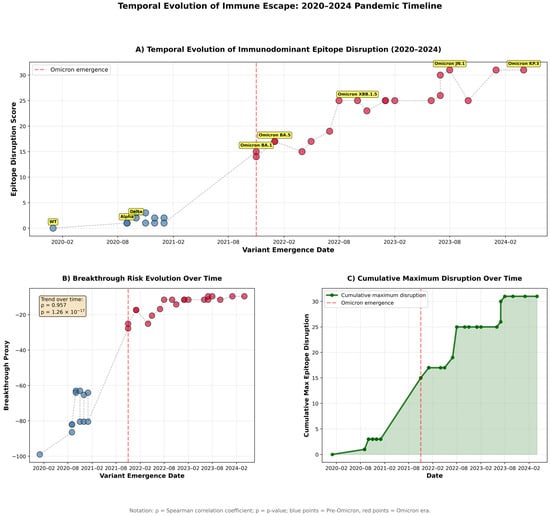
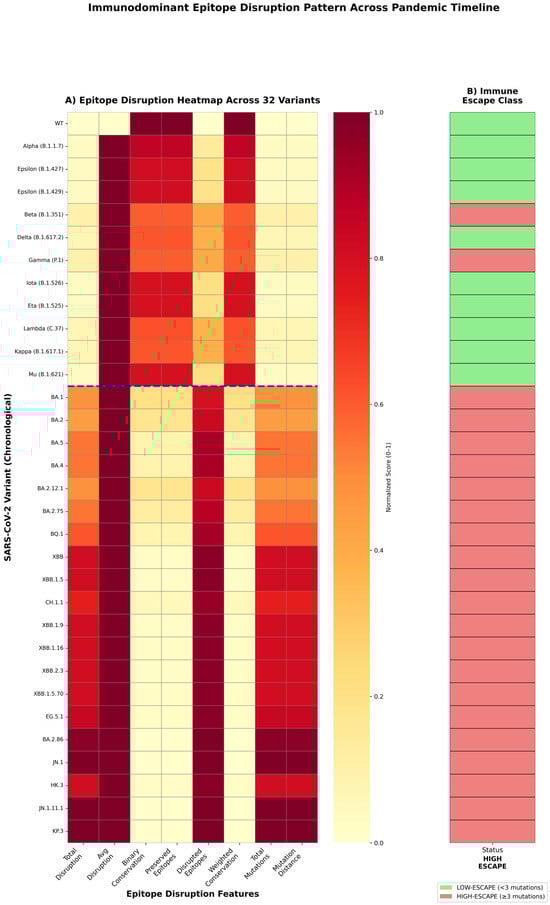
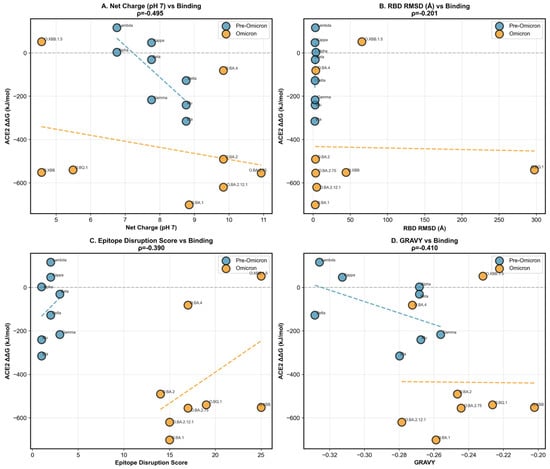
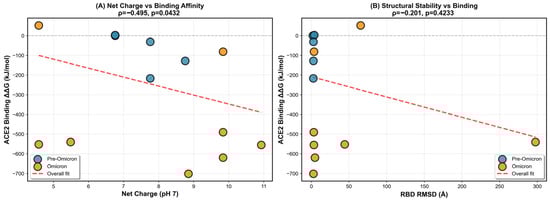
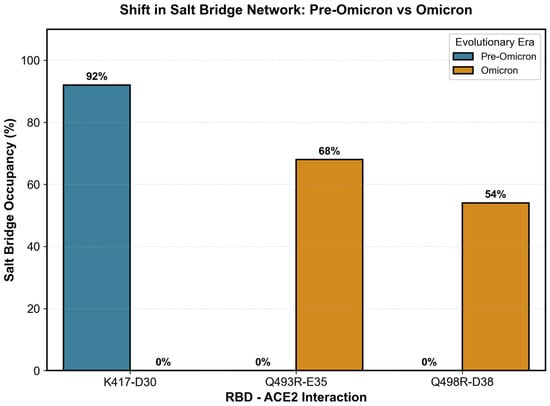
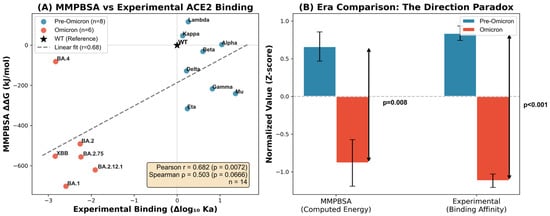
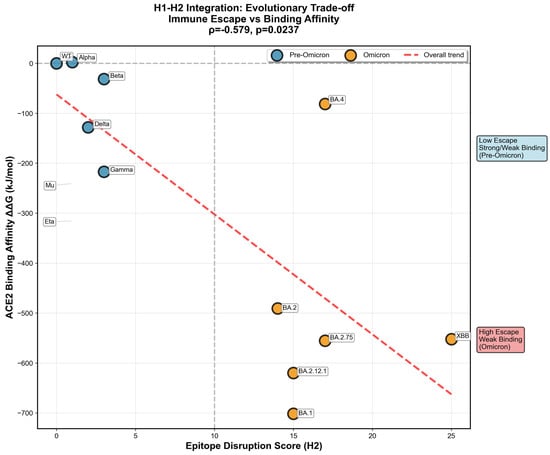
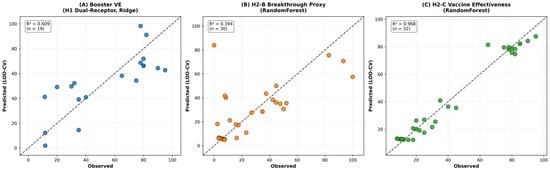
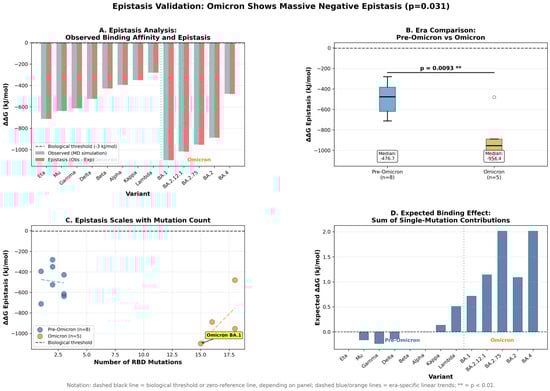
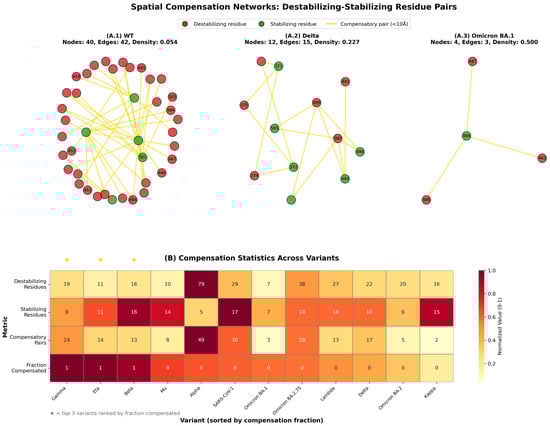
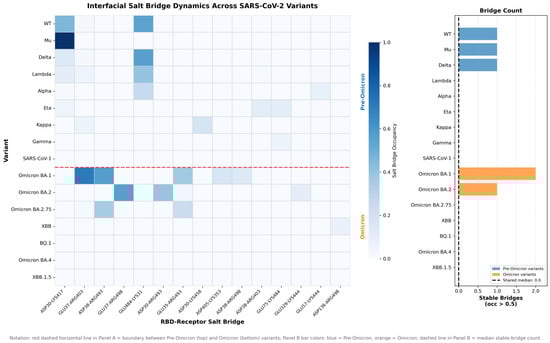
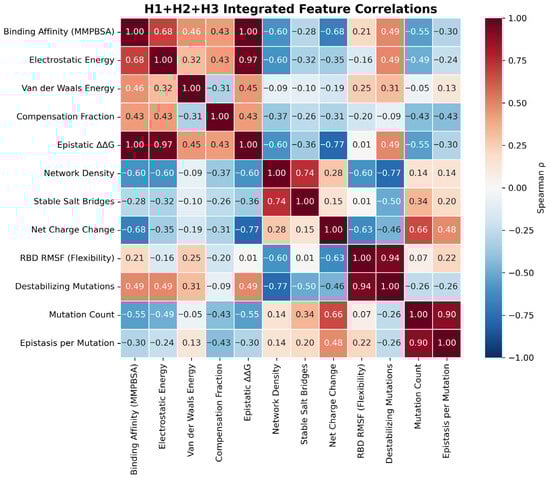
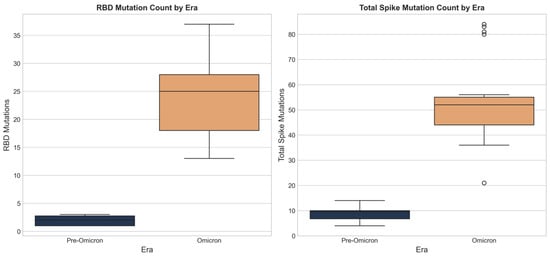
The SARS-CoV-2 Omicron variant and its descendants accumulated unprecedented numbers of spike substitutions yet remained transmissible, implying compensatory mechanisms that preserve entry while eroding humoral immunity. We analyzed 32 variants for sequence-level mutation, physicochemical profiling, and epitope disruption; 25 had growth-advantage estimates, and 18 underwent molecular dynamics/MM-PBSA simulations. We applied a systems-virology framework to the SARS-CoV-2 receptor-binding domain (RBD), integrating immunodominance-weighted epitope conservation (567 B-cell and 97 T-cell epitopes) across variants (Wuhan-Hu-1 to KP.3) with molecular dynamics, molecular mechanics Poisson–Boltzmann surface area (MM-PBSA) binding energetics, and deep mutational scanning (DMS) benchmarking. B-cell epitope conservation declined from a median of 72.7% in pre-Omicron variants to 28.8% in BA.1 and 10.6% in KP.3, and was strongly inversely associated with a breakthrough-infection proxy (Spearman ρ = −0.8246, p < 0.001), whereas RBD T-cell epitopes remained comparatively conserved (91.5% to 87.2%). Despite the loss of the ancestral K417–ACE2 D30 salt bridge, Omicron reconfigured the interface via alternative electrostatic contacts (Q493R–E35 and Q498R–D38), producing compensatory interactions captured by MM-PBSA, but with only modest agreement with DMS affinity changes (r = 0.682, p = 0.007), consistent with enthalpy–entropy compensation. Finally, mutation tolerance shifted toward stronger epistatic buffering in Omicron (two-fold higher epistasis than pre-Omicron; p = 0.0093), enabling extensive antigenic change without structural collapse. Together, these results support a multi-objective evolutionary strategy—epitope erosion, interface rewiring, and epistatic compensation—that can be operationalized to prioritize emerging lineages for surveillance and to inform vaccine designs that emphasize conserved T-cell targets.
3 March 2026

Omicron lineages carry a disproportionate mutational burden concentrated in the RBD compared with earlier variants. The bars show the number of amino-acid substitutions relative to Wuhan-Hu-1 for each of the 27 major variants (Wuhan-Hu-1 through Omicron KP.3). RBD substitutions (residues 333–527) are shown in red and non-RBD substitutions in blue, enabling a direct comparison of where spike diversity accumulated over time.

News & Conferences

Issues

Open for Submission

Editor's Choice

Reprints of Collections

Chagas Disease
Reprint

Chagas Disease

Celebrating the 115th Anniversary of the Discovery of <em>Trypanosoma cruzi</em>
Editors: Michel Tibayrenc
Parasitic Diseases of Fish
Reprint

Parasitic Diseases of Fish

Identification, Host-Parasite Interactions and Molecular Biology
Editors: Gokhlesh Kumar, Arun Sudhagar, Kandasamy Saravanan
XFacebookLinkedIn
Pathogens - ISSN 2076-0817