


-
A Systematic Review of Pet Attachment and Health Outcomes in Older Adults -
Characterization of Clinical, Hematological, and Biochemical Findings in Dogs with Vipera aspis Envenomation -
Squamous cell carcinomas in cats -
Congenital External Auditory Canal Atresia in Two Dogs: Clinical Presentation, Diagnosis, and Surgical Management
Journal Description
Pets
Pets
is an international, peer-reviewed, open access journal on companion animals published quarterly online by MDPI.
- Open Access— free for readers, with article processing charges (APC) paid by authors or their institutions.
- High Visibility: indexed within Scopus and other databases.
- Rapid Publication: manuscripts are peer-reviewed and a first decision is provided to authors approximately 27.3 days after submission; acceptance to publication is undertaken in 4.7 days (median values for papers published in this journal in the second half of 2025).
- Recognition of Reviewers: APC discount vouchers, optional signed peer review, and reviewer names published annually in the journal.
- Journal Cluster of Animal Science: Animals, Arthropoda, Birds, Dairy, Insects, Journal of Zoological and Botanical Gardens, Pets, Poultry, Ruminants and Veterinary Sciences.
Latest Articles
Double Tooth in a Dog: A Case Report and Treatment of a Developmental Tooth Disorder
Pets 2026, 3(2), 18; https://doi.org/10.3390/pets3020018 - 24 Apr 2026
Abstract
►
Show Figures
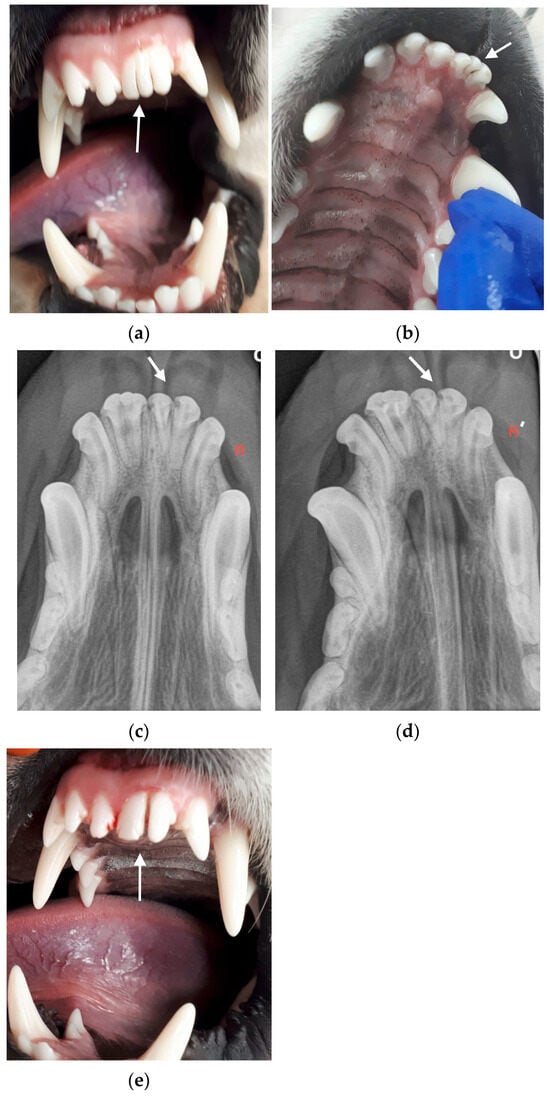
Tooth structure anomalies, though not frequently described, can be observed in the external appearance not only of humans but also of dogs. The emergence of an oversized set of teeth is not solely an esthetic and health problem, but often also leads to
[...] Read more.
Tooth structure anomalies, though not frequently described, can be observed in the external appearance not only of humans but also of dogs. The emergence of an oversized set of teeth is not solely an esthetic and health problem, but often also leads to behavioral issues. In the commonly available medical literature, there are many cases describing the occurrence and treatment of double teeth, both in the incisors and in the cheek teeth. In this article, the authors describe a clinical case of a one-year-old female Golden Retriever dog diagnosed with a double tooth in her permanent dentition. The complex morphology of the affected tooth posed a considerable diagnostic and therapeutic challenge. Surgical separation of the tooth was performed, requiring an individualized treatment approach and the adaptation of protocols derived primarily from human dentistry. This case highlights the diagnostic and clinical decision-making difficulties associated with such anomalies. It also emphasizes the importance of tailored therapeutic strategies for managing rare dental developmental abnormalities in dogs. The teeth were successfully surgically separated, and thus the present report contributes to the limited body of literature on double teeth in veterinary patients and provides practical insight into their management. This description of the first case of this type in veterinary dentistry aims to encourage readers to explore the topic of double teeth and demonstrates a non-standard way of thinking and dealing with such a tooth. The presented case is unique from both a diagnostic and therapeutic perspective. Previous publications have focused on these abnormalities as separate entities, failing to consider their simultaneous occurrence within a single tooth. The therapeutic approach employed also deserves particular attention. The most commonly recommended approach involves extraction of the affected teeth; however, in this case, an attempt was made to separate and preserve them, representing a novel clinical approach.
Full article
Open AccessBrief Report
Comparing the Behaviour of Domestic Pet Cats and Research Cats
by
Michelle Smit, Ina Draganova, Christopher J. Andrews, Rene A. Corner-Thomas and David G. Thomas
Pets 2026, 3(2), 17; https://doi.org/10.3390/pets3020017 - 1 Apr 2026
Abstract
►▼
Show Figures
Cats are among the most popular pets globa lly, yet little is known about how the home environment influences their behaviour. Most studies have focused on cats in shelters or research facilities, potentially limiting applicability to pet cats. This study combined behavioural data
[...] Read more.
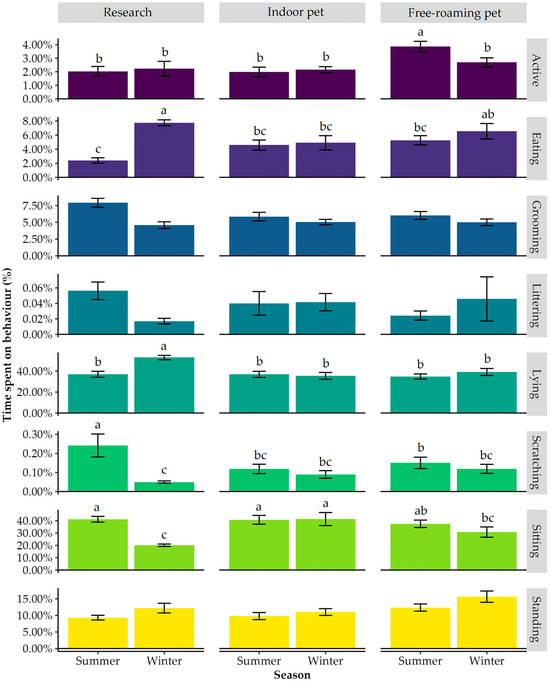
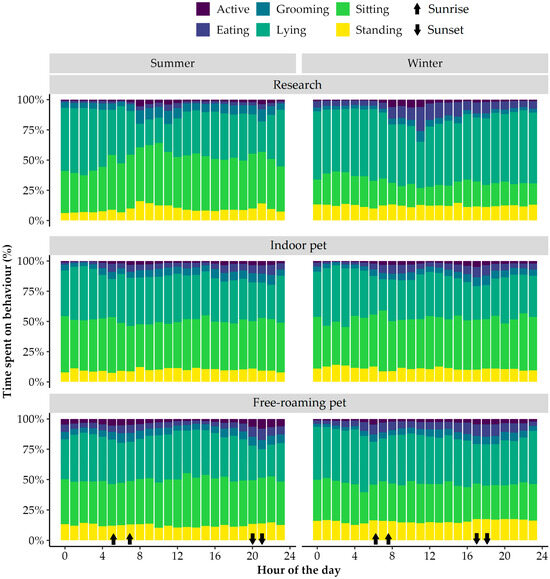
Cats are among the most popular pets globa lly, yet little is known about how the home environment influences their behaviour. Most studies have focused on cats in shelters or research facilities, potentially limiting applicability to pet cats. This study combined behavioural data from cats in three housing conditions: indoor pet (n = 10), free-roaming pet (n = 18), and research (n = 8), collected in summer and winter. Eight behaviours were classified from collar-mounted accelerometer data using a validated machine learning model and analysed using generalised linear mixed models. Free-roaming pet cats were more active in summer than winter (3.9 ± 0.39% vs. 2.7 ± 0.33%; p < 0.001) and more active than both research (2.0 ± 0.36%; p = 0.004) and indoor pet cats (2.0 ± 0.36%; p < 0.001) in summer. Research cats spent more time lying (52.9 ± 2.03% vs. 36.9 ± 2.89%; p = 0.009) and eating (7.8 ± 0.41% vs. 2.4 ± 0.39%; p = 0.003) in winter than summer, whereas no seasonal differences in these behaviours were observed for pet cats. A bimodal daily activity pattern, with peaks around sunrise and sunset, was observed across housing conditions and seasons. These findings demonstrate that both housing and seasonal conditions influence domestic cat behaviour and should be considered when interpreting behavioural studies.
Full article

Figure 1
Open AccessCase Report
Conservative Management of Haemoabdomen and Ventricular Tachycardia Following Ovariohysterectomy in a Dog
by
Ariel Cañón-Pérez, Álvaro Berenguel-Fernandez, Iris Giménez-Muñoz, Natalia Aguilar-Gallego, Maria de los Reyes Marti-Scharfhausen-Sanchez and Javier Engel-Manchado
Pets 2026, 3(1), 16; https://doi.org/10.3390/pets3010016 - 19 Mar 2026
Abstract
A 2-year-old female Labrador Retriever, with a body condition score of 6/9, underwent ovariohysterectomy 24 h prior at another center and was urgently referred for a possible exploratory laparotomy. The dog presented with lethargy, abdominal pain, and a haematoma with active bleeding in
[...] Read more.
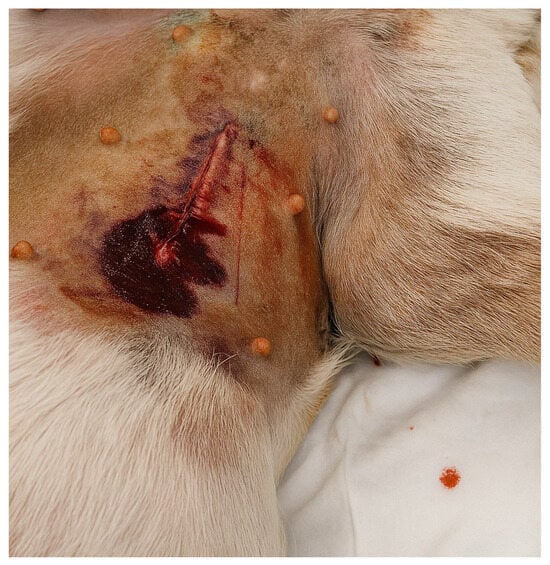
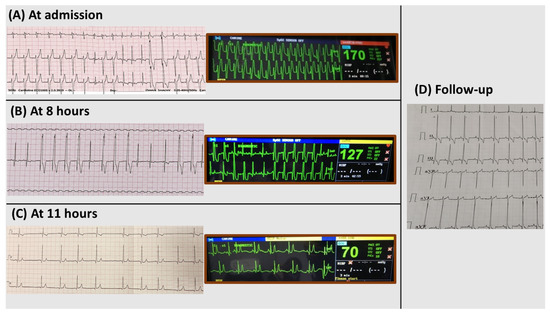
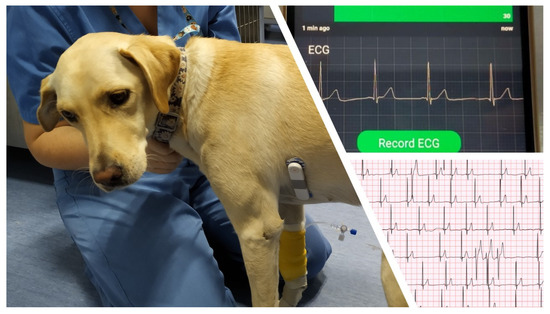
A 2-year-old female Labrador Retriever, with a body condition score of 6/9, underwent ovariohysterectomy 24 h prior at another center and was urgently referred for a possible exploratory laparotomy. The dog presented with lethargy, abdominal pain, and a haematoma with active bleeding in the surgical wound, indicating a possible haemoabdomen. An abdominal-Focused Assessment with Sonography for Trauma (A-FAST) revealed fluid in all four quadrants (abdominal fluid score-AFS 4/4) without abdominal distension, corresponding to an effusion with a packed cell volume of 15% and 4 g/dL of protein. Haematological analysis showed a slight decrease in haematocrit (HCT) and red blood cells, with neutrophilia, while the rest of the blood tests were within normal limits. Physical examination parameters were mostly normal, except for cardiac auscultation where tachycardia, irregular rhythm, and pulse deficit were noted, with normal blood pressure. The electrocardiogram (ECG) indicated both monomorphic and polymorphic ventricular tachycardia with isolated episodes of sinus tachycardia. Treatment included the administration of metamizole, methadone, and maintenance fluid therapy, along with compressive abdominal bandaging. Lidocaine and continuous infusion of fentanyl therapy were initiated. The dog’s HCT, platelets, temperature, and blood pressure remained in the normal range. During the first 8 h, both the ECG and A-FAST showed no relevant changes. From the 9th hour onward, there was a predominance of sinus rhythm, the free fluid decreased to AFS 1/4, allowing for the gradual suspension of lidocaine. Tests for Leishmania, Ehrlichia, Anaplasma, Babesia, and Dirofilaria were negative. The evolution remained favorable, and the dog was discharged after 72 h, showing a good outcome in the cardiology follow-up 5 days later.
Full article
(This article belongs to the Special Issue Pathology in Companion Animals—From Diagnostics to Treatment)
►▼
Show Figures

Figure 1
Open AccessArticle
Genomic and Plasmid Distribution of Clinically Relevant Antibiotic Resistance Genes in Pets and Free-Roaming Dogs in an Urban Area of Central Mexico
by
María Daniela Frade-Pérez, Rosa Martha Pérez-Serrano, Sergio Francisco Cornelio-Martínez, María Laura González-Dávalos, Yezenia Rubio-Venegas, Enrique Flores-Gasca, Alfredo Varela-Echavarría and María Ofelia Mora-Izaguirre
Pets 2026, 3(1), 15; https://doi.org/10.3390/pets3010015 - 15 Mar 2026
Abstract
Dogs, especially as pets but also an increasing number of stray dogs, share environments with humans, facilitating the transfer of antibiotic resistance genes (ARGs) between genetic compartments, with zoonotic and public health implications that must be addressed within One Health. In this cross-sectional
[...] Read more.
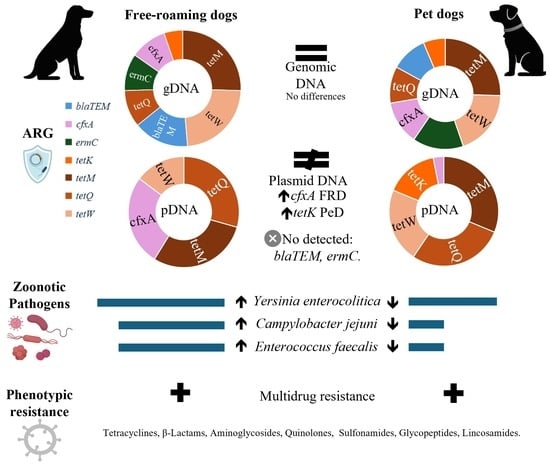
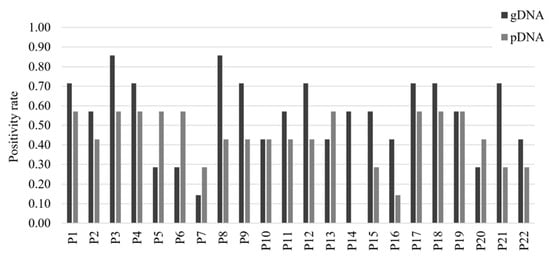
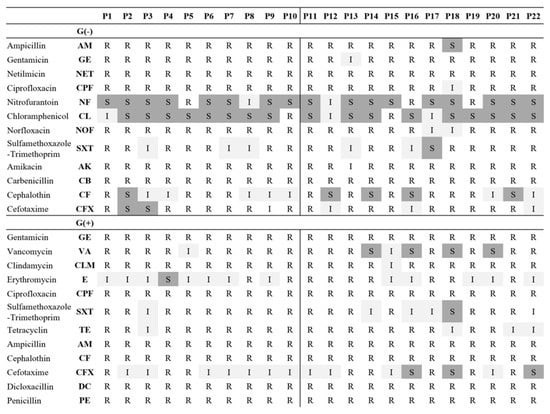
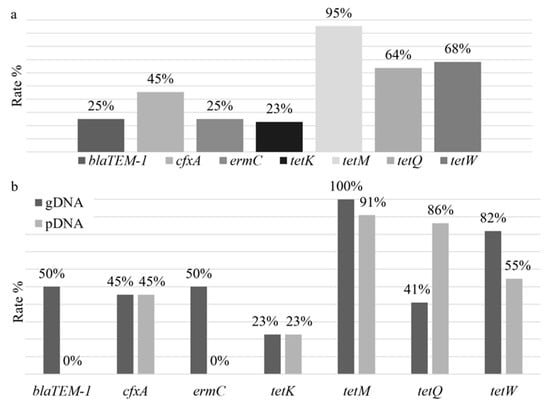
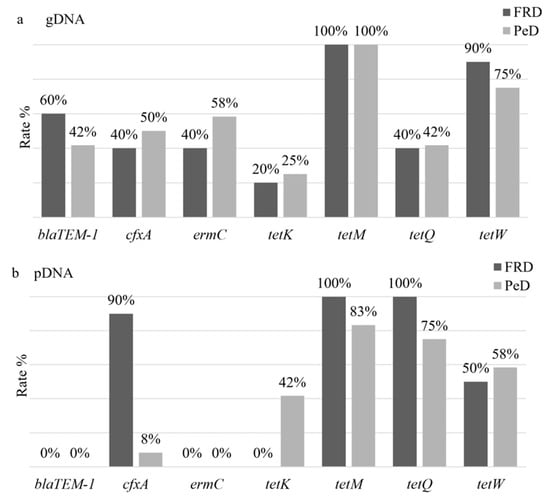
Dogs, especially as pets but also an increasing number of stray dogs, share environments with humans, facilitating the transfer of antibiotic resistance genes (ARGs) between genetic compartments, with zoonotic and public health implications that must be addressed within One Health. In this cross-sectional comparative study, we explored the distribution of seven selected clinically relevant ARGs in both genomic DNA (gDNA) and plasmid DNA (pDNA), and the phenotypic resistance profile of the cultivable microbiota, between pet dogs (PeDs, n = 12) and free-roaming dogs (FRDs, n = 10) in Mexico. Tetracycline resistance genes (tetQ, tetW, and tetM) predominated in both compartments (40% to 100%), suggesting the presence of a core tetracycline-associated resistome. In contrast, plasmid-associated differences were group-specific: in pDNA cfxA was enriched in FRDs (90%) and tetK in PeDs (42%), whereas blaTEM-1 and ermC were absent in two dog populations. Cultivable bacteria from both groups exhibited phenotypic multidrug resistance, particularly by β-lactams, macrolides, lincosamides, and tetracyclines. FRDs also harbored pathogenic–zoonotic bacteria such as Yersinia enterocolitica, Campylobacter jejuni, and Enterococcus faecalis. Our findings indicated that FRDs and PeDs harbor substantial resistomes, with differences in plasmid-associated ARGs, revealing a transfer potential related to environmental exposure.
Full article
(This article belongs to the Topic Research on Companion Animal Nutrition)
►▼
Show Figures

Graphical abstract
Open AccessArticle
“My Dog Is My Partner”: A Qualitative Study of Motivations and Relational Impacts for Animal-Assisted Service Handlers
by
Emma C. Brown, Jen Currin-McCulloch, Sohaila Jafarian and Lori Kogan
Pets 2026, 3(1), 14; https://doi.org/10.3390/pets3010014 - 15 Mar 2026
Abstract
Animal-assisted services (AAS) involve providers working in partnership with specially trained animals to deliver therapeutic, educational, and supportive benefits that promote human well-being. Although research shows dog-assisted AAS benefits recipients, little is known about handlers’ motivations and how this work impacts handlers and
[...] Read more.
Animal-assisted services (AAS) involve providers working in partnership with specially trained animals to deliver therapeutic, educational, and supportive benefits that promote human well-being. Although research shows dog-assisted AAS benefits recipients, little is known about handlers’ motivations and how this work impacts handlers and their dogs. This study explores why individuals engage in AAS with their dogs and the relational benefits and challenges involved. A convenience sample of adult AAS handlers was recruited through various organizations via newsletters and social media. Participants (N = 247), predominantly older, white, and highly educated women, responded to three open-ended survey questions. Data were analyzed using reflexive thematic analysis, which revealed several interconnected themes. Handlers described profound joy, pride, and purpose derived from sharing their dogs with others, and an enhanced capacity to support recipients. Participants reported using AAS to augment professional roles, to pay forward acts of kindness, and to enrich their dogs through social interaction. While overwhelmingly meaningful, this work also involves challenges, underscoring the need for organizational support for AAS teams. Training programs should equip handlers to recognize signs of animal stress, navigate demanding contexts, and engage in proactive conversations about rest, retirement, and loss. Normalizing these experiences may promote handler well-being and sustain ethical, relationship-centered AAS practice.
Full article
Open AccessReview
Recommendations for the Creation of a Transit Rescue Shelter for Non-Traditional Pets
by
Marie-France Humblet, Gaëtan Doppagne, Claire Deleu and Claude Saegerman
Pets 2026, 3(1), 13; https://doi.org/10.3390/pets3010013 - 11 Mar 2026
Abstract
The keeping of non-traditional pets has markedly increased in recent years. These species are frequently maintained under inadequate or illegal conditions, raising substantial concerns regarding animal welfare. Authorities are regularly required to confiscate reptiles, arachnids, and other exotic taxa—often in poor health—and to
[...] Read more.
The keeping of non-traditional pets has markedly increased in recent years. These species are frequently maintained under inadequate or illegal conditions, raising substantial concerns regarding animal welfare. Authorities are regularly required to confiscate reptiles, arachnids, and other exotic taxa—often in poor health—and to accommodate them temporarily in transit facilities while long-term placement options are identified. Existing facilities are operating beyond capacity, creating an urgent need for the development of additional infrastructure. Given the potential risks associated with these animals, stringent safety measures are essential. Following an assessment of the hazards linked to housing primarily reptiles and arachnids—including risks related to venomous species, transmission of zoonotic pathogens, and the escape of potentially invasive organisms—the present paper provides a set of recommendations for the design and operation of transit housing facilities. The guidance focuses on infrastructure requirements, routine and emergency procedures, and daily management practices for both animals and facilities. Although these recommendations were developed within the specific regulatory framework of Southern Belgium, they may be applied more broadly, provided that local regulations are appropriately considered.
Full article
Open AccessArticle
Survey About Management of Diabetes Mellitus in Dogs and Cats Among Veterinarians in the United Kingdom and Continental Europe
by
Tereza Jaresova, Natali Bauer and Katarina Hazuchova
Pets 2026, 3(1), 12; https://doi.org/10.3390/pets3010012 - 2 Mar 2026
Abstract
►▼
Show Figures
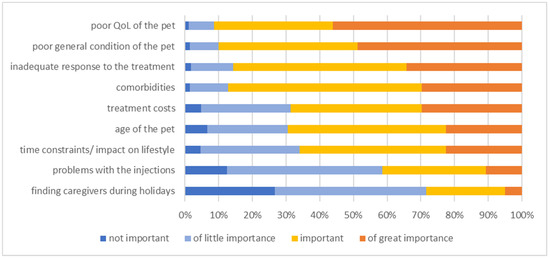
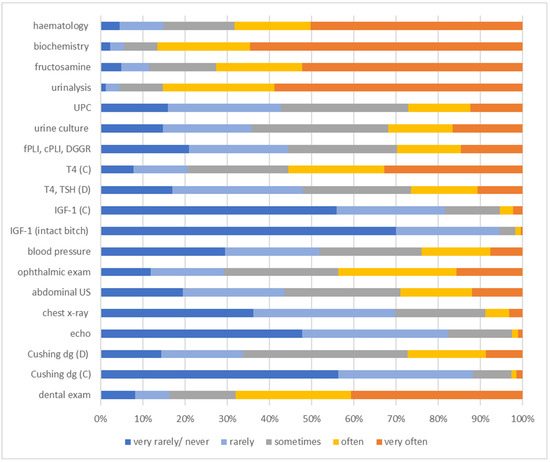
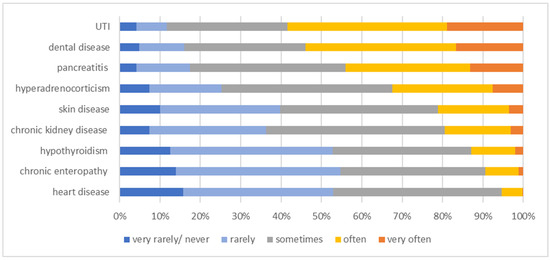
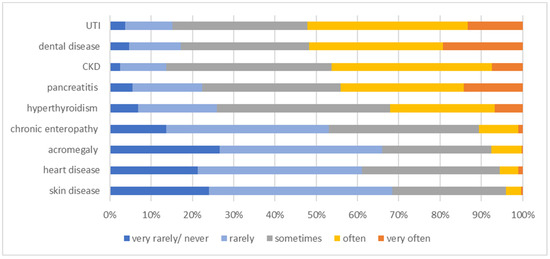
This study aimed to obtain information on veterinarians’ experience regarding the management of diabetes mellitus (DM) in the United Kingdom and Europe. A questionnaire consisting of two parts (part 1—DM management [28 questions]; part 2—demographic information [9 questions]) was made available online in
[...] Read more.
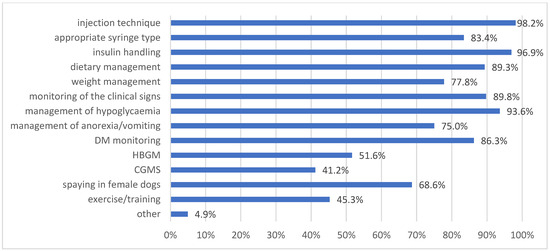
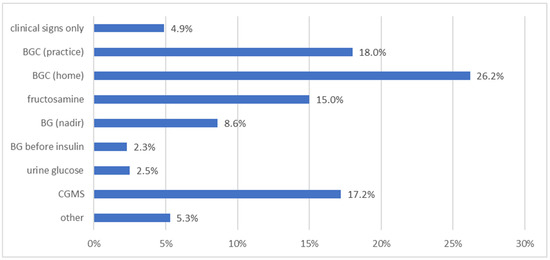
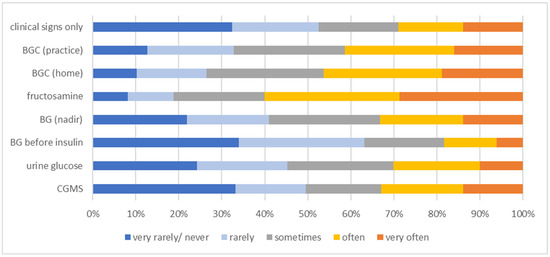
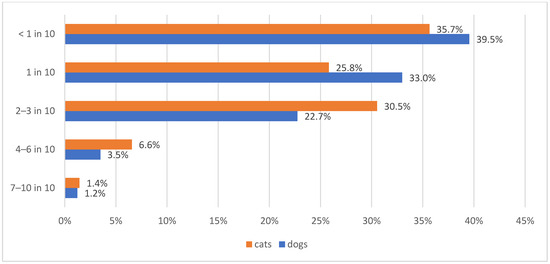
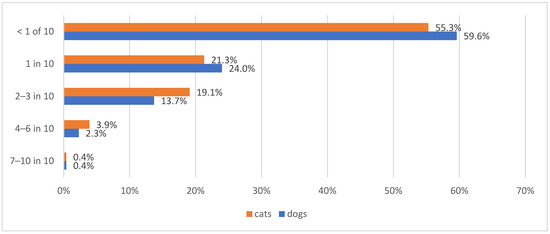
This study aimed to obtain information on veterinarians’ experience regarding the management of diabetes mellitus (DM) in the United Kingdom and Europe. A questionnaire consisting of two parts (part 1—DM management [28 questions]; part 2—demographic information [9 questions]) was made available online in three languages (English, German, and Czech) to be completed by European veterinarians from May 2022 to February 2024. In total, 488 veterinarians completed the questionnaire. Most respondents worked in first-opinion practice (396/488 [81.1%]) and diagnosed DM in 2–4 dogs (206/488 [42.2%]) and 2–4 cats (250/488 [51.2%]) per year. In both dogs and cats, most respondents recommended twice daily insulin injections (398/488 [81.6%] and 440/448 [90.2%], respectively). Poor owner compliance and the presence of comorbidities were considered the main challenges in DM management by 220/488 (45.1%) and 179/488 (36.7%) veterinarians, respectively. Nevertheless, most owners were willing to start treatment, and only 80/488 (16.4%) respondents for dogs and 114/488 (23.4%) for cats reported that >1 in 10 pets were euthanised after DM was diagnosed. Our results suggest that the management of diabetic pets in Europe fairly corresponds with DM management guidelines, although challenges preventing their full implementation exist.
Full article

Figure 1
Open AccessCase Report
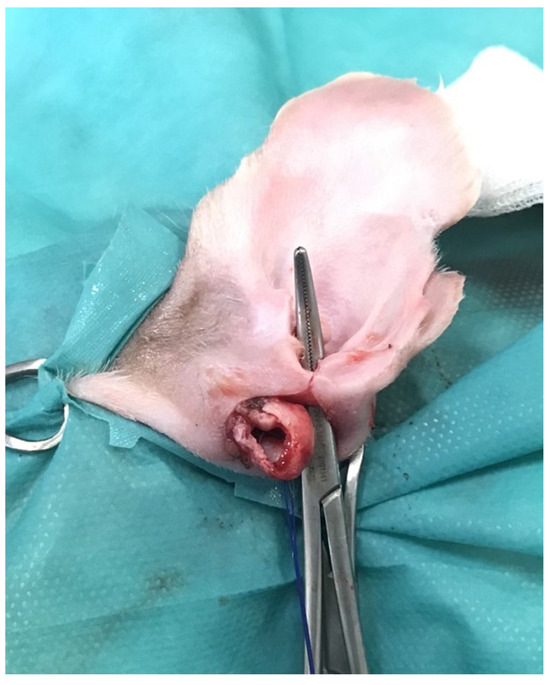
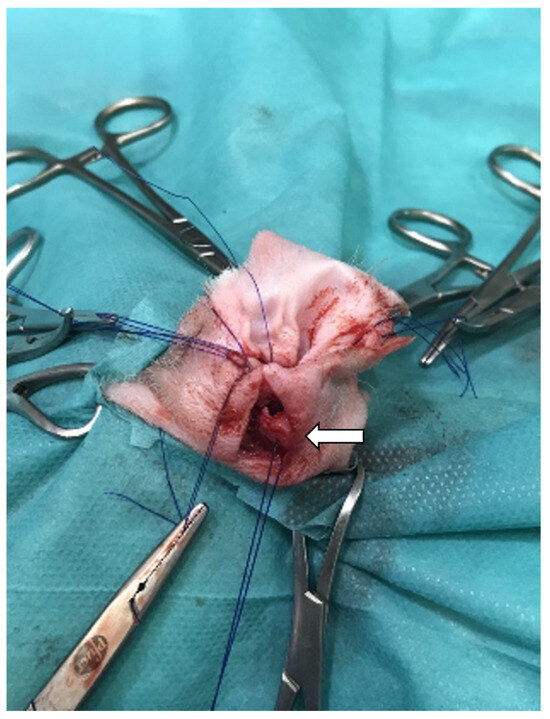
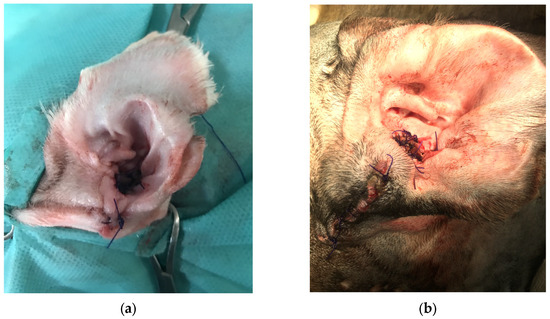
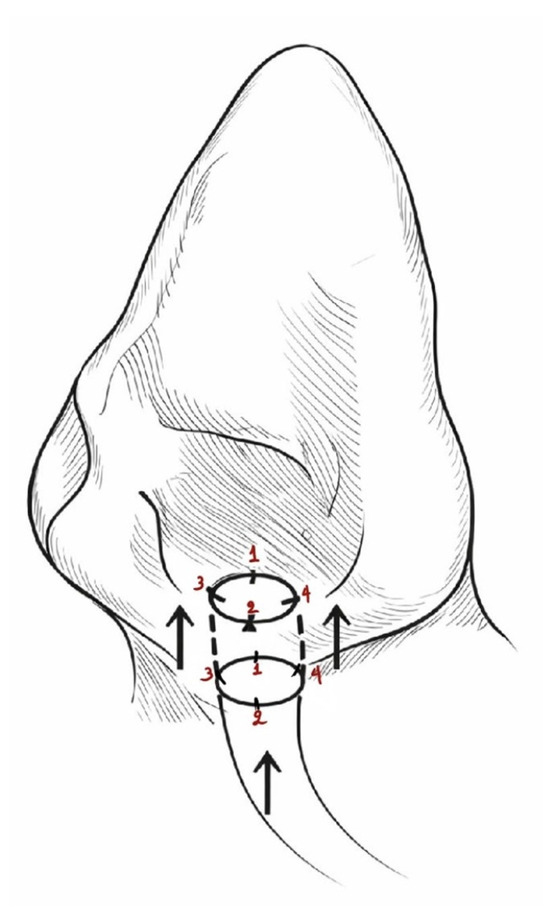
Congenital External Auditory Canal Atresia in Two Dogs: Clinical Presentation, Diagnosis, and Surgical Management
by
Mandalena Markou, Thomas Koutis, Konstantina Karagianni, Ioannis Panopoulos, Eugenia Flouraki and Vassiliki Tsioli
Pets 2026, 3(1), 11; https://doi.org/10.3390/pets3010011 - 10 Feb 2026
Abstract
►▼
Show Figures
Congenital external auditory canal atresia (EACA) is a rare developmental anomaly in dogs with limited information to guide management. This report describes the clinical presentation, diagnostic work-up, surgical technique, and long-term outcome in two young dogs with unilateral congenital EACA. An 8-month-old Caucasian
[...] Read more.
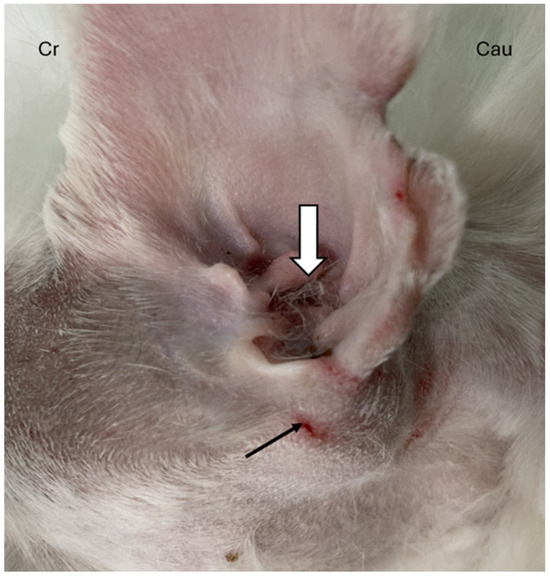
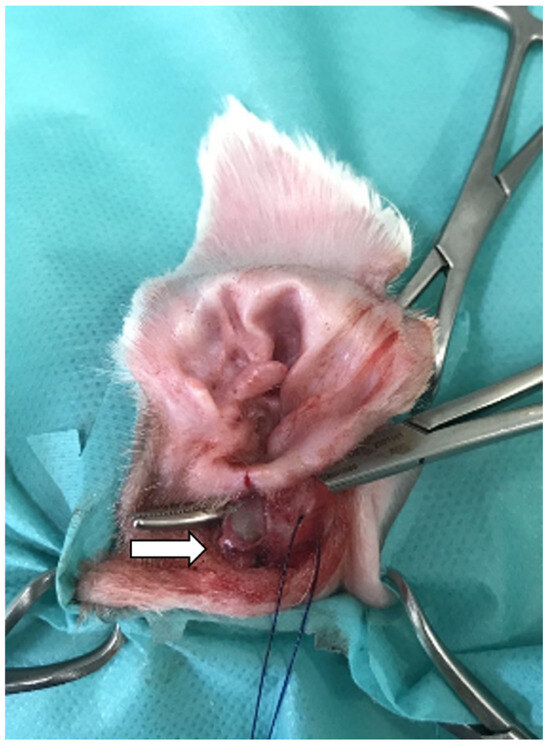
Congenital external auditory canal atresia (EACA) is a rare developmental anomaly in dogs with limited information to guide management. This report describes the clinical presentation, diagnostic work-up, surgical technique, and long-term outcome in two young dogs with unilateral congenital EACA. An 8-month-old Caucasian Shepherd and a 9-month-old Maltese presented with left-sided otalgia and absence of the external canal opening. Computed tomography identified segmental atresia of the vertical canal with intraluminal soft-tissue attenuating material and mild otitis externa and media in both dogs. Cytology and culture of canal contents were unremarkable, supporting a congenital, non-infectious origin. Both dogs underwent a canal-preserving vertical canal-to-external acoustic meatus anastomosis using a pull-through approach. Minor postoperative complications (partial wound dehiscence, mild canal stenosis) were successfully managed. At the 5-year and 1.5-year follow-up, respectively, both dogs remained free of clinical signs, with preserved hearing, supporting this procedure as a functional, cosmetically acceptable option in carefully selected dogs.
Full article

Figure 1

Open AccessArticle
Knowledge, Attitudes, and Practices of Pet Owners Regarding Pet Insurance in Selangor, Malaysia
by
Audrey Koh Rui Ping, Shamsaldeen Ibrahim Saeed, Mohammed D. Goni and Nor Fadhilah Kamaruzzaman
Pets 2026, 3(1), 10; https://doi.org/10.3390/pets3010010 - 9 Feb 2026
Abstract
►▼
Show Figures
Pet insurance is a financial tool meant to provide financial support to pet owners for veterinary expenses. It was introduced to the Malaysian market in 2010 with several companies offering various subscription packages. However, public awareness of pet insurance has been low compared
[...] Read more.
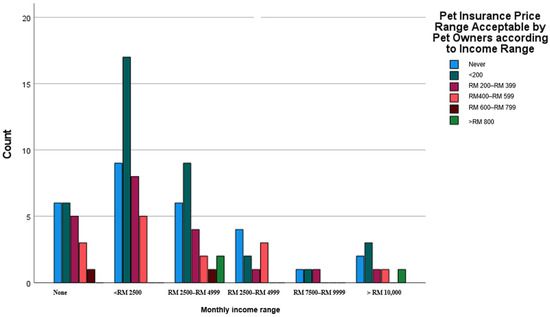
Pet insurance is a financial tool meant to provide financial support to pet owners for veterinary expenses. It was introduced to the Malaysian market in 2010 with several companies offering various subscription packages. However, public awareness of pet insurance has been low compared to other pet-related industries in Malaysia for the past five years. There is also a lack of research on the acceptance and adoption of pet insurance by pet owners in Malaysia. Therefore, this study aims to (i) assess the knowledge, attitudes, and practices (KAPs) of pet owners regarding pet insurance in Selangor, Malaysia, (ii) determine the associations of sociodemographic factors with the KAP levels, and (iii) determine the correlation between the levels of KAPs. A cross-sectional survey was conducted in Selangor, Malaysia, and 116 pet owners participated. Data were subjected to descriptive analysis statistics, followed by Chi-square tests of association and a Spearman correlation analysis, which were all performed using IBM SPSS Statistic version 27.0. The results showed that most of the respondents have poor knowledge of (n = 63, 54.3%), moderate attitudes towards (n = 63, 54.3%), and poor practices regarding (n = 87, 75.0%) pet insurance. Significant associations were indicated between income range per month and knowledge and practice (p < 0.05), highest education level and attitude (p < 0.05), and locality of residence and practice (p < 0.05). There is a significant correlation between total knowledge and practice scores (r = 0.649). The poor knowledge of insurance among pet owners in Selangor indicated the need to further increase the awareness of pet owners regarding the benefits of pet insurance through enhanced marketing and public education initiatives.
Full article

Figure 1
Open AccessReview
Pet Health Insurance in France: Costs, Coverage Differences and Veterinary Care Implications
by
Zoé Goullet, Marietta Máté and László Ózsvári
Pets 2026, 3(1), 9; https://doi.org/10.3390/pets3010009 - 4 Feb 2026
Abstract
►▼
Show Figures
Pet health insurance can reduce the financial burden of veterinary care and ensure adequate treatment for companion animals. In France, where 67% of households own at least one pet and 68% of owners consider them family members, awareness of pet insurance reaches 94%,
[...] Read more.
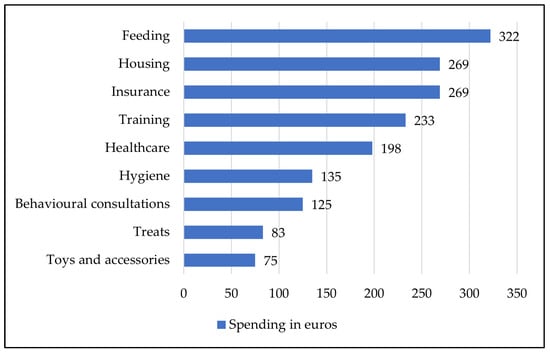
Pet health insurance can reduce the financial burden of veterinary care and ensure adequate treatment for companion animals. In France, where 67% of households own at least one pet and 68% of owners consider them family members, awareness of pet insurance reaches 94%, yet only around 5–6% of pets are insured. This review aims to provide an overview of the French pet health insurance market, analysing its structure, coverage options, and potential implications for veterinary practice. A literature review was conducted using French and English sources, complemented by simulated price quotes from major insurance companies for four virtual pets (two dogs and two cats). The analysis compared 11 major French pet insurance providers across criteria such as species covered, waiting periods, age limits, coverage rates, reimbursement mechanisms, and preventive care benefits. The results reveal significant variability in coverage options, preventive care allowances, and reimbursement procedures. Across providers, simulated annual premiums for the virtual pets ranged from EUR 71.76 to EUR 1426.44, with reimbursement rates of 50–100% and annual caps of EUR 763–2500. It can be concluded that pet insurance may help owners manage unexpected veterinary costs and encourage preventive care. However, subscription rates remain low due to limited understanding of insurance plans and perceived high costs. Wider adoption of pet insurance could improve access to care and ensure fair remuneration for veterinarians.
Full article

Figure 1

Open AccessArticle
Exploring Predictors of US Consumers’ Pet Food Preferences—Spoiling Them One Bite at a Time!
by
Meike Rombach and David L Dean
Pets 2026, 3(1), 8; https://doi.org/10.3390/pets3010008 - 2 Feb 2026
Abstract
►▼
Show Figures
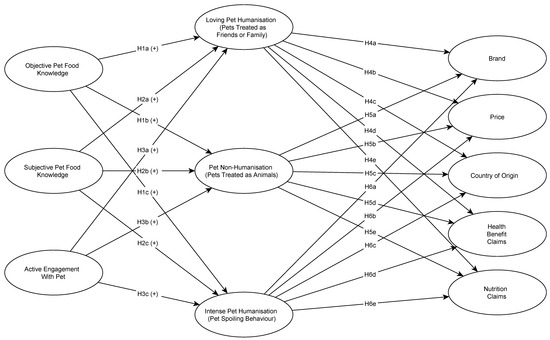
The present study is dedicated to exploring key factors impacting US pet owners’ preferences for brand, price, country of origin, and health and nutrition claims as important extrinsic and credence attributes. Pet engagement and subjective and objective knowledge, as well as varying forms
[...] Read more.
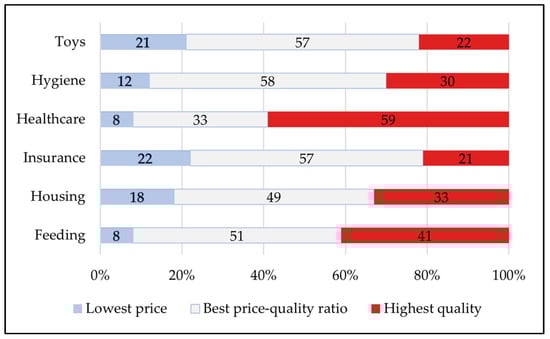
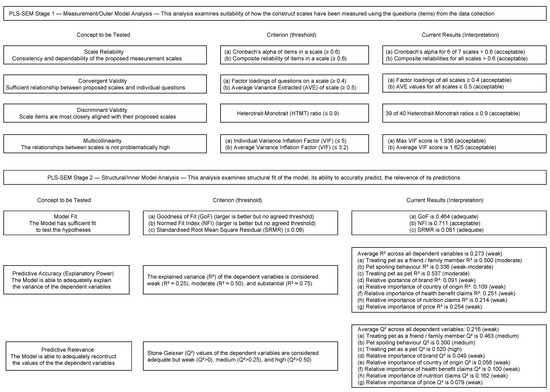
The present study is dedicated to exploring key factors impacting US pet owners’ preferences for brand, price, country of origin, and health and nutrition claims as important extrinsic and credence attributes. Pet engagement and subjective and objective knowledge, as well as varying forms of pet humanisation behaviour, were thought to be suitable factors. The study is of an explorative and quantitative nature, rooted in an online consumer survey, descriptive statistics, and partial least squares structural equation modelling (PLS-SEM). To strengthen the PLS-SEM model, relative preference shares derived from a best–worst analysis were integrated into the model. The results with the strongest effect sizes indicate that US pet owners’ objective knowledge is positively associated with pet non-humanisation behaviour, those who actively engage with their pet are positively associated with loving humanisation behaviour, and that health and nutritional claims on pet food are less important for those reporting non-humanisation behaviours. The analysis between the varying types of pet humanisation behaviours and the best–worst-derived relative preferences for extrinsic and credence attributes provides a diverse picture. Together, the results suggest that pet engagement and both subjective and objective knowledge are associated with pet humanisation behaviour, which are differentially linked to the importance of pet food product attributes. Best practice recommendations for marketers in the pet food industry are provided.
Full article

Figure 1

Open AccessCase Report
Adverse Reactions to Yeast Beta-Glucan Supplementation in Two Dogs with Inflammatory Bowel Disease
by
Andressa Rodrigues Amaral, Pedro Henrique Marchi, Natália Manuela Cardoso de Oliveira, Beatriz Leme do Carmo, Larissa Wünsche Risolia, Carlos Eduardo Larsson, Junior, Júlio Cesar de Carvalho Balieiro and Thiago Henrique Annibale Vendramini
Pets 2026, 3(1), 7; https://doi.org/10.3390/pets3010007 - 1 Feb 2026
Abstract
►▼
Show Figures
Beta-glucans are immunomodulatory compounds known to act as adjuvants in the beneficial regulation of various allergic conditions, particularly atopic dermatitis, as well as in the modulation of dysbiosis in patients with chronic gastrointestinal disorders. However, certain underlying conditions, such as inflammatory bowel disease
[...] Read more.
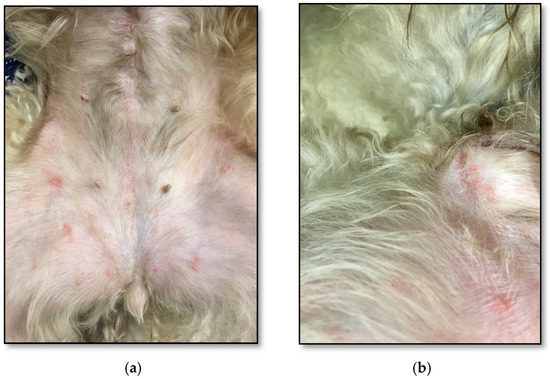
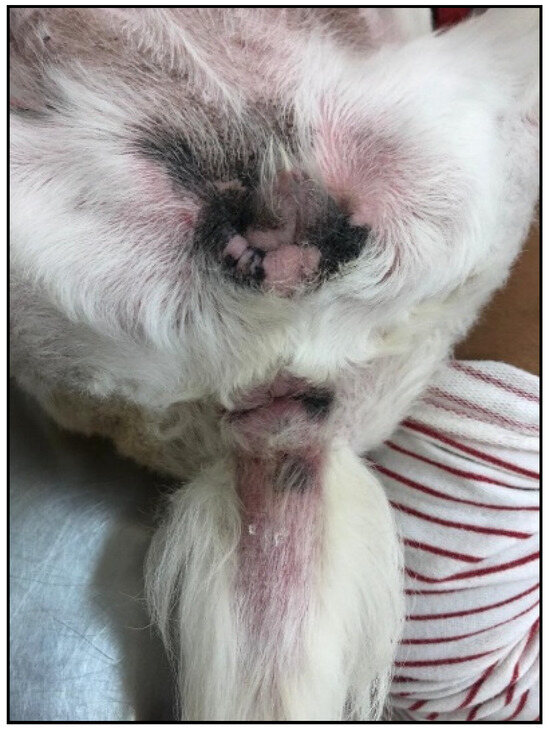
Beta-glucans are immunomodulatory compounds known to act as adjuvants in the beneficial regulation of various allergic conditions, particularly atopic dermatitis, as well as in the modulation of dysbiosis in patients with chronic gastrointestinal disorders. However, certain underlying conditions, such as inflammatory bowel disease (IBD) and the associated loss of oral tolerance, may alter the expected outcomes of supplementation and lead to dysregulated immune responses. This study reports cases of cutaneous allergic reactions in dogs with IBD following the oral administration of yeast-derived beta-glucan. Two dogs with controlled IBD received 9.13 ± 1.14 mg/kg of beta-glucan in a double-blind study designed to investigate its effects on the intestinal microbiota in IBD. Both animals were withdrawn from the study due to adverse effects, including cutaneous allergic manifestations and intense pruritus. These findings suggest that patients with impaired oral tolerance may develop cutaneous reactions following the ingestion of yeast-derived prebiotics.
Full article

Figure 1
Open AccessArticle
Dogs Under Veterinary Care in Hong Kong (2004–2023): Demographic Changes and Implications of Skull Conformation on Veterinary Service Use
by
Huijun Lee, Omid Nekouei, Yat Ming Tom Chung, Melissa Upjohn and Julia Beatty
Pets 2026, 3(1), 6; https://doi.org/10.3390/pets3010006 - 1 Feb 2026
Abstract
►▼
Show Figures
Brachycephalic dogs commonly suffer from breathing difficulties and other chronic health problems, yet strong consumer demand is widely reported. Whether the popularity of brachycephalic breeds persists across different contexts is largely untested. Census data from 1,510,085 canine consultations conducted at a single veterinary
[...] Read more.
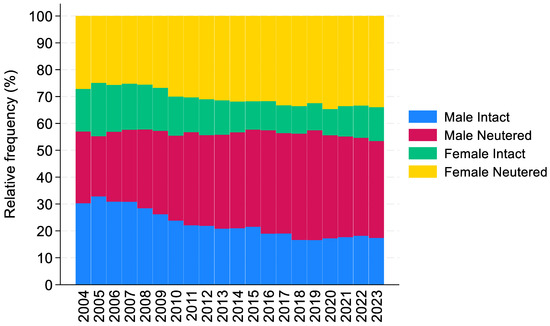
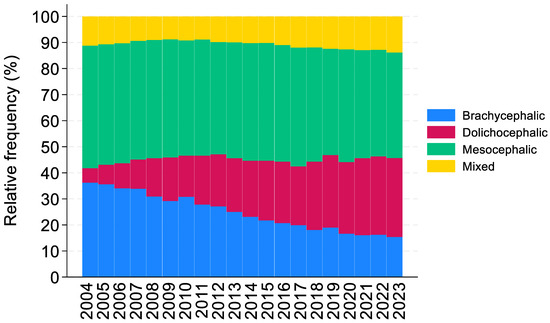
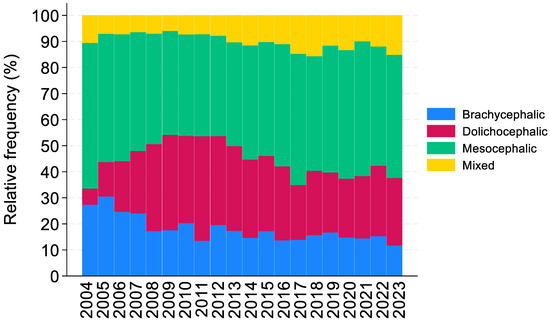
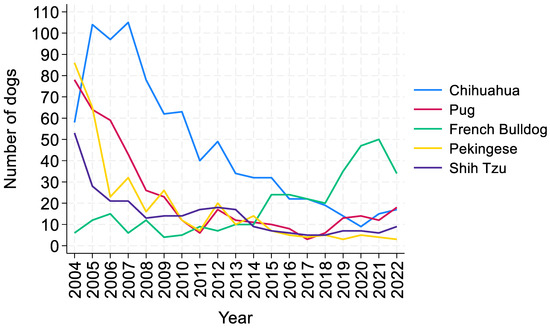
Brachycephalic dogs commonly suffer from breathing difficulties and other chronic health problems, yet strong consumer demand is widely reported. Whether the popularity of brachycephalic breeds persists across different contexts is largely untested. Census data from 1,510,085 canine consultations conducted at a single veterinary hospital from 2004 to 2023 in Hong Kong were collected and analysed. Individual dogs (n = 96,777) were counted once, in the first year of presentation. Males (53.5% to 57.7%) and purebreds (86.2% to 91.2%) predominated each year. Neutered dogs increased from 52% to 70% annually. Poodles were the most popular breed from 2009. Brachycephalic breeds, collectively, declined progressively from 36.3% to 15.4% of the annual population. This trend was exaggerated in dogs < 1-year-old (27.4% to 11.7%). Absolute numbers of common brachycephalic breeds declined, except for French Bulldogs and Pugs. A historical cohort study was conducted with a subset of the data (2016–2023) to investigate the hypothesis that veterinary service use would be higher in brachycephalic breeds compared with other groups. The hypothesis was proven. Relative demand for brachycephalic breeds in Hong Kong is decreasing, with the exception of French Bulldogs and Pugs. Investigating drivers of these observations will inform behaviour change strategies, and facilitate comparisons across different regions.
Full article

Figure 1
Open AccessArticle
Characterization of Clinical, Hematological, and Biochemical Findings in Dogs with Vipera aspis Envenomation
by
Filomena Meduri, Claudia Rifici, Pietro Gambadauro, Diego Antonio Sicuso, Gianluca Novari, Giuseppe Mazzullo and Michela Pugliese
Pets 2026, 3(1), 5; https://doi.org/10.3390/pets3010005 - 20 Jan 2026
Abstract
►▼
Show Figures
Viper envenomation in dogs represents a significant medical emergency in regions where vipers are endemic. Despite its clinical relevance, detailed data on the haematological and biochemical alterations in canine viper envenomation remain limited. This study aimed to evaluate the clinical presentation and haematological,
[...] Read more.
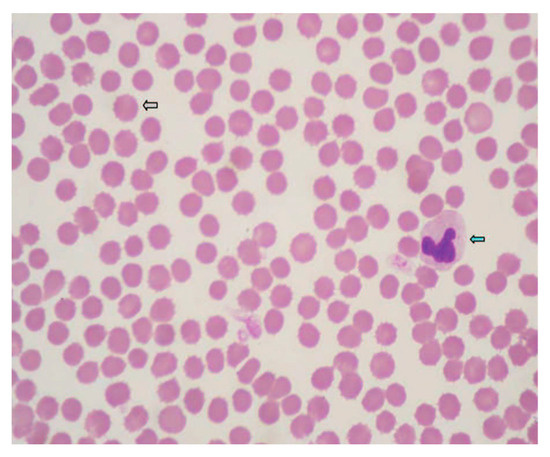
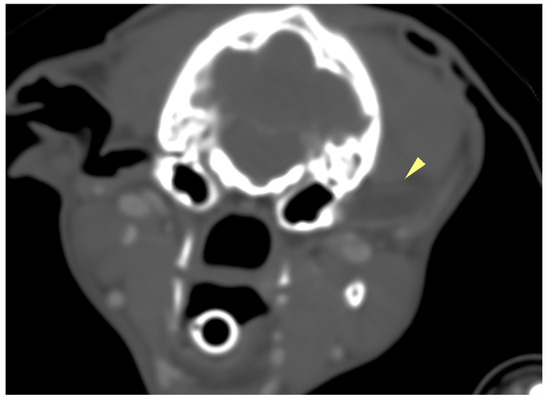
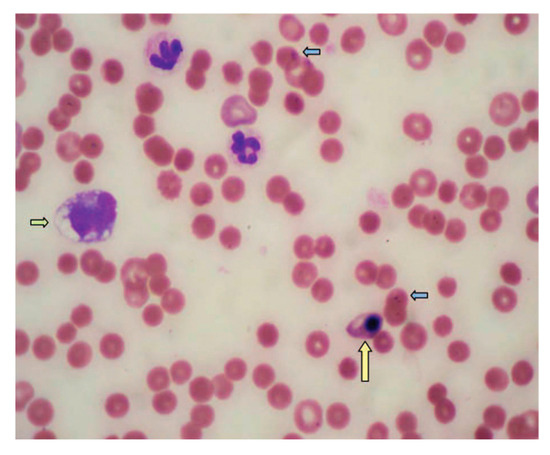
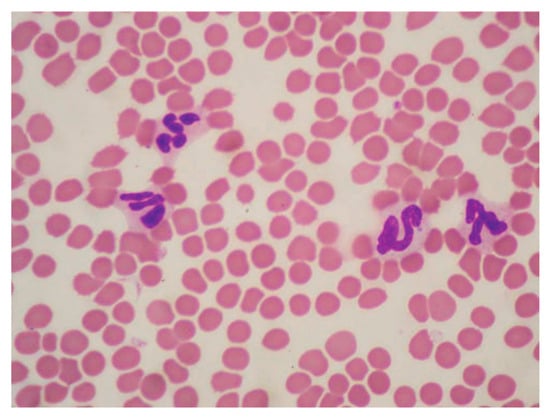
Viper envenomation in dogs represents a significant medical emergency in regions where vipers are endemic. Despite its clinical relevance, detailed data on the haematological and biochemical alterations in canine viper envenomation remain limited. This study aimed to evaluate the clinical presentation and haematological, biochemical and coagulative changes occurring in dogs following bites from the Vipera aspis species, and to assess their diagnostic and prognostic significance. Twelve dogs with suspected Vipera aspis envenomation were encompassed in the study. Clinical data were gathered and blood samples were collected at hospital admission (T1), 24 h (T2) and 48 h later (T3). Complete blood counts, biochemical profiles and coagulation parameters were analysed using standard automated systems. Common clinical signs included local pain and swelling, depression, fever, haematuria and melena. Haematological evaluation revealed progressive anaemia, leucocytosis and thrombocytopenia. Biochemical findings showed elevated alanine aminotransferase (ALT), aspartate aminotransferase (AST), alkaline phosphatase (ALP) and creatine kinas (CK), indicating hepatic and muscular injury; however, no consistent evidence of renal failure was found. Coagulation analysis revealed a significant shortening of activated partial thromboplastin time (aPTT) and prothrombin time (PT) over time, alongside marked increases in fibrinogen and antithrombin III. This indicates an inflammatory rather than consumptive coagulopathy. Viper envenomation in dogs induces complex haematological and biochemical alterations, reflecting both direct venom toxicity and systemic inflammatory responses. Early recognition, supportive care and continuous laboratory monitoring are essential for improving prognosis.
Full article

Figure 1

Open AccessCase Report
Successful Management of a Dog with Protein-Losing Enteropathy and Concurrent Protein-Losing Nephropathy with Repeated Fecal Microbiota Transplantation
by
Alexander Schreiber, Chih-Chun Chen, Jan S. Suchodolski and Betty Chow
Pets 2026, 3(1), 4; https://doi.org/10.3390/pets3010004 - 19 Jan 2026
Cited by 1
Abstract
►▼
Show Figures
Protein-losing enteropathy (PLE) is a spectrum of gastrointestinal disorders in which protein loss occurs through the gastrointestinal tract. One of the underlying causes is chronic inflammatory enteropathy (CIE). Conventional therapies for CIE often include diet, immunosuppressives, anti-microbials, probiotics, and, recently, fecal microbial transplantation
[...] Read more.
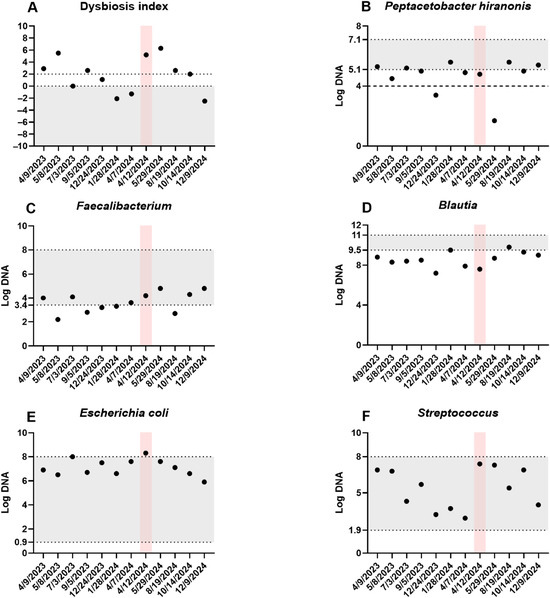
Protein-losing enteropathy (PLE) is a spectrum of gastrointestinal disorders in which protein loss occurs through the gastrointestinal tract. One of the underlying causes is chronic inflammatory enteropathy (CIE). Conventional therapies for CIE often include diet, immunosuppressives, anti-microbials, probiotics, and, recently, fecal microbial transplantation (FMT). This case report highlights the use of lyophilized material-based FMT through oral capsules and enema in a dog with PLE and concurrent protein-losing nephropathy (PLN). The patient initially had a significantly increased dysbiosis index (DI) and required repeated FMT treatments, resulting in a positive clinical response through improvement in body weight, serum albumin concentrations, fecal scores, and normalization of the DI over time. To maintain clinical responses, FMT had to be performed monthly. Approximately 1 year after starting FMT therapy, the patient then developed an episode of acute hemorrhagic diarrhea syndrome (AHDS) associated with netF-gene-encoding Clostridium perfringens strains, after which the DI became abnormal again. The patient responded clinically well to monthly FMT treatments again, but it took several months for normalization of the DI after the AHDS episode. In summary, this case report highlights the continued use of adjunct lyophilized FMT in a dog with PLE resulting in improved clinical control over time.
Full article

Figure 1
Open AccessArticle
Squamous Cell Carcinomas in Cats: A Retrospective Study of 4300 Histopathological Cases (2017–2023)
by
Anna-Chiara Riedl, Katharina Charlotte Jensen, Katja Schirl, Ines Hoffmann, Joshua Schwinn, Robert Klopfleisch and Heike Aupperle-Lellbach
Pets 2026, 3(1), 3; https://doi.org/10.3390/pets3010003 - 11 Jan 2026
Cited by 1
Abstract
►▼
Show Figures
This retrospective study provides an extensive evaluation of feline squamous cell carcinoma (SCC), comparing oral and cutaneous SCC, as well as different oral/cutaneous sites, with respect to sex, age, breed, and coat length. It was based on 4300 SCCs submitted to LABOKLIN GmbH
[...] Read more.
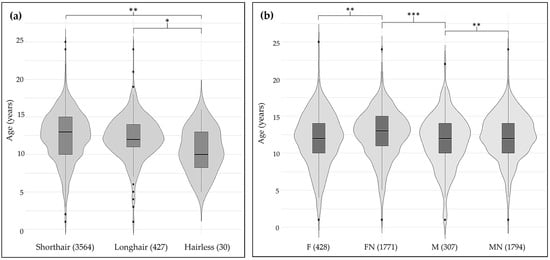
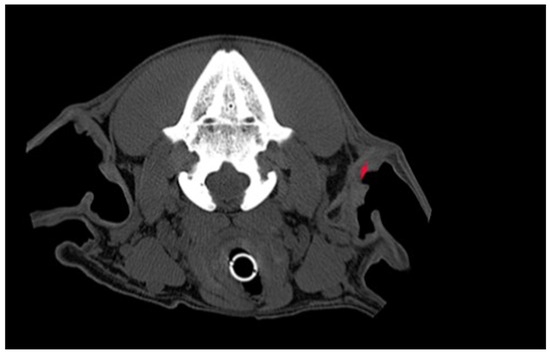
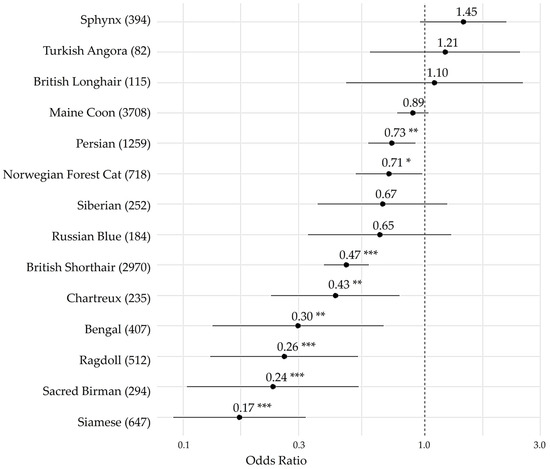
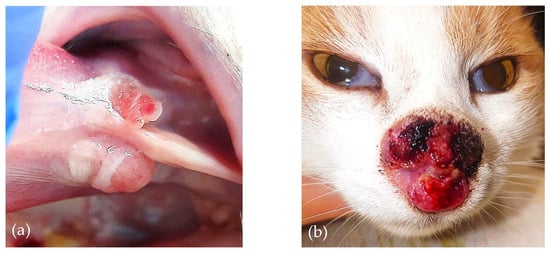
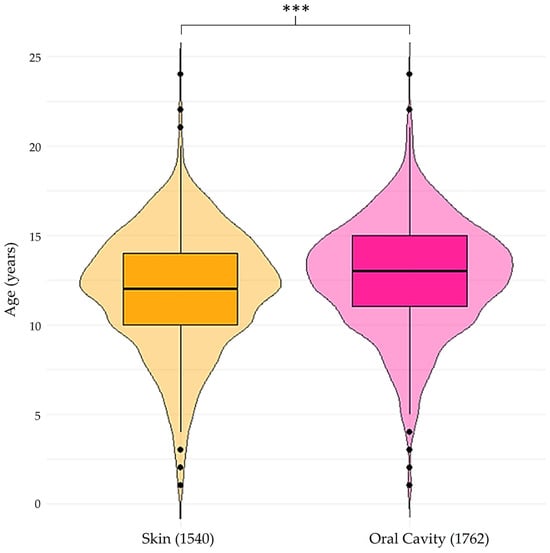
This retrospective study provides an extensive evaluation of feline squamous cell carcinoma (SCC), comparing oral and cutaneous SCC, as well as different oral/cutaneous sites, with respect to sex, age, breed, and coat length. It was based on 4300 SCCs submitted to LABOKLIN GmbH & Co. KG from 2017 to 2023. No sex predisposition was identified. Affected cats were predominantly older (median age 13 years). SCC risk increased with age, although cats of very young age were also affected. Breed predispositions were not found. However, compared to non-pedigree cats, Persians, Norwegian Forest Cats, British Shorthairs (BSH), Chartreux, and Siamese cats showed a reduced risk, as did longhaired cats. The predominant sites were the oral cavity (41.0%, 1762/4300) and skin (35.8%, 1540/4300). Maine Coons, BSHs, Persians, and Norwegian Forest Cats, as well as longhaired cats, developed oral SCC more frequently. Intraoral, gingival (36.2%, 637/1762) and lingual (19.0%, 334/1762) SCC predominated. Common cutaneous sites included the pinnae (35.0%, 539/1540), unspecified head/neck regions (8.8%, 135/1540), and the nose (8.7%, 134/1540). Maine Coons and BSHs showed less auricular SCC; Sphynx had more on the trunk. These findings emphasise SCC as a crucial differential diagnosis for oral and cutaneous lesions, even in young cats.
Full article

Figure 1
Open AccessSystematic Review
A Systematic Review of Pet Attachment and Health Outcomes in Older Adults
by
Erika Friedmann, Nancy R. Gee, Mona Ramadan Abdelhamed Eltantawy and Sarah Cole
Pets 2026, 3(1), 2; https://doi.org/10.3390/pets3010002 - 7 Jan 2026
Abstract
►▼
Show Figures
Research suggests that older adults might obtain health benefits from pet ownership; however, results are mixed. Pet attachment is suggested as both a mechanism for the relationship and a reason for differences in the association of pet ownership with health outcomes. This systematic
[...] Read more.
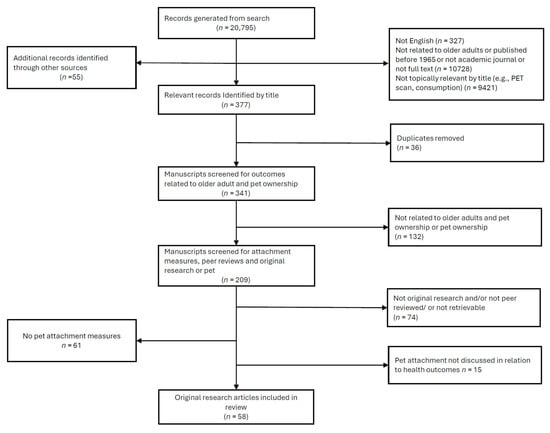
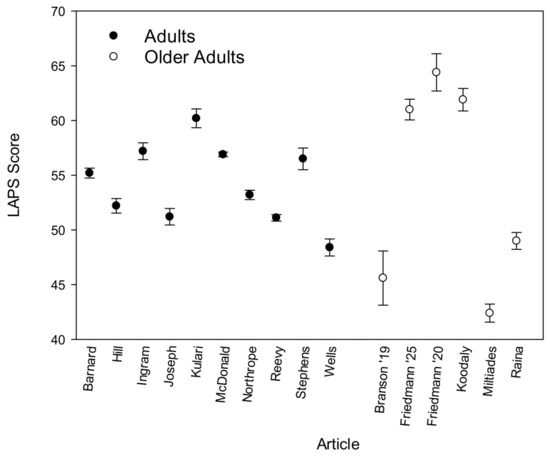
Research suggests that older adults might obtain health benefits from pet ownership; however, results are mixed. Pet attachment is suggested as both a mechanism for the relationship and a reason for differences in the association of pet ownership with health outcomes. This systematic review examines evidence for the relationship between pet attachment and health outcomes among older adults. The Open Science Foundation-registered review began with 20,795 candidate articles. We limited our review to the 58 articles that consisted of original research, published in peer-reviewed journals between 1965 and June 2025, written in English, included older adults (age ≥ 50 years) or were limited to only older adults, and examined the relationship between pet attachment and health outcomes. The articles included analyses of psychological (n = 53), social (n = 27), or physical (n = 2) health outcomes. Pet attachment was assessed with 19 tools; most frequently the Lexington Attachment to Pets Scale (n = 21) and the Pet Attachment Questionnaire (n = 8). The studies were not consistently of high quality according to OCEBM criteria. Except for grief, which was consistently related to pet attachment, the findings do not support a clear relationship between pet attachment and health outcomes in older adults. Findings suggest that the relationship between pet attachment and health outcomes may be more pronounced in younger than in older adults.
Full article

Figure 1
Open AccessArticle
Effect of a Supplement Containing Probiotics, Prebiotics, and Yeast Extract on Gut Inflammation, Microbiota, and Cytokines in Healthy Dogs
by
Angela Zilinger, Mary K. Sramek, Tarun Chandra, Teresa Schmidt, Jessica Bagel, Andrew Stayduhar, James Fryer and Gregory D. Sunvold
Pets 2026, 3(1), 1; https://doi.org/10.3390/pets3010001 - 4 Jan 2026
Cited by 1
Abstract
►▼
Show Figures
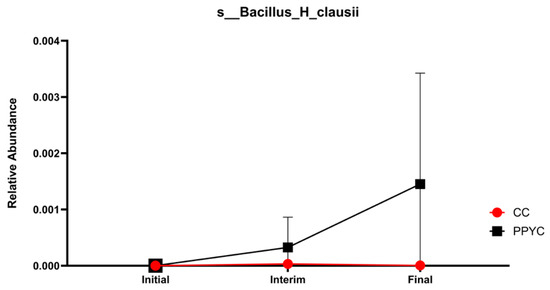
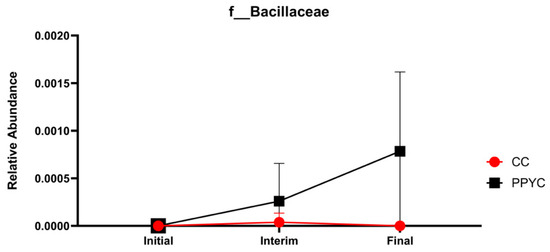
Probiotics, prebiotics, and postbiotics are of interest for their potential gastrointestinal and immunological benefits in pet health. This study aimed to assess whether a unique blend of Bacillus subtilis, Bacillus clausii, Bacillus coagulans (Weizmannia coagulans), FOS, GOS, and a
[...] Read more.
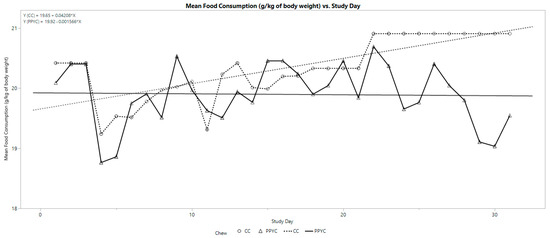
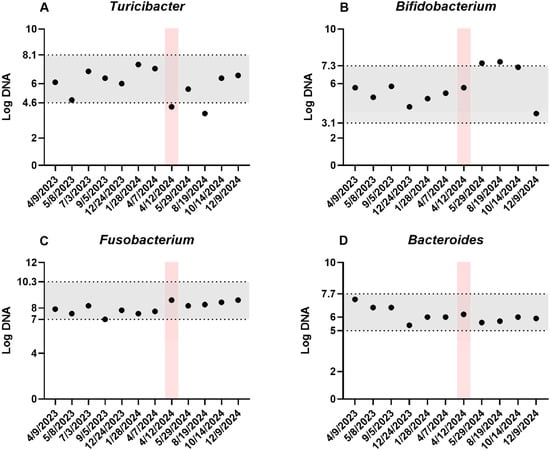
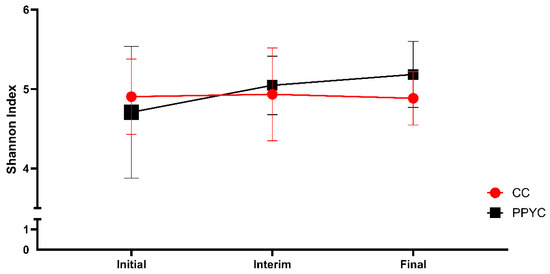
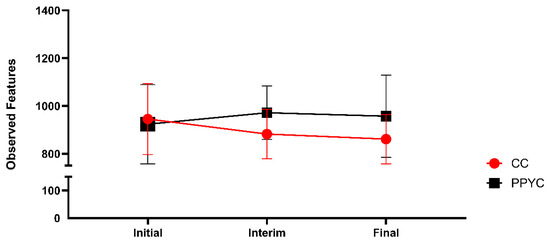
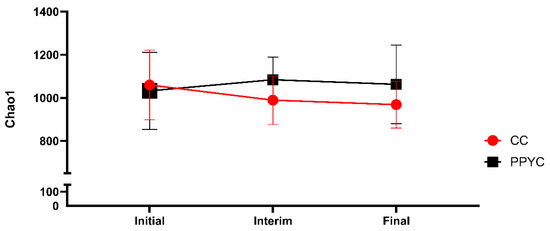
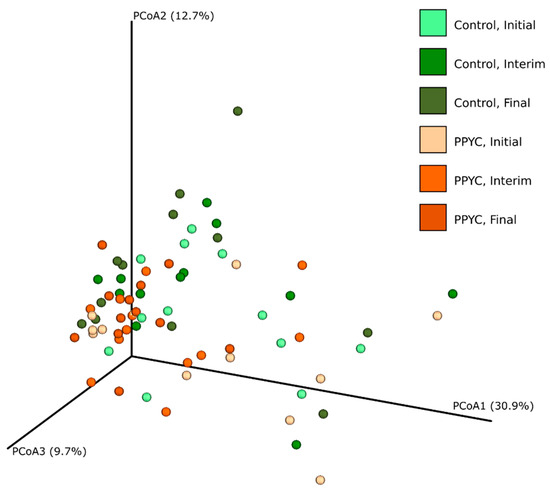
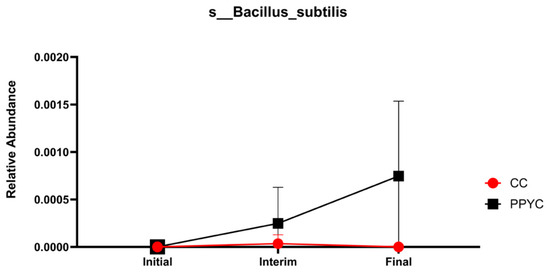
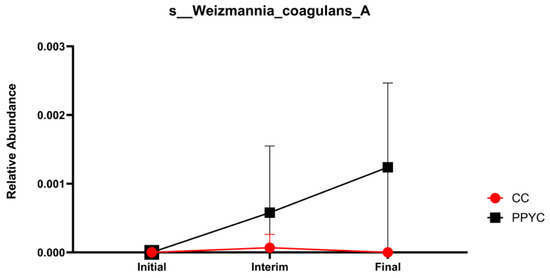
Probiotics, prebiotics, and postbiotics are of interest for their potential gastrointestinal and immunological benefits in pet health. This study aimed to assess whether a unique blend of Bacillus subtilis, Bacillus clausii, Bacillus coagulans (Weizmannia coagulans), FOS, GOS, and a postbiotic yeast extract could provide beneficial gut and immunological effects when fed to healthy, adult dogs. Twenty-four healthy adult beagle dogs (mean age 5.17 yrs) were fed the probiotic, prebiotic, and yeast chew (PPYC) or control chew (CC) supplement for 31 days, accompanied by fecal and blood sampling. Following 31 days, PPYC fed dogs had decreased (p < 0.05) fecal calprotectin concentration, a biomarker indicative of reduced intestinal inflammation, compared with dogs receiving the CC. In the PPYC group, blood C-reactive protein levels, an indicator of tissue inflammation, tended (p = 0.11) to be reduced. In addition, dogs receiving the PPYC supplement showed an increase in the IL-17a cytokine (p < 0.05). Despite dogs being in a clinically healthy state, changes in some dysbiosis-related bacterial strains were observed. There was an increase (p < 0.05) in the % of total bacteria of Blautia in the PPYC group by the end of the study, as well as an increase in the percent change from Day 0 of C. hiranosis (p < 0.05). Increased alpha diversity, a measure related to the resilience to environmental change, was observed in the PPYC group (p < 0.05). These results suggest that after consuming a supplement containing probiotics, prebiotics and a postbiotic yeast extract, markers of gut and systemic health were improved in otherwise healthy dogs.
Full article

Figure 1
Open AccessBrief Report
DEA 1 Prevalence and Theoretical Transfusion Mismatch Estimates in Dogs from Southeastern Mexico
by
Carlos Antonio Arcos-Roa, Luis Arturo Ortíz-Carbajal, Jose Luis Bravo-Ramos, María Guadalupe Sánchez-Otero, Sokani Sánchez-Montes, Aarón Bustos-Baena, Carolina Palmeros-Exsome, Sashenka Bonilla-Rojas and Beatriz Agame-Lagunes
Pets 2025, 2(4), 43; https://doi.org/10.3390/pets2040043 - 18 Dec 2025
Abstract
►▼
Show Figures
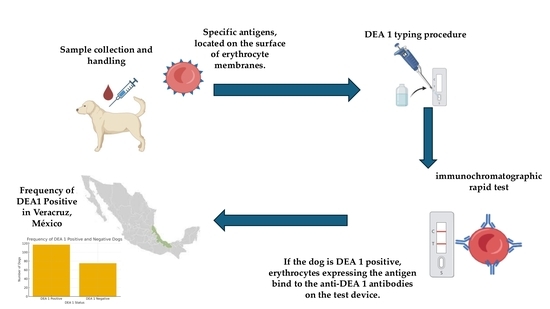
Ensuring blood group compatibility is essential in canine transfusion medicine, and Dog Erythrocyte Antigen (DEA) 1 is the most clinically relevant erythrocyte antigen due to its immunogenicity. However, information on its prevalence in Mexico is scarce. This study assessed the distribution of DEA
[...] Read more.
Ensuring blood group compatibility is essential in canine transfusion medicine, and Dog Erythrocyte Antigen (DEA) 1 is the most clinically relevant erythrocyte antigen due to its immunogenicity. However, information on its prevalence in Mexico is scarce. This study assessed the distribution of DEA 1 in client-owned dogs from Veracruz–Boca del Río, southeastern Mexico, and applied antigen frequencies to generate theoretical incompatibility scenarios in untyped populations. A cross-sectional study was conducted using blood samples from 192 clinically healthy dogs. DEA 1 typing was performed using a commercial immunochromatographicassay. Frequencies were compared using chi-square or Fisher’s exact test, and 95% confidence intervals were calculated with the Wilson method. Of all dogs sampled, 60.9% (95% CI: 53.6–67.8) were DEA 1-positive. No statistically significant differences were observed by sex or municipality (p > 0.05). Although frequencies varied among breeds, no significant association between breed and DEA 1 status was detected (p > 0.05). Based on observed antigen proportions, mathematical estimations were calculated to illustrate how DEA 1 distribution alone may contribute to potential donor–recipient mismatching when typing is not performed. These estimations are theoretical values and do not represent clinically documented sensitization or transfusion reactions. This study provides the first report of DEA 1 distribution in southeastern Mexico and establishes baseline information that may support future research on canine transfusion practices and donor selection.
Full article

Graphical abstract
Open AccessArticle
Exploring Factors of Dog Temperament Impacting Pass/Fail Outcomes in Therapy Dog Aptitude Tests
by
Shiori Kawai, Saki Terashima, Natsuki Ebashi, Mayu Sakurama, Miki Ito, Yumiko Nakanowataru and Takanori Kooriyama
Pets 2025, 2(4), 42; https://doi.org/10.3390/pets2040042 - 6 Dec 2025
Abstract
►▼
Show Figures
In recent years, requests for animal-assisted interventions (AAI) from medical institutions and welfare facilities have increased. Dogs are the most commonly used animals in AAI. Dogs that pass the “therapy dog” aptitude test can work in AAI. In previous research, we identified the
[...] Read more.
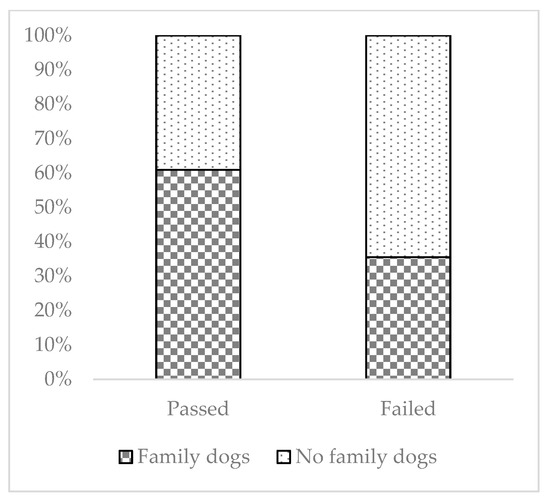
In recent years, requests for animal-assisted interventions (AAI) from medical institutions and welfare facilities have increased. Dogs are the most commonly used animals in AAI. Dogs that pass the “therapy dog” aptitude test can work in AAI. In previous research, we identified the Canine Behavior Assessment and Research Questionnaire (C-BARQ) factors common among dogs that passed the aptitude test. Using these factors, we developed the TC-BARQ, a screening questionnaire for therapy dogs that included 51 C-BARQ surveys. In this study, we conducted TC-BARQ screenings and compared the characteristics of dogs that passed and failed the aptitude test. We collected TC-BARQ data points from aptitude test examinees of the local AAI Dog Association. Each dog is identified by its breed, sex, neutering status, and whether it lives with another dog at home. For each question, we identified factors that differed between dogs that passed and those that failed. As a result, differences emerged in the presence of family dogs, particularly in behaviors related to aggression toward strangers and other dogs, as well as excitability toward people and situations. Continued surveillance is essential, but this study provides important information on selecting “therapy dogs”.
Full article

Figure 1
Highly Accessed Articles
Latest Books
E-Mail Alert
News
Topics
Topic in
Animals, Antioxidants, Metabolites, Pets, Veterinary Sciences
Research on Companion Animal Nutrition
Topic Editors: Baichuan Deng, Lian Li, Yun JiDeadline: 26 October 2026
Topic in
Agriculture, Animals, Applied Biosciences, Metabolites, Physiologia, Dairy, Pets
New Perspectives on Metabolism and Metabolic Disease in Wildlife, Domestic, and Exotic Pets and Livestock
Topic Editors: Filipe da Costa Silva, Isabel PiresDeadline: 3 July 2027
Conferences
Special Issues
Special Issue in
Pets
Pathology in Companion Animals—From Diagnostics to Treatment
Guest Editor: Stanisław DzimiraDeadline: 31 July 2026