
Journal Description
Pharmaceuticals
Pharmaceuticals
is a peer-reviewed, open access journal of medicinal chemistry and related drug sciences, published monthly online by MDPI. The Academy of Pharmaceutical Sciences (APS) is affiliated with Pharmaceuticals and its members receive discounts on the article processing charges.
- Open Access free for readers, with article processing charges (APC) paid by authors or their institutions.
- High Visibility: indexed within Scopus, SCIE (Web of Science), PubMed, PMC, Embase, CAPlus / SciFinder, and other databases.
- Journal Rank: JCR - Q1 (Pharmacology and Pharmacy) / CiteScore - Q1 (Pharmaceutical Science)
- Rapid Publication: manuscripts are peer-reviewed and a first decision is provided to authors approximately 16 days after submission; acceptance to publication is undertaken in 3.4 days (median values for papers published in this journal in the second half of 2025).
- Recognition of Reviewers: reviewers who provide timely, thorough peer-review reports receive vouchers entitling them to a discount on the APC of their next publication in any MDPI journal, in appreciation of the work done.
- Testimonials: See what our editors and authors say about Pharmaceuticals.
- International Electronic Conference on Medicinal Chemistry (https://sciforum.net/series/ecmc/latest)
- Companion journals for Pharmaceuticals include: Pharmacoepidemiology, Psychoactives and Drugs and Drug Candidates.
- Journal Clusters-Pharmaceutical Science: Scientia Pharmaceutica, Marine Drugs, Pharmaceuticals, Pharmaceutics, Pharmacy, Future Pharmacology, Pharmacoepidemiology, Drugs and Drug Candidates and Journal of Pharmaceutical and BioTech Industry.
Impact Factor:
4.8 (2024);
5-Year Impact Factor:
4.9 (2024)
Latest Articles
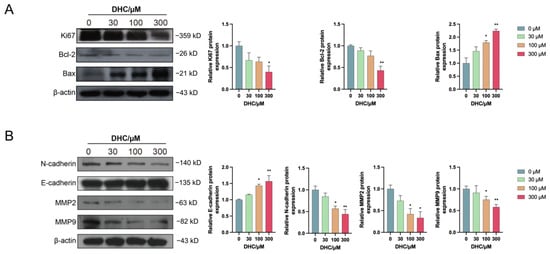
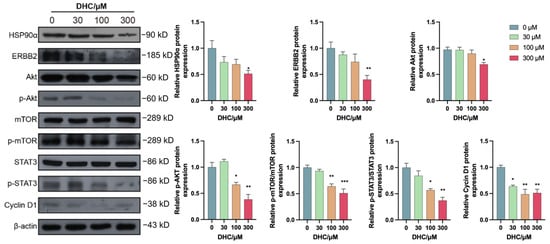
Dehydrocorydaline Exerts Anti-Pancreatic Cancer Effects Through the PI3K/Akt/mTOR Pathway
Pharmaceuticals 2026, 19(6), 864; https://doi.org/10.3390/ph19060864 (registering DOI) - 29 May 2026
Abstract
Objectives: This study aims to investigate the pharmacological effects and potential mechanisms of dehydrocorydaline, the primary active component of Corydalis yanhusuo W.T. Wang, as a potential therapeutic agent for pancreatic cancer, thereby providing new insights into its treatment. Methods: The pharmacological effects were
[...] Read more.
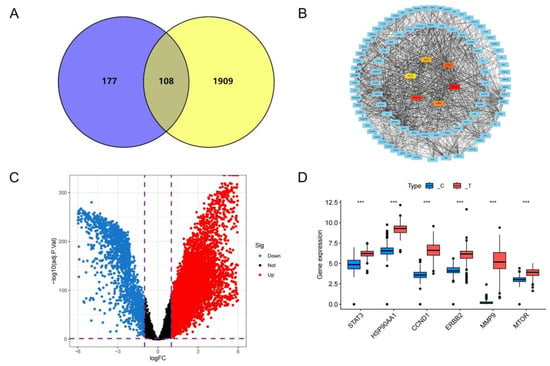
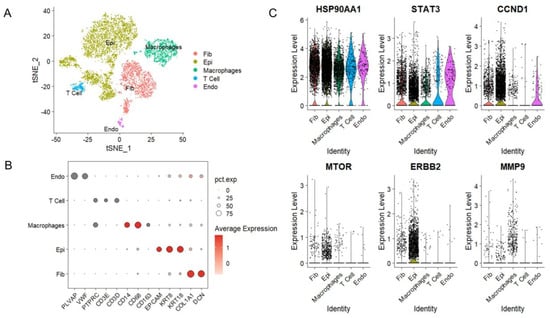
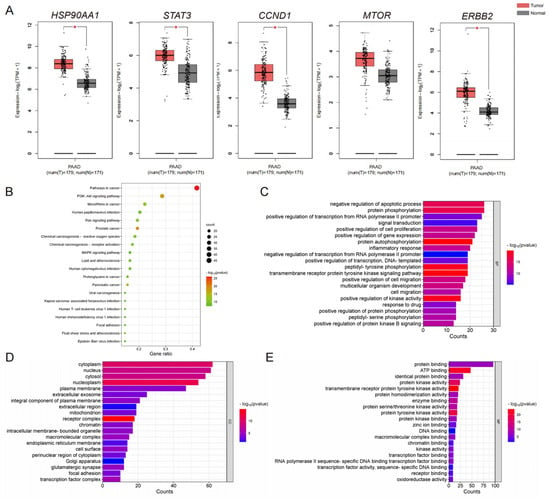
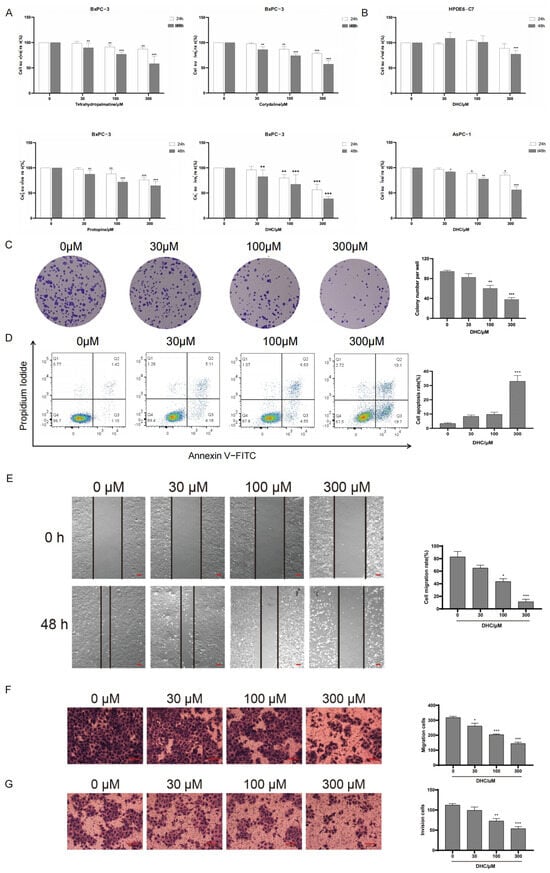
Objectives: This study aims to investigate the pharmacological effects and potential mechanisms of dehydrocorydaline, the primary active component of Corydalis yanhusuo W.T. Wang, as a potential therapeutic agent for pancreatic cancer, thereby providing new insights into its treatment. Methods: The pharmacological effects were assessed through MTT assay, colony formation assay, flow cytometry, scratch wound assay, and transwell assay. Potential mechanisms were explored through bioinformatics analysis and Western blot. Results: Dehydrocorydaline was verified to stimulate apoptosis and inhibit the growth, migration, and invasion of pancreatic cancer BxPC-3 cells. These effects may be associated with suppressed HSP90α expression, induced ERBB2 degradation, and subsequent inhibition of STAT3 and PI3K/Akt/mTOR pathway activation, as well as altered expression of multiple downstream proteins. Conclusions: This study demonstrates that dehydrocorydaline is the main active component of Corydalis yanhusuo W.T. Wang with anti-pancreatic cancer activity. Based on protein expression-level evidence, it may exert its effects by inhibiting HSP90α expression and inducing ERBB2 degradation, thereby affecting the PI3K/Akt/mTOR and STAT3 pathways, ultimately suppressing proliferation, migration, and invasion while promoting apoptosis in BxPC-3 cells. These findings justify further investigation of dehydrocorydaline as a potential treatment for pancreatic cancer.
Full article
(This article belongs to the Special Issue Novel Anticancer Drug Development and Toxicity Reduction Strategies)
►
Show Figures
Open AccessArticle
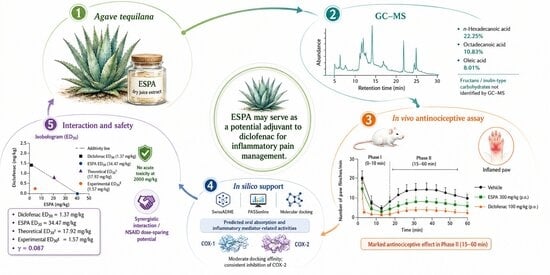
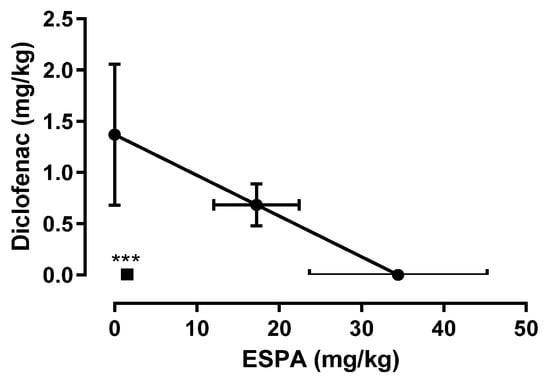
Bioactive Potential of Agave tequilana Dry Juice Extract: Chemical Profiling, Antinociceptive Effects, and Synergistic Modulation with Diclofenac in the Formalin Test
by
Reinner David Higuera-Quira, Juan Ramón Zapata-Morales, Josué Vidal Espinosa-Juárez, Elena Franco-Robles, Nereida Violeta Vega-Cabrera, Fidel Avila-Ramos, Clara Alba-Betancourt, Citlaly Natali de la Torre-Sosa and Osmar Antonio Jaramillo-Morales
Pharmaceuticals 2026, 19(6), 863; https://doi.org/10.3390/ph19060863 (registering DOI) - 29 May 2026
Abstract
Background: Safer analgesic strategies are needed to reduce the adverse effects associated with prolonged use of nonsteroidal anti-inflammatory drugs. The dry juice extract of Agave tequilana (ESPA), a chemically complex matrix with anti-inflammatory potential, may represent a promising adjuvant for modulating inflammatory
[...] Read more.
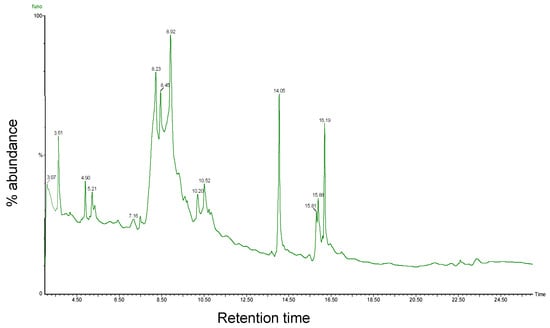
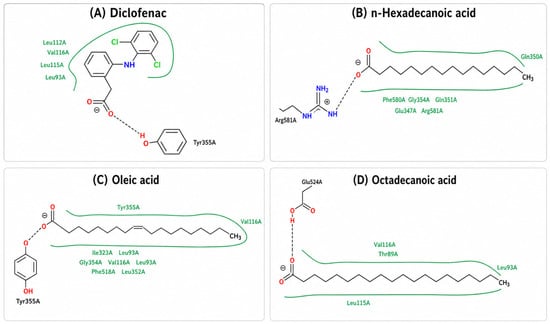
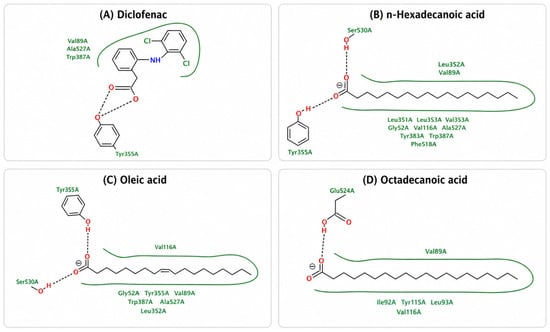
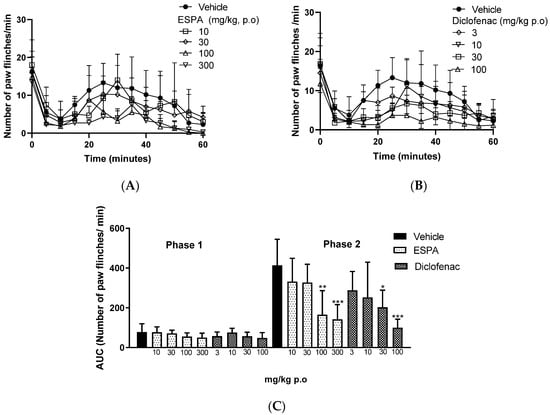
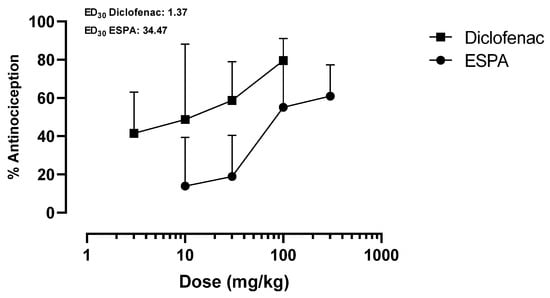
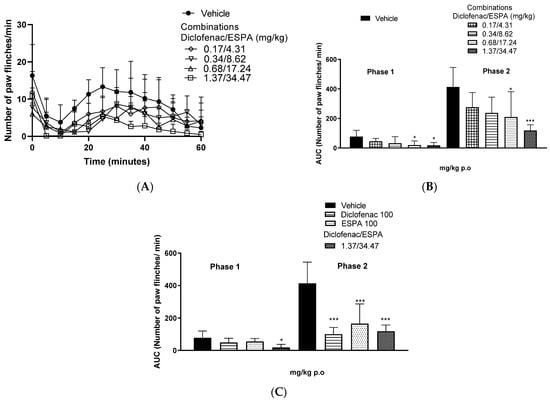
Background: Safer analgesic strategies are needed to reduce the adverse effects associated with prolonged use of nonsteroidal anti-inflammatory drugs. The dry juice extract of Agave tequilana (ESPA), a chemically complex matrix with anti-inflammatory potential, may represent a promising adjuvant for modulating inflammatory pain. Objective: This study evaluated the antinociceptive activity of ESPA and its pharmacological interaction with diclofenac in the formalin test. Methods: BALB/c mice received ESPA or diclofenac orally 30 min before pain induction, and nociceptive behavior was quantified by counting paw flinches during the neurogenic and inflammatory phases. The GC–MS-detectable fraction of ESPA was chemically characterized, while the pharmacokinetic and bioactivity profiles of selected compounds were explored in silico using SwissADME and PASSonline. Molecular docking with COX-1 and COX-2 was performed using AutoDock Vina. Acute toxicity was evaluated according to OECD Guideline 423, and the ESPA–diclofenac interaction was examined using isobolographic analysis. Results: ESPA produced significant antinociceptive effects during the inflammatory phase. Although diclofenac exhibited greater potency, ESPA showed consistent efficacy in reducing inflammatory nociceptive behavior. GC–MS analysis identified several compounds within the detectable volatile/lipophilic fraction, including n-hexadecanoic, octadecanoic, and oleic acids. In silico evaluations suggested favorable predicted oral absorption and potential bioactivities related to inflammatory mediator regulation. Docking studies showed moderate predicted affinities for COX-1 and COX-2, lower than those observed for diclofenac. Isobolographic analysis demonstrated a synergistic interaction between ESPA and diclofenac, allowing dose reduction while maintaining antinociceptive efficacy. Acute toxicity testing indicated no signs of toxicity at the evaluated dose. Conclusions: These findings suggest that ESPA may act as a potential adjuvant in diclofenac-based analgesic strategies for inflammatory pain; however, further studies are required to clarify the active constituents and underlying mechanisms.
Full article
(This article belongs to the Special Issue Ethnopharmacology in Latin America, 2nd Edition)
►▼
Show Figures

Graphical abstract
Open AccessArticle
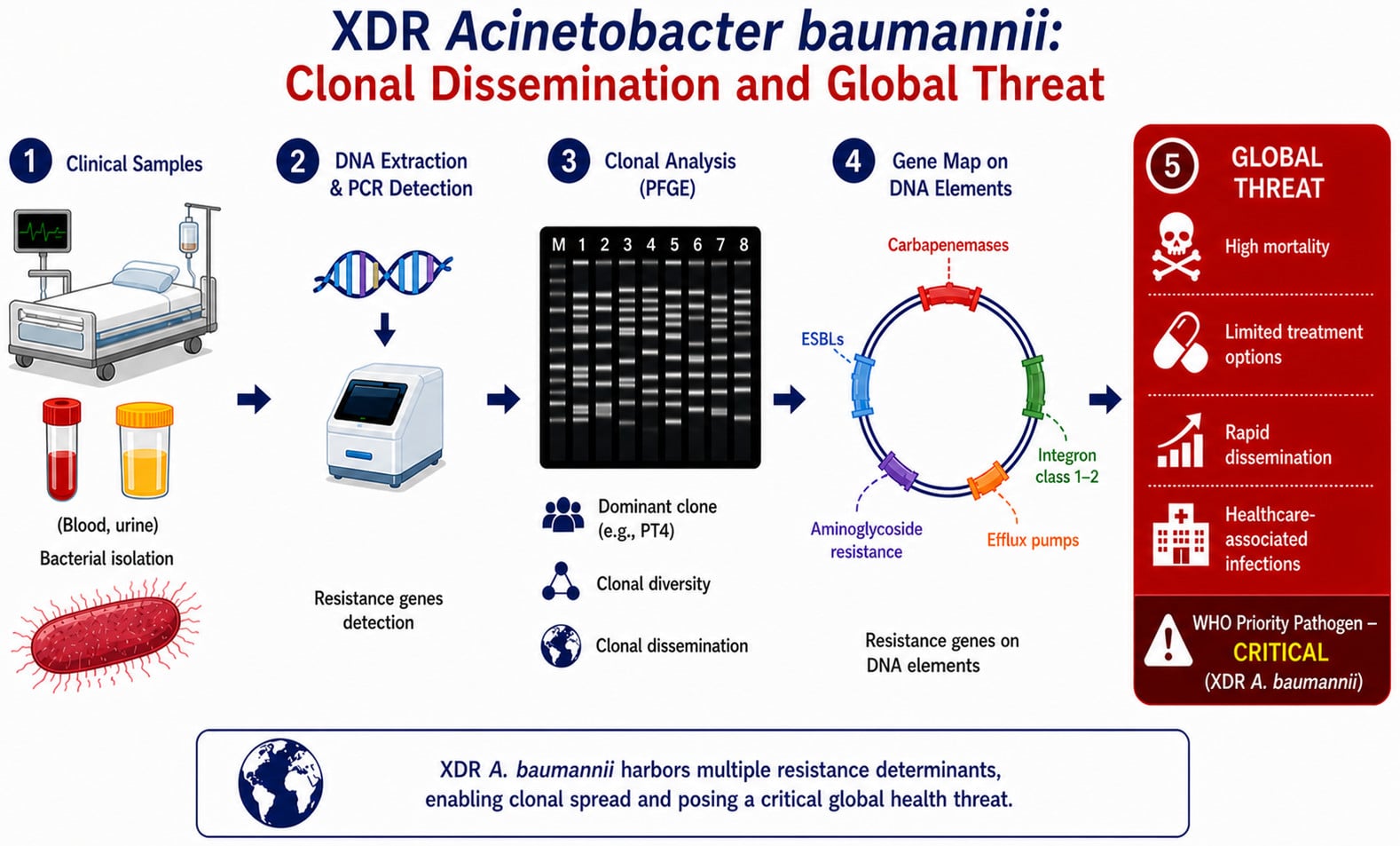
Comprehensive Molecular Characterization of Extensively Drug-Resistant Acinetobacter baumannii Isolated from Intensive Care Unit Patients: Carbapenemase Genes, Plasmid-Mediated Resistance Determinants, and PFGE-Based Clonal Analysis
by
Cihat Öztürk
Pharmaceuticals 2026, 19(6), 862; https://doi.org/10.3390/ph19060862 (registering DOI) - 29 May 2026
Abstract
Background: Colistin- and carbapenem-resistant Acinetobacter baumannii (CRAB) represent a critical threat in intensive care unit (ICU) settings. This study aimed to provide a comprehensive molecular epidemiological characterization of extensively drug-resistant (XDR) A. baumannii clinical isolates from a tertiary-care hospital in Kırşehir, Central
[...] Read more.
Background: Colistin- and carbapenem-resistant Acinetobacter baumannii (CRAB) represent a critical threat in intensive care unit (ICU) settings. This study aimed to provide a comprehensive molecular epidemiological characterization of extensively drug-resistant (XDR) A. baumannii clinical isolates from a tertiary-care hospital in Kırşehir, Central Anatolia, a region previously absent from the national surveillance literature. Methods: A total of 43 non-duplicate XDR A. baumannii isolates recovered from ICU patients between November 2021 and December 2023 were included. Antimicrobial susceptibility testing was performed by automated systems and broth microdilution for colistin. Resistance genes, including OXA-type carbapenemases, extended-spectrum β-lactamases (ESBLs), metallo-β-lactamases, plasmid-mediated colistin resistance (mcr-1 to mcr-5), plasmid-mediated quinolone resistance genes (qnr, qepA, oqxAB, aac(6′)-Ib-cr), and class 1 and 2 integrons, were screened by PCR. Integron gene cassettes were characterized by sequencing. Clonal relatedness was assessed by pulsed-field gel electrophoresis (PFGE) using ApaI digestion. Results: All 43 isolates exhibited the XDR phenotype with universal resistance to carbapenems, colistin, fluoroquinolones, aminoglycosides (except amikacin), piperacillin, cephalosporins, and tobramycin. Amikacin susceptibility was retained in 58.1% of isolates. blaOXA-51 was detected in all isolates (100%), and blaOXA-23 was the predominant acquired carbapenemase (90.7%). Notably, blaOXA-48, a carbapenemase typically associated with Enterobacteriaceae, was identified in 3 isolates (7.0%), each belonging to a distinct pulsotype. No blaOXA-24/40, blaOXA-58, or class B metallo-β-lactamase genes were detected. ESBL genes were found in a subset of isolates, with blaCTX-M group 1 being the most prevalent (20.9%). The aac(6′)-Ib-cr gene was detected in 81.4% of isolates, and oqxA/oqxB in 60.5% and 39.5%, respectively. No mcr or classical qnr genes were identified. Class 1 and 2 integrons were detected in 4.7% and 7.0% of isolates, respectively, carrying dfrA12-DUF1010-aadA2 (class 1) and dfrA1-sat-1 (class 2) gene cassettes. PFGE identified 12 pulsotypes among the typeable isolates; PT4 (n = 20, 47.6%) and PT11 (n = 8, 19.0%) were the dominant clonal clusters, together accounting for 65.1% of typeable isolates. Conclusions: This study presents one of the first comprehensive molecular epidemiological analyses of XDR A. baumannii from Central Anatolia. The dominance of OXA-23-carrying clonal lineages, the detection of blaOXA-48 in A. baumannii distributed across three distinct pulsotypes, the high prevalence of aac(6′)-Ib-cr, and the concurrent distribution of resistance determinants across genetically diverse clonal backgrounds indicate that both clonal expansion and possible horizontal gene transfer contribute to resistance dissemination in this setting. These findings underscore the need for systematic molecular surveillance and reinforced infection control strategies in ICU settings, at both the regional and national levels.
Full article
(This article belongs to the Special Issue Epidemiological Surveillance of Clinical Bacterial Infections and Antimicrobial Resistance Management)
►▼
Show Figures

Graphical abstract
Open AccessArticle
Repurposing Candidate Drugs to Prevent SARS-CoV-2: A PharmLines Test-Negative Case–Control Study
by
Guiling Zhou, Nina Dael, Stefan Verweij, Spyros Balafas, Sumaira Mubarik, Jens Bos, Anna Maria Gerdina Pasmooij, Debbie van Baarle, Peter G. M. Mol, Geertruida H. de Bock, Eelko Hak and Lifelines Corona Research Initiative
Pharmaceuticals 2026, 19(6), 861; https://doi.org/10.3390/ph19060861 (registering DOI) - 29 May 2026
Abstract
Background: The rapid emergence of immune-evasive SARS-CoV-2 variants necessitates the identification of accessible, low-cost prophylactic strategies. While drug repurposing offers a time-efficient alternative to novel drug development, clinical evidence for existing medications in the general population remains limited. The PharmLines Initiative provided us
[...] Read more.
Background: The rapid emergence of immune-evasive SARS-CoV-2 variants necessitates the identification of accessible, low-cost prophylactic strategies. While drug repurposing offers a time-efficient alternative to novel drug development, clinical evidence for existing medications in the general population remains limited. The PharmLines Initiative provided us with unique data linkage for this study to assess the associations between 42 candidate drugs and COVID-19 infection. Potential effect modification by dominant SARS-CoV-2 strain and COVID-19 vaccination status was addressed. Methods: We conducted a test-negative case–control study using data from the Lifelines cohort and University of Groningen IADB.nl dispensing database. Cases were adults with self-reported reverse transcription polymerase chain reaction (RT-PCR) test results for SARS-CoV-2 and controls had only negative results. Cases and controls were matched in age, sex, and testing date. The 42 candidate drugs were identified through a systematic review of prior publications. The primary outcome was SARS-CoV-2 infection. We applied multivariable conditional logistic regression to estimate the associations, with subgroup analyses for variant and vaccination effects. Significance levels were corrected for multiple testing. Results: From November 2020 to October 2022, we included 2019 test-positive cases and 4089 matched test-negative controls with a mean age of 57 years and 67% female. After adjustments for confounders, none of the studied drugs were associated with SARS-CoV-2 infection. When stratified by SARS-CoV-2 variants, chronic use of calcium channel blockers (adjusted odds ratio 2.13; 95% CI 1.45–3.13), diuretics (2.23; 95% CI 1.50–3.32), and metformin (4.31; 95% CI 1.91–9.69) were associated with increased risks of original strain SARS-CoV-2 infection. No significant associations were found in the vaccination status subgroup analysis. Conclusions: Despite limited statistical power for some drugs, none of the studied drugs showed protective associations against SARS-CoV-2 infection. Antihypertensives and metformin were associated with increased risk. These findings do not support the off-label use of these drugs as COVID-19 prophylaxis in the general population.
Full article
(This article belongs to the Section Pharmacology)
Open AccessReview
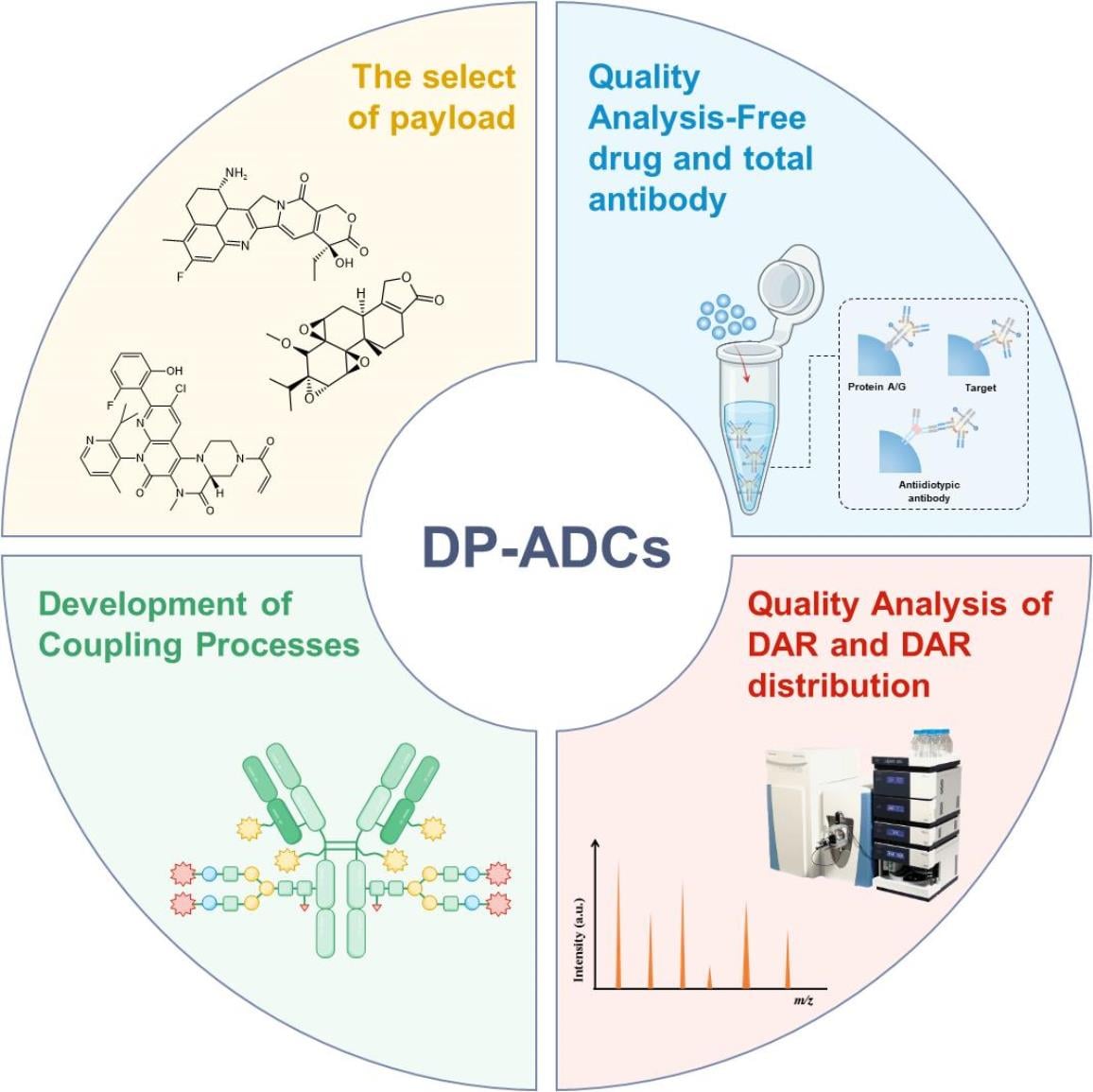
Advancements in Dual-Load Antibody–Drug Conjugates and Challenges with Quality Analysis
by
Xiaojuan Yu, Xiao Ke, Yao Tang, Tao Tang, Yongbo Ni, Luyun Guo, Yongfei Cui, Yuting Mei, Gangling Xu, Gang Wu, Yalan Yang, Maoqin Duan, Jialiang Du, Meng Li, Jiao Tang, Shijun Yin, Jiali Zuo, Yanhua Xu, Yonghao Zhao, Yan Li and Chuanfei Yuadd
Show full author list
remove
Hide full author list
Pharmaceuticals 2026, 19(6), 860; https://doi.org/10.3390/ph19060860 (registering DOI) - 29 May 2026
Abstract
Antibody–drug conjugates (ADCs) are a pivotal technology for precision cancer therapy, harnessing the synergistic effects of antibody targeting and toxin delivery. However, traditional ADCs encounter limitations in efficacy that stem from tumor resistance, heterogeneity, and intense target competition. Dual-payload ADCs (DP-ADCs) represent a
[...] Read more.
Antibody–drug conjugates (ADCs) are a pivotal technology for precision cancer therapy, harnessing the synergistic effects of antibody targeting and toxin delivery. However, traditional ADCs encounter limitations in efficacy that stem from tumor resistance, heterogeneity, and intense target competition. Dual-payload ADCs (DP-ADCs) represent a promising solution to these challenges, as they leverage dual mechanisms of action that mitigate acquired drug resistance and enhance adaptability to tumor heterogeneity. The complex structure of DP-ADCs presents substantial quality control hurdles. In this manuscript, we review the current payload selection and conjugation strategies of DP-ADCs and examine recent advances in quality control research. Specifically, we analyze the analytical challenges related to the quantification of free toxins, the determination of the total antibody content, and the characterization of the drug-to-antibody ratio and its distribution. Ultimately, the aim of this work is to provide valuable guidance for future DP-ADC quality control analyses to facilitate their clinical translation and application.
Full article
(This article belongs to the Section Biopharmaceuticals)
►▼
Show Figures

Graphical abstract
Open AccessArticle
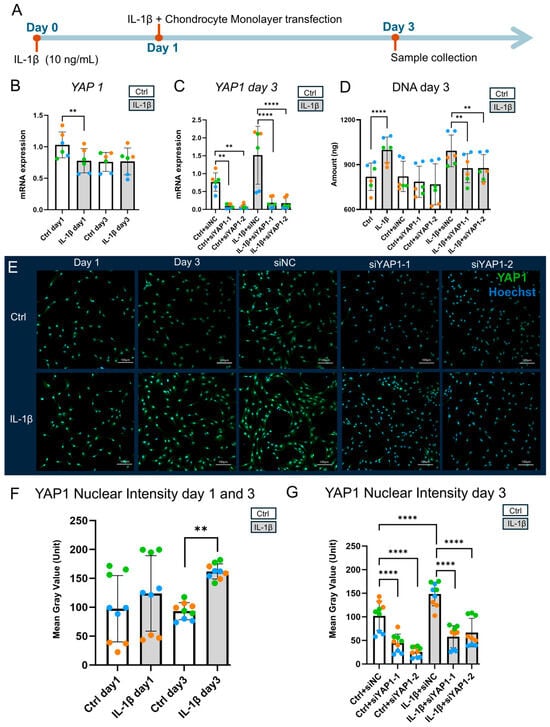
YAP1 Knockdown Reduces IL-1β-Induced Human Chondrocyte Inflammation and Promotes Human MSC Chondrogenesis
by
Liru Wen, Sibylle Grad, Laura B. Creemers and Martin J. Stoddart
Pharmaceuticals 2026, 19(6), 859; https://doi.org/10.3390/ph19060859 (registering DOI) - 29 May 2026
Abstract
Background: Yes-associated protein 1 (YAP1), a key effector of the Hippo signaling pathway and mechanosensitive transcriptional coactivator, plays a complex role in osteoarthritis (OA) and cartilage regeneration. While YAP1 is essential for tissue homeostasis, its dysregulation has been implicated in both inflammatory
[...] Read more.
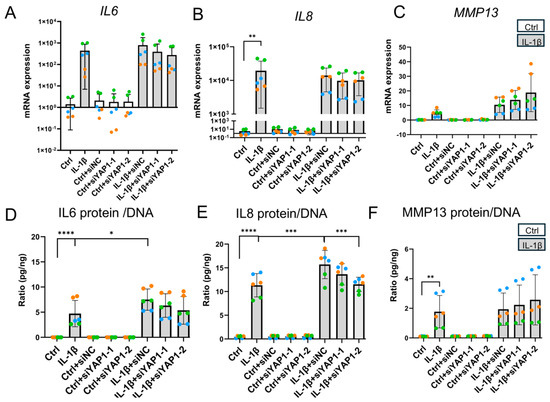
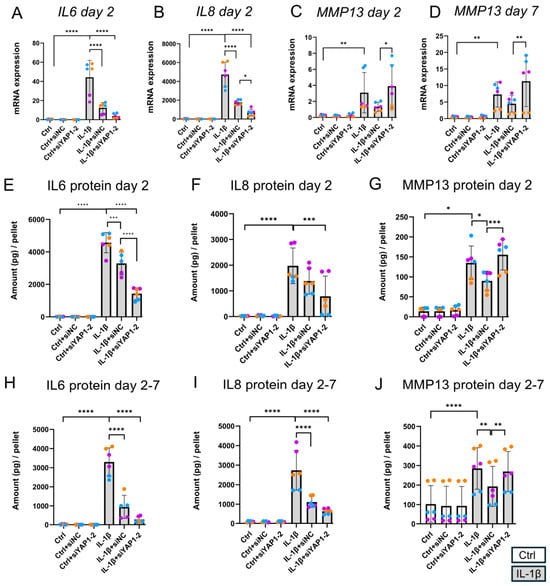
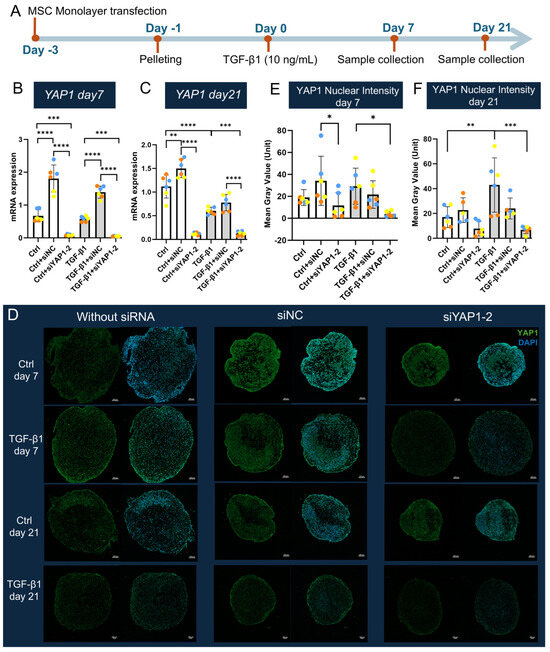
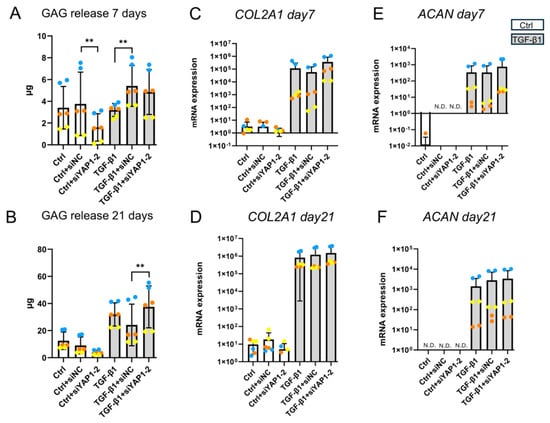
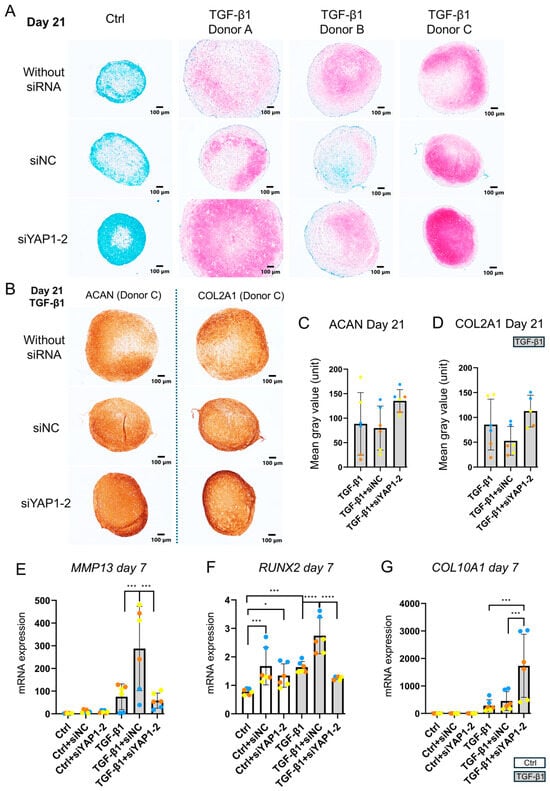
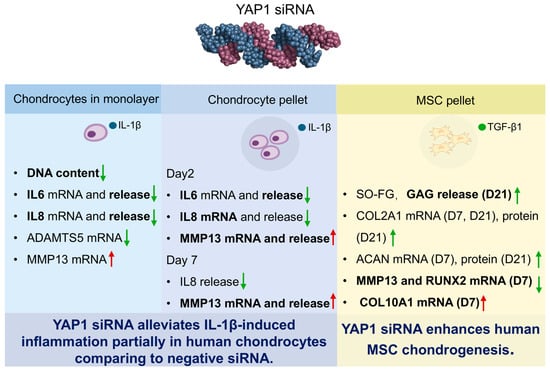
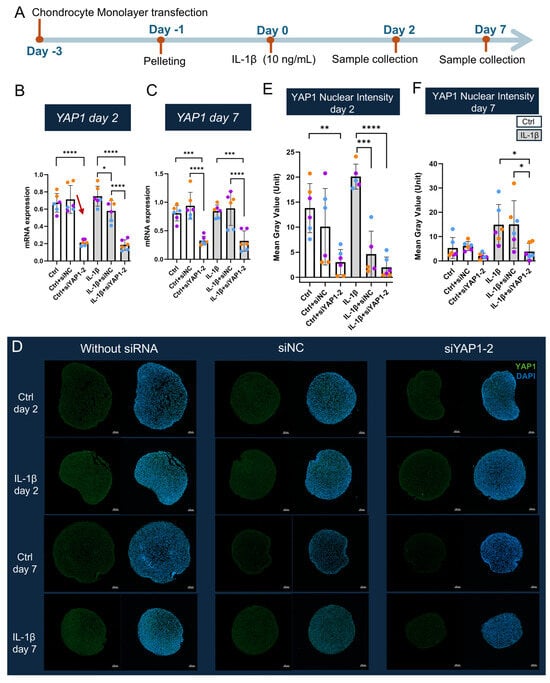
Background: Yes-associated protein 1 (YAP1), a key effector of the Hippo signaling pathway and mechanosensitive transcriptional coactivator, plays a complex role in osteoarthritis (OA) and cartilage regeneration. While YAP1 is essential for tissue homeostasis, its dysregulation has been implicated in both inflammatory and degenerative joint pathologies. However, its precise function remains ambiguous. Methods: We silenced YAP1 with small interfering RNA (siYAP1) in two human-cell-based models relevant to OA pathogenesis and cartilage repair: (1) IL-1β (10 ng/mL)-stimulated articular chondrocytes in monolayer and pellet cultures, and (2) TGF-β1 (10 ng/mL)-induced chondrogenesis in MSC pellet cultures. Outcome measures comprised YAP1 nuclear localization; inflammatory/catabolic markers in chondrocytes (IL6, IL8, ADAMTS5, MMP13); and, in MSC pellets, chondrogenic or hypertrophic markers (COL2A1, ACAN, RUNX2, MMP13, COL10A1) together with glycosaminoglycan (GAG) deposition. Statistical significance was assessed using an ANOVA or Friedman test with post hoc correction (Tukey or Dunn’s test, respectively); p < 0.05 was considered significant. Results: In human chondrocytes, siYAP1 reduced IL-1β-induced nuclear YAP1 localization and suppressed pro-inflammatory mediators IL6 and IL8, indicating an anti-inflammatory effect. YAP1 silencing also downregulated ADAMTS5 expression in 2D monolayers but not in 3D pellet cultures, suggesting reduced regulatory influence in the three-dimensional environment. Notably, MMP13 expression was paradoxically increased following YAP1 knockdown, underscoring the complexity of YAP1’s role in catabolic regulation. In MSC chondrogenesis, siYAP1 enhanced TGF-β1-induced chondrogenesis by increasing COL2A1 and ACAN expression and promoting GAG deposition on day 21. Additionally, it reduced hypertrophic markers RUNX2 and MMP13 on day 7, though COL10A1 remained elevated compared to negative siRNA, indicating only partial suppression of hypertrophic differentiation. Nuclear YAP1 levels were increased by day 21 despite reduced mRNA, suggesting post-transcriptional regulation or enhanced nuclear translocation. Conclusions: These findings demonstrate that YAP1 knockdown exerts context-specific anti-inflammatory and pro-chondrogenic effects while partially mitigating hypertrophy. However, divergent outcomes, namely elevated MMP13 in chondrocytes and upregulated COL10A1 in MSCs, indicate that YAP1 silencing does not uniformly suppress inflammation or hypertrophy. YAP1 represents a potential therapeutic target for OA, but its modulation requires careful consideration of cellular context, siRNA delivery method, and timing to optimize outcomes for cartilage repair and joint preservation.
Full article
(This article belongs to the Section Biopharmaceuticals)
►▼
Show Figures

Figure 1
Open AccessReview
Mechanistic Networks, Cellular Specificity, and Therapeutic Opportunities of Ferroptosis in Ulcerative Colitis
by
Jia-Le Yi, Ji-Xiao Zhu, Wei-Feng Huang and Li-Tao Yi
Pharmaceuticals 2026, 19(6), 858; https://doi.org/10.3390/ph19060858 (registering DOI) - 29 May 2026
Abstract
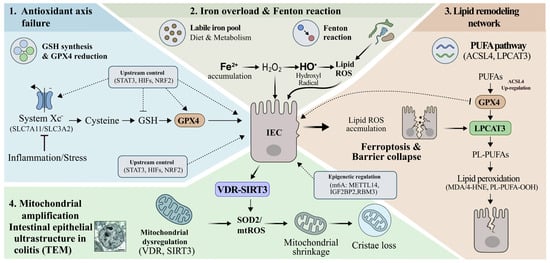
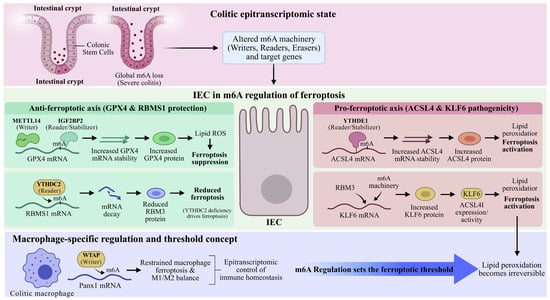
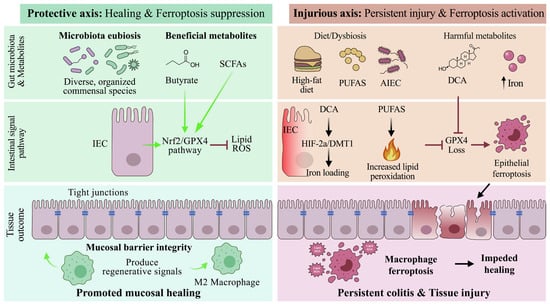
Ulcerative colitis (UC) is a chronic inflammatory disorder characterized by epithelial barrier disruption, oxidative stress, immune dysregulation, and defective mucosal healing. Recent studies have identified ferroptosis, an iron-dependent form of regulated cell death driven by phospholipid peroxidation, as a key mechanism linking these
[...] Read more.
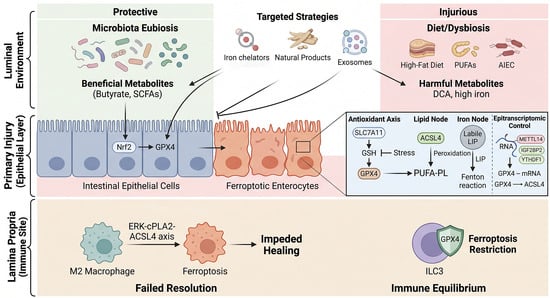
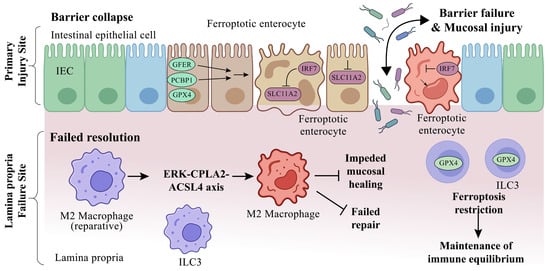
Ulcerative colitis (UC) is a chronic inflammatory disorder characterized by epithelial barrier disruption, oxidative stress, immune dysregulation, and defective mucosal healing. Recent studies have identified ferroptosis, an iron-dependent form of regulated cell death driven by phospholipid peroxidation, as a key mechanism linking these processes. This review summarizes the current progress in understanding the role of ferroptosis in colitis. Available evidence shows that ferroptosis occurs in both human UC and experimental colitis models, with intestinal epithelial cells representing the best-established target compartment. Recent studies have further expanded this concept to reparative immune cells, particularly type 2 (M2) macrophages, thereby indicating that ferroptosis contributes not only to barrier injury but also to impaired mucosal healing. Mechanistically, colitis-associated ferroptosis is governed by interconnected networks involving solute carrier family 7 member 11 (SLC7A11)/glutathione (GSH)/glutathione peroxidase 4 (GPX4) failure, acyl-CoA synthetase long chain family member 4 (ACSL4)-dependent lipid remodeling, iron overload, mitochondrial reactive oxygen species (ROS) amplification, inflammatory signaling, and N6-methyladenosine (m6A)-mediated post-transcriptional regulation. In parallel, microbiota-derived metabolites and dietary factors can either suppress or exacerbate ferroptotic injury. Therapeutically, ferroptosis-targeted strategies, including iron chelation, nutrient-based interventions, natural products, exosomes, and nanoplatforms show promising preclinical efficacy. Overall, ferroptosis provides a connected framework for understanding colitis pathogenesis and provides new opportunities for biomarker development and mechanism-based therapies.
Full article
(This article belongs to the Section Pharmacology)
►▼
Show Figures

Graphical abstract
Open AccessArticle
O-Glycosylation Signatures Shape the Tumour Immune Microenvironment and Associate with Genomic Stability, Drug Resistance Programmes, and Epithelial Differentiation in Colorectal Cancer
by
Abdullah A. Alqasem, Glowi Alasiri, Ayoub Al Othaim, Abdulhadi M. Abdulwahed, Ahmad A. Alghamdi, Abdulkarim S. Binshaya and Abdulaziz Alfahed
Pharmaceuticals 2026, 19(6), 857; https://doi.org/10.3390/ph19060857 (registering DOI) - 29 May 2026
Abstract
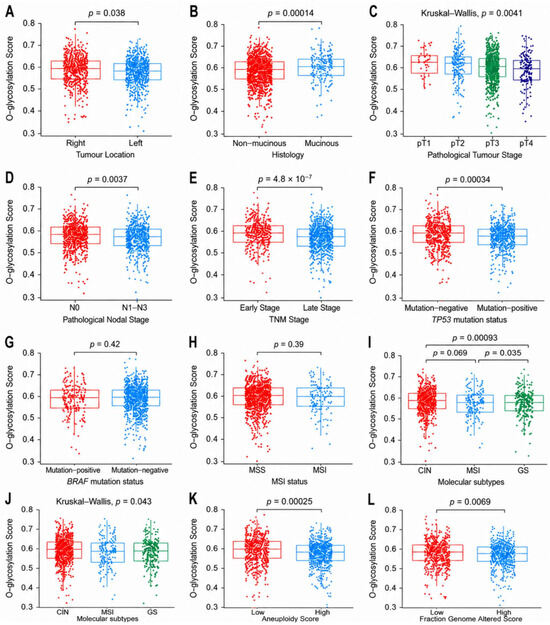
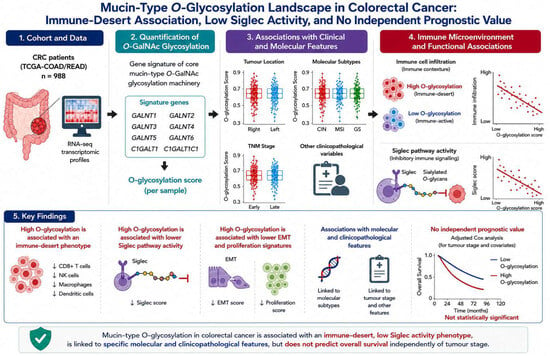
Background/Objectives: The tumour immune microenvironment (TIME) critically influences colorectal cancer (CRC) progression and therapeutic response, yet mechanisms shaping immune phenotypes remain unclear. Mucin-type O-glycosylation regulates tumour–immune interactions at the cell surface. Methods: We analysed O-glycosylation activity in 988 colorectal
[...] Read more.
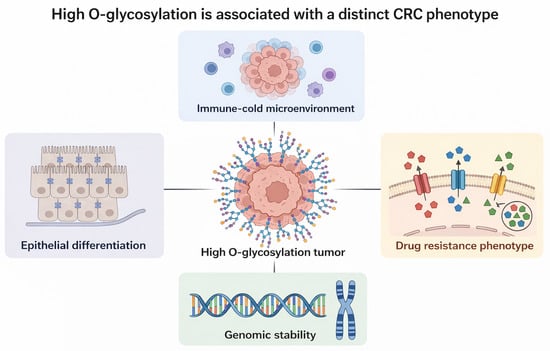
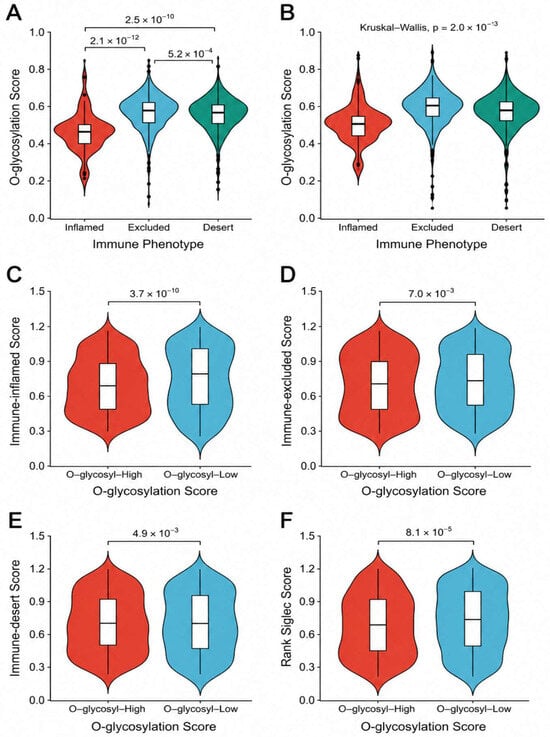
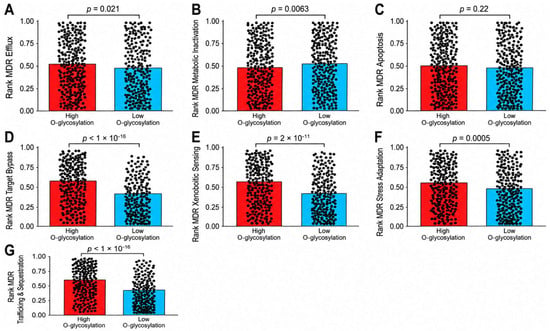
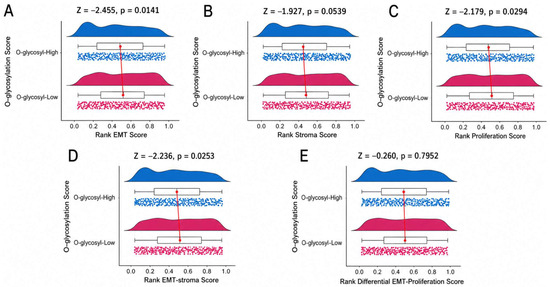
Background/Objectives: The tumour immune microenvironment (TIME) critically influences colorectal cancer (CRC) progression and therapeutic response, yet mechanisms shaping immune phenotypes remain unclear. Mucin-type O-glycosylation regulates tumour–immune interactions at the cell surface. Methods: We analysed O-glycosylation activity in 988 colorectal cancer (CRC) tumours derived from three independent cohorts: The Cancer Genome Atlas (TCGA-CRC, n = 534), the Clinical Proteomic Tumour Analysis Consortium (CPTAC2-CRC, n = 106), and the Sidra–Leiden University Medical Center (Sidra-LUMC, n = 348). O-glycosylation activity was quantified using a transcriptomic gene signature and single-sample gene set enrichment analysis (ssGSEA). Tumours were stratified into high and low O-glycosylation groups based on the median score, and associations with immune phenotypes, genomic alterations, and tumour functional states were assessed. Results: High O-glycosylation tumours exhibited an immune-desert phenotype with reduced immune-inflamed (p = 3.65 × 10⁻¹⁰) and immune-excluded (p = 0.0070) signatures alongside increased immune-desert scores (p = 0.0049) and reduced Siglec signalling (p = 8.14 × 10⁻⁵). O-glycosylation was associated with genomic stability, including lower TP53 mutation frequency (p = 0.0056), reduced aneuploidy (p = 0.0116), and decreased fraction of genome altered (p = 0.0309). High O-glycosylation tumours also showed upregulation of multidrug resistance programmes and reduced epithelial–mesenchymal transition (p = 0.0141) and proliferation (p = 0.0294). Conclusions: O-glycosylation defines a CRC subtype characterised by immune exclusion, genomic stability, and multidrug resistance, highlighting its potential as a biomarker and therapeutic target.
Full article
(This article belongs to the Special Issue Advances in Targeted Therapy for Gastrointestinal Cancers)
►▼
Show Figures

Graphical abstract
Open AccessReview
Bioactive Constituents, Mechanisms, and Complementary Therapeutic Applications of Food–Medicine Continuum Materia Medica for Atherosclerosis Prevention and Treatment
by
Xiaorong Zhang, Mengyue Dong, Xinke Wang, Yingjie Hong, Xin Zhang, Yonghuan Niu and Xuefeng Li
Pharmaceuticals 2026, 19(6), 856; https://doi.org/10.3390/ph19060856 (registering DOI) - 29 May 2026
Abstract
Cardiovascular disease (CVD) represents the leading cause of mortality worldwide, with atherosclerosis (AS) serving as its primary pathological foundation, involving multiple pathological processes, including lipid metabolism disorders, chronic inflammation, and endothelial dysfunction. The food and medicine continuum (FMC) concept originates from traditional Chinese
[...] Read more.
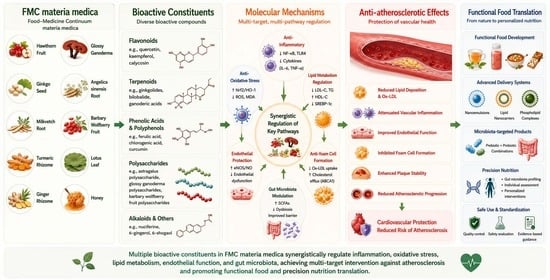
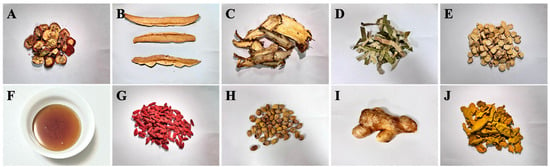
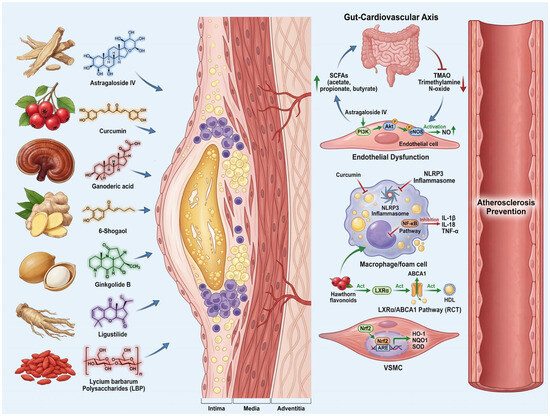
Cardiovascular disease (CVD) represents the leading cause of mortality worldwide, with atherosclerosis (AS) serving as its primary pathological foundation, involving multiple pathological processes, including lipid metabolism disorders, chronic inflammation, and endothelial dysfunction. The food and medicine continuum (FMC) concept originates from traditional Chinese medicine, emphasizing that certain foods possess both nutritional and medicinal value, aligning closely with the modern “food is medicine” philosophy. This narrative review examines the bioactive components and anti-atherosclerotic mechanisms of ten FMC materia medica: hawthorn fruit (Crataegus Fructus), ginkgo seed (Ginkgo Semen), milkvetch root (Astragali Radix), turmeric (Curcumae longae Rhizoma), ginger (Zingiberis Rhizoma Recens), glossy ganoderma (Ganoderma), Angelica sinensis (Angelicae sinensis Radix), barbary wolfberry fruit (Lycii Fructus), lotus leaf (Nelumbinis Folium), and honey (Mel). These materia medica are rich in bioactive constituents, including flavonoids, terpenoids, and polysaccharides, which can exert cardiovascular protective effects, such as regulating lipid metabolism, inhibiting inflammation and oxidative stress, improving endothelial function, and modulating gut microbiota. Regarding clinical evidence, meta-analyses support the beneficial effects of ginger and honey on cardiometabolic risk factors, though the field still faces challenges, including the need for higher-level clinical evidence and difficulties in product standardization. This review aims to integrate traditional knowledge with modern scientific approaches, providing scientific evidence for the development of functional foods and phytotherapy.
Full article
(This article belongs to the Special Issue Bioactive Compounds from Plants and Foods: From Traditional Medicine to Modern Applications in Nutrition and Health)
►▼
Show Figures

Graphical abstract
Open AccessArticle
Pharmacokinetic Evaluation of Risperidone and Its Active Metabolite When Risperidone Oral Solution Is Mixed with Black Tea in Rats
by
Yosuke Nishikawa, Hiroyuki Suzuki, Ryusuke Ouchi, Taisuke Konno, Kensuke Usui, Takashi Watanabe, Kouji Okada, Shigeki Kisara and Yuriko Murai
Pharmaceuticals 2026, 19(6), 855; https://doi.org/10.3390/ph19060855 (registering DOI) - 29 May 2026
Abstract
Background/Objectives: Risperidone oral solution (RIS-OS) is an easy-to-administer treatment for schizophrenia designed to improve medication adherence and rapid onset of effect. Mixing RIS-OS with beverages such as black tea is prohibited due to reduced RIS concentrations observed in vitro, despite the absence
[...] Read more.
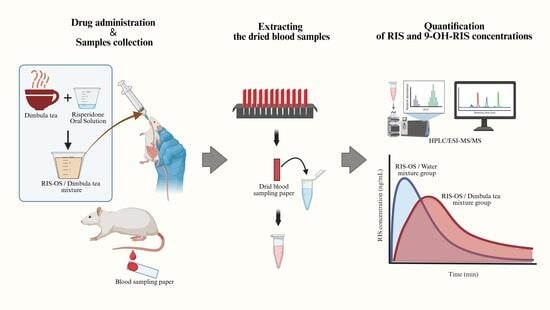
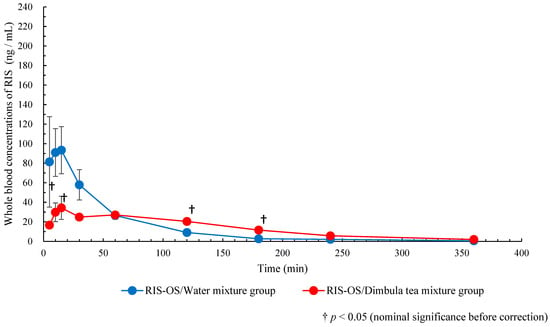
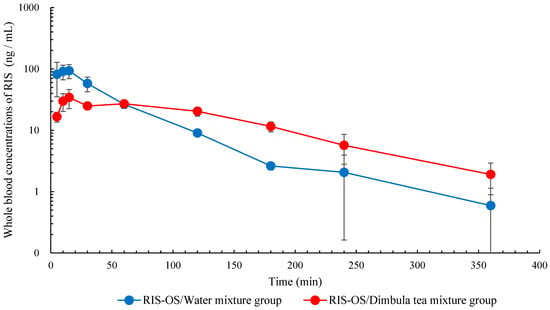
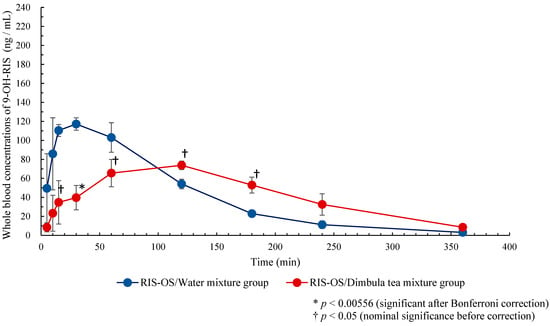
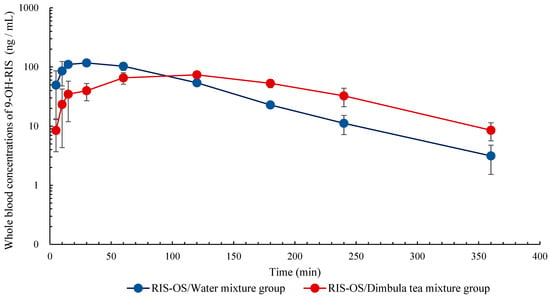
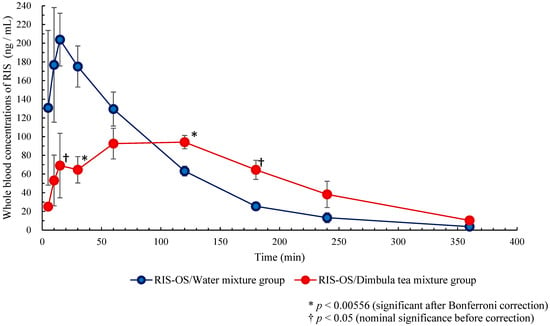
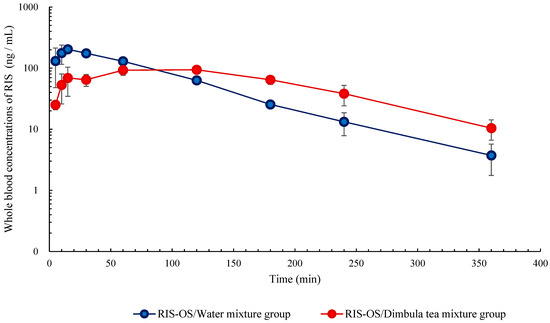
Background/Objectives: Risperidone oral solution (RIS-OS) is an easy-to-administer treatment for schizophrenia designed to improve medication adherence and rapid onset of effect. Mixing RIS-OS with beverages such as black tea is prohibited due to reduced RIS concentrations observed in vitro, despite the absence of pharmacokinetic data. In this study, we evaluated the pharmacokinetics of RIS and its active metabolite 9-OH-RIS in rats following oral administration with black tea. Methods: Male Wistar rats received RIS-OS intravenously or orally as a water or Dimbula black tea mixture; serial tail-vein blood samples were collected as dried blood spots, RIS and 9-OH-RIS were quantified using HPLC/ESI-MS/MS, and pharmacokinetic parameters were calculated and compared using Welch’s t-test. Results: Compared with the water mixture, the black tea mixture significantly reduced RIS Cmax, while Tmax and AUC remained unchanged. Furthermore, AUMC and MRT were significantly higher. The results were similar for 9-OH-RIS. Despite reduced RIS content in vitro, no difference in absolute bioavailability was observed in vivo. Although only one black tea variety was tested, evaluating additional varieties may help identify the components responsible for reducing RIS content. Conclusions: Mixing RIS-OS with black tea may delay absorption without reducing overall exposure, providing evidence that may contribute to safer guidance regarding beverage coadministration.
Full article
(This article belongs to the Section Pharmacology)
►▼
Show Figures

Graphical abstract
Open AccessArticle
Immune Factors Linked to Long-Term HCV Humoral Memory Five Years After Cure in People with HIV: A Cross-Sectional Study
by
Rafael Amigot-Sánchez, Daniel Sepúlveda-Crespo, Rubén Martin Escolano, Laura Tarancon-Diez, Ana Virseda-Berdices, Juan Berenguer, Juan González-García, Cristina Diez, Víctor Hontañón, Belén Yélamos, Julián Gómez, Elena Vázquez-Alejo, José Luis Jimenez, María A. Jiménez-Sousa, Isidoro Martínez and Salvador Resino
Pharmaceuticals 2026, 19(6), 854; https://doi.org/10.3390/ph19060854 (registering DOI) - 29 May 2026
Abstract
Background: The immunological factors associated with long-term hepatitis C virus (HCV)-specific humoral immunity after cure remain uncharacterized, particularly in people with HIV (PWH). This study investigated T-cell immunophenotypes and plasma biomarkers associated with anti-E2 binding (HCV-E2Abs) and neutralizing antibody (HCV-nAbs) titers 5 years
[...] Read more.
Background: The immunological factors associated with long-term hepatitis C virus (HCV)-specific humoral immunity after cure remain uncharacterized, particularly in people with HIV (PWH). This study investigated T-cell immunophenotypes and plasma biomarkers associated with anti-E2 binding (HCV-E2Abs) and neutralizing antibody (HCV-nAbs) titers 5 years after achieving sustained virologic response (SVR). Methods: This cross-sectional study analyzed 64 PWH with cured HCV and prior advanced fibrosis. We quantified plasma antibody titers against 5 HCV genotypes, T-cell phenotypes (n = 58), and plasma biomarkers (n = 50). Associations were assessed using Generalized Linear Models (gamma distribution, log-link function) adjusted for clinical confounders, reporting adjusted Arithmetic Mean Ratios (aAMRs) and false discovery rate (FDR)-corrected q-values. Results: Higher frequencies of CD4+ T-cell activation (CD38+; aAMR = 1.58; q = 0.028) and soluble CD27 levels (aAMR = 1.46; q = 0.038) were associated with higher HCV-E2Abs titers. In contrast, memory T-cell activation across CD4+ and CD8+ compartments (HLA-DR+ and CD38+; all q < 0.10) and elevated soluble immune checkpoints (sCD28, sPD-L2, sLAG-3, sCTLA-4; all q < 0.10) were associated with preserved HCV-nAbs titers. Conversely, a higher frequency of naïve CD8+ T-cells was associated with lower neutralization capacity (aAMR = 0.41; q = 0.042). Regarding inflammatory markers, soluble TNF-RI was positively associated with neutralizing titers (aAMR = 1.44; q = 0.019), whereas IL-18 was inversely associated (aAMR = 0.53; q = 0.019). Conclusions: Specific activated T-cell subsets, checkpoint shedding, and selective inflammatory signals were associated with higher long-term HCV-nAbs titers in PWH. In contrast, higher frequencies of naïve CD8+ T-cells and elevated IL-18 levels were associated with reduced neutralizing capacity.
Full article
(This article belongs to the Section Biopharmaceuticals)
Open AccessArticle
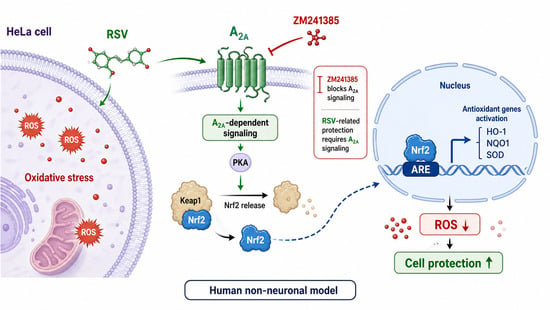
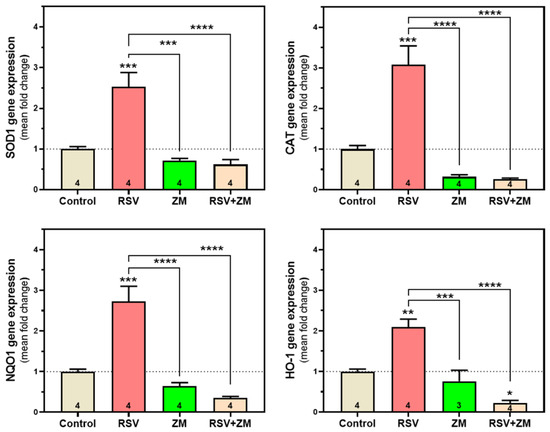
Adenosine A2A Receptors Mediate Resveratrol-Induced Nrf2 Activation and Cytoprotection Against Oxidative Stress in HeLa Cells
by
Clara Fructuoso González, Alejandro Sánchez-Melgar, José Luis Albasanz Herrero and Mairena Martín López
Pharmaceuticals 2026, 19(6), 853; https://doi.org/10.3390/ph19060853 (registering DOI) - 29 May 2026
Abstract
Background/Objectives: Oxidative stress is a major contributor to cellular injury in many pathological conditions, including neurodegenerative disorders. Resveratrol, a natural polyphenol with antioxidant properties, has been proposed as a cytoprotective compound, although the molecular mechanisms underlying its effects remain incompletely understood. Here, we
[...] Read more.
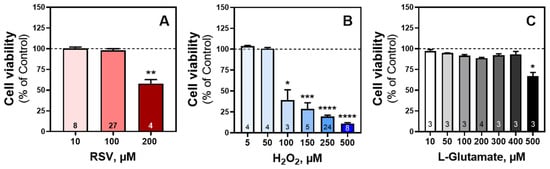
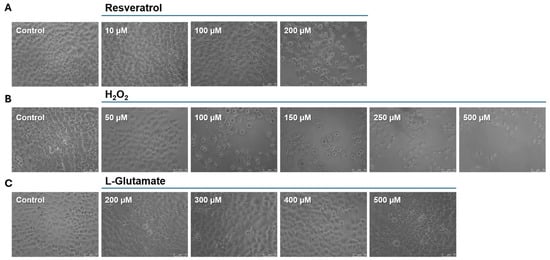
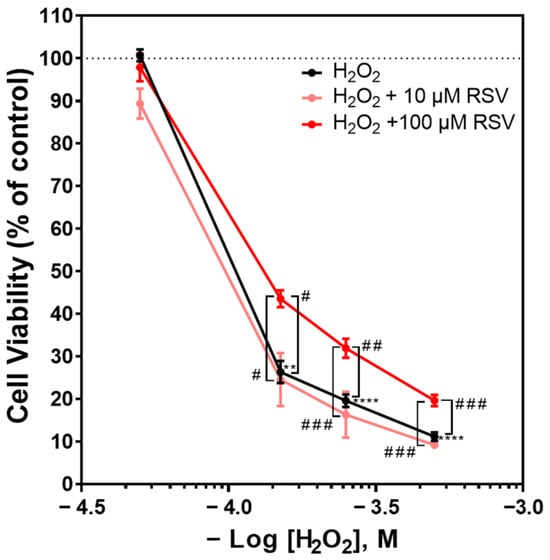
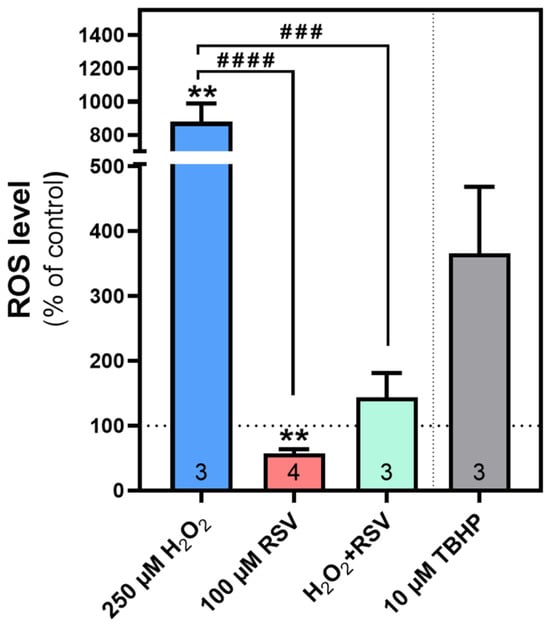
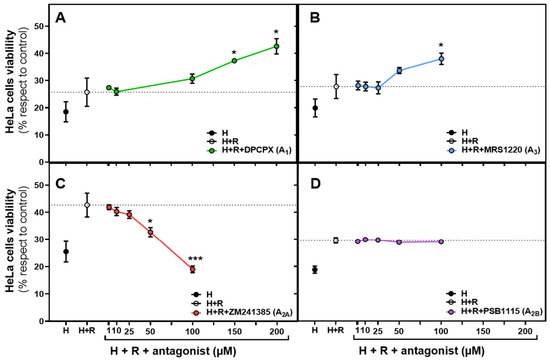
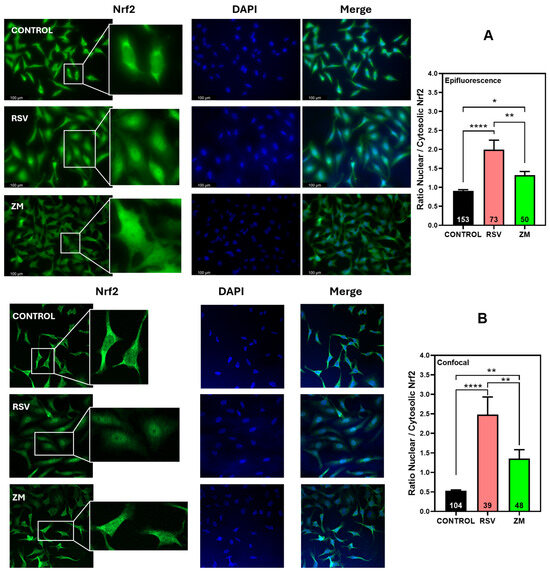
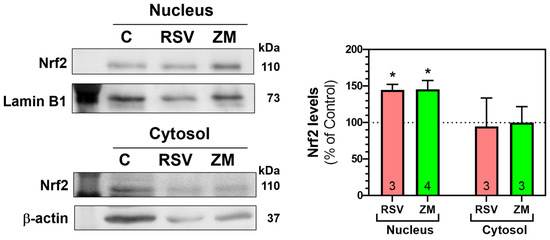
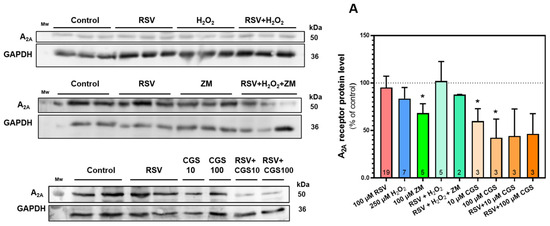
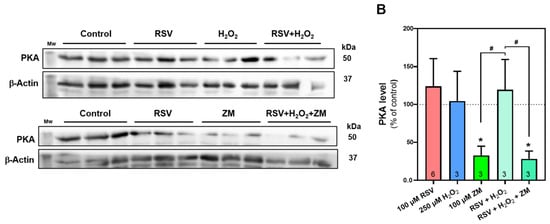
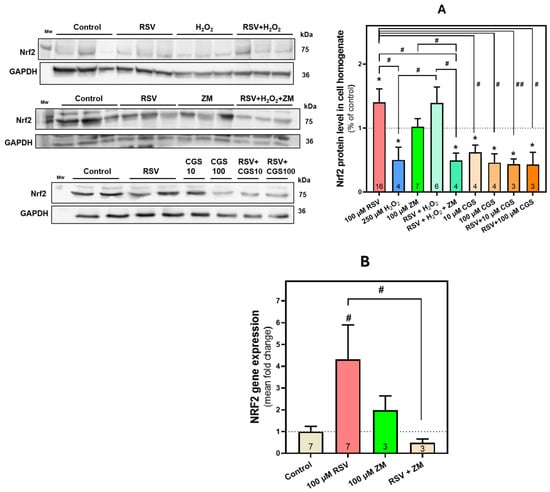
Background/Objectives: Oxidative stress is a major contributor to cellular injury in many pathological conditions, including neurodegenerative disorders. Resveratrol, a natural polyphenol with antioxidant properties, has been proposed as a cytoprotective compound, although the molecular mechanisms underlying its effects remain incompletely understood. Here, we investigated whether the protective action of resveratrol against hydrogen peroxide-induced oxidative stress is mediated by adenosine receptor signalling and activation of the Nrf2 pathway in HeLa cells. Methods: Cells were treated with resveratrol alone or in combination with selective adenosine receptor antagonists and oxidant challenge, and cell viability, ROS production, receptor involvement, and Nrf2 expression and localization were analyzed. Results: Resveratrol at a non-toxic concentration significantly protected HeLa cells against oxidative damage, reduced ROS accumulation, promoted Nrf2 nuclear translocation and gene expression, and enhanced the gene expression of antioxidant enzymes such as SOD1, catalase, HO-1, and NQO1. Pharmacological blockade of the A2A receptor prevented this protective effect, whereas the inhibition of A1 and A3 receptors enhanced it and avoided the increased SOD1, catalase, HO-1, and NQO1 gene expression promoted by resveratrol alone. Moreover, A2A antagonism was associated with reduced PKA levels, consistent with the involvement of the cAMP/PKA signalling axis. Conclusions: Taken together, these observations support a model in which adenosine A2A receptor signalling contributes to resveratrol-associated cytoprotection and Nrf2 activation in a human non-neuronal cell model. Our findings therefore provide mechanistic insight into resveratrol–adenosine receptor interactions and generate hypotheses to be tested in disease-relevant neuronal systems.
Full article
(This article belongs to the Section Medicinal Chemistry)
►▼
Show Figures

Graphical abstract
Open AccessArticle
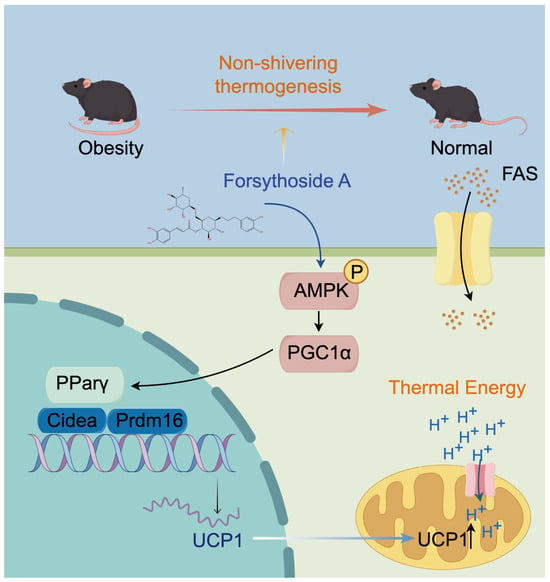
Forsythoside A Attenuates High-Fat Diet-Induced Obesity by Regulating Thermogenesis and Browning of White Adipose Tissue Through Activation of the AMPK Signaling Pathway
by
Qinyu Meng, Hong Xu, Mengru Zhong, Yuanzhi Mu, Xinyu Zhao, Chenru Lin, Fang Xu, Meizi Yang, Hui Sun, Yingjiang Xu and Yana Li
Pharmaceuticals 2026, 19(6), 852; https://doi.org/10.3390/ph19060852 (registering DOI) - 29 May 2026
Abstract
Purpose: Obesity is a global public health issue, and natural products that promote white fat browning and enhance thermogenesis to consume energy represent promising strategy for addressing this problem. Forsythoside A (FTA) is key bioactive constituent isolated from the fruit of Forsythia suspensa.
[...] Read more.
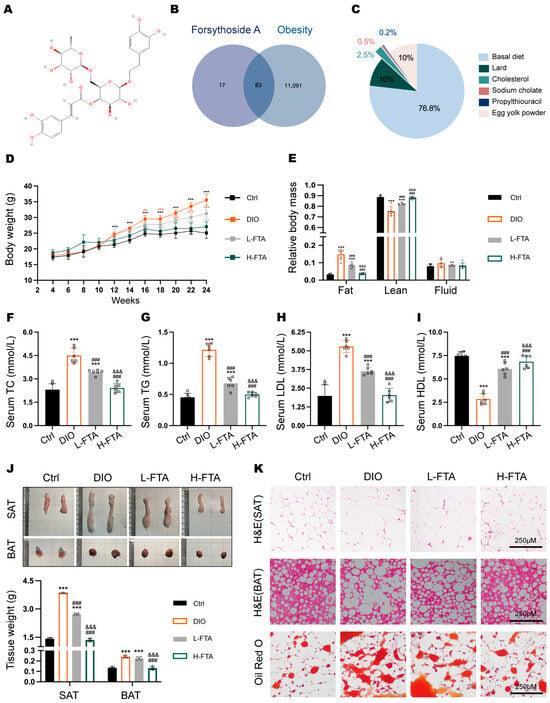
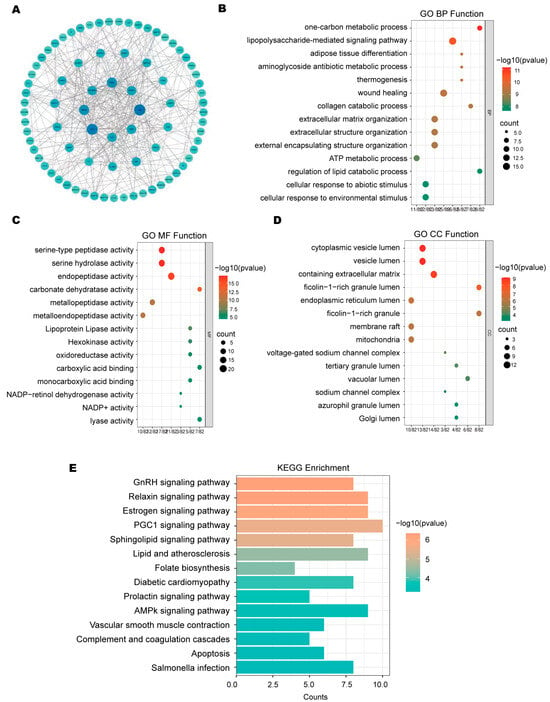
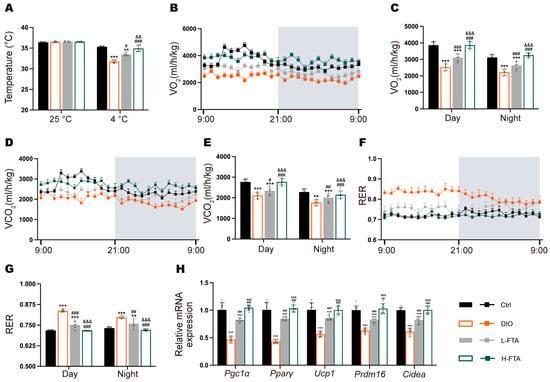
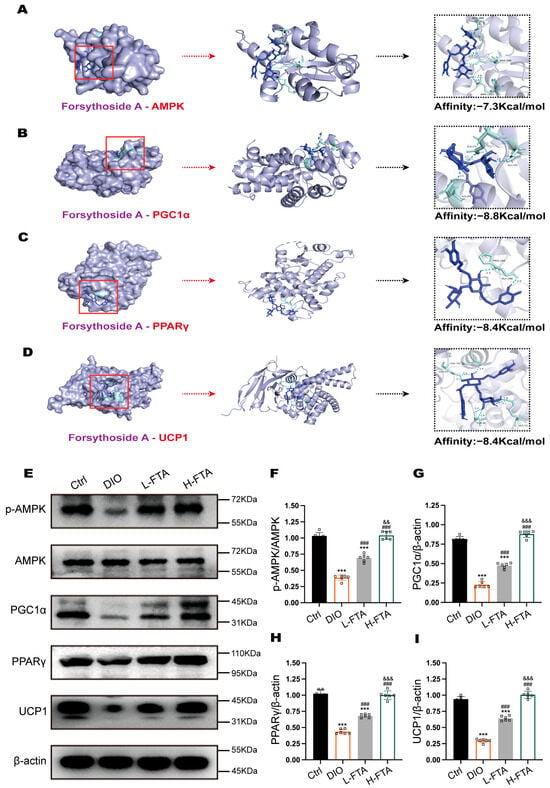
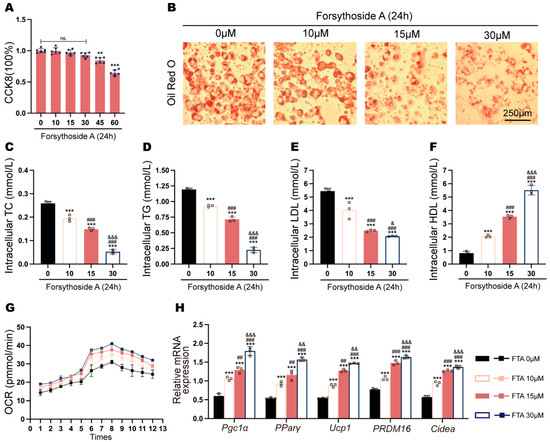
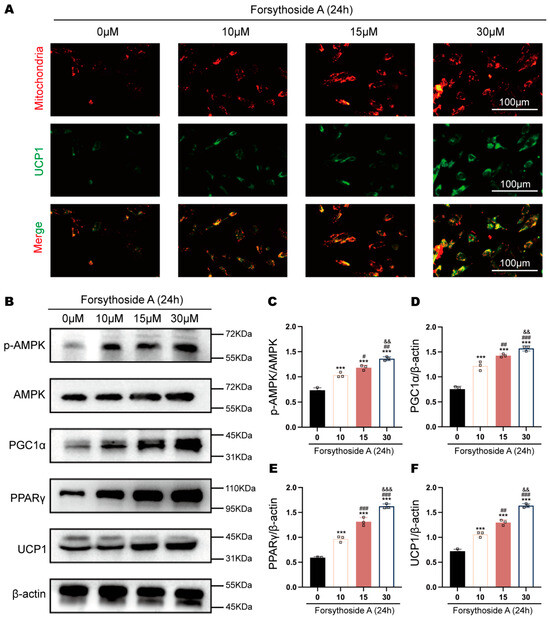
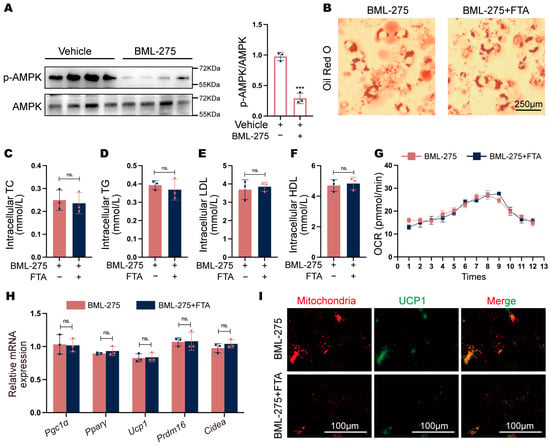
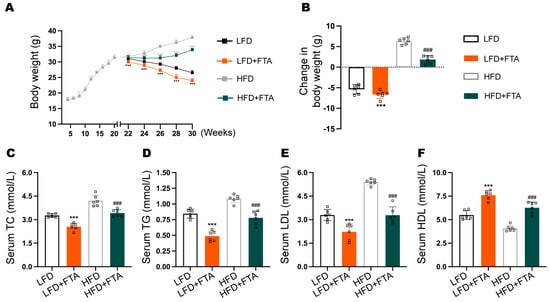
Purpose: Obesity is a global public health issue, and natural products that promote white fat browning and enhance thermogenesis to consume energy represent promising strategy for addressing this problem. Forsythoside A (FTA) is key bioactive constituent isolated from the fruit of Forsythia suspensa. It has been reported that FTA can alleviate metabolic disorders such as hepatic lipid accumulation induced by high-fat diet (HFD). However, research on the role of FTA in alleviating obesity by promoting white fat browning remains scarce. Materials and Methods: We intervened in diet-induced obesity (DIO) mice and differentiated 3T3-L1 cells with FTA and detected thermogenic indices and the expression of thermogenesis-related genes under the guidance of network pharmacology. Mechanistically, molecular docking combined with molecular biology techniques was employed to verify the affinity of pathway-related proteins, and the AMPK inhibitor (BML-275) was used to intervene in 3T3-L1 cells to assist in demonstrating the main pathway through which FTA stimulates white fat browning. Results: FTA significantly attenuated lipid accumulation in both in vivo and in vitro models. Gene Ontology (GO) enrichment analysis revealed that FTA may promote white adipocyte browning and mitochondrial thermogenesis. Consistent with improved energy metabolism, FTA treatment increased oxygen consumption and carbon dioxide production in mice, while maintaining the respiratory exchange ratio (RER) at approximately 0.7. In vitro, FTA enhanced cellular oxygen consumption rate (OCR) and mitochondrial density. Kyoto Encyclopedia of Genes and Genomes (KEGG) pathway enrichment analysis combined with molecular docking identified the AMPK signaling cascade as a key potential pathway mediating FTA action. Molecular biology assays further confirmed that FTA promotes AMPK phosphorylation and activates the canonical thermogenic downstream PGC-1α/UCP1 pathway. Consistently, inhibition of AMPK with BML-275 abolished the beneficial effects of FTA in 3T3-L1 adipocytes. Conclusions: This study reveals that FTA enhances white fat browning via the AMPK pathway while increasing thermogenesis in adipose tissue.
Full article
(This article belongs to the Special Issue Natural Products for Therapeutic Potential, 2nd Edition)
►▼
Show Figures

Graphical abstract
Open AccessReview
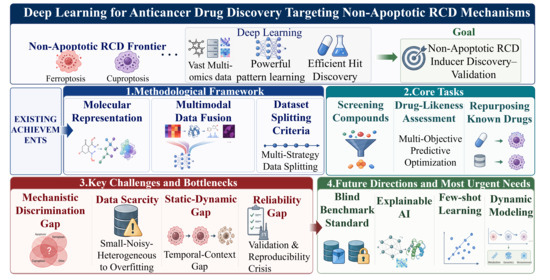
Deep Learning for Anticancer Drug Discovery Targeting Non-Apoptotic Regulated Cell Death Mechanisms
by
Mengwan Jiang, Jinlun Mu, Shuoye Yang and Peng Li
Pharmaceuticals 2026, 19(6), 851; https://doi.org/10.3390/ph19060851 (registering DOI) - 29 May 2026
Abstract
Targeting non-apoptotic regulated cell death (RCD) modalities, such as ferroptosis and cuproptosis, offers a new avenue for overcoming resistance to conventional antitumor therapies, while deep learning provides a powerful tool for discovering bioactive molecules from multi-source data. This review delineates the core methodologies
[...] Read more.
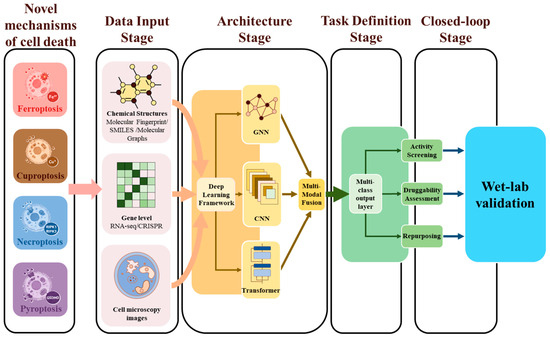
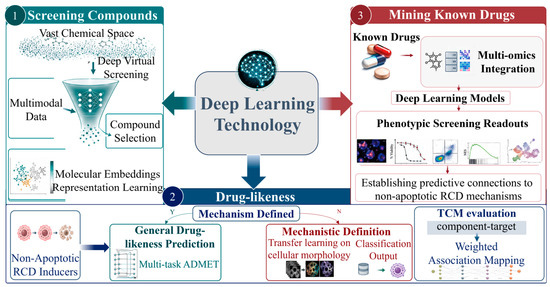
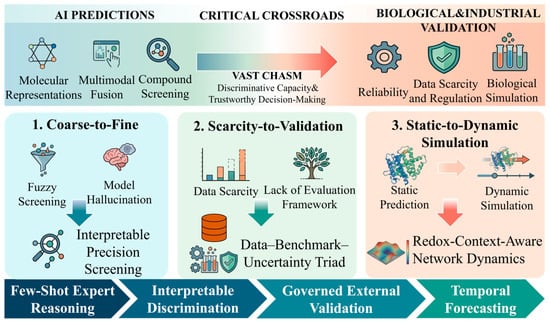
Targeting non-apoptotic regulated cell death (RCD) modalities, such as ferroptosis and cuproptosis, offers a new avenue for overcoming resistance to conventional antitumor therapies, while deep learning provides a powerful tool for discovering bioactive molecules from multi-source data. This review delineates the core methodologies and application advances of deep learning in this domain, covering end-to-end molecular representations, multimodal fusion strategies, dataset partitioning criteria, and deep learning frameworks, thereby establishing a preliminary technical framework tailored to the study of non-apoptotic RCD mechanisms. Subsequently, the applications of deep learning in non-apoptotic RCD are discussed along three dimensions: direct applications, adjacent applications, and speculative outlooks. Future directions should focus on constructing high-quality annotated databases capable of distinguishing multiple cell death modalities and establishing standardized blind test benchmarks, developing explainable AI methods, designing mechanism-oriented few-shot learning algorithms, and building dynamic context-aware models. Advances along these directions may help propel the application of deep learning in drug discovery targeting non-apoptotic RCD mechanisms, from computational prediction toward experimental validation and translational research.
Full article
(This article belongs to the Section AI in Drug Development)
►▼
Show Figures

Graphical abstract
Open AccessArticle
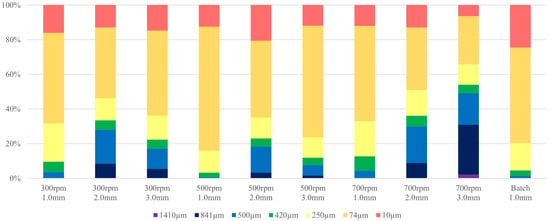
Transitioning Amiodarone Tablet Manufacturing: A Comparative Study of Batch and Continuous Wet Granulation
by
Ju-Hyun Yoon, Chae-Won Jeon and Joo-Eun Kim
Pharmaceuticals 2026, 19(6), 850; https://doi.org/10.3390/ph19060850 (registering DOI) - 29 May 2026
Abstract
Background/Objectives: The objective of this study was to design and optimize a continuous wet granulation process for Amiodarone hydrochloride tablets using a Design of Experiments approach. The study compared and evaluated the characteristics of granules and tablets produced via a high-shear mixer
[...] Read more.
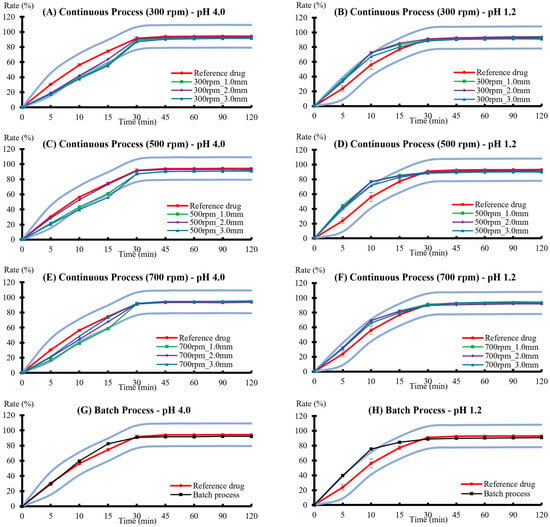
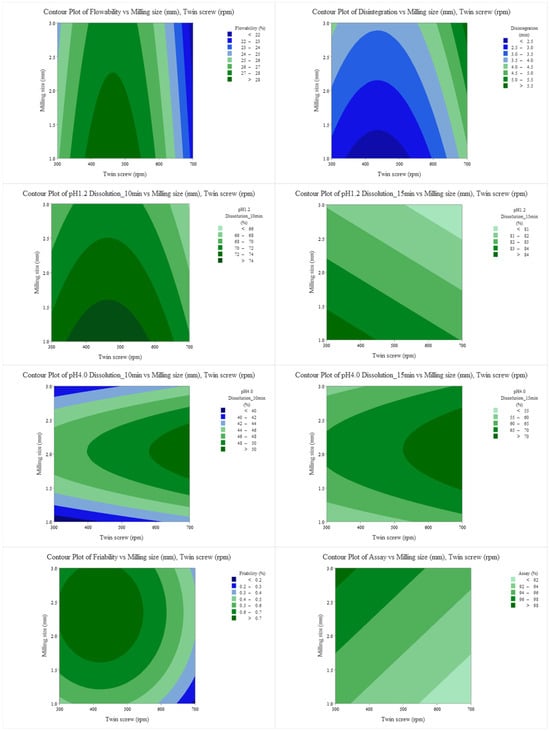
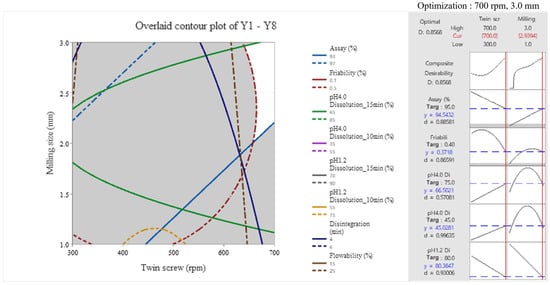
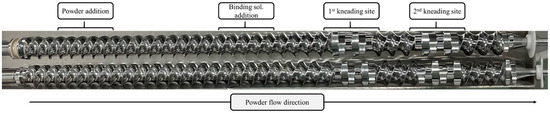
Background/Objectives: The objective of this study was to design and optimize a continuous wet granulation process for Amiodarone hydrochloride tablets using a Design of Experiments approach. The study compared and evaluated the characteristics of granules and tablets produced via a high-shear mixer (batch process) and a twin-screw granulator (continuous process). Methods: For process optimization, a central composite design was applied to establish a design space, defining screw speed and milling size as critical process parameters (X) and dissolution rate, flowability, assay, disintegration time, and friability as dependent variables (Y). Results: Comparative results between the two processes revealed no significant differences in in-process control parameters, and all formulations successfully met the target dissolution profiles. Notably, the similarity factor (f2) was calculated to be above 50, through which dissolution equivalence was successfully demonstrated with a high level of statistical certainty. Regarding process efficiency, lead time measurements confirmed that the continuous process dramatically reduced manufacturing time by more than 80% compared to the batch process. Conclusions: This study validates the feasibility of converting batch-based drug manufacturing to a continuous platform without altering the formulation, presenting an effective process strategy for enhancing productivity and operational efficiency in the pharmaceutical industry.
Full article
(This article belongs to the Special Issue Advances in Drug Analysis and Drug Development, 2nd Edition)
►▼
Show Figures

Figure 1

Open AccessArticle
Lovastatin Potentiates the Function of α7-Nicotinic Acetylcholine Receptors
by
Dmytro Isaev, Keun-Hang Susan Yang and Murat Oz
Pharmaceuticals 2026, 19(6), 849; https://doi.org/10.3390/ph19060849 (registering DOI) - 29 May 2026
Abstract
Background/Objectives: Statins are currently one of the most commonly used cholesterol-lowering drugs. In recent years, in addition to their well-known effects on the cardiovascular system, statins have been shown to exert beneficial effects in the progression of various neuropsychiatric and neurodegenerative diseases. Methods:
[...] Read more.
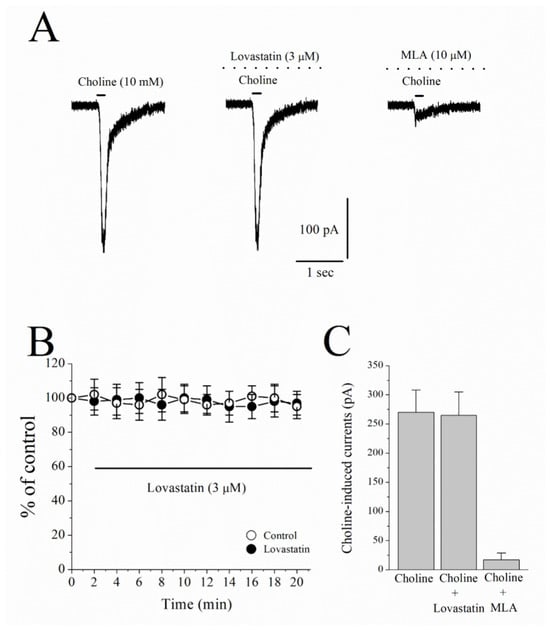
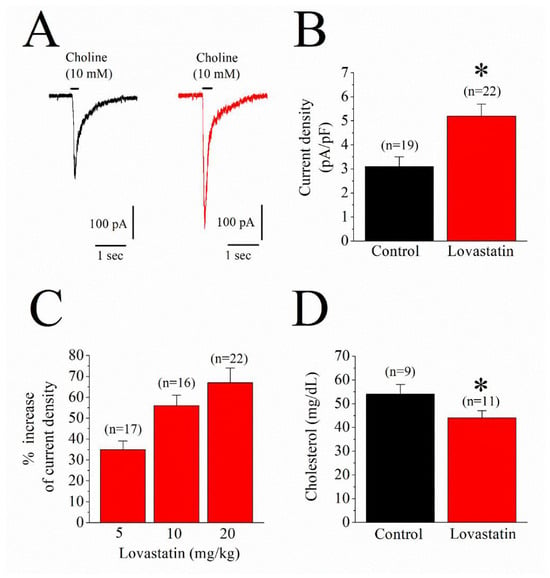
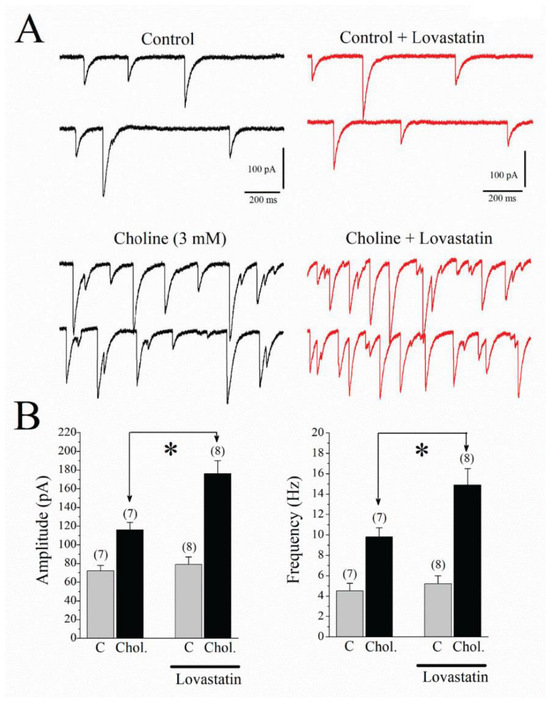
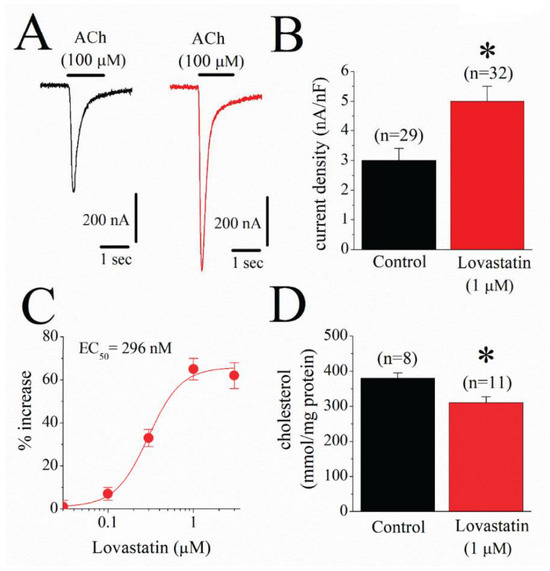
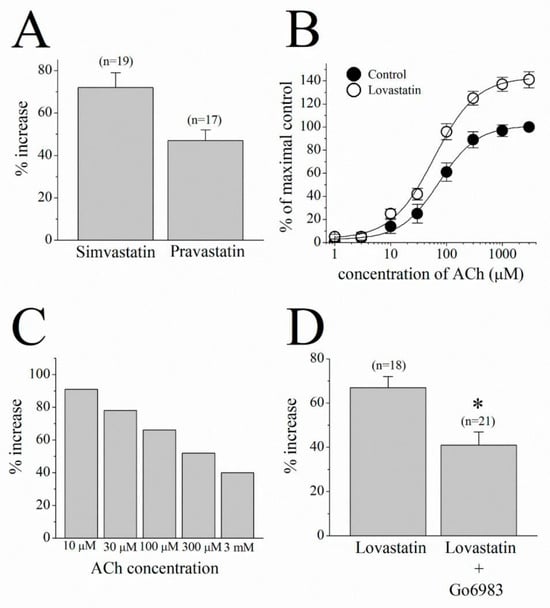
Background/Objectives: Statins are currently one of the most commonly used cholesterol-lowering drugs. In recent years, in addition to their well-known effects on the cardiovascular system, statins have been shown to exert beneficial effects in the progression of various neuropsychiatric and neurodegenerative diseases. Methods: In this study, the effects of lovastatin on the function of α7-nicotinic acetylcholine (nACh) receptors expressed in rat hippocampus and Xenopus oocytes were investigated. Results: In whole-cell patch clamp studies in hippocampal neurons, 21-day chronic (20 mg/kg), but not acute (20 min), lovastatin treatment caused significant potentiation of choline (a selective agonist for α7 nACh receptors)-induced currents and choline-induced increases in GABAA receptor-mediated currents. Further studies in Xenopus oocytes expressing human α7-nACh receptors indicated that 72 h pretreatment with lovastatin caused a significant increase in α7-nACh receptor function with an EC50 value of 296 nM. Other statins, such as simvastatin and pravastatin, also potentiated α7-nACh receptors. Potentiation by lovastatin treatment was associated with a significant decrease in oocyte cholesterol content and was diminished by Go6983, an inhibitor of protein kinase C (PKC), suggesting that both decreased cholesterol levels and activation of PKC are involved in statin potentiation of α7-nACh receptors. Conclusions: In conclusion, our findings indicate that chronic lovastatin treatment potentiates the function of α7-nACh receptors in hippocampal neurons and in Xenopus oocytes expressing human α7-nACh receptors and provides important insights that could guide future efforts to design novel drugs targeting α7-nACh receptors.
Full article
(This article belongs to the Special Issue Potential Pharmacotherapeutic Targets in Neurodegenerative Diseases)
►▼
Show Figures

Figure 1
Open AccessSystematic Review
Therapeutic Overlap Between Bipolar Disorder and Migraine: A Systematic Review of Pharmacological Trials
by
Michel Haddad, Luiz Henrique Junqueira Dieckmann, Naielly Rodrigues da Silva, Paula Dieckmann, Thiago Wendt Viola and Jair de Jesus Mari
Pharmaceuticals 2026, 19(6), 848; https://doi.org/10.3390/ph19060848 (registering DOI) - 29 May 2026
Abstract
Background/Objectives: Migraine is markedly more prevalent among individuals with bipolar disorder (BD) than in the general population. The two disorders share overlapping pathophysiological mechanisms, including neuroinflammation, oxidative stress, and genetic vulnerability. However, the potential bidirectional efficacy of pharmacological agents approved for one
[...] Read more.
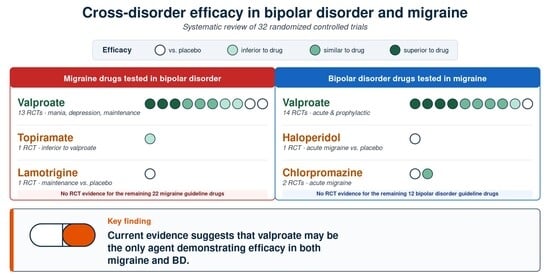
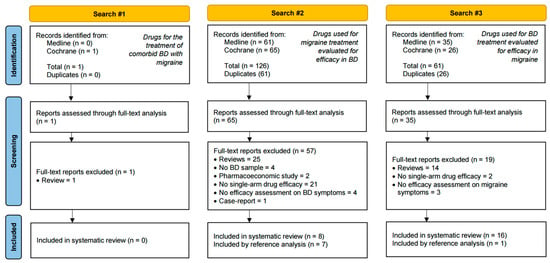
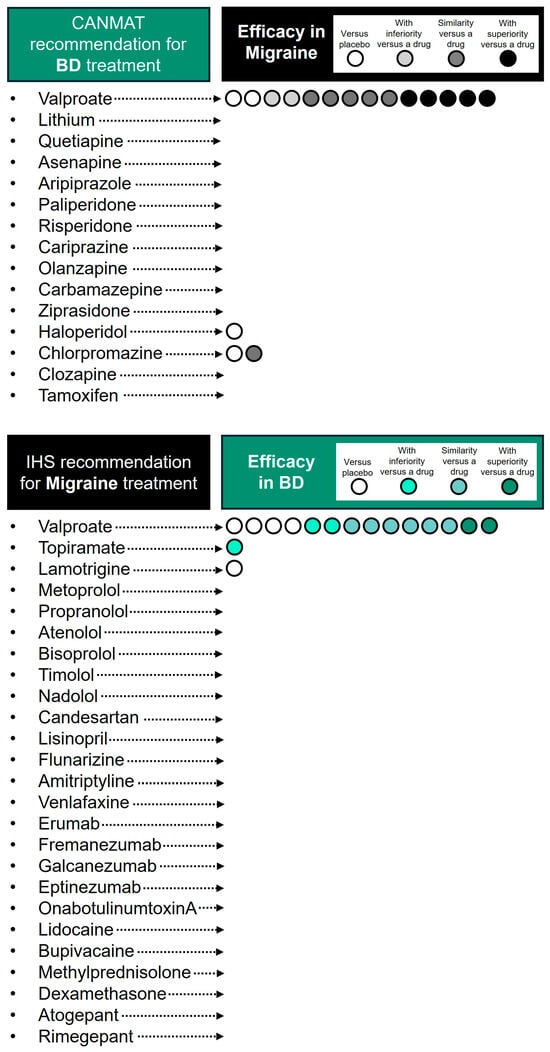
Background/Objectives: Migraine is markedly more prevalent among individuals with bipolar disorder (BD) than in the general population. The two disorders share overlapping pathophysiological mechanisms, including neuroinflammation, oxidative stress, and genetic vulnerability. However, the potential bidirectional efficacy of pharmacological agents approved for one condition on the other remains unclear. This study aimed to evaluate cross-disorder pharmacological efficacy between migraine and bipolar disorder. Methods: We systematically searched Medline and the Cochrane Central Register of Controlled Trials (PROSPERO registration: CRD420251130780) for randomized controlled trials (RCTs) assessing (1) concurrent treatment effects in comorbid BD–migraine samples, (2) efficacy of migraine treatments in BD, or (3) efficacy of BD treatments in migraine. Searches included guideline-recommended drugs for either disorder, without language or date restrictions. Results: A total of 32 RCTs met the inclusion criteria. Fifteen studies evaluated migraine drugs in BD, and sixteen evaluated BD drugs in migraine. No RCTs were identified that simultaneously assessed both conditions within the same sample. Valproate was the only agent demonstrating consistent, replicated efficacy in both conditions, supporting true cross-disorder benefit. Haloperidol and chlorpromazine showed limited evidence for acute anti-migraine efficacy, based solely on placebo-controlled studies, whereas all other guideline-recommended BD drugs lacked evidence of benefit for migraine. Conversely, topiramate, while effective for migraine, was inferior to valproate in BD outcomes, and lamotrigine was effective for BD only when compared with placebo. Conclusions: Valproate remains the sole pharmacological agent with robust evidence of bidirectional efficacy in migraine and BD. Most other guideline-recommended medications show disorder-specific effects, highlighting the need for integrative trials addressing pharmacological overlap in comorbid migraine–BD samples.
Full article
(This article belongs to the Special Issue Neuropsychiatric Disorders: Pharmacological Aspects)
►▼
Show Figures

Graphical abstract
Open AccessArticle
Design and Preliminary In Vivo Evaluation of J2H-1802, a Hybrid Compound Derived from 5-ASA and MMF, in a DSS-Induced Colitis Mouse Model
by
Myong Jin Lee, Sung-Hoon Park, Gabsik Yang, Jason Kim, Ju Young Lee, Kwanghyun Choi, Kiwon Jung, Ji Hwan Lee, Sumi Lee, Woo-Chan Son and Ki Sung Kang
Pharmaceuticals 2026, 19(6), 847; https://doi.org/10.3390/ph19060847 (registering DOI) - 29 May 2026
Abstract
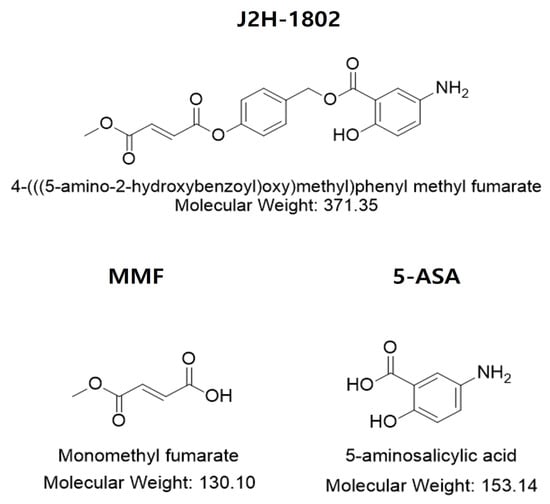
Background/Objectives: Ulcerative colitis is a chronic inflammatory disorder of the colon characterized by epithelial injury and excessive inflammatory responses. J2H-1802 is a newly synthesized hybrid molecule designed to combine the pharmacological properties of mycophenolate mofetil and 5-aminosalicylic acid. This study evaluated the
[...] Read more.
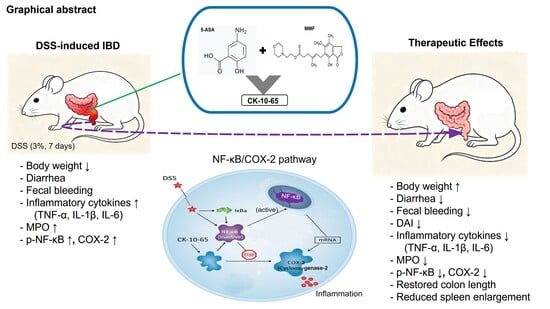
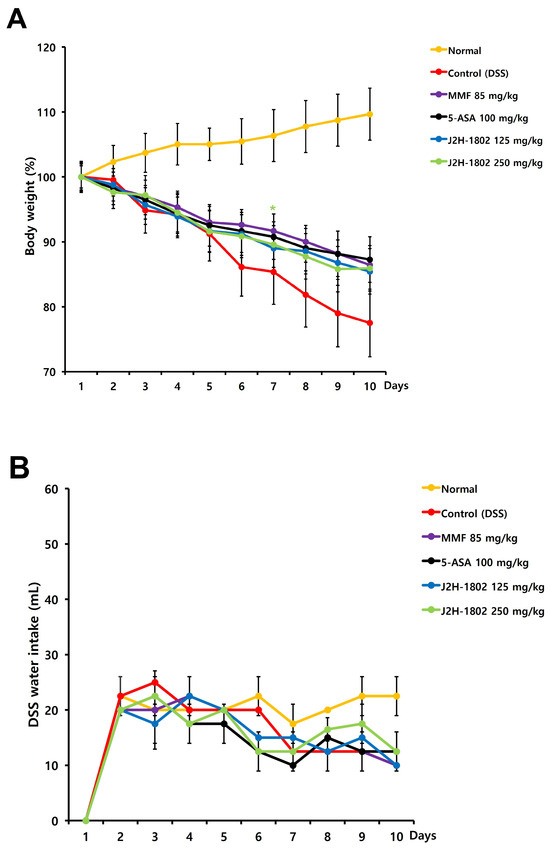
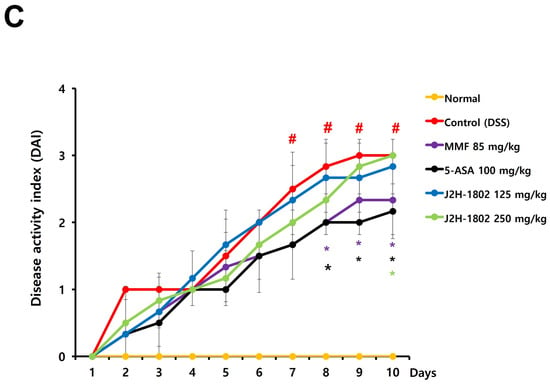
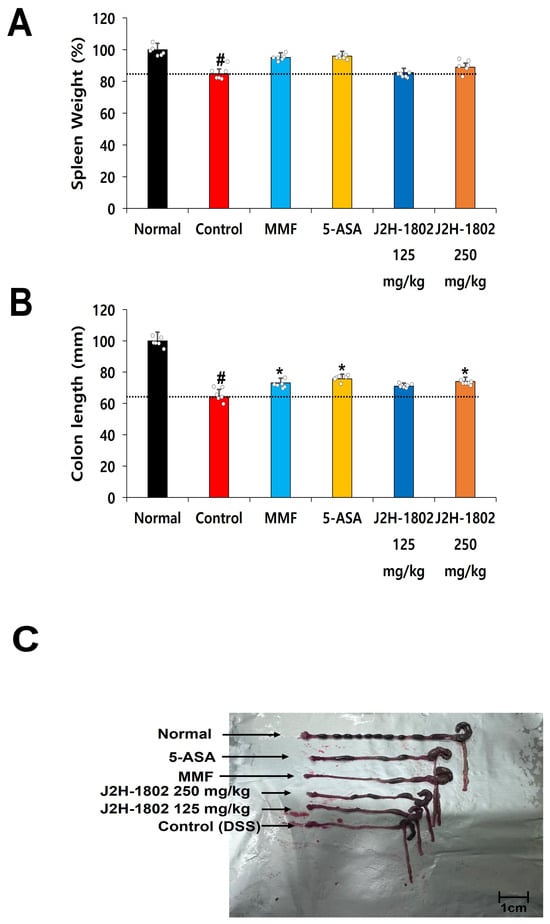
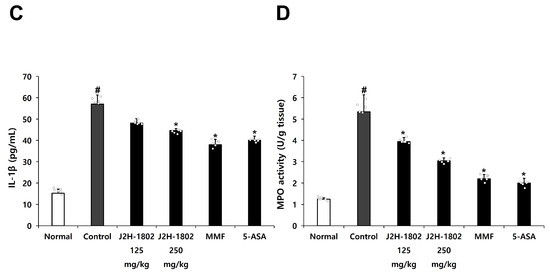
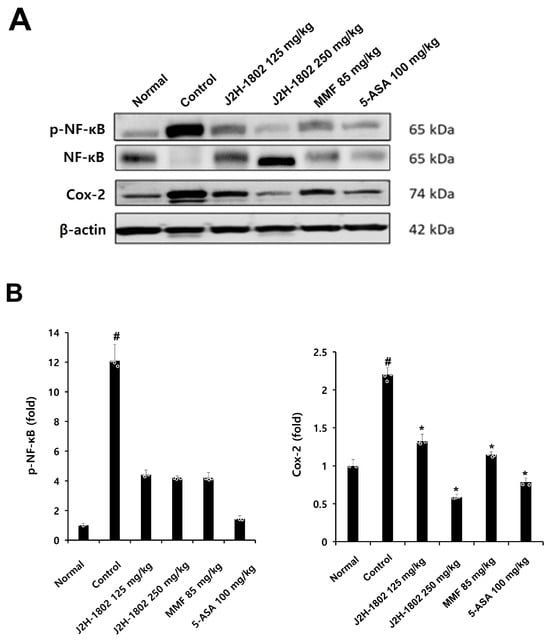
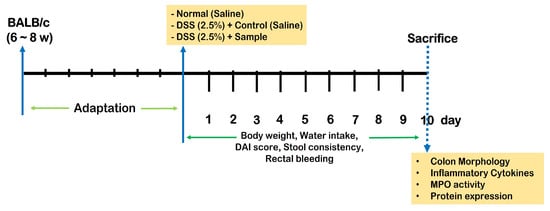
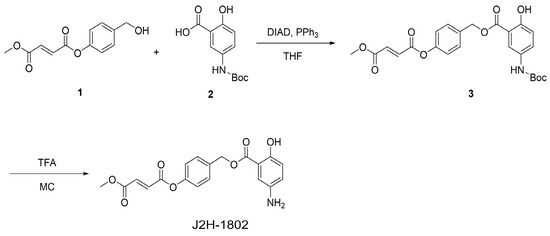
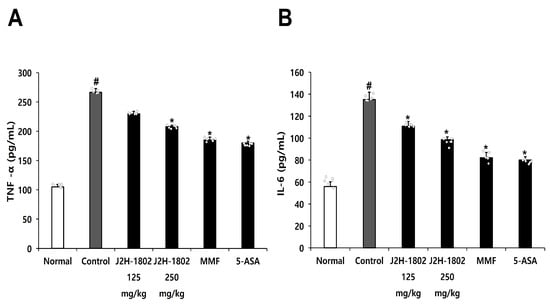
Background/Objectives: Ulcerative colitis is a chronic inflammatory disorder of the colon characterized by epithelial injury and excessive inflammatory responses. J2H-1802 is a newly synthesized hybrid molecule designed to combine the pharmacological properties of mycophenolate mofetil and 5-aminosalicylic acid. This study evaluated the protective and anti-inflammatory effects of J2H-1802 in a dextran sulfate sodium (DSS)-induced colitis mouse model and investigated its underlying mechanisms. Methods: Experimental colitis was induced in mice by administration of 2.5% (w/v) DSS for 7 days, followed by oral treatment with J2H-1802. Body weight, stool consistency, fecal bleeding, and disease activity index were assessed. Colon length and spleen weight were measured to evaluate macroscopic damage. Levels of tumor necrosis factor-α, interleukin-1β, interleukin-6, and myeloperoxidase in colon tissues were quantified, and the expression of phosphorylated nuclear factor-κB and cyclooxygenase-2 was analyzed by Western blotting. Results: J2H-1802 alleviated DSS-induced body weight loss, diarrhea, and fecal bleeding, resulting in reduced disease activity index scores. It also prevented colon shortening and attenuated splenomegaly. In addition, J2H-1802 significantly suppressed the elevated levels of tumor necrosis factor-α, interleukin-1β, interleukin-6, and myeloperoxidase in colon tissues. Western blot analysis further showed that J2H-1802 inhibited the DSS-induced upregulation of phosphorylated nuclear factor-κB and cyclooxygenase-2. Conclusions: J2H-1802 protected against DSS-induced colitis by reducing inflammatory responses and inhibiting the nuclear factor-κB/cyclooxygenase-2 signaling pathway. These findings suggest that J2H-1802 functions as a hybrid anti-inflammatory scaffold with in vivo pharmacological activity and may warrant further optimization and investigation in IBD models.
Full article
(This article belongs to the Special Issue Bioactive Substances, Oxidative Stress, and Inflammation, 2nd Edition)
►▼
Show Figures

Graphical abstract
Open AccessArticle
Does Kappa Agonism Improve Reversal of ‘Tranq-Dope’ Overdose? Evidence from a Rodent Model
by
Michael Voronkov, Mihai Cernea, Cristina Stefanut, Georgiy Nikonov, George Milevich and John Abernethy
Pharmaceuticals 2026, 19(6), 846; https://doi.org/10.3390/ph19060846 (registering DOI) - 29 May 2026
Abstract
Background/Objectives: The recreational use of fentanyl (FT) combined with xylazine (XZ), known as “tranq-dope,” poses a growing public health threat due to its high toxicity and mortality. This study evaluated the effectiveness of naloxone (NX), its lipophilic prodrug NX90, and their combinations
[...] Read more.
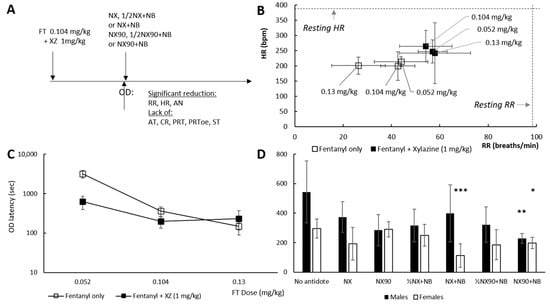
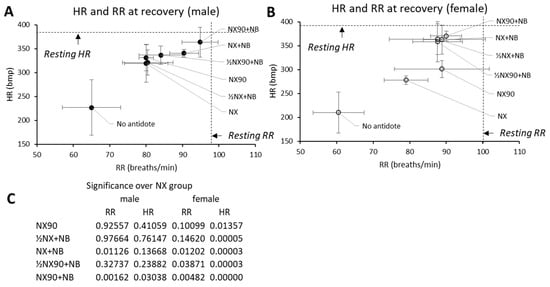
Background/Objectives: The recreational use of fentanyl (FT) combined with xylazine (XZ), known as “tranq-dope,” poses a growing public health threat due to its high toxicity and mortality. This study evaluated the effectiveness of naloxone (NX), its lipophilic prodrug NX90, and their combinations with the mixed κ-agonist/µ-antagonist nalbuphine (NB) in reversing overdose and restoring respiratory function in a rat model. Methods: Male and female Wistar rats received intramuscular FT (0.104 mg/kg) + XZ (1 mg/kg) to induce overdose, followed by intranasal administration of NX, NX90, or combinations with NB. Physiological parameters, reflex recovery, time to overdose, and reversal outcomes were assessed during individualized clinical monitoring. Results: At the low FT dose (0.052 mg/kg), adding XZ (1 mg/kg) shortened time to overdose by ~2600 s compared with FT alone, whereas onset times were similar at medium and high FT doses. In the dose-finding cohort, FT + XZ co-administration was associated with a higher respiratory rate than FT alone at the highest fentanyl dose tested, an exploratory finding warranting confirmation in larger studies. Most interventions did not significantly shorten time to reversal; however, NX + NB (females) and NX90 + NB (both sexes) showed shorter reversal times than NX alone. However, respiratory rate at reversal was significantly improved with NX + NB, ½NX90 + NB and NX90 + NB (90 ± 6, 86 ± 5 and 92 ± 5 breaths/min) compared with naloxone alone (80 ± 6 breaths/min). Interventions containing nalbuphine (κ-agonist/µ-antagonist) yielded higher RR and HR at reversal than NX alone, consistent with an interpretive framework in which κ–µ opioid balance may influence observed physiological recovery patterns. Conclusions: Comparable or improved reversal outcomes could be achieved using half-doses of NX or NX90 with NB—potentially reducing the total dose of naloxone and mitigating the risk of precipitated withdrawal in individuals with opioid use disorder.
Full article
(This article belongs to the Section Pharmacology)
►▼
Show Figures

Figure 1

Open AccessArticle
Carvedilol Exerts Cardioprotective Effects Against Doxorubicin Toxicity via Autophagy Modulation and Energetics Restoration
by
Asma Boukhalfa, Pei-Tsz Shin, Dawn M. Meola, Ada Yu, Amene Majidipur, Annie Showers, Dylan A. Valencia, Emmanuella F. Akomeah-Sirleaf, Jenica N. Upshaw, Cheryl A. London, Iris Z. Jaffe, David E. Sosnovik, Lakshmi Pulakat, Vicky K. Yang and Howard H. Chen
Pharmaceuticals 2026, 19(6), 845; https://doi.org/10.3390/ph19060845 (registering DOI) - 28 May 2026
Abstract
Background/Objectives: Carvedilol is an adrenergic blocker FDA-approved to improve outcomes in heart failure with reduced ejection fraction. Clinical trials examining whether carvedilol may be cardioprotective in the setting of cancer therapy-induced heart failure have generated mixed results that may depend on the
[...] Read more.
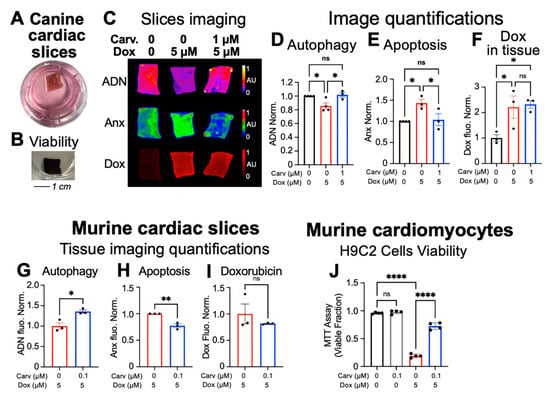
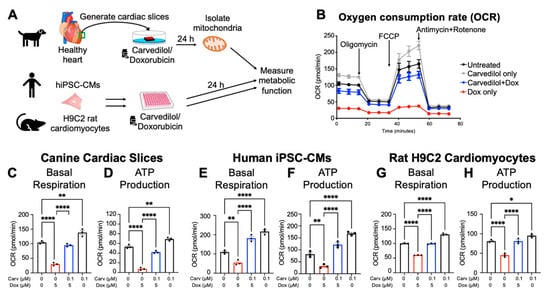
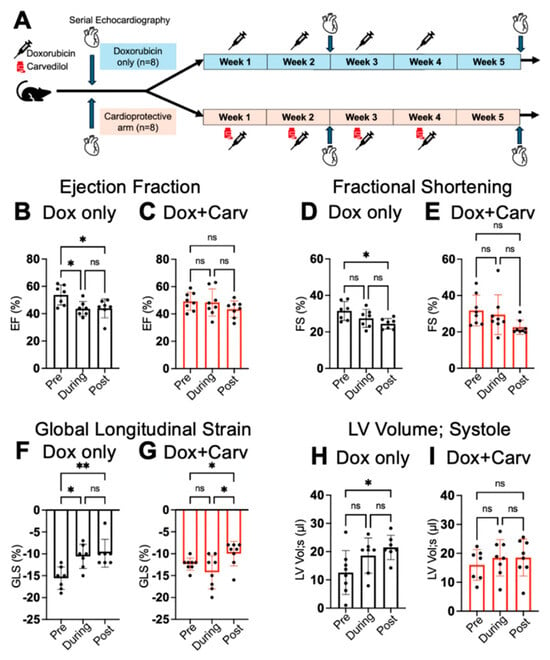
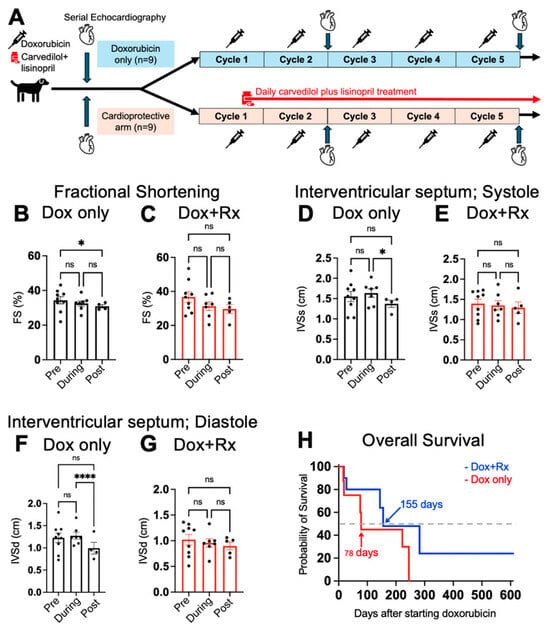
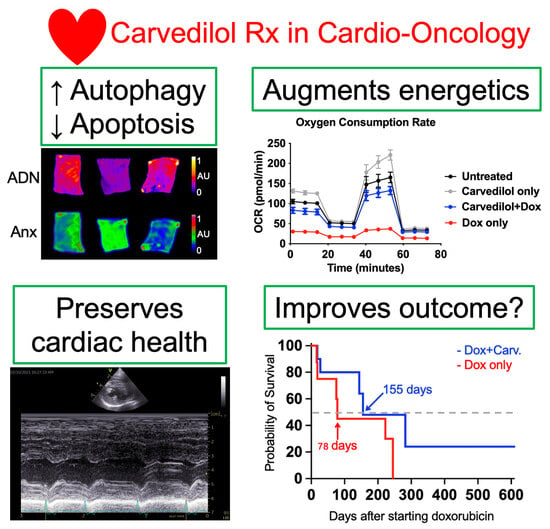
Background/Objectives: Carvedilol is an adrenergic blocker FDA-approved to improve outcomes in heart failure with reduced ejection fraction. Clinical trials examining whether carvedilol may be cardioprotective in the setting of cancer therapy-induced heart failure have generated mixed results that may depend on the cancer regimen, tumor, or comorbidities. Methods: To investigate the therapeutic potential of carvedilol to mitigate doxorubicin cardiotoxicity in cardiomyocytes, myocardial tissue, and in vivo, independent of confounding factors in clinical studies, we utilized disease-free cardiac slices and cardiomyocytes from mice, dogs, and human in vitro, and in wildtype mice injected with doxorubicin in vivo. We further evaluated the impact of carvedilol in dogs with cancer receiving doxorubicin. Results: In primary canine and murine cardiac slices, carvedilol treatment restored autophagy and prevented apoptosis from doxorubicin. Carvedilol restored mitochondrial energetics in human, canine, and murine models. In wildtype mice challenged with doxorubicin, carvedilol prevented declines in cardiac function and alterations in cardiac structure. In pet dogs with cancer and undergoing doxorubicin treatment, carvedilol was beneficial in preserving cardiac function and structure. Conclusions: Carvedilol activates cardioprotective autophagy, arrests doxorubicin-induced cell death, and improves energetics and cardiac structure and function across species.
Full article
(This article belongs to the Special Issue Emerging Therapeutics for the Prevention of Chemotherapy-Induced Cardiotoxicity: Advances and Future Perspectives)
►▼
Show Figures

Graphical abstract
Journal Menu
► ▼ Journal Menu-
- Pharmaceuticals Home
- Aims & Scope
- Editorial Board
- Reviewer Board
- Topical Advisory Panel
- Early Career Editorial Board
- Instructions for Authors
- Special Issues
- Topics
- Sections & Collections
- Article Processing Charge
- Indexing & Archiving
- Editor’s Choice Articles
- Most Cited & Viewed
- Journal Statistics
- Journal History
- Journal Awards
- Society Collaborations
- Conferences
- Editorial Office
Journal Browser
► ▼ Journal BrowserHighly Accessed Articles
Latest Books
E-Mail Alert
News
Topics
Topic in
Cancers, IJMS, Pharmaceuticals, Pharmaceutics, Sci. Pharm., Current Oncology, Molecules
Recent Advances in Anticancer Strategies, 2nd Edition
Topic Editors: Hassan Bousbaa, Zhiwei HuDeadline: 31 May 2026
Topic in
CIMB, Molecules, Pharmaceuticals, Pharmaceutics, Sci. Pharm.
Challenges and Opportunities in Drug Delivery Research, 2nd Edition
Topic Editors: Lenuta Profire, Ioana Mirela VasincuDeadline: 30 June 2026
Topic in
Biomolecules, Chemistry, IJMS, Molecules, Pharmaceuticals
Enzymes and Enzyme Inhibitors in Drug Research
Topic Editors: Athina Geronikaki, Cosimo D. Altomare, Maria Stefania SinicropiDeadline: 11 September 2026
Topic in
Pharmaceuticals, Medical Sciences, JCM, Vision, Reports, Cells, IJMS
New Developments in Glaucoma Diagnostics and Therapeutics
Topic Editors: Shan C. Lin, Sunee ChansangpetchDeadline: 30 September 2026
Conferences
Special Issues
Special Issue in
Pharmaceuticals
Precision Oncology: Targeting Molecular Subtypes in Cancer Therapy
Guest Editors: Shuhei Suzuki, Jiro OguraDeadline: 29 May 2026
Special Issue in
Pharmaceuticals
Novel Therapeutic Strategies for Alzheimer’s Disease Treatment
Guest Editor: Melvin HaydenDeadline: 29 May 2026
Special Issue in
Pharmaceuticals
Pharmacotherapy of Dyslipidemias, 2nd Edition
Guest Editors: Daniel Dias Rufino Arcanjo, Maria do Carmo de Carvalho e MartinsDeadline: 29 May 2026
Special Issue in
Pharmaceuticals
Small Molecule Drug Discovery: Driven by In-Silico Techniques
Guest Editor: Roberta RoccaDeadline: 29 May 2026
Topical Collections
Topical Collection in
Pharmaceuticals
Will (Radio)Theranostics Hold Up in the 21st Century—and Why?
Collection Editors: Klaus Kopka, Irina Velikyan
Topical Collection in
Pharmaceuticals
The Story of Successful Drugs and Recent FDA-Approved Molecules
Collection Editors: Maria Emília De Sousa, Jean Jacques Vanden Eynde, Klaus Kopka, Annie Mayence, Joachim Jose, Guangshun Wang
Topical Collection in
Pharmaceuticals
Feature Review Collection of Natural Products
Collection Editors: Daniela De Vita, Thomas Efferth, Martina Bortolami
Topical Collection in
Pharmaceuticals
Feature Review Collection in Biopharmaceuticals
Collection Editors: Alfredo Berzal-Herranz, Gill Diamond, Guangshun Wang, Amélia Pilar RauterConference Reports
Pharmaceuticals 2023, 16(3), 432; https://doi.org/10.3390/ph16030432
Pharmaceuticals 2022, 15(4), 388; https://doi.org/10.3390/ph15040388