Journal Description
Poultry
Poultry
is an international, peer-reviewed, open access journal on poultry health, welfare and productivity, published bimonthly online by MDPI.
- Open Access— free for readers, with article processing charges (APC) paid by authors or their institutions.
- High Visibility: indexed within ESCI (Web of Science), Scopus, EBSCO, and other databases.
- Journal Rank: JCR - Q2 (Agriculture, Dairy and Animal Science) / CiteScore - Q2 (Veterinary (miscellaneous))
- Rapid Publication: manuscripts are peer-reviewed and a first decision is provided to authors approximately 22.1 days after submission; acceptance to publication is undertaken in 8.6 days (median values for papers published in this journal in the second half of 2025).
- Recognition of Reviewers: APC discount vouchers, optional signed peer review, and reviewer names published annually in the journal.
- Poultry is a companion journal of Agriculture.
- Journal Cluster of Animal Science: Animals, Arthropoda, Birds, Dairy, Insects, Journal of Zoological and Botanical Gardens, Pets, Poultry, Ruminants and Veterinary Sciences.
Impact Factor:
2.1 (2024);
5-Year Impact Factor:
2.1 (2024)
Latest Articles
Effects of Bedding Materials on Growth Performance, Footpad Dermatitis, Blood Parameters, and Economic Outcomes in Broiler Chickens
Poultry 2026, 5(3), 37; https://doi.org/10.3390/poultry5030037 - 14 May 2026
Abstract
A 42-day trial compared rice hulls and rubberwood shavings as broiler litter applied at an equal rate (7.5 kg/m2) in a house equipped with an evaporative cooling system. A total of 552-day-old male Ross 308 broiler chicks were randomly assigned to
[...] Read more.
A 42-day trial compared rice hulls and rubberwood shavings as broiler litter applied at an equal rate (7.5 kg/m2) in a house equipped with an evaporative cooling system. A total of 552-day-old male Ross 308 broiler chicks were randomly assigned to two treatments, with 12 replicate pens per treatment and 23 birds per pen. Body weight, feed intake, and feed conversion ratio (FCR) were assessed during the starter (0–14 d), grower (15–35 d), and finisher (36–42 d) phases. Footpad dermatitis (FPD), litter moisture, and complete blood counts were evaluated on days 14, 35, and 42, whereas infectious bronchitis (IB) antibody titers were measured on days 14 and 35. Rubberwood shavings increased body weight and feed intake during the grower and finisher phases and improved FCR during days 36–42 (p < 0.01). The FPD scores were lower with rubberwood shavings on days 35 and 42 (p < 0.05), although litter moisture was numerically higher on day 42. Hematological responses were transient, and IB antibody titers were unaffected. Economic analysis showed higher net profit (p < 0.01) and marginally higher return on investment in broilers reared on rubberwood shavings, with the economic advantage becoming more evident after footpad downgrade loss was considered.
Full article
(This article belongs to the Topic Practical Methods for Accommodating Behavioral Needs and Improving the Wellbeing of Farm Animals: 2nd Edition)
Open AccessArticle
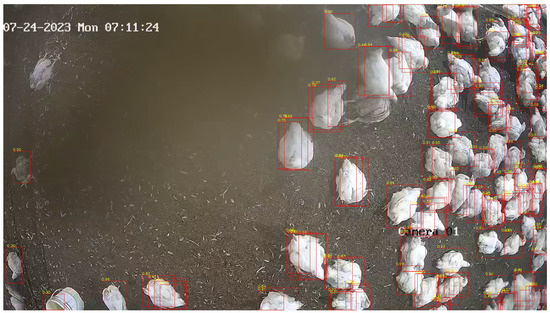
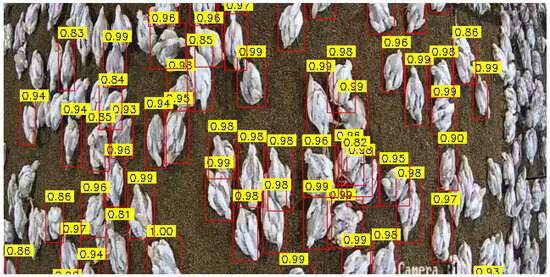
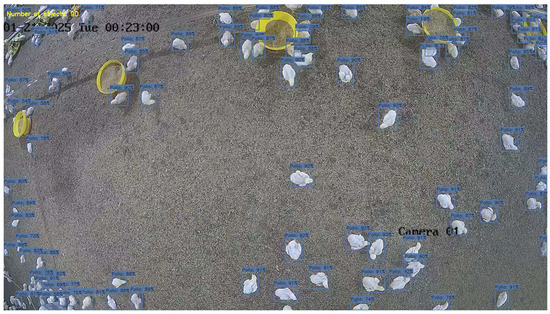
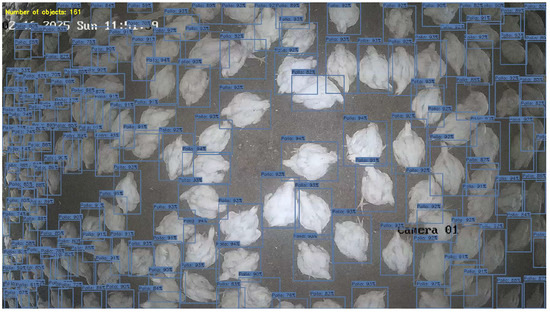
A Lightweight Deep Learning Model for Broiler Population Monitoring on an Edge AI Platform
by
Keyla Boniche, Miguel Hidalgo-Rodriguez, Adiz Mariel Acosta-Reyes, Edmanuel Cruz, José Carlos Rangel, Miguel Cazorla and Francisco Gomez-Donoso
Poultry 2026, 5(3), 36; https://doi.org/10.3390/poultry5030036 - 9 May 2026
Abstract
Although lightweight deep learning models have shown promise for livestock monitoring, there is still limited evidence regarding their comparative performance and practical deployment under real broiler production conditions characterized by high stocking density, severe occlusion, and constrained computational resources. In this context, the
[...] Read more.
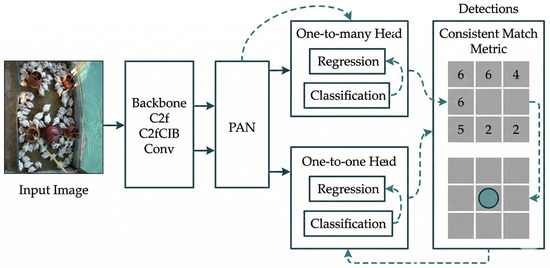
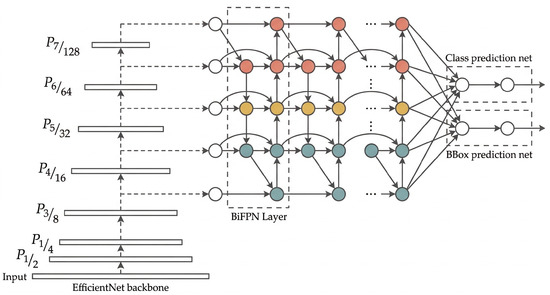
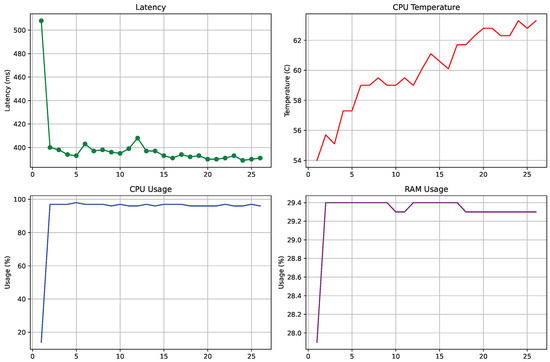
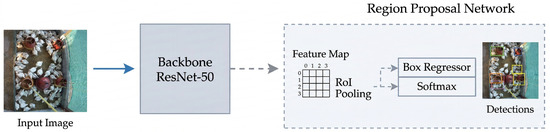
Although lightweight deep learning models have shown promise for livestock monitoring, there is still limited evidence regarding their comparative performance and practical deployment under real broiler production conditions characterized by high stocking density, severe occlusion, and constrained computational resources. In this context, the present study aimed to evaluate three lightweight object detection architectures for broiler monitoring and to determine their suitability for low-cost edge deployment in settings relevant to small and medium-sized producers. A novel dataset, publicly released through Zenodo to support reproducibility, was constructed from images acquired in both a prototype farm and a high-density commercial facility. These environments captured the visual complexity of intensive broiler production, where overlapping individuals and frequent occlusion challenge detection performance. YOLOv10s, Faster R-CNN, and EfficientDet-D0 were trained and evaluated for detection accuracy and computational efficiency. YOLOv10s achieved the best results, with a mean Average Precision (mAP) of 0.95, whereas Faster R-CNN and EfficientDet-D0 were less suitable for crowded scenes due to region proposal saturation and limited feature-extraction capacity. The selected model was further implemented on a Raspberry Pi 5, achieving a stable latency of 392.17 ms. These results demonstrate that YOLOv10s provides a robust balance between accuracy and efficiency for local broiler monitoring on affordable hardware, while also indicating that active thermal management is necessary to maintain operational stability under real-world conditions.
Full article
(This article belongs to the Special Issue Precision Poultry Farming: Environmental Automation for Sustainable and Efficient Production)
►▼
Show Figures

Figure 1
Open AccessArticle
Nutritional Profile and Digestibility of Feather Meal and Mixed Meal in Broiler Chickens
by
Jiaxiang Liu, Teck Chwen Loh, Mohammad Naeem Azizi, Eric Lim Teik Chung, Hooi Ling Foo, Nurul Huda Fatihah and Farid Haziq
Poultry 2026, 5(3), 35; https://doi.org/10.3390/poultry5030035 - 8 May 2026
Abstract
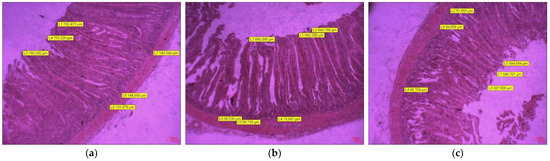
This study evaluated the nutritional composition, nutrient digestibility, and effects on small intestinal morphology of feather meal (100% feather meal) and a mixed meal consisting of 90% feather meal and 10% offal meal. A total of 300 twenty-two-day-old male Ross 308 broilers were
[...] Read more.
This study evaluated the nutritional composition, nutrient digestibility, and effects on small intestinal morphology of feather meal (100% feather meal) and a mixed meal consisting of 90% feather meal and 10% offal meal. A total of 300 twenty-two-day-old male Ross 308 broilers were randomly allocated into two dietary treatment groups (93% feather meal- or mixed meal-based diets). Each treatment had six replicates of 25 birds in each replication, and the experiment lasted 7 days using a direct feeding approach for nutrient digestibility evaluation. Data were analyzed using the General Linear Model (GLM) of the Statistical Analysis System (SAS), and treatment means were compared using a two-sample t-test (5%). Results showed that feather meal had higher crude protein and gross energy, while mixed meal contained greater ash, crude fiber, and unsaturated fatty acids. Feather meal was rich in methionine and lysine, whereas mixed meal had higher levels of valine, leucine, and serine. Standardized ileal digestibility was higher for fiber and most amino acids in the mixed meal, while protein digestibility and metabolizable energy were similar (p > 0.05) between treatments. Additionally, birds fed the mixed meal exhibited improved intestinal morphology, with greater jejunum and ileum villus height. In summary, the mixed meal showed better digestibility and gut morphology, indicating greater potential as a sustainable protein source.
Full article
(This article belongs to the Collection Poultry Nutrition)
►▼
Show Figures

Figure 1
Open AccessArticle
Evaluating a Growth Model to Predict Amino Acid Requirements for Commercial Turkey Toms with and Without Feed Additives
by
Brendan O. Heinichen, Peter R. Ferket, James Clothier, Phoebe C. Flaskey and Dawn A. Koltes
Poultry 2026, 5(3), 34; https://doi.org/10.3390/poultry5030034 - 28 Apr 2026
Abstract
►▼
Show Figures
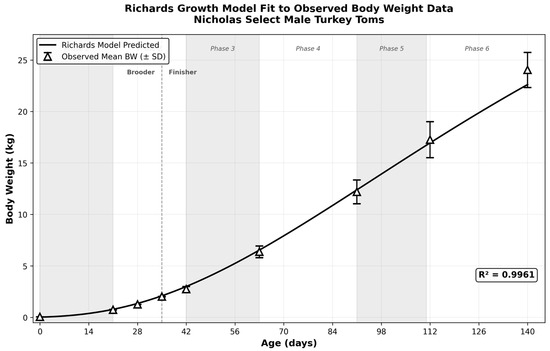
Estimating dietary requirements is resource-intensive and often excludes common commercial practices, such as the use of feed additives (FA). The objective of this study was to evaluate whether a factorial–mechanistic growth model-derived feeding program would improve performance and economic efficiency compared to the
[...] Read more.
Estimating dietary requirements is resource-intensive and often excludes common commercial practices, such as the use of feed additives (FA). The objective of this study was to evaluate whether a factorial–mechanistic growth model-derived feeding program would improve performance and economic efficiency compared to the 1994 NRC recommendations for commercial turkey toms. This applied study used 5248 Nicholas Select toms (day 0 to 140) in a 2 × 2 factorial design comparing two nutrition programs (growth MODEL versus 1994 NRC recommendations) with or without feed additives (FA). Hatch-mate toms were placed across two research farms, with eight replicate pens per treatment at each farm. Growth and efficiency measurements were collected throughout the trial, and carcass yield was measured at 140 days. Data were analyzed using mixed linear models with nutritional model, FA, phase, location, and all interactions as fixed effects. The main effect of the nutritional model was different for body weight, feed intake, feed conversion ratio, and lysine to gain (p < 0.030), with the MODEL program demonstrating favorable outcomes except for body weight through the first 42 days, which was the only variable impacted by FA (p = 0.014). Nutritional program by FA interactions affected breast meat yield, feed conversion ratio, and lysine conversion, with FA improving outcomes for toms fed the MODEL feeding program but not the NRC feeding program. These findings support the use of factorial growth models over traditional NRC feeding programs.
Full article

Figure 1
Open AccessArticle
The Impact of Whole Dried Black Soldier Fly Larvae on Broiler Health and Growth During a Necrotic Enteritis Challenge
by
Daniel Adams and Elizabeth Koutsos
Poultry 2026, 5(3), 33; https://doi.org/10.3390/poultry5030033 - 24 Apr 2026
Abstract
Increased demands for protein have led to a search for alternatives to traditional protein sources like soy and animal protein. Black Soldier Fly Larvae can be reared on many feedstocks to produce a high-quality nutrient source for livestock and pets. These insects contain
[...] Read more.
Increased demands for protein have led to a search for alternatives to traditional protein sources like soy and animal protein. Black Soldier Fly Larvae can be reared on many feedstocks to produce a high-quality nutrient source for livestock and pets. These insects contain biologically meaningful compounds like antimicrobial peptides, lauric acid, and chitin. This combination of compounds highlights the need to investigate BSFL as a functional ingredient in broilers. This study examined the impact of BSFL inclusion on broiler performance with and without a subclinical Necrotic Enteritis (NE) challenge over two experiments. In both experiments, diets included 0%, 2.5%, or 5.0% BSFL from 0–42 d. During Experiment 2, birds were given a live coccidiosis vaccine at hatch and challenged with C. perfringens at 19, 20, and 21 d. Primary variables include growth performance, lesion scores, and NE-specific mortality. A BSFL inclusion of 2.5% and 5.0% significantly improved feed conversion ratio in both experiments (p < 0.001); 5% BSFL inclusion also significantly improved body weight gain in both experiments (p = 0.014, p = 0.023, respectively). Overall, results indicate that BSFL is an effective and safe feed ingredient option for commercial broiler production, providing biologically relevant improvements in performance with and without disease pressure.
Full article
Open AccessArticle
Biofilm Production and Persistence on Table Eggshells by the Bacillus pacificus B630 Strain—A Pilot Study
by
Joel Reyes-Roldán, José-Humberto Pérez-Olais, Natividad Castro-Alarcón, Jeiry Toribio-Jiménez, Verónica-Iranzú Martínez-Santos, Ricardo Salazar, Blanca-Aurora Francisco-Ponce, Salvador Muñoz-Barrios and Arturo Ramírez-Peralta
Poultry 2026, 5(3), 32; https://doi.org/10.3390/poultry5030032 - 23 Apr 2026
Abstract
►▼
Show Figures
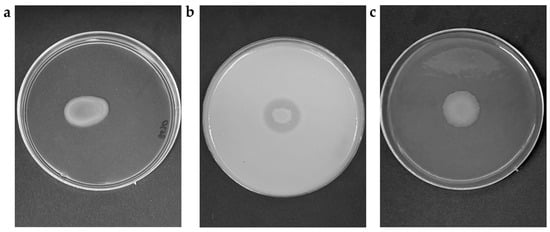
In this study, we evaluated the biofilm-forming capacity of the B. pacificus B630 strain on table eggshells and its behavior in the presence of egg components, in comparison with B. cereus ATCC 14579. Strain B630, previously characterized as nhe+ and cytK+
[...] Read more.
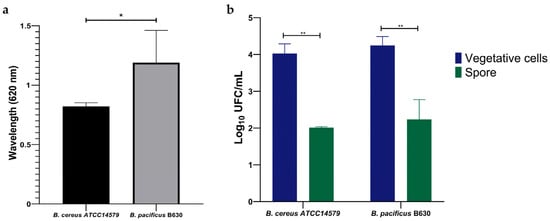
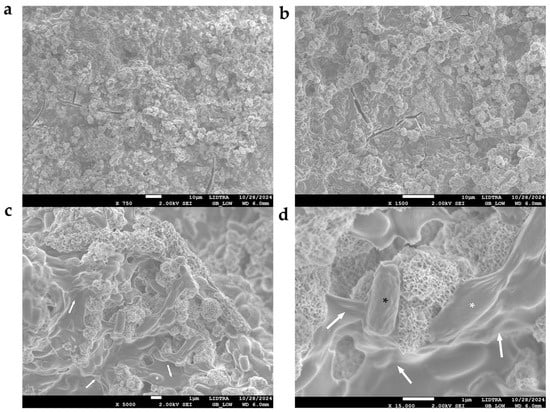
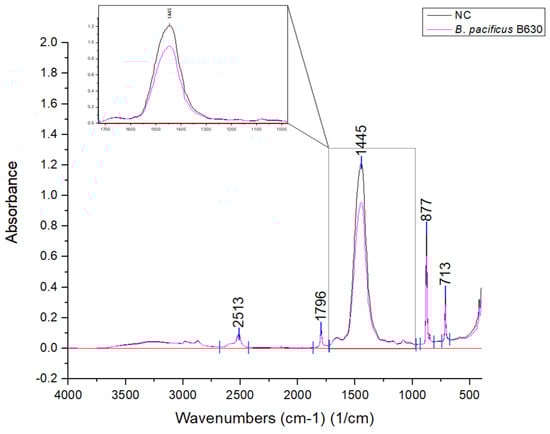
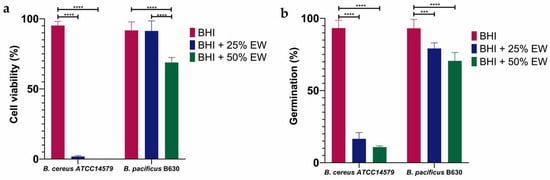
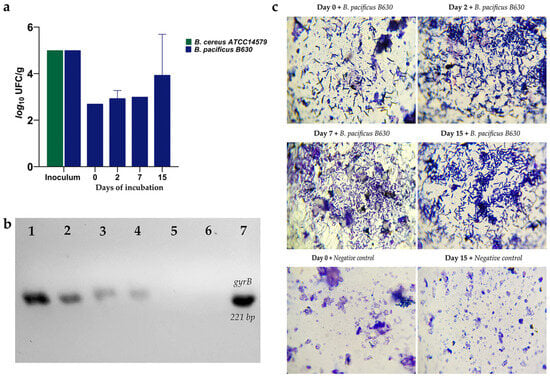
In this study, we evaluated the biofilm-forming capacity of the B. pacificus B630 strain on table eggshells and its behavior in the presence of egg components, in comparison with B. cereus ATCC 14579. Strain B630, previously characterized as nhe+ and cytK+ and as a strong biofilm producer on glass, was confirmed as motile and positive for protease and phospholipase production. In static assays on disinfected eggshell pieces, B630 formed significantly more biofilm than ATCC 14579, while both strains exhibited comparable numbers of vegetative cells and spores embedded in the biofilm. Scanning electron microscopy and Fourier transform infrared (FT-IR) analysis revealed a dense extracellular matrix, altered eggshell crystal morphology, and a reduction in calcite-associated bands in biofilm-positive shells. In brain–heart infusion (BHI) broth supplemented with egg white, growth and spore germination of ATCC 14579 were strongly inhibited, whereas B630 displayed markedly higher tolerance. In an eggshell contamination model with an initial inoculum of 1 × 10⁵ colony-forming units, B630 persisted on the shell for at least 15 days at room temperature, while neither strain was recovered from egg white or yolk. These findings indicate that B. pacificus B630 combines robust biofilm formation with enhanced tolerance to egg white, favoring prolonged persistence on eggshells and underscoring the potential role of highly biofilm-forming B. cereus s.l. strains in table egg contamination. The persistence of strains of the B. cereus s.l. group in the eggshell may compromise the safety of the product.
Full article

Figure 1
Open AccessArticle
Influence of Aviary Design on Musculoskeletal Health and Keel Bone Damage in Hy-Line Brown Laying Hens
by
Alexis Clark-Millspaugh, Cerano Harrison, Janice M. Siegford and Ahmed Ali
Poultry 2026, 5(3), 31; https://doi.org/10.3390/poultry5030031 - 23 Apr 2026
Abstract
►▼
Show Figures
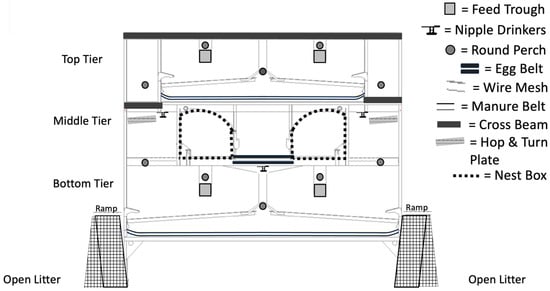
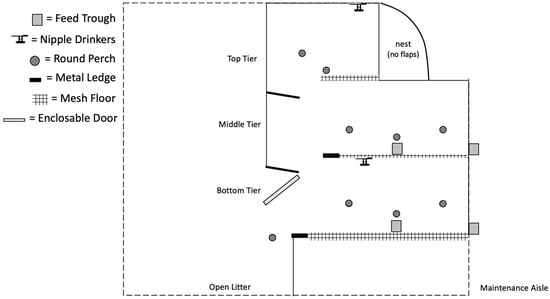
Bone fractures and keel bone damage as a result of osteoporotic implications on skeletal health due to high rates of egg production are of significant concern in the egg industry. This study was conducted to evaluate the effects of two aviary housing configurations
[...] Read more.
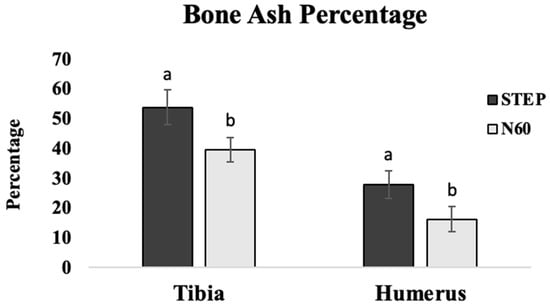
Bone fractures and keel bone damage as a result of osteoporotic implications on skeletal health due to high rates of egg production are of significant concern in the egg industry. This study was conducted to evaluate the effects of two aviary housing configurations and associated exercise opportunities on musculoskeletal health in laying hens. Two commercial aviary designs were compared: Big Dutchman NATURA STEP (STEP) and Big Dutchman NATURA 60 (N60). Musculoskeletal assessments were performed at 60 weeks of age (n = 180), where measurements included CT imaging and radiography, muscle dissections, tibial and humeral biomechanical properties, and bone ash percentage. Results indicated that hens in the STEP aviary exhibited higher tibial breaking strength, humeral stiffness, and heavier muscle groups compared to the N60 system. However, rates of new and old fractures, as well as rates of deviation, were more prevalent in STEP hens compared to N60 hens. These results indicate that housing system design influences musculoskeletal health in laying hens.
Full article

Figure 1
Open AccessReview
Manual Catching and Transportation of Poultry with a Focus on Chickens and European Practices
by
Maike Alena Hettmannsperger and Isabelle Ruhnke
Poultry 2026, 5(2), 30; https://doi.org/10.3390/poultry5020030 - 13 Apr 2026
Abstract
►▼
Show Figures
The manual handling of poultry is an essential part of raising and caring for birds. The different manual catching methods have various impacts on the bird’s welfare and health, the well-being and work satisfaction of the people who are handling the birds, and
[...] Read more.
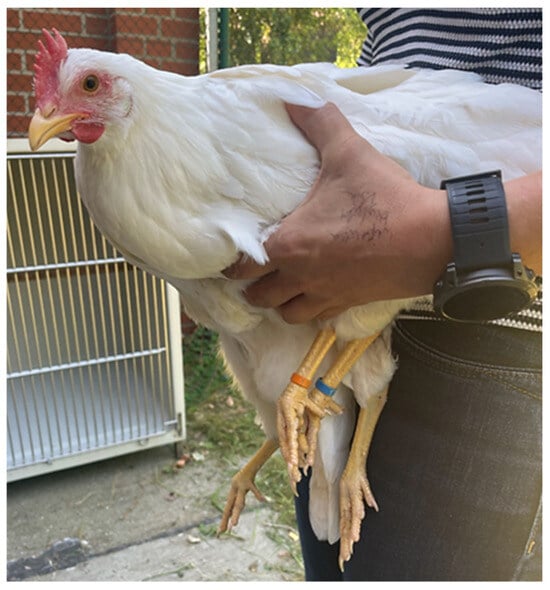
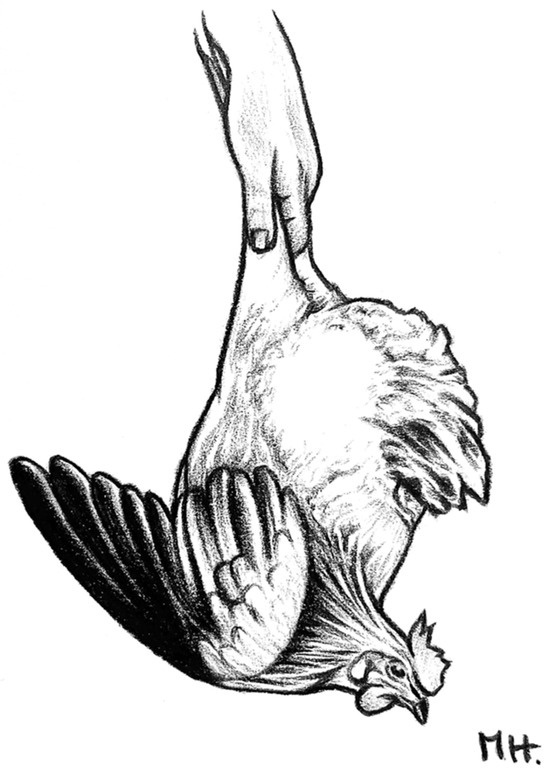
The manual handling of poultry is an essential part of raising and caring for birds. The different manual catching methods have various impacts on the bird’s welfare and health, the well-being and work satisfaction of the people who are handling the birds, and the economic and logistical requirements of everyone involved. The traditional approach of using the Five Freedoms for investigating animal well-being has been amended with animal-based measures (ABMs) as well as the evaluation of five welfare domains, which consider the subjective response of an animal towards its environment. The assessment of single individual animal welfare parameters without context can be non-specific, only partially informative, or even misleading when considered in isolation. The objective measurement of suitable parameters for the evaluation of the various steps of poultry catching and transport is complex and should be carried out in a differentiated manner. This review summarizes the current knowledge about the manual catching of poultry, with special focus on the upright and inverted handling of chicken and current considerations in Europe. The implementation of consistent, transparent, and traceable central data collection on animal health and welfare at various critical control points of bird transportation would allow systematic evaluation of the multifactorial welfare assessment in the future.
Full article

Figure 1
Open AccessArticle
Pharmacokinetics of Granulated Compound Containing Meloxicam in Broilers
by
Mayra Carraro Di Gregorio, Isabelle Lara Lima Gonçalves, Leandro Augusto Calixto, Marcos Ferrante, Bruna Christina Fernandes Soares, Cristiane Soares da Silva Araújo, André Tadeu Gotardo and Silvana Lima Górniak
Poultry 2026, 5(2), 29; https://doi.org/10.3390/poultry5020029 - 9 Apr 2026
Abstract
►▼
Show Figures
The global restriction of antimicrobial growth promoters has intensified the search for alternative strategies to sustain poultry health and productivity. One proposed mechanism underlying the historical efficacy of antibiotic performance enhancers is the modulation of intestinal inflammation. In this context, meloxicam (MLX), a
[...] Read more.
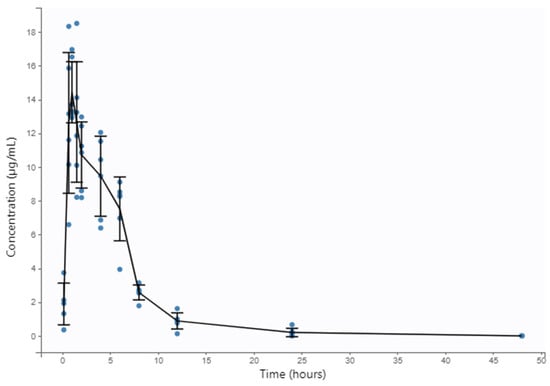
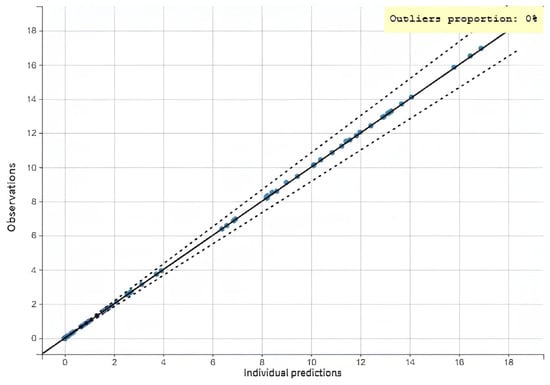
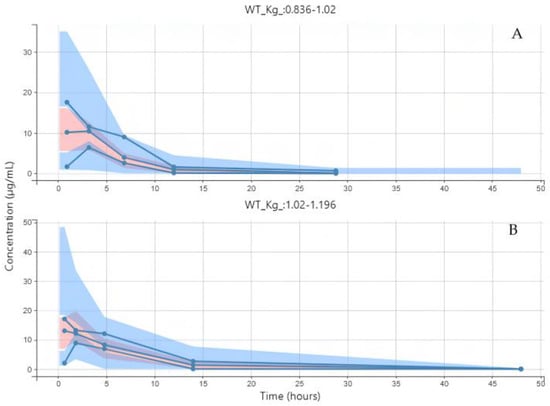
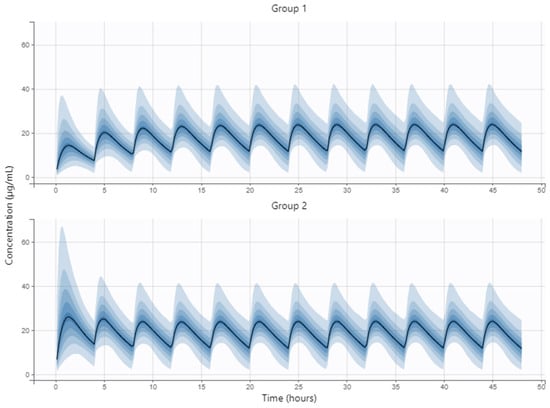
The global restriction of antimicrobial growth promoters has intensified the search for alternative strategies to sustain poultry health and productivity. One proposed mechanism underlying the historical efficacy of antibiotic performance enhancers is the modulation of intestinal inflammation. In this context, meloxicam (MLX), a preferential COX-2 inhibitor and non-steroidal anti-inflammatory drug, has emerged as a potential candidate for investigation. However, pharmacokinetic data in broiler chickens remain limited, particularly for practical oral formulations intended for production systems. This study aimed to characterize the pharmacokinetic profile of a novel granulated MLX formulation in male Cobb 500 broiler chickens following single-dose administration. Seventy-two 21-day-old broilers received MLX granulate (19.24% m/m) via oral gavage at 3.6 mg/kg body weight. Plasma samples were collected over 48 h post administration. MLX concentrations were quantified using validated high-performance liquid chromatography, and pharmacokinetic parameters were estimated using nonlinear mixed-effects modelling (NLME). Mean pharmacokinetic parameters included AUC0–∞ of 79.97 μg·h/mL, Cmax of 14.43 μg/mL, and Tmax of 1 h, indicating rapid absorption and substantial systemic exposure. These findings provide novel insights into MLX disposition from the granulated formulation in broilers and provide pharmacokinetic information to support future investigations evaluating its potential biological effects in poultry production systems.
Full article

Figure 1
Open AccessArticle
Lonicera japonica Flos as a Natural Anticoccidial Agent Against Eimeria tenella: In Vivo Efficacy and Compositional Insights
by
Hsyang-Hsun Chung, Ming-Chu Cheng, Ya-Mei Chen, Kuo-Ping Shen, Yi-Yang Lien, Shyang-Chwen Sheu, Meng-Shiou Lee, Suttitas Tongkamsai, Hung Su and Yi-Lun Tsai
Poultry 2026, 5(2), 28; https://doi.org/10.3390/poultry5020028 - 1 Apr 2026
Abstract
►▼
Show Figures
This study aimed to evaluate the potential of Lonicera japonica Flos (LJF) as an alternative agent against Eimeria tenella (E. tenella) in chickens and to conduct phytochemical analysis to obtain compositional insights. Seventy-two one-day-old chickens were allocated to six groups and
[...] Read more.
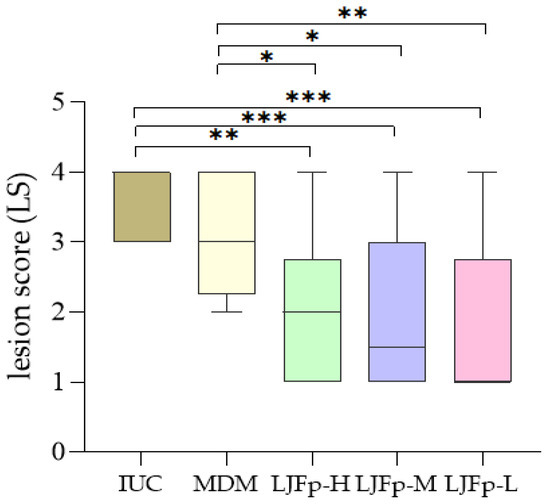
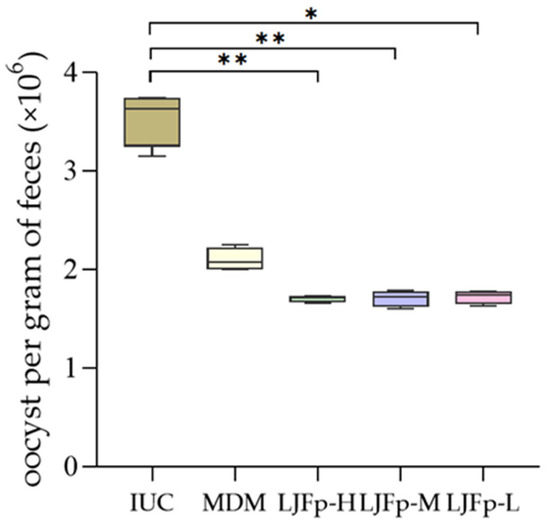
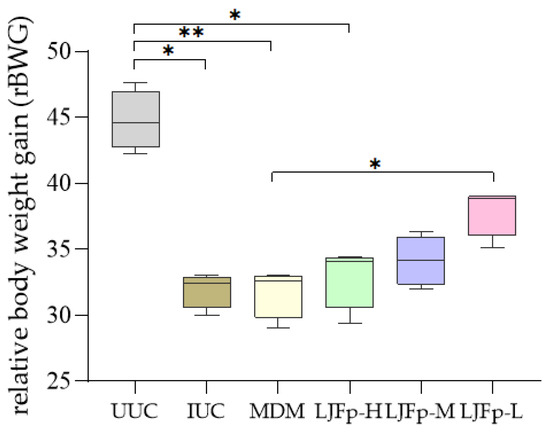
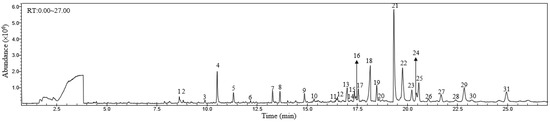
This study aimed to evaluate the potential of Lonicera japonica Flos (LJF) as an alternative agent against Eimeria tenella (E. tenella) in chickens and to conduct phytochemical analysis to obtain compositional insights. Seventy-two one-day-old chickens were allocated to six groups and fed diets supplemented with LJF powder (LJFp) at three concentrations (LJFp-L, LJFp-M, and LJFp-H) or maduramicin (MDM) or two non-supplemented control diets, namely, an infected unmedicated control (IUC) and an uninfected unmedicated control (UUC). Dietary treatments were initiated at chick arrival (Day 0) and continued for 28 days. At 21 days of age, all groups except the UUC group were orally challenged with a field isolate of E. tenella (PT-Te003; 2.0 × 10⁴ oocysts/bird). Anticoccidial efficacy was assessed using the lesion score (LS), oocysts per gram of feces (OPG), relative body weight gain (rBWG), and anticoccidial index (ACI). The results demonstrated that all LJFp treatment groups had significantly reduced cecal OPG and LS (all LJFp treatments: p < 0.05 vs. IUC), indicating the effective suppression of E. tenella replication and intestinal damage. Regarding growth performance, the rBWG values of the LJFp-L and LJFp-M groups were the highest and comparable to those of the UUC group, showing no significant differences. In contrast, the LJFp-H and MDM groups exhibited significantly lower values (p < 0.05). Based on ACI evaluation, all LJFp-treated groups exhibited moderate to partial efficacy (LJFp-L > LJFp-M > LJFp-H), while MDM showed limited effectiveness. A gas chromatography–mass spectrometry (GC-MS) analysis of the LJFp ethanol extract revealed 15 essential oils, 10 organic acids, and three other compound classes, several of which have been associated with anticoccidial activity. Overall, the in vivo results suggest that LJF may exert potential anticoccidial effects against a field isolate of E. tenella. Phytochemical analysis provided preliminary compositional insights, and further studies are warranted to optimize extraction methods and evaluate efficacy at lower concentrations under additional in vitro and in vivo conditions. However, the current evidence remains insufficient to determine whether the field isolate exhibits reduced sensitivity to commercially available anticoccidial drugs, and additional studies are needed to clarify this issue.
Full article

Figure 1
Open AccessArticle
Assessment of the Anthelmintic Efficacy of a Plant Extract in Backyard-Raised Chickens in Romania
by
Mircea Coroian, Andrada Berbecaru, Mihaly Fazakas, Virginia Magdaș, Cristian Magdaș, Varga Erzsébet, Fülöp Ibolya and Adriana Györke
Poultry 2026, 5(2), 27; https://doi.org/10.3390/poultry5020027 - 6 Mar 2026
Cited by 1
Abstract
Backyard chicken farming is a longstanding practice in Romania, with over 13 million birds raised in such systems to provide households with essential sources of eggs and meat. Despite advantages such as low production costs and the potential for organic husbandry, backyard poultry
[...] Read more.
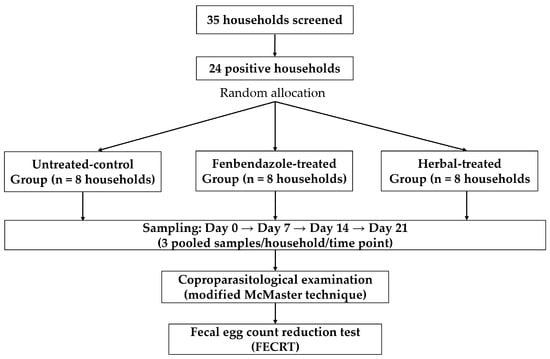
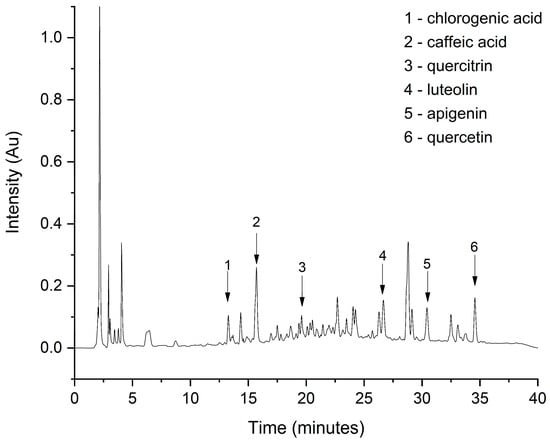
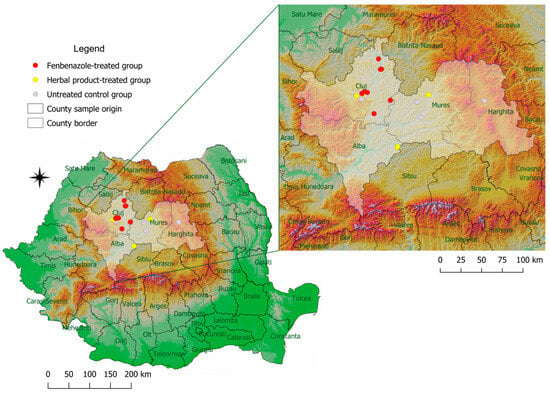
Backyard chicken farming is a longstanding practice in Romania, with over 13 million birds raised in such systems to provide households with essential sources of eggs and meat. Despite advantages such as low production costs and the potential for organic husbandry, backyard poultry remains highly vulnerable to parasitic infections due to limited biosecurity measures and minimal regulatory oversight. This study aimed to evaluate the efficacy of a plant-based anthelmintic product in naturally infected backyard flocks. Among the 35 backyard farms examined, 24 (68.6%) tested positive for helminth infections, with prevalence rates of 51.4% for Ascaridia galli/Heterakis gallinarum, 57.1% for Capillaria spp., and 40% for Strongyloides avium. Positive households were assigned to three groups: untreated control, fenbendazole-treated, and herbal product-treated. The plant-based formulation consisted of alcoholic extracts from seven locally sourced plants, Thymus serpyllum, Calendula officinalis, Inula helenium, Tanacetum vulgare, Origanum vulgare, Artemisia annua, and Artemisia absinthium, and was administered via drinking water at a dose of 5 mL/L for seven consecutive days. Anthelmintic efficacy was assessed using the fecal egg count reduction test (FECRT). Fecal samples were collected before treatment and on days 7, 14, and 21 post-treatment, and examined using flotation and the McMaster technique. Both the plant-based and fenbendazole-treated groups exhibited significant reductions in egg counts for A. galli/H. gallinarum (p ≤ 0.00001), although neither treatment reached the 90% efficacy threshold required for reliable parasitic control in poultry. The herbal formulation achieved a 91.33% reduction in fecal egg counts overall and a complete (100%) efficacy against Strongyloides avium at 7 and 21 days post-treatment, respectively. At 14 days post-treatment, the mean FECRT values across all parasite species ranged from 13.64% in the untreated control group to 71.86% in the fenbendazole-treated group and 67.11% in the herbal-treated group. The highest reduction was observed in the fenbendazole group against Ascaridia galli/Heterakis gallinarum (85.22 ± 11.86), while the lowest was recorded in the control group against S. avium (–31.63 ± 96.64). Overall, our findings indicate that plant-based anthelmintics are a promising, environmentally friendly option for organic backyard poultry systems, offering a viable alternative to conventional chemical treatments.
Full article
(This article belongs to the Topic Advances in Infectious and Parasitic Diseases of Animals)
►▼
Show Figures

Figure 1
Open AccessArticle
Extender- and Gentamicin-Dependent Protection of Turkey Spermatozoa Against Bacteriospermia and Oxidative Damage During Liquid Storage
by
Filip Benko, Tomáš Slanina, Michal Ďuračka, Miroslava Kačániová and Eva Tvrdá
Poultry 2026, 5(2), 26; https://doi.org/10.3390/poultry5020026 - 6 Mar 2026
Abstract
►▼
Show Figures
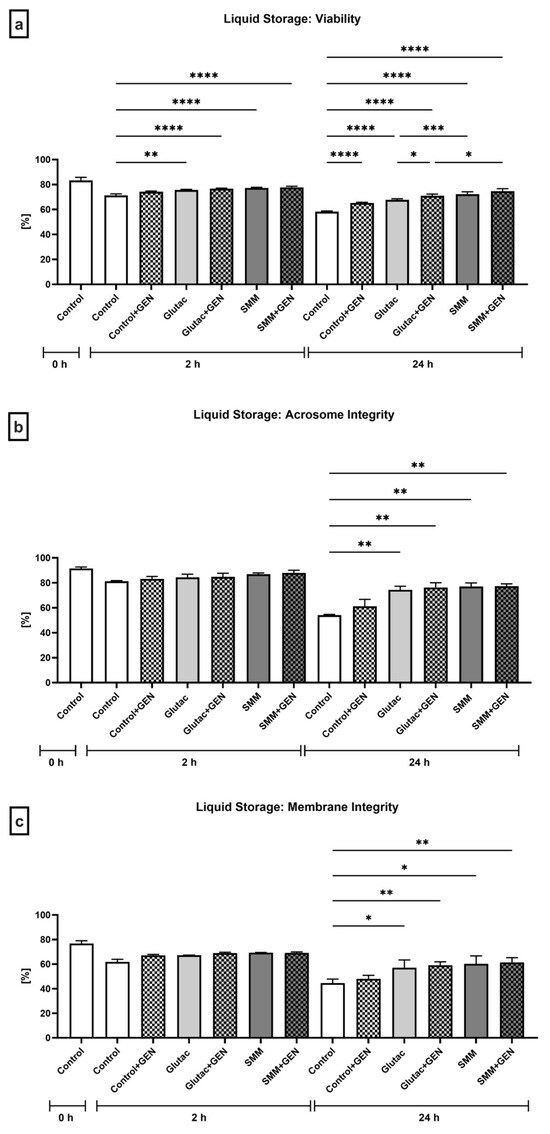
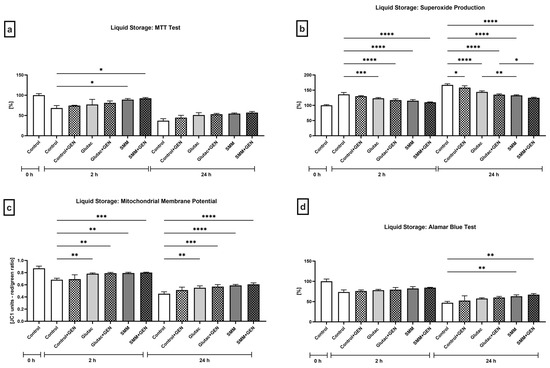
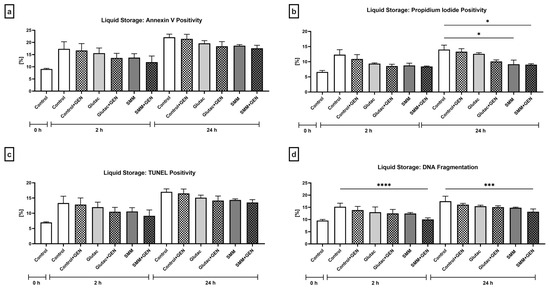
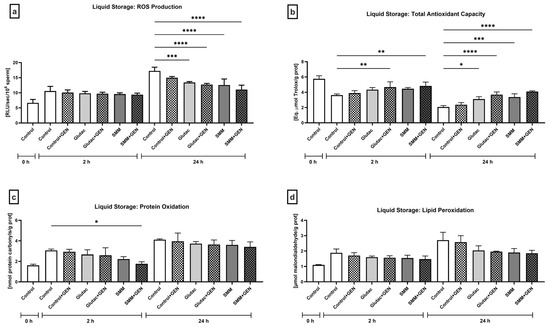
Efficient liquid storage of turkey semen is critical for artificial insemination, but its use is limited by bacteriospermia and oxidative damage. This study evaluated the effects of gentamicin supplementation in Glutac and Sperm Motility Medium (SMM) on bacterial load and sperm quality after
[...] Read more.
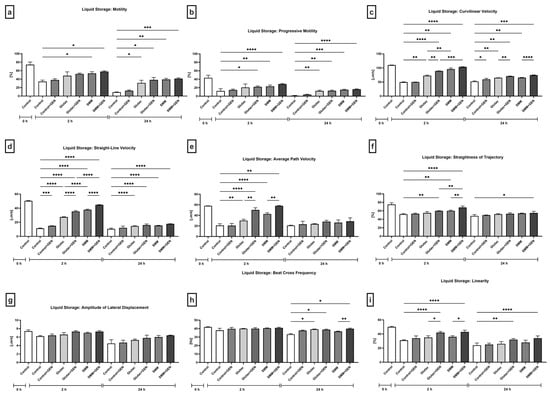
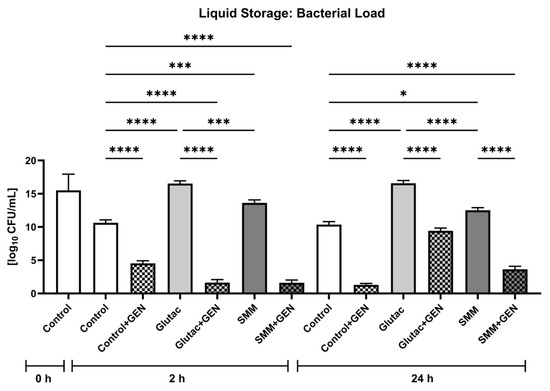
Efficient liquid storage of turkey semen is critical for artificial insemination, but its use is limited by bacteriospermia and oxidative damage. This study evaluated the effects of gentamicin supplementation in Glutac and Sperm Motility Medium (SMM) on bacterial load and sperm quality after 2 and 24 h of liquid storage. Semen from turkeys (n = 40) was assessed for motility, viability, plasma membrane and acrosome integrity, mitochondrial and metabolic activity, oxidative profile, apoptosis, DNA integrity, and microbiological status. The sperm motility and kinematic parameters declined significantly after 24 h in all the groups. However, both extenders (particularly SMM) maintained significantly higher motility than the untreated control. Gentamicin further improved the motility, viability, and plasma membrane and acrosome integrity. The mitochondrial activity and mitochondrial membrane potential were significantly higher in the extender-treated groups than in the controls at 2 and 24 h, whereas the superoxide and total ROS production were significantly higher in the controls. The total antioxidant capacity declined markedly in the untreated controls, especially after 24 h. Gentamicin significantly reduced bacterial load, most effectively in SMM, and decreased DNA fragmentation compared with the untreated controls. In conclusion, gentamicin supplementation—particularly in SMM—reduces bacteriospermia and oxidative stress while preserving turkey sperm quality during liquid storage.
Full article

Figure 1
Open AccessArticle
Inclusion Body Hepatitis (IBH) Outbreaks Following Vertical Transmission of Fowl Adenovirus Serotype 11 (FAdV-11), Species D: A Strain with Regional Persistence and Global Presence
by
Beatrice Grafl, Peter Mitsch, Ernst Wiesinger, Josef Ziegerhofer, Ivana Bilic, Claudia Hess, Dieter Liebhart and Michael Hess
Poultry 2026, 5(2), 25; https://doi.org/10.3390/poultry5020025 - 6 Mar 2026
Abstract
►▼
Show Figures
In recent years, outbreaks of inclusion body hepatitis (IBH) have been reported with increasing frequency worldwide. In Austria, the presence of fowl aviadenoviruses (FAdVs) and/or IBH has been documented sporadically. The present report describes a surge of natural IBH cases in fifteen Ross
[...] Read more.
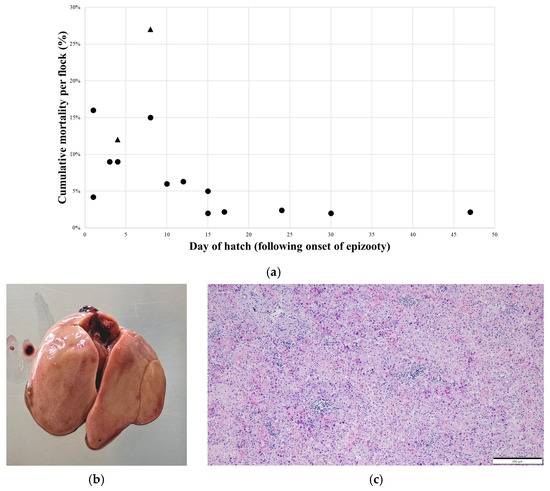
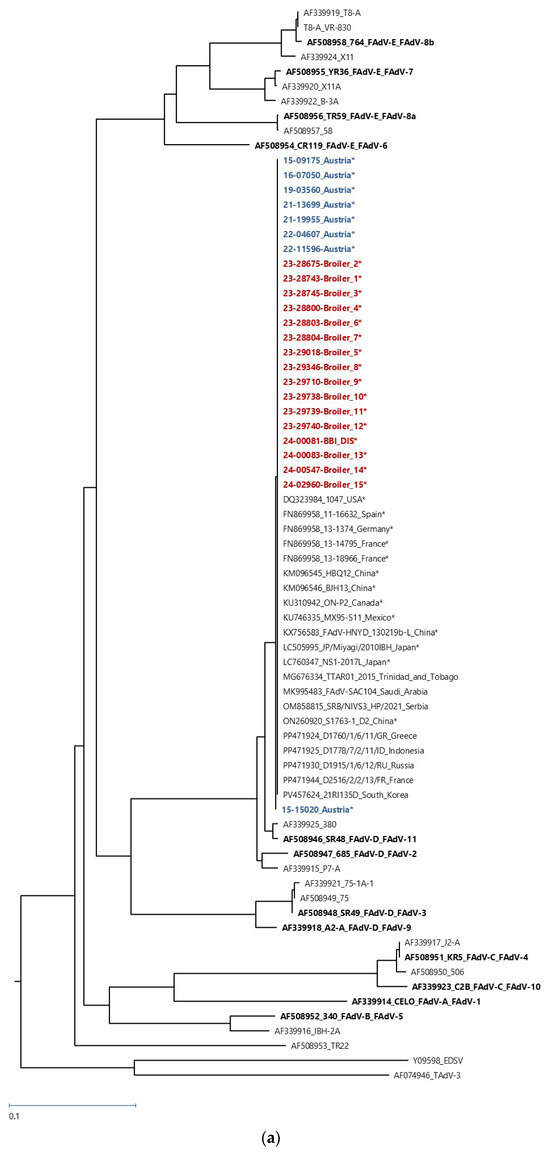
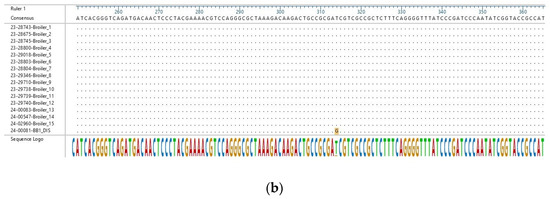
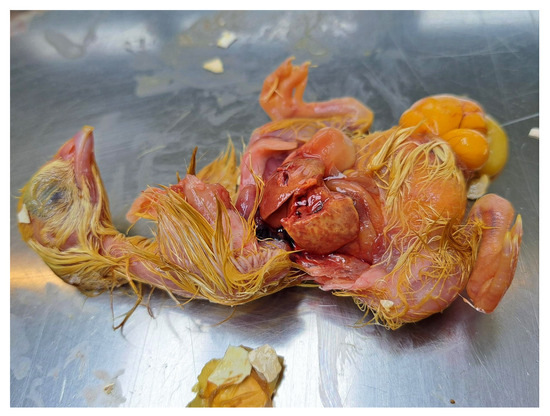
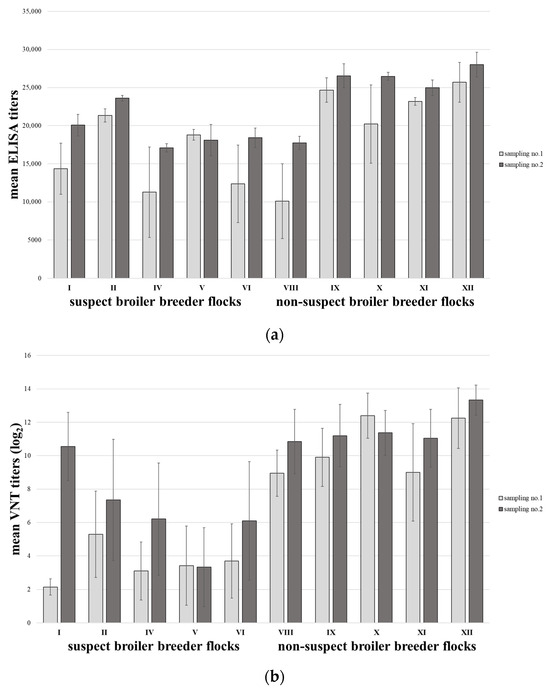
In recent years, outbreaks of inclusion body hepatitis (IBH) have been reported with increasing frequency worldwide. In Austria, the presence of fowl aviadenoviruses (FAdVs) and/or IBH has been documented sporadically. The present report describes a surge of natural IBH cases in fifteen Ross 308 broiler flocks. The clinical picture was characterized by the sudden onset of increased mortality in birds 3 to 15 days of age, persisting for approximately one week, resulting in cumulative flock mortality ranging from 2% to 27%. The main pathological findings were hepatitis with diffuse necrotic foci and petechial hemorrhages with intranuclear inclusion bodies by histology. FAdV was detected in liver samples from all affected flocks. Based upon partial hexon sequence analysis, FAdV serotype-11, species-D (FAdV-11, FAdV-D) was identified, showing complete sequence identity among broiler-derived strains and high identity with previous isolates from Austria and globally IBH-associated isolates. Furthermore, FAdV-11 DNA was detected in dead-in-shell embryos collected during the ongoing outbreak, originating from one suspect broiler breeder flock, confirming vertical transmission. Serological investigations of the suspect breeders confirmed the FAdV-11 infections within the studied timeframe. In conclusion, investigations confirmed vertical transmission of FAdV-11 and subsequent manifestation of IBH in broilers under field conditions, highlighting the epidemiological importance of broiler breeders in IBH outbreaks.
Full article

Figure 1
Open AccessArticle
Digestibility, Energy Value, and Performance of Lemna minor as a Novel Protein Source in Broiler Chicken Diets
by
Johannes Niermeyer, Johannes Demann, Finn Petersen, Georg Dusel, Reindert Devlamynck, Andreas Ulbrich, Hans-Werner Olfs and Heiner Westendarp
Poultry 2026, 5(2), 24; https://doi.org/10.3390/poultry5020024 - 6 Mar 2026
Abstract
Global population growth is expected to increase poultry meat demand, intensifying the need for sustainable protein sources. Soybean meal, the primary protein feed for poultry, has negative associations with deforestation and long transport distances. Duckweed has emerged as a possible, more sustainable alternative
[...] Read more.
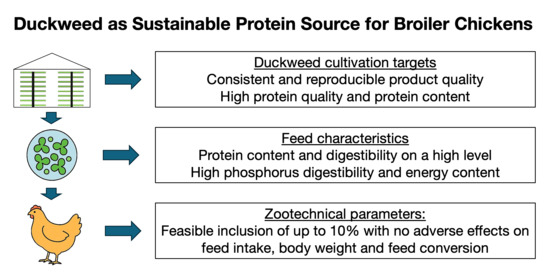
Global population growth is expected to increase poultry meat demand, intensifying the need for sustainable protein sources. Soybean meal, the primary protein feed for poultry, has negative associations with deforestation and long transport distances. Duckweed has emerged as a possible, more sustainable alternative due to its high growth rate and protein yield. The nutrient digestibility and performance effects of the duckweed species Lemna minor (L. minor) in broiler diets were investigated in two experiments. Experiment 1 determined the ileal digestibility of crude protein, amino acids, phosphorus, and metabolizable energy in L. minor. The digestibility of most amino acids in L. minor ranged from 70% to 96%, with lysine and methionine at 87% and 86%, respectively. At 48%, the digestibility of cysteine was markedly lower than that of the other amino acids. However, the digestibility of P exceeded 90%. The energy values of dry matter were 7.05 MJ AME and 6.13 MJ. Experiment 2 tested the inclusion of L. minor (up to 10%) in isoenergetic and isonitrogenous diets. No significant effects on nutrient digestibility, weight gain, feed intake, or feed conversion ratio were observed. Both experiments demonstrate that L. minor cultivated under controlled conditions is a highly digestible, reliable feed source. Its inclusion in broiler diets is feasible, as it does not impair performance, yet provides amino acid balance whilst ensuring biomass quality. These findings support L. minor as a novel protein alternative and warrant further research on higher inclusion rates.
Full article
(This article belongs to the Collection Poultry Nutrition)
►▼
Show Figures

Graphical abstract
Open AccessArticle
The Effect of Sex on Meat Quality of Muscovy Ducks Reared in Backyard Production System
by
Jitka Edrová, Adriana Hofmanová, Lukáš Zita, Monika Okrouhlá, Darina Chodová, Lucie Kruntová and Ondřej Krunt
Poultry 2026, 5(2), 23; https://doi.org/10.3390/poultry5020023 - 6 Mar 2026
Abstract
Sexual dimorphism is a well-recognized factor influencing growth performance and meat quality in poultry; however, its effects remain less explored in Muscovy ducks. This study investigated the effect of sex on carcass traits, meat quality parameters, muscle fiber characteristics, and lipid composition in
[...] Read more.
Sexual dimorphism is a well-recognized factor influencing growth performance and meat quality in poultry; however, its effects remain less explored in Muscovy ducks. This study investigated the effect of sex on carcass traits, meat quality parameters, muscle fiber characteristics, and lipid composition in 14-week-old Muscovy ducks. Carcass dissection, physical and chemical meat analyses, and histological evaluation of breast muscle were performed in males and females. Sex markedly affected carcass performance, with males exhibiting higher live, slaughter, semi-eviscerated, and eviscerated weights, whereas females showed greater abdominal fat deposition and higher drip and processing losses, indicating reduced water-holding capacity. In the breast muscle, females displayed lower ultimate pH, higher yellowness (b*), and lower shear force values, suggesting more tender meat. Chemical composition differed between sexes, with males showing higher moisture and protein contents and lower intramuscular fat, accompanied by sex-related differences in fatty acid composition. Muscle fiber morphology also varied significantly, as males exhibited larger fiber diameters and cross-sectional areas in the breast muscles. Overall, these findings demonstrate that sex is a critical determinant of carcass yield, technological meat properties, and nutritional quality in Muscovy ducks, highlighting its importance for targeted production and processing strategies.
Full article
Open AccessArticle
Estimation of Nitrogen and Phosphorus Excretion in Different Broiler Chicken Strains and Sexes
by
Leilane Rocha Barros Dourado, Melina da Conceição Macêdo da Silva, Pedro de Carvalho Gaio, Iara Silva Sousa, Francisca Luana de Araújo Carvalho, Danielle Machado Ribeiro Azevedo, Dáphinne Cardoso Nagib do Nascimento, Daniel Biagiotti, Simara Marcia Marcado and José Luiz Leonardo de Araújo Pimenta
Poultry 2026, 5(2), 22; https://doi.org/10.3390/poultry5020022 - 5 Mar 2026
Abstract
Broiler production efficiency depends on the capacity of different strains to utilize nutrients and minimize environmental losses. This study aimed to quantify the excretion and digestibility of dry matter, nitrogen, and phosphorus in Cobb 500, Ross 308, and Hubbard Flex strains at different
[...] Read more.
Broiler production efficiency depends on the capacity of different strains to utilize nutrients and minimize environmental losses. This study aimed to quantify the excretion and digestibility of dry matter, nitrogen, and phosphorus in Cobb 500, Ross 308, and Hubbard Flex strains at different ages under Southwest Piauí conditions. A total of 300 broilers of both sexes were distributed in a 3 × 2 factorial design (3 strains × 2 sexes) with five replicates, totaling 30 experimental units. The six-week trial included adaptation periods, excreta collection, and feed intake control each week. Dry matter, nitrogen, and phosphorus were analyzed in diets and excreta to calculate intake, excretion, and retention coefficients (DMR, NR, PR). Interactions between sex and strain were observed after 25 days for some variables. Males excreted 10.21% more phosphorus than females, and strain effects were mainly observed for phosphorus excretion, with Hubbard exhibiting lower excretion in the 32–35-day phase, Cobb presenting the highest, and Ross demonstrating intermediate excretion. Variations between sexes were observed within strains across ages. These results demonstrate that nutrient utilization is influenced by both strain and sex, highlighting the need for tailored nutritional strategies to improve feed efficiency and reduce environmental impact in broiler production.
Full article
Open AccessArticle
Meat Quality of Two ECC-Approved Chicken Genotypes with Different Growth Rates Subjected to Moderate Kinetic Activity and Compared with a Fast-Growing Genotype
by
Francesca Di Federico, Alessandro Dal Bosco, Luigia Bosa, Marta Vispi, Lorenzo Nompleggio, Elisa Angelucci, Simona Huja, Cesare Castellini and Simona Mattioli
Poultry 2026, 5(2), 21; https://doi.org/10.3390/poultry5020021 - 3 Mar 2026
Abstract
►▼
Show Figures
Over the years, poultry supply chains have prioritized highly productive genetic lines to meet consumer demand, often at the expense of meat quality, animal welfare, and animal health. Recently, however, industry trends have shifted toward a greater awareness of welfare, reduced farming intensity,
[...] Read more.
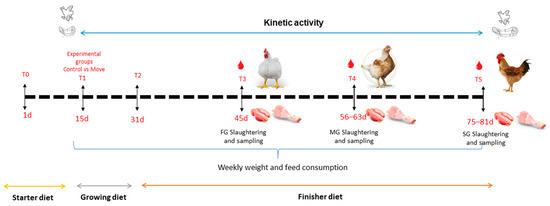
Over the years, poultry supply chains have prioritized highly productive genetic lines to meet consumer demand, often at the expense of meat quality, animal welfare, and animal health. Recently, however, industry trends have shifted toward a greater awareness of welfare, reduced farming intensity, and improved product quality. In response, the European Chicken Commitment (ECC) has advocated for the use of slower-growing genotypes, even within conventional production systems. This study aimed to evaluate the meat quality of two ECC-approved chicken genotypes with differing growth rates—slow-growing (SG: 30–40 g/day, Kabir) and medium-growing (MG: 40–50 g/day, Ranger Gold) in comparison with a fast-growing strain (FG: >65 g/day, Ross 308). A total of 300 chickens were assigned to two experimental conditions: a control group (C), with spontaneous activity, and a treatment group (M), subjected to induced moderate kinetic activity. The results demonstrated that genotype influenced the meat quality of chickens raised indoors more significantly than kinetic activity. Comparisons revealed that SG and MG chickens exhibited superior meat quality, particularly regarding protein content, oxidative status, and a more suitable fatty acid profile. Overall, our findings support the adoption of ECC-approved genotypes in indoor systems to simultaneously improve animal welfare and enhance the nutritional and technological quality of poultry meat.
Full article

Figure 1
Open AccessArticle
A Study on the Effects of Chelated vs. Inorganic Trace Elements on Growth Performance, Survival and Carcass Yield in Broiler Chickens
by
Tetiana I. Fotina, Hanna A. Fotina, Alexey V. Fotin, Anatoliy I. Fotin, Igor A. Ionov, Olga V. Anisimova, Darren K. Griffin and Michael N. Romanov
Poultry 2026, 5(2), 20; https://doi.org/10.3390/poultry5020020 - 3 Mar 2026
Abstract
►▼
Show Figures
High-quality, well-balanced feeding strategies are essential for optimizing poultry growth performance and for ensuring the safety of poultry products. Here, we evaluated the effects of chelated vs. inorganic trace minerals on the growth, survival and carcass characteristics of Cobb 500 broiler chickens. A
[...] Read more.
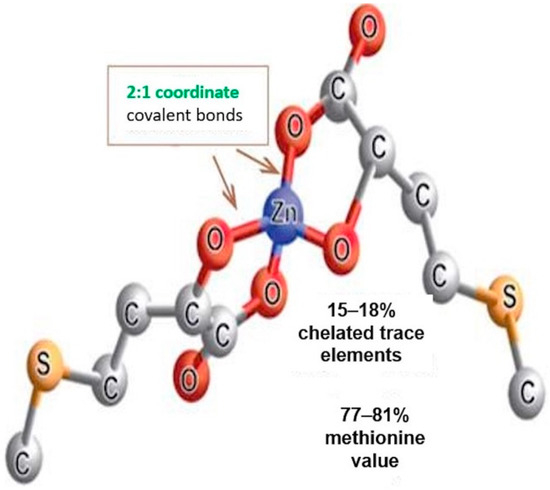
High-quality, well-balanced feeding strategies are essential for optimizing poultry growth performance and for ensuring the safety of poultry products. Here, we evaluated the effects of chelated vs. inorganic trace minerals on the growth, survival and carcass characteristics of Cobb 500 broiler chickens. A large-scale feeding trial involved four dietary treatments at 21–35 days of age, with Group 1 receiving a control diet with mineral supplements of zinc (Zn), copper (Cu) and manganese (Mn) in sulfate form, based on a standard formulation. A further three experimental diets contained chelated forms of Zn (Group 2), Cu (Group 3) and a mineral premix MINTREX® that provides Zn, Cu and Mn (Group 4). Broilers were raised to 42 days of age under commercial production conditions. Feeding chelated trace minerals resulted in significantly higher body weights during the rearing period, including a 10% increase in pre-slaughter weight compared to the controls (p < 0.01). Moreover, survival rates improved from 87% in the controls to 95–96% in the treatment groups (p < 0.001), and carcass evaluation revealed a 15–17% increase in eviscerated carcass weight in birds fed chelated supplements (p < 0.05). Greater yields of muscle, liver and skin with subcutaneous fat were observed, as was improved production of total edible carcass components. Among the treatments, MINTREX® provided the greatest enhancement effects in performance and slaughter traits. These findings demonstrate that dietary chelated minerals, whether single or combined, may have positive effects on the broiler carcass yield and support their inclusion in poultry production systems.

Full article

Figure 1
Open AccessArticle
Management, Production, Infection Events, and Antimicrobial Use on 25 Commercial Turkey Farms in Germany (2019–2021)—A Descriptive Analysis
by
Lena Sonnenschein-Swanson, Silvia Baur-Bernhardt, Annemarie Käsbohrer, Marcus Georg Doherr, Diana Meemken, Mary-Ann Sommer, Birgit Ursula Stetina and Petra Weiermayer
Poultry 2026, 5(2), 19; https://doi.org/10.3390/poultry5020019 - 2 Mar 2026
Abstract
►▼
Show Figures
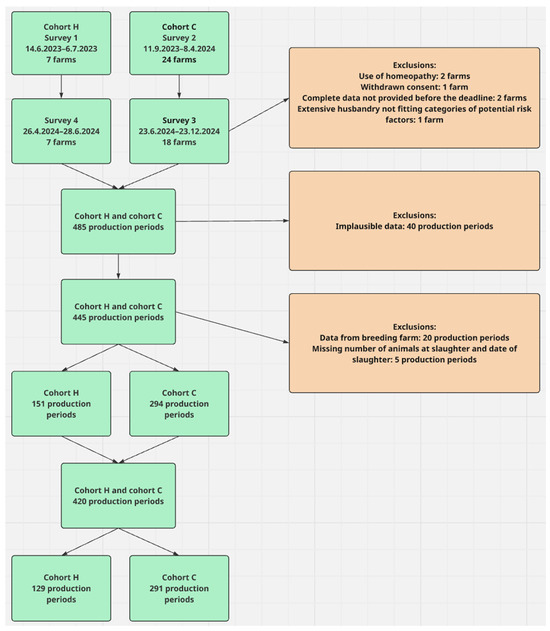
A two-cohort feasibility study was conducted to investigate the potential role of homeopathic therapy in reducing antimicrobial use in turkeys. The objective of the analysis presented here was to describe the complex characteristics of the study farms. For analysis of heterogeneity, data of
[...] Read more.
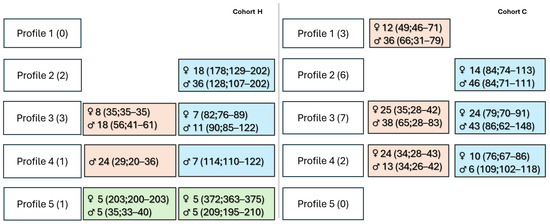
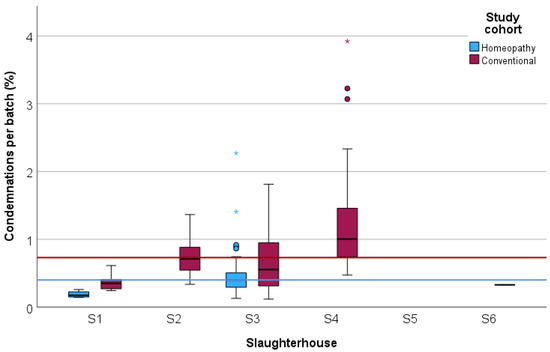
A two-cohort feasibility study was conducted to investigate the potential role of homeopathic therapy in reducing antimicrobial use in turkeys. The objective of the analysis presented here was to describe the complex characteristics of the study farms. For analysis of heterogeneity, data of 25 turkey farms (7 homeopathy (H); 18 conventional (C)) were analyzed. Farms in cohort H had significantly higher numbers of poultry farms nearby and included outdoor husbandry, while those in cohort C included neither organic nor biodynamic husbandry types. During raising, a combination of straw and wood shavings was more frequent, while during fattening, only one type of litter was predominant. Very few additional significant differences were identified at farm level, while at production batch level, several further differences existed. When comparing the study cohort characteristics with national statistics, both cohorts seemed to perform better than the national average. The incidence of antibiotic treatment days was lower in cohort H compared to cohort C (C 0.14, H 0.01, p < 0.001), while production period-related mortality (C 3.7%, H 3.7%) was comparable. Our detailed collection of data, previously unavailable, provides a relevant insight and will enable the analysis of multivariable aspects linked to antimicrobial usage in turkey production.
Full article

Figure 1
Open AccessArticle
Temporal Diversity from Metabarcoding Survey and Zoonotic Pathogen Dynamics of Dermanyssus gallinae in Commercial Laying Hens
by
José Rafael Wanderley Benício, Angélica Sulzbach, Amália Luisa Winter Berté, Charles Fernando dos Santos, Cristina Jardim Cezar Mariano, Daiane Heidrich, Mônica Jachetti Maciel, Liana Johann and Guilherme Liberato da Silva
Poultry 2026, 5(2), 18; https://doi.org/10.3390/poultry5020018 - 2 Mar 2026
Abstract
►▼
Show Figures
The poultry red mite Dermanyssus gallinae (PRM) is a hematophagous ectoparasite of major veterinary and public health concern, recognized as a potential vector of zoonotic pathogens. Despite recent advances in characterizing its microbiota, the temporal dynamics of the microbial community remain poorly understood.
[...] Read more.
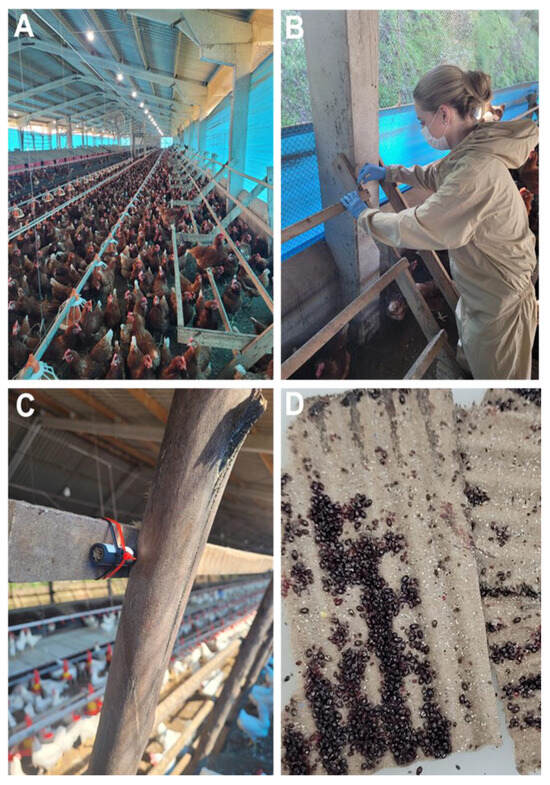
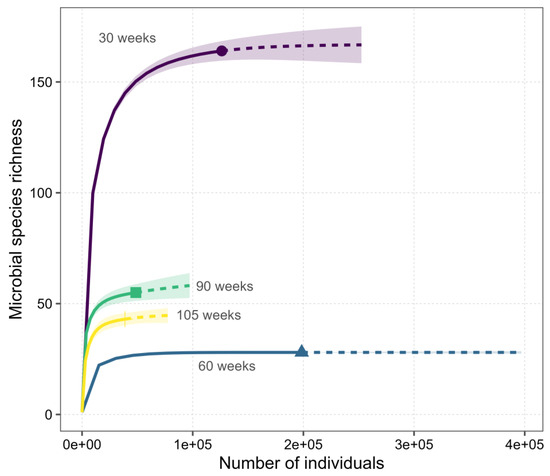
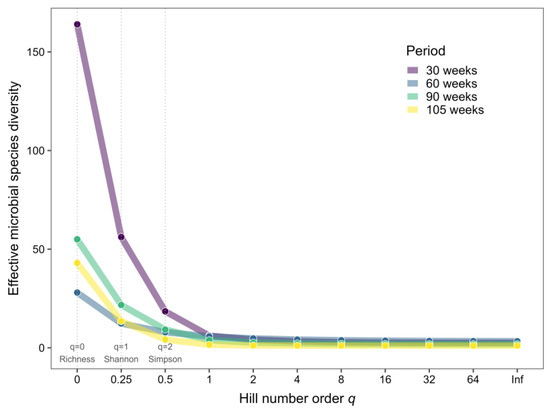
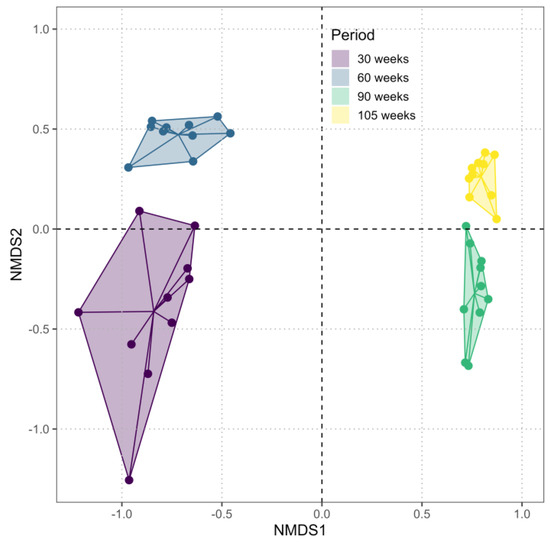
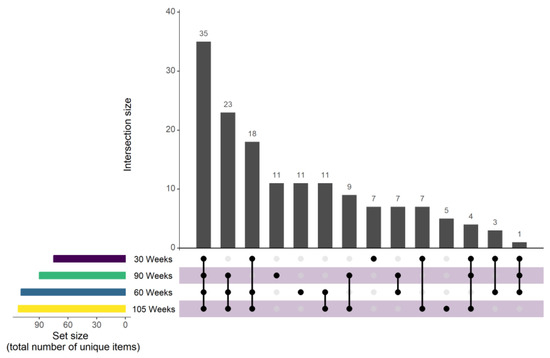
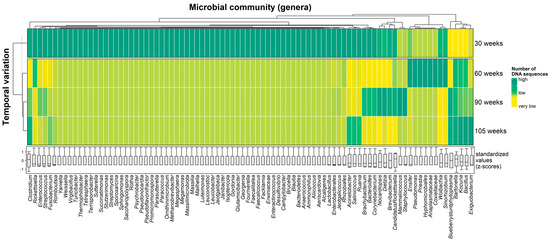
The poultry red mite Dermanyssus gallinae (PRM) is a hematophagous ectoparasite of major veterinary and public health concern, recognized as a potential vector of zoonotic pathogens. Despite recent advances in characterizing its microbiota, the temporal dynamics of the microbial community remain poorly understood. Here, we conducted a longitudinal metabarcoding survey of engorged PRM collected from a commercial cage-free laying hen farm over the laying hen’s productive cycle (30–105 weeks). High-throughput sequencing of the 16S rRNA V3–V4 region generated 412,078 sequences, identifying 186 bacterial species across all samples. Microbial richness peaked at 30 weeks (164 species), but sharply declined thereafter, with only 28, 55, and 43 species detected at 60, 90, and 105 weeks, respectively. Ordination (NMDS) and PERMANOVA analyses revealed significant temporal restructuring of microbial communities (R2 = 0.76, p < 0.01), with distinct clustering across sampling points. A small subset of taxa persisted throughout time, including the genera Bartonella and Rickettsiella, while many species exhibited transient or stage-specific occurrence. Notably, zoonotic pathogens such as Staphylococcus aureus, Kocuria massiliensis, and Bartonella vinsonii were detected, suggesting that PRM may harbor microorganisms of potential medical and veterinary relevance. Overall, our findings demonstrate that PRM harbors a highly diverse but temporally dynamic microbiota, which progressively contracts into a community dominated by stable symbionts. These results highlight critical windows for microbial succession and reinforce the relevance of microbiome-based surveillance and integrated control strategies within a One Health framework.
Full article

Figure 1
Highly Accessed Articles
Latest Books
E-Mail Alert
News
Topics
Topic in
Agriculture, Dairy, Poultry, Veterinary Sciences, Animals
Precision Feeding and Management of Farm Animals, 3rd Edition
Topic Editors: Manuel Gonzalez-Ronquillo, Marta I. Miranda Castañón, Einar Vargas-Bello-PérezDeadline: 31 October 2026
Topic in
Agriculture, Animals, Antibiotics, Microorganisms, Poultry, Pathogens, Veterinary Sciences, Biologics
Advances in Infectious and Parasitic Diseases of Animals
Topic Editors: Felipe M. Salvarani, Sheyla Farhayldes Souza Domingues, Júlia Angélica Gonçalves Da SilveiraDeadline: 31 December 2026
Topic in
Agriculture, Animals, Poultry, Ruminants
The Environmental Footprint of Animal Production
Topic Editors: Giulia Ferronato, Vincenzo LopreiatoDeadline: 26 May 2027
Topic in
Animals, Dairy, Genes, Agriculture, Poultry, Ruminants, Veterinary Sciences
Application of Reproductive and Genomic Biotechnologies for Livestock Breeding and Selection: 2nd Edition
Topic Editors: Manuel García-Herreros, Pedro Manuel AponteDeadline: 30 June 2027
Conferences
Special Issues
Special Issue in
Poultry
Biosecurity in Poultry
Guest Editors: Maria Pia Franciosini, Guido GrilliDeadline: 30 June 2026
Special Issue in
Poultry
Precision Poultry Farming: Environmental Automation for Sustainable and Efficient Production
Guest Editors: Robson Silveira, Sheila Tavares NascimentoDeadline: 30 September 2026
Special Issue in
Poultry
Recent Trends in Antimicrobial Resistance and Its Mitigation in Global Poultry Industry
Guest Editors: Ilias Giannenas, Vasudevan GowthamanDeadline: 31 October 2026
Special Issue in
Poultry
Nutrition, Physiology and Behaviour: Improving Poultry Production
Guest Editors: Isabelle Ruhnke, Cormac O'SheaDeadline: 31 December 2027
Topical Collections
Topical Collection in
Poultry
Basic and Applied Aspects of Incubation Oriented to the Needs of the Embryos
Collection Editor: Barbara Tzschentke