

-
Calcium Sulfate Carriers Impact on Periprosthetic Joint Infections’ Management -
The Technological and Psychological Aspects of Upper Limb Prostheses Abandonment: A Narrative Review -
How Many Teeth Are Needed to Maintain Healthy Oral Function in Older Adults? A Cross-Sectional Analysis -
The Design of a Multi-Finger Actuated Breathing-Powered Upper Limb Prosthesis -
Bactericidal Titanium Oxide Nanopillars for Intersomatic Spine Screws
Journal Description
Prosthesis
Prosthesis
is an international peer-reviewed open access journal on rehabilitation medicine published monthly online by MDPI. The Italian Society of Odontostomatological Surgery (SIDCO) is affiliated with Prosthesis and its members receive discounts on the article processing charges.
- Open Access—free for readers, with article processing charges (APC) paid by authors or their institutions.
- High Visibility: indexed within Scopus, ESCI (Web of Science), and other databases.
- Journal Rank: JCR - Q2 (Materials Science, Biomaterials) / CiteScore - Q1 (Oral Surgery)
- Reliable Service: rigorous peer review and professional production.
- Rapid Publication: manuscripts are peer-reviewed and a first decision is provided to authors approximately 23.9 days after submission; acceptance to publication is undertaken in 5.8 days (median values for papers published in this journal in the second half of 2025).
- Recognition of Reviewers: APC discount vouchers, optional signed peer review, and reviewer names published annually in the journal.
Impact Factor:
4.5 (2024);
5-Year Impact Factor:
4.0 (2024)
Latest Articles
Development and Comprehensive Evaluation of 3D-Printed Prosthetic Feet: Modeling, Testing and a Pilot Gait Study
Prosthesis 2026, 8(4), 40; https://doi.org/10.3390/prosthesis8040040 - 16 Apr 2026
Abstract
Background/Objectives: The modern prosthetic foot market is characterized by a pronounced polarization between affordable but low-function devices and high-performance yet costly composite prostheses. The aim of this study was to develop and comprehensively evaluate cost-effective, functional prosthetic feet manufactured by fused deposition modeling
[...] Read more.
Background/Objectives: The modern prosthetic foot market is characterized by a pronounced polarization between affordable but low-function devices and high-performance yet costly composite prostheses. The aim of this study was to develop and comprehensively evaluate cost-effective, functional prosthetic feet manufactured by fused deposition modeling (FDM). Methods: An iterative design methodology was employed, combining finite element analysis to optimize the biomechanical response of the device, the incorporation of user-specific requirements and experimental validation. Two TPU 95A-based 3D-printed prosthetic foot designs were designed and developed, and their strength and functional characteristics were assessed numerically under the ISO 22675:2024 normative loading cycle. Bench-top mechanical tests were conducted on the fabricated prototypes. Functional performance was evaluated by a transtibial amputee using an inertial motion capture system to analyze gait kinematics. Results: The results demonstrated that both designs operate predominantly within the elastic range with an adequate safety margin. The pilot feasibility gait assessment indicated feasibility and plausibility within the tested protocol and participant for both prototypes. Conclusions: The developed TPU 95A-based FDM prosthetic feet demonstrated promising structural integrity and functional feasibility, supporting the potential of low-cost additive manufacturing as a viable approach for producing affordable prosthetic feet. Further studies with larger participant cohorts and extended testing are needed to confirm clinical applicability and long-term performance.
Full article
(This article belongs to the Section Orthopedics and Rehabilitation)

Open AccessArticle
A Novel Reverse Zygomatic Implant Approach: Step-by-Step Protocol and Cadaveric Validation for Trismus and Maxillectomy Sequelae—Part 1
by
Ada Ferrer-Fuertes, Francisco Javier Cuesta-González, Ramón Sieira-Gil, Alberto Prats-Galino, Samir Aboul-Hosn Centenero, Eloy García-Díez, Laura Pozuelo-Arquimbau, Pau Rodriguez-Berart, Irene Vila-Masana, Bilal AlOmari and Carles Marti-Pagés
Prosthesis 2026, 8(4), 39; https://doi.org/10.3390/prosthesis8040039 - 14 Apr 2026
Abstract
►▼
Show Figures
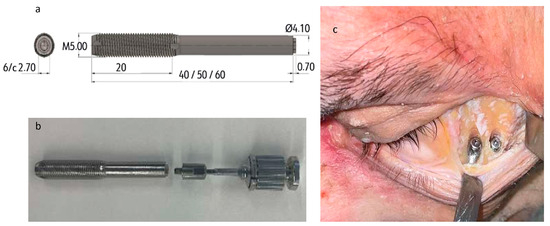
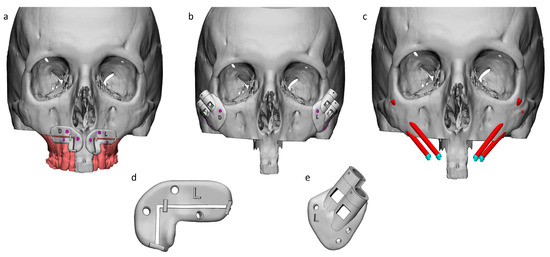
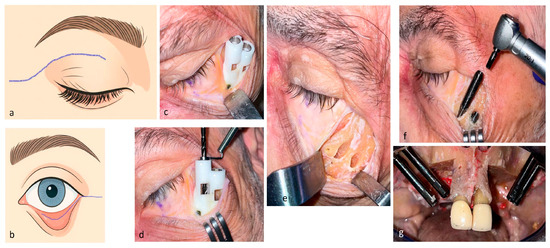
Background: Severe trismus and post-oncologic maxillary defects often prevent conventional zygomatic implant placement. This study evaluates a novel implant specifically designed for reverse insertion (from the zygoma toward the oral cavity) and assesses its feasibility and accuracy in a cadaveric model. Materials
[...] Read more.
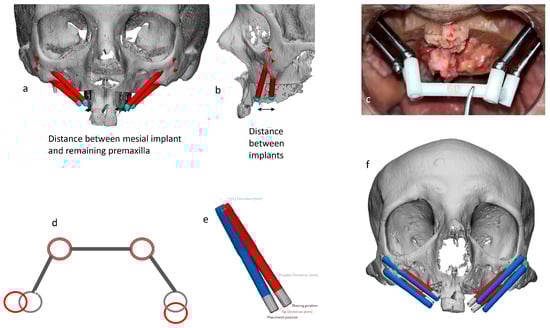
Background: Severe trismus and post-oncologic maxillary defects often prevent conventional zygomatic implant placement. This study evaluates a novel implant specifically designed for reverse insertion (from the zygoma toward the oral cavity) and assesses its feasibility and accuracy in a cadaveric model. Materials and Methods: A Brown Class II maxillectomy was simulated in a fresh-frozen cadaver. Four custom reverse zygomatic implants were virtually planned and placed using CAD/CAM surgical guides. Superior and inferior orbital approaches were compared. Postoperative CT was superimposed onto the preoperative plan to measure linear and angular deviations, and a 3D-printed verification bar assessed prosthetic alignment. Results: All implants were successfully inserted with primary stability and without compromising critical structures. The superior orbital approach yielded lower deviations and better guide stability, which was reflected in the results: deviation at the zygomatic bone was 1.25 mm in the superior approach vs. 2.32 in the inferior approach, intraorally 4.7 mm vs. 7.3 mm, and angular deviation 1.85° vs. 5.63°. Despite minor distal deflection, intraoral emergence remained within clinically acceptable limits, allowing partial seating of the verification bar. Conclusions: Reverse-insertion zygomatic implants are technically feasible, anatomically safe, and compatible with fixed prosthetic rehabilitation in cases where conventional placement is impossible. Penetrating the orbit, injuring the skin or the infraorbital nerve could be possible but guided surgery seems to prevent them. A forthcoming clinical series of eight additional cases will further validate this protocol.
Full article

Figure 1
Open AccessReview
Patellar Maltracking in Total Knee Arthroplasty: Mechanisms, Prevention and Treatment
by
Michał Krupa, Joachim Pachucki, Iga Wiak, Rafał Zabłoński, Paweł Kasprzak, Łukasz Pulik and Paweł Łęgosz
Prosthesis 2026, 8(4), 38; https://doi.org/10.3390/prosthesis8040038 - 10 Apr 2026
Abstract
Patellar maltracking is among the most common causes of anterior knee pain after total knee arthroplasty (TKA), underscoring the need for accurate prevention and treatment. Therefore, the purpose of this narrative review is to provide a comprehensive overview of current evidence on post-TKA
[...] Read more.
Patellar maltracking is among the most common causes of anterior knee pain after total knee arthroplasty (TKA), underscoring the need for accurate prevention and treatment. Therefore, the purpose of this narrative review is to provide a comprehensive overview of current evidence on post-TKA tracking, focusing on component alignment, preoperative patient assessment, and revision treatment options. A PubMed database search was performed, leveraging the literature from the last 20 years, and the results were qualitatively synthesized. According to current studies, several precautions should be taken to prevent patellofemoral stress and, consequently, patellar maltracking, such as avoiding internal rotation, valgus alignment, and excessive flexion of the femoral component and internal rotation of the tibial component. Regarding alignment strategies, kinematic alignment appears to offer potential benefits over mechanical alignment in certain functional outcomes and patient satisfaction scores. However, these differences should be interpreted cautiously as they may not always exceed the minimal clinically important difference. Furthermore, recent evidence indicates that quadriceps biomechanics influence TKA outcomes, potentially suggesting that conventional surgical approaches may need to be individualized, though these preliminary findings require prospective validation. Currently, robotic-assisted surgery represents a developmental direction for patient-tailored interventions and offers great promise for better prosthesis customization to the individual patient. Integration of imaging data with dynamic soft-tissue assessment enables more predictable reconstruction of joint kinematics. Regarding surgical treatment, the selection of specific methods requires a prior clinical and radiographic assessment. Indications range from patellar maltracking direction and component malrotation to patient preferences and rehabilitation potential. Ultimately, the future of TKA relies on personalized interventions to prevent complications and improve patient outcomes. This evolution is driven by the shift from mechanical alignment to kinematic alignment, alongside quadriceps tendon assessment and intraoperative robotic-assisted measurement, all aimed at optimizing the accuracy of implant positioning.
Full article
(This article belongs to the Section Orthopedics and Rehabilitation)
Open AccessArticle
Mechanistic Analysis of Joint Reaction Forces to Lower-Limb Prosthesis Mass, Inertia, and Alignment
by
Donatas Daublys, Joseph Janosky, Linas Puodžiukynas and Aurelijus Domeika
Prosthesis 2026, 8(4), 37; https://doi.org/10.3390/prosthesis8040037 - 3 Apr 2026
Abstract
►▼
Show Figures
Background/Objectives: Prosthesis optimization after transfemoral amputation is often guided by clinical experience, yet quantitative evidence isolating how prosthesis mass, inertial properties, and alignment affect mechanical load transmission remains limited. Musculoskeletal modeling can be used as a controlled framework for examining relative sensitivity rankings
[...] Read more.
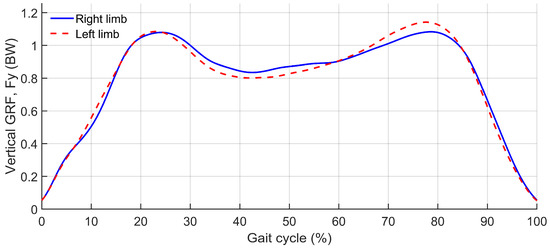
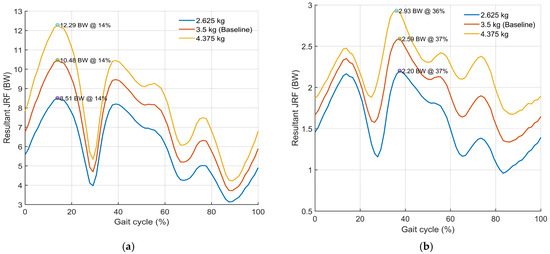
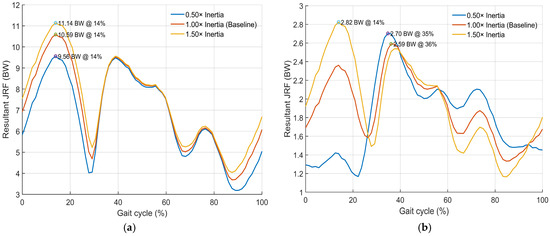
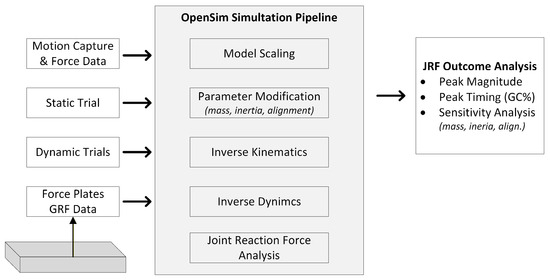
Background/Objectives: Prosthesis optimization after transfemoral amputation is often guided by clinical experience, yet quantitative evidence isolating how prosthesis mass, inertial properties, and alignment affect mechanical load transmission remains limited. Musculoskeletal modeling can be used as a controlled framework for examining relative sensitivity rankings of constraint force transmission across prosthetic junctions under fixed gait inputs. Methods: A model was modified to incorporate a transfemoral prosthesis. Experimental walking data from a healthy adult reference subject (Qualisys motion capture, synchronized AMTI force plates) provided kinematics and ground reaction forces for model scaling, inverse kinematics, and loading. These inputs provided a standardized mechanical reference and were not intended to represent transfemoral amputee gait. Prosthesis mass (2.625, 3.50, 4.375 kg), inertia (0.5×, 1.0×, 1.5×), and mediolateral alignment (−10, 0, +10 mm) were varied while keeping kinematics and ground reaction forces identical across conditions. Constraint reaction forces at the socket–residual limb junction and prosthetic ankle were computed and normalized to body weight. Results: Increasing mass produced the largest monotonic increases in peak resultant constraint reactions, most prominently at the socket-level junction (8.51 → 10.48 → 12.29 BW), with smaller changes at the ankle and unchanged peak timing. Inertia caused joint-specific effects, whereas mediolateral alignment minimally affected constraint reaction forces and redistributed force components. Conclusions: This study quantified the one-factor-at-a-time effects of prosthesis mass, inertia, and mediolateral alignment on inter-segment constraint reaction forces. The reported reactions should be interpreted as net rigid-body constraint reactions under fixed inputs, not as physiological joint contact forces or direct interface loads.
Full article

Figure 1
Open AccessArticle
Finite Element Analysis of Collared Hip Prosthesis Cross-Sections Under Dynamic Loading and Wear Conditions for Durable Orthopedic Implant Design
by
Chethan K N, John Valerian Corda, Laxmikant G. Keni, M. Kalayarasan, Jonathan Reginald and Sudhir Jain Prathik
Prosthesis 2026, 8(4), 36; https://doi.org/10.3390/prosthesis8040036 - 3 Apr 2026
Abstract
Background/Objective: Traditional hip implant evaluations often overlook patient-specific dynamic loadings. This study investigates the performance of novel collared hip implant designs under walking conditions, focusing on geometric profiles and two common stem materials: Ti-6Al-4V and CoCr alloy. Methods: Patient-specific dynamic forces were applied
[...] Read more.
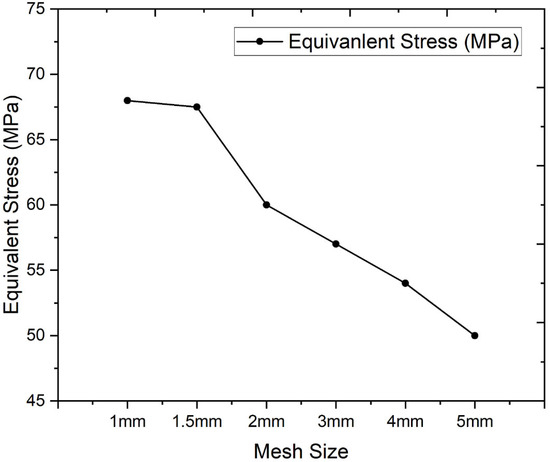
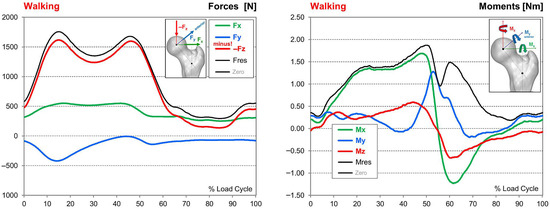
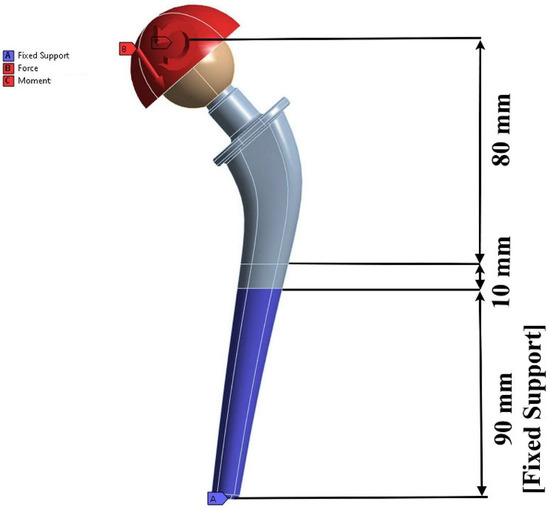
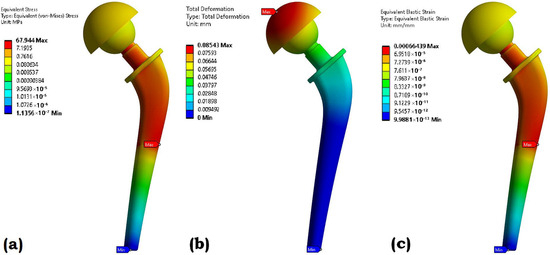
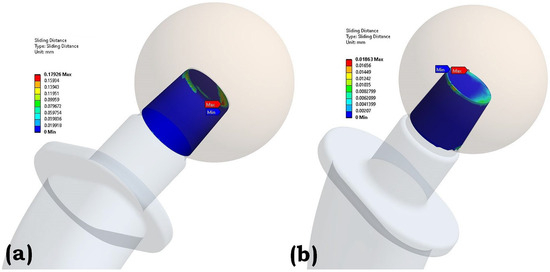
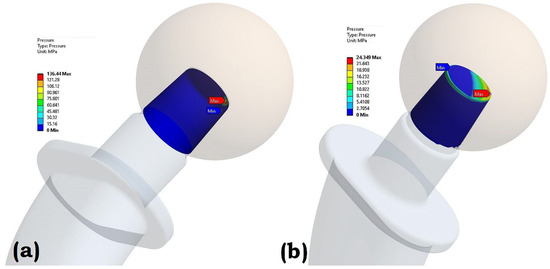
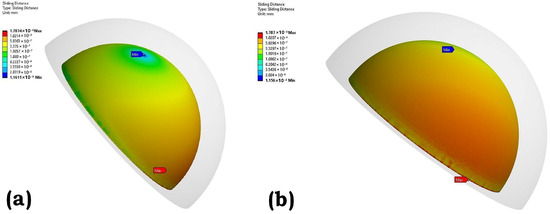
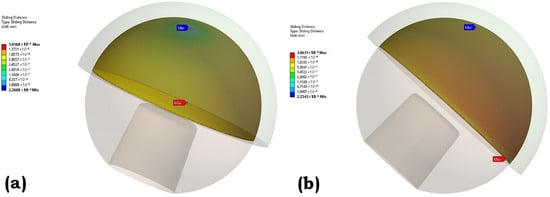
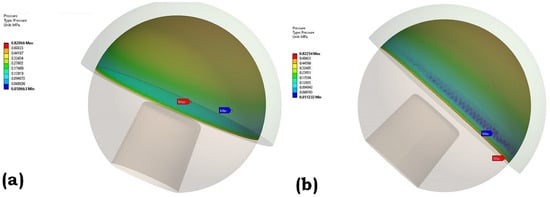
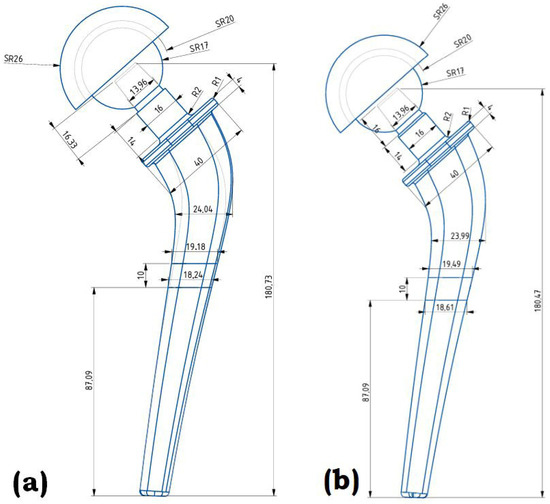
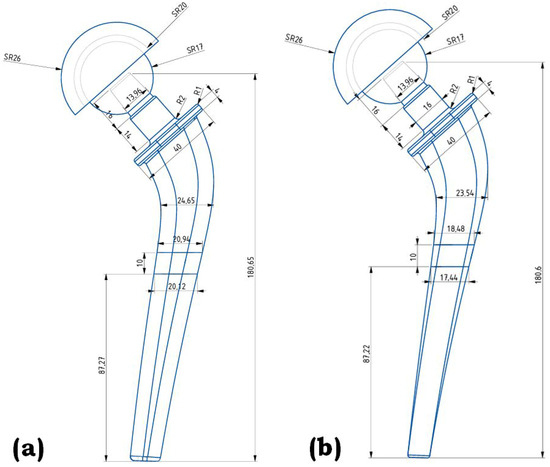
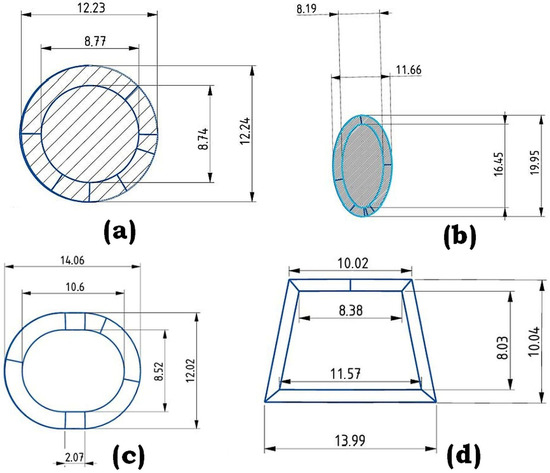
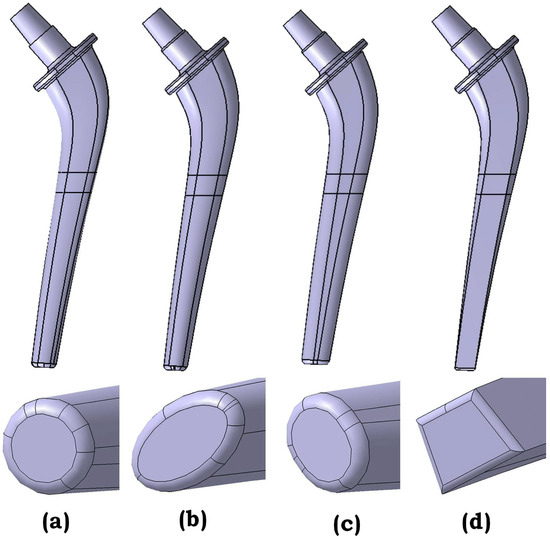
Background/Objective: Traditional hip implant evaluations often overlook patient-specific dynamic loadings. This study investigates the performance of novel collared hip implant designs under walking conditions, focusing on geometric profiles and two common stem materials: Ti-6Al-4V and CoCr alloy. Methods: Patient-specific dynamic forces were applied using commercial finite element analysis, adhering to ISO and ASTM standards. Four cross-sectional profiles—circular, elliptical, oval, and trapezoidal—were initially evaluated for induced stresses and displacements. Subsequently, wear characteristics at implant junctions were analyzed, comparing CoCr (MC 1) and Ti-6Al-4V (MC 2) stems. The study also assessed the impact of using Ultra-High Molecular Weight Polyethylene (UHMWPE) acetabular cups. Results: The elliptical (CS 2) cross-sectional profile demonstrated superior performance. Junction analysis revealed that the CoCr stem (MC 1) exhibited a stem-to-head sliding distance four times higher and contact pressure 5.5 times higher than the Ti-6Al-4V stem (MC 2). Specifically, MC 1 showed 82% higher contact pressure and 89% greater sliding distance at the stem–head junction compared to MC 2. Additionally, utilizing UHMWPE cups effectively eliminated squeaking sounds attributed to CoCr cups due to superior wear resistance. Conclusions: The combination of an elliptical (CS 2) cross-sectional profile with a Ti-6Al-4V stem and UHMWPE acetabular cup offers optimal performance. This configuration significantly reduces wear and contact pressure, suggesting enhanced functionality and durability for hip implants under dynamic loading conditions.
Full article
(This article belongs to the Special Issue Current and Emerging Concepts in Personalized Arthroplasty)
►▼
Show Figures

Figure 1
Open AccessReview
Challenges and Limitations of Machine Learning in Total Joint Arthroplasty: Insights from Recent Studies
by
Sara Ghasemi Rad Abiyaneh, Reza Hashemi, Corinne Archer and Khashayar Ghadirinejad
Prosthesis 2026, 8(4), 35; https://doi.org/10.3390/prosthesis8040035 - 31 Mar 2026
Abstract
Background: Total joint arthroplasty (TJA) is one of the most successful surgical procedures for patients to improve the quality of life. In recent years, the use of machine learning (ML) in the setting of arthroplasty decision-making has grown. Methods: This article
[...] Read more.
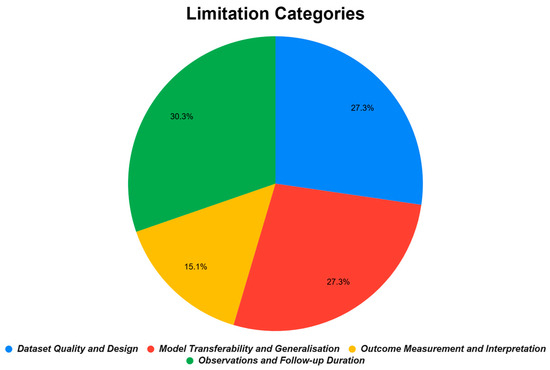
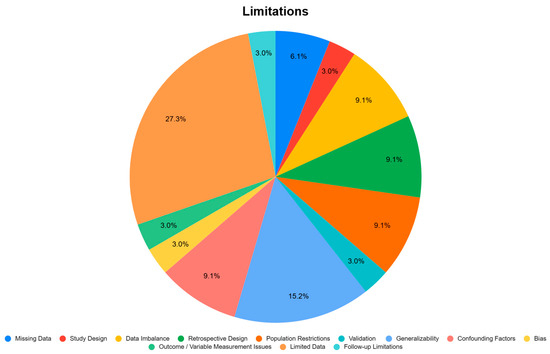
Background: Total joint arthroplasty (TJA) is one of the most successful surgical procedures for patients to improve the quality of life. In recent years, the use of machine learning (ML) in the setting of arthroplasty decision-making has grown. Methods: This article reviewed studies published between 2020 and 2025 that applied ML to TJA, with a focus on the limitations reported by these studies. A search in ScienceDirect identified 220 articles. After screening and full-text assessment, 17 studies met the inclusion criteria, excluding imaging-based research, to focus on predictive models trained on non-image clinical data. Results: The reviewed studies revealed several common limitations, categorised into four groups, including observations and follow-up (30.3% of the studies), dataset quality and design (27.3%), model transferability and generalisation (27.3%), and outcome measurement and interpretation (15.2%). These limitations impact the reliability and real-world relevance of ML models in the context of arthroplasty. This article also provides suggestions to help researchers address these limitations in future studies. Conclusions: This review provides an overview of the potential limitations associated with the development of ML models within the TJA community in order to identify the gaps and challenges to improve the quality of research and possibly decision-making support systems using joint arthroplasty clinical datasets.
Full article
(This article belongs to the Special Issue Joint Prostheses: Innovations in Shoulder, Hip, and Knee Replacement)
►▼
Show Figures

Figure 1
Open AccessArticle
Novel Compression Devices for Ear Keloid Management: A Clinical Case Series
by
Amjad Nuseir, Muhanad M. Hatamleh, Grainne McGinnity-Hamze and Jason Watson
Prosthesis 2026, 8(4), 34; https://doi.org/10.3390/prosthesis8040034 - 28 Mar 2026
Abstract
►▼
Show Figures
Background: Auricular keloids and ear helix deformities are undesirable and aesthetically unpleasing deformities that can cause significant patient psychologic and self-esteem problems. Pressure therapy for keloids is well documented to be an effective non-invasive treatment modality. However, current devices lack comfort and aesthetic
[...] Read more.
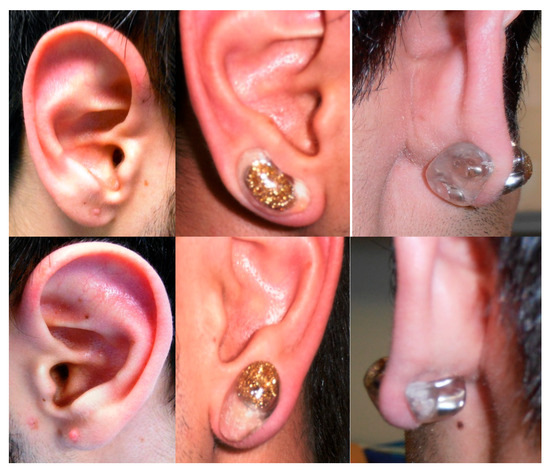
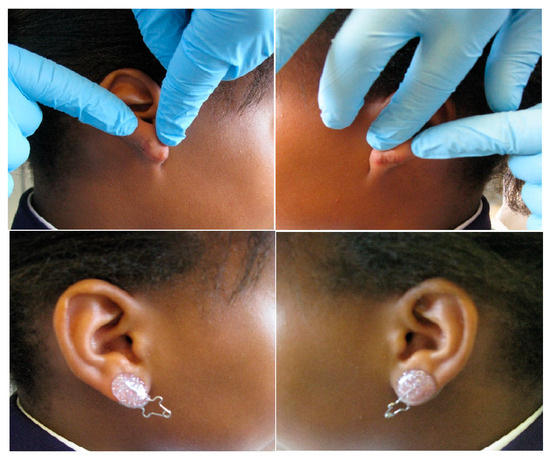
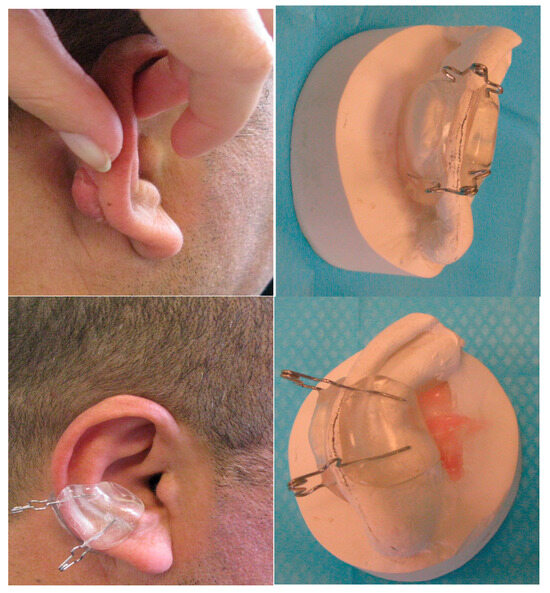
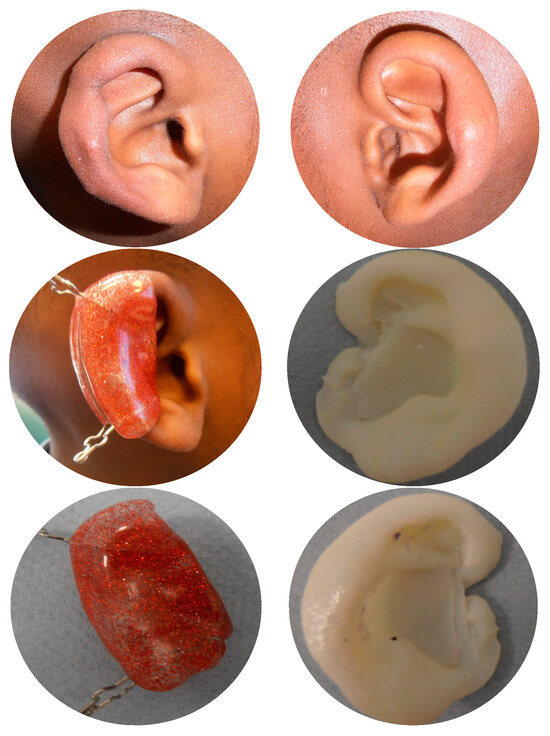
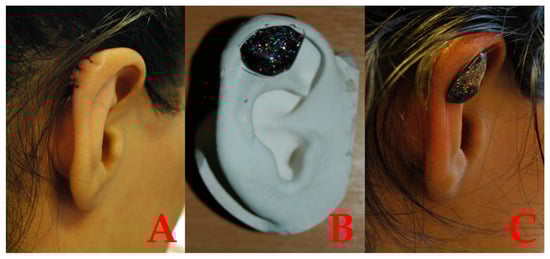
Background: Auricular keloids and ear helix deformities are undesirable and aesthetically unpleasing deformities that can cause significant patient psychologic and self-esteem problems. Pressure therapy for keloids is well documented to be an effective non-invasive treatment modality. However, current devices lack comfort and aesthetic appeal to deliver the pressure forces required effectively and uniformly. This work aims to highlight some different pressure therapy approaches for the management of keloids and irregularities in the ear helix morphology. Methods: A case series of four patients presenting with auricle keloids of various sizes and at different locations secondary to ear piercing and one case of congenital helix deformity were treated successfully with pressure therapy devices. The device designs varied based on the keloids’ characteristics and patients’ preferences and involved wire-based spring-activated appliances resembling ear rings for moderate keloid lesions, modified double-spring systems for large or elongated lesions, and magnet-based devices. A pair of inert magnetic discs of different diameters was positioned on the anterior and posterior aspects of the keloid lesion. The magnets were then encapsulated in acrylic resin to improve retention and adaptation, and the external surface was masked with gold glitter to enhance aesthetics and patient acceptance. The helix-deformity case was treated following a complete digital workflow integration where the sound contralateral ear was digitally scanned, mirror-imaged and then 3D-printed in resin to produce an ear model based on which an anatomically symmetrical pressure device was constructed. Results: All devices were successfully fitted and well tolerated, with no reported discomfort or adverse reactions. The wire spring devices were effective in reducing a large keloids volume; however, frequent reactivation every two weeks was required to ensure continuous pressure application. Incorporating magnets in the customised design allowed controlled and uniform pressure application to small keloid-lesion morphology, with enhanced aesthetics and improved patient acceptance and compliance. The digitally assisted case achieved near-perfect anatomical symmetry with the contralateral ear, reducing operator dependency and fabrication guesswork. Conclusions: Customised pressure therapy devices, of magnetic and spring-based systems, alongside utilising digital technologies, offer effective, non-invasive management for auricular keloids and irregular ear helices as long as the patient is committed to wearing the device.
Full article

Figure 1
Open AccessArticle
Spatiotemporal and Gait Symmetry Changes Following Osseointegration in Transfemoral Prosthesis Users: A Longitudinal Study
by
Reihaneh Ravari, Mayank Rehani, Justin Lewicke, Albert H. Vette and Jacqueline S. Hebert
Prosthesis 2026, 8(3), 33; https://doi.org/10.3390/prosthesis8030033 - 20 Mar 2026
Abstract
Background/Objectives: Bone-anchored prostheses provide an alternative to socket prostheses, directly connecting the prosthesis to the residual limb via osseointegration. However, limited evidence exists on how spatiotemporal gait parameters and gait symmetry change over time following osseointegration in individuals with unilateral transfemoral amputation.
[...] Read more.
Background/Objectives: Bone-anchored prostheses provide an alternative to socket prostheses, directly connecting the prosthesis to the residual limb via osseointegration. However, limited evidence exists on how spatiotemporal gait parameters and gait symmetry change over time following osseointegration in individuals with unilateral transfemoral amputation. This study aimed to examine changes in spatiotemporal and gait symmetry parameters before osseointegration and at 6 and 12 months post-surgery. Methods: Common spatiotemporal parameters were collected from six individuals with unilateral transfemoral amputation at baseline (with socket prosthesis) and at 6 and 12 months post-osseointegration using a motion analysis system. Group-level differences were assessed using repeated measures ANOVA. Gait symmetry was evaluated using selected spatiotemporal parameters. Results: Following osseointegration, individuals with unilateral transfemoral amputation experienced significant spatiotemporal changes over time. At the group level, walking velocity and stride length decreased at 6 months, with stride length increasing at 12 months. Step width and prosthetic-side step length increased at 12 months relative to 6 months, while intact-side step length decreased. Prosthetic-side toe-off timing was shorter at 12 months. Gait symmetry responses varied individually: some with poor baseline symmetry improved, while those with better baseline symmetry became more asymmetric, indicating heterogeneous outcomes. Conclusions: This study highlights longitudinal changes in gait biomechanics following osseointegration in individuals with unilateral transfemoral amputation. Gait adaptations were highly variable across individuals and time points. Future research should involve larger, more homogeneous samples and incorporate kinetic, muscle activity, and functional outcome measures to better understand the impact of bone-anchored prostheses on gait and mobility.
Full article
(This article belongs to the Section Orthopedics and Rehabilitation)
Open AccessReview
Prosthetic Heart Valves and Particle Image Velocimetry—A Review
by
Ruihang Zhang, Mashrur Muntasir Nuhash, A B M Nazmus Salehin Nahid and Chayton D. Borman
Prosthesis 2026, 8(3), 32; https://doi.org/10.3390/prosthesis8030032 - 18 Mar 2026
Abstract
►▼
Show Figures
Heart valve prostheses play a key role in regulating the normal cardiac function for patients with valvular diseases, yet even slight alterations in their flow dynamics can result in serious physiological consequences. This paper provides an overview of in vitro studies using Particle
[...] Read more.
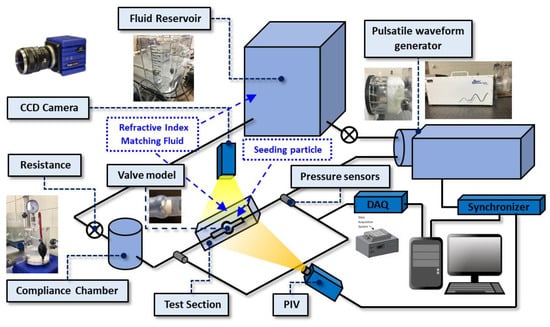
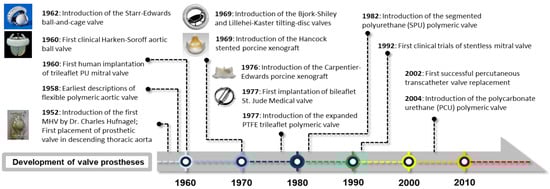
Heart valve prostheses play a key role in regulating the normal cardiac function for patients with valvular diseases, yet even slight alterations in their flow dynamics can result in serious physiological consequences. This paper provides an overview of in vitro studies using Particle Image Velocimetry (PIV) to investigate the hemodynamics of heart valve prostheses. We first trace the historical evolution of prosthetic valve designs and highlight key milestones in their development. Key experimental considerations for PIV apparatus design are summarized. Subsequently, we review major in vitro PIV studies that have enhanced understanding of prosthetic valve hemodynamics, including flow patterns, turbulence characteristics, and flow–structure interactions. Finally, we outline current challenges and propose future research recommendations, highlighting the potential of integrating advanced PIV methods with high-fidelity imaging for improved assessment of prosthetic valve performances. Overall, the study of heart valve prostheses remains inherently complex due to the multiscale nature of hemodynamic phenomena. Recent advances in experimental fluid mechanics, particularly PIV, have significantly enhanced the ability to visualize and quantify the hemodynamics of prosthetic valves, providing valuable insights for optimizing design and improving the durability of next-generation valve prostheses.
Full article

Figure 1
Open AccessArticle
Blood Loss Management in Total Knee Arthroplasty: Bipolar Sealer System vs. Fibrin Sealant: A New Fast-Track Protocol
by
Lorenzo Moretti, Antonio Spinarelli, Giuseppe Danilo Cassano, Alessandro Scarpino, Elvira Ruggiero, Alessandro Geronimo, Biagio Moretti and Giuseppe Solarino
Prosthesis 2026, 8(3), 31; https://doi.org/10.3390/prosthesis8030031 - 17 Mar 2026
Abstract
Background/Objectives: Total knee arthroplasty (TKA) is often associated with extensive bleeding and the need for intraoperative and postoperative blood transfusions. Due to concern about the risks associated with them, a push has been made in surgery toward the development of new intraoperative blood
[...] Read more.
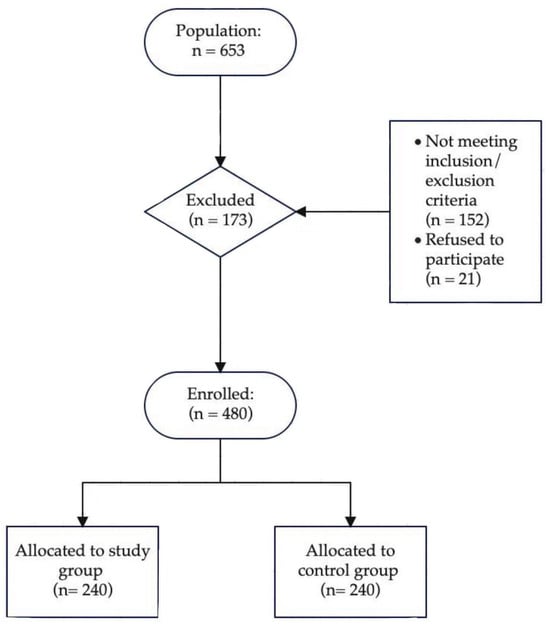
Background/Objectives: Total knee arthroplasty (TKA) is often associated with extensive bleeding and the need for intraoperative and postoperative blood transfusions. Due to concern about the risks associated with them, a push has been made in surgery toward the development of new intraoperative blood management devices and innovative postoperative care strategies. Tranexamic acid (TXA), fibrin sealant and standard electrocautery are widely used in orthopedic surgery, since several studies provided evidence about their efficacy and safety. A new device, the bipolar sealer system (BSS), provides hemostasis at lower temperature (<100°) than conventional electrocautery. It does not produce smoke, necrosis or burn tissue. Methods: In this study, we retrospectively analyzed data from 480 patients who underwent TKA between January 2017 and December 2024. The cohort was divided into two groups based on the hemostatic protocol adopted. The control group enrolled 240 patients who received the standard protocol with TXA and fibrin sealant, while the study group enrolled 240 patients who followed protocol with Aquamantys BSS and TXA. Hematological parameters, including hemoglobin (Hb), hematocrit (HCT) and red blood cells (RBCs) were analyzed preoperatively (T0) and postoperatively: immediately after surgery (T1), at day one (T2) and day three (T3). Results: Changes in hemoglobin from baseline to postoperative follow-up were significantly lower among patients who received TXA plus BSS and those receiving TXA plus fibrin sealant, with p-values of 0.0003 at T1 (immediately after surgery), 0.027 at T2 (one day post-op), and 0.0001 at T3 (three days post-op). Comparable results were observed for HCT and RBC values. Conclusions: These data demonstrate that Aquamantys is more effective than fibrin glue in controlling blood loss after knee replacement surgery, not only immediately after the procedure but also in the following days.
Full article
(This article belongs to the Section Orthopedics and Rehabilitation)
►▼
Show Figures

Figure 1
Open AccessArticle
Influence of a Carbonated Nutritional Beverage on Surface Integrity and Color Stability of 3D-Printed Resin Composite and Hybrid Ceramic Dental Prosthetic Materials
by
Mohamed M. Kandil, Tamer M. Hamdy, Ali Abdelnabi, Sahar Ahmed Abdalbary, Anas Abed Alkhormani and Maha S. Othman
Prosthesis 2026, 8(3), 30; https://doi.org/10.3390/prosthesis8030030 - 17 Mar 2026
Abstract
Background: 3D-printed resin composite and hybrid ceramic materials are widely used in prosthetic dentistry for their esthetic, mechanical advantages, and digital compatibility, though their surface properties may be affected by drinking habits. This study aimed to evaluate the influence of a carbonated
[...] Read more.
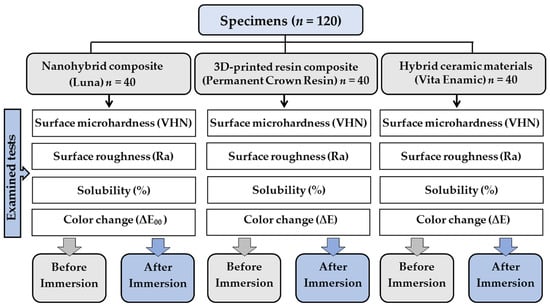
Background: 3D-printed resin composite and hybrid ceramic materials are widely used in prosthetic dentistry for their esthetic, mechanical advantages, and digital compatibility, though their surface properties may be affected by drinking habits. This study aimed to evaluate the influence of a carbonated nutritional beverage multivitamin drink (Oronamin C) on the surface microhardness, roughness, solubility, and color changes in a recently introduced 3D-printed resin composite (Permanent Crown Resin), hybrid ceramic material (Vita Enamic) and a nanohybrid resin composite (Luna). Methods: A total of 120 disk-shaped specimens were distributed according to the type of material into three groups (n = 40). These were divided into four subgroups of specimens for each test (n = 10). The specimens were examined before and after immersion in Oronamin C solution for 12 days. Results: The results showed that there was no significant change in surface microhardness and surface roughness in both 3D-printed resin composite and hybrid ceramic after immersion, while microhardness decreased significantly in the nanohybrid resin composite with an increase in surface roughness. Solubility increased significantly in the nanohybrid and 3D-printed resin composites, but not in the hybrid ceramic. All materials presented clinically acceptable color changes, with mean values lower for both nanohybrid and hybrid ceramic. Conclusions: This study concluded that the hybrid ceramic and 3D-printed resin composite exhibited good stability after Oronamin C beverage exposure, whereas the nanohybrid resin composite exhibited the most impairment among all materials. All materials demonstrated clinically acceptable color changes.
Full article
(This article belongs to the Special Issue Innovations in Prosthetic Dentistry: From Biomaterials and Technology to Clinical Practice)
►▼
Show Figures

Figure 1
Open AccessArticle
Development of a Modular Bionic Hand with Intuitive Control and Thumb Opposition
by
Larisa Dunai, Isabel Seguí Verdú, Alba Rey De Viñas Redondo and Lilia Sava
Prosthesis 2026, 8(3), 29; https://doi.org/10.3390/prosthesis8030029 - 13 Mar 2026
Abstract
Background/Objectives: Hand loss or severe impairment significantly reduces quality of life by restricting essential daily activities and professional tasks. Despite advances in prosthetics, challenges remain in affordability, accessibility, and usability. This study aimed to design and develop a low-cost, ergonomic bionic hand prototype
[...] Read more.
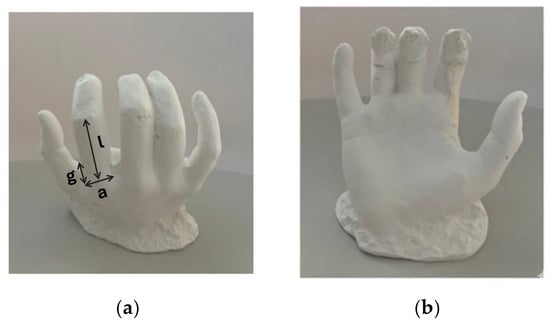
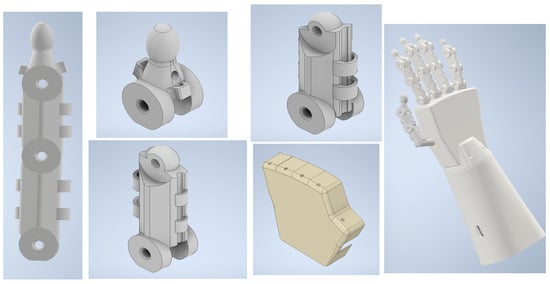
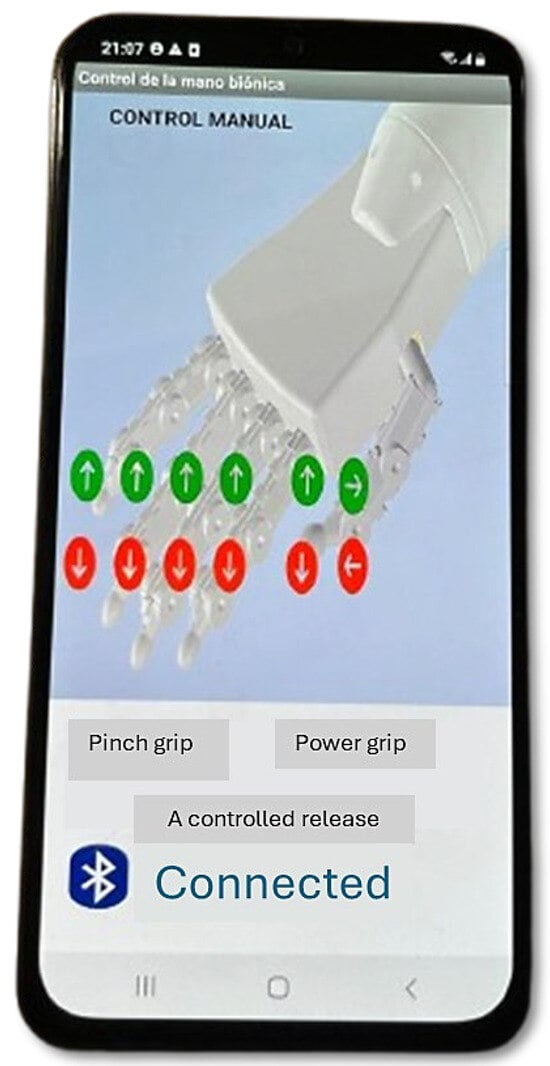
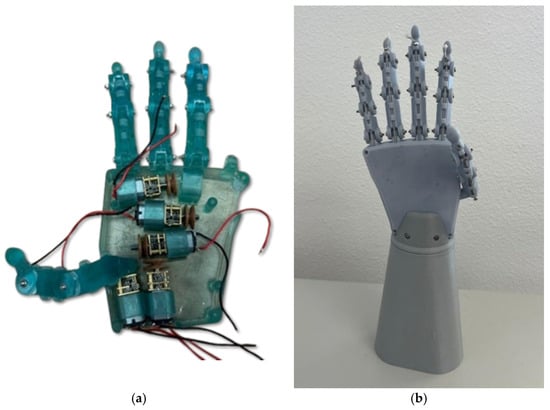
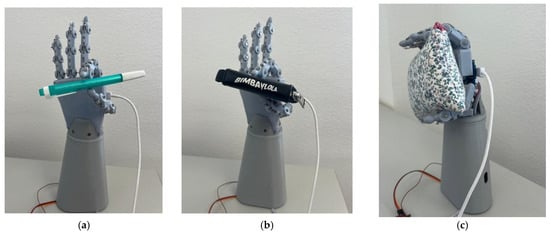
Background/Objectives: Hand loss or severe impairment significantly reduces quality of life by restricting essential daily activities and professional tasks. Despite advances in prosthetics, challenges remain in affordability, accessibility, and usability. This study aimed to design and develop a low-cost, ergonomic bionic hand prototype that integrates sustainable fabrication, intuitive control, and modular electronics. Methods: A user-centred design process guided by iterative prototyping, anatomical modelling, and functional validation. The prototype was manufactured using 3D printing techniques and assembled with modular electronic components. The design included segmented fingers, independent thumb articulation, and a tendon-like actuation system driven by micro-motors. Control was implemented through an ESP32-based board and a Bluetooth-enabled mobile application. Durability was preliminarily assessed through 500 grasp–release cycles. Results: Experimental validation confirmed the feasibility of both precision and power grips. The pinch grip successfully lifted objects to 120 g, and the power grip up to 85 g, corresponding to effective output forces of approximately 1.2 N and 0.83 N, respectively. The final prototype weighed ~350 g and maintained reliable performance during 500 grasp–release cycles. Conclusions: The developed bionic hand demonstrates that an affordable, ergonomic, and functional prosthetic can be achieved through sustainable 3D printing and accessible electronics. Future work will focus on enhancing actuation strength, long-term durability, and integration of sensory feedback, with the long-term objective of clinical testing and scalable production.
Full article
(This article belongs to the Section Orthopedics and Rehabilitation)
►▼
Show Figures

Figure 1
Open AccessArticle
Optimizing Graded Porous Scaffolds for Bone Defects: Insights from In Vivo Mechanical Environments
by
Juan Mora-Macías, Jorge E. Santos, André P. G. Castro and Paulo R. Fernandes
Prosthesis 2026, 8(3), 28; https://doi.org/10.3390/prosthesis8030028 - 9 Mar 2026
Abstract
►▼
Show Figures
Background: Bone tissue engineering has emerged as a promising technique for treating bone defects in large bones. Recent methods have enabled scaffold designs based on predefined microstructures or mechanical behavior patterns, including porosity-graded scaffolds adaptable to heterogeneous load states. However, there is
[...] Read more.
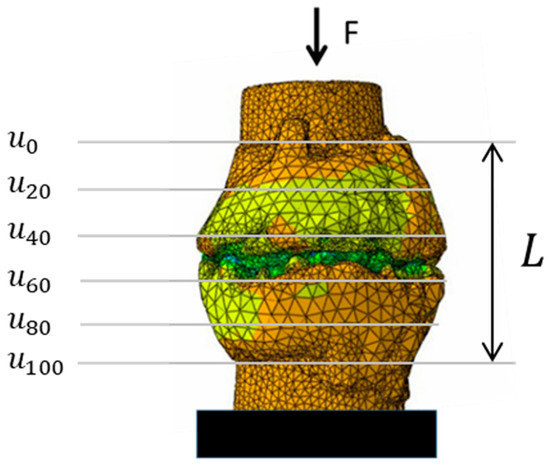
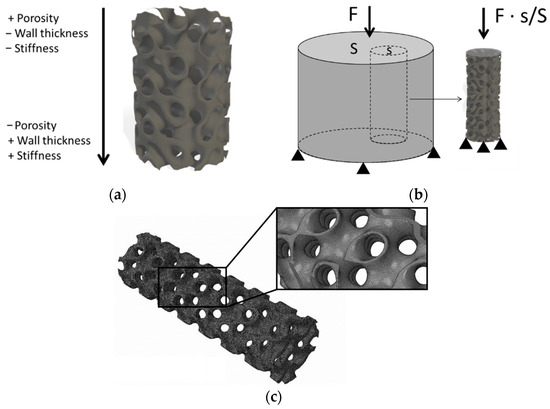
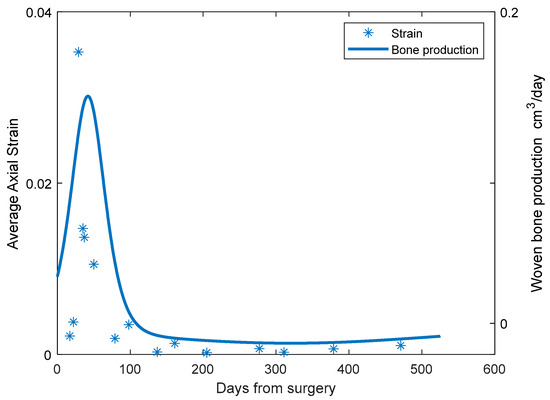
Background: Bone tissue engineering has emerged as a promising technique for treating bone defects in large bones. Recent methods have enabled scaffold designs based on predefined microstructures or mechanical behavior patterns, including porosity-graded scaffolds adaptable to heterogeneous load states. However, there is no consensus on the optimal scaffold design strategy, which is sometimes chosen based on the intact bone or results from computational or in vivo experiments. Objective: This work proposes the design of graded-porosity triply periodic minimal surface (TPMS) scaffolds that mimic the mechanical environment within a bone transport callus at the peak of bone tissue production, according to in vivo load measurements. Methods: Finite element models based on computational tomography scans were used to define the strain field of the callus at the peak of bone tissue production. The developed scaffold models were evaluated through finite element simulation. Results: The callus simulations reported that the period in which maximum woven bone tissue production was achieved corresponds to the period of maximum axial strain. The graded-porosity scaffolds simulated demonstrated their ability to replicate this strain field along the callus. The microstructural parameters and strain environment of the proposed graded-porosity scaffolds were consistent with finding from studies assessing the influence of different microstructural parameters or strain conditions on bone ingrown within scaffolds. Conclusions: The proposed approach—designing graded-porosity scaffolds based on the callus strain field at the peak of bone tissue production—proved to be appropriate and may help improve future clinical applications.
Full article

Figure 1
Open AccessSystematic Review
Spine Interbody Fusion Cages: Concepts, Design Trends, and Emerging Personalized Solutions
by
Ricardo Duarte and António Ramos
Prosthesis 2026, 8(3), 27; https://doi.org/10.3390/prosthesis8030027 - 9 Mar 2026
Abstract
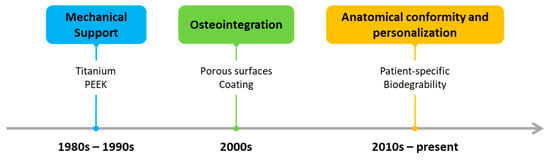
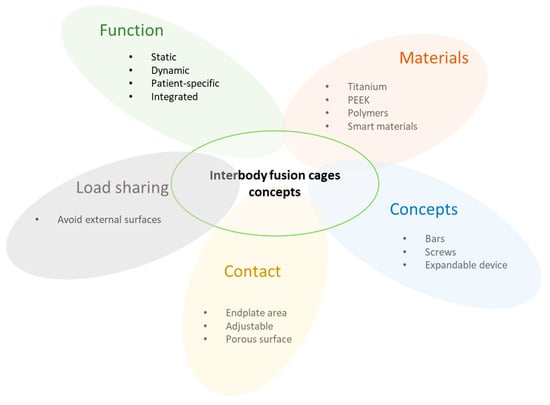
Background/Objectives: Interbody fusion cages provide both structural support and a biologically favorable environment for osseointegration. Through recent decades, cage design and biomaterial selection have evolved to more adapted implants in different concept philosophies. Based on this development, the objective of this work was
[...] Read more.
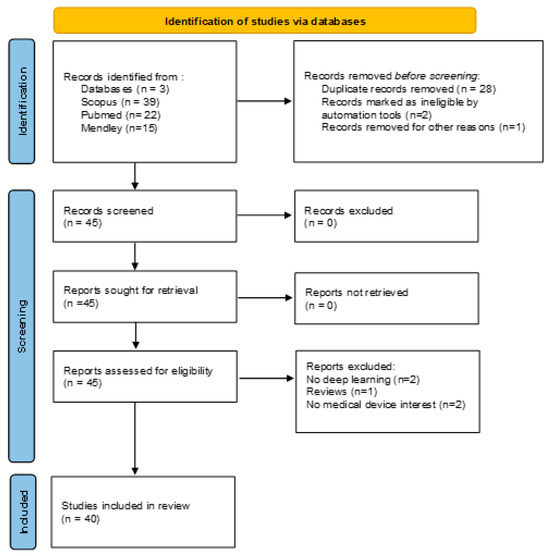
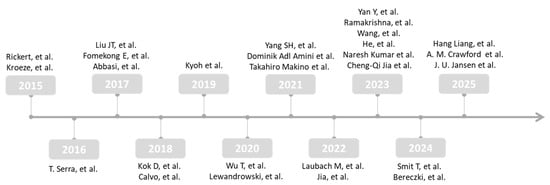
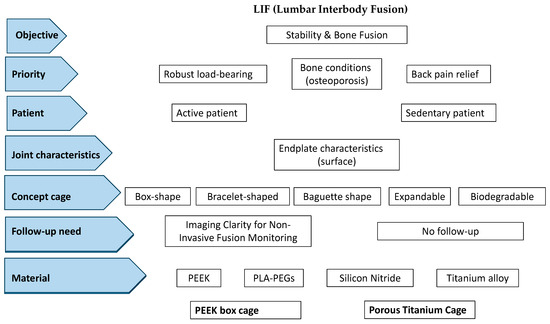
Background/Objectives: Interbody fusion cages provide both structural support and a biologically favorable environment for osseointegration. Through recent decades, cage design and biomaterial selection have evolved to more adapted implants in different concept philosophies. Based on this development, the objective of this work was to develop a systematic review of the state of the art regarding spine interbody cage concepts on the market and anticipate future directions in cage design. Methods: A systematic review following PRISMA 2020 guidelines was conducted in three databases of reference, Scopus, PubMed and Mendeley, in September 2025, considering results from between 2015 and the present using the following keywords: spine, interbody, cage and concept. A revision of the first results was performed, and duplicate entries were excluded, as well as papers without a firm relevance for cage design concepts. Results: This search resulted in 76 selected papers and different design concepts and clinical outputs, and after a duplicate analysis, just 40 papers were selected. The material properties may play an important role in the characteristics of the implant and critically influence load-sharing and bone ingrowth. Surface modifications, including texturing, porosity engineering, and osteoconductive coatings, have been introduced to enhance cellular adhesion and fusion rates. It was observed through the research performed that the main problems are related to micromobility, implant displacement and stress shielding effects in adjacent vertebras. Conclusions: Among the different evolutions observed in cages through the years, design changes played an important role in adapting each case. Knowing that the design could be strongly influenced by the surgical approach used (anterior, posterior, transforaminal or lateral) and bone quality, it is also possible to find, nowadays, different options for different needs that are only accessible due to the technological advances in additive manufacturing, which allowed the development of patient-specific implants.
Full article
(This article belongs to the Section Orthopedics and Rehabilitation)
►▼
Show Figures

Figure 1
Open AccessArticle
Er:YAG Laser Removal of Implant-Supported Digitally Manufactured Single Crowns Made of Lithium Disilicate: Influence of Crown Spacer and Abutment Taper
by
Sarah M. Blender, Simon Tilsner, Luisa Zeh, Julia Kowalewski, Heike Rudolph, Sigmar Schnutenhaus and Ralph G. Luthardt
Prosthesis 2026, 8(3), 26; https://doi.org/10.3390/prosthesis8030026 - 4 Mar 2026
Abstract
Background/Objectives: The purpose of this study was to investigate the laser removal of implant-supported ceramic single crowns, focusing on their efficiency and the potential reusability of the removed restorations. Methods: Sixty single crowns made of lithium disilicate were adhesively bonded to prefabricated titanium
[...] Read more.
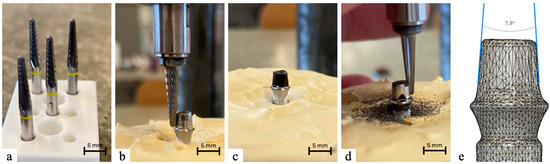
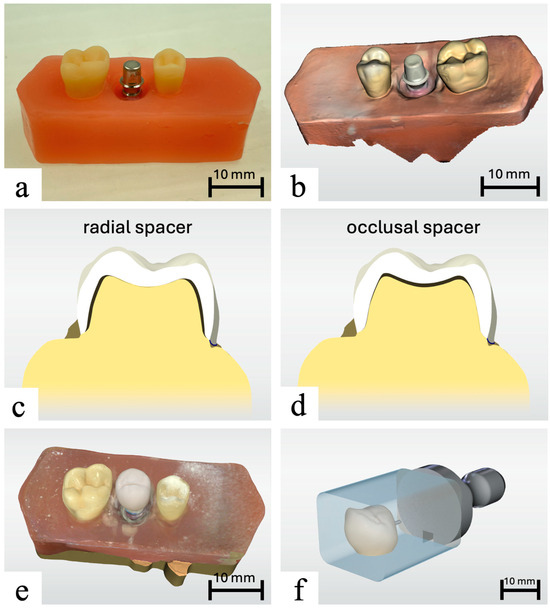
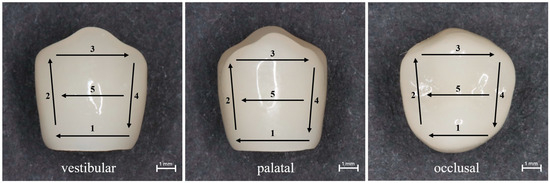
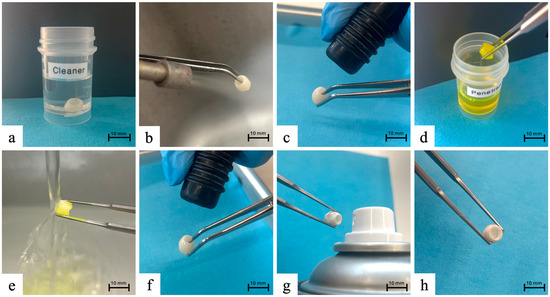
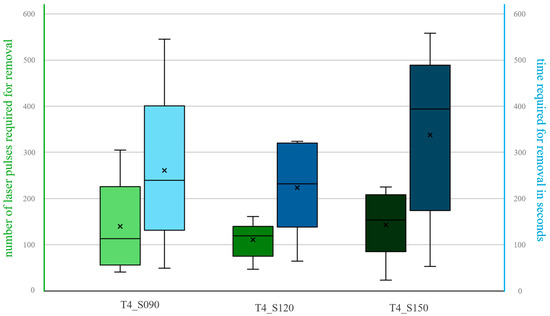
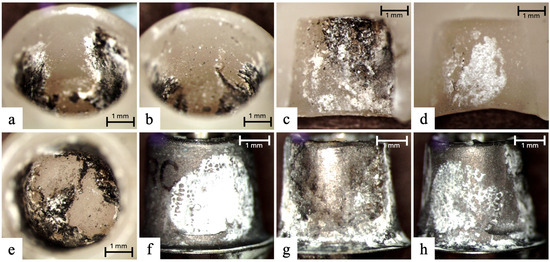
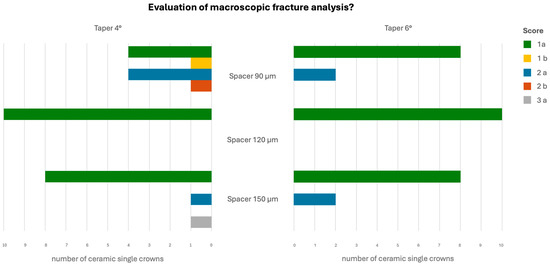
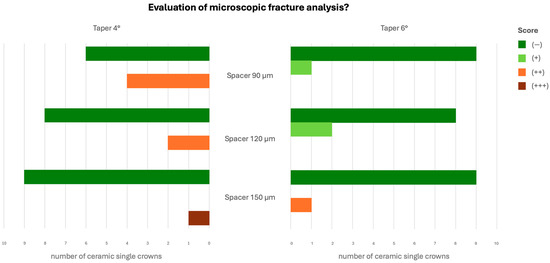
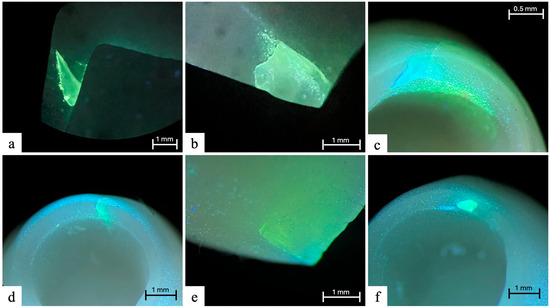
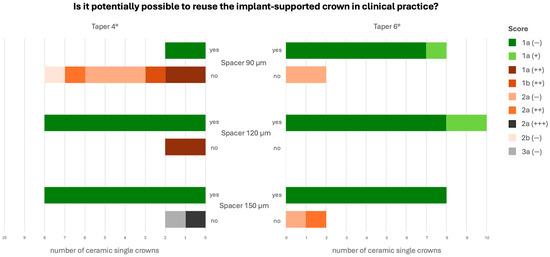
Background/Objectives: The purpose of this study was to investigate the laser removal of implant-supported ceramic single crowns, focusing on their efficiency and the potential reusability of the removed restorations. Methods: Sixty single crowns made of lithium disilicate were adhesively bonded to prefabricated titanium abutments in a total of six test series (n = 10). The test series were divided according to the different spacer settings of the crowns (90 µm, 120 µm, 150 µm) and the taper of the abutments (4°, 6°). After seven days of storage in distilled water, the single crowns were removed using an erbium-doped yttrium aluminium garnet (Er:YAG) laser. The number of laser pulses needed and the time required to remove the crowns were recorded. This was followed by a micro- and macroscopic score evaluation of the crowns using a fluorescent penetration method. Results: Laser removal of all sixty crowns was successfully performed. Using a taper of 6° and a spacer of 150 µm, the crowns were removed with significantly fewer pulses (61.40 (±36.78)). The taper and spacer had a significant effect on both the microscopic (p = 0.040) and macroscopic (p = 0.035) fracture patterns. Based on the final score of the fracture analysis, 44 of the 60 crowns could be classified as potentially reusable. The remaining 16 crowns failed due to purely macroscopic (7), purely microscopic (6), and combined microscopic and macroscopic (3) fracture behavior. Conclusions: Based on the results of this study, increasing the size of the taper and spacer has proven beneficial for laser removal in terms of time efficiency and non-destructive removal of crowns.
Full article
(This article belongs to the Section Prosthodontics)
►▼
Show Figures

Figure 1
Open AccessSystematic Review
Epidemiology and Clinical Characteristics of Denture-Associated Epulis Fissuratum: A Systematic Review
by
Anuradha Iyer Anand, Mathangi Kumar and Medhini Madi
Prosthesis 2026, 8(3), 25; https://doi.org/10.3390/prosthesis8030025 - 3 Mar 2026
Abstract
Background: The purpose of this systematic review is to understand the epidemiology, risk factors, reporting symptoms, and clinical presentation of denture-induced epulis fissuratum and the various management strategies reported in the literature. Methods: This review was performed in accordance with the PRISMA 2022
[...] Read more.
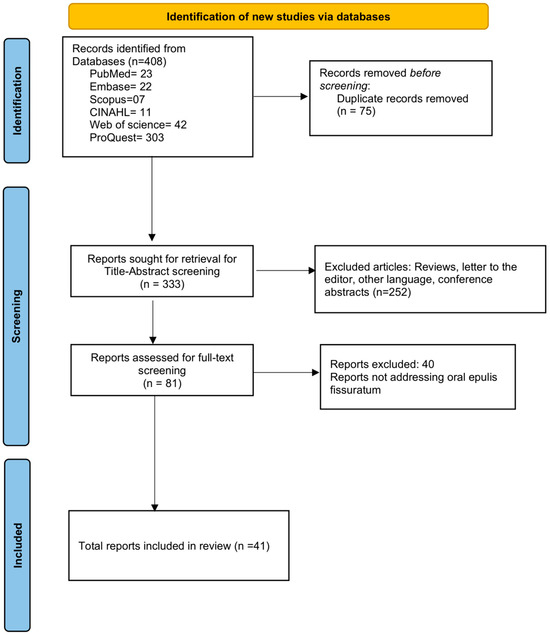
Background: The purpose of this systematic review is to understand the epidemiology, risk factors, reporting symptoms, and clinical presentation of denture-induced epulis fissuratum and the various management strategies reported in the literature. Methods: This review was performed in accordance with the PRISMA 2022 guidelines and was registered in the PROSPERO database (CRD42024517759). A systematic electronic search from scientific databases was performed from inception to July 2024. All studies (cross-sectional, observational, and clinical trials), case reports, and case series in the English language addressing the epidemiological and clinical characteristics, as well as the management strategies for prosthetic denture-induced oral epulis fissuratum, were included. The relevant search terms and Boolean operators were employed. Results: A total of 408 articles were obtained from various databases. A total of 41 articles were included for data extraction, of which 20 were case reports and 21 were clinical studies. There were a total of 1472 patients from the included reports. Eighty-two patients had symptomatic epulis fissuratum. A total of 96 patients (6.5%) in the 18 included reports had complete resolution of the lesion following treatment. Conclusions: Diagnosis is primarily based on the pathognomonic clinical presentation of these lesions. Although multiple therapeutic approaches for epulis fissuratum have been described in the literature, a universally accepted or standardized treatment protocol has not yet been established.
Full article
(This article belongs to the Section Prosthodontics)
►▼
Show Figures

Figure 1
Open AccessArticle
Digital Image Correlation Analysis of Implant Angulation, Splinting, and Length on Peri-Implant Strain: An In Vitro Study
by
Muralidharan Priyanka, Baltha Shreya, V. Manju, M. P. Hariprasad and Prathap Ananth
Prosthesis 2026, 8(3), 24; https://doi.org/10.3390/prosthesis8030024 - 1 Mar 2026
Abstract
►▼
Show Figures
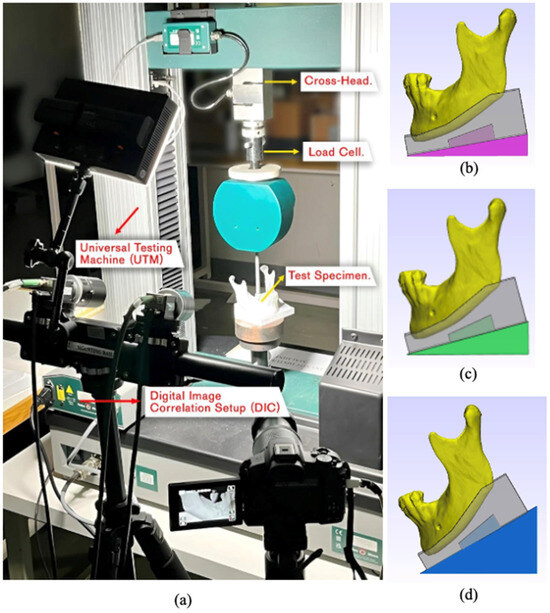
Background/Objectives: Dental implants are an established modality for oral rehabilitation, but their biomechanical success depends on controlling peri-implant strain, which is influenced by implant angulation, splinting, and length. This in vitro study evaluated the effects of these variables on strain and displacement
[...] Read more.
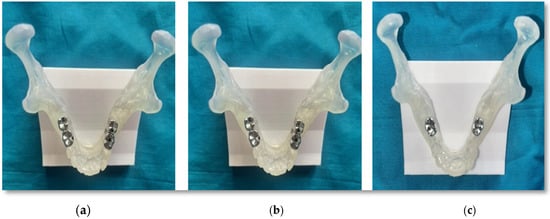
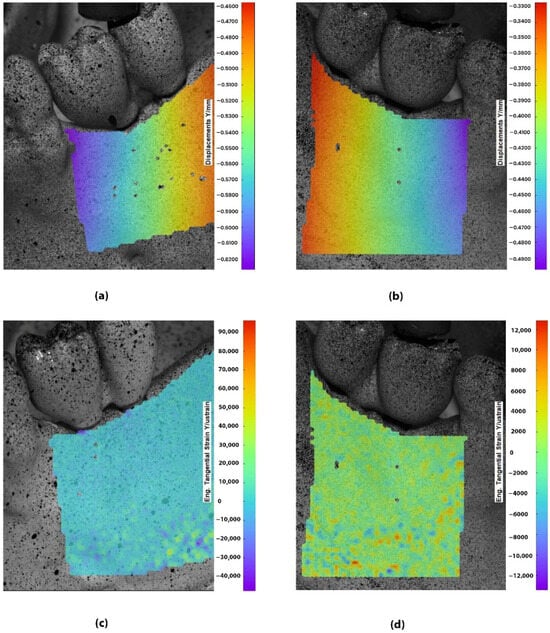
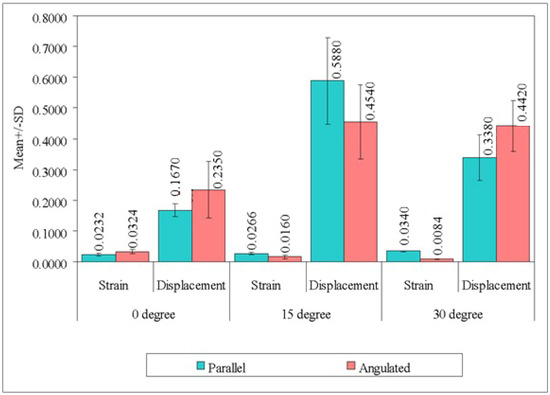
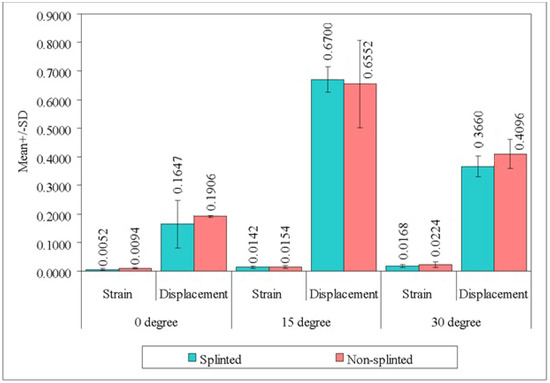
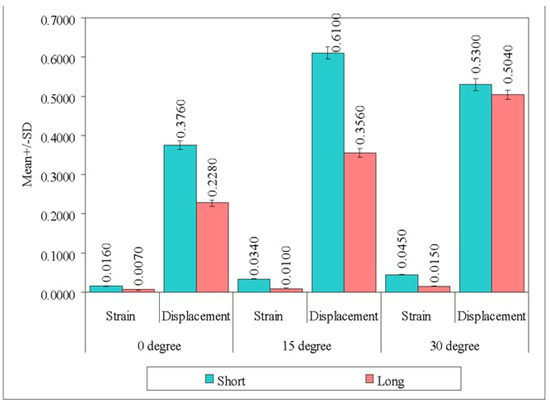
Background/Objectives: Dental implants are an established modality for oral rehabilitation, but their biomechanical success depends on controlling peri-implant strain, which is influenced by implant angulation, splinting, and length. This in vitro study evaluated the effects of these variables on strain and displacement under axial and oblique loading using digital image correlation (DIC). Methods: Three CBCT-derived mandibular models were 3D-printed and restored with screw-retained full-metal crowns. Group 1 compared parallel vs. angulated implants; Group 2 assessed splinted vs. non-splinted restorations; and Group 3 compared short (4.2 × 6.25 mm) vs. long (4.2 × 13 mm) implants. All specimens were loaded to 500 N at 0°, 15°, and 30° using a universal testing machine. Strain and displacement were analyzed with Istra 4D software and statistically evaluated using ANOVA and independent t-tests (α = 0.05). Results: Parallel implants exhibited progressively higher strain with load angle, peaking at 30° (p < 0.01), while angulated implants recorded their highest strain at 0° (p = 0.008), indicating better adaptation to oblique forces. Splinted restorations significantly reduced strain at 0° and 30° (p = 0.023) and lowered displacement across all inclinations (p = 0.0001). Short implants consistently produced greater strain and displacement than long implants (p < 0.02). Conclusions: Angulated implants mitigated strain under off-axis loading compared to parallel configurations. Splinting decreased strain and displacement, while longer implants consistently improved biomechanical performance. Optimal selection of implant orientation, splinting, and length may minimize peri-implant strain under functional loads. Findings are limited to in vitro conditions with static loading and a single implant system.
Full article

Figure 1
Open AccessArticle
Multivariable Comparison of Energy-Storing Prosthetic Feet in Persons with Unilateral Transtibial Amputation
by
Daniela Garcia, Mukul Talaty, Maria Flach and Alberto Esquenazi
Prosthesis 2026, 8(3), 23; https://doi.org/10.3390/prosthesis8030023 - 28 Feb 2026
Abstract
Background/Objectives: Choosing the best prosthetic foot for a patient is complicated by the many available options and limited evidence to distinguish them. This work aimed to clarify performance differences in the level-ground walking of K3-functional-level persons with amputations across a variety of prosthetic
[...] Read more.
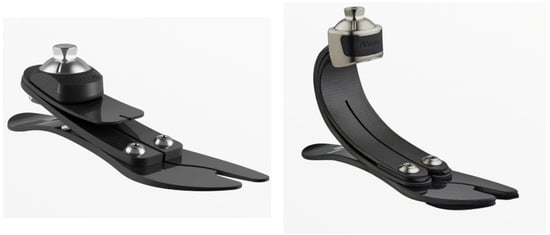
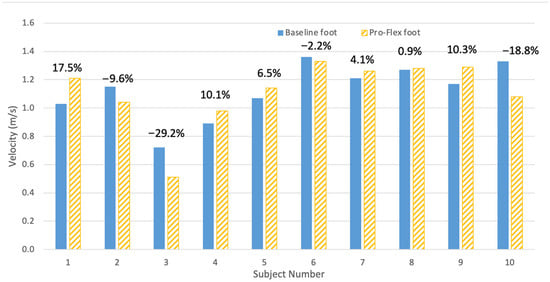
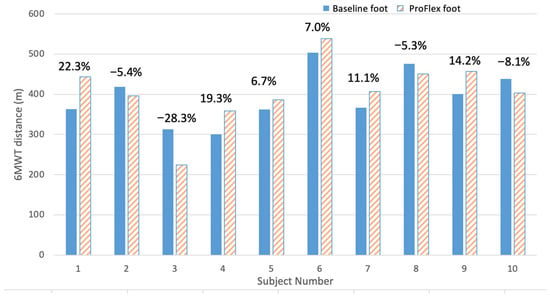
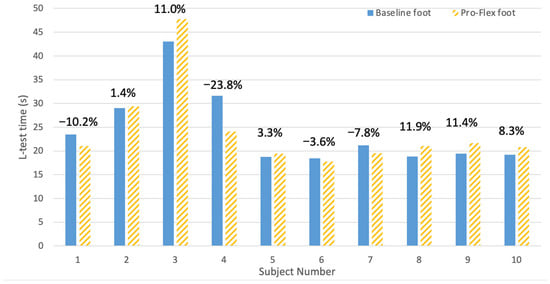
Background/Objectives: Choosing the best prosthetic foot for a patient is complicated by the many available options and limited evidence to distinguish them. This work aimed to clarify performance differences in the level-ground walking of K3-functional-level persons with amputations across a variety of prosthetic feet within the energy storage and return class. Methods: This clinical trial assessed 10 subjects fitted with the Ossur ProFlex foot (LP and XC) compared to their original foot after a 30-day adaptation period and careful prosthetic alignment matching. Multivariate data (walking performance, noise/play, balance and satisfaction) were collected in the gait laboratory. Results: Results were mixed across the cohort. MCID and statistical analysis were used to assess the magnitude and importance of the changes observed. Overall, the changes were small and not statistically significant. Conclusions: Our findings support that performance across a variety of measures for K3-level amputees walking over level ground is relatively insensitive to prosthetic foot componentry within the energy storage and return class. While functional performance is not the only metric that contributes to foot choice, it is an important one. This study helps to circumscribe its role in the larger decision-making framework for this class of componentry in persons with transtibial amputation.
Full article
(This article belongs to the Section Orthopedics and Rehabilitation)
►▼
Show Figures

Figure 1
Open AccessArticle
The Management of Periprosthetic Joint Infections: The Transformative Impact of Calcium Sulfate Carriers in Orthopedic Surgery and Their Role in Enhancing Patient Outcomes
by
Elisa Troiano, Simone Alongi, Cristina Rosa Coco, Cristina Latino, Tiziano Giacché, Stefano Giannotti and Nicola Mondanelli
Prosthesis 2026, 8(3), 22; https://doi.org/10.3390/prosthesis8030022 - 27 Feb 2026
Abstract
Background/Objectives: The prevalence of joint replacement surgeries has significantly increased over the last century, leading to a corresponding rise in complications, particularly periprosthetic joint infection (PJI). The management of a PJI involves various strategies, including debridement, antibiotic therapy, and staged revision procedures. A
[...] Read more.
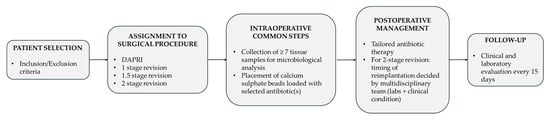
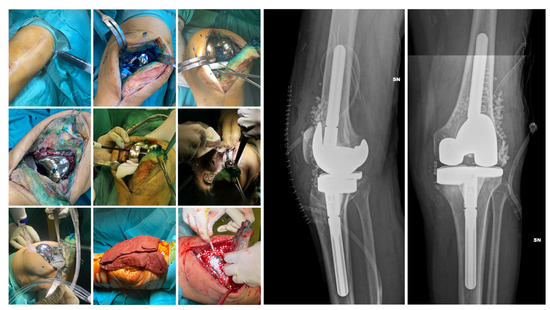
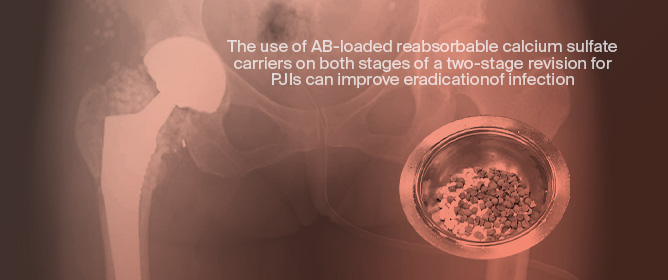
Background/Objectives: The prevalence of joint replacement surgeries has significantly increased over the last century, leading to a corresponding rise in complications, particularly periprosthetic joint infection (PJI). The management of a PJI involves various strategies, including debridement, antibiotic therapy, and staged revision procedures. A notable advancement in treatment is the use of calcium sulfate reabsorbable carriers, recognized for their biocompatibility, osteoconductivity, and localized antibiotic delivery. Recent reports indicate that when combined with conventional treatment regimens, calcium sulfate carriers can achieve infection eradication rates exceeding 90%. This study aims to evaluate the efficacy of calcium sulfate carriers in managing periprosthetic infections, specifically assessing their impact on healing rates in patients undergoing treatment. Study Design & Methods: A retrospective analysis was conducted at our institution, focusing on patients diagnosed with PJIs treated with 2-stage revision surgery with local application of calcium sulfate carriers with antibiotics at both stages, and systemic antibiotic therapy, and comparing results with different surgical procedures. Results: The study included 40 patients (24 males and 16 females), with a mean age of 68.7 (range 48–87) years. The affected joints included the hip (27.5%), shoulder (27.5%), and knee (45%). The findings revealed that 97% of patients achieved infection eradication at the end of the follow-up period. Conclusions: These results highlight the complexities of managing PJIs and the significant role of calcium sulfate carriers in improving outcomes, supporting their use as a standard practice in confirmed PJI cases.
Full article
(This article belongs to the Special Issue State of Art in Hip, Knee and Shoulder Replacement (Volume 2))
►▼
Show Figures

Figure 1
Open AccessArticle
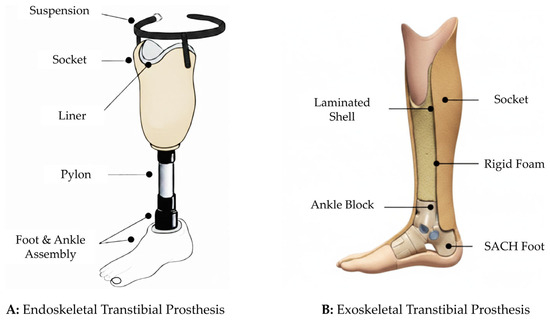
Neuromuscular Control of Overground Walking in Transtibial Amputees: Endoskeletal vs. Exoskeletal Prostheses
by
Arunee Promsri
Prosthesis 2026, 8(2), 21; https://doi.org/10.3390/prosthesis8020021 - 20 Feb 2026
Abstract
Background: Transtibial prostheses are commonly classified as endoskeletal or exoskeletal and differ in weight, adaptability, and mechanical response, which may influence gait performance. This study examined whether prosthesis type affects overground walking movement structure and neuromuscular control and assessed the relationship between walking
[...] Read more.
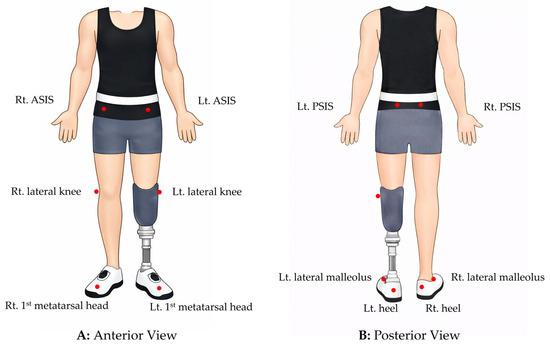
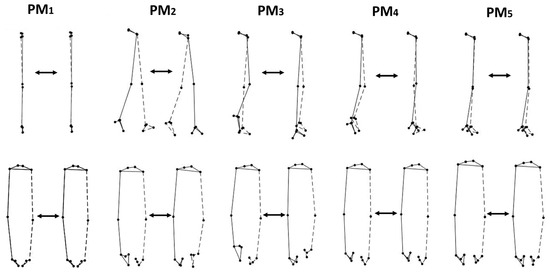
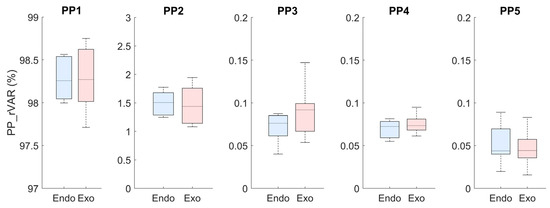
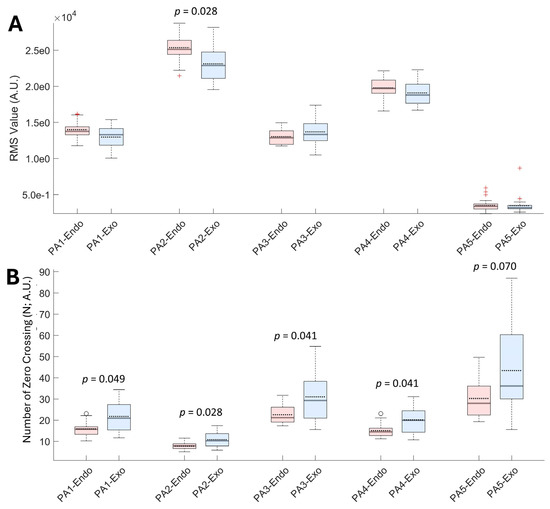
Background: Transtibial prostheses are commonly classified as endoskeletal or exoskeletal and differ in weight, adaptability, and mechanical response, which may influence gait performance. This study examined whether prosthesis type affects overground walking movement structure and neuromuscular control and assessed the relationship between walking speed and neuromuscular control. Methods: Principal component analysis (PCA) was applied to kinematic marker data from 20 unilateral transtibial amputees using either endoskeletal (n = 10; 54.7 ± 6.1 years) or exoskeletal prostheses (n = 10; 57.9 ± 8.7 years) during self-selected overground walking. Principal movements (PMs) were extracted to represent functionally meaningful gait components. Movement structure was evaluated using the relative explained variance of PM positions (rVAR), whereas neuromuscular control was quantified using the root mean square of PM accelerations (RMS; acceleration magnitude) and the number of zero crossings (N; regularity/predictability). Group differences were examined using covariate-adjusted analyses, controlling for preferred walking speed. Results: No significant differences in walking movement structure were found between prosthetic types. Unadjusted analyses suggested greater swing-phase acceleration (PM2) and lower neuromuscular variability across PM1–PM4 in the endoskeletal group; however, these effects were no longer significant after adjusting for BMI and walking speed. Walking speed showed strong associations with neuromuscular control (p ≤ 0.003), with faster speeds linked to greater swing-phase acceleration and reduced variability. Conclusions: Walking movement structure and neuromuscular control were comparable between prosthetic types, while walking speed emerged as a key factor in gait evaluation among transtibial amputees.
Full article
(This article belongs to the Section Bioengineering and Biomaterials)
►▼
Show Figures

Figure 1
Journal Menu
► ▼ Journal Menu-
- Prosthesis Home
- Aims & Scope
- Editorial Board
- Reviewer Board
- Topical Advisory Panel
- Instructions for Authors
- Special Issues
- Topics
- Sections & Collections
- Article Processing Charge
- Indexing & Archiving
- Editor’s Choice Articles
- Most Cited & Viewed
- Journal Statistics
- Journal History
- Society Collaborations
- Editorial Office
Journal Browser
► ▼ Journal BrowserHighly Accessed Articles
Latest Books
E-Mail Alert
News
Topics
Topic in
JCM, Medicina, Prosthesis, IJMS, Clinics and Practice
Innovations in Plastic Surgery and Regenerative Medicine—2nd Edition
Topic Editors: Francesco D’Andrea, Jean Paul Meningaud, Barbara Hersant, Simone La PadulaDeadline: 30 November 2026
Topic in
JFB, Materials, Prosthesis, IJMS, Oral, JCM
New Technological and Clinical Advances for Controlling Peri-Implantitis
Topic Editors: Javier Gil, Eugenio Velasco-Ortega, Aritza Brizuela-Velasco, Conrado AparicioDeadline: 31 December 2026
Special Issues
Special Issue in
Prosthesis
Shaping the Future: Artificial Intelligence in Prosthodontics and Prosthesis Innovation
Guest Editors: Marco Tallarico, Ieva GendvilieneDeadline: 31 May 2026
Special Issue in
Prosthesis
Machine Learning and Neuromorphic Computing to Improve Design, Usability, and Control of Smart Limb Prostheses
Guest Editors: Giuseppina Gini, Michele FolgheraiterDeadline: 31 May 2026
Special Issue in
Prosthesis
Managing the Challenge of Periprosthetic Joint Infection
Guest Editors: Rareş Mircea Bîrluţiu, Jaime Esteban, Efthymia GiannitsiotiDeadline: 31 July 2026
Special Issue in
Prosthesis
Advances in Digital Prosthodontics: Innovations in CAD-CAM Technology and Material Science
Guest Editor: Petros MourouzisDeadline: 31 August 2026
Topical Collections
Topical Collection in
Prosthesis
Oral Implantology: Current Aspects and Future Perspectives
Collection Editors: Andrea Scribante, Maurizio Pascadopoli, Simone Gallo