



-
ECMO Before Heart Transplantation: Early Implantation and Optimized Assistance with the Eurosets ECMOLIFE System and Landing Advance—A Case Report -
Left Atrial Myxoma as a Rare Cause of Acute Coronary Syndrome: A Case Report -
Diagnostic Challenge of Extranodal Marginal Zone Lymphoma of Extraocular Muscles: A Case Report -
Utility of Urinary β2-Microglobulin for Detection of Renal Sarcoidosis Without Pulmonary Involvement: A Case Report -
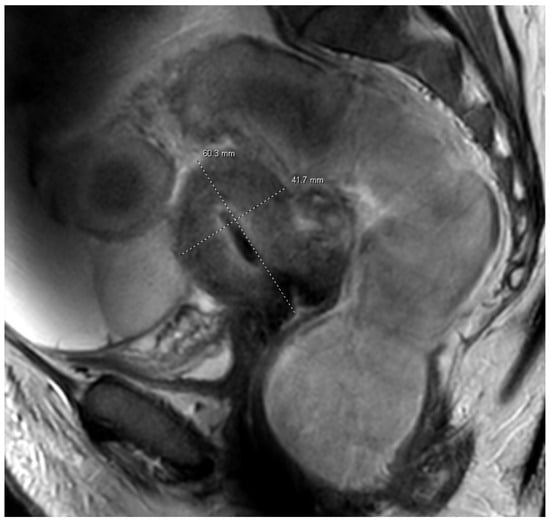
Urachal Carcinoma with Divergent Glandular Enteric-Type and Squamous Differentiation Associated with Bladder Exstrophy: Case Report of an Extremely Rare Entity
Journal Description
Reports — Clinical Practice and Surgical Cases
Reports
— Clinical Practice and Surgical Cases is an international, peer-reviewed, open access journal about the medical cases, images, and videos in human medicine, published quarterly online by MDPI.
- Open Access— free for readers, with article processing charges (APC) paid by authors or their institutions.
- High Visibility: indexed within ESCI (Web of Science), PubMed, PMC, FSTA, and other databases.
- Rapid Publication: manuscripts are peer-reviewed and a first decision is provided to authors approximately 21 days after submission; acceptance to publication is undertaken in 3.1 days (median values for papers published in this journal in the second half of 2025).
- Recognition of Reviewers: reviewers who provide timely, thorough peer-review reports receive vouchers entitling them to a discount on the APC of their next publication in any MDPI journal, in appreciation of the work done.
Impact Factor:
0.6 (2024)
Latest Articles
Sterile Vegetations in Malignancy: A Rare Case of Nonbacterial Thrombotic Endocarditis in a Patient with Metastatic Melanoma
Reports 2026, 9(2), 129; https://doi.org/10.3390/reports9020129 - 22 Apr 2026
Abstract
►
Show Figures
Background and Clinical Significance: Nonbacterial thrombotic endocarditis (NBTE) is a sterile fibrin-platelet valvular condition associated with malignancy and hypercoagulable states. It produces friable vegetations prone to systemic embolization, often presenting as multifocal ischemic stroke. While modestly linked to advanced adenocarcinomas, its association with
[...] Read more.
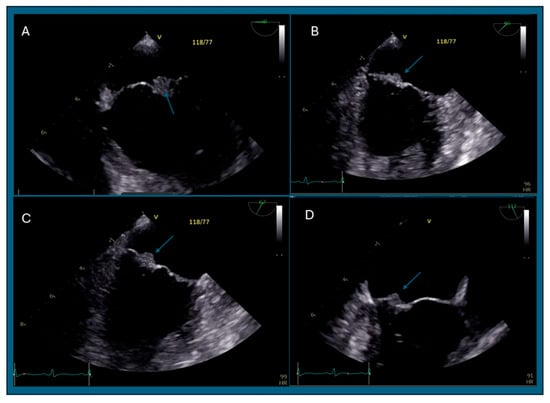
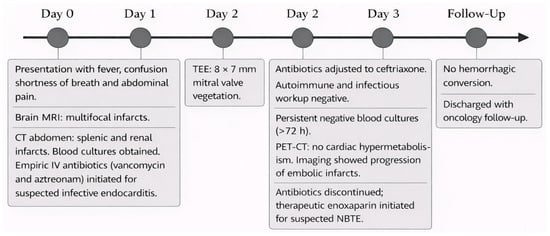
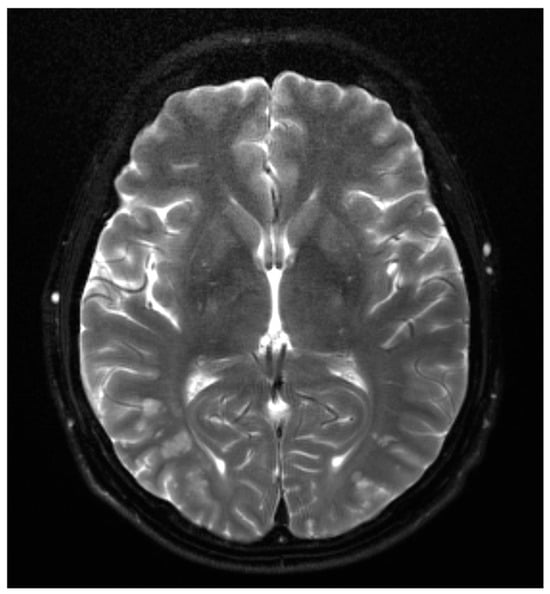
Background and Clinical Significance: Nonbacterial thrombotic endocarditis (NBTE) is a sterile fibrin-platelet valvular condition associated with malignancy and hypercoagulable states. It produces friable vegetations prone to systemic embolization, often presenting as multifocal ischemic stroke. While modestly linked to advanced adenocarcinomas, its association with melanoma is exceedingly rare; Case Presentation: We present a 43-year-old man with recently diagnosed metastatic melanoma who presented with fever, confusion and abdominal pain. Brain magnetic resonance imaging (MRI) revealed multifocal bilateral acute infarcts. Additional imaging demonstrated splenic and bilateral renal infarcts. Transesophageal echocardiography (TEE) revealed an 8 mm × 7 mm multilobar lesion on the posterior mitral valve leaflet. Blood cultures remained persistently negative; autoimmune and infectious workup were unrevealing, and positron emission tomography-computed tomography (PET-CT) showed no cardiac hypermetabolism. Despite empiric antibiotics for suspected infective endocarditis (IE), progressive embolic infarcts occurred. After exclusion of infection, NBTE was considered, and therapeutic enoxaparin was initiated, resulting in clinical stabilization without hemorrhagic conversion; Conclusions: Distinguishing NBTE from IE remains challenging due to overlapping and nonspecific imaging findings. TEE is the preferred diagnostic modality because of its high sensitivity for detecting small valvular vegetations. Adjunctive imaging modalities such as brain MRI and PET-CT may support the diagnosis by demonstrating embolic patterns or excluding metabolically active infectious vegetations. Management primarily relies on systemic anticoagulation, while percutaneous vegetation aspiration may represent a potential diagnostic and therapeutic strategy. Clinicians should maintain high suspicion of this condition in patients with advanced melanoma and other malignancies presenting with multifocal embolic phenomena and negative cultures to enable timely anticoagulation.
Full article
Open AccessCase Report
Granulomatosis with Polyangiitis Presenting as ANCA-Negative Pulmonary Disease with Distributive Shock
by
Joel Shah and Emily Shah
Reports 2026, 9(2), 128; https://doi.org/10.3390/reports9020128 - 21 Apr 2026
Abstract
►▼
Show Figures
Background: Granulomatosis with polyangiitis (GPA) is an antineutrophil cytoplasmic antibody (ANCA)-associated necrotizing vasculitis primarily affecting small and medium-sized vessels. The typical presentation commonly includes upper and/or lower respiratory tract and renal involvement. GPA has a particularly strong association with proteinase-3 (PR3) ANCA. Though
[...] Read more.
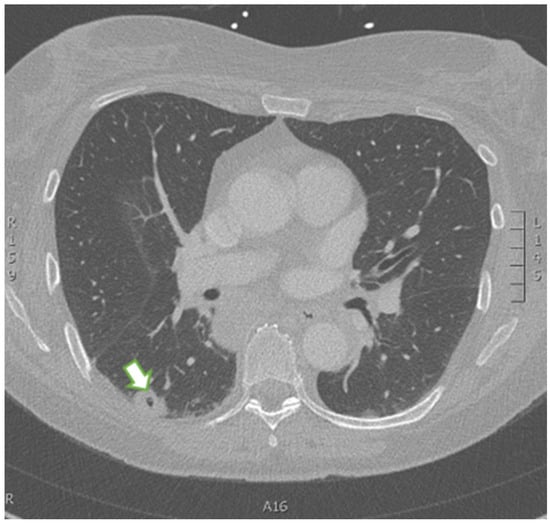
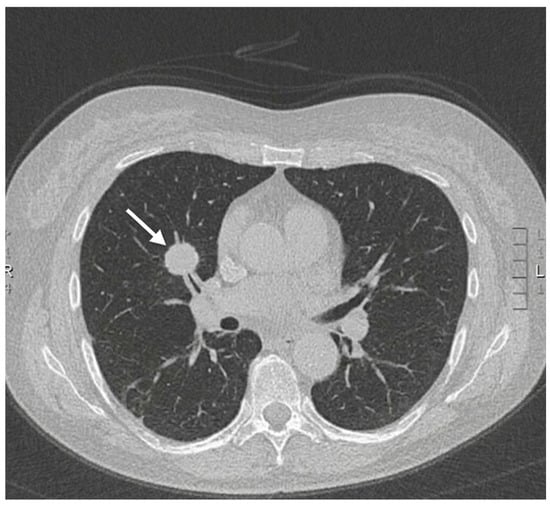
Background: Granulomatosis with polyangiitis (GPA) is an antineutrophil cytoplasmic antibody (ANCA)-associated necrotizing vasculitis primarily affecting small and medium-sized vessels. The typical presentation commonly includes upper and/or lower respiratory tract and renal involvement. GPA has a particularly strong association with proteinase-3 (PR3) ANCA. Though well defined, GPA may be clinically difficult to recognize, particularly in early disease. Initial presentations may include nonspecific symptoms, including but not limited to fatigue, fever, and sinus congestion or sinusitis, which may be mistaken for infection. Though initial ANCA testing is useful, it is not definitive as early stages of disease may be negative, thus delaying diagnosis; Clinical Significance: This case highlights the importance of including GPA in the differential diagnosis of patients with unremitting upper or lower respiratory and constitutional symptoms despite negative ANCA testing. Though atypical, GPA cases may lack renal involvement and even have negative ANCA serologies, leading to a delay in diagnosis and increased morbidity. ANCA positivity can be as low as 60% in limited GPA cases, and less than 20% of individuals have renal involvement at presentation. If GPA suspicion is high, repeat testing and biopsy are warranted; Case Presentation: A woman in her 50s initially presented to the emergency department with recurrent/persistent fever with nonspecific sinus symptoms that remained unresolved despite multiple outpatient treatments and tests. Infectious work-up was negative. She was found to have multiple pulmonary nodules on various scans. Initial testing on admission was unremarkable or nondiagnostic, including anti-neutrophil cytoplasmic antibody (ANCA) serologies. The patient’s hospital course was complicated by acute hypoxic respiratory failure with distributive shock during bronchoscopy. Repeat serological testing was positive for PR3-ANCA, and lung biopsy demonstrated necrotizing granulomatous vasculitis consistent with a diagnosis of granulomatosis with polyangiitis (GPA). The patient demonstrated clinical improvement with avacopan, glucocorticoids, and rituximab; Conclusions: The diagnosis of GPA should be suspected in all patients with nonspecific constitutional symptoms along with clinical evidence of upper/lower respiratory tract involvement, regardless of renal function. Physicians with a strong suspicion of an autoimmune disease, such as GPA, should utilize a thorough clinical history, physical exam, and other labs in the setting of a negative autoimmune marker and/or negative imaging. Clinical judgment is required to not rule out GPA despite a negative workup when other more serious causes have been excluded, as the diagnosis may be life-threatening.
Full article

Figure 1
Open AccessCase Report
Peculiar Presentation of an Intrapericardial Ectopic Thyroid
by
Stefano Auriemma, Riccardo Gherli, Lorenzo Giacometti, Annalisa Roveta and Pietro Rinaldi
Reports 2026, 9(2), 127; https://doi.org/10.3390/reports9020127 - 21 Apr 2026
Abstract
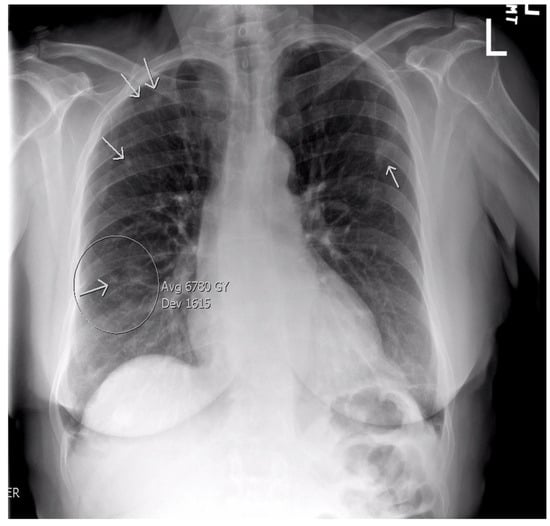
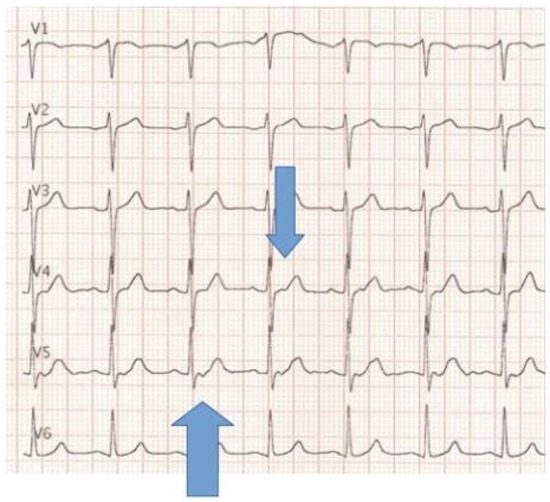
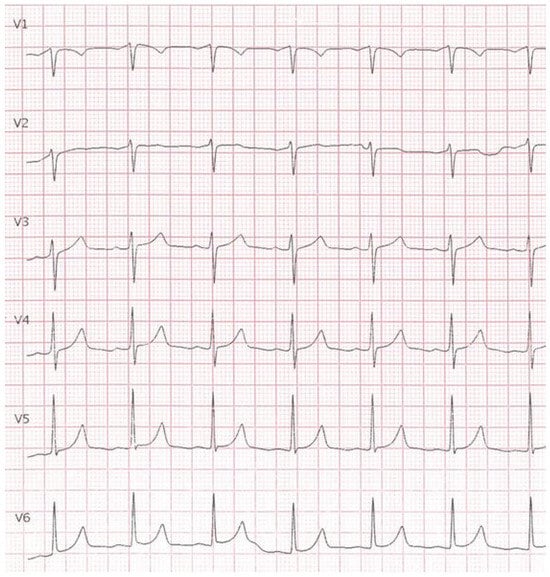
Background and Clinical Significance: Intrapericardial ectopic thyroid tissue is extremely rare and can mimic vascular mediastinal or cardiac lesions. Case Presentation: We describe a 62-year-old woman with dyspnea, palpitations, and flushing for several months, progressively worsening, associated with nonspecific ST-segment abnormalities on ECG.
[...] Read more.
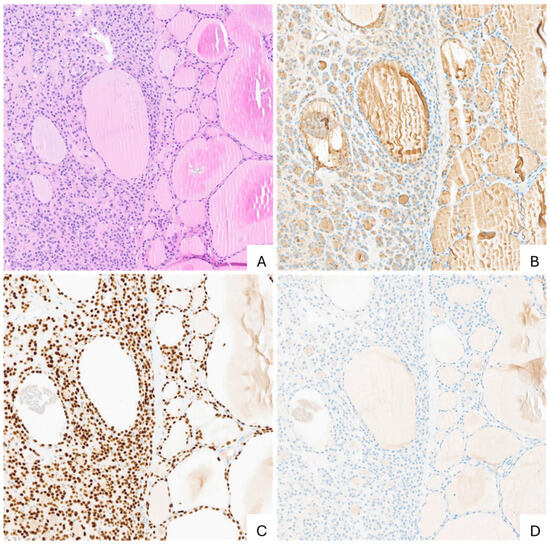
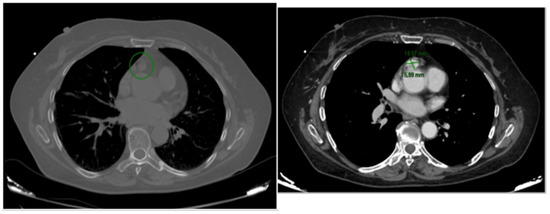
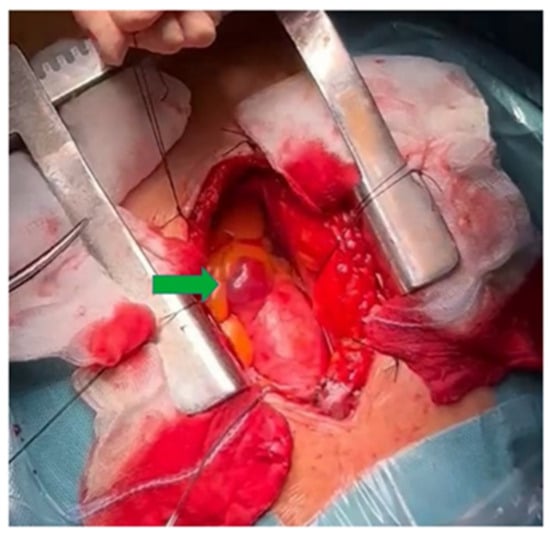
Background and Clinical Significance: Intrapericardial ectopic thyroid tissue is extremely rare and can mimic vascular mediastinal or cardiac lesions. Case Presentation: We describe a 62-year-old woman with dyspnea, palpitations, and flushing for several months, progressively worsening, associated with nonspecific ST-segment abnormalities on ECG. Contrast-enhanced CT revealed a small, highly vascularized epicardial mass anterior to the ascending aorta. 18F-FDG PET/TC findings were inconclusive, and biopsy was not feasible due to the anatomical location. Surgical excision via upper ministernotomy was performed, leading to resolution of symptoms. Histology confirmed benign ectopic thyroid tissue. Conclusions: With fewer than ten similar intrapericardial cases reported in the English-language medical literature, this presentation underlines the diagnostic difficulty of such lesions and the importance of including ectopic thyroid tissue among the less common differential diagnostic considerations for intrapericardial masses, particularly in patients with prior thyroid disease.
Full article
(This article belongs to the Section Surgery)
►▼
Show Figures

Figure 1
Open AccessCase Report
Late-Onset Angiotensin-Converting Enzyme Inhibitor-Induced Angioedema in a General Practitioner’s Practice: A Case Report
by
Eva Jūlija Tirāne and Edgars Tirāns
Reports 2026, 9(2), 126; https://doi.org/10.3390/reports9020126 - 20 Apr 2026
Abstract
►▼
Show Figures
Background and Clinical Significance: Angiotensin-converting enzyme inhibitors (ACE-Is) are commonly used for treatment of hypertension and are well known among primary care specialists. ACE-I-induced angioedema is a rare, yet possible side effect. It should not be taken lightly, as it can be life-threatening.
[...] Read more.
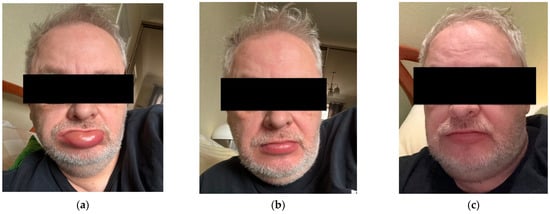
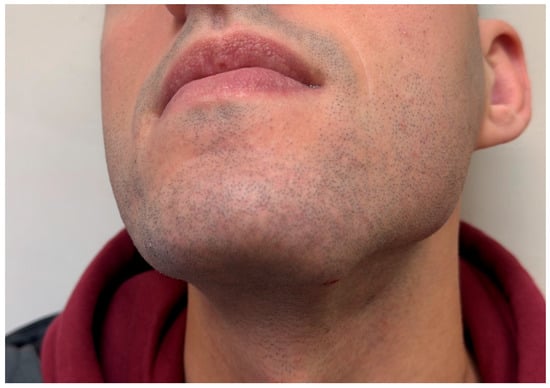
Background and Clinical Significance: Angiotensin-converting enzyme inhibitors (ACE-Is) are commonly used for treatment of hypertension and are well known among primary care specialists. ACE-I-induced angioedema is a rare, yet possible side effect. It should not be taken lightly, as it can be life-threatening. It is characterized by erythematous or skin-coloured, self-limiting, localized, non-pitting swelling of the submucosal and/or subcutaneous layers of tissue. Usually, it develops in the first year of using the medication, although it can also start several years after using it. Herein, we describe a late-onset ACE-I-induced angioedema, which developed 7 years after using the ACE-I. This case report depicts the challenges of diagnosing ACE-I-induced angioedema, especially if it is late-onset. It highlights the importance of actively asking patients questions about possible side effects of medication even several years after using it and the patients themselves not having any complaints. Case Presentation: We present a 61-year-old Caucasian male with recurring swelling of the lips, tongue and an uncomfortable feeling in the throat, which started 7 years after using an ACE-I: perindopril. There was no airway obstruction or urticaria in any of the episodes. Hereditary angioedema was ruled out by blood analysis. Based on the clinical presentation, images and blood analysis, it was diagnosed as late-onset ACE-I-induced angioedema. After discontinuing the ACE-I, there were two more episodes of angioedema reported, which were a lot milder in symptoms and lasted a shorter time period. Since then, there have been no other episodes of angioedema. Conclusions: It is important to keep in mind angioedema as a possible side effect for patients on ACE-Is. Patients should be regularly and actively questioned about side effects, even if the medication has been started several years ago and no complaints are brought up by the patient.
Full article

Figure 1
Open AccessCase Report
Adjustable Prosthetic Sockets Are a Potential Solution to Skin Breakdown for Individuals with Lower Limb Loss: A Case Report
by
Jessica Kenia, Jim Marschalek and Timothy Dillingham
Reports 2026, 9(2), 125; https://doi.org/10.3390/reports9020125 - 20 Apr 2026
Abstract
►▼
Show Figures
Background and Clinical Significance: Conventional hard sockets are reported to result in skin breakdown for almost half of transtibial prosthesis users. Adjustable sockets have been developed to better accommodate residual limb shape and volume changes. They have demonstrated optimal skin health in
[...] Read more.
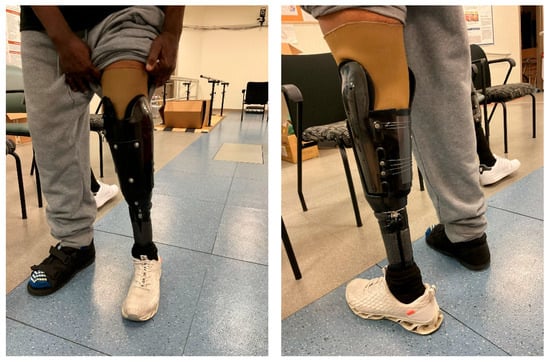
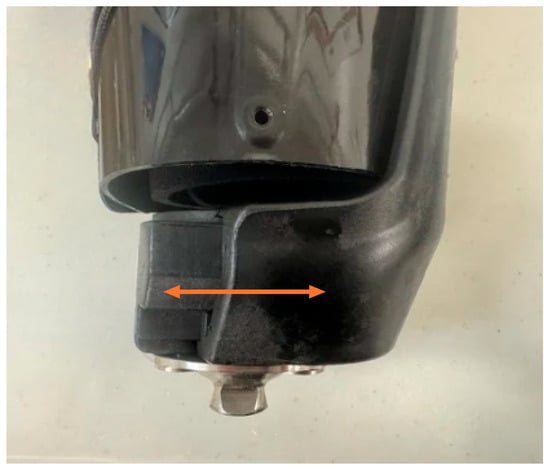
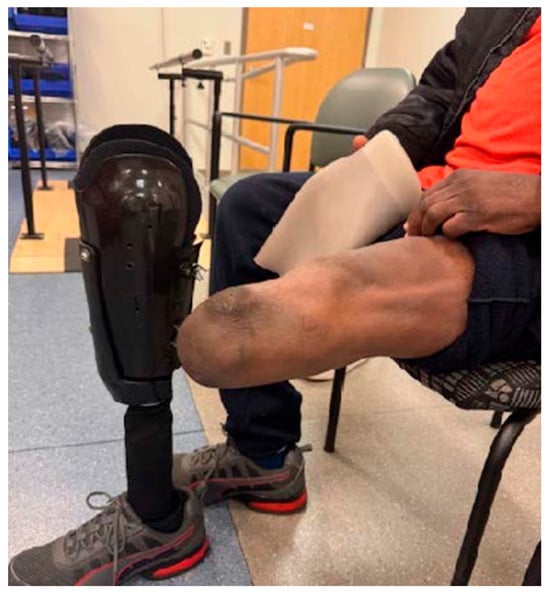
Background and Clinical Significance: Conventional hard sockets are reported to result in skin breakdown for almost half of transtibial prosthesis users. Adjustable sockets have been developed to better accommodate residual limb shape and volume changes. They have demonstrated optimal skin health in prospective adult clinical studies. Case Presentation: We present the case of a 57-year-old male with a transtibial amputation who enrolled in a research study at the University of Pennsylvania. In the year before enrollment, he experienced frequent, near-constant skin breakdown of the distal residual limb at the anterior tibia due to limb volume fluctuations and excessive pressure from a conventional hard socket and was frequently unable to use his socket due to skin breakdown. The subject was fit with an adjustable, immediate fit transtibial prosthesis (iFIT Prosthetics®). After a two-week home trial, he rated the adjustable prosthesis 62 out of 70 on an adapted Prosthetic Evaluation Questionnaire, compared with a score of 20 for his conventional prosthesis. Due to improved comfort, he discontinued the use of his conventional device. The subject was followed for over one year and wore the adjustable prosthesis exclusively without a recurrence of skin breakdown. Residual limb volume changes commonly lead to poor socket fit and skin irritation in conventionally fabricated hard sockets, often progressing to skin breakdown. In individuals with diabetes, wound healing can be prolonged and functionally limiting. In this case, an adjustable prosthesis successfully eliminated anterior tibial skin breakdown in a subject predisposed to this injury when using conventional hard sockets. Conclusions: Adjustable sockets can prevent skin breakdown in individuals with transtibial limb loss.
Full article

Figure 1

Open AccessCase Report
When the Apex Deceives: A Mobile Left Ventricular Mass After Myocardial Infarction
by
Georgios E. Zakynthinos, George Makavos, Nikolaos K. Kokkinos, Ourania Katsarou, Evangelos Oikonomou and Gerasimos Siasos
Reports 2026, 9(2), 124; https://doi.org/10.3390/reports9020124 - 18 Apr 2026
Abstract
Background and Clinical Significance: Mechanical complications and intracavitary thrombus are both recognized causes of clinical deterioration following acute myocardial infarction, yet they require fundamentally different therapeutic approaches. Distinguishing between these entities is critical, as misdiagnosis may lead to unnecessary surgical intervention or delayed
[...] Read more.
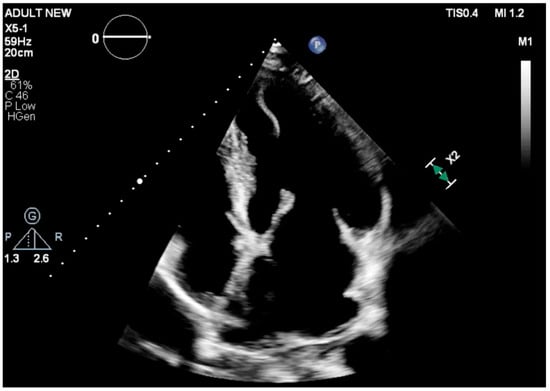
Background and Clinical Significance: Mechanical complications and intracavitary thrombus are both recognized causes of clinical deterioration following acute myocardial infarction, yet they require fundamentally different therapeutic approaches. Distinguishing between these entities is critical, as misdiagnosis may lead to unnecessary surgical intervention or delayed anticoagulation with serious consequences. Left ventricular (LV) thrombus typically appears as a well-defined mass; however, atypical and highly mobile morphologies may closely mimic catastrophic post-infarction mechanical complications, creating significant diagnostic uncertainty. This case highlights the pivotal role of contrast-enhanced echocardiography in resolving such ambiguity and guiding appropriate management in a high-stakes clinical setting. Case Presentation: A 60-year-old man presented with acute dyspnea and pulmonary edema ten days after an anterior myocardial infarction treated with percutaneous coronary intervention, complicated by ischemic stroke. Transthoracic echocardiography demonstrated severe LV systolic dysfunction with moderate-to-severe mitral regurgitation and an unexpected, highly mobile, irregular mass protruding into the LV apex. The mass exhibited a shredded, tissue-like appearance, raising urgent concern for post-infarction mechanical complications, including papillary muscle rupture or apical myocardial disruption, and prompting immediate consideration of surgical intervention. Contrast-enhanced echocardiography was performed and revealed a mobile LV apical thrombus. Surgical management was avoided, and systemic anticoagulation was initiated, followed by transition to rivaroxaban in combination with ongoing dual antiplatelet therapy. The patient demonstrated rapid clinical improvement with optimized heart failure treatment and was discharged after four days, with planned follow-up imaging to assess thrombus resolution. Conclusions: Left ventricular thrombus may present with atypical, misleading morphologies that closely resemble life-threatening mechanical complications after myocardial infarction.
Full article
(This article belongs to the Section Cardiology/Cardiovascular Medicine)
►▼
Show Figures

Figure 1
Open AccessCase Report
Surgical Management of Multi-Ligamentous Knee Injuries: Current Concepts and Case Report of a Complex KD-IV Case
by
Simone Giusti, Edoardo De Fenu, Simona Cerulli and Ezio Adriani
Reports 2026, 9(2), 123; https://doi.org/10.3390/reports9020123 - 17 Apr 2026
Abstract
Background and Clinical Significance: Multiligamentous knee injuries (MLKIs) are uncommon but severe injuries associated with instability, neurovascular compromise, and long-term functional impairment. Irreducible knee dislocations are a distinct subgroup requiring urgent intervention because soft-tissue interposition may prevent closed reduction and place the limb
[...] Read more.
Background and Clinical Significance: Multiligamentous knee injuries (MLKIs) are uncommon but severe injuries associated with instability, neurovascular compromise, and long-term functional impairment. Irreducible knee dislocations are a distinct subgroup requiring urgent intervention because soft-tissue interposition may prevent closed reduction and place the limb at risk of skin necrosis and vascular compromise. This report reviews current concepts in MLKI management and presents a complex KD-IV irreducible knee dislocation treated with a staged surgical strategy. Case Presentation: A 56-year-old woman presented 24 h after a skiing injury with a grossly deformed knee, multidirectional instability, and an anteromedial “pucker sign”. Magnetic resonance imaging demonstrated a KD-IV injury with complete rupture of the anterior cruciate ligament, posterior cruciate ligament, and medial collateral ligament, associated with capsular disruption and intra-articular soft-tissue interposition causing irreducibility. Urgent open reduction was performed. The first stage included reduction of the incarcerated capsule, capsular repair, and reconstruction of the posteromedial corner and medial collateral ligament using a semitendinosus autograft. Delayed reassessment at 6 months demonstrated satisfactory stability, minimal residual anterior laxity, and no subjective instability; therefore, anterior cruciate ligament reconstruction was not performed. At final follow-up, the patient had near-full range of motion, no significant valgus instability, and no arthrofibrosis or vascular complications. Conclusions: Management of MLKIs should be individualized according to reducibility, soft-tissue condition, neurovascular status, and functional demands. Irreducible KD-IV dislocations with a pucker sign require urgent open reduction. In selected patients, staged reconstruction may reduce postoperative stiffness and allow selective omission of cruciate ligament reconstruction when satisfactory functional stability is achieved.
Full article
Open AccessCase Report
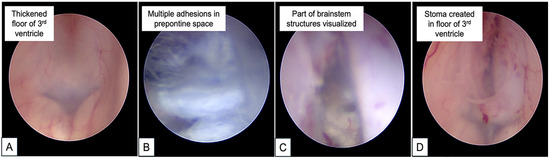
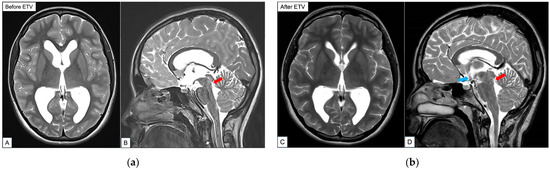
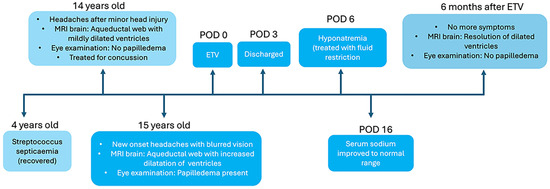
Hyponatremia Following Endoscopic Third Ventriculostomy in an Adolescent with an Aqueductal Web: A Case Report
by
Tingting Feng, Lee Ping Ng, Wan Tew Seow and Sharon Y. Y. Low
Reports 2026, 9(2), 122; https://doi.org/10.3390/reports9020122 - 17 Apr 2026
Abstract
►▼
Show Figures
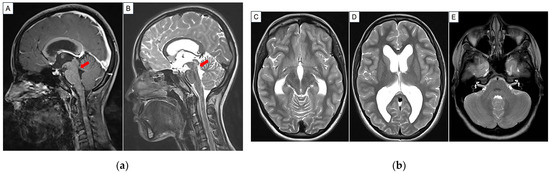
Background and Clinical Significance: Endoscopic third ventriculostomy (ETV) is a well-established cerebrospinal fluid (CSF) diversion technique for treating obstructive hydrocephalus. Here, the complication of post-ETV hyponatremia is rare. Separately, aqueductal web as a cause of obstructive hydrocephalus is also an uncommon occurrence. We
[...] Read more.
Background and Clinical Significance: Endoscopic third ventriculostomy (ETV) is a well-established cerebrospinal fluid (CSF) diversion technique for treating obstructive hydrocephalus. Here, the complication of post-ETV hyponatremia is rare. Separately, aqueductal web as a cause of obstructive hydrocephalus is also an uncommon occurrence. We present an unusual case of an adolescent who presented with late symptoms of obstructive hydrocephalus secondary to an aqueductal web and developed a delayed onset of post-operative hyponatremia after a successful ETV procedure. Pertinent aspects of the case are discussed in corroboration with the recent literature. Case Presentation: A previously well 14 year old presented with symptoms of raised intracranial pressure. Neuroimaging demonstrated progressively enlarging ventricles associated with an aqueductal web. She underwent an uneventful ETV and was discharged home. However, she was readmitted for symptomatic hyponatremia that was investigated and most likely attributed to Syndrome of Inappropriate Antidiuretic Hormone Secretion (SIADH). She was managed with fluid restriction with good clinical improvement. Conclusions: We herein report a case of delayed onset of obstructive hydrocephalus secondary to an aqueductal web, treatment challenges faced and the patient’s unexpected occurrence of hyponatremia after a technically successful ETV. This emphasizes that clinicians need to be mindful of this potential post-operative complication and the ability to discern subtle symptoms in a patient whose clinical signs may not be straightforward.
Full article

Figure 1
Open AccessCase Report
Submandibular Nodular Fasciitis Mimicking Inflammatory and Sarcomatous Lesions: A Case Report and Literature Review
by
Evangelos Kostares, Georgia Kostare, Panagiota Vlachou, Kamil Nelke, Theodore Argyrakos, Ourania Schoinohoriti, Christos Perisanidis and Stavroula Diamantopoulou
Reports 2026, 9(2), 121; https://doi.org/10.3390/reports9020121 - 15 Apr 2026
Abstract
Background and Clinical Significance: Nodular fasciitis is a benign, self-limited myofibroblastic proliferation that frequently mimics malignant soft-tissue tumors both clinically and radiologically. Although it has been well described in the extremities, its uncommon occurrence in the submandibular region poses a diagnostic challenge.
[...] Read more.
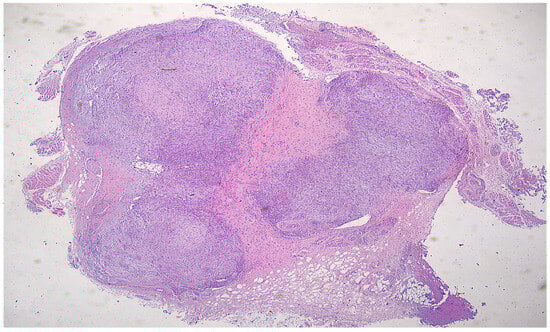
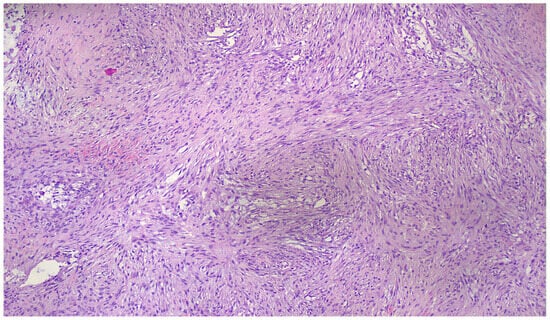
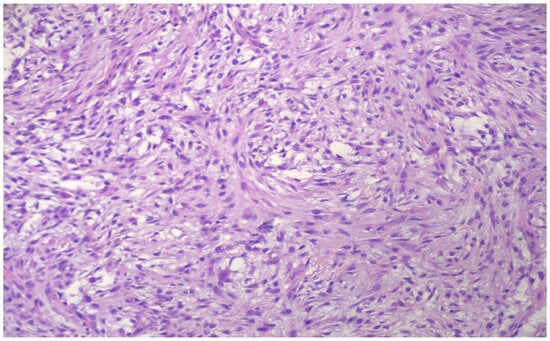
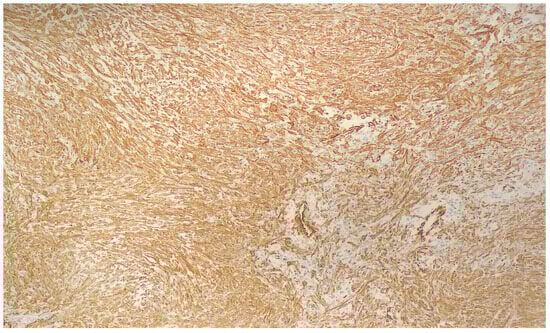
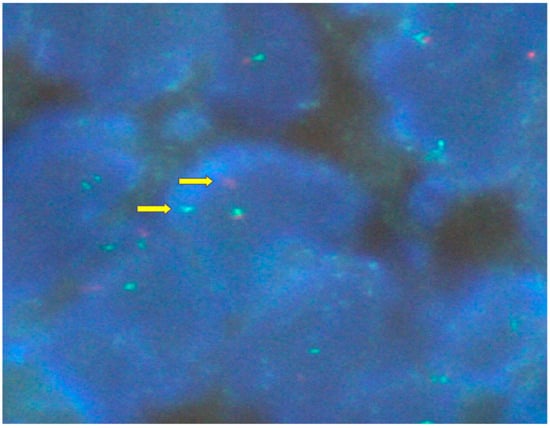
Background and Clinical Significance: Nodular fasciitis is a benign, self-limited myofibroblastic proliferation that frequently mimics malignant soft-tissue tumors both clinically and radiologically. Although it has been well described in the extremities, its uncommon occurrence in the submandibular region poses a diagnostic challenge. Case Presentation: We report the case of a 22-year-old male patient, presenting with a rapidly enlarging painless swelling in the left submandibular region. Ultrasound demonstrated a well-defined subcutaneous lesion, while magnetic resonance imaging revealed heterogeneous enhancement with diffusion restriction, suggesting inflammatory or neoplastic pathology. Fine-needle aspiration cytology showed spindle-cell proliferation with pseudosarcomatous features, warranting histological examination to exclude malignancy. Surgical resection was performed. Histopathological examination demonstrated a myofibroblastic proliferation with tissue culture-like morphology. Immunohistochemistry showed diffuse SMA positivity while many other immunohistological markers were negative, arguing against several histologic mimics. Fluorescence in situ hybridization confirmed USP6 gene rearrangement, establishing the diagnosis of nodular fasciitis. Conclusions: This case highlights the diagnostic challenges posed by nodular fasciitis in the head and neck region and emphasizes the importance of correlating imaging, cytology, histopathology, and molecular findings to avoid overtreatment. The literature review further supports the benign clinical course of this rare entity in the submandibular region and underscores the value of including it in the differential diagnosis of submandibular masses.
Full article
(This article belongs to the Special Issue Case Reports in Oral Diseases)
►▼
Show Figures

Figure 1
Open AccessInteresting Images
Double Posterior Cruciate Ligament Sign
by
Christos Koutserimpas, Charalampos Matzaroglou, Konstantinos Kaliarntas, Evdokia Billis, Nikolaos-Achilleas Arkoudis, George Triantafyllou, Maria Piagkou and John Gliatis
Reports 2026, 9(2), 120; https://doi.org/10.3390/reports9020120 - 14 Apr 2026
Abstract
A 34-year-old male presented with persistent medial knee pain and mechanical symptoms three months after a rotational injury, with limited knee extension on examination. Magnetic resonance imaging demonstrated the double posterior cruciate ligament (PCL) sign, produced by a displaced bucket-handle tear of the
[...] Read more.
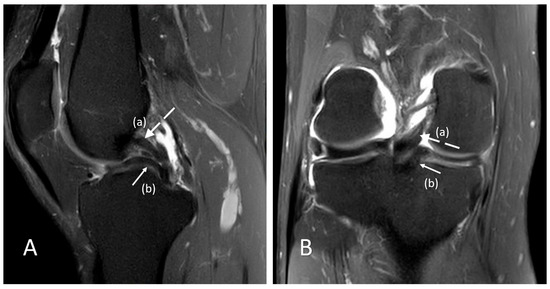
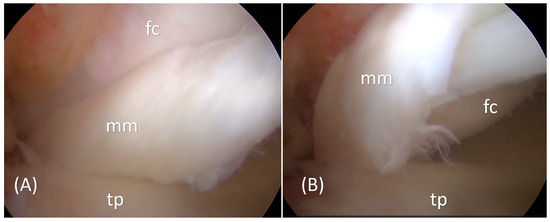
A 34-year-old male presented with persistent medial knee pain and mechanical symptoms three months after a rotational injury, with limited knee extension on examination. Magnetic resonance imaging demonstrated the double posterior cruciate ligament (PCL) sign, produced by a displaced bucket-handle tear of the medial meniscus with the fragment lying anterior and parallel to the intact PCL within the intercondylar notch. Coronal sequences confirmed displacement and loss of normal meniscal configuration. Arthroscopy verified the diagnosis, and arthroscopic partial meniscectomy was performed due to chronic displacement and poor healing potential. Following structured rehabilitation, the patient returned to full athletic activity without symptoms at one-year follow-up. This case underscores the importance of recognizing the double PCL sign as a highly specific MRI finding enabling prompt diagnosis and appropriate management of displaced bucket-handle meniscal tears, while also highlighting its radiologic–arthroscopic correlation and the clinical implications of delayed presentation on treatment strategy, and provides a clear illustrative example of this classic imaging sign for educational purposes.
Full article
(This article belongs to the Special Issue Skeletal Imaging Case Collection)
►▼
Show Figures

Figure 1
Open AccessCase Report
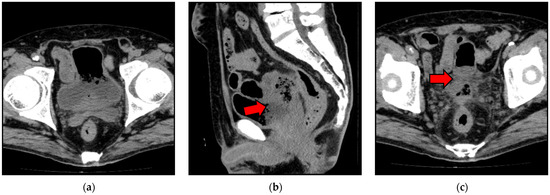
Urothelial Bladder Carcinoma Incidentally Coexisting with an Ileovesical Fistula Caused by Perforation of Meckel’s Diverticulum: A Case Report
by
Atsushi Yamamoto, Shohei Kawaguchi, Satoko Urata and Sotaro Miwa
Reports 2026, 9(2), 119; https://doi.org/10.3390/reports9020119 - 13 Apr 2026
Abstract
Background and Clinical Significance: Enterovesical fistulas are uncommon and are most often caused by inflammatory conditions. Cases caused by Meckel’s diverticulum are exceptionally rare, with only a few cases reported in the literature. To our knowledge, no previous reports have described an
[...] Read more.
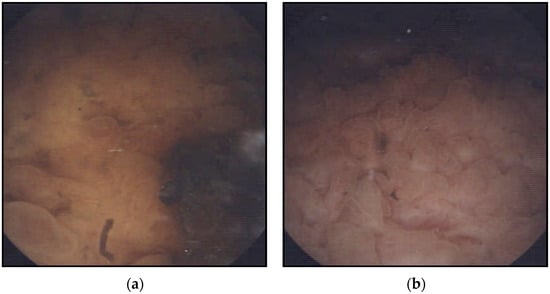
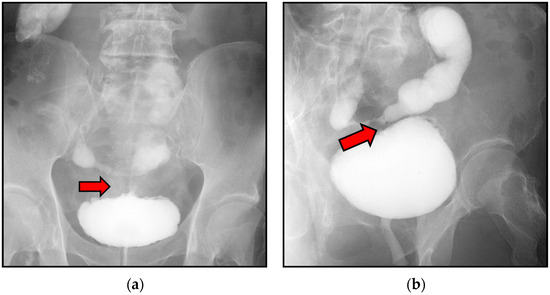
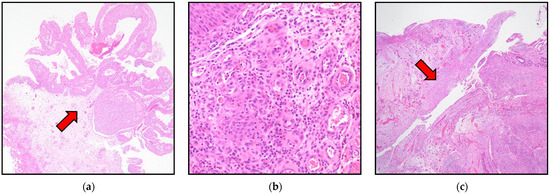
Background and Clinical Significance: Enterovesical fistulas are uncommon and are most often caused by inflammatory conditions. Cases caused by Meckel’s diverticulum are exceptionally rare, with only a few cases reported in the literature. To our knowledge, no previous reports have described an ileovesical fistula due to Meckel’s diverticulum coexisting with urothelial carcinoma. Case Presentation: A 74-year-old man was evaluated after presenting with fever and diagnosed with an ileovesical fistula. Since cystoscopy findings could not completely exclude bladder cancer, transurethral resection of the bladder tumor (TUR-Bt) was performed 1 month after the infection subsided. Histopathological examination confirmed the diagnosis of bladder cancer. Partial small intestine resection was performed 1 week after TUR-Bt to treat the ileovesical fistula. Histopathological examination of the resected specimen revealed perforation due to Meckel’s diverticulitis. TUR-Bt was repeated 3 months after the initial surgery, and no residual tumor was detected. At 6 months postoperatively, no recurrence of bladder cancer or fistula was observed. Conclusions: This case highlights an extremely rare coexistence of ileovesical fistula due to Meckel’s diverticulum and urothelial carcinoma. Given the potential for malignancy in or around fistulous lesions, careful diagnostic evaluation and appropriate management are essential.
Full article
(This article belongs to the Special Issue When Urology Surprises: Educational and Rare Clinical Cases)
►▼
Show Figures

Figure 1
Open AccessCase Report
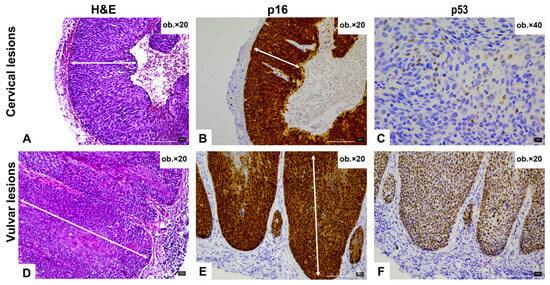
Synchronous Cervical and Vulvar High-Grade Squamous Intraepithelial Lesions with Unusual p16/p53 Immunophenotype: A Case Report
by
Catalin-Bogdan Satala, Alina-Mihaela Gurau, Andrei-Ionut Patrichi, Andreea Onofrei (Popa) and Daniela Mihalache
Reports 2026, 9(2), 118; https://doi.org/10.3390/reports9020118 - 11 Apr 2026
Abstract
►▼
Show Figures
Background and Objectives: Synchronous cervical and vulvar squamous intraepithelial lesions are rarely reported. In most cases, these lesions are associated with high-risk human papillomavirus (HPV) infection and follow the conventional HPV-related pathway. Rarely, vulvar lesions may show an unusual immunohistochemical profile, with
[...] Read more.
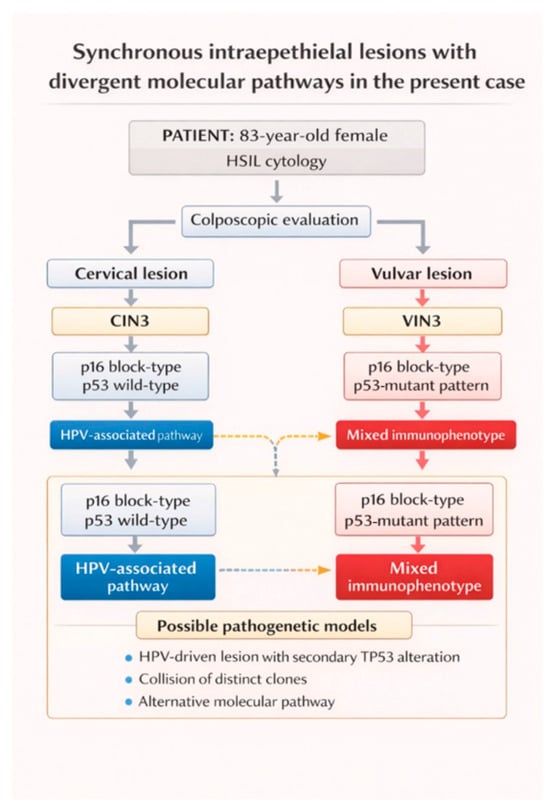
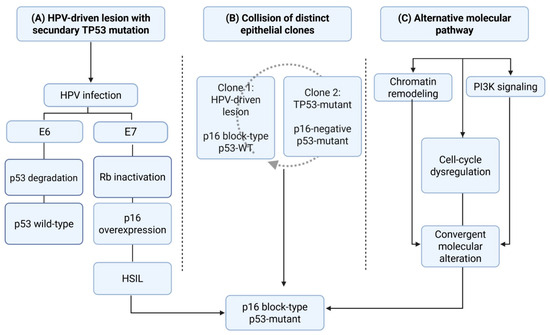
Background and Objectives: Synchronous cervical and vulvar squamous intraepithelial lesions are rarely reported. In most cases, these lesions are associated with high-risk human papillomavirus (HPV) infection and follow the conventional HPV-related pathway. Rarely, vulvar lesions may show an unusual immunohistochemical profile, with block-type p16 expression accompanied by aberrant p53 staining, creating diagnostic and etiopathogenetic challenges. Case Presentation: We report the case of an 83-year-old woman who presented with metrorrhagia and a symptomatic vulvar lesion. Histopathological evaluation revealed synchronous high-grade squamous intraepithelial lesion of the cervix and vulvar high-grade squamous intraepithelial lesion (VIN 3). Immunohistochemically, the cervical lesion showed block-type p16 positivity and a wild-type p53 pattern, supporting a conventional HPV-associated profile. In contrast, the vulvar lesion also demonstrated block-type p16 positivity, but with aberrant p53 overexpression, representing an unusual double-positive immunophenotype. Conclusions: This case highlights a rare presentation of synchronous lower genital tract squamous intraepithelial lesions with divergent immunophenotypic features. Accurate interpretation requires integration of morphology and immunohistochemistry, while the absence of direct HPV testing and TP53 molecular analysis limits definitive etiopathogenetic classification. Reporting such cases may broaden awareness of unusual vulvar precursor lesions and potential diagnostic pitfalls in routine practice.
Full article

Figure 1

Open AccessCase Report
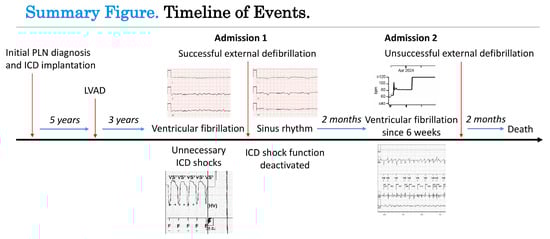
Incessant Ventricular Fibrillation in a Patient with a Left Ventricular Assist Device and an Implantable Cardioverter-Defibrillator: A Case Report
by
Alwin B. P. Noordman, Michiel Rienstra and Alexander H. Maass
Reports 2026, 9(2), 117; https://doi.org/10.3390/reports9020117 - 10 Apr 2026
Abstract
Background and Clinical Significance: Patients with a left ventricular assist device (LVAD) are at risk of ventricular arrhythmias, which are generally hemodynamically tolerated if they occur. In such cases, patients may experience painful implantable cardioverter-defibrillator (ICD) shocks. Case Presentation: A 71-year-old patient with
[...] Read more.
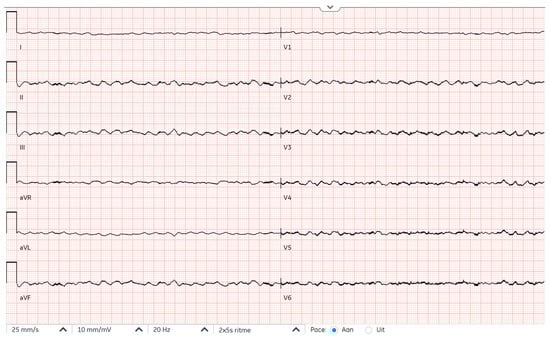
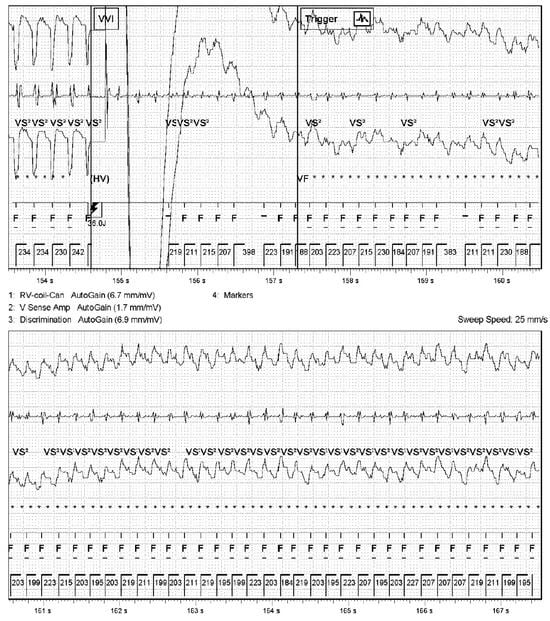
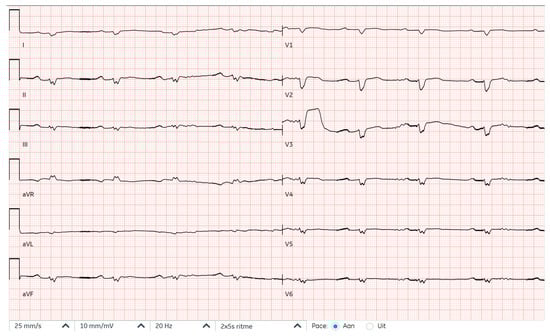
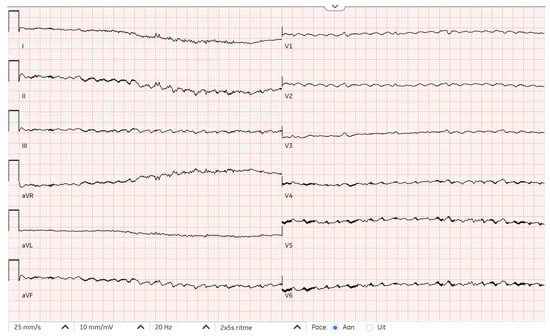
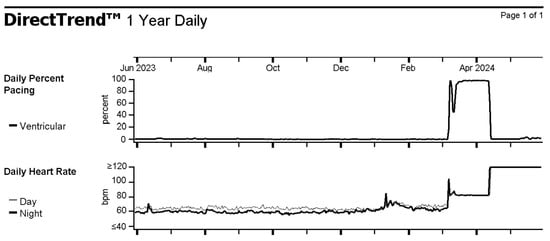
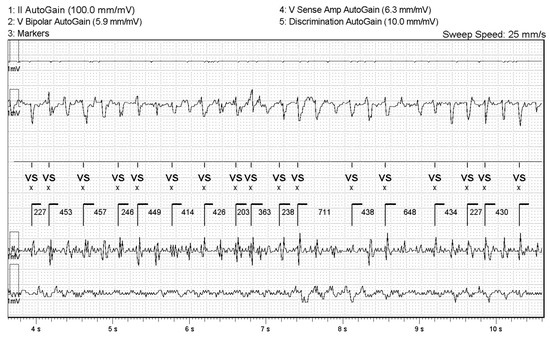
Background and Clinical Significance: Patients with a left ventricular assist device (LVAD) are at risk of ventricular arrhythmias, which are generally hemodynamically tolerated if they occur. In such cases, patients may experience painful implantable cardioverter-defibrillator (ICD) shocks. Case Presentation: A 71-year-old patient with a history of dilated cardiomyopathy caused by a phospholamban (PLN) gain-of-function mutation, with a primary prevention ICD and an LVAD, presented with multiple ICD shocks which she experienced as painful and traumatic. She was found to have ongoing ventricular fibrillation with apparent hemodynamic stability. Conversion to sinus rhythm was achieved through intravenous administration of antiarrhythmic drugs followed by external defibrillation using stacked shocks. Due to the traumatic nature of the shocks, the shock function of the ICD was turned off. Nearly two months later, the patient presented for a second time and was again found to have ventricular fibrillation which had been present for at least six weeks. Conversion to sinus rhythm was unsuccessful and the patient was discharged to her home with an advanced care plan and her LVAD was deactivated. The patient died two months later. Conclusions: Patients with an LVAD can remain hemodynamically stable for prolonged periods of time during ventricular arrhythmias. ICD shocks are therefore mostly experienced as painful and even traumatic. Therefore, the routine use of ICD shock therapy in patients with an LVAD should be reconsidered. Adjustment of ICD programming to higher rates and longer detection may be warranted. Further investigation is warranted regarding a switch to devices with an alarm function rather than therapies for tachyarrhythmias.
Full article
(This article belongs to the Section Cardiology/Cardiovascular Medicine)
►▼
Show Figures

Figure 1
Open AccessCase Report
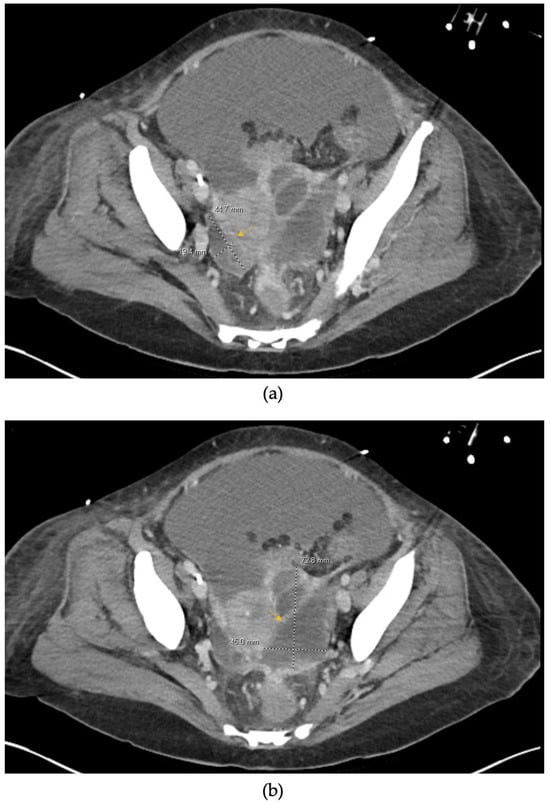
Bilateral Tubo-Ovarian Abscesses Associated with Enterococcal Translocation in Decompensated Cirrhosis: A Case Report
by
Noor Albusta and Hussain Alrahma
Reports 2026, 9(2), 116; https://doi.org/10.3390/reports9020116 - 10 Apr 2026
Abstract
►▼
Show Figures
Background and Clinical Significance: Cirrhosis-associated immune dysfunction (CAID) is characterized by impaired innate and adaptive immune responses, gut dysbiosis, and increased bacterial translocation, predisposing patients to severe and atypical infections. While spontaneous bacterial peritonitis and other intra-abdominal infections are well-recognized complications of cirrhosis,
[...] Read more.
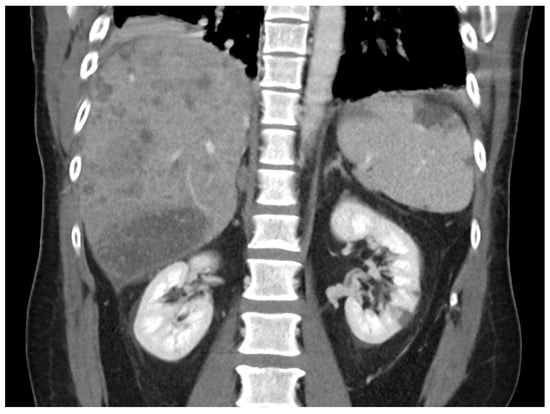
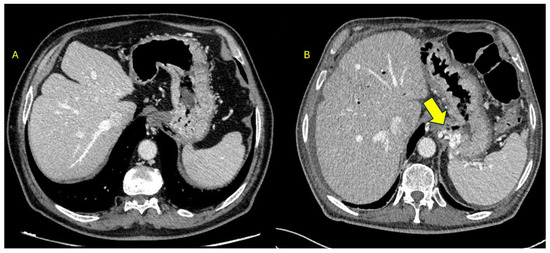
Background and Clinical Significance: Cirrhosis-associated immune dysfunction (CAID) is characterized by impaired innate and adaptive immune responses, gut dysbiosis, and increased bacterial translocation, predisposing patients to severe and atypical infections. While spontaneous bacterial peritonitis and other intra-abdominal infections are well-recognized complications of cirrhosis, extraintestinal infectious manifestations related to bacterial translocation are less commonly described. A tubo-ovarian abscess (TOA) typically arises from ascending pelvic infections associated with pelvic inflammatory disease and is rarely reported in patients with cirrhosis without gynecologic risk factors. Thus, recognizing unusual infectious presentations in cirrhotic patients is important given their functionally immunocompromised state. Case Presentation: We report a 46-year-old woman with previously undiagnosed alcohol-related cirrhosis who presented with sepsis and abdominal pain. She had no prior gynecologic history or known risk factors for pelvic inflammatory disease. Contrast-enhanced computed tomography (CT) demonstrated bilateral tubo-ovarian abscesses. Image-guided percutaneous drainage was performed, and cultures from both ascitic fluid and bilateral adnexal collections grew Enterococcus faecium, supporting a shared intra-abdominal source of infection and suggesting transperitoneal dissemination via infected ascitic fluid as a plausible mechanism, although an ascending genital tract source cannot be fully excluded. The patient was treated with targeted intravenous antibiotics and drainage with subsequent clinical improvement. Conclusions: This case highlights bilateral tubo-ovarian abscesses as a rare infectious complication of cirrhosis-associated immune dysfunction. In cirrhotic patients presenting with sepsis and intra-abdominal pathology, clinicians should consider atypical infection pathways related to bacterial translocation among the differential mechanisms of spread. Thus, recognizing cirrhosis as a functionally immunocompromised state is essential for the timely diagnosis and management of unusual infections.
Full article

Figure 1

Open AccessCase Report
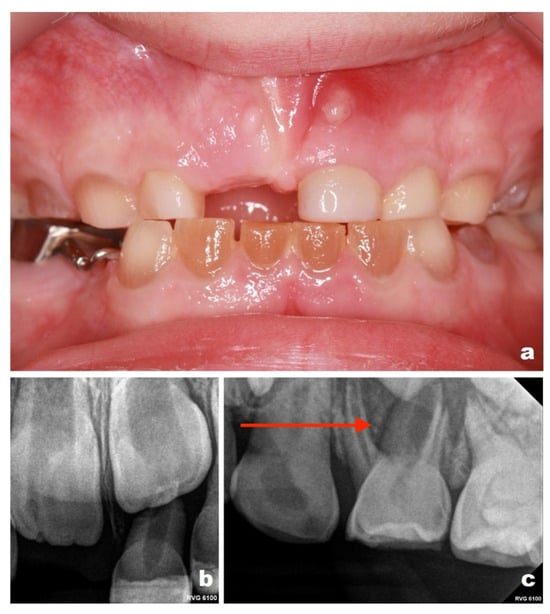
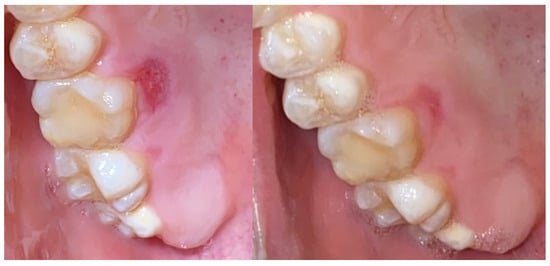
Dentinogenesis Imperfecta in Primary Dentition: Case Report
by
Līna Petrova, Jūlija Ustiča and Ingrīda Čēma
Reports 2026, 9(2), 115; https://doi.org/10.3390/reports9020115 - 10 Apr 2026
Abstract
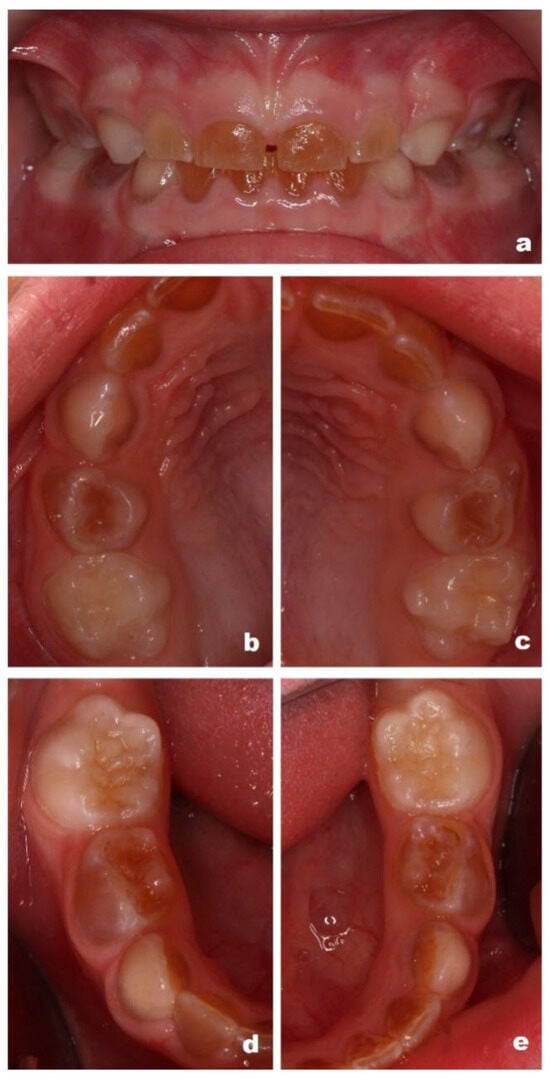
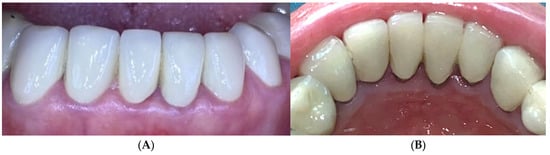
Background and Clinical Significance: Dentinogenesis imperfecta is a hereditary dentin disorder that compromises tooth structure, esthetics, and function. Case Presentation: We report the case of a 1.5-year-old female presenting with generalized discoloration of the primary dentition and intermittent sensitivity to thermal stimuli.
[...] Read more.
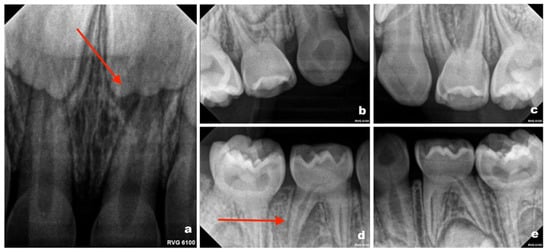
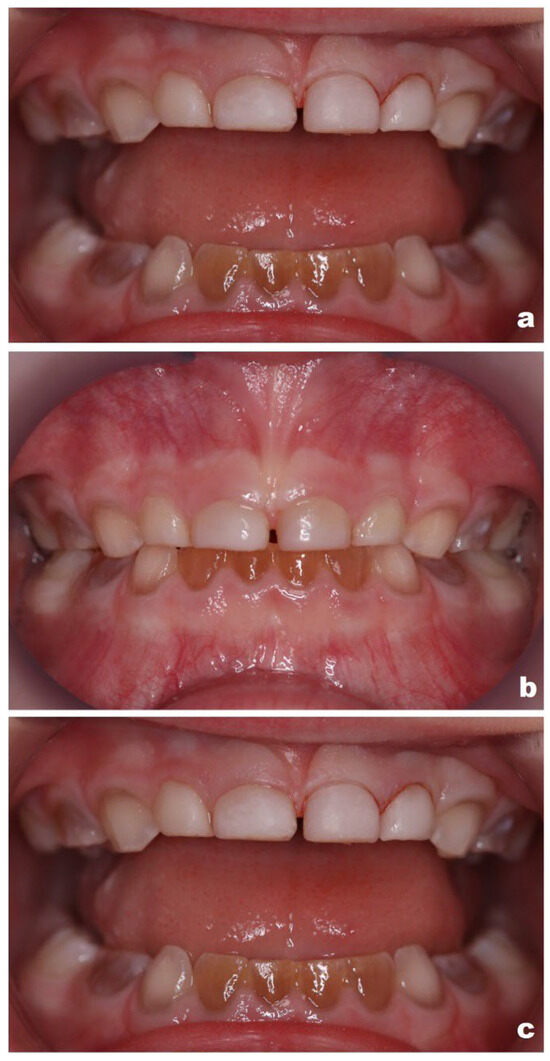
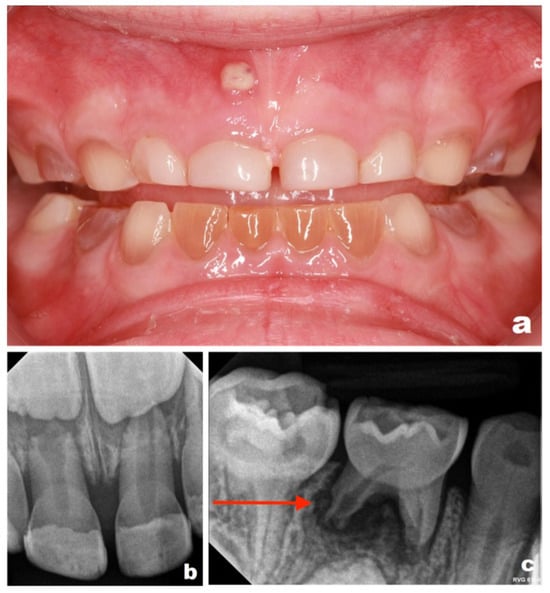
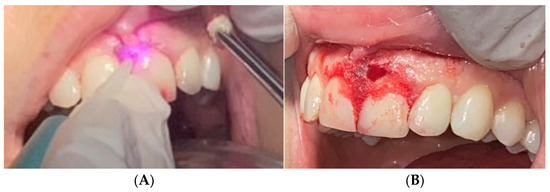
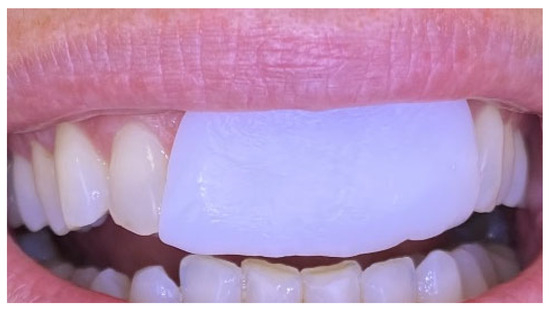
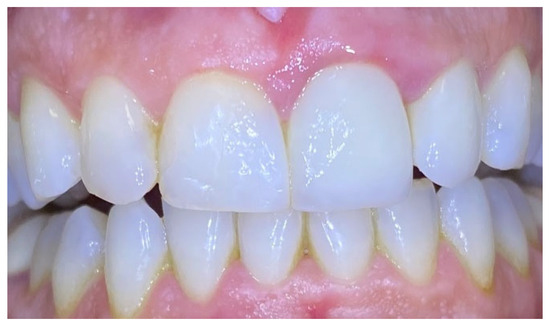
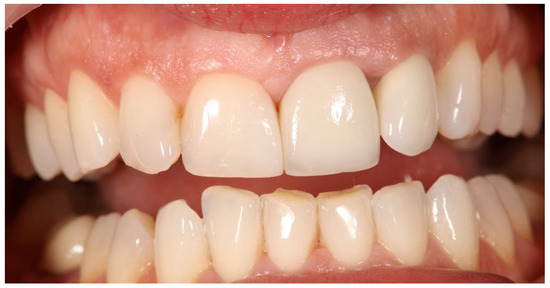
Background and Clinical Significance: Dentinogenesis imperfecta is a hereditary dentin disorder that compromises tooth structure, esthetics, and function. Case Presentation: We report the case of a 1.5-year-old female presenting with generalized discoloration of the primary dentition and intermittent sensitivity to thermal stimuli. The diagnosis of dentinogenesis imperfecta was established based on characteristic clinical features, radiographic findings, and a positive family history. The patient was followed longitudinally from 2020 to 2025, with documentation of diagnostic findings, radiographic changes, therapeutic interventions, and outcomes. Management included placement of composite veneers on the maxillary incisors for esthetic rehabilitation and sealants on second primary molars as a preventive measure. Although various management approaches have been described in the literature, evidence regarding optimal strategies and long-term outcomes in the primary dentition remains limited. This case highlights the occurrence of asymptomatic periapical pathology and root resorption despite minimal clinical symptoms, underscoring the challenges of relying on symptom-based assessment alone. Conclusions: Early diagnosis, regular radiographic monitoring, and individualized, risk-based treatment planning are essential in managing dentinogenesis imperfecta. This case emphasizes the importance of recognizing asymptomatic disease progression and integrating psychosocial considerations into comprehensive care.
Full article
(This article belongs to the Special Issue Case Reports in Oral Diseases)
►▼
Show Figures

Figure 1
Open AccessCase Report
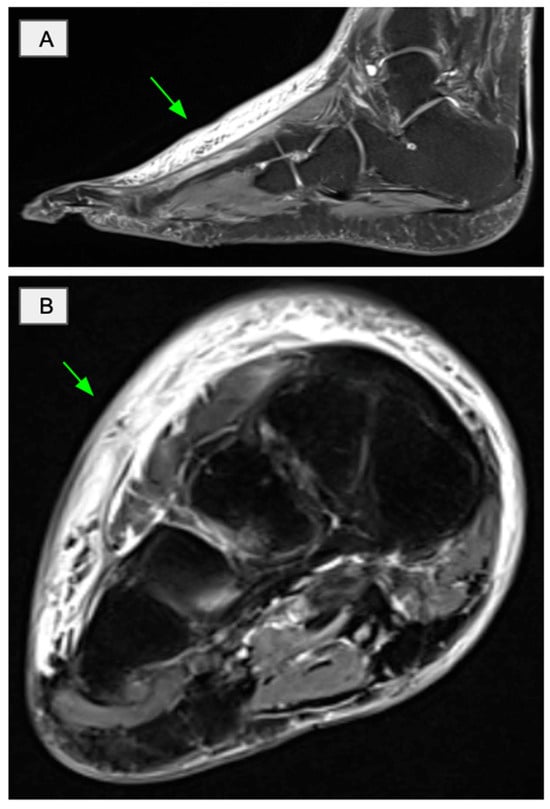
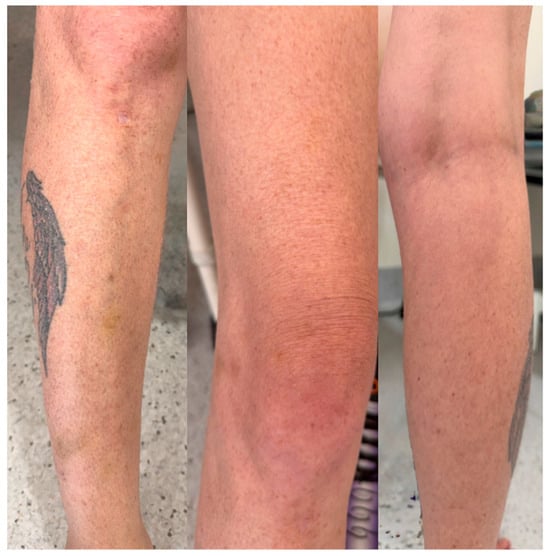
Pseudovasculitic Scurvy Mimicking Small Vessel Vasculitis: A Case Report
by
Andrea C. R. Chieng, Branavan Sivagnanam, Magnus H. Liew and Priyani Daluwatte
Reports 2026, 9(2), 114; https://doi.org/10.3390/reports9020114 - 8 Apr 2026
Abstract
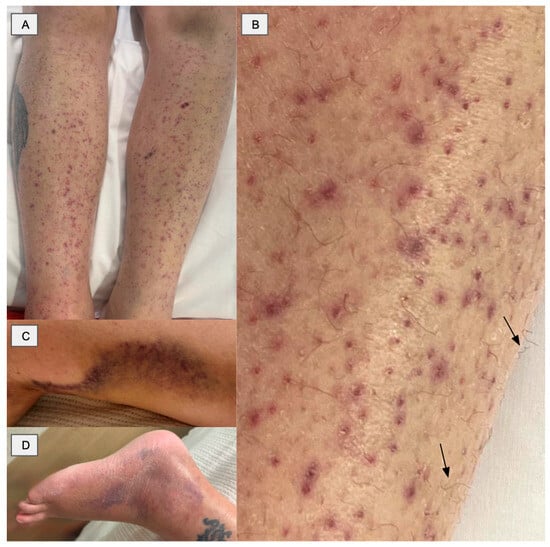
Background and clinical significance: Scurvy, resulting from vitamin C deficiency, is rare in the 21st century, particularly in high-income settings. Its nonspecific presentation and ability to mimic a wide range of conditions make diagnosis incredibly challenging. Pseudovasculitic petechial lesions of the lower
[...] Read more.
Background and clinical significance: Scurvy, resulting from vitamin C deficiency, is rare in the 21st century, particularly in high-income settings. Its nonspecific presentation and ability to mimic a wide range of conditions make diagnosis incredibly challenging. Pseudovasculitic petechial lesions of the lower limbs may be misdiagnosed as systemic vasculitis, often leading to extensive investigations and delayed treatment. Case presentation: We report the case of a 45-year-old woman who presented with progressive lower limb pain, swelling, and vasculitis-like petechial rash with ecchymoses. Extensive investigations for autoimmune, infectious, malignant, and vascular causes, including skin biopsy, were unremarkable. A detailed dietary history revealed markedly restrictive intake. Characteristic dermatological findings, including perifollicular haemorrhage, ecchymoses and hair shaft abnormalities, raised suspicion for scurvy. Profoundly reduced serum ascorbic acid levels confirmed vitamin C deficiency. Conclusions: This case highlights the importance of thorough dietary assessment, recognition of characteristic cutaneous features, and identification of risk factors such as restrictive eating patterns or chronic gastrointestinal symptoms. It underscores the need for a high index of clinical suspicion for scurvy, even in contemporary high-income settings. Early diagnosis and vitamin C supplementation can result in rapid clinical improvement and prevent avoidable morbidity.
Full article
(This article belongs to the Section Dermatology)
►▼
Show Figures

Figure 1
Open AccessCase Report
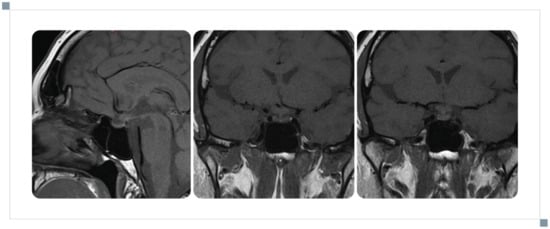
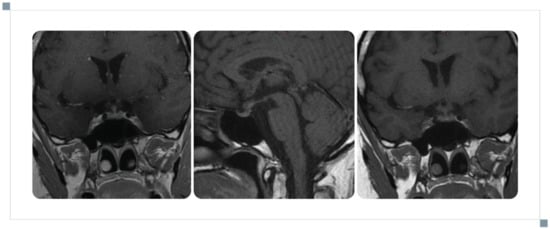
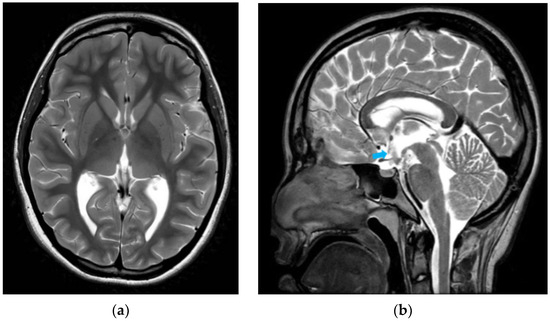
Hypopituitarism Revealing Probable Neurosarcoidosis: A Case Report and Diagnostic Challenges
by
Michał Szklarz, Mikołaj Madeksza, Katarzyna Wołos-Kłosowicz, Julia Modzelewska, Jan Górny and Wojciech Matuszewski
Reports 2026, 9(2), 113; https://doi.org/10.3390/reports9020113 - 7 Apr 2026
Abstract
►▼
Show Figures
Background and Clinical Significance: Neurosarcoidosis (NS) is a rare manifestation of systemic sarcoidosis involving the central nervous system, with highly variable neurological and endocrine presentations. Among these, anterior pituitary dysfunction is particularly uncommon and diagnostically challenging. Case Presentation: We report the case of
[...] Read more.
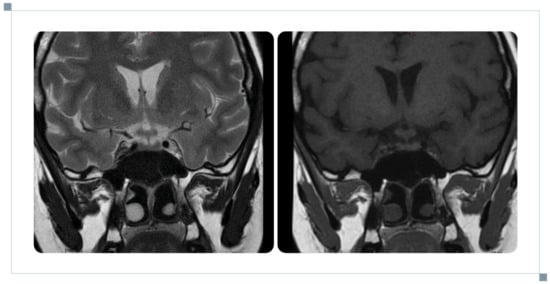
Background and Clinical Significance: Neurosarcoidosis (NS) is a rare manifestation of systemic sarcoidosis involving the central nervous system, with highly variable neurological and endocrine presentations. Among these, anterior pituitary dysfunction is particularly uncommon and diagnostically challenging. Case Presentation: We report the case of a 37-year-old woman with a 4-year history of secondary amenorrhoea and an initially suspected pituitary microadenoma, who was ultimately diagnosed with probable NS presenting with multiaxial anterior pituitary insufficiency. Early magnetic resonance imaging (MRI) revealed a small pituitary lesion and isolated pituitary stalk thickening, without other central nervous system abnormalities. Subsequent imaging demonstrated contrast-enhancing lesions involving the meninges and cranial nerves, along with progression of pituitary stalk involvement and loss of the posterior pituitary bright spot. Further evaluation confirmed systemic sarcoidosis. High-dose corticosteroid therapy led to partial clinical and radiological improvement; however, relapse necessitated methotrexate, and persistent pituitary hormone deficiencies required long-term hormonal replacement. Conclusions: This case highlights the diagnostic complexity of NS presenting with isolated endocrine dysfunction and subtle imaging findings. It underscores the need to consider systemic sarcoidosis in patients with unexplained hypopituitarism.
Full article

Figure 1

Open AccessCase Report
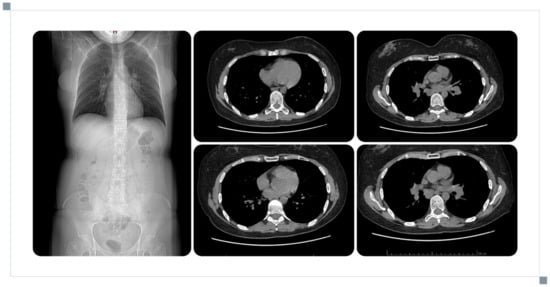
Recurrent Hepatic Encephalopathy After Abdominal Surgery in a Non-Cirrhotic Patient: A Case Report
by
Sebastiano Ziola, Giuseppe Cittadini, Andrea Pasta, Sara Labanca, Giulia Pieri, Simona Marenco and Edoardo G. Giannini
Reports 2026, 9(2), 112; https://doi.org/10.3390/reports9020112 - 4 Apr 2026
Abstract
Background and Clinical Significance: Hepatic encephalopathy (HE) is a reversible brain dysfunction typically associated with cirrhosis and portal hypertension. In these patients, portosystemic shunts allow ammonia and other toxins to bypass hepatic metabolism, leading to neurological symptoms. However, HE can also occur in
[...] Read more.
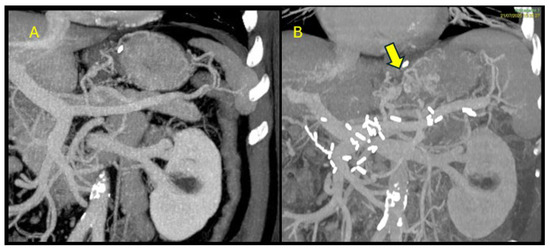
Background and Clinical Significance: Hepatic encephalopathy (HE) is a reversible brain dysfunction typically associated with cirrhosis and portal hypertension. In these patients, portosystemic shunts allow ammonia and other toxins to bypass hepatic metabolism, leading to neurological symptoms. However, HE can also occur in non-cirrhotic patients through congenital shunts or, less commonly, through iatrogenic shunts following abdominal trauma or surgery. This case is clinically significant as it illustrates a rare presentation of recurrent HE caused by a de novo portosystemic shunt following major abdominal surgery in a patient without underlying liver disease. Case Presentation: A 76-year-old male was admitted with confusion, lethargy, and flapping tremors. His medical history included a total pancreatectomy for pancreatic adenocarcinoma six months prior. Laboratory tests revealed hyperammonemia and altered liver enzymes likely related to ongoing chemotherapy, but no signs of hepatic insufficiency or cirrhosis. A review of recent CT imaging identified a new portosystemic shunt between the portal territory and the azygous vein that was absent prior to his pancreatectomy. This iatrogenic shunt likely formed via the re-vascularization of vestigial vessels following surgical de-vascularization. The patient was successfully managed with lactulose and rifaximin. At 3-month follow-up, no further HE episodes had occurred. Conclusions: This case highlights that HE should be considered in patients without cirrhosis presenting with altered mental status and hyperammonemia, especially following abdominal surgery. It underscores the importance of a multidisciplinary approach and meticulous re-evaluation of imaging to identify iatrogenic vascular shunts that may be amenable to medical or interventional management.
Full article
(This article belongs to the Section Gastroenterology)
►▼
Show Figures

Figure 1
Open AccessCase Report
Zinc-Containing Surgical Stents for Soft Tissue Healing: Clinical Case Series and Chair-Side Application
by
Blagovesta Yaneva, Dobromira Shopova, Liliya Kavlakova, Georgi Boychev, Petar Shentov and Atanaska Dinkova
Reports 2026, 9(2), 111; https://doi.org/10.3390/reports9020111 - 2 Apr 2026
Abstract
Background and Clinical Significance: The optimization of soft tissue healing following oral surgical procedures remains a key factor for achieving long-term functional and esthetic success. This article aims to explore the clinical application and healing potential of zinc-containing stents in the management
[...] Read more.
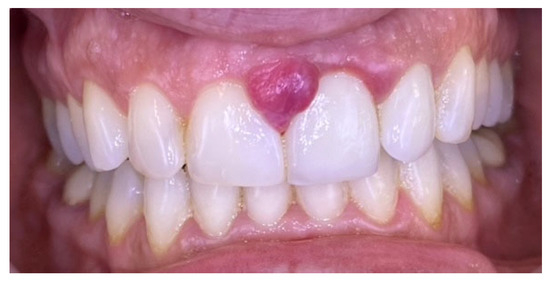
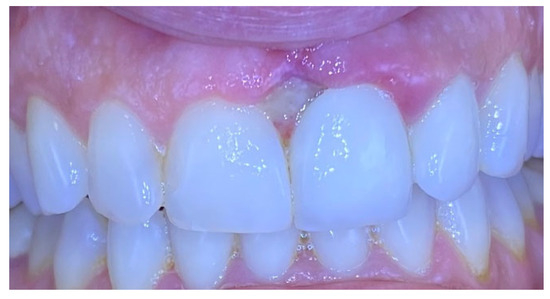
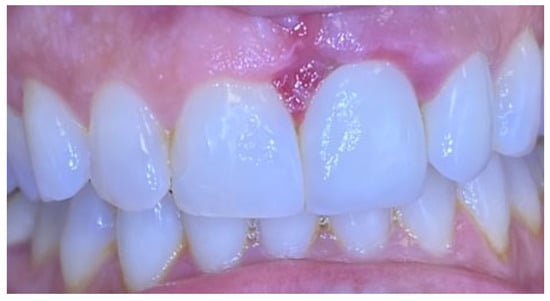
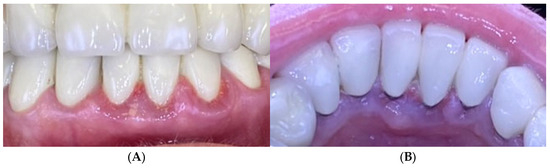
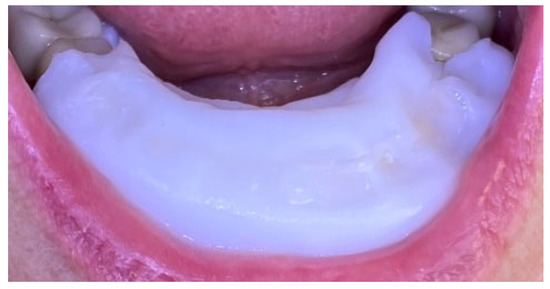
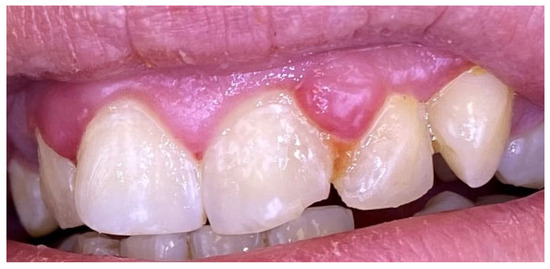
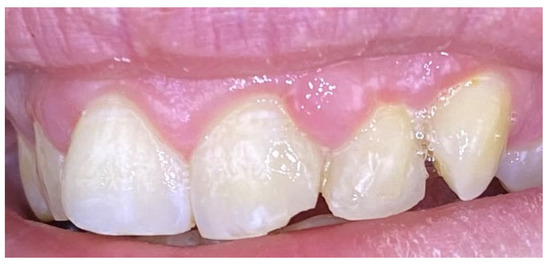
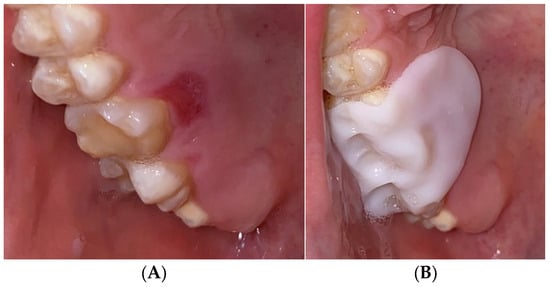
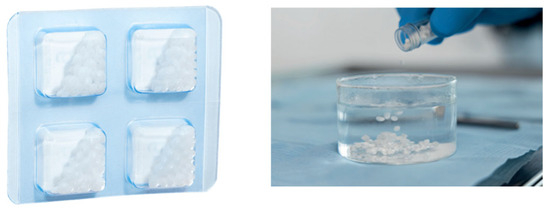
Background and Clinical Significance: The optimization of soft tissue healing following oral surgical procedures remains a key factor for achieving long-term functional and esthetic success. This article aims to explore the clinical application and healing potential of zinc-containing stents in the management of various oral soft tissue conditions. Case Presentation: Four clinical cases involving different etiologies of soft tissue lesions were included: (1) persistent pregnancy-associated gingival enlargement, (2) prosthesis-related gingival inflammation, (3) plaque-induced gingivitis, and (4) palatal thermal injury.Zinc-containing stents were fabricated from preheated granulate and applied following initial or supportive plaque control. Patients were instructed to wear the stents for a prescribed period. Clinical parameters, including the full mouth plaque score (FMPS), full mouth bleeding score (FMBS), tissue appearance, and patient comfort, were evaluated during follow-up. All four patients demonstrated complete resolution of clinical signs, including reduced inflammation, improved gingival contour, and accelerated tissue healing, without reported discomfort or adverse effects. In inflammatory cases, FMPS and FMBS values decreased markedly after stent use, while the palatal burn lesion showed complete re-epithelialization within five days. No adverse effects or complications were observed during follow-up periods ranging from one week to one year for the different cases. Conclusions: Zinc-containing stents show promising clinical potential as adjunctive tools in the management of periodontal and oral mucosal conditions. Their bioactive properties—anti-inflammatory, antimicrobial, and regenerative—may enhance soft tissue healing and patient comfort. Further controlled clinical studies are needed to establish standardized treatment protocols and optimize zinc formulations for wider adoption in clinical practice.
Full article
(This article belongs to the Section Dentistry/Oral Medicine)
►▼
Show Figures

Figure 1
Open AccessCase Report
Bilateral Continuous Femoral Nerve Blocks as an Opioid-Sparing Strategy for Refractory Lower Extremity Pain in Adult Sickle Cell Crisis: A Case Report
by
Thomas Renfrew, Thomas Oh, Derek Chung, Yuri C. Martins and Hamed Sadeghipour
Reports 2026, 9(2), 110; https://doi.org/10.3390/reports9020110 - 2 Apr 2026
Abstract
Background and Clinical Significance: Sickle cell vaso-occlusive crisis (VOC) may present with severe refractory pain that is difficult to control despite guideline-directed multimodal therapy and high-dose opioids. Case Presentation: We report an adult with VOC and severe, opioid-refractory anterior thigh and leg pain
[...] Read more.
Background and Clinical Significance: Sickle cell vaso-occlusive crisis (VOC) may present with severe refractory pain that is difficult to control despite guideline-directed multimodal therapy and high-dose opioids. Case Presentation: We report an adult with VOC and severe, opioid-refractory anterior thigh and leg pain who was treated with bilateral, ultrasound-guided continuous femoral nerve catheters (0.5% bupivacaine bolus per side followed by infusion of 0.2% ropivacaine at 5 mL/h each). Twenty-four-hour opioid use decreased by 76% from 44 mg intravenous hydromorphone (880 MME) before block placement to 10.4 mg (208 MME) after catheter initiation. Pain scores declined significantly from 10/10 to 3/10, facilitating mobilization and expediting discharge of the patient. No local anesthetic systemic toxicity occurred, and transient quadriceps weakness was managed with fall-risk precautions. IRB approval for this case report was waived per our institution policy. Conclusions: In select adults with VOC and predominant anterior thigh/leg pain, bilateral continuous femoral nerve catheters may provide rapid analgesia and substantial opioid-sparing benefits as part of multidisciplinary care. These findings are hypothesis-generating and support prospective evaluation of continuous peripheral nerve block strategies in VOC.
Full article
(This article belongs to the Section Anaesthesia)
Highly Accessed Articles
Latest Books
E-Mail Alert
News
Topics
Topic in
Pharmaceuticals, Medical Sciences, JCM, Vision, Reports, Cells, IJMS
New Developments in Glaucoma Diagnostics and Therapeutics
Topic Editors: Shan C. Lin, Sunee ChansangpetchDeadline: 30 September 2026
Topic in
Brain Sciences, JCM, Healthcare, Reports, Information, NeuroSci
Applications of Virtual Reality Technology in Rehabilitation—2nd Edition
Topic Editors: Jorge Oliveira, Pedro GamitoDeadline: 30 November 2026
Topic in
Biomedicines, Diseases, JCM, JPM, Uro, Reports
Clinical, Translational, and Basic Research and Novel Therapy on Functional Bladder Diseases and Lower Urinary Tract Dysfunctions
Topic Editors: Hann-Chorng Kuo, Yao-Chi Chuang, Chun-Hou LiaoDeadline: 31 December 2026
Special Issues
Special Issue in
Reports
Epidemiology of Infectious Diseases: Time-Series Analysis and Nonlinear Dynamics
Guest Editor: Ayako SumiDeadline: 30 June 2026
Special Issue in
Reports
Case Reports in Oral Diseases
Guest Editors: Athanasios K. Poulopoulos, Vasileios ZisisDeadline: 31 October 2026
Special Issue in
Reports
Skeletal Imaging Case Collection
Guest Editor: Paolo SpinnatoDeadline: 31 October 2026
Special Issue in
Reports
When Urology Surprises: Educational and Rare Clinical Cases
Guest Editors: Aris Kaltsas, Timoleon GiannakasDeadline: 31 October 2026
Topical Collections
Topical Collection in
Reports
Health Threats of Climate Change
Collection Editors: Toshio Hattori, Yujiro Nakayama, Hiromu Ito, Kenzo Takahashi, Ayako Sumi, Takatoshi Kasai, Ichiro Onoyama, Shigeru Morinobu
Topical Collection in
Reports
Cardiovascular Disease and Sleep Disordered Breathing—Case Report
Collection Editor: Takatoshi Kasai