



Journal Description
Ruminants
Ruminants
is an international, peer-reviewed, open access journal on ruminants, including cattle, all domesticated and wild bovines, goats, sheep, giraffes, deer, gazelles, and antelopes, published quarterly online by MDPI.
- Open Access— free for readers, with article processing charges (APC) paid by authors or their institutions.
- High Visibility: indexed within ESCI (Web of Science), Scopus, EBSCO, and other databases.
- Journal Rank: CiteScore - Q2 (Animal Science and Zoology)
- Rapid Publication: manuscripts are peer-reviewed and a first decision is provided to authors approximately 20.6 days after submission; acceptance to publication is undertaken in 2.9 days (median values for papers published in this journal in the second half of 2025).
- Recognition of Reviewers: Article processing charge (APC) discount vouchers, optional signed peer review, and reviewer names published annually in the journal.
- Ruminants is a companion journal of Animals.
- Journal Cluster of Animal Science: Animals, Arthropoda, Birds, Dairy, Insects, Journal of Zoological and Botanical Gardens, Pets, Poultry, Ruminants and Veterinary Sciences.
Impact Factor:
1.3 (2024);
5-Year Impact Factor:
1.4 (2024)
Latest Articles
Meat Quality and Mineral Composition of the Sheep Semimembranosus Muscle Under a Feeding Strategy Including Parkia platycephala Pod and Whole Corn Grain
Ruminants 2026, 6(2), 42; https://doi.org/10.3390/ruminants6020042 - 12 Jun 2026
Abstract
Parkia platycephala pod (PP) is a native feed resource with good nutritional value that can be included in sheep diets as a potential alternative ingredient without impairing the meat quality. Thus, the aim of this study was to evaluate the effect of two
[...] Read more.
Parkia platycephala pod (PP) is a native feed resource with good nutritional value that can be included in sheep diets as a potential alternative ingredient without impairing the meat quality. Thus, the aim of this study was to evaluate the effect of two feeding strategies differing in forage source and corn processing form, including the use of Parkia platycephala pod and whole corn grain, on the physicochemical characteristics, proximate composition, and mineral profile of sheep meat. For this, the Semimembranosus muscle from the hind legs of twelve castrated male Dorper × Santa Inês sheep was evaluated. The animals were fed two diets: diet 1—without Parkia platycephala pod (30% Tifton hay + 20% ground corn)—and diet 2—with Parkia platycephala pod (30% Parkia platycephala pod + 0% ground corn). A completely randomized design with two treatments and six replicates was used. There was no effect of diet on the physicochemical characteristics, proximate composition and mineral profile of the Semimembranosus muscle (p > 0.05). Therefore, the inclusion of Parkia platycephala pod in sheep diets is recommended, as it does not alter meat quality.
Full article
Open AccessReview
Reunderstanding the Mechanism of Bone Resorption in the Regulation of Postpartum Hypocalcemia in Dairy Cows: Insights from Cross-Species Evidence
by
Pengyu Huang, Xiu Su and Jie Cao
Ruminants 2026, 6(2), 41; https://doi.org/10.3390/ruminants6020041 - 8 Jun 2026
Abstract
►▼
Show Figures
Some dairy cows develop postpartum hypocalcemia because they cannot adapt to the drastic loss of blood calcium during the periparturient period. Parathyroid hormone (PTH) maintains calcium homeostasis by regulating bone calcium mobilization, gastric and intestinal calcium absorption, and renal calcium reabsorption. Traditionally, dysregulation
[...] Read more.
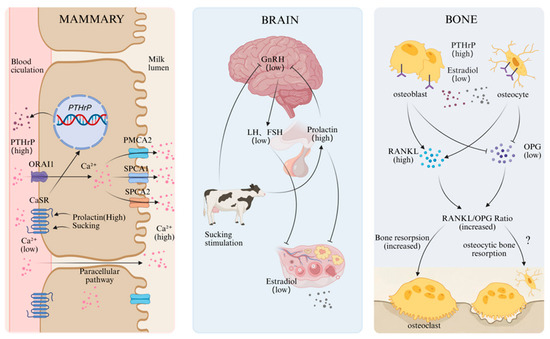
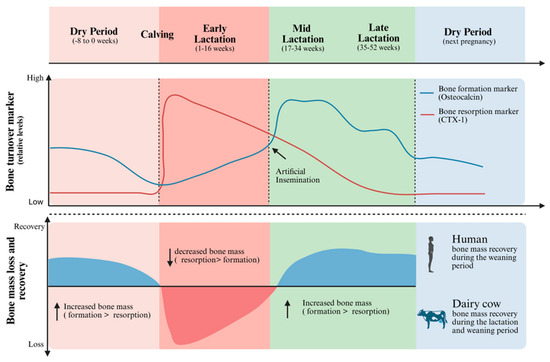
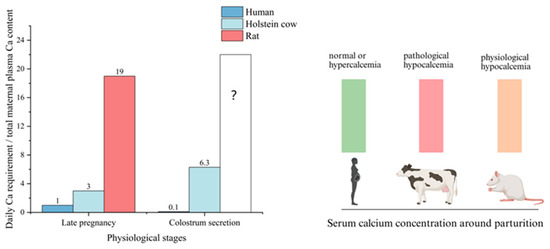
Some dairy cows develop postpartum hypocalcemia because they cannot adapt to the drastic loss of blood calcium during the periparturient period. Parathyroid hormone (PTH) maintains calcium homeostasis by regulating bone calcium mobilization, gastric and intestinal calcium absorption, and renal calcium reabsorption. Traditionally, dysregulation of PTH has been considered the main cause of this disorder. Recent studies have confirmed that parathyroid hormone-related protein (PTHrP) secreted by the mammary gland is also involved in calcium homeostasis by promoting bone resorption. Based on existing research evidence and cross-species comparisons, this paper analyzes the effects of differences in mammary calcium output and compensatory mechanisms among various mammals on the risk of postpartum hypocalcemia, with a particular focus on processes related to bone resorption and bone formation. It further explains the pathogenesis of postpartum hypocalcemia in dairy cows by examining the roles of the mammary–brain–bone axis, PTH, and PTHrP in bone resorption and bone formation in these animals.
Full article

Figure 1
Open AccessArticle
Integrating Udder Morphology, Somatic Cell Count and Infrared Thermography to Assess Udder Health in Dairy Goats
by
Walter Weidel, Lilla Sándorová, Evelin Gál, Blanka Metz, Gábor Lukács, Péter József Polgár, Péter Póti and Ferenc Pajor
Ruminants 2026, 6(2), 40; https://doi.org/10.3390/ruminants6020040 - 4 Jun 2026
Abstract
Maintaining udder health and milk quality is important in dairy goat production; however, the interpretation of somatic cell count (SCC) in goats is complicated by physiological and non-infectious factors. This study evaluated the associations among udder and teat morphological traits, SCC, bacteriological status,
[...] Read more.
Maintaining udder health and milk quality is important in dairy goat production; however, the interpretation of somatic cell count (SCC) in goats is complicated by physiological and non-infectious factors. This study evaluated the associations among udder and teat morphological traits, SCC, bacteriological status, and udder surface temperature in clinically healthy Saanen dairy goats. Udder conformation was assessed using a linear scoring system in multiparous goats (n = 70). Composite milk samples were collected at three lactation stages for SCC and milk quality analysis, whereas separate half-udder milk samples were used for bacteriological examination. Udder surface temperature was measured using infrared thermography (IRT) at the final sampling time point. Stepwise multiple regression analysis was applied to identify udder and teat traits associated with log-transformed SCC. The results showed considerable variation in udder conformation, with the greatest deviations observed for teat placement. Fore udder attachment, udder cleft, teat length, and teat form were significantly associated with SCC, with stronger attachment, a more distinct udder cleft, shorter teats, and a more cylindrical teat shape being associated with lower SCC. Bacteriological examination detected mastitis-associated bacteria in 45.0% of half-udder samples, mainly coagulase-negative Staphylococcus spp. and Corynebacterium spp., while the proportion of obligate udder pathogens was highest in the >2,000,000 cells/mL SCC category. Bacteriologically positive udder halves showed slightly higher surface temperatures than bacteriologically negative udder halves (p < 0.05), whereas no significant differences in udder surface temperature were observed among SCC categories. These findings suggest that udder morphology is associated with SCC and may be useful in phenotypic udder health assessment. IRT may provide complementary information on bacteriological status under standardized conditions, but its diagnostic value in dairy goats requires further validation in larger, longitudinal studies.
Full article
Open AccessArticle
Steam-Flaked Corn in Feedlot Lambs: Growth Performance, Dietary Energetics, Visceral Fat Deposition, and Carcass Characteristics
by
Alejandro Rivera-Villegas, Lexiles Eli Matute-Guevara, Oliver Yaotzin Sánchez-Barbosa, Pedro Hernández-Briano, Octavio Martínez-Guerrero, Octavio Carrillo-Muro, Rosalba Lazalde-Cruz, Daniel Rodríguez-Cordero, Beatriz Isabel Castro-Pérez and Alejandro Plascencia
Ruminants 2026, 6(2), 39; https://doi.org/10.3390/ruminants6020039 - 4 Jun 2026
Abstract
Limited empirical evidence is available validating the energy value assigned to steam-flaked corn (SFC) for small ruminants in current NRC feeding standards. Therefore, the objective of this study was to evaluate the effects of corn processing, including steam-flaking, on growth performance, dietary energetics,
[...] Read more.
Limited empirical evidence is available validating the energy value assigned to steam-flaked corn (SFC) for small ruminants in current NRC feeding standards. Therefore, the objective of this study was to evaluate the effects of corn processing, including steam-flaking, on growth performance, dietary energetics, visceral fat deposition, and carcass characteristics of finishing lambs. Forty-eight Dorper × Katahdin ram lambs (42.0 ± 0.27 kg initial body weight) were assigned to one of four treatments (n = 12 per treatment) and fed high-concentrate diets for 45 d containing 50% yellow corn grain. Treatments differed only in the form of corn presentation: whole corn (WC), cracked corn (CC), ground corn (GC), or SFC. Cracked corn was produced using a roller mill without a sieve (mean particle size 4 to 6 mm), whereas ground corn was processed through a 3 mm sieve (mean particle size 1 to 2 mm). For SFC, WC was steamed for 20 min at approximately 102 °C before rolling, and flake density was adjusted to 0.36 kg/L by roller tension. Dry matter intake was 10.1% greater in SFC than in WC (p = 0.020), whereas CC and GC showed intermediate responses. Final body weight (+4.7%), average daily gain (+30.8%), and observed dietary net energy for maintenance (NEm; +10.4%) were greater in SFC than in GC (p < 0.05), whereas WC and CC showed intermediate responses. Gain-to-feed ratio was greater in SFC than in GC and CC (p = 0.028), representing increases of 24.6% and 18.2%, respectively. Empty body weight and visceral fat deposition were also affected by treatment (p < 0.05), with greater visceral fat deposition in SFC and CC than in GC, whereas WC showed intermediate responses. Steam-flaked corn increased longissimus lumborum muscle area by 17.7% relative to GC (p = 0.048) and increased perirenal fat deposition relative to WC, CC, and GC (p = 0.048). However, most carcass characteristics and meat quality variables were not affected during the 45 d experimental period (p > 0.05). Using a replacement technique, estimated NEm values (Mcal/kg) for CC, GC, and SFC were 2.00, 1.88, and 2.24, respectively. The NEm value for SFC was in close agreement (2.24 vs. 2.30 Mcal/kg) with current feeding standards, whereas dry-processed corn showed lower estimated NEm values (p = 0.025), representing reductions of 9% and 17% for CC and GC, respectively. In conclusion, SFC improved growth performance and dietary energy utilization relative to GC, while producing limited effects on carcass-related responses under the conditions of this 45 d study.
Full article
(This article belongs to the Special Issue Nutrients and Feed Additives in Sheep and Goats)
Open AccessArticle
Effects of Mixed-Source Copper, Zinc, and Manganese Supplementation on Growth Performance, Antioxidant Status, and Mineral Utilization in Baluchi Lambs
by
Maryam Amini Torghabeh, Marzieh Hajmohammadi, Giovanni Buonaiuto, Damiano Cavallini, Reza Valizadeh and Seyed Hadi Ebrahimi
Ruminants 2026, 6(2), 38; https://doi.org/10.3390/ruminants6020038 - 3 Jun 2026
Abstract
This study evaluated the effects of partially replacing inorganic copper, zinc, and manganese with hydroxychloride or methionine-bound organic sources on growth performance, antioxidant status, serum mineral concentrations, and mineral utilization in finishing Baluchi lambs. Twenty male ram lambs were randomly assigned to four
[...] Read more.
This study evaluated the effects of partially replacing inorganic copper, zinc, and manganese with hydroxychloride or methionine-bound organic sources on growth performance, antioxidant status, serum mineral concentrations, and mineral utilization in finishing Baluchi lambs. Twenty male ram lambs were randomly assigned to four dietary treatments for 60 days: a control group without supplemental minerals (CTR), a sulfate group receiving 100% of supplemental minerals as sulfates (SULF), a hydroxy group receiving 70% sulfates and 30% hydroxychloride sources (HYDRO), and an organic group receiving 70% sulfates and 30% methionine-complexed minerals (ORG). All supplemented diets were formulated to provide similar total concentrations of Cu, Zn, and Mn in accordance with NRC requirements. Growth performance and feed intake did not differ significantly among treatments (p > 0.05). Serum mineral concentrations were affected by dietary treatments (p < 0.0001), with lower Zn and Cu concentrations observed in the ORG. Urinary Mn excretion was higher in ORG (p = 0.007), whereas Zn and Cu excretion were not significantly affected. Apparent mineral absorption was not significantly different among treatments, although numerical variation was observed. Antioxidant parameters were influenced by mineral source, with higher glutathione peroxidase activity and total antioxidant capacity in ORG and HYDRO groups (p < 0.0001). These findings suggest that partial replacement of inorganic trace minerals with hydroxychloride or organic sources can modulate antioxidant status and mineral metabolism without affecting growth performance, highlighting the potential of mixed-source supplementation strategies in practical feeding systems.
Full article
(This article belongs to the Special Issue Nutrients and Feed Additives in Sheep and Goats)
Open AccessReview
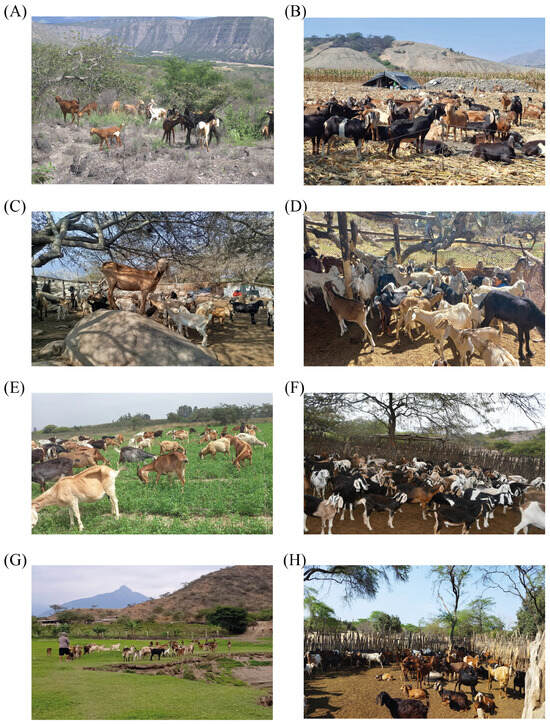
Genomics and Reproductive Biotechnologies in Goat Production Systems in Peru
by
Yolanda Romero, Emmanuel Alexander Sessarego, René Pinazo-Herencia and Juancarlos Cruz-Luis
Ruminants 2026, 6(2), 37; https://doi.org/10.3390/ruminants6020037 - 1 Jun 2026
Abstract
Goat production in Peru is primarily carried out under extensive systems shaped by climatic variability, forage seasonality, infrastructure limitations, and persistent sanitary pressure. In this context, Creole goats represent a strategic animal genetic resource due to their capacity to adapt to arid and
[...] Read more.
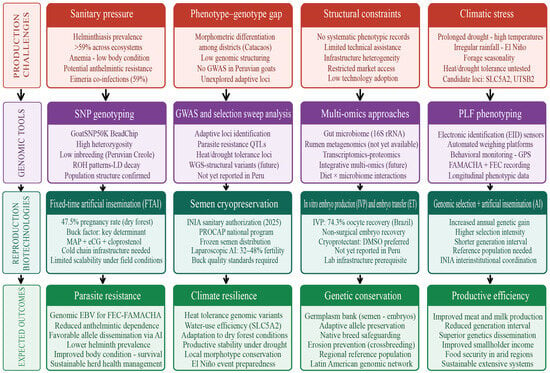
Goat production in Peru is primarily carried out under extensive systems shaped by climatic variability, forage seasonality, infrastructure limitations, and persistent sanitary pressure. In this context, Creole goats represent a strategic animal genetic resource due to their capacity to adapt to arid and high-Andean environments. This review integrates the available evidence on production typologies in the main goat-producing regions of the country, the major sanitary and structural bottlenecks, and the state of the art of genomic, multi-omics, and reproductive biotechnology tools applicable to goats. It discusses how the transition from traditional markers to SNP genotyping, together with functional approaches such as microbiome analysis, transcriptomics, and proteomics, can contribute to understanding the biological basis of complex traits related to resilience, feed efficiency, and reproductive performance. Likewise, the potential of precision livestock farming to generate longitudinal phenotypes and strengthen genetic improvement programs in low-input systems is highlighted. Finally, priorities and considerations are outlined to advance the integration of phenotyping, genomics, and reproductive biotechnologies in extensive contexts, with emphasis on the generation of systematic data, interinstitutional coordination, and technology transfer aimed at the sustainability and conservation of goat resources. These insights may also inform genetic improvement strategies in other developing countries facing similar environmental and structural constraints in low-input goat production systems, particularly in arid and semi-arid regions.
Full article
(This article belongs to the Topic Application of Reproductive and Genomic Biotechnologies for Livestock Breeding and Selection: 2nd Edition)
►▼
Show Figures

Figure 1
Open AccessSystematic Review
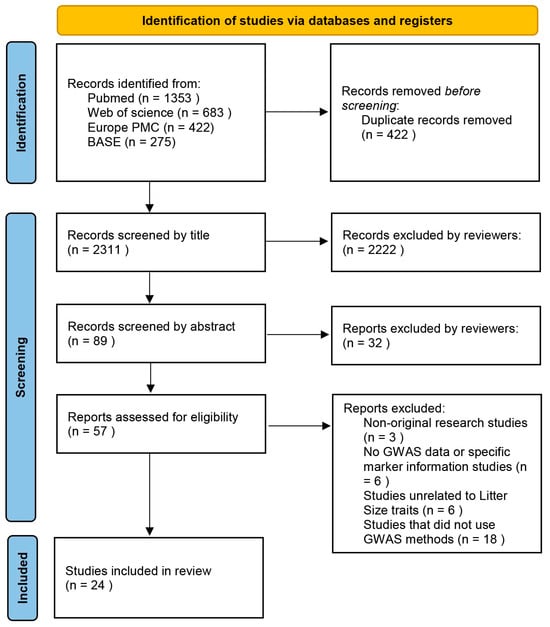
Genome-Wide Association Studies on Litter Size in Sheep: A Systematic Review and Gene Prioritization Analysis
by
Rui Zhao, Siqi Chen, Qingjie Jiao, Xinyan Zhu, Haiyan Jia, Lei Hou, Dan Wang, Jiaqing Hu, Jianmin Wang and Tianle Chao
Ruminants 2026, 6(2), 36; https://doi.org/10.3390/ruminants6020036 - 27 May 2026
Abstract
Sheep litter size is of major economic importance, yet its polygenic nature and low heritability limit the effectiveness of traditional selection methods. Following PRISMA guidelines, this systematic review integrated genome-wide association study (GWAS) evidence for sheep litter size and prioritized candidate genes. Four
[...] Read more.
Sheep litter size is of major economic importance, yet its polygenic nature and low heritability limit the effectiveness of traditional selection methods. Following PRISMA guidelines, this systematic review integrated genome-wide association study (GWAS) evidence for sheep litter size and prioritized candidate genes. Four databases were searched, yielding 24 eligible studies comprising a total effective analytical sample of 7618 animals from 98 breeds/populations across nine countries. Following standardized re-annotation of genomic coordinates, 245 significant variations and 316 candidate genes were extracted. Gene prioritization using ToppGene identified 96 high-priority genes, including 10 core genes: GRIN2A, DLG2, FLT4, ESR2, AMH, ALK, INHBB, NF1, CAMK2D, and ERCC2. These genes collectively operate through four functional axes: the gonadal axis regulation, follicular development, hormonal signal transduction, and DNA damage repair. Functional enrichment analysis revealed significant involvement in protein binding and metal ion binding. Marked breed-specificity was observed, with only the BMPR1B (FecB) locus replicated across three studies. Key limitations include restriction to English-language publications, small median sample sizes in the included studies, and the inherent bias of ToppGene training genes toward previously reported loci. These findings clarify the molecular genetic architecture of sheep litter size and provide a validated candidate gene framework to support precision genomic breeding strategies.
Full article
(This article belongs to the Topic Application of Reproductive and Genomic Biotechnologies for Livestock Breeding and Selection: 2nd Edition)
►▼
Show Figures

Figure 1
Open AccessArticle
Copper Trafficking in Sheep: A Pilot Proteomic Analysis of Enterocytes and Hepatocytes Under Dietary Copper Supplementation
by
Huey Yi Loh and Terry E. Engle
Ruminants 2026, 6(2), 35; https://doi.org/10.3390/ruminants6020035 - 9 May 2026
Abstract
Seven Rambouillet-crossbred wethers were utilized to examine the impact of copper (Cu) supplementation on plasma, bile, liver, duodenum, jejunum, and ileum tissue Cu concentrations and Cu trafficking proteins abundance in the duodenum and liver. Wethers were assigned to one of two treatments: (1)
[...] Read more.
Seven Rambouillet-crossbred wethers were utilized to examine the impact of copper (Cu) supplementation on plasma, bile, liver, duodenum, jejunum, and ileum tissue Cu concentrations and Cu trafficking proteins abundance in the duodenum and liver. Wethers were assigned to one of two treatments: (1) control: no supplemental Cu and (2) +Cu: 12 mg of supplemental Cu/kg DM. After receiving treatments for 29 days, all wethers were harvested, and blood, bile, liver, duodenum, jejunum, and ileum samples were collected for Cu concentration analysis. Additional duodenum and liver samples were collected for proteomic analysis. Animals in the +Cu group had a greater (p < 0.02) Cu concentration in plasma, liver, and jejunum, but a lesser (p < 0.01) ileum Cu Concentration compared to controls. Duodenum and bile Cu concentrations and protein abundance for Cu trafficking proteins in the duodenum and liver were similar (p > 0.10) across treatments. In the +Cu group, 23 and 5 proteins were unique to the duodenum and liver, respectively, while the control group had 20 and 28 unique proteins in those tissues. These data indicate that known proteins responsible for Cu trafficking were not changed by the dose of Cu supplementation, ultimately allowing Cu to accumulate in the liver.
Full article
(This article belongs to the Special Issue Nutrients and Feed Additives in Sheep and Goats)
Open AccessArticle
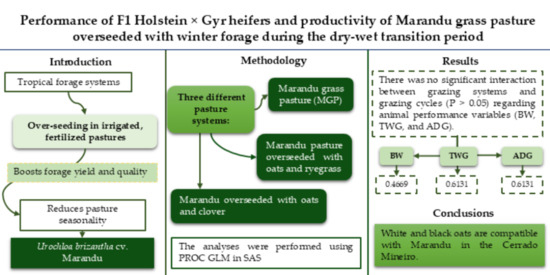
Performance of F1 Holstein × Gyr heifers and Productivity of Marandu grass Pasture Overseeded with Winter Forage During the Dry-Wet Transition Period
by
Luiz Henrique Tolentino Santos, Virgílio Mesquita Gomes, Edilane Aparecida da Silva, Angelo Herbet Moreira Arcanjo, Fernanda de Kássia Gomes, José Reinaldo Mendes Ruas, Thaís Eleonora Santos Sousa, Alvimara Felix dos Reis, Michele Gabriel Camilo, Lívia Loiola dos Santos Féres, Luiz Fernando Rodrigues Féres and Fernando Oliveira Franco
Ruminants 2026, 6(2), 34; https://doi.org/10.3390/ruminants6020034 - 8 May 2026
Abstract
►▼
Show Figures
This study assessed the productive and structural traits of the forage canopy and the performance of heifers grazing Marandu grass pastures overseeded with winter forages during the dry–wet transition in a tropical region. A completely randomized split-plot design with three replicates was used
[...] Read more.
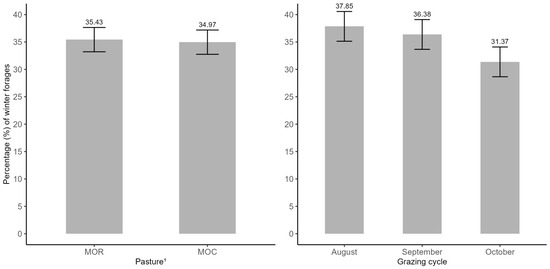
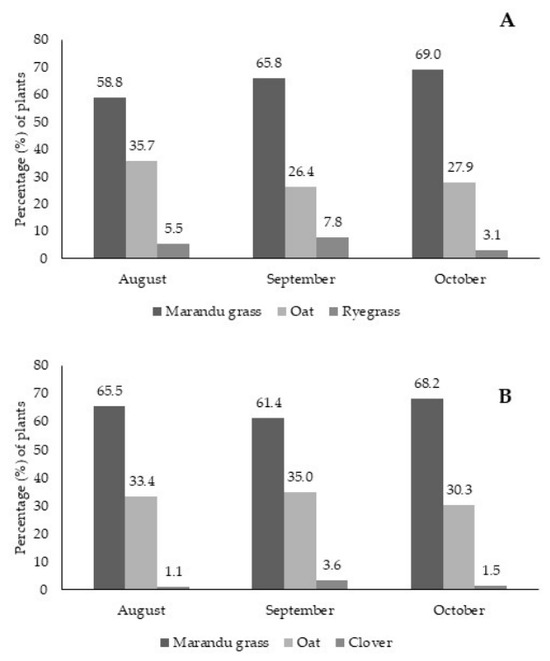
This study assessed the productive and structural traits of the forage canopy and the performance of heifers grazing Marandu grass pastures overseeded with winter forages during the dry–wet transition in a tropical region. A completely randomized split-plot design with three replicates was used to compare three systems: Marandu grass overseeded with Oats and Ryegrass; Marandu grass overseeded with Oats and Clovers; and Marandu grass in monoculture. Holstein × Gyr heifers, averaging nine months of age with an initial body weight of 225.42 ± 50.27 kg, were managed under irrigated rotational grazing, with two days of occupation and 28 days of rest. Measurements were taken over three grazing cycles. Total forage mass and Marandu grass mass increased in the final cycle, with no differences among systems. The proportion and mass of winter forages did not differ between treatments, although overseeded pastures maintained about one-third of their composition as winter species. Animal performance was similar across systems, with greater body weight observed at the end of the experimental period. In conclusion, overseeding winter forages in irrigated Marandu grass pastures does not increase forage production or animal performance but does promote botanical diversification, with Oats showing better adaptation under these conditions.
Full article
Graphical abstract
Open AccessArticle
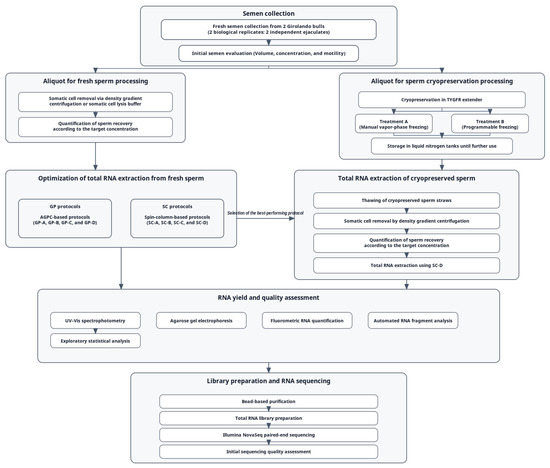
RNA Isolation from Girolando (Bos taurus × Bos indicus) Sperm in Fresh and Cryopreserved Semen for RNA-Seq Applications
by
Sharleen Mae Dela Cruz Gabriel, Aivhie Jhoy Escuadro Cuanang, Therese Patricka Cinense Cailipan, Johnmel Asuncion Fabros, Daphne Corrine Castro Corpuz, Lawrence Pascual Belotindos, Ma. Anita Mascarenas Bautista and Lilian Pagaduan Villamor
Ruminants 2026, 6(2), 33; https://doi.org/10.3390/ruminants6020033 - 6 May 2026
Abstract
►▼
Show Figures
The highly compact chromatin and naturally fragmented RNA content of bovine sperm make it difficult to obtain sufficient total RNA for transcriptome sequencing. Bovine sperm studies have mostly adapted the somatic-cell protocol and used generic kits. To date, no commercial extraction kit is
[...] Read more.
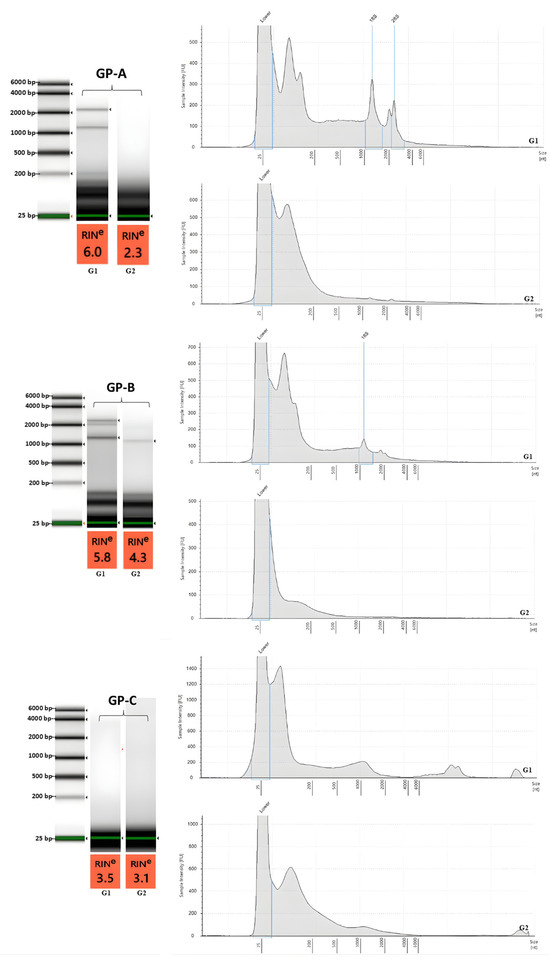
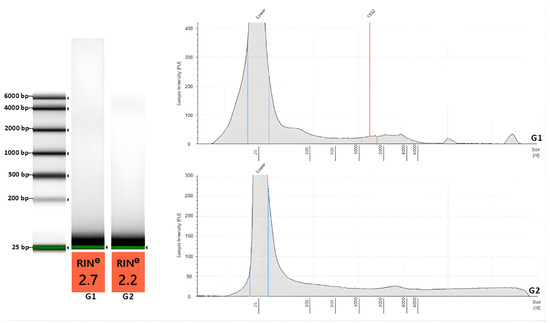
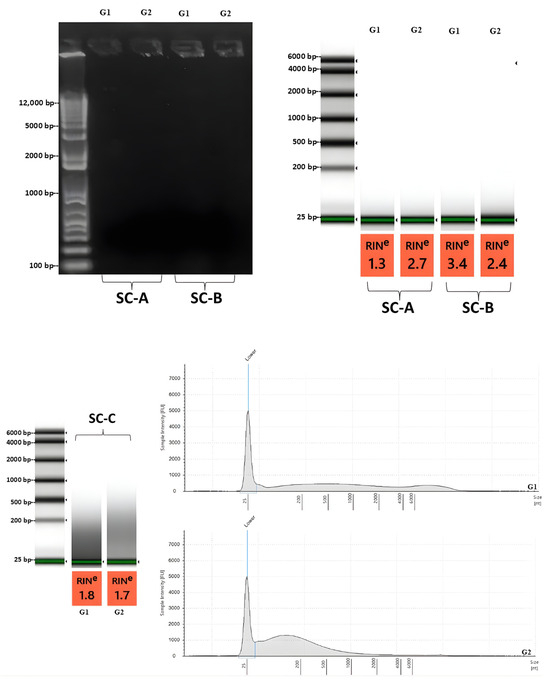
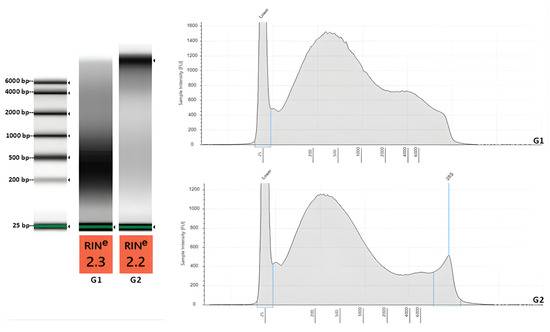
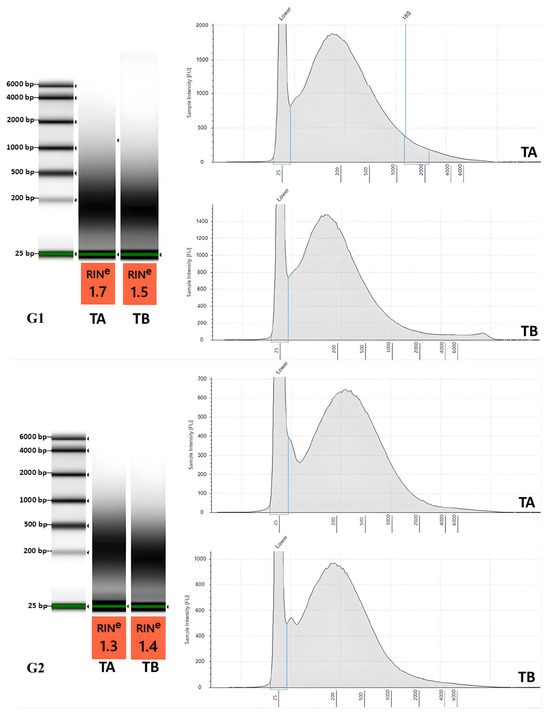
The highly compact chromatin and naturally fragmented RNA content of bovine sperm make it difficult to obtain sufficient total RNA for transcriptome sequencing. Bovine sperm studies have mostly adapted the somatic-cell protocol and used generic kits. To date, no commercial extraction kit is available for total RNA from sperm. These limitations prompted optimization of a sperm total RNA isolation protocol, tested using both fresh and cryopreserved sperm. Ejaculates were collected from two Girolando bulls (Bos taurus × Bos indicus) and were subsequently processed for cryopreservation. In total, eight RNA extraction protocols were tested, namely four TRIzol®-based (GP) protocols and four spin-column (SC) methods. Across both fresh and cryopreserved sperm, Protocol D of SC protocols (SC-D) was the most suitable choice for total RNA sequencing. For fresh sperm, ~25–29 million filtered reads were obtained, and cryopreserved sperm yielded ~83–125 million filtered reads, indicating that cryopreserved sperm is also a good source of sperm RNA based on initial sequencing metrics. By pinpointing SC-D as the optimal balance in terms of yield and sequencing performance, and by identifying practical solutions for DNA carryover and storage-related duplication, the study’s results provide a streamlined protocol and quality control framework for total RNA sequencing of Girolando sperm.
Full article
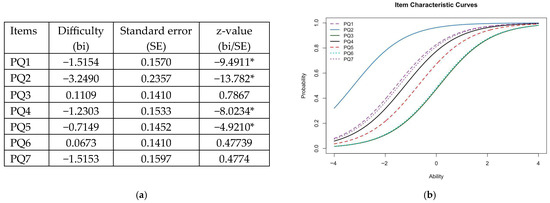
Figure 1
Open AccessArticle
Effects of Replacing Soybean Meal with Cashew Nut Roasting Residue on Feed Intake, Nutrient Digestibility, Rumen Fermentation, Blood Metabolites, and Economic Efficiency in Lactating Goats
by
Thaintip Kraiprom, Hakim Jehdo, Sitthisak Jantarat and Umaporn Pastsart
Ruminants 2026, 6(2), 32; https://doi.org/10.3390/ruminants6020032 - 3 May 2026
Abstract
This study evaluated the effects of replacing soybean meal with cashew nut roasting residue (CNRR) on feed intake, nutrient digestibility, rumen fermentation, blood metabolites, and economic efficiency in lactating crossbred Saanen goats. Fifteen does were assigned to a completely randomized design with three
[...] Read more.
This study evaluated the effects of replacing soybean meal with cashew nut roasting residue (CNRR) on feed intake, nutrient digestibility, rumen fermentation, blood metabolites, and economic efficiency in lactating crossbred Saanen goats. Fifteen does were assigned to a completely randomized design with three treatments: 0% CNRR (T1), 10% replacement of soybean meal protein (T2), and 20% replacement (T3). Goats were fed pangola hay ad libitum and concentrate according to milk yield (1:2). Total dry matter, organic matter, crude protein, and fiber intake were not affected by dietary treatments (p > 0.05). However, crude protein digestibility decreased from 68.83% in the control group to 52.72% and 51.21% in the CNRR treatments (p < 0.05). Rumen pH and total volatile fatty acids remained within normal physiological ranges, suggesting stable rumen fermentation. Blood parameters, including packed cell volume, glucose, and blood urea nitrogen, were not influenced by CNRR supplementation (p > 0.05). Economic analysis showed reduced feed cost with increasing CNRR inclusion. In conclusion, CNRR can replace soybean meal protein at rates of up to 20% without affecting feed intake, ruminal pH, or measured blood metabolites; however, crude protein digestibility was reduced, indicating that dietary formulation may require adjustment.
Full article
(This article belongs to the Special Issue Nutrients and Feed Additives in Sheep and Goats)
Open AccessArticle
Knowledge, Attitudes and Practices of Small Ruminant Farmers Regarding Antimicrobial Use, Antimicrobial Resistance and Residues
by
Maria de Aires Pereira, Alexandra Lameira Baptista, Mariana Rosário, Ana Carolina Ferreira, Rita Cruz, Fernando Esteves, Nuno Santo, Rui Fragona, Daniel Correia, Carolina Figueiredo, João Serejo, João Castelo Branco, Ana Fernandes, Luís Figueira, Pedro Carreira, Pedro Caseiro, Madalena Malva and Alda F. A. Pires
Ruminants 2026, 6(2), 31; https://doi.org/10.3390/ruminants6020031 - 30 Apr 2026
Abstract
►▼
Show Figures
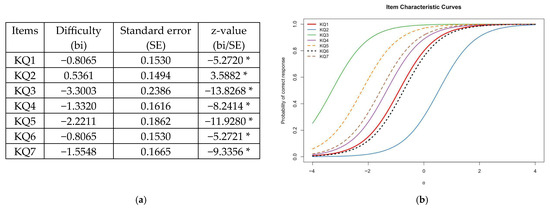
There is growing concern that antimicrobial use (AMU) in livestock may contribute to antimicrobial resistance (AMR) in humans and lead to the consumption of animal-derived foods contaminated with antimicrobial residues. As stakeholders in the livestock industry, farmers must participate in the joint effort
[...] Read more.
There is growing concern that antimicrobial use (AMU) in livestock may contribute to antimicrobial resistance (AMR) in humans and lead to the consumption of animal-derived foods contaminated with antimicrobial residues. As stakeholders in the livestock industry, farmers must participate in the joint effort to reduce AMU. This cross-sectional study, based on a survey questionnaire, was conducted to evaluate the biosafety measures implemented on small ruminant farms and to assess the knowledge, attitudes and practices (KAP) of small ruminant farmers regarding AMU, AMR and residues. The mean biosafety score obtained was 8.4 points on a 0–17 scale. Some biosafety measures appeared difficult to implement, namely vehicle disinfection, requiring visitors to change clothing and footwear at the farm entrance, cleaning and disinfecting farm facilities, using high-pressure washing equipment, and requiring employees to change clothing and footwear upon entering the farm. Although farmers self-reported moderate levels of knowledge (4.9 points on a 0–7 scale) and positive attitudes (5.8 points on a 0–7 scale), significant gaps in knowledge about antibiotics and antimicrobial stewardship persisted. Practices received lower scores (4.7 on a 0–7 scale), especially regarding medication recording, leftover antibiotic management, and waste disposal. Cluster analysis identified distinct farmer profiles with different patterns of knowledge and practices. These findings underscore the importance of considering farmer heterogeneity when designing interventions aimed at improving AMU.
Full article
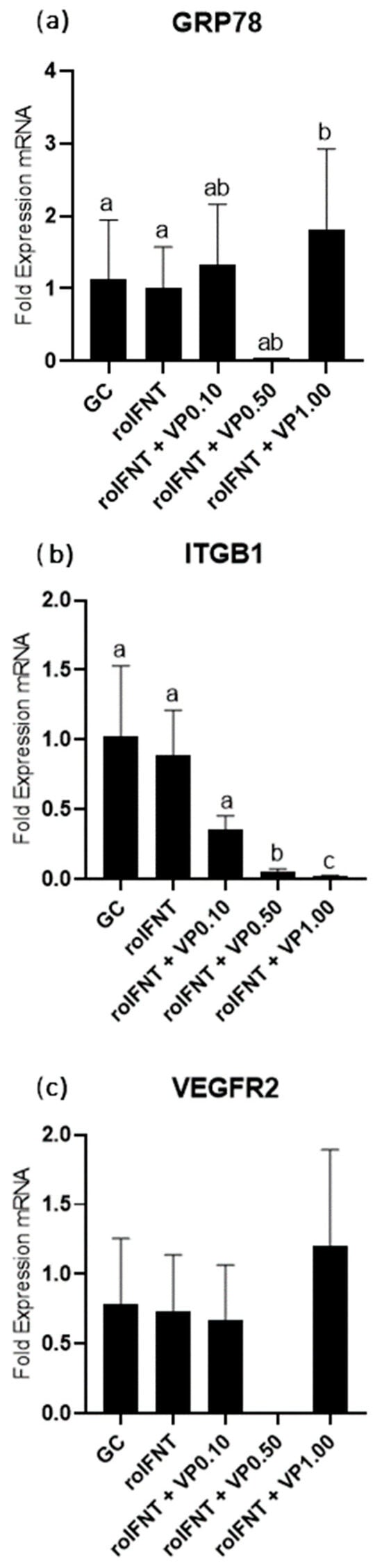
Figure 1
Open AccessArticle
Effects of Sex and a Diet Containing Bovine Ruminal Content on Performance, Ruminal Fermentation, Digestibility, Carcass Traits, and Meat Quality in Lambs
by
Adrián Muñoz-Cuautle, María Esther Ortega-Cerrilla, Jorge Hernández-Bautista, Javier Suárez-Espinosa, José Vian, Ricardo García-Barojas and Pedro Zetina-Córdoba
Ruminants 2026, 6(2), 30; https://doi.org/10.3390/ruminants6020030 - 29 Apr 2026
Abstract
The objective of this study was to evaluate the productive performance, ruminal fermentation, in vivo digestibility, carcass yield, and physicochemical variables of meat when bovine rumen content (BRC) was included in the diet of lambs. Thirty-six Pelibuey-Dorper crossbred lambs of both sexes, with
[...] Read more.
The objective of this study was to evaluate the productive performance, ruminal fermentation, in vivo digestibility, carcass yield, and physicochemical variables of meat when bovine rumen content (BRC) was included in the diet of lambs. Thirty-six Pelibuey-Dorper crossbred lambs of both sexes, with an average weight of 19.5 ± 1.5 kg, were used in a generalized randomized block design with the sex of the lambs as a blocking factor with four treatments: BRC0, BRC15, BRC30, and BRC45, corresponding to 0%, 15%, 30%, and 45% BRC inclusion in the diet, respectively. The results indicate that the dietary effect was not significant for any of the evaluated variables, whereas sex showed significant differences in final body weight, average daily gain, dry matter intake, and hot and cold carcass yield. Although specific treatment-sex combinations significantly influenced productive performance variables such as average daily gain, dry matter intake and ruminal fermentation parameters, such as propionic acid, there is no consistent evidence that the inclusion of bovine rumen content promotes superior productive performance or carcass quality in fattening lambs.
Full article
(This article belongs to the Special Issue Nutrients and Feed Additives in Sheep and Goats)
Open AccessCommunication
Impact of 3-Nitrooxypropanol Supplementation in a Growing–Finishing Diet for Lambs Fattened Under High Ambient Heat Load: Growth Performance, Dietary Energy, and Carcass Traits
by
Elizabeth Calderón-Garay, Alfredo Estrada-Angulo, Beatriz I. Castro-Pérez, Yesica J. Arteaga-Wences, Jorge L. Ramos-Méndez, Elizama Ponce-Barraza, Jesús D. Urías-Estrada, Daniel A. Mendoza-Cortez, Alberto Barreras and Alejandro Plascencia
Ruminants 2026, 6(2), 29; https://doi.org/10.3390/ruminants6020029 - 28 Apr 2026
Abstract
►▼
Show Figures
Several studies have shown that supplementation with 100 to 130 mg of 3-nitrooxypropanol (3-NOP)/kg diet acts as a mitigating factor of enteric CH4 production in ruminants. From an energy perspective, this effect could indicate improved feed energy utilization. Feed additives that reduce
[...] Read more.
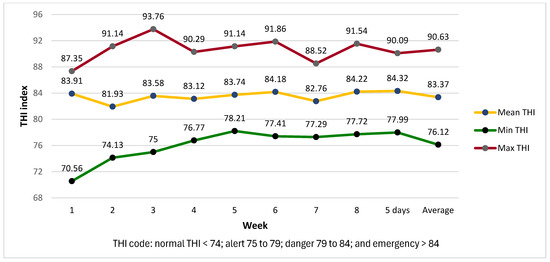
Several studies have shown that supplementation with 100 to 130 mg of 3-nitrooxypropanol (3-NOP)/kg diet acts as a mitigating factor of enteric CH4 production in ruminants. From an energy perspective, this effect could indicate improved feed energy utilization. Feed additives that reduce the acetate-to-propionate molar ratio and/or CH4 production generally increase the efficiency of feed energy utilization and can alleviate the negative impact of high ambient heat loads on ruminant productivity. In seeking to test this assumption, the impact of supplementing 3-NOP in growing–finishing diets was evaluated in 24 intact male lambs (31.92 ± 3.77 kg). The experiment lasted 61 days. Treatments consisted of supplementing a total mixed growing–finishing diet (30:70 forage-to-concentrate ratio) with zero or 115 mg 3-NOP/kg diet. Lambs were assigned to 12 pens (two lambs/pen, six replicates per treatment). The temperature–humidity index (THI) during the experiment averaged 83.37 ± 6.4. The inclusion of 3-NOP tended to increase final weight (2.6%, p = 0.06) but increased dry matter intake by 10.6% (p = 0.03), thus decreasing the efficiency of dietary net energy utilization by 2.3% and 3%, respectively (p = 0.04). Lambs fed with 3-NOP showed greater (6.2%, p = 0.04) carcass weight and dressing percentage (3.3%, p = 0.03) without effects on the tissue shoulder composition. Supplemented lambs showed lower gastrointestinal (GIT) fill (9.3%, p = 0.02) and greater (1.3%) empty body weight (EBW, p < 0.01). Visceral organ mass (expressed as g/kg EBW) was not affected by 3-NOP supplementation. It was concluded that supplemental 3-NOP did not improve feed efficiency nor the efficiency of dietary energy utilization, but did improve carcass weight and dressing percentage in lambs fattened under high ambient heat load. The greater carcass weight observed in the present experiment was due mainly to a tendency for a greater final weight (p = 0.06) for 3-NOP lambs, whereas the improvement in dressing percentage was due mainly to a lower (p = 0.02) GIT fill. It is crucial to highlight that this is a pioneering study on the effect of 3-NOP on the productive efficiency of lambs subjected to high ambient heat loads. It is also important to note that enteric methane production was not measured in this experiment. Although the doses used in this experiment have consistently reduced methane production in several studies conducted under favorable climatic conditions, we cannot precisely determine the role of CH4 production in the dietary net energy efficiency observed in lambs that received 3-NOP. The results presented here provide a basis for future research evaluating the anti-methanogenic and productive responses to the use of 3-NOP under high ambient temperature conditions.
Full article

Figure 1
Open AccessArticle
YAP-TEAD Inhibition Impairs Interferon Tau-Induced Gene Expression and Reduces Integrin β1 Abundance in Primary Bovine Luteal Cells
by
Suzana Rossato Feltrin, Karine de Vargas Aires, Amanda Luiza Prante, Ana Paula da Silva, Carlos Miguel Staudt, Manuela Brauner Freitas, Carolina dos Santos Amaral, Luis Fernando Schütz, Valério Marques Portela and Alfredo Quites Antoniazzi
Ruminants 2026, 6(2), 28; https://doi.org/10.3390/ruminants6020028 - 27 Apr 2026
Abstract
►▼
Show Figures
The Hippo pathway effector Yes-associated protein (YAP), acting through TEA domain (TEAD) transcription factors, regulates transcriptional programs in ovarian tissues; however, its role in interferon tau (IFNT) signaling within bovine luteal cells has not been investigated. This study aimed to determine whether YAP-TEAD
[...] Read more.
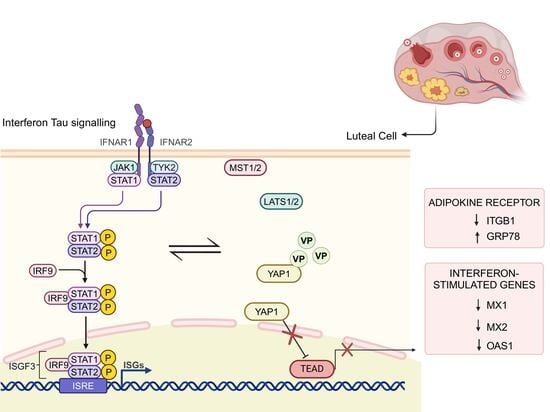
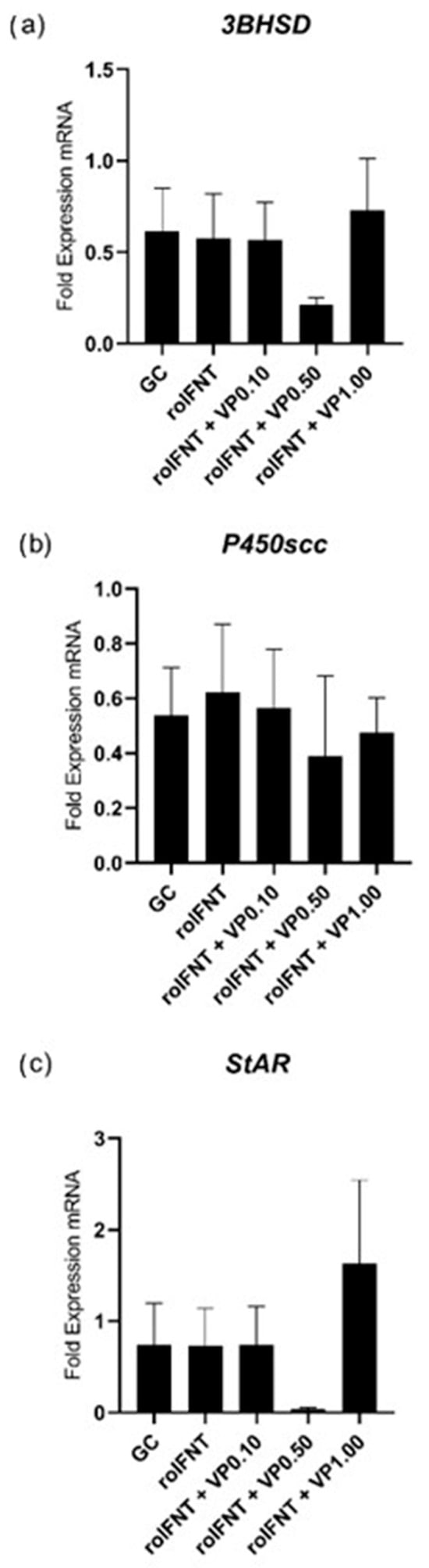
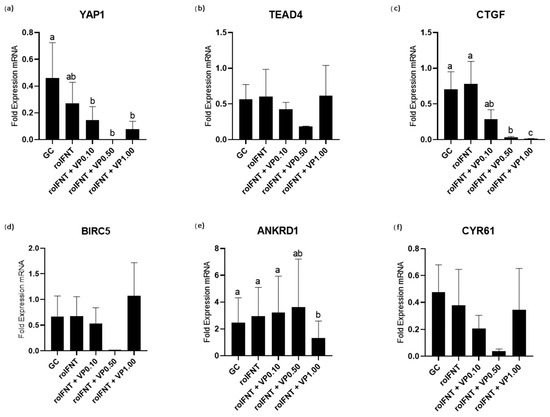
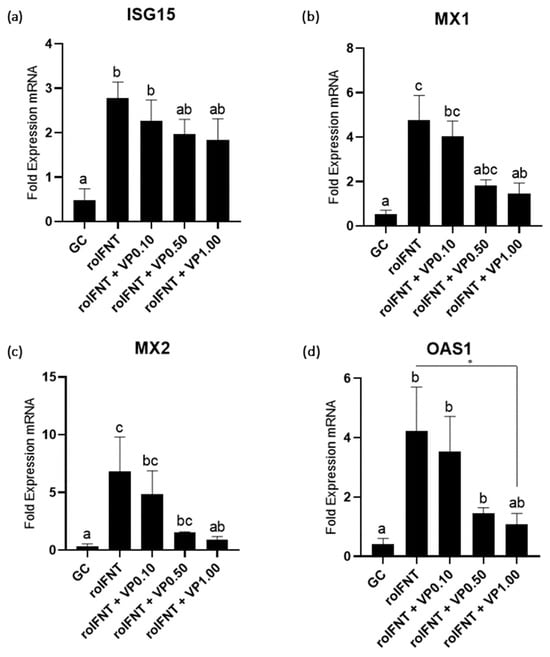
The Hippo pathway effector Yes-associated protein (YAP), acting through TEA domain (TEAD) transcription factors, regulates transcriptional programs in ovarian tissues; however, its role in interferon tau (IFNT) signaling within bovine luteal cells has not been investigated. This study aimed to determine whether YAP-TEAD interaction is required for IFNT-induced interferon-stimulated gene (ISG) expression in primary bovine luteal cells and to perform an exploratory assessment of selected receptor genes (ITGB1, GRP78, VEGFR2). Primary luteal cells were treated with recombinant ovine IFNT (roIFNT; 1 ng/mL) in the presence or absence of verteporfin (VP; 0.1, 0.5, or 1.0 µM), a pharmacological YAP-TEAD inhibitor, and mRNA expression was quantified by RT-qPCR. VP dose-dependently suppressed YAP target genes (YAP1, CTGF, ANKRD1) and reduced roIFNT-induced expression of MX1, MX2, and OAS1, whereas ISG15 was unaffected. Steroidogenic gene expression (3β-HSD, P450scc, StAR) remained unchanged across treatments, indicating preserved cell viability. Among the exploratory receptor endpoints, VP decreased ITGB1 and increased GRP78 at the highest concentration, while VEGFR2 was unaffected. These findings indicate that YAP-TEAD activity contributes to IFNT-induced ISG responsiveness in bovine luteal cells, with preliminary evidence of effects on integrin-mediated signaling pathways.
Full article

Graphical abstract
Open AccessArticle
Effects of Replacing Corn Stover Silage with Sweet Sorghum Silage on Dry Matter Intake, Fibre Digestibility, and Milk Composition in Thai Holstein Crossbred Dairy Cows
by
Norakamol Laorodphan, Thanatsan Poonpaiboonpipat, Tossaporn Incharoen, Suban Foiklang, Anusorn Cherdthong, Paiboon Panase, Nattapat Chaporton and Payungsuk Intawicha
Ruminants 2026, 6(2), 27; https://doi.org/10.3390/ruminants6020027 - 24 Apr 2026
Abstract
►▼
Show Figures
Milk production in tropical smallholder systems is constrained by limited high-quality roughage during the hot–dry season. Sweet sorghum silage is drought-tolerant and may replace corn stover silage. Twelve Holstein–Friesian crossbred cows were assigned to the same commercial concentrate plus either corn stover silage
[...] Read more.
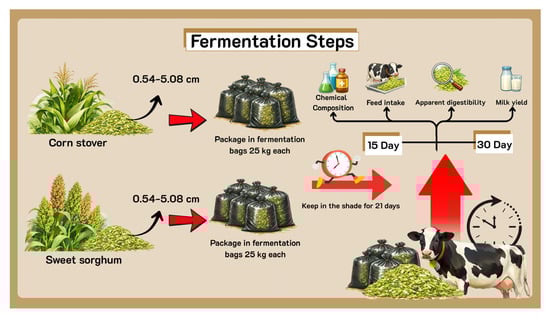
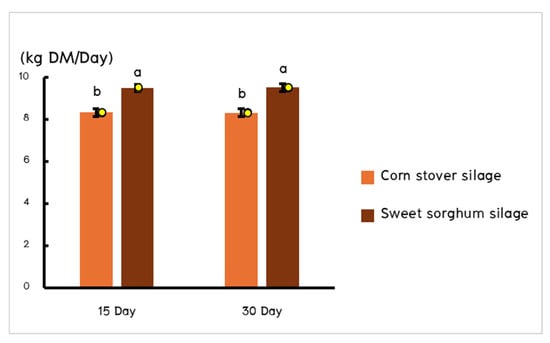
Milk production in tropical smallholder systems is constrained by limited high-quality roughage during the hot–dry season. Sweet sorghum silage is drought-tolerant and may replace corn stover silage. Twelve Holstein–Friesian crossbred cows were assigned to the same commercial concentrate plus either corn stover silage or sweet sorghum silage as the primary roughage source (n = 6 per diet). Intake, apparent digestibility, milk yield and composition, and feed-use efficiency were evaluated on day 15 and 30 and analyzed using linear mixed-effects models with cow as a random effect. Compared with corn stover silage, sweet sorghum silage increased dry matter intake (p < 0.05) and improved the digestibility of fibre fractions, including crude fibre, NDF and ADF (p ≤ 0.003), while crude protein- and nitrogen-free extract digestibility were not different (p > 0.05). Milk yield, 4% fat-corrected milk, energy-corrected milk, and feed-use efficiency indices were unaffected by silage source (p > 0.05). Milk protein concentration was higher with sweet sorghum silage (treatment effect p < 0.05), whereas milk fat and lactose were unchanged. Sweet sorghum silage can therefore replace corn stover silage in tropical dairy diets, improving intake and fibre utilization without compromising milk output.
Full article

Figure 1
Open AccessArticle
Seasonal Changes in Ambient Temperature Affected Colostrum Metabolomic and Lipidomic Profiles of Black Bengal Goats Raised in a Subtropical Region of Thailand
by
Chollada Buranakarl, Sumonwan Chamsuwan, Tien Thi Phuong Vo, Sarn Settachaimongkon and Kunaporn Homyog
Ruminants 2026, 6(2), 26; https://doi.org/10.3390/ruminants6020026 - 16 Apr 2026
Abstract
►▼
Show Figures
Environmental temperature-induced metabolic changes in dams can be reflected by alterations in metabolomic and fatty acid profiles in colostrum. The colostrum from 13 Black Bengal (BB) dams was collected on the day of parturition at two consecutive parities during the hot conditions (HCs)
[...] Read more.
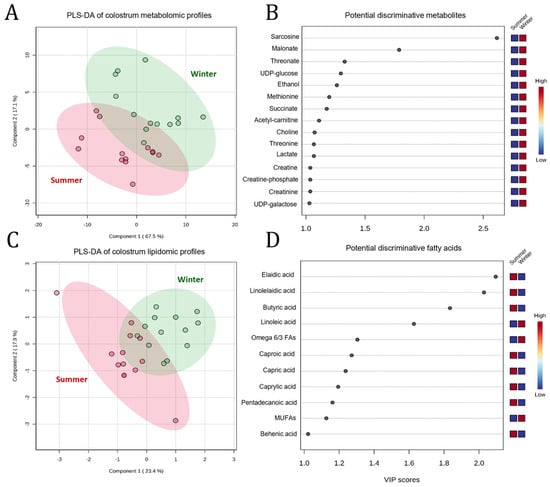
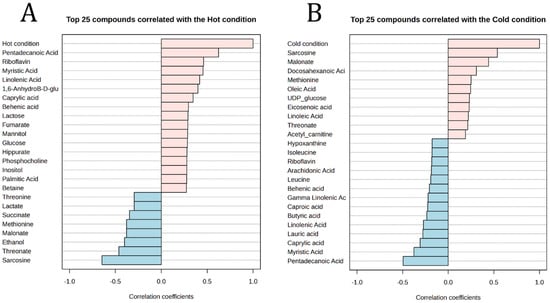
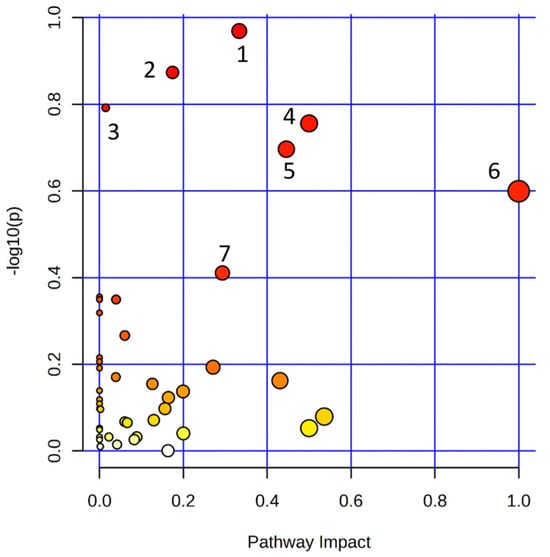
Environmental temperature-induced metabolic changes in dams can be reflected by alterations in metabolomic and fatty acid profiles in colostrum. The colostrum from 13 Black Bengal (BB) dams was collected on the day of parturition at two consecutive parities during the hot conditions (HCs) of summer or rainy seasons and the cold conditions (CCs) of winter. The metabolomic and fatty acid profiles were analyzed using nuclear magnetic resonance (NMR) and gas chromatography–mass spectrometry, respectively. The results showed significantly higher sarcosine, tyrosine, citrate, succinate, galactose, acetylglucosamine, carnitine, choline, glycerophosphocholine, and trimethylamine N-oxide during CCs than HCs; potential discriminant metabolites according to VIP scores were sarcosine, succinate, and choline. Colostrum from CCs had significantly lower levels of saturated fatty acids (SFAs), including butyric acid (C4:0), myristic acid (C14:0), and pentadecanoic acid (C15:0), but higher omega-9 monounsaturated fatty acids (MUFAs), especially oleic acid (C18:1n9c), elaidic acid (C18:1n9t), and eicosenoic acid (C20:1n9), than in HC. Linoleic acid (C18:2n6c) and the omega 6/omega 3 PUFA ratio were higher during CCs than HCs. It is concluded that a metabolic shift for nutrient utilization occurs, from glucose during HCs toward fat during CCs, which may not be due to the diet but rather neurohumoral alterations occurring during temperature adaptation.
Full article

Figure 1
Open AccessArticle
Carcass Traits and Meat Quality of Pasture-Finished Sheep Supplemented with Palm Kernel Oil
by
Mailin Vasconcelos dos Santos Lima, Emmanuel Emydio Gomes Pinheiro, Núbia Amorim Oliveira, Rafael Henrique de Tonissi e Buschinelli de Goes, Claudia Andrea Lima Cardoso and Adriana Regina Bagaldo
Ruminants 2026, 6(2), 25; https://doi.org/10.3390/ruminants6020025 - 15 Apr 2026
Abstract
This study evaluated the effects of including palm kernel oil in the diets of pasture-raised sheep on carcass characteristics, meat quality, and fatty acid profiles. A completely randomized design with four treatments was used, consisting of 0, 20, 40, and 60 g/kg of
[...] Read more.
This study evaluated the effects of including palm kernel oil in the diets of pasture-raised sheep on carcass characteristics, meat quality, and fatty acid profiles. A completely randomized design with four treatments was used, consisting of 0, 20, 40, and 60 g/kg of palm kernel oil in the dry matter of the supplement, with eight replicates. Thirty-two uncastrated Santa Inês sheep, with an average initial body weight of 23.2 ± 2.6 kg, were used in this study. The animals were kept on Aruana grass (Panicum maximum (syn. Megathyrsus maximum) cv. Aruana) pastures under continuous stocking for 59 days (preceded by 15 days of adaptation), with each one fed supplements (1.4% of body weight) at 8 am. At the end of the experimental period, the animals were slaughtered in a commercial slaughterhouse for carcass and meat quality evaluation. The inclusion of palm kernel oil had a decreasing linear effect on hot and cold carcass weight (p = 0.0403) (p = 0.0398), but it did not affect hot or cold carcass yields or carcass morphometric measurements, commercial cut weights, pH, or loin area (p > 0.05). However, it affected the color of the L. lumborum muscle, showing an increasing linear effect on yellow intensity (b*) (p = 0.002) and on the centesimal composition, with an increasing linear effect on ether extract content (p = 0.006). Shear force, cooking loss, and water-holding capacity were not affected (p > 0.05). Fatty acid profiles, the atherogenicity and thrombogenicity indices, and the ratio of hypocholesterolemic to hypercholesterolemic fatty acids (h:H) were also unaffected by the inclusion of palm kernel oil (p > 0.05). The inclusion of up to 60 g/kg of palm kernel oil in the diets of pasture-raised sheep had an effect on carcass weight but not yield. It also had an effect on the color and chemical composition of L. lumborum muscle, but these changes did not compromise the overall quality of the meat.
Full article
(This article belongs to the Special Issue Nutrients and Feed Additives in Sheep and Goats)
Open AccessArticle
Identification and In Silico Functional Annotation of Polymorphisms in the MYO16 Gene Region in Sheep
by
Olesya Yatsyk, Alexander Krivoruchko, Antonina Skokova, Elena Safaryan, Elena Budanova and Anastasia Kanibolotskaya
Ruminants 2026, 6(2), 24; https://doi.org/10.3390/ruminants6020024 - 10 Apr 2026
Abstract
►▼
Show Figures
MYO16 has previously been identified as a candidate gene in studies of meat productivity in sheep, but its complete sequence and the potential impact of polymorphisms on the functional properties of the gene in sheep remain understudied. The aim of this study was
[...] Read more.
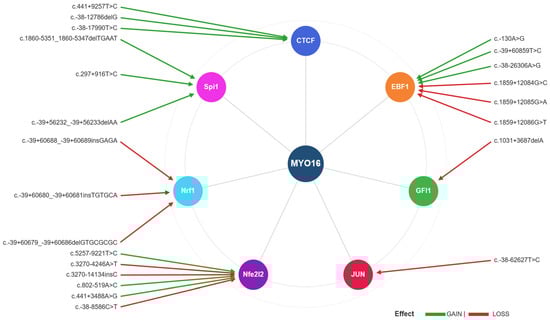
MYO16 has previously been identified as a candidate gene in studies of meat productivity in sheep, but its complete sequence and the potential impact of polymorphisms on the functional properties of the gene in sheep remain understudied. The aim of this study was to analyze genetic variation in the MYO16 gene region in sheep and to identify polymorphisms that, according to bioinformatic prediction, are capable of changing the amino acid sequence of the protein or are associated with allele-specific differences in transcription factor binding motifs potentially significant for gene regulation or protein structure. Whole-genome sequencing was performed for genomic DNA from Manych Merino rams (n = 30) on an Illumina NovaSeq 6000 platform. Variants within the MYO16 region were extracted and annotated. For each variant, ±30 bp reference and alternative sequences were scanned with FIMO using the JASPAR 2020 Vertebrates PWMs to detect allele-specific gain or loss of significant motif hits. TFLink (Mus musculus) was used to retain only TFs with MYO16 listed as a target. In the MYO16 gene region, 10,318 variants were detected. The coding region contained 54 SNPs, including 15 missense variants. In silico TFBS scanning identified 23 variants showing allele-specific gain or loss of significant motif hits, involving motifs for EBF1, CTCF, NRF1, SPI1, NFE2L2, JUN, and GFI1. We examined polymorphism in the ovine MYO16 gene region and identified candidate variants to be tested for association with productivity traits in future genotype–phenotype studies.
Full article

Figure 1
Open AccessArticle
Forage-Free Diets with Reduced Corn Meal for Feedlot Beef Cattle: Impacts on Performance and Metabolic Adaptations
by
Jefferson R. Gandra, Cibeli A. Pedrini, Rafael H. T. B. Goes, Carolina M. C. Araújo, Vinicius Almeida, Tiago C. Tavone, Mayana P. S. Costa, Kálita P. Rosa and Wanderson da S. Lopes
Ruminants 2026, 6(2), 23; https://doi.org/10.3390/ruminants6020023 - 7 Apr 2026
Abstract
►▼
Show Figures
This study evaluated the effects of forage-free diets with reduced starch levels on the productive performance, metabolism, ruminal fermentation, nutrient digestibility, and meat quality of feedlot beef cattle. Two experiments were conducted. In Experiment 1, forty uncastrated Nellore steers were distributed into 20
[...] Read more.
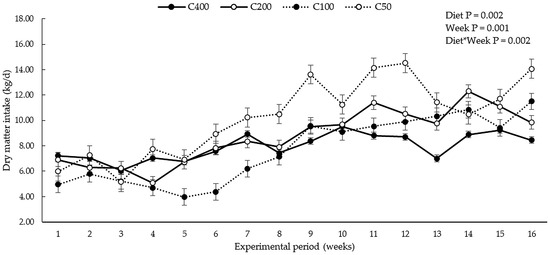
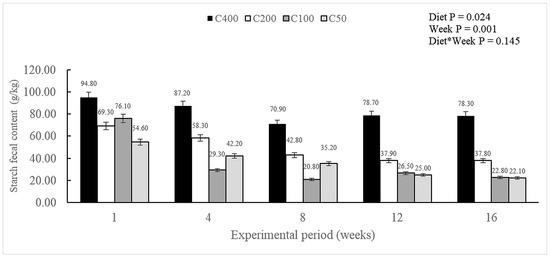
This study evaluated the effects of forage-free diets with reduced starch levels on the productive performance, metabolism, ruminal fermentation, nutrient digestibility, and meat quality of feedlot beef cattle. Two experiments were conducted. In Experiment 1, forty uncastrated Nellore steers were distributed into 20 pens in a completely randomized design, receiving diets with increasing inclusion levels of ground corn in the total diet: C400 (400 g kg−1), C200 (200 g kg−1), C100 (100 g kg−1), and C50 (50 g kg−1), formulated without forage and based on fibrous co-products. Increasing ground corn inclusion promoted linear improvements in final body weight and average daily gain, while dry matter intake and feed efficiency showed quadratic responses. Meat quality parameters were not affected by dietary treatments. In Experiment 2, eight crossbred steers were assigned to a double 4 × 4 Latin square design and fed the same experimental diets. Higher corn inclusion increased starch and fat intake, whereas dry matter, organic matter, and protein intake showed quadratic responses. Apparent total-tract digestibility of dry matter, organic matter, and starch also followed a quadratic pattern. Ruminal fermentation parameters were affected by dietary treatments, with greater ammoniacal nitrogen concentrations at higher corn levels and quadratic responses for propionate, butyrate, and methane production. Nitrogen metabolism indicated increased urinary nitrogen and uric acid excretion with increasing dietary corn inclusion. These results demonstrate that forage-free diets based on citrus pulp and soybean hulls with different levels of ground corn can be effectively used in finishing beef cattle, improving performance without impairing meat quality while modulating ruminal fermentation and nutrient utilization.
Full article

Figure 1
Highly Accessed Articles
Latest Books
E-Mail Alert
News
Topics
Topic in
Fishes, Foods, Microplastics, Veterinary Sciences, Poultry, Animals, Ruminants
Micro- and Nanoplastics in Animals and Livestock Production
Topic Editors: Sonia Tassone, Beniamino T. Cenci-Goga, Samia Ben Said, Khalil AbidDeadline: 31 December 2026
Topic in
Animals, Microorganisms, Ruminants, Veterinary Sciences, Sci
Disease Dynamics in Modern Livestock Production Systems: Prevention and Control Strategies
Topic Editors: Ning Liu, Zheng Cao, Dong ZhouDeadline: 31 March 2027
Topic in
Agriculture, Animals, Fishes, Ruminants, Sci
AI-Driven Innovations in Animal Farming and Disease Control
Topic Editors: Wei Zhang, Mingchun GaoDeadline: 30 April 2027
Topic in
Agriculture, Animals, Poultry, Ruminants
The Environmental Footprint of Animal Production
Topic Editors: Giulia Ferronato, Vincenzo LopreiatoDeadline: 26 May 2027
Conferences
Special Issues
Special Issue in
Ruminants
Innovative Microbial and Bioprocessing Strategies for Sustainable Rumen Nutrition
Guest Editors: Khalil Abid, Héla YaichDeadline: 30 September 2026
Special Issue in
Ruminants
Nutrients and Feed Additives in Sheep and Goats
Guest Editor: Neila Lidiany RibeiroDeadline: 30 November 2026
Special Issue in
Ruminants
Parasitological Diagnosis and Alternative Control in Ruminants
Guest Editor: Elizabeth Moreira dos Santos SchmidtDeadline: 31 December 2026
Special Issue in
Ruminants
Management of the Impact of Stress on Ruminant Reproduction
Guest Editors: Irene Valasi, Efterpi Bouroutzika, Ekaterini K. TheodosiadouDeadline: 31 January 2027