

Journal Description
Sci
Sci
is an international, peer-reviewed, open access journal on all research fields published monthly online by MDPI.
- Open Access— free for readers, with article processing charges (APC) paid by authors or their institutions.
- High Visibility: indexed within ESCI (Web of Science), Scopus, and other databases.
- Journal Rank: CiteScore - Q1 (Multidisciplinary)
- Rapid Publication: manuscripts are peer-reviewed and a first decision is provided to authors approximately 26.7 days after submission; acceptance to publication is undertaken in 5.6 days (median values for papers published in this journal in the second half of 2025).
- Recognition of Reviewers: reviewers who provide timely, thorough peer-review reports receive vouchers entitling them to a discount on the APC of their next publication in any MDPI journal, in appreciation of the work done.
Latest Articles
Application of Probiotic Bacteria in Active Packaging for the Food Industry: Review
Sci 2026, 8(3), 58; https://doi.org/10.3390/sci8030058 (registering DOI) - 3 Mar 2026
Abstract
►
Show Figures
The incorporation of probiotic bacteria into active packaging systems represents an innovative strategy to enhance food preservation while delivering health benefits to consumers. This review discusses the selection criteria for probiotic strains focusing on their resistance to environmental stressors, antimicrobial activity, and viability
[...] Read more.
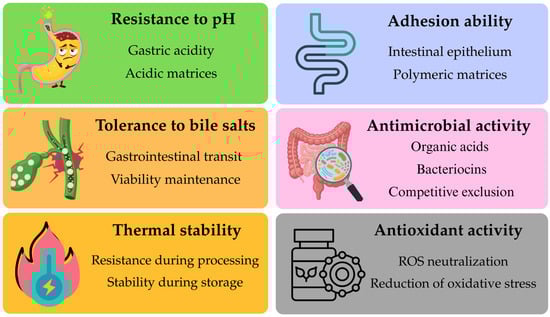
The incorporation of probiotic bacteria into active packaging systems represents an innovative strategy to enhance food preservation while delivering health benefits to consumers. This review discusses the selection criteria for probiotic strains focusing on their resistance to environmental stressors, antimicrobial activity, and viability in different food matrices and their integration into edible films and coatings. Polysaccharides, proteins, and hydrocolloids are widely used as biopolymeric matrices due to their biocompatibility and functional properties. The efficiency of probiotic packaging largely depends on three factors: the choice of strain, the encapsulation technique (such as spray drying, emulsification, or electrospinning), and the properties of the matrix material. These packaging systems demonstrate strong antimicrobial activity through multiple mechanisms, including bacteriocin production, competition for adhesion sites, and acidification. Applications in dairy, meat, fish, and fresh produce reveal the potential of these technologies to delay spoilage, reduce pathogenic microorganisms, inhibit lipid oxidation, and maintain nutritional and sensory qualities. Moreover, studies emphasize that combining probiotics with prebiotic compounds can improve both microbial stability and functional performance. Despite promising results, challenges remain regarding the industrial scalability and long-term stability of these systems under varied storage conditions. Future research should focus on optimizing formulation parameters, expanding applications across diverse food categories, and integrating smart packaging technologies. Altogether, probiotic-based edible packaging aligns with current demands for sustainable, health-oriented food solutions.
Full article
Open AccessReview
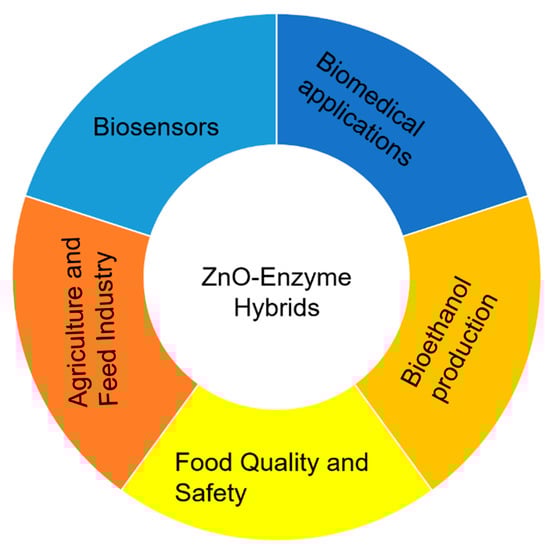
A Review of Recent Advances in ZnO-Enzyme Hybrid Systems and Their Applications in the Food Industry
by
Yana Gocheva, Stephan Engibarov, Irina Lazarkevich, Rumyana Eneva and Ekaterina Krumova
Sci 2026, 8(3), 57; https://doi.org/10.3390/sci8030057 (registering DOI) - 3 Mar 2026
Abstract
Zinc oxide nanoparticles (ZnO-NPs) have gained increasing attention across food, biomedical, environmental, and many industrial fields due to their antimicrobial properties, chemical stability, and favorable physicochemical characteristics. In parallel, enzyme immobilization on nanostructured supports has emerged as an effective strategy to enhance enzyme
[...] Read more.
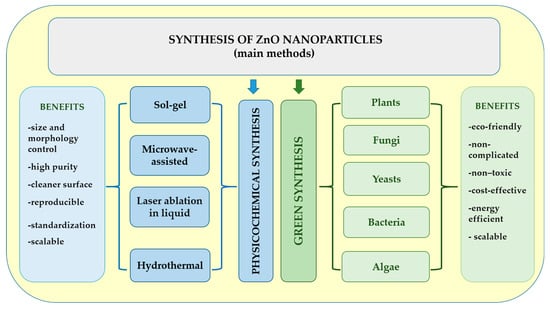
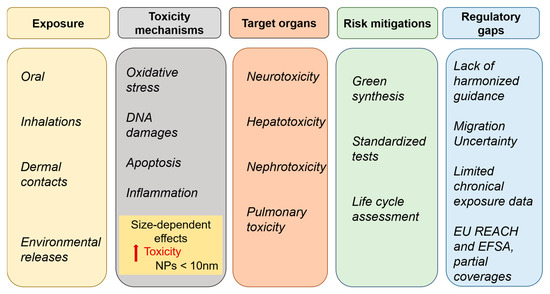
Zinc oxide nanoparticles (ZnO-NPs) have gained increasing attention across food, biomedical, environmental, and many industrial fields due to their antimicrobial properties, chemical stability, and favorable physicochemical characteristics. In parallel, enzyme immobilization on nanostructured supports has emerged as an effective strategy to enhance enzyme stability, reusability, and functional performance in biosensing and biocatalytic systems. This mini-review summarizes recent advances in the synthesis of ZnO-NPs, with emphasis on green and biogenic approaches, and examines their integration with enzymes to form ZnO-enzyme hybrid systems. Key enzyme classes, immobilization strategies, and representative applications in food quality monitoring, biosensing, and food-processing-related biocatalysis are discussed. The novelty of this article is its comprehensive and application-oriented perspective. Unlike previous reviews that primarily addressed either ZnO nanoparticle synthesis or generic enzyme immobilization, this manuscript critically integrates strategies across the full value chain, from material preparation to functional application. In addition, the review critically evaluates toxicity, migration, safety, and regulatory considerations associated with ZnO-NPs, highlighting existing knowledge gaps and the need for standardized assessment frameworks. Despite promising proof-of-concept studies, challenges related to nanoparticle reproducibility, enzyme leaching, and long-term safety remain, underscoring the need for integrated and application-oriented research to enable safe and effective implementation of ZnO-enzyme hybrid technologies in many different sectors.
Full article
(This article belongs to the Section Biology Research and Life Sciences)
►▼
Show Figures

Figure 1
Open AccessReview
A Review of Horizontal Gene Transfer for the Natural Functional Improvement of Microorganisms Relevant to Food Technology
by
Franca Rossi, Serena Santonicola and Giampaolo Colavita
Sci 2026, 8(3), 56; https://doi.org/10.3390/sci8030056 (registering DOI) - 3 Mar 2026
Abstract
►▼
Show Figures
Different groups of microorganisms—namely lactic acid bacteria (LAB), coagulase-negative staphylococci (CNS), dairy propionibacteria, yeasts, and molds—play essential roles in producing safe fermented foods of animal and plant origin with high nutritional value and sensory quality. The acquisition of genetic traits with technological relevance
[...] Read more.
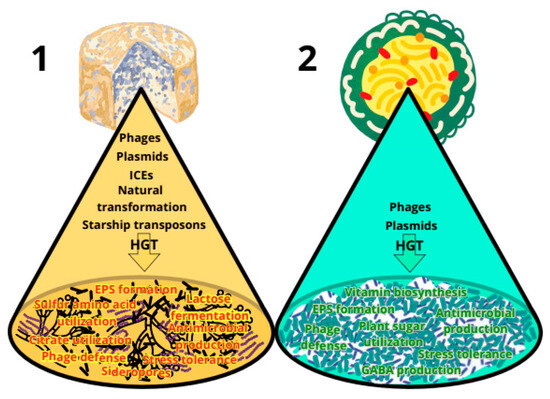
Different groups of microorganisms—namely lactic acid bacteria (LAB), coagulase-negative staphylococci (CNS), dairy propionibacteria, yeasts, and molds—play essential roles in producing safe fermented foods of animal and plant origin with high nutritional value and sensory quality. The acquisition of genetic traits with technological relevance by natural horizontal gene transfer (HGT) via transformation, conjugation, phage transduction, and other routes would broaden the spectrum of beneficial activities exerted by individual microbial strains with no limitations for their use in food. Therefore, this critical review aimed to identify the potential for natural genetic improvement of microbial species relevant to food technology, based on reports of natural genetic exchanges occurring in environmental niches and laboratory conditions. Results showed that the species most frequently involved in natural HGT is Lactiplantibacillus plantarum, followed by Streptococcus thermophilus and Lactococcus lactis. Extensive HGT events enabling adaptation to food have been observed in domesticated filamentous fungi. The transferred traits of technological relevance include resistance to various stress factors, exopolysaccharide (EPS) and bacteriocin production, protein and amino acid utilization, phage immunity, lactose and citrate metabolism in dairy species, and use of plant carbohydrates in vegetable adapted species. Methods suitable for detecting HGT events in microbial communities have been developed and can aid in isolating improved strains for use in fermented foods.
Full article

Figure 1
Open AccessArticle
Antitumor Potential of Moringa oleifera Extract Against PC3 Prostate Cancer Cells Through IGF-1 Pathway Modulation
by
Francesca Mancuso, Cinzia Lilli, Catia Bellucci, Veronica Ceccarelli, Anna Stabile, Cristiana Gambelunghe, Ludovica Pugliese, Margherita Cecchetti, Giovanni Luca and Tiziano Baroni
Sci 2026, 8(3), 55; https://doi.org/10.3390/sci8030055 (registering DOI) - 2 Mar 2026
Abstract
Moringa oleifera is widely recognized for its pharmacological properties and has recently attracted interest for its potential anticancer effects. In this study, we investigated the in vitro activity of Moringa oleifera leaf extract on the human prostate cancer PC3 cell line, focusing on
[...] Read more.
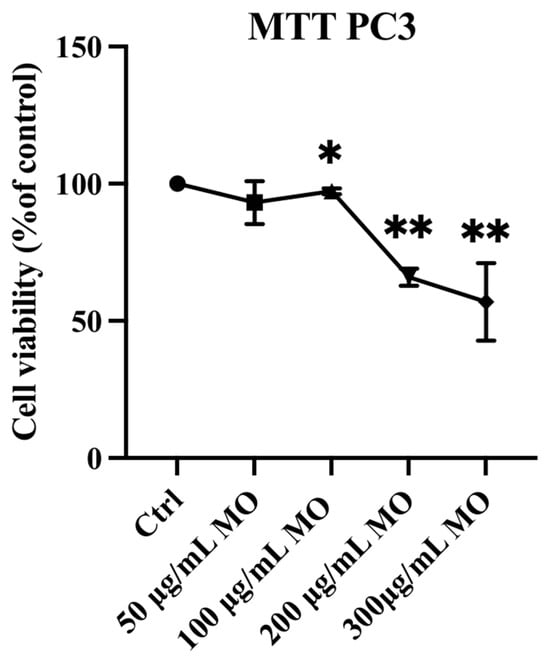
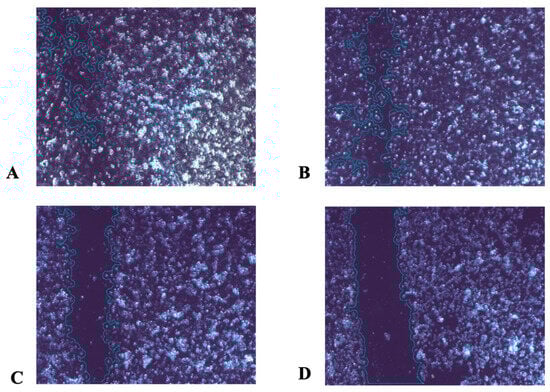
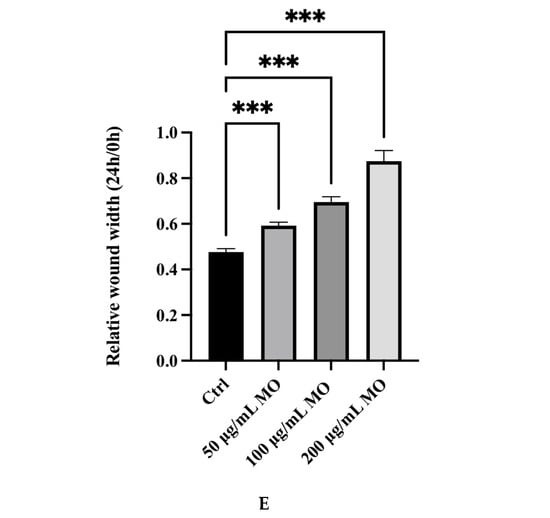
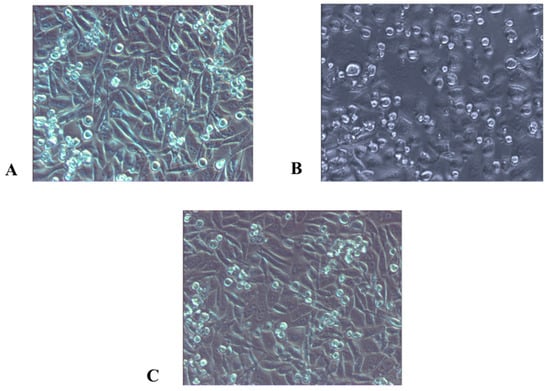
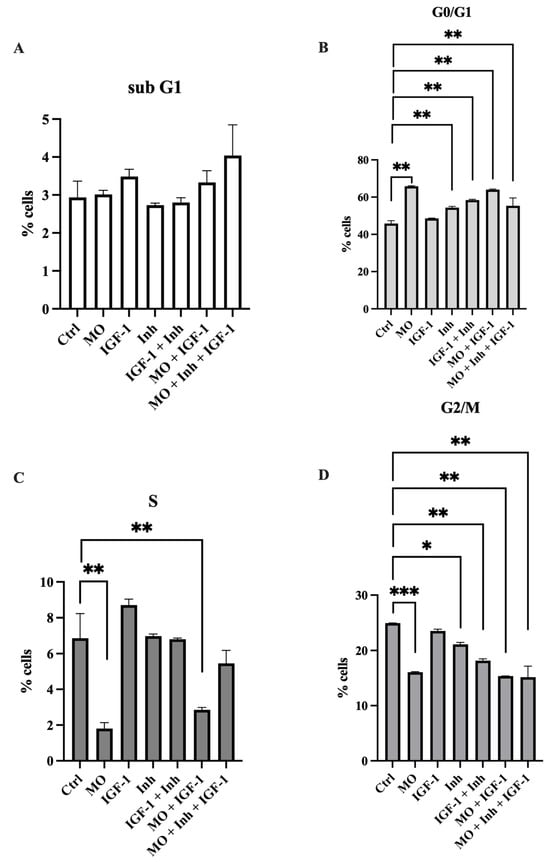
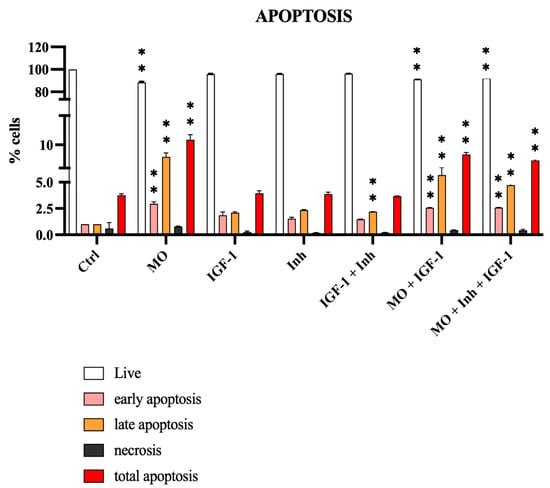
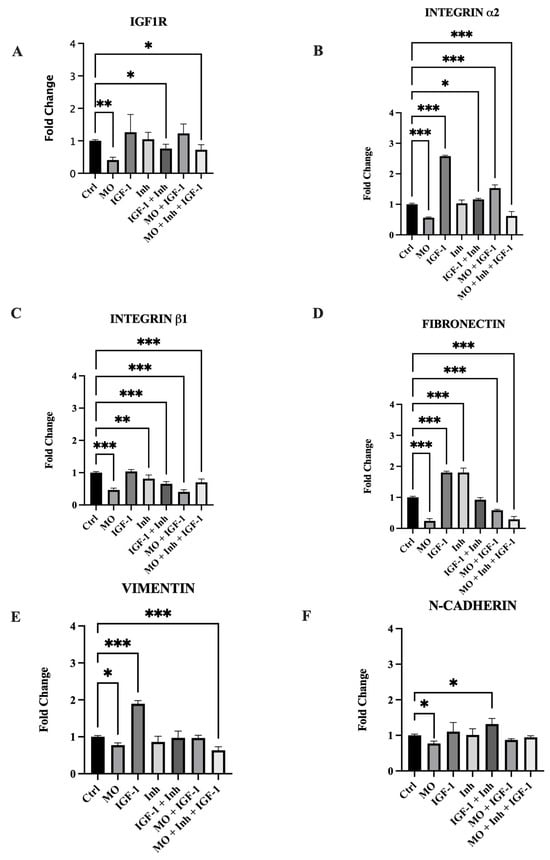
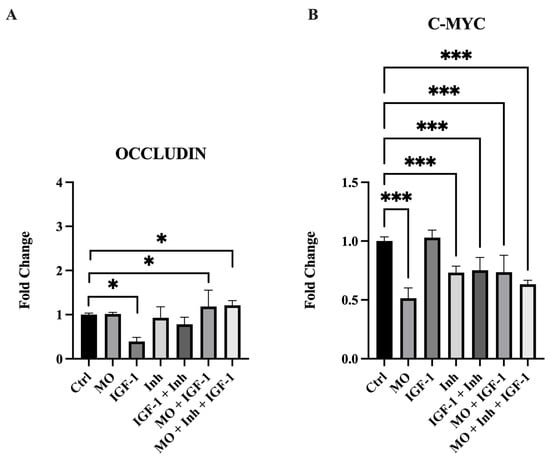
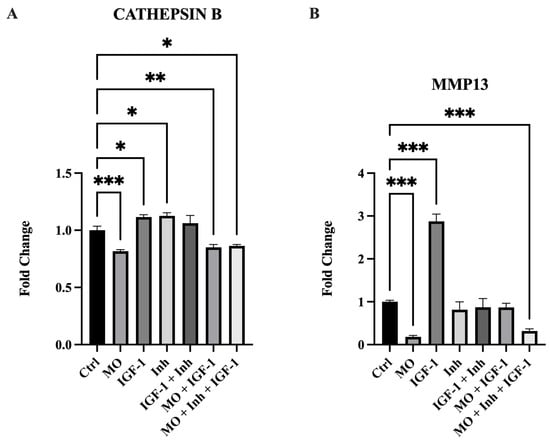
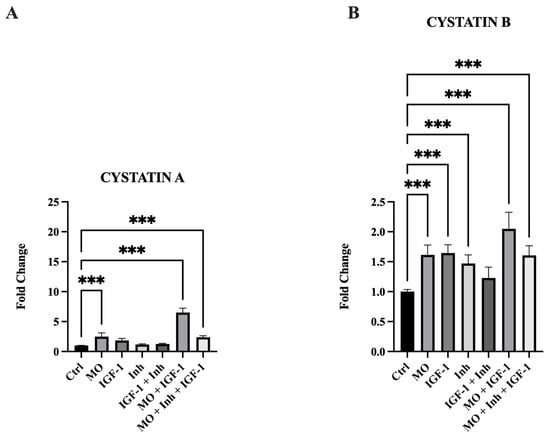
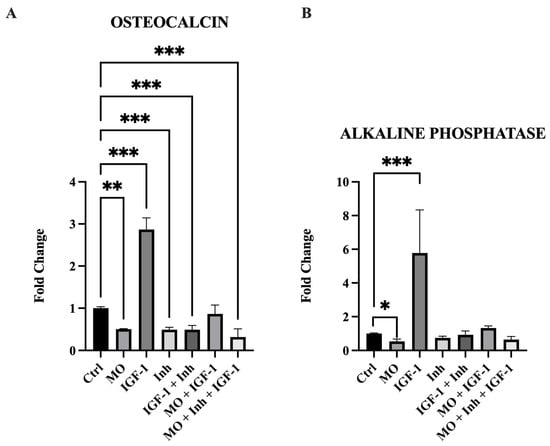
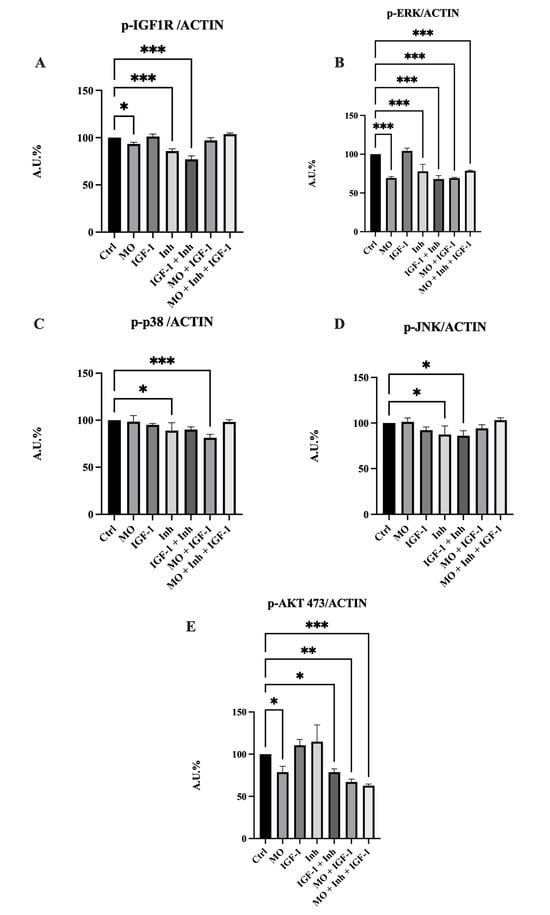
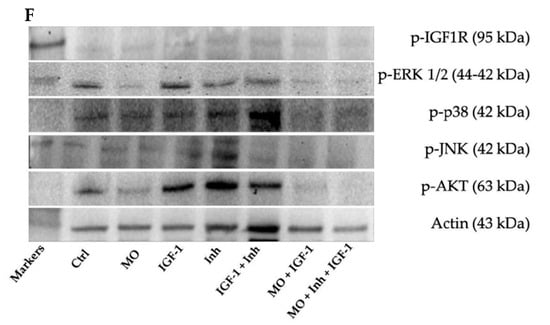
Moringa oleifera is widely recognized for its pharmacological properties and has recently attracted interest for its potential anticancer effects. In this study, we investigated the in vitro activity of Moringa oleifera leaf extract on the human prostate cancer PC3 cell line, focusing on the insulin-like growth factor 1 receptor (IGF1R) signaling pathway, a central regulator of prostate cancer progression. PC3 cells were treated with Moringa oleifera extract, IGF-1, the IGF1R inhibitor NVP-AEW541, and their combinations. Cell migration, apoptosis, cell cycle distribution, gene expression, and protein regulation were evaluated using scratch assays, flow cytometry, RT-PCR, and Western blotting. Under our experimental conditions, Moringa oleifera extract was associated with reduced IGF1R expression and phosphorylation, together with decreased activation of downstream ERK/MAPK and AKT signaling pathways. These changes were accompanied by increased apoptosis, G0/G1 cell cycle accumulation, and reduced migratory capacity of PC3 cells. In addition, Moringa oleifera modulated the expression of genes involved in epithelial–mesenchymal transition, tumor progression, and extracellular matrix remodeling, suppressing pro-invasive markers while enhancing anti-metastatic factors. The extract also reduced the expression of bone metastasis–associated markers, including osteocalcin and alkaline phosphatase. Overall, these findings indicate that Moringa oleifera exposure is associated with modulation of IGF1R-related signaling and cellular programs relevant to aggressive prostate cancer. Further studies will be required to determine pharmacological feasibility and translational relevance.
Full article
(This article belongs to the Special Issue One Health)
►▼
Show Figures

Figure 1
Open AccessReview
A Review of Crime at Machine Speed: Criminological Aspects of Artificial Intelligence’s Industrialisation of Deception
by
Paolo Bailo, Ascanio Sirignano, Giulio Nittari, Giuseppe Visconti, Giuliano Pesel, Tommaso Spasari and Giovanna Ricci
Sci 2026, 8(3), 54; https://doi.org/10.3390/sci8030054 (registering DOI) - 2 Mar 2026
Abstract
Artificial intelligence (AI) is transforming criminal practice by industrialising deception, compressing attack cycles, and corroding evidentiary trust. This narrative review synthesises recent technical and criminological literature with institutional reporting to explain how generative models, predictive analytics, and automation enable convincing synthetic media, highly
[...] Read more.
Artificial intelligence (AI) is transforming criminal practice by industrialising deception, compressing attack cycles, and corroding evidentiary trust. This narrative review synthesises recent technical and criminological literature with institutional reporting to explain how generative models, predictive analytics, and automation enable convincing synthetic media, highly targeted social engineering, document forgery, identity synthesis, and adaptive evasion. Attention is given to the convergence with organised networks that use AI to coordinate logistics, mimic normal behaviour, and launder proceeds across platforms. Furthermore, a review of the grey literature was carried out to identify applied cases and to show how heterogeneous they are. Defensive efforts are advancing, yet detection remains brittle under laundering, increasing media realism, and adversarial adaptation. Regulatory and policy responses are surveyed across jurisdictions without claiming exhaustiveness; they appear fragmented and often lag operational innovation. The objective is pragmatic: to raise attacker costs and preserve information integrity while safeguarding fundamental rights and forensic reliability.
Full article
Open AccessArticle
Multi-Criteria Evaluation of Cooling-Oriented Envelope Retrofit Technologies for Energy, Thermal Comfort and Cost Performance
by
Angeliki Kitsopoulou, Evangelos Bellos, Evangelos Vidalis, Georgios Mitsopoulos and Christos Tzivanidis
Sci 2026, 8(3), 53; https://doi.org/10.3390/sci8030053 (registering DOI) - 1 Mar 2026
Abstract
►▼
Show Figures
Escalating climate change and the increasing frequency of weather extremes pose a threat to the resilience of urban environments and human health, highlighting the urgent need for implementing energy-efficient interventions and reducing building cooling loads. This study investigates the passive building envelope retrofit
[...] Read more.
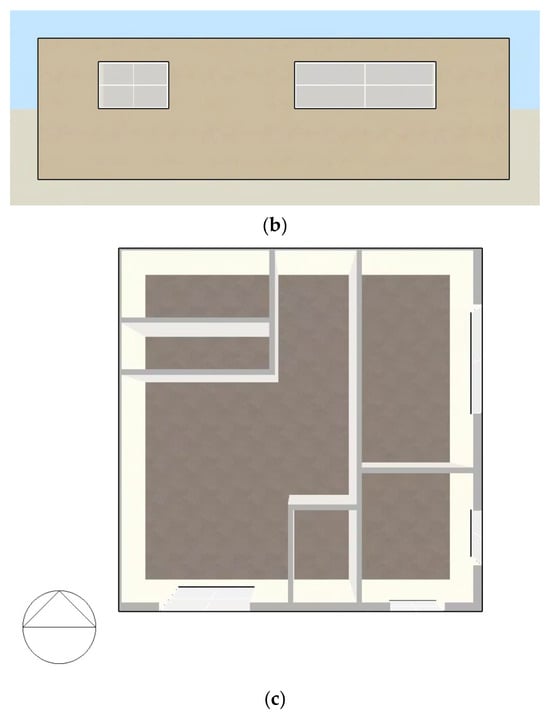
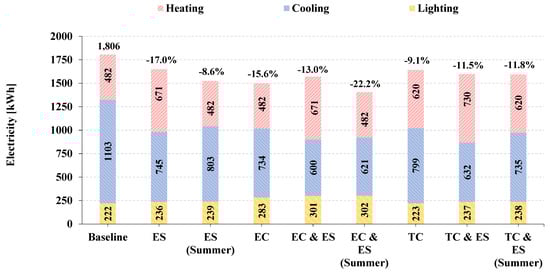
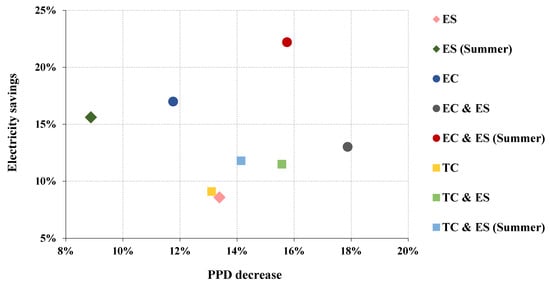
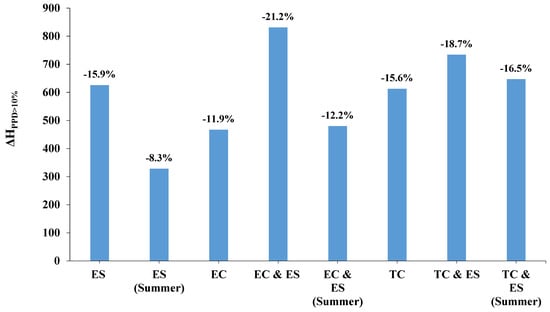
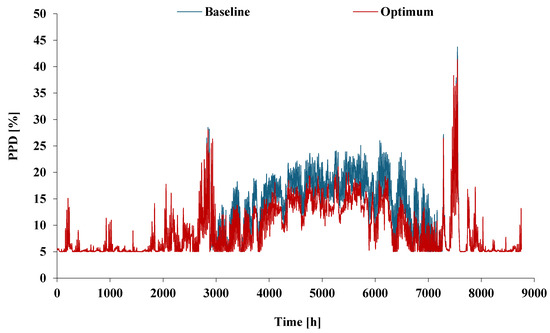
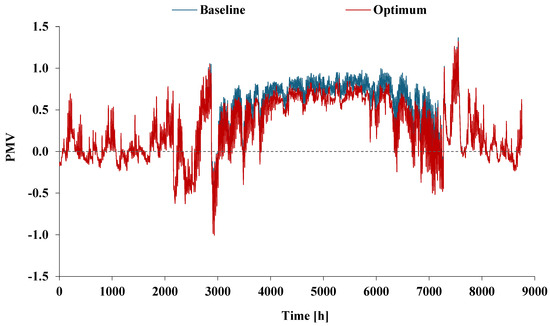
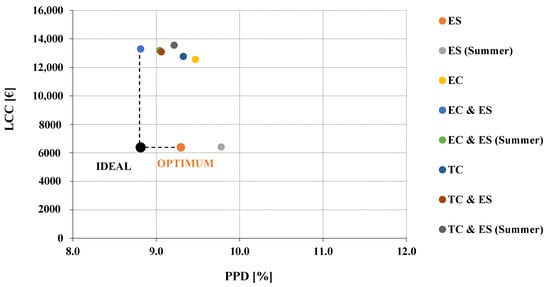
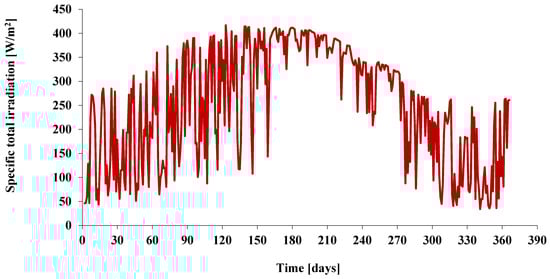
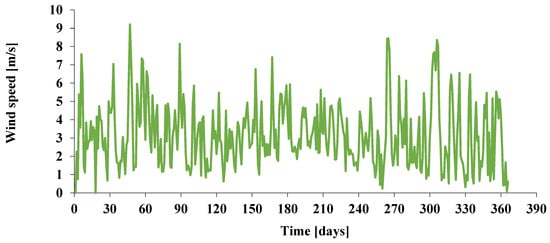
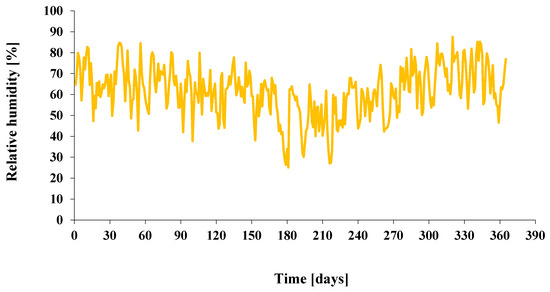
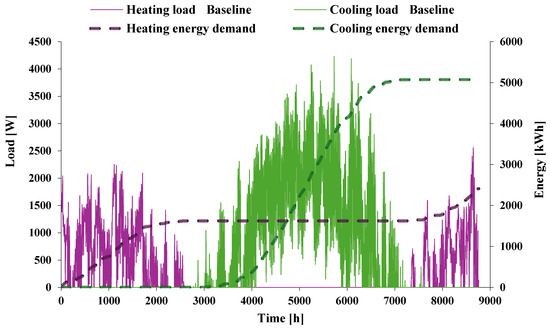
Escalating climate change and the increasing frequency of weather extremes pose a threat to the resilience of urban environments and human health, highlighting the urgent need for implementing energy-efficient interventions and reducing building cooling loads. This study investigates the passive building envelope retrofit technologies of external shading, electrochromic windows, and thermochromic windows through a multi-criteria evaluation analysis based on energy savings, economic performance, and indoor thermal comfort improvement. Thermochromic windows are discerned by a mean colour transition temperature of 34 °C and operate throughout the entire year, while electrochromic windows are activated only during cooling periods. Both technologies present total solar transmittance indices of 72.6% and 8.4% in the bleached and tinted state, respectively. External shading devices are either static or movable, applied with an inclination angle, and are either standalone interventions or combined with chromogenic glazing. Eight retrofit scenarios are investigated for a single-story, fully electrified residential building in Athens, Greece. The building features south- and east-oriented windows, which is an appropriate case to assess the effectiveness of these passive envelope cooling technologies in regulating solar heat gains. Thermal comfort is assessed using Fanger’s PMV (predicted mean vote) and PPD (Predicted Percentage of Dissatisfied) indices. The combination of electrochromic windows and movable external shading yields the highest annual electricity savings at 22.2% and reduces the PPD by 15.8%. Local static shading, on the other hand, ranks as the optimal retrofit solution in terms of economic performance, with a life-cycle cost of €6378, a 9.3% improvement in thermal comfort, and a corresponding reduction of 626 thermal discomfort hours. While the proposed multi-criteria framework can be applied to other buildings and climates, the quantitative results reported here are linked to the specific case examined: a residential building with south- and east-facing glazing in Athens, Greece, representing Mediterranean climatic conditions.
Full article

Figure 1
Open AccessArticle
Fresh Food for Health: The Impact of Onsite Produce Events at Federally Qualified Health Centers
by
Keisha M. Macon, Julia I. Caldwell, Natallie Kochumian, Dipa Shah and Tony Kuo
Sci 2026, 8(3), 52; https://doi.org/10.3390/sci8030052 (registering DOI) - 1 Mar 2026
Abstract
This study assessed whether frequent attendance of onsite produce events at Federally Qualified Health Centers is associated with increased fruit and vegetable consumption, reduced food insecurity, and enrollment in food assistance. A deeper understanding of these relationships may help program implementers and health
[...] Read more.
This study assessed whether frequent attendance of onsite produce events at Federally Qualified Health Centers is associated with increased fruit and vegetable consumption, reduced food insecurity, and enrollment in food assistance. A deeper understanding of these relationships may help program implementers and health practitioners improve healthy food access among low-income patients by screening for food insecurity and offering onsite produce distribution events at clinic sites. Using a cross-sectional observational design, study data originated from an intercept survey of 886 adults who attended free produce events at 14 clinic locations in Los Angeles County during 2021–2023. Multivariable models assessed associations between attendance frequency and the main outcomes: fruit and vegetable consumption, food insecurity, and enrollment in food assistance (i.e., SNAP, WIC). Compared with first-time attendees, frequent attendees had higher odds of meeting the MyPlate recommendations for fruit (adjusted odds ratio [AOR] = 1.37, p = 0.012) and vegetable (AOR = 1.47, p = 0.019) consumption. Frequent attendees, compared with first-time attendees, also had marginally lower odds of food insecurity (AOR = 0.73, p = 0.077), with no effect on food assistance enrollment. These findings suggest safety-net health centers can play meaningful, multi-faceted roles in increasing patient access to healthy food by screening for food insecurity and offering onsite free produce distributions at their clinic sites.
Full article
(This article belongs to the Section Biology Research and Life Sciences)
Open AccessArticle
Enhancing the Performance of an H-Darrieus Hydrokinetic Turbine Through Geometric Optimization of an External Channel
by
Angie J. Guevara Muñoz, Isabella Carvajal Samboni, Miguel A. Rodriguez-Cabal and Edwin Chica
Sci 2026, 8(3), 51; https://doi.org/10.3390/sci8030051 - 27 Feb 2026
Abstract
The transition to sustainable energy systems requires the development of efficient hydrokinetic technologies to increase the reliability and competitiveness of renewable energy generation. Vertical-axis H-Darrieus turbines can improve their performance through impeller channels or external flow guidance devices that modify the local mass
[...] Read more.
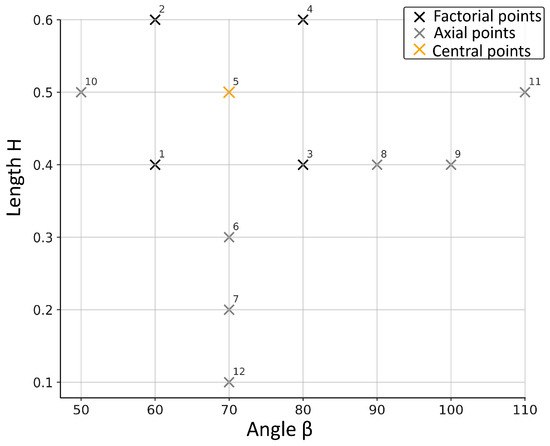
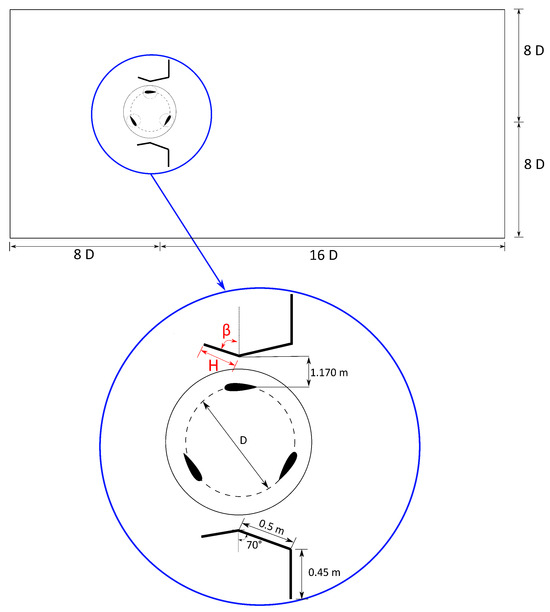
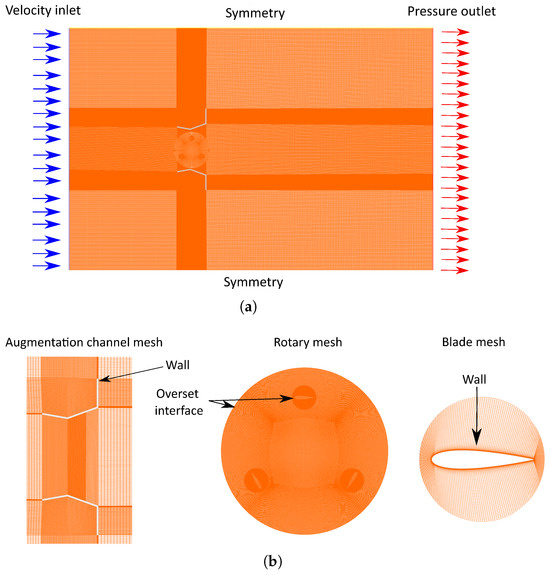
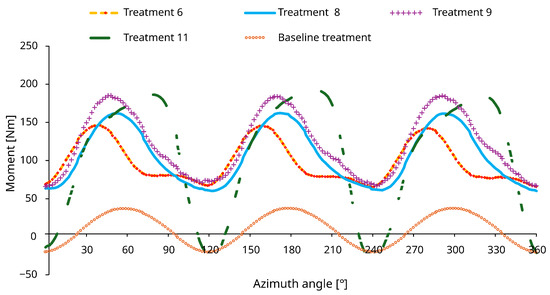
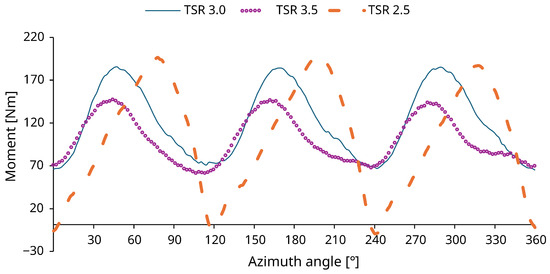
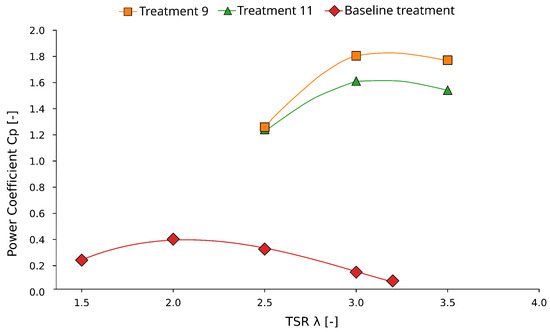
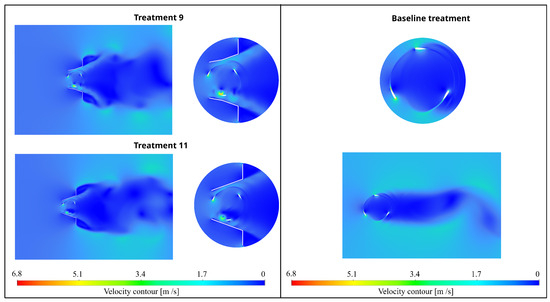
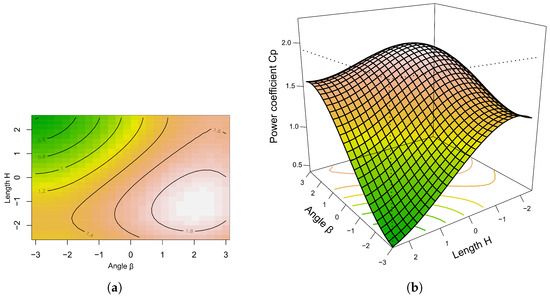
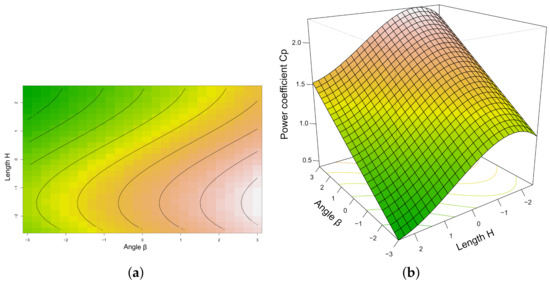
The transition to sustainable energy systems requires the development of efficient hydrokinetic technologies to increase the reliability and competitiveness of renewable energy generation. Vertical-axis H-Darrieus turbines can improve their performance through impeller channels or external flow guidance devices that modify the local mass flow distribution around the rotor. This work introduces a systematic geometric optimization framework that quantitatively evaluates the combined effect of key channel design parameters on turbine performance by employing response surface methodology (RSM) to quantify the influence of two geometric parameters of an impeller channel—specifically, the deflection angle ( ) and the channel length (H)—on the turbine power coefficient ( ). This approach allows for the identification of nonlinear interactions between geometric variables, which have not been explicitly addressed in previous research on impeller channels in H-Darrieus turbines. An experimental design with thirteen treatments was implemented, and numerical simulations were performed using Computational Fluid Dynamics (CFD) in ANSYS FLUENT®. Statistical analysis of the RSM model showed that both and H have significant effects ( ) on turbine performance. The model predicted an optimal configuration with equal to 100° and H equal to 0.2 m, corresponding to the maximum Cp achieved. These findings confirm the potential of impulse channels to improve the aerodynamic efficiency of H-Darrieus turbines and establish a quantitative basis for design optimization in hydrokinetic applications.
Full article
(This article belongs to the Section Computer Sciences, Mathematics and AI)
►▼
Show Figures

Figure 1
Open AccessReview
Avoiding Anthropomorphic Drift in ‘One Biology’ and ‘One Welfare’
by
Fernando Mata, Meirielly Jesus and Joana Santos
Sci 2026, 8(2), 50; https://doi.org/10.3390/sci8020050 - 21 Feb 2026
Abstract
Integrative frameworks such as ‘One Welfare’ and ‘One Biology’ address the interconnectedness of animal welfare, human wellbeing, and environmental conditions by emphasising systemic interactions and shared biological mechanisms across species. Although grounded in scientific evidence, these approaches risk conceptual anthropomorphisation, whereby human-centred assumptions,
[...] Read more.
Integrative frameworks such as ‘One Welfare’ and ‘One Biology’ address the interconnectedness of animal welfare, human wellbeing, and environmental conditions by emphasising systemic interactions and shared biological mechanisms across species. Although grounded in scientific evidence, these approaches risk conceptual anthropomorphisation, whereby human-centred assumptions, emotional narratives, or cultural norms influence interpretations of welfare, sentience, or sustainability. Such projections can undermine scientific objectivity, misrepresent species-specific needs, and weaken the frameworks’ applicability in research, policy, and practice. This paper critically examines how anthropomorphising concepts may arise within this context, distinguishing empirically supported biological continuity from unwarranted human-like attributions. It highlights the importance of precise language, operational definitions, and comparative evidence to safeguard conceptual integrity. While both frameworks are fundamentally non-anthropomorphic, careless language and human-centred assumptions can compromise their scientific rigour and ethical coherence. Avoiding conceptual anthropomorphisation is therefore essential to maximise their value for robust welfare assessment, policy development, and sustainable practice.
Full article
Open AccessArticle
Beyond Synchrony: Non-Phase Gamma as a Candidate Mechanism for Perceptual Anti-Binding
by
Rocio Caballero-Díaz, Esteban Sarrias-Arrabal, Ruben Martin-Clemente and Manuel Vazquez-Marrufo
Sci 2026, 8(2), 49; https://doi.org/10.3390/sci8020049 - 20 Feb 2026
Abstract
►▼
Show Figures
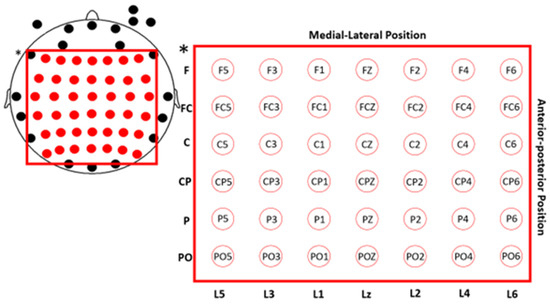
The gamma band observed in human electroencephalography (EEG) has been extensively studied. However, recent research has begun distinguishing the potential roles assigned to phase and non-phase modulation within this band. The primary aim of this study is to analyze the potential role of
[...] Read more.
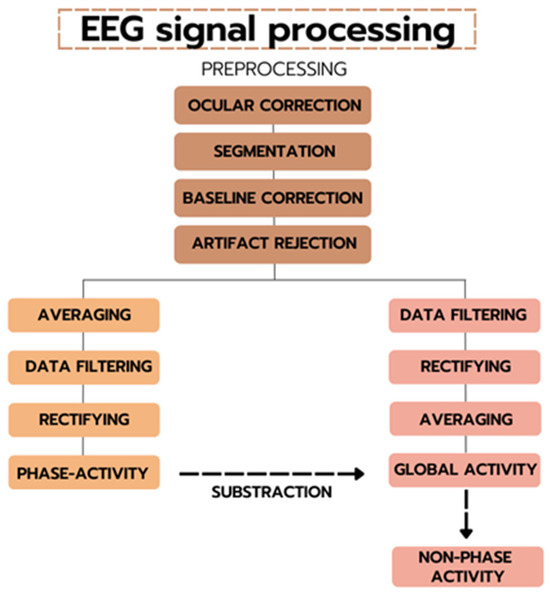
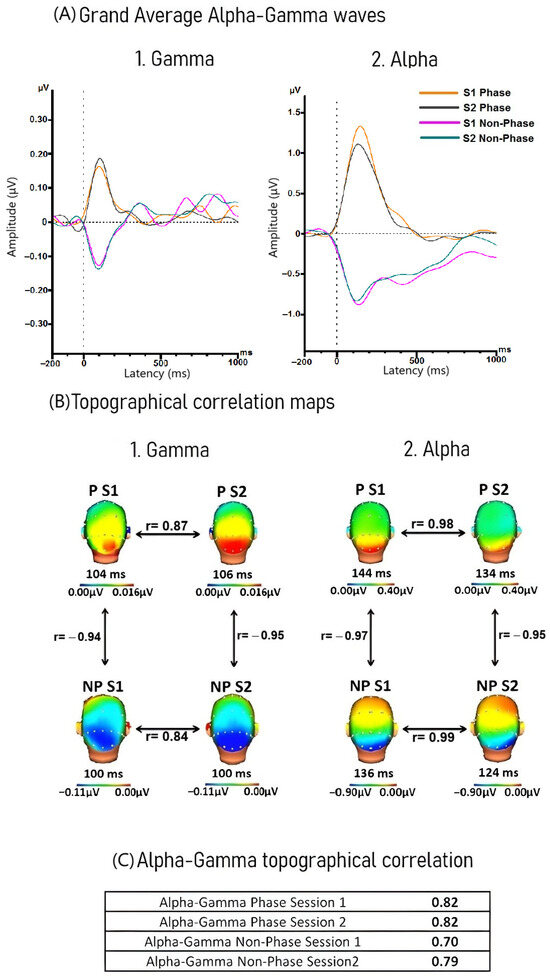
The gamma band observed in human electroencephalography (EEG) has been extensively studied. However, recent research has begun distinguishing the potential roles assigned to phase and non-phase modulation within this band. The primary aim of this study is to analyze the potential role of non-phase gamma modulation in a widely used visual task in human subjects. For this purpose, using a 58-channel EEG recording, gamma activity was evaluated during an oddball task. Responses from 21 healthy subjects were recorded at two separate time points, with an average interval of 49.5 ± 48.9 days. Latency, amplitude, and topographic correlation values were calculated to assess the replicability. Furthermore, potential influence of alpha band harmonics on gamma was analyzed. Topographic analyses revealed a strong negative correlation between gamma phase-locked (synchronous) and non-phase-locked (asynchronous) activity, with correlation coefficients of r < −0.9 for both measures. The results observed between the two time points were robust. The harmonic analysis did not show any potential contribution of the alpha band. The separate analysis of phase and non-phase activity has enabled us to identify distinct roles for each. Establishing non-phase activity as a perceptual “anti-binding” mechanism opens new avenues for exploring a previously unaddressed aspect of gamma activity.
Full article

Figure 1
Open AccessReview
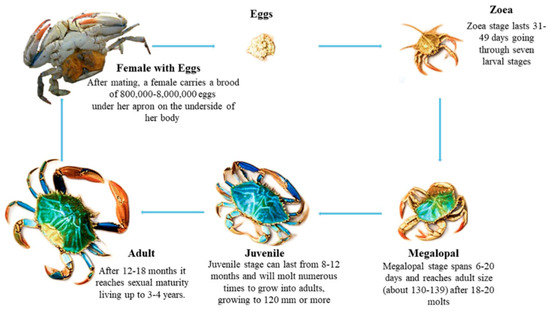
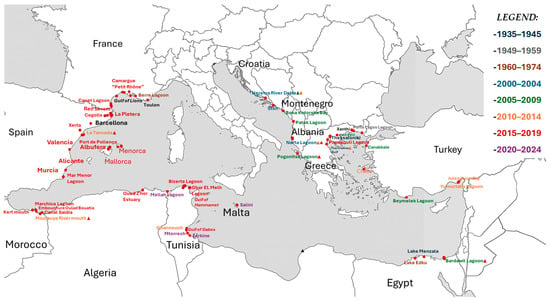
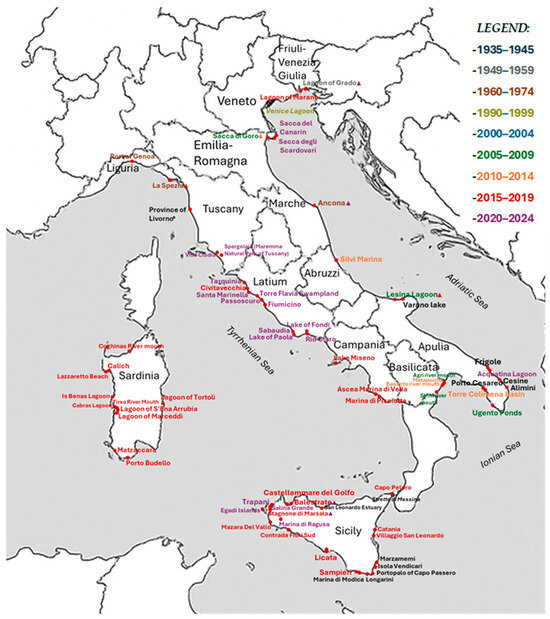
From Invasive to Innovative: A Review of Socio-Economic and Ecological Pathways for the Sustainable Management of the Blue Crab (Callinectes sapidus) and Its Recorded Sightings in the Mediterranean
by
Elettra Della Ceca, Samanta Corsetti, Gianni Sagratini, Sauro Vittori and Germana Borsetta
Sci 2026, 8(2), 48; https://doi.org/10.3390/sci8020048 - 19 Feb 2026
Abstract
►▼
Show Figures
The Atlantic blue crab (Callinectes sapidus) has rapidly expanded across the Mediterranean Sea, forming self-sustaining populations in coastal and transitional ecosystems. Its ecological plasticity, high reproductive potential, and tolerance to wide salinity and temperature ranges have enabled a rapid basin-wide colonization,
[...] Read more.
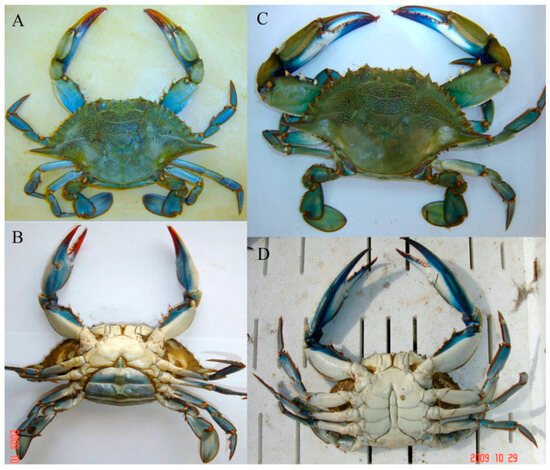
The Atlantic blue crab (Callinectes sapidus) has rapidly expanded across the Mediterranean Sea, forming self-sustaining populations in coastal and transitional ecosystems. Its ecological plasticity, high reproductive potential, and tolerance to wide salinity and temperature ranges have enabled a rapid basin-wide colonization, particularly evident in Italian lagoons and estuaries. This invasion has generated substantial ecological alterations, such as predation on bivalves, competition with native decapods, and disruptions of trophic dynamics, as well as significant economic losses for fisheries and aquaculture sectors, especially in northern Adriatic clam-farming areas. Social perceptions vary widely, and management actions remain fragmented, limiting the effectiveness of control and mitigation efforts. This review analyzes the scientific and gray literature published from its first Mediterranean records to 2025, synthesizing evidence on the species’ distribution, ecological impacts, socio-economic consequences, and existing regulatory responses, with a focus on the Mediterranean basin and Italy. Studies on consumers’ and fishers’ perceptions are examined to identify emerging opportunities for sustainable utilization. By integrating ecological and socio-economic dimensions, the review outlines priority knowledge gaps and management needs, providing a science-based framework to support coordinated monitoring, adaptive control strategies, and potential valorization pathways consistent with the EU Green Deal, the Blue Economy, and Circular Bioeconomy principles.
Full article

Figure 1
Open AccessReview
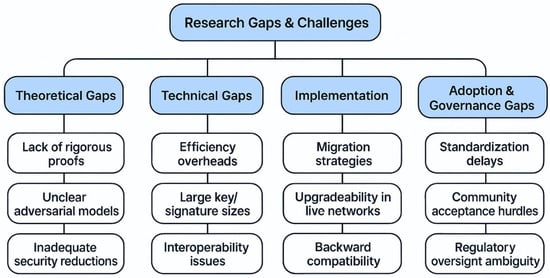
A Comprehensive Review of Quantum-Resistant Architectures for Blockchain Security
by
Hamed Taherdoost
Sci 2026, 8(2), 47; https://doi.org/10.3390/sci8020047 - 19 Feb 2026
Abstract
►▼
Show Figures
The nascent quantum computing brings unprecedented threats to the security roots of blockchain technology, potentially compromising cryptographic protocols securing decentralized systems. This review paper discusses the developing quantum threat scenario, focusing on the effect of quantum algorithms on traditional cryptographic systems. We critically
[...] Read more.
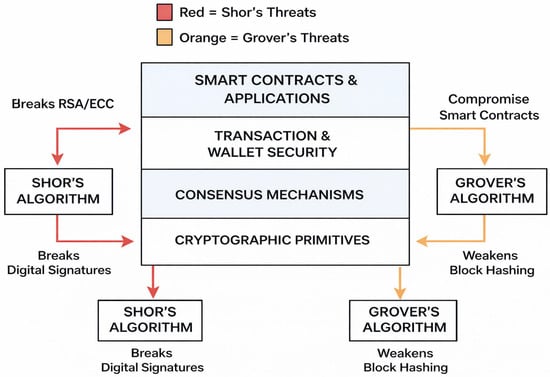
The nascent quantum computing brings unprecedented threats to the security roots of blockchain technology, potentially compromising cryptographic protocols securing decentralized systems. This review paper discusses the developing quantum threat scenario, focusing on the effect of quantum algorithms on traditional cryptographic systems. We critically examine current blockchain architectures, highlighting their vulnerabilities in a post-quantum future. The paper explores newer quantum-resistant cryptographic and modular architectural techniques to enhance blockchain resilience. This review supports comprehensive comprehension of cutting-edge strategies and research gaps by combining the literature addressing quantum threat modeling and post-quantum cryptography in decentralized systems.
Full article

Figure 1

Open AccessReview
A Review of Mesenchymal Stem Cell-Derived Extracellular Vesicles: New Opportunities for Regenerative Medicine in Neurological Disorders
by
Alexander A. Kostennikov, Ilyas M. Kabdesh and Yana O. Mukhamedshina
Sci 2026, 8(2), 46; https://doi.org/10.3390/sci8020046 - 18 Feb 2026
Abstract
Extracellular vesicles produced by mesenchymal stem cells (MSC-EVs), including exosomes, microvesicles, and apoptotic bodies, are key mediators of intercellular communication and have attracted increasing attention in recent years as potential therapeutic agents for neurological disorders. Predominantly preclinical investigations, including in vitro and animal
[...] Read more.
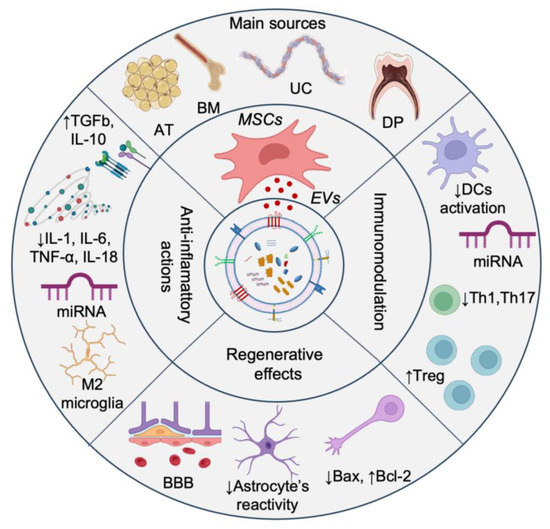
Extracellular vesicles produced by mesenchymal stem cells (MSC-EVs), including exosomes, microvesicles, and apoptotic bodies, are key mediators of intercellular communication and have attracted increasing attention in recent years as potential therapeutic agents for neurological disorders. Predominantly preclinical investigations, including in vitro and animal model studies, demonstrate that MSC-EVs can enhance axonal growth, promote regeneration of nerve fibers and remyelination, and modulate inflammatory processes in injured nervous tissue. These effects have been observed across multiple neurological conditions, including spinal cord injury, traumatic brain injury, ischemic stroke, Alzheimer’s disease, Parkinson’s disease, and multiple sclerosis, though primarily in experimental settings. Owing to their ability to carry biologically active molecules and to cross the blood–brain barrier, MSC-EVs have shown potential as vehicles for targeted delivery of therapeutic molecules to the central nervous system. However, the overwhelming majority of evidence remains preclinical, and clinical translation is limited by the scarcity of completed, rigorously controlled human trials. To advance toward clinical application, further research is required to standardize methods for vesicle isolation, characterization, and delivery, establish optimal dosing regimens, and develop robust quality control standards. A more comprehensive understanding of MSC-EVs signaling mechanisms may facilitate the future development of therapeutic strategies, contingent upon rigorous validation in well-designed clinical studies.
Full article
(This article belongs to the Section Biology Research and Life Sciences)
►▼
Show Figures

Figure 1
Open AccessArticle
Hydrated Lime Treatment of Pozzolanic Mortars: Mechanical Performance and Accelerated Carbonation
by
Rui Reis, Aires Camões and Manuel Ribeiro
Sci 2026, 8(2), 45; https://doi.org/10.3390/sci8020045 - 14 Feb 2026
Abstract
►▼
Show Figures
The growing demand for eco-efficient cementitious materials has increased the use of high levels of pozzolanic additions, which, despite their environmental benefits, may adversely affect durability, particularly resistance to carbonation. This study investigates the influence of hydrated lime (HL) on the performance of
[...] Read more.
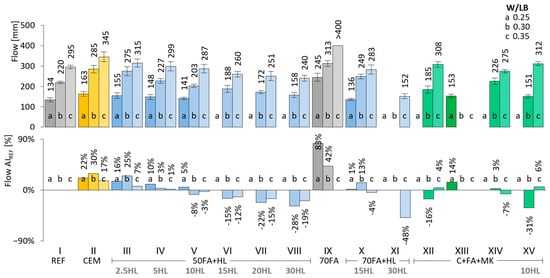
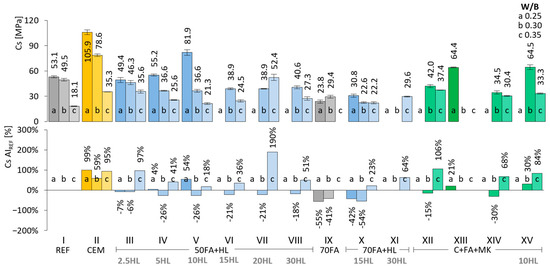
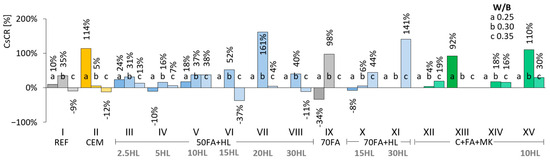
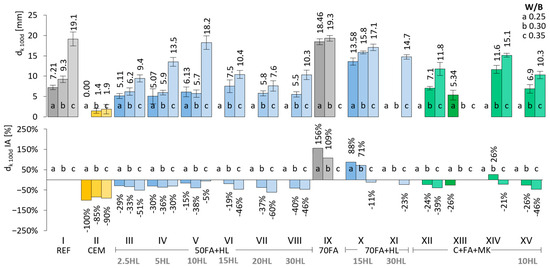
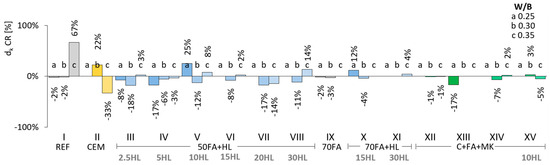
The growing demand for eco-efficient cementitious materials has increased the use of high levels of pozzolanic additions, which, despite their environmental benefits, may adversely affect durability, particularly resistance to carbonation. This study investigates the influence of hydrated lime (HL) on the performance of pozzolanic cementitious mortars, with emphasis on carbonation resistance. HL was incorporated into the mortar composition and into the curing solution. A total of 45 mixtures combining cement, fly ash (FA), metakaolin (MK) and HL were produced with different water-to-binder (W/B) ratios. Workability, compressive strength and resistance to accelerated carbonation were experimentally assessed. The results show that workability is primarily governed by the W/B ratio and decreases at high HL contents. Although FA and MK improve mechanical performance, they increase carbonation susceptibility due to reduced alkaline reserve. For the mixtures investigated, moderate HL incorporation into the mortar composition mitigates carbonation, reducing carbonation depth by up to 30–50% relative to the reference mixture. Curing in lime-saturated water does not provide additional benefits under the conditions investigated when compared with conventional water curing.
Full article

Figure 1
Open AccessArticle
Valuation of Green Hydrogen Production in Small Hydropower Plants Using the Real Options Approach: A Binomial Tree Methodology Perspective
by
Diego Vargas, Monica Arango and Carlos E. Arrieta
Sci 2026, 8(2), 44; https://doi.org/10.3390/sci8020044 - 12 Feb 2026
Abstract
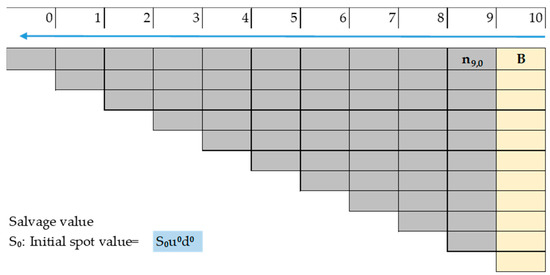
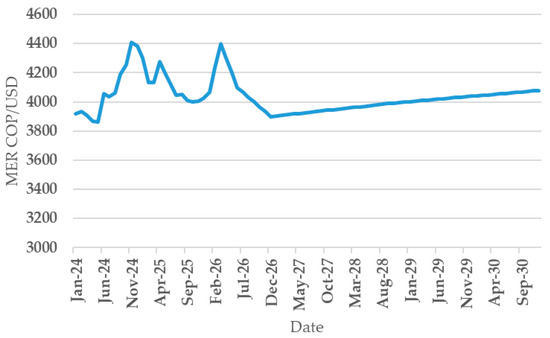
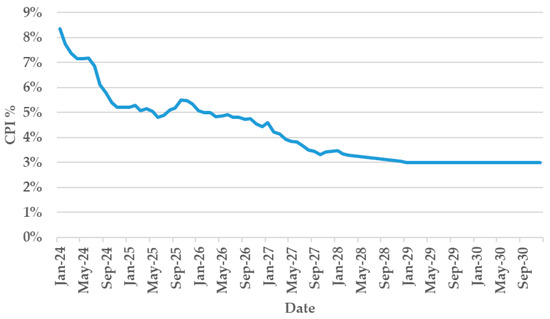
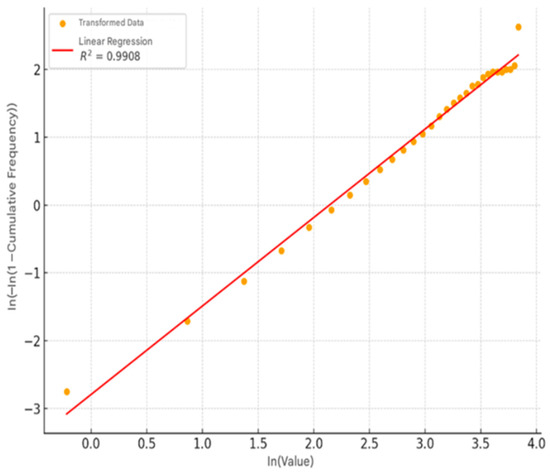
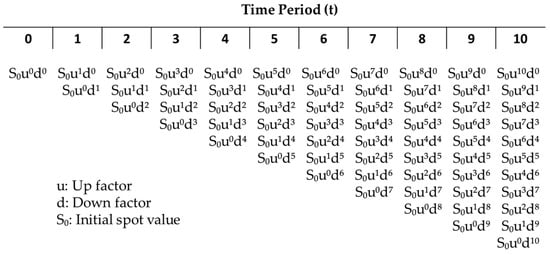
This research evaluates the technical and financial feasibility of green hydrogen production in Colombia using Small Hydropower Plants (SHPs), positioning them as a strategic complement to intermittent sources such as solar and wind. To address an underexplored niche in the national hydrogen roadmap,
[...] Read more.
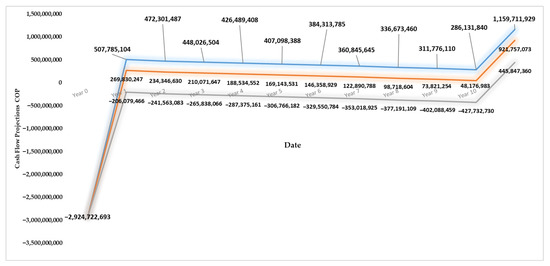
This research evaluates the technical and financial feasibility of green hydrogen production in Colombia using Small Hydropower Plants (SHPs), positioning them as a strategic complement to intermittent sources such as solar and wind. To address an underexplored niche in the national hydrogen roadmap, the study applies a Real Options framework, specifically using a binomial tree model, and incorporates the Weibull distribution to estimate risk-adjusted discount rates. This methodological combination allows for the modeling of operational flexibility under uncertainty, particularly through the analysis of an American-style abandonment option. The results indicate that SHPs provide continuous power generation, enhance electrolyzer efficiency, lower the Levelized Cost of Hydrogen (LCOH), and improve cash flow. However, fiscal incentives and high initial capital costs remain limiting factors. The study proposes extending the evaluation horizon to 15 years and implementing mechanisms such as Capital Expenditures (CAPEX) subsidies to improve project viability. Overall, the research contributes to the diversification of Colombia’s energy matrix, encourages regional development, and supports the positioning of green hydrogen as a viable financial asset within the country’s energy transition framework.
Full article
(This article belongs to the Special Issue Feature Papers—Multidisciplinary Sciences 2025)
►▼
Show Figures

Figure 1
Open AccessArticle
Distributed Sensitivity-Conditioned Bilevel Optimization for Coordinated Control of Networked Microgrids
by
Miguel F. Arevalo-Castiblanco, Duvan Tellez-Castro and Eduardo Mojica-Nava
Sci 2026, 8(2), 43; https://doi.org/10.3390/sci8020043 - 11 Feb 2026
Abstract
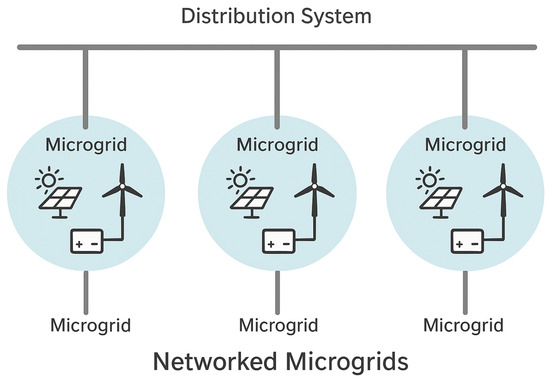
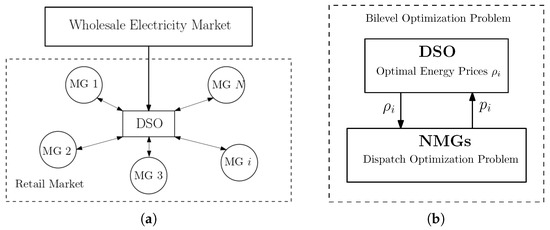
This paper introduces a distributed sensitivity-conditioning approach for bilevel optimization in networked microgrids. The proposed method enhances the coordination between subsystems by embedding sensitivity-based predictive terms into the dynamic updates, thereby improving convergence stability without requiring strict time-scale separation. Unlike conventional singular perturbation
[...] Read more.
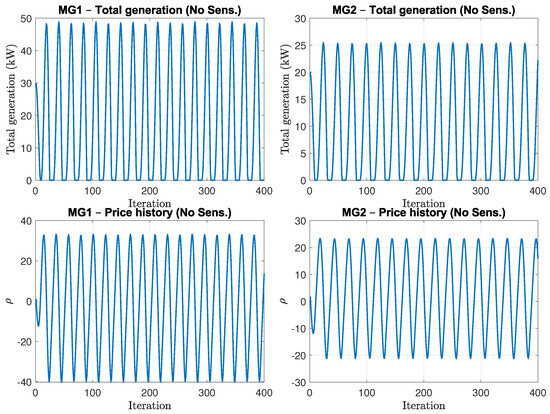
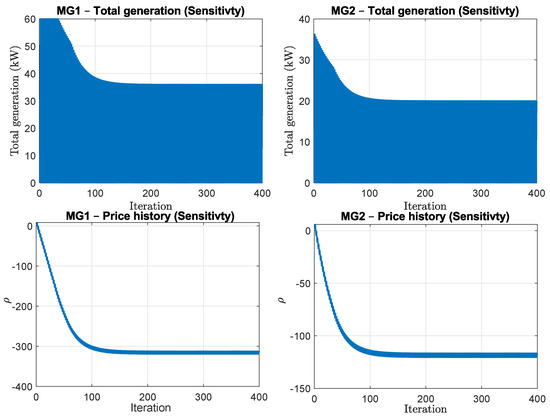
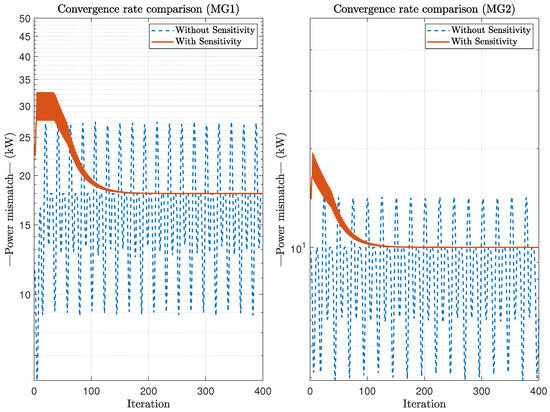
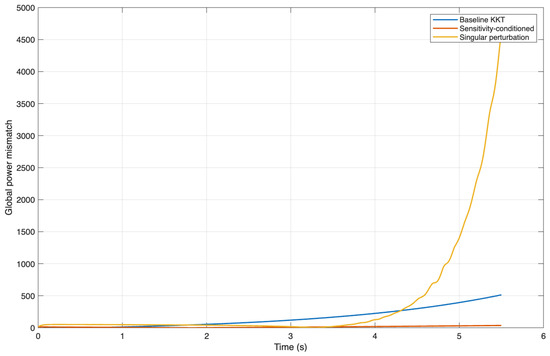
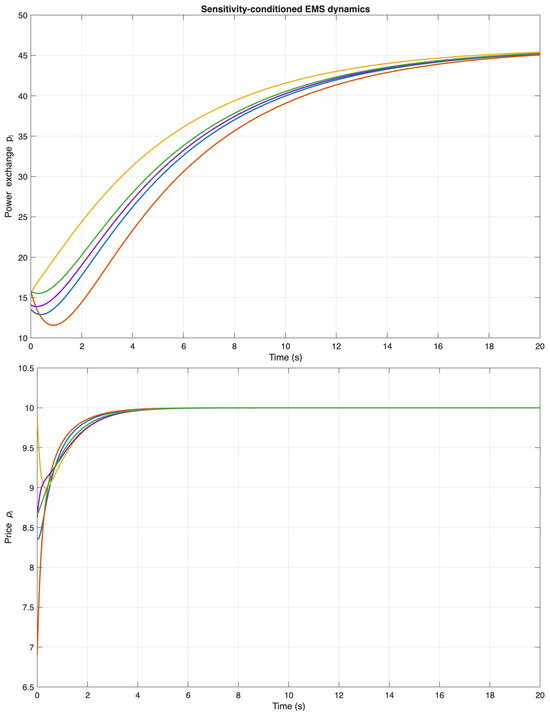
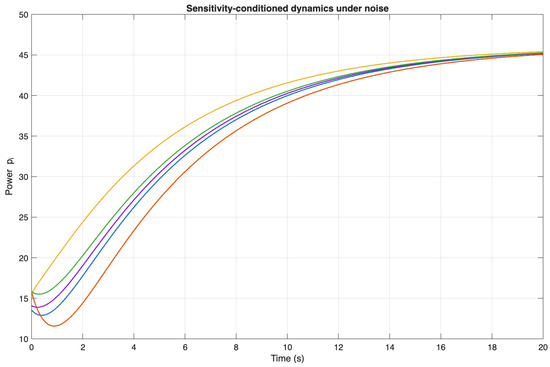
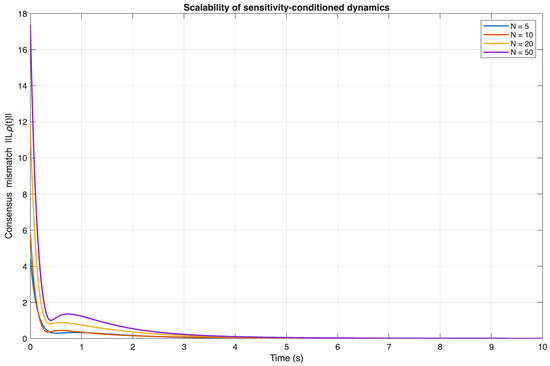
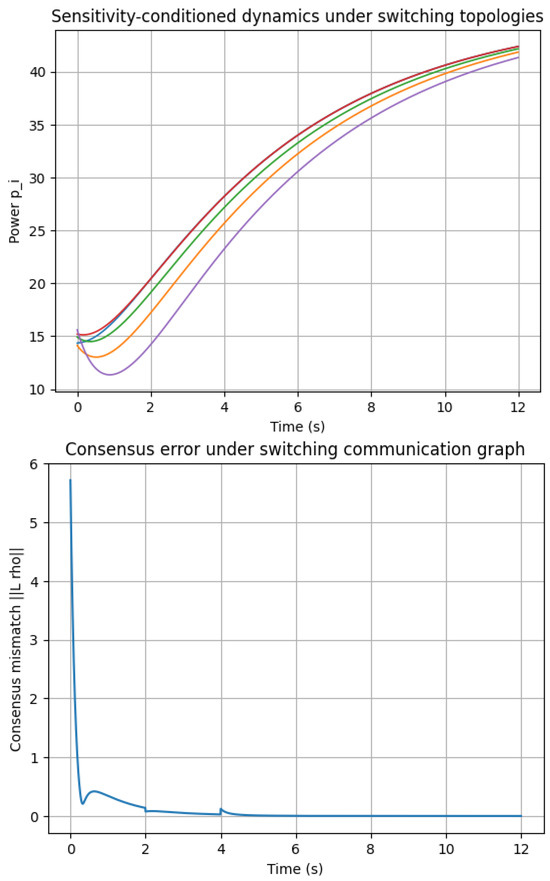
This paper introduces a distributed sensitivity-conditioning approach for bilevel optimization in networked microgrids. The proposed method enhances the coordination between subsystems by embedding sensitivity-based predictive terms into the dynamic updates, thereby improving convergence stability without requiring strict time-scale separation. Unlike conventional singular perturbation techniques, the sensitivity-conditioning formulation enables faster and more robust convergence of the distributed dynamics under heterogeneous subsystem speeds. The approach is applied to a networked microgrid scenario where local agents perform decentralized optimization considering both internal generation and energy exchange with neighboring microgrids. Simulation results demonstrate that the proposed algorithm achieves efficient coordination, reduces convergence time, and maintains stability under diverse operating conditions. The results highlight the method’s potential as a scalable and computationally efficient alternative for real-time distributed energy management and bilevel control in power network applications.
Full article
(This article belongs to the Topic Planning, Operation and Control of Low-Carbon Power Systems)
►▼
Show Figures

Figure 1
Open AccessReview
Transdiagnostic Approaches to ADHD: A Narrative Review
by
Bruno Barać and Katija Kalebić Jakupčević
Sci 2026, 8(2), 42; https://doi.org/10.3390/sci8020042 - 11 Feb 2026
Abstract
Attention-deficit/hyperactivity disorder (ADHD) is a prevalent neurodevelopmental disorder characterized by inattention, hyperactivity, and impulsivity that impair functioning across multiple situations. Despite extensive research on its clinical presentation, neurobiological substrates, genetic contributions, and environmental risk factors, ADHD remains a heterogeneous disorder with complex comorbidities.
[...] Read more.
Attention-deficit/hyperactivity disorder (ADHD) is a prevalent neurodevelopmental disorder characterized by inattention, hyperactivity, and impulsivity that impair functioning across multiple situations. Despite extensive research on its clinical presentation, neurobiological substrates, genetic contributions, and environmental risk factors, ADHD remains a heterogeneous disorder with complex comorbidities. This narrative review synthesizes historical and contemporary transdiagnostic perspectives on the development of ADHD, describing models that emphasize shared etiological mechanisms and overlapping symptom dimensions across disorders.
Full article
Open AccessArticle
Characterization of Bio-Epoxy Composites with Mussel Shell Powder and Posidonia Fibers
by
Sara Mattiello, Mattia Latini, Greta Vicentini, Chiara Giosuè, Danilo Nikolic, Cristiano Fragassa, Valeria Corinaldesi, Mattia Merlin and Carlo Santulli
Sci 2026, 8(2), 41; https://doi.org/10.3390/sci8020041 - 10 Feb 2026
Abstract
►▼
Show Figures
Bio-epoxy composites were fabricated by casting a resin–hardener–filler mixture into 3D-printed molds, using different sea-originated secondary raw materials: mussel shell powder (MSP) (63–83 μm) and Posidonia oceanica short fibers (POF) (1–2 mm). Monofiller composites were prepared with 5 or 10 wt.% MSP, or
[...] Read more.
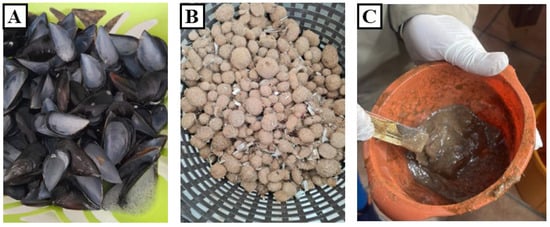
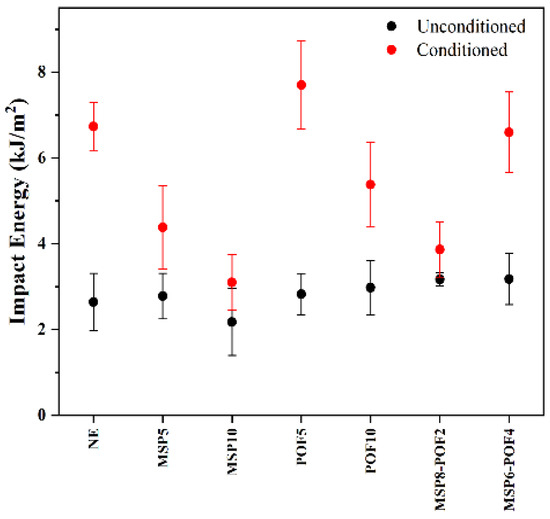
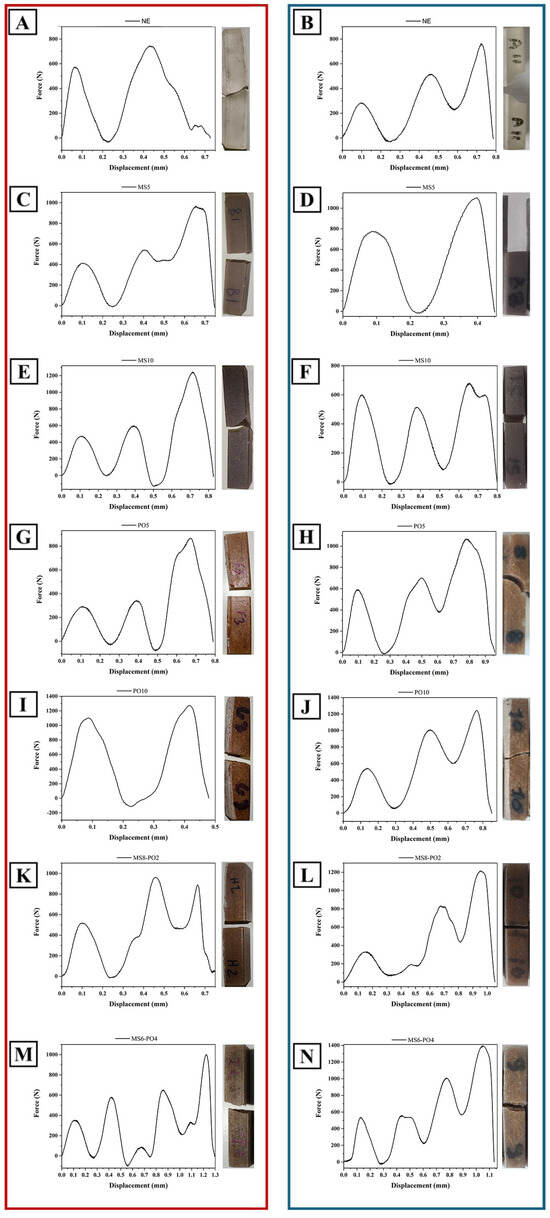
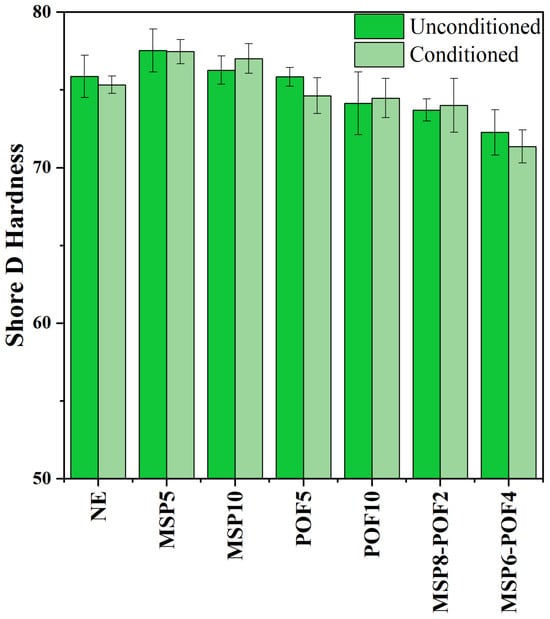
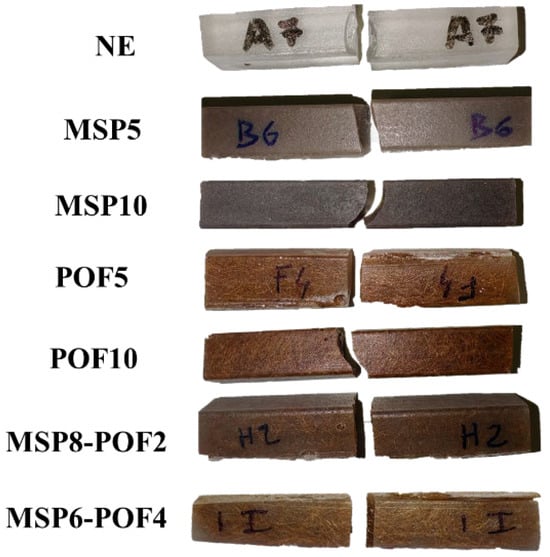
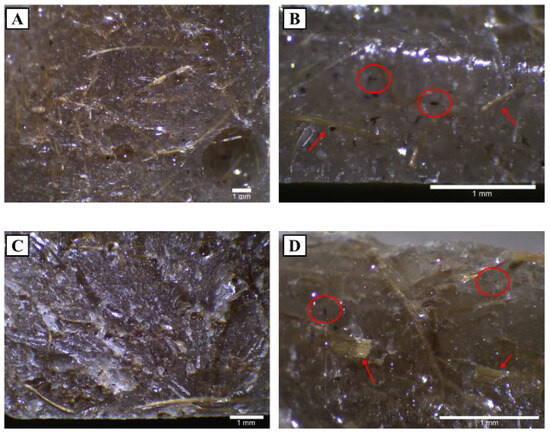
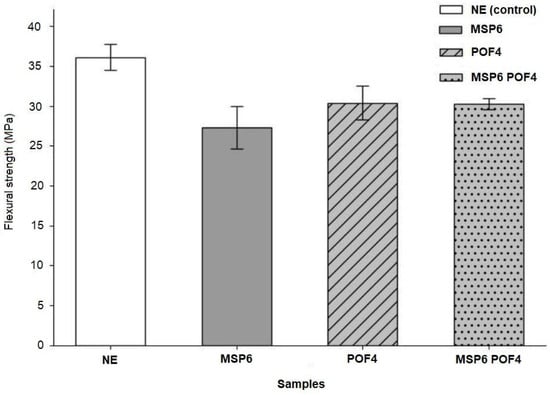
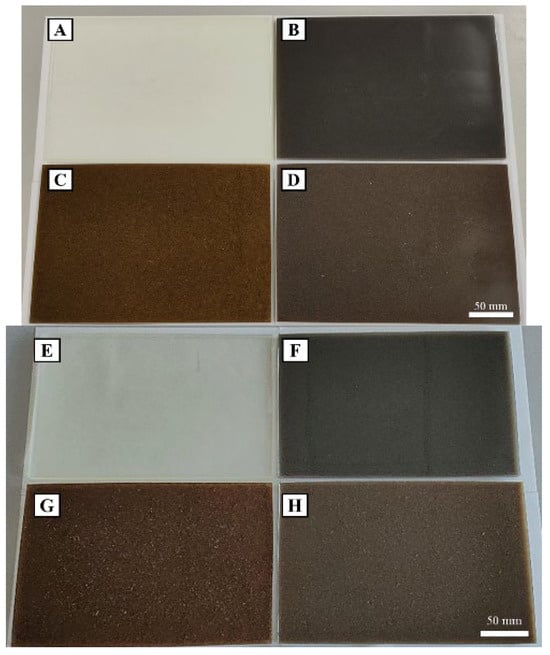
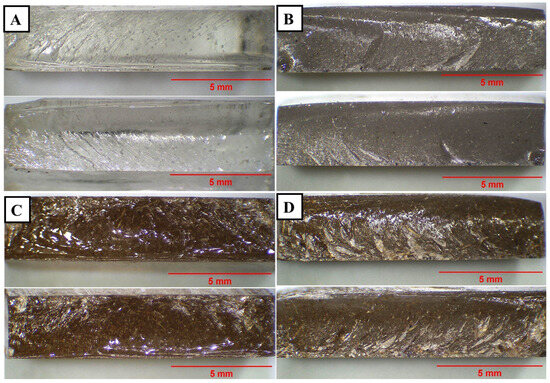
Bio-epoxy composites were fabricated by casting a resin–hardener–filler mixture into 3D-printed molds, using different sea-originated secondary raw materials: mussel shell powder (MSP) (63–83 μm) and Posidonia oceanica short fibers (POF) (1–2 mm). Monofiller composites were prepared with 5 or 10 wt.% MSP, or 5 or 10 wt.% POF. Hybrid formulations were also produced, containing both MSP and POF in two combinations, where the total amount of filler again summed up at 10 wt.%. A subset of the samples was conditioned by immersion in a 35 ‰ NaCl solution reproducing seawater composition until saturation was reached. Characterization was carried out on unconditioned and conditioned samples by Shore D hardness and Charpy impact tests while performing three-point flexural loading only on unconditioned ones. Fracture morphology was also investigated. Adding MSP slightly enhanced resin hardness, whereas impact absorption exhibited, to a variable extent, a two-phase behavior, reproducing crack initiation and propagation. The MSP6-POF4 hybrid configuration provided the greatest improvement in absorbed energy (25–30% higher), which was retained after conditioning. The introduction of fillers, first separately, then in combination, resulted in a reduction in flexural strength to a similar extent for all unconditioned configurations. Finally, composite panels containing 10 wt.% MSP, 10 wt.% POF, and a 6MSP–4POF hybrid formulation, intended for prospective boat deck applications, were fabricated and compared with neat bio-epoxy, showing satisfactory consolidation. Density and post-molding dimensional shrinkage were measured on the panels.
Full article

Figure 1

Open AccessArticle
An Integrated Assessment Model for Evaluating Motor Skills in Trainee Primary School Teachers
by
Francesca D’Elia
Sci 2026, 8(2), 40; https://doi.org/10.3390/sci8020040 - 10 Feb 2026
Abstract
This study presents an integrated assessment model for evaluating motor skills in trainee generalist primary school teachers. The model integrates objective performance measures with self-reported qualitative observations, aiming to promote body awareness and highlight the quality of movement. A total of 547 university
[...] Read more.
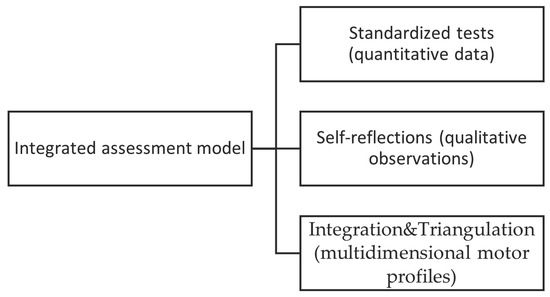
This study presents an integrated assessment model for evaluating motor skills in trainee generalist primary school teachers. The model integrates objective performance measures with self-reported qualitative observations, aiming to promote body awareness and highlight the quality of movement. A total of 547 university students, divided into two cohorts (2023/24 and 2024/25), completed a battery of standardized field tests and recorded both quantitative results (e.g., times, repetitions) and qualitative reflections on their execution. The findings show that the 2024/25 cohort performed better in balance and muscular endurance, while showing slower times in agility and sprint tests. Qualitative data revealed more fluid execution, a wider range of motor strategies, and greater self-reflection, suggesting a more mature motor profile. These differences are not solely attributable to individual factors; they may also reflect the evolving structure of the training program, the instructional approach, and the learning environment. The integration of objective and subjective data enabled the construction of multidimensional motor profiles, capturing not only outcomes but also processes. This model supports the development of reflective and adaptive motor competence and offers promising applications in teacher training and health promotion, contributing to a more inclusive and effective approach to physical education in primary schools.
Full article
(This article belongs to the Special Issue Enhancing Health Through Physical Activity and Sports Science: Advances in Applied Research)
►▼
Show Figures

Figure 1
Open AccessArticle
Production of High-Purity Sb Nano-Powders for Advanced Functional Materials: Zn-Driven Reduction of SbCl3 in Organic Media
by
Ehab AlShamaileh, Bashar Lahlouh, Wadah Mahmoud, Mariam Al-Qderat and Iessa Sabbe Moosa
Sci 2026, 8(2), 39; https://doi.org/10.3390/sci8020039 - 10 Feb 2026
Abstract
►▼
Show Figures
Antimony nanomaterials are becoming increasingly important in advanced functional applications, including catalysis, sensing, optoelectronics, and energy systems, motivating the development of reliable synthetic routes capable of producing high-purity Sb at the nanoscale. This study establishes a direct Zn-mediated reduction pathway for converting SbCl
[...] Read more.
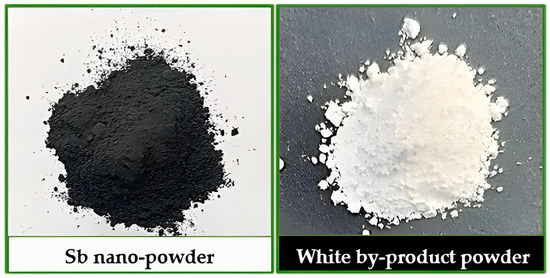
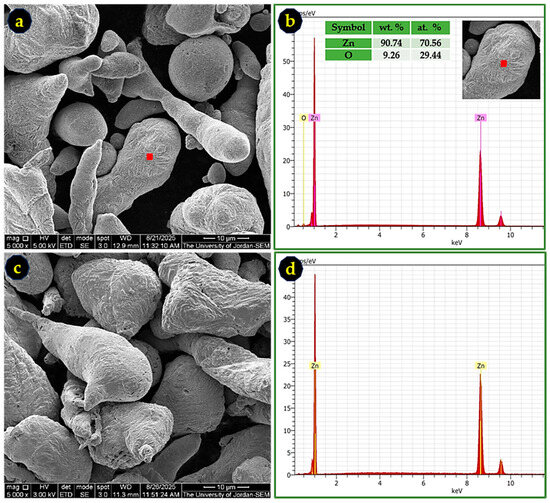
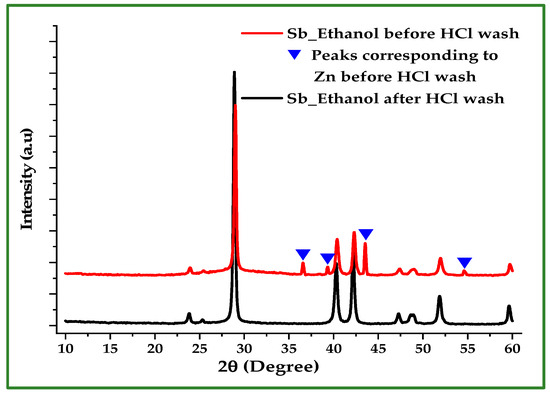
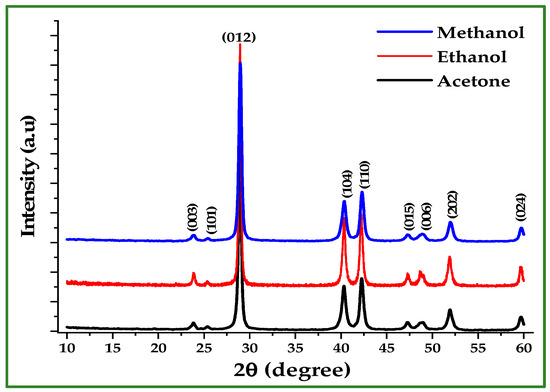
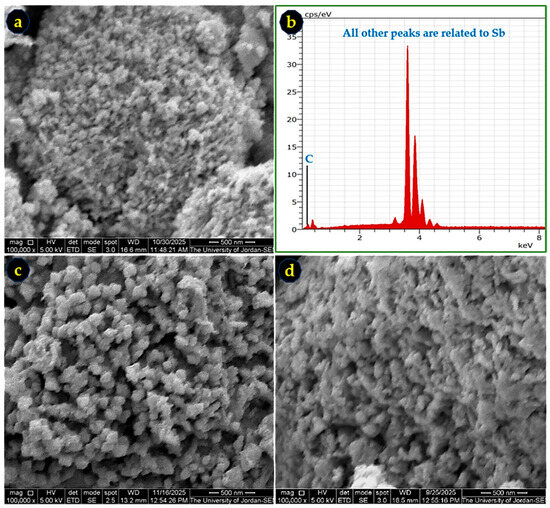
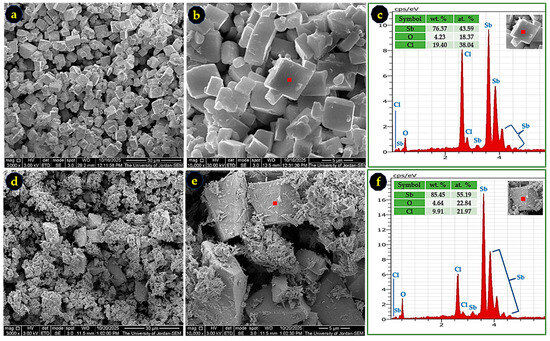
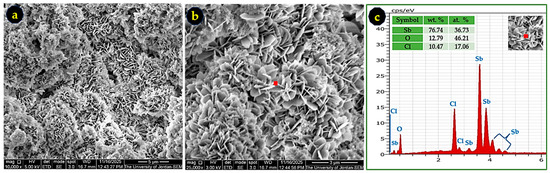
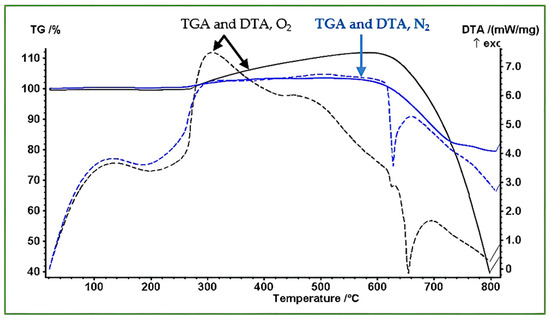
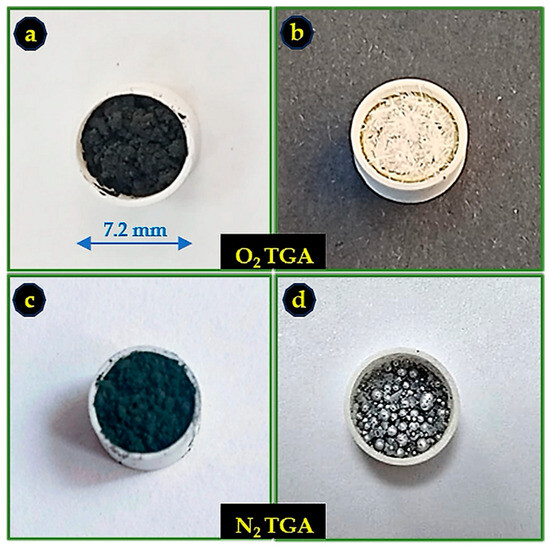
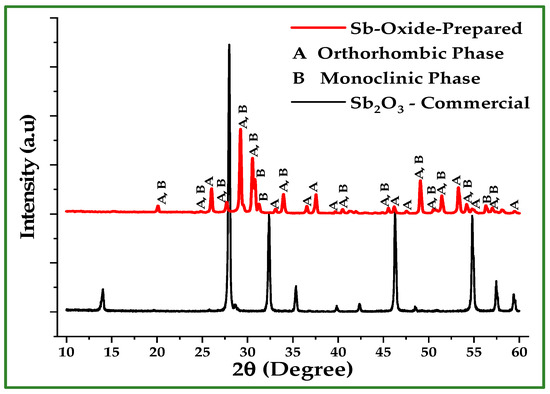
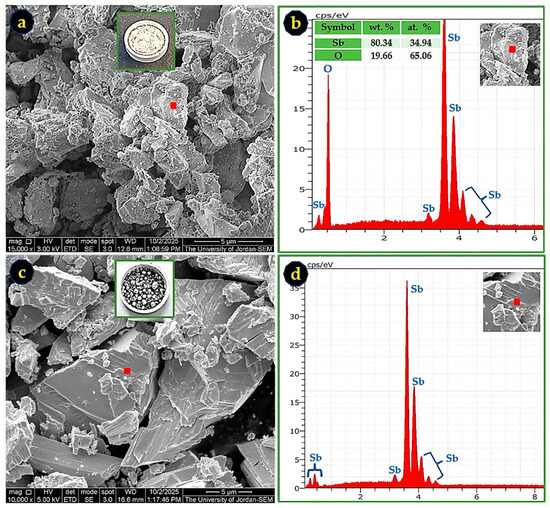
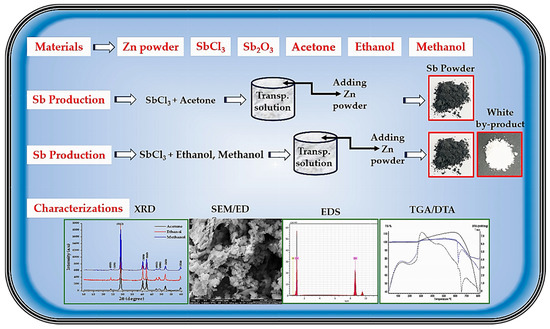
Antimony nanomaterials are becoming increasingly important in advanced functional applications, including catalysis, sensing, optoelectronics, and energy systems, motivating the development of reliable synthetic routes capable of producing high-purity Sb at the nanoscale. This study establishes a direct Zn-mediated reduction pathway for converting SbCl3 into elemental Sb using acetone, ethanol, and methanol as reaction media. SbCl3 was first dissolved in each solvent, followed by controlled addition of Zn powder under mild heating (60 °C), magnetic stirring, and ultrasonic agitation. Acetone proved the most effective medium, achieving ~94% of the theoretical Sb yield, while suppressing the formation of the SbOCl intermediate observed in alcoholic solvents. Structural and compositional analyses using XRD and SEM/EDS confirmed the formation of a pure phase, nanocrystalline Sb with mean crystallite sizes of ~25 nm in acetone, ~27 nm in ethanol, and ~21 nm in methanol. TGA/DTA measurements from room temperature up to 800 °C revealed oxidative conversion to off-white antimony oxide under O2 atmosphere and the formation of molten Sb droplets under N2 atmosphere, consistent with the expected thermal transitions of high-purity Sb. Overall, the findings demonstrate that Zn-driven reduction of SbCl3 in high-purity organic media provides an efficient and scalable approach for producing Sb nano-powders with solvent-dependent yields and nanoscale structural characteristics.
Full article

Figure 1

Highly Accessed Articles
Latest Books
E-Mail Alert
News
Topics
Topic in
Clean Technol., Energies, Sustainability, Applied Sciences, Sci
GIS-Driven Renewable Energy Solutions: Advancing Regional Development, Rural Electrification, and Universal Energy Access
Topic Editors: Javier Domínguez Bravo, Luis F. Zarzalejo, Markus BiberacherDeadline: 30 June 2026
Topic in
Applied Sciences, Cryptography, Electronics, Mathematics, Information, Sci, Entropy, JCP
Recent Developments and Applications of Image Watermarking
Topic Editors: Frederic Ros, Pedro M. B. TorresDeadline: 31 July 2026
Topic in
Molecules, Biomimetics, Chemosensors, Life, AI, Sci
Recent Advances in Chemical Artificial Intelligence
Topic Editors: Pier Luigi Gentili, Jerzy Górecki, David C Magri, Pasquale StanoDeadline: 15 October 2026
Topic in
Computers, Electronics, Entropy, Information, Mathematics, Sensors, AI, Applied Sciences, Sci, Future Internet
Addressing Security Issues Related to Modern Software
Topic Editors: Luis Javier García Villalba, Ana Lucila Sandoval OrozcoDeadline: 31 October 2026
Special Issues
Special Issue in
Sci
Generative AI: Advanced Technologies, Applications, and Impacts
Guest Editors: Claus Jacob, Paolo Bellavista, Ognjen ArandjelovićDeadline: 30 April 2026
Special Issue in
Sci
Enhancing Health Through Physical Activity and Sports Science: Advances in Applied Research
Guest Editors: Giovanni Esposito, Tiziana D’Isanto, Gaetano AltavillaDeadline: 20 May 2026
Special Issue in
Sci
Advanced 1D, 2D and 3D Nanomaterials
Guest Editor: Hai-Feng (Frank) JiDeadline: 31 July 2026
Special Issue in
Sci
Advances in Climate Change Adaptation and Mitigation
Guest Editors: Jose Navarro Pedreño, Maria K. Doula, Antonis A. ZorpasDeadline: 31 October 2026