
-
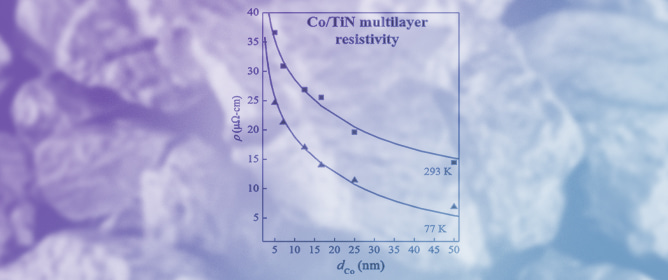
The Effect of Co/TiN Interfaces on Co Interconnect Resistivity -
Thermophoresis and Photophoresis of Suspensions of Aerosol Particles with Thermal Stress Slip -
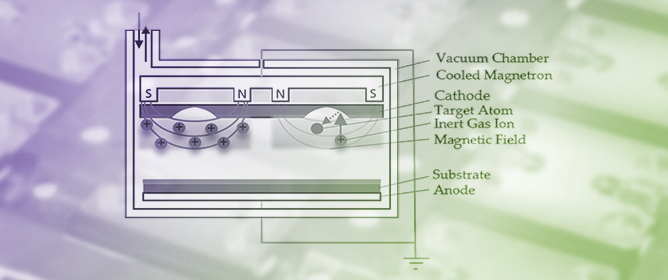
Potentials of Magnetron Sputtering for Battery Applications—A Case Study for Thin Lithium Metal Anodes -
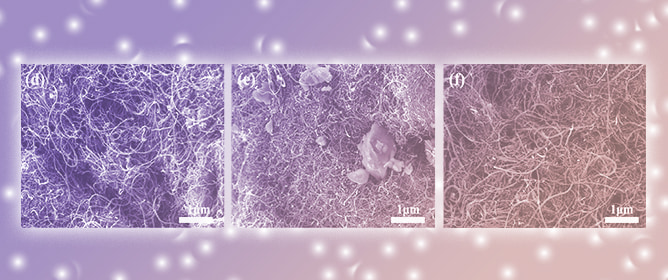
Molecular Adsorption Versus Particulate Loading: Structure–Activity Relationship of Sulfonated Cobalt Phthalocyanine in Sulfur Cathodes
Journal Description
Surfaces
Surfaces
is an international, peer-reviewed, open access journal on all aspects of surface and interface science published quarterly online by MDPI.
- Open Access— free for readers, with article processing charges (APC) paid by authors or their institutions.
- High Visibility: indexed within ESCI (Web of Science), Scopus, Inspec, CAPlus / SciFinder, and other databases.
- Rapid Publication: manuscripts are peer-reviewed and a first decision is provided to authors approximately 17.3 days after submission; acceptance to publication is undertaken in 3.6 days (median values for papers published in this journal in the second half of 2025).
- Journal Rank: CiteScore - Q2 (Materials Science (miscellaneous))
- Recognition of Reviewers: reviewers who provide timely, thorough peer-review reports receive vouchers entitling them to a discount on the APC of their next publication in any MDPI journal, in appreciation of the work done.
Impact Factor:
2.9 (2024);
5-Year Impact Factor:
2.7 (2024)
Latest Articles
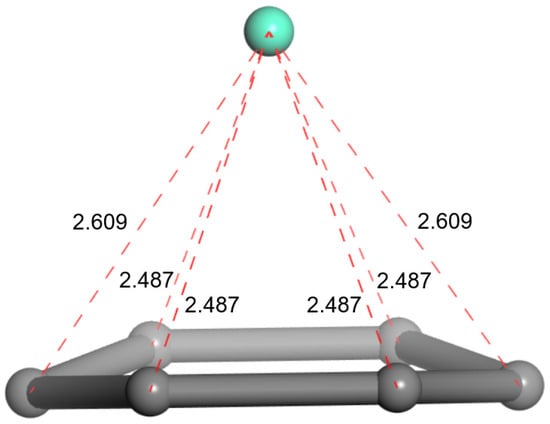
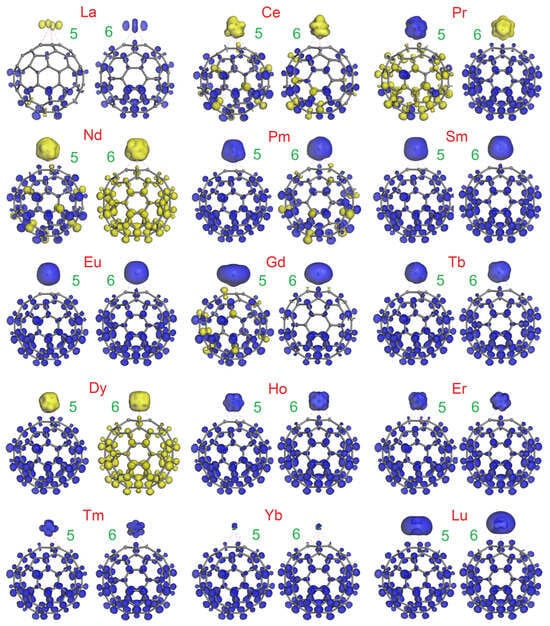
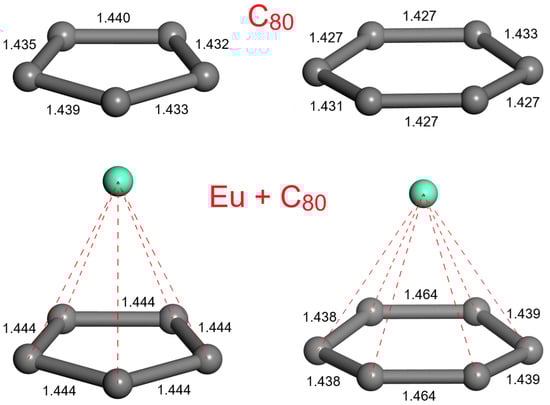
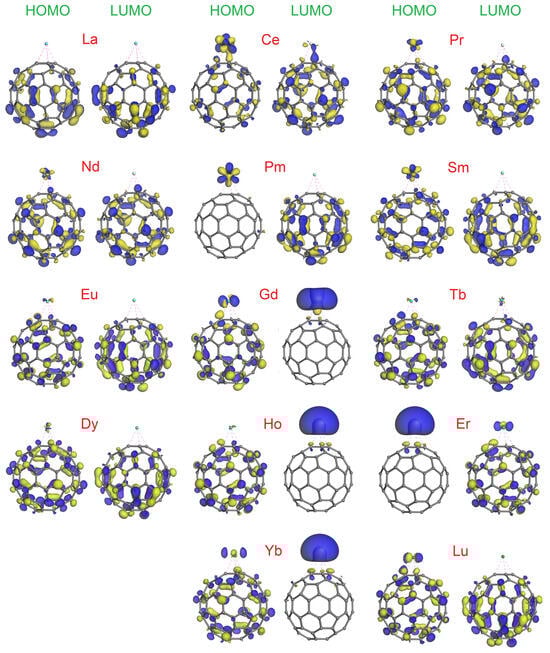
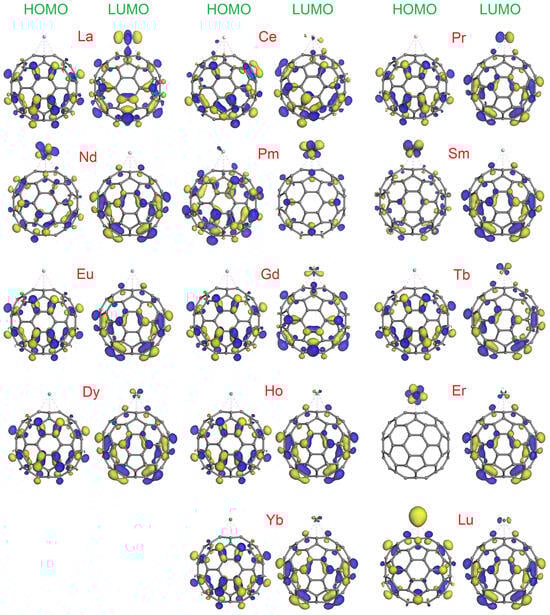
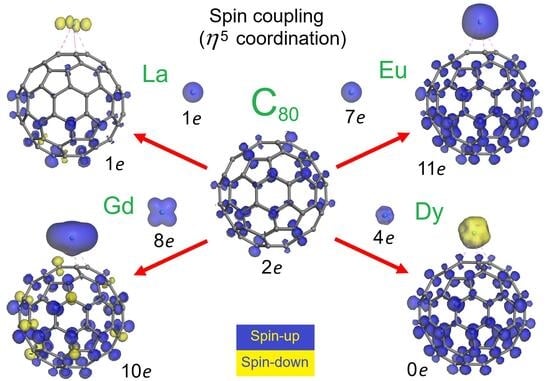
Interaction of Lanthanide Atoms with the External Surface of C80 Fullerene Cage: η5 vs. η6 Coordination
Surfaces 2026, 9(2), 42; https://doi.org/10.3390/surfaces9020042 - 30 Apr 2026
Abstract
►
Show Figures
We performed a theoretical analysis (the PBE-D2/DNP level of the density functional theory with the use of the DSPP pseudopotentials) of the geometries, bonding and frontier orbital energies, spin and charge distribution for the entire series (from La to Lu) of lanthanide atoms
[...] Read more.
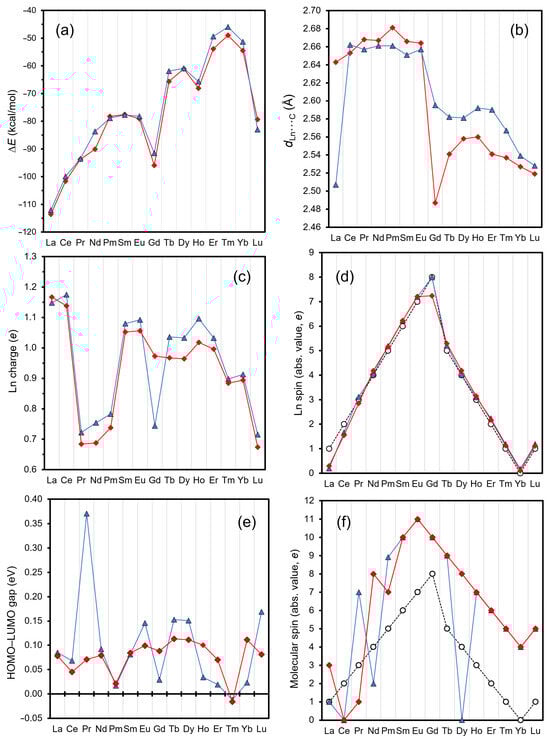
We performed a theoretical analysis (the PBE-D2/DNP level of the density functional theory with the use of the DSPP pseudopotentials) of the geometries, bonding and frontier orbital energies, spin and charge distribution for the entire series (from La to Lu) of lanthanide atoms interacting with Ih−C80 cage, for both η5 and η6 exohedral coordination patterns. In certain regards, the exohedral η5 and η6 coordination of Ln atoms to the C80 fullerene cage exhibits similar qualitative and semi-quantitative trends (the bonding strength, shortest Ln…C distances, charge and spin of lanthanide atoms). The most interesting aspect is the molecular spin of the complexes, where we observed different patterns of ferromagnetic and antiferromagnetic coupling. Three complexes represent an extreme, when the antiferromagnetic coupling results in zero or close-to-zero molecular spin. In some cases, the molecular spin is a simple sum of 2 e of the isolated C80 cage and the spin of an isolated Ln atom. However, the most common situation is when another 2 e spin adds: it is best illustrated with Eu (spin of 7 e for the atomic ground state), where the molecular spin of its η5 and η6 complexes is not about 9 e but reaches almost 11 e.
Full article
Open AccessArticle
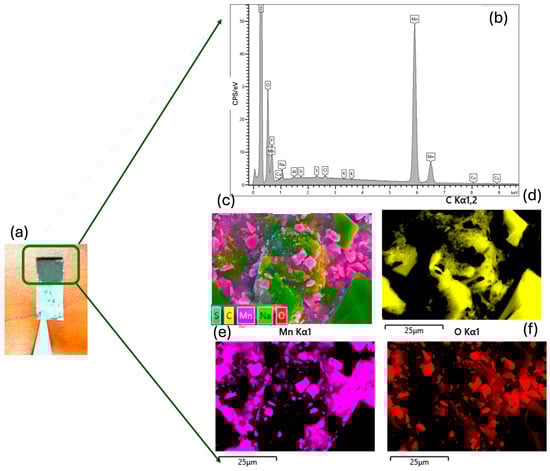
PET-Derived Nanoporous Carbon–MnO2 Hybrid Electrodes for Supercapacitors: Influence of Electrolyte on Charge Storage Mechanisms
by
Dipendu Saha, Lindsay Lapointe, Kurt W. Kolasinski and Carley M. Beam
Surfaces 2026, 9(2), 41; https://doi.org/10.3390/surfaces9020041 - 30 Apr 2026
Abstract
The increasing accumulation of poly(ethylene terephthalate) (PET) waste poses a significant environmental challenge and highlights the need for sustainable, value-added recycling strategies. In this study, porous carbon derived from PET was synthesized via carbonization and chemical activation and subsequently combined with manganese dioxide
[...] Read more.
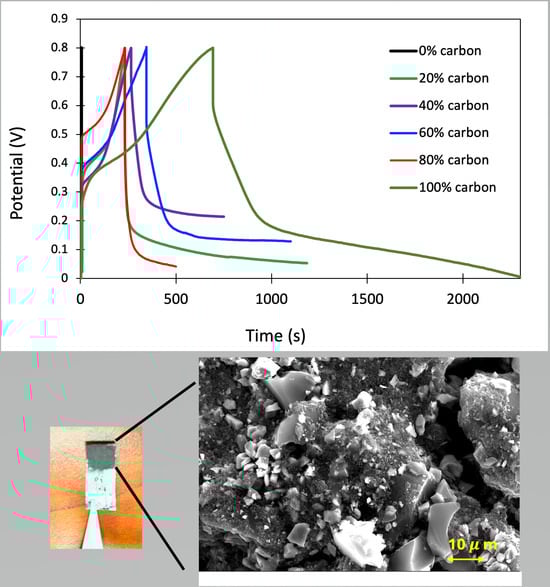
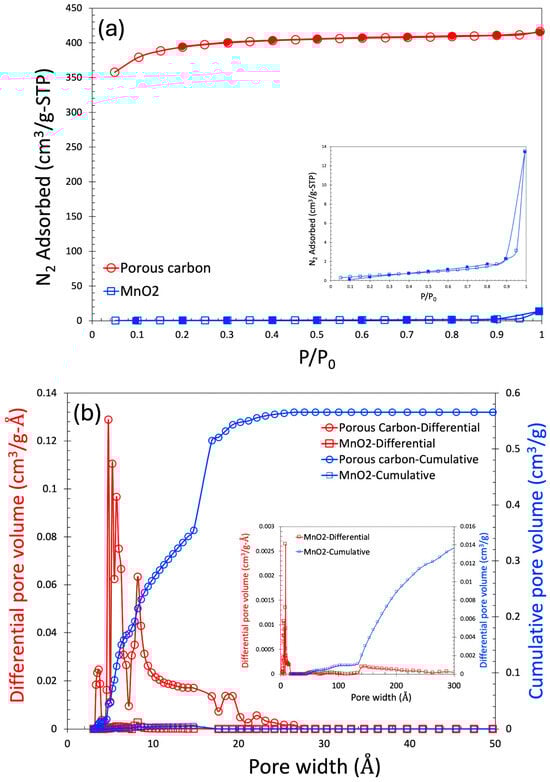
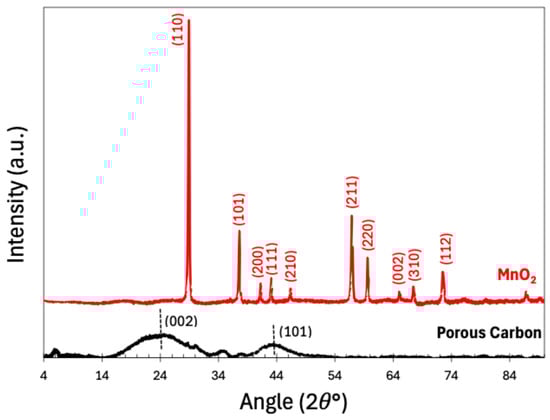
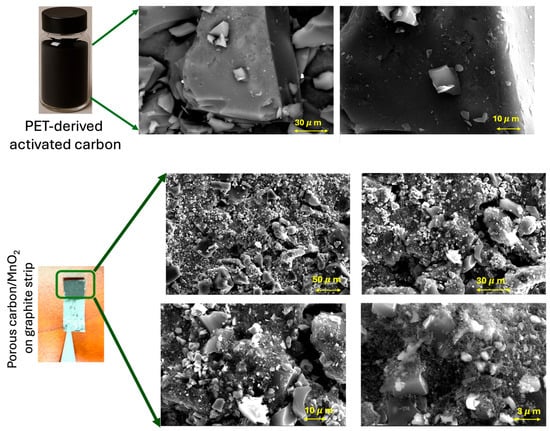
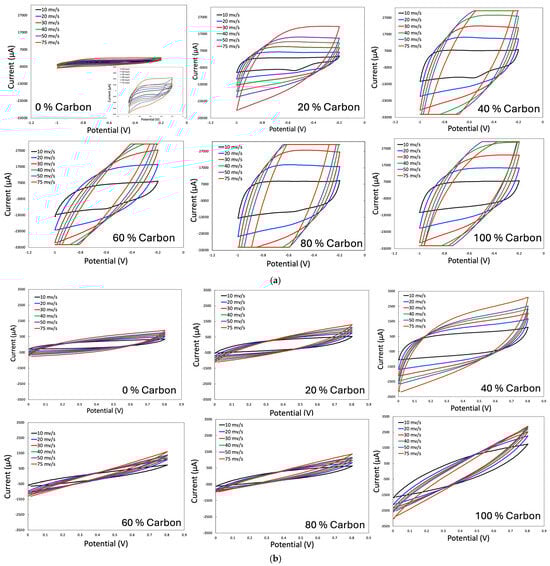
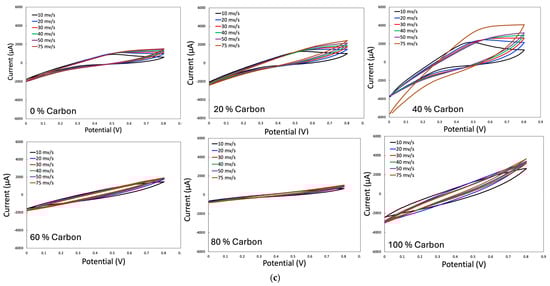
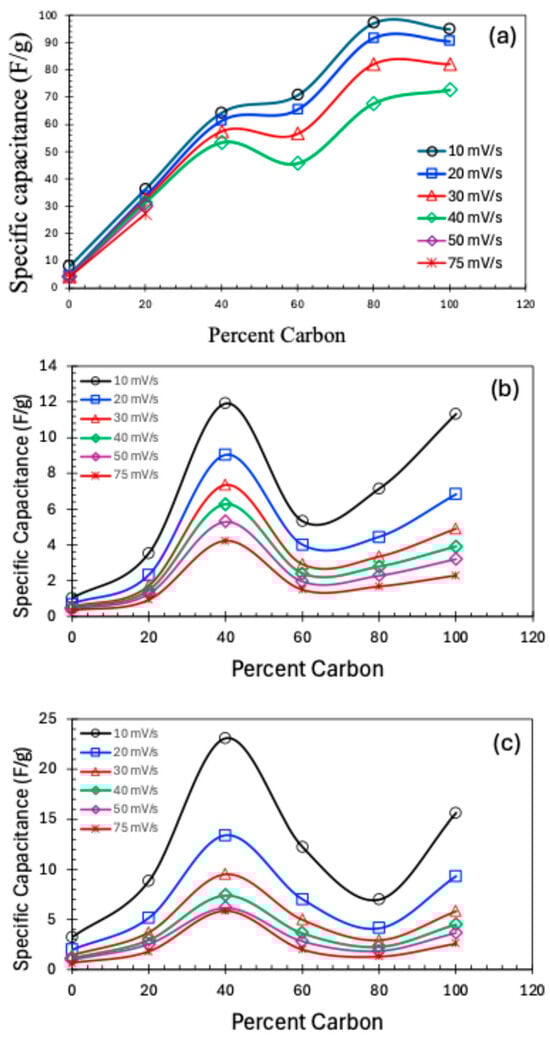
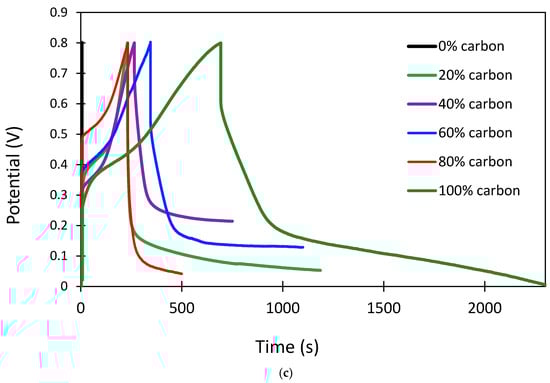
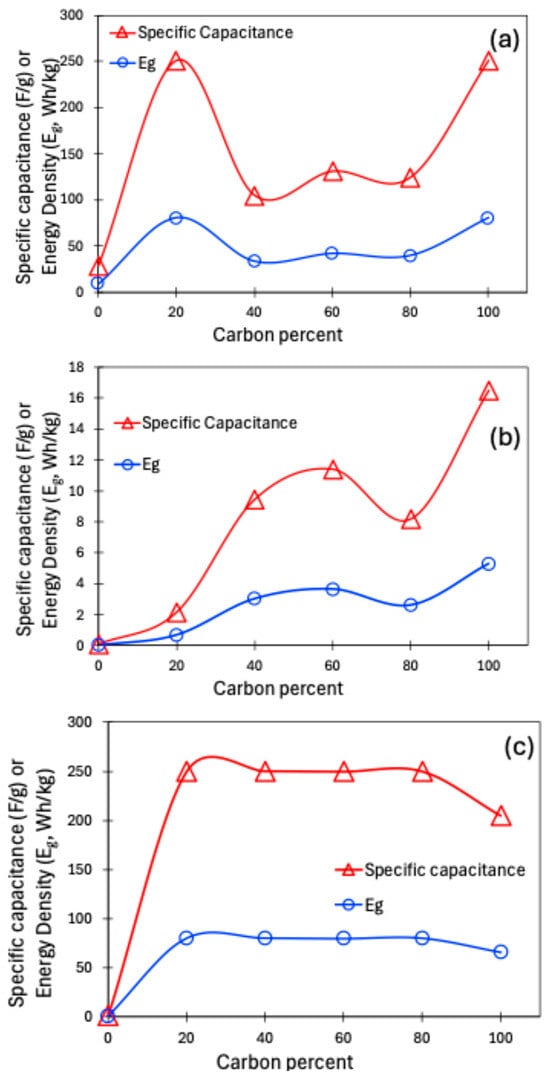
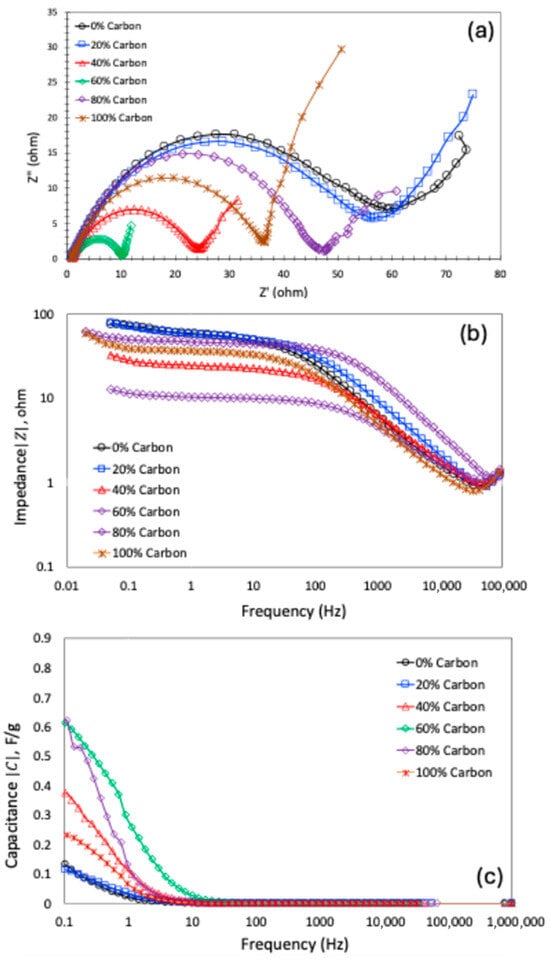
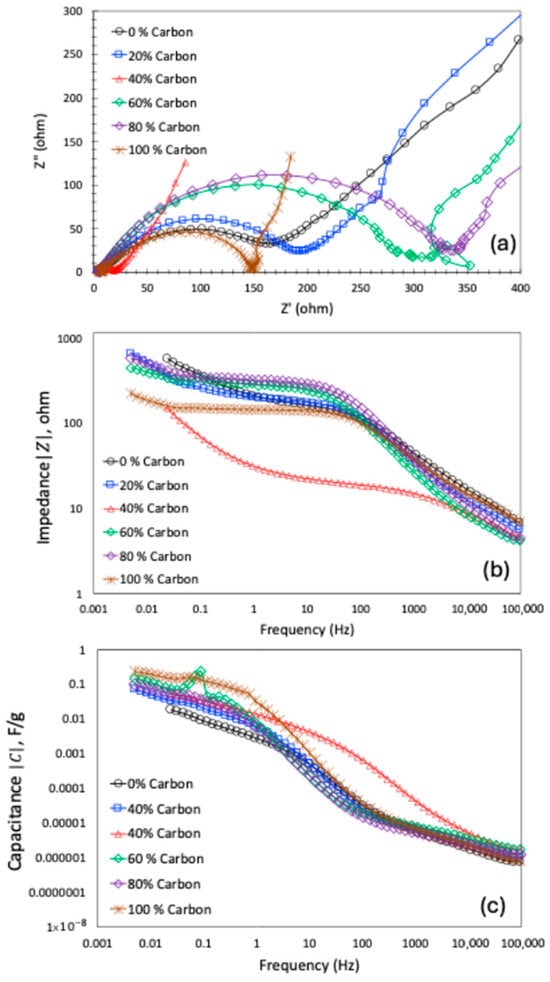
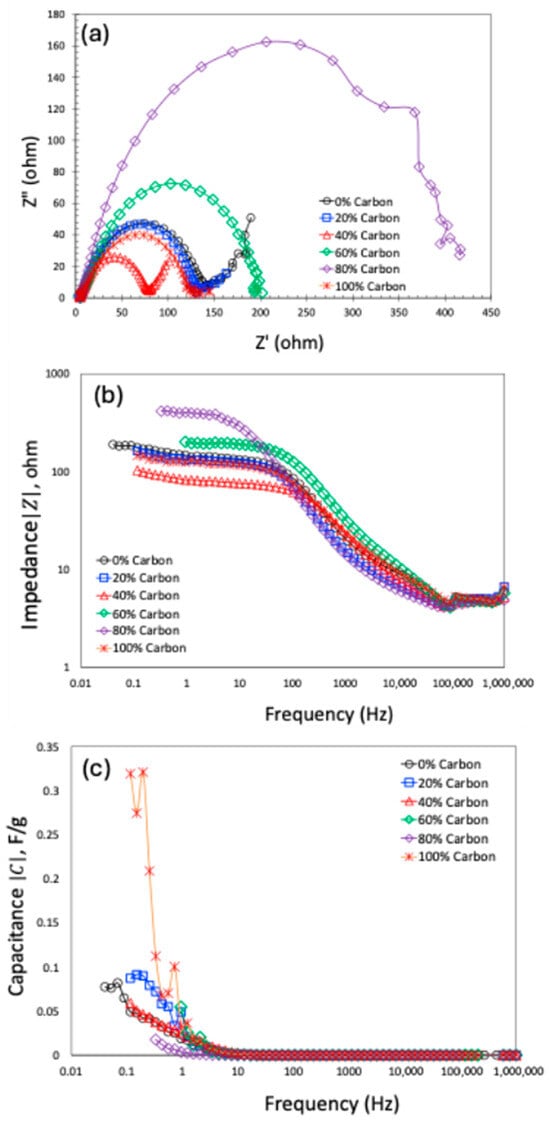
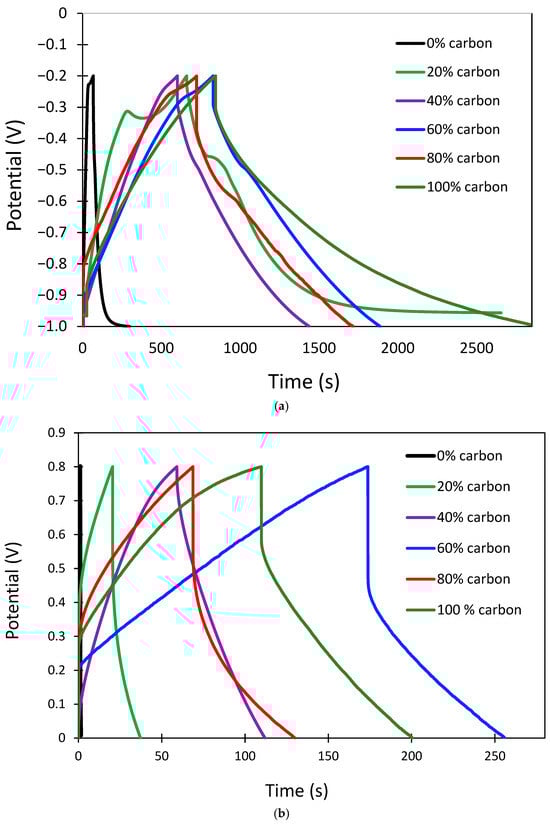
The increasing accumulation of poly(ethylene terephthalate) (PET) waste poses a significant environmental challenge and highlights the need for sustainable, value-added recycling strategies. In this study, porous carbon derived from PET was synthesized via carbonization and chemical activation and subsequently combined with manganese dioxide (MnO2) to fabricate hybrid electrodes for aqueous supercapacitors. The PET-derived carbon exhibits a highly microporous structure with a large specific surface area and functions as a conductive and mechanically stable matrix that improves MnO2 dispersion, charge transport, and electrochemical utilization. Systematic electrochemical investigations reveal strongly electrolyte-dependent charge-storage behavior. In an alkaline electrolyte, the capacitance is dominated by MnO2 pseudocapacitive redox reactions, whereas in a neutral electrolyte, the response is primarily governed by electric double-layer charge storage. In a ferricyanide-containing redox-active electrolyte, additional electrolyte-mediated faradaic processes significantly enhance the apparent electrochemical performance. Under these conditions, the hybrid electrodes deliver a high apparent specific capacitance of 240–250 F g−1 at moderate current densities. The electrodes further demonstrate stable cycling behavior and high apparent Coulombic efficiency, reflecting time-dependent utilization of both MnO2 pseudocapacitance and redox-active electrolyte species during charge–discharge. Crucially, this work demonstrates that PET-derived carbon/MnO2 hybrid electrodes exhibit complex, electrolyte-controlled charge-storage mechanisms and underscores the critical role of electrolyte selection in accurately interpreting electrochemical metrics and optimizing the performance of sustainable supercapacitors based on recycled polymer-derived carbons.
Full article
(This article belongs to the Special Issue Surface Science in Electrochemical Energy Storage)
►▼
Show Figures

Graphical abstract

Open AccessReview
Surface Effects in Irradiation Damage: A Review of Underlying Multi-Scale Mechanisms and Cross-System Behaviors
by
Jiapeng Yue, Yaqian Huang, Xiao Wang, Yingmin Zhu, Tarek Ragab, Kyle Jiang, Haiyan Zhang and Ji Zhang
Surfaces 2026, 9(2), 40; https://doi.org/10.3390/surfaces9020040 - 28 Apr 2026
Abstract
Structural materials in nuclear energy, aerospace, and electronics face long-term irradiation by high-energy particles, triggering microscopic defect evolution and macroscopic performance degradation that limits service safety. This review provides a systematic overview of irradiation damage mechanisms, with particular emphasis on the role of
[...] Read more.
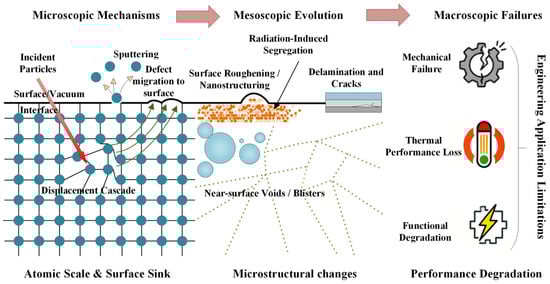
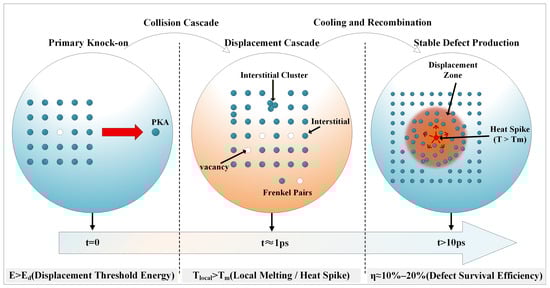
Structural materials in nuclear energy, aerospace, and electronics face long-term irradiation by high-energy particles, triggering microscopic defect evolution and macroscopic performance degradation that limits service safety. This review provides a systematic overview of irradiation damage mechanisms, with particular emphasis on the role of surfaces. The discussion traces the evolution from initial defect generation through energy deposition and displacement cascades to the migration and aggregation of defects toward surfaces, culminating in their interactions with near-surface microstructures. A comparative analysis of damage behaviors in metals, ceramics, silicon-based materials, and polymers is presented, elucidating how distinct mechanisms arise from fundamental differences in crystal structure and chemical bonding. The integration of multiscale simulation techniques with advanced in situ characterization is highlighted as a critical approach for deciphering the cross-scale processes. Current strategies for enhancing radiation resistance including composition optimization, microstructure regulation, and interface design are summarized. Finally, the review outlines key challenges such as multi-field coupling damage characterization and long-term predictive modeling. Future research directions are foreseen to emphasize closer simulation–experiment integration and the design of smart, self-adapting materials, thereby providing comprehensive theoretical and technical support for the development of next-generation radiation-tolerant materials.
Full article
(This article belongs to the Collection Featured Articles for Surfaces)
►▼
Show Figures

Figure 1
Open AccessArticle
Plasticization by PEG as a Strategy to Tune Surface Properties of Hypromellose Films at the Nano/Macroscale
by
Maurice Brogly, Sophie Bistac and Armand Fahs
Surfaces 2026, 9(2), 39; https://doi.org/10.3390/surfaces9020039 - 24 Apr 2026
Abstract
Cellulose ether, like hypromellose (HM), is an extremely versatile material that is widely used in pharmaceutical products as film coatings. To modify the surface properties of HM films, additives are routinely included during the film formulation process, which are typically hydrophobic lubricants or
[...] Read more.
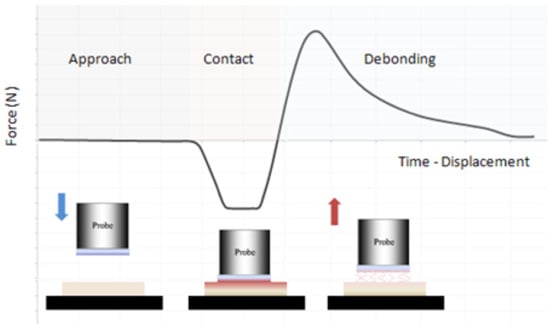
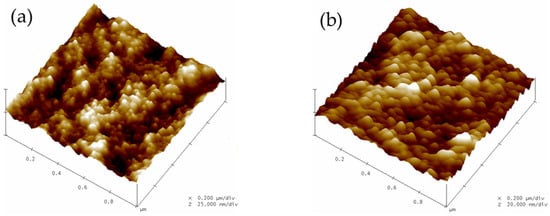
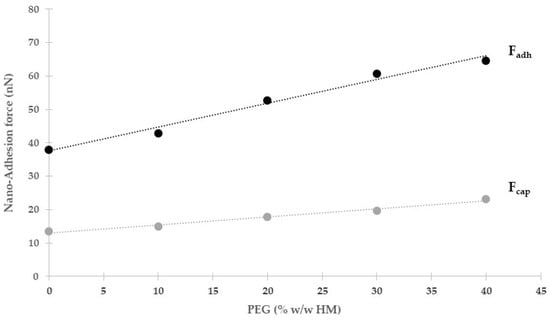
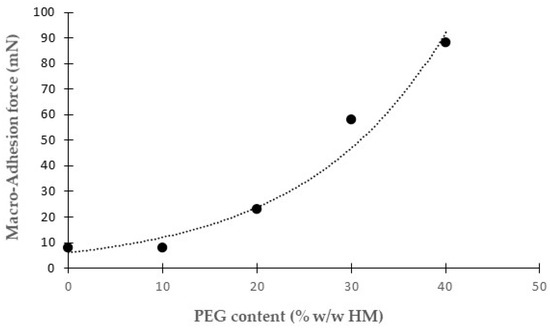
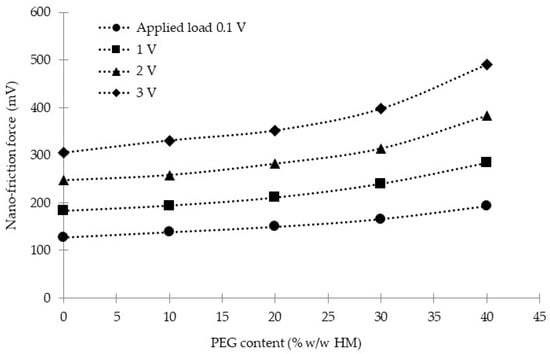
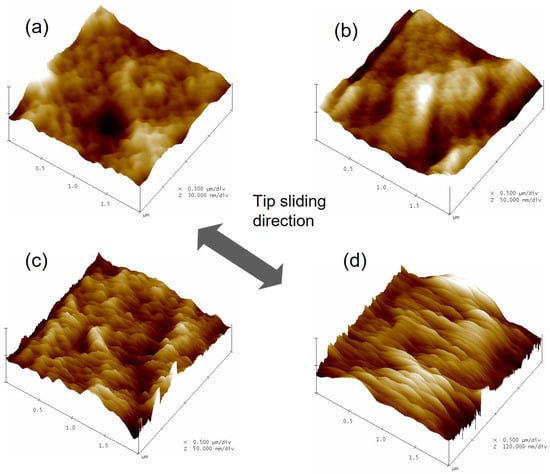
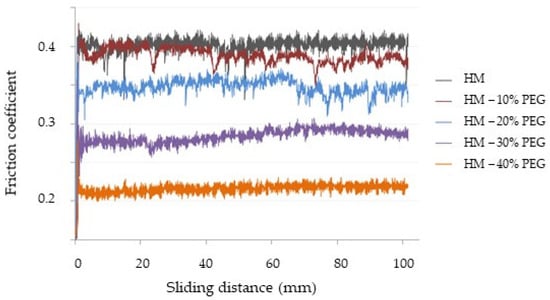
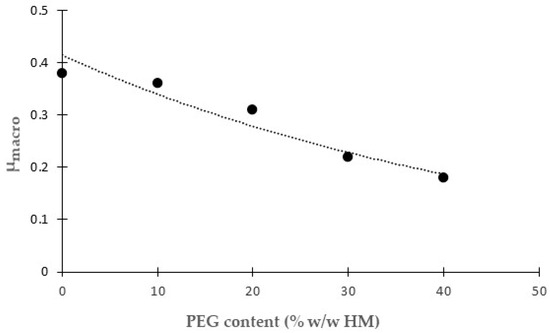
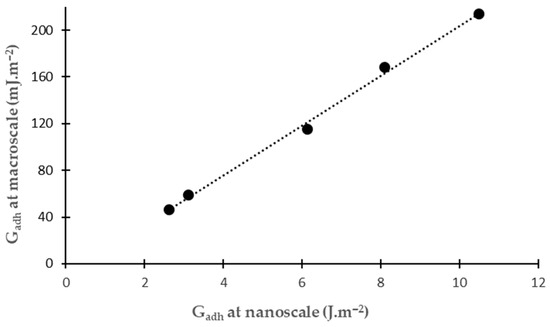
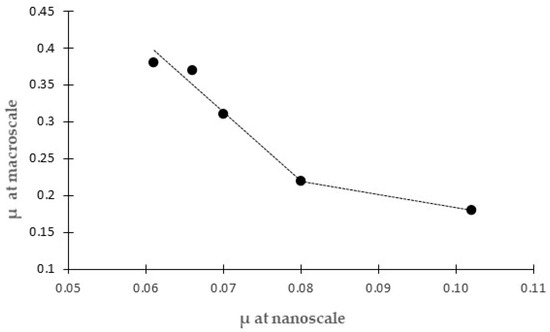
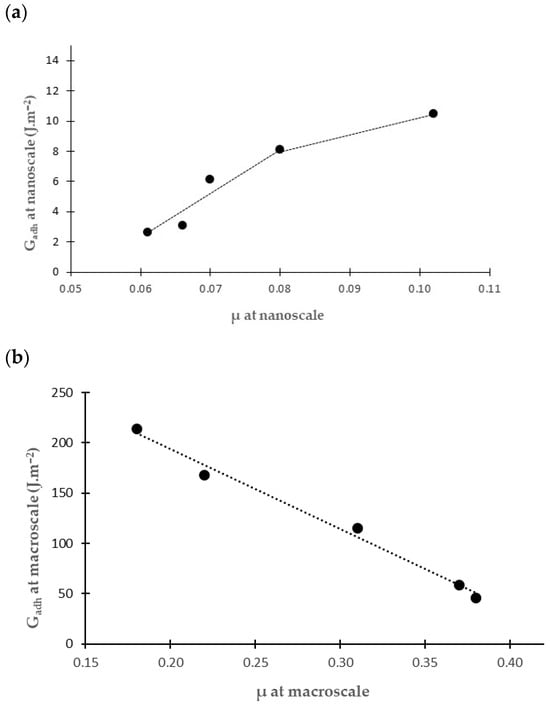
Cellulose ether, like hypromellose (HM), is an extremely versatile material that is widely used in pharmaceutical products as film coatings. To modify the surface properties of HM films, additives are routinely included during the film formulation process, which are typically hydrophobic lubricants or hydrophilic plasticizers. Plasticizers increase the flexibility and reduce the brittleness of the film. The first goal of this study is to demonstrate that plasticization of HM films by low-molecular-weight (400 g∙mol−1) polyethylene glycol (PEG) allows tuning adhesion and friction properties of HM films, both at nano- and macroscales. Surface morphology, surface energy, nano/macro adhesion, and nano/macro friction coefficient were studied by atomic force microscopy (AFM) in adhesion or friction modes at the nanoscale, wettability, and probe-tack adhesion, as well as pin-on-disk friction experiments at the macroscale. The results show that the addition of PEG decreases the Young’s modulus and the Tg of HM-plasticized films while increasing their strain at break and surface energy. The macroadhesion force increases from 9 to 90 mN by the addition of 40% w/w of PEG, whereas the macrofriction coefficient is reduced by 50%. The hypothesis of insertion of plasticizer molecules in HM chains’ nano-domains is evidenced and explains these results. The second goal of this study is to investigate nanoscale versus macroscale correlation of adhesion and friction properties and the role of adhesion in friction experiments. The results show, first, that the evolution of the adhesion energy at the macroscale as a function of adhesion energy at the nanoscale is linear. On the contrary, a high friction coefficient at the nanoscale corresponds to a low friction coefficient at the macroscale and vice versa, showing a first linear decrease for PEG contents ranging from 0 to 30% (w/w) and the second linear decrease, less pronounced, is observed for PEG contents ranging from 30 to 40% (w/w). The hypothesis of a difference in contact pressure applied on the probe at both scales, as well as HM-PEG surface phase separation at a high PEG content (>30% w/w), is proposed to explain this difference. The variations in friction coefficients are linear according to the PEG plasticizer content and suggest its lubricant role in HM-Plasticized films. Finally, the interplay between adhesion and friction, in friction experiments, is evidenced and appears dominant at the nanoscale.
Full article
(This article belongs to the Special Issue Surface Science: Polymer Thin Films, Coatings and Adhesives (2nd Edition))
►▼
Show Figures

Figure 1
Open AccessArticle
Slow Axisymmetric Migration of Multiple Colloidal Spheres with Slip Surfaces
by
Wei C. Lai and Huan J. Keh
Surfaces 2026, 9(2), 38; https://doi.org/10.3390/surfaces9020038 - 23 Apr 2026
Abstract
The quasi-steady low-Reynolds-number flow induced by a linear chain of multiple slip spheres translating along their common axis in a Newtonian fluid is investigated. The particles are allowed to differ in radius, Navier slip coefficient, migration velocity, and interparticle spacing. A semi-analytical solution
[...] Read more.
The quasi-steady low-Reynolds-number flow induced by a linear chain of multiple slip spheres translating along their common axis in a Newtonian fluid is investigated. The particles are allowed to differ in radius, Navier slip coefficient, migration velocity, and interparticle spacing. A semi-analytical solution of the governing Stokes equation is obtained using a boundary collocation method. Hydrodynamic interactions among the particles are shown to be significant under appropriate geometric and surface conditions. For the two-sphere configuration, the computed hydrodynamic forces agree closely with previously published asymptotic solutions derived via the twin multipole expansion method. In the three-sphere case, the presence of a third particle substantially modifies the forces acting on the other two, demonstrating non-negligible many-body interaction effects. The interaction strength is found to be more pronounced for smaller particles or those with lower slip coefficients. Calculations for longer particle chains further reveal a clear hydrodynamic shielding effect within the assembly.
Full article
(This article belongs to the Collection Featured Articles for Surfaces)
Open AccessArticle
Tubular Wax Projections on Plant Epidermal Surfaces as Anti-Adhesive Coatings for Insects: A Numerical Modeling Approach
by
Stanislav N. Gorb, Elena V. Gorb and Alexander E. Filippov
Surfaces 2026, 9(2), 37; https://doi.org/10.3390/surfaces9020037 - 8 Apr 2026
Abstract
Three-dimensional (3D) epicuticular wax coverage on plant surfaces contributes to multifunctional surface properties, such as enhanced water repellence, reduced pathogen adherence, modified optical properties, and reduced insect adhesion. The diversity in wax projection morphology, size, abundance, and spatial arrangement among plant species results
[...] Read more.
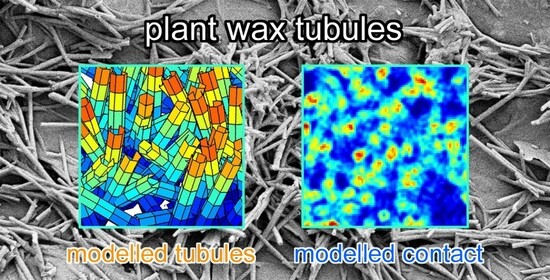
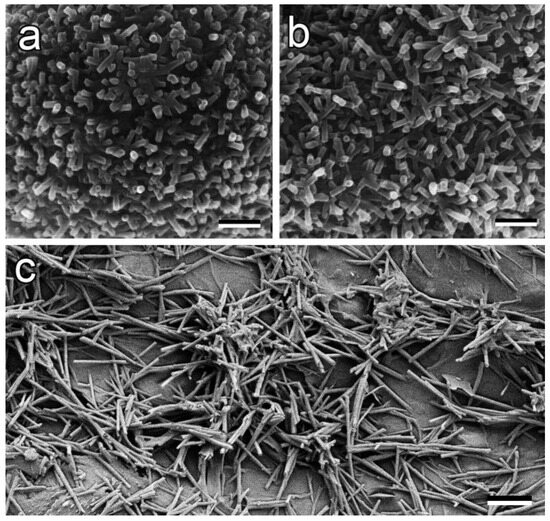
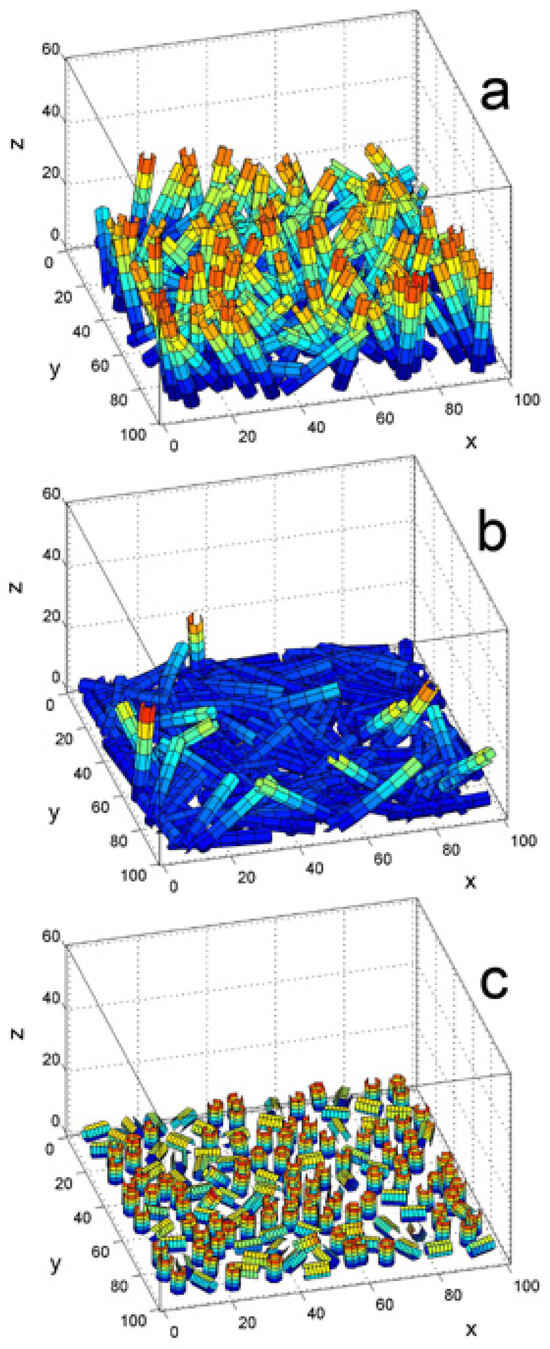
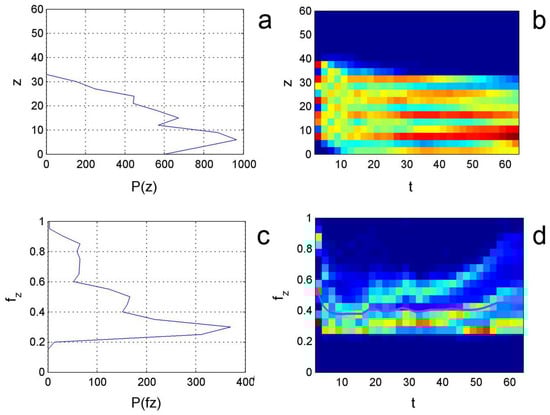
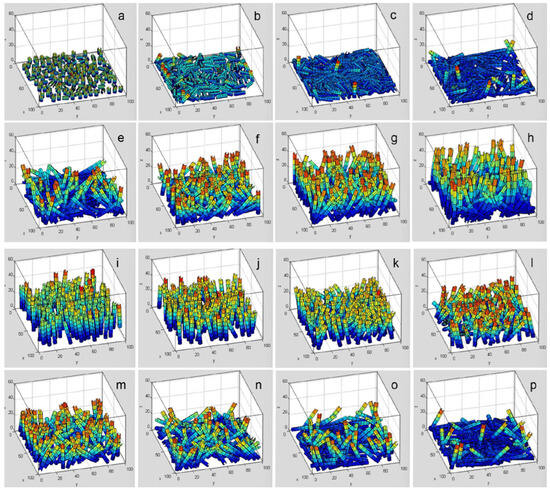
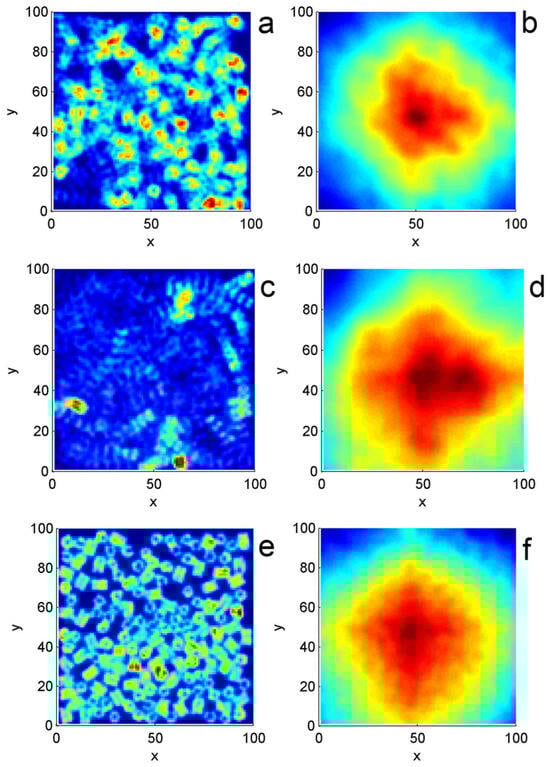
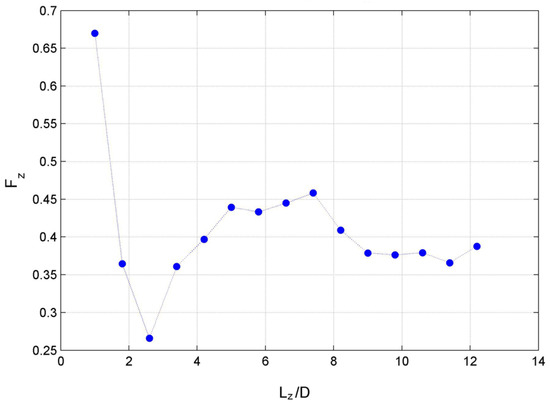
Three-dimensional (3D) epicuticular wax coverage on plant surfaces contributes to multifunctional surface properties, such as enhanced water repellence, reduced pathogen adherence, modified optical properties, and reduced insect adhesion. The diversity in wax projection morphology, size, abundance, and spatial arrangement among plant species results in a broad spectrum of anti-adhesive effects, reflecting both phylogenetic history and ecological function. This study presents a numerical model consisting of 3D tubular-shaped structures randomly deposited on a substrate and forming a highly porous layer. The simulations based on this model demonstrate a strong reduction in adhesion to the contacting insect adhesive pad. It is found that a structure formed by sufficiently long tubes, where the length is enough to support the tubes in space and build a porous 3D structure with a very low density, at relatively weak attraction to the underlying substrate, leads to the weakest adhesion. The model is constructed on the basis of our recent works combining discrete and continuous approaches in biological modeling. It mainly exploits the technique of the movable digital automata, allowing modeling of numerous numerically elastic cylinders that can be moved in 3D space, elastically collide with one another and with boundaries, and build self-consistent surface structures, which can be used to mimic nano- or microscale surface coverages of real plants.
Full article
(This article belongs to the Special Issue Surface Science: Polymer Thin Films, Coatings and Adhesives (2nd Edition))
►▼
Show Figures

Graphical abstract

Open AccessArticle
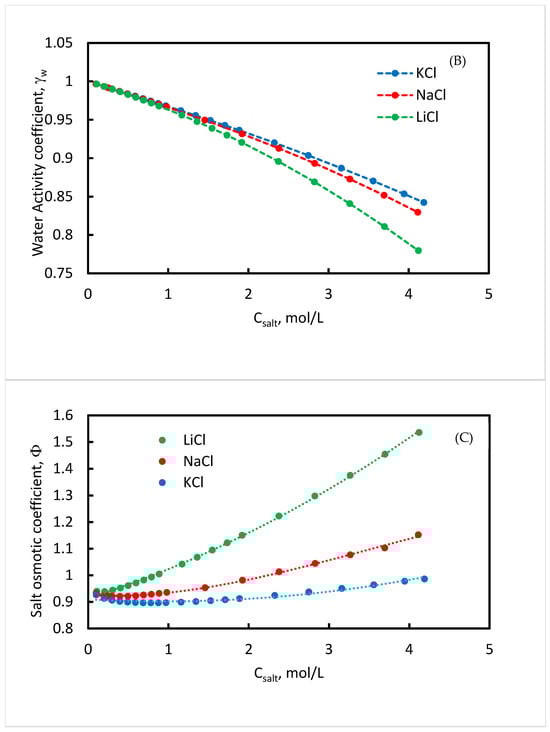
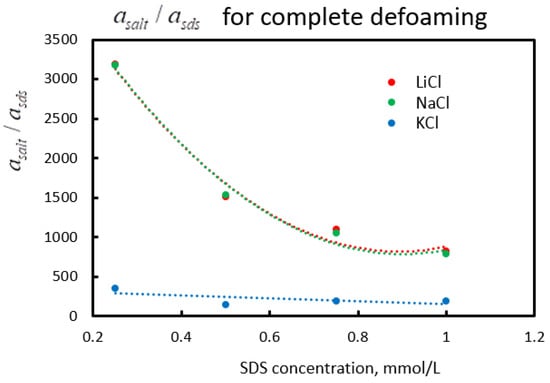
Physicochemical vs. Chemical Pathways of Foam Inhibition: The Role of Cohesive Pressure and Specific Ion-Pairing
by
Niravkumar Raykundaliya, Vyomesh M. Parsana, Nikolay A. Grozev, Kristina Mircheva, Stanislav Donchev, Christomir Christov, Stoyan I. Karakashev, Dilyana Ivanova-Stancheva and Irina Yotova
Surfaces 2026, 9(2), 36; https://doi.org/10.3390/surfaces9020036 - 7 Apr 2026
Abstract
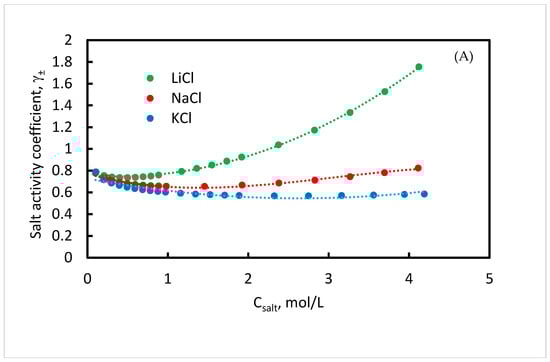
This study investigates the inhibitory effects of alkali metal chlorides lithium chloride, sodium chloride and potassium chloride (LiCl, NaCl, and KCl) on sodium dodecyl sulfate (SDS) foams, focusing on the transition from interfacial to bulk-driven destabilization mechanisms. The research demonstrates that foam collapse
[...] Read more.
This study investigates the inhibitory effects of alkali metal chlorides lithium chloride, sodium chloride and potassium chloride (LiCl, NaCl, and KCl) on sodium dodecyl sulfate (SDS) foams, focusing on the transition from interfacial to bulk-driven destabilization mechanisms. The research demonstrates that foam collapse at high electrolyte concentrations is governed by a massive increase in bulk cohesive pressure and specific ion-pairing (SIP), which leads to interfacial dehydration and the mechanical decoupling of the surface from the bulk phase. It is shown that while surface adsorption reaches a plateau, the thermodynamic state of the solvent becomes the primary driver for film drainage. The results indicate that KCl acts as the most potent defoamer due to its optimal matching of water affinities with the surfactant head groups. These findings provide a new theoretical framework for understanding foam stability in concentrated electrolytic environments, emphasizing the role of bulk cohesive stress over traditional interfacial elasticity.
Full article
(This article belongs to the Collection Featured Articles for Surfaces)
►▼
Show Figures

Figure 1
Open AccessArticle
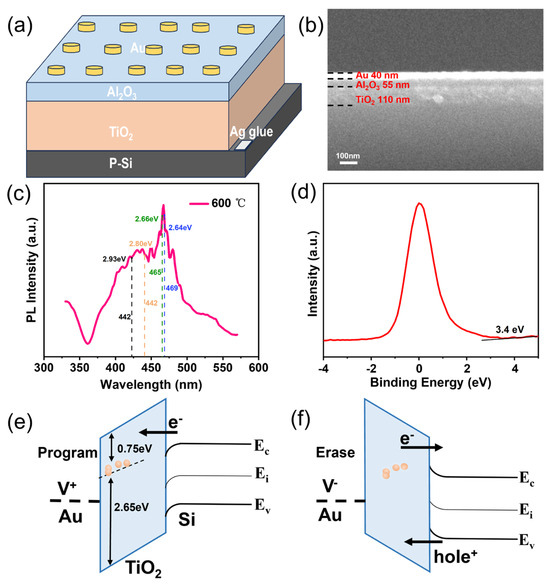
Unveiling the Roles of Bulk and Interface Defects of a High-K Dielectric TiO2-Based Charge-Trapping Layer in the Device Failure of Non-Volatile Charge-Trapping Memory
by
Zhaoqing Xia, Yukai He, Lin Lv, Huan Niu, Zebin Zheng, Xiaoshan Liu, Wenjing Dong, Xunying Wang, Houzhao Wan, Guokun Ma and Hao Wang
Surfaces 2026, 9(2), 35; https://doi.org/10.3390/surfaces9020035 - 1 Apr 2026
Abstract
►▼
Show Figures
Charge-trapping memory (CTM) exhibits significant potential in high-density memory, yet reliability degradation resulting from the coupling of program/erase (P/E) cycles and electrical stress remains a key bottleneck for large-scale commercialization. This study focuses on a Au/Al2O3/TiO2/p-Si CTM
[...] Read more.
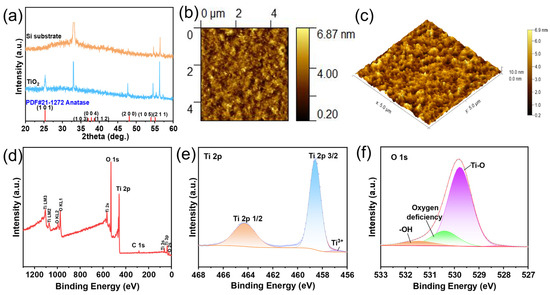
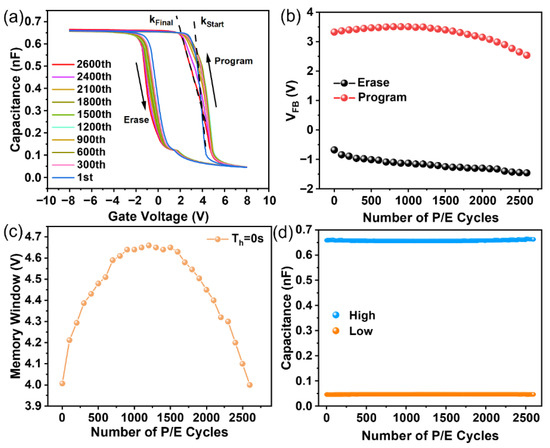
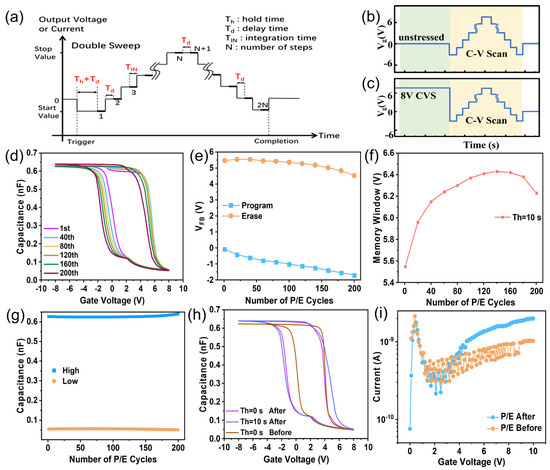
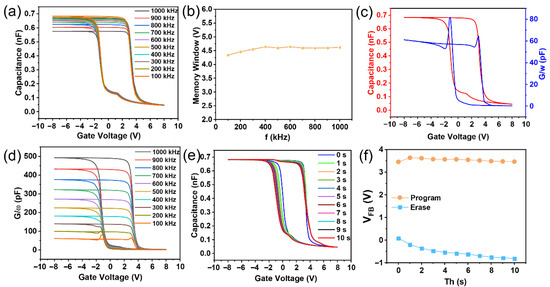
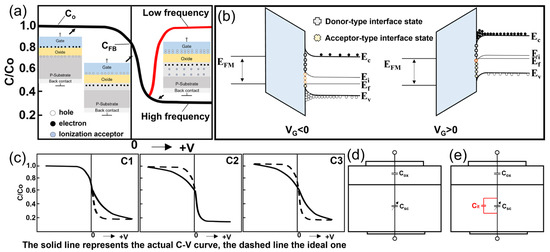
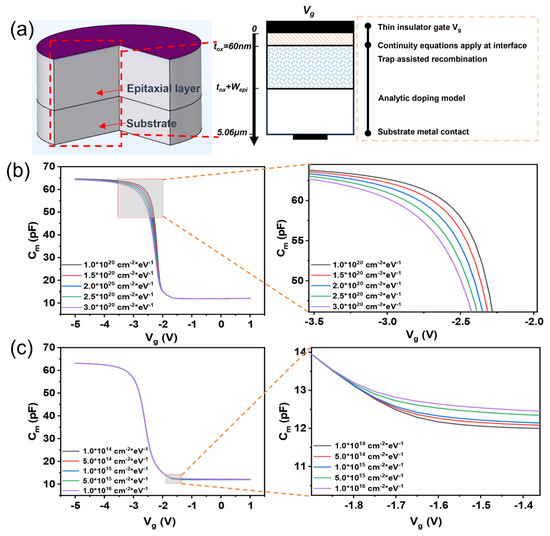
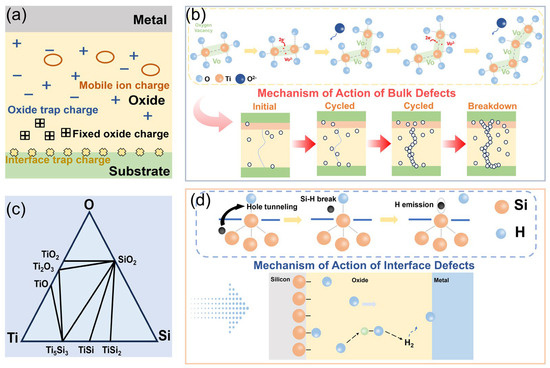
Charge-trapping memory (CTM) exhibits significant potential in high-density memory, yet reliability degradation resulting from the coupling of program/erase (P/E) cycles and electrical stress remains a key bottleneck for large-scale commercialization. This study focuses on a Au/Al2O3/TiO2/p-Si CTM device, systematically investigating the device failure mechanism under continuously operating P/E cycles and constant voltage stress (CVS), with emphasis on elucidating the synergistic effect of bulk and interface defects on performance decay. Mechanistically, oxygen vacancies in TiO2 serve as defect precursors, which form Frenkel pairs under electric field stress and further promote the formation of new defect precursors, thereby driving a self-sustaining defect evolution process. Interface traps, by contrast, arise from the cleavage of interfacial Si-H bonds triggered by electric field stress, resulting in a net elevation of the interface state density. The passive effects from the bulk and interface defects may give rise to issues, such as threshold voltage drift and decreased P/E speed. This work provides in-depth insights into the device failure mechanism of CTM, offering critical theoretical support for optimizing fabrication processes and enhancing long-term reliability.
Full article

Figure 1
Open AccessArticle
Catalytic Properties of Mechanochemically Exfoliated MoS2 in the Hydrogenation of Bromoquinolines
by
Anastasia V. Terebilenko, Andrii S. Kondratyuk, Maryna V. Olenchuk, Pavlo S. Yaremov, Andrii M. Zhuchenko, Volodymyr V. Buryanov and Sergey V. Kolotilov
Surfaces 2026, 9(2), 34; https://doi.org/10.3390/surfaces9020034 - 30 Mar 2026
Abstract
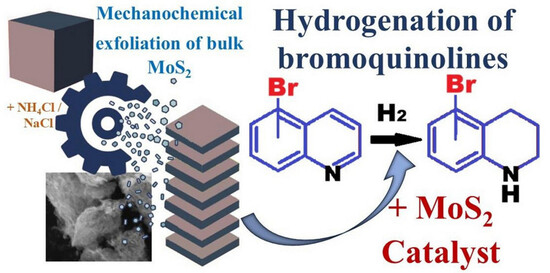
This study aimed to develop new catalysts, based on MoS2, for the hydrogenation of bromoquinolines without C-Br bond cleavage. The mechanochemical exfoliation of the bulk MoS2 in the presence of NaCl resulted in the formation of the material (MoS2
[...] Read more.
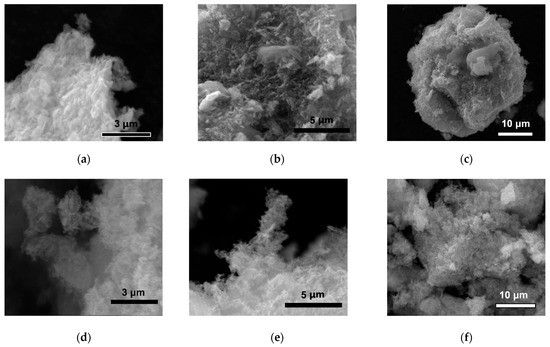
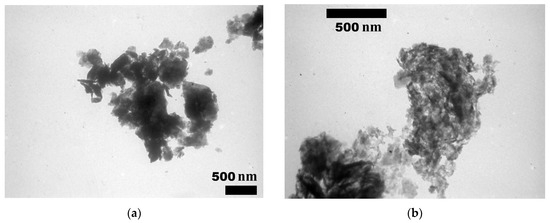
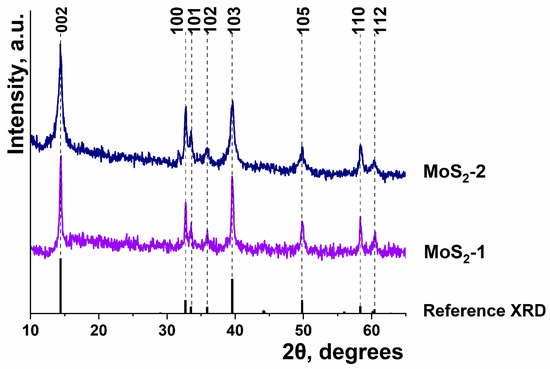
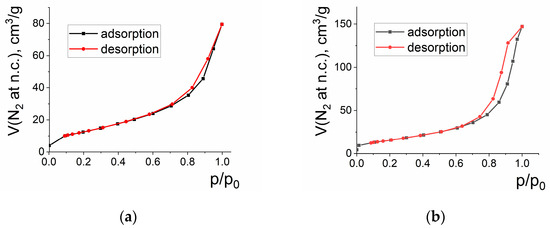
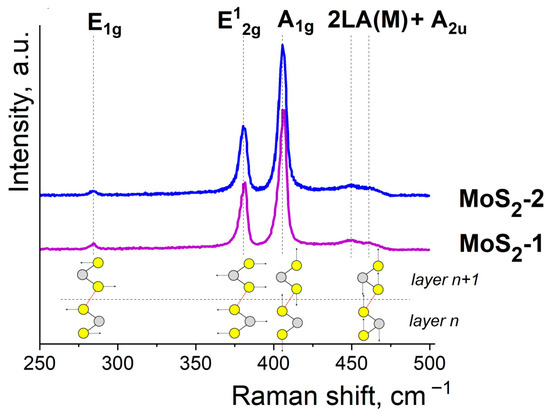
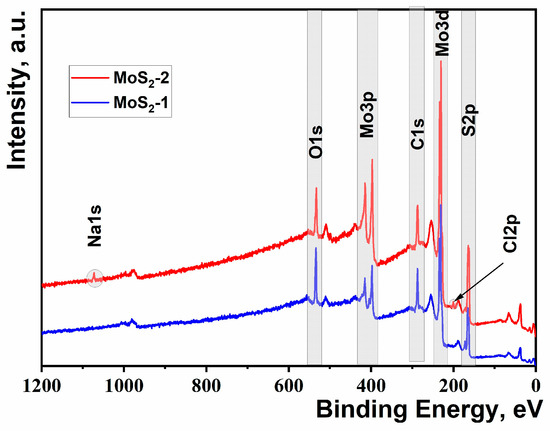
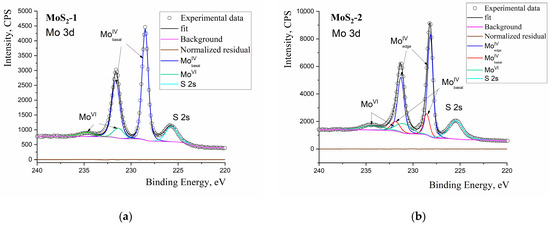
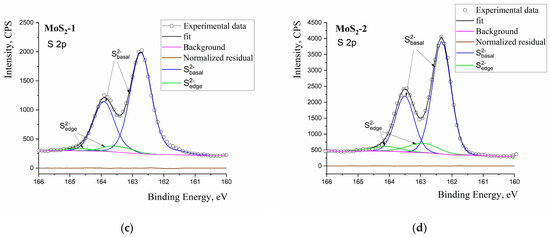
This study aimed to develop new catalysts, based on MoS2, for the hydrogenation of bromoquinolines without C-Br bond cleavage. The mechanochemical exfoliation of the bulk MoS2 in the presence of NaCl resulted in the formation of the material (MoS2-1), consisting of flat plates of size between ca. 40 × 100 and ca. 250 × 400 nm2. Similar grinding of MoS2 in the presence of NH4Cl produced smaller nanoplates of size between ca. 10 × 30 and ca. 50 × 300 nm2 (MoS2-2). These materials were characterized using powder XRD, TEM, SEM, Raman spectroscopy and XPS. The specific surface area of the MoS2-1 and MoS2-2 samples was estimated using the analysis of N2 adsorption isotherms. Both materials were catalytically active in the hydrogenation of quinoline; 1,2,3,4-tetrahydroquinoline (THQ) was the sole product and its yield grew proportionally to the accessible surface area of the catalyst. The hydrogenation of 5- and 8-bromoquinolines in the presence of MoS2-1 and MoS2-2 led to the respective bromo-THQs with almost quantitative yields, while the hydrogenation of 6-bromoquinoline resulted in the formation of the respective 6-bromo-THQ with the yield up to 30%. In the case of 7-bromoquinoline, N-methylated 7-bromo-THQ was formed almost quantitatively.
Full article
(This article belongs to the Special Issue Recent Advances in Catalytic Surfaces and Interfaces, 2nd Edition)
►▼
Show Figures

Graphical abstract
Open AccessArticle
Thin-Film Formation from Lactic Acid via Open-Air Plasma Polymerization
by
Sho Yoshida, Taiki Osawa, Masaya Tahara, Akito Shirai, Hua-Ting Hsieh, Taisei Fukawa, Akane Yaida and Akitoshi Okino
Surfaces 2026, 9(2), 33; https://doi.org/10.3390/surfaces9020033 - 29 Mar 2026
Abstract
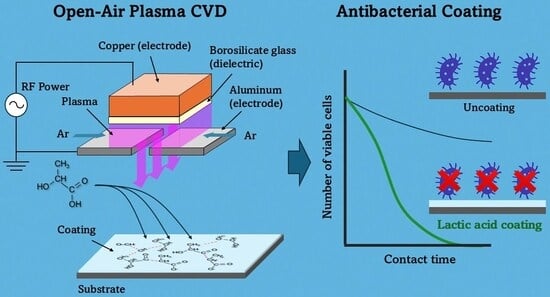
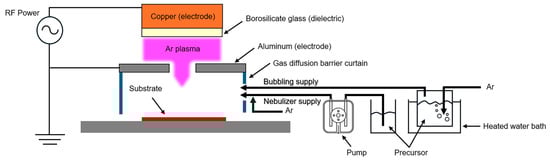
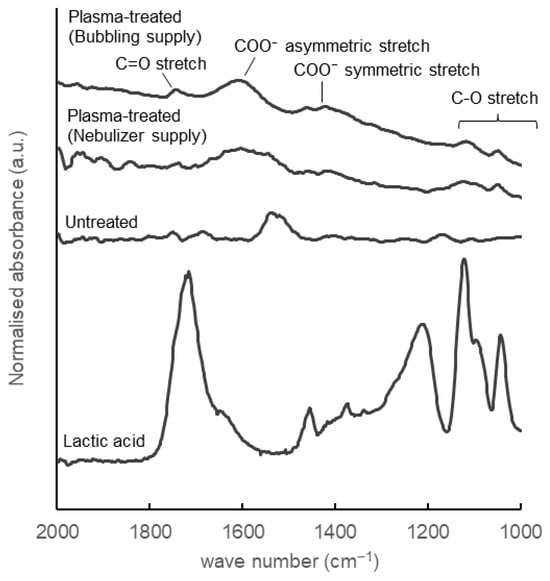
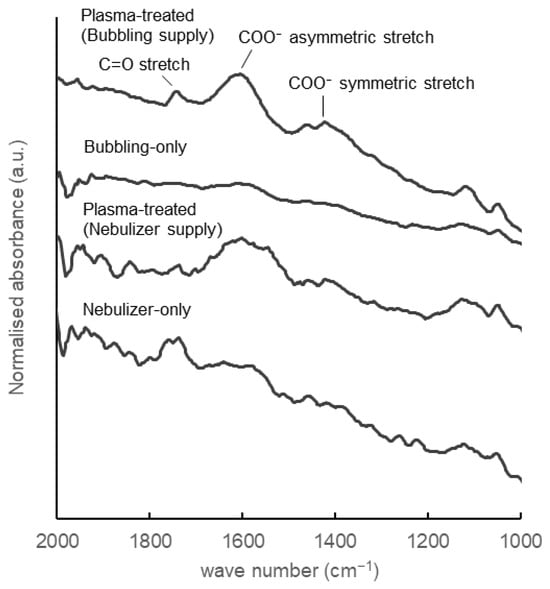
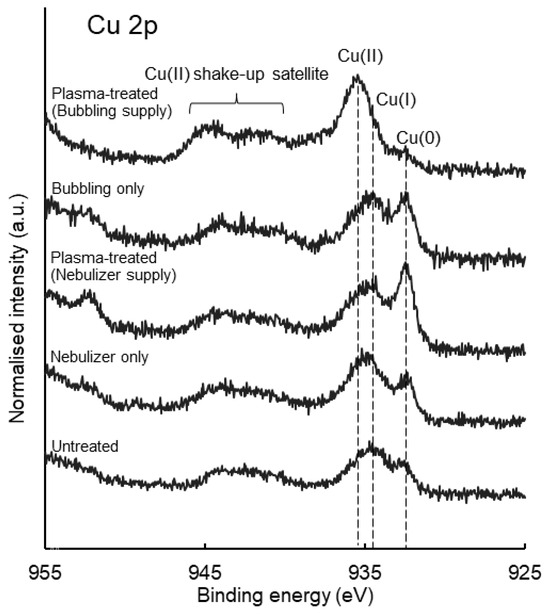
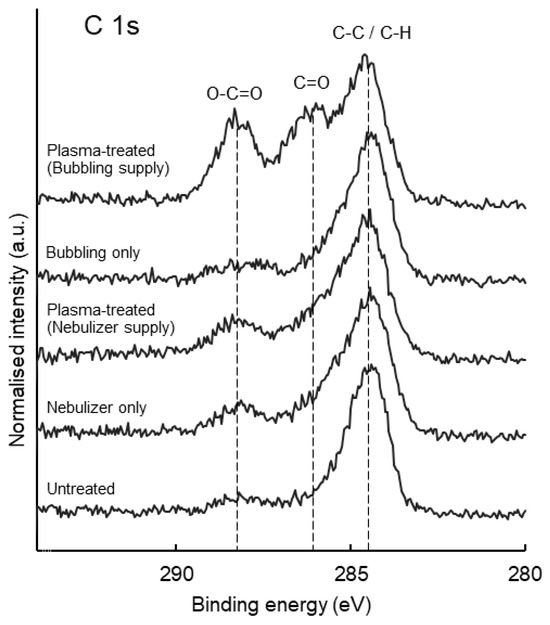
This study investigates the formation mechanism of lactic-acid-derived coatings produced by open-air atmospheric-pressure plasma polymerization. A comparison of nebulization and bubbling precursor-delivery methods using FT-IR and XPS showed that the bubbling method facilitated plasma-assisted chemical bonding, including the possible formation of copper(II) lactate-like
[...] Read more.
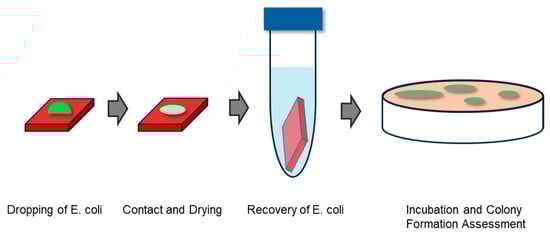
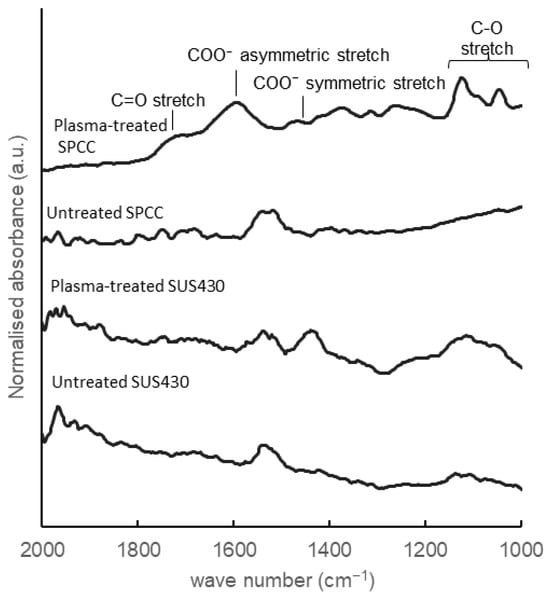
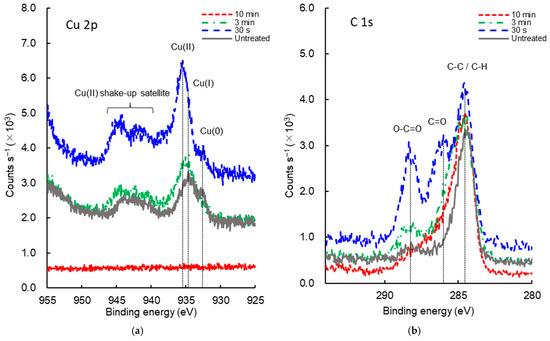
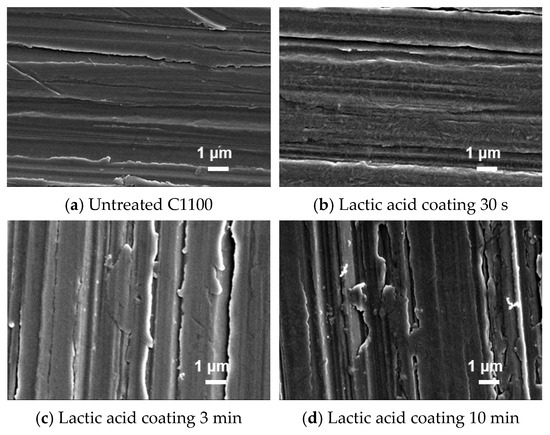
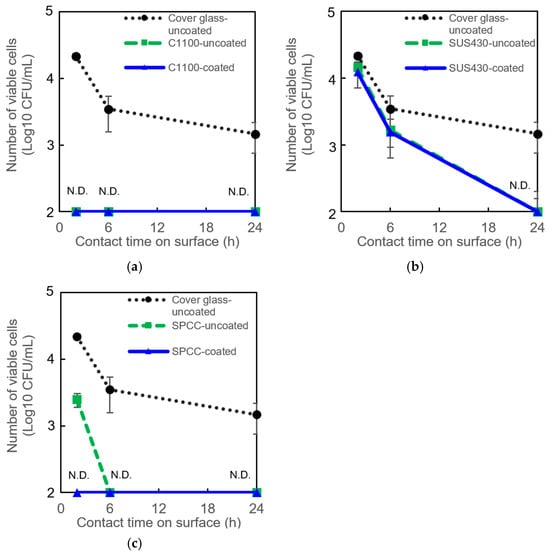
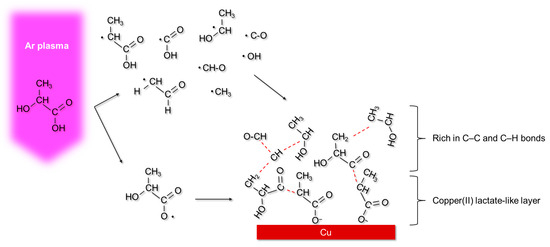
This study investigates the formation mechanism of lactic-acid-derived coatings produced by open-air atmospheric-pressure plasma polymerization. A comparison of nebulization and bubbling precursor-delivery methods using FT-IR and XPS showed that the bubbling method facilitated plasma-assisted chemical bonding, including the possible formation of copper(II) lactate-like interfacial species and the retention of carbonyl-containing functional groups. However, the present dataset does not provide direct, discriminating evidence for a specific metal-lactate interfacial species, and alternative interpretations such as adsorption, oxidation, hydroxylation, or generic oxygenated carbon deposition cannot be excluded. Time-dependent analysis revealed a transition from oxygen-rich functional layers at short plasma exposure to carbon-rich overlayers at longer exposure, suggesting a fragmentation-recombination mechanism that is consistent with the formation of a metal-lactate-like interfacial region and a carbon-rich overlayer, while alternative interpretations related to signal attenuation and non-uniform coverage remain possible. Antibacterial testing revealed that the observed bacterial responses were not attributable to an intrinsic antibacterial property of the deposited films, but were instead strongly dependent on the underlying substrate chemistry and exposure time. C1100 retained the inherent antibacterial activity of copper, SUS430 showed no activity due to the absence of film formation, and SPCC exhibited only a transient effect attributed to lactic-acid-induced local acidification. Overall, the study elucidates the plasma-assisted deposition mechanism of lactic-acid-derived coatings under open-air conditions and highlights the critical role of interface chemistry in achieving stable and substrate-independent functional properties.
Full article
(This article belongs to the Special Issue Surface Science: Polymer Thin Films, Coatings and Adhesives (2nd Edition))
►▼
Show Figures

Graphical abstract
Open AccessArticle
Surface Diffusion at Finite Coverage: The Characteristic Function Method
by
Elena E. Torres-Miyares and Salvador Miret-Artés
Surfaces 2026, 9(2), 32; https://doi.org/10.3390/surfaces9020032 - 28 Mar 2026
Abstract
In this work, the so-called characteristic function method is proposed as a new approach to describe and interpret the diffusion process with interacting adsorbates in terms of surface coverage. In this context, the intermediate scattering function is identified as a characteristic function that
[...] Read more.
In this work, the so-called characteristic function method is proposed as a new approach to describe and interpret the diffusion process with interacting adsorbates in terms of surface coverage. In this context, the intermediate scattering function is identified as a characteristic function that is very well defined in probability theory. From this function, the generating functions of the moments and cumulants of the jump probability distribution are straightforwardly obtained at any order. This analysis is carried out in two stages. First, the dilute limit, corresponding to non-interacting adsorbates or very low surface coverage, is briefly reviewed. Second, the method is extended to low and intermediate coverages, where adsorbate-adsorbate interactions become relevant. A further consequence of the present analysis is that the static structure factor is also a characteristic function of the adsorbate separation distance distribution. This method thus provides a compact and physically transparent route for connecting scattering observables, diffusion coefficients, and coverage-dependent structural correlations.
Full article
(This article belongs to the Collection Featured Articles for Surfaces)
Open AccessArticle
Characterization of Boron Coatings Produced by RF Planar Magnetron Sputtering
by
Espedito Vassallo, Matteo Pedroni, Miriam Saleh, Dario Ripamonti and Giorgio Speranza
Surfaces 2026, 9(2), 31; https://doi.org/10.3390/surfaces9020031 - 26 Mar 2026
Abstract
Boron coatings were deposited by RF magnetron sputtering in an Ar atmosphere at a constant power of 80 W, varying the working pressure in the 0.6–5 Pa range. Plasma diagnostics were performed by means of a Langmuir probe to determine the electron temperature
[...] Read more.
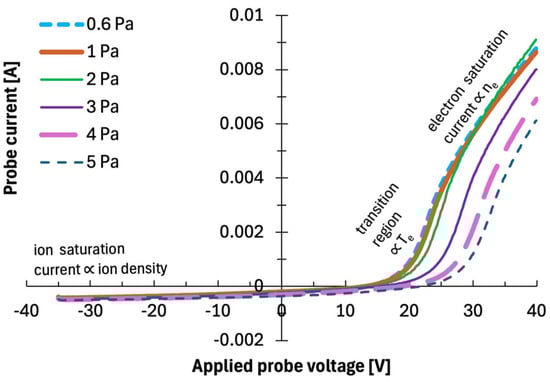
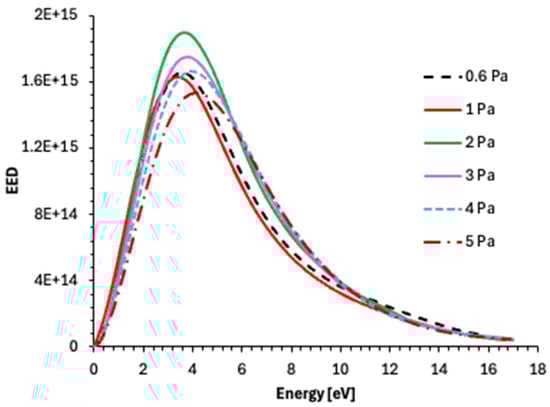
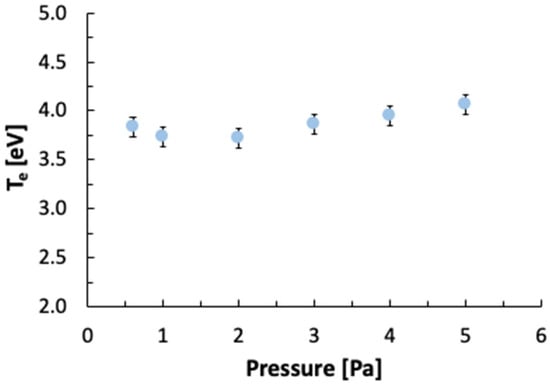
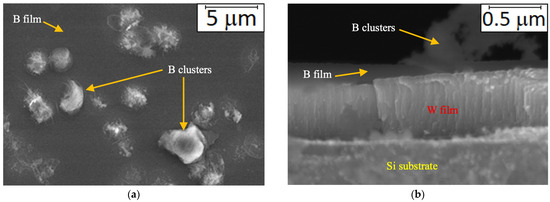
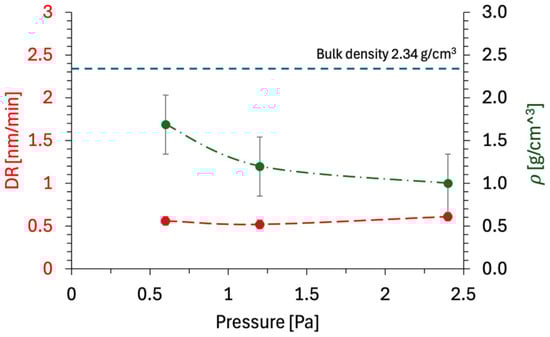
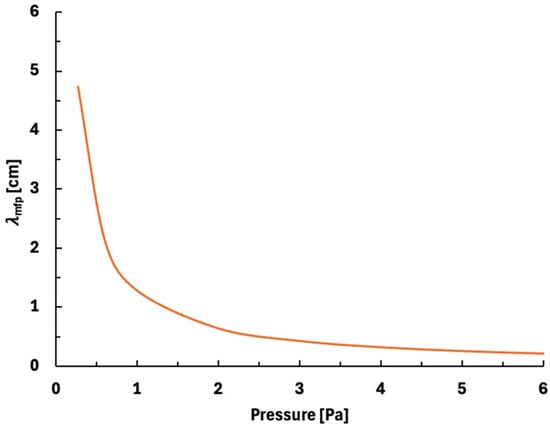
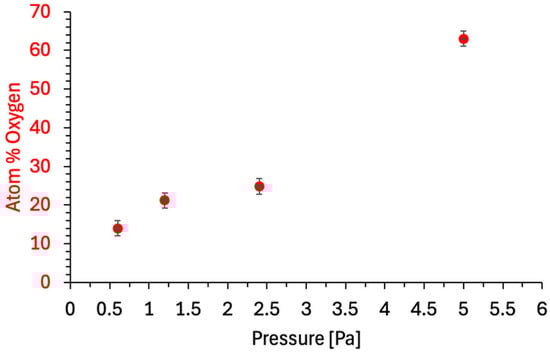
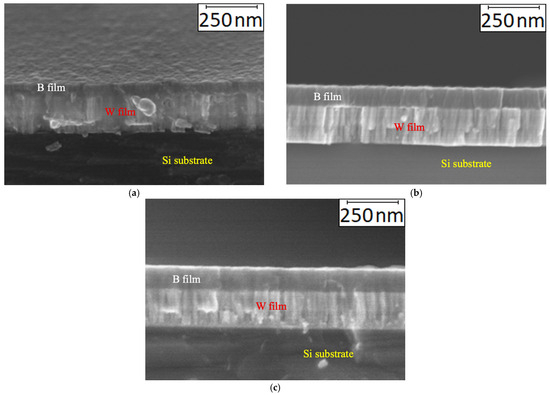
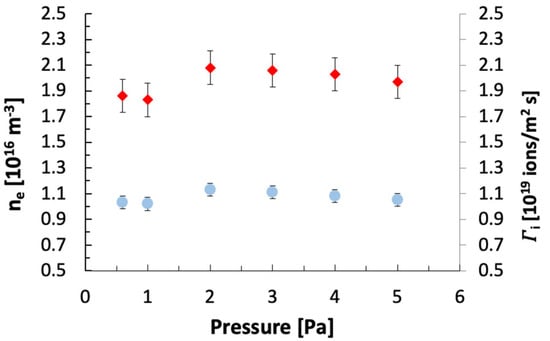
Boron coatings were deposited by RF magnetron sputtering in an Ar atmosphere at a constant power of 80 W, varying the working pressure in the 0.6–5 Pa range. Plasma diagnostics were performed by means of a Langmuir probe to determine the electron temperature and electron density under different operating conditions. Within the investigated pressure range, the deposition rate remained nearly constant, whereas a significant decrease in coating mass density was observed with increasing pressure. The coatings display a columnar structure at all investigated pressures, with no significant differences in bulk morphology. Pressure primarily affects the surface features, leading to an increase in the density, lateral dimensions, and height of surface agglomerates with increasing pressure. Compositional analysis by EDX revealed a substantial oxygen incorporation in the films, with the lowest oxygen content (~11 at.%) measured for the coating deposited at 0.6 Pa. XPS depth profiling confirmed the presence of oxygen and evidenced the formation of boron oxide species, while the boron concentration exceeded 80 at.% in all samples. These results highlight the strong sensitivity of boron film density and oxygen uptake to sputtering pressure.
Full article
(This article belongs to the Special Issue Surface Engineering of Thin Films)
►▼
Show Figures

Figure 1
Open AccessArticle
Quaternium-22 as a High-Performance Corrosion Inhibitor for Carbon Steel in Acidic Media: Experimental and Theoretical Insights
by
Mohammed Afifi, Nasser M. El Basiony, Aziza S. El-Tabei, Shimaa Abdel Halim and Magdy A. M. Ibrahim
Surfaces 2026, 9(2), 30; https://doi.org/10.3390/surfaces9020030 - 25 Mar 2026
Abstract
►▼
Show Figures
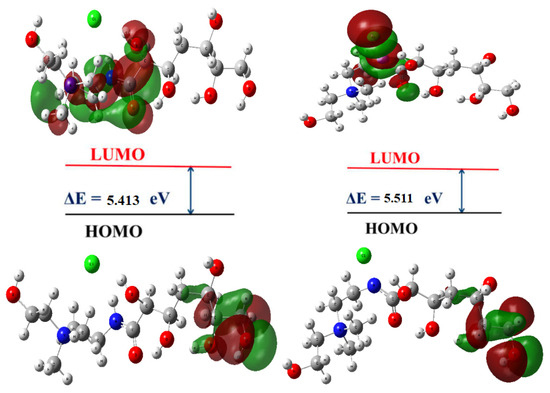
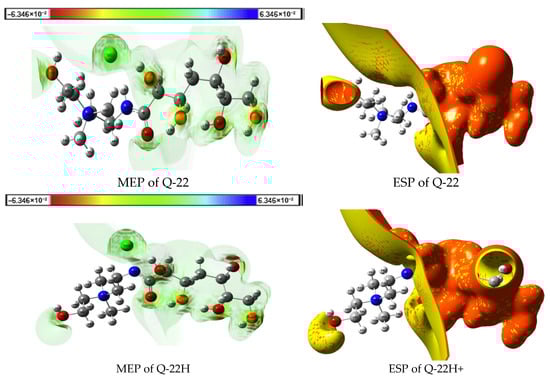
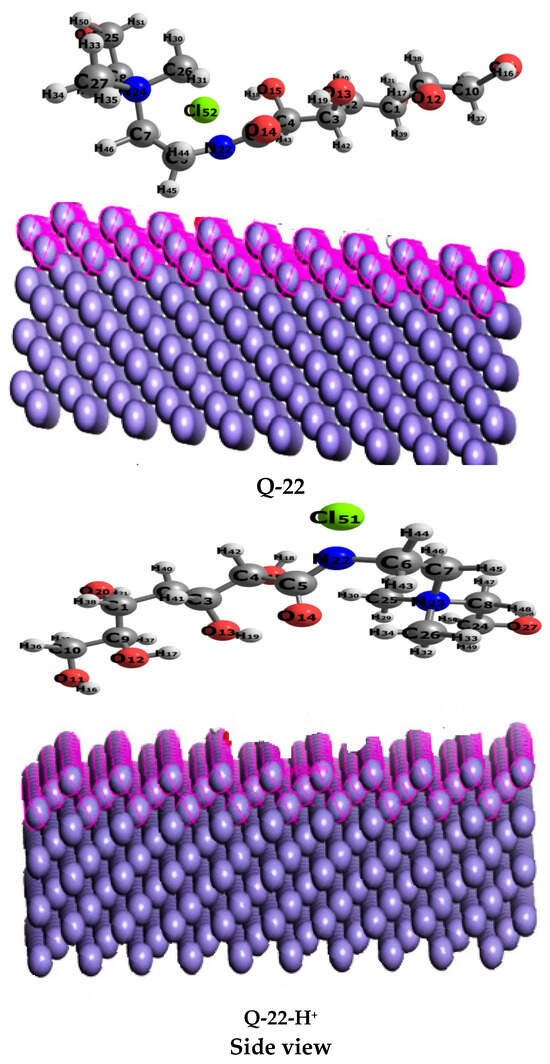
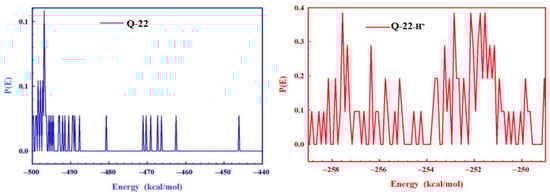
This work provides an integrated experimental and computational evaluation of the cationic surfactant Quaternium-22 (Q-22) as a potentially eco-compatible corrosion inhibitor for carbon steel (CS) in 1 M hydrochloric acid. Gravimetric analysis and electrochemical techniques, including electrochemical impedance spectroscopy (EIS) and potentiodynamic polarization
[...] Read more.
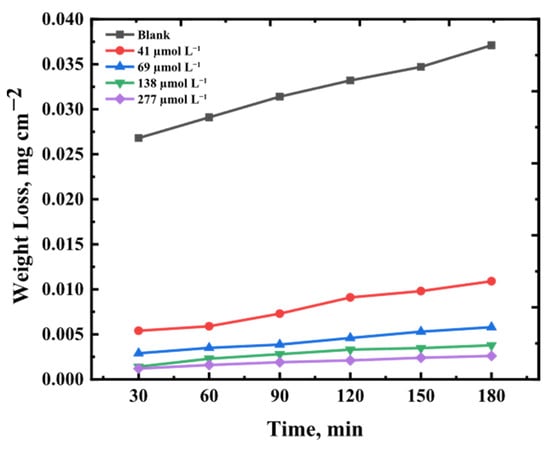
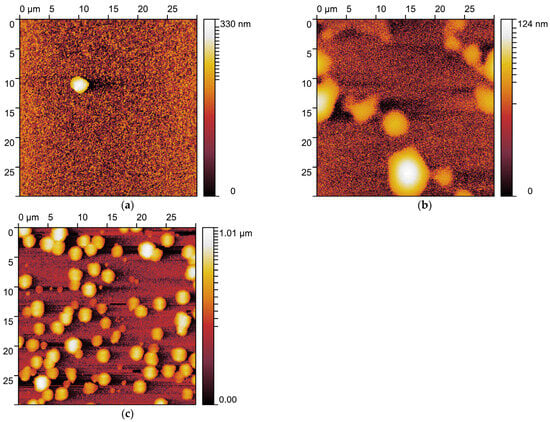
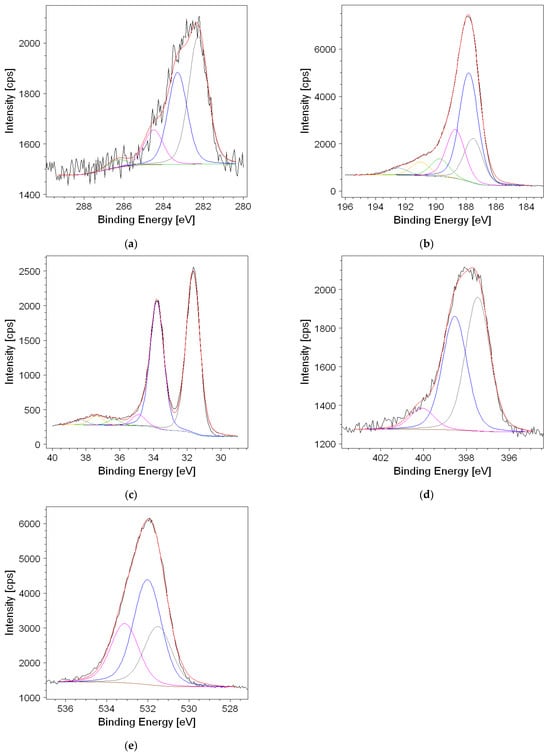
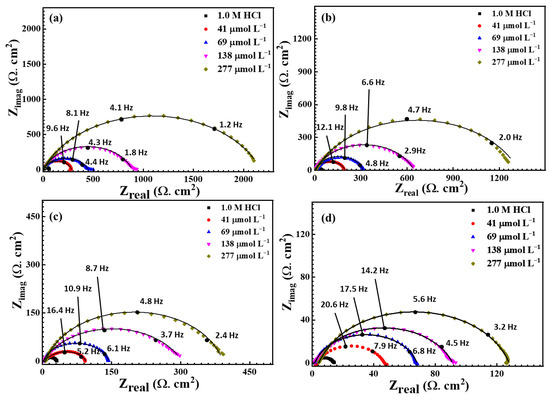
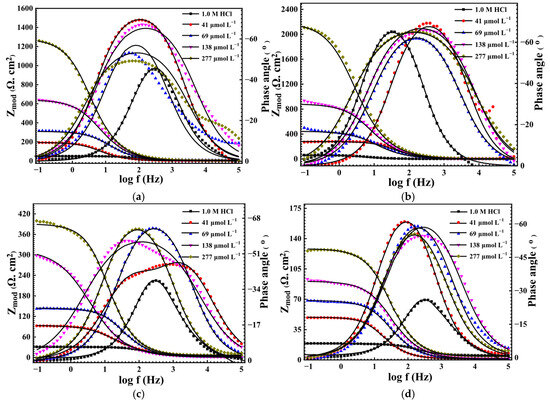
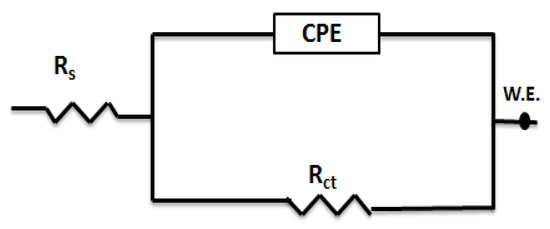
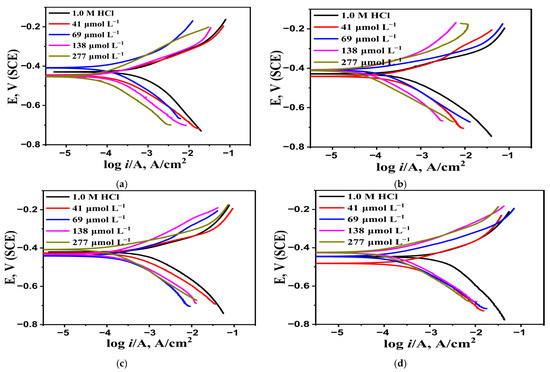
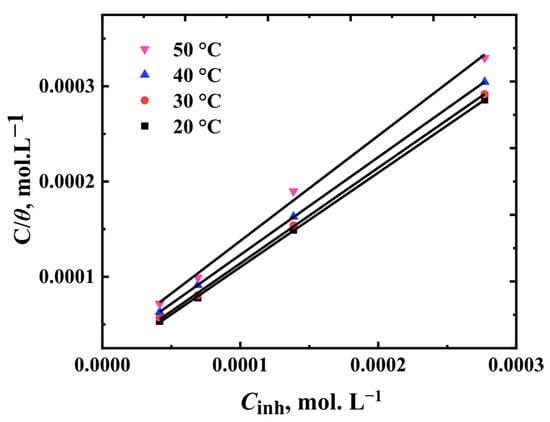
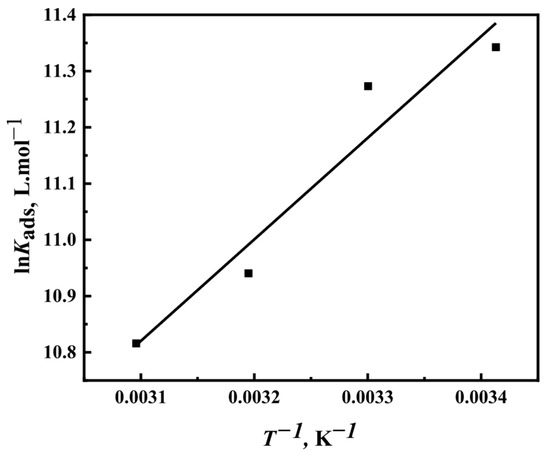
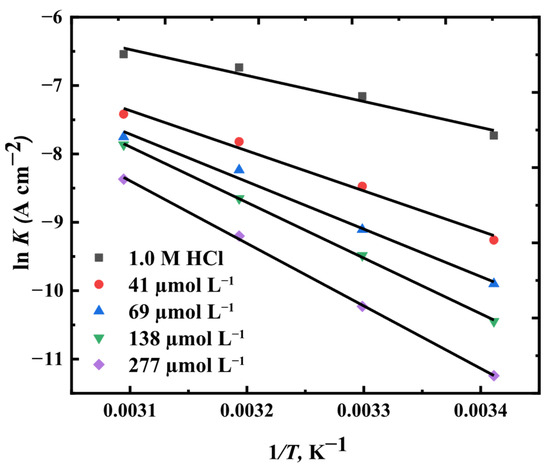
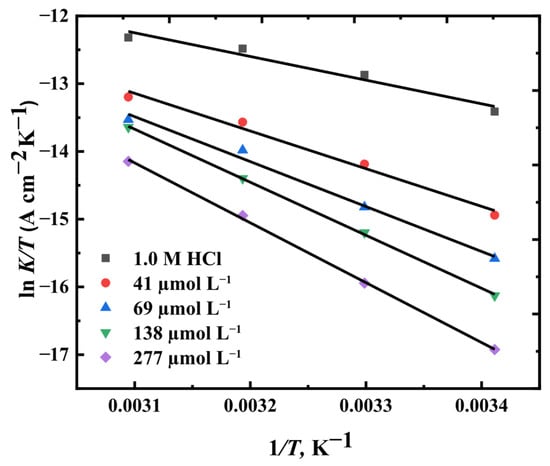
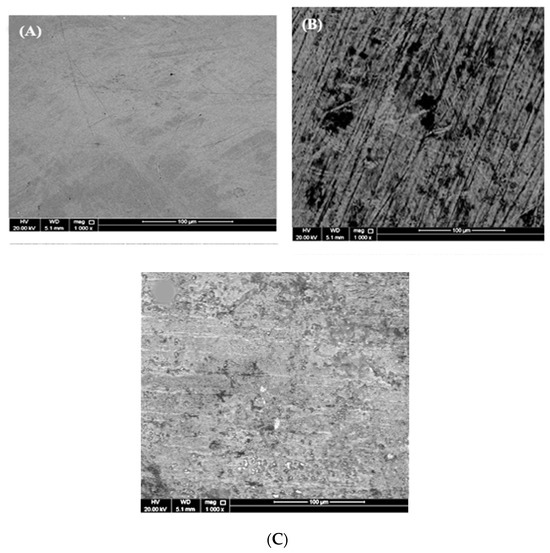
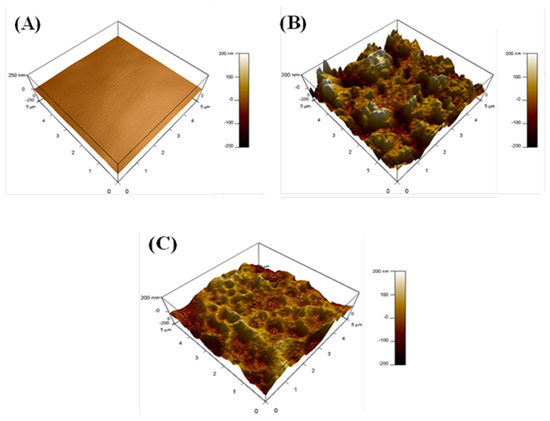
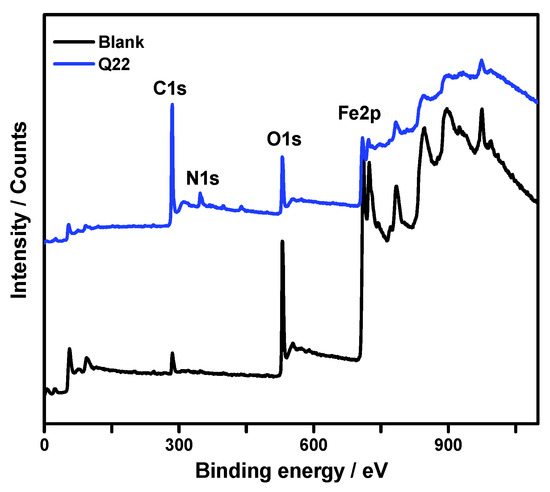
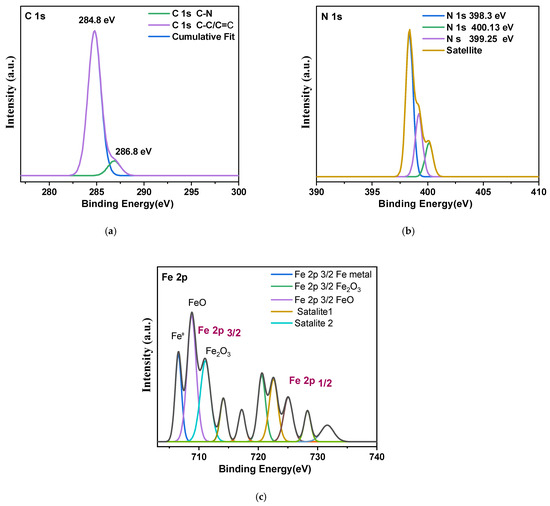
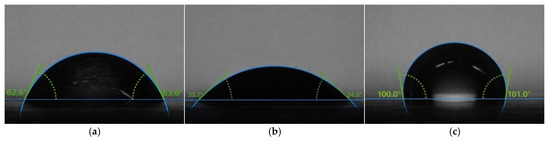
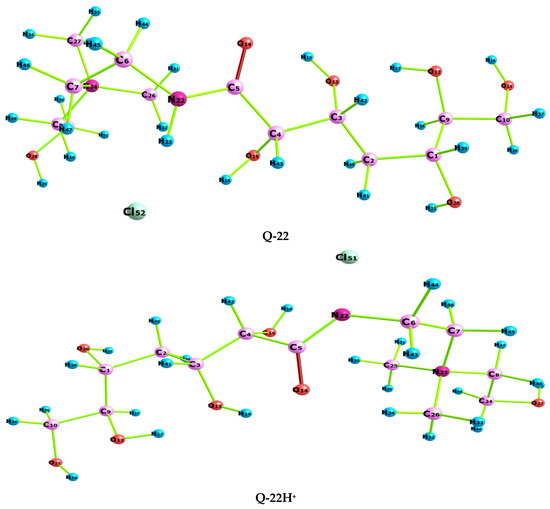
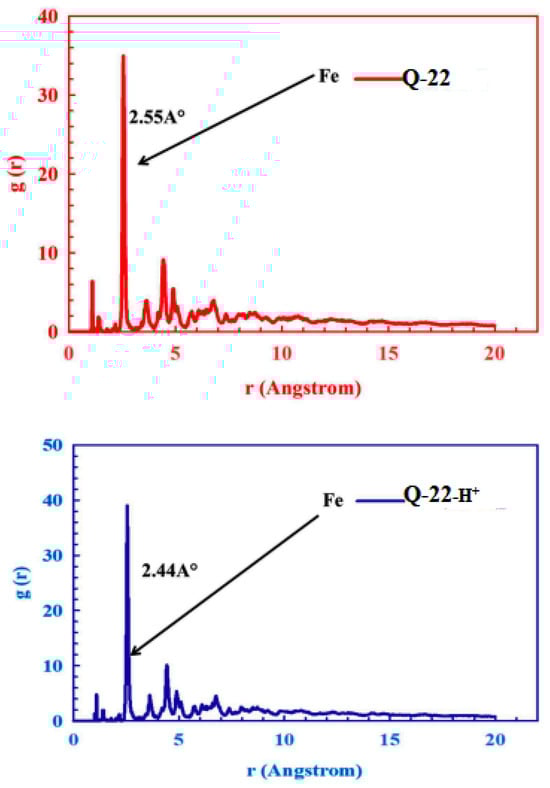
This work provides an integrated experimental and computational evaluation of the cationic surfactant Quaternium-22 (Q-22) as a potentially eco-compatible corrosion inhibitor for carbon steel (CS) in 1 M hydrochloric acid. Gravimetric analysis and electrochemical techniques, including electrochemical impedance spectroscopy (EIS) and potentiodynamic polarization (PDP), were employed over a temperature range of 20–50 °C. Q-22 exhibited mixed-type inhibition behavior, with efficiency rising to 97% at an optimal concentration of 277 μmol L−1. Performance was concentration-dependent but diminished with increasing temperature, indicating partial inhibitor desorption at elevated temperatures. Thermodynamic evaluation confirmed a spontaneous adsorption process consistent with the Langmuir isotherm, involving a combined physisorption and chemisorption mechanism. Surface characterization via scanning electron microscopy (SEM), atomic force microscopy (AFM), contact angle (CA) measurement, and X-ray photoelectron spectroscopy (XPS) confirmed the formation of a coherent, hydrophobic inhibitor layer that substantially reduced surface roughness and corrosion damage. Theoretical investigations using density functional theory (DFT), natural bond orbital (NBO) analysis, and molecular dynamics (MD) simulations revealed strong adsorption energies and favorable electronic properties consistent with the inhibitor’s high experimental efficacy. Overall, the results demonstrate that Q-22 is a highly effective, eco-compatible corrosion inhibitor for CS in acidic environments, operating through a stable adsorptive film-forming mechanism.
Full article

Figure 1
Open AccessArticle
Cyclic Voltammetry-Assisted Electrodeposition of TiO2/PANI Thin Films on Boron-Doped Diamond and Fluorine-Doped Tin Oxide: Effect of Composition on Interfacial and Electrochemical Properties
by
Robert Josep Villanueva-Silva, Ulises Páramo-García, Ricardo García-Alamilla, Luis Alejandro Macclesh del Pino-Pérez and Joel Moreno-Palmerin
Surfaces 2026, 9(1), 29; https://doi.org/10.3390/surfaces9010029 - 17 Mar 2026
Abstract
This study presents the successful electrodeposition of polyaniline (PANI) and TiO2/PANI composites on boron-doped diamond (BDD) and fluorine-doped tin oxide (FTO) substrates via cyclic voltammetry. Using 20 scan cycles in 0.5 M H2SO4, we synthesized thin films
[...] Read more.
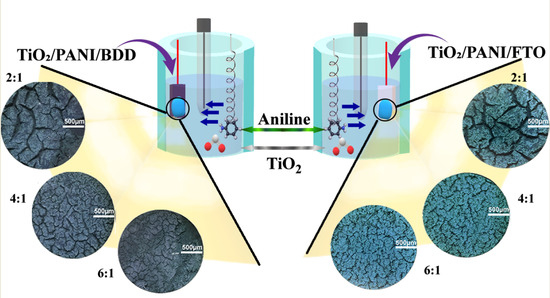
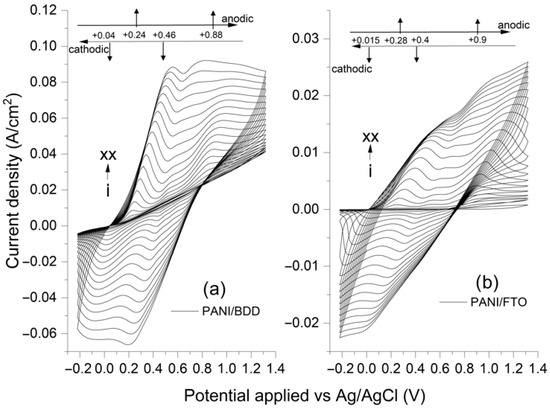
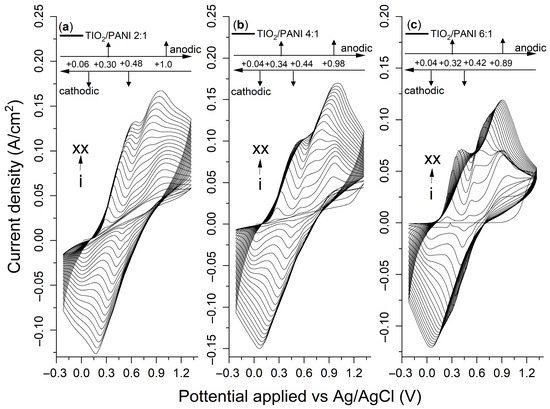
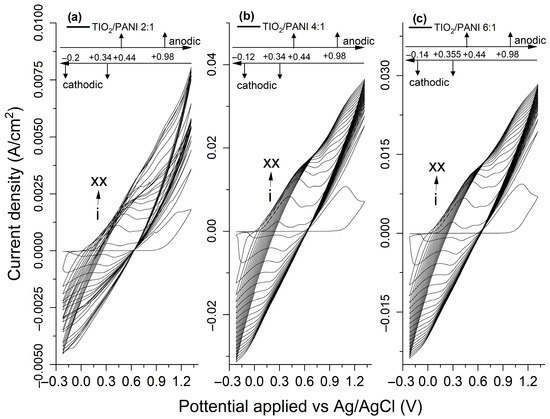
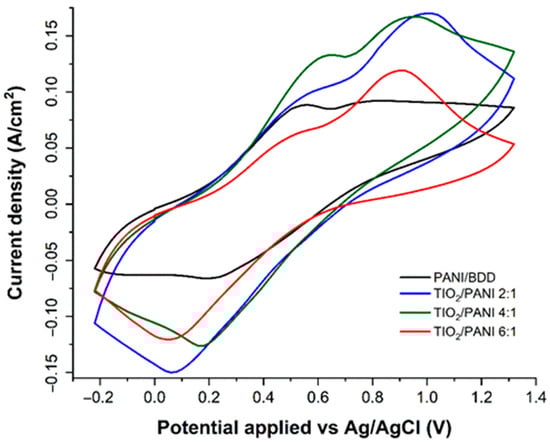
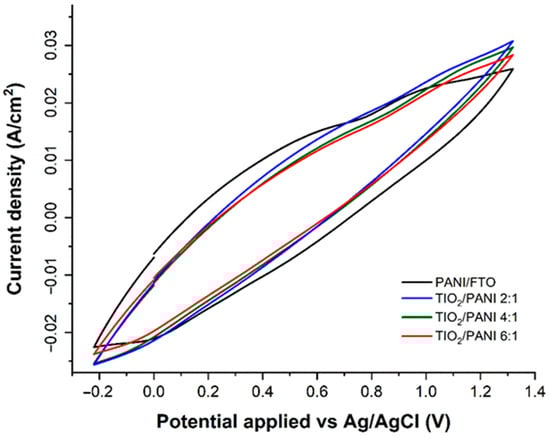
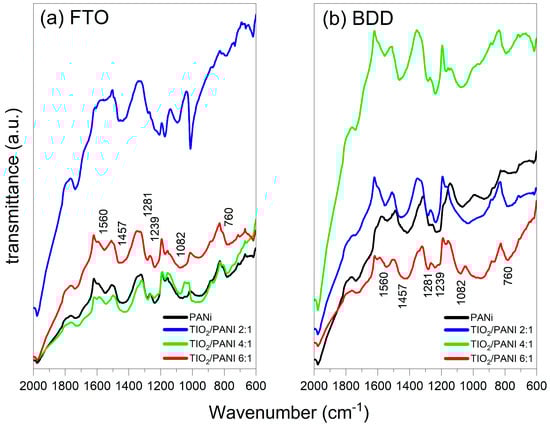
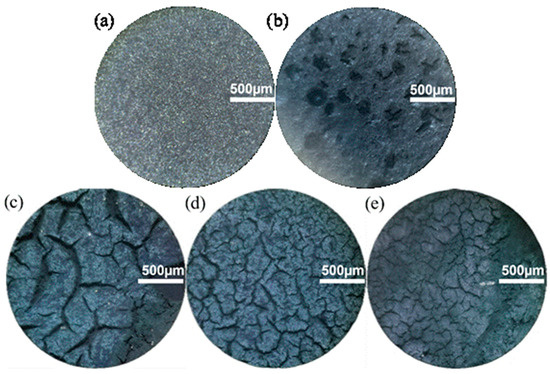
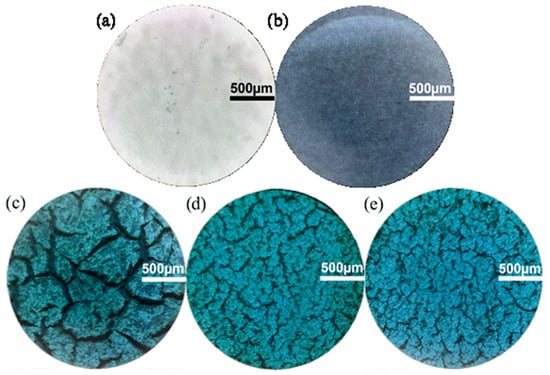
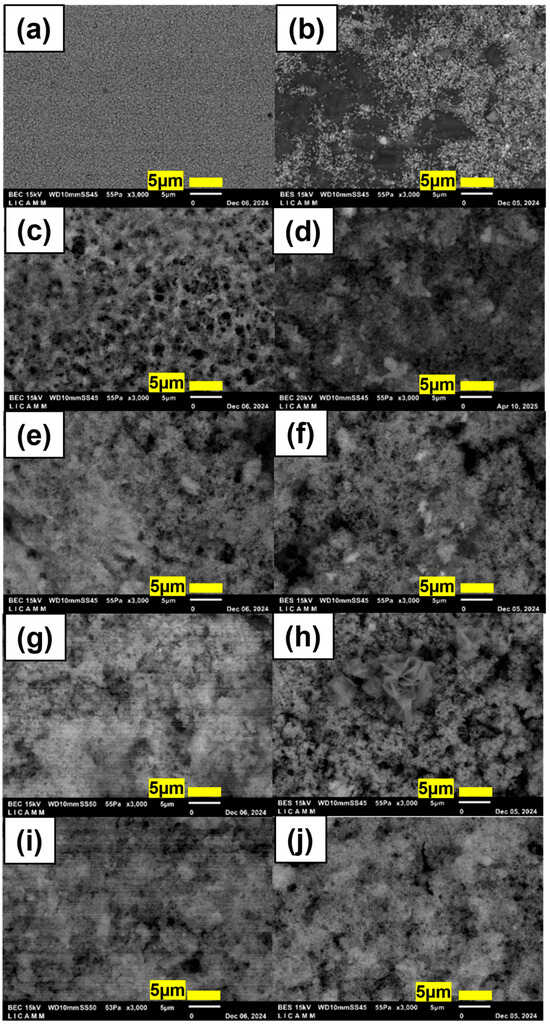
This study presents the successful electrodeposition of polyaniline (PANI) and TiO2/PANI composites on boron-doped diamond (BDD) and fluorine-doped tin oxide (FTO) substrates via cyclic voltammetry. Using 20 scan cycles in 0.5 M H2SO4, we synthesized thin films with tailored electrochemical properties. The formation of PANI was confirmed by characteristic redox peaks in the voltammograms, while FTIR spectroscopy identified key functional groups and bonding interactions between TiO2 and PANI. Morphological analysis via optical and scanning electron microscopy revealed uniform but cracked surfaces influenced by TiO2 loading. Composite electrodes with molar ratios of 2:1, 4:1, and 6:1 (TiO2:PANI) were compared, showing increased titanium content with higher ratios, as confirmed by EDS. This work offers a reproducible route for designing modified electrodes with enhanced interfacial properties.
Full article
(This article belongs to the Special Issue Surface Science: Polymer Thin Films, Coatings and Adhesives (2nd Edition))
►▼
Show Figures

Graphical abstract

Open AccessArticle
Two-Step Combined Ball Milling Strategy for FeCoCrNiCu High-Entropy Alloy Powders with Enhanced Compositional Homogeneity
by
Yunxiao Zhang, Wenxuan Li, Ke Liu, Zhendong Sha and Jun Ding
Surfaces 2026, 9(1), 28; https://doi.org/10.3390/surfaces9010028 - 15 Mar 2026
Abstract
This work aims to develop a controlled ball milling strategy for preparing FeCoCrNiCu high-entropy alloy (HEA) powders with improved compositional homogeneity while maintaining limited oxygen uptake. Specifically, a novel two-step combined ball milling strategy integrating gradient ball-size configurations with a sequential milling procedure
[...] Read more.
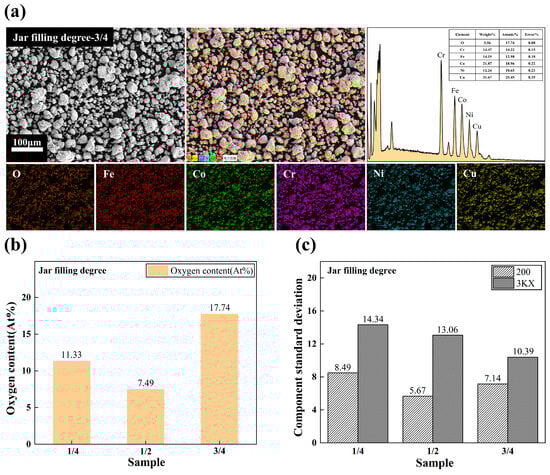
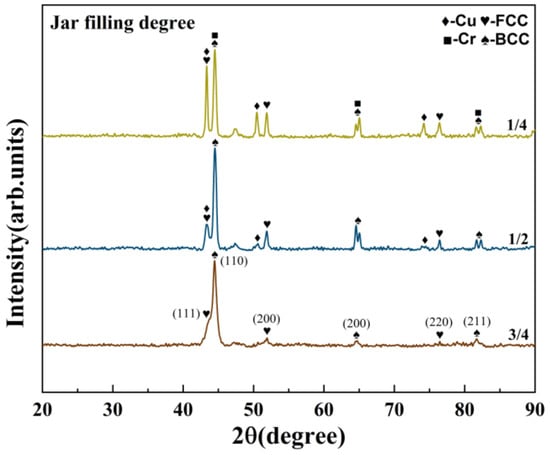
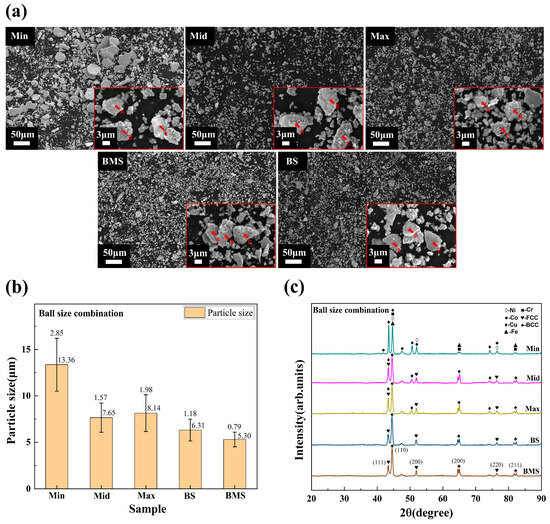
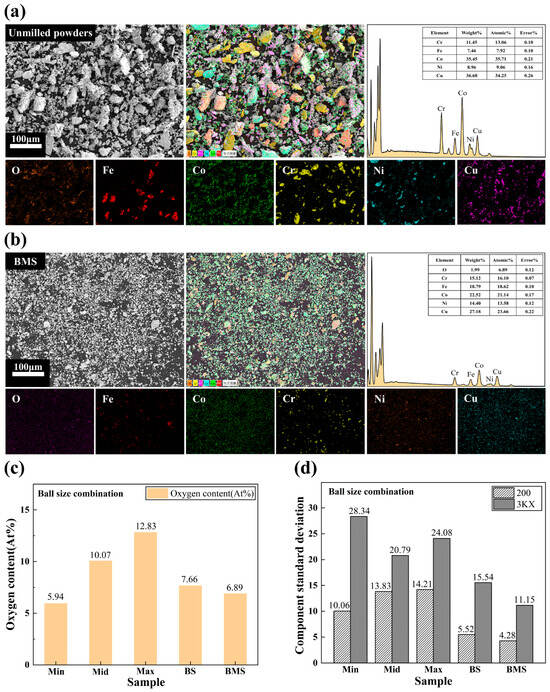
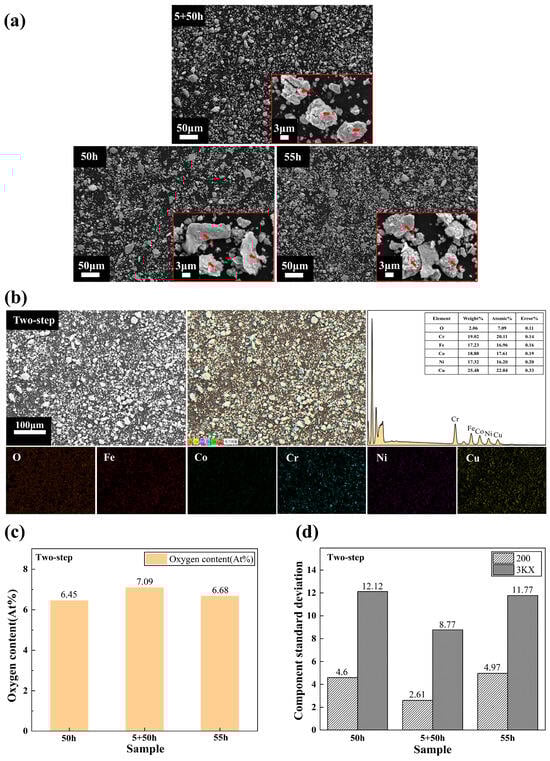
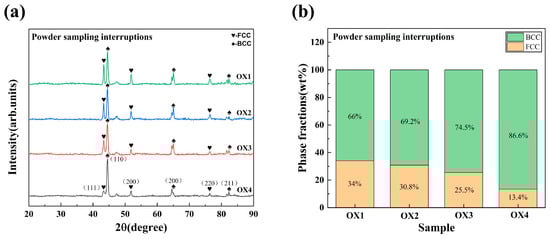
This work aims to develop a controlled ball milling strategy for preparing FeCoCrNiCu high-entropy alloy (HEA) powders with improved compositional homogeneity while maintaining limited oxygen uptake. Specifically, a novel two-step combined ball milling strategy integrating gradient ball-size configurations with a sequential milling procedure is proposed and systematically evaluated. Compared with conventional single-step milling, the mixed-ball and two-step configurations enhance mechanical alloying (MA) efficiency and promote the formation of more stable FCC and BCC dual-phase structures, as confirmed by X-ray diffraction (XRD) analysis. Compositional standard deviation derived from energy-dispersive X-ray spectroscopy (EDS) measurements indicates improved macroscopic uniformity, while oxygen/nitrogen/hydrogen (ONH) analysis verifies that oxygen incorporation remains limited within the tested processing window. Systematic comparison of jar filling degrees and sampling interruptions further reveals the coupled influence of collision energy distribution and exposure frequency on oxidation behavior. The results demonstrate that controlled energy distribution and minimized atmospheric disturbance are critical for balancing alloying efficiency and oxygen control in FeCoCrNiCu powders.
Full article
(This article belongs to the Collection Featured Articles for Surfaces)
►▼
Show Figures

Figure 1
Open AccessArticle
Colorimetric Behaviour of Ceramic Zirconia Restorations Cemented on Darkened Substrates—In Vitro Study
by
Ricardo Dias, Cristiano Pereira Alves, Raul Yehudi, Fernando Guerra and Ana Messias
Surfaces 2026, 9(1), 27; https://doi.org/10.3390/surfaces9010027 - 12 Mar 2026
Abstract
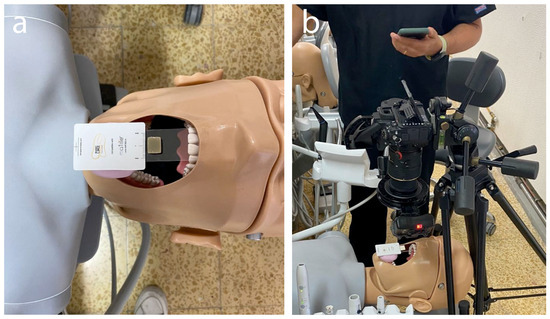
The colour matching of ceramic restorations is sensitive to ceramic thickness, ceramic optical properties, the tooth region, the tooth/substrate basis colour, and the shade of the bonding agent. This in vitro study evaluates the influence of substrate darkening, resin cement shade and zirconia
[...] Read more.
The colour matching of ceramic restorations is sensitive to ceramic thickness, ceramic optical properties, the tooth region, the tooth/substrate basis colour, and the shade of the bonding agent. This in vitro study evaluates the influence of substrate darkening, resin cement shade and zirconia thickness on the final colour of monolithic Prettau®2 zirconia restorations. An in vitro factorial design was used combining four resin substrates simulating increasing darkening (ND6–ND9), three shades of dual-cure resin cement (universal, transparent, white opaque) and three zirconia thicknesses (0.5, 1.0, 1.5 mm) of Prettau®2 zirconia. Standardized photographs were taken under controlled conditions, and CIELAB coordinates (L*, a*, b*) were obtained in Adobe Photoshop. Colour differences relative to the Prettau®2 A1 shade tab were calculated as ΔL*, Δa*, Δb* and ΔE*. An additive linear model on ΔE* and a main-effect MANOVA on ΔL*, Δa* and Δb* were fitted to assess the impact of each factor. The mean ΔE* was 6.67 ± 2.66, and all but two specimens showed a clinically perceptible colour difference (ΔE* > 2.7) from the A1 shade tab. Substrate shade accounted for 38.4% of the explained variance in ΔE*, cement for 27.6% and zirconia thickness for 6.7%. MANOVA confirmed significant multivariate effects of substrate and cement, but not of zirconia thickness. Translucent monolithic zirconia showed limited ability to reproduce the A1 reference shade over darkened substrates. Substrate shade was the main determinant of colour mismatch, followed by resin cement, whereas zirconia thickness within 0.5–1.5 mm played a minor role. White opaque cement reduced ΔE* and brought the final shade closer to A1, but residual mismatches often remained clinically relevant. These findings highlight the need to control and, when possible, modify the underlying substrate and to select high-opacity cements when shade matching is critical.
Full article
(This article belongs to the Special Issue Surface Science: Polymer Thin Films, Coatings and Adhesives (2nd Edition))
►▼
Show Figures

Figure 1
Open AccessArticle
First Principle Studies on the Reactivity and Stability of LiPF6 Surfaces in the Presence of Fluoride and Hydrogen Fluoride
by
Mpho D. S. Lekgoathi and Gugu Kubheka
Surfaces 2026, 9(1), 26; https://doi.org/10.3390/surfaces9010026 - 11 Mar 2026
Abstract
The effect of LiPF6 acidity, represented by LiPF6·xHF adduct formation and its interaction with fluoride species, on the surface reactivity and stability of LiPF6 was investigated using density functional theory (DFT) calculations performed with the Vienna Ab initio Simulation
[...] Read more.
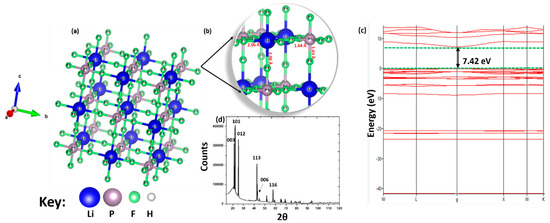
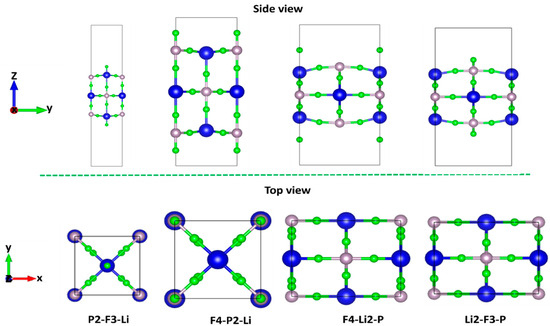
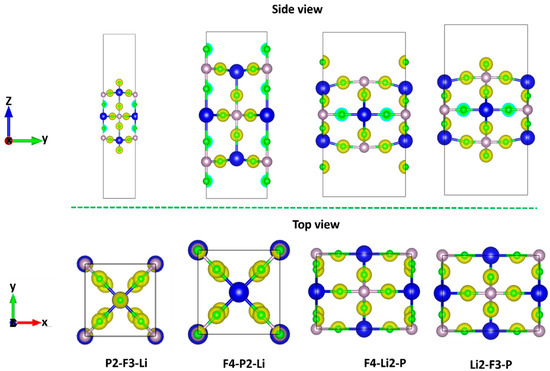
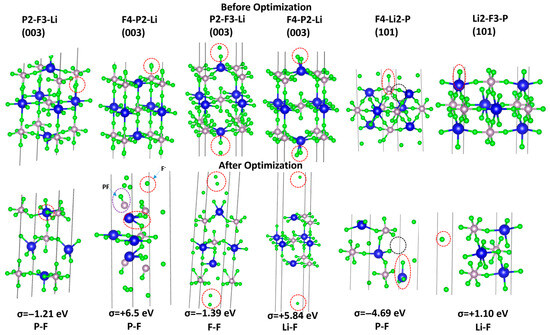
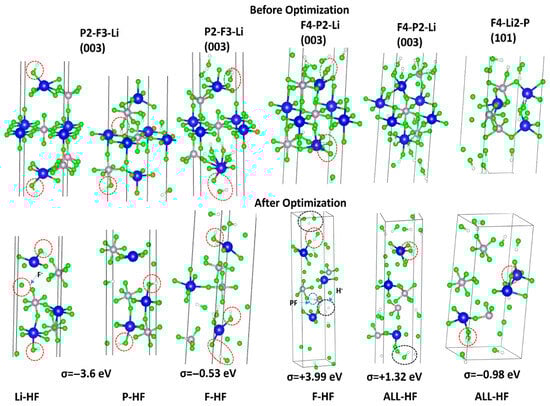
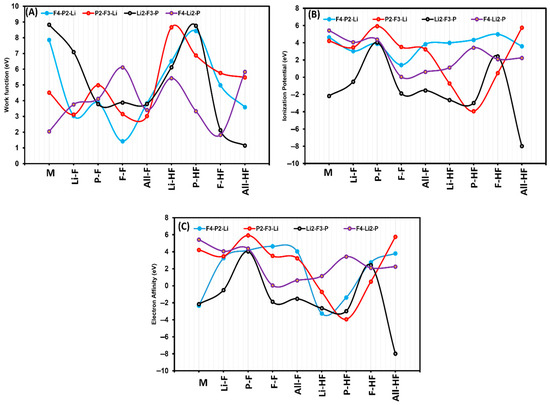
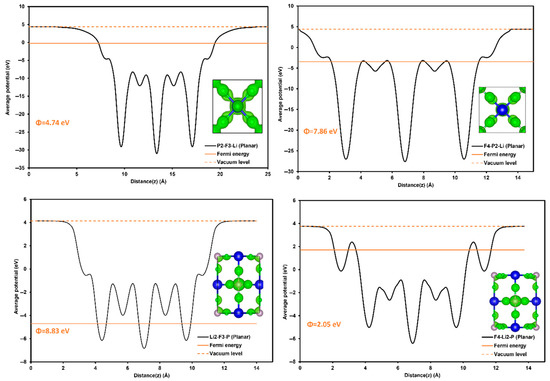
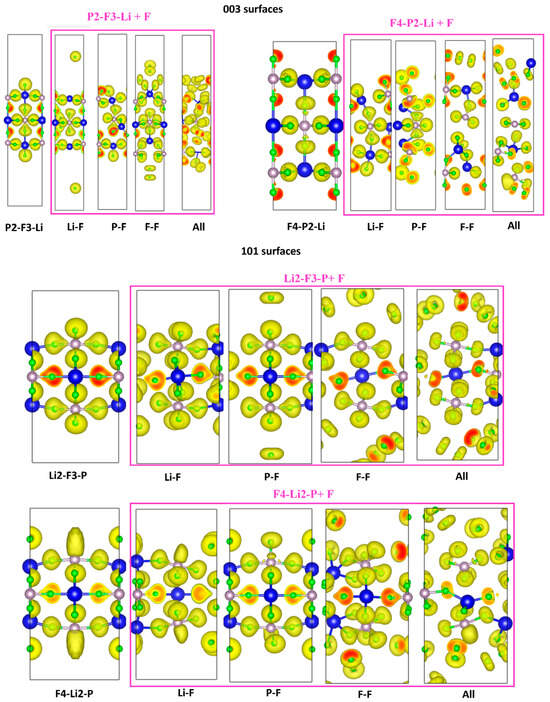
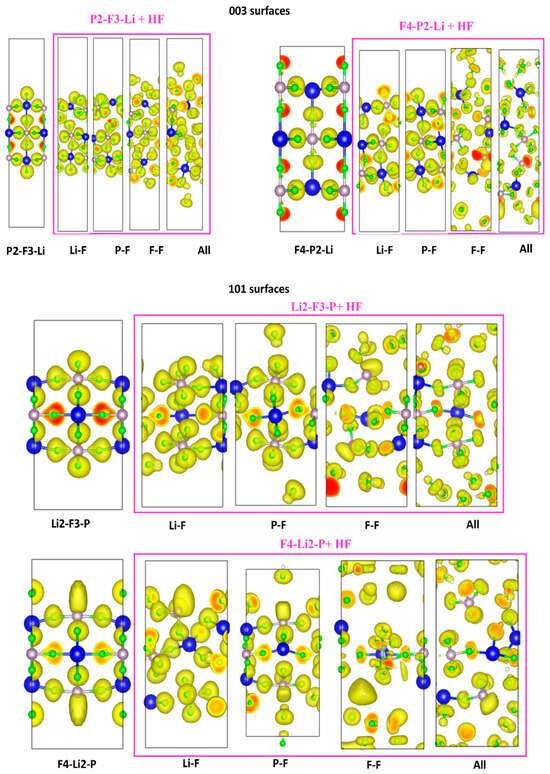
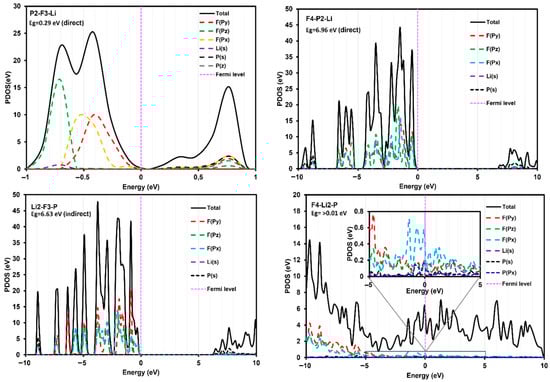
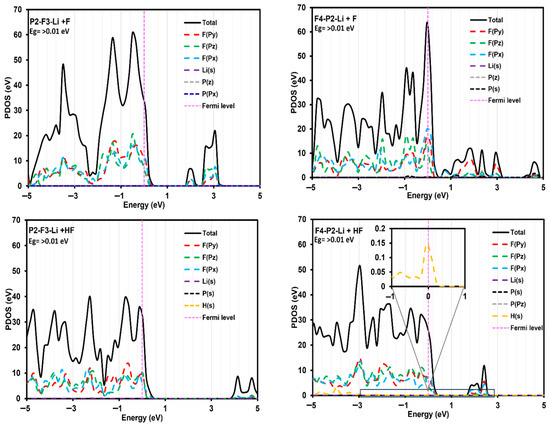
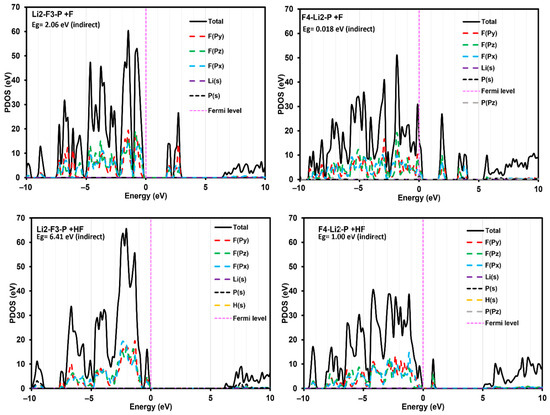
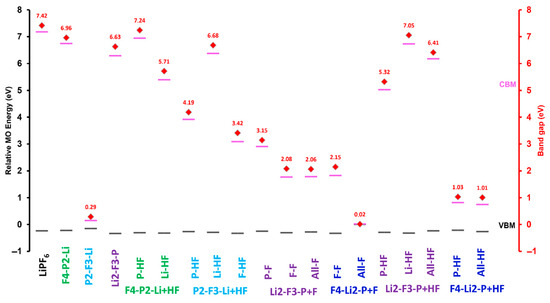
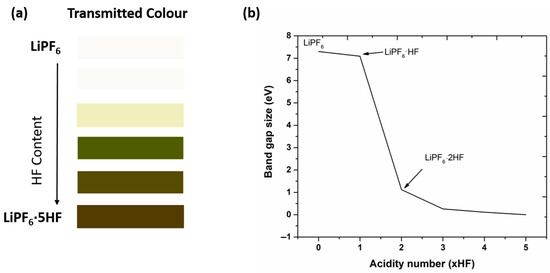
The effect of LiPF6 acidity, represented by LiPF6·xHF adduct formation and its interaction with fluoride species, on the surface reactivity and stability of LiPF6 was investigated using density functional theory (DFT) calculations performed with the Vienna Ab initio Simulation Package (VASP). The exchange–correlation energy was described using the Perdew–Burke–Ernzerhof (PBE) functional within the Generalized Gradient Approximation (GGA). Four distinct surface terminations of the (003) and (101) facets—F4–P2–Li, P2–F3–Li, Li2–F3–P, and F4–Li2–P were systematically examined. Surface and adsorption energies were evaluated together with key electronic descriptors, including the work function, dipole moment, electron localization function (ELF), electrostatic potential, band structure, and density of states, to elucidate the mechanisms governing adsorption and stability. The (101) facet exhibits a pronounced susceptibility to HF-induced solvation, driven by enhanced surface polarity, a low work function, and intermolecular H–F interactions at lithium-exposed terminations. In contrast, the thermodynamically dominant (003) facet shows greater resistance to HF interaction, with adsorption remaining predominantly molecular and progressing toward deliquescence only at elevated HF concentrations. Fluorine-rich and charge-balanced terminations on both facets display enhanced stability, characterized by high work functions, minimal ELF redistribution, and suppressed charge transfer.
Full article
(This article belongs to the Special Issue Surface and Interface Science in Energy Materials)
►▼
Show Figures

Figure 1
Open AccessArticle
Structural and Antimicrobial Properties of Alginate and Chitosan Films with Silver Nanoparticles
by
Gabriela Mendes da Rocha Vaz, Juliana Junqueira Pinelli, Cínthia Caetano Bonatto and Luciano Paulino Silva
Surfaces 2026, 9(1), 25; https://doi.org/10.3390/surfaces9010025 - 1 Mar 2026
Abstract
This study investigates the development and characterization of bioactive films incorporating silver nanoparticles (AgNPs) into biocompatible polymers, namely alginate and chitosan, fabricated using two methods, spin-coating and drop-casting, and aiming to enhance their antimicrobial properties. Dynamic light scattering (DLS) and electrophoretic mobility (EM)
[...] Read more.
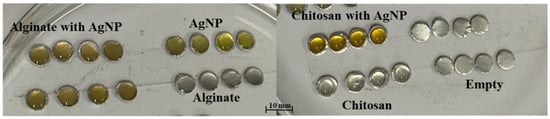
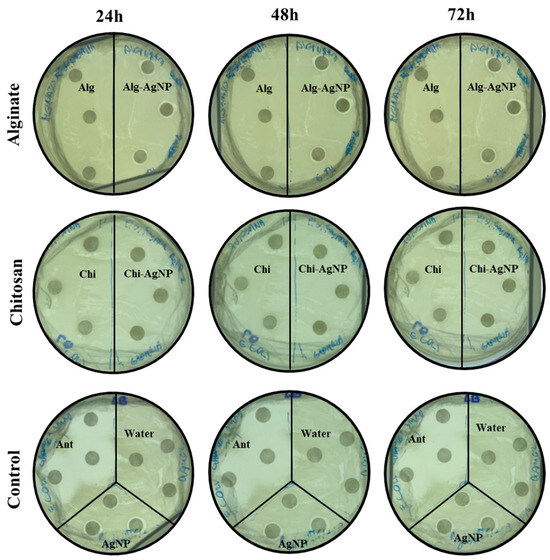
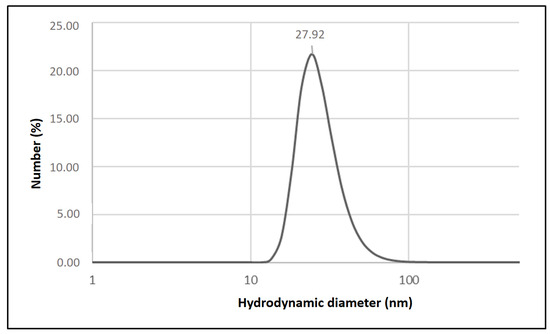
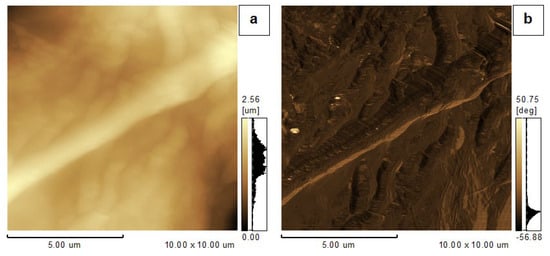
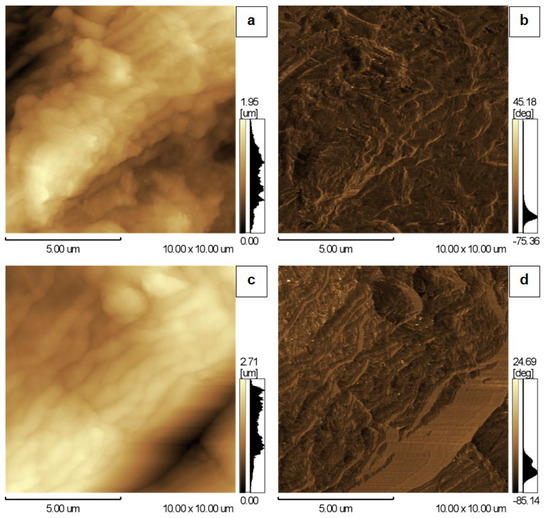
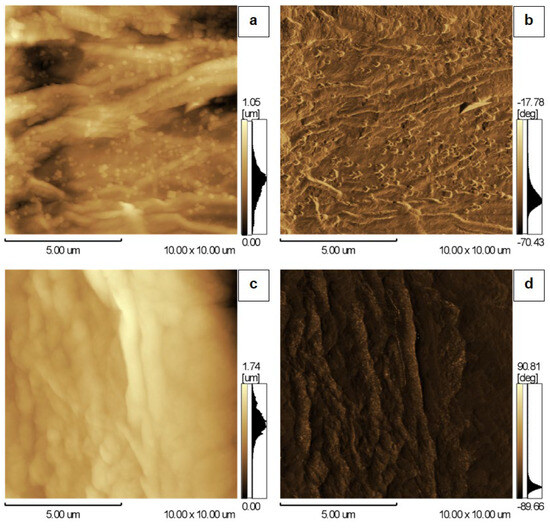
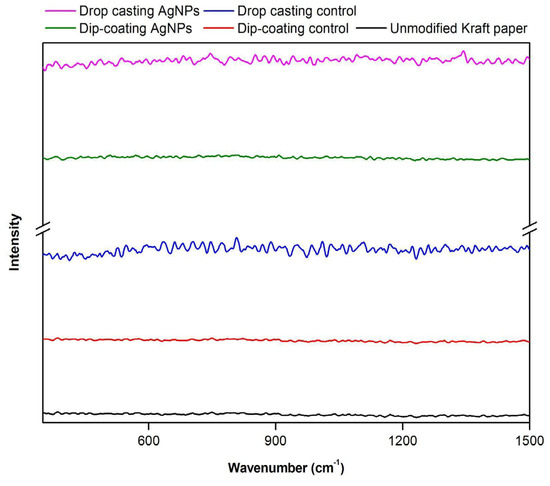
This study investigates the development and characterization of bioactive films incorporating silver nanoparticles (AgNPs) into biocompatible polymers, namely alginate and chitosan, fabricated using two methods, spin-coating and drop-casting, and aiming to enhance their antimicrobial properties. Dynamic light scattering (DLS) and electrophoretic mobility (EM) of the film precursor solutions revealed significant changes in the nanoparticles’ size and Zeta potential (ZP), reflecting the influence of polymer coatings. Alginate contributed to high electrostatic stability due to its negative charge, while chitosan facilitated specific interactions with negatively charged surfaces. Raman spectroscopy revealed that spin-coating conditions did not successfully result in film formation, highlighting the need for further optimization. Therefore, subsequent characterization studies were conducted only for the films formed by drop-casting. Topographical and nanomechanical assessments of these drop-cast films, using atomic force microscopy (AFM) and force spectroscopy, demonstrated that AgNPs reduced adhesion and elasticity in alginate films, while increasing rigidity and adhesion in chitosan-based films. Antimicrobial tests confirmed the efficacy of AgNPs in both precursor solutions and polymer films, with chitosan-based films that retained structural integrity, which makes them suitable for prolonged applications, while alginate films displayed rapid gelation upon hydration, potentially advantageous in short-term applications. The findings underscore the potential of these biopolymer-AgNP composites in creating antimicrobial materials for food packaging, wound dressings, and other biomedical applications. However, challenges related to film deposition methods, such as spin-coating, require further optimization to improve film formation and reproducibility.
Full article
(This article belongs to the Special Issue Surface Engineering of Thin Films)
►▼
Show Figures

Figure 1
Open AccessArticle
A Comparative Study of Dip-Coating and Drop-Casting for Surface Modification of Kraft Paper with Silver Nanoparticles Toward Active Packaging
by
Naiara Milagres Augusto da Silva, Juliana Junqueira Pinelli, Cínthia Caetano Bonatto and Luciano Paulino Silva
Surfaces 2026, 9(1), 24; https://doi.org/10.3390/surfaces9010024 - 24 Feb 2026
Abstract
Kraft paper, commonly known as brown paper, has been widely used in the preservation of various food products and is increasingly explored in the development of active packaging materials with antimicrobial functionality by incorporating metal nanoparticles. This study aimed to comparatively investigate the
[...] Read more.
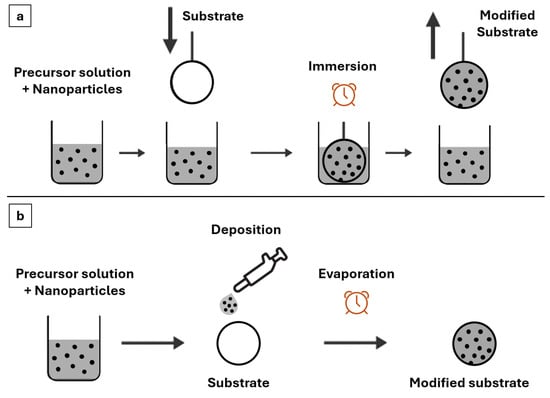
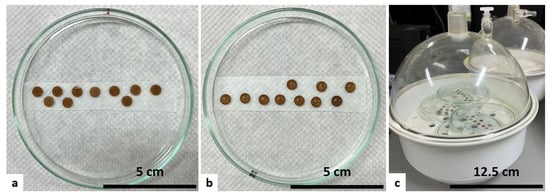
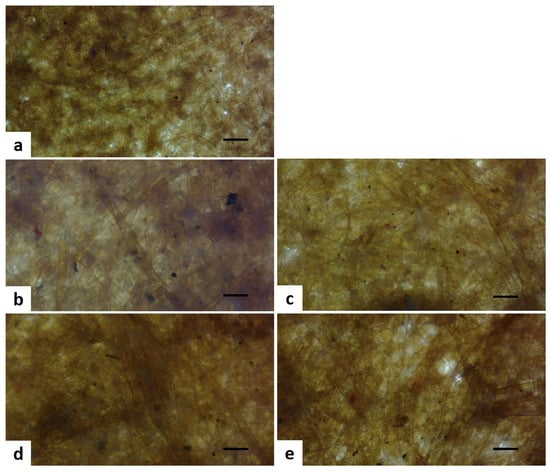
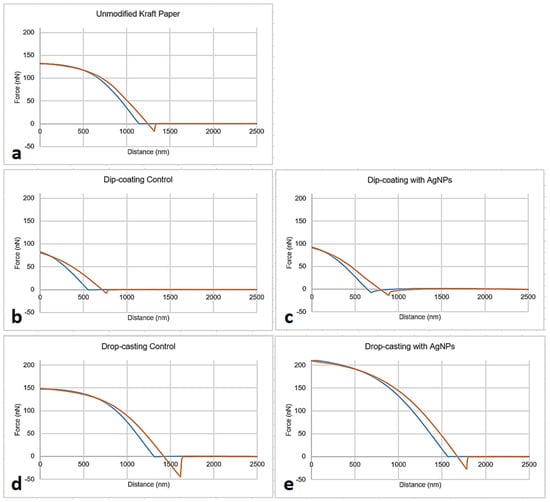
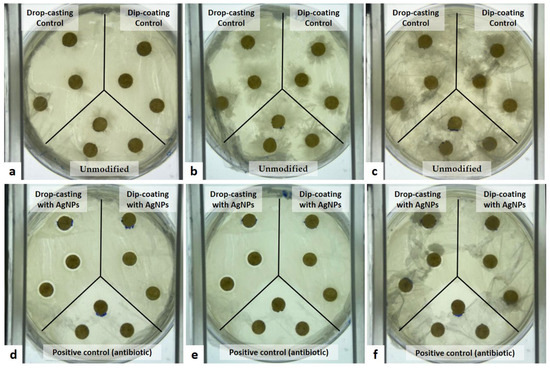
Kraft paper, commonly known as brown paper, has been widely used in the preservation of various food products and is increasingly explored in the development of active packaging materials with antimicrobial functionality by incorporating metal nanoparticles. This study aimed to comparatively investigate the surface modification of Kraft paper with silver nanoparticles (AgNPs) using dip-coating and drop-casting techniques. AgNPs were produced via green synthesis and incorporated onto the surface of Kraft paper samples. The modified samples were characterized using physicochemical techniques, including atomic force microscopy (AFM), Raman spectroscopy and light microscopy, as well as nanomechanical characterization via force spectroscopy. The antimicrobial activity of the modified papers was assessed using the disk diffusion method. The results demonstrated that the modification techniques resulted in distinct surface characteristics. Samples treated with the drop-casting method exhibited the highest AgNP surface loading; however, this was accompanied by pronounced surface heterogeneity and a tendency toward reduced load-bearing capacity. Overall, the findings indicate that the choice of deposition technique plays a key role in controlling nanoparticle distribution and surface properties. Within the limitations of the techniques evaluated, the incorporation of nanomaterials with potential antimicrobial activity into Kraft paper may offer opportunities for the development of active food packaging, although further optimization is required.
Full article
(This article belongs to the Special Issue Advances in Metal Ion Research and Applications)
►▼
Show Figures

Figure 1
Open AccessArticle
Surface Functionalization of Poly(ethylene terephthalate) via Surface-Initiated Atom Transfer Radical Polymerization to Achieve Superhydrophobic, Hydrophilic, and Antibacterial Properties
by
Jin Motoyanagi, Hao Maekawa, Yuji Aso and Masahiko Minoda
Surfaces 2026, 9(1), 23; https://doi.org/10.3390/surfaces9010023 - 24 Feb 2026
Abstract
Poly(ethylene terephthalate) (PET) is a widely used commodity polymer owing to its low cost, excellent mechanical properties, and high processability. Chemical modification of PET surfaces to impart specific functionalities represents an effective strategy for transforming PET into high-value-added materials without altering its bulk
[...] Read more.
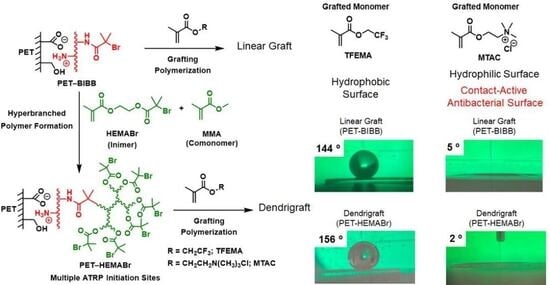
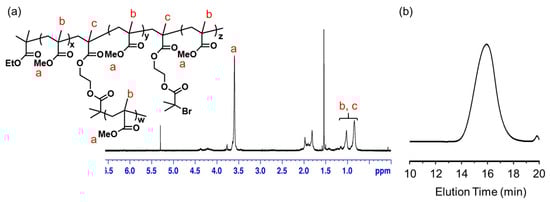
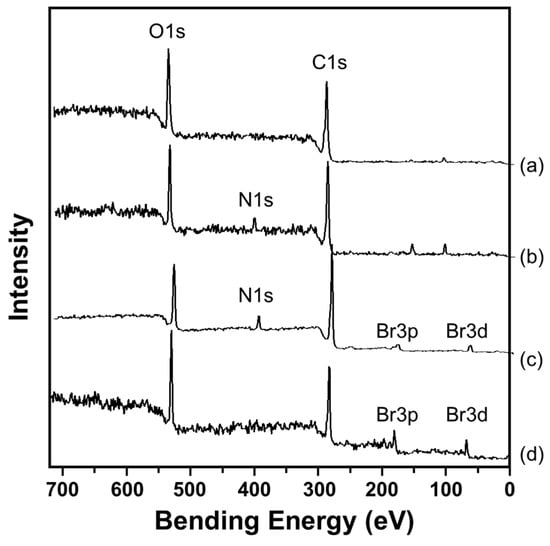
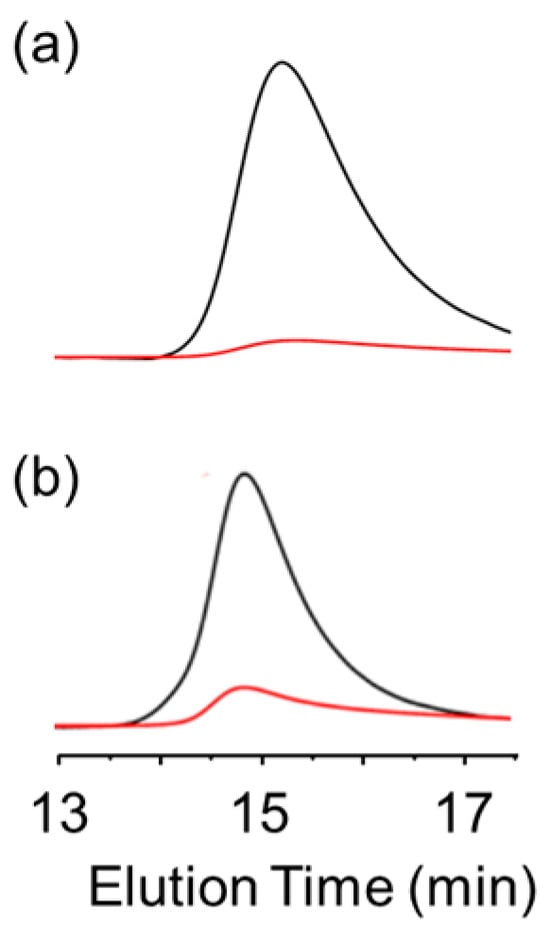
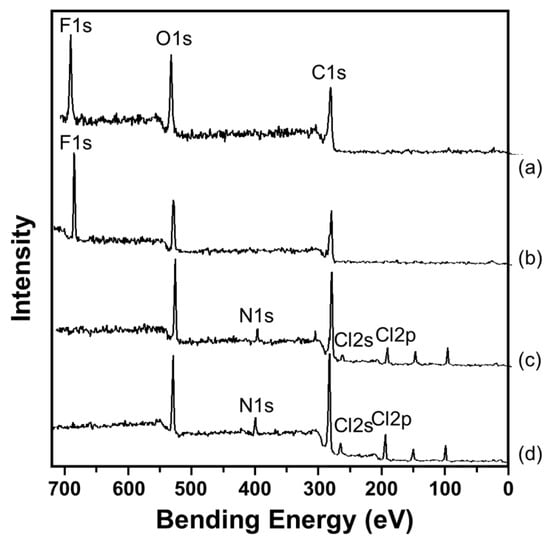
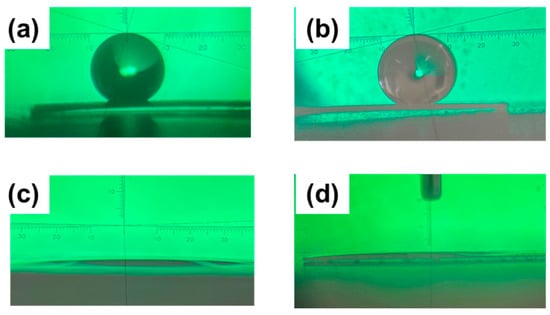
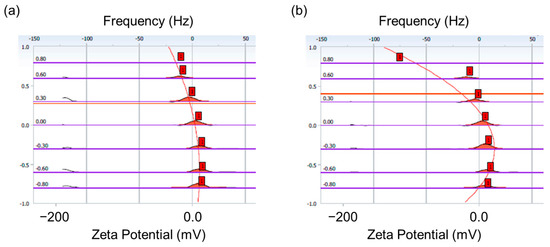
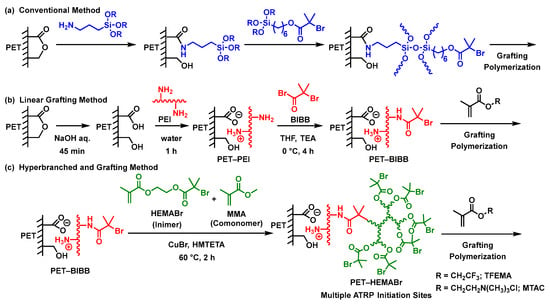
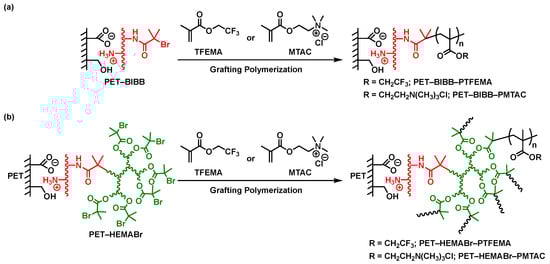
Poly(ethylene terephthalate) (PET) is a widely used commodity polymer owing to its low cost, excellent mechanical properties, and high processability. Chemical modification of PET surfaces to impart specific functionalities represents an effective strategy for transforming PET into high-value-added materials without altering its bulk properties. In this study, we investigated the surface functionalization of PET substrates using surface-initiated atom transfer radical polymerization (SI-ATRP). ATRP initiation sites were introduced onto PET surfaces through mild surface hydrolysis followed by polyethyleneimine coating. To further enhance the grafting density, an inimer-based strategy was employed, in which a bifunctional monomer containing both a polymerizable group and a latent initiation site was used to form hyperbranched polymer structures on the PET surface, thereby amplifying the number of active initiation sites. Using these modified PET substrates, SI-ATRP of functional methacrylate monomers was successfully carried out. Grafting of poly(2,2,2-trifluoroethyl methacrylate) imparted highly hydrophobic surface properties, yielding water contact angles above 120°, whereas grafting of poly([2-(methacryloyloxy)ethyl]trimethylammonium chloride) produced hydrophilic surfaces with contact angles below 20°. Surface characterization by X-ray photoelectron spectroscopy confirmed successful graft polymerization and effective surface coverage. While the macroscopic wettability was primarily governed by the chemical nature of the grafted polymers, the inimer-based initiation-site amplification significantly enhanced the surface electrostatic properties of the polycationic polymer–grafted surfaces, increasing the ζ-potential from approximately +20 mV to over +100 mV. Antibacterial tests using Escherichia coli K-12 as a model bacterium demonstrated that PET substrates grafted with poly([2-(methacryloyloxy)ethyl]trimethylammonium chloride) exhibited clear contact-active antibacterial activity, achieving up to 2-log reduction in viable bacterial counts after 3 h of contact incubation. These results highlight the importance of molecular-level control of grafting architecture and surface electrostatic properties in the design of functional antibacterial PET surfaces.
Full article
(This article belongs to the Special Issue Superhydrophobic Surfaces: Wetting Phenomena and Preparation Methods)
►▼
Show Figures

Graphical abstract

Highly Accessed Articles
Latest Books
E-Mail Alert
News
Topics
Topic in
Coatings, Lubricants, Materials, Surfaces, JFB
Engineered Surfaces and Tribological Performance
Topic Editors: Andrew Naylor, Min LiDeadline: 31 May 2026
Topic in
Applied Nano, Bioengineering, Coatings, JFB, Materials, Surfaces
Functional and Antiseptic Biomedical Surfaces and Interfaces
Topic Editors: Annett Dorner-Reisel, Aneta Zima, Nick Tucker, Tao WangDeadline: 31 August 2026
Topic in
Gels, Materials, Nanomaterials, Polymers, Surfaces
Recent Advances in Colloids, Interfaces, and Interfacial Activities
Topic Editors: Mojtaba Mirzaeian, Saule Aidarova, Nurxat Nuraje, Paul Takhistov, Jaroslav KatonaDeadline: 31 December 2026
Topic in
Applied Nano, Coatings, Colloids and Interfaces, Materials, Surfaces, Nanomaterials, Laboratories
New Research on Thin Films and Nanostructures
Topic Editors: Marco Fronzi, Cristiano Giordani, Paolo MeleDeadline: 31 July 2027
Conferences
Special Issues
Special Issue in
Surfaces
Surface Engineering of Thin Films
Guest Editor: Aleksey YerokhinDeadline: 30 April 2026
Special Issue in
Surfaces
Surface Science in Electrochemical Energy Storage
Guest Editors: Siwen Zhang, Bosi YinDeadline: 30 April 2026
Special Issue in
Surfaces
Superhydrophobic Surfaces: Wetting Phenomena and Preparation Methods
Guest Editor: Bo ZhangDeadline: 31 May 2026
Special Issue in
Surfaces
Advances in Solid–Liquid Interface Science: From Fundamentals to Applications
Guest Editors: Minghui Zhang, Yang'en You, Yu FuDeadline: 31 May 2026