


Journal Description
Vision
Vision
is an international, peer-reviewed, open access journal on vision published quarterly online by MDPI.
- Open Access— free for readers, with article processing charges (APC) paid by authors or their institutions.
- High Visibility: indexed within ESCI (Web of Science), Scopus, PubMed, PMC, and other databases.
- Rapid Publication: manuscripts are peer-reviewed and a first decision is provided to authors approximately 22.7 days after submission; acceptance to publication is undertaken in 4.7 days (median values for papers published in this journal in the second half of 2025).
- Recognition of Reviewers: reviewers who provide timely, thorough peer-review reports receive vouchers entitling them to a discount on the APC of their next publication in any MDPI journal, in appreciation of the work done.
Impact Factor:
1.8 (2024)
Latest Articles
Exploring Visual Discrimination and Performance Adaptation in First-League Futsal Players via LUMMICS
Vision 2026, 10(2), 23; https://doi.org/10.3390/vision10020023 - 23 Apr 2026
Abstract
►
Show Figures
Background/Objectives: Perceptual–cognitive abilities such as visual discrimination, reaction time, and attentional control are important for performance in dynamic sports. However, evidence remains limited regarding how simplified visual tasks capture performance variability and dynamics under repeated exposure. This study examined session-to-session performance changes and
[...] Read more.
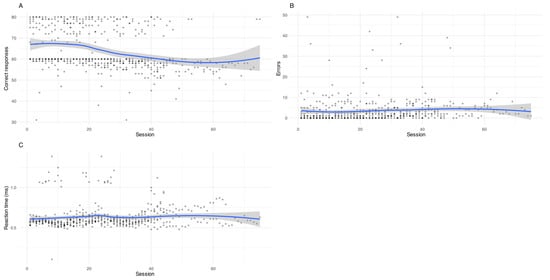
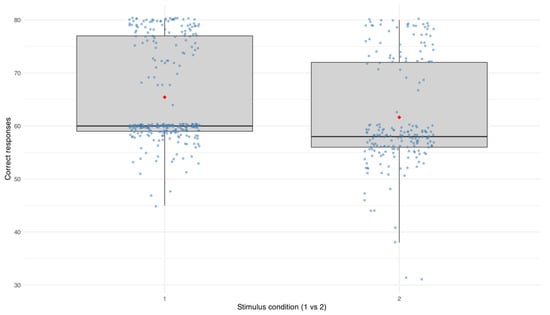
Background/Objectives: Perceptual–cognitive abilities such as visual discrimination, reaction time, and attentional control are important for performance in dynamic sports. However, evidence remains limited regarding how simplified visual tasks capture performance variability and dynamics under repeated exposure. This study examined session-to-session performance changes and individual trajectories in a programmable visual discrimination task of increasing complexity in elite futsal players. Methods: An exploratory repeated-measures study was conducted with ten first-league futsal players. Participants completed between six and ten sessions of a color-cue visual discrimination task (“Follow the Color”) under one- and two-stimulus conditions. Outcomes included correct responses, errors, and reaction time per session. A total of 465 observations were analyzed using linear mixed-effects models to assess changes across sessions and the influence of task complexity. Individual analyses were also performed to explore player-specific trajectories. Results: Mean session accuracy was 63.8 ± 9.8 correct responses, with a mean error rate of 3.6 ± 6.1 and a mean reaction time of 0.63 ± 0.15 s. Error rates declined significantly across sessions (β = −0.008, p < 0.001), while reaction time improved modestly (β = −0.00011, p = 0.025). Correct responses showed a small negative trend over time. Increased task complexity was associated with fewer correct responses, higher error rates, and slower reaction times (all p < 0.001). Conclusions: This programmable visual discrimination task captured variability in visuomotor responses under controlled conditions and may support monitoring of performance dynamics in sports vision research.
Full article
Open AccessArticle
One Year Longitudinal Assessment of Subjective and Objective Accommodation After Phakic IOL Implantation
by
Esther López-Artero, María García-Montero, Blanca Poyales, Ricardo Pérez-Izquierdo, Alba Sáez and Nuria Garzón
Vision 2026, 10(2), 22; https://doi.org/10.3390/vision10020022 - 16 Apr 2026
Abstract
►▼
Show Figures
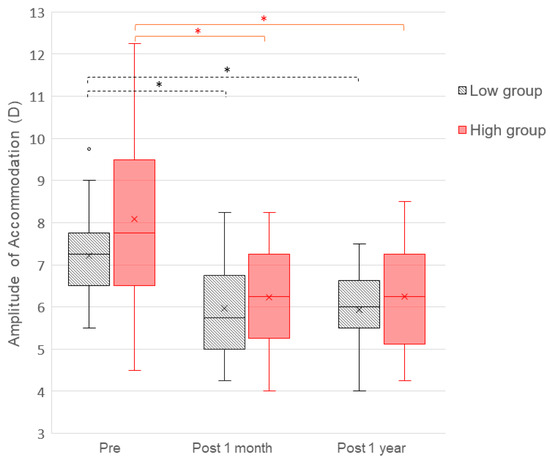
Purpose: To evaluate the 1 year behavior of accommodation and optical quality one year after the implantation of phakic intraocular lenses, specifically the implantable collamer lens (ICL), in myopic patients, comparing outcomes between low- and high-myopia groups. Methods: This comparative longitudinal study included
[...] Read more.
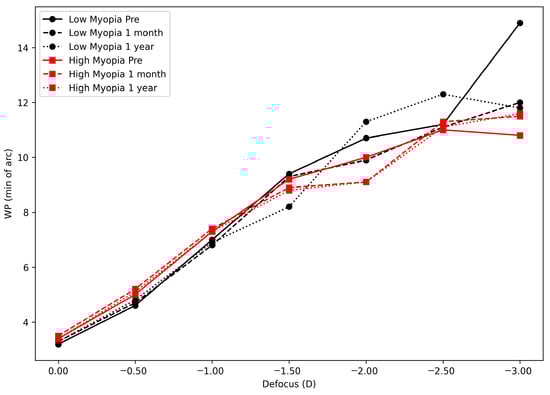
Purpose: To evaluate the 1 year behavior of accommodation and optical quality one year after the implantation of phakic intraocular lenses, specifically the implantable collamer lens (ICL), in myopic patients, comparing outcomes between low- and high-myopia groups. Methods: This comparative longitudinal study included 38 eyes of 38 patients who underwent ICL implantation for myopia correction. Patients were divided into two groups based on preoperative manifest sphere: low myopia (−2.50 D to −6.25 D) and high myopia (>−6.25 D to −12.50 D). The amplitude of accommodation (AA), subjective accommodative response (AR), optical quality parameters including the modulation transfer function (MTF) cut-off, objective scatter index (OSI) and Strehl ratio (SR), and objective accommodative response with a double-pass system (HD Analyzer, Visiometrics) were assessed preoperatively, 1 month, and 1 year postoperatively. Results: Both groups achieved postoperative refractive outcomes close to emmetropia, with high efficacy and safety indices. A statistically significant decrease in the amplitude of accommodation was observed at 1 month and remained stable at 1 year in both groups; however, this change was not clinically meaningful. The optical quality parameters (MTF cut-off, OSI, and Strehl ratio) and objective accommodative response with the HD Analyzer showed no clinically relevant changes over time, with no significant intergroup differences detected (p-value > 0.05). Conclusions: An initial reduction in accommodative amplitude was observed after ICL implantation without recovery over time; however, it was not clinically relevant, as it fell within the test–retest variability in the minus lens technique. Other accommodative parameters and optical quality remained stable at 1 year in both low and high myopia.
Full article

Figure 1
Open AccessArticle
OCT and Autofluorescence Phenotypic Features in Autosomal Dominant RHO-Associated Retinitis Pigmentosa Variants
by
Christina Karakosta, Saoud Al-Khuzaei, Penny Clouston, Morag Shanks and Susan M. Downes
Vision 2026, 10(2), 21; https://doi.org/10.3390/vision10020021 - 10 Apr 2026
Abstract
►▼
Show Figures
Background/Objectives: To describe retinal imaging characteristics and the natural history of rhodopsin (RHO)-associated autosomal dominant retinitis pigmentosa (ADRP) by evaluating ellipsoid zone (EZ) width loss and measuring the degree of constriction of the area within and including the hyperautofluorescent ring. Methods:
[...] Read more.
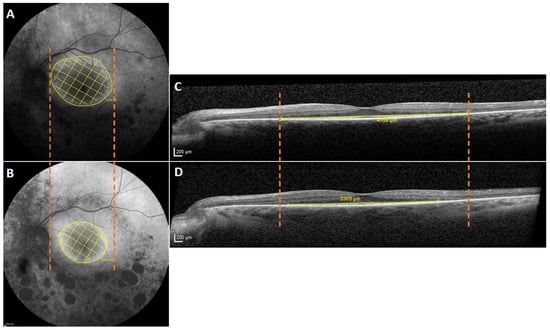
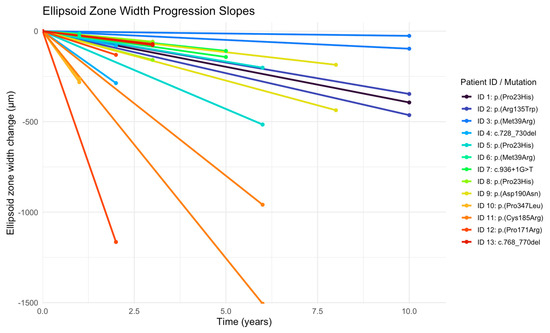
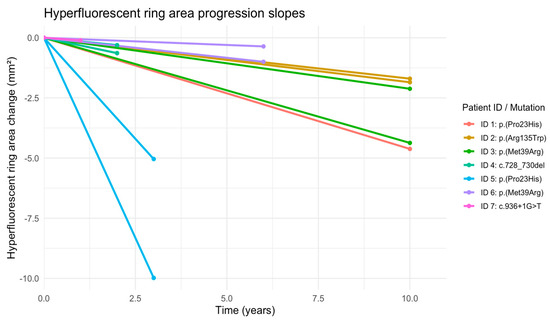
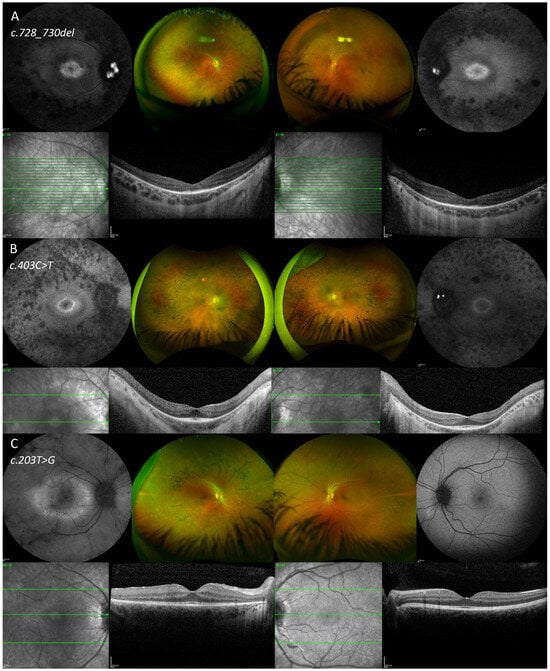
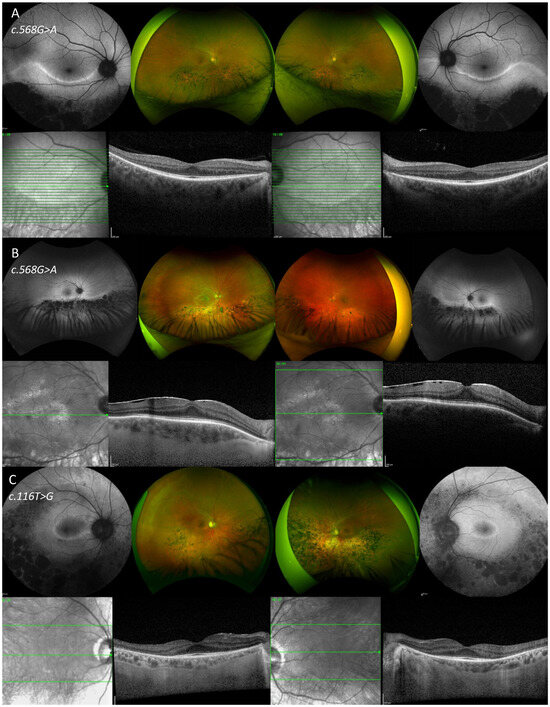
Background/Objectives: To describe retinal imaging characteristics and the natural history of rhodopsin (RHO)-associated autosomal dominant retinitis pigmentosa (ADRP) by evaluating ellipsoid zone (EZ) width loss and measuring the degree of constriction of the area within and including the hyperautofluorescent ring. Methods: Eighteen patients with molecularly confirmed RHO variants were retrospectively evaluated. EZ width on spectral-domain optical coherence tomography (SD-OCT) and the area within and including the hyperfluorescent ring on fundus autofluorescence (FAF) were measured. The correlation between EZ width and hyperfluorescent ring area was assessed using a linear mixed-effects model. Results: Mean best corrected visual acuity (BCVA) (logMAR) was 0.21 at baseline and 0.29 at last visit over a mean follow-up of 5 years. Nine patients presented with sectoral RP, eight with typical RP, and one with unilateral RP. The mean EZ width constriction rate was −93.43 µm/year (SD = 130.58), and the area within and including the hyperautofluorescent ring decreased by −0.54 mm2/year (SD = 0.50). A strong positive association was observed between the EZ width and hyperfluorescent ring area at baseline (β = 151.7 ± 17.9, p < 0.001) and at the final visit (β = 185.7 ± 18.2, p < 0.001). Conclusions: In this study, patients with RHO-associated ADRP appeared to show a relatively slow rate of progression. Quantitative imaging markers, such as EZ width and the area within and including the hyperautofluorescent ring, may offer potentially reproducible measures of disease progression. These imaging biomarkers could be useful as outcome measures in future natural history studies and therapeutic trials, pending further validation.
Full article

Figure 1
Open AccessSystematic Review
Epidemiology of Keratoconus in India: A Systematic Review and Meta-Analysis of Indian Study Populations
by
Matteo Ripa, Chiara Schipa, Paola Aceto, Sushad Prasad and Neeraj Apoorva Shah
Vision 2026, 10(2), 20; https://doi.org/10.3390/vision10020020 - 9 Apr 2026
Abstract
►▼
Show Figures
(1) Background: To synthesize available evidence on the prevalence of keratoconus (KC) reported in Indian study populations and describe its demographic distribution. (2) Methods: PubMed, Embase, and Scopus were checked using free text and controlled vocabulary. A random-effect meta-analysis of pooled prevalence and
[...] Read more.
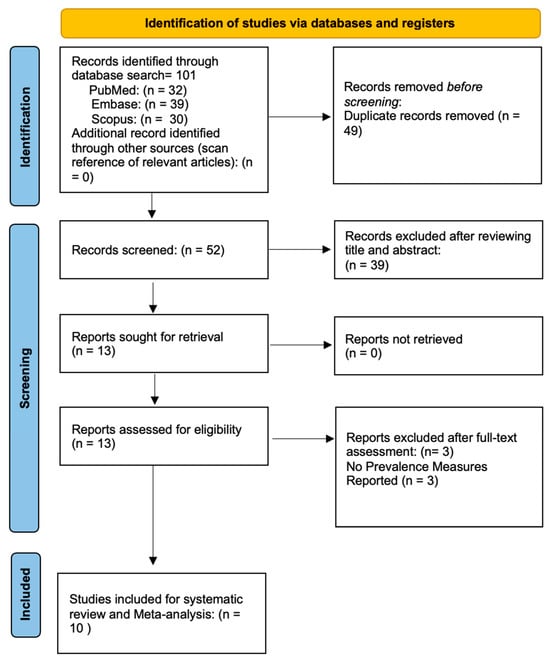
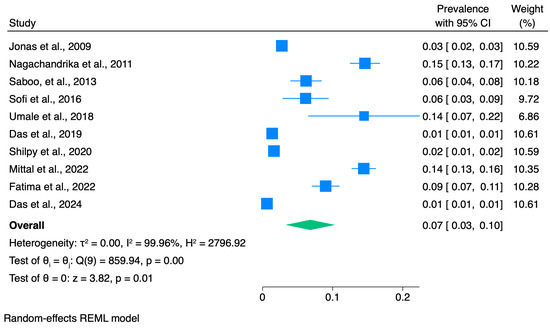
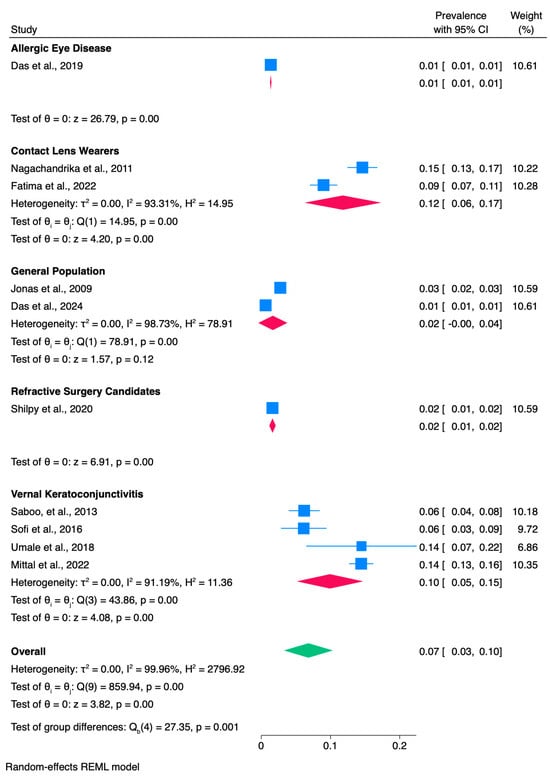
(1) Background: To synthesize available evidence on the prevalence of keratoconus (KC) reported in Indian study populations and describe its demographic distribution. (2) Methods: PubMed, Embase, and Scopus were checked using free text and controlled vocabulary. A random-effect meta-analysis of pooled prevalence and its 95% confidence intervals (CIs) for KC among study participants recruited in India was conducted using exact binomial distributions and the Freeman–Tukey double-arcsine transformation. To identify potential sources of variability, we conducted subgroup analyses by dividing the data by geographic region, KC assessment, and study population. The methodological quality of each study was assessed using the Newcastle–Ottawa scale (NOS). Evidence quality was evaluated using the GRADE system. (3) Results: Across included studies, the total number of KC cases was 16,164, and sample sizes ranged from 152 to 2,384,523 participants. Prevalence estimates varied markedly across studies, reflecting substantial heterogeneity in study design, diagnostic criteria, and population characteristics. Most studies were conducted in high-risk clinical settings, limiting generalizability to the general population. Subgroup analyses showed no significant differences by geographic region or diagnostic modality (p = 0.79 and 0.07, respectively). There was a statistically significant subgroup effect (p < 0.001) in the study population. The reported prevalence among females ranged from 0.00 to 0.04, while the pooled prevalence estimate was 0.02 (95% CI: 0.00–0.04). Four cross-sectional studies scored 8–10 on the NOS. (4) Conclusions: Our meta-analysis synthesized the currently available evidence on keratoconus prevalence across Indian study populations, highlighting substantial variability across studies and emphasizing that estimates should be interpreted within their specific study contexts rather than as representative of the national population.
Full article

Figure 1
Open AccessArticle
Real-World Effectiveness of CARE-Based Spectacle Lenses for Myopia Control in a Turkish Pediatric Cohort
by
Nilay Akagun and Ugur Emrah Altiparmak
Vision 2026, 10(2), 19; https://doi.org/10.3390/vision10020019 - 31 Mar 2026
Abstract
►▼
Show Figures
Childhood myopia progression remains a major global public health concern, and spectacle lenses designed to induce peripheral myopic defocus have emerged as a non-pharmacological strategy for myopia control; however, real-world evidence from European populations remains limited. This retrospective observational study evaluated the 12-month
[...] Read more.
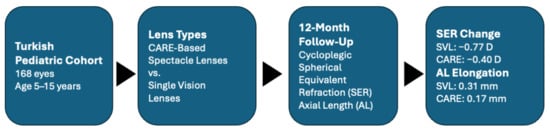
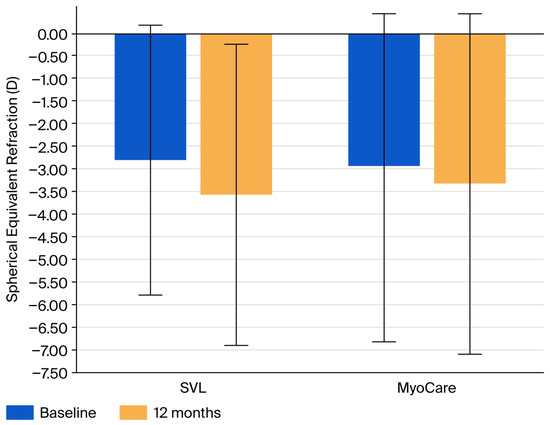
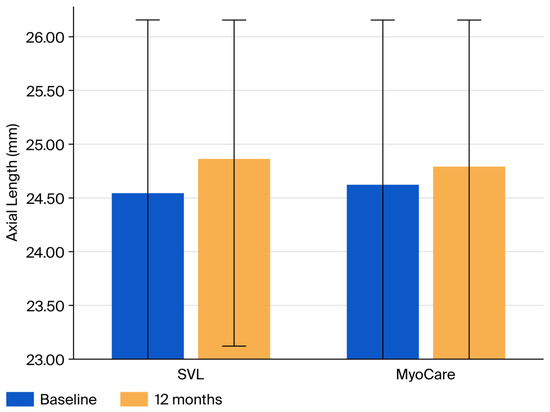
Childhood myopia progression remains a major global public health concern, and spectacle lenses designed to induce peripheral myopic defocus have emerged as a non-pharmacological strategy for myopia control; however, real-world evidence from European populations remains limited. This retrospective observational study evaluated the 12-month real-world effectiveness of cylindrical annular refractive element spectacle lenses in a Turkish pediatric cohort. Children aged 5–15 years who wore myopia-control spectacle lenses from the CARE platform or single-vision lenses were included. Cycloplegic spherical equivalent refraction (SER) and axial length (AL) were measured at baseline and at 12 months. The primary outcomes were 12-month changes in SER and AL. Multivariable generalized estimation equations were applied to account for inter-eye correlation and to adjust for age and gender. A total of 168 eyes were analyzed (85 with single-vision lenses; 83 with myopia-control lenses). After 12 months, the myopia-control group demonstrated significantly slower progression than the single-vision group, with mean SER changes of −0.40 ± 0.92 D versus −0.77 ± 0.74 D and axial elongation of 0.17 ± 0.25 mm versus 0.31 ± 0.30 mm, respectively. Treatment group remained a significant predictor of both refractive progression (p = 0.008) and axial elongation (p = 0.003). Age was independently associated with axial length change (p < 0.001), whereas gender was not. These findings provide real-world European evidence supporting the role of defocus-modulating spectacle lenses in pediatric myopia management.
Full article

Graphical abstract
Open AccessArticle
Adverse Events Reported with Standard-Dose and High-Dose Aflibercept: A FAERS Pharmacovigilance Study
by
Minali Prasad and David J. Ramsey
Vision 2026, 10(2), 18; https://doi.org/10.3390/vision10020018 - 31 Mar 2026
Abstract
►▼
Show Figures
This pharmacovigilance study drew upon the U.S. Food and Drug Administration’s Adverse Event Reporting System (FAERS) database to compare the reporting patterns of ocular and systemic adverse events (AEs) for the 2 mg (standard-dose [SD]) and 8 mg (high-dose [HD]) formulations of aflibercept
[...] Read more.
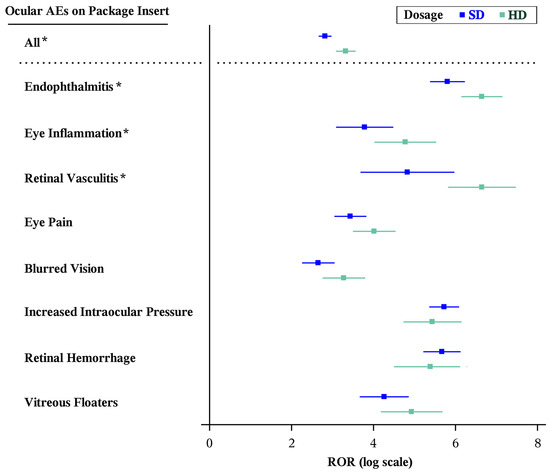
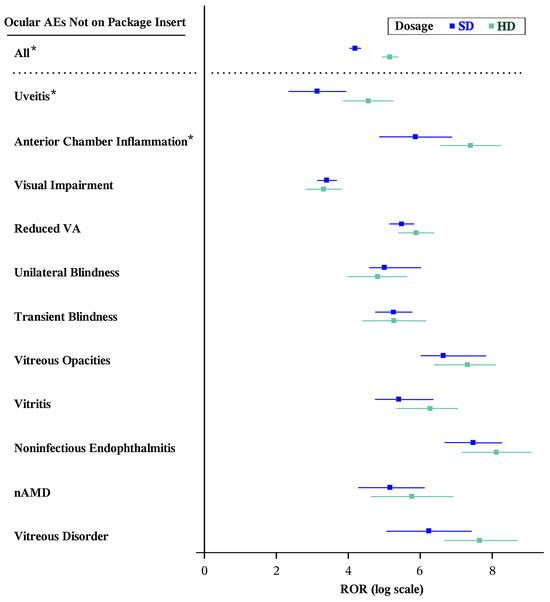
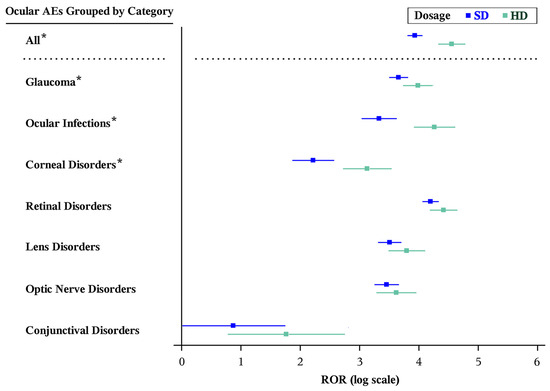
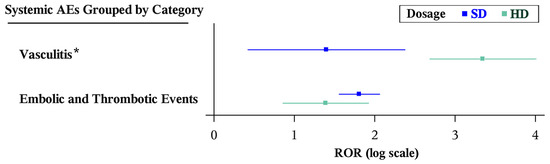
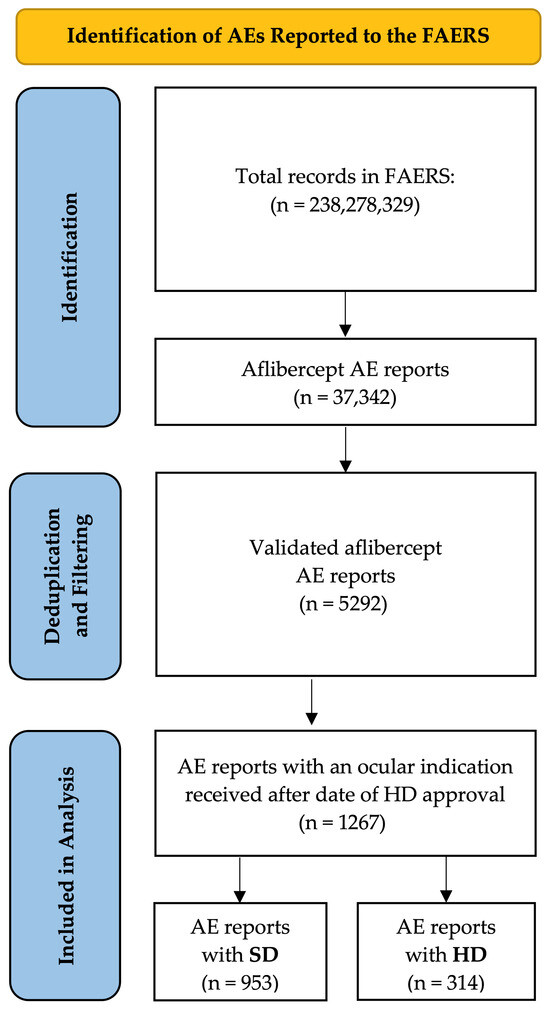
This pharmacovigilance study drew upon the U.S. Food and Drug Administration’s Adverse Event Reporting System (FAERS) database to compare the reporting patterns of ocular and systemic adverse events (AEs) for the 2 mg (standard-dose [SD]) and 8 mg (high-dose [HD]) formulations of aflibercept given for any ocular indication. Disproportionality analysis, including reporting odds ratios (ROR), was used to compare each dose individually to the background reporting rate for the AE. Statistical significance of the RORs was evaluated using Bonferroni correction, alongside signal detection based on Evans criteria, and Bayesian information components. The Breslow–Day test was used to conduct a head-to-head comparison of RORs between each dose. We identified 953 SD and 314 HD AE reports within the 750-day period after the approval of HD by the U.S. Food and Drug Administration (FDA; 8/18/2023). Compared to SD, HD had a higher ROR for endophthalmitis (HD: ROR 767.56 [95% CI, 466.11–1263.95]; SD: ROR 331.64 [95% CI, 216.71–507.51]), eye inflammation (HD: ROR 118.45 [95% CI, 55.85–251.20]; SD: 43.98 [95% CI, 21.87–88.44]), retinal vasculitis (HD: ROR 769.87 [95% CI, 337.13–1758.04]; SD: ROR 124.80 [95% CI, 39.67–392.63]), and systemic vasculitis (HD: ROR 28.40 [95% CI, 14.63–55.14]; SD: ROR 4.05 [1.52–10.82]). These results, based on FAERS, indicate associations rather than causal relationships. Further studies are needed to quantify the absolute risks and elucidate the mechanisms underlying differences in safety signals, if any.
Full article

Graphical abstract
Open AccessArticle
Foveated Retinotopy Improves Classification and Localization in Convolutional Neural Networks
by
Jean-Nicolas Jérémie, Emmanuel Daucé and Laurent U. Perrinet
Vision 2026, 10(2), 17; https://doi.org/10.3390/vision10020017 - 30 Mar 2026
Abstract
►▼
Show Figures
From falcons spotting prey to humans recognizing faces, the ability to rapidly process visual information depends on a foveated retinal organization that provides high-acuity central vision while preserving low-resolution peripheral vision. This organization is conserved along early visual pathways, yet remains under-explored in
[...] Read more.
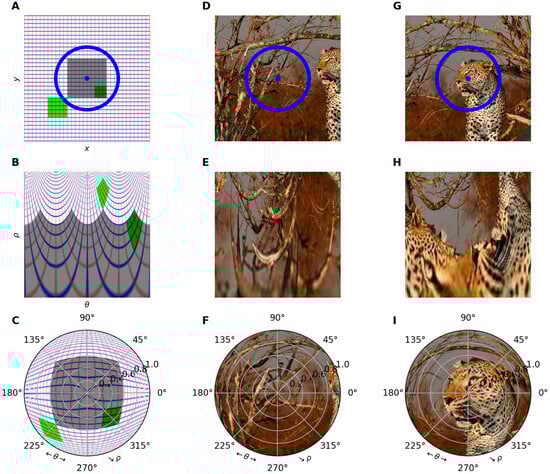
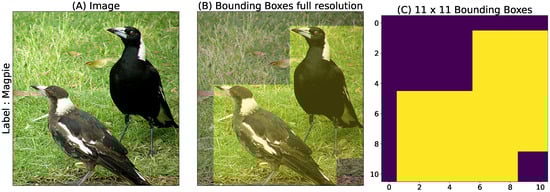
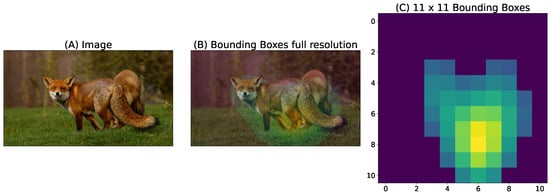
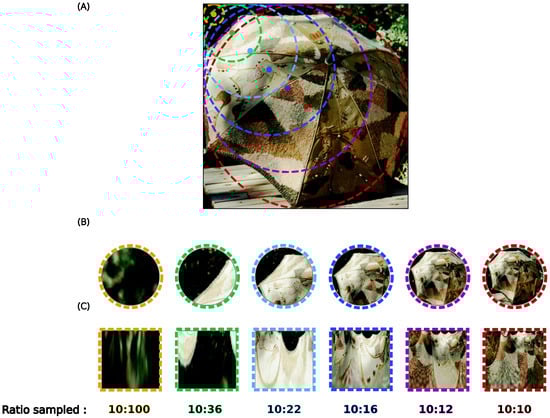
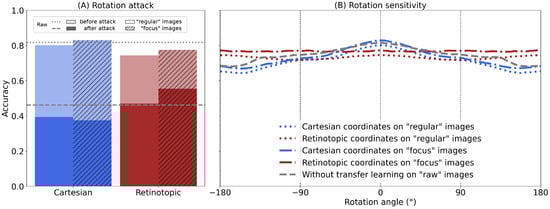
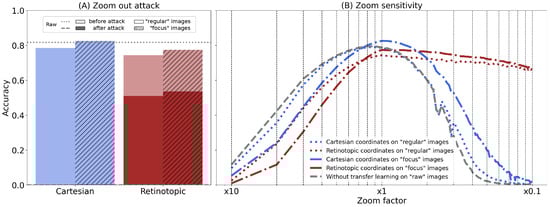
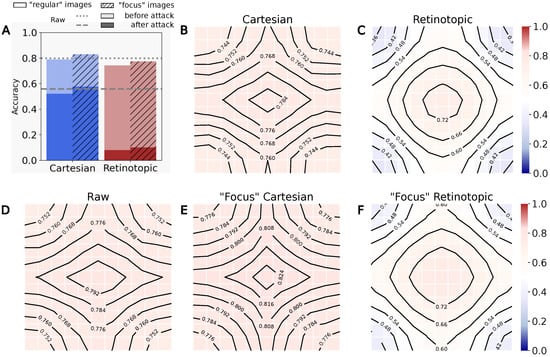
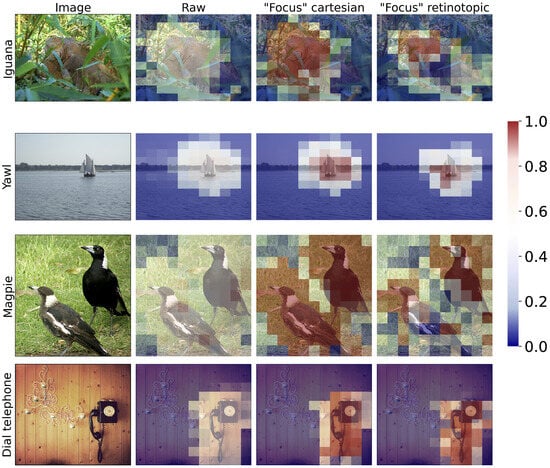
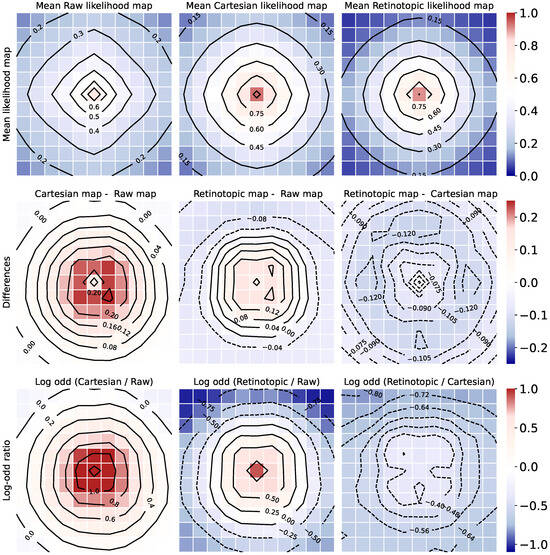
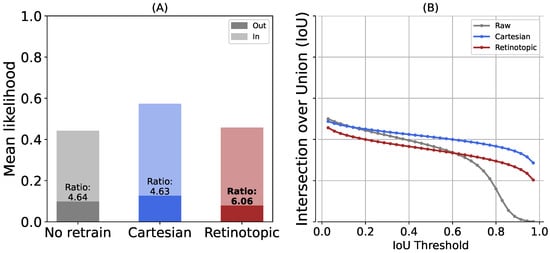
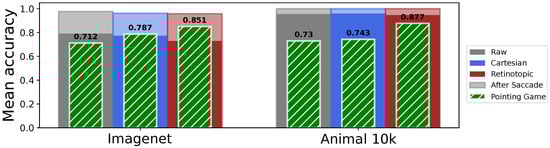
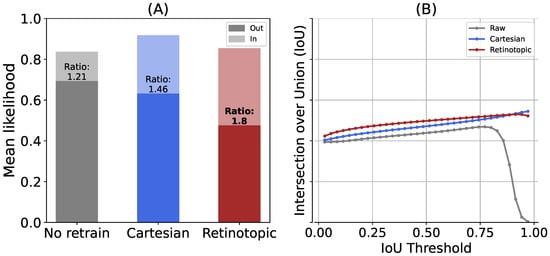
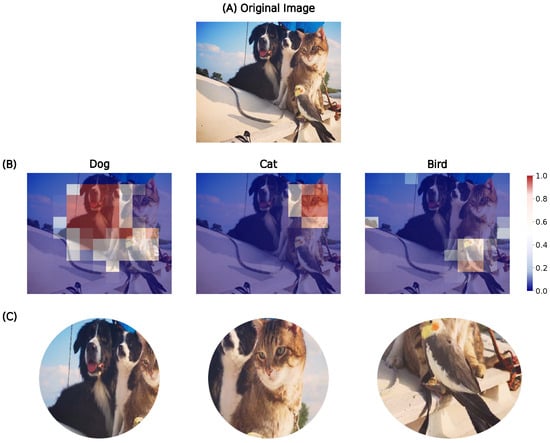
From falcons spotting prey to humans recognizing faces, the ability to rapidly process visual information depends on a foveated retinal organization that provides high-acuity central vision while preserving low-resolution peripheral vision. This organization is conserved along early visual pathways, yet remains under-explored in machine learning. Here, we examine the impact of embedding a foveated retinotopic transformation as a preprocessing layer on convolutional neural networks (CNNs) for image classification. By applying a log-polar mapping to off-the-shelf models and retraining them, we achieve comparable accuracy while improving robustness to scale and rotation. We demonstrate that this architecture is highly sensitive to shifts in the fixation point and that this sensitivity provides an effective proxy for defining saliency maps that facilitate object localization. Our results demonstrate that foveated retinotopy encodes prior geometric knowledge, providing a solution for visual searches and a meaningful classification robustness and localization trade-off. These findings provides a proof of concept in order to connect principles of biological vision with artificial networks, suggesting new, robust and efficient approaches for computer vision systems.
Full article

Figure 1
Open AccessArticle
Age-Related Associations of Foveal Structural Parameters in Healthy Adults: A Comparative Analysis of Biological and Chronological Age
by
Anait S. Khalatyan, Yusef Yusef, Khadishat K. Altemirova, Liubov V. Machekhina, Alexandra A. Melnitskaya and Irina D. Strazhesko
Vision 2026, 10(1), 16; https://doi.org/10.3390/vision10010016 - 3 Mar 2026
Abstract
►▼
Show Figures
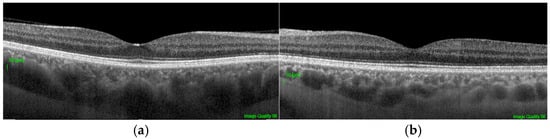
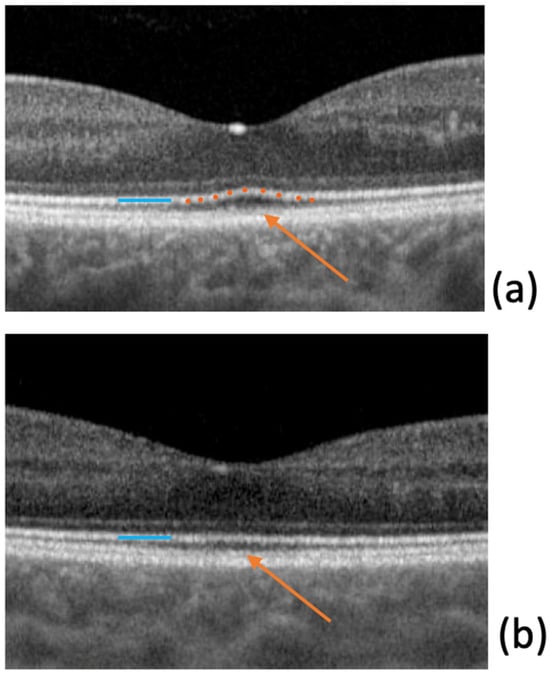
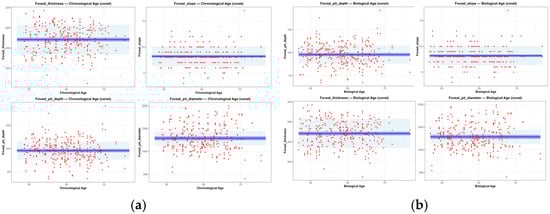
Background: This research compared the relationship between foveal optical coherence tomography (OCT) parameters and two age measures—biological and chronological—in healthy adults. Methods: This cross-sectional study analyzed swept-source optical coherence tomography (OCT) data from 308 eyes of 154 healthy adults aged 22–89 years. Parameters
[...] Read more.
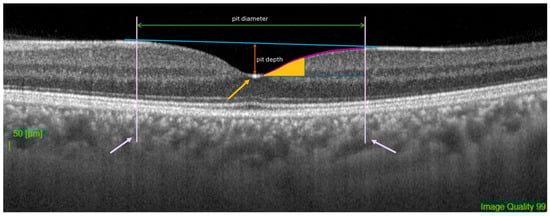
Background: This research compared the relationship between foveal optical coherence tomography (OCT) parameters and two age measures—biological and chronological—in healthy adults. Methods: This cross-sectional study analyzed swept-source optical coherence tomography (OCT) data from 308 eyes of 154 healthy adults aged 22–89 years. Parameters assessed: foveal thickness, foveal pit depth and diameter, pit slope steepness, and the presence or absence of the foveal bulge. Biological age was calculated using the PhenoAge algorithm. Results: The core geometry of the foveal pit showed no significant dependence on either type of age (all p ≥ 0.66). In contrast, the foveal bulge prevalence declined significantly with age (adjusted p = 0.011 for chronological age, p = 0.005 for biological age; OR per year ≈0.95, 95% CI 0.92–0.98 for both age models). Model-predicted prevalence decreased from approximately 93% in younger adults to 60–68% in the 60–74-year-old group. Conclusion: The foveal architecture remains structurally stable throughout adulthood. The foveal bulge emerges as a sensitive qualitative marker of age-related changes. Biological age does not provide additional predictive value over chronological age for foveal structural parameters under physiological aging conditions.
Full article

Figure 1

Open AccessArticle
Real-World Comparison of Overall Survival Among Patients With and Without Inherited Retinal Diseases
by
Byron L. Lam, Carlos E. Mendoza-Santiesteban, Dominic Pilon, Dejan Milentijevic, Laura Morrison, Samuel Schwartzbein, Claire Vanden Eynde, Marie-Hélène Lafeuille, Patrick Lefebvre and Ninel Z. Gregori
Vision 2026, 10(1), 15; https://doi.org/10.3390/vision10010015 - 1 Mar 2026
Cited by 1
Abstract
►▼
Show Figures
This study compared real-world overall survival and the risk of physical comorbidities and mental health conditions among patients aged <65 years with versus without inherited retinal diseases (IRDs) in the United States (US). Optum® Electronic Health Record data (January 2014–January 2023) were
[...] Read more.
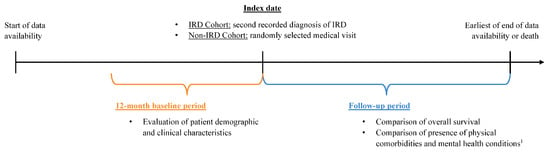
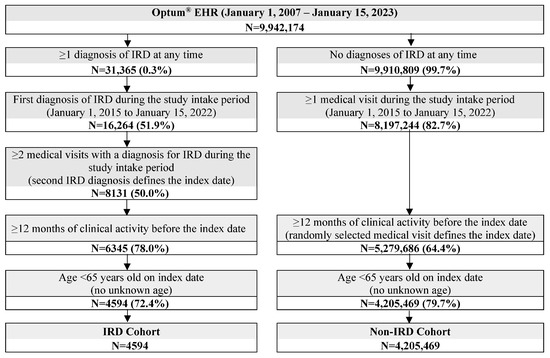
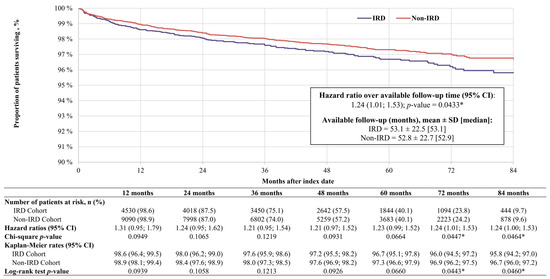
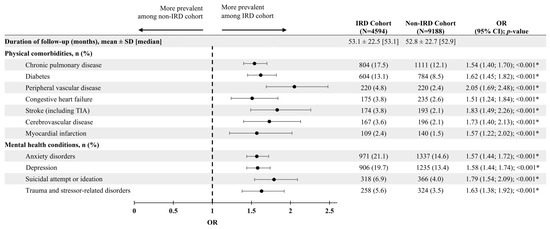
This study compared real-world overall survival and the risk of physical comorbidities and mental health conditions among patients aged <65 years with versus without inherited retinal diseases (IRDs) in the United States (US). Optum® Electronic Health Record data (January 2014–January 2023) were evaluated for IRD (patients with ≥2 medical visits with an IRD diagnosis; index date: second such medical visit) and non-IRD (patients without an IRD diagnosis; index date: random medical visit) cohorts. Baseline demographics were balanced between cohorts using propensity score matching (2:1). Outcome measures were overall survival (date of death due to any cause) and presence of physical comorbidities and mental health conditions (medical visit with a corresponding diagnosis code). In total, 4594 patients with IRD were matched to 9188 patients without IRD (mean age: 38.7 vs. 38.2 years, 53.9% vs. 55.1% female, mean follow-up: 53.1 vs. 52.8 months). Over 84 months, patients with versus without IRD had a 24% higher risk of death (overall survival: 95.8% vs. 96.7%; hazard ratio: 1.24; 95% confidence interval: 1.00–1.53; p = 0.046) and were at significantly higher risk for each evaluated physical comorbidity and mental health condition (all p < 0.05). The development of novel therapies is thus needed to address the clinical burden of IRD.
Full article

Figure 1
Open AccessReview
Functional Visual Symptoms, Accommodative Dysfunction, and Visual Performance Alterations in Chronic Work-Related Stress: A Narrative Review
by
Mariaelena Malvasi, Elena Pacella, Simone De Sio and Gian Piero Covelli
Vision 2026, 10(1), 14; https://doi.org/10.3390/vision10010014 - 19 Feb 2026
Abstract
Background: Chronic work-related stress, including exposure to mobbing, is associated with a wide range of psychological and somatic consequences. However, its potential impact on visual function, particularly in the absence of structural ocular damage, remains underexplored. This narrative review critically examines the evidence
[...] Read more.
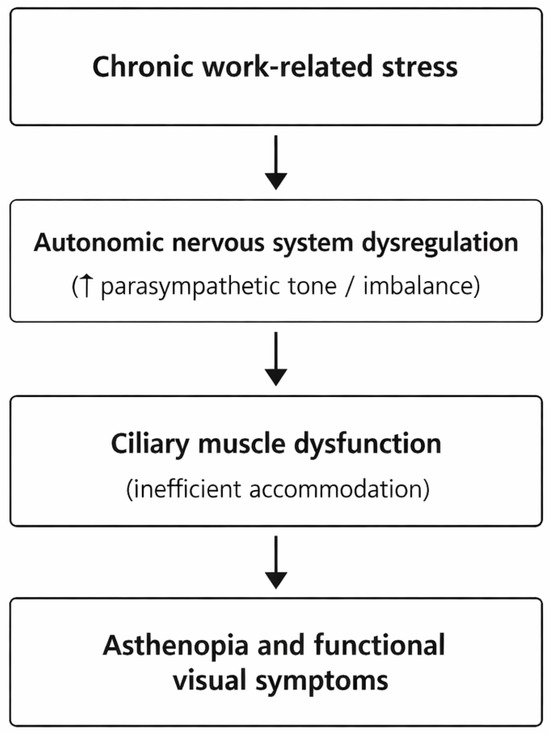
Background: Chronic work-related stress, including exposure to mobbing, is associated with a wide range of psychological and somatic consequences. However, its potential impact on visual function, particularly in the absence of structural ocular damage, remains underexplored. This narrative review critically examines the evidence linking chronic stress, autonomic nervous system (ANS) dysregulation, and functional visual disorders, focusing on accommodative function and asthenopia. Methods: A qualitative narrative review of the literature published between 2000 and 2025 was conducted using major biomedical databases. Studies addressing chronic stress, ANS activity, accommodative function, digital eye strain, and functional ocular symptoms were identified and integrated into a coherent pathophysiological framework. Results: The ocular system, being richly innervated by the ANS, may represent a peripheral target of prolonged stress-related autonomic alterations. Available evidence suggests that chronic stress is associated with asthenopia, accommodative inefficiency, and ocular discomfort even in the absence of overt ocular pathology. In particular, altered parasympathetic control of the ciliary muscle emerges as a plausible mediating mechanism. Conclusions: Functional visual disorders may represent peripheral manifestations of stress-related ANS dysregulation. Although causality cannot be established conclusively, the proposed framework supports the need for multidisciplinary research to clarify the clinical and medico-legal relevance of stress-related visual dysfunction.
Full article
(This article belongs to the Special Issue Visual Discomfort: Perceptual, Neural, and Functional Perspectives)
►▼
Show Figures

Figure 1
Open AccessArticle
Associations Between Eye-Movement Patterns, Pupil Dynamics, and the Interpretation of a Single Mixed-Dentition Panoramic Radiograph Among Dental Students: An Exploratory Eye-Tracking Study
by
Satoshi Tanaka, Hiroyuki Karibe, Yuichi Kato, Ayuko Okamoto and Tsuneo Sekimoto
Vision 2026, 10(1), 13; https://doi.org/10.3390/vision10010013 - 14 Feb 2026
Abstract
►▼
Show Figures
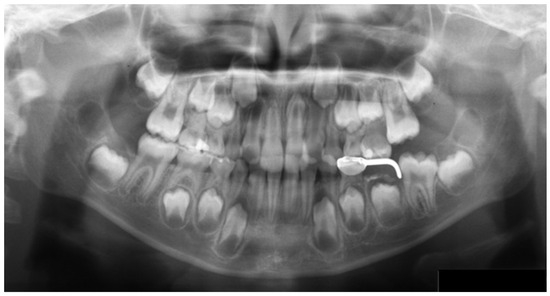
Eye tracking can provide quantitative indices of visual exploration and cognitive processing during radiographic image interpretation. This study examined eye-movement patterns and pupil dynamics and their associations with task performance while fifth-year dental students interpreted a single mixed-dentition panoramic radiograph under free-viewing conditions.
[...] Read more.
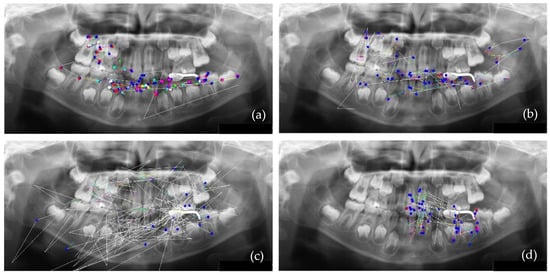
Eye tracking can provide quantitative indices of visual exploration and cognitive processing during radiographic image interpretation. This study examined eye-movement patterns and pupil dynamics and their associations with task performance while fifth-year dental students interpreted a single mixed-dentition panoramic radiograph under free-viewing conditions. Task performance was defined as the number of correctly identified pre-specified items (three radiographic findings plus two interpretive items: dental age estimation and the presence/absence of congenital anomalies). Eye-movement patterns were classified into four groups: clockwise (R, 29.6%), counterclockwise (L, 44.4%), saccadic (S, 16.7%), and concentrated (C, 9.3%). Clockwise scan paths were associated with higher task scores and more globally distributed fixations than other patterns (p < 0.001). Linear mixed-effects modeling suggested that task scores increased up to 120 s of viewing time, whereas longer viewing times were not associated with further improvements. Furthermore, ordinal logistic regression analysis revealed that higher task scores were significantly associated with a smaller mean pupil area across the entire viewing time, combined with a larger pupil area specifically during fixations, suggesting more selective allocation of cognitive resources. These findings indicate associations between global scan structure, time allocation, pupil dynamics, and task performance in this single-image setting. Generalization to overall diagnostic competence or other radiographs requires replication using multiple panoramic images and a broader range of verified findings.
Full article

Figure 1

Open AccessArticle
Perimetry of the Central Visual Field Using a Head-Mounted Open-Source Perimeter in Patients with Inherited Retinal Diseases
by
Cord Huchzermeyer, Friedrich Kruse and Jan Kremers
Vision 2026, 10(1), 12; https://doi.org/10.3390/vision10010012 - 14 Feb 2026
Abstract
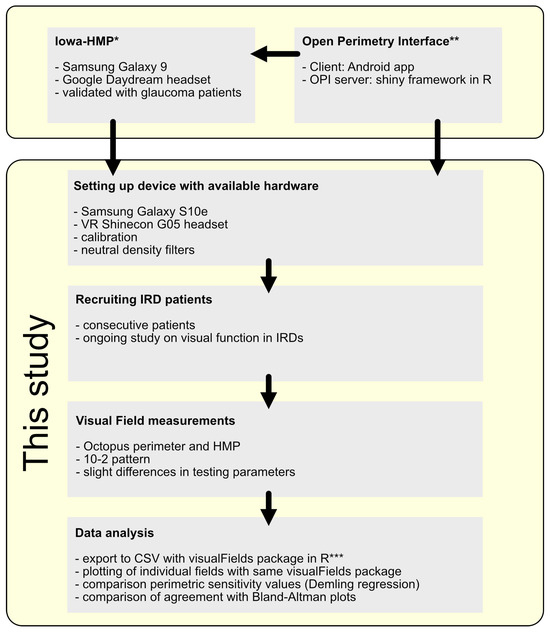
Head-mounted (“virtual reality”) perimeters (HMPs), based on standard consumer electronic hardware, are a cheaper alternative to standard automated perimetry. They have not been validated in patients with inherited retinal disease (IRDs), yet. We evaluated the Iowa-HMP in a first pilot study. It consists
[...] Read more.
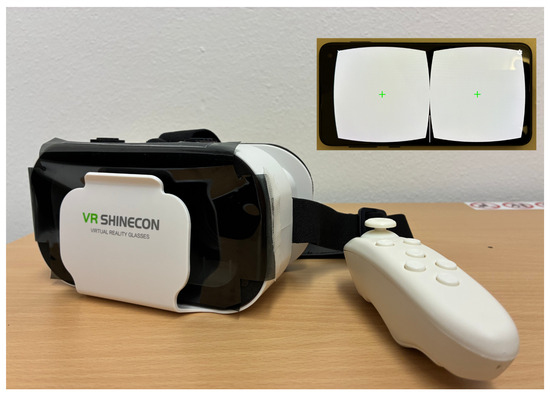
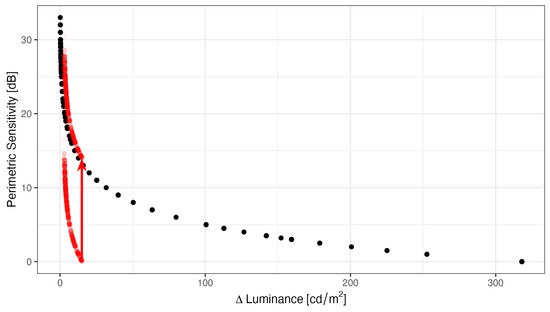
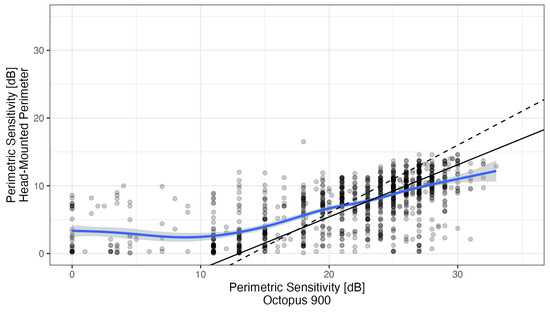
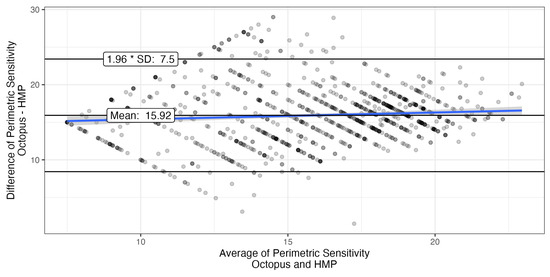
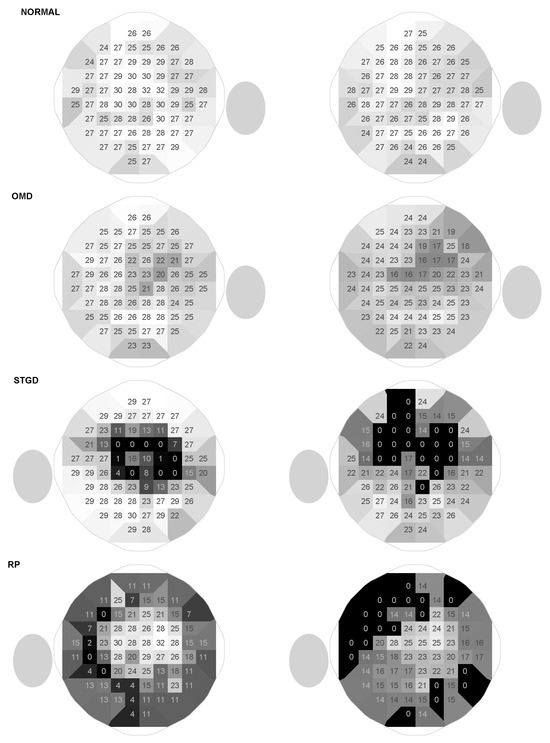
Head-mounted (“virtual reality”) perimeters (HMPs), based on standard consumer electronic hardware, are a cheaper alternative to standard automated perimetry. They have not been validated in patients with inherited retinal disease (IRDs), yet. We evaluated the Iowa-HMP in a first pilot study. It consists of a legacy smartphone, a headset, and freely available, open-source software. We used the 10-2 grid, the ZEST algorithm, and a background of 10 cd/m2 to measure central visual fields in one normal subject, and in patients with occult macular dystrophy (n = 2), Stargardt’s disease (n = 3) and retinitis pigmentosa (n = 6). Results were compared with those from an Octopus 900 perimeter. The typical patterns of visual field loss were clearly discernible, but head-mounted perimeters generally have a limited dynamic range. Within the dynamic range of the Iowa-HMP (14 to 30 dB Octopus sensitivity), the Limits of Agreement (Bland-Altman) were ±7.5 dB. The Iowa-HMP had a diagnostic sensitivity of 0.67 for detecting locations with low perimetric sensitivity (<14 dB in the Octopus perimetry) with a diagnostic specificity of 0.95. Although the Iowa-HMP cannot be directly compared to standard perimetry in IRDs, open software greatly facilitates research in this area.
Full article
(This article belongs to the Section Retinal Function and Disease)
►▼
Show Figures

Figure 1
Open AccessArticle
Knowledge and Awareness of Myopia Among Parents and Teachers of Schoolchildren Aged 6–15 Years in Beirut, Lebanon
by
Ameer Abou Adela, Vanessa R. Moodley and Yazan Gammoh
Vision 2026, 10(1), 11; https://doi.org/10.3390/vision10010011 - 12 Feb 2026
Abstract
►▼
Show Figures
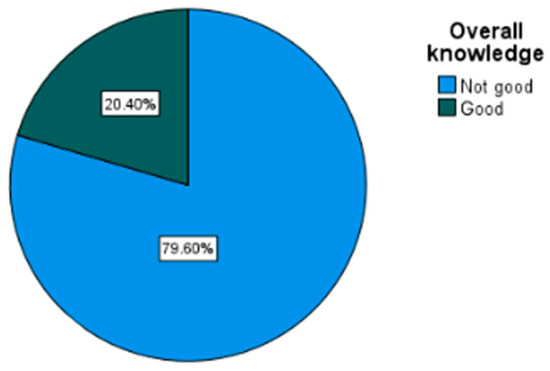
Background: Using a cross-sectional design, this study assessed and compared myopia knowledge among parents and teachers of schoolchildren aged 6–15 years in Beirut, Lebanon. Methods: Two cross-sectional surveys were conducted between October 2022 and February 2024 among parents (n = 1256) and
[...] Read more.
Background: Using a cross-sectional design, this study assessed and compared myopia knowledge among parents and teachers of schoolchildren aged 6–15 years in Beirut, Lebanon. Methods: Two cross-sectional surveys were conducted between October 2022 and February 2024 among parents (n = 1256) and teachers (n = 366) of children aged 6–15 years. Using validated online Google Form questionnaires, data were collected on demographics, awareness, risk factors, and myopia knowledge, and analyzed with Statistical Package for the Social Sciences version 28 (SPSS v28) through descriptive statistics and logistic regression. Results: Findings showed that 78.3% of parents and 79.5% of teachers had poor knowledge of myopia. Among teachers, better knowledge was linked to being male, having a family history of myopia, positive attitudes toward eyeglasses use, and attending regular or occasional eye care visits (all statistically significant). Among parents, higher knowledge was associated with having previously heard of myopia, higher income and education levels, and a family history of myopia, while parents of private-school children were less knowledgeable. Odds ratios below 1 indicate lower odds of good myopia knowledge relative to the reference category. Conclusions: Both groups showed inadequate knowledge, underscoring the urgent need for targeted educational interventions to improve myopia awareness and prevention.
Full article

Figure 1

Open AccessArticle
Demographic Disparities in AI-Generated Versus Search-Engine-Sourced Images of Ophthalmologists: A Cross-Sectional Analysis
by
Siddharth Gandhi, Katherine Jung, Michael Balas and Parnian Arjmand
Vision 2026, 10(1), 10; https://doi.org/10.3390/vision10010010 - 10 Feb 2026
Abstract
►▼
Show Figures
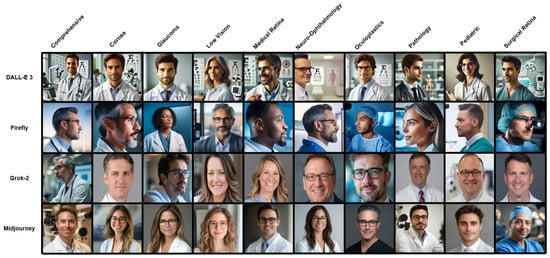
Purpose: To evaluate demographic representation in AI-generated and search-engine-sourced images of North American ophthalmologists, overall and stratified by subspecialty, and compare these with actual demographic data. Methods: This cross-sectional analysis examined 2000 images (1000 AI-generated and 1000 search-engine-sourced) across ten North
[...] Read more.
Purpose: To evaluate demographic representation in AI-generated and search-engine-sourced images of North American ophthalmologists, overall and stratified by subspecialty, and compare these with actual demographic data. Methods: This cross-sectional analysis examined 2000 images (1000 AI-generated and 1000 search-engine-sourced) across ten North American ophthalmology subspecialties. Images were sourced from four AI platforms (DALL·E 3, Firefly, Midjourney, Grok-2) and four search engines (Google, Bing, DuckDuckGo, Yahoo!). Using a standardized framework, reviewers assessed gender, race, age group, and professional attire. Pearson chi-squared tests were used to compare image sets with actual demographic data from the Association of American Medical Colleges and Canadian Institute for Health Information. Results: AI-generated images depicted 69% men compared to 64% in search-engine-sourced images (p = 0.047), though both were lower than the actual proportion of male ophthalmologists in North America (71–73%, p < 0.001). White individuals were overrepresented in AI-generated images (81%) relative to both search-engine-sourced images (74%, p = 0.001) and actual demographic data (69%, p < 0.001). Younger individuals (under 50 years) were significantly overrepresented in both image sets, with 82% in AI-generated images and 73% in search-engine-sourced images, compared to only 45–46% in actual demographic data (p < 0.001 for both). AI-generated images also depicted ophthalmologists with significantly more stereotypical medical accessories, including stethoscopes (17% vs. 2%, p < 0.001), glasses (45% vs. 30%, p < 0.001), and white coats (68% vs. 53%, p < 0.001), compared to search-engine-sourced images. Conclusions: AI-generated images diverge from actual demographics, presenting a younger, more stereotypical workforce that paradoxically aligns closer to gender parity than reality.
Full article

Figure 1
Open AccessReview
Applications of Large Language Models in Glaucoma: A Scoping Review
by
Giovanni Rubegni, Alessandra Cartocci, Alessio Luschi, Niccolò Castellino, Francesco Cappellani, Dario Romano, Benedetta Colizzi, Luca Rossetti and Gian Marco Tosi
Vision 2026, 10(1), 9; https://doi.org/10.3390/vision10010009 - 9 Feb 2026
Abstract
►▼
Show Figures
Background: Large language models (LLMs) and vision-language models (VLMs) have recently been applied to ophthalmology for patient education, diagnosis, and surgical decision support. Their ability to generate, interpret, and synthesize medical information positions them as promising assistive tools in glaucoma care. This
[...] Read more.
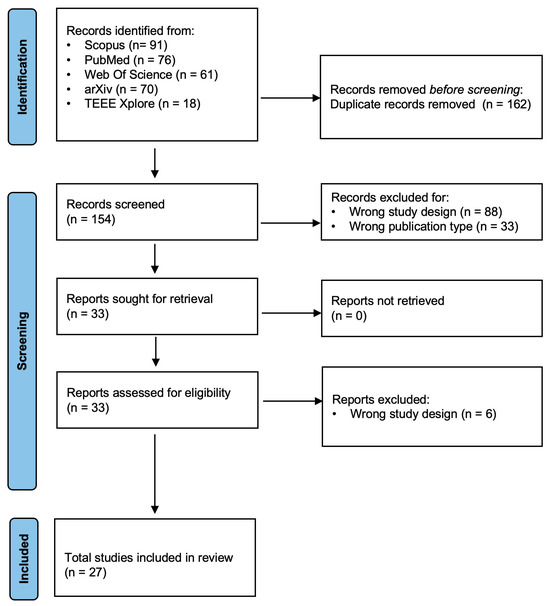
Background: Large language models (LLMs) and vision-language models (VLMs) have recently been applied to ophthalmology for patient education, diagnosis, and surgical decision support. Their ability to generate, interpret, and synthesize medical information positions them as promising assistive tools in glaucoma care. This scoping review aims to consolidate current evidence on the applications of LLMs and VLMSs in glaucoma, summarizing their tasks, inputs, performance metrics, and limitations to guide future clinical and research developments. Methods: A systematic search was conducted in PubMed, Scopus, Web of Science, arXiv, and IEEE Xplore from 2014 to July 2025. Eligible studies included original research and research letters employing LLMs or VLMs/MM-LLMs in any glaucoma-related application, including diagnostic reasoning, image interpretation, patient education, or surgical decision support. Screening and full-text review were independently performed by two reviewers following PRISMA-ScR methodology, with discrepancies resolved by consensus. Results: In total, 316 records were identified across five databases, with 27 studies meeting the inclusion criteria. The selected studies focused on three main domains: patient education (n = 11), diagnosis and risk prediction (n = 10), and surgical management (n = 6). Conclusions: Current LLMs serve best as assistive rather than autonomous tools in glaucoma care. They demonstrate strong potential in patient communication and text-based clinical decision support but remain constrained by variable accuracy, limited multimodal integration, and a lack of ophthalmology-specific fine-tuning. Future research should focus on developing domain-trained and retrieval-augmented LLMs, enhancing multimodal (text-image) fusion, ensuring readability adaptation for patients, and establishing ethical and regulatory frameworks for clinical implementation.
Full article

Figure 1

Open AccessArticle
Perceived Transparency from Dynamic Luminance Modulation in Uniform Center–Surround Displays
by
Soomin Kim and Sung-Ho Kim
Vision 2026, 10(1), 8; https://doi.org/10.3390/vision10010008 - 6 Feb 2026
Abstract
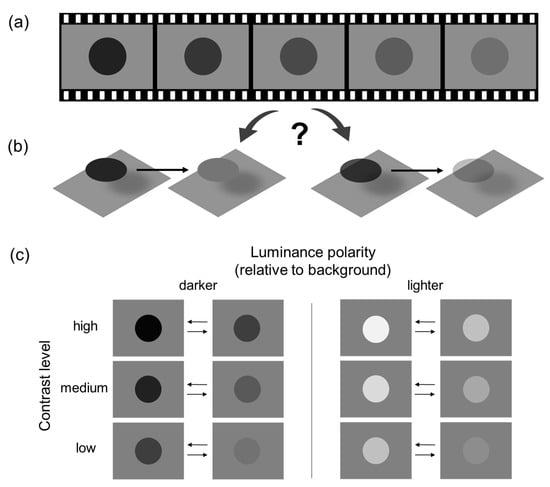
We report a novel phenomenon in which dynamic changes in luminance are perceived as changes in transparency rather than as changes in surface lightness. Participants viewed an achromatic disc on a uniform gray background and indicated whether the observed change was best described
[...] Read more.
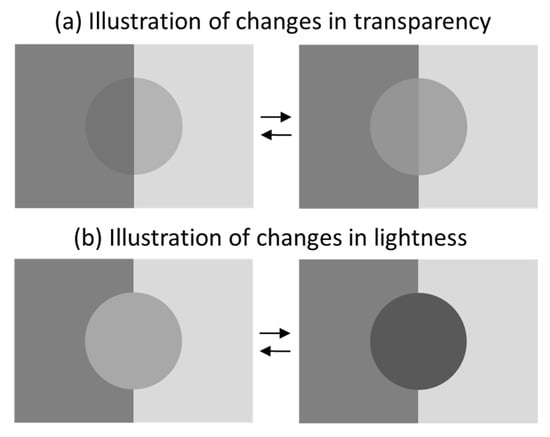
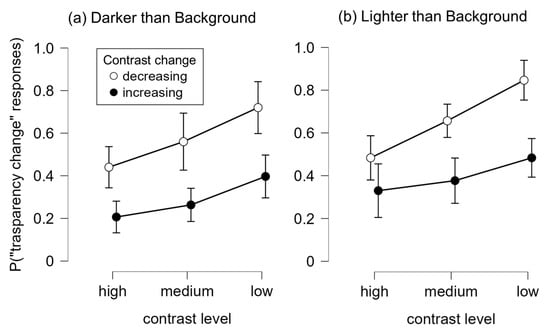
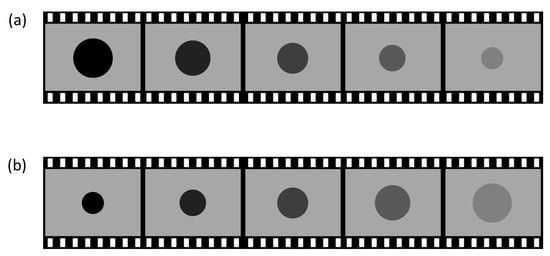
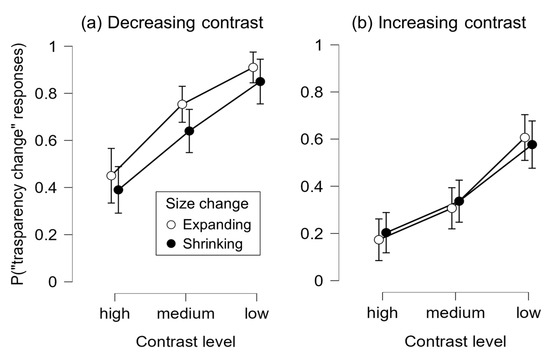
We report a novel phenomenon in which dynamic changes in luminance are perceived as changes in transparency rather than as changes in surface lightness. Participants viewed an achromatic disc on a uniform gray background and indicated whether the observed change was best described in terms of lightness or transparency. In Experiment 1, transparency-change responses were more frequent at low contrast and were strongly biased toward sequences in which contrast decreased over time, revealing a pronounced asymmetry between decreasing and increasing contrast trajectories. Experiment 2 introduced a size manipulation, such that the disc either expanded or contracted during the luminance modulation. Transparency-change responses were highest when contrast decreased and the disc expanded, indicating that spatial expansion further amplifies transparency-related interpretations of the disc’s surface appearance. Overall, the results reveal a systematic asymmetry in how contrast-change direction shapes visual appearance, consistent with a forward bias in the processing of continuously changing visual signals. When contrast dynamically approached the background level, perceptual representations appeared to be weighted toward the upcoming low-contrast state, enhancing impressions of increasing transparency. These findings demonstrate that even minimal displays lacking traditional geometric cues to transparency can evoke strong transparency impressions, driven by predictive weighting of spatiotemporal contrast trajectories rather than by static image properties alone.
Full article
(This article belongs to the Section Visual Neuroscience)
►▼
Show Figures

Figure 1
Open AccessArticle
Signal-to-Noise Efficiency Explains Inter-Observer Variability in Orientation Discrimination
by
Thiago P. Fernandes, Natanael A. Santos and Linnea N. Dahlgren
Vision 2026, 10(1), 4; https://doi.org/10.3390/vision10010004 - 29 Jan 2026
Abstract
►▼
Show Figures
Background: Orientation discrimination tasks provide a core measure of visual sensitivity and are widely used to study how perceptual performance varies with stimulus uncertainty and visual field location. Here, we examined how external noise, retinal eccentricity, and individual perceptual efficiency shape orientation discrimination
[...] Read more.
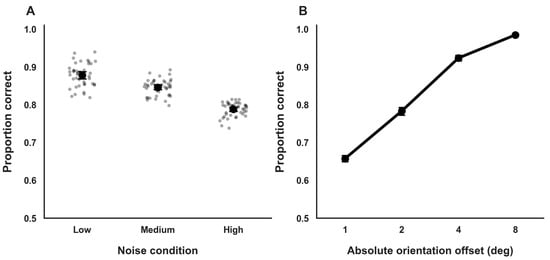
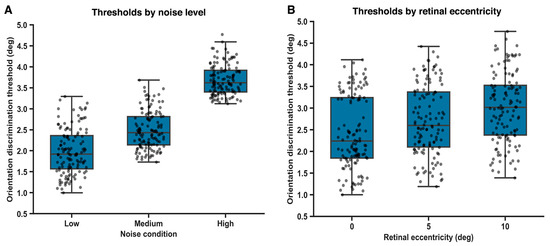
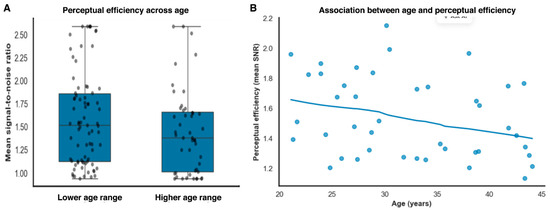
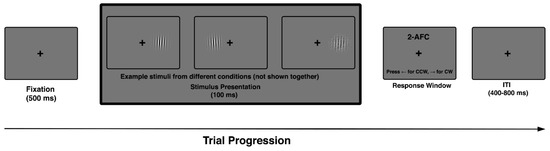
Background: Orientation discrimination tasks provide a core measure of visual sensitivity and are widely used to study how perceptual performance varies with stimulus uncertainty and visual field location. Here, we examined how external noise, retinal eccentricity, and individual perceptual efficiency shape orientation discrimination thresholds. Methods: Forty-two adults (mean age = 32.35 years, SD = 7.23) completed a two-alternative forced-choice task judging the orientation (clockwise vs. counterclockwise) of briefly presented Gabor patches under varying levels of external noise (low, medium, high) and eccentricity (0°, 5°, 10°). Orientation offsets ranged from −8° to +8°. Thresholds were estimated using psychometric functions and analyzed via rm ANOVA, linear mixed-effects models, and supervised machine learning. Results: Accuracy declined with increasing noise (ω2 = 0.48, p < 0.001) and improved with larger orientation offsets (ω2 = 0.62, p < 0.001). Thresholds increased with both noise (ω2 = 0.31, p = 0.002) and eccentricity (ω2 = 0.27, p = 0.003). Signal-to-noise efficiency was the strongest predictor (β = −0.72, p < 0.001); age alone was nonsignificant, but its interaction with eccentricity showed selective peripheral declines. Mixed-effects models confirmed spatial effects (β = 0.058, p < 0.001) and residual between-subject variability (σ2 = 0.14). Predictive models generalized well (R2 = 0.54). Conclusions: Orientation discrimination is shaped by both stimulus-level difficulty and individual differences in perceptual efficiency, which account for variability in sensitivity across visual conditions. Age-related differences emerge primarily under spatial load and depend on interactions between observer traits and task demands.
Full article

Figure 1
Open AccessArticle
An Exploratory Study of Six-Month Niacinamide Supplementation on Macular Structure and Electrophysiology in Primary Open-Angle Glaucoma
by
Constantin Alin Nicola, Maria Cristina Marinescu, Cristina Alexandrescu, Anne Marie Firan, Walid Alyamani, Mihaela Simona Naidin, Radu Constantin Ciuluvica, Radu Antoniu Patrascu, Anca Maria Capraru and Adina Turcu-Stiolica
Vision 2026, 10(1), 7; https://doi.org/10.3390/vision10010007 - 28 Jan 2026
Abstract
Background and Objectives: Primary open-angle glaucoma (POAG) is one of the leading ocular diseases leading to irreversible blindness and is often asymptomatic until advanced cases. While intraocular pressure reduction remains the cornerstone of treatment, neuroprotective strategies targeting retinal ganglion cell metabolism are actively
[...] Read more.
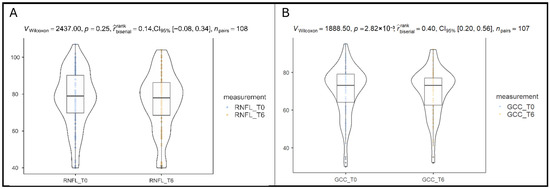
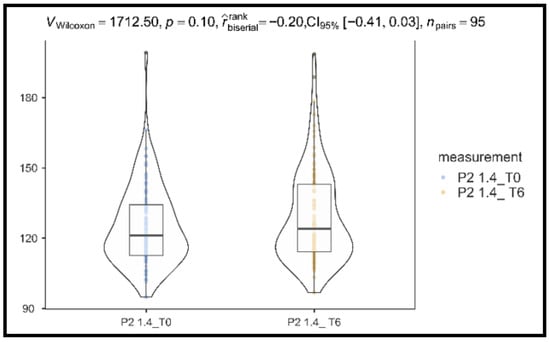
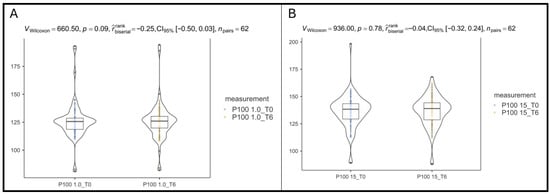
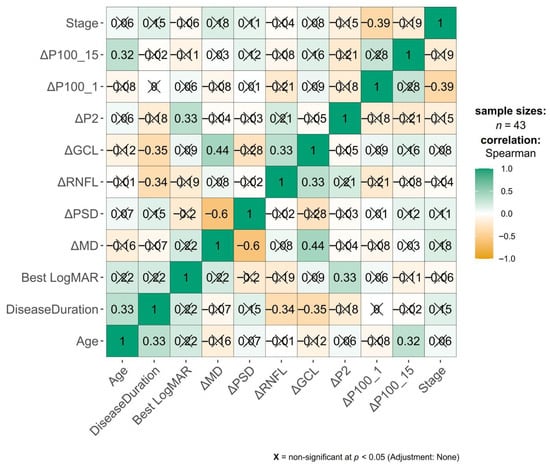
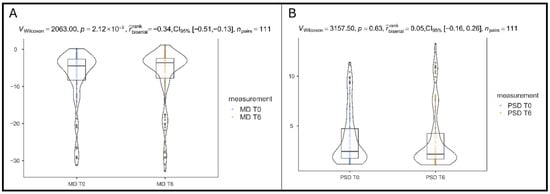
Background and Objectives: Primary open-angle glaucoma (POAG) is one of the leading ocular diseases leading to irreversible blindness and is often asymptomatic until advanced cases. While intraocular pressure reduction remains the cornerstone of treatment, neuroprotective strategies targeting retinal ganglion cell metabolism are actively investigated. Niacinamide (nicotinamide, vitamin B3), a precursor of NAD+, has shown neuroprotective potential in preclinical models. This exploratory study evaluated the short-term functional, structural, and electrophysiological effects of oral niacinamide supplementation in POAG. Materials and Methods: In this interventional study, patients with POAG received oral niacinamide 500 mg daily for six months. Visual field (VF) global and localized sensitivity (Mean Deviation [MD], Pattern Standard Deviation [PSD]), Optic Coherence Tomography (OCT)-derived peripapillary retinal nerve fiber layer (RNFL) and macular ganglion cell complex (GCC), and Visual evoked potentials (VEP) latency parameters (P2 1.4 Hz, P100 1°, and P100 15′) were assessed at baseline and at six months. Because both eyes from some participants were included, primary longitudinal inference was based on clustered analyses using generalized estimating equations and linear mixed-effects models to account for inter-eye correlation. Eye-level paired analyses were used for exploratory comparison. Change–change relationships across modalities were explored using Spearman correlation. Results: After accounting for inter-eye correlation, no statistically significant change in MD was detected (mean ΔMD +0.43 dB; GEE p = 0.099; LME p = 0.101), and PSD remained stable. RNFL thickness showed a small decrease (−1.26 µm; GEE p = 0.046), while GCC did not change significantly. VEP P100 latencies remained stable, whereas P2 latency showed a small increase (+3.9 ms; GEE p = 0.039). Correlation analysis revealed a moderate association between changes in GCC and MD (ρ = 0.44), suggesting concordance between macular structural stability and global visual field performance. Conclusions: When inter-eye correlation is appropriately accounted for, six months of niacinamide supplementation in POAG is associated with overall functional, structural, and electrophysiological stability, without evidence of clinically meaningful improvement or progression. These findings support short-term safety and highlight the importance of clustered analytical approaches and macular-centered biomarkers in future glaucoma neuroprotection trials.
Full article
(This article belongs to the Topic New Developments in Glaucoma Diagnostics and Therapeutics)
►▼
Show Figures

Figure 1
Open AccessArticle
Wavefront Automated Refraction Comparison of Three Different IOLs: Aspheric Monofocal and Two Enhanced Monofocal IOLs
by
Arthur Buffara van den Berg, Roberta Matschinske van den Berg, Bernardo Kaplan Moscovici, Maya Dodhia, Larissa Gouvea, Wallace Chamon and Karolinne Maia Rocha
Vision 2026, 10(1), 6; https://doi.org/10.3390/vision10010006 - 26 Jan 2026
Cited by 1
Abstract
►▼
Show Figures
The objective of this study was to compare subjective manifest refraction with wavefront-based automated refraction using iTrace (ray tracing) and LadarWave (Hartmann–Shack) in eyes implanted with two enhanced monofocal intraocular lenses (IOLs) and a standard aspheric monofocal IOL, emphasizing agreement and refractive variability
[...] Read more.
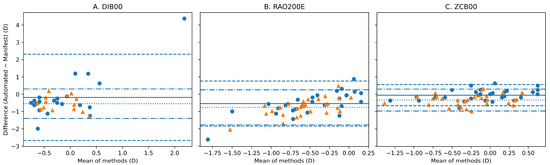
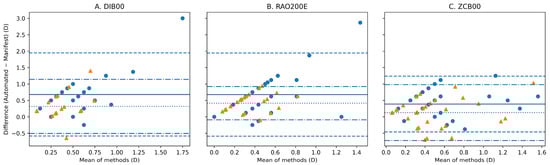
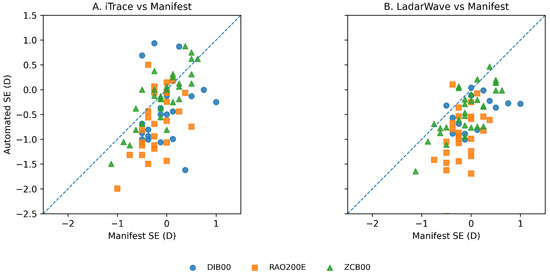
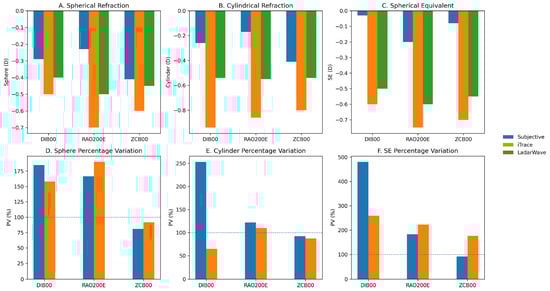
The objective of this study was to compare subjective manifest refraction with wavefront-based automated refraction using iTrace (ray tracing) and LadarWave (Hartmann–Shack) in eyes implanted with two enhanced monofocal intraocular lenses (IOLs) and a standard aspheric monofocal IOL, emphasizing agreement and refractive variability across optical designs. This retrospective cohort included 84 eyes from 42 patients implanted with Tecnis Eyhance (DIB00), RayOne EMV (RAO200E), or Tecnis ZCB00 IOLs. Postoperative evaluation (1–3 months) included uncorrected and corrected distance visual acuity and subjective manifest refraction, followed by automated refraction with iTrace and LadarWave. Outcomes were sphere, cylinder, and spherical equivalent (SE). Agreement was assessed using mean signed difference, mean absolute error, root mean square error, Bland–Altman limits of agreement, proportions within clinically relevant thresholds, and vector astigmatism (J0, J45). Linear mixed-effect modeling evaluated SE differences across methods and IOL types while accounting for within-subject correlation. Subjective SE differed among IOLs (p = 0.027), with RAO200E more myopic than ZCB00 (−0.20 ± 0.32 D vs. −0.08 ± 0.44 D, p = 0.035). Automated refraction showed greater variability and poorer agreement in enhanced monofocal IOLs, particularly for cylinder and SE, with wider limits of agreement and fewer eyes within ±0.50 D compared with ZCB00. In mixed-effect contrasts (three-method repeated-measures model), iTrace and LadarWave showed a consistent myopic bias versus manifest refraction in DIB00 and RAO200E, whereas in ZCB00 the iTrace–manifest difference was not significant and LadarWave retained a significant myopic bias. Enhanced monofocal IOLs exhibit reduced agreement between wavefront-based automated and subjective manifest refraction compared with a standard aspheric monofocal IOL. Manifest refraction remains essential for postoperative assessment, and automated measurements should be interpreted as complementary, particularly in IOL designs that modify aberrations.
Full article

Figure 1
Open AccessReview
E-MOTE: A Conceptual Framework for Emotion-Aware Teacher Training Integrating FACS, AI and VR
by
Rosa Pia D’Acri, Francesco Demarco and Alessandro Soranzo
Vision 2026, 10(1), 5; https://doi.org/10.3390/vision10010005 - 19 Jan 2026
Abstract
►▼
Show Figures
This paper proposes E-MOTE (Emotion-aware Teacher Education Framework), an ethically grounded conceptual model aimed at enhancing teacher education through the integrated use of the Facial Action Coding System (FACS), Artificial Intelligence (AI), and Virtual Reality (VR). As a conceptual and design-oriented proposal, E-MOTE
[...] Read more.
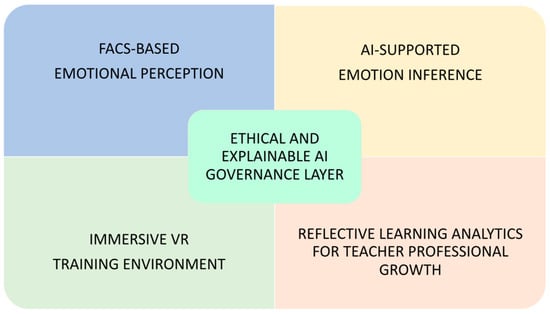
This paper proposes E-MOTE (Emotion-aware Teacher Education Framework), an ethically grounded conceptual model aimed at enhancing teacher education through the integrated use of the Facial Action Coding System (FACS), Artificial Intelligence (AI), and Virtual Reality (VR). As a conceptual and design-oriented proposal, E-MOTE is presented as a structured blueprint for future development and empirical validation, not as an implemented or evaluated system. Grounded in neuroscientific and educational research, E-MOTE seeks to strengthen teachers’ emotional awareness, teacher noticing, and social–emotional learning competencies. Rather than reporting empirical findings, this article offers a theoretically structured framework and an operational blueprint for the design of emotion-aware teacher training environments, establishing a structured foundation for future empirical validation. E-MOTE articulates three core contributions: (1) it clarifies the multi-layered construct of emotion-aware teaching by distinguishing between emotion detection, perception, awareness, and regulation; (2) it proposes an integrated AI–FACS–VR architecture for real-time and post hoc feedback on teachers’ perceptual performance; and (3) it outlines a staged experimental blueprint for future empirical validation under ethically governed conditions. As a design-oriented proposal, E-MOTE provides a structured foundation for cultivating emotionally responsive pedagogy and inclusive classroom management, supporting the development of perceptual micro-skills in teacher practice. Its distinctive contribution lies in proposing a shift from predominantly macro-behavioral simulation toward the deliberate cultivation of perceptual micro-skills through FACS-informed analytics integrated with AI-driven simulations.
Full article

Figure 1
Highly Accessed Articles
Latest Books
E-Mail Alert
News
Topics
Topic in
Pharmaceuticals, Medical Sciences, JCM, Vision, Reports, Cells, IJMS
New Developments in Glaucoma Diagnostics and Therapeutics
Topic Editors: Shan C. Lin, Sunee ChansangpetchDeadline: 30 September 2026
Special Issues
Special Issue in
Vision
Neural Mechanisms of Coordinated Eye-Hand Behaviors
Guest Editor: Maureen HaganDeadline: 30 September 2026
Special Issue in
Vision
Functional Visual Assessment Under Modulatory Influences
Guest Editors: Thiago Fernandes, Milena OliveiraDeadline: 3 December 2026
Special Issue in
Vision
Visual Discomfort: Perceptual, Neural, and Functional Perspectives
Guest Editors: Arnold Wilkins, Sarah Haigh, Sanae Yoshimoto, Christopher DiMattinaDeadline: 31 December 2026
Special Issue in
Vision
Neuroprotection and Precision Therapy in Glaucoma
Guest Editors: Jan Darius Unterlauft, Somar HasanDeadline: 31 December 2026