



Topical Advisory Panel applications are now closed. Please contact the Editorial Office with any queries.
Journal Description
Vision
Vision
is an international, peer-reviewed, open access journal on vision published quarterly online by MDPI.
- Open Access— free for readers, with article processing charges (APC) paid by authors or their institutions.
- High Visibility: indexed within ESCI (Web of Science), Scopus, PubMed, PMC, and other databases.
- Journal Rank: JCR - Q2 (Ophthalmology) / CiteScore - Q2 (Optometry)
- Rapid Publication: manuscripts are peer-reviewed and a first decision is provided to authors approximately 22.7 days after submission; acceptance to publication is undertaken in 4.7 days (median values for papers published in this journal in the second half of 2025).
- Recognition of Reviewers: reviewers who provide timely, thorough peer-review reports receive vouchers entitling them to a discount on the APC of their next publication in any MDPI journal, in appreciation of the work done.
Impact Factor:
2.7 (2025)
Latest Articles
Subtitle Engagement Varies with Audio–Subtitle Language–Script Pairing: Evidence from Hindi–English Bilinguals with an English-Medium Instruction Background
Vision 2026, 10(2), 36; https://doi.org/10.3390/vision10020036 (registering DOI) - 22 Jun 2026
Abstract
Subtitles often attract visual attention even when they are not necessary for comprehension. In the present eye-tracking experiment, we examined whether attention to subtitles in instructional videos varies as a function of audio–subtitle language–script pairing in Hindi–English bilinguals with an English-medium instruction (EMI)
[...] Read more.
Subtitles often attract visual attention even when they are not necessary for comprehension. In the present eye-tracking experiment, we examined whether attention to subtitles in instructional videos varies as a function of audio–subtitle language–script pairing in Hindi–English bilinguals with an English-medium instruction (EMI) background. Native Hindi participants viewed videos in three conditions: English audio with English subtitles (L2–L2), Hindi audio with Hindi subtitles (L1–L1), and English audio with Hindi subtitles (L2–L1). In the L2–L2 condition, gaze was distributed similarly across speakers’ faces and subtitles. In contrast, in both Hindi-subtitle formats, viewers allocated more dwell time to the speakers’ faces than to the subtitles. Comprehension scores did not differ significantly across conditions. These findings suggest that subtitle engagement among EMI bilinguals is not solely determined by the presence of subtitles but is also modulated by the properties and perceived utility of the written channel. More generally, our results caution against the view that subtitle engagement is uniformly automatic across multilingual instructional settings.
Full article
Open AccessArticle
Ultra-Early OCT Changes After Intravitreal Injection: Evidence Consistent with Transient Mechanical Compression
by
Yehya Tlaiss, John Warrak and Elias Warrak
Vision 2026, 10(2), 35; https://doi.org/10.3390/vision10020035 - 14 Jun 2026
Abstract
►▼
Show Figures
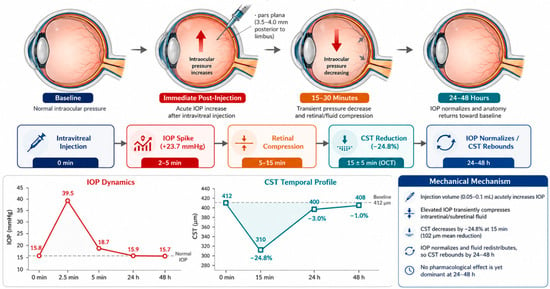
(1) Background: Ultra-early optical coherence tomography (OCT) changes following intravitreal injection may reflect transient mechanical compression rather than pharmacologic effects; however, this temporal profile has not been rigorously characterised with appropriate statistical methodology. (2) Methods: In this prospective observational study, 40 eyes of
[...] Read more.
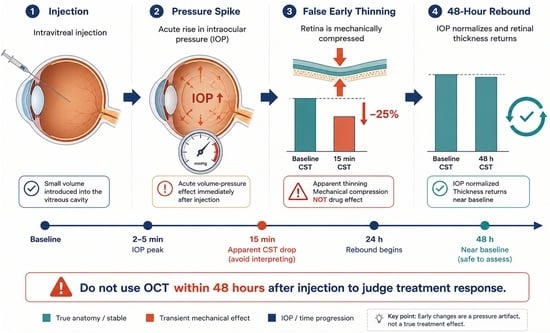
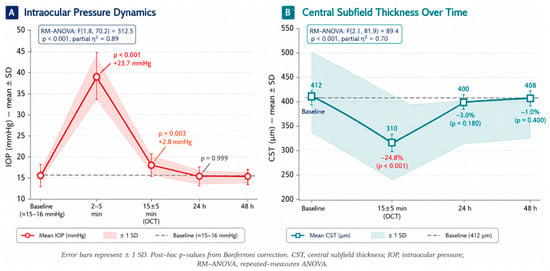
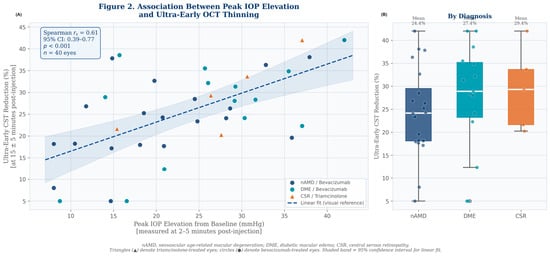
(1) Background: Ultra-early optical coherence tomography (OCT) changes following intravitreal injection may reflect transient mechanical compression rather than pharmacologic effects; however, this temporal profile has not been rigorously characterised with appropriate statistical methodology. (2) Methods: In this prospective observational study, 40 eyes of 40 consecutive patients (one per patient) with macular edema secondary to neovascular age-related macular degeneration (nAMD), diabetic macular edema (DME), or chronic central serous retinopathy (CSR) underwent intravitreal bevacizumab (n = 35) or triamcinolone acetonide (n = 5). Goldmann applanation tonometry and spectral-domain OCT were performed at baseline, 2–5 min, 15 ± 5 min, 24 h, and 48 h post-injection. Repeated-measures ANOVA with Greenhouse–Geisser correction, linear regression, and Spearman rank correlation were applied. (3) Results: Central subfield thickness (CST) decreased markedly at 15 ± 5 min (mean −24.8 ± 11.5%; 95% CI: −28.5% to −21.1%; p < 0.001; partial η2 = 0.70), with near-complete rebound by 48 h (−1.0%; p = 0.400). Peak intraocular pressure (IOP) elevation correlated with CST reduction (Spearman rs = 0.61; 95% CI: 0.39–0.77; p < 0.001), and baseline CST predicted thinning magnitude (R2 = 0.52; p < 0.001). (4) Conclusions: Ultra-early OCT thinning after intravitreal injection is consistent with transient mechanical compression. Retinal thickness measurements within 48 h post-injection should be interpreted with caution when assessing treatment response, as early anatomic reduction may not reflect pharmacologic efficacy.
Full article

Graphical abstract
Open AccessReview
A Cerebral Basis for Visual Discomfort and Visual Stress
by
Paul B. Hibbard, Peter Allen, Jordi M. Asher, Katherine Batey, Beverley Burke, Jason J. Braithwaite, Geoff G. Cole, Caelan Dow, Bruce J. W. Evans, Anna Franklin, Sarah M. Haigh, Hillevi Hemphälä, Ian Hosking, Andrew Keyes, Chan-su Lee, Ute Leonards, Cathy Manning, John Maule, Naomi Miller, Karen Monet, Louise O’Hare, Olivier Penacchio, Gordon T. Plant, Georgie Powell, Alice Price, Andrew J. Schofield, Miroslav Slouka, Petroc Sumner, Cleo Valentine, Thomas Wilcockson, Sanae Yoshimoto and Arnold J. Wilkinsadd
Show full author list
remove
Hide full author list
Vision 2026, 10(2), 34; https://doi.org/10.3390/vision10020034 - 11 Jun 2026
Abstract
Visual discomfort or visual stress is an uncomfortable subjective experience that occurs in response to specific visual stimuli. It affects a large proportion of the population to various degrees, disproportionately impacting those with heightened sensory sensitivities, particularly neurodivergent individuals. We argue that this
[...] Read more.
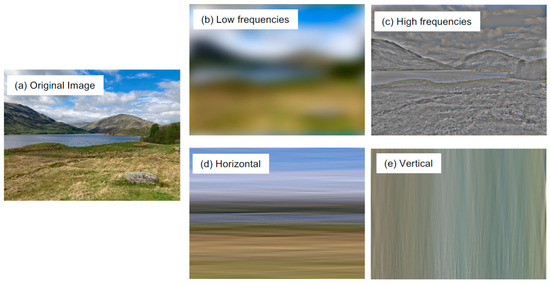
Visual discomfort or visual stress is an uncomfortable subjective experience that occurs in response to specific visual stimuli. It affects a large proportion of the population to various degrees, disproportionately impacting those with heightened sensory sensitivities, particularly neurodivergent individuals. We argue that this might stem from a mismatch between the statistical properties of visual stimuli in human-made environments and those in natural environments that the visual system can process efficiently. We discuss the inefficiency with which images with certain spatial, chromatic and temporal characteristics are processed by the visual system and propose a cerebral mechanism to account for the discomfort they induce. The mechanism offers a potential explanation for the large individual differences in susceptibility to discomfort. We highlight two avenues for intervention: (1) environmental modifications aimed at reducing the prevalence of visually stressing stimuli in urban settings, and (2) individual-level strategies, such as personalised optical treatments. Addressing these challenges requires an interdisciplinary effort bridging neuroscience, vision science, interior and urban design and typography to create visually accessible and inclusive environments.
Full article
(This article belongs to the Special Issue Visual Discomfort: Perceptual, Neural, and Functional Perspectives)
►▼
Show Figures

Figure 1
Open AccessArticle
Practice Effects and the Lanthony D15
by
Joslynn Ho and Jason S. Ng
Vision 2026, 10(2), 33; https://doi.org/10.3390/vision10020033 - 10 Jun 2026
Abstract
►▼
Show Figures
Purpose: Recent studies have shown that subjects with congenital colour vision deficiency (CVD) can pass the saturated Farnsworth D15 (FD15) through practice. The Lanthony D15 (LD15) uses desaturated colours and is a difficult test even for patients with mild CVD. This study investigated
[...] Read more.
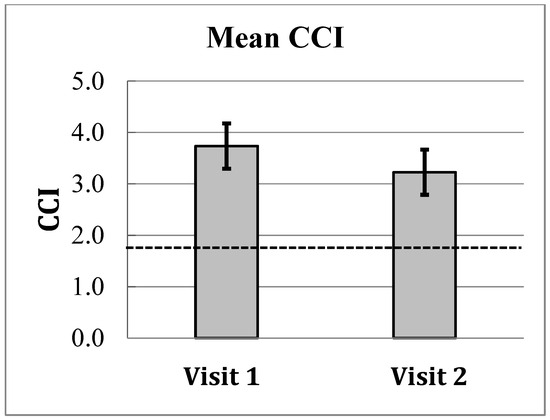
Purpose: Recent studies have shown that subjects with congenital colour vision deficiency (CVD) can pass the saturated Farnsworth D15 (FD15) through practice. The Lanthony D15 (LD15) uses desaturated colours and is a difficult test even for patients with mild CVD. This study investigated if subjects could improve their performance on the LD15 with intentional practice. Methods: Twenty-one male subjects (mean/SD age = 30.2/8.9 years) with congenital CVD were enrolled in the two-visit study. Their CVD status was evaluated with colour vision book screening, anomaloscope, and FD15 tests. The recruited subjects completed four trials of the LD15 at the baseline visit. Once all data collection was completed at the first visit, it was revealed to the subjects that the correct cap order could be determined by viewing the undersides of the caps. The subjects were given an LD15 test kit to practice at home to improve their performance before returning for a second visit. At the second visit, subjects performed another four trials of the LD15. The colour confusion indices for each trial were recorded for both visits, and the average values were used in paired t-tests to determine if significant improvement occurred. Results: A significant decrease in colour confusion index (CCI) of 0.51 (visit 1 mean/SE = 3.75/0.20; visit 2 mean/SE = 3.23/0.24) between the two visits was observed (p = 0.01). Further, subjects with deutan deficiency showed a significant (p = 0.003) decrease, whereas subjects with protan deficiency did not (p = 0.88). Conclusion: Despite an already challenging test, this study showed that subjects with congenital red-green CVD can improve their performance on the Lanthony D15 test. However, this is unlikely to change pass–fail rates when the baseline CCI is high, and further study on this issue is warranted.
Full article

Figure 1
Open AccessArticle
Wouldn’t It Be Nice to Not Fall for It Twice? Prior Experience Does Not Abolish the Impact of Expectancy Violations on Attention Capture
by
Isabella Fuchs-Leitner, Gernot Horstmann and Ulrich Ansorge
Vision 2026, 10(2), 32; https://doi.org/10.3390/vision10020032 - 29 May 2026
Abstract
►▼
Show Figures
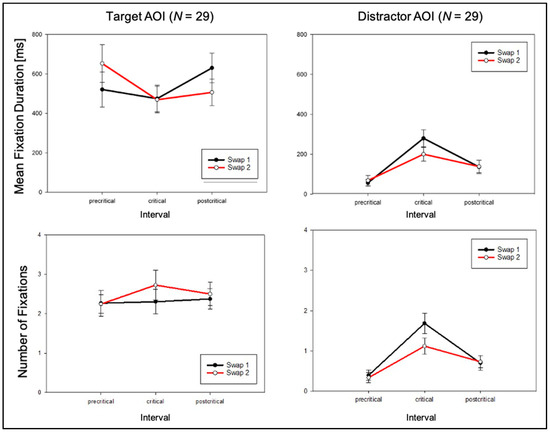
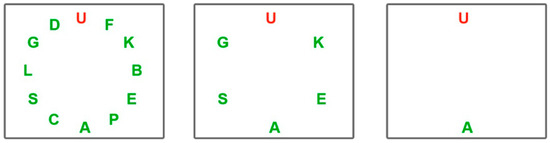
In the current study, the impact of an unexpected color swap (from target to distractor color and vice versa) on reaction times (RTs) and eye fixations was investigated. Within a visual search task, participants reported the location of a shape-defined target letter above
[...] Read more.
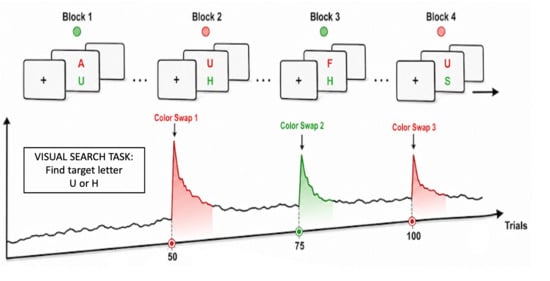
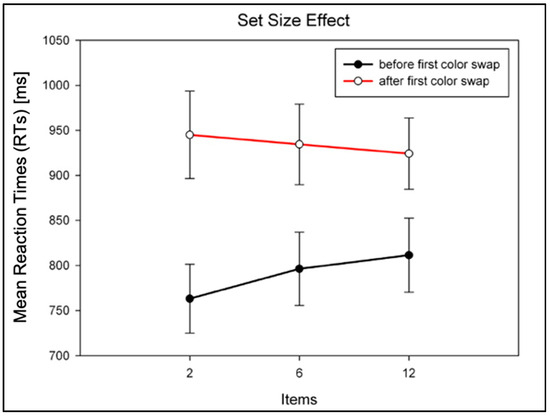
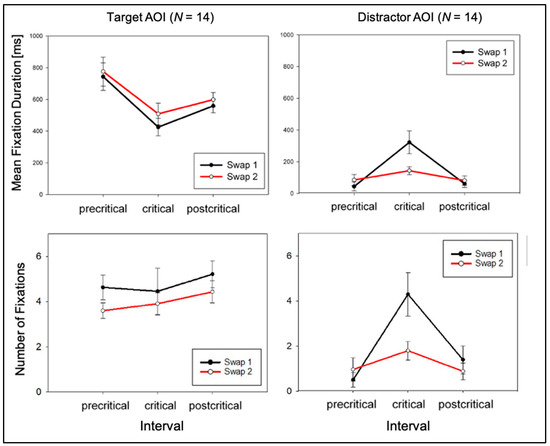
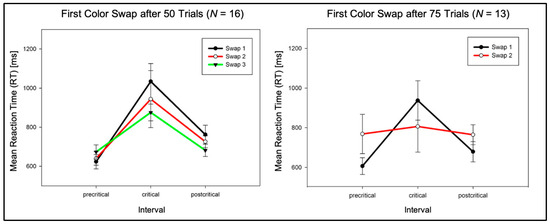
In the current study, the impact of an unexpected color swap (from target to distractor color and vice versa) on reaction times (RTs) and eye fixations was investigated. Within a visual search task, participants reported the location of a shape-defined target letter above or below a distractor letter. Across time, participants learned the consistent relationships between the visual target features (shape and color), establishing an according expectancy. To that end, fixed colors were first assigned to both a fixed-shape target (e.g., red) and a fixed-shape distractor (e.g., green). Next, this expectancy was violated by an unannounced swapping of target- and distractor-associated colors in the critical trial. In addition, subsequent color swaps estimated the costs of better anticipated color swaps. Eye movements showed longer fixation times on the distractor letter during and immediately after the critical trial compared to trials before the color swap (precritical trials), and, in line with prior research, we also found longer RTs in critical trials compared to consecutive (postcritical) trials without color swaps (Experiment 1). Finally, varying the number of distractors per trial indicated no set-size effect (Experiment 2), but again costs for all expectancy violations were found. In sum, our results indicate that humans tend to fall for expectancy violations more than once, and costs associated with color swaps cannot be avoided entirely.
Full article

Graphical abstract
Open AccessArticle
Evaluation of the Efficacy of Treatment for Convergence Insufficiency with a New Digital Mobile Platform: A Comparative Preliminary Study
by
Alba Pina-Balofer, David P. Piñero, Miranda Buigues, Carlo Cavaliere-Ballesta, Sergio Viudes and Laurent Bataille
Vision 2026, 10(2), 31; https://doi.org/10.3390/vision10020031 - 17 May 2026
Abstract
The objective of this study was to evaluate the efficacy of a novel digital platform (Visitrain VG, Alicante, Spain) as a visual rehabilitation tool for patients with convergence insufficiency (CI), in comparison with conventional in-office vision therapy (VT) supplemented with home reinforcement exercises.
[...] Read more.
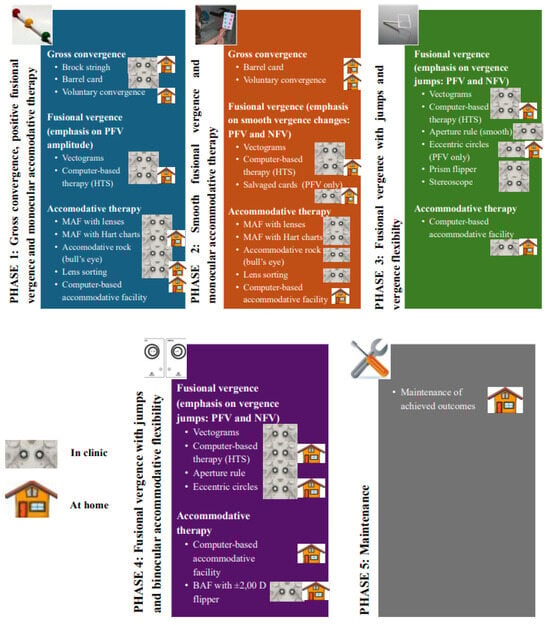
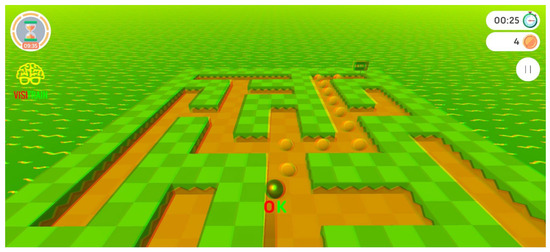
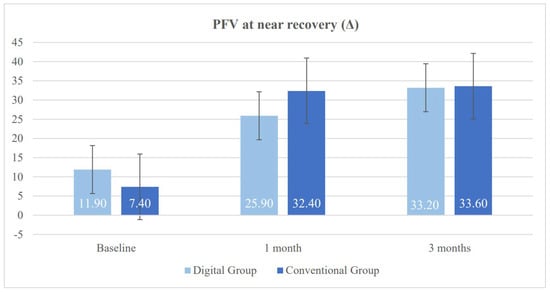
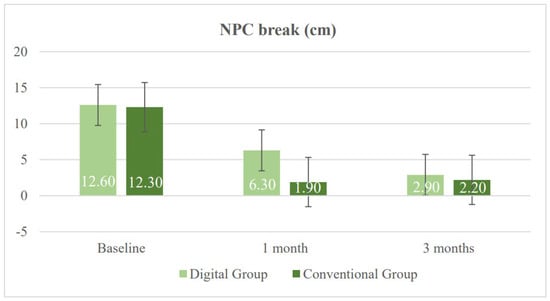
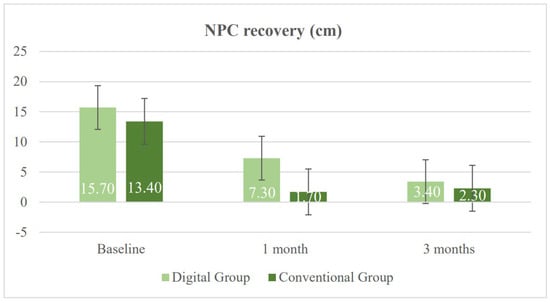
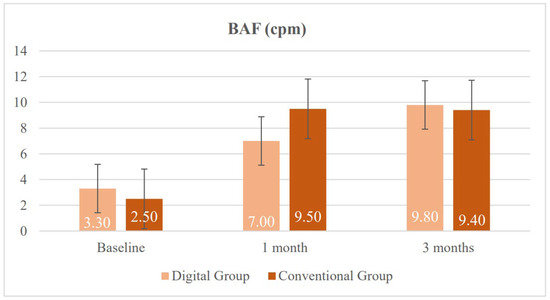
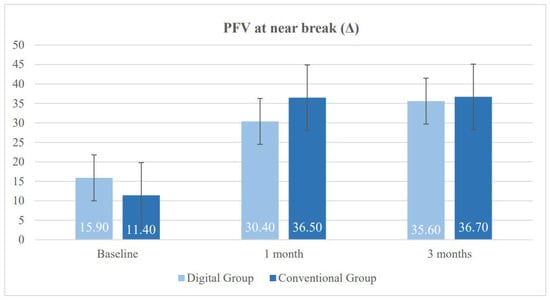
The objective of this study was to evaluate the efficacy of a novel digital platform (Visitrain VG, Alicante, Spain) as a visual rehabilitation tool for patients with convergence insufficiency (CI), in comparison with conventional in-office vision therapy (VT) supplemented with home reinforcement exercises. A retrospective comparative study was conducted comprising 33 patients diagnosed with CI, allocated into two groups: a digital group (DG; n = 16) receiving treatment with the aforementioned digital platform and a conventional group (CG; n = 17) undergoing conventional vision therapy. Binocular vision clinical parameters were assessed at baseline, one month, and three months of follow-up, including near point of convergence (NPC), positive fusional vergence (PFV), and binocular accommodative facility (BAF). Both groups demonstrated significant improvements following three months (p < 0.050). At the one-month evaluation, the CG showed a more rapid clinical response, with statistically significant between-group differences being observed in the NPC (p = 0.004) and near PFV (p = 0.040) compared with the DG. Nevertheless, at the three-month follow-up, no significant differences were found between the groups (p ≥ 0.060). The digital platform under investigation appears to constitute an effective therapeutic alternative to conventional vision therapy, albeit with a comparatively slower initial clinical response rate. It may be particularly indicated for patients requiring greater scheduling flexibility or those with limited access to in-office clinical care. Prospective controlled clinical trials are warranted to corroborate these preliminary outcomes.
Full article
(This article belongs to the Section Visual Neuroscience)
►▼
Show Figures

Figure 1
Open AccessArticle
Variations in Macular Pigment Optical Density in Children and Adolescents Depending on Time Spent on Smartphones
by
Livia Hopîrcă, Alexandru Țîpcu, Mădălina-Claudia Hapca, Iulia-Andrada Nemeș-Drăgan, Cosmina Teodora Lazăr and Simona Delia Nicoară
Vision 2026, 10(2), 30; https://doi.org/10.3390/vision10020030 - 15 May 2026
Abstract
Background: Children and teenagers use electronic devices daily, especially smartphones. The use of these devices exposes children and adolescents to excess blue light, which can alter the structures of the eye, especially the retina. As a protective mechanism, the macular region contains pigments
[...] Read more.
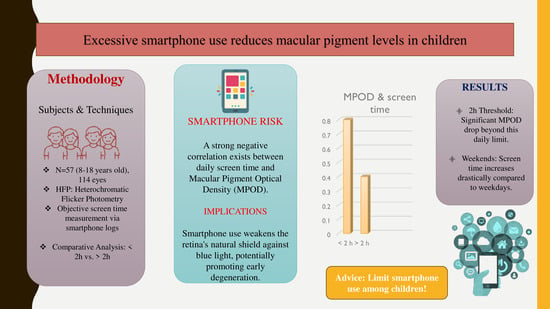
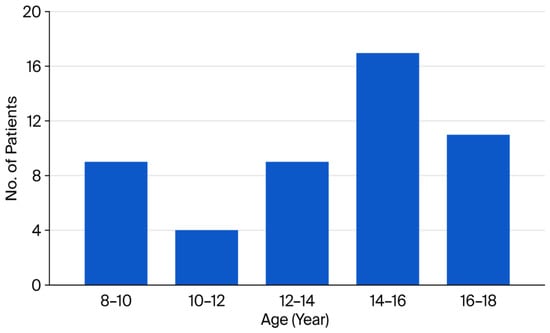
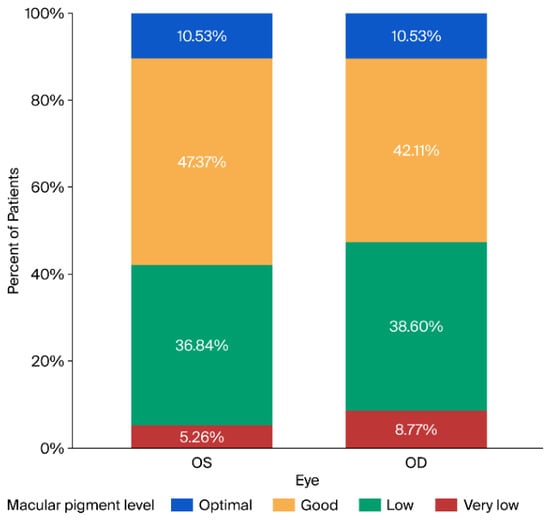
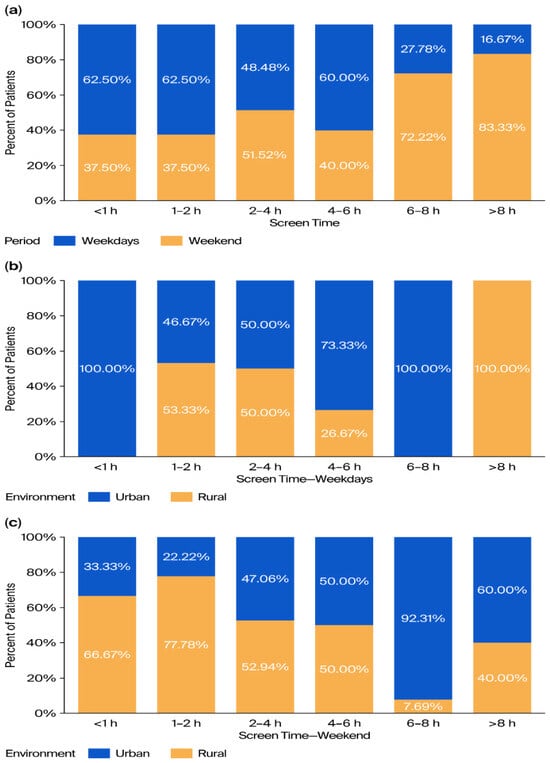
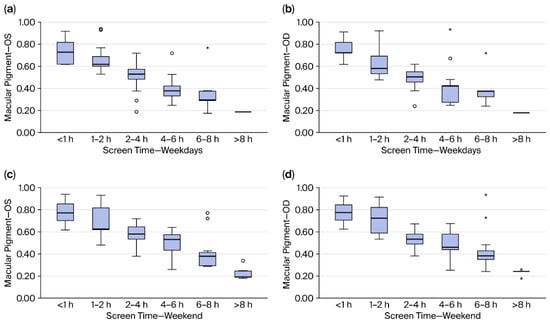
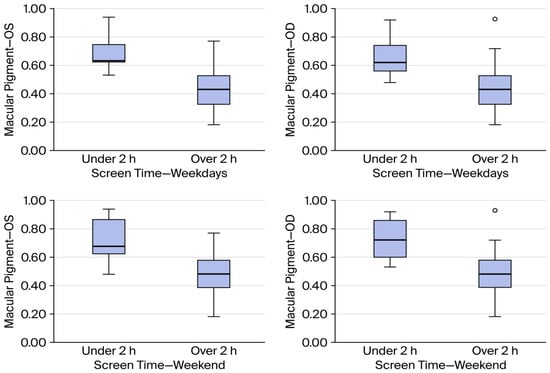
Background: Children and teenagers use electronic devices daily, especially smartphones. The use of these devices exposes children and adolescents to excess blue light, which can alter the structures of the eye, especially the retina. As a protective mechanism, the macular region contains pigments represented by lutein, zeaxanthin, and meso-zeaxanthin. In this study, we aimed to analyze the relationship between the Macular Pigment Optical Density (MPOD) levels in the macula and the time spent on smartphones in children and adolescents. Methods: Fifty-seven children and teenagers aged between 8 and 18 were evaluated, with a total of 114 eyes. The patients included in the study were divided into two groups: those who spent less than two hours a day on the device and those who exceeded this period. To determine the amount of macular pigment, the Heterochromatic Flicker Photometry technique was used. Results: We found a statistically significant difference in screen time between weekdays and weekends in favor of the latter. We compared the different refractive categories with respect to pigment levels and screen time and found no significant differences between groups. When comparing the patients with respect to environment, we found a slight difference in macular pigmentation in the favor of rural areas and also in the screen time which was shorter in rural areas. We found a strong association at all levels between longer screen time (both weekdays and weekend) and lower macular pigment quantities for both eyes. When comparing the groups with more/less than 2 h of screen time, the MPOD was lower for both eyes in the group with over 2 h screen time. Conclusions: In this study we demonstrated that smartphone use is a risk factor leading to a decrease in MPOD in children and adolescents. The amount of lutein in the retina, brain and serum are correlated, therefore MPOD can be considered a natural biomarker of lutein and zeaxanthin levels in the body.
Full article
(This article belongs to the Special Issue Functional Visual Assessment Under Modulatory Influences)
►▼
Show Figures

Graphical abstract
Open AccessReview
Beyond Glycemic Control: Ocular Effects of Glucagon-like Peptide-1 Receptor Agonists
by
Filippo Lixi, Mario Troisi, Valerio Calabresi, Anina Giagoni, Costanza Rossi, Mihaela-Madalina Timofte-Zorila, Tudor-Corneliu Tarași, Livio Vitiello, Mara-Ioana Tomi, Alina-Gabriela Gheorghe, Giulia Coco, Giulia Lanzolla and Giuseppe Giannaccare
Vision 2026, 10(2), 29; https://doi.org/10.3390/vision10020029 - 14 May 2026
Abstract
Glucagon-like peptide-1 receptor agonists (GLP-1RAs) and newer dual-incretin therapies have become central to the treatment of diabetes mellitus and obesity, with benefits extending beyond glycemic control. Their expanding use has prompted growing interest in their potential ocular effects. Experimental data support plausible protective
[...] Read more.
Glucagon-like peptide-1 receptor agonists (GLP-1RAs) and newer dual-incretin therapies have become central to the treatment of diabetes mellitus and obesity, with benefits extending beyond glycemic control. Their expanding use has prompted growing interest in their potential ocular effects. Experimental data support plausible protective mechanisms, including reduction in oxidative stress and neuroprotective effects on retinal and optic nerve tissues. Clinical evidence, however, remains heterogeneous. In diabetic retinopathy, the main concern appears to be transient early worsening associated with rapid glycemic improvement rather than direct retinal toxicity. A potential semaglutide-associated signal for non-arteritic anterior ischemic optic neuropathy has raised concern, although the absolute risk appears low and causality remains unproven. Emerging studies also suggest possible beneficial associations with glaucoma, ocular surface diseases, and certain retinal vascular outcomes, whereas the evidence regarding age-related macular degeneration and cataract remains conflicting or preliminary. Overall, ocular outcomes associated with incretin-based therapies seem to reflect a complex interplay among drug-specific pharmacology, systemic metabolic changes, and individual patient susceptibility rather than a class effect. Baseline ophthalmic assessment and individualized follow-up may be advisable in selected high-risk patients. Further prospective ophthalmology-focused studies are needed to clarify long-term safety and identify the patients most likely to benefit or develop adverse events.
Full article
Open AccessArticle
Advancing AMD Detection: Dataset Design and Deep Learning Optimization for Unconstrained Retinal Images
by
Hala Nafie Fathee, Reyhan Babayev, Shaaban Sahmoud and Nazim Ağaoğlu
Vision 2026, 10(2), 28; https://doi.org/10.3390/vision10020028 - 14 May 2026
Abstract
►▼
Show Figures
Age-related macular degeneration (AMD) is one of the leading causes of vision impairment worldwide, making early and accurate detection essential for effective clinical intervention. Recent advances in deep learning have demonstrated promising results in automated retinal image analysis; however, most existing approaches rely
[...] Read more.
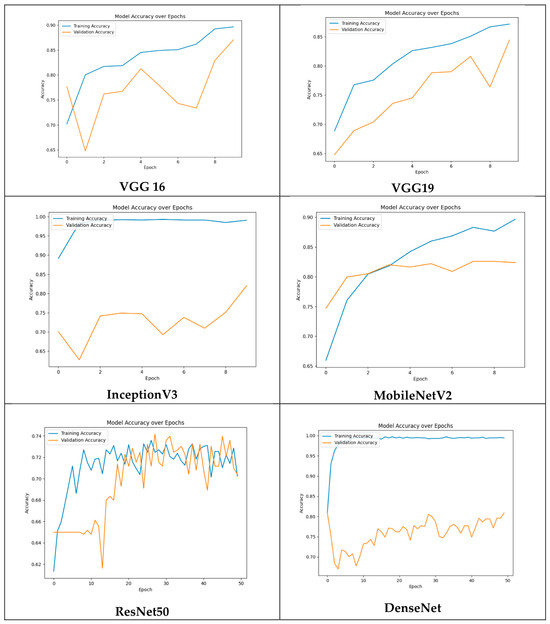
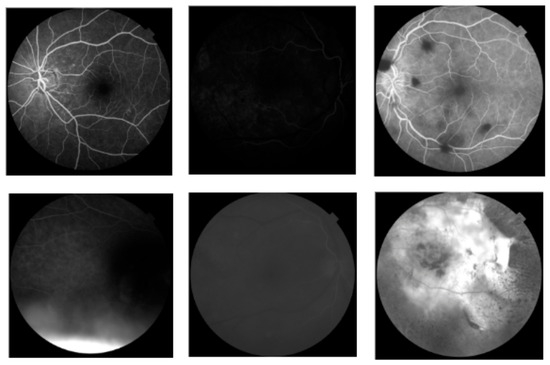
Age-related macular degeneration (AMD) is one of the leading causes of vision impairment worldwide, making early and accurate detection essential for effective clinical intervention. Recent advances in deep learning have demonstrated promising results in automated retinal image analysis; however, most existing approaches rely on datasets acquired under controlled conditions, limiting their generalizability to real-world clinical environments. In this paper, we propose a novel AMD dataset designed to simulate unconstrained imaging conditions, by incorporating noise, luminance variations, and device-related artifacts commonly encountered during retinal scan acquisition. Using this dataset, we conduct a comprehensive comparative evaluation of six widely adopted deep learning architectures: VGG16, VGG19, InceptionV3, MobileNetV2, ResNet50, and DenseNet. Experimental results indicate notable performance variations across models, highlighting the impact of architectural design on robustness to image degradation. Among the evaluated approaches, VGG16 achieved the best overall performance. By further optimizing this architecture through targeted training and fine-tuning strategies, the proposed system reached an accuracy of 88% in AMD detection. These findings demonstrate the effectiveness of the optimized VGG16 model and underline the importance of realistic datasets for developing reliable deep learning-based diagnostic tools for practical clinical settings.
Full article
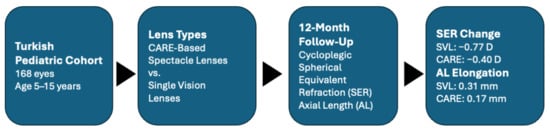
Figure 1
Open AccessArticle
Optimal Dimension of Peripheral Iridotomy for Anatomical Efficacy in Primary-Angle-Closure Disease
by
Ludovico Alisi, Premanand Chandran, Mrunali M. Dhavalikar, Niklank Mehta, Padmavathy A. Sivakumar, Abhipsa Sahu, Rohan A. J. Daniel and Ganesh V. Raman
Vision 2026, 10(2), 27; https://doi.org/10.3390/vision10020027 - 13 May 2026
Abstract
The aim of this study is to determine the optimal functional size of laser peripheral iridotomy (LPI) for anterior chamber parameter improvement in primary angle-closure disease (PACD). This study evaluated 109 eyes from 62 consecutive phakic patients. Baseline and one-week post-LPI anterior segment
[...] Read more.
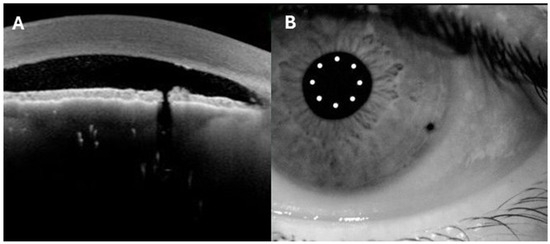
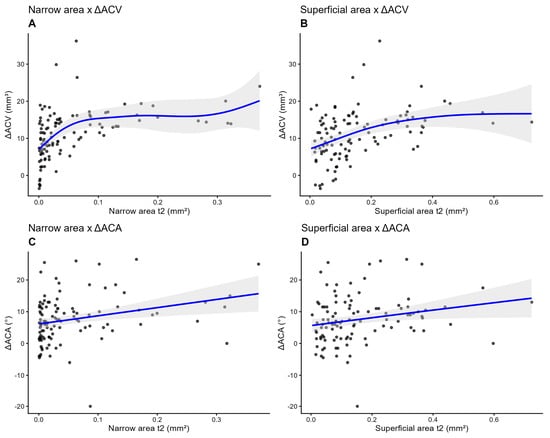
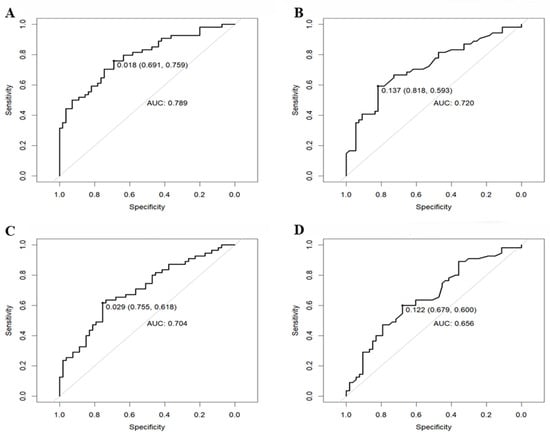
The aim of this study is to determine the optimal functional size of laser peripheral iridotomy (LPI) for anterior chamber parameter improvement in primary angle-closure disease (PACD). This study evaluated 109 eyes from 62 consecutive phakic patients. Baseline and one-week post-LPI anterior segment OCT were utilized to measure anterior chamber volume (ACV), anterior chamber angle (ACA), and iridotomy dimensions. Data was analyzed using linear mixed-effects models (LMMs), generalized additive models (GAMs), and receiver operating characteristic (ROC) curves. Post-LPI, significant increases occurred in ACA 500 (+7.54°), ACV (+11.09 mm3), and gonioscopic grade. LMMs confirmed a positive association between iridotomy size and anatomical expansion. GAMs demonstrated a saturation effect for ACV improvement, plateauing at 0.1 mm2 (narrow area) and 0.25–0.30 mm2 (superficial area), while the ACA relationship remained predominantly linear. ROC analysis identified preliminary superficial area cutoffs of 0.14 mm2 and 0.12 mm2 as discriminators of above-median volumetric and angular response, respectively. These findings suggest that LPI size is an independent determinant of anatomical response, beyond simple patency. As a preliminary, hypothesis-generating target, a superficial iridotomy area of approximately 0.12–0.14 mm2 was associated with above-median volumetric and angular response in this cohort. Prospective validation is required before these thresholds can be incorporated into clinical practice.
Full article
(This article belongs to the Special Issue Retinal and Optic Nerve Diseases: New Advances and Current Challenges)
►▼
Show Figures

Figure 1
Open AccessArticle
Short-Term Effects of Low-Level Red-Light Therapy on Central Retinal Function: A Combined Pattern ERG and Photopic ERG Study
by
Muhammad Qasim, Paulo Fernandes and Jorge Jorge
Vision 2026, 10(2), 26; https://doi.org/10.3390/vision10020026 - 8 May 2026
Abstract
►▼
Show Figures
Background: Low-level red-light therapy (RLRT) has emerged as a potential therapy in myopia management. However, its effects on retinal structure and function following repeated exposure remain incompletely understood. Purpose: To evaluate the short-term effects of RLRT on central retinal function in myopes and
[...] Read more.
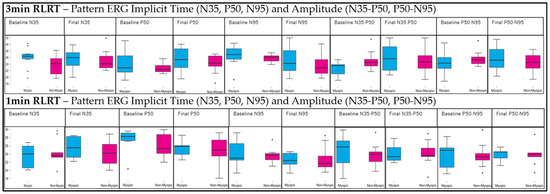
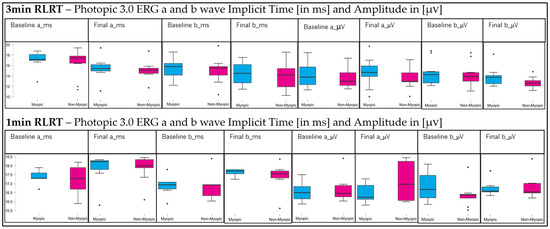
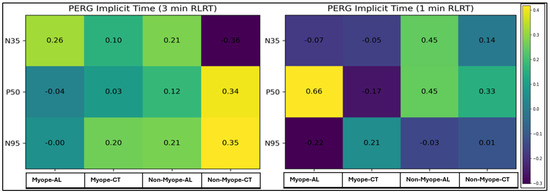
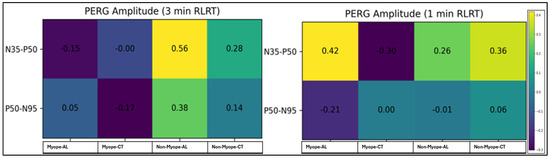
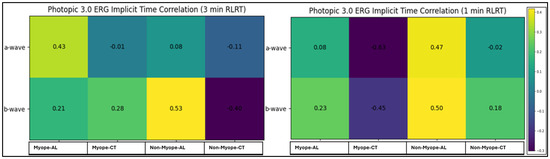
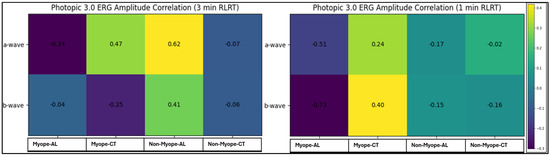
Background: Low-level red-light therapy (RLRT) has emerged as a potential therapy in myopia management. However, its effects on retinal structure and function following repeated exposure remain incompletely understood. Purpose: To evaluate the short-term effects of RLRT on central retinal function in myopes and non-myopes using retinal electrophysiology and structural parameters. Methods: Thirty-six subjects underwent RLRT exposures. Retinal function was assessed using pattern electroretinography (PERG) and photopic full-field electroretinography (Photopic 3.0 ERG). Structural measurements, including axial length (AL), obtained with an optical biometer and choroidal thickness (CT), were measured using MOPTIM 3000. Outcomes were compared between baseline and post-RLRT conditions (single 3 min and single 1 min exposure), across refractive groups, and correlated with AL and CT. This study was conducted at the University of Minho in accordance with the Declaration of Helsinki. Results: In myopic subjects, PERG N35–P50 amplitude significantly increased after 3 min of RLRT (baseline:0.88 ± 0.21 µV; post: 1.40 ± 0.25 µV; p = 0.013), whereas no significant changes were observed in non-myopes (baseline: 1.32 ± 0.19 µV; post: 1.39 ± 0.21 µV; p = 0.47). Latencies remained stable across all groups (p > 0.05). No significant correlations were found between PERG and AL (ρ = −0.18, p = 0.44) or CT (ρ = 0.12, p = 0.52). Photopic 3.0 ERG showed an increase in b-wave amplitude after 3 min of RLRT in myopes (Δ = +2.42 µV, p = 0.06), but not in non-myopes. In myopes, AL was negatively correlated with post-therapy latency (ρ = −0.624, p = 0.060), while CT showed strong correlations with photopic a-wave responses after 1 min RLRT (CT vs. latency: ρ = −0.873, p = 0.010; CT vs. amplitude: ρ = 0.821, p = 0.034). Conclusions: Short-term exposure to RLRT, particularly at 3 min, enhances PERG and Photopic ERG responses in myopic subjects, suggesting transient improvements in retinal function with differential effects between refractive groups.
Full article
Graphical abstract
Open AccessArticle
Visual Field Loss and Self-Reported Driving Restriction in Glaucoma
by
Mladena Radeva, Preslava Encheva, Elitsa Hristova, Daliya Stefanova, Igor Resnick and Zornitsa Zlatarova
Vision 2026, 10(2), 25; https://doi.org/10.3390/vision10020025 - 29 Apr 2026
Abstract
Background: To evaluate the association between glaucomatous visual field loss and self-reported driving limitation, and to explore potential threshold ranges of visual field loss associated with an increased likelihood of driving restriction. Methods: In this cross-sectional study, 100 patients with primary open-angle glaucoma
[...] Read more.
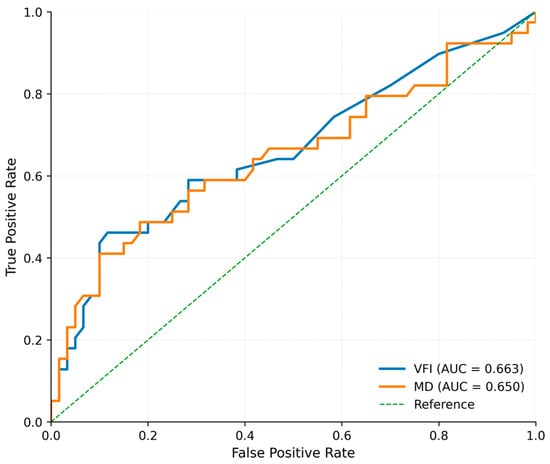
Background: To evaluate the association between glaucomatous visual field loss and self-reported driving limitation, and to explore potential threshold ranges of visual field loss associated with an increased likelihood of driving restriction. Methods: In this cross-sectional study, 100 patients with primary open-angle glaucoma underwent standard automated perimetry. Visual function was assessed using Mean Deviation (MD) and Visual Field Index (VFI) from the better eye. Driving status, driving limitation, and self-reported driving difficulties were assessed using a structured questionnaire. Multivariable logistic regression was performed to determine independent associations between visual field parameters and driving limitation, adjusting for age, sex, cataract status, and systemic comorbidities. Because MD and VFI are closely related indices of visual field loss, separate multivariable models were constructed for each parameter. Receiver operating characteristic (ROC) analysis was used to explore threshold values associated with driving limitation. Results: Driving limitation increased progressively with worsening functional severity, affecting 17% of participants with preserved function, 48% of those with borderline impairment, and 72% of those with definite impairment (p < 0.001). Reduced VFI was independently associated with driving limitation (OR = 0.972, 95% CI: 0.948–0.996; p = 0.021). In a separate model, more negative MD was also independently associated with driving limitation (OR = 0.924, 95% CI: 0.875–0.976; p = 0.004). Male sex was associated with a lower likelihood of driving limitation. ROC analysis identified threshold values of VFI ≤ 71% (AUC = 0.663) and MD ≤ −13.36 dB (AUC = 0.650), both characterized by high specificity but limited sensitivity. Participants who had ceased driving demonstrated worse visual field indices than active drivers, whereas never-drivers showed no consistent association with visual field loss. Conclusions: Glaucomatous visual field loss was significantly associated with self-reported driving limitation and behavioural self-regulation. Objective perimetric parameters, particularly VFI and MD in the better eye, may help identify patients more likely to report driving difficulties. The reported threshold values should be interpreted as exploratory reference points rather than clinically actionable criteria and require further validation before clinical application.
Full article
(This article belongs to the Topic New Developments in Glaucoma Diagnostics and Therapeutics)
►▼
Show Figures

Figure 1
Open AccessReview
Comorbidities in Age-Related Cataract: Epidemiological Burden and Public Health Implications
by
Matteo Ripa, Matteo Forlini, Chiara Schipa and Neeraj Apoorva Shah
Vision 2026, 10(2), 24; https://doi.org/10.3390/vision10020024 - 28 Apr 2026
Abstract
Cataracts represent the leading cause of blindness worldwide, particularly in older adults, and constitute a significant public health challenge. Although cataract surgery is generally associated with a high safety profile, both patients and healthcare providers often face significant challenges due to age-related physiological
[...] Read more.
Cataracts represent the leading cause of blindness worldwide, particularly in older adults, and constitute a significant public health challenge. Although cataract surgery is generally associated with a high safety profile, both patients and healthcare providers often face significant challenges due to age-related physiological changes and the high prevalence of comorbidities, which are directly linked to cataractogenesis and other systemic diseases that can complicate both the surgical procedure and postoperative recovery. This narrative review aimed to assess the epidemiological characteristics of age-related physiological and pathological comorbidities in older adults with cataracts, evaluating their impact on preoperative assessment, surgical outcomes, and public health planning. Articles were identified through non-systematic searches of PubMed, EMBASE, and Scopus using a combination of medical subject headings (MeSH) terms and free-text keywords. Among the multiple non-ocular comorbidities, carotid artery disease (CAD) and hypertension (HTN) are among the cardiovascular diseases (CVDs) with the highest correlations with cataract. Diabetes, dyslipidemia, and metabolic syndrome are also highly prevalent and significantly influence surgical outcomes, as poor glycemic control increases intraoperative risks and postoperative complications. Additionally, neurological conditions such as stroke, Parkinson’s disease, and epilepsy often complicate anesthesia administration, contribute to postoperative delirium, and affect adherence to treatment protocols. Given these complexities, a multidisciplinary approach and targeted preoperative screening may offer personalized care to improve safety and outcomes. Despite advances in clinical care, disparities in access to cataract surgery, especially in underserved populations, continue to exist. Thus, a coordinated public health strategy that promotes early detection, equitable access, and the integration of innovations such as teleophthalmology and artificial intelligence is essential to optimize care for older adults with cataracts worldwide.
Full article
Open AccessArticle
Exploring Visual Discrimination and Performance Adaptation in First-League Futsal Players via LUMMICS
by
Bruno Monteiro, Ana Roque, Henrique Nacimento and Clara Martinez-Perez
Vision 2026, 10(2), 23; https://doi.org/10.3390/vision10020023 - 23 Apr 2026
Abstract
►▼
Show Figures
Background/Objectives: Perceptual–cognitive abilities such as visual discrimination, reaction time, and attentional control are important for performance in dynamic sports. However, evidence remains limited regarding how simplified visual tasks capture performance variability and dynamics under repeated exposure. This study examined session-to-session performance changes and
[...] Read more.
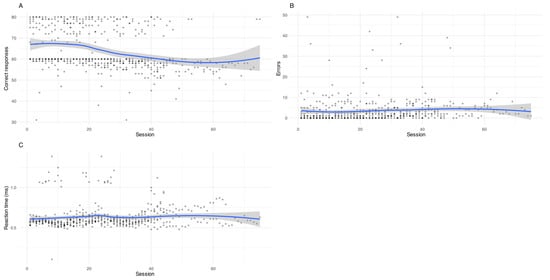
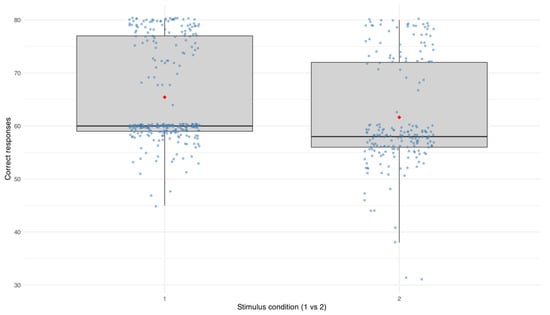
Background/Objectives: Perceptual–cognitive abilities such as visual discrimination, reaction time, and attentional control are important for performance in dynamic sports. However, evidence remains limited regarding how simplified visual tasks capture performance variability and dynamics under repeated exposure. This study examined session-to-session performance changes and individual trajectories in a programmable visual discrimination task of increasing complexity in elite futsal players. Methods: An exploratory repeated-measures study was conducted with ten first-league futsal players. Participants completed between six and ten sessions of a color-cue visual discrimination task (“Follow the Color”) under one- and two-stimulus conditions. Outcomes included correct responses, errors, and reaction time per session. A total of 465 observations were analyzed using linear mixed-effects models to assess changes across sessions and the influence of task complexity. Individual analyses were also performed to explore player-specific trajectories. Results: Mean session accuracy was 63.8 ± 9.8 correct responses, with a mean error rate of 3.6 ± 6.1 and a mean reaction time of 0.63 ± 0.15 s. Error rates declined significantly across sessions (β = −0.008, p < 0.001), while reaction time improved modestly (β = −0.00011, p = 0.025). Correct responses showed a small negative trend over time. Increased task complexity was associated with fewer correct responses, higher error rates, and slower reaction times (all p < 0.001). Conclusions: This programmable visual discrimination task captured variability in visuomotor responses under controlled conditions and may support monitoring of performance dynamics in sports vision research.
Full article
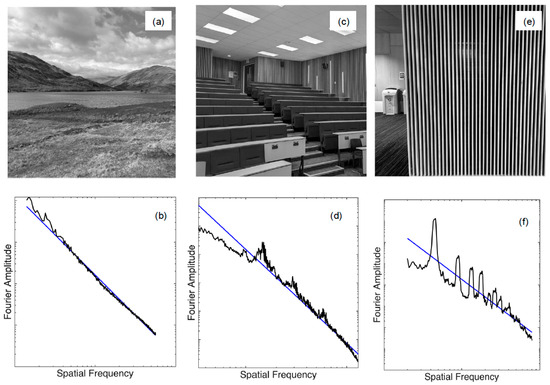
Figure 1
Open AccessArticle
One Year Longitudinal Assessment of Subjective and Objective Accommodation After Phakic IOL Implantation
by
Esther López-Artero, María García-Montero, Blanca Poyales, Ricardo Pérez-Izquierdo, Alba Sáez and Nuria Garzón
Vision 2026, 10(2), 22; https://doi.org/10.3390/vision10020022 - 16 Apr 2026
Abstract
►▼
Show Figures
Purpose: To evaluate the 1 year behavior of accommodation and optical quality one year after the implantation of phakic intraocular lenses, specifically the implantable collamer lens (ICL), in myopic patients, comparing outcomes between low- and high-myopia groups. Methods: This comparative longitudinal study included
[...] Read more.
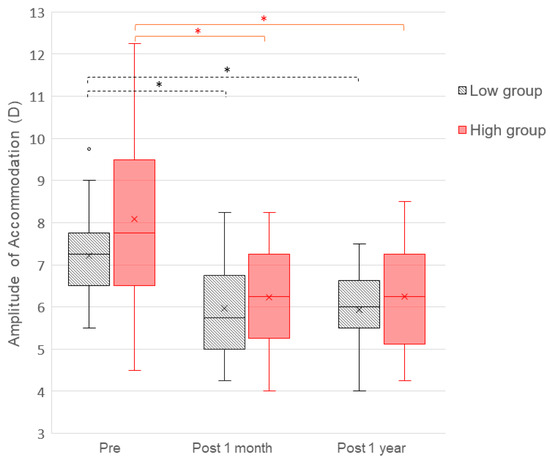
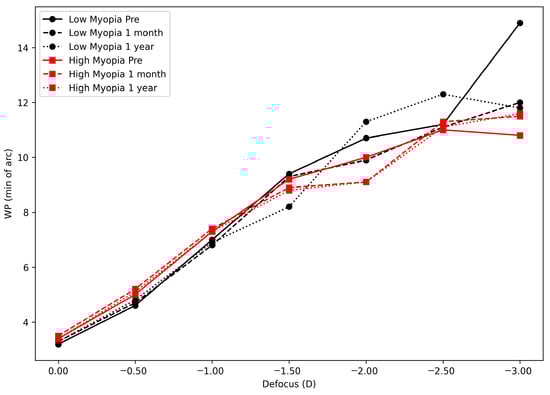
Purpose: To evaluate the 1 year behavior of accommodation and optical quality one year after the implantation of phakic intraocular lenses, specifically the implantable collamer lens (ICL), in myopic patients, comparing outcomes between low- and high-myopia groups. Methods: This comparative longitudinal study included 38 eyes of 38 patients who underwent ICL implantation for myopia correction. Patients were divided into two groups based on preoperative manifest sphere: low myopia (−2.50 D to −6.25 D) and high myopia (>−6.25 D to −12.50 D). The amplitude of accommodation (AA), subjective accommodative response (AR), optical quality parameters including the modulation transfer function (MTF) cut-off, objective scatter index (OSI) and Strehl ratio (SR), and objective accommodative response with a double-pass system (HD Analyzer, Visiometrics) were assessed preoperatively, 1 month, and 1 year postoperatively. Results: Both groups achieved postoperative refractive outcomes close to emmetropia, with high efficacy and safety indices. A statistically significant decrease in the amplitude of accommodation was observed at 1 month and remained stable at 1 year in both groups; however, this change was not clinically meaningful. The optical quality parameters (MTF cut-off, OSI, and Strehl ratio) and objective accommodative response with the HD Analyzer showed no clinically relevant changes over time, with no significant intergroup differences detected (p-value > 0.05). Conclusions: An initial reduction in accommodative amplitude was observed after ICL implantation without recovery over time; however, it was not clinically relevant, as it fell within the test–retest variability in the minus lens technique. Other accommodative parameters and optical quality remained stable at 1 year in both low and high myopia.
Full article
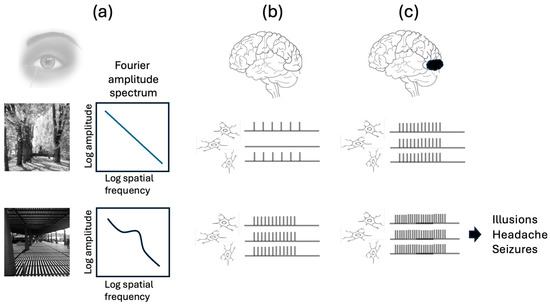
Figure 1
Open AccessArticle
OCT and Autofluorescence Phenotypic Features in Autosomal Dominant RHO-Associated Retinitis Pigmentosa Variants
by
Christina Karakosta, Saoud Al-Khuzaei, Penny Clouston, Morag Shanks and Susan M. Downes
Vision 2026, 10(2), 21; https://doi.org/10.3390/vision10020021 - 10 Apr 2026
Abstract
►▼
Show Figures
Background/Objectives: To describe retinal imaging characteristics and the natural history of rhodopsin (RHO)-associated autosomal dominant retinitis pigmentosa (ADRP) by evaluating ellipsoid zone (EZ) width loss and measuring the degree of constriction of the area within and including the hyperautofluorescent ring. Methods:
[...] Read more.
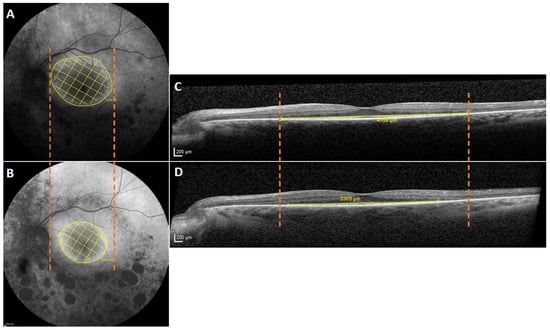
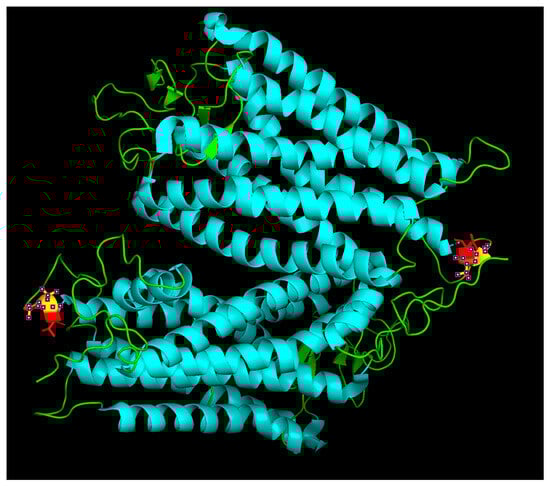
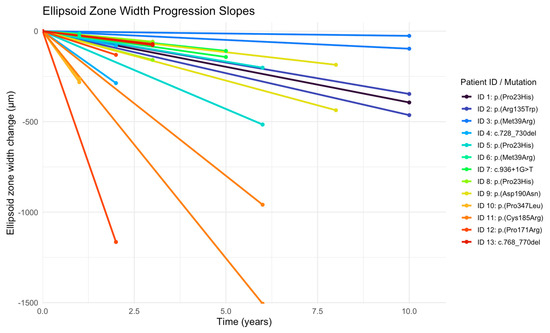
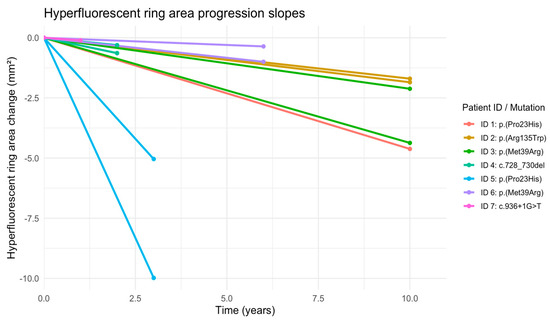
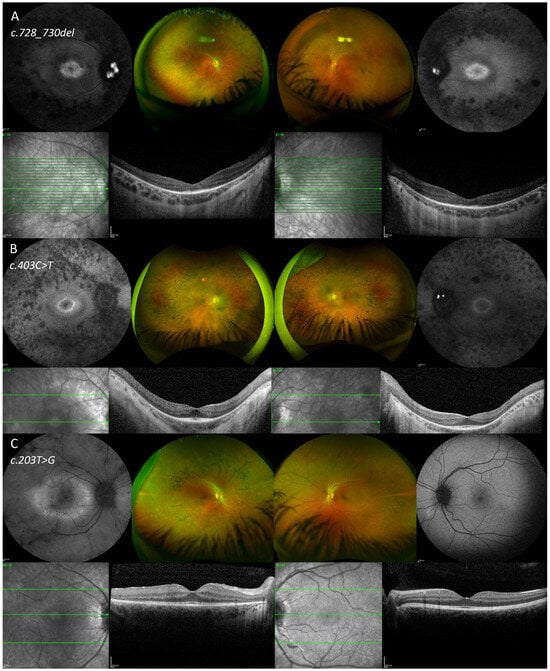
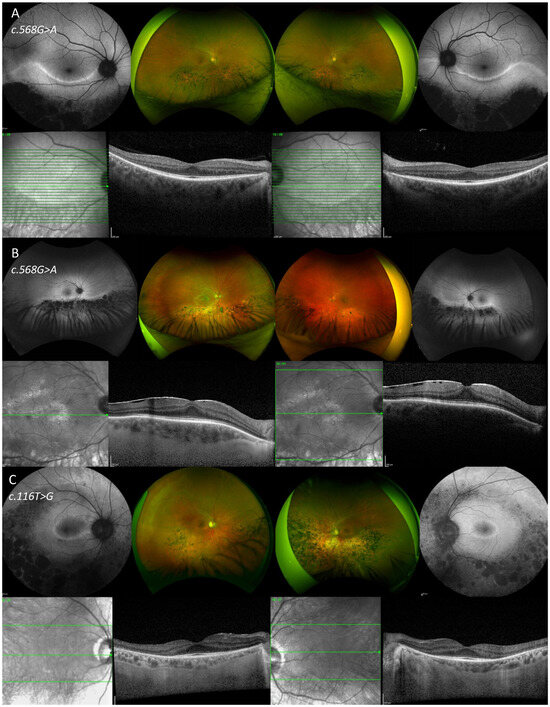
Background/Objectives: To describe retinal imaging characteristics and the natural history of rhodopsin (RHO)-associated autosomal dominant retinitis pigmentosa (ADRP) by evaluating ellipsoid zone (EZ) width loss and measuring the degree of constriction of the area within and including the hyperautofluorescent ring. Methods: Eighteen patients with molecularly confirmed RHO variants were retrospectively evaluated. EZ width on spectral-domain optical coherence tomography (SD-OCT) and the area within and including the hyperfluorescent ring on fundus autofluorescence (FAF) were measured. The correlation between EZ width and hyperfluorescent ring area was assessed using a linear mixed-effects model. Results: Mean best corrected visual acuity (BCVA) (logMAR) was 0.21 at baseline and 0.29 at last visit over a mean follow-up of 5 years. Nine patients presented with sectoral RP, eight with typical RP, and one with unilateral RP. The mean EZ width constriction rate was −93.43 µm/year (SD = 130.58), and the area within and including the hyperautofluorescent ring decreased by −0.54 mm2/year (SD = 0.50). A strong positive association was observed between the EZ width and hyperfluorescent ring area at baseline (β = 151.7 ± 17.9, p < 0.001) and at the final visit (β = 185.7 ± 18.2, p < 0.001). Conclusions: In this study, patients with RHO-associated ADRP appeared to show a relatively slow rate of progression. Quantitative imaging markers, such as EZ width and the area within and including the hyperautofluorescent ring, may offer potentially reproducible measures of disease progression. These imaging biomarkers could be useful as outcome measures in future natural history studies and therapeutic trials, pending further validation.
Full article
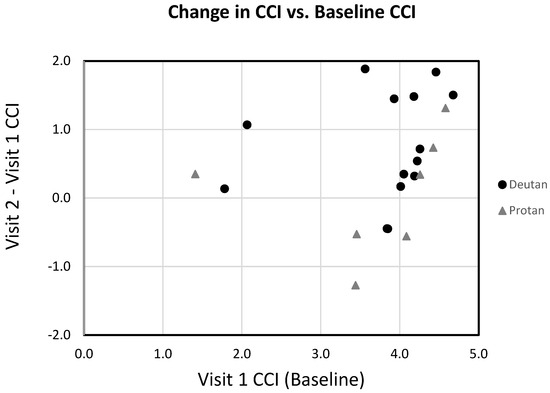
Figure 1
Open AccessSystematic Review
Epidemiology of Keratoconus in India: A Systematic Review and Meta-Analysis of Indian Study Populations
by
Matteo Ripa, Chiara Schipa, Paola Aceto, Sushad Prasad and Neeraj Apoorva Shah
Vision 2026, 10(2), 20; https://doi.org/10.3390/vision10020020 - 9 Apr 2026
Abstract
►▼
Show Figures
(1) Background: To synthesize available evidence on the prevalence of keratoconus (KC) reported in Indian study populations and describe its demographic distribution. (2) Methods: PubMed, Embase, and Scopus were checked using free text and controlled vocabulary. A random-effect meta-analysis of pooled prevalence and
[...] Read more.
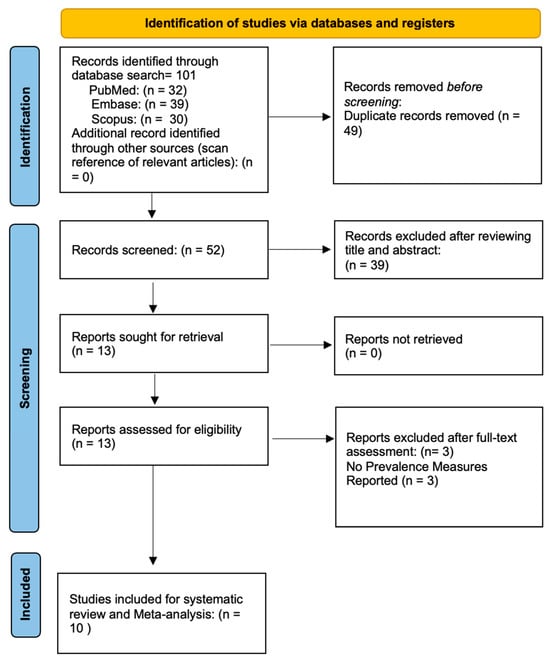
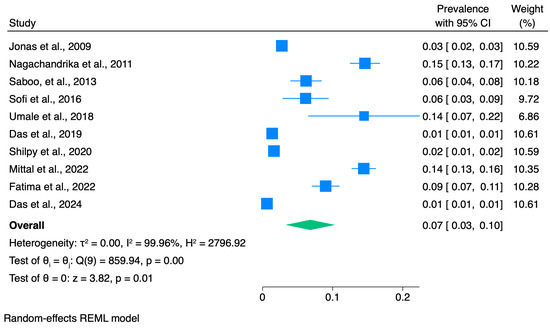
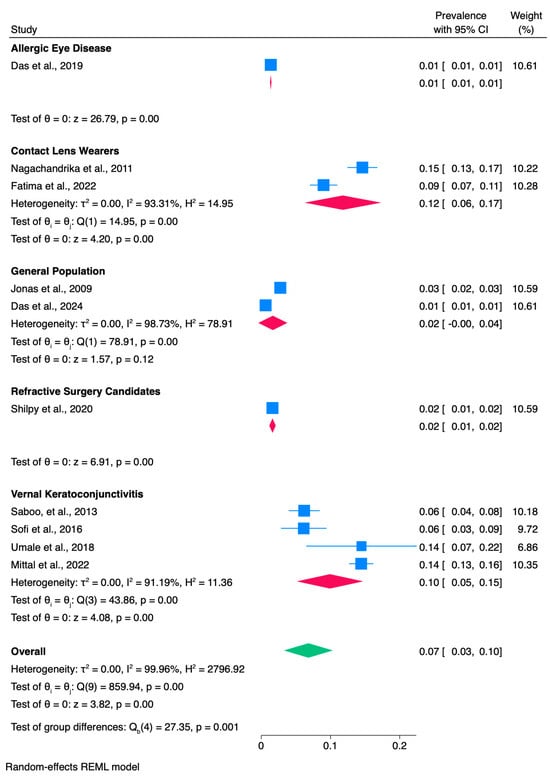
(1) Background: To synthesize available evidence on the prevalence of keratoconus (KC) reported in Indian study populations and describe its demographic distribution. (2) Methods: PubMed, Embase, and Scopus were checked using free text and controlled vocabulary. A random-effect meta-analysis of pooled prevalence and its 95% confidence intervals (CIs) for KC among study participants recruited in India was conducted using exact binomial distributions and the Freeman–Tukey double-arcsine transformation. To identify potential sources of variability, we conducted subgroup analyses by dividing the data by geographic region, KC assessment, and study population. The methodological quality of each study was assessed using the Newcastle–Ottawa scale (NOS). Evidence quality was evaluated using the GRADE system. (3) Results: Across included studies, the total number of KC cases was 16,164, and sample sizes ranged from 152 to 2,384,523 participants. Prevalence estimates varied markedly across studies, reflecting substantial heterogeneity in study design, diagnostic criteria, and population characteristics. Most studies were conducted in high-risk clinical settings, limiting generalizability to the general population. Subgroup analyses showed no significant differences by geographic region or diagnostic modality (p = 0.79 and 0.07, respectively). There was a statistically significant subgroup effect (p < 0.001) in the study population. The reported prevalence among females ranged from 0.00 to 0.04, while the pooled prevalence estimate was 0.02 (95% CI: 0.00–0.04). Four cross-sectional studies scored 8–10 on the NOS. (4) Conclusions: Our meta-analysis synthesized the currently available evidence on keratoconus prevalence across Indian study populations, highlighting substantial variability across studies and emphasizing that estimates should be interpreted within their specific study contexts rather than as representative of the national population.
Full article
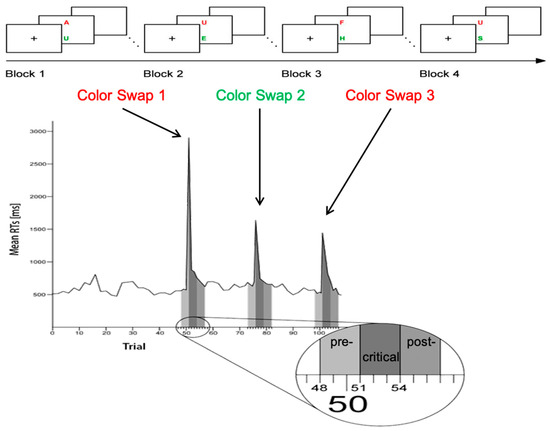
Figure 1
Open AccessArticle
Real-World Effectiveness of CARE-Based Spectacle Lenses for Myopia Control in a Turkish Pediatric Cohort
by
Nilay Akagun and Ugur Emrah Altiparmak
Vision 2026, 10(2), 19; https://doi.org/10.3390/vision10020019 - 31 Mar 2026
Abstract
►▼
Show Figures
Childhood myopia progression remains a major global public health concern, and spectacle lenses designed to induce peripheral myopic defocus have emerged as a non-pharmacological strategy for myopia control; however, real-world evidence from European populations remains limited. This retrospective observational study evaluated the 12-month
[...] Read more.
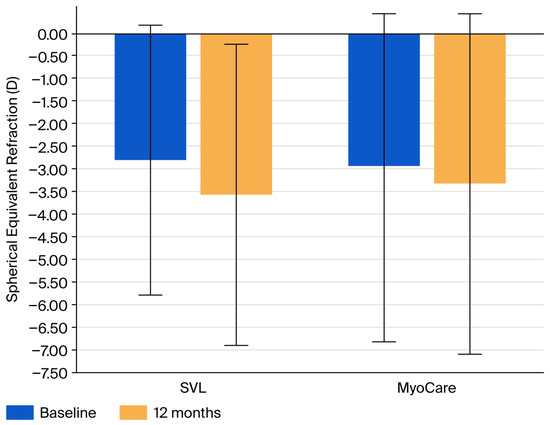
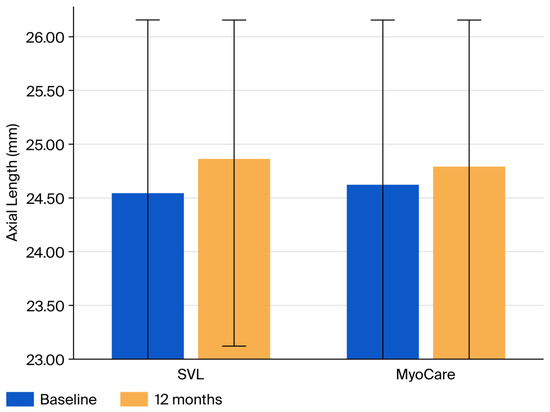
Childhood myopia progression remains a major global public health concern, and spectacle lenses designed to induce peripheral myopic defocus have emerged as a non-pharmacological strategy for myopia control; however, real-world evidence from European populations remains limited. This retrospective observational study evaluated the 12-month real-world effectiveness of cylindrical annular refractive element spectacle lenses in a Turkish pediatric cohort. Children aged 5–15 years who wore myopia-control spectacle lenses from the CARE platform or single-vision lenses were included. Cycloplegic spherical equivalent refraction (SER) and axial length (AL) were measured at baseline and at 12 months. The primary outcomes were 12-month changes in SER and AL. Multivariable generalized estimation equations were applied to account for inter-eye correlation and to adjust for age and gender. A total of 168 eyes were analyzed (85 with single-vision lenses; 83 with myopia-control lenses). After 12 months, the myopia-control group demonstrated significantly slower progression than the single-vision group, with mean SER changes of −0.40 ± 0.92 D versus −0.77 ± 0.74 D and axial elongation of 0.17 ± 0.25 mm versus 0.31 ± 0.30 mm, respectively. Treatment group remained a significant predictor of both refractive progression (p = 0.008) and axial elongation (p = 0.003). Age was independently associated with axial length change (p < 0.001), whereas gender was not. These findings provide real-world European evidence supporting the role of defocus-modulating spectacle lenses in pediatric myopia management.
Full article
Graphical abstract
Open AccessArticle
Adverse Events Reported with Standard-Dose and High-Dose Aflibercept: A FAERS Pharmacovigilance Study
by
Minali Prasad and David J. Ramsey
Vision 2026, 10(2), 18; https://doi.org/10.3390/vision10020018 - 31 Mar 2026
Cited by 1
Abstract
►▼
Show Figures
This pharmacovigilance study drew upon the U.S. Food and Drug Administration’s Adverse Event Reporting System (FAERS) database to compare the reporting patterns of ocular and systemic adverse events (AEs) for the 2 mg (standard-dose [SD]) and 8 mg (high-dose [HD]) formulations of aflibercept
[...] Read more.
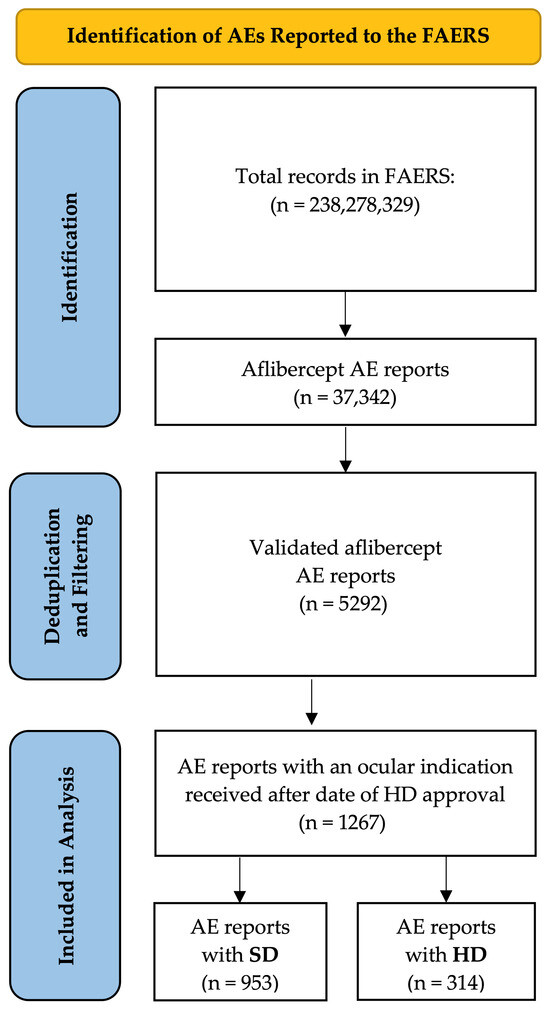
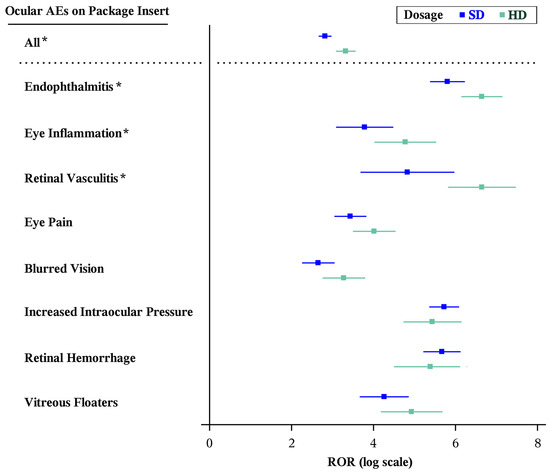
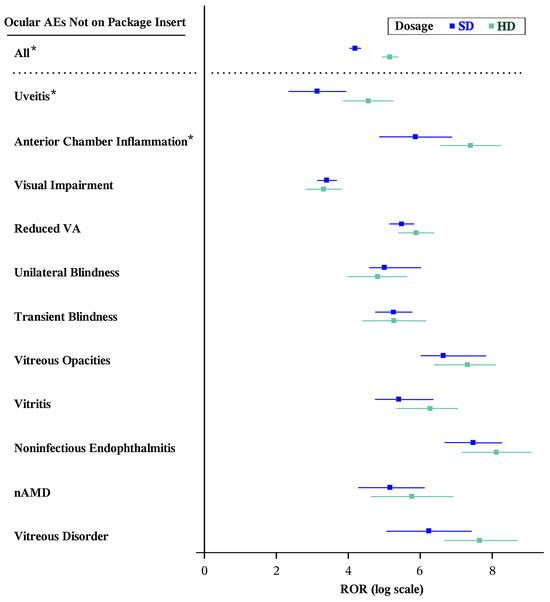
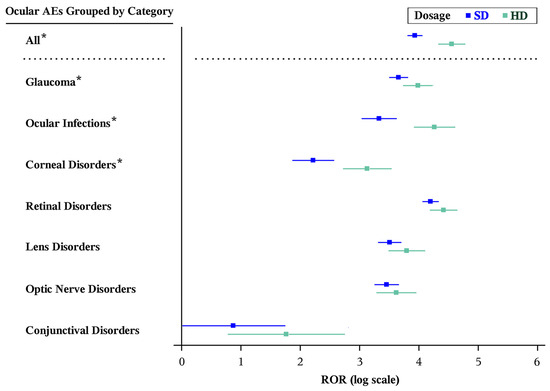
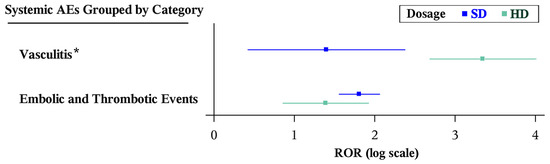
This pharmacovigilance study drew upon the U.S. Food and Drug Administration’s Adverse Event Reporting System (FAERS) database to compare the reporting patterns of ocular and systemic adverse events (AEs) for the 2 mg (standard-dose [SD]) and 8 mg (high-dose [HD]) formulations of aflibercept given for any ocular indication. Disproportionality analysis, including reporting odds ratios (ROR), was used to compare each dose individually to the background reporting rate for the AE. Statistical significance of the RORs was evaluated using Bonferroni correction, alongside signal detection based on Evans criteria, and Bayesian information components. The Breslow–Day test was used to conduct a head-to-head comparison of RORs between each dose. We identified 953 SD and 314 HD AE reports within the 750-day period after the approval of HD by the U.S. Food and Drug Administration (FDA; 8/18/2023). Compared to SD, HD had a higher ROR for endophthalmitis (HD: ROR 767.56 [95% CI, 466.11–1263.95]; SD: ROR 331.64 [95% CI, 216.71–507.51]), eye inflammation (HD: ROR 118.45 [95% CI, 55.85–251.20]; SD: 43.98 [95% CI, 21.87–88.44]), retinal vasculitis (HD: ROR 769.87 [95% CI, 337.13–1758.04]; SD: ROR 124.80 [95% CI, 39.67–392.63]), and systemic vasculitis (HD: ROR 28.40 [95% CI, 14.63–55.14]; SD: ROR 4.05 [1.52–10.82]). These results, based on FAERS, indicate associations rather than causal relationships. Further studies are needed to quantify the absolute risks and elucidate the mechanisms underlying differences in safety signals, if any.
Full article
Graphical abstract
Open AccessArticle
Foveated Retinotopy Improves Classification and Localization in Convolutional Neural Networks
by
Jean-Nicolas Jérémie, Emmanuel Daucé and Laurent U. Perrinet
Vision 2026, 10(2), 17; https://doi.org/10.3390/vision10020017 - 30 Mar 2026
Abstract
►▼
Show Figures
From falcons spotting prey to humans recognizing faces, the ability to rapidly process visual information depends on a foveated retinal organization that provides high-acuity central vision while preserving low-resolution peripheral vision. This organization is conserved along early visual pathways, yet remains under-explored in
[...] Read more.
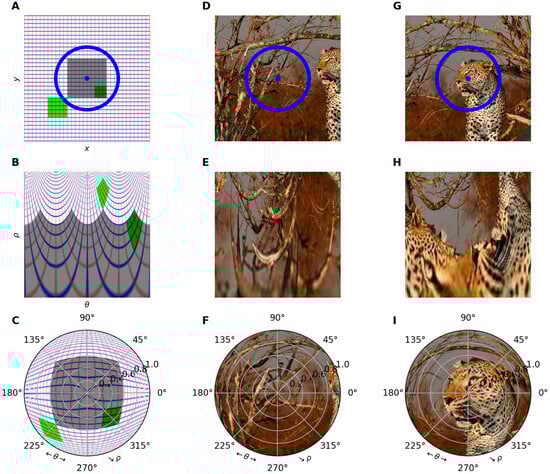
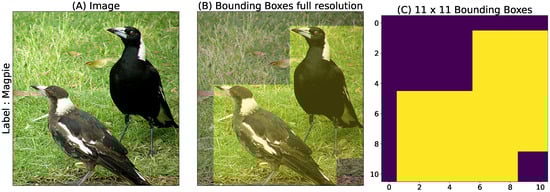
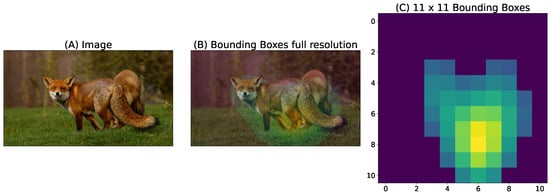
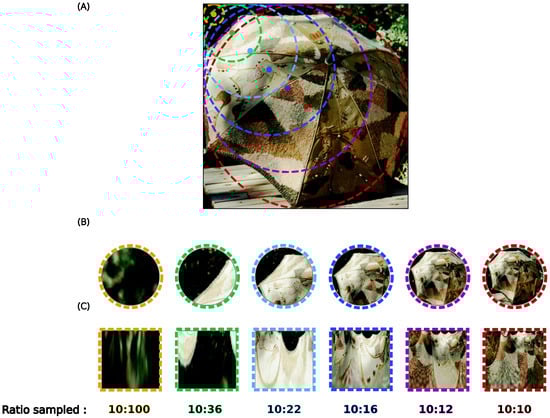
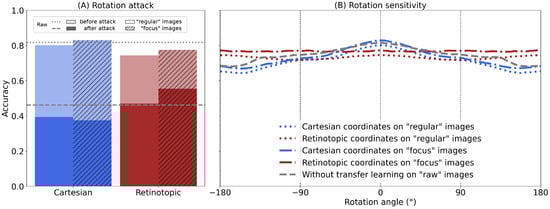
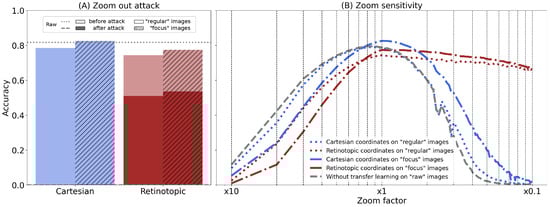
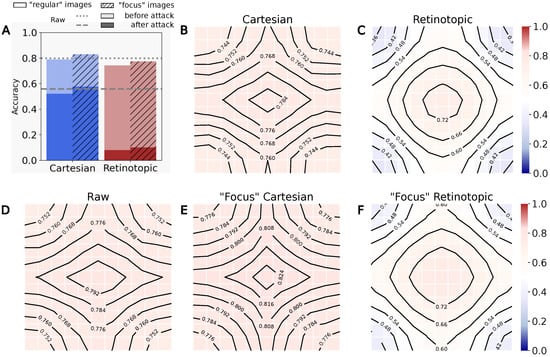
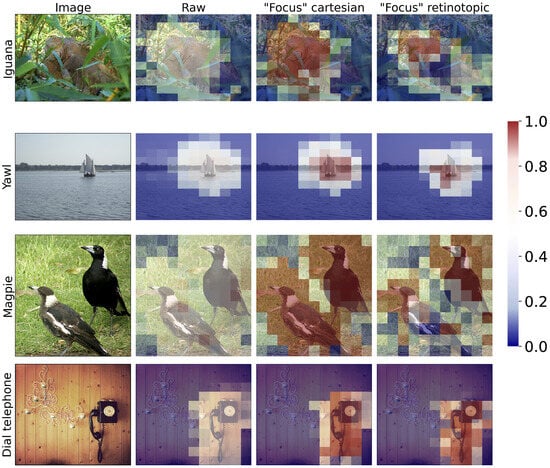
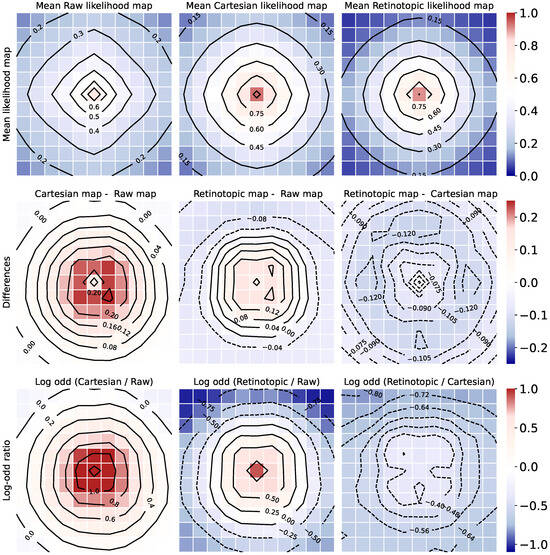
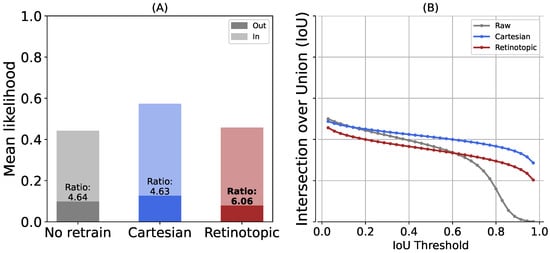
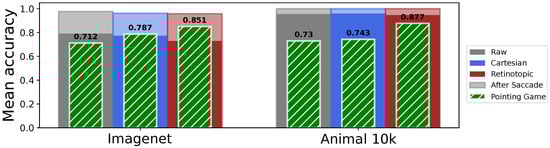
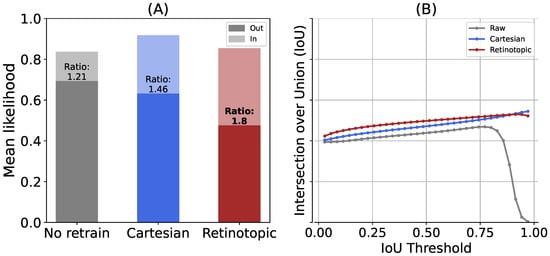
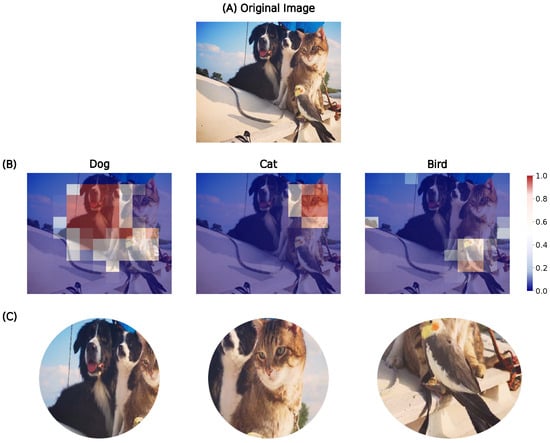
From falcons spotting prey to humans recognizing faces, the ability to rapidly process visual information depends on a foveated retinal organization that provides high-acuity central vision while preserving low-resolution peripheral vision. This organization is conserved along early visual pathways, yet remains under-explored in machine learning. Here, we examine the impact of embedding a foveated retinotopic transformation as a preprocessing layer on convolutional neural networks (CNNs) for image classification. By applying a log-polar mapping to off-the-shelf models and retraining them, we achieve comparable accuracy while improving robustness to scale and rotation. We demonstrate that this architecture is highly sensitive to shifts in the fixation point and that this sensitivity provides an effective proxy for defining saliency maps that facilitate object localization. Our results demonstrate that foveated retinotopy encodes prior geometric knowledge, providing a solution for visual searches and a meaningful classification robustness and localization trade-off. These findings provides a proof of concept in order to connect principles of biological vision with artificial networks, suggesting new, robust and efficient approaches for computer vision systems.
Full article
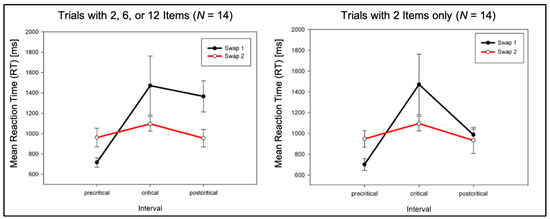
Figure 1
Highly Accessed Articles
Latest Books
E-Mail Alert
News
Topics
Topic in
Pharmaceuticals, Medical Sciences, JCM, Vision, Reports, Cells, IJMS
New Developments in Glaucoma Diagnostics and Therapeutics
Topic Editors: Shan C. Lin, Sunee ChansangpetchDeadline: 30 September 2026
Special Issues
Special Issue in
Vision
Neural Mechanisms of Coordinated Eye-Hand Behaviors
Guest Editor: Maureen HaganDeadline: 30 September 2026
Special Issue in
Vision
Functional Visual Assessment Under Modulatory Influences
Guest Editors: Thiago Fernandes, Milena OliveiraDeadline: 3 December 2026
Special Issue in
Vision
Visual Discomfort: Perceptual, Neural, and Functional Perspectives
Guest Editors: Arnold Wilkins, Sarah Haigh, Sanae Yoshimoto, Christopher DiMattinaDeadline: 31 December 2026
Special Issue in
Vision
Neuroprotection and Precision Therapy in Glaucoma
Guest Editors: Jan Darius Unterlauft, Somar HasanDeadline: 31 December 2026