Review

Advancing Our Understanding of Pyranopterin-Dithiolene Contributions to Moco Enzyme Catalysis

by
Sharon J. Nieter Burgmayer
1,* and
Martin L. Kirk
2,*
1
Department of Chemistry, Bryn Mawr College, Bryn Mawr, PA 19010, USA
2
Department of Chemistry and Chemical Biology, The University of New Mexico, Albuquerque, NM 87131, USA
*
Authors to whom correspondence should be addressed.
Molecules 2023, 28(22), 7456; https://doi.org/10.3390/molecules28227456

Submission received: 3 October 2023 / Revised: 23 October 2023 / Accepted: 24 October 2023 / Published: 7 November 2023
(This article belongs to the Special Issue Molybdenum and Tungsten Enzymes—State of the Art in Research)

Abstract

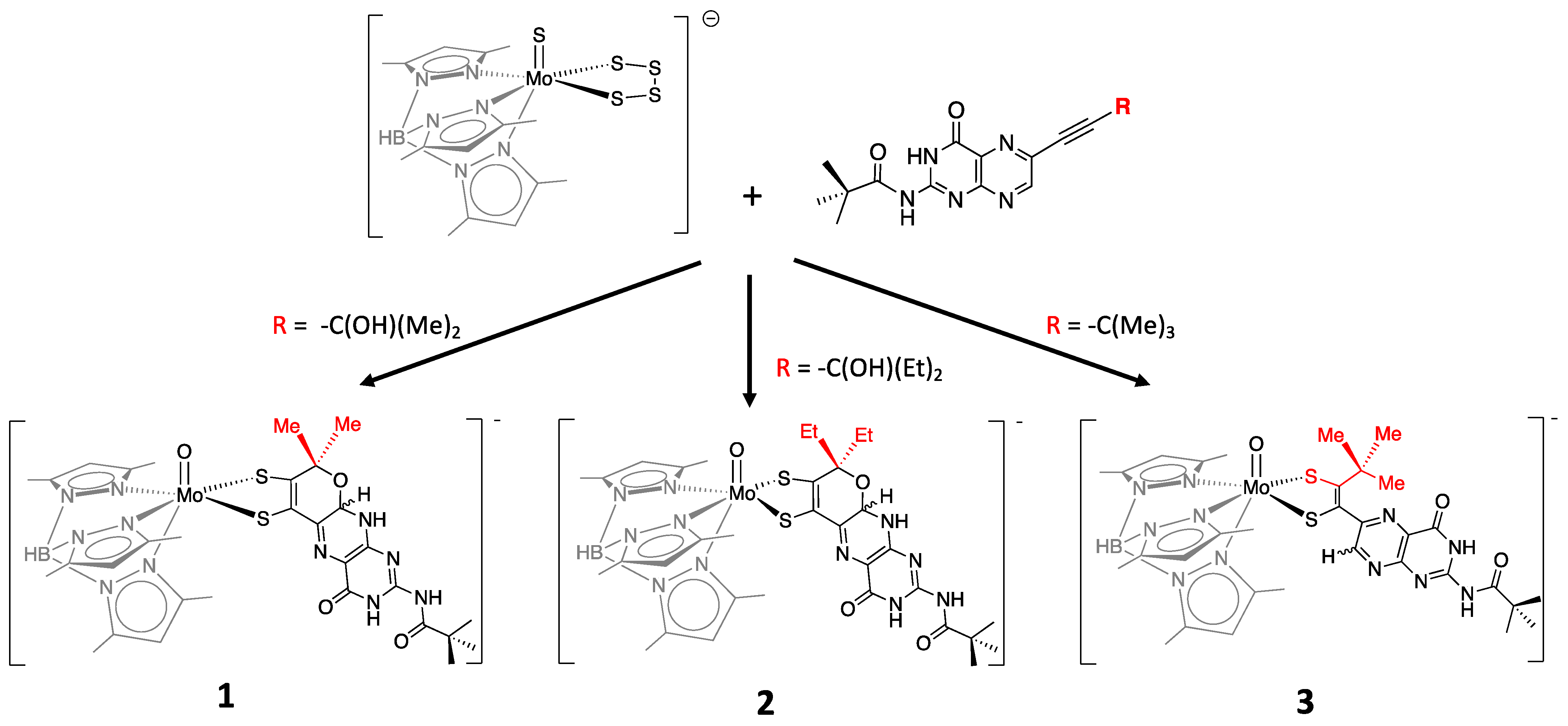
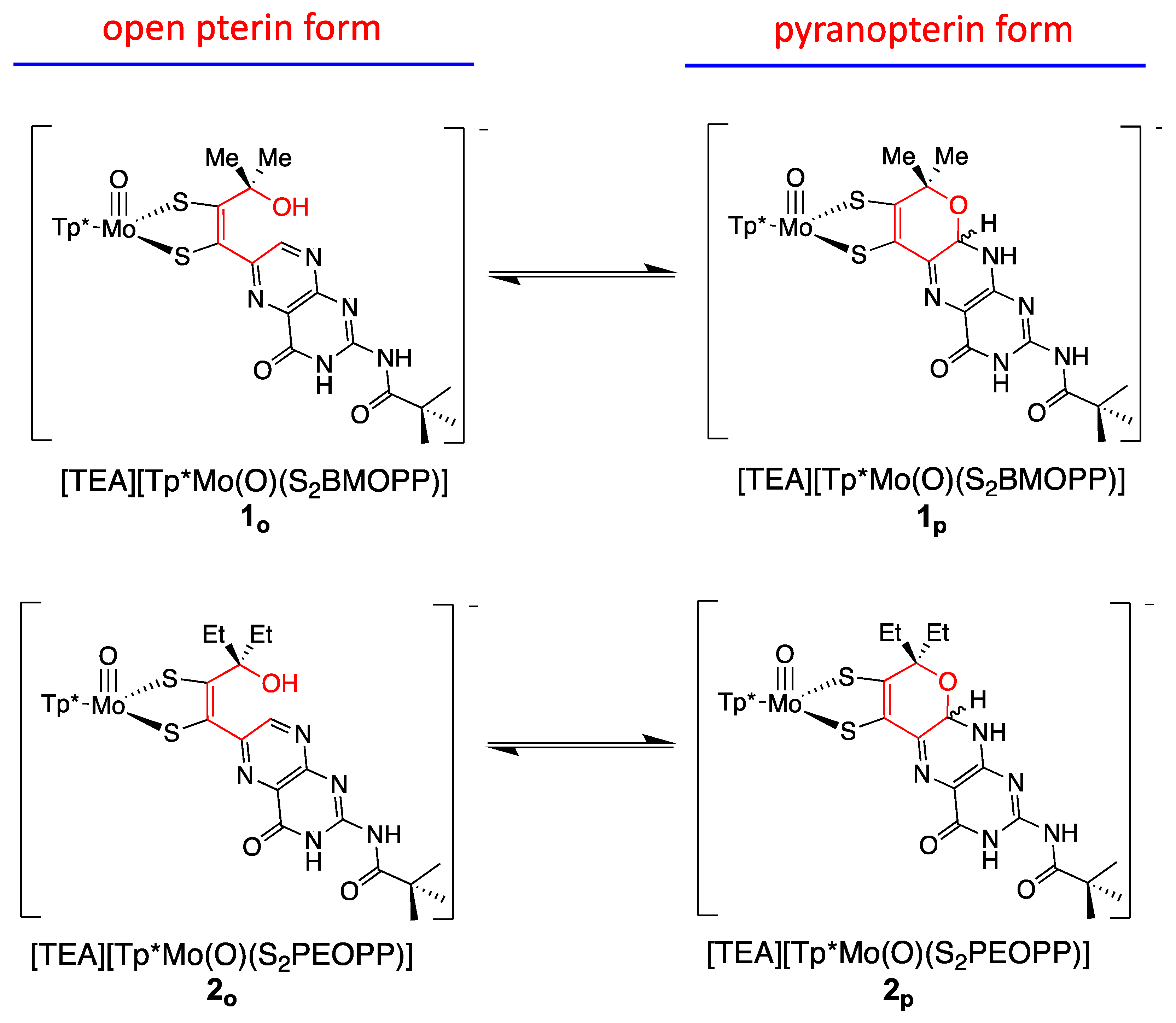
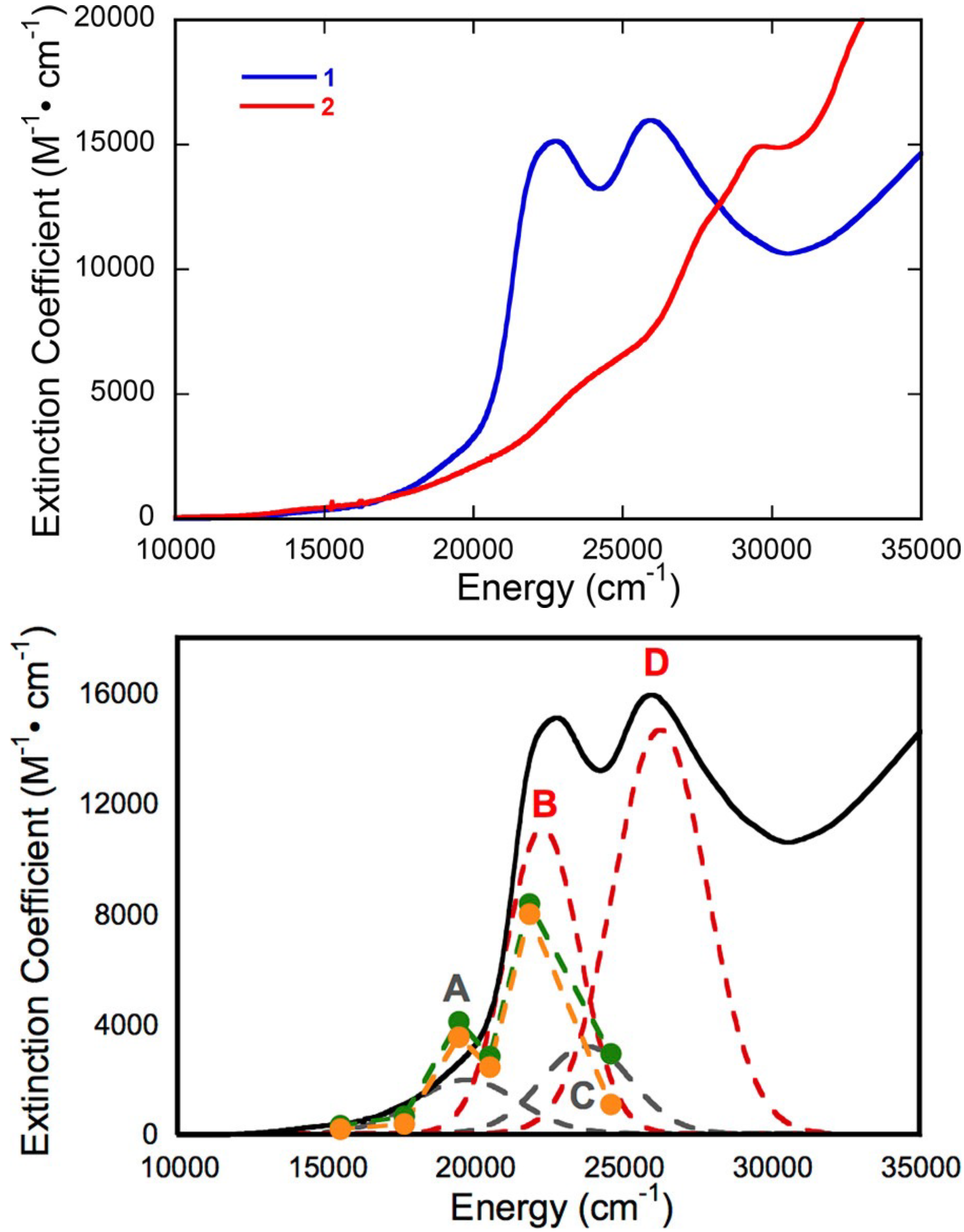
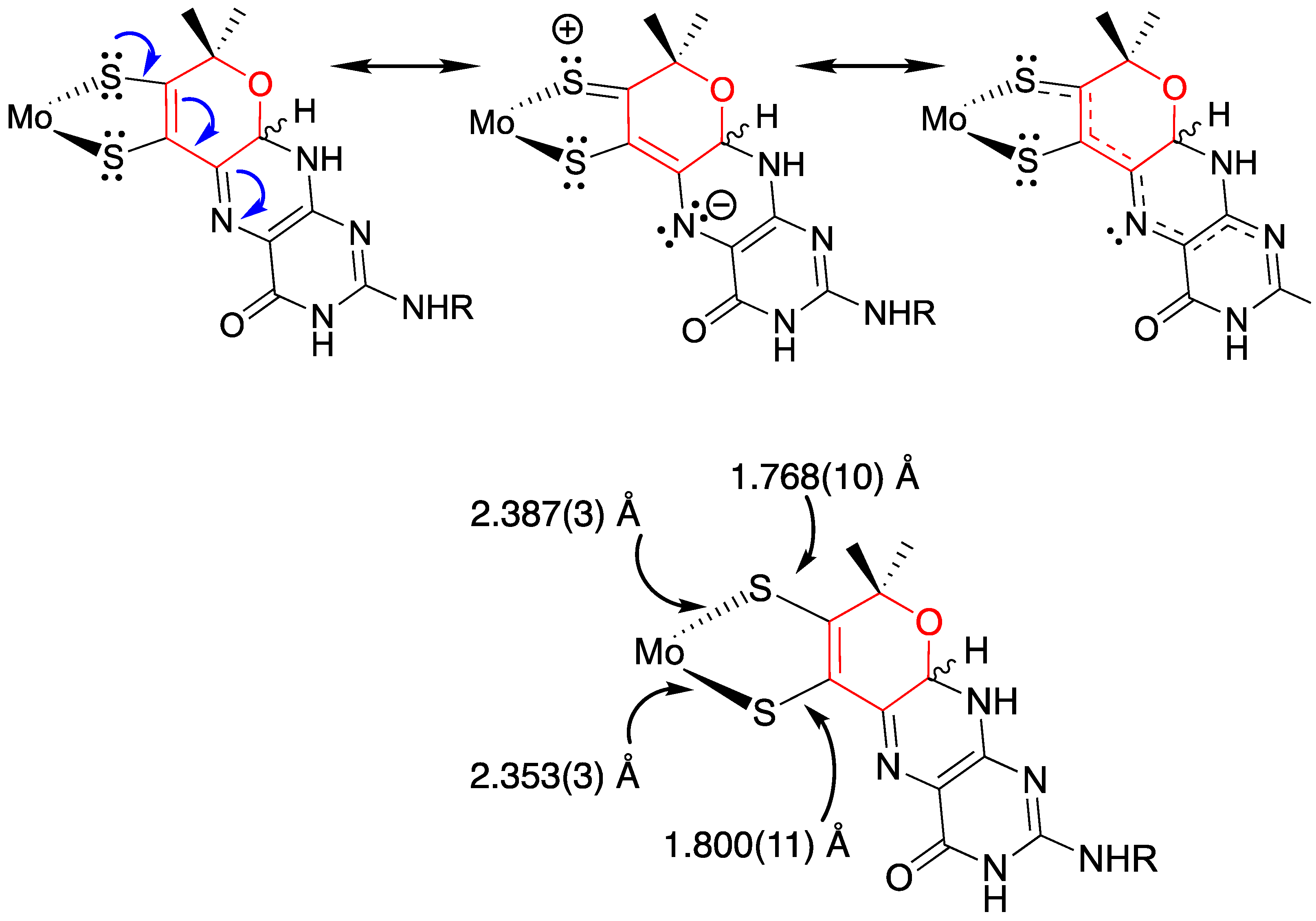
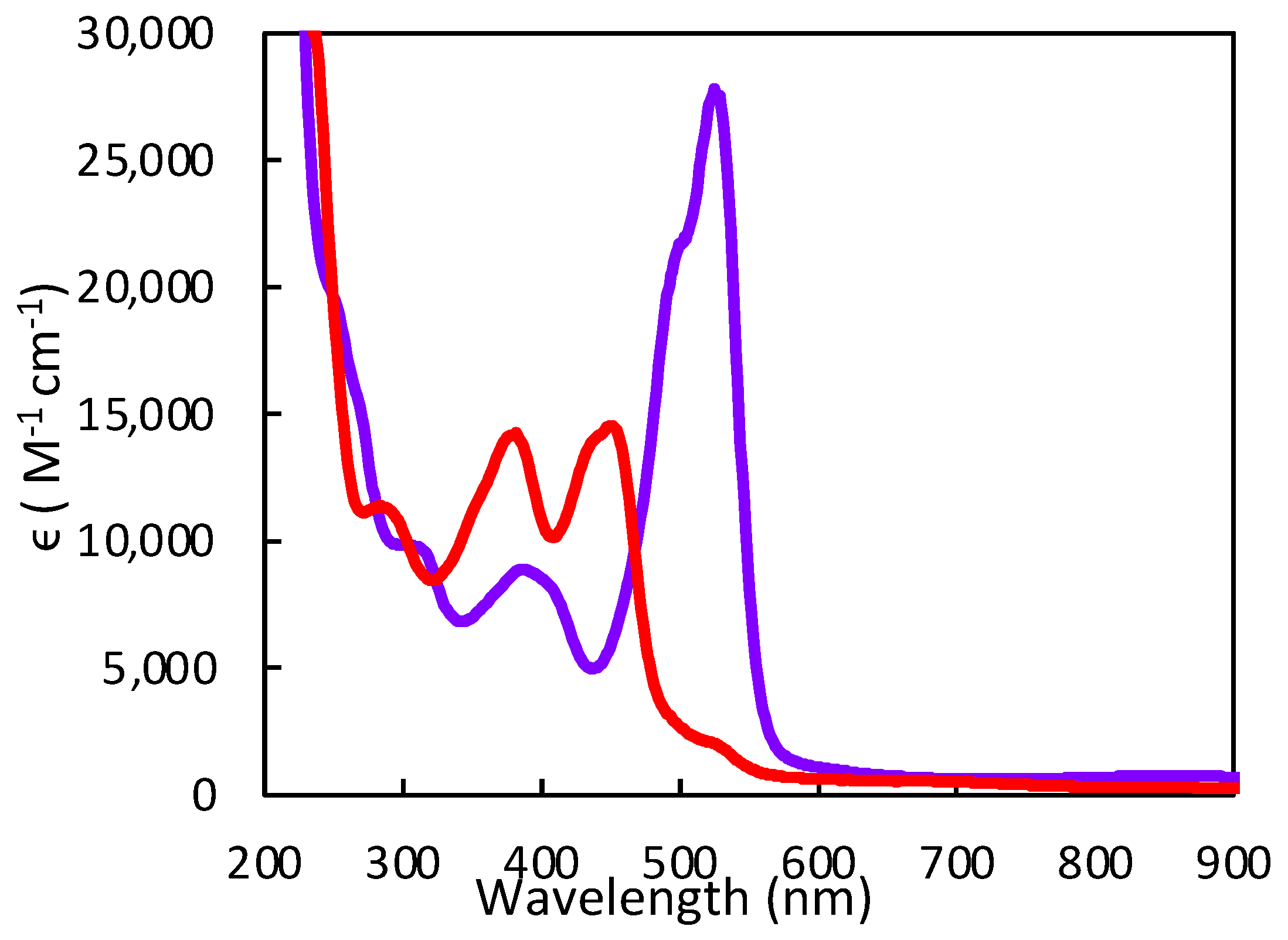
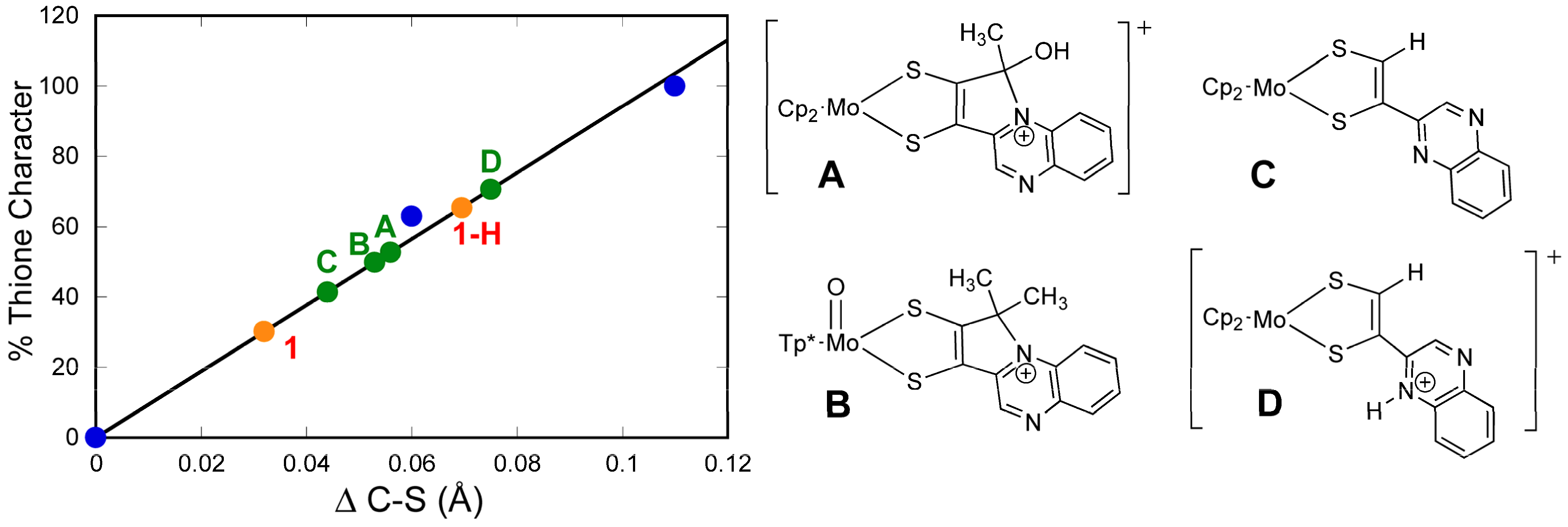
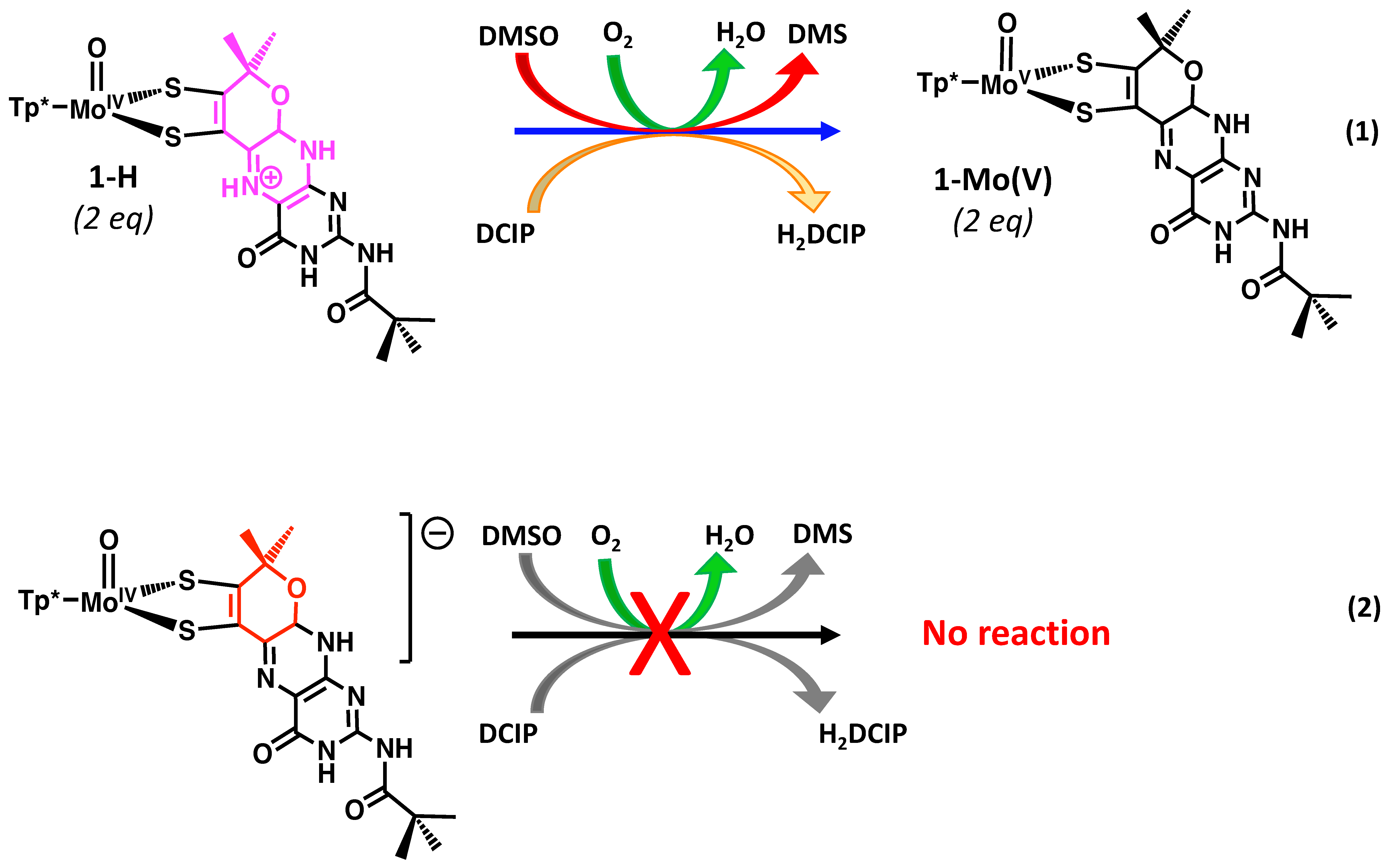
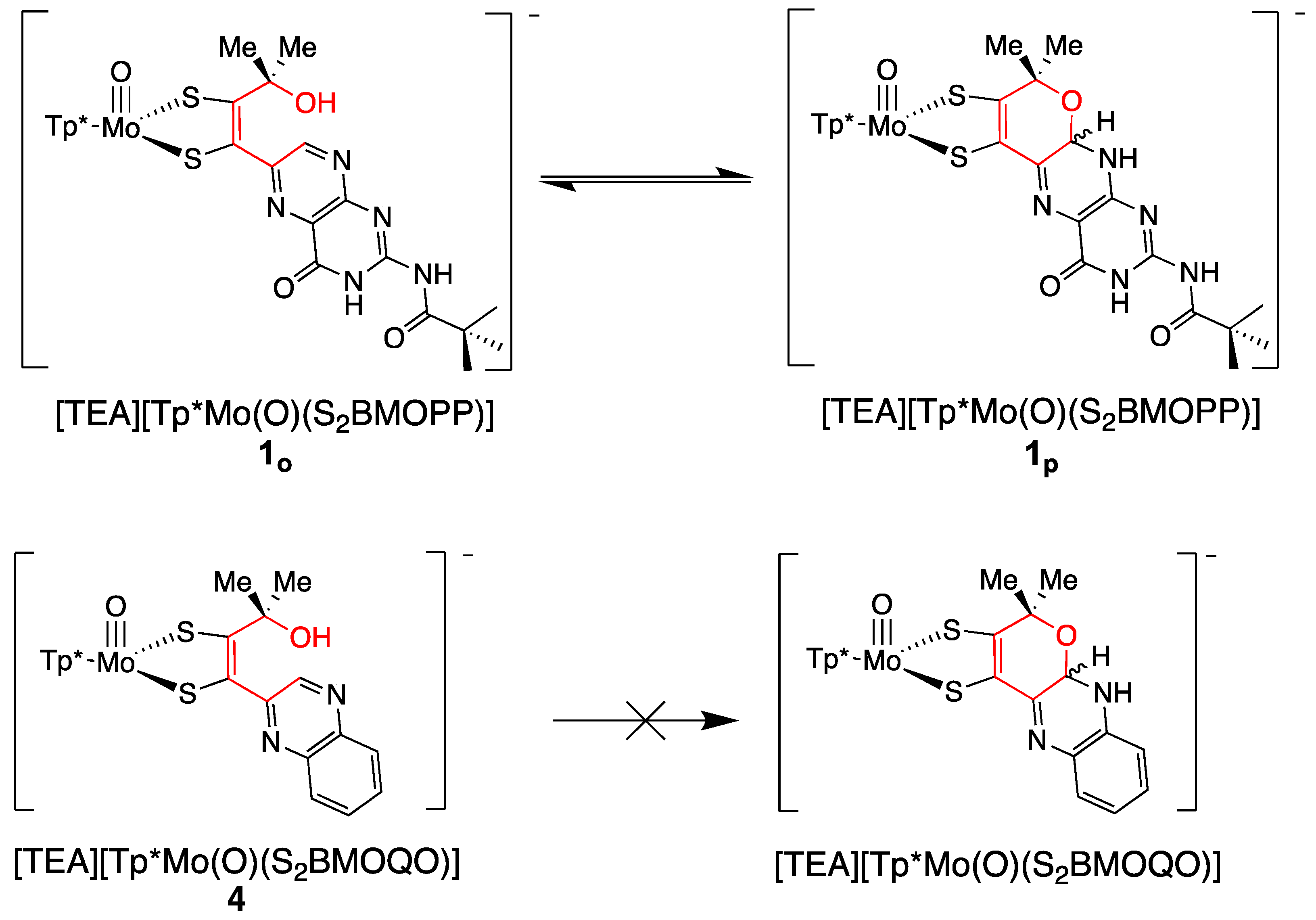
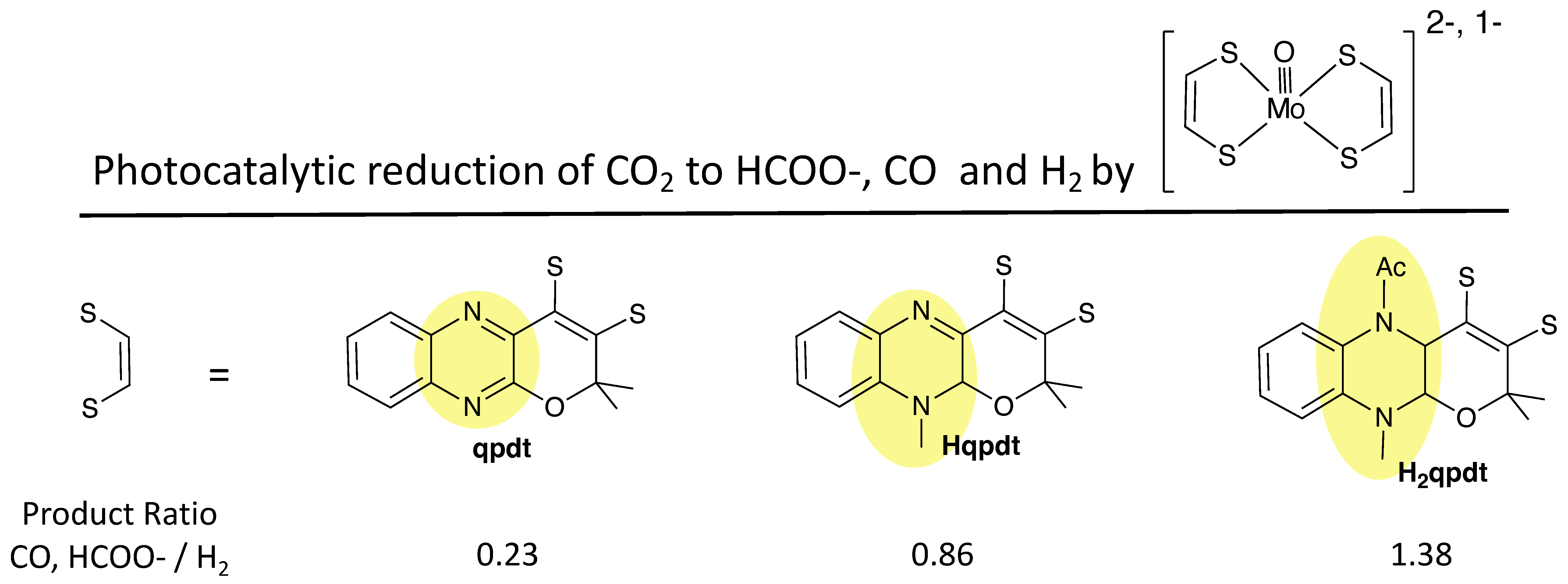
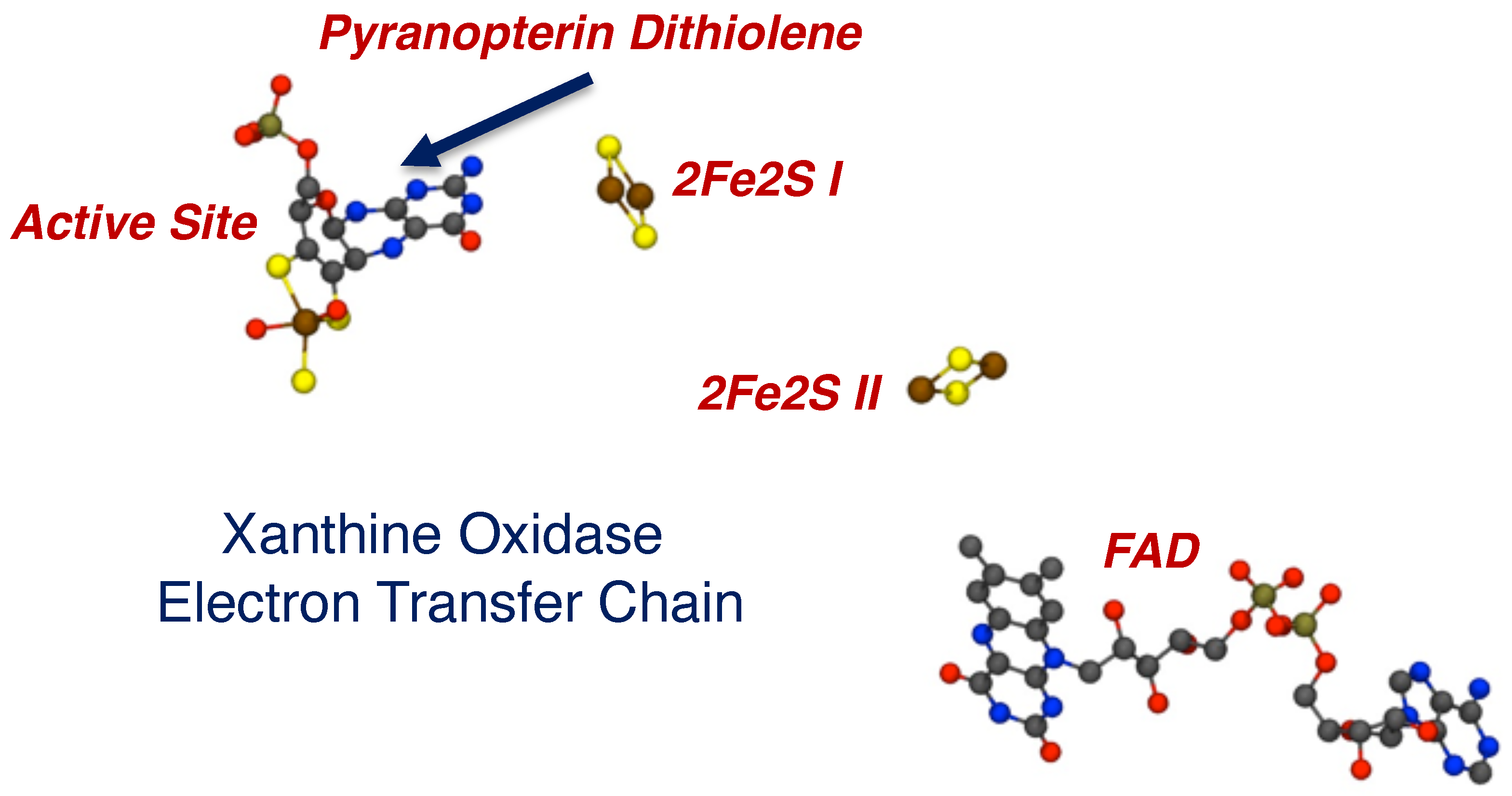
The pyranopterin dithiolene ligand is remarkable in terms of its geometric and electronic structure and is uniquely found in mononuclear molybdenum and tungsten enzymes. The pyranopterin dithiolene is found coordinated to the metal ion, deeply buried within the protein, and non-covalently attached to the protein via an extensive hydrogen bonding network that is enzyme-specific. However, the function of pyranopterin dithiolene in enzymatic catalysis has been difficult to determine. This focused account aims to provide an overview of what has been learned from the study of pyranopterin dithiolene model complexes of molybdenum and how these results relate to the enzyme systems. This work begins with a summary of what is known about the pyranopterin dithiolene ligand in the enzymes. We then introduce the development of inorganic small molecule complexes that model aspects of a coordinated pyranopterin dithiolene and discuss the results of detailed physical studies of the models by electronic absorption, resonance Raman, X-ray absorption and NMR spectroscopies, cyclic voltammetry, X-ray crystallography, and chemical reactivity.
Keywords: molybdenum enzymes; pyranopterin; molybdopterin; dithiolene; molybdenum cofactor; Moco molybdenum enzymes; pyranopterin; molybdopterin; dithiolene; molybdenum cofactor; Moco