Article

Hyperbaric Oxygen Treatment Following Mid-Cervical Spinal Cord Injury Preserves Diaphragm Muscle Function


by
Ashley J. Smuder
1,2,*,
Sara M. Turner
3,
Cassandra M. Schuster
3,
Aaron B. Morton
1,
J. Matthew Hinkley
1 and
David D. Fuller
2,3,4
1
Department of Applied Physiology and Kinesiology, University of Florida, Gainesville, FL 32611, USA
2
Breathing Research and Therapeutics, University of Florida, Gainesville, FL 32610, USA
3
Department of Physical Therapy, University of Florida, Gainesville, FL 32610, USA
4
McKnight Brain Institute, University of Florida, Gainesville, FL 32610, USA
*
Author to whom correspondence should be addressed.
Int. J. Mol. Sci. 2020, 21(19), 7219; https://doi.org/10.3390/ijms21197219
Submission received: 7 September 2020 / Revised: 24 September 2020 / Accepted: 27 September 2020 / Published: 30 September 2020
(This article belongs to the Special Issue Skeletal Muscle Denervation)

Abstract

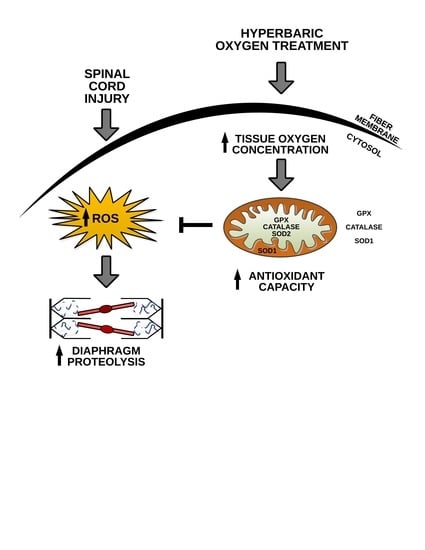
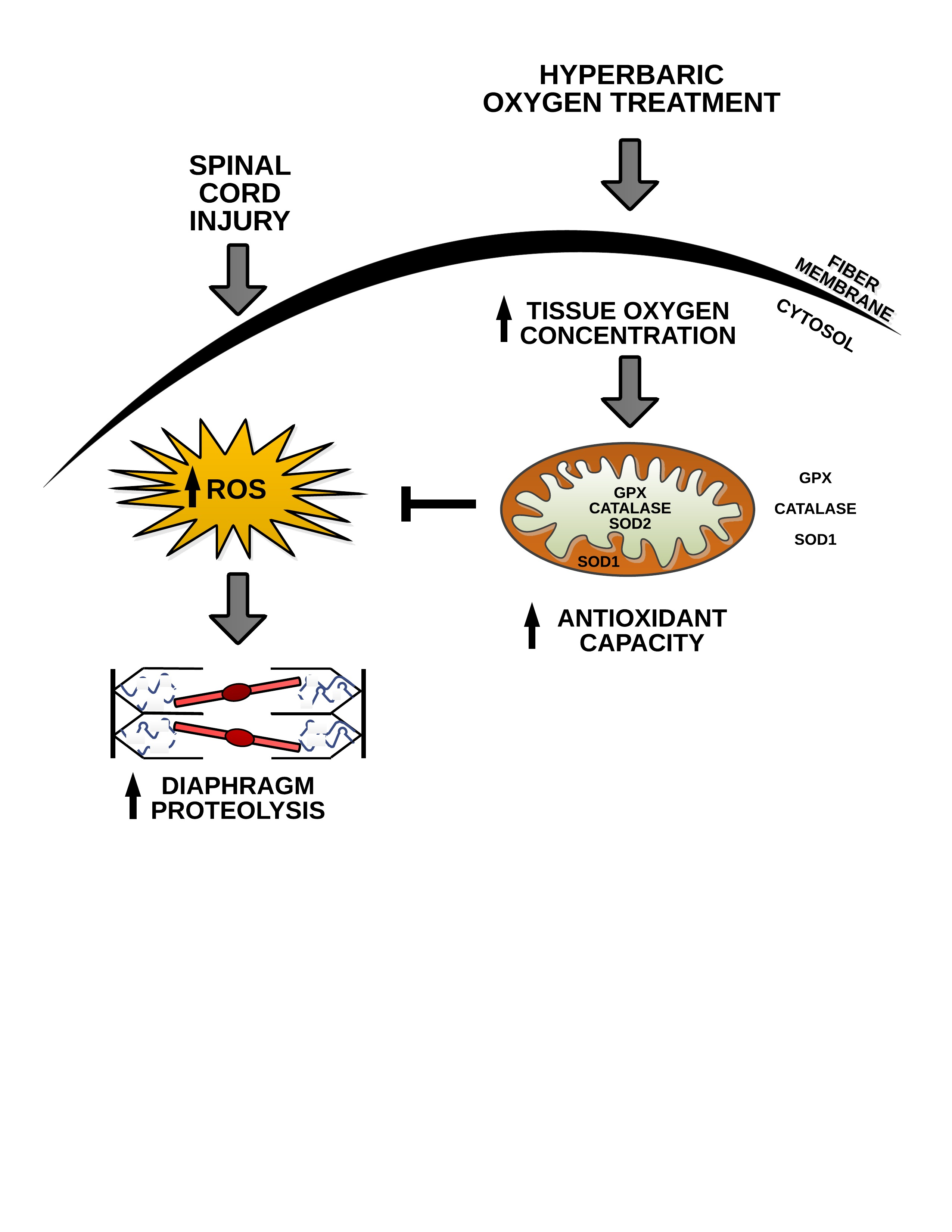
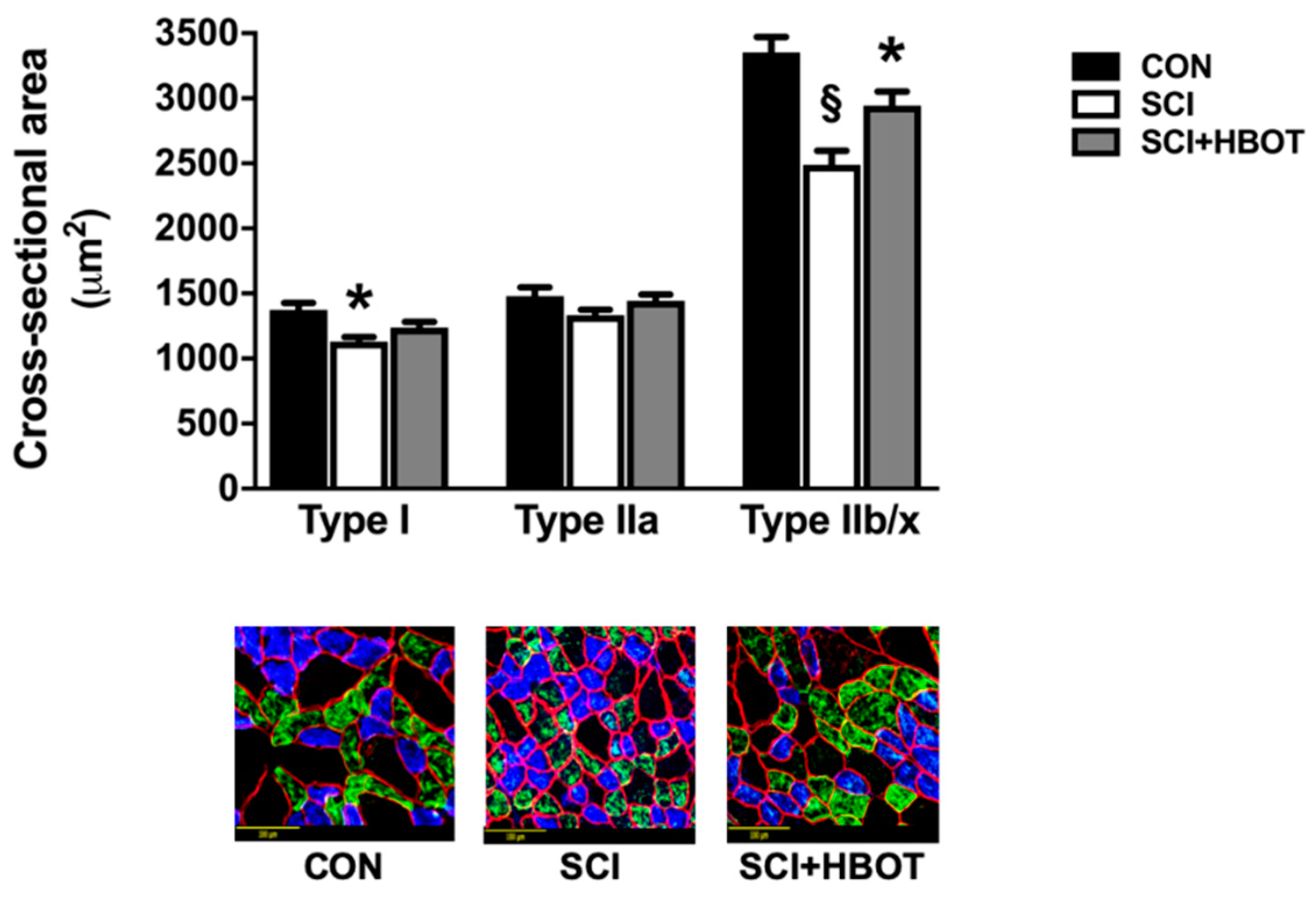
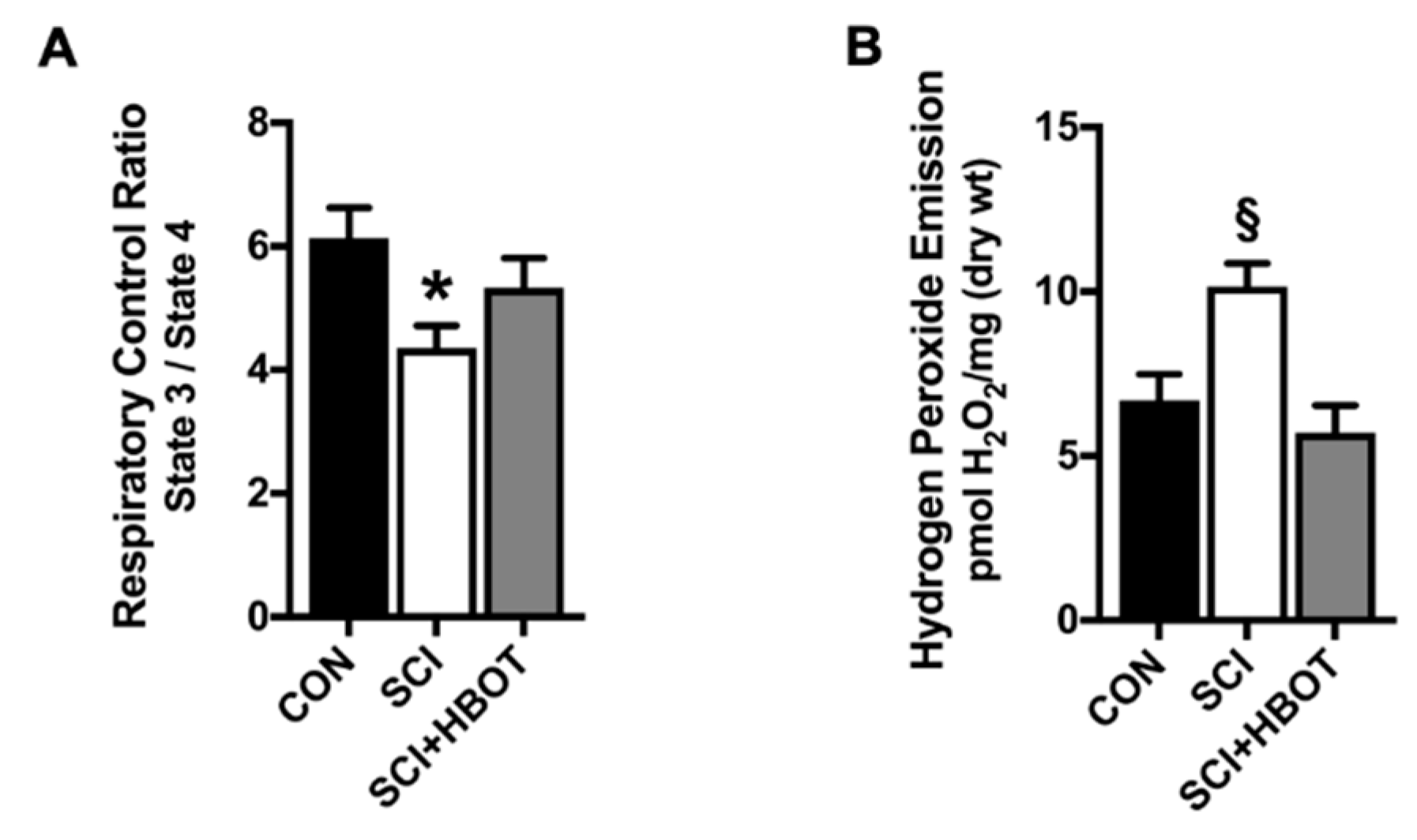
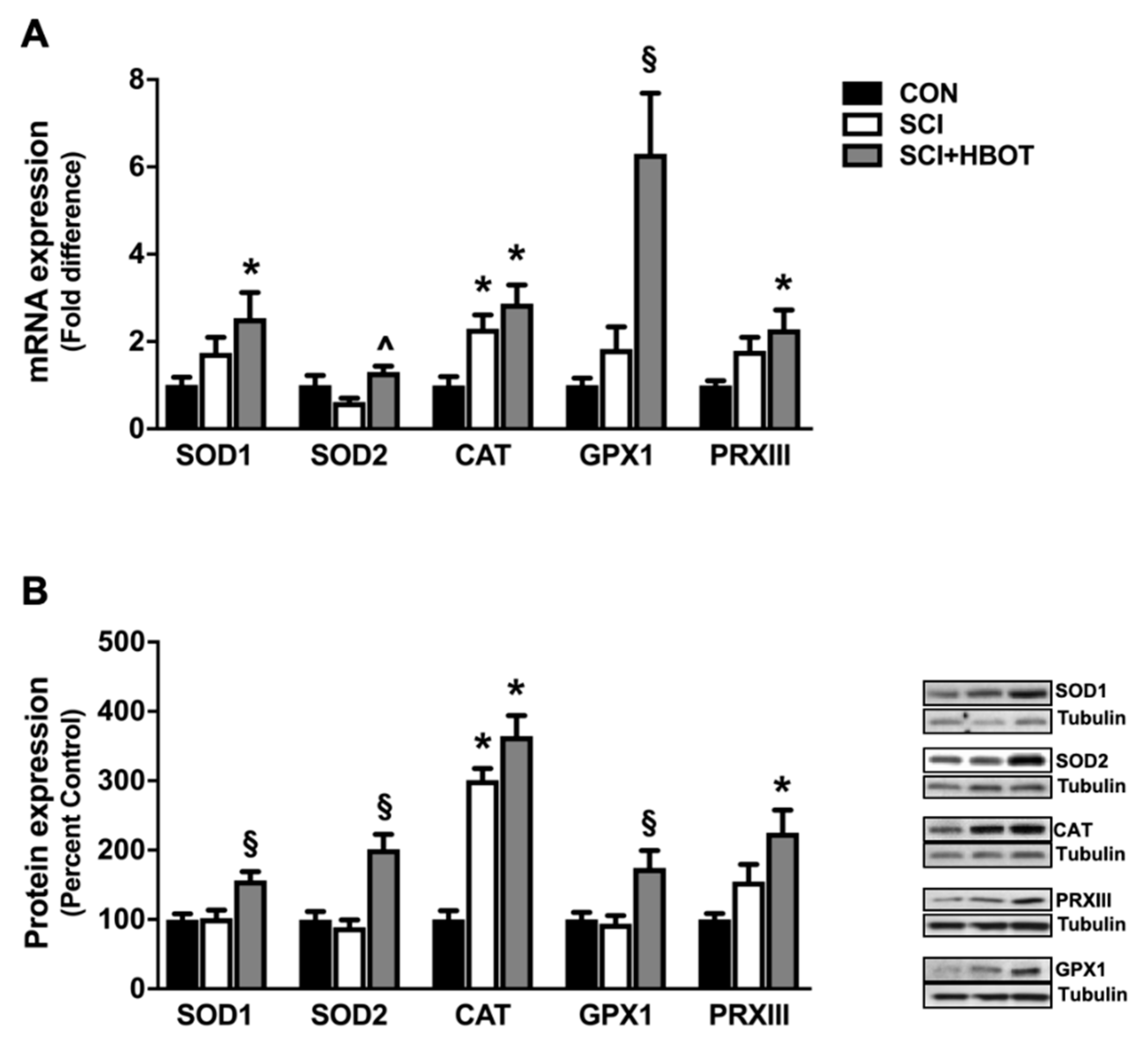
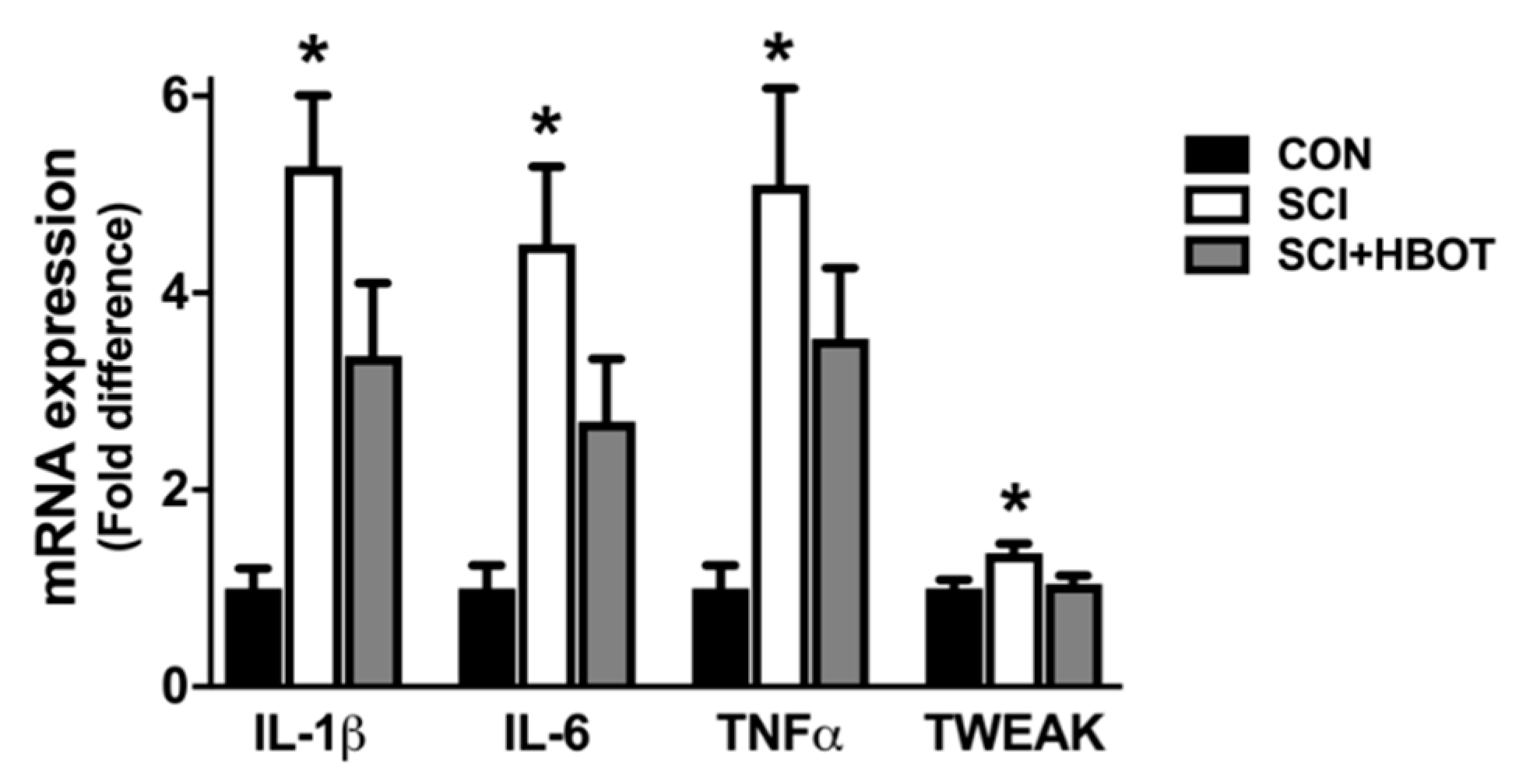
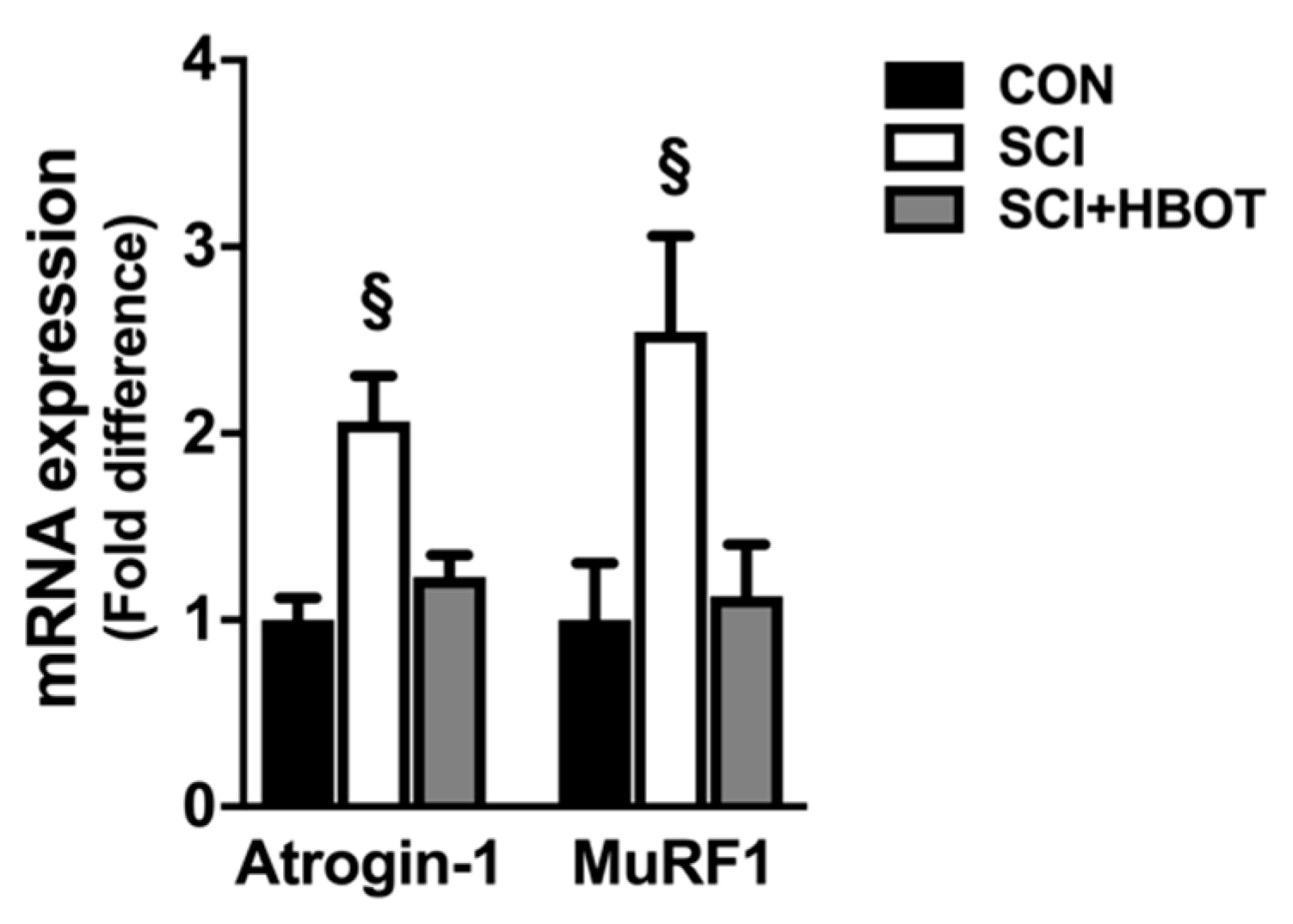
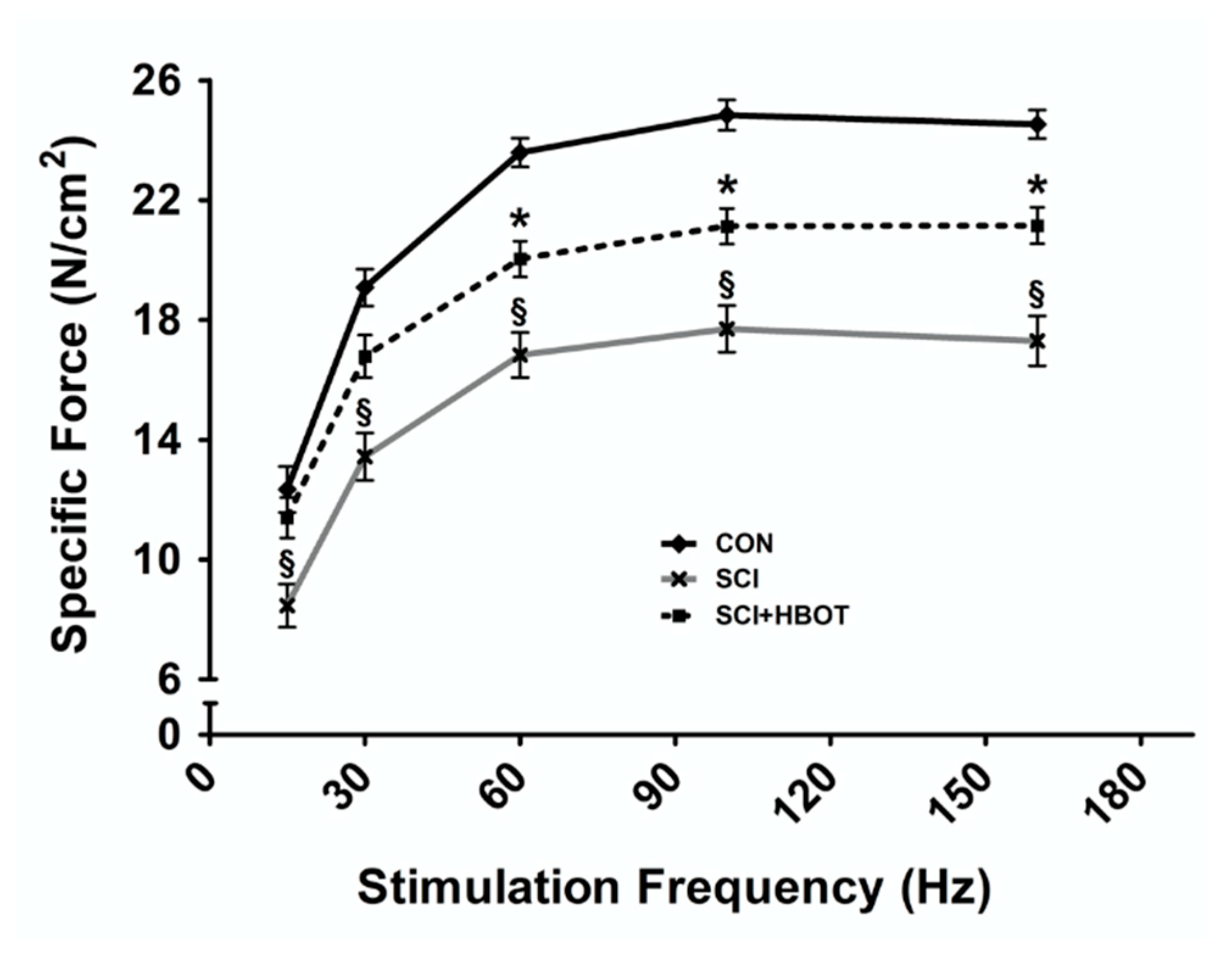
Oxidative damage to the diaphragm as a result of cervical spinal cord injury (SCI) promotes muscle atrophy and weakness. Respiratory insufficiency is the leading cause of morbidity and mortality in cervical spinal cord injury (SCI) patients, emphasizing the need for strategies to maintain diaphragm function. Hyperbaric oxygen (HBO) increases the amount of oxygen dissolved into the blood, elevating the delivery of oxygen to skeletal muscle and reactive oxygen species (ROS) generation. It is proposed that enhanced ROS production due to HBO treatment stimulates adaptations to diaphragm oxidative capacity, resulting in overall reductions in oxidative stress and inflammation. Therefore, we tested the hypothesis that exposure to HBO therapy acutely following SCI would reduce oxidative damage to the diaphragm muscle, preserving muscle fiber size and contractility. Our results demonstrated that lateral contusion injury at C3/4 results in a significant reduction in diaphragm muscle-specific force production and fiber cross-sectional area, which was associated with augmented mitochondrial hydrogen peroxide emission and a reduced mitochondrial respiratory control ratio. In contrast, rats that underwent SCI followed by HBO exposure consisting of 1 h of 100% oxygen at 3 atmospheres absolute (ATA) delivered for 10 consecutive days demonstrated an improvement in diaphragm-specific force production, and an attenuation of fiber atrophy, mitochondrial dysfunction and ROS production. These beneficial adaptations in the diaphragm were related to HBO-induced increases in antioxidant capacity and a reduction in atrogene expression. These findings suggest that HBO therapy may be an effective adjunctive therapy to promote respiratory health following cervical SCI.
Keywords: respiratory; atrophy; oxidative stress; antioxidant; reactive oxygen species respiratory; atrophy; oxidative stress; antioxidant; reactive oxygen species
Graphical Abstract