


Abstract
Blockchain technology in the healthcare industry has potential to enable enhanced privacy, increased security, and an interoperable data record. Blockchain technology is being implemented in dental care systems to store and share medical information, improve insurance claims, and provide innovative dental data ledgers. Because the healthcare sector is a large and ever-growing industry, the use of blockchain technology would have many benefits. To improve dental care delivery, researchers advocate using blockchain technology and smart contracts due to their numerous advantages. In this research, we concentrate on blockchain-based dental care systems. In particular, we examine the current research literature, pinpoint issues with existing dental care systems, and consider how blockchain technology may be used to address these issues. Finally, the limitations of the proposed blockchain-based dental care systems are discussed which may be regarded as open issues.
1. Introduction
Over the past several years, blockchain has been an interesting study topic and many different industries have made use of its advantages [1]. In the healthcare sector including dental care, the use of blockchain technology can bring many benefits such as enhanced security, privacy, confidentiality, and decentralization [2]. Currently, the dental industry faces challenges related to data interoperability, security, privacy, and integrity [3]; implementing blockchain technology could offer a solution to these concerns. Its inherent features (e.g., encryption, hashed linkage model, consensus, and smart contract) provide a secure, tamper-proof platform for the storage of medical and dental records.
On a peer-to-peer network, a decentralized database known as the blockchain keeps track of transactions in an organized and hashed list of blocks [4]. This list of blocks is called Ledger. In a decentralized network, each node that creates transactions will employ a consensus process to maintain a consistent picture of the ledger. Instead of depending on a central, questionably trustworthy entity, its nodes can create confidence with one another using mathematical algorithms and cryptography. The ledger enables accountability and tracking of tamper-proof records. Users can choose to preserve their pseudo-anonymity while still being able to identify themselves if necessary [5]. Smart contracts, which are self-executing software programs, may be used on the blockchain network to improve functionality and robustness in a variety of applications [6]. Typically, they are utilized to automate and define the terms of an agreement between the participants of the blockchain network. Despite the many advantages of the blockchain, its adoption in the field of dentistry remains limited.
As a result, to advance the use of blockchain in dental research, we conducted this systematic literature review to examine the existing research articles that discuss data management technologies in dentistry and identify existing challenges. Then we investigated the potential of utilizing blockchain technology to solve these challenges. We collected 15 research papers on dentistry systems published during the last fourteen years (from 2009 to 2022) and 13 on blockchain-based dentistry systems published during the last four years (from 2019 to 2023) by renowned scientific publishers, such as IEEE, Elsevier, Hindawi, Springer, IGI-Global, and PubMed Central. To be as thorough as possible, we included both peer-reviewed and non-peer-reviewed papers, since there is not much research in the field of blockchain in dentistry. The key contributions of this study were identified in providing an analysis of research findings about existing data management technology in dentistry and identify the challenges. Further, we studied the proposed blockchain-based dental care solutions as potential for solving these challenges. Additionally, a detailed comparison of proposed blockchain-based solutions architectures was provided in terms of the location and blockchain framework. Finally, the challenges of blockchain-based dental care solutions are explored as open issues.
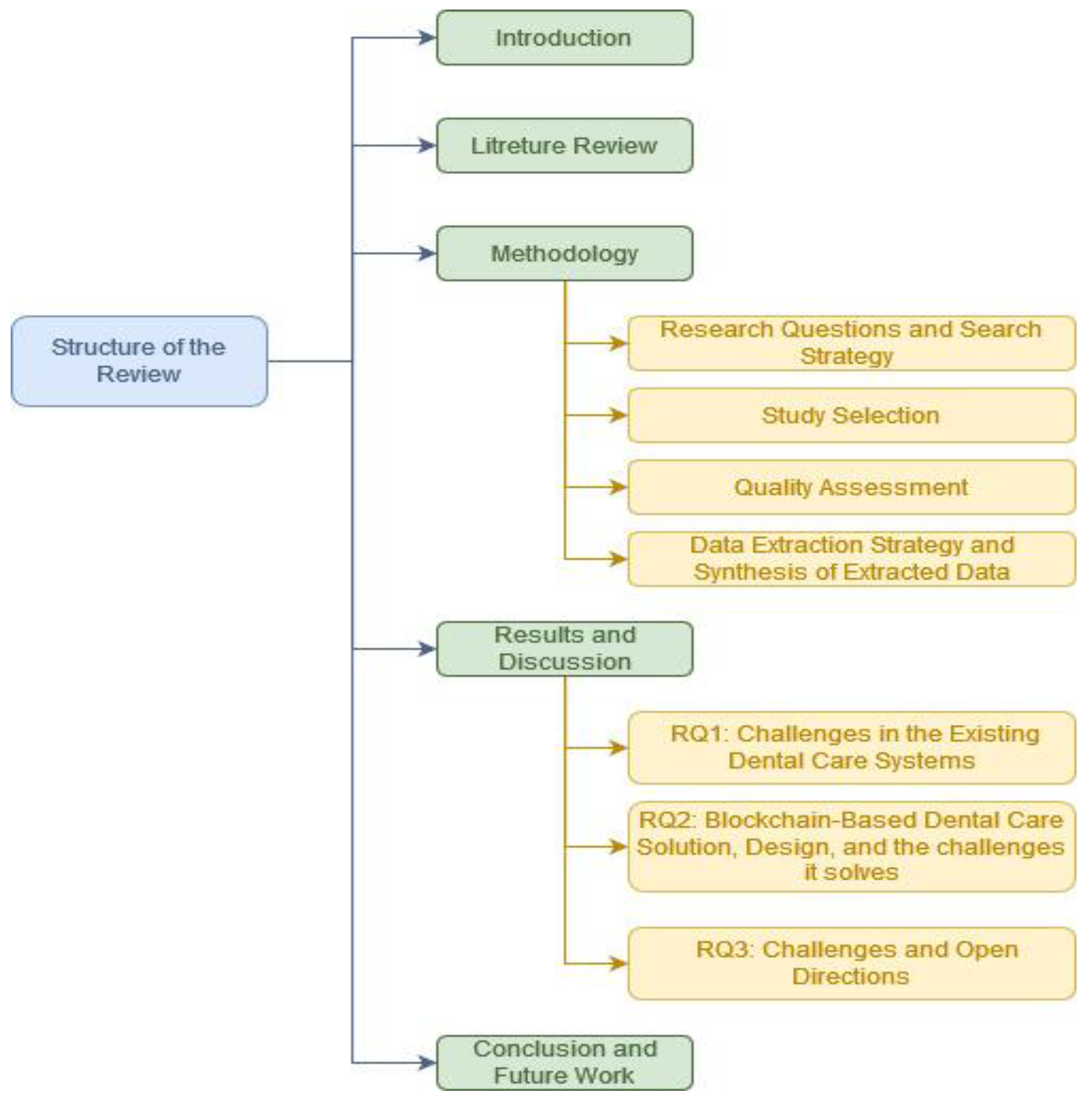
The organization of this paper is showed in Figure 1. The related work and our contribution are outlined in Section 2. The methodology process for conducting this review study is provided in Section 3. A discussion of the results and findings of the selected articles is provided in Section 4. Finally, we sum up our research with a conclusion in Section 5.
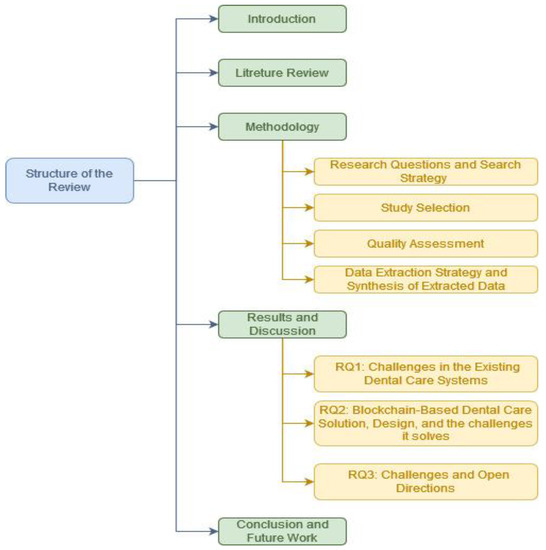
Figure 1.
Structure of the Review.
2. Literature Review
The use of blockchain technology in healthcare is gaining popularity. Since the invention of this technology, there have been a rising number of review papers published in recent years. For example, several publications systematically reviewed the developed blockchain-based healthcare applications, as well as their shortcomings and difficulties, current efforts to solve these issues, and potential areas for development [7,8,9,10,11]. Nevertheless, various publications also surveyed the potential or implemented integration of blockchain, Internet of Dental Things (IoT), especially health IoT [12,13,14], and AI [15,16] for securing the storage and exchange of electronic health data. Moreover, the use of the blockchain has been studied in many subfields of healthcare. For instance, some researchers [17,18] have examined the existing implementations that adopt blockchain technology in the pharmaceutical supply chain industry. Further, Jadhav et al. [19] examined the research on how blockchain technology is altering the function of healthcare supply systems between different health providers. Alghazwi et al. [20] published on usage and implementation of blockchain technology in genomics.
The existing literature on the utilization of blockchain in the healthcare sector is summarized in Table 1.

Table 1.
Healthcare-related works: a comparative analysis.
On the other hand, since blockchain is a relatively new technology, review papers concerning blockchain in dentistry are lacking. However, some published works have reviewed the use of new technologies in dentistry. Table 2 lists the year, primary contribution, and focus area of these review publications. Some articles provide a narrative overview of the key technologies of Dentistry 4.0 and its application in the dental field [27,28], such as Artificial Intelligence (AI), IoT, virtual reality, cloud computing, 5G technologies, dental digital scanners, robotics, and big data. Moreover, several research studies have examined the use of AI technology in the field of dentistry [29,30,31].
Table 2.
Dentistry-related works: a comparative analysis.
To our knowledge, there is no existing literature that specifically addresses blockchain-based solutions in the dental care industry, driving the motivation for this study. The selection process of articles was thorough and precise, taking into consideration the following aspects: (i) the challenges of the existing electronic dental record system (without blockchain) (ii) the proposed blockchain-based dental care systems including the blockchain platform utilized, methods of storing dental big data, and the challenges it solves (iii) the weaknesses/challenges of proposed solutions which will be considered as open issues for future study.
3. Methodology
According to Kitchenham and Charters [32], there are three key components of their technique: planning, conducting, and reporting. Each of these phases has distinct steps, with the creation of a review process being a vital aspect of the planning phase. The protocol (planning phase) should include the following items: (1) the definition of research objectives, (2) the creation of a search strategy, (3) the establishment of study selection criteria, (4) the development of quality evaluation guidelines, (5) the identification of data extraction methods, and (6) a description of how the gathered data will be consolidated. Further details on the recommended procedure can be found in the subsequent Section 3.1, Section 3.2, Section 3.3 and Section 3.4
3.1. Research Questions & Search Strategy
3.1.1. Research Questions
The goal of this analysis is to evaluate the potential of blockchain technology to address difficulties in the current dental care system. With this purpose in mind, the following research questions (RQ) were formulated to guide the research:
- RQ1: What are the problems and challenges of existing dental healthcare systems?
- RQ2: Which challenges can be solved with blockchain technology? How would such proposed blockchain-based solutions be designed?
- RQ3: What are open challenges and open issues?
3.1.2. Search Strategy
The following criteria were used to conduct the search for articles on the use of blockchain in dentistry, as the availability of such articles is limited:
- Key search terms were derived based on the RQs.
- Additional terms were added to account for synonyms and variations in spelling.
- Boolean logic was employed using search operators (such as AND, OR, quotations, and parentheses) to increase the relevance of the search results.
- Due to the limited number of articles found, all papers, regardless of publication type (peer-reviewed journals, conferences, etc.), were included in the analysis.
Table 3 presents the search strings and criteria that yielded the most relevant results from several searches.
Table 3.
Search strings used for LR.
We have searched the major electronic research repositories, including IEEE Xplore, ACM, Taylor and Francis, Hindawi, and Springer for the acquisition of pertinent papers for our Systematic Literature Review (SLR). However, certain works from IGI-Global, PubMed Central, the California Dental Association, Avicena Publishing, the Korean Academy of Oral and Maxillofacial Radiology, and Annual Reviews Inc. are also included in this study.
3.2. Study Selection
To ensure that only relevant and high-quality articles were included in the analysis, a filtering process was carried out. Both lead authors conducted this filtering independently to minimize any potential bias and resolve any discrepancies. The following steps were taken during the filtering process:
- Duplicate and identical articles were removed.
- To distinguish relevant articles and omit irrelevant works, certain inclusion, exclusion criteria, and quality assessment rules were used.
- (a)
- The criteria for inclusion were as follows:
- Articles dealing with dentistry and the use of blockchain technology for managing dental data and services.
- Articles dealing with dentistry and the use of existing technology for managing dental data and services.
- All papers, including those published in peer-reviewed journals and conference papers, were included.
- (b)
- The criteria for exclusion were as follows:
- Articles that pertained to blockchain but were not related to dental care.
- Articles that pertained to dental care but were not related to blockchain or existing dental data and services management technologies.
- (c)
- The quality assessment rules are explained in the Section 3.3.
3.3. Quality Assessment (QA)
Six quality assessment (QA) standards were established to evaluate the articles’ quality and identify their applicability to the research. Each quality assessment (QA) indicator was given a weight of 1, and the scores were as follows: “completely answered” = 1, “above average” = 0.75, “average” = 0.5, “below average” = 0.25, and “not answered” = 0. Each article received an overall quality score ranging from 0 to 6 by adding the scores of the various indicators. Only articles with an overall quality score of 3 or above were included. The following six quality indicators were used:
- QAR1: Is the degree of detail used to describe the research objectives sufficient?
- QAR2: Is the blockchain-based dental care system architecture explained with sufficient detail?
- QAR3: Does the proposed system align well with the focus of this literature review?
- QAR4: Does the suggested system solve the difficulties and challenges explored and reported?
- QAR5: Are the strengths and limitations of the study analyzed explicitly?
- QAR6: Does the study benefit the academic community or the business community?
3.4. Data Extraction Strategy and Synthesis of Extracted Data
At this stage, a comprehensive assessment of the remaining included publications was conducted in order to collect the data required to respond to the RQs. A form was made to extract the pertinent information, and the extraction process was examined. The writers discussed any disagreements or misunderstandings that could have arisen between the extractor and checker. The extraction form had details on the paper’s title, publisher, year of publication, publication type (journal, conference, book chapter, etc.), and the author’s proposal for a blockchain-based dental care system. Each blockchain-based dental care system was analyzed, with the strengths and limitations of each system listed along with the blockchain platform and data storage type that were employed. It is worth mentioning that not all papers gathered could answer every RQ.
Several procedures were applied to combine the data acquired from the chosen publications and respond to the RQs. The narrative synthesis method was used to address each RQ. As part of the narrative synthesis, the data were represented graphically using pie charts, bar charts, and graphs.
4. Results and Discussion
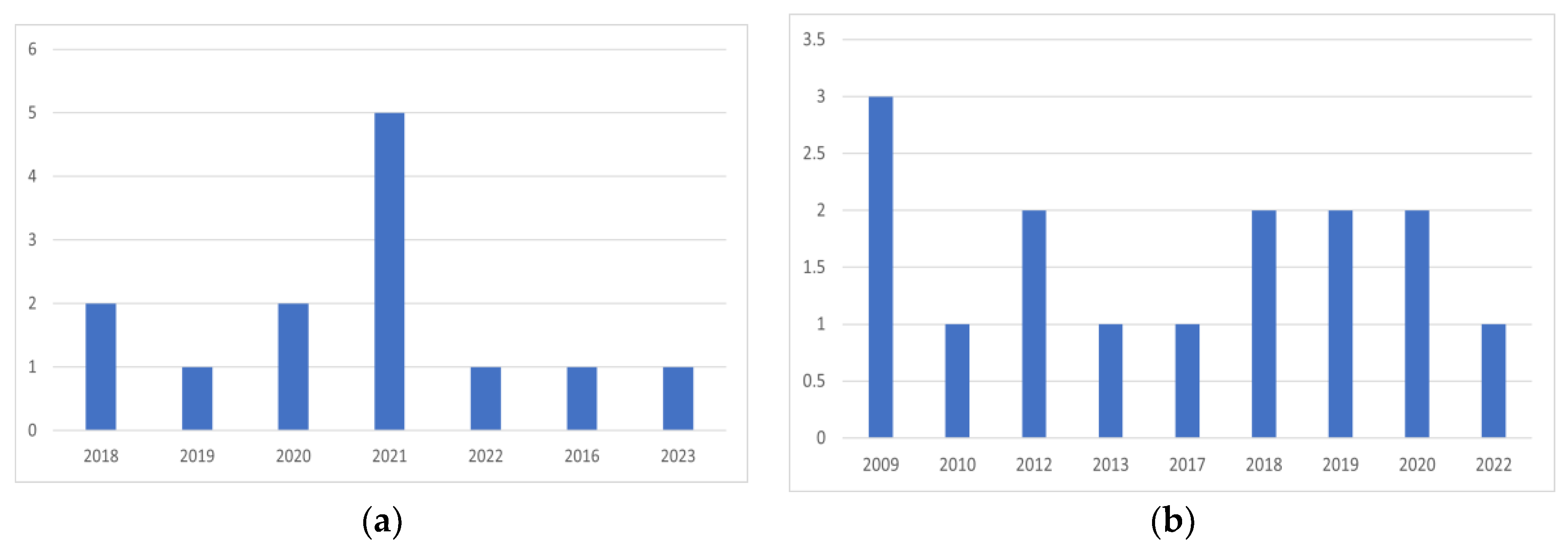
This section will explain the study’s findings. It also offers a summary of the academic articles selected to respond to the aforementioned RQs. The three parts that follow go into great detail on the findings of each RQ. Twenty-eight research publications were selected, 13 of which were blockchain-dentistry-related and 15 only dentistry-related. Table A1 of Appendix A contains a list of the selected research articles. The gathered blockchain-dentistry-related research publications were published between 2018 and 2023, whereas dentistry-related research publications were published between 2009 and 2022, as can be shown in Figure 2. As previously mentioned, a quality evaluation rule criterion was applied, and Table A2 displays the results for the selected publications.
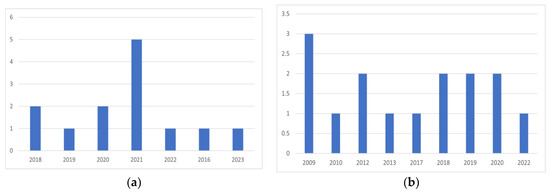
Figure 2.
(a) Distribution of blockchain-dentistry-related publications over years; (b) Distribution of dentistry-related publications over years.
4.1. The Problems and Challenges in the Existing Dental Healthcare Systems (RQ1)
Current-generation technologies are now being adopted more often in dental clinics in recent years. Adoption is encouraged for a number of reasons, such as expanding green practices, improved efficiency, digitalization of records, and sharing patient data with insurance companies, clinics, or other dental organizations [27]. Utilizing digital photography, radiography, and Electronic Dental Records (EDRs) are examples of green techniques that reduce waste creation [29]. Additionally, the employment of the aforementioned technologies such as EDR systems is seen as the tool for managing and storing the huge volume of patient data generated and accessed daily in the field of dentistry [33]. EDRs or Electronic Medical Records (EMR) comprise vital digital records and information on individuals such as their dental status, diagnoses, treatment plan, history, patient scheduling, report generation, and billing tasks management [29]. They also include personal and general medical information. Moreover, digital dental photographs and radiographs are also stored in EDR. As a result, ease of access to the patient’s dental history, readable and consistent writing, information system and other integrated bases, improved precision in using and analyzing data from imaging and laboratory equipment, and the updating of data are additional advantages of EDRs [3]. However, there are some clinics relying on paper-based recordkeeping approaches, as the computerized recordkeeping approach may have security, privacy, accessibility, and implementation complexity issues [33].
EDRs and information management system design and implementation inherit a number of difficulties, but one of the most significant is the dental record interoperability. Currently, systems at various clinics are fragmented and disconnected from each other [34]. At some clinics, the exchange of patients’ data between dental care providers is made through a manufacturer portal based on the local or global server storage, hence the dental company has access and control of the data [35,36]. This approach of data exchange is limited to homogeneous organizations that operate the same EDR software system, and this approach is not interoperable between various dental care organizations [37,38]. Therefore, each dental clinic has its own EDR system where patient records are maintained independently from other dental clinics’ databases. Consequently, patient dental and medical data could be scattered in different dental organizations, and this has negative effects including poor care coordination between dental care providers and insurance companies, and poor follow up of patient information across multiple dental care organizations. Alternatively, the data can be sent by email, which is not secure, or portable memory devices, which is inconvenient.
In response to these risks, attempts were made to develop digital dental care platforms for unified medical record through the centralization of dental records and the delivery of a completely integrated, digitalized clinical information system [39]. In this manner, interoperability and data sharing can be established. However, a system that combines and centralizes all patient EMR/EDR data still has several drawbacks. When EMRs/EDRs are kept in traditional database-centric architecture, these systems may struggle with data immutability and security. Even though healthcare and dental care providers and governmental organizations assert that EHRs/EDRs comply with the Health Insurance Portability and Accountability Act (HIPAA), some individuals worry about privacy concerns and data breaches when these systems are out of their control. Furthermore, the centralized storage architecture is thought to be a single point of failure with a high chance of privacy and data breaches with negative implications [40]. Another drawback is that the centralized systems create many issues related to access controls and consistency when different systems try to access or upload data simultaneously [41].
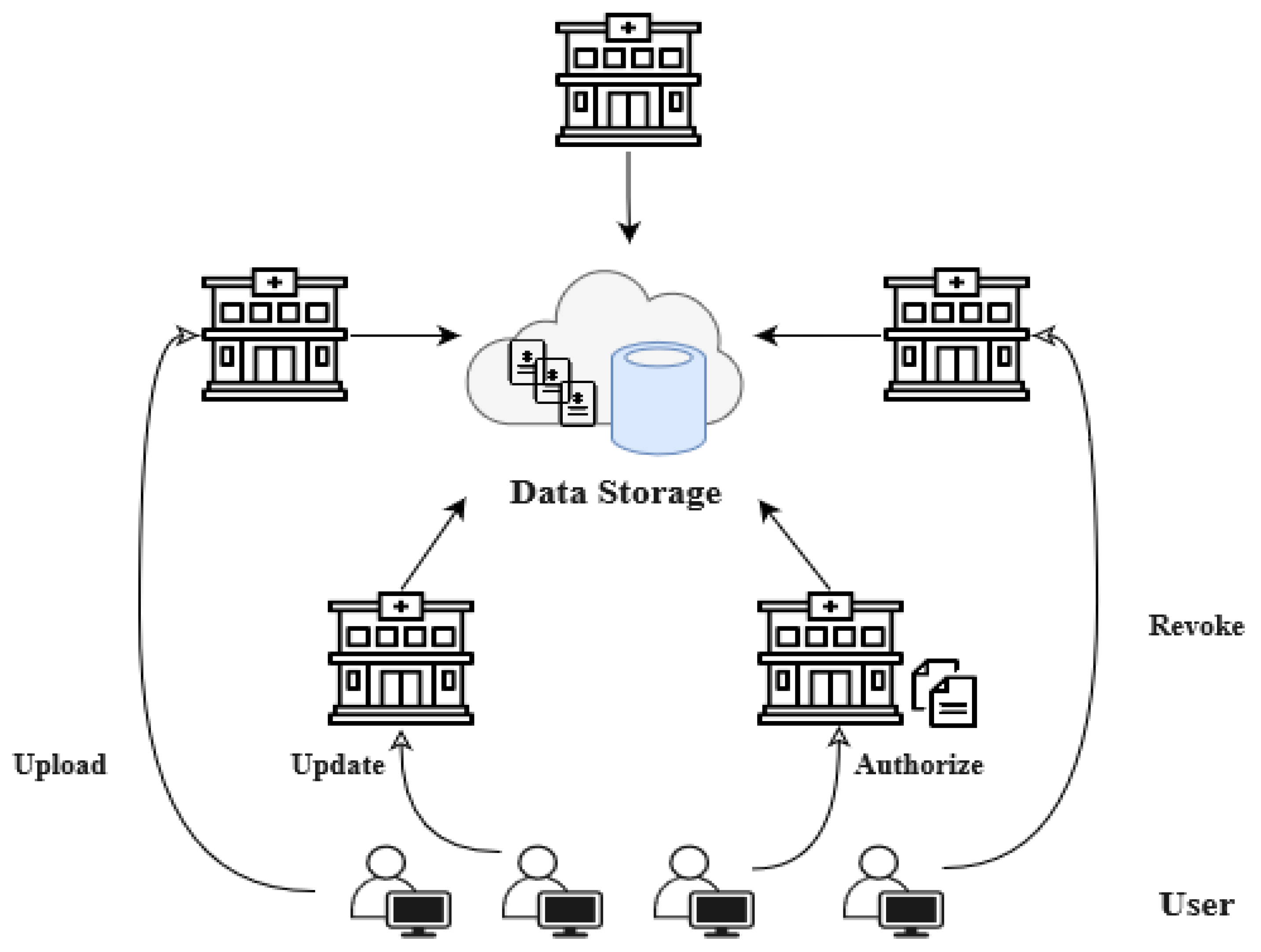
Figure 3 represents the general architecture for existing EDR systems where the data stored on the central or local storage. Clinics that have the same vendor software and access rights can retrieve from and upload the dental data into global storage [36,41,42]. However, in case of the local storage architecture, each clinic has its own storage which cannot be directly shared with other dental providers.
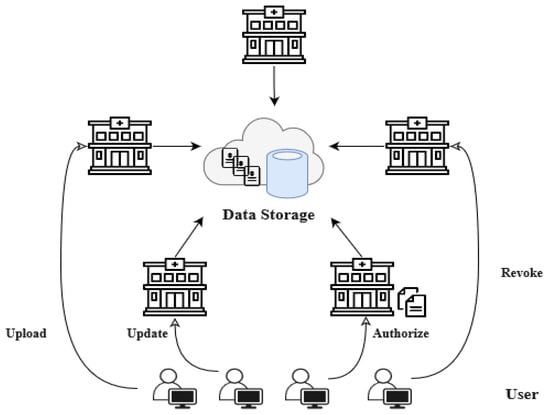
Figure 3.
The general architecture for existing EDRs.
The summary of the most frequently occurring challenges in dental data storing and management systems are provided in Table 4.
Table 4.
Challenges related to existing EDR systems.
4.2. The Challenges Blockchain Technology Can Solve and the Blockchain-Based Solution’s Design (RQ2)
This section aims to identify the challenges and difficulties that blockchain-based dental care solutions could potentially solve to address RQ1. Additionally, it presents the data location strategies and blockchain platforms used in the implementation of proposed blockchain-based EDR solutions.
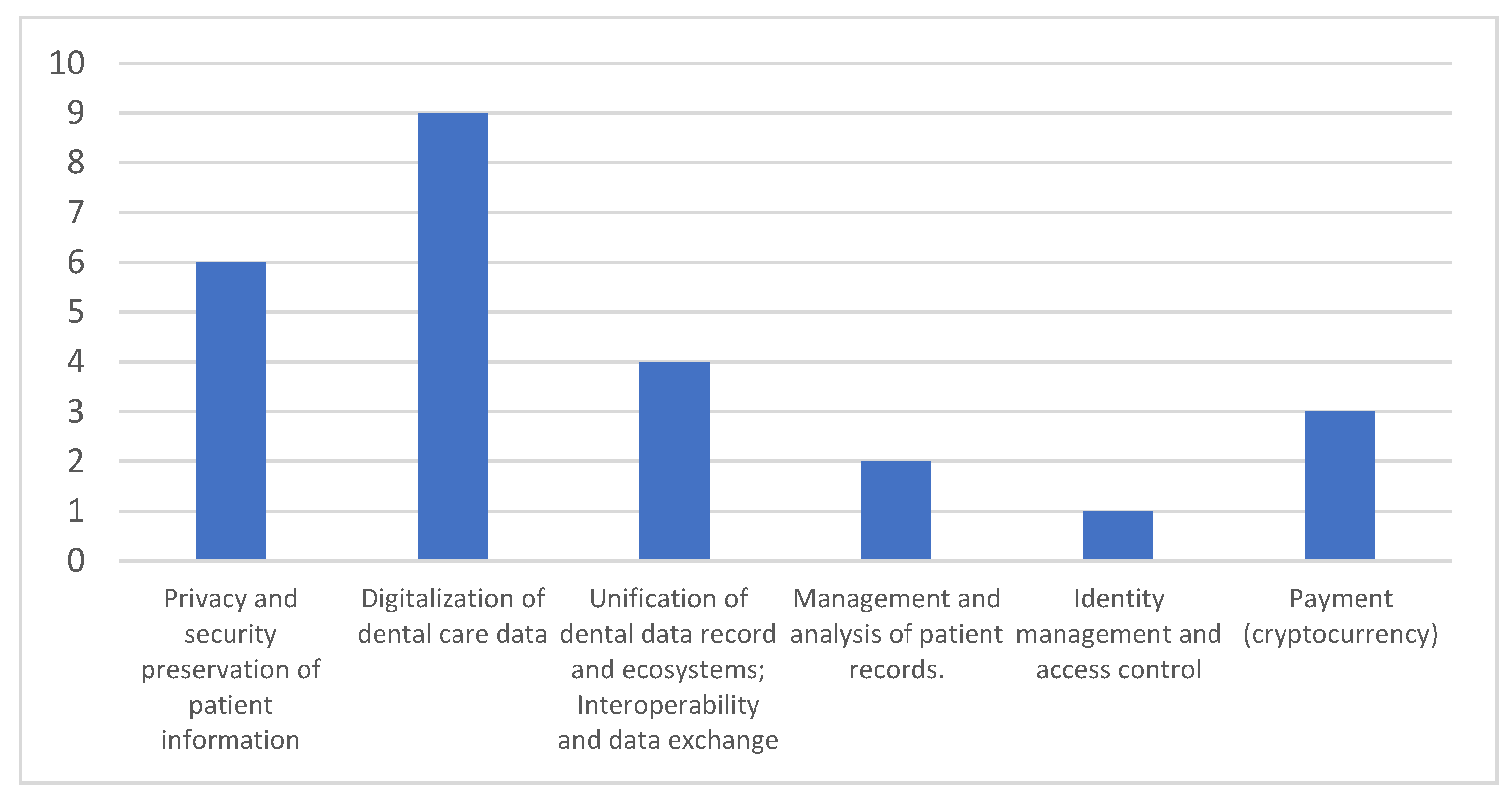
As mentioned in the prior section, the existing dental care systems encounter a number of issues with data and service management, security, and integrity. However, blockchain technology’s built-in properties such as security, privacy, secrecy, decentralization, and automation can provide the dental care industry with several solutions to these issues. Table 5 demonstrates the difficulties overcome by the use of blockchain in the development of EDR systems, and the blockchain’s feature or characteristics which can resolve this difficulty. According to Figure 4, many studies propose a blockchain-based dentistry solution to address the issues, and each paper may address multiple issues.
Table 5.
Problems solved by blockchain-based solutions.
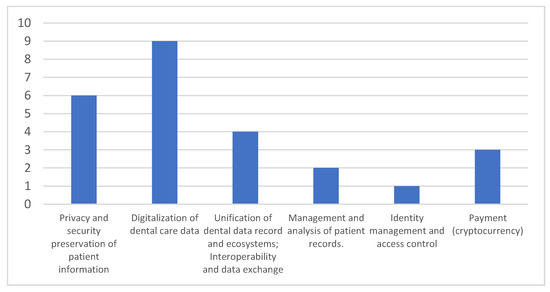
Figure 4.
Problems solved by blockchain-based solutions in Dentistry.
In order to build a decentralized EDR system, the main targets in the implementation of most research was defined based on the specifications of an EDR system and the properties of blockchain [48,49,50,51,52,53,54,55,56]; these are outlined in Table 6 [23].
Table 6.
Targeted blockchain-based EDR system properties.
To satisfy the above goals, the proposed blockchain-based EDR systems include the following main aspects:
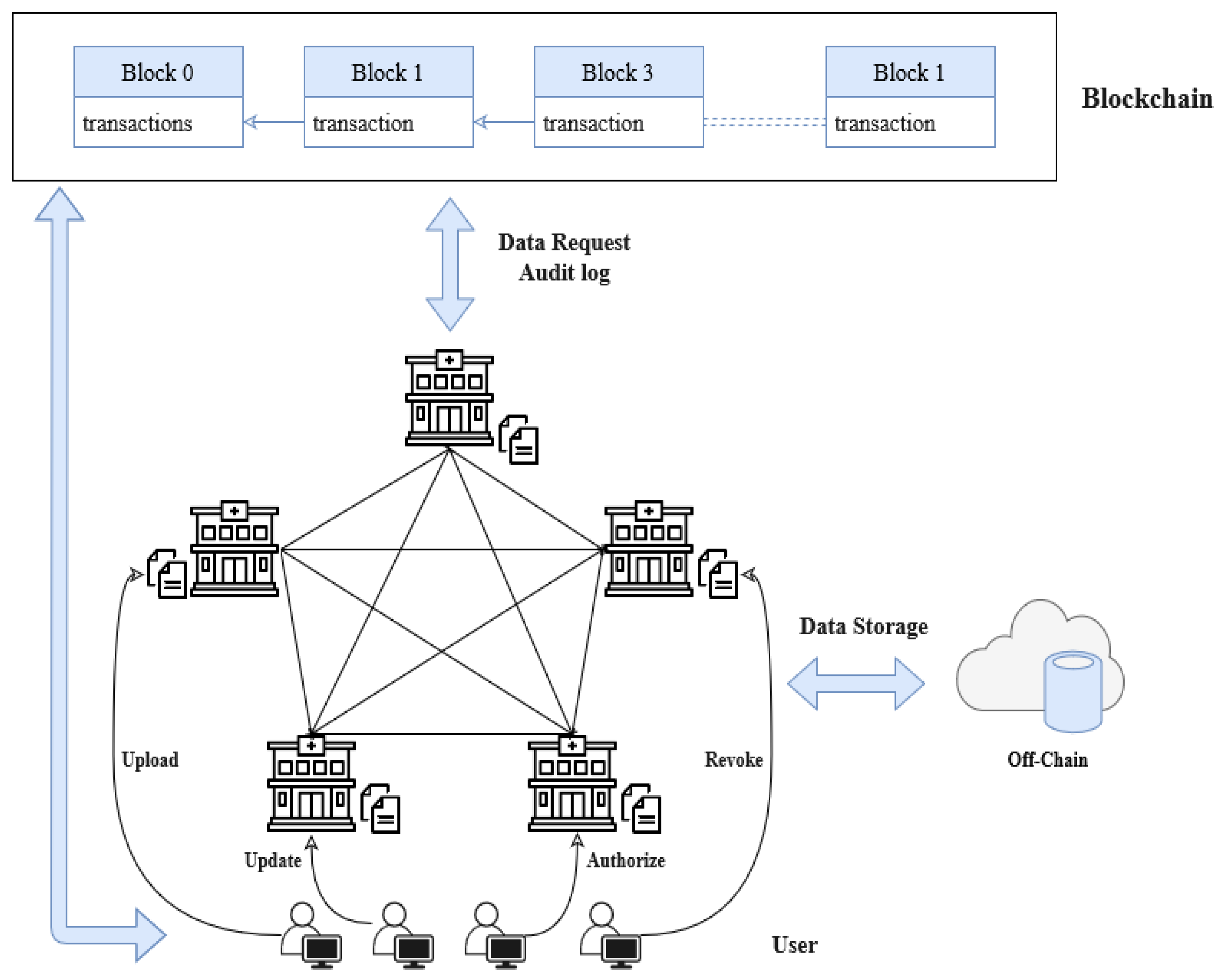
- Data storage: For the storage of a variety of private dental care data, blockchain serves as a trustworthy ledger database [5]. When secure storage is established, data privacy should be guaranteed [9]. In reality, the volume of data (dental images) related to dental treatment is typically large [3]. Due to the set and constrained block size, storing these data directly in the blockchain network would result in increased computational and storage costs [8]. Consequently, handling massive data storage issues without negatively affecting the functionality of the blockchain network, could be solved by the following architecture.Off-chain storage architecture. In this architecture, blockchain is utilized for on-chain verification which only keeps certain metadata and pointers, such as the location of the matching raw data in the off-chain databases of the enormous quantities of encrypted original data [5,7,8]. The off-chain or cloud server storage will contain dental images and detailed dental records [3,5]. In this way, the integrity and privacy of private data are secured and the load of blockchain storage is reduced. The general architecture proposed by several researchers is illustrated in Figure 5 [48,49,50,51,52,55,57,58,59].
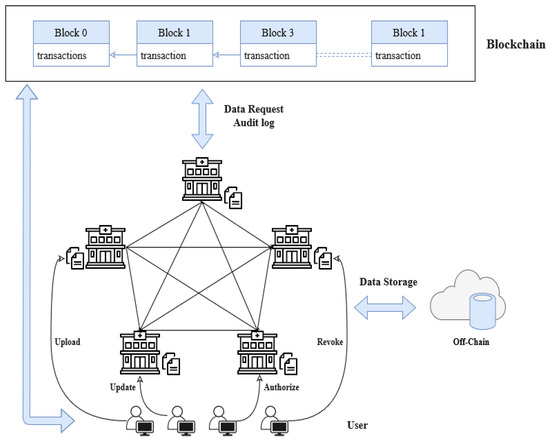 Figure 5. Blockchain-based EDR system: A top-level view.
 - Data sharing: Service providers using most current medical systems maintain primary data management. With the safe sharing of historical patient data (ledger) using blockchain, there is a movement to handle control of medical data and patients’ information between many dental care providers [9,10,60]. The controlled handling aspect should be specified in the smart contract [2].
- Data request audit log: When conflicts occur, audit logs (on-chain) can be used as evidence to hold requestors responsible for their interactions with EDRs [8]. The system will use a smart contract deployed on the blockchain network to maintain a trail for auditability and any action taken, including requests, will be noted on the blockchain ledger [6].
- Identity manager: The system must ensure that each user’s identification is authentic [4]. To maintain system security and prevent malicious attacks, only authorized users are permitted to submit the necessary requests [1]. It is preferable to utilize a private blockchain platform for implementation [4,7].
Table 7 shows the comparison between proposed blockchain solutions in dentistry in terms of the implementation of data storage for big data volumes, blockchain platforms, and main contribution. There were three main approaches of data location storage utilized in the designs proposed by research papers: on-chain, off-chain, and Inter Planetary File System (IPFS). Moreover, the platforms most frequently utilized are Ethereum and Hyperledger fabric, as these platforms are open-source and the network can be customized to be private or public. Another notable feature is that Ethereum and Hyperledger Fabric are smart-contract-based platforms, thus they not only digitally simplify the processes of verifying, controlling, or carrying out an agreement, but also provide a wide range of functions for various blockchain applications.
Table 7.
Comparative analysis of blockchain-based EDR systems’ architecture.
4.3. Challenges and Open Issues (RQ3)
The blockchain’s beneficial enhancements to security, privacy, access control, and distributed data sharing come with open issues and challenges that the research community has to address in order to improve the network’s infrastructure and design.
The block-size constraint characteristic of blockchain presents a limitation and constraint, because most of the systems described in the research stored textual records in the ledger [48,49,50,51,52,53,54,55,56,57,58], and only theoretically implemented a system for storing dental images in the blockchain [55,56]. Real implementations with experiments are required to assist the reliability of the system.
Other key problems are the scalability, interoperability, transactions throughput, and latency assessment experiment. All research publications merely suggested blockchain-based dental care systems without doing proper evaluation analyses on the proposed solutions. The scalability and transactional latency test are necessary because it would be difficult for the blockchain and all of the participating nodes to function if many nodes/peers (dental clinics) were added to the blockchain network and sent data/transactions that scaled to a larger size at the same time. Additionally, the input/output operations and smart contract restrictions may cause transaction latency to rise, which presents a potential area for future research.
In addition, almost all study articles used a theoretical approach without actually implementing the system, which might lead to overly optimistic conclusions for the delay in communication measures. Future work should take this issue into account especially in use of blockchain [57,58,59,60,61] of vehicular network [62] and wireless network [63,64,65,66,67] through systematic literature review [67,68,69].
Last but not least, the lack of a sufficient blockchain foundation for healthcare is another key obstacle to application, making it challenging to scale blockchain systems in actual use [8]. Although combining blockchain-based patient health records with an existing health data system is a more practical plan, the system would need to be rebuilt, new personnel would need to be trained and hired, and directors could need persuading that blockchain technology is a worthwhile investment [29,34]. Health-related companies’ main responsibility in the short term is to support system improvement [27,35,37,38,40].
5. Conclusions
The introduction of this technology to the dental area of healthcare provision remains restricted, although efforts have been made to enhance the marketing of blockchain use in dentistry (cryptocurrency) and for general dental clinics. Nevertheless, blockchain technology has numerous uses and advantages in healthcare. Thus, we analyzed this technology for a specific area of dentistry practice with the primary objective of identifying the problems with the current dental healthcare data and service management systems and the potential of blockchain to address these problems. In order to facilitate future research on blockchain in the field of dentistry, we also highlighted the challenges faced by the blockchain-based dental care system.
Based on our systematic review using the Kitchenham methodology, we have found that blockchain technology has the potential to revolutionize dental healthcare by providing secure, decentralized, and transparent data storage and sharing. The majority of the studies we analyzed indicate that blockchain technology can enhance patient privacy and security, improve data management and sharing, automate service, reduce fraud and errors, and facilitate supply chain management. However, there are also challenges associated with the adoption of blockchain technology in dental healthcare, such as regulatory barriers, technical limitations, and the need for specialized expertise.
In conclusion, the use of blockchain technology in dental healthcare is a promising area of research that warrants further investigation. While there is still much work to be done to fully realize the potential benefits of blockchain technology in this field, the evidence suggests that it has the potential to transform the way we approach dental healthcare. Future research should focus on addressing the challenges associated with blockchain adoption in dental healthcare and exploring ways to optimize its use for maximum impact.
Author Contributions
Conceptualization, T.M., M.A.T., M.A.M., S.A. and F.K.; methodology, T.M. and M.A.T.; software, T.M.; validation, T.M., M.A.T. and S.A.; formal analysis, T.M.; investigation, T.M., M.A.T., M.A.M., S.A. and F.K.; resources, T.M., M.A.T., M.A.M., S.A.; data curation, T.M.; writing—original draft preparation, T.M., M.A.T. and S.A.; writing—review and editing, T.M., M.A.T., S.A. and M.A.M.; visualization, T.M.; supervision, M.A.T., M.A.M. and S.A.; project administration, M.A.T., M.A.M. and S.A.; funding acquisition, M.A.T., M.A.M., S.A. and F.K. All authors have read and agreed to the published version of the manuscript.
Funding
This research received no external funding.
Institutional Review Board Statement
Not applicable.
Informed Consent Statement
Not applicable.
Data Availability Statement
Not applicable.
Conflicts of Interest
The authors declare no conflict of interest.
Appendix A
Table A1.
Selected Blockchain-Dentistry-related and Dentistry-related Research Papers.
Table A1.
Selected Blockchain-Dentistry-related and Dentistry-related Research Papers.
| Ref. | Title (Blockchain-Dentistry-Related) | Type | Year | Ref. | Title (Dentistry-Related) | Type | Year |
|---|---|---|---|---|---|---|---|
| [58] | Prototype of blockchain in dental care service application based on hyperledger composer in hyperledger fabric framework | Conference | 2018 | [33] | Information systems in dentistry. | Journal | 2012 |
| [48] | Blockchain and smart contracts to improve dental healthcare for children in primary school | Conference | 2021 | [34] | Patient-Centric Authorization Framework for Sharing Electronic Health Records, | Conference | 2009 |
| [50] | Blockchain in healthcare: smart contracts to improve dental healthcare for children in mixed dentition period | Thesis | 2021 | [35] | A novel digital dentistry platform based on cloud manufacturing paradigm | Journal | 2019 |
| [51] | Towards a unified blockchain-based dental record ecosystem for disaster victims’ identification. | Conference | 2019 | [36] | Privacy Preserving and Security Management in Cloud-Based Electronic Health Records | Conference | 2020 |
| [52] | A decentralised blockchain dentistry during and after the COVID 19 crisis | N/A | 2022 | [37] | The virtual dental home: implications for policy and strategy. | Journal | 2012 |
| [38] | Creating a platform-based business model in dental industry | Book Chapter | 2018 | [38] | Creating a Platform Based Business Model in Dental Industry | Conference | 2018 |
| [53] | What can blockchain technology bring to oral and maxillofacial radiology? | Journal | 2020 | [39] | Access Control Model for Sharing Composite Electronic Health Records | Conference | 2009 |
| [54] | Application of propofol in oral and maxillofacial surgery anesthesia based on smart medical blockchain technology | Journal | 2021 | [40] | The ethics of social media in dental practice: ethical tools and professional responses | Journal | 2013 |
| [55] | Can the blockchain-enabled interplanetary file system (block-ipfs) be a solution for securely transferring imaging data for artificial intelligence research in oral and maxillofacial radiology? | Journal | 2021 | [41] | Disparities in Access to Oral Health Care | Journal | 2020 |
| [59] | Dentacoin: a blockchain-based concept for dental healthcare | Book Chapter | 2021 | [42] | A fog-based security model for electronic medical records in the cloud database | Journal | 2019 |
| [49] | Blockchain: a new data standard in oral and maxillofacial radiology? | Journal | 2020 | [43] | Population-Based Linkage of Big Data in Dental Research | Journal | 2018 |
| [56] | Dental records on the blockchain | Thesis | 2016 | [44] | Social Media and Dentistry: Part 8: Ethical, legal, and professional concerns with the use of internet sites by health care professionals | Journal | 2017 |
| [57] | Using blockchain technology for 3d printing in manufacturing of dental implants in digital dentistry | Conference | 2023 | [45] | Forensic Dentistry: Electronic Transmission of Computerized Records | Journal | 2009 |
| [47] | Online dental information database for dental identification system | Conference | 2010 | ||||
| [46] | Allocation and scheduling of digital dentistry services in a dental cloud manufacturing system | Journal | 2022 |
Table A2.
QAR Scores.
Table A2.
QAR Scores.
| Ref. | QAR1 | QAR2 | QAR3 | QAR4 | QAR5 | QAR6 | Total Points |
|---|---|---|---|---|---|---|---|
| [58] | 1 | 1 | 1 | 1 | 1 | 1 | 6 |
| [48] | 1 | 1 | 1 | 0.75 | 0.75 | 1 | 5.5 |
| [50] | 1 | 0.75 | 0.75 | 1 | 0.5 | 1 | 5 |
| [51] | 1 | 0.75 | 0.75 | 0.5 | 0.5 | 1 | 4.25 |
| [52] | 1 | 0.75 | 1 | 1 | 1 | 1 | 5.75 |
| [38] | 1 | 0.75 | 1 | 1 | 0.25 | 1 | 5 |
| [53] | 1 | 1 | 0.5 | 0.5 | 0.25 | 1 | 4.25 |
| [54] | 1 | 1 | 0.5 | 1 | 0.5 | 1 | 5 |
| [55] | 1 | 1 | 1 | 0.25 | 0.75 | 1 | 5 |
| [59] | 1 | 0.75 | 0.75 | 0.25 | 0.75 | 1 | 4.6 |
| [49] | 0.75 | 0.5 | 0.5 | 0.25 | 0.25 | 1 | 3.25 |
| [56] | 1 | 0.75 | 0.5 | 0.5 | 0.75 | 1 | 4.5 |
| [57] | 1 | 0.75 | 0.75 | 1 | 0.5 | 1 | 5 |
| [33] | 1 | 1 | 1 | 1 | 1 | 1 | 6 |
| [34] | 1 | 0.5 | 0.5 | 0.75 | 0.75 | 1 | 3.5 |
| [35] | 1 | 0.25 | 0.75 | 1 | 0.5 | 1 | 3.5 |
| [36] | 1 | 0.75 | 0.75 | 0.5 | 0.5 | 1 | 4.25 |
| [37] | 1 | 0.75 | 1 | 1 | 1 | 1 | 5.75 |
| [38] | 1 | 0.75 | 1 | 1 | 0.25 | 1 | 5 |
| [39] | 1 | 1 | 0.5 | 0.5 | 0.25 | 1 | 4.25 |
| [40] | 1 | 1 | 0.5 | 1 | 0.5 | 1 | 5 |
| [41] | 1 | 1 | 1 | 0.25 | 0.75 | 1 | 5 |
| [42] | 1 | 0.75 | 0.75 | 0.25 | 0.75 | 1 | 4.6 |
| [43] | 0.75 | 0.5 | 0.5 | 0.25 | 0.25 | 1 | 3.25 |
| [44] | 1 | 0.75 | 0.5 | 0.5 | 0.75 | 1 | 4.5 |
| [45] | 0.75 | 0.5 | 0.5 | 0.25 | 0.25 | 1 | 3.25 |
| [47] | 1 | 1 | 1 | 0.75 | 0.75 | 1 | 5.5 |
| [46] | 1 | 0.75 | 0.5 | 0.5 | 0.75 | 1 | 4.5 |
References
- Sanka, A.I.; Irfan, M.; Huang, I.; Cheung, R.C.C. A survey of breakthrough in blockchain technology: Adoptions, applications, challenges and future research. Comput. Commun. 2021, 169, 179–201. [Google Scholar] [CrossRef]
- Narikimilli, N.R.S.; Kumar, A.; Antu, A.D.; Xie, B. Blockchain Applications in Healthcare—A Review and Future Perspective. In Blockchain—ICBC 2020, Proceedings of the Third International Conference, Held as Part of the Services Conference Federation, SCF 2020, Honolulu, HI, USA, 18–20 September 2020; Springer: Cham, Switzerland, 2020; pp. 198–218. [Google Scholar]
- Benoit, B.; Frédéric, B.; Jean-Charles, D. Current state of dental informatics in the field of health information systems: A scoping review. BMC Oral Health 2022, 22, 131. [Google Scholar] [CrossRef] [PubMed]
- Feng, Q.; He, D.; Zeadally, S.; Khan, M.K.; Kumar, N. A survey on privacy protection in blockchain system. J. Netw. Comput. Appl. 2019, 126, 45–58. [Google Scholar] [CrossRef]
- Zheng, Z.; Xie, S.; Dai, H.; Chen, X.; Wang, H. An Overview of Blockchain Technology: Architecture, Consensus, and Future Trends. In Proceedings of the 2017 IEEE International Congress on Big Data (BigData Congress), Honolulu, HI, USA, 25–30 June 2017; pp. 557–564. [Google Scholar] [CrossRef]
- Chen, L.; Lee, W.-K.; Chang, C.-C.; Choo, K.-K.R.; Zhang, N. Blockchain based searchable encryption for electronic health record sharing. Futur. Gener. Comput. Syst. 2019, 95, 420–429. [Google Scholar] [CrossRef]
- Agbo, C.C.; Mahmoud, Q.H.; Eklund, J.M. Blockchain Technology in Healthcare: A Systematic Review. Healthcare 2019, 7, 56. [Google Scholar] [CrossRef]
- McGhin, T.; Choo, K.-K.R.; Liu, C.Z.; He, D. Blockchain in healthcare applications: Research challenges and opportunities. J. Netw. Comput. Appl. 2019, 135, 62–75. [Google Scholar] [CrossRef]
- Hölbl, M.; Kompara, M.; Kamišalić, A.; Nemec Zlatolas, L. A Systematic Review of the Use of Blockchain in Healthcare. Symmetry 2018, 10, 470. [Google Scholar] [CrossRef]
- Khezr, S.; Moniruzzaman, M.; Yassine, A.; Benlamri, R. Blockchain Technology in Healthcare: A Comprehensive Review and Directions for Future Research. Appl. Sci. 2019, 9, 1736. [Google Scholar] [CrossRef]
- Siyal, A.A.; Junejo, A.Z.; Zawish, M.; Ahmed, K.; Khalil, A.; Soursou, G. Applications of Blockchain Technology in Medicine and Healthcare: Challenges and Future Perspectives. Cryptography 2019, 3, 3. [Google Scholar] [CrossRef]
- Soni, R.; Kumar, G. A Review on Blockchain Urgency in the Internet of Things in Healthcare. In Proceedings of the 2019 International Conference on Intelligent Sustainable Systems (ICISS), Palladam, India, 21–22 February 2019; pp. 578–583. [Google Scholar] [CrossRef]
- Adere, E.M. Blockchain in healthcare and IoT: A systematic literature review. Array 2022, 14, 100139. [Google Scholar] [CrossRef]
- Farouk, A.; Alahmadi, A.; Ghose, S.; Mashatan, A. Blockchain platform for industrial healthcare: Vision and future opportunities. Comput. Commun. 2020, 154, 223–235. [Google Scholar] [CrossRef]
- Omrčen, L.; Leventić, H.; Romić, K.; Galić, I. Integration of Blockchain and AI in EHR sharing: A survey. In Proceedings of the 2021 International Symposium ELMAR, Zadar, Croatia, 13–15 September 2021; pp. 155–160. [Google Scholar] [CrossRef]
- Haddad, A.; Habaebi, M.H.; Islam, M.R.; Hasbullah, N.F.; Zabidi, S.A. Systematic Review on AI-Blockchain Based E-Healthcare Records Management Systems. IEEE Access 2022, 10, 94583–94615. [Google Scholar] [CrossRef]
- Mirdad, A.; Hussain, F.K. Blockchain-Based Pharmaceutical Supply Chain: A Literature Review. In Advances on P2P, Parallel, Grid, Cloud and Internet Computing, Proceedings of the 16th International Conference on P2P, Parallel, Grid, Cloud and Internet Computing, Tirana, Albania, 27–29 October 2022; Springer: Cham, Switzerland, 2022; pp. 106–115. [Google Scholar]
- Ghadge, A.; Bourlakis, M.; Kamble, S.; Seuring, S. Blockchain implementation in pharmaceutical supply chains: A review and conceptual framework. Int. J. Prod. Res. 2022, 1–19. [Google Scholar] [CrossRef]
- Jadhav, J.S.; Deshmukh, J. A review study of the blockchain-based healthcare supply chain. Soc. Sci. Humanit. Open 2022, 6, 100328. [Google Scholar] [CrossRef]
- Alghazwi, M.; Turkmen, F.; Van Der Velde, J.; Karastoyanova, D. Blockchain for Genomics: A Systematic Literature Review. Distrib. Ledger Technol. 2022, 1, 1–28. [Google Scholar] [CrossRef]
- Hathaliya, J.J.; Tanwar, S. An exhaustive survey on security and privacy issues in Healthcare 4.0. Comput. Commun. 2020, 153, 311–335. [Google Scholar] [CrossRef]
- Tariq, N.; Qamar, A.; Asim, M.; Khan, F.A. Blockchain and Smart Healthcare Security: A Survey. Procedia Comput. Sci. 2020, 175, 615–620. [Google Scholar] [CrossRef]
- Shi, S.; He, D.; Li, L.; Kumar, N.; Khan, M.K.; Choo, K.-K.R. Applications of blockchain in ensuring the security and privacy of electronic health record systems: A survey. Comput. Secur. 2020, 97, 101966. [Google Scholar] [CrossRef] [PubMed]
- Ramachandran, S.; Obu Kiruthika, O.; Ramasamy, A.; Vanaja, R.; Mukherjee, S. A Review on Blockchain-Based Strategies for Management of Electronic Health Records (EHRs). In Proceedings of the 2020 International Conference on Smart Electronics and Communication (ICOSEC), Trichy, India, 10–12 September 2020; pp. 341–346. [Google Scholar] [CrossRef]
- Deore, S.; Bachche, R.; Bichave, A.; Patil, R. Review on Applications of Blockchain for Electronic Health Records Systems. In Proceedings of the Second International Conference on Image Processing and Capsule Networks, Bangkok, Thailand, 20–21 May 2022; pp. 609–616. [Google Scholar]
- Premkumar, A.; Srimathi, C. Application of Blockchain and IoT towards Pharmaceutical Industry. In Proceedings of the 2020 6th International Conference on Advanced Computing and Communication Systems (ICACCS), Coimbatore, India, 6–7 March 2020; pp. 729–733. [Google Scholar] [CrossRef]
- Javaid, M.; Haleem, A.; Singh, R.P.; Suman, R. Dentistry 4.0 technologies applications for dentistry during COVID-19 pandemic. Sustain. Oper. Comput. 2021, 2, 87–96. [Google Scholar] [CrossRef]
- Joda, T.; Zitzmann, N.U. Personalized workflows in reconstructive dentistry—Current possibilities and future opportunities. Clin. Oral Investig. 2022, 26, 4283–4290. [Google Scholar] [CrossRef]
- Joda, T.; Waltimo, T.; Probst-Hensch, N.; Pauli-Magnus, C.; Zitzmann, N.U. Health Data in Dentistry: An Attempt to Master the Digital Challenge. Public Health Genom. 2019, 22, 1–7. [Google Scholar] [CrossRef] [PubMed]
- Jain, P.; Wynne, C. Artificial Intelligence and Big Data in Dentistry. In Digitization in Dentistry: Clinical Applications; Jain, P., Gupta, M., Eds.; Springer: Cham, Switzerland, 2021; pp. 1–28. [Google Scholar]
- Khanagar, S.B.; Al-ehaideb, A.; Maganur, P.C.; Vishwanathaiah, S.; Patil, S.; Baeshen, H.A.; Sarode, S.C.; Bhandi, S. Developments, application, and performance of artificial intelligence in dentistry—A systematic review. J. Dent. Sci. 2021, 16, 508–522. [Google Scholar] [CrossRef] [PubMed]
- Kitchenham, B.; Charters, S. Guidelines for Performing Systematic Literature Reviews in Software Engineering; Keele University: Keele, UK; University of Durham: Durham, UK, 2007. [Google Scholar]
- Masic, F. Information systems in dentistry. Acta Inform. Med. 2012, 20, 47–55. [Google Scholar] [CrossRef] [PubMed]
- Jin, J.; Ahn, G.-J.; Hu, H.; Covington, M.J.; Zhang, X. Patient-Centric Authorization Framework for Sharing Electronic Health Records. In Proceedings of the 14th ACM Symposium on Access Control Models and Technologies, Stresa, Italy, 3–5 June 2009; pp. 125–134. [Google Scholar] [CrossRef]
- Valizadeh, S.; Valilai, O.F.; Houshmand, M.; Vasegh, Z. A novel digital dentistry platform based on cloud manufacturing paradigm. Int. J. Comput. Integr. Manuf. 2019, 32, 1024–1042. [Google Scholar] [CrossRef]
- Prathima, S.; Priya, C. Privacy Preserving and Security Management in Cloud-Based Electronic Health Records—A Survey. In Intelligent Computing and Innovation on Data Science, Proceedings of ICTIDS 2019, Petaling Jaya, Malaysia, 11–12 October 2019; Springer: Singapore, 2020; pp. 21–29. [Google Scholar]
- Glassman, P.; Harrington, M.; Mertz, E.; Namakian, M. The virtual dental home: Implications for policy and strategy. J. Calif. Dent. Assoc. 2012, 40, 605–611. [Google Scholar] [CrossRef]
- Molodchik, A.; Dimitrakiev, D.; Ostapenko, G. Creating a Platform Based Business Model In Dental Industry. Innov. Manag. Entrep. Sustain. 2018, 4, 696–707. [Google Scholar]
- Jin, J.; Ahn, G.-J.; Covington, M.J.; Zhang, X. Access Control Model for Sharing Composite Electronic Health Records. In Collaborative Computing: Networking, Applications and Worksharing, Proceedings of the 4th International Conference, CollaborateCom 2009, Orlando, FL, USA, 13–16 November 2008; Springer: Berlin/Heidelberg, Germany, 2009; pp. 340–354. [Google Scholar]
- Peltier, B.; Curley, A. The ethics of social media in dental practice: Ethical tools and professional responses. J. Calif. Dent. Assoc. 2013, 41, 507–513. Available online: http://europepmc.org/abstract/MED/24024295 (accessed on 1 January 2023). [CrossRef]
- Northridge, M.E.; Kumar, A.; Kaur, R. Disparities in Access to Oral Health Care. Annu. Rev. Public Health 2020, 41, 513–535. [Google Scholar] [CrossRef]
- Elizabeth, M.J.; Jobin, J.; Dona, J. A fog based security model for electronic medical records in the cloud database. Int. J. Innov. Technol. Explor. Eng. 2019, 8, 2552–2560. [Google Scholar]
- Joda, T.; Waltimo, T.; Pauli-Magnus, C.; Probst-Hensch, N.; Zitzmann, N.U. Population-Based Linkage of Big Data in Dental Research. Int. J. Environ. Res. Public Health 2018, 15, 2357. [Google Scholar] [CrossRef]
- Gani, F.; Evans, W.G.; Harryparsad, A.; Sykes, L.M. Social Media and Dentistry: Part 8: Ethical, legal, and professional concerns with the use of internet sites by health care professionals. S. Afr. Dent. J. 2017, 72, 132–137. [Google Scholar]
- Southard, T.E.; Baycar, R.S.; Walter, R.G. Forensic Dentistry: Electronic Transmission of Computerized Records. Mil. Med. 1985, 150, 492–495. [Google Scholar] [CrossRef] [PubMed]
- Valizadeh, S.; Fatahi Valilai, O.; Houshmand, M. Allocation and scheduling of digital dentistry services in a dental cloud manufacturing system. Int. J. Comput. Integr. Manuf. 2022, 35, 645–661. [Google Scholar] [CrossRef]
- Bholsithi, W.; Phichitchaiphan, N.; Sinthanayothin, C. Online dental information database for dental identification system. In Proceedings of the 5th International Conference on Computer Sciences and Convergence Information Technology, Seoul, Republic of Korea, 30 November–2 December 2010; pp. 278–283. [Google Scholar] [CrossRef]
- Al-Rubaye, W.M.A.; Kurnaz, S. Blockchain and Smart Contracts to Improve Dental Healthcare for Children in Primary School. In Proceedings of the 2021 International Conference on Advanced Computer Applications (ACA), Maysan, Iraq, 25–26 July 2021; pp. 62–67. [Google Scholar] [CrossRef]
- Feldman, D.U.; Terry, C.A.; Badi, M.A.; Yesilsoy, C.; Yang, J. Blockchain: A New Data Standard in Oral and Maxillofacial Radiology? Oral Surg. Oral Med. Oral Pathol. Oral Radiol. 2020, 130, e71. [Google Scholar] [CrossRef]
- Mohammed Araby Al Rubaye, W. Blockchain in Healthcare: Smart Contracts to Improve Dental Healthcare for Children in Mixed Dentition Period. Master’s Thesis, Altınbaş Üniversitesi, Lisansüstü Eğitim Enstitüsü, Istanbul, Turkey, 2021. [Google Scholar]
- Alsalamah, S.; AlQahtani, S.; Alimam, A.; AlAdullatif, A.; AlAmri, M.; AlThaqeb, M.; Alqahtani, S.; Aschheim, K. Towards a Unified Blockchain-Based Dental Record Ecosystem for Disaster Victims Identification. In Proceedings of the 5th International Conference on Health Informatics and Medical Systems (HIMS’19), Las Vegas, NV, USA, 29 July–1 August 2019. [Google Scholar]
- Anitha, K.; Kv, A. A Decentralised Blockchain Dentistry during and after the COVID-19 Crisis. Suranaree J. Sci. Technol. 2022, 29, 070053. [Google Scholar]
- Bayrakdar, I.S.; Yasa, Y.; Duman, S.B.; Orhan, K. What can Blockchain technology bring to oral and maxillofacial radiology? Oral Surg. Oral Med. Oral Pathol. Oral Radiol. 2020, 130, 225–226. [Google Scholar] [CrossRef]
- Yu, Z.; Liu, Y.; Zhu, C. Application of Propofol in Oral and Maxillofacial Surgery Anesthesia Based on Smart Medical Blockchain Technology. J. Healthc. Eng. 2021, 2021, 5529798. [Google Scholar] [CrossRef]
- Orhan, K.; Bayrakdar, I.S.; Celik, O.; Ayan, B.; Polat, E. Can the blockchain-enabled interplanetary file system (Block-IPFS) be a solution for securely transferring imaging data for artificial intelligence research in oral and maxillofacial radiology? Imaging Sci. Dent. 2021, 51, 337. [Google Scholar] [CrossRef]
- Jacobsen, J.S.; Thaning, S.K. Dental Records on the Blockchain. Master’s Thesis, Copenhagen Business School, Frederiksberg, Denmark, 2016. [Google Scholar]
- Shah, S.S.; Pirayesh, A.; Fatahi Valilai, O. Using Blockchain Technology for 3D Printing in Manufacturing of Dental Implants in Digital Dentistry. In Flexible Automation and Intelligent Manufacturing: The Human-Data-Technology Nexus, Proceedings of FAIM 2022, Detroit, MI, USA, 19–23 June 2022; Springer: Cham, Switzerland, 2023; pp. 565–572. [Google Scholar]
- Wutthikarn, R.; Hui, Y.G. Prototype of Blockchain in Dental care service application based on Hyperledger Composer in Hyperledger Fabric framework. In Proceedings of the 2018 22nd International Computer Science and Engineering Conference (ICSEC), Chiang Mai, Thailand, 21–24 November 2018; pp. 1–4. [Google Scholar] [CrossRef]
- Pinto, R.D.; Ferreira, D.M.; Barbosa, M.T.; Nieto, M.C.; Funenga, A.F.; da Silva, M.S.; Nevado, P.P. Dentacoin: A Blockchain-Based Concept for Dental Healthcare. In Political and Economic Implications of Blockchain Technology in Business and Healthcare; IGI Global: Hershey, PA, USA, 2021; pp. 292–311. [Google Scholar]
- Azaria, A.; Ekblaw, A.; Vieira, T.; Lippman, A. MedRec: Using Blockchain for Medical Data Access and Permission Management. In Proceedings of the 2016 2nd International Conference on Open and Big Data (OBD), Vienna, Austria, 22–24 August 2016; pp. 25–30. [Google Scholar] [CrossRef]
- Abbas, S.; Talib, M.A.; Ahmed, A.; Khan, F.; Ahmad, S.; Kim, D.H. Blockchain-Based Authentication in Internet of Vehicles: A Survey. Sensors 2021, 21, 7927. [Google Scholar] [CrossRef]
- Farooqi, M.M.; Shah, M.A.; Wahid, A.; Akhunzada, A.; Khan, F.; ul Amin, N.; Ali, I. Big data in healthcare: A survey. In Applications of Intelligent Technologies in Healthcare; EAI/Springer Innovations in Communication and Computing; Springer: Cham, Switzerland, 2019; pp. 143–152. [Google Scholar]
- Khan, F.; Khan, A.W.; Shah, K.; Qasim, I.; Habib, A. An algorithmic approach for core election in mobile ad-hoc network. J. Internet Technol. 2019, 20, 1099–1111. [Google Scholar]
- Khan, F.; Abbas, S.; Khan, S. An efficient and reliable core-assisted multicast routing protocol in mobile Ad-Hoc network. Int. J. Adv. Comput. Sci. Appl. 2016, 7, 231–242. [Google Scholar] [CrossRef]
- Khan, F.; Zahid, M.; Gürüler, H.; Tarımer, İ.; Whangbo, T. An Efficient and Reliable Multicasting for Smart Cities. CMC—Comput. Mater. Contin. 2022, 72, 663–678. [Google Scholar] [CrossRef]
- Khan, F.; Gul, T.; Ali, S.; Rashid, A.; Shah, D.; Khan, S. Energy aware cluster-head selection for improving network life time in wireless sensor network. In Intelligent Computing: Proceedings of the 2018 Computing Conference, London, UK, 10–12 July 2018; Springer International Publishing: Cham, Switzerland, 2019; Volume 2, pp. 581–593. [Google Scholar]
- Hussain, S.M.; Wahid, A.; Shah, M.A.; Akhunzada, A.; Khan, F.; Amin, N.U.; Arshad, S.; Ali, I. Seven pillars to achieve energy efficiency in high-performance computing data centers. In Recent Trends and Advances in Wireless and IoT-enabled Networks; EAI/Springer Innovations in Communication and Computing; Springer: Cham, Switzerland, 2019; pp. 93–105. [Google Scholar]
- Khan, A.W.; Khan, S.U.; Khan, F. A Case Study Protocol for Outsourcing Contract Management Model (OCMM). J. Softw. 2017, 12, 348–354. [Google Scholar] [CrossRef][Green Version]
- Khan, S.U.; Khan, A.W.; Khan, F.; Khan, M.A.; Whangbo, T.K. Critical success factors of component-based software outsourcing development from vendors’ perspective: A systematic literature review. IEEE Access 2021, 10, 1650–1658. [Google Scholar] [CrossRef]
Disclaimer/Publisher’s Note: The statements, opinions and data contained in all publications are solely those of the individual author(s) and contributor(s) and not of MDPI and/or the editor(s). MDPI and/or the editor(s) disclaim responsibility for any injury to people or property resulting from any ideas, methods, instructions or products referred to in the content. |
© 2023 by the authors. Licensee MDPI, Basel, Switzerland. This article is an open access article distributed under the terms and conditions of the Creative Commons Attribution (CC BY) license (https://creativecommons.org/licenses/by/4.0/).