


Abstract
Background: Ivermectin has recently garnered significant scientific attention for its potential anticancer properties. Objective: This research aims a comprehensive literature review to evaluate IVM’s chemical characteristics and assess its applicability as an alternative therapeutic strategy in oncology. Methods: The methodology involved a systematic search and critical appraisal of data from peer-reviewed scientific databases, focusing on structural analyses, such as nuclear magnetic resonance (NMR), crystallography, and in silico modeling, as well as preclinical experimental studies. Results: The review highlights IVM’s distinct physicochemical profile, including high lipophilicity, poor aqueous solubility, and moderate acid stability, which collectively affect its bioavailability and pharmacokinetic behavior. Mechanistically, IVM has been shown to modulate multiple oncogenic signaling pathways, including Wnt/β-catenin, PI3K/Akt/mTOR, and STAT3. These interactions contribute to the induction of apoptosis, inhibition of tumor cell proliferation, and modulation of the tumor microenvironment across a range of malignancies. Despite encouraging preclinical evidence, clinical validation remains limited. Conclusions: Further investigation is needed to optimize IVM’s formulation for enhanced solubility and targeted delivery, as well as to design robust clinical trials assessing its safety and efficacy in oncology settings. This review provides a foundational framework for future interdisciplinary research on drug repurposing and highlights the potential of IVM as a cost-effective and accessible adjunct or alternative to modern cancer therapy.
1. Introduction
Cancer remains one of the most significant global health challenges and a leading cause of mortality worldwide [1]. Despite substantial advances in conventional oncological treatments, such as chemotherapy and radiotherapy, these options often present major limitations, including severe side effects and the development of tumor resistance [2]. In this context, drug repurposing has emerged as a promising strategy in cancer research. Ivermectin (IVM), a widely used antiparasitic agent in both veterinary and human medicine, has recently garnered significant scientific attention due to its potential anticancer activity [3,4,5,6].
Recent studies have provided compelling evidence regarding IVM’s mechanisms of action in cancer cells, demonstrating its capacity to modulate multiple oncogenic signaling pathways, including Wnt/β-catenin, PI3K/Akt/mTOR, and STAT3. These interactions contribute to apoptosis induction, inhibition of tumor cell proliferation, and modulation of the tumor microenvironment across a range of malignancies [7]. Despite this encouraging preclinical evidence, clinical validation remains limited [8,9]. For instance, a rural study conducted in Loja, Ecuador, revealed that while 18.75% of surveyed cancer patients reported using IVM as an alternative therapy [9], most physicians warned about the lack of clinical evidence supporting its oncological application [10].
Yuwen et al. [11] published a review of IVM use in cancer patients; the results show that only 26 publications met the criteria involving cancer patients treated with ivermectin for parasitic infections. These individual-level data suggested that ivermectin was generally well tolerated in these patients—even those undergoing chemotherapy. Thus, IVM has emerged as a promising candidate for repurposing in oncology; however, it has not yet been clinically evaluated in cancer patients and remains primarily recognized as a well-established antiparasitic agent [3].
Its pharmacology, safety, and toxicity have been thoroughly investigated in both humans and animals, with data indicating a favorable safety profile and very low toxicity in humans [12]. Preclinical studies provide encouraging evidence of anticancer potential, showing that IVM can reduce tumor volume by more than 50% in murine models, even at doses lower than the maximum safe limits defined for humans [13]. While these findings are compelling, they should be interpreted with caution: results obtained in animal models may not directly translate to clinical efficacy. Rigorous clinical trials are therefore essential to determine whether the antitumor effects observed in preclinical studies can be safely and effectively reproduced in cancer patients.
Thus, based on the previously describe the novelty of this research lies in exploring the therapeutic potential of a well-known, accessible, and economically viable drug [14], with a documented safety profile and broad availability [1]. While IVM’s antitumor potential has been recognized [9], there is a notable absence of recent systematic reviews specifically addressing its chemical properties and how these influence its therapeutic potential in oncology. This review seeks to fill this gap by providing a foundational framework for future interdisciplinary research and highlighting IVM’s value as a cost-effective and accessible adjunct or alternative to modern cancer therapy.
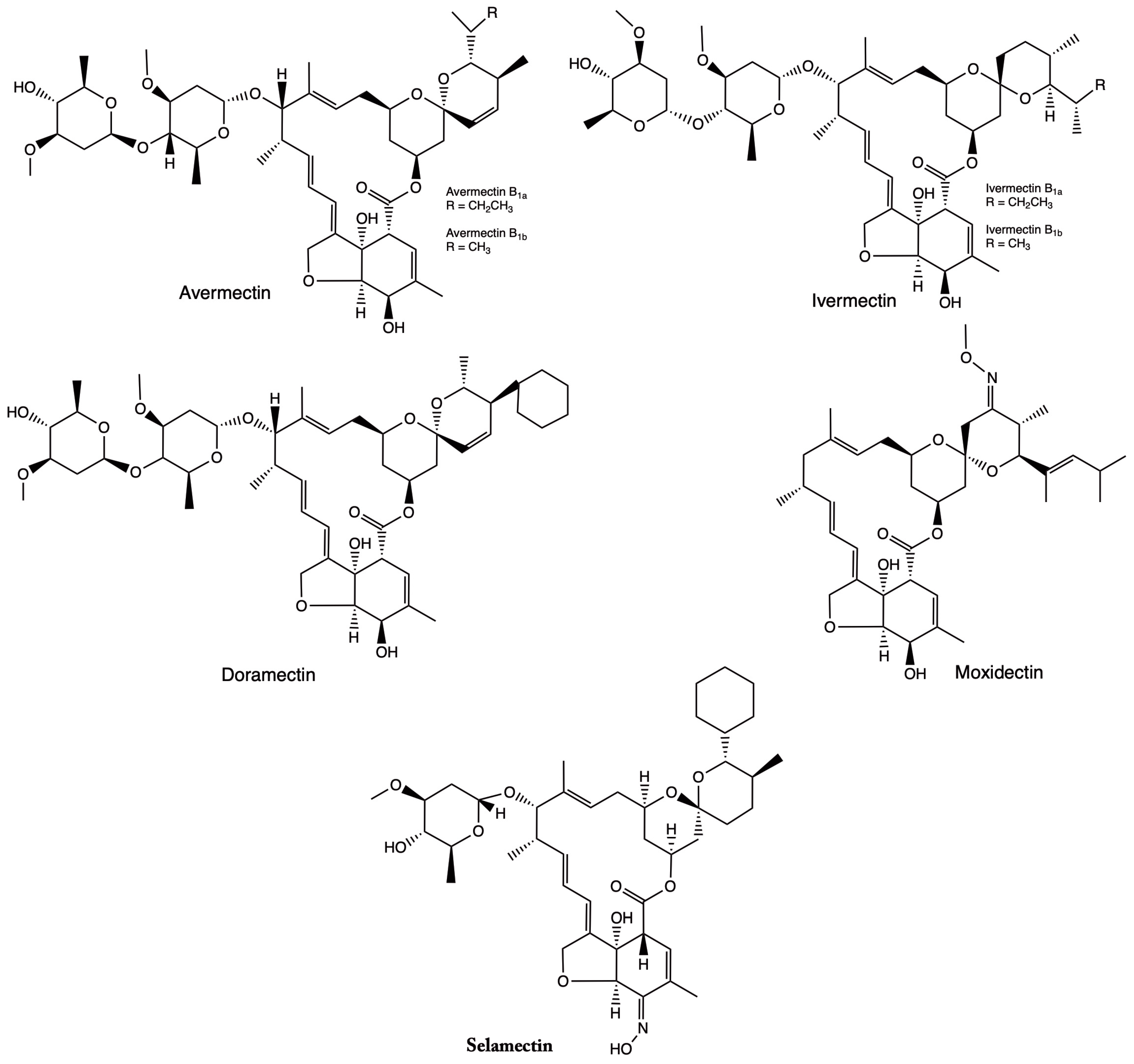
The main objective of this review is to provide a comprehensive analysis of ivermectin (IVM), focusing on its chemical characteristics (Figure 1) and potential applicability as an alternative therapeutic strategy in oncology. To achieve this, we conducted a systematic search of relevant scientific databases and structured our aims as follows: (i) to describe the chemical structure of IVM, including its physicochemical properties, stability, and solubility, and to discuss how these features influence its biological activity; (ii) to analyze studies examining how IVM interacts with key molecules and signaling pathways in cancer cells, including receptors, enzymes, and metabolic processes; and (iii) to evaluate the current evidence regarding its efficacy in different cancer cell lines and preclinical models, particularly its ability to inhibit cell proliferation and induce apoptosis.
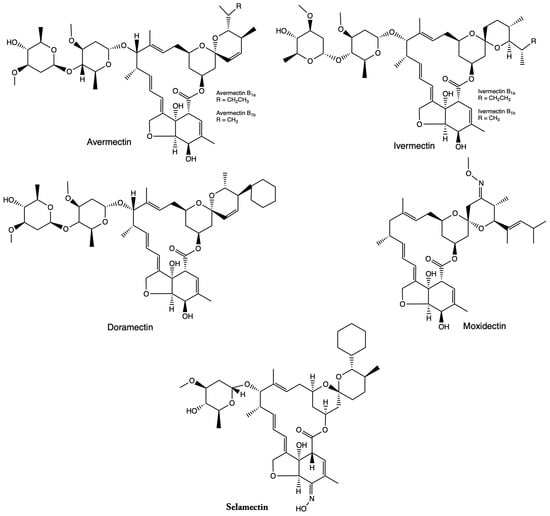
Figure 1.
Chemical structure of ivermectin (IVM) and some of its derivatives.
Related Work
In recent years, numerous studies have explored the potential antitumor properties of IVM, revealing its multifaceted role in cancer inhibition. Originally developed as an antiparasitic agent, IVM has attracted interest for its ability to interfere with various molecular and cellular pathways critical to cancer progression.
Several studies have identified IVM’s capacity to modulate key cancer-related signaling pathways. For example, Rabben et al. [6] found that IVM inhibits the Wnt/β-catenin signaling pathway in gastric cancer cells, leading to suppressed tumor growth and metastasis. Similarly, Lee et al. [10] demonstrated that IVM disrupts the PI3K/AKT/mTOR pathway in pancreatic cancer, resulting in increased apoptosis and reduced cell proliferation. Additionally, the drug has shown the ability to modulate STAT3, EGFR, and other crucial pathways across multiple cancer types [13,14].
Experimental evidence has also revealed IVM’s inhibitory effects on various types of cancer cells. Zhou et al. [15] reported that IVM suppresses colorectal cancer cell growth in a dose-dependent manner, promotes apoptosis via caspase activation, and upregulates pro-apoptotic proteins while reducing anti-apoptotic markers. In ovarian and prostate cancers, IVM has demonstrated the ability to inhibit cell growth, modulate gene expression, and alter DNA repair mechanisms [16,17]. Beyond conventional tumor cells, IVM also targets cancer stem cells (CSCs), which are often implicated in treatment resistance and recurrence. Dominguez et al. [5] showed that IVM selectively suppresses CSCs in breast cancer models and downregulates genes associated with cellular stemness, suggesting a valuable role in long-term therapeutic strategies.
Combination therapies involving IVM have also yielded promising results. Draganov et al. [18] demonstrated that combining IVM with immune checkpoint inhibitors, such as anti-PD1 antibodies, enhances antitumor immune responses and induces complete tumor regression in breast cancer models. Similarly, Nunes et al. [19] reported synergistic effects when IVM was paired with paclitaxel in drug-resistant ovarian cancer cell lines.
Despite encouraging preclinical outcomes, many studies have been conducted in vitro or in animal models. The translation of these findings to clinical practice remains a significant challenge. Jiménez et al. [9], in a rural observational study in Ecuador, noted that 18.75% of surveyed cancer patients used IVM as an alternative therapy. While some reported symptomatic improvements, oncologists emphasized the lack of validated clinical evidence supporting its use in oncology.
Collectively, the literature supports the idea that IVM holds considerable promise as an anticancer agent, acting through diverse pathways and mechanisms. However, robust clinical trials are essential to verify its safety, efficacy, and optimal dosing in human populations.
2. Results
The experimental results are described according to the objectives established: (i) Findings on the chemical properties of IVM, (ii) Effects of IVM on target molecules and signaling pathways in cancer cells, and (iii) Review of the clinical applicability of IVM in oncology.
2.1. Chemical Properties of IVM
Table 1 and Table 2 summarize the most relevant studies on (i) the chemical properties of IVM and (ii) its main application involving target molecules and signaling pathways in cancer cells, respectively.

Table 1.
Main findings on the chemical properties of IVM and its applications in different structures. (Table Notes: ↑: increase).
Table 2.
The main findings are on the application of IVM on target molecules and signaling pathways in different cell lines. (Table Notes: ↑: increase; ↓: decrease; →: stable).
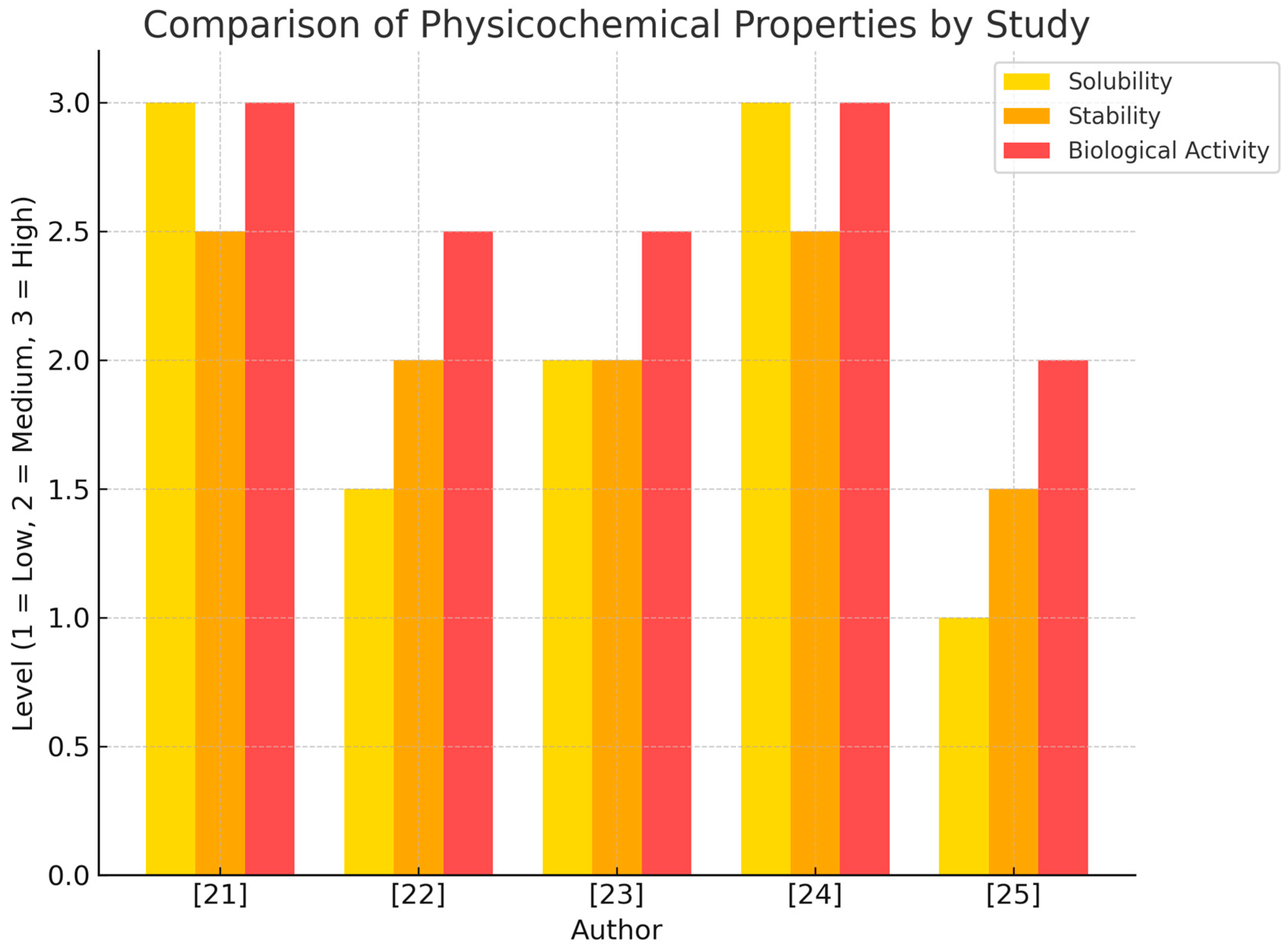
Figure 2 shows the level of publications by the author during the first bibliometric search about “Physicochemical and pharmacokinetic properties of IVM” according to the type of study.
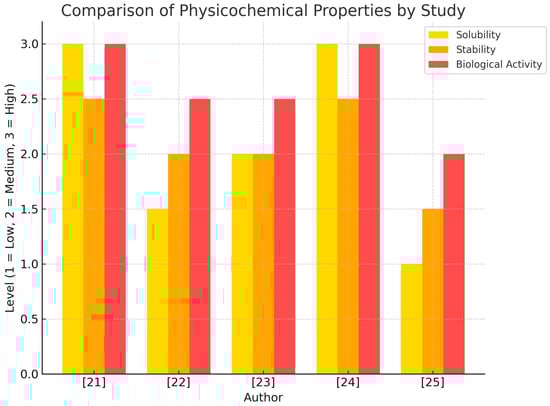
Figure 2.
Qualitative evaluation of physicochemical and pharmacokinetic properties of IVM according to study type.
2.2. IVM Effects Target Molecules and Signaling Pathways in Cancer Cells
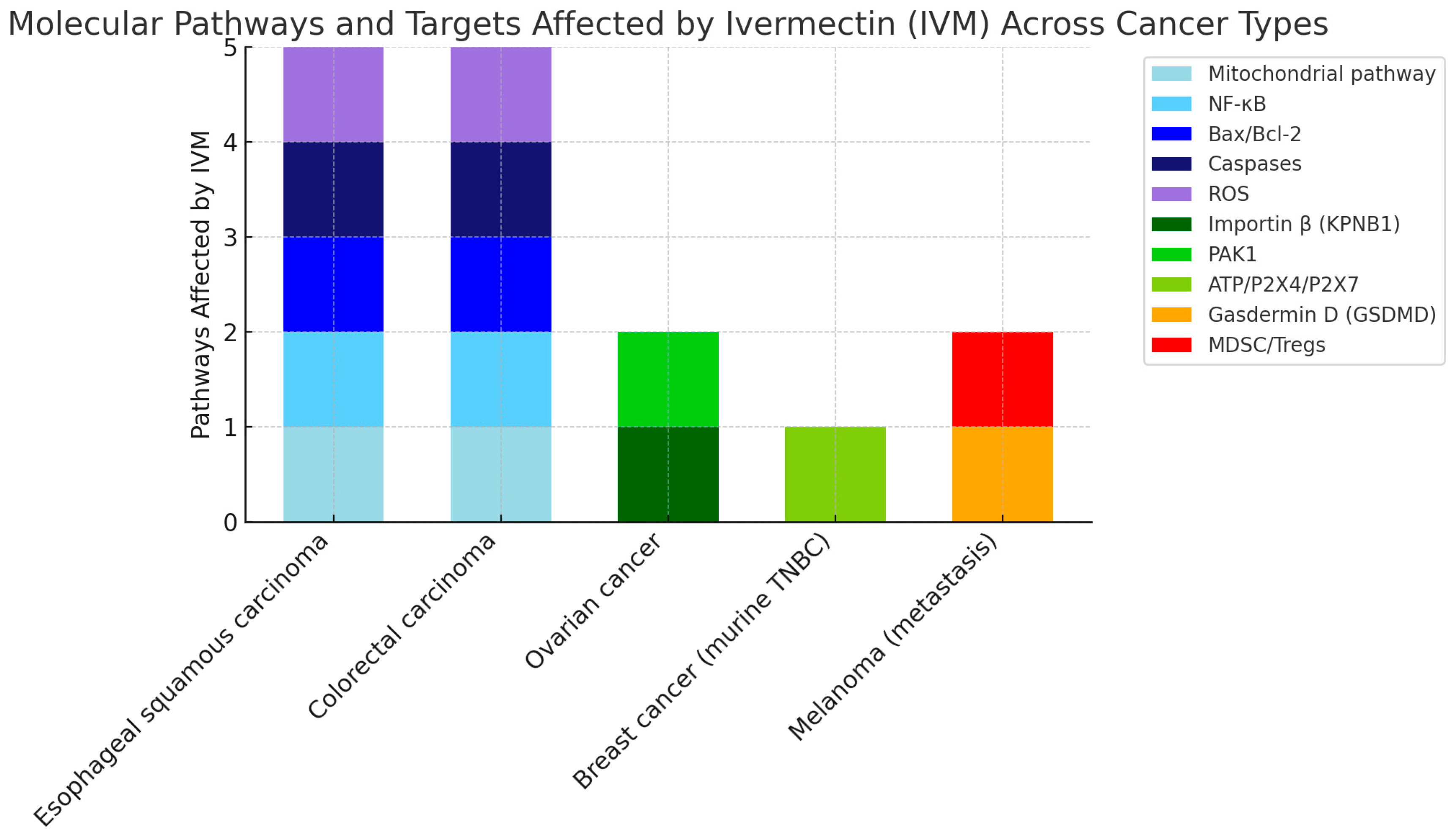
Table 2 and Figure 3 detail the main findings on the application of IVM on target molecules and signaling pathways in cancer cells.
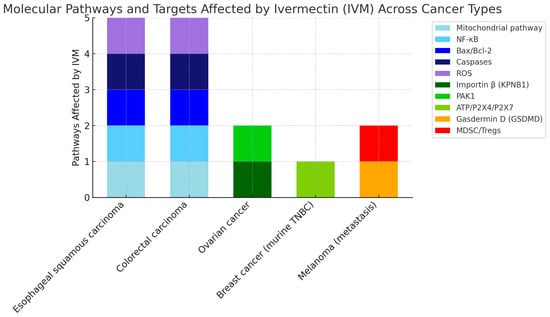
Figure 3.
This figure summarizes the molecular mechanisms influenced by Ivermectin across several cancer models. Each stacked bar represents the number and type of pathways affected in a given cancer type, with colors corresponding to specific molecular targets: mitochondrial pathway (light blue), NF-κB (cyan), Bax/Bcl-2 (blue), caspases (dark blue), ROS (purple), importin β (KPNB1, light green), PAK1 (green), ATP/P2X4/P2X7 (yellow-green), gasdermin D (GSDMD, orange), and MDSC/Tregs (red). Esophageal squamous carcinoma and colorectal carcinoma show modulation of five distinct pathways, suggesting a broad mechanism of action. In contrast, ovarian cancer, murine triple-negative breast cancer (TNBC), and metastatic melanoma involve fewer pathways, but still reflect targeted effects relevant to apoptosis, immune regulation, and tumor progression. This visualization highlights the pleiotropic and context-dependent actions of Ivermectin, supporting its potential role as a multi-target anticancer agent.
Figure 3 shows the percentage of inhibition of specific molecular pathways in different types of cancer after treatment with IVM.
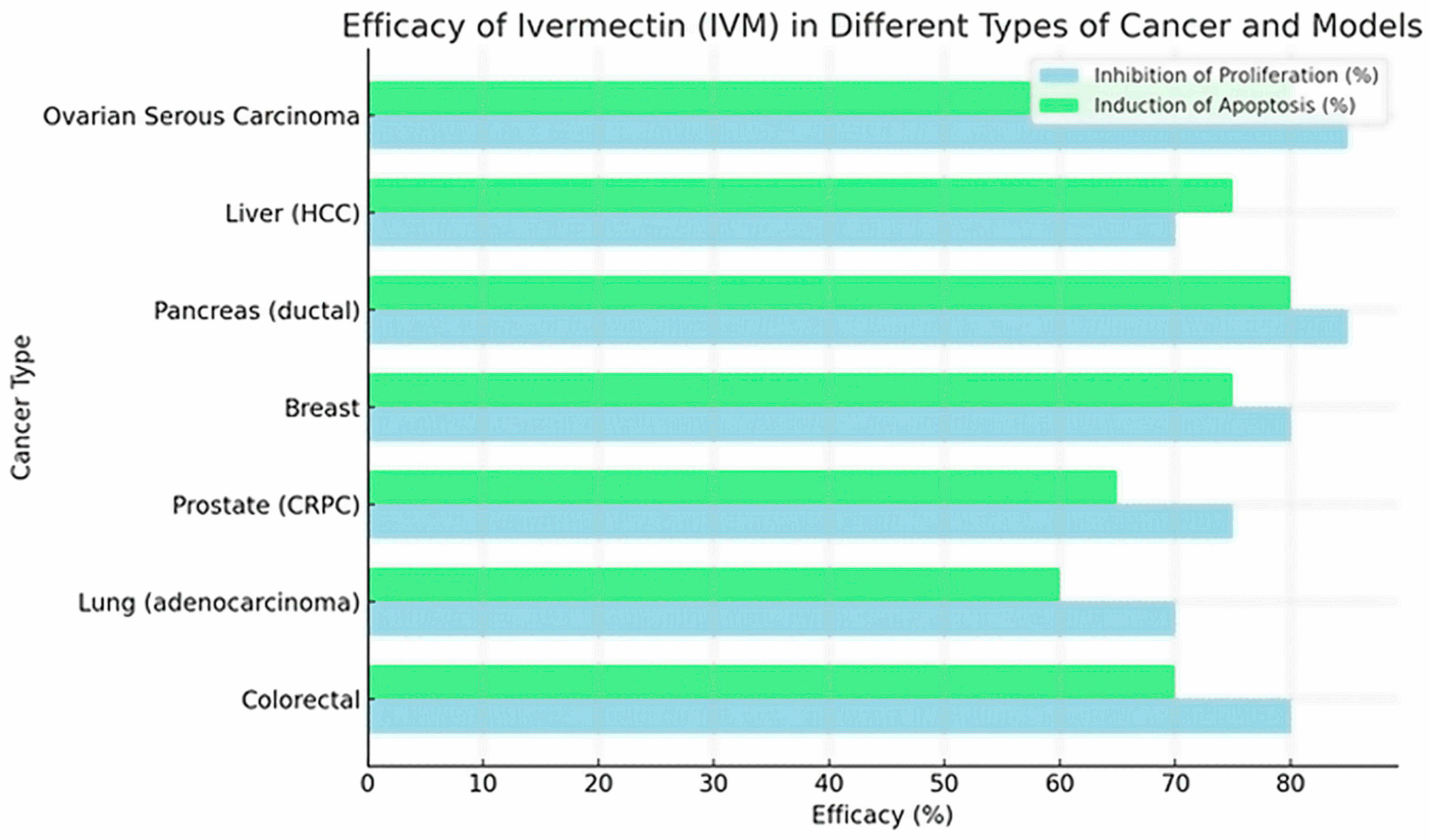
Table 3 provides an overview of the current preclinical and emerging clinical data regarding ivermectin’s potential role as an anticancer agent. The table highlights the spectrum of tumor types in which IVM has demonstrated activity, including colorectal, breast, lung, and melanoma models, and outlines the principal mechanisms reported, such as apoptosis induction, mitochondrial dysfunction, oxidative stress, and modulation of signaling pathways like NF-κB and mTOR/STAT3. Figure 4 shows the effects of ivermectin (efficacy) vs. cancer type and the inhibition of cell proliferation and induction of apoptosis in in vitro models of different types of cancer.
Table 3.
Clinical applicability of IVM in oncology. (Table Notes: ↑: increase; ↓: decrease; MMP-Δψm: Mitochondrial membrane potential).
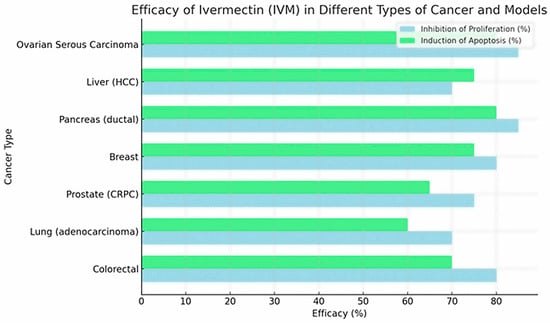
Figure 4.
Effects of IVM on Cell Proliferation and Apoptosis in Cancer Models.
3. Discussion
This literature review provides an integrated perspective on the chemical characteristics of ivermectin (IVM), its mechanisms of action in tumor cells, and its potential applications as an anticancer agent. The analysis highlights key advances in understanding its physicochemical properties, its interaction with molecular pathways relevant to oncology, and the ongoing challenges for clinical translation [33,34].
Recent studies (Table 2) have clarified that IVM possesses a stable macrocyclic structure with B1a and B1b isoforms, and a high log P (~5.8), reflecting its lipophilicity. Structural elucidation techniques such as X-ray crystallography and thermal analysis [35,36,37,38] have been fundamental in characterizing its interactions with intracellular targets. A major limitation remains its poor aqueous solubility; however, strategies including co-crystallization with lipophilic excipients [24] and incorporation into silica- or polymer-based nanostructures [36] have significantly enhanced dissolution and bioavailability. Likewise, stability concerns due to UV radiation and pH sensitivity [25] underscore the importance of protective formulations. As summarized in Figure 2 advances in controlled-release technologies and solid-state modifications provide promising avenues to simultaneously improve solubility, stability, and therapeutic performance.
With respect to biological activity, evidence synthesized in Table 2 indicates that IVM interferes with multiple oncogenic pathways, including WNT/TGF-β, PAK1/STAT3, YAP1, Akt/mTOR, and Wnt/β-catenin. These effects are consistent with reports of inhibited proliferation and apoptosis induction [39], exemplified by breast cancer models in which IVM blocked WNT/TGF-β signaling (Figure 3). Nonetheless, variability in response across tumor types [10,34] suggests that therapeutic efficacy strongly depends on molecular context, emphasizing the need for predictive biomarkers to guide personalized applications.
Clinical viability analyses (Table 2 and Figure 4) further indicate that IVM exhibits potential activity against lung, colon, ovarian, melanoma, and pancreatic cancers [16,17,31,32,33,40]. Both in vitro and in vivo studies support its capacity to inhibit tumor growth, activate caspases, and modulate critical signaling pathways such as PI3K/Akt and STAT3 [3]. Still, the real-world use of IVM in oncology remains anecdotal, as shown by Jiménez et al. [9] in rural Loja, where patients reported off-label use despite the lack of clinical validation.
Overall, the reviewed evidence [41,42,43,44] underscores IVM’s promise as an anticancer agent while highlighting significant gaps in formulation science, biomarker discovery, and translational research. Addressing these challenges will be essential to defining its role in future oncological therapeutics.
4. Methodology
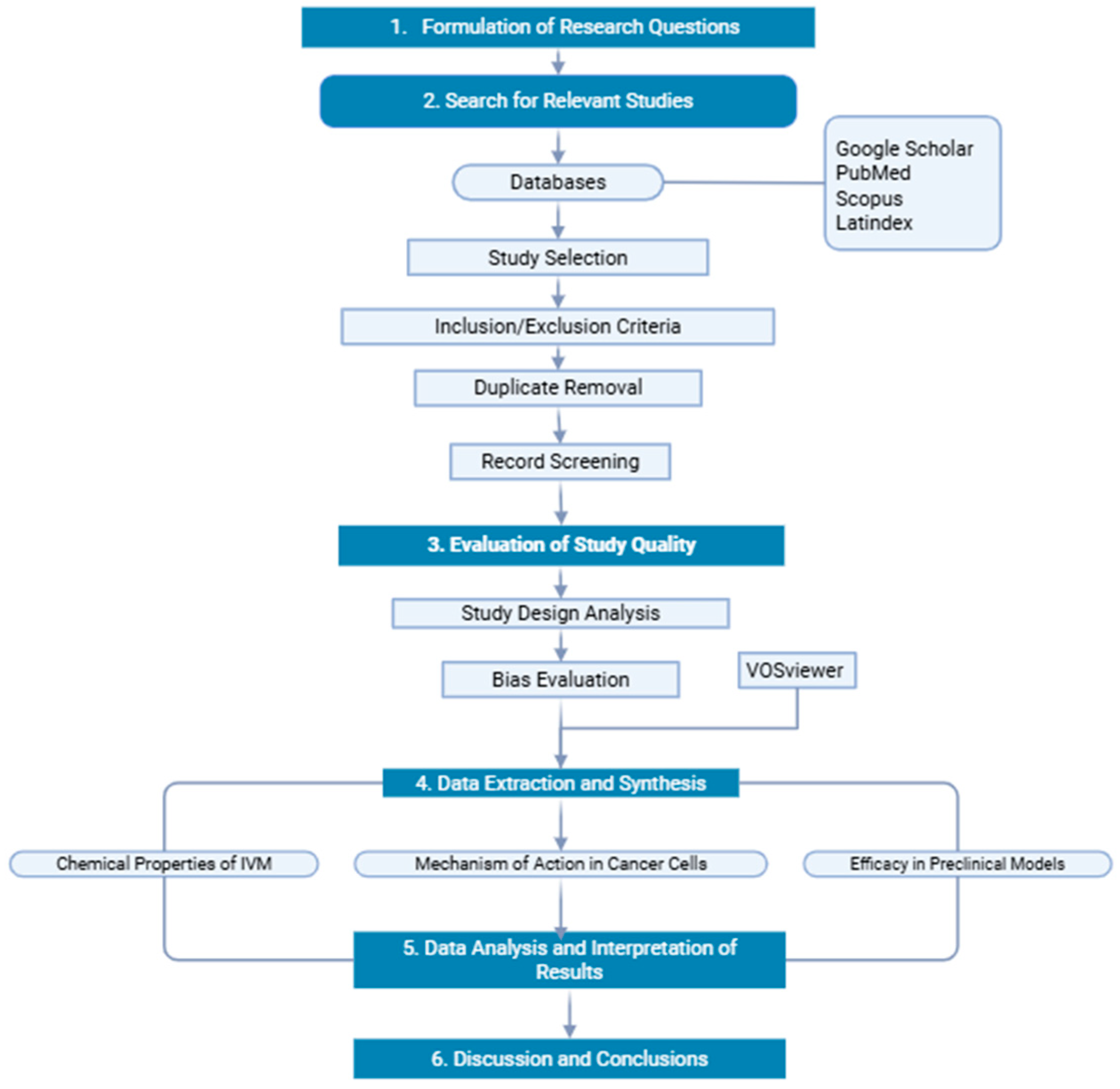
The methodology involved a systematic search and critical appraisal of data from peer-reviewed scientific databases such as PubMed, Scopus, Google Scholar, and ScienceDirect, focusing on structural analyses, including nuclear magnetic resonance (NMR), crystallography, in silico modeling, and preclinical experimental studies. The bibliometric tool VOSviewer v 1.6.20 was also employed to identify research trends and collaborations.
The general systematic review flowchart is divided into five sections, as shown in Figure 5, and the search was mainly focused on two main categories: (i) the chemical properties of IVM and (ii) its potential applicability in alternative cancer treatments based on the most recent literature. Also, the articles were critically appraised to determine their robustness.
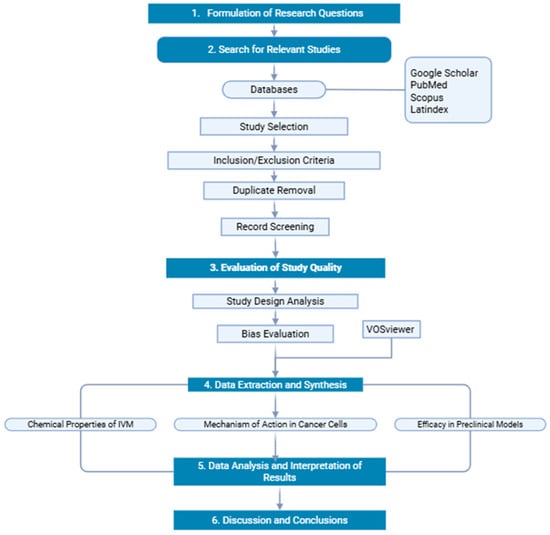
Figure 5.
The diagram represents the systematic methodological process. Created by Biorender https://app.biorender.com, accessed on 1 March 2025.
4.1. Relevant Studies Selection
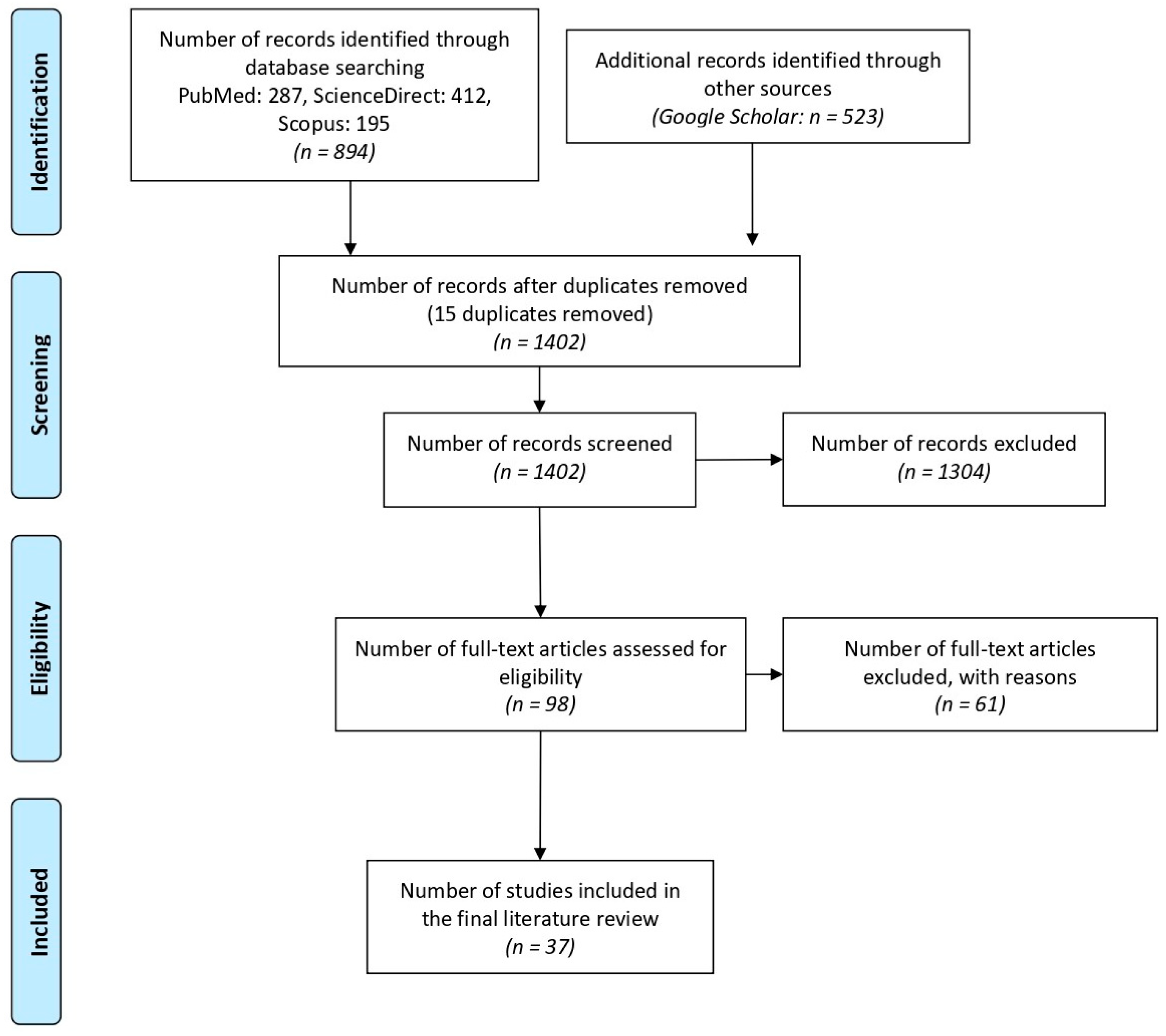
The literature review was conducted using the recommendations given by Khan et al. [19], the methodology proposed by Torres-Carrión [45], and the protocol proposed by Page et al. [46]. The Preferred Reporting Items for Systematic Reviews and Meta-Analyses (PRISMA) flowchart is shown in Figure 6.
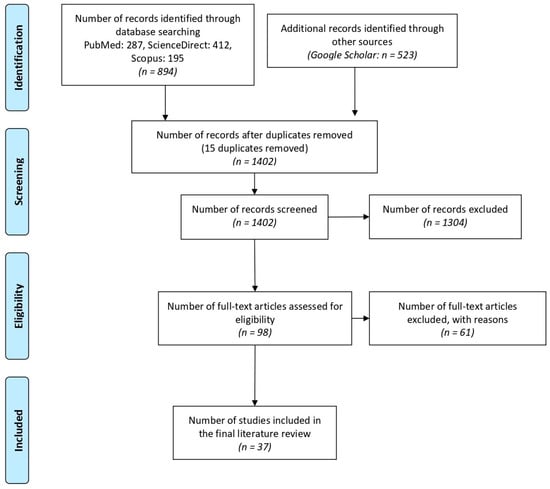
Figure 6.
The diagram provides a structured overview of the article selection process, beginning with the initial search in databases such as PubMed, ScienceDirect, Google Scholar, and Scopus, and culminating in the inclusion of 37 studies in the meta-analysis.
Inclusion Criteria:
- Original experimental studies, excluding reviews, individual case reports, and bibliographic works.
- Research applying highly complex analytical techniques for molecular characterization and developing rigorous preclinical studies.
- Studies focused on the detailed analysis of the IVM’s chemical properties, as well as its potential anticancer effect.
- Research exploring the molecular mechanisms involved in oncological contexts.
- Studies using standardized methodologies to evaluate both the antitumor activity and cytotoxicity of IVM.
- Publications from 2014 to 2024, avoiding duplication or redundant records.
Exclusion Criteria:
- Studies focused exclusively on the antiparasitic activity of IVM.
- Research conducted solely in silico without experimental validation.
- Studies that do not provide data on molecular mechanisms or chemical characterization.
- Research does not specifically evaluate anticancer effects.
4.1.1. Initial Search
The first literature search was conducted between October 2023 and January 2024, using a combined strategy with the key terms (“ivermectin,” “cancer treatment,” and “chemical properties”) and Boolean operators (AND/OR) applied in specialized scientific databases, including PubMed, ScienceDirect, Scopus, Google Scholar, and Web of Science. The search strategy was further refined by incorporating additional terms such as antineoplastic activity, molecular mechanisms, preclinical studies, drug repurposing, cell signaling, apoptosis, antiproliferative effects, and cancer therapy.
This initial exploration generated a large volume of publications, with considerable overlap between databases and several articles unrelated to the research objective. Nevertheless, this phase was essential to obtaining a broad and well-grounded overview of the research landscape. It also revealed a notable gap: the absence of recent systematic reviews focused specifically on the chemical properties of IVM in the context of oncology treatment.
Based on a comparative evaluation of the databases, considering both scope and degree of specificity, Web of Science was excluded from the final systematic search. This decision was made because the platform did not provide additional relevant studies beyond those already identified in PubMed, Scopus, Google Scholar, and ScienceDirect, which offered more comprehensive and relevant coverage for the objectives of this research.
4.1.2. Systematic Search
The combination of terms that yielded the most relevant results in the databases is presented in Table 4. The table lists the Boolean equations used during the systematic review, structured around three principal axes: cancer-related treatments, the chemical properties of IVM, and its characteristics in oncology settings.
Table 4.
Systematic Search Strategies for identified documents on the application IVM in Oncology.
The search yielded 1471 articles, distributed as follows: 287 in PubMed, 412 in ScienceDirect, 523 in Google Scholar, and 195 in Scopus. Before proceeding with the selection and analysis of the collected papers, inclusion and exclusion criteria were applied to ensure thematic relevance and methodological quality.
4.2. Scopus Data Collection
The previously defined keywords were also used to generate a search in the Scopus database (https://www.scopus.com). After applying the inclusion and exclusion criteria, a filtered CSV file was generated and used as input in VOSviewer [47] for constructing and visualizing bibliometric networks. These networks include journals, researchers, or individual publications, and can be built based on citation, bibliographic coupling, co-citation, or co-authorship relations.
4.2.1. VOSViewer Bibliometric Map
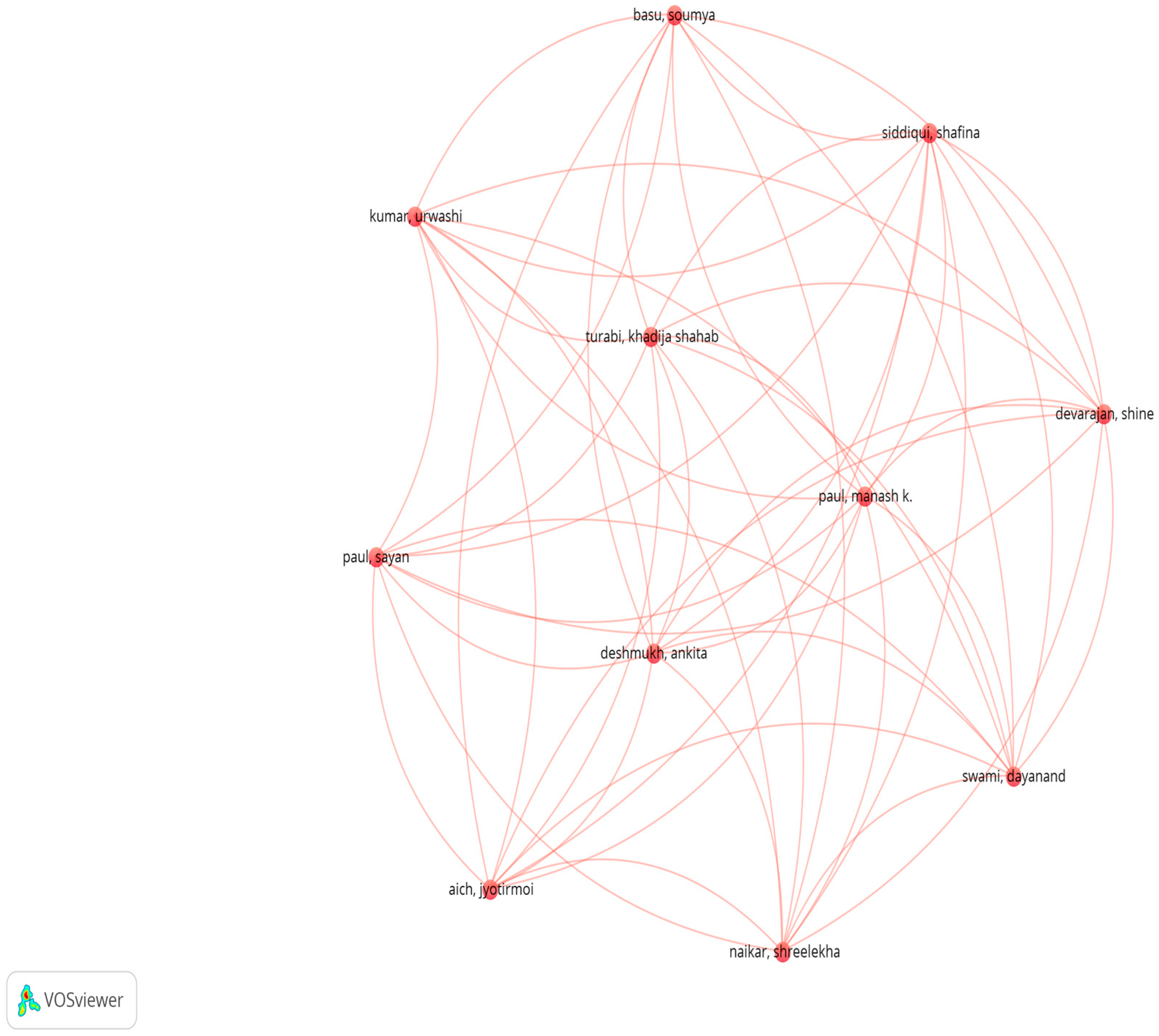
A network map was created in VOSviewer using several items (networks of co-authorship, citation, and bibliographic linkage) with the options “Create a map based on bibliographic data” and “Read data from bibliographic database” (Figure 7 and Figure 8). These maps were also generated from the Web of Science, Scopus, Dimensions, and PubMed databases.
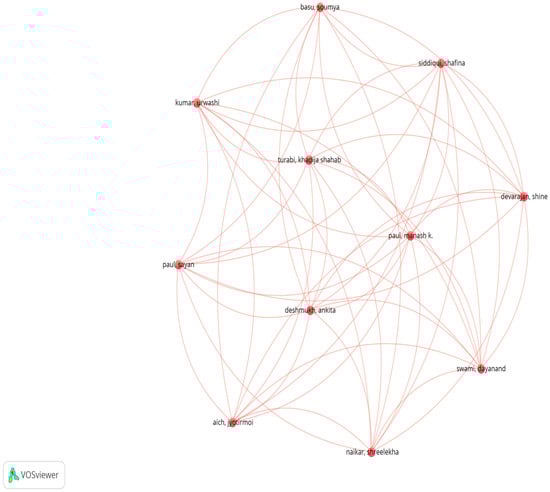
Figure 7.
VOSViewer bibliometric analysis by authors.
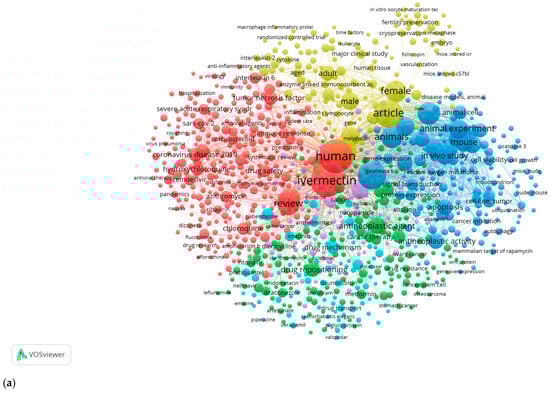
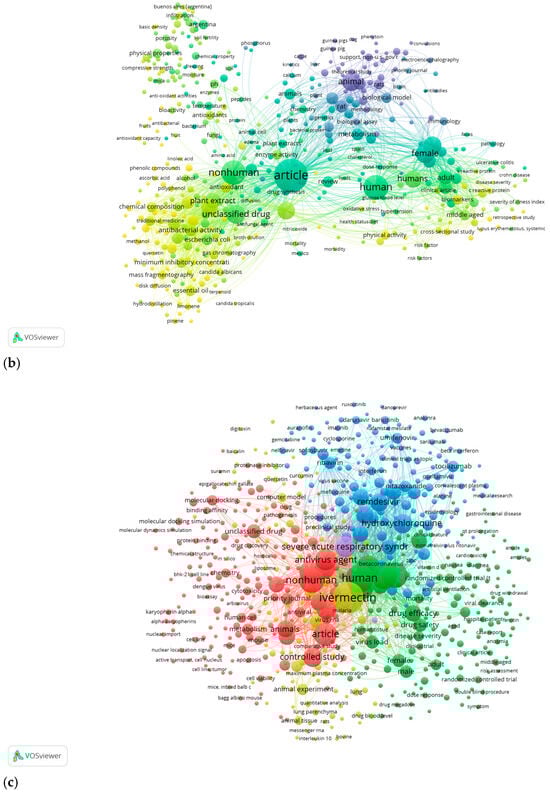
Figure 8.
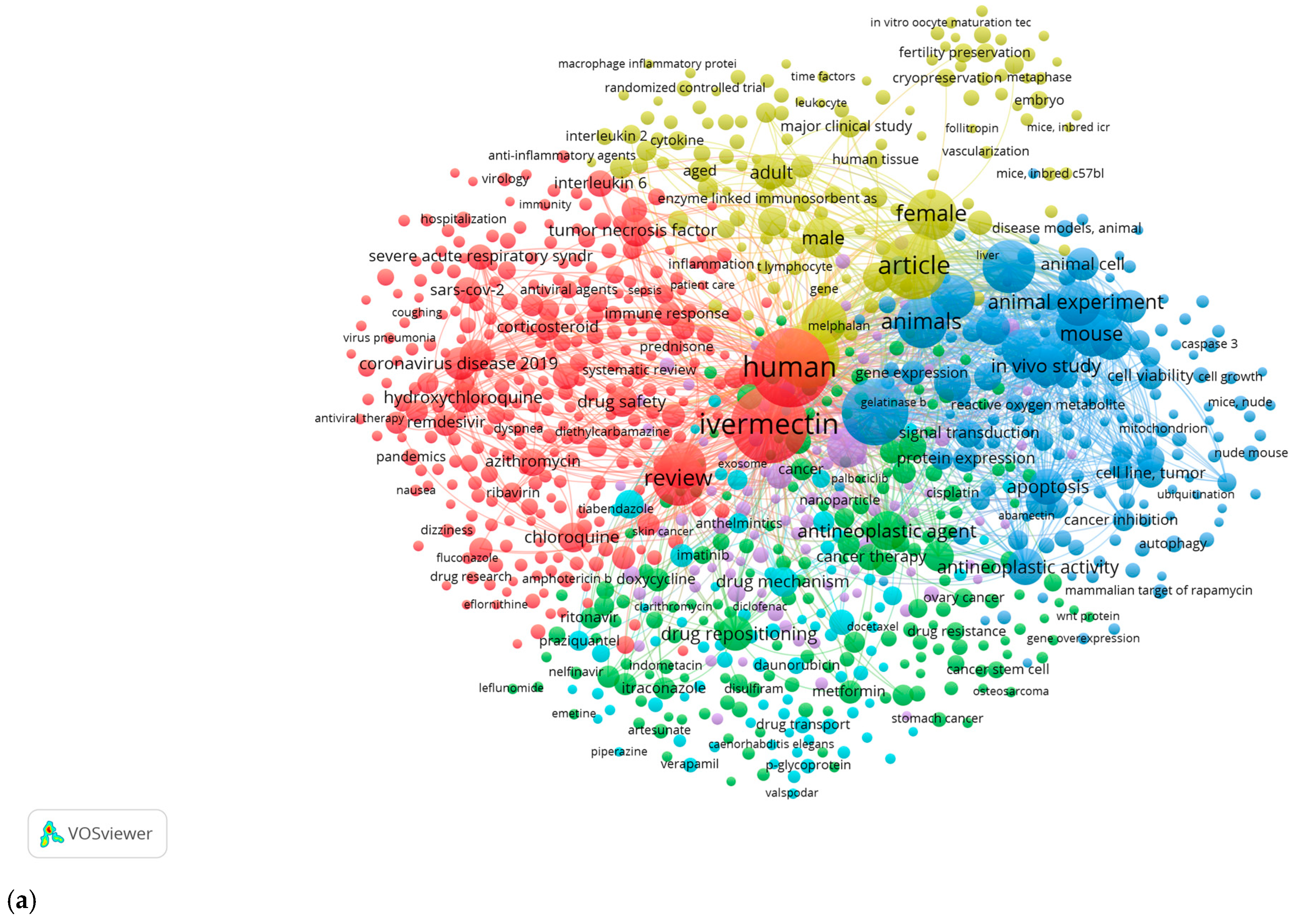
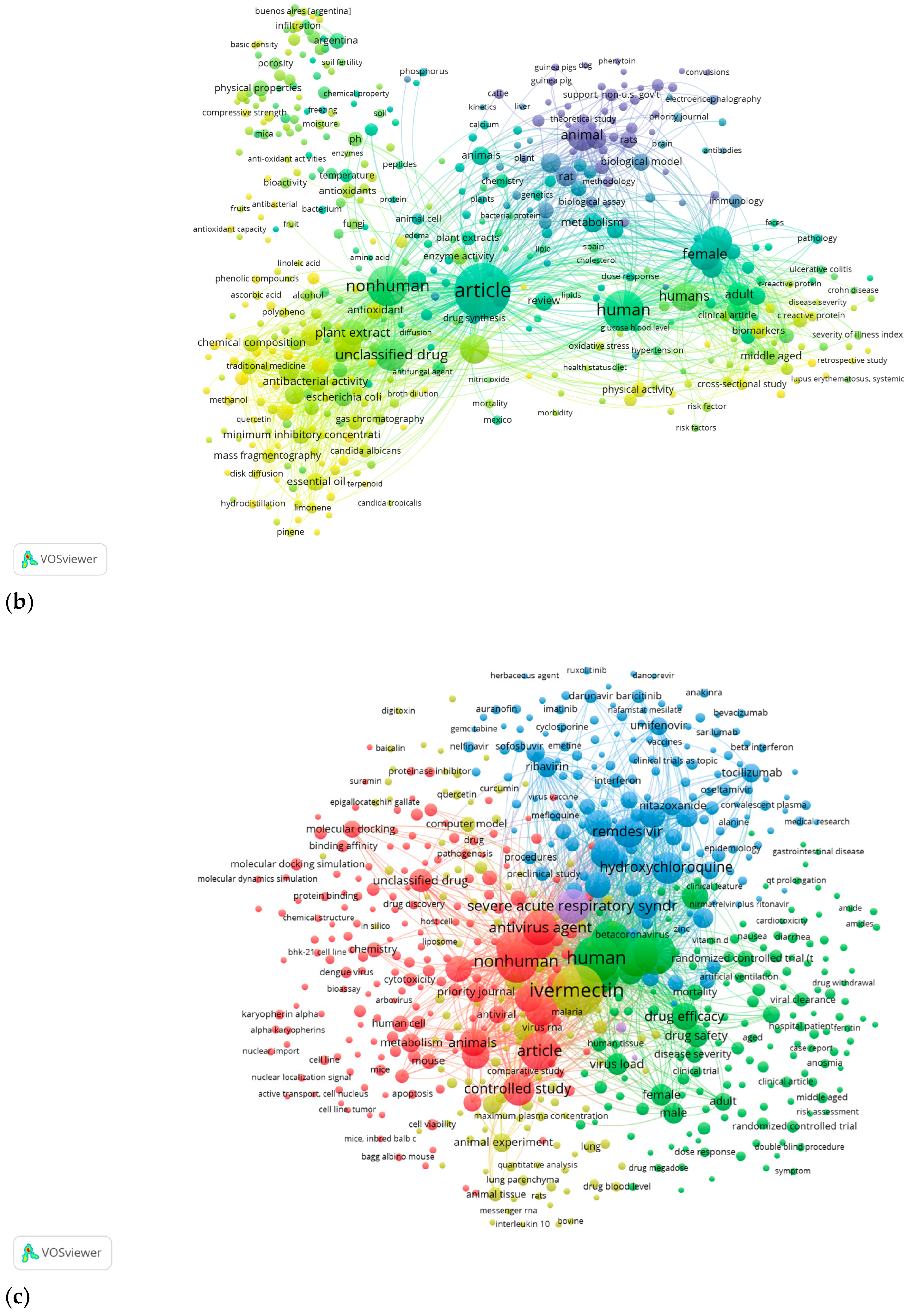
Bibliometric analysis of keywords in VOSviewer. (a) Thematic distribution of research on humans, animals, molecular mechanisms, and clinical variables; (b) Connection between molecular, clinical, and pharmacological studies (c) Time evolution and interdisciplinary relationships in the study of ivermectin.
The five variables used to create the heat maps are described in Table 5. By default, VOSviewer applies the first category (co-authorship analysis), but thresholds must be defined for the number of documents and citations per author. In this study, we set the document threshold to 1 and the author citation threshold to 5; with these parameters, the resulting network comprised 102 authors.
Table 5.
Units of analysis for bibliometric analysis in VOSviewer.
From the bibliometric analysis, a scientific collaboration network can be identified, composed of leading researchers dedicated to studying IVM and its potential as an anticancer agent. This network presents an interrelated configuration in which each node, representing an author, varies in size according to the number of citations received, while the thickness of the connecting lines reflects the intensity of collaborative links.
The spatial distribution of the map clearly reveals three research clusters or subgroups, each organized around highly relevant academic figures (Figure 8a–c). This topological structure highlights the citation and cooperation flows between the most influential authors in the field and provides a clear, visually interpretable representation of how scientific knowledge is organized around the study of IVM in oncology. The central position of certain researchers within the network suggests that they have played a key role in advancing this line of research.
The bibliometric analysis performed with VOSviewer reveals a highly organized research structure around IVM and its anticancer applications, evidenced by three interconnected and differentiated nodes (Figure 8a). The red node focuses on clinical and pharmacological aspects, including human research and the drug’s mechanisms of action, and highlights terms such as “drug mechanism” and “tumor necrosis factor.” The green node addresses experimental studies, emphasizing drug repositioning and antineoplastic activity, while the blue cluster concentrates on preclinical research, including animal experiments and cell viability studies. The central position of the term “ivermectin” and the density of connections between nodes reveal a strong interdisciplinary research base, evolving from basic studies in animal models to potential clinical applications supported by scientific evidence across multiple levels of biomedical research.
Bibliometric analysis using VOSviewer further demonstrates a multifaceted research structure around ivermectin, organized into three distinctive and interrelated nodes (Figure 8b). The red node, focused on molecular and preclinical studies, is characterized by terms such as “molecular docking” and “binding affinity,” which establish the mechanistic underpinnings of the research. The green node emphasizes clinical aspects, including drug efficacy and safety, while the blue node situates IVM within the broader pharmacological landscape, emphasizing its relationship with other drugs such as remdesivir and hydroxychloroquine.
The central and dominant position of the term “ivermectin” on the map, together with the high density of connections between nodes, indicates a mature and cohesive field of research that integrates basic research with clinical applications, demonstrating systematic and comprehensive development of this area (Figure 8c). The red node highlights clinical and pharmacological aspects, focusing on human research and the drug’s mechanisms of action, with terms such as “drug mechanism” and “tumor necrosis factor.”
Since 2015, the evolution of the field has been evident in the chromatic gradation of the data, which reveals a gradual shift from primary studies in animal models to more recent research addressing chemical properties and antioxidant activity. The interconnections between clusters, visible in the density and arrangement of nodes, demonstrate a strong articulation between basic science and clinical application, reflecting a sustained and coherent advancement of knowledge in this area.
4.2.2. Statistical Analysis with AI Tools
Statistical analysis of the data obtained from the Scopus database (csv) was performed using the tools DeepSeek-V3.1 (https://chat.deepseek.com/) and ChatGPT 5 (https://chatgpt.com) to generate statistics and visualizations on research trends related to the use of ivermectin in medicine, its properties, and oncological effects.
5. Conclusions
This review highlights the growing body of evidence supporting ivermectin (IVM) as a potential anticancer agent. Its chemical characteristics, such as high molecular weight, lipophilicity, and low water solubility pose significant challenges for systemic application; however, advances in drug delivery strategies, including nanoencapsulation and co-crystallization, show promise in overcoming these barriers.
Across diverse tumor models, IVM demonstrates consistent antitumor activity through the induction of apoptosis, oxidative stress, mitochondrial dysfunction, and inhibition of key signaling pathways, including NF-κB, mTOR/STAT3, and importin β. In addition, its immunomodulatory effects suggest potential synergy with immunotherapies, particularly in aggressive cancers such as TNBC and melanoma. Preclinical findings also indicate enhanced efficacy when IVM is combined with conventional chemotherapeutic agents.
Nonetheless, the disparity between effective in vitro concentrations and achievable plasma levels in humans underscores the need for translational research. Future work should focus on optimizing formulation and delivery systems, while rigorous clinical trials remain essential to establish the safety, efficacy, and therapeutic window of IVM in oncology.
6. Limitations and Future Work
The review of the consulted literature has revealed that ivermectin (IVM), widely recognized for its antiparasitic use, also possesses physicochemical properties and mechanisms of action with therapeutic potential in the field of oncological treatment. However, its adoption as an effective antineoplastic drug requires overcoming several technical and scientific obstacles, as well as opening new areas of research to support the consolidation and expansion of its clinical use.
A fundamental and indispensable step is validation through clinical trials. However, most studies on the antitumor activity of ivermectin have been conducted under in vitro conditions or in animal models, which limits the ability to extrapolate their results to clinical practice. Urgent action is needed in the design and execution of controlled clinical studies that rigorously evaluate its safety profile, efficacy, and optimal dosing in patients with various types of cancer.
At the same time, it is crucial to advance the optimization of its pharmaceutical formulations. Due to its poor solubility in water and limited bioavailability when taken orally, new formulations, such as nanoparticles or controlled release platforms, must be investigated to improve its absorption and facilitate more efficient distribution to tumor tissues.
An additional priority is to deepen the understanding of its molecular mechanisms of action. While IVM’s ability to induce both apoptosis and autophagy in malignant cells have been documented, the cellular processes and pathways involved have not yet been fully clarified. It is essential to understand how it interacts with key signaling cascades like WNT/β-catenin or PI3K/Akt/mTOR, and how these interactions vary according to the type of neoplasm.
Likewise, the analysis of combination therapies should receive particular attention. The possibility of using ivermectin in conjunction with conventional chemotherapy agents or targeted treatments represents a promising avenue for research. Future studies could focus on discovering pharmacological synergies that enhance therapeutic effectiveness while simultaneously reducing the toxicity associated with standard treatments.
Moreover, it is recommended to direct some efforts toward specific oncological pathologies. Although antitumor effects have already been reported in cancers such as breast, colon, and lung, evaluating IVM’s action in less explored tumors, particularly those with limited therapeutic options—could open new clinical perspectives.
The field of pharmacogenomics represents another strategic dimension. The individual response to ivermectin may be influenced by specific genetic variants, so studies focusing on this aspect would allow the identification of predictive biomarkers for both efficacy and toxicity. This information would be crucial to advancing towards personalized medicine models that are safer and tailored to the genetic characteristics of each patient [10].
Author Contributions
Conceptualization, K.N.R. and Y.J.-G.; methodology, K.N.R.; software, K.N.R.; validation, K.N.R. and Y.J.-G.; formal analysis, O.V.-G.; investigation, K.N.R.; resources, Y.J.-G.; data curation, K.N.R.; writing—original draft preparation, K.N.R., O.V.-G., Y.J.-G. and J.C.R.-B.; writing—review and editing, K.N.R., O.V.-G., Y.J.-G. and J.C.R.-B.; supervision, Y.J.-G.; project administration, Y.J.-G.; funding acquisition, Y.J.-G. All authors have read and agreed to the published version of the manuscript.
Funding
This research was funded by Universidad Técnica Particular de Loja-Ecuador POA VIN-56.
Institutional Review Board Statement
Not applicable.
Acknowledgments
During the preparation of this manuscript the author(s) used ChatGPT 5 and Grammarly for the purposes of has been used for purposes such as generating text, data, or graphics, data analysis, interpretation of data and text translation. The authors have reviewed and edited the output and take full responsibility for the content of this publication.
Conflicts of Interest
The authors declare no conflicts of interest.
References
- World Health Organization. Cancer [Fact Sheet]; WHO: Geneva, Switzerland, 2025; Available online: https://www.who.int/news-room/fact-sheets/detail/cancer (accessed on 3 February 2025).
- Zafar, A.; Khatoon, S.; Khan, M.J.; Abu, J.; Naeem, A. Advancements and limitations in traditional anti-cancer therapies: A comprehensive review of surgery, chemotherapy, radiation therapy, and hormonal therapy. Discov. Oncol. 2025, 16, 607. [Google Scholar] [CrossRef]
- Tang, M.; Hu, X.; Wang, Y.; Yao, X.; Zhang, W.; Yu, C.; Cheng, F.; Li, J.; Fang, Q. Ivermectin, a potential anticancer drug derived from an antiparasitic drug. Pharmacol. Res. 2021, 163, 105207. [Google Scholar] [CrossRef]
- Jiang, L.; Sun, Y.J.; Song, X.H.; Sun, Y.Y.; Yang, W.Y.; Li, J.; Wu, Y.J. Ivermectin inhibits tumor metastasis by regulating the Wnt/β-catenin/integrin β1/FAK signaling pathway. Am. J. Cancer Res. 2022, 12, 4502. [Google Scholar]
- Sharmeen, S.; Skrtic, M.; Sukhai, M.A.; Hurren, R.; Gronda, M.; Wang, X.; Fonseca, S.B.; Sun, H.; Wood, T.E.; Ward, R.; et al. The antiparasitic agent ivermectin induces chloride-dependent membrane hyperpolarization and cell death in leukemia cells. Blood 2010, 116, 3593–3603. [Google Scholar] [CrossRef]
- Rabben, H.-L.; Andersen, G.T.; Ianevski, A.; Olsen, M.K.; Kainov, D.; Grønbech, J.E.; Wang, T.C.; Chen, D.; Zhao, C.-M. Computational drug repositioning and experimental validation of ivermectin in treatment of gastric cancer. Front. Pharmacol. 2021, 12, 625991. [Google Scholar] [CrossRef]
- Mohi-Ud-Din, R.; Chawla, A.; Sharma, P.; Mir, P.A.; Potoo, F.H.; Reiner, Ž.; Reiner, I.; Ateşşahin, D.A.; Sharifi-Rad, J.; Mir, R.H.; et al. Repurposing approved non-oncology drugs for cancer therapy: A comprehensive review of mechanisms, efficacy, and clinical prospects. Eur. J. Med. Res. 2023, 28, 345. [Google Scholar] [CrossRef] [PubMed] [PubMed Central]
- Domínguez-Gómez, G.; Chavez-Blanco, A.; Medina-Franco, J.L.; Saldivar-Gonzalez, F.; Flores-Torrontegui, Y.; Juarez, M.; Díaz-Chávez, J.; González-Fierro, A.; Dueñas-González, A. Ivermectin as an inhibitor of cancer stem-like cells. Mol. Med. Rep. 2018, 17, 3397–3403. [Google Scholar] [CrossRef]
- Jiménez-Gaona, Y.; Vivanco-Galván, O.; Morales-Larreategui, G.; Cabrera-Bejarano, A.; Lakshminarayanan, V. Outcome of Ivermectin in Cancer Treatment: An Experience in Loja-Ecuador. Nurs. Rep. 2023, 13, 315–326. [Google Scholar] [CrossRef] [PubMed]
- Lee, D.E.; Kang, H.W.; Kim, S.Y.; Kim, M.J.; Jeong, J.W.; Hong, W.C.; Fang, S.; Kim, H.S.; Lee, Y.S.; Park, J.S. Ivermectin and gemcitabine combination treatment induces apoptosis of pancreatic cancer cells via mitochondrial dysfunction. Front. Pharmacol. 2022, 13, 934746. [Google Scholar] [CrossRef] [PubMed]
- Lai, W.; Guan, X.; Chen, X.; Chen, J.; Zhang, X.; Lu, M. A Review of Ivermectin Use in Cancer Patients: Is It Time to Repurpose Ivermectin in Cancer Treatment? Acta Pol. Pharm. 2024, 81, 913–929. [Google Scholar] [CrossRef]
- Liu, J.; Zhang, K.; Cheng, L.; Zhu, H.; Xu, T. Progress in understanding the molecular mechanisms underlying the antitumour effects of ivermectin. Drug Des. Dev. Ther. 2020, 14, 285–296. [Google Scholar] [CrossRef]
- Juarez, M.; Schcolnik-Cabrera, A.; Dueñas-Gonzalez, A. The multitargeted drug ivermectin:from an antiparasitic agent to a repositioned cancer drug. Am. J. Cancer Res. 2018, 8, 317–331. [Google Scholar] [PubMed]
- Rujimongkon, K.; Namwat, N.; Kanchanapally, R.; Loilome, W.; Bhudhisawasdi, V. Ivermectin inhibits epithelial-to-mesenchymal transition via Wnt signaling in endocrine-resistant breast cancer cells. PLoS ONE 2025, 20, e0326742. [Google Scholar] [CrossRef]
- Zhou, S.; Wu, H.; Ning, W.; Wu, X.; Xu, X.; Ma, Y.; Li, X.; Hu, J.; Wang, C.; Wang, J. Ivermectin has new application in inhibiting colorectal cancer cell growth. Front. Pharmacol. 2021, 12, 717529. [Google Scholar] [CrossRef]
- Li, N.; Zhan, X. Anti-parasite drug ivermectin can suppress ovarian cancer by regulating lncRNA-EIF4A3-mRNA axes. EPMA J. 2020, 11, 289–309. [Google Scholar] [CrossRef]
- Nunes, M.; Duarte, D.; Vale, N.; Ricardo, S. Pitavastatin and ivermectin enhance the efficacy of paclitaxel in chemoresistant high-grade serous carcinoma. Cancers 2022, 14, 4357. [Google Scholar] [CrossRef]
- Draganov, D.; Han, Z.; Rana, A.; Bennett, N.; Irvine, D.J.; Lee, P.P. Ivermectin converts cold tumors hot and synergizes with immune checkpoint blockade for treatment of breast cancer. Npj Breast Cancer 2021, 7, 22. [Google Scholar] [CrossRef]
- Khan, K.S.; Kunz, R.; Kleijnen, J.; Antes, G. Systematic reviews to support evidence-based medicine: How to review and apply findings of healthcare research. BMJ Evid.-Based Med. 2004, 9, 30. [Google Scholar] [CrossRef]
- Shubin, K.; Bērziņš, A.; Belyakov, S. Crystal Structures of New Ivermectin Pseudopolymorphs. Crystals 2021, 11, 172. [Google Scholar] [CrossRef]
- de Vos, L.; Gerber, M.; Liebenberg, W.; Wessels, J.C.; Lemmer, H.J. Co-Processed Crystalline Solids of Ivermectin with Span® 60 as Solubility Enhancers of Ivermectin in Natural Oils. AAPS PharmSciTech 2024, 25, 67. [Google Scholar] [PubMed]
- Vargas, F.; León, M.; Angulo, B.; Álvarez, Á.; González, J.; Maldonado, A. Evaluation of the Photostability of Ivermectin. Chem. Proc. 2024, 16, 78. [Google Scholar] [CrossRef]
- Velho, M.C.; Funk, N.L.; Deon, M.; Benvenutti, E.V.; Buchner, S.; Hinrichs, R.; Pilger, D.A.; Beck, R.C.R. Ivermectin-loaded mesoporous silica and polymeric nanocapsules: Impact on drug loading, in vitro solubility enhancement, and release performance. Pharmaceutics 2024, 16, 325. [Google Scholar] [CrossRef]
- Zhang, P.; Zhang, Y.; Liu, K.; Liu, B.; Xu, W.; Gao, J.; Ding, L.; Tao, L. Ivermectin induces cell cycle arrest and apoptosis of HeLa cells via mitochondrial pathway. Cell Prolif. 2019, 52, e12543. [Google Scholar] [CrossRef]
- Liebig, M.; Alonso Fernandez, Á.; Blübaum-Grønau, E.; Boxall, A.; Brinke, M.; Carbonell, G.; Egeler, P.; Fenner, K.; Fernandez, C.; Fink, G.; et al. Environmental risk assessment of ivermectin: A case study. Integr. Environ. Assess. Manag. 2010, 6 (Suppl. 1), 567–587. [Google Scholar] [CrossRef]
- Xu, N.; Lu, M.; Wang, J.; Li, Y.; Yang, X.; Wei, X.; Si, J.; Han, J.; Yao, X.; Zhang, J.; et al. Ivermectin induces apoptosis of esophageal squamous cell carcinoma via mitochondrial pathway. BMC Cancer 2021, 21, 1307. [Google Scholar] [CrossRef] [PubMed]
- Jawad, M.J.; Richardson, A. Ivermectin Augments the Anti-Cancer Activity of Pitavastatin in Ovarian Cancer Cells. Diseases 2023, 11, 49. [Google Scholar] [CrossRef] [PubMed]
- Zhang, H.; Xu, X.; Xu, R.; Ye, T. Drug repurposing of ivermectin abrogates neutrophil extracellular traps and prevents melanoma metastasis. Front. Oncol. 2022, 12, 989167. [Google Scholar] [CrossRef] [PubMed]
- Li, M.Y.; Zhang, J.; Lu, X.; Zhou, D.; Deng, X.F.; Liu, Q.X.; Dai, J.G.; Zheng, H. Ivermectin induces nonprotective autophagy by downregulating PAK1 and apoptosis in lung adenocarcinoma cells. Cancer Chemother. Pharmacol. 2024, 93, 41–54. [Google Scholar] [CrossRef]
- Lv, S.; Wu, Z.; Luo, M.; Zhang, Y.; Zhang, J.; Pascal, L.E.; Wang, Z.; Wei, Q. Integrated analysis reveals FOXA1 and Ku70/Ku80 as targets of ivermectin in prostate cancer. Cell Death Dis. 2022, 13, 754. [Google Scholar] [CrossRef]
- Güler, E.M.; Günaydın Akyıldız, A. Ivermectin induces oxidative stress and DNA damage in breast cancer cells. Bezmialem Sci. 2023, 11, 15–22. [Google Scholar] [CrossRef]
- Lu, H.; Zhou, L.; Zuo, H.; Le, W.; Hu, J.; Zhang, T.; Li, M.; Yuan, Y. Ivermectin synergizes sorafenib in hepatocellular carcinoma via targeting multiple oncogenic pathways. Pharmacol. Res. Perspect. 2022, 10, e00954. [Google Scholar] [CrossRef] [PubMed] [PubMed Central]
- Patel, Y.; Chawla, J.; Parmar, M.S. Ivermectin in Cancer Treatment: Should Healthcare Providers Caution or Explore Its Therapeutic Potential? Curr. Oncol. Rep. 2025, 25, 1070–1079. [Google Scholar] [CrossRef]
- Halma, M.; Vottero, P. Ivermectin, a molecular Swiss army knife: A review of mechanisms, indications and safety concerns in drug repurposing. J. Indep. Med. 2025, 1, 5. [Google Scholar] [CrossRef]
- Kaduk, J.A.; Tanis, A.; Tovar, A.; Boaz, N.C.; Gindhart, A.M.; Blanton, T.N. Crystal structure of ivermectin hemihydrate ethanolate, (C48H74O14)(H2O)0.5(C2H5OH)0.82. Powder Diffr. 2021, 36, 247–256. [Google Scholar] [CrossRef]
- Cheng, X.; Qu, M.; Ren, J.; Gong, C.; Qi, L.; Shu, J.; Liu, B.; Sun, H. Solid–liquid equilibrium behavior and thermodynamic analysis of ivermectin using experiments and molecular simulations. J. Mol. Liq. 2024; advance online. [Google Scholar] [CrossRef]
- Juarez, M.; Schcolnik-Cabrera, A.; Dominguez-Gomez, G.; Chavez-Blanco, A.; Diaz-Chavez, J.; Duenas-Gonzalez, A. Antitumor effects of ivermectin at clinically feasible concentrations support its clinical development as a repositioned cancer drug. Cancer Chemother. Pharmacol. 2020, 85, 1153–1163. [Google Scholar] [CrossRef]
- Jiang, L.; Wang, P.; Sun, Y.J.; Wu, Y.J. Ivermectin reverses the drug resistance in cancer cells through EGFR/ERK/Akt/NF-kappaB pathway. J. Exp. Clin. Cancer Res. 2019, 38, 265. [Google Scholar] [CrossRef] [PubMed]
- Dou, Q.; Chen, H.N.; Wang, K.; Yuan, K.; Lei, Y.; Li, K.; Lan, J.; Chen, Y.; Huang, Z.; Xie, N.; et al. Ivermectin Induces Cytostatic Autophagy by Blocking the PAK1/Akt Axis in Breast Cancer. Cancer Res. 2016, 76, 4457–4469. [Google Scholar] [CrossRef] [PubMed]
- Suvarna, V. Ivermectin: A Critical Review on Characteristics, Properties, and Analytical Methods. J. AOAC Int. 2023, 106, 534–557. [Google Scholar] [CrossRef] [PubMed]
- Goa, K.L.; McTavish, D.; Clissold, S.P. Ivermectin. A review of its antifilarial activity, pharmacokinetic properties and clinical efficacy in onchocerciasis. Drugs 1991, 42, 640–658. [Google Scholar] [CrossRef] [PubMed]
- Fan, N.; Zhang, L.; Wang, Z.; Ding, H.; Yue, Z. Ivermectin Inhibits Bladder Cancer Cell Growth and Induces Oxidative Stress and DNA Damage. Anti-Cancer Agents Med. Chem.-Anti-Cancer Agents 2024, 24, 348–357. [Google Scholar] [CrossRef]
- Zhang, Y.; Sun, T.; Li, M.; Lin, Y.; Liu, Y.; Tang, S.; Dai, C. Ivermectin-Induced Apoptotic Cell Death in Human SH-SY5Y Cells Involves the Activation of Oxidative Stress and Mitochondrial Pathway and Akt/mTOR-Pathway-Mediated Autophagy. Antioxidants 2022, 11, 908. [Google Scholar] [CrossRef] [PubMed]
- Gu, C.; Zhong, H.; Luo, X.; Yuan, J.; Gong, G.; Feng, Y.; Zhang, X.; Feng, X.; Jin, Y.; Li, J. Ivermectin induces oxidative stress and mitochondrial damage in Haemonchus contortus. Vet. Parasitol. 2025, 333, 110352. [Google Scholar] [CrossRef] [PubMed]
- Torres-Carrión, P.V.; González-Carrasco, I.; Cabezas-González, M.; Romero-Torres, Á. Methodology for systematic literature review applied to engineering and education. IEEE Rev. Iberoam. Tecnol. Del. Aprendiz. 2018, 13, 149–153. [Google Scholar] [CrossRef]
- Page, M.J.; McKenzie, J.E.; Bossuyt, P.M.; Boutron, I.; Hoffmann, T.C.; Mulrow, C.D.; Shamseer, L.; Tetzlaff, J.M.; Akl, E.A.; Brennan, S.E.; et al. The PRISMA 2020 statement: An updated guideline for reporting systematic reviews. BMJ 2021, 372, 71. [Google Scholar] [CrossRef]
- Suryantoro, E.; Udin, U.; Qamari, I.N. A bibliometric analysis using VOSviewer: Leadership in infection prevention and control. Multidiscip. Sci. J. 2023, 5, 2023022. [Google Scholar] [CrossRef]
Disclaimer/Publisher’s Note: The statements, opinions and data contained in all publications are solely those of the individual author(s) and contributor(s) and not of MDPI and/or the editor(s). MDPI and/or the editor(s) disclaim responsibility for any injury to people or property resulting from any ideas, methods, instructions or products referred to in the content. |
© 2025 by the authors. Licensee MDPI, Basel, Switzerland. This article is an open access article distributed under the terms and conditions of the Creative Commons Attribution (CC BY) license (https://creativecommons.org/licenses/by/4.0/).