


Abstract
Cannabis consumption has become the center of much debate globally. The positive public perception of the medicinal benefits of cannabis and the rise of recreational usage of cannabis necessitate dramatic changes in cannabis reform policy. As a consequence, there is an increase in cannabis legalization around the globe, although it is still facing many rejections. It is crucial to understand the factors affecting public acceptance of cannabis use to support the contextualization and success of cannabis legalization. This review aims to address consumer cultural, social and psychological factors regarding the legal use of cannabis. Based on this review, cultures influence the endorsement or rejection of cannabis use depending on political views, religious sentiments and affiliated subcultures (adult, youth and adolescent subcultures). Regarding the social factors, socioeconomic status, measured by income, education level and occupation, is a key determinant of cannabis use. The beliefs opposing cannabis legalization are due to the negative stigma surrounding cannabis use. Nevertheless, growing awareness about the pharmaceutical and therapeutic effects of cannabis has led to an increase in positive attitudes towards cannabis legalization. Thus, dissemination of cannabis use benefits reaffirmed by scientific evidence could be a strategic way to alleviate the public’s negative feedback on cannabis legalization.
1. Introduction
Escalating usage of both medicinal and recreational cannabis has been observed globally. The word “cannabis” refers to Cannabis spp. (mainly species “sativa” or “indica”), containing both high dry weight tetrahydrocannabinol (THC), also known as marijuana, and low-THC, known as hemp. This growing consumption is associated with both social and societal acceptance along with legal support [1]. An increasing percentage of cannabis reform policy support has been observed among global citizens. However, the success of the legalization will depend on the effectiveness of its advocacy in the market. Strong coalitions in healthcare, law enforcement, financing, policymakers, and influencers were observed in the countries working on liberal cannabis policies. This framework also needs the support of local contextualization along with regulating the existing markets. Even if it remained illegal, self-reported usage is increasing daily due to diverse factors. Scientific affirmations on cannabis being comparatively safer than alcohol resulted in increased consumption of this dangerous narcotic among young adults. The COVID-19 pandemic further escalated the usage rates and nearly half of the United States (US) cannabis consumers employed it to manage their stress and anxiety. Similarly, the work shift from offices to homes, and constraints on having social gatherings, also enhanced the cannabis retail business by approximately 35% as compared to the previous year for legal US markets [2].
In October 2020, cannabis was legalized for recreational use in Canada and 12 states of the US, and in another 37 countries for medicinal purposes [3]. The combined legal and illegal global cannabis market is estimated to be USD 214 to 344 billion [4]. Its cultivation has been reported in approximately 151 countries from 2010 to 2018; however, the exact estimate of the cultivation area and the quantities are not possible due to a lack of empirical data [2,5,6]. North America is considered the epicenter of the global cannabis economy owing to its having 97% of legal cannabis usage accounted for in 2020. In Europe (1.5%), Germany has the largest medical cannabis program as compared to the Netherlands and the United Kingdom. The legalization of cannabis has also highlighted the potential for investment opportunities, resulting in a smooth transition from illegal to legal consumption. This resulted in immense capital flows into the industry resulting in a record of USD 7.9 billion invested in the first half of 2021 [2]. Similarly, other shares of legal cannabis distribution include 0.7% for Asia, 0.7% for the Caribbean, 0.4% for Oceania, and <0.01% for Latin America.
Public perception towards cannabis legalization has begun to shift dramatically in the favor of cannabis reform policy. The public support for legal cannabis in Germany rose from 30% in 2014 to 46% in 2020. Another key factor normalizing the social attitudes towards medical cannabis is a broader understanding of the plant properties and cannabis-derived products. Domestic cannabis industries are being legalized in many countries including Netherlands and Spain. Cana-tourism is widely seen in coffee shops of Amsterdam where the coffee owners are licensed to sell small quantities and continue to operate in conjunction with local municipalities, attracting masses of tourists. Approximately 570 such coffee shops were operating as of 2019 in The Netherlands, with 29% located specifically in Amsterdam [7]. Spain has also constituted Cannabis Social Clubs (CSCs) for its distribution serving approximately four million consumers annually as well as another six million canna-tourists. About 500 such clubs were reported with a majority situated in Barcelona. These clubs are responsible for managing cultivation, processing, distribution, and providing the consumption sites [8]. Such widescale changes are also observed in other regions of the world where cana-tourism in different forms is being explored with other factors impacting the markets [9,10,11].
The use of cannabis is increasing day by day for both medical and leisure/recreational purposes. Medical cannabis use involves the use of cannabis in the treatment of physical and mental illnesses. On the other hand, the recreational use of cannabis refers to the use of cannabis for personal enjoyment. Two major constituents of cannabis, Δ-9-tetrahydrocannabinol (THC) and cannabidiol (CBD), are responsible for the mechanism of action and pharmacokinetics of cannabis. Upon cannabis consumption, THC and CBD rapidly distribute throughout various organs in the body and strongly bind to cannabinoid receptors, named CB1 and CB2. The “high” feeling experienced by people who use cannabis is due to THC, which acts as a psychotropic chemical. Although CBD is a non-psychotropic chemical, it has evidenced therapeutical effects in various medical illnesses [12].
There are several factors which affect the use of cannabis, as shown in Figure 1. The legalization of cannabis use is determined by various factors, including cultural, social and psychological factors. Therefore, this review aims to address factors that affect the global acceptance of cannabis legalization. In this review, cultural and subcultural (adults, youth and adolescents) factors, social class factors such as socioeconomic status (based on income, education and occupation) and ethnicity/race, as well as psychological factors (beliefs and attitudes) that can hinder or improve cannabis legalization are discussed. The understanding of these factors is crucial for stakeholders and governments in developing strategies to alleviate consumers’ negative feedback on cannabis legalization, especially the conservative consumers.
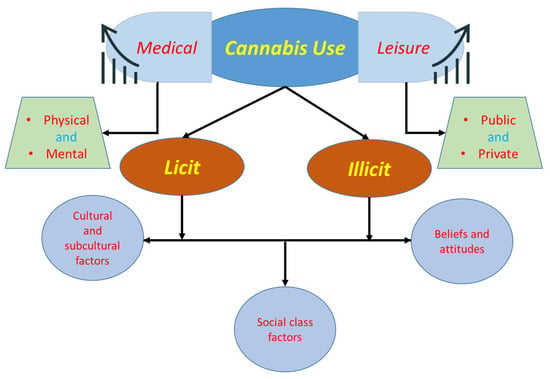
Figure 1.
Dynamic relationship between factors affecting cannabis use.
2. Methodology
We conducted a comprehensive search in the databases including PubMed, Scopus, Web of Science and Google Scholar. In terms of search strategy, we relied mainly on peer reviewed research, published in English, ranging between 2013–2022. The appropriate literature was found using quotation marks and Boolean modifiers (i.e., “AND” and “OR”). In each database search, the following keywords were used: “cannabis” AND “consumer behavior” OR “consumer cultural factor” OR “consumer social factor” OR “consumer psychological factor”. We also examined the retrieved articles for the most relevant literature. In the study selection process, we reviewed and extracted the title and abstract during the search process. Nevertheless, publications consisting of editorials, letters to editors, incomplete papers, abstracts for conferences, notes, books, and theises were omitted. Discrepancies and discussions were reviewed and resolved. Other inclusions were the cultural, social and psychological factors that can alter or enhance consumer perception of legal cannabis use. Additionally, consumer social factors, factors influencing the legal use of cannabis, and country-by-country analysis with respect to the quantities allowed for the legal use of cannabis were also addressed, encompassing demographic, economic, social benefits, and religious and cultural factors associated with cannabis. In the end, 65 articles concerning cultural, social and psychological factors affecting cannabis legalization were selected for further review.
3. Cultural and Subcultural Factors towards Legal Cannabis Use
A cross-cultural and subcultural analysis is necessary to provide deeper insights into legal cannabis consumption behavior. In this review, we summarize cultural studies on cannabis use from various countries. Additionally, the subcultures affecting the legalization of cannabis consist of adult, youth (undergraduate students), and school-going adolescent subcultures. The differing behaviors and attitudes of people towards the legalization of cannabis are governed by sociodemographic factors as cultural systems change with demographic location. Social values and norms as shaped by the culture reflect judgments which eventually construct people’s opinions towards cannabis. Cannabis use may be identified as a social need and part of their culture, or a specific lifestyle marked as in vogue by some cultures. Across the globe, different countries have implemented rules and regulation for cannabis legalization based on the requirement of their citizens, as presented in Table 1.

Table 1.
Contributing factors for legalization of cannabis use for recreational and medical purpose in several countries.
Cannabis use is largely shaped by subculture, which may be defined as the culmination of stories, rituals and symbols around cannabis use. The perspective of Canadian recreational users towards decriminalization of cannabis consumption was demonstrated by Osborne and Fogel [27]. The evaluation focused on employed adults, namely graduate students and white-collar professionals. Interestingly, the majority of the participants strongly supported the liberalization of cannabis use. These proponents articulated that cannabis normalization is important and that the legal process will lead to economic benefits and increased safety, as well as the mitigation of violent crimes associated with illegal drug enterprises and trades. Additionally, the supporters viewed the prohibition of cannabis for non-medical or recreational use as unjust. A sociological investigation was carried out in Sri Lanka to assess cultural factors influencing the use of cannabis. The qualitative research findings reveal that cannabis consumption in Sri Lanka was considered a counterculture while betel chewing was not. The outcome of the study based on the interviews conducted by Mahees et al. [28] revealed acceptance among sportspeople, despite it being countercultural. Nevertheless, cannabis belongs to the WADA list of prohibited drugs [29].
Social and cultural contexts are inevitable components for comprehending the motivations, causes and consequences of cannabis use. The popularity of cannabis among the youth subculture of Croatia is recognized as part of the modernization and pluralization of youth styles [30]. Overall, Croatian society is fearful of the psychoactivity of the substance. Cannabis use is interpreted in terms of deviance and the sociology of subculture. Forms, ways and consequences of cannabis use are largely affected by concepts of subculture and the learning of the group. The attitude of Canadian undergraduate students who abstain from cannabis use was investigated by Hathaway et al. [31]. The study identifies that this specific group falls under the transition phase. The abstinence from cannabis was markedly influenced by familial, cultural and gendered expectations. Ethnic status is also one of the fundamental reasons for abstinence. Familial and traditional collective obligations have been observed as critical predictors for avoiding substance use. Cultural background associates the use of the substance with status, identity and stigma. However, cannabis has been recognized as a safer option in comparison to alcohol by non-users. Religious and family values discourage young people from the experimental use of cannabis.
Cultural assumptions and societal behavior towards cannabis use by women are met with disapproval and viewed as rebellious. Furthermore, authoritative parenting has been addressed as an important protective factor discouraging the use of cannabis. Dahl and Dermant [32] conducted a comparative analysis of cannabis use in Norway between two subcultures, viz., adults and youngsters. The research findings underscore the cultural expectations associated with cannabis users who continue its consumption in adulthood. Their settling down and outgrowing the illicit use of the substance is expected, while there are no stringent societal obligations or restrictions applicable to the youth subculture. Hakkarainen et al. [33] outlined the cultural position of cannabis among young people in Finland. The country has seen a positive tilt towards the substance use and the attitude towards the harm and risk associated with cannabis use has dramatically reduced. This stance is mainly dictated by their association with the cannabis subculture.
Different political ideologies have different stands towards cannabis regulation. Conservatives show disapproval while liberals support the legalization of cannabis. The proponents of cannabis consumption would be the existing users or the ones who have used it in past. On the other hand, family persons will tend to reject the idea of legalization pertaining to the family’s wellbeing. The study conducted by Cruz et al. [34] analyzed the conflicting views of Uruguay’s citizenry and the government regarding the legalization of cannabis. The Uruguayan government posits cannabis liberalization as an effective means of mitigating the high cost and black market of drugs. The findings suggest that religious affiliation has limited influence on people’s resistance to the liberalization of cannabis. On the contrary, several factors and reasons have been identified which are linked to opposition to the legalization of cannabis. Religious sentiments are quite prominent which reject cannabis use [35]. The opponents delineate adverse effects of the legal use of cannabis, namely physical health, mental health and dependence syndrome. Additionally, the anti-liberalization argument argues that legalization may lead to solid addiction behavior towards hard drugs such as heroin and cocaine [34]. Heavy use of the substance may lead to crime and violence. Hence, the moral concerns are not as prominent as the security issues.
Rejection of cannabis legalization was concentrated amongst the conservatives who opine it as a threat to the political community and was further advanced by media. A study was conducted by Mortensen et al. [1] to interrogate the interconnectedness between criminality, representations of race and pothead stereotypes linked with cannabis use. The study discerned there were preconceived notions and beliefs about criminality and cannabis consumption. Cannabis consumption was reported to be higher in racial minorities, which were sketched as more often criminals than non-minorities. People’s negative opinion was reinforced by media portrayals. The stigmatization as propagated by the media was largely governed by political disposition. The pervasive differing behaviors and attitudes along the political spectrum mark the stance towards cannabis legalization. The variable perception of different political ideologies was attributed to moral values, cognitive processing styles and groupness [36].
Researchers have critically analyzed the risks associated with the legalization of cannabis across different cultures and subcultures. Kilmer and Maccoun [37] identified that permissive medical cannabis use has paved the way for cannabis decriminalization in the US. However, scholars have questioned the idea that regulation may result in a decline in arrests of drug criminals. According to a critical evaluation done by Taylor et al. [38], there is a high risk for the development of cannabis use disorder (CUD) in response to permissive legal cannabis climates. The legalization of cannabis can interact with individual-level factors leading to CUD. These individual-level factors include marital status (divorced, separated or widowed), gender, academic performance and personality traits. These findings suggest that the younger age for initiation of cannabis use is almost similar worldwide irrespective of the legal status.
Presently, cannabis use has shifted from margin to mainstream and gained acceptance by several cultures. The research findings of the study conducted by Lau et al. [39] highlighted that cannabis use among adult users was restricted to leisure time. Furthermore, class regulated their setting and set it in accordance with sanctions. These social sanctions were defined by “self-control” and respect for fellow non-users. Moreover, the adults preferred disclosure about cannabis use in order to preclude the “stigma”. Despite the cultural acceptance, longer cannabis use trajectories may impose short-term or long-term harms, which makes it imperative to identify appropriate interventions. These substance-related harms were classified as social, health and legal risks depending on the users’ reported outcomes.
The naive subculture comprised of school-going adolescents is exposed to cannabis by their peers through experimentation or false positive myths. A study on cannabis-related beliefs was conducted among school students in Denmark [40]. The aim of the study was to unravel the predictors of early initiation of cannabis use among adolescents. The research findings revealed that cannabis culture-related beliefs and pro attitude factors must be addressed in order to prevent the substance use among adolescents. Moreover, clarification of positive myths (expansion of consciousness, stress reduction and fostering novelty) associated with cannabis use must be made. Young minds should be made aware that cannabis use does not mediate social interactions and youth culture.
4. Social Class Factors towards Legal Cannabis Use
Social class factors influence the patterns of consumption and attitude towards legal cannabis use. Studies pertaining to the association between cannabis use and social class hold paramount importance. Country-level differences, namely legislation, taxation and availability, are the determinants for these socioeconomic variations. However, socioeconomic status may not necessarily be associated with prevalent cannabis use among adolescents, as indicated by a thorough analysis of twenty-four European countries by Shackleton et al. [41].
The interrelation between socioeconomic status, individual sociocultural resources, school connectedness, parental education and substance use has been studied in various Europe countries by Gerra et al. [42]. Disadvantaged socioeconomic status leads to stressful life, which eventually leads to cannabis use. However, an inverse relationship has also been identified which showed higher experimentation among adolescents from the affluent class. The family affluence and cannabis use are dictated by several other factors such as academic excellence and future stability in terms of employment. Rich families’ youth showed a marked decrease in cannabis use with expectations of academic excellence. However, a confounding result showed that affluent families’ youth who had poor school performance and lower academic results, regarded cannabis use as comforting.
Hamilton et al. [43] studied the correlation between subjective social statuses, cannabis use and immigrant generation among adolescents. The research findings indicate that preference for cannabis use was lower among first-generation immigrant adolescents as opposed to those of other immigrant generations. The underlying reason for these research outcomes could be peer influences to adapt and achieve acculturation. On the other hand, parental education may influence cannabis use differently for different immigration generations. Therefore, this aspect may be ruled out for determining cannabis use among immigrated adolescents. In sharp contrast to the above findings, Petruzelka et al. [44] reported that students from affluent backgrounds exhibited increased chances of cannabis use as compared to students from vulnerable socioeconomic statuses. The findings suggest that sufficient finances are required to procure the substance.
Jones et al. [45] reported higher cannabis vaping among males and individuals from high-income classes. The particular pattern of use may be explained by excess means available to purchase the vaping device and cannabis. The findings highlight that 65% of the young participants vaped cannabis owing to its ease and acceptance in public places. On the other hand, Rogeberg [46] stated that cannabis consumption was common among youngsters from low socioeconomic status. It seems that people with lower socioeconomic backgrounds bear more grave consequences than people with higher socioeconomic positions. Socioeconomic disparities have percolated and cast a disproportionate level of substance-related consequences among marginalized and vulnerable populations. Unhealthy behaviors have been encountered among individuals from lower socioeconomic status.
Social class factors are also associated with risk behaviors. To cite a few, maternal education and self-literacy create awareness about health risks related to cannabis use [47]. A social position has been regarded as a critical determinant of cannabis use. Chan et al. [48] investigated the socioeconomic differences in cannabis use patterns in Australia. The findings reinforce that people with low education and income report frequent cannabis use (daily or weekly). However, a steep decrease in cannabis consumption patterns among Australian citizens of high socioeconomic status has been recorded.
Researchers have tried to establish a relationship between health degradation (mental and physical), socioeconomic status and cannabis use. A cross-sectional study encompassing diverse social strata among Swiss young men was carried out by Charitonidi et al. [49]. The influence of socioeconomic status on health implications is well documented, although contrasting results have been obtained with regard to social gradient and substance dependence. Socioeconomic indicators like a decent family income and highly educated parents showed a greater frequency of cannabis use among offspring. Additionally, lower self-education also increased the reliance on cannabis. Corsi et al. [50] investigated the trend and correlates of cannabis use during pregnancy in Canada. Younger women (5.5%) and those of lower socioeconomic origin (3.1%) displayed high cannabis consumption during pregnancy. The legalization of cannabis in Canada will mark easy availability of the substance and thus advance potential health implications for women and neonates. Prenatal cannabis use has led to adverse pregnancy outcomes such as preterm birth, fatal neurodevelopment issues and small for gestational age. Mothers were found to be oblivious of the risk associated with cannabis consumption and hence they continue to use it during pregnancy. Therefore, counselling of pregnant women must be undertaken by health practitioners to promote cessation of the substance use during the pregnancy period.
A longitudinal cohort study to analyze the socioeconomic problems associated with cannabis dependence was carried out in New Zealand by Cerdá et al. [51]. The findings reveal that individuals with persistent cannabis use have witnessed socioeconomic decline and other adverse problems. Antisocial behavior, controlling abuse and physical violence in an intimate relationship have been noted among regular cannabis users. Increased welfare dependence, as well as reduced income, education and interpersonal relationships, are all serious consequences faced by heavy users. Potential implications of the greater availability of cannabis due to legalization must be addressed to address potential financial difficulties. Currie and Tough [52] documented that adverse childhood experiences lead to illicit drug use. In fact, these exposures have followed in adulthood also. Pregnant women, specifically those of lower socioeconomic status and victims of adverse childhoods, indulge in cannabis use. Therefore, this critical public health issue must be addressed to circumvent adverse maternal and fatal consequences.
Gauffin et al. [53] investigated the probable indicators (school failure and childhood socioeconomic status) of cannabis use in Swedish residents. Numerous studies have shown a strong relationship between school failure and drug abuse outcomes. Low academic performance coupled with disadvantaged socioeconomic status further accentuates cannabis dependence. However, the effect of school failure and childhood socioeconomic differences did not vary for males and females. Low school performance leads to psychological stress which turns the students to cannabis to combat the caused distress. This may further shape peer-group memberships (possessing low ambitions) and thus increased exposure to cannabis use. Lower socioeconomic status also predicts frequent exposure to parental drug abuse in the home, which negatively influenced the behavior and attitude towards cannabis. An inverse relationship between mental health and socioeconomic status and substance use has been stated. Cannabis use, be it legal or illegal, causes depression and anxiety among the users. Researchers argue that educational attainment has a pivotal role in creating awareness about drug use. The participants who did not complete high school were more prone to substance use and its negative outcomes. The findings suggest that substance use and economic status are intertwined.
Individuals suffering from cannabis use problems find it difficult to maintain their income and standard of living and hence downward mobility is observed [54]. Meier et al. [55] reported that adolescents in the US from affluent classes who had a high dependence on cannabis exhibited poor performance and externalizing factors. Clearly, socioeconomic disadvantages are unlikely to be present in the upper-middle classes. Hence, these disadvantages may not be fully responsible for poorer academic performance in connection with cannabis use. Cannabis consumption indirectly affects academic grades and externalizing behavior through affiliation with anti-social elements. Interestingly, similar findings have been obtained with participants representing lower levels of socioeconomic status. On the other hand, internalizing symptoms are less likely to be developed in association with cannabis use.
Lee et al. [56] investigated whether unemployment influenced cannabis use among young American adults. The study further examined the relationship between unemployment and comparative cannabis use for individuals who experienced a disadvantaged childhood over those who belonged to high socioeconomic status. Cannabis use was found to be independent of employment status due to the restricted availability of the substance. Knaappila et al. [57] examined the changes in cannabis use with respect to socioeconomic status among adolescents in Finland (2000 to 2015). The study revealed that socioeconomic disparities in cannabis use spiraled up between 2000 and 2015 among Finnish adolescents. The rising trend has been observed among youths with the most socioeconomic challenges. Socioeconomic health inequity increases individual suffering and takes a toll on the economy and public health. Socioeconomic disparities pertaining to cannabis use may be decreased by providing equal rights to education, work, and health and social services. Thus, socioeconomic adversities cannot be overlooked in the prevention of cannabis use. Unemployment and economic recession cause psychological stress, which increases the substance use. Additionally, social exclusion and an increase in non-working time stemming from unemployment further predict increased dependence on cannabis.
Apart from socioeconomic status, ethnicity and race are also important factors which influence cannabis use, making treatment imperative. Saloner and Cook [58] reported that Hispanics and blacks were unable to complete drug abuse treatments as compared to whites due to the wide socioeconomic disparity. If socioeconomic gaps (housing stability and employment generation) are bridged, the substance abuse treatment may be accomplished successfully. Racial discrimination was also found to be associated with illicit drug use and the resulting adverse outcomes. The socioeconomic position plays a complex association with cannabis use and racial discrimination. Survey-based analyses demonstrated that individuals from higher socioeconomic positions, but who experienced racial discrimination, resorted to cannabis use [59]. The neighborhood provides social structure and infrastructure that influence the behavioral aspects of residents. Karriker-Jaffe [60] studied the effect of neighborhood socioeconomic status on cannabis use in the US. The findings reveal that younger residents in less privileged and middle-class neighborhoods, as well as older residents of the same strata, are vulnerable to the substance use.
5. Beliefs and Attitudes of Conservative Consumers towards Legal Cannabis Use
The medical use of cannabis is fast expanding and receiving acceptance from people worldwide. The opinion towards cannabis is governed by religious affiliation, generational cohort, prior or current prescription, media exposure and political affiliation. However, absolute cessation of the stigma associated with cannabis has not been achieved. Several studies have documented that patients are hesitant to seek cannabis therapeutics/treatment because of the stigma surrounding cannabis. Researchers have argued that the legalization of cannabis will cause serious health repercussions for people. Contrary to this perception, several groups have a positive stance towards the liberalization of cannabis. The findings shed light on associated benefits such as increases in tax revenue from cannabis sales, reductions in the number of individuals experiencing arrest, and societal costs. Additionally, the pro-legalization argument for cannabis supports the idea that cannabis consumption may substitute for the frequency of alcohol intake. However, some researchers have demonstrated a positive correlation between cannabis and alcohol consumption. The past decade has witnessed a surge in cannabis consumption among youngsters (18–25 years). However, the data did not show any statistically significant relationship between the increased use and a state’s liberalization of laws [61].
A survey was conducted by Mendiburo-Seguel et al. [62] in nine cities in Latin America to understand the public opinion towards legal cannabis consumption. Among surveyed respondents, Chile showed the highest agreement (48.2%) toward its legal use, whereas Bolivia was not in favor of its legalization and only 9.4% of respondents agreed from the surveyed population. The respondents also showed similar trends for recreational and for therapeutic use, i.e., the highest for both being from Chile (5.1 and 7.9 on a scale of 10) and the lowest being from Bolivia (2.9 and 3.9). Among surveyed regions, the Human Development Indexes were lowest for El Salvador and Bolivia, and also the respondents in those places were linking the crime rate with cannabis use as the main reason for the lower agreement.
Different demographic variables in Canadian residents were measured by MacQuarrie and Brunelle [63] for the decriminalization of cannabis. Due to religiosity and conservatism, women were less in favor of decriminalization compared to men. Compared to committed or married persons, decriminalization was supported more by singles. The growing awareness about the therapeutic effects of cannabis has led to a positive attitude towards the legalization of cannabis. The participants have shown 69% agreement or strong agreement towards cannabis decriminalization.
Gritsenko et al. [64] conducted a study on medical students from cannabis-banning countries to understand the influence of religiosity and gender on beliefs and attitudes. Based on the analysis conducted by the Chi-square test on surveyed students, it showed that the female participants were more in favor of cannabis use compared to male participants to treat patients (Figure 2). Out of 208 females and 255 males, 41.7% of females and 26.1% of males recommended cannabis for medical purposes. The religious beliefs of these students also were a hindrance to cannabis use. The acceptance rates of non-religious and religious students were 57.6% and 27.0%, respectively; however, ~64% of the population of selected medical students were in favor of additional research about cannabis, irrespective of gender. Comparatively, the non-religious students were more in favor of the additional research about cannabis than religious students [64].
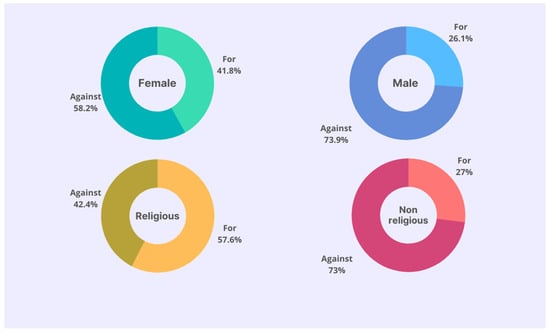
Figure 2.
The study on medical students from cannabis-banning countries to understand the influence of religiosity and gender on beliefs and attitudes (data was retrieved from Gritsenko et al. [64]).
Findley et al. [65] conducted a cross-national comparison to assess beliefs and attitudes towards the therapeutic use of cannabis among US and Israeli social work students. Medical cannabis use received substantial acceptance and support by social work students from the US (84.3%) and Israel (96.7%). Khamenka and Pikirenia [66] sought to discern the attitudes and beliefs of Belarus medical students towards medical cannabis use. In spite of the legal prohibition, it has been found that the respondents showed a positive attitude toward the substance and they were ready to use it for treating patients as it has physical and mental health benefits. Respondents (76.9%) opined that cannabis helps in the alleviation of chronic pain. To achieve the health benefits of cannabis use, specific outcome-oriented training on medical substances must be imparted. As per the study conducted by Lombardi et al. [67], 62% of the surveyed Ohio physicians strongly recommended the medical use of cannabis. However, the majority of them did not intend to get any formal training or certification for the same.
Another study was conducted by Clark et al. [68] on students of psychology from Russia and Malta to understand their beliefs and attitudes towards the use of medical cannabis. Compared to Russian students, 76.8% of Maltese students were in favor of cannabis use for the treatment of patients. Compared to 58.4% of Russian students, a 77.3% population of the students from Malta thought that cannabis has benefits for mental health. The legal policies of different countries had a significant impact on the beliefs and attitudes of the consumers. In Malta the use of cannabis was legalized, and the Maltese students supported it more compared to Russian students, where Russia had a zero-tolerance policy.
Edelstein et al. [69] examined the relationship between the beliefs, attitudes and religiosity of Israeli students using Pearson’s chi-squared and Fisher exact tests. The test results showed that the recommendations for cannabis were higher for secular students compared to religious students. As per the religious students, the use of cannabis has mental health and physical health risks of 72.1% and 63%, respectively. One other aspect highlighted by the current survey was that the perspective of religious students also changed and they also supported medical and recreational use when they were in close association with cannabis users. Edelstein [70] studied the behavior of students (social work and medicine) towards cannabis use for the treatment of epilepsy. The majority of the participants held a permissive attitude towards medical cannabis health benefits. However, emphasis was on proper training and the need for the legalization of cannabis for recreational purposes. The study highlighted the belief of medical practitioners about the potential efficacy of cannabis in treating epilepsy.
Cannabis has been seen to impart mental as well as physical health benefits. The attitude of the residents of Michigan state (US) was analyzed by Resko et al. [71] regarding the legalization of cannabis use. The outcome of the analysis highlighted that half of the residents endorsed cannabis legalization as the participants considered it less harmful than other narcotic compounds. On the contrary, approximately 42% of the participants were against the legalization because cannabis side effects are not clearly known to researchers and the medical fraternity. The participants who were unsure mentioned that thorough research is needed. Bonnici and Clark [72] explored attitudes, knowledge and beliefs of Maltese students (social wellbeing and health science) towards medical cannabis use. The key findings reflect polarity in the beliefs and attitudes of respondents. The respondents supported the therapeutic properties of cannabis to improve physical and mental health. However, there is a possibility of addiction and misuse of cannabis. Furthermore, 63.8% of the sample favored the legalization of cannabis for recreational use also.
Cunningham [73] conducted a survey in Canada to evaluate the belief of the general population about cannabis use at the time of legalization. In general, Canadians view cannabis as a low health risk substance. To expand on the above-mentioned statement, cannabis users associate it more with lower risk potential as compared to individuals who have never tried the substance. The participants of the survey believed that cannabis addiction could be reversed. In another study, Israeli and American nursing students were surveyed to examine their attitudes and knowledge about cannabis use for therapeutics [74]. The majority of the participants endorsed the medical use of cannabis based on their experience with cannabis users as it resulted in improvement of mental and physical health. The results were in line with other studies [65,75]. Although there was a paucity of scientific evidence, the participants acknowledged the positive effects of cannabis on mental and physical health based on their experience with cannabis users. Table 2 represents the therapeutic uses of cannabis, its approved pharmaceutical formulations, and associated adverse effects.
Table 2.
Cannabis and its pharmaceutical formulations: Therapeutic/Medical benefit.
Research findings demonstrated ambivalent beliefs and attitudes of students (medical and nursing) and the general public toward cannabis use. A survey was conducted by Felnhofer et al. [97] to evaluate the attitude and knowledge of Austrian medical students towards medical cannabis. Overall, it was found that medical students did not favor the use of cannabis for psychiatric treatments or in medicine in general. Furthermore, with regard to differences in opinion towards medical cannabis on the basis of gender, male students endorsed the legalization of medical cannabis. On the other hand, female students were reserved and skeptical about the spillover effects of legalization. The perceptions of Uruguayan adults related to the legalization of cannabis and its use were studied by Cruz et al. [34]. Among the surveyed population, the majority of the respondents (60.7%) were against the legalization of cannabis. Disapproval was mainly due to the negative belief system of the people. Cannabis poses health risks and even leads to harder drugs such as heroin. Cannabis was considered as harmful and a path to harder drugs by 68% and 71% of the surveyed population, respectively. Furthermore, with the advent of legitimization, society will be at risk as the security conditions are likely to worsen.
A survey was conducted by Rudy et al. [98] on Mid-Atlantic undergraduate students in the US to understand their attitudes about legalization policies for the use of cannabis. Among the tested population, only 4.4% were opposed to the use of cannabis as these participants thought that it was a major crime. On the contrary, cannabis legalization was accepted by 64.3% of participants and among those participants, 78.2% were in favor of private use. The main reason given for the legalization or adoption was low addictiveness. On the contrary, the study conducted by Weatherburn et al. [99] mentioned that the consumption of cannabis leads to detrimental effects on consumer health such as dependency, cardiovascular disease and ischaemic stroke, etc. The main detrimental effects of cannabis medical application are shown in Figure 3. In fact, Australians who have consumed cannabis once in their lifetime, especially at a young age, treated it as a benign drug. In addition, the study suggested that the consumption of cannabis was affected by its decriminalization. The decriminalization of cannabis led to its spreading, which results in higher usage among youngsters (age group of 14 and above).
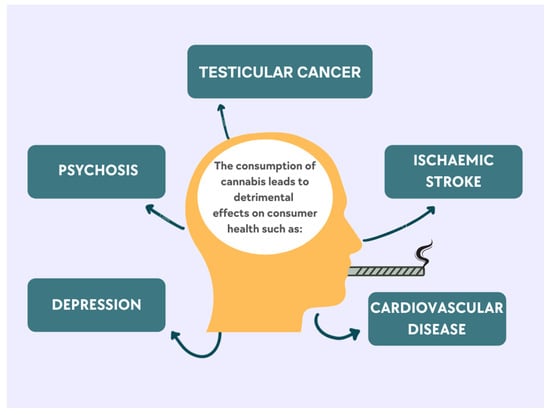
Figure 3.
The main detrimental effects of cannabis medical application (based on Weatherburn et al. [99]).
Taneja et al. [100] evaluated the attitudes and beliefs of Canadian Genitourinary cancer patients about care and symptom management by cannabis use. The findings reveal that patients reported an overall improvement in quality of life. The participants experienced relaxation and increased appetite with a marked reduction in anxiety, nausea and pain. However, the participants were unsure about the ability of cannabis to inhibit the progression of cancer. Tanco et al. [101] studied the difference in beliefs of cancer patients towards medical cannabis use in decriminalized vs. criminalized states. The research findings reveal the positive belief of patients, irrespective of the legal status of cannabis, about it alleviating anxiety and pain, stimulating appetite, and treating nausea and sleep disorders. Hence, the cancer patients strongly supported the legalization of cannabis for medical use alone.
Gerontology students believed in the medical use of cannabis for the treatment of Parkinson’s disease and Alzheimer’s disease. The supportive stance may be a result of their experience and direct contact with affected elderly individuals. Moreover, the medical students supported its legalization for recreational use as well. However, the results on the basis of religious background reveal that students from staunch religious backgrounds exhibited less positive attitudes towards the medical benefits of cannabis than students from secular backgrounds [102].
Educational advancement and intervention are necessary for the de-stigmatization of medical cannabis [68,99]. A comparative study was conducted to assess the beliefs, attitude and knowledge of foreign medical students studying in Belarus and Russia about medical cannabis use for pain relief [103]. The findings suggest that the gender, country of origin and religious status of the medical students did not influence their attitude towards medical use of cannabis. Belarusian students exhibited positive attitudes towards the medical use of cannabis in treating chronic pain (77%), cancer (65%) and fibromyalgia (53%). However, only 34% and 30% of the medical students believed in the effectiveness of cannabis for treating arthritis and multiple sclerosis, respectively [104].
Philpot et al. [105] surveyed the beliefs, attitudes and knowledge towards medical cannabis among primary health care providers. The results reveal that 58.1% of the respondents (primary care providers) endorsed the legitimization of medical cannabis and believed it was an efficient medical therapy. On the other hand, 38.7% of the respondents supported its use in addressing medical conditions. Furthermore, the beliefs of the providers towards cannabis in treating specific diseases were assessed. More than 50% of the providers were oblivious of the efficacy of cannabis in managing amyotrophic lateral sclerosis, inflammatory bowel disease, post-traumatic stress disorder, obstructive sleep apnea and autism. However, the medical effectiveness of cannabis in treating intractable pain, terminal illness and the medical conditions of cancer was strongly accepted by the providers (>50%). Vujcic et al. [106] evaluated the attitude of Serbian medical students towards the legalization of medical cannabis. The majority of the students (63.4%) favored the decriminalization of the medical use of cannabis, while 20.8% did so for recreational use. The results indicate that medical students who support the legalization of medical cannabis are well versed with medical indications. On the other hand, students against legalization had sound knowledge about the associated adverse effects.
The positive attitudes and beliefs in the medical potential of cannabis, and hence towards legalization of medical cannabis, arise from the previous use of the substance. According to Figure 4, the majority of Colombian psychiatrists (82.1%) favored medical cannabis use along with showing a willingness to prescribe it (73.1%). However, knowledge about medical cannabis use is sparse among these psychiatrists. The psychiatrists showed the highest agreement for medical cannabis use in treating insomnia (35.2%), followed by anxiety disorders (29%). For non-psychiatric pathologies, cancer-related chronic pain received the highest approval from psychiatrists (87.6%), while chronic pain not associated with cancer received approval by 72.4% [107]. Bega et al. [108] discuss the beliefs, practices and attitudes of medical experts with regard to cannabis prescription for Parkinson’s disease (PD) patients. The survey reveals mixed opinions of physicians about the efficacy and side effects of medical cannabis use for PD conditions. The physicians believed that cannabis is helpful in mitigating motor complications of PD-affected patients. However, they raised concerns about negative effects (dampening motivation, hallucinations, driving and worsening fatigue) stemming from the use of medical cannabis. Scientific findings should be translated to clinical practice keeping in mind the pharmacological risks versus the benefits of cannabis use.
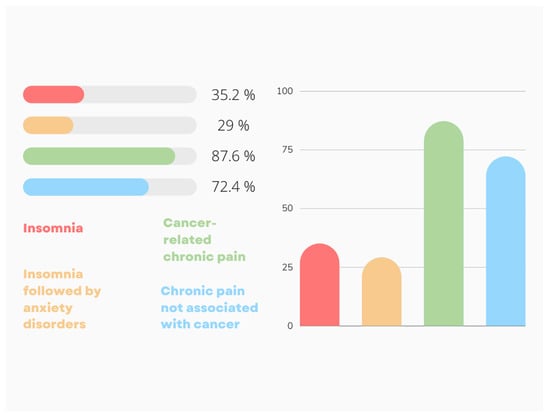
Figure 4.
Agreement of psychiatrists with medical cannabis use in treating insomnia, insomnia followed by anxiety disorders, cancer-related chronic pain and chronic pain (data were retrieved from Orjuela-Rojas et al. [107]).
Clobes et al. [109] have studied the impact of health education on cannabis use using the Wilcoxon Sign–Rank Test (WSR) by analyzing the Medical Cannabis Attitudes Scale (MCAS). The test results showed that educational lectures have increased awareness among the participants and led to a significant increase in MCAS scores because it reduced the stigma among the users. Sokratous et al. [110] analyzed the year and gender-specific attitudes and beliefs towards medical cannabis use among nursing students. The findings suggest that third-year students favored cannabis for personal as well as medical use. It may be hypothesized that their positive attitude can be attributed to the relevant topics being taught in the curriculum. Meanwhile, the willingness towards medical cannabis use is different for fourth-year students due to their engagement in clinical settings as opposed to medical cannabis discussions. The analysis of gender-based attitudes towards medical cannabis use reports that females possessed more knowledge and awareness about the therapeutic use of cannabis and thus showed the need for formal medical cannabis education.
The beliefs, attitudes and knowledge of Greek graduate and postgraduate nursing students towards medical cannabis use were studied by Giannakopoulou et al. [111]. The research findings reveal that junior undergraduate students (first and second year) feared the health risks associated with cannabis use. Meanwhile, the senior undergraduate respondents (third and fourth year) and postgraduates were more inclined towards the medical benefits of cannabis in treating terminal illness, fibromyalgia and mental health [112,113,114]. The training and clinical education led to a change in the behavior of undergraduate students. Studies evidence that globally the medical fraternity believes in the therapeutic properties of cannabis [115,116]. However, due to lack of knowledge, especially component-specific, recommendations may not be confident and may be deficient [97,116]. Hence, formal educational training on cannabis indications and side effects must be imparted to medical workers before the legalization of cannabis.
6. Conclusions
In this review, we found that cultures influence the endorsement or rejection of cannabis use depending on their political views, religious sentiments and affiliated subcultures. It is imperative to gauge the variations among cultures in response to cannabis use. The excessive use or misuse of cannabis across different cultures cannot be regulated by legal restrictions. Formal regulation of medical systems enables safe access and harm reduction via proper labelling, lab testing and education. Strategies and policies should be adopted to fight the resulting odds and enhance the physical and mental well-being of different cultures and subcultures by reducing the chances of overdosing and identifying the right composition of cannabis.
Socioeconomic status measured by income, education level and occupation is a key determinant of cannabis use and its associated serious health effects. Cannabis use could be said to be prevalent in all socioeconomic classes. However, the excessive use of cannabis is mostly found among lower economic status, less-educated people and people who experience racism and stigmatization based on ethnicity. The reported studies summarized in this review will enable the policy levers to be fine-tuned for targeted preventive interventions keeping in mind the socioeconomic disparities.
The disapproval of cannabis legalization mainly comes from consumers with a conservative political view. They have a strong mindset that cannabis use will lead to deterioration of physical and mental health and cause dependence syndrome, leading to crime and violence. This condition is then exacerbated by disinformation about cannabis effects through media governed by political disposition. In addition, religious sentiments are also a main driver of legal cannabis use rejection. On the other hand, people who support the liberalization of cannabis think that legal cannabis use may have economic benefits. It also concomitantly avoids violent crimes associated with illegal drug enterprises and trades. Well-educated people such as medical students are more open to the legalization of cannabis since they are knowledgeable about the pharmaceutical and therapeutic effects of cannabis. Therefore, formal regulation and educating the public about the benefits of cannabis may encourage the acceptance and normalization of cannabis legalization in society. The negative public opinion on the safety aspects of cannabis could be minimized by proper labelling and reaffirmation of scientific evidence.
Author Contributions
S.A.S.—conceptualization, design, wrote the first draft of some parts of the article, and reviewed the article; P.S.—wrote the first draft of some parts of the article; S.K.—wrote the first draft of some parts of the article; I.F.—wrote the first draft of some parts of the article, reviewing and editing; I.S.B., T.G.A. and S.A.I.—reviewing and editing; S.A.I.—funding. All authors have read and agreed to the published version of the manuscript.
Funding
This work was funded in part by the USDA/NIFA through the Agricultural Research Program at North Carolina Agricultural and Technical State University (Evans-Allen Program, project number NC.X-291-5-15-170-1) and by an 1890 Capacity Building Program Grant (No. 2020-38821-31113/project accession No. 021765). SI would like to acknowledge the support of the Agricultural Research Station at North Carolina Agricultural and Technical State University (Greensboro, NC, United States). This research was funded, in part, by grants (Project Nos. NC.X337-5-21-170-1 and NC.X341-5-21-170-1) from the National Institute of Food and Agriculture (NIFA).
Institutional Review Board Statement
Not applicable.
Informed Consent Statement
Not applicable.
Data Availability Statement
Not applicable.
Conflicts of Interest
The authors declare no conflict of interest.
References
- Mortensen, T.M.; Moscowitz, L.; Wan, A.; Yang, A. The marijuana user in US news media: An examination of visual stereotypes of race, culture, criminality and normification. Vis. Commun. 2020, 19, 231–255. [Google Scholar] [CrossRef]
- Wartenberg, A.C.; Holden, P.A.; Bodwitch, H.; Parker-Shames, P.; Novotny, T.; Harmon, T.C.; Hart, S.C.; Beutel, M.; Gilmore, M.; Hoh, E.; et al. Cannabis and the Environment: What Science Tells Us and What We Still Need to Know. Environ. Sci. Technol. Lett. 2021, 8, 98–107. [Google Scholar] [CrossRef]
- Kavousi, P.; Giamo, T.; Arnold, G.; Alliende, M.; Huynh, E.; Lea, J.; Lucine, R.; Tillett Miller, A.; Webre, A.; Yee, A.; et al. What do we know about opportunities and challenges for localities from Cannabis legalization? Rev. Policy Res. 2022, 39, 143–169. [Google Scholar] [CrossRef]
- Parrot, J.A.; Mattingly, M. Economic and Revenue Impact of Marijuana Legalization in NYS A Fresh Look. 2021. Available online: https://cannabislaw.report/new-report-economic-and-revenue-impact-of-marijuana-legalization-in-nys-a-fresh-look/ (accessed on 4 May 2022).
- Dillis, C.; Biber, E.; Bodwitch, H.; Butsic, V.; Carah, J.; Parker-Shames, P.; Polson, M.; Grantham, T. Shifting geographies of legal cannabis production in California. Land Use Policy 2021, 105, 105369. [Google Scholar] [CrossRef]
- Mikos, R.A. Interstate Commerce in Cannabis. Leg. Stud. Res. Pap. Ser. 2021, 101, 857. [Google Scholar]
- Ying, T.; Wen, J.; Shan, H. Is Cannabis Tourism Deviant? A Theoretical Perspective. Tour. Rev. Int. 2019, 23, 71–77. [Google Scholar] [CrossRef]
- Belackova, V.; Wilkins, C. Consumer agency in cannabis supply—Exploring auto-regulatory documents of the cannabis social clubs in Spain. Int. J. Drug Policy 2018, 54, 26–34. [Google Scholar] [CrossRef] [PubMed]
- Dupont, H.B.; Kaplan, C.D.; Braam, R.V.; Verbraeck, H.T.; de Vries, N.K. The application of the rapid assessment and response methodology for cannabis prevention research among youth in the Netherlands. Int. J. Drug Policy 2015, 26, 731–738. [Google Scholar] [CrossRef]
- Reiman, A. The Fallacy of a One Size Fits All Cannabis Policy. Humboldt. J. Soc. Relat. 2013, 35, 104–122. Available online: https://www.jstor.org/stable/humjsocrel.35.104 (accessed on 6 August 2022).
- Wright, D.W.M. Cannabis and tourism: A future UK industry perspective. J. Tour. Futur. 2019, 5, 209–227. [Google Scholar] [CrossRef]
- Chayasirisobhon, S. Mechanisms of Action and Pharmacokinetics of Cannabis. Perm. J. 2021, 25, 1–3. [Google Scholar] [CrossRef]
- Collins, J. Why Are So Many Countries Now Saying Cannabis Is OK? BBC News. Available online: https://www.bbc.co.uk/news/world-46374191 (accessed on 16 December 2021).
- Weedmaps. Uruguay. Weedmaps. Available online: https://weedmaps.com/learn/laws-and-regulations/uruguay (accessed on 5 January 2022).
- Government of Alberta. Cannabis Legalization in Canada. Available online: https://www.alberta.ca/cannabis-legalization-in-canada.aspx#jumplinks-3 (accessed on 2 February 2022).
- Government of Canada. Cannabis Legalization and Regulation. Available online: https://www.justice.gc.ca/eng/cj-jp/cannabis/ (accessed on 12 January 2022).
- Sabaghi, D. Malta Is to Legalize Cannabis for Personal Use, Social Clubs, But Not Sales. Forbes. Available online: https://www.forbes.com/sites/dariosabaghi/2021/12/01/malta-is-to-legalize-cannabis-for-personal-use-social-clubs-but-not-sales/?sh=1dc4c95a6c86 (accessed on 24 February 2022).
- Government of the Netherlands. Toleration Policy Regarding Soft Drugs and Coffee Shops. Available online: https://www.government.nl/topics/drugs/toleration-policy-regarding-soft-drugs-and-coffee-shops (accessed on 15 March 2022).
- Hansen, C.; Alas, H.; Davis, E., Jr. Where Is Marijuana Legal? A Guide to Marijuana Legalization. US News. Available online: https://www.usnews.com/news/best-states/articles/where-is-marijuana-legal-a-guide-to-marijuana-legalization (accessed on 5 May 2022).
- Yakowicz, W. U.S. House of Representatives Passes Federal Cannabis Legalization Bill MORE Act. Forbes. Available online: https://www.forbes.com/sites/willyakowicz/2022/04/01/us-house-of-representatives-pass-federal-cannabis-legalization-bill-more-act/?sh=2afa20d466d7 (accessed on 5 May 2022).
- Hunter, G.; Bennet, T. Medicinal Cannabis in Australia. Finder. Available online: https://www.finder.com.au/medical-marijuana-australia (accessed on 28 April 2022).
- Weedmaps. Australia. Available online: https://weedmaps.com/learn/laws-and-regulations/australia (accessed on 15 March 2022).
- Weedmaps. Spain. Available online: https://weedmaps.com/learn/laws-and-regulations/spain (accessed on 3 January 2022).
- Pritzker, S. Is Weed Legal in Portugal? The Cannigma. Available online: https://cannigma.com/regulation/portugal-cannabis-laws/ (accessed on 4 February 2022).
- Melnick, L. Everything to Know About Cannabis in South Africa. Matador. Available online: https://matadornetwork.com/read/everything-know-cannabis-south-africa/ (accessed on 22 December 2021).
- Parks, K. Drop in Cannabis Prices Creates an Opportunity for Paraguay. Bloomberg. Available online: https://www.bloomberg.com/news/newsletters/2022-01-03/a-drop-in-marijuana-prices-opens-a-door-for-one-small-country (accessed on 4 May 2022).
- Osborne, G.B.; Fogel, C. Perspectives on Cannabis Legalization Among Canadian Recreational Users. Contemp. Drug Probl. 2017, 44, 12–31. [Google Scholar] [CrossRef]
- Mahees, M.; Amarasinghe, H.; Usgodaararachchi, U.; Ratnayake, N.; Tilakarathne, W.M.; Shanmuganathan, S.; Ranaweera, S.; Abeykoon, P. A Sociological Analysis and Exploration of Factors Associated with Commercial Preparations of Smokeless Tobacco Use in Sri Lanka. Asian Pac. J. Cancer Prev. 2021, 22, 1753–1759. [Google Scholar] [CrossRef]
- Nagdalyan, A.A.; Oboturova, A.P.; Povetkin, S.N.; Ziruk, I.V.; Egunova, A.; Simonov, A.N. Adaptogens Instead Restricted Drugs Research for an Alternative Itemsto Doping in Sport. Res. J. Pharm. Biol. Chem. Sci. 2018, 9, 1111–1119. [Google Scholar]
- Dubreta, N. Socio-Cultural Context of Drug Use with Reflections to Cannabis Use in Croatia. Interdiscip. Descr. Complex Syst. 2013, 11, 86–97. [Google Scholar] [CrossRef][Green Version]
- Hathaway, A.; Mostaghim, A.; Kolar, K.; Erickson, P.G.; Osborne, G. A nuanced view of normalisation: Attitudes of cannabis non-users in a study of undergraduate students at three Canadian universities. Drugs Educ. Prev. Policy 2016, 23, 238–246. [Google Scholar] [CrossRef]
- Dahl, S.L.; Demant, J. “Don’t make too much fuss about it.” Negotiating adult cannabis use. Drugs Educ. Prev. Policy 2017, 24, 324–331. [Google Scholar] [CrossRef]
- Hakkarainen, P.; Karjalainen, K.; Raitasalo, K.; Sorvala, V.-M. School’s in! Predicting teen cannabis use by conventionality, cultural disposition and social context. Drugs Educ. Prev. Policy 2015, 22, 344–351. [Google Scholar] [CrossRef]
- Cruz, J.M.; Boidi, M.F.; Queirolo, R. Saying no to weed: Public opinion towards cannabis legalisation in Uruguay. Drugs Educ. Prev. Policy 2018, 25, 67–76. [Google Scholar] [CrossRef]
- Nguyen, N.N.; Newhill, C.E. The role of religiosity as a protective factor against marijuana use among African American, White, Asian, and Hispanic adolescents. J. Subst. Use 2016, 21, 547–552. [Google Scholar] [CrossRef]
- de Alencar Ramos, G. Political ideology, groupness, and attitudes toward Marijuana legalization. Master’s Thesis, Fundacão Getulio Vargas, Rio de Janeiro, Brazil, 2018. [Google Scholar]
- Kilmer, B.; MacCoun, R.J. How Medical Marijuana Smoothed the Transition to Marijuana Legalization in the United States. Annu. Rev. Law Soc. Sci. 2017, 13, 181–202. [Google Scholar] [CrossRef] [PubMed]
- Taylor, M.; Cousijn, J.; Filbey, F. Determining Risks for Cannabis Use Disorder in the Face of Changing Legal Policies. Curr. Addict. Rep. 2019, 6, 466–477. [Google Scholar] [CrossRef] [PubMed]
- Lau, N.; Sales, P.; Averill, S.; Murphy, F.; Sato, S.-O.; Murphy, S. Responsible and controlled use: Older cannabis users and harm reduction. Int. J. Drug Policy 2015, 26, 709–718. [Google Scholar] [CrossRef]
- Holm, S.; Tolstrup, J.; Thylstrup, B.; Hesse, M. Neutralization and glorification: Cannabis culture-related beliefs predict cannabis use initiation. Drugs Educ. Prev. Policy 2016, 23, 48–53. [Google Scholar] [CrossRef]
- Shackleton, N.; Milne, B.J.; Jerrim, J. Socioeconomic Inequalities in Adolescent Substance Use: Evidence from Twenty-Four European Countries. Subst. Use Misuse 2019, 54, 1044–1049. [Google Scholar] [CrossRef]
- Gerra, G.; Benedetti, E.; Resce, G.; Potente, R.; Cutilli, A.; Molinaro, S. Socioeconomic Status, Parental Education, School Connectedness and Individual Socio-Cultural Resources in Vulnerability for Drug Use among Students. Int. J. Environ. Res. Public Health 2020, 17, 1306. [Google Scholar] [CrossRef]
- Hamilton, H.A.; van der Maas, M.; Boak, A.; Mann, R.E. Subjective Social Status, Immigrant Generation, and Cannabis and Alcohol Use among Adolescents. J. Youth Adolesc. 2014, 43, 1163–1175. [Google Scholar] [CrossRef]
- Petruzelka, B.; Vacek, J.; Gavurova, B.; Kubak, M.; Gabrhelik, R.; Rogalewicz, V.; Bartak, M. Interaction of Socioeconomic Status with Risky Internet Use, Gambling and Substance Use in Adolescents from a Structurally Disadvantaged Region in Central Europe. Int. J. Environ. Res. Public Health 2020, 17, 4803. [Google Scholar] [CrossRef]
- Jones, C.B.; Hill, M.L.; Pardini, D.A.; Meier, M.H. Prevalence and correlates of vaping cannabis in a sample of young adults. Psychol. Addict. Behav. 2016, 30, 915–921. [Google Scholar] [CrossRef]
- Rogeberg, O. Correlations between cannabis use and IQ change in the Dunedin cohort are consistent with confounding from socioeconomic status. Proc. Natl. Acad. Sci. USA 2013, 110, 4251–4254. [Google Scholar] [CrossRef]
- Kipping, R.R.; Smith, M.; Heron, J.; Hickman, M.; Campbell, R. Multiple risk behaviour in adolescence and socio-economic status: Findings from a UK birth cohort. Eur. J. Public Health 2015, 25, 44–49. [Google Scholar] [CrossRef] [PubMed]
- Chan, G.C.K.; Leung, J.; Quinn, C.; Weier, M.; Hall, W. Socio-economic differentials in cannabis use trends in Australia. Addiction 2018, 113, 454–461. [Google Scholar] [CrossRef] [PubMed]
- Charitonidi, E.; Studer, J.; Gaume, J.; Gmel, G.; Daeppen, J.-B.; Bertholet, N. Socioeconomic status and substance use among Swiss young men: A population-based cross-sectional study. BMC Public Health 2016, 16, 333. [Google Scholar] [CrossRef]
- Corsi, D.J.; Hsu, H.; Weiss, D.; Fell, D.B.; Walker, M. Trends and correlates of cannabis use in pregnancy: A population-based study in Ontario, Canada from 2012 to 2017. Can. J. Public Health 2019, 110, 76–84. [Google Scholar] [CrossRef]
- Cerdá, M.; Moffitt, T.E.; Meier, M.H.; Harrington, H.; Houts, R.; Ramrakha, S.; Hogan, S.; Poulton, R.; Caspi, A. Persistent Cannabis Dependence and Alcohol Dependence Represent Risks for Midlife Economic and Social Problems. Clin. Psychol. Sci. 2016, 4, 1028–1046. [Google Scholar] [CrossRef]
- Currie, C.L.; Tough, S.C. Adverse childhood experiences are associated with illicit drug use among pregnant women with middle to high socioeconomic status: Findings from the All Our Families Cohort. BMC Pregnancy Childbirth 2021, 21, 133. [Google Scholar] [CrossRef]
- Gauffin, K.; Vinnerljung, B.; Fridell, M.; Hesse, M.; Hjern, A. Childhood socio-economic status, school failure and drug abuse: A Swedish national cohort study. Addiction 2013, 108, 1441–1449. [Google Scholar] [CrossRef]
- Lee, J.O.; Herrenkohl, T.I.; Kosterman, R.; Small, C.M.; Hawkins, J.D. Educational inequalities in the co-occurrence of mental health and substance use problems, and its adult socio-economic consequences: A longitudinal study of young adults in a community sample. Public Health 2013, 127, 745–753. [Google Scholar] [CrossRef]
- Meier, M.H.; Hill, M.L.; Small, P.J.; Luthar, S.S. Associations of adolescent cannabis use with academic performance and mental health: A longitudinal study of upper middle class youth. Drug Alcohol Depend. 2015, 156, 207–212. [Google Scholar] [CrossRef]
- Lee, J.O.; Hill, K.G.; Hartigan, L.A.; Boden, J.M.; Guttmannova, K.; Kosterman, R.; Bailey, J.A.; Catalano, R.F. Unemployment and substance use problems among young adults: Does childhood low socioeconomic status exacerbate the effect? Soc. Sci. Med. 2015, 143, 36–44. [Google Scholar] [CrossRef]
- Knaappila, N.; Marttunen, M.; Fröjd, S.; Lindberg, N.; Kaltiala-Heino, R. Changes in delinquency according to socioeconomic status among Finnish adolescents from 2000 to 2015. Scand. J. Child Adolesc. Psychiatr. Psychol. 2019, 7, 52–59. [Google Scholar] [CrossRef]
- Saloner, B.; Cook, B.L. Blacks and Hispanics Are Less Likely Than Whites to Complete Addiction Treatment, Largely Due to Socioeconomic Factors. Health Aff. 2013, 32, 135–145. [Google Scholar] [CrossRef]
- Carliner, H.; Delker, E.; Fink, D.S.; Keyes, K.M.; Hasin, D.S. Racial discrimination, socioeconomic position, and illicit drug use among US Blacks. Soc. Psychiatry Psychiatr. Epidemiol. 2016, 51, 551–560. [Google Scholar] [CrossRef]
- Karriker-Jaffe, K.J. Neighborhood socioeconomic status and substance use by U.S. adults. Drug Alcohol Depend. 2013, 133, 212–221. [Google Scholar] [CrossRef]
- Guttmannova, K.; Fleming, C.B.; Rhew, I.C.; Alisa Abdallah, D.; Patrick, M.E.; Duckworth, J.C.; Lee, C.M. Dual trajectories of cannabis and alcohol use among young adults in a state with legal nonmedical cannabis. Alcohol Clin. Exp. Res. 2021, 45, 1458–1467. [Google Scholar] [CrossRef]
- Mendiburo-Seguel, A.; Vargas, S.; Oyanedel, J.C.; Torres, F.; Vergara, E.; Hough, M. Attitudes towards drug policies in Latin America: Results from a Latin-American Survey. Int. J. Drug Policy 2017, 41, 8–13. [Google Scholar] [CrossRef] [PubMed]
- MacQuarrie, A.L.; Brunelle, C. Emerging Attitudes Regarding Decriminalization: Predictors of Pro-Drug Decriminalization Attitudes in Canada. J. Drug Issues 2022, 52, 114–127. [Google Scholar] [CrossRef]
- Gritsenko, V.; Kogan, M.; Konstantinov, V.; Marinova, T.; Reznik, A.; Isralowitz, R. Religion in Russia: Its impact on university student medical cannabis attitudes and beliefs. Complement. Ther. Med. 2020, 54, 102546. [Google Scholar] [CrossRef]
- Findley, P.A.; Edelstein, O.E.; Pruginin, I.; Reznik, A.; Milano, N.; Isralowitz, R. Attitudes and beliefs about medical cannabis among social work students: Cross-national comparison. Complement. Ther. Med. 2021, 58, 102716. [Google Scholar] [CrossRef]
- Khamenka, N.; Pikirenia, U. Knowledge, attitudes and beliefs about medical cannabis among the medical students of the Belarus State Medical University. Complement. Ther. Med. 2021, 57, 102670. [Google Scholar] [CrossRef]
- Lombardi, E.; Gunter, J.; Tanner, E. Ohio physician attitudes toward medical Cannabis and Ohio’s medical marijuana program. J. Cannabis Res. 2020, 2, 1–9. [Google Scholar] [CrossRef]
- Clark, M.; Gritsenko, V.; Bonnici, J.S.; Marinova, T.; Reznik, A.; Isralowitz, R. Psychology Student Attitudes and Beliefs toward Cannabis for Mental Health Purposes: A Cross National Comparison. Int. J. Ment. Health Addict. 2021, 19, 1866–1874. [Google Scholar] [CrossRef]
- Edelstein, O.E.; Wacht, O.; Grinstein-Cohen, O.; Reznik, A.; Pruginin, I.; Isralowitz, R. Does religiosity matter? University student attitudes and beliefs toward medical cannabis. Complement. Ther. Med. 2020, 51, 102407. [Google Scholar] [CrossRef]
- Edelstein, O.E. Attitudes and beliefs of medicine and social work students about medical cannabis use for epilepsy. Epilepsy Behav. 2022, 127, 108522. [Google Scholar] [CrossRef]
- Resko, S.; Ellis, J.; Early, T.J.; Szechy, K.A.; Rodriguez, B.; Agius, E. Understanding Public Attitudes toward Cannabis Legalization: Qualitative Findings from a Statewide Survey. Subst. Use Misuse 2019, 54, 1247–1259. [Google Scholar] [CrossRef]
- Bonnici, J.; Clark, M. Maltese health and social wellbeing student knowledge, attitudes and beliefs about medical cannabis. Complement. Ther. Med. 2021, 60, 102753. [Google Scholar] [CrossRef]
- Cunningham, J.A. Beliefs about cannabis at the time of legalization in Canada: Results from a general population survey. Harm Reduct. J. 2020, 17, 2. [Google Scholar] [CrossRef]
- Zolotov, Y.; Grinstein Cohen, O.; Findley, P.A.; Reznik, A.; Isralowitz, R.; Willard, S. Attitudes and knowledge about medical cannabis among Israeli and American nursing students. Nurse Educ. Today 2021, 99, 104789. [Google Scholar] [CrossRef]
- Crowley, D.; Collins, C.; Delargy, I.; Laird, E.; van Hout, M.C. Irish general practitioner attitudes toward decriminalisation and medical use of cannabis: Results from a national survey. Harm Reduct. J. 2017, 14, 4. [Google Scholar] [CrossRef]
- Parmar, J.R.; Forrest, B.D.; Freeman, R.A. Medical marijuana patient counseling points for health care professionals based on trends in the medical uses, efficacy, and adverse effects of cannabis-based pharmaceutical drugs. Res. Soc. Admin. Pharm. 2016, 12, 638–654. [Google Scholar] [CrossRef]
- Schimrigk, S.; Marziniak, M.; Neubauer, C.; Kugler, E.M.; Werner, G.; Abramov-Sommariva, D. Dronabinol Is a Safe Long-Term Treatment Option for Neuropathic Pain Patients. Eur. Neurol. 2017, 78, 320–329. [Google Scholar] [CrossRef] [PubMed]
- Cohen, K.; Weinstein, A.M. Synthetic and Non-synthetic Cannabinoid Drugs and Their Adverse Effects—A Review from Public Health Prospective. Front. Public Health 2018, 6, 13–16. [Google Scholar] [CrossRef] [PubMed]
- Rzhepakovsky, I.V.; Areshidze, D.A.; Avanesyan, S.S.; Grimm, W.D.; Filatova, N.V.; Kalinin, A.V.; Kochergin, S.G.; Kozlova, M.A.; Kurchenko, V.P.; Sizonenko, M.N.; et al. Phytochemical Characterization, Antioxidant Activity, and Cytotoxicity of Methanolic Leaf Extract of Chlorophytum Comosum (Green Type) (Thunb.) Jacq. Molecules 2022, 27, 762. [Google Scholar] [CrossRef]
- Polito, S.; MacDonald, T.; Romanick, M.; Jupp, J.; Wiernikowski, J.; Vennettilli, A.; Khanna, M.; Patel, P.; Ning, W.; Sung, L.; et al. Safety and efficacy of nabilone for acute chemotherapy-induced vomiting prophylaxis in pediatric patients: A multicenter, retrospective review. Pediatr. Blood Cancer 2018, 65, e27374. [Google Scholar] [CrossRef]
- Turcott, J.G.; del Rocío Guillen Núñez, M.; Flores-Estrada, D.; Oñate-Ocaña, L.F.; Zatarain-Barrón, Z.L.; Barrón, F.; Arrieta, O. The effect of nabilone on appetite, nutritional status, and quality of life in lung cancer patients: A randomized, double-blind clinical trial. Support. Care Cancer 2018, 26, 3029–3038. [Google Scholar] [CrossRef]
- D’hooghe, M.; Willekens, B.; Delvaux, V.; D’haeseleer, M.; Guillaume, D.; Laureys, G.; Nagels, G.; Vanderdonckt, P.; van Pesch, V.; Popescu, V. Sativex® (nabiximols) cannabinoid oromucosal spray in patients with resistant multiple sclerosis spasticity: The Belgian experience. BMC Neurol. 2021, 21, 227. [Google Scholar] [CrossRef]
- Flachenecker, P.; Henze, T.; Zettl, U.K. Long-Term Effectiveness and Safety of Nabiximols (Tetrahydrocannabinol/Cannabidiol Oromucosal Spray) in Clinical Practice. Eur. Neurol. 2014, 72, 95–102. [Google Scholar] [CrossRef]
- Schrot, R.J.; Hubbard, J.R. Cannabinoids: Medical implications. Ann. Med. 2016, 48, 128–141. [Google Scholar] [CrossRef]
- Anciones, C.; Gil-Nagel, A. Adverse effects of cannabinoids. Epileptic Disord. 2020, 21, S29–S32. [Google Scholar]
- Pisanti, S.; Bifulco, M. Medical Cannabis: A plurimillennial history of an evergreen. J. Cell. Physiol. 2019, 234, 8342–8351. [Google Scholar] [CrossRef]
- Lim, M.; Kirchhof, M.G. Dermatology-Related Uses of Medical Cannabis Promoted by Dispensaries in Canada, Europe, and the United States. J. Cutan Med. Surg. 2019, 23, 178–184. [Google Scholar] [CrossRef] [PubMed]
- Sheriff, T.; Lin, M.J.; Dubin, D.; Khorasani, H. The potential role of cannabinoids in dermatology. J. Dermatol. Treat. 2020, 31, 839–845. [Google Scholar] [CrossRef] [PubMed]
- Budney, A.J.; Sargent, J.D.; Lee, D.C. Vaping cannabis (marijuana): Parallel concerns to e-cigs? Addiction 2015, 110, 1699–1704. [Google Scholar] [CrossRef] [PubMed]
- Shiplo, S.; Asbridge, M.; Leatherdale, S.T.; Hammond, D. Medical cannabis use in Canada: Vapourization and modes of delivery. Harm Reduct. J. 2016, 13, 30. [Google Scholar] [CrossRef]
- Singh, D.; Lippmann, S. Vaping medical marijuana. Postgrad. Med. 2018, 130, 183–185. [Google Scholar] [CrossRef]
- Friedman, D.; Sirven, J.I. Historical perspective on the medical use of cannabis for epilepsy: Ancient times to the 1980s. Epilepsy Behav. 2017, 70, 298–301. [Google Scholar] [CrossRef]
- Zaheer, S.; Kumar, D.; Khan, M.T.; Giyanwani, P.R.; Kiran, F. Epilepsy and Cannabis: A Literature Review. Cureus 2018, 10, 9–13. [Google Scholar] [CrossRef]
- Ko, G.D.; Bober, S.L.; Mindra, S.; Moreau, J.M. Medical cannabis—The Canadian perspective. J. Pain Res. 2016, 9, 735–744. [Google Scholar] [CrossRef]
- Ribeiro, L.I.; Ind, P.W. Effect of cannabis smoking on lung function and respiratory symptoms: A structured literature review. NPJ Prim. Care Respir. Med. 2016, 26, 16071. [Google Scholar] [CrossRef]
- Andre, C.M.; Hausman, J.-F.; Guerriero, G. Cannabis sativa: The Plant of the Thousand and One Molecules. Front. Plant Sci. 2016, 7, 19. [Google Scholar] [CrossRef]
- Felnhofer, A.; Kothgassner, O.D.; Stoll, A.; Klier, C. Knowledge about and attitudes towards medical cannabis among Austrian university students. Complement. Ther. Med. 2021, 58, 102700. [Google Scholar] [CrossRef]
- Rudy, A.K.; Barnes, A.J.; Cobb, C.O.; Nicksic, N.E. Attitudes about and correlates of cannabis legalization policy among U.S. young adults. J. Am. Coll. Health 2021, 69, 889–896. [Google Scholar] [CrossRef]
- Weatherburn, D.; Darke, S.; Zahra, E.; Farrell, M. Who would try (or use more) cannabis if it were legal? Drug Alcohol Rev. 2022, 41, 386–395. [Google Scholar] [CrossRef]
- Taneja, S.; Guo, Y.; Slaven, M.; Lalani, A.-K.; Shaw, E.; Tajzler, C.; Hotte, S.; Kapoor, A. The perceptions and beliefs of cannabis use among Canadian genitourinary cancer patients. Can. Urol. Assoc. J. 2022, 16, 48–54. [Google Scholar] [CrossRef]
- Tanco, K.; Dumlao, D.; Kreis, R.; Nguyen, K.; Dibaj, S.; Liu, D.; Marupakula, V.; Shaikh, A.; Baile, W.; Bruera, E. Attitudes and Beliefs About Medical Usefulness and Legalization of Marijuana among Cancer Patients in a Legalized and a Nonlegalized State. J. Palliat. Med. 2019, 22, 1213–1220. [Google Scholar] [CrossRef]
- Edelstein, O.E.; Wacht, O.; Isralowitz, R.; Reznik, A.; Bachner, Y.G. Beliefs and Attitudes of Graduate Gerontology Students about Medical Marijuana Use for Alzheimer’s and Parkinson’s Disease. Complement. Ther. Med. 2020, 52, 102418. [Google Scholar] [CrossRef]
- Konstantinov, V.; Reznik, A.; Zangeneh, M.; Gritsenko, V.; Khamenka, N.; Kalita, V.; Isralowitz, R. Foreign Medical Students in Eastern Europe: Knowledge, Attitudes and Beliefs About Medical Cannabis for Pain Management. Int. J. Environ. Res. Public Health 2021, 18, 2137. [Google Scholar] [CrossRef]
- Khamenka, N.; Skuhareuski, A.; Reznik, A.; Isralowitz, R. Medical Cannabis Pain Benefit, Risk and Effectiveness Perceptions among Belarus Medical Students. Int. J. Ment. Health Addict. 2021, 19, 155–161. [Google Scholar] [CrossRef]
- Philpot, L.M.; Ebbert, J.O.; Hurt, R.T. A survey of the attitudes, beliefs and knowledge about medical cannabis among primary care providers. BMC Fam. Pract. 2019, 20, 17. [Google Scholar] [CrossRef]
- Vujcic, I.; Pavlovic, A.; Dubljanin, E.; Maksimovic, J.; Nikolic, A.; Sipetic-Grujicic, S. Attitudes toward Medical Cannabis Legalization among Serbian Medical Students. Subst. Use Misuse 2017, 52, 1229–1235. [Google Scholar] [CrossRef]
- Orjuela-Rojas, J.M.; García Orjuela, X.; Ocampo Serna, S. Medicinal cannabis: Knowledge, beliefs, and attitudes of Colombian psychiatrists. J. Cannabis Res. 2021, 3, 26. [Google Scholar] [CrossRef]
- Bega, D.; Simuni, T.; Okun, M.S.; Chen, X.; Schmidt, P. Medicinal Cannabis for Parkinson’s Disease: Practices, Beliefs, and Attitudes among Providers at National Parkinson Foundation Centers of Excellence. Mov. Disord. Clin. Pract. 2017, 4, 90–95. [Google Scholar] [CrossRef]
- Clobes, T.A.; Palmier, L.A.; Gagnon, M.; Klaiman, C.; Arellano, M. The impact of education on attitudes toward medical cannabis. PEC Innov. 2022, 1, 100009. [Google Scholar] [CrossRef]
- Sokratous, S.; Mpouzika, M.D.A.; Kaikoushi, K.; Hatzimilidonis, L.; Koutroubas, V.S.; Karanikola, M.N.K. Medical cannabis attitudes, beliefs and knowledge among Greek-Cypriot University nursing students. Complement. Ther. Med. 2021, 58, 102707. [Google Scholar] [CrossRef]
- Giannakopoulou, M.; Vouzavali, F.; Paikopoulou, D.; Paschali, A.; Mpouzika, M.D.A.; Karanikola, M.N.K. Attitudes, beliefs and knowledge towards Medical Cannabis of Greek undergraduate and postgraduate university nursing students. Complement. Ther. Med. 2021, 58, 102703. [Google Scholar] [CrossRef]
- Akiki, G.; Richa, S.; Kazour, F. Medical and recreational cannabis: A cross-sectional survey assessing a sample of physicians’ attitudes, knowledge and experience in a university hospital in Lebanon. L’Encephale 2022, in press. [Google Scholar] [CrossRef]
- Schauer, G.L.; Njai, R.; Grant, A.M. Clinician Beliefs and Practices Related to Cannabis. Cannabis Cannabinoid Res. 2022, 7, 508–515. [Google Scholar] [CrossRef]
- Profeta, A.; Siddiqui, S.A.; Smetana, S.; Hossaini, S.M.; Heinz, V.; Kircher, C. The Impact of Corona Pandemic on Consumer’s Food Consumption. J. Consum. Prot. Food Saf. 2021, 16, 305–314. [Google Scholar] [CrossRef]
- Mehdizadeh, M.; Mehdizadeh, Z.; Siddiqui, S.A.; Kazemi, S.; Choudhury, A.R.; Tampubolon, K.; Mehdizadeh, M. Chemical Strategy for Weed Management in Sugar Beet. Sugar Beet Cultiv. Manag. Process. 2022, 369–386. [Google Scholar] [CrossRef]
- Siddiqui, S.A.; Zannou, O.; Karim, I.; Kasmiati; Awad, N.M.H.; Gołaszewski, J.; Heinz, V.; Smetana, S. Avoiding Food Neophobia and Increasing Consumer Acceptance of New Food Trends—A Decade of Research. Sustainability 2022, 14, 10391. [Google Scholar] [CrossRef]
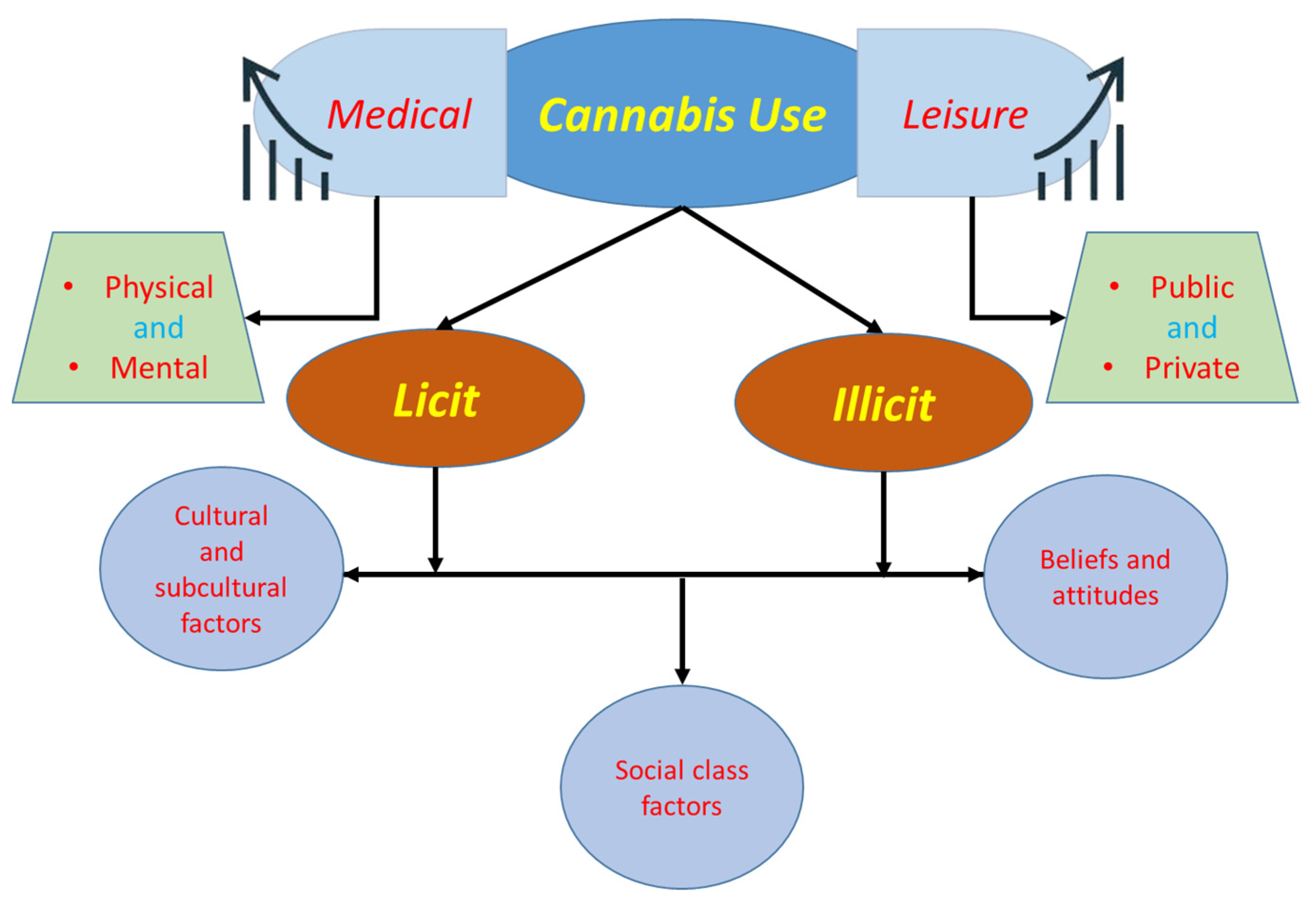
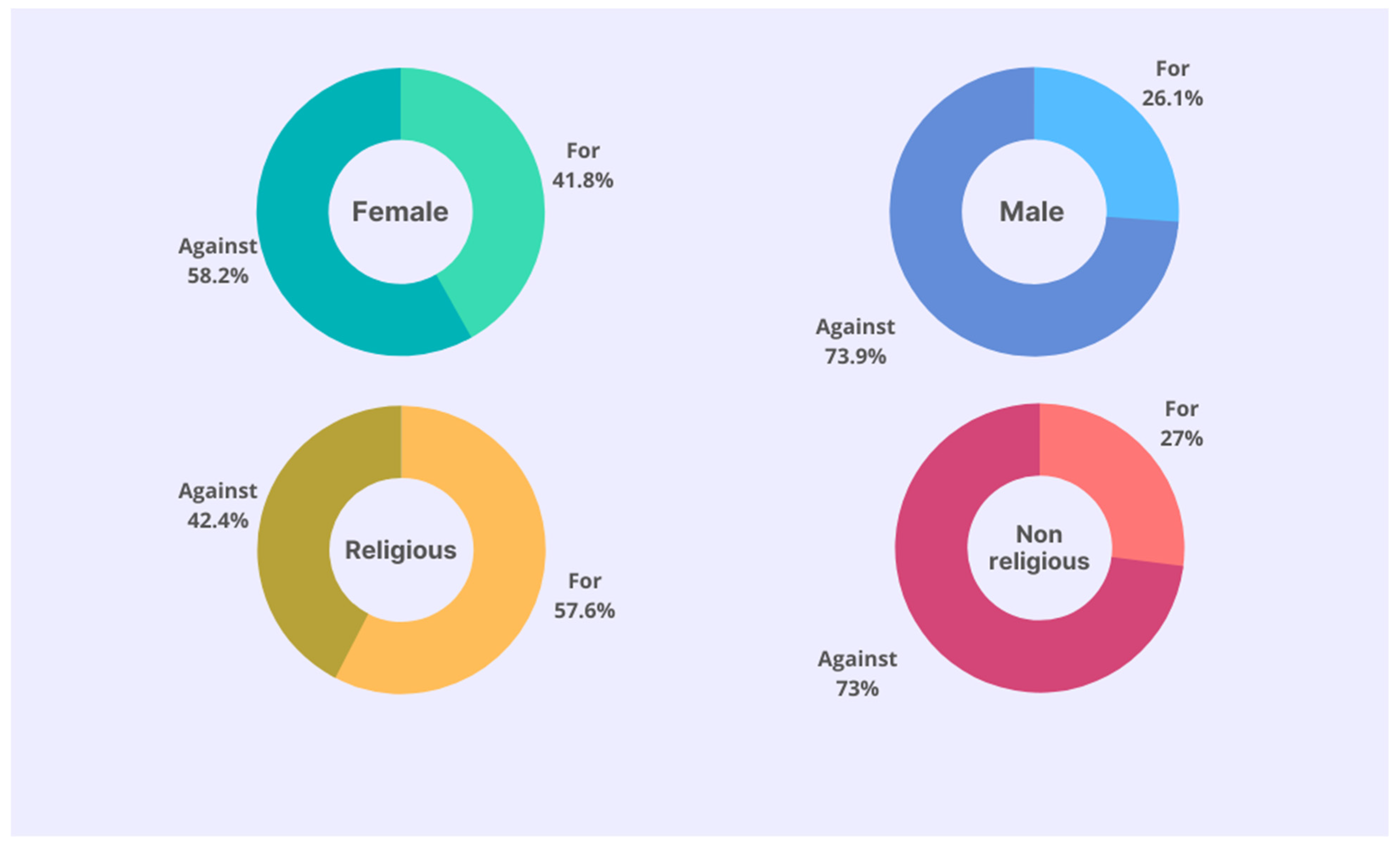
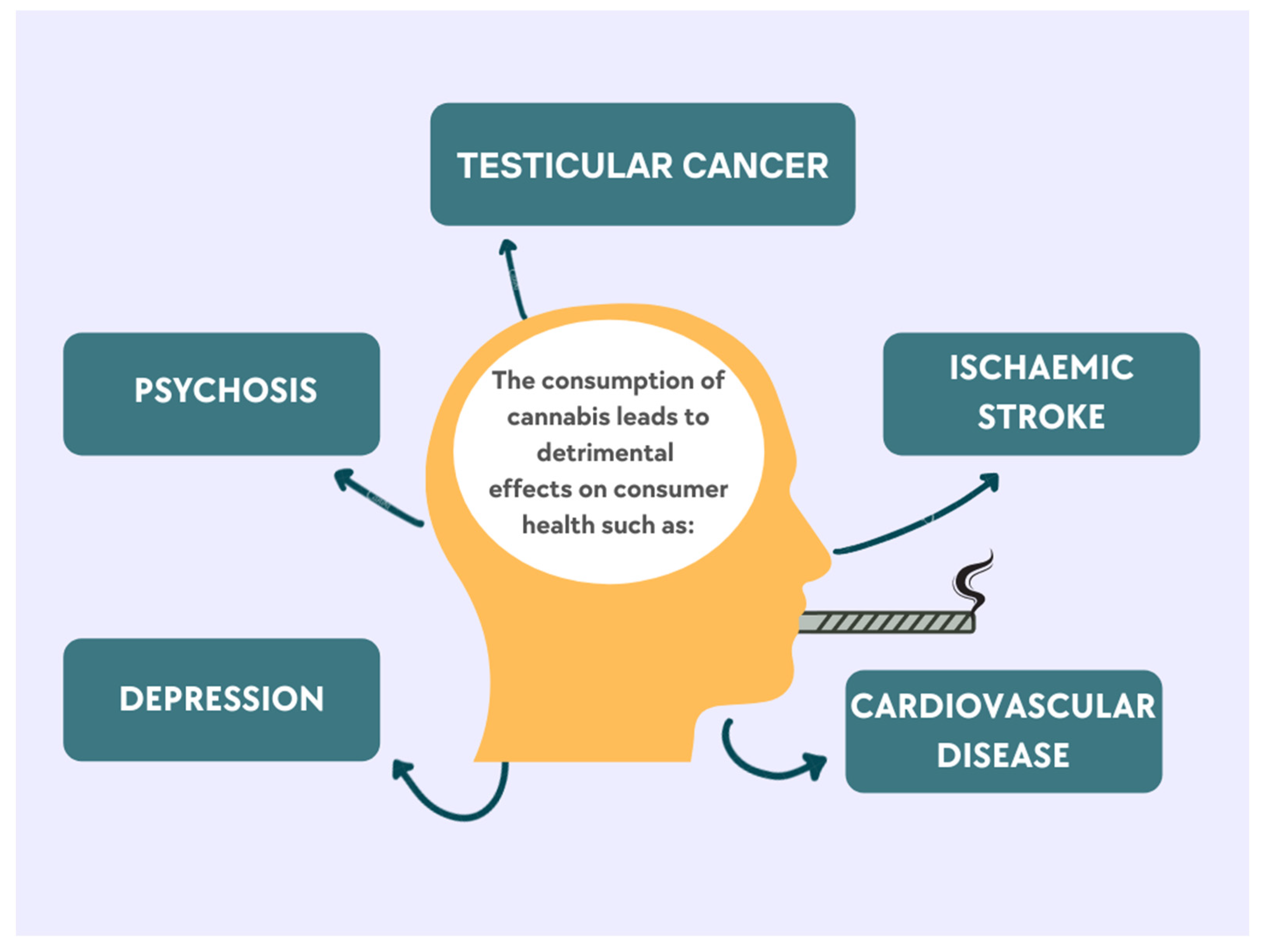
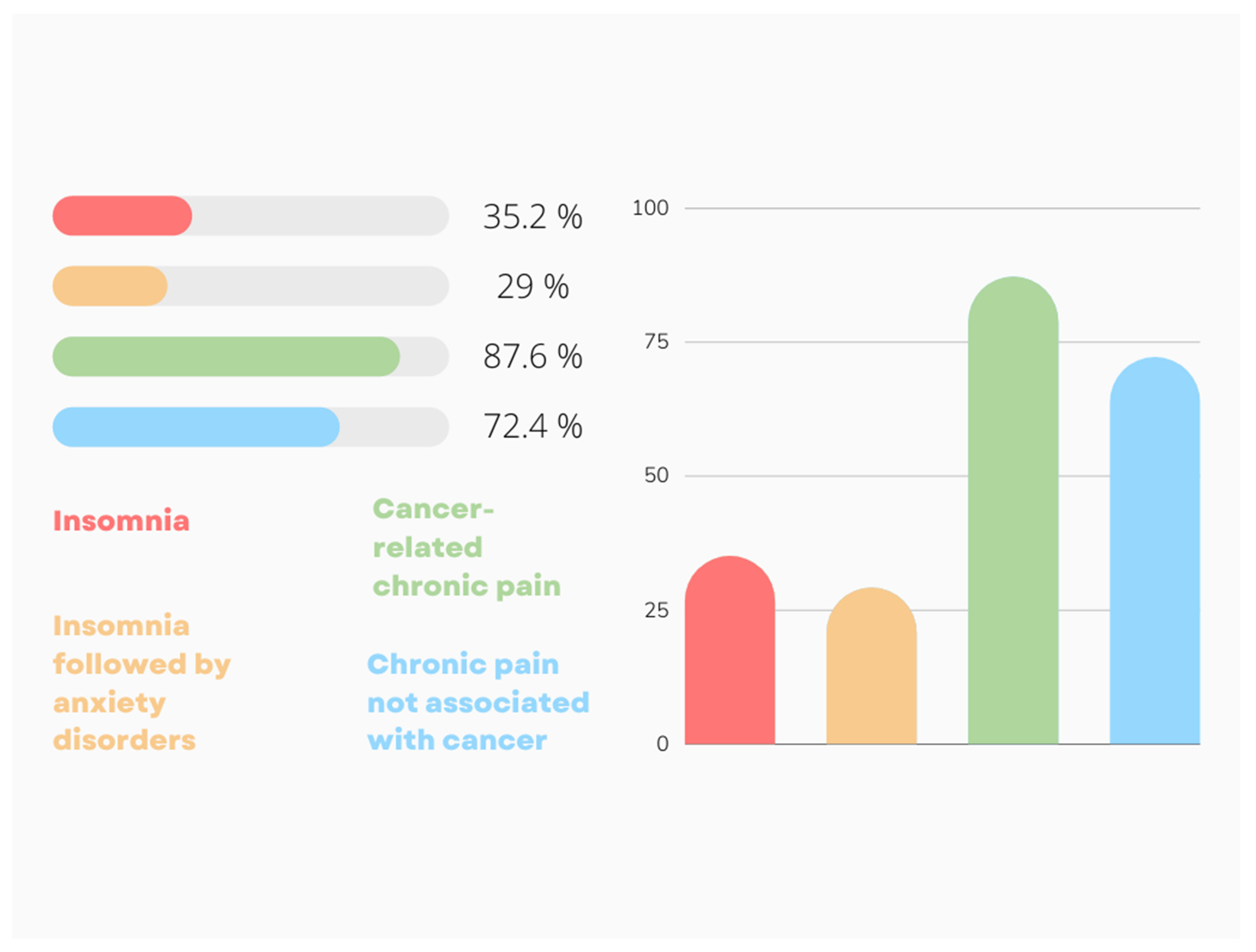
Publisher’s Note: MDPI stays neutral with regard to jurisdictional claims in published maps and institutional affiliations. |
© 2022 by the authors. Licensee MDPI, Basel, Switzerland. This article is an open access article distributed under the terms and conditions of the Creative Commons Attribution (CC BY) license (https://creativecommons.org/licenses/by/4.0/).