


Abstract
The combined necessity for sustainable production, a decrease in the human impact on the environment, the European Union striving to be climate neutral, and the pressure on the food industry to introduce sustainable technologies and products and reduce emissions into the environment to the minimum has led to perceiving food industry by-products (FIB) as valuable raw materials rather than waste. This has driven a constant increase in scientific research regarding the use of FIB. The aim of this research was to establish focal points and directions of the scientific research regarding FIB. Descriptive bibliography and visualization using software CiteSpace II were used to analyze research published in journals indexed in the Web of Science Core Collection and determine and explain development trends. The results showed a constant growth of the scientific interest for FIB, which intensified since 2015. Research is being conducted worldwide, with Spain (13%) and Italy (11%) as leading countries. The results are published in journals with high impact factors and quartiles, using references published in the same rank.
1. Introduction
The European agri-food system set in the European Union has become a global standard of food safety, supply consistency, nutrition, and quality and is becoming a global standard for the sustainability of the food system, targeting welfare of the environment, health, and society [1]. Food industry encompasses different cycles: delivery of raw materials, processing, storage, and distribution all the way to the consumers. In all these stages, different operations of food handling generate different quantities of organic waste of different composition. Unprocessed, organic food waste could, over time, lead to large problems of disposal and pollution. Food technology is constantly growing, producing significant amounts of by-products (as high as 80%) [2], triggering research focuses on a sustainable food production and reduction in emissions into the environment. Food and food management are undoubtedly among the most important issues of human society. Therefore, the scientific focus on waste management and the use of agri-food by-products in the production of high-quality products, management, and sustainability in food production are constantly growing [3,4]. Despite the systematic development, technology improvements, and increasing research, the valorization of food industry by-products is still a great challenge for the industry and community. The potential of by-products is enormous and is being increasingly investigated due to high availability, large quantities, ease of preparation, and relatively simple modification for use in the food, cosmetic-, pharmaceutical, and chemical industries [3,4,5,6].
Bibliometric research refers to the quantitative research of the process of creation, transfer, and use of scientific information and bibliometric analyses, on the macro level of science, depict its important components: structure of scientific activity, scientific production, influence of a country or a region on a scientific field, international and interregional collaboration, use of formal communication channels, scientific publication, etc. [7]. The subjects of the research are authors of publications and documents, publications, their descriptive characteristics, and citation analyses that reveal communication processes in science. This implies that sources of scientific information for bibliometric research may include: authors, groups of authors, institutions, countries, regions, journals, articles, and secondary sources of information [7].
Bibliometric analyses are an excellent ground basis for the improvement of knowledge and determination of development directions of scientific fields. The systematic literature review shows an increased trend of bibliometric research of scientific publication regarding by-products in general (environmental protection, fuels, chemical engineering, pharmacy), as well as the food industry by-products. This bibliometric research is focused on the specific research of single by-products, e. g. the process and by-products of water disinfection [8,9], biomass as source of energy [10], trends in the research of mango by-products [11], fruits and by-products of Garcinia brasiliensis [12], use of pectin from fruit and vegetable residues in biorefinery [13], and bioactive components [14,15].
The present research represents a general bibliometric review of the relevant published scientific achievements regarding food industry by-products to establish current focal points and trends in this area and the analysis of relationships between authors, journals, institutions, countries, and references.
2. Data Resources and Methods
The formation of research questions is a key element in the mapping of a research front. A research front consists of establishing transitory groups of concepts and basic research questions, based on citation and co-citation imprints in the scientific literature, thus creating a network developed according to scientific concepts [16]. Mapping relies on the concept of the knowledge domain and organization structure (institutions, journals, and scientific articles) [17]. The visualization of information systematically summarizes and investigates the literature collected from different sources presenting the data in the form of a knowledge map [18]. The intellectual base, a basis for research, is formed through the identification of key words in the results.
Citation indices of the Web of Science Core Collection (WoS CC): Science Citation Index Expanded (SCI-EXPANDED), Social Sciences Citation Index (SSCI), Conference Proceedings Citation Index- Science (CPCI-S), Conference Proceedings Citation Index- Social Science and Humanities (CPCI-SSH), and Emerging Sources Citation Index (ESCI) were used to collect published research. WoS CC is the main source of data, since it covers different scientific fields. The most relevant research is cited in this database, as scientists tend to publish their research in WoS indexed journals.
2.1. Collection of Data
A multiple search approach was used to reach a large amount of research regarding the use of food industry by-products. The research was performed in citation indices of the Web of Science Core Collection (WoS CC) using key words: “food industry by-product*”; (“food industry by-product*” OR agro-food), (by-product AND agro-food), (by-product AND “food industry”); (by-product AND “food processing”); (by-product AND “food production”); and (by-product AND “nutritional improvement”) appearing in the article title, abstract, or key words. The term agro-food was included based on preliminary research, where many articles dealing with by-products were collected using it. The period 1976–2022 was covered by the search.
In the pre-processing of the results, the following results were eliminated from further processes: results from 2022 (114 results), early access in 2021 that was published in 2022 (33 articles), book chapters (88 results), editorial materials (17 results), meeting abstracts (7 results), corrections (2 results), and books (1 result). After this elimination, a total of 2388 results published in the period 1976–2021 indexed in one of the WoS CC indices was used for bibliometric analyses.
2.2. Bibliometric Analyses
The descriptive bibliometric method was used to analyze the dynamics of publishing and contributions of specific authors and journal institutions in the published results. Scientific mapping and visualization were used to analyze the published research from multiple sources and to represent data in the form of a knowledge map. CiteSpace II was used for visualization. It includes two visualization types: cluster and timeline. Cluster analysis is a technique that enables a search of the inner data structure and timeline visualization establishes research trends over the years [17].
3. Results and Discussion
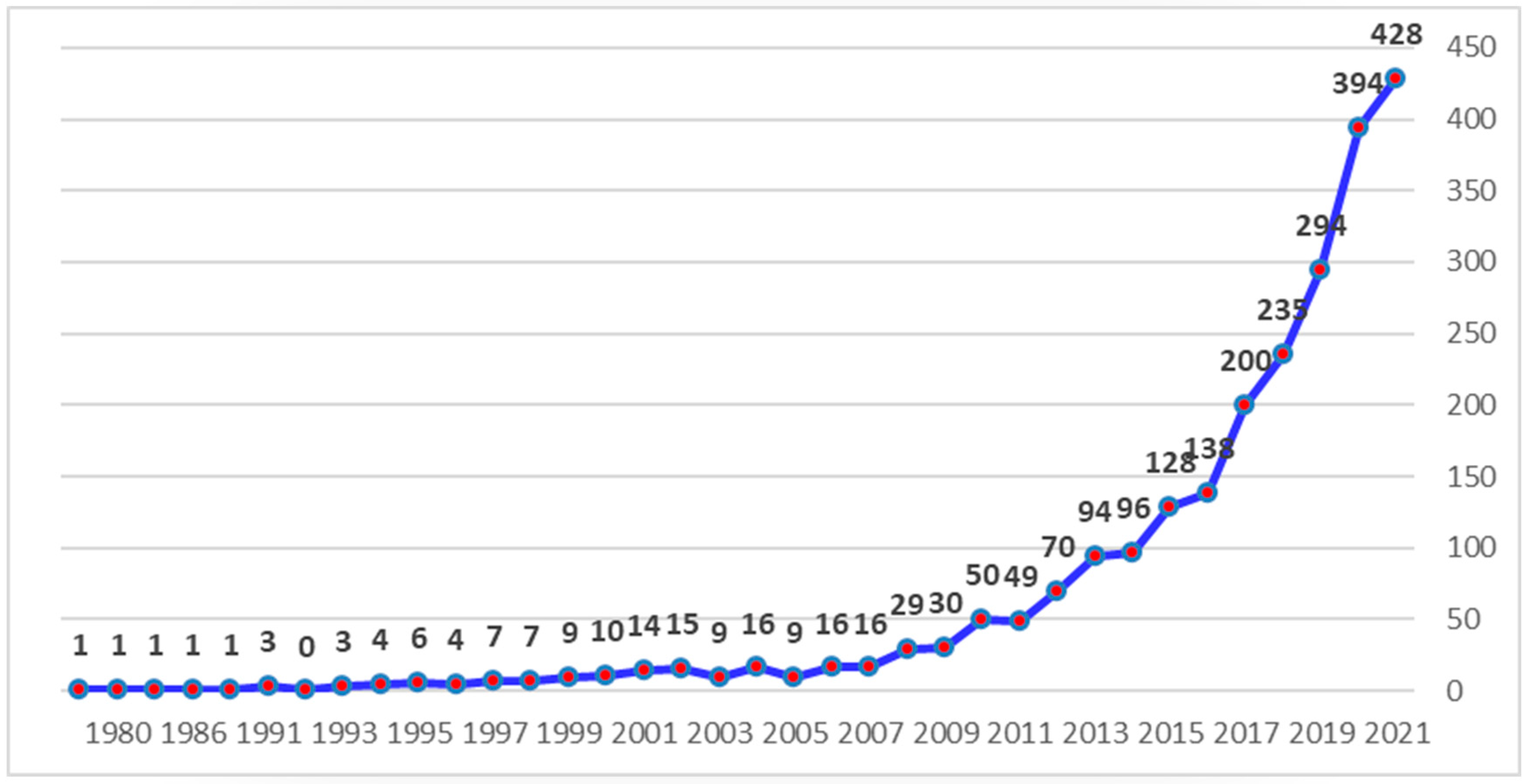
A constant increase in research regarding food industry by-products is evident in the analyzed period. The first article regarding food industry by-products cited in Science Citation Index Expanded (SCI-EXPANDED) is the article regarding use of apple and beet pulp in combination with wheat bran as a carrier for Penicillium sp. 7/4BE11, published in 1976 by a Polish author [19]. However, until 2002, the number of articles remained under 15 annually (Figure 1). In the period 1976–2021, 2388 articles indexed in WoS CC were published. The research boosted in 2010, when 50 articles were published. In 2015, the expansion of publications started, driven by decisions by and standards from the European commission for the sustainability of the food system, oriented towards the welfare of the environment, health, and society, to reach 428 articles in 2021 (Figure 1).
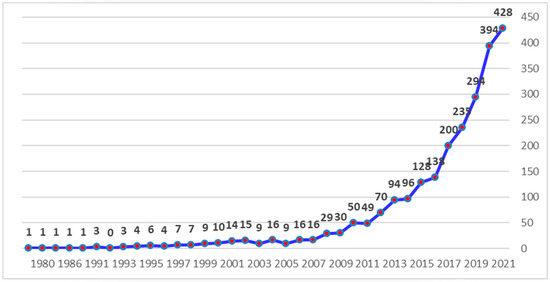
Figure 1.
The number of published articles, indexed in WoS CC, related to food industry by-products.
3.1. Analysis by Country, Institutions, and Subject Categories
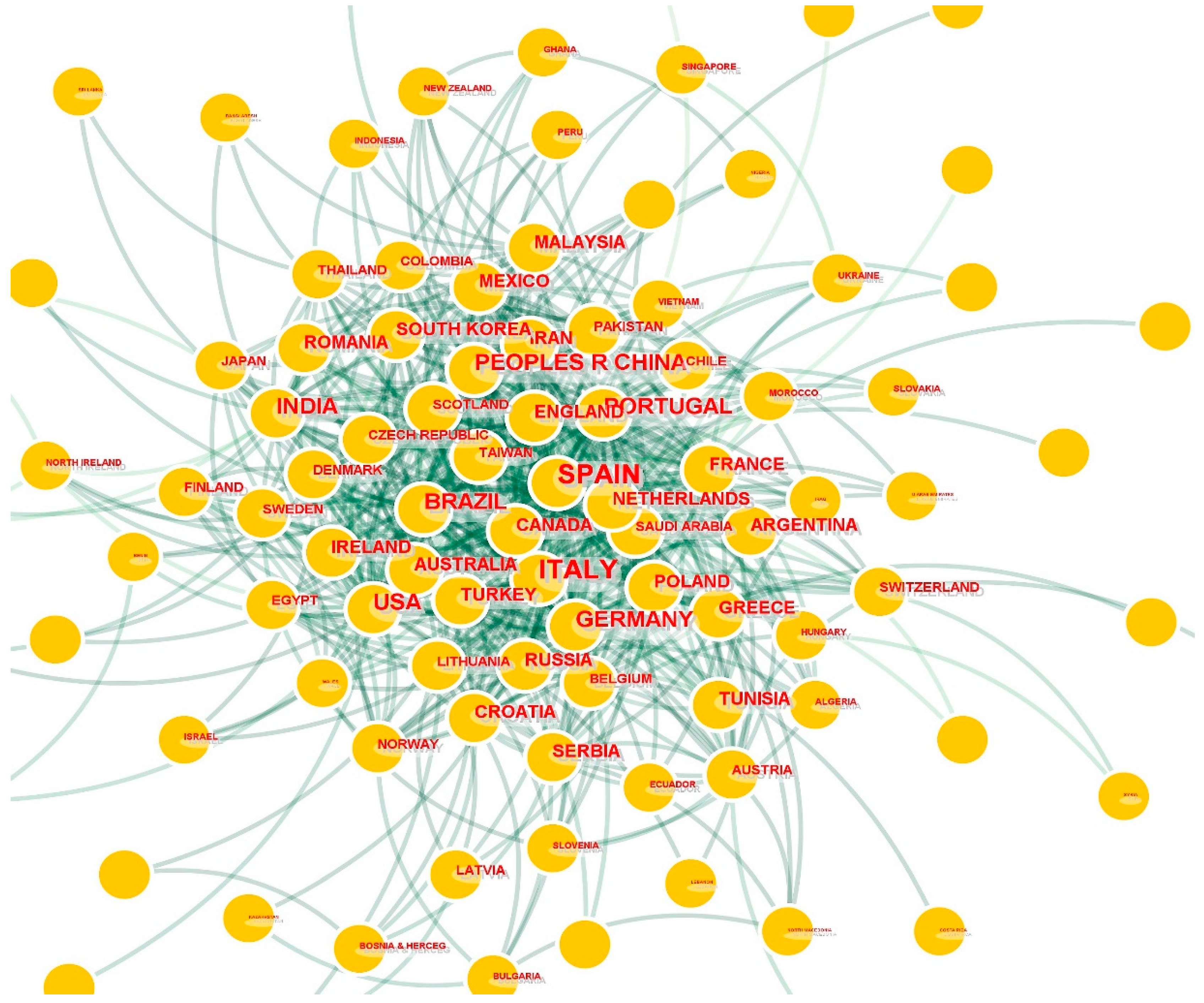
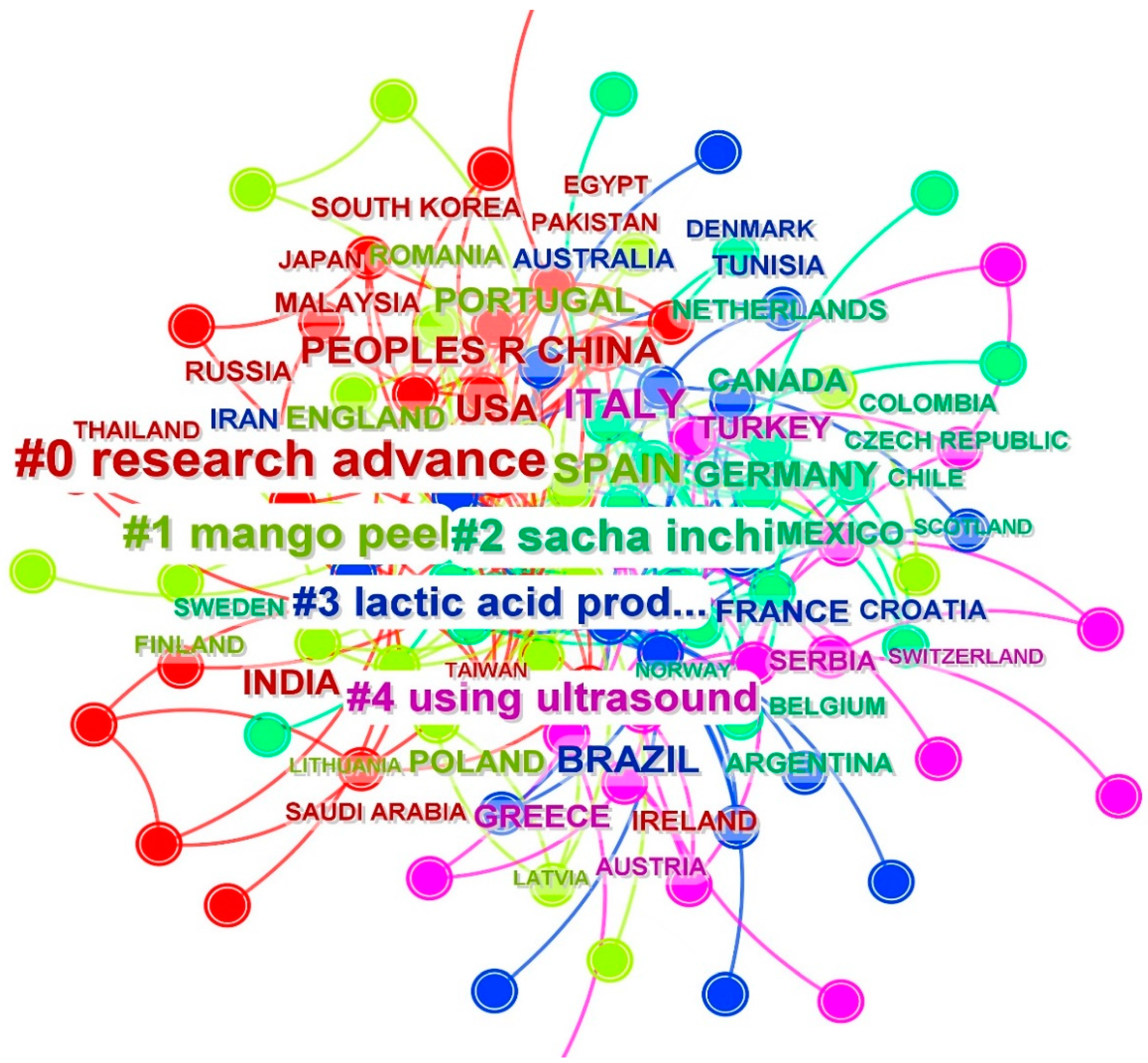
Figure 2 shows networks of collaborations in the field of food industry by-products between authors from different countries. The countries with more than 40 published papers are marked on the figure. The size of the circle represents the significance of the country in the research of food industry by-products and the intensity of collaboration is measured by centrality and represented by the thickness of the lines between the circles (the thicker the line, the stronger the collaboration). The research regarding the food industry by-products is conducted in many countries: Spain is a leader with 13%, followed by Italy (11%), China (9%), Brazil (8%), USA (7%), India (6%), Portugal (6%), Germany, France and Turkey (each with 4%), Mexico, Poland, Greece, England, Canada, Romania (each with 3%), and Malesia, Serbia, Australia, Iran, Netherlands, and Croatia (each with 2%). Although most of the research is performed in Europe, the use of food industry by-products is a field of interest worldwide.
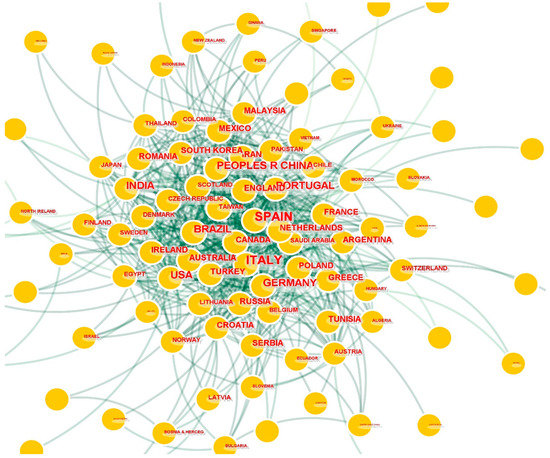
Figure 2.
Collaboration network of scientists from different countries in the field of food industry by-products.
The analysis of the scientific collaboration between countries revealed the relationships and theme focal points. The five clusters depict the most important research themes over time (Figure 3). The largest collaborations were in the field of food processing by-products, the food industry, physicochemical properties, food waste, and potential health benefits (#0 research advance), with the peak in the 1999s, first in the USA then abroad. Cluster 1 (#1 mango peel) shows the research of food industry by-products as functional additives in food production. This research theme was opened by Polish scientists in 1982 and the research was intensive worldwide until 2016. The potential application of phenolics and other bioactive components, circular bioeconomy, and the use of marine by-products were the research theme clustered in cluster 2 (#2 sacha inchi). The research of these subjects started back in 1980, although since 2019 the interest is in the decline. The fourth cluster (#4 using ultrasound) shows the shift of research of bioactive compounds to use of ultrasound and hybrid processes in 1990s, which was started by Italian scientists.
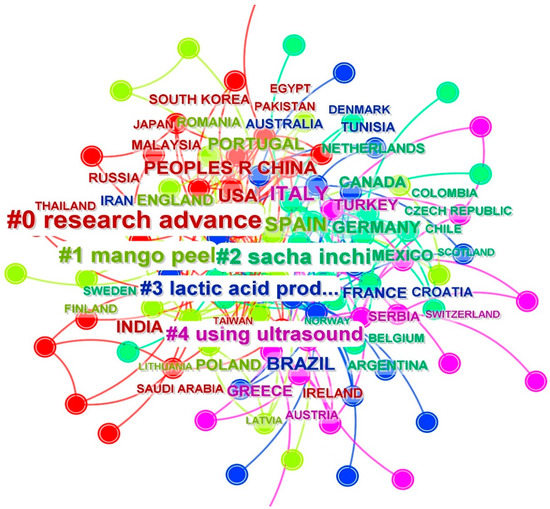
Figure 3.
Network of collaborations between the countries on food industry by-product research, with research clusters.
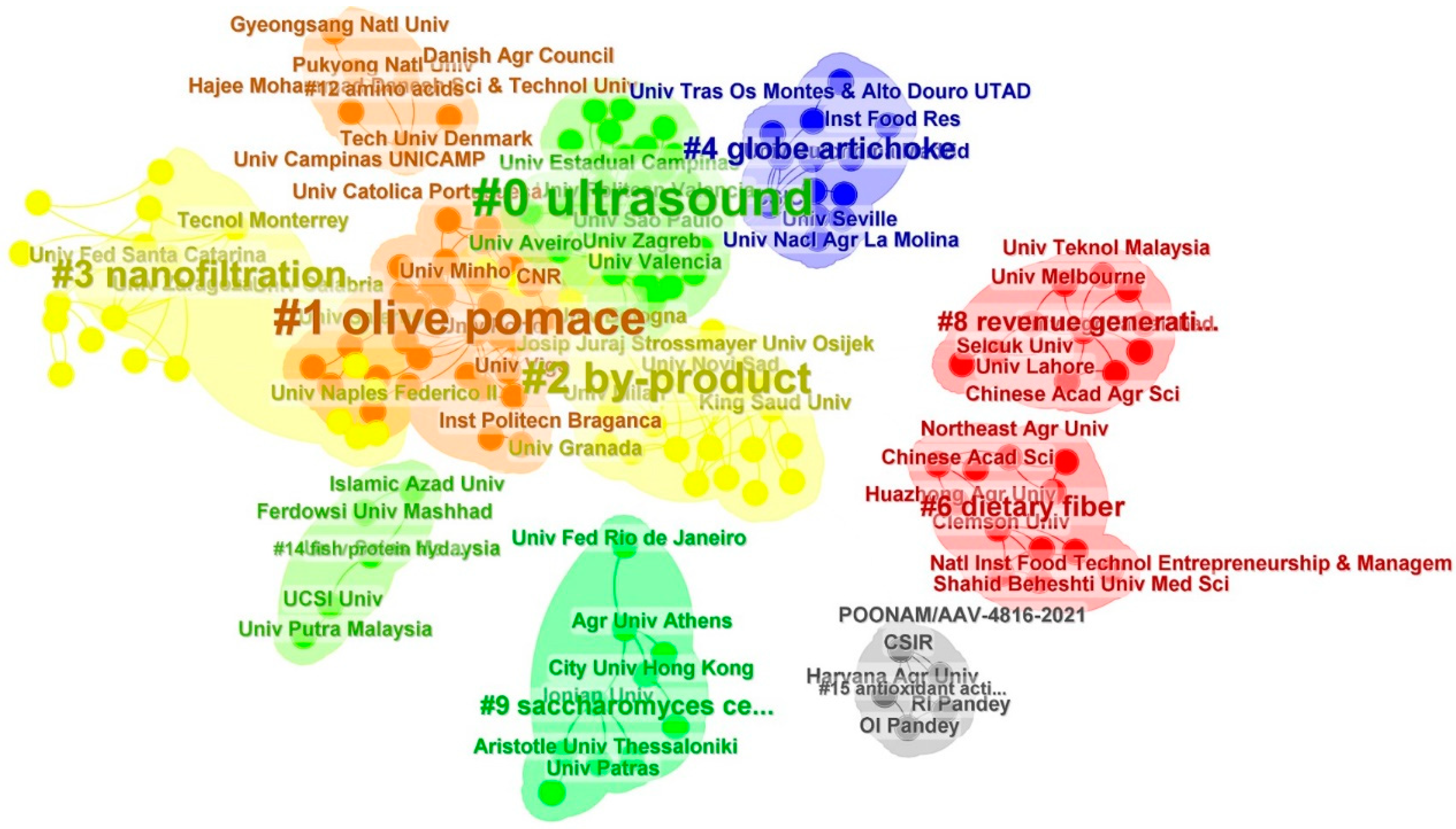
Figure 4 shows the institutional collaboration through 11 theme clusters with good association, quality, and importance. It is evident that each cluster involves scientists not only from different institutions but different countries as well, revealing the international character of the research.
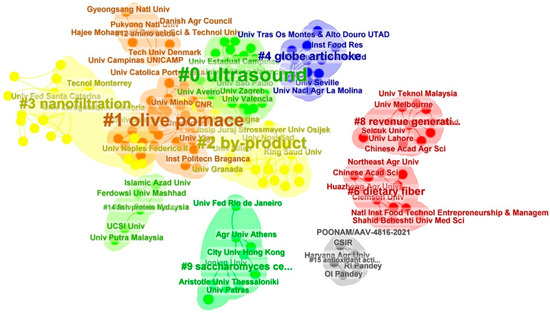
Figure 4.
Network of institutional collaborations in the field of food industry by-products (articles published in WoS CC in the period 1976–2021), showing leading institutions, clustered according to themes.
Subject Categories
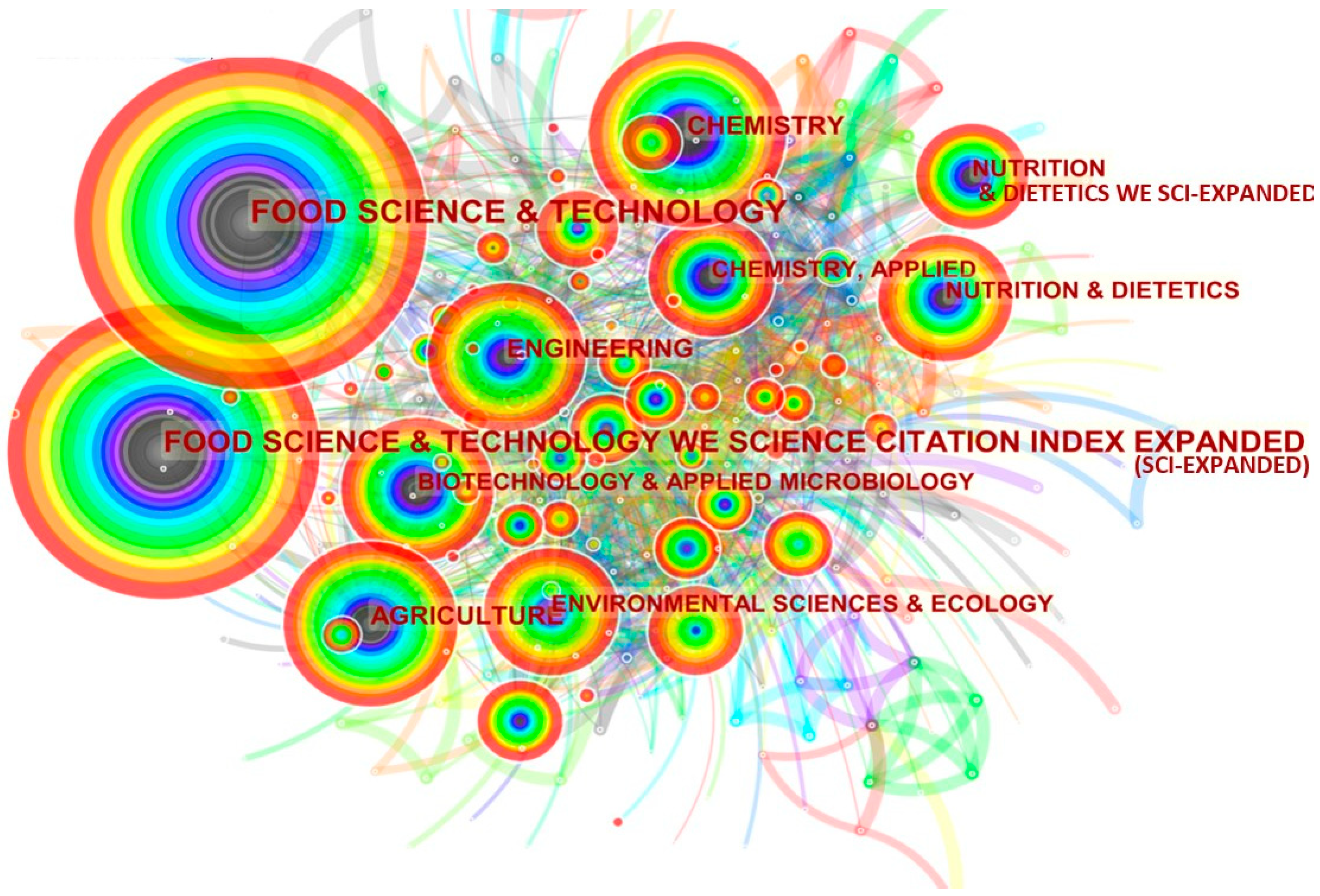
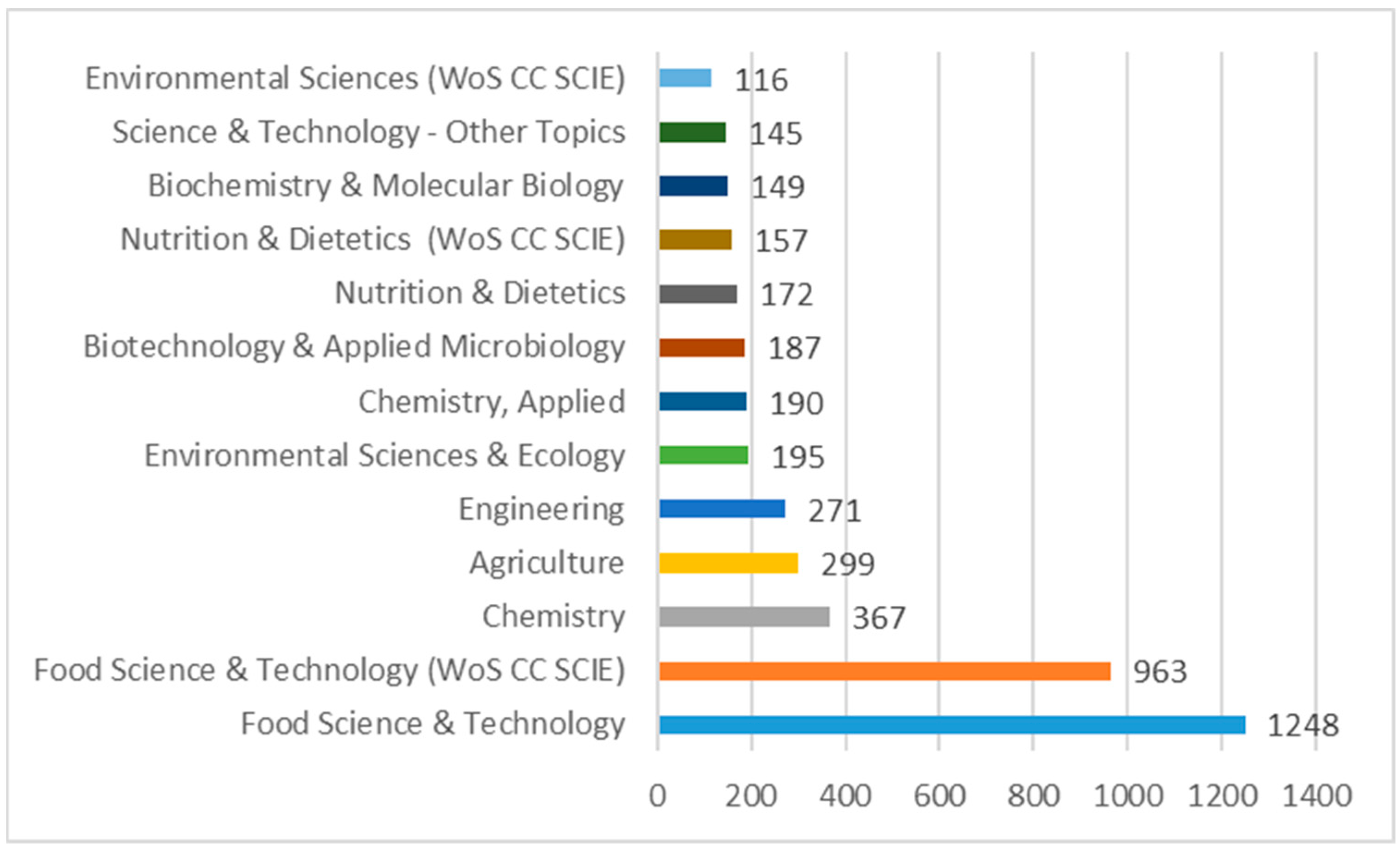
The first 13 subject categories (obtained from WoS CC by CiteSpace) with more than 100 published works used for the analysis of data are represented in Figure 5. The index of centrality shows high association between the categories. It ranges between 0.723 and 0.946, showing collaborations between researchers belonging to different scientific fields (food technology, chemistry, agriculture, engineering, biotechnology, nutrition, environmental protection, etc.) in the research of food industry by-products. This analysis reveals the importance of collaboration between different disciplines: food technology, chemistry, agriculture, engineering, biotechnology, nutrition, environmental protection, etc. with more than 90% of the research published in the category “Food Science & Technology” and “Food Science & Technology (SCI-Expanded WoS CC)” (2211 articles) (Figure 6).
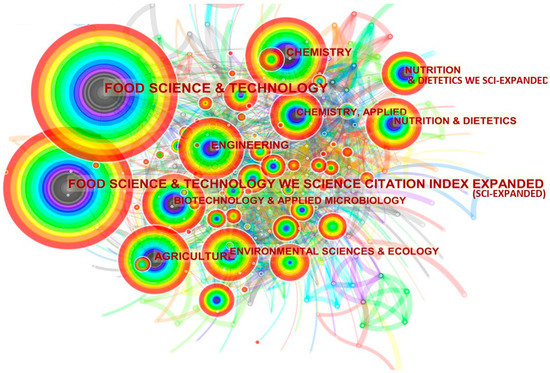
Figure 5.
Network of subject categories (as defined by WoS CC) in which journals that publish articles regarding food industry by-products belong.
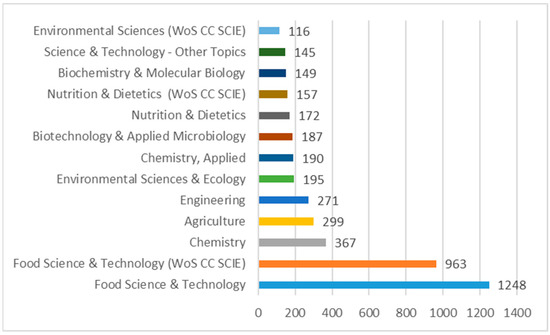
Figure 6.
Subject categories with more than 100 articles regarding food industry by-products.
3.2. Analysis of Journals and Author Citations
The analysis of the number of published articles and citation frequency revealed the most significant journals linked to the food industry by-products. The journals with 30 or more research works are shown in Table 1. The impact factor of the journals ranges between 2.190 (Q3) and 16.002 (Q1). The largest number of articles (238) is published in the Journal of Food Processing and Preservation, which belongs to the third quartile of the category “Food Science & Technology” for 2021. The other journals are in the first and second quartile, with 10 journals in the WoS category “Food Science & Technology” and the journal Molecules, which belongs to categories: “Biochemistry & Molecular Biology” and “Chemistry, Multidisciplinary”.

Table 1.
Journals in which the majority of research regarding the use of food industry by-products is published.
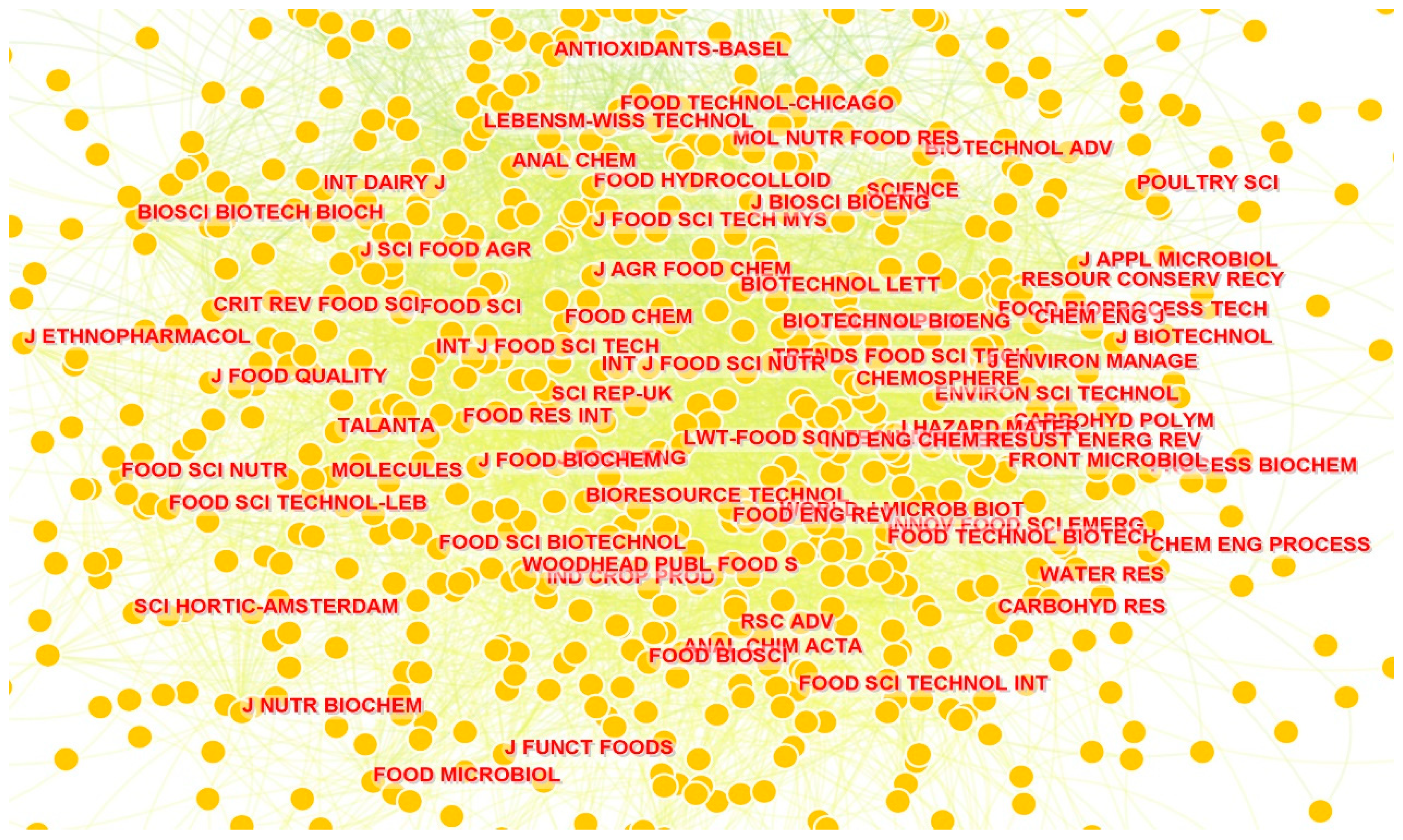
One of the journal quality indicators is citation frequency. The most cited journals in the articles regarding food industry by-products (Figure 7) are Food Chemistry (1489), Journal of Agricultural and Food Chemistry (1296), Food Research International (976), LWT—Food Science and Technology (912), and Journal of the Science of Food and Agriculture (821), in which the majority of the research is published.
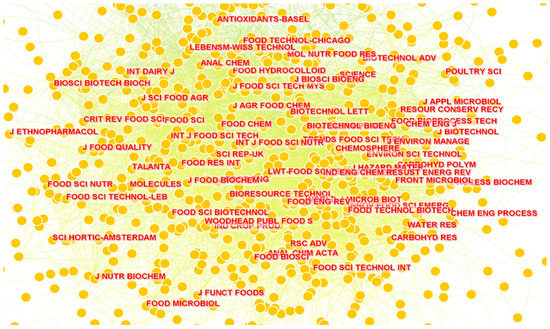
Figure 7.
Network of scientific journals dealing with food industry by-products in the period 1976–2021.
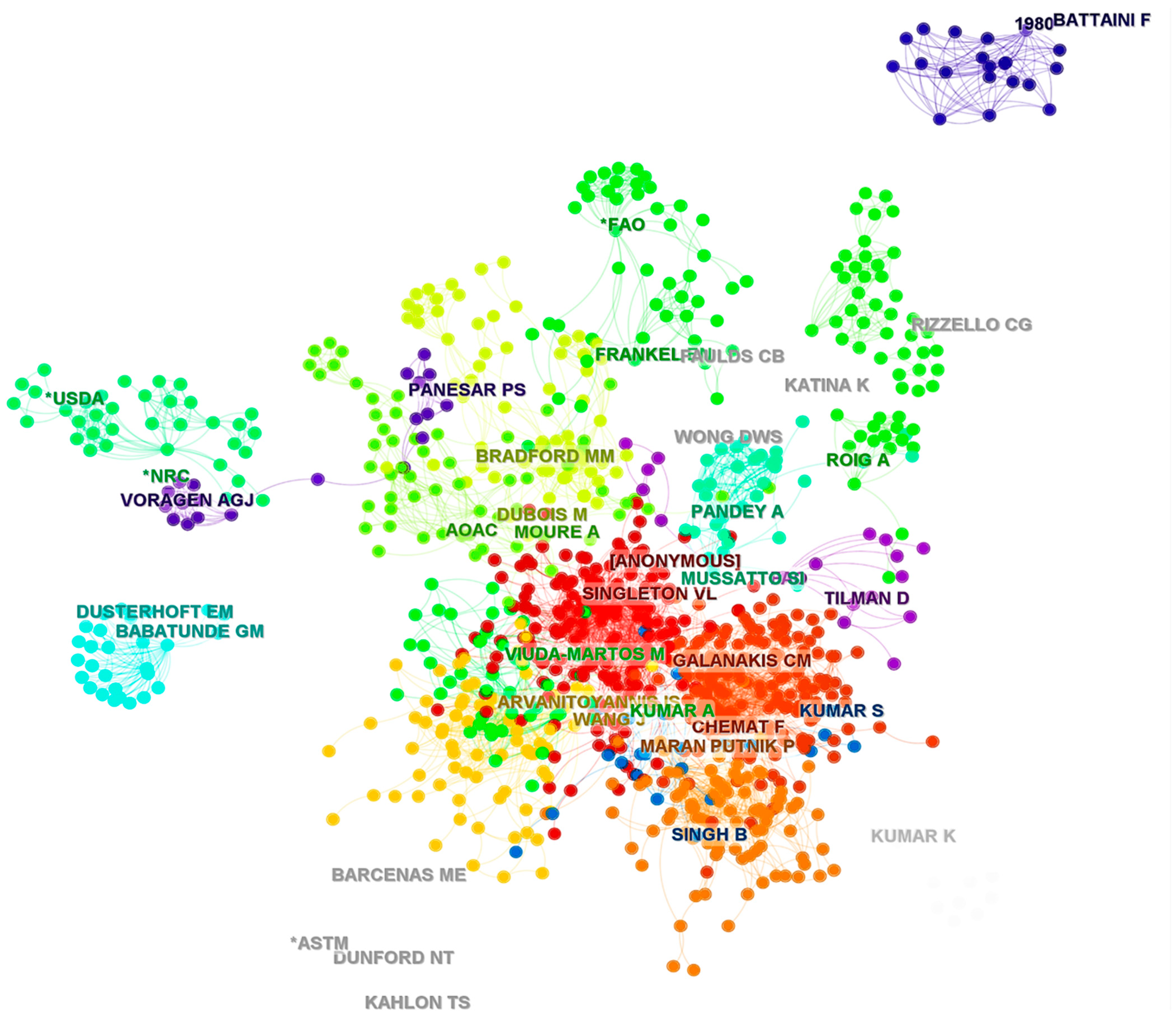
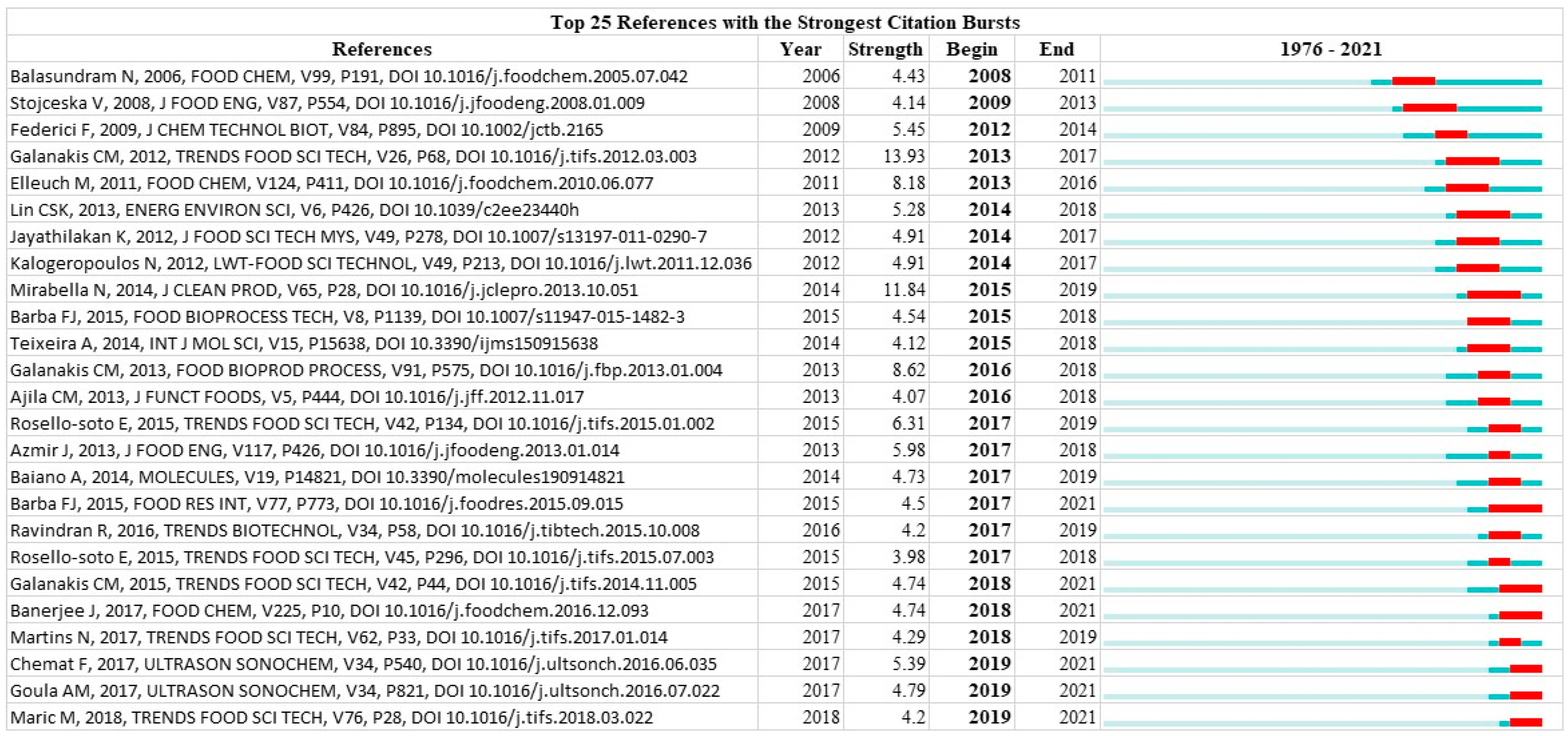
The CiteSpace II report revealed that 107,494 different references were used in the analyzed articles dealing with food industry by-products, out of which: 81,282 scientific articles (Article; Article, Book Chapter; Article, Early Access; Article, Proceedings Paper; Article, Retracted Publication), 92 Notes, 460 Proceedings Papers, 20,102 reviews (Review; Review; Early Access); 341 references were classified as “anonymous”. The authors with the highest scores of co-citations are: AOAC; FAO; Singleton, VL; Galanakis, CM; Schieber, A; Shahidi, F; Chemat, F; Barba; and FJ (Figure 8 and Figure 9) with more than 90 citations, which indicates their significance in the field.
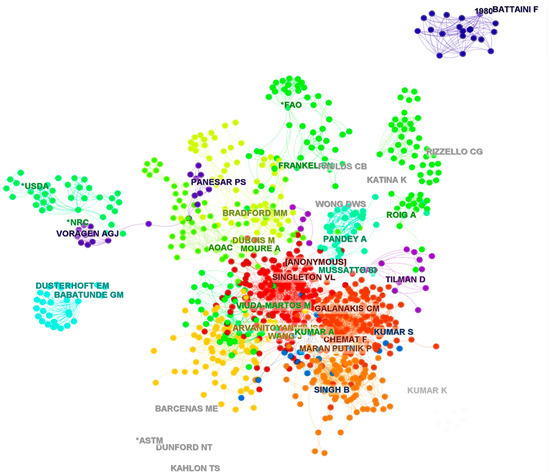
Figure 8.
Network of cited authors in the field of food industry by-products. (* FAO—Food and Agriculture Organization of the United Nations; * ASTM—ASTM (American Society for Testing and Materials) INTERNATIONAL (international standards organization); * AOAC—Association of Official Analytical Chemists (non-profit scientific association); * USDA—United States Department of Agriculture; * NRC—National Research Council.
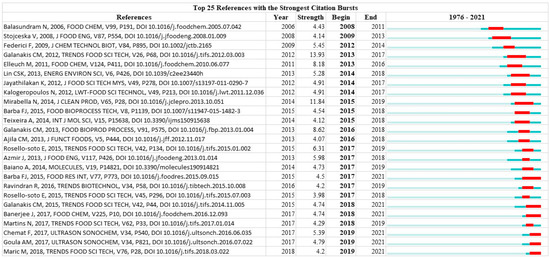
Figure 9.
Top 25 references with the strongest citation bursts in the field of food industry by-products in the period 1976–2021.
The articles were cited in certain periods, intensifying after 2002 and boosting after 2015, supporting the fact that research in the field became stronger in this period. The modularity within the cluster is 0.8545, showing the strong connection of the documents within the cluster and the silhouette mean value of 0.8996 proves good cluster separation.
3.3. Themes of Research
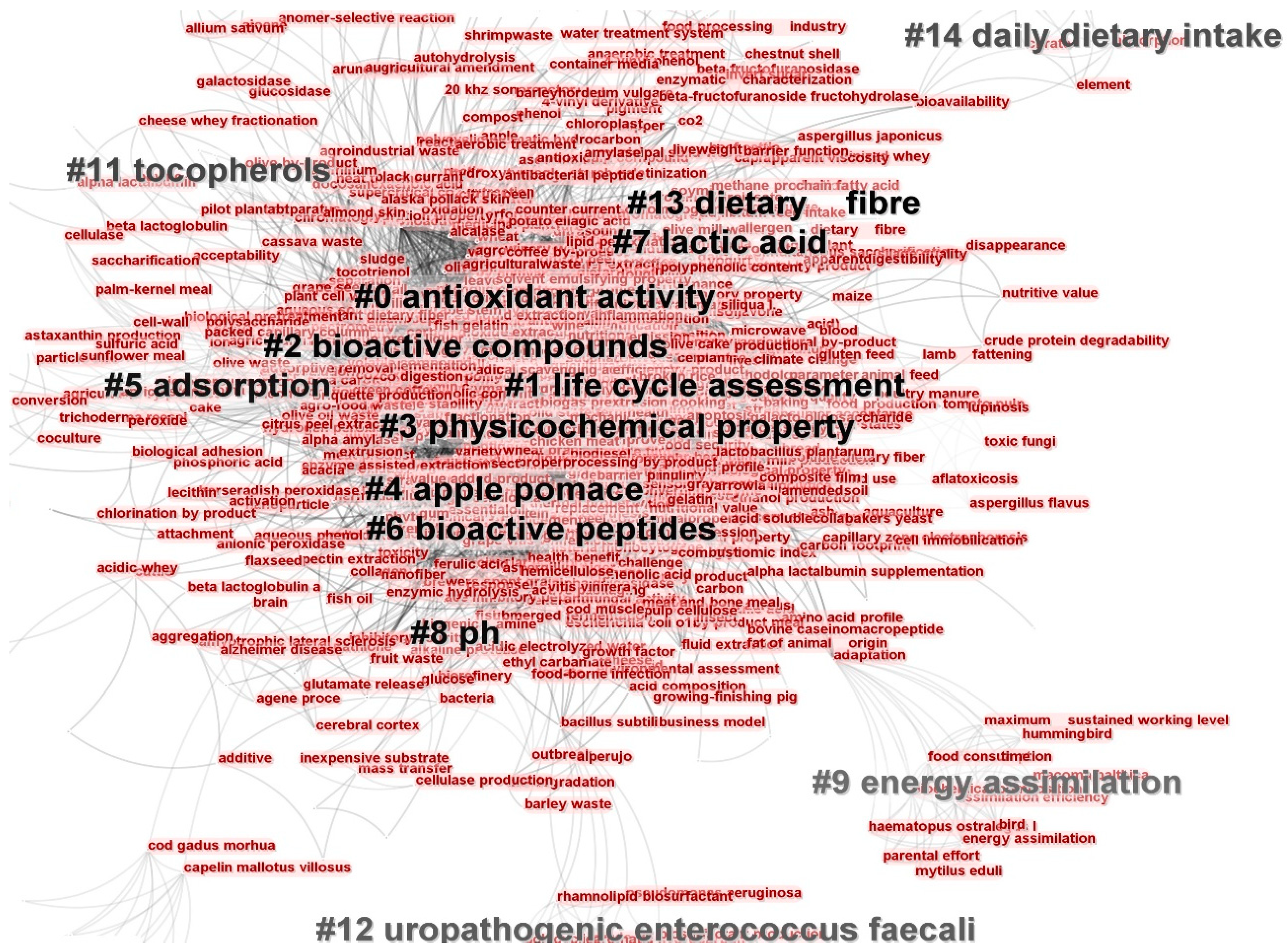
The focal points of food industry by-products (Figure 10) were analyzed by cluster analysis through keywords as knots. CiteSpace uses technique of time separation to build a time series of network models and syntheses these individual networks to form a network suitable for a systematic review of the relevant literature [18]. The size of the node depicts the intensity of the key word in the scientific literature and 14 cluster out of 65 are shown in Figure 10.
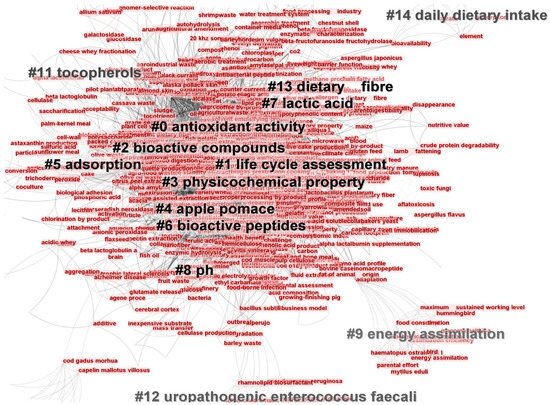
Figure 10.
Clusters of knowledge domains regarding food industry by-products in the period 1976–2021.
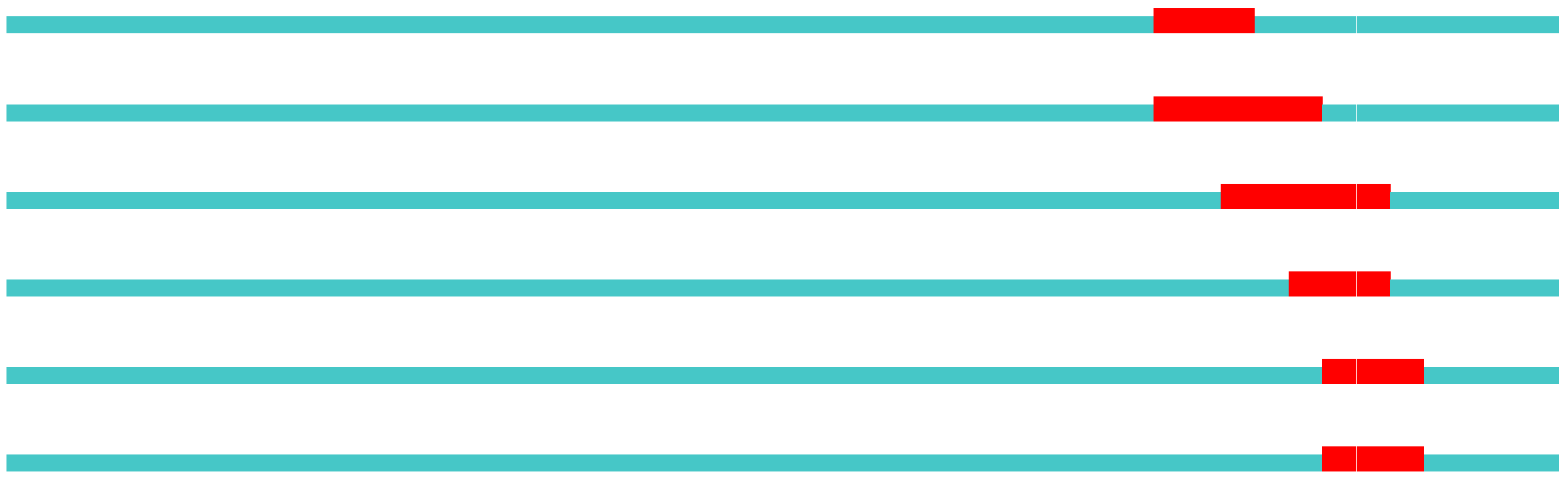
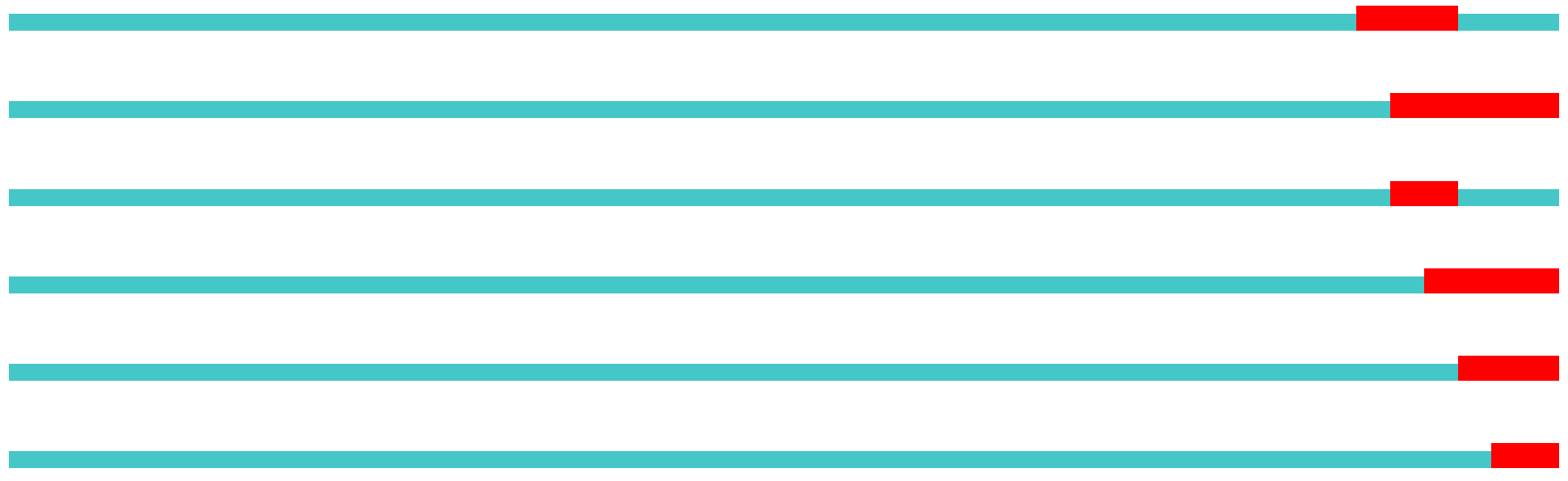
The key words were connected and grouped into 14 clusters and explained through six theme units (Figure 10). Table 2 reveals the network of key words with the largest frequency in certain periods. The blue lines mark the period and the red ones are the peak of frequency. To cause the data to be more presentable, they were divided into periods: 1976–1999, 2000–2009, 2010–2015, and 2015–2021.
Table 2.
Network of key words within cited references connected in shown clusters (Source: CiteSpace II).
The first theme is the research of bioactive components (#0, 2, and 6): antioxidant activity, phenolic compounds, flavonoids, optimization, and fruit (#0); bioactive compounds, extraction, supercritical fluid extraction, green extraction, and ultrasound assisted extraction (#2); and bioactive peptides, purification, collagen, and trypsin, (#6). The second theme is the research of the influence of food industry by-products on the environment: circular economy, life-cycle assessment, global warming potential, olive mill wastewater reuse, facing bricks, anaerobic digestion, waste management, greenhouse gas emissions, digestive system, and crop residues (#1). The third theme belongs to the research of the physico-chemical characteristics of food industry by-products: physicochemical property, functional properties, and quality (#3); adsorption, activated carbon, agroindustrial residue, and heavy metals (#5); and pH, acid, polyphenols, and antimicrobial activity (#8). The fourth theme is the use of nutritively valuable components of food industry by-products in food production: apple pomace, sugar beet pulp, and brewers spent grain (#4); food industry, bioactive compounds, wheat bread, by-product utilization, pulp, and by-product valorization (#7); and starch-soluble dietary fiber conjugates, enzymatic hydrolysis, physicochemical properties, heat–moisture treatment, and by-product valorization (#13). The nutritional aspects are the fifth theme: absorption, energy assimilation, food consumption, laziness, and maximum sustained working level (#9); and daily dietary intake, food processing, macronutrient influence, olive pomace, and multifunctional powder (#14). The sixth theme gathers the research of the processing facilities and equipment: pilot plant apparatus, supercritical fluid fractionation, packed capillary columns, olive by-products, and electrode phenomena (#11).
4. Conclusions
The scientific interest for food industry by-products has been growing constantly since 1976, with an intensified trend since 2015. Although the research was started by European scientists, it is not specific to a certain region, country, or institution but is led worldwide and collaborations between institutions have been intensifying since 2007. The descriptive bibliometry and visualization in this paper revealed that the Spanish (13%) and Italian (11%) scientists are the leaders in the publication of the research regarding food industry by-products; their articles have been published in high-ranked journals, as seen in the references with high impact factors.
The food industry by-products have drawn much attention throughout the years, becoming an important part of sustainable production and the reduction in the human impact on the environment. The research may be systematized in different focal clusters, differing throughout time. The current focus (2015–2020) is the use of by-products as sources of bioactive compounds for food production, the use of new extraction techniques, and the production of biofuels.
Limitation of the Research
The research did not cover articles regarding food industry by-products in which words: “food industry by-product*”; agro-food; by-product AND “food processing”; by-product AND “food production”; and by-product AND “nutritional improvement” were not mentioned.
Author Contributions
Conceptualization, S.H. and Đ.A.; methodology, S.H.; investigation, S.H.; writing—original draft preparation, S.H.; writing—review and editing, Đ.A.; visualization, S.H.; supervision, Đ.A. All authors have read and agreed to the published version of the manuscript.
Funding
This research received no external funding.
Institutional Review Board Statement
Not applicable.
Informed Consent Statement
Not applicable.
Data Availability Statement
All the data are available from the corresponding author.
Conflicts of Interest
The authors declare no conflict of interest.
References
- European Commission. Agriculture and Green Deal, Text. European Comission. 2022. Available online: https://ec.europa.eu/info/strategy/priorities-2019-2024/european-green-deal/agriculture-and-green-deal_en (accessed on 10 May 2022).
- Šubarić, D. (Ed.) Neke Mogućnosti Iskorištenja Nusproizvoda Prehrambene Industrije/Some Potentialas to Use Food Industry By-Products; Josip Juraj Strossmayer University of Osijek, Faculty of Food Technology: Osijek, Croatia, 2018. [Google Scholar]
- Hamed, I.; Ozogul, F.; Regenstein, J.M. Industrial Applications of Crustacean By-Products (Chitin, Chitosan, and Chitooligosaccharides): A Review. Trends Food Sci Technol 2016, 48, 40–50. [Google Scholar] [CrossRef]
- Barral-Martinez, M.; Fraga-Corral, M.; Garcia-Perez, P.; Simal-Gandara, J.; Prieto, M.A. Almond By-Products: Valorization for Sustainability and Competitiveness of the Industry. Foods 2021, 10, 1793. [Google Scholar] [CrossRef] [PubMed]
- Gil-Martin, E.; Forbes-Hernandez, T.; Romero, A.; Cianciosi, D.; Giampier, F.; Battino, M. Influence of the Extraction Method on the Recovery of Bioactive Phenolic Compounds from Food Industry By-Products. Food Chem. 2022, 378, 131918. [Google Scholar] [CrossRef] [PubMed]
- Taghian Dinani, S.; van der Goot, A. Challenges and Solutions of Extracting Value-Added Ingredients from Fruit and Vegetable by-Products. Crit. Rev. Food Sci. Nutr. 2022. [Google Scholar] [CrossRef] [PubMed]
- Moed, H.F. Bibliometric Indicators Reflect Publication and Management Strategies. Scientometrics 2000, 47, 323–346. [Google Scholar] [CrossRef]
- Fu, H.-Z.; Wang, M.-H.; Ho, Y.-S. Mapping of Drinking Water Research: A Bibliometric Analysis of Research Output during 1992–2011. Sci. Total Environ. 2013, 443, 757–765. [Google Scholar] [CrossRef] [PubMed]
- Singh, P.; Ojha, A.; Borthakur, A.; Singh, R.; Lahiry, D.; Tiwary, D.; Mishra, P.K. Emerging Trends in Photodegradation of Petrochemical Wastes: A Review. Environ. Sci. Pollut. Res. 2016, 23, 22340–22364. [Google Scholar] [CrossRef] [PubMed]
- Perea-Moreno, M.-A.; Sameron-Manzano, E.; Perea-Moreno, A.-J. Biomass as Renewable Energy: Worldwide Research Trends. Sustainability 2019, 11, 863. [Google Scholar] [CrossRef]
- Tirado-Kulieva, V.A.; Gutierrez-Valverde, K.S.; Villegas-Yarleque, M.; Camacho-Orbegoso, E.W.; Villegas-Aguilar, G.F. Research Trends on Mango By-Products: A Literature Review with Bibliometric Analysis. J. Food Meas. Charact. 2022, 16, 2760–2771. [Google Scholar] [CrossRef]
- de Melo, A.M.; Chaves Almeida, F.L.; de Melo Cavalcante, A.M.; Ikeda, M.; Turola Barbi, R.C.; Costa, B.P.; Hoffman Ribani, R. Garcinia Brasiliensis Fruits and Its By-Products: Antioxidant Activity, Health Effects and Future Food Industry Trends-A Bibliometric Review. Trends Food Sci. Technol. 2021, 112, 325–335. [Google Scholar] [CrossRef]
- Sabater, C.; Villamiel, M.; Montilla, A. Integral Use of Pectin-Rich by-Products in a Biorefinery Context: A Holistic Approach. Food Hydrocolloid. 2022, 128, 107564. [Google Scholar] [CrossRef]
- Shao, J.; Huang, X.; Liu, J.; Duolong, D. Characteristics and Trends in Global Olive Oil Research: A Bibliometric Analysis. Int. J. Food Sci. Technol. 2022, 57, 3311–3325. [Google Scholar] [CrossRef]
- Yeasmen, N.; Rahman Bhuiyan, M.H.; Orsat, V. Unravelling Scientific Research towards the Green Extraction of Phenolic Compounds from Leaves: A Bibliometric Analysis. Int. J. Food Sci. Technol. 2021, 56, 4893–4906. [Google Scholar] [CrossRef]
- Chen, C.; Ibekwe-SanJuan, F.; Hou, J. The Structure and Dynamics of Co-Citation Clusters: A Multiple-Perspective Co-Citation Analysis. J. Am. Soc. Inf. Sci. Technol. 2010, 61, 1386–1409. [Google Scholar] [CrossRef]
- Chen, C. Science Mapping: A Systematic Review of the Literature. Foods 2017, 2, 1–40. [Google Scholar] [CrossRef]
- Shen, C.; Wei, M.; Sheng, Y. A Bibliometric Analysis of Food Safety Governance Research from 1999 to 2019. Food Sci. Nutr. 2021, 9, 2316–2334. [Google Scholar] [CrossRef] [PubMed]
- Szajer, I. Polygalacturonase Activity of Penicillum Sp 7/4B/EI 1 Mutant Grown on Some by-Products of Food Industry. Acta Microbiol. Pol. A 1976, 8, 51–56. [Google Scholar] [PubMed]


Publisher’s Note: MDPI stays neutral with regard to jurisdictional claims in published maps and institutional affiliations. |
© 2022 by the authors. Licensee MDPI, Basel, Switzerland. This article is an open access article distributed under the terms and conditions of the Creative Commons Attribution (CC BY) license (https://creativecommons.org/licenses/by/4.0/).