17 pages, 2245 KB  
Article
Patients with Inflammatory Bowel Disease Show Fewer Sex-Related Differences in Their Dietary Behavior Than the General Population: A Qualitative Analysis
by Lea Pueschel, Fabian Kockelmann, Momme Kueck, Uwe Tegtbur, Masoumeh Attaran-Bandarabadi, Oliver Bachmann, Heiner Wedemeyer, Henrike Lenzen and Miriam Wiestler
Nutrients 2024, 16(17), 2954; https://doi.org/10.3390/nu16172954 - 2 Sep 2024
Cited by 6 | Viewed by 2324
Abstract
Background: Since diet is generally recognized as an important factor directly modulating the gut microbiome, it is also considered a potential environmental triggering factor for the pathogenesis and onset of inflammatory bowel disease (IBD). While the habitual and sex-related dietary behavior of the [...] Read more.
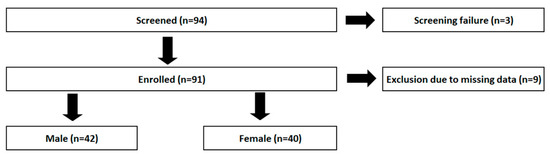
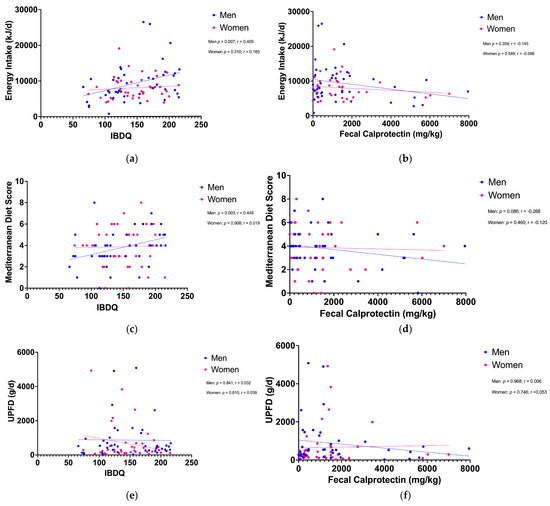
Background: Since diet is generally recognized as an important factor directly modulating the gut microbiome, it is also considered a potential environmental triggering factor for the pathogenesis and onset of inflammatory bowel disease (IBD). While the habitual and sex-related dietary behavior of the general population has been the subject of extensive study and reporting, data on IBD patients’ dietary behavior and especially its sex-related differences are underrepresented. However, as diet is an important factor in the course of IBD, we hypothesized that men and women with IBD have a different dietary profile than the general population. Methods: We performed a cohort analysis of a monocentric, cross-sectional study and compared the sex-related dietary behavior of 82 IBD patients (n = 40 women) to a sex- and age-matched cohort of the general German population [n = 328 (n = 160 women)]. Further on, disease-related quality of life and fecal calprotectin were correlated to the IBD patients’ dietary behavior. Results: While sex-related dietary behavior was frequently of statistical difference in the general population within the IBD cohort, only minor numerical differences were observed between the sexes, which were rarely statistically significant. However, correlation analyses of disease-related quality of life (IBDQ) and diet revealed significant differences in male IBD patients but not in female IBD patients (p = 0.007; r = 0.409 for energy intake (kJ/d); p = 0.003, r = 0.449 for adherence to Mediterranean diet). Conclusion: The dietary behavior of IBD patients showed more similarity between the sexes than the general German population. Distinct sex-related trends and differences in correlation with disease parameters demonstrated a significant difference for an adaptive dietary behavior, especially in IBD men. Full article
(This article belongs to the Special Issue Association of Dietary Intake with Chronic Disease and Human Health)
Show Figures

Figure 1
24 pages, 4325 KB  
Article
Comprehensive Analysis of Berberis aristata DC. Bark Extracts: In Vitro and In Silico Evaluation of Bioaccessibility and Safety
by Giovanna Rigillo, Giorgio Cappellucci, Giulia Baini, Federica Vaccaro, Elisabetta Miraldi, Luca Pani, Fabio Tascedda, Renato Bruni and Marco Biagi
Nutrients 2024, 16(17), 2953; https://doi.org/10.3390/nu16172953 - 2 Sep 2024
Cited by 10 | Viewed by 6341
Abstract
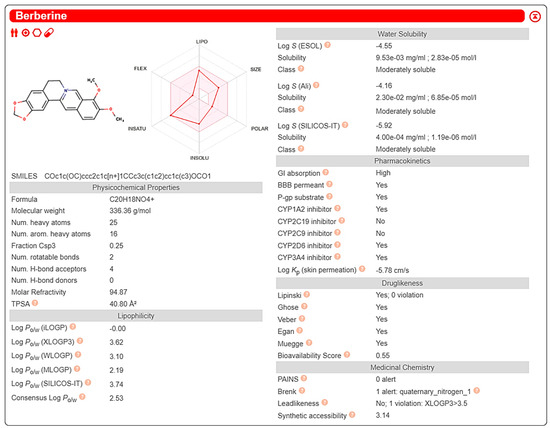
Berberine (BER) is an alkaloid found, together with other protoberberinoids (PROTBERs), in several species used in medicines and food supplements. While some herbal preparations containing BER and PROTBERs, such as Berberis aristata DC. bark extracts, have shown promising potential for human health, their [...] Read more.
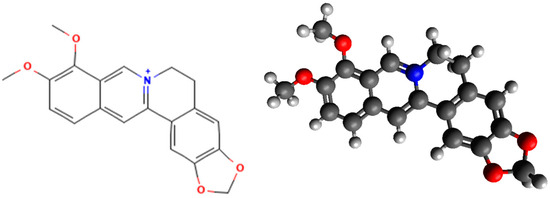
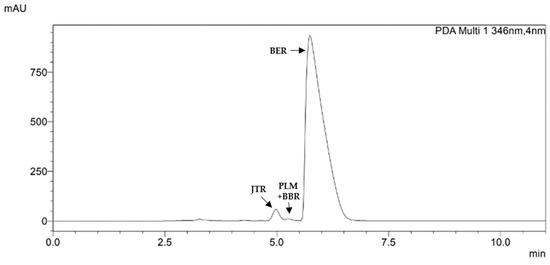
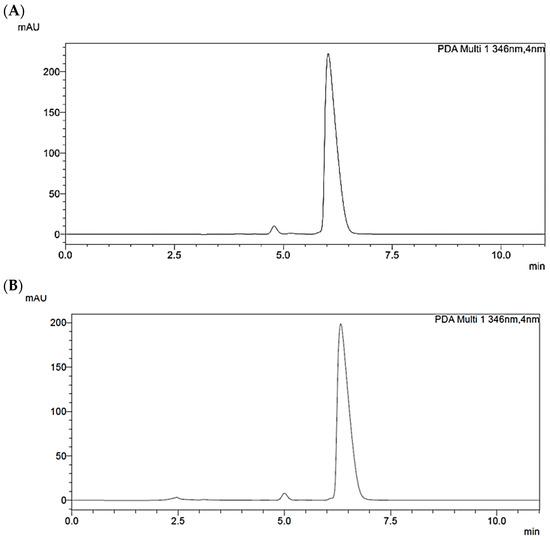
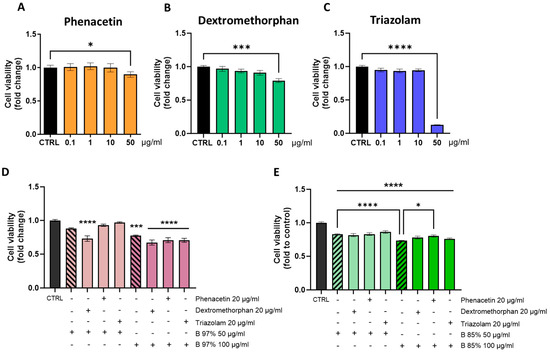
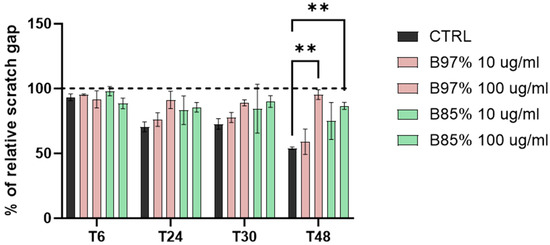
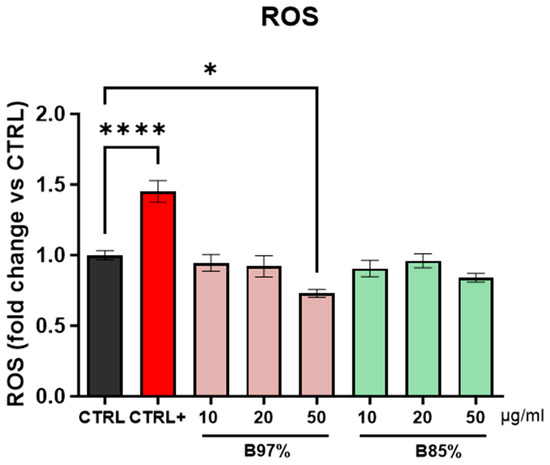
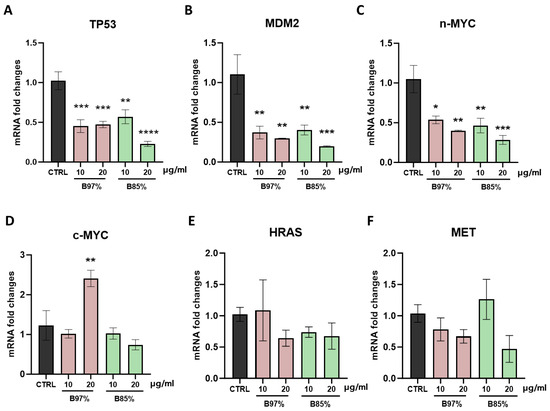
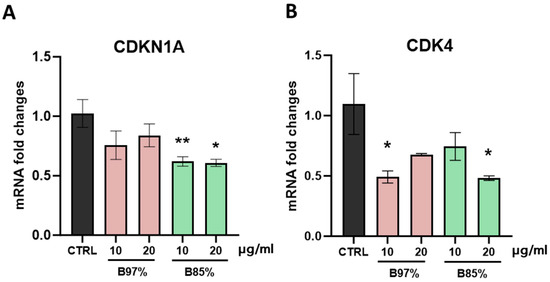
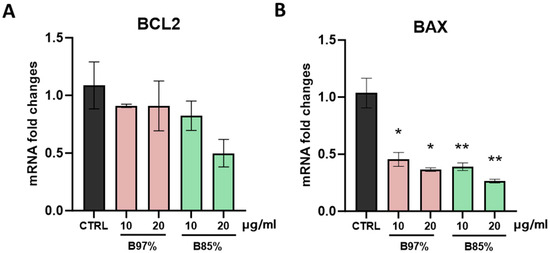
Berberine (BER) is an alkaloid found, together with other protoberberinoids (PROTBERs), in several species used in medicines and food supplements. While some herbal preparations containing BER and PROTBERs, such as Berberis aristata DC. bark extracts, have shown promising potential for human health, their safety has not been fully assessed. Recently, the EFSA issued a call for data to deepen the pharmacokinetic and pharmacodynamic understanding of products containing BER and PROTBERs and to comprehensively assess their safety, especially when used in food supplements. In this context, new data were collected in this work by assessing: (i) the phytochemical profile of 16 different commercial B. aristata dry extracts, which are among the most widely used preparations containing BER and PROTBERs in Europe; (ii) the In Vitro and In Silico investigation of the pharmacokinetic properties of BER and PROTBERs; (iii) the In Vitro cytotoxicity of selected extracts in different human cell lines, including tests on hepatic cells in the presence of CYP450 substrates; (iv) the effects of the extracts on cancer cell migration; and (v) the In Vitro molecular effects of extracts in non-cancer human cells. Results showed that commercial B. aristata extracts contain BER as the main constituent, with jatrorrhizine as main secondary PROTBER. BER and jatrorrhizine were found to have a good bioaccessibility rate, but they interact with P-gp. B. aristata extracts showed limited cytotoxicity and minimal interaction with CYP450 substrates. Furthermore, tested extracts demonstrated inhibition of cancer cell migration and were devoid of any pro-tumoral effects in normal cells. Overall, our work provides a valuable overview to better elucidate important concerns regarding botanicals containing BER and PROTBERs. Full article
(This article belongs to the Special Issue Dietary Supplements in Human Health and Disease)
Show Figures

Figure 1
17 pages, 303 KB  
Article
Food Neophobia and Avoidant/Restrictive Food Intake among Adults and Related Factors
by Agnieszka Białek-Dratwa, Wiktoria Staśkiewicz-Bartecka, Agata Kiciak, Aleksandra Wardyniec, Mateusz Grajek, Şule Aktaç, Zehra Margot Çelik, Güleren Sabuncular, Ayşe Hümeyra İslamoğlu and Oskar Kowalski
Nutrients 2024, 16(17), 2952; https://doi.org/10.3390/nu16172952 - 2 Sep 2024
Cited by 13 | Viewed by 6466
Abstract
Avoidant/restrictive food intake disorder (ARFID) includes age-inappropriate feeding behaviors in eating patterns, including food neophobia, defined as refusal or reluctance to eat new or unknown foods. This study aimed to assess the prevalence of ARFID and food neophobia among adults and determine the [...] Read more.
Avoidant/restrictive food intake disorder (ARFID) includes age-inappropriate feeding behaviors in eating patterns, including food neophobia, defined as refusal or reluctance to eat new or unknown foods. This study aimed to assess the prevalence of ARFID and food neophobia among adults and determine the related characteristics of these risks. The study used an anonymous survey questionnaire consisting of three parts as the research tool. The first part of the questionnaire was a metric and concerned socio-demographic data. The Food Neophobia Scale (FNS) and the Nine-Item Avoidance/Restrictive Food Disorder Screen Questionnaire (NIAS) were used to evaluate the eating disorders. The survey included 309 people (60.2% women, 39.8% men) aged 18–77 years. NIAS results indicated that 15.2% of the subjects showed food selectivity, and 11.0% had food anxiety. In the FNS assessment, 42.4% had a low risk of food neophobia, 38.2% a medium risk, and 19.4% a high risk. A higher risk of food neophobia correlated with higher NIAS scores, indicating a higher risk of ARFID (p = 0.00231). The NIAS score increased with the risk of food neophobia (p = 0.000). Respondents at low risk of neophobia were most likely to avoid several products (83.97%), while in the high-risk group, 56.67% did not want to eat a favorite food enriched with a new ingredient. A higher risk of neophobia was correlated with more food avoidance and adverse reactions to new foods (p = 0.000). A higher risk of food neophobia is strongly correlated with a higher risk of ARFID. Although demographics did not significantly impact NIAS results, some trends were noted, such as higher scores among older and underweight people. Those with a higher risk of food neophobia show more food avoidance and a greater reluctance to experiment with new ingredients. Public education should emphasize that eating disorders affect both sexes equally, with tailored interventions for high-risk groups such as the elderly, rural populations, and those with lower education. Health policies should promote access to nutrition education, psychological support, and diverse food options, while further research is needed to improve targeted interventions. Full article
(This article belongs to the Special Issue Eating Disorders Related to Emotion and Psychology)
24 pages, 2346 KB  
Article
Multi-Omics Profiles of Small Intestine Organoids in Reaction to Breast Milk and Different Infant Formula Preparations
by Xianli Wang, Shangzhi Yang, Chengdong Zheng, Chenxuan Huang, Haiyang Yao, Zimo Guo, Yilun Wu, Zening Wang, Zhenyang Wu, Ruihong Ge, Wei Cheng, Yuanyuan Yan, Shilong Jiang, Jianguo Sun, Xiaoguang Li, Qinggang Xie and Hui Wang
Nutrients 2024, 16(17), 2951; https://doi.org/10.3390/nu16172951 - 2 Sep 2024
Cited by 3 | Viewed by 3893
Abstract
Ensuring optimal infant nutrition is crucial for the health and development of children. Many infants aged 0–6 months are fed with infant formula rather than breast milk. Research on cancer cell lines and animal models is limited to examining the nutrition effects of [...] Read more.
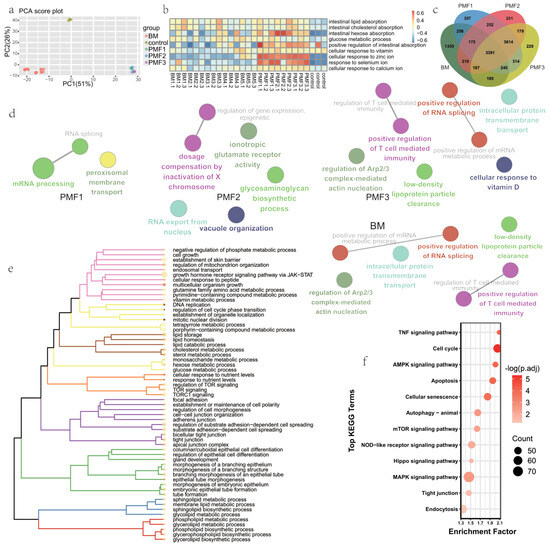
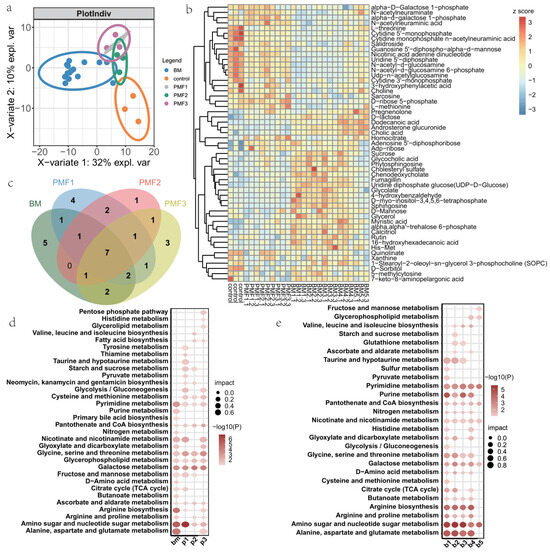
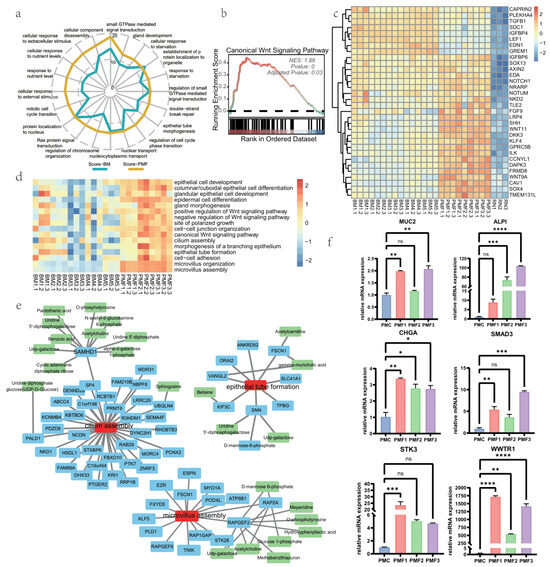
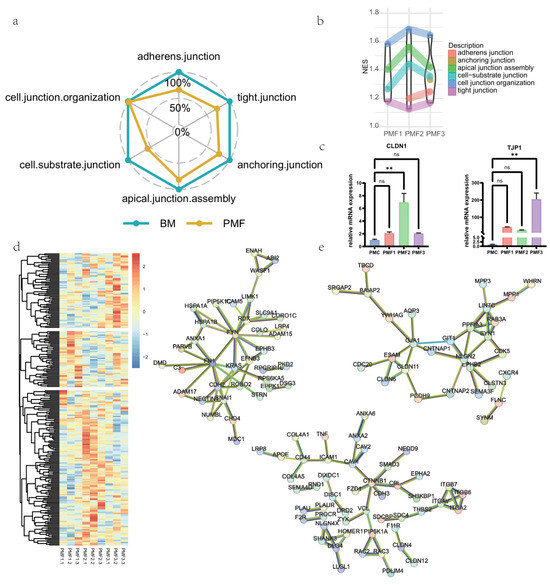
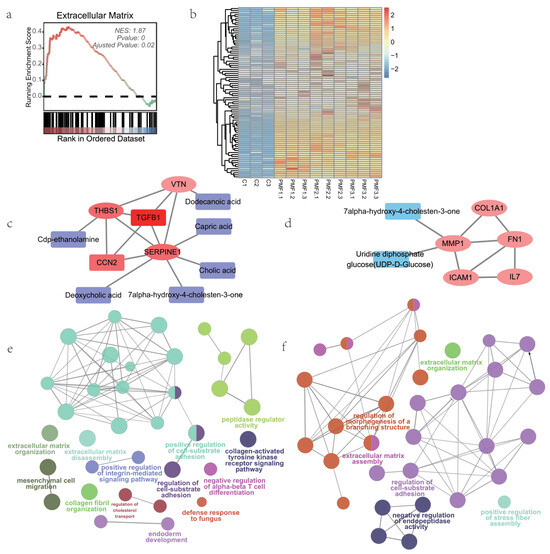
Ensuring optimal infant nutrition is crucial for the health and development of children. Many infants aged 0–6 months are fed with infant formula rather than breast milk. Research on cancer cell lines and animal models is limited to examining the nutrition effects of formula and breast milk, as it does not comprehensively consider absorption, metabolism, and the health and social determinants of the infant and its physiology. Our study utilized small intestine organoids induced from human embryo stem cell (ESC) to compare the nutritional effects of breast milk from five donors during their postpartum lactation period of 1–6 months and three types of Stage 1 infant formulae from regular retail stores. Using transcriptomics and untargeted metabolomics approaches, we focused on the differences such as cell growth and development, cell junctions, and extracellular matrix. We also analyzed the roles of pathways including AMPK, Hippo, and Wnt, and identified key genes such as ALPI, SMAD3, TJP1, and WWTR1 for small intestine development. Through observational and in-vitro analysis, our study demonstrates ESC-derived organoids might be a promising model for exploring nutritional effects and underlying mechanisms. Full article
(This article belongs to the Topic Advances in Animal-Derived Non-Cow Milk and Milk Products)
Show Figures

Figure 1
12 pages, 248 KB  
Article
No Money No Time Culinary Nutrition Website eHealth Challenge: A Pre-Post Evaluation of Impact on Diet Quality, Food Expenditure, and Engagement
by Rebecca A. Collins, Lee M. Ashton, Tracy L. Burrows, Melinda Hutchesson, Marc T. P. Adam, Erin D. Clarke and Clare E. Collins
Nutrients 2024, 16(17), 2950; https://doi.org/10.3390/nu16172950 - 2 Sep 2024
Cited by 1 | Viewed by 2281
Abstract
No Money No Time (NMNT) is a culinary nutrition website designed to optimize diet quality. The primary aim was to evaluate the impact of an online targeted nutrition challenge email campaign that encouraged engagement with NMNT and goal setting to improve diet quality [...] Read more.
No Money No Time (NMNT) is a culinary nutrition website designed to optimize diet quality. The primary aim was to evaluate the impact of an online targeted nutrition challenge email campaign that encouraged engagement with NMNT and goal setting to improve diet quality and weekly food expenditure. A secondary aim was to assess NMNT engagement. Australian adults ≥18 years were recruited to the eHealth nutrition challenge delivered via weekly emails. Diet quality was assessed using the Healthy Eating Quiz (HEQ) diet quality tool. Engagement was assessed using email open and click-through rates. Intention-to-treat (ITT) analysis was conducted using mixed effects linear regression. Of 481 adults (49.7 ± 13.9 years, 84% female) who enrolled 79 (16%) completed the challenge. ITT results indicated statistically significant 6-week increases in diet quality score (+3.8 points p ≤ 0.001, d = 0.58) with sub-scale improvements in vegetables (+0.9 points, p = 0.01, d = 0.32), fruit (+1.2 points, p ≤ 0.001, d = 0.55), and dairy (+0.9 points, p ≤ 0.001, d = 0.58). There were significant post-challenge reductions in household spending on takeaway/snacks/coffee of AUD 8.9 per week (p = 0.01, d = 0.29), body weight reduction (−0.6 kg, p = 0.03, d = 0.26), and BMI (−0.2 kg/m2p = 0.02, d = 0.28). The email open rate remained constant at around 67% (56% to 75%), with an average click-through rate of 18% (7.1% to 37.9%). The eHealth nutrition challenge significantly improved diet quality while reducing BMI and money spent on discretionary foods. Strategies to scale the challenge should be tested as an innovative population strategy for improving diet quality, health indicators, and managing household food budgets. Full article
(This article belongs to the Section Nutrition and Public Health)
14 pages, 1431 KB  
Study Protocol
Can Faecal Zonulin and Calprotectin Levels Be Used in the Diagnosis and Follow-Up in Infants with Milk Protein-Induced Allergic Proctocolitis?
by Grażyna Czaja-Bulsa, Karolina Bulsa, Monika Łokieć and Arleta Drozd
Nutrients 2024, 16(17), 2949; https://doi.org/10.3390/nu16172949 - 2 Sep 2024
Cited by 8 | Viewed by 2717
Abstract
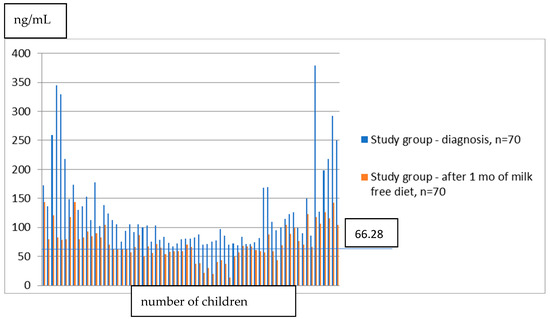
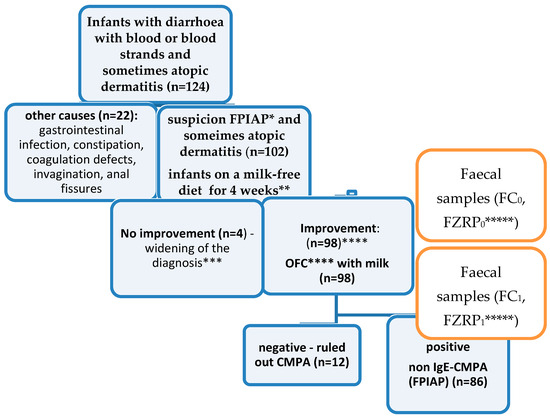
Objective: The aim of our study was to investigate whether a 1-month-long milk-free diet results in a reduction in faecal calprotectin (FC) and faecal-zonulin-related proteins (FZRP) in children with milk-protein-induced allergic proctocolitis (MPIAP). Materials and methods: This is a single-centre, prospective, observational cohort [...] Read more.
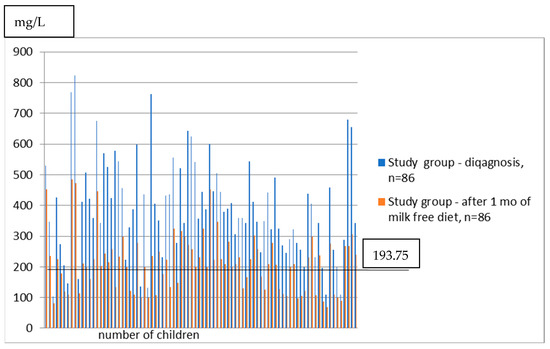
Objective: The aim of our study was to investigate whether a 1-month-long milk-free diet results in a reduction in faecal calprotectin (FC) and faecal-zonulin-related proteins (FZRP) in children with milk-protein-induced allergic proctocolitis (MPIAP). Materials and methods: This is a single-centre, prospective, observational cohort study involving 86 infants with MPIAP, aged 1–3 months, and 30 healthy controls of the same age. The FC and FZRP were marked using the ELISA method (IDK® Calprotectin or Zonulin ELISA Kit, Immunodiagnostik AG, Bensheim, Germany). The diagnosis of MPIAP was confirmed with an open milk challenge test. Results: FFC and FZRP proved useful in evaluating MPIAP treatment with a milk-free diet, and the resolution of allergic symptoms and a significant (p = 0.0000) decrease in the concentrations of both biomarkers were observed after 4 weeks on the diet. The FC and FZRP concentrations were still higher than in the control group. A high variability of FC concentrations was found in all the study groups. An important limitation is the phenomenon of FZRP not being produced in all individuals, affecting one in five infants. Conclusions: FC and FZRP can be used to monitor the resolution of colitis in infants with MPIAP treated with a milk-free diet, indicating a slower resolution of allergic inflammation than of allergic symptoms. The diagnosis of MPIAP on the basis of FC concentrations is subject to considerable error, due to the high individual variability of this indicator. FZRP is a better parameter, but this needs further research, as these are the first determinations in infants with MPIAP. Full article
(This article belongs to the Special Issue Nutritional Support for Pediatric Gastroenterology Patients)
Show Figures

Figure 1
11 pages, 3904 KB  
Article
The Association between Fluoride and Bone Mineral Density in US Children and Adolescents: A Pilot Study
by Haichen Kong, Zihao He, Hui Li, Dan Xing and Jianhao Lin
Nutrients 2024, 16(17), 2948; https://doi.org/10.3390/nu16172948 - 2 Sep 2024
Cited by 5 | Viewed by 4705
Abstract
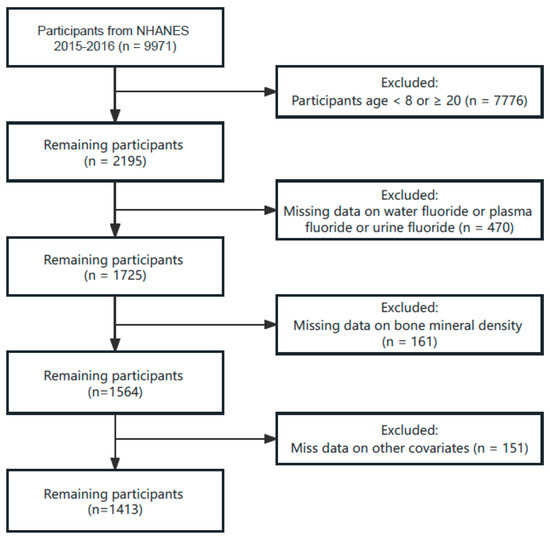
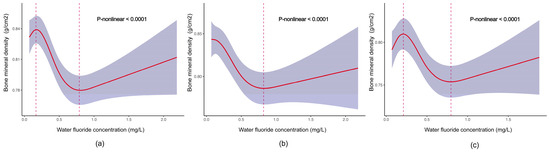
The aim of this study was to examine the association between fluoride exposure and bone mineral density (BMD) in children and adolescents. We used data from the National Health and Nutrition Examination Survey (NHANES) 2015–2016. The fluoride concentrations in the water samples, plasma [...] Read more.
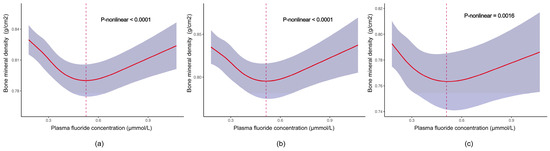
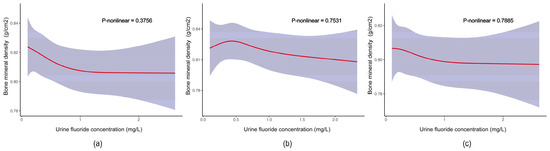
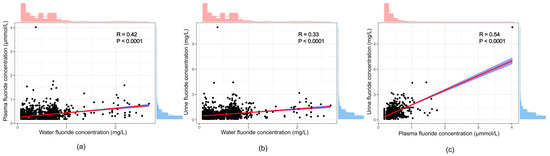
The aim of this study was to examine the association between fluoride exposure and bone mineral density (BMD) in children and adolescents. We used data from the National Health and Nutrition Examination Survey (NHANES) 2015–2016. The fluoride concentrations in the water samples, plasma samples, and urine samples were measured electrometrically using an ion-specific electrode. Total body less head BMD (TBLH BMD) was measured using dual-energy X-ray absorptiometry (DXA). Weighted generalized linear regression models and restricted cubic splines (RCS) regression models were used to analyze the relationships between the three types of fluoride exposure and TBLH BMD. We performed subgroup analyses stratified by sex. A total of 1413 US children and adolescents were included in our study. In our linear regression models, we found inverse associations between fluoride concentrations in water and plasma and TBLH BMD. Additionally, we discovered a non-linear association between fluoride concentrations in water and plasma and TBLH BMD. No significant association or non-linear relationship was found between urine fluoride levels and TBLH BMD. This nationally representative sample study provides valuable insight into the intricate connection between fluoride exposure and skeletal health in children and adolescents. Full article
(This article belongs to the Section Pediatric Nutrition)
Show Figures

Figure 1
17 pages, 1191 KB  
Review
Impact of Peptide Transport and Memory Function in the Brain
by Lihong Cheng, Caiyue Shi, Xixi Li and Toshiro Matsui
Nutrients 2024, 16(17), 2947; https://doi.org/10.3390/nu16172947 - 2 Sep 2024
Cited by 6 | Viewed by 10442
Abstract
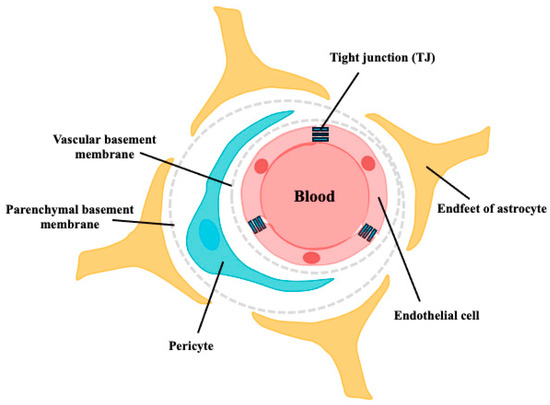
Recent studies have reported the benefits of food-derived peptides for memory dysfunction. Beyond the physiological effects of peptides, their bioavailability to the brain still remains unclear since the blood-brain barrier (BBB) strictly controls the transportation of compounds to the brain. Here, updated transportation [...] Read more.
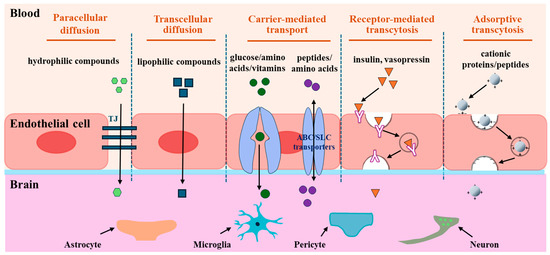
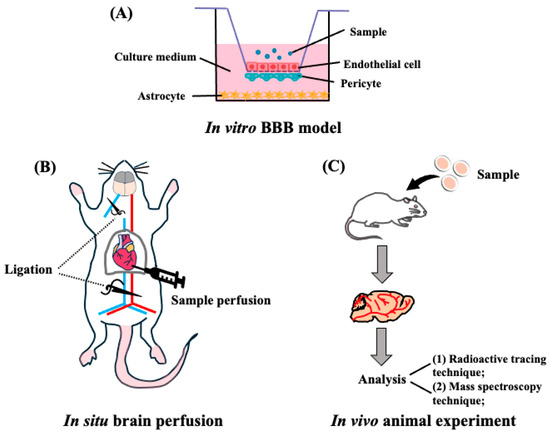
Recent studies have reported the benefits of food-derived peptides for memory dysfunction. Beyond the physiological effects of peptides, their bioavailability to the brain still remains unclear since the blood-brain barrier (BBB) strictly controls the transportation of compounds to the brain. Here, updated transportation studies on BBB transportable peptides are introduced and evaluated using in vitro BBB models, in situ perfusion, and in vivo mouse experiments. Additionally, the mechanisms of action of brain health peptides in relation to the pathogenesis of neurodegenerative diseases, particularly Alzheimer’s disease, are discussed. This discussion follows a summary of bioactive peptides with neuroprotective effects that can improve cognitive decline through various mechanisms, including anti-inflammatory, antioxidative, anti-amyloid β aggregation, and neurotransmitter regulation. Full article
Show Figures

Figure 1
21 pages, 2003 KB  
Article
Promotion of a Mediterranean Diet Alters Constipation Symptoms and Fecal Calprotectin in People with Parkinson’s Disease: A Randomized Controlled Trial
by Carley Rusch, Matthew Beke, Carmelo Nieves, Jr., Volker Mai, Tamara Stiep, Tracy Tholanikunnel, Adolfo Ramirez-Zamora, Christopher W. Hess and Bobbi Langkamp-Henken
Nutrients 2024, 16(17), 2946; https://doi.org/10.3390/nu16172946 - 2 Sep 2024
Cited by 16 | Viewed by 5976
Abstract
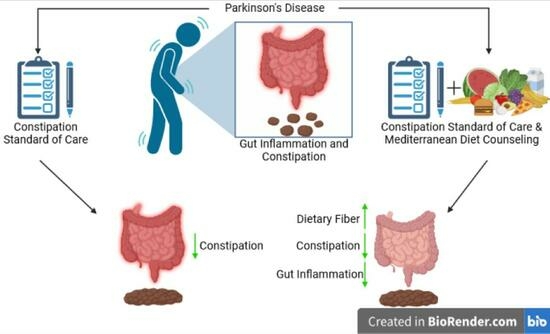
Parkinson’s disease is associated with gastrointestinal (GI) dysfunction, including constipation symptoms and abnormal intestinal permeability and inflammation. A Mediterranean diet (MediDiet) may aid in disease management. This parallel, randomized, controlled trial in people with Parkinson’s (PwP) and constipation symptoms compared a MediDiet [...] Read more.
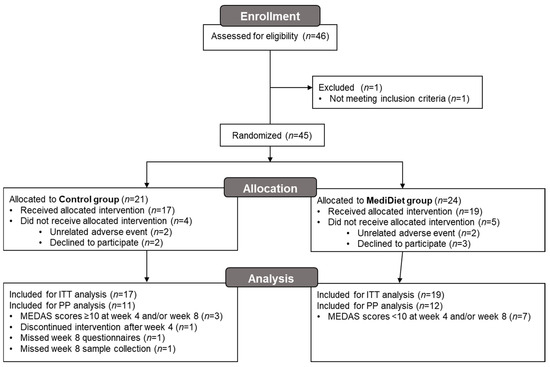
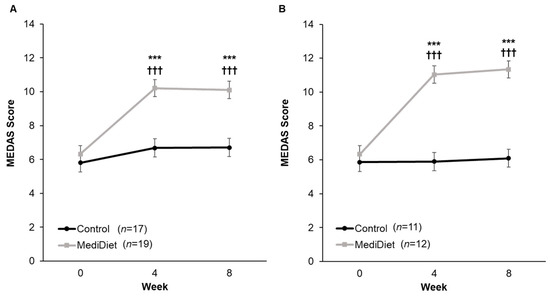
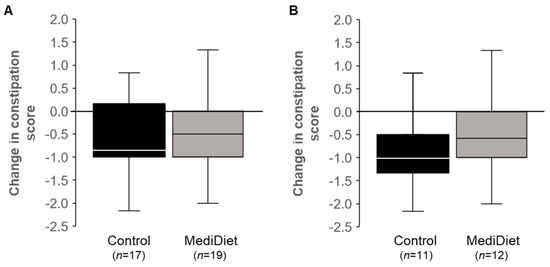
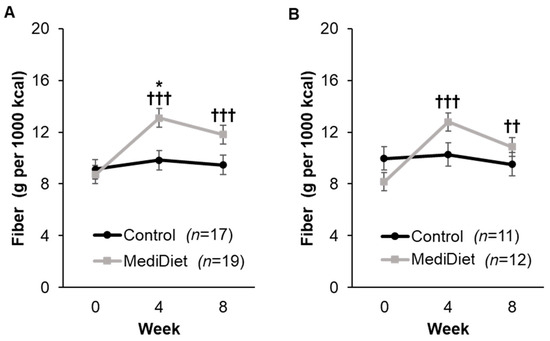
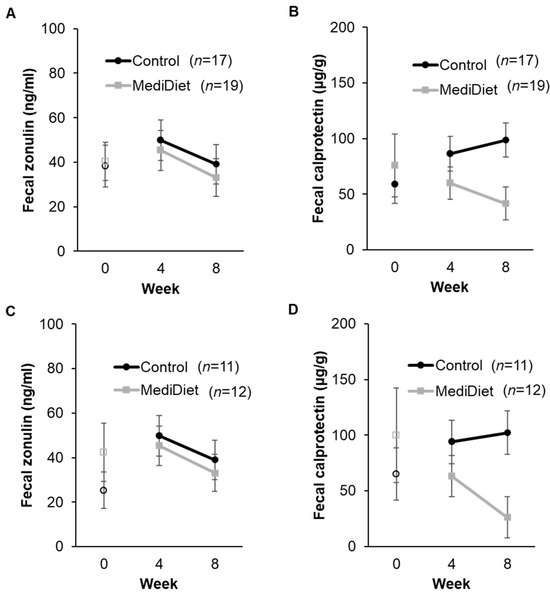
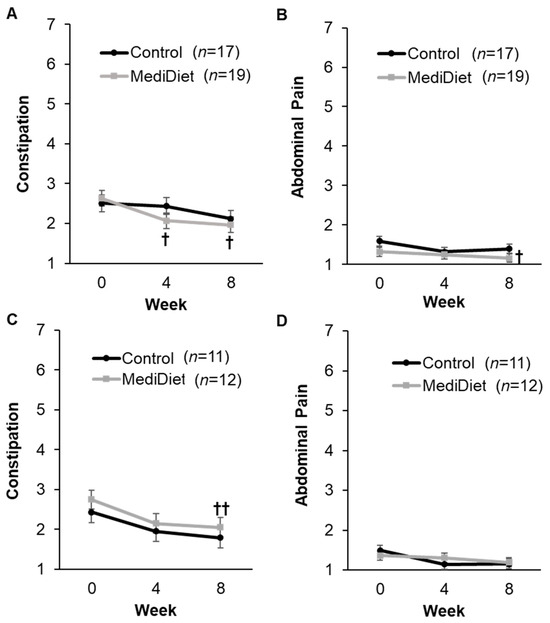
Parkinson’s disease is associated with gastrointestinal (GI) dysfunction, including constipation symptoms and abnormal intestinal permeability and inflammation. A Mediterranean diet (MediDiet) may aid in disease management. This parallel, randomized, controlled trial in people with Parkinson’s (PwP) and constipation symptoms compared a MediDiet against standard of care on change in constipation symptoms, dietary intake, and fecal zonulin and calprotectin concentrations as markers of intestinal permeability and inflammation, respectively. Participants were randomized to either standard of care for constipation (control; n = 17, 65.1 ± 2.2 years) or a MediDiet plus standard of care (n = 19, 68.8 ± 1.4 years) for 8 weeks. Constipation scores decreased with both interventions (p < 0.01), but changes from baseline were not different between groups (MediDiet, −0.5 [−1.0, 0]; control, −0.8 [−1.0, 0.2]; median [25th, 75th]; p = 0.60). The MediDiet group had a higher intake of dietary fiber at week 4 than the control group (13.1 ± 0.7 g/1000 kcal vs. 9.8 ± 0.7 g/1000 kcal; p < 0.001). No differences in fecal zonulin were observed between groups (p = 0.33); however, fecal calprotectin tended to be lower in the MediDiet group at week 8 (45.8 ± 15.1 µg/g vs. 93.9 ± 26.8 µg/g; p = 0.05). The MediDiet and standard interventions reduced constipation symptoms; however, the MediDiet provided additional benefit of increased dietary fiber intake and less intestinal inflammation. Full article
(This article belongs to the Section Clinical Nutrition)
Show Figures

Graphical abstract

18 pages, 2933 KB  
Article
Lactiplantibacillus plantarum P470 Isolated from Fermented Chinese Chives Has the Potential to Improve In Vitro the Intestinal Microbiota and Biological Activity in Feces of Coronary Heart Disease (CHD) Patients
by Lingshuang Yang, Yuwei Wu, Juan Yang, Ying Li, Xinyu Zhao, Tingting Liang, Longyan Li, Tong Jiang, Tiantian Zhang, Jumei Zhang, Haojie Zhong, Xinqiang Xie and Qingping Wu
Nutrients 2024, 16(17), 2945; https://doi.org/10.3390/nu16172945 - 2 Sep 2024
Cited by 10 | Viewed by 3196
Abstract
Traditional fermented foods are known to offer cardiovascular health benefits. However, the potential of fermented Chinese chives (FCC) in reducing coronary heart disease (CHD) remains unclear. This study employed anaerobic fermentation to investigate Lactiplantibacillus plantarum (L. plantarum) P470 from FCC. The [...] Read more.
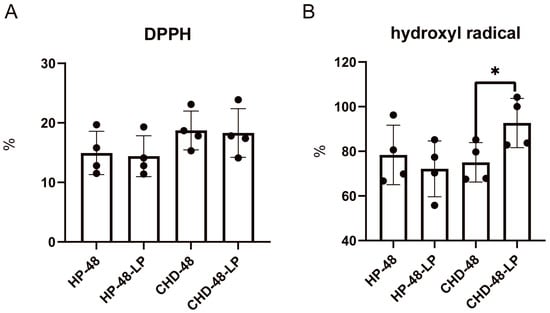
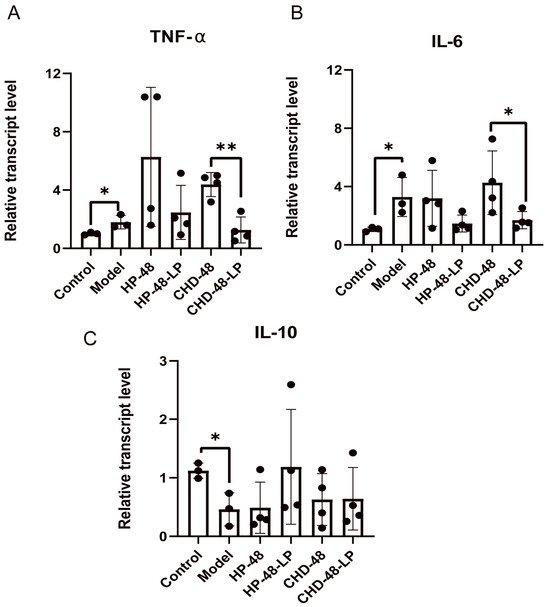
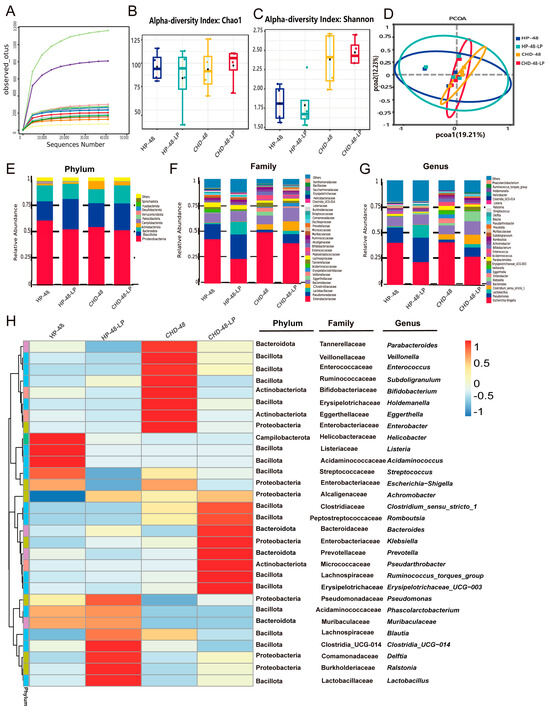
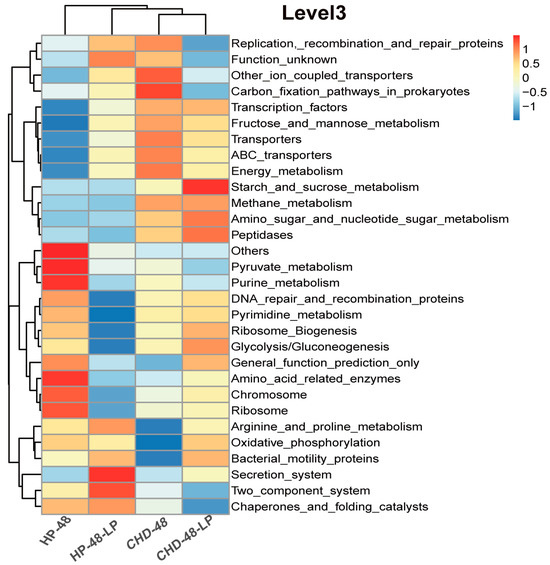
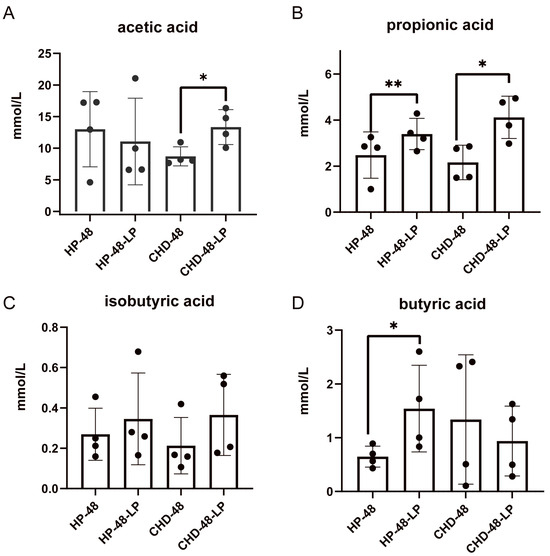
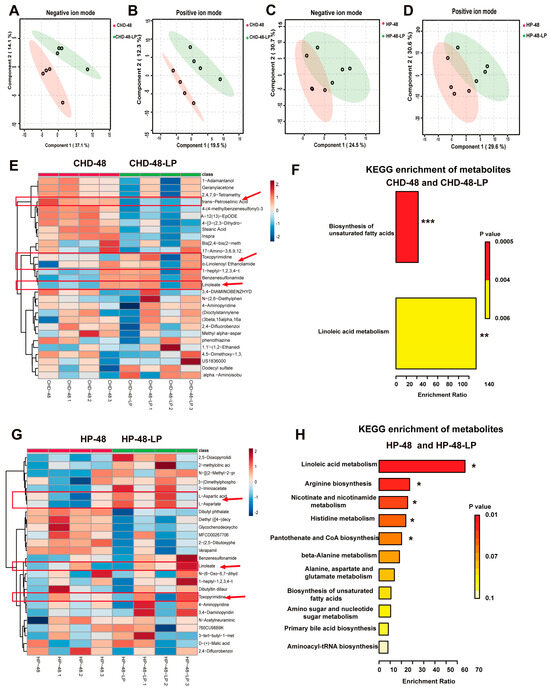
Traditional fermented foods are known to offer cardiovascular health benefits. However, the potential of fermented Chinese chives (FCC) in reducing coronary heart disease (CHD) remains unclear. This study employed anaerobic fermentation to investigate Lactiplantibacillus plantarum (L. plantarum) P470 from FCC. The results indicated that L. plantarum P470 enhanced hydroxyl radical scavenging and exhibited anti-inflammatory effects on RAW264.7 macrophages in the fecal fermentation supernatant of CHD patients. These effects were attributed to the modulation of gut microbiota and metabolites, including short-chain fatty acids (SCFAs). Specifically, L. plantarum P470 increased the abundance of Bacteroides and Lactobacillus while decreasing Escherichia-Shigella, Enterobacter, Veillonella, Eggerthella, and Helicobacter in CHD patient fecal samples. Furthermore, L. plantarum P470 regulated the biosynthesis of unsaturated fatty acids and linoleic acid metabolism. These findings suggest that L. plantarum P470 from FCC can improve the fecal physiological status in patients with CHD by modulating intestinal microbiota, promoting SCFA production, and regulating lipid metabolism. Full article
(This article belongs to the Section Prebiotics, Probiotics and Postbiotics)
Show Figures

Figure 1
20 pages, 2734 KB  
Article
Polyphenol-Rich Extract of Apocynum venetum L. Leaves Protects Human Retinal Pigment Epithelial Cells against High Glucose-Induced Damage through Polyol Pathway and Autophagy
by Jun Peng, Rahima Abdulla, Xiaoyan Liu, Fei He, Xuelei Xin and Haji Akber Aisa
Nutrients 2024, 16(17), 2944; https://doi.org/10.3390/nu16172944 - 2 Sep 2024
Cited by 1 | Viewed by 3584
Abstract
Diabetic retinopathy (DR) is a specific microvascular problem of diabetes, which is mainly caused by hyperglycemia and may lead to rapid vision loss. Dietary polyphenols have been reported to decrease the risk of DR. Apocynum venetum L. leaves are rich in polyphenolic compounds [...] Read more.
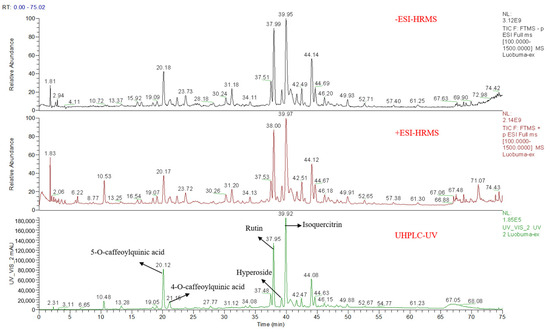
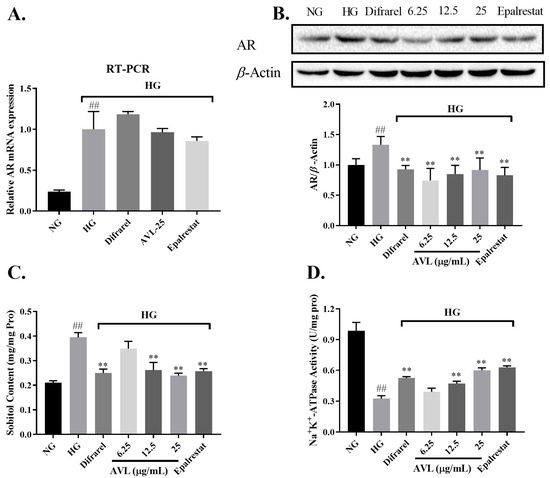
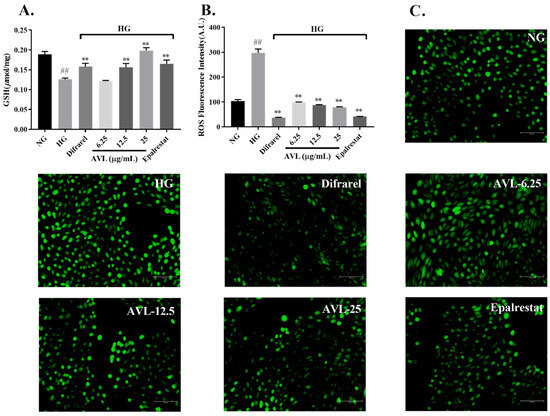
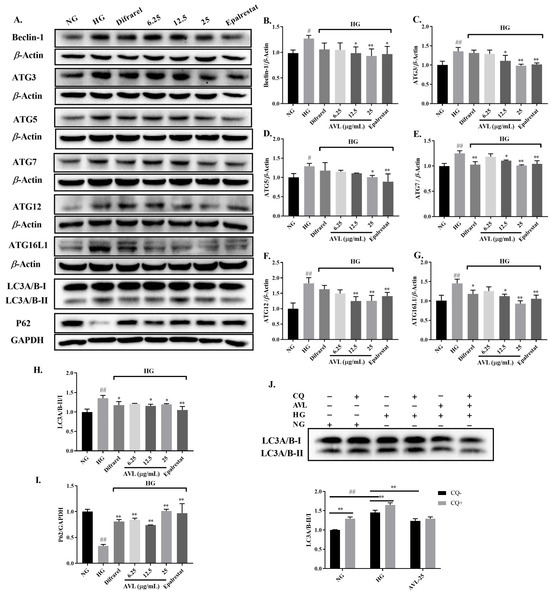
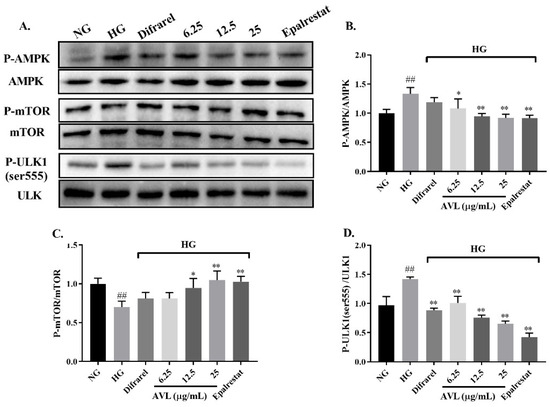
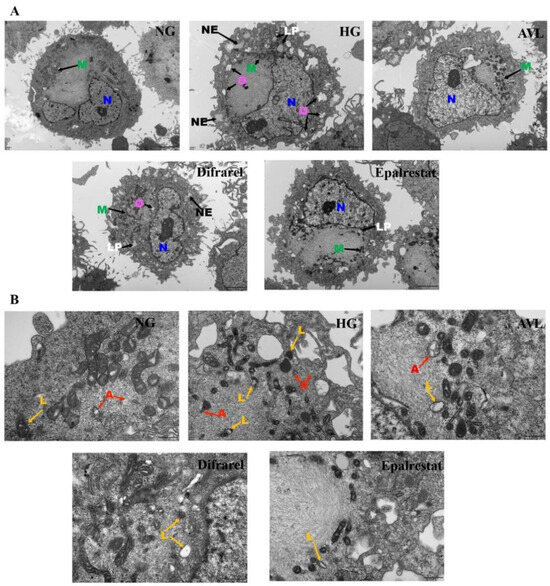
Diabetic retinopathy (DR) is a specific microvascular problem of diabetes, which is mainly caused by hyperglycemia and may lead to rapid vision loss. Dietary polyphenols have been reported to decrease the risk of DR. Apocynum venetum L. leaves are rich in polyphenolic compounds and are popular worldwide for their health benefits as a national tea drink. Building on previous findings of antioxidant activity and aldose reductase inhibition of A. venetum, this study investigated the chemical composition of polyphenol-rich extract of A. venetum leaves (AVL) and its protective mechanism on ARPE-19 cells in hyperglycemia. Ninety-three compounds were identified from AVL by LC-MS/MS, including sixty-eight flavonoids, twenty-one organic acids, and four coumarins. AVL regulated the polyol pathway by decreasing the expression of aldose reductase and the content of sorbitol, enhancing the Na+K+-ATPase activity, and weakening intracellular oxidative stress effectively; it also could regulate the expression of autophagy-related proteins via the AMPK/mTOR/ULK1 signaling pathway to maintain intracellular homeostasis. AVL could restore the polyol pathway, inhibit oxidative stress, and maintain intracellular autophagy to protect cellular morphology and improve DR. The study reveals the phytochemical composition and protective mechanisms of AVL against DR, which could be developed as a functional food and/or candidate pharmaceutical, aiming for retina protection in diabetic retinopathy. Full article
Show Figures

Figure 1
19 pages, 2341 KB  
Article
Metabolic Characteristics of Gut Microbiota and Insomnia: Evidence from a Mendelian Randomization Analysis
by Fuquan Xie, Zhijun Feng and Beibei Xu
Nutrients 2024, 16(17), 2943; https://doi.org/10.3390/nu16172943 - 2 Sep 2024
Cited by 7 | Viewed by 5670
Abstract
Insomnia is a common sleep disorder that significantly impacts individuals’ sleep quality and daily life. Recent studies have suggested that gut microbiota may influence sleep through various metabolic pathways. This study aims to explore the causal relationships between the abundance of gut microbiota [...] Read more.
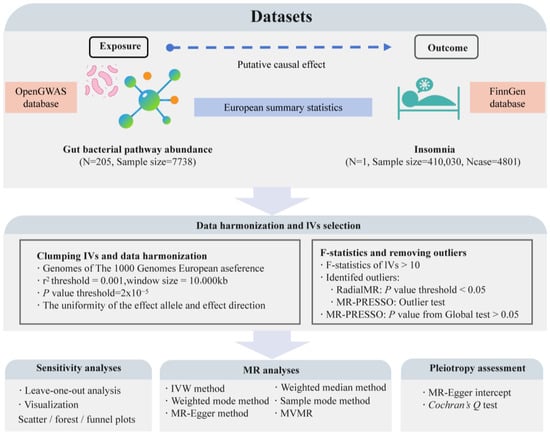
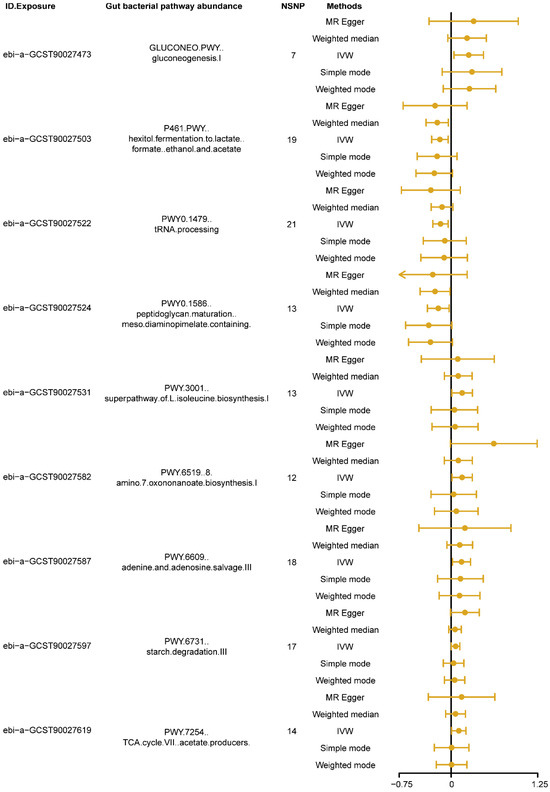
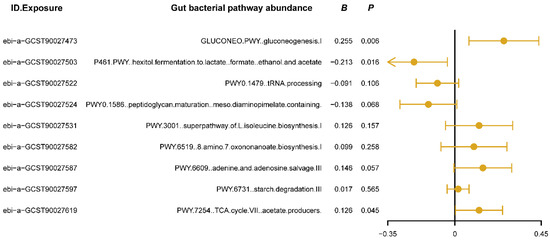
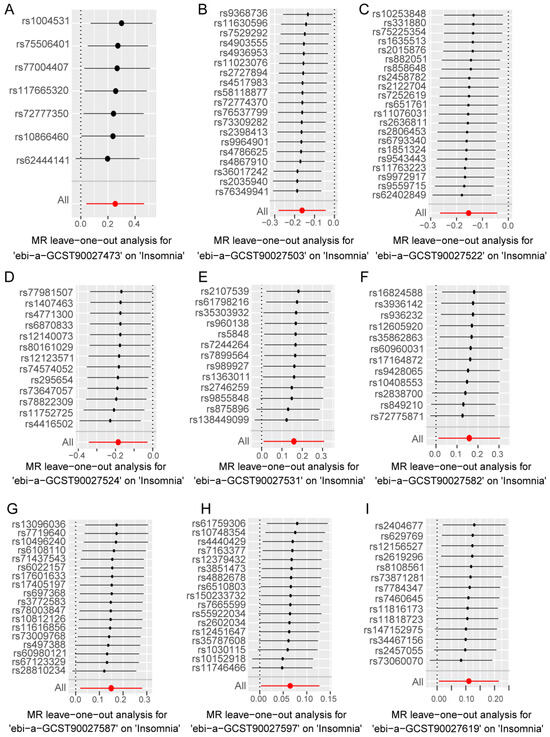
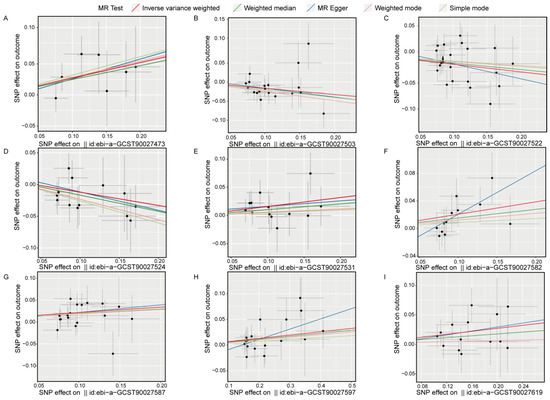
Insomnia is a common sleep disorder that significantly impacts individuals’ sleep quality and daily life. Recent studies have suggested that gut microbiota may influence sleep through various metabolic pathways. This study aims to explore the causal relationships between the abundance of gut microbiota metabolic pathways and insomnia using Mendelian randomization (MR) analysis. This two-sample MR study used genetic data from the OpenGWAS database (205 gut bacterial pathway abundance) and the FinnGen database (insomnia-related data). We identified single nucleotide polymorphisms (SNPs) associated with gut bacterial pathway abundance as instrumental variables (IVs) and ensured their validity through stringent selection criteria and quality control measures. The primary analysis employed the inverse variance-weighted (IVW) method, supplemented by other MR methods, to estimate causal effects. The MR analysis revealed significant positive causal effects of specific carbohydrate, amino acid, and nucleotide metabolism pathways on insomnia. Key pathways, such as gluconeogenesis pathway (GLUCONEO.PWY) and TCA cycle VII acetate producers (PWY.7254), showed positive associations with insomnia (B > 0, p < 0.05). Conversely, pathways like hexitol fermentation to lactate, formate, ethanol and acetate pathway (P461.PWY) exhibited negative causal effects (B < 0, p < 0.05). Multivariable MR analysis confirmed the independent causal effects of these pathways (p < 0.05). Sensitivity analyses indicated no significant pleiotropy or heterogeneity, ensuring the robustness of the results. This study identifies specific gut microbiota metabolic pathways that play critical roles in the development of insomnia. These findings provide new insights into the biological mechanisms underlying insomnia and suggest potential targets for therapeutic interventions. Future research should further validate these causal relationships and explore how modulating gut microbiota or its metabolic products can effectively improve insomnia symptoms, leading to more personalized and precise treatment strategies. Full article
(This article belongs to the Section Prebiotics, Probiotics and Postbiotics)
Show Figures

Figure 1
23 pages, 6596 KB  
Article
The Combination of Exercise and Konjac Glucomannan More Effectively Prevents Antibiotics-Induced Dysbiosis in Mice Compared with Singular Intervention
by Minghan Wang, Yonglin Chen, Ang-Xin Song, Xiquan Weng, Yan Meng, Jieru Lin and Yu-Heng Mao
Nutrients 2024, 16(17), 2942; https://doi.org/10.3390/nu16172942 - 2 Sep 2024
Cited by 3 | Viewed by 2423
Abstract
Our previous studies have demonstrated that konjac glucomannan (KGM) can prevent dysbiosis induced by antibiotics. While exercise may also impact the gut microbiome, there are limited studies reporting its protective effect on antibiotic-induced dysbiosis. Therefore, this study investigated the preventive and regulatory effects [...] Read more.
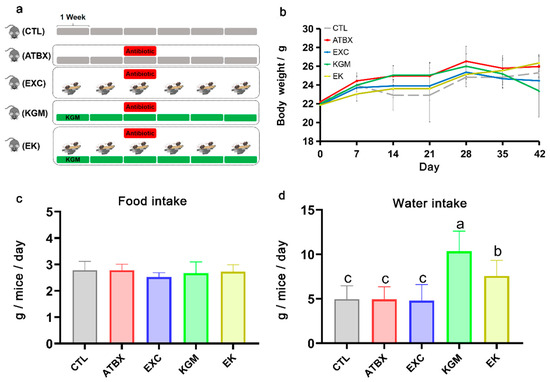
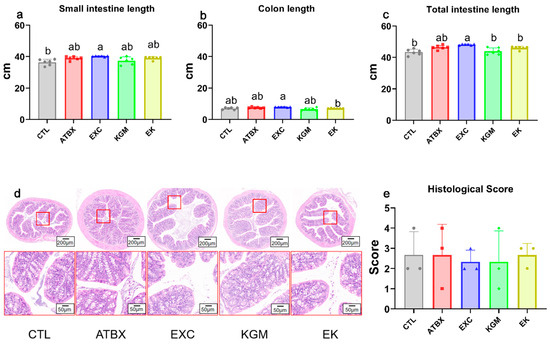
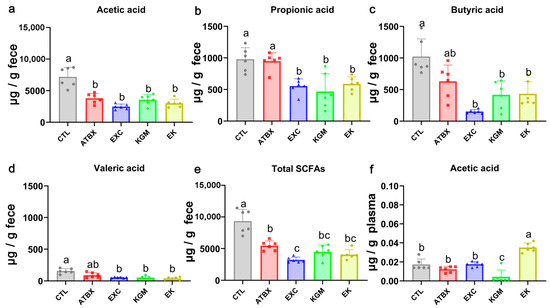
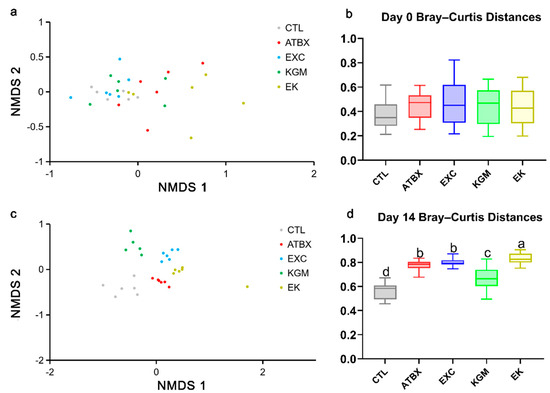
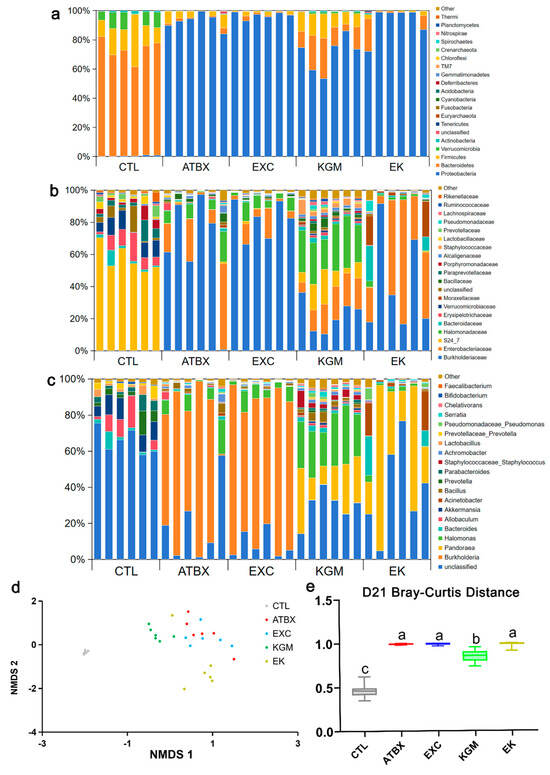
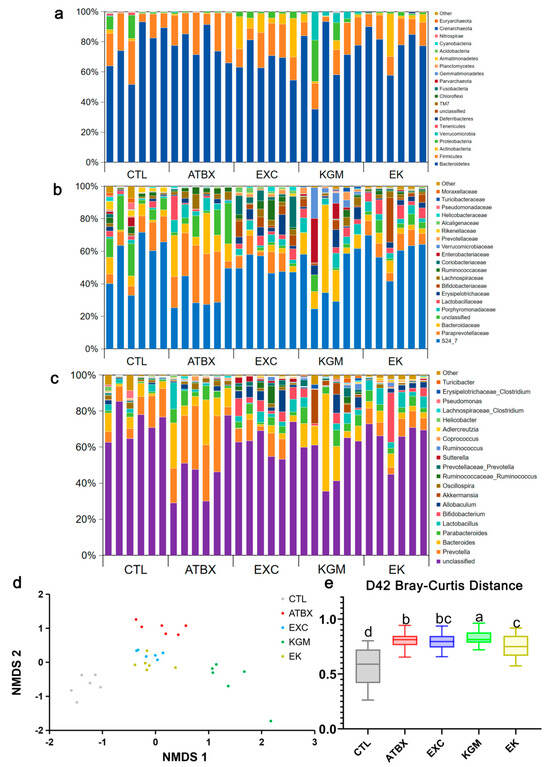
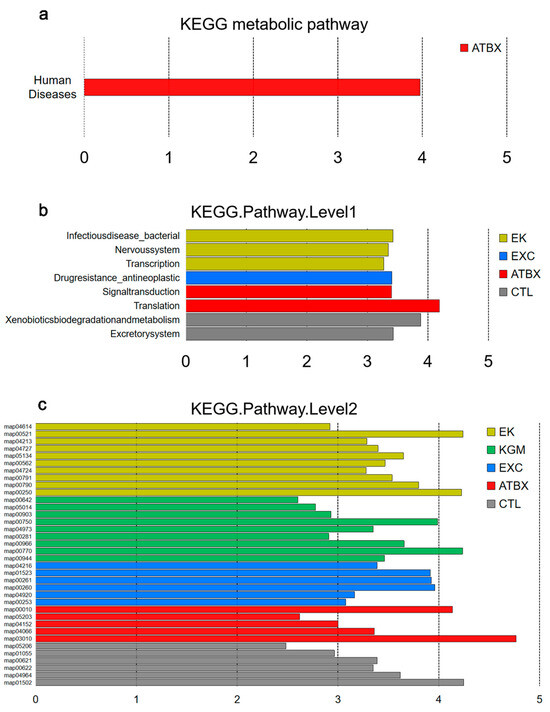
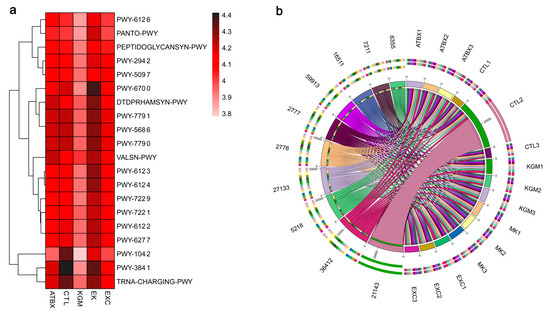
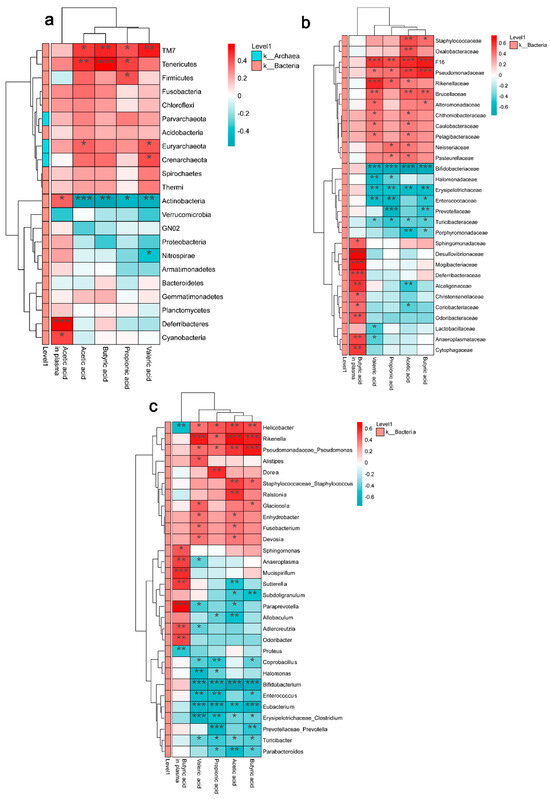
Our previous studies have demonstrated that konjac glucomannan (KGM) can prevent dysbiosis induced by antibiotics. While exercise may also impact the gut microbiome, there are limited studies reporting its protective effect on antibiotic-induced dysbiosis. Therefore, this study investigated the preventive and regulatory effects of a combination of 6-week exercise and KGM intervention on antibiotic-induced dysbiosis in C57BL/6J mice compared with a single intervention. The results showed that combined exercise and KGM intervention could restore the changes in the relative abundance of Bacteroides (3.73% with CTL versus 14.23% with ATBX versus 4.46% with EK) and Prevotellaceae_Prevotella (0.33% with CTL versus 0.00% with ATBX versus 0.30% with EK) induced by antibiotics (p < 0.05), and minimized the Bray–Curtis distance induced by antibiotics (0.55 with CTL versus 0.81 with ATBX versus 0.80 with EXC versus 0.83 with KGM versus 0.75 with EK). Compared with the combined intervention, exercise intervention also produced a certain level of recovery effects; the relative abundance of Rikenellaceae (1.96% with CTL versus 0.09% with ATBX versus 0.49% with EXC) was restored, while KGM supplementation showed the best preventive effect. In addition, the combination of exercise and KGM significantly enriched microbial purine metabolic pathways (p < 0.05). These findings indicate that combining exercise with KGM could be a promising approach to reducing the side effects of antibiotics on the gut microbiome. Full article
(This article belongs to the Special Issue Dietary Habit, Gut Microbiome and Human Health)
Show Figures

Figure 1
14 pages, 2345 KB  
Review
Chios Mastic Gum: A Promising Phytotherapeutic for Cardiometabolic Health
by Sarah A. Blomquist and Maria Luz Fernandez
Nutrients 2024, 16(17), 2941; https://doi.org/10.3390/nu16172941 - 2 Sep 2024
Cited by 4 | Viewed by 11408
Abstract
Chios mastic gum (CMG) is a resin obtained from the Pistacia lentiscus var. Chia tree that grows in the Mediterranean. For millennia, it has been renowned for its medicinal properties, but recently, CMG has gained attention due to its pronounced anti-inflammatory and antioxidative [...] Read more.
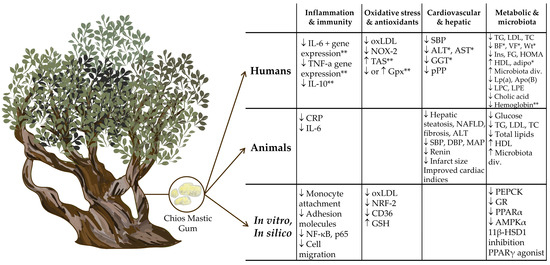
Chios mastic gum (CMG) is a resin obtained from the Pistacia lentiscus var. Chia tree that grows in the Mediterranean. For millennia, it has been renowned for its medicinal properties, but recently, CMG has gained attention due to its pronounced anti-inflammatory and antioxidative properties and its use in oral health, inflammatory bowel disease, cancer, and risk factors related to cardiovascular and metabolic diseases. This narrative review seeks to briefly overview its bioactive constituents and examine and describe its potential as a cardiometabolic disease (CMD) phytotherapeutic. The results of clinical trials and in vivo, in vitro, and in silico studies provide accumulating evidence of the mechanisms underlying CMG’s impacts on lipid and glucose metabolism, cardiovascular and hepatic health, inflammation, oxidative stress, body composition, and microbiota. Despite the relatively limited studies with mixed results, they have provided the foundation to understand the strengths, weaknesses, and opportunities moving forward that may help to establish CMG and its bioactives as viable therapeutics for CMD. Full article
(This article belongs to the Special Issue Dietary Approaches and Prevention of Chronic Diseases)
Show Figures

Figure 1
34 pages, 2351 KB  
Review
Vaccinium spp. Berries in the Prevention and Treatment of Non-Alcoholic Fatty Liver Disease: A Comprehensive Update of Preclinical and Clinical Research
by Ewelina Książek, Zuzanna Goluch and Marta Bochniak
Nutrients 2024, 16(17), 2940; https://doi.org/10.3390/nu16172940 - 2 Sep 2024
Cited by 8 | Viewed by 5834
Abstract
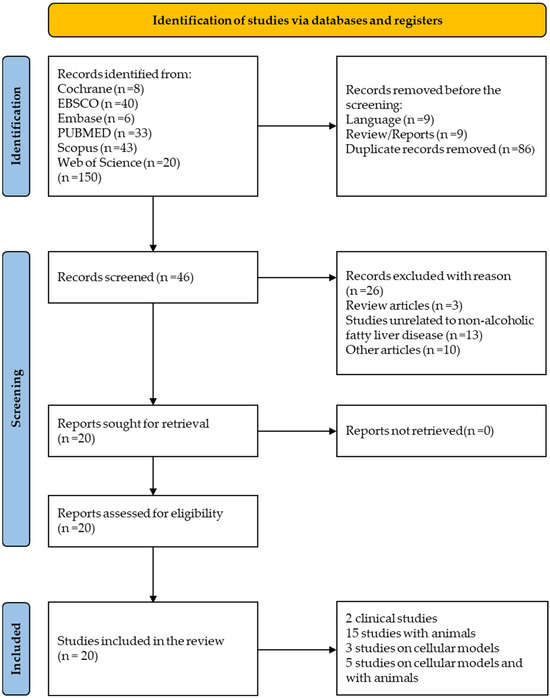
Non-alcoholic fatty liver disease (NAFLD) is a common chronic liver disorder marked by the buildup of triacylglycerols (TGs) in the liver. It includes a range of conditions, from simple steatosis to more severe forms like non-alcoholic steatohepatitis (NASH), which can advance to fibrosis, [...] Read more.
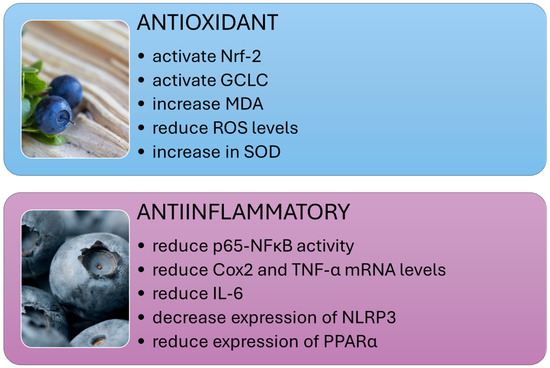
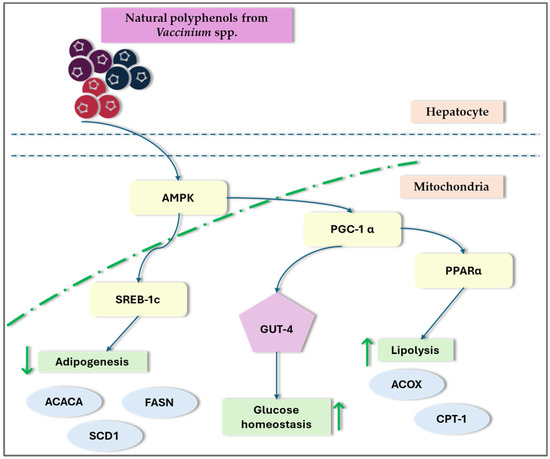
Non-alcoholic fatty liver disease (NAFLD) is a common chronic liver disorder marked by the buildup of triacylglycerols (TGs) in the liver. It includes a range of conditions, from simple steatosis to more severe forms like non-alcoholic steatohepatitis (NASH), which can advance to fibrosis, cirrhosis, and hepatocellular carcinoma. NAFLD’s prevalence is rising globally, estimated between 10% and 50%. The disease is linked to comorbidities such as obesity, type 2 diabetes, insulin resistance, and cardiovascular diseases and currently lacks effective treatment options. Therefore, researchers are focusing on evaluating the impact of adjunctive herbal therapies in individuals with NAFLD. One herbal therapy showing positive results in animal models and clinical studies is fruits from the Vaccinium spp. genus. This review presents an overview of the association between consuming fruits, juices, and extracts from Vaccinium spp. and NAFLD. The search used the following keywords: ((Vaccinium OR blueberry OR bilberry OR cranberry) AND (“non-alcoholic fatty liver disease” OR “non-alcoholic steatohepatitis”)). Exclusion criteria included reviews, research notes, book chapters, case studies, and grants. The review included 20 studies: 2 clinical trials and 18 studies on animals and cell lines. The findings indicate that juices and extracts from Vaccinium fruits and leaves have significant potential in addressing NAFLD by improving lipid and glucose metabolism and boosting antioxidant and anti-inflammatory responses. In conclusion, blueberries appear to have the potential to alleviate NAFLD, but more clinical trials are needed to confirm these benefits. Full article
(This article belongs to the Special Issue Nutrition in the Liver Damage)
Show Figures

Figure 1