Systematic Review

The Microbiota–Gut–Brain Axis in Metabolic Syndrome and Sleep Disorders: A Systematic Review

by
Adriano dos Santos
1,* and
Serena Galiè
2
1
Integrative Medicine Nutrition Department, ADS Vitality B.V., 2517 AS The Hague, The Netherlands
2
Department of Experimental Oncology, European Institute of Oncology IRCCS, 20139 Milano, Italy
*
Author to whom correspondence should be addressed.
Nutrients 2024, 16(3), 390; https://doi.org/10.3390/nu16030390
Submission received: 5 December 2023 / Revised: 18 January 2024 / Accepted: 22 January 2024 / Published: 29 January 2024
(This article belongs to the Special Issue Nutritional Intervention in Mental Health)

Abstract

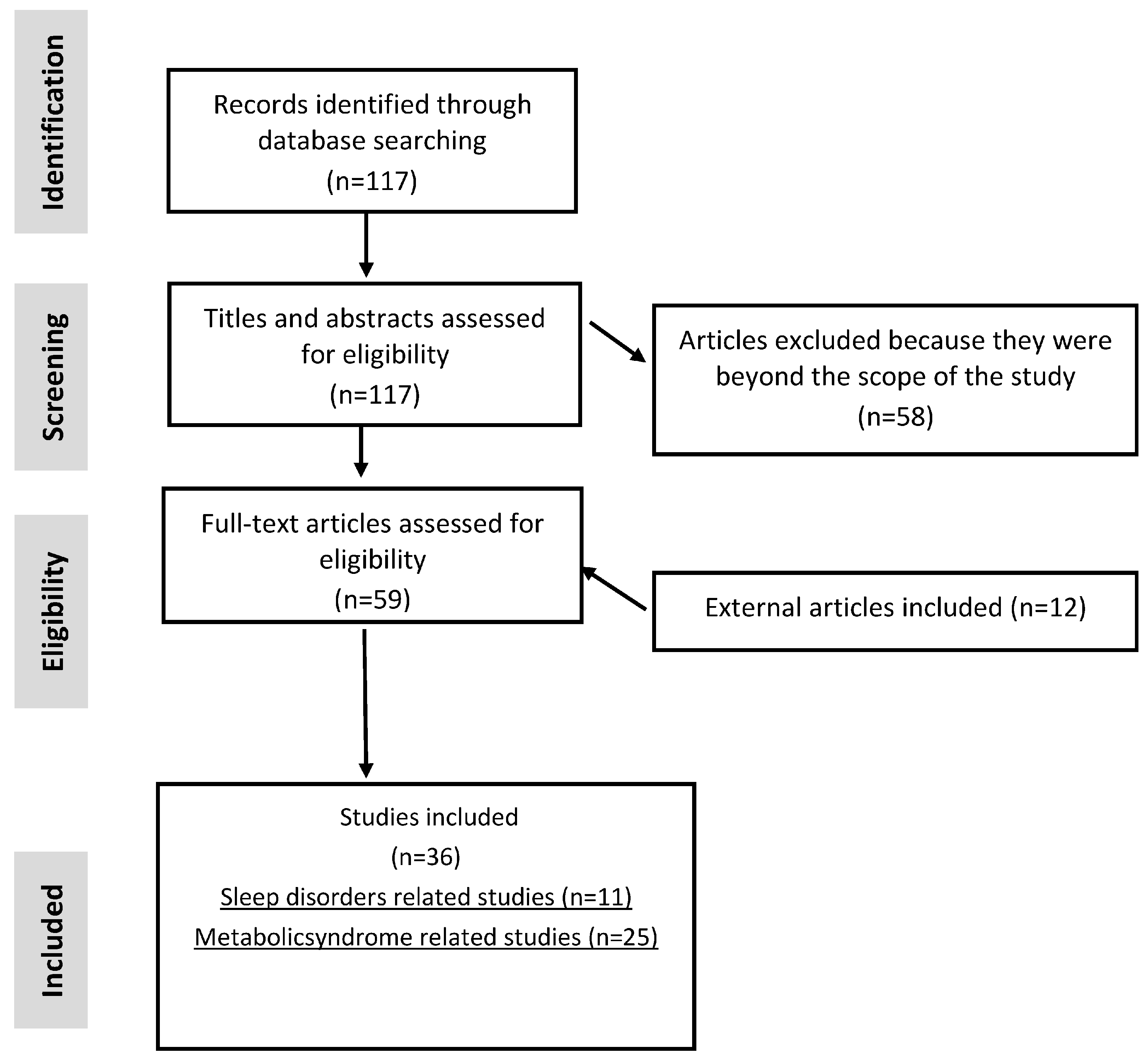
Background: Over recent decades, a growing body of evidence has emerged linking the composition of the gut microbiota to sleep regulation. Interestingly, the prevalence of sleep disorders is commonly related to cardiometabolic comorbidities such as diabetes, impaired lipid metabolism, and metabolic syndrome (MetS). In this complex scenario, the role of the gut–brain axis as the main communicating pathway between gut microbiota and sleep regulation pathways in the brain reveals some common host–microbial biomarkers in both sleep disturbances and MetS. As the biological mechanisms behind this complex interacting network of neuroendocrine, immune, and metabolic pathways are not fully understood yet, the present systematic review aims to describe common microbial features between these two unrelated chronic conditions. Results: This systematic review highlights a total of 36 articles associating the gut microbial signature with MetS or sleep disorders. Specific emphasis is given to studies evaluating the effect of dietary patterns, dietary supplementation, and probiotics on MetS or sleep disturbances. Conclusions: Dietary choices promote microbial composition and metabolites, causing both the amelioration and impairment of MetS and sleep homeostasis.
Keywords: dysbiosis; gut microbiome; microbiome metabolites; metabolic syndrome; sleep quality; sleep efficiency dysbiosis; gut microbiome; microbiome metabolites; metabolic syndrome; sleep quality; sleep efficiency
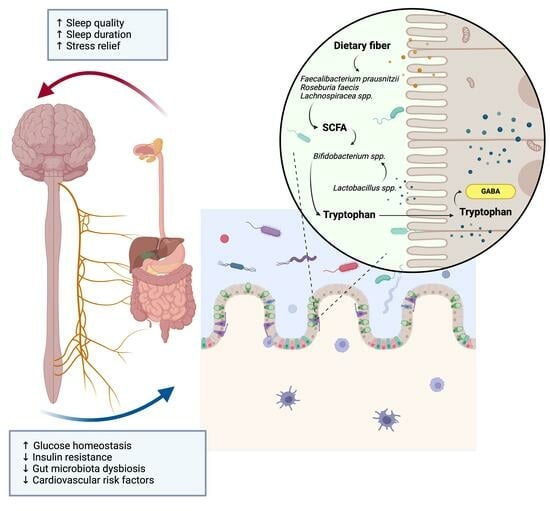
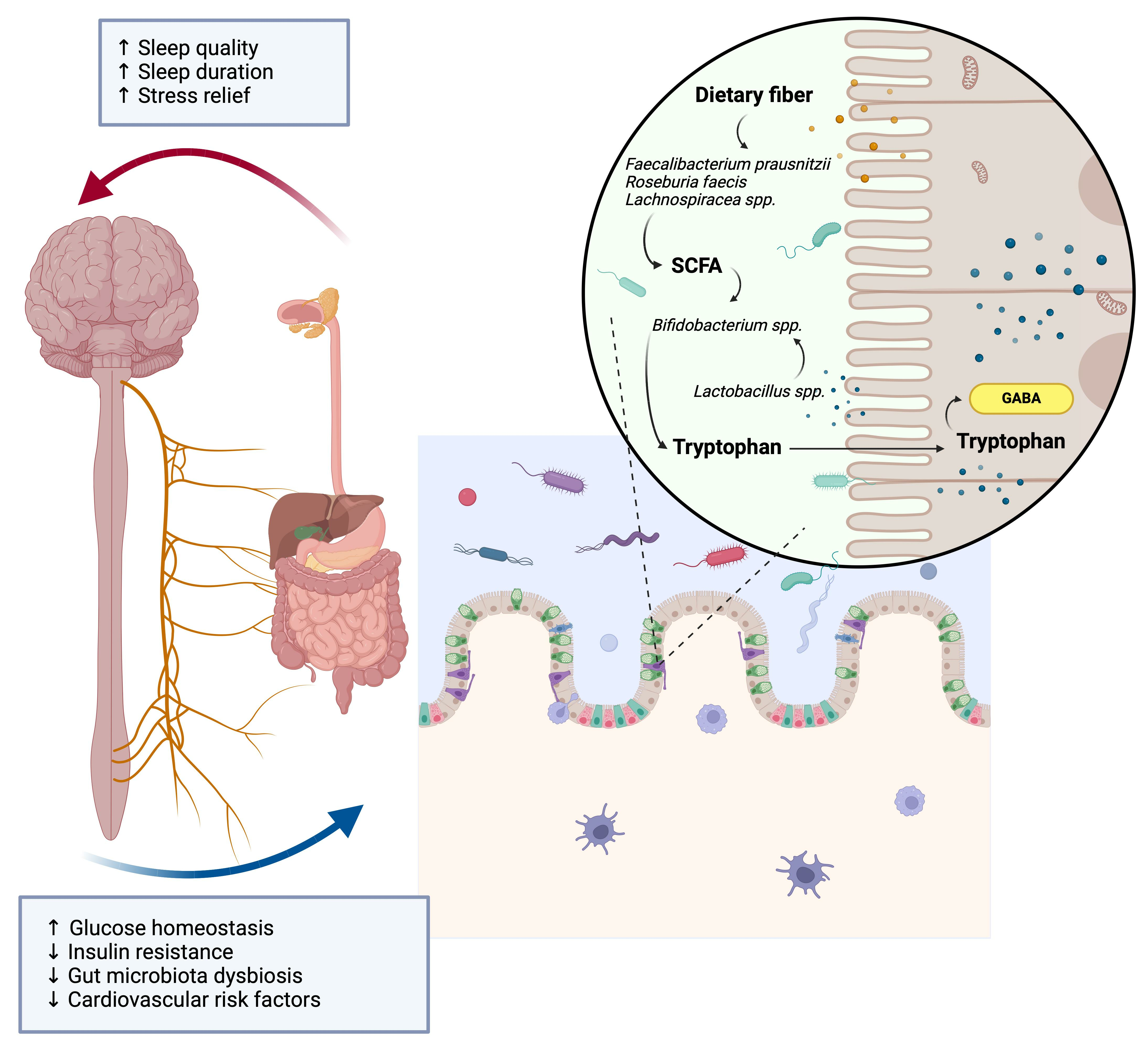
Graphical Abstract