


Abstract
Vernacular architecture embodies a lasting connection between communities, climates, and topographic landscapes, providing basic shelter needs for centuries. Adopting Montesinho Natural Park as a case study, this paper explores the essence of vernacular architecture, highlighting its adaptation and dynamic relationships with local climates, geographical features, and scarce resources. This paper firstly provides a quantitative characterisation of residential vernacular building typologies in several villages of the park based on field-collected data, using photography and videography for data reliability. The building typologies were then categorised according to their prominent architectural features, prioritising the access to the upper floor and door’s relative location and their integration within the landscape’s topography. The collected data were analysed by averaging each typology percentage across the villages and calculating dependency probabilities between each typology and the villages, aiming to identify the most frequent typologies and their dependency relationships with villages. This paper’s outcome entails the Protruding Staircase typology as the most common typology in the selected villages. Despite modern interventions, traditional features endure, emphasising practicality and resource efficiency. Among them, several bioclimatic strategies were identified and analysed qualitatively based on their potential contribution to energy efficiency and savings, highlighting their relationships with the local context and the typologies presented. The findings are important in supporting decision-making related to vernacular heritage in Northeastern Portugal. The bioclimatic construction strategies identified may be used as preliminary references to incorporate into rehabilitation projects and sustainable architecture practices, enhancing inhabitants’ thermal comfort and living conditions.
1. Introduction
Vernacular architecture, shaped by continuous refinement of strategies adapting to local climatic environments, geographical conditions, and scarce natural resources, also considers economic, social, historical, and cultural boundaries [1,2]. The vernacular environment shows special examples of a long-lasting connection between local people, their farmland, and the landscape, and this connection has been actively formed over time [3]. Such vernacular buildings can still be found standing after being built hundreds of years ago, providing the fundamental shelter that humanity requires. In fulfilling social and functional needs, adopting vernacular bioclimatic passive strategies minimises energy consumption in new and rehabilitated buildings, providing an avenue to reduce reliance on non-renewable energy sources and address climate change [4]. Recognised as a significant cultural heritage in tangible and intangible forms, vernacular architecture represents historical settlement aspects, adaptation to specific areas, social and productive organisation, and the evolution of customs and traditions [5].
In rural areas, constrained by limited resources, builders design houses with practicality in mind to provide shelter against the local climate [6]. Vernacular architecture contributes to building sustainability by utilising local materials and construction techniques adapted to local climates and conditions. It is characterised by simplicity, reduced dependence on non-renewable energy, and low technological requirements [7,8].
Incorporating different local cultures can help us find new ways to solve environmental issues and create a better balance with nature. This approach might be more effective than traditional architecture because it makes the most of limited resources [6]. The study by Coch (1998) [6] has also concisely depicted the importance of designers’ broader perspective in reconnecting the lost relationship with nature by learning and being inspired by vernacular architectures of impending obsolescence.
This paper outlines Montesinho Natural Park (MNP) in Portugal as the case study to understand the most common architectural typologies, followed by qualitative and introductory observations of potential bioclimatic strategies at the building level in the region’s vernacular architecture. Through this process, this study seeks to uncover preliminary insights into the dynamic relationships between the external environment and vernacular buildings.
This type of study has already been carried out in other regions of the world. For instance, different studies conducted surveys across several locations in Greece on building typologies, layouts, envelopes, spacing, air movement, openings, open-space variations, materials, and construction techniques [9,10]. Utilising the Mahoney Tables methodology, local climatic data were employed to generate preliminary bioclimatic strategies, which were then compared with observed strategies in the surveyed areas. In Italy, Ruggiero et al. (2019) [11] focused on the characteristics and functions of buildings, using numerical and distributional assessments of rural constructions supported by Military Geographic Institute (IGM) cartography. This included analysing the functional and geographical typology of layout distributions concerning different areas, highlighting the close relationship between regions, landscapes, and construction typologies.
With regard to a vernacular building typological study in MNP, Azevedo (2012) [12] compiled data from 15 buildings in the village of Guadramil in MNP, characterising them based on functionality, number of storeys, unit base and layout, side constructions, staircase locations, compartmentalization, site and land topography, and types of openings. Additionally, studies conducted within the Meseta Ibérica cross-border biosphere reserve, including the villages of Rio de Onor (MNP) and Riomanzanas in Spain (bordering the southeast of Guadramil village in MNP), also demonstrated the prevalence of two-storey buildings with ground floors used for cattle and agricultural products, balconies, and stone-masonry walls [13,14].
Meanwhile, nearby MNP in the northwest of Portugal, Pereira (2016) [15] conducted field surveys and performed quantitative analysis on 33 buildings in the municipalities of Mondim de Basto and Ribeira de Pena (westernmost region of Alto Trás-os-montes). The study revealed that over 80% of the surveyed buildings were two-storey structures. A total of 53.9% featured animal shelters on the ground floor within the two-storey schist stone buildings. Additionally, balconies and porches, oriented predominantly toward the south, were present in more than 30% of the buildings surveyed, serving as integral parts of the small parallelepiped schist-stone structures. More than 60% of the buildings had a footprint of less than 100 m2. The study also highlighted the ubiquity of thick external stone walls, ranging from 0.6 m to 0.9 m in width, which indicates the importance of high thermal inertia bioclimatic solutions. Roofs were typically sloped, with ceramic tiles standard on granite buildings, while schist buildings featured slates and other materials. A comparative analysis was also conducted with 82 buildings from the existing literature.
Through the BIOURB project, studies were conducted to identify the most representative bioclimatic solutions in vernacular architecture within the cross-border region between Northern Portugal and Spain (Castilla y León) [16,17]. These studies also discussed maintenance methods and principles for future rehabilitation and construction work related to bioclimatic strategies. A notable difference in bioclimatic solutions compared to the MNP is the adoption of sunspaces in these areas. Common solutions observed include inertia walls, gable roofs, green walls, transition-oriented spaces, geothermal climatisation, green roofs, evaporative cooling, active pickup covers, and sunspaces. The initiative also discussed guidelines for adapting bioclimatic solutions to urban standards [18].
The typological studies of vernacular architecture in the literature have inadequately represented MNP, as these studies were either not exclusively focused on MNP or were limited to a single village with a confined number of buildings. In addition, the varied modern interventions among rural villages have added a specific dose of complexities in generalising the typologies within MNP. This paper addresses this gap by proposing a novel adaptive methodology for characterising common typologies among selected villages in MNP based on a quantitative analysis of field-collected numerical data.
MNP was selected as the case study to identify bioclimatic solutions because of its representative and unique vernacular heritage. It is well adapted to the territory but is also at risk due to the current depopulation phenomena. MNP is a representative example of how ethnographic resources are closely interwoven with the vernacular houses and surrounding areas while leveraging natural resources [19]. This shows that vernacular heritage is one of the essential symbols of tangible cultural heritage. In rural areas of MNP, natural landscapes can be found with diverse geology, land shapes, and living things, which are important for creating the surroundings of traditional buildings. These surroundings are assessed, along with how they interact with the environment as a whole [19], rather than separately studying people and their surroundings, as criticised by Koh (1982) [20]. Hence, the combination of distinctive vernacular heritage, varied natural landscapes, and local climates within MNP offers a potential real-life “laboratory” for comprehending the dynamic connections between the bioclimatic solutions of vernacular buildings and their environment.
2. Montesinho Natural Park (MNP) as Case Study
The MNP is located in the Trás-os-Montes region, in the extreme northeast of Portugal (bordering the regions of Galicia and Castilla y León, in Spain). It is also known as the Cold Land, “Terra Fria” in Portuguese. The Trás-os-Montes building is associated with the earliest chronological types, characterised by their rudimentary and least evolved features [21].
According to the Köppen–Geiger climate classification, this region is categorised as Csb (temperate with dry or temperate summer) [22,23], meaning that the summer is warm and dry, and there are four or more months with an average temperature more than 10 °C [23,24]. The climate of Terra Fria Transmontana (Cold Land of Trás-os-Montes) is characterised by abundant rain, snow, and glacial during winter. However, the stifling heat and dryness usually result in rivers and springs being dried up in the summer [2]. It is also typical to have high precipitation during winters, especially in the northern part of Portugal [25]. Figure 1 shows that the lowest temperature is concentrated in the northeast region of Mainland Portugal, which has moderately high rainfall during winter. The maps are prepared from observed climatological normals of 30 years’ average (1971–2000).
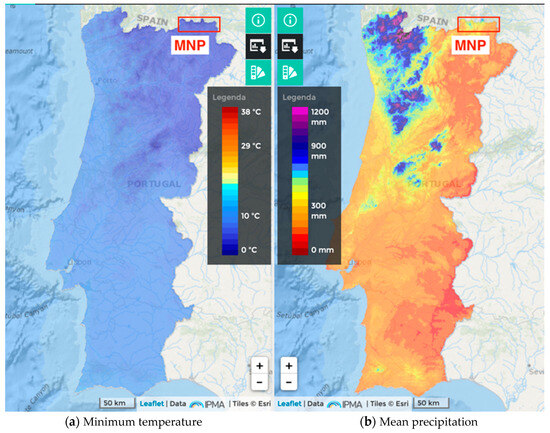
Figure 1.
Winter temperature and precipitation (1971–2000) Mainland Portugal (source: IPMA).
This work aims to draw inspiration from the traditional bioclimatic strategies and typologies of vernacular architecture in MNP, which may date back hundreds of years or more, in order to design more sustainable buildings. The primary focus is on how the locals historically adapted to their environment through the features of the buildings they constructed at that time rather than on recent modern interventions. Consequently, climatological normal data from the Bragança meteorological station, covering the period from 1971 to 2000 and provided by the Portuguese Institute of the Sea and Atmosphere (IPMA), are generally referenced. This 30-year period, as recommended by the World Meteorological Organization (WMO), is considered sufficiently long to be representative of the prevailing conditions in Bragança, providing a basis for climate characterisation through the analysis of mean values of various climatic elements. Table 1 illustrates some of these data.

Table 1.
Climatological normals of Bragança (1971–2000). Source: IPMA [26].
The highest Average Maximum Daily Temperature is found in July and August (28.5 °C), while the lowest Average Minimum Daily Temperature is in January (0.3 °C). The bottommost of the Lowest Daily Minimum Temperature ever recorded within the 30-year period is −11.4° C and −11.6° C (in January and February, respectively), while the uppermost of the Highest Daily Maximum Temperature is 38.8° C (in July), according to Table 1.
Table 1 shows that January exhibits the most significant frequency of days with snow, fog, and frost. The elevated average relative air humidity of 91% during December and January is likely to contribute to the prevalence of fog and frost. An analysis of the insolation data reveals that December records the highest average number of days with 0% insolation, approximately nine days, followed closely by January, with seven days. Additionally, the average total precipitation and days with RR (rainfall) ≥ 10 mm peak in December and January. These findings provide valuable insights into the climatic conditions during these months and may contribute to our understanding of the adoption of the specific bioclimatic strategies in MNP shown in Section 4.
3. Vernacular Typologies of Selected Villages
Vernacular architecture has undergone inevitable transformations due to changes in the socioeconomic conditions, the availability of new materials, and the depopulation trends that highly impact rural villages. The conventional concept of “common” vernacular buildings appears to have evolved and been influenced by various factors, leading to a diminished rural representation of vernacular architecture identity, as noted by Goncalves et al. (2019) [27]. As highlighted by Camilo et al. (2024) [28] regarding the converging process of diminishing architectural authenticity in MNP, interventions in building construction lower abandonment rates but at the expense of undermining the authenticity of vernacular buildings. The modern interventions included in this study affect some of the original typologies (see Table 2), namely Modified Protruding Staircase (MPS), Modified Balcony with Staircase (MBS), Modified Protruding Balcony (MPB), and Modified Protruding Side Staircase (MPSS), as well as other alterations that are discussed later in detail in Section 3.3. Moreover, modifications, often involving the addition of building volumes, were not uncommon. This encompassed newly constructed buildings using modern materials.
Table 2.
Vernacular architecture typologies and main features.
While identifying specific programs is beyond this study’s scope, the findings may inform future guides and programs for rehabilitating vernacular architecture in villages to indirectly contribute to reversing the abandonment of local practices, preserving vernacular heritage values, and enhancing inhabitants´ thermal comfort and living conditions.
To achieve an improved living standard, inhabitants have modified numerous rural buildings and, in some cases, constructed new buildings using non-local and non-traditional materials. These alterations and new constructions are ubiquitous and typically not adapted to the local climate and conditions.
A survey encompassing photography and videography was conducted as part of a vernacular typological study covering eight villages situated within Montesinho Natural Park (MNP): Guadramil, Aveleda, Rio de Onor, Cova da Lua, Moimenta, Pinheiro Velho, Montouto, and Sandim. This section aims to outline the distribution of various building types that exemplify the traditional architecture of MNP, both on a global scale and specifically for each of the eight evaluated localities. The characterisation and classification were based on the information collected during fieldwork in the selected villages. While each village may possess unique identities in certain minor aspects, considering the prevalent modifications to buildings, this section strives to identify common features across the villages. The aim is to discover the most representative vernacular typologies amid the ongoing changes.
3.1. Method, Basis, and Assumptions
The focus of the study was on residential buildings featuring vernacular characteristics. This encompassed partially dilapidated structures, modified buildings, and newly constructed ones, using either modern or locally traditional materials, where prominent typological features remained visible. The typology categorisation method was developed primarily to understand influences on energy usage in subsequent work rather than focusing on architectural facades or surface designs. Furthermore, several typologies, such as the Protruding Staircase (PS) and Balcony with Staircase (BS), were described in various sources by authors such as Antunes et al. (1988) [29], Cruz and Redentor (2000) [30], and Oliveira and Galhano (2003) [2].
The study employed a four-stage methodological approach (Figure 2). Firstly, villages across MNP were selected based on their distribution, frequency of vernacular elements, and varying levels of building alteration. In the second stage, field-survey preparation involved pre-planning video routes for each village to ensure comprehensive coverage, indexing these routes for easy reference, and generating preliminary layouts from satellite images to ensure data reliability. The third stage consisted of field observations using photography and videography to gather relevant information, with unusual findings documented for future use. Finally, in the data-processing stage, as shown in Figure 2, the categories were divided into four main groups (2 Storeys, 1 Storey, Unidentified, and SGS). After the vertical analysis, the typologies were further classified based on soil topography (Slope/No-Slope) and subsequent modifications. Both Unidentified (U) and SGS categories and typology abbreviations are detailed in Table 2.
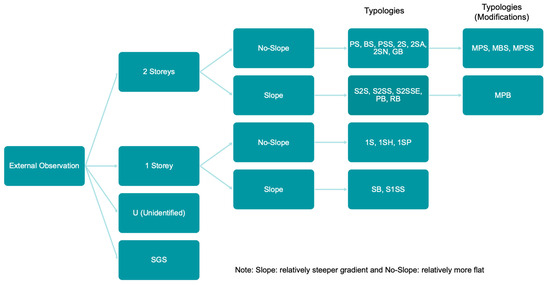
Figure 2.
Typology categorisation process.
The survey aimed to cover all buildings in the eight selected villages, although some were excluded due to accessibility issues. Courtyards and agricultural lands attached to the buildings were not considered in this preliminary characterisation stage. Additionally, roof types were excluded from the analysis due to insufficient information from many vernacular houses and the impossibility of accessing them with sufficient safety measures. Note that the survey was conducted from the ground and the exterior, potentially underrepresenting the existence of essential characteristics to identify the architectural typology, e.g., the presence of internal staircases.
One of the frequently observed architectural patterns includes structures consisting of two storeys. In such cases, a key consideration involves assessing the means of access to the upper levels, whether through a staircase or the terrain’s inclination. Another crucial aspect is the alignment of entrances on the lower and upper floors concerning the building’s wall facades or planes. For instance, in the S2S typology (see Table 2), the lower- and upper-floor entrances are positioned on wall facades opposite each other. In contrast, in the S2SS typology, entrances are on wall facades perpendicular to each other. Consequently, internal or external staircases serve as a distinguishing factor among specific typologies. The intention is not to meticulously categorise every architectural nuance but to identify distinctive features shared among the eight villages, facilitating their grouping into typologies. It is anticipated that buildings within the same typology may exhibit variations in dimensions, the number of openings and entrances, sizes, and other differences.
An illustrative diagram of the vernacular architecture typologies and a brief description of the main features are presented in Table 2. Note that the evolution of vernacular buildings over time is particularly evident in larger building dimensions, the use of modern materials, and variations in architectural constructions. Common modifications include expanding building space to accommodate changing lifestyles and maximising land-plot potential, such as adding another floor (see Figure 10c). The analysis does not aim to conduct a temporal analysis but instead focuses on presenting typologies with common architectural features. Table 2 also shows that the typological classification of vernacular architecture in MNP is particularly affected by the adaptation of the building to the topography. This involves considering accessibility to the habitable areas, which, in various cases, is located on the upper floors of buildings, using diverse methods based on the terrain profile.
A final category was defined as “Unidentified (U)”, comprising those buildings from which we could not extract sufficient information for their classification (i.e., obstructions and inaccessibility, insufficient video graphic/photographic pieces of evidence, etc.). Within this category, the following buildings were also included: (a) those combining several architectural typologies and that could not be individualized; (b) new buildings with individual stylised design renovation, which is not common, and a few vernacular buildings with local traditional materials but uncommon typology; (c) ruined buildings with some elements (i.e., staircase, balcony, etc.), but incomplete; and (d) three-storey buildings.
Nevertheless, a significant challenge in classifying typologies arises from the presence of mixed typologies that may obscure the boundaries outlined in our initial definitions and grouping. Instances were noted where multiple buildings were grouped under a single household, and traditional structures combining two typologies were also identified. Table 3 provides additional insights into instances of mixed typologies and outlines the criteria utilised to classify these structures.
Table 3.
Instances of mixed typologies and the criteria applied in the analysis of typologies.
In certain instances, such as in Montesinho village, as noted by Cruz and Redentor (2000) [30], buildings capitalise on the natural terrain contours for seamless integration. Access to the upper floor can be established either directly from the rear, with the entrance protected by a small or covered porch, or from the front using stairs integrated into or attached to the building facade. These stairs may lead to a balcony, shielded by the front cover or a simple awning, or may not have such a feature. This instance facilitates part of the narrative for the selection criteria and is explained in Table 3.
3.2. Results
3.2.1. Absolute Distribution of Architectural Typologies in MNP
The respective percentages of typologies observed in each village are compiled in Figure 3, while any typology with a value below 5% will be grouped under the category “Others”. Additionally, typologies not recorded in any selected villages are excluded from the chart.
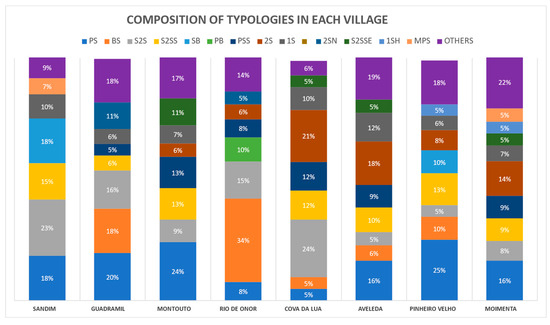
Figure 3.
Distribution of typologies in each village.
Each village is considered to have distinctive characteristics influenced by geographical, lithological, and micro-climate differences, etc. To avoid bias toward prevalent typologies in villages with more buildings, a simple calculation method was implemented to identify the most common typologies across the eight selected villages. The analysis excludes SGS and U categories from the methodology. By averaging each typology percentage across the villages, as shown in Table 4, the mean values are obtained, representing the overall frequencies of the respective vernacular typology. It can be observed from Table 4 that Rio de Onor and Guadramil villages have the two highest percentages of typology Balcony with Staircase (BS) with 34% and 18%, respectively.
Table 4.
Relative frequency of vernacular typologies in each village (%).
Figure 4 shows the ten highest relative frequencies of vernacular typologies among the selected villages. From the total of 764 buildings accounted for in the calculation, the typology Protruding Staircase (PS) scores as the most frequent typology (16.51%), followed by typology Slope 2 Storeys (S2S) (13.24%) and typology Balcony with Staircase (BS) (10.23%). Therefore, Protruding Staircase (PS) and Slope 2 Storeys (S2S) typologies are the two most common architectural typologies calculated among the eight villages selected.
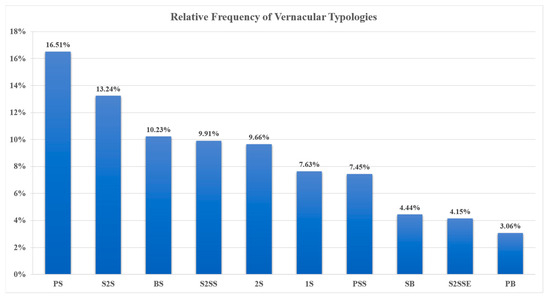
Figure 4.
Distribution of architectural typologies.
3.2.2. Relative Frequency and Probability for a Normal Distribution Approach
In order to further understand the distribution of various typologies in each assessed locality (village) that is consistent relative to the overall total, this section aims to uncover whether there exists a dependency relationship between each typology and its corresponding localities (villages), or if they adhere to a similar distribution pattern. If a dependency relationship is identified, subsequent studies should aim to elucidate the reasons behind this association. The analysis initially adhered to procedures related to contingency tables that are applicable to any scientific field, outlined in the books of Martίn Andrés and Luna del Castillo (1993) [31] and Sachs (1978) [32]. Mathematical calculations were executed using the programs MATLAB [33] and Statgraphics Centurion [34].
Referring to Table 5, the Y variable represents the village of the building, a qualitative variable with eight categories. The typology category is denoted by variable X, which is also qualitative and features 23 categories. The joint frequency of both variables results in a two-dimensional contingency table. The bottom row indicates the total count of all building types observed in each locality (village). The penultimate column on the right displays the sum of each building type across all locations. This type of table proves suitable for a study involving non-quantitative variables, specifically when collecting qualitative characteristics, such as building types and localities.
Table 5.
Observed absolute and relative frequencies.
The far-right column of the table showcases the Relative Frequencies (%) of each typology (X variable) across the eight chosen villages (Y variable). Employing this approach allows for the measurement of the most prevalent typologies across selected villages in Montesinho Natural Park (MNP) without considering each village’s individual composition and characteristics separately. In general, the descending order of typologies is as follows: PS > S2S > BS > 2S > S2SS > PSS > 1S > S2SSE > SB > PB > 2SN > MPS > 1SH > RB > MBS > GB > S1SS > 2SA > MPSS > 1SP > MPB. (Note: SGS and U are not considered typology).
In addition, the statistical analysis further explores whether a dependency relationship exists between two variables: each typology and its corresponding localities (villages). The initial step involves a hypothesis that assumes the independence of the relationship between these variables. The aim is to evaluate whether the observed data support this assumption.
Table 6 illustrates the relative frequencies, or joint probability, of variables X (typology) and Y (locality or village), as previously described. The value of each cell, denoted as nij, connecting each locality (village) to each typology, is computed by multiplying the total of its respective row, Xi, by the total of its column, Yj. These absolute totals must be initially converted into relative totals, expressed in parts per unit. For example, multiplication (158/1212) × (91/1212) yields the value of 0.0098 in the first cell correlating SGS with the village of Sandim.
Table 6.
Relative frequencies (probability) of typology (X variable) and locality (Y variable).
Simultaneously, to derive the expected absolute frequencies (see Table 7), the value of each cell connecting each locality to each typology, denoted as nij, is determined by multiplying the corresponding value obtained in Table 6 by the total number of recorded typologies (1212). For instance, the initial cell linking SGS to Sandim has a value of 11.8630, calculated by a multiplication of 0.0098 × 1212.
Table 7.
Expected absolute frequencies.
One widely employed method for conducting the association study of the variables is the hypothesis test based on the Chi-square distribution (χ2). This distribution results from the summation of all values, nij, calculated in each case. It involves dividing the square of the difference between the observed and expected absolute frequency by the expected absolute frequency. For instance, the nij connecting SGS and Sandim would be computed as follows: (9 − 11.8630)2/11.8630 = 0.6910. The degrees of freedom for this distribution are determined by multiplying the number of rows minus one by the number of columns minus one: (23 − 1) × (8 − 1) = 154. However, the standard procedure cannot be applied in this case due to the statistical methods and approximations relying on nij ≠ 0. In the studied scenario, Table 5 of the observed absolute frequencies frequently displays instances where nij = 0.
Given this constraint posed by the Chi-square distribution (χ2) for approximation, Fisher’s test is commonly suggested as an alternative. However, executing it using conventional software like MATLAB is not computationally possible due to the extensive number of rows and columns in the contingency table, typically designed as a 2 × 2 matrix.
As a pragmatic solution, an alternative approach is proposed, leveraging the fact that standardised frequencies tend to approximate a Normal distribution, N(0, 1). To implement this, a new table, Table 8, is constructed, displaying values, mij, obtained by dividing the difference between the observed absolute frequency and the expected absolute frequency by the square root of the expected absolute frequency. For instance, the mij connecting SGS and Sandim is calculated by the following operation: (9 − 11.8630)/(11.8630)1/2 = −0.8312.
Table 8.
Probabilities for a Normal distribution, N(0, 1).
Critical values indicating a probability of less than 5%, or 0.05 parts per unit, in the Normal distribution, N(0, 1), will signify that the initially assumed assumption—that there is no relationship between the predefined building typologies and localities (villages)—is invalid (Not True). Essentially, this suggests a form of dependence, indicating that, in a given locality, there are more observed buildings than anticipated for the same typology. The critical value, x0.05, where the probability falls below 5% is 1.644 for N(0, 1), as shown in Figure 5.
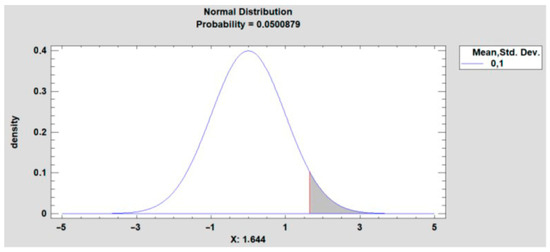
Figure 5.
Probability lower than 5% in a Normal distribution, N(0, 1).
Highlighted in Table 8 are cells with mij values > 1.644, identified through a one-sided right-tailed test. These specific combinations of building typologies and localities exhibit statistically inconsistent observed frequencies (<5%), contradicting the hypothesis of independence between the two variables (X, typology; and Y, locality or village). It is crucial to note that definitive conclusions regarding the association of these variables cannot be drawn due to the unfeasibility of conducting either of the two hypothesis tests. Despite this, it can be asserted that there exists a dependency between the variables X and Y (typology and locality), emphasising the need for caution in interpretation.
This statistical approach allows for assessing dependency relationships between typology and villages. Out of a total of 184 relationships, 22 (11.96%) have values that give probabilities lower than 5% that the initial hypothesis (independence) is true. Therefore, there are certain dependencies that could be potentially significant, and the reasons should be investigated in subsequent phases of this research project. In Figure 6, notable among various dependency probabilities are four distinct relationships listed in descending order of magnitude: BS–Rio de Onor (9.20), SB–Sandim (6.30), PB–Rio de Onor (4.97), and 2SN–Guadramil (4.72).
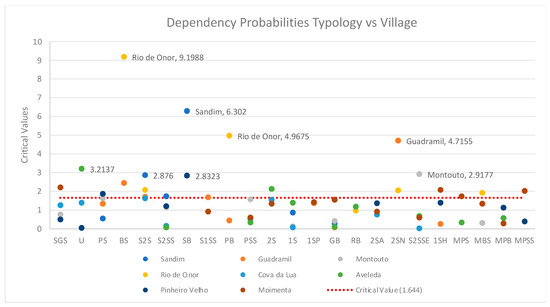
Figure 6.
Dependency chart between typology and village.
Since typology 2SN (2 Storeys Narrow) is speculated to be modified from BS (Balcony with Staircase), as illustrated in Table 2, it is deduced that both Rio de Onor and Guadramil villages have a high dependency probability with balcony features. Both villages are geographically close to each other, increasing the likelihood that their shared distinctive feature is influenced by nearby regions, given their proximity to Spain.
Some mountainous areas in Galicia, as well as North Ourense, near the Northern Vinhais municipality within MNP, exhibit vernacular architecture characterised by balconies, as noted by Llano (1996) [35]. Similar balcony features are also evident in the Sanabria region of Zamora province, Spain [36], including the village of Lubían in the Lubían municipality, situated north of MNP. Additionally, Riomanzanas village, located in Guadramil village in MNP, in the Aliste region of Zamora province, Spain, also displays similar features in some cases, as documented by Pinto et al. (2024) [14] and Pinto et al. (2022) [13], as part of the Landscape of Meseta Ibérica cross-border biosphere reserve.
It is crucial to note that definitive conclusions regarding the association of these variables cannot be drawn due to the unfeasibility of conducting either of the two hypothesis tests, based on Chi-square distribution (χ2) and Fisher’s test. Despite this, it can be asserted that there exists a dependency between the variables: Typology and Locality, emphasising the need for caution in interpretation.
3.3. Discussion of the Results
The three most common architectural typologies identified are Protruding Staircase (PS), Slope 2 Storeys (S2S), and Balcony with Staircase (BS). These typologies indicate that two-storey buildings and external staircases are prevalent in MNP, aligning with the existing literature [2,29].
The results suggest an expected dependency between typology and village. For example, within the cooperative community of Rio de Onor, a sharing tradition exists, including community ovens, grazing animals and lands, etc. In this context, instances arise where the Balcony with Staircase (BS) typology is derived through the collaborative construction of staircases. In some cases, multiple households are interconnected, sharing masonry walls and utilising the common balcony as an access to the stairs, as displayed in Figure 7. This traditional method not only reduces the requirement for extra stones in building external staircases but also optimises land-plot utilisation by decreasing the number of external staircases. Nevertheless, given the inevitable shifts in socioeconomic conditions within the community, the desire for privacy might have been a crucial factor influencing a decline in such architectural accessibility.
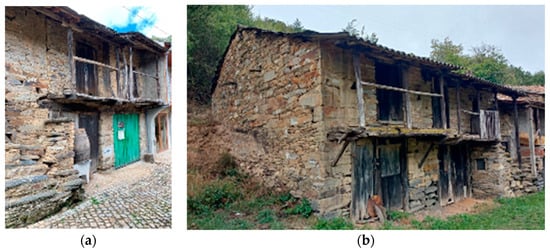
Figure 7.
Staircase and balcony. (a) Balcony with staircase (BS), Rio de Onor. (b) BS + S2S, Guadramil.
The balcony stands out as the distinctive and fundamental element of the buildings in Trasmontana, marking their originality [2]. Typologies that include this element (e.g., BS and PB) are prevalent in Rio de Onor [37]. However, with the socioeconomic changes and depopulation in rural areas in MNP [19], many buildings were abandoned. There are indications of material extraction from deserted structures that are evident, with timber and stone being among the most extracted elements. The absence of balconies and external staircases in certain abandoned buildings, coupled with remnants revealing their initial construction using timbers and stones, strongly suggests the occurrence of removal activities. Thus, material extraction and rampant interventions may, in part, contribute to the lower typology percentages of buildings with balconies.
The examples shown in Figure 8 illustrate signs of the wooden material from the balcony being removed for reuse or recycling. There is a high likelihood that an external balcony once connected the upper floors, as the doors on the upper floor now lead to vacant spaces. Furthermore, placing a door directly above another door reduces the likelihood that the upper floor is accessed directly via an external staircase.
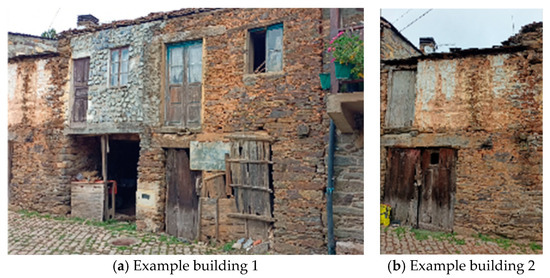
Figure 8.
Indications of materials taken out in Rio de Onor.
In Guadramil, Azevedo (2012) [12] documented the existence of internal staircases, clarifying uncertainties concerning accessibility to upper floors. This is particularly relevant, as some vernacular buildings within MNP were found to lack external staircases during the typological survey. Internal staircases, depicted in Figure 9, offer better protection from the elements and enhance comfort and convenience, even though there might be a potential trade-off involving a reduction in internal space.
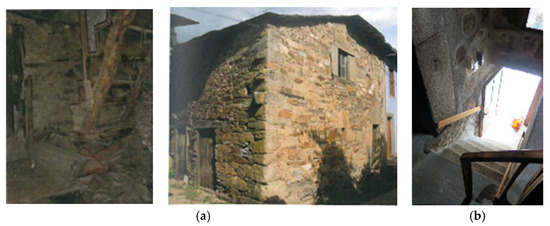
Figure 9.
Internal staircases. (a) Guadramil. Source: Azevedo, 2012. (b) Snr. João Gomez´s House No.1, Pinheiro Novo.
The study itself also indirectly revealed that vernacular buildings that are currently occupied or were occupied until recently have typically undergone various modifications or refurbishments, such as adding floors and expanding internal spaces, as illustrated in Figure 10.
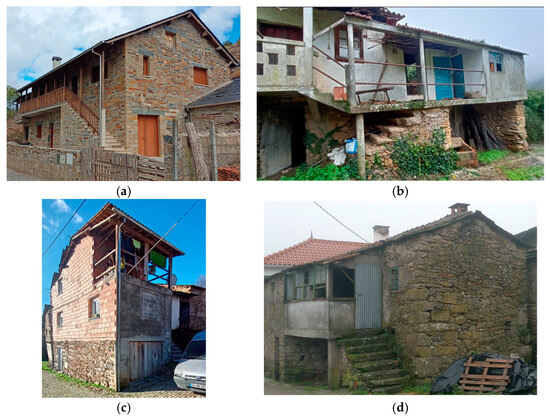
Figure 10.
Some of the observed newly built and modern interventions in MNP. (a) Newly built concrete building with a stone facade that resembles BS typology. (b) Modified balcony with concrete materials. (c) Three-storey building with brick walls. (d) Example of Modified Protruding Staircase (MPS) typology.
In a separate analysis, it was discovered that the growth of village sizes (residential category) does not always align with the increase in two-storey buildings (refer to Figure 11). This contradicts the assertion made by the Instituto de Conservação da Natureza (ICN; 2007) [23], which suggested that two-storey buildings dominate in larger villages. This variance may partly stem from the evolution of villages in MNP over time.
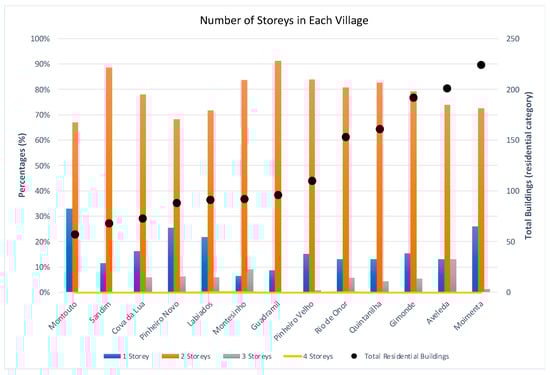
Figure 11.
Number of building storeys in each village.
4. Bioclimatic Strategies Observed in MNP Vernacular Architecture (Building Level)
This section illustrates the potential bioclimatic strategies, at the building level, observed in MNP. As briefly outlined by Fernandes, Mateus, et al. (2015) [38], effective strategies in areas with cold winters involve maximising solar gain during winter, minimising heat loss, and enhancing internal heat gain. However, it is important to acknowledge that winter in these regions typically brings abundant precipitation [23], often accompanied by a cloudy atmosphere (see Section 2). Thus, specific vernacular strategies were observed in the villages surveyed and adapted to the specific climatology of the region. In addition, the bioclimatic strategy Glazed Balcony is observed to be only 1.13% among the selected villages for typology analysis. The reduced availability of sunlight radiation during colder seasons may significantly influence the diminished inclination to adopt such a strategy.
With scarce resources and limited technology, the local villagers have adapted to the environmental conditions by constructing buildings with elements that serve several purposes, utilising local materials efficiently. For example, the thick stone masonry wall is the main structural component and provides thermal moderation capacity between the building´s indoor and external environment. Also, structures intended for habitation constructed on slopes, exemplified by designs such as Slope 2 Storeys (S2S), Slope 2 Storeys Side (S2SS), or Slope Basic (SB) typologies present a dual-faceted solution. They offer increased exposure to solar radiation and enable the preservation of more fertile land at lower elevations (comparatively less sloped terrain) for agricultural use. These and other solutions that utilise passive energy strategies observed in the villages are discussed in the following sections.
4.1. High-Thermal-Inertia Walls
Materials with high thermal-storage capacities are commonly known as inertia walls. In the Northern Iberian Peninsula, in Portugal, typical materials include schist, granite, and occasionally adobe [16]. Numerous studies, including those by Montalbán Pozas and Neila González (2016) [39], Fernandes, Pimenta et al. (2015) [40], Fernandes et al. (2019) [41], Sozen and Koçlar Oral (2019) [42], Costa-Carrapiço et al. (2022) [43], Ferreira Vaz et al. (2015) [44], and Coch (1998) [6], have concurred that thermal inertia of massive wall serves as a beneficial factor in regulating interior temperatures. MNP’s functionality is more about reducing the internal heat-gain loss rate with its enormous wall during winter and external heat gain from sun radiation during the hot season. However, it is important to note that this solution may not be efficient in hot and humid climates due to minimal variations in external temperatures throughout the year [6]. For example, high thermal mass is considered an unsuitable solution in Hanoi, Vietnam [45].
Nevertheless, this solution fits well with the climatic conditions of MNP. In Montesinho village, the typical houses of the area were built with thick granite walls and wooden porches [19]. In Quintanilha (Bragança), due to the predominant geological rocks in the area, the main construction materials for the vernacular houses are schist stones, from tiny flakes of stones for balconies’ support to prominent lintels [2]. Granite stone-masonry walls are generally prevalent in Moimenta, Pinheiro Velho, Pinheiro Novo, Montesinho, and Soutelo village [23,46]. Conversely, schist stone-masonry walls are predominant in the Rio de Onor and Guadramil villages of Bragança municipality. Taking Guadramil village as an example, the schist stone-masonry walls’ thickness averagely ranges between 0.45 m and 0.70 m [12]. The stone-masonry wall of a ruin in Moimenta is shown in Figure 12a. Its thickness was measured to be approximately 0.6 m. Examples of thick masonry walls in Guadramil and Rio de Onor villages are also depicted in Figure 12b,c, respectively.
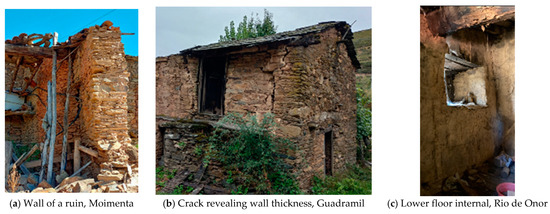
Figure 12.
Thick masonry walls in MNP.
4.2. Roof
The roof constitutes the most exposed and susceptible section of the building, and it is also where a significant amount of energy loss occurs during the cold period [17] and heat penetration during the warm period [39]. Therefore, the roof is essential in defining bioclimatic solutions, whether directly or indirectly.
- (a)
- Gable roof
Simple gable roofs are prevalent in the villages of MNP [2]. In addition to providing shelter from wind and rain, the utilisation of gable roofs with tiled roofing in the region is intended to facilitate the swift drainage of rainfall. This is achieved through the downward slope of the gabled roof at a specific angle, allowing for the prompt removal of rainwater, thereby mitigating potential damage and reducing the structural load on the roof [6]. Due to the fact that the MNP region is exposed to high rainfall, especially within cold periods (refer to Table 1), such a simple yet practical approach enhances rainwater drainage. Additionally, it provides better roof surfaces and angles for solar exposure during sunny days [17]. Figure 13 illustrates some examples of vernacular buildings with gable roofs in Guadramil and Aveleda.
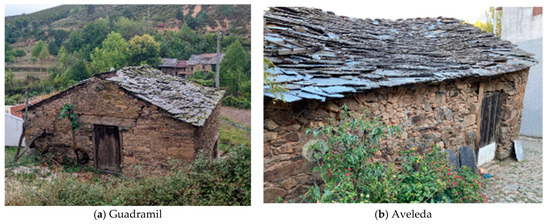
Figure 13.
Gable roofs in MNP.
- (b)
- Thermal capture in low-roof spaces
Most traditional buildings with sloping roofs generally do not incorporate attics [16,17]. Nevertheless, the BIOURB Project [47] identified the bioclimatic solution Active Pickup Cover (known as “coberta activa captadora”), in which one of the thermal capture strategies is low roof spaces. Examples of this solution can be found in Montesinho and Vilarinho de Cova da Lúa villages in MNP. Traditionally, these low spaces under the roof were utilised as storage for winter hay, crops, straw, and agricultural tools [17]. These spaces also serve as an insulation barrier [47], reducing the loss of internal heat gain generated mainly from cooking and human-body heat. When the chimney flue passes through this area, it becomes heated, distributing warmth throughout the house [47]. Figure 14 shows an example of such practice in Moimenta village.
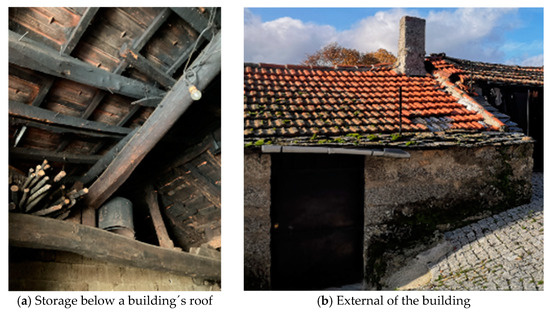
Figure 14.
Low roof space of the traditional vernacular building in Moimenta.
- (c)
- Roof eave, extended roof, and balcony
The roof eaves of gabled roofs also extend to cover the balcony [2,21]. The roof eave (refer to Figure 15) prevents rainwater from entering the house through the wall. The purpose of the slates at the eaves was thus to facilitate the drainage of water away from the building or into a gutter [48]. Furthermore, such extended eaves will provide protection from the sun’s radiation during summer [6].
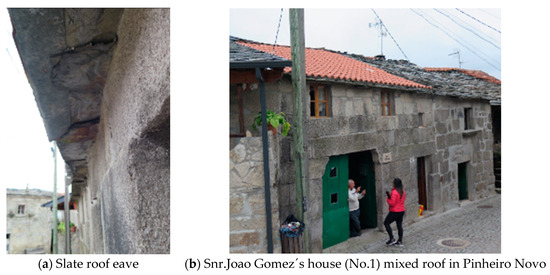
Figure 15.
Roof eave in Pinheiro Novo.
The extended roof is almost often combined with a balcony, as shown in Figure 16. Two-storey vernacular buildings with wooden balconies are the most frequent architectural typology (previously identified as BS) in many villages of MNP (e.g., Rio de Onor, França, Montezinho, and Varge) [21]. The neighbouring region, Chagazuoso, Galicia, in Spain, with the architecture of the mountains [35], and some areas in the Sanabria region [36] also display comparable typology.
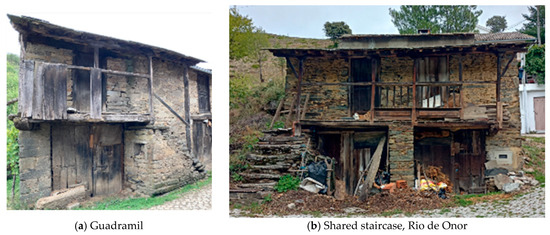
Figure 16.
Balcony with staircase and extended roofs in MNP.
These spaces separating both the interior and exterior of a building, namely balconies, porches, and galleries, were described by Ferreira et al. (2013) and Vaz et al. (2013) [16,17] as “transition-oriented spaces”. They work as a “transitional” dampener with the environment and also have heat-retaining properties. However, due to the absence of walls or partitions enclosing most balconies in MNP (contrary to glazed balconies), they are not considered part of the thermal envelope of the building.
- (d)
- Roof cover—tiles and slates
The half-round clay tile (upper part of the roof cover in Figure 17b) is the predominant material for traditional roof coverings in the Northern Portugal–Spain region. It seamlessly conforms to the lightweight wooden support structure, showcasing notable attributes, such as resistance to temperature fluctuations, low weight, durability, water impermeability, and high mechanical strength [16,17]. In addition, the tiled roof is notable for its high efficiency in capturing and retaining heat and its ability to allow air to pass through [17].
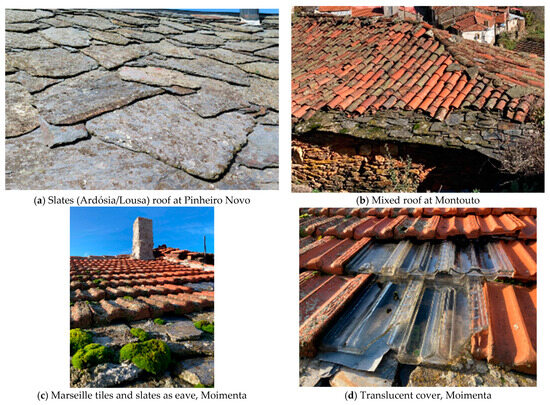
Figure 17.
Roof covers in MNP.
The vernacular architecture of MNP also retains slate roofs (see Figure 17a), which are known for their remarkable heat-absorbing capacity and thermal inertia [37,47]. Slate tiles are common in colder regions, arranged over each other in uneven shapes [16]. In areas where extraction of thin and consistently sized schist plates can be found, such as in the northern part of Trás-os-Montes, namely Rio de Onor, Baçal, Aveleda, França, and others, the roofs often feature gently sloping gables and exhibit a smooth and straight appearance [49]. Though ceramic tiles can soak up to 12% of their weight in water, slate absorbs only 4% to 6% of its water weight, thus exhibiting better waterproofing properties than ceramic roofs [15].
Another noteworthy research indicates that slates exhibit lower thermal conductivity at lower temperatures but higher conductivity at elevated temperatures [50]. This suggests that there is a possibility that slates may offer better insulation during winter rather than summer. However, different slate types are used as roof covers in MNP, and their chemical, mechanical, and thermal properties may differ. The finding may potentially explain, in part, why some buildings in MNP with traditional slate roofs do not typically have insulation layers. This design choice is influenced by the conjecture that, during cold-season daytime, solar radiation heats the slates, diminishing their insulation capacity and potentially improving the heat gains through the roof. Conversely, the slates, exposed to cold weather without sunlight, enhance their insulation properties and reduce internal heat-gain loss at night. As the roof is primarily exposed to solar radiation during the day and experiences colder temperatures at night [51], this thermal envelope feature appears to function as a natural automatic stabiliser, contributing, to a certain extent, to the moderation of internal air temperatures in vernacular buildings.
4.3. Animals/Cattle on the Ground Floor
Most of the vernacular houses in Trás-os-montes, of which MNP is part, have distinct ground and elevated floors (see Figure 18). The ground floors were usually used for agricultural storage and cattle [2,21]. The cattle were located below dwelling floors mainly to utilise their generated heat, especially during night time [29,52]. The heated air tends to flow upward through the gaps of the wooden floor. This is a common vernacular architecture feature not limited to MNP but also observed in other regions, such as Sanabria, Spain [53], and the Meseta Ibérica biosphere reserve [13].
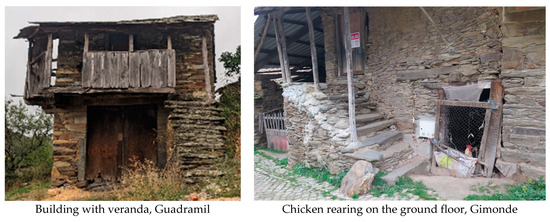
Figure 18.
Example of houses in MNP with two storeys.
4.4. Limited Number and Size of Openings
Typically, in the northern part of Portugal and areas with severe winters, traditional vernacular buildings feature a limited number of small windows designed to minimise heat loss [15,38,52,54]. In Montesinho village, for example, the door and window openings are minimised to the essential requirements for the house to function. These openings are very small and distributed seemingly without a specific order, filtering the limited natural light penetrating the interior [30]. Among ten schist stone-masonry vernacular buildings examined in the Alto Douro Wine Region, there is a clear trend where the structures with small openings are oriented toward the southeast or southwest [54]. This orientation suggests a design strategy to maximise the facade’s exposure to sunlight, particularly during winter, for efficient thermal absorption. A lower openings’ ratio also results in a higher wall surface area that contributes to thermal mass. In fact, from the total buildings analysed for typology calculations in Section 3.2, 10.4% of the buildings have the feature of small openings.
Figure 19 shows examples of small openings in several villages within MNP. In traditional-masonry vernacular buildings, small openings typically found on the ground floor can also be seen designed with a high height-to-width ratio and located on the upper floor, as depicted in Figure 19.
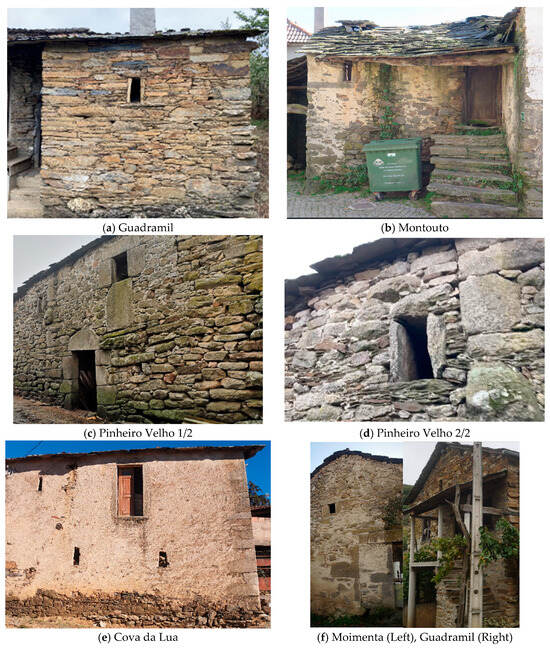
Figure 19.
Limited openings in MNP.
In a simulation study investigating the impact of opening shapes on natural ventilation in cross-ventilated buildings, it was discovered that “vertically long openings” contribute to the most effective ventilation performance, surpassing “squared” and “horizontally long openings” [55]. Additionally, increasing the height-to-width ratio of the opening shape promotes cross-ventilation to reduce the passive pollutant concentration [55].
One potential hypothesis is that, in regions where schist rocks are prevalent, acquiring longer, higher-strength lintel and sill materials for openings can be challenging. Therefore, this particular shape design might offer a relatively more economical and cost-effective solution, considering that wood was a relatively expensive material in the past. However, Figure 19d depicts a similar opening shape in Pinheiro Velho, abundant with granite rocks, while a wider opening with a granite stone lintel can still be observed in Figure 19c.
In addition to the effective ventilation performance during the hot season, such an opening shape may be structurally more advantageous in bending and buckling capacities, considering the shorter horizontal span for vertical overload and lateral support from massive thick masonry at the sides of the opening. It is important to note that research indicates that schist stones in the northwest region of the Iberian Massif, Portugal, near MNP, exhibit lower strength and higher susceptibility to water absorption, leading to increased water-related damages compared to granite stones [56].
The limited openings’ size may facilitate wind channel effects (Venturi effects in Bernoulli´s principle) to enhance the natural ventilation of the buildings through their small openings, thus accelerating the airflow to cool the indoor spaces and improve air quality during hot weather to a certain extent. As the buildings can usually be found agglomerated in a village, with various openings´ orientations in general, the wind-flow directions within the agglomeration may not be straightforward compared to linear clusters. Cross-ventilation can be minimised during winter by closing one or both opposite windows/openings.
Another characteristic observed in the past is that chimneys are uncommon in vernacular houses in Trás-os-Montes [2,15,21]. Instead, a hollow tile is used to enable the escape of smoke [2,21]. To minimise air infiltration, which results in heat losses, certain kitchens are positioned on the upper floor and near the roof, allowing the generated smoke to exit through the roof tiles [29]. In Northern Portugal, namely in Alto Trás-os-Montes, such a typical configuration without a chimney enables the heat generated from the fireplace to be stored indoors to heat the occupants [15]. The interior of the house, as surveyed in the district of Bragança, features darkened walls resulting from the absence of proper smoke ventilation. Smoke permeates the entire space before finding its way out through openings in walls, doors, and gaps in the tiles [21].
4.5. Small Indoor Building Space
In colder and northern regions of Portugal, the interior spaces have limited size, namely lower ceilings, to increase the interior temperature more quickly [15,23,29,52]. Preserving the captured heat within the building becomes crucial in cold regions for habitable vernacular buildings. This preference leans toward compact houses with minimal surface areas exposed to the external environment, aiming to minimize heat loss [6]. In MNP, the traditional structures embrace compact, uniform shapes and sizes [21,30]. In certain economically disadvantaged regions within the Bragança district, a dwelling comprises only a kitchen and a compartment accommodating multiple individuals [21]. Figure 20 depicts a deserted traditional building in Rio de Onor with a modest internal volume of around 18 m3 on the upper floor. The limited indoor space is combined with the previously discussed reduction of openings. The building lacks a front window and features a small opening with a louvre (approximately 0.29 m2 in size) on the side of the building. Efficient energy use in the building is achieved by prioritising compact shapes, optimal orientation, and the integration of necessary shading, with the south-facing facade playing a crucial role [17].
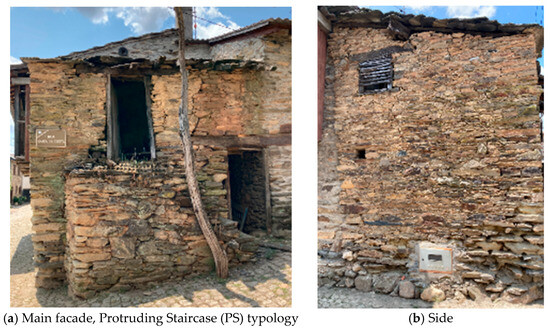
Figure 20.
Small indoor volume of a vernacular house in Rio de Onor.
4.6. Dark Thermal Envelope
Houses in Trás-os-Montes traditionally feature dark walls devoid of any plaster that conceals the granite or schist stones [21]. For instance, schist stones typically exhibit an innate dark colour, enhancing the storage capacity of the wall by absorbing additional heat energy from the sun during the daytime. In addition, Cruz and Redentor (2000) [30] noted that the thick granite stone-masonry walls in Montesinho village typically exhibit a predominantly grey tone reflection enhancing heat absorption, whereas instances of this occurring with plaster and whitewash are uncommon.
This is also applied to the naturally dark slate colour used for the roofs, recognised for their outstanding heat-absorption capabilities and thermal inertia [47]. Although such characteristics may sound counter-intuitive during the hot season, it should be noted that MNP is located at Terra Fria of Trás-os-montes, in which the northern region experiences more severe winter conditions and relatively milder summers [40]. Moreover, during the coldest period of the year (see Table 1), wind exacerbates the already cold conditions, while it enhances the hot summers, thereby contributing to cross-ventilation strategies in vernacular buildings.
4.7. Vegetation Wall
Much like using deciduous trees in bioclimatic solutions for village-level applications, deciduous vines [17] are also planted near or around traditional buildings, including balconies and perimeter dry-stone walls, as illustrated in Figure 21. In hot weather, such as summer, the plant’s leaves provide additional shading to the buildings, diminishing direct sun radiation and absorbing sunlight. Besides the foliage serving as a collector of dust particles and improving air quality with oxygen emission [57], the practice also contributes to reducing the impact of sunlight on the external facades of the structures, as highlighted by (BIOURB, 2013) [47]. Additionally, the evapotranspiration process supports evaporative cooling, promoting fresher air and improved circulation. In colder seasons, the deciduous nature of the plant leads to the shedding of leaves, exposing more facade surfaces. This allows winter sunlight to aid in warming the buildings during sunny days.
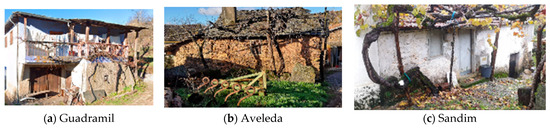
Figure 21.
Deciduous vines as green wall in MNP.
4.8. Kitchen and Fireplace Position
In the demanding winter season, when agricultural tasks were minimal, the residents of rural villages in the Bragança district dedicated much of their time to the kitchen. It serves as a central hub for family gatherings during mealtimes, household chores, and evening activities around the fireplace, which may be in the corner or at the centre of the kitchen [21].
Given the inherently compact and small nature of the internal spaces in vernacular houses, the fire sources efficiently heat the interior. Furthermore, bedrooms are typically situated adjacent to the fireplaces or kitchen, for example, in Rio de Onor, allowing the thermal inertia of the dividing partition walls to absorb heat. Subsequently, this stored heat is released, warming the bedrooms even after the fires have been extinguished.
During the winter period, when the lowest insolation levels were documented (see Table 1), internal heat gains, primarily from kitchens and fireplaces apart from the heat generated by cattle below, may have held immense significance for local villagers in the past. These sources served not only for cooking but also played a crucial role in providing thermal comfort, drying agricultural products and clothes, serving as a light source for family gatherings, and facilitating various activities, considering the reduced daylight time.
The kitchen, oven, and fireplace are usually on the upper floor, built on solid ground to protect the building from fires [21]. The layout of Trás-os-Montes kitchens typically positions them adjacent to the fireplace and has a funnel that connects to the ground floor for cattle feeding [2]. In certain regions, in addition to placing bedrooms close to the kitchen, lifestyles adapted to an early bedtime after dinner to conserve energy [29]. At the northeastern extremity of Trás-os-Montes, kitchens are often smaller, and in certain regions, the hearth “lar” is positioned at the centre of the room [2]. This space usually accommodates the oven, similar to Minho. However, in mountain villages preserving communal traditions, individual homemade ovens are absent, as baking is done in the communal oven [2]. The upper floor, constructed on a wooden base, serves as the dwelling, where the kitchen functions as the central space, strategically arranged to accommodate the hearth “lar” [30].
Regarding Rio de Onor and the district of Bragança in general, the internal arrangement of these houses lacks a defined arrangement pattern, with minimal consideration for room functionality [21,29] in part due to the lack of spaces available [21]. It is also observed that the section designated for cooking is covered with slate slabs laid on clay (see Figure 22), for instance, in Guadramil, allowing fires to be conducted on the floor without the risk of fire [12].
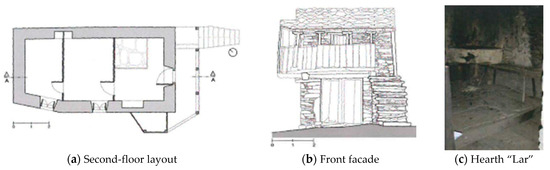
Figure 22.
Kitchen arrangement at the upper floor, Guadramil. Source: Azevedo, 2012.
4.9. Summary of Bioclimatic Principles
Table 9 compiles the list of bioclimatic principles observed that may improve the passive energy performance of vernacular buildings at the building level.
Table 9.
Bioclimatic strategies (building level) in the vernacular architecture of MNP.
As part of the thematic analysis between the traditional bioclimatic strategies discussed and the typologies identified in this study, Table 10 was compiled to present the relationships of each strategy in relation to the typologies. It should be noted that the buildings within each typology category may not necessarily be strictly related to all of the bioclimatic solutions marked in the table.
Table 10.
Traditional bioclimatic solutions in different vernacular building typologies.
5. Conclusions
This paper focused on identifying prominent vernacular features in rural buildings across various villages in MNP. A methodology for determining the most prevalent typologies in the natural park was presented. The Protruding Staircase (PS) emerges as the most frequently observed typology among the eight villages analysed in Montesinho Natural Park (MNP).
5.1. Main Findings and Their Significance
The basic design in Protruding Staircase (PS) and Slope 2 Storeys (S2S) typologies show that traditional vernacular buildings in Montesinho Natural Park (MNP) were generally constructed with the principles of simplicity, functionality, practicality, and resource efficiency. The identified main typologies appear to be significantly influenced by the topographic conditions of the terrain, leveraging features such as slope gradients.
In a residential context, the Protruding Staircase (PS) typology features a basic and straightforward construction. In contrast to the Protruding Side Staircase (PSS), the PS typology allows units to share walls by forming a linear cluster with the external staircase positioned at the front. This wall-sharing arrangement reduces material usage and improves thermal efficiency.
Simple design reduces construction complexity and costs, making buildings more uncomplicated to construct, maintain, and adapt. Furthermore, employing simple forms and materials sourced locally reduces waste and bolsters local economies. The functional design emphasises efficient space utilisation to meet occupants’ needs effectively, minimising the building footprint and resource consumption. Such spaces can readily accommodate changing requirements without extensive alterations, fostering longevity and adaptability.
Most vernacular buildings incorporate roof eaves, including the PS typology, to mitigate rainwater damage to the walls. The straightforward design of PS, lacking extended roofs as in the balcony, maximizes exposure to sunlight during the day. This enables heat retention by the walls with high thermal inertia, moderating internal temperatures at night. Such a practical design is adapted to local climatic conditions, ensuring that buildings are comfortable and efficient within their specific environment. Leveraging traditional and practical construction techniques can strengthen resilience and simplify maintenance, reducing reliance on skills and tools.
5.2. Example of Linkages between Typology and Bioclimatic Strategy
The extended-roof-and-balcony bioclimatic solution is closely associated with the Balcony with Staircase (BS) typology, which appears in 10.23% of cases and is the third most common typology analysed in MNP. This percentage is speculated to have been higher before recent decades of abandonment. The balcony typology serves several purposes, including drying agricultural harvests; providing access to several home units and other activities; and providing shade from rain, snow, and sun. Furthermore, the strategy of placing animals on the ground floor is also evident in two-storey buildings, where the most common typologies, namely Protruding Staircase (PS), Slope 2 Storeys (S2S), and Balcony with Staircase (BS), are found. This explains the widespread adoption of such a strategy across MNP and its high correlation with two-storey-related typologies.
These relationships also reveal the interconnectedness of the strategies and typologies. For example, animal heat from the ground floor and the use of balconies are both implemented in two-storeys typologies. This approach allows efficient land use, while protecting villages from harsh weather through agglomeration. This collaborative strategy creates a win-win situation, improving the effectiveness of both approaches.
5.3. Circularity, Life Cycle, and Sustainability Aspects
Shared external staircases and reusing materials like stones and wood demonstrate efficient resource use and minimize waste. Stone-masonry walls allow for the demolition and reconstruction of buildings using existing materials, particularly stones, while earth and clay components can be repurposed as binding agents. As seen in Rio de Onor, salvaging structurally sound wooden materials from balconies and roofs exemplifies traditional adaptive reuse.
Potential solutions are readily available in close proximity to various challenging climatic conditions. This is demonstrated by the utilisation of local stone materials for traditional building structures and as thermal regulators; the use of slates as roofing materials; and the incorporation of chestnut and oak tree woods for constructing diverse structures, such as gable roofs and balconies. Additionally, animals played a dual role by providing dairy supplies and contributing to the heating of vernacular buildings, while also utilising the soil through their excrements. Thus, the optimal utilisation of materials, particularly local and sustainable choices, reduces the environmental footprint and promotes sustainable building practices.
From this process, it can be inferred that many newly constructed buildings, despite using modern materials, still retain the influence or “DNA” of traditional vernacular constructions. For example, newly built buildings maintain an external staircase and balcony similar to the Balcony with Staircase (BS) typology.
It is not a novel concept that gaining a deeper understanding of traditional solutions in vernacular buildings can be advantageous for adapting our buildings to local climates through passive energy strategies and sustainability. However, the “homeostasis” approach embraced by ancestors in rural traditional constructions, emphasizing balance and efficiency in external environment adaptations, remains timeless. This approach should inspire further exploration and expansion of potential solutions, including a broader perspective beyond focusing solely on individual buildings. Instead, it should encompass their dynamic interactions with the surrounding environment(s) and human activities, whether as standalone structures or clusters of buildings. It was argued against simply copying a particular number of local architectural elements to represent Portuguese architecture [29]. Similarly, adopting bioclimatic strategies from MNP, as discussed in Section 4, without understanding their origins and interactions with the environment, might not holistically solve contemporary problems.
5.4. Limitations, Biases, and Future Recommendations
The encountered limitations include the inability to assess certain areas within villages, limited observation of roof types from ground-based viewpoints, and restricted access to all internal areas of buildings. Future fieldwork should proactively allocate adequate workforce, financial resources, and time. Integration of drones could enhance the observation of roof structures and cover types. Proper resource allocation will also strengthen relationships with local parish representatives, encouraging their participation. Minimising the “Unidentified (U)” category is imperative. Additionally, expanding coverage to more villages is recommended to enhance the reliability of architectural typology data. Future research should broaden investigations into plan-configuration morphology, roof forms, the material and construction of building envelopes, and spatial classifications.
Potential biases in the typological analysis include the need to macro-categorise common prominent features among all villages, as such a need may oversimplify complex architectural forms. Vernacular architecture is typically non-homogeneous, and important nuances and variations might be overlooked, leading to misconceptions. Another bias is the static interpretation of architectural forms; such a bias ignores the dynamic and evolving nature of vernacular architecture that adapts to social, economic, and environmental changes over time. Additional biases include temporal bias, which was not addressed in the analysis, and selection bias due to the existing literature that may impose predetermined categories (e.g., Protruding Staircases, balconies, etc.) and expectations during the categorisation process, potentially downplaying diversity and variations.
To mitigate these biases for future research, a holistic approach that considers multiple perspectives engages local communities and acknowledges the dynamic nature of vernacular architecture should be adopted. Interdisciplinary methods and collaboration with diverse experts (e.g., archaeologists, ethnologists, historians, civil and energy engineers, architects, urban landscape designers, geologists, climatologists, forest scientists, etc.) could also enhance better comprehension. Most importantly, sufficient resources should be allocated for more detailed works.
5.5. Insights, Comparison, and Actionable Recommendations
One should not overlook the subtleties and nuances inherent in vernacular architecture, whether in the past or present, as they can offer invaluable insights into the lives and social behaviours of the villages or occupants, particularly in navigating daily challenges. While climate change is a growing concern, it is crucial to focus on local-level preparations, particularly enhancing the resilience and adaptability of vernacular buildings. This includes the expansion of the effectiveness of bioclimatic solutions. To strengthen our comprehension of the attributes of locally available resources, we should consider embracing biomimicry as part of the inspiration. Rather than relying on metals, chemical, or gas/fuel-based products and by-products, nature itself might hold the key to a greater and more holistic solution. Alternatively, we may have overlooked our ancient ancestors’ sustainable and environmentally friendly skills and knowledge, which could offer viable solutions in the long run. Therefore, humanity must contemplate coexisting with nature—rather than the reverse—as a sustainable and harmonious long-term solution.
Finally, the study aims to provide an overview and inspire contemporary mindsets to observe the relationships and approaches used by the locals as a third party without prejudice. Establishing a foundational understanding for further study of selected vernacular buildings’ energy consumption and efficiency is also fundamental. Future research will involve extensive in situ long-term monitoring, qualitative thermal surveys, and dynamic simulations of the energy efficiency of these buildings. With a comprehensive understanding of their energy consumption and efficiency, subsequent works will involve parametric analyses and simulations of potential retrofitting solutions, prioritising authenticity, sustainability, and locally appropriate solutions. After this, only the applicability and practicality of the bioclimatic solutions observed could be systematically analysed and enhanced, if necessary.
Finally, Table 11 illustrates the potential actionable recommendations, along with their corresponding sustainability impacts inspired by the traditional bioclimatic strategies observed in this study.
Table 11.
Actionable-recommendation integration with contemporary practices.
Vernacular principles may inspire passive heating and cooling techniques, diminishing dependence on mechanical systems and decreasing energy usage. By incorporating these principles, contemporary sustainable architecture can develop environmentally friendly, culturally and contextually appropriate buildings, ensuring that they are both effective and in harmony with their surroundings.
Author Contributions
Methodology, S.K., R.M., J.O. and R.B.-L.; Formal analysis, S.K.; Investigation, S.K.; Resources, S.K., R.M., J.O. and R.B.-L.; Writing—original draft, S.K.; Writing—review & editing, S.K., R.M., J.O. and R.B.-L.; Visualization, S.K.; Supervision, R.M., J.O. and R.B.-L.; Project administration, S.K., R.M. and J.O. All authors have read and agreed to the published version of the manuscript.
Funding
This research was funded by the Portuguese Foundation for the Science and Technology (FCT) through the R&D project “Sustainability led approaches for the rehabilitation and revitalization of the cultural built heritage of Montesinho Natural Park” (INHAVIT) with reference MTS/BRB/0086/2020 (https://doi.org/10.54499/MTS/BRB/0086/2020). This work was also partly financed by FCT/MCTES through national funds (PIDDAC) under the R&D Unit Institute for Sustainability and Innovation in Structural Engineering (ISISE), under reference UIDB/04029/2020 (https://doi.org/10.54499/UIDB/04029/2020), and under the Associate Laboratory Advanced Production and Intelligent Systems ARISE under reference LA/P/0112/2020.
Data Availability Statement
Data are contained within the article.
Conflicts of Interest
The authors declare no conflict of interest.
References
- Gonçalves, J.; Mateus, R.; Fernandes, J.; Ferreira, T. Tradition in Continuity: Thermal monitoring in vernacular architecture of farmsteads from northeast Portuguese region of Trás-os-Montes. In Portugal SB13 Contribution of Sustainable Building to Meet EU 20-20-20 Targets; Bragança, L., Pinheiro, M., Mateus, R., Eds.; Multicomp.-XVIII: Guimarães, Portugal, 2013; pp. 259–267. [Google Scholar]
- de Oliveira, E.V.; Galhano, F. Arquitectura Tradicional Portuguesa, 5th ed.; Publicações Dom Quixote: Lisboa, Portugal, 2003. [Google Scholar]
- De Figueiredo, T. Montesinho and the mountains of northern Portugal. In Natural Heritage from East to West: Case Studies from 6 EU Countries; Springer: Berlin/Heidelberg, Germany, 2010; pp. 111–118. [Google Scholar] [CrossRef]
- Tawayha, F.A.; Braganca, L.; Mateus, R. Contribution of the Vernacular Architecture to the Sustainability: A Comparative Study between the Contemporary Areas and the Old Quarter of a Mediterranean City. Sustainability 2019, 11, 896. [Google Scholar] [CrossRef]
- Gallaecia, E.S.; di Firenze, U.D.S.; de València, U.P. From Vernacular to World Heritage; Firenze University Press: Firenzi, Italy, 2020; Available online: http://openarchive.icomos.org/id/eprint/2484/ (accessed on 5 July 2022).
- Coch, H. Chapter 4—Bioclimatism in vernacular architecture. In Renewable and Sustainable Energy Reviews; Elsevier Science: Amsterdam, The Netherlands, 1998; Volume 2, pp. 67–87. [Google Scholar]
- Ribeiro, V. Materiais, Sistemas e Técnicas de Construção Tradicional: Contributo Para o Estudo da Arquitectura Vernácula da Região Oriental da Serra Do Caldeirão; Edições Afrontamento e Comissão de Coordenação e Desenvolvimento Regional do Algarve: Faro, Portugal, 2008. [Google Scholar]
- Fernandes, J.; Mateus, R. Energy efficiency principles in Portuguese vernacular architecture. In Proceedings of the BSA 2012: International Conference on Building Sustainability Assessment, Porto, Portugal, 23–25 May 2012; Amoêda, R., Mateus, R., Bragança, L., Pinheiro, C., Eds.; Greenlines Institute for Sustainable Development: Porto, Portugal, 2012; pp. 561–572. [Google Scholar]
- Anna-Maria, V. Evaluation of a sustainable Greek vernacular settlement and its landscape: Architectural typology and building physics. Build Environ. 2009, 44, 1095–1106. [Google Scholar] [CrossRef]
- Hilokyprou, M.P.; Michael, A.; Malaktou, E.; Savvides, A. Environmentally responsive design in Eastern Mediterranean. The case of vernacular architecture in the coastal, lowland and mountainous regions of Cyprus. Build Environ. 2017, 111, 91–109. [Google Scholar] [CrossRef]
- Ruggiero, G.; Parlavecchia, M.; Sasso, P.D. Typological characterisation and territorial distribution of traditional rural buildings in the Apulian territory (Italy). J. Cult. Herit. 2019, 39, 278–287. [Google Scholar] [CrossRef]
- Azevedo, T. Arquitetura Vernácula em Guadramil. Mestrado Integrado em Arquitectura e Urbanismo; Escola Superior Gallaecia: Vila Nova de Cerveira, Portugal, 2012; Available online: https://comum.rcaap.pt/handle/10400.26/9255 (accessed on 23 January 2023).
- Pinto, J.S.; Paiva, A.; Pereira, S.; Almeida, D.; Antunes, A.; Bento, R. Highlighting the Heritage of Meseta Ibérica; Universitat Politecnica de Valencia: Valencia, Spain, 2022; pp. 1–7. [Google Scholar] [CrossRef]
- Pinto, J.; Pereira, S.; Paiva, A.; Lanzinha, J.; Bento, R. Riomanzanas Village as Part of the Landscape of Meseta Ibérica. Lect. Notes Civ. Eng. 2024, 444, 330–340. [Google Scholar] [CrossRef]
- Pereira, M.L.F. Caraterização Térmica de Soluções Construtivas em Xisto e em Granito. Dissertação de Mestrado em Engenharia Civil, Universidade De Trás-Os-Montes E Alto Douro, Vila Real, Portugal, 2016. Available online: http://repositorio.utad.pt/handle/10348/6022 (accessed on 20 November 2023).
- Ferreira, D.; Luso, E.; Fernandes, S.; Vaz, A.J.F.; Moreno, C.; Correia, R. Bioclimatic solutions existing in vernacular architecture Rehabilitation techniques. In Portugal SB13—Contribution of Sustainable Building to Meet EU 20-20-20 Targets; Bragança, L., Pinheiro, M., Mateus, R., Eds.; Universidade do Minho/Instituto Superior Técnico: Guimarães, Portugal, 2013; pp. 639–645. [Google Scholar]
- Vaz, A.J.F.; Ferreira, D.; Luso, E.; Fernandes, S. Manual BIOURB—Manual Para a Conservação e Reabilitação da Diversidade Bioconstrutiva; Câmara Municipal de Bragança: Bragança, Portugal, 2013; Available online: http://hdl.handle.net/10198/9090 (accessed on 10 April 2022).
- Hernández Aja, A.; Fariña Tojo, J.; Gálvez Huerta M, Á.; Fernández Áñez, V.; Gonçalves, A.; Ribeiro, A.C.; Feliciano, M. Manual de desenho bioclimático urbano. In Manual de Orientações Para a Elaboração de Normas Urbanísticas; Instituto Politécnico de Bragança: Bragança, Portugal, 2013; p. 281. Available online: https://bibliotecadigital.ipb.pt/handle/10198/10753 (accessed on 27 June 2024).
- Silva, F.M.; Sousa, C.; Albuquerque, H. Analytical Model for the Development Strategy of a Low-Density Territory: The Montesinho Natural Park. Sustainability 2022, 14, 4373. [Google Scholar] [CrossRef]
- Koh, J. Ecological Design: A Post-Modern Design Paradigm of Holistic Philosophy and Evolutionary Ethic. Landsc. J. 1982, 1, 76–84. [Google Scholar] [CrossRef]
- Direcção-Geral da Divulgação. Artes e Tradições de Bragança; Terra Livre: Lisboa, Portugal, 1984. [Google Scholar]
- AAVV. Atlas Climático Ibérico: Temperatura do Ar e Precipitação (1971-2000); Agencia Estatal de Meteorología & Instituto de Meteorologia de Portugal: Madrid, Spain, 2011; Available online: https://www.ipma.pt/resources.www/docs_pontuais/ocorrencias/2011/atlas_clima_iberico.pdf (accessed on 12 June 2022).
- Instituto de Conservação da Natureza (ICN). Plano de Ordenamento do Parque Natural de Montesinho (POPNM); Estudos de Caracterização: Bragança, Portugal, 2007; Available online: https://www.icnf.pt/api/file/doc/979382410b9fe1db (accessed on 6 May 2024).
- Peel, M.C.; Finlayson, B.L.; McMahon, T.A. Updated world map of the Köppen-Geiger climate classification. Hydrol. Earth Syst. Sci. 2007, 11, 1633–1644. [Google Scholar] [CrossRef]
- Cunha, S.; Silva, A.; Coelho, F.; Nunes, L.; Pires, V.; Mendes, L.; Mendes, M. Atlas Climatológico de Portugal Continental 1971-2000; Cartografia da temperatura do ar e da precipitação: Lisboa, Portugal, 2010. [Google Scholar]
- IPMA. Normais Climatológicas (1971-2000); Portuguese Institute of the Sea and the Atmosphere: Lisbon, Portugal, 2023; Available online: https://www.ipma.pt/bin/file.data/climate-normal/cn_71-00_BRAGANCA.pdf (accessed on 21 April 2023).
- Goncalves, M.M.; Cano, M.T.P.; Rosendahl, S. From stone masonry to emigrant’s mansions. Changes in vernacular architecture in central Portugal. IOP Conf. Ser. Mater. Sci. Eng. 2019, 603, 022064. [Google Scholar] [CrossRef]
- Tapiero, J.C.A.; Graus, S.; Khei, S.; Silva, D.; Conde, O.; Ferreira, T.M.; Ortega, J.; Luso, E.; Rodrigues, H.; Vasconcelos, G. An ICT-Enhanced Methodology for the Characterization of Vernacular Built Heritage at a Regional Scale. Int. J. Archit. Herit. 2024, 1–19. [Google Scholar] [CrossRef]
- Antunes, A.d.M.; Gomes, A.A.; Menéres, A.; de Freitas, A.P.; Araújo, A.; Martins, A.P.; Dias, C.C.; de Castro, C.; Távora, F.; Torres, F.; et al. Arquitectura Popular em Portugal, 3rd ed.; Associação dos Arquitectos Portugueses: Lisboa, Portugal, 1988; Volume 1. [Google Scholar]
- Cruz, C.M.T.; Redentor, A. Montesinho Num Olhar à Arquitectura Popular Catálogo da Exposição; Parque Natural de Montesinho: Bragança, Portugal, 2000; Available online: https://www.academia.edu/481628/Montesinho_num_olhar_%C3%A0_Arquitectura_popular_cat%C3%A1logo_da_exposi%C3%A7%C3%A3o_Bragan%C3%A7a_Parque_Natural_de_Montesinho_2000 (accessed on 7 November 2023).
- Martin Andrés, A.; Luna del Castillo, J. Bioestadίstica Para Las Ciencias de la Salud, 4th ed.; Ediciones Norma: Madrid, Spain, 1993. [Google Scholar]
- Sachs, L. Applied Statistics: A Handbook of Techniques; Springer: Berlin/Heidelberg, Germany, 1978. [Google Scholar]
- MATLAB; Version (2023b); The MathWorks Inc.: Natick, MA, USA, 2023.
- Statgraphics Centurion; Versión (19.5.01); Statgraphics Technologies Inc.: The Plains, VA, USA, 2022.
- Llano, P.D. Arquitectura Popular en Galicia: Razón e Construcción; Colexio Oficial De Arquitectos de Galicia (COAG), Comisión de Cultura: A Coruña, Spain, 1996. [Google Scholar]
- Guerra, J.L.S. Edificios y Conjuntos de Arquitectura Popular en Castilla y León; Junta de Castilla y León: Valladolid, Spain, 2012; Available online: http://patrimoniocultural.jcyl.es/web/jcyl/PatrimonioCultural/es/Plantilla100Detalle/1284217324650/_/1284216312761/Redaccion (accessed on 22 February 2024).
- Anjo, A.F. Sustentabilidade Arquitetónica a Partir de Uma Perspetiva Termodinâmica: Aprender Com a Arquitetura Vernacular em Trás-os-Montes. Master’s Thesis, Universidade do Coimbra, Coimbra, Portugal, 2020. Available online: https://estudogeral.uc.pt/handle/10316/93883 (accessed on 20 October 2023).
- Fernandes, J.; Mateus, R.; Bragança, L.; Da Silva, J.J.C. Portuguese vernacular architecture: The contribution of vernacular materials and design approaches for sustainable construction. Archit. Sci. Rev. 2015, 58, 324–336. [Google Scholar] [CrossRef]
- Montalbán Pozas, B.; González, F.J.N. Hygrothermal behaviour and thermal comfort of the vernacular housings in the Jerte Valley (Central System, Spain). Energy Build 2016, 130, 219–227. [Google Scholar] [CrossRef]
- Fernandes, J.; Pimenta, C.; Mateus, R.; Silva, S.M.; Bragança, L. Contribution of Portuguese vernacular building strategies to indoor thermal comfort and occupants’ perception. Buildings 2015, 5, 1242–1264. [Google Scholar] [CrossRef]
- Fernandes, J.; Mateus, R.; Gervásio, H.; Silva, S.M.; Bragança, L. Passive strategies used in Southern Portugal vernacular rammed earth buildings and their influence in thermal performance. Renew Energy 2019, 142, 345–363. [Google Scholar] [CrossRef]
- Sozen, I.; Oral, G.K. Evaluation of Parameters Affecting Energy Efficiency of Vernacular Mardin Houses: A Case Study. Megaron 2019, 14, 1–10. [Google Scholar] [CrossRef]
- Costa-Carrapiço, I.; González, J.N.; Raslan, R.; Sánchez-Guevara, C.; Marrero, M.D.R. Understanding thermal comfort in vernacular dwellings in Alentejo, Portugal: A mixed-methods adaptive comfort approach. Build Environ. 2022, 217, 109084. [Google Scholar] [CrossRef]
- Ferreira Vaz, J.; Fernandes, S.; Luso, E.; Ferreira, D. Bioclimatic solutions in vernacular architecture: Transition spaces. Eur. Sci. J. 2015, 67–73. Available online: https://eujournal.org/index.php/esj/issue/view/176 (accessed on 22 February 2024).
- Nguyen, A.T.; Tran, Q.B.; Tran, D.Q.; Reiter, S. An investigation on climate responsive design strategies of vernacular housing in Vietnam. Build Environ. 2011, 46, 2088–2106. [Google Scholar] [CrossRef]
- Cruz, C. A Arquitectura Popular. In Parque Natural de Montesinho: Um Guia Para o Visitante; Azevedo, J.C.M., Ed.; Morada: Mirandela, Portugal, 1998; pp. 58–66. [Google Scholar]
- BIOURB. Diversidade Bioconstrutiva Transfronteiriça, Edificação Bioclimática ea Sua Adaptação Pela Arquitetura eo Urbanismo Modernos—Soluções Singulares Bioclimáticas. 2013. Available online: http://biourbhost.net/descargas/Trabajos%20de%20campo/00%20Solu+-¦++ües%20PORTUGU++¿S.pdf (accessed on 18 December 2023).
- English Heritage. Practical Building Conservation: Stone, 1st ed.; Ashgate Publishing: Surrey, UK, 2012; Available online: https://historicengland.org.uk/images-books/publications/stone-conservation/ (accessed on 22 October 2023).
- de Oliveira, E.V.; Galhano, F.; Pereira, B. Construções Primitivas em Portugal, 3rd ed.; Publicações Dom Quixote: Lisboa, Portugal, 1994. [Google Scholar]
- Labus, M.; Labus, K.; Bujok, P. Thermal parameters of roofing slates from Czech Republic. J. Therm. Anal. Calorim. 2020, 140, 2215–2223. [Google Scholar] [CrossRef]
- Sayigh, A.; Marafia, A.H. Chapter 2—Vernacular and contemporary buildings in Qatar. Renew. Sustain. Energy Rev. 1998, 2, 25–37. [Google Scholar] [CrossRef]
- Fernandes, J.E.P.; Mateus, R.; Gervásio HM, S.; Silva, S.M.; Bragança, L. The importance of vernacular strategies for a climate responsive building design. In SBE16 Brazil & Portugal Sustainable Urban Communities towards a Nearly Zero Impact Built Environment; Universidade Federal do Espírito Santo (UFES): Victoria, Brazil, 2016; pp. 429–438. [Google Scholar] [CrossRef]
- Arqués, J.; Inmaculada, M. Arquitectura popular en la provincia de Zamora. In Narria: Estudios de Artes y Costumbres Populares 20; Universidad Autónoma de Madrid, Facultad de Filosofía y Letras, Museo de Artes y Tradiciones Populares: Madrid, Spain, 1980; pp. 3–5. Available online: https://repositorio.uam.es/handle/10486/8083 (accessed on 7 November 2023).
- Pereira, S.; Paiva, A.; Teixeira, T.; Cunha, V.; Pinto, J. Energy Rehabilitation of Portuguese Ancient Buildings-A first step into the existing schist buildings in the Alto Douro Wine Region. In Proceedings of the XXXVIII. IAHS World Congress on Housing Visions for the Future of Housing: Mega Cities Design, Construction, Financing, Management, Housing Projects, Istanbul, Turkey, 16–19 April 2012. [Google Scholar]
- Bazdidi-Tehrani, F.; Masoumi-Verki, S.; Gholamalipour, P. Impact of opening shape on airflow and pollutant dispersion in a wind-driven cross-ventilated model building: Large eddy simulation. Sustain. Cities Soc. 2020, 61, 102196. [Google Scholar] [CrossRef]
- Barroso, C.E.; Oliveira, D.V.; Ramos, L.F. Physical and mechanical characterization of vernacular dry stone heritage materials: Schist and granite from Northwest Portugal. Constr. Build Mater. 2020, 259, 119705. [Google Scholar] [CrossRef]
- EMI and ACCIONA. Guide for Bioclimatic Design (WP2.4-Del 2.4.4). 2015. Available online: https://smart-cities-marketplace.ec.europa.eu/sites/default/files/pimes_guide_for_bioclimatic_design.pdf (accessed on 3 March 2024).
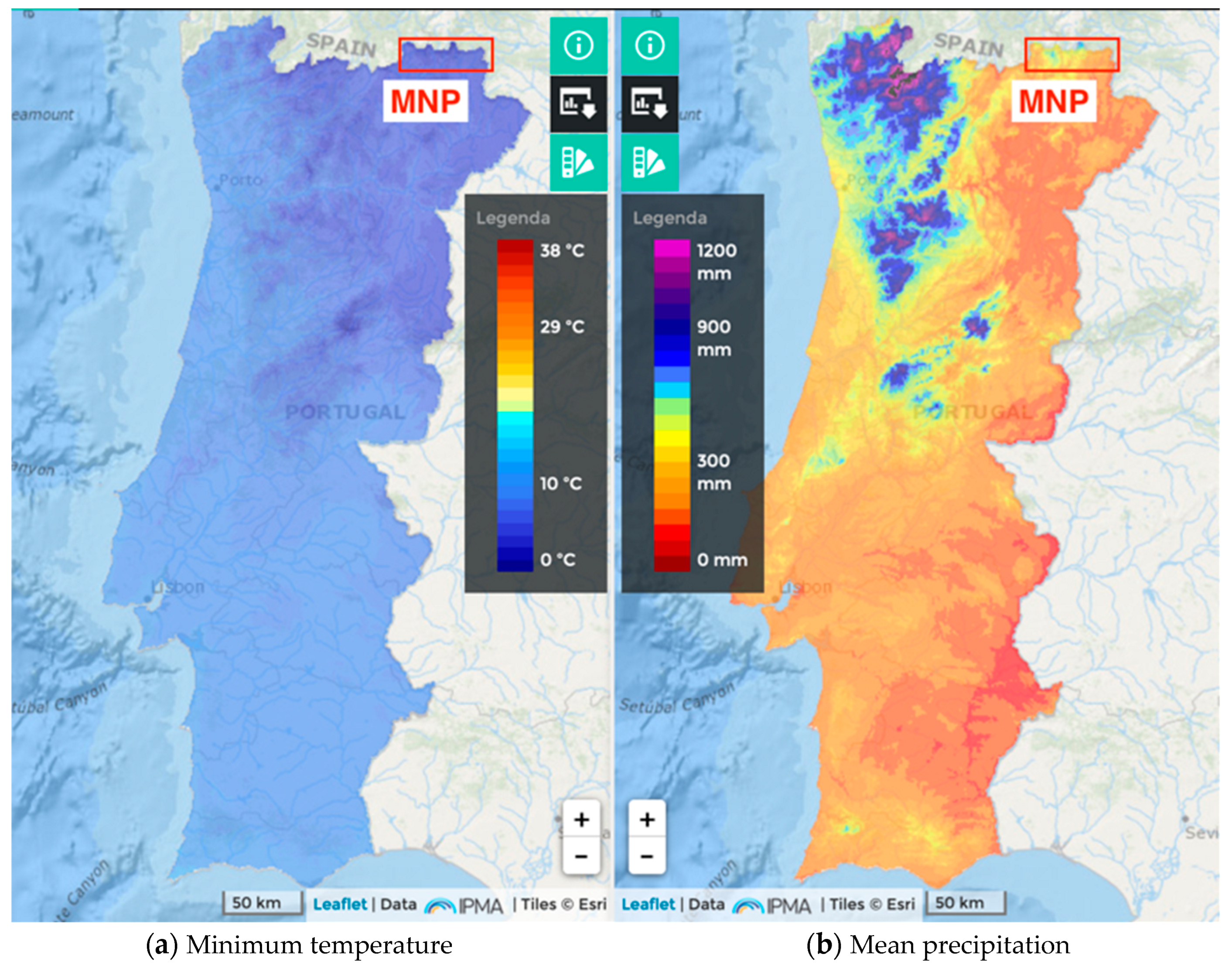
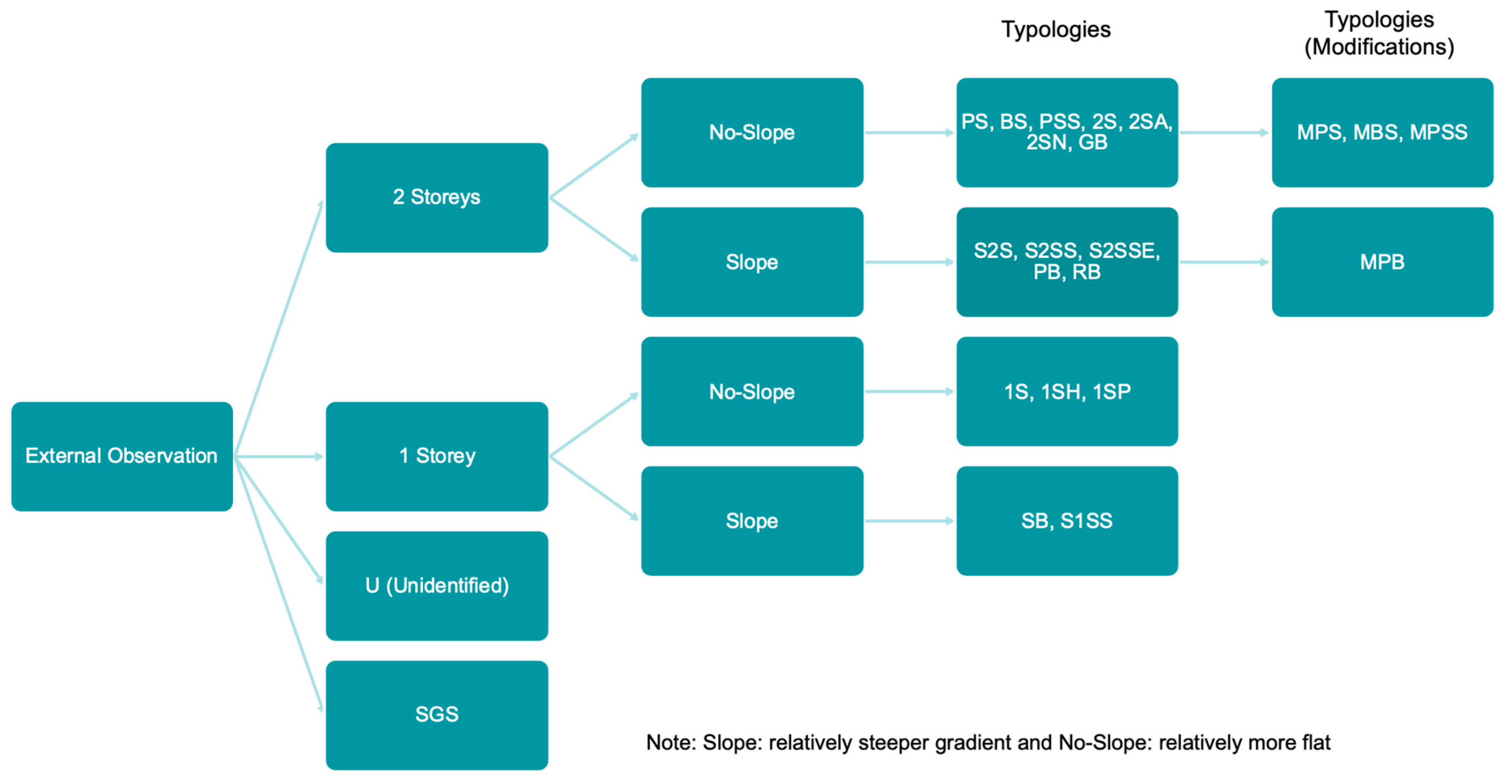
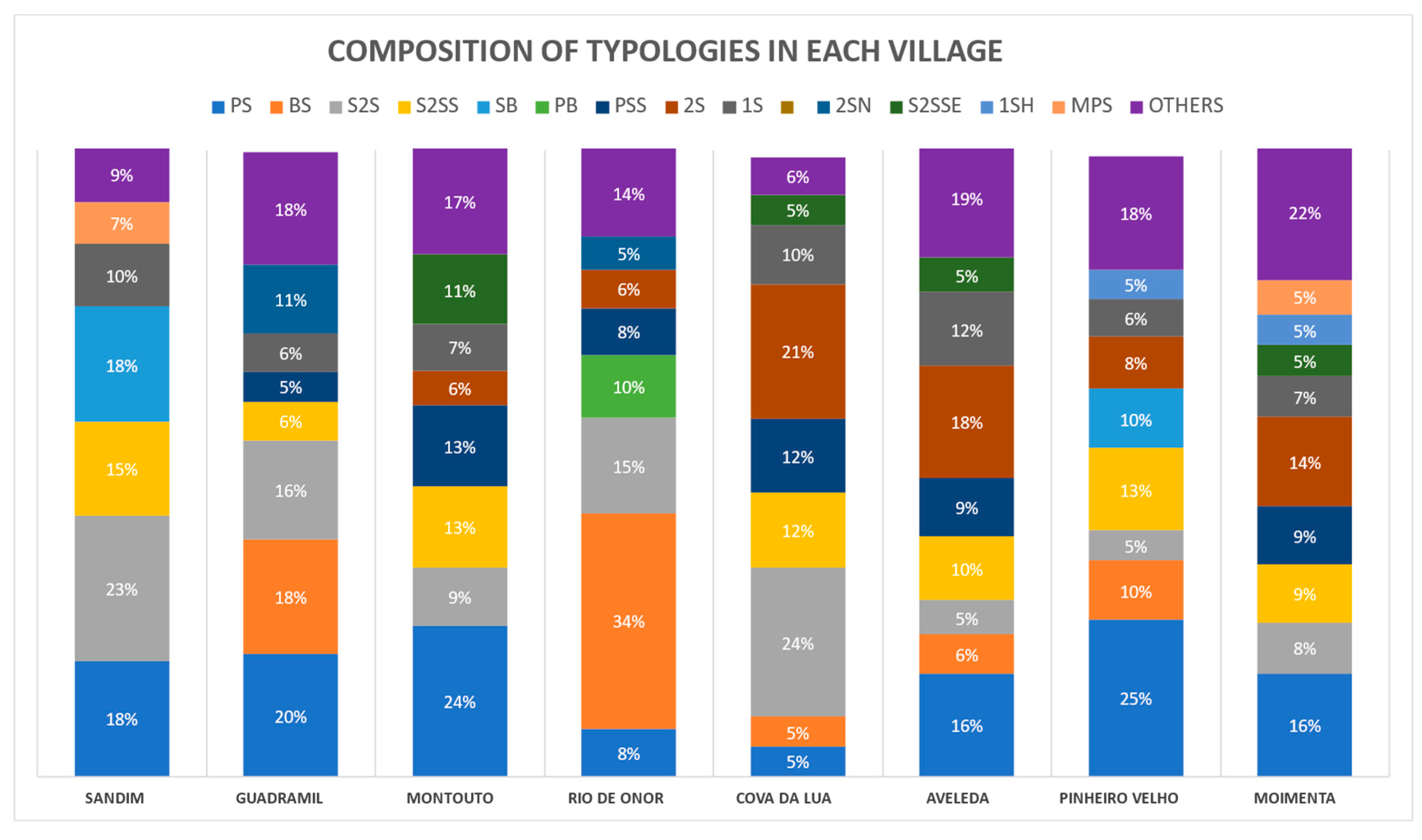
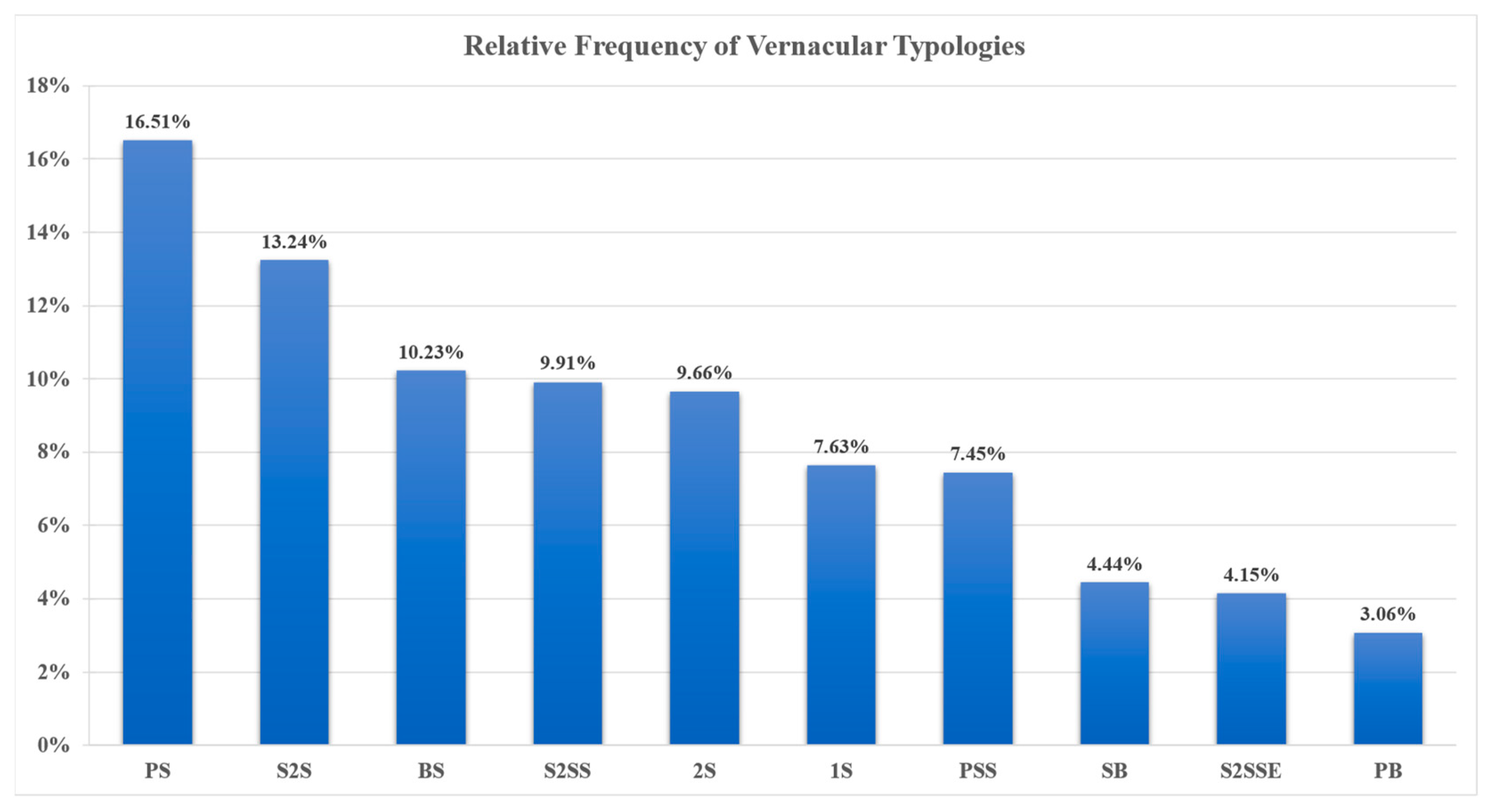
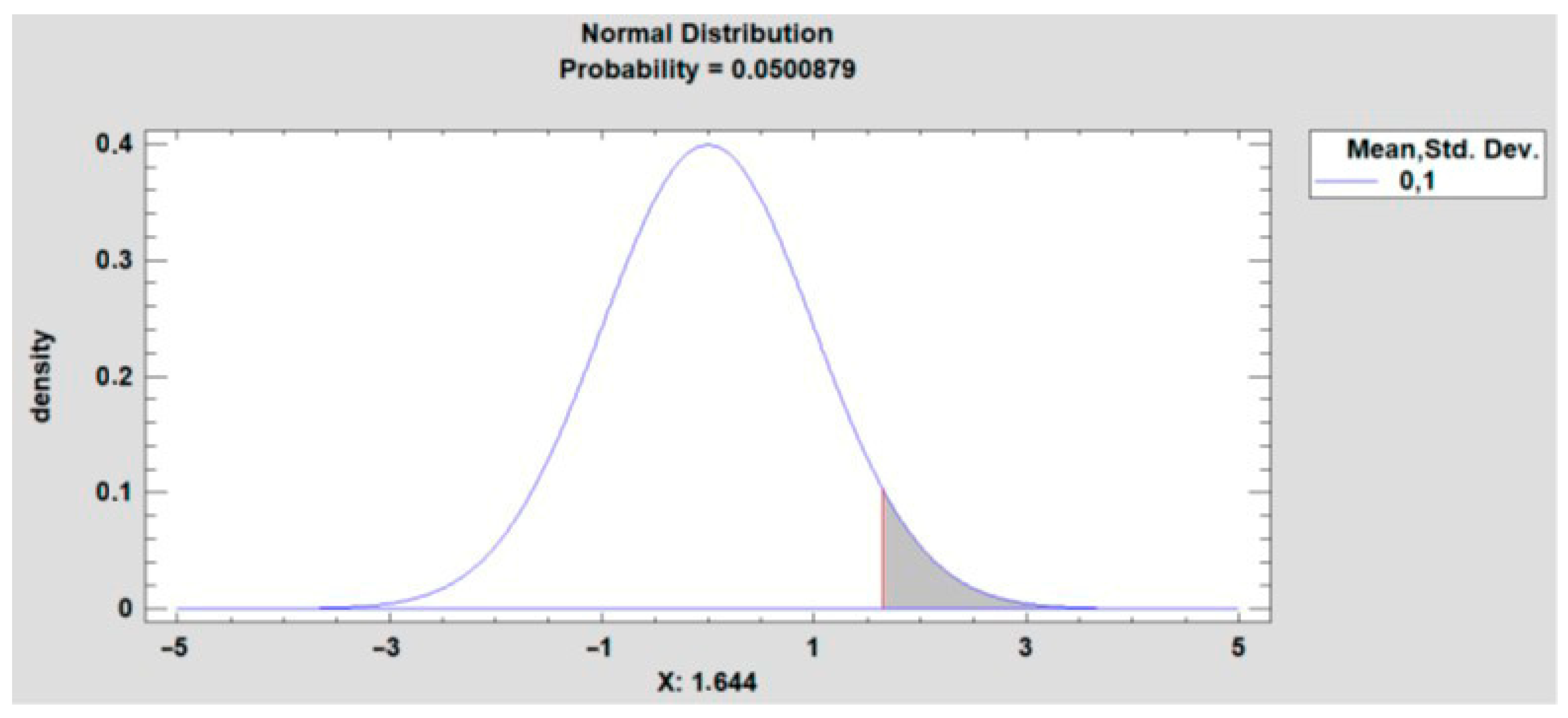
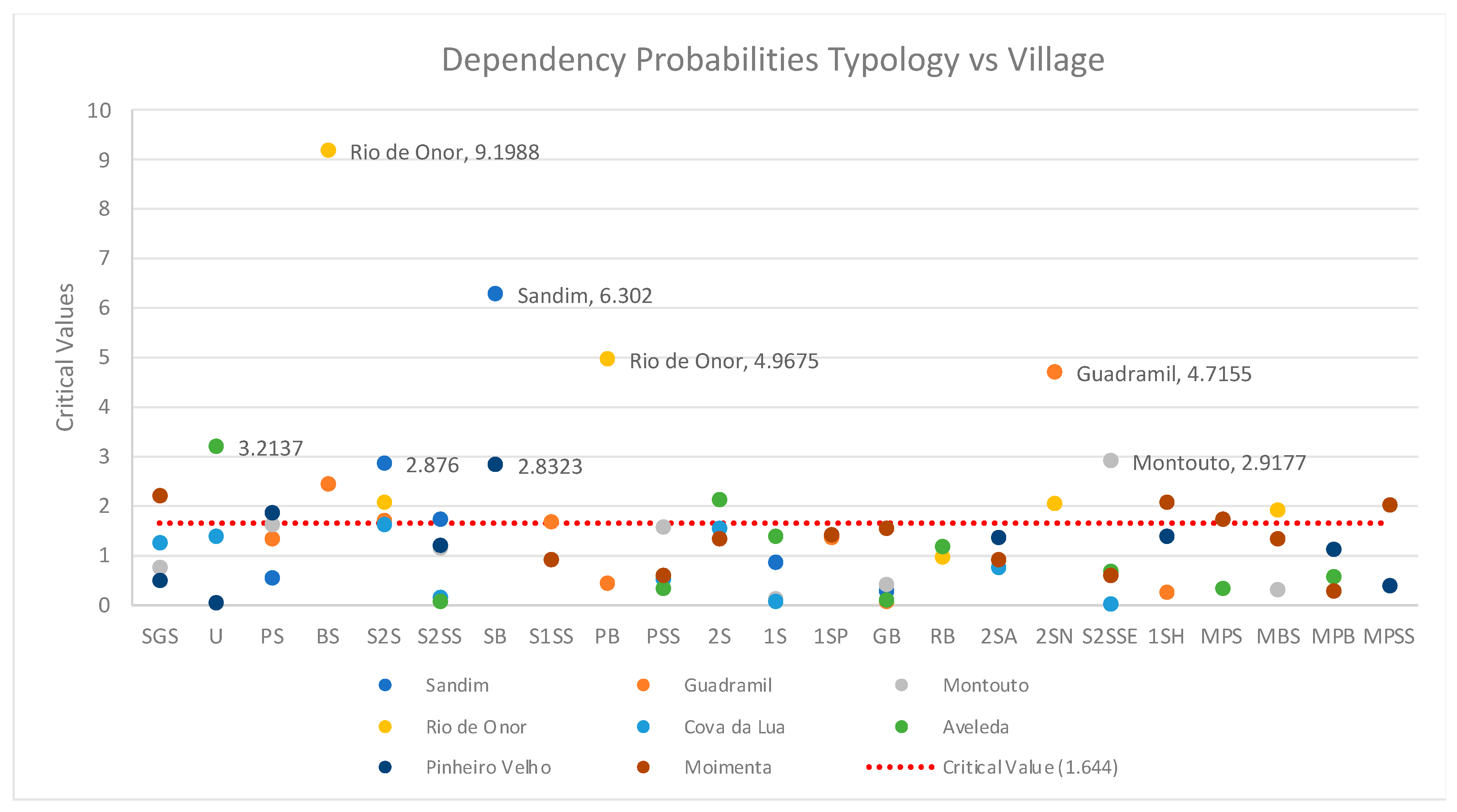
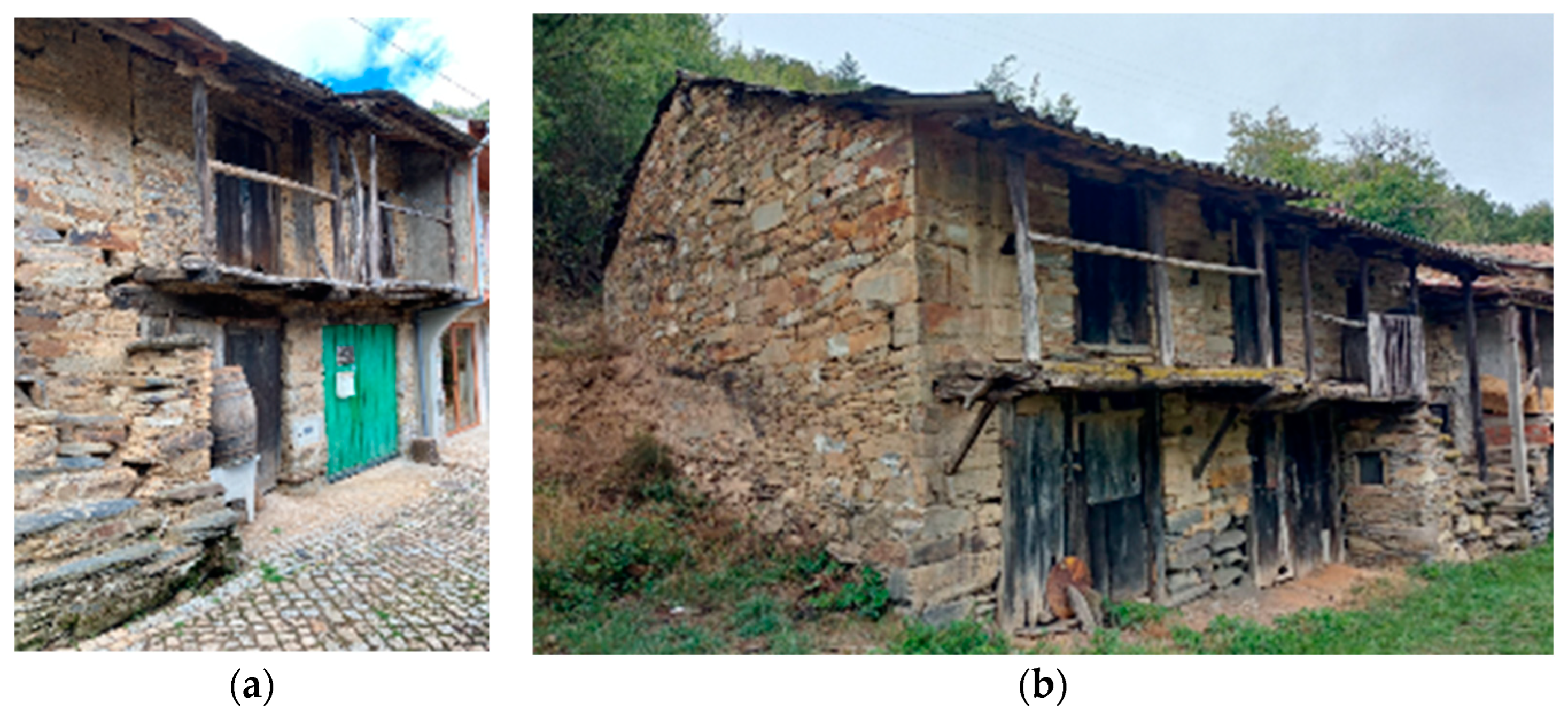
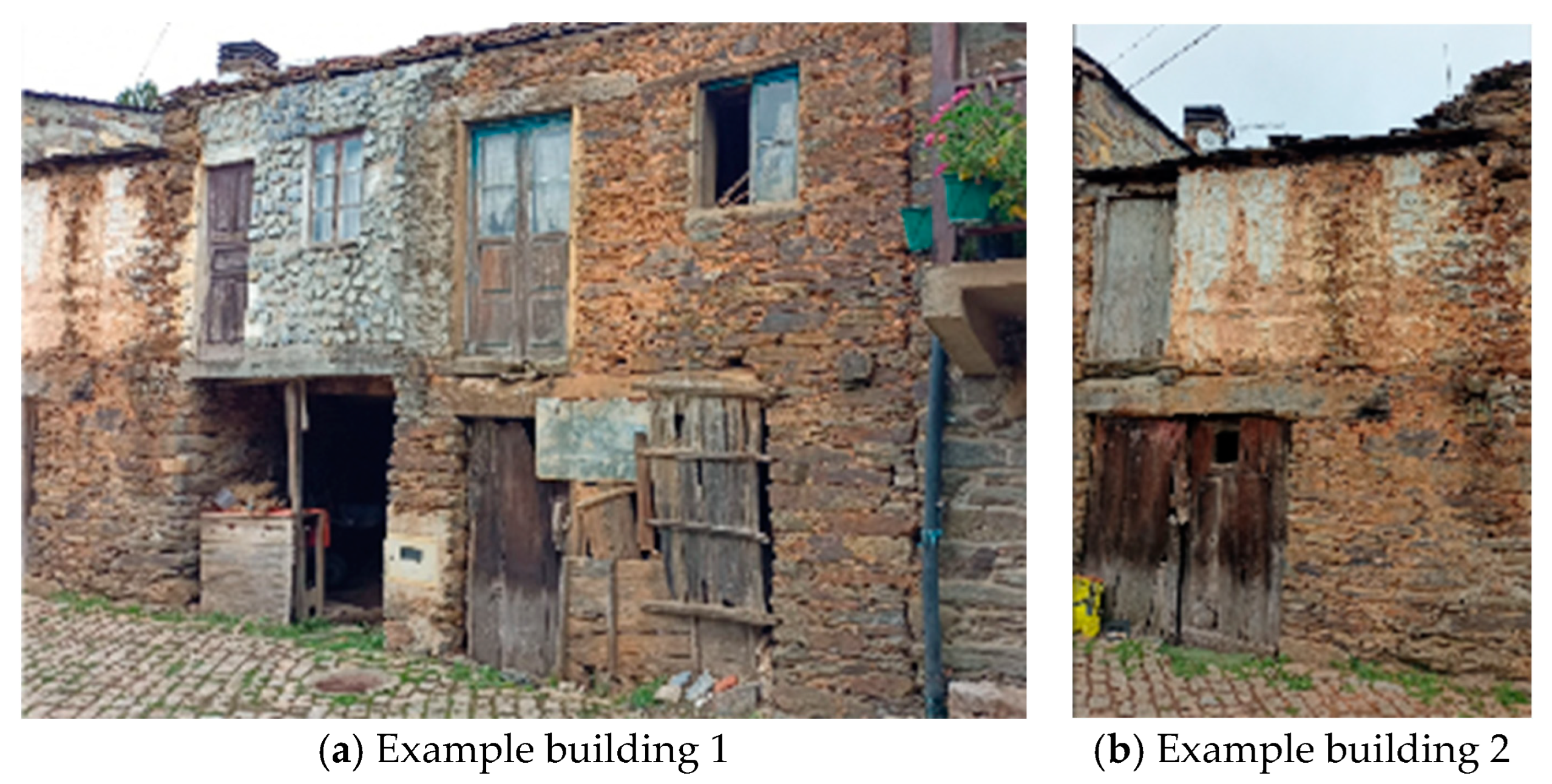
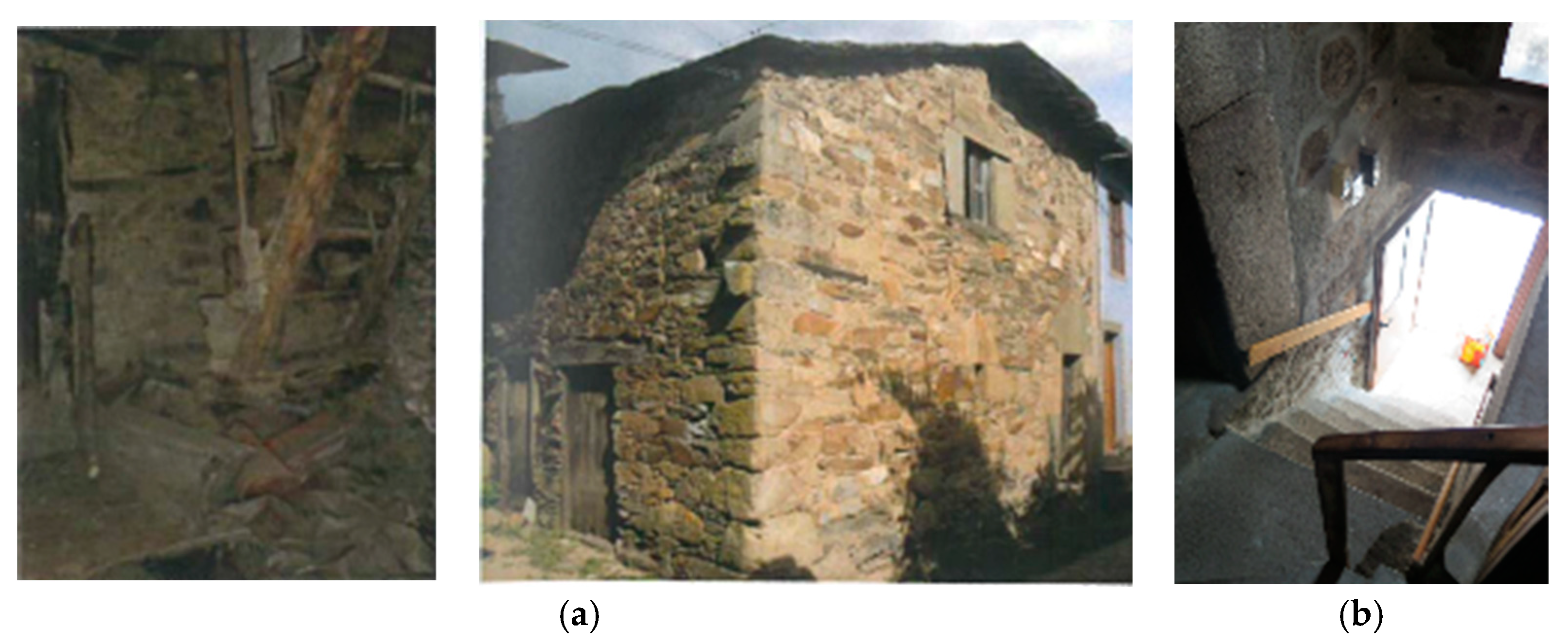
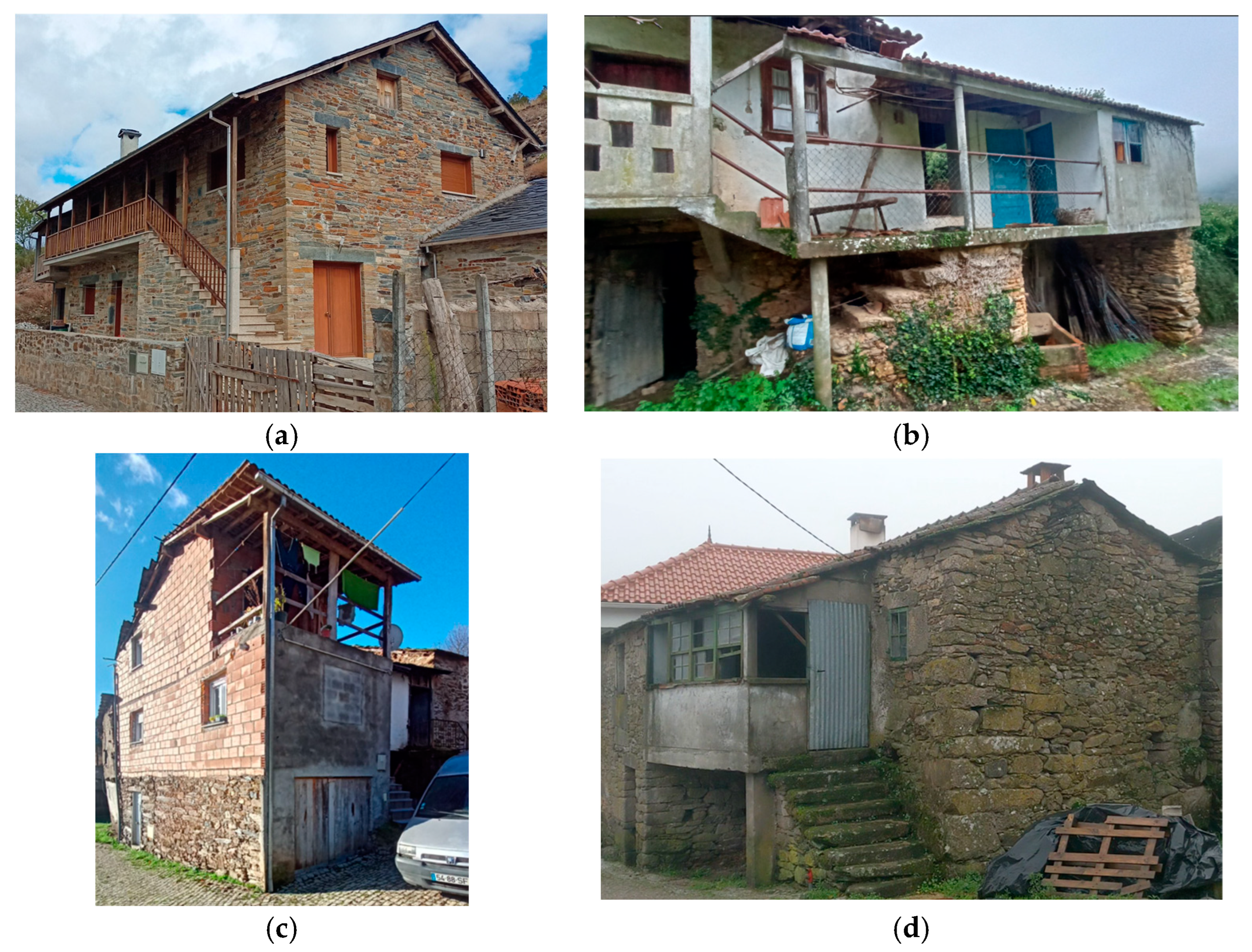
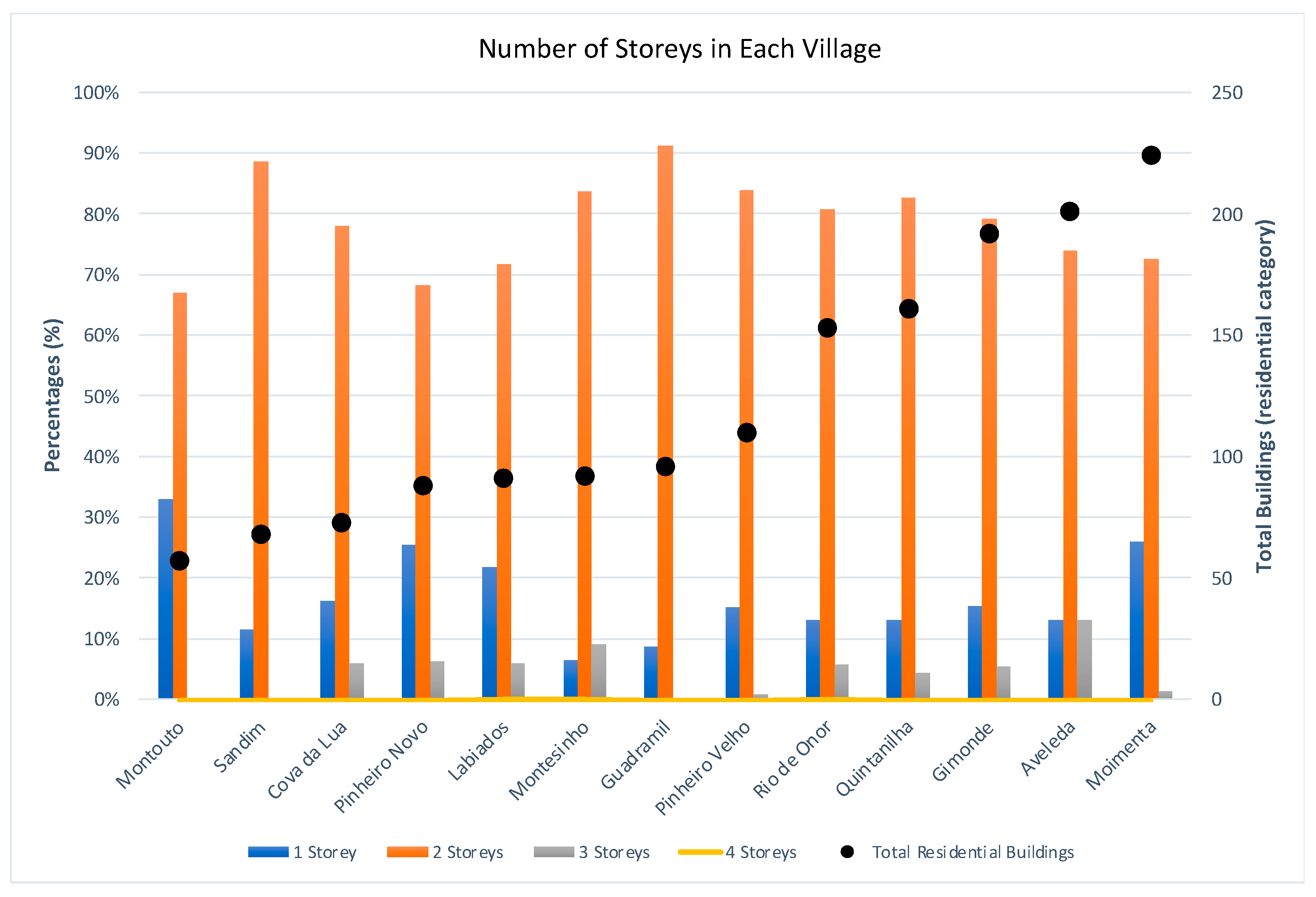
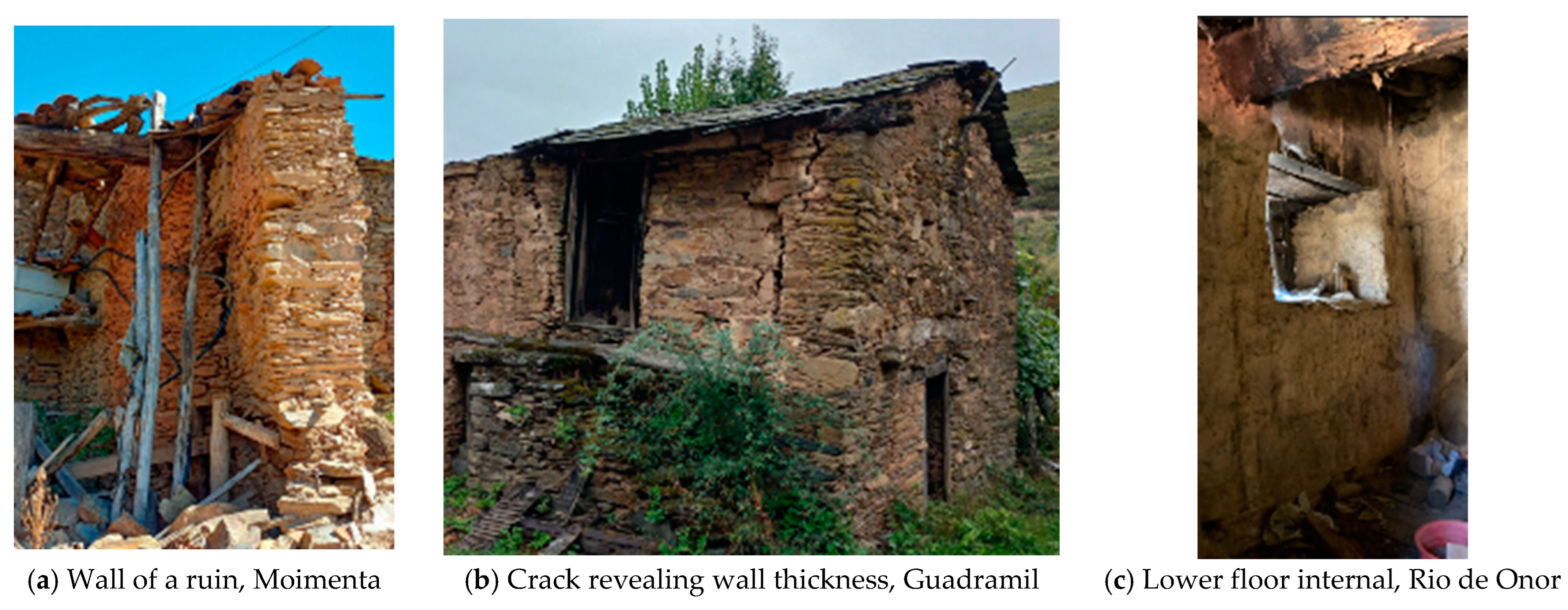
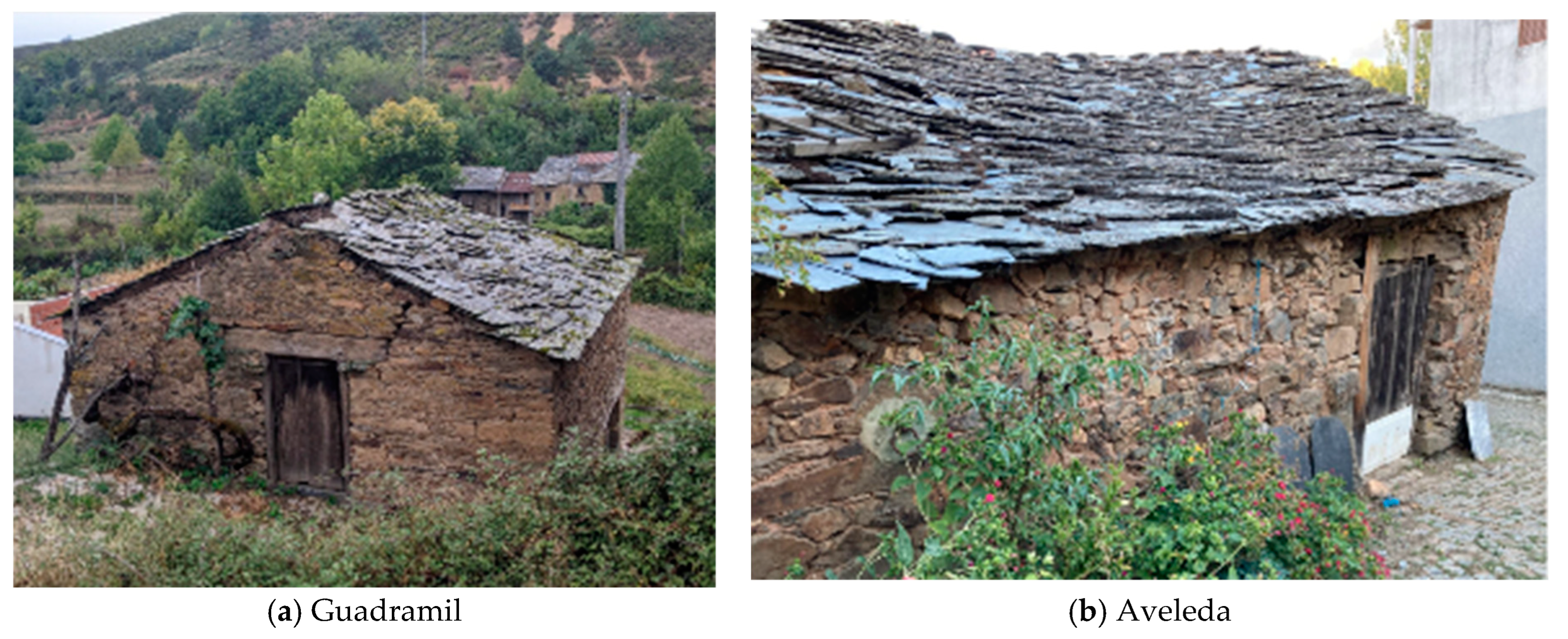
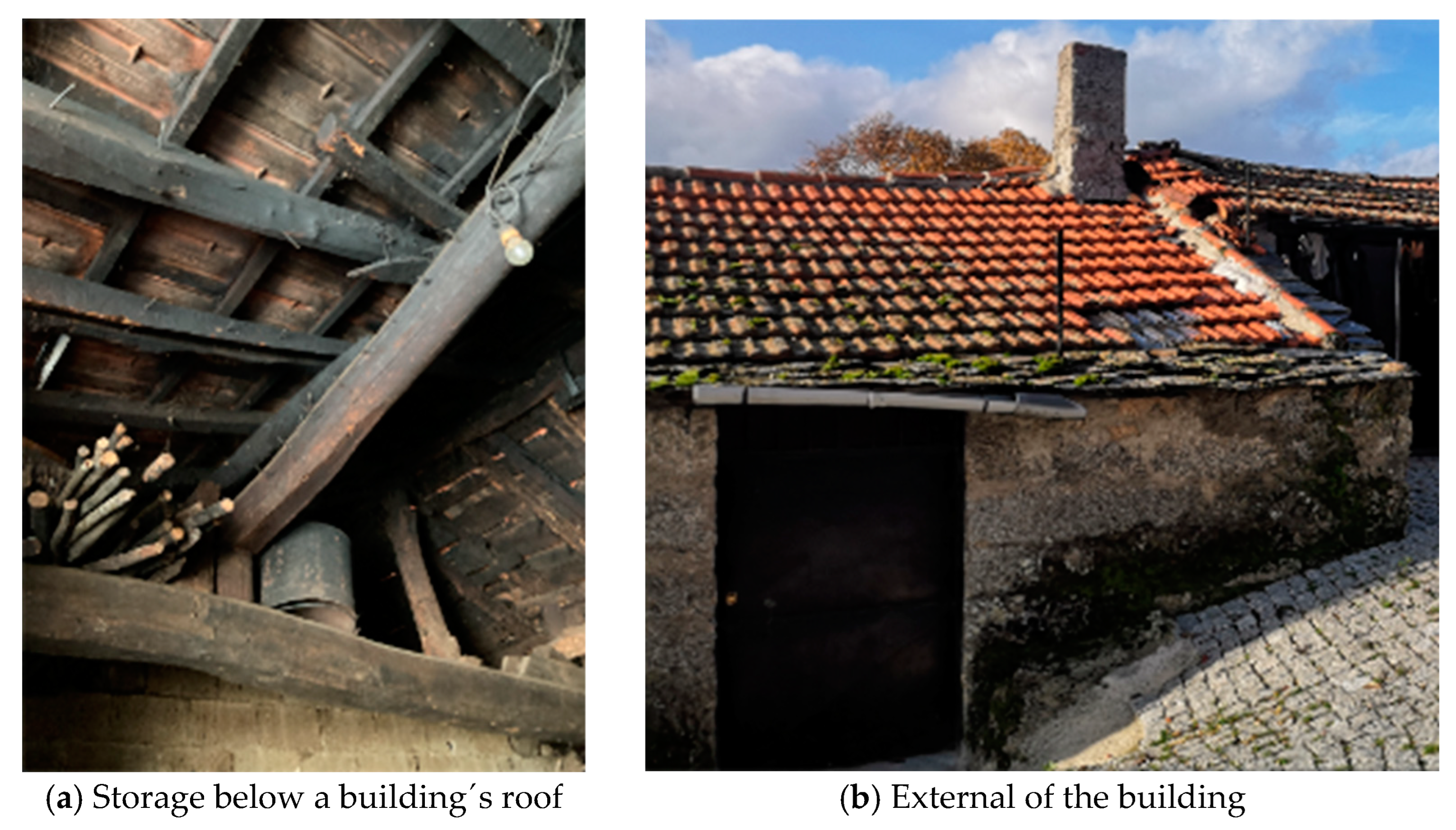
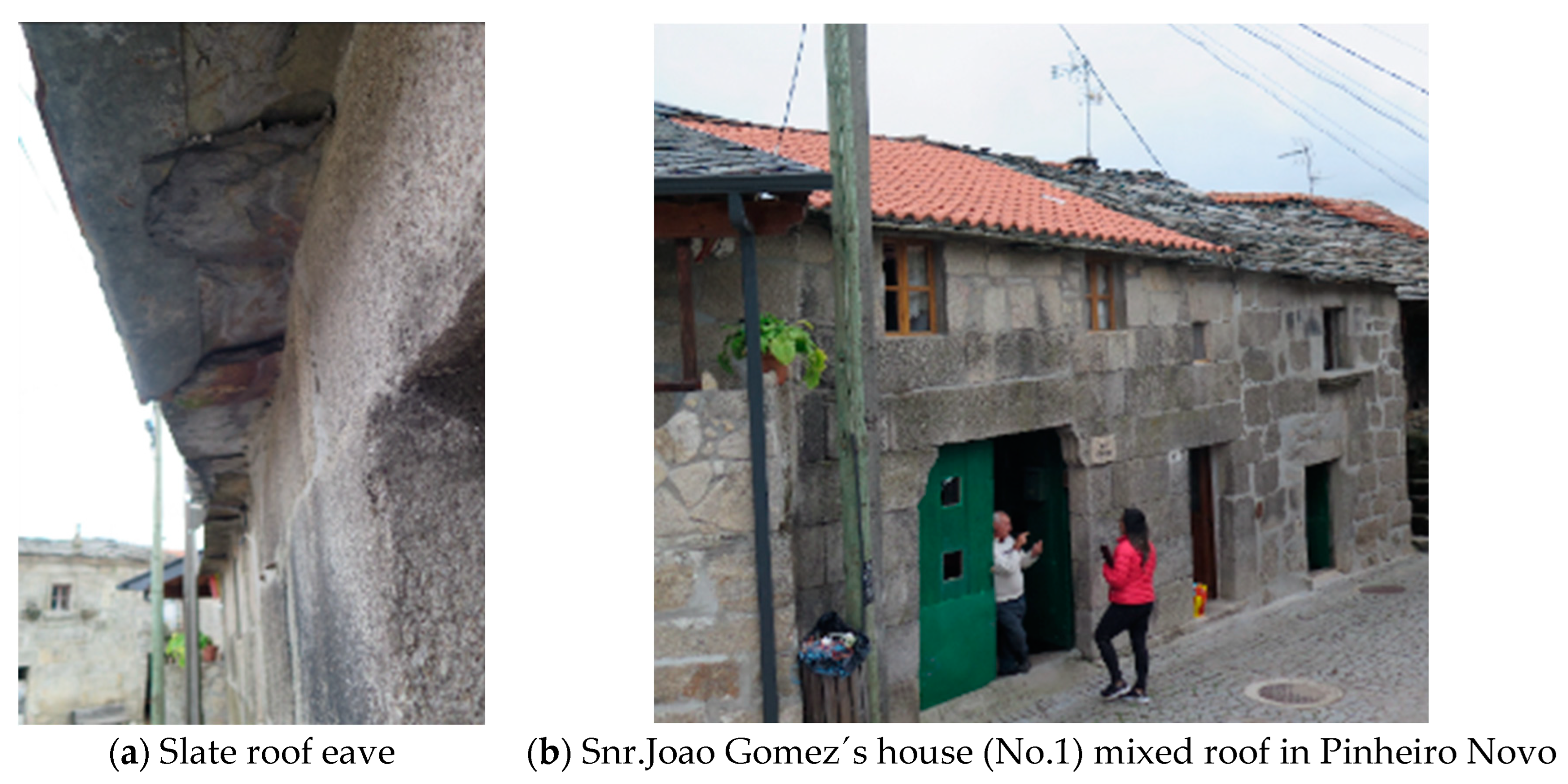
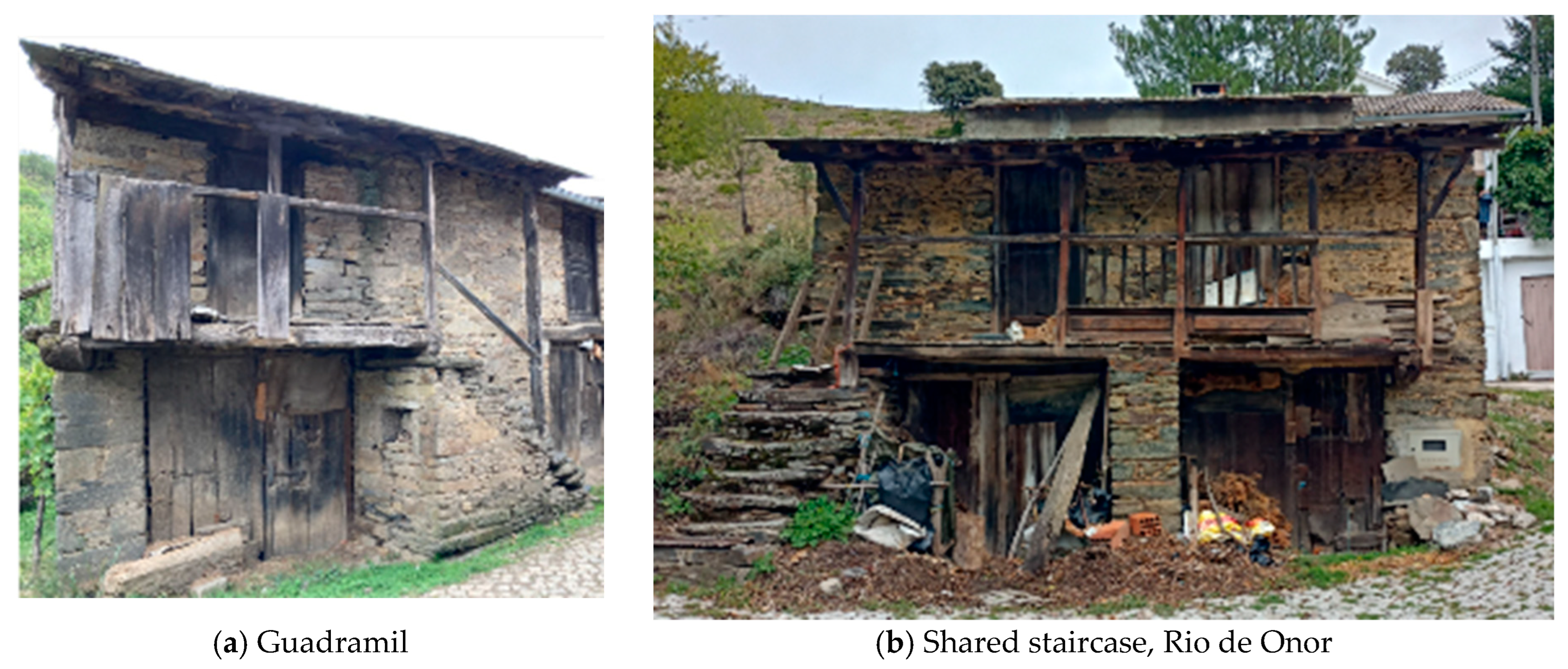
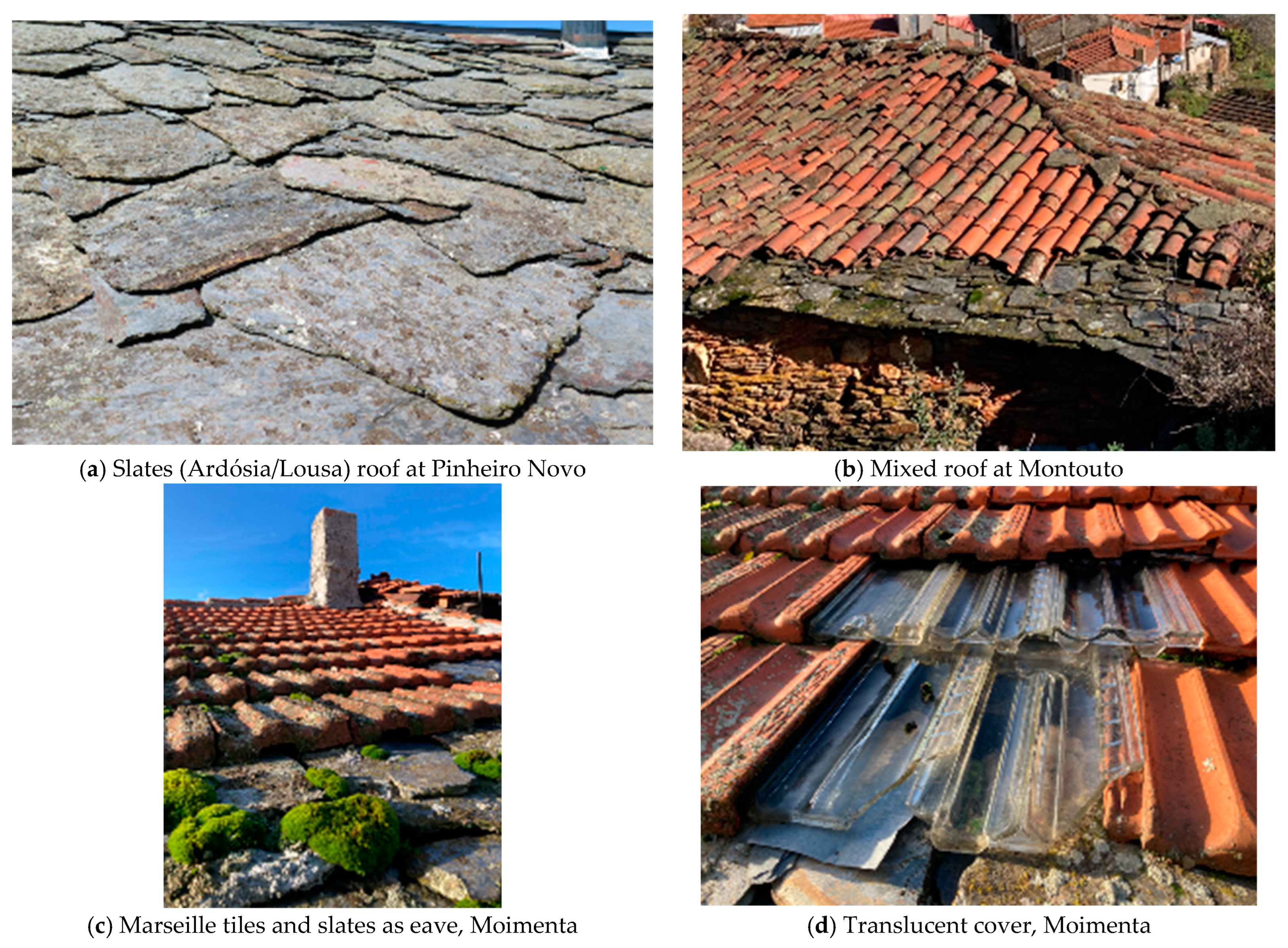
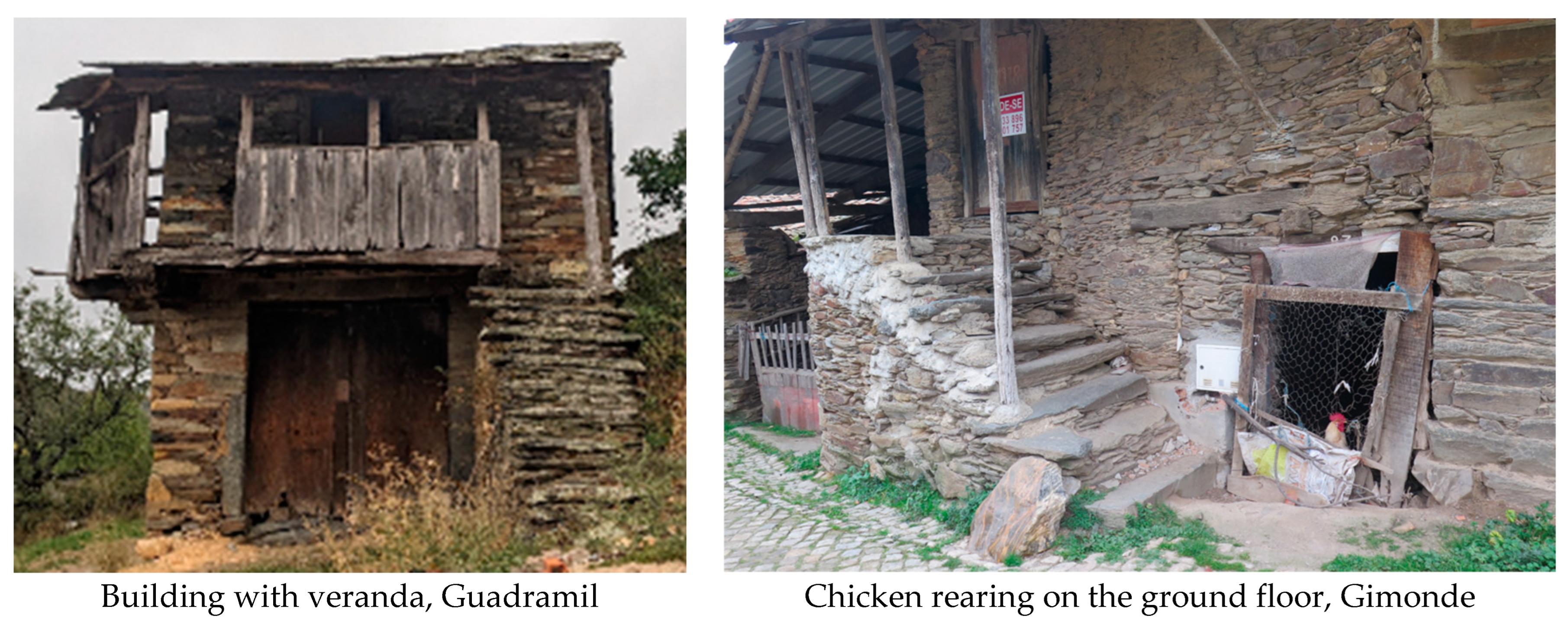
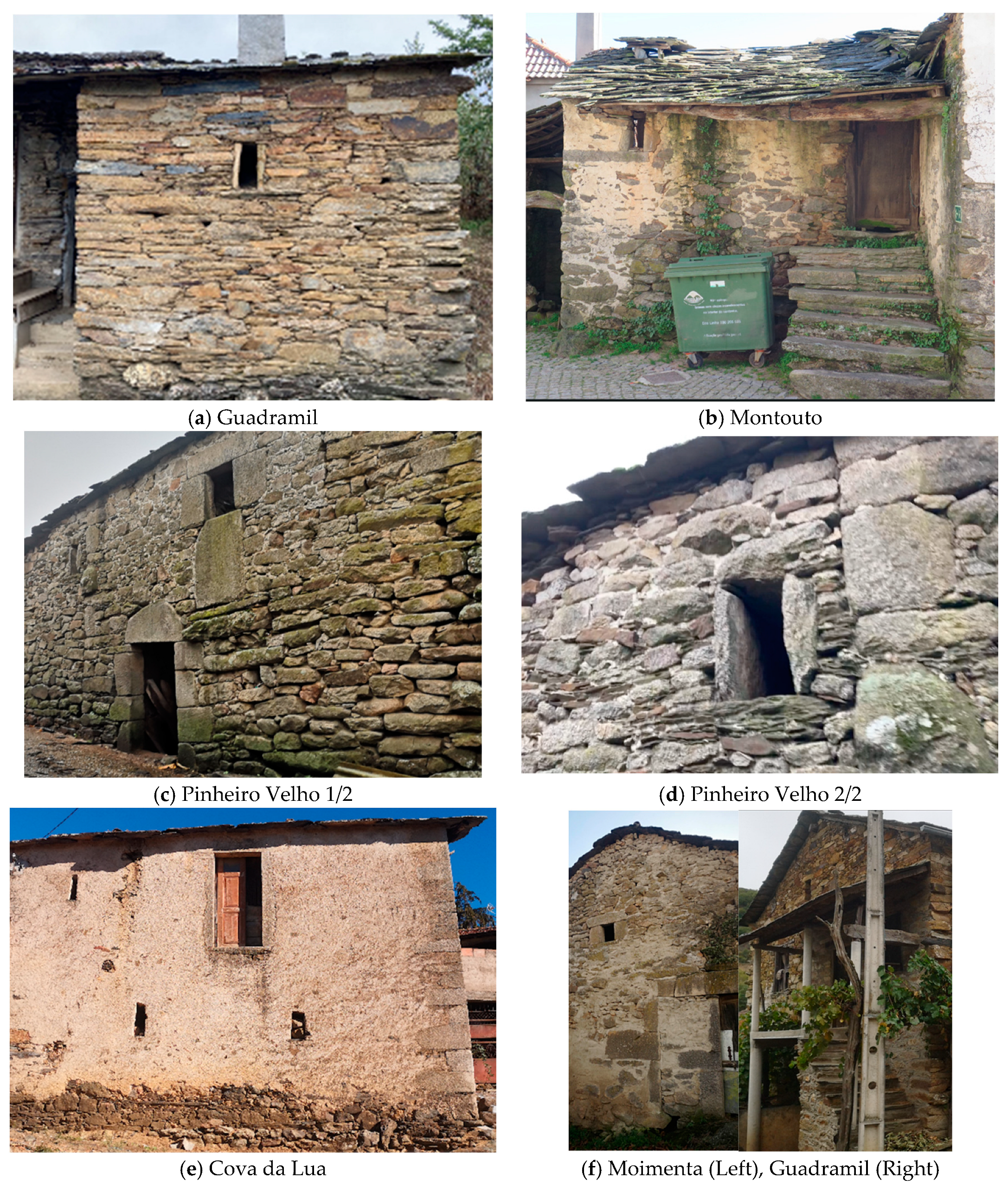
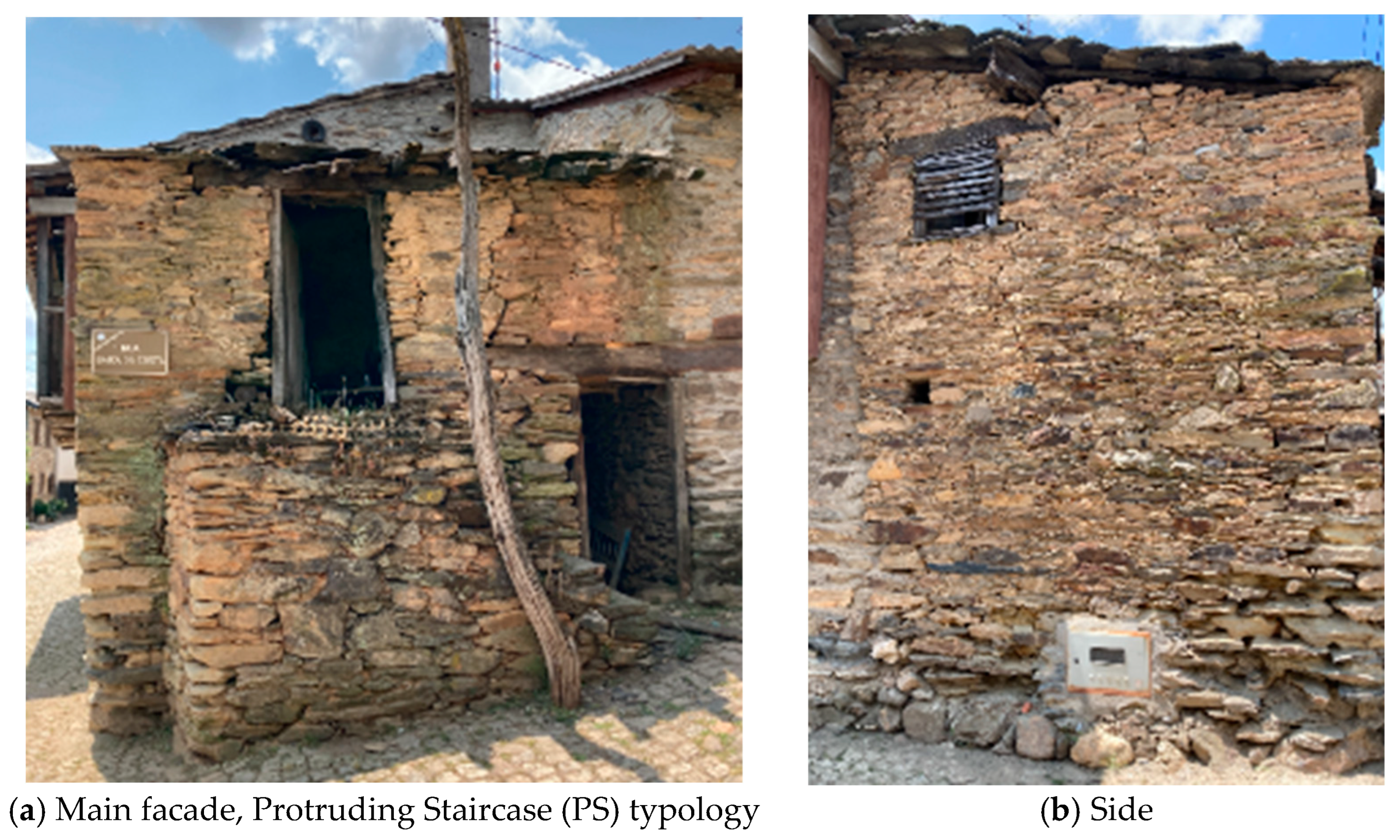
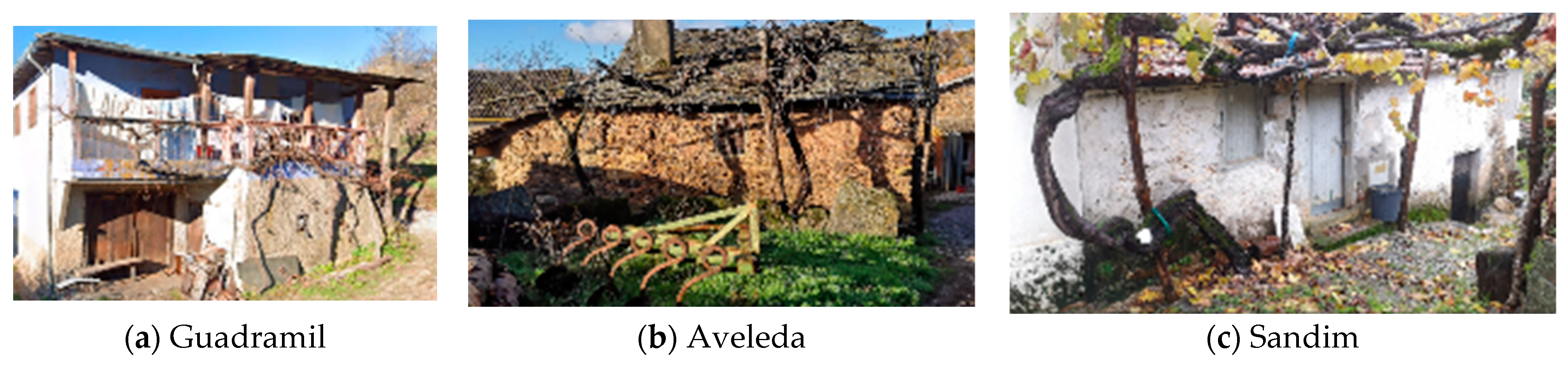
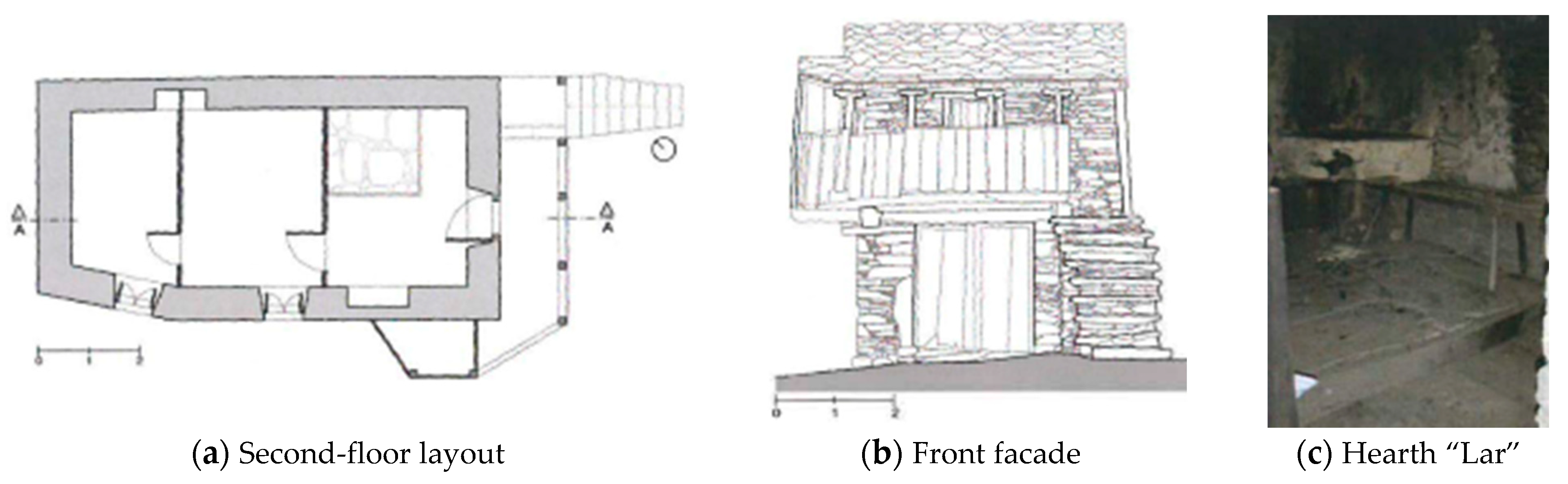
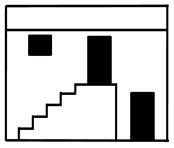
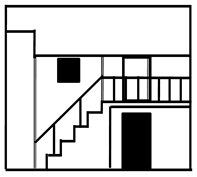
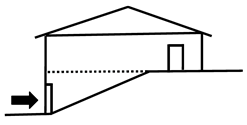
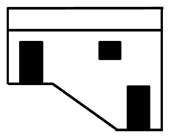
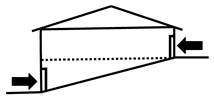
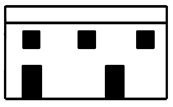
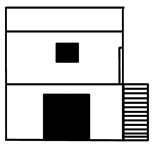
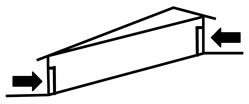
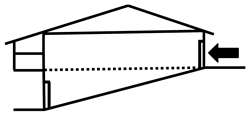
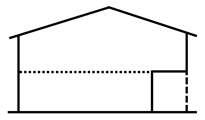
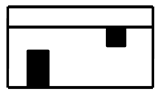
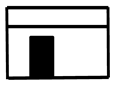
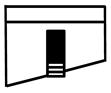
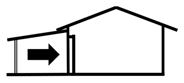
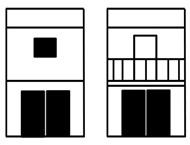
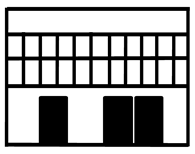
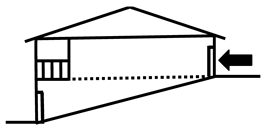
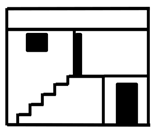
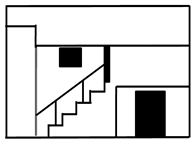
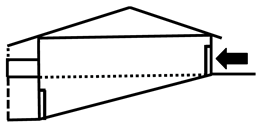
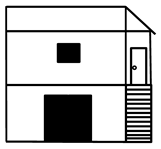
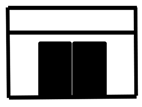

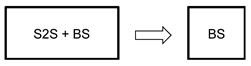
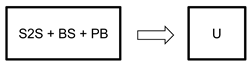


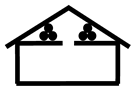
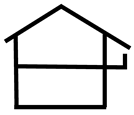


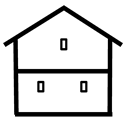


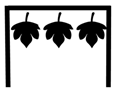
Disclaimer/Publisher’s Note: The statements, opinions and data contained in all publications are solely those of the individual author(s) and contributor(s) and not of MDPI and/or the editor(s). MDPI and/or the editor(s) disclaim responsibility for any injury to people or property resulting from any ideas, methods, instructions or products referred to in the content. |
© 2024 by the authors. Licensee MDPI, Basel, Switzerland. This article is an open access article distributed under the terms and conditions of the Creative Commons Attribution (CC BY) license (https://creativecommons.org/licenses/by/4.0/).