14 pages, 1656 KB  
Article
Therapeutic Approach of Chronic Pseudomonas Infection in Cystic Fibrosis—A Network Meta-Analysis
by Orsolya Varannai, Noémi Gede, Márk Félix Juhász, Zsolt Szakács, Fanni Dembrovszky, Dávid Németh, Péter Hegyi and Andrea Párniczky
Antibiotics 2021, 10(8), 936; https://doi.org/10.3390/antibiotics10080936 - 3 Aug 2021
Cited by 7 | Viewed by 4000
Abstract
Pseudomonas infection is a major determinant of morbidity and mortality in cystic fibrosis (CF). Maintaining optimal lung function in CF patients carrying Pseudomonas remains a challenge. Our study aims to investigate the efficacy of antipseudomonal inhaled antibiotics in CF patients with chronic Pseudomonas [...] Read more.
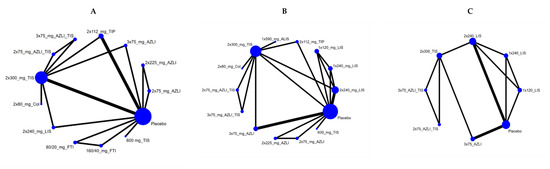
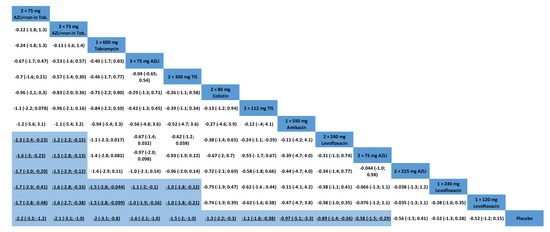
Pseudomonas infection is a major determinant of morbidity and mortality in cystic fibrosis (CF). Maintaining optimal lung function in CF patients carrying Pseudomonas remains a challenge. Our study aims to investigate the efficacy of antipseudomonal inhaled antibiotics in CF patients with chronic Pseudomonas infection. A Bayesian network meta-analysis of randomized controlled trials was conducted. The main outcomes were changes in: (a) forced respiratory volume (FEV1), (b) Pseudomonas aeruginosa sputum density, and (c) CF Questionnaire Revised Respiratory Symptom Score (CFQR-RSS) at 4 weeks follow-up. Eighteen trials which reported on treatment with aztreonam lysine, tobramycin, colistin, levofloxacin, fosfomycin/tobramycin, and amikacin in various dosages were eligible for inclusion. In terms of change in FEV1%, aztreonam lysine (t.i.d., 75 mg) with a 28-day run in the tobramycin phase, aztreonam lysine (b.i.d., 75 mg) with a 28-day run in the tobramycin phase had the highest probability of being the most effective treatment (SUCRAs were 77, 76%, respectively). Regarding change in Pseudomonas sputum density, aztreonam lysine (b.i.d., 75 mg) with a 28-day run in the tobramycin phase, aztreonam lysine (t.i.d., 75 mg) with a 28-day run in the tobramycin phase had the highest probability of being the most effective treatment (SUCRAs were 90, 86%, respectively). Regarding change in CFQR-RSS, aztreonam lysine (t.i.d., 75 mg) and aztreonam lysine (b.i.d., 75 mg) with a 28-day run in the tobramycin inhalation solution phase had the highest probability of being the most effective treatments (SUCRA:74% and 72%, respectively). Regarding changes in FEV1% and Pseudomonas sputum density, aztreonam lysine with a run in tobramycin phase may be the best treatment option in treating chronic Pseudomonas in CF. According to CFQR-RSS no significant differences were found. Given the limitations of the studies included, validation trials are called for. Full article
(This article belongs to the Special Issue Antibiotic Usage in Acute Situations)
Show Figures

Figure 1

13 pages, 1221 KB  
Review
Antibiotics Prescribing in Intensive Care Settings during the COVID-19 Era: A Systematic Review
by Lubna I. Abu-Rub, Hana A. Abdelrahman, Al-Reem A. Johar, Hashim A. Alhussain, Hamad Abdel Hadi and Nahla O. Eltai
Antibiotics 2021, 10(8), 935; https://doi.org/10.3390/antibiotics10080935 - 2 Aug 2021
Cited by 38 | Viewed by 5699
Abstract
The prevalence of patients admitted to intensive care units (ICUs) with SARS-CoV-2 infection who were prescribed antibiotics is undetermined and might contribute to the increased global antibiotic resistance. This systematic review evaluates the prevalence of antibiotic prescribing in patients admitted to ICUs with [...] Read more.
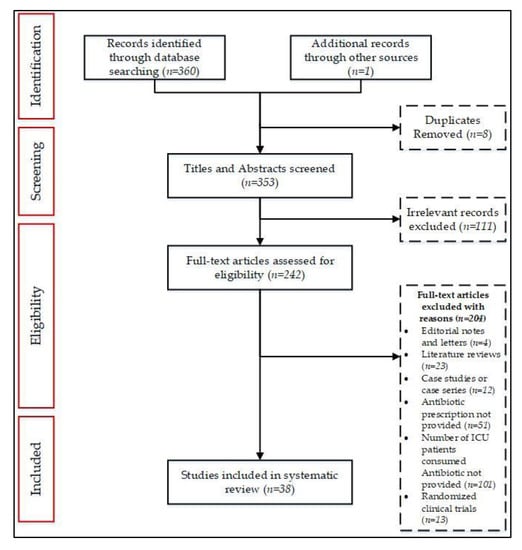
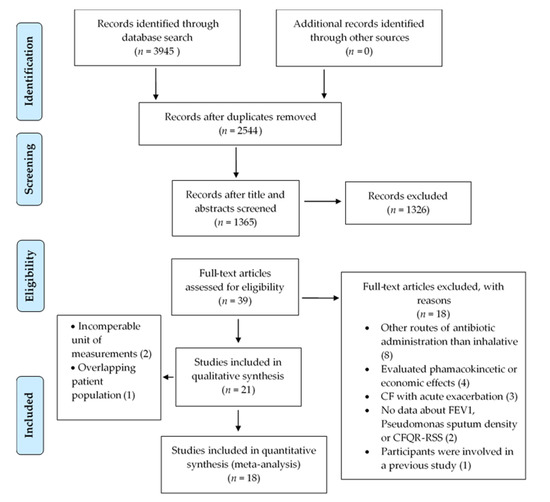
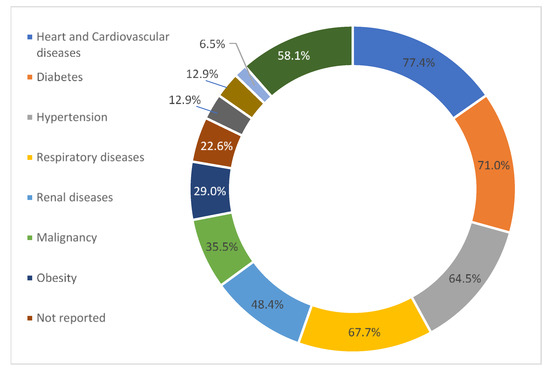
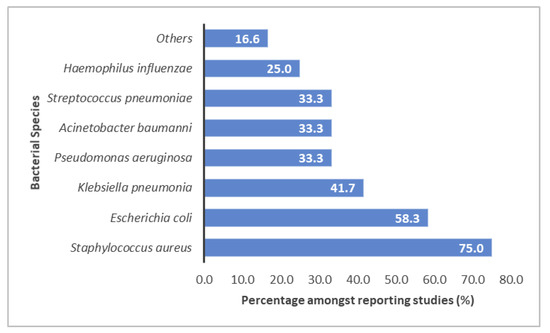
The prevalence of patients admitted to intensive care units (ICUs) with SARS-CoV-2 infection who were prescribed antibiotics is undetermined and might contribute to the increased global antibiotic resistance. This systematic review evaluates the prevalence of antibiotic prescribing in patients admitted to ICUs with SARS-CoV-2 infection using PRISMA guidelines. We searched and scrutinized results from PubMed and ScienceDirect databases for published literature restricted to the English language up to 11 May 2021. In addition, we included observational studies of humans with laboratory-confirmed SARS-CoV-2 infection, clinical characteristics, and antibiotics prescribed for ICU patients with SARS-CoV-2 infections. A total of 361 studies were identified, but only 38 were included in the final analysis. Antibiotic prescribing data were available from 2715 patients, of which prevalence of 71% was reported in old age patients with a mean age of 62.7 years. From the reported studies, third generation cephalosporin had the highest frequency amongst reviewed studies (36.8%) followed by azithromycin (34.2%). The estimated bacterial infection in 12 reported studies was 30.8% produced by 15 different bacterial species, and S. aureus recorded the highest bacterial infection (75%). The fundamental outcomes were the prevalence of ICU COVID-19 patients prescribed antibiotics stratified by age, type of antibiotics prescribed, and the presence of co-infections and comorbidities. In conclusion, more than half of ICU patients with SARS-CoV-2 infection received antibiotics, and prescribing is significantly higher than the estimated frequency of identified bacterial co-infection. Full article
(This article belongs to the Special Issue Antimicrobial Agents Used in Intensive Care Unit)
Show Figures

Figure 1

23 pages, 12007 KB  
Article
Non-β-Lactam Allosteric Inhibitors Target Methicillin-Resistant Staphylococcus aureus: An In Silico Drug Discovery Study
by Mahmoud A. A. Ibrahim, Khlood A. A. Abdeljawaad, Alaa H. M. Abdelrahman, Othman R. Alzahrani, Fahad M. Alshabrmi, Esraa Khalaf, Mahmoud F. Moustafa, Faris Alrumaihi, Khaled S. Allemailem, Mahmoud E. S. Soliman, Paul W. Paré, Mohamed-Elamir F. Hegazy and Mohamed A. M. Atia
Antibiotics 2021, 10(8), 934; https://doi.org/10.3390/antibiotics10080934 - 1 Aug 2021
Cited by 30 | Viewed by 6394
Abstract
Penicillin-binding proteins (PBPs) catalyze the final stages for peptidoglycan cell-wall bio-synthesis. Mutations in the PBP2a subunit can attenuate β-lactam antibiotic activity, resulting in unimpeded cell-wall formation and methicillin-resistant Staphylococcus aureus (MRSA). A double mutation in PBP2a (i.e., N146K and E150K) is resistant [...] Read more.
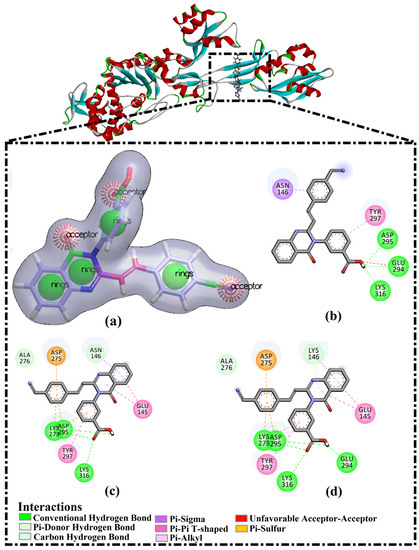
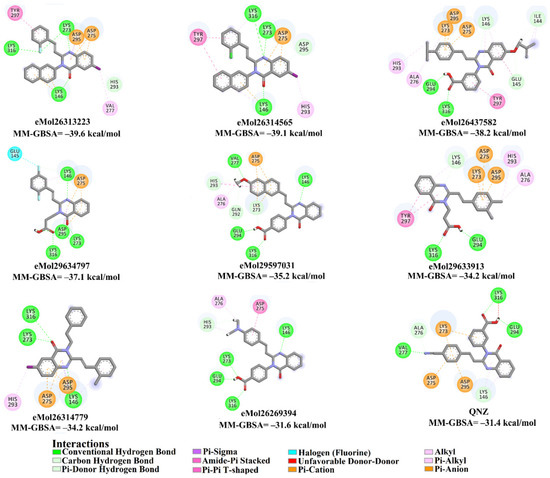
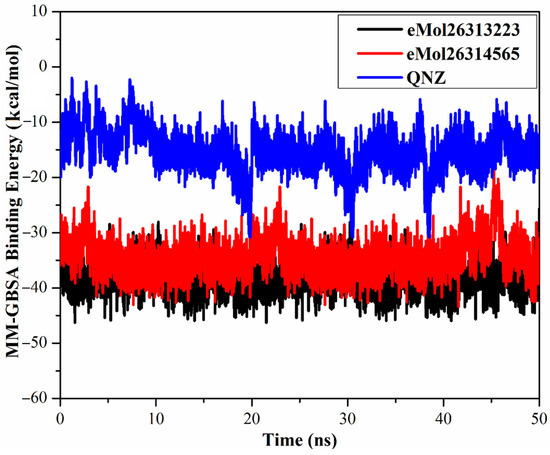
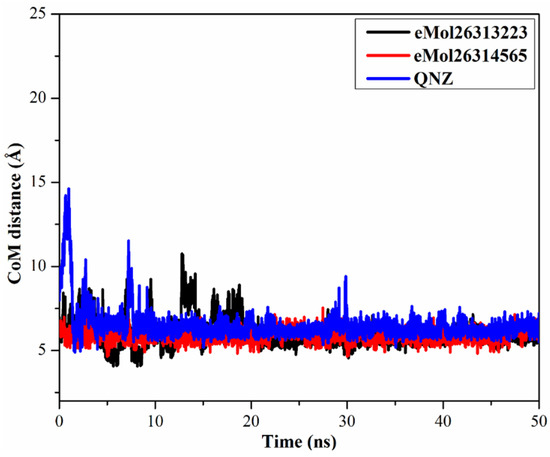
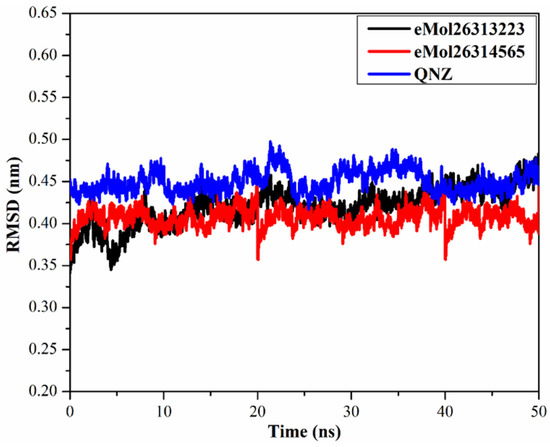
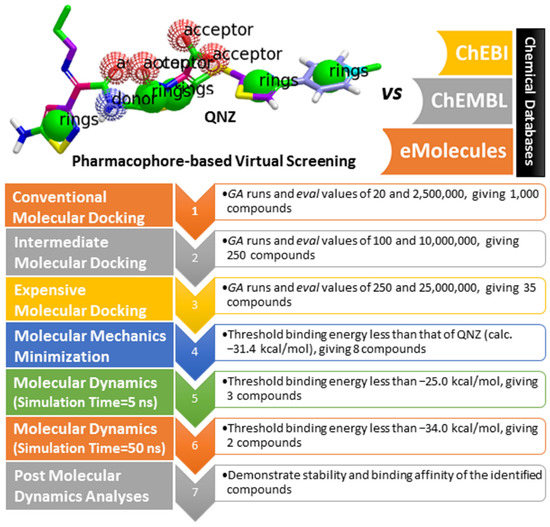
Penicillin-binding proteins (PBPs) catalyze the final stages for peptidoglycan cell-wall bio-synthesis. Mutations in the PBP2a subunit can attenuate β-lactam antibiotic activity, resulting in unimpeded cell-wall formation and methicillin-resistant Staphylococcus aureus (MRSA). A double mutation in PBP2a (i.e., N146K and E150K) is resistant to β-lactam inhibitors; however, (E)-3-(2-(4-cyanostyryl)-4-oxoquinazolin-3(4H)-yl) benzoic acid (QNZ), a heterocyclic antibiotic devoid of a β-lactam ring, interacts non-covalently with PBP2a allosteric site and inhibits PBP enzymatic activity. In the search for novel inhibitors that target this PBP2a allosteric site in acidic medium, an in silico screening was performed. Chemical databases including eMolecules, ChEMBL, and ChEBI were virtually screened for candidate inhibitors with a physicochemical similarity to QNZ. PBP2a binding affinities from the screening were calculated based on molecular docking with co-crystallized ligand QNZ serving as a reference. Molecular minimization calculations were performed for inhibitors with docking scores lower than QNZ (calc. −8.3 kcal/mol) followed by combined MD simulations and MM-GBSA binding energy calculations. Compounds eMol26313223 and eMol26314565 exhibited promising inhibitor activities based on binding affinities (ΔGbinding) that were twice that of QNZ (−38.5, −34.5, and −15.4 kcal/mol, respectively). Structural and energetic analyses over a 50 ns MD simulation revealed high stability for the inhibitors when complexed with the double mutated PBP2a. The pharmacokinetic properties of the two inhibitors were predicted using an in silico ADMET analysis. Calculated binding affinities hold promise for eMol26313223 and eMol26314565 as allosteric inhibitors of PBP2a in acidic medium and establish that further in vitro and in vivo inhibition experimentation is warranted. Full article
Show Figures

Figure 1
8 pages, 255 KB  
Article
Vancomycin-Resistant Enterococci and Extended-Spectrum β-Lactamase-Producing Bacterial Colonization of the Cervix after Emergency Cerclage: Is It Safe?
by Won-Kyu Jang and Jin-Gon Bae
Antibiotics 2021, 10(8), 933; https://doi.org/10.3390/antibiotics10080933 - 31 Jul 2021
Cited by 3 | Viewed by 3246
Abstract
Antimicrobial resistance is currently becoming a global threat to human health. We performed a retrospective study on patients who underwent emergency cerclage between January 2016 and December 2018 at the Dongsan Medical Center. Cervical culture was first performed before surgery to confirm that [...] Read more.
Antimicrobial resistance is currently becoming a global threat to human health. We performed a retrospective study on patients who underwent emergency cerclage between January 2016 and December 2018 at the Dongsan Medical Center. Cervical culture was first performed before surgery to confirm that there was no infection and was repeated on days 1, 4, and 7 after surgery. A total of 85 pregnant women underwent emergency cerclage. Among them, six patients had vancomycin-resistant enterococci (VRE) colonization in the cervix after cerclage, and 23 patients developed extended-spectrum β-lactamase (ESBL)-producing bacterial colonization in the cervix. The average gestational age at delivery was lower in the VRE group. Neonatal death was also significantly higher in the VRE group. The rate of occurrence of early-onset sepsis was also higher in the VRE group, and both VRE and ESBL-producing bacterial colonization cases in which early-onset sepsis occurred resulted in neonatal death. The prognosis of cervical VRE colonization after cervical surgery was poor, whereas the prognosis of ESBL-producing bacterial colonization in the cervix did not differ significantly from that of the control group. However, careful neonatal treatment is required considering that early-onset sepsis is fatal to the newborn. Full article
19 pages, 1443 KB  
Article
Prevalence of Drug-Resistant Tuberculosis in Sudan: A Systematic Review and Meta-Analysis
by Khalid Hajissa, Mahfuza Marzan, Mubarak Ibrahim Idriss and Md Asiful Islam
Antibiotics 2021, 10(8), 932; https://doi.org/10.3390/antibiotics10080932 - 31 Jul 2021
Cited by 27 | Viewed by 7103
Abstract
Drug-resistant tuberculosis (DR-TB) is still one of the most critical issues impeding worldwide TB control efforts. The aim of this systematic review and meta-analysis was to give an updated picture of the prevalence of DR-TB in Sudan. A comprehensive systematic search was performed [...] Read more.
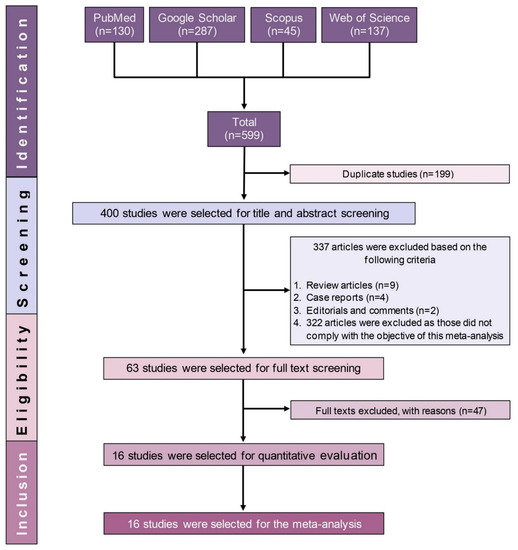
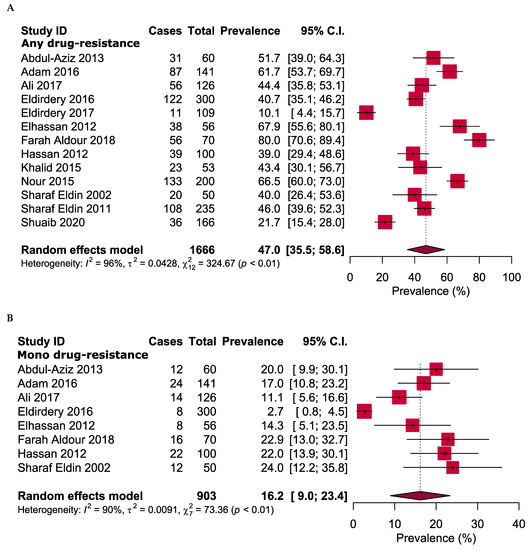
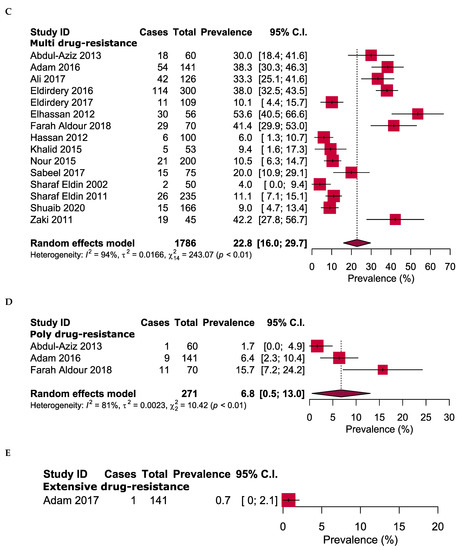
Drug-resistant tuberculosis (DR-TB) is still one of the most critical issues impeding worldwide TB control efforts. The aim of this systematic review and meta-analysis was to give an updated picture of the prevalence of DR-TB in Sudan. A comprehensive systematic search was performed on four electronic databases (PubMed, Scopus, Web of Science and Google Scholar) to identify all published studies reporting prevalence data of DR-TB in Sudan. Sixteen eligible studies published during 2002–2020 were included. Using meta-analysis of proportions, the pooled prevalence of TB cases with resistance to any anti-TB drugs was 47.0% (95% CI: 35.5–58.6%). The overall prevalence of mono, multi, poly and extensive drug resistance were estimated to be 16.2% (95% CI: 9.0–23.4%), 22.8% (95% CI: 16.0–29.7%), 6.8% (95% CI: 0.5–13.0%) and 0.7% (95% CI: 0–2.1%), respectively. Considering any first-line anti-TB drugs, the resistance prevalence was highest for isoniazid (32.3%) and streptomycin (31.7%), followed by rifampicin (29.2%). In contrast, resistance against second-line drugs was reported for only two antibiotics, namely, ofloxacin (2.1%) and kanamycin (0.7%). Of note, the resistance profile of the previously treated patients was found to be remarkably high compared with the newly diagnosed TB patients. The relatively high prevalence estimation of anti-TB drug resistance warrants strengthening TB control and treatment strategies in Sudan. Full article
Show Figures

Figure 1

14 pages, 3336 KB  
Article
Removal of Mixed-Species Biofilms Developed on Food Contact Surfaces with a Mixture of Enzymes and Chemical Agents
by Maricarmen Iñiguez-Moreno, Melesio Gutiérrez-Lomelí and María Guadalupe Avila-Novoa
Antibiotics 2021, 10(8), 931; https://doi.org/10.3390/antibiotics10080931 - 30 Jul 2021
Cited by 22 | Viewed by 4851
Abstract
Sanicip Bio Control (SBC) is a novel product developed in Mexico for biofilms’ removal. The aims of this study were to evaluate (i) the removal of mixed-species biofilms by enzymatic (protease and α-amylase, 180 MWU/g) and chemical treatments (30 mL/L SBC, and 200 [...] Read more.
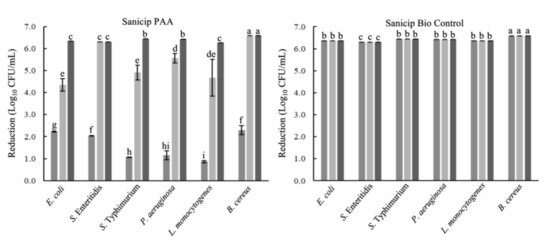
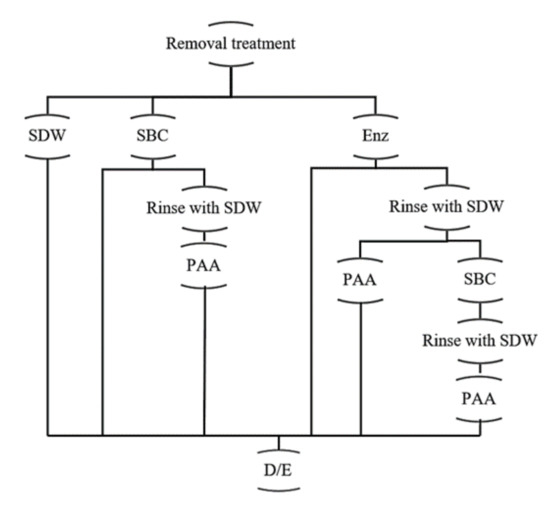
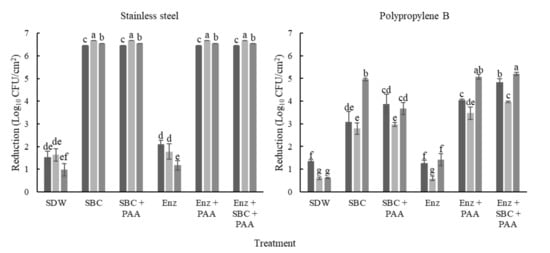
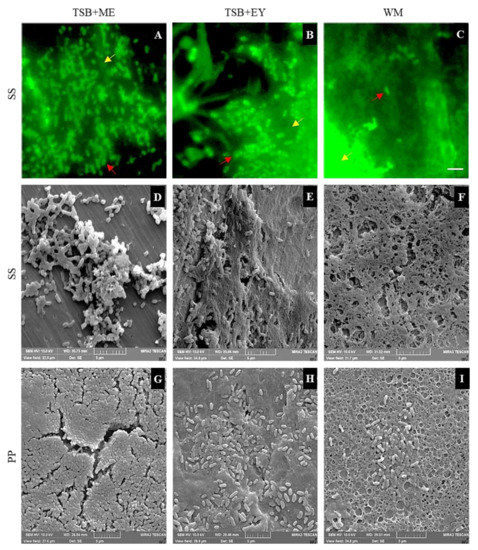
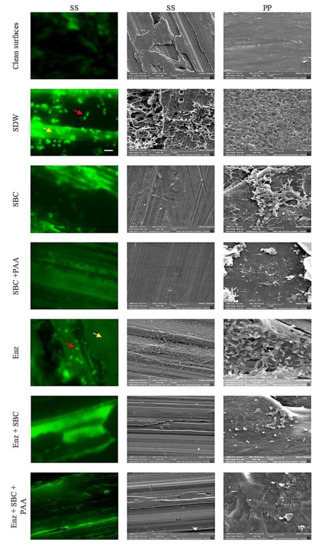
Sanicip Bio Control (SBC) is a novel product developed in Mexico for biofilms’ removal. The aims of this study were to evaluate (i) the removal of mixed-species biofilms by enzymatic (protease and α-amylase, 180 MWU/g) and chemical treatments (30 mL/L SBC, and 200 mg/L peracetic acid, PAA) and (ii) their effectiveness against planktonic cells. Mixed-species biofilms were developed on stainless steel (SS) and polypropylene B (PP) in whole milk (WM), tryptic soy broth (TSB) with meat extract (TSB+ME), and TSB with chicken egg yolk (TSB+EY) to simulate the food processing environment. On SS, all biofilms were removed after treatments, except the enzymatic treatment that only reduced 1–2 log10 CFU/cm2, whereas on PP, the reductions ranged between 0.59 and 5.21 log10 CFU/cm2, being the biofilms developed in TSB+EY being resistant to the cleaning and disinfecting process. Higher reductions in microbial load on PP were reached using enzymes, SBC, and PAA. The employed planktonic cells were markedly more sensitive to PAA and SBC than were the sessile cells. In conclusion, biofilm removal from SS can be achieved with SBC, enzymes, or PAA. It is important to note that the biofilm removal was strongly affected by the food contact surfaces (FCSs) and surrounding media. Full article
(This article belongs to the Special Issue New Insights on Biofilm Antimicrobial Strategies, 2nd Volume)
Show Figures

Figure 1
10 pages, 498 KB  
Article
Treating Critically Ill Patients Experiencing SARS-CoV-2 Severe Infection with Ig-M and Ig-A Enriched Ig-G Infusion
by Alberto Corona, Giuseppe Richini, Sara Simoncini, Marta Zangrandi, Monica Biasini, Giuseppe Russo, Mauro Pasqua, Clemente Santorsola, Camilla Gregorini and Chiara Giordano
Antibiotics 2021, 10(8), 930; https://doi.org/10.3390/antibiotics10080930 - 30 Jul 2021
Cited by 5 | Viewed by 2756
Abstract
SARS-CoV-2 in patients who need intensive care unit (ICU) is associated with a mortality rate ranging from 10 to 40–45%, with an increase in morbidity and mortality in presence of sepsis. We hypothesized that IgM and IgA enriched immunoglobulin G may support the [...] Read more.
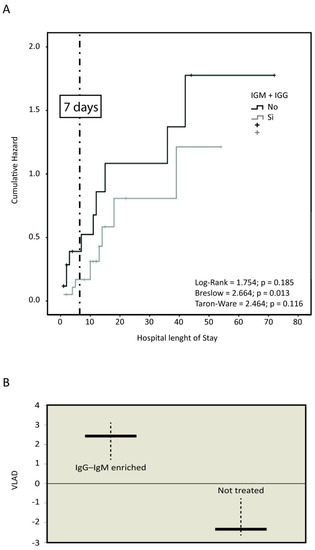
SARS-CoV-2 in patients who need intensive care unit (ICU) is associated with a mortality rate ranging from 10 to 40–45%, with an increase in morbidity and mortality in presence of sepsis. We hypothesized that IgM and IgA enriched immunoglobulin G may support the sepsis-related phase improving patient outcome. We conducted a retrospective case–control study on 47 consecutive patients admitted to our ICU. At the time of admission, patients received anticoagulants (heparin sodium) together with the standard supportive treatment. We decided to add IgM and IgA enriched immunoglobulin G to the standard therapy. Patients receiving IgM and IgA enriched immunoglobulin G were compared with patients with similar baseline characteristics and treatment, receiving only standard therapy. The mortality resulted significantly higher in patients treated with standard therapy only (56.5 vs. 37.5%, p < 0.01) and, at day 7, the probability of dying was 3 times higher in this group. Variable life adjustment display (VLAD) was 2.4 and −2.2 (in terms of lives saved in relation with those expected and derived from Simplified Acute Physiology Score II) in the treated and not treated group, respectively. The treatment based on IgM and IgA enriched immunoglobulin G infusion seems to give an advantage on survival in SARS-CoV-2 severe infection. Full article
Show Figures

Figure 1
10 pages, 286 KB  
Article
Testing as Prevention of Resistance in Bacteria Causing Sexually Transmitted Infections—A Population-Based Model for Germany
by Andreas Hahn, Hagen Frickmann and Ulrike Loderstädt
Antibiotics 2021, 10(8), 929; https://doi.org/10.3390/antibiotics10080929 - 30 Jul 2021
Cited by 3 | Viewed by 3633
Abstract
Prescribed antibiotic treatments which do not match the therapeutic requirements of potentially co-existing undetected sexually transmitted infections (STIs) can facilitate the selection of antibiotic-drug-resistant clones. To reduce this risk, this modelling assessed the potential applicability of reliable rapid molecular test assays targeting bacterial [...] Read more.
Prescribed antibiotic treatments which do not match the therapeutic requirements of potentially co-existing undetected sexually transmitted infections (STIs) can facilitate the selection of antibiotic-drug-resistant clones. To reduce this risk, this modelling assessed the potential applicability of reliable rapid molecular test assays targeting bacterial STI prior to the prescription of antibiotic drugs. The modelling was based on the prevalence of three bacterial STIs in German heterosexual and men-having-sex-with-men (MSM) populations, as well as on reported test characteristics of respective assays. In the case of the application of rapid molecular STI assays for screening, the numbers needed to test in order to correctly identify any of the included bacterial STIs ranged from 103 to 104 for the heterosexual population and from 5 to 14 for the MSM population. The number needed to harm—defined as getting a false negative result for any of the STIs and a false positive signal for another one, potentially leading to an even more inappropriate adaptation of antibiotic therapy than without any STI screening—was at least 208,995 for the heterosexuals and 16,977 for the MSM. Therefore, the screening approach may indeed be suitable to avoid unnecessary selective pressure on bacterial causes of sexually transmitted infections. Full article
(This article belongs to the Special Issue Preventing the Emergence of Antimicrobial Resistance (AMR) in STIs)
14 pages, 8099 KB  
Article
Conjugation Dynamics of Self-Transmissible and Mobilisable Plasmids into E. coli O157:H7 on Arabidopsis thaliana Rosettes
by Mitja N. P. Remus-Emsermann, David Aicher, Cosima Pelludat, Pascal Gisler and David Drissner
Antibiotics 2021, 10(8), 928; https://doi.org/10.3390/antibiotics10080928 - 30 Jul 2021
Cited by 5 | Viewed by 4021
Abstract
Many antibiotic resistance genes present in human pathogenic bacteria are believed to originate from environmental bacteria. Conjugation of antibiotic resistance conferring plasmids is considered to be one of the major reasons for the increasing prevalence of antibiotic resistances. A hotspot for plasmid-based horizontal [...] Read more.
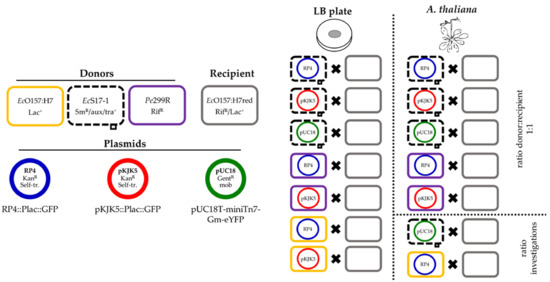
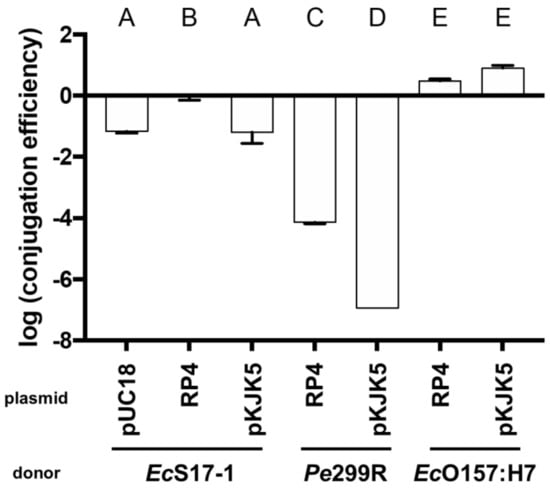
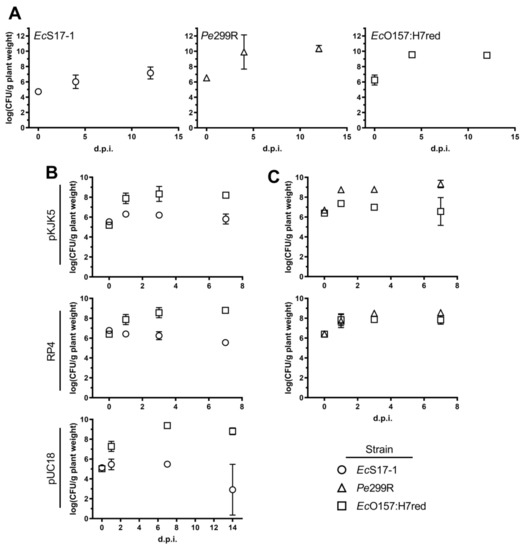
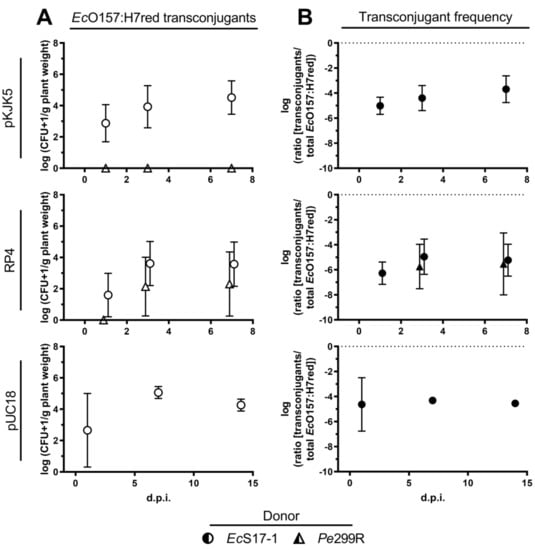
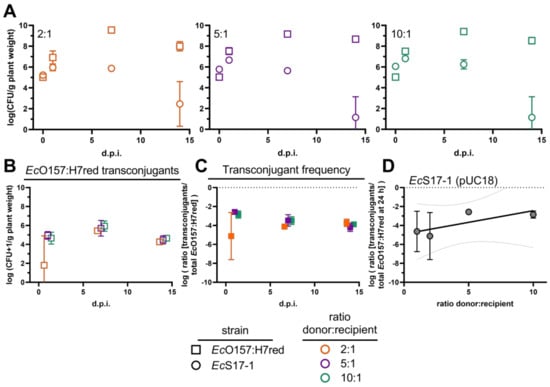
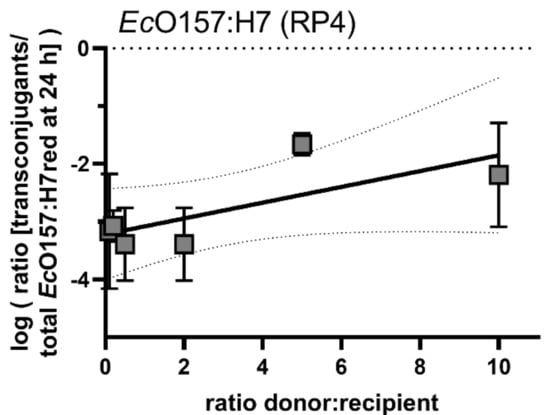
Many antibiotic resistance genes present in human pathogenic bacteria are believed to originate from environmental bacteria. Conjugation of antibiotic resistance conferring plasmids is considered to be one of the major reasons for the increasing prevalence of antibiotic resistances. A hotspot for plasmid-based horizontal gene transfer is the phyllosphere, i.e., the surfaces of aboveground plant parts. Bacteria in the phyllosphere might serve as intermediate hosts with transfer capability to human pathogenic bacteria. In this study, the exchange of mobilisable and self-transmissible plasmids via conjugation was evaluated. The conjugation from the laboratory strain Escherichia coli S17-1, the model phyllosphere coloniser Pantoea eucalypti 299R, and the model pathogen E. coli O157:H7 to the recipient strain E. coli O157:H7::MRE103 (EcO157:H7red) in the phyllosphere of Arabidopsis thaliana was determined. The results suggest that short-term occurrence of a competent donor is sufficient to fix plasmids in a recipient population of E. coli O157:H7red. The spread of self-transmissible plasmids was limited after initial steep increases of transconjugants that contributed up to 10% of the total recipient population. The here-presented data of plasmid transfer will be important for future modelling approaches to estimate environmental spread of antibiotic resistance in agricultural production environments. Full article
(This article belongs to the Special Issue Antimicrobial Resistance and the Environment: One Health Approach)
Show Figures

Figure 1
21 pages, 3484 KB  
Article
Antimicrobial Potential of Microorganisms Isolated from the Bottom Sediments of Lake Baikal
by Olga Babich, Margarita Shevchenko, Svetlana Ivanova, Valery Pavsky, Maria Zimina, Svetlana Noskova, Veronika Anohova, Evgeny Chupakhin and Stanislav Sukhikh
Antibiotics 2021, 10(8), 927; https://doi.org/10.3390/antibiotics10080927 - 30 Jul 2021
Cited by 8 | Viewed by 3492
Abstract
Extremophilic microorganisms attract researchers by their unique characteristics, primarily antagonistic ones, acquired in the process of survival in extreme natural conditions. The antimicrobial potential of the metabolites of these microorganisms is quite broad, from the food industry to therapeutic drugs. Microbial mats of [...] Read more.
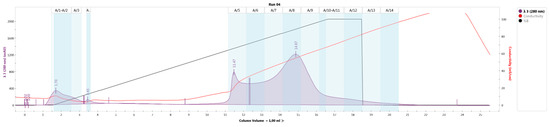
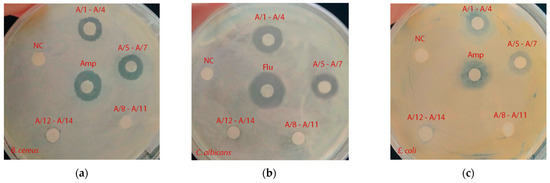
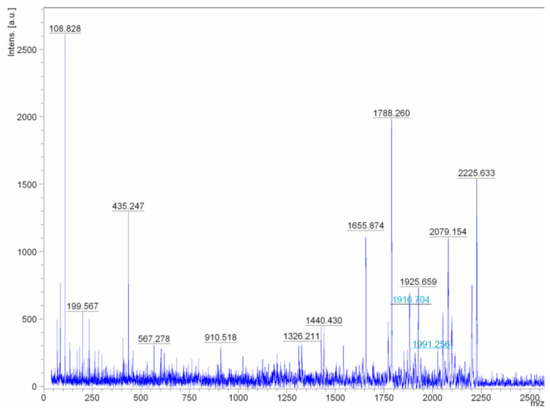
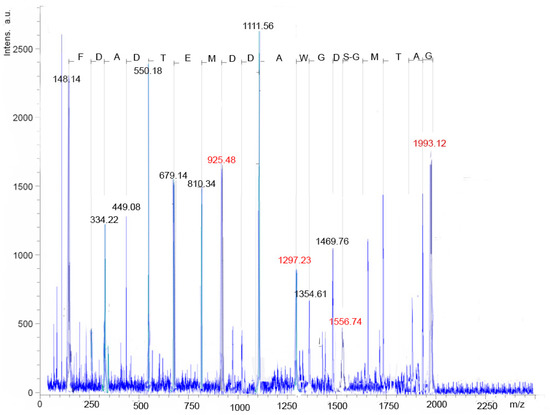
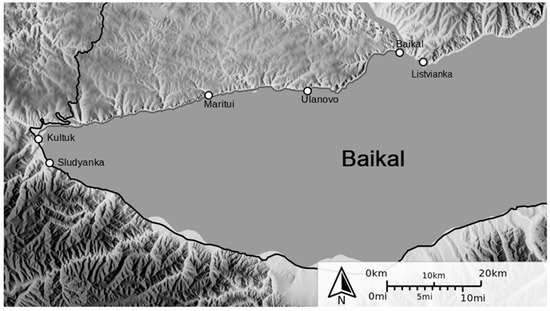
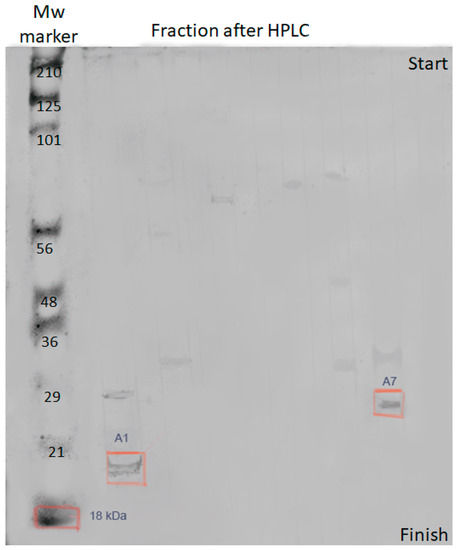
Extremophilic microorganisms attract researchers by their unique characteristics, primarily antagonistic ones, acquired in the process of survival in extreme natural conditions. The antimicrobial potential of the metabolites of these microorganisms is quite broad, from the food industry to therapeutic drugs. Microbial mats of Lake Baikal are a source of unique and diverse microorganisms. The study aimed to evaluate the antimicrobial activity of bacterial strains isolated from the bottom sediments of the lake. Using heterotrophic growth conditions, seven bacterial strains were isolated from samples collected in several coastal zones of Lake Baikal. Thisstudy identified both widespread strains of the genera Pseudomonas and Bacillus and rare genera Micrococcus and Acinetobacterrepresentatives. Metabolites of five strains were found to have a broad spectrum of antimicrobial activity. Four large fractions of metabolites of the isolated strains wereidentified. Two peptides of the isolated fractions of metabolites (one is produced by microorganisms of all five isolated strains, another—only by Pseudomonas putida) are low molecular weight oligopeptides. These peptides were proved to be bacteriocins. Full article
(This article belongs to the Special Issue Alternatives to Antibiotics: Bacteriocins and Antimicrobial Peptides)
Show Figures

Figure 1
21 pages, 5338 KB  
Article
Protective Effect of Baicalin against Clostridioides difficile Infection in Mice
by Abraham Joseph Pellissery, Poonam Gopika Vinayamohan, Deepa Ashwarya Kuttappan, Neha Mishra, Breno de Oliveira Fragomeni, Kendra Maas, Shankumar Mooyottu and Kumar Venkitanarayanan
Antibiotics 2021, 10(8), 926; https://doi.org/10.3390/antibiotics10080926 - 30 Jul 2021
Cited by 10 | Viewed by 3498
Abstract
This study investigated the prophylactic and therapeutic efficacies of baicalin (BC), a plant-derived flavone glycoside, in reducing the severity of Clostridioides difficile infection (CDI) in a mouse model. In the prophylactic trial, C57BL/6 mice were provided with BC (0, 11, and 22 mg/L [...] Read more.
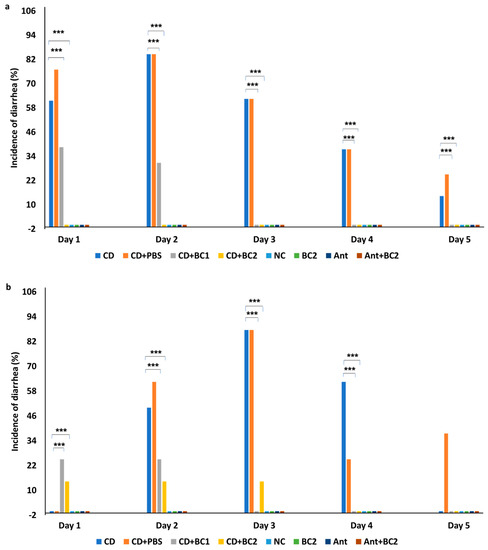
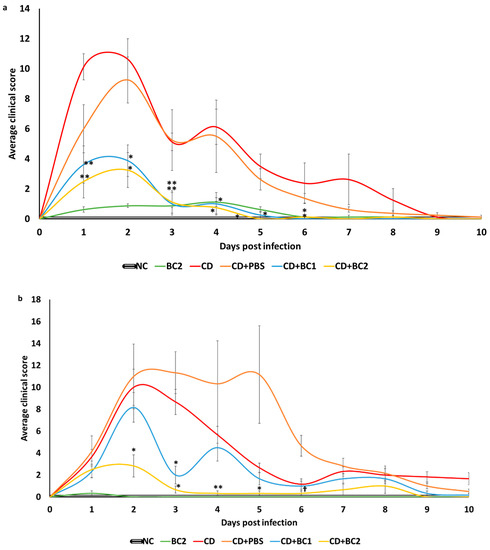
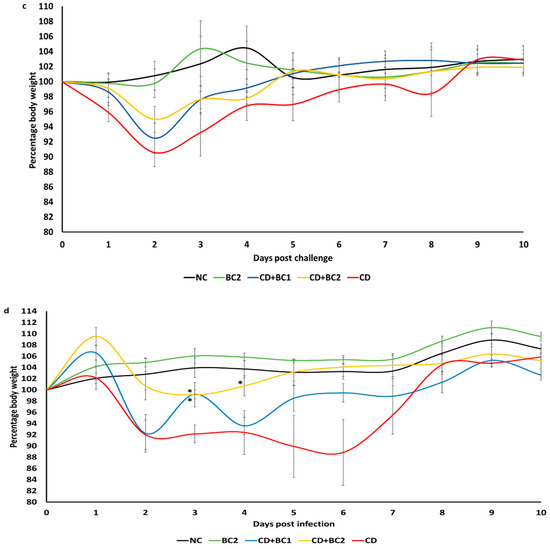
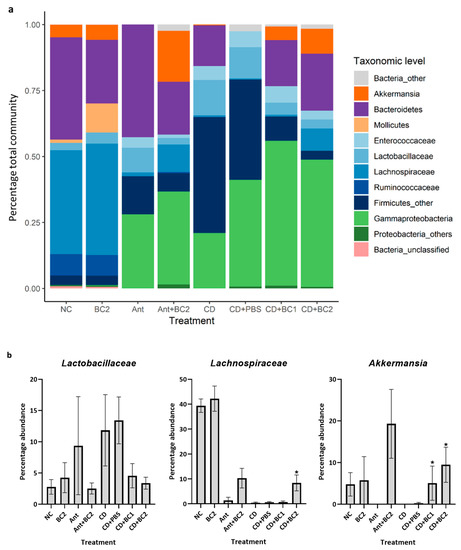
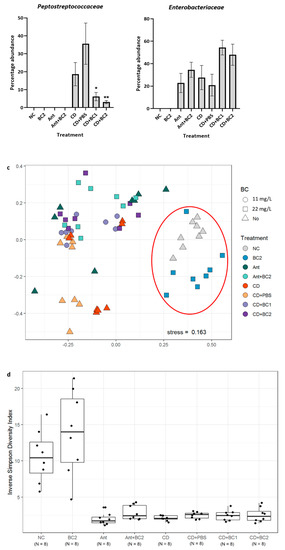
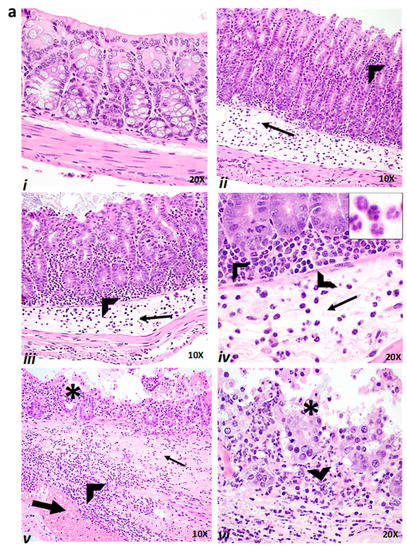
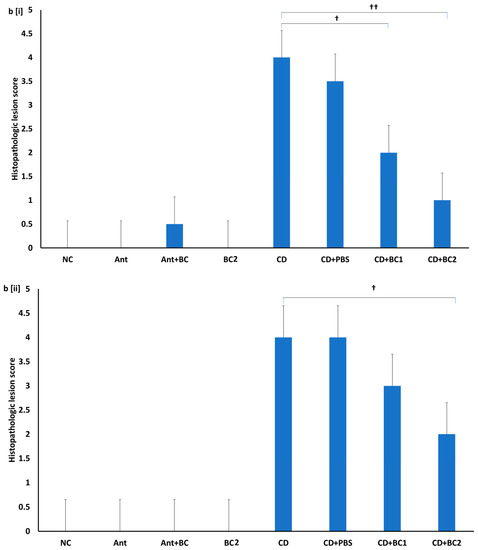
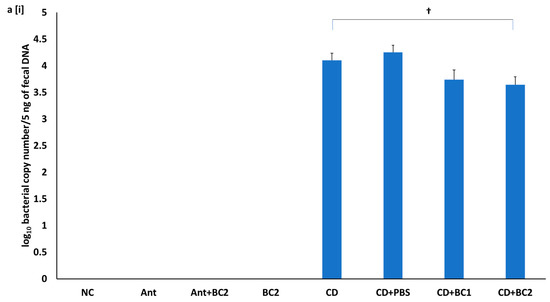
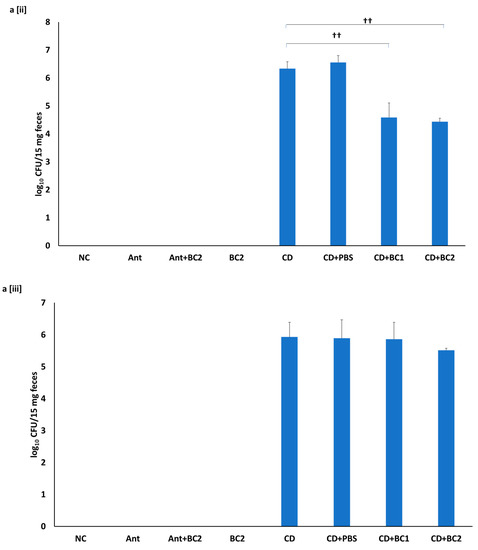
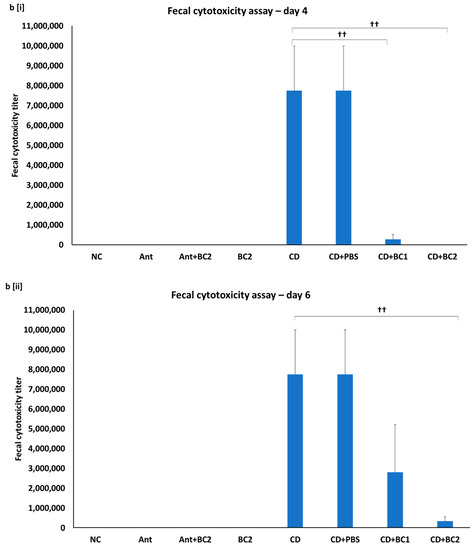
This study investigated the prophylactic and therapeutic efficacies of baicalin (BC), a plant-derived flavone glycoside, in reducing the severity of Clostridioides difficile infection (CDI) in a mouse model. In the prophylactic trial, C57BL/6 mice were provided with BC (0, 11, and 22 mg/L in drinking water) from 12 days before C. difficile challenge through the end of the experiment, whereas BC administration started day 1 post challenge in the therapeutic trial. Both challenge and control groups were infected with 106 CFU/mL of hypervirulent C. difficile BAA 1803 spores or sterile PBS, and the clinical and diarrheal scores were recorded for 10 days post challenge. On day 2 post challenge, fecal and tissue samples were collected from mice prophylactically administered with BC for microbiome and histopathologic analysis. Both prophylactic and therapeutic supplementation of BC significantly reduced the severity of colonic lesions and improved CDI clinical progression and outcome compared with control (p < 0.05). Microbiome analysis revealed a significant increase in Gammaproteobacteria and reduction in the abundance of protective microbiota (Firmicutes) in antibiotic-treated and C. difficile-infected mice compared with controls (p < 0.05). However, baicalin supplementation favorably altered the microbiome composition, as revealed by an increased abundance in beneficial bacteria, especially Lachnospiraceae and Akkermansia. Our results warrant follow-up investigations on the use of BC as an adjunct to antibiotic therapy to control gut dysbiosis and reduce C. difficile infection in humans. Full article
(This article belongs to the Special Issue Clostridioides difficile Infection)
Show Figures

Figure 1
15 pages, 2234 KB  
Article
Antimicrobial Activity of the Circular Bacteriocin AS-48 against Clinical Multidrug-Resistant Staphylococcus aureus
by Cristina Velázquez-Suárez, Rubén Cebrián, Carmen Gasca-Capote, Antonio Sorlózano-Puerto, José Gutiérrez-Fernández, Manuel Martínez-Bueno, Mercedes Maqueda and Eva Valdivia
Antibiotics 2021, 10(8), 925; https://doi.org/10.3390/antibiotics10080925 - 30 Jul 2021
Cited by 13 | Viewed by 4201
Abstract
The treatment and hospital-spread-control of methicillin-resistant Staphylococcus aureus (MRSA) is an important challenge since these bacteria are involved in a considerable number of nosocomial infections that are difficult to treat and produce prolonged hospitalization, thus also increasing the risk of death. In fact, [...] Read more.
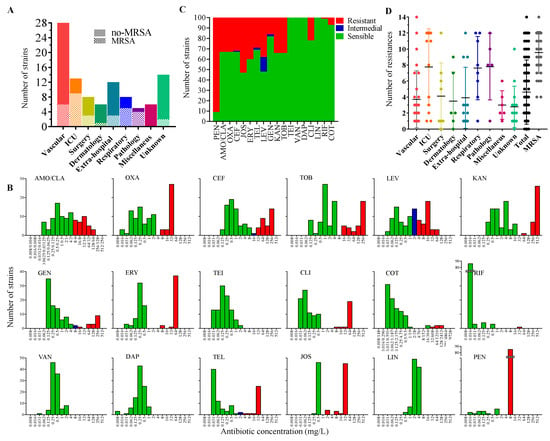
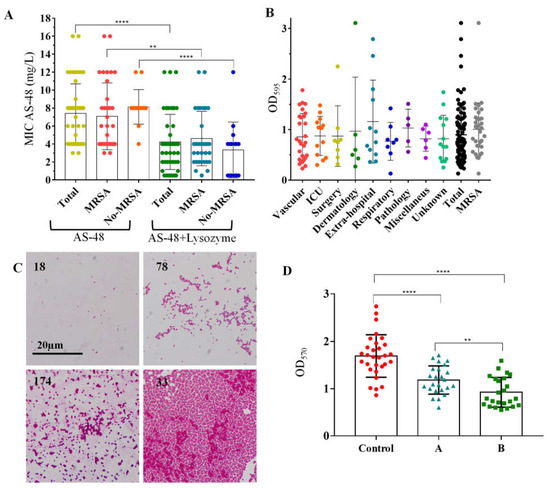
The treatment and hospital-spread-control of methicillin-resistant Staphylococcus aureus (MRSA) is an important challenge since these bacteria are involved in a considerable number of nosocomial infections that are difficult to treat and produce prolonged hospitalization, thus also increasing the risk of death. In fact, MRSA strains are frequently resistant to all β-lactam antibiotics, and co-resistances with other drugs such as macrolides, aminoglycosides, and lincosamides are usually reported, limiting the therapeutical options. To this must be added that the ability of these bacteria to form biofilms on hospital surfaces and devices confer high antibiotic resistance and favors horizontal gene transfer of genetic-resistant mobile elements, the spreading of infections, and relapses. Here, we genotypically and phenotypically characterized 100 clinically isolated S. aureus for their resistance to 18 antibiotics (33% of them were OXA resistant MRSA) and ability to form biofilms. From them, we selected 48 strains on the basis on genotype group, antimicrobial-resistance profile, and existing OXA resistance to be assayed against bacteriocin AS-48. The results showed that AS-48 was active against all strains, regardless of their clinical source, genotype, antimicrobial resistance profile, or biofilm formation capacity, and this activity was enhanced in the presence of the antimicrobial peptide lysozyme. Finally, we explored the effect of AS-48 on formed S. aureus biofilms, observing a reduction in S. aureus S-33 viability. Changes in the matrix structure of the biofilms as well as in the cell division process were observed with scanning electron microscopy in both S-33 and S-48 S. aureus strains. Full article
(This article belongs to the Special Issue Alternatives to Antibiotics: Bacteriocins and Antimicrobial Peptides)
Show Figures

Figure 1
15 pages, 1395 KB  
Article
Treatment of Residual Periodontal Pockets Using a Hyaluronic Acid-Based Gel: A 12 Month Multicenter Randomized Triple-Blinded Clinical Trial
by Andrea Pilloni, Blerina Zeza, Davor Kuis, Domagoj Vrazic, Tomislav Domic, Iwona Olszewska-Czyz, Christina Popova, Kamen Kotsilkov, Elena Firkova, Yana Dermendzieva, Angelina Tasheva, Germano Orrù, Anton Sculean and Jelena Prpić
Antibiotics 2021, 10(8), 924; https://doi.org/10.3390/antibiotics10080924 - 30 Jul 2021
Cited by 42 | Viewed by 7288
Abstract
The aim of the present study was to evaluate the adjunctive effect of hyaluronic acid (HA) gel in the treatment of residual periodontal pockets over a 12-month period. Periodontal patients presenting at least one residual periodontal pocket 5–9 mm of depth in the [...] Read more.
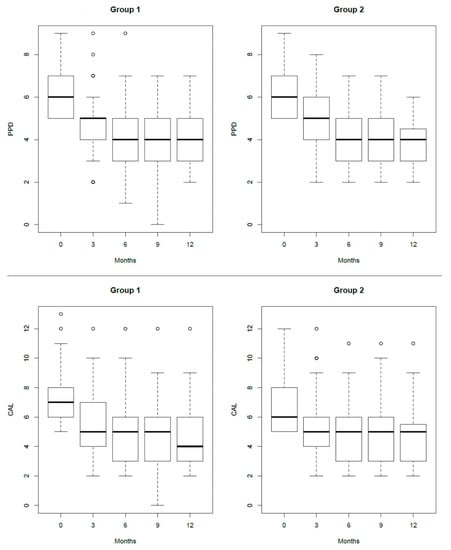
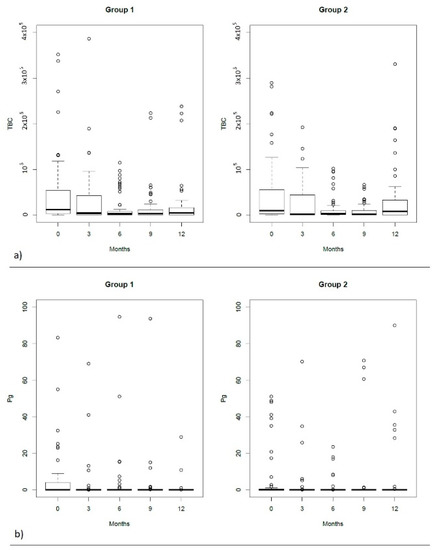
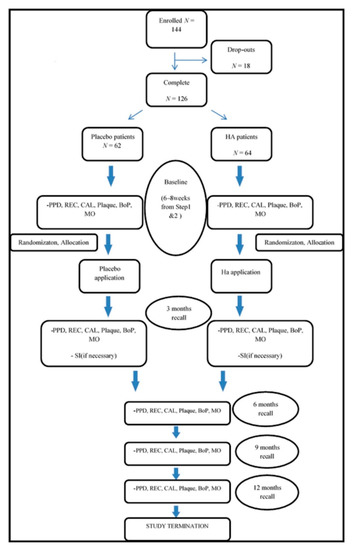
The aim of the present study was to evaluate the adjunctive effect of hyaluronic acid (HA) gel in the treatment of residual periodontal pockets over a 12-month period. Periodontal patients presenting at least one residual periodontal pocket 5–9 mm of depth in the anterior area were recruited from six university-based centers. Each patient was randomly assigned to subgingival instrumentation (SI) with the local adjunctive use of HA for test treatment or adjunctive use of local placebo for control treatment at baseline and after 3 months. Clinical parameters ( )probing depth (PD), bleeding on probing (BoP), plaque index (PI), recession (REC), clinical attachment level (CAL)) and microbiological samples for the investigation of the total bacterial count (TBC) and presence of specific bacterial species (Porphyromonas gingivalis, Treponema denticola, Tannerella forsythia, Fusobacterium nucleatum) were taken at baseline and every 3 months, until study termination. PD was determined as the primary outcome variable. From a total of 144 enrolled, 126 participants (53 males, 73 females) completed the entire protocol. Both treatments resulted in statistically significant clinical and microbiological improvements compared to baseline. Although the local application of HA showed a tendency for better results, there was a lack of statistically significant differences between the groups. Full article
Show Figures

Figure 1
9 pages, 576 KB  
Article
Prevalence of and Risk Factors for Nonprescription Antibiotic Use among Individuals Presenting to One Hospital in Saudi Arabia after the 2018 Executive Regulations of Health Practice Law: A Cross-Sectional Study
by Ali Mohsen Al-Hazmi, Ahmed Arafa, Haytham Sheerah, Khalid Saeed Alshehri, Khalid Alwalid Alekrish, Khalid Abdulla Aleisa, Abdullah Ali Jammah and Nawaf Abdullah Alamri
Antibiotics 2021, 10(8), 923; https://doi.org/10.3390/antibiotics10080923 - 29 Jul 2021
Cited by 6 | Viewed by 3153
Abstract
Antibiotic resistance is a worldwide public health emergency. Nonprescription antibiotic use is a chief cause of antibiotic resistance. The Saudi Government, as a consequence, imposed in 2018 executive regulations to prevent the distribution of antibiotics without a prescription. Herein, we aimed to investigate [...] Read more.
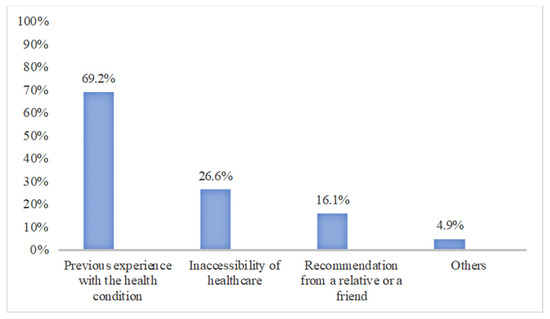
Antibiotic resistance is a worldwide public health emergency. Nonprescription antibiotic use is a chief cause of antibiotic resistance. The Saudi Government, as a consequence, imposed in 2018 executive regulations to prevent the distribution of antibiotics without a prescription. Herein, we aimed to investigate the prevalence of and risk factors for nonprescription antibiotic use among individuals presenting to one hospital in Saudi Arabia after enacting these regulations. This cross-sectional study was conducted on people, aged ≥18 years, who presented to the primary healthcare clinics of King Khalid University Hospital in Riyadh during the period between 1/1/2019 and 28/2/2019. Participants were asked to fill out a self-administrated questionnaire assessing their nonprescription antibiotic use during the past year in addition to sociodemographic information. Then, logistic regression analyses were performed to calculate the odds ratios (ORs) and corresponding 95% confidence intervals (CIs) for age, sex, education, and nationality of any nonprescription antibiotic use compared with no use within the past year. Out of 463 participants, 62.9% were females, 67.4% were <40 years, and 93.7% were Saudi citizens. Overall, 30.5% of participants reported nonprescription antibiotic use during the past year (19.7% one to two times and 10.8% more than two times). Male and non-Saudi participants were more likely to report any nonprescription antibiotic use, with HRs (95% CIs) of 1.99 (1.30, 3.04) and 3.81 (1.73, 8.35), respectively. The main reasons behind nonprescription antibiotic use were having previous experience with a health condition (69.2%), inaccessibility of healthcare (26.6%), and recommendation from a relative or a friend (16.1%). A major limitation of this study was that it included individuals attending one hospital. Individuals who seek medical consultation could be dissimilar to those who do not see doctors regarding nonprescription antibiotic use. Full article
(This article belongs to the Special Issue Antibiotic Use in the Communities)
Show Figures

Figure 1

17 pages, 3230 KB  
Article
Novel Bifunctional Acylase from Actinoplanes utahensis: A Versatile Enzyme to Synthesize Antimicrobial Compounds and Use in Quorum Quenching Processes
by Lara Serrano-Aguirre, Rodrigo Velasco-Bucheli, Begoña García-Álvarez, Ana Saborido, Miguel Arroyo and Isabel de la Mata
Antibiotics 2021, 10(8), 922; https://doi.org/10.3390/antibiotics10080922 - 29 Jul 2021
Cited by 11 | Viewed by 5196
Abstract
Many intercellular communication processes, known as quorum sensing (QS), are regulated by the autoinducers N-acyl-l-homoserine lactones (AHLs) in Gram-negative bacteria. The inactivation of these QS processes using different quorum quenching (QQ) strategies, such as enzymatic degradation of the autoinducers or [...] Read more.
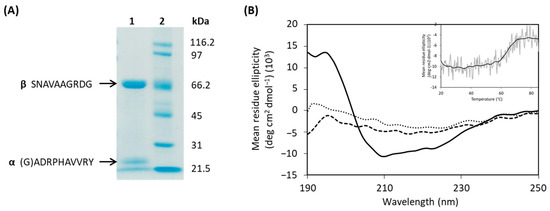
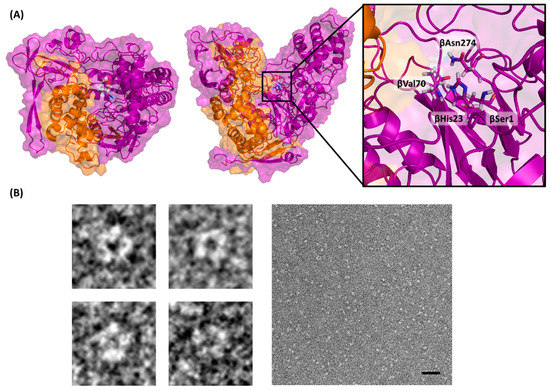
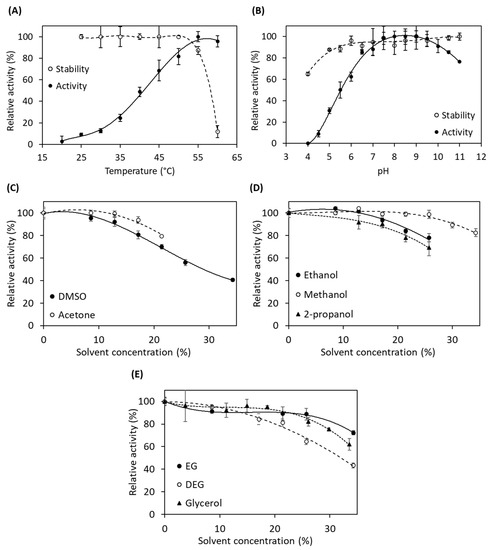
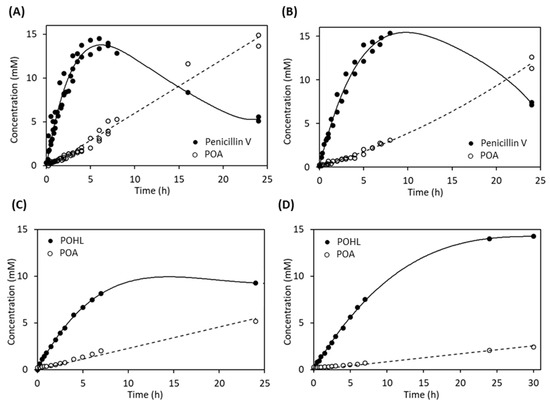
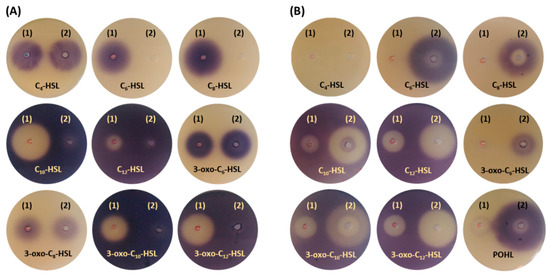
Many intercellular communication processes, known as quorum sensing (QS), are regulated by the autoinducers N-acyl-l-homoserine lactones (AHLs) in Gram-negative bacteria. The inactivation of these QS processes using different quorum quenching (QQ) strategies, such as enzymatic degradation of the autoinducers or the receptor blocking with non-active analogs, could be the basis for the development of new antimicrobials. This study details the heterologous expression, purification, and characterization of a novel N-acylhomoserine lactone acylase from Actinoplanes utahensis NRRL 12052 (AuAHLA), which can hydrolyze different natural penicillins and N-acyl-homoserine lactones (with or without 3-oxo substitution), as well as synthesize them. Kinetic parameters for the hydrolysis of a broad range of substrates have shown that AuAHLA prefers penicillin V, followed by C12-HSL. In addition, AuAHLA inhibits the production of violacein by Chromobacterium violaceum CV026, confirming its potential use as a QQ agent. Noteworthy, AuAHLA is also able to efficiently synthesize penicillin V, besides natural AHLs and phenoxyacetyl-homoserine lactone (POHL), a non-natural analog of AHLs that could be used to block QS receptors and inhibit signal of autoinducers, being the first reported AHL acylase capable of synthesizing AHLs. Full article
(This article belongs to the Special Issue Design and Preparation of Antimicrobial Agents)
Show Figures

Figure 1