
Development, Tolerability and In Vitro Effectiveness of a Natural Cosmetic Formulation for Mosquito Bites

 ,
,
Abstract
1. Introduction
2. Materials and Methods
2.1. Development of Natural Formulation
2.1.1. Characteristic and Composition of Formulation Tested
2.1.2. Preparation Procedure
2.1.3. Evaluation of the Physicochemical and Microbiological Characteristics
Stability Testing
Quality Control
Microbiological Control and Challenge Test
Safety Evaluation
- Absence of erythema and/or edema at any of the follow-up times;
- Appearance of 1. very slight or 2. slight erythema and/or edema at intermediate times and absence of erythema and/or edema at the time of the final observation (T24, 24 h after the patch was removed):
- Appearance of 1. very slight or 2. slight erythema in ≤6 subjects at the time of the final observation (T24, 24 h after the patch was removed).
2.2. In Vitro Test Efficacy
2.2.1. Testing Material
2.2.2. Cell Culture
2.2.3. Determination of Cell Viability
2.2.4. Soothing Efficacy Assay
2.2.5. Statistical Analysis
3. Results
3.1. Formulation Characteristics
3.2. Microbiological Assessment
3.3. Dermatological Test
3.4. Viability Assay
3.5. Soothing Efficacy
4. Discussion
5. Conclusions
Supplementary Materials
Author Contributions
Funding
Institutional Review Board Statement
Informed Consent Statement
Data Availability Statement
Conflicts of Interest
References
- Seda, J.; Horrall, S. Mosquito Bites. In StatPearls; StatPearls Publishing: Treasure Island, FL, USA, 2023. [Google Scholar]
- Fostini, A.C.; Golpanian, R.S.; Rosen, J.D.; Xue, R.D.; Yosipovitch, G. Beat the bite: Pathophysiology and management of itch in mosquito bites. Itch 2019, 4, 19. [Google Scholar] [CrossRef]
- Mellanby, K. Man’s reaction to mosquito bites. Nature 1946, 158, 554. [Google Scholar] [CrossRef]
- Peng, Z.; Yang, M.; Simons, F.E. Immunologic mechanisms in mosquito allergy: Correlation of skin reactions with specific IgE and IgG antibodies and lymphocyte proliferation response to mosquito antigens. Ann. Allergy Asthma Immunol. 1996, 77, 238–244. [Google Scholar] [CrossRef]
- Peng, Z.; Simons, F.E. Advances in mosquito allergy. Curr. Opin. Allergy Clin. Immunol. 2007, 7, 350–354. [Google Scholar] [CrossRef] [PubMed]
- Vander Does, A.; Labib, A.; Yosipovitch, G. Update on mosquito bite reaction: Itch and hypersensitivity, pathophysiology, prevention, and treatment. Front. Immunol. 2022, 13, 1024559. [Google Scholar] [CrossRef] [PubMed]
- Nobile, V.; Zanoletti, V.; Manzoni, V.; Romagnoli, S.; Cestone, E. Soothing Effect of a Cosmetic Product on Skin Discomforts Induced by a Chemical Irritant (Capsaicin) and UV-Radiation, and after Mosquito Bites and Sunburn in a Real-World Setting. Cosmetics 2022, 9, 130. [Google Scholar] [CrossRef]
- Zhai, H.; Packman, E.W.; Maibach, H.I. Effectiveness of ammonium solution in relieving type I mosquito bite symptoms: A double-blind, placebo-controlled study. Acta Derm. Venereol. 1998, 78, 297–298. [Google Scholar] [CrossRef] [PubMed]
- Guerrero, D.; Cantaert, T.; Missé, D. Aedes Mosquito Salivary Components and Their Effect on the Immune Response to Arboviruses. Front. Cell. Infect. Microbiol. 2020, 10, 407. [Google Scholar] [CrossRef]
- Martin-Martin, I.; Valenzuela Leon, P.C.; Amo, L.; Shrivastava, G.; Iniguez, E.; Aryan, A.; Brooks, S.; Kojin, B.B.; Williams, A.E.; Bolland, S.; et al. Aedes aegypti sialokinin facilitates mosquito blood feeding and modulates host immunity and vascular biology. Cell Rep. 2022, 39, 110648. [Google Scholar] [CrossRef]
- Regulation (EC) No 1223/2009 of the European Parliament and of the Council of 30 November 2009 on Cosmetic Products. Available online: https://eur-lex.europa.eu/legal-content/EN/TXT/PDF/?uri=CELEX:02009R1223-20250501 (accessed on 4 July 2025).
- Close, L.G. Acute and chronic effects of ammonia burns of the respiratory tract. Arch. Otolaryngol. 1980, 106, 151–158. [Google Scholar] [CrossRef]
- Flury, K.E.; Dines, D.E.; Rodarte, J.R.; Rodgers, R. Airway obstruction due to inhalation of ammonia. Mayo Clin. Proc. 1983, 58, 389–393. [Google Scholar] [CrossRef]
- Makarovsky, I.; Markel, G.; Dushnitsky, T.; Eisenkraft, A. Ammonia-when something smells wrong. Isr. Med. Assoc. J. 2008, 10, 537–543. [Google Scholar]
- Choi, E.H. Skin Barrier Function in Neonates and Infants. Allergy Asthma Immunol. Res. 2025, 17, 32–46. [Google Scholar] [CrossRef]
- Martins, V.B.; Bordim, J.; Bom, G.A.P.; Carvalho, J.G.D.S.; Parabocz, C.R.B.; Mitterer Daltoé, M.L. Consumer Profiling Techniques for Cosmetic Formulation Definition. J. Sens. Stud. 2020, 35, e12557. [Google Scholar] [CrossRef]
- Suphasomboon, T.; Vassanadumrongdee, S. Toward Sustainable Consumption of Green Cosmetics and Personal Care Products: The Role of Perceived Value and Ethical Concern. Sustain. Prod. Consum. 2022, 33, 230–243. [Google Scholar] [CrossRef]
- Han, J.H.; Kim, H.S. Itch-Relieving Cosmetics. Cosmetics 2024, 11, 114. [Google Scholar] [CrossRef]
- Zhou, X.L.; Chen, L.L.; Wang, J.F. Study on the antipruritic mechanism of Zanthoxylum bungeanum and Zanthoxylum schinifolium volatile oil on chronic eczema based on H1R and PAR-2 mediated GRPR pathway. Allergol. Immunopathol. 2022, 50, 83–96. [Google Scholar] [CrossRef] [PubMed]
- Sur, R.; Nigam, A.; Grote, D.; Liebel, F.; Southall, M.D. Avenanthramides, polyphenols from oats, exhibit anti-inflammatory and anti-itch activity. Arch. Dermatol. Res. 2008, 300, 569–574. [Google Scholar] [CrossRef] [PubMed]
- Maurya, A.K.; Singh, M.; Dubey, V.; Srivastava, S.; Luqman, S.; Bawankule, D.U. α-(-)-bisabolol reduces pro-inflammatory cytokine production and ameliorates skin inflammation. Curr. Pharm. Biotechnol. 2014, 15, 173–181. [Google Scholar] [CrossRef]
- Phutim-Mangkhalthon, A.; Teerakapong, A.; Tippayawat, P.; Morales, N.P.; Morkmued, S.; Puasiri, S.; Priprem, A.; Damrongrungruang, T. Anti-inflammatory effect of photodynamic therapy using guaiazulene and red lasers on peripheral blood mononuclear cells. Photodiagn. Photodyn. Ther. 2020, 31, 101747. [Google Scholar] [CrossRef] [PubMed]
- Dampc, A.; Luczkiewicz, M. Rhododendron tomentosum (Ledum palustre). A review of traditional use based on current research. Fitoterapia 2013, 85, 130–143. [Google Scholar] [CrossRef]
- Pergolizzi, J.V., Jr.; Taylor, R., Jr.; LeQuang, J.A.; Raffa, R.B.; NEMA Research Group. The role and mechanism of action of menthol in topical analgesic products. J. Clin. Pharm. Ther. 2018, 43, 313–319. [Google Scholar] [CrossRef] [PubMed]
- Wójciak, M.; Pacuła, W.; Sowa, I.; Feldo, M.; Graczyk, F.; Załuski, D. Hamamelis virginiana L. in Skin Care: A Review of Its Pharmacological Properties and Cosmetological Applications. Molecules 2025, 30, 2744. [Google Scholar] [CrossRef] [PubMed]
- ISO 21149:2017; Cosmetics—Microbiology—Enumeration and Detection of Aerobic Mesophilic Bacteria. International Organization for Standardization: Geneva, Switzerland, 2017.
- ISO 16212:2017; Cosmetics—Microbiology—Enumeration of Yeast and Mould. International Organization for Standardization: Geneva, Switzerland, 2017.
- ISO 11930:2019; Cosmetics—Microbiology—Evaluation of the Antimicrobial Protection of a Cosmetic Product. International Organization for Standardization: Geneva, Switzerland, 2019.
- Mosmann, T. Rapid colorimetric assay for cellular growth and survival: Application to proliferation and cytotoxicity assays. J. Immunol. Methods 1983, 65, 55–63. [Google Scholar] [CrossRef] [PubMed]
- Simons, F.E.; Peng, Z. Skeeter syndrome. J. Allergy Clin. Immunol. 1999, 104, 705–707. [Google Scholar] [CrossRef]
- Amberg, N.; Fogarassy, C. Green Consumer Behavior in the Cosmetics Market. Resources 2019, 8, 137. [Google Scholar] [CrossRef]
- Geier, M.; Bosch, O.J.; Boeckh, J. Ammonia as an attractive component of host odour for the yellow fever mosquito, Aedes aegypti. Chem. Senses 1999, 24, 647–653. [Google Scholar] [CrossRef]
- Bombardelli, E.; Gabetta, B. Extracts of Zanthoxylum bungeanum, Pharmaceutical and Cosmetic Formulations Containing Them. WO2000002570A1, 20 January 2000. [Google Scholar]
- Koo, J.Y.; Jang, Y.; Cho, H.; Lee, C.H.; Jang, K.H.; Chang, Y.H.; Shin, J.; Oh, U. Hydroxy-alpha-sanshool activates TRPV1 and TRPA1 in sensory neurons. Eur. J. Neurosci. 2007, 26, 1139–1147. [Google Scholar] [CrossRef]
- Artaria, C.; Maramaldi, G.; Appendino, G. Sichuan pepper as a skin “spice”. J. Appl. Cosmetol. 2011, 29, 87–98. [Google Scholar]
- Russell, K.; Jacob, S.E. Bisabolol. Dermatitis 2010, 21, 57–58. [Google Scholar] [CrossRef]
- Slon, E.; Slon, B.; Kowalczuk, D. Azulene and Its Derivatives as Potential Compounds in the Therapy of Dermatological and Anticancer Diseases: New Perspectives against the Backdrop of Current Research. Molecules 2024, 29, 2020. [Google Scholar] [CrossRef] [PubMed]
- Hill, N.; Stam, C.; Tuinder, S.; van Haselen, R.A. A placebo controlled clinical trial investigating the efficacy of a homeopathic after-bite gel in reducing mosquito bite induced erythema. Eur. J. Clin. Pharmacol. 1995, 49, 103–108. [Google Scholar] [CrossRef]
- Leffingwell, J.C. Cooling Ingredients and Their Mechanism of Action. In Handbook of Cosmetic Science and Technology, 3rd ed.; Barel, A.O., Paye, M., Maibach, H.I., Eds.; Informa Healthcare: New York, NY, USA, 2009; pp. 661–675. [Google Scholar]
- Youenou, B.; Chauviat, A.; Ngari, C.; Poulet, V.; Nazaret, S. In vitro study to evaluate the antimicrobial activity of various multifunctional cosmetic ingredients and chlorphenesin on bacterial species at risk in the cosmetic industry. J. Appl. Microbiol. 2022, 132, 933–948. [Google Scholar] [CrossRef]
- Behnke, S. Protection of Formulations with Microbiome Claims. Available online: https://www.symselect.com/protection_of_formulations_with_microbiome_claims (accessed on 12 November 2025).
- Vannier, E.; Dinarello, C.A. Histamine enhances interleukin (IL)-1-induced IL-1 gene expression and protein synthesis via H2 receptors in peripheral blood mononuclear cells. Comparison with IL-1 receptor antagonist. J. Clin. Investig. 1993, 92, 281–287. [Google Scholar] [CrossRef] [PubMed][Green Version]
- Kim, J.; Guhl, S.; Babina, M.; Zuberbier, T.; Artuc, M. Integration of the human dermal mast cell into the organotypic co-culture skin model. Methods Mol. Biol. 2014, 1192, 69–85. [Google Scholar] [CrossRef] [PubMed]



| Ingredient | Action |
|---|---|
| Zanthoxylum bungeanum fruit extract (Zanthalene®) | Soothing, antipruritic and anti-irritation activities [19] |
| Avena sativa kernel extract | It is rich in avenanthramides, which exhibit anti-inflammatory and anti-itch activity [20] |
| Bisabolol and Chamomilla recutita flower water | Soothing and anti-redness properties [21] |
| Guaiazulene | Anti-inflammatory and antioxidant activities [22] |
| Ledum palustre extract | Anti-inflammatory and antirepellent properties [23] |
| Menthol and menthyl lactate | Refreshing properties [24] |
| Hamamelis virginiana water | It contains tannins that act as astringents, reducing inflammation and relieving itching [25] |
| Parameter | Specification/ Limits | T0 | T30 | T60 | T90 |
|---|---|---|---|---|---|
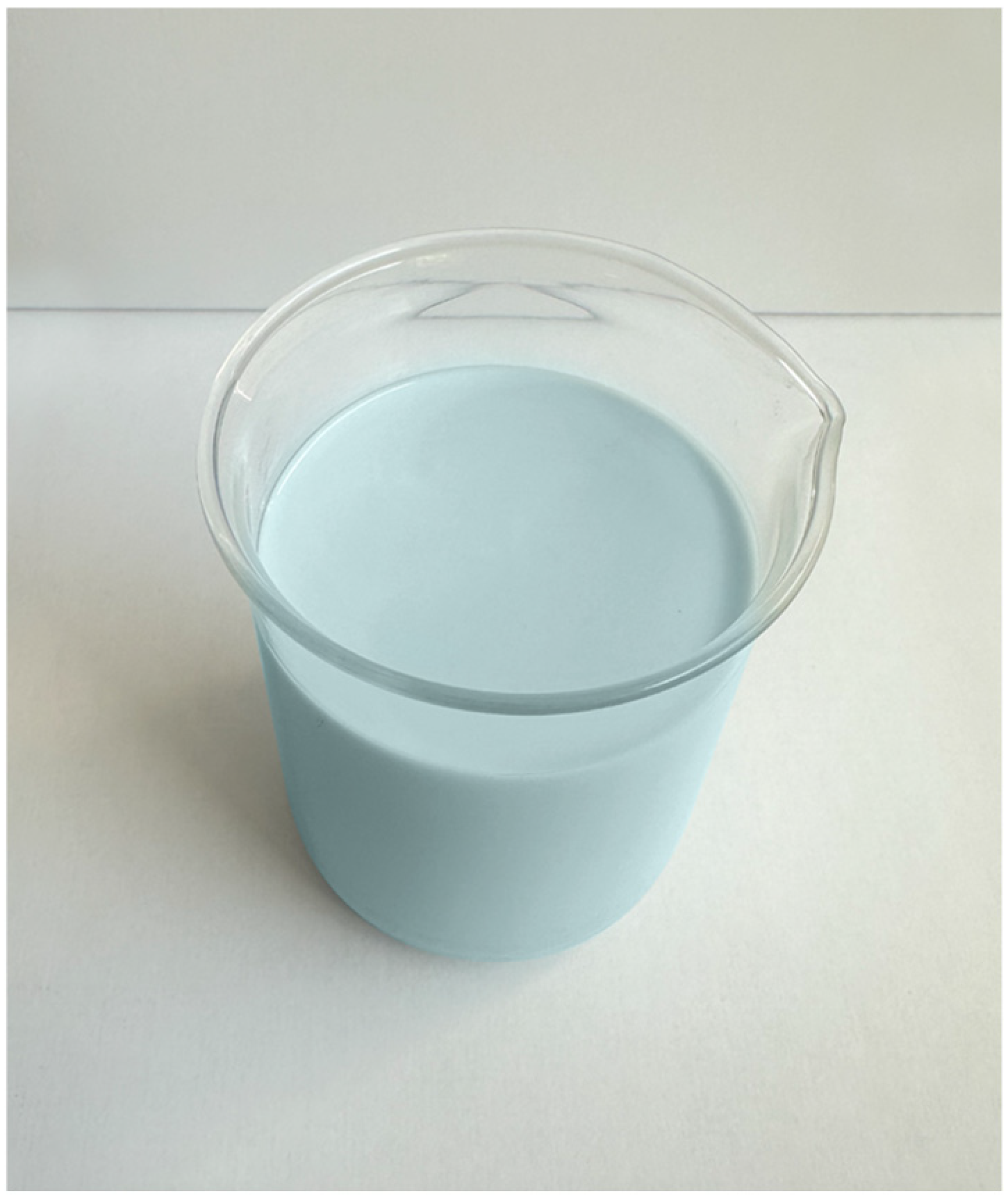
| Aspect | Light blue cream | Conform | Conform | Conform | Conform |
| Odor | Menthol, delicate | Conform | Conform | Conform | Conform |
| pH | 5.20–5.80 | 5.23 | 5.31 | 5.33 | 5.39 |
| Viscosity | 3000–7000 mPas | 6590 mPas | 6280 mPas | 5920 mPas | 5390 mPas |
| Centrifugation | Homogeneous | Conform | Conform | Conform | Conform |
| S. aureus ATCC 6538 | P. aeruginosa ATCC 9027 | E. coli ATCC 8739 | C. albicans ATCC 10231 | A. brasiliensis ATCC 16404 | ||||||
|---|---|---|---|---|---|---|---|---|---|---|
| CFU/mL | Rx | CFU/mL | Rx | CFU/mL | Rx | CFU/mL | Rx | CFU/mL | Rx | |
| Inoculum | 1.7 × 10⁵ | - | 6.0 × 10⁵ | - | 9.0 × 10⁵ | - | 6.1 × 10⁴ | - | 2.0 × 10⁴ | - |
| 7 days | <10 | 4.23 | <10 | 4.78 | <10 | 4.95 | <10 | 3.79 | - | - |
| 14 days | <10 | 4.23 | <10 | 4.78 | <10 | 4.95 | <10 | 3.79 | <10 | 3.30 |
| 28 days | <10 | 4.23 | <10 | 4.78 | <10 | 4.95 | <10 | 3.79 | <10 | 3.30 |
| T0 | T15′ | T1 | T24 | |
|---|---|---|---|---|
| Erythema score | ||||
| Absent | 27 | 27 | 27 | 27 |
| Very slight | 0 | 0 | 0 | 0 |
| Slight | 0 | 0 | 0 | 0 |
| Moderate | 0 | 0 | 0 | 0 |
| Marked | 0 | 0 | 0 | 0 |
| Edema score | ||||
| Absent | 27 | 27 | 27 | 27 |
| Very slight | 0 | 0 | 0 | 0 |
| Slight | 0 | 0 | 0 | 0 |
| Moderate | 0 | 0 | 0 | 0 |
| Marked | 0 | 0 | 0 | 0 |
Disclaimer/Publisher’s Note: The statements, opinions and data contained in all publications are solely those of the individual author(s) and contributor(s) and not of MDPI and/or the editor(s). MDPI and/or the editor(s) disclaim responsibility for any injury to people or property resulting from any ideas, methods, instructions or products referred to in the content. |
© 2026 by the authors. Licensee MDPI, Basel, Switzerland. This article is an open access article distributed under the terms and conditions of the Creative Commons Attribution (CC BY) license.
Share and Cite
Gianesin, K.; Caracciolo, E.; Lucchese, P.; Baixauli, E.; Meissner, J.M. Development, Tolerability and In Vitro Effectiveness of a Natural Cosmetic Formulation for Mosquito Bites. Cosmetics 2026, 13, 29. https://doi.org/10.3390/cosmetics13010029
Gianesin K, Caracciolo E, Lucchese P, Baixauli E, Meissner JM. Development, Tolerability and In Vitro Effectiveness of a Natural Cosmetic Formulation for Mosquito Bites. Cosmetics. 2026; 13(1):29. https://doi.org/10.3390/cosmetics13010029
Chicago/Turabian StyleGianesin, Ketty, Elisa Caracciolo, Paolo Lucchese, Emilio Baixauli, and Justyna M. Meissner. 2026. "Development, Tolerability and In Vitro Effectiveness of a Natural Cosmetic Formulation for Mosquito Bites" Cosmetics 13, no. 1: 29. https://doi.org/10.3390/cosmetics13010029
APA StyleGianesin, K., Caracciolo, E., Lucchese, P., Baixauli, E., & Meissner, J. M. (2026). Development, Tolerability and In Vitro Effectiveness of a Natural Cosmetic Formulation for Mosquito Bites. Cosmetics, 13(1), 29. https://doi.org/10.3390/cosmetics13010029