


Abstract
Historically, pharmaceutical formulation development relied heavily on trial-and-error experimentation, which was useful for empirical progress but often provided limited mechanistic understanding and insufficient efficiency for increasingly complex drug products. The introduction of Design of Experiments (DoE) and Quality by Design (QbD) established a more systematic framework for studying formulation variables, manufacturing parameters, and Critical Quality Attributes (CQAs). Approaches such as factorial designs, response-surface methodology, and mixture designs have therefore become central to modern pharmaceutical development because they improve experimental efficiency and support the definition of design space. However, as formulations become more nonlinear, high-dimensional, and multi-objective, these classical approaches may no longer be sufficient on their own. This review examines the evolution of experimental design in pharmaceutical research, from one-factor-at-a-time experimentation to structured DoE/QbD strategies, and then to emerging intelligent optimization methods. Its central objective is to clarify when conventional DoE/QbD remains appropriate and when it should be complemented by machine learning, Bayesian optimization, digital twins, and closed-loop experimental systems. The review first summarizes the foundations and strengths of classical experimental design; then, it discusses its practical limitations in complex formulation settings, and finally evaluates how data-driven and hybrid approaches can extend pharmaceutical development. Evidence from tablets, capsules, nanocarriers, transdermal patches, and biotherapeutic systems suggests that intelligent optimization can improve predictive performance and experimental efficiency when used alongside, rather than instead of, established pharmaceutical development principles.
1. Introduction
Pharmaceutical formulation development has traditionally relied on empirical experimentation, in which excipients, process variables, and manufacturing conditions are adjusted iteratively until acceptable product performance is achieved [1]. Although this approach has produced many successful dosage forms, it often provides limited insight into the relationships between formulation composition, process parameters, and product quality [2]. As pharmaceutical products have become more complex—through multifunctional excipients, advanced drug-delivery systems, nanoscale materials, and increasingly demanding quality requirements—purely trial-and-error methods have become less efficient and less informative [3,4]. This shift has driven the adoption of Quality by Design (QbD) principles, as reflected in ICH guidelines Q8–Q14, which emphasize systematic development, risk management, process understanding, and the use of Design of Experiments (DoE) to identify critical variables and define design space.
Classical DoE methods, including factorial, central composite, and Box–Behnken designs, have greatly improved formulation development by enabling efficient screening, response modeling, and structured optimization. Nevertheless, these methods are typically based on low-order polynomial approximations and can become difficult to apply when formulation behavior is strongly nonlinear, high-dimensional, dynamic, or governed by multiple competing objectives [5]. The central question, therefore, is not whether intelligent optimization should replace DoE/QbD, but how and when conventional DoE/QbD should be complemented by machine learning, adaptive optimization, Bayesian methods, and digital twin frameworks. Accordingly, this review is structured in three parts: first, it outlines the historical progression from empirical experimentation to DoE/QbD; second, it examines the strengths and limitations of classical experimental designs in pharmaceutical applications; and third, it discusses how intelligent optimization approaches can extend these frameworks in complex formulation and process-development problems.
Literature Search Strategy
This narrative review was based on a structured literature search conducted across three major bibliographic databases—PubMed (MEDLINE), Web of Science (Core Collection), and Scopus—covering publications available up to early 2026, with particular emphasis on the past two decades to reflect the regulatory framework established by the ICH Q8–Q14 guidelines. The search strategy combined controlled vocabulary and free-text terms using Boolean operators (AND, OR), including “design of experiments”, “DoE”, “quality by design”, “QbD”, “response surface methodology”, “central composite design”, “Box–Behnken design”, “mixture design”, “pharmaceutical formulation”, “drug delivery systems”, “critical quality attributes”, “design space”, “machine learning”, “artificial neural networks”, “Bayesian optimization”, “adaptive experimentation”, and “digital twins”. Eligible records were peer-reviewed original research articles, reviews, and regulatory guidance documents published in English, focusing on pharmaceutical formulation or process development and addressing classical experimental design, QbD implementation, or data-driven and intelligent optimization approaches; conference abstracts, non-peer-reviewed preprints, and editorials were excluded. Additional references were retrieved through manual screening of the bibliographies of selected publications and through regulatory documents issued by the ICH, U.S. FDA, and EMA. As the present work is a narrative review, no formal meta-analytical or systematic risk-of-bias procedure was applied; instead, source selection prioritized conceptual relevance, methodological soundness, and representativeness across the dosage forms discussed, including tablets, capsules, nanocarriers, transdermal patches, and biotherapeutic systems.
2. Foundations of Experimental Design in Pharmaceutical Sciences
2.1. One-Factor-At-a-Time (OFAT): Historical Perspective
The One-Factor-at-a-Time (OFAT) strategy is one of the earliest and most direct methods for developing pharmaceuticals. The objective is to modify a single variable while maintaining all other conditions constant, and thereafter observe the impact on the measured outcome (Figure 1A).
Figure 1.
(A) illustrates the OFAT approach, where one factor is varied while the other is held constant. The blue line varies Factor A with Factor B at 0.5; the orange line varies Factor B with Factor A at 0.5. (B) depicts a full factorial DoE matrix, exploring multiple levels of Factor A and Factor B simultaneously to capture interactions (Blue dots represent the experimental design points evaluated in the full factorial design, illustrating simultaneous variation of Factor A and Factor B).
For an extended period, OFAT has been the predominant method in formulation work due to its simplicity in comprehension and execution, requiring minimal statistical knowledge. This indicates it is accessible to formulators with limited knowledge in experimental planning. Furthermore, OFAT aligns well with the typical progression of growth and is often employed in laboratories, especially during first examinations and scientific investigations. Although OFAT remains prevalent, it is widely acknowledged to have inherent flaws. It cannot recognize the relationships among the many components in a formulation, which are often both common and significant in pharmaceuticals. Modifications to the quantities of excipients, processing methods, or types of solvents can frequently result in synergistic or antagonistic effects, although OFAT will not identify these interactions. The OFAT approach is inefficient in terms of time, as it requires numerous tests to explore a limited range of possibilities, yielding few insights into the system’s functionality. These difficulties frequently lead to formulations that are suboptimal, cannot be consistently replicated, and provide limited insight into the interrelationship between the medication’s production, the process, and its efficacy [6].
2.2. Emergence of Design of Experiments (DoE)
The limitations of the OFAT methodology have led to the development of DoE as a more systematic and statistically robust alternative. DoE enables researchers to investigate multiple factors simultaneously, allowing for the evaluation of key responses, as well as the interactions between variables, within a well-controlled experimental framework, as illustrated in Figure 1B. Moreover, DoE reduces the overall experimental burden by organizing studies in a structured and efficient manner, thereby improving reliability and interpretability [7]. DoE methodologies commonly employ factorial designs, in which all possible combinations of selected factor levels are examined. Full factorial designs provide a comprehensive understanding of both the main effects of individual factors and their interactions, making them particularly valuable for the initial exploration of formulation behavior. However, as the number of variables increases, full factorial designs become impractical due to the exponential growth in the number of required experiments. To address this limitation, fractional factorial designs are employed as efficient alternatives. These designs evaluate a carefully selected subset of experimental combinations, enabling the identification of critical factors while significantly reducing the number of experiments required [8]. A key advantage of DoE lies in its structured approach, which clearly separates the identification of significant factors from their subsequent optimization. The methodologies used to screen and identify critical variables differ from those applied during optimization; the latter typically involves response surface methodologies, which are used to determine optimal conditions and to model potential non-linear relationships between variables and responses [9].
3. Classical DoE Methodologies in Formulation Development
3.1. Response Surface Methodologies (RSM)
Response Surface Methodology (RSM) is one of the most widely applied experimental design approaches in pharmaceutical sciences for formulation optimization. These methodologies enable the straightforward construction of experimental, typically second-order polynomial, mathematical models to describe the relationship between formulation or process variables and one or more CQAs. By incorporating curvature and interaction effects, RSM facilitates the systematic identification of optimal operating conditions within a defined experimental domain [10].
Central Composite Design (CCD) is a commonly used approach within RSM. It combines factorial or fractional factorial points with axial (or “star”) points and center points to effectively estimate curvature within the design space, as illustrated in Figure 2A. CCD is particularly suitable for optimizing process parameters such as mixing time, temperature, solvent volume, and drying conditions, as it supports a flexible range of experimental settings and provides robust predictive models. However, CCD often requires experimentation at extreme levels of the studied variables, which may be impractical or unsafe for certain pharmaceutical systems [11].
Figure 2.
Comparative analysis of response surface approach designs employed in pharmaceutical formulation development. (A) Central Composite Design (CCD) demonstrates factorial, axial, and center points that facilitate robust quadratic model estimation; (B) Box–Behnken Design (BBD) incorporates mid-edge sampling to circumvent harsh experimental conditions; (C) Doehlert Design, exhibiting consistent and progressively expanded coverage of the experimental domain.
The Box–Behnken Design (BBD), another RSM approach, avoids experiments at the extreme boundaries of the design space. By positioning experimental points at the midpoints of factor edges and including center points, BBD reduces the total number of experimental runs while still maintaining adequate predictive capability (Figure 2B). This design is particularly advantageous for processes sensitive to extreme conditions, such as nanoparticle synthesis, drug loading, and the optimization of transdermal drug delivery systems [10].
Doehlert Design provides uniform coverage of the experimental space with a relatively small number of trials, allowing efficient exploration of the design domain (Figure 2C). Due to its geometric adaptability, it is straightforward to examine formulations whose factor values fluctuate rapidly; yet, it is hardly utilized in pharmaceutical applications, as it is not particularly user-friendly [12].
3.2. Mixture Designs in Pharmaceutical Formulation
RSM primarily focuses on independent variables within its experimental frameworks. In contrast, mixture designs are specifically developed for formulations in which the variables represent the proportions of components that collectively sum to a fixed total. Because the performance of such systems depends on relative composition rather than absolute quantity, an alternative experimental approach is required [13].
In the formulation of polymer blends, mixture designs systematically vary polymer ratios to improve mechanical strength, optimize drug release profiles, and enhance stability [14]. Similarly, lipid-based pharmaceutical carriers, including self-emulsifying drug delivery systems and solid lipid nanoparticles, utilize mixture designs to improve solubility, emulsification efficiency, and physical stability [15].
In adhesive drug matrices, such as transdermal drug delivery systems (TDDS), the composition of the adhesive critically influences properties such as viscosity, cohesion, drug permeation, and skin adhesion. For this reason, mixture designs are particularly important in these systems. They provide a rational and systematic approach for optimization by enabling the investigation of interactions between formulation components, whether synergistic or antagonistic [16,17].
3.3. Strengths of Classical DoE in Formulation Development
Conventional experimental design approaches continue to offer important advantages in pharmaceutical formulation development. These methodologies reduce the number of experiments needed to obtain meaningful results compared with trial-and-error experimentation and help identify and quantify interactions among formulation variables. Within the QbD framework, regulatory agencies emphasize the use of structured experimental designs to establish scientifically justified design spaces consistent with ICH and FDA guidance. Such approaches improve understanding of the relationships among formulation variables, process parameters, and product quality, thereby supporting robust and reproducible pharmaceutical development [18].
4. Quality by Design (QbD) and Regulatory Integration
4.1. QbD Framework and Regulatory Logic
QbD provides a structured methodology for integrating scientific knowledge, risk assessment, and regulatory standards into the formulation of pharmaceutical products. Figure 3 shows that QbD begins with the creation of the Quality Target Product Profile (QTPP). These profiles outline expected clinical effectiveness and quality characteristics of products such as dosage form, administration route, release profile stability, and patient acceptability [18]. The quality target product profile is the basis for identifying CQAs, which are measurable traits that must be controlled to ensure product quality and effectiveness [19].
Figure 3.
Schematic representation of the QbD framework and its integration with experimental design and regulatory expectations. Created in BioRender. Türkdoğan, A. (2026) https://BioRender.com/b0ahymq, (accessed on 2 May 2026).
Upon the establishment of CQAs, prospective Critical Material Attributes (CMAs) and Critical Process Parameters (CPPs) that may affect these CQAs are carefully identified. CMAs often encompass the attributes of raw materials and excipients (e.g., polymer grade, viscosity, particle size, surface features), while CPPs pertain to processing parameters such as mixing duration, coating thickness, drying temperature, or curing time. The interconnections among CMAs, CPPs, and CQAs constitute the scientific foundation of pharmaceutical development in accordance with ICH Q8(R2) and associated standards [20,21].
4.2. Risk Assessment Tools Supporting QbD
Risk assessment is a fundamental component of the QbD paradigm, guiding the selection of initial experiments during pharmaceutical development. These tools are commonly applied in the early stages to identify potential sources of variability in CQAs across key domains, including materials, processes, equipment, environment, and personnel. A range of qualitative and quantitative techniques can be employed for this purpose, such as Failure Mode and Effects Analysis (FMEA), Failure Mode, Effects, and Criticality Analysis (FMECA), Hazard Analysis and Critical Control Points (HACCP), Ishikawa (fishbone) diagrams, and risk ranking and filtering methods [22].
Among these, FMEA is one of the most widely used approaches, as it enables systematic prioritization of risks by evaluating their severity, likelihood of occurrence, and detectability. By focusing on the most critical variables, these methods enhance the efficiency of formulation and process development and ensure that experimental efforts are directed toward the most impactful factors. Importantly, regulatory guidelines such as ICH Q9 emphasize that risk assessment tools should support and enhance scientific decision-making throughout the product lifecycle, rather than replace sound scientific judgment [23].
4.3. Design Space and Regulatory Expectations
Defining a design space is one of the most critical outcomes of implementing the QbD approach. The ICH Q8 (R2) defines design space as the multidimensional combination and interaction of CMAs and CPPs that have been demonstrated to ensure product quality. As illustrated in Figure 3, the design space is established using experimental data, mechanistic understanding, and/or statistical modeling, and is supported by a robust control strategy. Regulatory authorities, including the FDA and the EMA, endorse the application of QbD principles and design space concepts when they are supported by sound scientific justification. Furthermore, when a comprehensive pharmaceutical quality system, as outlined in ICH Q10, is implemented, operating within an approved design space may provide regulatory flexibility in post-approval lifecycle management [24,25].
4.4. Where QbD Succeeds—And Where It Struggles
QbD has significantly advanced formulation development by enabling systematic experimentation, enhancing process and product understanding, and strengthening control strategies [2]. However, as pharmaceutical systems become increasingly complex, new challenges emerge. In high-dimensional systems involving multifunctional excipients, nanomaterials, or advanced drug delivery platforms, the relationships among CMAs, CPPs, and CQAs are often nonlinear, multivariate, and time-dependent [26]. Under such conditions, conventional experimental designs and low-order statistical models may be insufficient to define a robust and predictive design space. Consequently, there is a growing need to integrate advanced modeling approaches and data-driven methodologies to adequately capture system complexity and improve decision-making in pharmaceutical development [27].
5. Practical Limitations of DoE and QbD in Modern Pharmaceutical Systems
Regulators have approved and validated classical DoE and QbD frameworks, but these frameworks are difficult to apply in modern, complex pharmaceutical systems. These limitations stem not from flawed concepts but from the growing divergence between model assumptions and the system’s actual dynamics.
Table 1 illustrates several significant and often challenging issues encountered when trying to implement traditional DoE and QbD methodologies with complex mixtures. These issues include the ‘curse of dimensionality,’ non-linear responses with multiple objectives, variability in ingredient quantities, complications arising from scaling up, and temporal changes in the system.
Table 1.
Outlines the main practical problems with classical DoE and QbD in modern. Highly complex formulation systems.
This evolution indicates that pharmaceutical formulation has undergone a substantial transformation. Although QbD and DoE remain foundational frameworks, they are often insufficient to address the complexity of modern systems, which are characterized by high-dimensional variable spaces, nonlinear interactions, diverse material properties, and variable performance outcomes. To effectively navigate these challenges, there is a growing need for integrated and intelligent experimental strategies that combine established theoretical frameworks with advanced data-driven approaches, such as machine learning. Such methodologies enable more efficient optimization, improved predictive capability, and a closer representation of real operational mechanisms, as discussed in the subsequent sections of this paper.
6. Transition Toward Intelligent Optimization Strategies
Given the limitations of traditional DoE and QbD approaches in handling complex, nonlinear, and dynamic pharmaceutical systems, there is increasing interest in more advanced methodologies for identifying optimal solutions. Rather than replacing established experimental design principles, these approaches seek to augment DoE by leveraging data-driven insights, enabling adaptive experimentation, and enhancing predictive accuracy. In this context, machine learning–assisted experimental design and Bayesian optimization have emerged as powerful tools in modern pharmaceutical development, supporting more efficient exploration of complex design spaces and facilitating informed decision-making during formulation and process optimization.
6.1. Machine Learning–Assisted Experimental Design
Machine learning (ML) provides a powerful framework for modeling the complex relationships between formulation or process inputs and CQAs, without requiring prior assumptions about the underlying functional forms. Owing to their ability to capture nonlinear trends, intricate interactions, and potential discontinuities in system behavior, ML models often outperform traditional polynomial regression approaches used in DoE [49,50].
In pharmaceutical formulation research, a variety of ML techniques are widely applied, including artificial neural networks (ANNs), random forests (RFs), support vector regression (SVR), and Gaussian process (GP) models. Among these, ANNs are particularly well suited for modeling highly complex and nonlinear relationships between variables [51,52]. Random forests are robust in handling noisy or heterogeneous datasets and offer valuable insights into variable importance. Support vector regression performs well with limited datasets by effectively capturing generalizable patterns. Gaussian process models are especially advantageous due to their ability to quantify prediction uncertainty, which is critical for risk-informed decision-making in pharmaceutical development [53,54,55].
6.1.1. ML vs. Classical Regression
Classical DoE predominantly relies on relatively simple polynomial regression models, which facilitate interpretation and align well with established regulatory frameworks; however, they often fail to capture complex system behaviors. In contrast, machine learning models prioritize predictive accuracy over interpretability and are capable of analyzing highly complex, multivariate relationships [56,57]. Nevertheless, purely data-driven machine learning approaches may be prone to overfitting and often provide limited mechanistic insight when applied without proper validation or domain knowledge [58]. Therefore, machine learning should not be viewed as a replacement for experimental design, but rather as a complementary tool that enhances conventional DoE, particularly under complex conditions [59].
6.1.2. Hybrid DoE–ML Workflows
An increasingly effective strategy involves integrating DoE with machine learning techniques. In this approach, carefully designed DoE studies generate high-quality, information-rich datasets, which are subsequently analyzed using machine learning algorithms [60]. Within this framework, DoE ensures efficient and statistically robust data generation, while ML improves predictive performance and enables exploration beyond the initially defined design space. Such hybrid methodologies preserve regulatory transparency and traceability, while significantly enhancing model flexibility and optimization capability [61].
6.1.3. Challenges and Limitations of Machine Learning-Assisted Formulation Design
Classical DoE remains highly valuable in pharmaceutical development, particularly in relatively simple systems with a limited number of variables, modest datasets, and a strong need for interpretable factor–response relationships [62]. In such contexts, factorial and response-surface designs offer transparent model structures, efficient screening, and direct alignment with QbD principles [63]. By contrast, machine learning approaches become especially advantageous when formulation behavior is strongly nonlinear, high-dimensional, or governed by multiple competing objectives that low-order polynomial models cannot adequately capture [26]. Nevertheless, the apparent flexibility of ML should not obscure its practical limitations. When trained on sparse, noisy, or unrepresentative datasets, ML models are prone to overfitting and may yield impressive internal performance without demonstrating robust generalizability [64,65]. Their predictive utility also depends heavily on data quality, preprocessing, and bias control, while limited explainability may reduce mechanistic insight and complicate scientific justification. From a regulatory perspective, these issues reinforce the need for rigorous validation, transparent reporting, and careful positioning of ML as a complementary decision-support tool rather than a substitute for experimental understanding [66].
6.2. Bayesian Optimization and Adaptive DoE
Bayesian Optimization (BO) is a sequential, surrogate-assisted optimization strategy that iteratively updates a statistical model and uses an acquisition function to select promising new solutions, and it is widely used in applications such as hyperparameter tuning in machine learning [67]. BO enables adaptive learning, in which each experimental outcome informs subsequent decisions, thereby reducing both experimental cost and effort. This approach is particularly advantageous in time-intensive or resource-constrained pharmaceutical research, compared with traditional DoE strategies that rely on fixed experimental designs [68,69]. Furthermore, BO operates as a “learning-by-doing” framework, prioritizing experimentation in regions of the design space that exhibit high uncertainty or significant impact on the response. This facilitates the rapid identification of optimal formulations, even in complex systems characterized by competing objectives, regime shifts, or evolving behaviors [70].
Challenges and Limitations of Bayesian Optimization
Despite its efficiency in sequential experimentation, BO is not universally straightforward to implement in pharmaceutical formulation projects. Its performance depends strongly on the choice of surrogate model and acquisition function, both of which influence how effectively the method balances exploration of uncertain regions against exploitation of promising candidates [71]. In low- to moderate-dimensional spaces, these probabilistic strategies can be highly effective; however, scalability becomes more difficult as dimensionality increases, particularly when formulation variables are heterogeneous, constrained, or strongly interacting [72]. Under such conditions, surrogate modeling may become less stable, and optimization performance may deteriorate unless dimensionality reduction, informative priors, or structured search strategies are incorporated [73,74,75]. In addition, BO requires computational expertise for model updating, uncertainty handling, and acquisition optimization, which may limit routine adoption in formulation laboratories that lack a strong quantitative infrastructure [76]. Accordingly, while BO offers substantial benefits for expensive and data-limited experiments, its practical success depends on careful problem framing, appropriate model selection, and realistic integration into experimental workflows [71,77]. The conceptual and operational differences among Classical DoE, ML, and BO are summarized in Figure 4.
Figure 4.
In pharmaceutical formulation development, optimization methodologies—Classical Design of Experiments (DoE), Machine Learning (ML), and Bayesian Optimization—are evaluated. The diagram illustrates three methodologies: DoE employs a predetermined experimental plan, fitting a model and optimizing the response surface to identify a singular optimal outcome before concluding; Machine Learning (ML) utilizes iterative data generation, model training, and predictive cycles to perpetually enhance the optimal result as additional data becomes available; and Bayesian Optimization leverages a surrogate model, incorporating our confidence in the measurements, to consistently direct new experiments towards the overall optimal outcome. The graphic illustrates the distinctions in adaptivity, data utilization, and iteration framework among the three methodologies. Created in BioRender. Türkdoğan, A. (2026) https://biorender.com/70r0r1t, (accessed on 2 May 2026).
6.3. Implications for Pharmaceutical Formulation Development
The integration of machine learning–enhanced modeling with Bayesian optimization represents a shift from fixed, predetermined experimental protocols toward more flexible, knowledge-driven approaches to formulation development [60]. These advanced methodologies align well with QbD principles, as they promote enhanced process understanding and support risk-based decision-making, even as regulatory frameworks governing their application continue to evolve [78]. When implemented in a transparent and scientifically justified manner, intelligent optimization algorithms provide a scalable and practical means of addressing the complexity of modern pharmaceutical systems. This is particularly evident within hybrid DoE–ML frameworks, where data efficiency, predictive performance, and adaptive experimentation are effectively combined to improve formulation and process optimization [60].
7. Digital Twins and Mechanistic–Data Hybrid Models
7.1. Definition of Digital Twins in Pharmaceutical Sciences
In pharmaceutical development, a digital twin is a dynamic virtual representation of a physical product, process, or system. It integrates experimental data, mechanistic models, and real-time measurements to predict product performance throughout its lifecycle. Unlike static empirical models or purely data-driven approaches, digital twins continuously evolve as new data become available, enabling ongoing learning and more informed decision-making. In formulation science, digital twins aim to bridge the gap between laboratory-scale experimentation, manufacturing processes, and clinical performance by providing a unified and predictive framework for system understanding and optimization [79].
7.2. Linking Process–Structure–Performance Relationships
One of the key advantages of digital twins is their ability to explicitly link formulation microstructure, process parameters, and product performance. In addition to formulation composition, process-induced structural attributes—such as particle morphology, pore architecture, polymer chain organization, and coating uniformity—play a critical role in determining pharmaceutical outcomes, including drug release, stability, adhesion, and bioavailability [80]. Mechanistic–data hybrid models, which integrate data-driven learning with first-principles knowledge (e.g., diffusion, dissolution, and heat and mass transfer), enable digital twins to capture both complex nonlinear behaviors and underlying causal relationships. This integrated process–structure–performance coupling represents a significant advancement over traditional DoE approaches and stand-alone machine learning models [81].
7.3. Application Examples in Pharmaceutical Development
7.3.1. Drug Release Modeling
Digital twins for drug release typically begin with a mechanistic transport core that captures the key coupled phenomena governing release behavior. These include diffusion with dissolution and solubility limitations, water ingress, and, where necessary, moving boundaries and time-dependent parameters associated with swelling, erosion, or microstructural evolution of the dosage form (e.g., changes in porosity or tortuosity). Foundational models of controlled release emphasize that real dosage forms often involve more than simple diffusion processes—such as polymer swelling and matrix erosion—and that the appropriate governing equations and boundary conditions depend on both the geometry and internal structure of the system. This mechanistic foundation provides the essential “physics backbone” required for reliable extrapolation [82]. Hybrid release digital twins incorporate data-driven correction layers through so-called gray-box modeling approaches. In this framework, a machine learning component is used to learn systematic discrepancies between mechanistic predictions and experimental dissolution or disintegration data, or to infer difficult-to-measure effective parameters (e.g., effective diffusivity or mass transfer coefficients) from formulation and process descriptors. The ability of machine learning to predict full release profiles and extract kinetic parameters from formulation data supports the residual-learning paradigm as an effective strategy for addressing formulation variability and unmodeled physical effects, while preserving mechanistic interpretability [83]. A representative “twin-style” implementation involves the development of a digital twin encompassing both the dosage form and the dissolution environment. Such approaches have demonstrated how hydrodynamic conditions and shear forces can significantly influence apparent dissolution and disintegration behavior, highlighting the need for release-focused digital twins to model not only the formulation itself but also the surrounding test and apparatus conditions [84].
7.3.2. Manufacturing Processes
Digital twins are increasingly applied in pharmaceutical manufacturing, particularly in unit operations where product quality is highly state-dependent and disturbances can propagate rapidly across the process. Such operations include continuous direct compression, coating, granulation, blending/mixing, and drying. A typical digital twin architecture integrates (i) mechanistic models (e.g., residence time distribution (RTD) or flowsheet models, population balance models (PBM), discrete element method (DEM), computational fluid dynamics (CFD), or reduced-order surrogates), (ii) continuous data acquisition, and (iii) data integration with model updating. This framework enables the estimation of unmeasured process states and CQAs in near real time through the use of “soft sensors” [79]. This approach aligns closely with the FDA Process Analytical Technology (PAT) framework, which promotes innovative strategies for pharmaceutical development, manufacturing, and quality assurance based on enhanced process understanding and real-time measurements [85]. From a regulatory science perspective, manufacturing digital twins are particularly well suited to continuous manufacturing environments. The ICH guideline ICH Q13 establishes scientific and regulatory principles for the development, implementation, and lifecycle management of integrated continuous manufacturing systems. In such systems, unit operations are interconnected, and variations introduced upstream can directly impact downstream product quality. Digital twins facilitate this integration by enabling predictive monitoring and supporting advanced control strategies across the entire process, thereby reducing reliance on end-product testing when the system is appropriately validated [86].
7.3.3. Personalized Dosage Forms
Patient-centered digital twins extend the concept from a “product twin” to a “product–patient twin” by integrating formulation and performance models with individualized physiological characteristics—typically through physiologically based pharmacokinetic/pharmacodynamic (PBPK/PD) or exposure–response models. This integration enables model-informed precision dosing (MIPD) and supports adaptive therapeutic decision-making. For example, a MIPD approach employing “virtual twins” has been used to predict steady-state concentrations of clozapine and to identify dosing regimens that achieve therapeutic targets in hospitalized patients, demonstrating how patient-specific covariates and concomitant medications can be translated into actionable dosing recommendations [87]. In advanced drug delivery applications, personalized digital twins have also been developed for transdermal fentanyl therapy. These systems combine physics-based skin permeation and uptake models with pharmacokinetic/pharmacodynamic components to recommend patient-specific therapeutic adjustments and to evaluate potential improvements in clinical outcomes in silico [88]. Furthermore, pharmaceutical 3D printing technologies facilitate personalized dosage form design by enabling precise control over geometry and internal architecture, thereby allowing modulation of drug dose and release behavior for small-batch or individualized production. Recent reviews highlight both the technological capabilities and the translational considerations associated with personalized pharmaceutical manufacturing [89].
7.4. Regulatory Readiness and Challenges
Although digital twins are increasingly promoted as transformative tools for pharmaceutical formulation and process development, their routine use in regulatory settings remains more aspirational than established. Regulators are generally open to advanced modeling within model-informed drug development, but acceptance depends less on novelty than on whether a model is credible, transparent, and demonstrably fit for purpose. In practice, this sets a high bar art [79,81]. A useful digital twin requires not only large volumes of well-curated data, but also a mechanistic core that captures the relevant system behavior with sufficient fidelity—an especially difficult requirement in pharmaceutical environments characterized by raw-material variability, multiscale process interactions, and evolving product understanding [43]. Hybrid mechanistic–data-driven models may improve predictive performance, yet they also introduce additional concerns regarding interpretability, traceability, updating, and control of model drift [90]. Moreover, predictive accuracy alone is not sufficient: digital twins intended to inform quality or regulatory decisions must be supported by rigorous verification, validation, and uncertainty quantification to demonstrate that their outputs remain reliable under changing conditions and across the product lifecycle [91]. This creates a substantial maintenance burden, as credible twins must be continuously governed through recalibration, version control, documentation of assumptions, and formal lifecycle oversight. Consequently, the main barrier to wider adoption is not simply model development, but the absence of sufficiently mature operational and regulatory frameworks for documenting, reviewing, updating, and trusting these models within existing pharmaceutical quality systems and QbD practice. The future impact of digital twins will therefore depend not only on improved predictive sophistication but on whether the field can establish robust standards for credibility, maintainability, and regulatory accountability [92,93].
8. Autonomous and Self-Optimizing Experimental Platforms
Autonomous experimental systems represent a significant advancement in pharmaceutical research, as they are capable of conducting experiments, collecting and analyzing data, performing computations, and autonomously determining subsequent actions [94]. Laboratory automation platforms, including robotic systems, can synthesize and characterize compounds with high precision, while integrating artificial intelligence, machine learning, and Bayesian optimization to guide experiment selection based on prior results [95,96]. These adaptive systems enable the efficient exploration of complex formulation spaces, accelerate the identification of optimal solutions, improve reproducibility, and maintain comprehensive digital records. They are particularly valuable for high-throughput screening of excipients, microscale formulation development, and the investigation of polymer interactions and bonding mechanisms [97]. However, successful implementation of such systems requires careful integration within existing quality management and control frameworks, along with rigorous documentation to ensure compliance with regulatory standards. Rather than replacing researchers, these automated approaches enhance scientific productivity by shifting the focus from manual experimentation toward deeper analysis, interpretation, and informed decision-making [98].
Challenges and Implementation Considerations for Autonomous and Self-Optimizing Laboratories
Autonomous and self-driving laboratories represent an important extension of intelligent experimental design, but their translation into pharmaceutical practice raises substantial implementation challenges [99]. In regulated environments, automated experimentation must operate within established GMP expectations and satisfy data-integrity requirements throughout the full data lifecycle [100]. This includes adherence to ALCOA+ principles, robust audit trails, validated computerized systems, and risk-based control of interfaces between instruments, software, and decision algorithms [101]. Although automation may reduce certain forms of manual error, it does not eliminate the need for oversight; rather, it shifts attention toward the validation of automated decision-making, governance of model updates, and clear accountability for system actions [50,102]. Additional barriers include high infrastructure costs, integration complexity, the need for interdisciplinary technical expertise, and workforce training in both pharmaceutical science and data-driven automation [61]. The success of emerging autonomous systems depends not only on technological capability, but also on institutional readiness, regulatory frameworks, and data governance [103].
9. Case Studies in Pharmaceutical Formulation Development
Table 2 below summarizes peer-reviewed, formulation-relevant case studies showing that (i) classical DoE facilitates early-stage understanding and interpretable factor–response mapping, whereas (ii) AI/ML-assisted optimization (e.g., ANN, Gaussian processes, Bayesian optimization) generally excels in nonlinear, multi-objective, high-dimensional, or data-fused scenarios (e.g., PAT + process history + composition).
Table 2.
Case-study evidence comparing classical DoE and AI-assisted approaches across formulation classes.
Industrial Adoption: Providers, Barriers, and Readiness
Although much of the literature remains academic, industrial adoption is clearly emerging. Recent reviews and case-based studies indicate that digital twins, mechanistic/data-driven hybrid models, and AI-enabled process optimization are increasingly being explored across pharmaceutical development and manufacturing, particularly in process development, scale-up, and biomanufacturing. The main barriers to wider adoption remain cost, data infrastructure, software integration, model validation, and shortages of interdisciplinary expertise. As a result, industrial readiness is still uneven: process-oriented twins and predictive manufacturing analytics are closer to routine use, whereas fully autonomous, formulation-centered optimization remains at an earlier stage of deployment [116,117,118,119].
10. Future Perspectives and Research Directions
The ongoing shift toward intelligent experimental design methodologies is expected to fundamentally transform the role of formulation scientists. In the future, scientists will increasingly act as model interpreters, system architects, and decision-makers, placing greater emphasis on integrating experimental insights with data-driven technologies rather than performing manual experimentation [120]. A major challenge associated with this transition lies in the disparity between traditional training in DoE and the competencies required for artificial intelligence–driven approaches. While DoE emphasizes statistical rigor and interpretability, modern data-driven methods demand additional expertise in data science, model validation, and uncertainty quantification. Addressing this gap will require interdisciplinary education and enhanced collaboration across scientific and computational domains. From a regulatory perspective, the integration of AI-driven models, Bayesian optimization, and digital twins presents challenges in achieving consensus among stakeholders. To fully incorporate intelligent optimization within the QbD framework, clear guidance is needed regarding model credibility, documentation practices, and lifecycle management [121]. Establishing standards for transparency, validation, and governance will be essential to ensure regulatory acceptance and practical implementation. Ultimately, pharmaceutical development is progressing toward a fully digital paradigm, in which experimental data, predictive models, and decision-making processes are continuously interconnected throughout the product lifecycle. This transition toward digitalization is expected to enhance efficiency, robustness, and knowledge retention, thereby enabling more streamlined and resilient pharmaceutical development processes [122].
11. Conclusions
Pharmaceutical formulation development has unquestionably moved beyond purely empirical trial-and-error practice, and DoE/QbD now provides the essential foundation for structured experimentation, formulation understanding, and regulatory communication. Yet the continued expansion of complex dosage forms does not mean that conventional methods have become obsolete; rather, classical DoE/QbD remains fully adequate when the design space is relatively constrained, the dominant variables are experimentally accessible, and system behavior can be described with interpretable statistical models. The real challenge arises in systems that are highly nonlinear, high-dimensional, dynamically evolving, or governed by competing objectives, where traditional polynomial models may offer only partial or local descriptions. In these cases, machine learning, Bayesian optimization, digital twins, and autonomous experimentation are valuable not because they are more fashionable, but because they can interrogate complexity that classical designs cannot efficiently resolve. However, their broader impact should not be overstated: the main bottlenecks are no longer merely computational, but organizational and regulatory. Progress will depend on whether the field can develop the interdisciplinary skills needed to use these tools critically, establish clearer regulatory expectations for hybrid and model-informed methods, and ensure rigorous validation, uncertainty assessment, documentation, and lifecycle management. In that sense, the future of formulation science will not be determined by artificial intelligence alone, but by whether advanced models can become credible, governable, and maintainable enough to support real pharmaceutical decision-making across the product lifecycle.
Author Contributions
Conceptualization, A.T., T.A. and B.D.; investigation, A.T. and T.A.; original draft preparation, A.T. and T.A.; writing—review and editing, A.T., T.A. and B.D.; supervision, B.D. All authors have read and agreed to the published version of the manuscript.
Funding
This research received no external funding.
Institutional Review Board Statement
Not applicable.
Informed Consent Statement
Not applicable.
Data Availability Statement
Data sharing is not applicable to this article as no datasets were generated or analyzed during the current study.
Conflicts of Interest
The authors declare no conflicts of interest.
Abbreviations
The following abbreviations are used in this manuscript:
| AI | Artificial Intelligence |
| ANN | Artificial Neural Network |
| BBD | Box–Behnken Design |
| BO | Bayesian Optimization |
| CCD | Central Composite Design |
| CMA(s) | Critical Material Attribute(s) |
| CQA(s) | Critical Quality Attribute(s) |
| CPP(s) | Critical Process Parameter(s) |
| CFD | Computational Fluid Dynamics |
| DEM | Discrete Element Method |
| DoE | Design of Experiments |
| EC50 | Half Maximal Effective Concentration |
| EE | Encapsulation Efficiency |
| EMA | European Medicines Agency |
| FDA | U.S. Food and Drug Administration |
| FMEA | Failure Mode and Effects Analysis |
| FMECA | Failure Mode, Effects and Criticality Analysis |
| GP | Gaussian Process |
| HACCP | Hazard Analysis and Critical Control Points |
| ICH | International Council for Harmonization |
| ML | Machine Learning |
| MIPD | Model-Informed Precision Dosing |
| MSNs | Mesoporous Silica Nanoparticles |
| NIR | Near-Infrared |
| OFAT | One-Factor-at-a-Time |
| PAT | Process Analytical Technology |
| PBM | Population Balance Model |
| PLGA | Poly(lactic-co-glycolic acid) |
| PLS | Partial Least Squares |
| QbD | Quality by Design |
| QTPP | Quality Target Product Profile |
| RF | Random Forest |
| RMSEP | Root Mean Square Error of Prediction |
| RSM | Response Surface Methodology |
| RTD | Residence Time Distribution |
| SVR | Support Vector Regression |
| TDDS | Transdermal Drug Delivery Systems |
References
- Namlı, D.; Gökhan Kelekçi, N. Integrating Artificial Intelligence across the Drug-Discovery Pipeline: From Targets to Preclinical Proof. FABAD J. Pharm. Sci. 2025, 50, 821–866. [Google Scholar] [CrossRef] [Scilit]
- Yu, L.X. Pharmaceutical Quality by Design: Product and Process Development, Understanding, and Control. Pharm. Res. 2008, 25, 781–791. [Google Scholar] [CrossRef] [Scilit] [PubMed]
- Simões, A.; Veiga, F.; Vitorino, C. Question-based review for pharmaceutical development: An enhanced quality approach. Eur. J. Pharm. Biopharm. 2024, 195, 114174. [Google Scholar] [CrossRef] [Scilit]
- Qaisar, A.; Sikandar, M.; Rustam, R.; Uppal, A.; Adnan, M.; Ali, Z. A Comprehensive Review on Implementation of Quality by Design in Varied Pharmaceutical Formulations. Glob. Pharm. Sci. Rev. 2024, 9, 1–9. [Google Scholar] [CrossRef] [Scilit]
- Vasave, L.B.; Bhamare, M.S.; Bachhav, R.L.; Jadhav, S.P.; Mahajan, S.K. Quality by Design (QBD) in Pharmaceutical Development: A Review of Principles and Case Studies. Res. J. Pharm. Dos. Forms Technol. 2025, 17, 203–211. [Google Scholar] [CrossRef] [Scilit]
- Lionberger, R.A.; Lee, S.L.; Lee, L.; Raw, A.; Yu, L.X. Quality by Design: Concepts for ANDAs. AAPS J. 2008, 10, 268–276. [Google Scholar] [CrossRef] [Scilit]
- Anderson, M.J.; Whitcomb, P.J. DOE Simplified: Practical Tools for Effective Experimentation, 3rd ed.; Productivity Press: Boca Raton, FL, USA, 2015. [Google Scholar]
- Box, G.E.P.; Hunter, J.S.; Hunter, W.G. Statistics for Experimenters: Design, Innovation, and Discovery, 2nd ed.; John Wiley & Sons: Hoboken, NJ, USA, 2005. [Google Scholar]
- Politis, S.N.; Colombo, P.; Colombo, G.; Rekkas, D.M. Design of experiments (DoE) in pharmaceutical development. Drug Dev. Ind. Pharm. 2017, 43, 889–901. [Google Scholar] [CrossRef] [Scilit]
- Podder, S.; Mukherjee, S. Response surface methodology (RSM) as a tool in pharmaceutical formulation development. Asian J. Pharm. Clin. Res. 2024, 17, 18–25. [Google Scholar] [CrossRef] [Scilit]
- Somadasan, S.; Subramaniyan, G.; Athisayaraj, M.S.; Sukumaran, S.K. Central composite design: An optimization tool for developing pharmaceutical formulations. J. Young Pharm. 2024, 16, 400–409. [Google Scholar] [CrossRef] [Scilit]
- Nechar, M.; Molina Molina, M.F.; Cuadros Rodriguez, L.; Bosque Sendra, J.M. The application of Doehlert designs in the optimization of experimental variables in solid phase spectrophotometry. Anal. Chim. Acta 1995, 316, 185–193. [Google Scholar] [CrossRef] [Scilit]
- Azcarate, S.M.; Pinto, L.; Goicoechea, H.C. Applications of mixture experiments for response surface methodology implementation in analytical methods development. J. Chemom. 2020, 34, e3246. [Google Scholar] [CrossRef] [Scilit]
- Gohel, M.C.; Parikh, R.K.; Aghara, P.Y.; Nagori, S.A.; Delvadia, R.R.; Dabhi, M.R. Application of Simplex Lattice Design and Desirability Function for the Formulation Development of Mouth Dissolving Film of Salbutamol Sulphate. Curr. Drug Deliv. 2009, 6, 486–494. [Google Scholar] [CrossRef] [Scilit]
- Gao, P.; Witt, M.J.; Haskell, R.J.; Zamora, K.M.; Shifflett, J.R. Application of a mixture experimental design in the optimization of a self-emulsifying formulation with a high drug load. Pharm. Dev. Technol. 2005, 9, 301–309. [Google Scholar] [CrossRef] [Scilit]
- Swain, K.; Pattnaik, S.; Sahu, S.C.; Patnaik, K.K.; Mallick, S. Drug in adhesive type transdermal matrix systems of ondansetron hydrochloride: Optimization of permeation pattern using response surface methodology. J. Drug Target. 2010, 18, 106–114. [Google Scholar] [CrossRef] [Scilit]
- Bakhrushina, E.O.; Shumkova, M.M.; Avdonina, Y.V.; Ananian, A.A.; Babazadeh, M.; Pouya, G.; Grikh, V.V.; Zubareva, I.M.; Kosenkova, S.I.; Krasnyuk, I.I., Jr.; et al. Transdermal Drug Delivery Systems: Methods for Enhancing Skin Permeability and Their Evaluation. Pharmaceutics 2025, 17, 936. [Google Scholar] [CrossRef] [Scilit] [PubMed]
- Benetti, C.; Benetti, A.A. Quality by Design in Formulation Development. In Introduction to Quality by Design (QbD): From Theory to Practice; Jain, N.K., Bajwa, N., Eds.; Springer Nature: Singapore, 2024; pp. 139–159. [Google Scholar] [CrossRef] [Scilit]
- Kapoor, D.U.; Kukkar, R.R.; Gaur, M.; Prajapati, B.G.; Malviya, R. The Potential of Quality Target Product Profile in the Optimization of Nanoemulsions. Curr. Nanomed. 2025, 15, 4–17. [Google Scholar] [CrossRef] [Scilit]
- International Council for Harmonisation (ICH). Q8(R2): Pharmaceutical Development. 2009. Available online: https://database.ich.org/sites/default/files/Q8_R2_Guideline.pdf (accessed on 1 May 2026).
- Maguire, J.; Peng, D. How to identify critical quality attributes and critical process parameters. Presented at the FDA/PQRI 2nd Conference, North Bethesda, MD, USA, 5–7 October 2015. [Google Scholar]
- International Council for Harmonisation (ICH). Q9(R1): Quality Risk Management. 2023. Available online: https://database.ich.org/sites/default/files/ICH_Q9(R1)_Guideline_Step4_2022_1219.pdf (accessed on 1 May 2026).
- Zhang, Z.; Chu, X. Risk prioritization in failure mode and effects analysis under uncertainty. Expert Syst. Appl. 2011, 38, 206–214. [Google Scholar] [CrossRef] [Scilit]
- Food and Drug Administration (FDA). Q8, Q9, & Q10 Questions and Answers—Appendix: Q&As from Training Sessions (Q8, Q9, & Q10 Points to Consider): Guidance for Industry. 2012. Available online: https://www.fda.gov/media/83904/download (accessed on 1 May 2026).
- International Conference on Harmonisation (ICH). Q10: Pharmaceutical Quality System. 2008. Available online: https://database.ich.org/sites/default/files/Q10%20Guideline.pdf (accessed on 1 May 2026).
- Bannigan, P.; Aldeghi, M.; Bao, Z.; Häse, F.; Aspuru-Guzik, A.; Allen, C. Machine learning directed drug formulation development. Adv. Drug Deliv. Rev. 2021, 175, 113806. [Google Scholar] [CrossRef] [Scilit]
- Gujral, G.; Kapoor, D.; Jaimini, M. An updated review on design of experiment (DOE) in pharmaceuticals. J. Drug Deliv. Ther. 2018, 8, 147–152. [Google Scholar] [CrossRef] [Scilit]
- Keogh, E.; Mueen, A. Curse of Dimensionality. In Encyclopedia of Machine Learning; Sammut, C., Webb, G.I., Eds.; Springer: Boston, MA, USA, 2011; pp. 257–258. [Google Scholar] [CrossRef] [Scilit]
- Montgomery, D.C. Design and Analysis of Experiments, 9th ed.; John Wiley & Sons: Hoboken, NJ, USA, 2017. [Google Scholar]
- Myers, R.H.; Montgomery, D.C.; Anderson-Cook, C.M. Response Surface Methodology: Process and Product Optimization Using Designed Experiments, 4th ed.; John Wiley & Sons: Hoboken, NJ, USA, 2016. [Google Scholar]
- Yang, T.; Lai, H.; Cao, Z.; Niu, Y.; Xiang, J.; Zhang, C.; Shang, L. Comparison of an Artificial Neural Network and a Response Surface Model during the Extraction of Selenium-Containing Protein from Selenium-Enriched Brassica napus L. Foods 2022, 11, 3823. [Google Scholar] [CrossRef] [Scilit] [PubMed]
- Yang, D.; Eronen, H.; Tenhu, H.; Hietala, S. Phase transition behavior and catalytic activity of poly(N-acryloylglycinamide-co-methacrylic acid) microgels. Langmuir 2021, 37, 2639–2648. [Google Scholar] [CrossRef] [Scilit]
- Gentili, D.; Ori, G. Reversible assembly of nanoparticles: Theory, strategies and computational simulations. Nanoscale 2022, 14, 14385–14432. [Google Scholar] [CrossRef] [Scilit] [PubMed]
- Løge, I.A.; Anabaraonye, B.U.; Bovet, N.; Fosbøl, P.L. Crystal nucleation and growth: Supersaturation and crystal resilience determine stickability. Cryst. Growth Des. 2023, 23, 2619–2627. [Google Scholar] [CrossRef] [Scilit]
- Jeong, I.-J.; Kim, K.-J. An interactive desirability function method to multiresponse optimization. Eur. J. Oper. Res. 2009, 195, 412–426. [Google Scholar] [CrossRef] [Scilit]
- Costa, N.R.; Lourenço, J.; Pereira, Z.L. Desirability function approach: A review and performance evaluation in adverse conditions. Chemom. Intell. Lab. Syst. 2011, 107, 234–244. [Google Scholar] [CrossRef] [Scilit]
- Dave, V.S.; Saoji, S.D.; Raut, N.A.; Haware, R.V. Excipient variability and its impact on dosage form functionality. J. Pharm. Sci. 2015, 104, 906–915. [Google Scholar] [CrossRef] [Scilit] [PubMed]
- International Conference on Harmonisation (ICH). Points to Consider (R2): ICH-Endorsed Guide for ICH Q8/Q9/Q10 Implementation. 2011. Available online: https://database.ich.org/sites/default/files/Q8_Q9_Q10_Q%26As_R4_Points_to_Consider_0.pdf (accessed on 1 May 2026).
- Jacob, S.; Varkey, N.R.; Boddu, S.H.S.; Gorain, B.; Rao, R.; Nair, A.B. Advances in Lipid-Polymer Hybrid Nanoparticles: Design Strategies, Functionalization, Oncological and Non-Oncological Clinical Prospects. Pharmaceuticals 2025, 18, 1772. [Google Scholar] [CrossRef] [Scilit]
- Food and Drug Administration (FDA). SUPAC-MR: Modified Release Solid Oral Dosage Forms: Scale-Up and Postapproval Changes: Chemistry, Manufacturing, and Controls; In Vitro Dissolution Testing and In Vivo Bioequivalence Documentation: Guidance for Industry. 1997. Available online: https://www.fda.gov/media/70956/download (accessed on 1 May 2026).
- Agrawal, A.M.; Pandey, P. Scale up of pan coating process using quality by design principles. J. Pharm. Sci. 2015, 104, 3589–3611. [Google Scholar] [CrossRef] [Scilit]
- Yeom, S.B.; Choi, D.H. Scale-Up Strategy in Quality by Design Approach for Pharmaceutical Blending Process with Discrete Element Method Simulation. Pharmaceutics 2019, 11, 264. [Google Scholar] [CrossRef] [Scilit]
- Kroll, P.; Hofer, A.; Ulonska, S.; Kager, J.; Herwig, C. Model-based methods in the biopharmaceutical process lifecycle. Pharm. Res. 2017, 34, 2596–2613. [Google Scholar] [CrossRef] [Scilit]
- Mohamed, L.A.; Kamal, N.; Elfakhri, K.H.; Willett, D.; Wokovich, A.; Strasinger, C.; Cruz, C.N.; Raney, S.G.; Ashraf, M.; Zidan, A.S. Drug recrystallization in drug-in-adhesive transdermal delivery system: A case study of deteriorating the mechanical and rheological characteristics of testosterone TDS. Int. J. Pharm. 2020, 578, 119132. [Google Scholar] [CrossRef] [Scilit]
- Antosik, A.K.; Bednarczyk, P.; Czech, Z. Aging of silicone pressure-sensitive adhesives. Polym. Bull. 2018, 75, 1141–1147. [Google Scholar] [CrossRef] [Scilit]
- Kleijnen, J.P.C. Response surface methodology. In Handbook of Simulation Optimization; Fu, M.C., Ed.; Springer: New York, NY, USA, 2015; pp. 81–104. [Google Scholar] [CrossRef] [Scilit]
- Kim, M.H.; Kim, K.T.; Sohn, S.Y.; Lee, J.Y.; Lee, C.H.; Yang, H.; Lee, B.K.; Lee, K.W.; Kim, D.D. Formulation and evaluation of nanostructured lipid carriers (NLCs) of 20(S)-protopanaxadiol (PPD) by Box–Behnken design. Int. J. Nanomed. 2019, 14, 8509–8520. [Google Scholar] [CrossRef] [Scilit] [PubMed]
- Mahmoud, B.S.; McConville, C. Formulation and Systematic Optimisation of Polymeric Blend Nanoparticles via Box–Behnken Design. Pharmaceutics 2025, 17, 1351. [Google Scholar] [CrossRef] [Scilit] [PubMed]
- Patel, V.; Shah, M. Artificial intelligence and machine learning in drug discovery and development. Intell. Med. 2022, 2, 134–140. [Google Scholar] [CrossRef] [Scilit]
- Yadav, A.P.; Singh, G.; Singh, M.K.; Chaudhary, A. Artificial Intelligence in Optimizing Formulations and Excipients: Revolutionizing Pharmaceutical Product Development. J. Adv. Sci. Res. 2025, 16, 9–18. [Google Scholar] [CrossRef] [Scilit]
- Vora, L.K.; Gholap, A.D.; Jetha, K.; Thakur, R.R.S.; Solanki, H.K.; Chavda, V.P. Artificial Intelligence in Pharmaceutical Technology and Drug Delivery Design. Pharmaceutics 2023, 15, 1916. [Google Scholar] [CrossRef] [Scilit]
- Takayama, K.; Fujikawa, M.; Nagai, T. Artificial neural network as a novel method to optimize pharmaceutical formulations. Pharm. Res. 1999, 16, 1–6. [Google Scholar] [CrossRef] [Scilit]
- Breiman, L. Random forests. Mach. Learn. 2001, 45, 5–32. [Google Scholar] [CrossRef] [Scilit]
- Smola, A.J.; Schölkopf, B. A tutorial on support vector regression. Stat. Comput. 2004, 14, 199–222. [Google Scholar] [CrossRef] [Scilit]
- Rasmussen, C.E.; Williams, C.K.I. Gaussian Processes for Machine Learning; MIT Press: Cambridge, MA, USA, 2006. [Google Scholar] [CrossRef] [Scilit]
- Patil, S.D.; Chalikwar, S.S. A brief review on application of design of experiment for the analysis of pharmaceuticals using HPLC. Ann. Pharm. Fr. 2024, 82, 203–228. [Google Scholar] [CrossRef] [Scilit]
- Bao, Z.; Bufton, J.; Hickman, R.J.; Aspuru-Guzik, A.; Bannigan, P.; Allen, C. Revolutionizing drug formulation development: The increasing impact of machine learning. Adv. Drug Deliv. Rev. 2023, 202, 115108. [Google Scholar] [CrossRef] [Scilit] [PubMed]
- Joshi, S.; Sheth, S. Artificial Intelligence (AI) in Pharmaceutical Formulation and Dosage Calculations. Pharmaceutics 2025, 17, 1440. [Google Scholar] [CrossRef] [Scilit] [PubMed]
- Fontana, R.; Molena, A.; Pegoraro, L.; Salmaso, L. Design of experiments and machine learning with application to industrial experiments. Stat. Pap. 2023, 64, 1251–1274. [Google Scholar] [CrossRef] [Scilit]
- Narayanan, H.; Dingfelder, F.; Condado Morales, I.; Patel, B.; Heding, K.E.; Bjelke, J.R.; Egebjerg, T.; Butté, A.; Sokolov, M.; Lorenzen, N.; et al. Design of biopharmaceutical formulations accelerated by machine learning. Mol. Pharm. 2021, 18, 3843–3853. [Google Scholar] [CrossRef] [Scilit]
- Al-Kharusi, G.; Dunne, N.J.; Little, S.; Levingstone, T.J. The Role of Machine Learning and Design of Experiments in the Advancement of Biomaterial and Tissue Engineering Research. Bioengineering 2022, 9, 561. [Google Scholar] [CrossRef] [Scilit]
- Wang, F.; Harker, A.; Edirisinghe, M.; Parhizkar, M. Advanced Experiment Design Strategies for Drug Development. Adv. Intell. Discov. 2025; early view. [CrossRef] [Scilit]
- Shah, P.; Desai, H.; Vyas, B.; Lalan, M.; Kulkarni, M. Quality-by-Design-Based Development of Rivaroxaban-Loaded Liquisolid Compact Tablets with Improved Biopharmaceutical Attributes. AAPS PharmSciTech 2023, 24, 176. [Google Scholar] [CrossRef] [Scilit]
- Bao, Z.; Huynh, S.; Le Devedec, F.; Nguyen, J.; Allen, C. The Growing Impact of Machine Learning on Drug Formulation Science. Adv. Drug Deliv. Rev. 2026, 229, 115761. [Google Scholar] [CrossRef] [Scilit]
- Djuris, J.; Cirin-Varadjan, S.; Aleksic, I.; Djuris, M.; Cvijic, S.; Ibric, S. Application of Machine-Learning Algorithms for Better Understanding of Tableting Properties of Lactose Co-Processed with Lipid Excipients. Pharmaceutics 2021, 13, 663. [Google Scholar] [CrossRef] [Scilit]
- Vamathevan, J.; Clark, D.; Czodrowski, P.; Dunham, I.; Ferran, E.; Lee, G.; Li, B.; Madabhushi, A.; Shah, P.; Spitzer, M.; et al. Applications of Machine Learning in Drug Discovery and Development. Nat. Rev. Drug Discov. 2019, 18, 463–477. [Google Scholar] [CrossRef] [Scilit]
- Wang, H.; Yang, K. Bayesian Optimization. In Many-Criteria Optimization and Decision Analysis: State-of-the-Art, Present Challenges, and Future Perspectives; Brockhoff, D., Emmerich, M., Naujoks, B., Purshouse, R., Eds.; Springer International Publishing: Cham, Switzerland, 2023; pp. 271–297. [Google Scholar] [CrossRef] [Scilit]
- Wu, Y.; Khan, R.; Roosan, D. Optimizing Clinical Trials with Artificial Intelligence. In Quantum Computing in Medicine: Transforming Drug Discovery, Protein Folding, and Genomics Research Through Artificial Intelligence Integration; Academic Press: Cambridge, MA, USA, 2026; pp. 309–342. [Google Scholar]
- Waibel, I.; Schneider, T.N.; Fischer, F.J.; Dumnoenchanvanit, P.; Kulakova, A.; Nguyen, T.D.; Egebjerg, T.; Bertelsen, S.; Lorenzen, N.; Arosio, P. Bayesian Optimization for Efficient Multiobjective Formulation Development of Biologics. Mol. Pharm. 2025, 22, 6636–6645. [Google Scholar] [CrossRef] [Scilit]
- Di Fiore, F.; Nardelli, M.; Mainini, L. Active learning and Bayesian optimization: A unified perspective to learn with a goal. Arch. Comput. Methods Eng. 2024, 31, 2985–3013. [Google Scholar] [CrossRef] [Scilit]
- Shahriari, B.; Swersky, K.; Wang, Z.; Adams, R.P.; de Freitas, N. Taking the Human Out of the Loop: A Review of Bayesian Optimization. Proc. IEEE 2016, 104, 148–175. [Google Scholar] [CrossRef] [Scilit]
- Bergstra, J.; Bardenet, R.; Bengio, Y.; Kégl, B. Algorithms for Hyper-Parameter Optimization. In Advances in Neural Information Processing Systems 24; Shawe-Taylor, J., Zemel, R., Bartlett, P., Pereira, F., Weinberger, K.Q., Eds.; Curran Associates, Inc.: Red Hook, NY, USA, 2011; Volume 24, pp. 2546–2554. [Google Scholar]
- Snoek, J.; Rippel, O.; Swersky, K.; Kiros, R.; Satish, N.; Sundaram, N.; Patwary, M.; Prabhat, M.; Adams, R. Scalable Bayesian Optimization Using Deep Neural Networks. In Proceedings of the 32nd International Conference on Machine Learning; Bach, F., Blei, D., Eds.; PMLR: Lille, France, 2015; Volume 37, pp. 2171–2180. [Google Scholar]
- Eriksson, D.; Pearce, M.; Gardner, J.R.; Turner, R.D.; Poloczek, M. Scalable Global Optimization via Local Bayesian Optimization. In Proceedings of the 33rd Conference on Neural Information Processing Systems (NeurIPS 2019), Vancouver, BC, Canada, 8–14 December 2019. [Google Scholar]
- Wang, Z.; Hutter, F.; Zoghi, M.; Matheson, D.; de Freitas, N. Bayesian Optimization in a Billion Dimensions via Random Embeddings. J. Artif. Intell. Res. 2016, 55, 361–387. [Google Scholar] [CrossRef] [Scilit]
- Shen, C.; Zhang, M.; Lu, M.; Chang, E.; Gao, Z.; Ban, W.; Liu, Q.; Zuo, Z.; Jiang, C. Machine Learning Empowered Formulation Design, Optimization and Characterization of Nanoparticulate Drug Delivery Systems: Current Applications, Challenges, and Future Perspectives. Acta Pharm. Sin. B 2026, 16, 665–685. [Google Scholar] [CrossRef] [Scilit] [PubMed]
- Shireen, Z. Bayesian Optimization in Polymer Modeling: From Coarse-Graining Foundations to Autonomous Inverse Design. Macromol. Theory Simul. 2026, 35, e00081. [Google Scholar] [CrossRef] [Scilit]
- Yu, L.X.; Amidon, G.; Khan, M.A.; Hoag, S.W.; Polli, J.; Raju, G.K.; Woodcock, J. Understanding pharmaceutical quality by design. AAPS J. 2014, 16, 771–783. [Google Scholar] [CrossRef] [Scilit]
- Chen, Y.; Yang, O.; Sampat, C.; Bhalode, P.; Ramachandran, R.; Ierapetritou, M. Digital Twins in Pharmaceutical and Biopharmaceutical Manufacturing: A Literature Review. Processes 2020, 8, 1088. [Google Scholar] [CrossRef] [Scilit]
- Korhan, O. Introductory Chapter: Digital Twin Technology. In Digital Twin Technology—Fundamentals and Applications; Korhan, O., Ed.; IntechOpen: London, UK, 2023; Chapter 1. [Google Scholar] [CrossRef] [Scilit]
- Gaddem, M.R.; Kim, J.; Matsunami, K.; Hayashi, Y.; Badr, S.; Sugiyama, H. Roles of mechanistic, data-driven, and hybrid modeling approaches for pharmaceutical process design and operation. Curr. Opin. Chem. Eng. 2024, 44, 101019. [Google Scholar] [CrossRef] [Scilit]
- Siepmann, J.; Siepmann, F. Modeling of diffusion-controlled drug delivery. J. Control. Release 2012, 161, 351–362. [Google Scholar] [CrossRef] [Scilit]
- Protopapa, C.; Siamidi, A.; Eneli, A.A.; Elbadawi, M.; Vlachou, M. Machine learning predicts drug release profiles and kinetic parameters based on tablets’ formulations. AAPS J. 2025, 27, 124. [Google Scholar] [CrossRef] [Scilit]
- Schütt, M.; Stamatopoulos, K.; Batchelor, H.K.; Simmons, M.J.H.; Alexiadis, A. Development of a digital twin of a tablet that mimics a real solid dosage form: Differences in the dissolution profile in conventional mini-USP II and a biorelevant colon model. Eur. J. Pharm. Sci. 2022, 179, 106310. [Google Scholar] [CrossRef] [Scilit] [PubMed]
- Food and Drug Administration (FDA). PAT—A Framework for Innovative Pharmaceutical Development, Manufacturing, and Quality Assurance: Guidance for Industry. 2004. Available online: https://www.fda.gov/media/71012/download (accessed on 1 May 2026).
- International Council for Harmonisation (ICH). Q13: Continuous Manufacturing of Drug Substances and Drug Products. 2022. Available online: https://database.ich.org/sites/default/files/ICH_Q13_Step4_Guideline_2022_1116.pdf (accessed on 1 May 2026).
- Mostafa, S.; Rafizadeh, R.; Polasek, T.M.; Bousman, C.A.; Rostami-Hodjegan, A.; Stowe, R.; Carrion, P.; Sheffield, L.J.; Kirkpatrick, C.M.J. Virtual twins for model-informed precision dosing of clozapine in patients with treatment-resistant schizophrenia. CPT Pharmacomet. Syst. Pharmacol. 2024, 13, 424–436. [Google Scholar] [CrossRef] [Scilit] [PubMed]
- Bahrami, F.; Rossi, R.M.; De Nys, K.; Defraeye, T. An individualized digital twin of a patient for transdermal fentanyl therapy for chronic pain management. Drug Deliv. Transl. Res. 2023, 13, 2272–2285. [Google Scholar] [CrossRef] [Scilit] [PubMed]
- Wang, S.; Chen, X.; Han, X.; Hong, X.; Li, X.; Zhang, H.; Li, M.; Wang, Z.; Zheng, A. A Review of 3D Printing Technology in Pharmaceutics: Technology and Applications, Now and Future. Pharmaceutics 2023, 15, 416. [Google Scholar] [CrossRef] [Scilit]
- Lin, Y.; Tang, J.; Guo, J.; Wu, S.; Li, Z. Advancing AI-Enabled Techniques in Energy System Modeling: A Review of Data-Driven, Mechanism-Driven, and Hybrid Modeling Approaches. Energies 2025, 18, 845. [Google Scholar] [CrossRef] [Scilit]
- Uriti, S.V. A Review on Progress and Potential of Machine Learning and AI in Pharmaceutical Development. J. Pharma Insights Res. 2025, 3, 019–030. [Google Scholar] [CrossRef] [Scilit]
- Marshall, S.; Madabushi, R.; Manolis, E.; Krudys, K.; Staab, A.; Dykstra, K.; Visser, S.A.G. Model-Informed Drug Discovery and Development: Current Industry Good Practice and Regulatory Expectations and Future Perspectives. CPT Pharmacomet. Syst. Pharmacol. 2019, 8, 87–96. [Google Scholar] [CrossRef] [Scilit]
- International Council for Harmonisation (ICH). M15: General Principles for Model-Informed Drug Development. 2026. Available online: https://database.ich.org/sites/default/files/ICH_M15_Step4_Final_Guideline_2026_0129.pdf (accessed on 1 May 2026).
- Tom, G.; Schmid, S.P.; Baird, S.G.; Cao, Y.; Darvish, K.; Hao, H.; Lo, S.; Pablo-García, S.; Rajaonson, E.M.; Skreta, M.; et al. Self-driving laboratories for chemistry and materials science. Chem. Rev. 2024, 124, 9633–9732. [Google Scholar] [CrossRef] [Scilit]
- Zhao, Y.; Zhao, Y.; Wang, J.; Wang, Z. Artificial Intelligence Meets Laboratory Automation in Discovery and Synthesis of Metal–Organic Frameworks: A Review. Ind. Eng. Chem. Res. 2025, 64, 4637–4668. [Google Scholar] [CrossRef] [Scilit]
- Burger, B.; Maffettone, P.M.; Gusev, V.V.; Aitchison, C.M.; Bai, Y.; Wang, X.; Li, X.; Alston, B.M.; Li, B.; Clowes, R.; et al. A mobile robotic chemist. Nature 2020, 583, 237–241. [Google Scholar] [CrossRef] [Scilit]
- Kapoor, Y.; Meyer, R.F.; Ferguson, H.M.; Skomski, D.; Daublain, P.; Troup, G.M.; Dalton, C.; Ramasamy, M.; Templeton, A.C. Flexibility in drug product development: A perspective. Mol. Pharm. 2021, 18, 2455–2469. [Google Scholar] [CrossRef] [Scilit]
- Tobias, A.V.; Wahab, A. Autonomous ‘self-driving’ laboratories: A review of technology and policy implications. R. Soc. Open Sci. 2025, 12, 250646. [Google Scholar] [CrossRef] [Scilit] [PubMed]
- Seifrid, M.; Pollice, R.; Aguilar-Granda, A.; Morgan Chan, Z.; Hotta, K.; Ser, C.T.; Vestfrid, J.; Wu, T.C.; Aspuru-Guzik, A. Autonomous Chemical Experiments: Challenges and Perspectives on Establishing a Self-Driving Lab. Acc. Chem. Res. 2022, 55, 2454–2466. [Google Scholar] [CrossRef] [Scilit] [PubMed]
- Hock, S.C.; Tay, V.; Sachdeva, V.; Wah, C.L. Pharmaceutical Data Integrity: Issues, Challenges and Proposed Solutions for Manufacturers and Inspectors. Generics Biosimilars Initiat. J. 2020, 9, 171–182. [Google Scholar] [CrossRef] [Scilit]
- McDowall, R.D. Data Integrity and Data Governance: Practical Implementation in Regulated Laboratories; Royal Society of Chemistry: Cambridge, UK, 2018. [Google Scholar] [CrossRef] [Scilit]
- Topol, E.J. High-performance medicine: The convergence of human and artificial intelligence. Nat. Med. 2019, 25, 44–56. [Google Scholar] [CrossRef] [Scilit]
- Wang, Q.; Trencher, G.; Taeihagh, A. Divergent Urban Pathways to Autonomous Mobility across Thirty Chinese Cities. npj Sustain. Mobil. Transp. 2026, 3, 29. [Google Scholar] [CrossRef] [Scilit]
- Bose, A.; Wong, T.W.; Singh, N. Formulation development and optimization of sustained release matrix tablet of Itopride HCl by response surface methodology and its evaluation of release kinetics. Saudi Pharm. J. 2013, 21, 201–213. [Google Scholar] [CrossRef] [Scilit]
- Saleem, M.T.; Shoaib, M.H.; Yousuf, R.I.; Siddiqui, F. RSM and AI based machine learning for quality by design development of rivaroxaban push-pull osmotic tablets and its PBPK modeling. Sci. Rep. 2025, 15, 7922. [Google Scholar] [CrossRef] [Scilit]
- Nagy, B.; Petra, D.; Galata, D.L.; Démuth, B.; Borbás, E.; Marosi, G.; Nagy, Z.K.; Farkas, A. Application of artificial neural networks for process analytical technology-based dissolution testing. Int. J. Pharm. 2019, 567, 118464. [Google Scholar] [CrossRef] [Scilit]
- Kim, M.-K.; Ki, D.-H.; Na, Y.-G.; Lee, H.-S.; Baek, J.-S.; Lee, J.-Y.; Lee, H.-K.; Cho, C.-W. Optimization of Mesoporous Silica Nanoparticles through Statistical Design of Experiment and the Application for the Anticancer Drug. Pharmaceutics 2021, 13, 184. [Google Scholar] [CrossRef] [Scilit]
- Schreiber, A.G.; Konrad, J.; Liebl, R.; Beitzinger, B.; Krutina, J.; Madej, G.; Lindén, M.; Ziegler, C.; Breunig, M. Engineering lipid-coated silica nanoparticles as versatile adjuvant delivery platform for the TLR4 agonist MPLA. Int. J. Pharm. 2026, 692, 126629. [Google Scholar] [CrossRef] [Scilit] [PubMed]
- Sharma, D.; Maheshwari, D.; Philip, G.; Rana, R.; Bhatia, S.; Singh, M.; Gabrani, R.; Sharma, S.K.; Ali, J.; Sharma, R.K.; et al. Formulation and Optimization of Polymeric Nanoparticles for Intranasal Delivery of Lorazepam Using Box-Behnken Design: In Vitro and In Vivo Evaluation. BioMed Res. Int. 2014, 2014, 156010. [Google Scholar] [CrossRef] [Scilit] [PubMed]
- Dong, S.; Yu, H.; Poupart, P.; Ho, E.A. Gaussian processes modeling for the prediction of polymeric nanoparticle formulation design to enhance encapsulation efficiency and therapeutic efficacy. Drug Deliv. Transl. Res. 2025, 15, 372–388. [Google Scholar] [CrossRef] [Scilit] [PubMed]
- Hassan, H.; Adam, S.K.; Alias, E.; Meor Mohd Affandi, M.M.R.; Shamsuddin, A.F.; Basir, R. Central Composite Design for Formulation and Optimization of Solid Lipid Nanoparticles to Enhance Oral Bioavailability of Acyclovir. Molecules 2021, 26, 5432. [Google Scholar] [CrossRef] [Scilit]
- Ghorbannejad Nashli, F.; Aghajanpour, S.; Farmoudeh, A.; Balef, S.S.H.; Torkamanian, M.; Razavi, A.; Irannejad, H.; Ebrahimnejad, P. Preparation and optimisation of solid lipid nanoparticles of rivaroxaban using artificial neural networks and response surface method. J. Microencapsul. 2025, 42, 70–82. [Google Scholar] [CrossRef] [Scilit]
- Michaelis, M.; Leopold, C.S. Mixture design approach for early stage formulation development of a transdermal delivery system. Drug Dev. Ind. Pharm. 2015, 41, 1532–1540. [Google Scholar] [CrossRef] [Scilit]
- Kandimalla, K.K.; Kanikkannan, N.; Singh, M. Optimization of a vehicle mixture for the transdermal delivery of melatonin using artificial neural networks and response surface method. J. Control. Release 1999, 61, 71–82. [Google Scholar] [CrossRef] [Scilit]
- Lai, P.-K.; Gallegos, A.; Mody, N.; Sathish, H.A.; Trout, B.L. Machine learning prediction of antibody aggregation and viscosity for high concentration formulation development of protein therapeutics. mAbs 2022, 14, 2026208. [Google Scholar] [CrossRef] [Scilit]
- Destro, F.; Barolo, M. A Review on the Modernization of Pharmaceutical Development and Manufacturing—Trends, Perspectives, and the Role of Mathematical Modeling. Int. J. Pharm. 2022, 620, 121715. [Google Scholar] [CrossRef] [Scilit]
- Gargalo, C.L.; de las Heras, S.C.; Jones, M.N.; Udugama, I.; Mansouri, S.S.; Krühne, U.; Gernaey, K.V. Towards the Development of Digital Twins for the Bio-manufacturing Industry. In Digital Twins: Tools and Concepts for Smart Biomanufacturing; Herwig, C., Pörtner, R., Möller, J., Eds.; Springer International Publishing: Cham, Switzerland, 2021; pp. 1–34. [Google Scholar] [CrossRef] [Scilit]
- McDermott, O.; Wojcik, A.M.; Trubetskaya, A.; Sony, M.; Antony, J.; Kharub, M. Pharma Industry 4.0 Deployment and Readiness: A Case Study within a Manufacturer. TQM J. 2024, 36, 456–476. [Google Scholar] [CrossRef] [Scilit]
- Maharjan, R.; Kim, N.A.; Kim, K.H.; Jeong, S.H. Transformative Roles of Digital Twins from Drug Discovery to Continuous Manufacturing: Pharmaceutical and Biopharmaceutical Perspectives. Int. J. Pharm. X 2025, 10, 100409. [Google Scholar] [CrossRef] [Scilit]
- Maclean, N.; Abrahmsén-Alami, S.; Clark, C.; Dörr, F.; Florence, A.; Ketolainen, J.; Lindow, M.; Mantanus, J.; Rantanen, J.; Reynolds, G.; et al. Empowering the pharmaceutical workforce for the digital future. Eur. J. Pharm. Sci. 2026, 220, 107449. [Google Scholar] [CrossRef] [Scilit]
- Niazi, S.K. A critical review of the FDA’s draft guidance on artificial intelligence in drug and biological product regulation. J. Chem. 2026, 2026, 5202999. [Google Scholar] [CrossRef] [Scilit]
- Viceconti, M.; Pappalardo, F.; Rodriguez, B.; Horner, M.; Bischoff, J.; Tshinanu, F.M. In silico trials: Verification, validation and uncertainty quantification of predictive models used in the regulatory evaluation of biomedical products. Methods 2021, 185, 120–127. [Google Scholar] [CrossRef] [Scilit] [PubMed]
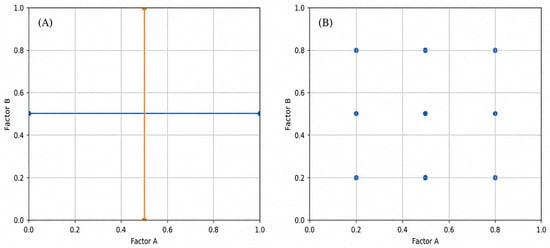
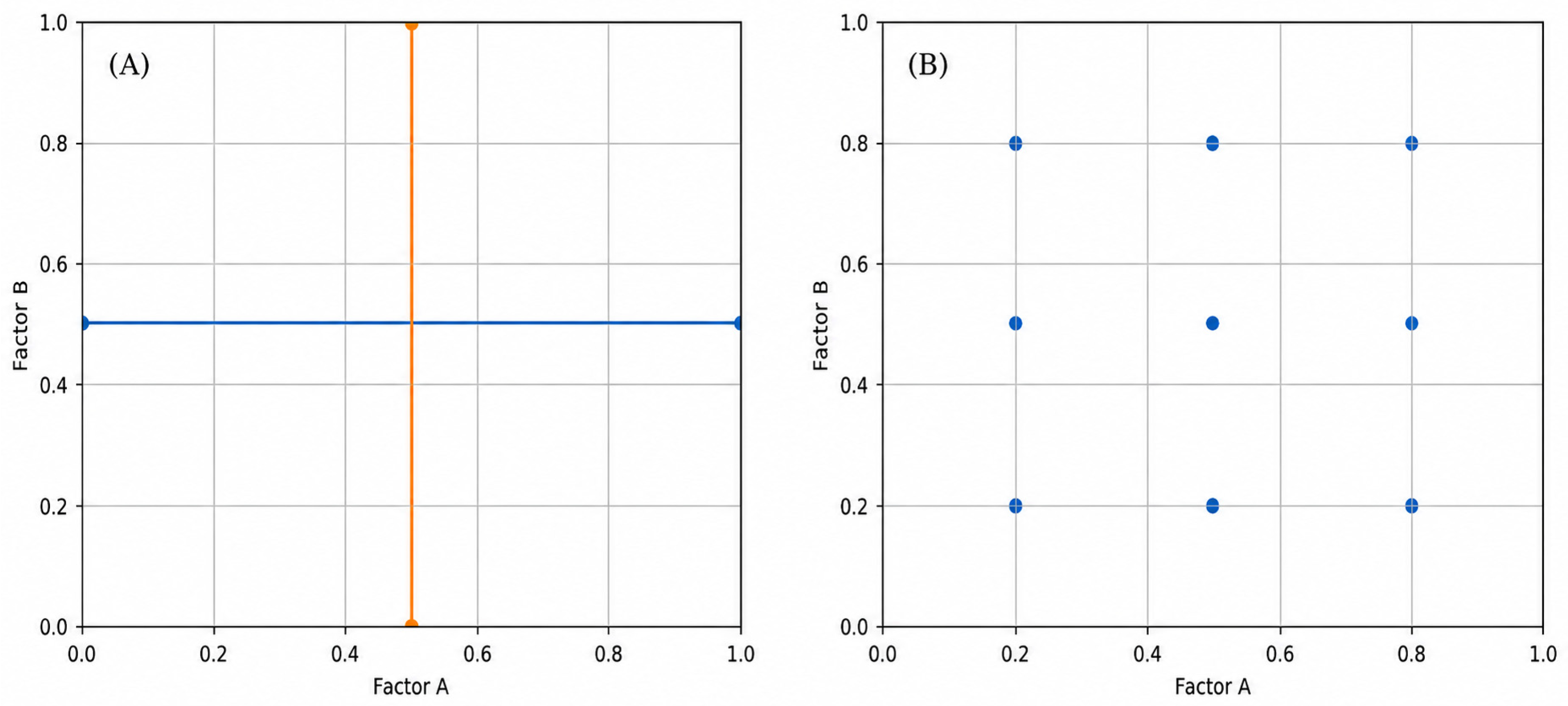
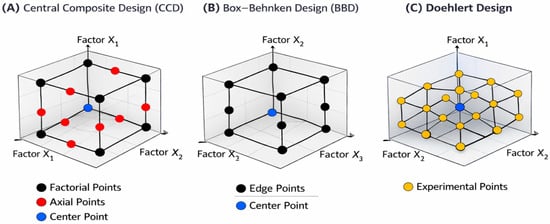
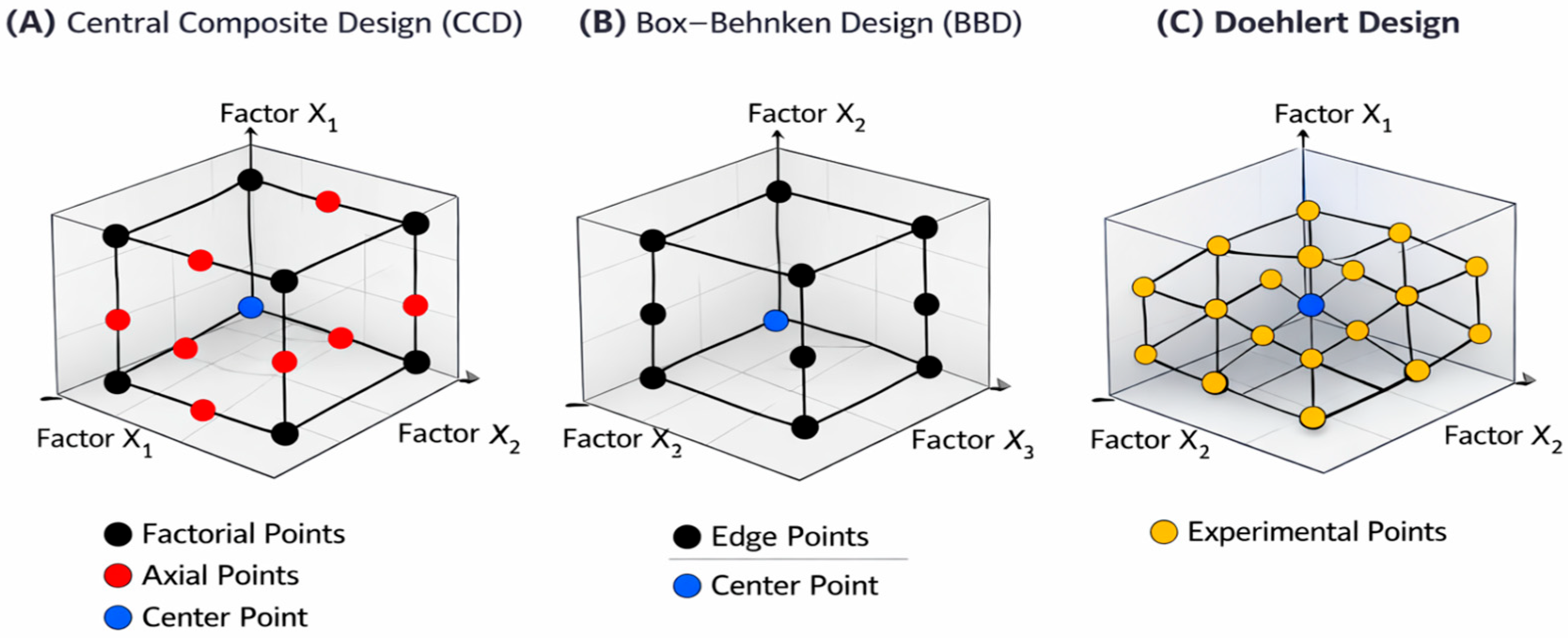
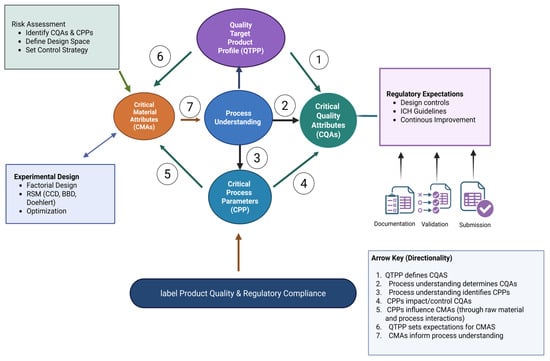
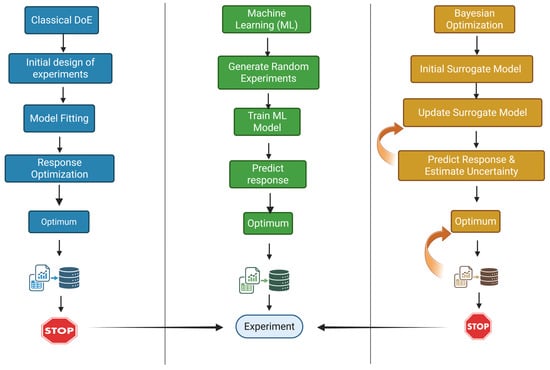

Disclaimer/Publisher’s Note: The statements, opinions and data contained in all publications are solely those of the individual author(s) and contributor(s) and not of MDPI and/or the editor(s). MDPI and/or the editor(s) disclaim responsibility for any injury to people or property resulting from any ideas, methods, instructions or products referred to in the content. |
© 2026 by the authors. Published by MDPI on behalf of the Österreichische Pharmazeutische Gesellschaft. Licensee MDPI, Basel, Switzerland. This article is an open access article distributed under the terms and conditions of the Creative Commons Attribution (CC BY) license.