Proceeding Paper

Agricultural Farm Production Model for Smart Crop Yield Recommendations Using Machine Learning Techniques †
by
Kandasamy Vidhya
1,
Sneha George
1,
Palanisamy Suresh
2,
Duraipandi Brindha
1,* and
Theena Jemima Jebaseeli
1
1
Division of Computer Science and Engineering, Karunya Institute of Technology and Sciences, Coimbatore 641114, India
2
Department of Computer Science and Engineering, Sri Krishna College of Technology, Coimbatore 641042, India
*
Author to whom correspondence should be addressed.
Presented at the International Conference on Recent Advances on Science and Engineering, Dubai, United Arab Emirates, 4–5 October 2023.
Eng. Proc. 2023, 59(1), 20; https://doi.org/10.3390/engproc2023059020

Published: 11 December 2023
(This article belongs to the Proceedings of Eng. Proc., 2023, RAiSE-2023)

Abstract

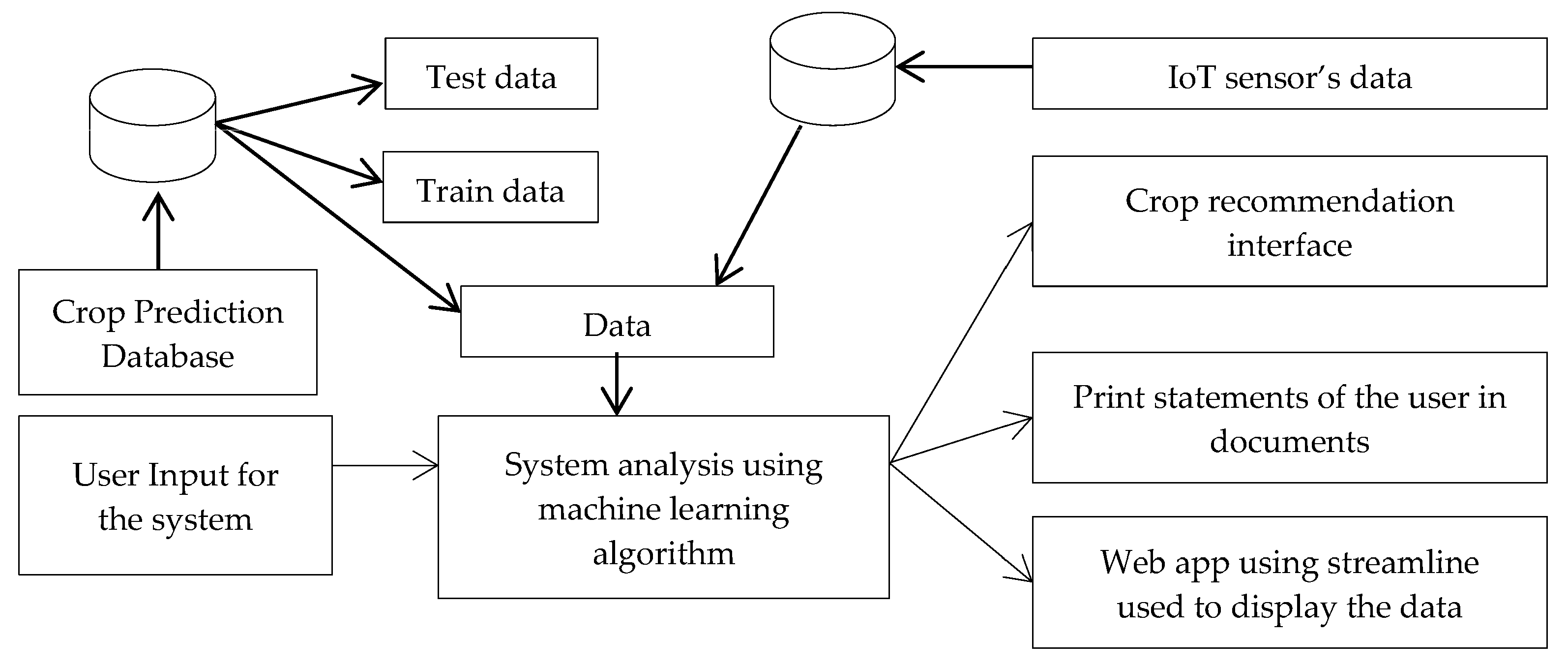
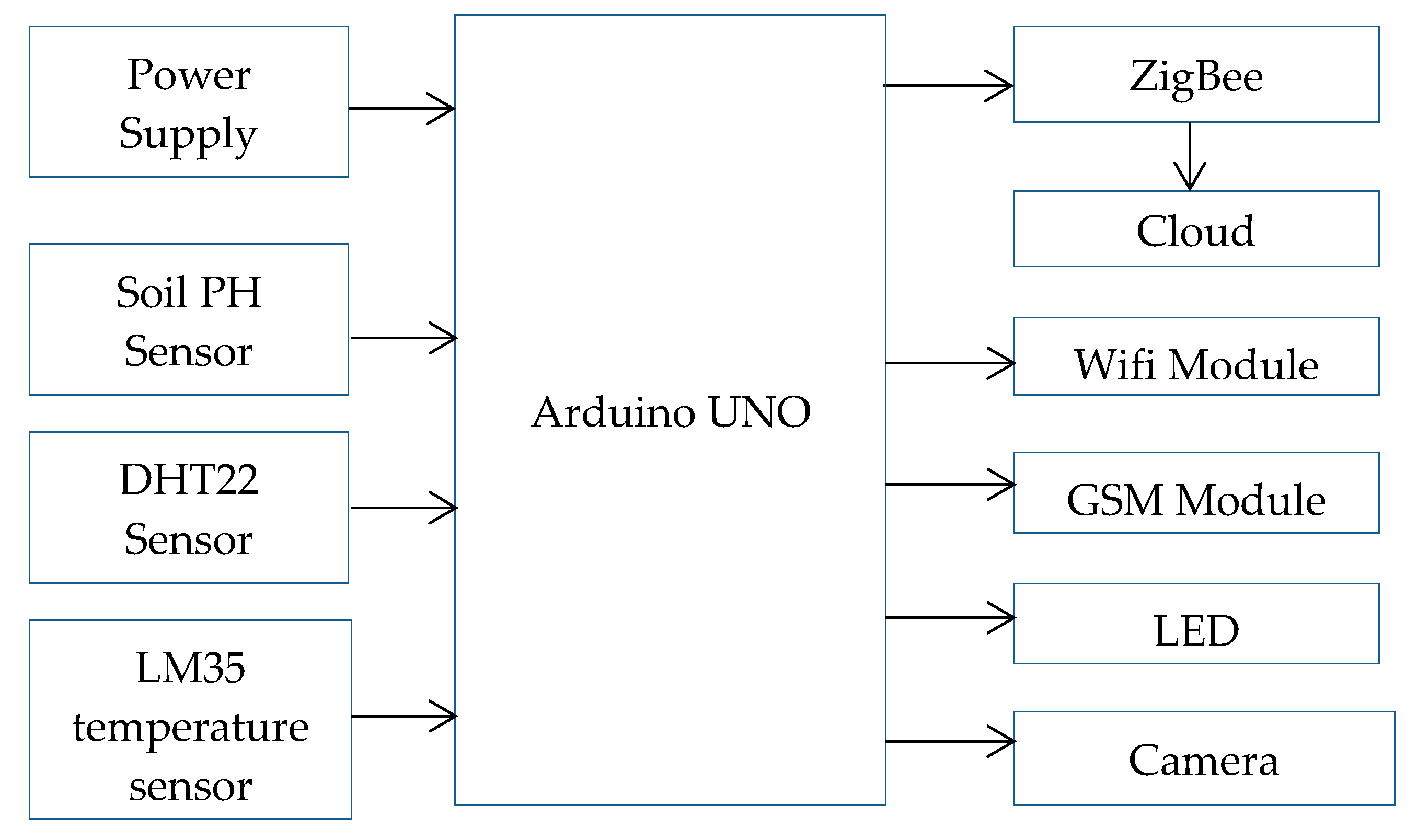
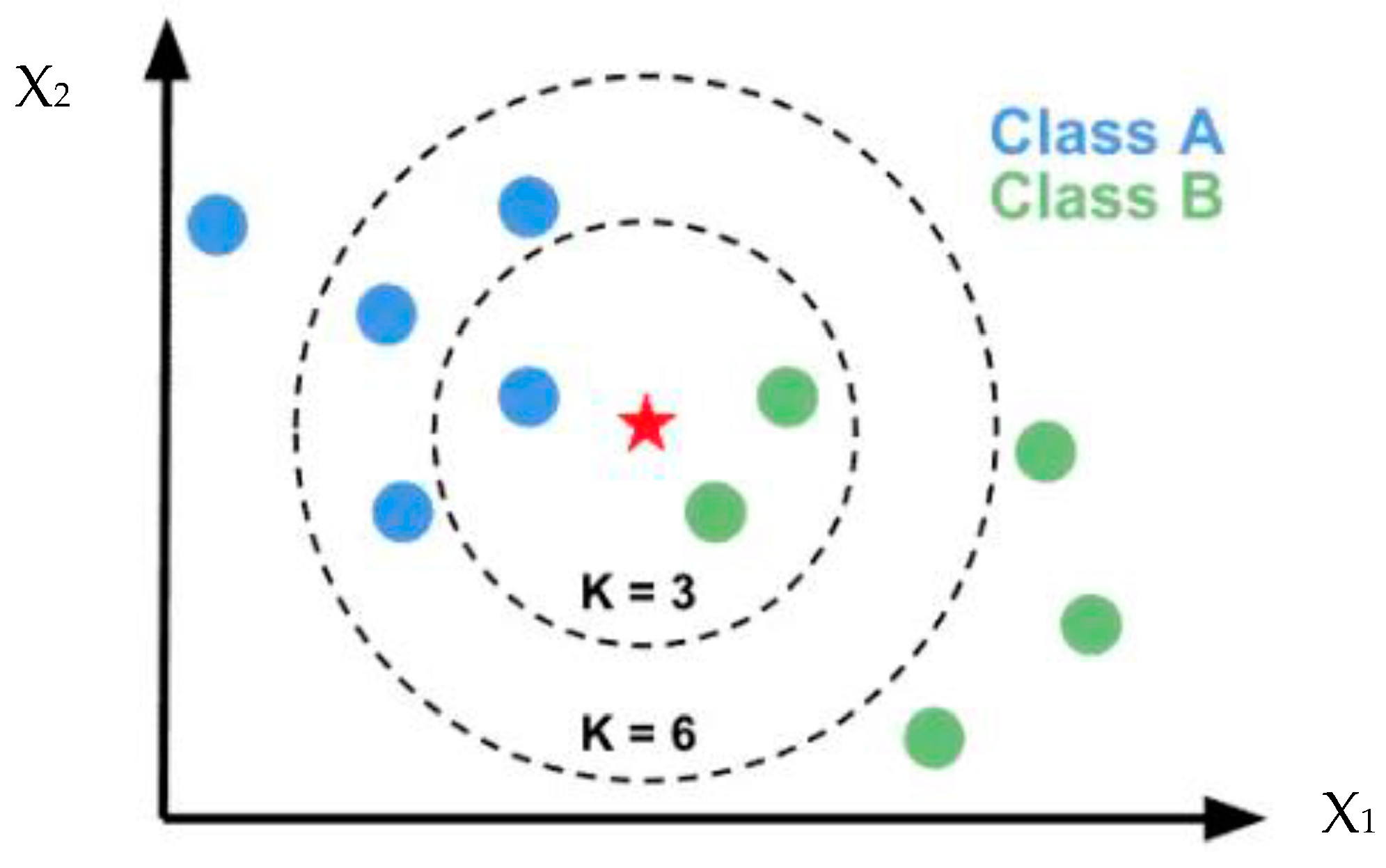
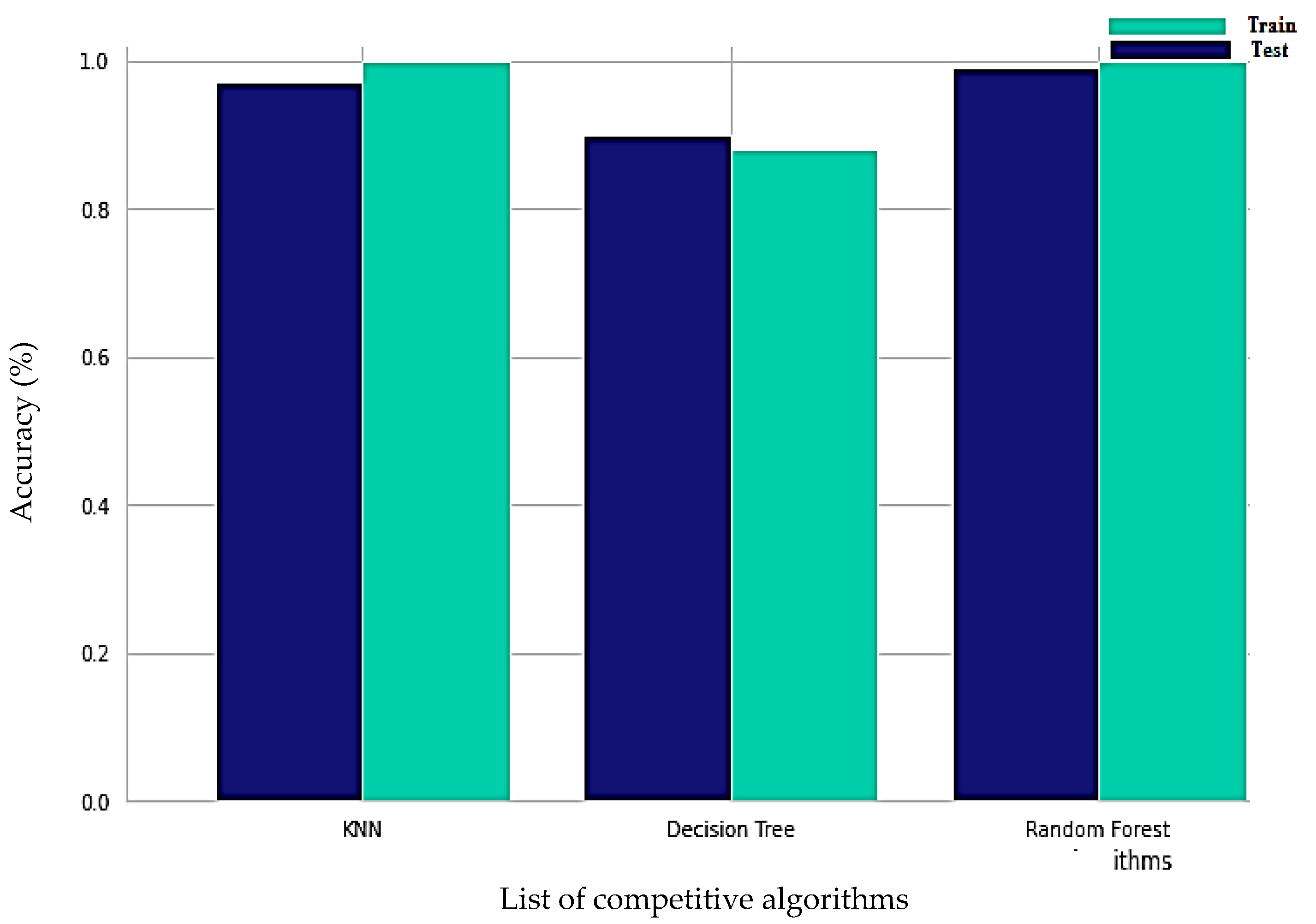
Smart agricultural monitoring is the use of cutting-edge technology to manage all elements impacting plants and lowering crop yield quality. The main objective of smart crop monitoring and management is to guarantee farmers optimal productivity. Additionally, the market for worldwide smart crop management is expanding continuously as a result of the rising need for smart agricultural techniques. Machine learning techniques have the potential to be utilized to provide intelligent agricultural yield suggestions that will assist farmers in increasing their crop yields and profitability. Machine learning algorithms are used to analyze massive collections containing previous yield statistics, meteorological data, soil data, and other parameters in order to discover patterns and associations that might be used to predict agricultural yields. The methodology used in this system is that the farmer must enter the details of conditions in the field. Once entered into the system, the data are analyzed. This predicts the state of environmental conditions and predicts the crop that is suitable under these situations to give a greater yield. A web application is also built here for the farmer to analyze the information regarding their crops and to generate relevant reports. To find better crops under various conditions, the k-nearest neighbor (KNN) technique is used. Finally, the farmer achieves better results based on the conditions in the field, enabling them to plant the crop that is appropriate to those conditions. The proposed system helps a huge number of farmers by using IoT (Internet of Things) devices and web applications for smart irrigation.
Keywords: smart irrigation; climate; farmers; recommendation system; crop; yield; machine learning; IoT; KNN smart irrigation; climate; farmers; recommendation system; crop; yield; machine learning; IoT; KNN