


Abstract
While Artificial Intelligence (AI) has transformed materials discovery, the primary bottleneck to technological impact remains the transition from lab-scale synthesis to robust, industrial-scale manufacturing. Most promising materials perish in this depth, which is referred as the “valley of death”. The current review consolidates and critically evaluates the emerging ecosystem of AI-driven strategies and frameworks designed specifically to bridge this “lab-to-fab” gap. The review shifts our attention from property prediction to the engineering-driven problems of manufacturability. Furthermore, the review discusses the main obstacles to scaling the production of materials, such as reproducibility, process optimization in the context of uncertainty, and techno-economic viability, as well as the AI approaches being developed to overcome them. This includes Natural Language Processing (NLP) for method extraction, graph neural networks for reaction modeling, reinforcement learning for process control, Bayesian optimization for definition of process windows, and integrated AI–Techno-Economic Analysis (TEA) frameworks. Equally importantly, the review examines the principal failure modes that constrain practical deployment, including out-of-distribution generalization, incomplete and non-transferable literature-derived data, simulator-to-plant mismatch, uncertainty miscalibration, and the continued need for expert oversight. The article concludes with a forward-looking roadmap for the future of AI in chemical and materials engineering. The proposed conclusion is defined by a paradigm shift from simply finding new materials to creating viable, economical, and scalable pathways to produce them, thereby enabling a new era of synthesis-aware materials innovation.
1. Introduction
The modern era of materials science is characterized by a striking paradox: a unique acceleration in the computational discovery of new materials yet an obstinately slow pace of their real-world implementation [1]. Powered by high-throughput simulations and machine learning (ML), researchers have identified millions of new, potentially stable compounds, expanding the catalog of known materials by orders of magnitude in recent years (Figure 1) [2,3]. For example, Google DeepMind’s GNoME project used graph neural networks to predict over 2.2 million new crystal structures, including 380,000 that are predicted to be thermodynamically stable [4]. Despite this digital explosion of candidate materials, the journey from a promising chemical formula on a computer screen to a tangible product on a factory floor remains long, expensive, and fraught with failure. The core problem in materials science is shifting from a discovery problem to a realization problem. This challenge is vividly illustrated by materials poised to revolutionize key technologies, whose progress is blocked not by their theoretical properties but by the immense practical difficulties of their synthesis and manufacturing. A few examples are discussed in the following sections. Figure 1 summarizes the progressive addition of theoretical, computational, and data-driven approaches to materials research. Its central distinction is that AI has greatly increased the speed and scale at which candidate materials can be proposed and screened, while experimental synthesis, process integration, and manufacturing qualification remain substantially slower.
Figure 1.
Evolution of materials research paradigms toward AI-enabled discovery.
Solid-State Electrolytes (e.g., Li7La3Zr2O12): In comparison to traditional lithium-ion batteries with flammable liquid electrolytes, garnet-type ceramic Li7La3Zr2O12 (LLZO) is a top candidate for next-generation all-solid-state batteries, offering improved safety and a higher energy density [5]. Theoretically, it is perfect because of its high ionic conductivity, broad electrochemical window, and stability against lithium metal [6]. However, its path to commercial production is an example in scalability challenges. A primary hurdle is stabilizing the highly conductive cubic crystal phase at room temperature, as the material tends to form a poorly conducting tetragonal phase [7]. Traditional solid-state reaction methods require high sintering temperatures (e.g., 1230 °C) and long durations (up to 36 h), leading to the volatilization of lithium. This lithium loss not only destabilizes the desired cubic phase but also promotes the formation of insulating secondary phases like La2Zr2O7, which severely degrade ionic conductivity [5]. Furthermore, achieving dense, uniform contact at the interface between the rigid LLZO ceramic and the electrodes is a significant engineering problem. Poor contact leads to high interfacial resistance, while volume changes during battery cycling can cause delamination or the formation of lithium dendrites, short-circuiting the cell [8,9]. These are not issues of fundamental material properties but of the intricate, multi-step process of fabrication and integration.
The LLZO case illustrates several tasks addressed by the AI methodologies discussed later in this review. NLP can extract relationships among lithium excess, dopant concentration, sintering temperature, dwell time, phase purity, and ionic conductivity from published studies. Thermodynamic and kinetic models can screen competing-phase formation, while Bayesian optimization can identify processing windows that balance cubic-phase stabilization, lithium retention, densification, and interfacial performance. LLZO is therefore used in Section 2.4 as a representative example of physics-grounded synthesis-pathway evaluation.
Multiferroics (e.g., BiFeO3): Bismuth ferrite (BiFeO3, or BFO) is one of the few materials that exhibits both ferroelectric and antiferromagnetic ordering at room temperature, making it a prime candidate for novel low-power memory and spintronic devices [10]. Despite decades of research, producing high-quality, phase-pure BFO remains a formidable challenge. Its synthesis is plagued by the high volatility of bismuth oxide (Bi2O3) at the required sintering temperatures, which kinetically favors the formation of bismuth-deficient (e.g., Bi2Fe4O9) or bismuth-rich (e.g., Bi25FeO39) impurity phases [11]. These secondary phases, along with oxygen vacancies and the reduction of Fe3+ to Fe2+, create conductive pathways that result in high leakage currents, making it difficult to measure a saturated ferroelectric hysteresis loop and rendering the material unsuitable for most electronic applications [12]. The synthesis conditions required to achieve phase-pure BFO are so narrow and sensitive that reported properties are often contradictory and highly irreproducible, hampering the development of reliable BFO-based devices [13].
The BiFeO3 case similarly motivates data-driven process-window identification. Literature-mining tools could organize conflicting reports on precursor stoichiometry, calcination temperature, oxygen conditions, impurity phases, and electrical properties, while Bayesian optimization or autonomous experimentation could systematically explore the narrow synthesis window associated with phase-pure material [14]. The objective would not be to replace mechanistic understanding but to identify robust relationships among processing conditions, defect formation, phase purity, and functional performance. BiFeO3 provides a useful test case for combining literature-derived synthesis data with Bayesian optimization and closed-loop experimentation. A practical workflow would vary precursor stoichiometry, thermal history, atmosphere, and processing time while monitoring phase purity, leakage current, and ferroelectric response. Such a study would test whether AI-guided experimentation can identify a reproducible process window rather than assuming that autonomous optimization will necessarily overcome the underlying volatility and defect-chemistry limitations.
The stories of LLZO and BFO underscore a critical lesson: a material’s predicted performance is rendered debatable if a robust, reproducible, and economically viable synthesis and manufacturing pathway cannot be established. The bottleneck has decisively shifted from answering “what material should we make?” to “how can we actually make it at scale?”.
1.1. The Valley of Death for New Materials
The risky journey from laboratory discovery to industrial commercialization is often described as the “valley of death” (Figure 2) [15]. This is the gap where promising technologies, despite their scientific merit, perish due to a confluence of technical, economic, and logistical hurdles. For new materials, this valley is particularly deep and treacherous [16]. Startups and research groups with brilliant technology often struggle to secure the resources needed to scale up from benchtop synthesis to pilot production, a necessary step to provide samples for customer validation [17].
Figure 2.
Conceptual representation of the “valley of death” between materials research and commercial deployment. The declining blue curve represents the reduction in research-oriented support as technology moves beyond laboratory development, whereas the increasing red curve represents commercial investment that generally becomes available only after technical and market risks have been reduced. The intervening region includes pilot-scale production, process development, customer qualification, regulatory or standards compliance, supply-chain establishment, and capital-intensive manufacturing validation. The curves are qualitative and do not represent measured investment values. Author-adapted conceptual schematic based on Refs. [15,16,17,18].
If observed closely, this transition is not a linear process. A recipe that works flawlessly in a 10 mL glass beaker often fails catastrophically in a 1000 L stainless-steel reactor [18]. The reasons lie in fundamental principles of chemical engineering that change in a non-linear fashion with scale. Factors such as heat transfer, mass transport, and mixing velocity do not scale proportionally with volume. A large reactor has a much lower surface-area-to-volume ratio than a small flask, making it significantly harder to remove the heat generated by an exothermic reaction, which can lead to thermal runaways and unsafe conditions [19]. Achieving uniform mixing in a large tank is far more complex, leading to concentration and temperature gradients that can promote unwanted side reactions and reduce product yield and quality [20].
Furthermore, new material frequently necessitates substantial adaptation from downstream users and the entire value chain, in contrast to a drop-in fuel that can be sold into an existing market once it satisfies standards [15]. This creates enormous economic friction, as manufacturers are hesitant to adopt a new material that may be more expensive than the incumbent petro-based polymer it aims to replace, especially if the cost cannot be passed on to the consumer [15]. This combination of non-linear process physics and value-chain inertia makes the valley of death a formidable barrier to materials innovation.
1.2. The AI-Driven Solution
To navigate this valley, a new class of tools is required. While the first wave of AI in materials science focused on materials informatics, using ML to predict properties from structure, the next wave must focus on synthesis and manufacturing informatics. This represents a paradigm shift from predicting what a material is to predicting how to make it [21]. A new generation of AI tools focused exactly on process chemistry and engineering is essential to de-risk the scale-up process and build a bridge across the valley of death [1]. These tools should be designed to tackle the core challenges of manufacturability: planning viable synthesis routes, dynamically optimizing complex processes in real-time, and evaluating techno-economic feasibility from the earliest stages of development.
This review will not focus on the well-trodden ground of AI for initial materials discovery. Instead, it will provide a comprehensive overview and critical analysis of the emerging AI-driven strategies designed to address the subsequent, critical stage of achieving scalability and manufacturability. The journey “From Lab to Fab” is the central narrative. The review will explore how AI is used for synthesis-pathway planning, moving beyond property prediction to predict the feasibility and outcomes of chemical reactions. Then, it will address the non-linear challenges of scale-up, reviewing AI techniques for dynamic process optimization and control in large-scale reactors. Additionally, it introduces a novel and critical dimension: the use of AI for early-stage techno-economic analysis, ensuring that materials are developed with economic viability in mind. The review also focuses on the concepts where AI has successfully been applied to bridge the lab-to-fab gap and critically compares AI-driven strategies for scalable materials synthesis and manufacturing according to their data requirements, physical constraints, quantitative performance, appropriate non-AI baselines, failure modes, validation environments, and technology readiness. Finally, the author provides a discussion of the challenges and future outlook, proposing a new “synthesis-aware” paradigm for materials research and development.
2. AI for Synthesis-Pathway Planning and Prediction
Finding a viable and reliable pathway for the synthesis of a stable material is the first important step in closing the lab-to-fab gap. Traditional AI models in materials science have excelled at predicting properties from a known structure, but this provides no guidance on how to create that structure in the first place. A new frontier in AI is emerging, focused on predicting not the final properties but the feasibility, conditions, and outcomes of the synthesis process itself [22]. This is a fundamentally more complex challenge, as the space of possible reactions and experimental conditions is vast, multi-dimensional, and often poorly documented. This section reviews the key AI methodologies being developed to navigate this complex landscape.
2.1. Beyond Property-to-Structure: Predicting Synthesis Feasibility
The paradigm is shifting from asking, “What are the properties of this material?” to, “Given these precursors, what reaction will occur and what will be the outcome?” [23]. This entails the forecasting of crucial synthesis parameters like reaction yield, phase purity, side-product formation, and the ideal experimental setup (temperature, pressure, solvents, etc.) needed to produce a favorable result. AI models are being created to learn the complex laws of chemistry from data, offering a predictive ability that can direct experiments and reduce the risk of the synthesis process before substantial resources are expended.
In this context, generative models such as generative adversarial networks and variational autoencoders are increasingly being employed to propose novel synthesis routes and suggest feasible reaction pathways based on learned chemical representations [24]. The discovery of new materials can be accelerated by these models’ ability to explore large chemical spaces and find believable precursor combinations and reaction conditions that human experts might not have previously thought of.
2.2. Natural Language Processing (NLP): Mining Decades of Chemical Literature
Decades of accumulated chemical knowledge are locked away in the unstructured text of scientific papers, patents, and technical reports [14]. This repository contains not only successful recipes but also a wealth of information on failed experiments, problematic side reactions, and understated procedural details that are crucial for reproducibility. NLP provides the key to unlock this vast, unstructured database and convert it into machine-readable knowledge [25]. Figure 3 illustrates how an NLP pipeline maps highlighted spans in experimental prose into predefined, machine-readable fields. The resulting record can support database construction and downstream modeling, but the extraction process does not independently verify whether the published procedure is complete, chemically correct, or experimentally reproducible.
Figure 3.
An example of the structured data extracted by the NLP model.
Automated technique extraction is one of NLP’s most potent uses. Key experimental data, including reactants, products, solvents, catalysts, temperatures, and reaction times, are automatically identified and structured by AI tools like ChemDataExtractor and IBM DeepSearch using ML algorithms [26]. This goes far beyond simple keyword searching, creating structured databases that can be used to train predictive models.
A particularly insightful application is the mining of “negative data”. Scientific literature is notoriously biased towards positive results, yet understanding the conditions that lead to failure is just as important as knowing what works [27]. By carefully training NLP models to recognize phrases indicating low yields, unwanted byproducts, or failed reactions, researchers can build more robust models that learn the boundaries of successful synthesis, helping to avoid known pitfalls.
The most recent evolution in this domain is the use of Large Language Models (LLMs) for the direct generation of synthesis procedures. By framing chemistry as a “language” and synthesis planning as a “translation” task (e.g., translating a target molecule’s SMILES string into a full experimental protocol), transformer-based models can generate novel, human-readable synthesis steps [25]. This approach is groundbreaking in its potential to suggest creative pathways. However, it is not without significant challenges. LLMs are prone to “hallucination”, where they confidently generate plausible-sounding but factually incorrect or unsafe procedures [28]. Overcoming this requires extensive fine-tuning on high-quality, curated, domain-specific datasets and rigorous expert validation of the generated outputs [27].
However, extraction accuracy within a benchmark corpus does not establish the transferability of literature-mined synthesis data across material classes, publication venues, reporting conventions, or experimental scales. In a large text-mined dataset of solid-state synthesis procedures, only 28% of the identified synthesis paragraphs produced a balanced chemical reaction. Although the extracted targets and precursors were generally accurate, only 51% of the evaluated records contained the chemistry, operations, and operation attributes correctly, with particularly poor performance for mixing conditions [29,30,31]. These errors arise not only from the NLP model but also from incomplete source reporting, information distributed across multiple sentences, inconsistent chemical notation, and experimental variables omitted by the original authors. LLM-based extraction can improve flexibility, but it does not eliminate these problems. Even workflows reporting precision and recall close to 90% retain errors in multi-valued sentences, improperly formatted tables and figures, and passages requiring long-range contextual interpretation [32,33]. Therefore, literature-mined methods should be treated as noisy, provenance-linked evidence rather than experimental ground truth. Their use in predictive modeling or automated experimentation should require confidence scoring, source-level traceability, evaluation on held-out material families and publication venues, and expert verification of the extracted procedure.
NLP and GNNs address complementary stages of an integrated synthesis-informatics workflow. NLP converts experimental descriptions into structured records containing reactants, precursors, catalysts, solvents, operating conditions, products, yields, and reported failures. These records can then be transformed into reaction graphs and used to train or evaluate GNN-based models for reaction-outcome prediction. In this workflow, NLP provides a structured evidence layer, whereas GNNs learn relationships between reaction components and outcomes. The reliability of the downstream GNN therefore depends directly on the completeness, consistency, provenance, and uncertainty of the information extracted from the literature.
2.3. Graph-Based Models: Representing and Navigating Reaction Networks
Once synthesis information has been converted from literature into structured reaction records, graph-based models provide a natural framework for representing and analyzing the relationships among reactants, reagents, catalysts, solvents, products, and reaction outcomes. Graph Neural Networks (GNNs) are therefore exceptionally well-suited architectures for the modeling of these complex chemical processes, as they can natively learn from the structural and relational information of molecules [34].
GNNs have achieved increasing accuracy on several reaction-prediction benchmarks, although this performance is strongly dependent on dataset composition, splitting strategy, and chemical similarity between the training and target reactions [35]. In this approach, all components of a reaction, such as reactants, reagents, solvents, and catalysts, can be represented as individual molecular graphs. These graphs are then combined into a single, larger “reaction graph” that is fed into a GNN model [36,37]. The GNN learns to pass “messages” between the nodes (atoms) to capture the intricate interactions between all components. The final output of the model can be a prediction of a key outcome, such as reaction yield [34]. Various GNN architectures, including Message-Passing Neural Networks (MPNNs), Graph Attention Networks (GATs), and Graph Convolutional Networks (GCNs), have been successfully applied, with MPNNs showing particularly strong performance on heterogeneous reaction datasets [34,38]. Figure 4 traces the information flowing from the individual molecular inputs to a combined reaction representation, then to the predicted outcomes. The numerical yield and side-product profile shown in the figure are illustrative output types rather than validated predictions from a particular reaction dataset.
Figure 4.
Schematic graph-neural-network workflow for reaction-outcome prediction. Molecular graphs representing the reactant, catalyst, solvent, and other reaction components are integrated into a combined reaction representation.
A key advantage of this approach is the ability to move beyond a simple success/failure prediction. GNNs can learn to predict the distribution of products, including the formation of undesirable impurities and side-products, by modeling the entire reaction system. This is critically important for industrial scale-up, where even a small percentage of an impurity can necessitate costly and complex purification steps.
An alternative graph-based representation is the Condensed Graph of Reaction (CGR). This method combines the reactants and products of a reaction into a single “super-molecule” or pseudomolecule graph, where bond changes are explicitly encoded. This allows standard cheminformatics tools and graph-based models to be applied to the CGR to predict important kinetic parameters, such as the activation energy of the reaction [38].
Despite their strong benchmark performance, GNNs remain predominantly interpolative models whose reliability can deteriorate when the target chemistry differs from the training distribution. Random train–test splits may place closely related compositions, molecular scaffolds, reaction classes, or process conditions in both sets, producing an overly optimistic estimate of real-world performance [39]. A structure-based benchmark of state-of-the-art materials GNNs found that models evaluated using conventional random splits substantially underperformed when tested on realistic out-of-distribution materials, revealing a significant generalization gap [40]. Similar behavior has been observed in reaction-yield prediction. A YieldGNN model was highly predictive for dense, narrowly designed high-throughput experimentation datasets but produced negative or near-zero R2 values for a sparse and chemically diverse electronic-laboratory-notebook dataset; neither extensive hyperparameter tuning nor pretraining restored useful predictive performance [41]. Consequently, high accuracy on a familiar reaction family should not be interpreted as evidence that a GNN can extrapolate to unseen precursors, catalysts, reaction mechanisms, impurity profiles, or scale-dependent operating regimes. Evaluation for synthesis and scale-up applications should include chemistry-aware, temporal, leave-one-family-out, or other distribution-shift splits, together with calibrated uncertainty, out-of-distribution detection, simple non-neural baselines, and prospective experimental validation.
Quantitative comparisons demonstrate the strong dependence of GNN performance on dataset structure. For a highly structured Buchwald–Hartwig high-throughput dataset, YieldGNN achieved an of 0.961, compared with 0.913 for a random-forest baseline. However, on a chemically diverse electronic-laboratory-notebook dataset, the same GNN produced an of −0.112, whereas random forest achieved 0.266 [41]. Thus, improvement over a conventional baseline in a narrow benchmark does not guarantee transferability to heterogeneous experimental data.
2.4. Thermodynamic and Kinetic Integration
The fact is that the true power and reliability of AI-driven synthesis planning will not come from data-driven models alone but from their synergistic integration with the fundamental laws of physical chemistry. Purely data-driven models, particularly those trained on noisy or biased literature data, can propose pathways that are physically implausible. Training these models in thermodynamics and kinetics provides a critical reality check, filtering out nonsensical predictions and building trust in the AI’s suggestions.
A powerful approach is the integration of AI models with large-scale thermodynamic databases—most notably, the Materials Project [42]. The Materials Project contains properties, such as the energy of formation, calculated using Density Functional Theory (DFT) for millions of compounds. This provides a ground-truth reference for thermodynamic stability. A workflow can be envisioned where an AI model first proposes a potential synthesis reaction. The thermodynamic driving force of this reaction can then be immediately checked by querying the Materials Project database for the formation energies of the reactants and products. If the reaction is predicted to be thermodynamically unfavorable (i.e., the products are significantly less stable than the reactants), it can be discarded without wasting experimental effort [21]. This synergy of AI for speed and exploration and physics-based databases for validation is a foundation for the building of robust and reliable synthesis prediction systems.
However, thermodynamics only indicate if a reaction is possible, not if it is practical. A reaction may be highly favorable but possess a massive kinetic barrier (activation energy) that prevents it from proceeding at a reasonable rate. Therefore, predicting kinetics is the second critical piece of the puzzle. Here again, AI is making significant contributions. GNNs are being trained on datasets of calculated activation energies to predict the kinetic feasibility of proposed reactions [43]. Advanced techniques like delta-learning are particularly promising; they use a small number of high-accuracy (but computationally expensive) quantum chemistry calculations to “correct” a large number of low-cost, lower-accuracy calculations. This corrected data is then used to train a highly accurate ML model that can predict activation energies with the accuracy of the expensive method but at the speed of the cheaper one.
A multi-layered validation framework for synthesis planning is produced by this integration as presented in Figure 5. It presents thermodynamic and kinetic evaluation as sequential filters rather than as proof that a proposed pathway will succeed experimentally. Thermodynamic screening evaluates whether the products are energetically plausible relative to the reactants, whereas the kinetic screen evaluates whether the pathway may proceed at an experimentally meaningful rate. A pathway passing both stages must still be tested for precursor reactivity, competing phases, transport limitations, and experimentally accessible processing conditions. The AI proposes new paths while exploring the vast space of possibilities. After that, these paths should be examined through the lens of thermodynamics to guarantee stability and kinetics to verify viability. Creating AI tools that can produce genuinely viable and scalable synthesis pathways requires a combination of physics-based constraints and data-driven exploration.
Figure 5.
A workflow diagram illustrating the concept of AI integrated with physical chemistry models.
As a representative example, consider the solid-state synthesis of garnet electrolyte LLZO. An AI synthesis-planning model could propose the precursor reaction of 7Li2CO3 + 3La2O3 + 4ZrO2 → 2Li7La3Zr2O12 + 7CO2. The first screening stage would evaluate whether the formation of LLZO is thermodynamically favorable relative to competing phases, such as La2Zr2O7. A pathway passing this test would then undergo kinetic evaluation, including evaluations of precursor decomposition, solid-state diffusion, intermediate-phase formation, and the temperature and time required for reaction completion. Experimental validation would remain necessary because lithium volatilization, slow diffusion, and phase competition can prevent the formation of the desired conductive LLZO phase, even when the overall reaction is thermodynamically plausible [5,6,7,8,9]. This example demonstrates why thermodynamic stability is a necessary but insufficient criterion for selecting a practical synthesis route.
3. From Static Methods to Dynamic Process Optimization
Successfully planning a synthesis route is only the first step. Transposing that laboratory recipe into a strong, high-yielding, industrial-scale process presents the next and usually more difficult task. A procedure that works perfectly in a small, well-controlled laboratory flask often fails when scaled up due to the emergence of complex, non-linear physical phenomena. The current section explores these scale-up challenges and reviews the AI-driven solutions being developed to manage them, shifting the paradigm from static, fixed methods to dynamic, adaptive process control.
3.1. The Challenge of Scale: Why a Beaker Is Not a Reactor
A common and expensive misconception is the idea that a chemical process can be scaled by simply multiplying the number of reagents and the vessel size [19,20]. A visual comparison of a lab beaker and an industrial reactor is presented in Figure 6. The physics of transport phenomena such as the movement of heat, mass, and momentum do not scale linearly with volume. A system’s behavior changes profoundly and frequently in unpredictable ways as it gets bigger, which can cause a few issues that could ruin a promising material.
Figure 6.
A visual comparison of a lab beaker and an industrial reactor.
Key challenges that arise during scale-up include the following:
- Heat Transfer: This is unquestionably the most critical scale-up challenge. The heat generated by a reaction is proportional to its volume (V∝r3), but the heat that can be removed is proportional to the vessel’s surface area (A∝r2). As the reactor size (r) increases, the surface-area-to-volume ratio (A/V∝1/r) decreases dramatically [20]. Reaction heat can be readily released into the surroundings from a small beaker, keeping the temperature steady. The amount of heat produced in a large industrial reactor is far greater than what the vessel can absorb. Temperature gradients; internal “hot spots”; and, in the worst situation, a thermal runaway, which is an uncontrolled exothermic reaction that could have catastrophic safety repercussions, can result from this [23].
- Mass Transport and Mixing: In a small magnetically stirred flask, it is trivial to achieve a homogeneous mixture of reactants, catalysts, and solvents. It is an important engineering achievement in a 1000 L tank [20]. Localized areas of high and low reactant concentration are caused by ineffective mixing. This non-uniformity can lead to a final product with uneven quality and purity, significantly reduce the overall reaction rate, and encourage the formation of undesirable byproducts in areas where stoichiometry is locally incorrect [44]. At larger scales, it takes longer to reach chemical equilibrium, which affects productivity.
- Fluid Dynamics: During scale-up, the reacting medium’s flow may completely alter. In a large, mechanically agitated reactor, a process that functions in a smooth, predictable laminar flow regime at the lab scale may turn chaotic and turbulent [20]. While turbulence can sometimes enhance mixing, unpredictable changes in flow dynamics make it difficult to control the process and ensure consistent outcomes.
These non-linear physical effects mean that a static, one-size-fits-all recipe is insufficient for industrial manufacturing. In order to accommodate the complicated and evolving state of the large-scale system, a dynamic approach to process control is required, where parameters can be adjusted in real-time.
3.2. Reinforcement Learning for Real-Time Process Control
Reinforcement Learning (RL) is a class of ML that is exceptionally well-suited for solving complex, sequential decision-making problems under uncertainty [45]. In the context of process control, an RL “agent” (an AI controller) learns an optimal “policy” (a control strategy) by interacting directly with an “environment” (the chemical reactor). It performs “actions” (e.g., adjusting a valve or changing a temperature setpoint) and observes the resulting “state” (e.g., sensor readings of temperature and concentration), receiving a “reward” based on how well its action contributed to a desired outcome, such as maximizing yield or purity [45].
The framework presented in Figure 7 allows RL to move beyond static recipes and develop dynamic control strategies. As Figure 7 shows, performance depends not only on the learning algorithm but also on whether the measured state adequately represents the process and whether the reward captures competing objectives without incentivizing unsafe behavior. The schematic represents the information loop and should not be interpreted as support for unrestricted autonomous control of a physical reactor. An RL agent can learn to actively control the temperature in real time, lowering it to avoid overheating and raising it to speed up the reaction when safe, all based on real-time feedback from the system, as opposed to adhering to a preset temperature profile of the system [46]. This capability of the system is essential for the management of the non-linearities and disruptions present in large-scale manufacturing. Unlike a fixed procedure, an RL policy can learn to be resilient to changes in ambient conditions or feedstock quality [46,47].
Figure 7.
An illustration of an RL-controlled chemical reactor system.
A critical area of development is safe reinforcement learning. While a standard RL agent is trained to maximize a reward, a safe RL agent is trained to maximize that reward while never violating a set of predefined safety constraints [46]. For chemical manufacturing, this is non-negotiable and extremely important. For example, the agent can be heavily penalized for allowing the reactor temperature to exceed a critical safety threshold, ensuring that the learned policy is not only optimal but also safe for industrial deployment. The primary challenge for RL is its high sample complexity; it often requires a vast number of interactions to learn an effective policy, making training directly on a physical plant impractical and unsafe [48]. High-fidelity simulators and digital twins can reduce the cost and hazard of RL training, but they introduce a second major failure mode: the simulation-to-reality or “sim-to-real” gap. An RL policy may exploit relationships that are valid within the simulator but are absent, shifted, or incompletely represented in the physical process. Differences in kinetic parameters, heat-transfer coefficients, sensor calibration, actuator delays, equipment fouling, feedstock variability, state estimation, and unmodeled disturbances can therefore cause a policy that performs well in simulation to deteriorate or behave unsafely after deployment. A study of RL-based control in an operating chemical plant explicitly identified simulator-model errors, incorrect state identification, and unforeseen disturbances as causes of sim-to-real performance degradation [49]. Thus, simulated superiority over PID or model-predictive control is not, by itself, evidence of plant readiness. Practical deployment requires uncertainty-aware system identification, robust or randomized training across plausible model parameters, explicit constraint enforcement, shadow-mode testing, staged commissioning, continuous residual monitoring, and a validated fallback controller [46,49].
3.3. Bayesian Optimization for the Mapping of Robust Process Windows
Identifying a robust process window, which is a multi-dimensional region of operating parameters (such as a range of temperatures, pressures, and concentrations) within which the synthesis is consistently stable, reproducible, and produces a high-quality product, is more valuable for industrial manufacturing than locating a single “golden batch” set of conditions [50]. Establishing this window provides the operational flexibility needed to handle minor process variations and ensure consistent production.
However, experimentally mapping this window using a traditional grid-search approach is prohibitively expensive and time-consuming, especially when dealing with many parameters. Bayesian Optimization (BO) is a powerful, sample-efficient global optimization technique that is ideal for this task [40]. BO works by building a probabilistic surrogate model (typically a Gaussian process) of the underlying objective function (e.g., yield as a function of temperature and pressure). This model is then used to intelligently select the next experiment to perform via an “acquisition function”, which balances exploitation of regions predicted to have high yields with exploration of regions where the model is most uncertain [51]. This sequential, model-based strategy allows BO to zero in on the optimal process window with a minimal number of expensive physical experiments.
The process window can be found in a two-dimensional parameter space with temperature and pressure using BO. The contour plot shown in Figure 8, with experimental points numbered according to execution order, depicts the actual (but unknown) yield landscape. While later points group together around the high-yield area, indicating effective exploitation, initial points are dispersed for exploration. BO is particularly effective for high-dimensional parameter spaces. Modern synthesis processes can have ten or more tunable parameters. Sparse-modeling-based BO techniques can automatically identify the most influential parameters and focus the experimental search within that lower-dimensional subspace, dramatically reducing the number of trials required for optimization [51].
Figure 8.
Illustrative Bayesian-optimization trajectory in a two-parameter process space. The background contours represent a hypothetical process objective, such as yield, as a function of normalized temperature and pressure. Numbered markers show the sequential order in which experiments are selected. Early experiments are distributed across the domain to explore poorly characterized regions, whereas later experiments increasingly concentrate near the predicted high-objective region. The figure demonstrates the exploration–exploitation principle and does not represent measurements from a specific material or manufacturing process.
Several studies demonstrate how Bayesian optimization can reduce experimental effort in chemical and materials-process development. Häse et al. [52] developed the Phoenics optimizer for expensive chemistry experiments and computational evaluations. The method uses all previous observations to propose new conditions while balancing exploration of uncertain regions against exploitation of promising conditions. It was benchmarked against particle-swarm, evolutionary, Gaussian-process, and random-forest optimization methods and demonstrated on a nonlinear chemical reaction network [52]. Shields et al. [53] subsequently applied Bayesian optimization to synthetic-reaction development, including palladium-catalyzed direct arylation, Mitsunobu, and deoxyfluorination reactions. In controlled comparisons, Bayesian optimization outperformed expert human decision-making in average experimental efficiency and consistency, demonstrating its value when each experiment is costly and only a limited number of conditions can be tested. In materials experimentation, Burger et al. [54] used a batched Bayesian search algorithm to guide 688 autonomous photocatalyst experiments across a ten-variable formulation space over eight days, identifying mixtures with sixfold higher activity than the initial formulations. More directly relevant to manufacturing scale-up, Rubín de Celis Leal et al. applied adaptive Bayesian optimization to wet spinning and shear dispersion of short polymer fibers, simultaneously improving production yield and the targeted fiber-length distribution from initially suboptimal conditions [55].
These studies show that Bayesian optimization is most valuable when experiments are expensive, the parameter space is multidimensional, and uncertainty must guide experimental selection. However, its performance depends on the suitability of the surrogate model and acquisition function, treatment of experimental noise and constraints, and whether the process changes over time. Consequently, BO should be evaluated against conventional design-of-experiments, random-search, or expert-guided baselines rather than assumed to be universally superior [51,52,53,54,55].
3.4. Digital Twins: In Silico Optimization of Manufacturing Processes
Advanced AI controllers, particularly RL agents, can be too expensive, time-consuming, and risky to develop and train directly on actual manufacturing machinery. The idea of a digital twin provides a powerful solution for this issue [56]. A digital twin is a high-fidelity, data-driven or physics-based virtual model of a physical asset that is updated in real time by sensors on the physical asset. In this case, the asset is a chemical reactor.
This creates a virtual sandbox that mirrors the behavior of the real-world system. Within this digital environment, engineers and AI algorithms can:
- Run “What-If” Scenarios: Without using raw materials or endangering the actual plant in danger, thousands of virtual experiments can be carried out on the digital twin to investigate the effects of various operating conditions, test novel control techniques, or model reactions to possible faults [56,57].
- Accelerate AI Training: Using the digital twin, an RL agent can be trained for millions of steps in a fraction of the time and expense compared to using the physical reactor. This makes it possible to create a strong control policy quickly and safely [57]. With a significantly higher level of confidence, the policy can be transferred to the physical reactor after it has been optimized in the virtual world.
- Enable Predictive Maintenance: The digital twin can forecast possible failures and predict equipment wear by modeling the physical state and stresses on the reactor components. This allows for proactive maintenance scheduling and reduces expensive, unplanned downtime [51,58].
Digital twins bridge the critical gap between pure simulation and physical reality. An illustration based on the discussed digital-twin concept is presented in Figure 9. The figure also emphasizes that a digital twin is not simply an offline simulation. It is a bidirectional system in which plant data updates the model and validated model outputs inform the control system. Persistent differences between predicted and observed process behavior should trigger model recalibration, restriction of the AI controller, or human intervention. It provides a risk-free, cost-effective environment to develop, test, and validate the next generation of AI-driven process control systems, dramatically de-risking and accelerating the transition from lab-scale recipes to robust, industrial-scale manufacturing.
Figure 9.
An illustration of the digital-twin concept for a manufacturing process.
Industrial Validation and Measurable Outcomes: Industrial digital-twin evidence remains heterogeneous because the term is applied to systems ranging from offline simulations to bidirectionally connected plant models. Table 1 therefore focuses on studies that connect a virtual model to a physical manufacturing process or industrial dataset and report quantitative outcomes. The cases demonstrate benefits in material efficiency, energy consumption, product quality, and process control, but they also show that most digital twins remain process-specific and have been validated at only one facility or on one production system.
Table 1.
Representative digital-twin applications with quantitative manufacturing outcomes.
Collectively, the cases in Table 1 provide stronger evidence than conceptual digital-twin demonstrations, but they do not establish universal industrial effectiveness. The reported outcomes cannot be compared directly because the studies differ in process type, baseline, deployment duration, system boundary, and definition of a digital twin. Most report before-and-after performance at a single site rather than controlled, multi-site, or independently replicated evaluation. In addition, improvements may reflect the combined effects of new sensing, data integration, mechanistic modeling, optimization, and operator intervention rather than the digital twin alone. Consequently, industrial digital twins should be evaluated against clearly defined conventional baselines and over sufficiently long periods to capture equipment aging, sensor drift, feedstock changes, product transitions, and process disturbances. These examples nevertheless identify three conditions associated with measurable value. First, the virtual model must be connected to reliable plant data rather than remain an offline simulation. Second, the model output must influence an operational decision, such as a process set point, material-use adjustment, energy-management action, or quality-control intervention. Third, benefits must be evaluated using manufacturing metrics such as yield, qualification rate, material consumption, energy use, emissions, downtime, or cost. Digital twins that do not satisfy these conditions may still support visualization or process understanding, but their industrial benefit remains unverified.
4. The Role of AI in Techno-Economic Analysis
A material can be a great performer in the lab and its synthesis can be perfectly scalable from an engineering perspective, yet it can still fail to achieve commercial success if it is economically unviable. The traditional materials development pipeline often relegates economic evaluation to its final stages, leading to immense wasted effort on materials that are ultimately too expensive to produce or use. The current section introduces a critical and highly novel paradigm shift: the integration of AI-driven Techno-Economic Analysis (AI-TEA) into the earliest stages of research and development, ensuring that new materials are designed not just for performance but for market viability.
4.1. Integrating Economics into Early-Stage R&D
TEA is a well-established methodology for evaluating the economic performance and feasibility of an industrial process, technology, or product [65]. It involves a holistic assessment of capital costs, operating costs, and potential revenue streams to determine metrics like net present value and the internal rate of return. Historically, TEA has been a tool used by investors and business development teams as a final, reductive filter to decide whether to commercialize a fully developed technology [65]. This late-stage evaluation is a primary contributor to the “valley of death”, where materials that are technically sound are discovered to be economically impractical far too late in the process.
The emerging model, powered by AI, is to transform TEA from a late-stage filter into an early-stage, generative tool for scientists and innovators [66]. Researchers can be guided away from dead-end pathways from the very beginning by building AI models that can provide rapid, early-stage economic assessments. This involves a rational question of not just “Can we make this material?” but “Can we make this material profitably?” at the outset of a project. This shift requires a new class of AI models that can predict economic and logistical parameters with the same facility that they currently predict physical properties.
4.2. AI Models for Predicting Manufacturing Costs and Feasibility
The core of AI-driven TEA is the development of predictive models for the key cost drivers in manufacturing. Instead of relying on detailed, manually constructed spreadsheets, which can take weeks or months to build, AI can provide near-instantaneous cost estimates based on high-level process information [67].
Key parameters that AI models are being trained to predict include the following:
- Precursor and Raw Material Costs: A synthesis route may rely on precursors that are exceedingly rare, difficult to source, or subject to volatile pricing. AI models can be linked to chemical supplier databases and supply-chain analytics to provide real-time estimates of precursor costs and availability, flagging routes that depend on high-risk materials [67].
- Energy Consumption: The energy required for heating, cooling, pressurizing reactors, etc., is a major operational cost. AI models can calculate the overall energy consumption and related costs by examining a proposed synthesis route, including reaction temperatures, pressures, and durations [67,68]. This helps researchers avoid using processes that require excessive amounts of energy.
- Process Complexity and Capital Equipment Costs: The capital expenditure (CAPEX) for a manufacturing plant is heavily influenced by the complexity of the synthesis process. A route requiring extreme temperatures, high pressures, or multi-stage, high-purity separations will necessitate expensive, specialized reactors and purification equipment. AI systems can analyze a proposed process flowsheet to estimate its complexity and provide a rough order-of-magnitude prediction of the required capital investment [68].
A particularly exciting frontier is the use of LLMs to automate the entire early-stage TEA process [65]. Researchers have demonstrated that LLMs can analyze a scientific paper describing new technology, automatically extract the key process steps into a structured flowsheet, then program a basic financial simulation based on that flowsheet [68,69]. This process dramatically lowers the barrier to entry, allowing scientists with no formal training in economics to generate a “back-of-the-envelope” TEA for their ideas in minutes, making economic considerations a routine part of the scientific process.
4.3. Multi-Objective Optimization
In the real world, materials design is never a single-objective problem. The goal is not simply to maximize performance but to find solutions that are optimal across a range of competing objectives: high performance, low cost, high safety, low environmental impact, and ease of manufacturing [70,71]. These objectives are often in conflict; for example, increasing a material’s purity (and thus performance) typically increases its processing cost.
Multi-Objective Optimization (MOO) is the framework for navigating these trade-offs, and AI provides powerful algorithms for executing it [72,73]. The central concept in MOO is the Pareto front. A solution is said to be “Pareto-optimal” if no single objective can be improved without degrading at least one other objective. The Pareto front is the set of all such optimal solutions [74]. The plot in Figure 10 depicts a Pareto front in materials design, where each point represents a candidate material with varying performance and cost. The Pareto front (upper-right boundary) highlights the non-dominated solutions that offer the best trade-off between high material performance and low manufacturing cost, with a “Sweet Spot” indicating an optimal balance of both factors.
Figure 10.
Conceptual Pareto map of material performance and manufacturing cost. Each point represents a hypothetical material or process option. A higher vertical position indicates better material performance, whereas movement to the right indicates lower manufacturing cost; the cost axis is therefore intentionally reversed. The Pareto front identifies non-dominated candidates for which one objective cannot be improved without worsening the other. Candidates below and to the left of the front are dominated by at least one alternative. The marked “sweet spot” illustrates an application-dependent compromise and is not a universal optimum. Author-generated conceptual schematic based on Refs. [70,71,72,73,74].
AI-driven optimization algorithms, such as multi-objective genetic algorithms or Bayesian optimization, can efficiently explore the vast design space and identify the Pareto front. This provides researchers with a clear, visual map of the trade-offs. Instead of searching for a single “best” material, they can analyze the entire frontier of optimal compromises. It enables a more strategic approach to R&D, allowing teams to select candidates that not only push the boundaries of performance but also align with the economic realities of the target market. AI can significantly increase the likelihood that a material will successfully navigate the valley of death by directing research away from the search for “perfect but priceless” materials and toward candidates that occupy a commercially viable sweet spot. It can be achieved by incorporating MOO directly into the materials discovery loop. Table 2 provides a technical comparison of the principal AI methodologies discussed in this review, emphasizing their required data, engineering constraints, appropriate baselines, validation criteria, and dominant failure modes. This comparison is intended to distinguish methodological capability from demonstrated manufacturing readiness.
Table 2.
Technical comparison of AI methodologies for scalable materials synthesis and manufacturing.
Multi-objective optimization is not a single algorithm, and the appropriate method depends on the cost of evaluating each candidate, the number and type of decision variables, and the presence of hard process constraints. Weighted-sum and goal-programming methods are computationally simple and useful when decision-maker preferences are known in advance, whereas the ε-constraint method is particularly suitable when one objective, such as purity or safety, must satisfy a specified threshold [75]. However, weighted aggregation may fail to recover non-convex regions of the Pareto front and can obscure the physical meaning of the selected trade-off.
Evolutionary algorithms, particularly the Non-dominated Sorting Genetic Algorithm II (NSGA-II) and Multi-Objective Evolutionary Algorithm Based on Decomposition (MOEA/D), are widely used for nonlinear, discontinuous, mixed-variable, and simulation-based problems. NSGA-II uses non-dominated sorting and diversity preservation to generate a distributed set of Pareto-optimal solutions, whereas MOEA/D decomposes the original problem into multiple scalar subproblems that are optimized concurrently [76,77]. These methods are practical when process simulations are relatively inexpensive, but they may require thousands of model evaluations and are therefore less suitable for costly physical experiments. When experiments or high-fidelity simulations are expensive, multi-objective Bayesian optimization is generally more data-efficient. Methods such as ParEGO construct surrogate models and sequentially select experiments expected to improve the Pareto front, while expected-hypervolume-improvement methods directly prioritize candidates that expand the currently identified trade-off region [78,79]. These approaches can incorporate observation uncertainty and select multiple experiments in parallel, although their reliability depends on surrogate-model accuracy and generally deteriorates as the number of variables and objectives increases.
Importantly, these algorithms generate a set of non-dominated alternatives rather than a single objectively “best” solution. Final selection requires engineering judgment, product specifications, safety limits, economic priorities, and stakeholder preferences. Multi-criteria decision methods may assist in this selection, but they should not substitute for pilot-scale validation. Practical selection of MOO algorithms for materials and manufacturing applications is presented in Table 3.
Table 3.
Practical selection of multi-objective optimization algorithms for materials and manufacturing applications.
Industrial implementation normally involves more than running an optimization algorithm. First, objectives and constraints must be defined in measurable plant terms, such as product quality, throughput, energy consumption, emissions, cost, and safety margins. Second, the process model or surrogate must be calibrated against operating data. The optimizer then generates a Pareto set, after which candidate operating points should be evaluated for robustness to feedstock variation, measurement uncertainty, and equipment disturbances. A selected compromise should be validated through simulation, pilot operation, or constrained plant trials before production set points are changed. Several studies illustrate this workflow. NSGA-II has been applied to an industrial styrene-manufacturing model to maximize styrene production and selectivity while minimizing total heat duty [80]. It has also been applied to an industrial crude-distillation model calibrated with plant data, identifying operating conditions that increased profit without increasing energy cost or violating product-quality requirements [81]. More recently, an Aspen Plus V11–MATLAB R2019B framework used industrial data from a two-million-ton-per-year fluid catalytic cracking separation system to examine trade-offs between product carbon emissions and total annualized cost [82].
In discrete manufacturing, a hybrid NSGA-II scheduling method reduced electricity consumption by 2.3% and material waste by 5.9% in a paper-mill case relative to manual scheduling [83]. For experimentally expensive reaction development, multi-objective Bayesian optimization simultaneously optimized yield and enantioselectivity and identified conditions that exceeded previous human-guided campaigns after only 15 and 24 experiments from spaces containing 1728 possible configurations [84]. These examples demonstrate practical value but most remain process-specific; broader adoption requires prospective plant validation and comparative evidence that the selected operating point remains robust over time.
5. Comparative Analysis of AI Applications Across the Lab-to-Manufacturing Continuum
AI applications in materials synthesis and manufacturing differ substantially in purpose, scale, and technological maturity. The current section compares the reported cases according to two principal functions: (i) candidate screening and laboratory validation and (ii) process optimization and manufacturing operations. The comparison distinguishes computational or laboratory demonstrations from applications evaluated in production environments and considers the reported outcomes, available baselines, and remaining limitations. These examples also differ substantially in maturity: some demonstrate computational screening or laboratory synthesis, whereas others address production scheduling, predictive maintenance, or process optimization in operating facilities. The purpose of the comparison is therefore to identify where AI has produced measurable manufacturing value, where evidence remains limited to laboratory demonstrations, and which barriers remain unresolved.
5.1. Candidate Screening and Laboratory Validation
The global demand for better, safer, and more sustainable batteries is a primary driver of materials innovation. The battery industry provides a productive ground for AI-driven scale-up strategies, as the challenges of cost, performance, and manufacturing are tightly intertwined. The innovative potential of AI in accelerating the discovery and deployment of battery materials is depicted in Figure 11. The conventional cycle usually lasts three to five years, whereas using the AI-accelerated approach shortens the process to less than a year. The subsequent information in this section provides more insights into AI-accelerated battery materials generation. The discussed cases use AI primarily to reduce the number of candidates requiring experimental evaluation and to accelerate laboratory learning. Their strongest evidence concerns screening efficiency, synthesis prioritization, and prototype validation rather than manufacturing-scale deployment.
Figure 11.
A timeline comparing a traditional development cycle (left) with an AI-accelerated cycle (right) for a new battery material.
AI-Accelerated Discovery and Synthesis: Chen et al. reported a computational and experimental workflow in which machine-learning models and high-performance computing were used to screen more than 32 million candidate materials for solid-state-electrolyte applications [85]. The computational screening was completed in approximately 80 h, after which selected candidates underwent laboratory synthesis and prototype-cell evaluation. One of the most promising novel candidates was chosen by the PNNL team, and they were able to successfully synthesize it in the lab (A-lab). This material unexpectedly combined sodium and lithium. They created a functional prototype battery in about six months. This case demonstrates accelerated candidate prioritization and laboratory validation; however, it does not constitute evidence of pilot-scale production or commercial manufacturing.
AI-assisted electrolyte formulation: IBM Research has reported a platform that combines generative modeling, molecular simulation, and literature mining to support electrolyte-formulation research [86,87]. The approach illustrates how multiple computational tools may be integrated to prioritize candidate mixtures. However, the available sources do not provide sufficient independent experimental benchmarking to establish its effectiveness in manufacturing-scale deployment.
The A-Lab Autonomous Discovery Platform: A transformative shift in materials synthesis can be seen in the A-Lab, an independent laboratory created at the University of California, Berkeley, and Lawrence Berkeley National Laboratory [88,89]. It is a “self-driving” lab that requires little human involvement to plan, carry out, and analyze solid-state synthesis experiments. The A-Lab’s AI system combines a number of data sources and methodologies: it uses extensive thermodynamic data from Google DeepMind and the Materials Project; it generates initial synthesis recipes using natural language models trained on scientific literature; and it uses an active learning loop based on thermodynamics to iteratively optimize and refine those recipes based on experimental results [90,91,92,93]. In just 17 days of uninterrupted, self-sufficient operation, the A-Lab demonstrated its capabilities by successfully synthesizing 41 novel inorganic compounds from a list of 58 computational targets [89]. The synthesis bottleneck is directly addressed by this closed-loop system, which significantly speeds up the experimental realization and validation of computationally predicted materials.
Although there is not yet a well-known case study applying AI to scale up the synthesis of BiFeO3 (covered in Section 1), production obstacles such as phase impurity, irreproducibility, and a limited processing window make it an excellent candidate for an A-Lab-style strategy. A problem that has plagued materials scientists for decades could be resolved if an autonomous platform could quickly and carefully investigate the delicate parameter space of BFO synthesis, methodically determining the exact conditions needed to generate high-quality, phase-pure material.
5.2. Process Optimization and Manufacturing Operations
The pharmaceutical industry is increasingly using AI to optimize its manufacturing processes due to its intricate multi-step syntheses, strict quality control, and intense pressure to reduce costs and time to market. AI can be incorporated into a typical manufacturing line at key stages, as shown in Figure 12. These interventions range from predictive maintenance on reactors and intelligent scheduling of batch flows to the use of computer vision for real-time quality inspection, enhancing both efficiency and compliance. These applications operate closer to manufacturing by targeting production scheduling, equipment reliability, material waste, process conditions, and product consistency. However, the strength of evidence varies from reported industrial performance improvements to planned initiatives without independently validated outcomes.
Figure 12.
Illustrative integration points for AI within a pharmaceutical batch-manufacturing process.
AI-Driven Scheduling and Process Optimization for Pharmaceuticals: Prominent pharmaceutical firms are targeting measurable financial gains from AI in production. At its Indore facility, Cipla, a significant Indian pharmaceutical company, installed an AI-driven job shop scheduling system that reduced overall manufacturing costs by 26% and the amount of time needed for equipment changes between products by 22% [94]. In a similar manner, Johnson & Johnson reduced unscheduled equipment downtime by 50% in its Indian factory by using AI and machine learning for predictive maintenance [94]. These illustrations show how AI can significantly increase productivity and cost-effectiveness when applied to logistics and operational efficiency.
AI for Battery Manufacturing Scale-Up: Recharge Industries and Deakin University announced a collaboration to investigate the use of machine learning in battery-production processes [95]. The stated objectives included reducing material waste, improving process efficiency, and lowering manufacturing costs. Because the cited sources primarily describe planned activities rather than independently validated outcomes, this example should be interpreted as an emerging industrial initiative rather than a demonstrated manufacturing benchmark. Moving from synthesis to production, Australian lithium-ion battery manufacturer Recharge Industries has partnered with Deakin University’s Applied Artificial Intelligence Institute to explicitly target the “Fab” side of the equation. The collaboration’s goal is to integrate ML into their battery production lines [95]. By doing this, they aim to optimize manufacturing processes, reduce material waste, lower production costs, and enhance the scalability of their operations. This case study is a direct example of industry adopting AI not for discovery but for the practical engineering challenges of efficient, large-scale manufacturing.
Bayesian Optimization for Scaling of Polymer Production: The scale-up of specific materials often involves optimization of dynamic processes with many interdependent parameters. A study on the production of short polymer fibers via wet spinning and shear dispersion demonstrated the effectiveness of BO for this challenge [96]. The process involved a complex interplay of fluid dynamics and solidification rates. Starting with sub-optimal, low-yield conditions, the BO algorithm was used to intelligently guide experiments. The algorithm effectively explored the parameter space and found operating conditions that maximized the production yield per batch and the product quality (i.e., reaching a desired distribution of fiber length). This case provides a clear example of how a sophisticated AI optimization technique can solve a real-world, dynamic scale-up problem with minimal experimental cost.
5.3. Comparative Synthesis of Evidence and Maturity
AI maturity is uneven across the lab-to-manufacturing pathway. Candidate-screening and autonomous-laboratory studies provide quantitative evidence of accelerated computational or experimental exploration but generally stop before pilot-scale production and commercial qualification. Manufacturing-oriented applications provide stronger evidence of operational value in scheduling, predictive maintenance, and process optimization, although these tools typically improve individual production functions rather than integrate materials discovery, scale-up, and manufacturing. Overall, the evidence currently supports AI as a targeted decision-support and optimization tool rather than as a demonstrated end-to-end solution for materials commercialization. Table 4 summarizes how AI is being used in different sectors and at different stages of scalable manufacturing.
Table 4.
Applications of AI in scalable materials manufacturing.
Taken together, the case studies reveal that AI has not advanced uniformly across the materials-manufacturing pipeline. The battery and autonomous laboratory examples primarily demonstrate accelerated screening, synthesis, and prototype validation but provide limited evidence of industrial-scale manufacturing. In contrast, the pharmaceutical examples show more mature deployment in scheduling, predictive maintenance, and quality monitoring, although these applications improve manufacturing operations rather than materials synthesis itself. The polymer example occupies an intermediate position by demonstrating AI-guided optimization of a material-production process. Thus, the strongest current evidence supports AI as a targeted decision and optimization tool within specific stages of development rather than as a fully integrated solution spanning discovery, scale-up, and commercial production.
Furthermore, quantitative performance varies substantially with the dataset, task, and evaluation method. Table 5 summarizes representative benchmarks, including comparisons with conventional models and reported failure rates. These values should not be compared directly across studies because they address different materials systems and validation conditions.
Table 5.
Representative quantitative benchmarks for AI-assisted materials synthesis and manufacturing.
The NLP benchmark reported approximately 90% precision and recall but still missed 12–16% of relevant data. The reaction-yield study provides a direct comparison: YieldGNN slightly outperformed random forest on structured high-throughput data but failed on diverse laboratory records, where random forest remained the strongest model. The OOD benchmark found severe error increases relative to conventional in-distribution evaluation. A-Lab achieved a 63% target success rate, while only 30% of individual recipes succeeded.
Direct comparison of AI algorithms requires evaluation on the same dataset, data split, preprocessing workflow, and performance metrics. Such standardized comparisons remain limited in scalable materials synthesis and manufacturing because NLP extraction, reaction prediction, process optimization, and dynamic control represent fundamentally different tasks. Even within a single task, published studies frequently use different material systems, train–test splitting strategies, operating conditions, and validation protocols. Consequently, performance values reported across separate studies should not be interpreted as a ranking of algorithms. In this review, comparative conclusions are limited to within-study evaluations in which AI and conventional methods were tested under equivalent conditions. The lack of common, publicly available benchmark datasets containing synthesis conditions, scale-dependent process variables, failures, and manufacturing outcomes remains an important barrier to rigorous algorithm selection.
5.4. Industrial Validation, Practical Implementation, and Technology Readiness
The applications reviewed above span substantially different levels of technological maturity. Computational screening, autonomous laboratory synthesis, pilot-process optimization, and deployment within an operating manufacturing facility should not be treated as equivalent evidence of industrial readiness. Technology-readiness frameworks commonly distinguish early proof-of-concept studies from validation in relevant environments and demonstrated operation under real-world conditions [98]. However, exact technology readiness levels should not be assigned unless sufficient evidence is available. For AI-enabled manufacturing, the readiness of the material or process, the AI model, the sensing and data infrastructure, and the plant-control integration should be evaluated separately, because the least mature component may constrain the overall system.
Industrial validation should proceed through increasingly demanding stages: retrospective testing on historical plant data; prospective evaluation in a shadow or advisory mode; constrained pilot-scale operation; and, finally, monitored deployment in production. At each stage, AI performance should be compared with established alternatives, such as conventional process control, design of experiments, mechanistic modeling, or expert operation. Relevant evaluation criteria include product quality and consistency, yield, energy and raw-material consumption, process variability, constraint violations, equipment downtime, robustness to feedstock and equipment changes, and economic benefit. Validation across multiple batches, campaigns, equipment configurations, or manufacturing sites is particularly important because performance at a single facility may not generalize to other operating environments.
Practical implementation also requires reliable sensors, interoperable plant data, integration with existing control and manufacturing-information systems, cybersecurity, operator training, documented change control, and clearly defined human authority. Safety-critical decisions should retain validated constraints and fallback control rather than relying solely on an AI recommendation. Following deployment, model performance must be monitored for data drift, equipment degradation, changing feedstocks, and unexpected operating conditions. These requirements are consistent with risk-management approaches that emphasize governance, measurement, validation, documentation, and continuous monitoring throughout the AI lifecycle [99,100]. Thus, the current evidence supports targeted AI assistance in selected laboratory and manufacturing functions, but end-to-end industrial validation remains limited.
6. Future Outlook and Challenges
Although the application of AI to materials synthesis and manufacturing has the potential to revolutionize the industry, there are still a number of important obstacles that need to be overcome before its full potential can be achieved. The research limitations for the upcoming era are defined by the current section, including data scarcity, human–computer interaction, and the creation of fully integrated systems. In order to transition from isolated successes to a new, widely accepted model of synthesis-aware materials innovation, it will be imperative to address them.
Across the discussed applications, the central limitation is not merely insufficient data but the validity of model assumptions when the AI system encounters unfamiliar chemistry, equipment, or operating conditions. Much of the published evidence remains based on retrospective datasets, random train–test splits, laboratory demonstrations, or simulated processes, whereas prospective failures and unsuccessful industrial deployments are less frequently reported. Three distinct failure modes should therefore be recognized. First, statistical failure occurs when models lose accuracy under shifts in composition, reaction class, feedstock, or operating regime. Second, representation failure occurs when literature-derived or simulated data omits causally important variables, such as precursor history, mixing intensity, equipment geometry, impurity levels, or operator-dependent actions. Third, deployment failure occurs when sensor noise, equipment degradation, actuator limitations, process disturbances, safety constraints, or economic requirements invalidate the assumptions used during model development. Credible claims of AI-enabled scalability should therefore be supported by prospective testing, explicit reporting of null and negative results, uncertainty calibration, out-of-distribution evaluation, and comparison with strong conventional engineering baselines [40,41,49,101].
6.1. The Pervasive Challenge of Synthesis Data Scarcity
Throughout the current review, a single, overarching challenge has emerged as the most significant bottleneck to progress: the profound scarcity of large, high-quality, standardized datasets for synthesis processes [1,2,3,4]. While databases for material properties (like the Materials Project) [42] have grown to contain millions of entries, the data with respect to how to make these materials remains sparse, fragmented, and difficult to work with.
The problem is multi-faceted. Data mined from existing scientific literature, while valuable, is notoriously heterogeneous. Experiments are reported with inconsistent formats, missing parameters (e.g., rates, stirring speeds, and temperatures in Fahrenheit or centigrade), and a strong bias towards successful outcomes, with failed experiments rarely being published. This lack of “negative data” makes it difficult for ML models to learn the boundaries of a process, leading to poor generalization and unreliable predictions. This is not just a problem of data quantity but of data quality, structure, and completeness.
Two complementary strategies are emerging to tackle this challenge:
- i.
- Using AI to Fix Historical Data: Advanced AI techniques, particularly LLMs, are being deployed to clean up and augment our messy historical data. LLMs show significant promise for data imputation, especially filling in missing experimental parameters in a dataset by leveraging their vast, pre-trained knowledge of chemical context [102]. In a study on graphene synthesis via chemical vapor deposition, a process notorious for its sensitivity to a wide range of parameters, researchers compiled a small, heterogeneous dataset from the literature with many missing values. They were able to significantly increase the accuracy of an ML classifier in predicting the number of graphene layers produced by employing an LLM to impute these missing points and to generate consistent feature representations from inconsistent text descriptions (for example, of various copper substrates). This increased the binary classification accuracy from 39% to 65% [102]. LLMs can also be used for data augmentation, generating synthetic-but-plausible data points to expand small training sets and improve model robustness [103].
- ii.
- Using Automation to Generate Future Data: The ultimate long-term solution is to change the way scientific data is generated. The most promising way forward is the expansion of autonomous, “self-driving” laboratories such as the A-Lab described in Section 5.1. Large, internally consistent, and structured datasets can be produced methodically by these automated platforms, which are capable of carrying out thousands of experiments in a closed loop. More importantly, they document every result, both good and bad, giving AI models the comprehensive, objective data they require to fully understand the intricate connections between synthesis parameters and material results. Better data leads to better AI models, which, in turn, direct autonomous labs to conduct more intelligent experiments, producing even better data.
- iii.
- Integrating Physical Knowledge with Limited Process Data: Physics-informed AI provides a complementary approach when large industrial datasets are unavailable. Instead of learning process behavior solely from historical observations, these models incorporate available governing knowledge such as mass and energy balances, reaction kinetics, thermodynamics, heat and mass transfer, boundary conditions, and equipment constraints into the model architecture, training objective, or a hybrid mechanistic–data-driven framework [104]. These constraints reduce the range of physically admissible predictions and can improve data efficiency, interpretability, and generalization beyond the measured operating conditions [105,106]. For example, physics-informed neural networks have been used to model a continuously stirred tank reactor and a liquid–liquid separator using limited data and incomplete mechanistic descriptions, showing improved generalization and extrapolation relative to otherwise equivalent purely data-driven neural networks [106]. However, physics-grounded AI does not eliminate the need for high-quality industrial data. Incomplete governing equations, uncertain kinetic parameters, unmodeled equipment effects, and model–plant mismatch can introduce systematic bias. These models should therefore combine physical constraints with uncertainty quantification, plant-data calibration, residual monitoring, and prospective validation under changing feedstocks and operating conditions.
6.2. The Evolving Role of the Human in the Loop
The vision of a future powered by AI in materials science is not one of empty laboratories run entirely by machines. Rather, it is one of deep, synergistic collaboration between scientists and AI systems [107,108]. AI is not replacing the researcher; it is augmenting their capabilities and elevating their role from a manual operator to a high-level strategist and collaborator [108,109].
In this “human-in-the-loop” model, the division of employment leverages the unique strengths of both human and machine:
- i.
- Humans for Intuition and Hypothesis: The scientist provides domain expertise, creativity, and scientific intuition to formulate high-level hypotheses and define the grand challenges to be solved [109]. They ask the “why” and “what if” questions that guide the overall research direction.
- ii.
- AI for Execution and Optimization: The AI system, whether an autonomous lab or a suite of optimization algorithms, handles the high-throughput execution of experiments; meticulous data collection; and the complex, multi-dimensional optimization required to explore the vast parameter space [110].
- iii.
- Humans for Interpretation and Goal Setting: AI presents its findings, including predictions and associated uncertainties, to the scientists. The scientist’s role is to interpret these complex results, validate them against fundamental scientific principles, and use this newfound knowledge to define the goals for the next loop of AI-driven exploration [109]. The scientists design the “reward function”, defining what success looks like for AI.
The process chemist or materials engineer of the future would be an expert in this collaborative workflow, skillfully guiding AI partners to navigate the complex landscape of scalable synthesis routes. AI tools may support data analysis, experimental planning, documentation, and collaboration, but their use should remain transparent, scientifically validated, and subject to expert oversight. This partnership promises to accelerate discovery not by removing humans but by freeing them from tedious lab work to focus on higher-level creative and intellectual tasks. Figure 13 represents the human–AI relationship as an iterative decision cycle. The scientist establishes the research objective and constraints, the AI system supports planning and execution, and the resulting evidence and uncertainty are returned for human interpretation. Scientists may approve, modify, or terminate the next cycle based on physical plausibility, safety, and experimental evidence. Human intervention is therefore continuous and cannot be reduced to initial goal setting alone.
Figure 13.
A “Human-in-the-loop” workflow.
6.3. Perspective and Outlook: A Proposed “Synthesis-Aware” Discovery Loop
The concepts discussed in this review suggest a possible future framework for materials research and development: a synthesis-aware discovery loop that jointly considers material performance, synthesis feasibility, process scalability, and economic viability. This framework is proposed as a conceptual research direction rather than an established end-to-end system. Its implementation would require reliable integration of multiple AI models, experimental validation, uncertainty quantification, interoperable data infrastructure, and continuous expert oversight.
In this new paradigm, the process would look as follows:
- An AI generative model proposes a new material candidate predicted to have exceptional target properties.
- Simultaneously, a suite of interconnected AI models evaluates its manufacturability. A synthesis-planning AI (discussed in Section 2) predicts the most likely synthesis route from available precursors [111].
- A process-optimization AI (discussed in Section 3) simulates the scale-up of that route, assessing its robustness and identifying potential engineering bottlenecks, yielding a scalability score.
- An AI-driven TEA model (discussed in Section 4) analyzes the route and precursors to estimate the final manufacturing cost and economic viability.
- Factors such as predicted properties, synthesis feasibility, scalability, and cost should be combined by an MOO engine into a single, comprehensive “manufacturability score”.
The resulting assessments could be returned to the material-generation stage to prioritize candidates that appear promising across performance, synthesis, scalability, and cost. However, these outputs would remain uncertain and would require experimental and techno-economic validation. The proposed loop should therefore be viewed as a long-term research agenda for the integration of currently separate AI and engineering tools rather than as a demonstrated manufacturing capability. Figure 14 integrates the previously discussed model classes into a common decision architecture. It does not imply that the outputs can yet be reduced reliably to a single universal manufacturability score. Instead, the proposed loop should preserve individual predictions, uncertainties, evidence sources, and trade-offs so that researchers can determine why a candidate was prioritized or rejected.
Figure 14.
Proposed synthesis-aware materials-development loop. A generative model proposes candidate materials based on target properties. A synthesis-planning module evaluates plausible precursors and reaction pathways; a process and scale-up module assess operating-window robustness, transport constraints, and potential manufacturing bottlenecks; and an AI-assisted techno-economic module estimates cost and economic feasibility. A multi-objective optimizer integrates predicted performance, synthesis feasibility, scalability, cost, safety, and other constraints and returns the resulting trade-offs to the candidate-generation stage. This is a proposed conceptual architecture rather than a currently validated end-to-end manufacturing system.
6.4. Research Roadmap and Measurable Milestones
Future research should progress through defined validation stages rather than isolated demonstrations of predictive accuracy. The priority is to establish standardized datasets that connect material composition and laboratory synthesis conditions with equipment configuration, processing scale, product quality, process variability, and unsuccessful experiments. These datasets should support common train–validation–test partitions and comparisons against conventional statistical, mechanistic, design-of-experiments, and expert-selected baselines. Progress should be measured using not only prediction accuracy but also uncertainty calibration, out-of-distribution performance, data efficiency, constraint violations, computational cost, and failure rates. Physics-grounded models should additionally demonstrate fewer physically infeasible recommendations and greater reliability under changes in composition, equipment, and operating conditions.
The next stage should involve prospective closed-loop experimentation, followed by pilot-scale and industrial validation. AI-guided platforms should demonstrate that they reach predefined material or process targets using fewer experiments, less material, or a shorter optimization time than appropriate baselines under equivalent experimental budgets. Laboratory success should then be tested across equipment scales while maintaining specified tolerances for yield, product quality, process stability, and safety. Industrial readiness should require sustained validation over multiple production campaigns; comparison with established process-control approaches; and measurable improvements in indicators such as energy consumption, raw-material use, emissions, scrap, downtime, or process variability. Multi-site transferability, model-drift monitoring, fallback control, operator oversight, cybersecurity, and auditable model updates should represent the final evidence needed for reliable industrial deployment.
Funding
This research did not receive any specific grant from funding agencies in the public, commercial, or not-for-profit sectors.
Data Availability Statement
No new data were created or analyzed in this study. Data sharing is not applicable to this article.
Acknowledgments
The author acknowledges the Center for Process Engineering Research at the University of North Dakota for supporting this work. During the preparation of this manuscript, the author used generative AI tools to assist with figure development and language editing. The author subsequently reviewed and revised all content and takes full responsibility for the accuracy, integrity, and originality of the final manuscript.
Conflicts of Interest
The author declares no conflict of interest.
References
- Le Bras, R.; Bernstein, R.; Gregoire, J.; Suram, S.; Gomes, C.; Selman, B.; van Dover, R.B. Challenges in Materials Discovery–Synthetic Generator and Real Datasets. In Proceedings of the AAAI Conference on Artificial Intelligence; AAAI Press: Menlo Park, CA, USA, 2014; Volume 28. [Google Scholar]
- Otyepka, M.; Pykal, M.; Otyepka, M. Advancing Materials Discovery through Artificial Intelligence. Appl. Mater. Today 2025, 47, 102981. [Google Scholar] [CrossRef] [Scilit]
- Pyzer-Knapp, E.O.; Pitera, J.W.; Staar, P.W.J.; Takeda, S.; Laino, T.; Sanders, D.P.; Sexton, J.; Smith, J.R.; Curioni, A. Accelerating Materials Discovery Using Artificial Intelligence, High Performance Computing and Robotics. npj Comput. Mater. 2022, 8, 84. [Google Scholar] [CrossRef] [Scilit]
- Google DeepMind. Millions of New Materials Discovered with Deep Learning; Google DeepMind: London, UK, 2023. [Google Scholar]
- Mann, M.; Küpers, M.; Häuschen, G.; Finsterbusch, M.; Fattakhova-Rohlfing, D.; Guillon, O. Evaluation of Scalable Synthesis Methods for Aluminum-Substituted Li7La3Zr2O12 Solid Electrolytes. Materials 2021, 14, 6809. [Google Scholar] [CrossRef] [Scilit] [PubMed]
- Zhao, Y.; Chen, L.; Su, Y.; Jin, H.; Wang, C. Review of Garnet-Type Li7La3Zr2O12 Solid Electrolyte: Materials and Interface Issues. J. Mater. Sci. 2025, 60, 629–661. [Google Scholar] [CrossRef] [Scilit]
- Wang, J.-C.; Li, Y.; Li, Z.-X.; Wang, P.-F.; Zhu, Y.-R.; Sun, Y.; Yi, T.-F. Review on Interface Issues between a Garnet Li7La3Zr2O12 Solid Electrolyte and Li Anode: Advances and Perspectives. Energy Fuels 2024, 38, 12528–12545. [Google Scholar] [CrossRef] [Scilit]
- Ali, M.Y.; Orthner, H.; Wiggers, H. Spray Flame Synthesis (SFS) of Lithium Lanthanum Zirconate (LLZO) Solid Electrolyte. Materials 2021, 14, 3472. [Google Scholar] [CrossRef] [Scilit] [PubMed]
- Paul, P.P.; Chen, B.-R.; Langevin, S.A.; Dufek, E.J.; Nelson Weker, J.; Ko, J.S. Interfaces in All Solid-State Li-Metal Batteries: A Review on Instabilities, Stabilization Strategies, and Scalability. Energy Storage Mater. 2022, 45, 969–1001. [Google Scholar] [CrossRef] [Scilit]
- Zak, A.K.; Hashim, A.M. Recent Advances in BiFeO3-Based Nanostructures: Properties and Applications. Coord. Chem. Rev. 2025, 523, 216297. [Google Scholar] [CrossRef] [Scilit]
- Han, H.; Lee, J.H.; Jang, H.M. Low-Temperature Solid-State Synthesis of High-Purity BiFeO3 Ceramic for Ferroic Thin-Film Deposition. Inorg. Chem. 2017, 56, 11911–11916. [Google Scholar] [CrossRef] [Scilit] [PubMed]
- Wang, N.; Luo, X.; Han, L.; Zhang, Z.; Zhang, R.; Olin, H.; Yang, Y. Structure, Performance, and Application of BiFeO3 Nanomaterials. Nano-Micro Lett. 2020, 12, 81. [Google Scholar] [CrossRef] [Scilit] [PubMed]
- Bernardo, M.S. Synthesis, Microstructure and Properties of BiFeO3-Based Multiferroic Materials: A Review. Bol. Soc. Esp. Ceram. Vidr. 2014, 53, 1–14. [Google Scholar] [CrossRef] [Scilit]
- Cruse, K.; Baibakova, V.; Abdelsamie, M.; Hong, K.; Bartel, C.J.; Trewartha, A.; Jain, A.; Sutter-Fella, C.M.; Ceder, G. Text Mining the Literature to Inform Experiments and Rationalize Impurity Phase Formation for BiFeO3. Chem. Mater. 2024, 36, 772–785. [Google Scholar] [CrossRef] [Scilit] [PubMed]
- Gbadegeshin, S.A.; Al Natsheh, A.; Ghafel, K.; Mohammed, O.; Koskela, A.; Rimpiläinen, A.; Tikkanen, J.; Kuoppala, A. Overcoming the Valley of Death: A New Model for High Technology Startups. Sustain. Futures 2022, 4, 100077. [Google Scholar] [CrossRef] [Scilit]
- Loh, J.S.; Low, C.Y.; Low, W.P.; Ng, Y.L.; Mak, W.Q.; Tan, L.K.S.; Chan, H.H.; Ong, Y.S.; Cheah, S.K.A.; Albert, E.L.; et al. Traversing the Valley of Death for Nanotechnology-Based Natural Products: Strategies and Insights from Pharmaceutical Stakeholders. Drug Deliv. Transl. Res. 2025, 15, 4126–4140. [Google Scholar] [CrossRef] [Scilit] [PubMed]
- Nassiri, S.; Harvey, J.; Miller, S.A. Lab2Slab2Practice: A Framework for a Faster Implementation of Innovative Concrete Materials and Technology; National Center for Sustainable Transportation: Davis, CA, USA; University of California, Davis: Davis, CA, USA, 2025. [Google Scholar]
- Argonne National Laboratory. The Research Bench Meets Industry: New Facility Scales Up Production of Battery Materials; ANL.gov.: Argonne, IL, USA, 2012.
- Newman, S.G.; Jensen, K.F. The Role of Flow in Green Chemistry and Engineering. Green Chem. 2013, 15, 1456–1472. [Google Scholar] [CrossRef] [Scilit]
- Schuurmans, J.H.A.; Zondag, S.D.A.; Chaudhuri, A.; van der Schaaf, J.; Noël, T. Stirring the Debate: How Mixing Influences Reproducibility and Efficiency in Synthetic Organic Chemistry. ACS Cent. Sci. 2026, 12, 7–13. [Google Scholar] [CrossRef] [Scilit] [PubMed]
- Price, C.; Takeuchi, I.; Rondinelli, J.; Chen, W.; Hinkle, C. AI-Accelerated Electronic Materials Discovery and Development. IEEE Comput. 2025, 58, 98–104. [Google Scholar] [CrossRef] [Scilit]
- Gricourt, G.; Meyer, P.; Duigou, T.; Faulon, J.-L. Artificial Intelligence Methods and Models for Retro-Biosynthesis: A Scoping Review. ACS Synth. Biol. 2024, 13, 2276–2294. [Google Scholar] [CrossRef] [Scilit] [PubMed]
- Argonne National Laboratory. Frontiers in Materials Manufacturing: Accelerating Scale-Up with AI; ANL.gov.: Argonne, IL, USA, 2021.
- Gómez-Bombarelli, R.; Wei, J.N.; Duvenaud, D.; Hernández-Lobato, J.M.; Sánchez-Lengeling, B.; Sheberla, D.; Aguilera-Iparraguirre, J.; Hirzel, T.D.; Adams, R.P.; Aspuru-Guzik, A. Automatic Chemical Design Using a Data-Driven Continuous Representation of Molecules. ACS Cent. Sci. 2018, 4, 268–276. [Google Scholar] [CrossRef] [Scilit] [PubMed]
- Throne, C.; Akhondi, S. NLP for Chemistry—Introduction and Recent Advances. In Proceedings of the 2024 Joint International Conference on Computational Linguistics, Language Resources and Evaluation (LREC-COLING 2024): Tutorial Summaries; ELRA and ICCL: Torino, Italy, 2024; pp. 45–49. [Google Scholar]
- Vaucher, A.C.; Zipoli, F.; Geluykens, J.; Nair, V.H.; Schwaller, P.; Laino, T. Automated Extraction of Chemical Synthesis Actions from Experimental Procedures. Nat. Commun. 2020, 11, 3601. [Google Scholar] [CrossRef] [Scilit] [PubMed]
- Raccuglia, P.; Elbert, K.; Adler, P.; Falk, C.; Wenny, M.B.; Mollo, A.; Zeller, M.; Friedler, S.A.; Schrier, J.; Norquist, A.J. Machine-Learning-Assisted Materials Discovery Using Failed Experiments. Nature 2016, 533, 73–76. [Google Scholar] [CrossRef] [Scilit] [PubMed]
- Luo, F.; Zhang, J.; Wang, Q.; Yang, C. Leveraging Prompt Engineering in Large Language Models for Accelerating Chemical Research. ACS Cent. Sci. 2025, 11, 511–519. [Google Scholar] [CrossRef] [Scilit] [PubMed]
- Coley, C.W.; Barzilay, R.; Jaakkola, T.S.; Green, W.H.; Jensen, K.F. Prediction of Organic Reaction Outcomes Using Machine Learning. ACS Cent. Sci. 2017, 3, 434–443. [Google Scholar] [CrossRef] [Scilit] [PubMed]
- Coley, C.W.; Rogers, L.; Green, W.H.; Jensen, K.F. Computer-Assisted Retrosynthesis Based on Molecular Similarity. ACS Cent. Sci. 2017, 3, 1237–1245. [Google Scholar] [CrossRef] [Scilit] [PubMed]
- Coley, C.W.; Jin, W.; Rogers, L.; Jamison, T.F.; Jaakkola, T.S.; Green, W.H.; Barzilay, R.; Jensen, K.F. A Graph-Convolutional Neural Network Model for the Prediction of Chemical Reactivity. Chem. Sci. 2019, 10, 370–377. [Google Scholar] [CrossRef] [Scilit] [PubMed]
- Schreck, J.S.; Coley, C.W.; Bishop, K.J.M. Learning Retrosynthetic Planning through Simulated Experience. ACS Cent. Sci. 2019, 5, 970–981. [Google Scholar] [CrossRef] [Scilit] [PubMed]
- Segler, M.H.S.; Preuss, M.; Waller, M.P. Planning Chemical Syntheses with Deep Neural Networks and Symbolic AI. Nature 2018, 555, 604–610. [Google Scholar] [CrossRef] [Scilit] [PubMed]
- Gilmer, J.; Schoenholz, S.S.; Riley, P.F.; Vinyals, O.; Dahl, G.E. Neural Message Passing for Quantum Chemistry. In Proceedings of the International Conference on Machine Learning, Sydney, Australia, 6–11 August 2017; pp. 1263–1272. [Google Scholar]
- Rao, J.; Zheng, S.; Lu, Y.; Yang, Y. Quantitative Evaluation of Explainable Graph Neural Networks for Molecular Property Prediction. Patterns 2022, 3, 100628. [Google Scholar] [CrossRef] [Scilit] [PubMed]
- Li, B.; Su, S.; Zhu, C.; Lin, J.; Hu, X.; Su, L.; Yu, Z.; Liao, K.; Chen, H. GraphRXN: A Novel Representation for Reaction Prediction. J. Cheminform. 2023, 15, 70. [Google Scholar]
- Saebi, M.; Nan, B.; Herr, J.; Wahlers, J.; Wiest, O.; Chawla, N. Graph Neural Networks for Predicting Chemical Reaction Performance. Semant. Sch. 2021, 1, 1–4. [Google Scholar] [CrossRef] [Scilit] [PubMed]
- Heid, E.; Green, W.H. Machine Learning of Reaction Properties via Learned Representations of the Condensed Graph of Reaction. J. Chem. Inf. Model. 2022, 62, 2101–2110. [Google Scholar] [CrossRef] [Scilit] [PubMed]
- Reiser, P.; Neubert, M.; Eberhard, A.; Torresi, L.; Zhou, C.; Shao, C.; Metni, H.; van Hoesel, C.; Schopmans, H.; Sommer, T.; et al. Graph Neural Networks for Materials Science and Chemistry. Commun. Mater. 2022, 3, 93. [Google Scholar] [CrossRef] [Scilit] [PubMed]
- Omee, S.S.; Fu, N.; Dong, R.; Hu, M.; Hu, J. Structure-Based Out-of-Distribution (OOD) Materials Property Prediction: A Benchmark Study. npj Comput. Mater. 2024, 10, 144. [Google Scholar] [CrossRef] [Scilit]
- Saebi, M.; Nan, B.; Herr, J.E.; Wahlers, J.; Guo, Z.; Zurański, A.M.; Kogej, T.; Norrby, P.-O.; Doyle, A.G.; Chawla, N.V.; et al. On the Use of Real-World Datasets for Reaction Yield Prediction. Chem. Sci. 2023, 14, 4997–5005. [Google Scholar] [CrossRef] [Scilit] [PubMed]
- Materials Project. Machine Learning. Available online: https://next-gen.materialsproject.org (accessed on 9 July 2026).
- Chang, H.C.; Tsai, M.H.; Li, Y.P. Enhancing Activation Energy Predictions under Data Constraints Using Graph Neural Networks. J. Chem. Inf. Model. 2025, 65, 1367–1377. [Google Scholar] [CrossRef] [Scilit] [PubMed]
- Porta, R.; Benaglia, M.; Puglisi, A. Flow Chemistry: Recent Developments in the Synthesis of Pharmaceutical Products. Org. Process Res. Dev. 2016, 20, 2–25. [Google Scholar] [CrossRef] [Scilit]
- Devarakonda, V.S.; Sun, W.; Tang, X.; Tian, Y. Recent Advances in Reinforcement Learning for Chemical Process Control. Processes 2025, 13, 1791. [Google Scholar] [CrossRef] [Scilit]
- Bloor, M.; Ahmed, A.; Kotecha, N.; Mercangöz, M.; Tsay, C.; del Río-Chanona, E.A. Control-Informed Reinforcement Learning for Chemical Processes. Ind. Eng. Chem. Res. 2025, 64, 4966–4978. [Google Scholar] [CrossRef] [Scilit] [PubMed]
- Zhang, H.; Zhao, C.; Ding, J. Robust Safe Reinforcement Learning Control of Unknown Continuous-Time Nonlinear Systems with State Constraints and Disturbances. J. Process Control 2023, 128, 103028. [Google Scholar] [CrossRef] [Scilit]
- Sutton, R.S.; Barto, A.G. Reinforcement Learning: An Introduction; A Bradford Book: Cambridge, MA, USA, 2018. [Google Scholar]
- Kubosawa, S.; Onishi, T.; Tsuruoka, Y. Sim-to-Real Transfer in Reinforcement Learning-Based, Non-Steady-State Control for Chemical Plants. SICE J. Control Meas. Syst. Integr. 2022, 15, 10–23. [Google Scholar] [CrossRef] [Scilit]
- Masui, R.; Lee, U.; Nakayama, R.; Hitosugi, T. Sparse Modeling-Based Bayesian Optimization for High-Dimensional Materials Synthesis. Mater. Adv. 2025, 6, 4062–4069. [Google Scholar]
- Wang, K.; Dowling, A.W. Bayesian Optimization for Chemical Products and Functional Materials. Curr. Opin. Chem. Eng. 2022, 36, 100728. [Google Scholar] [CrossRef] [Scilit]
- Häse, F.; Roch, L.M.; Kreisbeck, C.; Aspuru-Guzik, A. Phoenics: A Bayesian Optimizer for Chemistry. ACS Cent. Sci. 2018, 4, 1134–1145. [Google Scholar] [CrossRef] [Scilit] [PubMed]
- Shields, B.J.; Stevens, J.; Li, J.; Parasram, M.; Damani, F.; Alvarado, J.I.M.; Janey, J.M.; Adams, R.P.; Doyle, A.G. Bayesian Reaction Optimization as a Tool for Chemical Synthesis. Nature 2021, 590, 89–96. [Google Scholar] [CrossRef] [Scilit] [PubMed]
- Burger, B.; Maffettone, P.M.; Gusev, V.V.; Aitchison, C.M.; Bai, Y.; Wang, X.; Li, X.; Alston, B.M.; Li, B.; Clowes, R.; et al. A Mobile Robotic Chemist. Nature 2020, 583, 237–241. [Google Scholar] [CrossRef] [Scilit] [PubMed]
- Leal, D.R.d.C.; Nguyen, D.; Vellanki, P.; Li, C.; Rana, S.; Thompson, N.; Gupta, S.; Pringle, K.; Subianto, S.; Venkatesh, S.; et al. Efficient Bayesian Function Optimization of Evolving Material Manufacturing Processes. ACS Omega 2019, 4, 20571–20578. [Google Scholar] [CrossRef] [Scilit] [PubMed]
- Moser, A.; Appl, C.; Pörtner, R.; Baganz, F.; Hass, V.C. A New Concept for the Rapid Development of Digital Twin Core Models for Bioprocesses in Various Reactor Designs. Fermentation 2024, 10, 463. [Google Scholar] [CrossRef] [Scilit]
- Stevens, R.; Taylor, V. AI for Science; Argonne National Laboratory: Argonne, IL, USA, 2019.
- Idaho National Laboratory. Making Digital Twins to Monitor and Control Tomorrow’s Reactor Designs; Idaho National Laboratory: Idaho Falls, ID, USA, 2020.
- Turan, E.; Konuşkan, Y.; Yıldırım, N.; Tunçalp, D.; İnan, M.; Yasin, O.; Turan, B.; Kerimoğlu, V. Digital Twin Modelling for Optimizing the Material Consumption: A Case Study on Sustainability Improvement of Thermoforming Process. Sustain. Comput. Inform. Syst. 2022, 35, 100655. [Google Scholar] [CrossRef] [Scilit]
- Bardeeniz, S.; Panjapornpon, C.; Fongsamut, C.; Ngaotrakanwiwat, P.; Hussain, M.A. Digital Twin-Aided Transfer Learning for Energy Efficiency Optimization of Thermal Spray Dryers: Leveraging Shared Drying Characteristics across Chemicals with Limited Data. Appl. Therm. Eng. 2024, 242, 122431. [Google Scholar] [CrossRef] [Scilit]
- Billey, A.; Wuest, T. Energy Digital Twins in Smart Manufacturing Systems: A Case Study. Robot. Comput.-Integr. Manuf. 2024, 88, 102729. [Google Scholar] [CrossRef] [Scilit]
- Su, C.; Tang, X.; Jiang, Q.; Han, Y.; Wang, T.; Jiang, D. Digital Twin System for Manufacturing Processes Based on a Multi-Layer Knowledge Graph Model. Sci. Rep. 2025, 15, 12835. [Google Scholar] [CrossRef] [Scilit] [PubMed]
- Ma, S.; Ding, W.; Liu, Y.; Ren, S.; Yang, H. Digital Twin and Big Data-Driven Sustainable Smart Manufacturing Based on Information Management Systems for Energy-Intensive Industries. Appl. Energy 2022, 326, 119986. [Google Scholar] [CrossRef] [Scilit]
- Redchuk, A.; Walas Mateo, F. Industry 5.0 and Digital Twins in the Chemical Industry: An Approach to the Golden Batch Concept. ChemEngineering 2025, 9, 78. [Google Scholar] [CrossRef] [Scilit]
- Rahman, M.M.; Oni, A.O.; Gemechu, E.; Kumar, A. Assessment of Energy Storage Technologies: A Review. Energy Convers. Manag. 2020, 223, 113295. [Google Scholar] [CrossRef] [Scilit]
- Chai, S.Y.W.; Phang, F.J.F.; Yeo, L.S.; Ngu, L.H.; How, B.S. Future Era of Techno-Economic Analysis: Insights from Review. Front. Sustain. 2022, 3, 924047. [Google Scholar] [CrossRef] [Scilit]
- Okolie, J.A.; Moradi, K.; Rogachuk, B.E.; Narra, B.N.; Ogbaga, C.C.; Okoye, P.U.; Adeleke, A.A. Data-Driven Framework for the Techno-Economic Assessment of Sustainable Aviation Fuel from Pyrolysis. Bioenergy Res. 2025, 18, 6. [Google Scholar] [CrossRef] [Scilit]
- Lou, J.; Hansen, M.; Barnes, K.; Goodwin, D. Multi-Scale Mapping of the Bioeconomy with AI-Powered Techno-Economic Analyses; Homeworld Collective: Somerville, MA, USA, 2024; Available online: https://homeworld.pubpub.org/pub/rcqxv08r (accessed on 9 July 2026).
- U.S. Department of Energy. Techno-Economic, Energy, & Carbon Heuristic Tool for Early-Stage Technologies (TECHTEST). Available online: https://www.energy.gov/eere/iedo/techno-economic-energy-carbon-heuristic-tool-early-stage-technologies-techtest-tool (accessed on 9 July 2026).
- Shi, B.; Lookman, T.; Xue, D. Multi-Objective Optimization and Its Application in Materials Science. Mater. Genome Eng. Adv. 2023, 1, e14. [Google Scholar] [CrossRef] [Scilit]
- Hashemi Sohi, F.S.; Mansour, S.; Dehghanian, A. Multi-Objective Optimization for Selecting Sustainable Materials with Simultaneous Consideration of Several Components in a Product. Int. J. Sustain. Eng. 2022, 15, 107–121. [Google Scholar] [CrossRef] [Scilit]
- Xu, P.; Ma, Y.; Lu, W.; Li, M.; Zhao, W.; Dai, Z. Multi-Objective Optimization in Machine Learning Assisted Materials Design and Discovery. J. Mater. Inf. 2025, 5, 26. [Google Scholar] [CrossRef] [Scilit]
- Marcineková, K.; Janáková Sujová, A. Multi-Objective Optimization of Manufacturing Process Using Artificial Neural Networks. Systems 2024, 12, 569. [Google Scholar] [CrossRef] [Scilit]
- Deb, K. Multi-Objective Optimization Using Evolutionary Algorithms; John Wiley & Sons: Hoboken, NJ, USA, 2001. [Google Scholar]
- Ehrgott, M.; Köksalan, M.; Kadziński, M.; Deb, K. Fifty Years of Multi-Objective Optimization and Decision-Making: From Mathematical Programming to Evolutionary Computation. Eur. J. Oper. Res. 2026, 330, 1–25. [Google Scholar] [CrossRef] [Scilit]
- Deb, K.; Pratap, A.; Agarwal, S.; Meyarivan, T. A Fast and Elitist Multi-Objective Genetic Algorithm: NSGA-II. IEEE Trans. Evol. Comput. 2002, 6, 182–197. [Google Scholar] [CrossRef] [Scilit]
- Zhang, Q.; Li, H. MOEA/D: A Multiobjective Evolutionary Algorithm Based on Decomposition. IEEE Trans. Evol. Comput. 2007, 11, 712–731. [Google Scholar] [CrossRef] [Scilit]
- Knowles, J. ParEGO: A Hybrid Algorithm with On-Line Landscape Approximation for Expensive Multiobjective Optimization Problems. IEEE Trans. Evol. Comput. 2006, 10, 50–66. [Google Scholar] [CrossRef] [Scilit]
- Daulton, S.; Balandat, M.; Bakshy, E. Differentiable Expected Hypervolume Improvement for Parallel Multi-Objective Bayesian Optimization. Adv. Neural Inf. Process. Syst. 2020, 33, 9851–9864. [Google Scholar]
- Tarafder, A.; Rangaiah, G.P.; Ray, A.K. Multiobjective Optimization of an Industrial Styrene Monomer Manufacturing Process. Chem. Eng. Sci. 2005, 60, 347–363. [Google Scholar] [CrossRef] [Scilit]
- Inamdar, S.V.; Gupta, S.K.; Saraf, D.N. Multi-Objective Optimization of an Industrial Crude Distillation Unit Using the Elitist Non-Dominated Sorting Genetic Algorithm. Chem. Eng. Res. Des. 2004, 82, 611–623. [Google Scholar] [CrossRef] [Scilit]
- Liu, Y.; Chu, M.; Ye, Q.; Li, J.; Han, D. Multi-Objective Optimization of FCC Separation System Based on NSGA-II. Chem. Eng. Sci. 2025, 302, 120829. [Google Scholar] [CrossRef] [Scilit]
- Zeng, Z.; Hong, M.; Man, Y.; Li, J.; Zhang, Y.; Liu, H. Multi-Object Optimization of Flexible Flow Shop Scheduling with Batch Process—Consideration of Total Electricity Consumption and Material Wastage. J. Clean. Prod. 2018, 183, 925–939. [Google Scholar] [CrossRef] [Scilit]
- Garrido Torres, J.A.; Lau, S.H.; Anchuri, P.; Stevens, J.M.; Tabora, J.E.; Li, J.; Borovika, A.; Adams, R.P.; Doyle, A.G. A Multi-Objective Active Learning Platform and Web App for Reaction Optimization. J. Am. Chem. Soc. 2022, 144, 19999–20007. [Google Scholar] [CrossRef] [Scilit] [PubMed]
- Chen, C.; Nguyen, D.T.; Lee, S.J.; Baker, N.A.; Karakoti, A.S.; Lauw, L.; Owen, C.; Mueller, K.T.; Bilodeau, B.A.; Murugesan, V.; et al. Accelerating Computational Materials Discovery with Machine Learning and Cloud High-Performance Computing: From Large-Scale Screening to Experimental Validation. J. Am. Chem. Soc. 2024, 146, 20009–20018. [Google Scholar] [CrossRef] [Scilit] [PubMed]
- IBM. How AI Is Making Electric Vehicles Safer and More Efficient. Available online: https://www.ibm.com/think/topics/ai-ev-batteries (accessed on 9 July 2026).
- IBM. Accelerated Discovery of Battery Materials. Available online: https://research.ibm.com/projects/accelerated-discovery-of-battery-materials (accessed on 9 July 2026).
- Biorn, L. Meet the Autonomous Lab of the Future; Lawrence Berkeley National Laboratory: Berkeley, CA, USA, 2023. Available online: https://newscenter.lbl.gov/2023/04/17/meet-the-autonomous-lab-of-the-future/ (accessed on 9 July 2026).
- Szymanski, N.J.; Rendy, B.; Fei, Y.; Kumar, R.E.; He, T.; Milsted, D.; McDermott, M.J.; Gallant, M.; Cubuk, E.D.; Merchant, A.; et al. An Autonomous Laboratory for the Accelerated Synthesis of Novel Materials. Nature 2023, 624, 86–91. [Google Scholar] [CrossRef] [Scilit] [PubMed]
- Häse, F.; Roch, L.M.; Aspuru-Guzik, A. Next-Generation Experimentation with Self-Driving Laboratories. Trends Chem. 2019, 1, 282–291. [Google Scholar] [CrossRef] [Scilit]
- Tabor, D.P.; Roch, L.M.; Saikin, S.K.; Kreisbeck, C.; Sheberla, D.; Montoya, J.H.; Dwaraknath, S.; Aykol, M.; Ortiz, C.; Tribukait, H.; et al. Accelerating the Discovery of Materials for Clean Energy in the Era of Smart Automation. Nat. Rev. Mater. 2018, 3, 5–20. [Google Scholar] [CrossRef] [Scilit]
- Seifrid, M.; Pollice, R.; Aguilar-Granda, A.; Chan, Z.M.; Hotta, K.; Ser, C.T.; Vestfrid, J.; Wu, T.C.; Aspuru-Guzik, A. Autonomous Chemical Experiments: Challenges and Perspectives on Establishing a Self-Driving Lab. Acc. Chem. Res. 2022, 55, 2454–2466. [Google Scholar] [CrossRef] [Scilit] [PubMed]
- Tom, G.; Schmid, S.P.; Baird, S.G.; Cao, Y.; Darvish, K.; Hao, H.; Lo, S.; Pablo-García, S.; Rajaonson, E.M.; Skreta, M.; et al. Self-Driving Laboratories for Chemistry and Materials Science. Chem. Rev. 2024, 124, 9633–9732. [Google Scholar] [CrossRef] [Scilit] [PubMed]
- SCW.AI. AI in Pharma: Use Cases, Success Stories, and Challenges in 2025. Available online: https://scw.ai/blog/ai-in-pharma/ (accessed on 9 July 2026).
- Julianne, G. Recharge Industries, Deakin University to forge AI’s role in creating better batteries. Australian Manufacturing, 2023. Available online: https://www.australianmanufacturing.com.au/recharge-industries-deakin-university-to-forge-ais-role-in-creating-better-batteries/ (accessed on 8 July 2026).
- Li, C.; Rubín de Celis Leal, D.; Rana, S.; Gupta, S.; Sutti, A.; Greenhill, S.; Slezak, T.; Height, M.; Venkatesh, S. Rapid Bayesian optimisation for synthesis of short polymer fiber materials. Sci. Rep. 2017, 7, 5683. [Google Scholar] [CrossRef] [Scilit] [PubMed]
- Polak, M.P.; Morgan, D. Extracting Accurate Materials Data from Research Papers with Conversational Language Models and Prompt Engineering. Nat. Commun. 2024, 15, 1569. [Google Scholar] [CrossRef] [Scilit] [PubMed]
- National Aeronautics and Space Administration. Technology Readiness Levels. Available online: https://www.nasa.gov/directorates/somd/space-communications-navigation-program/technology-readiness-levels/ (accessed on 30 July 2026).
- NIST AI 100-1; Artificial Intelligence Risk Management Framework (AI RMF 1.0). National Institute of Standards and Technology: Gaithersburg, MD, USA, 2023.
- NIST AI 800-4; Challenges to the Monitoring of Deployed AI Systems: Center for AI Standards and Innovation. National Institute of Standards and Technology: Gaithersburg, MD, USA, 2026.
- Kononova, O.; Huo, H.; He, T.; Rong, Z.; Botari, T.; Sun, W.; Tshitoyan, V.; Ceder, G. Text-Mined Dataset of Inorganic Materials Synthesis Recipes. Sci. Data 2019, 6, 203. [Google Scholar] [CrossRef] [Scilit] [PubMed]
- Biswajeet, D.D.; Kadkhodaei, S. Leveraging Large Language Models to Address Data Scarcity in Machine Learning: Applications in Graphene Synthesis. arXiv 2025, arXiv:2503.04870. [Google Scholar]
- Abdalla, H.B.; Kumar, Y.; Marchena, J.; Guzman, S.; Awlla, A.; Gheisari, M.; Cheraghy, M. The Future of Artificial Intelligence in the Face of Data Scarcity. Comput. Mater. Contin. 2025, 84, 1073–1099. [Google Scholar] [CrossRef] [Scilit]
- Sulaima, M.F.; Arora, S.; Frischer, R.; Namazi, H. Physics-Informed Artificial Intelligence for Battery Degradation, Aging, and Lifetime Prediction. Battery Energy 2026, 5, e70136. [Google Scholar] [CrossRef] [Scilit]
- Raissi, M.; Perdikaris, P.; Karniadakis, G.E. Physics-Informed Neural Networks: A Deep Learning Framework for Solving Forward and Inverse Problems Involving Nonlinear Partial Differential Equations. J. Comput. Phys. 2019, 378, 686–707. [Google Scholar] [CrossRef] [Scilit]
- Karniadakis, G.E.; Kevrekidis, I.G.; Lu, L.; Perdikaris, P.; Wang, S.; Yang, L. Physics-Informed Machine Learning. Nat. Rev. Phys. 2021, 3, 422–440. [Google Scholar] [CrossRef] [Scilit]
- Velioglu, M.; Zhai, S.; Rupprecht, S.; Mitsos, A.; Jupke, A.; Dahmen, M. Physics-Informed Neural Networks for Dynamic Process Operations with Limited Physical Knowledge and Data. Comput. Chem. Eng. 2025, 192, 108899. [Google Scholar] [CrossRef] [Scilit]
- Hysmith, H.; Foadian, E.; Padhy, S.P.; Kalinin, S.V.; Moore, R.G.; Ovchinnikova, O.S.; Ahmadi, M. The Future of Self-Driving Laboratories: From Human-in-the-Loop Interactive AI to Gamification. Digit. Discov. 2024, 3, 621–636. [Google Scholar] [CrossRef] [Scilit]
- Wilfong, B.; New, A.; Bassen, G.; Bustine, W.; Pekala, M.J.; Le, N.Q.; Rao, K.K.; Pogue, E.A.; Gienger, E.; Winiarski, M.J.; et al. Ternary Materials Discovery Using Human-in-the-Loop Generative Machine Learning. RSC Adv. 2025, 15, 19126–19131. [Google Scholar] [CrossRef] [Scilit] [PubMed]
- Fushimi, K.; Nakai, Y.; Nishi, A.; Suzuki, R.; Ikegami, M.; Nimura, R.; Tomono, T.; Hidese, R.; Yasueda, H.; Tagawa, Y.; et al. Development of the Autonomous Lab System to Support Biotechnology Research. Sci. Rep. 2025, 15, 6648. [Google Scholar] [CrossRef] [Scilit] [PubMed]
- Na, G.S. Artificial Intelligence for Learning Material Synthesis Processes of Thermoelectric Materials. Chem. Mater. 2023, 35, 8272–8280. [Google Scholar] [CrossRef] [Scilit]
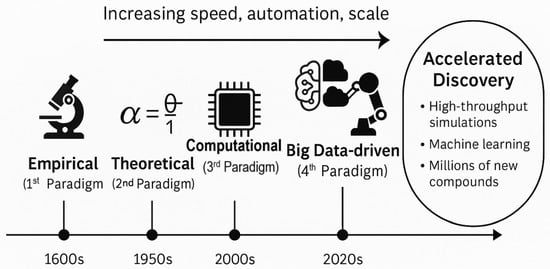
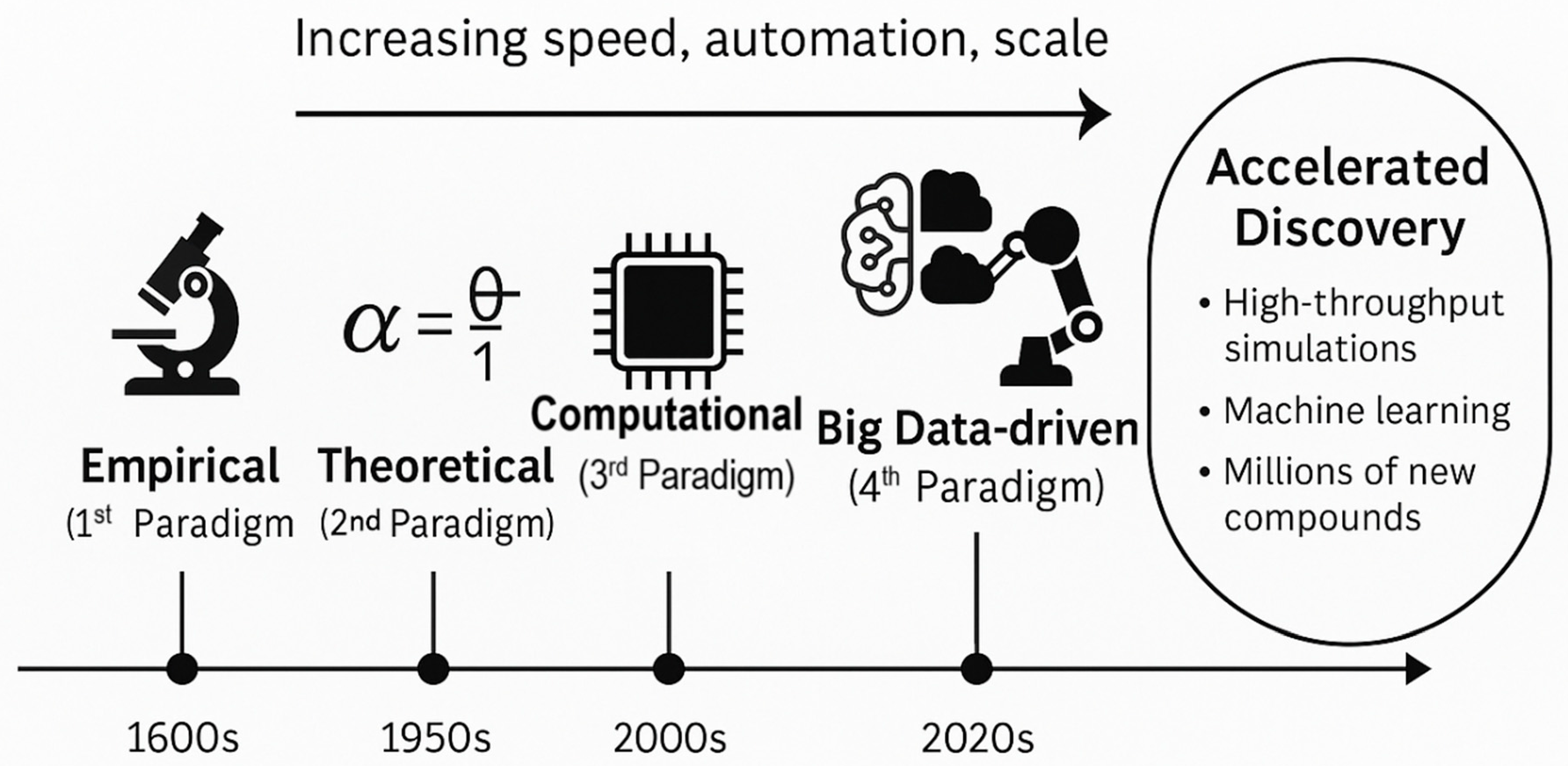
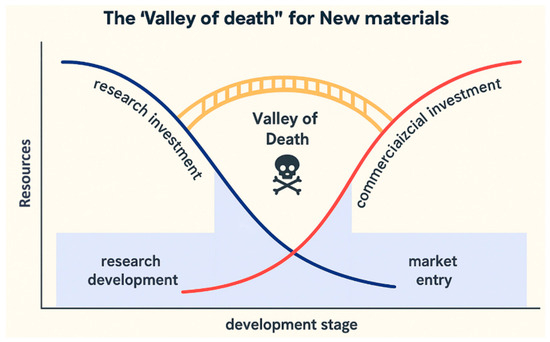
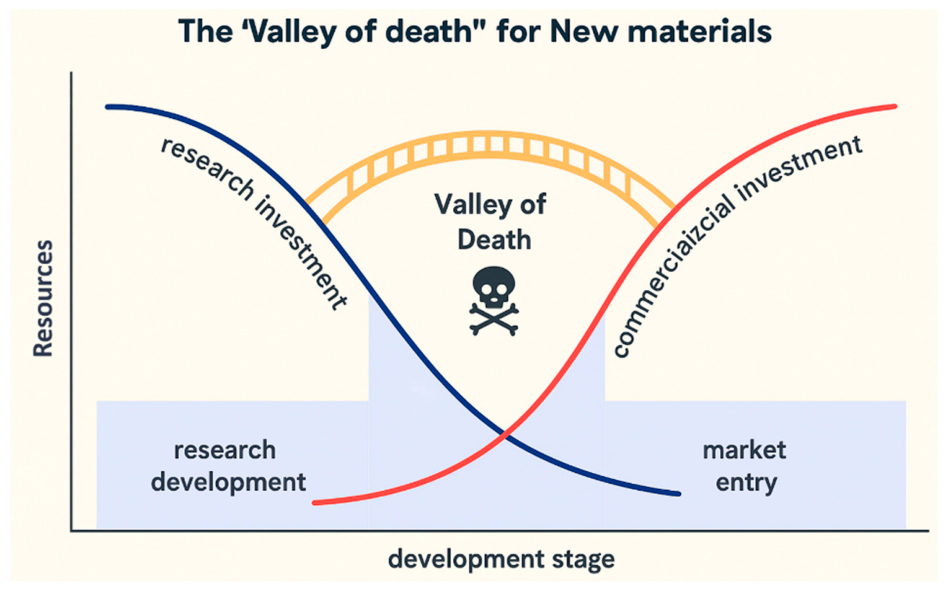
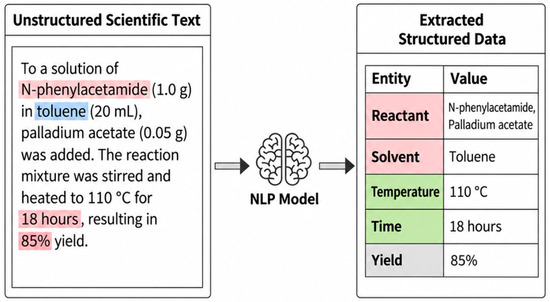
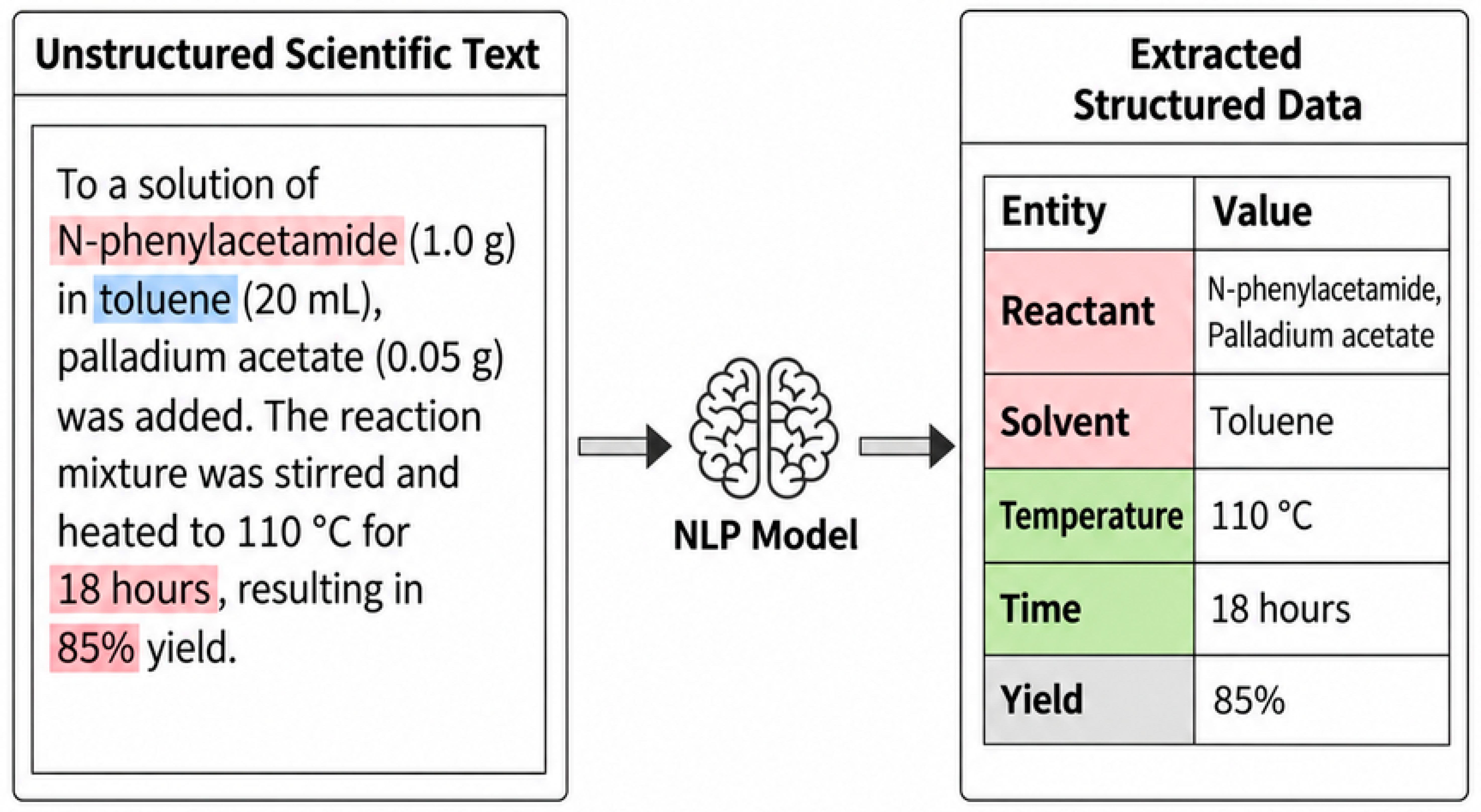
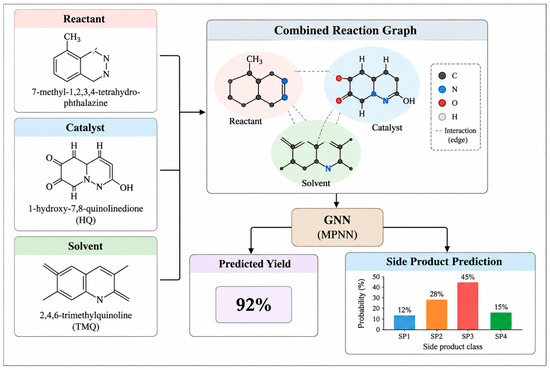
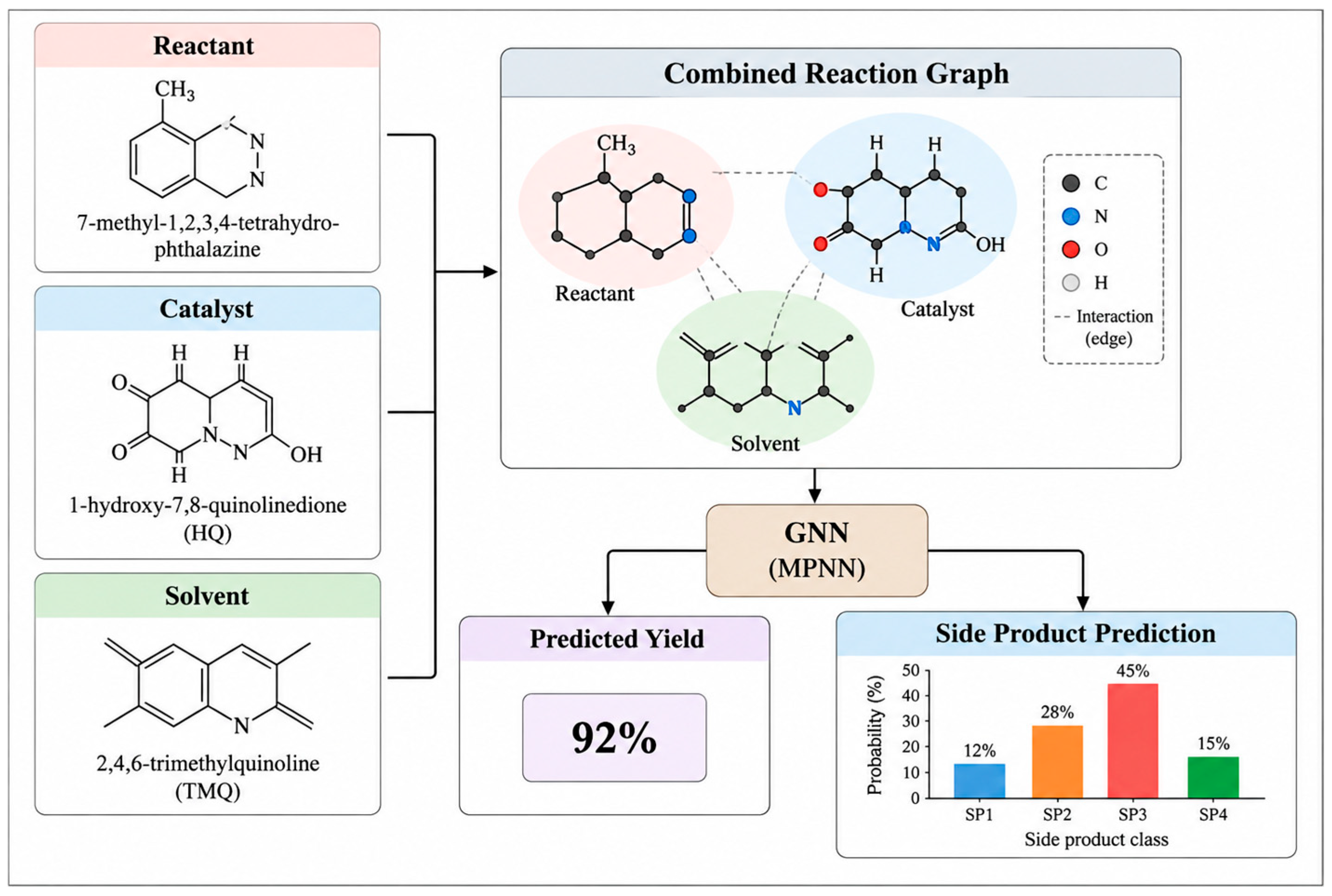
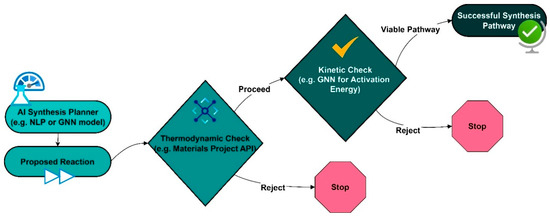
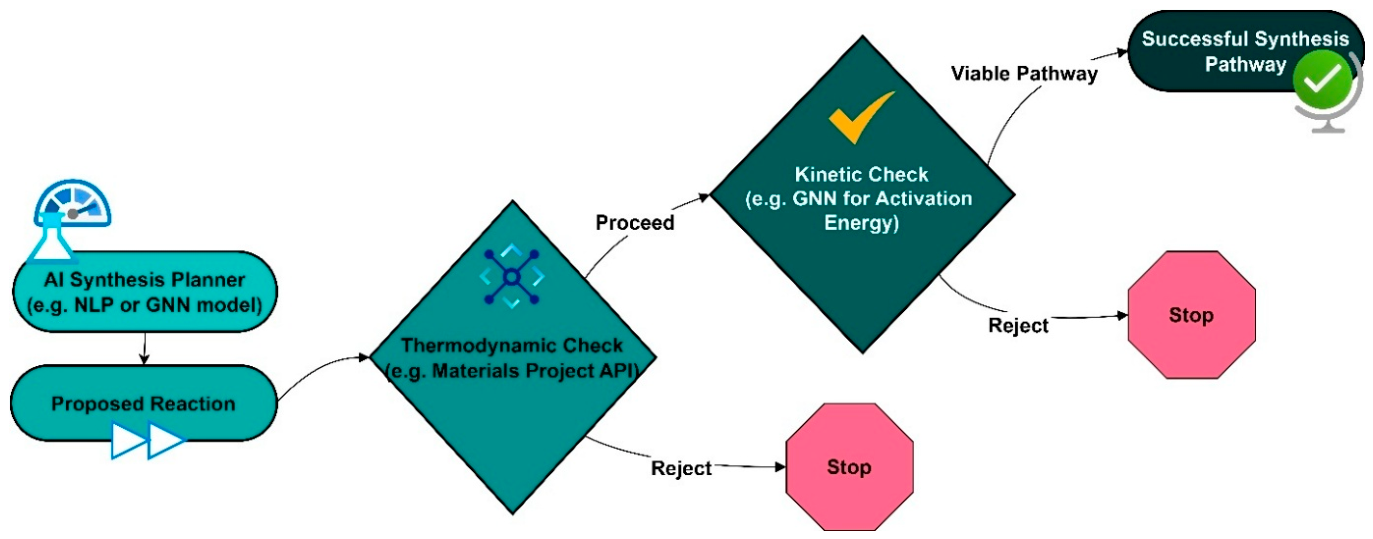
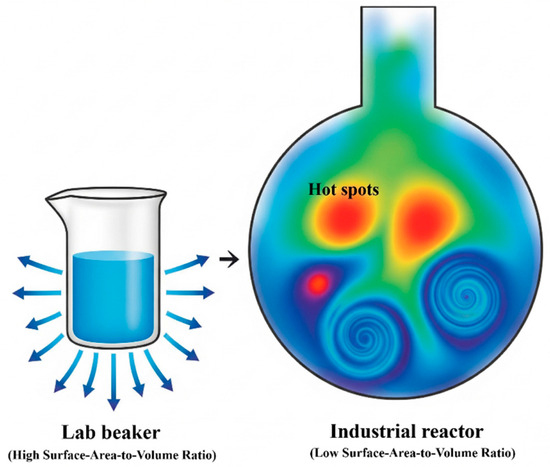
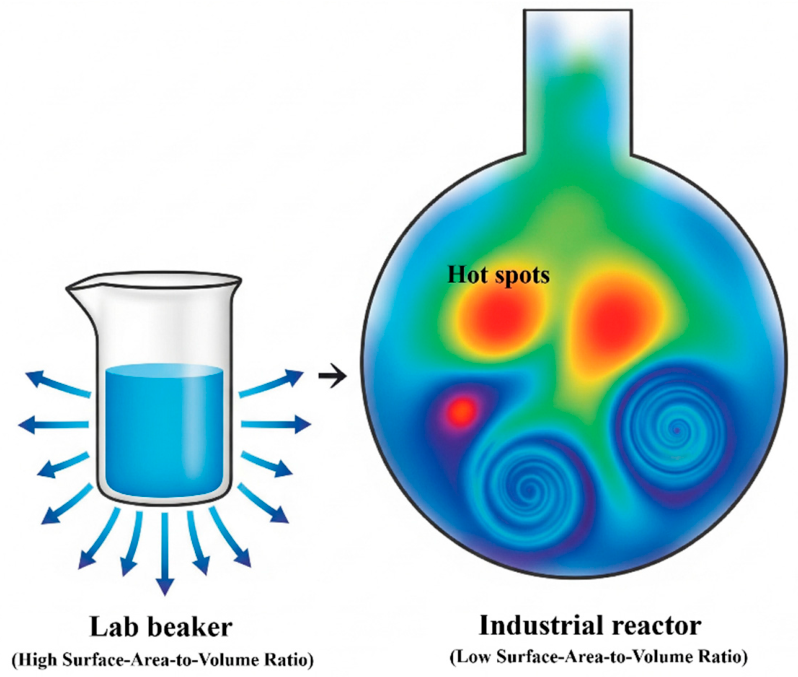
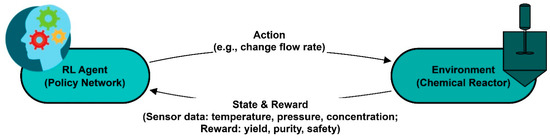
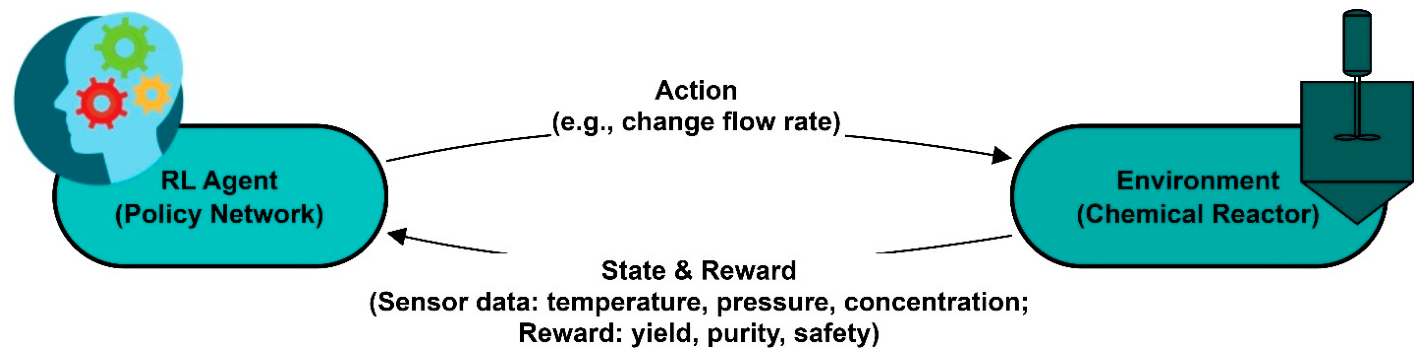
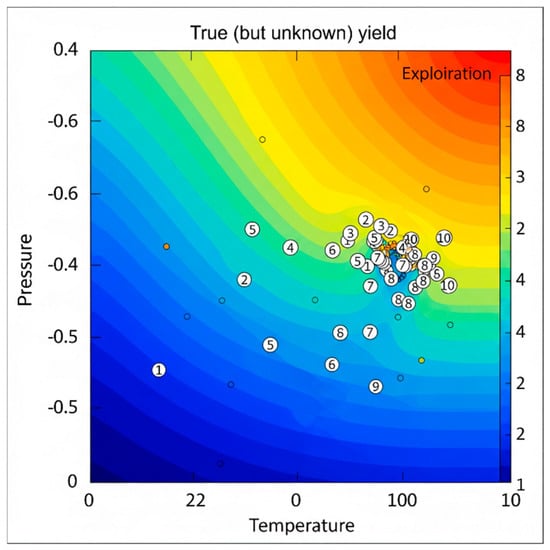
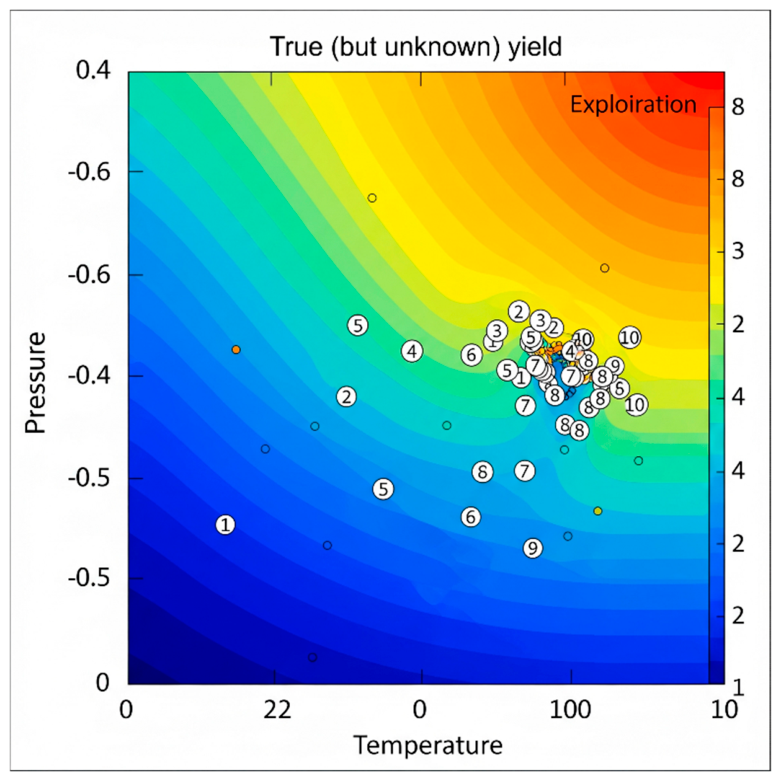
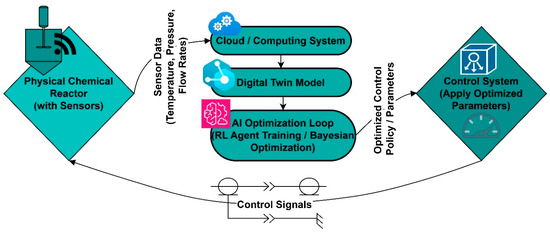
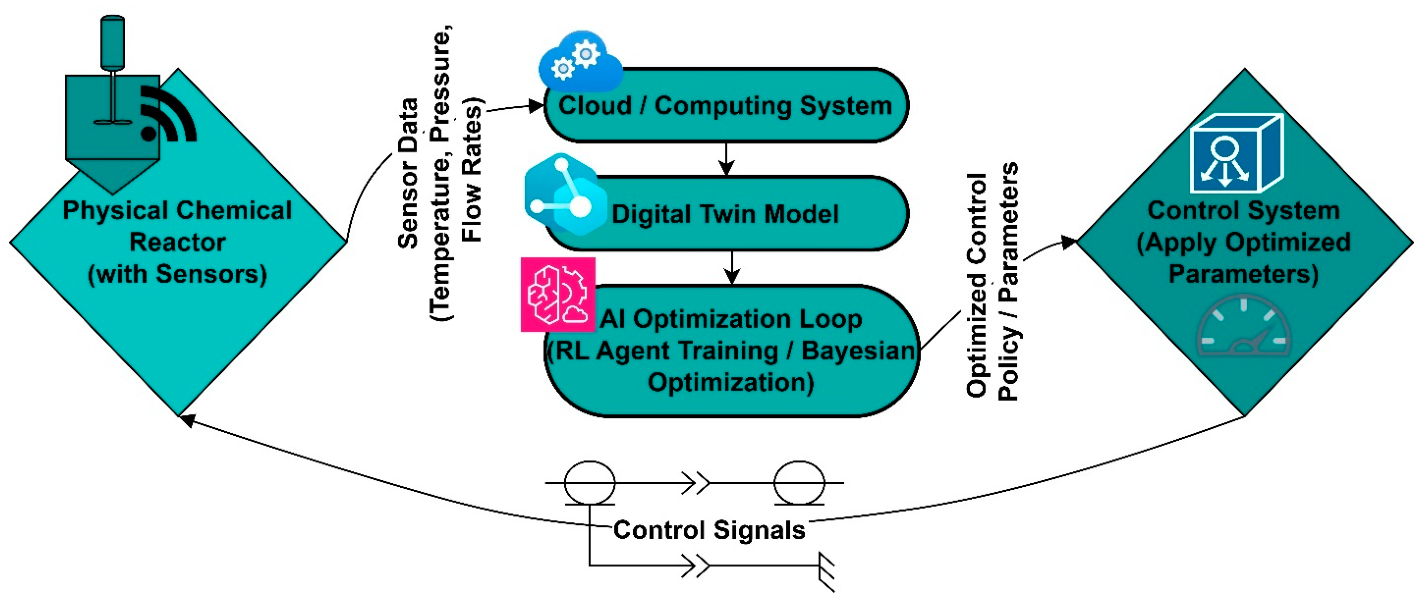
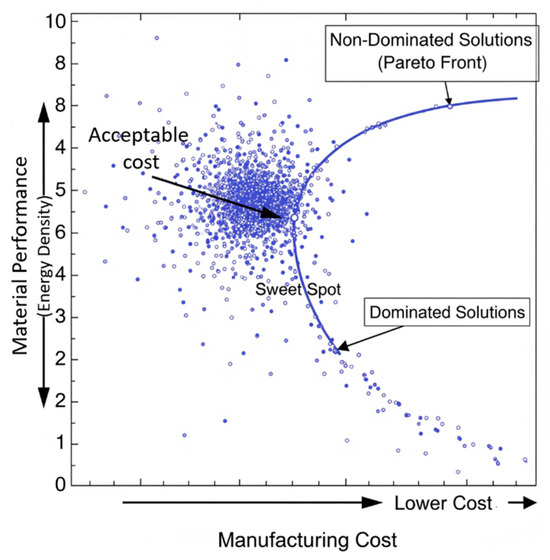
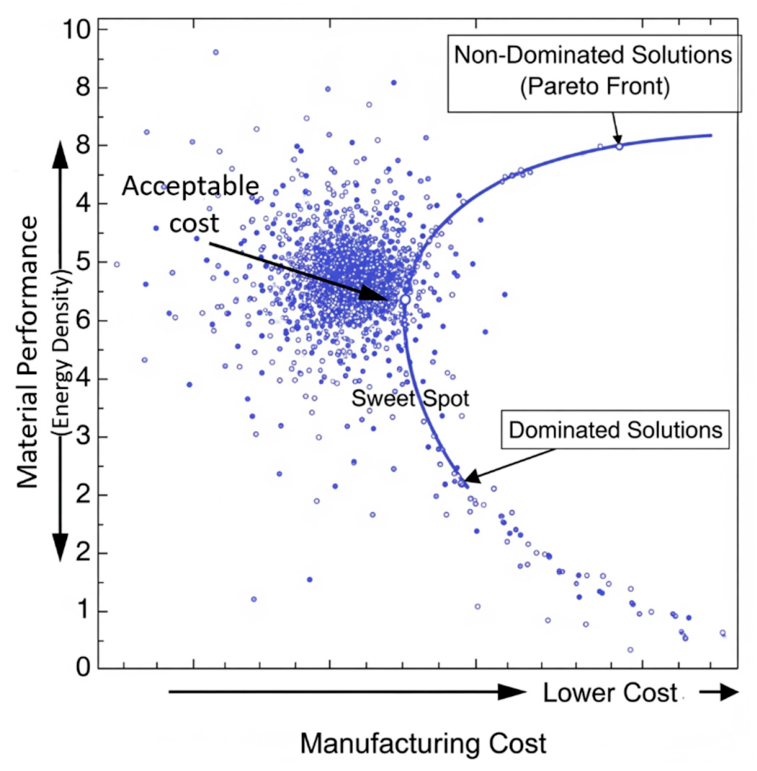
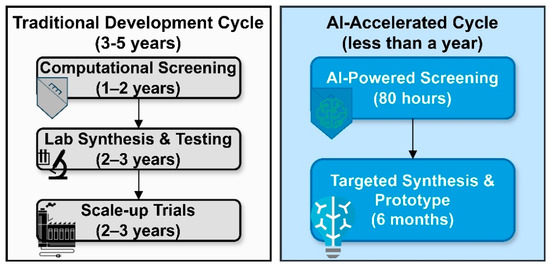
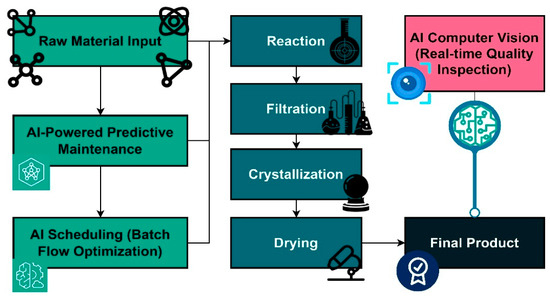
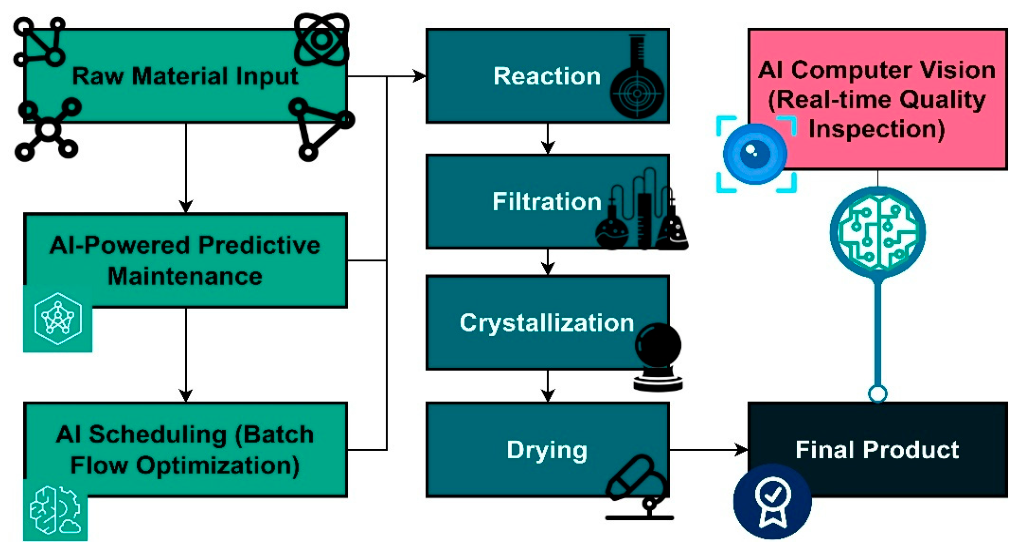
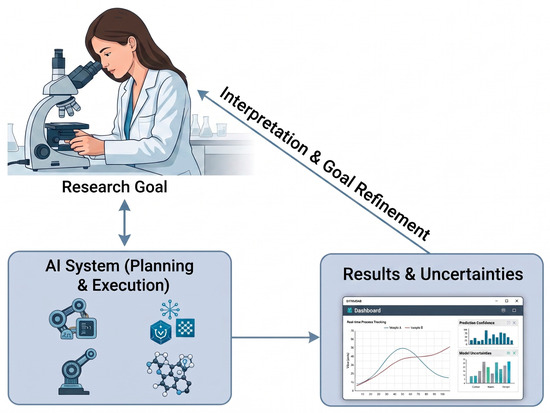
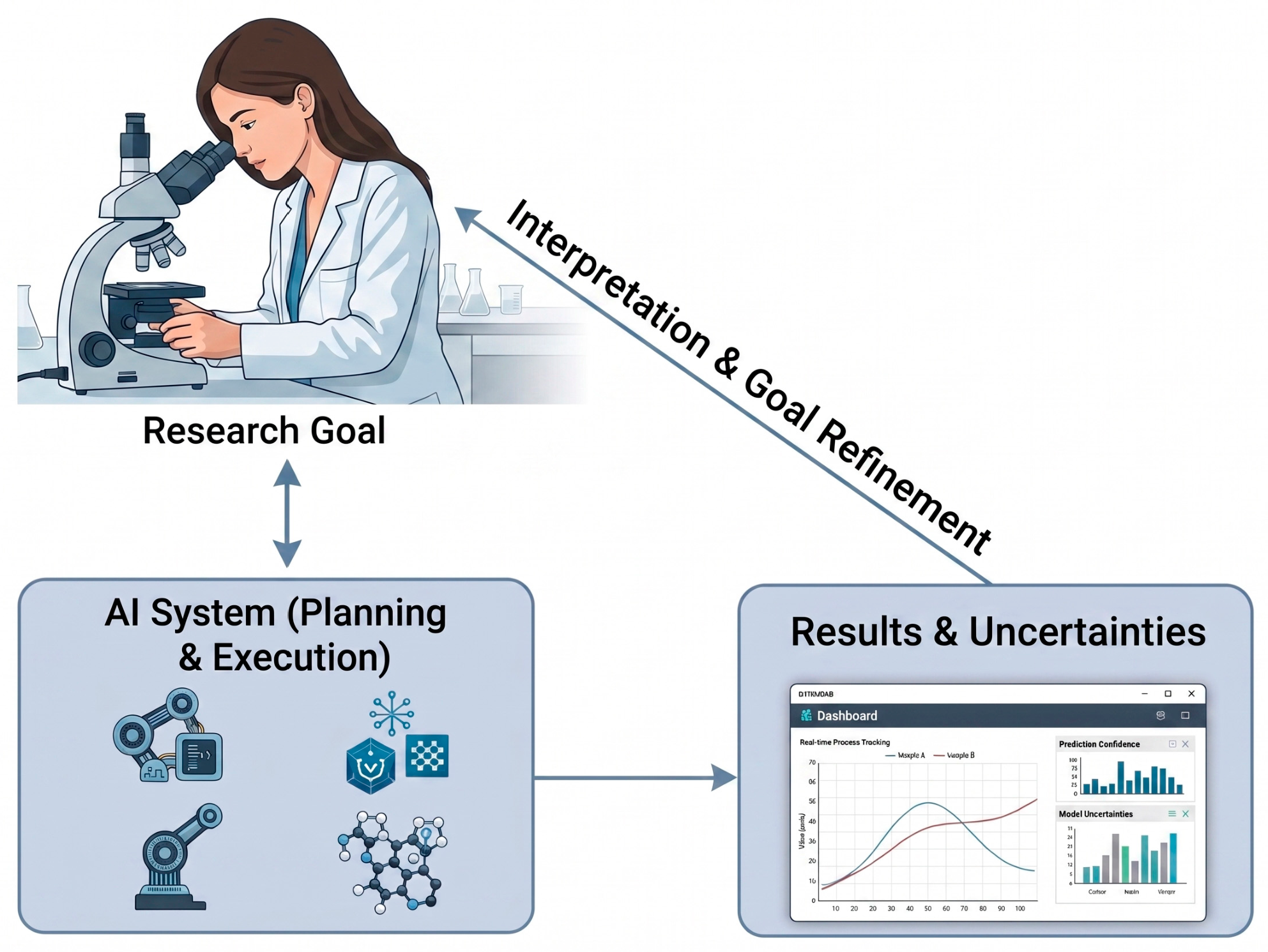
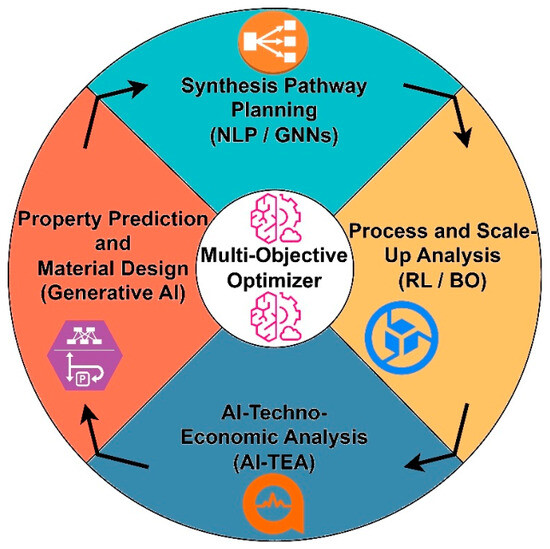
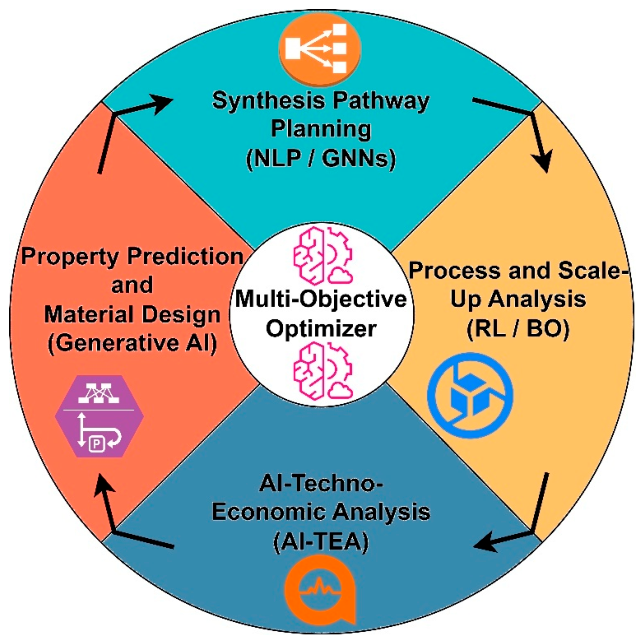

Disclaimer/Publisher’s Note: The statements, opinions and data contained in all publications are solely those of the individual author(s) and contributor(s) and not of MDPI and/or the editor(s). MDPI and/or the editor(s) disclaim responsibility for any injury to people or property resulting from any ideas, methods, instructions or products referred to in the content. |
© 2026 by the author. Licensee MDPI, Basel, Switzerland. This article is an open access article distributed under the terms and conditions of the Creative Commons Attribution (CC BY) license.