Journal Description
Aerospace
Aerospace
is a peer-reviewed, open access journal of aeronautics and astronautics, published monthly online by MDPI. The European Aerospace Science Network (EASN) and ECATS International Association are affiliated with Aerospace and their members receive a discount on the article processing charges.
- Open Access— free for readers, with article processing charges (APC) paid by authors or their institutions.
- High Visibility: indexed within Scopus, SCIE (Web of Science), Inspec, Ei Compendex, and other databases.
- Journal Rank: JCR - Q2 (Engineering, Aerospace) / CiteScore - Q2 (Aerospace Engineering)
- Rapid Publication: manuscripts are peer-reviewed and a first decision is provided to authors approximately 18.5 days after submission; acceptance to publication is undertaken in 2.7 days (median values for papers published in this journal in the first half of 2026).
- Recognition of Reviewers: Reviewers whose reports are timely and of high quality receive an APC discount voucher for a future publication in an MDPI journal. Become a reviewer.
- Companion journal: Astronautics
- Journal Cluster of Mechanical Manufacturing and Automation Control: Aerospace, Automation, Drones, Journal of Manufacturing and Materials Processing, Machines, Robotics and Technologies.
Impact Factor:
2.5 (2025);
5-Year Impact Factor:
2.7 (2025)
subject
Imprint Information
Open Access
ISSN: 2226-4310
Latest Articles
A Bayesian Network Augmentation of JARUS SORA 2.5 for Probabilistic UAS Operational Risk Assessment: A Proof-of-Concept Study
Aerospace 2026, 13(9), 848; https://doi.org/10.3390/aerospace13090848 (registering DOI) - 20 Sep 2026
Abstract
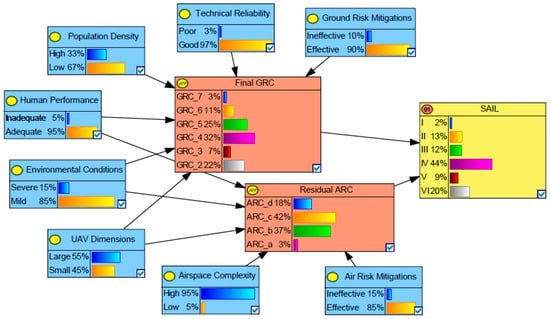
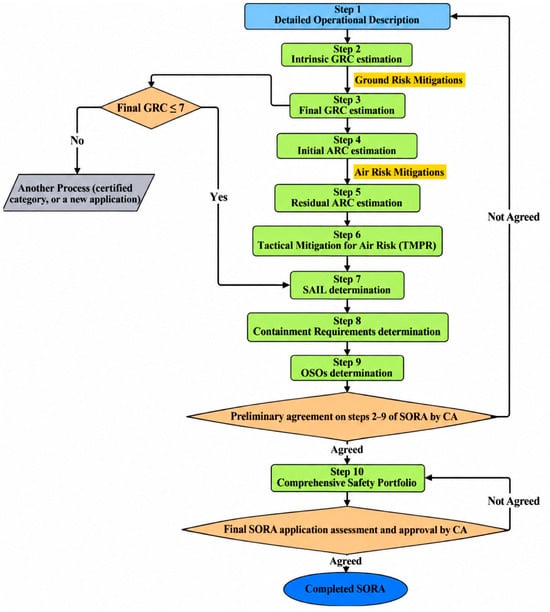
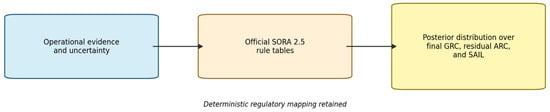
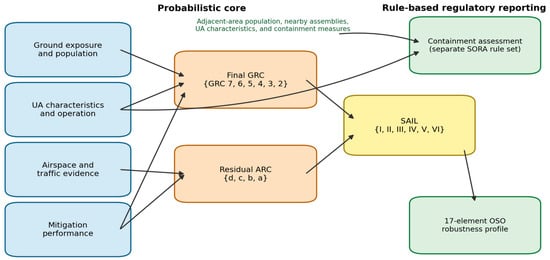
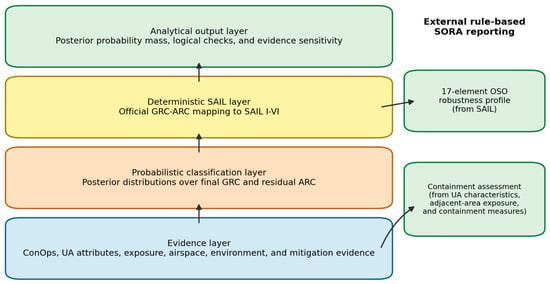
This proof-of-concept study examines whether a Bayesian Network (BN) can augment the evidentiary layer of the Joint Authorities for Rulemaking on Unmanned Systems (JARUS) Specific Operations Risk Assessment (SORA) 2.5. The architecture retains the official Final Ground Risk Class (GRC), Residual Air Risk
[...] Read more.
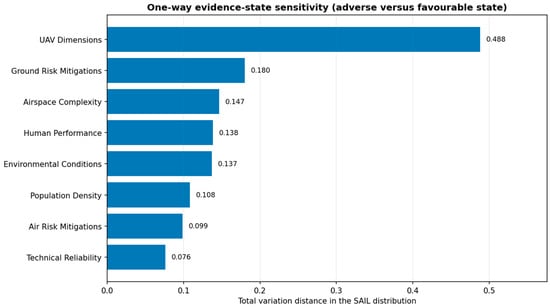
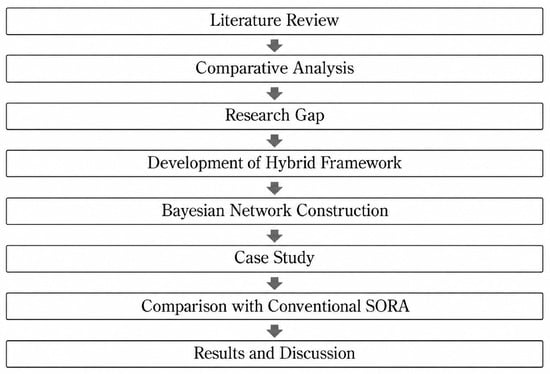
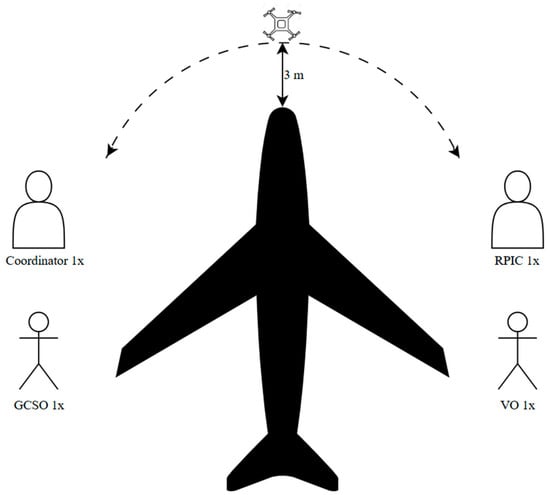
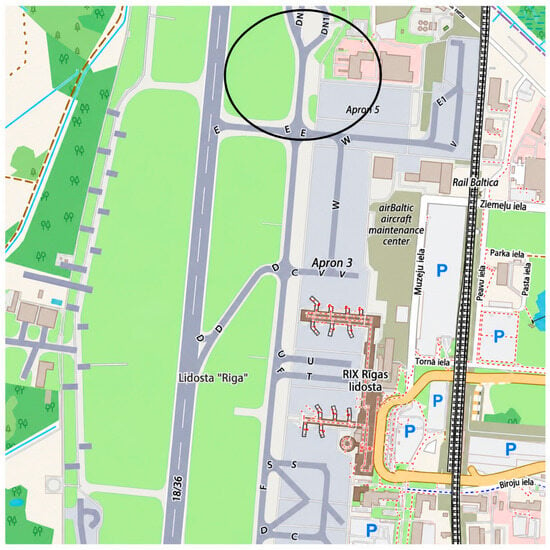
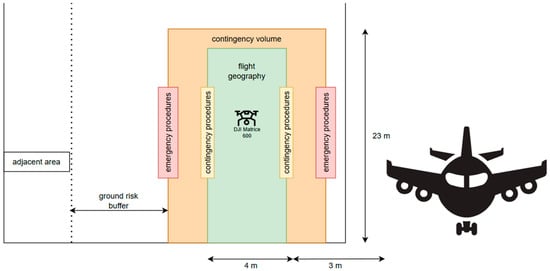
This proof-of-concept study examines whether a Bayesian Network (BN) can augment the evidentiary layer of the Joint Authorities for Rulemaking on Unmanned Systems (JARUS) Specific Operations Risk Assessment (SORA) 2.5. The architecture retains the official Final Ground Risk Class (GRC), Residual Air Risk Class (ARC), and Specific Assurance and Integrity Level (SAIL) state spaces and uses a deterministic SAIL mapping, while uncertain operational evidence is represented probabilistically. A VLOS airframe-inspection scenario at Riga Airport and a deliberately adverse stress scenario are used to illustrate model behavior. Under the assumptions encoded in the submitted model, the modal states for the airport scenario coincide with the conventional SORA classifications (GRC 4, ARC c, and SAIL IV), and one-way sensitivity identifies aircraft size classification, ground-risk mitigation effectiveness, and airspace complexity as the strongest model drivers. These numerical posteriors are assumption-dependent outputs of uncalibrated engineering judgements, not observed frequencies, validation evidence, or probabilities of regulatory approval. The present contribution is therefore limited to demonstrating feasibility and sensitivity analysis value; empirical calibration, structured elicitation, multiple operational cases, and release of the executable model and complete parameter tables are required for independent replication and practical use.
Full article
(This article belongs to the Section Air Traffic and Transportation)
►
Show Figures

Open AccessArticle
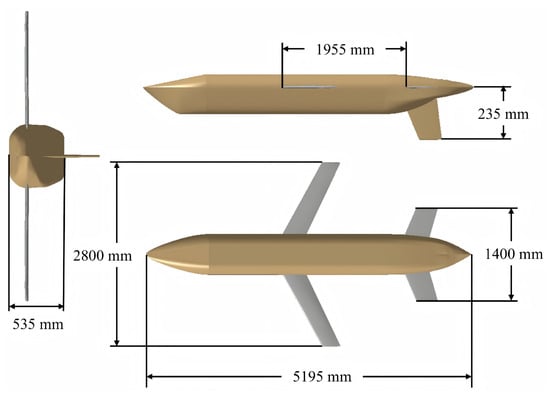
Process-Resolved Attribution of Model-Choice Effects in Compressible Moving-Domain Flow: A Gas-Driven Launch System Study
by
Jinjie Yao and Muhua Li
Aerospace 2026, 13(9), 847; https://doi.org/10.3390/aerospace13090847 (registering DOI) - 19 Sep 2026
Abstract
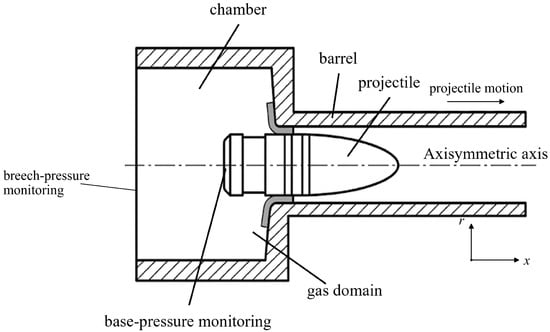
In compressible moving-domain computations, similar terminal responses can mask energy-input and pressure-transport biases from different origins, preventing physical attribution of modeling differences. A process-resolved model-choice attribution (PMCA) framework is therefore constructed and applied to 28 controlled cases of a 45 mm combustion light
[...] Read more.
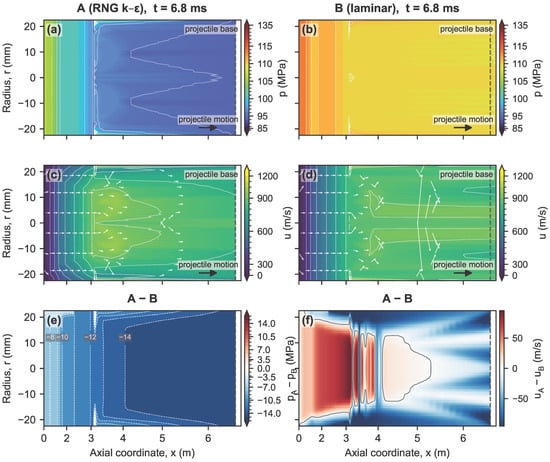
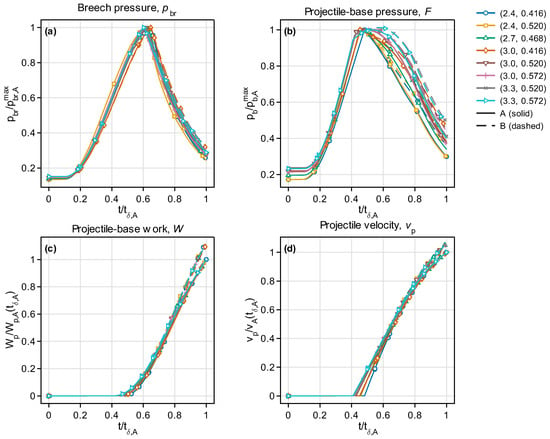
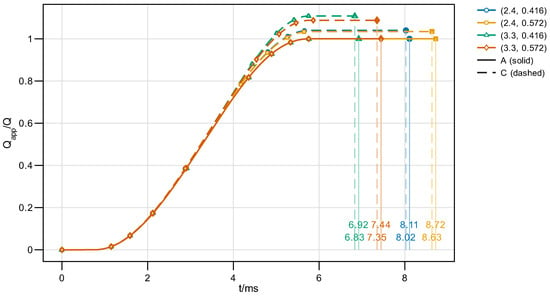
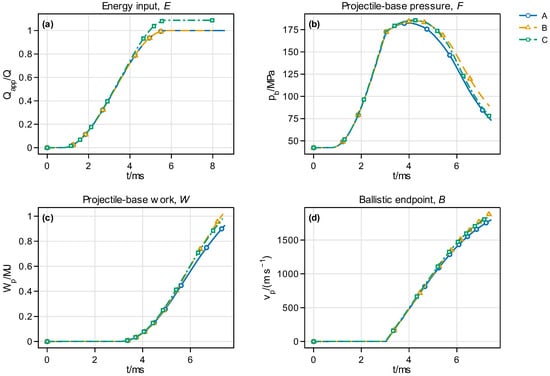
In compressible moving-domain computations, similar terminal responses can mask energy-input and pressure-transport biases from different origins, preventing physical attribution of modeling differences. A process-resolved model-choice attribution (PMCA) framework is therefore constructed and applied to 28 controlled cases of a 45 mm combustion light gas gun. Flow closure and heat-source normalization volume are varied independently within a shared forward problem. Differences are tracked from energy input through pressure transport and base-pressure work to the ballistic endpoint, and their stability across heat-release amounts and projectile masses is tested. The laminar closure leaves the applied energy unchanged; the first difference arises in pressure transport. Base-pressure work increases by 9.37–10.84%, mainly because temporal coupling between the pressure history and projectile motion is enhanced, rather than because the overall pressure level rises. Fixed-volume normalization first changes energy input: the applied energy exceeds the prescribed value by 3.48–10.81%, controlled by gas-region expansion during heat release. Base-pressure work then increases by 2.49–6.90%, and the two biases are approximately proportional across common conditions. Cross-condition reconstruction shows that the applied energy, pressure histories, and base-pressure work reproduce these differences in held-out conditions, whereas local peak pressures do not exhibit comparable stability. Terminal responses of strongly coupled moving domains are therefore many-to-one mappings of distinct internal transfer processes; terminal agreement does not guarantee agreement in energy input or pressure transport. PMCA advances model comparison for moving-boundary flows with volumetric sources from terminal matching to physical-process consistency checks.
Full article
(This article belongs to the Section Aeronautics)
►▼
Show Figures

Figure 1
Open AccessArticle
Perspective-n-Point Post Optimization for Far-Field Pose Measurement Based on Weighted Central Normalization
by
Xiao Pan, Bo Feng, Boxu Zhu, Yifei Liu and Qiming Liu
Aerospace 2026, 13(9), 846; https://doi.org/10.3390/aerospace13090846 - 17 Sep 2026
Abstract
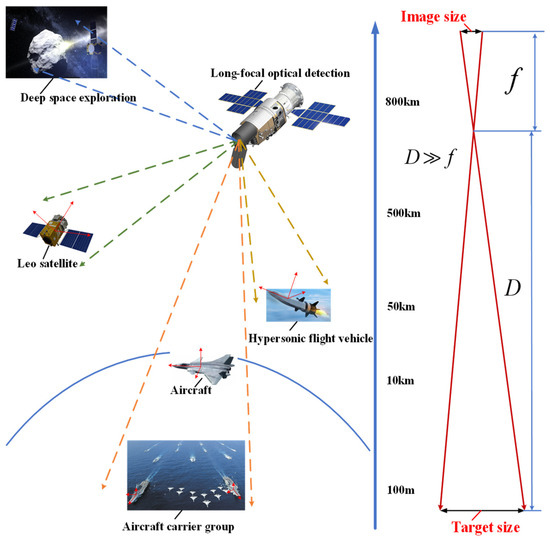
Far-field vision-based pose measurement is a crucial technology for applications such as high-resolution Earth observation and space security early warning. However, owing to the perspective imaging model of long-range optical systems, conventional vision-based pose measurement methods are highly susceptible to image noise and
[...] Read more.
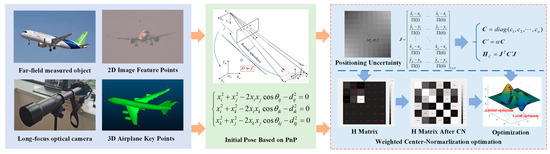
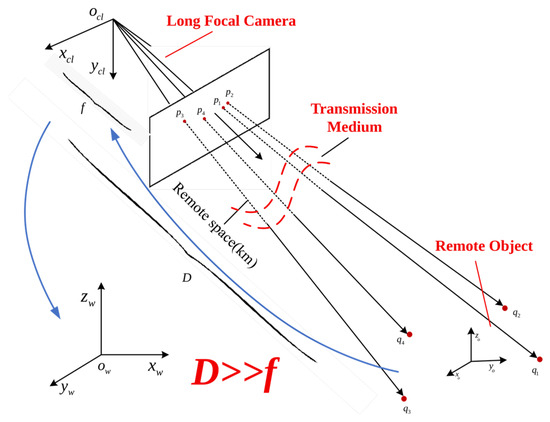
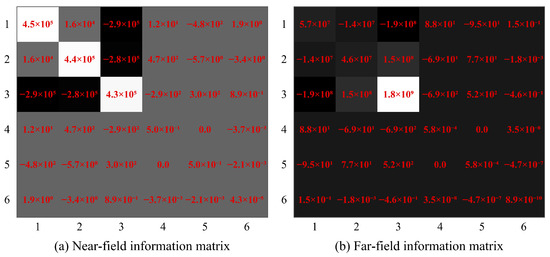
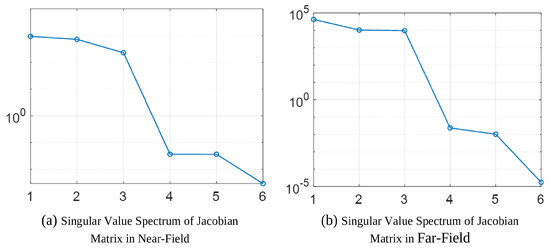
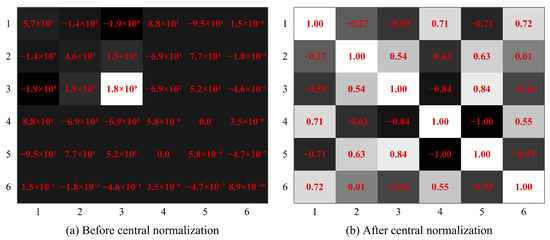
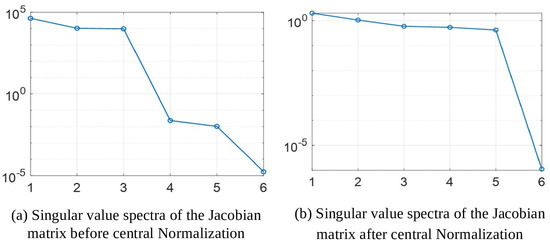
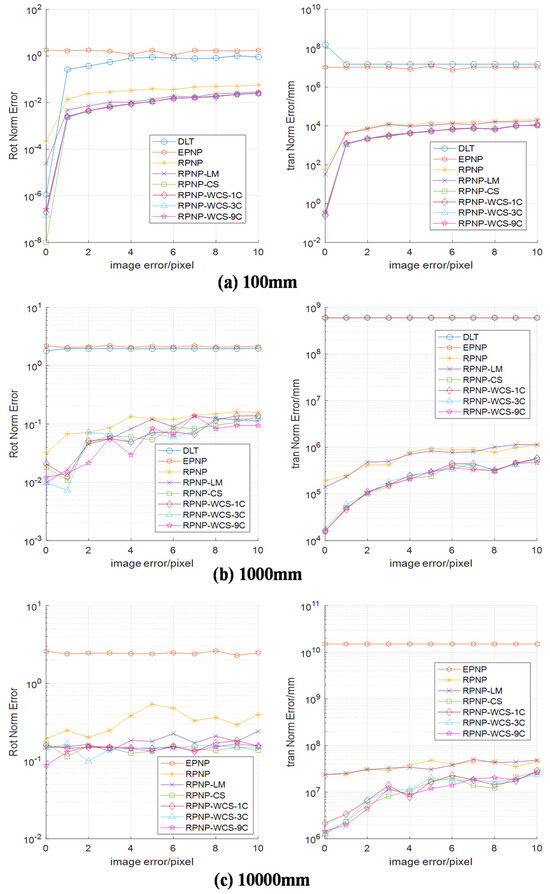
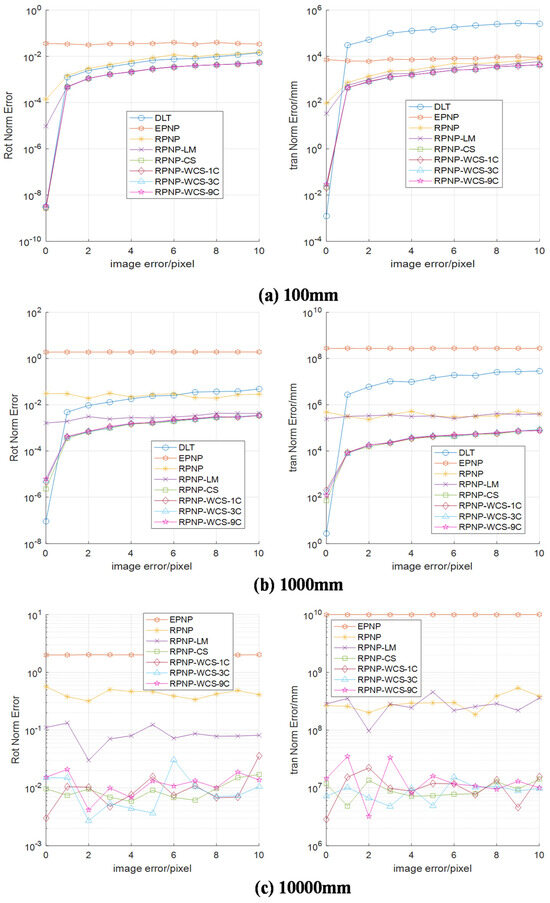
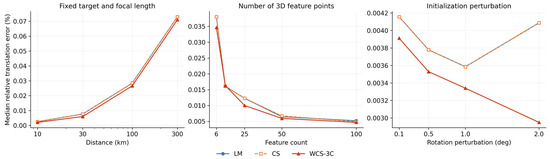
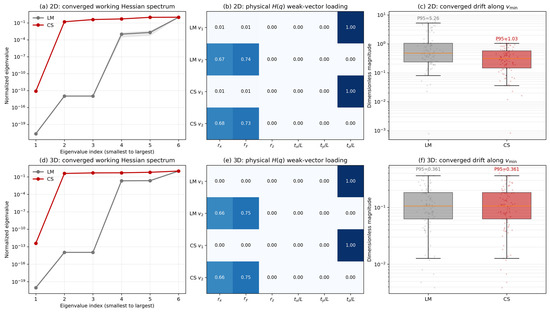
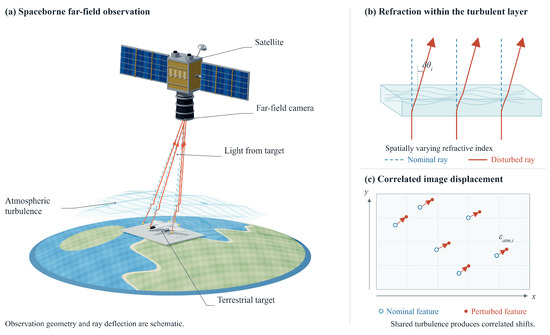
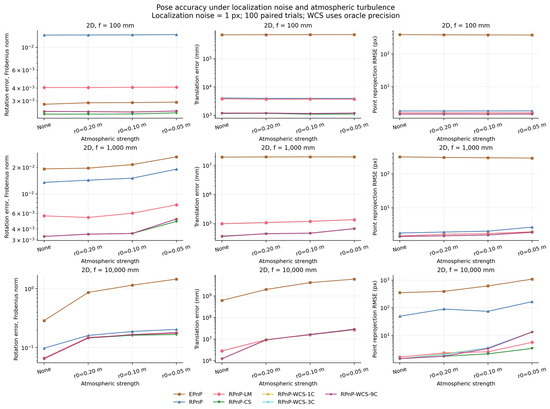
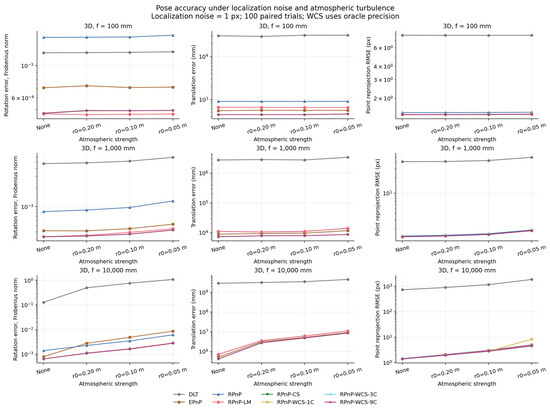
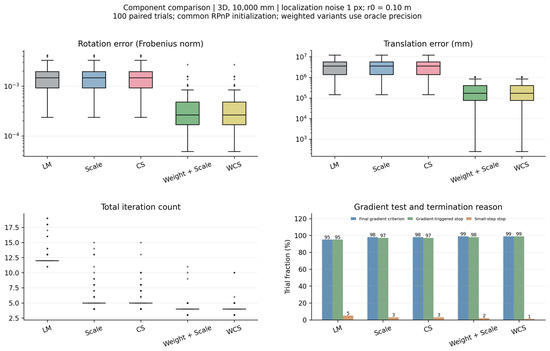
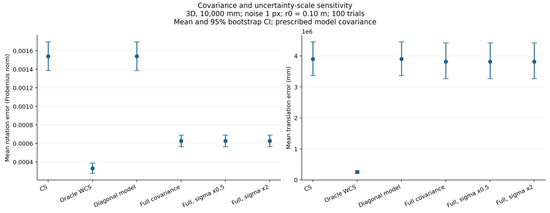
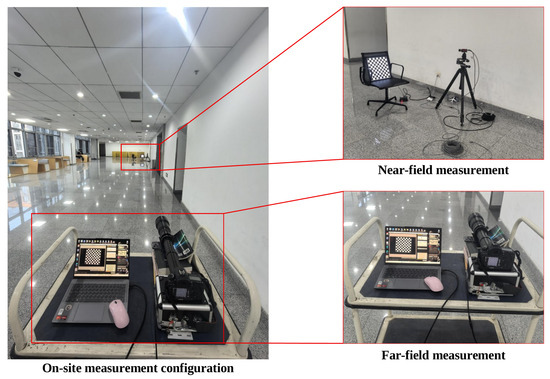
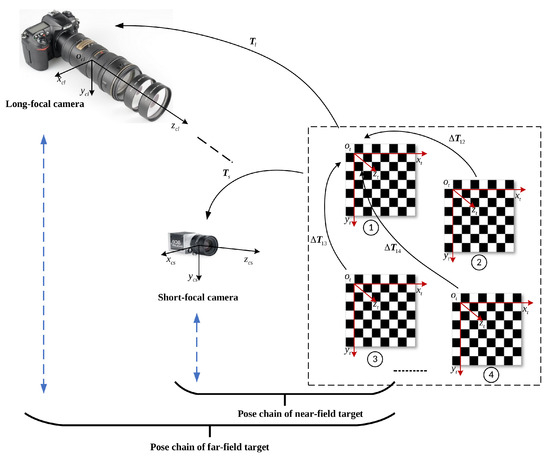
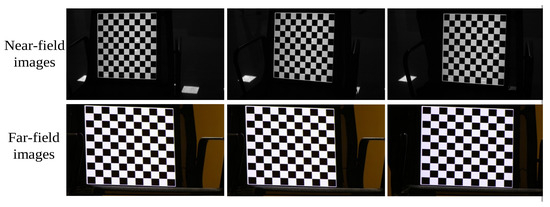
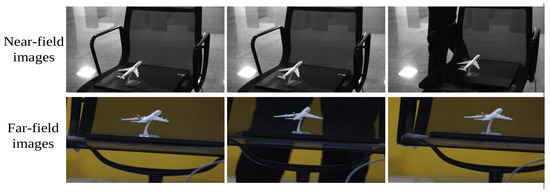
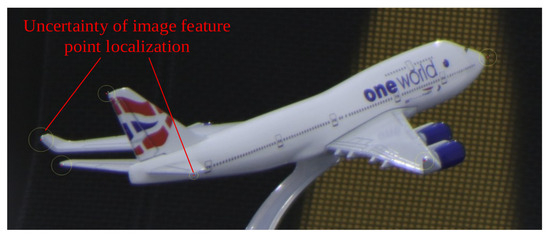
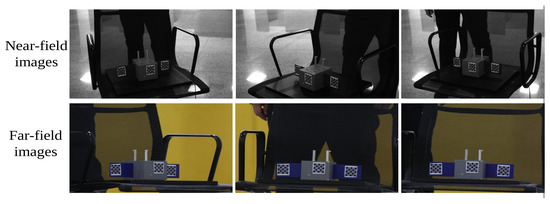
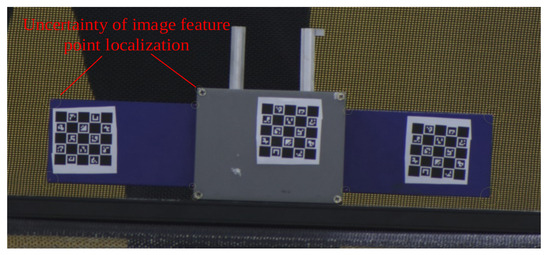
Far-field vision-based pose measurement is a crucial technology for applications such as high-resolution Earth observation and space security early warning. However, owing to the perspective imaging model of long-range optical systems, conventional vision-based pose measurement methods are highly susceptible to image noise and pose parameter coupling, leading to significant estimation deviations. Consequently, these methods fail to meet the rigorous requirements for the accurate measurement and intelligent perception of object poses in far-field scenarios, particularly when the object distance significantly exceeds the focal length. To address these challenges, this paper presents a Perspective-n-Point (PnP) preprocessing and post-optimization method for far-field pose measurement based on weighted central normalization. First, the Robust PnP (RPnP) algorithm is employed to obtain an initial pose for the far-field object, and an objective function is formulated by minimizing the reprojection error of the image feature points. Second, central normalization is applied to the Jacobian matrix of the pose parameters, and the information matrix is weighted according to the localization uncertainty of the image feature points. Finally, a weighted nonlinear optimization is executed to obtain refined pose parameters. Under the tested conditions, this approach can reduce the sensitivity of the pose parameters to image noise, minimizes the coupling among extrinsic parameters, and reduces the tendency of noise-driven pose-update excursions. The proposed method is evaluated through simulations and scaled physical relative-comparison experiments, supporting its potential for numerically stable vision-based pose measurement of far-field objects in aerospace and related domains. Noise-and-turbulence simulations demonstrate the pose-refinement benefit of CS and improved rotation estimation with a known spatial covariance model.
Full article
(This article belongs to the Section Astronautics & Space Science)
►▼
Show Figures

Figure 1
Open AccessArticle
Evaluating the Periodic Sustainability of Cislunar Logistics Architectures: A Reproducible Methodology with an Artemis III–Derived Case Study
by
Pablo Sueiro-Martínez, Pedro Orgeira-Crespo, Uxía García Luis and Fernando Aguado-Agelet
Aerospace 2026, 13(9), 845; https://doi.org/10.3390/aerospace13090845 - 17 Sep 2026
Abstract
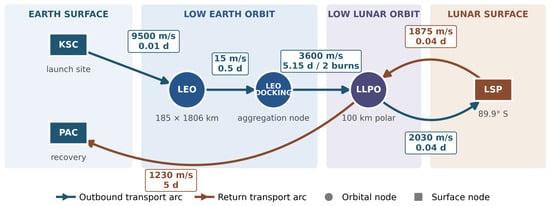
Campaign-level assessments of human lunar exploration architectures are commonly performed over finite horizons, which can conceal systematic buffer drawdown and asset drift beyond the simulated window. This paper presents a reproducible methodology in which sustainability is formalized as a periodic (steady-state) property of
[...] Read more.
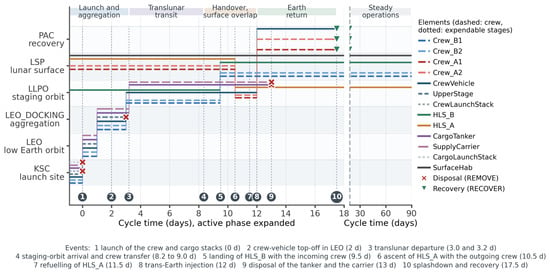
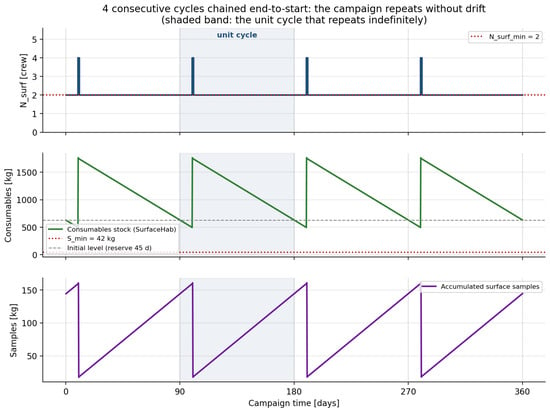
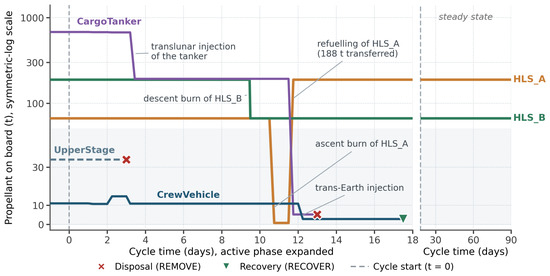
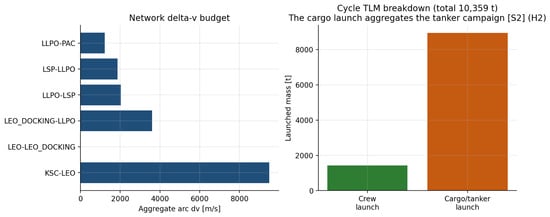
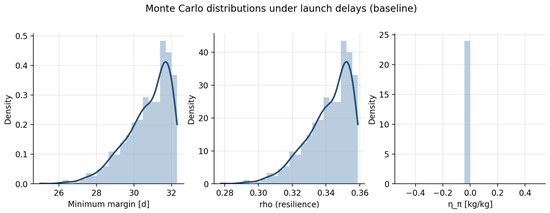
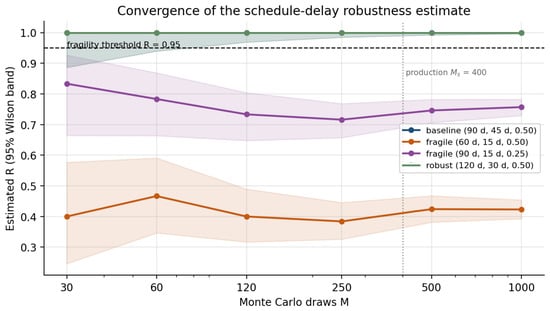
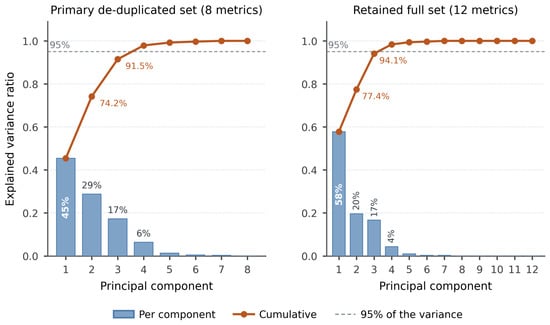
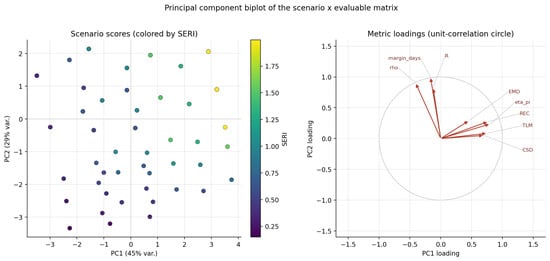
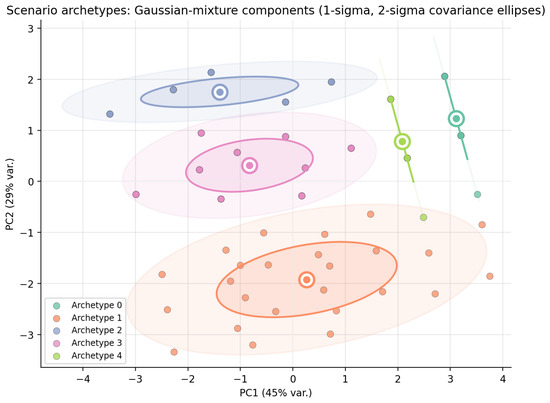
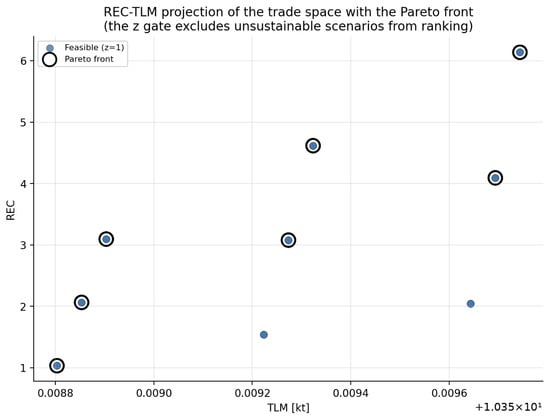
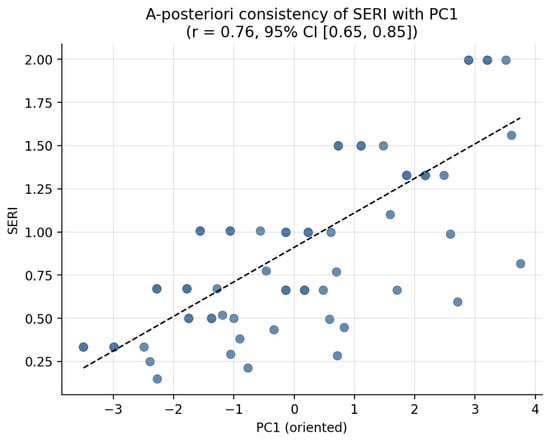
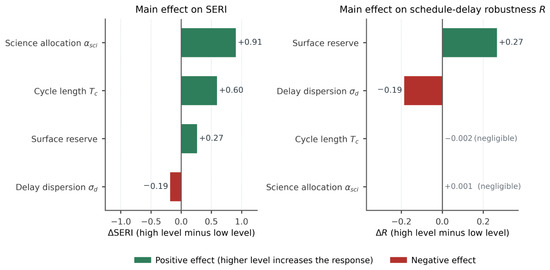
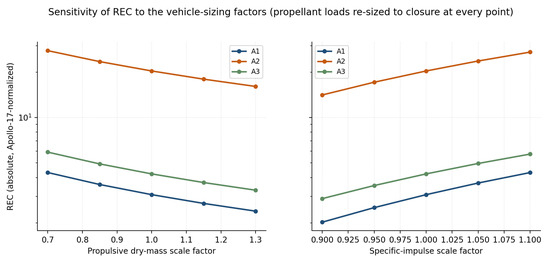
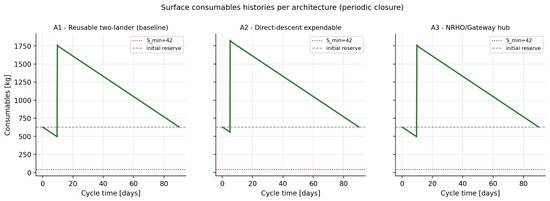
Campaign-level assessments of human lunar exploration architectures are commonly performed over finite horizons, which can conceal systematic buffer drawdown and asset drift beyond the simulated window. This paper presents a reproducible methodology in which sustainability is formalized as a periodic (steady-state) property of the coupled inventory–asset system, defined with respect to the modeled state variables and enforced as a binary feasibility gate on all performance evaluation. The architecture is represented as an event-driven multi-commodity flow over a reduced, SpaceNet-compatible network, equivalent to a time-expanded formulation, with propellant demand coupled to transported mass through the rocket equation. Standard measures of effectiveness are augmented with three dimensionless indicators and a composite index whose alignment with the dominant principal component of the trade space is tested a posteriori. On an Artemis III-derived case study the reference cycle closes ( , 32.3-day margin), yet 18 of 81 nominally feasible design points lose periodic sustainability under launch-delay perturbations, all 18 classifications being statistically significant at the 95% level. Periodic-state closure thus provides a formal criterion for cycle-to-cycle depletion that requires no arbitrary horizon choice. Applied unchanged to three architectures spanning nearly seven-fold in launch mass, the analysis shows an expendable direct-descent concept leading every mass-normalized indicator at a fixed two-crew objective, an ordering that is stable under dry-mass and specific-impulse perturbations, while a Gateway hub becomes preferable once orbital infrastructure and extensibility are valued. This study regenerates deterministically from a single input dataset.
Full article
(This article belongs to the Section Astronautics & Space Science)
►▼
Show Figures

Figure 1
Open AccessArticle
Multi-History-Weighted Projection-Adaptive Jacobian Control for Close-Range UAV Visual Servoing near Overhead Ground Wires
by
Liang Hua, Bowen Wang, Zhen Zhang, Yun Cheng and Yinlong Yuan
Aerospace 2026, 13(9), 844; https://doi.org/10.3390/aerospace13090844 - 16 Sep 2026
Abstract
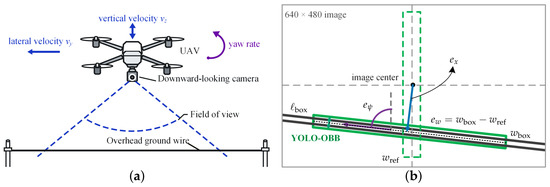
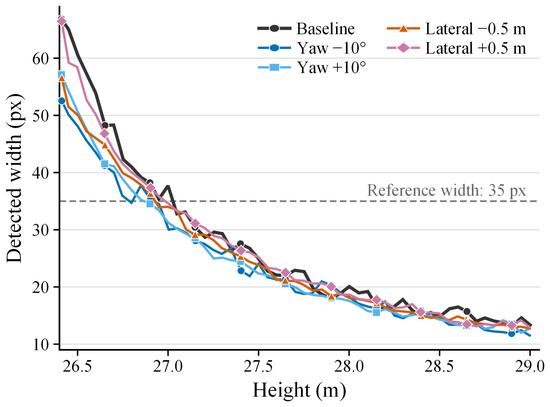
Close-range UAV visual servoing near overhead ground wires requires simultaneous regulation of the target’s lateral position, apparent width, and orientation angle in the image. Owing to flight-control response lag and visual-processing delay, current image changes may reflect the combined effects of multiple historical
[...] Read more.
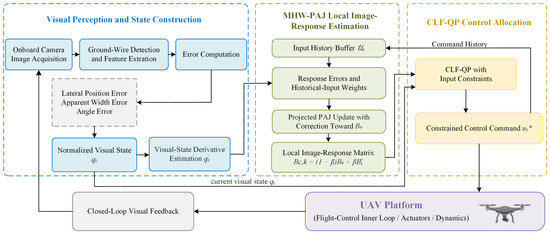
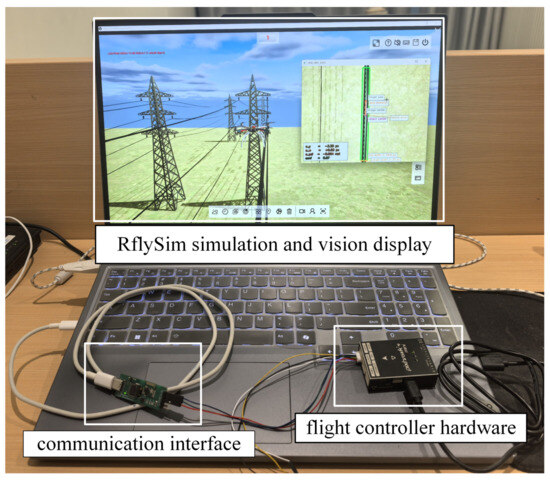
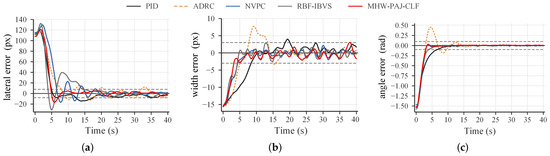
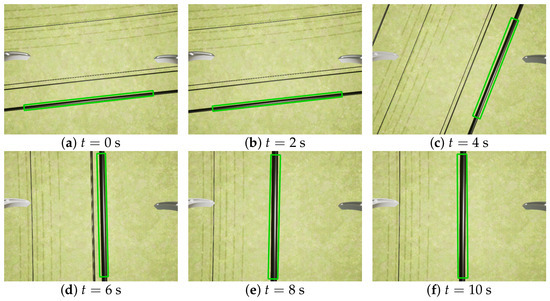
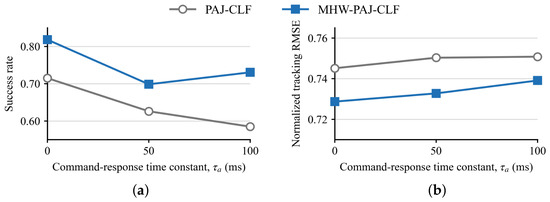
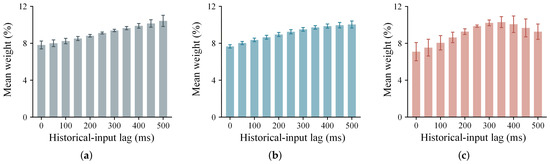
Close-range UAV visual servoing near overhead ground wires requires simultaneous regulation of the target’s lateral position, apparent width, and orientation angle in the image. Owing to flight-control response lag and visual-processing delay, current image changes may reflect the combined effects of multiple historical control inputs. To address this issue, this paper proposes a multi-history-weighted projection-adaptive Jacobian control method (MHW-PAJ-CLF). For each visual channel, the method takes a weighted sum of the parameter corrections associated with different historical inputs based on response prediction errors and input magnitudes and updates the local Jacobian matrix online under projection bounds. The online estimate is then blended with the nominal model. Control Lyapunov function-based quadratic programming (CLF-QP) uses the blended model to generate velocity and yaw-rate commands, coordinating the regulation of the three visual errors under input constraints. Comparative experiments were conducted on the RflySim–PX4 hardware-in-the-loop platform. The proposed method achieves a mean success rate of 75.50%, exceeding that of the best baseline by 11.05 percentage points. In tests with additional visual-feedback delay and command–response lag, the proposed method achieves lower overall tracking error than single-history PAJ-CLF, indicating that multi-history weighting helps improve visual tracking under time delays.
Full article
(This article belongs to the Section Aeronautics)
►▼
Show Figures

Figure 1

Open AccessArticle
Preview-Aware LSTM-Assisted Predictive Control for Turboshaft Engines Under Tiltrotor Conversion-Flight Power Demand
by
Kai Peng, Yuxuan Wei, Ai He, Jiashuai Liu and Feng Lu
Aerospace 2026, 13(9), 843; https://doi.org/10.3390/aerospace13090843 - 16 Sep 2026
Abstract
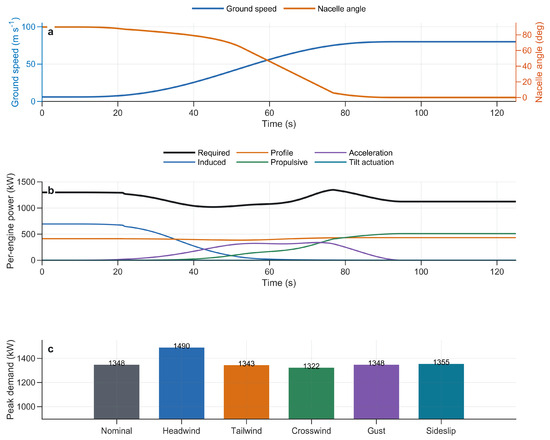
Conversion flight turns the aerodynamic versatility of a tiltrotor into a demanding propulsion-control problem. As the nacelles rotate and vertical load transfers from the proprotors to the wing, the two turboshaft engines must follow a rapidly changing shaft-power demand while respecting fuel command
[...] Read more.
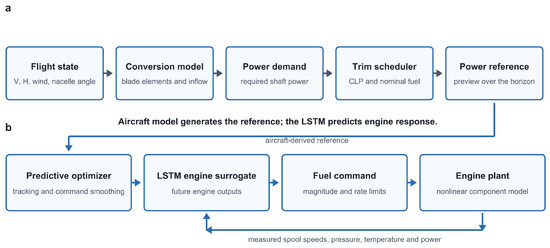
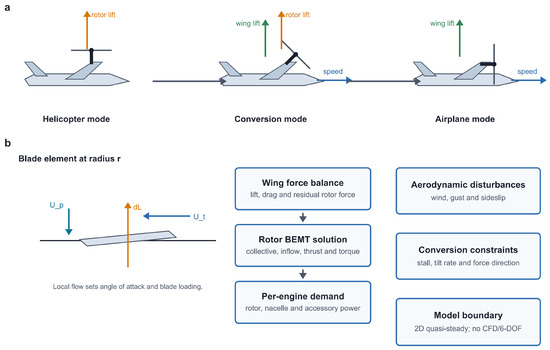
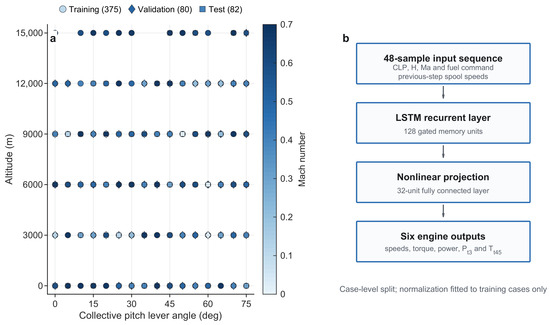
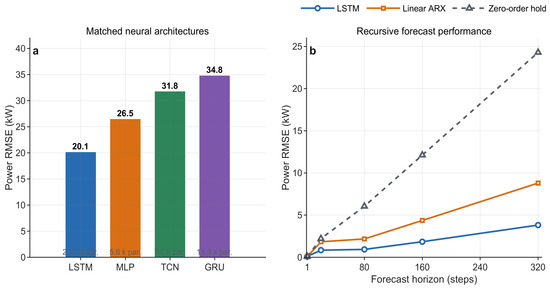
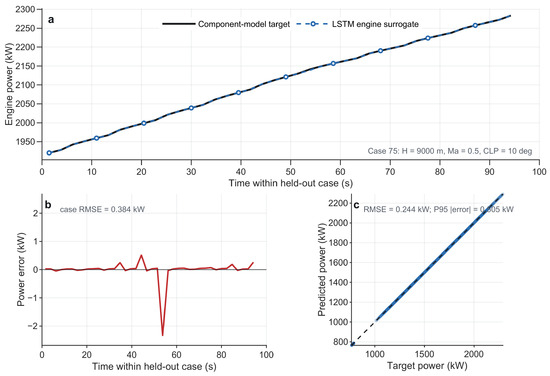
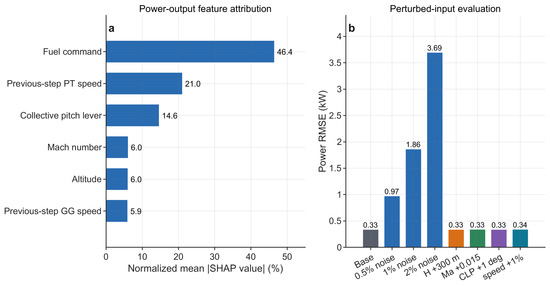
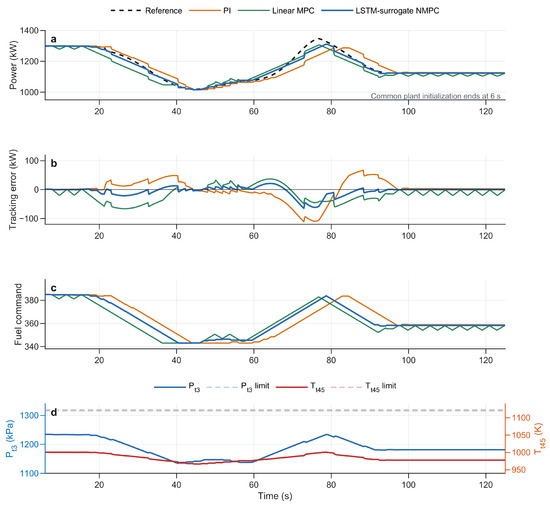
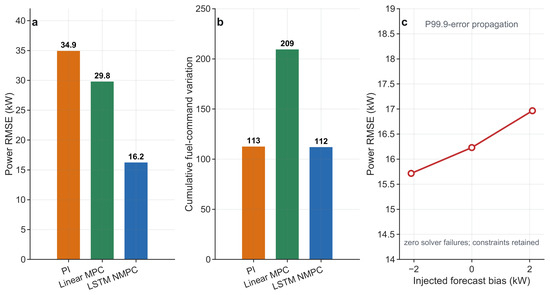
Conversion flight turns the aerodynamic versatility of a tiltrotor into a demanding propulsion-control problem. As the nacelles rotate and vertical load transfers from the proprotors to the wing, the two turboshaft engines must follow a rapidly changing shaft-power demand while respecting fuel command magnitude and rate limits, compressor-pressure limits and turbine temperature limits. A control-oriented conversion model is coupled to a component-level turboshaft engine through a long short-term memory (LSTM) dynamic surrogate embedded in a constrained receding-horizon controller. The aircraft model resolves wing force balance, blade-element/momentum rotor loads, forward acceleration, nacelle actuation and accessory power. The LSTM predicts six engine outputs from flight conditions, fuel command and previous-step spool speeds. Training and evaluation use 537 converged component model cases divided by complete simulation cases into 375 training, 80 validation and 82 held-out test cases. Against parameter-matched multilayer perceptron, temporal convolutional network and gated recurrent unit baselines, the LSTM gives the lowest power root-mean-square error (20.15 kW before online output correction). Its corrected 20–320-step forecasts outperform a linear autoregressive model and zero-order hold prediction, although the linear model remains slightly better at one step. In direct component-level closed-loop simulation, LSTM engine-surrogate nonlinear model predictive control (NMPC) reduces power RMSE from 29.80 to 16.23 kW relative to linear MPC and from 34.94 to 16.23 kW relative to PI control while reducing cumulative fuel command variation by 46.5% relative to linear MPC. Turbine temperature and compressor-pressure margins remain 119.0 K and 85.4 kPa, respectively. Mean optimization time is 29.6 ms for a 1.92 s update interval. The resulting framework connects conversion flight aerodynamic loading, multi-step engine prediction and constrained power control in a reproducible numerical validation chain.
Full article
(This article belongs to the Section Aeronautics)
►▼
Show Figures

Figure 1
Open AccessArticle
Safety-Guaranteed Go-Around Decision Framework Based on Funnel for Automatic Carrier Landing Systems
by
Zhen Liu, Jianjun Luo, Yunzhao Liu and Weihua Ma
Aerospace 2026, 13(9), 842; https://doi.org/10.3390/aerospace13090842 - 16 Sep 2026
Abstract
Existing go-around decision methods for Automatic Carrier Landing Systems (ACLSs) are mainly based on altitude deviation. The safe region implied by these methods is therefore effectively single-dimensional, which can lead to overly conservative and incomplete go-around decisions because the remaining state deviations are
[...] Read more.
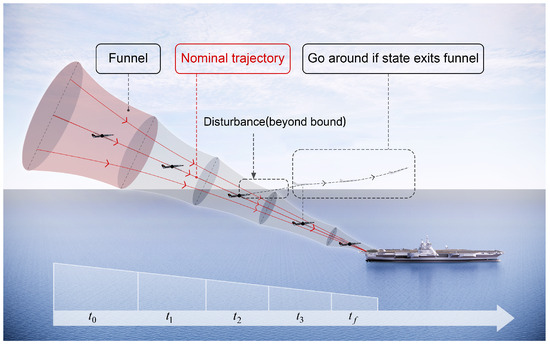
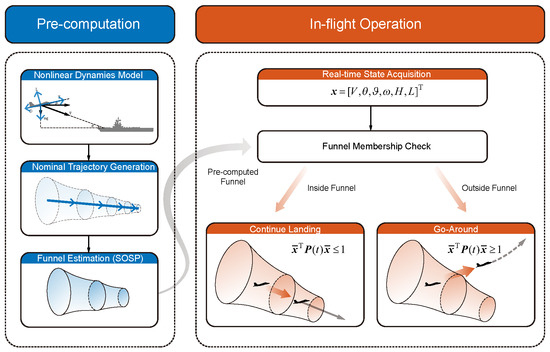
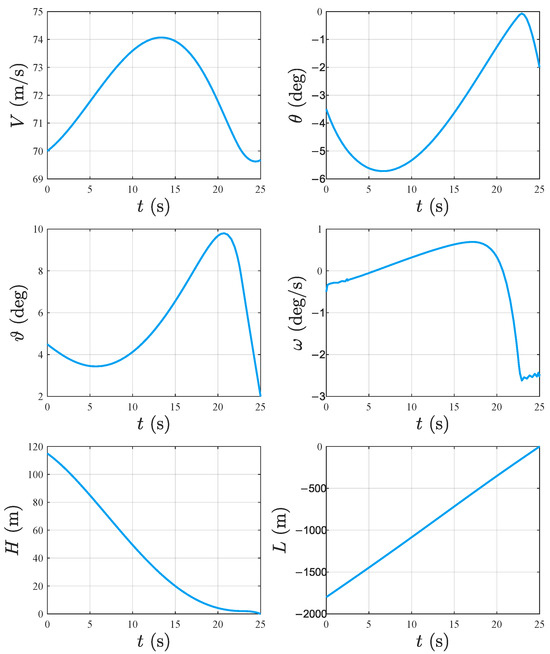
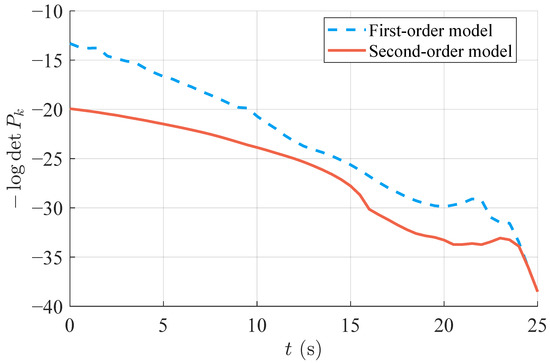
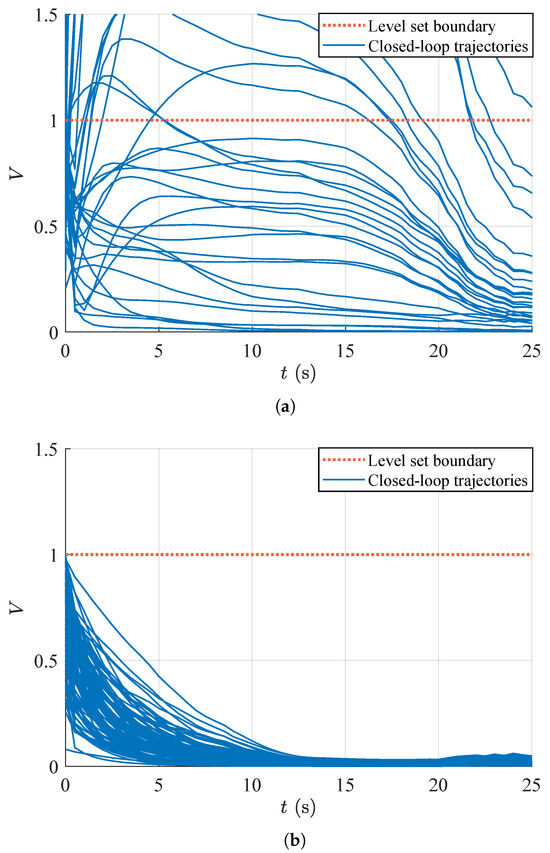
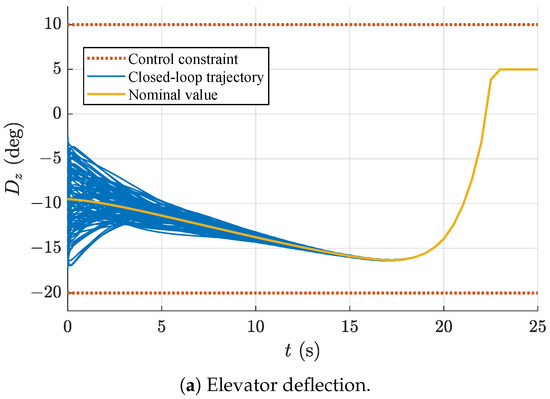
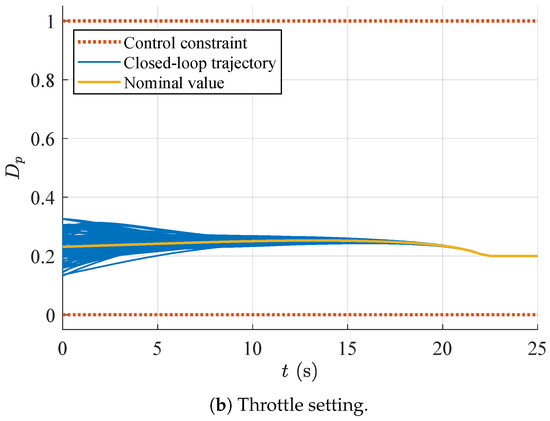
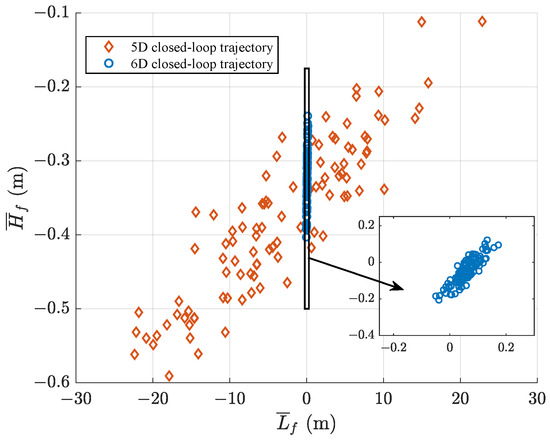
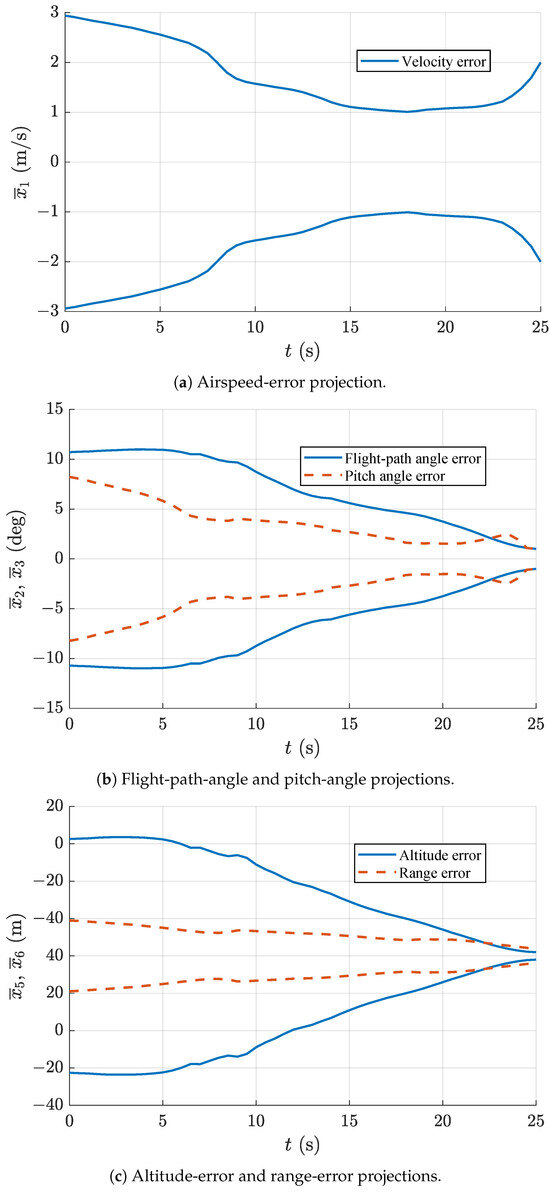
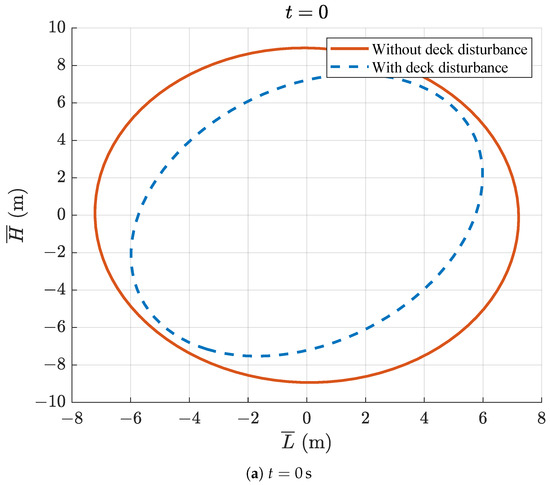
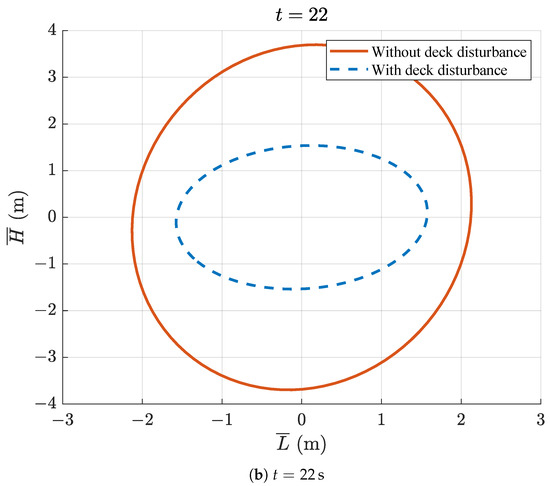
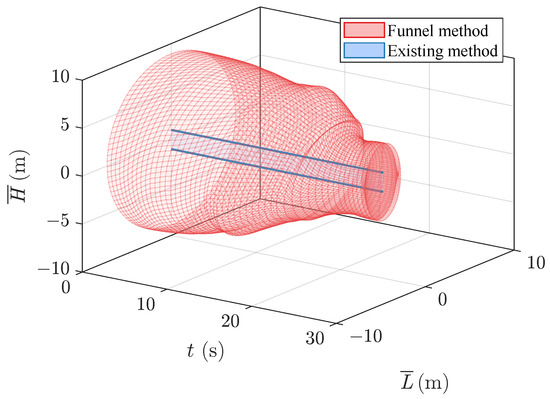
Existing go-around decision methods for Automatic Carrier Landing Systems (ACLSs) are mainly based on altitude deviation. The safe region implied by these methods is therefore effectively single-dimensional, which can lead to overly conservative and incomplete go-around decisions because the remaining state deviations are not evaluated. This paper proposes a safety-guaranteed go-around decision framework based on a funnel that explicitly characterizes the time-varying safe region in the multi-dimensional state space throughout the landing process, thereby enabling safe and precise decisions. A six-dimensional funnel is then computed backward from the terminal set using sum-of-squares programming while accounting for nonlinear dynamics, actuator saturation constraints, and prescribed bounded uncertainties. The resulting funnel guarantees that all closed-loop trajectories initialized within it remain within the subsequent funnel and reach the terminal set at the final time. In the online stage, the online go-around decision module evaluates at each sampling instant whether the complete six-dimensional state deviation lies inside the corresponding precomputed funnel and outputs either the continue-landing decision or the go-around decision. Simulation results show that incorporating the range state reduces the mean, maximum, and standard deviation of the terminal altitude deviations by approximately 68%, 64%, and 66%, respectively, and the corresponding statistics of the terminal range deviations by approximately 99%. Under a representative deck-motion disturbance, the framework remains effective after the six-dimensional funnel is recomputed offline. The proposed method also avoids unnecessary go-around decisions when the altitude component exceeds the conventional threshold but the complete six-dimensional state deviation remains inside the funnel.
Full article
(This article belongs to the Special Issue Guidance and Control Systems of Aerospace Vehicles)
►▼
Show Figures

Figure 1
Open AccessArticle
Surrogate-Assisted Multi-Objective Aeroacoustic Optimization of a Small-Scale Rotor in Hover Mode
by
Xiaolu Wang, Yongzheng Zhao, Jiahao Li, Jianing Fan, Zixuan Dong and Liuzhen Qin
Aerospace 2026, 13(9), 841; https://doi.org/10.3390/aerospace13090841 - 15 Sep 2026
Abstract
Small-scale rotor design must balance hover efficiency and acoustic performance; however, costly aeroacoustic evaluations make multi-objective optimization computationally demanding. This study develops a surrogate-assisted framework using eight radial basis-function variables to parameterize spanwise chord and twist variations. Aerodynamic loads are evaluated with a
[...] Read more.
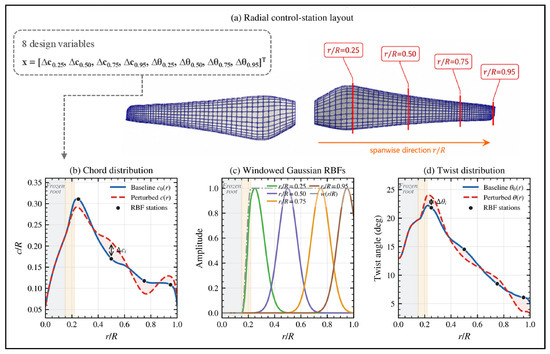
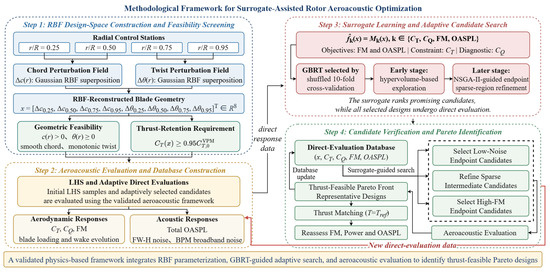
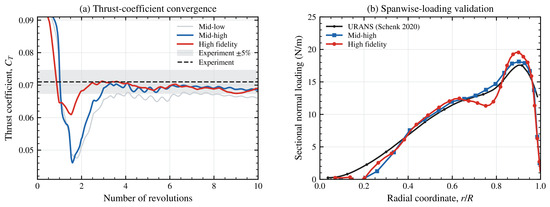
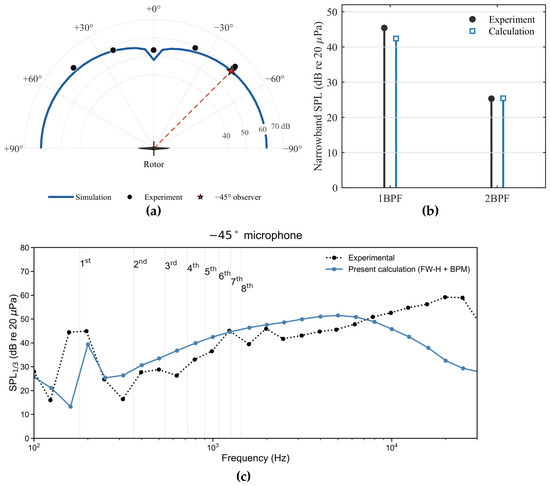
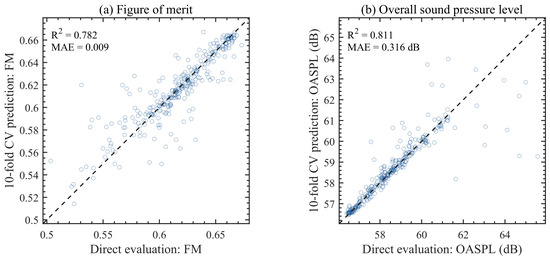
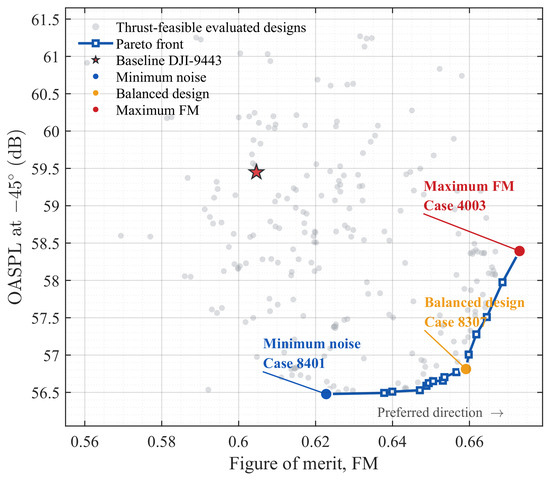
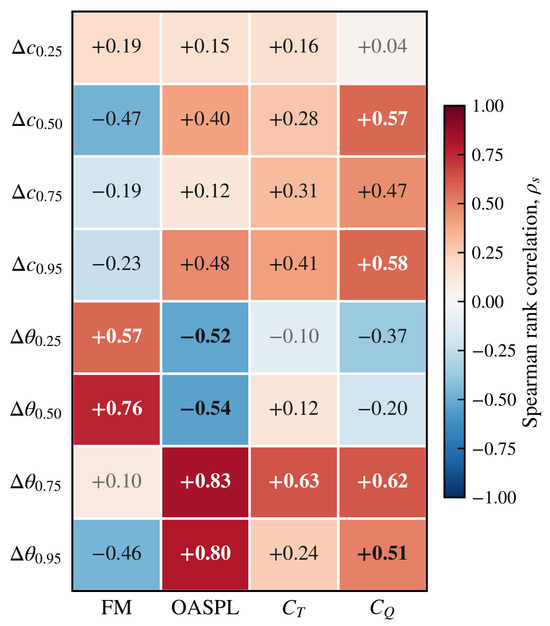
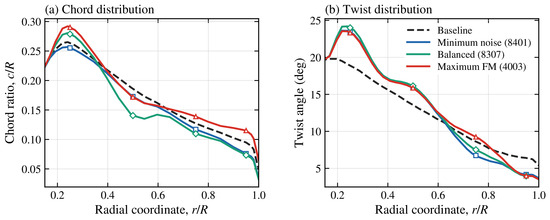
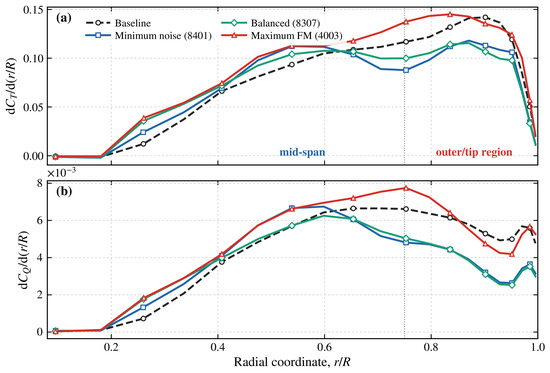
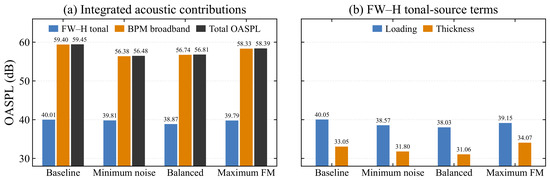
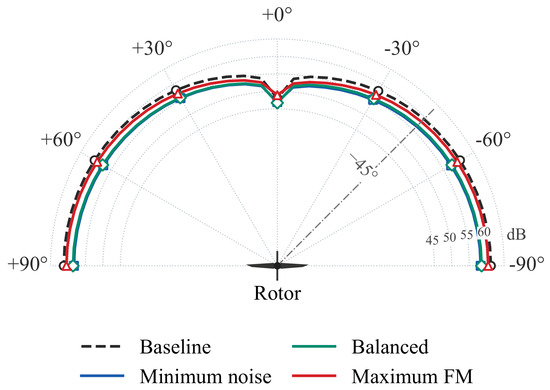
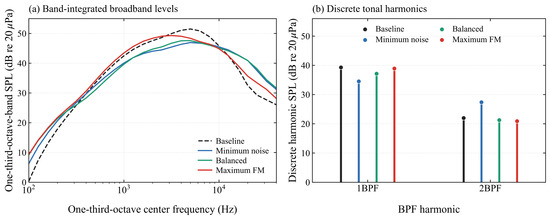
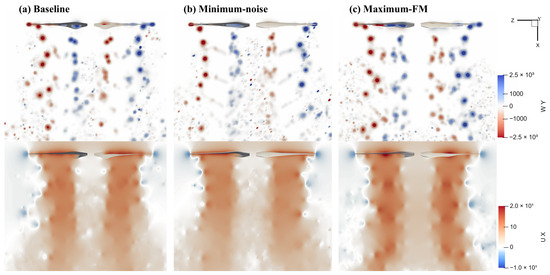
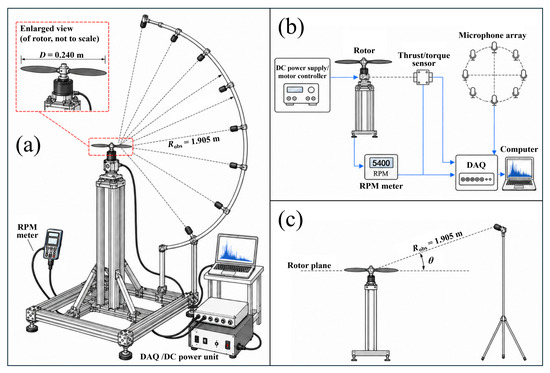
Small-scale rotor design must balance hover efficiency and acoustic performance; however, costly aeroacoustic evaluations make multi-objective optimization computationally demanding. This study develops a surrogate-assisted framework using eight radial basis-function variables to parameterize spanwise chord and twist variations. Aerodynamic loads are evaluated with a reformulated vortex-particle method, while acoustic models estimate tonal and broadband noise. Baseline validation results in a 3.1% thrust coefficient error and captures the principal acoustic directivity trend. Gradient-boosted regression trees guide adaptive sampling, with candidate designs required to retain at least 95% of the baseline thrust coefficient. A total of 304 direct evaluations identify a 16-design thrust-feasible Pareto front. At 5400 RPM, the maximum-FM design improves FM by 11.31% while reducing OASPL by 1.06 dB, whereas the minimum-noise design reduces OASPL by 2.97 dB while increasing FM by 3.00%. Thrust-matched reassessment confirms that these performance benefits are maintained with lower shaft-power requirements. The improvements are primarily the result of the selective spanwise redistribution of thrust and torque rather than uniform unloading; the minimum-noise design shifts loading inboard and weakens the outer-span wake, whereas the maximum-FM design increases thrust while limiting torque growth and produces stronger downstream momentum transfer.
Full article
(This article belongs to the Section Aeronautics)
►▼
Show Figures

Figure 1
Open AccessArticle
Investigation on the Relationship Between Shock Parameters and Shock Response Spectrum Under High-Magnitude Shock Environments
by
Yize Zhang, Lei Li and Tianhao Di
Aerospace 2026, 13(9), 840; https://doi.org/10.3390/aerospace13090840 - 15 Sep 2026
Abstract
The satellite–rocket separation shock environment involves transient structural responses during spacecraft release. Although its direct influence on the main structure of the satellite is limited, it can easily cause shock-sensitive precision instruments or components to fail. Nowadays, the shock response spectrum (SRS) experiment
[...] Read more.
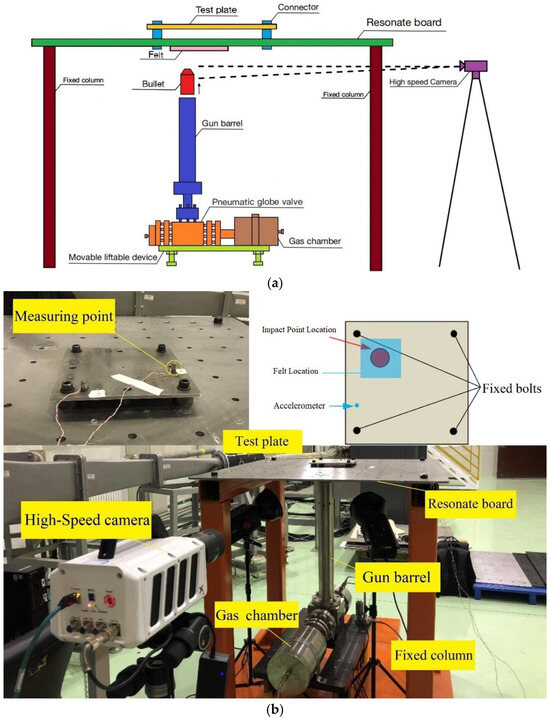
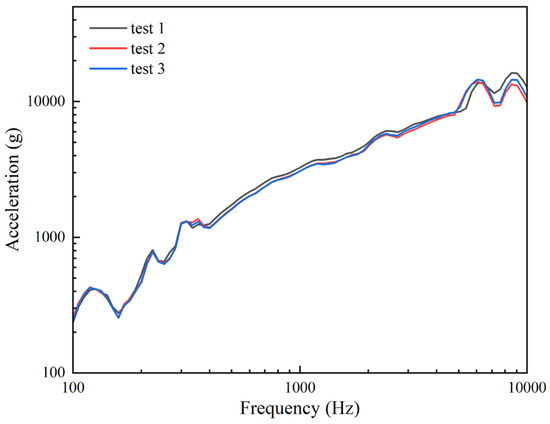
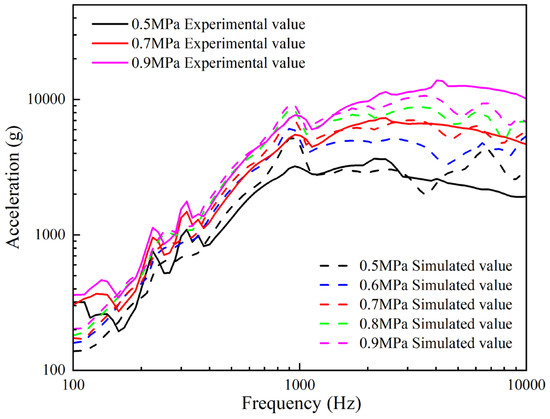
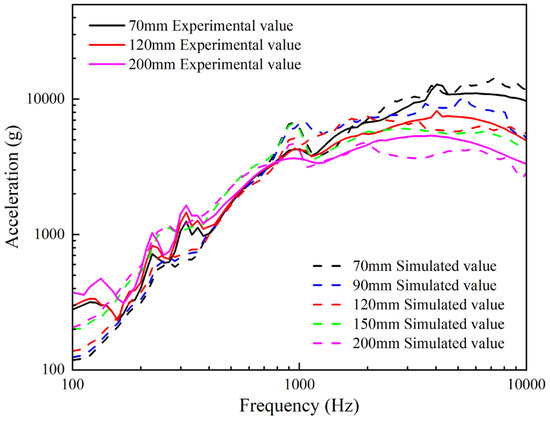
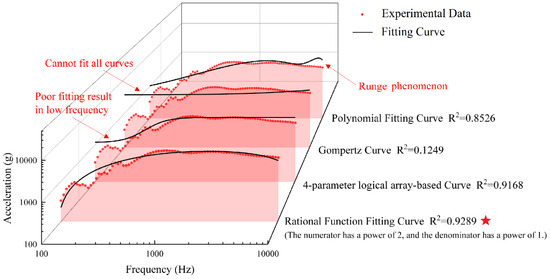
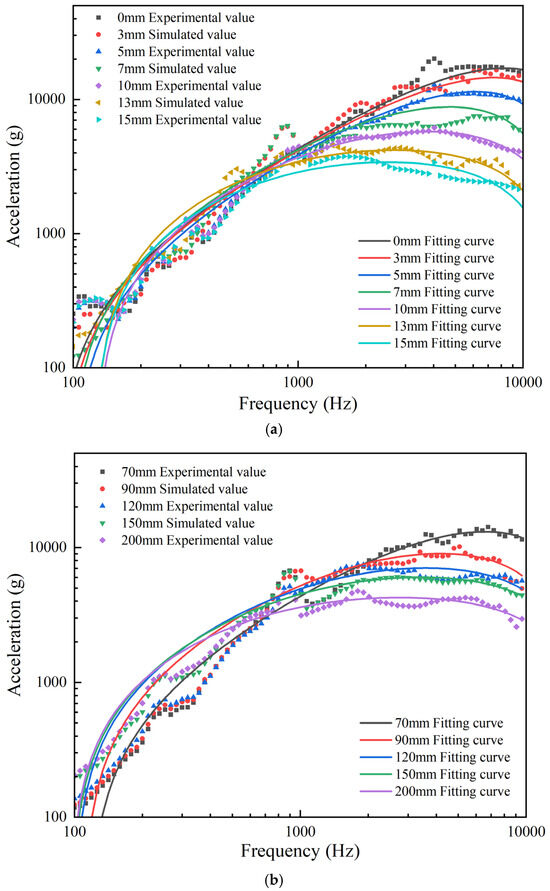
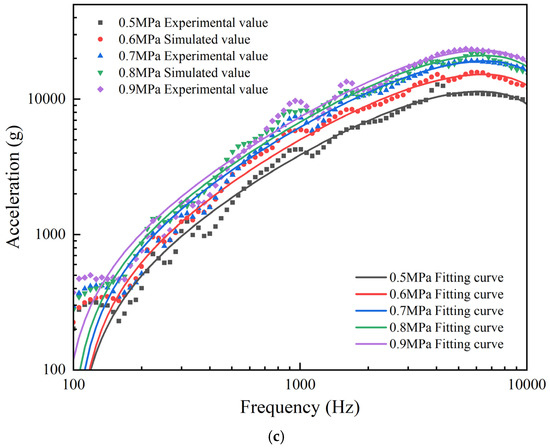
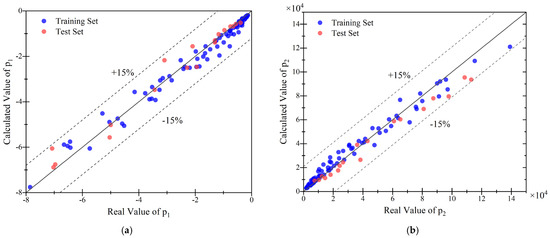
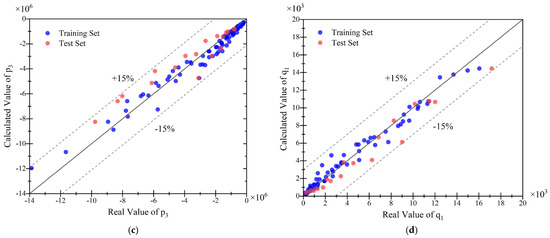
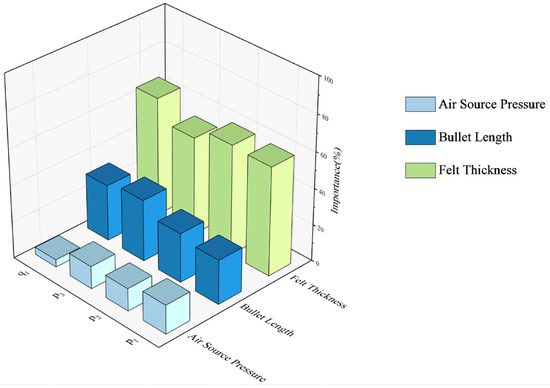
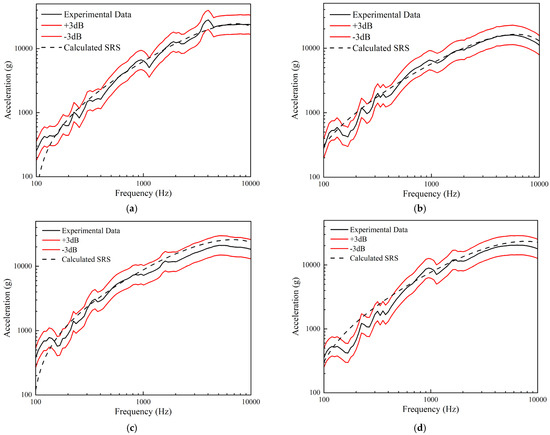
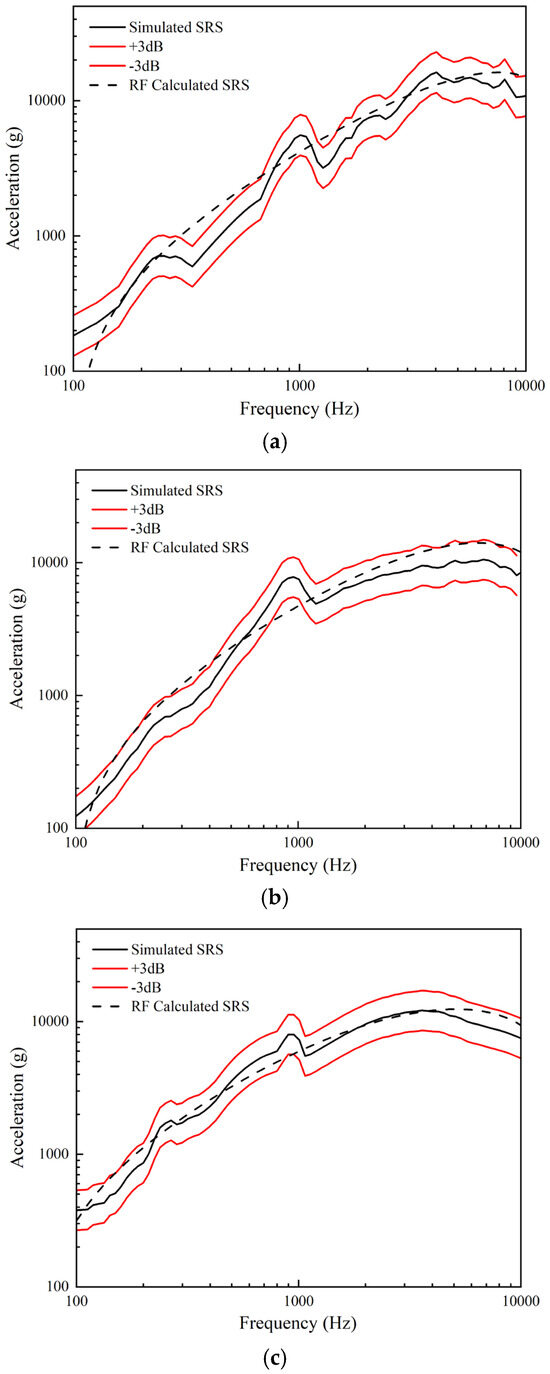
The satellite–rocket separation shock environment involves transient structural responses during spacecraft release. Although its direct influence on the main structure of the satellite is limited, it can easily cause shock-sensitive precision instruments or components to fail. Nowadays, the shock response spectrum (SRS) experiment is conducted to simulate the dynamic load environment of spacecraft. There are lots of studies on the spectral pattern of SRS. Most of the existing studies focus on the qualitative effects of the shock parameters on SRS; however, quantitative relationships between key shock parameters and SRS characteristics remain relatively limited. In this study, the air cannon-based shock experiment and numerical simulation based on ANSYS/LS-DYNA 2022R1 software are conducted to investigate the influence of shock parameters on SRS. The SRS curves are fitted to quantitatively characterize their spectral features. Massive experimental and simulation datasets are systematically processed to establish the relationship between SRSs and three key shock parameters: felt thickness, bullet length, and air source pressure. A quantitative relationship based on random forest is established to map the shock parameters to the characteristics of the SRS curves. SRS curves can be calculated based on this relationship, enhancing the efficiency of SRS calculation and reducing the need for repeated SRS experiments and simulations.
Full article
(This article belongs to the Section Aeronautics)
►▼
Show Figures

Figure 1
Open AccessArticle
Energy-Saving Low- and Medium Cavitation Temperature Deicer Theory and Experimental Testing
by
Victor F. Petrenko
Aerospace 2026, 13(9), 839; https://doi.org/10.3390/aerospace13090839 - 14 Sep 2026
Abstract
This manuscript presents the theory and experimental validation of low- and medium-temperature deicing technology that advances the recently developed Ice Cavitation Deicing (ICD) method. Conventional high-temperature ICD (HTICD) efficiently removes ice by explosively vaporizing a thin interfacial melted layer but operates at heating
[...] Read more.
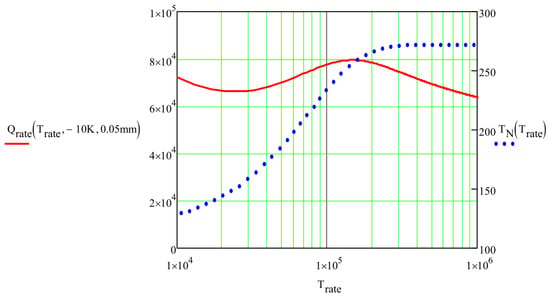
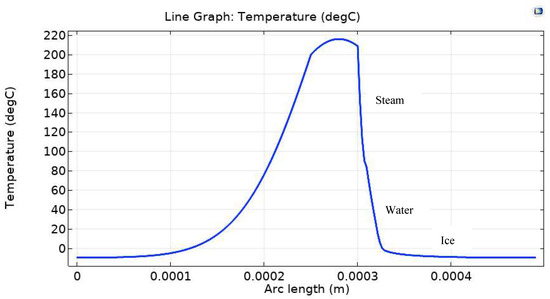
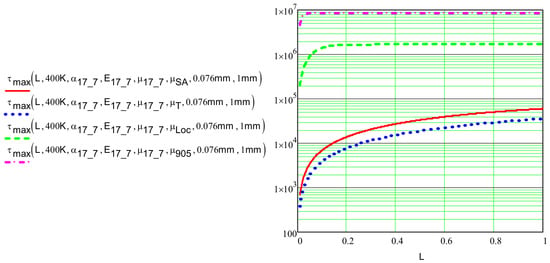
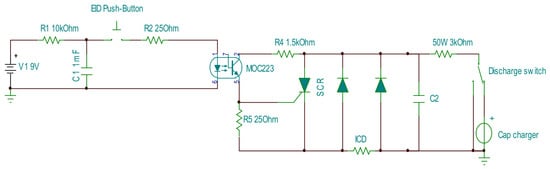
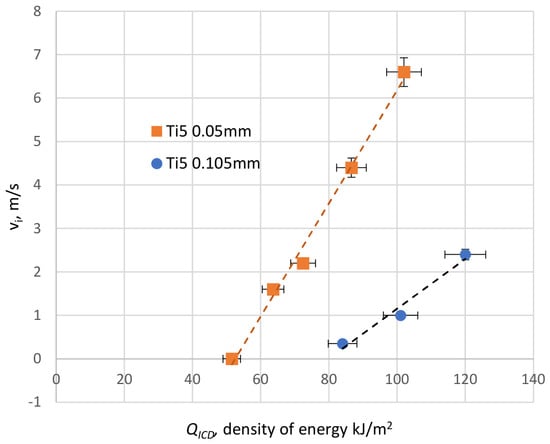
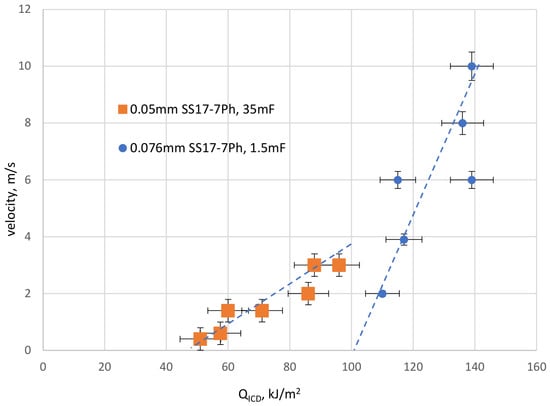
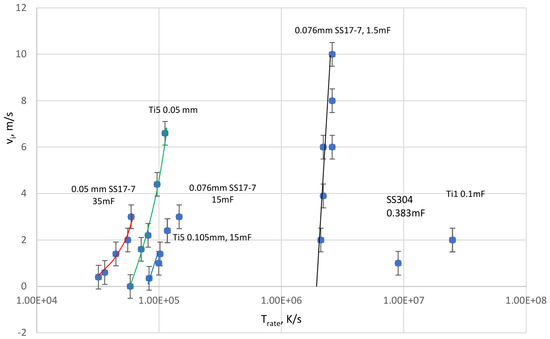
This manuscript presents the theory and experimental validation of low- and medium-temperature deicing technology that advances the recently developed Ice Cavitation Deicing (ICD) method. Conventional high-temperature ICD (HTICD) efficiently removes ice by explosively vaporizing a thin interfacial melted layer but operates at heating rates above 106 K/s, high voltage, and maximum temperatures exceeding 400 °C. This study develops Low-Temperature and Medium-Temperature Ice Cavitation Deicing (LTICD and MTICD), extending ICD into the previously unexplored intermediate heating-rate regime. Analytical modeling based on energy conservation, transient heat diffusion, water thermodynamics, and thermal-stress analysis was combined with finite-element simulations and experimental testing. Several foil materials were evaluated over heating rates of approximately 104–107 K/s using capacitor banks of 0.1–35 mF. Experiments demonstrated effective removal of thick and thin ice at cavitation temperatures of approximately 120–200 °C, substantially below those of HTICD. The lower operating temperatures and heating rates reduce thermal stress, voltage, and current, enable practical low-voltage electrolytic capacitors, and expand the range of suitable materials. Thus, LTICD and MTICD provide a lower-temperature, more practical electrical architecture for future aircraft ice-protection systems.
Full article
(This article belongs to the Section Aeronautics)
►▼
Show Figures

Figure 1

Open AccessArticle
Complementarity-Gap-Driven Adaptive Sequential Convex Programming for Reentry Trajectory Optimization
by
Leilei Wu, Chenglong Dong, Peng Wang and Guojian Tang
Aerospace 2026, 13(9), 838; https://doi.org/10.3390/aerospace13090838 - 14 Sep 2026
Abstract
To address the issue that existing penalty weight update strategies in the augmented Lagrangian multiplier method are disconnected from the optimality conditions and remain relatively sensitive to initial parameters, this paper proposes a complementarity-gap-driven adaptive sequential convex programming algorithm. The algorithm directly incorporates
[...] Read more.
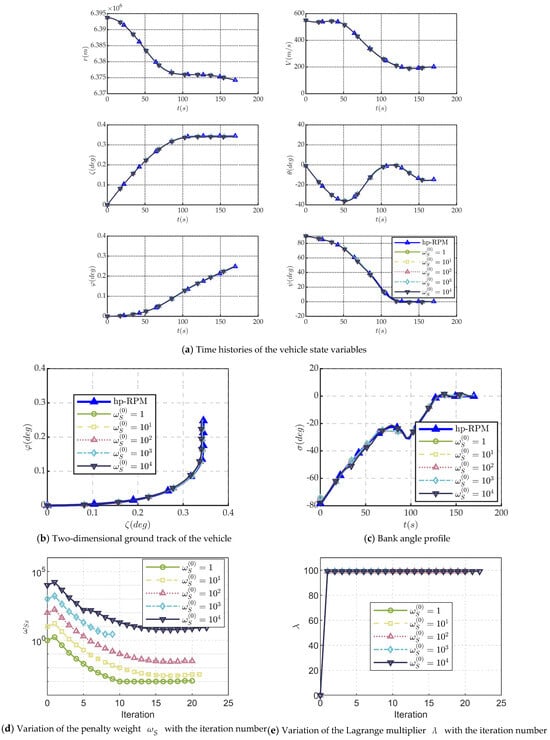
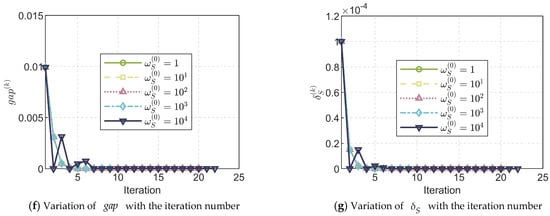
To address the issue that existing penalty weight update strategies in the augmented Lagrangian multiplier method are disconnected from the optimality conditions and remain relatively sensitive to initial parameters, this paper proposes a complementarity-gap-driven adaptive sequential convex programming algorithm. The algorithm directly incorporates the complementarity slackness information from the KKT conditions into the parameter update laws. The defined complementarity slackness ratio and complementarity gap respectively measure the deviation of the current penalty intensity from the ideal multiplier level and the degree of departure from the complementarity slackness condition. Based on these two quantities, a bidirectional smooth update law for the penalty weight and a normalized gap update law for the multiplier are designed, which decouple the multiplier growth from the current multiplier magnitude. On this basis, a complete theoretical convergence framework is established, in which the monotonic bounded convergence of the Lagrange multiplier and the convergence of the slack variables and the complementarity gap are rigorously proved, and a conditional convergence theorem is given. Taking the reentry trajectory planning problem of a gliding vehicle as an example, numerical simulations are conducted with the initial penalty weight spanning five orders of magnitude. Simulation results demonstrate that the proposed algorithm converges rapidly and stably to the optimal solution satisfying the accuracy requirements under different initial weights, with the terminal position error stabilizing at 0.4–0.5 km, exhibiting favorable convergence accuracy. In addition, the stable convergence exhibited by the complementarity gap and the slackness radius validates the effectiveness and robustness of the complementarity-gap-driven adaptive update mechanism.
Full article
(This article belongs to the Section Aeronautics)
►▼
Show Figures

Figure 1

Open AccessArticle
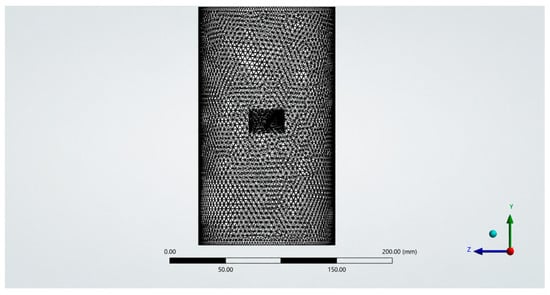
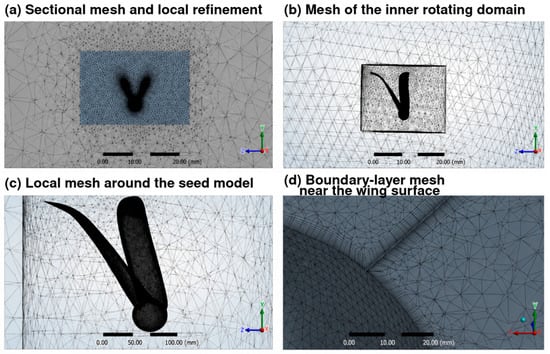
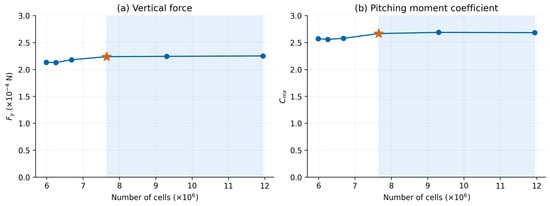
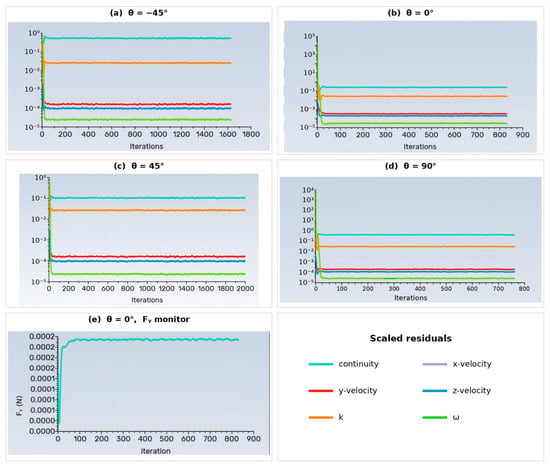
Aerodynamic Characteristics and Static-Restoring Tendencies of a Hopea hainanensis-Inspired Double-Winged Samara at Different Attitudes
by
Xingyu Li and Wei Wang
Aerospace 2026, 13(9), 837; https://doi.org/10.3390/aerospace13090837 - 13 Sep 2026
Abstract
Low-Reynolds-number micro aerial vehicles and lightweight deployment systems require aerodynamic configurations that provide vertical support and favorable passive responses to attitude disturbances. Winged seeds delay descent through autorotation, wing curvature, and mass distribution, offering a natural model for such designs. A three-dimensional model
[...] Read more.
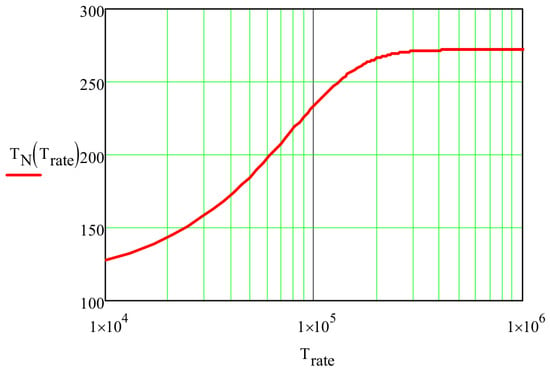
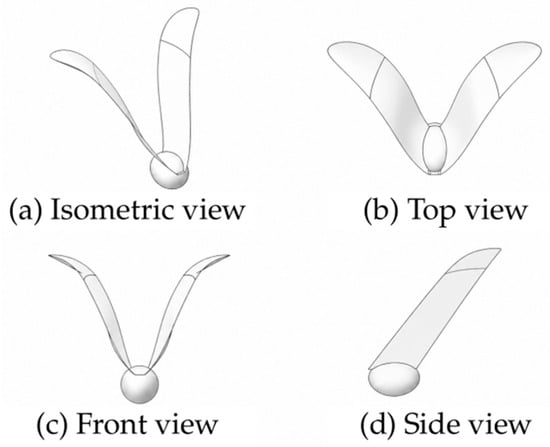
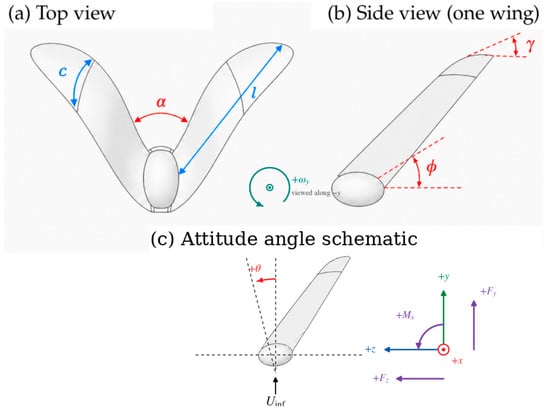
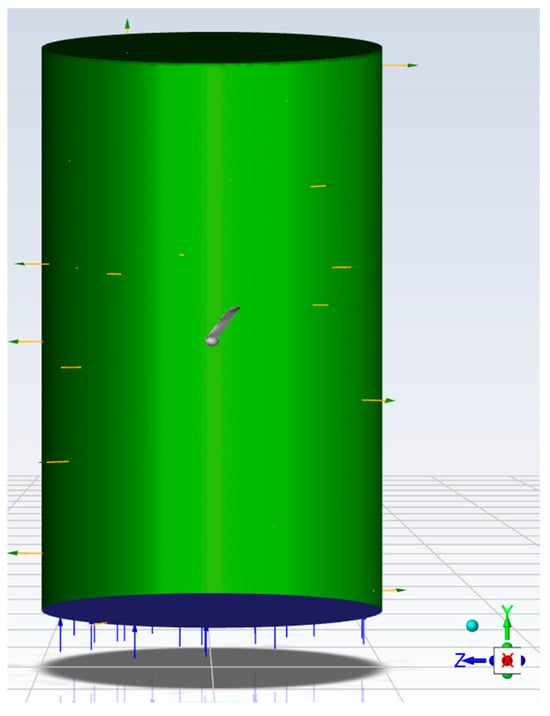
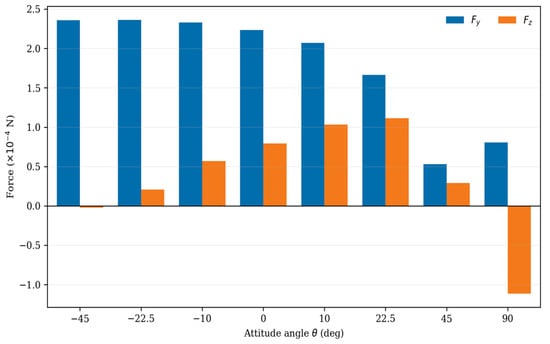
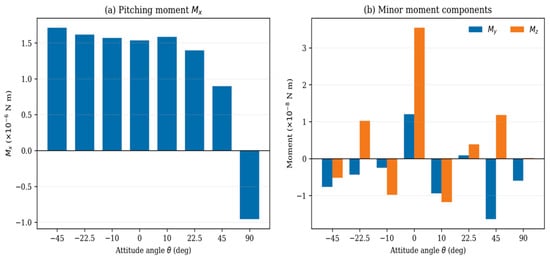
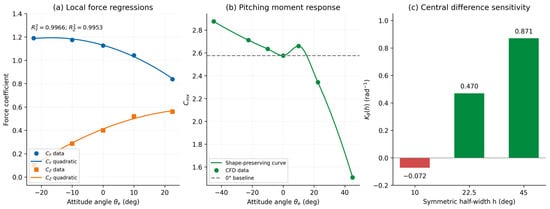
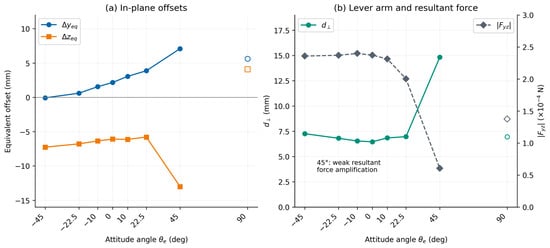
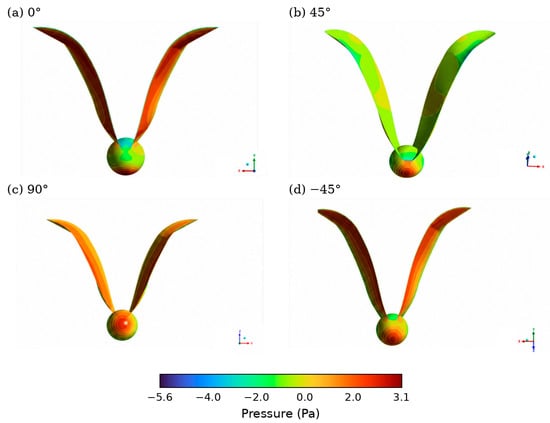
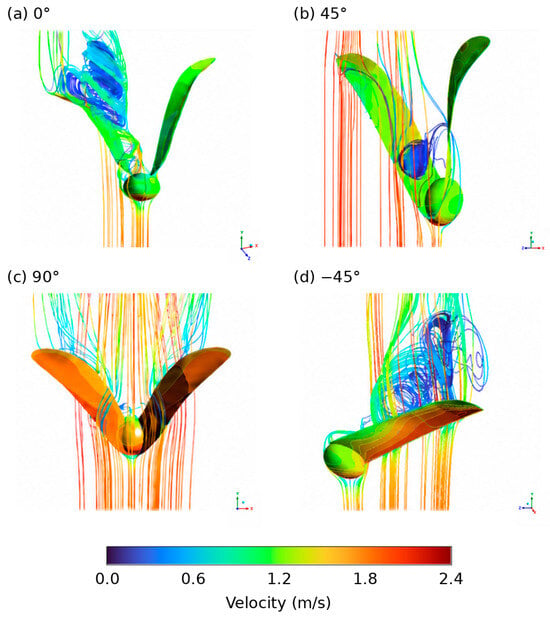
Low-Reynolds-number micro aerial vehicles and lightweight deployment systems require aerodynamic configurations that provide vertical support and favorable passive responses to attitude disturbances. Winged seeds delay descent through autorotation, wing curvature, and mass distribution, offering a natural model for such designs. A three-dimensional model of a Hopea hainanensis-inspired double-winged samara was developed, and steady multiple-reference-frame (MRF) simulations were performed at seven rotating attitudes (−45, −22.5, −10, 0, 10, 22.5, and 45 degrees) and a nonrotating 90-degree reference. Aerodynamic forces, moments, surface pressure distributions, and streamline structures were compared. Negative deflections maintained relatively high vertical support, whereas the vertical force decreased progressively with positive deflection. The −45-degree attitude combined strong vertical support, limited lateral offset, and a restoring moment increment, producing the highest equal-weight score among the rotating cases. The pitching moment response varied nonlinearly with disturbance amplitude, and the static-restoring tendency became more evident over moderate and large deflections. Surface pressure distributions, streamline structures, and the equivalent aerodynamic line of action showed that redistribution of wing loading and migration of the effective moment arm jointly governed the force and moment variations. These results characterize the quasi-steady aerodynamic response under prescribed rotation and provide guidance for the passive aerodynamic design of low-Reynolds-number aerial vehicles and lightweight deployment systems.
Full article
(This article belongs to the Special Issue Aerodynamic Optimization of Flight Wing)
►▼
Show Figures

Figure 1

Open AccessArticle
Psychometric Evaluation and Item Optimization of the Resilience Scale CD-RISC-10 with Chinese Airline Pilots
by
Runhao Li, Lijing Wang, Jun Zhang, Haixin Xu, Jiaying Zou, Yuhang Xiao and Yanzeng Zhao
Aerospace 2026, 13(9), 836; https://doi.org/10.3390/aerospace13090836 - 13 Sep 2026
Abstract
Brief resilience measures may facilitate group-level aviation research and training feedback, but evidence on the CD-RISC-10 and its shortening in airline pilots remains limited. We evaluated the scale and its shortening potential in a development sample of 192 Chinese male airline pilots; 106
[...] Read more.
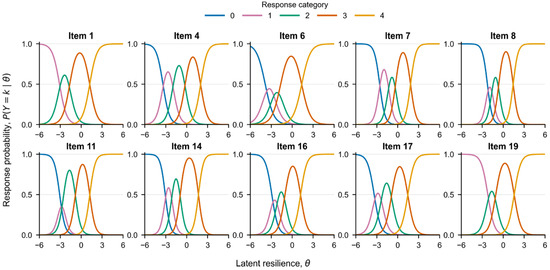
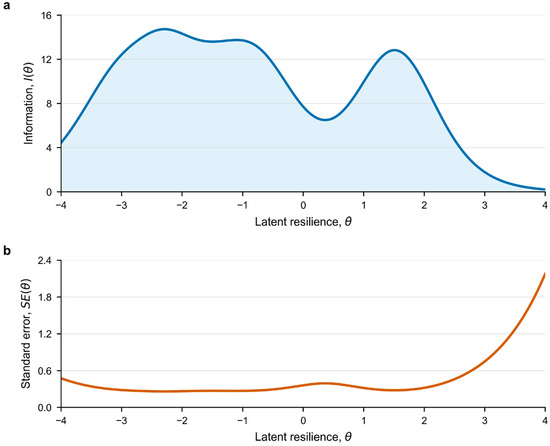
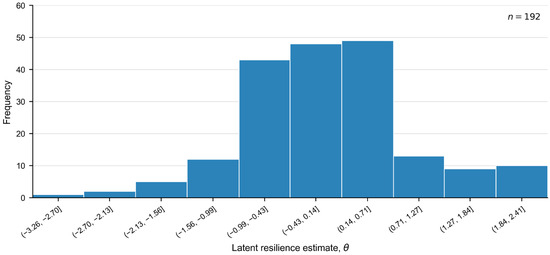
Brief resilience measures may facilitate group-level aviation research and training feedback, but evidence on the CD-RISC-10 and its shortening in airline pilots remains limited. We evaluated the scale and its shortening potential in a development sample of 192 Chinese male airline pilots; 106 had paired occupational burnout data. Classical test theory, confirmatory factor analysis (CFA), generalizability theory, item response theory, and qualitative item-content review were integrated. The CD-RISC-10 showed high internal consistency (α = 0.895) and expected negative associations with occupational burnout. CFA and graded response model results were consistent with an approximate one-factor representation, despite global-fit uncertainty and localized model strain. This integrated process yielded a candidate six-item form, the CD-RISC-6. In the development sample, it reduced item count by 40%, retained 70.38% of the original test information, and showed high post-selection internal consistency (α = 0.866). In a separate, non-overlapping same-airline sample (N = 58), the fixed form showed high internal consistency (α = 0.891) and expected negative associations with occupational burnout. CFA results were also consistent with the prespecified one-factor structure. These findings provide preliminary within-context evidence for further evaluation of the CD-RISC-6 as a low-burden measure in comparable recurrent-training settings.
Full article
(This article belongs to the Special Issue Automation and Human Decision Support for Aviation Operations and Systems)
►▼
Show Figures

Figure 1
Open AccessArticle
Gradient-Based Internal–External Flow Coupling Optimization for Embedded-Inlet Aircraft
by
Yuning Liu, Libo Wang, Tihao Yang, Yiwen Wang and Yayun Shi
Aerospace 2026, 13(9), 835; https://doi.org/10.3390/aerospace13090835 - 13 Sep 2026
Abstract
As aerodynamic configurations become increasingly integrated with propulsion systems, internal–external flow coupling has become a key issue in airframe–engine integration. For embedded-inlet configurations, however, the airframe and inlet/exhaust system have different geometric shaping requirements, making their design variables difficult to represent within a
[...] Read more.
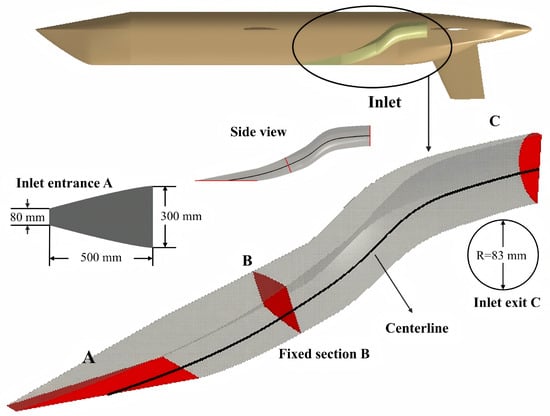
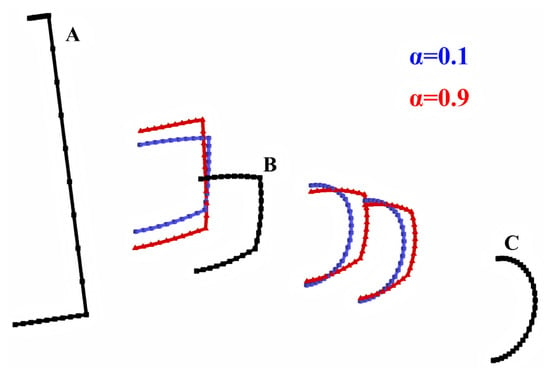
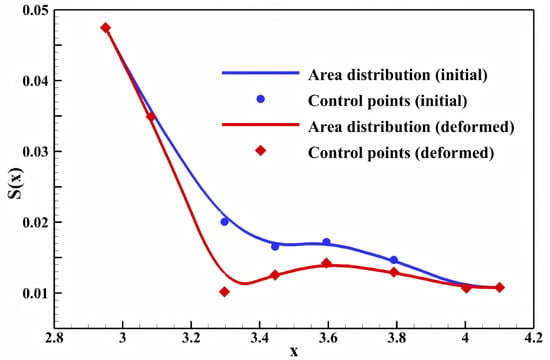
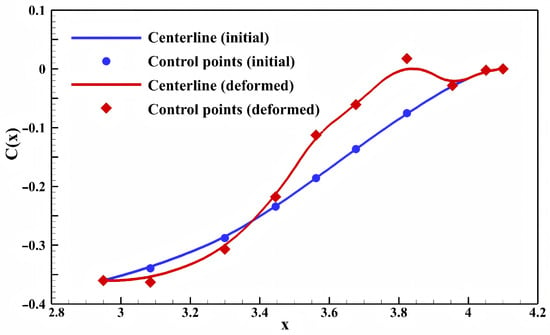
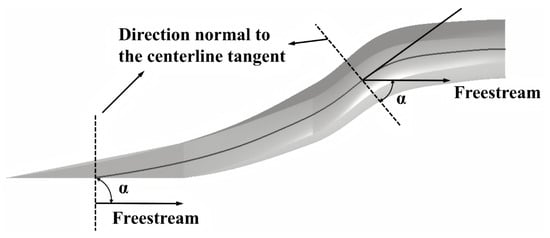
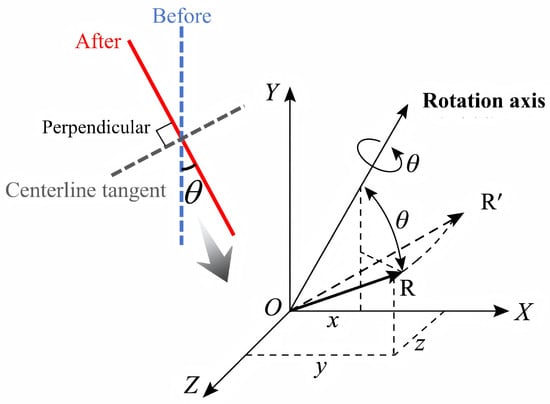
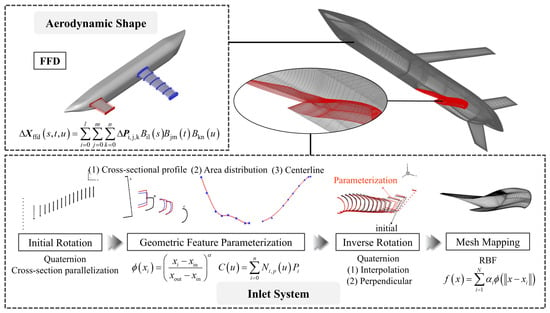
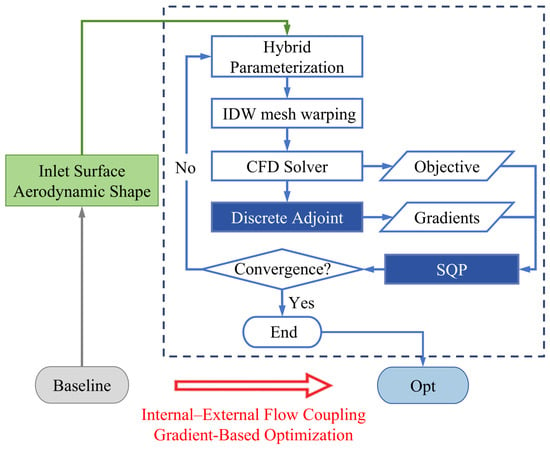
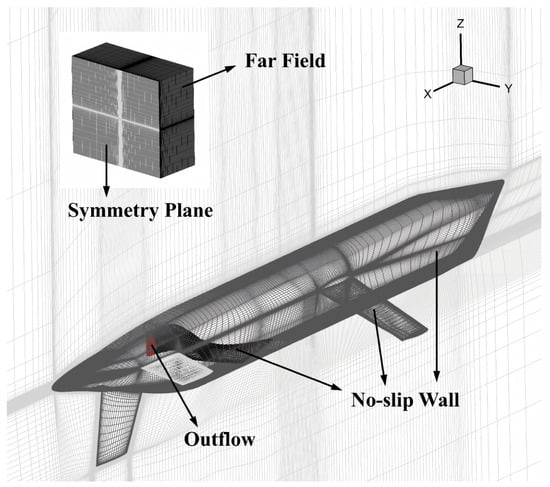
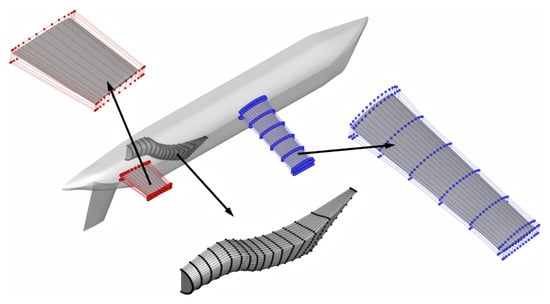
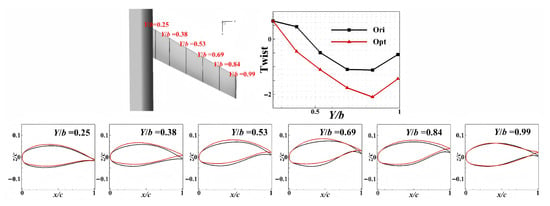
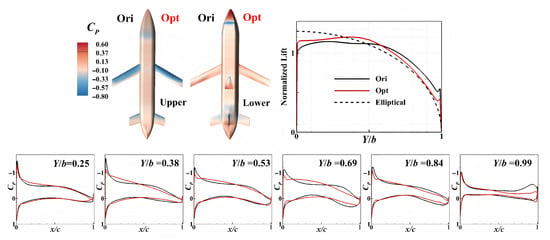
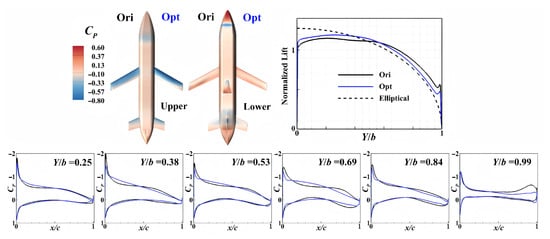
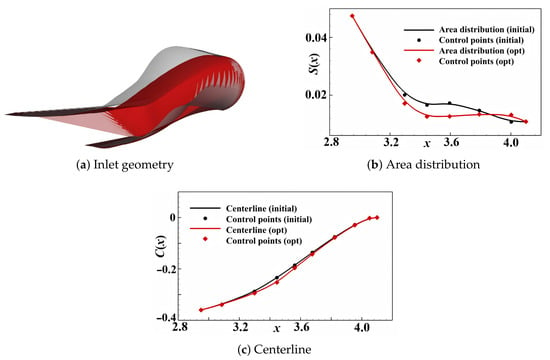
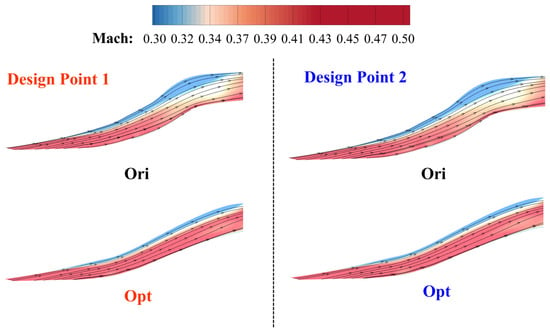
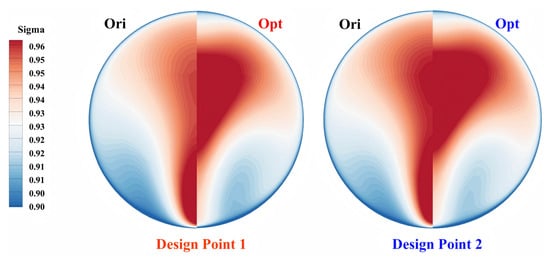
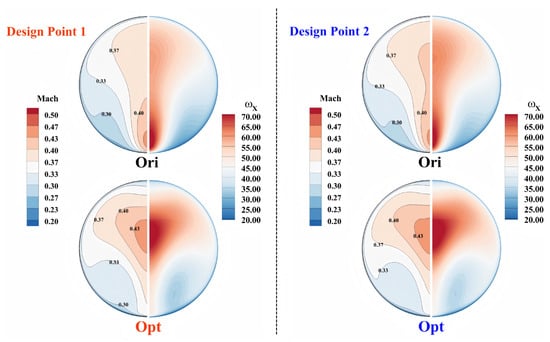
As aerodynamic configurations become increasingly integrated with propulsion systems, internal–external flow coupling has become a key issue in airframe–engine integration. For embedded-inlet configurations, however, the airframe and inlet/exhaust system have different geometric shaping requirements, making their design variables difficult to represent within a unified gradient-based optimization framework. This study develops a continuous parameterization method for embedded inlets that simultaneously controls cross-sectional profiles, area distribution, and centerline under large cross-sectional rotation angles. The method combines B-spline curves, shape blending functions, quaternion-based transformations, and free-form deformation (FFD) to establish a hybrid parameterization framework for coupled internal–external flow optimization. Analytical geometric sensitivities of the inlet surface mesh with respect to profile, area-distribution, and centerline variables are derived through the complete parameterization chain and coupled with discrete-adjoint flow sensitivities, enabling gradient evaluation for both external aerodynamic-shape and internal inlet-geometry variables. The framework is applied to full-configuration multipoint optimization of an aircraft with an embedded inlet. Aerodynamic drag is reduced by 2.82% and 2.36% at the two design points, while inlet drag decreases by 4.44 and 4.63 counts (1 count = 0.0001). Under distortion-coefficient and mass-flow-rate constraints, the inlet-exit total pressure recovery coefficient increases by 0.54% and 0.41%, respectively. These results demonstrate the effectiveness of the proposed method for integrated internal–external flow optimization and its potential for airframe–engine integrated design.
Full article
(This article belongs to the Special Issue Aerodynamic Optimization of Flight Wing)
►▼
Show Figures

Figure 1
Open AccessArticle
Promoting Jet-Induced Detonation Initiation via Electrode Breakdown Discharge
by
Zixun Liu, Bo Zhang, Qingchun Lei and Wei Fan
Aerospace 2026, 13(9), 834; https://doi.org/10.3390/aerospace13090834 - 11 Sep 2026
Abstract
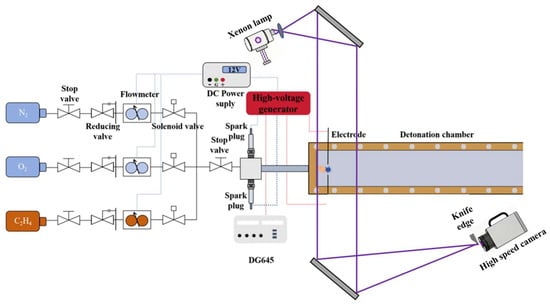
The initiation of detonation is a critical yet challenging task for pulse and rotating detonation engines. Conventional approaches often rely on nanosecond repetitively pulsed discharges to generate nonequilibrium plasma for ignition assistance, but the complexity and high cost of the required power supplies
[...] Read more.
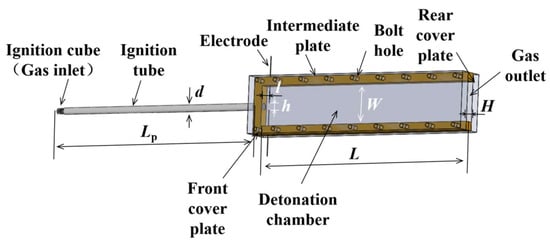
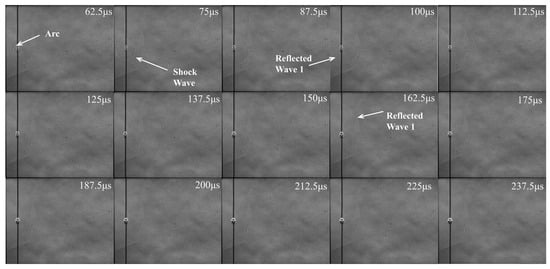
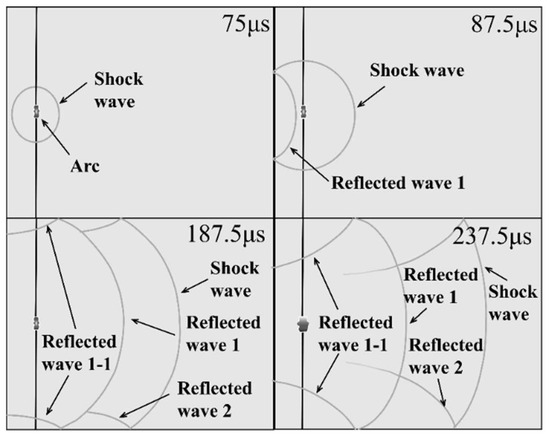
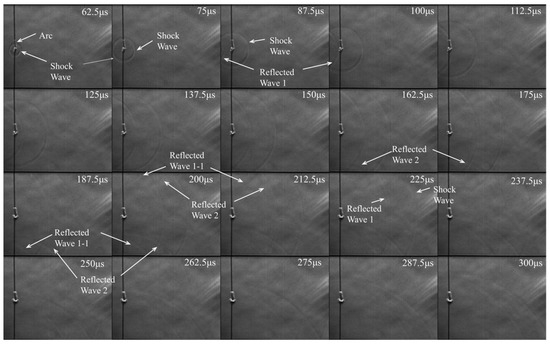
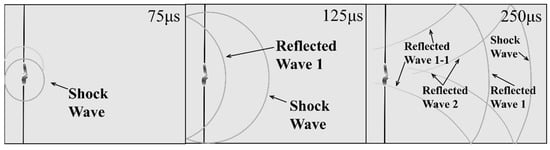
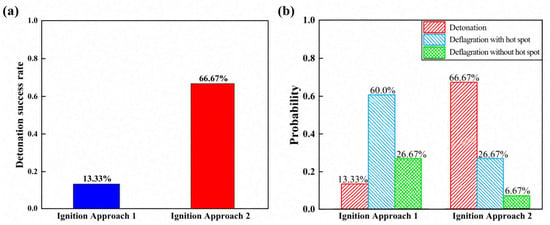
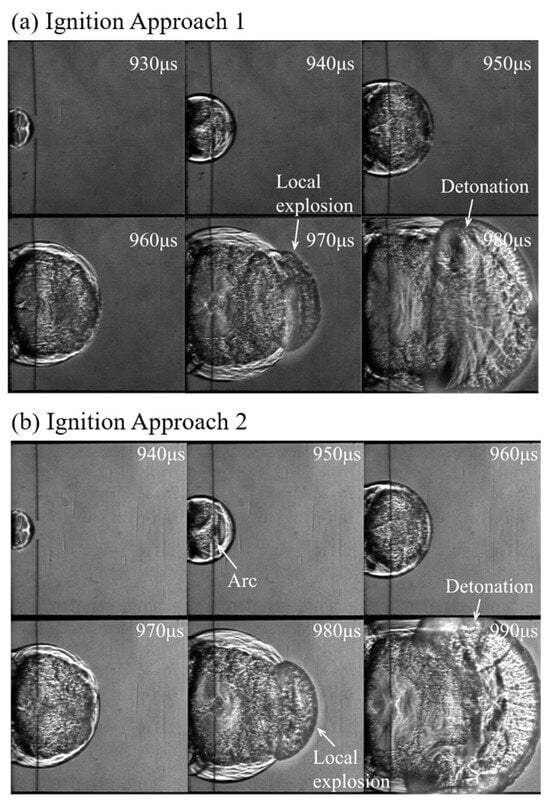
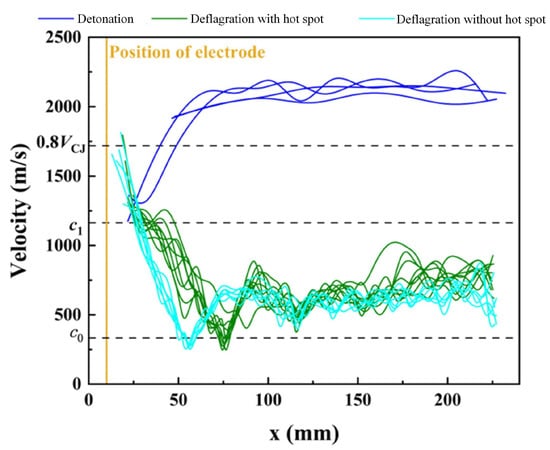
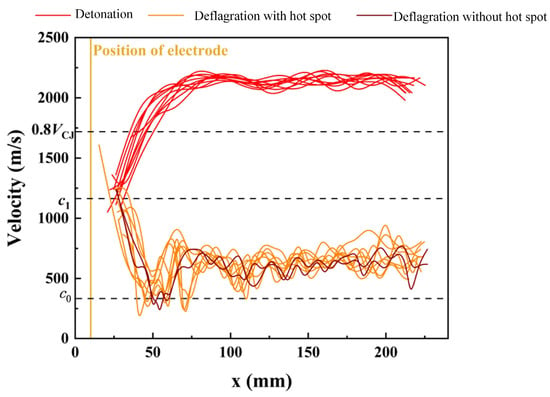
The initiation of detonation is a critical yet challenging task for pulse and rotating detonation engines. Conventional approaches often rely on nanosecond repetitively pulsed discharges to generate nonequilibrium plasma for ignition assistance, but the complexity and high cost of the required power supplies limit practical applications. In this work, we experimentally investigate a simplified method using ordinary electrode breakdown discharge to produce an arc plasma that promotes jet-induced detonation initiation. Two ignition strategies are compared under the same total energy: dual-spark-plug ignition (energy concentrated at the jet tube head) and single-spark-plug coupled with electrode discharge (energy split between the jet tube head and an electrode pair placed near the detonation chamber inlet). High-speed schlieren measurements are performed to capture the dynamic flame evolution and shock wave structures. The results show that the electrode-discharge approach dramatically increases the detonation success rate from 13.33% to 66.67% over 30 repeated runs. The electrode discharge is found to occur after the emerging flame has already covered the electrodes. Therefore, the promoting mechanism is attributed not to the high temperature or free radicals generated in the already-burned products, but rather to the discharge-induced shock wave. This shock wave interacts with the corner expansion waves generated by the sudden area expansion, thereby delaying the unsteady decay of the leading shock and promoting re-initiation. This study provides the first experimental evidence that ordinary electrode breakdown discharge promotes jet-induced detonation via a shock-wave reinforcement mechanism. The findings enable a low-cost, compact plasma-assisted initiation strategy for practical detonation engines.
Full article
(This article belongs to the Section Aeronautics)
►▼
Show Figures

Figure 1
Open AccessArticle
Closed-Loop Precision Design and Performance Validation of an Additively Manufactured Integrated Thruster
by
Chenguang Gao, Zhaopu Yao, Jun Chen, Tao Zhang, Yu Liu, Rui Yang and Gaoshi Su
Aerospace 2026, 13(9), 833; https://doi.org/10.3390/aerospace13090833 - 11 Sep 2026
Abstract
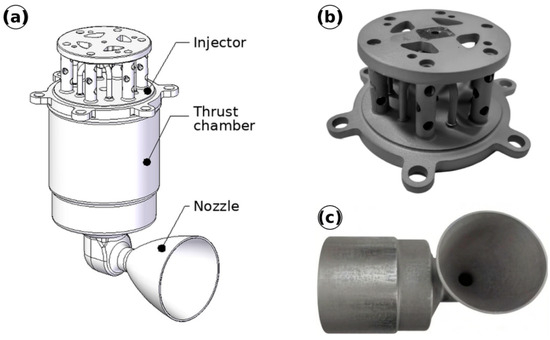
Laser powder bed fusion (L-PBF) enables the integral fabrication of thrust chamber–nozzle and injector assemblies, eliminating some assembly and welding interfaces and reducing structural redundancy. However, under this manufacturing route, as-built geometric deviations act more directly on functional features, creating new challenges for
[...] Read more.
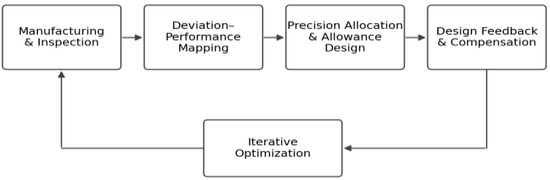
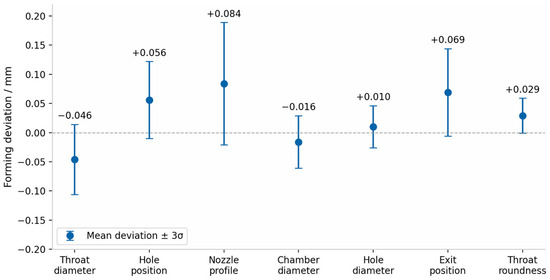
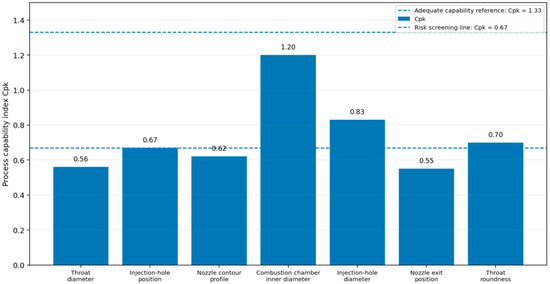
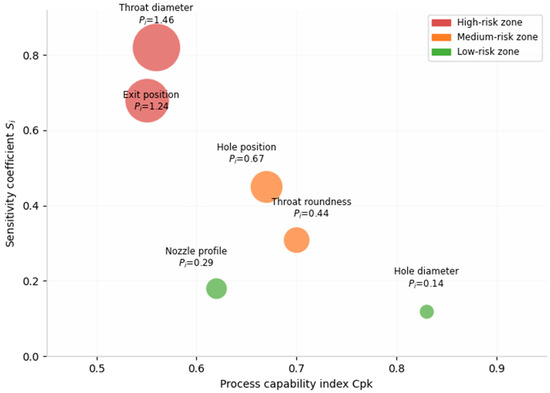
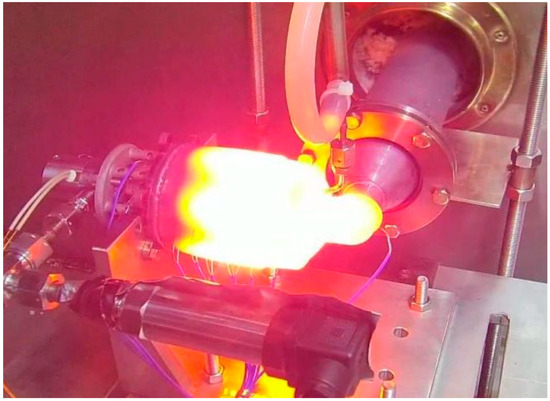
Laser powder bed fusion (L-PBF) enables the integral fabrication of thrust chamber–nozzle and injector assemblies, eliminating some assembly and welding interfaces and reducing structural redundancy. However, under this manufacturing route, as-built geometric deviations act more directly on functional features, creating new challenges for dimensional accuracy and performance stability. To address this issue, this study investigates an additively manufactured 200 N monopropellant thruster and conducts geometric-deviation characterization, deviation–performance mapping, precision allocation, and performance validation. Key forming deviations were characterized using a coordinate measuring machine, industrial CT, micro-focus CT, and confocal microscopy. A first-order geometric deviation–performance mapping model was established through CFD-based sensitivity analysis, and Monte Carlo simulation was used to evaluate performance risk. A priority evaluation system combining the process capability index (Cpk) and performance sensitivity was then developed to guide differentiated finish-machining allowance allocation, CAD model pre-compensation, and process optimization. After two closed-loop iterations, the Monte Carlo-predicted thrust nonconformance probability decreased from 8.5% to 1.2%, and the simulated injection-flow non-uniformity narrowed from ±8.7% to ±4.2%. Cold-flow measurements showed that injection-flow non-uniformity decreased from ±9.3% to ±4.8%. In the rated-condition hot-fire test of the compensated thruster, the measured steady-state thrust deviation was controlled within ±1.5%, while the throat-diameter Cpk increased from 0.56 to 1.45. These results demonstrate that the proposed “inspection–analysis–allocation–compensation” closed-loop method can integrate performance sensitivity with actual manufacturing capability and provide an implementable route for precision-resource allocation and engineering optimization of integrated additively manufactured propulsion components.
Full article
(This article belongs to the Section Astronautics & Space Science)
►▼
Show Figures

Figure 1
Open AccessArticle
Lightweight Design of Aircraft Engine Pylon Using Multi-Load Topology and Size Optimization
by
Wei Yuan, Lei Li, Yiru Ren, Junqiang Bai, Jiakuan Xu and Zeying Yang
Aerospace 2026, 13(9), 832; https://doi.org/10.3390/aerospace13090832 - 11 Sep 2026
Abstract
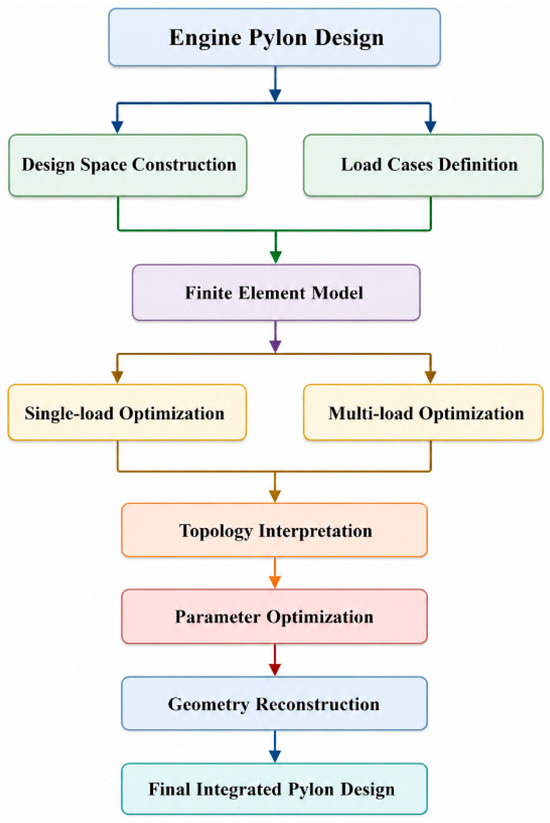
The lightweight design of an aircraft engine pylon requires an efficient structural layout capable of accommodating multiple load cases. An integrated lightweight design framework combining multi-load topology optimization and size optimization is developed. The three-field SIMP method with a weighted-compliance objective is employed
[...] Read more.
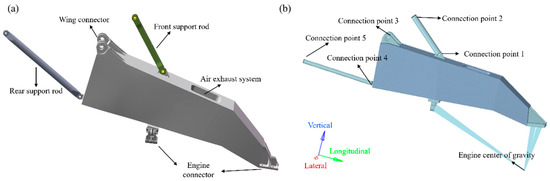
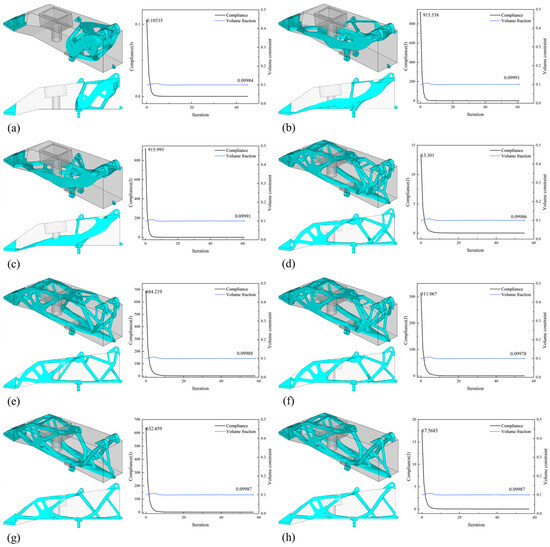
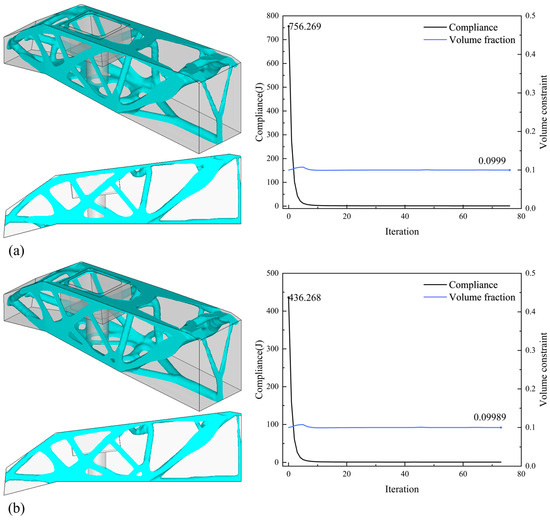
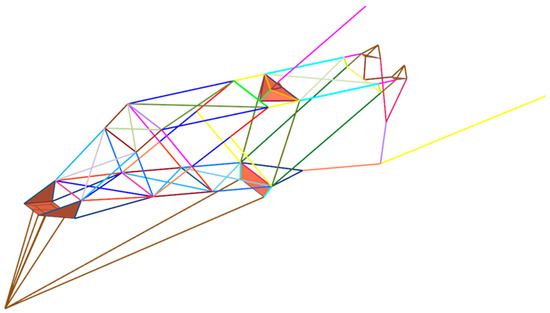
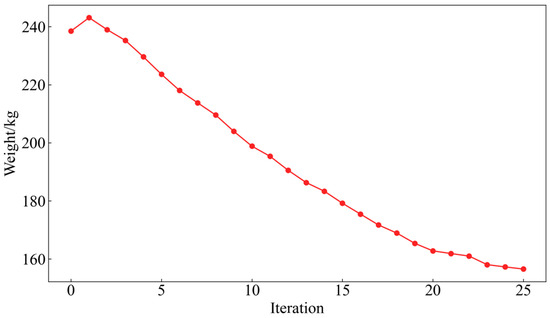
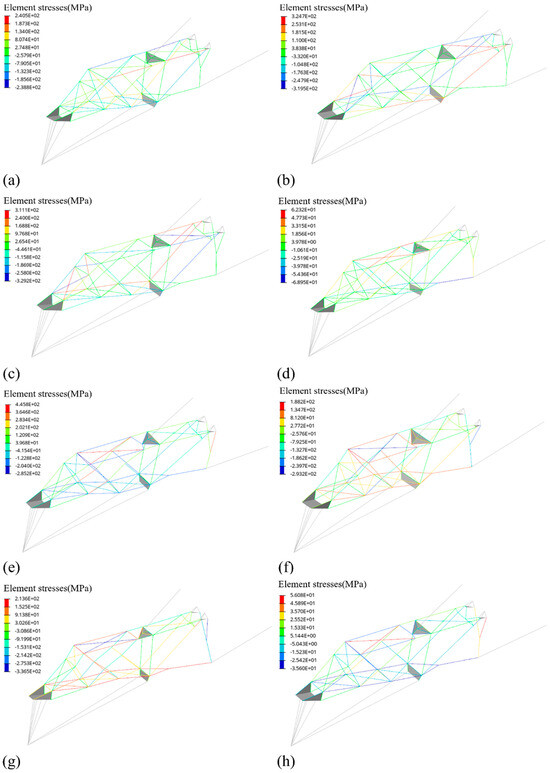
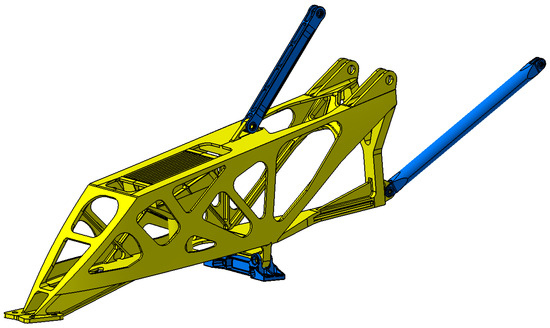
The lightweight design of an aircraft engine pylon requires an efficient structural layout capable of accommodating multiple load cases. An integrated lightweight design framework combining multi-load topology optimization and size optimization is developed. The three-field SIMP method with a weighted-compliance objective is employed to identify the dominant load-transfer paths under multiple representative load cases. Based on the resulting topology, a parametric model is constructed and optimized to reduce structural mass subject to strength and manufacturability constraints. The optimized member dimensions are subsequently used to reconstruct an engineering-manufacturable pylon configuration, whose structural performance is evaluated through finite element analysis. The results demonstrate that the multi-load topology optimization produces a stable primary load-bearing framework, while the subsequent size optimization reduces the structural mass from 238 kg to 156 kg, a reduction of 82 kg. The proposed framework provides a practical route for the lightweight design of aircraft engine pylons and can serve as a reference for other complex aerospace load-bearing structures.
Full article
(This article belongs to the Section Aeronautics)
►▼
Show Figures

Figure 1
Open AccessArticle
Analytical Comparison and Design Evolution of Magnetic-Integrated LCL-Based Filters for Switching Harmonic Suppression in Avionics Power Systems
by
Maged Al-Barashi, Riyadh Nazar Ali Algburi, Yongjun Wang, Xinya An, Mohammed Alameer and Shady Mamdouh Sadek
Aerospace 2026, 13(9), 831; https://doi.org/10.3390/aerospace13090831 - 11 Sep 2026
Abstract
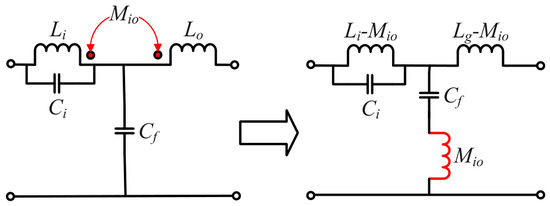
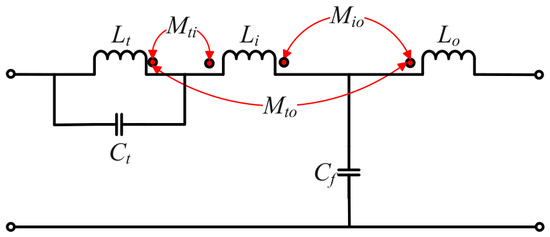
This paper presents a comparative analysis of three magnetic-integrated LCL-derived filter configurations for suppressing high-frequency switching harmonics in avionics power-conversion systems: the integrated LLCL filter, the magnetic-integrated multi-trap LCL filter, and the magnetic-integrated trapped-LCL filter. The high-frequency harmonics considered in this study originate
[...] Read more.
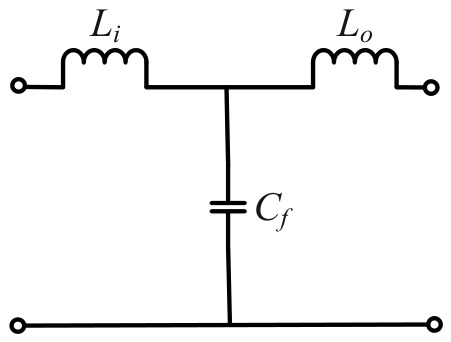
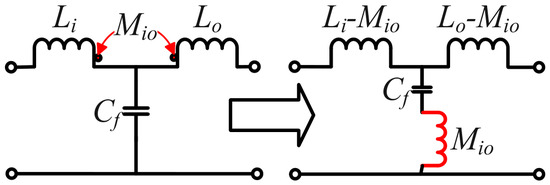
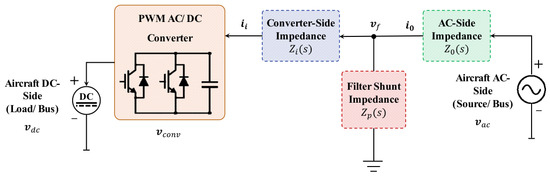
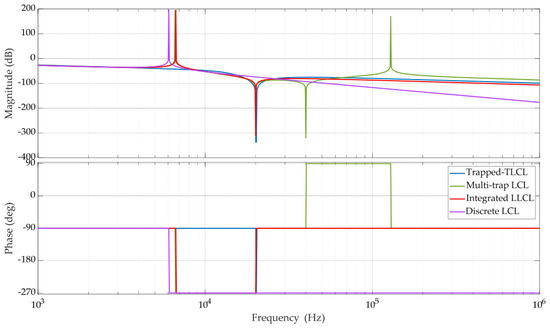
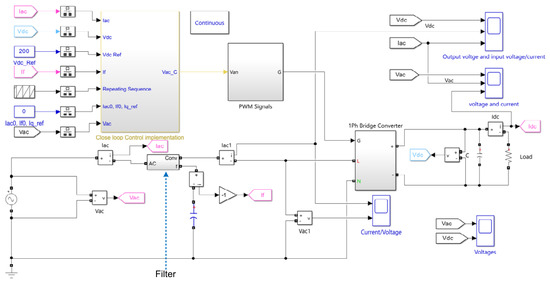
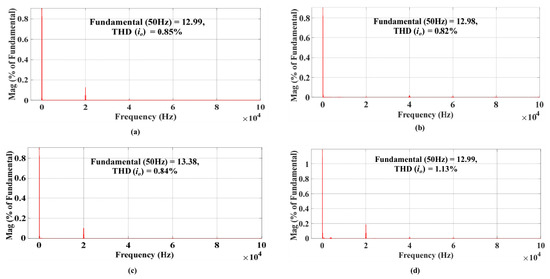
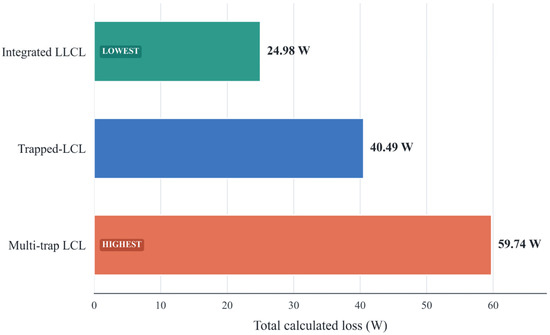
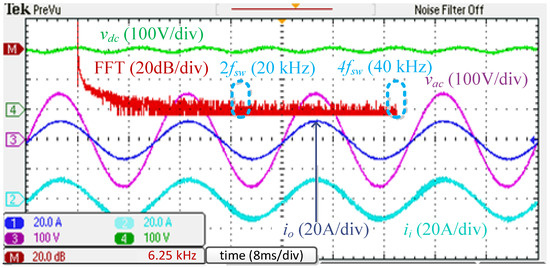
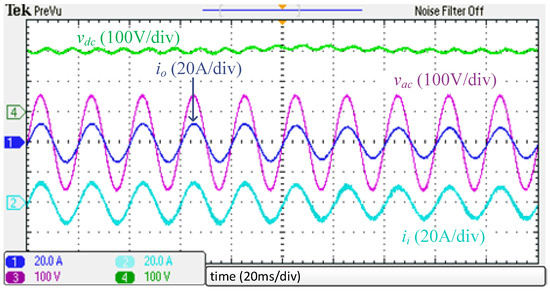
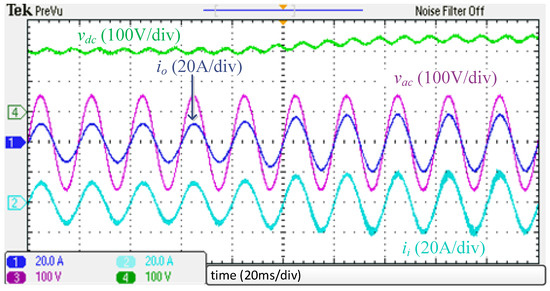
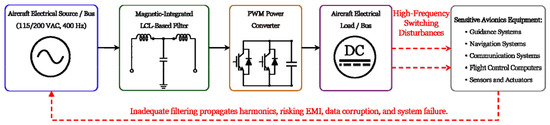
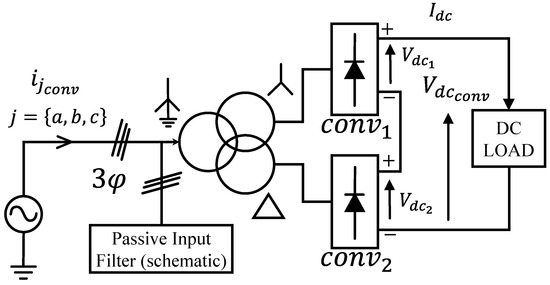
This paper presents a comparative analysis of three magnetic-integrated LCL-derived filter configurations for suppressing high-frequency switching harmonics in avionics power-conversion systems: the integrated LLCL filter, the magnetic-integrated multi-trap LCL filter, and the magnetic-integrated trapped-LCL filter. The high-frequency harmonics considered in this study originate primarily from the pulse-width-modulated (PWM) switching process and can increase current distortion, electrical and magnetic losses, component stress, and the potential for electromagnetic interference in aircraft electrical systems. To enable a consistent comparison, the three filter configurations are evaluated within a unified analytical framework under common system-level operating conditions, while retaining their topology-specific passive and magnetic parameters according to their respective design requirements. The framework distinguishes aggregate total harmonic distortion (THD) from attenuation at targeted switching-frequency bands and incorporates the effects of resonant branches and magnetic coupling. The simulated current THD values of the LLCL, multi-trap LCL, and trapped-LCL filters are 0.82%, 0.84%, and 1.13%, respectively, while their estimated total filter losses are 24.98 W, 59.74 W, and 40.49 W. At the 1 kW operating point, these losses correspond to 2.50%, 5.97%, and 4.05% of rated power, respectively. The results show that the LLCL filter achieves the lowest aggregate THD and estimated loss under the investigated conditions, whereas the multi-trap and trapped-LCL configurations provide additional capability for targeted attenuation of selected switching-frequency components through their resonant structures. Hardware-in-the-loop (HIL) results further support the electrical filtering and dynamic behavior of the investigated concepts. The comparison demonstrates that minimum THD, minimum loss, targeted switching-harmonic attenuation, and magnetic integration are distinct design objectives; therefore, topology selection should be based on the specific requirements and constraints of the intended avionics application.
Full article
(This article belongs to the Section Aeronautics)
►▼
Show Figures

Figure 1
Open AccessArticle
Threshold-Gated Conflict-Aware Arc Selection for Satellite Task Scheduling: Evidence from Starlink Mega-Constellation Simulations
by
Xiaoxuan Li, Yuanyuan Jiao and Xiaogang Pan
Aerospace 2026, 13(9), 830; https://doi.org/10.3390/aerospace13090830 - 11 Sep 2026
Abstract
Greedy schedulers are widely used for low-Earth-orbit satellite task scheduling for their computational efficiency and determinism. However, they select candidate arcs by primary criteria alone, so near-equivalent alternatives are separated arbitrarily, potentially reducing scheduling flexibility for later tasks under contention. We present FAMAS-G,
[...] Read more.
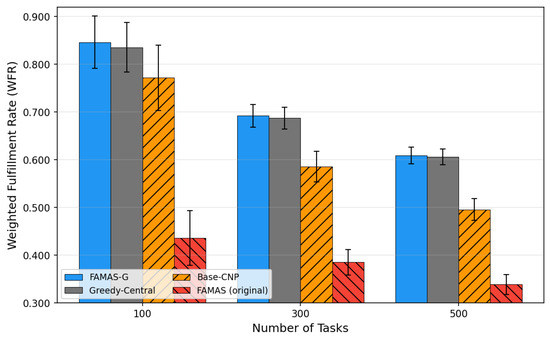
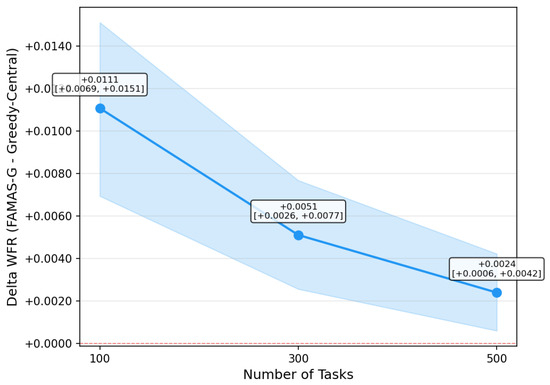
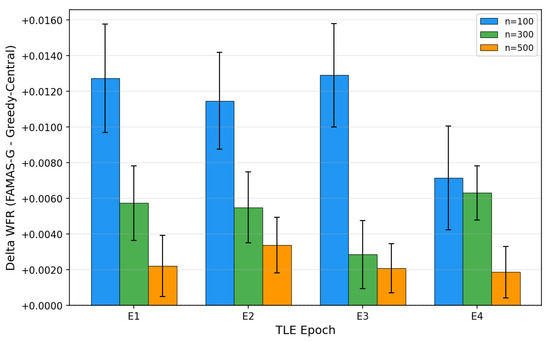
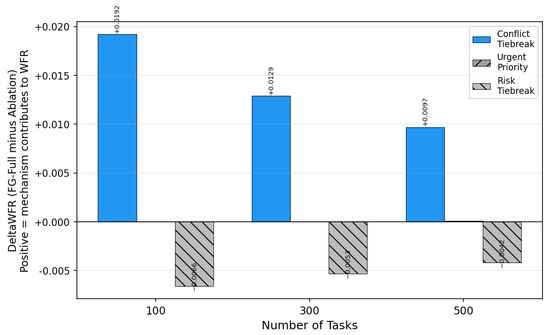
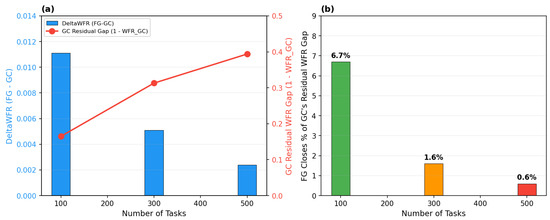
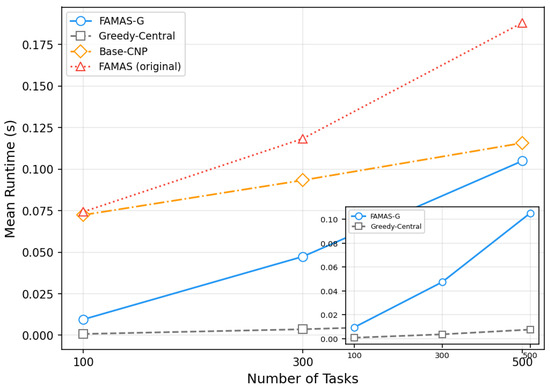
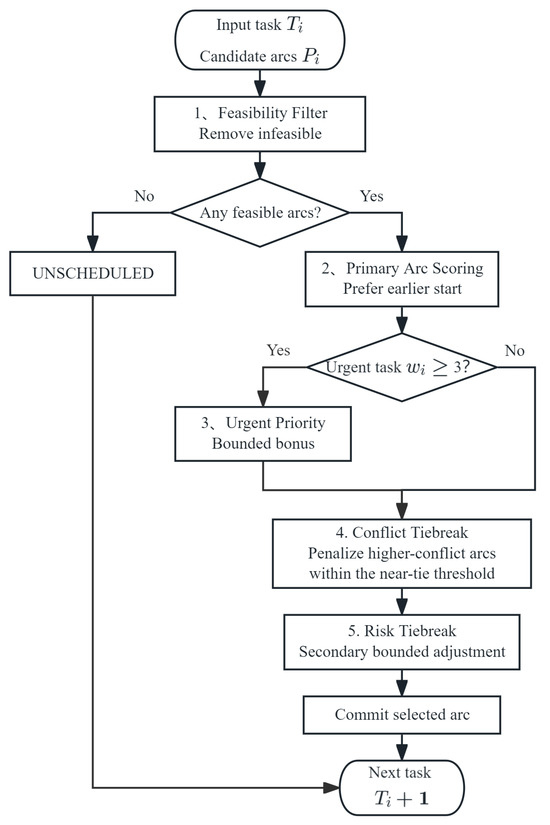
Greedy schedulers are widely used for low-Earth-orbit satellite task scheduling for their computational efficiency and determinism. However, they select candidate arcs by primary criteria alone, so near-equivalent alternatives are separated arbitrarily, potentially reducing scheduling flexibility for later tasks under contention. We present FAMAS-G, a lightweight conflict-aware extension of greedy scheduling rather than a new optimization framework. Its threshold-gated conflict-aware arc selection activates only when primary scores cannot clearly distinguish among candidates, applying a bounded conflict adjustment that favors lower-conflict arcs without displacing clearly superior ones. It relies only on pre-computed arc-level conflict degrees, adding no message passing, backtracking, or iterative search. We evaluate FAMAS-G against Greedy-Central, Base-CNP, and the original FAMAS in Starlink mega-constellation simulations at 100, 300, and 500 tasks per 6 h period across four TLE epochs. Hierarchical bootstrap analysis shows statistically supported improvements over Greedy-Central at all scales ( , , and ), with the advantage attenuating as contention rises. Ablation isolates the conflict-aware tiebreak as the primary positive contributor; urgent priority shows no measurable effect, whereas the risk tiebreak shows a small but significant negative effect. Lightweight conflict awareness thus improves greedy scheduling under contention while retaining single-pass, sub-second execution. Significance at the largest scale is sensitive to epoch inclusion; results are specific to the evaluated Starlink scenarios and require further validation.
Full article
(This article belongs to the Special Issue Advanced AI and Robotic Technologies for Spacecraft Modelling, Optimization, and Decision-Making)
►▼
Show Figures

Figure 1
Open AccessArticle
Launch and Recovery of a Hybrid Rocket Intended for Reuse
by
Atsushi Takano, Shintaro Hatano, Akane Fujita, Yuki Funami, Kenichi Takahashi, Akiyo Takahashi, Apollo B. Fukuchi, Yoshihiko Kunihiro, Makoto Miyake, Takuma Masai, Shizuo Uemura, Akiya Onzuka and Shunichi Kawamura
Aerospace 2026, 13(9), 829; https://doi.org/10.3390/aerospace13090829 - 10 Sep 2026
Abstract
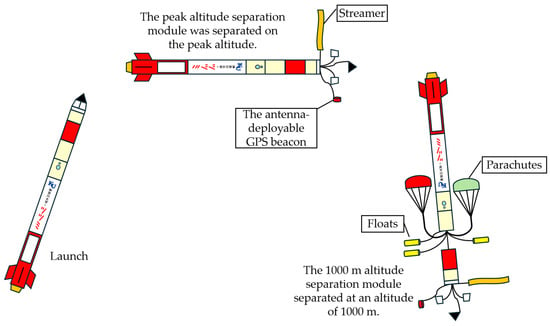
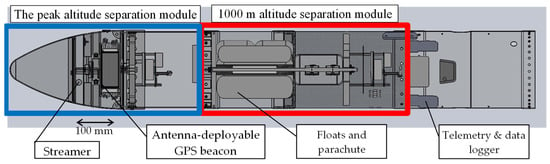
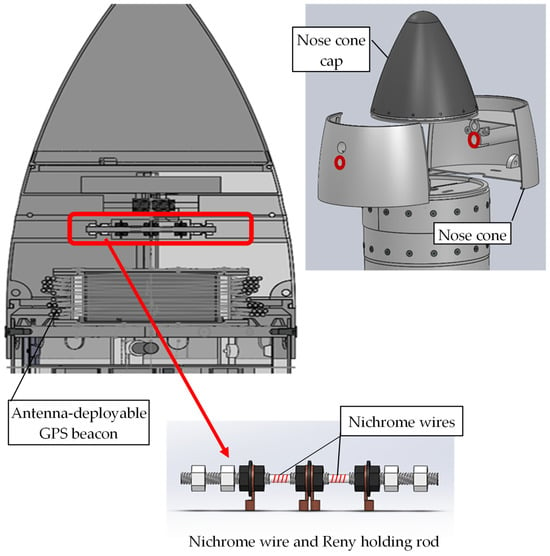
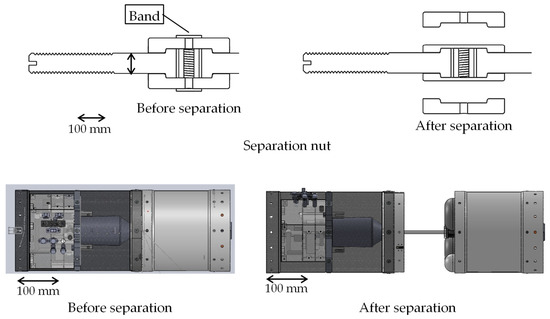
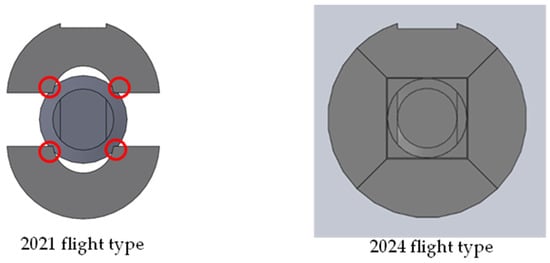
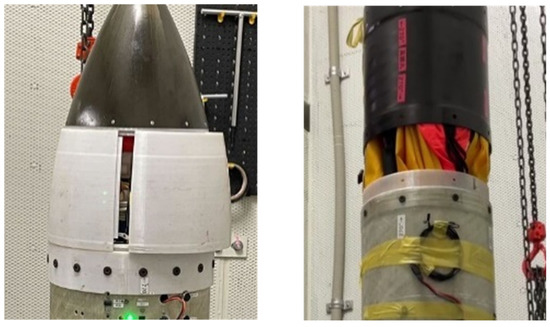
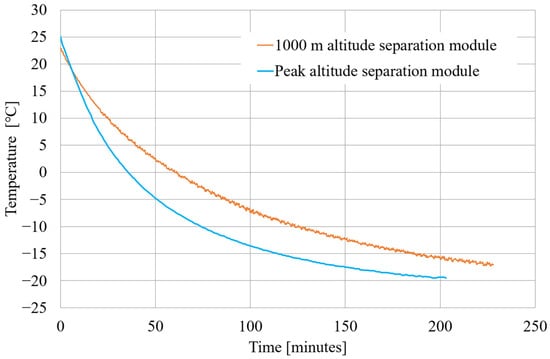
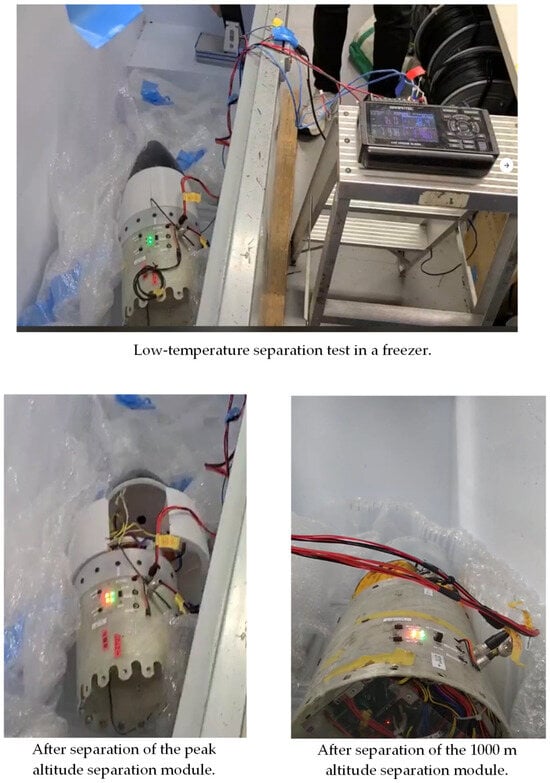
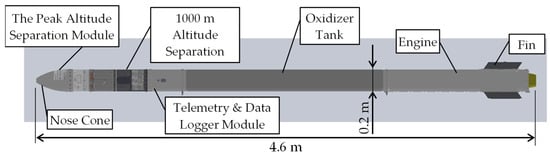
The objective of the project was to develop a hybrid rocket with a recovery system that would facilitate reuse. The rocket was successfully developed, launched and recovered. A two-stage parachute deployment system was developed and utilized, incorporating a non-pyro separation and a low-shock
[...] Read more.
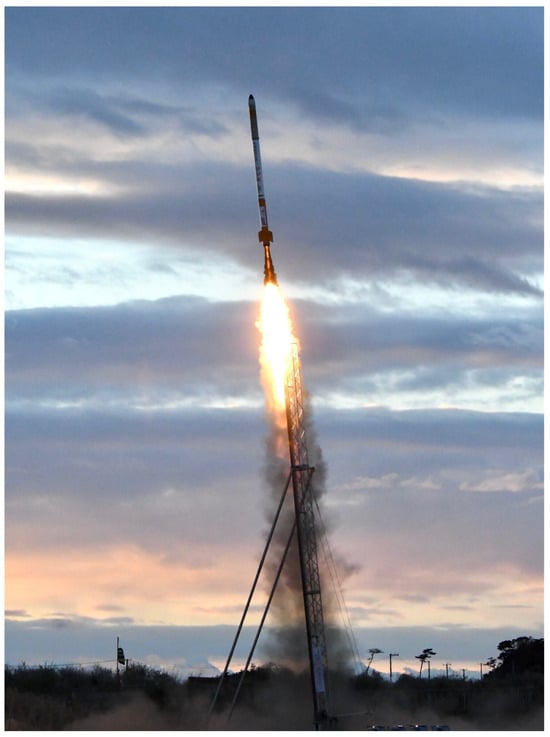
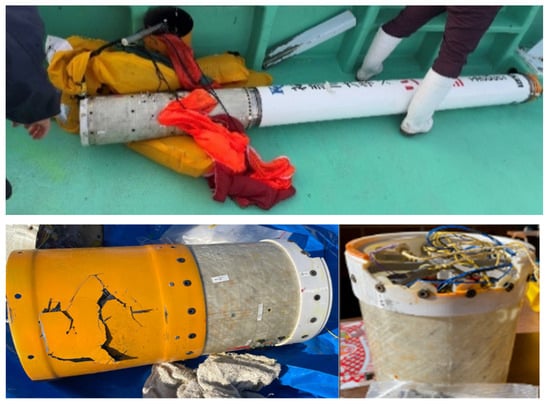
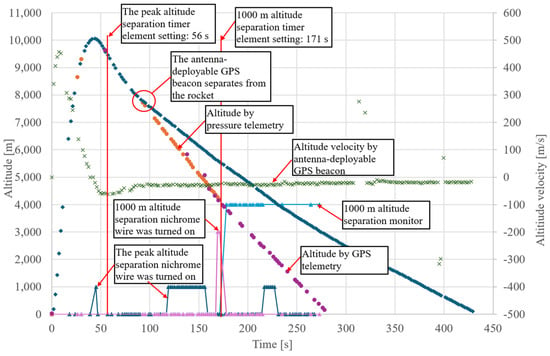
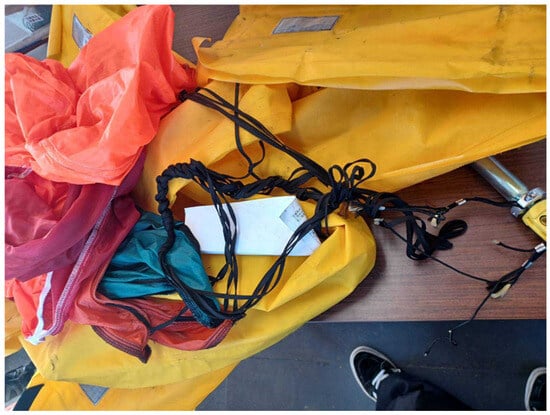
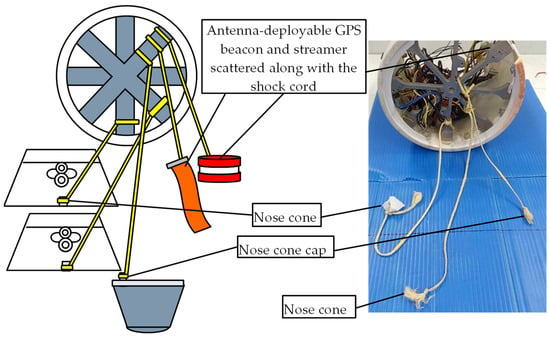
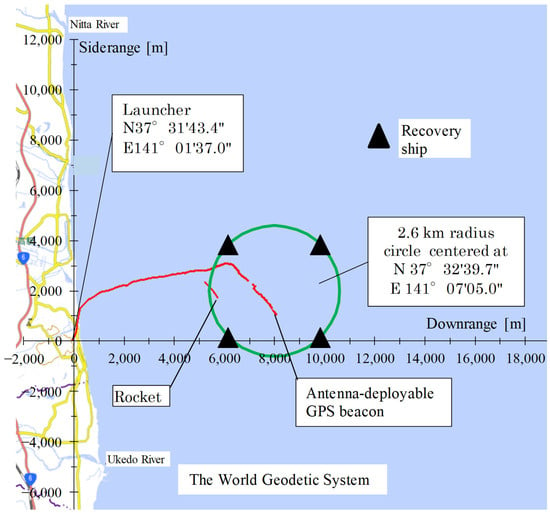
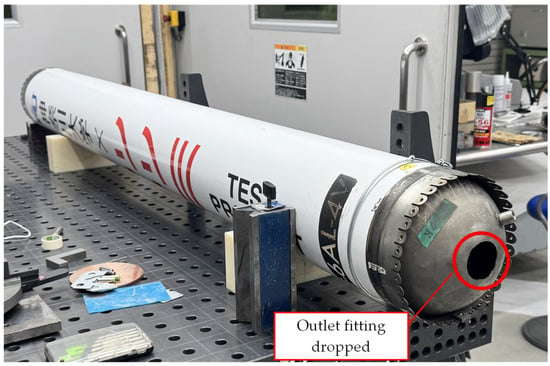
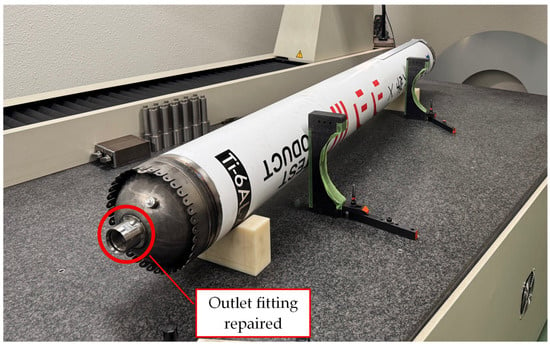
The objective of the project was to develop a hybrid rocket with a recovery system that would facilitate reuse. The rocket was successfully developed, launched and recovered. A two-stage parachute deployment system was developed and utilized, incorporating a non-pyro separation and a low-shock device. Notably, the non-pyro separation device plays a pivotal role in enabling the successful separation of a hybrid rocket, thereby ensuring its operation is free from explosive hazards. The launch took place on 14 December 2024, and all equipment was successfully recovered, except for the nose cones, the antenna-deployable GPS beacon and the motor case. The Ti-6Al-4V oxidizer tank, an important part that can be reused, was recovered with damage only to the outlet fitting. The tank was successfully repaired and passed a pressure test. This marks the first step in creating a reusable hybrid rocket.
Full article
(This article belongs to the Special Issue Hybrid Rocket Propulsion System)
►▼
Show Figures

Figure 1
Journal Menu
► ▼ Journal Menu-
- Aerospace Home
- Aims & Scope
- Editorial Board
- Reviewer Board
- Topical Advisory Panel
- Instructions for Authors
- Special Issues
- Topics
- Sections & Collections
- Article Processing Charge
- Indexing & Archiving
- Most Cited & Viewed
- Journal Statistics
- Journal History
- Journal Awards
- Society Collaborations
- Conferences
- Editorial Office
Journal Browser
► ▼ Journal BrowserHighly Accessed Articles
Latest Books
E-Mail Alert
News
9 September 2026
Meet Us at the 16th EASN International Conference, 27–30 October 2026, Toulouse, France
2 September 2026
Meet Us at the 2nd Cross-Domain Intelligent Flight Technology Conference, 18–20 September 2026, Nanjing, China
Topics
Topic in
Aerospace, Applied Sciences, Catalysts, Energies, Modelling
Theoretical, Numerical and Experimental Studies on Clean Energy and Combustion, 2nd Edition
Topic Editors: Pedro Miguel Rebelo Resende, Mohsen Ayoobi, Alexandre M. AfonsoDeadline: 30 September 2026
Topic in
Aerospace, Applied Sciences, Astronautics, Coatings, J. Compos. Sci., JMMP, Materials, Polymers
Advanced Materials and Manufacturing for Extreme Environments in Energy and Aerospace
Topic Editors: Richard E. Wirz, Chih-Hung (Alex) Chang, Tianyi Chen, Somayeh Pasebani, Dong Lin, Devin J. Roach, Jesse A. RodriguezDeadline: 31 October 2026
Topic in
Aerospace, Applied Sciences, Drones, Electronics, Eng, Remote Sensing, Sensors
Unmanned Vehicles Technology and Embodied Intelligence Systems for Intelligent Transportation
Topic Editors: Jian Chen, Min Xia, Hui XieDeadline: 20 November 2026
Topic in
Aerospace, Applied Sciences, Data, Remote Sensing, Sensors, Universe
Techniques and Science Exploitations for Earth Observation and Planetary Exploration-2nd Edition
Topic Editors: Yu Tao, Siting Xiong, Rui SongDeadline: 30 November 2026
Conferences
Special Issues
Special Issue in
Aerospace
Intelligent Autonomous Control and Decision-Making for Spacecraft
Guest Editors: Jianbin Qiu, Chanying Li, Jose de Jesus Rubio, Wenqiang JiDeadline: 30 September 2026
Special Issue in
Aerospace
Combustion and Flow in Propulsion Systems
Guest Editor: Huiqiang ZhangDeadline: 30 September 2026
Special Issue in
Aerospace
Aerodynamic Optimization of Flight Wing
Guest Editors: Yayun Shi, Kaixuan Feng, Guijie LiDeadline: 30 September 2026
Special Issue in
Aerospace
Advanced Thermal Management in Aerospace Systems
Guest Editors: Xiande Fang, Zhanru ZhouDeadline: 30 September 2026
Topical Collections
Topical Collection in
Aerospace
Air Transportation—Operations and Management
Collection Editors: Michael Schultz, Judith Rosenow
Topical Collection in
Aerospace
Avionic Systems
Collection Editors: Carlos Insaurralde, Francesco Dell’Olio