





Journal Description
Animals
Animals
is an international, peer-reviewed, open access journal devoted entirely to animals, including zoology and veterinary sciences, and is published semimonthly online by MDPI. The World Association of Zoos and Aquariums (WAZA), European College of Animal Welfare and Behavioural Medicine (ECAWBM), and Federation of European Laboratory Animal Science Associations (FELASA) are affiliated with Animals and their members receive a discount on the article processing charges.
- Open Access— free for readers, with article processing charges (APC) paid by authors or their institutions.
- High Visibility: indexed within Scopus, SCIE (Web of Science), PubMed, PMC, Embase, PubAg, AGRIS, Animal Science Database, CAB Abstracts, and other databases.
- Journal Rank: JCR - Q1 (Veterinary Sciences) / CiteScore - Q1 (General Veterinary )
- Rapid Publication: manuscripts are peer-reviewed and a first decision is provided to authors approximately 15.7 days after submission; acceptance to publication is undertaken in 2.6 days (median values for papers published in this journal in the first half of 2026).
- Recognition of Reviewers: reviewers who provide timely, thorough peer-review reports receive vouchers entitling them to a discount on the APC of their next publication in any MDPI journal, in appreciation of the work done.
- Companion journals for Animals include: Birds, Ruminants and Zoonotic Diseases.
- Journal Cluster of Animal Science: Animals, Arthropoda, Birds, Dairy, Insects, Journal of Zoological and Botanical Gardens, Pets, Poultry, Ruminants and Veterinary Sciences.
Impact Factor:
3.2 (2025);
5-Year Impact Factor:
3.5 (2025)
Latest Articles
Effects of Dietary Rumen-Undegradable Protein and Protein Levels on Growth Performance, Fermentation Parameters, Slaughter Performance, and Meat Quality on Fattening Hu Sheep
Animals 2026, 16(15), 2407; https://doi.org/10.3390/ani16152407 (registering DOI) - 4 Aug 2026
Abstract
Optimizing protein nutrition in ruminants is vital for enhancing growth performance, meat quality, and overall production efficiency. However, the precise protein requirement for ruminants remains unclear. Two experimental trials were conducted to investigate the impact of varying levels of rumen-undegradable protein (RUP) on
[...] Read more.
Optimizing protein nutrition in ruminants is vital for enhancing growth performance, meat quality, and overall production efficiency. However, the precise protein requirement for ruminants remains unclear. Two experimental trials were conducted to investigate the impact of varying levels of rumen-undegradable protein (RUP) on in situ feed degradability, growth performance, meat quality, and rumen fermentation parameters in fattening Hu sheep. In EXP 1, six Hu sheep were fitted with rumen fistulas to measure rumen degradation characteristics of diets varying levels of crude protein (CP) (13%, 14%, 15%, and 16% X RUP: CP 40%, 45%, 50%). The results showed that the ruminal DM and GE degradation had no difference between the experimental diets (p > 0.05). However, the CP degradation rate gradually decreased as the dietary RUP proportion increased (p < 0.05). In EXP 2, a double factorial experiment was conducted using 720 male Hu sheep, divided into twelve dietary treatments with varying levels of crude protein (CP) (13%, 14%, 15%, and 16%) and RUP (40%, 45%, and 50%). Key performance indicators such as body weight gain (BWG), average daily gain (ADG), average daily feed intake (ADFI), and feed conversion ratio (FCR) were measured at the beginning and end of the trial. Post-slaughter, meat quality attributes, including drip loss and initial pH of the longissimus dorsi muscle, were assessed after 40 days of the trial. Rumen fluid samples were analyzed for volatile fatty acid (VFA) profiles to evaluate rumen fermentation efficiency. The results demonstrated that increasing RUP levels significantly improved BWG and ADG (p < 0.05) without affecting ADFI and FCR. Although dietary protein levels had minimal impact, higher RUP levels were associated with a trend toward increased final body weight (p = 0.09). Dietary protein levels and the RUP: CP ratio had no significant effect on meat quality (p > 0.05). Ruminal acetate, valerate, and iso-valerate concentrations were reduced as RUP: CP increased (p < 0.05), and propionate concentration showed a similar trend (p = 0.062). In conclusion, optimizing RUP levels in the diets of fattening Hu sheep significantly enhances growth performance without compromising feed efficiency or the overall rumen fermentation process. These findings provide a foundation for developing feeding strategies that maximize production efficiency in sheep farming.
Full article
(This article belongs to the Special Issue Advances in Farm Animal Feed and Nutrition)

Open AccessCommunication
Association of MAX Copy Number Variation with Morphometric Traits in Chinese Cattle
by
Shiyi Lv, Boyu Li, Suyun Fan, Xiangnan Wang, Nan Liu, Xiukai Cao, Ping Qian and Jie Cheng
Animals 2026, 16(15), 2406; https://doi.org/10.3390/ani16152406 - 4 Aug 2026
Abstract
Copy number variation (CNV) is a major class of genomic structural variation that can shape economically important traits by altering gene dosage and gene expression. MAX (MYC-associated factor X), a core component of the MYC-MAX-MXD1 transcriptional regulatory
[...] Read more.
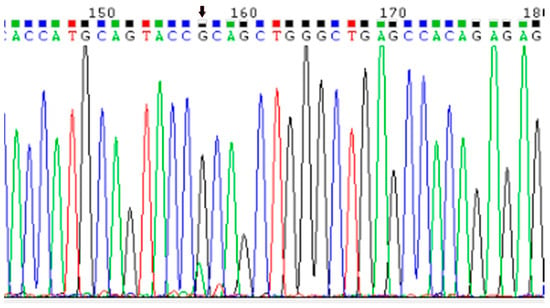
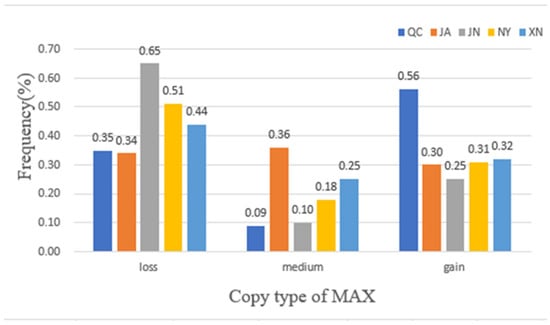
Copy number variation (CNV) is a major class of genomic structural variation that can shape economically important traits by altering gene dosage and gene expression. MAX (MYC-associated factor X), a core component of the MYC-MAX-MXD1 transcriptional regulatory network, is critically involved in cell proliferation, differentiation, and development. However, the relationship between MAX CNVs and morphometric traits in cattle remains largely unknown. Here, we genotyped MAX CNVs by quantitative real-time PCR (qPCR) in 572 Chinese cattle from five breeds, including Qinchuan (QC), Ji’an (JA), Jinnan (JN), Nanyang (NY), and Xianan (XN) cattle, and evaluated the association of MAX CNVs with morphometric traits. MAX CNVs exhibited distinct breed-specific distribution patterns: the gain type predominated in QC, the loss type predominated in JN, NY, and XN, whereas JA showed a relatively balanced distribution across the three CNV types. Based on raw p values, MAX CNVs showed a nominal association with chest girth in JN cattle and nominal associations with chest girth and hucklebone width in NY cattle (p < 0.05). Individuals with the medium type showed higher least-squares means for the nominally associated traits than those with the loss or gain types. MAX CNVs explained 5.9% of the phenotypic variance in chest girth in JN cattle and 13.6% and 12.2% of the phenotypic variance in chest girth and hucklebone width in NY cattle, respectively. These results suggest that MAX CNVs may represent a breed-specific candidate locus related to morphometric traits in Chinese cattle. However, because no formal multiple-testing correction was applied and this study did not include independent population validation or functional validation, further studies are needed before considering any potential application in marker-assisted selection.
Full article
(This article belongs to the Special Issue Functional Genomics and Molecular Mechanisms Underlying Livestock Economic Traits)
►▼
Show Figures

Figure 1
Open AccessArticle
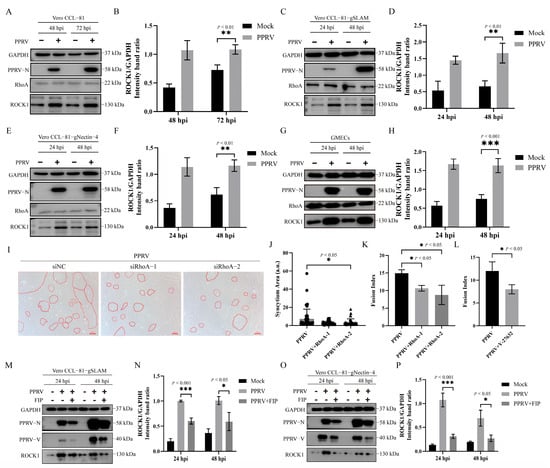
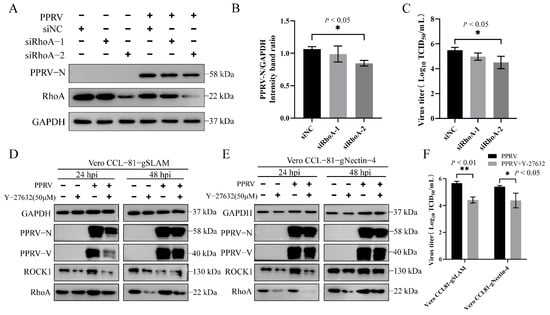
Peste Des Petits Ruminants Virus Infection Induces Syncytium Formation via RhoA-Rock1 Signaling Pathway to Promote Viral Replication
by
Wei Li, Hongnuan Wang, Chenyu Song, Rong Pang, Hanwei Yin, Mengyuan Liu, Xiaozhu Yang, Zilong Sun, Ding Zhang, Jingyu Wang, Bo Wen and Bo Yang
Animals 2026, 16(15), 2405; https://doi.org/10.3390/ani16152405 - 4 Aug 2026
Abstract
Peste des petits ruminants (PPR) is an acute, severe, and highly contagious disease caused by peste des petits ruminants virus (PPRV), which primarily induces tissue damage through the formation of syncytia. Therefore, elucidating the molecular mechanism underlying PPRV-induced syncytium formation is of critical
[...] Read more.
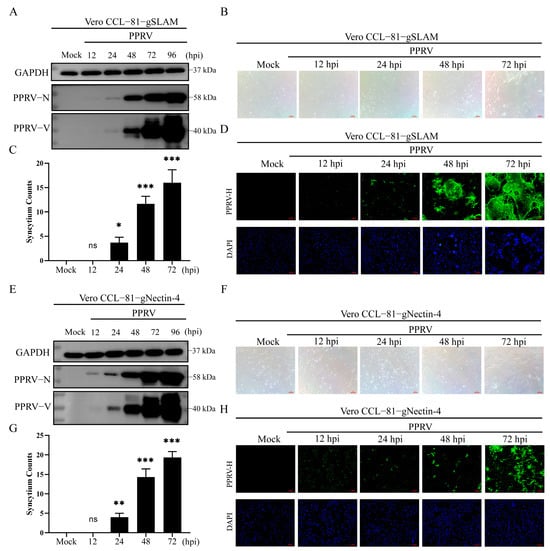
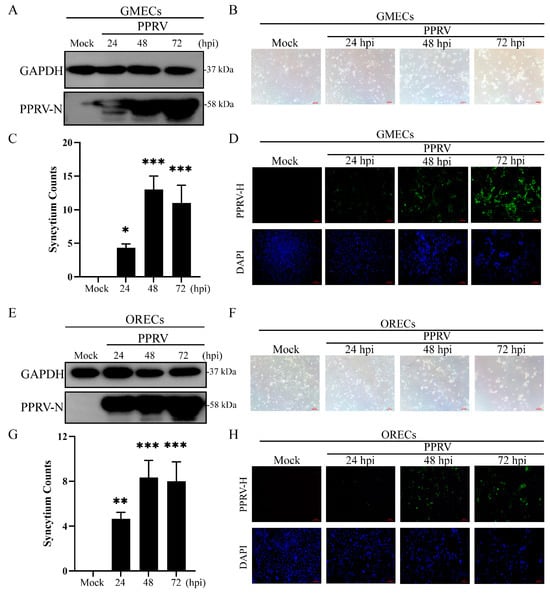
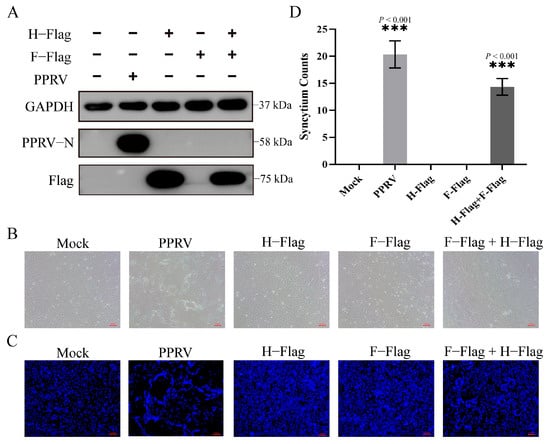
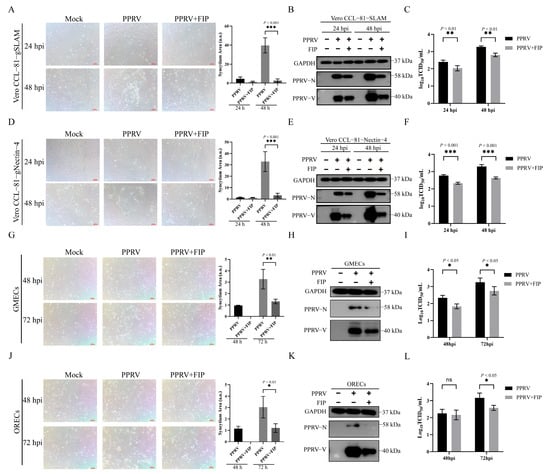
Peste des petits ruminants (PPR) is an acute, severe, and highly contagious disease caused by peste des petits ruminants virus (PPRV), which primarily induces tissue damage through the formation of syncytia. Therefore, elucidating the molecular mechanism underlying PPRV-induced syncytium formation is of critical importance. In this study, we generated Vero CCL-81 cell lines stably expressing the PPRV receptors SLAM (lymphocytic) or Nectin-4 (epithelial) and further found that PPRV infection significantly induced syncytium formation in these cell lines as well as in goat mammary epithelial cells (GMECs) and ovine rumen epithelial cells (ORECs). Furthermore, the viral H and F proteins served as the pivotal determinants of syncytium formation. More importantly, we discovered that PPRV-induced syncytium formation is dependent on the RhoA-Rock1 signaling pathway and that inhibition of syncytium formation markedly suppressed PPRV replication. Collectively, our findings provide novel insights into the molecular mechanism of PPRV-induced syncytium formation, offer theoretical references for the development of new antiviral strategies, and advance the scientific eradication of PPR.
Full article
(This article belongs to the Section Small Ruminants)
►▼
Show Figures

Figure 1
Open AccessArticle
Analysis of Ancestral Inbreeding Across Main Founders and Ancestors in the Polish Simmental Cattle Population
by
Joanna Kania-Gierdziewicz, Agnieszka Otwinowska-Mindur, Olga Jarnecka and Wojciech Jagusiak
Animals 2026, 16(15), 2404; https://doi.org/10.3390/ani16152404 - 4 Aug 2026
Abstract
This study estimated the impact of main founders and ancestors on inbreeding subdivision in the Polish Simmental cattle population. Two reference populations were defined: subset A (20,827 cows born 1984–2009) and subset B (19,554 cows born 2010–2020). Ancestral inbreeding coefficients were calculated relative
[...] Read more.
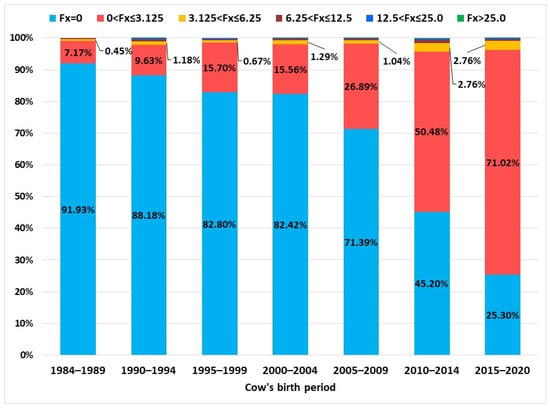
This study estimated the impact of main founders and ancestors on inbreeding subdivision in the Polish Simmental cattle population. Two reference populations were defined: subset A (20,827 cows born 1984–2009) and subset B (19,554 cows born 2010–2020). Ancestral inbreeding coefficients were calculated relative to the main founders and ancestors for all cows in both subsets. Significant changes in ancestor composition were observed in younger cows. The main founders with the highest genetic contribution numbered 10 in subset A and 7 in subset B, with 7 common to both. Main ancestors numbered 11 (all bulls) in subset A and 15 in subset B, with 6 shared between subsets. The frequency of occurrence of common founders in subset B ranged from 42% to 49%, while that of common ancestors ranged from 31% to 68%. Kalinowski’s new inbreeding coefficient was six times higher in subset B than in subset A. Although overall inbreeding levels remained low, the proportion of cows with elevated inbreeding increased over time despite continuous importation of breeding animals. These findings suggest that breeders should scrutinize more carefully the pedigrees of imported animals to prevent further inbreeding accumulation.
Full article
(This article belongs to the Section Animal Genetics and Genomics)
►▼
Show Figures

Figure 1
Open AccessArticle
Effects of Sea Buckthorn Flavonoids on Growth Performance, Blood Biochemical Indexes, Rumen Fermentation and Rumen Bacteria of Hu Sheep Fed with High-Concentrate Diet
by
Junlong Zhang, Caixia Shi, Wenguang Zhang, Risu Na, Mingjuan Gu, Lin Zhu, Jie Wang, Haoyuan Tian, Xin Li, Jing Jin, Liye Xiong, Tiankai Wang and Shuhan Zhao
Animals 2026, 16(15), 2403; https://doi.org/10.3390/ani16152403 - 4 Aug 2026
Abstract
This study evaluated the effects of dietary sea buckthorn flavonoid (SF) supplementation on growth performance, serum biochemical, antioxidant, and immune indices, rumen fermentation, and ruminal bacterial composition in Hu sheep fed a high-concentrate diet. Thirty 6-month-old fattening Hu sheep were randomly assigned to
[...] Read more.
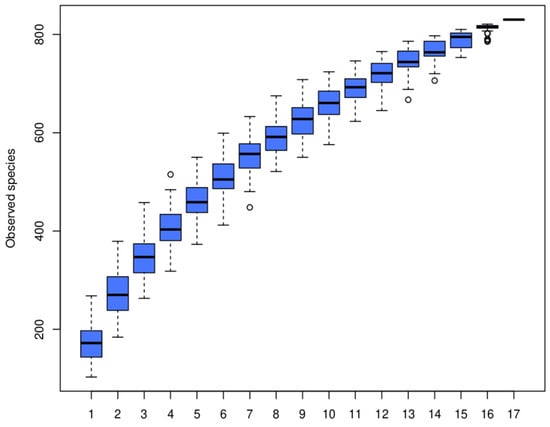
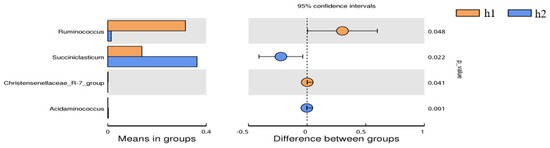
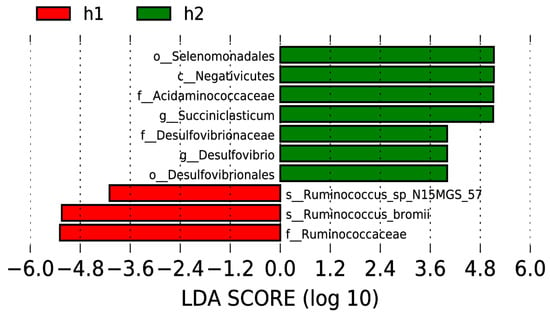
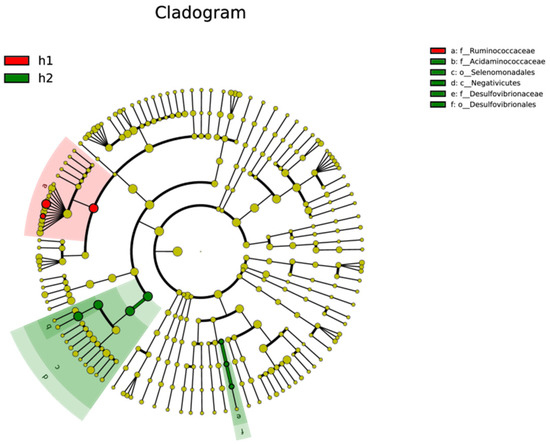
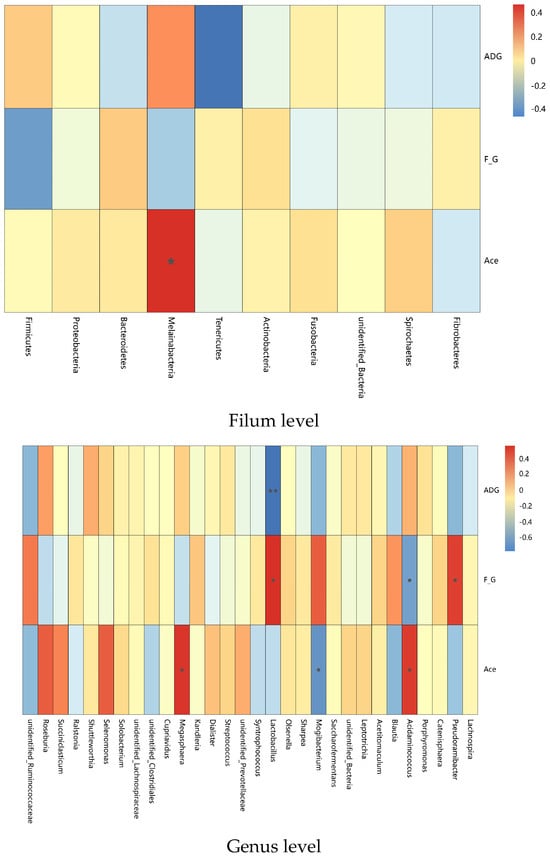
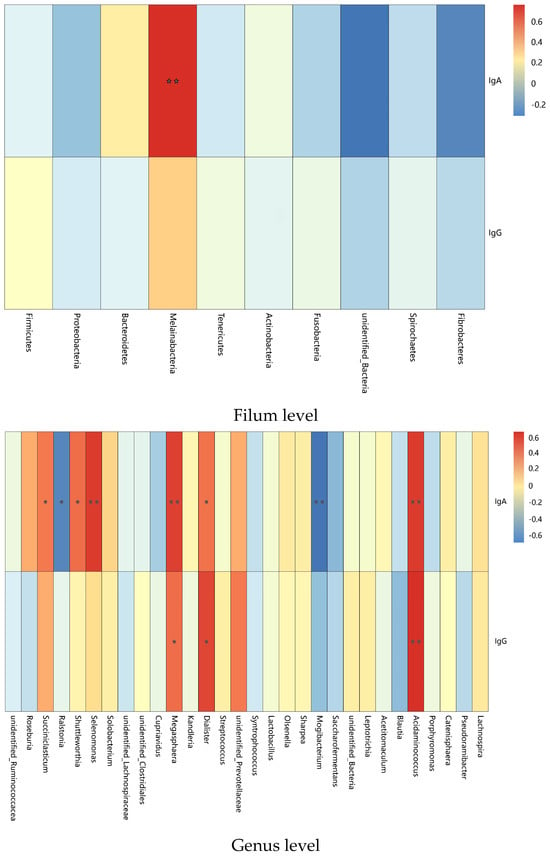
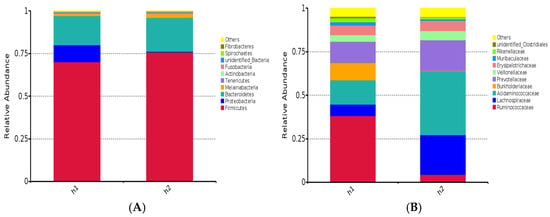
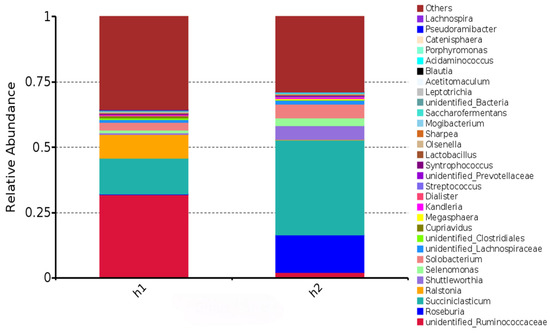
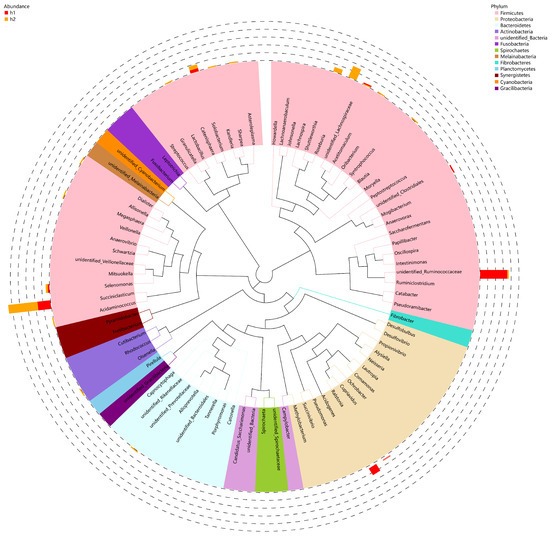
This study evaluated the effects of dietary sea buckthorn flavonoid (SF) supplementation on growth performance, serum biochemical, antioxidant, and immune indices, rumen fermentation, and ruminal bacterial composition in Hu sheep fed a high-concentrate diet. Thirty 6-month-old fattening Hu sheep were randomly assigned to a high-concentrate control diet (HC) or the same diet supplemented with 0.30% SF (HT; n = 15 per group) for 45 days. Compared with the HC group, SF supplementation increased average daily gain (p = 0.04) and reduced the feed conversion ratio (p = 0.01) without affecting average daily feed intake. Serum total protein, alanine aminotransferase, total antioxidant capacity, IgA, IgG, IL-2, IL-8, and IL-1β were increased in the HT group (p ≤ 0.05). Ruminal acetate and valerate concentrations increased (p = 0.01 and p = 0.03, respectively), and total volatile fatty acid concentration showed an increasing tendency (p = 0.06), whereas rumen pH was unaffected. The relative abundances of Succiniclasticum and Acidaminococcus increased in the HT group (p < 0.05), indicating modulation of specific ruminal bacterial taxa. In conclusion, supplementation with 0.30% SF improved growth efficiency, antioxidant status, selected immune indices, and specific rumen fermentation and bacterial responses in Hu sheep fed a high-concentrate diet. However, the isolated increase in serum alanine aminotransferase may indicate hepatic metabolic adaptation or mild liver stress. Dose–response and time-course studies incorporating liver-specific biomarkers and histopathological evaluation are required to clarify the hepatic safety of sea buckthorn flavonoid supplementation.
Full article
(This article belongs to the Special Issue Feed Additives in Animal Nutrition: 2nd Edition)
►▼
Show Figures

Figure 1
Open AccessCase Report
Mitral Valve Dysplasia Leading to Congestive Heart Failure in a Male Squirrel Monkey (Saimiri boliviensis boliviensis)
by
Carlotta Valente, Carlo Guglielmini, Francesca Zanusso, Massimiliano Tursi, Laura Voltan, Giulia Maria De Benedictis and Helen Poser
Animals 2026, 16(15), 2402; https://doi.org/10.3390/ani16152402 - 4 Aug 2026
Abstract
Acquired cardiovascular diseases are recognized as a major age-related cause of morbidity and mortality in captive squirrel monkeys (Saimiri spp.). An 11-year-old intact male black-capped squirrel monkey (Saimiri boliviensis boliviensis) was presented following a syncopal episode associated with respiratory distress,
[...] Read more.
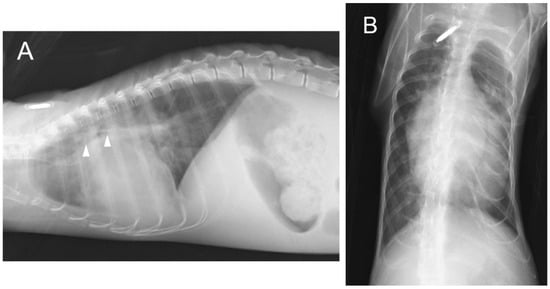
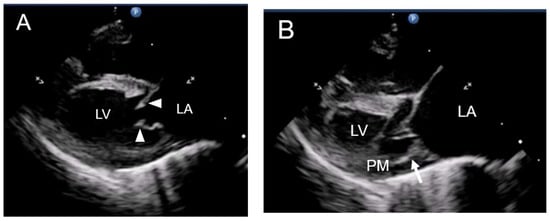
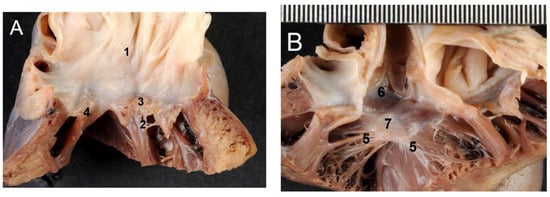
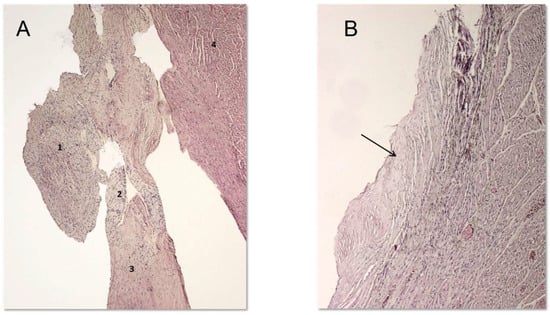
Acquired cardiovascular diseases are recognized as a major age-related cause of morbidity and mortality in captive squirrel monkeys (Saimiri spp.). An 11-year-old intact male black-capped squirrel monkey (Saimiri boliviensis boliviensis) was presented following a syncopal episode associated with respiratory distress, abdominal distension, and peripheral edema. Upon presentation, the animal appeared thin and debilitated. Physical examination revealed respiratory distress with paradoxical breathing, abdominal distension, peripheral edema of the hind limbs, and hypothermia. Thoracic auscultation identified a loud systolic murmur over the left hemithorax and diffuse pulmonary crackles. Thoracic radiographs demonstrated severe cardiomegaly and perihilar pulmonary interstitial pattern consistent with cardiogenic pulmonary edema. Two-dimensional echocardiography revealed hyperechoic papillary muscles, thickened and restricted mitral valve leaflets, and shortened chordae tendineae with secondary severe left atrial and ventricular dilation. Doppler echocardiography demonstrated severe mitral regurgitation. Congestive heart failure secondary to mitral valve dysplasia was diagnosed. Treatment with diuretics and vasodilators resulted in transient clinical improvement followed by rapid deterioration of the patient’s condition; therefore, euthanasia was elected. Gross pathological and histopathological examinations revealed thickened and irregular mitral valve leaflets with hypoplastic chordae tendineae associated with severe left-sided cardiac enlargement. To the authors’ knowledge, this is the first report describing mitral valve dysplasia in an adult squirrel monkey. This report expands the spectrum of cardiovascular diseases described in squirrel monkeys and highlights the importance of advanced cardiac imaging in the diagnosis of rare congenital cardiac defects in non-human primates.
Full article
(This article belongs to the Section Veterinary Clinical Studies)
►▼
Show Figures

Figure 1
Open AccessArticle
Knowledge, Perceptions and Acceptance of Selective Dry Cow Therapy Among Romanian Dairy Farmers and Veterinarians
by
Ionela Delia Ut, Daniel Ionut Berean, Liviu Marian Bogdan, Simona Ciupe and Sidonia Gog Bogdan
Animals 2026, 16(15), 2401; https://doi.org/10.3390/ani16152401 - 4 Aug 2026
Abstract
Reducing antimicrobial use in dairy cattle is essential for limiting antimicrobial resistance while maintaining udder health. Selective dry cow therapy (SDCT), in which antibiotics are administered only to cows at increased risk of intramammary infection, has become an important antimicrobial stewardship strategy, yet
[...] Read more.
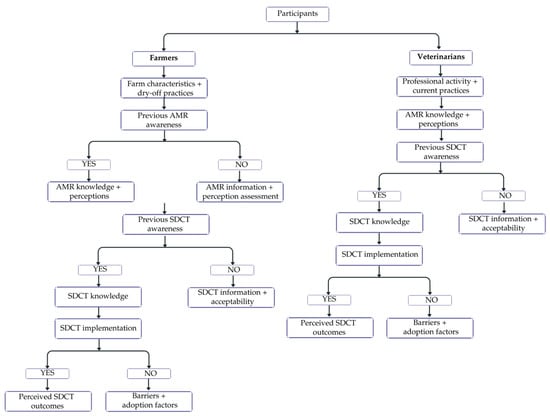
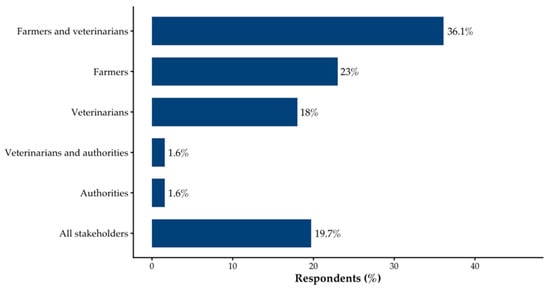
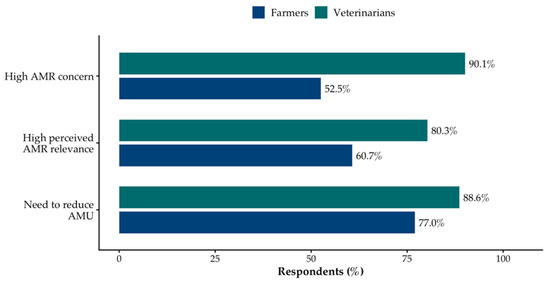
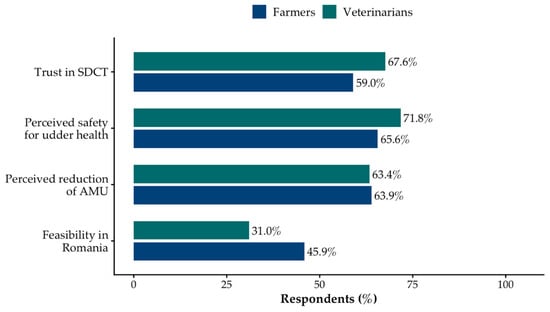
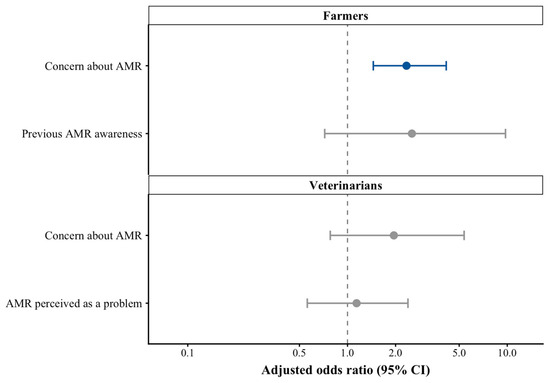
Reducing antimicrobial use in dairy cattle is essential for limiting antimicrobial resistance while maintaining udder health. Selective dry cow therapy (SDCT), in which antibiotics are administered only to cows at increased risk of intramammary infection, has become an important antimicrobial stewardship strategy, yet information regarding its acceptance in Romania is lacking. This cross-sectional study evaluated the knowledge, perceptions, and acceptance of antimicrobial resistance and SDCT among Romanian dairy farmers and veterinarians using an online questionnaire completed by 132 respondents. The questionnaire assessed current dry-off practices, awareness of antimicrobial resistance and selective dry cow therapy, previous implementation, perceived barriers and facilitators, and willingness to adopt or recommend selective dry cow therapy. Overall, 70.5% of farmers had previously heard of antimicrobial resistance, whereas only 27.9% were familiar with the formal concept of SDCT. Administration of antibiotics only to selected cows at dry-off was already the most commonly reported practice among farmers (41.0%) and veterinarians (47.9%), indicating that selective antibiotic use was already being applied despite limited familiarity with the formal SDCT concept. After receiving standardized information describing the strategy, most respondents expressed favorable attitudes and willingness to implement or recommend selective dry cow therapy. Lack of knowledge, limited availability of herd-level diagnostic information, and concerns regarding mastitis were identified as the principal barriers to implementation. Multivariable analysis demonstrated that concern regarding antimicrobial resistance was the only independent predictor of SDCT acceptance among farmers. These findings suggest that strengthening antimicrobial stewardship education, veterinary guidance, standardized protocols, and access to diagnostic tools may facilitate wider adoption of selective dry cow therapy in Romania.
Full article
(This article belongs to the Section Human-Animal Interactions, Animal Behaviour and Emotion)
►▼
Show Figures

Figure 1
Open AccessArticle
Shelter Dog Census Changes Track Intakes but Resolve Slowly via Outcomes and Especially Adoptions
by
Michael Loizos Mavrovouniotis and Kristen Hassen
Animals 2026, 16(15), 2400; https://doi.org/10.3390/ani16152400 - 4 Aug 2026
Abstract
In animal shelters, the census (in-care population) changes when monthly intakes and outcomes are not balanced, and census changes may in turn affect subsequent intakes and outcomes. This observational, retrospective study examined these relationships using monthly dog statistics from the Shelter Animals Count
[...] Read more.
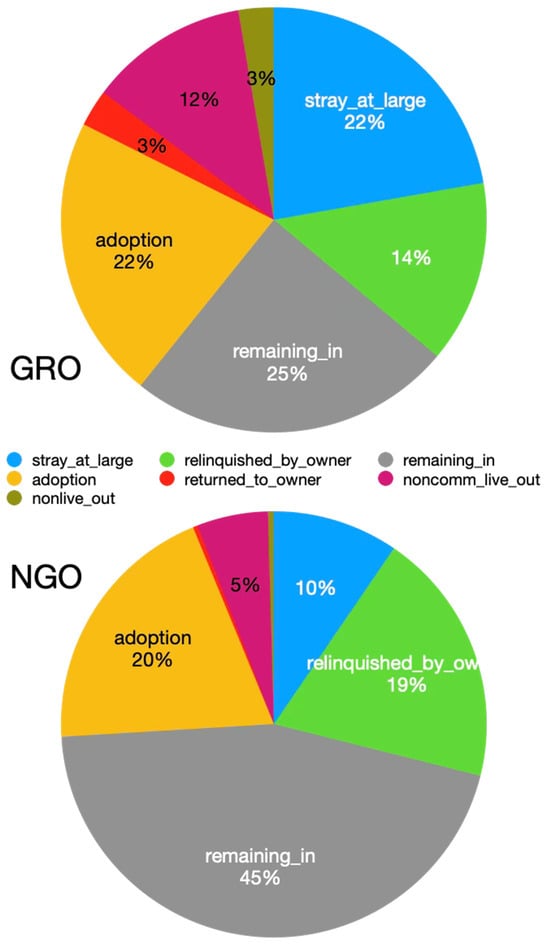
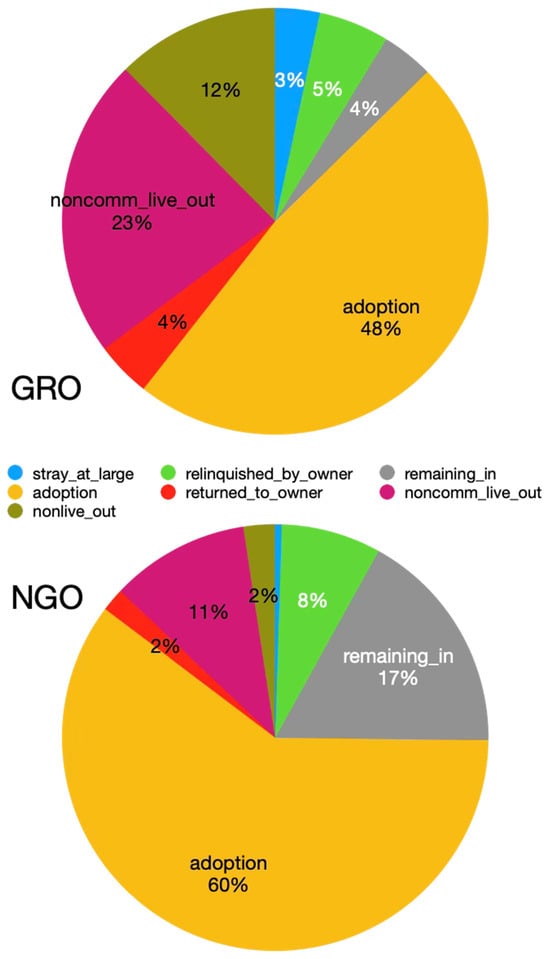
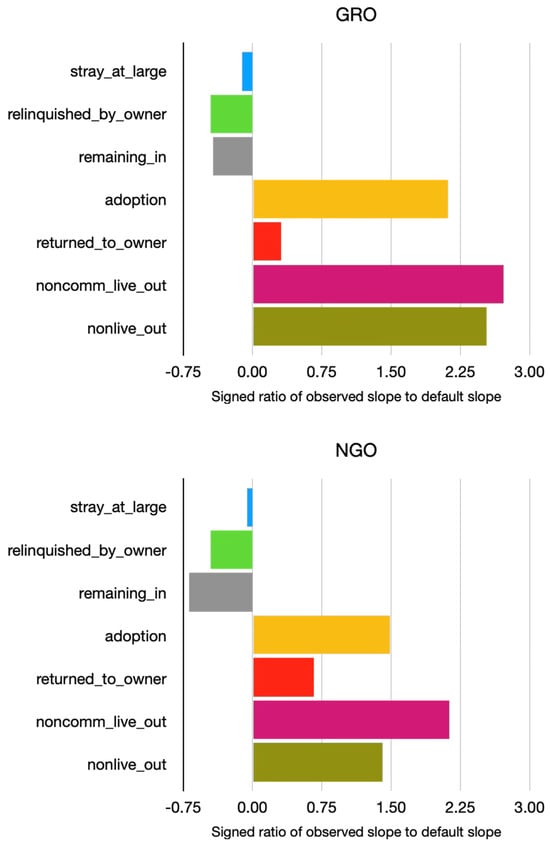
In animal shelters, the census (in-care population) changes when monthly intakes and outcomes are not balanced, and census changes may in turn affect subsequent intakes and outcomes. This observational, retrospective study examined these relationships using monthly dog statistics from the Shelter Animals Count database for United States government-related (GRO) and non-government (NGO) sheltering organizations over 2022–2024. Two linear regression models were applied: a concurrent model that decomposes single-month imbalances by intake and outcome type, and a cumulative model that estimates the effect of past census changes on subsequent monthly intakes and outcomes. Concurrent imbalances involved larger contributions from intakes than outcomes for both organization types. Accumulated past census increments dissipated predominantly through increased outcomes rather than reduced intakes, with adoptions making the largest absolute contribution; noncommunity live outcomes and nonlive outcomes were markedly overrepresented relative to their average shares. The implied time for 95% census recovery averaged approximately 7.6 months for GRO and 5.2 months for NGO. The marginal live release rate fell below the bulk average for GRO (85.8% vs. 90.1%) but not for NGO (96.8% vs. 96.6%). These findings argue against assumptions of fixed adoption or transfer capacity and support a view in which census perturbations are dampened (through shelter efforts) rather than permanent or unbounded.
Full article
(This article belongs to the Special Issue Homelessness of Dogs and Cats and the Role of Animal Shelters in the Animal Protection System: Challenges, Strategies, and Future Directions)
►▼
Show Figures

Figure 1
Open AccessReview
Broiler Farming in Africa vs. the EU: Divergent Systems, Shared Challenges, and Future Directions—A Review
by
Agnieszka Ludwiczak and Adaramoti Temitope
Animals 2026, 16(15), 2399; https://doi.org/10.3390/ani16152399 - 3 Aug 2026
Abstract
Background: Broiler production systems in Africa and the European Union (EU) differ substantially in terms of housing design, environmental control, welfare outcomes, and regulatory oversight. Understanding these differences is essential for identifying region-appropriate strategies for sustainable poultry production. Objectives: This review aimed to
[...] Read more.
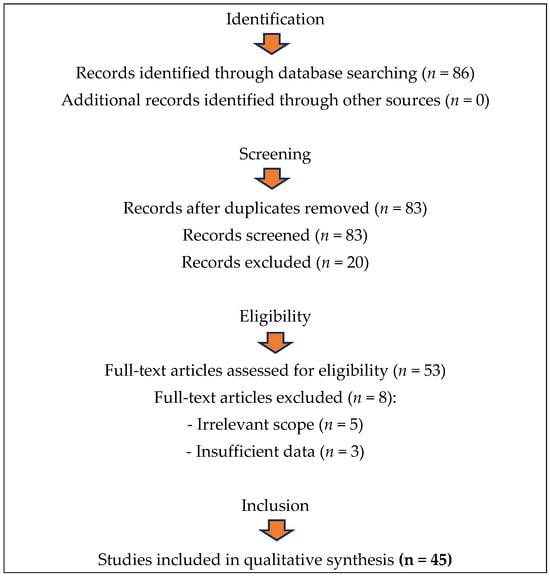
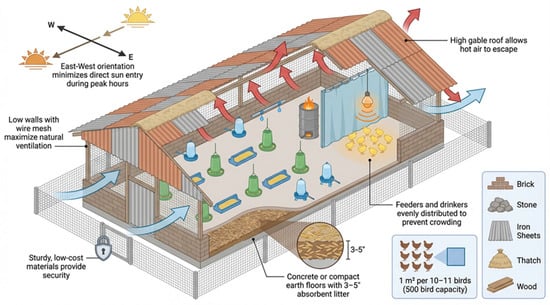
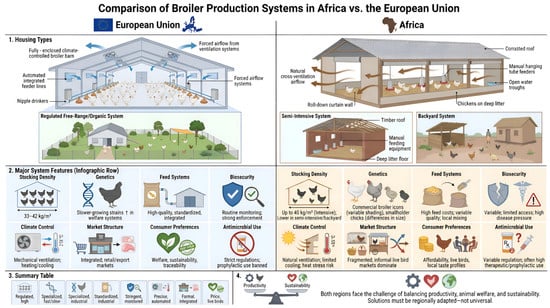
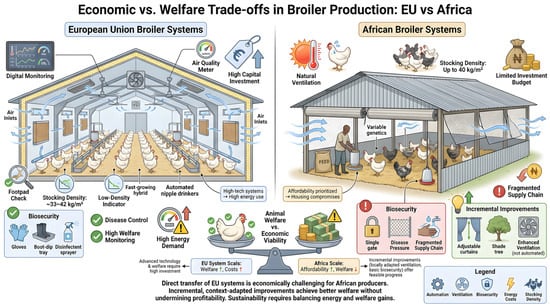
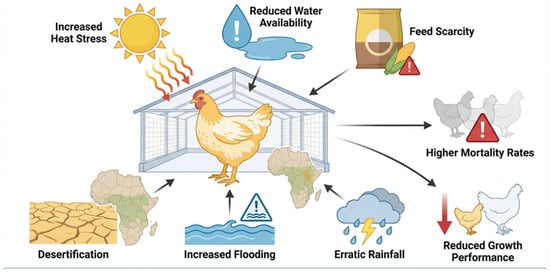
Background: Broiler production systems in Africa and the European Union (EU) differ substantially in terms of housing design, environmental control, welfare outcomes, and regulatory oversight. Understanding these differences is essential for identifying region-appropriate strategies for sustainable poultry production. Objectives: This review aimed to compare broiler housing systems, welfare outcomes, environmental management, and regulatory frameworks in Africa and the EU. Methods: This review followed some aspects of the PRISMA 2020 guidelines. Searches were conducted in Scopus, Web of Science, PubMed, and CAB Abstracts from January 2023 to January 2025. The grey literature from the FAO, EU institutions, and NGOs was also screened. Eligible studies examined broiler housing systems, welfare indicators, environmental control, or regulatory frameworks in African or EU contexts. Two reviewers independently screened records, extracted data, and assessed risk of bias using the SYRCLE tool. No meta-analysis was performed due to heterogeneity; results were synthesized narratively. Results: The search identified 86 records; 83 remained after duplicate removal. After screening, 45 studies met the inclusion criteria. EU systems were characterized by climate-controlled indoor housing, strict welfare regulations, and integrated supply chains. African systems ranged from intensive open-sided houses to semi-intensive and backyard systems, with major constraints including heat stress, limited access to veterinary care, and high feed costs. These systems also differ markedly across African regions, reflecting variation in infrastructure, market integration, and climatic conditions. Risk of bias was moderate across most studies. The certainty of the evidence was low to moderate due to heterogeneity in study designs and reporting. Limitations: Heterogeneous study designs prevented quantitative synthesis. Reporting quality varied, and few African studies provided detailed welfare metrics. Conclusions: Broiler production systems in Africa and the EU reflect distinct climatic, economic, and institutional contexts. Sustainable improvements require region-specific strategies rather than universal housing models. In this review, region-specific strategies refer to climate-adaptive housing designs, modular environmental control technologies, and management approaches aligned with local infrastructure, market structures, and resource availability.
Full article
(This article belongs to the Section Animal System and Management)
►▼
Show Figures

Figure 1
Open AccessArticle
Dietary American Cockroach (Periplaneta americana) Residue in Juvenile Black Carp (Mylopharyngodon piceus): Effects on Growth, Antioxidant Status, Metabolism, and Whole-Body Amino Acid Profile
by
Wei Pu, Youjiao Wu, Chenggui Zhang, Tingting Hu, Zhuanxing Shao, Jingjing Gao, Liyun Pu, Weile Chu and Xiaowen Long
Animals 2026, 16(15), 2398; https://doi.org/10.3390/ani16152398 - 3 Aug 2026
Abstract
This study evaluated the efficacy of post-extraction American cockroach (Periplaneta americana) residue (PAR) as a dietary feed ingredient on the growth performance, antioxidant defense, and whole-body amino acid profile of juvenile black carp (Mylopharyngodon piceus). A total of 300
[...] Read more.
This study evaluated the efficacy of post-extraction American cockroach (Periplaneta americana) residue (PAR) as a dietary feed ingredient on the growth performance, antioxidant defense, and whole-body amino acid profile of juvenile black carp (Mylopharyngodon piceus). A total of 300 juvenile black carp (initial weight 17.19 ± 0.20 g) were fed five isonitrogenous and isolipidic diets for 64 days. PAR was supplemented at inclusion levels of 0% (control), 5%, 10%, 15%, and 20% (corresponding to progressive reductions in dietary fishmeal). The results showed that fish fed the diet with 5% PAR inclusion maintained growth performance and feed conversion efficiency comparable to those of the control group (p > 0.05). Thus, 5% PAR did not significantly improve growth performance, but it did not impair growth under the present experimental conditions. Moreover, 5% PAR supplementation significantly increased hepatic catalase activity and was associated with numerically higher values of several other antioxidant- and immune-related indices. PAR inclusion also increased whole-body glycine deposition, whereas high inclusion levels reduced whole-body methionine content and crude protein deposition. Dietary PAR inclusion at higher levels, especially 20%, was associated with a possible reduction in feed utilization, altered organ indices, altered serum glucose levels, suppressed hepatic transaminase activities, and changes in digestive enzyme activities. However, these responses should be interpreted as the combined outcome of ingredient substitution, amino acid imbalance, altered lipid source, possible essential fatty acid changes, chitin/fiber-like fractions, and metabolic burden, rather than as effects of chitin alone. In conclusion, 5% PAR may be a suitable practical inclusion level for juvenile black carp under the present experimental conditions, whereas excessive inclusion should be used with caution and may require amino acid balancing, improved processing, and further evaluation of dietary gross energy, fatty acid profile, and chitin content.
Full article
(This article belongs to the Special Issue Fish Nutrition, Physiology and Management: Second Edition)
Open AccessFeature PaperArticle
Advanced 3D Horse Reconstruction: Integrating Image-to-3D Modelling and Non-Rigid Registration for On-Barn Body Measurements
by
Xufeng Yuan, Shubin Wang, Qitao Zhu, Yiwei Wang, Alexey Ruchay, Andrea Pezzuolo, Qin Wang, Jiangong Li and Hao Guo
Animals 2026, 16(15), 2397; https://doi.org/10.3390/ani16152397 - 3 Aug 2026
Abstract
Precision livestock farming (PLF) relies on high-precision three-dimensional (3D) horse reconstruction and automatic body measurement to support refined breeding management and health surveillance. However, data collection is restricted by building environment noise and hardware layout constraints; complex equine body shapes and large individual
[...] Read more.
Precision livestock farming (PLF) relies on high-precision three-dimensional (3D) horse reconstruction and automatic body measurement to support refined breeding management and health surveillance. However, data collection is restricted by building environment noise and hardware layout constraints; complex equine body shapes and large individual variations induce local geometric distortions in reconstructed models, limiting field deployment. Drawing on generative 3D reconstruction, this study develops the first image-to-3D pipeline that leverages three consumer depth cameras to reconstruct high-fidelity 3D horse models, integrating reconstruction, non-rigid optimisation and automatic body measurement. The image-to-3D module accurately extracts core morphological traits such as torso outlines and limb ratios for initial reconstruction. To eliminate local geometric deformation and recover scene scale, coarse-to-fine non-rigid fitting optimisation with dynamic surface feature matching weights is proposed, strengthening alignment between reconstructed meshes and real horse anatomical structures. Comparative experiments on multiple equine datasets verify that our method surpasses existing algorithms in measurement precision and reconstruction integrity. Compared with baseline methods, the non-rigid registration reduces core body measurement errors and Chamfer Distance (CD) by over 50%, while increasing the F-Score by more than 20%. This work enables automatic horse body phenotyping and offers technical references for image-to-3D dimensional measurement of other livestock species in large-scale precise breeding.
Full article
(This article belongs to the Section Animal System and Management)
Open AccessArticle
In Vitro Ruminal Fermentation and Methane Output of Monospecific, Binary, and Multispecies Pastures Under Two Defoliation Frequencies
by
Isidora P. Ruiz-Tagle-Renner, Juan P. Keim, Oscar A. Balocchi and Iván Calvache
Animals 2026, 16(15), 2396; https://doi.org/10.3390/ani16152396 - 3 Aug 2026
Abstract
Pastures are the dietary basis of grazing systems in regions such as southern Chile, and their botanical composition and management can influence ruminal fermentation and associated by-products. The objective of this study was to evaluate the effects of pasture type and defoliation frequency
[...] Read more.
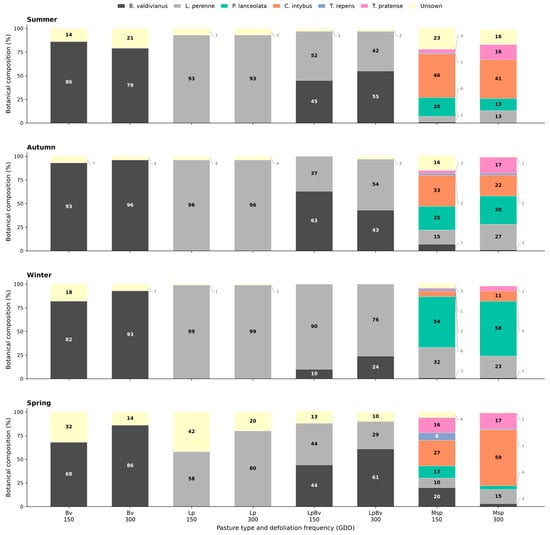
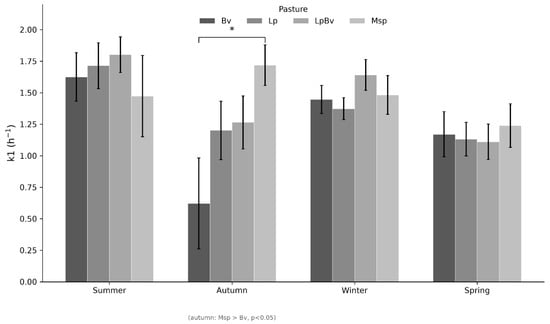
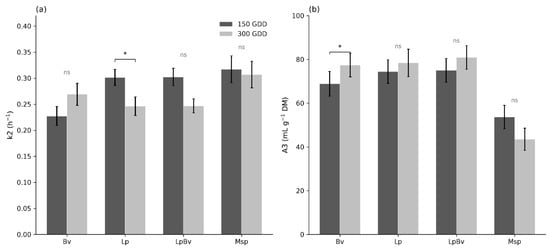
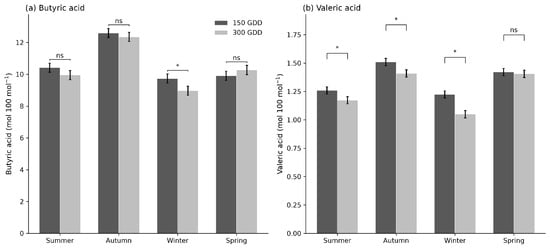
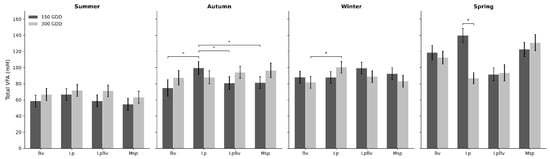
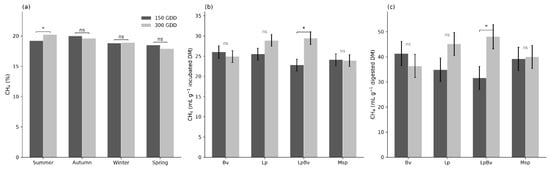
Pastures are the dietary basis of grazing systems in regions such as southern Chile, and their botanical composition and management can influence ruminal fermentation and associated by-products. The objective of this study was to evaluate the effects of pasture type and defoliation frequency (DF) on in vitro ruminal fermentation kinetics and methane and ammonia production. Four pasture types were evaluated: Bromus valdivianus Phil. monoculture (Bv), Lolium perenne monoculture (Lp), a binary mixture of both species (LpBv), and a multispecies pasture (Msp). All pastures were managed under two defoliation frequencies (150 and 300 growing degree days [GDDs]) and sampled across four seasons (summer, autumn, winter, and spring). Samples were dried at 60 °C, ground, and incubated for 48 h at 39 °C using the ANKOM RF automated gas production system, with ruminal inoculum collected from rumen-cannulated cows. Total gas production, methane production, and concentrations of volatile fatty acids (VFAs) and ammonia (NH3) were evaluated. The CH4 proportion was affected by the DF × season interaction, and CH4 intensity was affected by the pasture type × DF interaction. Total gas production was greater for Lp than for Bv and Msp and was greater at 300 than at 150 GDD. Total VFAs showed a pasture type × DF × season interaction. Across pasture types, NH3 concentration was lower at 300 than at 150 GDD. Overall, no treatment consistently reduced methane output. Extending the defoliation interval may reduce ruminal NH3, but its environmental benefit should be evaluated together with seasonal methane responses and potential trade-offs in forage nutritive value and animal performance.
Full article
(This article belongs to the Special Issue Grazing Behavior and Pasture Management for Sustainable Dairy Farming)
►▼
Show Figures

Figure 1
Open AccessArticle
Feeding Preference Differentiation in Sympatric Willow Leaf Beetles Driven by Host Leaf Trait Divergence
by
Lixuan Kou, Fan Cheng, Jinghang Lian, Zhiwei Liang, Sheng Zhang, Hao Wang, Di Zhang, Jiansheng Wang and Peisong Liu
Animals 2026, 16(15), 2395; https://doi.org/10.3390/ani16152395 - 3 Aug 2026
Abstract
Insect herbivores often exhibit host preference and feeding differentiation underpinning fine-scale niche partitioning, yet their linkage to larval performance remains poorly understood. On the Qinghai–Tibet Plateau, two sympatric leaf beetles, Chrysomela vigintipunctata alticola (CV) and Phratora vitellinae (PV) (both Coleoptera: Chrysomelidae), co-occur on
[...] Read more.
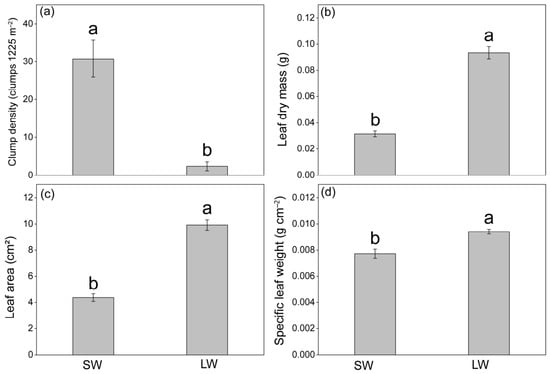
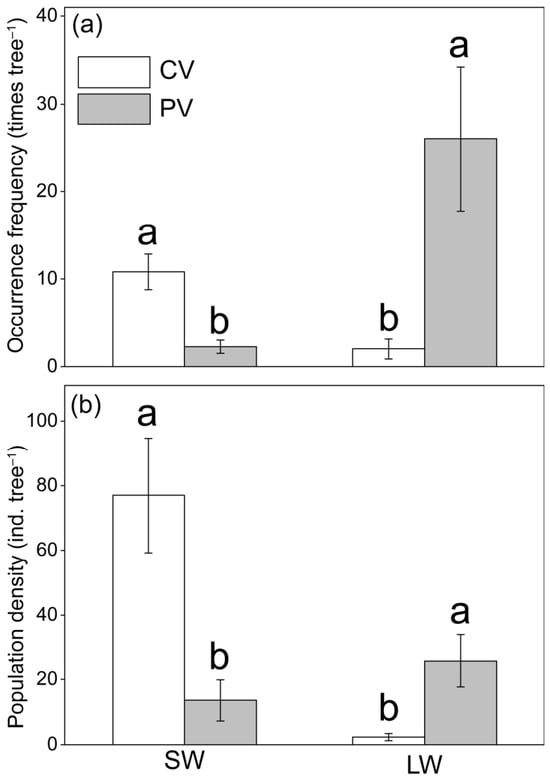
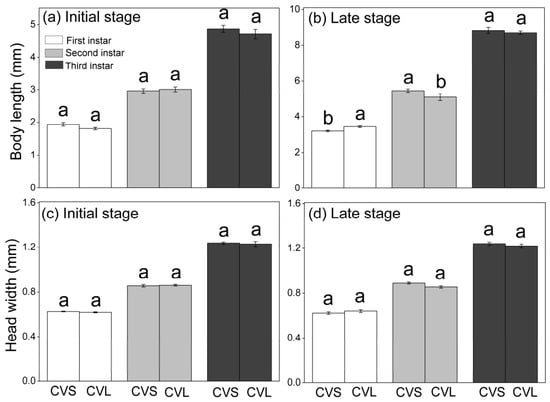
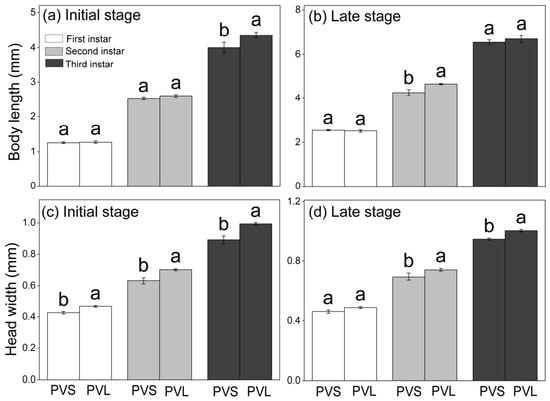
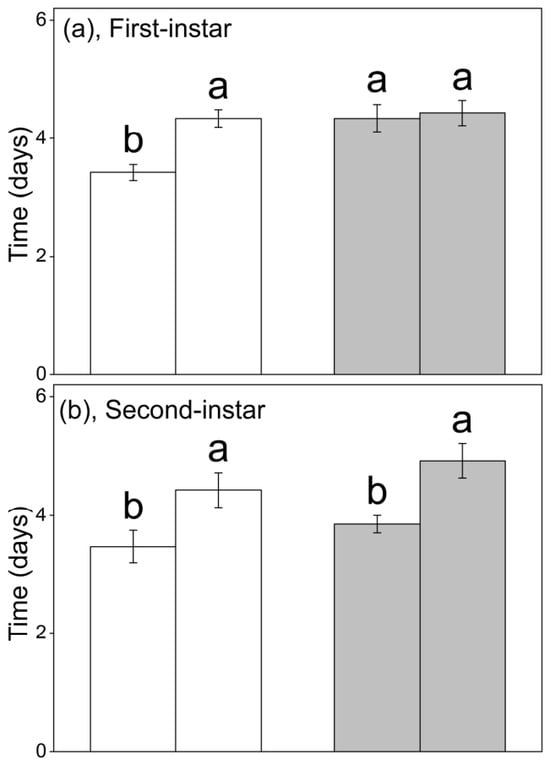
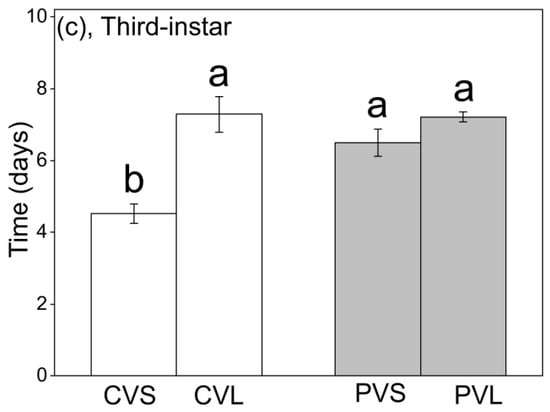
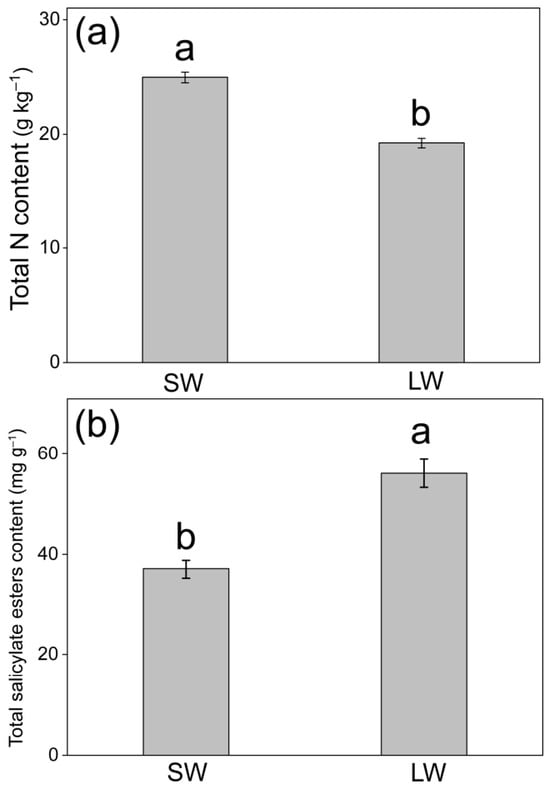
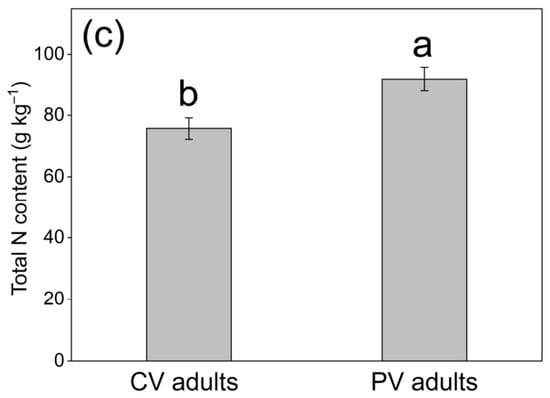
Insect herbivores often exhibit host preference and feeding differentiation underpinning fine-scale niche partitioning, yet their linkage to larval performance remains poorly understood. On the Qinghai–Tibet Plateau, two sympatric leaf beetles, Chrysomela vigintipunctata alticola (CV) and Phratora vitellinae (PV) (both Coleoptera: Chrysomelidae), co-occur on two willow species occupying distinct microhabitats: CV predominantly uses abundant Salix atopantha (SW), while PV specializes on rare Salix wangiana var. tibetica (LW) (both Malpighiales: Salicaceae). To disentangle intrinsic feeding response from natal-host induction, we combined dual-choice feeding bioassays with controlled natal-host rearing experiments using first-instar larvae originating from both hosts, and evaluated fitness consequences in terms of morphology and instar duration. PV larvae exhibited a consistent preference for LW, coupled with wider head capsules. In contrast, CV larvae showed no intrinsic preference; specifically, those from SW remained non-selective, while those from LW developed a delayed preference. CV larvae developed faster on nitrogen-rich SW, whereas LW contained higher salicylate esters. These results indicate that PV prioritizes growth and chemical defensive sequestration on LW, whereas CV prioritizes rapid development by utilizing the nutrient-rich SW. Our results reveal distinct resource-use patterns and life-history strategies that facilitate local co-occurrence of the two leaf beetles within the alpine meadow ecosystem.
Full article
(This article belongs to the Section Ecology and Conservation)
►▼
Show Figures

Figure 1
Open AccessArticle
Association of a Pre-miR-1453 Polymorphism with Growth Traits and Serum Biochemical Parameters in an F2 Chicken Population
by
Jianzhou Shi, Lunguang Yao and Guirong Sun
Animals 2026, 16(15), 2394; https://doi.org/10.3390/ani16152394 - 3 Aug 2026
Abstract
MicroRNAs (miRNAs) serve as pivotal post-transcriptional modulators of gene expression that govern animal growth and development processes. The present study aimed to investigate the relationship between a single-nucleotide polymorphism (SNP) located within the pre-miR-1453 precursor and growth traits, carcass traits, body size traits,
[...] Read more.
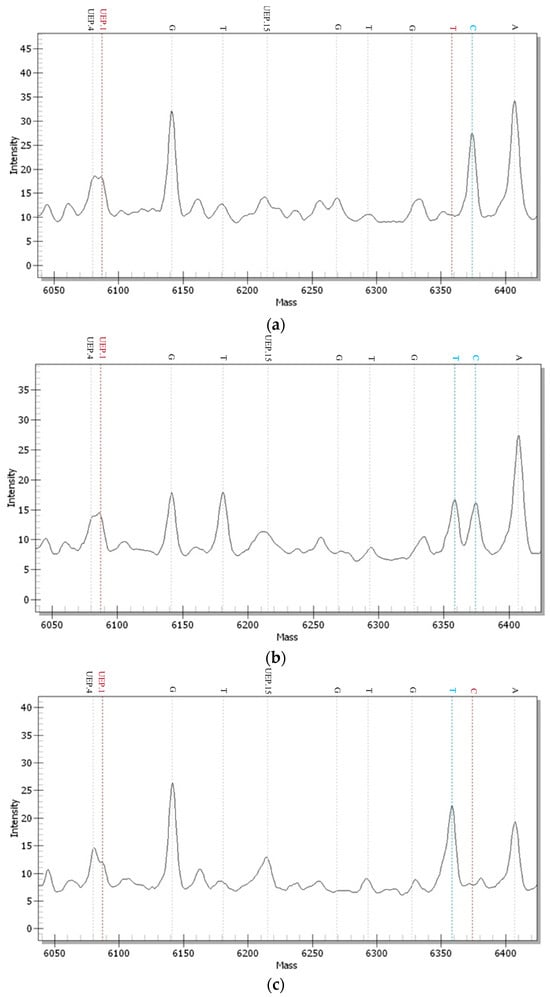
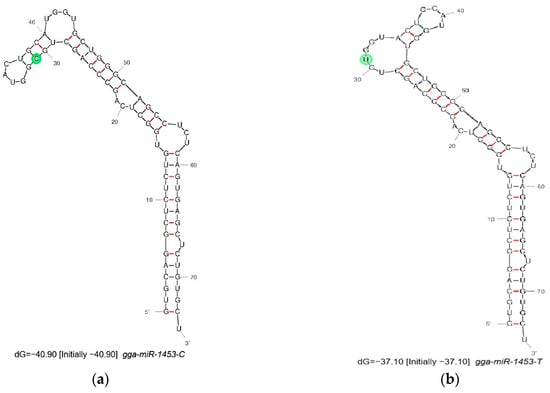
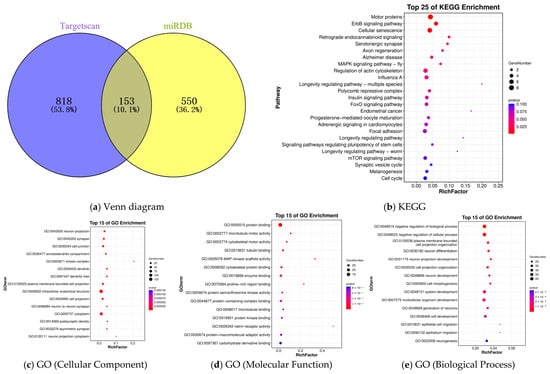
MicroRNAs (miRNAs) serve as pivotal post-transcriptional modulators of gene expression that govern animal growth and development processes. The present study aimed to investigate the relationship between a single-nucleotide polymorphism (SNP) located within the pre-miR-1453 precursor and growth traits, carcass traits, body size traits, and serum biochemical parameters in an F2 chicken resource population derived from Gushi and Anka crosses (n = 860). Genotyping of the rs16159272 polymorphism (+31 bp C > T) was performed using MALDI-TOF mass spectrometry, and population genetic parameters, secondary structure prediction, and association analyses were conducted. The results showed that the SNP was moderately polymorphic (PIC = 0.3174) and significantly associated with hatch weight (p < 0.01; CT > TT > CC), as well as body weight at 2 and 4 weeks of age (p < 0.05; TT > CT > CC), but not with carcass or body size traits (p > 0.05). For serum biochemical parameters, total protein, cholinesterase, and creatine phosphokinase showed extremely significant differences across genotypes (p < 0.01), whereas albumin, globulin, and lactate dehydrogenase showed significant differences (p < 0.05). Structural prediction revealed that the C > T mutation increased the minimum free energy by 3.8 kcal/mol, reducing the stability of the pre-miR-1453 stem-loop. Target gene prediction and enrichment analysis indicated that pre-miR-1453 may participate in the regulation of chicken growth and serum biochemical parameters through pathways related to neuron development, cytoskeletal dynamics, and energy metabolism. These findings suggest that the pre-miR-1453 rs16159272 polymorphism could act as a candidate genetic indicator for marker-aided breeding in poultry.
Full article
(This article belongs to the Section Animal Genetics and Genomics)
►▼
Show Figures

Figure 1
Open AccessArticle
Typological Diversity and Farm-System Vulnerability in Tropical Dual-Purpose Cattle Systems: A Case Study in Veracruz, México
by
Elizabeth Zavala, Cecilio Barba Capote, Jorge Vieyra, Eva Boyer Bustamante and Antón García
Animals 2026, 16(15), 2393; https://doi.org/10.3390/ani16152393 - 3 Aug 2026
Abstract
Dual-purpose cattle systems are among the most important livestock production systems in tropical regions, contributing significantly to food production and rural livelihoods. However, their considerable diversity in management practices, resource endowments, producer-reported climatic stressors, and production intensity remains insufficiently characterized for effective policy
[...] Read more.
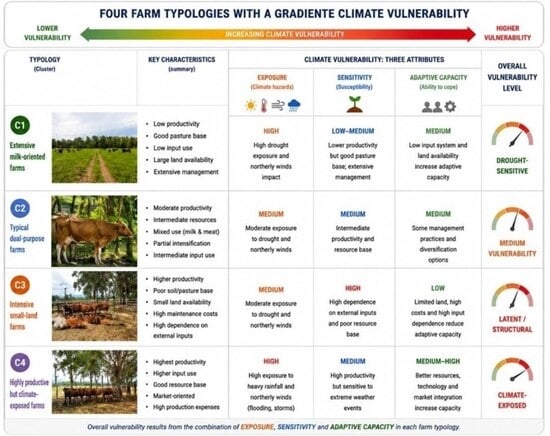
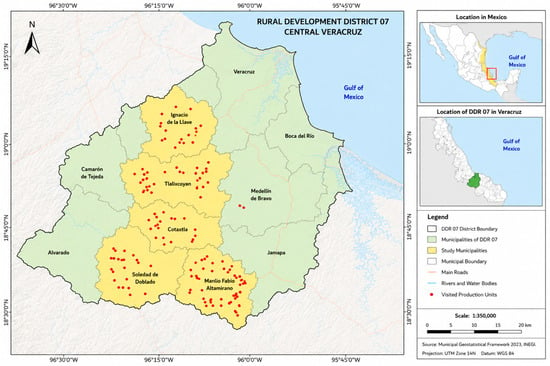
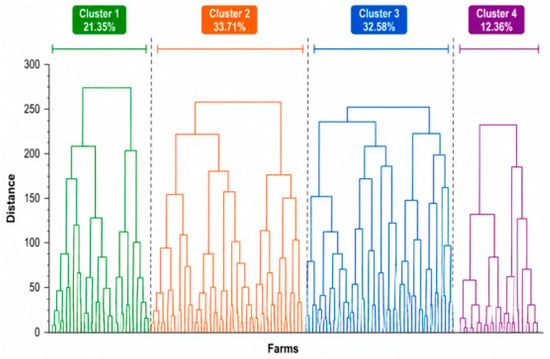
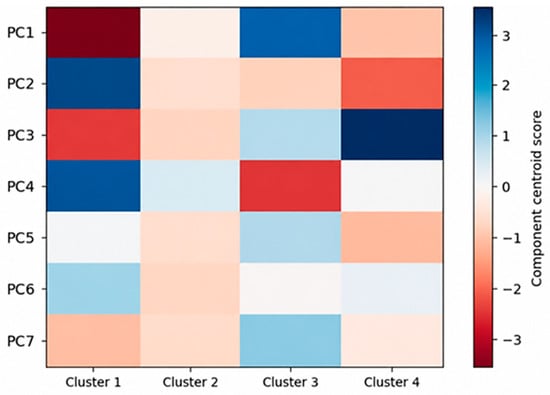
Dual-purpose cattle systems are among the most important livestock production systems in tropical regions, contributing significantly to food production and rural livelihoods. However, their considerable diversity in management practices, resource endowments, producer-reported climatic stressors, and production intensity remains insufficiently characterized for effective policy design. Therefore, this study aimed to identify and characterize farm typologies by integrating productive, structural, environmental, and management dimensions and to describe differences in farm-system vulnerability among them. Data were collected from 132 commercial farms using structured surveys. Twenty-three variables were analyzed using Principal Component Analysis of which 22 reached the predefined absolute loading threshold for component interpretation. The resulting component scores were subsequently used in the hierarchical cluster analysis. Seven principal components with eigenvalues > 1 were identified, explaining 68.87% of the total variance. Cluster 1 comprised extensive, milk-oriented farms with the lowest milk productivity but the greatest pasture availability and diversity; nevertheless, these farms were particularly affected by drought. Cluster 2 represented the predominant dual-purpose model, with intermediate productive, environmental, and diversification characteristics. Cluster 3 included more intensive and productive farms with limited land availability, the lowest soil conservation and pasture availability scores, high maintenance expenditure, and low investment capacity. Cluster 4 showed the highest milk productivity but also the greatest exposure to excessive rainfall and northerly winds. Accordingly, appropriate strategies should prioritize drought preparedness and forage conservation in Cluster 1, gradual improvements in efficiency and environmental management in Cluster 2, soil and pasture restoration and reduced maintenance dependence in Cluster 3, and climate-resilient infrastructure and risk-management measures in Cluster 4. These findings demonstrate that dual-purpose cattle systems are highly heterogeneous systems structured by multiple productive, environmental, and organizational dimensions. The results demonstrate that typology-specific interventions are more appropriate than uniform recommendations and provide a framework for improving productivity, sustainability, and climate resilience in tropical livestock systems.
Full article
(This article belongs to the Section Animal System and Management)
►▼
Show Figures

Graphical abstract
Open AccessArticle
Ultrasonographic Morphology of the Abdominal Organs of the White-Eared Opossum (Didelphis albiventris)
by
Eloara Giovanna Aguiar Bonassoli de Oliveira Martins, Rodrigo Antonio Martins de Souza, Luciana do Amaral Oliveira and Carla Fredrichsen Moya
Animals 2026, 16(15), 2392; https://doi.org/10.3390/ani16152392 - 3 Aug 2026
Abstract
Ultrasound is a fundamental diagnostic imaging tool in veterinary medicine that allows for the noninvasive, real-time evaluation of abdominal organs. However, reference ultrasound data for neotropical marsupials is scarce, which hinders diagnostic interpretation of ultrasound images of these species. The present study aimed
[...] Read more.
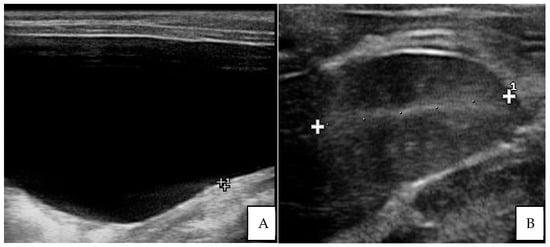
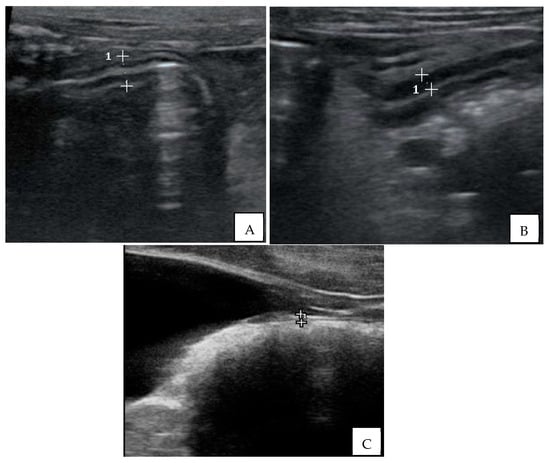
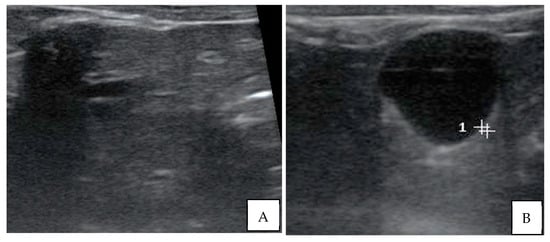
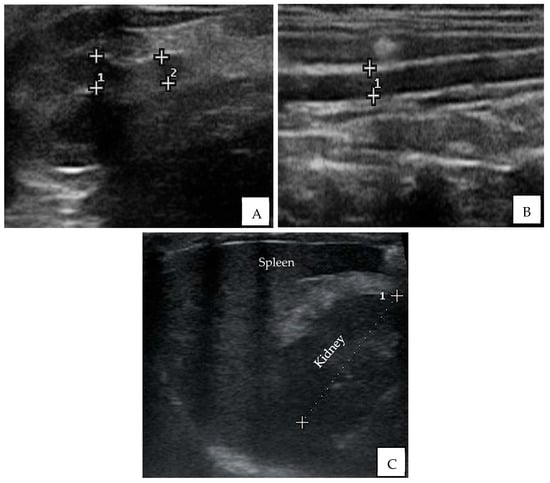
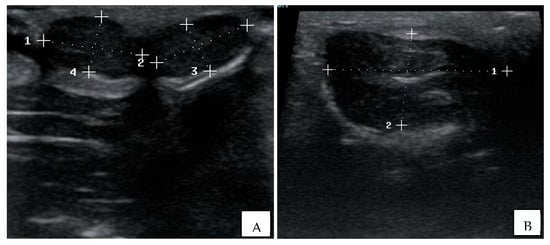
Ultrasound is a fundamental diagnostic imaging tool in veterinary medicine that allows for the noninvasive, real-time evaluation of abdominal organs. However, reference ultrasound data for neotropical marsupials is scarce, which hinders diagnostic interpretation of ultrasound images of these species. The present study aimed to describe the morphological and biometric ultrasound characteristics of the abdominal organs of white-eared opossums (Didelphis albiventris) treated at a wildlife rehabilitation center in southern Brazil. Sixteen clinically stable opossums, with an average body mass of 1.4 kg, underwent abdominal ultrasonography using a multifrequency linear transducer (7–12 MHz). We analyzed parameters such as shape, contour, echogenicity, echotexture, and anatomical relationships between adjacent structures, in addition to taking biometric measurements of different abdominal organs. Most structures presented characteristics similar to those described in small domestic dogs and cats. However, species-specific particularities were observed, including decreased renal corticomedullary distinction, slightly coarser renal and prostatic echotexture, and a smaller abdominal aorta diameter. It is concluded that abdominal ultrasonography is an effective method for the anatomical evaluation of white-eared opossums.
Full article
(This article belongs to the Section Wildlife)
►▼
Show Figures

Figure 1
Open AccessArticle
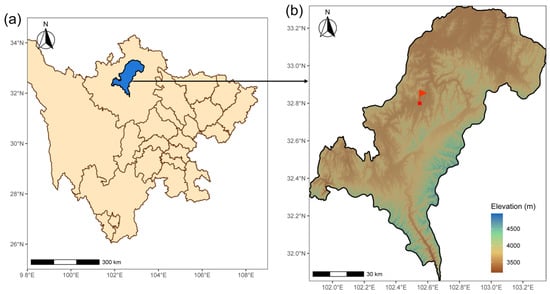
Isolation, Genomic Evolution, and Pathogenicity of Clostridium perfringens Type A Causing Hemorrhagic Enteritis in Adult Yaks in Southwest China
by
Long Zhao, Yongqiang Miao, Zhen Yang, Kefei Shen, Dengfeng Xu, Suhui Zhang, Liu Yang, Lizhi Fu, Ziqi Li, Bo Lian and Yuandi Yu
Animals 2026, 16(15), 2391; https://doi.org/10.3390/ani16152391 - 3 Aug 2026
Abstract
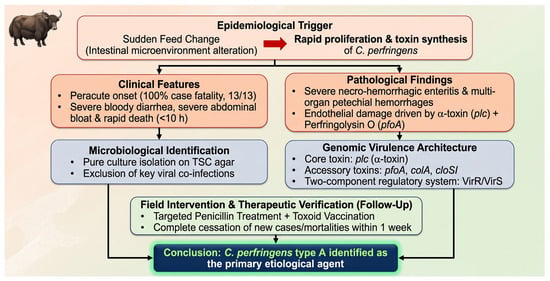
Clostridium perfringens type A causes neonatal clostridial enteritis, hemorrhagic enteritis, and sudden death syndrome in cattle. This study examined a fatal outbreak at a fattening farm housing 58 adult yaks in Southwest China, with an incidence of 22.41% (13/58) and a 100% case
[...] Read more.
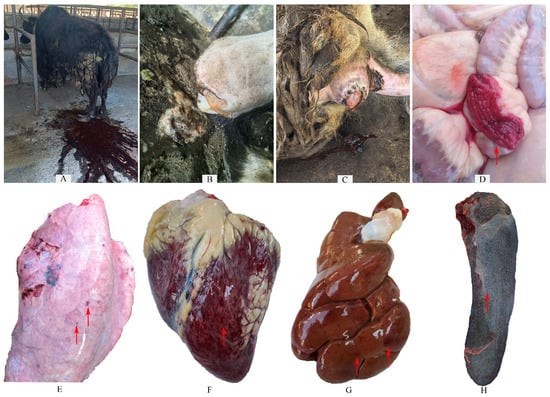
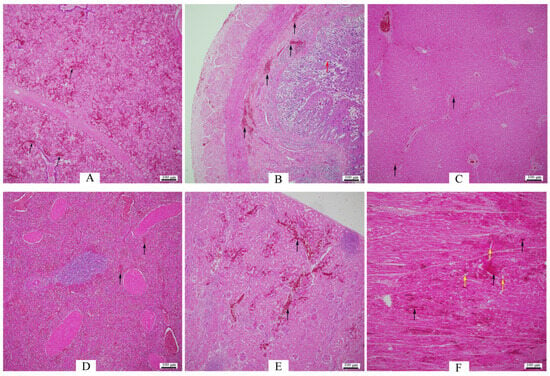
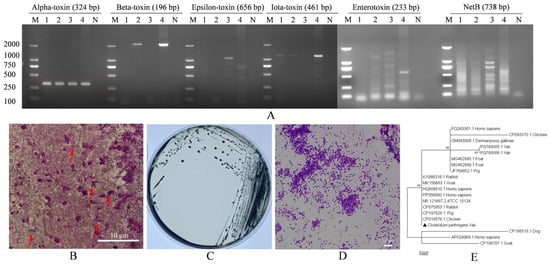
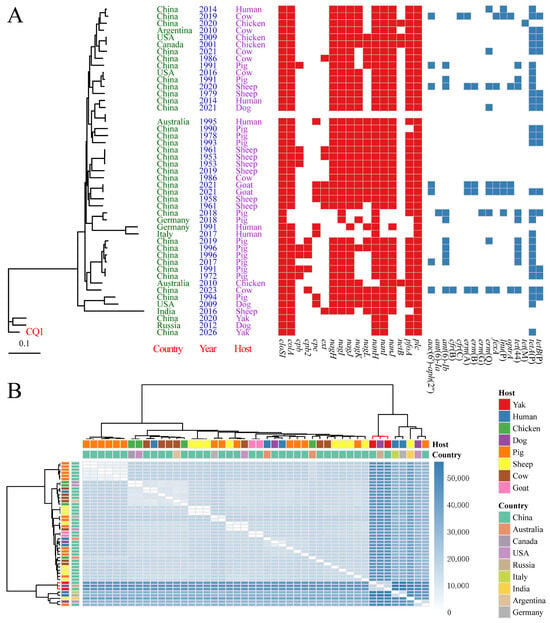
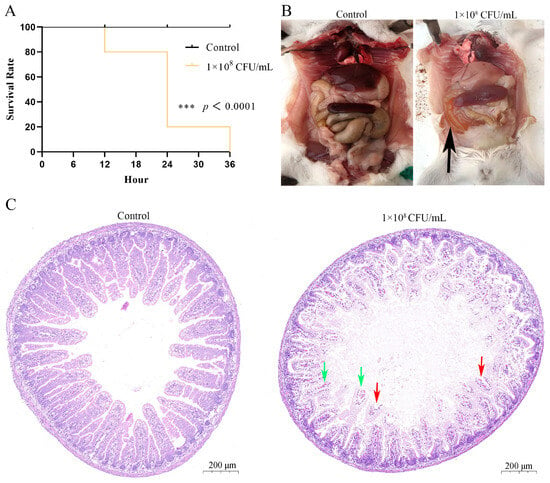
Clostridium perfringens type A causes neonatal clostridial enteritis, hemorrhagic enteritis, and sudden death syndrome in cattle. This study examined a fatal outbreak at a fattening farm housing 58 adult yaks in Southwest China, with an incidence of 22.41% (13/58) and a 100% case fatality rate. Histopathology of deceased yaks showed widespread multi-organ hemorrhage and severe hemorrhagic enteritis. A specific PCR assay amplified the alpha-toxin gene of Clostridium perfringens, while no other pathogens were detected. Clostridium perfringens was isolated from small intestinal contents using TSC agar, designated strain CQ1, and identified as type A through toxinotyping. Whole-genome sequencing revealed that strain CQ1 carries the core alpha-toxin gene along with key accessory virulence determinants (pfoA, colA, and cloSI). Phylogenomic analysis based on core single-nucleotide polymorphisms revealed that strain CQ1 is clustered into a distinct, independent evolutionary lineage with an existing historical yak isolate and a canine-origin isolate. Intraperitoneal challenge in mice confirmed its extreme lethality, causing 100% mortality within 36 h with severe intestinal necrosis. These findings provide fundamental genetic resources for understanding the virulence mechanisms and genetic background of this pathogen and offer critical insights for preventing and controlling clostridial diseases in high-altitude yak farming.
Full article
(This article belongs to the Collection Cattle Diseases)
►▼
Show Figures

Figure 1
Open AccessArticle
Treatment-Associated Differences in Serum Cytokine Profiles in Canine Atopic Dermatitis: A Cross-Sectional Study
by
Jae-Yun Ko, Min-Hee Kang, Kwang-Sup Lee and Hee-Myung Park
Animals 2026, 16(15), 2390; https://doi.org/10.3390/ani16152390 - 3 Aug 2026
Abstract
Systemic immunomodulatory treatments are widely used in canine atopic dermatitis (cAD), but treatment-associated differences in circulating cytokine profiles remain unclear. This cross-sectional study compared serum cytokine concentrations in 143 dogs: Healthy (n = 28), Untreated AD (n = 27), Prednisolone (
[...] Read more.
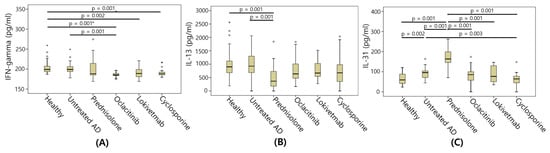
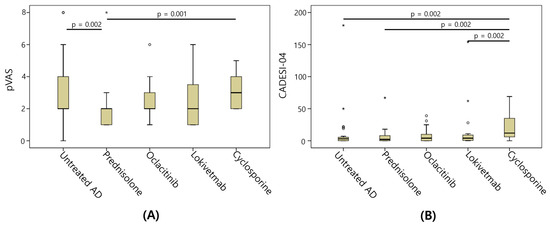
Systemic immunomodulatory treatments are widely used in canine atopic dermatitis (cAD), but treatment-associated differences in circulating cytokine profiles remain unclear. This cross-sectional study compared serum cytokine concentrations in 143 dogs: Healthy (n = 28), Untreated AD (n = 27), Prednisolone (n = 23), Oclacitinib (n = 29), Lokivetmab (n = 19), and Cyclosporine (n = 17). Serum concentrations of IFN-γ, IL-10, IL-13, IL-31, and TGF-β1 were quantified using enzyme-linked immunosorbent assays. pVAS and CADESI-04 were compared among the five cAD groups. All five cytokines differed significantly among the six groups. The Prednisolone group had lower pVAS scores than the Untreated AD group (p = 0.002) and the Cyclosporine group (p = 0.001), despite having the highest median serum IL-31 concentration (163.9 pg/mL), which was significantly higher than that in each of the other groups (p ≤ 0.003). The Prednisolone group showed lower IL-13 concentrations than the Healthy and Untreated AD groups (both p = 0.001). IFN-γ concentrations were lower in the Oclacitinib, Lokivetmab, and Cyclosporine groups than in the Healthy group (p ≤ 0.002). Serum cytokine profiles differed among groups defined by treatment status; however, these cross-sectional differences cannot be interpreted as direct treatment effects. The discordance between pVAS and serum IL-31 in the Prednisolone group indicates that circulating cytokine concentrations may not consistently parallel concurrent clinical severity and should be interpreted as a hypothesis-generating observation rather than an established biological relationship. Longitudinal studies are needed to clarify whether these profiles reflect treatment exposure, underlying disease heterogeneity, or both.
Full article
(This article belongs to the Section Companion Animals)
►▼
Show Figures

Figure 1
Open AccessArticle
Magnolol Modulates the RIG-I/NF-κB Signaling Pathway to Alleviate JEV Infection-Induced ST Cell Damage
by
Bohan Zheng, Mengzhao Jiang, Hongjie Cui, Qinjin Li, Zhaoyan Lin and Xiaohong Huang
Animals 2026, 16(15), 2389; https://doi.org/10.3390/ani16152389 - 3 Aug 2026
Abstract
Japanese encephalitis virus (JEV) is a zoonotic pathogen. Infection in breeding boars triggers severe testicular inflammatory storms, resulting in testicular swelling, asthenospermia, oligozoospermia and even irreversible loss of reproductive capacity. Magnolol, a natural extract, exhibits remarkable anti-inflammatory and antioxidant activities. This study utilized
[...] Read more.
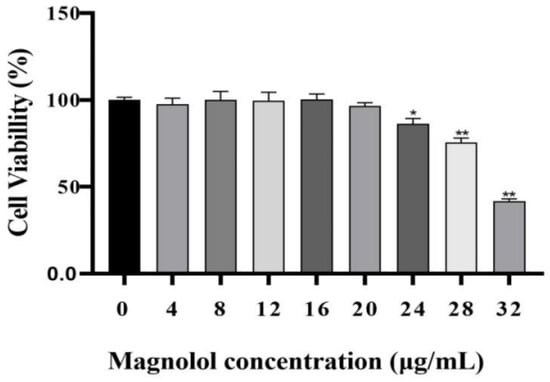
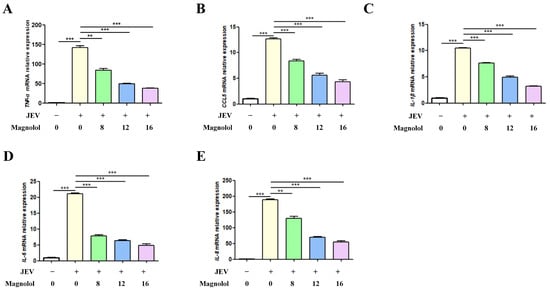
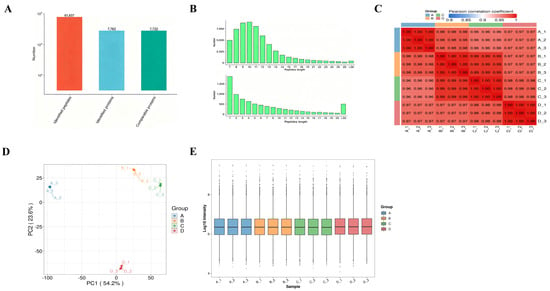
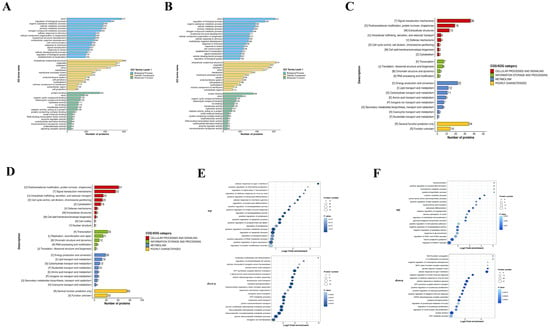
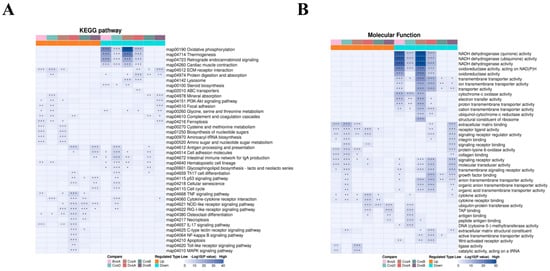
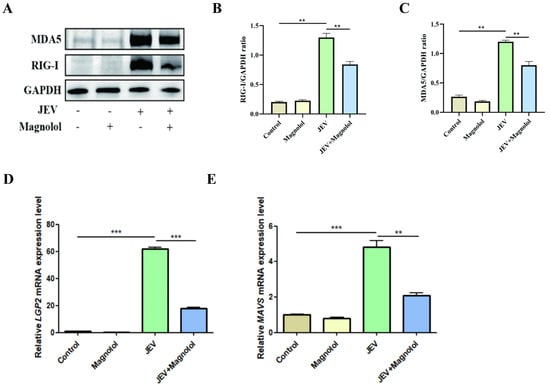
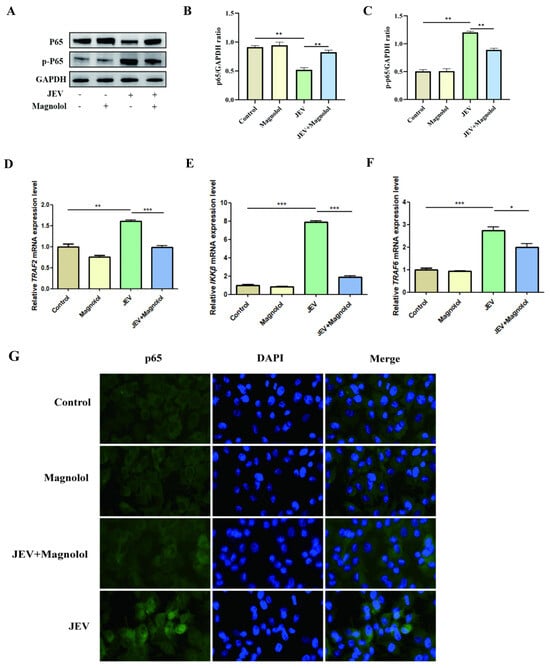
Japanese encephalitis virus (JEV) is a zoonotic pathogen. Infection in breeding boars triggers severe testicular inflammatory storms, resulting in testicular swelling, asthenospermia, oligozoospermia and even irreversible loss of reproductive capacity. Magnolol, a natural extract, exhibits remarkable anti-inflammatory and antioxidant activities. This study utilized swine testicular (ST) cells as an in vitro model to explore magnolol’s protective effects against JEV-mediated inflammation and its underlying mechanism. ST cells were infected with JEV at an MOI of 1 and treated with magnolol at 8, 12 and 16 μg/mL. We detected pro-inflammatory cytokine expression, performed 4D-FastDIA quantitative proteomics to screen differentially expressed proteins, verified key RIG-I and NF-κB cascade molecules at mRNA and protein levels, and tracked p65 nuclear translocation through immunofluorescence. The data showed that JEV significantly elevated TNF-α, IL-1β, IL-6, IL-8 and CCL5, while magnolol reduced these cytokines in a dose-dependent manner. JEV reshaped the proteome of innate immunity and inflammation, and excessively activated the RIG-I/NF-κB axis to increase IKKβ, TRAF2, TRAF6 transcription and p65 phosphorylation and nuclear import; 24 h treatment with 16 μg/mL magnolol greatly restrained this overactivation. In summary, magnolol alleviates JEV-triggered inflammatory injury by inhibiting the RIG-I/NF-κB pathway, offering experimental evidence for its use as a natural agent to mitigate JEV-induced cellular inflammatory response in boars.
Full article
(This article belongs to the Special Issue Advances in Pathogenic Mechanisms and Drug Strategies of Veterinary Pathogens)
►▼
Show Figures

Figure 1
Open AccessArticle
Long-Term Evidence of ENSO-Driven Rodent Population Dynamics in a Natural Plague Focus of Southwestern China
by
Chao Su, Yongman Guo, Yunqin Shen, Yuqiong Li, Liqiong Su, Lei Xu and Zihou Gao
Animals 2026, 16(15), 2388; https://doi.org/10.3390/ani16152388 - 3 Aug 2026
Abstract
Climate variability can modulate zoonotic disease risk by altering interactions among wildlife hosts, vectors, and human environments, yet long-term evidence linking large-scale climate oscillations to natural plague systems remains scarce. We investigated the influence of El Niño–Southern Oscillation (ENSO)-related climate variability on rodent
[...] Read more.
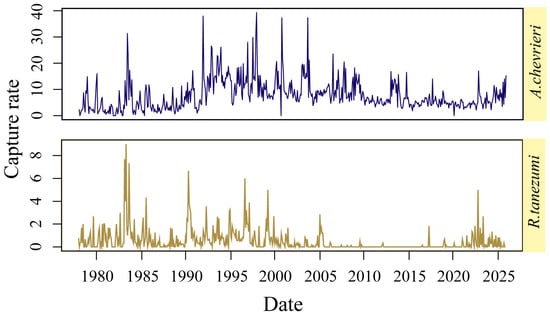
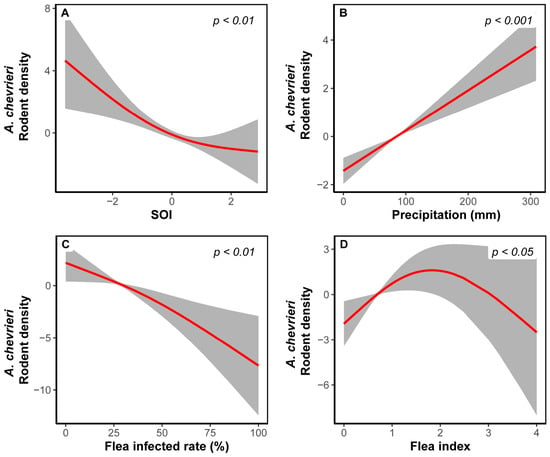
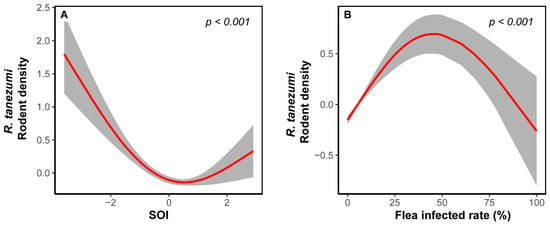
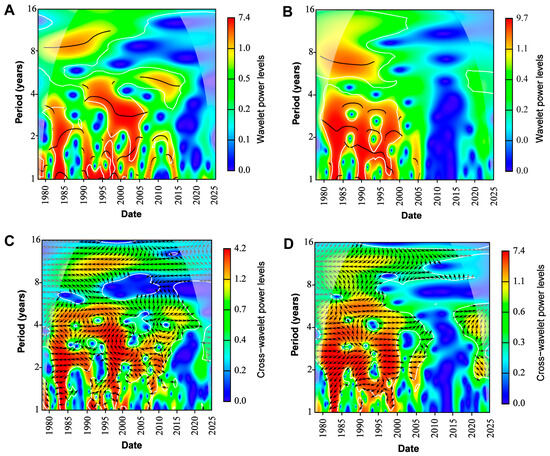
Climate variability can modulate zoonotic disease risk by altering interactions among wildlife hosts, vectors, and human environments, yet long-term evidence linking large-scale climate oscillations to natural plague systems remains scarce. We investigated the influence of El Niño–Southern Oscillation (ENSO)-related climate variability on rodent host dynamics in a long-established plague focus in Jianchuan County, southwestern China. Using continuous monthly surveillance data from 1978 to 2025, we analyzed population dynamics of two ecologically distinct plague hosts—the wild rodent Apodemus chevrieri and the domestic rodent Rattus tanezumi—together with flea infection rates and local climate variables. Generalized additive models showed that ENSO, quantified by the Southern Oscillation Index (SOI), exerted significant delayed effects on both rodent populations, with El Niño conditions consistently associated with increased host abundance. Wavelet coherence analyses revealed synchronized ENSO–rodent oscillations at dominant 2–3-year periodicities, indicating persistent large-scale climate forcing. In contrast, responses to local environmental factors differed between species: surface temperature strongly constrained the wild rodent A. chevrieri, whereas the domestic R. tanezumi showed weaker thermal sensitivity, consistent with buffering by human-modified indoor habitats. Flea infection rates declined as rodent densities increased, suggesting a dilution effect within the host–vector system. By integrating long-term wildlife surveillance, climate indicators, and vector data, this study provides empirical evidence that ENSO-driven climate variability plays a central role in regulating plague source activity at the human–animal–environment interface. These findings highlight the value of climate-informed, ecology-based surveillance frameworks for anticipating periods of elevated plague risk and strengthening early warning systems in endemic regions.
Full article
(This article belongs to the Section Ecology and Conservation)
►▼
Show Figures

Figure 1
Journal Menu
► ▼ Journal Menu-
- Animals Home
- Aims & Scope
- Editorial Board
- Reviewer Board
- Topical Advisory Panel
- Early Career Editorial Board
- Instructions for Authors
- Special Issues
- Topics
- Sections & Collections
- Article Processing Charge
- Indexing & Archiving
- Editor’s Choice Articles
- Most Cited & Viewed
- Journal Statistics
- Journal History
- Journal Awards
- Society Collaborations
- Conferences
- Editorial Office
Journal Browser
► ▼ Journal BrowserHighly Accessed Articles
Latest Books
E-Mail Alert
News
Topics
Topic in
Animals, Antioxidants, Fishes, Biology
Immunology and Disease Prevention and Control in Aquatic Animals
Topic Editors: Hongliang Zuo, Jiejie Sun, Linwei YangDeadline: 31 August 2026
Topic in
Animals, Antioxidants, Metabolites, Pets, Veterinary Sciences
Research on Companion Animal Nutrition
Topic Editors: Baichuan Deng, Lian Li, Yun JiDeadline: 26 October 2026
Topic in
Animals, Dairy, Microorganisms, Veterinary Sciences, Metabolites, Life, Parasitologia
The Complexity of Parasites in Animals: Impacts, Innovation, and Interventions
Topic Editors: Kun Li, Rongjun Wang, Ningbo Xia, Md. F. KulyarDeadline: 31 December 2026
Topic in
Agriculture, Dairy, Foods, Nutrients, Animals
Advances in Animal-Derived Non-Cow Milk and Niche Cow Milk. Properties, Processing, Dairy Products and Environmental Impact, 2nd Edition
Topic Editors: Jacek Wójtowski, Jan Pikul, Maria Markiewicz-KęszyckaDeadline: 31 January 2027
Conferences
Special Issues
Special Issue in
Animals
Omics in Economic Aquatic Animals: Second Edition
Guest Editors: Changxu Tian, Xinxin YouDeadline: 5 August 2026
Special Issue in
Animals
Anaesthesia and Surgery of Zoo and Wild Animals
Guest Editors: Federica Alessandra Brioschi, Giuliano RavasioDeadline: 10 August 2026
Special Issue in
Animals
Hormone Shifts in Ruminant Reproduction in a Changing Climate
Guest Editor: Katarzyna KirszDeadline: 10 August 2026
Special Issue in
Animals
Current Research in Veterinary Hematology
Guest Editors: Marek Kulka, Małgorzata M. GieryńskaDeadline: 10 August 2026
Topical Collections
Topical Collection in
Animals
Applications of Quantitative Genetics in Livestock Production
Collection Editor: Michael E. Davis
Topical Collection in
Animals
Use of Agricultural By-Products in Animal Feeding
Collection Editor: Mariangela Caroprese
Topical Collection in
Animals
Research Advances in Donkey and Mule Science and Medicine
Collection Editor: Amy McLean
Topical Collection in
Animals
Carcass Composition and Meat Quality of Small Ruminants
Collection Editors: Virgínia Alice Cruz Dos Santos, Severiano R. Silva, Cristina Miranda Guedes