



Journal Description
Audiology Research
Audiology Research
is an international, peer-reviewed, open access journal on audiology and neurotology, published bimonthly online by MDPI (since Volume 10, Issue 2 - 2020). The Italian Society of Vestibology (VIS) is affiliated with Audiology Research and its members receive discounts on the article processing charges.
- Open Access— free for readers, with article processing charges (APC) paid by authors or their institutions.
- High Visibility: indexed within Scopus, ESCI (Web of Science), PubMed, PMC, Embase, and other databases.
- Journal Rank: JCR - Q2 (Audiology and Speech-language Pathology) / CiteScore - Q2 (Otorhinolaryngology)
- Rapid Publication: manuscripts are peer-reviewed and a first decision is provided to authors approximately 26.2 days after submission; acceptance to publication is undertaken in 4.6 days (median values for papers published in this journal in the second half of 2025).
- Recognition of Reviewers: APC discount vouchers, optional signed peer review, and reviewer names published annually in the journal.
Impact Factor:
1.8 (2024);
5-Year Impact Factor:
1.8 (2024)
Latest Articles
Tuning in: How Hearing Loss and Assistive Devices Reshape Musical Quality of Life
Audiol. Res. 2026, 16(2), 54; https://doi.org/10.3390/audiolres16020054 - 2 Apr 2026
Abstract
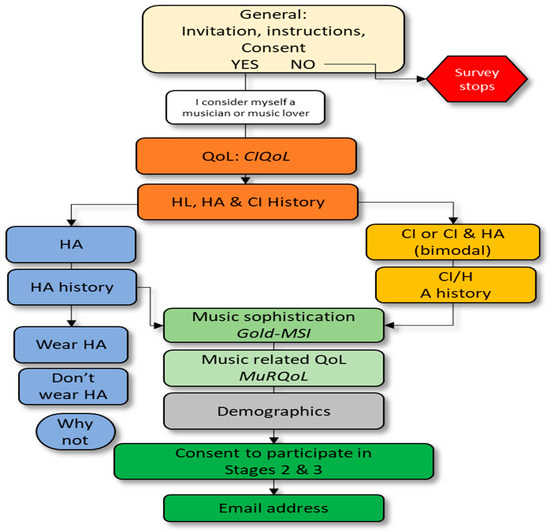
Background/Objectives: Hearing loss, coupled with the configurations of hearing devices, adds to the complexity of understanding the subjective and personal implications of losing musical fidelity. Hearing music through assistive listening devices significantly impacts music perception and enjoyment, yet research examining music-related quality of
[...] Read more.
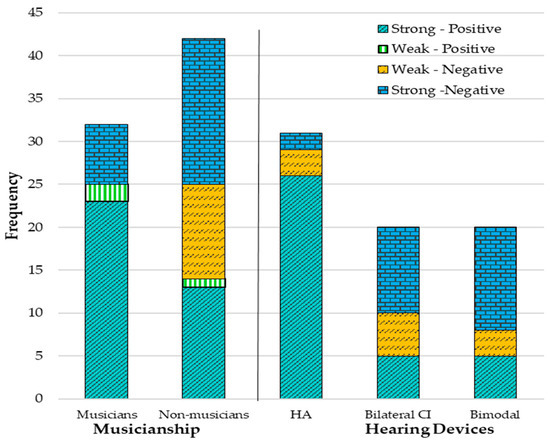
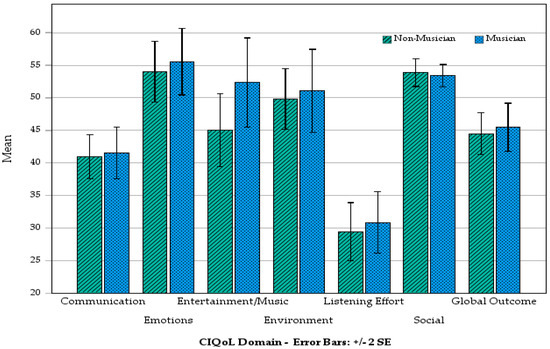
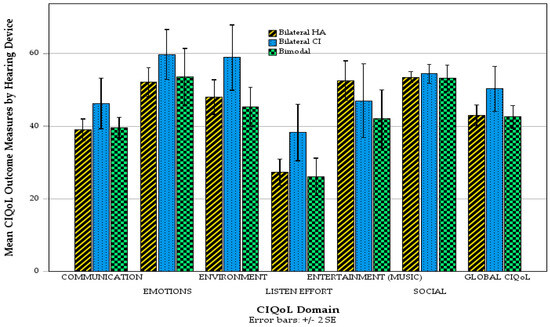
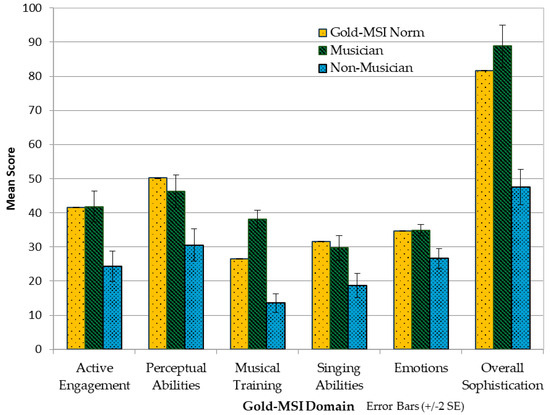
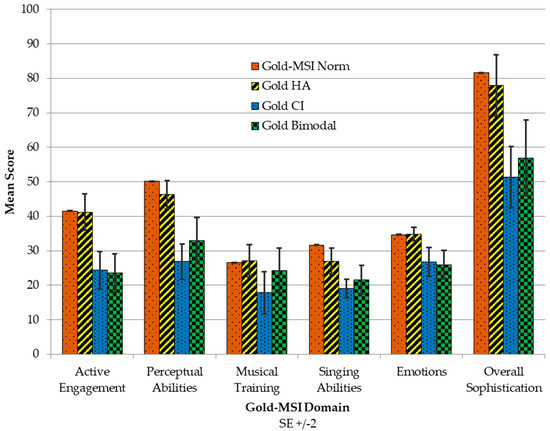
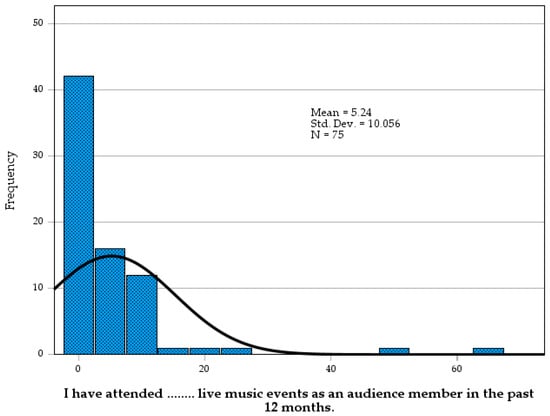
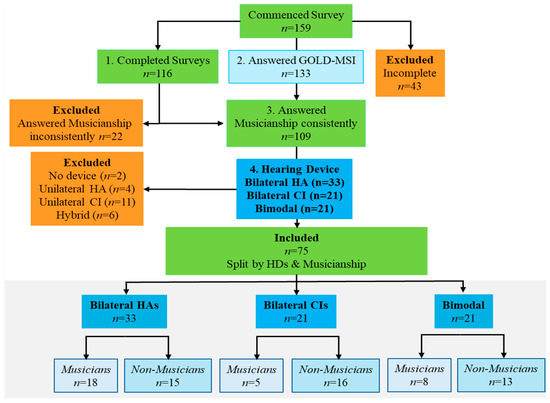
Background/Objectives: Hearing loss, coupled with the configurations of hearing devices, adds to the complexity of understanding the subjective and personal implications of losing musical fidelity. Hearing music through assistive listening devices significantly impacts music perception and enjoyment, yet research examining music-related quality of life for late-deafened adults is limited. This study aimed to capture late-deafened adults’ experiences related to music and quality of life. Methods: The study administered a cross-sectional survey designed around three established questionnaires: Cochlear Implant Quality of Life, Goldsmiths Musical Sophistication Index, and Music Related Quality of Life. It was completed by 116 late-deafened adults (mean age 65.4 years, with an average of 23.1 years of hearing loss). It was hypothesised that the use of different hearing devices would impact music importance, engagement, enjoyment, and related quality of life in disparate ways. To determine if and how quality of life differed between hearing device users, statistical analyses were stratified across a subgroup of 75 participants with bilateral hearing aids (n = 33; musicians n = 18, and non-musicians n = 15), bilateral cochlear implants (n = 21; musicians n = 5, and non-musicians n = 16), and bimodal configurations (n = 21) musicians n = 8, and non-musicians n = 13). Results: Music remained important for most participants (n = 55, 73%) despite hearing loss. However, regardless of music being valued, only 36 (48%) participants enjoyed music “Always” or “Most of the Time”, while 17 (23%) “Rarely” or “Never” enjoyed it. Bilateral hearing aid users reported the highest, and bilateral cochlear implant users the lowest quality-of-life scores. These effects extended to participation in real-world musical activities: hearing aid users attended more live music events, while bilateral cochlear implant users experienced the greatest reduction in musical activities compared to other hearing device users. Conclusions: Musical quality of life is fundamentally about music enjoyment and engagement and how late-deafened adults integrate music into their everyday life. Hearing loss and hearing devices create a profound disconnect between the capacity to enjoy and engage with music. Musicianship did not guarantee better musical enjoyment or engagement. However, musicians demonstrated greater perseverance when enjoyment was limited, in the hope of improvement. Understanding this allows clinicians to develop effective rehabilitation strategies tailored to different hearing devices and musicianship abilities and set realistic expectations.
Full article
(This article belongs to the Special Issue Hearing Beyond Words: Advancements in Music Perception and Enjoyment for the Hearing-Impaired Population)
►
Show Figures
Open AccessArticle
Receptive Vocabulary Outcomes in Children with Cochlear Implants with and Without Additional Difficulties: A Multicenter Cross-Sectional Analysis
by
Beauty Hariz, Latifa Alkoheji, Mariam Alsaeed, Amany Tahon, Shahad Alhammad, Maram Alhedaithy, Sara Ali AlKhamiss, Hasna’a Shathan, Toga Alharbi, Salam Orabi, Sabine El-Deek, Per Cayé-Thomasen and Lone Percy-Smith
Audiol. Res. 2026, 16(2), 53; https://doi.org/10.3390/audiolres16020053 - 2 Apr 2026
Abstract
Background/Objectives: Receptive vocabulary is essential for children’s language, academic, and cognitive development. While cochlear implants (CIs) help children with severe to profound hearing loss develop spoken language, their vocabulary skills often fall behind their typical hearing (TH) peers, although early implantation and auditory-verbal
[...] Read more.
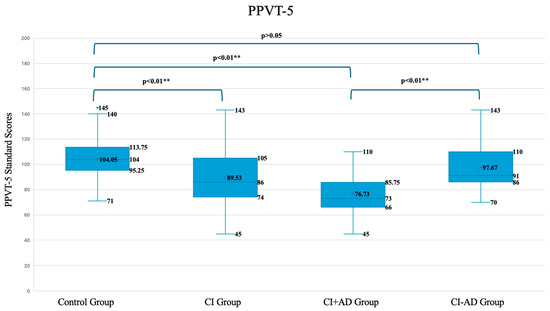
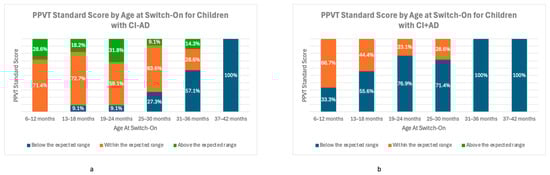
Background/Objectives: Receptive vocabulary is essential for children’s language, academic, and cognitive development. While cochlear implants (CIs) help children with severe to profound hearing loss develop spoken language, their vocabulary skills often fall behind their typical hearing (TH) peers, although early implantation and auditory-verbal therapy (AVT) can help narrow this gap. Children with CIs and other developmental difficulties face additional challenges, but can still progress, with outcomes depending on the disabilities’ type and severity. Limited research exists on Arabic-speaking children with CIs, where cultural factors may delay intervention, and outcomes vary widely. It remains unclear how well these children develop receptive vocabulary compared to hearing peers and which factors influence their progress. Methodology: A multicenter, cross-sectional study in six GCC hospitals compared 103 children with CIs to a control group of 94 children with TH. Children with CIs were divided into those with and without additional difficulties. Receptive vocabulary was evaluated utilizing the Peabody Picture Vocabulary Test, Fifth Edition. Results: Children with CIs in the GCC scored lower (mean 89.5; SD = 20.5) than the TH control group (mean 104; SD = 16.8). Children with CIs without additional difficulties (mean 97.7; SD = 18.8) scored similarly to TH, while children with CIs and additional difficulties scored significantly lower (mean 76.7; SD = 15). Age at switch-on and presence of additional difficulties significantly affected receptive vocabulary outcomes. Conclusions: Children with CI who have no additional disabilities can reach receptive vocabulary levels similar to typical hearing peers, while those with extra difficulties show very diverse outcomes and continue to face challenges.
Full article
(This article belongs to the Section Speech and Language)
►▼
Show Figures

Figure 1

Open AccessReview
Evolution of Research on Persistent Postural-Perceptual Dizziness: A Bibliometric and Visualization Analysis from 1994 to 2025
by
Jiyu Zhang and Shuqi Yao
Audiol. Res. 2026, 16(2), 52; https://doi.org/10.3390/audiolres16020052 - 1 Apr 2026
Abstract
►▼
Show Figures
Background: Persistent Postural-Perceptual Dizziness (PPPD) is a chronic vestibular disorder that has been receiving more research attention lately. Nonetheless, there is a lack of systematic bibliometric overviews tracing the conceptual evolution, knowledge structure, and emerging research frontiers within this field. The utilization
[...] Read more.
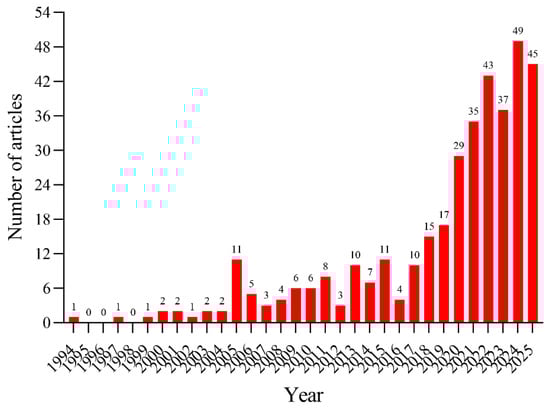
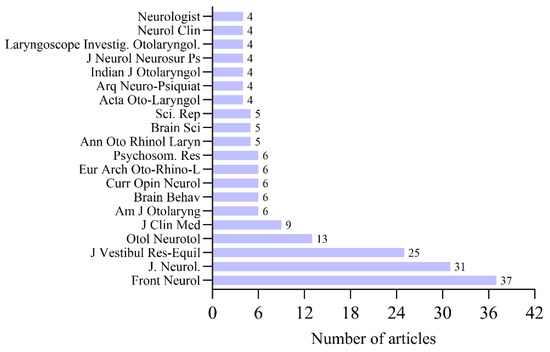
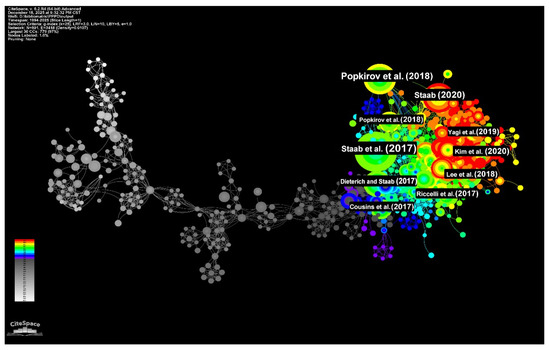
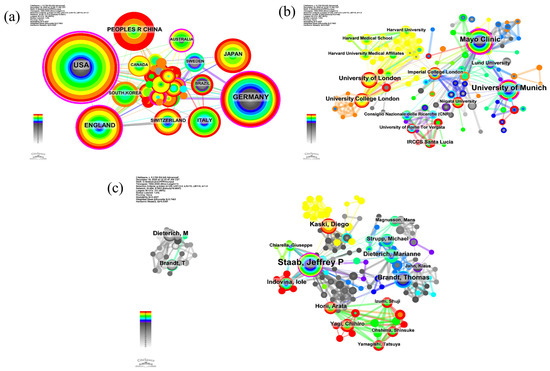
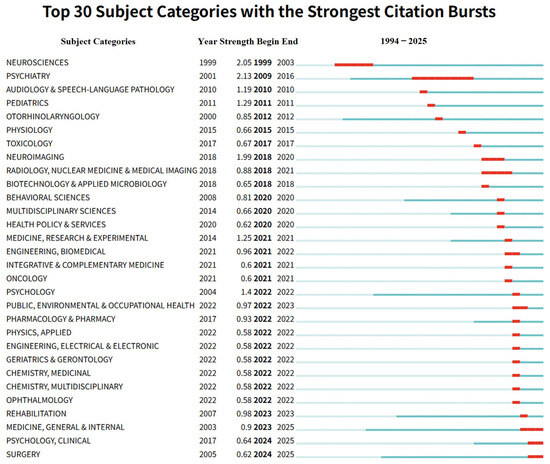
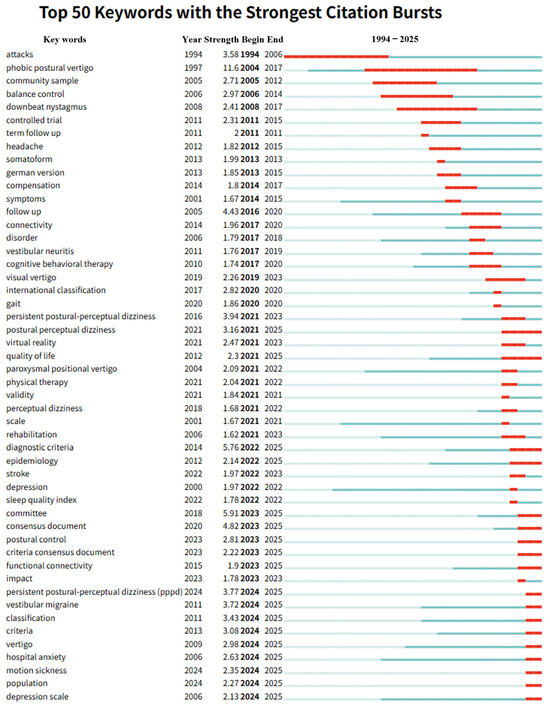
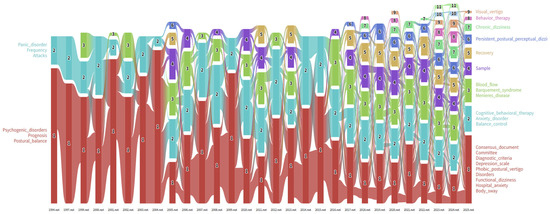
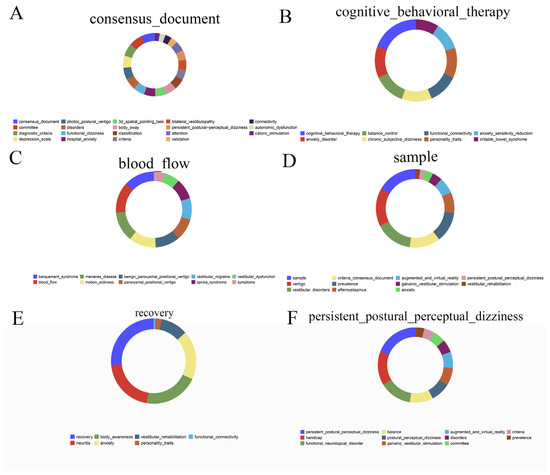
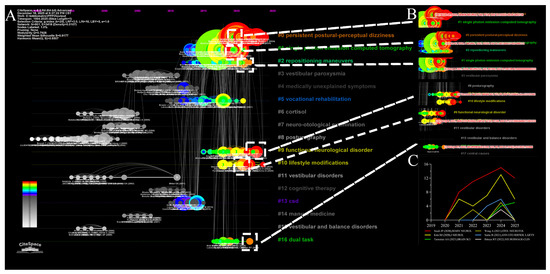
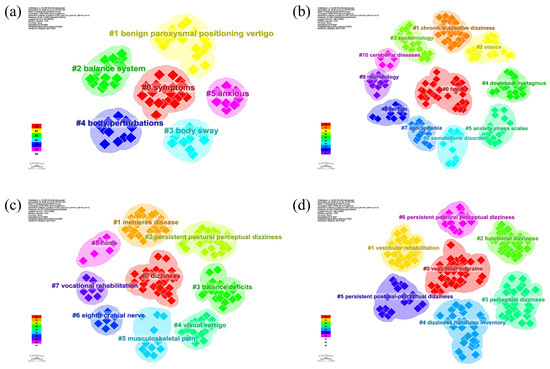
Background: Persistent Postural-Perceptual Dizziness (PPPD) is a chronic vestibular disorder that has been receiving more research attention lately. Nonetheless, there is a lack of systematic bibliometric overviews tracing the conceptual evolution, knowledge structure, and emerging research frontiers within this field. The utilization of bibliometric and visualization analyses can enhance the understanding of trends and central themes in PPPD research, offering valuable insights for future studies. Methods: Data were retrieved from the Web of Science Core Collection, yielding a final dataset of 370 bibliographic records (“DATA”). We employed CiteSpace, HistCite, the Alluvial Generator, and R software to conduct multi-dimensional statistical and visualization analyses on publication trends, collaborative networks (countries/institutions/authors), disciplinary distribution, citation bursts, and the evolution of keyword clusters. Results: Starting from 2005, there has been a notable increase in publication volume, reaching its peak in 2024. The United States and Germany are at the forefront of national collaboration, with the University of Munich and the Mayo Clinic being key research institutions. The research focus has transitioned from a primary emphasis on Psychiatry to a broader scope encompassing Neurosciences, Otorhinolaryngology, and General Medicine. Keyword analysis reveals a shift towards standardized terminology, transitioning from “phobic postural vertigo” to “diagnostic criteria” and “consensus documents”. Current research trends are centered around comorbidity mechanisms like “vestibular migraine”, therapeutic approaches such as “vestibular rehabilitation”, and quality of life assessments using the “dizziness handicap inventory”. The 2017 consensus document by the Bárány Society is highlighted as a pivotal publication with significant citation impact. Conclusions: The intellectual structure of the field, as revealed by this bibliometric analysis, has transitioned from a phenomenological description to a conceptual unification. The bibliometric analysis indicates that the field is currently in a conceptually stabilized stage characterized by a research focus on refining diagnostic precision and comorbidity exploration, while scholarly attention remains biologically exploratory regarding objective biomarkers and pathophysiological mechanisms.
Full article

Figure 1
Open AccessArticle
Manual Insertion of Cochlear Implant Electrodes Versus Robot-Assisted Insertion and Analysis by Micro-CT: A Temporal Bone Study
by
Alexandre Karkas, Clément Arnold, Yann Lelonge, Norbert Laroche, Fabien Tinquaut, Florian Bergandi, Hubert Marotte and Kelly Daouda
Audiol. Res. 2026, 16(2), 51; https://doi.org/10.3390/audiolres16020051 - 26 Mar 2026
Abstract
Background/Objectives: Atraumatic electrode array insertion should be targeted in cochlear implantation. Robotic insertion is used in many centers worldwide. Our objective was to evaluate manual electrode placement and robot-assisted placement using RobOtol® on human temporal bones (TBs), in terms of endocochlear
[...] Read more.
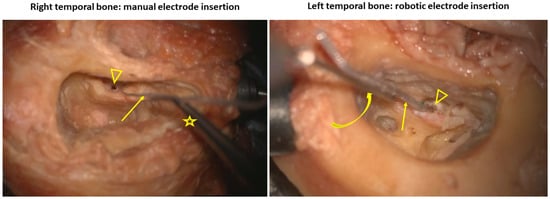
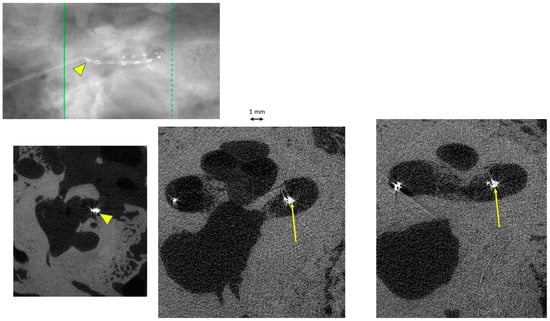
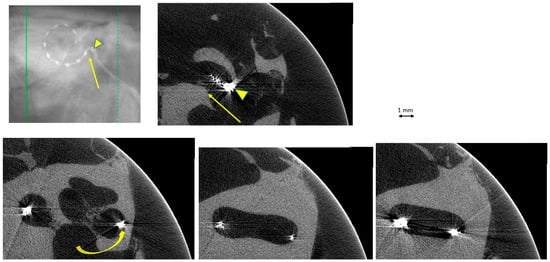
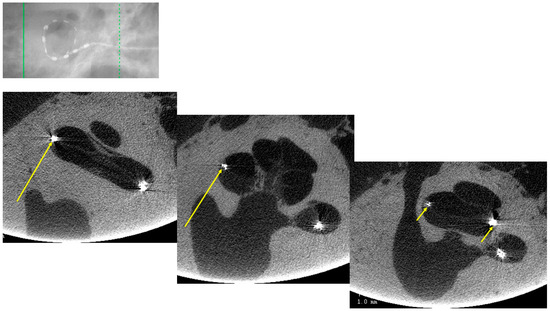
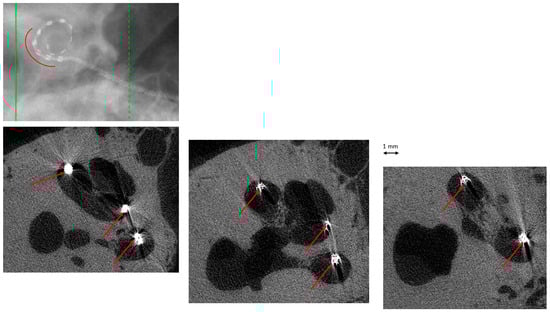
Background/Objectives: Atraumatic electrode array insertion should be targeted in cochlear implantation. Robotic insertion is used in many centers worldwide. Our objective was to evaluate manual electrode placement and robot-assisted placement using RobOtol® on human temporal bones (TBs), in terms of endocochlear trauma and completion of insertion. Methods: Sixteen TBs originating from eight bodies were implanted with Medel-FLEX24 electrodes through the round window. The right TB was implanted manually, while the left TB of the same body was implanted using RobOtol® for electrode insertion. Results were analyzed through micro-computed tomography imaging. No statistical analysis was used, given the small sample size; a descriptive interpretation of micro-CT scans was rather preferred. Results: In the “manual group”, there were two cases (25%) of insertion trauma: elevation of basilar membrane at basal turn (Eshraghi-stage-1). In the “robotic group”, there were two cases (25%) of insertion trauma: one case of elevation of basilar membrane at the middle turn (Eshraghi-stage-1) and one case of dislocation of all electrodes in scala vestibuli (Eshraghi-stage-3). There were six cases (75%) of incomplete insertion in the “manual group” and four cases (50%) of incomplete insertion in the “robotic group”. Conclusions: Both techniques of electrode placement yielded fairly similar results, in terms of endocochlear trauma and completion of insertion. New larger-scale cadaveric and clinical studies are needed to determine the possible benefit of robot-assisted electrode insertion in cochlear implantation.
Full article
(This article belongs to the Special Issue Innovations in Cochlear Implant Surgery)
►▼
Show Figures

Figure 1
Open AccessReview
Narrative Review on Vestibular Complaints After Cochlear Implantation in Adults: Defining Heterogeneous Common Symptoms
by
Francesco Lazzerini, Francesca Forli, Stefano Berrettini, Federica Di Berardino, Marco Pozzi and Diego Zanetti
Audiol. Res. 2026, 16(2), 50; https://doi.org/10.3390/audiolres16020050 - 25 Mar 2026
Abstract
Cochlear implantation (CI) effectively restores hearing across the whole lifespan but may be followed by vestibular complaints, especially in adult recipients. The aim of this narrative review is to provide a comprehensive characterization of vestibular complaints after CI in adults, collecting clinical and
[...] Read more.
Cochlear implantation (CI) effectively restores hearing across the whole lifespan but may be followed by vestibular complaints, especially in adult recipients. The aim of this narrative review is to provide a comprehensive characterization of vestibular complaints after CI in adults, collecting clinical and instrumental data, as well as discussing the risk factors for their development. From data reported in the literature, we defined five recurring clinical presentations of postoperative vestibular disturbances (phenotypes): acute postoperative vestibular syndrome, benign paroxysmal positional vertigo (BPPV), delayed Ménière-like vertigo attributable to secondary endolymphatic hydrops, chronic postoperative disequilibrium, and stimulation-linked vertigo. According to the different pathogeneses underlying each presentation, the management of postoperative vestibular complaints should be phenotype-guided, including short-course vestibular suppressants and early mobilisation for acute presentations; canalith repositioning for BPPV; empiric therapy for hydropic-like episodes; and vestibular rehabilitation when imbalance is persistent, programming changes for stimulation-linked symptoms. Alongside this phenotype-driven approach, subjective symptoms are common across cohorts but are usually transient and persistent disability is uncommon. Furthermore, instrumental data across the studies indicate that objective abnormalities cluster in otolith and low-frequency canal measures: Cervical, ocular VEMP, and caloric responses are more often impaired than high-frequency canal function on vHIT, confirming histopathological studies showing preferential saccular involvement during the insertion of the electrode array. The risk of postoperative vestibular complaints not only appears to be modulated more by patient-related factors, especially pre-existing vestibular loss, but also by the aetiology of deafness, or age, rather than by device characteristics; atraumatic surgical approaches may further reduce this risk. This review emphasizes that future research on vestibular complaints after CI should adopt standardized phenotypes when evaluating symptoms, objective vestibular function, falls, and quality of life. Additionally, it should correlate these outcomes with hypothetical risk factors and detailed surgical reports.
Full article
(This article belongs to the Special Issue Impact of Brainstem Diseases on Hearing, Balance, Speech and Swallowing)
Open AccessReview
Exploring Embryonic and Postnatal Gene Therapy Approaches for GJB2-Related Deafness: A Scoping Review
by
Valeria Caragli and Alessandro Martini
Audiol. Res. 2026, 16(2), 49; https://doi.org/10.3390/audiolres16020049 - 25 Mar 2026
Abstract
Purpose: Hearing loss (HL) is a prevalent condition significantly impairing quality of life, with genetic mutations accounting for a substantial proportion of congenital cases, notably those involving the GJB2 gene encoding connexin 26. This study aims to analyze the current knowledge, feasibility, and
[...] Read more.
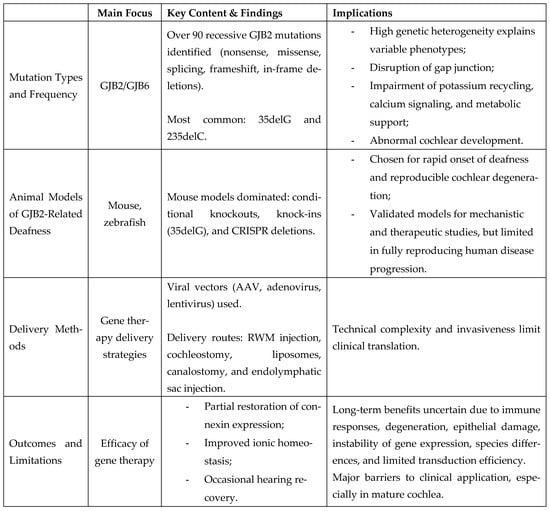
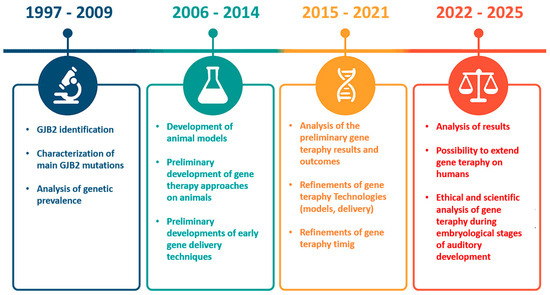
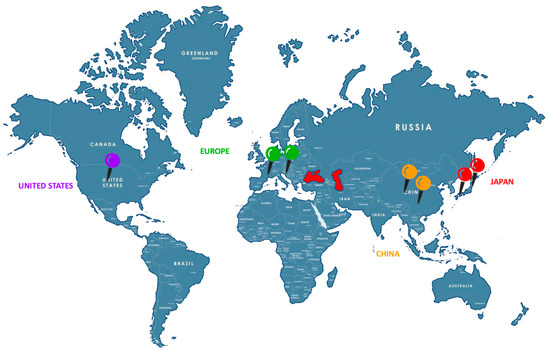
Purpose: Hearing loss (HL) is a prevalent condition significantly impairing quality of life, with genetic mutations accounting for a substantial proportion of congenital cases, notably those involving the GJB2 gene encoding connexin 26. This study aims to analyze the current knowledge, feasibility, and challenges of gene therapy targeting GJB2-related HL, emphasizing both embryonic and postnatal interventions. Methods: A comprehensive scoping review was conducted across electronic databases up to October 2025, including studies focusing on GJB2-associated HL, gene therapy approaches, and the timing of interventions. Data extraction encompassed mutation types, animal models, delivery strategies, outcomes, and ethical considerations. Results: The results indicated over 467 GJB2 variants which could impair cochlear ion homeostasis and development. Animal models, mainly murine, demonstrated early-onset degeneration with limited recovery following delayed gene therapy, while early postnatal intervention showed greater efficacy. Viral vectors like AAV have been employed for targeted gene delivery via cochlear injections, achieving partial restoration of connexin expression and cochlear function, yet they have faced limitations including transduction efficiency, immune responses, and long-term stability. Challenges in translating these findings to humans have been compounded by anatomical, immunological, ethical, and safety issues, particularly regarding embryonic gene therapy and germline modifications. Ethical frameworks can vary internationally, highlighting the necessity for careful regulation. Conclusions: While promising advances in gene therapy for GJB2-related HL have been achieved in preclinical studies, significant scientific, technical, and ethical barriers must be addressed before clinical application, especially during embryogenesis. A multidisciplinary, cautious approach is essential to realize the potential of gene therapy in restoring natural hearing while safeguarding individual and societal interests.
Full article
(This article belongs to the Section Hearing)
►▼
Show Figures

Figure 1

Open AccessArticle
Benefits of a Natural Dietary Supplement for Tinnitus: An Observational Prospective Exploratory Study
by
Massiel Cepeda Uceta, Estela Lladó-Carbó, Raidili Mateo Montero, Catalina Villa Jurado, Montserrat Virumbrales and Iván Domènech Juan
Audiol. Res. 2026, 16(2), 48; https://doi.org/10.3390/audiolres16020048 - 24 Mar 2026
Abstract
Background/Objectives: The objective of the study was to assess the benefits on quality of life (QoL) of a natural-based dietary supplement in patients with tinnitus. Methods: An observational, prospective and exploratory study was conducted in 30 patients (mean age 50.7 years)
[...] Read more.
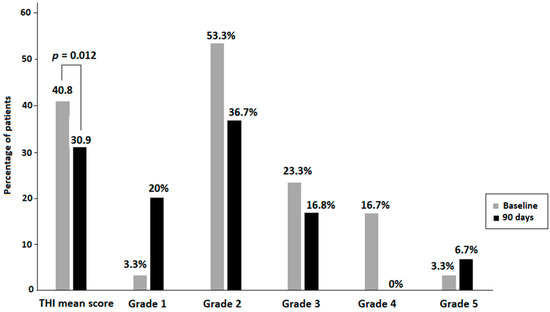
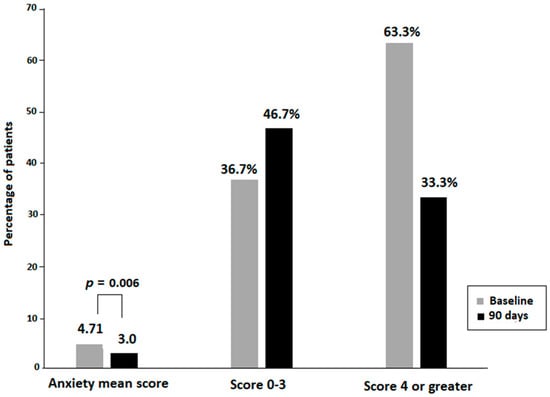
Background/Objectives: The objective of the study was to assess the benefits on quality of life (QoL) of a natural-based dietary supplement in patients with tinnitus. Methods: An observational, prospective and exploratory study was conducted in 30 patients (mean age 50.7 years) diagnosed with tinnitus. The dietary supplement (Otocalm®) contained L-theanine, Gingko biloba, melatonin, GABA, zinc, selenium and vitamins B3, B6 and B12, and was administered for 90 consecutive days. Clinical assessment included tone verbal audiometry, the Tinnitus Handicap Inventory (THI), the Goldberg anxiety and depression scale (GADS), and a 0–10 mm visual analogue scale (VAS) to score the intensity of tinnitus. Results: The mean THI score decreased from 40.8 at baseline to 30.9 at the end of the study (p = 0.012), and the percentage of patients with THI grade 1 (no handicap) increased from 3.3% to 20%. The mean anxiety score decreased from 4.7 to 3.0 (p = 0.006), and the percentage of patients scoring ≥ 4 in the GADS decreased from 63.3% to 33.3%. Changes in VAS scores and verbal tone audiometry were not observed. A decrease in the mean frequency of tinnitus from 2417.4 Hz to 1603.3 Hz (p = 0.519) was found. The product was safe and well-tolerated. Conclusions: The administration of a natural-based dietary supplement composed of L-theanine, Ginkgo biloba, melatonin, GABA, zinc, selenium, and group B vitamins during 90 days in patients with tinnitus was associated with a significant increase in QoL by reducing tinnitus-associated handicap and anxiety.
Full article
(This article belongs to the Section Hearing)
►▼
Show Figures

Figure 1

Open AccessReview
Microsurgical Reconstruction of the Ear and Temporal Region: Structural and Functional Considerations Including Hearing Rehabilitation—A Narrative Review
by
Florin-Vlad Hodea, Eliza-Maria Bordeanu-Diaconescu, Andrei Cretu, Vladut-Alin Ratoiu, Cristian-Sorin Hariga, Cristian-Radu Jecan, Ioan Lascar and Andreea Grosu-Bularda
Audiol. Res. 2026, 16(2), 47; https://doi.org/10.3390/audiolres16020047 - 22 Mar 2026
Abstract
►▼
Show Figures
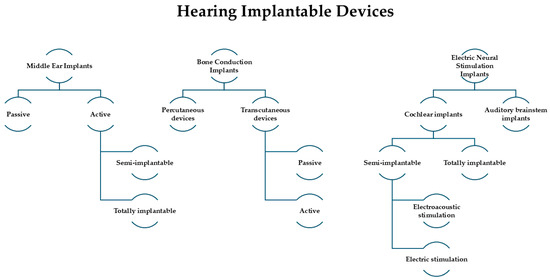
Reconstruction of the ear and temporal region presents unique challenges due to the complex anatomy of the lateral skull base and the need to restore both structural integrity and auditory function. Historically managed as separate entities, auricular reconstruction and hearing rehabilitation are increasingly
[...] Read more.
Reconstruction of the ear and temporal region presents unique challenges due to the complex anatomy of the lateral skull base and the need to restore both structural integrity and auditory function. Historically managed as separate entities, auricular reconstruction and hearing rehabilitation are increasingly approached in an integrated manner, supported by advances in microsurgical techniques and implantable hearing technologies. This narrative review synthesizes contemporary evidence on microsurgical reconstruction of the ear and temporal region in conjunction with hearing rehabilitation, analyzing a wide range of existing surgical techniques in an integrative manner. Reconstructive techniques discussed include local and regional flaps, free tissue transfer, auricular framework reconstruction using autologous cartilage or alloplastic materials, external auditory canal reconstruction, and subtotal petrosectomy. Hearing rehabilitation options reviewed encompass bone-anchored hearing systems, active and passive transcutaneous devices, middle ear implants, and cochlear implantation. Simultaneous reconstruction and implantation may reduce surgical burden and enable earlier hearing restoration in carefully selected patients, while staged approaches remain advantageous in complex or high-risk scenarios, particularly in the presence of chronic infection or extensive temporal bone surgery. Multidisciplinary collaboration, meticulous preoperative planning, and long-term follow-up are essential to optimize outcomes.
Full article

Figure 1
Open AccessArticle
Beyond the Air–Bone Gap: The Role of Bone Conduction Thresholds in Predicting Functional Outcomes and Guiding Surgical Decision-Making in Active Middle Ear and Bone Conduction Implants
by
Joan Lorente-Piera, Raquel Manrique-Huarte, Sebastián Picciafuoco, Janaina P. Lima, Valeria Serra and Manuel Manrique
Audiol. Res. 2026, 16(2), 46; https://doi.org/10.3390/audiolres16020046 - 17 Mar 2026
Abstract
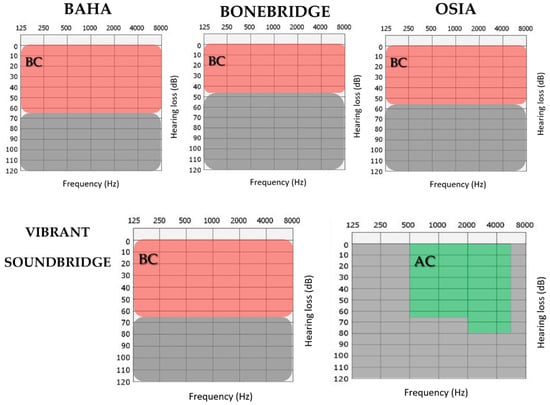
Introduction: In patients with conductive and mixed hearing loss, implantable hearing devices such as active middle ear implants (AMEIs) and bone conduction implants (BCIs) are established alternatives when conventional hearing aids fail. Although bone conduction (BC) thresholds are routinely used as eligibility
[...] Read more.
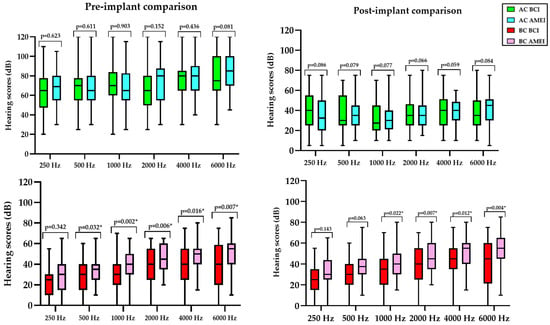
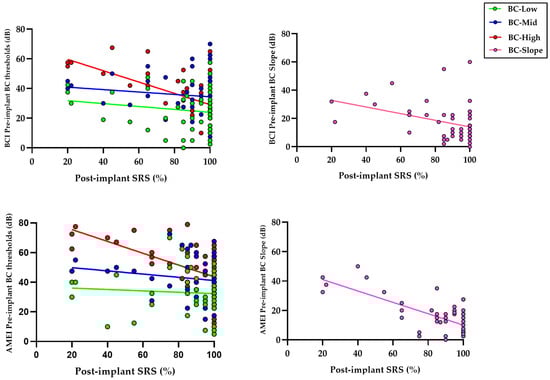
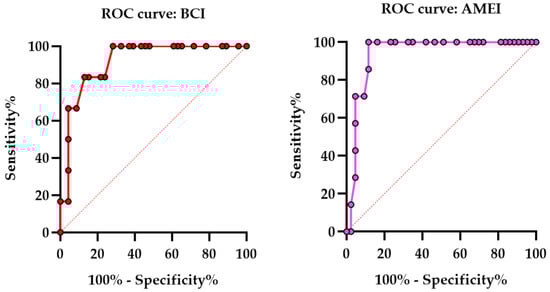
Introduction: In patients with conductive and mixed hearing loss, implantable hearing devices such as active middle ear implants (AMEIs) and bone conduction implants (BCIs) are established alternatives when conventional hearing aids fail. Although bone conduction (BC) thresholds are routinely used as eligibility criteria, their role as frequency-specific predictors of postoperative functional outcomes remains poorly defined. This study aimed to evaluate the influence of preoperative BC thresholds across the audiometric spectrum on postoperative speech recognition outcomes after implantation with AMEIs and BCIs. Methods: A retrospective observational study was conducted at a tertiary referral center including patients implanted with BCIs or AMEIs. Pre- and postoperative audiological data were analyzed, including air and bone conduction thresholds, frequency-segmented BC measures (low, mid, and high frequencies), cochlear frequency gradient (ΔBC Slope), and speech recognition scores (SRSs) at 65 dB HL one year after implantation. Results: 102 patients were included (50 BCI, 52 AMEI). Both implant types achieved significant postoperative improvements in tonal thresholds and SRS compared with pre-implantation values (all p < 0.001). High-frequency BC thresholds (BC-High, 4–6 kHz) showed a significant inverse correlation with postoperative SRS in both BCI (r = −0.382, p = 0.001) and AMEI users (r = −0.398, p < 0.001), and emerged as the only independent predictor in multivariable models (BCI: β = −0.533, p = 0.022; AMEI: β = −0.491, p = 0.020). Low- and mid-frequency BC measures were not associated with postoperative speech outcomes (all p > 0.05). ROC analyses demonstrated excellent discriminative performance of BC-High for identifying suboptimal outcomes, with area under the curve values of 0.92 for BCI (p = 0.001) and 0.94 for AMEI (p = 0.002), and implant-specific cutoff values of >47 dB HL and >61 dB HL, respectively. Conclusions: High-frequency BC thresholds showed the strongest association with postoperative speech recognition after implantable hearing rehabilitation. BC-High could function as a prognostic marker of functional outcome rather than an eligibility criterion, providing clinically meaningful information to refine preoperative counseling and individualized decision-making within current indication frameworks.
Full article
(This article belongs to the Section Hearing)
►▼
Show Figures

Figure 1

Open AccessArticle
A New Wearable System for Postural Balance Assessment: Comparison with EquiTest and Static Posturography in Healthy Adults
by
Valerio Maria Di Pasquale Fiasca, Alfredo Gabriele Nanni, Marco Pozzi, Lorenzo Collino, Barbara Martino, Paolo Ranieri, Eliana Filipponi, Giulio Dehesh, Andrea Beghi and Federica Di Berardino
Audiol. Res. 2026, 16(2), 45; https://doi.org/10.3390/audiolres16020045 - 17 Mar 2026
Abstract
►▼
Show Figures
Background: Objective assessment of postural control is central to the clinical evaluation of vestibular disorders. Although force-platform-based posturography is considered the gold standard, its use may be limited by cost and infrastructural requirements. Wearable inertial measurement units (IMUs) represent a promising alternative;
[...] Read more.
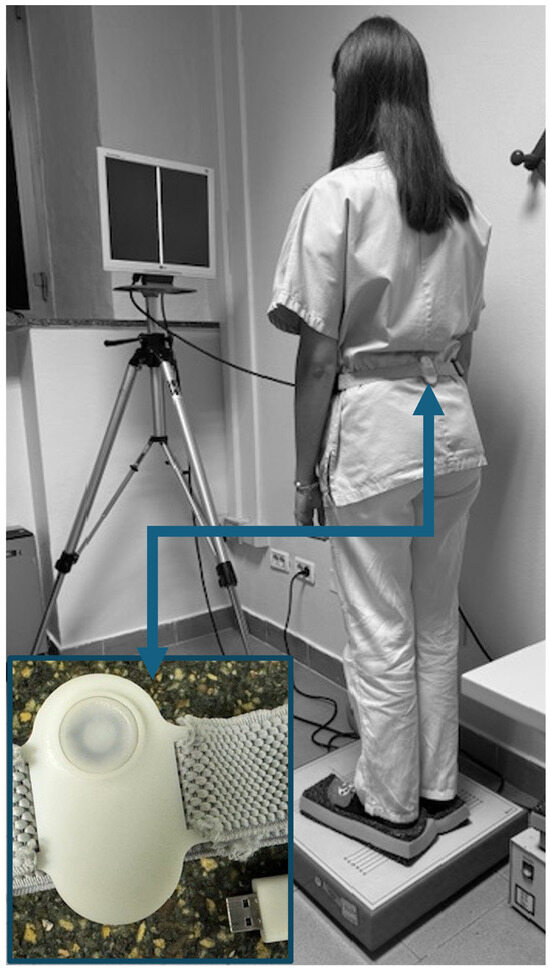
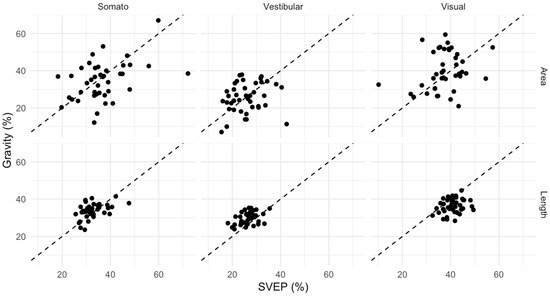
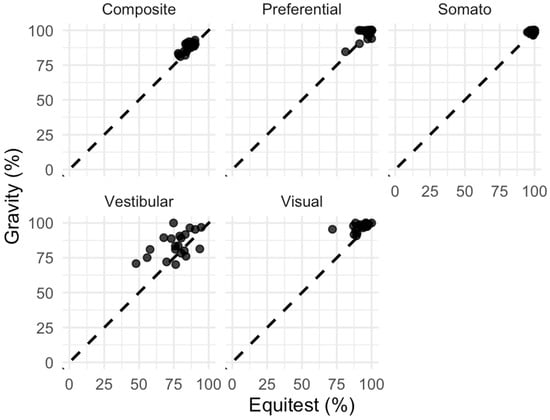
Background: Objective assessment of postural control is central to the clinical evaluation of vestibular disorders. Although force-platform-based posturography is considered the gold standard, its use may be limited by cost and infrastructural requirements. Wearable inertial measurement units (IMUs) represent a promising alternative; however, their clinical validation should account for intrinsic differences in measurement paradigms rather than strict metric equivalence. Objective: To preliminarily evaluate the within-session reliability of a wearable IMU-based medical device for balance assessment (Gravity), and its agreement with established static (SBP) and computerised dynamic posturographic systems (CDP) in healthy subjects. Methods: Sixty-three healthy adults were enrolled in two independent method comparison studies: a wearable IMU-based balance system versus a static stabilometric platform (GRAVITY vs. SVEP; n = 42) and a wearable IMU-based balance system versus computerised dynamic posturography (Gravity vs. EquiTest; n = 21). Gravity measurements were obtained simultaneously with reference systems across standardised sensory conditions. Within-session reliability and method agreement were assessed. Results: Within-session reliability of Gravity was outcome-dependent. Length-based components demonstrated higher repeatability (ICC (single) = 0.25–0.35; ICC (average) = 0.41–0.52), with narrower limits of agreement (LoA = ±9–12%) and lower measurement error (SEM = 3.3–4.3%). In comparison with SBP, length-based measures exhibited narrower limits (LoA = ±12–17) and more consistent relationships. Comparison with CDP revealed moderate agreement for composite and preferential scores (LoA: −2.20–7.07; −5.54–8.12). Conclusions: Gravity sensor may represent a clinically meaningful, outcome-dependent performance, with superior reliability and comparability for length-based postural measures compared with area-based measures. The device could provide balance assessments compatible with both static and dynamic posturographic systems, accounting for physiological variability. These findings support the potential clinical use of wearable IMU-based posturography, particularly in settings where conventional force-platform systems are not readily available, and warrant further validation in larger, more clinically diverse populations.
Full article

Figure 1
Open AccessSystematic Review
Cochlear Implantation in Down Syndrome: Functional Outcomes, Challenges, and Management Strategies
by
David H. Elisha, David H. Cohen, Andrea Monterrubio, Ryan Hossain, Nicholas DiStefano, Rahul Mittal and Adrien A. Eshraghi
Audiol. Res. 2026, 16(2), 44; https://doi.org/10.3390/audiolres16020044 - 9 Mar 2026
Abstract
►▼
Show Figures
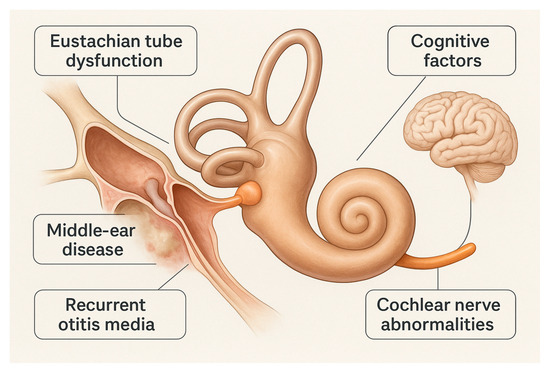
Objective: The aim was to evaluate cochlear implantation (CI) outcomes in children with Down syndrome (DS) with severe-to-profound sensorineural hearing loss (SNHL), addressing a literature gap and discussing challenges including anatomical abnormalities, cognitive deficits, and Eustachian tube dysfunction. Data Sources: Systematic searches were
[...] Read more.
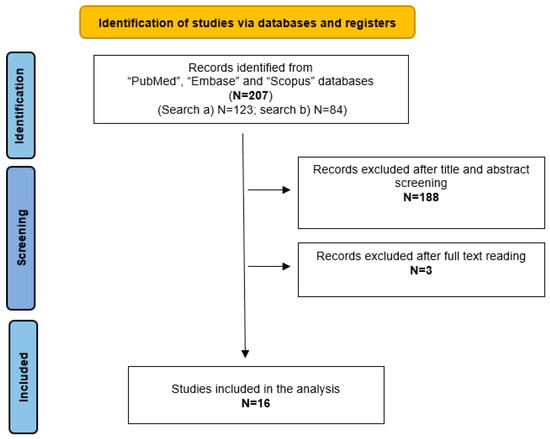
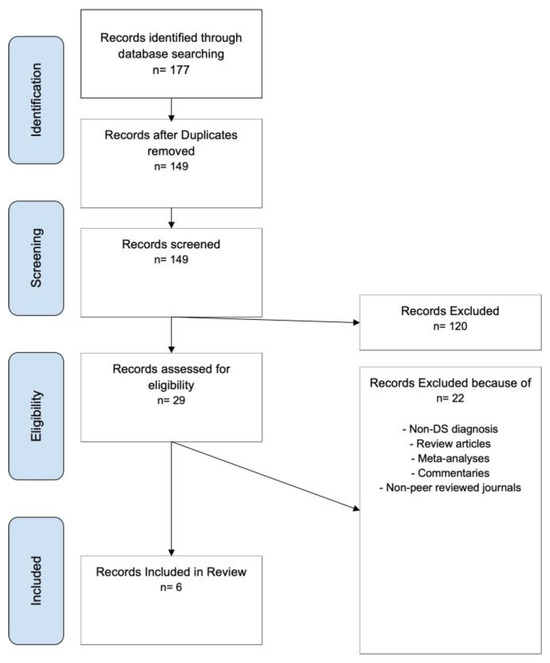
Objective: The aim was to evaluate cochlear implantation (CI) outcomes in children with Down syndrome (DS) with severe-to-profound sensorineural hearing loss (SNHL), addressing a literature gap and discussing challenges including anatomical abnormalities, cognitive deficits, and Eustachian tube dysfunction. Data Sources: Systematic searches were conducted in PubMed, Web of Science, Scopus, and Embase from inception through to June 2025. Review Methods: A systematic review adhering to PRISMA guidelines was performed. Included studies reported CI outcomes in DS patients receiving otolaryngologic care for SNHL. Extracted data included findings on ear anatomy, auditory performance, speech/language development, intelligibility, and duration of CI use. Results: A total of 149 abstracts were screened, yielding six studies with 26 patients that met the inclusion criteria. The review included pediatric DS patients with documented ages at implantation spanning from 11 months to 17.9 years. CI provided significant benefits for DS patients, including improved audiometric results, enhanced environmental awareness, and psychosocial gains. Optimal outcomes were associated with early implantation, thorough preoperative imaging (CT/MRI), and management of middle ear disease. Variability in outcomes often reflected cognitive limitations and anatomical challenges such as cochlear nerve hypoplasia and Eustachian tube dysfunction. Conclusions: CI can significantly improve quality of life and communication in children with DS when tailored to their unique needs. Preoperative imaging is essential to assess candidacy, and middle ear disease should be addressed prior to surgery. Clinicians should counsel families with individualized goals that emphasize functional hearing gains over normative speech benchmarks. Broader adoption of CI in this population may be supported by standardized, population-sensitive outcome measures and future prospective studies.
Full article

Figure 1
Open AccessArticle
Integrating the Sensation–Emotion–Cognition (SEC) Model into Tinnitus Care: A Preliminary Exploratory Study of a Comprehensive Tinnitus Management Protocol
by
María del Carmen Moleón González, Farzon Danesh and Ali A. Danesh
Audiol. Res. 2026, 16(2), 43; https://doi.org/10.3390/audiolres16020043 - 9 Mar 2026
Abstract
►▼
Show Figures
Background: Tinnitus, the perception of sound in the absence of an external source, is a prevalent condition that can substantially affect physical and mental health. Although tinnitus is not typically curable, it is often manageable with structured, multidisciplinary care. This pilot research describes
[...] Read more.
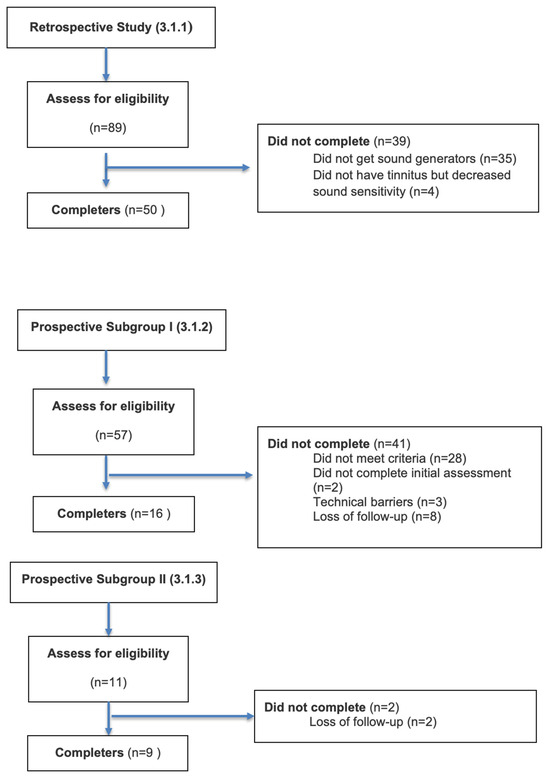
Background: Tinnitus, the perception of sound in the absence of an external source, is a prevalent condition that can substantially affect physical and mental health. Although tinnitus is not typically curable, it is often manageable with structured, multidisciplinary care. This pilot research describes the Sensation–Emotion–Cognition (SEC) model, a practical audiological framework developed by Danesh et al. that targets three core dimensions of the tinnitus experience. Methods: We integrate findings from an exploratory retrospective cohort and a prospective expansion study. The SEC protocol included sound therapy, counseling and relaxation training, and cognitive behavioral therapy (CBT) delivered through either unguided, module-based internet CBT, clinician-guided module-based internet CBT, or six therapist-led CBT sessions. The objective was to evaluate whether this multifactorial approach is associated with reductions in tinnitus-related distress. Results: In this prospective study, preliminary results from 16 participants who completed the study were associated with significant pre–post changes in tinnitus-related outcomes: 4C management confidence increased from M = 30.38 to 60.19 (p < 0.001; Cohen’s dz = 1.04), and SAD-T emotional distress decreased from M = 4.75 to 2.38 (p = 0.001; Cohen’s dz = 0.99). Conclusions: These findings suggest the potential value of an integrated management strategy; however, given the single-group pre–post design and attrition, the results should be interpreted as exploratory and warrant confirmation in larger controlled trials.
Full article

Figure 1
Open AccessArticle
Effects of a Nanotechnology-Based Application on Balance Control in Hearing Aid Users
by
Francesca Campoli, Andrea Fabris, Donatella Di Corrado, Dorota Kostrzewa-Nowak, Robert Nowak, Lucio Caprioli, Vincenzo Cristian Francavilla, Elvira Padua and Giuseppe Messina
Audiol. Res. 2026, 16(2), 42; https://doi.org/10.3390/audiolres16020042 - 8 Mar 2026
Abstract
Background: Balance impairment and falls are a major health concern in older adults. Beyond vestibular and visual factors, growing evidence indicates that age-related hearing loss contributes to postural instability through altered multisensory integration. However, interventions addressing the interaction between auditory input and postural
[...] Read more.
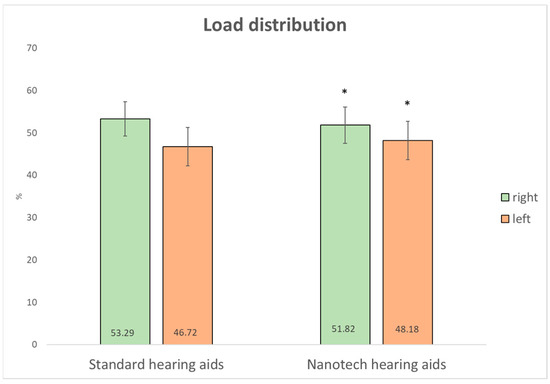
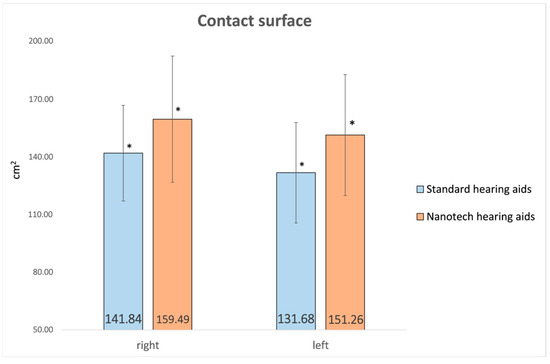
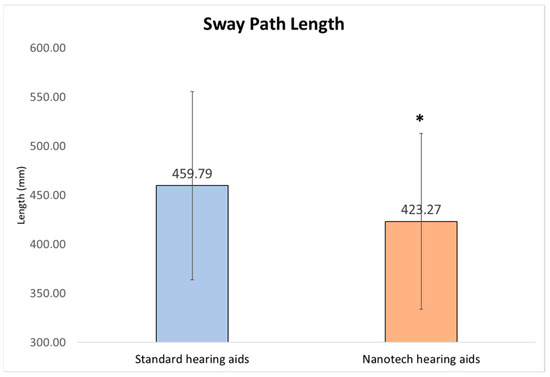
Background: Balance impairment and falls are a major health concern in older adults. Beyond vestibular and visual factors, growing evidence indicates that age-related hearing loss contributes to postural instability through altered multisensory integration. However, interventions addressing the interaction between auditory input and postural control remain limited. This study examined whether integrating Taopatch® nanotechnology, based on localized photobiomodulation, into conventional hearing aids could influence postural control in individuals with hearing loss. Methods: Forty experienced hearing aid users (mean age 77.3 ± 15.6 years) completed five postural assessments using a SensorMedica® baropodometric platform. Four sessions employed a placebo patch identical in appearance to the active device, and the fifth used Taopatch®. Static and stabilometric parameters were analyzed under open- and closed-eye conditions. Results: Significant improvements were observed with the Taopatch®-integrated device. Sway path length (−8%, p = 0.002), mean velocity (−8%, p = 0.002), and low-frequency sway (−30%, p = 0.04) decreased, indicating smoother and more efficient postural control. A lateral redistribution of plantar load and an increase in contact surface area (up to +15%) were also found. These effects were less evident without visual input. Conclusions: Preliminary findings suggest that localized photobiomodulation integrated into hearing aids may positively influence postural stability in older adults with hearing impairment, possibly by supporting sensory integration processes. Further controlled studies are needed to confirm these effects and clarify the underlying mechanisms.
Full article
(This article belongs to the Special Issue The Aging Ear)
►▼
Show Figures

Figure 1
Open AccessArticle
A Novel Water Method for Reducing Air Conduction in Soft Tissue Conduction
by
Shai Chordekar, Haim Sohmer and Miriam Geal-Dor
Audiol. Res. 2026, 16(2), 41; https://doi.org/10.3390/audiolres16020041 - 7 Mar 2026
Abstract
Background: Bone vibrator (BV) stimulation applied to skin sites on the body elicits hearing by soft tissue conduction (STC). However, BV stimulation to sites far from the ear requires the delivery of higher-intensity stimulus vibrations to achieve threshold, which can then induce hearing
[...] Read more.
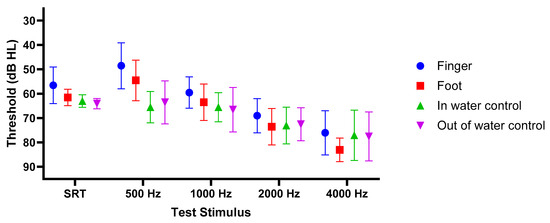
Background: Bone vibrator (BV) stimulation applied to skin sites on the body elicits hearing by soft tissue conduction (STC). However, BV stimulation to sites far from the ear requires the delivery of higher-intensity stimulus vibrations to achieve threshold, which can then induce hearing by air conduction (AC) contamination. This problem limits the study of STC thresholds at sites more distant from the ear. Objective: To overcome this problem, we evaluated the possibility of delivering STC vibratory stimuli to body sites in a water bath, based on the different acoustic impedances between air and water, which produces a 30 dB reduction in transmission from water to air. Methods: A standard clinical BV delivered vibration stimuli (tonal and speech stimuli) applied directly to two body sites: finger and foot. BV and body sites were immersed in a water bath. One control involved both stimulation site and BV both in water, but not in contact. In an additional control, the BV was in the bath, while the stimulation site was out of the bath. Results: STC hearing of both pure tones and speech could be elicited at stimulus intensities below those induced by control stimulation (body site and BV both in water, but not in contact; BV in bath, stimulation site out of bath). STC thresholds at the finger site were lower than those at the foot. Conclusions: The current results suggest that water-immersion method enables study of STC hearing in response to higher-intensity vibrational stimuli, and at body sites more distant from the ear, without contamination by AC hearing.
Full article
(This article belongs to the Section Hearing)
►▼
Show Figures

Figure 1

Open AccessArticle
New Insight into Potential Otoprotective Effects of Lactoferrin: Is It Paradoxically Ototoxic? An Experimental Investigation
by
Ahmet Mutlu, Ayse Yasemin Gunduz, Burcu Bakici, Murat Erinc, Erdogan Bulut, Onur Ersoy, Serdal Celik, Dogan Cakan and Mahmut Tayyar Kalcioglu
Audiol. Res. 2026, 16(2), 40; https://doi.org/10.3390/audiolres16020040 - 6 Mar 2026
Abstract
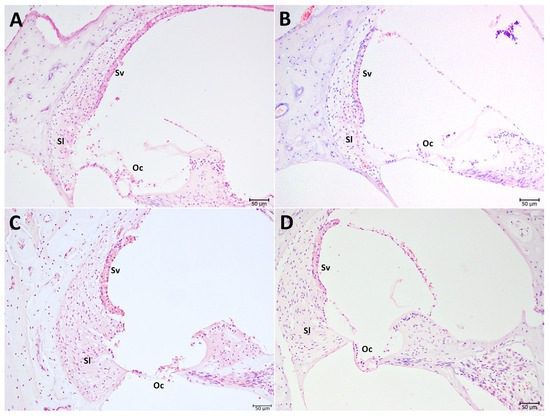
To evaluate the potential ototoxic effects of lactoferrin on the inner ear using electrophysiological and histological methods. Methods: Thirty-two Sprague-Dawley rats (64 ears) were divided into four groups: control, saline, antiseptic solution (70% isopropyl alcohol + 2% chlorhexidine), and lactoferrin. Groups II–IV received
[...] Read more.
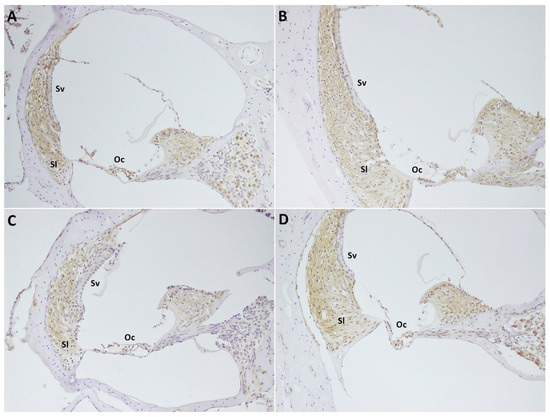
To evaluate the potential ototoxic effects of lactoferrin on the inner ear using electrophysiological and histological methods. Methods: Thirty-two Sprague-Dawley rats (64 ears) were divided into four groups: control, saline, antiseptic solution (70% isopropyl alcohol + 2% chlorhexidine), and lactoferrin. Groups II–IV received three intratympanic injections. Auditory brainstem response (ABR) tests were performed at baseline, day 7, and day 21. Cochlear histology and VEGF immunoreactivity were assessed. Results: Baseline hearing was similar across groups. Post-treatment, Groups II and IV showed partial recovery at 8, 16, and 24 kHz, while Groups III and IV had worsening thresholds at higher frequencies. Histologically, Group IV’s cochlear structures remained largely intact. VEGF immunoreactivity was severe to moderate in Groups I, II, and IV, and weaker in Group III. Conclusions: Lactoferrin showed relative safety at lower frequencies but possible ototoxicity at higher frequencies. However, no significant structural damage was observed in cochlear tissues.
Full article
(This article belongs to the Collection Translational Audiology)
►▼
Show Figures

Figure 1

Open AccessArticle
Bedside Approach to Acute Vertigo with Spontaneous Horizontal Nystagmus: The Role of Simultaneous Ice-Water Test Stimulation and Its Correlation with the HINTS Protocol in Differentiating Peripheral and Central Etiologies
by
Luigi Califano, Cataldo Latorre, Maria Grazia Melillo, Iacopo Cangiano, Giuseppe Manna, Maria Gabriella Coppola and Roberto Teggi
Audiol. Res. 2026, 16(2), 39; https://doi.org/10.3390/audiolres16020039 - 6 Mar 2026
Abstract
Background: Acute vertigo is among the most frequent causes of access to the Emergency Department. In acute vestibular syndrome, differentiating peripheral from central causes remains challenging. The HINTS protocol provides high diagnostic accuracy but requires expertise and adequately informed physicians. The caloric ice-water
[...] Read more.
Background: Acute vertigo is among the most frequent causes of access to the Emergency Department. In acute vestibular syndrome, differentiating peripheral from central causes remains challenging. The HINTS protocol provides high diagnostic accuracy but requires expertise and adequately informed physicians. The caloric ice-water test has recently been proposed as a bedside tool to aid this differential diagnosis. This study evaluates a novel approach: simultaneous bilateral ice-water irrigation in association with the HINTS protocol. Methods: One hundred consecutive patients presenting with acute vertigo and spontaneous unidirectional nystagmus were enrolled across three Italian centers. All patients underwent clinical assessment including among other the HINTS protocol and the simultaneous bilateral ice-water irrigation. Changes in spontaneous nystagmus during the ice test were recorded. Results: Eighty-six patients fulfilled HINTS criteria for acute unilateral peripheral vestibulopathy, all of whom demonstrated marked suppression/abolition of nystagmus during the simultaneous ice test. In contrast, nystagmus persisted in all 12 patients classified as having central vestibular pathology. Conclusions: Simultaneous bilateral ice-water irrigation is a simple and well-tolerated bedside test that demonstrates strong concordance with the HINTS protocol. While it cannot replace comprehensive clinical assessment, it represents a valuable complementary tool to distinguish peripheral from central causes of acute vertigo.
Full article
(This article belongs to the Section Balance)
Open AccessArticle
Mandibular Movement During Swallowing in Patients with Tinnitus: An Instrumented Case–Control Study
by
Henri Albert Didier, Federica Di Berardino, Giorgio Lilli, Diego Zanetti, Alexander Henri Didier, Giorgio Raponi, Saverio Joshua Leone, Silvia Romano, Marco Farronato, Elisa Boccalari, Marco Serafin, Alberto Caprioglio, Dino Re and Aldo Bruno Giannì
Audiol. Res. 2026, 16(2), 38; https://doi.org/10.3390/audiolres16020038 - 5 Mar 2026
Abstract
Objectives: This study aimed to determine whether adults with tinnitus exhibit altered phase-specific mandibular kinematics during saliva swallowing and increased prevalence of tongue thrust and Eustachian-tube insufficiency versus tinnitus-free controls. Methods: This was a cross-sectional case–control study including adults with tinnitus
[...] Read more.
Objectives: This study aimed to determine whether adults with tinnitus exhibit altered phase-specific mandibular kinematics during saliva swallowing and increased prevalence of tongue thrust and Eustachian-tube insufficiency versus tinnitus-free controls. Methods: This was a cross-sectional case–control study including adults with tinnitus and controls. Standardized computerized kinesiography recorded three spontaneous saliva swallows per participant. Primary outcomes were opening/closing time (OCT) and post-closure stabilization time (STT); total swallowing time (SWT) was secondary. Tongue thrust (TT) and tubal insufficiency (TI) were assessed clinically. Distributional assumptions were checked with Shapiro–Wilk; between-group comparisons used two-sided Mann–Whitney U tests and Fisher’s exact tests (TT, TI). Effect sizes included rank-biserial correlation (r), Hodges–Lehmann median difference (Δ), and odds ratios (ORs) with 95% confidence intervals. Co-occurrence of TT and TI and their relationships with OCT, STT, and SWT were evaluated within strata (cases vs. controls) using Fisher’s exact test, φ, Mann–Whitney U tests, and Spearman’s ρ. Given the marked imbalance in age and sex between groups, unadjusted non-parametric comparisons were complemented by multivariable models with adjustment for age and sex. An omnibus non-parametric combination test summarized case–control differences across OCT, STT, and SWT. Results: Statistical analysis was performed on 77 cases with tinnitus and 78 controls. Tinnitus cases showed longer OCT (1.75 ± 0.92 vs. 1.12 ± 0.62 s; p < 0.001; r ≈ 0.40; Δ ≈ +0.60 s) and STT (1.44 ± 0.88 vs. 0.84 ± 0.62 s; p < 0.001; r ≈ 0.42; Δ ≈ +0.60 s), while SWT differed modestly and was not significant (2.75 ± 0.69 vs. 2.57 ± 0.65 s; p = 0.115; r ≈ 0.15; Δ ≈ +0.18 s). TT was more frequent in cases (18.2%) than controls (6.4%; OR = 3.05, 95% CI 1.08–8.61; p = 0.029), whereas TI occurred in 16.9% of cases and 0% of controls (corrected OR = 32.85, 95% CI 1.92–563.49; p < 0.001). Within tinnitus cases, TT and TI did not show meaningful co-occurrence (φ ≈ −0.03; p = 1.00). TT+ tinnitus patients exhibited markedly prolonged OCT compared with TT− (median 2.22 vs. 1.45 s; Δ ≈ +0.88 s; r ≈ 0.60; p < 0.001), whereas STT and SWT were minimally affected; TI was not materially associated with any swallowing-time parameter. Spearman analyses confirmed a moderate monotonic association between TT and OCT in tinnitus cases (ρ ≈ 0.40; p < 0.001), with all other correlations small and clinically negligible. Age- and sex-adjusted analyses confirmed longer OCT and STT in tinnitus cases, whereas SWT remained non-significant; TT and TI also remained more frequent in cases after adjustment. The omnibus test indicated a clear global separation between groups across OCT, STT, and SWT (permutation p < 0.001). Conclusions: Adults with tinnitus exhibit a distinct swallowing signature characterized by prolonged OCT and STT, together with higher prevalence of TT and TI. TT in tinnitus patients is specifically linked to a pronounced prolongation of OCT, while STT and SWT remain largely unchanged, and TI shows no relevant impact on kinematic indices.
Full article
(This article belongs to the Section Hearing)
Open AccessArticle
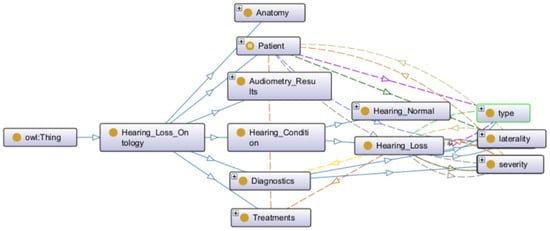
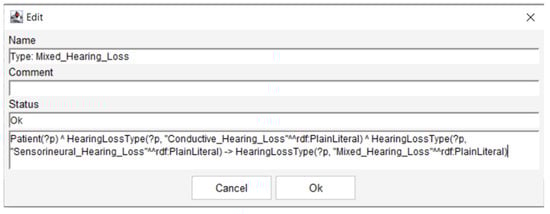
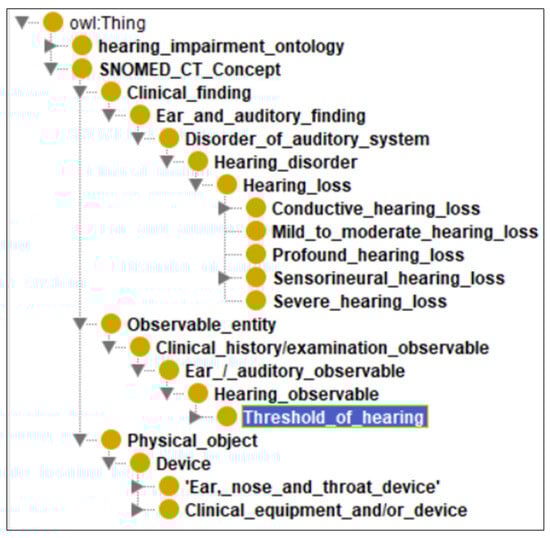
Personalized Hearing Loss Care Using SNOMED CT-Aligned Ontology and Random Forest Machine Learning: A Hybrid Decision-Support Framework
by
Darine Kebsi, Chamseddine Barki, Ismail Dergaa, Riadh Gouider, Halil İbrahim Ceylan, Amina Maddouri, Abderrazak Jemai, Mourad Elloumi, Nicola Luigi Bragazzi and Hanene Boussi Rahmouni
Audiol. Res. 2026, 16(2), 37; https://doi.org/10.3390/audiolres16020037 - 2 Mar 2026
Abstract
►▼
Show Figures
Background: Hearing loss affects over 466 million individuals globally and is recognized as a major risk factor for Alzheimer’s disease, yet treatment personalization remains limited due to the complexity and diversity of underlying causes. Current diagnostic and therapeutic approaches lack standardized methods to
[...] Read more.
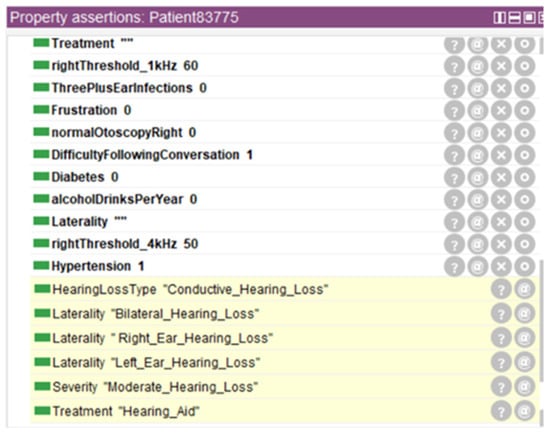
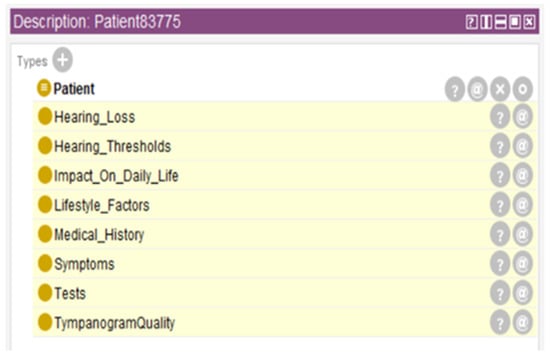
Background: Hearing loss affects over 466 million individuals globally and is recognized as a major risk factor for Alzheimer’s disease, yet treatment personalization remains limited due to the complexity and diversity of underlying causes. Current diagnostic and therapeutic approaches lack standardized methods to accurately predict the most appropriate intervention for individual patients. The integration of medical ontologies with machine learning offers a promising solution for enhancing diagnostic accuracy and treatment personalization. Aim: Our study aimed to (i) develop a Systematized Nomenclature of Medicine—Clinical Terms (SNOMED CT)-aligned clinical ontology for hearing loss using Semantic Web Rule Language for automated reasoning; (ii) implement a Random Forest classifier trained on ontology-enriched patient data to classify hearing loss types (conductive, sensorineural, mixed, or normal); and (iii) predict optimal personalized treatments based on laterality, severity, audiometric thresholds, and medical history using real-world patient data. Methods: We developed a task ontology using Protégé 5.6.3 with Web Ontology Language (OWL), integrated SNOMED CT terminology alignment, and implemented Semantic Web Rule Language rules executed by the Pellet 2.2.0 reasoner. The framework was trained and evaluated on 3723 adult patients from the 2015–2016 National Health and Nutrition Examination Survey (NHANES) dataset with complete audiometric and clinical data. Random Forest models were developed using an 80–20 train-test split with stratified sampling and five-fold cross-validation. Performance was compared between K-Means clustering-based labeling and ontology-based semantic inference using accuracy, precision, recall, F1-score, and log loss metrics. Results: The ontology successfully generated semantic labels for all 3723 patients, enabling precise classification of hearing loss types, severity levels, and laterality. The Random Forest model with K-Means clustering achieved a test accuracy of 90.2% with a log loss of 0.2766 and a cross-validation mean accuracy of 91.22% (standard deviation 1.2%). Integration of ontology-based semantic enrichment significantly improved performance, achieving a test accuracy of 92.48% with a cross-validation mean accuracy of 92.80% (standard deviation 0.9%). F1-scores improved across all classes, with mixed hearing loss showing a notable increase from 0.86 to 0.92. Feature importance analysis identified audiometric thresholds, ontology-derived severity labels, and medical history as top predictors, enhancing clinical interpretability. Conclusions: This study demonstrates that combining SNOMED CT-aligned ontology with Random Forest classification achieves superior diagnostic accuracy and enables personalized treatment recommendations for hearing loss. The hybrid framework provides clinically interpretable decision support while ensuring semantic interoperability with electronic health records. Multi-institutional validation studies are necessary to assess generalizability across diverse populations before clinical deployment.
Full article

Figure 1
Open AccessArticle
Therapeutic Assessment of TrkB Agonist in a Unilateral Blast-Induced Hearing Loss Mouse Model
by
Sung Kyun Kim, Han-Gyu Bae and Jun Hee Kim
Audiol. Res. 2026, 16(2), 36; https://doi.org/10.3390/audiolres16020036 - 28 Feb 2026
Abstract
Background/Objectives: Blast-induced hearing loss (BIHL) is a major concern, particularly for military personnel, and is linked to impaired auditory neuron survival and synaptic plasticity. This study investigates the potential of the TrkB agonist 7,8-dihydroxyflavone (7,8-DHF) to reduce the severity of BIHL and promote
[...] Read more.
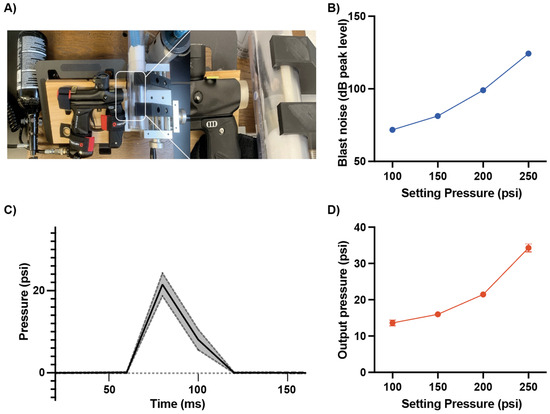
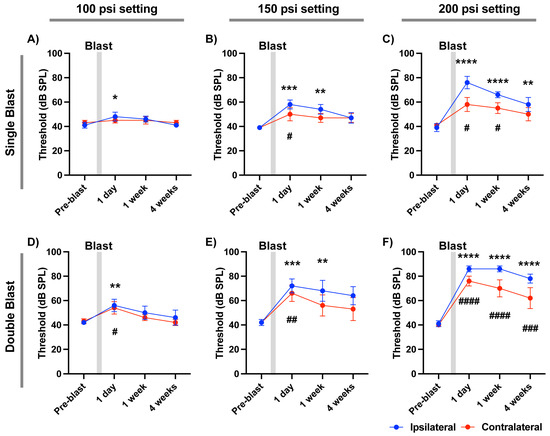
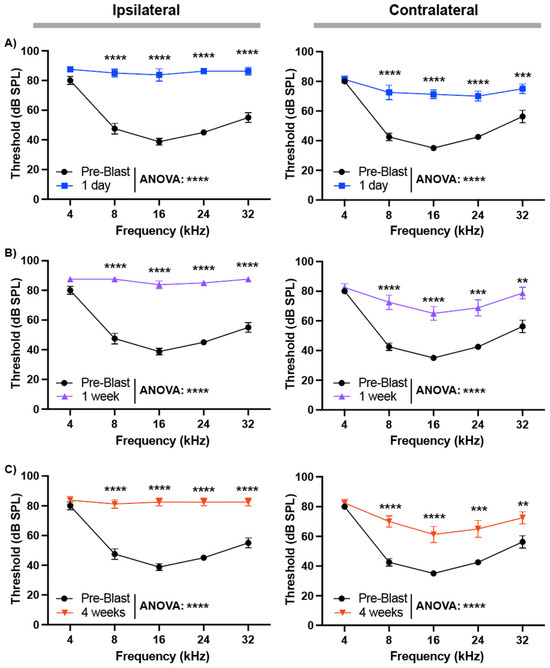
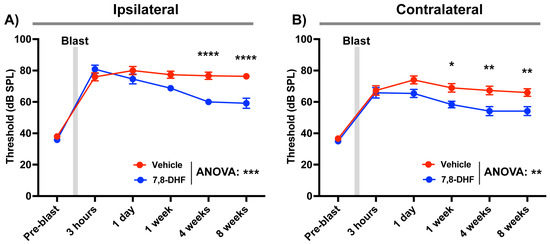
Background/Objectives: Blast-induced hearing loss (BIHL) is a major concern, particularly for military personnel, and is linked to impaired auditory neuron survival and synaptic plasticity. This study investigates the potential of the TrkB agonist 7,8-dihydroxyflavone (7,8-DHF) to reduce the severity of BIHL and promote recovery in a mouse model. Methods: Eight-week-old male C57BL/6J mice were used. A custom-built, compressed air-driven system utilizing a modified paintball apparatus was employed to deliver controlled unilateral double blasts (~22 psi exposure pressure) to the left ear. The blasts were administered 30 min apart. Immediately following the second blast, mice received either 7,8-DHF (10 mg/kg) or vehicle (10% DMSO) via intraperitoneal injection. Auditory brainstem responses (ABRs) were measured in both ears at baseline (pre-blast) and at several post-exposure time points. Results: The consecutive blast exposure induced a significant elevation in ABR thresholds, indicative of hearing loss, in both the ipsilateral (exposed) and contralateral (unexposed) ears of vehicle-treated mice. Notably, mice treated with 7,8-DHF demonstrated a marked improvement in hearing recovery compared to the vehicle group. Significant reductions in ABR thresholds were observed in the ipsilateral ear at 4 weeks post-blast (p < 0.0001) and in the contralateral ear as early as 1-week post-blast (p = 0.0236). However, the recovery was partial, with ABR thresholds plateauing after 4 weeks. Conclusions: A controlled blast model demonstrates that systemic administration of the TrkB agonist 7,8-DHF exerts a protective effect, partially restoring auditory function after blast injury. This supports the therapeutic potential of targeting the BDNF-TrkB signaling pathway for managing BIHL.
Full article
(This article belongs to the Special Issue Hearing Loss: Causes, Symptoms, Diagnosis, and Treatment—Volume II)
►▼
Show Figures

Figure 1

Open AccessArticle
Association Between Tinnitus and Angina Pectoris in U.S. Adults: Evidence from NHANES 2009–2018
by
Mitra Britton and Ishan Sunilkumar Bhatt
Audiol. Res. 2026, 16(2), 35; https://doi.org/10.3390/audiolres16020035 - 28 Feb 2026
Abstract
Background/Objectives: Tinnitus has been increasingly associated with cardiovascular disease, and recent phenome-wide analyses have identified angina pectoris as a condition linked to tinnitus. This study aimed to replicate and quantify the association between tinnitus and angina pectoris in a nationally representative U.S. adult
[...] Read more.
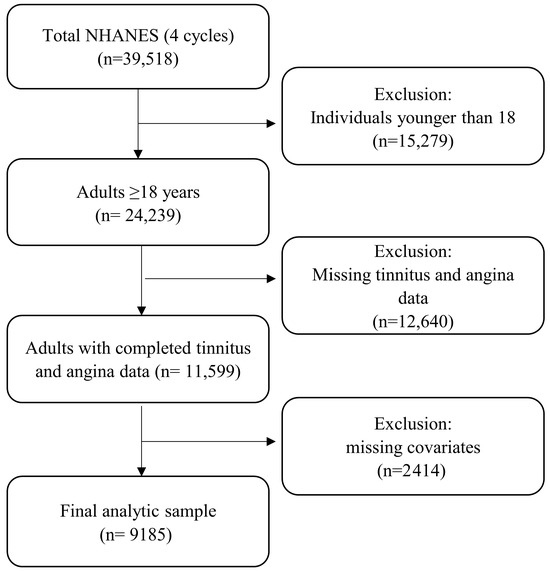
Background/Objectives: Tinnitus has been increasingly associated with cardiovascular disease, and recent phenome-wide analyses have identified angina pectoris as a condition linked to tinnitus. This study aimed to replicate and quantify the association between tinnitus and angina pectoris in a nationally representative U.S. adult sample using NHANES, while adjusting for key demographic, cardiovascular, and tinnitus-related risk factors. Methods: Using data from four NHANES cycles 2009–2018, a cross-sectional analysis was conducted, which included 9185 participants, and used multivariate logistic regression analyses to investigate the association between tinnitus and angina pectoris. Results: Among 9185 adults, angina was associated with higher odds of tinnitus in all models. In the crude model, OR = 3.30 (95% CI: 2.18–4.91, p < 0.001); partially adjusted, OR = 1.92 (95% CI: 1.27–2.89, p = 0.002); fully adjusted, OR = 1.65 (95% CI: 1.07–2.55, p = 0.026). In the fully adjusted model, hearing loss (OR = 4.11), noise exposure (OR = 1.63), current smoking (OR = 1.29), older age (OR = 1.01 per year), and total cholesterol (OR = 1.003 per mg/dL) were additional significant predictors for tinnitus. Conclusions: In this nationally representative sample of U.S. adults, tinnitus was more frequently reported among individuals with a history of angina pectoris, and this association persisted after adjustment for demographic factors, socioeconomic status, hearing loss, noise exposure, smoking, and cardiometabolic comorbidities. These findings support emerging evidence that cardiovascular conditions may be associated with tinnitus, potentially reflecting shared vascular or systemic mechanisms. Given the cross-sectional design, causal inferences cannot be drawn, and the temporal relationship between angina and tinnitus remains unclear. Future longitudinal studies are needed to clarify underlying mechanisms, assess directionality, and determine whether cardiovascular risk modification may have implications for tinnitus prevention or management.
Full article
(This article belongs to the Section Hearing)
►▼
Show Figures

Figure 1
Journal Menu
► ▼ Journal Menu-
- Audiology Research Home
- Aims & Scope
- Editorial Board
- Topical Advisory Panel
- Instructions for Authors
- Special Issues
- Topics
- Sections & Collections
- Article Processing Charge
- Indexing & Archiving
- Editor’s Choice Articles
- Most Cited & Viewed
- Journal Statistics
- Journal History
- Journal Awards
- Society Collaborations
- Conferences
- Editorial Office
Journal Browser
► ▼ Journal BrowserHighly Accessed Articles
Latest Books
E-Mail Alert
News
Topics
Conferences
Special Issues
Special Issue in
Audiology Research
Hearing Loss and Cognition: New Frontiers
Guest Editors: Domenico Testa, Giovanni MottaDeadline: 30 April 2026
Special Issue in
Audiology Research
Hearing Beyond Words: Advancements in Music Perception and Enjoyment for the Hearing-Impaired Population
Guest Editors: Andrea Frosolini, Giorgos DritsakisDeadline: 30 April 2026
Special Issue in
Audiology Research
Ototoxicity: Prevention, Diagnosis, and Treatment
Guest Editors: Giacinto Asprella Libonati, Salvatore Allosso, Anna Rita FetoniDeadline: 31 May 2026
Special Issue in
Audiology Research
Hearing Loss: Causes, Symptoms, Diagnosis, and Treatment—Volume II
Guest Editor: George K. PsillasDeadline: 30 June 2026
Topical Collections
Topical Collection in
Audiology Research
Cochlear Implants: Challenges and Opportunities in Hearing Rehabilitation
Collection Editors: Andrea Ciorba, Daniele Borsetto
Topical Collection in
Audiology Research
Translational Audiology
Collection Editor: Agnieszka Szczepek