




Journal Menu
► ▼ Journal Menu-
- Biology Home
- Aims & Scope
- Editorial Board
- Reviewer Board
- Topical Advisory Panel
- Instructions for Authors
- Special Issues
- Topics
- Sections & Collections
- Article Processing Charge
- Indexing & Archiving
- Editor’s Choice Articles
- Most Cited & Viewed
- Journal Statistics
- Journal History
- Journal Awards
- Society Collaborations
- Editorial Office
Journal Browser
► ▼ Journal BrowserNeed Help?
Announcements
21 May 2026
International Day for Biological Diversity —“Acting Locally for Global Impact”, 22 May 2026
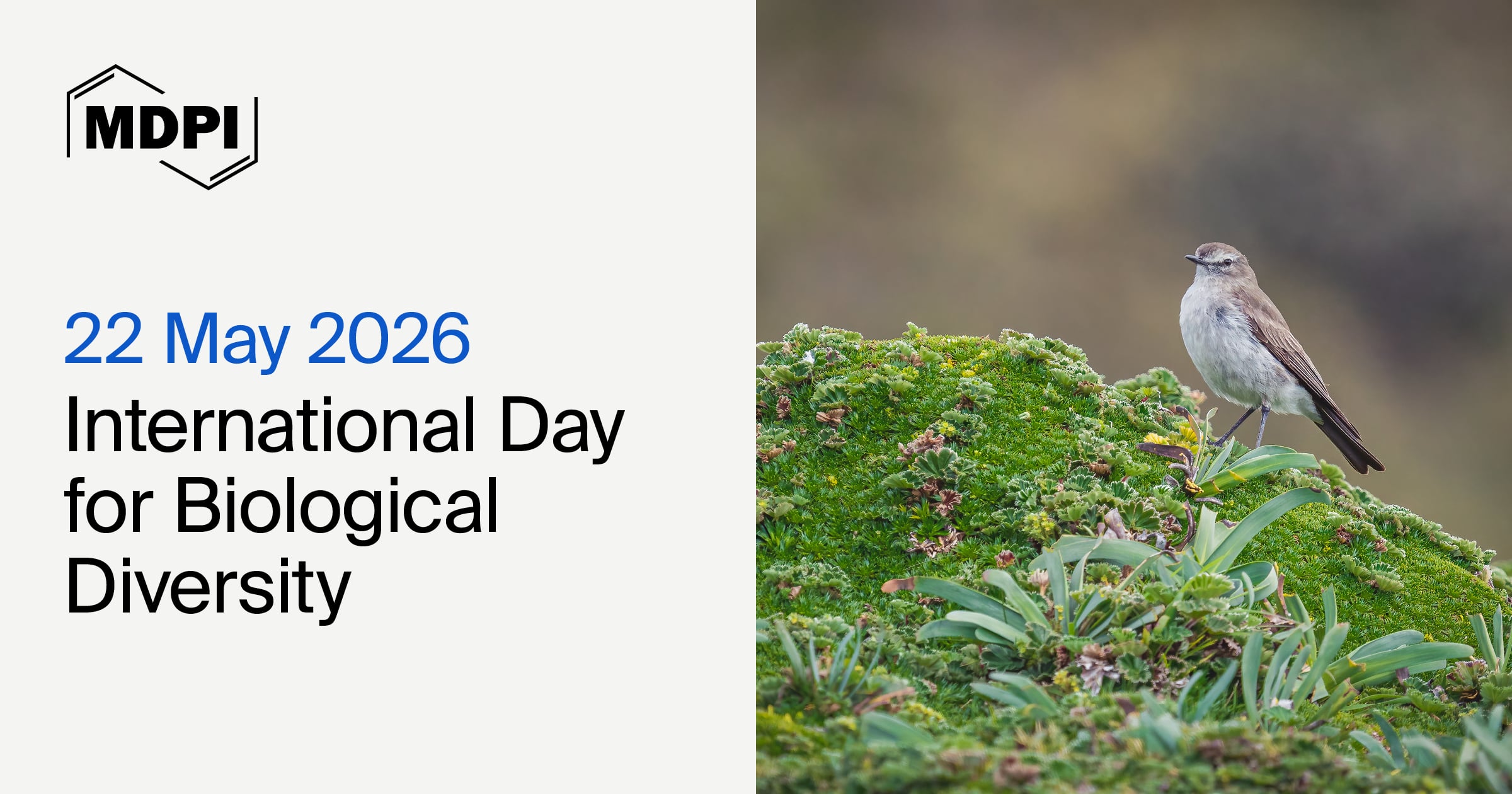
The International Day for Biological Diversity, a global observance dedicated to raising awareness about the importance of biodiversity, is celebrated on 22 May. The theme of the 2026 International Day for Biological Diversity is “Acting Locally for Global Impact”. Biodiversity is critical to life—healthy ecosystems provide food, clean water, climate regulation, and disease control, supporting all forms of existence on Earth. Local actions such as restoring habitats, protecting endangered species, and promoting sustainable agriculture collectively generate global benefits for nature and people. However, rapid biodiversity loss continues to undermine these vital contributions, with profound impacts on human well-being and planetary stability. Echoing the mission of protecting biodiversity for a resilient future, established MDPI journals in the Biology&Life Sciences subject serve as platforms for scientific communication, fostering collaboration and innovation in biodiversity conservation to tackle the global nature crisis.

|
|
|
|
|
|
|
|
|
|
|
|
|
|
|
|
|
|
|

















Invited speakers:
|
|
|
|
|
Prof. Dr. Edward L. Braun, Department of Biology, University of Florida, USA |
Dr. Isabel L. Maurício, Global Health and Tropical Medicine, Universidade NOVA de Lisboa, Portugal |
Dr. Vittorio Capozzi, Institute of Sciences of Food Production, Italian National Research Council, Italy |


Register for this webinar for free here!

“Distribution Patterns and Habitat Preferences of Five Globally Threatened and Endemic Montane Orthoptera (Parnassiana and Oropodisma)”
by Apostolis Stefanidis, Konstantinos Kougioumoutzis, Konstantina Zografou, Georgios Fotiadis, Luc Willemse, Olga Tzortzakaki and Vassiliki Kati
Ecologies 2025, 6(1), 5; https://doi.org/10.3390/ecologies6010005
“Spatial Cumulative Assessment of Impact Risk-Implementing Ecosystem-Based Management for Enhanced Sustainability and Biodiversity in the Black Sea”
by Elena Bisinicu, Valeria Abaza, Laura Boicenco, Filimon Adrian, George-Emanuel Harcota, Oana Marin, Andra Oros, Elena Pantea, Alina Spinu, Florin Timofte et al.
Sustainability 2024, 16(11), 4449; https://doi.org/10.3390/su16114449
“Using Citizen Science to Document Biodiversity on a University Campus: A Year-Long Case Study”
by Peter M. Baker, Brendon Samuels and Timothy J. A. Hain
Conservation 2024, 4(3), 533-546; https://doi.org/10.3390/conservation4030032
“Illegal Activities for Survival: Understanding the Influence of Household Livelihood Security on Biodiversity Conservation in Tanzania”
by Gasto Jerome Lyakurwa, Edwin Sabuhoro and Mercy Chepkemoi Chepkwony
Conservation 2024, 4(3), 339-356; https://doi.org/10.3390/conservation4030022
“Algal Biodiversity of Nine Megaliths in South-East Bulgaria”
by Maya Stoyneva-Gärtner, Miroslav Androv, Blagoy Uzunov, Kristian Ivanov and Georg Gärtner
Life 2024, 14(8), 948; https://doi.org/10.3390/life14080948
“Shifts in Microbial Community Structure and Co-occurrence Network along a Wide Soil Salinity Gradient”
by Yan Li, Juan Wang, Eryang Li, Xiaodong Yang and Jianjun Yang
Microorganisms 2024, 12(7), 1268; https://doi.org/10.3390/microorganisms12071268
“Exploring mtDNA Databases to Evaluate the Population Structure and Genetic Diversity of Tursiops truncatus in the Atlantic Ocean: Implications for the Conservation of a Small, Offshore Populatio”
by Gasto Jerome Lyakurwa, Edwin Sabuhoro and Mercy Chepkemoi Chepkwony
Ecologies 2024, 5(2), 170-187; https://doi.org/10.3390/ecologies5020011
“Arbuscular Mycorrhizal Fungi and Rhizobium Improve Nutrient Uptake and Microbial Diversity Relative to Dryland Site-Specific Soil Conditions”
by Rosalie B. Calderon and Sadikshya R. Dangi
Microorganisms 2024, 12(4), 667; https://doi.org/10.3390/microorganisms12040667
“Diversity of Parasitoid Wasps and Comparison of Sampling Strategies in Rice Fields Using Metabarcoding”
by Liyang Wang, Hongxuan Wu, Wei He, Guihong Lai, Junxi Li, Siling Liu and Qiang Zhou
Insects 2024, 15(4), 228; https://doi.org/10.3390/insects15040228
“Weed Species’ Diversity and Composition as Shaped by the Interaction of Management, Site, and Soil Variables in Olive Groves of Southern Greece”
by Petros Vahamidis, Demosthenis Chachalis, Antigoni Akrivou, Evangelos Karanasios, Maria Ganopoulou, Apostolia Argiri, Athanasia Mandoulaki, Evangelos Hatzigiannakis, Georgios Arampatzis, Andreas Panagopoulos et al.
Agronomy 2024, 14(3), 640; https://doi.org/10.3390/agronomy14030640
“Opportunities for Biodiversity Conservation via Urban Ecosystem Regeneration”
by Gad Perry and Robert D. Cox
Diversity 2024, 16(3), 131; https://doi.org/10.3390/d16030131
“Global Subterranean Biodiversity: A Unique Pattern”
by Louis Deharveng, Anne Bedos, Tanja Pipan and David C. Culver
Diversity 2024, 16(3), 157; https://doi.org/10.3390/d16030157
“Odonata Assemblages in Urban Semi-Natural Wetlands”
by Marina Vilenica, Andreja Brigić, Ana Štih Koren, Toni Koren, Mirela Sertić Perić, Bruno Schmidt, Tomislava Bužan and Sanja Gottstein
Insects 2024, 15(3), 207; https://doi.org/10.3390/insects15030207
“The Influence of Sugar Beet Cultivation Technologies on the Intensity and Species Biodiversity of Weeds”
by Barbora Kotlánová, Pavel Hledík, Stanislav Hudec, Petra Martínez Barroso, Magdalena Daria Vaverková, Martin Jiroušek and Jan Winkler
Agronomy 2024, 14(2), 390; https://doi.org/10.3390/agronomy14020390

|
“Diversity and Phylogeny of Fungi” |
“Effect of Biological Invasion on Aquatic Ecosystem” |
|
|
|
|
“Microbial Diversity in Different Environments” |
“Diversity, Adaptation, and Biogeography of Gastropods” |
|
|
|
|
“Island Ecosystems as Natural Laboratories: Biodiversity, Threats, and Conservation Opportunities” |
“Changing Coral Reef Biodiversity and Function in the Anthropocene” |
|
|
|


 |
 |
 |
 |

19 May 2026
Obituary—Prof. Dr. Pierre Chambon
It is with profound sadness that we announce the passing of Prof. Dr. Pierre Chambon, a founding giant of modern molecular biology and pioneer of nuclear receptor research, on 5 May 2026, in Strasbourg, France, aged 95.
His influence is profound. While the Nobel Prize often favors single breakthroughs with clear attribution in a specific timeframe, Prof. Dr. Chambon’s impact was broad, systematic, and spanned decades. It cannot be reduced to “one discovery in one year”; his contributions far surpassed any single achievement.
Over his seven‑decade career, he reshaped molecular biology through landmark advances: the discovery of poly(ADP‑ribose), identification of eukaryotic RNA polymerases, definition of the nucleosome, co‑discovery of split genes, and characterization of enhancers. Most notably, he pioneered the nuclear receptor superfamily, transforming endocrinology, development, and medicine.
As a visionary institution builder, he founded IGBMC, Europe’s leading biomedical institute, and mentored generations of scientists. His work laid enduring foundations for life sciences and clinical applications.
We extend our deepest condolences to his family, colleagues, and the global scientific community.
12 May 2026
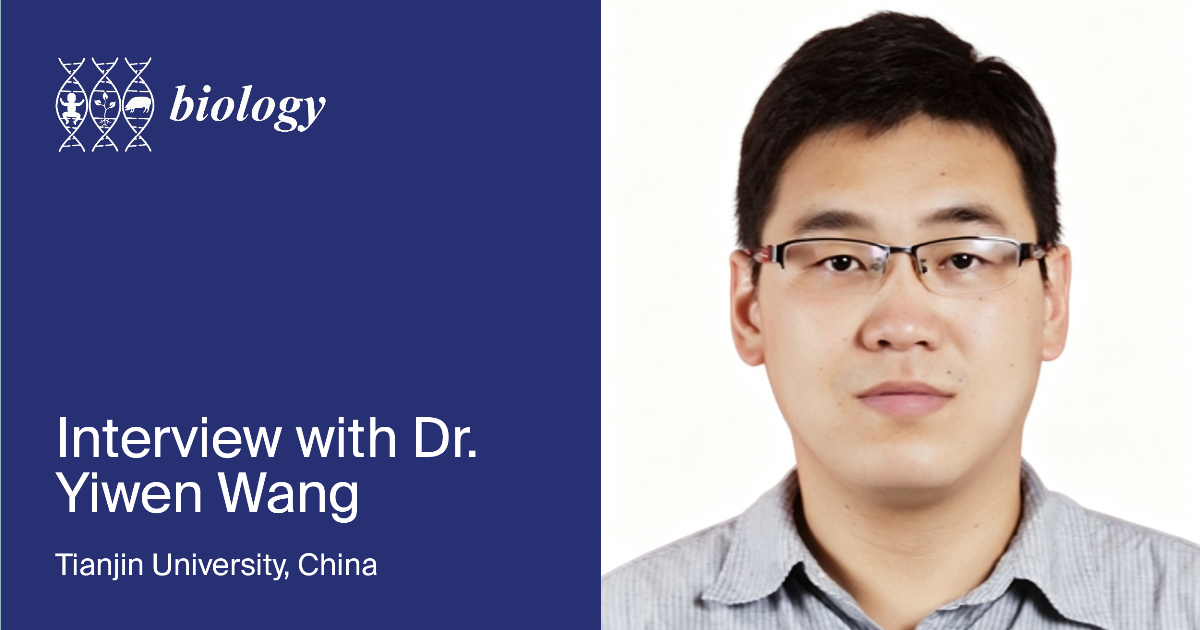
Interview with Dr. Yiwen Wang—Winner of the Biology Young Investigator Award
1. Could you briefly introduce yourself and share your current research focus?
My name is Wang Yiwen. I am an Associate Professor and independent Principal Investigator in the School of Pharmaceutical Science and Technology (SPST), Tianjin University, Faculty of Medicine. I received my doctoral degree from the University of Tübingen in 2018, under the supervision of Professor Bernard Moussian, where I systematically mastered research methodologies in Drosophila genetics. I returned to China in 2019 and established my independent Drosophila research laboratory at SPST, Tianjin University. Currently, my research focuses on two main directions. The first is the construction of diverse disease models using Drosophila to identify the core bioactive compounds from medicinal herbs and uncover their underlying molecular mechanisms in disease treatment. The second direction is environmental entomotoxicology, focusing on the regulatory networks of insect detoxification and metabolic systems, as well as how environmental factors modulate insect pesticide resistance.
2. What inspired you to pursue research in the field of biology?
I am deeply grateful to my undergraduate alma mater, Jilin University in China. I originally majored in software engineering, yet the university’s inclusive academic atmosphere offered me the opportunity to pursue a second degree. Therefore, I chose bioengineering as my secondary major and eventually developed a profound passion for molecular biology. Through reading textbooks and scientific literature, I was profoundly amazed by life itself: it advances through randomness and contingency, breaking through the chaos of nature. Every single cell is exquisitely sophisticated yet inherently contradictory, like intricate puzzles that constantly draw me into deeper exploration. I also owe great thanks to Prof. Bernard Moussian, my supervisor, for both my master’s and doctoral studies. He is not only a rigorous mentor but also a close friend. He provided me with top-tier, rigorous training in biological research while also encouraging me to retain my curiosity and freely conduct interesting, curiosity-driven experiments in his laboratory. All of these experiences have jointly motivated me to devote myself to biological research.
3. Could you please share with us your feelings after winning the Biology Young Investigator Award?
I was truly surprised and honored to receive this award. I would like to express my sincere gratitude to the editorial team of Biology. This recognition affirms my research efforts over the past six years and serves as a great encouragement for me to continue my academic exploration in the years ahead.
4. Do you have any other suggestions on how journals and publishers can further support young researchers and the academic community?
Biology is an excellent journal, and this Young Investigator Award has deeply warmed my heart. In an era where scientific research relies heavily on high-end technology and interdisciplinary collaboration, many early career independent PIs without high-profile academic support are facing growing challenges in carrying out their work. This is a widespread practical difficulty. The gradual decline of small, independent research teams may even become an inevitable trend of modern academia. Nevertheless, the loss of such teams will inevitably reduce the diversity of the overall research ecosystem. As biologists, we all understand clearly that genuine innovation always stems from diversity, rather than goal-oriented high-input research. I sincerely appreciate that Biology has long offered extensive support to young researchers through various initiatives. Looking ahead, I sincerely hope the journal can continue to provide more publishing opportunities and targeted support for small-scale, independent research projects.
5. Based on your experience, which research topics in this field do you think will be of particular interest to the academic community in the next few years?
The human body functions as a sophisticated complex system, in which signaling pathways intertwine to form an intricate regulatory network. For this reason, a single drug intervention may trigger chain reactions across the whole organism. Meanwhile, due to the inherent stability of complex biological systems, therapeutic effects can often be constrained or weakened. In the coming years, refined multi‑omics analysis and artificial intelligence modeling will become core frontier directions. These approaches will enable us to quantitatively simulate physiological regulatory networks at the molecular signaling level. Such predictive models will deepen our understanding of complex metabolic disorders. They will also help us interpret physiological systems and pathogeneses through a reductionist perspective and further guide the development of systematic, optimized therapeutic strategies for complex diseases.
6. What advice would you give to early career researchers or young scientists who are just starting their academic journey?
Science is becoming increasingly collaborative. My own continuous research output would never have been possible without extensive cooperation with numerous collaborators. Therefore, my advice for early-career researchers is to always maintain an open mind, engage in active communication, and embrace academic collaboration.
7. Looking ahead, what are your main goals or projects for the coming years?
I continue to adopt Drosophila as my core model organism because it possesses irreplaceable advantages. Compared with mammalian models, fruit flies feature lower experimental costs, higher research efficiency, and minimal individual variation. Traditional Chinese medicine exerts therapeutic effects through a multi-component and multi-target network, which enables it to manage complex diseases better than single-target synthetic drugs. However, this inherent complexity leads to an exponential increase in research difficulty. Such an ambiguous “black box” mechanism greatly restricts the modernization and standardized development of TCM and other traditional medical resources. In the next few years, I will combine the Drosophila model with cutting-edge multi-omics approaches to systematically decipher the molecular mechanisms of herbal medicines. Relying on the high-throughput and high-efficiency strengths of this model, my long-term goal is to clarify how multiple active ingredients cooperatively regulate physiological functions via synergistic multi-target pathways. Ultimately, I aim to optimize herbal formulas at the molecular and compositional levels and develop individualized, balanced therapeutic strategies for complex human diseases.
12 May 2026
Interview with Dr. Gowthami Mahendran—Winner of the Biology Outstanding Reviewer Award

Name: Dr. Gowthami Mahendran
Affiliation: Indiana University, USA
Research interests: multi-omics approaches to neurodevelopmental disorders, with particular emphasis on the molecular pathogenesis of Miller-Dieker Syndrome and the phosphoproteomic profiling of hydrocephalus toward biomarker discovery and therapeutic development.
- How does receiving this award resonate with you, and what does it mean for your journey in peer review?
Receiving this Outstanding Reviewer Award is truly meaningful to me, as it recognizes my contributions to peer review and validates the time and effort I have invested in providing constructive, thoughtful feedback to support high-quality scientific publications. Peer review plays a critical role in maintaining the integrity and rigor of the scientific community, and I am honored to contribute to that process. I look at peer reviewing not merely as an obligation, but as an opportunity to contribute to the advancement of science, support fellow researchers, and continually refine my own critical thinking and scientific perspective. - What key aspects do you prioritize when evaluating a manuscript?
When I review a manuscript, I look at how clearly the research question is defined, whether the experimental approach is appropriate, and if the data are analyzed and presented in a way that supports the conclusions being drawn. I also pay attention to the overall contribution of the work, whether it adds something meaningful or new to the field. Alongside that, clarity in writing and organization is also an important factor. Equally important to me is providing feedback that is constructive and helpful, with the goal of improving the quality of the work and supporting the authors in strengthening their study. - What common weaknesses do you see in academic writing, and how can authors improve the reviewability of their manuscripts?
One common weakness I have observed during the peer-review process is a lack of logical flow between paragraphs and sections. This is particularly evident in review and systematic review articles, but it also appears in some research papers, especially in the organization and sequencing of results. When ideas are not presented in a coherent and structured manner, it becomes challenging to follow the narrative and fully assess the study. Careful organization and thorough proofreading can significantly improve a manuscript. Ensuring a clear progression of ideas and a well-structured presentation not only enhances readability but also facilitates a more efficient and effective review process, allowing the scientific contribution to be communicated more clearly. - How has reviewing others’ work informed or shaped your own research?
Reviewing others’ work has broadened my perspective on how research questions can be approached and communicated. It has exposed me to different experimental strategies and ways of interpreting data, which has influenced how I design my own studies and think about potential limitations early on. It has also made me more aware of the importance of anticipating the reader’s perspective. Overall, the experience has encouraged me to be more critical, but also more thoughtful and balanced in my own research. - With AI-assisted writing and detection tools on the rise, how do you envision the future of peer review?
With the growing use of AI in writing and screening manuscripts, I think peer review will gradually adapt rather than change completely. AI tools can definitely help with things like language clarity, formatting, or even flagging potential issues, which could make the process more efficient. That said, I don’t think they can replace the role of a reviewer. Assessing the significance of a study, interpreting results, and understanding the broader context still require human judgment and experience.
12 May 2026
Interview with Professor Zhihui He—Winner of the Biology Outstanding Reviewer Award

Name: Prof. Zhihui He
Affiliation: School of Medicine, Southeast University, China
Research interests: gating regulation mechanisms of large-pore Pannexin ion channels, mitochondrial MRS2 channels, and ion-channel-type neurotransmitter receptors; physiological and pathological functions mediated by these channels; and development of therapeutic strategies targeting these specific molecules.
- How does receiving this award resonate with you, and what does it mean for your journey in peer review?
I am very happy and honored to receive this award. It is a meaningful recognition of my efforts and encourages me to continue contributing to the scientific community. - What key aspects do you prioritize when evaluating a manuscript?
I primarily focus on the originality of the ideas and the rigor of the logic. A strong manuscript should present novel insights supported by clear and well-structured arguments. - What common weaknesses do you see in academic writing, and how can authors improve the reviewability of their manuscripts?
I think one common weakness in academic writing is the lack of clarity and standard English writing conventions. To improve the reviewability of their manuscripts, authors can read other reviewers’ comments. Learning from the review styles of experienced and leading scientists can also be helpful. - How has reviewing others’ work informed or shaped your own research?
Reviewing others’ work has provided me with valuable insights into both my own strengths and weaknesses. It helps me identify areas where I can improve. - With AI-assisted writing and detection tools on the rise, how do you envision the future of peer review?
With the rise of AI-assisted writing and detection tools, peer review will increasingly require reviewers to rely on their own expertise, research experience, and unique perspectives that AI alone cannot provide.
12 May 2026
Interview with Dr. José Ednésio Da Cruz Freire—Winner of the Biology Outstanding Reviewer Award

Name: Dr. José Ednésio Da Cruz Freire
Affiliation: Superior Institute of Biomedical Sciences, State University of Ceará, Brazil
Research interests: peptides and proteins related to defense mechanisms in plants and animals; bioinformatics applied to genomics and proteomics; health informatics; recombinant DNA technology; and cytogenetics of plants with pharmacological and biotechnological potential.
- How does receiving this award resonate with you, and what does it mean for your journey in peer review?
Receiving the Outstanding Reviewer Award from Biology is both an honor and a responsibility. It reinforces my commitment to maintaining high standards in peer review and validates the time and care I invest in providing thorough, constructive, and scientifically grounded evaluations. More importantly, it marks a milestone in my journey, motivating me to continue contributing meaningfully to the scientific community by helping ensure the rigor, clarity, and impact of published research. - What key aspects do you prioritize when evaluating a manuscript?
When evaluating a manuscript, I prioritize scientific coherence and methodological robustness. This includes alignment between the study’s objectives, experimental design, results, and conclusions. I pay close attention to the adequacy of controls, statistical analyses, and reproducibility of methods. Additionally, I value mechanistic insight, particularly when studies integrate computational and experimental approaches. Clarity in scientific writing and logical organization are also essential, as they directly affect the interpretability and credibility of the work. - What common weaknesses do you see in academic writing, and how can authors improve the reviewability of their manuscripts?
Common weaknesses include lack of coherence between sections, insufficient methodological detail, overinterpretation of results, and language issues that obscure meaning. In many studies, I often observe limited validation or inadequate discussion of limitations. Authors can improve reviewability by ensuring a clear narrative flow, explicitly linking results to conclusions, providing reproducible methodological details, and critically discussing limitations. Careful revision of language, preferably with professional editing when needed, also greatly enhances clarity and reviewer engagement. - How has reviewing others’ work informed or shaped your own research?
Peer review has significantly refined my critical thinking and scientific rigor. By evaluating a wide range of studies, I have become more attentive to potential methodological pitfalls, biases, and gaps in interpretation. This experience has directly influenced my own research design, leading me to adopt more robust validation strategies and clearer data presentation. It has also strengthened my ability to anticipate reviewers’ concerns, ultimately improving the quality and impact of my work. - With AI-assisted writing and detection tools on the rise, how do you envision the future of peer review?
AI will undoubtedly play an increasing role in supporting both authors and reviewers, particularly in language refinement, plagiarism detection, and preliminary quality checks. However, I believe that human expertise will remain central to peer review, especially for evaluating scientific originality, mechanistic depth, and contextual relevance. The future will likely involve a hybrid model, where AI enhances efficiency while reviewers focus on higher-level critical analysis. Ensuring transparency and ethical use of AI tools will be essential to maintain trust in the peer review process.
12 May 2026
Interview with Dr. Trinh Phan-Canh—Winner of the Biology Young Investigator Award

Name: Trinh Phan-Canh
Affiliation: Institute of Hygiene and Medical Microbiology (HMM), Medical University Innsbruck, Austria
Website: phancanhtrinh.com
1. Could you briefly introduce yourself and share your current research focus?
I am currently a postdoctoral researcher at the Medical University of Innsbruck, where I investigate antifungal drug resistance mechanisms and explore new strategies for antifungal drug development in Candida auris. During my PhD at the Vienna Biocenter with Dr. Karl Kuchler, I focused on understanding how this emerging human fungal pathogen develops multidrug resistance and how it colonizes and adheres to human skin, facilitating transmission in healthcare settings. My work contributed to uncovering molecular mechanisms underlying antifungal resistance and virulence, including addressing long-standing questions related to amphotericin B resistance and skin colonization.
Next month, I will move to Boston to work with spatial multiomics technologies to further investigate host-disease interactions.
2. What inspired you to pursue research in the field of biology?
My interest in biology began early in childhood. Growing up, I was fascinated by observing plants, mushrooms, and small organisms in my home garden. These early experiences sparked my curiosity about the diversity and complexity of life. However, I did not initially realize that I could pursue a career as a scientist until I joined a microbiology laboratory as an undergraduate researcher. There, I studied spore formation in Bacillus subtilis and became fascinated by the ability to experimentally explore complex biological processes. This experience motivated me to pursue research as a career.
3. Could you please share with us your feelings about winning the Biology Young Investigator Award?
Receiving the Biology Young Investigator Award was a truly meaningful moment in my career. I felt deeply honored and grateful. This award not only recognizes my work but also reflects the support and mentorship I have received from my supervisors and colleagues. At the same time, I am aware that many talented young scientists equally deserve such recognition, and I feel very fortunate to have been selected.
Science is a field in which much of the work takes place behind the scenes, often involving repeated failures and experimental challenges. Moments of recognition like this are especially motivating and help highlight to the broader community that our work is valued and making an impact.
4. Do you have any other suggestions on how journals and publishers can further support young researchers and the academic community?
I came from a resource-limited institution, so I am aware that researchers in low- and middle-income countries (LMICs) often have to work much harder to achieve certain milestones in their careers. Therefore, I strongly encourage publishers and journals to consider offering pilot research funding programs, which could be highly impactful for early-career researchers in LMICs.
Travel and internship grants are also particularly valuable, as they provide opportunities for students from these regions to visit well-resourced institutions at an early stage of their careers.
5. Based on your experience, which research topics in this field do you think will be of particular interest to the academic community in the next few years?
From my perspective, biology encompasses a wide range of subfields; here, I focus on human biology. Much of our experimental work remains susceptible to artifacts, highlighting the need to develop systems that more faithfully recapitulate native physiological conditions. In this context, spatial omics technologies represent a major advance, enabling the study of biological processes at the tissue level. Together with recent developments in single-cell technologies and pooled perturbation-based approaches, these methods allow us to capture biological information at scale while incorporating diverse environmental cues. This integrated approach brings experimental systems closer to physiological reality.
Continued advances in experimental technologies are essential, particularly to achieve more precise and quantitative measurements. Coupled with progress in machine learning and artificial intelligence, these developments will enable more accurate prediction and, ultimately, rational engineering of cellular and tissue behavior, contributing to a deeper understanding and potential resolution of various diseases.
6. What advice would you give to early career researchers or young scientists who are just starting their academic journey?
An academic career can be challenging and often requires resilience, adaptability, and mobility. It is important to actively seek opportunities, even in the face of limited resources and frequent rejection. From my own experience, success often follows many unsuccessful applications. Rather than becoming discouraged, it is essential to persist, continuously improve, and remain focused on developing rigorous scientific work.
Curiosity is the foundation of a scientific career. At the same time, ambition and perseverance are crucial for translating that curiosity into meaningful contributions. I encourage young scientists to think boldly, pursue their ideas with confidence, and remain committed to their long-term goals.
7. Looking ahead, what are your main goals or projects for the coming years?
I am currently in a transition phase and will soon move to Harvard Medical School, where I aim to decode host–disease interactions using spatial multiomics and machine learning approaches. My long-term goal is to develop and integrate technologies that enable a comprehensive understanding of tissue biology, allowing us to capture native cellular interactions across different disease contexts.
12 May 2026
International Day of Plant Health—“Plant Biosecurity for Food Security”, 12 May 2026
Observed annually on 12 May, the International Day of Plant Health is a United Nations initiative that calls global attention to the critical role of healthy plants and the urgent need to protect them from pests and diseases. The theme for 2026, “Plant Biosecurity for Food Security”, positions plant biosecurity as the first line of defense for the world’s food systems.
As a committed academic partner in plant protection, crop science, microbiology, and sustainable agriculture, MDPI leverages its open‑access publishing platform to disseminate cutting‑edge research. On the International Day of Plant Health 2026, MDPI journals in in the Biology & Life Sciences actively supports cross‑disciplinary dialogue and knowledge exchange on plant health, crop biosecurity, and food systems by showcasing relevant articles, Special Issues, and journals. Our goal is to help strengthen phytosanitary capacities across countries and regions, thereby building a solid barrier for the security and stability of global food supply chains.

|

“Plant Hormone Regulation of Competitive Growth: Implications for Agriculture and Inclusive Fitness”
by Jasmina Kurepa and Jan A. Smalle
Appl. Biosci. 2026, 5(2), 24; https://doi.org/10.3390/applbiosci5020024
“Genomic and Phylogenetic Evidence for a Novel Emaravirus Infecting Cacao (Theobroma cacao L.) in Amazonas, Peru”
by Angel F. Huaman-Pilco, Nicola Fiore, Oscar P. Hurtado-Gonzales, Larissa Carvalho Costa, Xiaojun Hu, Manuel Oliva-Cruz, Jorge R. Díaz-Valderrama and Alan Zamorano
Int. J. Plant Biol. 2025, 16(4), 142; https://doi.org/10.3390/ijpb16040142
“Linking Soil Microbial Functional Profiles to Fungal Disease Resistance in Winter Barley Under Different Fertilisation Regimes”
by Mariana Petkova, Petar Chavdarov and Stefan Shilev
Plants 2025, 14(20), 3199; https://doi.org/10.3390/plants14203199
“Antioxidant Defense Systems in Plants: Mechanisms, Regulation, and Biotechnological Strategies for Enhanced Oxidative Stress Tolerance”
by Faustina Barbara Cannea and Alessandra Padiglia
Life 2025, 15(8), 1293; https://doi.org/10.3390/life15081293
“Deciphering Cowpea Resistance to Potyvirus: Assessment of eIF4E Gene Mutations and Their Impact on the eIF4E-VPg Protein Interaction”
by Fernanda Alves de Andrade, Madson Allan de Luna-Aragão, José Diogo Cavalcanti Ferreira, Fernanda Freitas Souza, Ana Carolina da Rocha Oliveira, Antônio Félix da Costa, Francisco José Lima Aragão, Carlos André dos Santos-Silva, Ana Maria Benko-Iseppon and Valesca Pandolfi
Viruses 2025, 17(8), 1050; https://doi.org/10.3390/v17081050
“Unlocking Plant Resilience: Metabolomic Insights into Abiotic Stress Tolerance in Crops”
by Agata Głuchowska, Bartłomiej Zieniuk and Magdalena Pawełkowicz
Metabolites 2025, 15(6), 384; https://doi.org/10.3390/metabo15060384
“Microbially Enhanced Biofertilizers: Technologies, Mechanisms of Action, and Agricultural Applications”
by Sylwia Figiel, Piotr Rusek, Urszula Ryszko and Marzena Sylwia Brodowska
Agronomy 2025, 15(5), 1191; https://doi.org/10.3390/agronomy15051191
“Effective Strategies for Managing Wheat Diseases: Mapping Academic Literature Utilizing VOSviewer and Insights from Our 15 Years of Research”
by Ioannis Vagelas
Agrochemicals 2025, 4(1), 4; https://doi.org/10.3390/agrochemicals4010004
“Humic Substances: Bridging Ecology and Agriculture for a Greener Future”
by Angela Maffia, Mariateresa Oliva, Federica Marra, Carmelo Mallamaci, Serenella Nardi and Adele Muscolo
Agronomy 2025, 15(2), 410; https://doi.org/10.3390/agronomy15020410
“Plant Biostimulants to Enhance Abiotic Stress Resilience in Crops”
by Luciana Di Sario, Patricia Boeri, José Tomás Matus and Gastón A. Pizzio
Int. J. Mol. Sci. 2025, 26(3), 1129; https://doi.org/10.3390/ijms26031129
“ROS, an Important Plant Growth Regulator in Root Growth and Development: Functional Genes and Mechanism”
by Jialin Su, Yumei Liu, Fengqing Han, Fuxin Gao, Fangyi Gan, Ke Huang and Zhansheng Li
Biology 2024, 13(12), 1033; https://doi.org/10.3390/biology13121033
“Exploring the Origins of Hexaploid Wheats: Typification of Archaeological Triticum vulgare var. antiquorum and Description of Modern Triticum sphaerococcum subsp. antiquorum (Poaceae: Triticeae)”
by Diego Rivera, Pedro Pablo Ferrer-Gallego, Concepción Obón, Francisco Alcaraz, Emilio Laguna and Nikolay P. Goncharov
Taxonomy 2024, 4(4), 780-794; https://doi.org/10.3390/taxonomy4040042
“Cadmium Stress Signaling Pathways in Plants: Molecular Responses and Mechanisms”
by Valentina Vitelli, Agnese Giamborino, Andrea Bertolini, Alessandro Saba and Andrea Andreucci
Curr. Issues Mol. Biol. 2024, 46(6), 6052-6068; https://doi.org/10.3390/cimb46060361

|
“Plant Health in the Context of Fungal and Other Microbial Threats: Systematics, Pathogenesis and Integrated Management” |
“Fungal Diseases of Cereals” |
 |
 |
|
“Plant Life: Integrating Multi-Omic Approaches from Molecules to Environment” |
“Plant Stress Resilience: Unveiling Mechanisms and Mitigation Strategies” |
 |
 |
|
“Biological Control: Insect-Plant Interactions for Sustainable Pest Management” |
“Monitoring, Management and Ecotoxicological Implications of Plant Fungal Disease Control” |
 |
 |

 |
The 3rd International Online Conference on Agriculture
Click here to read the full list of papers. |

 |
 |
 |
 |
6 May 2026
MDPI INSIGHTS: The CEO's Letter #34 - MDPI US Office, Coatings 2026, Media and Partnerships, Recapping Poland Summit & Serbia Salon

Welcome to the MDPI Insights: The CEO's Letter.
In these monthly letters, I will showcase two key aspects of our work at MDPI: our commitment to empowering researchers and our determination to facilitating open scientific exchange.
Opening Thoughts

MDPI Opens First US Office in Philadelphia
I am delighted to highlight an important milestone in MDPI’s continued global development: the recent opening of our first office in the United States, located in Philadelphia.
This marks a significant step in building our engagement with one of the world’s most important research communities. The new office will serve as a hub for supporting scholars across the US, creating closer connections and more localized support.
As highlighted in recent coverage by our press release in InPublishing, this expansion reflects MDPI’s broader commitment to growing our international presence while remaining focused on the needs of the research community.
A Key Market for Research and Collaboration
The United States continues to play a central role in global research. To date, MDPI has published more than 237,000 articles affiliated with US institutions, and we collaborate with nearly 12,000 Editorial Board Members across the country. These relationships are fundamental to our mission of supporting Open Access and advancing scientific communication.
The opening of this office is not just about geography; it is about proximity to the communities we serve. It allows us to better understand the evolving needs of researchers while continuing to build collaboration and trust within the academic ecosystem.
The Team Behind this Milestone

This milestone reflects the efforts of teams across MDPI. I extend a special thank-you to Bob Vrooman (Head of Business Development, MDPI), who is leading this expansion, as well as to our colleagues in Toronto and across our North American teams for their continued support.
Bob shared: “MDPI is already a trusted partner of the North American research community, due in no small part to our dedicated team in Canada. Launching our first US office in Philadelphia is a great first step towards expanding MDPI’s market share and recognition in the US. I’m thrilled to be a part of this new phase in MDPI’s journey.”
As we continue to grow, our focus remains on supporting researchers globally and advancing Open Access with integrity.
Impactful Research

Coatings 2026: Highlights from Our Latest MDPI Conference (20-22 April)
I am pleased to share the successful completion of MDPI conference Coatings 2026, which took place last week in Athens from 20 to 22 April 2026. This conference brought together a diverse international community of researchers, industry experts, and partners, highlighting MDPI’s role not only as a publisher but also as a platform for scientific exchange and collaboration.
Conference Highlights
Coatings 2026 in numbers:
- The event attracted approximately 140 participants from 25 countries
- 143 submissions and a strong scientific program of talks and posters
- 2 keynote speakers and a wide range of invited contributions
- 7 sponsors and 11 media partners supporting the event
|
|
|
|
|
|


Scientific Programme
The program centered on “Safe and Sustainable by Design,” reflecting the growing importance of sustainability, regulatory frameworks, and technological innovation in materials science. Topics ranged from advanced coating technologies and additive manufacturing to AI-driven simulations and strategies to phase out potentially harmful substances in industrial processes.
Importantly, the conference brought together both academic and industrial perspectives, creating a space for dialogue on how research can translate into real-world impact. This is important as industries navigate environmental challenges, evolving regulations, and the need for more sustainable and circular approaches to production.
Thank You!
I would like to thank the entire conference team for their work in organizing this successful event. As we continue to grow, conferences like this play an important role in building our connection with global research communities, supporting interdisciplinary collaboration, and positioning MDPI at the intersection of science, technology, and societal impact.
 Members from Exelisis and MDPI EU Conference & Social Media team at the Coatings 2026 Conference in Athens, Greece.
Inside MDPI

Recent Media Coverage and Partnerships
Over the past two months, news from MDPI has enjoyed strong visibility across international publishing and academic media, reflecting our continued expansion and the increasing relevance of our work within the research community.
Below are some highlights covering partnerships, institutional agreements, and milestones that continue to shape our position in publishing – some of which are featured in leading industry platforms such as InPublishing, which is highly selective and reflects the growing recognition of MDPI’s growth within the publishing ecosystem.
Key Press Releases & Coverage (March–April 2026)
-
MDPI × Sikt (Norway): Partnership Renewal
We renewed our national Open Access agreement with Sikt, a key consortium partnership, continuing to support researchers across Norway through this partnership. The renewal was covered by several international publishing trade outlets.
Covered by: Research Information, STM Publishing News, ALPSP, Europe Says
-
MDPI × Jisc (UK): New Two-Year Open Access Agreement
A new two-year agreement with Jisc significantly expands MDPI’s footprint across UK academic institutions. Coverage appeared across major publishing industry titles in the UK and internationally.
Covered by: InPublishing, Research Information, STM Publishing News, ALPSP
-
MDPI Opens First US Office
The opening of our first US office marks an important milestone in our North American expansion to build engagement with one of the world’s leading research communities.
Coverage by: EurekAlert!, InPublishing, EdTech Innovation Hub, STM Publishing News, ALPSP
-
MDPI × SIGG: Italian Society of Gerontology and Geriatrics
We established a new partnership with the Italian Society of Gerontology and Geriatrics (SIGG), adding to our growing portfolio of society collaborations.
Coverage by: EurekAlert!, STM Publishing News, ALPSP
-
MDPI × Fast Track Health: New Journal Launch
The launch of a new journal in partnership with Fast Track Health reflects our continued expansion into emerging areas of health innovation.
Coverage by: EurekAlert!, Scienmag, STM Publishing News, ALPSP
-
MDPI 2025 Annual Report
Our 2025 Annual Report was also widely covered across international media, highlighting a 12% increase in submissions and continued investment in research integrity, infrastructure, and partnerships.
Coverage by: EurekAlert!, Research Information, STM Publishing News, ALPSP, Choice 360
Coverage also spanned multiple regions including Poland, Romania and South Korea, reflecting our ongoing efforts to communicate more effectively with regional research communities.
Looking Ahead
This coverage shows that MDPI is growing and building on its position through partnerships, visibility, and engagement across regions. As we continue to expand, our focus remains on supporting researchers globally, building on our institutional collaborations, and advancing Open Access with integrity.
Thank you to all teams involved in delivering these initiatives, and to our External Affairs team for ensuring our work is effectively communicated across the global publishing landscape!
Coming Together for Science

Recapping MDPI Poland Summit 2026 in Krakow (23 April)
On 23 April 2206, we hosted the first MDPI Poland Summit 2026 in Kraków, bringing together an engaged group of editors, researchers, and academic leaders from the country.
The Poland Summit welcomed some 45 participants, including Editors-in-Chief, Associate Editors, and Editorial Board Members, many with strong academic track records and international recognition.
Our engagements were open and constructive, focusing on MDPI’s positioning and reputation in Poland, alongside community interest in supporting our development, with active participation across our sessions, including Q&A and panel discussions.
|
|
|
|


MDPI Poland Summit Programme
From research integrity and peer review quality to AI in publishing and the future of academic communication, the agenda featured important topics currently shaping our industry.
During the day, MDPI colleagues shared a series of presentations covering:
- MDPI’s performance, growth, and impact in Poland: Stefan Tochev (CEO)
- Engagement with Academic Community: Dr. Marta Colomer (Public Affairs Lead)
- Research Integrity and Publication Ethics: Anna Pena (Research Integrity Manager)
- MDPI Editorial Process and Peer-Review Quality Metrics: Dr. Liliane Auwerter (Conference Organizer)
- AI in the Publishing Industry – Challenges, Innovation and MDPI’s vision: Dr. Enric Sayas (AI Product Owner)
- Panel Session: The Future of Academic Publishing, moderated by Dr. Marta Colomer
|
|
|
|
|
|
|
|


Poland as a Key Market for Open Access
The summit also highlighted the importance of Poland within the global research landscape.
In 2025:
- 75% of publications in Poland were made in Open Access
- 71% of those in Gold Open Access
- and over 344,000 publications produced in the last five years
MDPI plays a significant role in the Polish publishing ecosystem:
- #1 Open Access publisher in Poland
- 17% share of Open Access publications in 2025
- More than 12,500 publications from Polish institutions in 2025
- More than 91,000 publications overall since 1996
Looking Ahead
Events like the Poland Summit are an important part of how we evolve as an organization. They allow us to share the latest developments of MDPI and listen directly to our researchers and editors to better understand the market and align our development with the needs of the local community.
As MDPI continues to grow, this type of engagement will remain essential in ensuring that we are not only scaling globally, but doing so in a way that is aligned, trusted, and collaborative.

With Igor Matic (Office Manager, Krakow, Poland, MDPI) at the MDPI Poland Summit in Krakow.
Closing Thoughts

Recapping MDPI Serbia Salon 2026 in Belgrade (22 April)
On 22 April 2026, we hosted the MDPI Serbia Salon 2026 in Belgrade. The Salon welcomed over 50 participants, including more than 40 invited scholars from leading Serbian institutions, alongside colleagues from MDPI. The event also marked two important milestones: 30 years of MDPI and 10 years of our presence in Serbia, making it a celebration and an opportunity for reflection.

A Platform for Exchange
The Salon was designed not just as a series of presentations, but as a place for dialogue. Throughout the day, discussions focused on important topics around publishing today: research integrity and editorial standards, journal indexing and visibility, the evolving role of artificial intelligence, and funding and support for Open Access publishing.
|
|
|
|
|
|
|
|


Program Overview
- Opening the Salon MDPI Serbia 2026 – Serbia results and direction: Emir Ramadani (Operations Manager)
- Update on MDPI’s performance and growth: Stefan Tochev (CEO)
- Collaboration with MDPI – A personal perspective: Prof. Dr Srećko Stopić (Editorial Board Member)
- Linking Scientific Quality and Visibility: The role of indexing in publishing
- Research integrity and editorial ethics: Ana Stanković (Research Integrity Specialist)
- Artificial Intelligence in Scientific Publishing – Challenges, innovations and vision of MDPI: Dr Miloš Čučulović (Head of Technology Innovation)
It was encouraging to see the high level of engagement and discussion with the local academic community.
|
|
|
|
|
|
|
|


Publishing in Serbia
With 10 years of MDPI in Serbia (since 2016) and over 620 colleagues across 10 departments spread across offices in Belgrade and Novi Sad, MDPI continues to invest in the long-term development of the research community in Serbia and beyond.
Some high-level indicators illustrate both the strength of the local research ecosystem and MDPI’s role within it:
- 12,910 total publications in Serbia in 2025, of which 8,708 (67%) were Open Access (of which, in turn, 75% were Gold OA)
- A total of more than 55,000 publications (2021–2025), with 68% published Open Access
- 2,122 MDPI publications from Serbian institutions in 2025
- 25% of all Open Access publications in Serbia are published with MDPI
- More than 11,000 MDPI publications from Serbian institutions since 1996
- More than 75 Editorial Board Members from Serbia, including Editors-in-Chief and Associate Editors.
These figures reflect the growth of OA publishing in Serbia and the strong collaboration between MDPI and Serbia's research community.
Top 5 Publishers in Serbia (MDPI #1 with steady growth)

Looking Ahead
Research integrity and artificial intelligence will remain central topics for the industry. At the same time, clear communication of editorial processes will be essential in building trust and transparency.
Workshops and direct engagement remain among the most effective ways to strengthen these connections. As Open Access funding models continue to evolve, new opportunities for collaboration are emerging across institutions, publishers, and the broader research community.
Thank You!
The excellent feedback from participants shows the value of creating spaces where ideas can be exchanged openly and constructively. Sincere thanks to everyone who contributed to the success of this event: our speakers, participants, and especially the MDPI Serbia team for their great organization and support.

Chief Executive Officer
MDPI AG
30 April 2026
MDPI Open Science Insights: Academic Publishing Workshop at the Universidad Complutense de Madrid, 11 May 2026

MDPI is excited to collaborate with the Universidad Complutense de Madrid to host an exclusive academic publishing workshop aimed at empowering researchers with the knowledge and tools needed for successful academic publishing. This workshop will cover key aspects of MDPI’s open access publishing model, including journal selection, editorial workflow, and publication ethics. Participants will receive practical tips on improving their scientific writing and addressing reviewer comments, guided by experienced editors.
Date: 11 May 2026
Time: 15:30–17:30
Venue: Universidad Complutense de Madrid, Facultad de Ciencias Biológicas
Schedule:
|
Speaker |
Program and Content |
Time |
|
Ms. Caral Zhou |
Introduction to Open Access and the Biology & Brain Sciences Journal |
15:30 – 15:55 |
|
Ms. Caral Zhou |
Peer-Review Editorial Process |
15:55 – 16:20 |
|
Ms. Caral Zhou |
Open Access and Publication Repositories |
16:20 – 16:40 |
|
Mr. Iñigo Aristizabal |
Integrity in Scientific Publishing |
16:40 – 16:55 |
|
Mr. Iñigo Aristizabal |
Responsible Use of AI in Academic Publications |
16:55 – 17:20 |
|
Mr. Iñigo Aristizabal |
Quality Criteria in Scientific Publications |
17:20 – 17:30 |
|
|
Q&A Session |
|
Chair:
 |
Dr. Nuria de Pedro Ormeño, Editorial Board Member of Biology |
Speakers:
|
|
Mr. Iñigo Artistizabal is a biochemist with strong expertise in the academic publishing industry. He joined the MDPI office in Barcelona as an Assistant Editor in November 2017 and has worked as a Section Managing Editor and later as Senior Journal Relations Specialist, helping journals with scholarly meetings and booth attendance at both virtual and in-person conferences. |
 |
Ms. Caral Zhou holds a master’s degree from the University of Barcelona. She began her career at MDPI in 2023, working with the International Journal of Molecular Sciences (IJMS) and the Journal of Functional Morphology and Kinesiology (JFMK). In 2024, she advanced to the position of Section Managing Editor, and in 2025, she was appointed Journal Relations Specialist for JFMK, where she continues to contribute to the journal’s development and collaboration initiatives. |

